A day in Málaga, what to do and what to see
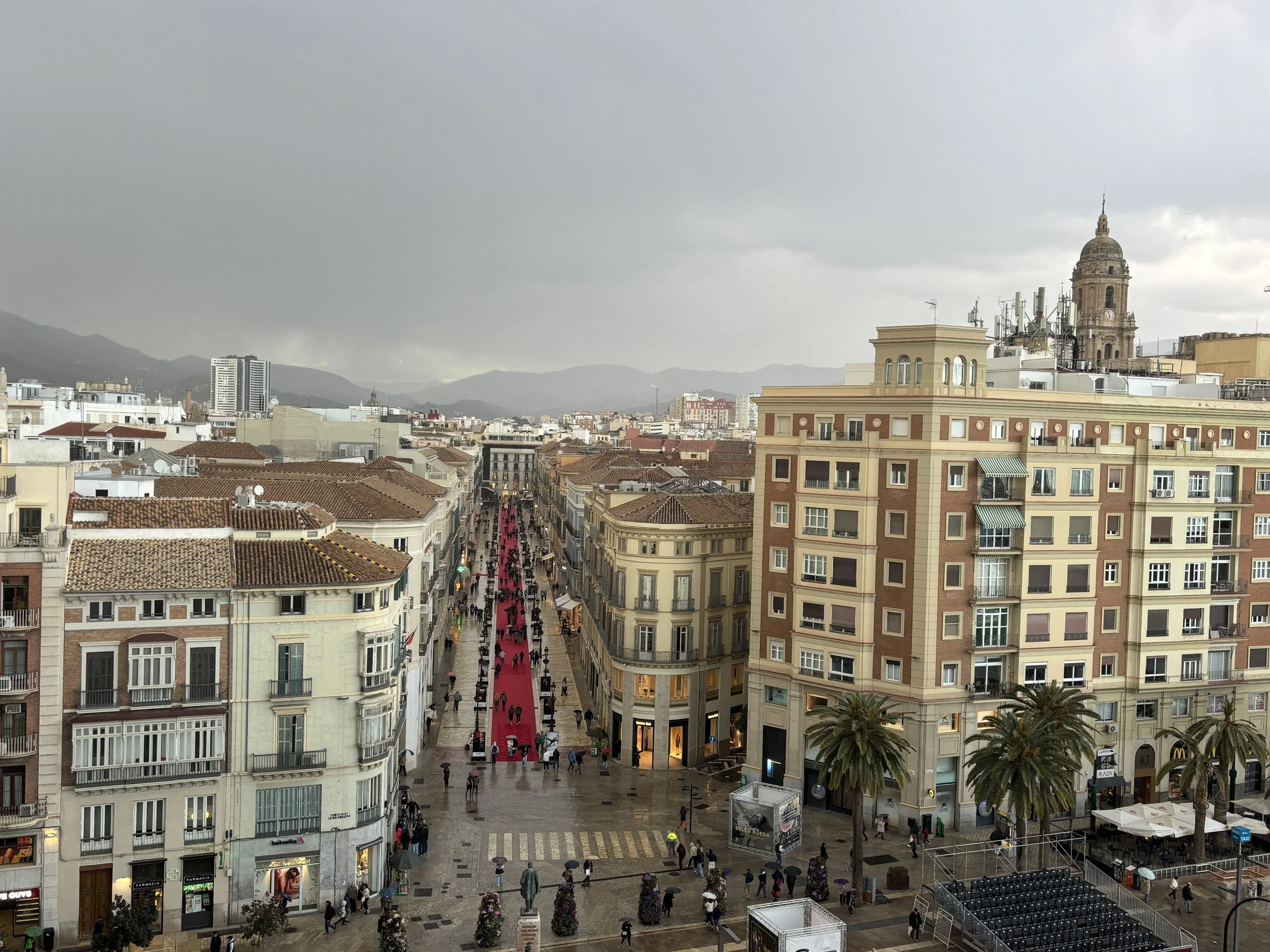
Despite being the gateway to one of Europe’s top tourist regions, the city of Málaga is, I think, often overlooked as a tourist destinations on its very own.
Of the millions of visitors that pass through Málaga airport every year, only a relatively small percentage venture into downtown Málaga itself, the rest heading straight to the many seaside resorts and golf courses that dot this narrow strip of land between the Mediterranean and the Penibetic mountains, a stretch of coastline that has come to be known as the Costa del Sol.
I must confess that I was more or less guilty of the same sin, since my previous visit to Málaga, decades ago, had just been a quick ride through town on the way to the airport. The 2026 edition of the eMobility World Congress provided the opportunity to change that and to explore a bit more of the city. And, while it is true that most of Málaga’s suburbs look a bit uninviting, as is typical of cities that grew fast during that dark era of architecture that were the 1970s, the city centre has, fortunately, preserved some truly charming corners.
In the following sections I am trying to sketch the top things to do and to see in Málaga if you are on a short visit. The good news is that Málaga’s historical center is quite compact, so you can go quite a lot even if, as it was my case, you are truly time-constrained.
This post may contain affiliate links. If you book or buy something through them, I earn a small commission, at no extra cost to you. It's one of the ways I keep Places of Charm going. Thank you for your support.
A walk through Málaga’s historical town
Most of the sights cluster within or around the old town, which borders also the port area and the hill where two old fortresses stand (the Alcazaba and Gibralfaro castle). The good news is that most of this area is pedestrianised, so this makes for a rather pleasant walk between the different sights.
Calle Marqués de Larios
This is Málaga’s main commercial axis, which you can see below. It has a rather elegant pavement made of these large white stone slabs (although the red carpet is a temporary addition for the city’s film festival).
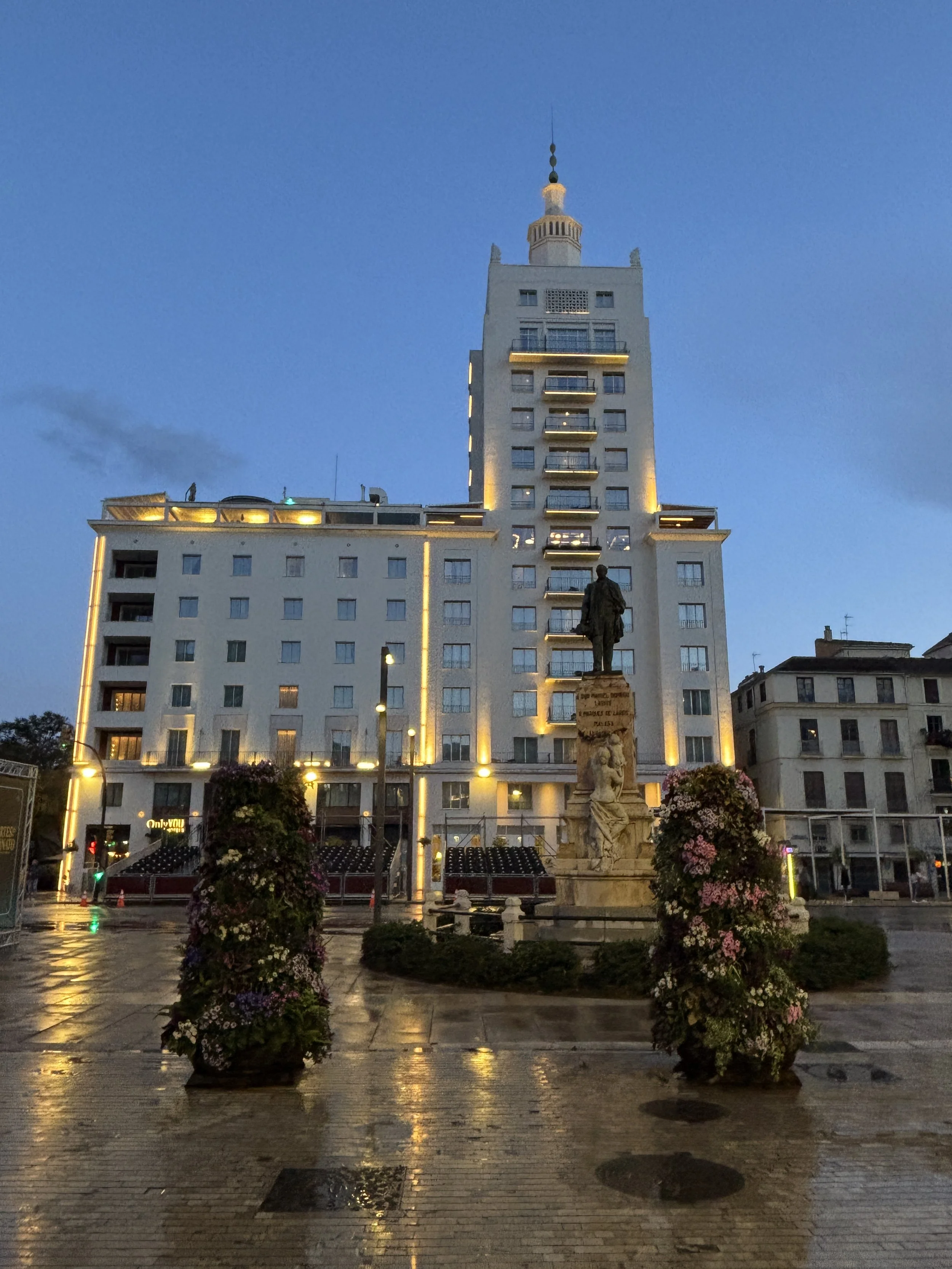
The street is named after the Marquis of Larios, which was a prominent local industrialist in the 19th Century. The Larios family played a very important role in Málaga during most of that century and held sway over large swathes of the local economy. Their palace was located right where the “Equitativa” building stands today, the very prominent 1950s rationalist building that takes center stage in the picture below.
This building, which used to be the local headquarters of an American insurance firm, has since been transformed into a boutique hotel, the “Soho Equitativa”, which I will review further down this post.
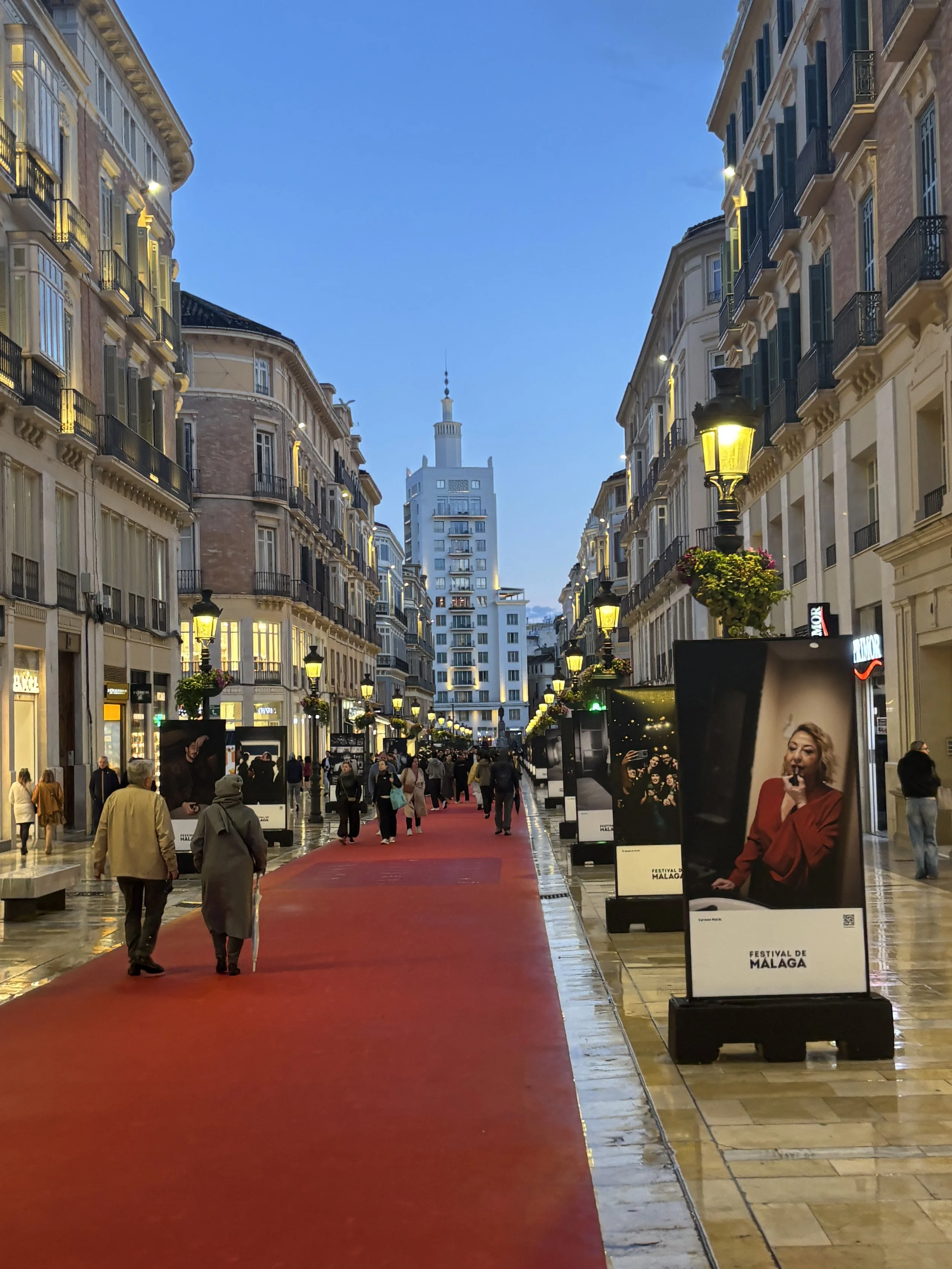
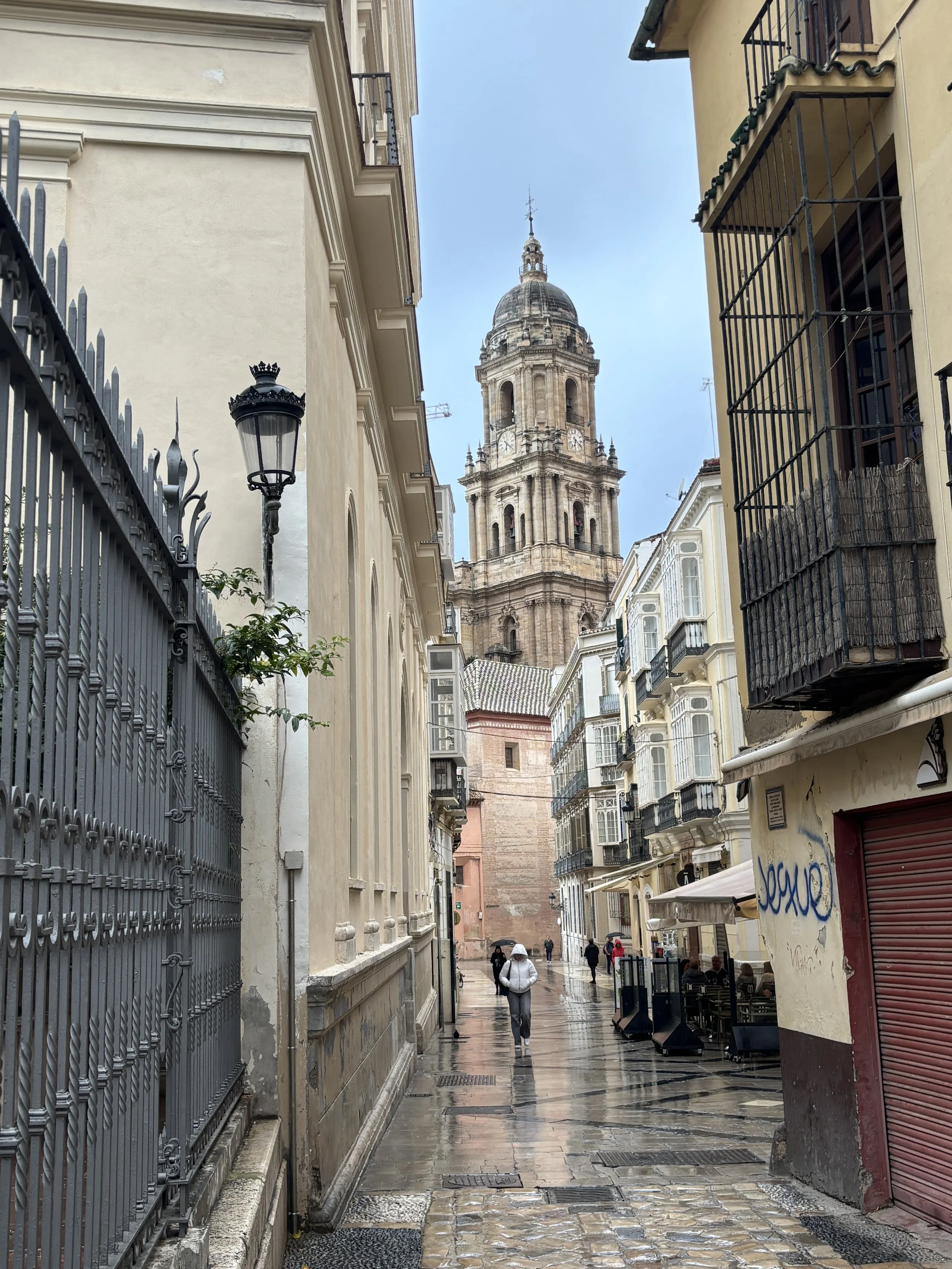
So, this street, “Calle Marqués de Larios” is where many of the well known consumer brands have set up shop (I read that at some point it was one of the most expensive locations for retailers in Spain). It was a bit rainy during the time I started my visit (so much for the “Costa del Sol” famous year-round sunshine!) but this gave the streets a particular patina that I kind of liked.
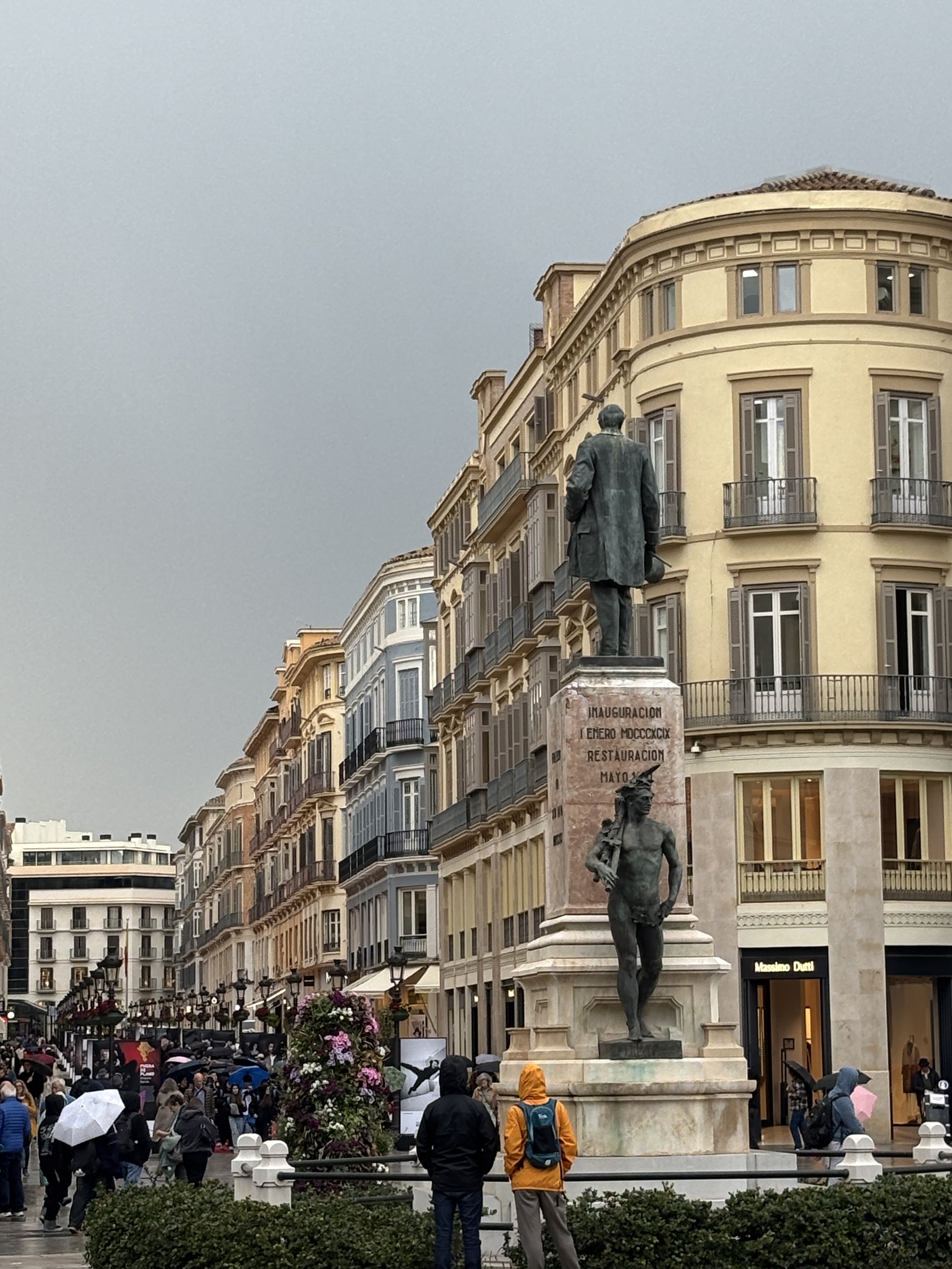
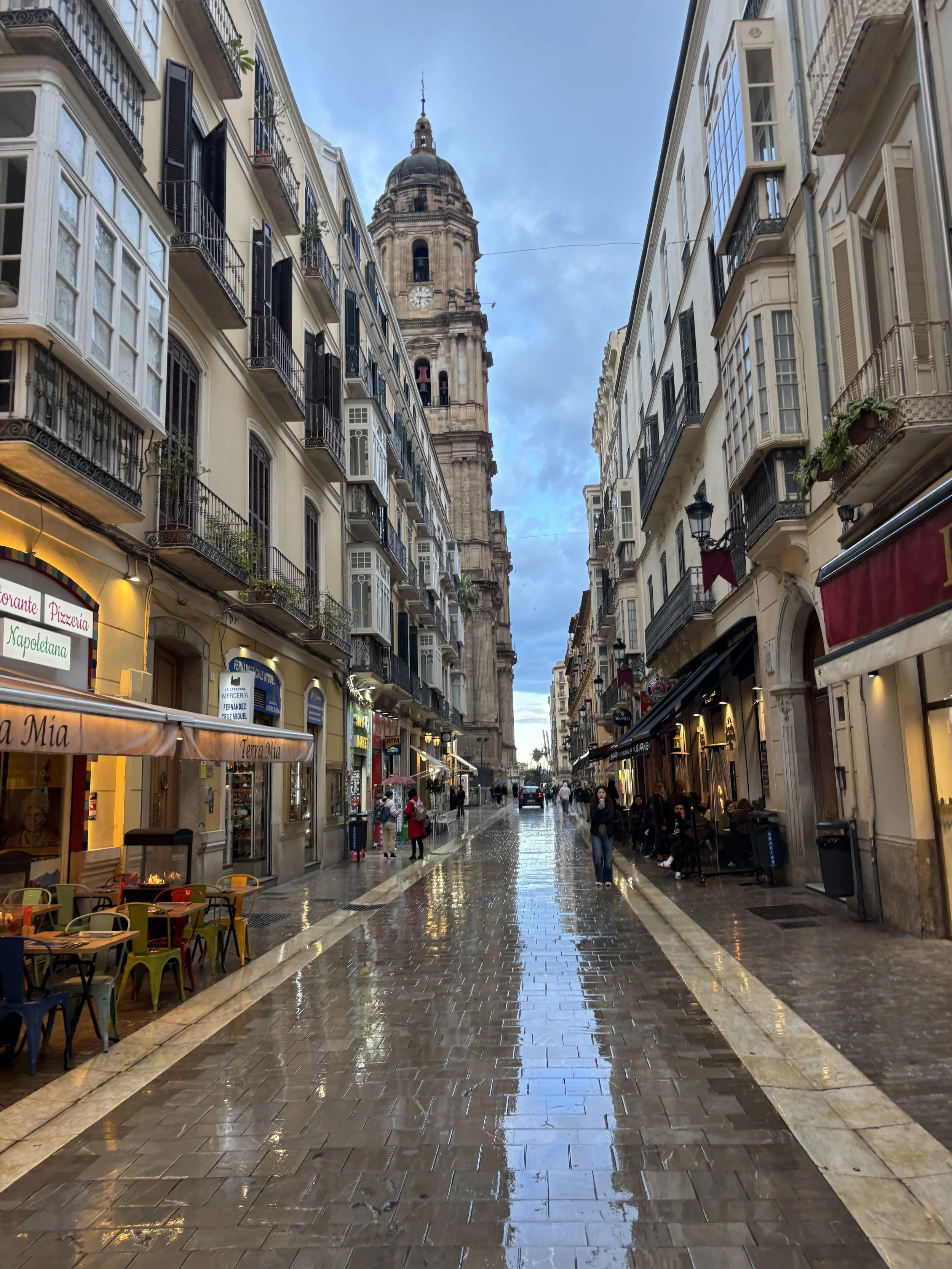
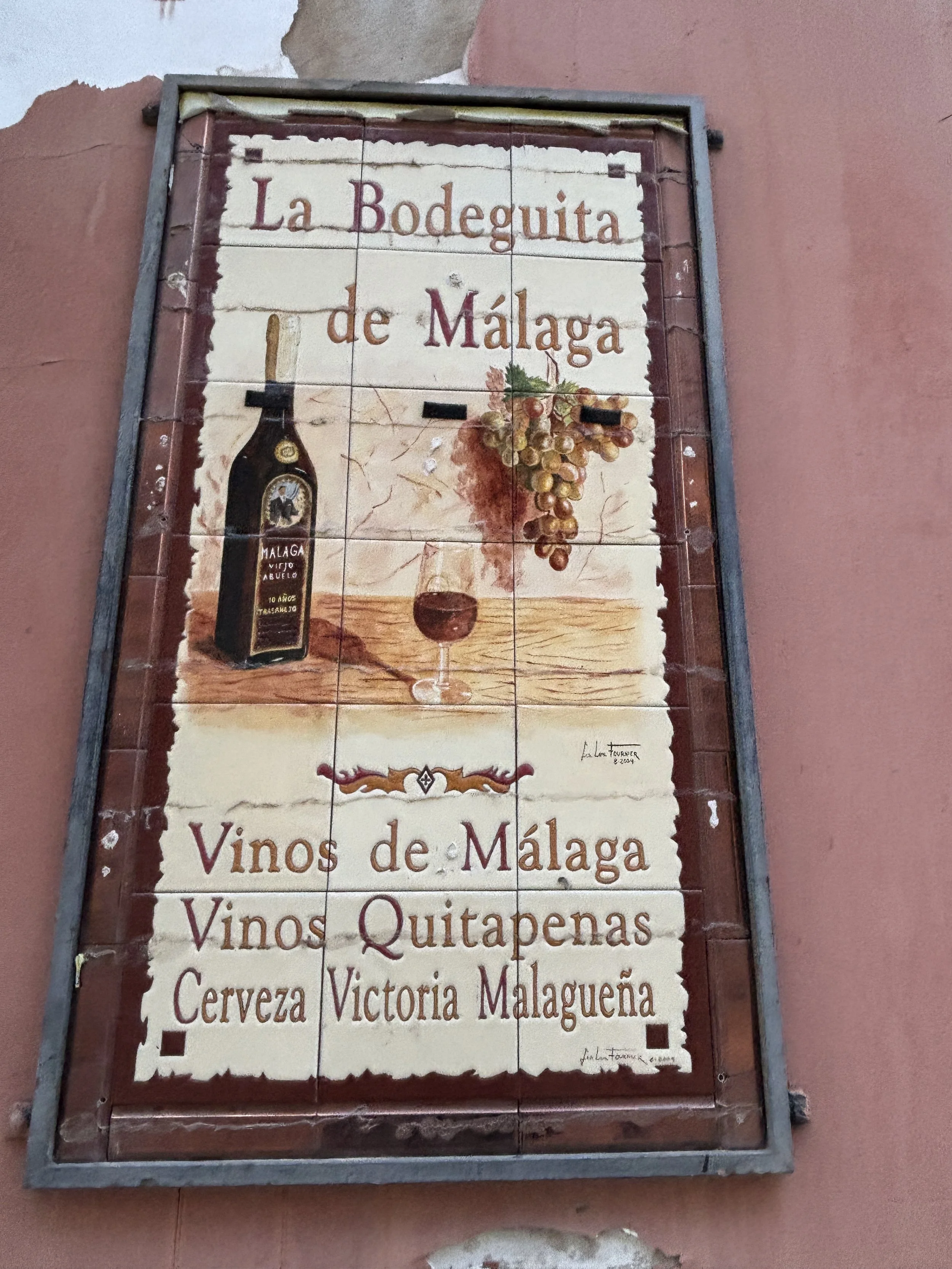
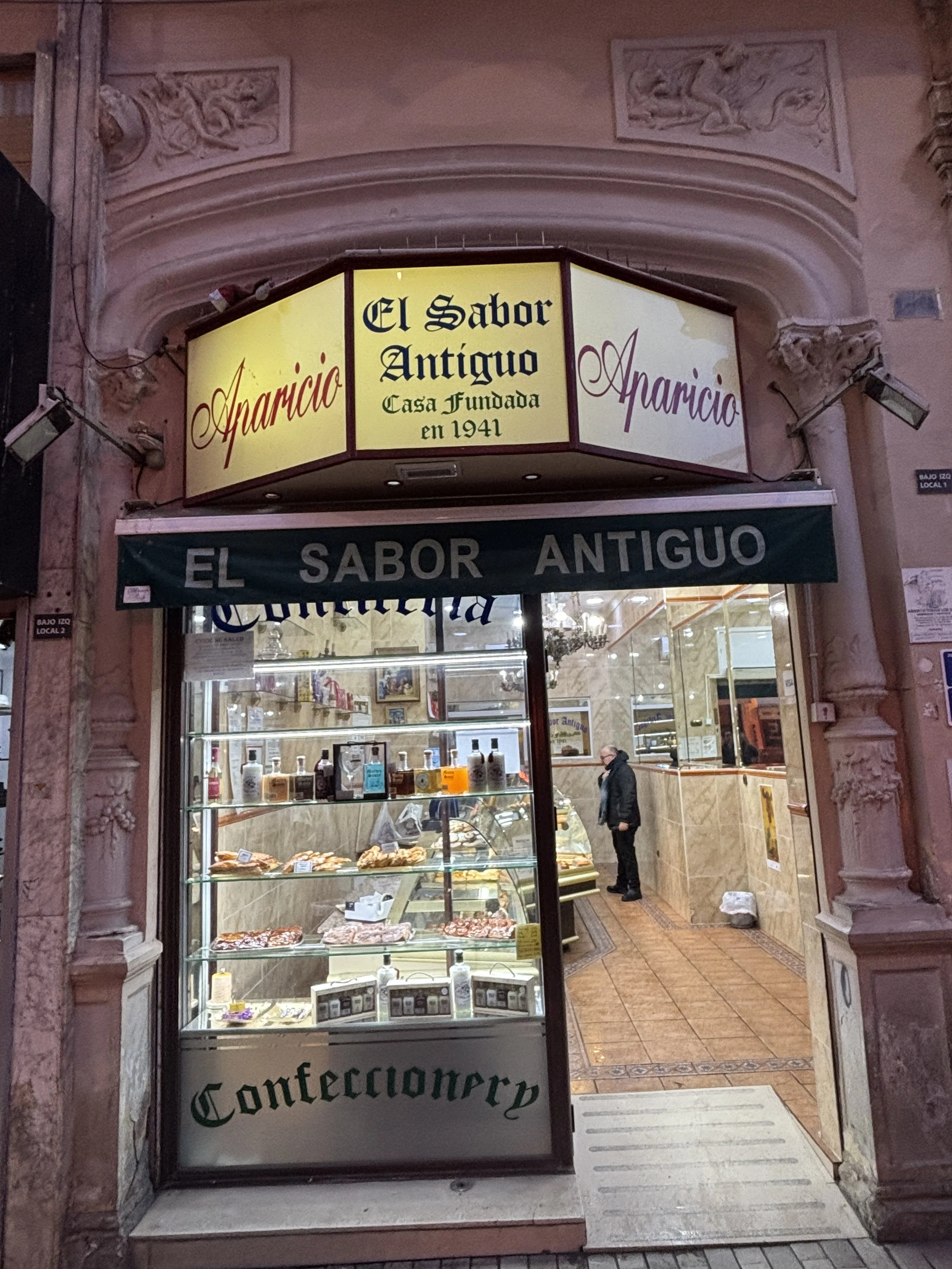
While Málaga hasn’t been immune to the sort of touristization and banalization that has afflicted most European historical centers, it is still possible to find some truly authentic retail outlets!
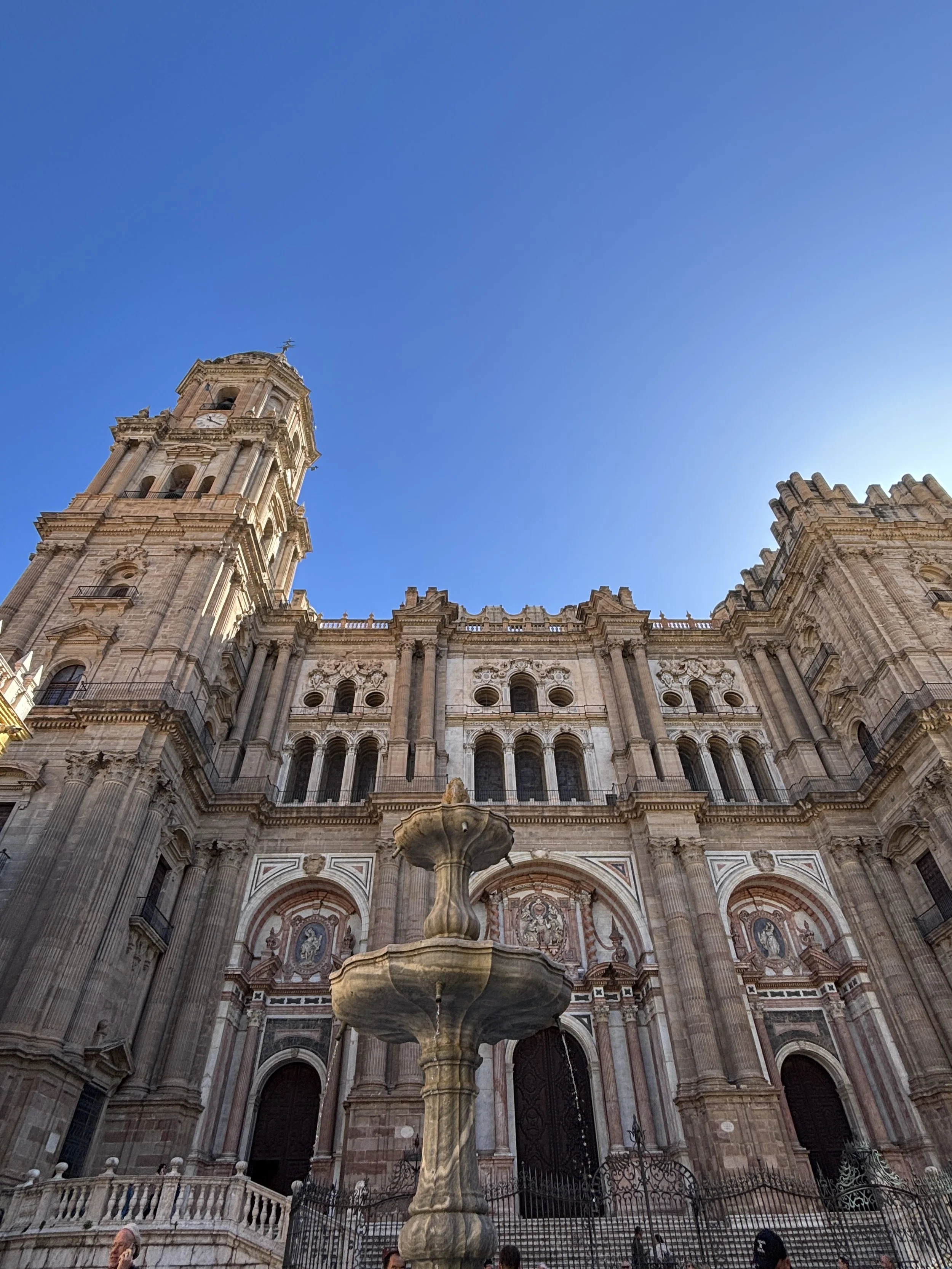
Málaga Cathedral
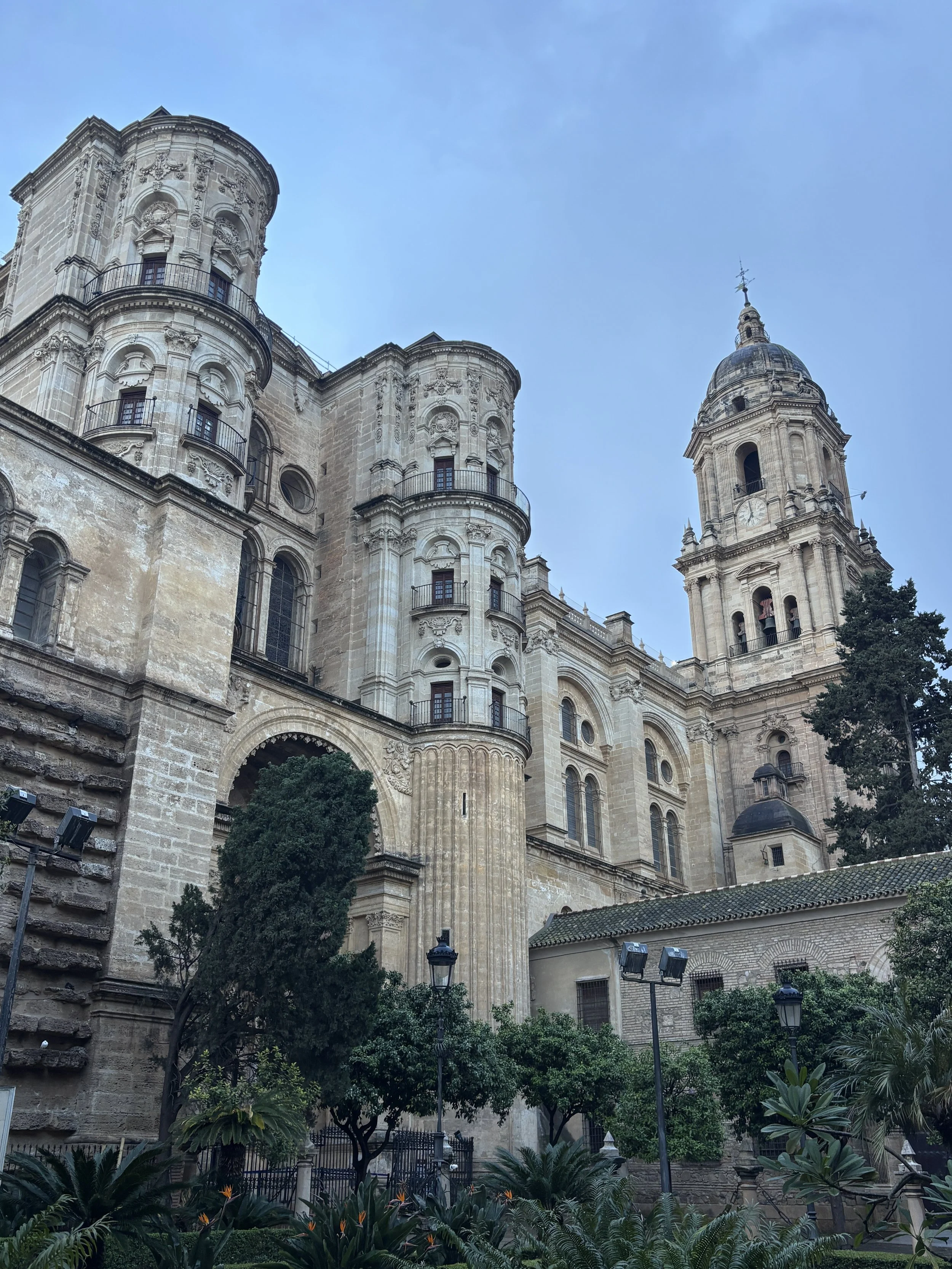
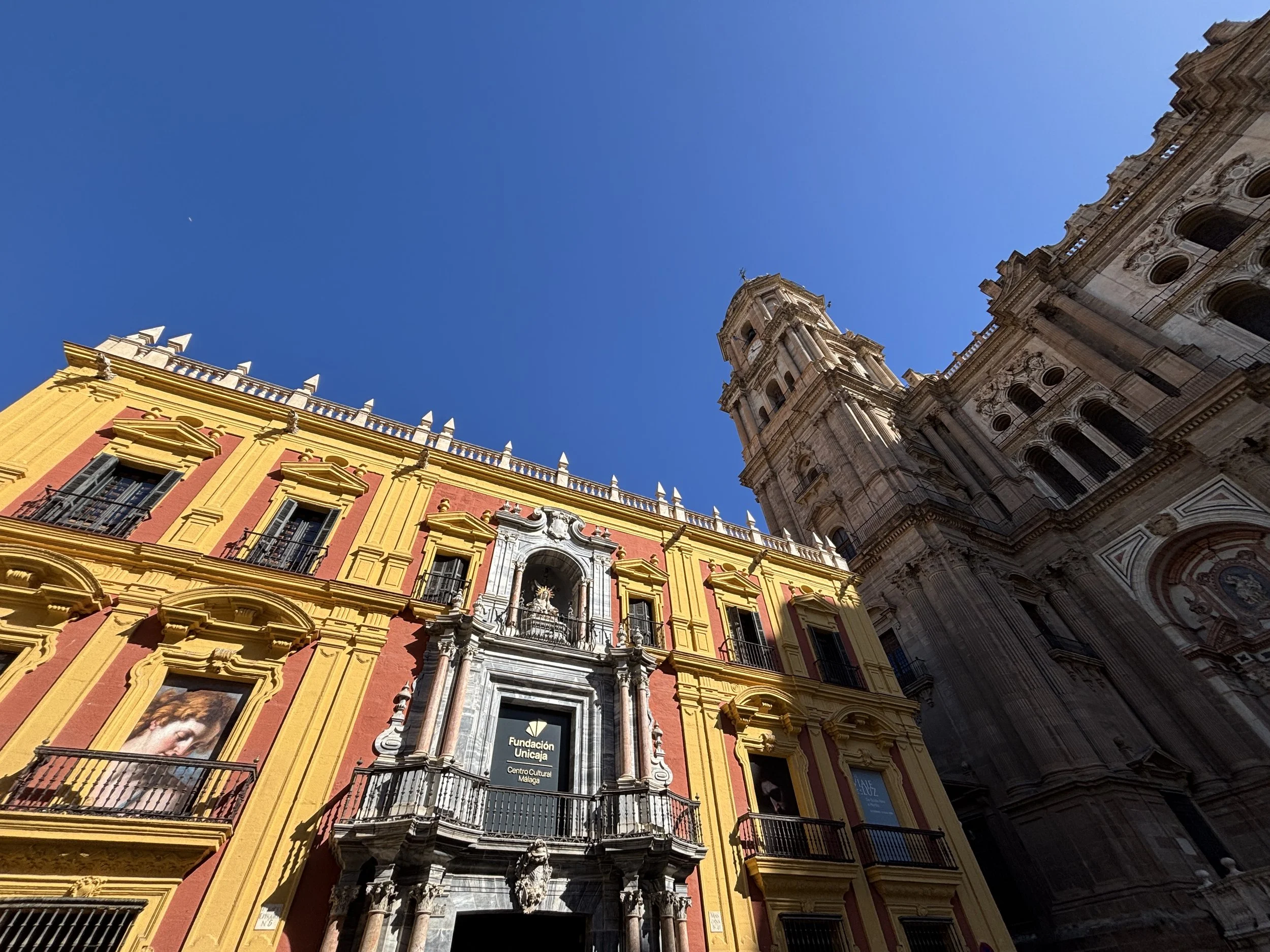
One of the highlights in historical Málaga is, of course, the cathedral. This one is particularly impressive because of its size!
Roman Theater
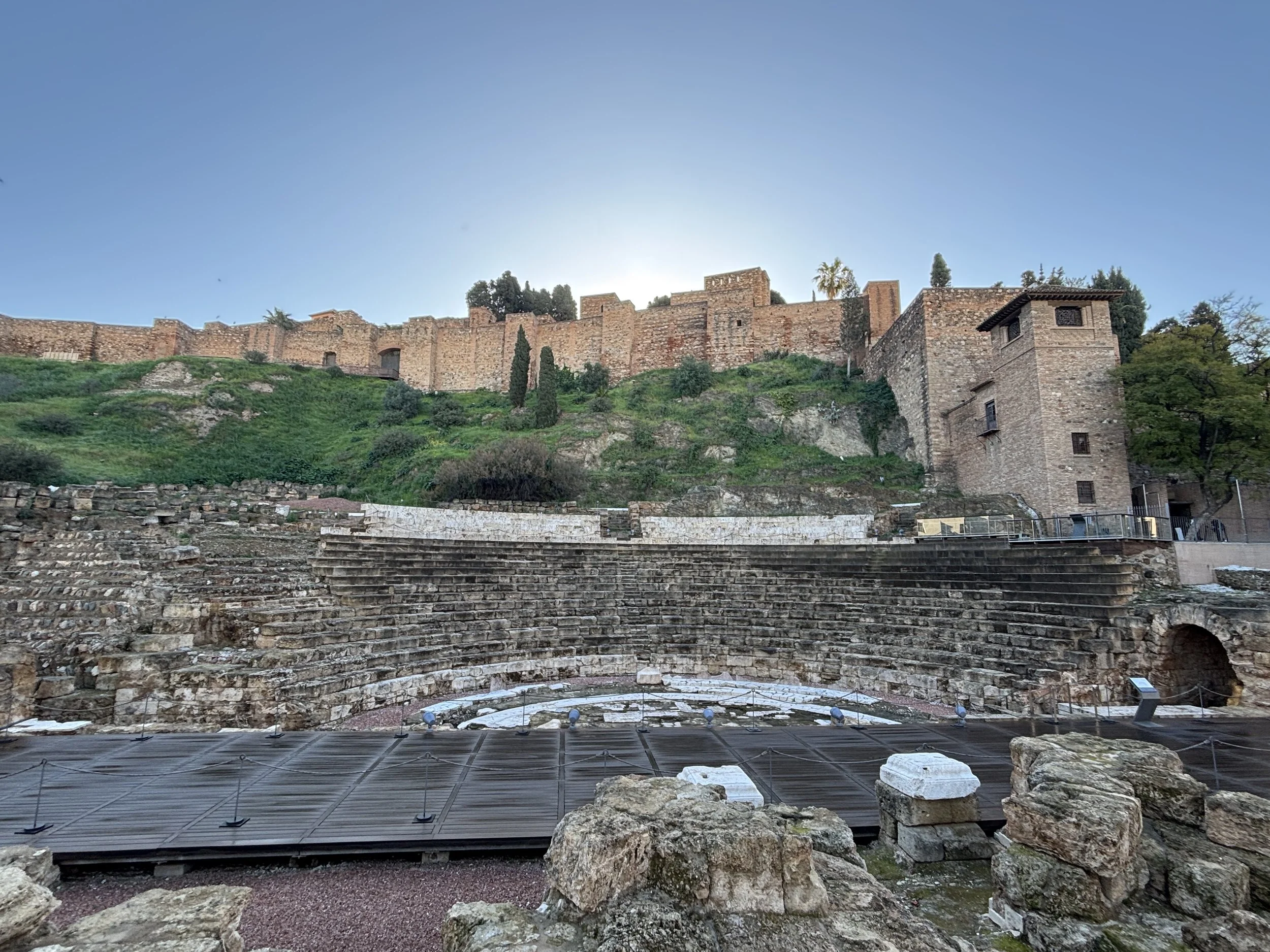
Málaga is a really ancient city! One of the oldest in Europe, in fact. Málaga appears to have been founded by the Phoenicians some 500 years before the Romans arrived in the Iberian Peninsula. Rome, however, did arrive in due turn and and the city continued to prosper, changing its name from Phoenician “Malaka” to Latin “Malaca”. One of the most visible landmarks from that era is the ancient theater (“Teatro Romano”). It has its own small dedicated museum, but it was closed at the time I visited. Nevertheless, you don’t need any ticket to admire the ruins.
To be fair, it is not as big as the Ancient theaters in places like Myra and Amman, but its locaation at the foot of the old Islamic-style fortress of the Alcazaba fortress, with its medieval walls, make it quite scenic. It is also right in the middle of the old town.
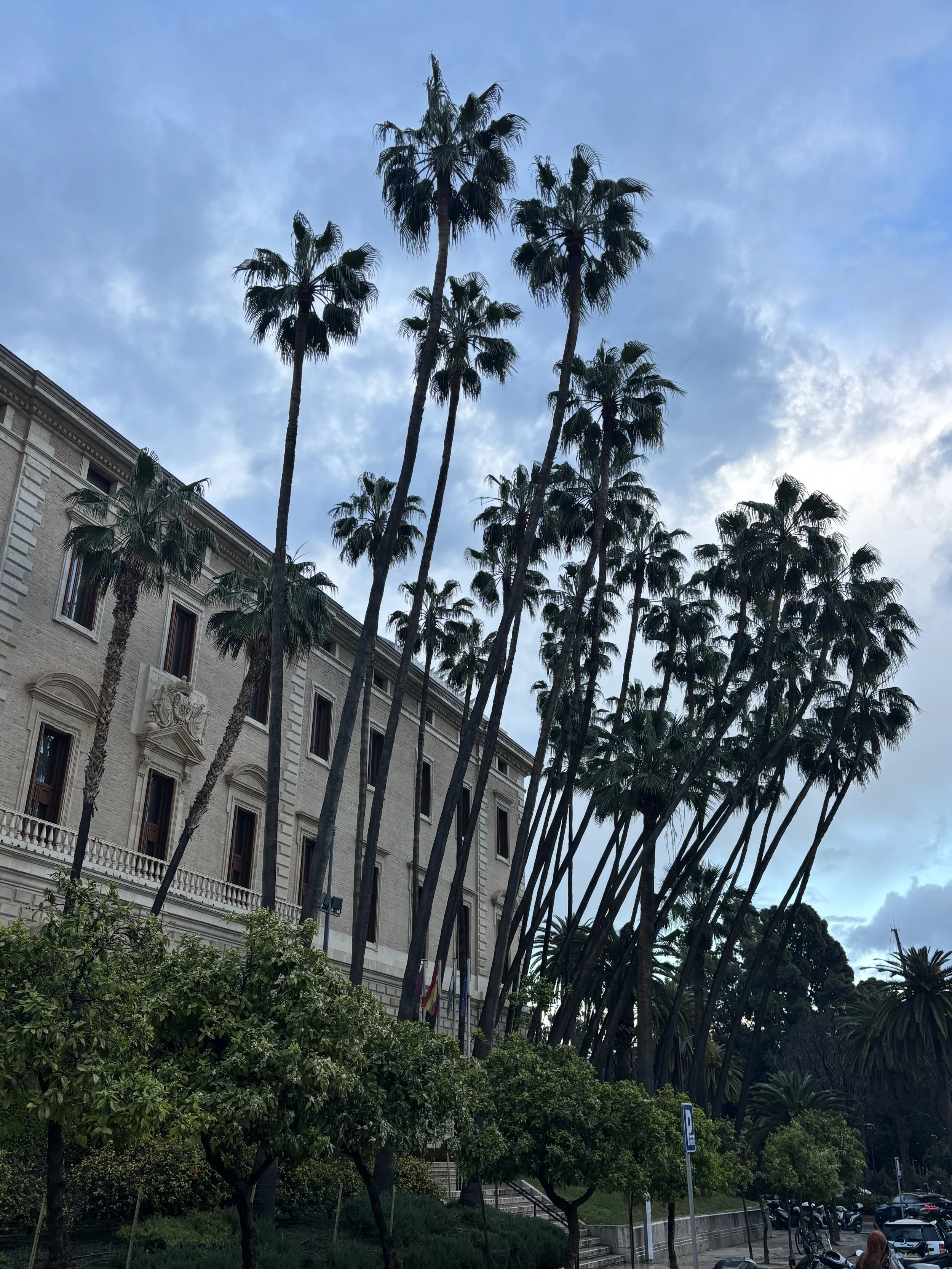
Right next door, between the Roman Theatre and the Cathedral is the Málaga Museum (Museo de Málaga), which is housed in a neoclassical former customs house. Now, I didn’t have time to visit the museum, something that I kind of regret, since I head good things about it. So, I included it here so that you don’t forget to add it to your list if you have the time. It has basically to main collections: 19th Century Spanish paintings and Ancient archaeology from the local area.
I did manage to admire the exuberant palm grove that surrounds the building, though!
The Alcazaba of Málaga
If you have to choose only one place to visit in Málaga, this is it!
The Alcazaba is a former fortress-palace that for centuries has dominated the city from its hilltop position. Now, there is another castle even higher up on the same ridge, the castle of Gibralfaro.
The two were connected by a narrow walled enceinte, now in ruins. You can visit both nowadays, although you need to do so separately (you can purchase a joint ticket, though).
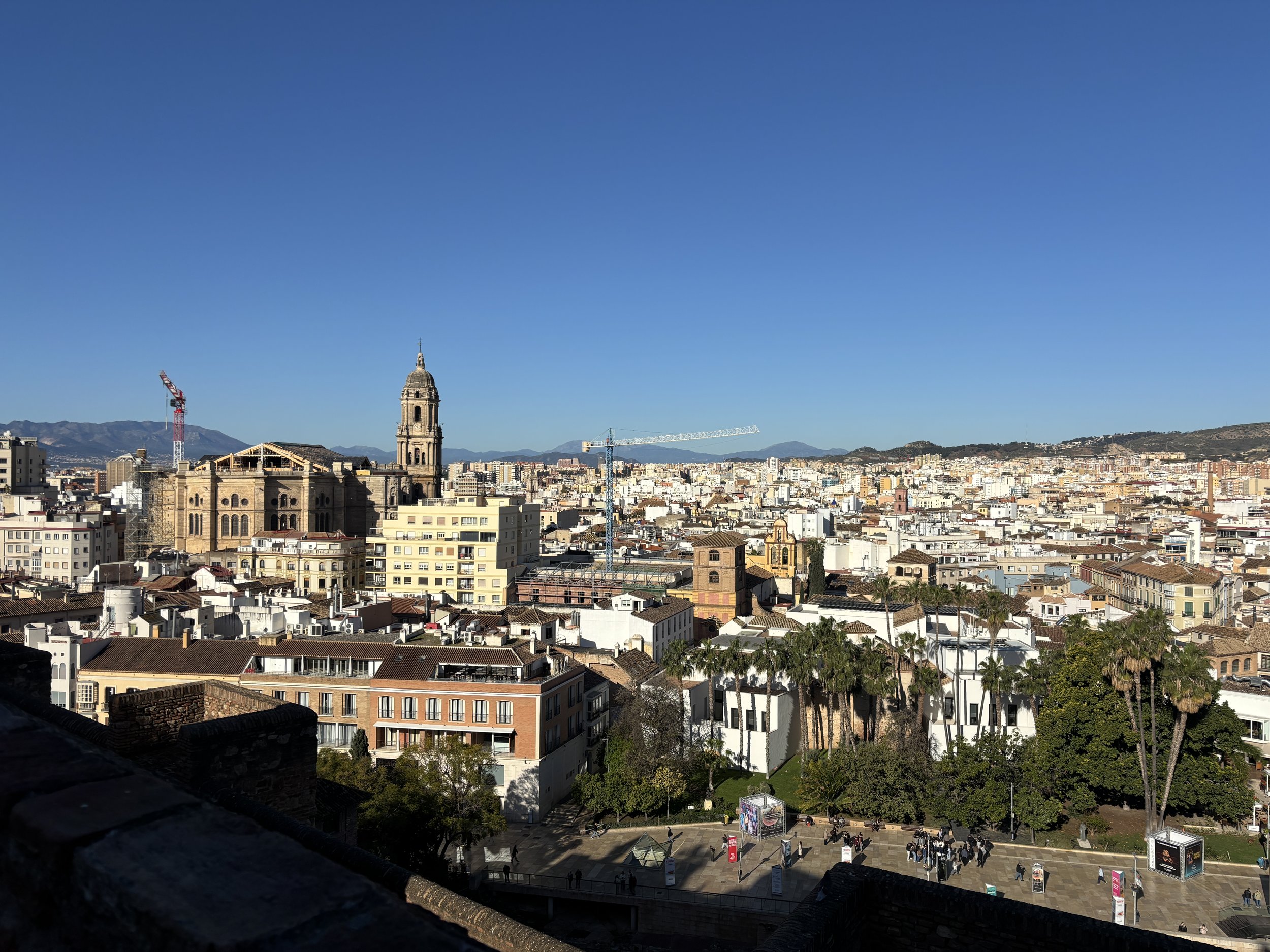
Since I had limited time I opted to visit the Alcazaba only, which I think has most to offer to the visitor. The higher Gibralfaro fortress has perhaps slightly better views, but you get a pretty nice view from the Alcazaba as well, and it saves you the climb uphill. It’s just a matter of prioritization.
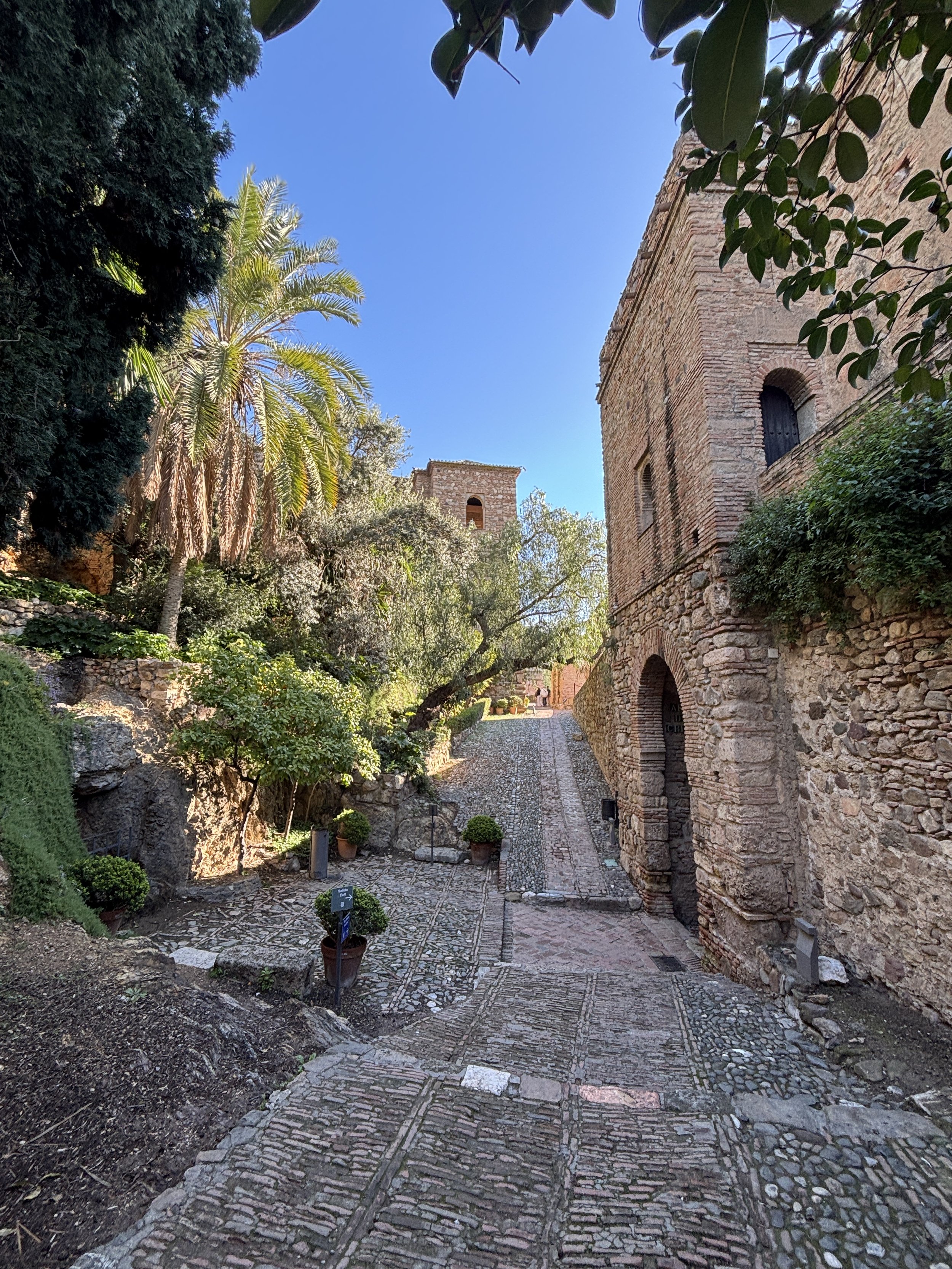
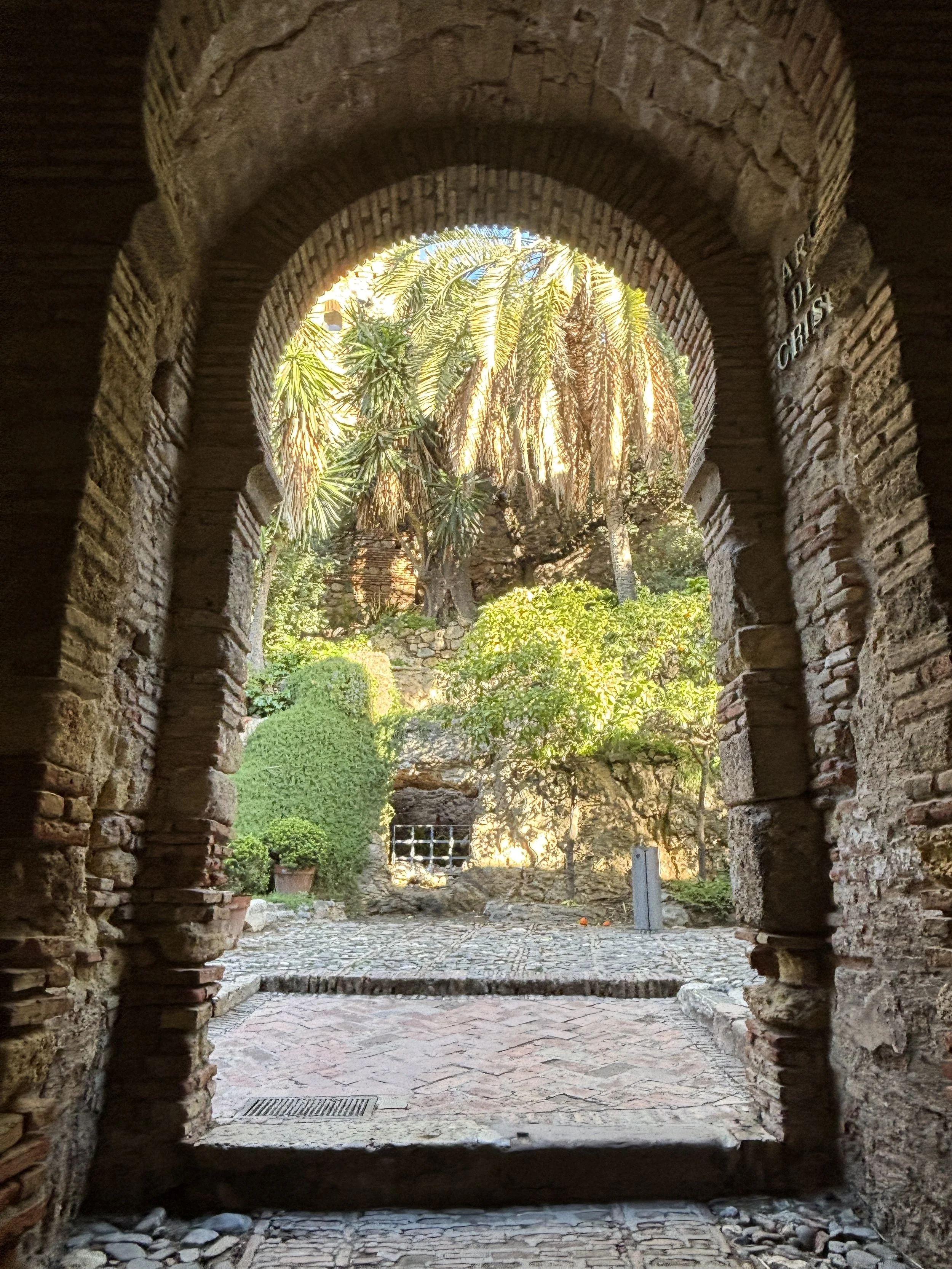
The Málaga Alcazaba as we know it today is mainly a product of the Al-Andalus era, when Spain was under Islamic rule. The foundations of the current castle were laid out in the 11th Century, but the complex has suffered modifications throughout the centuries.
By the 19th Century there was even a whole residential neighbourhood on top of the palace ruins and some plans were drawn to remove completely what was left of the old fortification.
Fortunately those plans didn’t materialize and, in fact, by the early 20th Century, with changing attitudes towards the preservation of historical heritage the Alcazaba was declared a legally-protected monument and a process of archaeological investigation, restoration (and in some cases even reconstruction!) started.
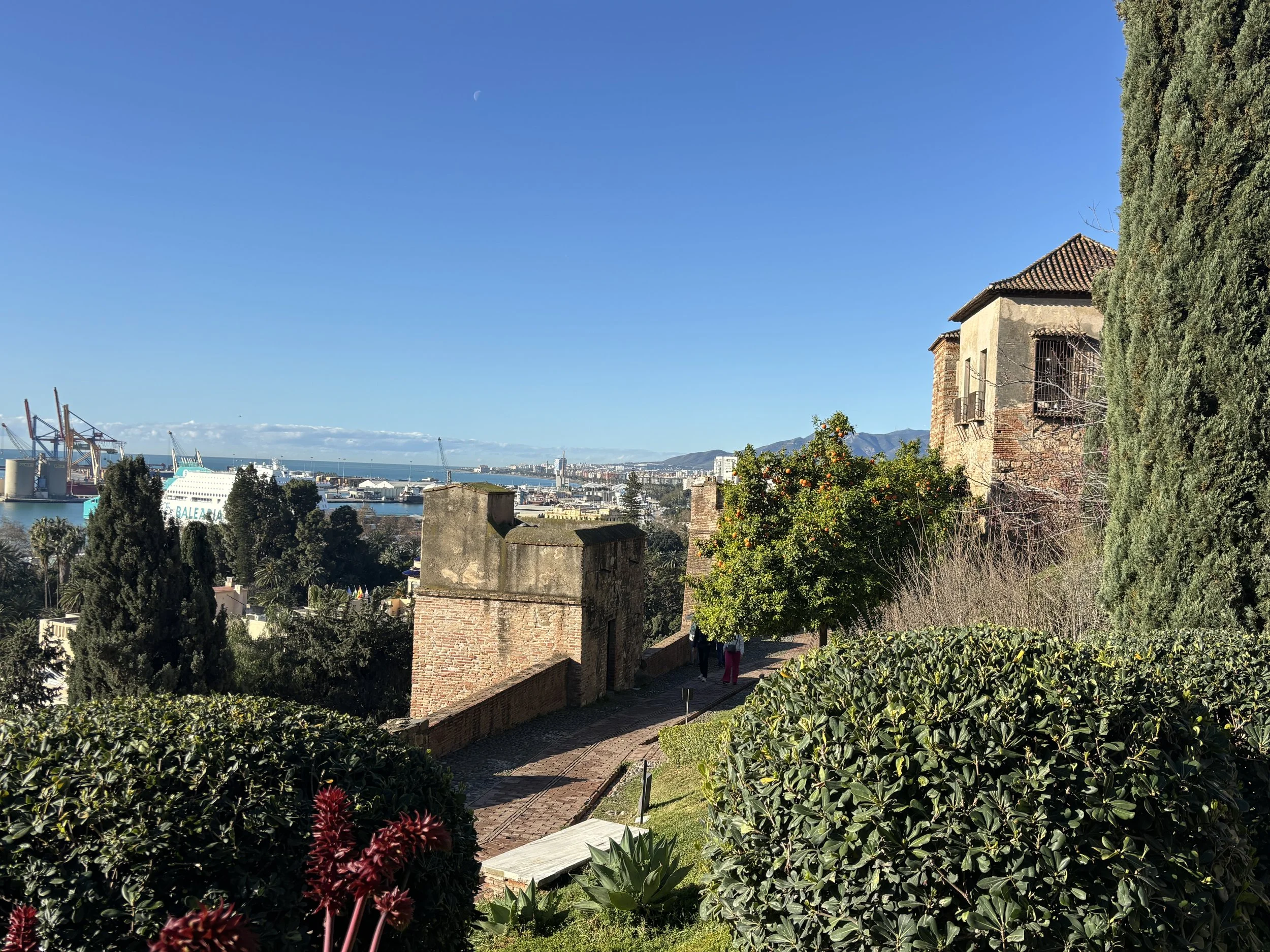
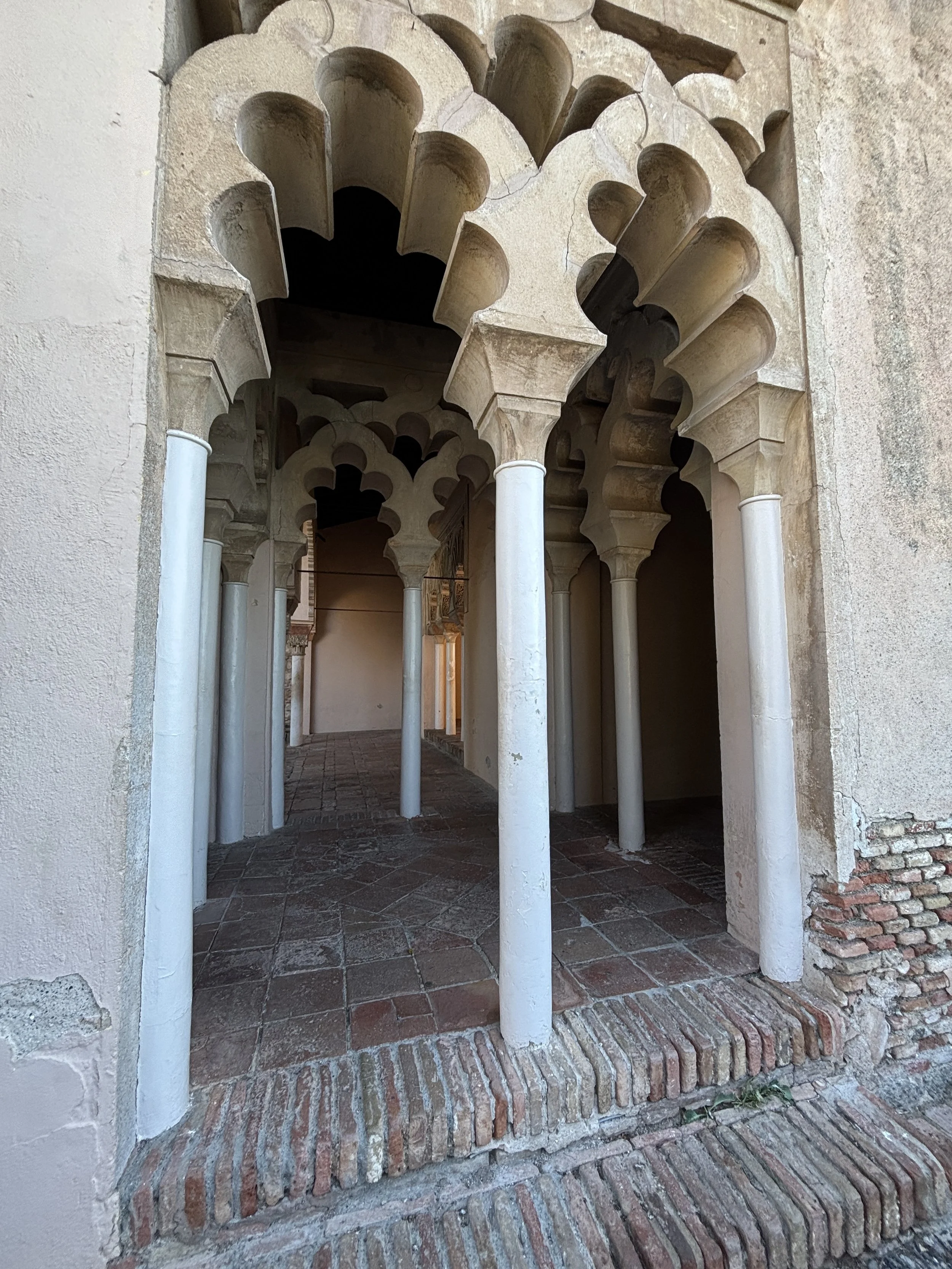
Málaga’s Alcazaba is, in some ways, like a mini-Alhambra of Granada, with its magnificent views, patios and palatial quarters in Islamic Andalusí style.
However, most of what you see today is a relatively modern reconstruction (albeit a tastefully done one!) since most of the buildings had become a total ruin and some areas had to be cleared of other later constructions that had been built on top.
Seeing the result, I think it was the good decision to take!
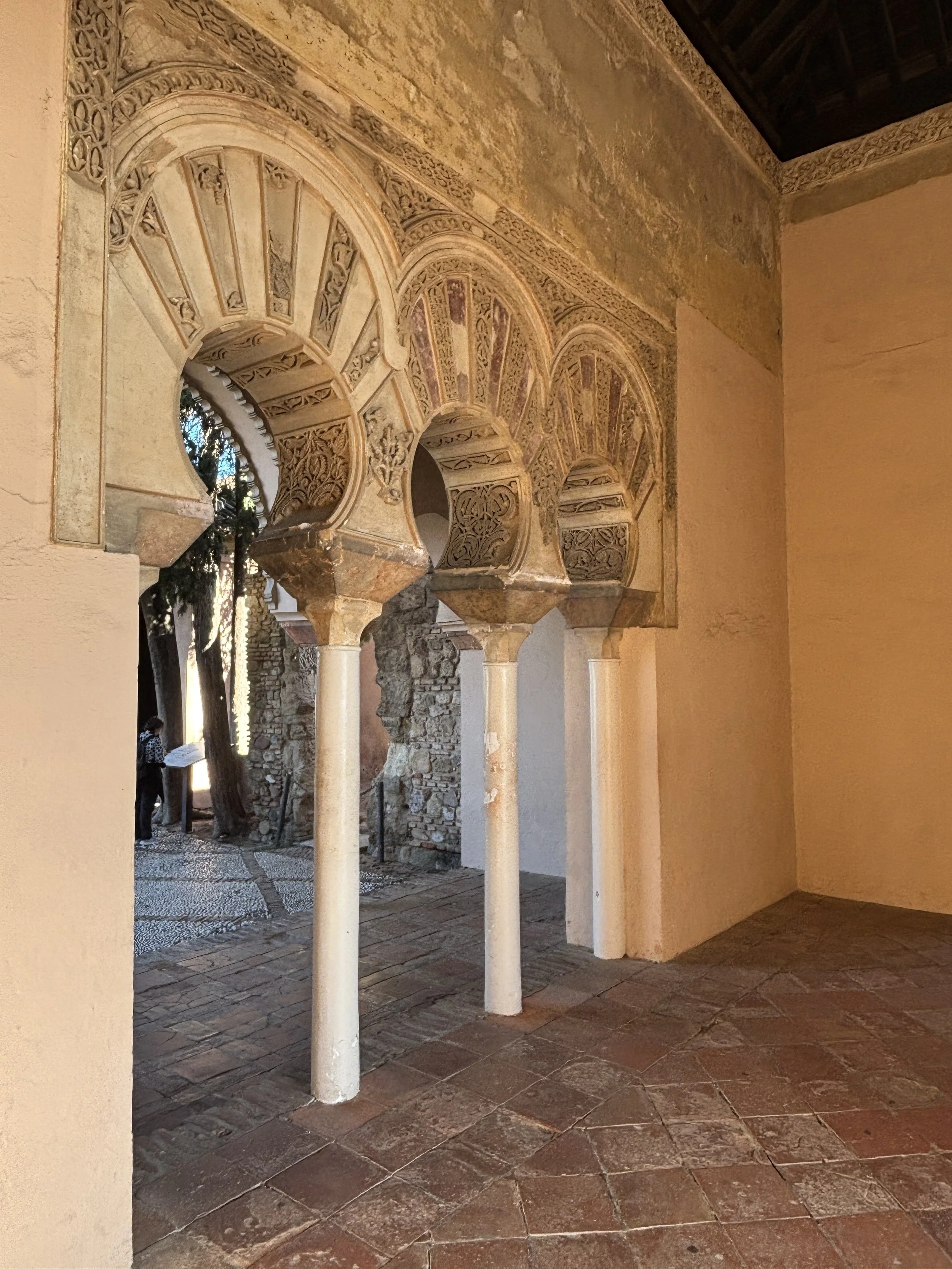
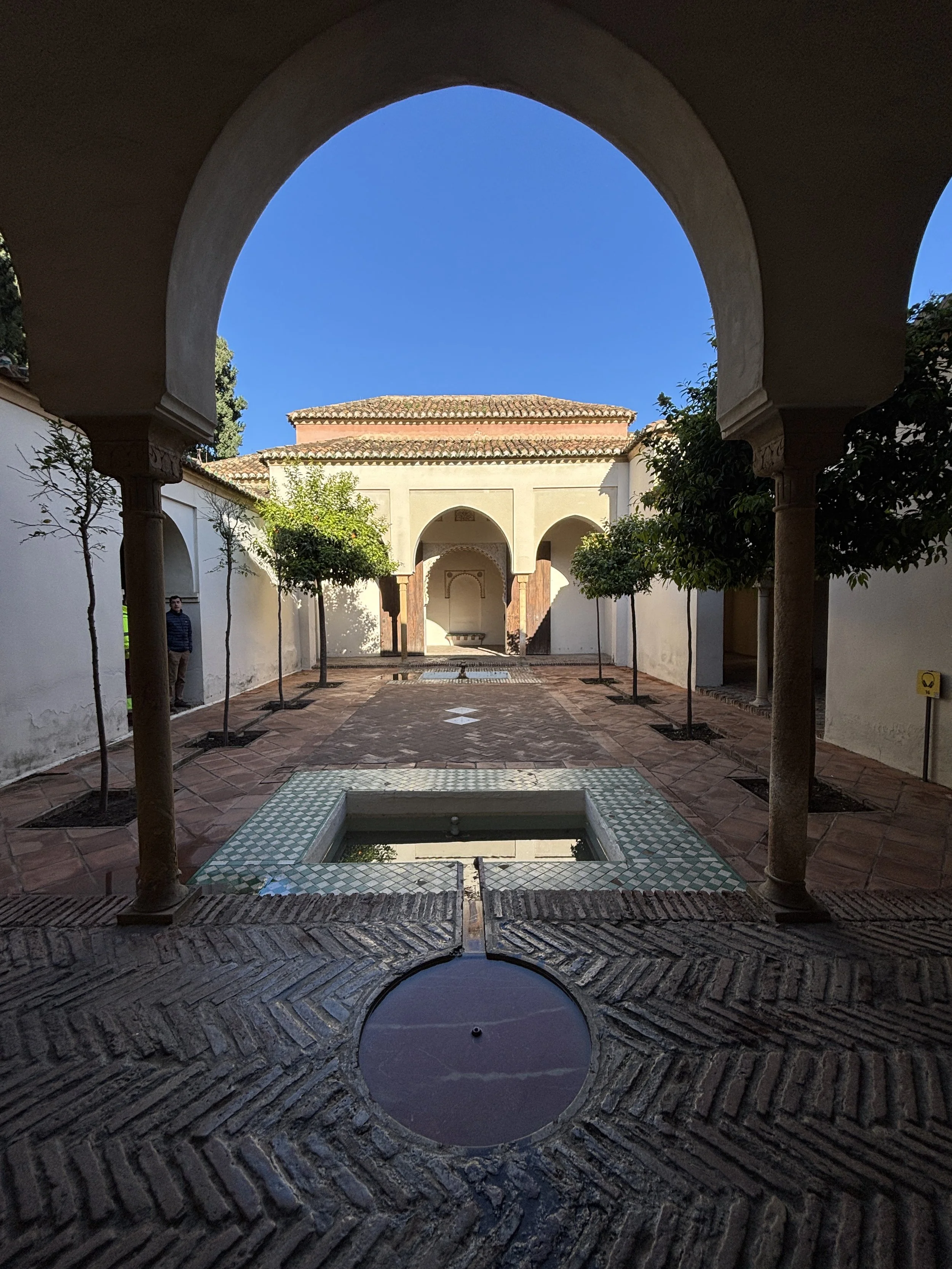
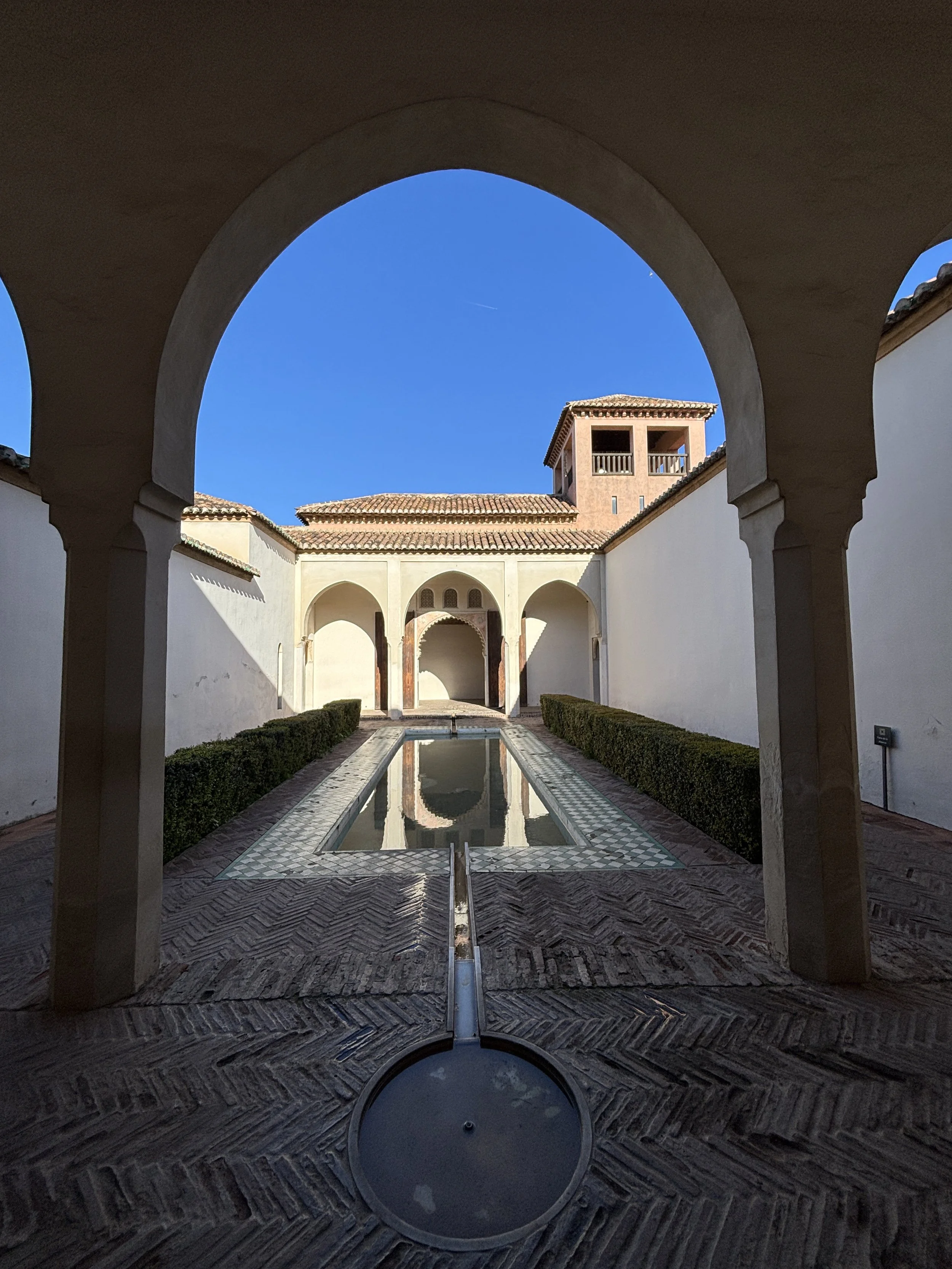
Entrance to the Málaga Alcazaba is €7 (or €10 if you buy the combined ticket that gives you also access to Gibralfaro fortress). The ticket has a QR code that you can access to get an audioguide which runs straight through your phone (you need an internet connection), a pretty smart and convenient approach!
The Alcazaba also opens a bit earlier than other museums, so it is a good idea to start the day here.
Picasso Museum of Málaga
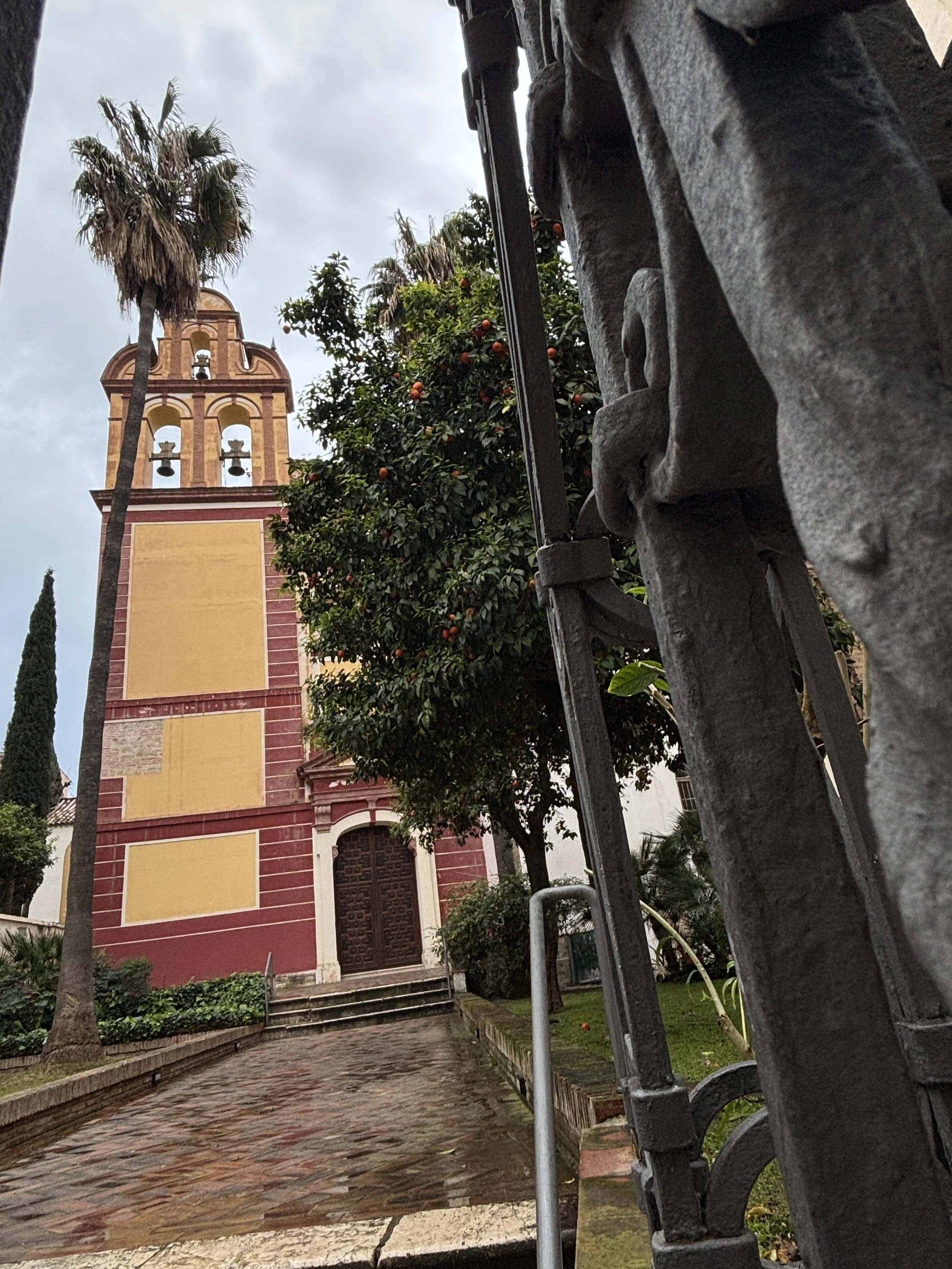
Pablo Ruiz Picasso, one of the most influential and universal artists in history, was born in Málaga and, while he left the city quite early in his life, his imprint remains in the city through the Picasso Museum of Málaga.
The museum is located in the middle of the historical center in the Palacio de Buenavista, a fully restored 16th-century palace, which was, in turn, built on top of Roman and Phoenician foundations. IT is also adjacent to the church of San Agustín (picture on the right), also from the 16th C. and sharing its courtyard with the museum building.
Btw, the museum must not be confused with Picasso’s birthplace, which is actually some 200 meters away, on Plaza de la Merced, and it is also an exhibition space (which unfortunately I wasn’t able to visit).
Practical note: there are two queues to enter, one for those that purchased the ticket online (you are encouraged to do so by using a QR code displayed by the entrance to the museum) and another for those that wish to buy the ticket onsite.
It was a bit confusing, particularly since both queues appeared to be growing by the minute at the time of my visit. Interestingly, the “online ticket queue” was not only longer, but seemed to move more slowly. So, since I was not sure how much time would it take, I decided to try the ticketless-cash only queue. It turned out to be the right decision, since every few minutes a member of staff let some people from that, much shorter, queue in.
So, I don’t really know if this is how it always works, and hadrd to understand the logic when it looked like those pre-purchasing were being penalized (perhaps on some days there are numerus clausus and those that didn’t buy online can not get in?). In any case, but thought worth sharing the experience.
The entrance fee is not cheap (€13) but I think it is good value for what you get.
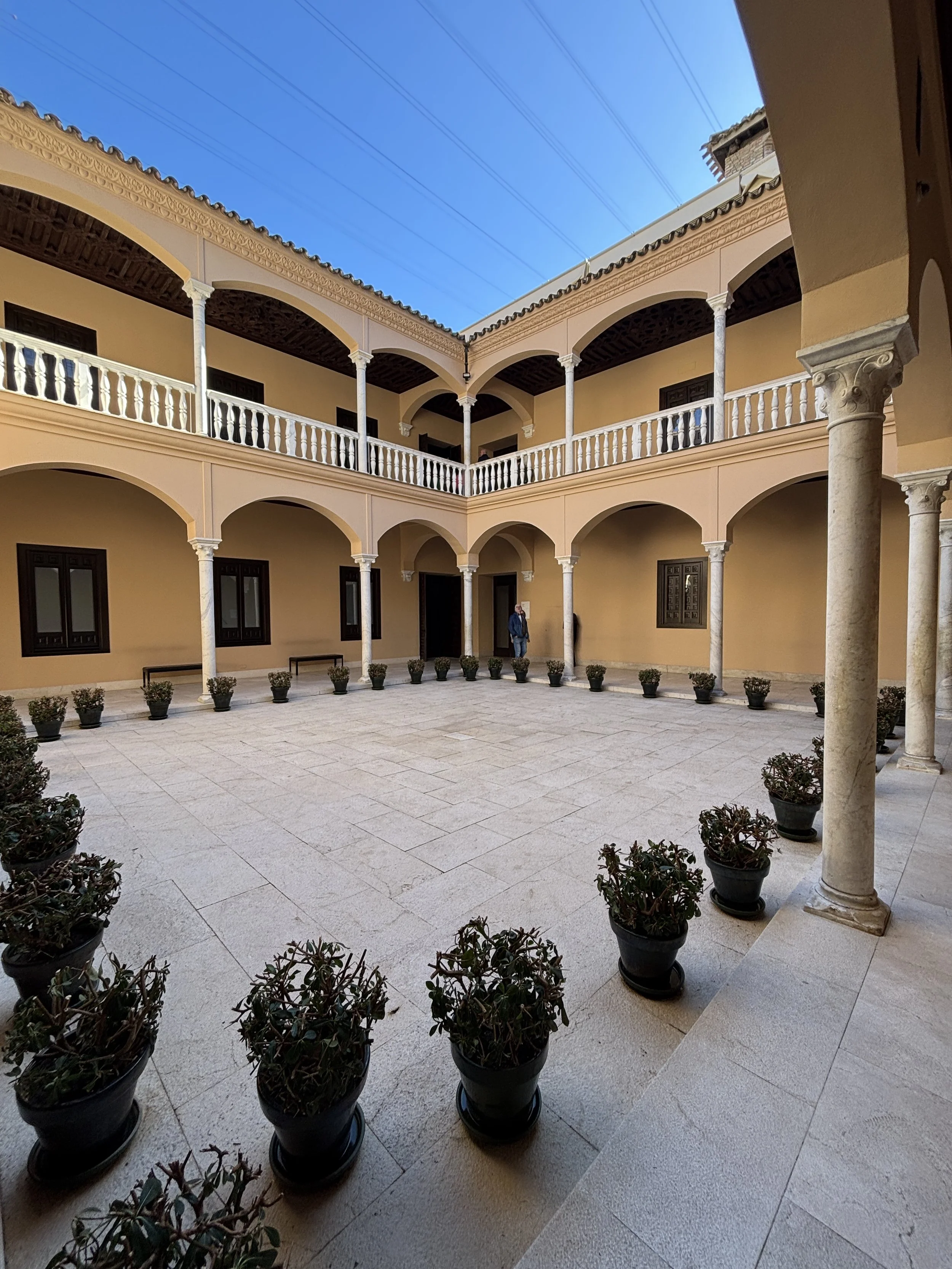
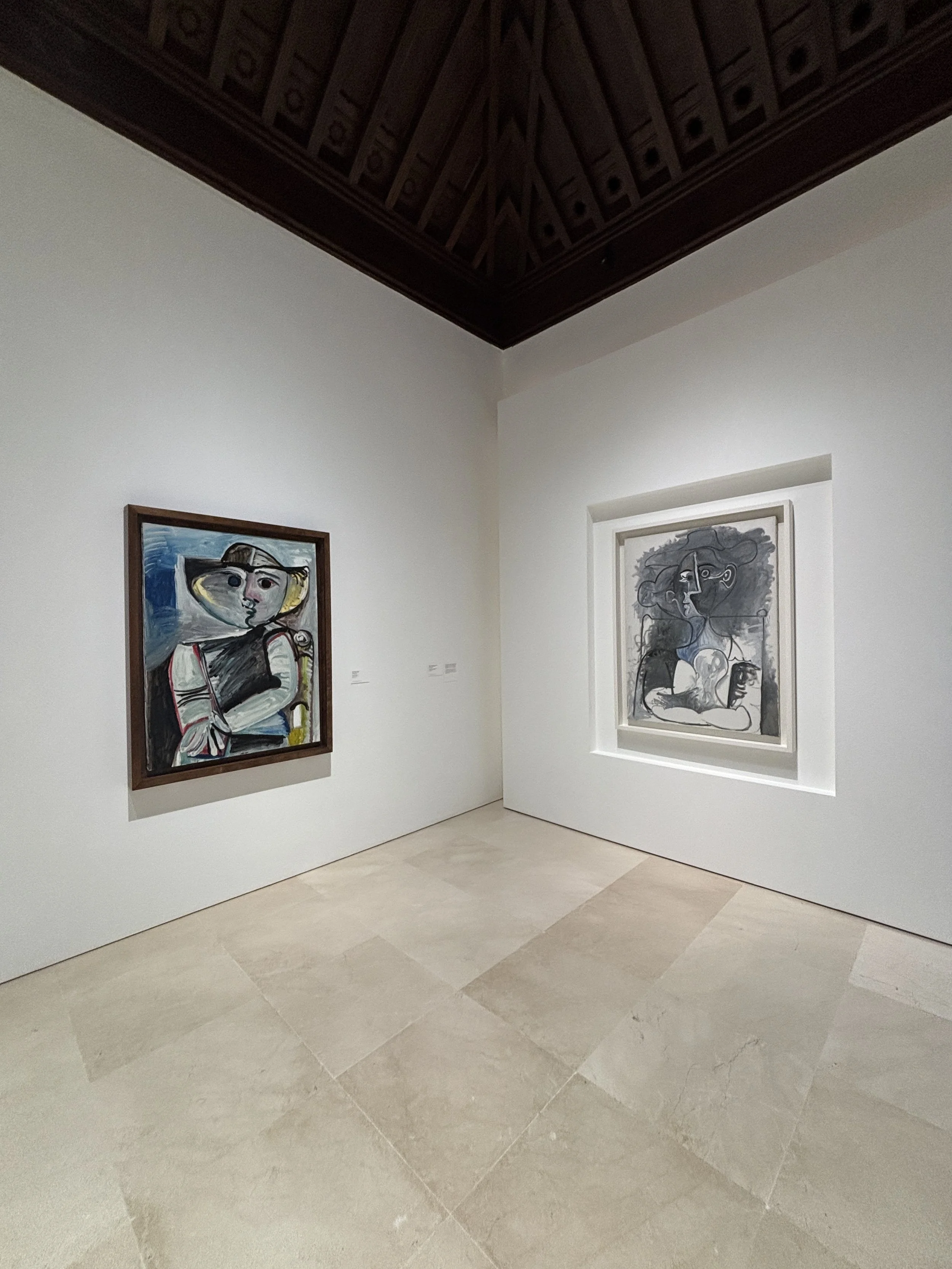
While the museum is not huge, it holds a really interesting collection that covers pretty much the whole of Picasso’s life and which were gathered by the artist’s daughter-in-law and one of his grandsons.
There is also a section with paintings by other influential artists that were contemporary with Picasso.
So, I would say this is the other highlight I would visit if having to prioritize the things to see in Málaga.
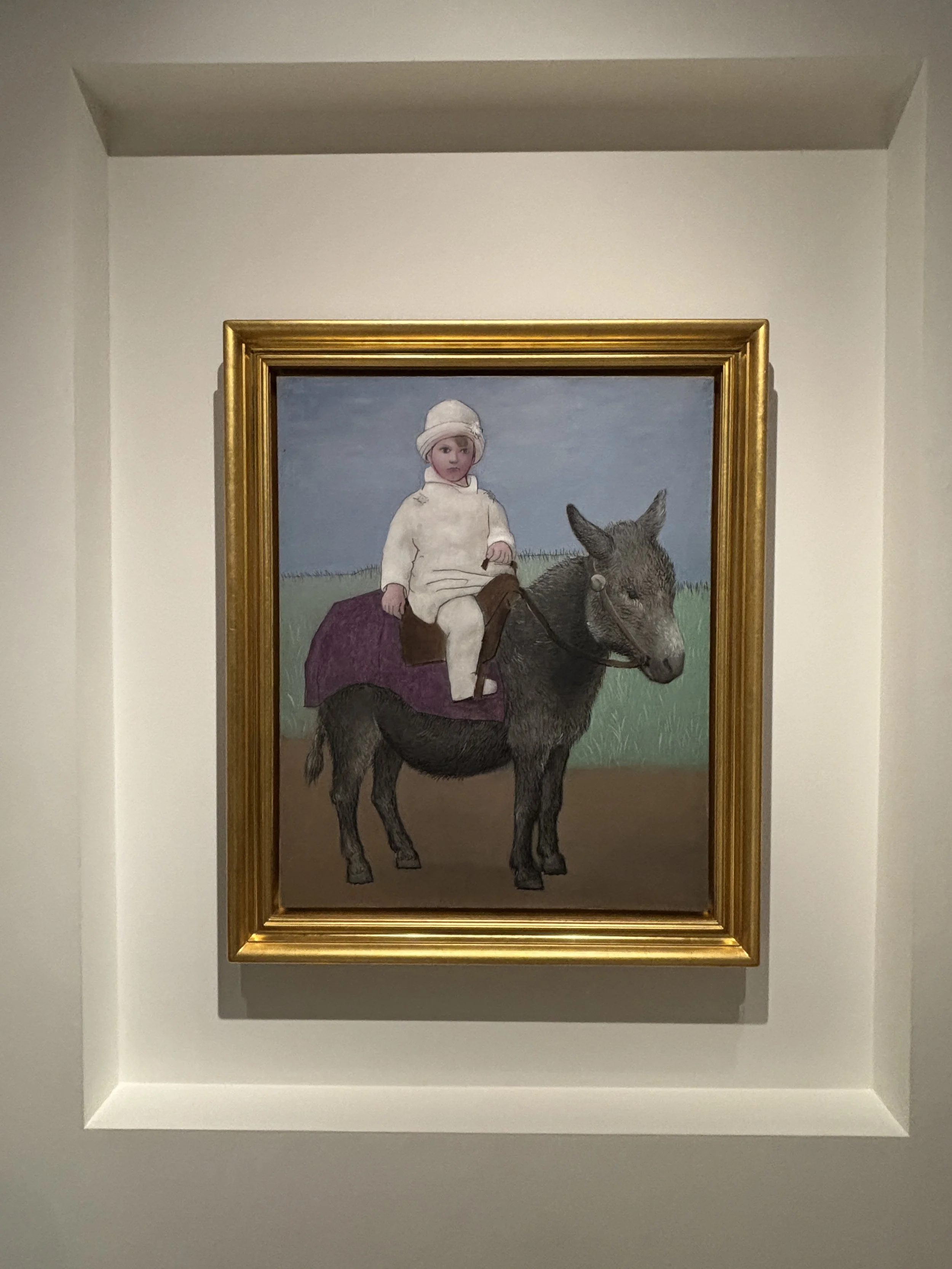
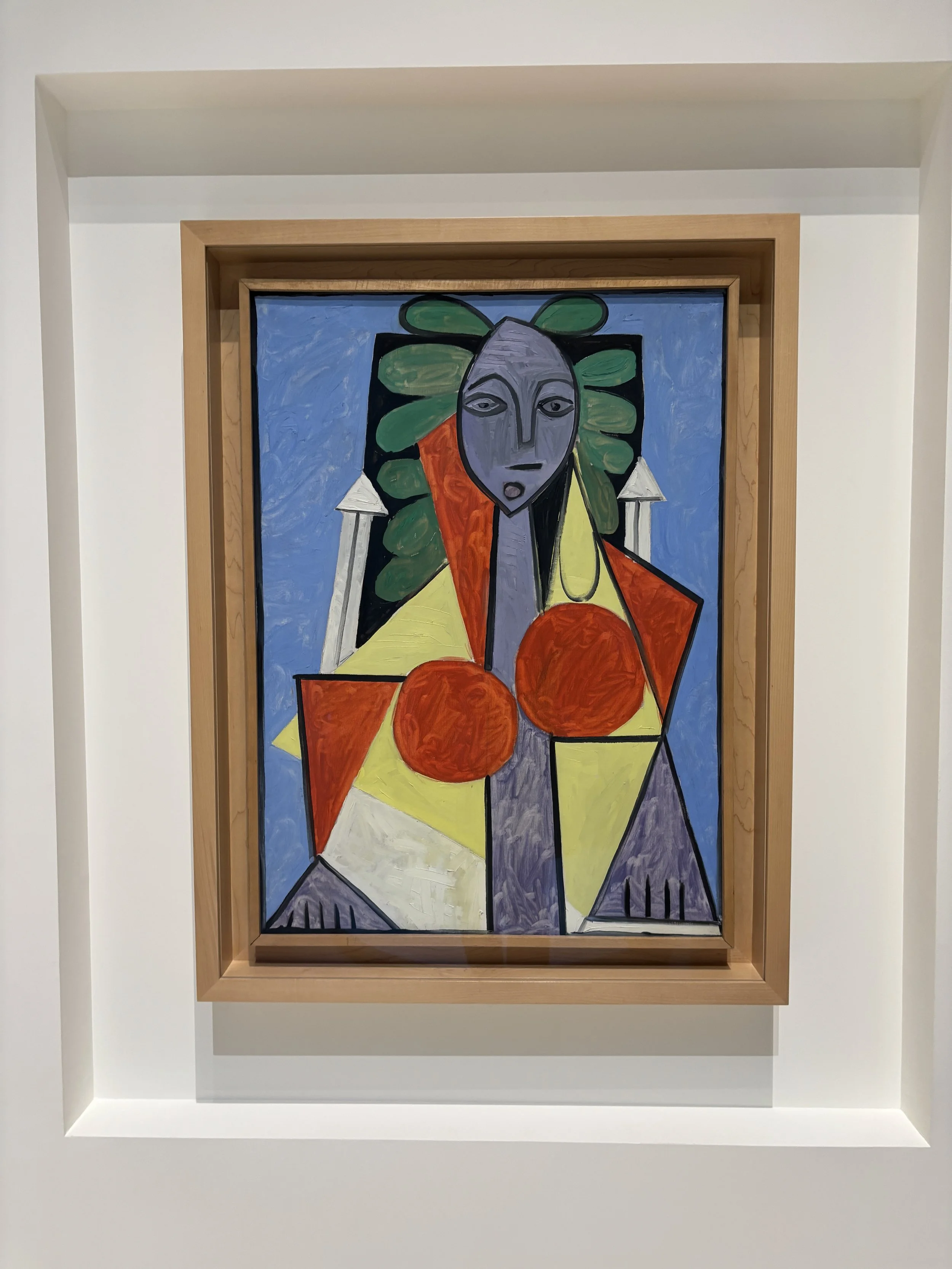
By the way, if you are interested in the life and work of Picasso, you may also want to check this piece I published on CNN a few years ago about the places that inspired and influenced the artist’s work in Catalonia during his youth.
The Port of Málaga
Since Málaga is a port city, a walk through the harbour could not be missing from this post. This time it had to be an evening one, but it still delivered some rather impressive sights, and I am not referring to the handful of mega-yachts moored along the quay!
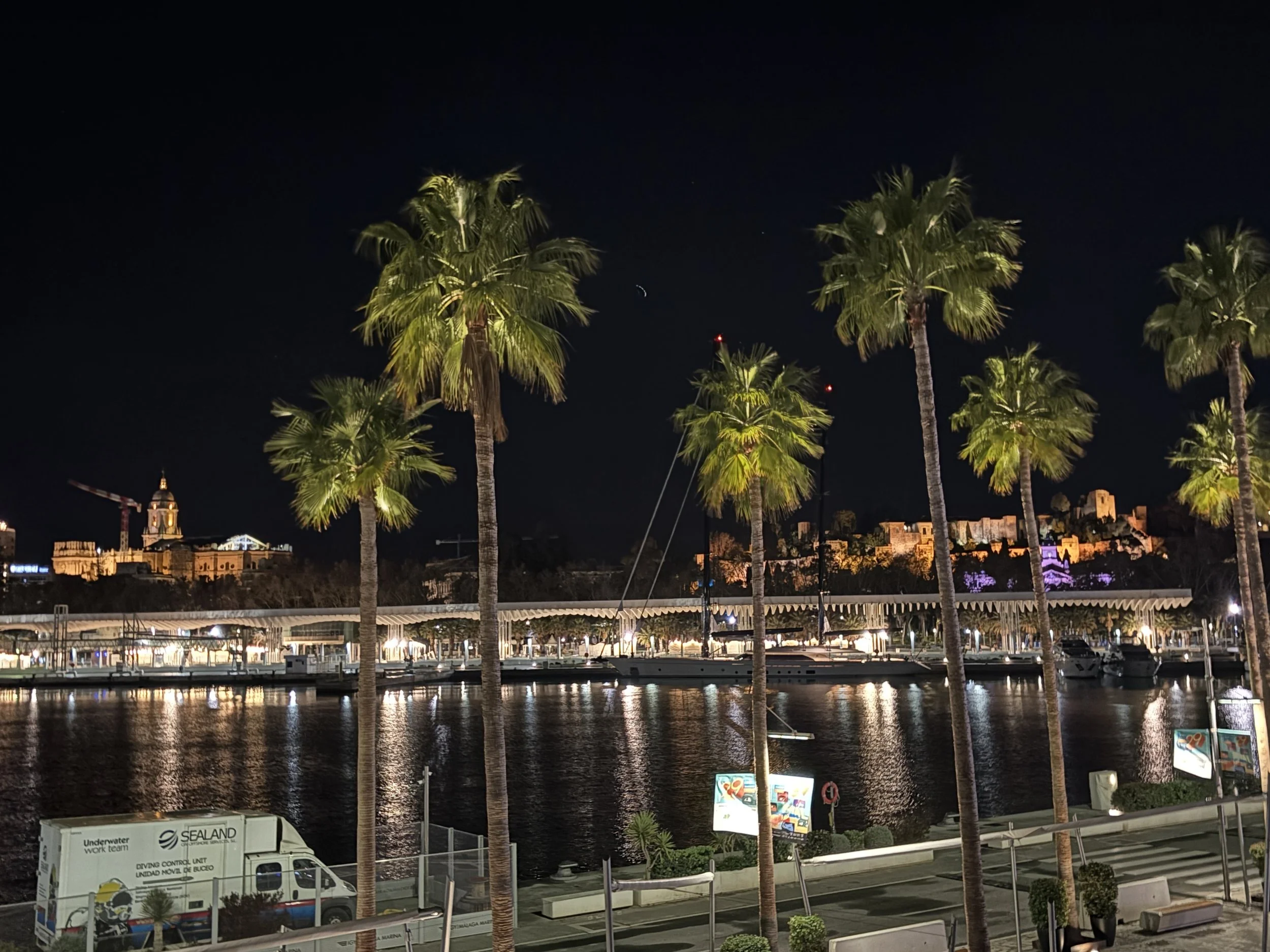
There is a promenade all along the quais which offers the sea-view of the historical Málaga skyline, complete with the cathedral, the Alcazaba and the line of walls, illuminated at night, that run all the way up to Gibralfaro castle.
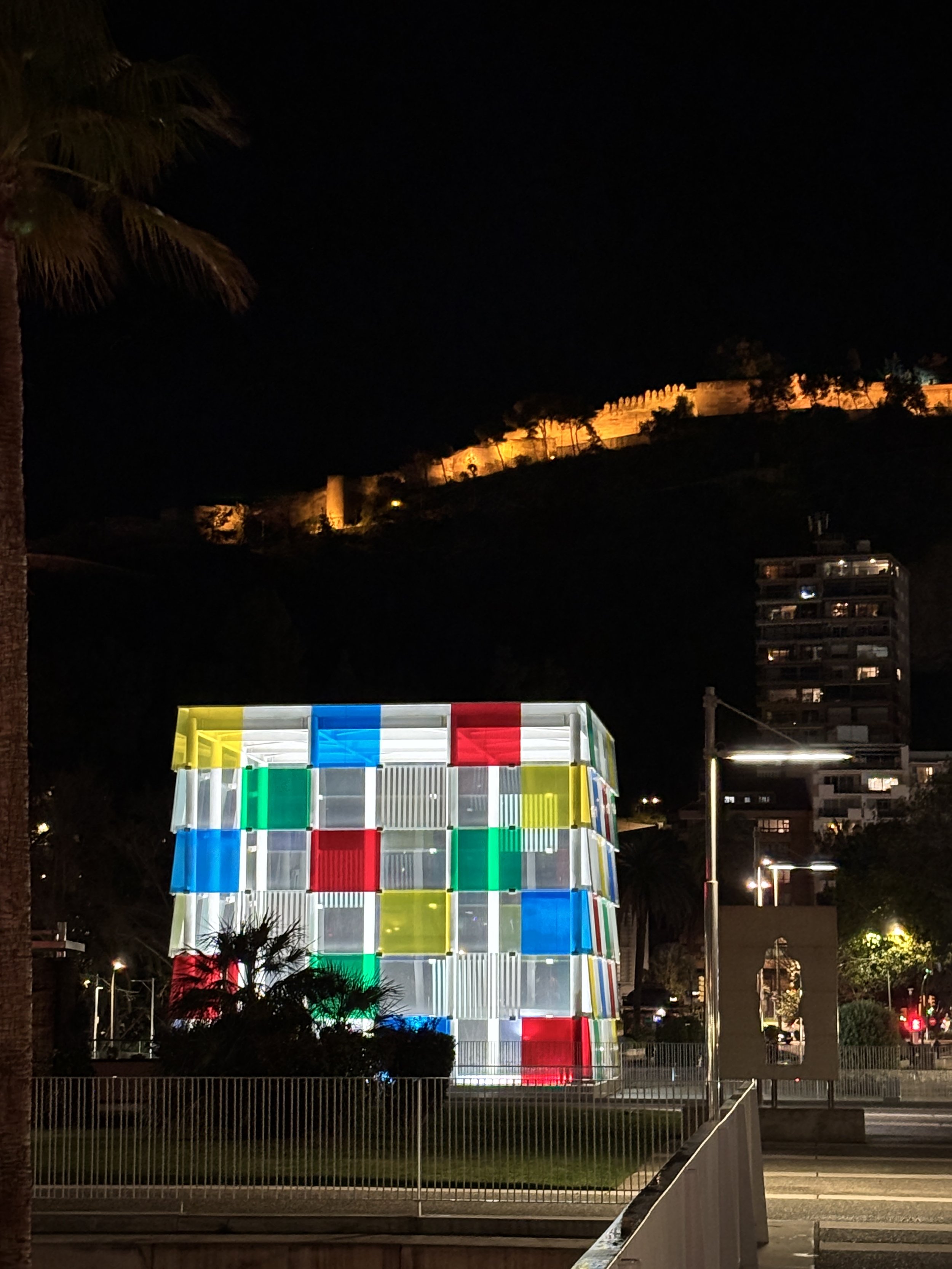
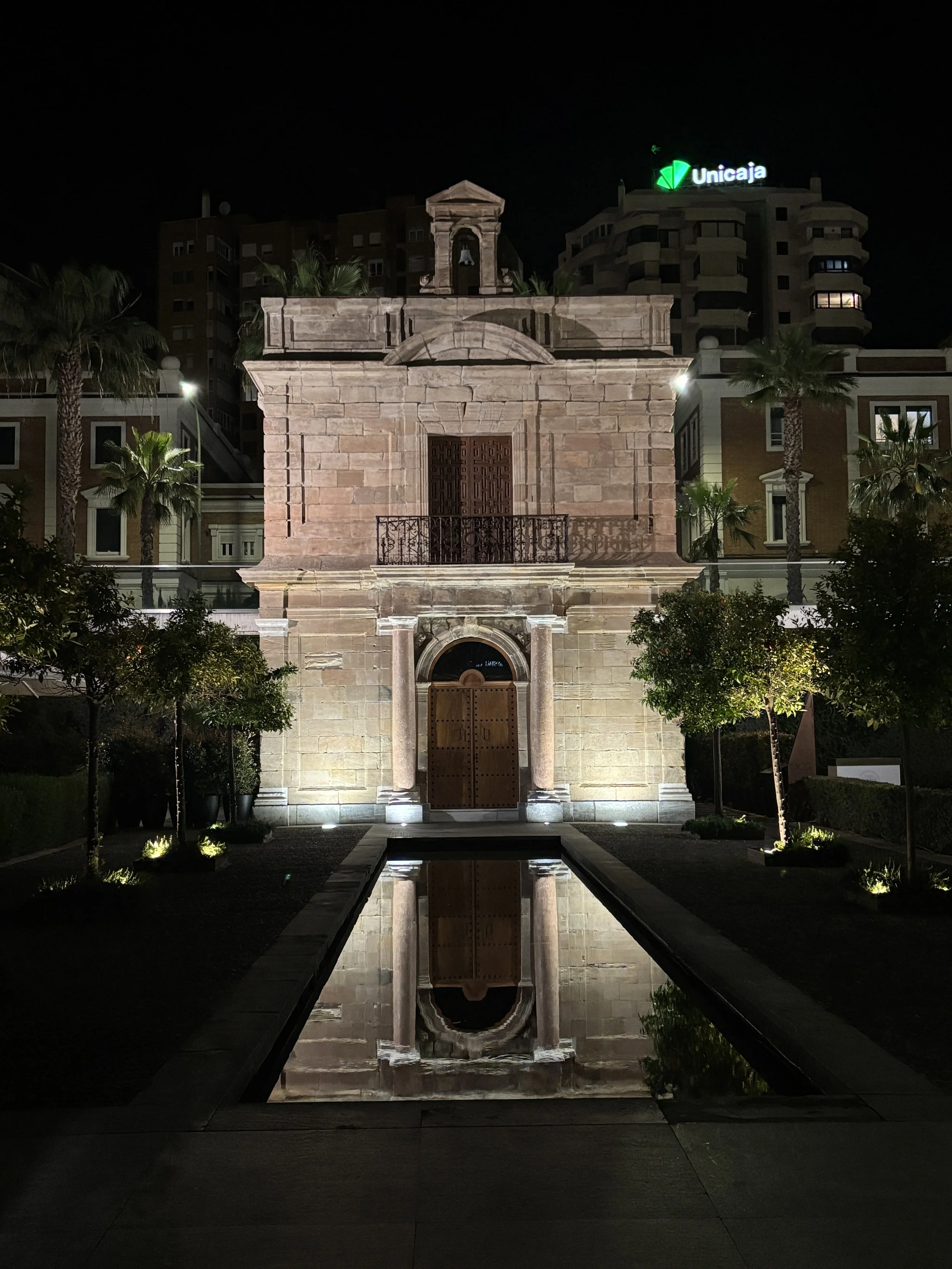
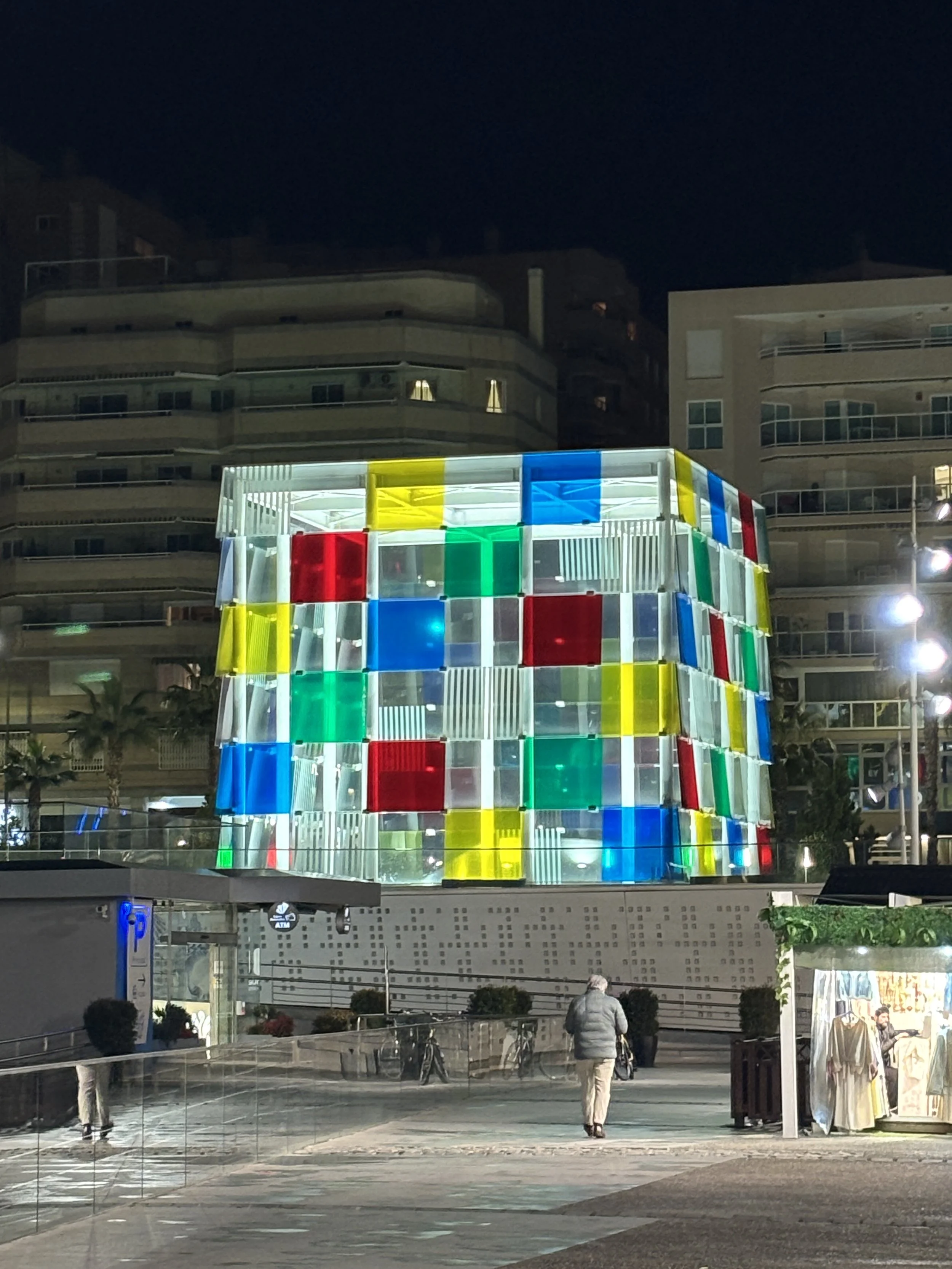
What’s more, the port of Málaga has also some interesting architectural landmarks that are made even more interesting because of the contrast in styles. This is the case of this Mondrian-style glass cube which hosts the Centre Pompidou Málaga and a small modern art collection, and the elegant Chapel of the Port nearby.
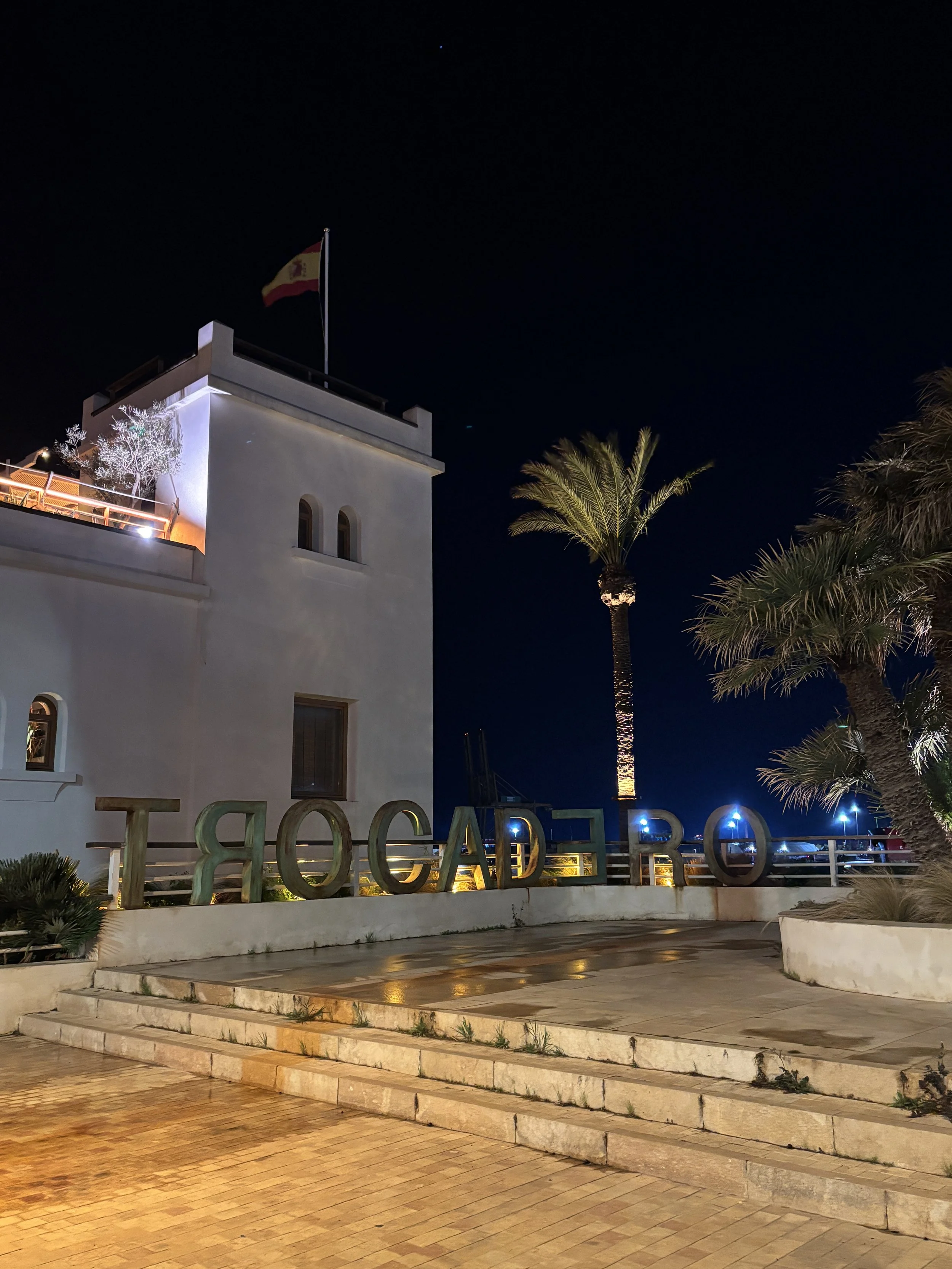
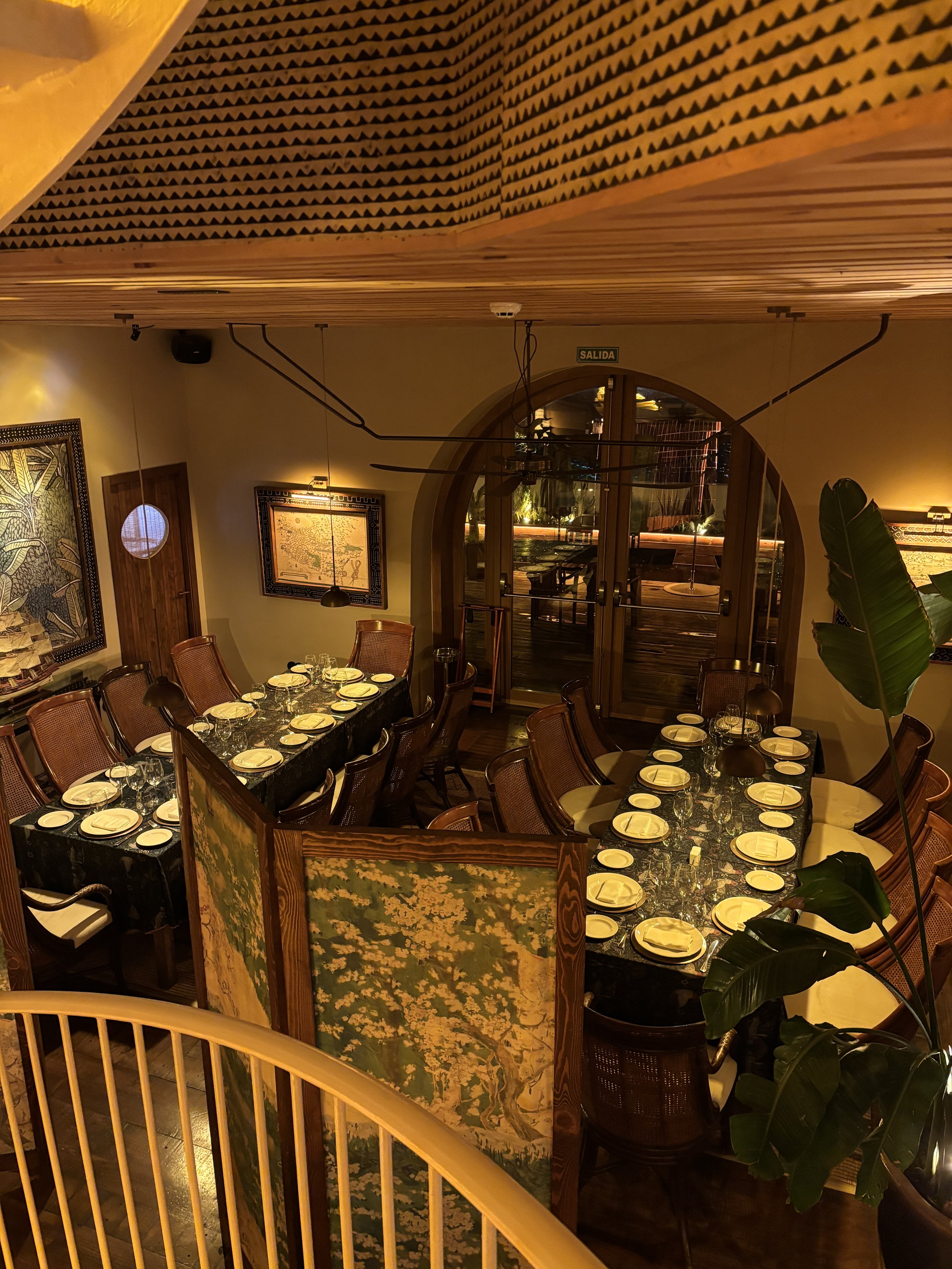
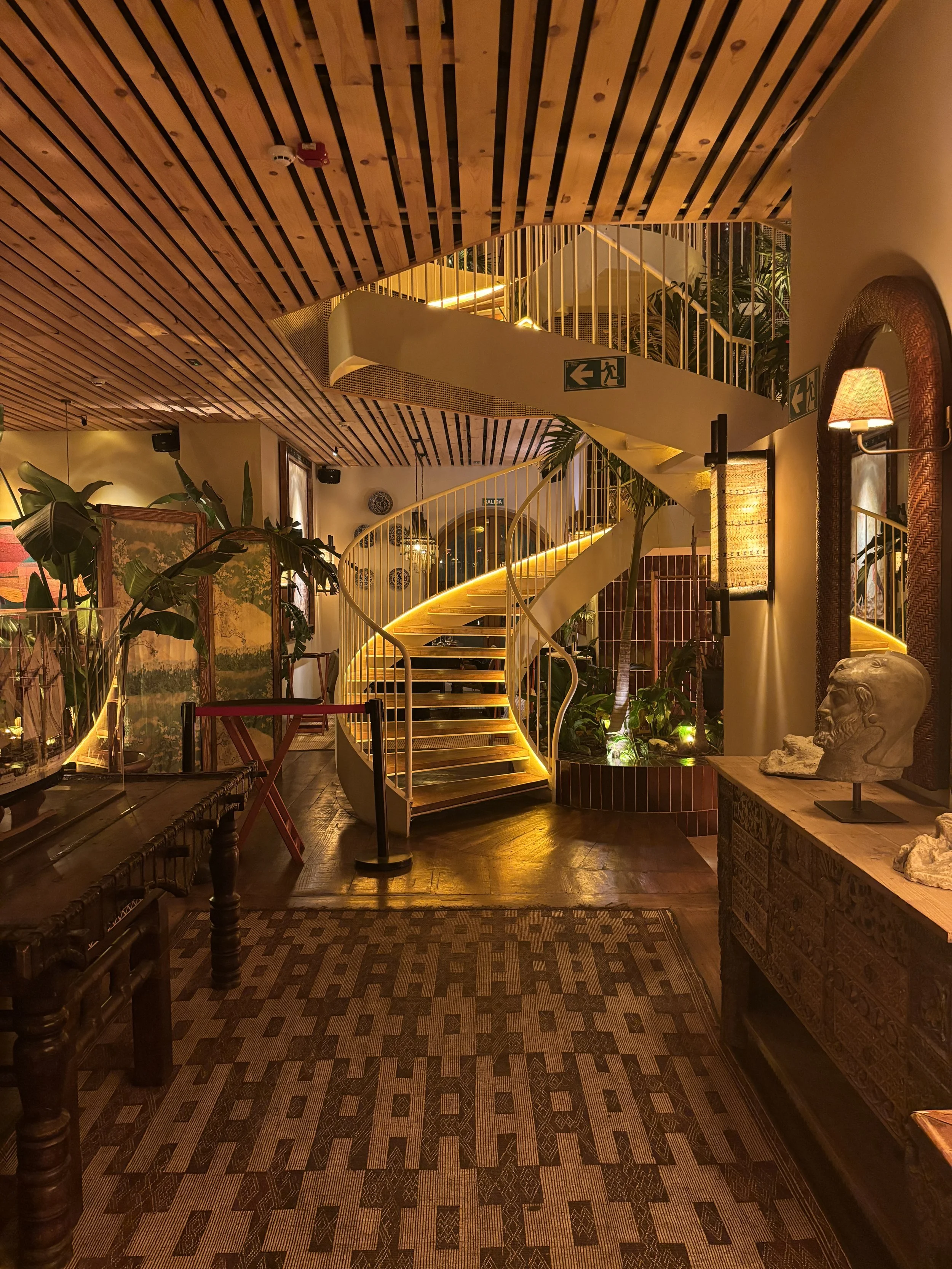
And if you make it all the way to the port’s lighthouse (“La Farola de Málaga”), you may as well eat or drink something at the “Trocadero Casa de Botes”. This is a stylish quayside restaurant which offers a cozy indoor atmosphere and some nice views of the port and the city. Definitely a place to check if you are looking for a place with real character to eat in Málaga.
Where to stay in Málaga
Hotel Soho Boutique Equitativa Málaga
Edificio La Equitativa, Alameda Principal, 3
29001 Málaga
This is a very nice hotel located right at the intersection of Calle Larios and the Alameda avenue, the two major avenues in Málaga’s downtown, and next to the port area. What’s more, as described earlier in this post, the Equitativa building is a landmark on its very own. Built in the 1950s, this 14-storey rationalist building would not be out of place in a major US downtown.
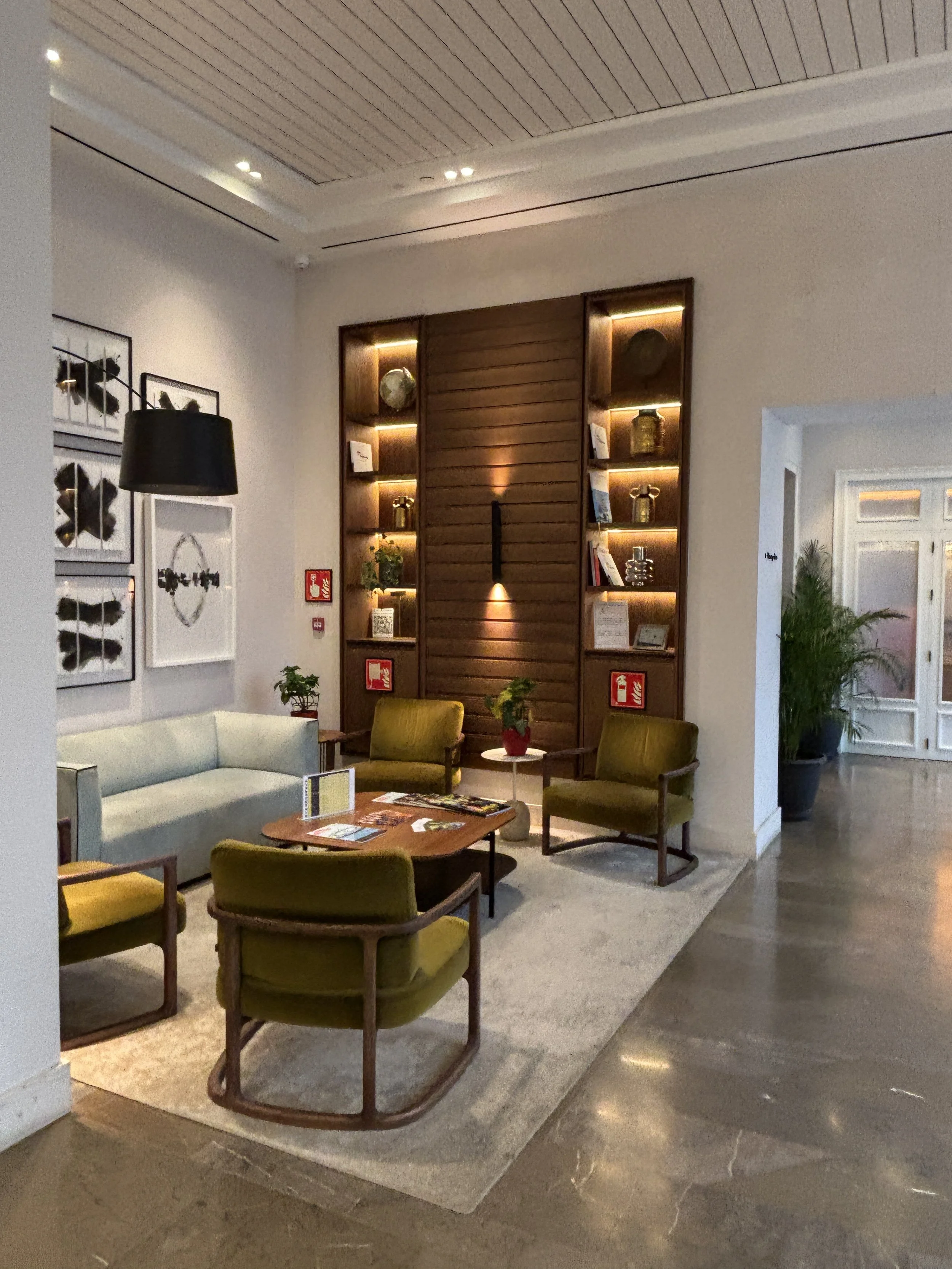
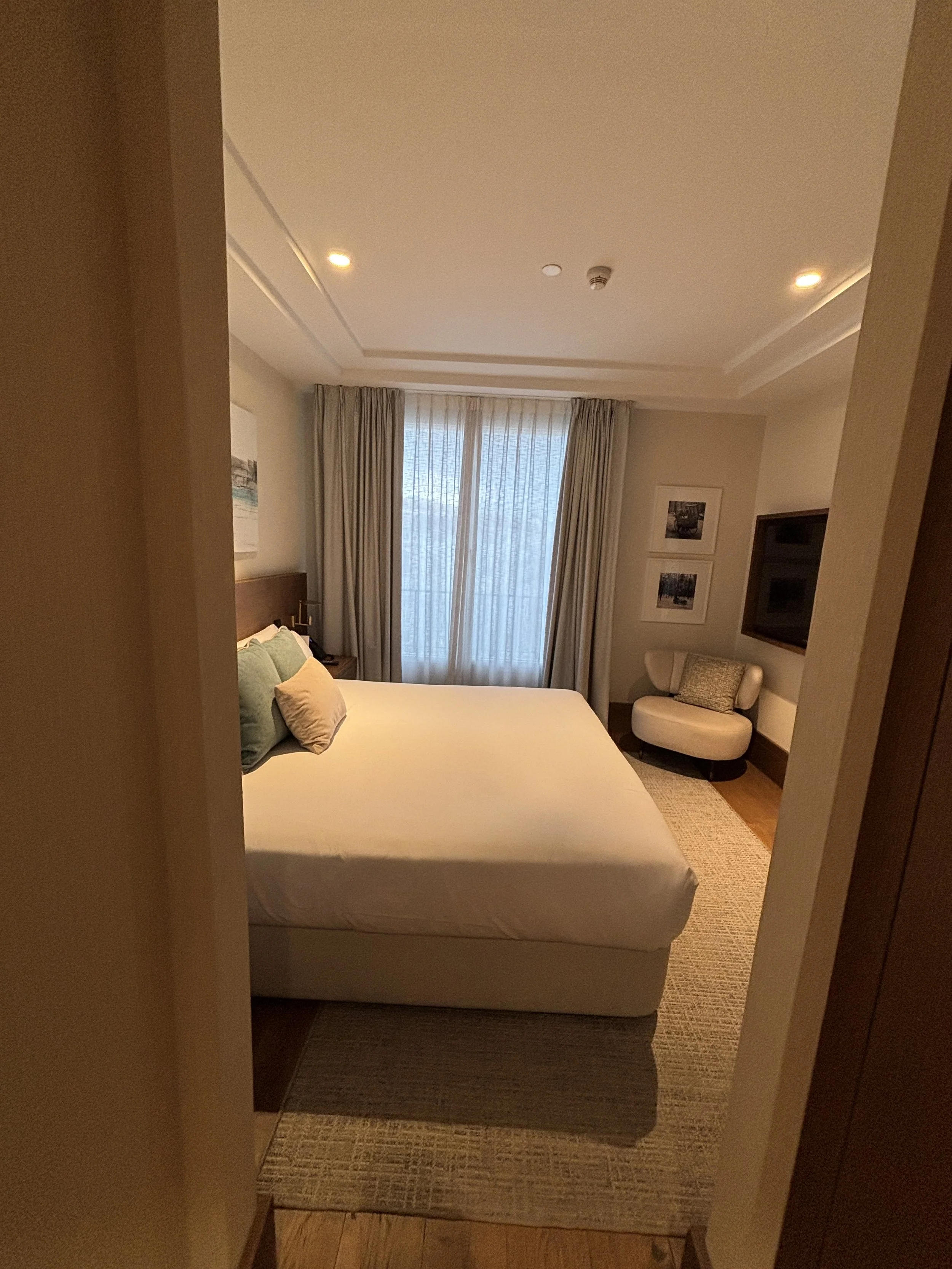
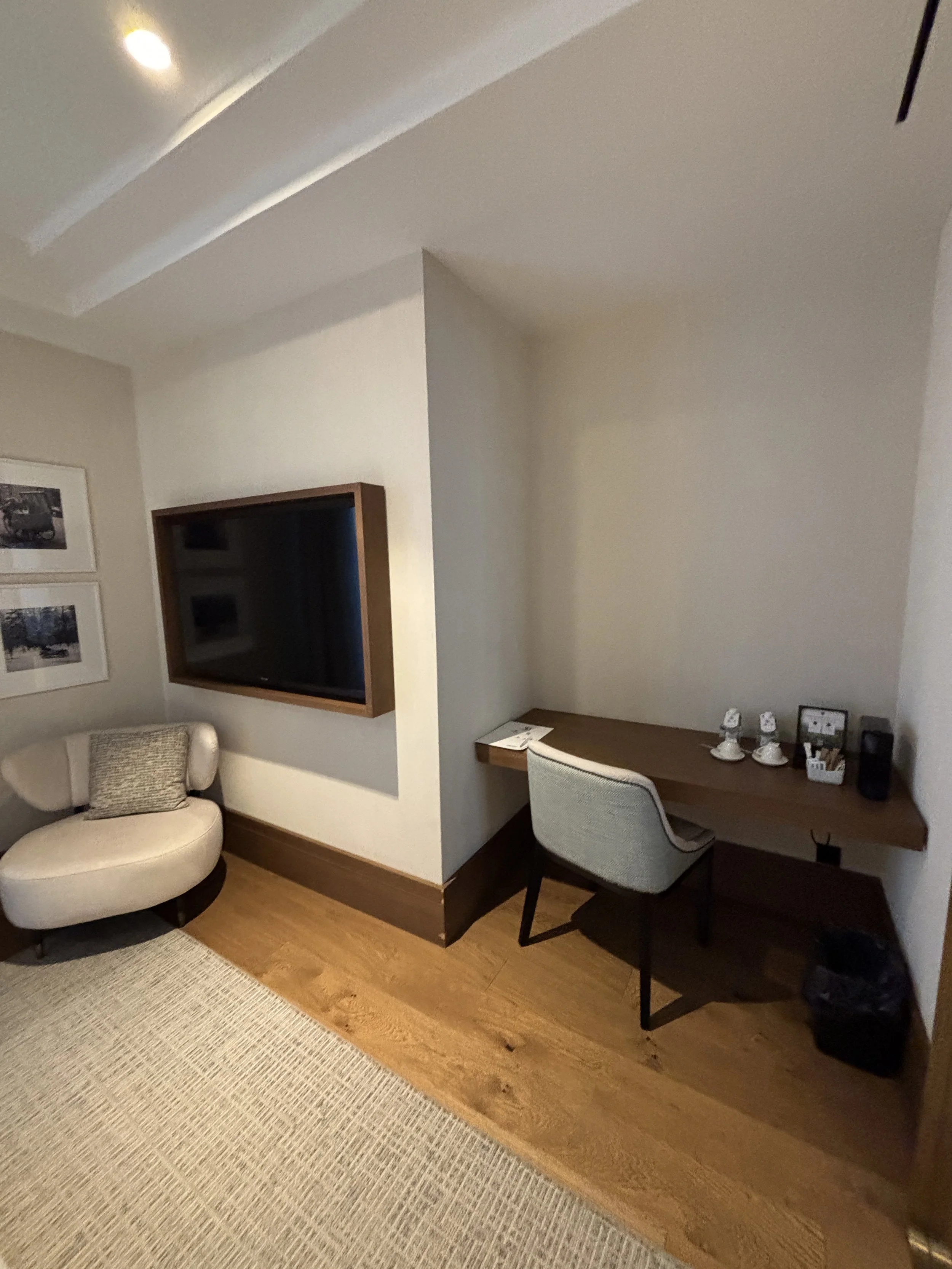
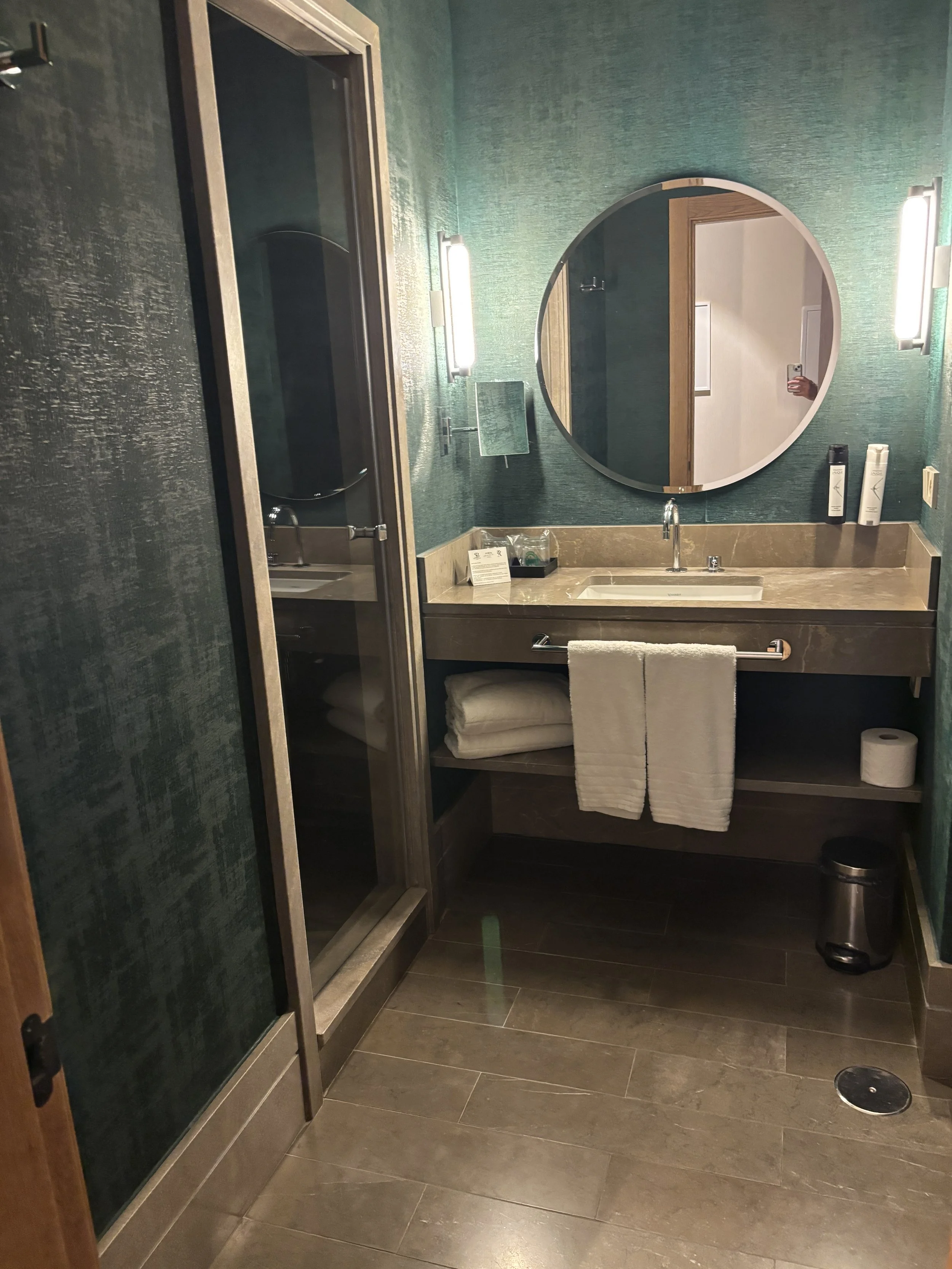
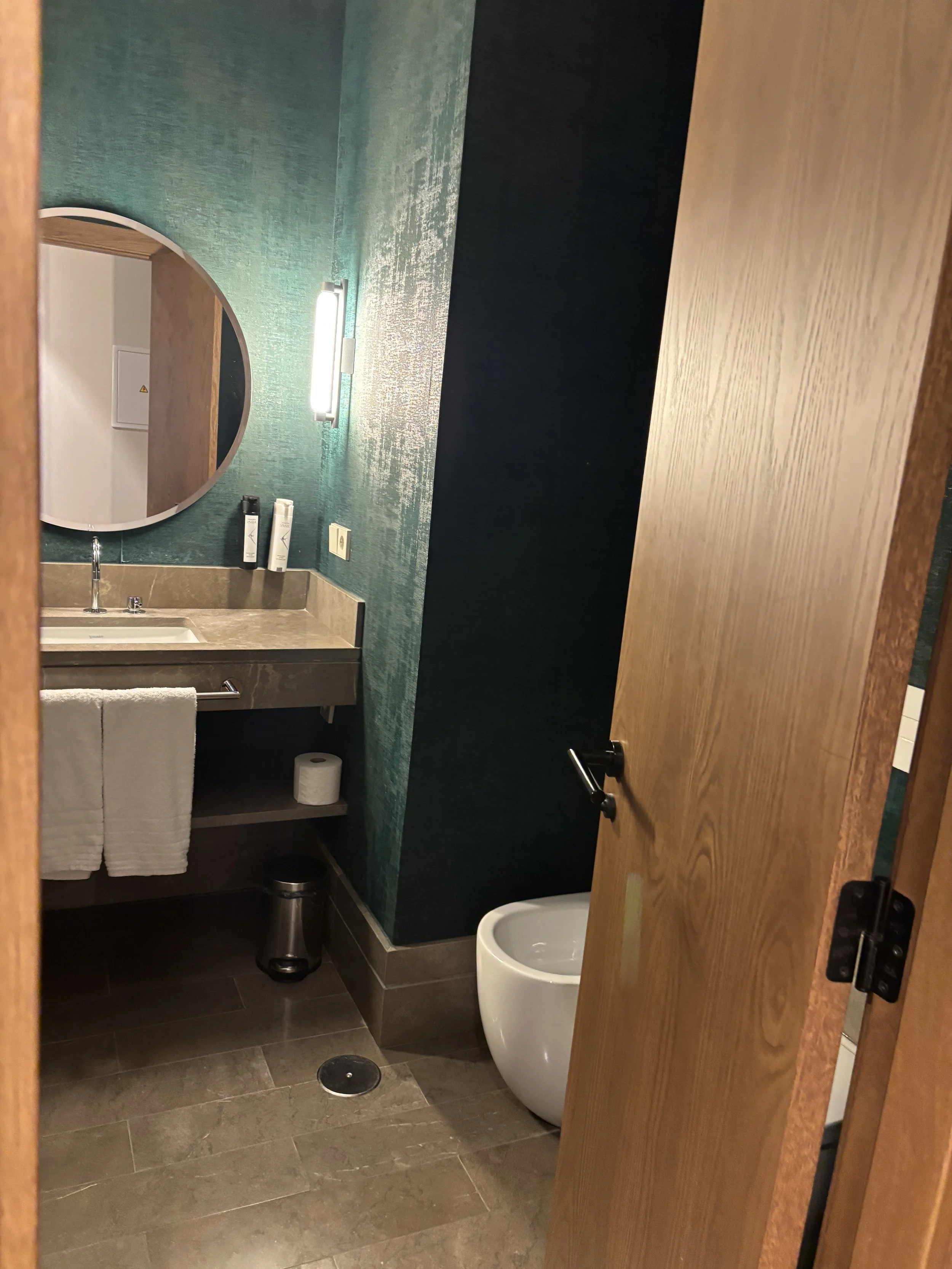
Rooms are not big, but are very cozy. The bed is comfortable and the room has everything you need to work, if needed. The bathroom is also pretty modern and stylish and has a huge shower room.
Also remarkable is that you may get great views of the city. I was just on floor 4th (of 14) and it was already like a panoramic viewpoint of the aforementioned Calle del Marqués de Larios right in front. I can only imagine how the views must have been from rooms further up.
By the way, there is a bar and a panoramic terrace (with a small outdoor pool, also with views) on floor 7th.
Last but not least, a couple of shots of the breakfast, which, as you can see here, was particularly solid when it comes to the pastry department!
So, definitely a hotel I would recommend as a place to stay in Málaga!