
Turkey's Forgotten Inland Sea: Bafa Lake and Herakleia under Latmos
Many travellers head for Turkey’s Aegean coast every summer (and can’t really blame them for that!), but far, far fewer venture a few miles inland to explore what may be one of Western Anatolia’s best kept secrets: Bafa Lake (“Bafa Gölü” in Turkish) and the Ancient city of Herakleia under Latmos, a little known Ancient city which lies under the modern day village of Kapıkırı, roughly half way between Izmir and Bodrum. In fact this is a great thing to do if you are driving along the Turkish Riviera between these two cities.
If you were wondering why a major city flourished here, in Ancient times, in the arid hills of Western Anatolia, the answer is that, Heracleia was, at its height, a port city, since Bafa Lake was connected to the Aegean sea.
Sediments from the Büyük Menderes river ended up cutting Heracleia off from the sea in a process similar to that which led, as well, to the ruin of other prominent urban centers of Antiquity in this part of the Aegean, such as Ephesus and Miletus, which are now effectively inland.
In this case, Herakleia didn’t lose access to water, but what was a large sea bay, became, instead a lake of brackish waters.
How to get to Lake Bafa?
As mentioned earlier, Lake Bafa sits roughly halfway between Bodrum and Izmir and not far from the famous Ancient site of Ephesus.
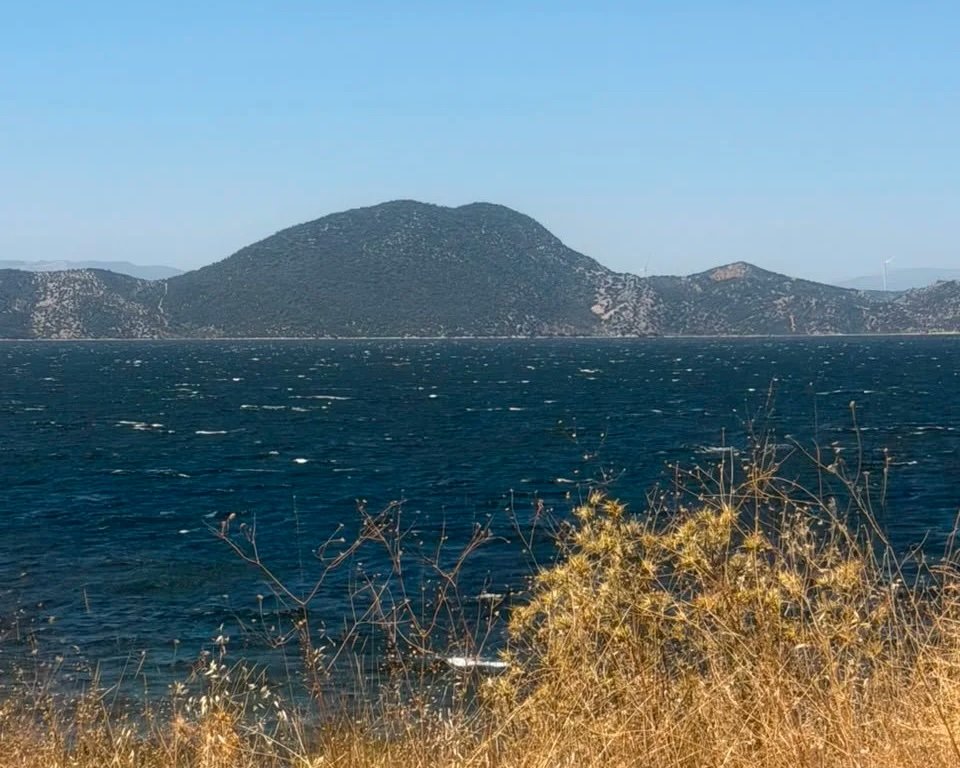
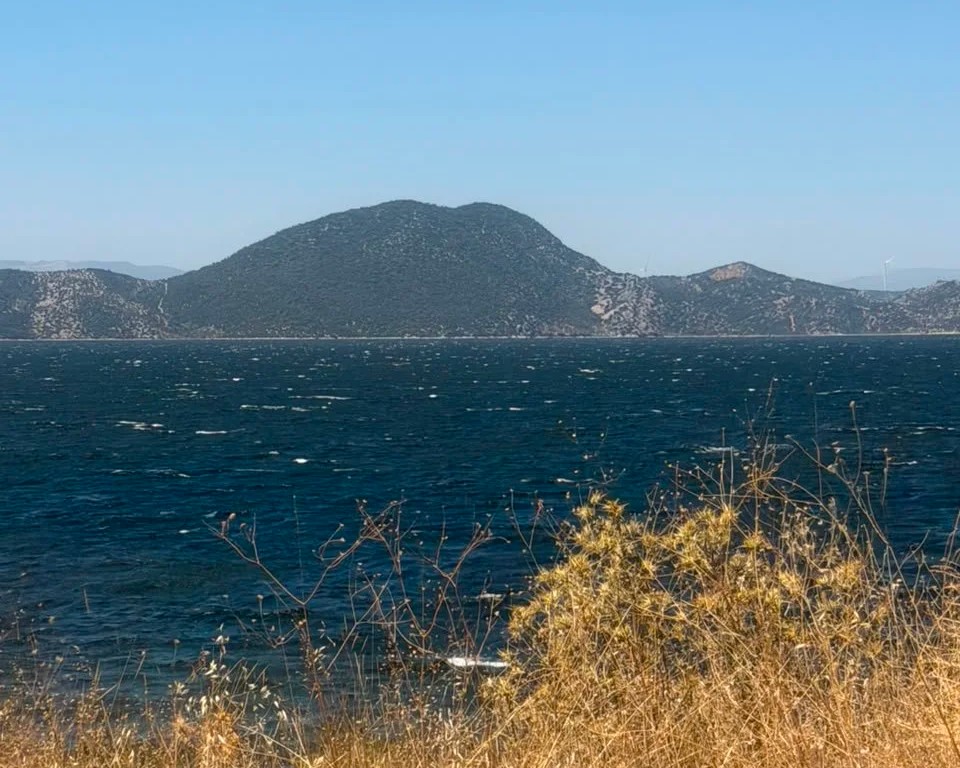
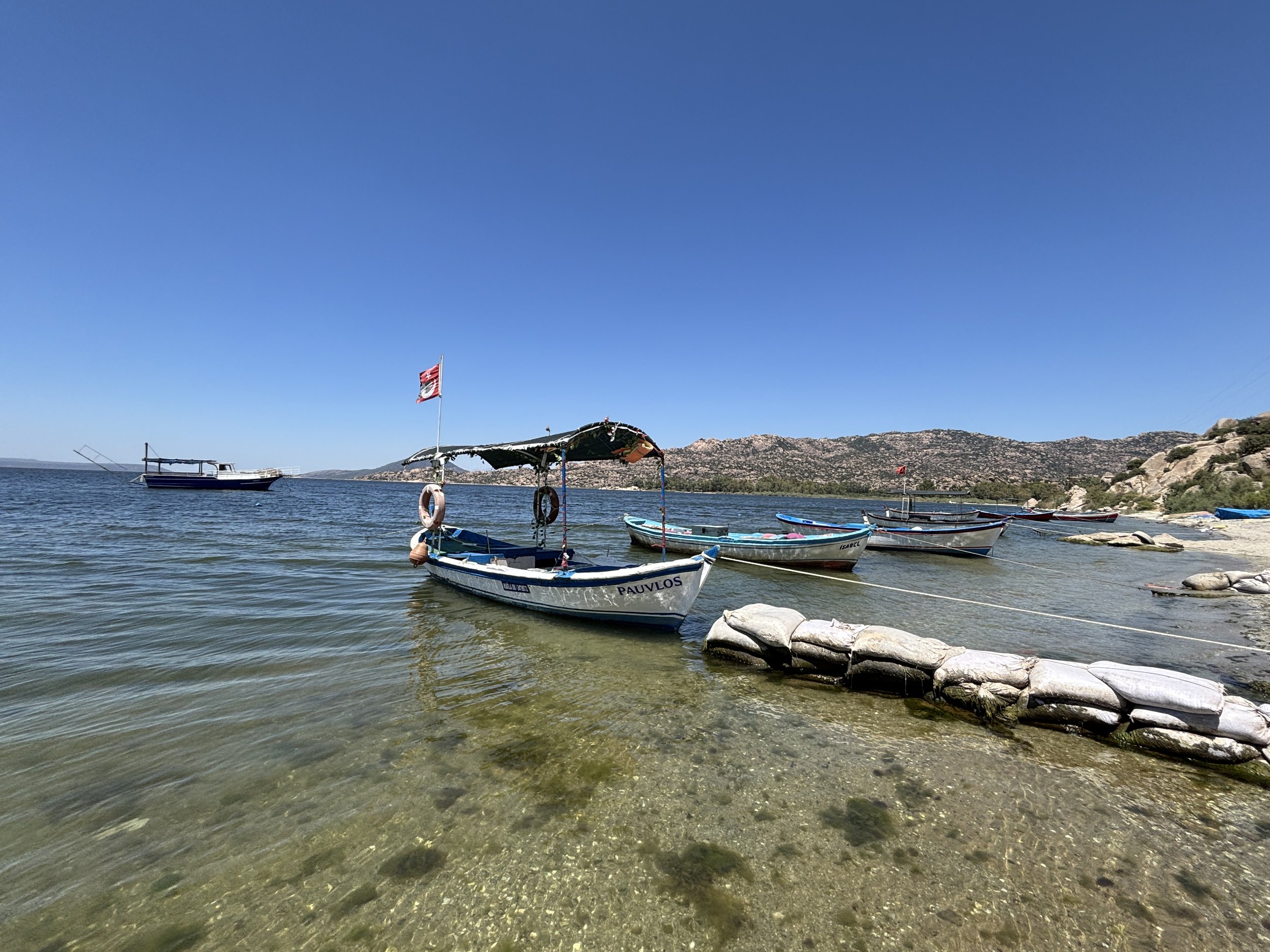
And while the D525 motorway runs along much of the lake’s southern shore (offering some rather impressive views, as shown in the pic above), the main point of interest is the vilage of Kapıkırı, on its northeastern side.
To get there you will need a car, since this is really a rural area without much any meaningful public transportation options to speak of. The good news is that Kapıkırı is just 9 km off the D525 motorway and there is a decent, if rather local, paved road to get there.
The unique landscape of Mount Latmos
One of the main draws of Bafa Lake is that this is not just a place to see Ancient ruins, but a whole ensemble which combines nature and history.
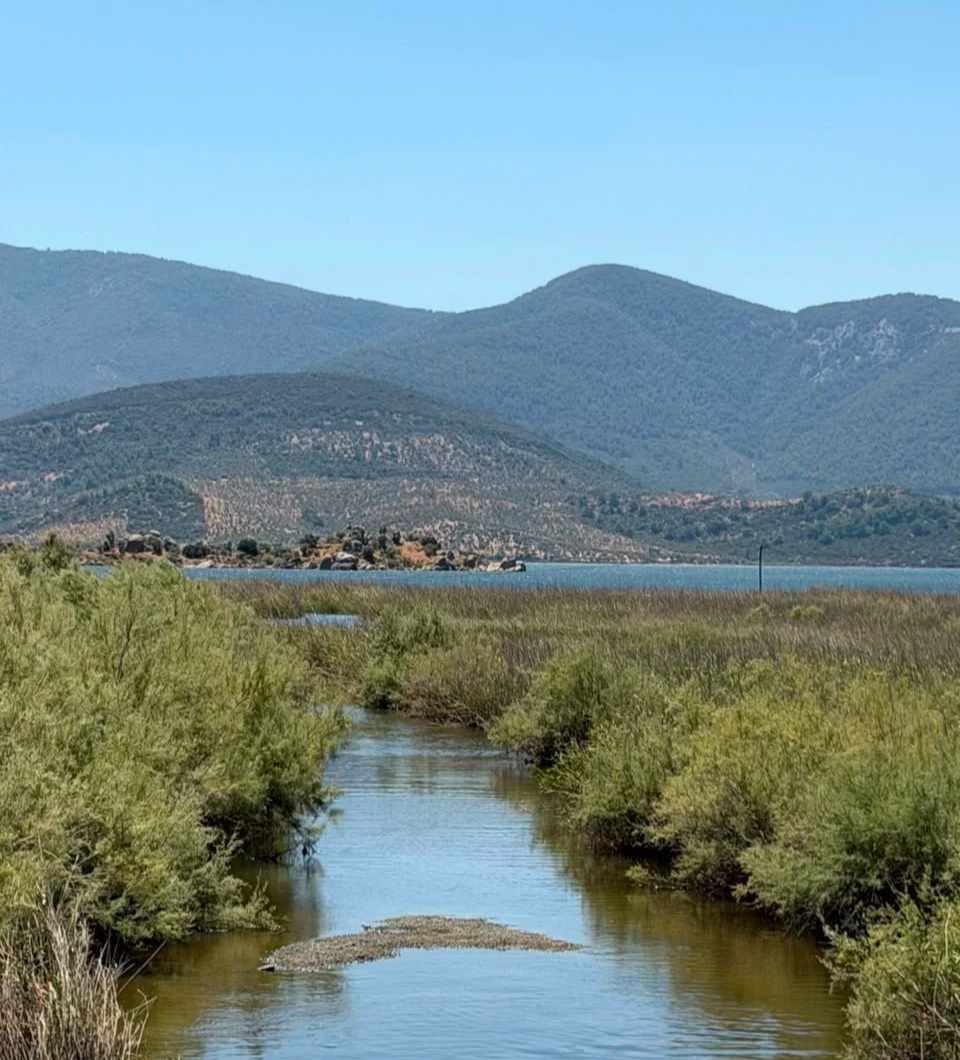
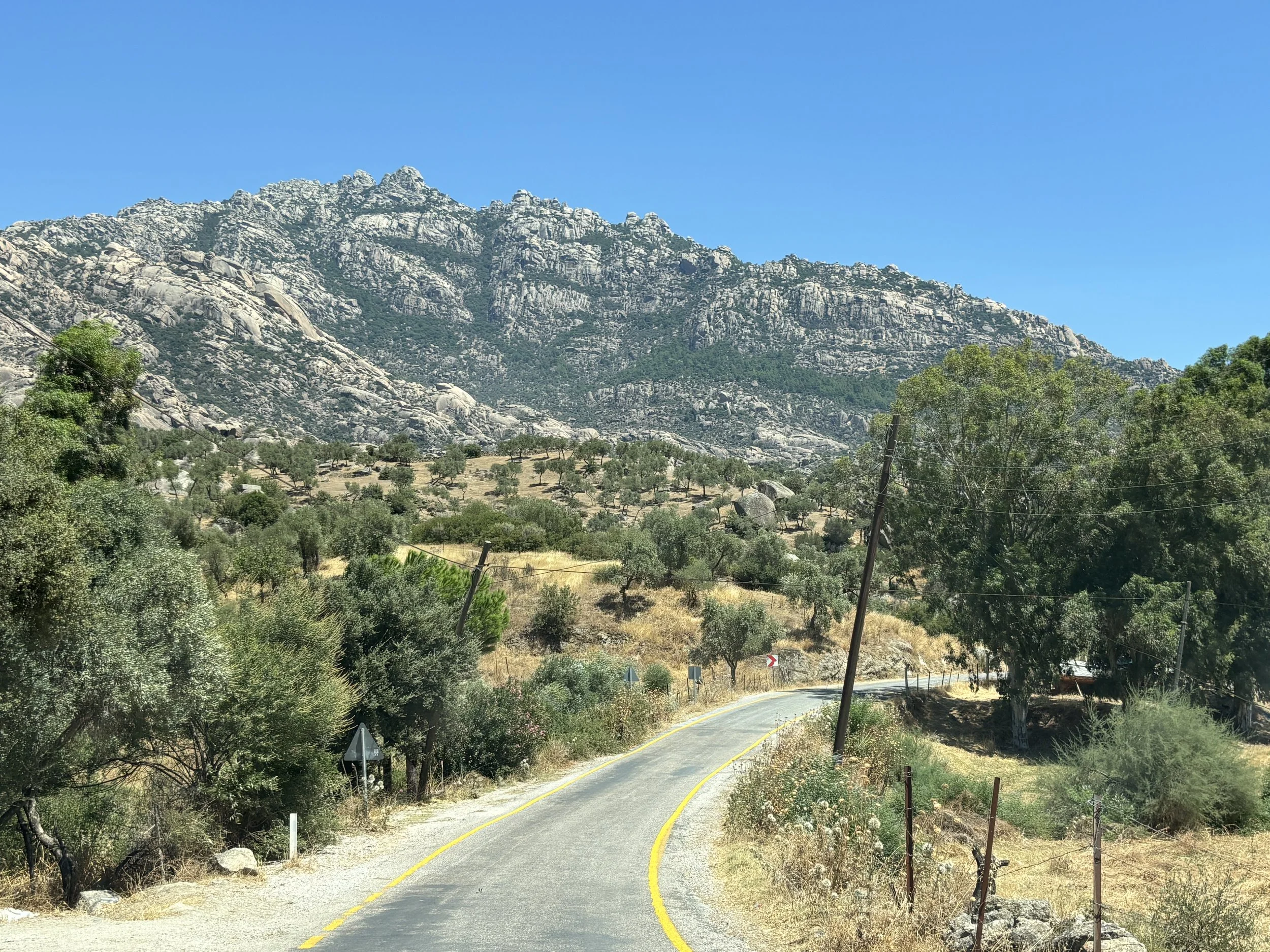
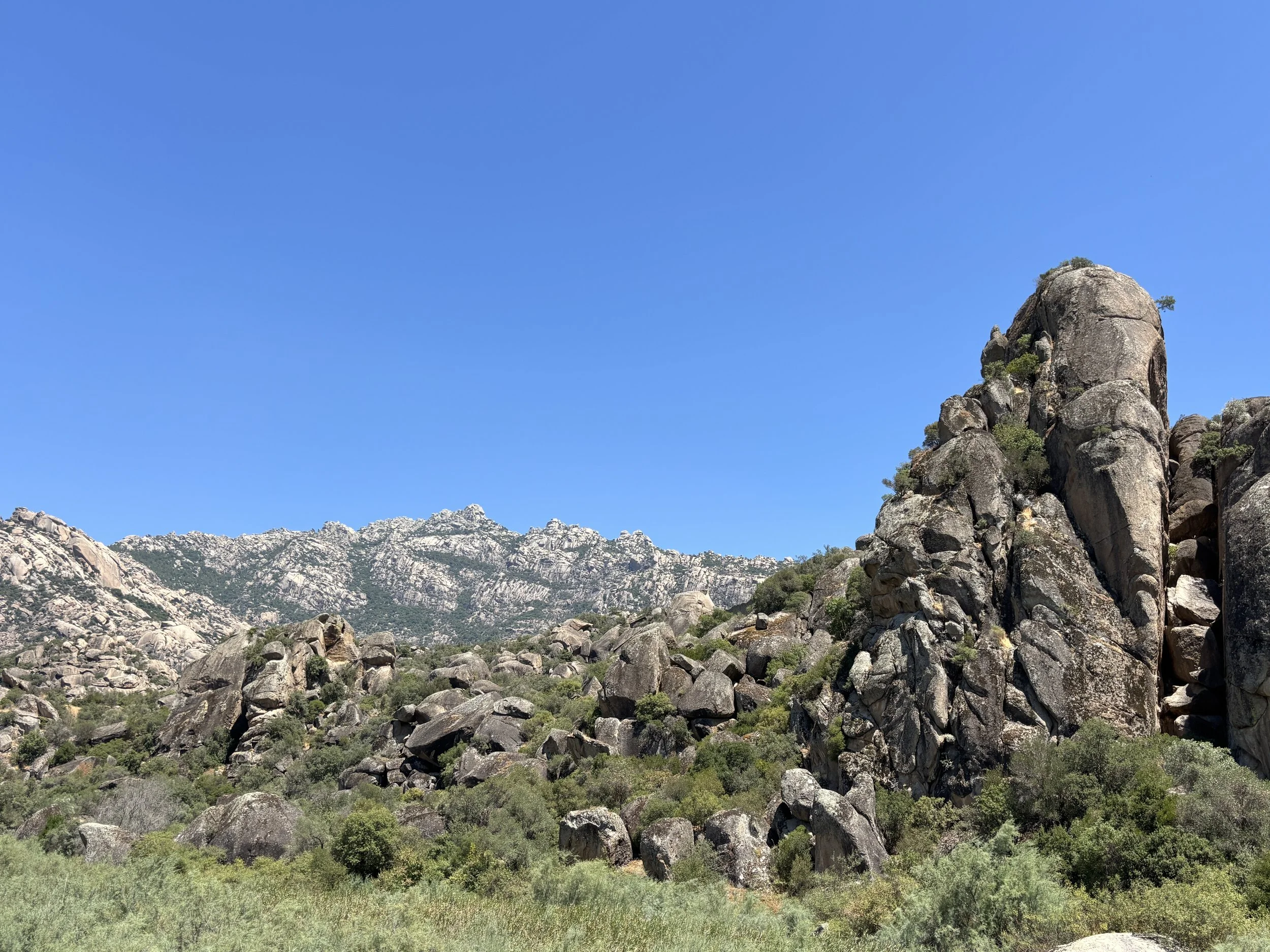
There is the lake and its water landscapes, of course, but what is on dry land is also worth mentioning, because the Latmos mountains which run along the eastern and northern sides of Bafa Lake are quite spectacular, as well.
This is an area which reminded me of Montserrat, near Barcelona, with rather unusual rock formations and large boulders of many shapes scattered all over the place.
The olive groves you pass on the way to Kapıkırı are a constant reminder that this land has been cultivated literally since the dawn of civilization (some 10,000-year-old rock paintings have actually been found in the area).
The lost city of Herakleia under Latmos
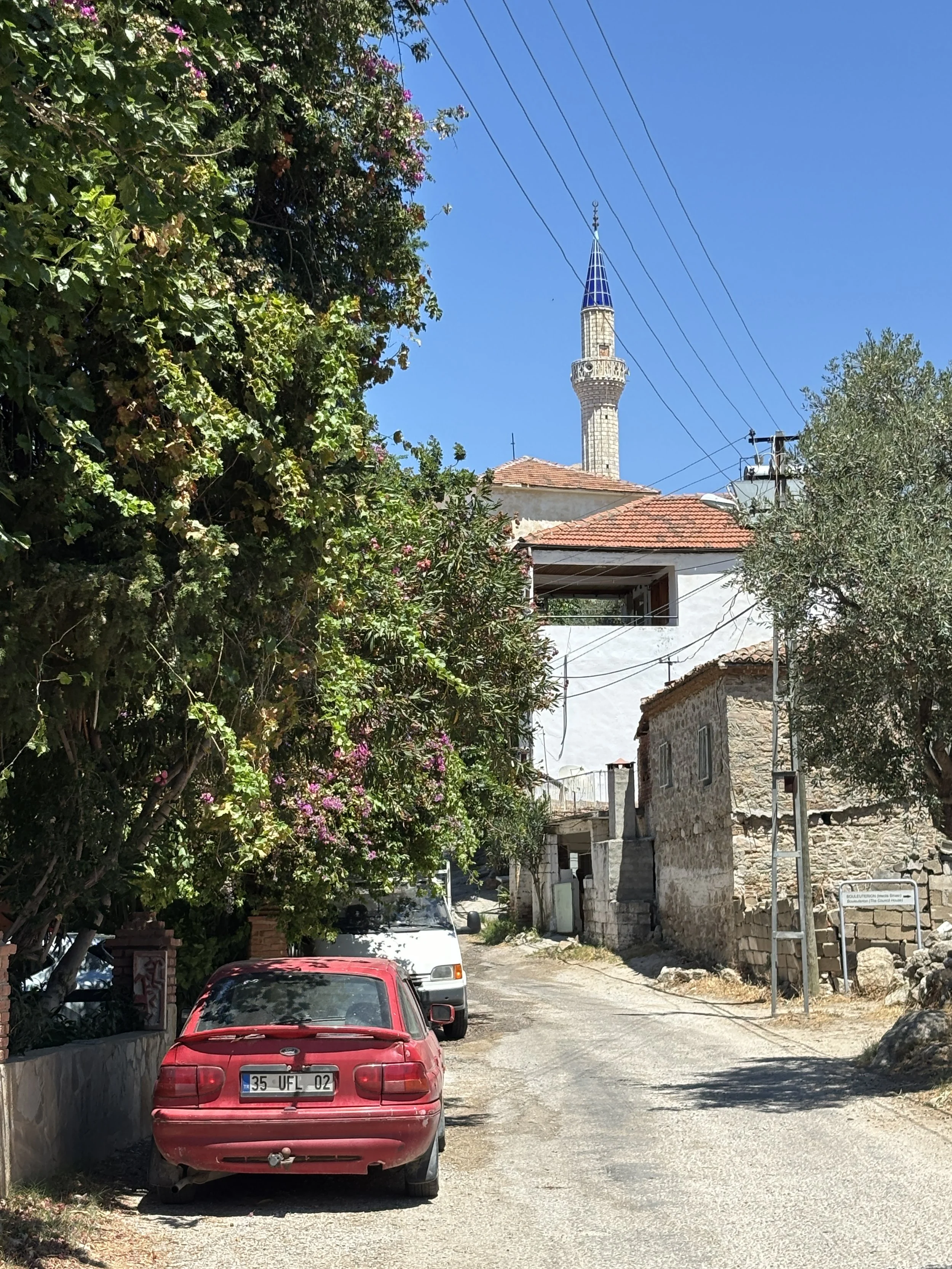
Kapıkırı is a small, quiet hamlet overlooking Lake Bafa with little in it to suggest it sits atop the ruins of a major Hellenistic city.
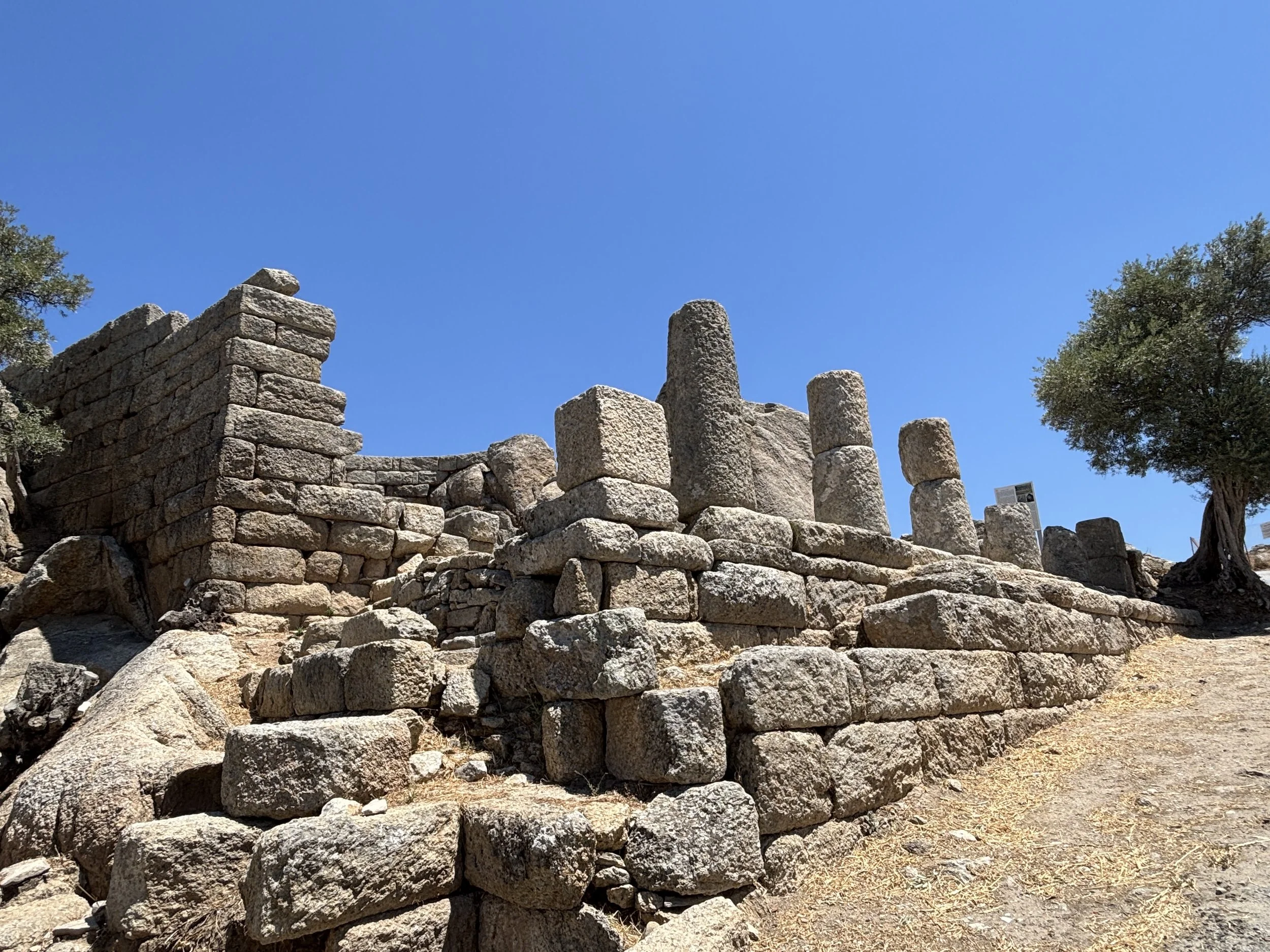
Herakleia under Latmos was settled at least as early as the 8th C. BC, however, it reached its apogee a few centuries later, during the Hellenistic period (around 4th C. BC), when king Mausolus of Halicarnassus (modern day Bodrum) made it one of its major urban centres and gave it the name of Herakleia (since there were multiple cities with this name across the Ancient greek world, this one was known as “-under Latmos”, in a reference to the neighbouring mountains).
Mausolus also fortified the city of Herakleia, building an enceinter which run for more than 6 kilometres around its perimeter.
Part of these walls are still visible today, as are the ruins of several buildings, although not much is left over ground of the old city.
It seems that the decadence of Herakleia under Latmos started already in Antiquity as its access to the sea started to become silted up and it lost its function as a port and place of trade. It appears that the city was not abandoned outright, though, and with the advent of Christianity it became a monastic center until the arrival of the Turks in the middle ages.
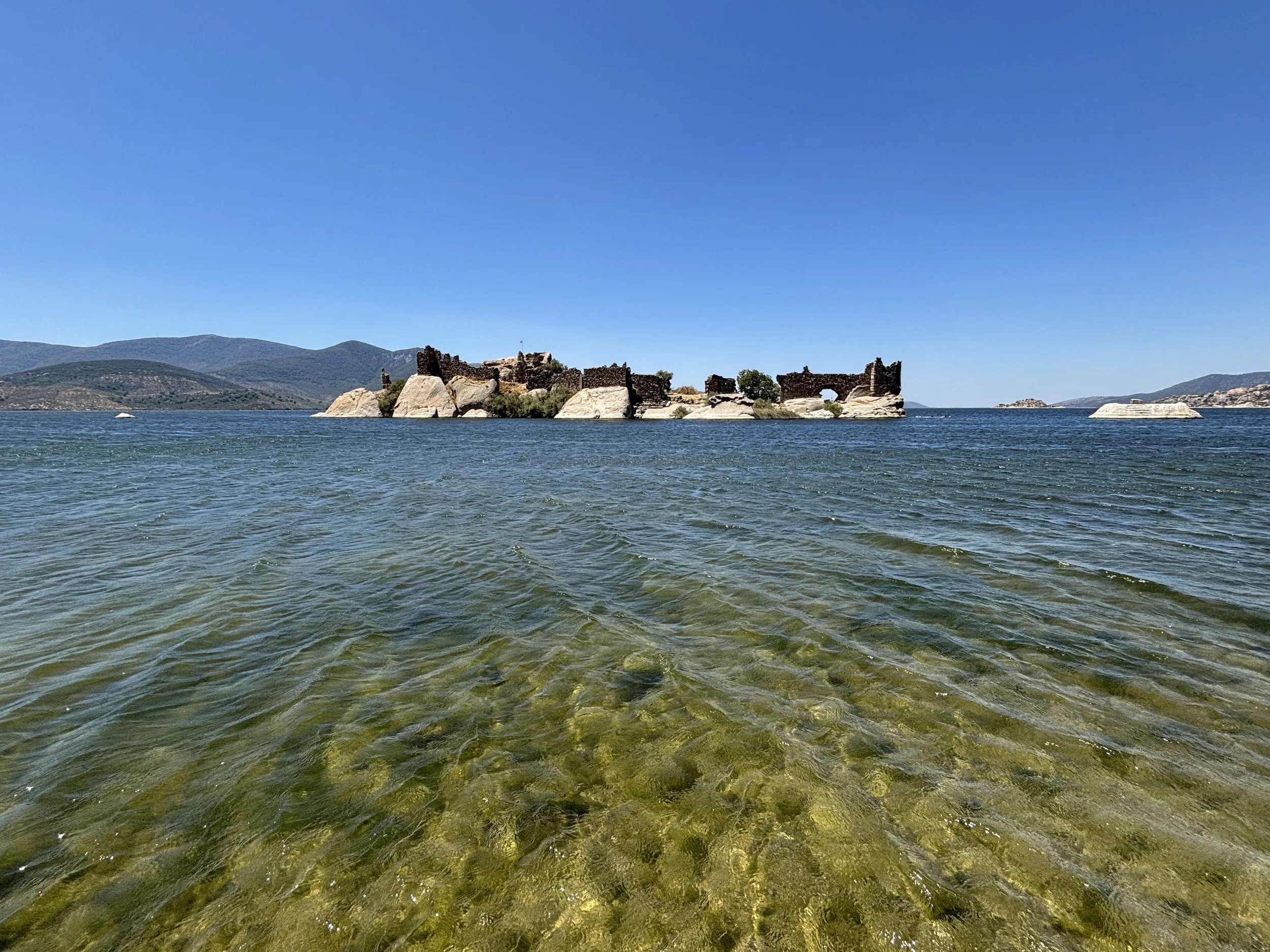
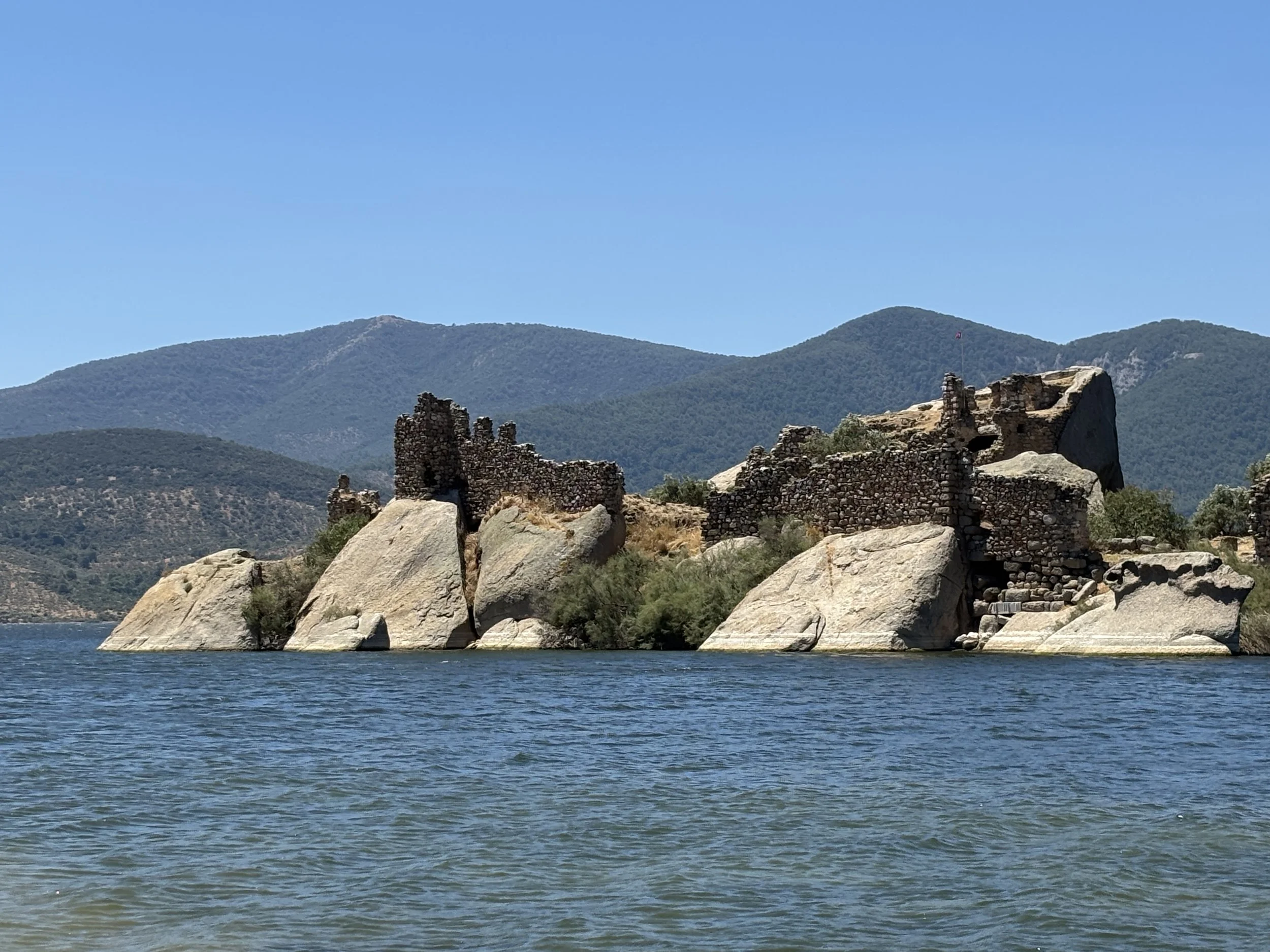
Another point of interest is Kapıkırı Island (below), right in front of the village of the same name. The island still has its Hellenistic walls as well as the ruins of a Byzantine monastery and two smaller churches. It is located so close to the shore that it is actually possible to swim to it (I didn’t, but there were some bathers that were doing just that when I visited).
Lake Bafa’s firefighting plane
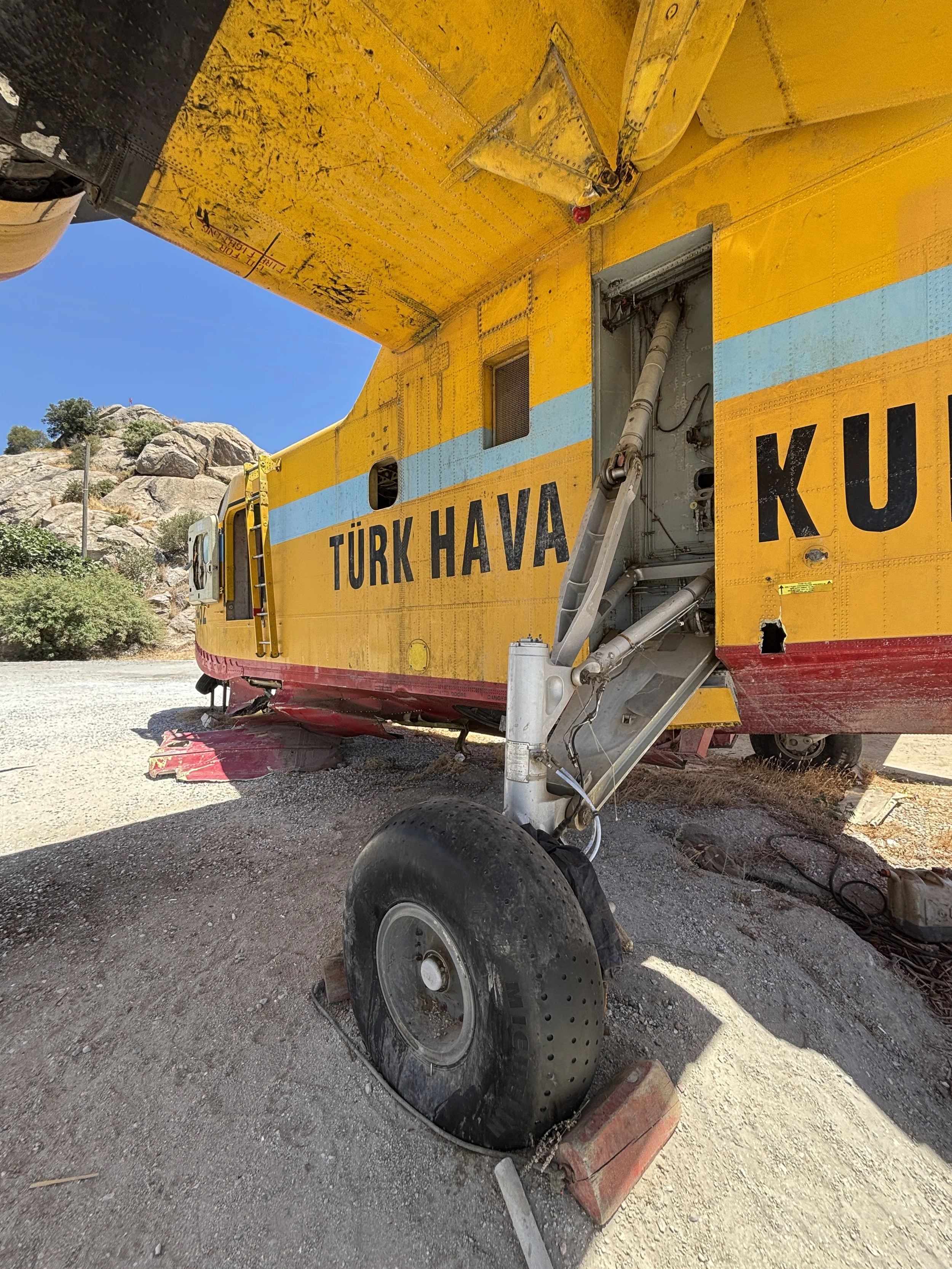
Adding to the scenery is an item from a much more recent time: a Canadair CL-215 amphibious firefighting aircraft is on permanent display by the shore of the lake.
The aircraft is painted in the colours of the Turkish Aeronautical Association (Türk Hava Kurumu, “THK”), which operates a fleet of Canadair firefighting seaplanes on behalf of the Turkish General Directorate of Forestry.
So, how did this aircraft end up there?
In June 2024, this aircraft was scooping water on Lake Bafa in order to fight a forest fire in a nearby area when it suffered an accident due to adverse winds and waves and it ended up with its forward fuselage submerged. No one was injured and the three crew members were rescued, but the aircraft was written off and left by the beach in Kapıkırı.
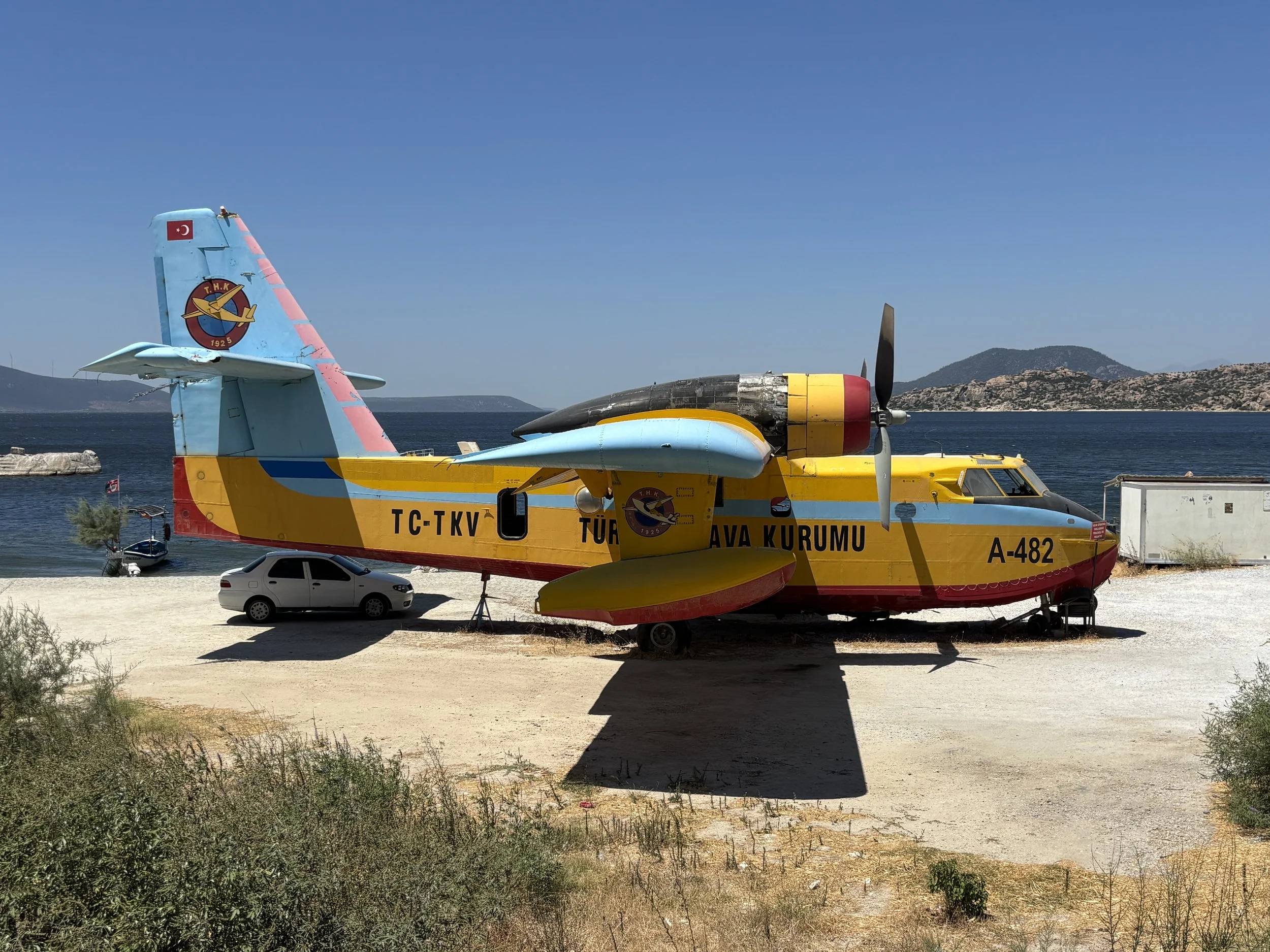
Besides being a very interesting sight by itself, the aircraft provides quite an interesting counterpoint to the historical and natural appeal of the place.
Where to eat by Lake Bafa: Agora Pansiyon
If you are visiting Lake Bafa, tasting the lake’s hot smoked eels is a must.
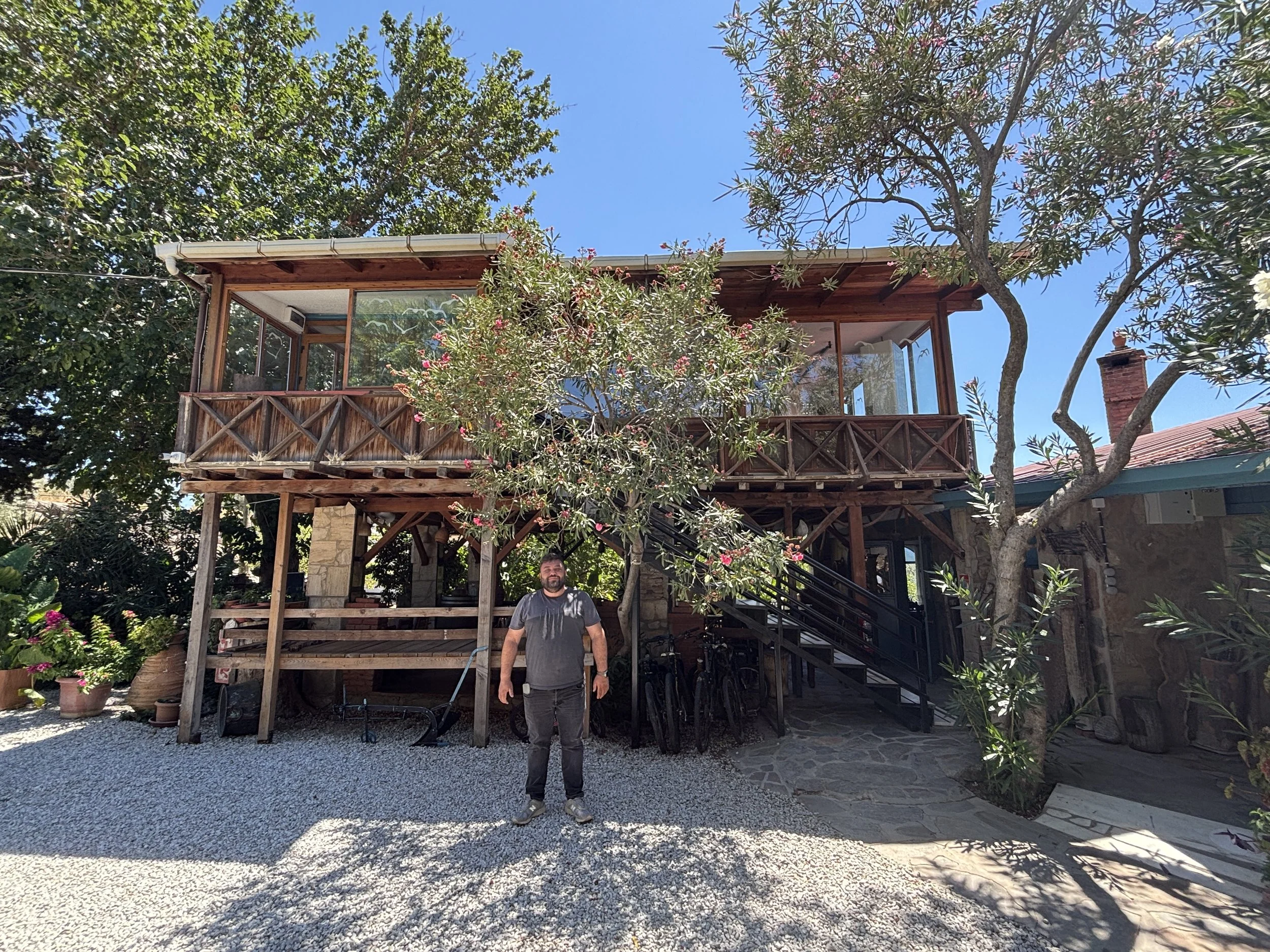
This is a true local speciality and, to try it, I would recommend heading to Agora Pansiyon, a restaurant in “downtown” Kapıkırı which boasts several Michelin guide mentions.
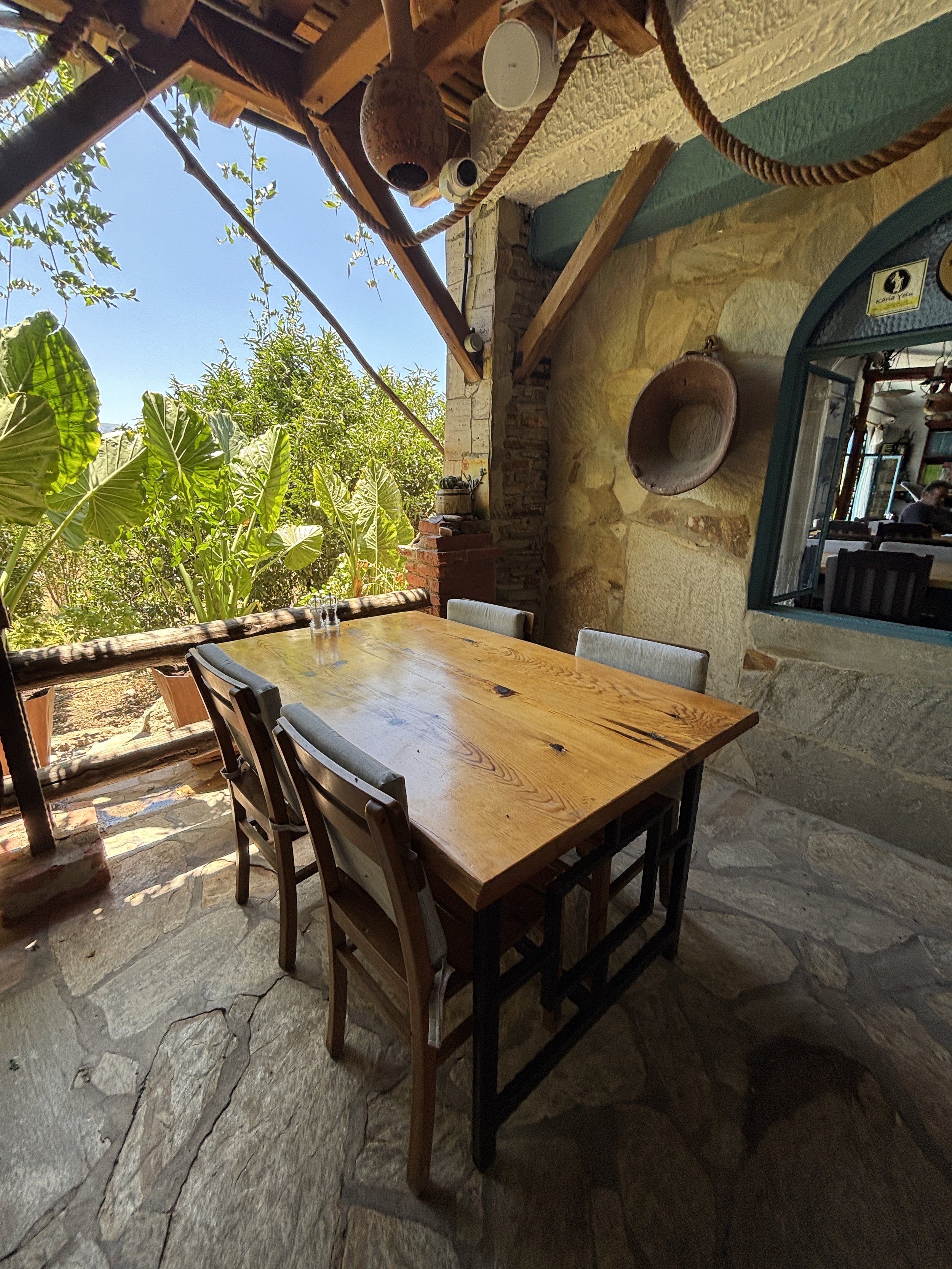
This is a nice family-owned establishment, which works both as a restaurant and hotel. It has its own parking space, which is relevant since I guess almost every visitor arrives to Kapıkırı by car. The restaurant has a nice outdoor, covered terrace which is rather pleasant.
It’s owner, Mithat, is fluent in English (which, surprinsingly is not that common in Turkey’s hospitality sector) and besides being also a talented amateur photographer (you can see some of his work on Instagram) he also works as a tourist guide, taking groups on tours all over this region, so he is very well versed on the unique history and geography of this region.
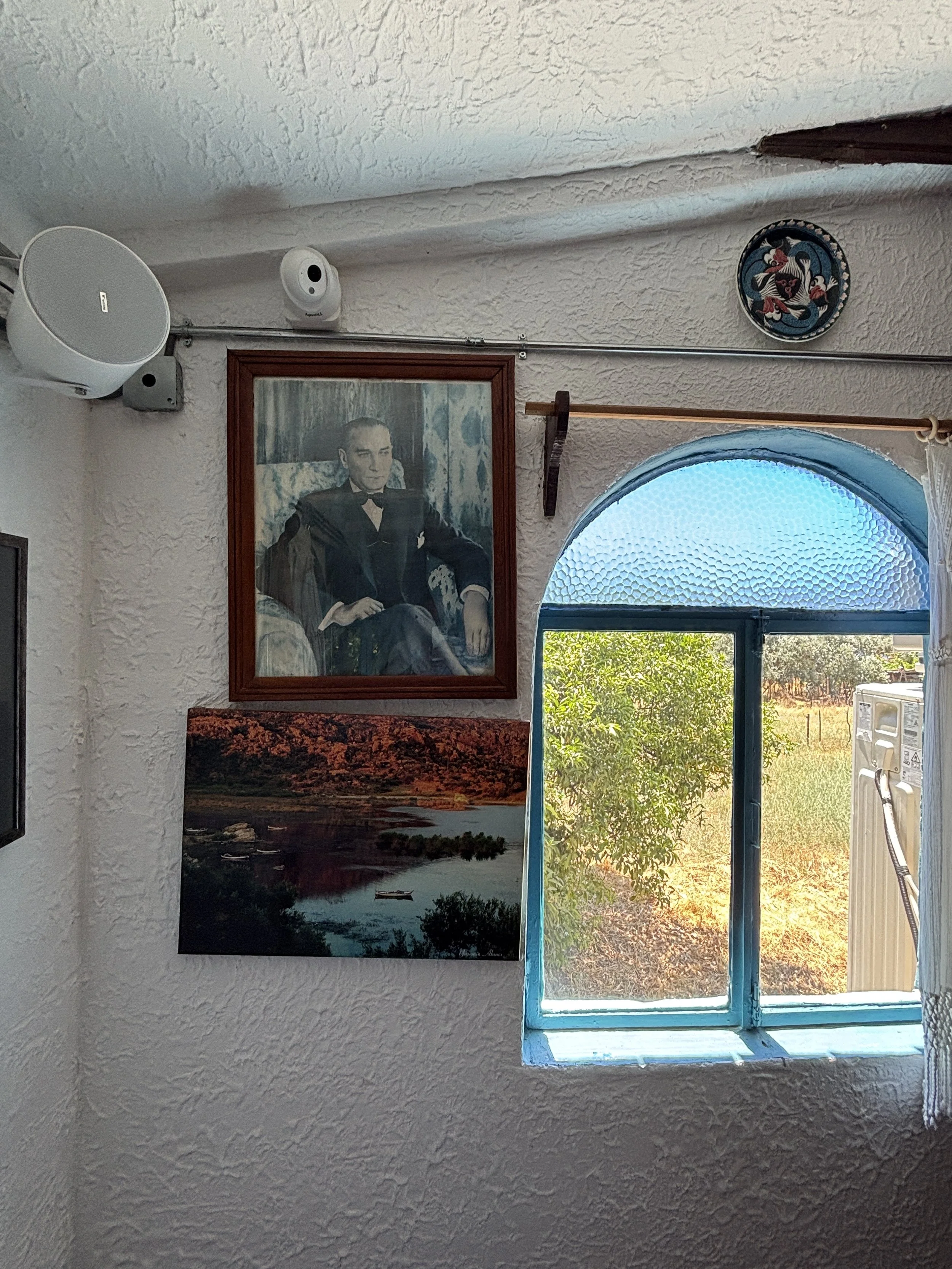
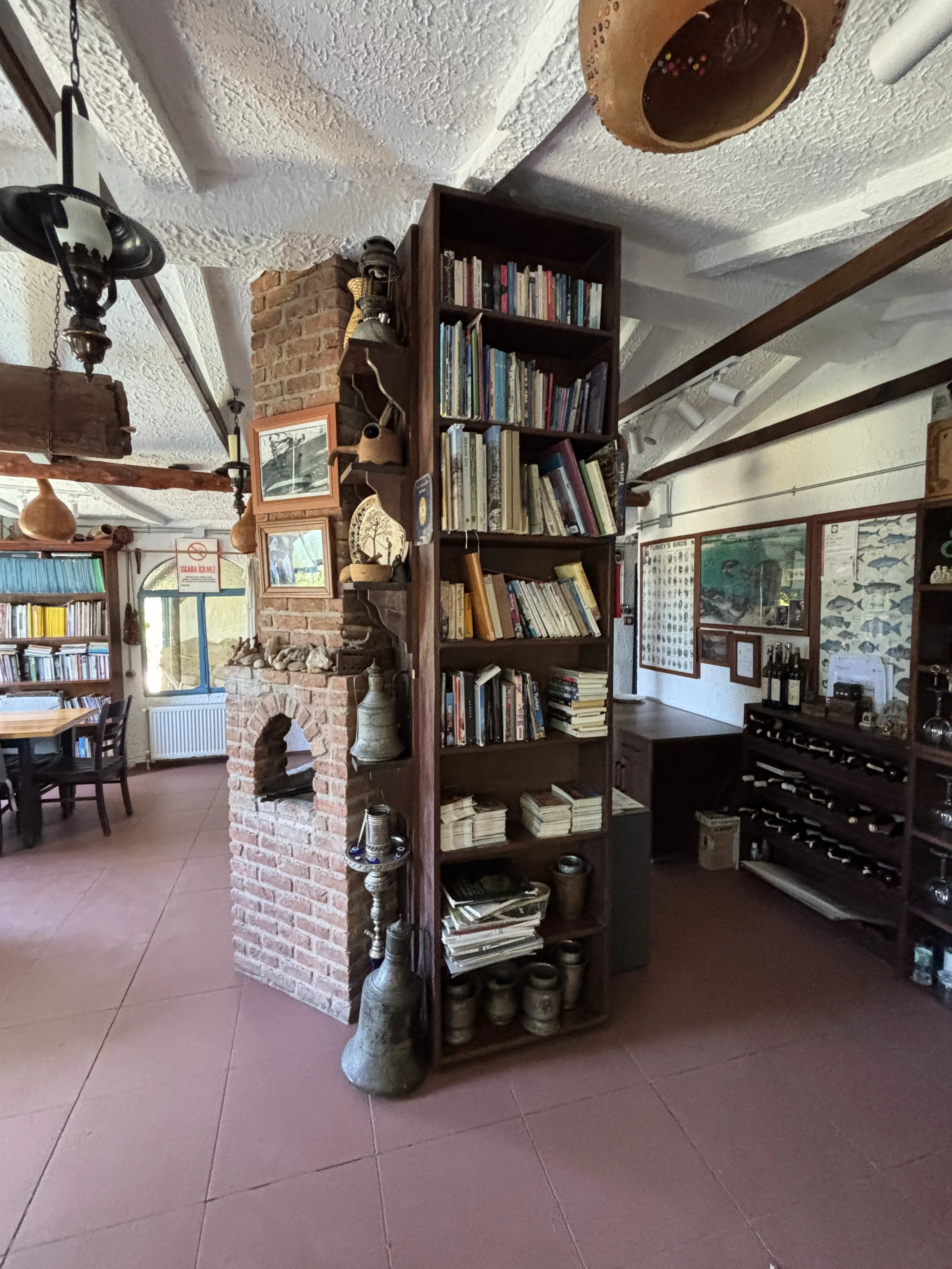
Agora Pansiyon is also a great place to try the local specialities, starting by the olives of the locally-harvested olives of the Memecik variety (they are recognized by the Milas Table Olives Protected Designation of Origin, btw), which are also used to make extra virgin olive oil.
Another surprising detail worth mentioning: our host, Mithat, told us that the bread they serve at Agora Pansiyon is also a piece of local heritage. Following an old Anatolian tradition, the sourdough starter used to make the restaurant’s bread comes from a living culture brought into the family generations ago as part of a bride's dowry.
The yeast has been fed and kept alive ever since, rather than made fresh. Apparently, in Turkish tradition this surdough starter is believed to carry a kind of omen for the household's fortune.
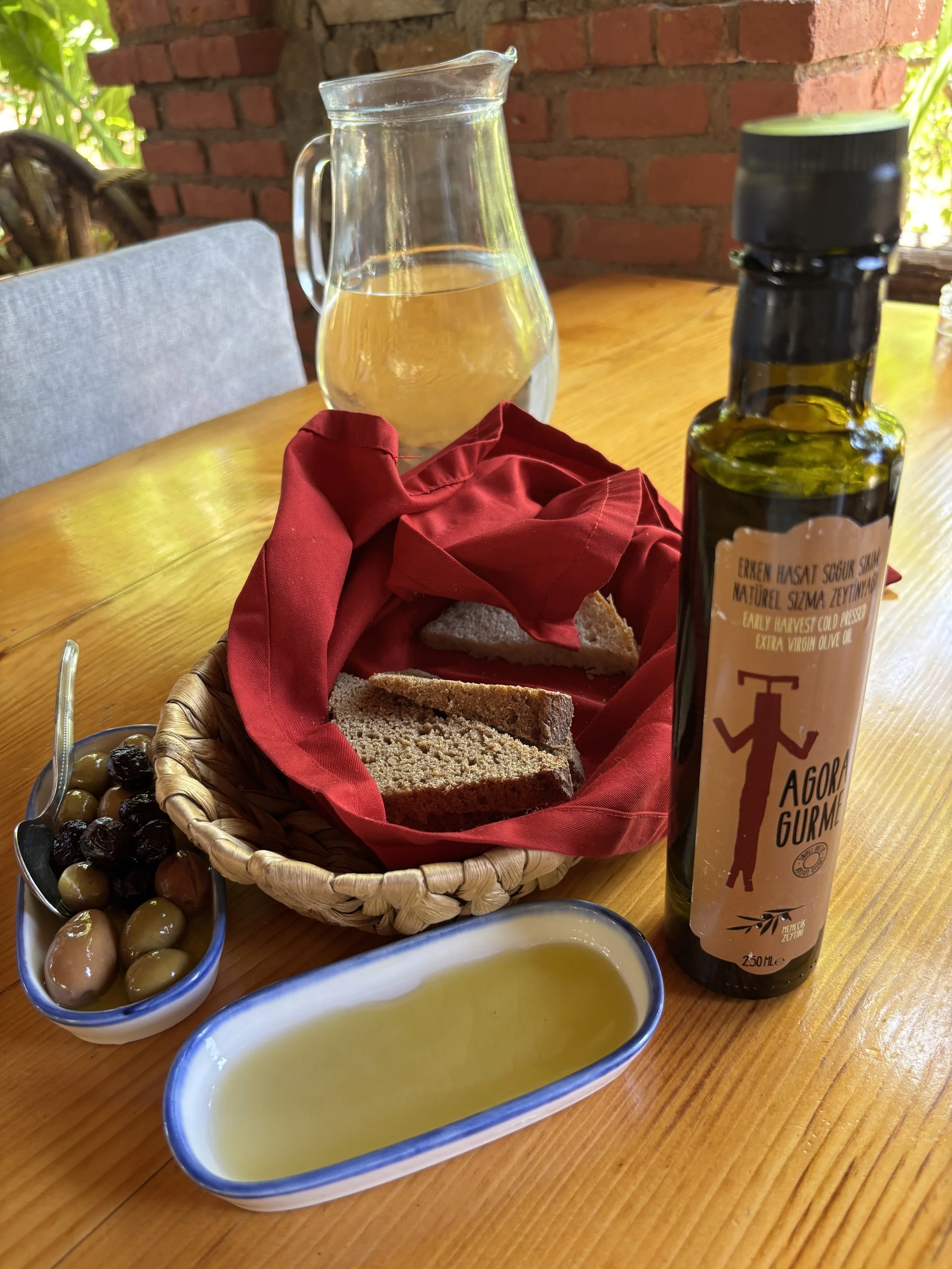
You can taste some other local foods at Agora Pansiyon, such as Milas Vekilharç, which is a sort of cylindrical dumpling which is open at the edges, and Milas Ekşili Köfte, which are meatballs simmered with tomato, pepper, and pomegranate molasses.
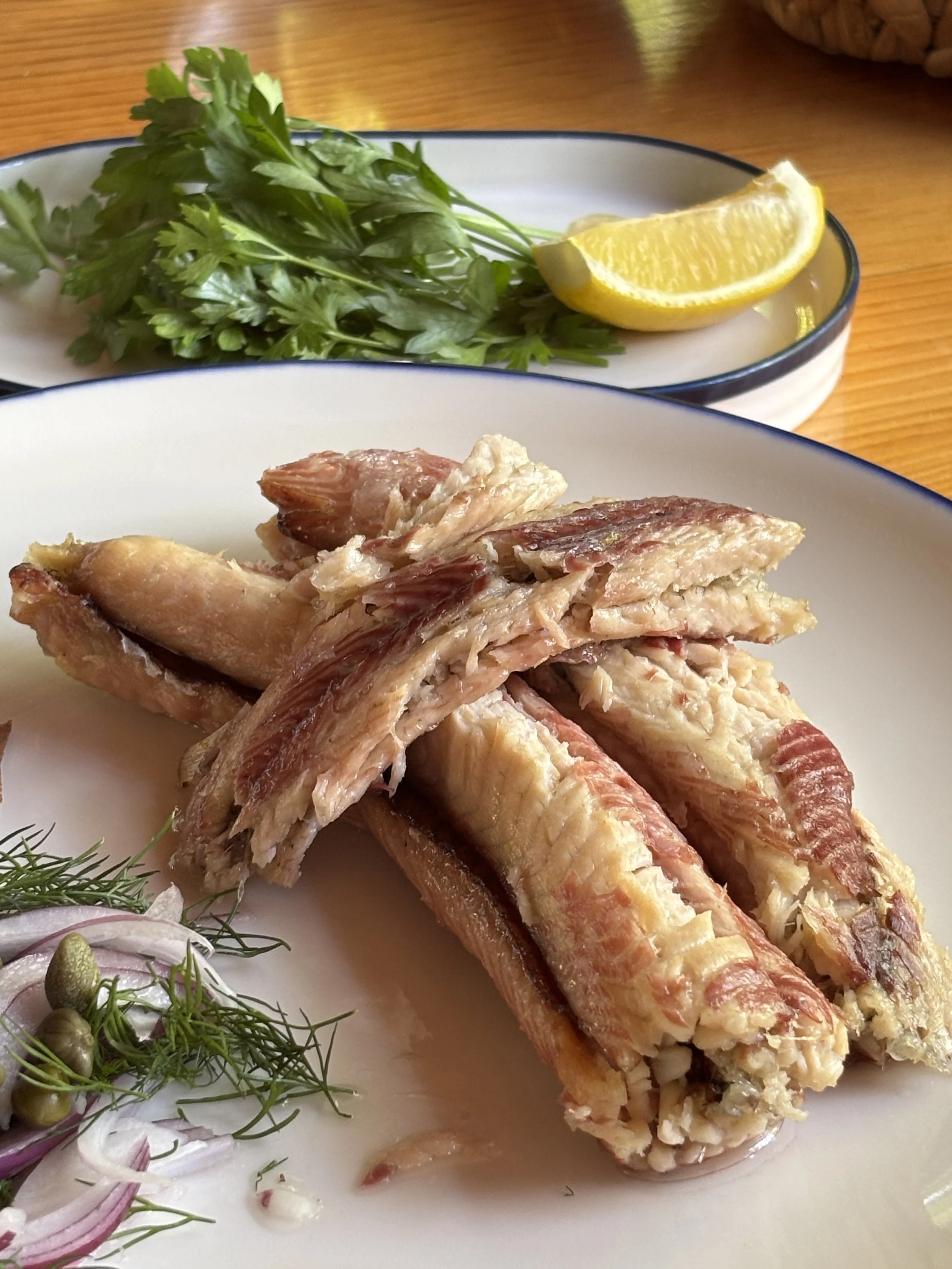
But what I would really recommend tasting is the hot smoked eels from Bafa Lake. Eels thrive in the brackish waters of Lake Bafa, but I was astonished to learn they actually spawn in the Gulf of Mexico and then migrate all the way to Lake Bafa, which is not entirely sealed off from the sea, since the Büyük Menderes river and adjacent marshy areas act as a conduit.
In any case, this was my first time trying eels and they didn’t disappoint!
Agora Pansiyon does the smoking in-house and they also offer them grilled. They are then presented to the waiting guests under a glass cloche which has retained the smoke and heat. Eels are suprinsingly meaty and tasy, a great discovery!
So, this is all for this time. To be honest, this was a rather quick stopover while traveling by road from Bodrum to Izmir to catch a plane, so it was really time constrained.
I left Bafa Lake with the feeling that there was still so much more to explore around this area and that a full day or two are not off the mark if you wish to experience the Turkish countryside in a different way.
Btw, if you are travelling in Western Anatolia and the broader Turkish Aegean region, you may want to check also the following stories:
Some of the top things to do and to see around Bodrum (2026 UPDATE)
Kaş to Kastellorizo: where Turkey's Lycian Way meets the most distant Greek island