
What to do and what to see in Madeira, paradise island (2026 update)
A thorough exploration of the exuberant and diverse Portuguese island of Madeira. A proper Garden of Eden in the middle of the Ocean.
This article was first published in 2019 and updated in August 2026.
There is little doubt that Portugal has become one of the hottest tourist destinations in Europe.
A case in point is Lisbon’s comeback, from sleepy capital on the periphery of Europe to a must-visit place for any discerning traveller has been remarkable. But it is easy to forget that the wonders of Portugal are not limited to its mainland. One of Portugal’s most fascinating territories is the small island of Madeira (whose name means “wood” in Portuguese).
Once a stepping stone on Portugal’s long Oceanic routes, Madeira is just 57 km long and 22 km wide (at its widest point) but thanks to its orography and geographical position, it has an amazing diversity of landscapes and ecosystems that guarantee you won’t get bored anytime soon.
In this article:
What to see in Funchal, Madeira’s capital
Dolphin and whale spotting in Madeira
The Faja dos Padres seaside oasis and cable car
Pico Arrieiro, Madeira’s highest point
Madeira’s lush northern side
Where to get Madeira’s traditional embroidery
Where to taste Madeira wine - visiting the Blandy’s winery
Must to in Madeira: going downhill on a sledge
Where to stay on Madeira, some suggestions
Cristiano Ronaldo’s hotel in Funchal
Great places to eat out in Madeira
How to get to Madeira
The first impression you get upon landing on Madeira is that the island is incredibly mountainous. In fact, the island is but the emerged part of a large volcanic ridge that rises all the way from the ocean floor to a height of nearly 2,000m above sea level.
There is hardly a square mile of flat terrain on this island, and this is why even the island’s airport had to be built, partly, on a hill-side man-made structure sustained by pillars (resembling an aircraft carrier of sorts)
Madeira’s complex orography becomes evident on the drive from the airport to its capital, Funchal, through a brand new motorway with innumerable tunnels and bridges. Houses are perched on the what look like impossibly steep inclines right and left, with deep ravines and cliffs around them.
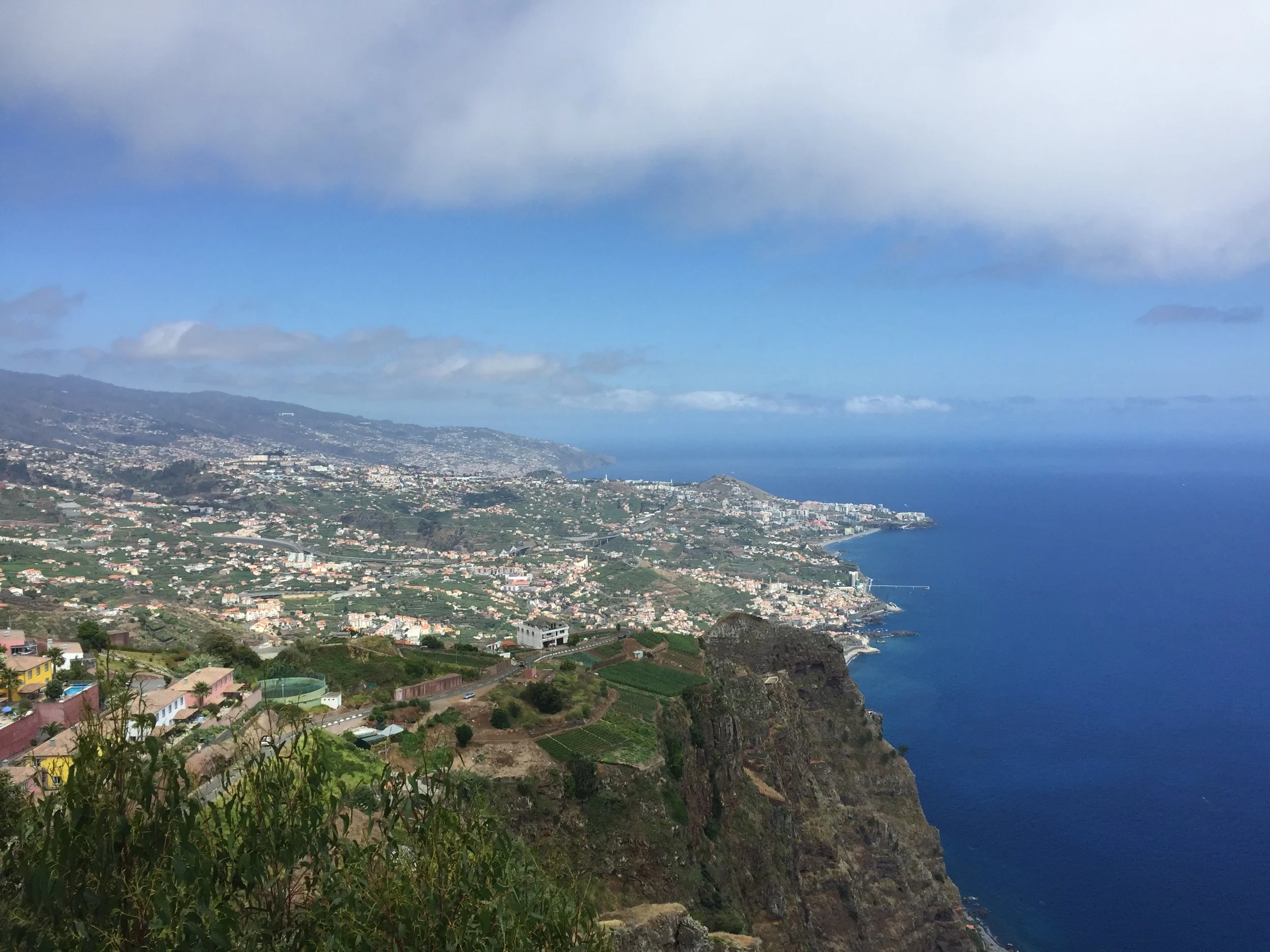
This is about as flat as it gets in Madeira!
This post may contain affiliate links. If you book or buy something through them, I earn a small commission, at no extra cost to you. It's one of the ways I keep Places of Charm going. Thank you for your support.
The trip was courtesy of TAP Air Portugal in collaboration with Turismo de Portugal and the Madeira Promotion Agency. All opinions are my own.
What to see in Funchal
Madeira’s capital and its administrative and services hub, Funchal, is on the south coast of the island.
Located in a rare opening of the vertical cliffs that line the island’s coast. Although Funchal’s neighbourhoods climb onto the surrounding hillsides, its historical centre is right by the sea.
Funchal feels like a rather sleepy provincial town and, although it is hard to pinpoint one major landmark or point of interest, its whole urban ensemble, particularly the streets on the old town, is not devoid of charm.
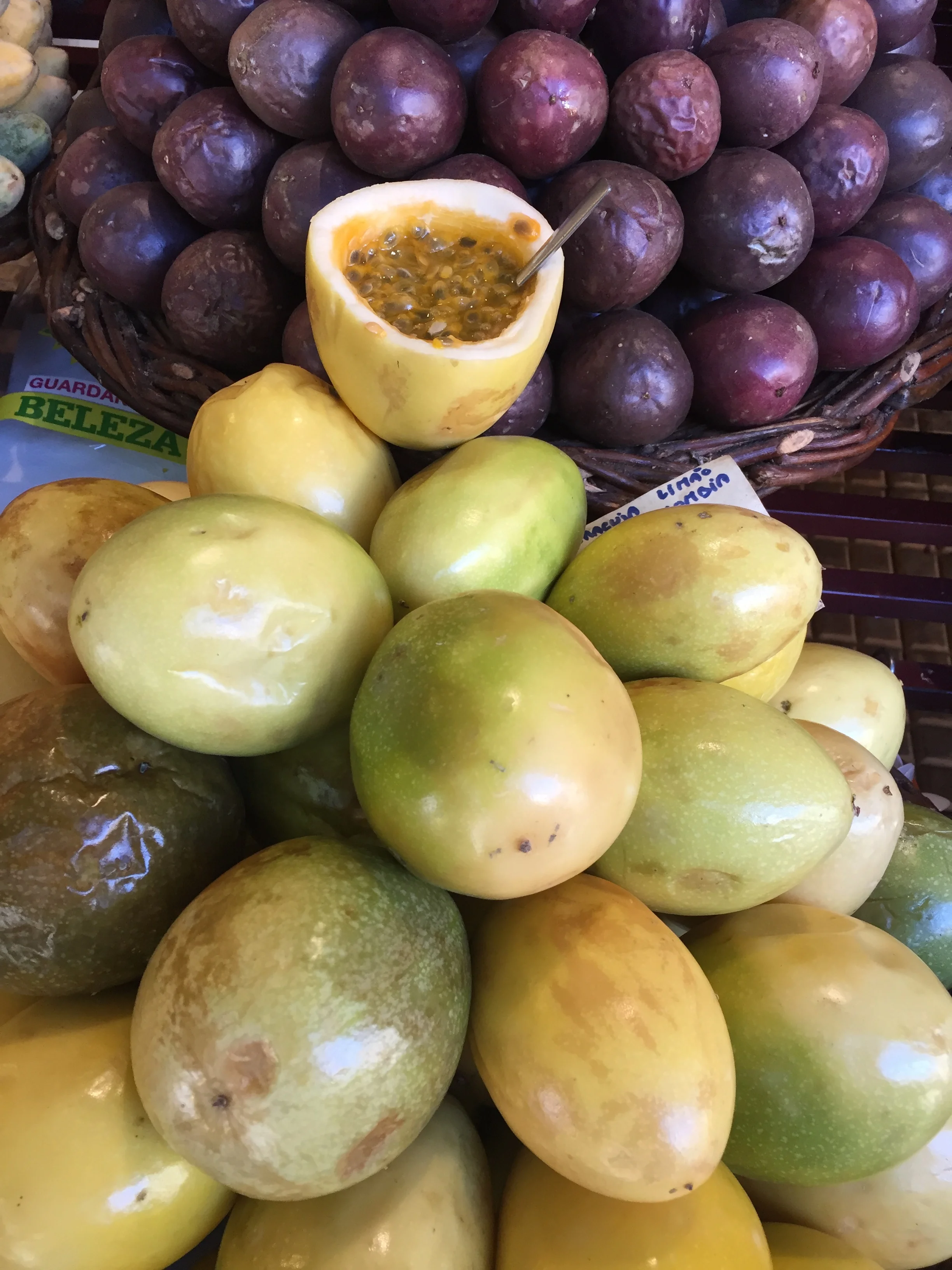
One place you can not miss if visiting Funchal is the fish and vegetables market. We were to late for the fish auction, but could get a first glimpse of the produce that results from Madeira’s mild sub-tropical climate.

The flower and fruit display at Funchal market can’t be described as anything else but a colour explosion, with passion fruit, which comes in different sorts and varieties, being the real star here!


Dolphin Spotting in Madeira
One of the most amazing things to do in Madeira is the whale and dolphin watching tour (there are several companies offering dolphin and whale watching tours on the island).
Even if you don’t get to spot any of these magnificent marine mammals, it is the perfect excuse to enjoy the clean, deep blue waters that surround the island and contemplate its magnificent orography from the sea.
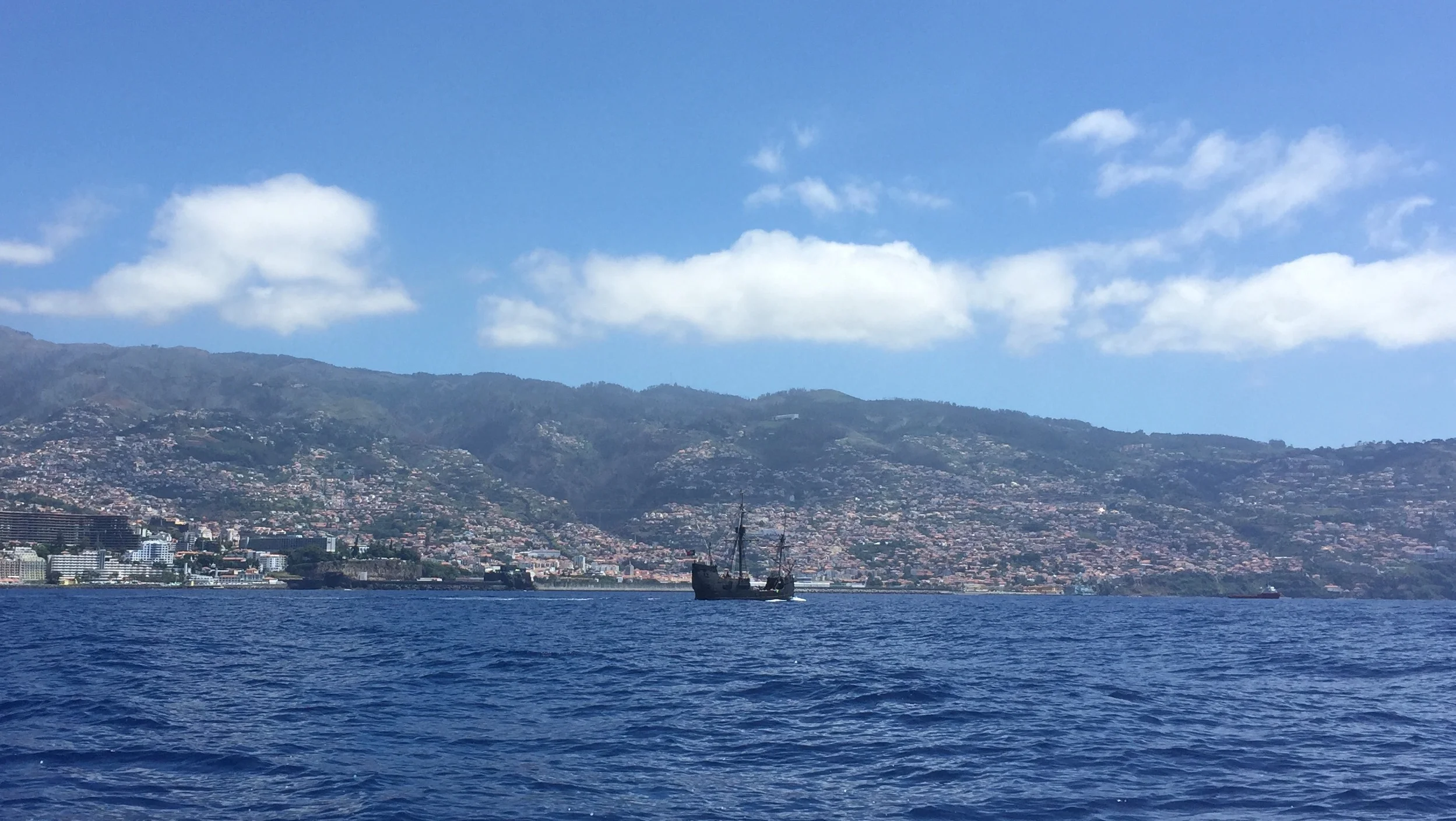
There were a dozen of us on a fast boat as we moved out of Funchal’s harbour for a glorious morning at sea. It was bright and sunny but the constant breeze kept the temperature balmy and pleasant at all times.
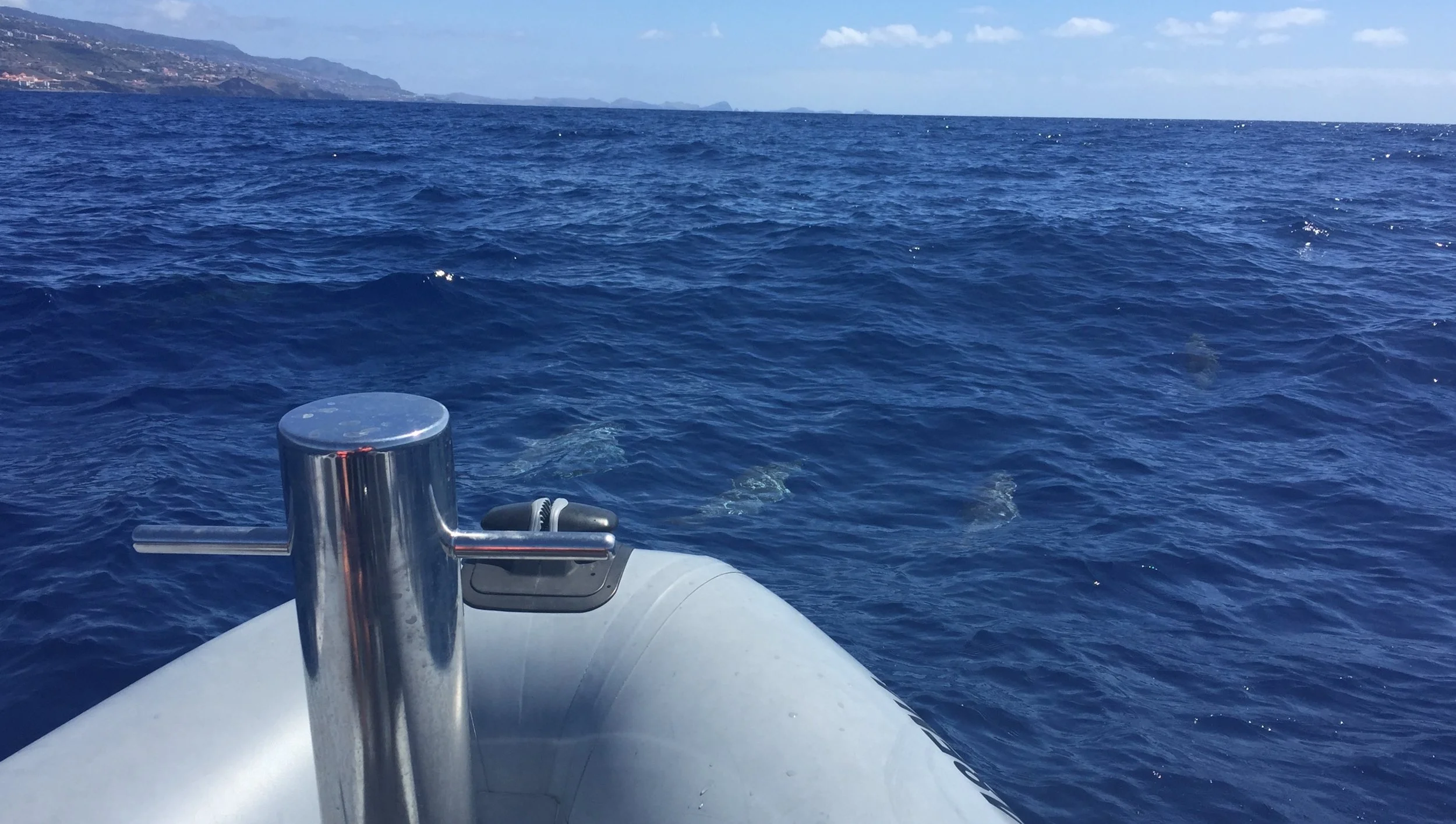
It did not take long before we spot the first dolphins, we followed them for a while before they were gone…far from being a rare encounter, we soon got visual contact with another group…and then another…and another…
Lunch at Fajã dos Padres
A great continuation to the dolphin-spotting adventure, as traveling by boat is the best way to access this secluded oasis of calm nested between the sea and high vertical cliffs.
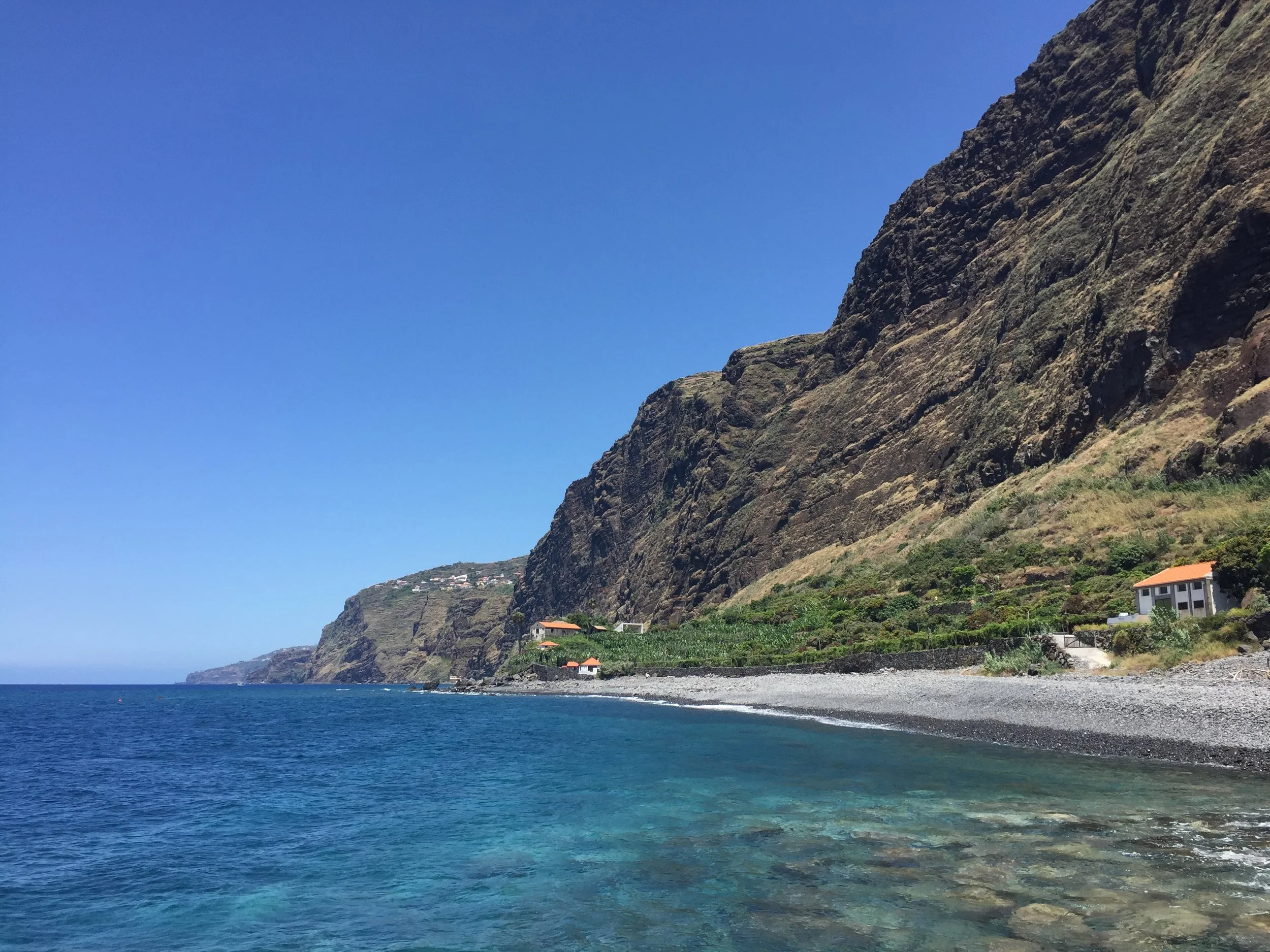
It would be fair to say that this narrow tongue of land at the foot of huge fully vertical cliffs, concentrates much of what makes of Madeira such a special place: crystalline waters, great food, exuberant vegetation and amazing weather set in a rough, rocky landscape.
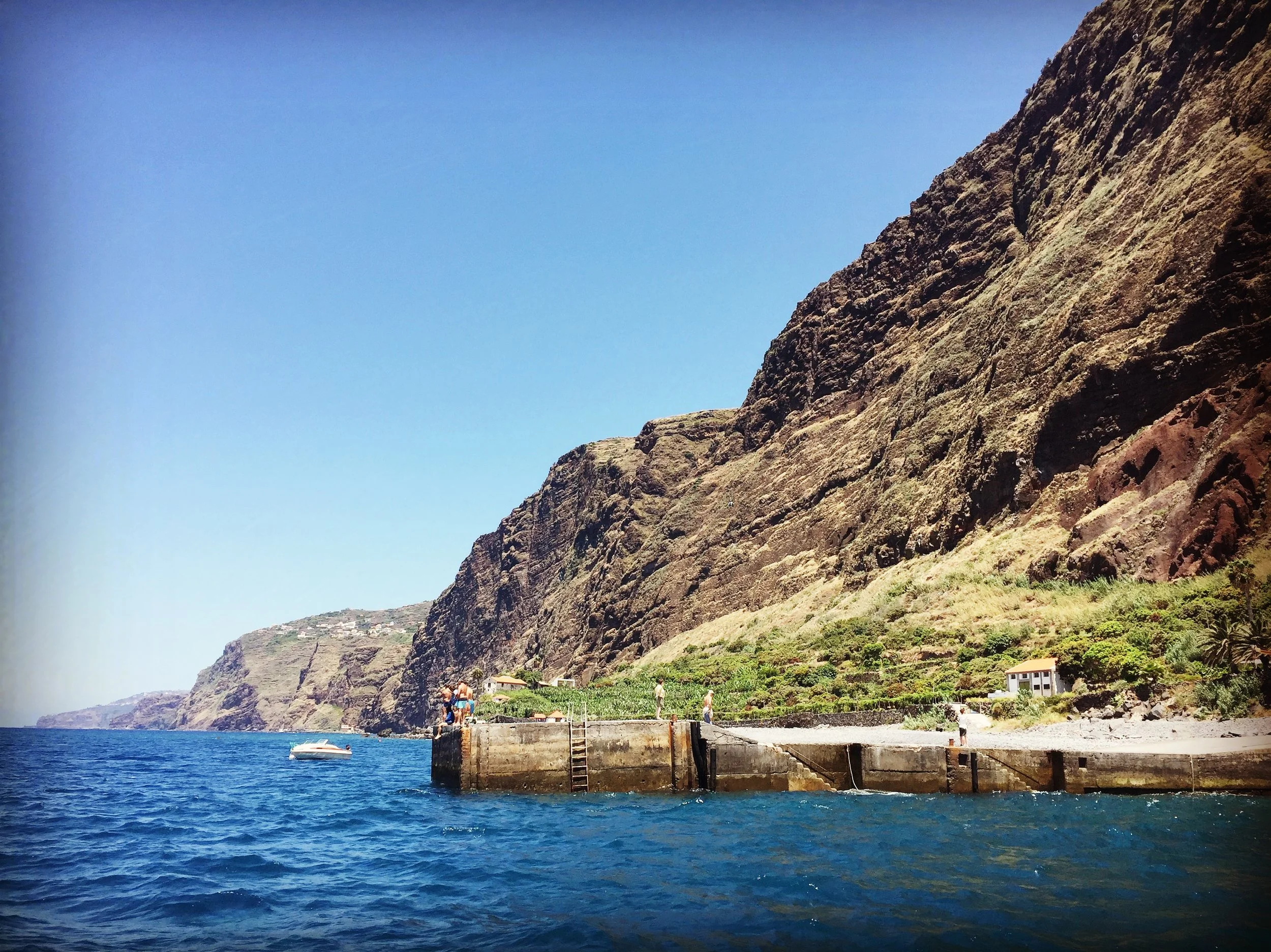

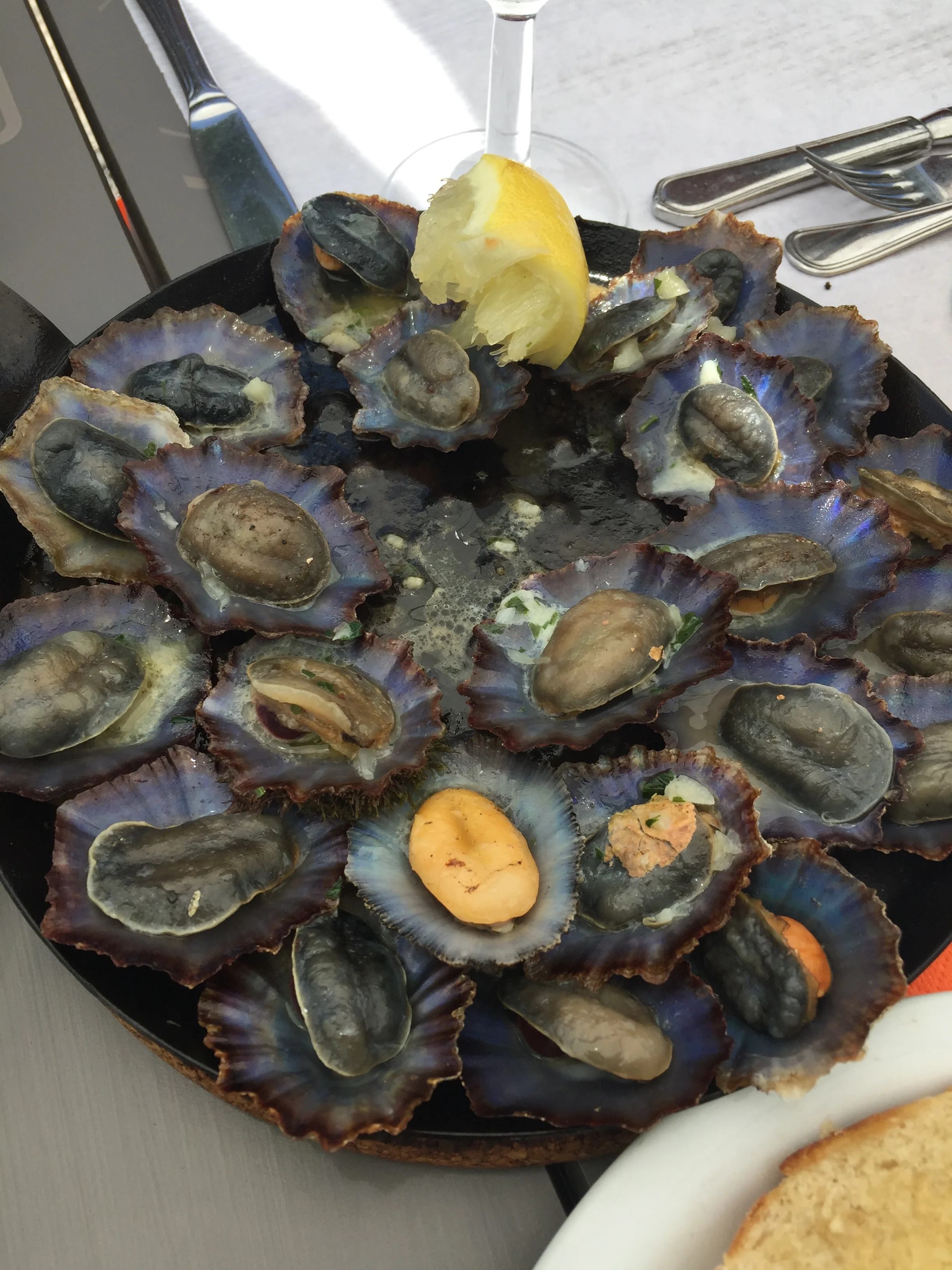
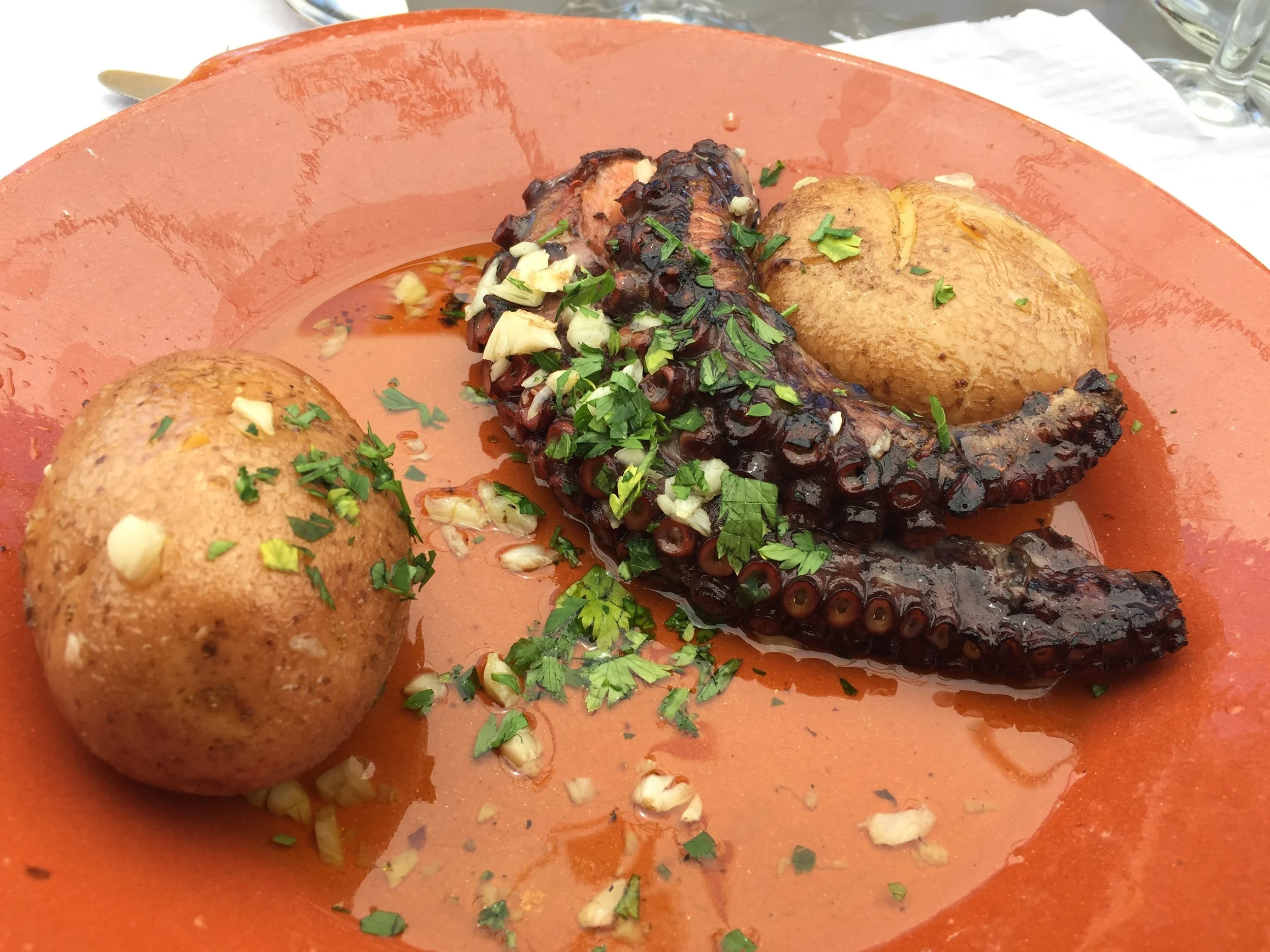
There is a restaurant and terrace in Fajã dos Padres, the feel is rather vintage, but this is exactly what fits this place, that seems to move at its very own pace. In fact, the Fajã dos Padres offers some of the best produce that Madeira has to offer: fresh fish and seafood and succulent tropical fruit and this shows in the menu…By the way, one of the local specialities: limpets with a sprinkle of lemon!
How to get to Fajã dos Padres if you don’t have access to a boat? Some time ago, there used to be a lift that would take you all the way up to the island’s main road…

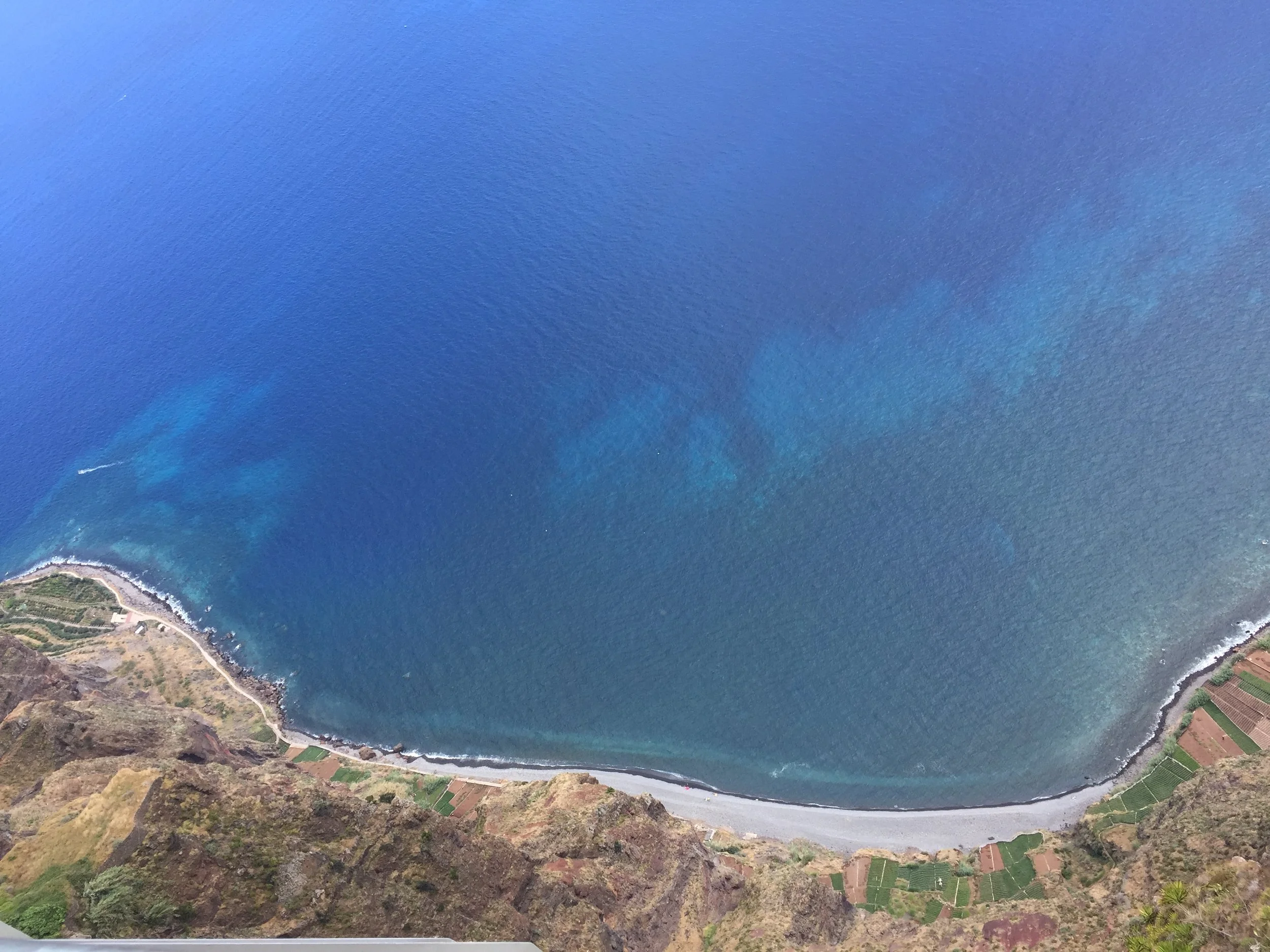
The lift is no longer in service and nowadays there is a modern cable car instead.

The ride uphill on the cable car gives you an idea of the rather precarious narrowness of this strip of land that Fajã dos Padres sits on (which you can see in the picture below). There’s enough land, though, for several tropical fruit plantations and orchards to be found all along the seaside.
Pico Arieiro: the highest point on Madeira
Our activity for the next day could not be more different, a sweater and raincoat were required.
In a matter of just a few miles we got from sea level to a height of over 1,800m. From the warm, subtropical temperatures to the rather fresher mountain air of Pico Arieiro, Madeira’s highest peak.
The summit of Pico Arieiro can, actually, be accessed by road, although the car struggled at times to keep going in the super steep ramps that lead to the highest point in the island. Once you are on top, though, the views are simply otherworldly.
The mountains at the centre of the island form deep canyons on the north side that are quickly filled with the thick clouds coming from the ocean. On the Eastern side, it is the blue ocean.
Would it be it possible to see the Africa coast from here? We tried…
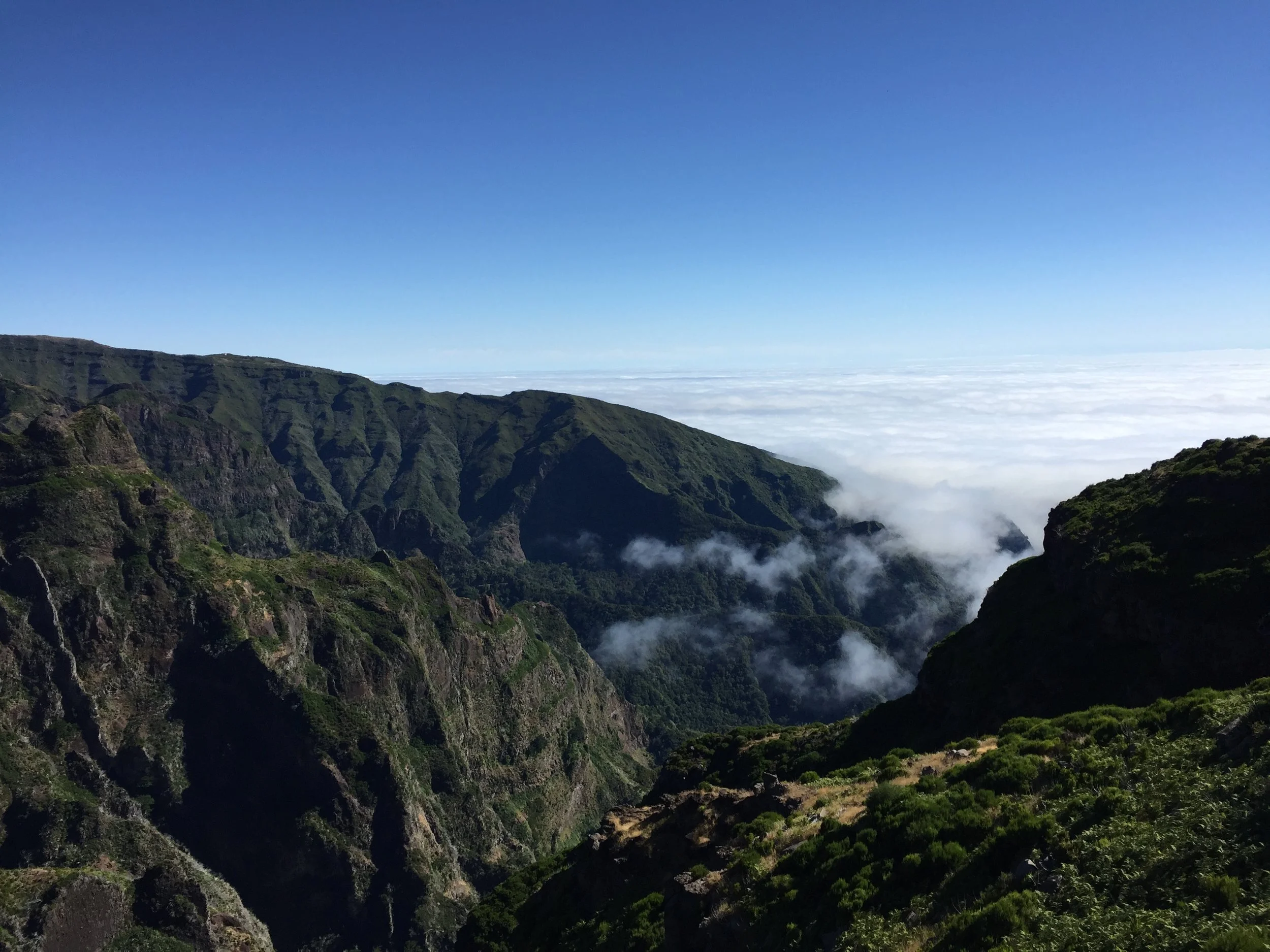
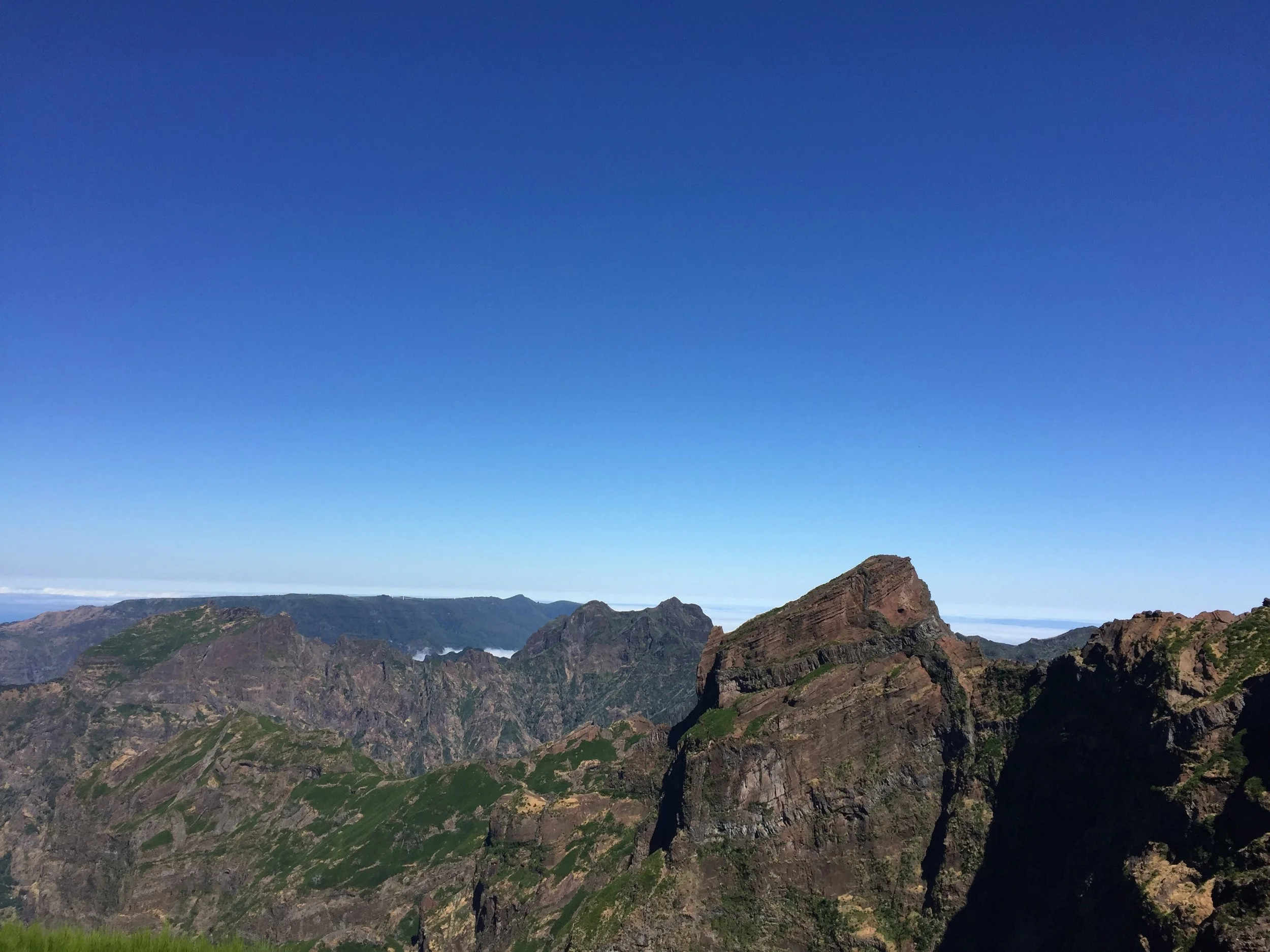

Exploring Madeira’s lush Northern side
Once you start to descend towards the Northern side of Madeira, it starts to feel like you are in a totally different island. The contrast with the southern half of the island couldn’t be starker.
Everything of the western side is absolutely dripping wet. Here the rainforest is thick, green and lush. In a matter of a couple of miles we have been transported from the aridness of North Africa to a landscape that could well be that of the US Pacific Northwest.

But, one thing remains the same: flowers blooming everywhere.
It’s just different types of flowers than the ones on the dry south side. In some areas these white, round flowers, which are called hydrangeas, cluster in cotton-like bushes, so thick that at some points looks like they are about to block the road.

Upon arrival at the aptly named “Ribeiro Frio” (Cold River), we had the chance to do bits of a Levada Walk.
The “levadas” are old irrigation channels that, historically, had been built to bring water from the rainy Western side of the Madeira to the arid East, where most people live. Some of them run for many miles and tunnels and aqueducts were built along their path to sort out the complicated orography of the island.
Nowadays a network of trails follow the routes of these “levadas”.
Where to eat on the north side of Madeira
After the walk, time to eat something…
Restaurant Quinta do Furao
Estrada da Quinta do Furão Nº6, 9230-082
Santana, Portugal
This restaurant (which is also a hotel) is located among the vineyards at the North tip of the island. Besides the excellent food and the views, here in Santana there are also some houses built in the traditional architectural style of Madeira.

The coast on this part of the island is a sight to behold, almost devoid of vegetation and with an almost lunar aspect at some points. This is the predominant landscape until we get to Ponta San Lourenço, the Easternmost tip of the island. From here we follow the road along coast all the way back to Funchal.

What to bring back from Madeira? Traditional embroidery
One of the traditional economic activities in Madeira and one that still employs quite a lot of people in the island is embroidery.
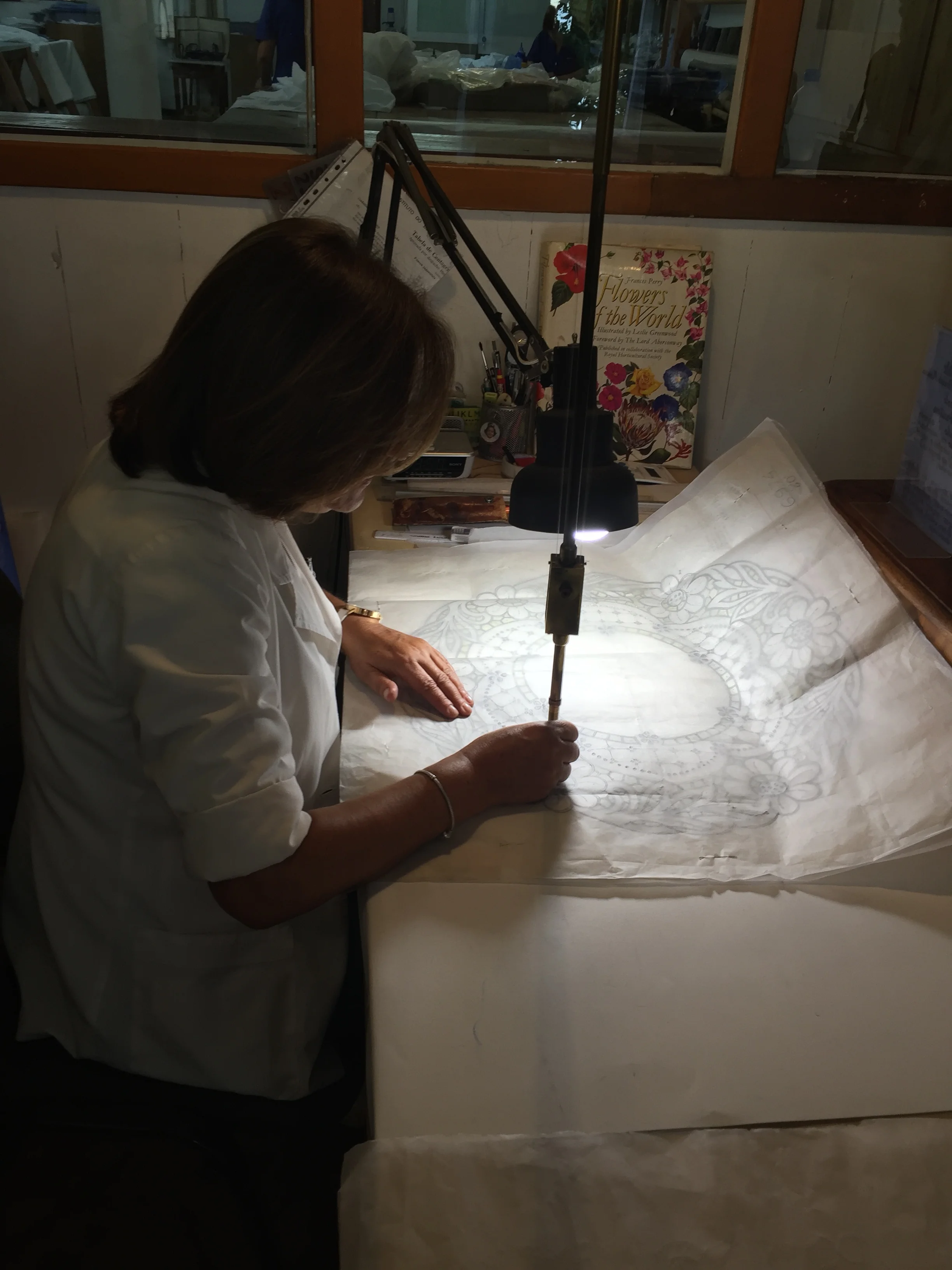
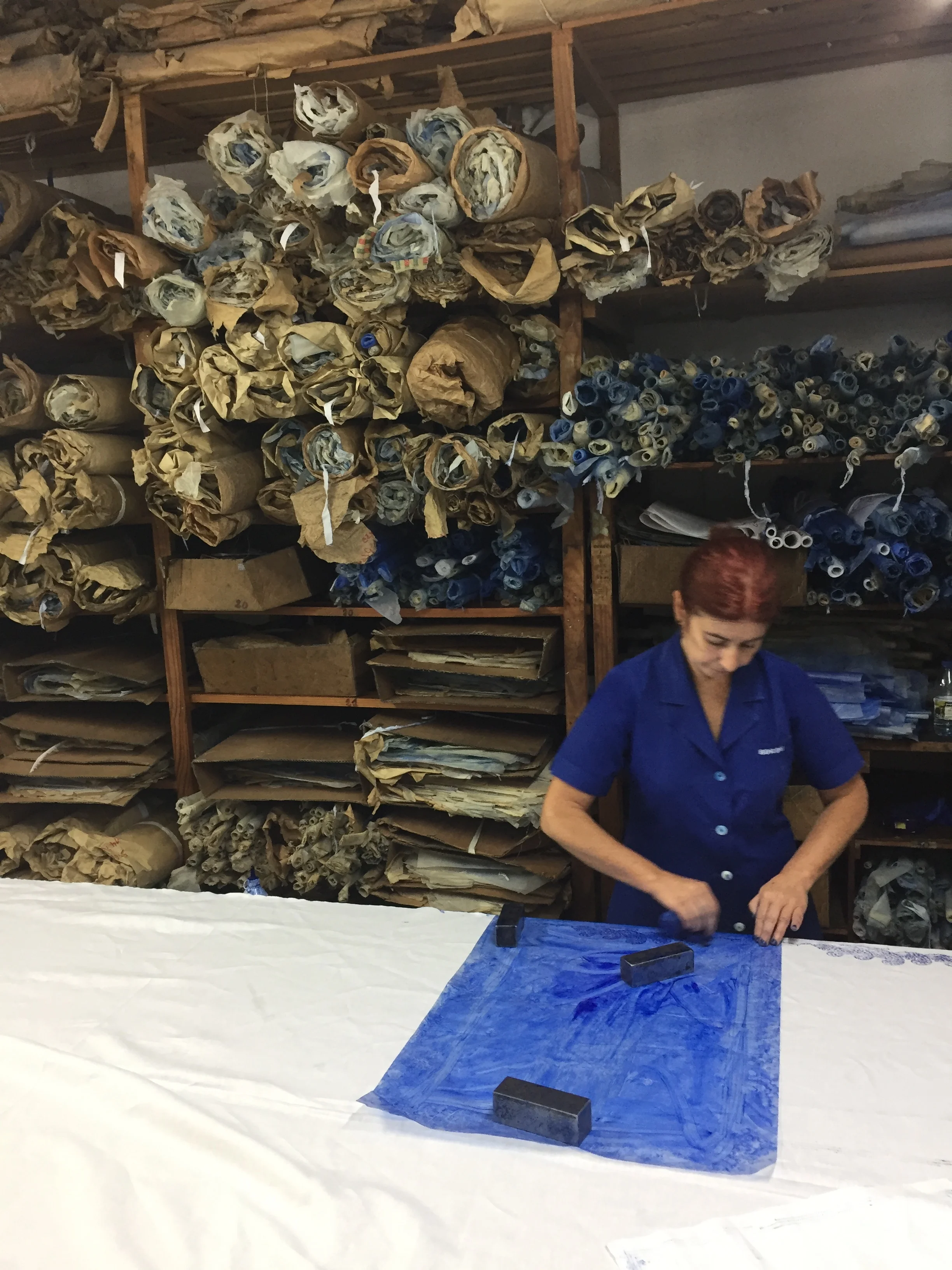
We had the chance to visit Bordal, one of the firms in Funchal, that still work on this traditional craft, and to learn about the artisan process that results in these highly valued embroidered textiles.
This industry is structured in a very capillar way. A handful of houses in Funchal control de embroidery industry, they distribute work to a large network of women all over the rural parts of the island. They, then, at home, complete parts of the process, before taking the semi-finished fabrics to Funchal, where they are completed and dyed with different pigments.
It is still today an artisan process and the old sub-contracting work system continues in place.
With a renewed interest around the world for craftsmanship and artisan products, Madeira embroidery may be set for a revival and has even attracted the attention of some big names of the fashion industry.



Where to taste Madeira Wine
The other well known Madeiran export is its wine.
Madeira wine was highly appreciated by the British, whose ships often called at Funchal on their way to India and the Far East. In fact, in the 18th and 19th Centuries Madeira attracted quite a few British entrepreneurs that settled in the island and helped develop its wine industry. Some of those entrepreneurs gave rise to wine-making dynasties that continue to play a prominent role in the local economy and society.
This is the case of Blandy’s, the wine cellar we visited in central Funchal.

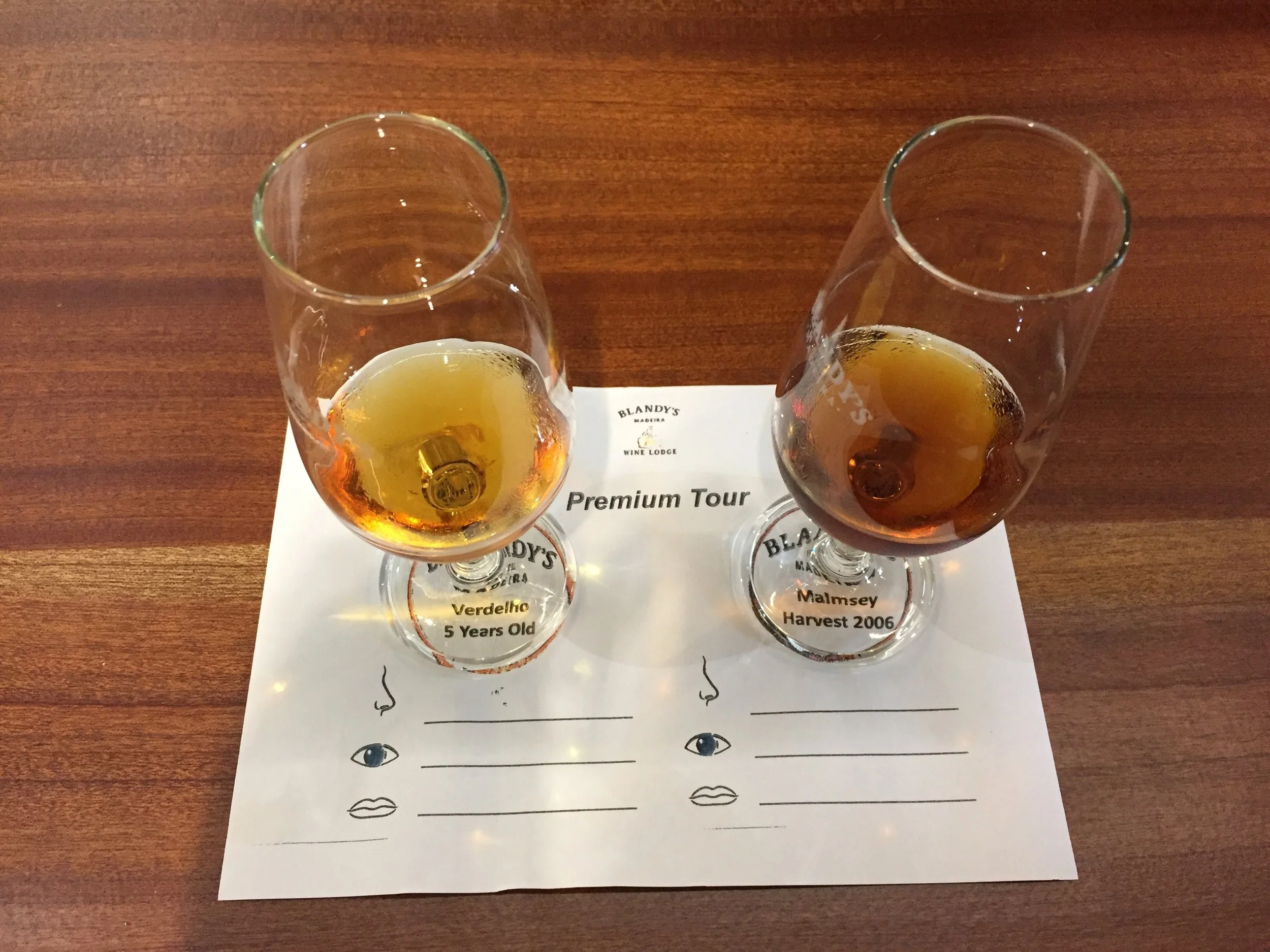
Madeira wine is indeed, quite unique, with a flavour similar to Port in some ways (note: I am not a wine expert, so forgive me if I am not technically accurate in my words, will try to transmit what they told us there!).
Blandy’s offers and didactic tour about the process of elaboration of Madeira wine (and interestingly, Blandy’s winery has its own on-premises hotel for wine lovers).
The most remarkable feature of the Madeira wine production process, and that that gives it its very distinctive taste, is the heat-aging process. As part of the production process, the wine is exposed for relatively long periods of time to high temperatures. The origin of this practice is in the fact that, centuries ago, someone figured out that Madeira wine that went on long transoceanic voyages in the hold of ships bound for the tropics, did actually taste better. Later, techniques were developed to replicate and accelerate this process on land.
Another feature of Madeira wine is that they can last very very long time and still be drinkable. In this regard, one of the most interesting moments of the visit to Blandy’s is when you get to the room where bottles containing many decades of vintages are displayed together and you can just but marvel at the dates that appear on the bottles.

In the 18th Century Madeira wine was extremely popular, particularly in the American Colonies. Not for nothing, the US Founding Fathers toasted to the Declaration of Independence with a glass of Madeira wine!
During the 20th Century, though, Madeira wine lost its hype and came to be regarded as unfashionable, a state of things that the current generation of Madeira producers are working hard to change.
Although not an expert myself, I quite like Madeira’s very unique taste and I hope it will eventually get back the recognition that it deserves!

Must do in Madeira: go downhill on a sledge
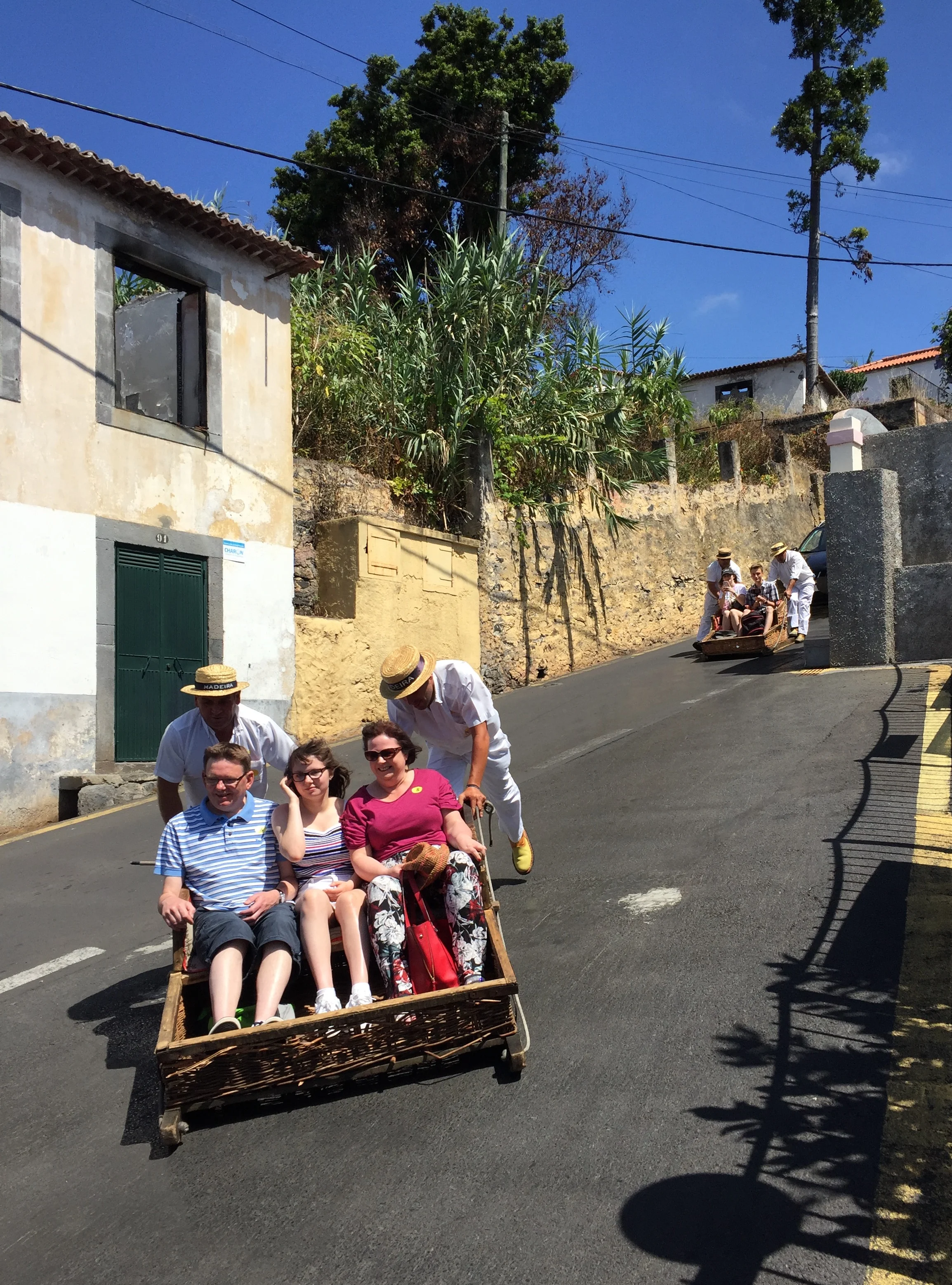
A truly unique thing to do in Madeira is go downhill on the Monte sledges.
Although nowadays is a tourist attraction, starting in the early 19th Century, sledge-descent used to be the a common way to commute between the uphill town of Monte and downtown Funchal.
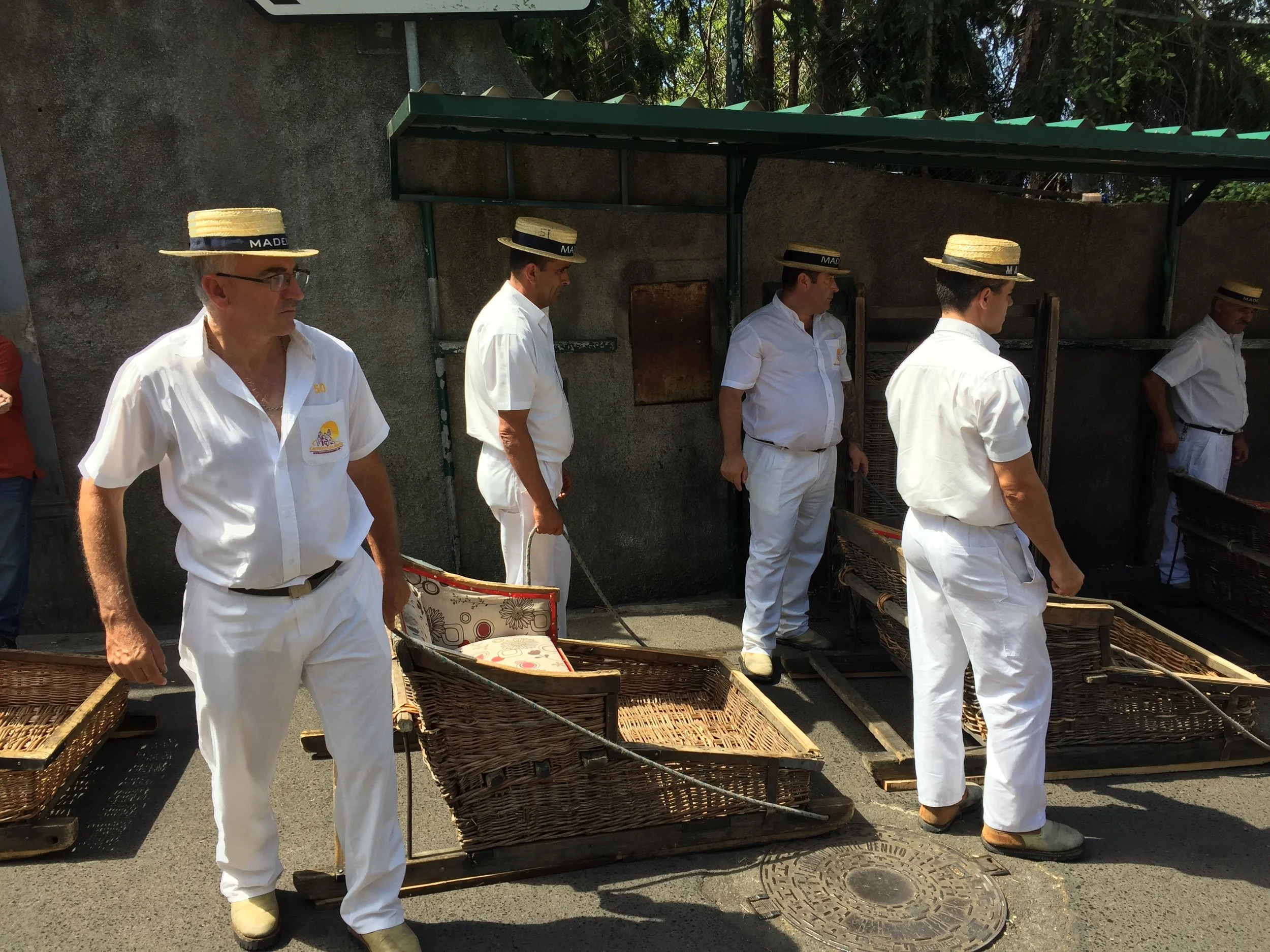
The experience itself is getting into a basket-like sledge that, guided by two professional drivers, called “carreiros”, goes on a 2km downhill descent through a paved road. The ride takes some 10min and it is, definitely a thrill and it is amazing how those guys manage to keep it all the time under control.
There are several companies offering sledge descents in Monte, sometimes combined with other activities.
Recommended places to Stay in Madeira
Hotel Pestana Casino Park
Rùa Imperatriz D Amelia, 9004-513 Funchal
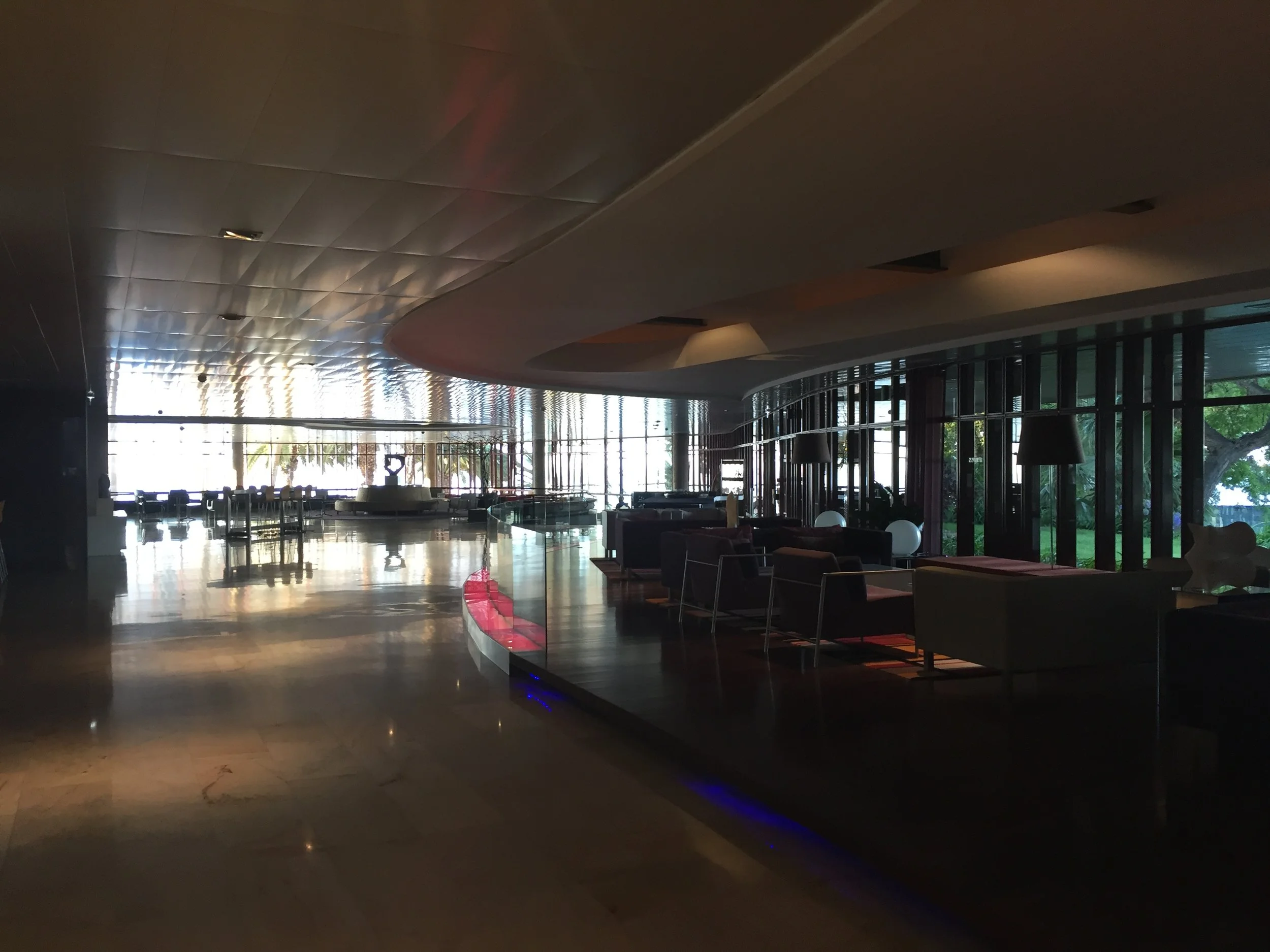
Possibly the hotel of reference in Funchal.
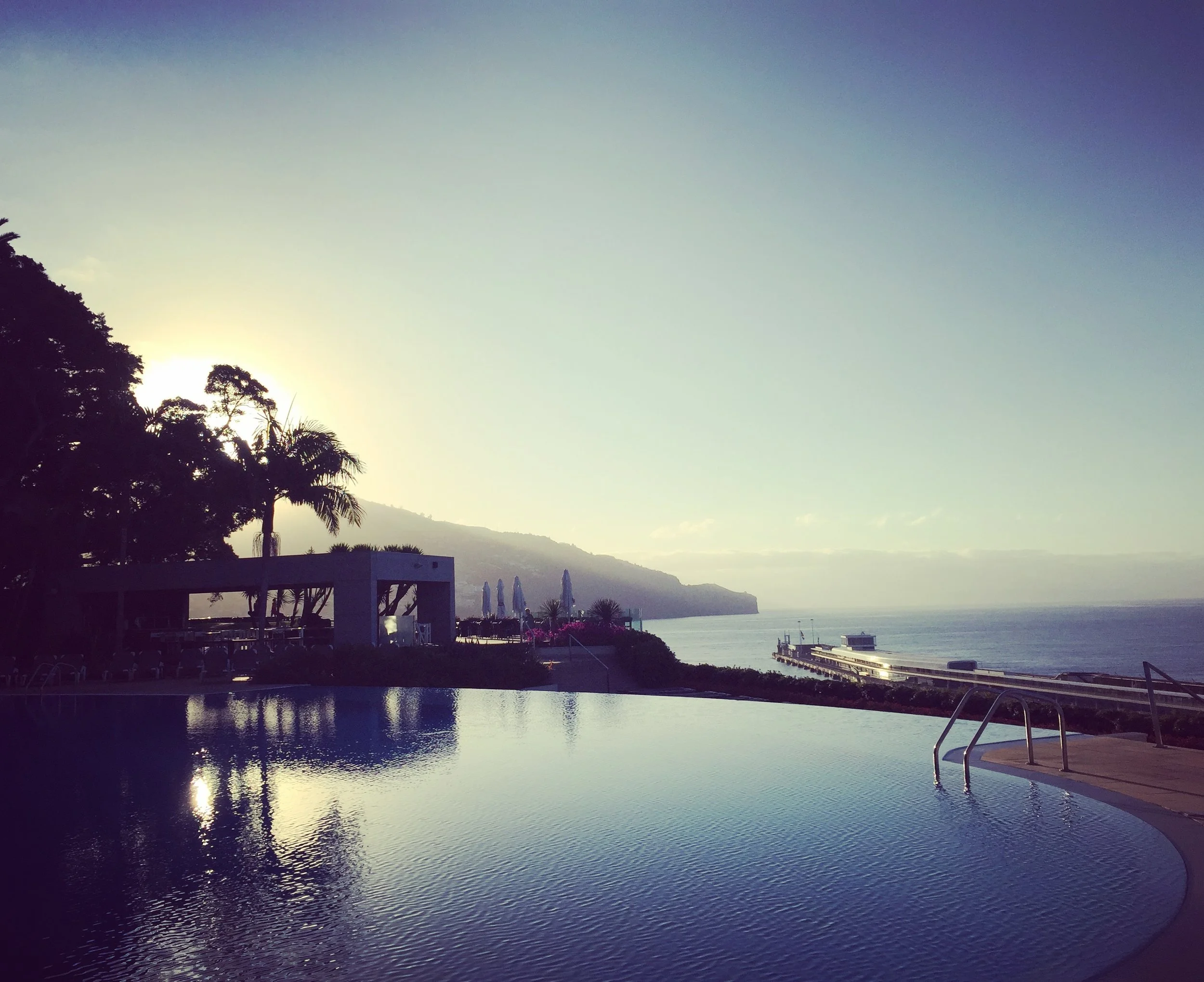
It was designed by Oscar Niemeyer, the famous Brazilian architect (who designed also Brazil’s capital, Brasilia) and this shows in the style. The hotel has also amazing views, particularly from the infinity pool area, that is also where you guests have their breakfast.


Hotel Pestana CR7 Funchal
Av. Sá Carneiro, 9000-017 Funchal
Football player Cristiano Ronaldo (also known as CR7) is, together with wine and embroidery, the other Madeira export with global reach.
In partnership with the Pestana Group (Portugal’s largest hotel operator), he has opened a number of CR7-themed hotels.
I did not stay at this hotel, but I had the chance to visit its facilities and be shown around by the managers.
While the CR7 hotel in Lisboa is rather more neutral in its decor, the Pestana CR7 hotel in Funchal is totally dedicated to Cristiano Ronaldo and his life as a football star.
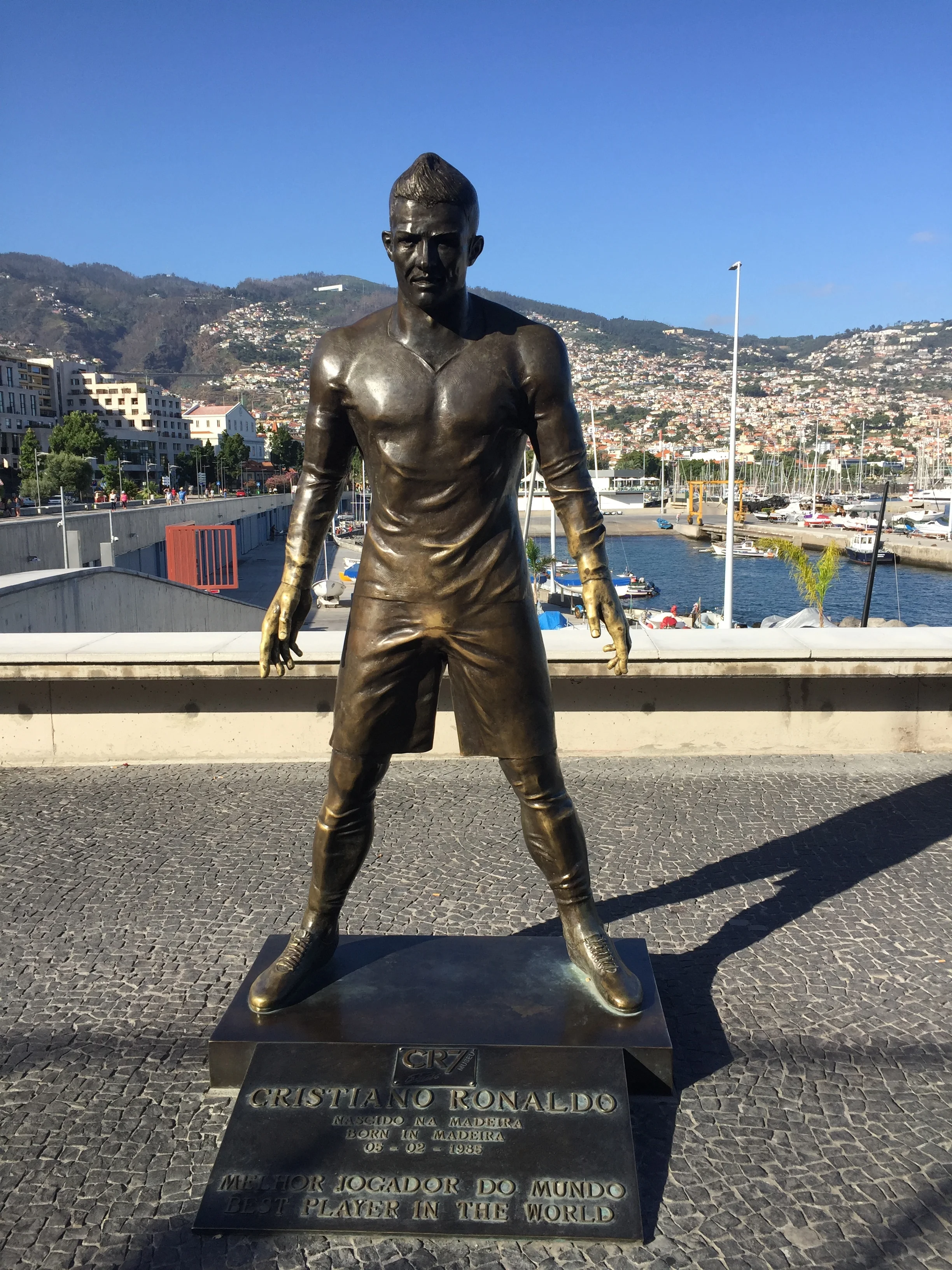
The hotel occupies on a modern, two-storey, elongated building right by the port. It has some rather unique elements, such as this statue of Cristiano Ronaldo just outside the hotel.
The roof is a massive solarium and outdoor spa area, complete with pool, sauna and other amenities.
And while this hotel may not be for everyone (warning: if cult of personality is not you thing, you can skip the rest of this review), CR7’s global fan base may be big enough for this concept to work.
The hotel manager actually confirmed that some guests travel thousands of miles just to have the CR7 experience!


While the lobby and restaurant on the ground floor have a modern design where, little (besides some memorabilia here and there) indicates the connection to the footballer. It’s another story in the upper floors, where the rooms are located. Everything here is football and CR7-themed.
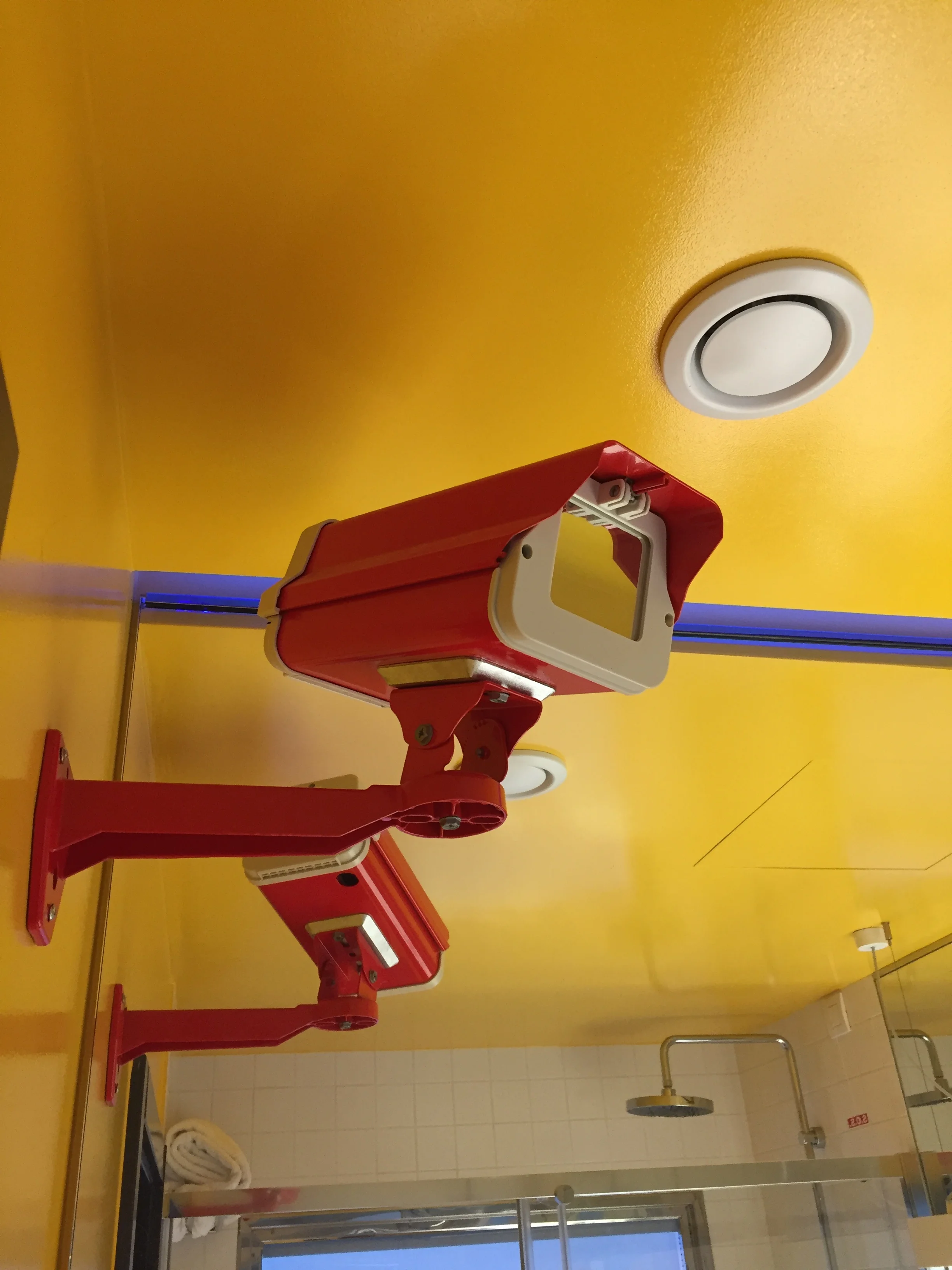
And below a couple of rather disturbing (imo) elements in the decor, that are intended to be a constant reminder of the sort of constant surveillance and public attention that football stars of the caliber of CR7 constantly get, 24/7.

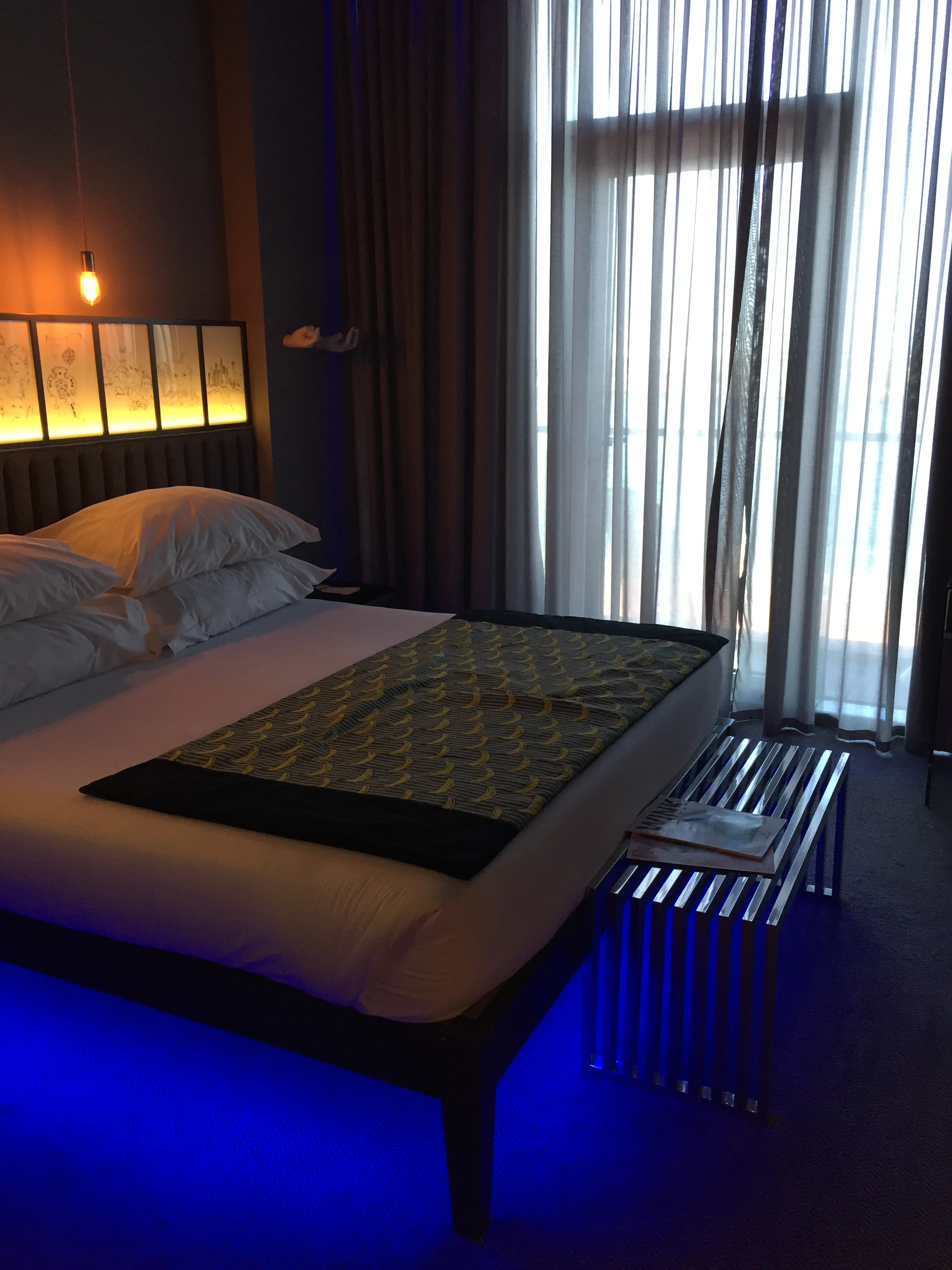

As you can see room decor is contemporary and minimal. There is one element to highlight though…The paintings on top of the bed tell the story of the life of CR7, from his childhood in poverty to stardom…While aesthetically they fit in the overall theme, I found this a bit…mmmh…too much, maybe? But I guess this is a plus for his fans (disclosure: I am a FC Barcelona supporter)
Some more recommended places to eat in Madeira
Nini Design Centre Andrade Silva Restaurant - DC Atelier
Estrada da Pontinha
Forte de Nossa Senhora da Conceição, Funchal
http://www.ninidesigncentre.com
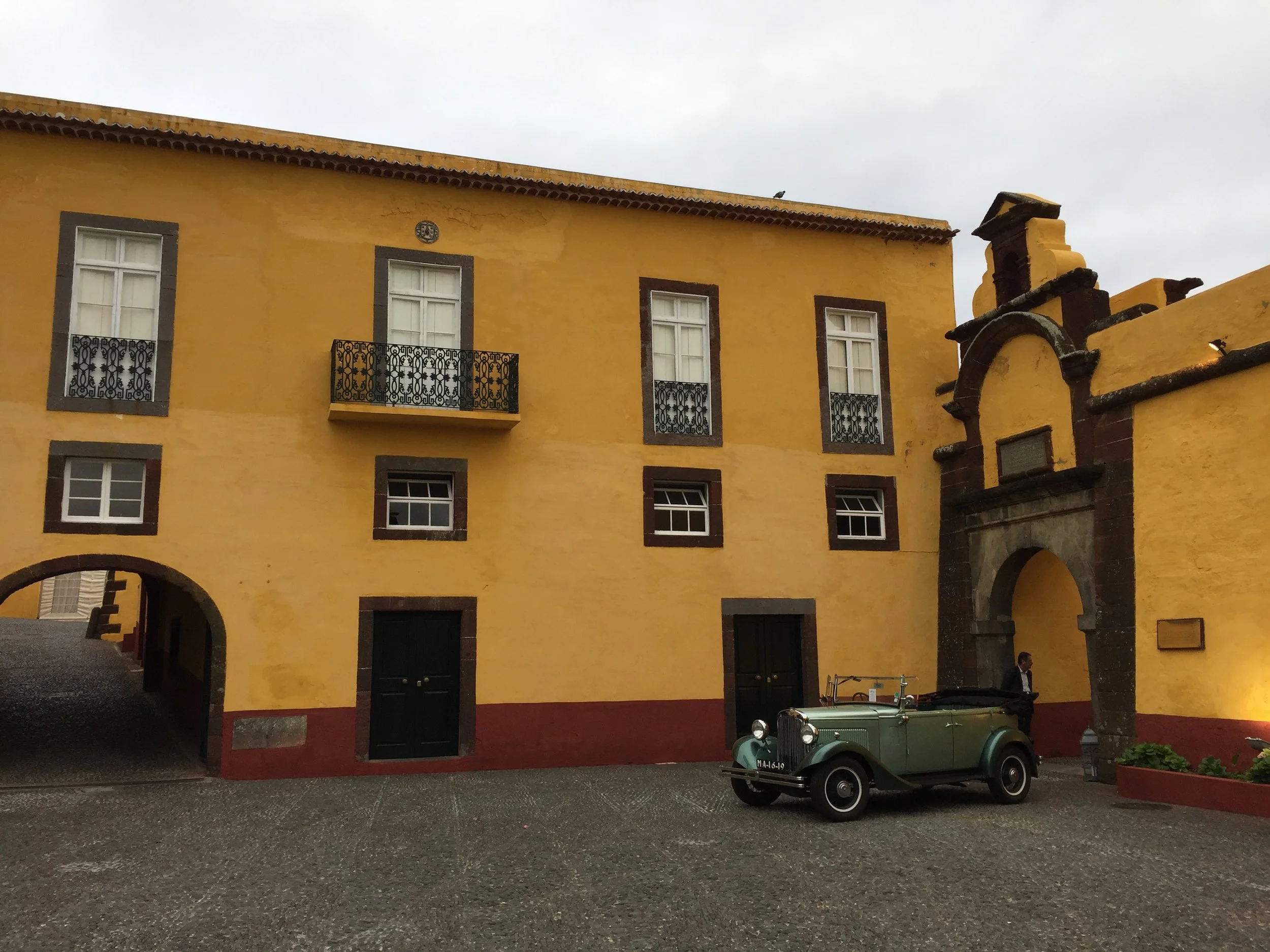
This stylish contemporary restaurant is located within the walls of an old fort at Funchal’s harbour. The DC Atelier restaurant of modern cuisine is, in fact, part of a larger design and cultural hub that serves as a setting for temporary art exhibitions and a number of fashion and design shops.
The place has magnificent views as its terraces open towards the port of Funchal, with the town and neighbouring mountains on one side and the open sea on the other side. The mix of contemporary decor and the old walls of the place also makes for an interesting contrast.


As it could not be otherwise in a house dedicated to design, the cuisine here is contemporary, with a degree of creativity, and, what’s more… rather generous portions.
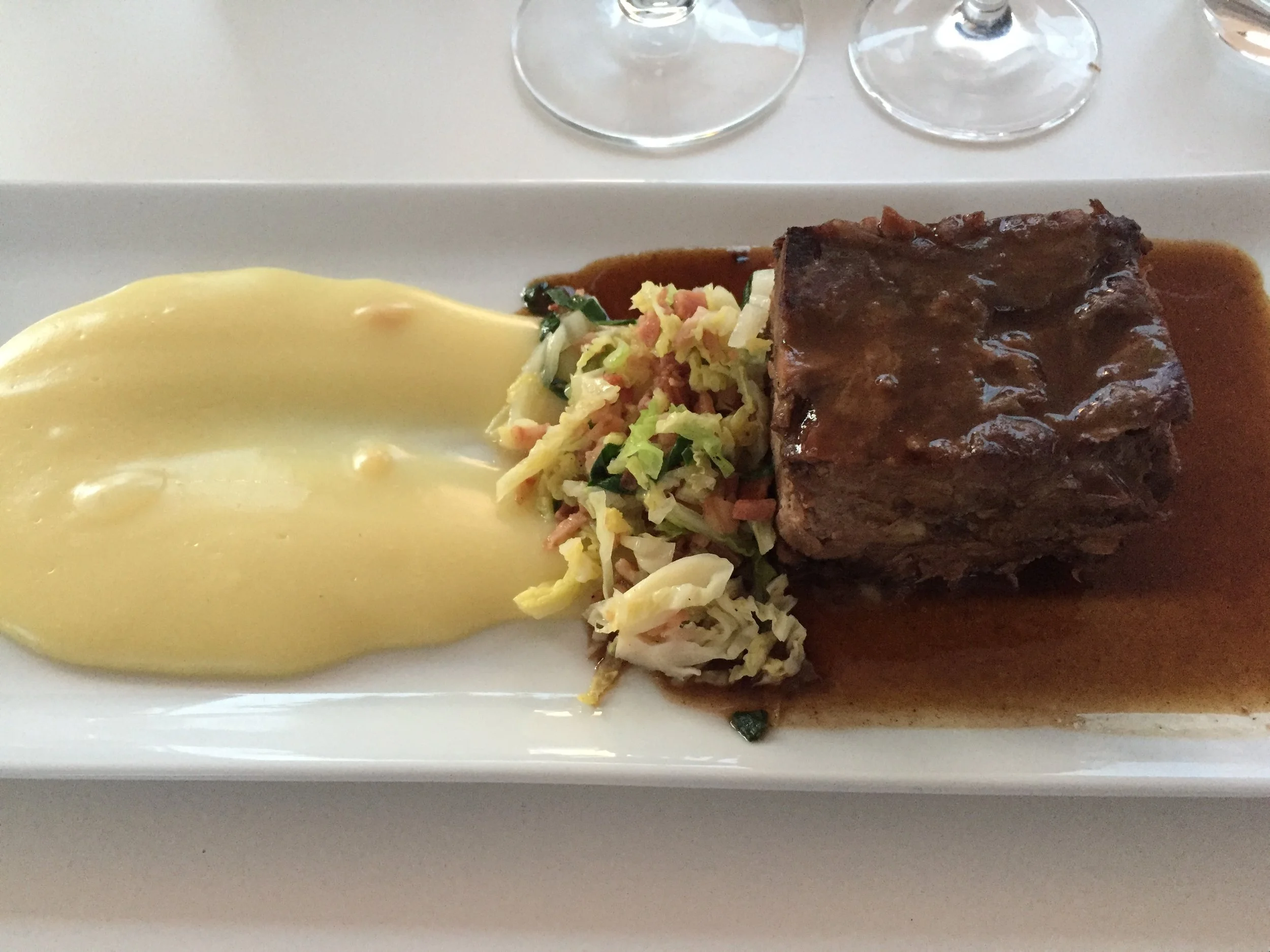
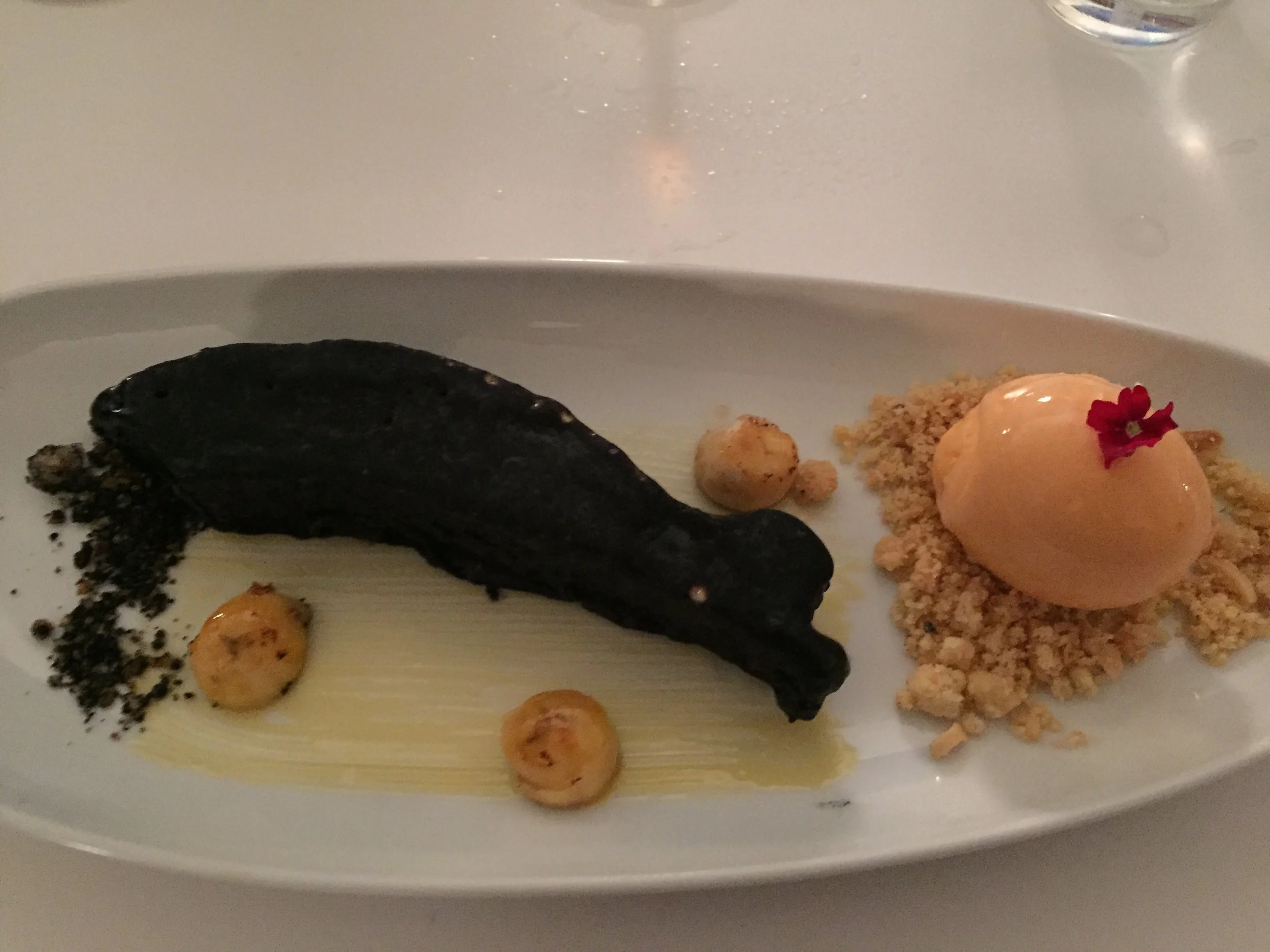
Restaurante do Forte (Sao Tiago Fortress)
Tv. do Forte 3, 9060-123 Funchal
Located in a 17th Century fortress at the edge of the old town, this is another great place to eat while admiring one of the most prominent pieces of Funchal’s historical heritage.


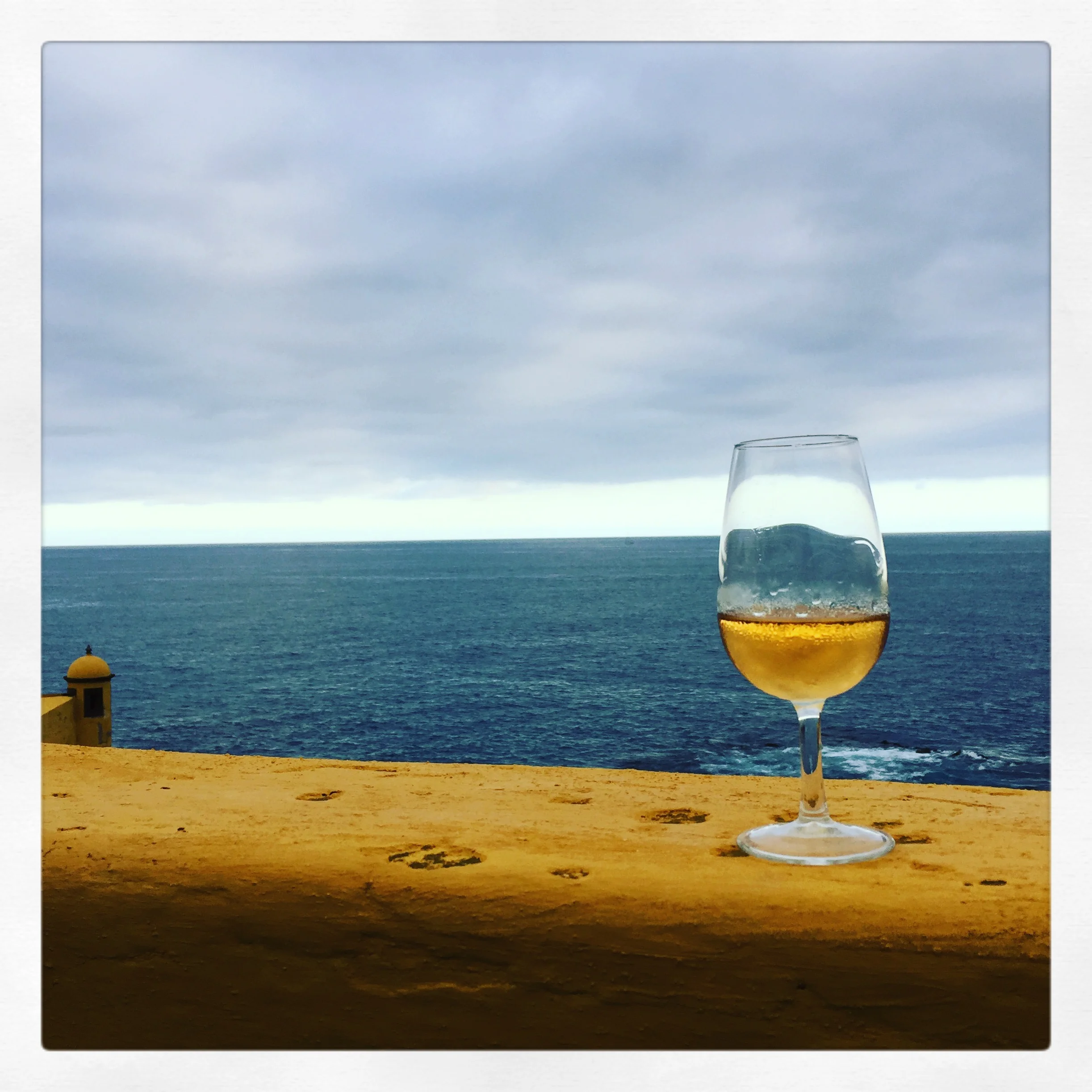

As you can see, seafood and local Madeira wines features prominently in our meal here. Very tasty and great location by the sea, next to the historical centre of Funchal.
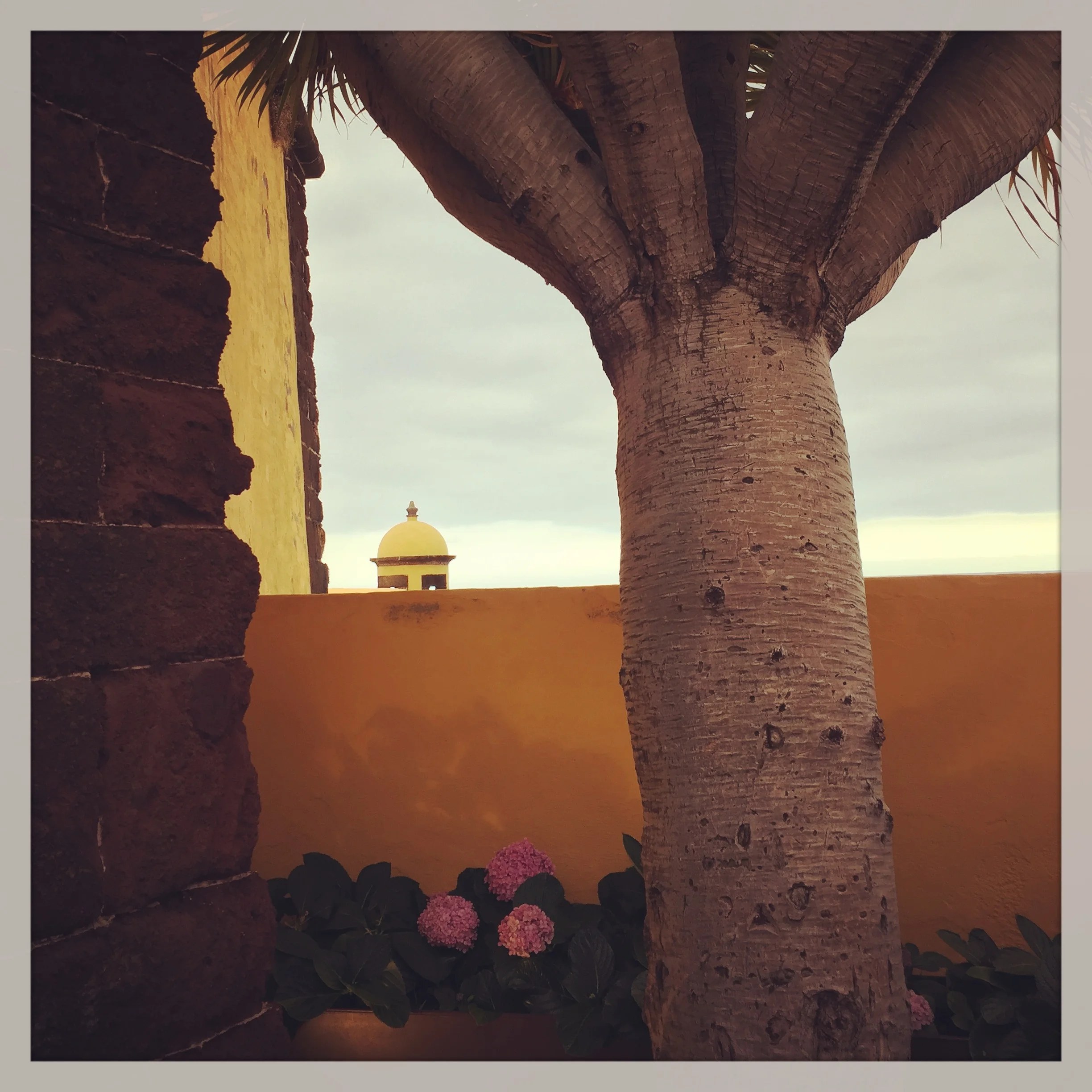
Believe it or not, this is not a painting, but and iPhone photo with some retouching on Instagram!
Restaurant Adega da Quinta
R. José Joaquim da Costa, 9325-034 Madeira
https://www.facebook.com/restauranteadegadaquinta
Located on a hilltop near Funchal, this restaurant has great views and lush gardens.
The speciality here is meat, that is cooked in the traditional “espetada” beef skewers. It has also a cellar where local Madeira wine is kept in oak barrels.
How to get to Madeira
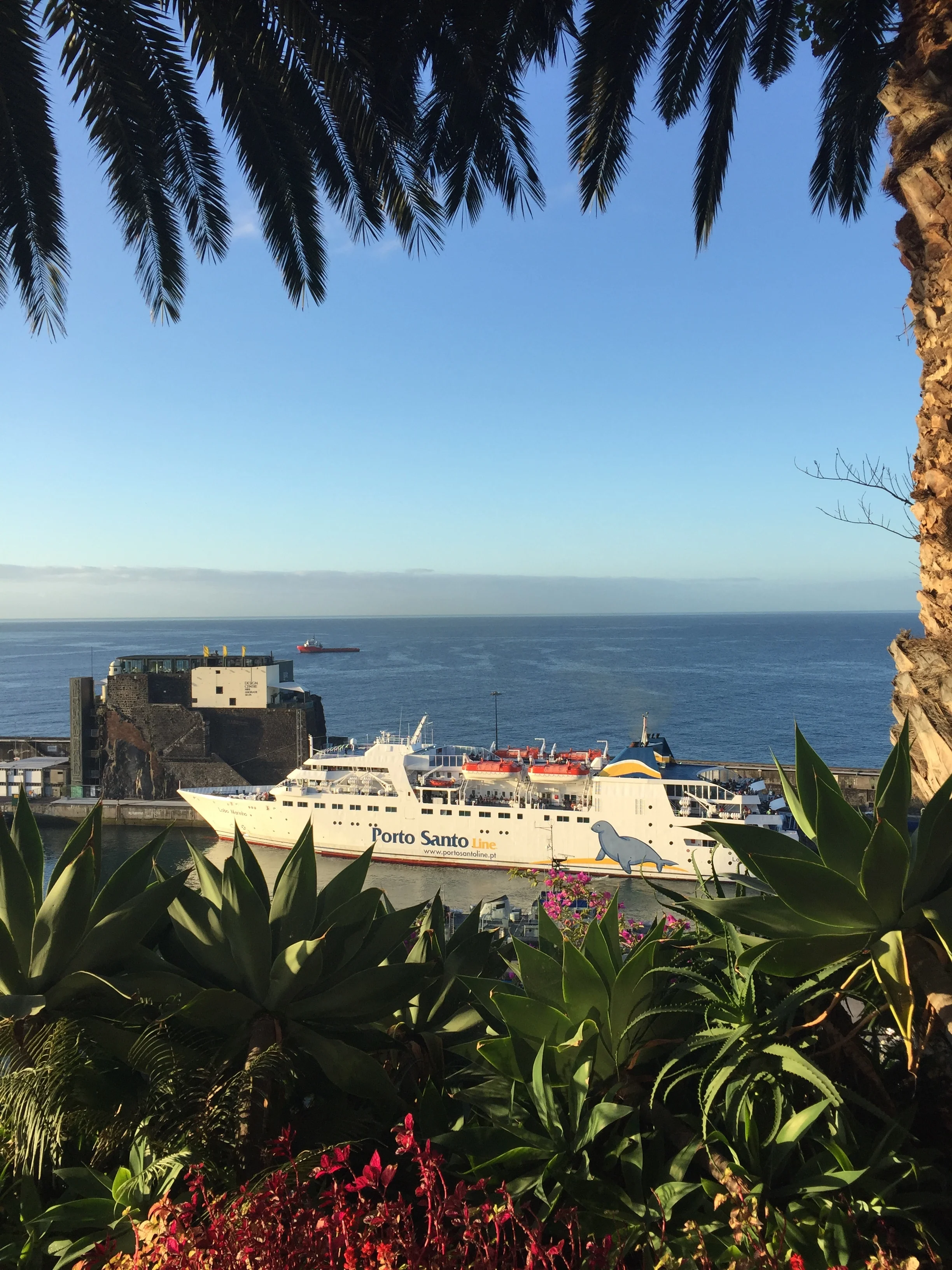
Being an island, the obvious way to get here is by plane. Although there are also, at least seasonally, ferries to mainland Portugal and the Canady Islands, as well as to the nearby island of Porto Santo (that administratively depends of Madeira).
Funchal airport is named…you guess it!…Cristiano Ronaldo International Airport and it has the particularity, as we commented earlier, that part of the runway is supported by pillars as there was not enough space to build it entirely on firm ground.

TAP Air Portugal has several daily flights between Madeira and mainland Portugal and the island is also included in the airline’s “Portugal Stopover” programme.
The UK and Germany stand out when it comes to the number of year-round air links to Funchal (FNC) operated both by full service airlines such as British Airways and Lufthansa and leisure-focused operators such as Jet2, TUI or Condor.
Quite a few other European airlines fly to Madeira, including low cost airlines Ryanair and Easyjet.
Thinking about visiting Portugal?
Why don’t you also check our post about the Douro Valley and its wineries?
And our review of JAM Lisbon, one of Portugal’s most original hotels