
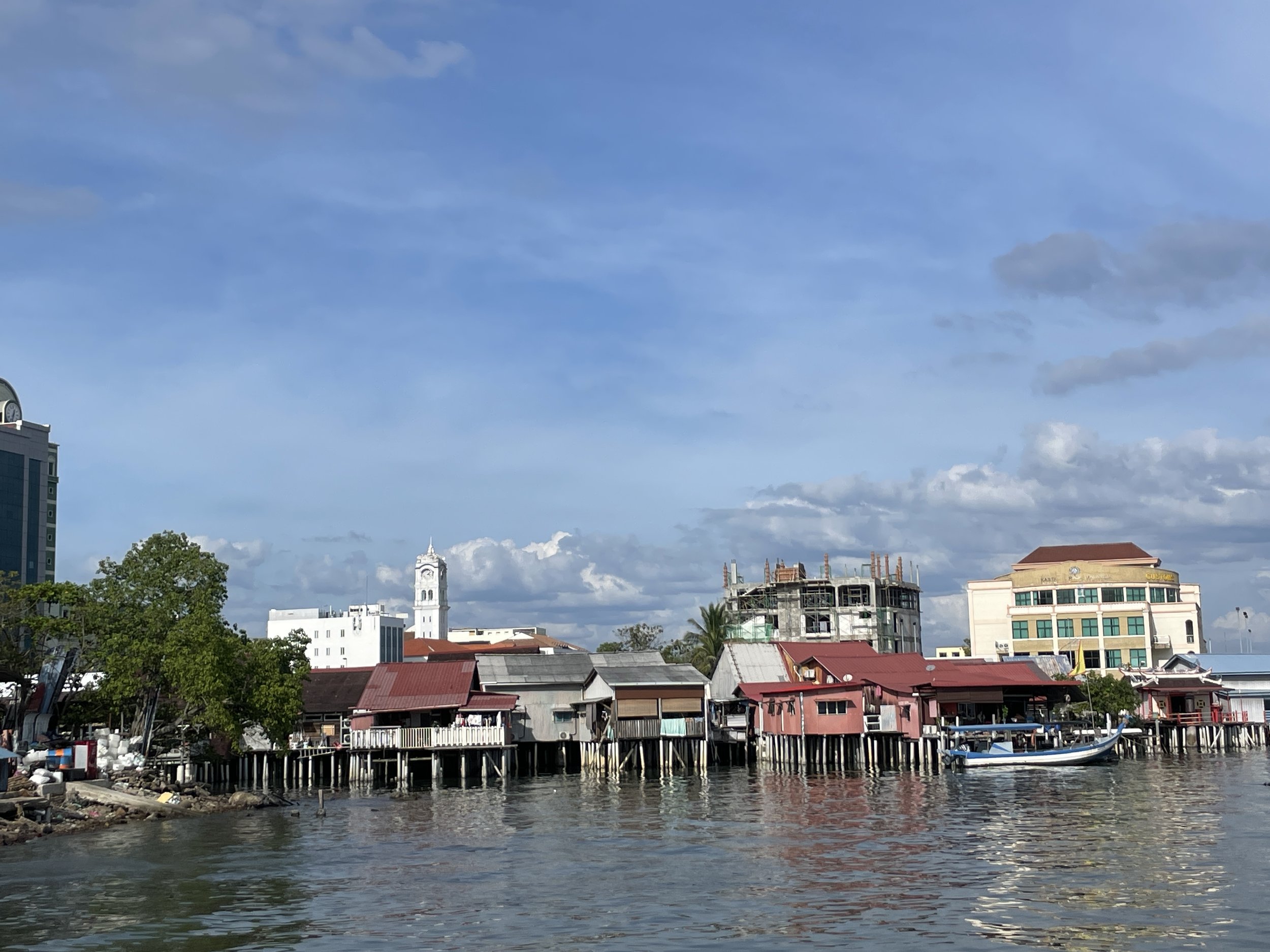
What to do in Penang & Malaysia’s Cameron Highlands
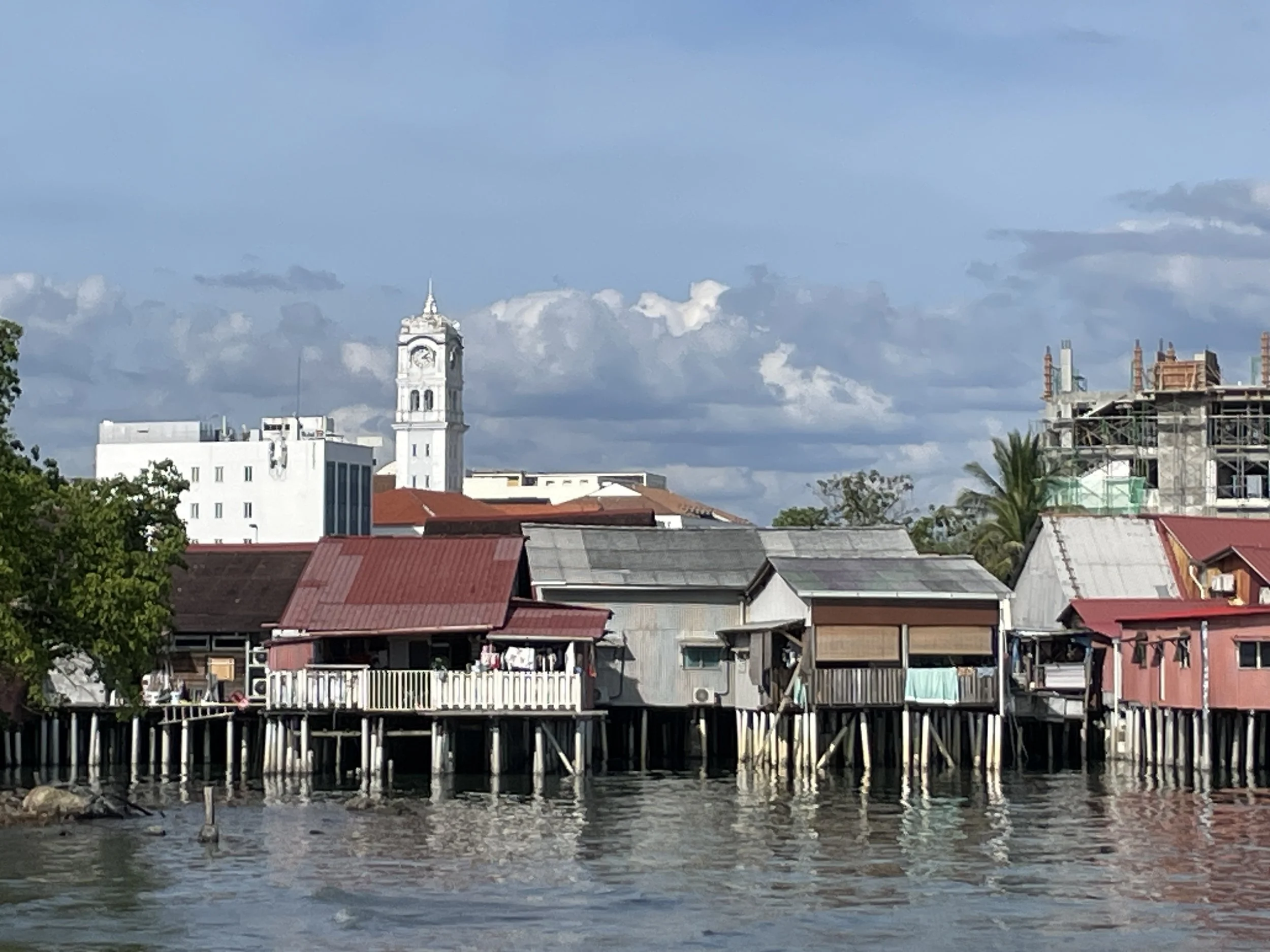
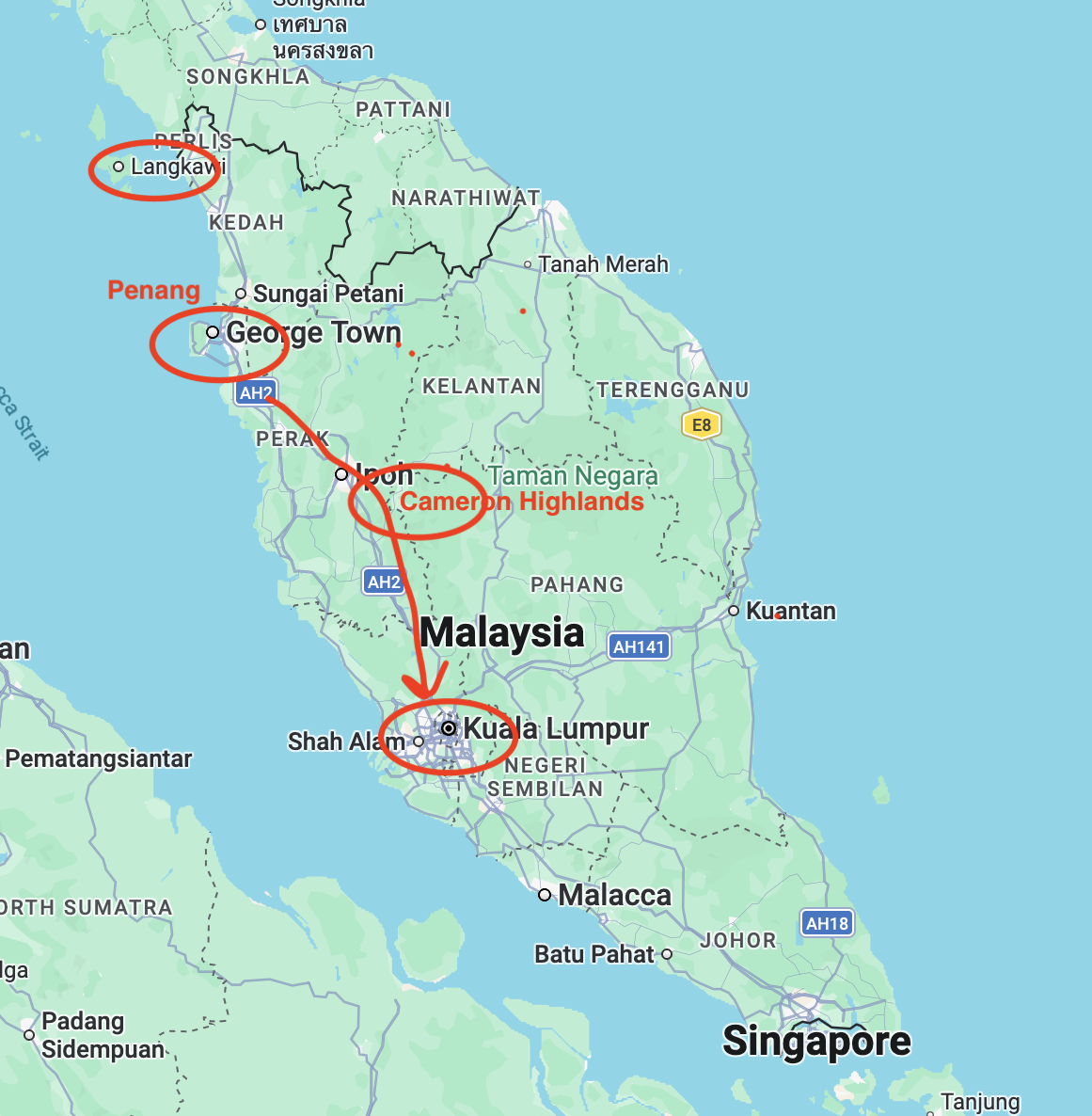
This is the second post about things to do and to see in Malaysia outside Kuala Lumpur.
If in the first instalment we travelled to the resort island of Langkawi to check its beaches and nature reserves, on this one we are going to explore another island, Penang, as well as the Cameron Highlands of Central Malaysian, a surprising lush cool mountain area covered by rainforest and tea plantations.
Our itinerary concludes in Kuala Lumpur, and although the capital of Malaysia is a bit out of scope for this post, since the city l is usually the gateway to many itineraries within the country, I have included a recommendation of what is, in my opinion a great value quality hotel in KL.
This post may contain affiliate links. If you book or buy something through them, I earn a small commission, at no extra cost to you. It's a way to keep Places of Charm going. Thank you for your support.
What to see and what to do in Penang: walk around Georgetown
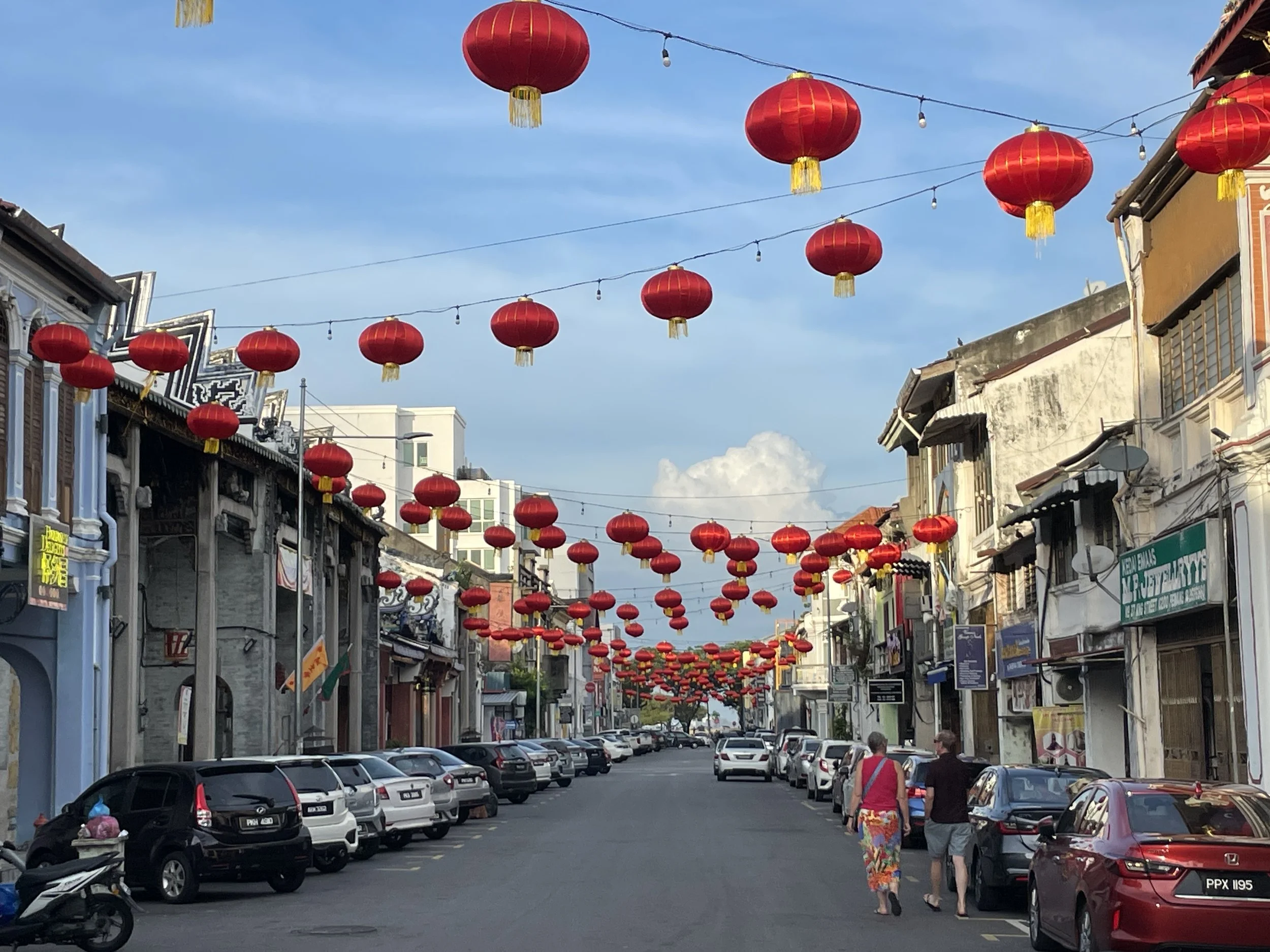
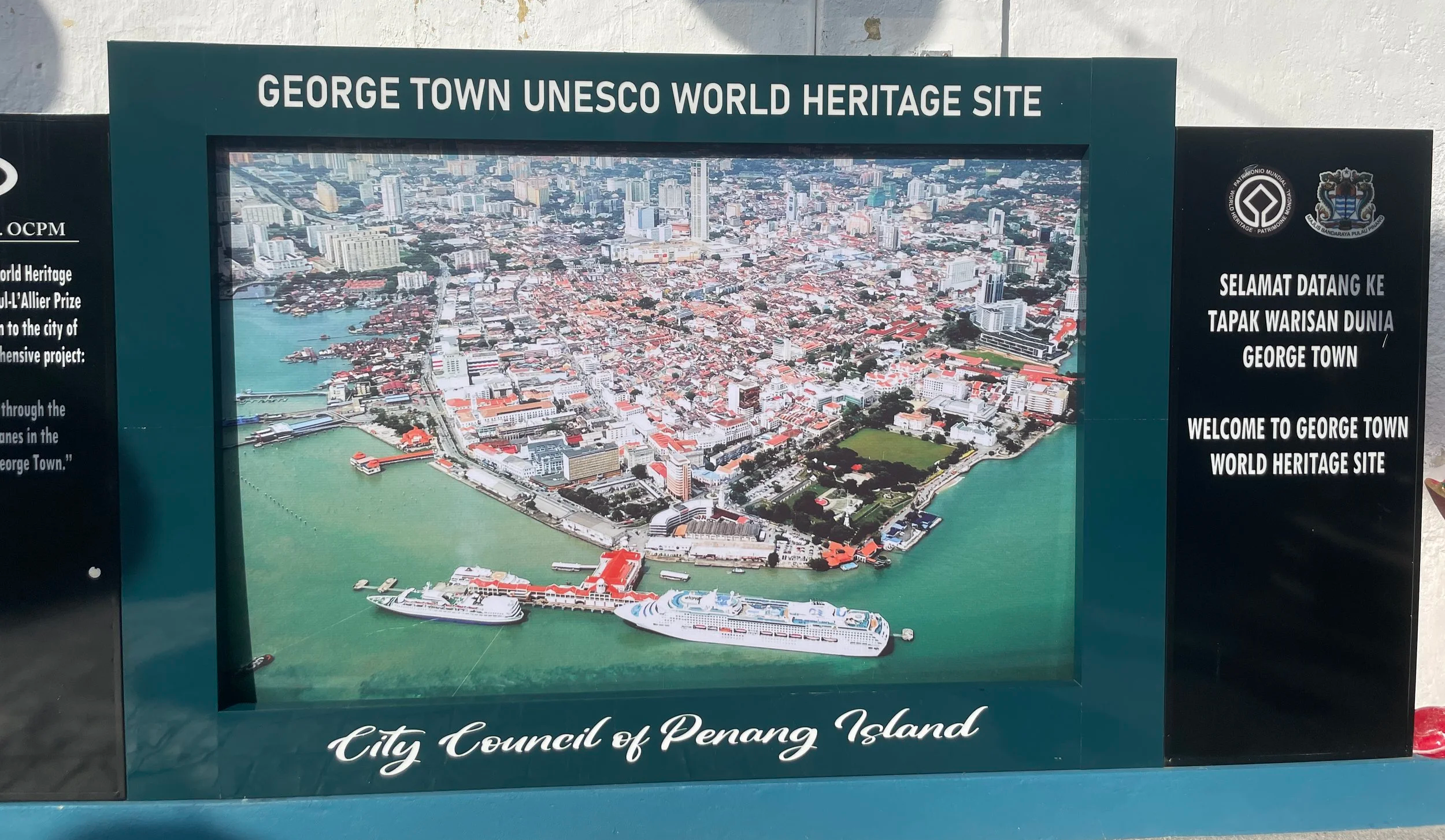
The historical city of Georgetown, capital of the island of Penang, is a UNESCO World Heritage Site. This designation recognizes the different cultural layers which over centuries have made of this traditional trading entrepôt such an interesting place to visit.
Located at the northeast of the island, Georgetown has, in fact, one of the best preserved historical centers in south-east Asia.
Like most other “Georgetowns” in the world, the city was named after a British sovereign (George III).
In fact, the arrival of the British in 1786 was the turning point in the history of Penang, since it turned the island into a sort of early version of what Singapore is today: a commercial hub which, under British protection, soon started attracting people and mercantiles communities from all over Asia and beyond (there is even an Armenian quarter).
This created a melting pot of Malay, Chinese, Indian, European, Indonesian, Arabic, Armenian and other peoples, with which is still reflected today in the varied architecture, religious practices and the local cuisine.
How to get to Penang
The easiest way to get to Penang is by air, with its international airport located on the south side of the island.
In fact, the island is currently connected to the mainland by two bridges, at its northern and southern ends, so you can also travel by land if driving through Malaysia, as was our case.
Penang is approximately 24 km long by 15 km wide (a similar size to Singapore, and, as we have seen, not the only thing that the two places have in common!) so, if you intend to see a bit of the island outside Georgetown the best way to move around it to rent a car (which is what we did).
Roads are ok, particularly in the area around Georgetown, but the island is very mountainous, particularly in its central part, so depending on where you go to you may encounter narrow roads or traffic jams (again, around Georgetown).
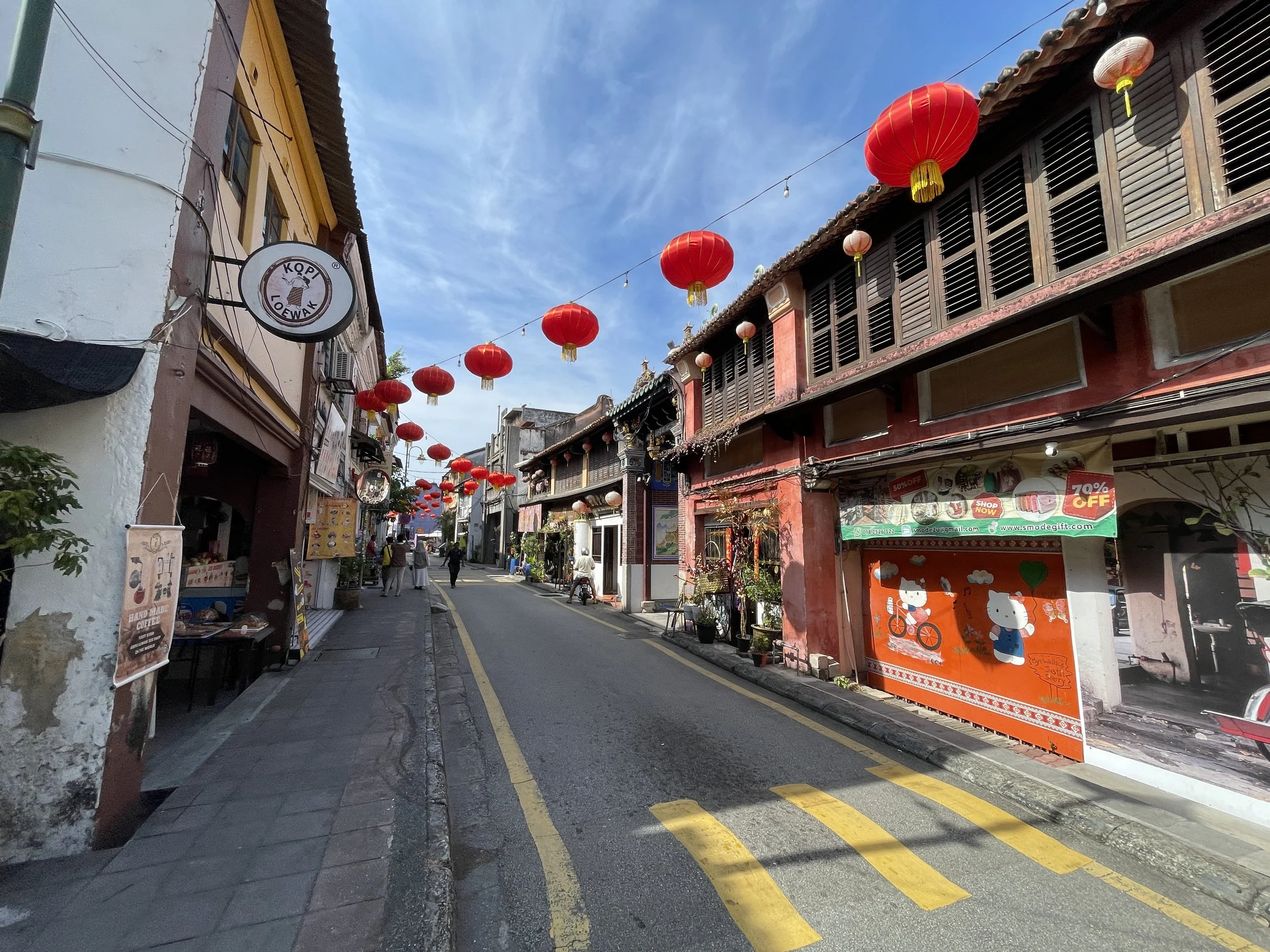
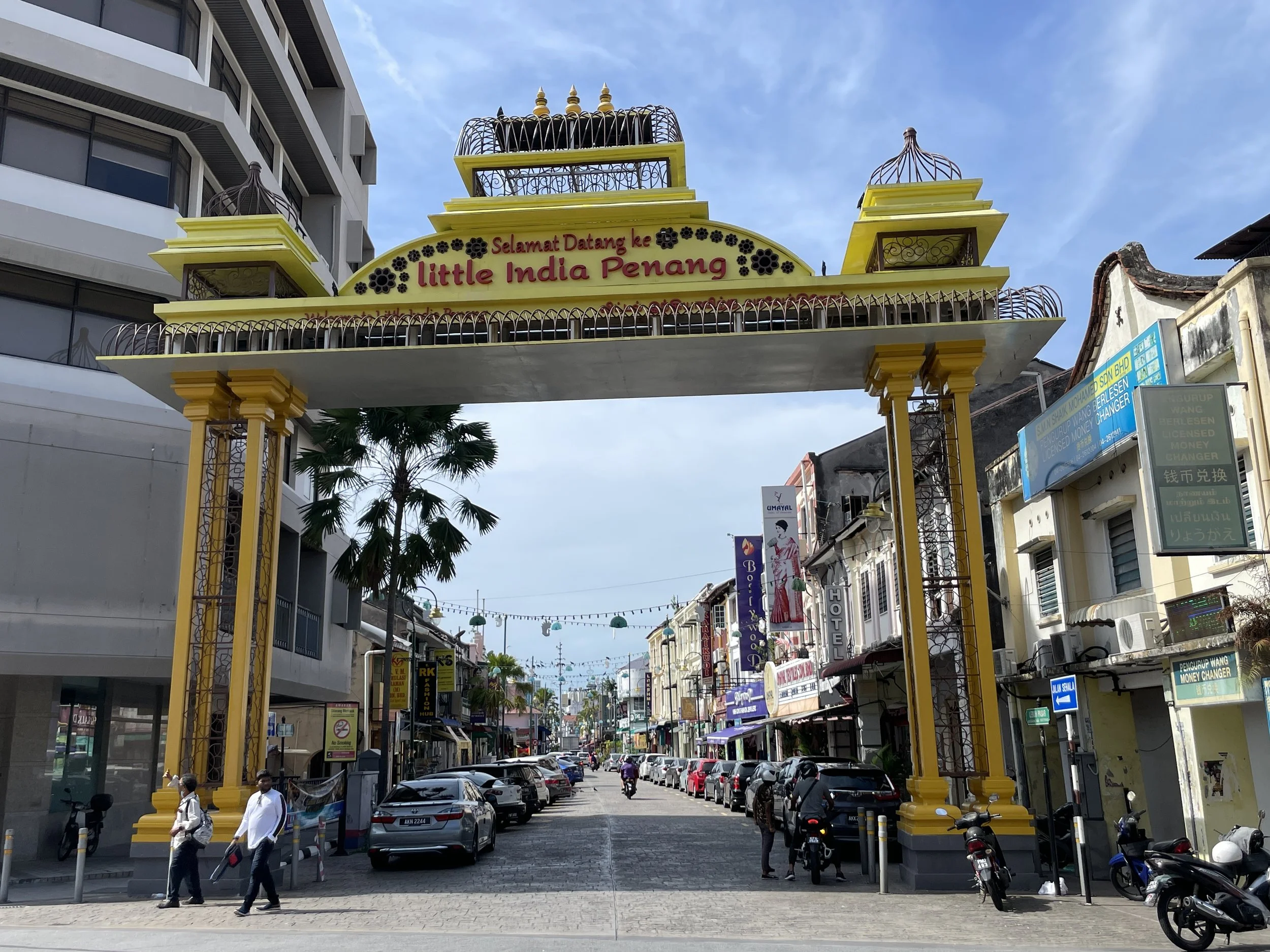
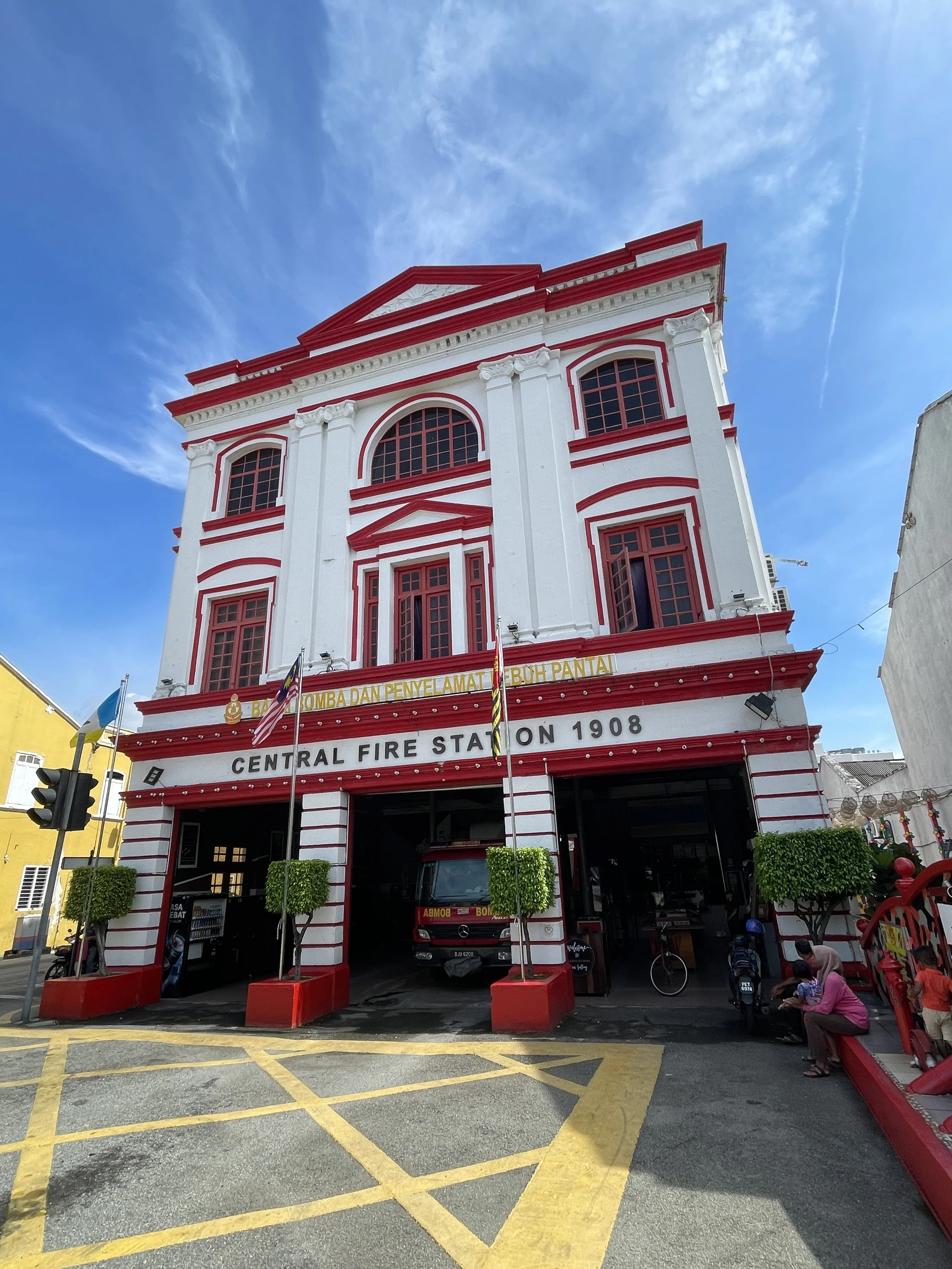
While I wouldn’t say Georgetown is harmonious or coherent in the sense in which historical towns may be, for example, in parts of Europe, its appeal is the different types of styles and contrasts you may find in and around its historical centre.
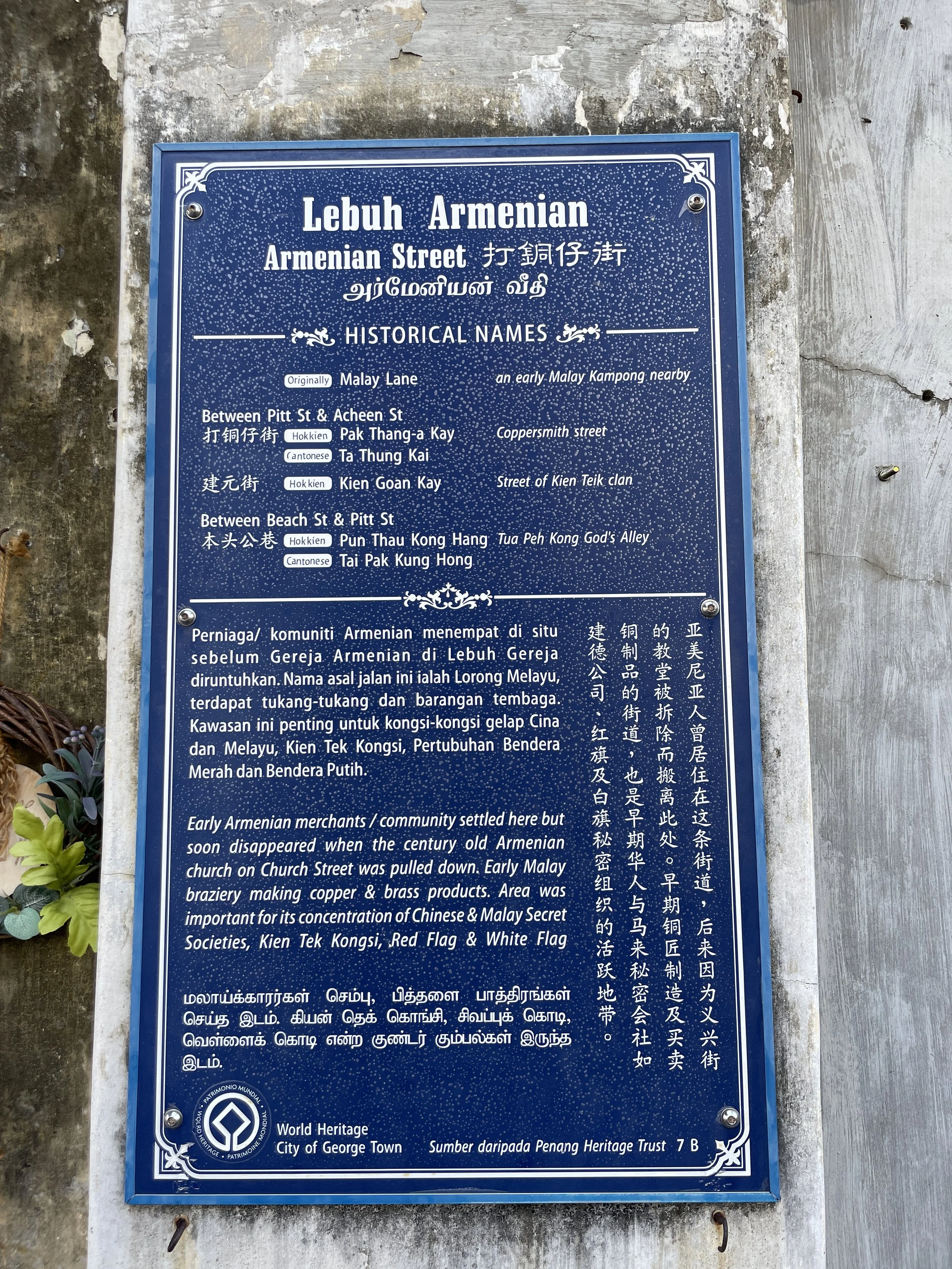
The centre is quite walkable and, in fact, it is what you would recommend doing in Georgetown first and foremost. You quickly pass from one of the historical “ethnic” neigbourhoods to the next. There is “Little India”, an Armenian quarter, then an area with Chinese clan houses (called “kongsi”) and so on…
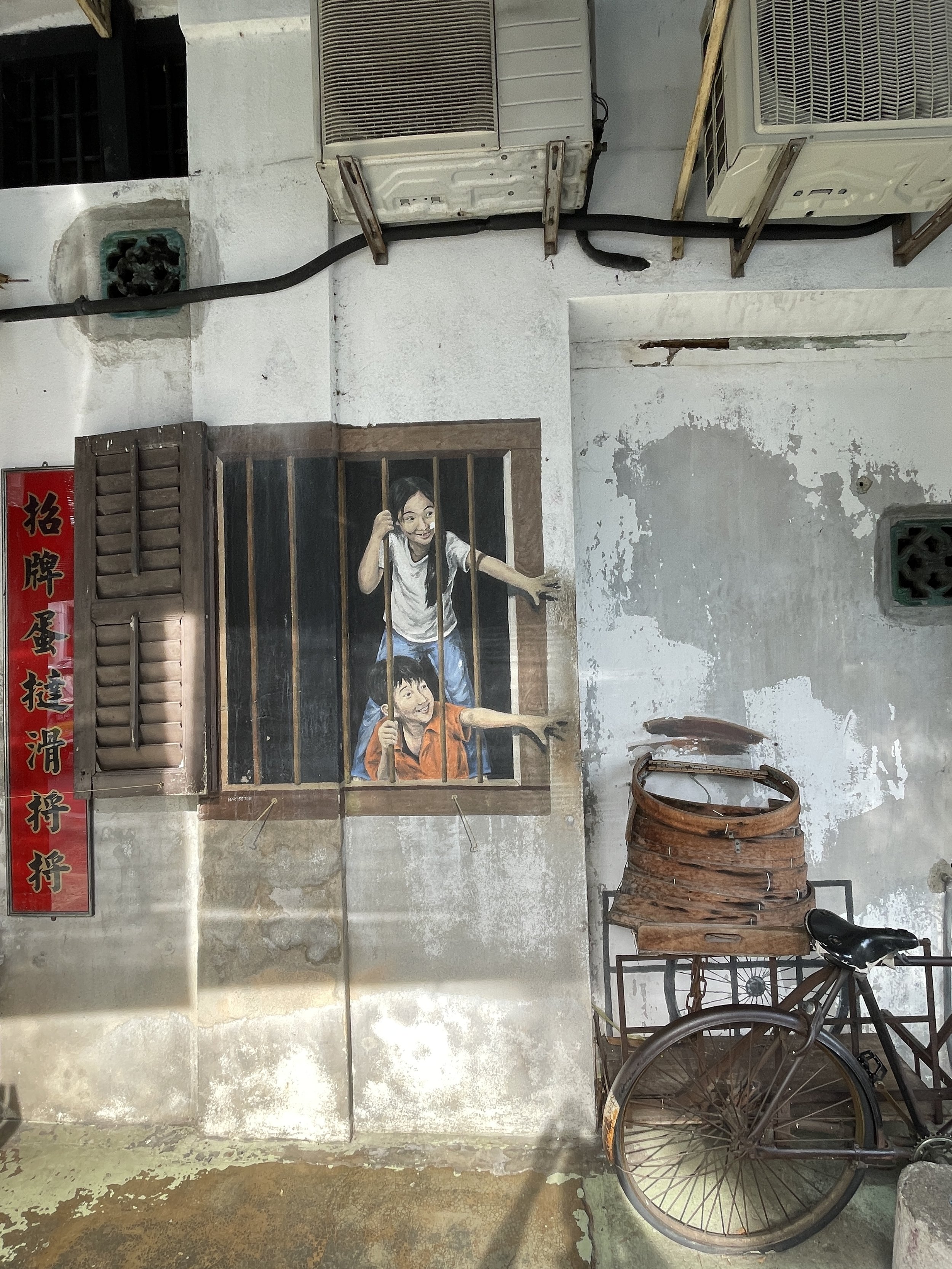
Also worth mentioning that here is also a considerable amount of street art which keeps popping up around every other corner, making the ensemble more lively.
The “Kongsi” or clan houses of Penang
One of the top things to see in Georgetown’s historical center are the Kongsi, or Chinese clan houses.
Their origin is in the arrival of Chinese immigrants from the late 18th C. and all the way through the early 20th C. Those migrants usually clustered around a specific clan or extended family with which they tended to share a surname.
These Kongsi were built in a very distinctive Chinese style and were a bit like a mix between a palace, a warehouse and a temple which acted as a base for a specific clan or group.
I recommend you visit at least one to get a good idea of this concept and how this type of societies work in Colonial Penang.
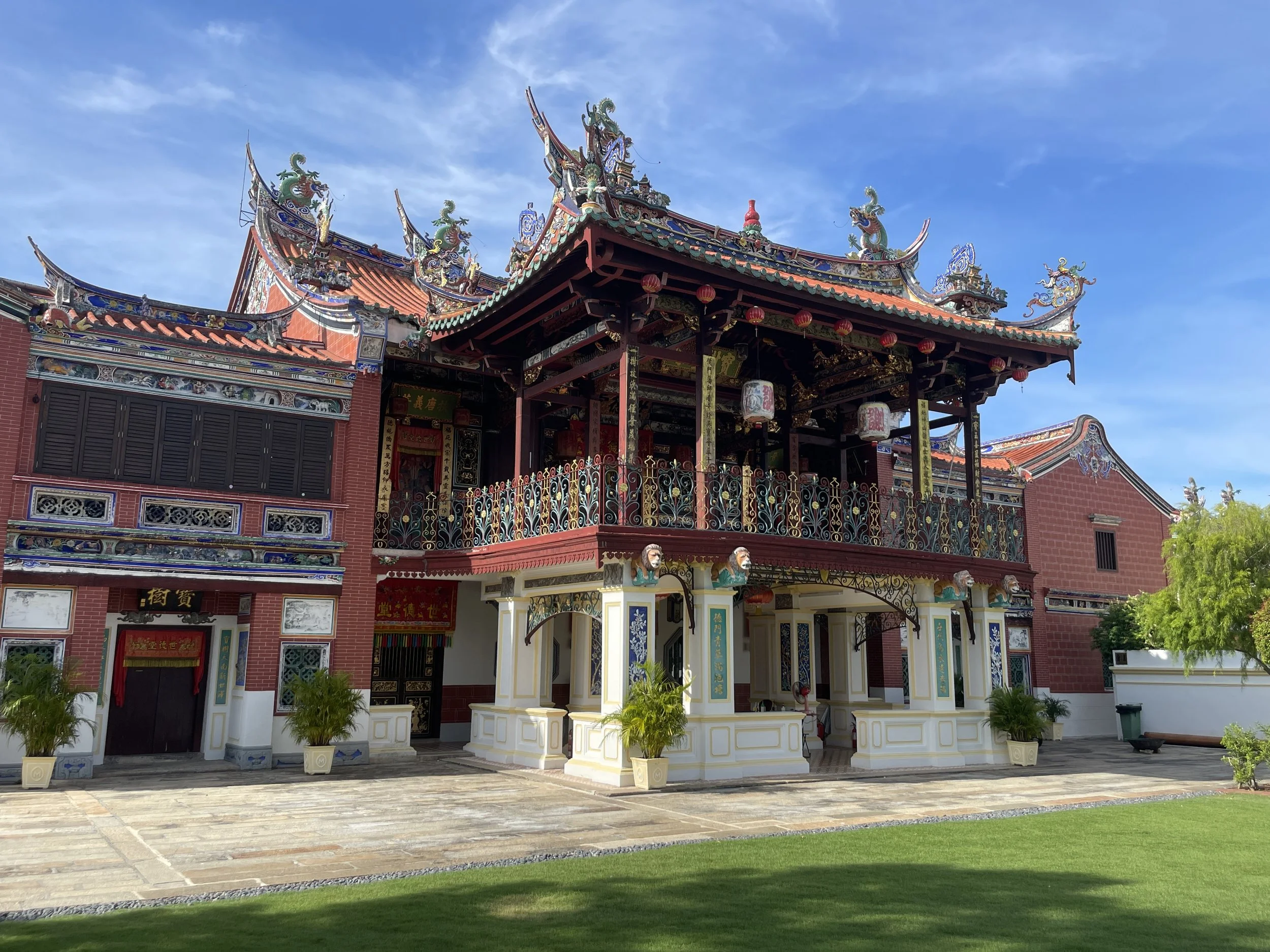
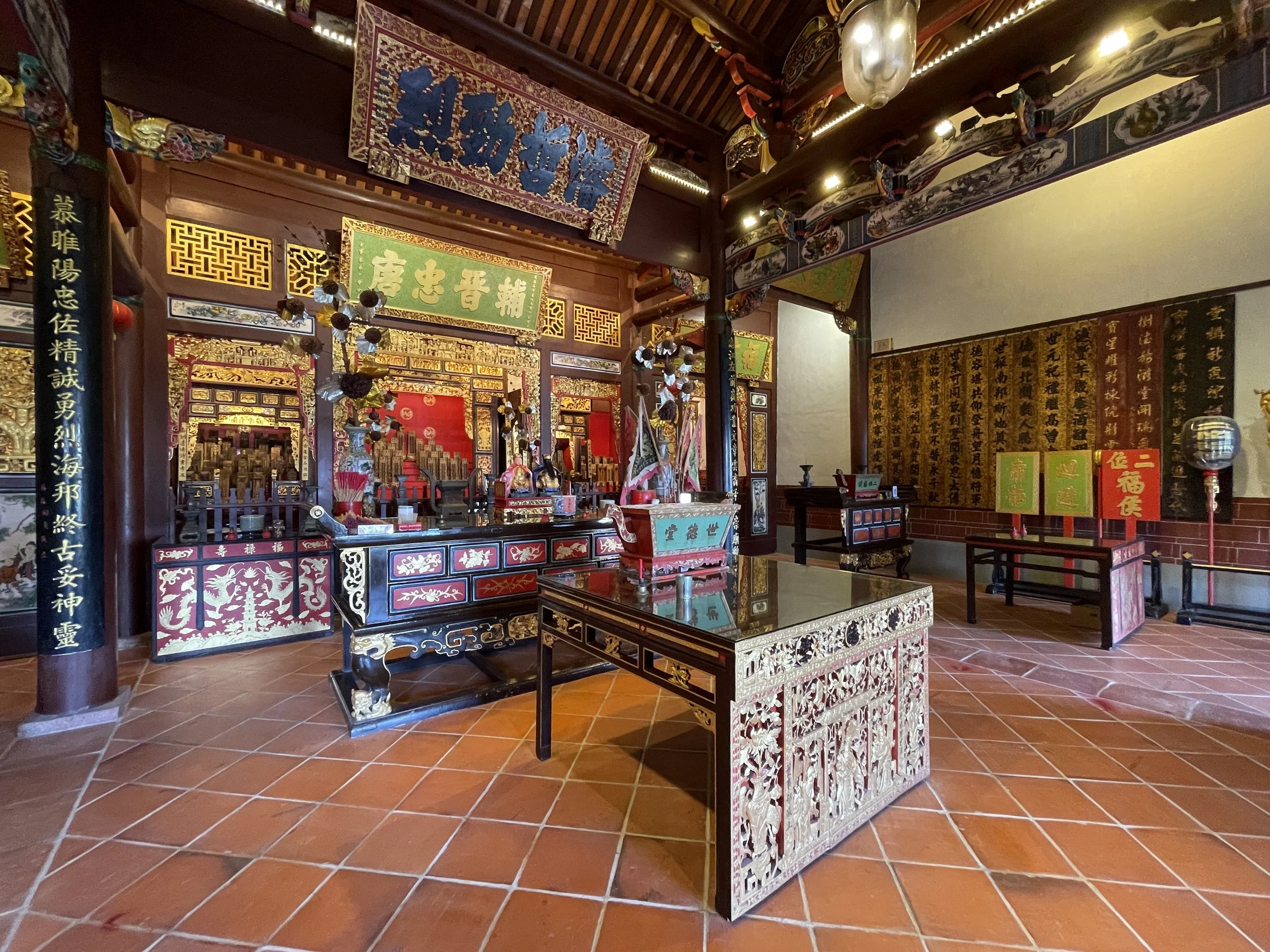
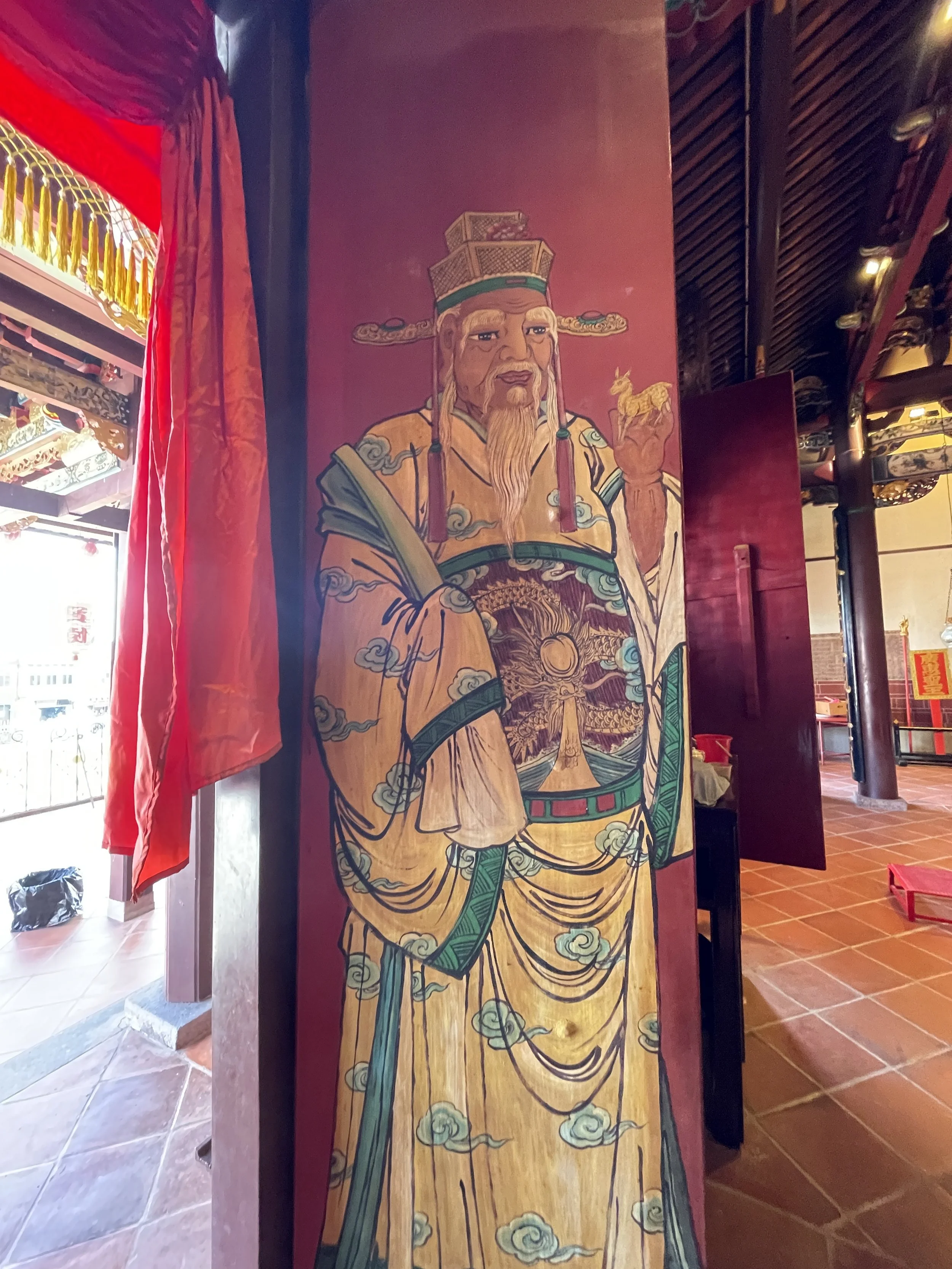
There are several Kongsi which have been turned into museums and can be visited nowadays in Penang, like the Cheah Kongsi, which you can see in these pictures above and right.
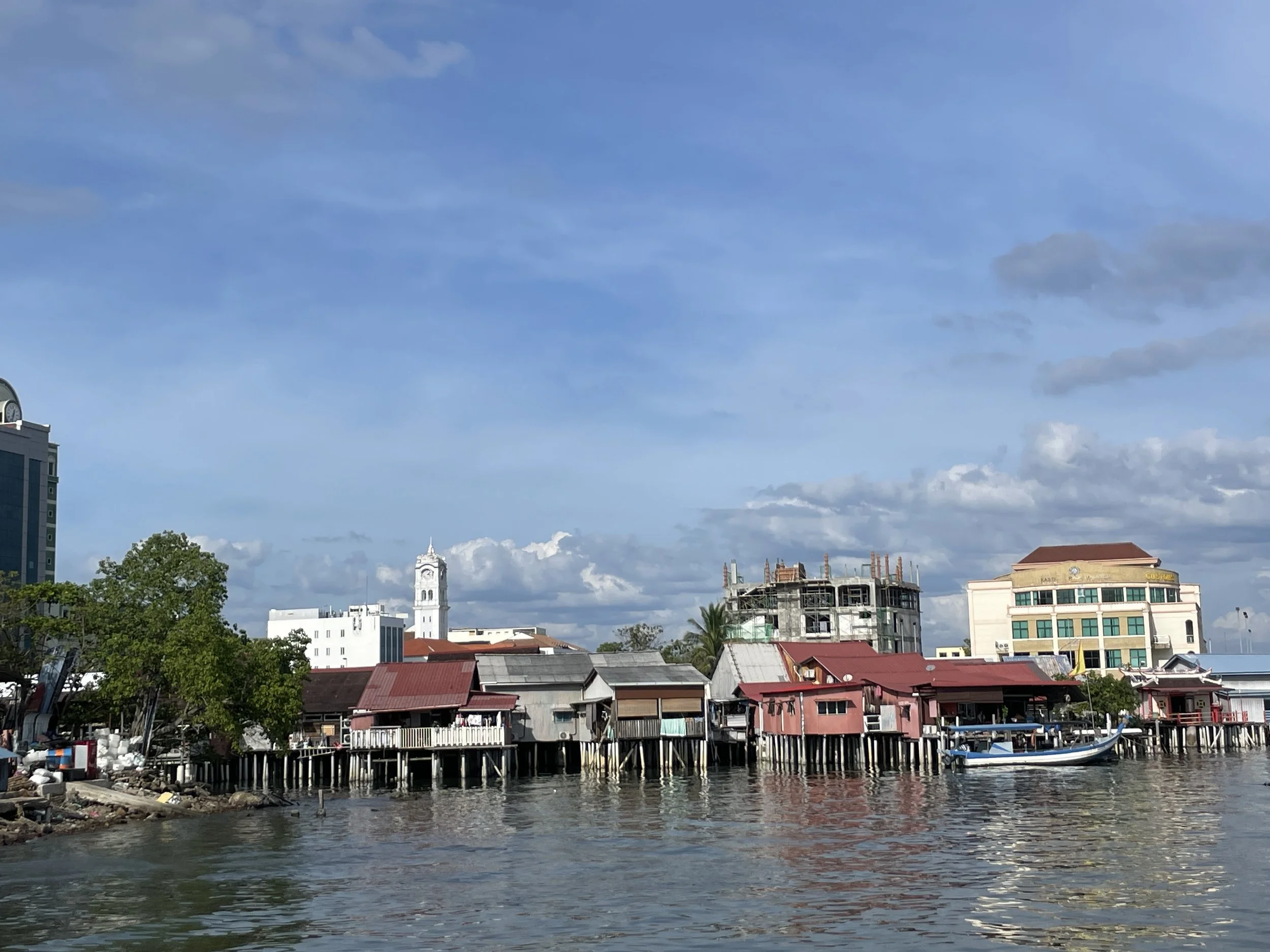
By the way, another area that was “divided” along clan lines is the jetties by the seaside. Penang was a busy port and the jetties were a key gateway for all this trade with each of them controlled by one of the clans.
The jetty area, by the way, can be visited today. These wooden platforms protruding into the sea are no longer used for bulk merchandise trade, but they have significant commercial activity in the form of restaurants, bars and the like.
Georgetown’s Blue Mansion
This is another interesting piece of heritage you can visit in Georgetown, which brings you back to the times when the city was one of the top commercial entrepôts of South East Asia.
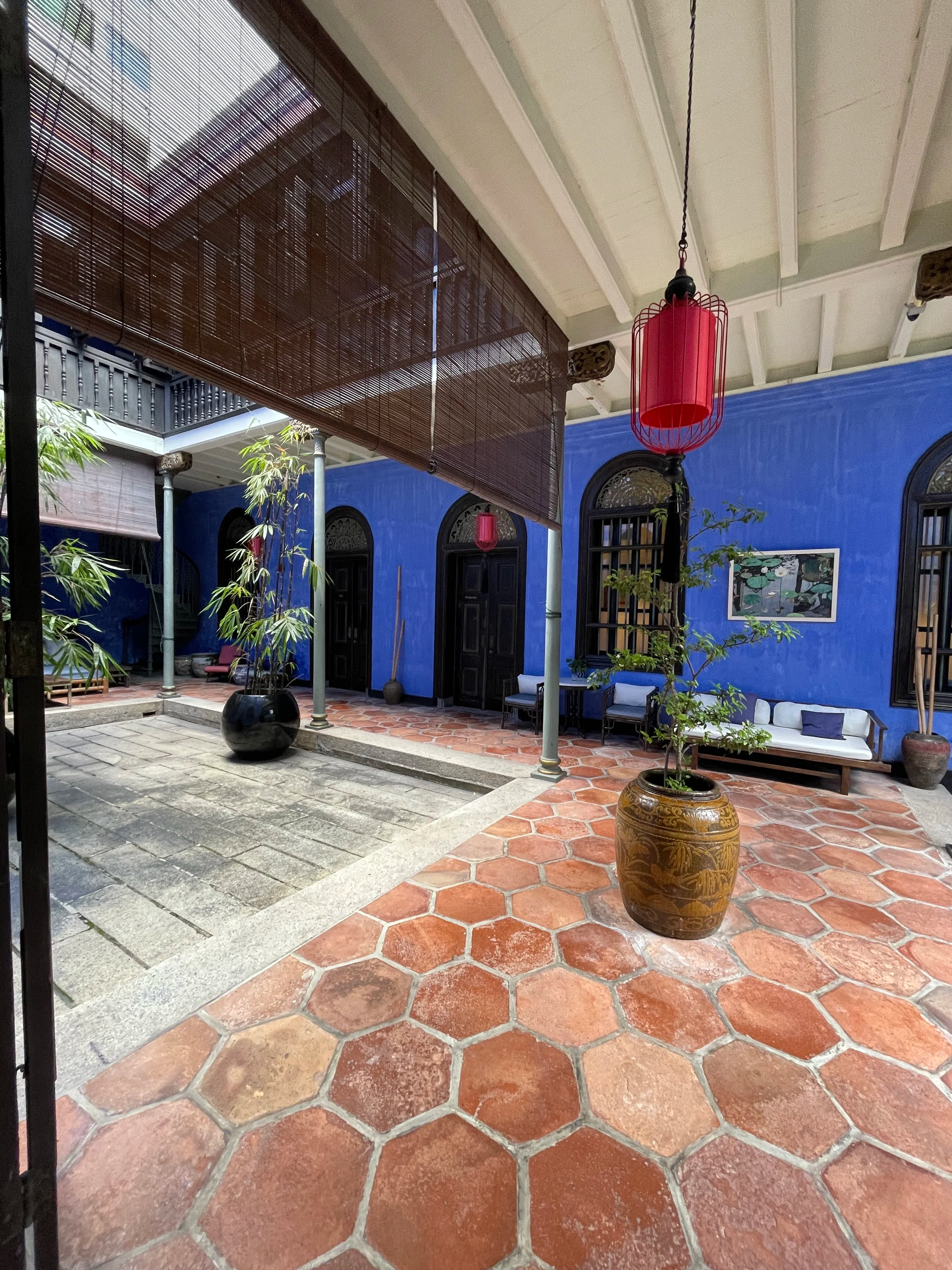

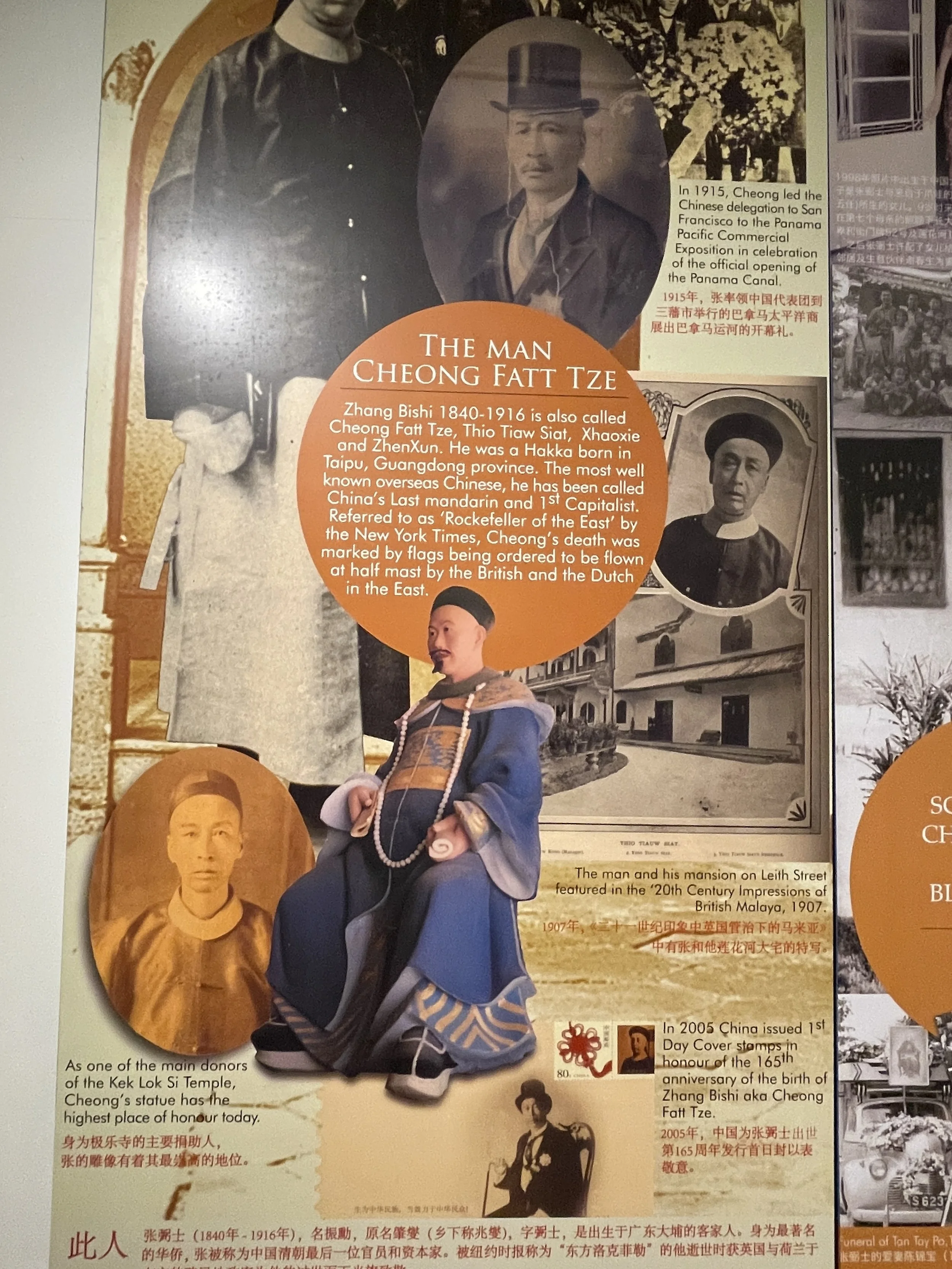
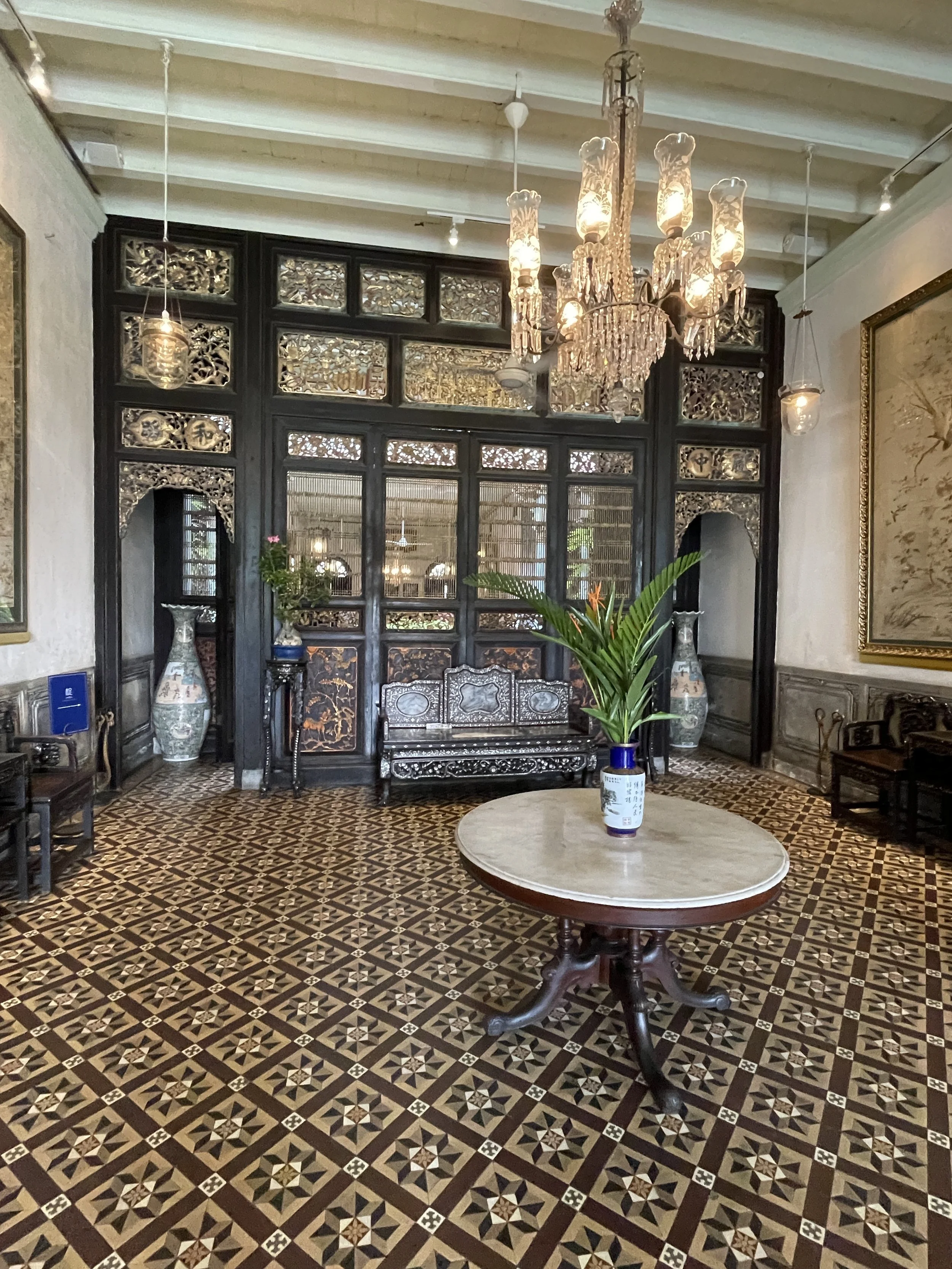
The Blue Mansion, which gets its name from the intense indigo colour it is painted on, is a palatial house associated to the figure of Cheong Fatt Tze, a Chinese entrepreneur and self-made millionaire, which used its as one of his residences (apparently he had eight different mansions through southeast Asia for as many wives).
Born to a poor family in Guangdong (Guangzhou), in the Pearl River Delta area, in 1840, Cheong Fatt Tze emigrated as a young man to the then Dutch East Indies (now Indonesia) and managed to make an immense fortune by engaging in different sorts of trade. He was so rich that, at some point at the turn of the 20th C. he became known as the “Rockefeller of Asia”.
After the death of Cheong Fatt Tze, and I guess, the decline of Penang as the commercial hub of reference in the region, the building became progressively neglected, to the point that it required a thorough restauration in the 1990s to recover its former splendour.
Today, Penang’s Blue Mansion is a boutique hotel, but parts of the building are also open to visitors, offering a glimpse into that Golden Era of Penang.
Exploring the colourful streets of Georgetown
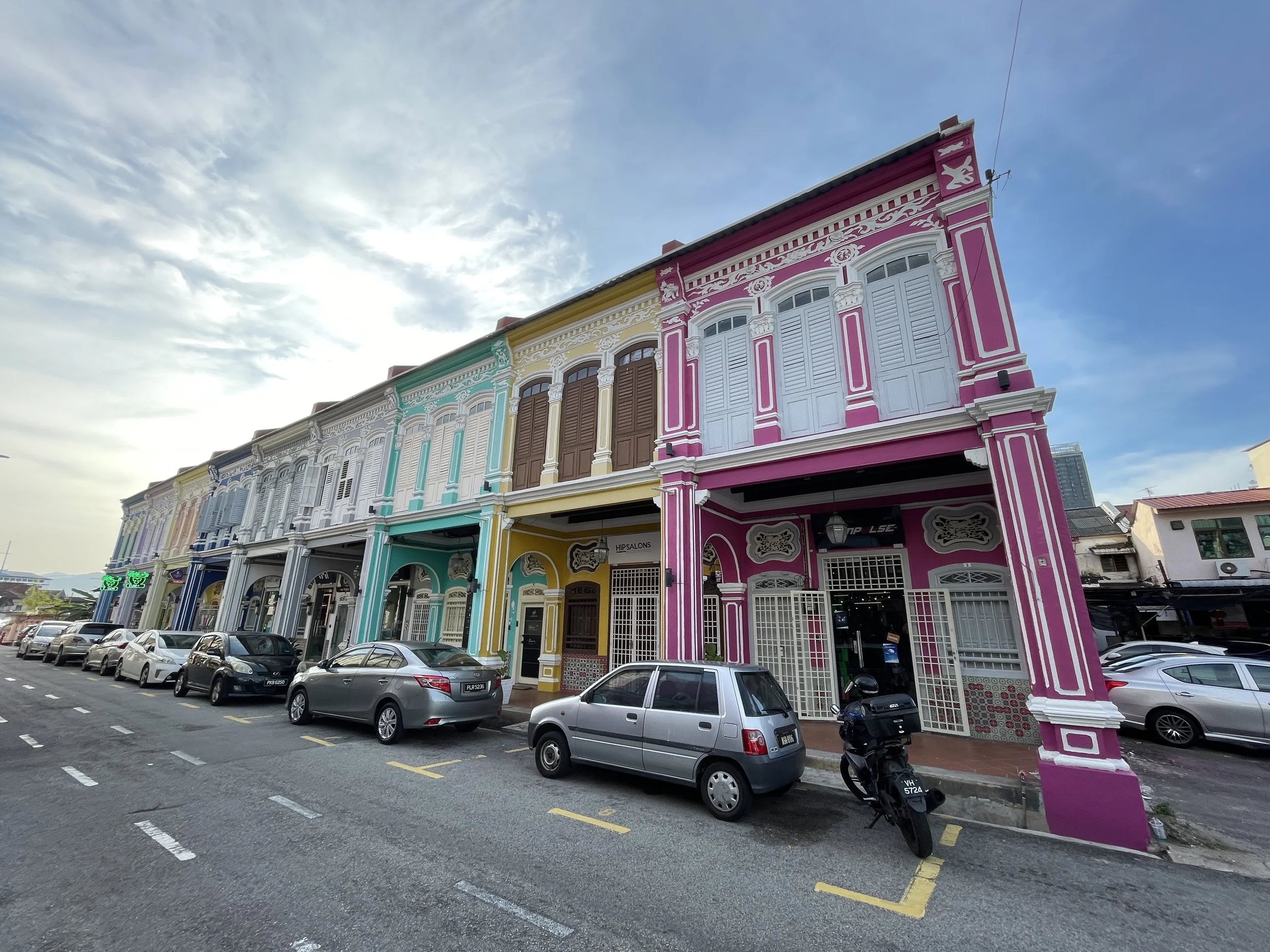
As mentioned earlier, one of the good things about Georgetown is that it has a relatively compact and walkable town centre.
Another of the top attractions you can find there, this one a bit outside of the inner core of the old town, but still reachable on foot, is Jalan Kek Chuan street. There you will find a row of beautiful painted houses with original front porticos.
Now, while these period houses are certainly cute, I think some Penang guides may be overselling them a bit. I even read somewhere that it was considered one of the most beautiful streets in the world, which I think is quite an exaggeration!
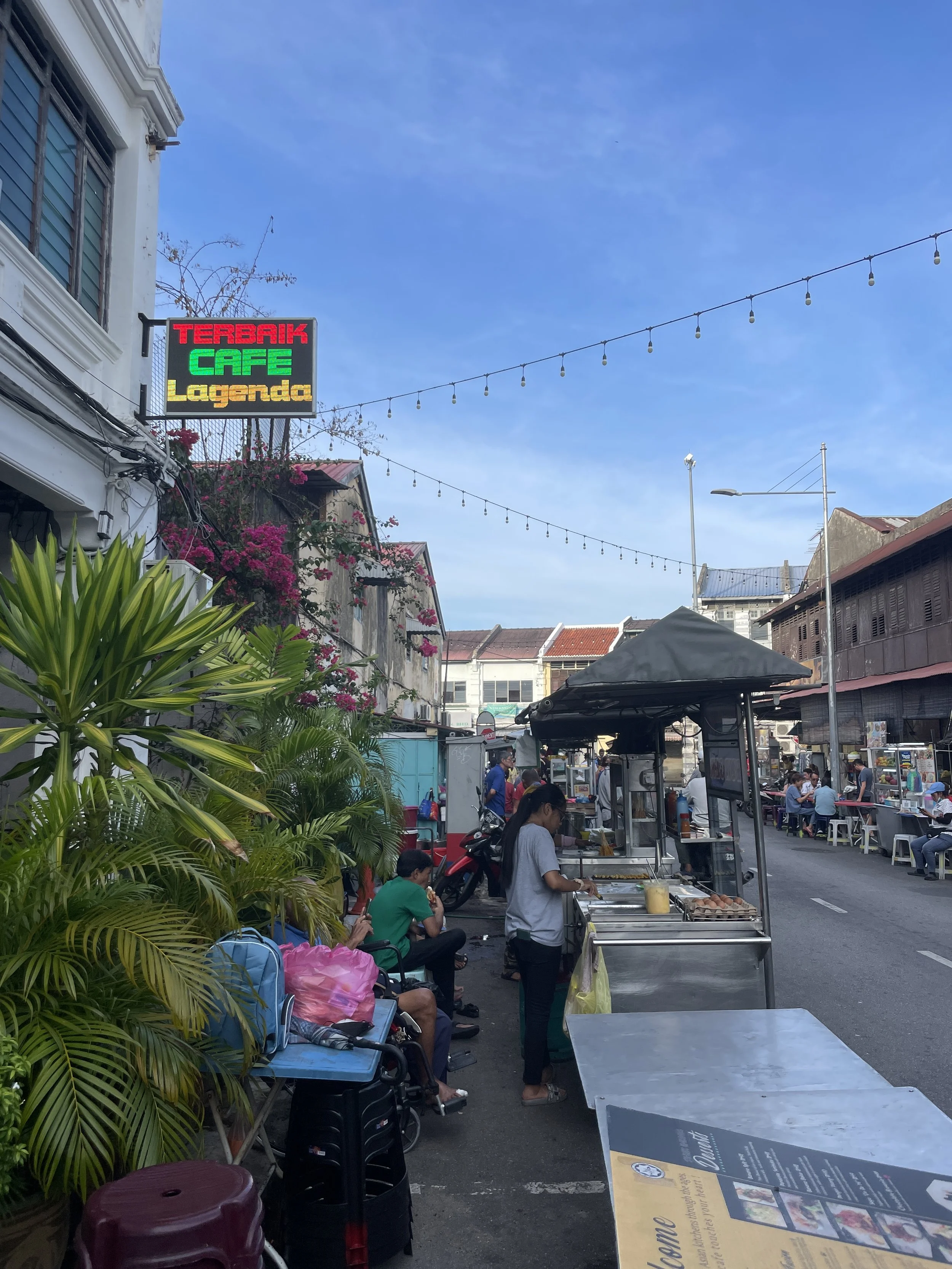
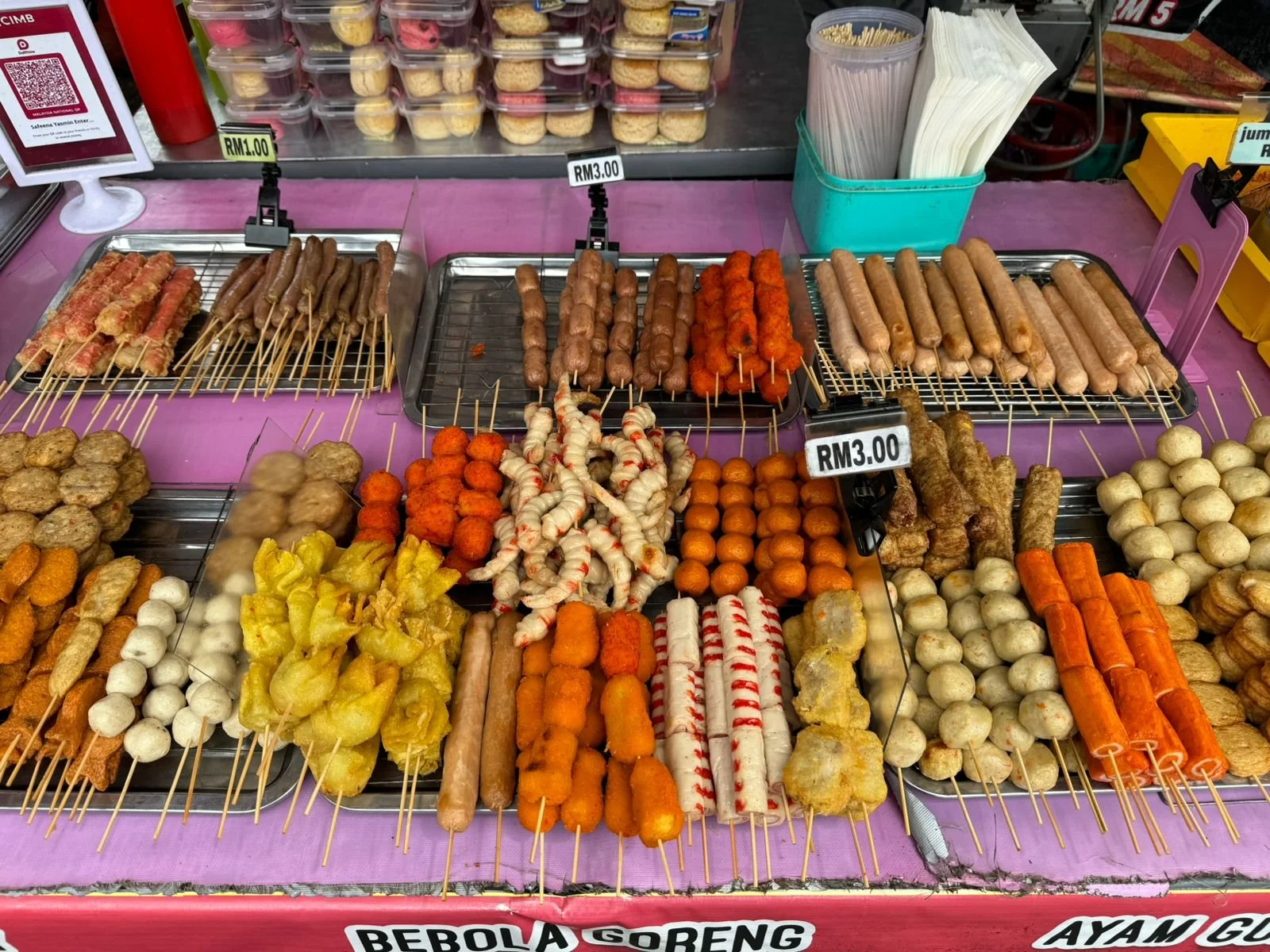
There are quite a few streets in central Georgetown where you can find plenty of street food. The picture on the right, for example, is from Lebuh Carnarvon street, which is a top area for hawker food stalls.
Kek Lok Si Temple
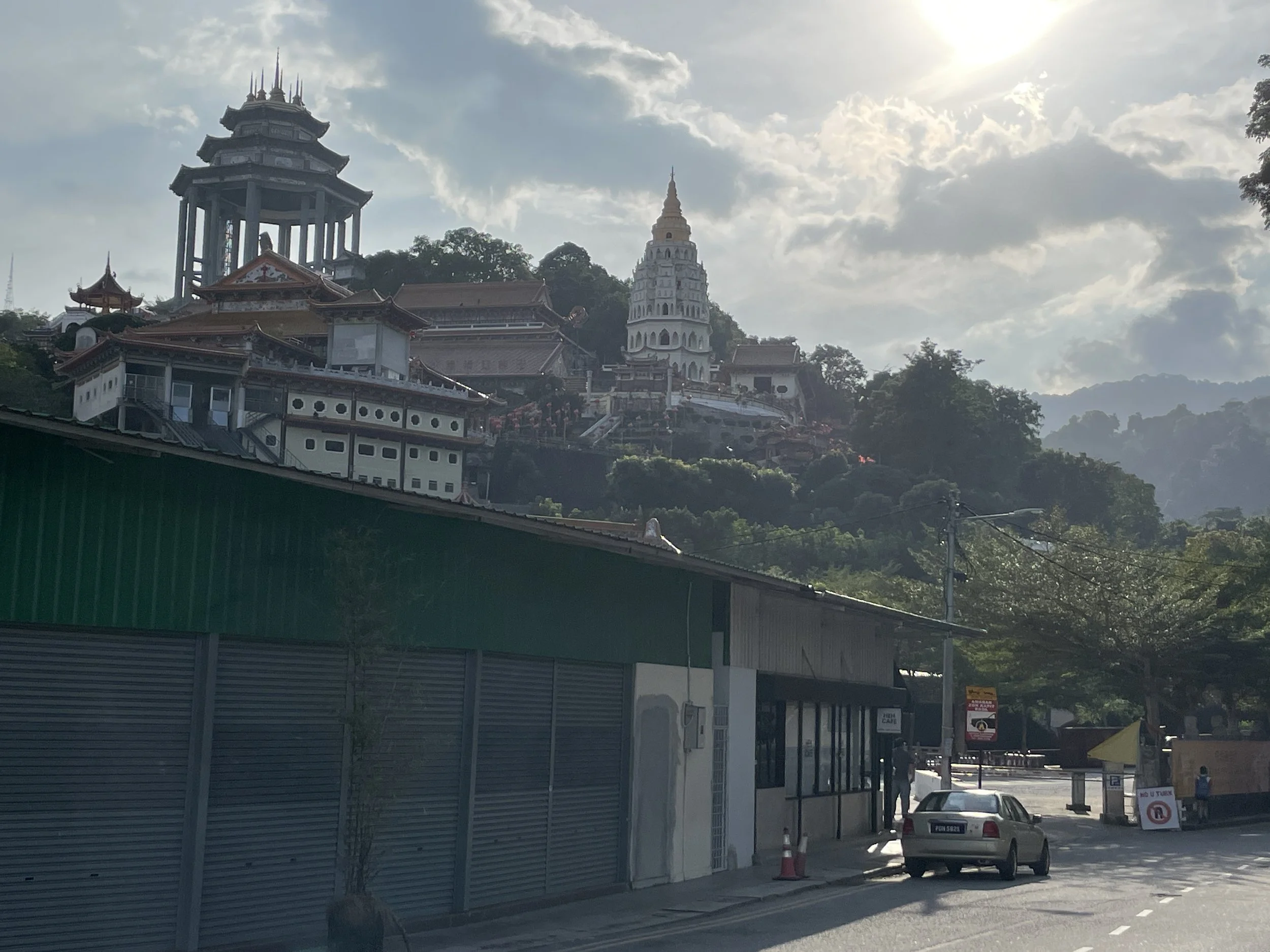
Kek Lok Si Temple is the largest Buddhist temple in Malaysia. It is located on a hill some kilometres southwest from central Georgetown. To be honest, I did not get inside, but the views from the street of this monumental religious complex are really impressive.
Where to stay in Penang
PARKROYAL Penang Resort
Batu Ferringhi Beach, 11100 Penang
Penang is not just about urban exploration, the island has its fair share of beach resorts (and even a national park!).
In fact, if you have a car with you, the beach resorts may be an excellent option to use as a base for your intra-island trips, coming back to relax in the afternoon/evening to the seaside.
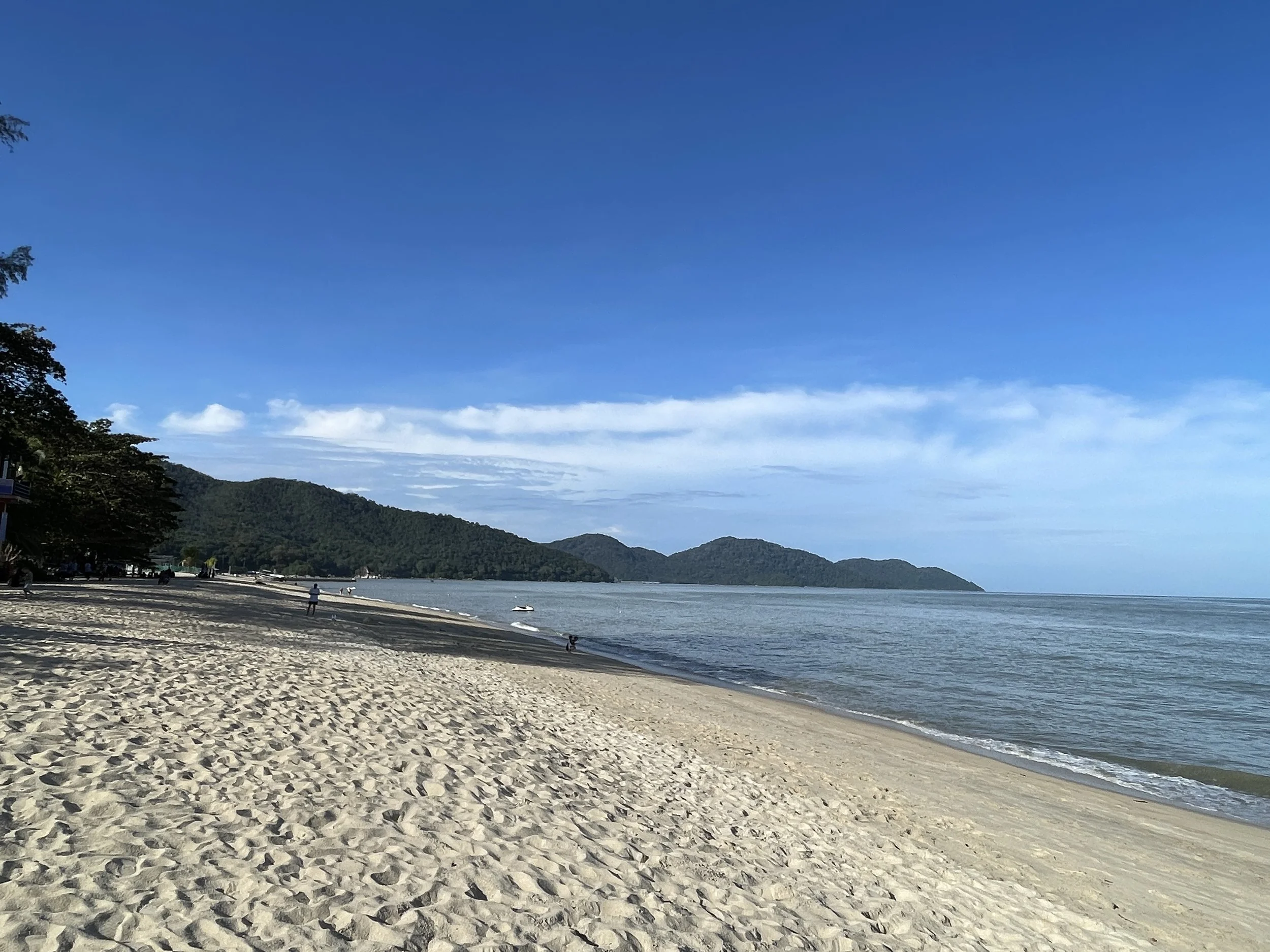
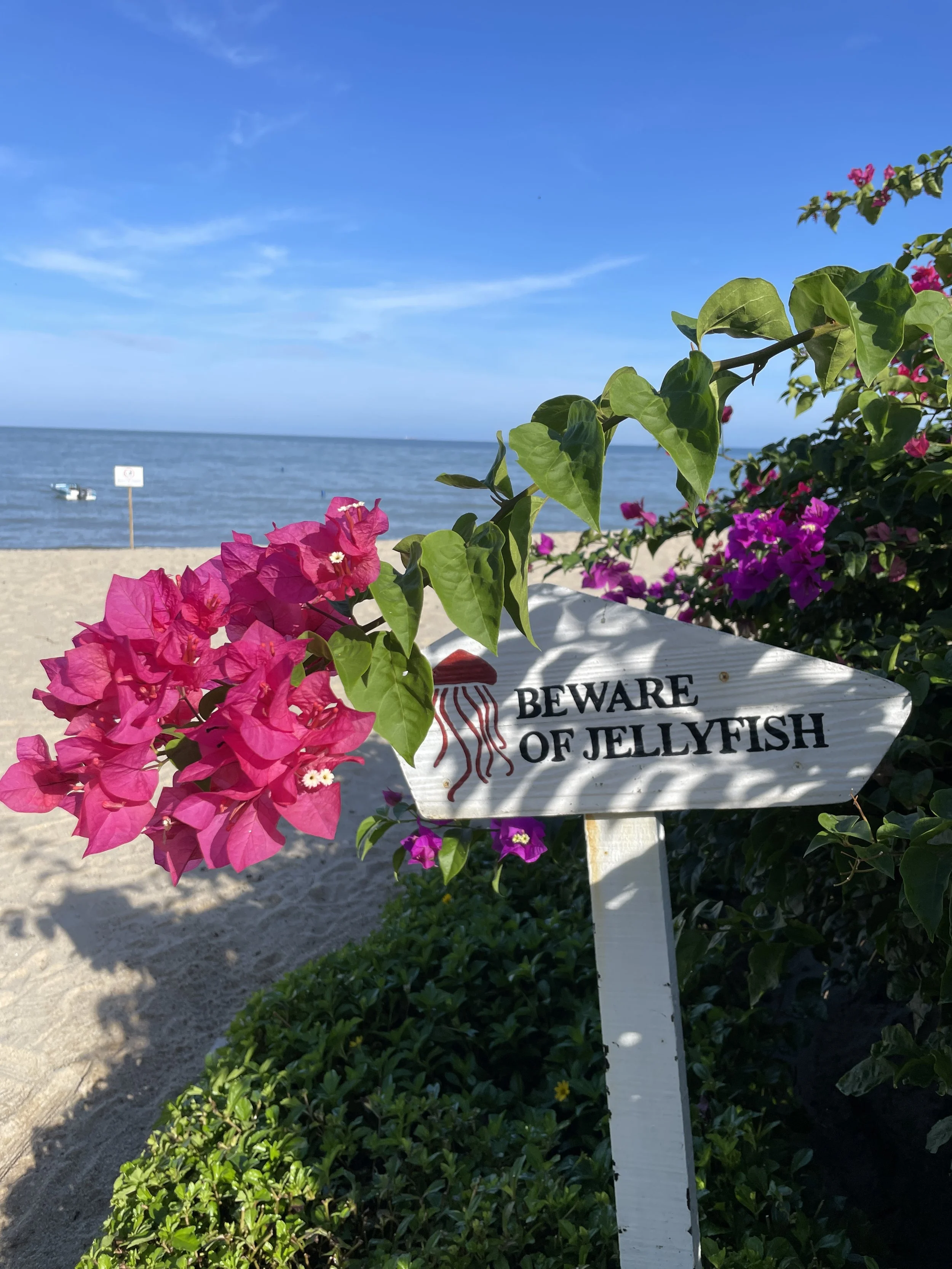
Many of these resorts, as is the case of the PARKROYAL Penang Resort, are on the north coast of the island, just west from Georgetown. Remember that this is a relatively small island, so, if there is no traffic, you can be in Georgetown in half an hour drive or so.
Like in the case of Langkawi, I wouldn’t say the beaches are super amazing (don’t expect turquoise, crystalline waters), but the whole package, which includes a modern resort with its gardens, direct beach access, several swimming pools, parking, etc. can provide pretty good value.
Now, I am aware that many readers from the US, Europe or elsewhere outside the Asia-Pacific region may not be familiar with the PARKROYAL brand.
It is an upmarket brand of the Singapore-based Pan Pacific Hotels Group and it has properties all over South East Asia.
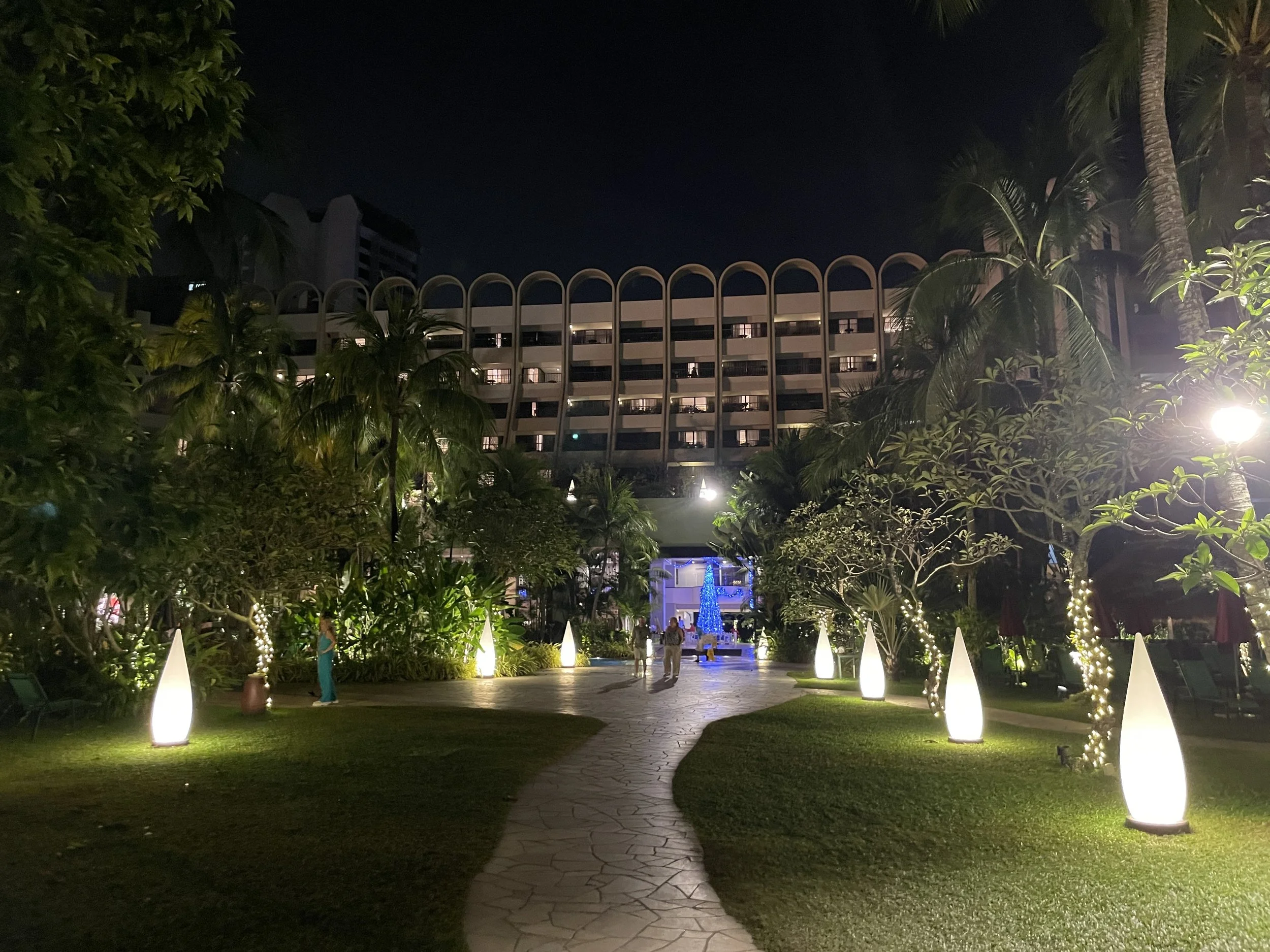
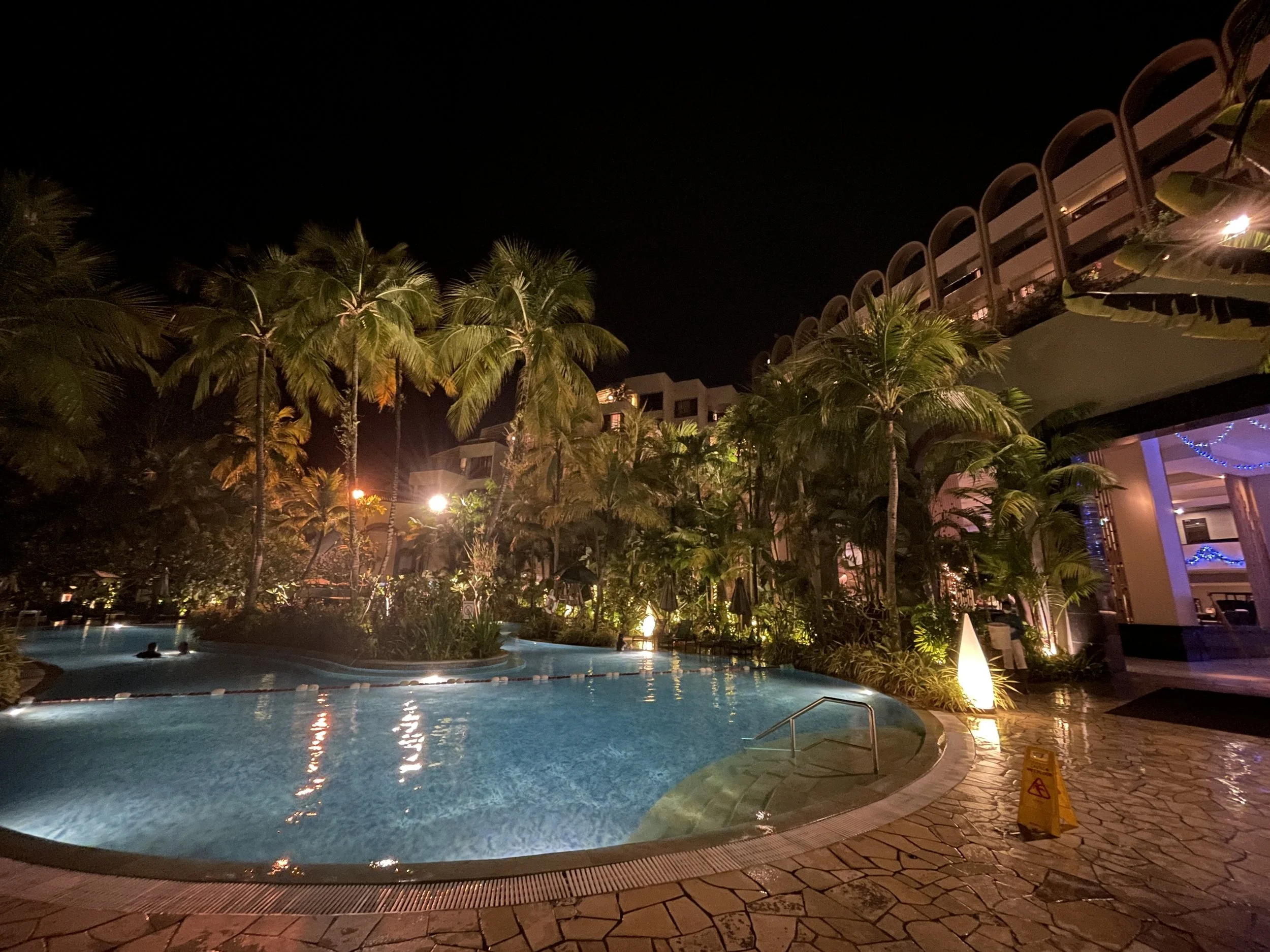
In the following pictures you can get an idea of the feel and look of the PARKROYAL Penang Resort. It is a rather large resort, tucked between the beach and the road that runs all along the northern shore of the island, in an area in which most of Penang’s upmarket hotels and resorts are located.
The hotel, however, is isolated from the buzz on the town-side, since most of its facilities are oriented towards the seaside and the surrounding gardens.
In addition to direct beach access (with some activities like parasailing, being offered for an extra fee), there is also a large pool area, with several water-side bars and a sort of mini-amusement aquatic park for children with slides and the like.
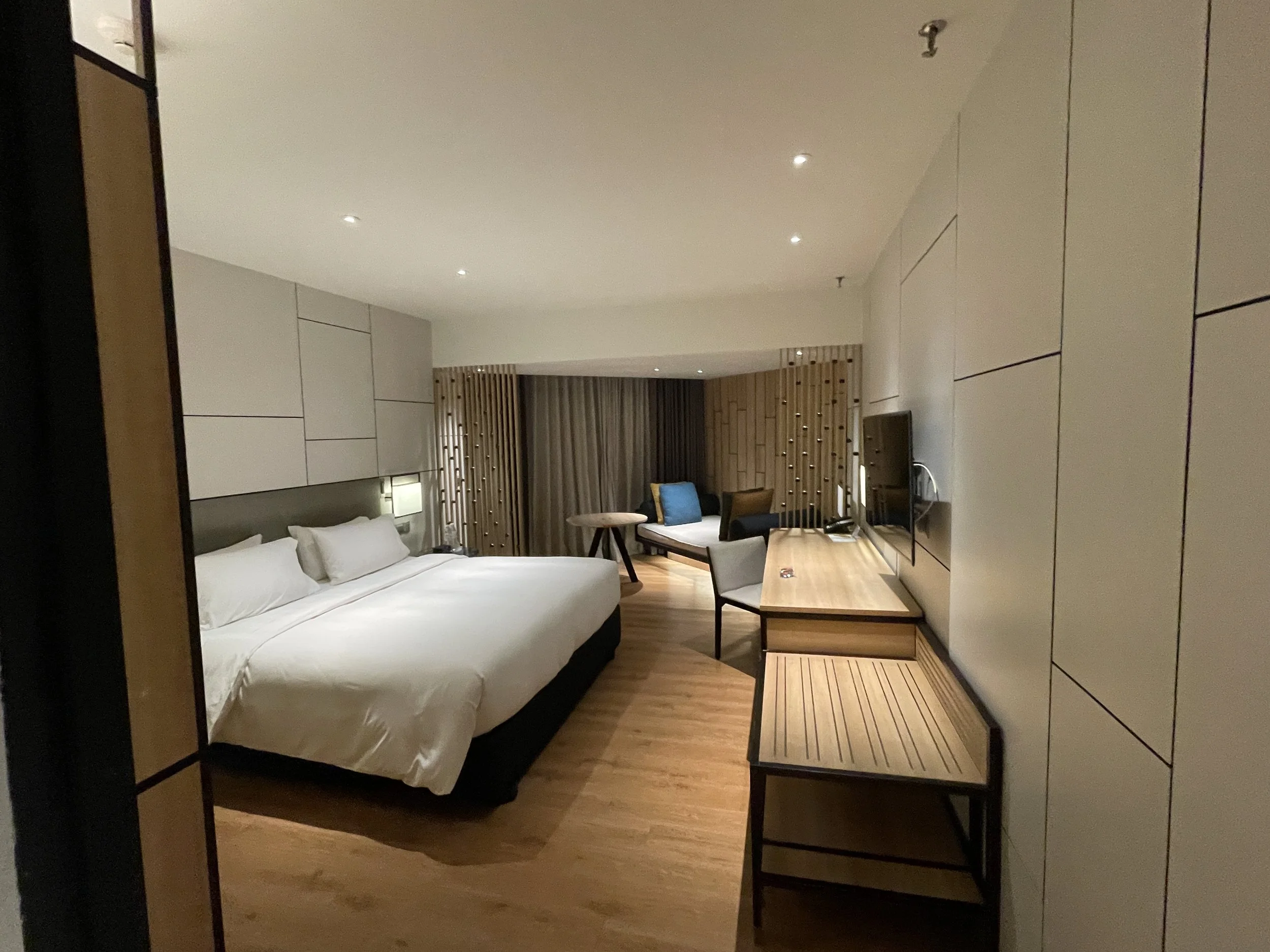
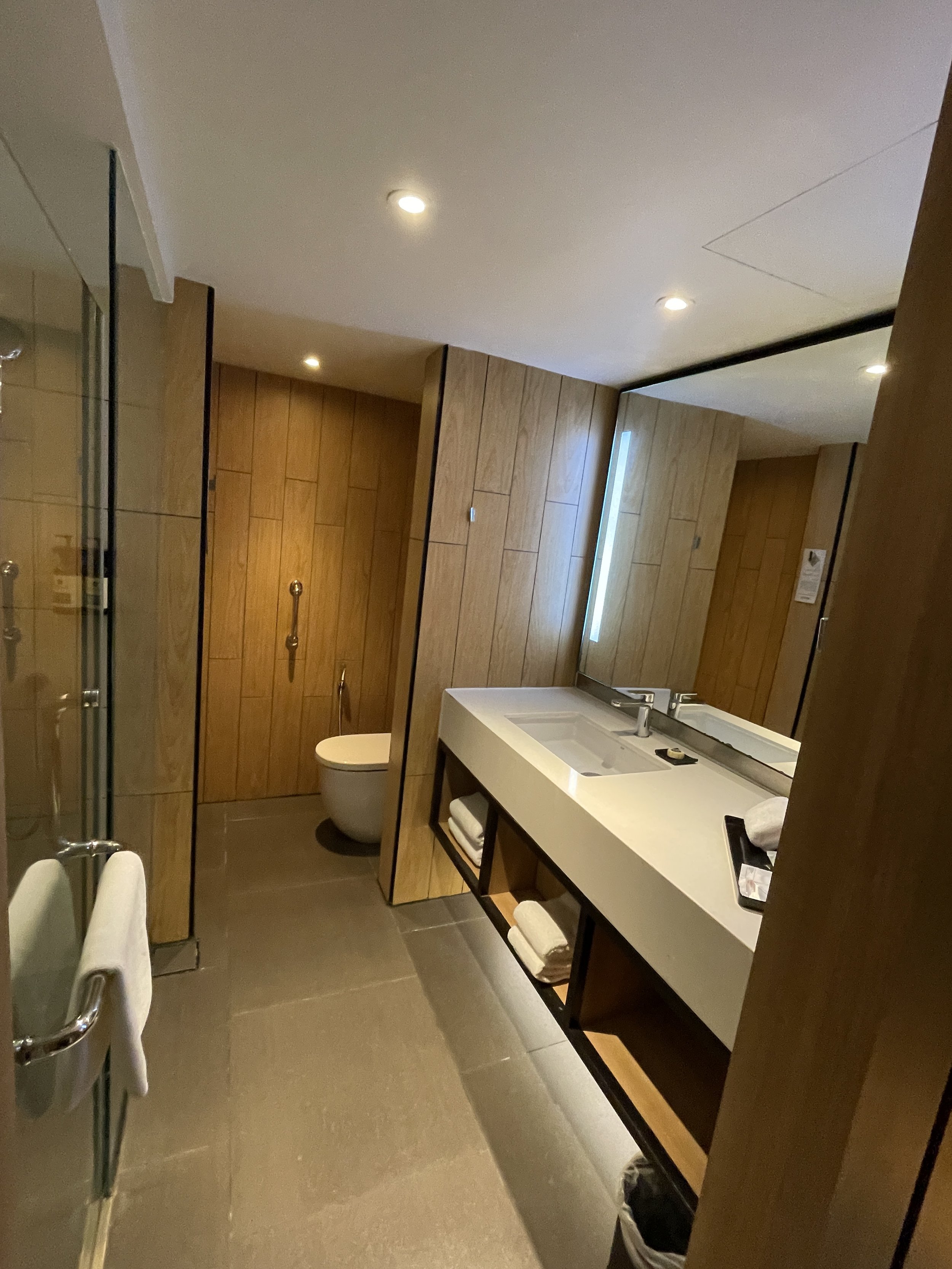
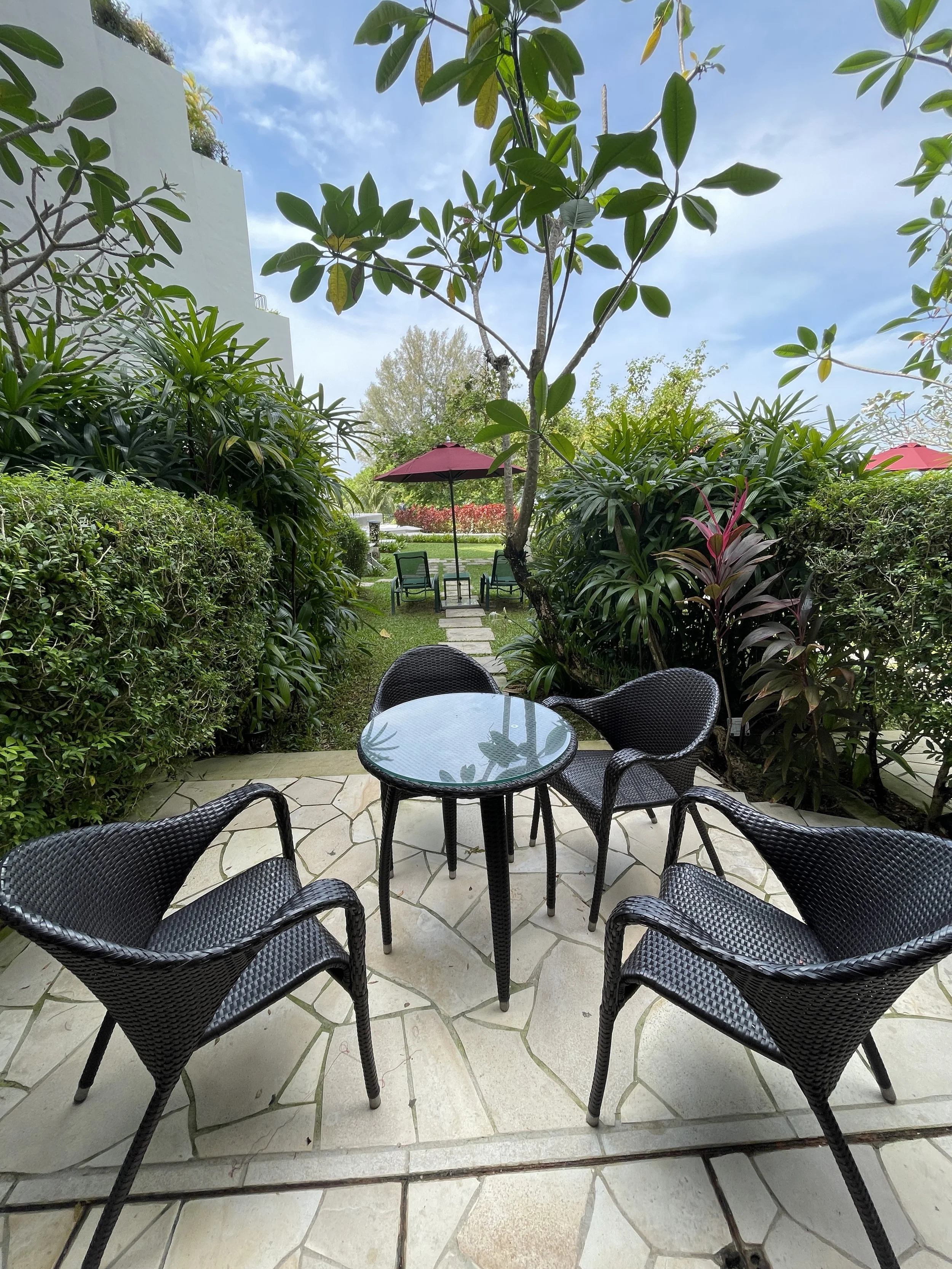
The rooms are modern and rather large. Some of the rooms have also a terrace and direct access to the gardens.
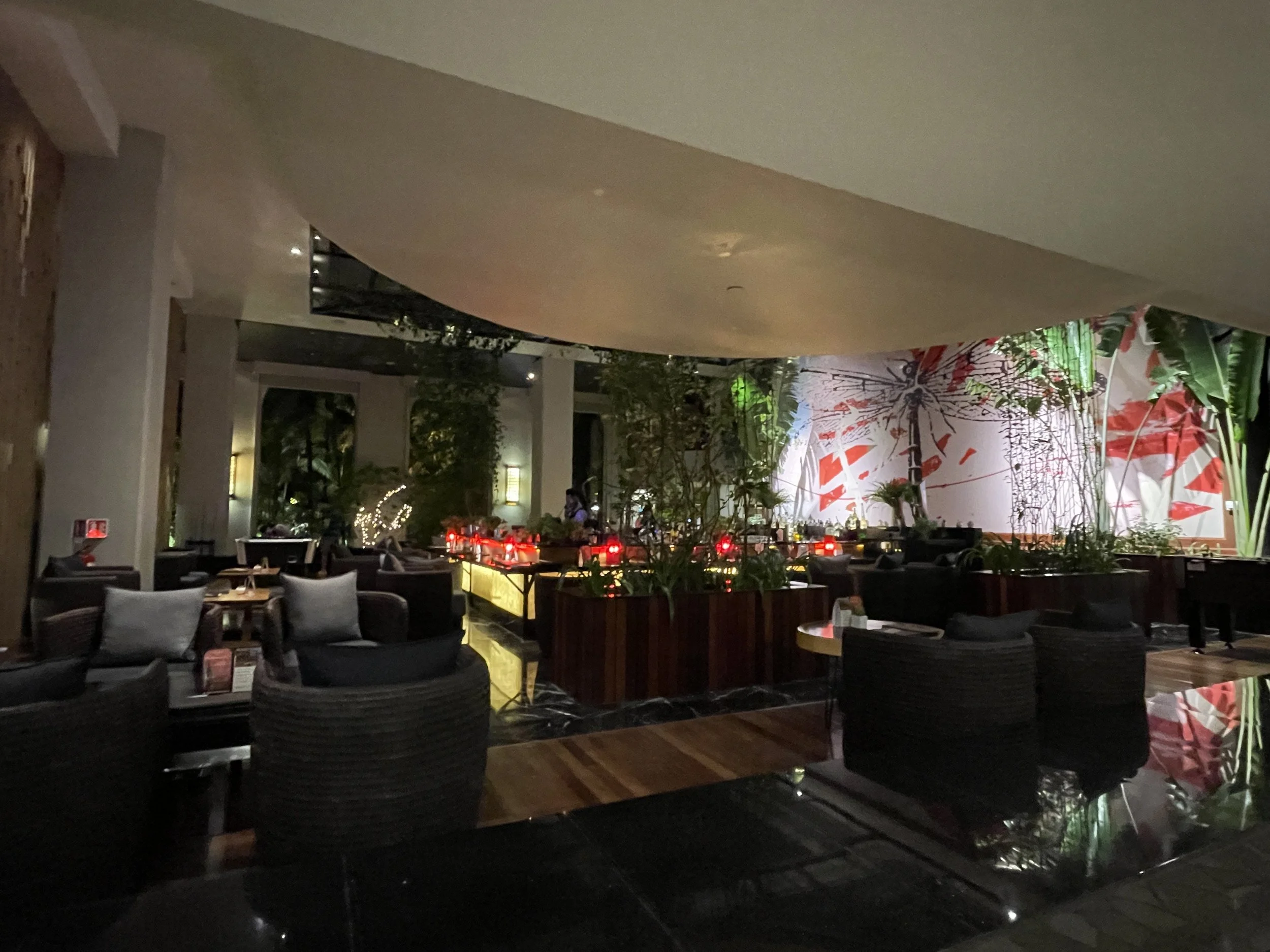
The PARKROYAL Penang Resort has also a rather elegant classy bar by the lobby, as well as several restaurants.
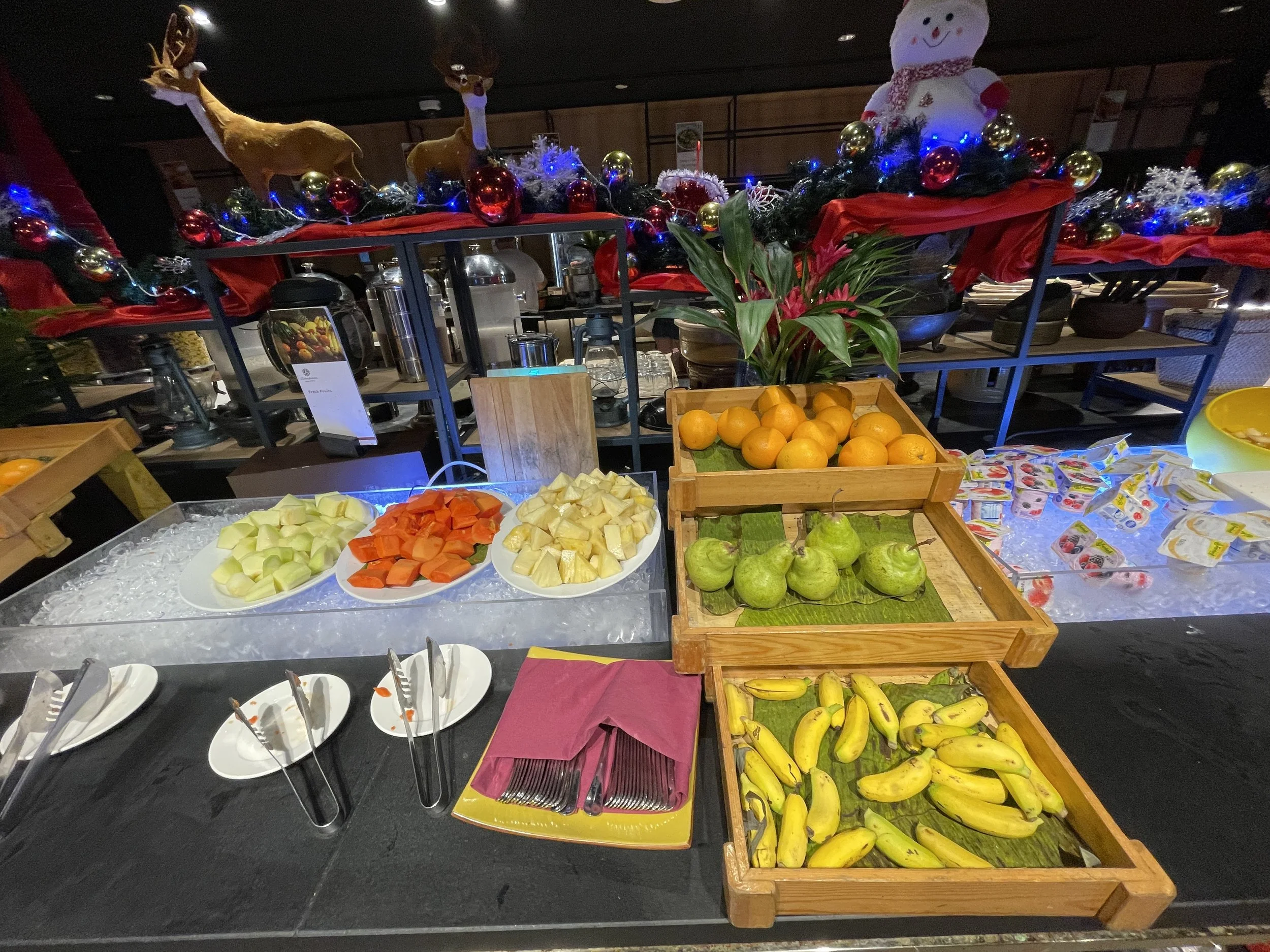
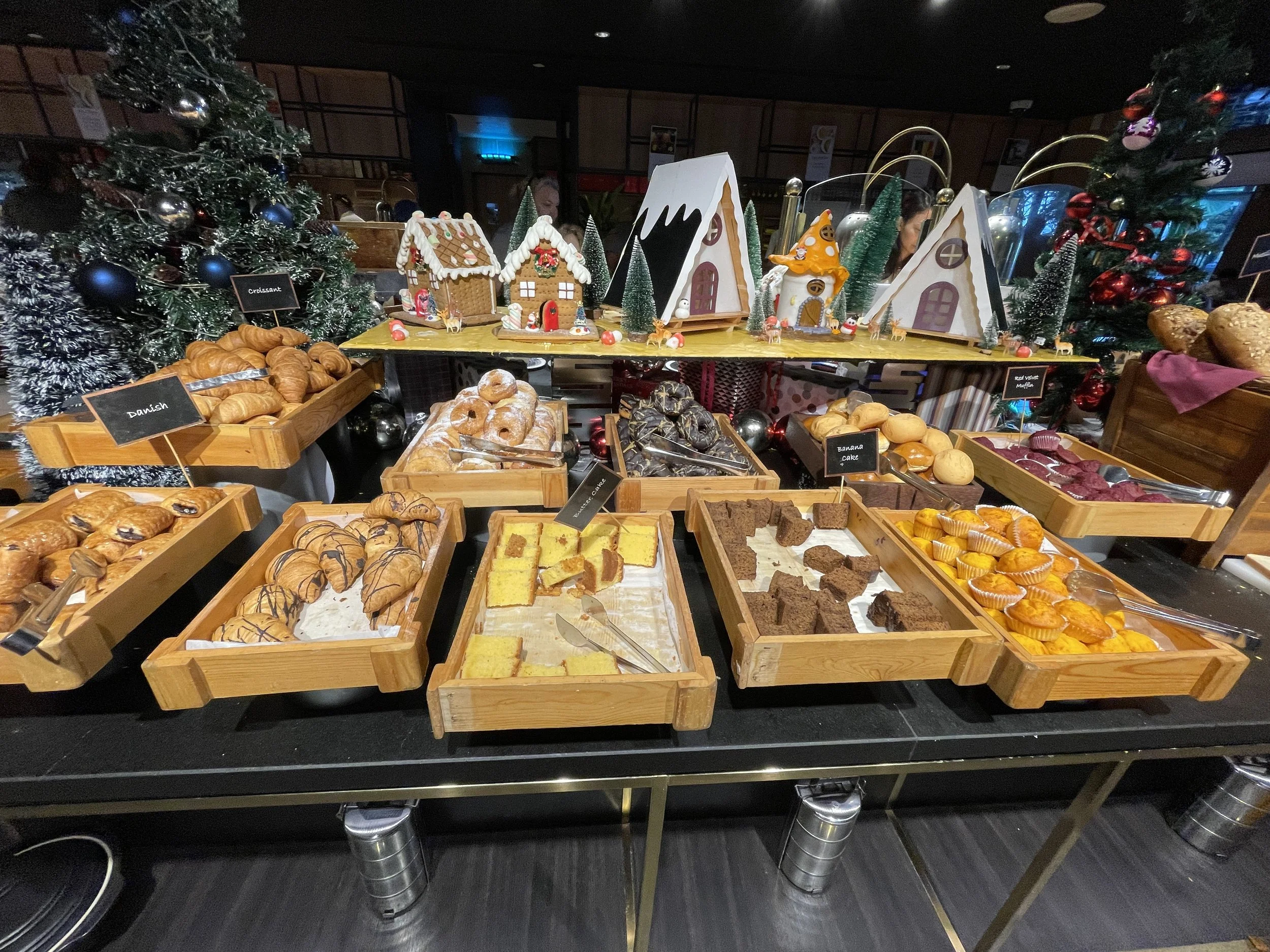
In case you were wondering, breakfast is really good, as well! So, all together, I would say this hotel is a great value option to stay at in Penang.
Driving from Penang to Kuala Lumpur
First Stop: Penang Bird Park
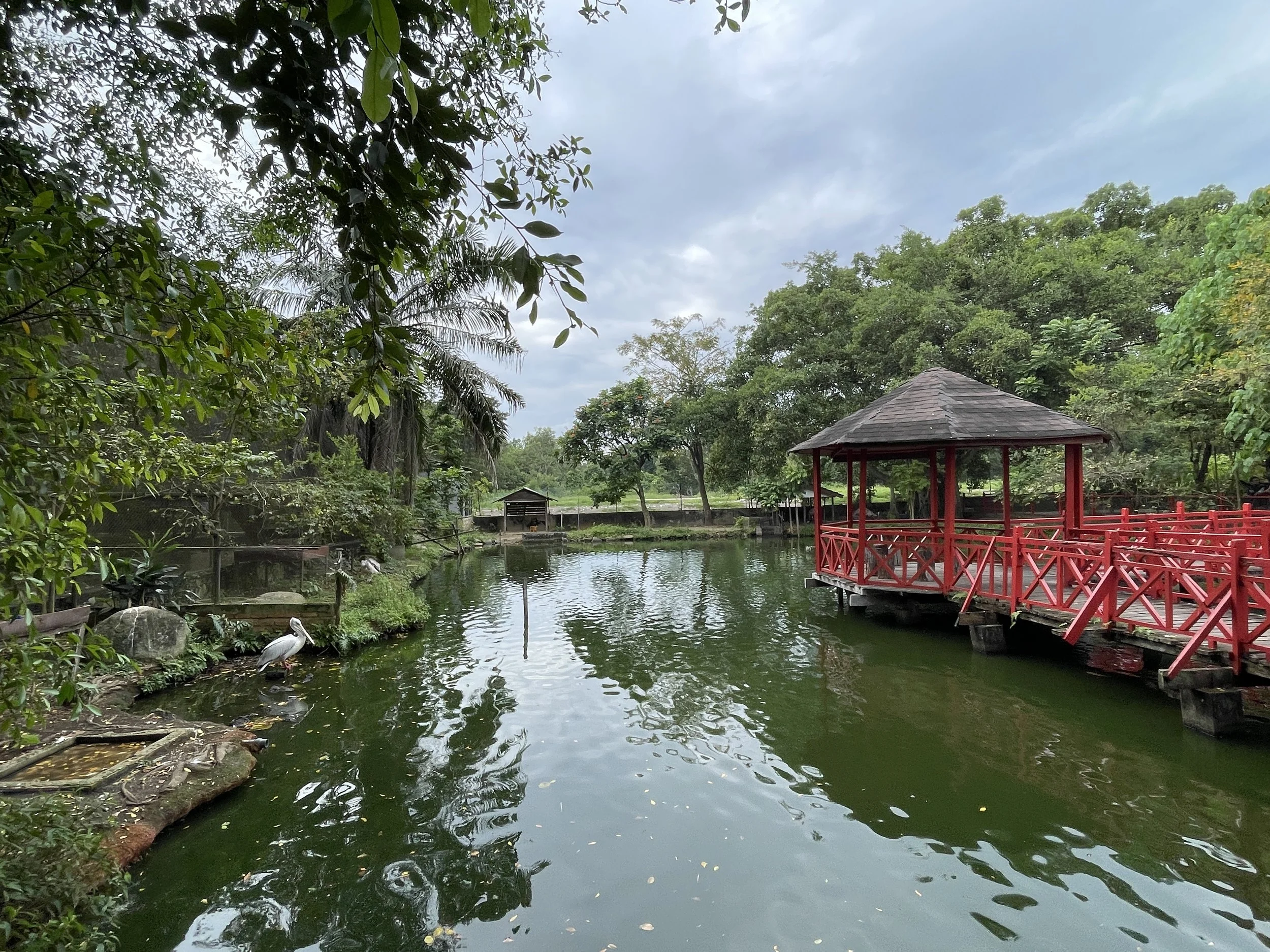
The Penang Bird Park is a zoo which is located on the mainland, very close to the northern bridge going into Penang Island. As the name implies, it is mostly about birds, although there are quite a few other animals, as well.
Now, I am not super big fan of zoos, but had read this one was quite interesting, not just because of the impressive collection, but also when it comes to the sort of setting, with plenty of vegetation and ponds. And on this account, it certainly delivers.
The Park is a rather low key attraction, there were just a few people, mostly locals. Also worth noting that it is a small island of greenery in what is, otherwise, a very industrial, and quite ugly, area. It made sense for use to make a quick stop, since it was pretty much on our way south, but wouldn’t have done the trek on purpose from Penang Island.
Driving through the Cameron Highlands: Malaysia’s tea country
Here is a truly different destination in the very heart of continental Malaysia. The Cameron Highlands, named after the British surveyor that mapped the area in 1885, are a series of mountain ranges located roughly half-way between Penang and Kuala Lumpur.
Because of their elevation, between 1,300 and 1,800 meters above sea level, they have a climate that is cooler than on the coasts. In fact it can even be a bit chilly in the evening. This is the one of the reasons that the British set up here one of the so-called “hill stations”, that is places where the colonial administrators and their dependants could spend the hottest months of the year in relative coolness.
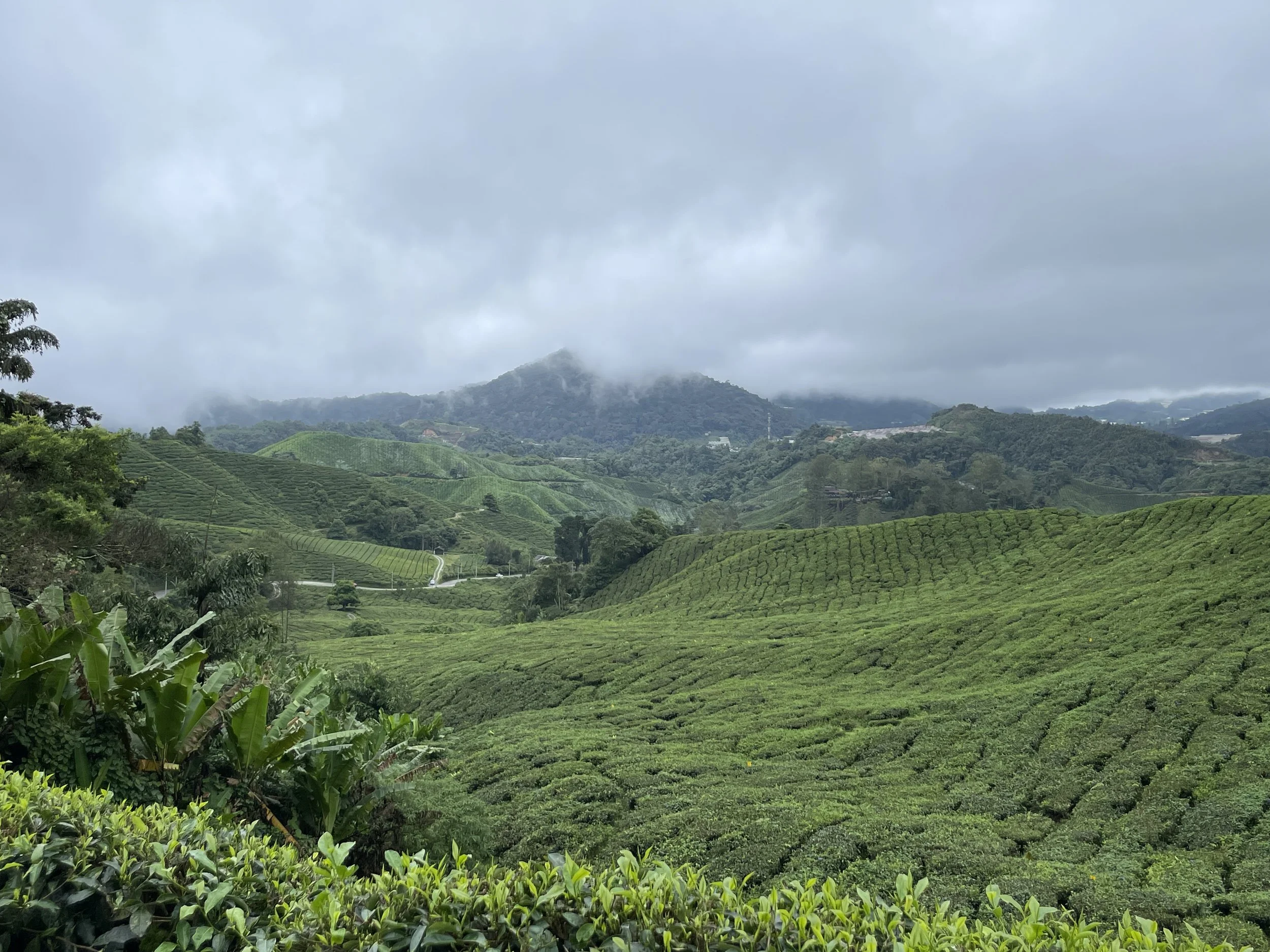
The other thing that draw the British to the Cameron Highlands is that it has the right conditions to grow tea (particularly Assam-type black tea) and to this day tea plantations are the defining element in the Cameron Highlands landscape and the main reason they draw many visitors every year.
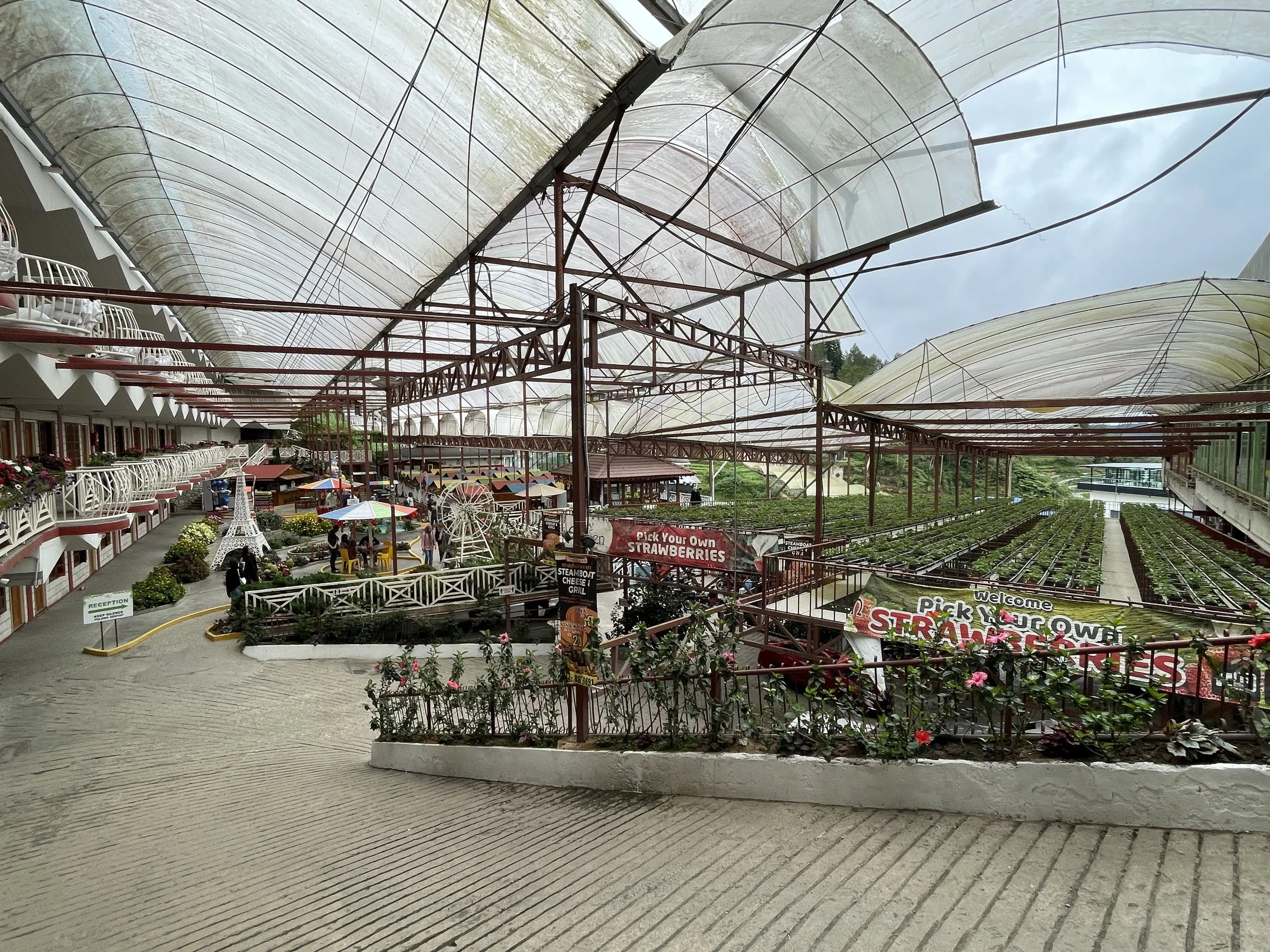
By the way, tea-growing has its complement in another cash crop: strawberries, which are now grown also in greenhouses all over the Cameron Highlands.
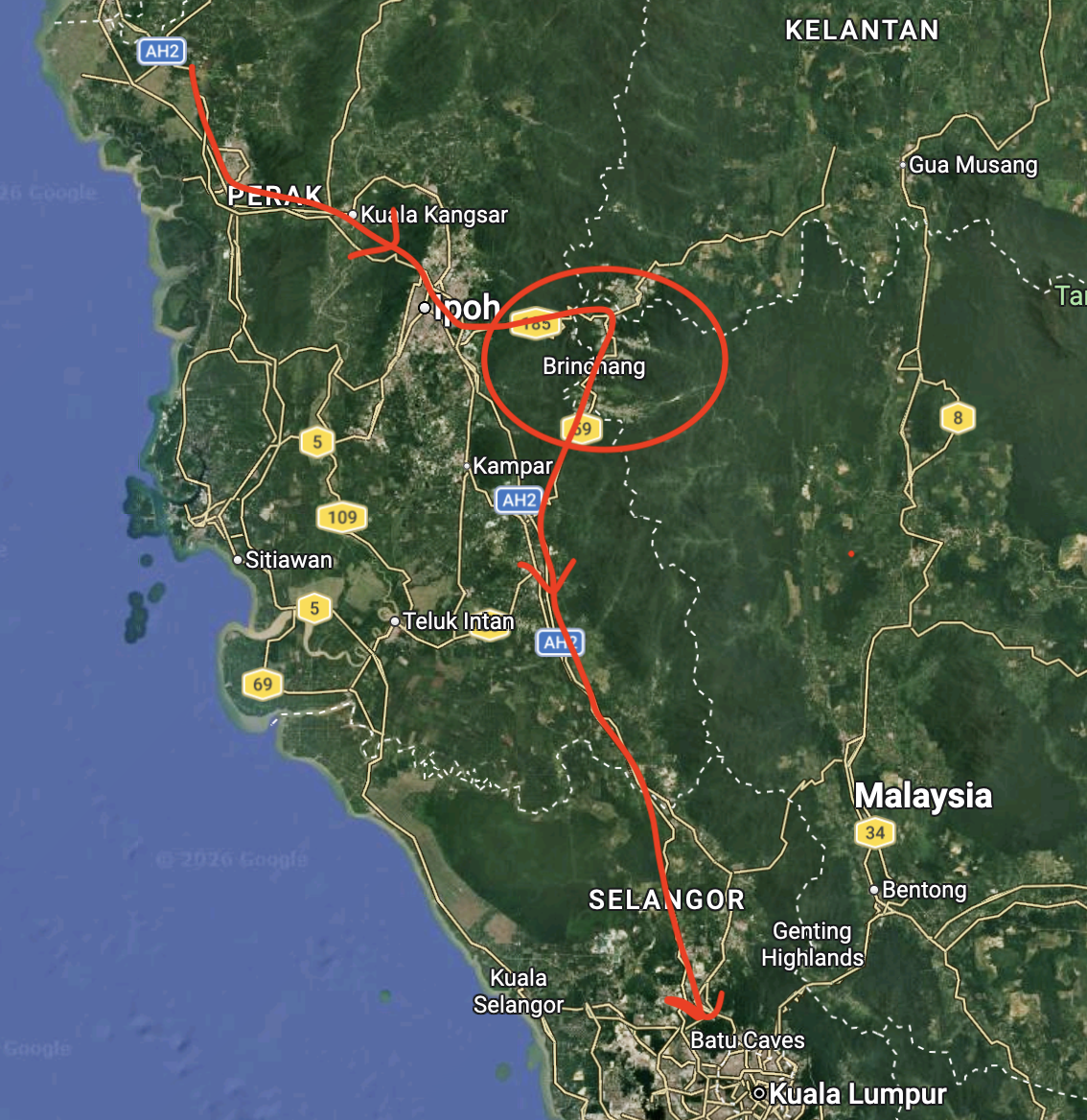
The Cameron Highlands cover a whole district, but one of the main settlements is in the area around Brinchang and Tanah Rata. It is here that you find most of the tourist infrastructure, in addition to a relatively large commercial area (including a McDonald’s!). It is also a central base from where to explore the nearby tea plantations.
To reach the core of the Cameron Highlands, you leave the motorway at Ipoh, the closest large city, and take Route 185, which is a winding mountain road with a fair amount of curves. It is a two-lane road, although in good state throughout.
If driving from Kuala Lumpur, you can leave the motorway further south, near Tapah, and take Route 59, which runs uphill through a deep narrow valley. This road offers some really great views of the tea terraces in its upper reaches.
We did both, arrived from the north, crossing the highlands and exiting them through the south.
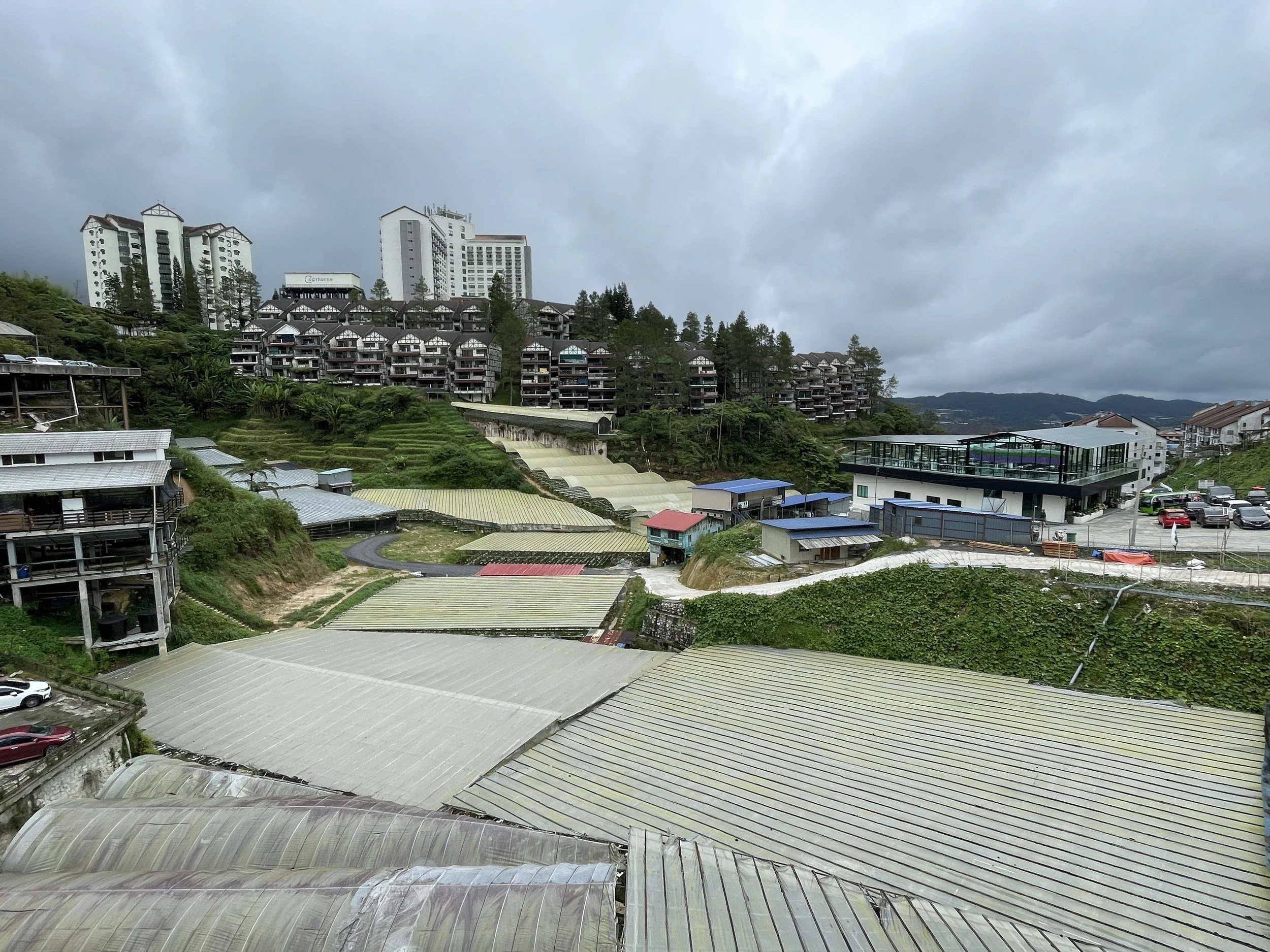
To be fair, the urban part of Brinchang is not very beautiful. It is basically a main road that crosses the town and a rather chaotic sprawl around it.
The whole area is very hilly, so constructions of different styles and heights pile up in the few flat areas around the road. This is also the town where you will find most services and places to eat, although we just had our meals at the hotel (more on this below).
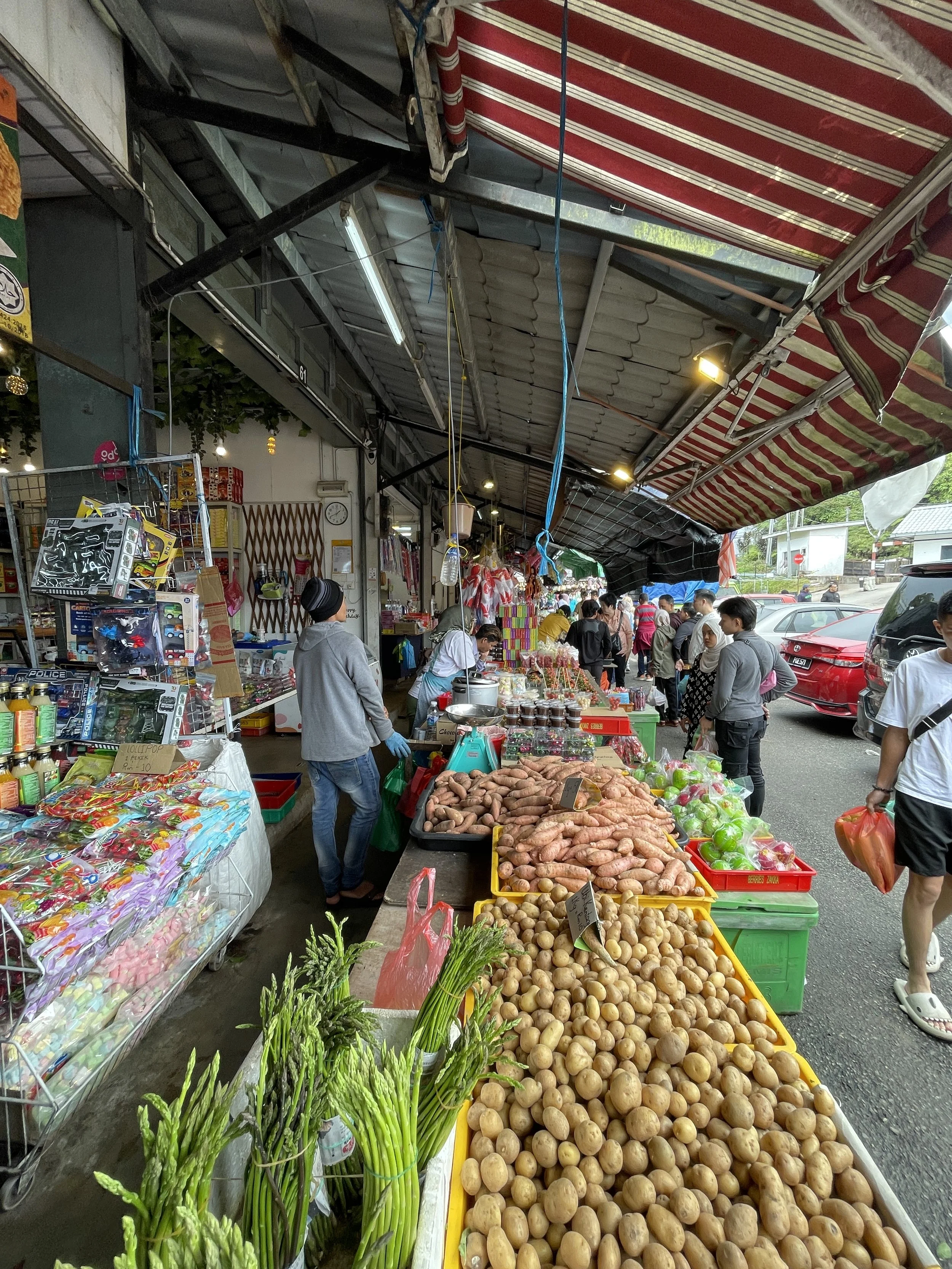
Brinchang Central Market is, perhaps, the one spot that deserves a brief stop, if only to check the buzz all around, with many shops and stalls selling all types of produce, including, of course, the local strawberries and tea!
Where to stay while in the Cameron Highlands
Cameron Highlands Resort - Small Luxury Hotels of the World
This is the hotel of reference in the whole Cameron Highlands area.
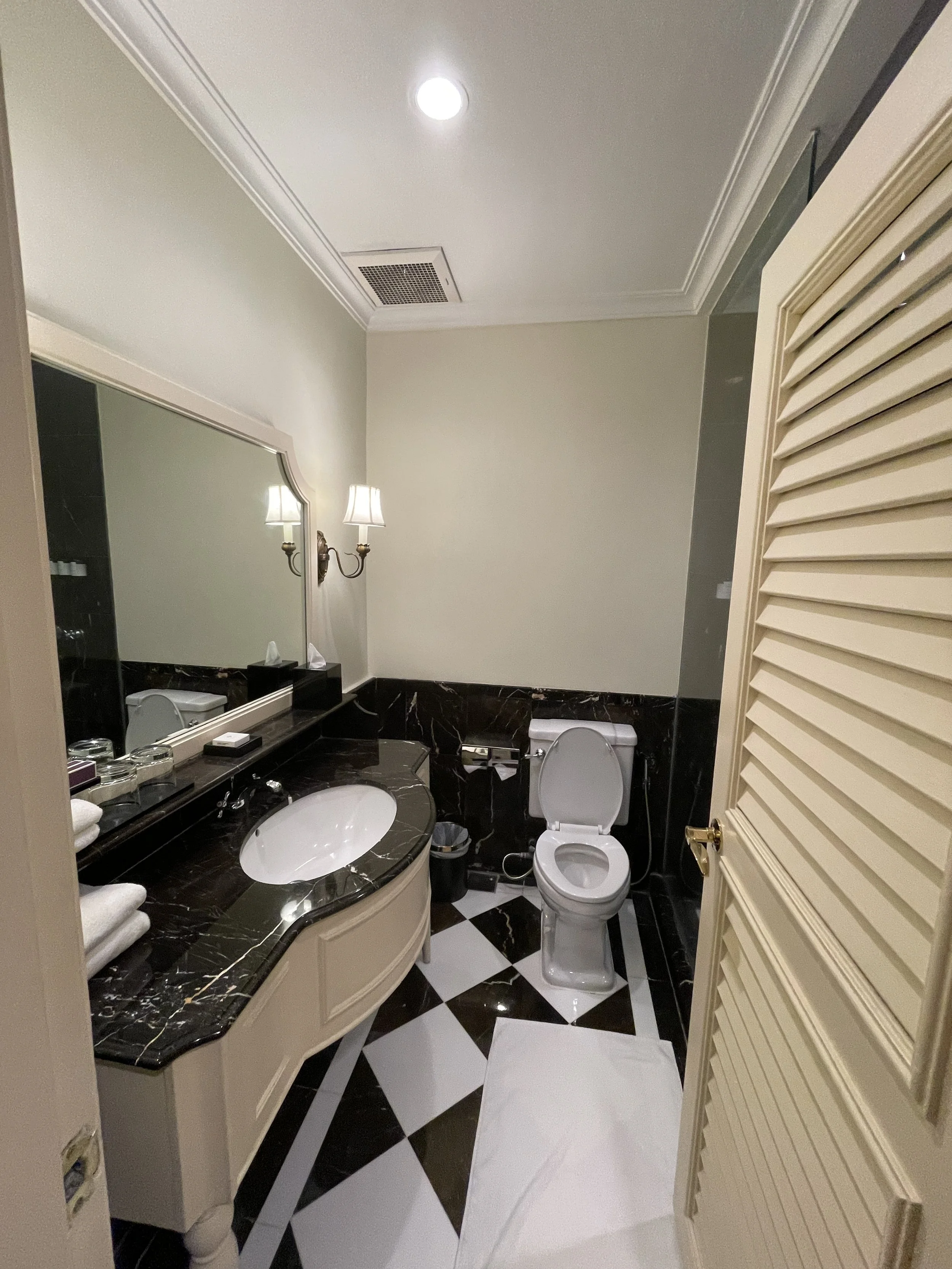
As you will see in the pictures below, it is a classic, upmarket hotel in colonial style.
It is located right on the main north-south road, which makes it a convenient base to reach the Boh Tea Plantation (more on this soon). It is also adjacent to the Cameron Highlands Golf Club.
It is part of the Small Luxury Hotels of the World network.
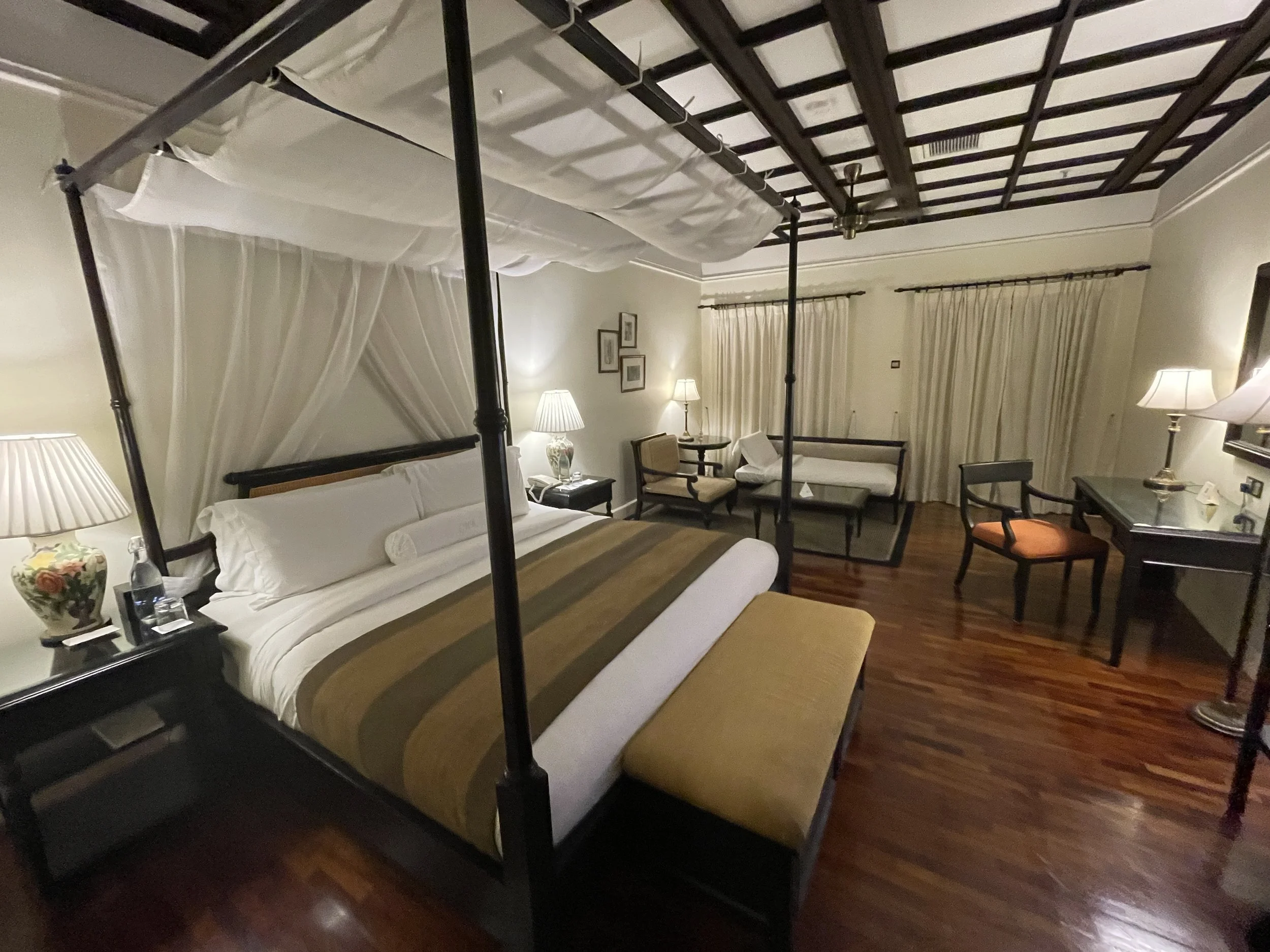
You can get an idea here of the look and feel of the rooms, which is very different from the beach resort that we have seen earlier in Penang and also, as you will soon see, of our recommended high-rise hotel in Kuala Lumpur, the Sheraton Imperial Kuala Lumpur.
The hotel has also a very nice restaurant and it is, actually, a very good option to have your meals (we didn’t find the options in town that convincing). Service was also excellent throughout!
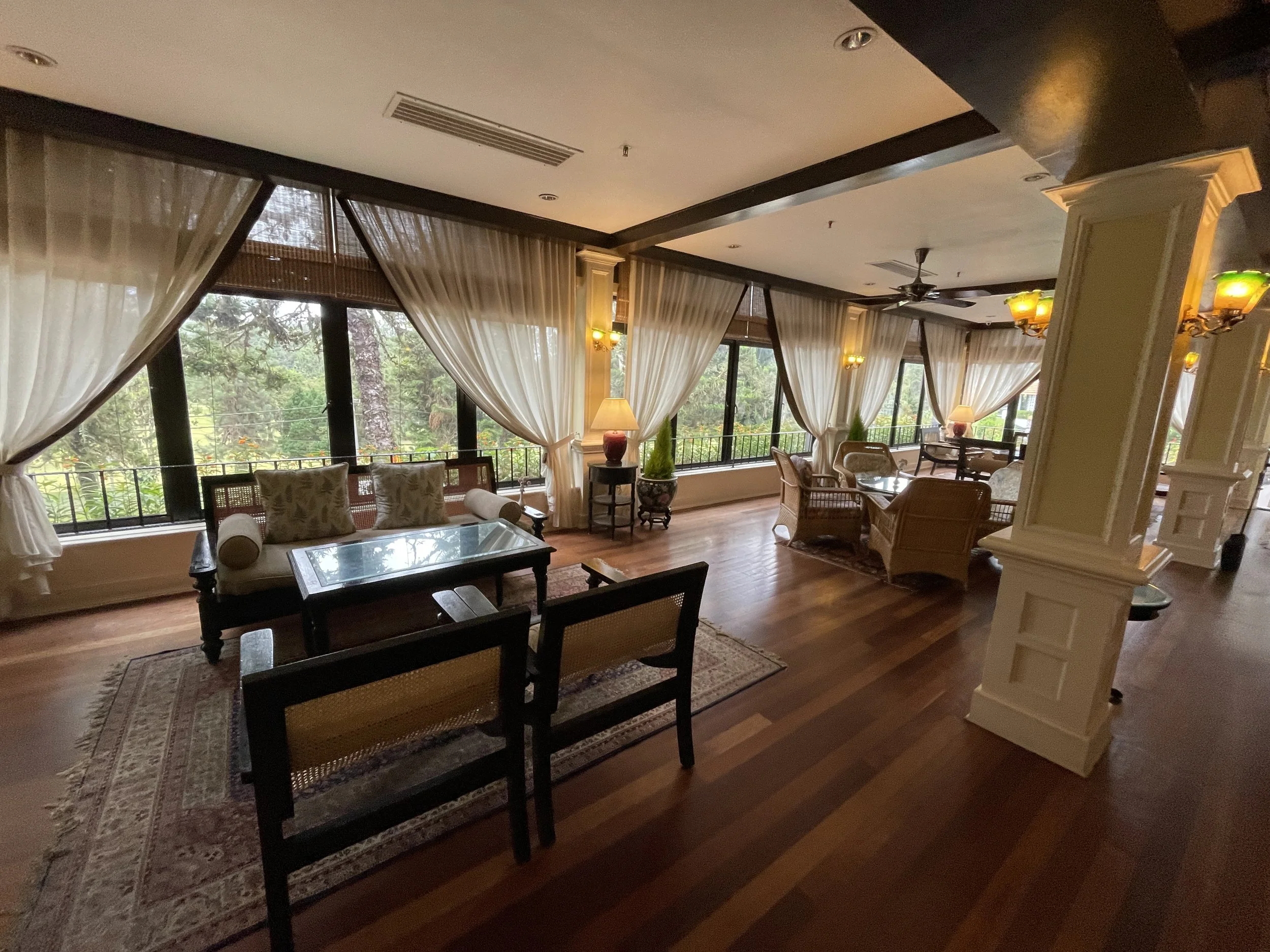
In line with the “colonial hill station” theme, you can have afternoon tea English style at the hotel.
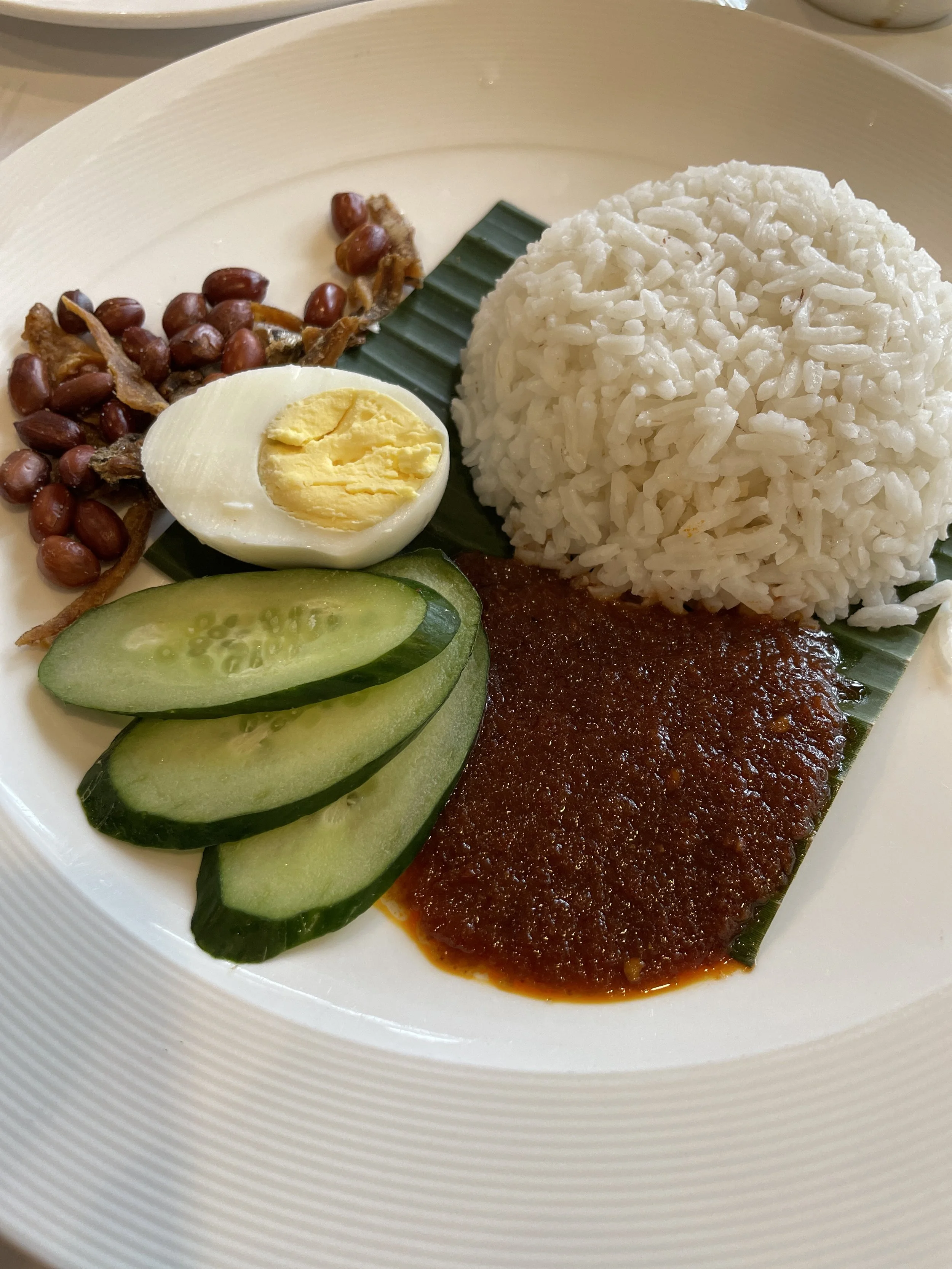
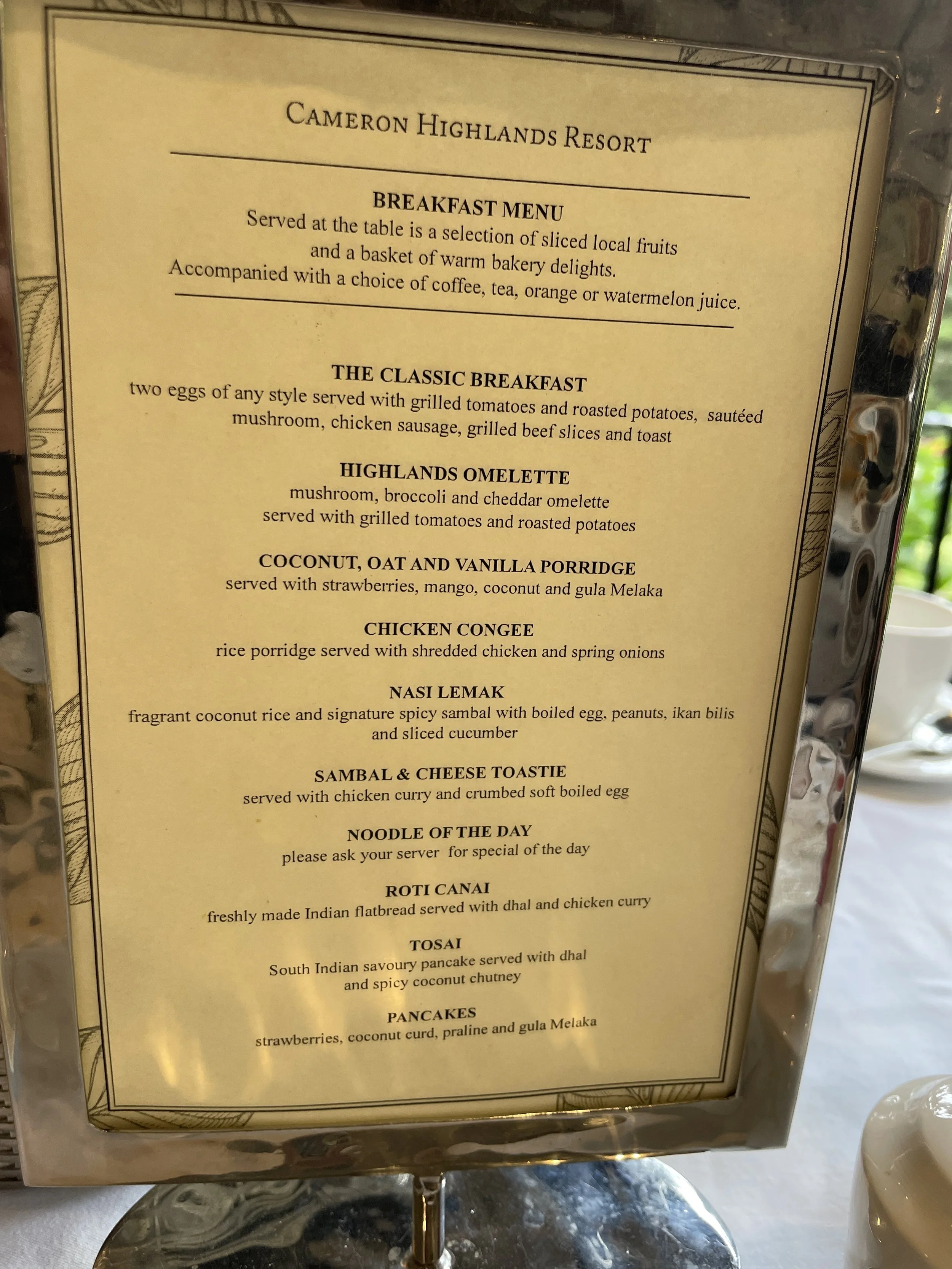
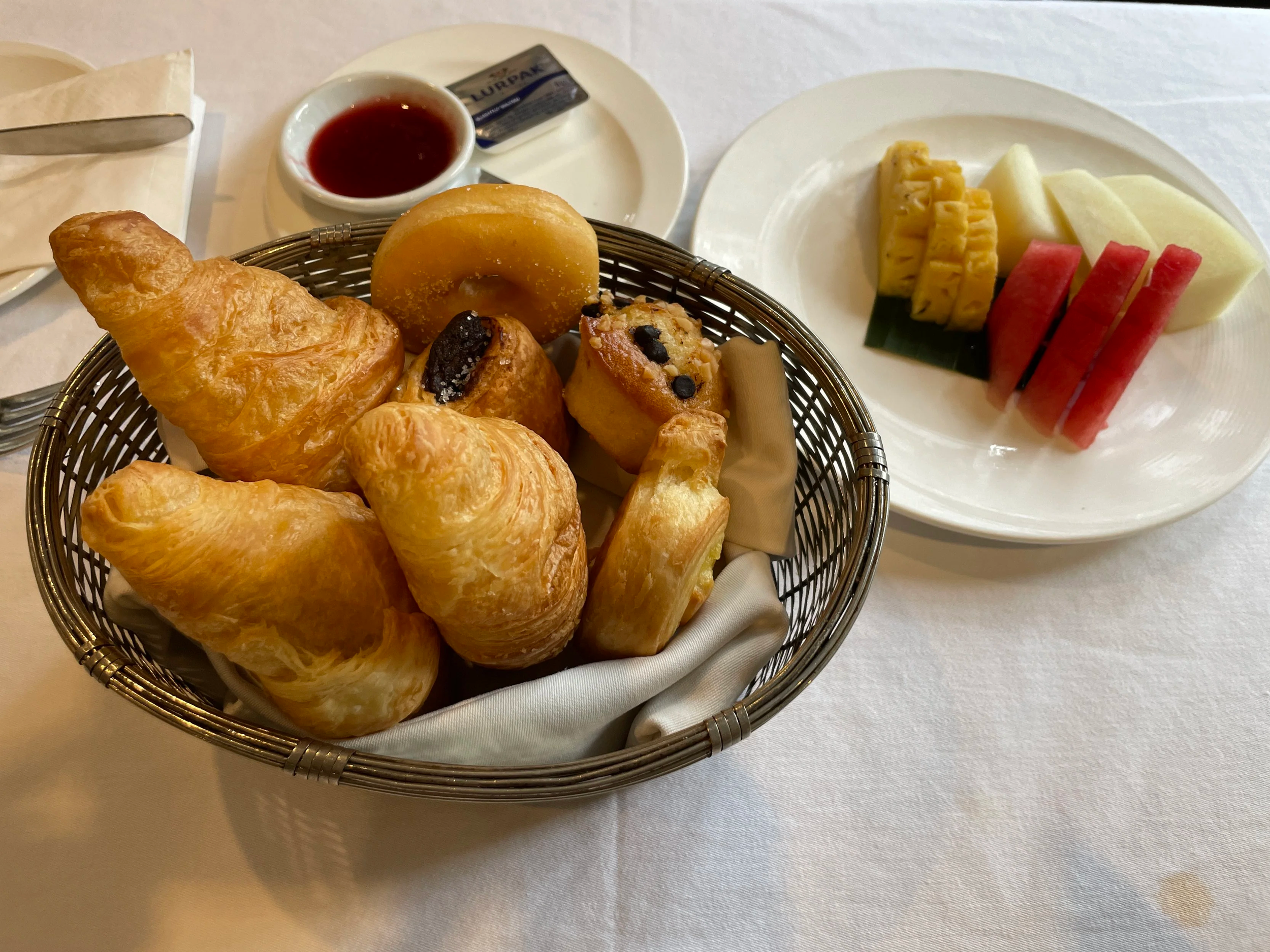
As per the breakfast, unlike so many other modern hotels, here, at the Cameron Highlands Resort, it is not a buffet, but more of an à-la-carte experience, although with ample choices for all tastes.
Visiting the Boh Tea Plantation
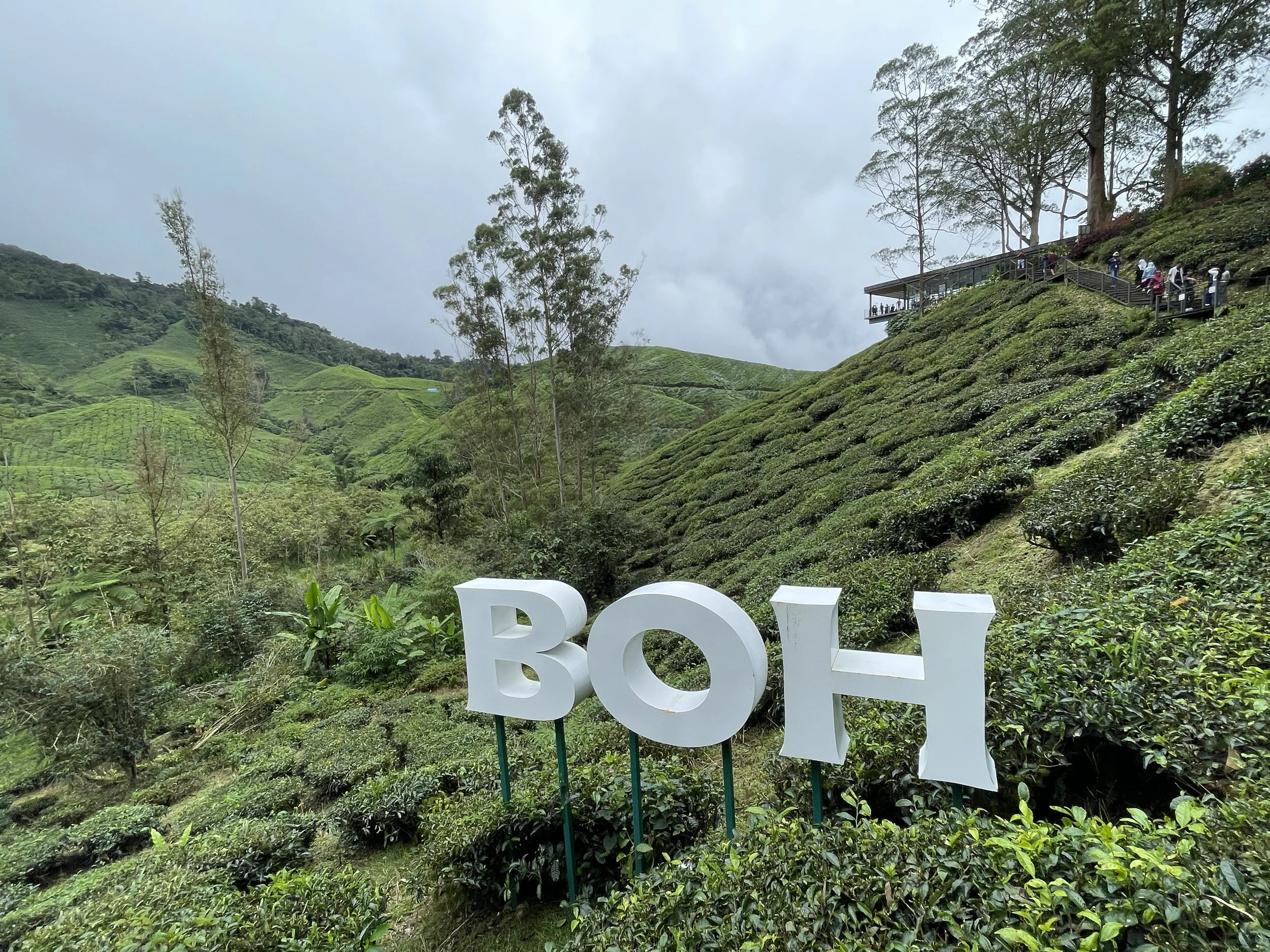
The top thing to do in the Cameron Highlands is, of course, visit a tea plantation. Actually, strictly speaking, you don’t need to get into any single plantation to enjoy the green, lush, undulating tea landscapes, since they pretty much everywhere around you in this area. But if you have the time and inclination to do so, I recommend visiting the BohTea Centre (“Sungei Palas Garden”).
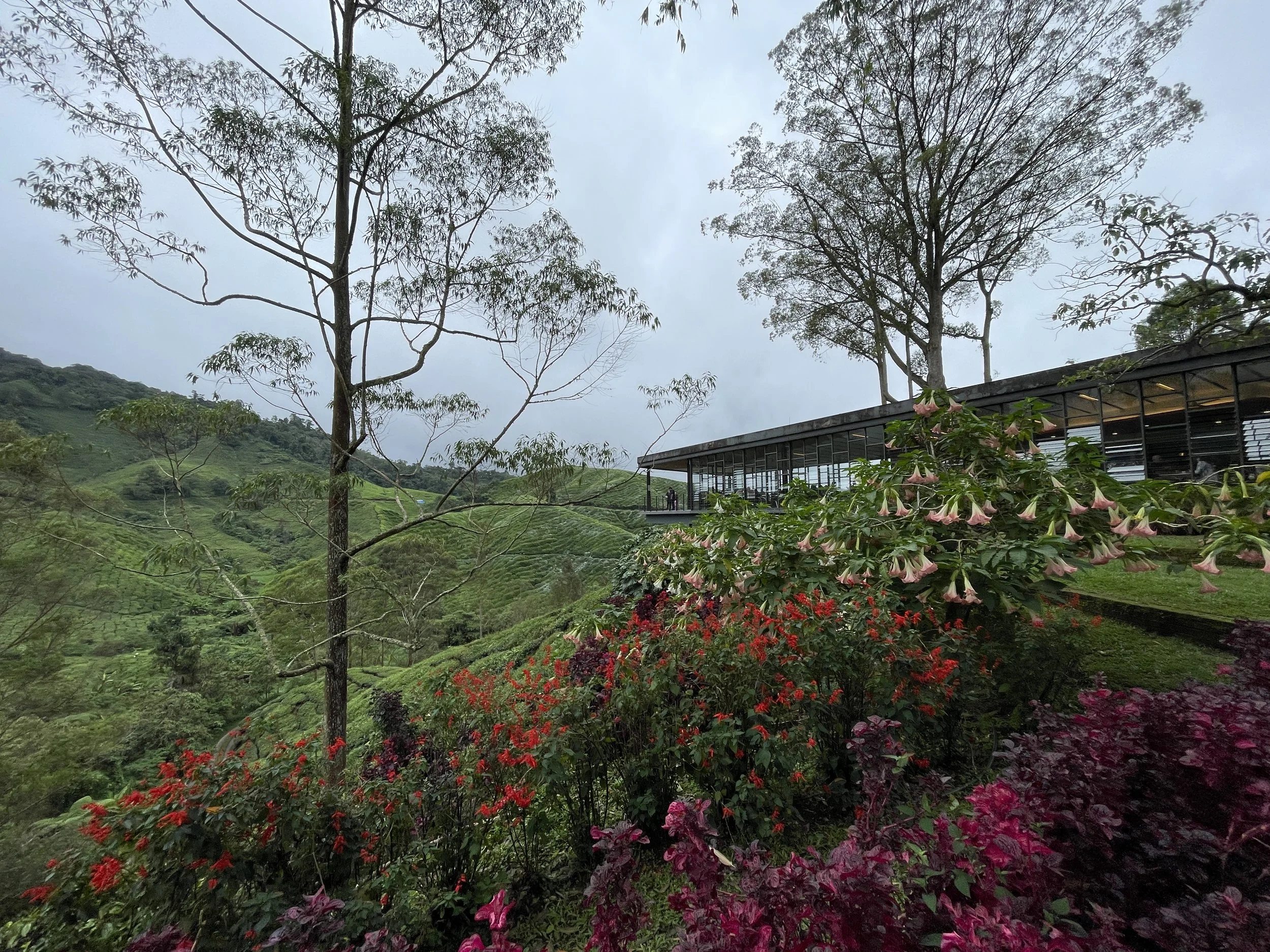

The Boh Tea Centre is at the heart of a tea-growing valley, which completely covered in terraced plantations.
The Centre is run by Boh, which is one of the main producers in the area and in Malaysia.
Boh has built a large and modern hilltop visitor’s center where you can learn about tea growing in this region, enjoy the views from the café and, of course, buy many different varieties of tea at the visitors’ center shop.
Besides the actual center, the drive there is worth the excursion, since you pass through some stunning incredibly green landscapes.
There is a large car park at the bottom of the valley and from there you walk uphill to the center, enjoying the views along the way.
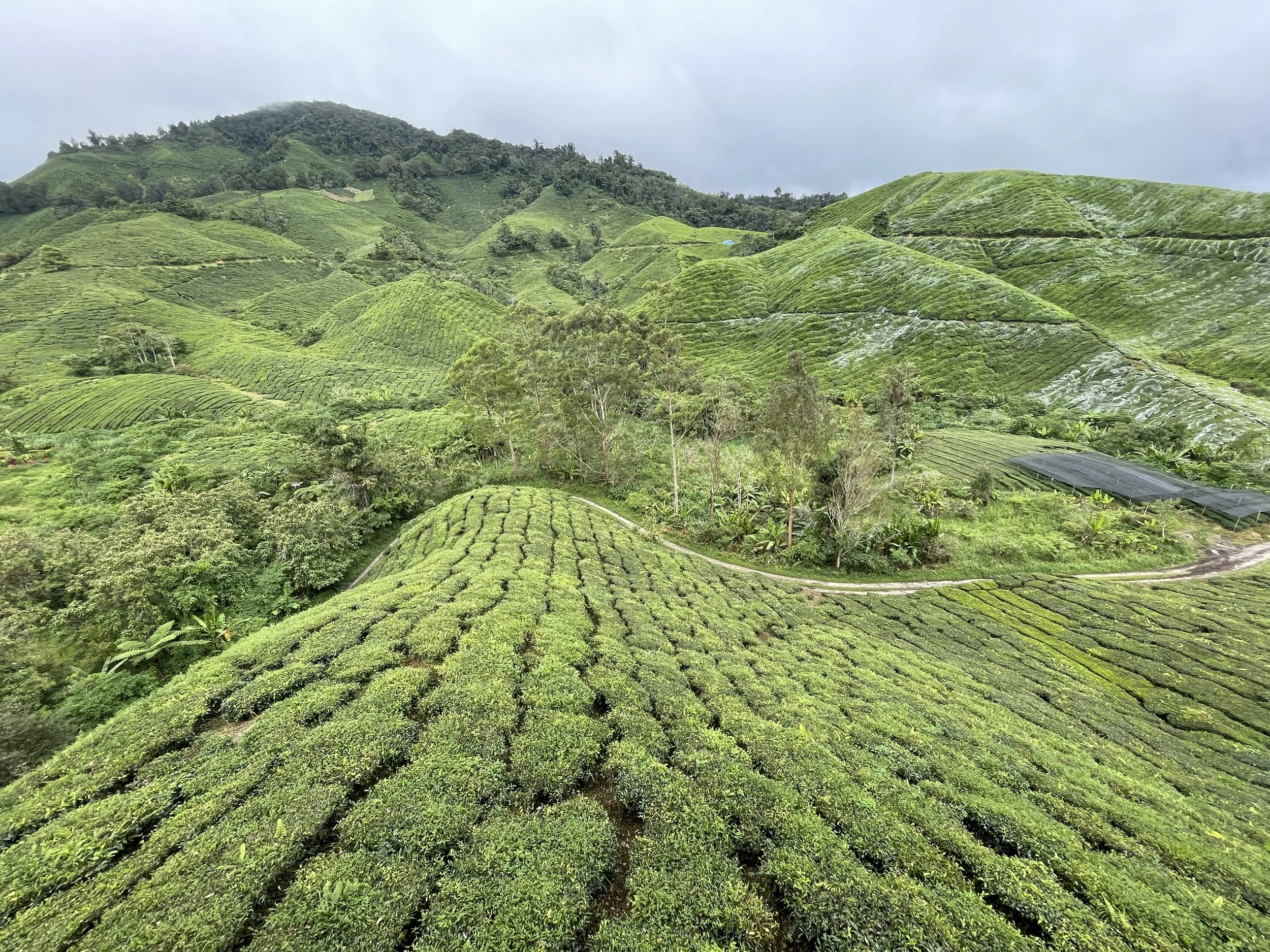
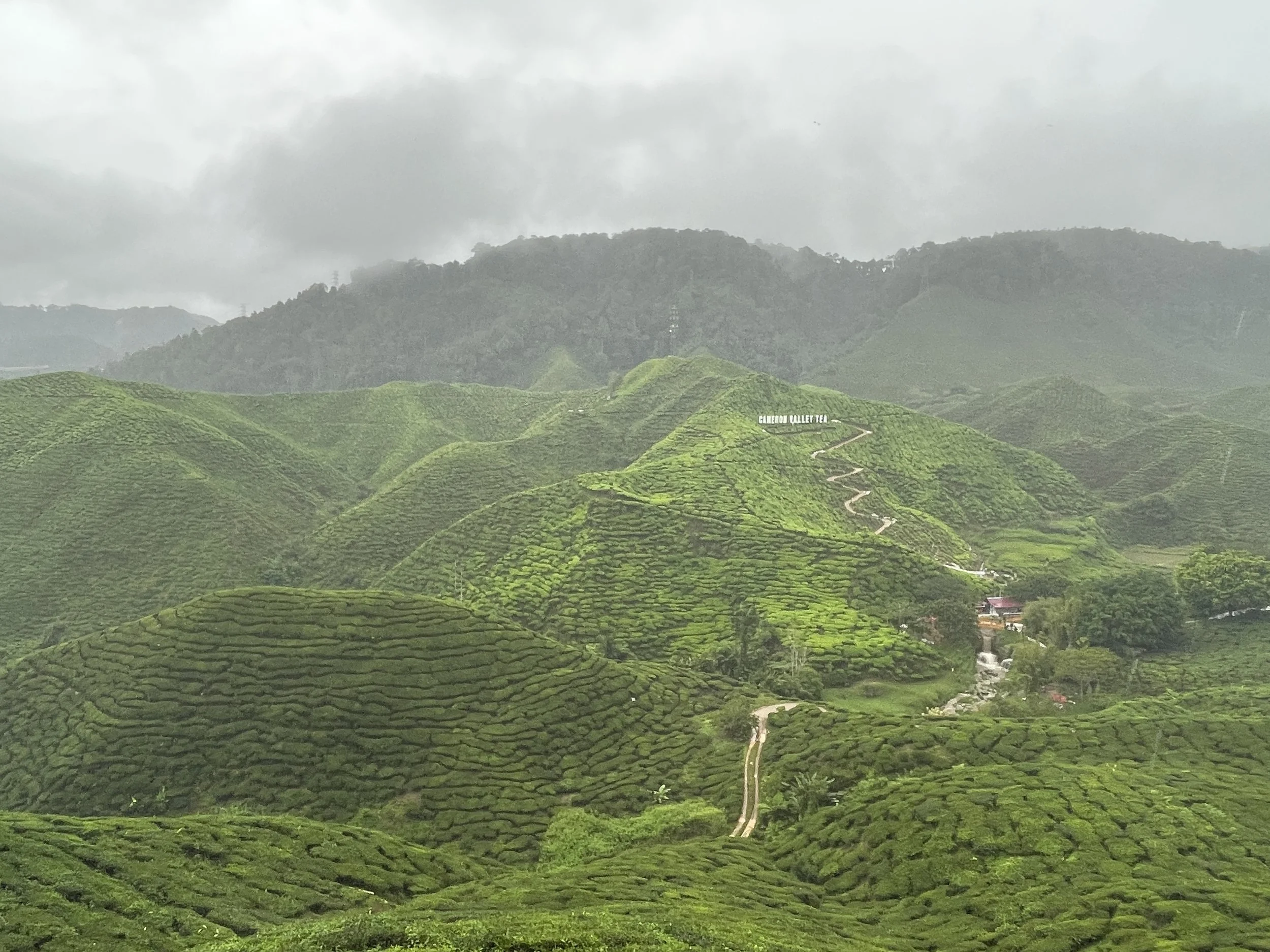
There are also some other great views when driving along Route 59 (as you can see in the picture below). In fact there are several viewpoints where there are some roadside bars and restaurants with panoramic terraces.
A great place to stay in Kuala Lumpur
And this is how, a few hours after leaving the cool air of the Cameron Highlands, arrived in back in Kuala Lumpur.
So, since this most trips to Malaysia start or end in the capital city, I thought this post wouldn’t be complete without a brief mention to my recommended place to stay in Kuala Lumpur.
Sheraton Imperial Kuala Lumpur Hotel
Jln Sultan Ismail, Chow Kit, 50250 Kuala Lumpur
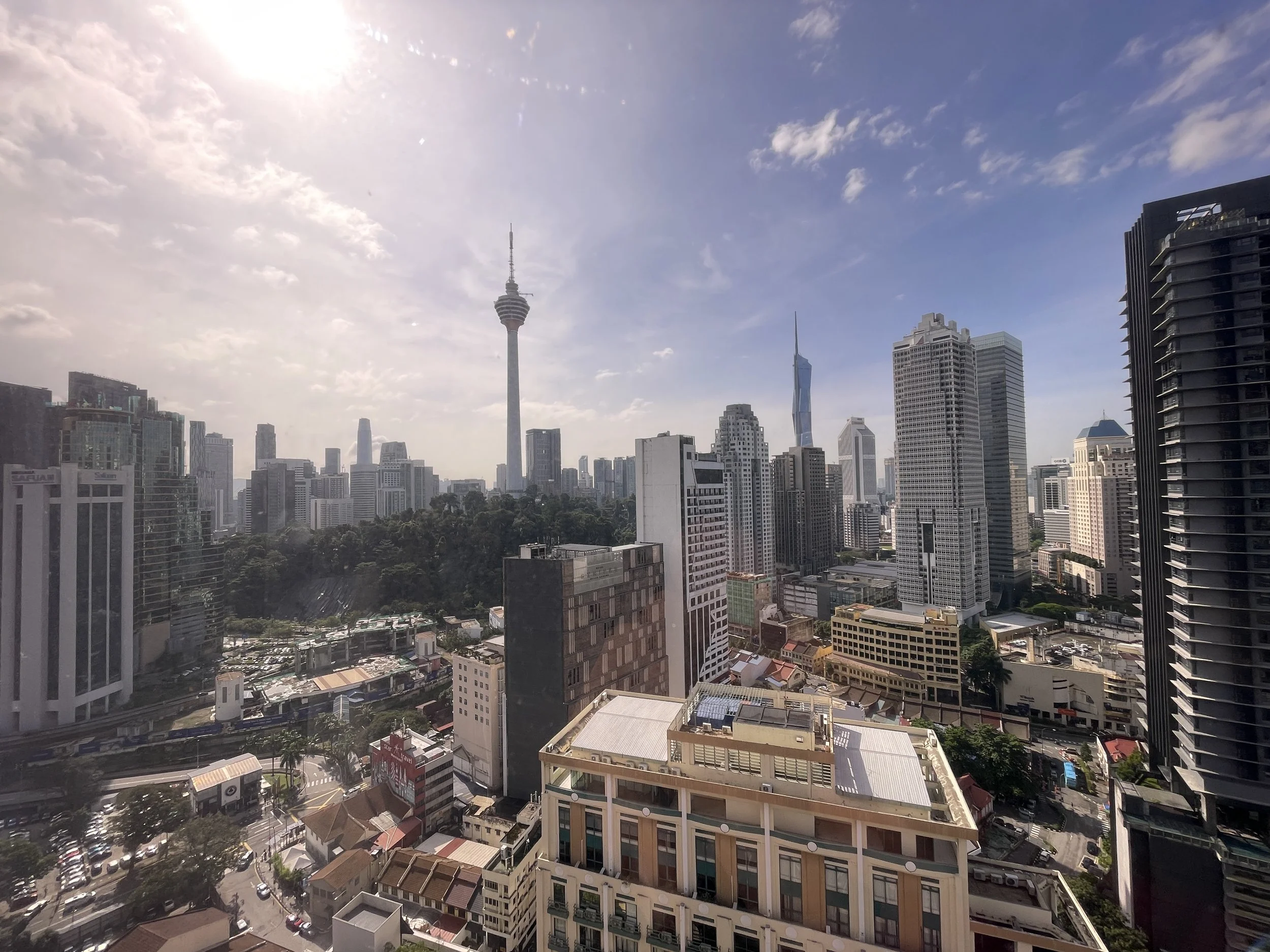
This is a rather central five star hotel which offers some pretty good rates, great food and amazing views. As you can see below, it has pretty large rooms as well. And I can also add that service was excellent throughout our stay.
The hotel offers parking for an extra, rather reasonable fee, but it is also located next to a metro station, and in front of a commercial centre, so pretty well served in terms of services.
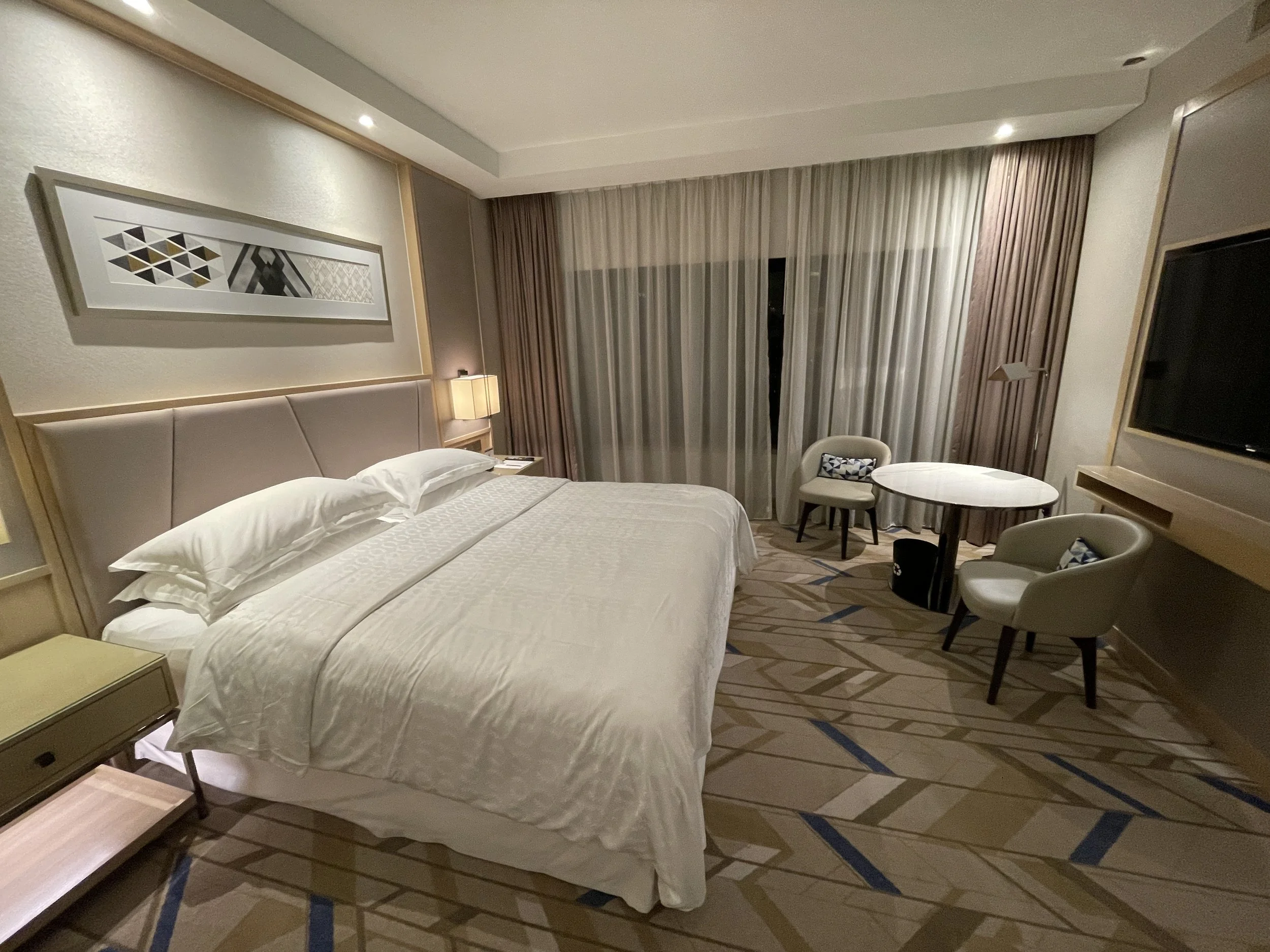
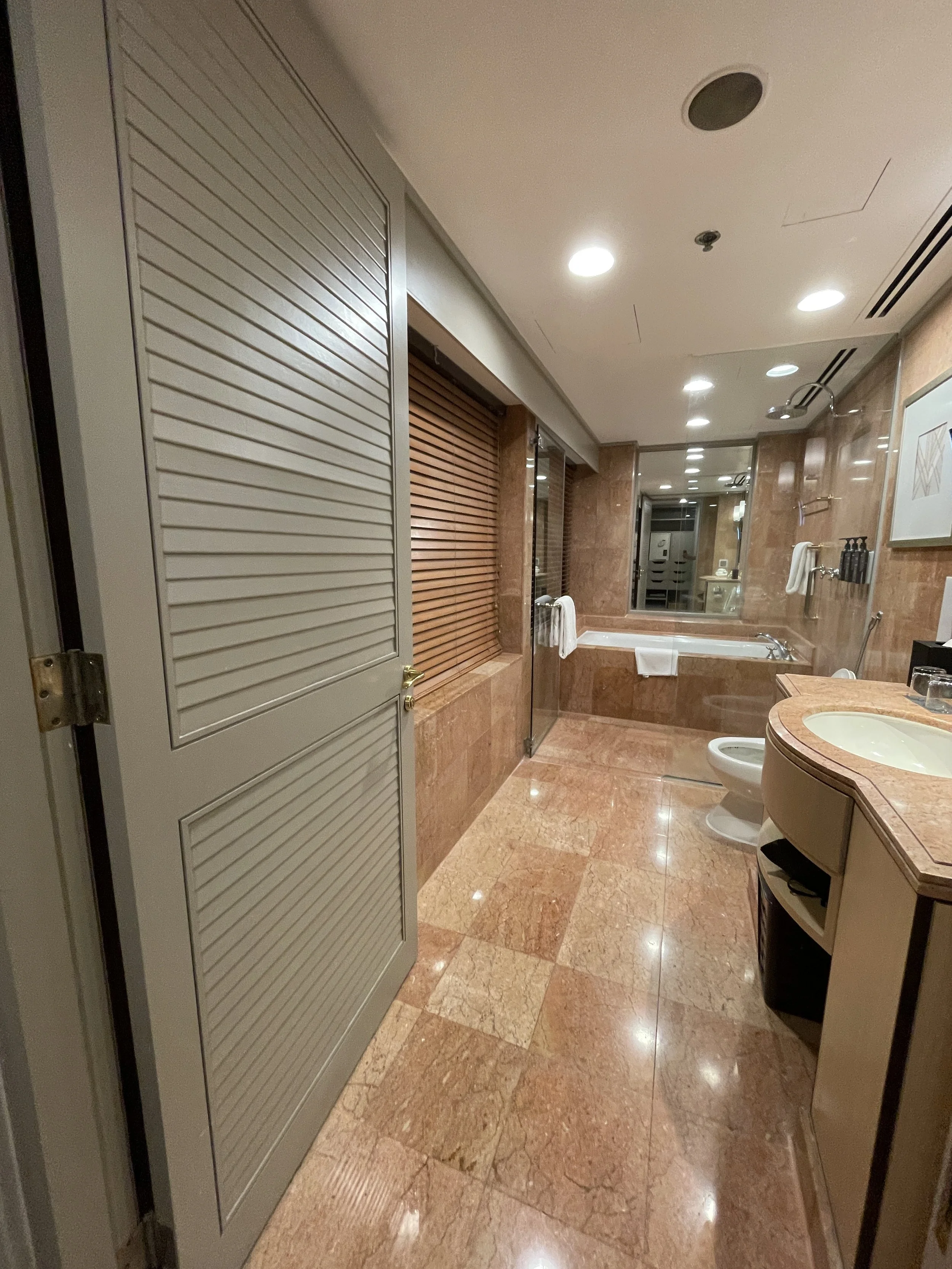
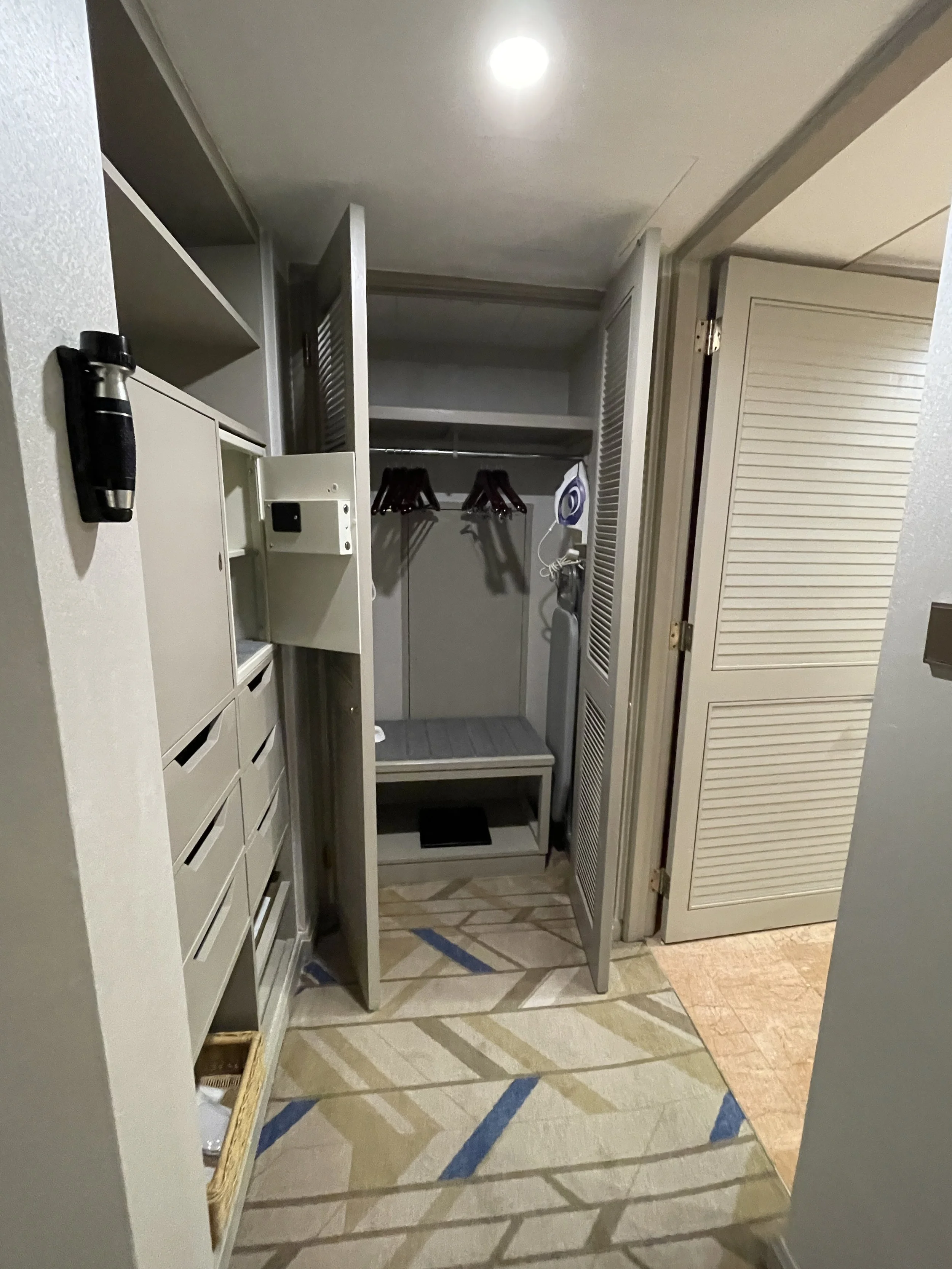
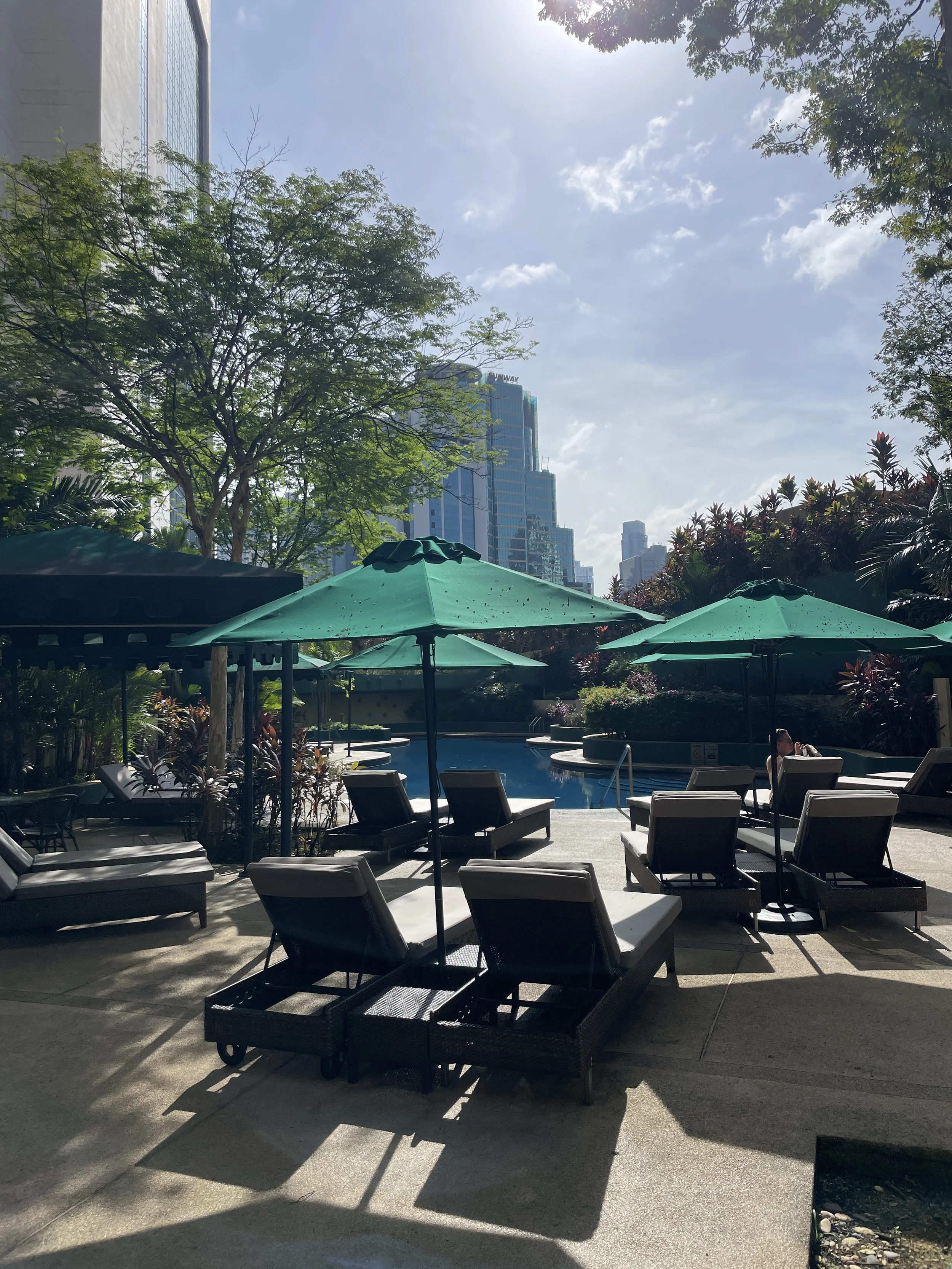
Last but not least, a couple more points about the Sheraton Imperial Kuala Lumpur: it has also a small rooftop pool and, while I don’t have pictures to share, I can also tell you it has one of the best breakfast buffets I have seen in quite a long time!
The Top Three Things to do in Langkawi
It may not be as globally famous as Bali or Pukhet, but Malaysia has also its own island paradise.
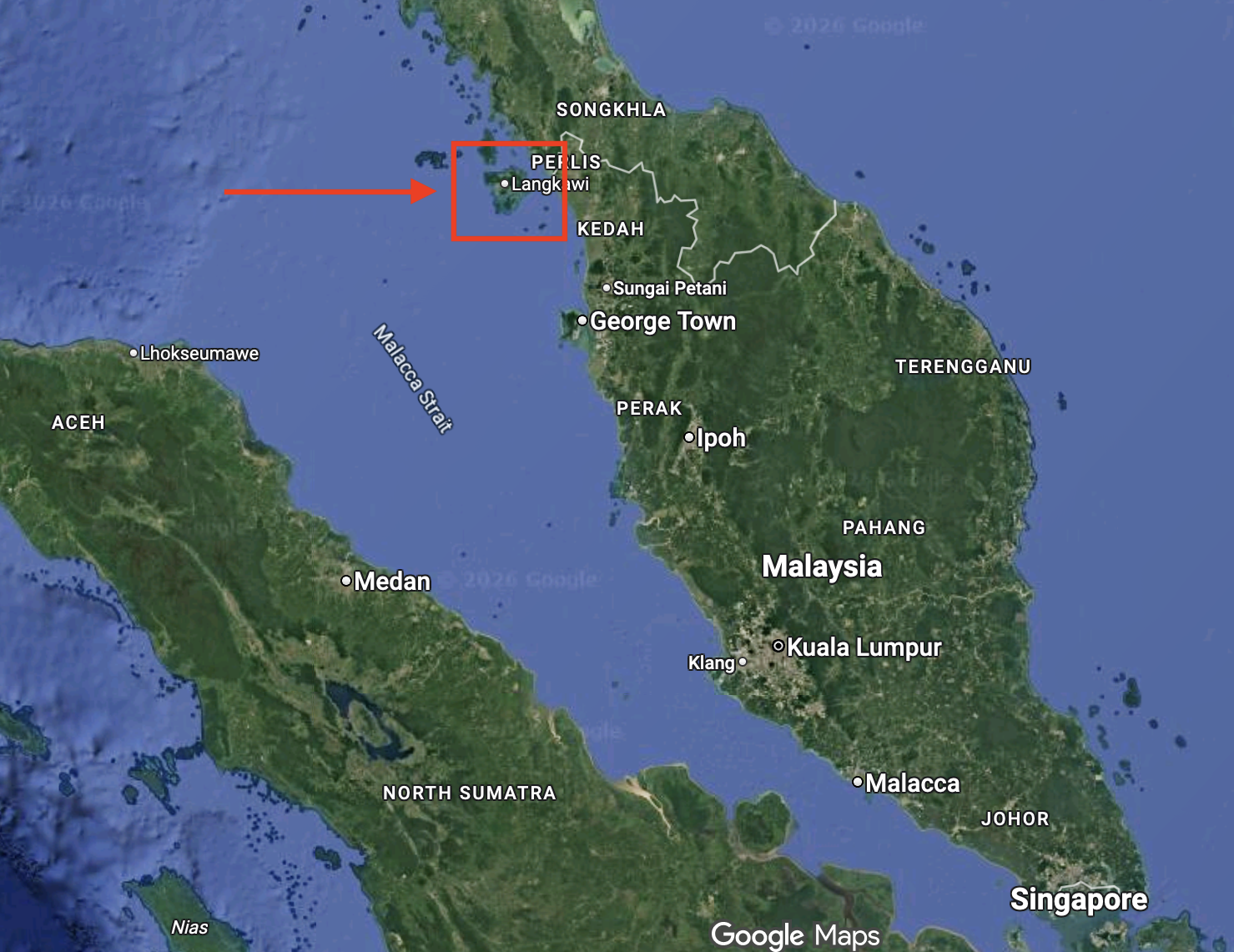
Located just a few miles off the northwestern corner of Malaysia, right on the Thai border, Langkawi is a bit more than a tropical beach resort. The island has been designated a UNESCO Global Geopark. This is not quite the same as a UNESCO World Heritage Site, but it is, nevertheless, a recognition of its natural singularity.
In fact, UNESCO defines this category of site as "a single, unified geographical area where sites and landscapes of international geological significance are managed with a holistic concept of protection, education and sustainable development.” Interestingly, this designation also involves explicitly the pursuit of some specific sustainable economic development goals to the benefit of local communities.
By the way, although I will be referring to Langkawi as “an island” throughout the text, Langkawi is, in reality, an archipelago with dozens of small islands and islets. However, many of the smaller ones are not inhabited and practically all population, resorts and infrastructure is on the main island, which is where I stayed (I am not even which of the smaller islands are open to visitors, since quite a few of them are officially categorized as nature reserves).
How to get to Langkawi?
The easiest way is to fly. Langkawi has an international airport which is connected multiple times a day to Kuala Lumpur (around 1h flight away) by several airlines. I found, for example, that Air Asia offers extremely cheap flights on this route, as well as a nonstop short connection from Langkawi to Penang, which comes in handy if you wish to see a bit more of the country outside the capital (Penang is another interesting Malaysian island that I will cover in another post soon!). Some major international airlines, such as flydubai, Etihad and Air Astana have also started serving Langkawi too, providing some interesting connectivity options with the rest of the world.
The airport even hosts its own airshow every other year, the Langkawi International Maritime and Aerospace Exhibition, but this is material for specialized aviation sites, like Allplane, rather than this one!
By the way, Malaysia is quite an open country when it comes to visitors, and citizens of many countries, including the EU, UK and UK do not need a visa to enter (just fill in the Malaysia Digital Arrival Card (MDAC) within three days of your arrival). Transport infrastructure is generally good.
How to move around Langkawi?
My answer to this is rather straightforward: just take cabs and don’t bother with renting cars or motorbikes. I don’t do the latter, so won’t comment on it. As per renting a car, I did it in Penang and I am happy to report that driving in Malaysia is generally fine when it comes to infrastructure and general civility of the traffic and as long as you have no issue with driving on the left (a legacy of the time under British rule!).
However, the distances involved in Langkawi, an island that is no more than 20 miles across, combined with cost of local cabs and their ubiquity, makes this the best option, in my opinion. Now, I would recommend you download and open an account with Grab, the Malaysian ride-hailing app, since it is the one that works best in Langkawi (as in the rest of Malaysia).
This post may contain affiliate links. If you book or buy something through them, I earn a small commission, at no extra cost to you. It's a way to keep Places of Charm going. Thank you for your support.
Top things to do in Langkawi: 1) the Langkawi SkyCab
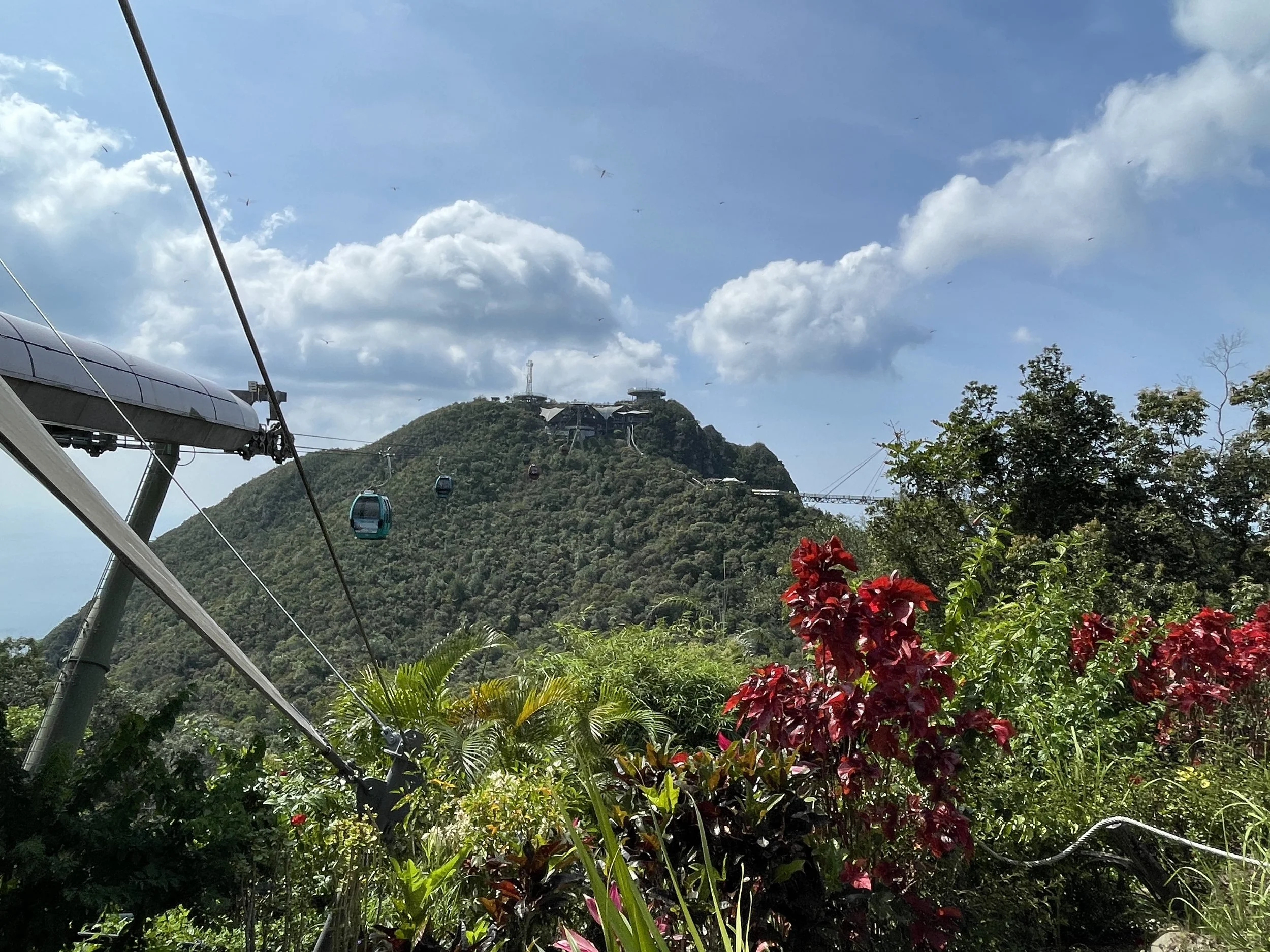
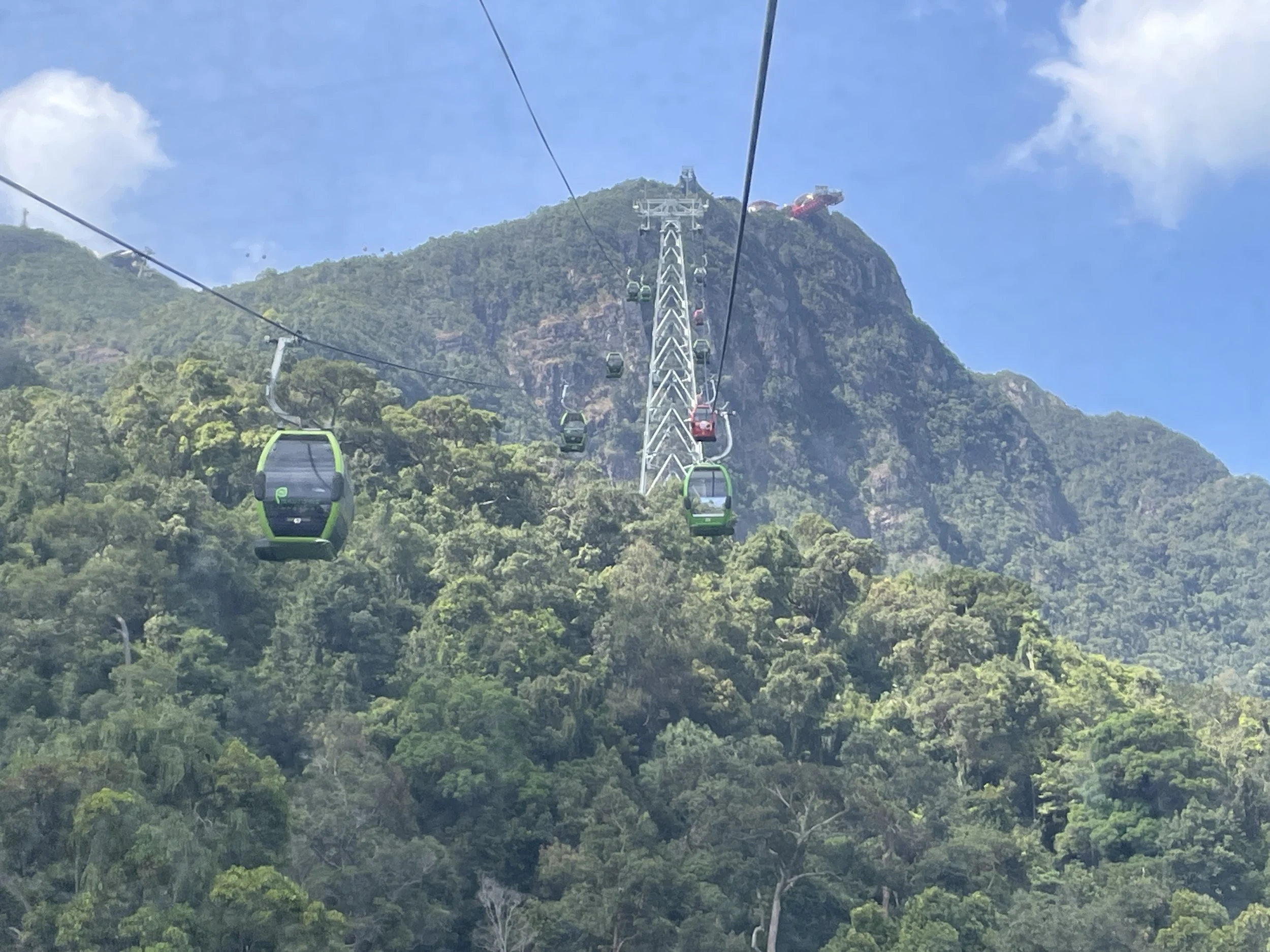
The Langkawi SkyCab is one of the must-dos in Langkawi.
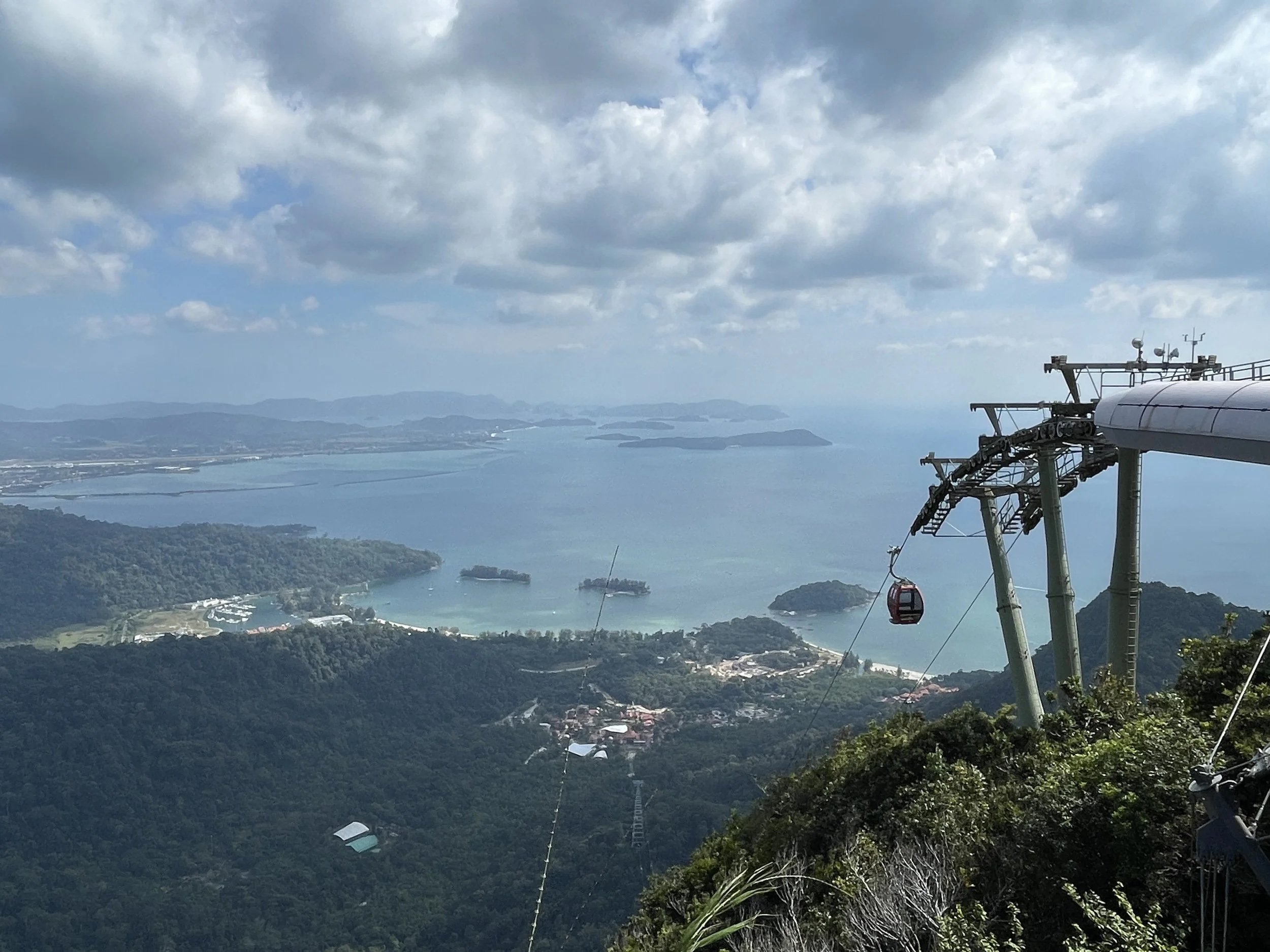
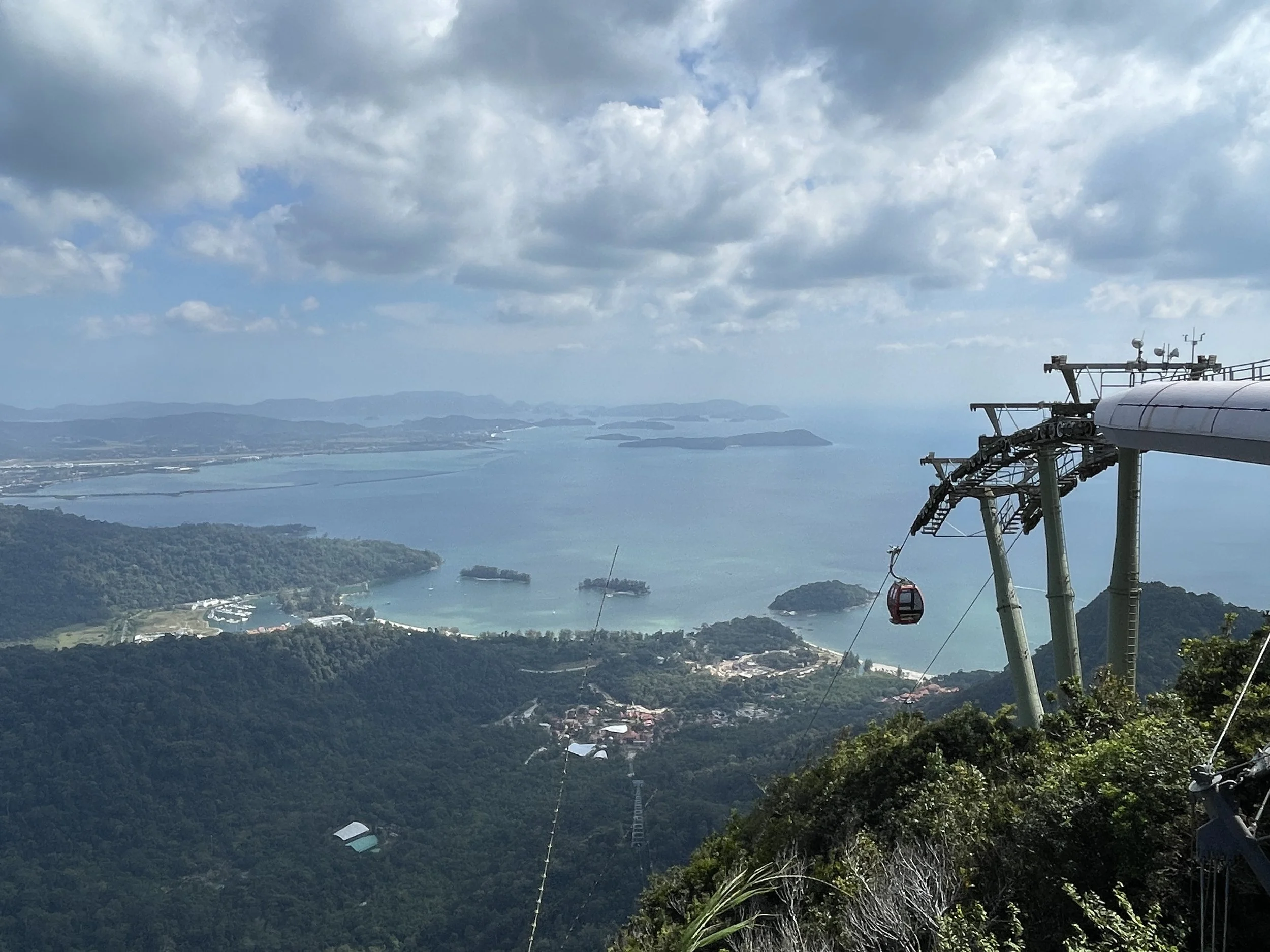
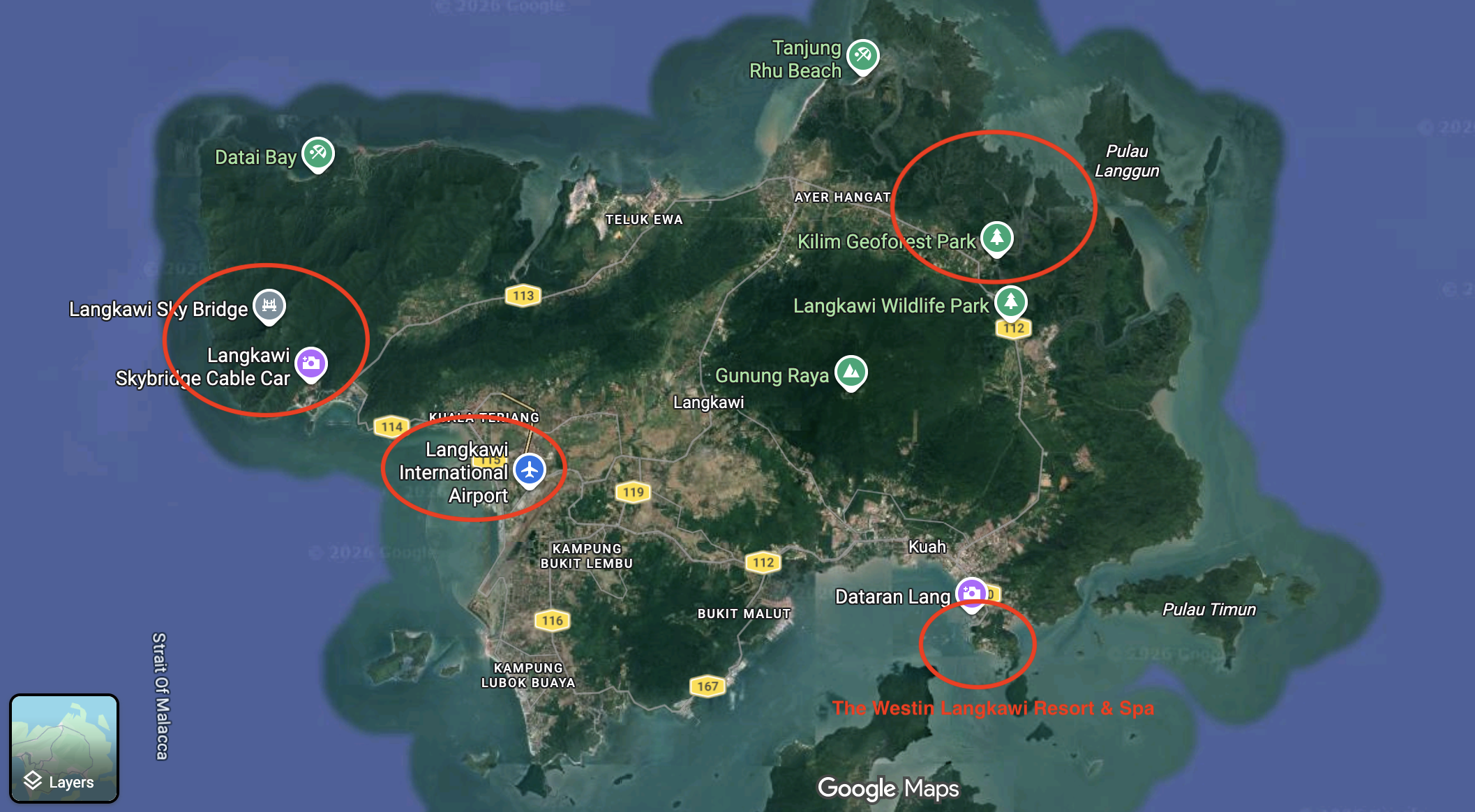
Located at the western end of Langkawi, this cable car which will take you to the highest point in the island (708 meters) from where you will be able to enjoy a broad panorama covering many miles around.
I said “a cable car” but this is not entirely accurate, because, just as with the island, there is not just one. In fact, there are two stages. The first and longest one takes you to an intermediate station at an altitude of 650 meters. From there you can take yet another gondola which takes you to the top.
The path is really steep (42º) and goes over a heavily forested area.
In fact, these hills that the cable car climbs to are among the oldest on Earth, dating back 550 million years and the surrounding rainforests are also very Ancient. This is one of the reasons, though not the only one, Langkawi is considered a “Global Geopark”.
The cable car ride itself takes around 15 minutes, although you are likely to spend some more time up the hill if you walk the Skybridge and take your time to take photos and so on.
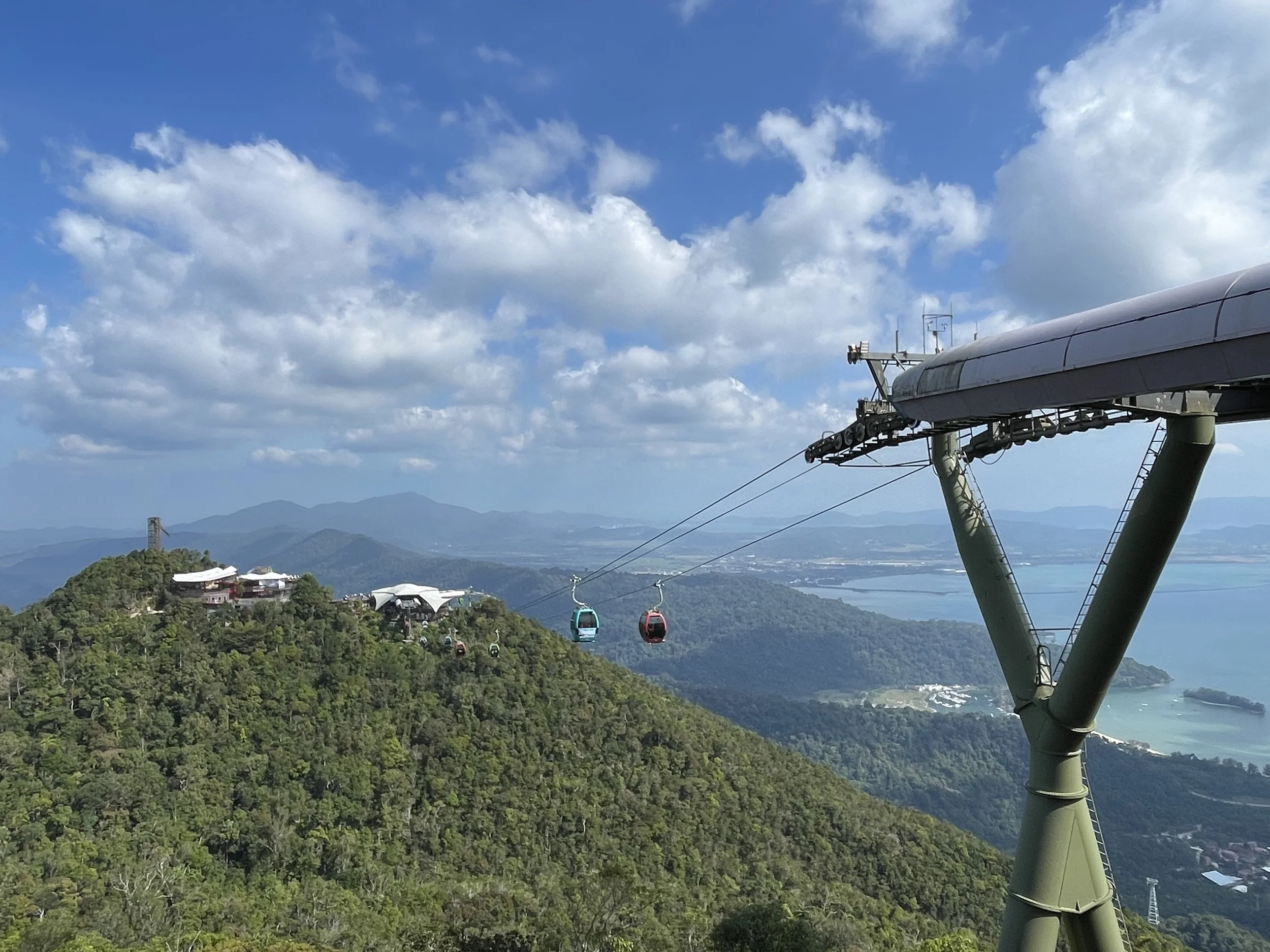
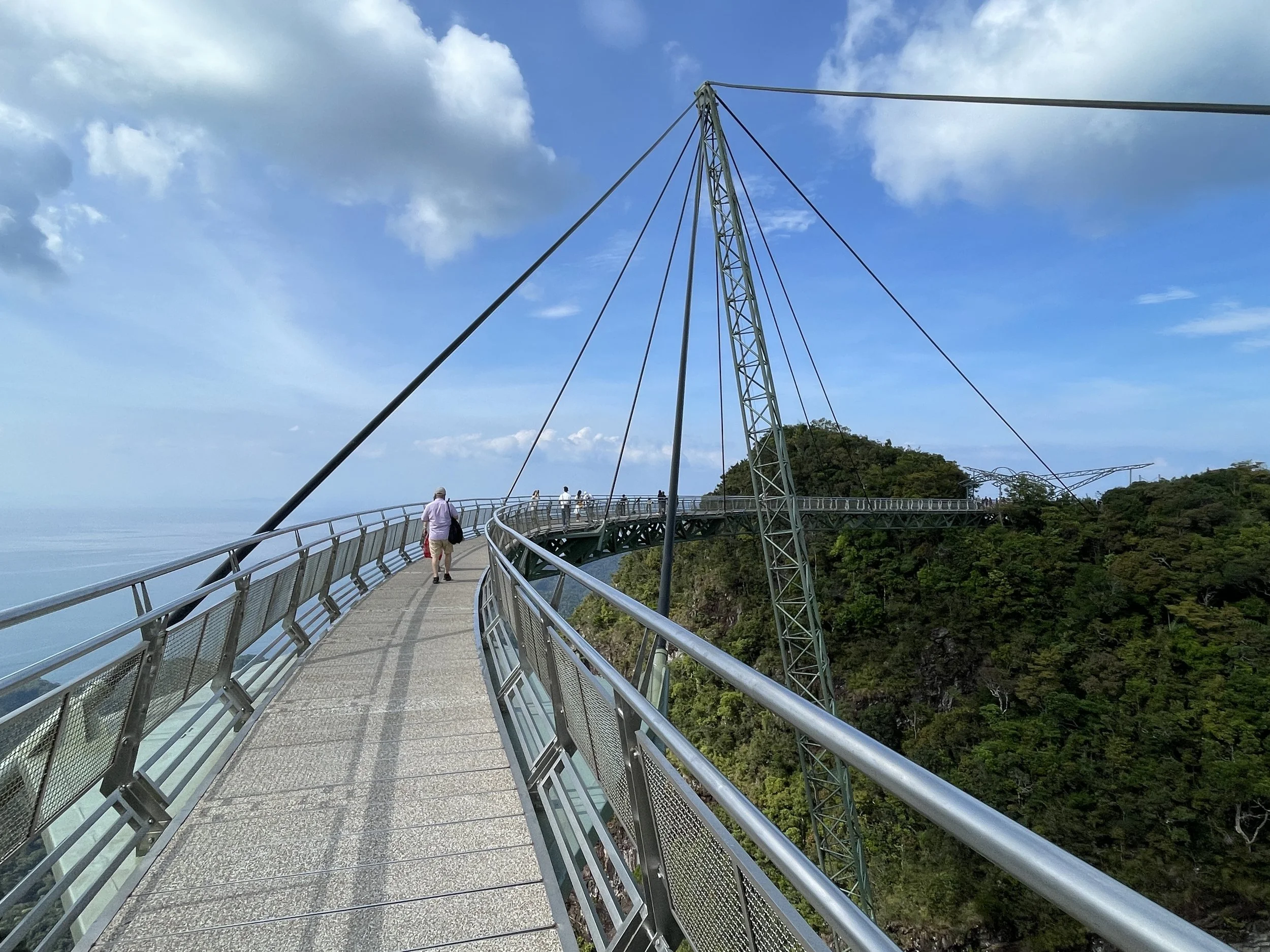
I would recommend booking in advance because the SkyCab is a genuinely popular attraction. The ticket gives you access to the SkyBridge, as well, which is a suspended footbridge which allows you to walk between different points in the ridge. It has even some patches with a glass floor for extra excitement (beware if you are afraid of heights, though!)
In addition to the regular shared SkyCab gondola, it is possible to book several more premium options, such as a private one or one with a glass bottom. To be honest, I think the regular one provides a nice enough experience and, if you want to feel the thrill of the heights, you can get that at the SkyBridge!
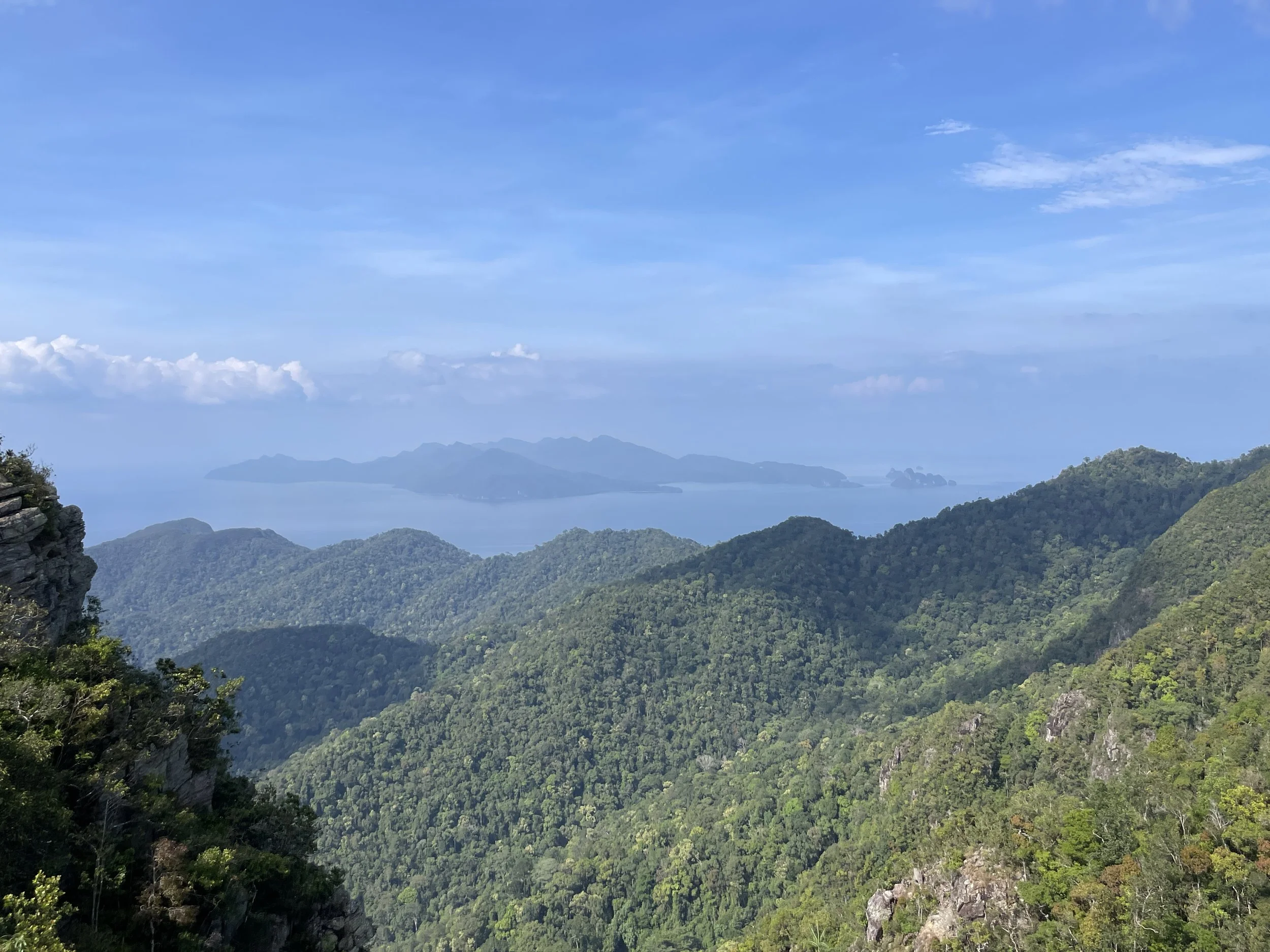
Last but not least, a word about the SkyCab base station, which is nothing short of a recreation park. There are lots of shops, different types of entertainment venues for kids and catering establishments. We didn’t spend much time there, but you can easily spend a whole morning there if you are into this type of thing.
2) Rest at a beach resort
That’s the other thing that people come to Langkawi for. And the island is well endowed with resorts for all tastes and budgets, including those from top-end international chains such as Four Seasons and St. Regis. So, while this site usually champions an active approach to traveling, sometimes is just a good idea to get a spot by the pool and enjoy a good rest. Why not?
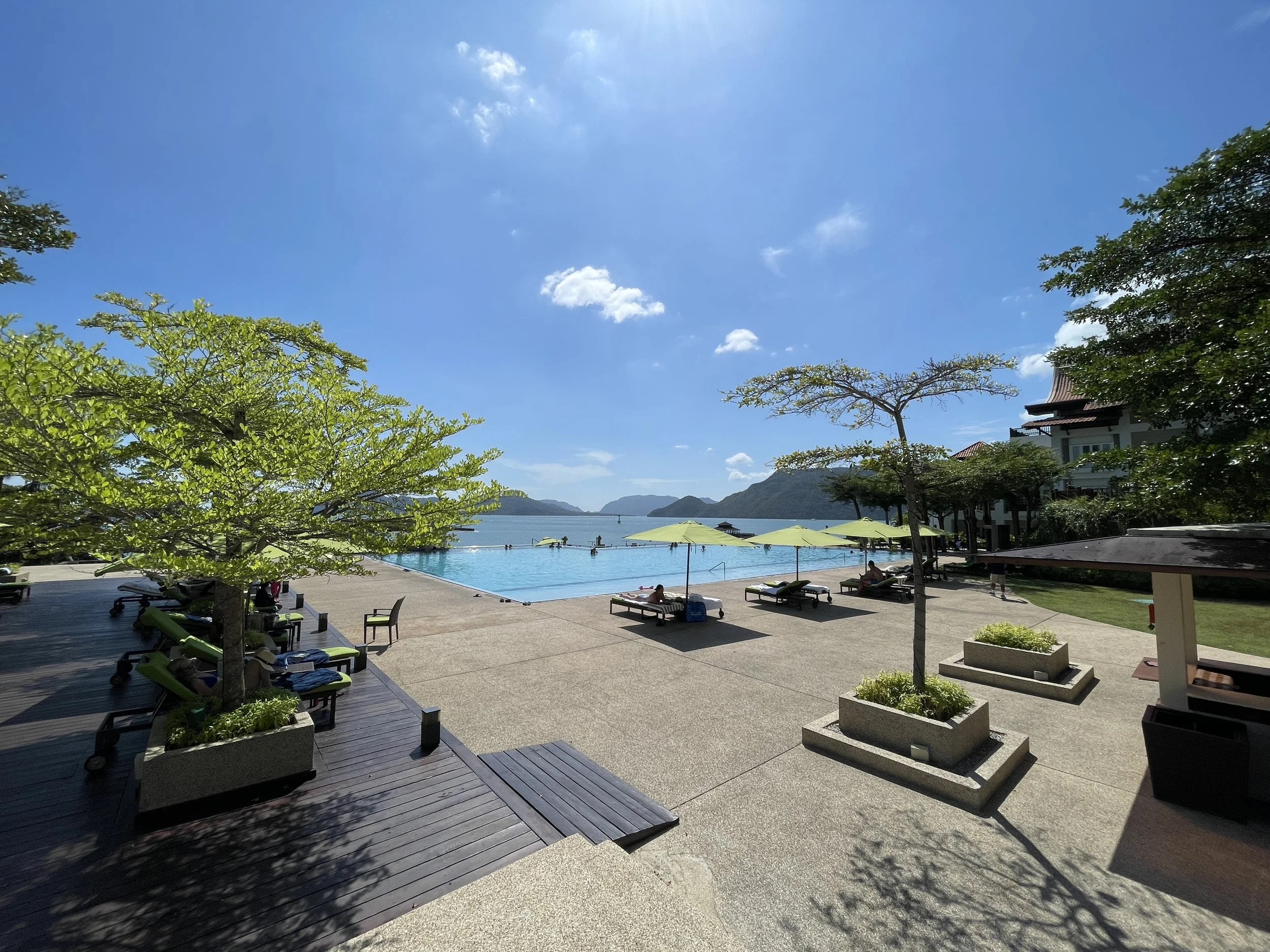
A great resort to stay at in Langkawi: The Westin Langkawi Resort & Spa
This beach-side resort is located on the southeastern corner of Langkawi, half an hour ride from the airport and on a small peninsula which it shares with the St. Regis resort next door.
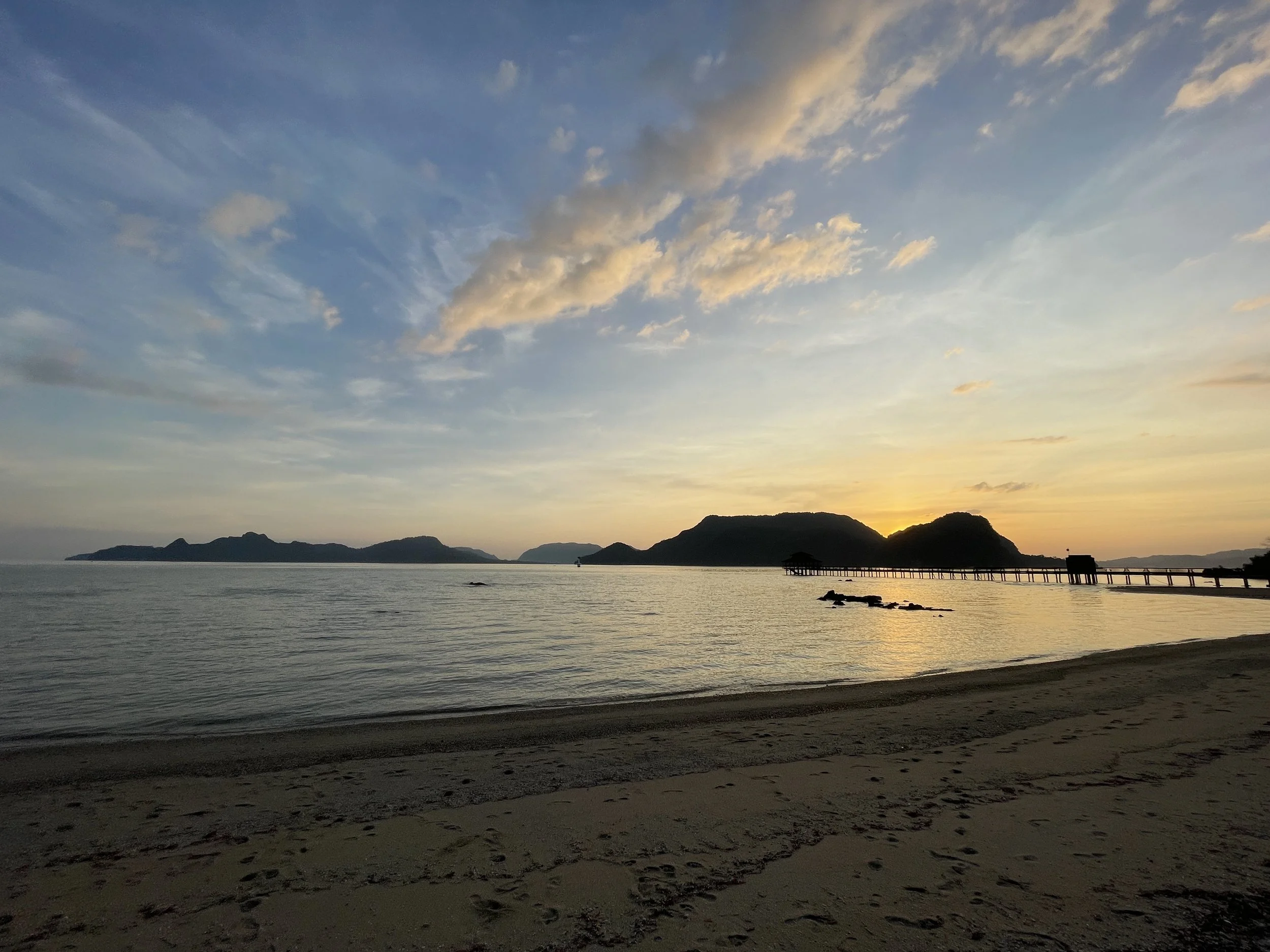
The grounds of the The Westin Langkawi Resort & Spa face south, towards the narrow strait that separates Langkawi from several of its smaller adjacent islands.
It’s got a large infinity pool, which you can see here below, as well as direct access to the beach.
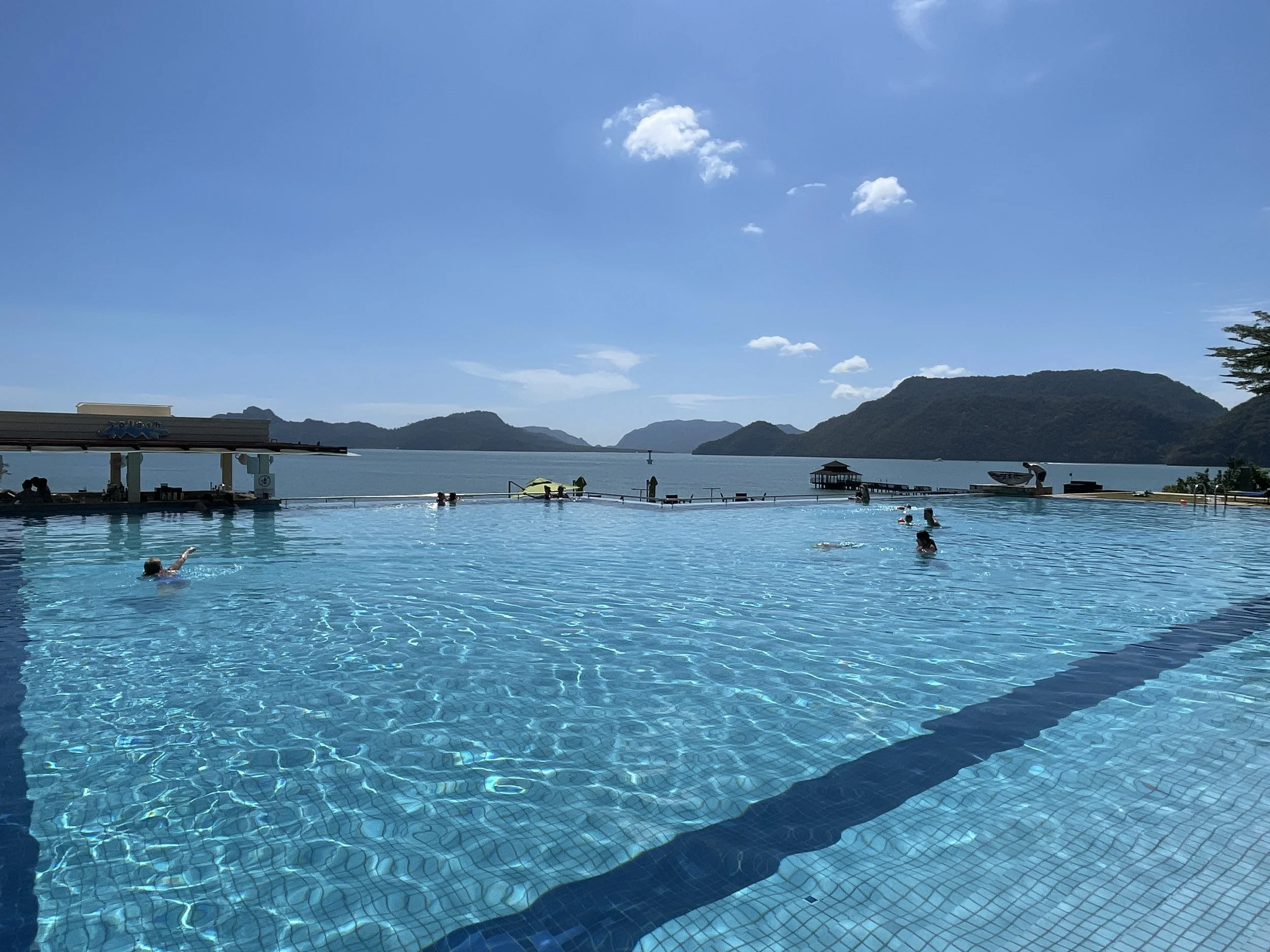
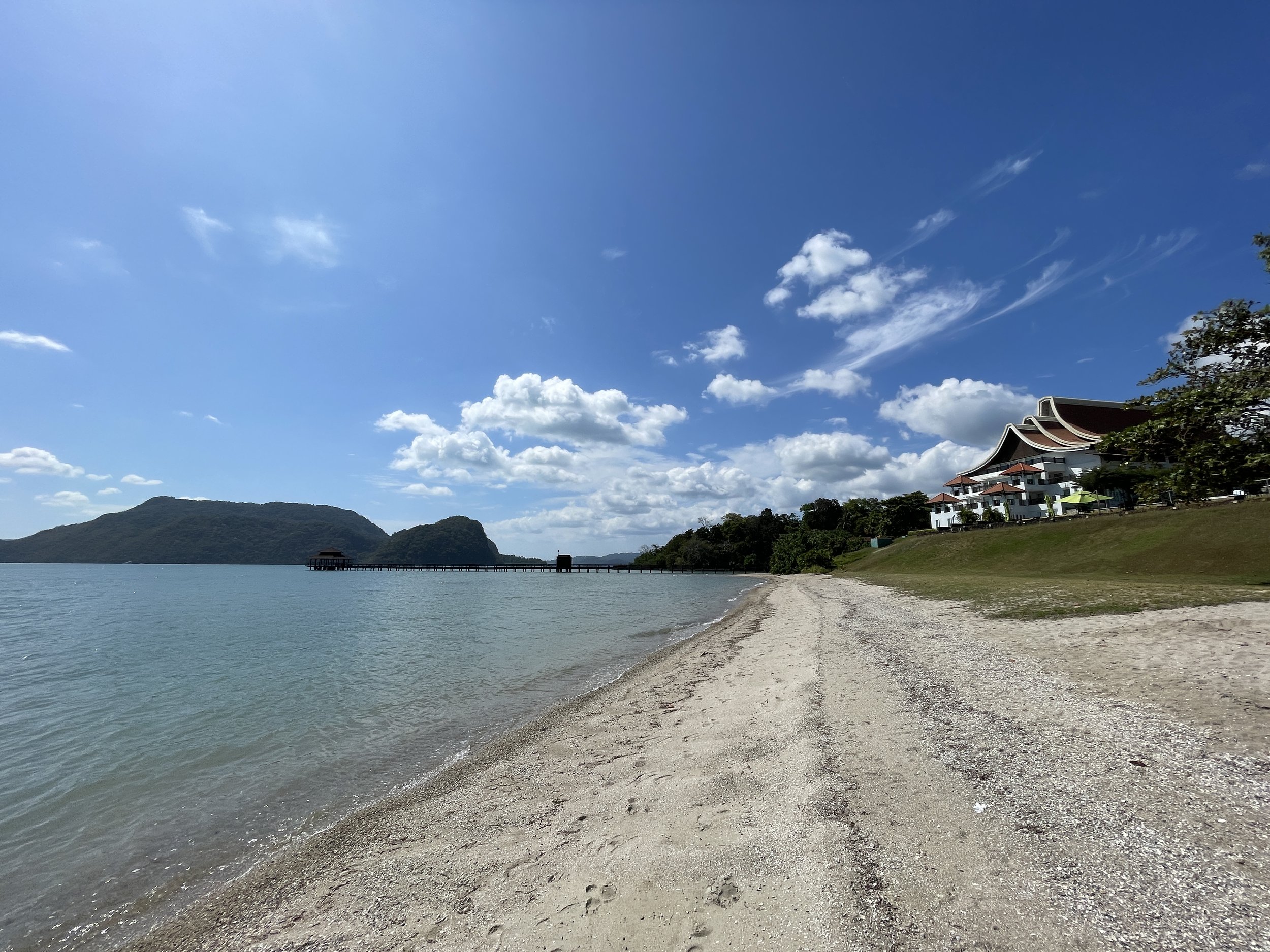
To be clear, the beach is not private and exclusive to the hotel, although due to its location, it is unlikely you will see random bystanders passing by.
I must add, as well, that the beach, at least on this side of Langkawi, is not the main allure of the resort. In fact, I saw few guests actually using it, most just stay at the pool. There are several reasons for this:
First, the tides are strong and depending on the time of the day you would need to walk quite a bit in muddy sandy soil to get to the water. And when the tide is up, it is quite shallow, so you can’t really swim in the strict sense of the word.
Also, although clean, the water is not the turquoise, crystalline type you get in, let’s say, the Maldives.
Having said that, I did go to the beach, spend some time in it and swam in it, so if you are a salt-water person, definitely, don’t forgo it!
Most of the rooms (the resort has bungalows too) are located on the main corpus of the resort. Since the hotel has been built adapting to a terrain that is somehow sloping towards the sea, some of the upper floors do get actually a small patio.
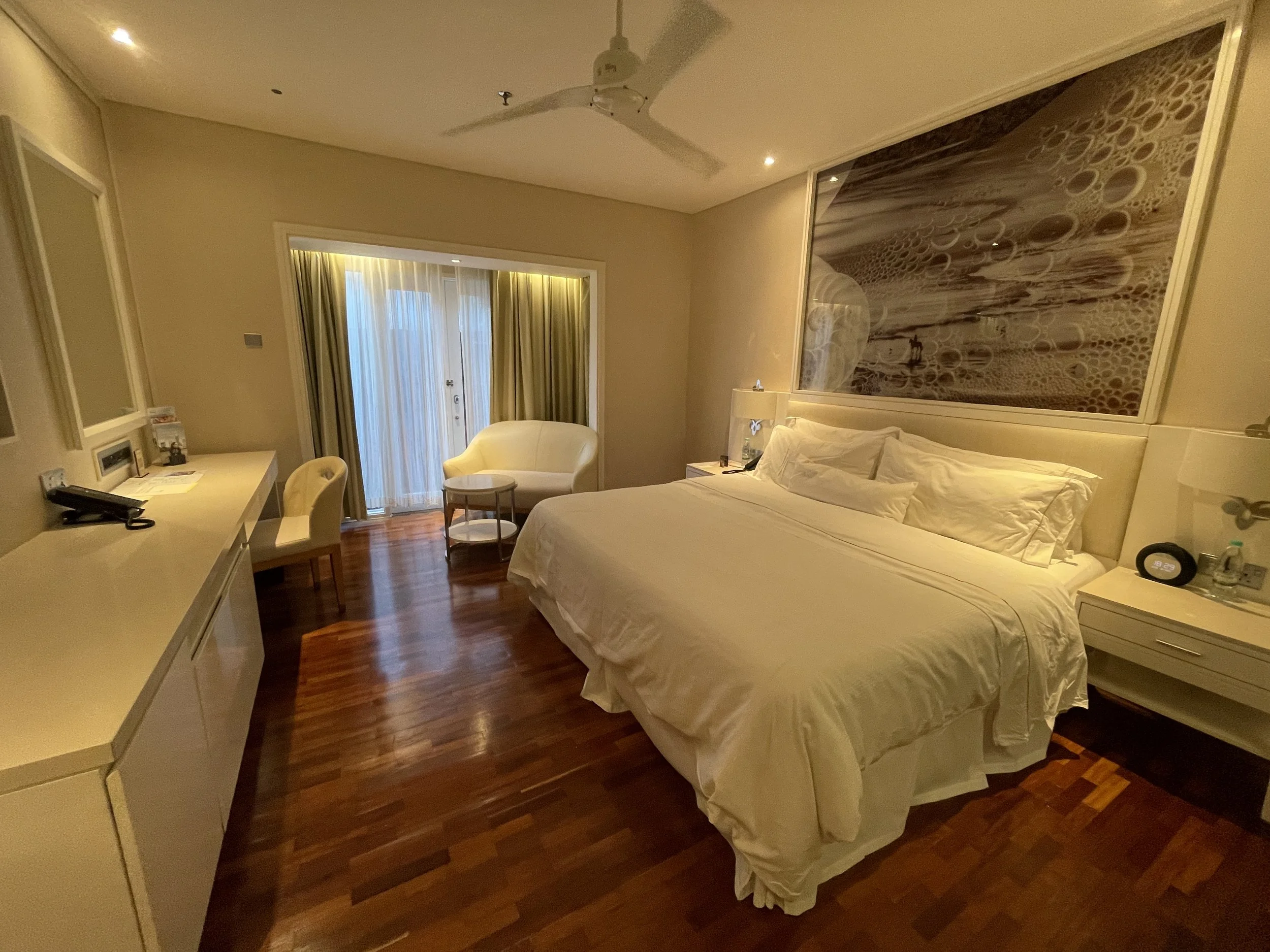
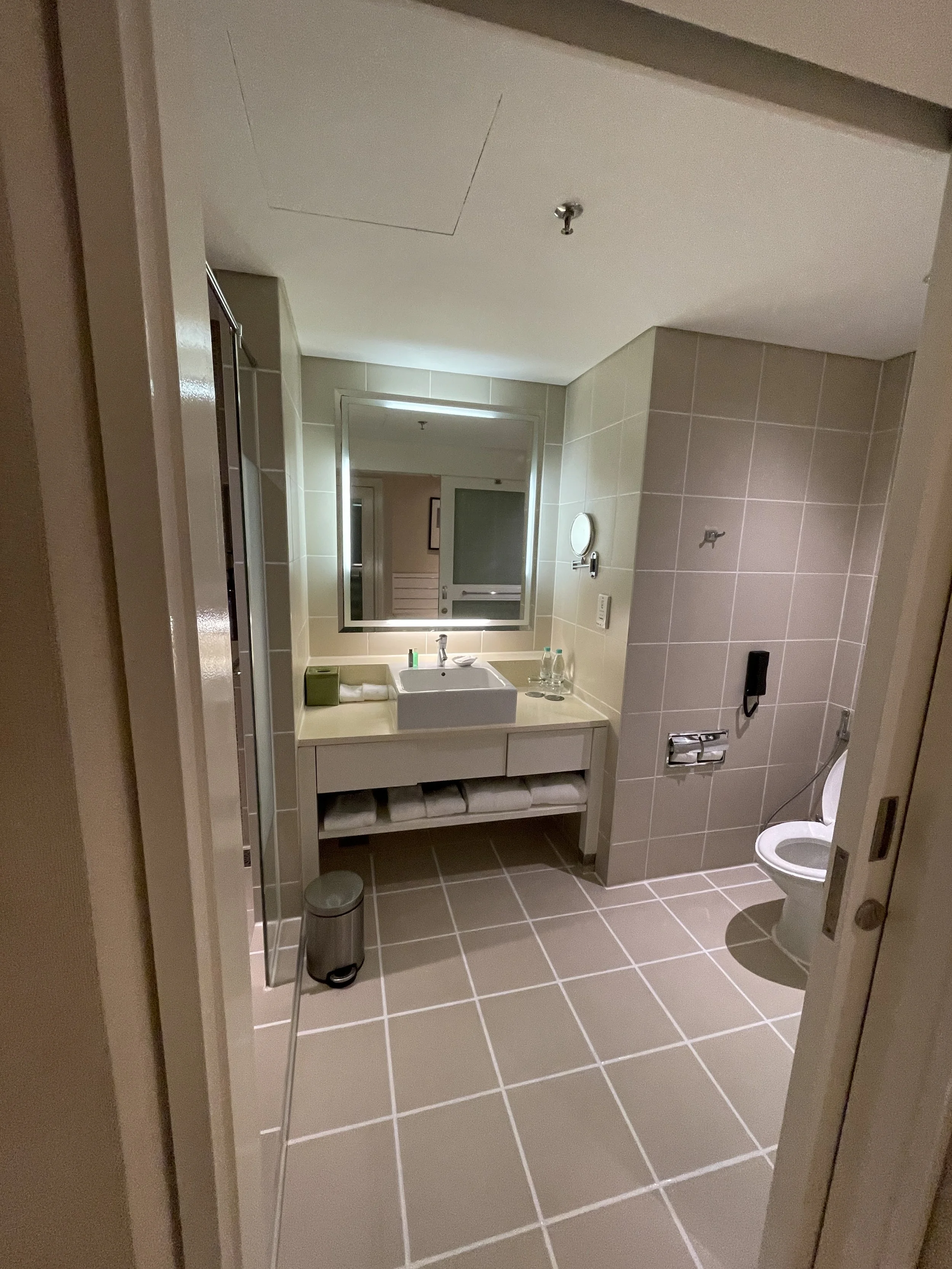
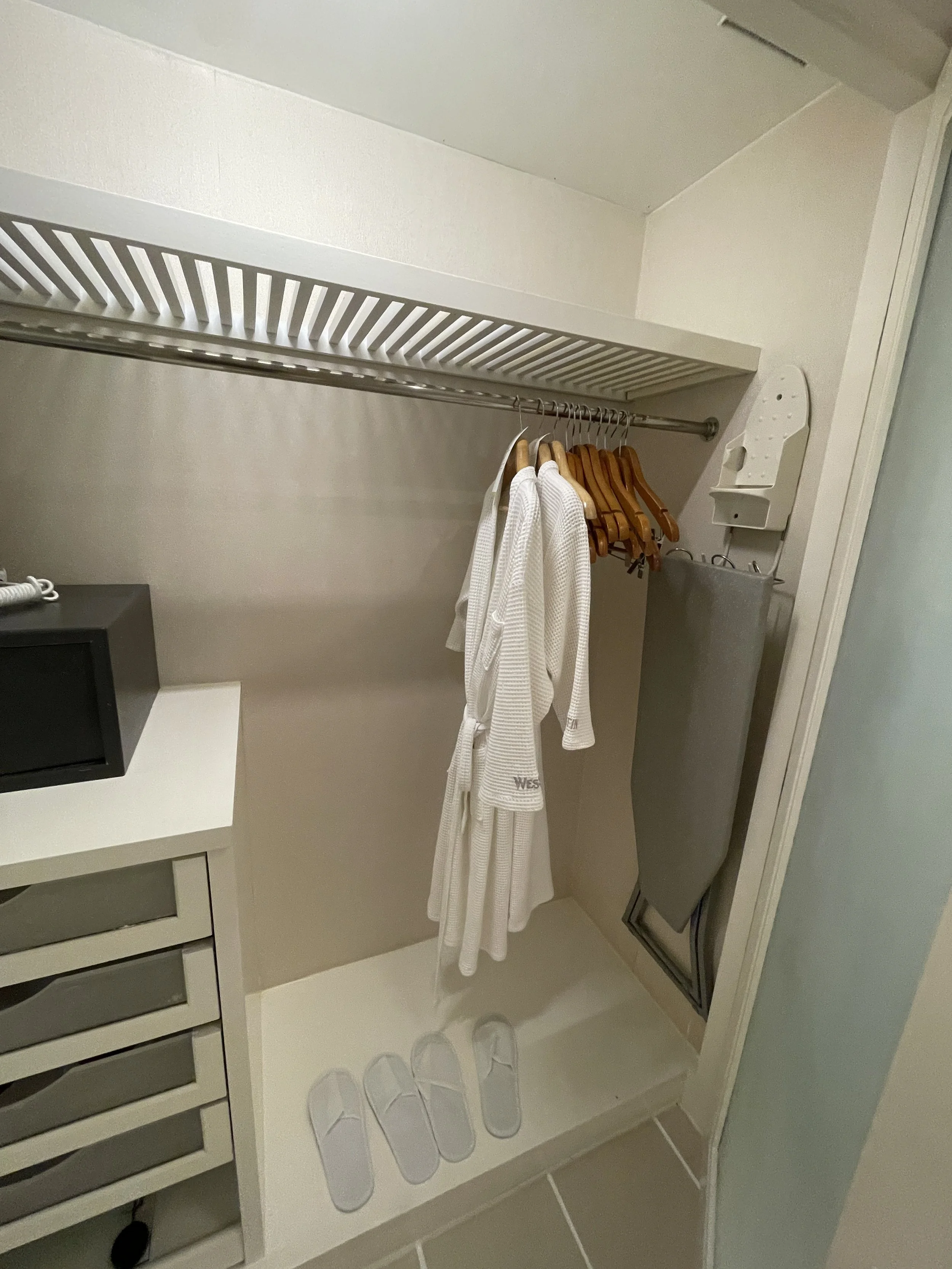
The rooms are modern and furnished in contemporary style. The bathrooms, likewise are large and modern. Bathrobes are provided for the spa (the pool area has also its own towel service). There is also generous space to leave baggage.
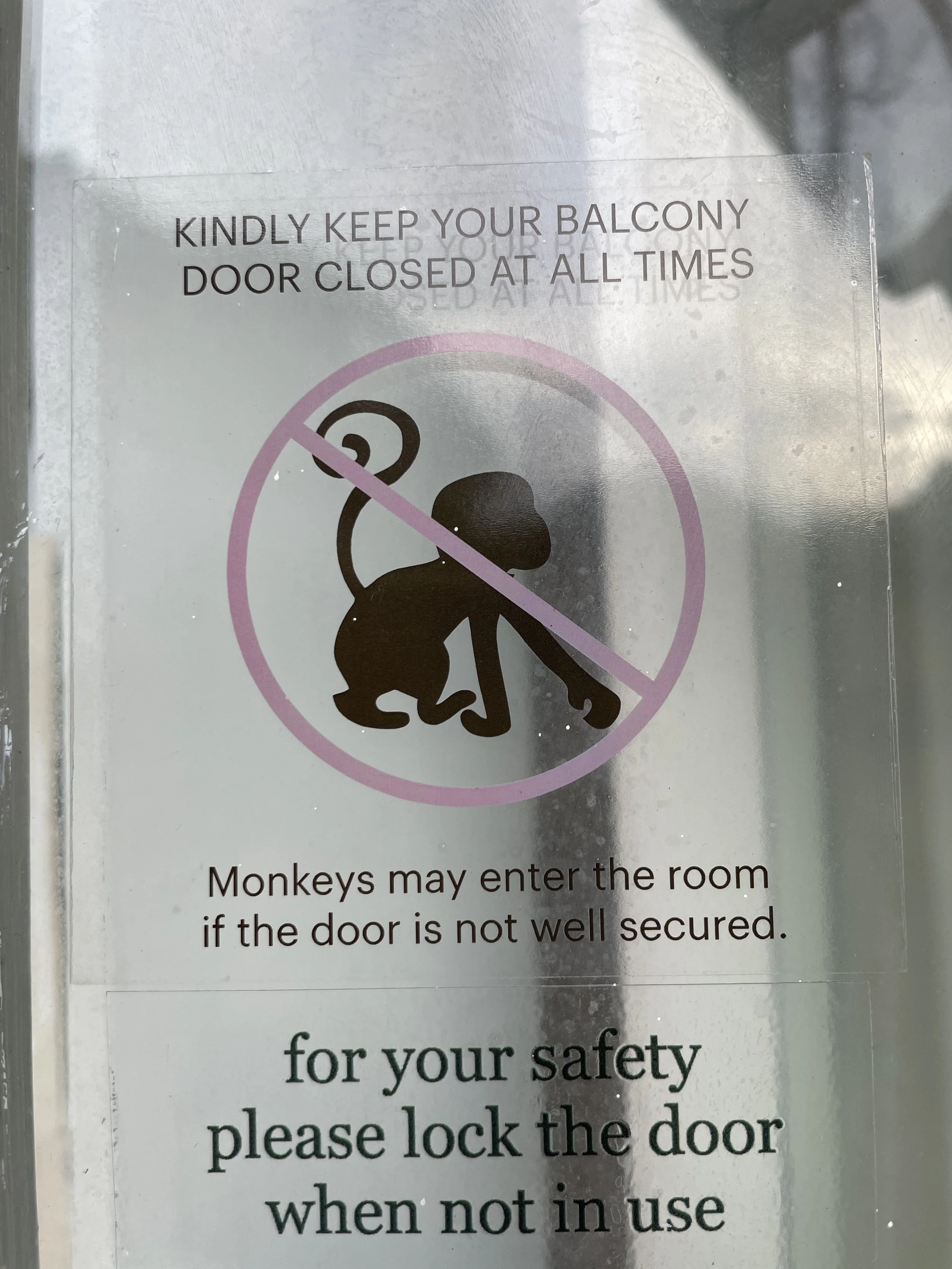
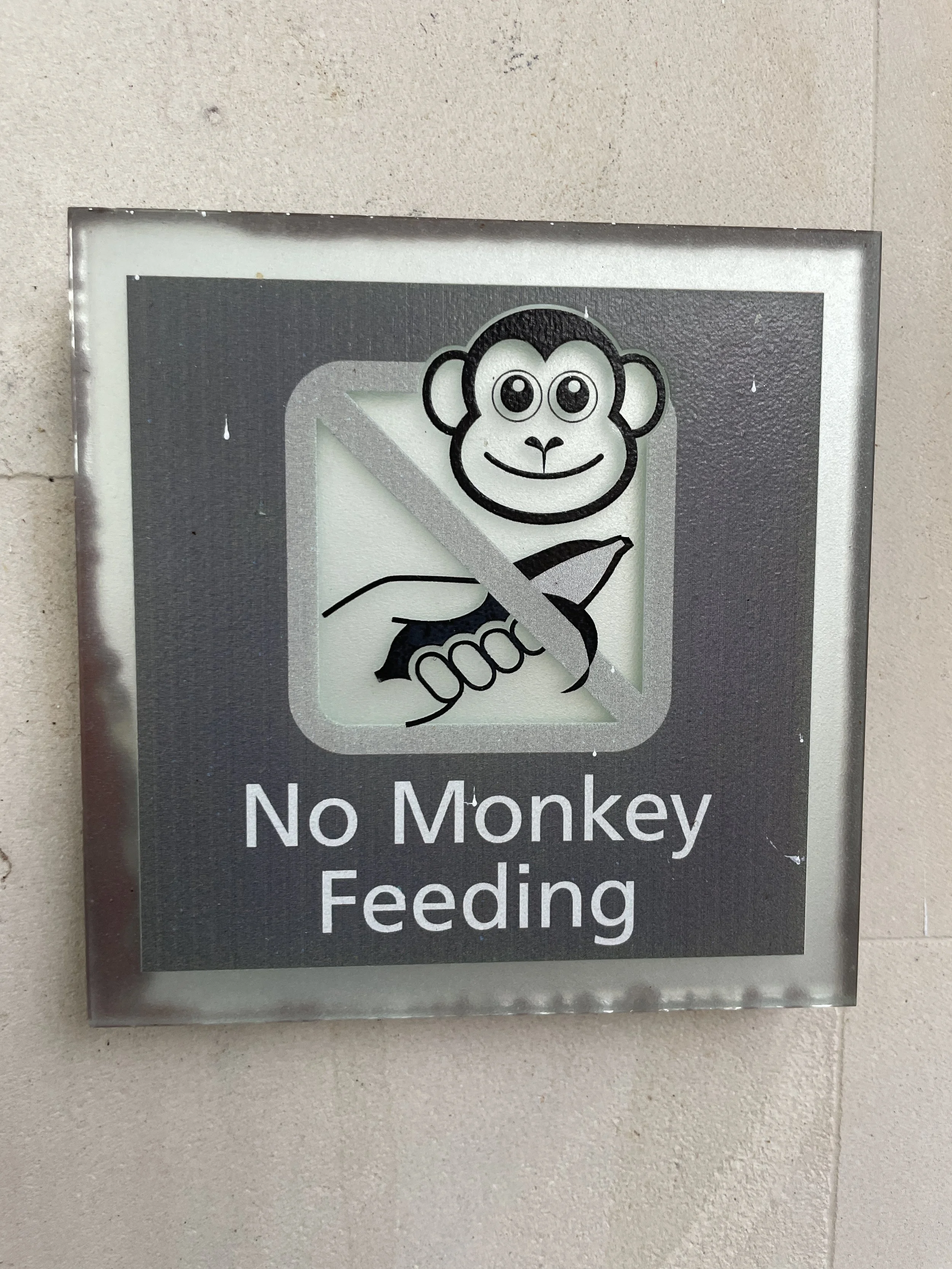
One thing to bear in mind, and which you are constantly reminded of, is that there are wild monkeys living in the resort grounds. It is easy to see them, as they often come close to the buildings are not afraid of people at all. This adds a touch of exoticism, imo!
The Westin Langkawi Resort & Spa has several restaurants and bars, including one with a sea-view terrace. The food was great, although the service at the restaurant was a bit more irregular. We also tried the room delivery, which was a good option since we had the little patio in our room.
Breakfast was abundant and varied, with plenty of tropical fruit in the buffet.
3. Take a boat tour of the mangroves at the Kilim Geoforest Park
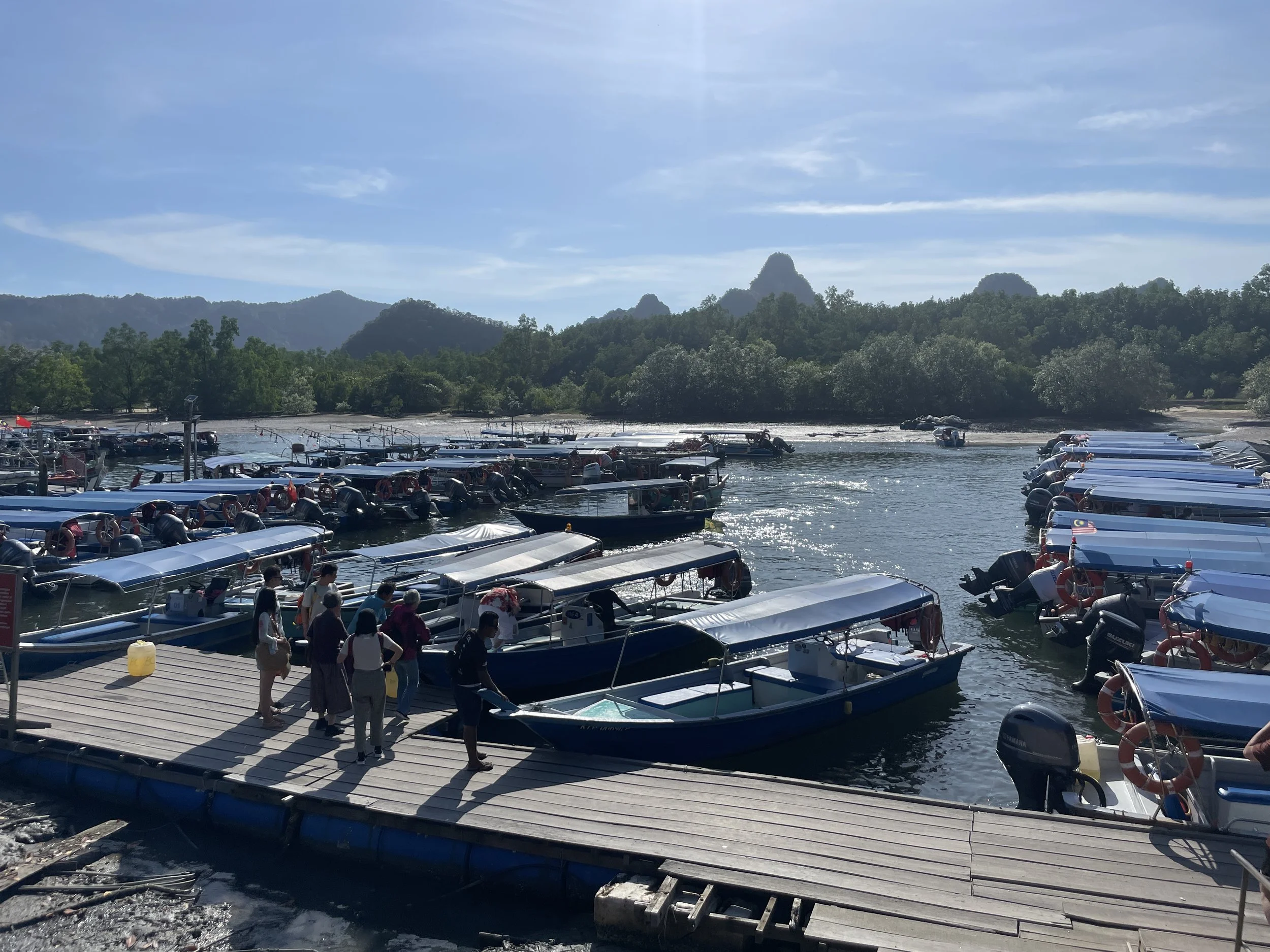
This is the other outdoors experience that I would recommend on Langkawi. You would need a guide for this one or to join one of the many organized tours that run throughout the day.
The Kilim Geoforest Park, on the northeastern corner of the island, is best seen from a boat (in fact, I am not sure whether is it possible to visit it any other way), since this is a natural area that combines the coastal karst formations with riverine landscapes covered by mangroves and the open sea.
It is a truly immersive experience which starts at a river station where are little armada of tour boats of different types and sizes assemble for the excursions. From there, the boats take the visitors through the different waterways that cross the natural reserve.
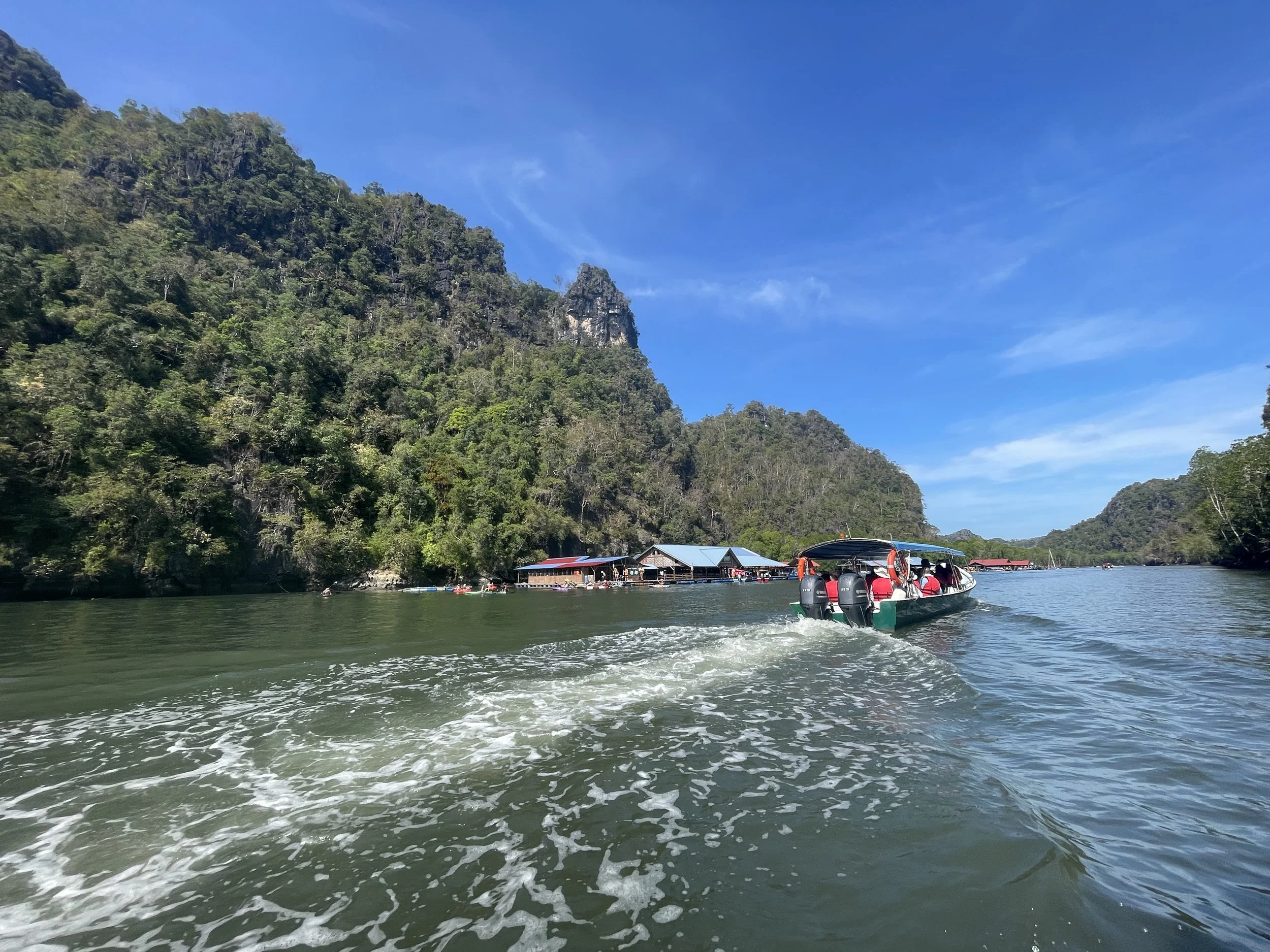
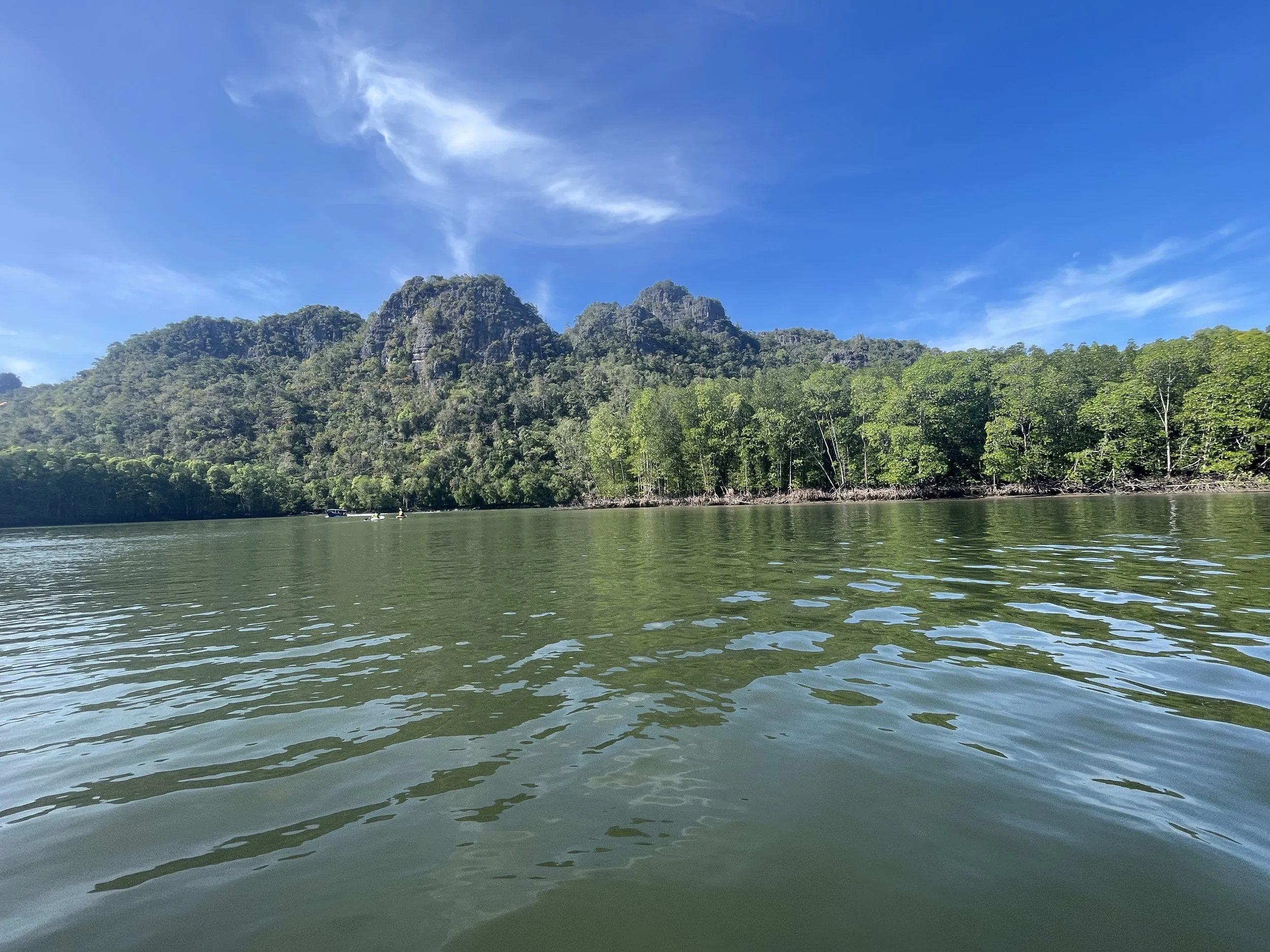
The boats stop at several spots along the way. One of them is this cave, where lots of bats live. There are also plenty of monkeys all over the place and you can see them as the boat gets close to the mangroves, which are the dominant form of vegetation in all this area.
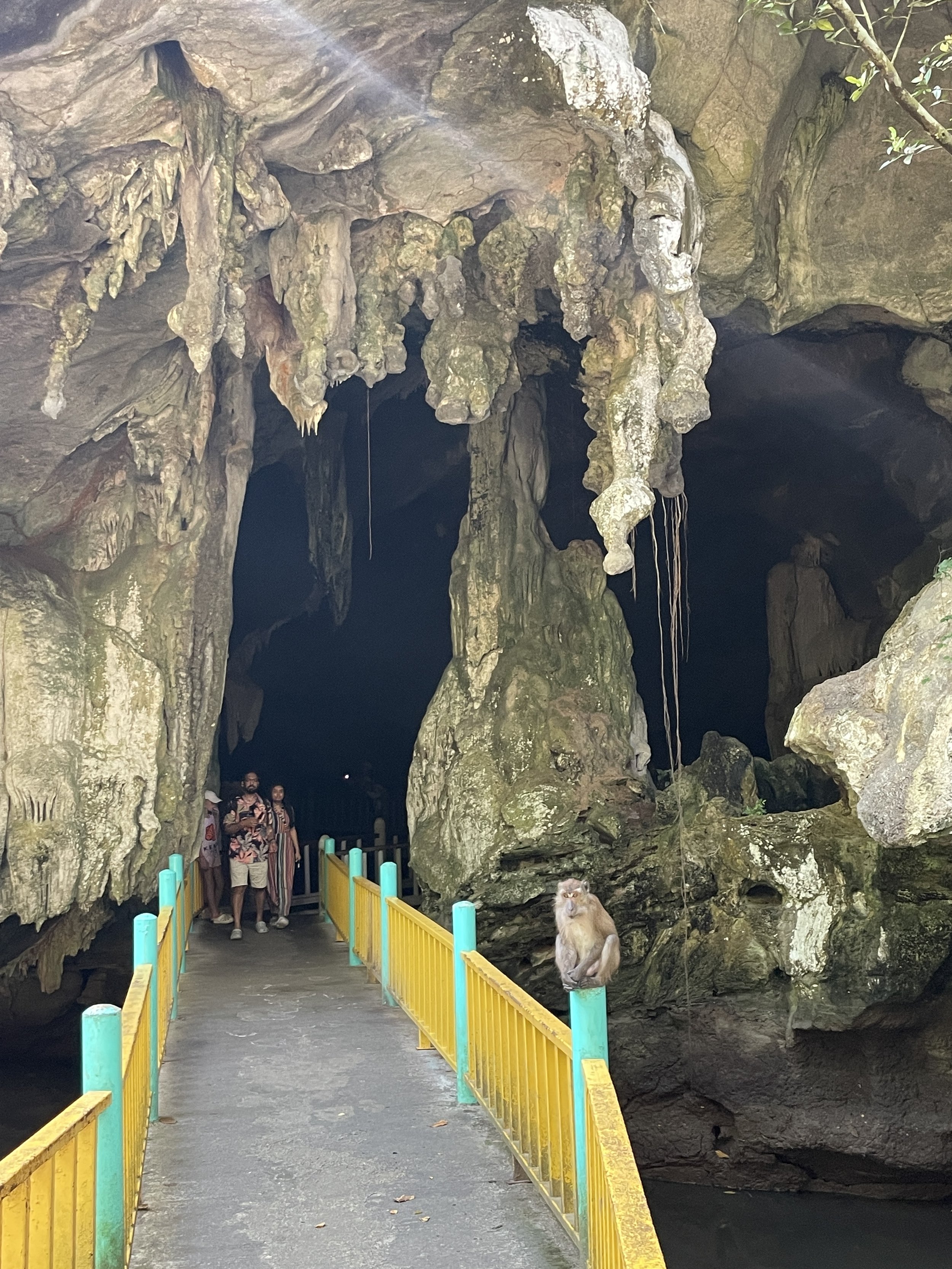
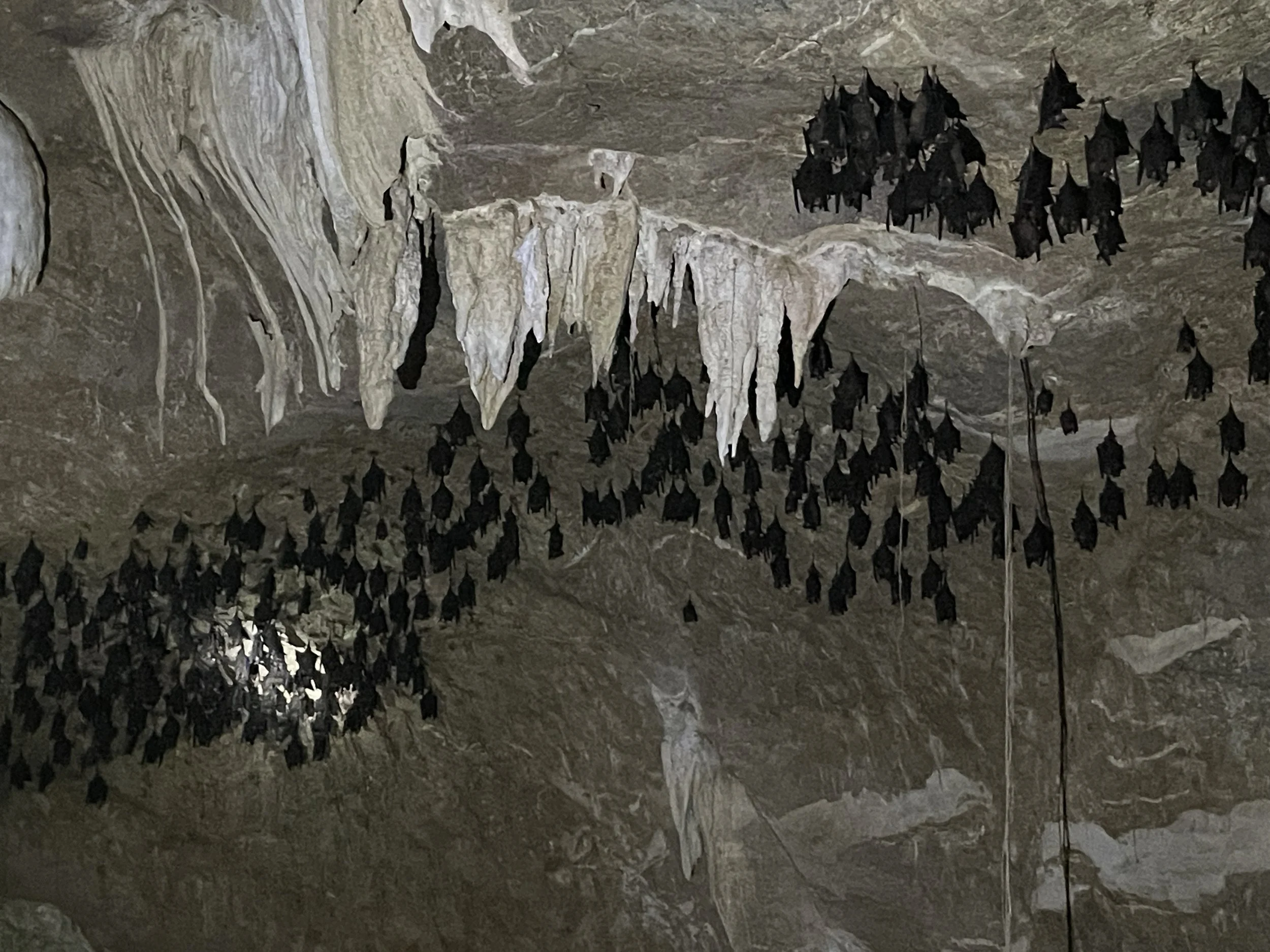
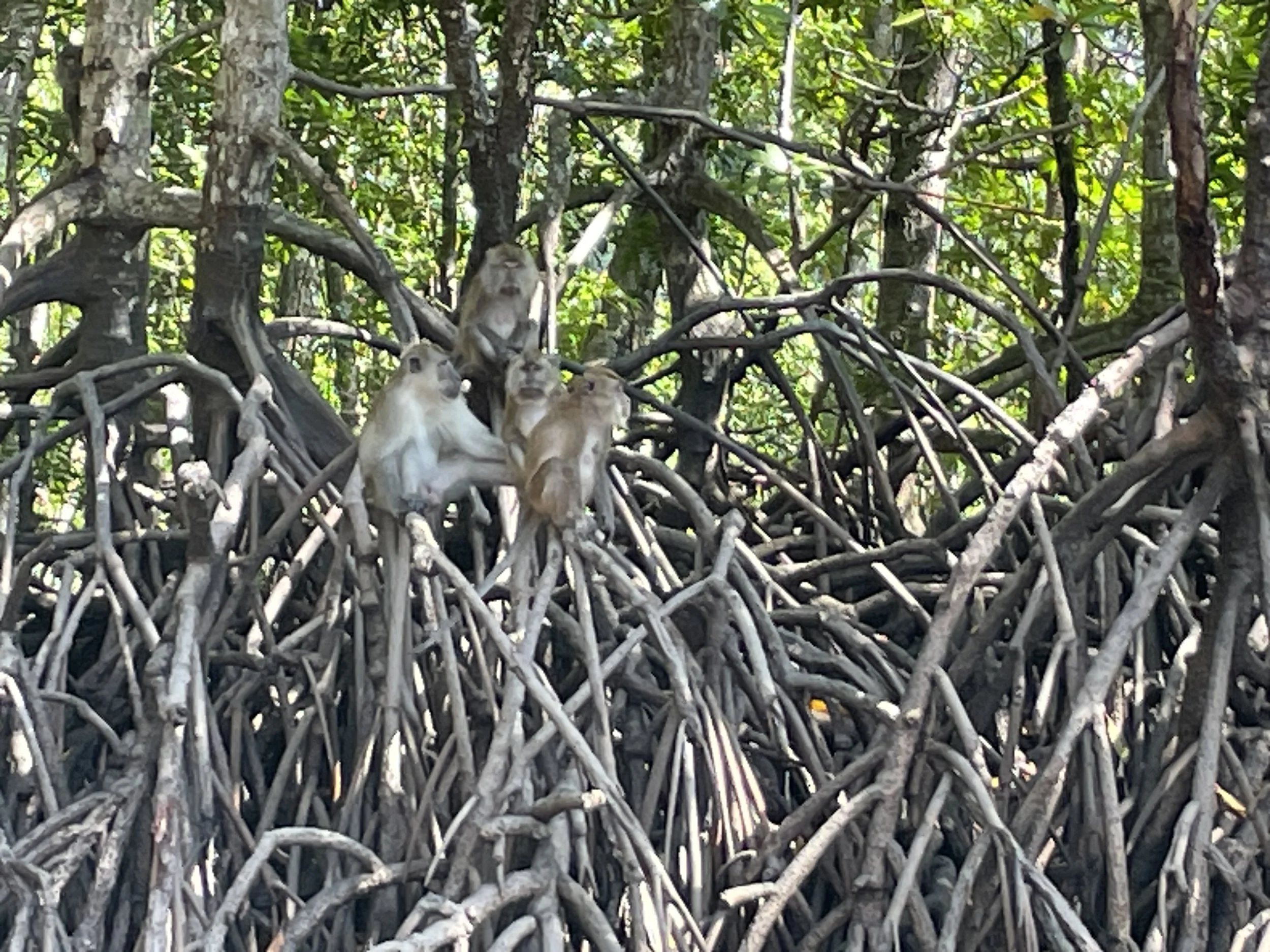
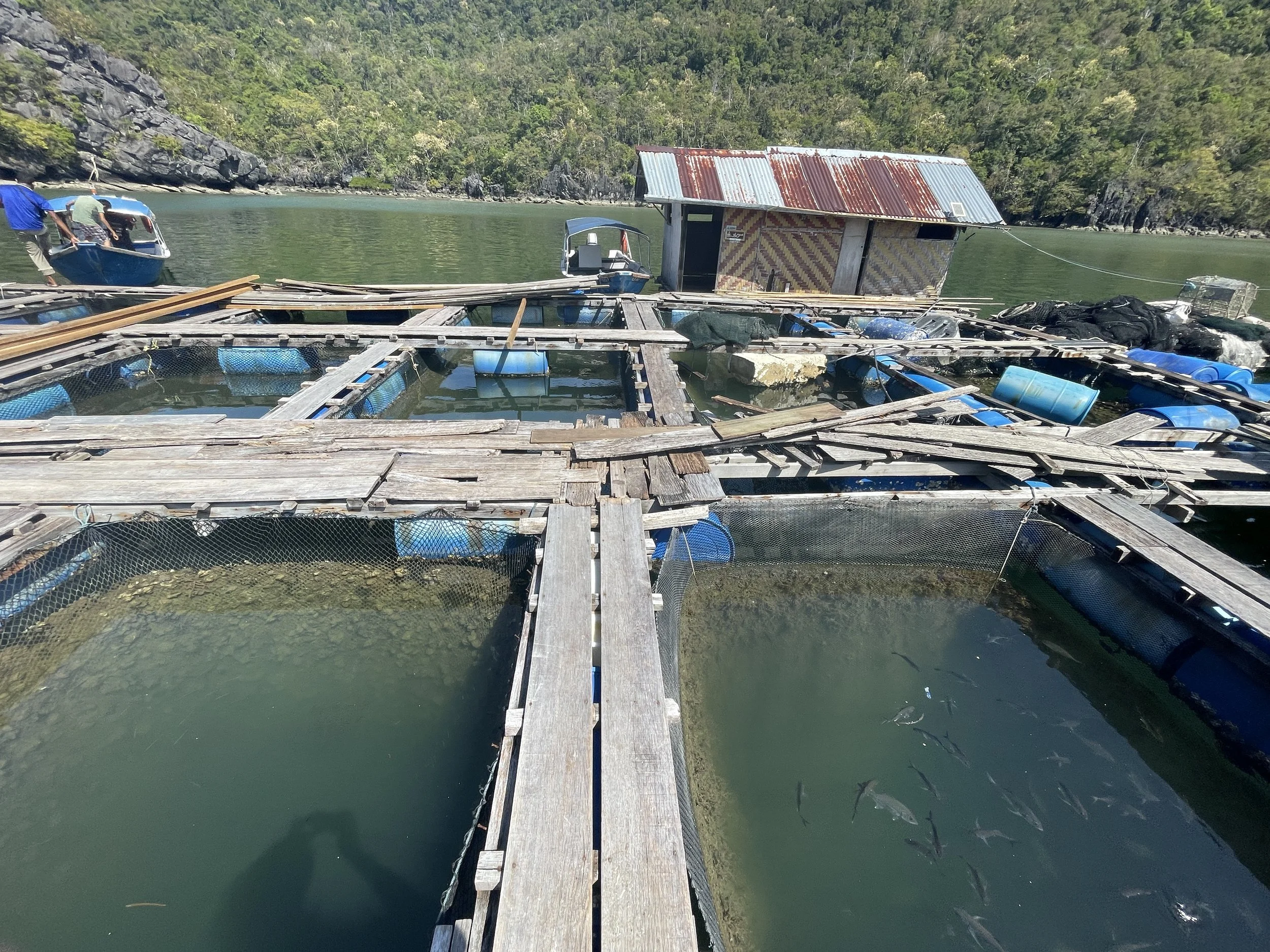
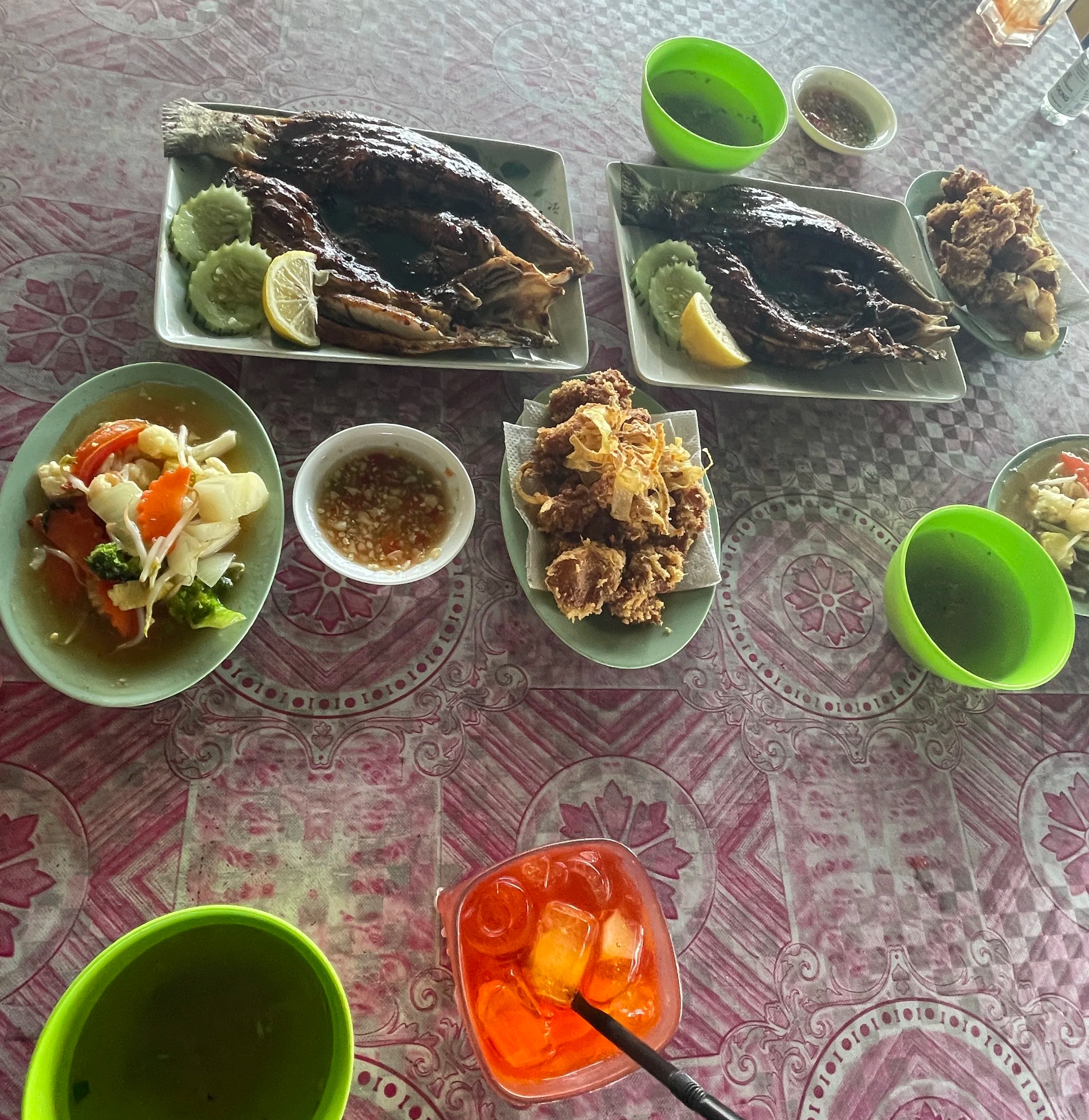
The whole excursion takes 3-4h and ends at one of the several fish farms which dot the waters of the Kilim Geoforest Park. At one, in particular, you can walk around the cages holding different spices of fish. The farm has a restaurant adjacent to it, with a terrace overlooking the river. It is pretty simple, street-food-style, but the food looked of good quality and with honest portions. Here you can try several dishes prepared with local seafood and fish.
So, these are, I think, the top three things to do in Langkawi. I know I may have missed some interesting places and stuff, but overall I think they encapsulate what this island has to offer: not necessarily the best beaches, but some interesting sights, relaxed atmosphere and closeness to nature.
This post will have a follow up featuring other interesting places to see and things to do in Malaysia outside Kuala Lumpur. Stay tuned!