
What to see and what to do in Shenzhen (day trip from Hong Kong)
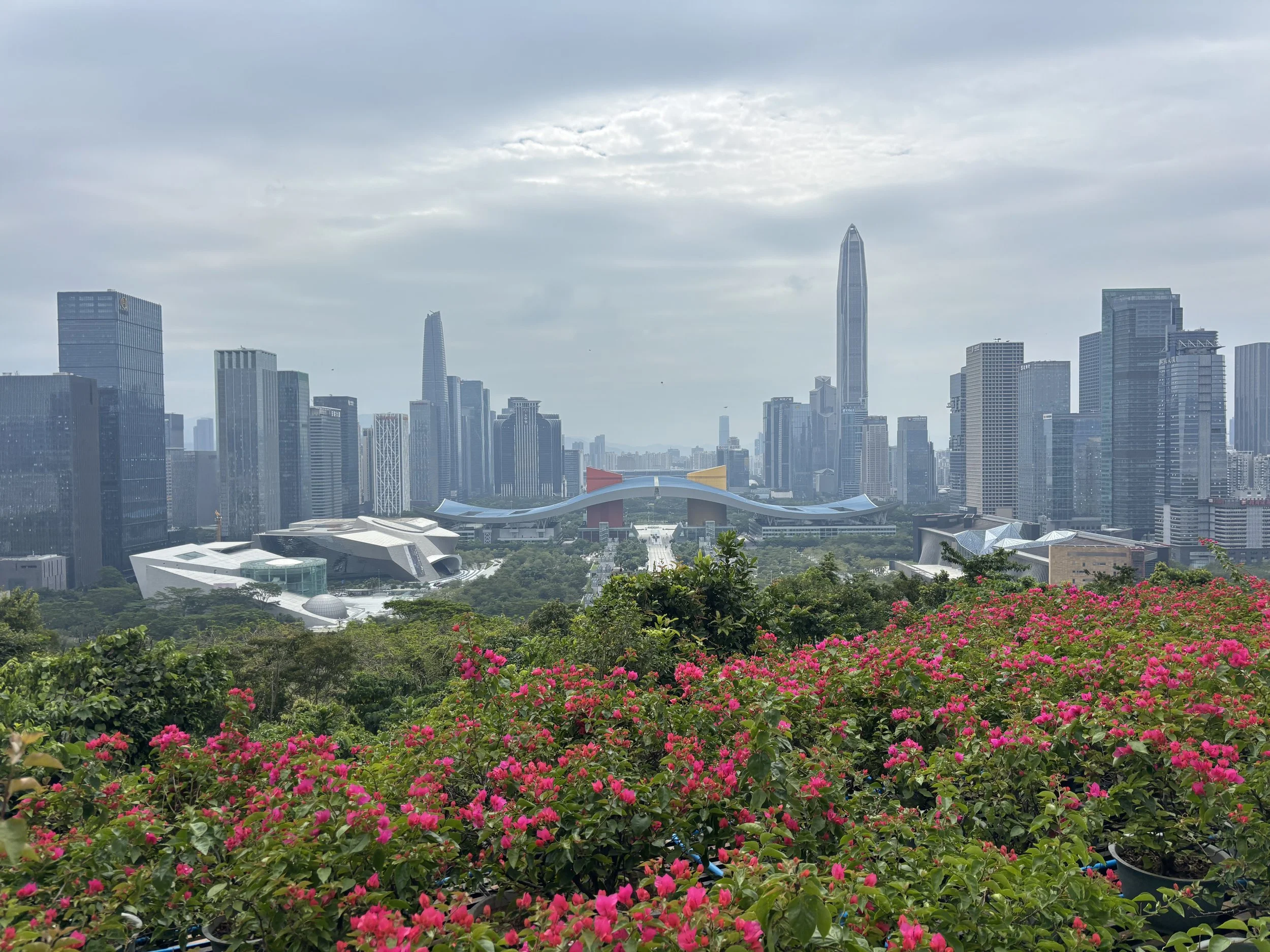
If there is a city that has come to epitomize the Chinese economic miracle, that is Shenzhen. What was just a collection of fishermen’s villages on the border with, then British, Hong Kong, has grown, in the course of three decades, into one of the China’s largest metropolises and the beating heart of many of its export-oriented industries.
To be honest, Shenzhen is not your typical tourist destination, in the classical sense of the “tourist” at least. There is, of course, not much to see that isn’t less than 30 years old, but this is precisely the point of a visit to Shenzhen!
It is certainly a place that sees a significant flux of visitors, if only because it’s a major economic hub, but also a place where you can get a quick glimpse of the “new” China without having to go “full in”.
This is because mainland China is just a simple metro ride from next-door Hong Kong, a convenient base for the foreign visitor, since it is way more integrated into the, let’s say, “international travel infrastructure” which many travellers outside China are used to, from the availability of payment methods such as Visa and Mastercard to the availability of ride hailing apps like Uber to the use of the English language.
This type of quick day-trips to Shenzhen have also been made way easier by the decision taken by the Chinese authorities to grant visa-free access to the country to the citizens of a large number of countries, including most of European Union members and the United Kingdom (alas, not the United States at the time of writing these lines).
So, read on for our recommendations about what to see and what to do in Shenzhen if one a day trip from Hong Kong.
Traveling to Shenzhen by metro
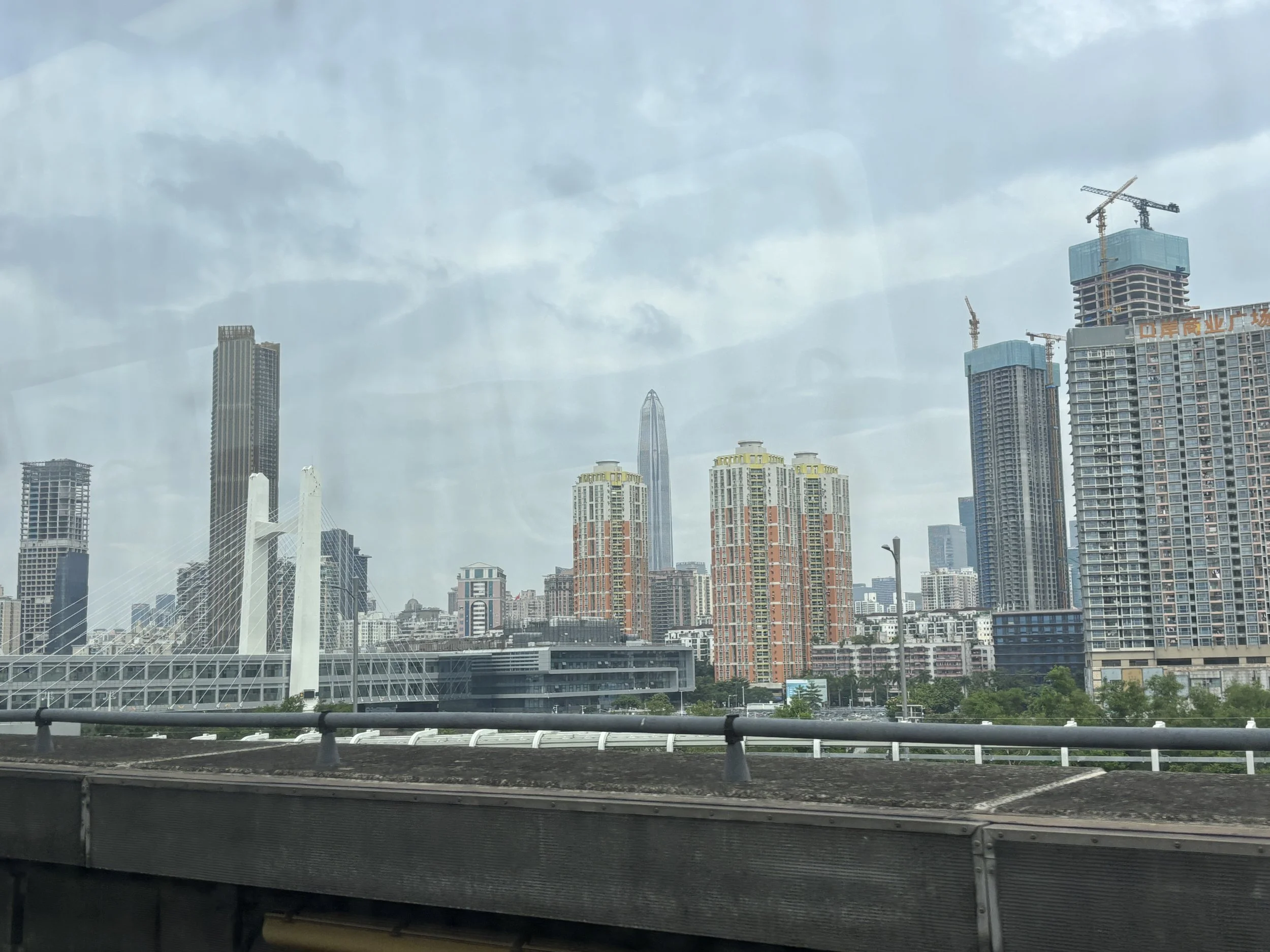
There are several ways to cross into Shenzhen from Hong Kong, but perhaps the cheapest and most straightforward is simply to take the metro to the border crossing and connect with the Shenzhen metro there. There are, in fact, several places where it is possible to cross into Shenzhen from Hong Kong and two places where the metro systems of the two cities connect: the Lo Wu (罗湖 Luohu) and Futian (福田 / Lok Ma Chau) border crossings.
I chose to use the later, since not only it has a direct connection to Hong Kong’s downtown (Admiralty) through the East Rail Line, but it also offers a rather direct access to Shenzhen’s central business district. If you are looking to just get a taste of what modern Shenzhen is like, I would go for this one.
The metro ride from Admiralty is about one hour long. If you wish to secure a seat, it is possible to pay a bit extra to get into the first class carriage. To do so, you just need to tap your card into a reader located directly on the carriage’s door. I did opt for the First Class option on the way there and used a normal carriage on the way back. It is a bit nicer, but the difference is not huge, but neither is the price difference. The main point is that you get a much better chance to get a seat.
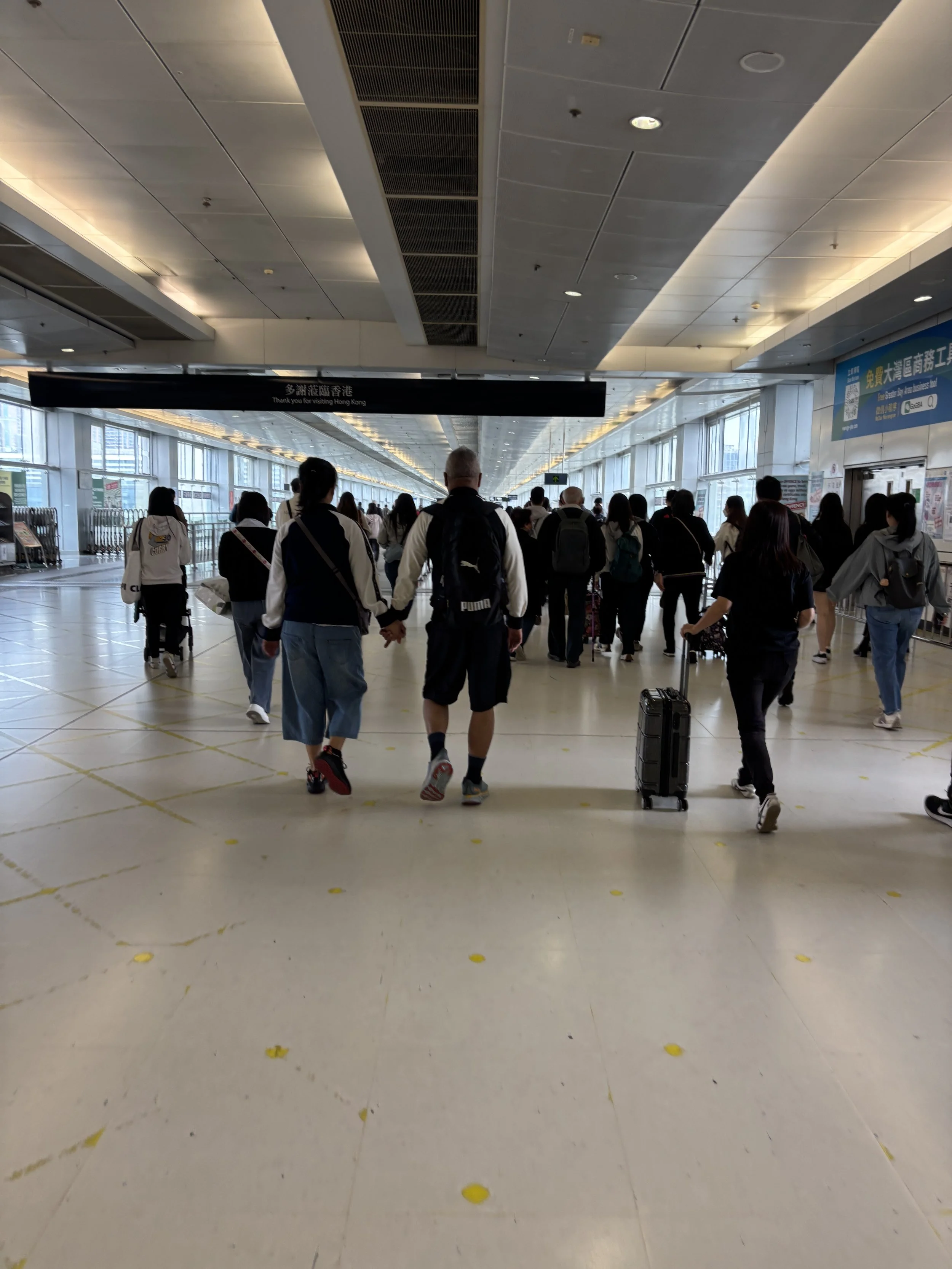
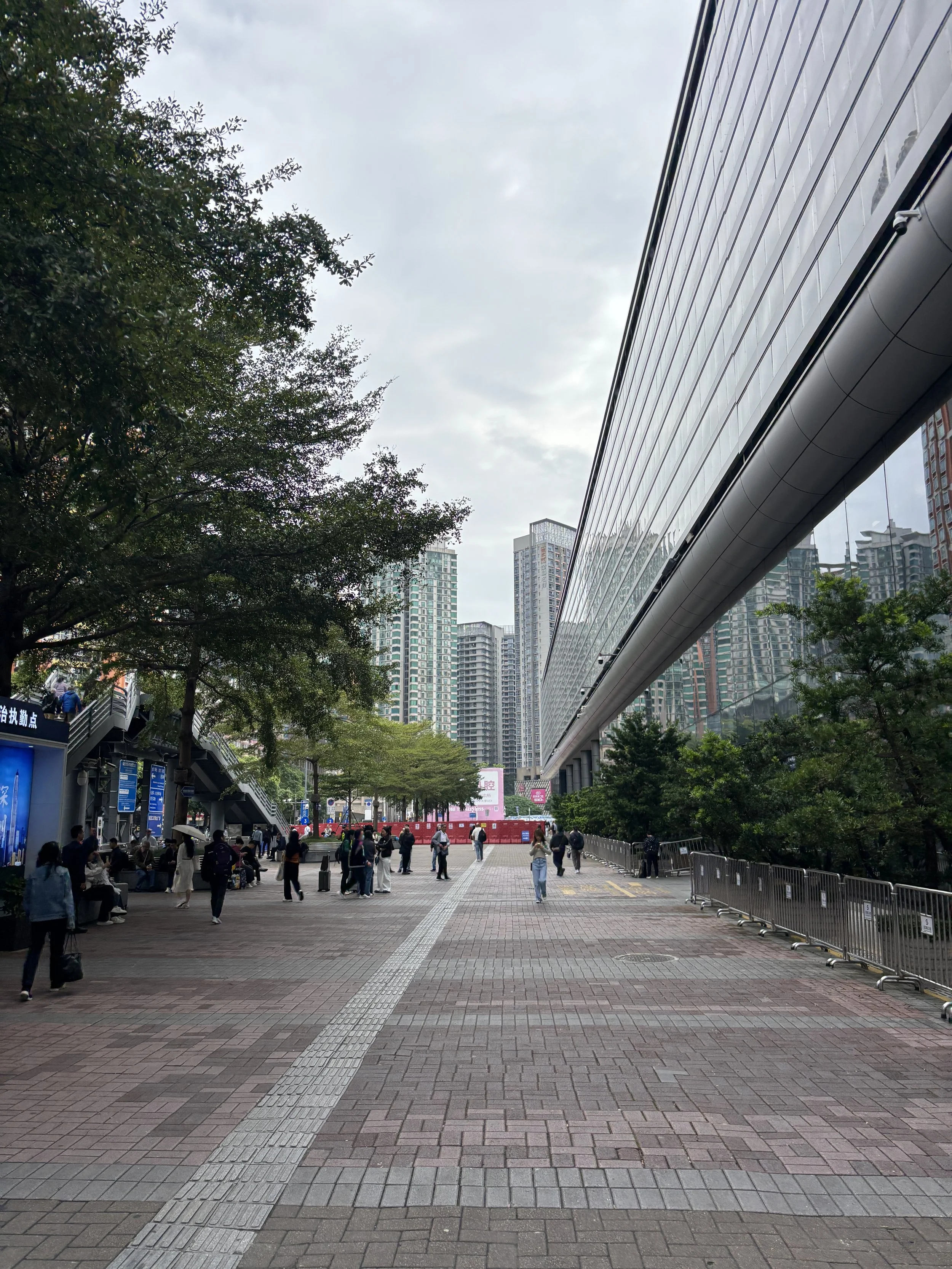
The border between the Special Administrative Region of Hong Kong, which is part of China but has a special autonomous regime, and mainland China is marked by the Shenzhen River (深圳河). The Hong Kong metro leaves you on its side of the river and you then cross on foot to the Chinese side through a cross-border bridge.
On the north bank of the river you will have to go through Chinese immigration and customs. There is a huge hall with multiple lanes and the process is pretty fast. At the time of my visit, citizens of visa-free countries just had to fill in a short form and present it to the border check point together with the passport.
And, voilà, you are in China proper!
Preparing for the excursion to mainland China
Crossing into mainland China is quite an interesting experience because the moment you cross the border, quite a few things you that, as a Westerner, you take for granted in Hong Kong, are simply no longer available.
So, it is important to prepare beforehand to avoid surprises or hassle once you cross the border and make the most of your time on the mainland!
Here are some practical things you must take into account if traveling to China:
e-Sim: you will need your phone and (Chinese) apps all the time, so make sure you get an e-Sim that includes China mainland coverage to avoid roaming charges and be functional at all times.
VPN: as you know, many Western platforms, including popular ones such as Google and Facebook, are not available in China!
Payments: Visa, Mastercard and Amex? mostly don’t work, also, many processes are optimized for digital payments, so best is to download Chinese apps such as Alipay (the one I used) or Weibo. I would say Alipay is possibly easier to use if you are a foreigner in China. It also allows it to link to your Western card, so this saves a lot of hassle.
Maps: Google Maps works (see the point about VPN though!) but I think possibly not as well as in other places (I did come across some less than optimal directions, although could find my way generally) and, possibly not as well as the Chinese native apps.
Ride app: forget about Uber, the local equivalent is called Didi
Language translation app: also essential since, unlike in Hong Kong, most mainland Chinese don’t speak English, so translation apps are used all the time.
What to visit in downtown Shenzhen?
Obviously Shenzhen is an entirely new city so don’t expect much in terms of history. It is also an active industrial hub, so most of the city’s territory is made of non-descript industrial or residential developments. There is, however, plenty around the Central Business District (conveniently within easy reach of the Futian border crossing) to keep you busy for the day!
For example, I arrived mid-morning from Hong Kong and I left early evening around sunset with the sensation of having just but scratched the surface.
Here is what I managed to visit:
Lianhuashan Park (must visit, for the sights)
Shenzhen Industry Museum
Shenzhen Museum
COCO Park Mall (yes, a mall is a must in any first visit to China!)
Walk to Lianhuashan Park for the views


If you are on a short day trip, like it was my case, I would start by heading to Lianhuashan Park by metro first and make my way down to Futian from there. Why? Because Lianhuashan Park offers some truly scenic views of Shenzen’s central business district. It is also a nice walk from there to the iconic Shenzhen Civic Center (市民中心) depicted in the middle of the picture above, which hosts the two museums I visited.
Lianhuashan Park is just 3-4 metro stops from the Futian border crossing and it is direct on Shenzhen’s metro red line (Line 4), you can get off the train at the station “Children’s Palace” which is close to one of the park’s entrances.
The park covers a small forested hill and is criss-crossed by several foot paths. It is perfectly well kept and you may even stumble upon one of these robot dogs (perfect embodiment of the sort of advanced electronics that Shenzhen is famous for!)
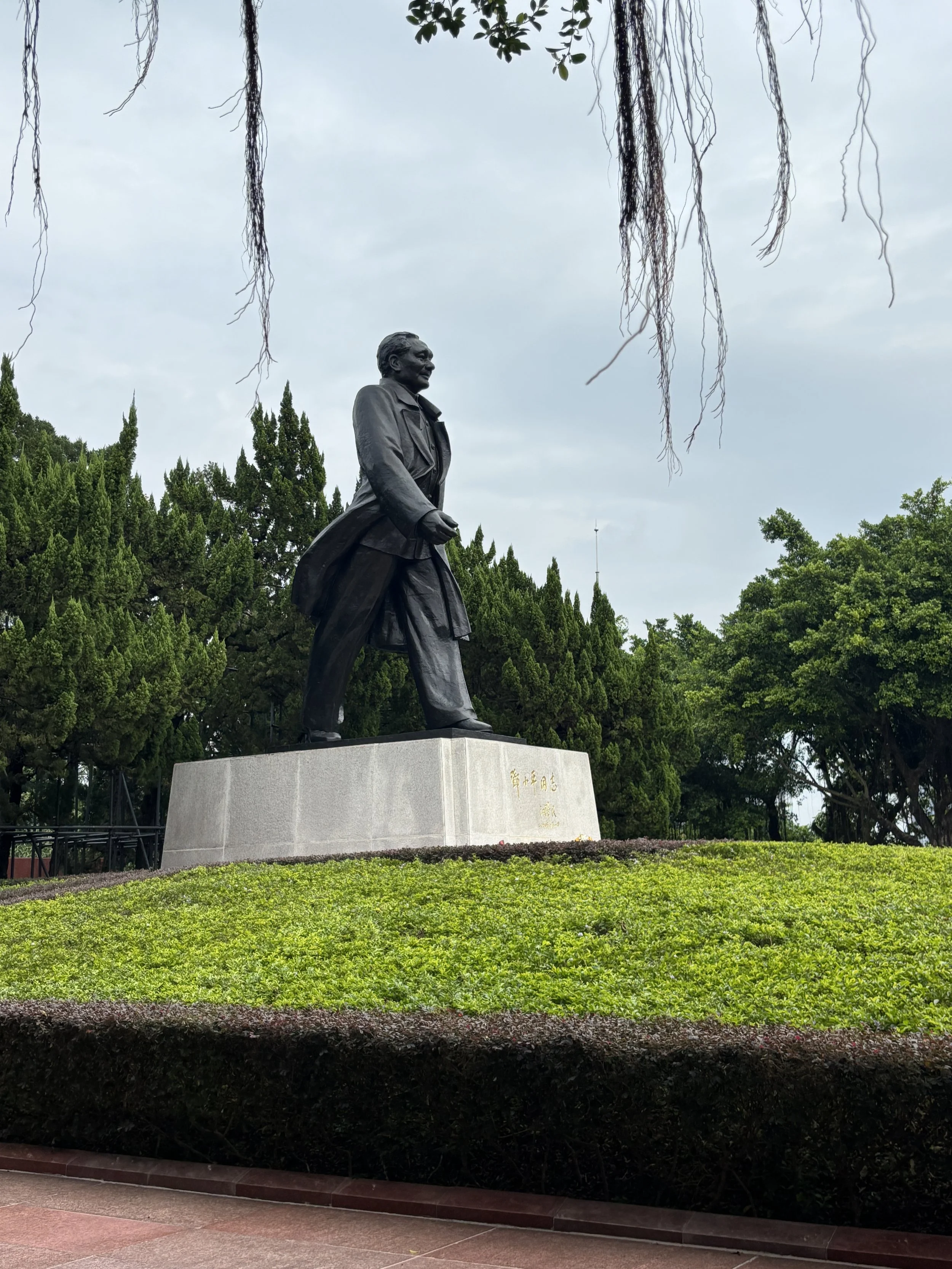
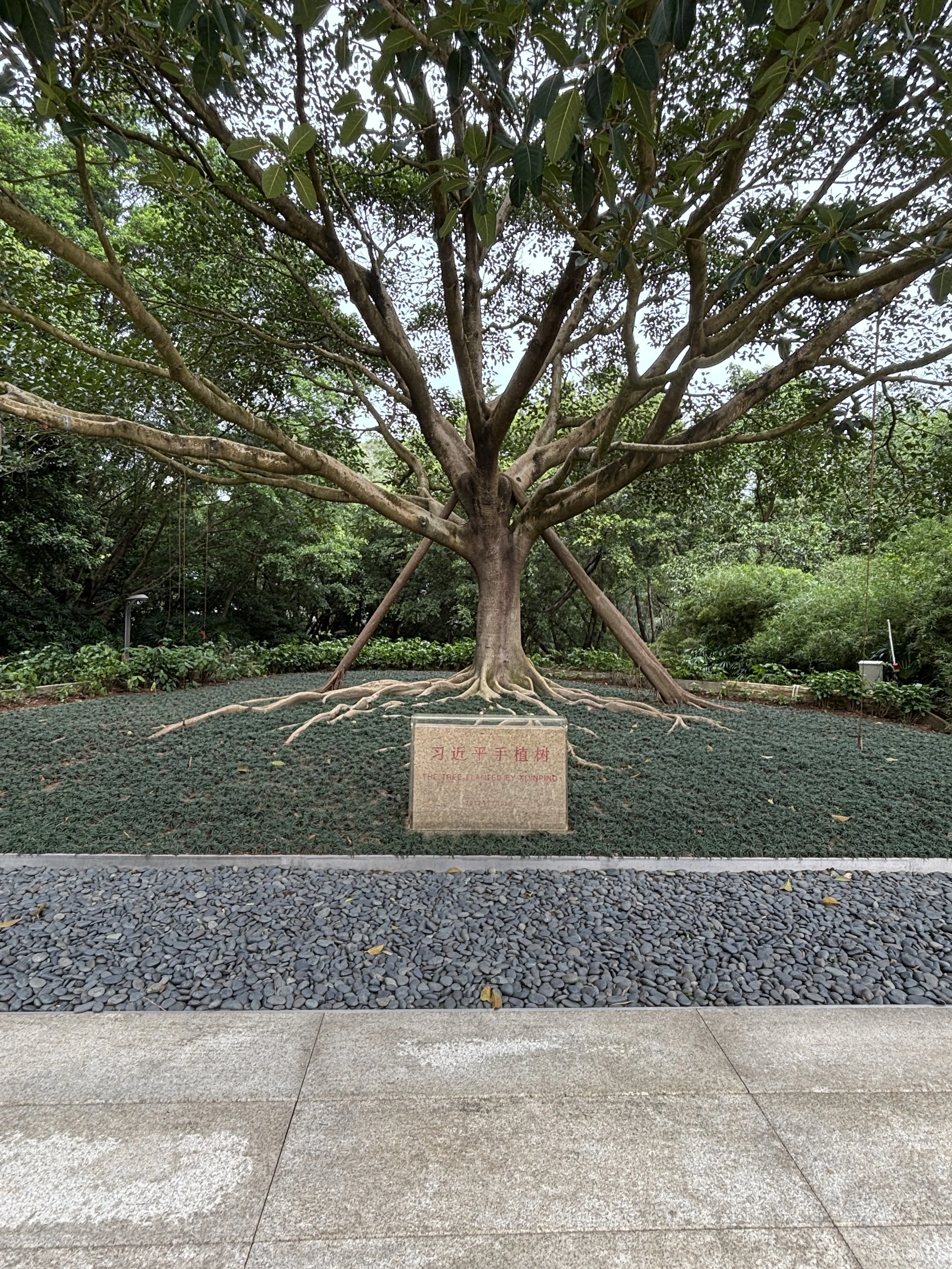
The highlight of any visit to Lianhuashan Park is getting the views of the Central Business District, but there are also a couple of other landmarks.
One of them is the statue of Deng Xiaoping, the Chinese Communist Party leader that engineered the country’s economic transformation and the rise of Shenzhen as a Special Economic Zone (SEZ). The other is a tree planted by China’s current leader, Xi Jinping, which, to all appearances, is growing strong.
Walking to the Central Business District
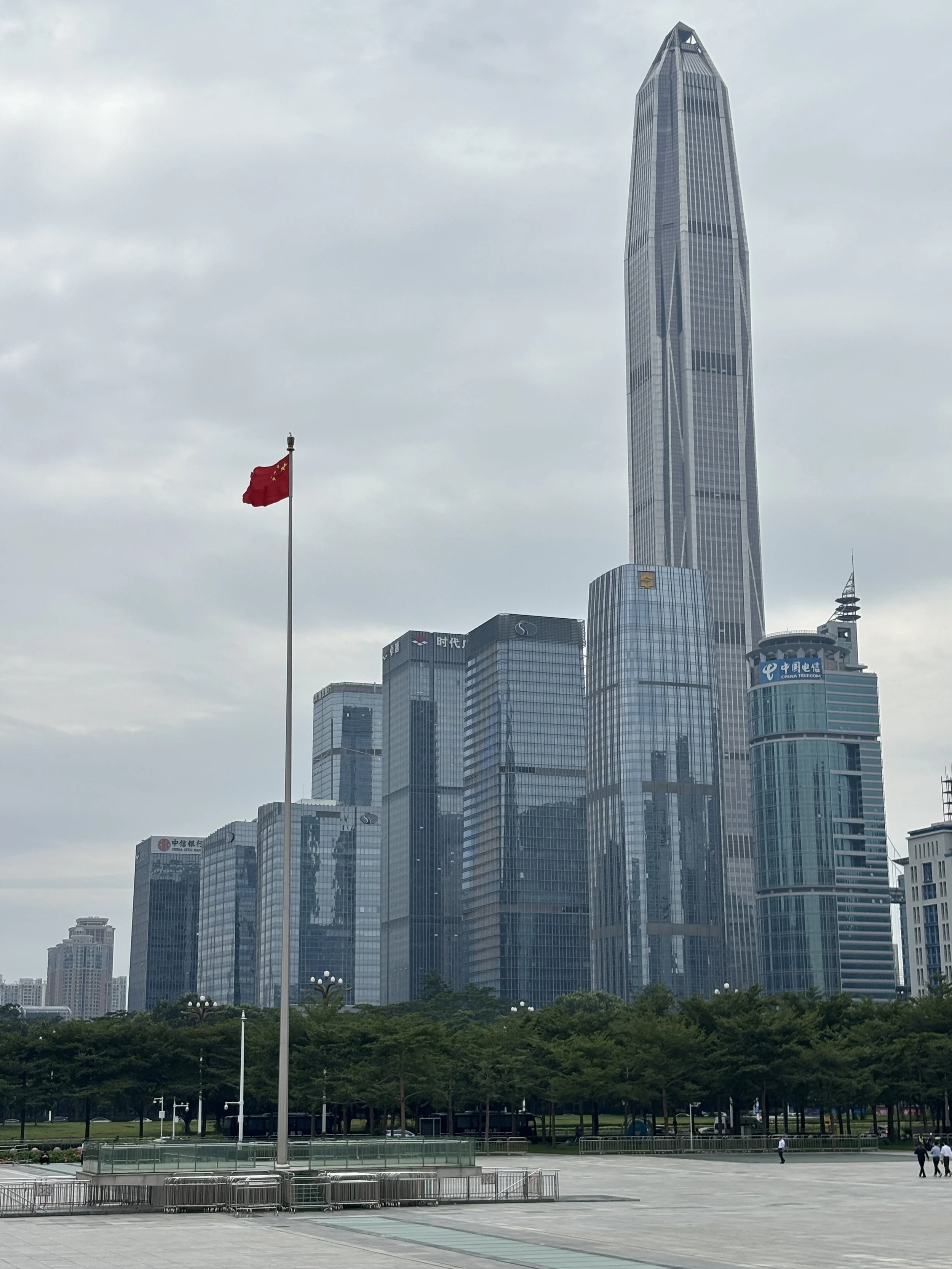
While Shenzhen is not really a pedestrianized city, the Central Business District is quite walkable, particularly the main axis that runs from Lianhuashan Park down to the Civic Center building and continues towards the Ping An International Financial Center (PAFC), the skyscraper (to the right side of the image below), which dominates Shenzhen’s skyline. At 600 meters of height, as of March 2026, the PAFC is the second tallest bulding in China and fifth in the world!
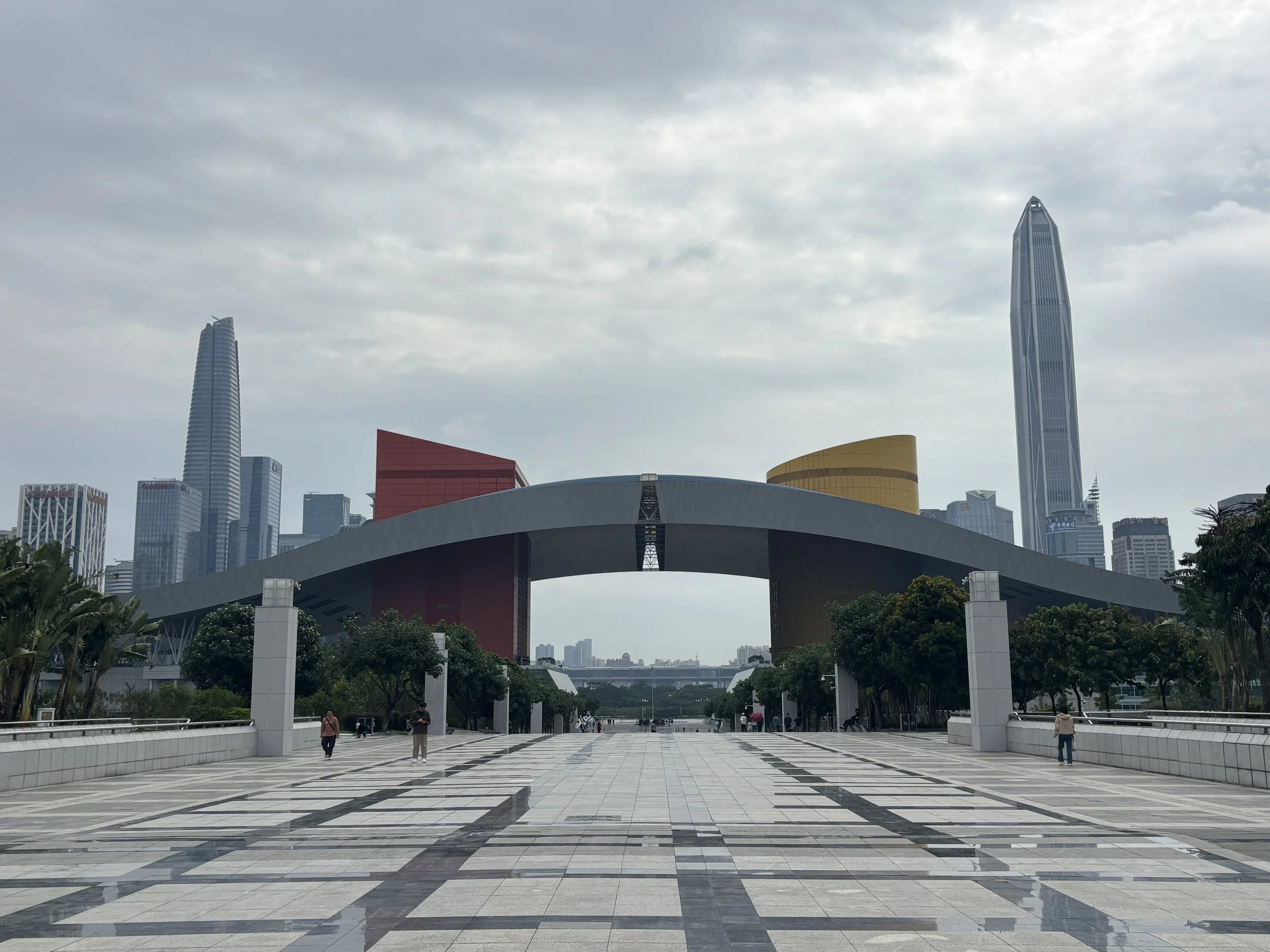
Although it has an observation deck offering what I imagine are amazing views of the city, Ping An International Financial Center, however, was not where I headed next. Instead I opted to visit a couple of museums which are housed within the Civic Center building, which, I hoped, would help me better understand the history of Shenzhen and its fast development over the last few decades.
Shenzhen Industry Museum
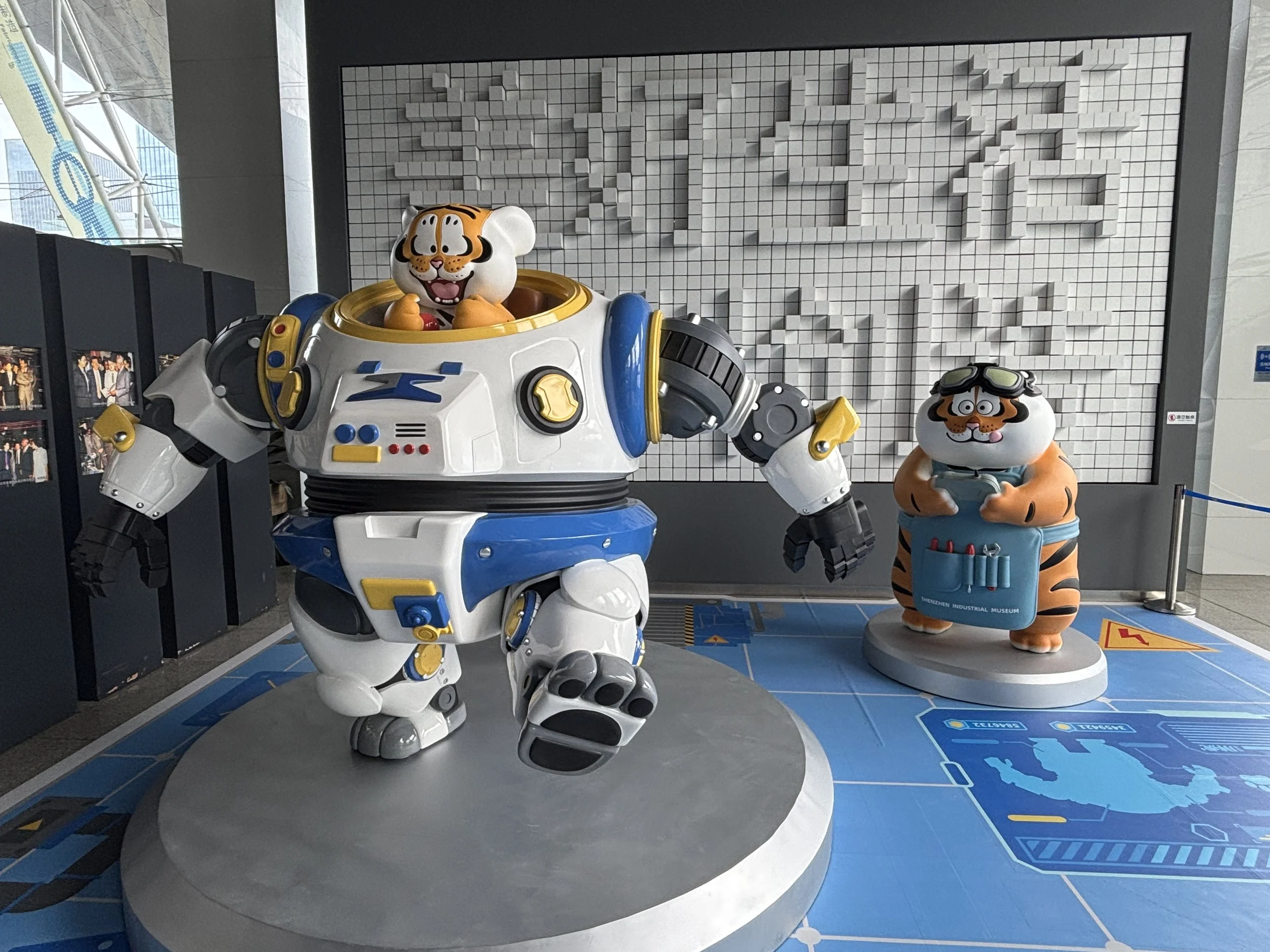
This is quite an interesting, if a bit unusual, small museum. It is more of a commercial exhibition space than a “museum” in the proper sense of the word. Here you can see showcased quite a few products and companies that are based in Shenzhen, with a very strong focus on electronics and technology.
Entrance is free and there were not many people around when I visited (in fact, I didn’t see that many people around the Civic Center area, which is remarkable, considering is in the center of major megalopolis!)

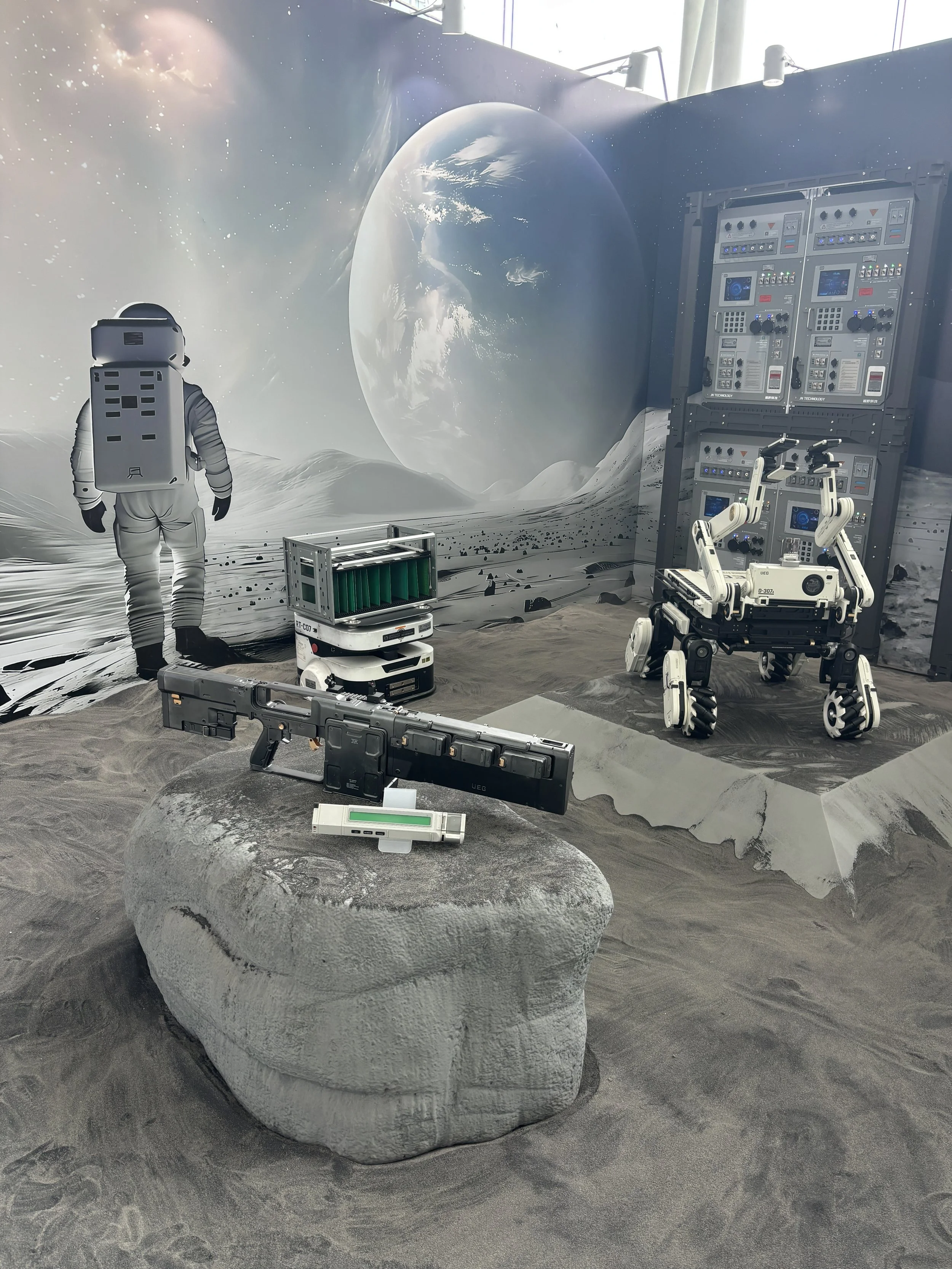
The Shenzhen Industry Museum can be seen in about 30 minutes. To be honest, it is not super visitor-friendly, in the sense that the displays are not particularly engaging and it is difficult, at least for a foreigner, what each exhibit is about other than the overarching theme that these are all cutting-edge technologies and products made locally in Shenzhen. However, I think the museum’s theme is pretty much on point, since industrial and technological development is very much “the story” of Shenzhen, and the museum is pretty accessible, so it is worth dropping by.
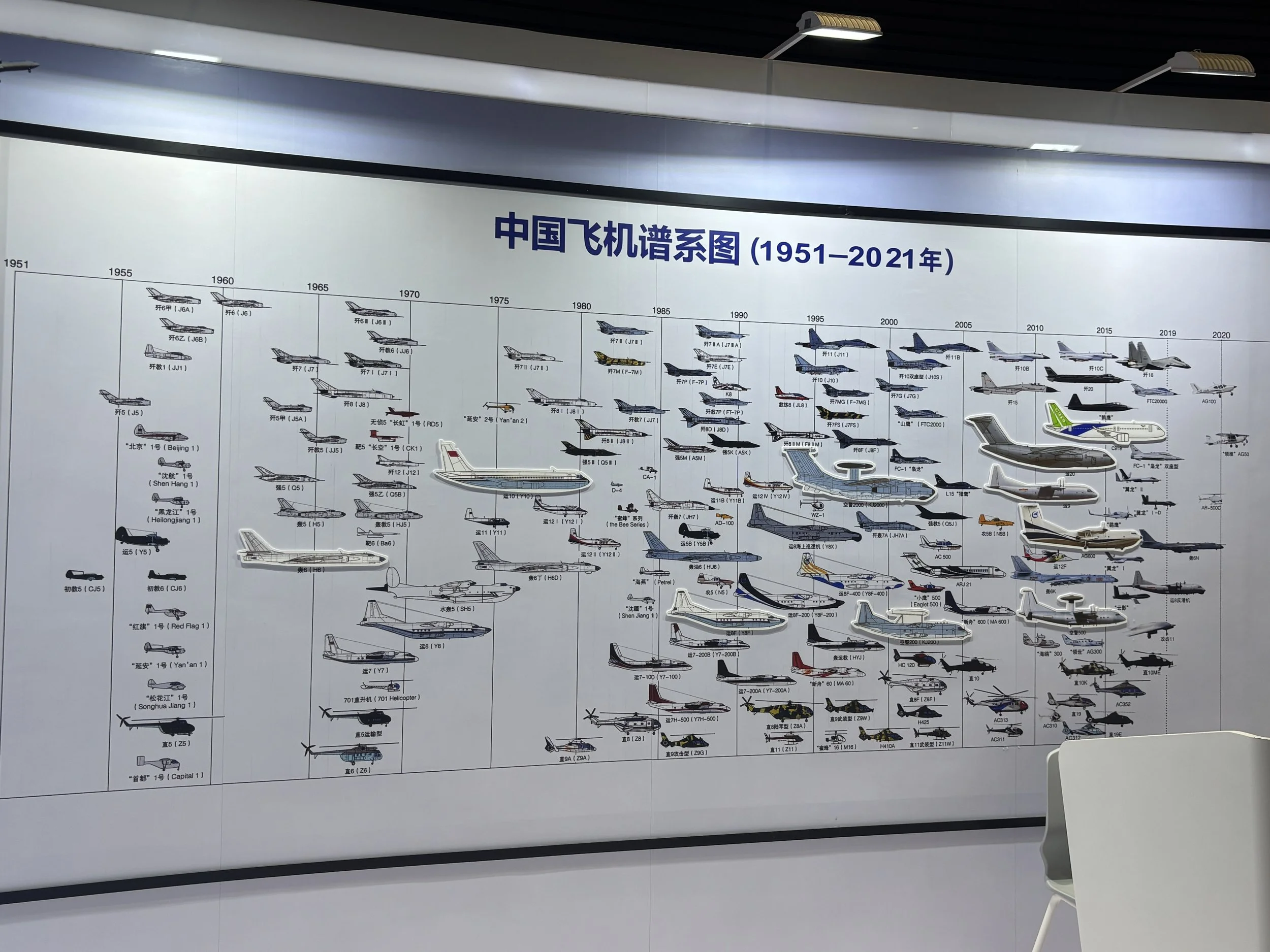
As someone with an interest in the aerospace industry, the exhibits about this field drew most of my attention, in particular this chronological display (below) showing all aircraft types (civilian and military) developed in China since the 1950s.
Visiting the Shenzhen Museum
This is the other museum I visited in Shenzhen. If the Shenzhen Industry Museum was on the western wing of the Civic Center, the Shenzhen Museum is on the eastern one.
This is, however, a much larger and content-dense museum which tells the history of Shenzhen and the surrounding Pearl River Delta region, from the pre-historic times all the way to the present.
Entrance is free, as well.
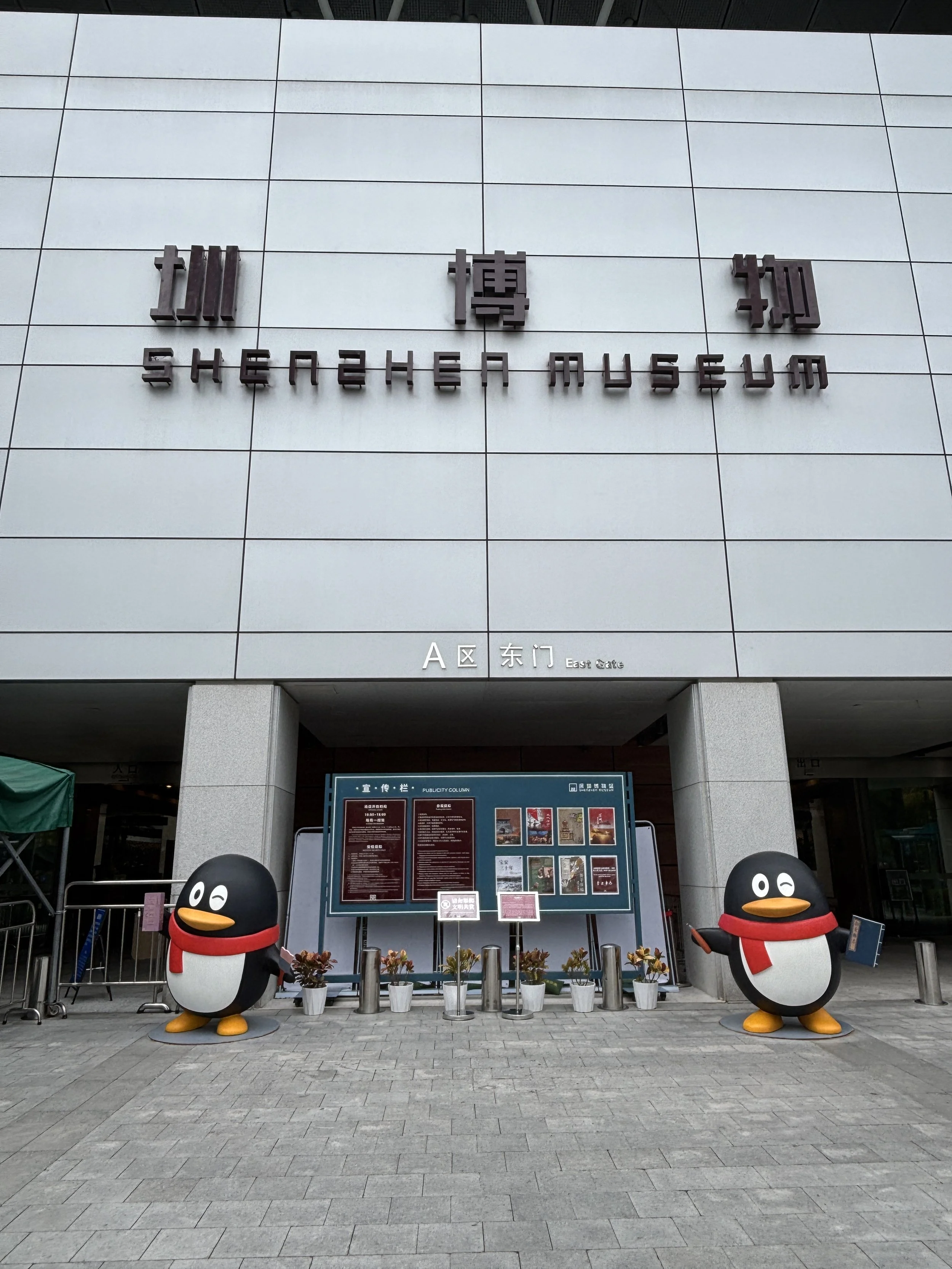
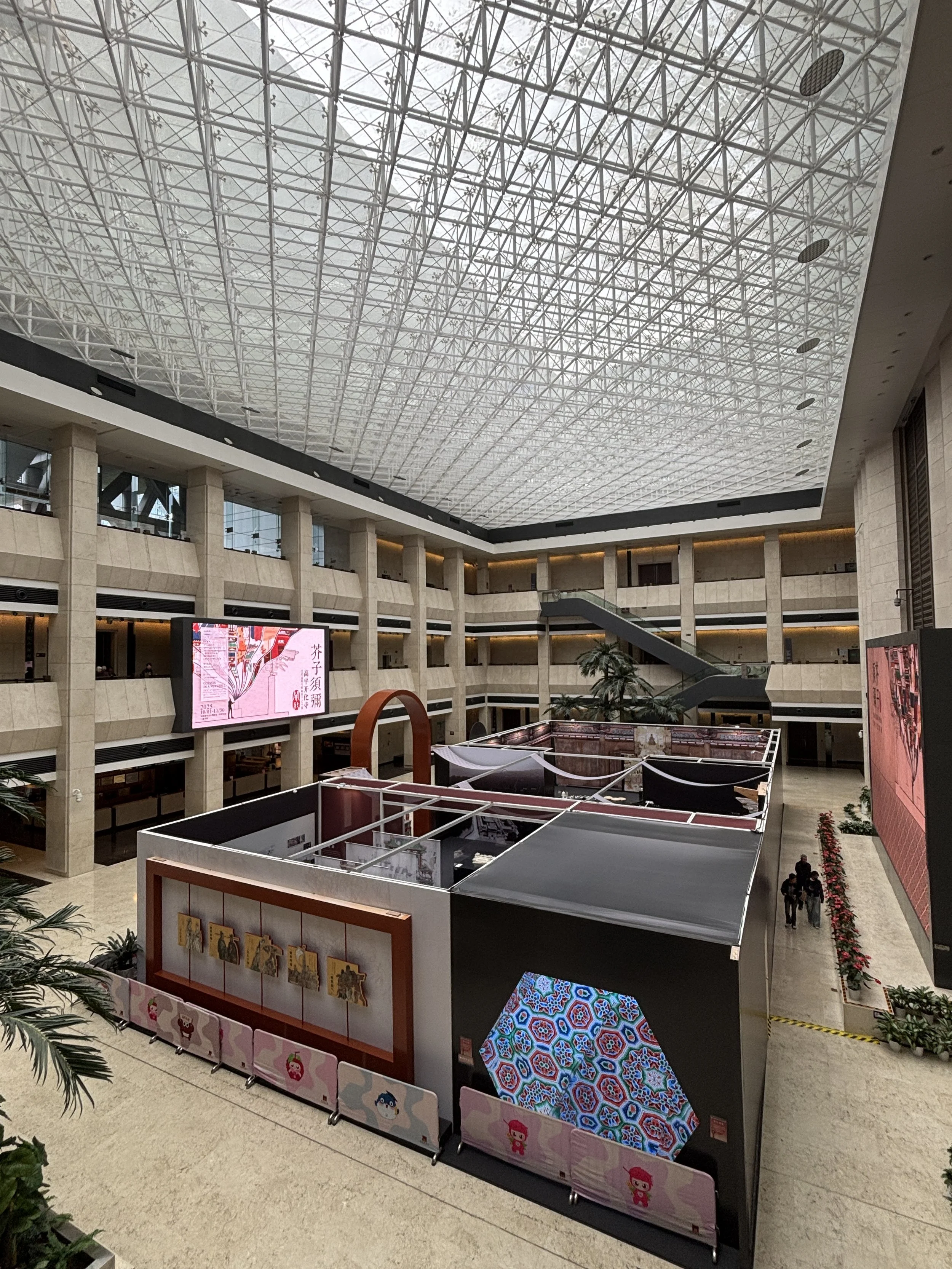
The museum’s scope is quite large. In fact, since I had limited time and it was clear I would not have time to see see all of of it, decided to focus on the history section. I was not to be disappointed by this choice!
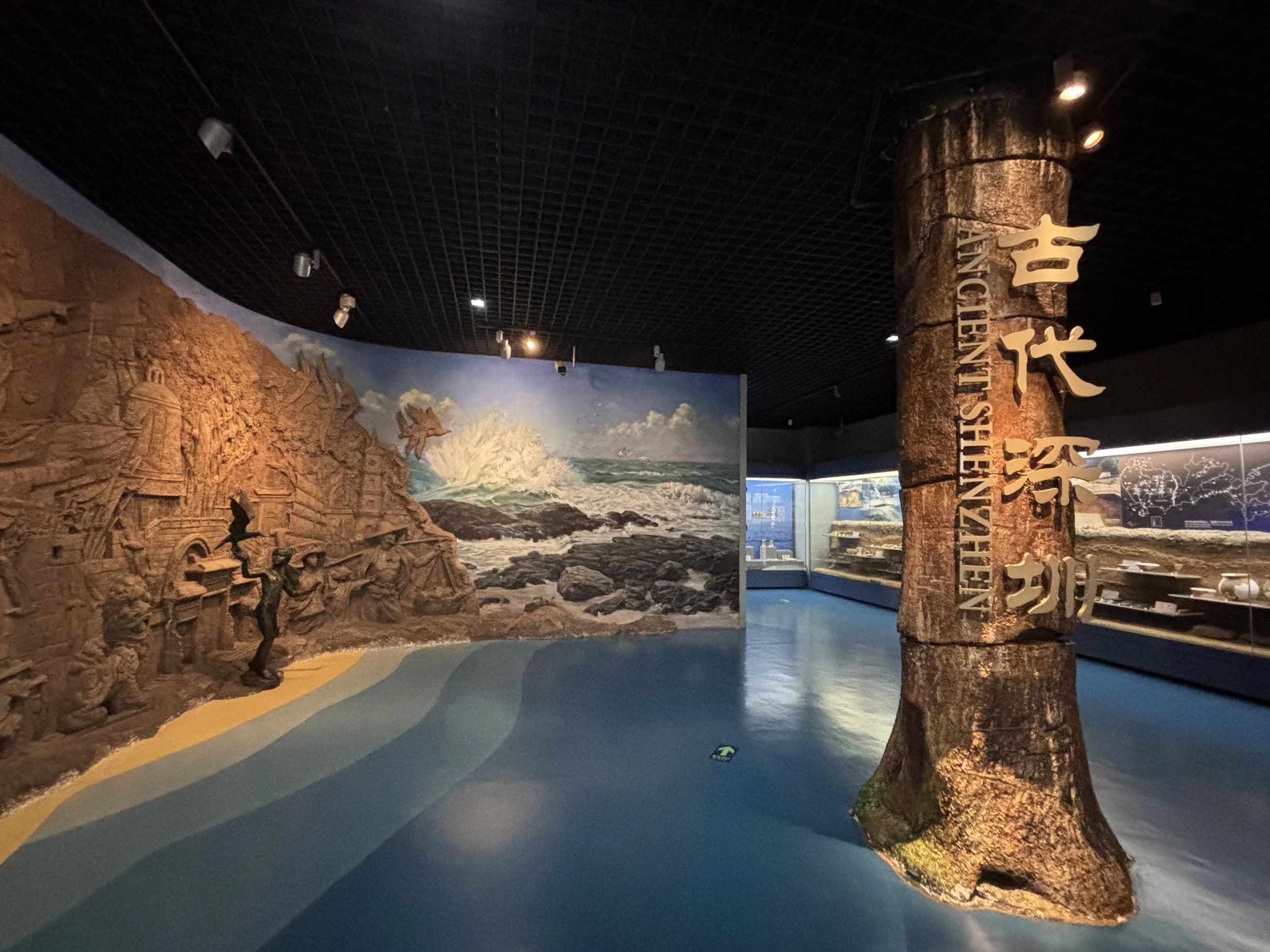
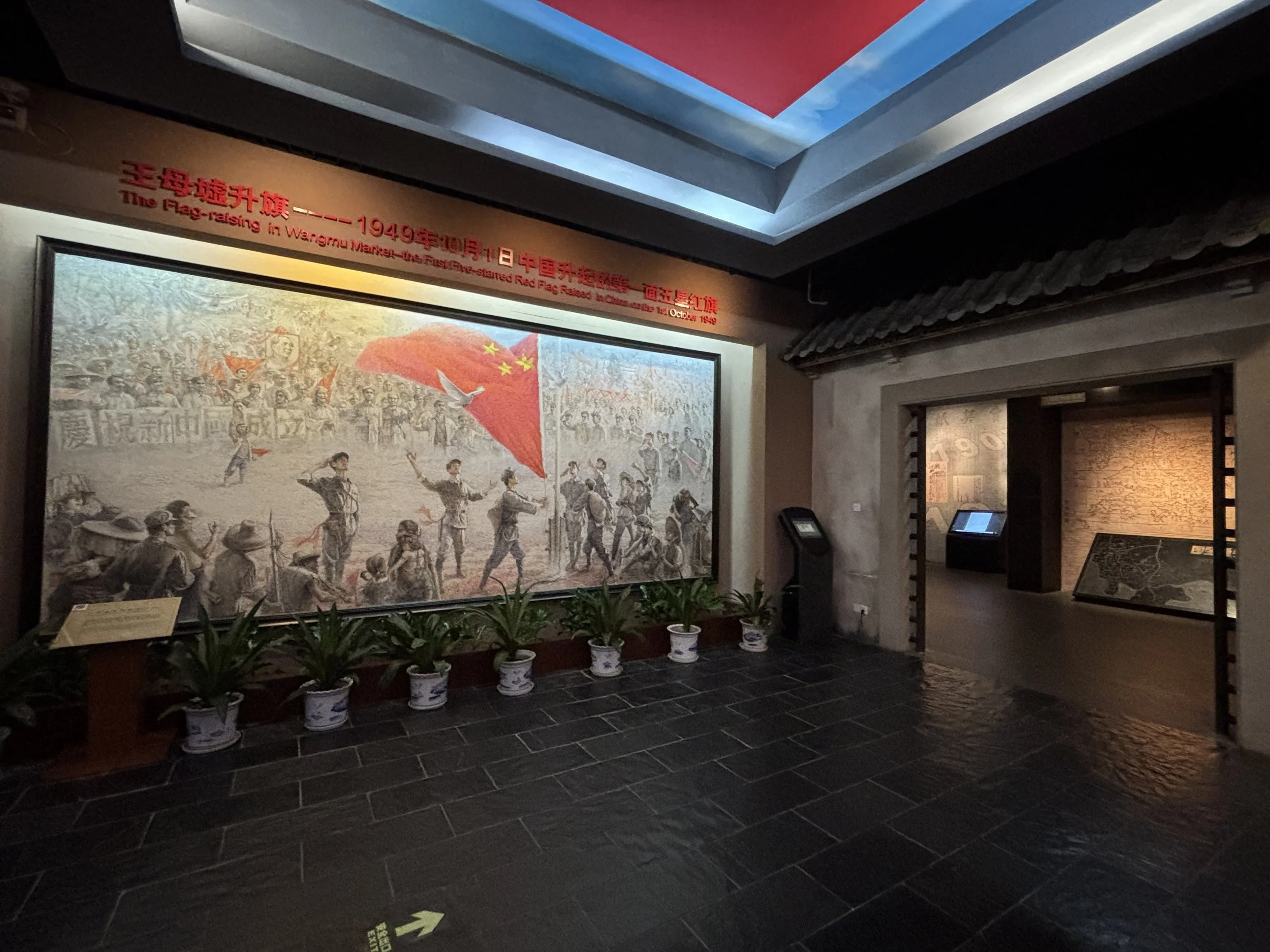
The materials are actually presented in a rather engaging way and signage and explanations are also available in English. Room after room, you get to learn quite a lot about the origins of modern Shenzhen and Pearl River Delta, even if, like me, you were not previously familiar with the history of this part of the world.
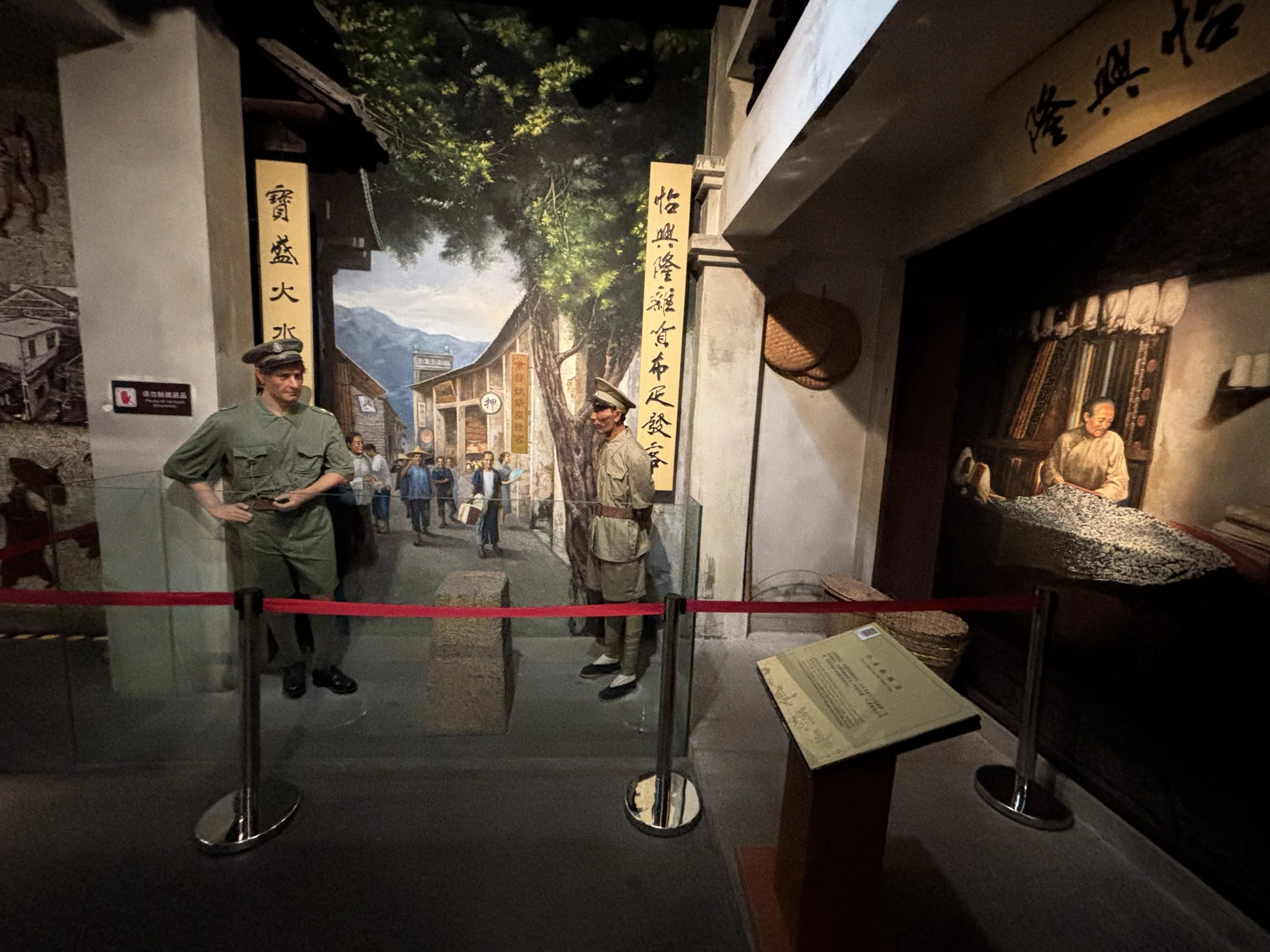
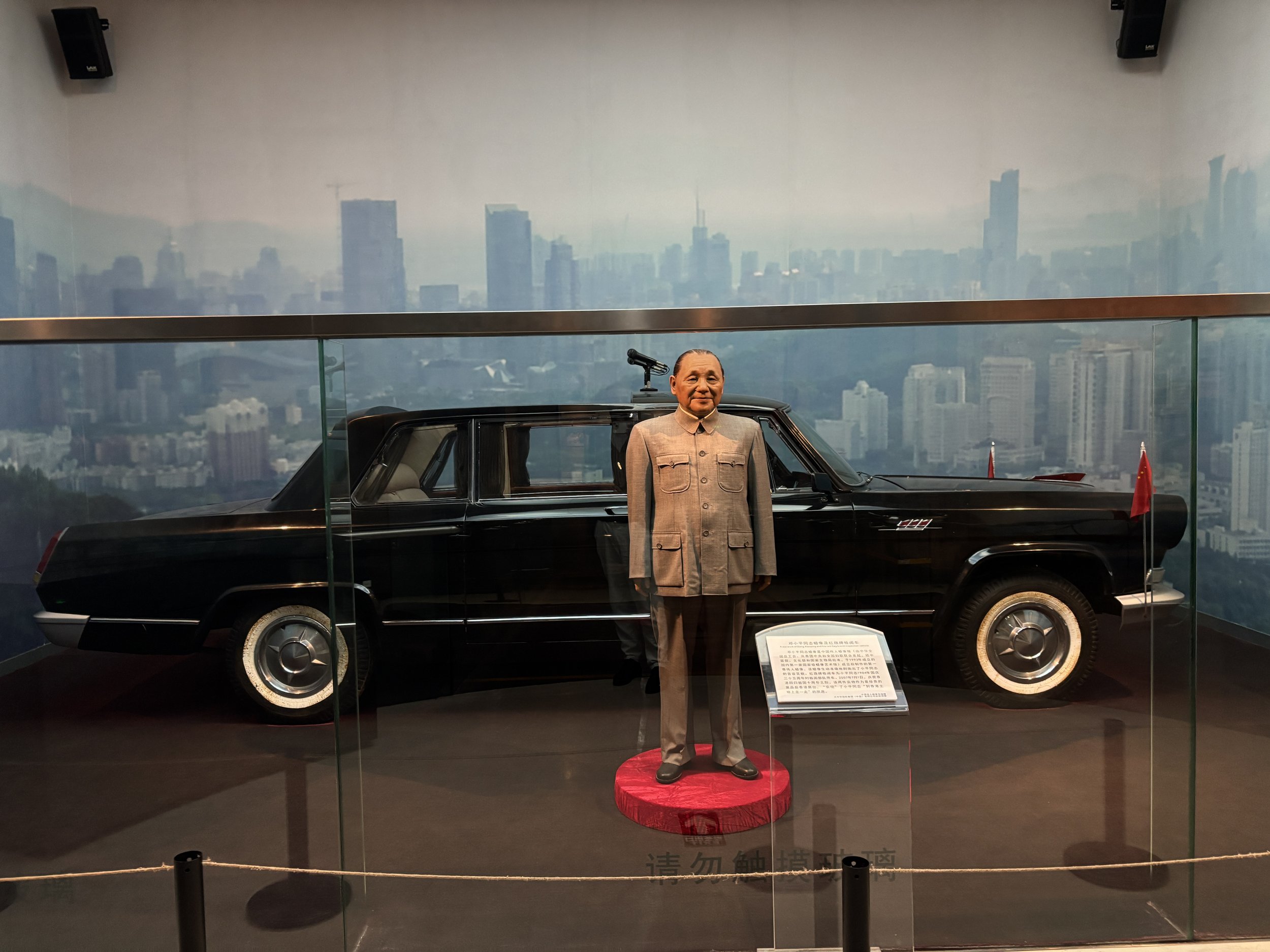
The Museum has no shortage of dioramas and other visual elements to support its story-telling. Although it covers thousands of years, since the early inhabitants of the region all the way through Imperial China, the Colonial Era, etc, what I found most interesting is the last few decades, when it explains the rise of Shenzhen, including some very realistic depictions of what it took to create the present-day metropolis.
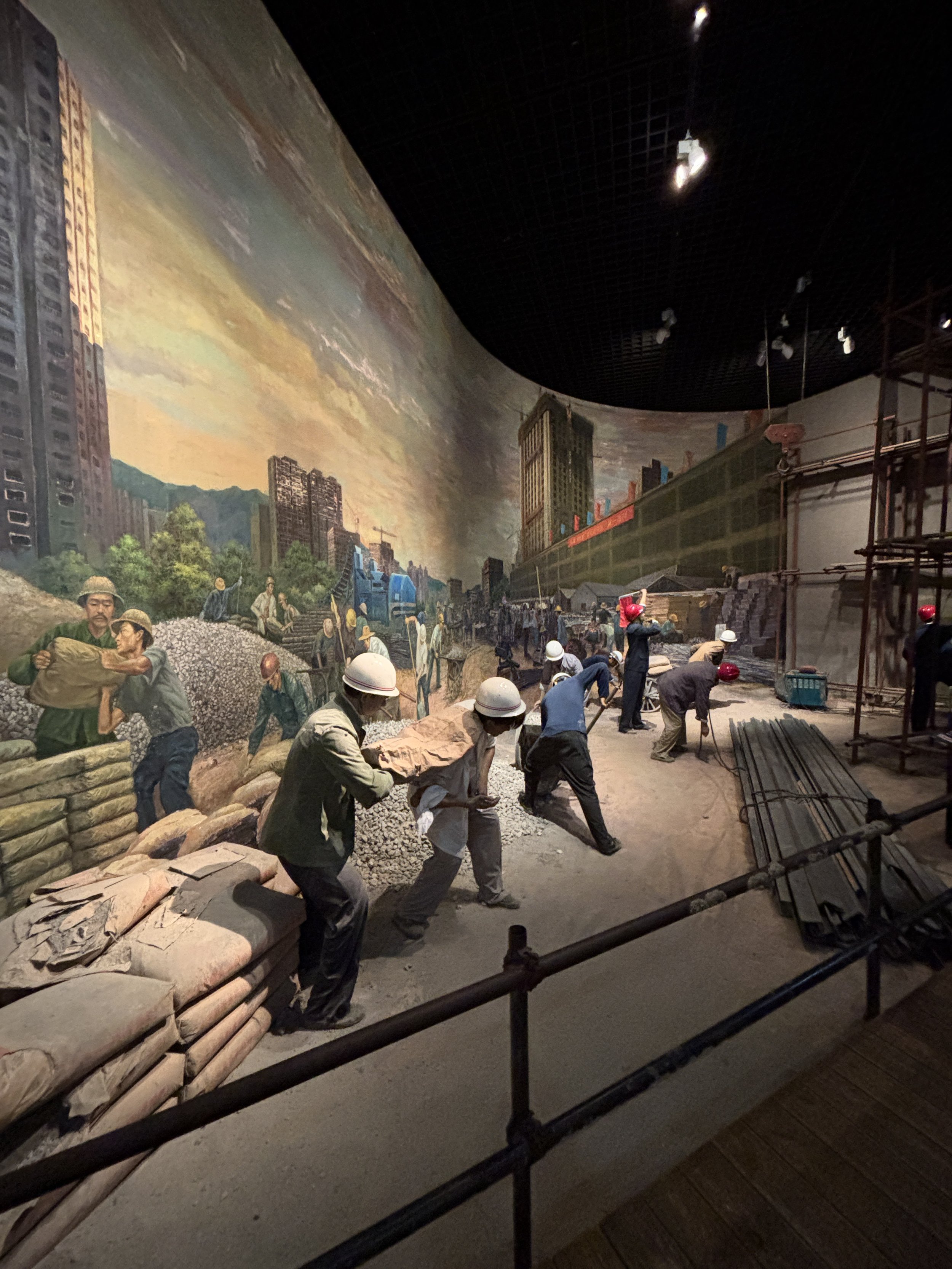
So, definitely, make sure you include Shenzhen Museum in your to-do list if visiting the city.
By the way, I also got positive reviews of the Shenzhen Science & Technology Museum, which is, actually, not far from the Civic Center and the Shenzhen Museum. This is a new museum, opened in 2025, designed by the Zaha Hadid architecture studio. Unfortunately, I did not have time to include it in my itinerary, but I thought it was a good idea to mention it, something for the next visit!
A quick glimpse of modern China in Shenzhen
But, besides visiting museums, the main goal of this one day excursion to Shenzhen was to get a taste of modern, capitalistic China, and to do this, nothing better than heading towards one of the city’s malls.
COCO Mall is one of the most centrally located malls in Shenzhen, right in the middle of the Central Business District and within 10 minutes walk of the Civic Center.
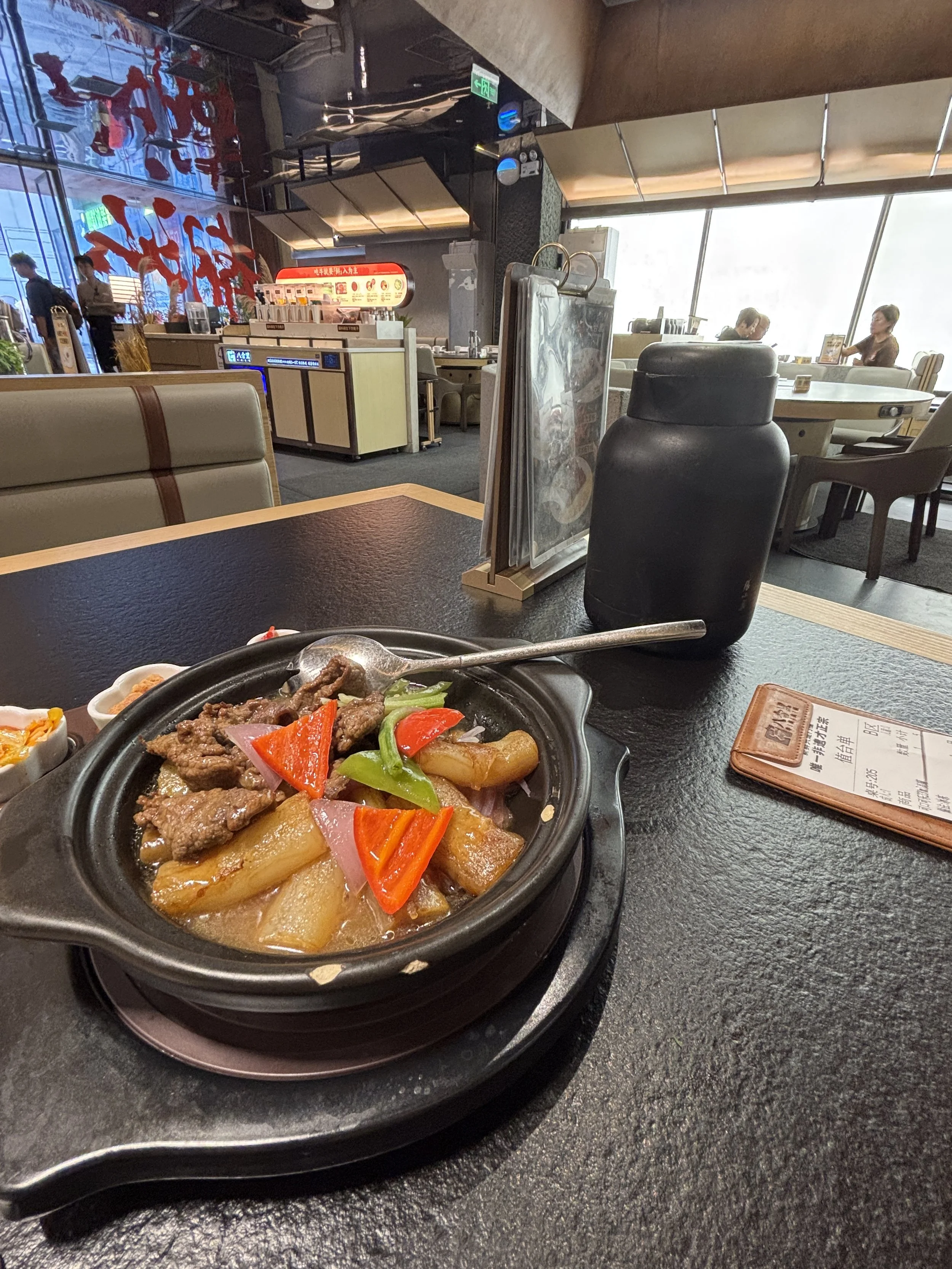
This is also a good spot to get a meal after all the walking through the park and the museums, since there are quite a few restaurants here offering different flavours of Chinese and international cuisines at very competitive rates.
The mall itself, is like any other commercial centre of this sort that you can find anywhere else in the world, from LA to Dubai. And perhaps that was the most interesting finding, that, even in an economy and society that appear, from the outside, so different from the West (note my previous comments about access to internet platforms, etc.), there was an absolute sense of familiarity in the environment of the COCO Mall.
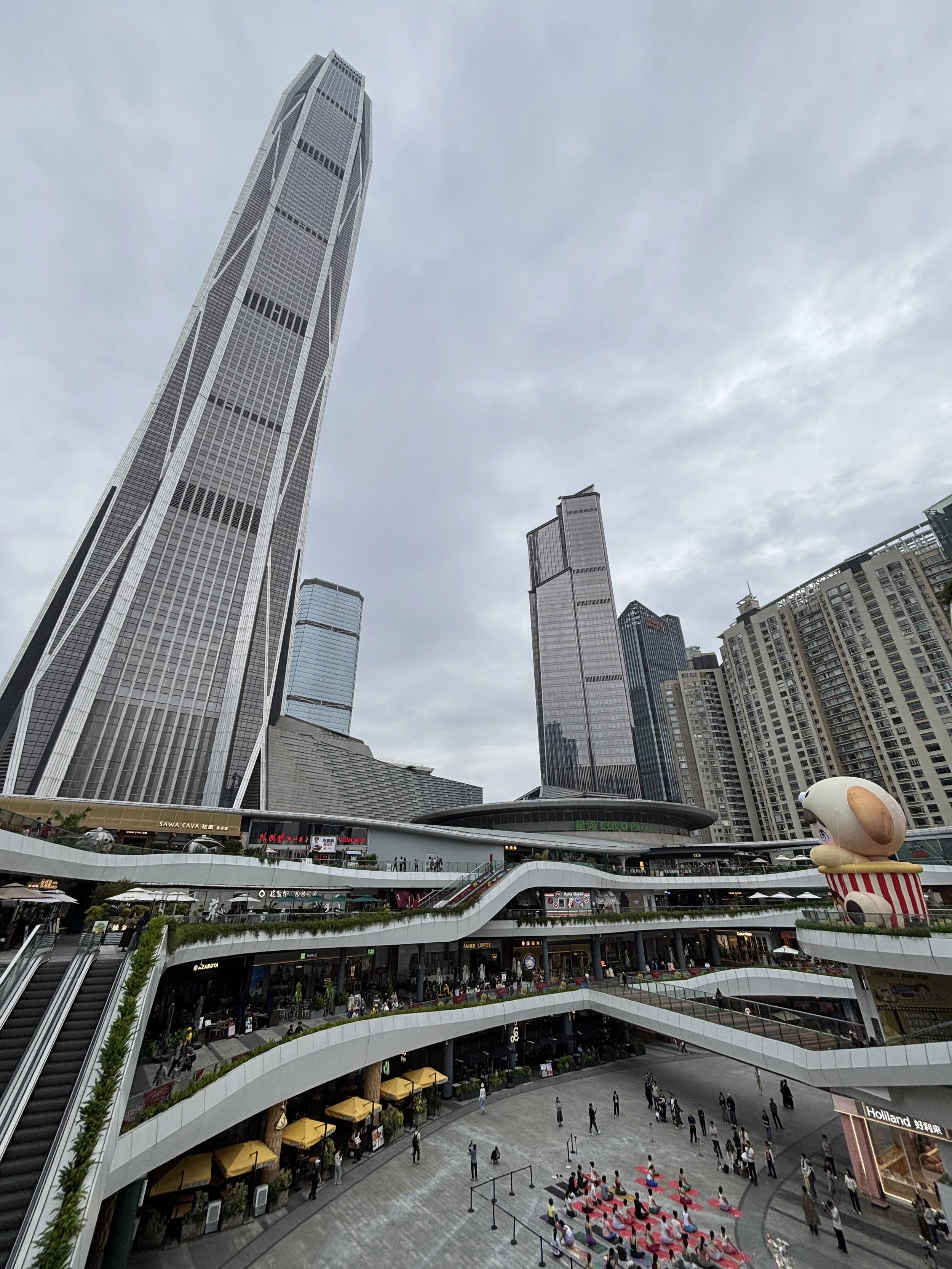
So, if you have followed more or less this itinerary and if not planning to overnight in Shenzhen, it is possible that, by this point is starting to be time to head back to the border.
From COCO Mall you can take the metro, Futian Border Crossing is just a couple of stops away, or, as in my case, I ordered a Didi ride, in order to see more of the city on the surface.
The taxi rides, by the way, are pretty cheap and, from what I saw, the cars tend to be modern, electric models. This is also part of the modern China experience!
