Top things to see and do in Franconia (II): Forchheim & its underground beer cellars
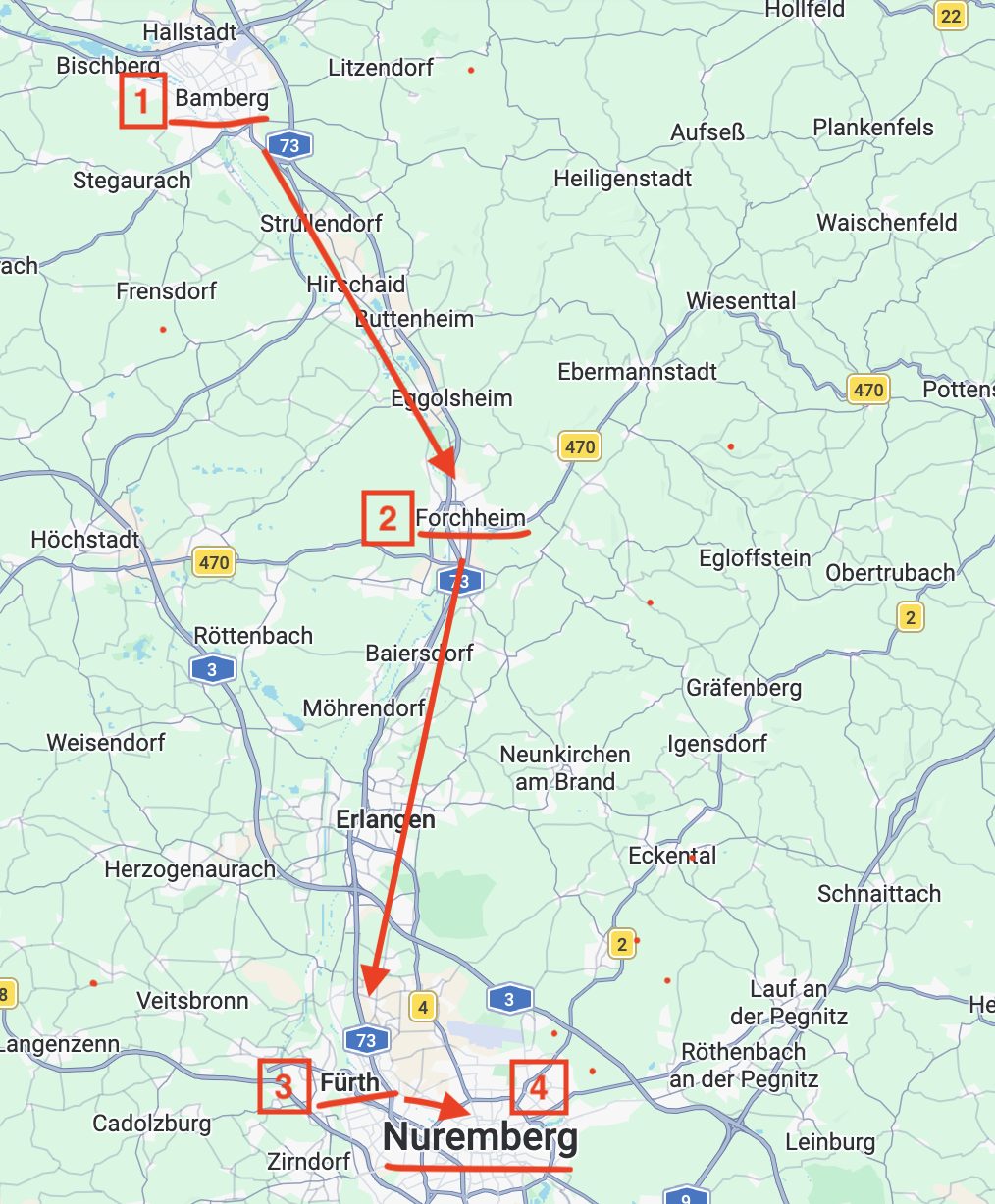
We continue our rail itinerary through the heart of the Franconia region of Bavaria with a stop at Forchheim.
First of all, just a quick reminder that this is but the second stage of a four-city tour to explore some of the most beautiful towns in Franconia (“Franken” in German). You can, of course, read this post as a stand-alone, but if traveling to this area, let me suggest also our other stories about:
Let’s start with a few words about Forchheim, because, chances are you
With a population of around 30,000, Forchheim is actually larger than it looks when walking through its historical center. I am saying this, because the place is amazingly calm and relaxed, even when walking around on a weekend afternoon.
I guess this is due in part to the fact that, even if it is not lacking in charm and character, Forchheim does not get nearly as many visitors as nearby Bamberg, but also to a significant degree to the local population living kind of spread out all over the place rather than in a dense town center.
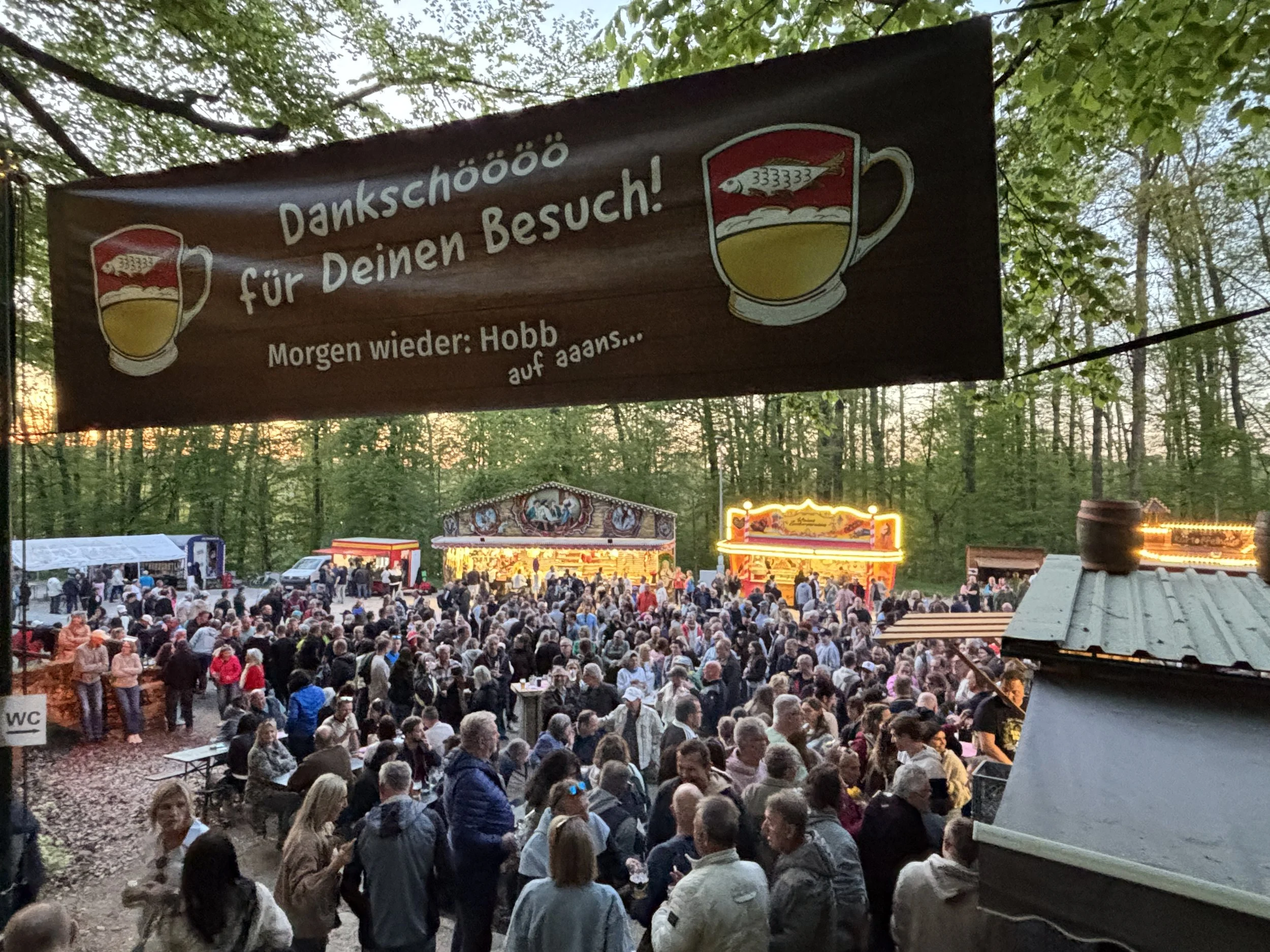
It is also worth noting that, during the warm months most of the social activity, particularly in the weekends and festive days, switches to the Kellerwald area, an outdoors recreation area with underground beer cellars (more on this unique feature of Forchheim further down this post)!
I must confess that I hadn’t really heard about Forchheim when the Franconia Tourist Office, which helped organize this trip, suggested a stop in Forchheim, but the place didn’t disappoint and, if you like artisan beer and traveling through Upper Franconia, you should definitely make some space for this town!
By the way, Forchheim is also considered to be one of the gateways to the “Fanconian Switzerland”, an area renowned for its natural beauty. Although this aspect of Forchheim is not the object of this post (I was sticking to the main rail axis on this occasion), it is worth noting in case you were traveling through Franconia by car.
This post may contain affiliate links. If you book or buy something through them, I earn a small commission, at no extra cost to you. It's one of the ways I keep Places of Charm going. Thank you for your support.
I would like to thank also Franken Tourismus for facilitating this journey and arranging a tour of Forchheim with the excellent local guide Christiane. All opinions are my own.
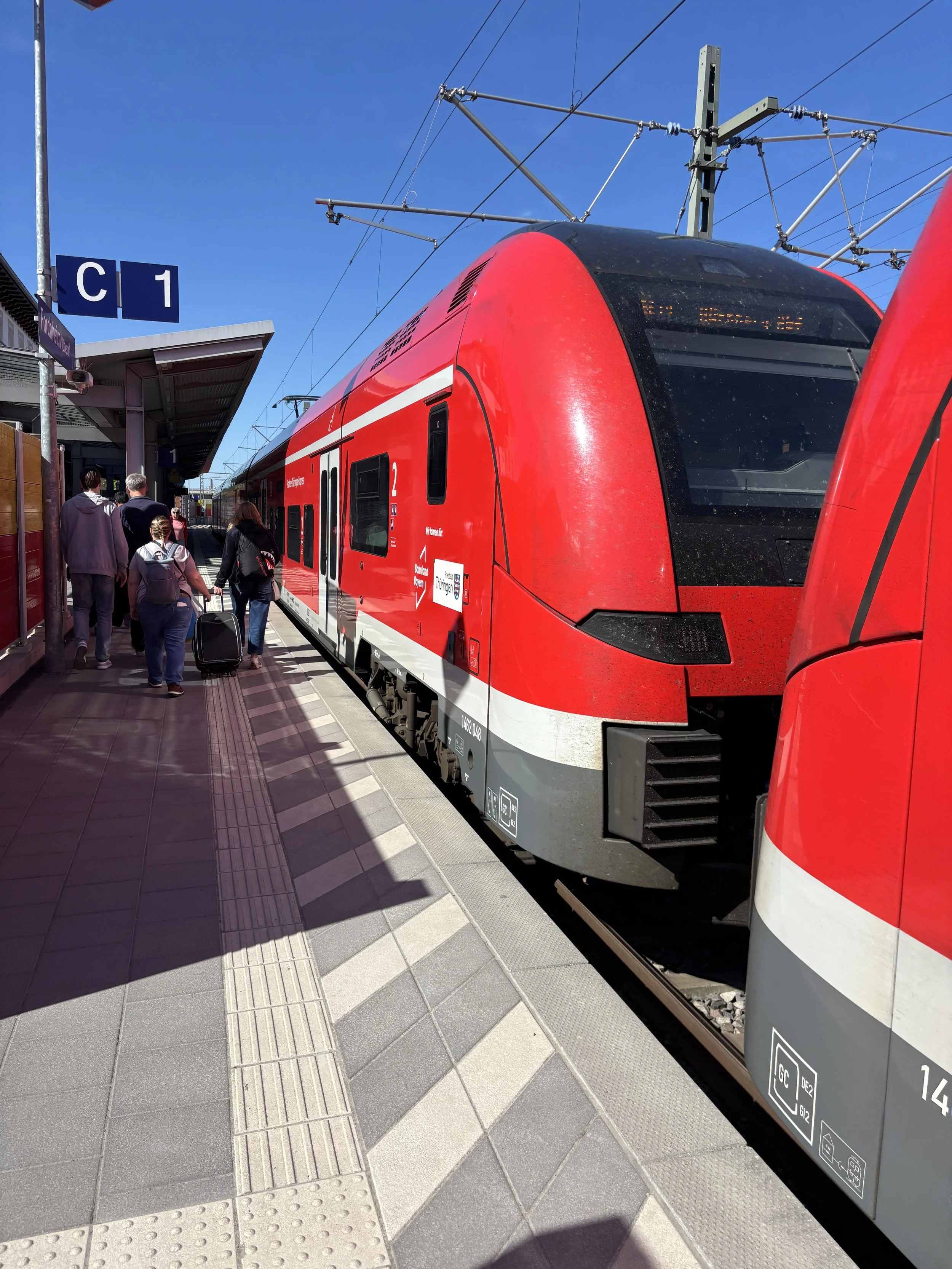
So, this is how I arrived to Forchheim from Bamberg, which is barely 20 minutes away by regional train (the ticket was around €6.5 at the time of my visit). The central station is literally 5 minutes away from the historical center (and 2 min from my hotel, the Arivo Aparthotel, which I will review, as well, later in this post).
Forchheim is, actually, quite an old place. There are mentions to it already in the Carolingian era and, from the 11th C. it belonged to the Price-Bishops of Bamberg, who had their own palace in town, as well. Like the rest of this ancient princely bishopric, Forchheim was annexed by Bavaria in the early 19th C.
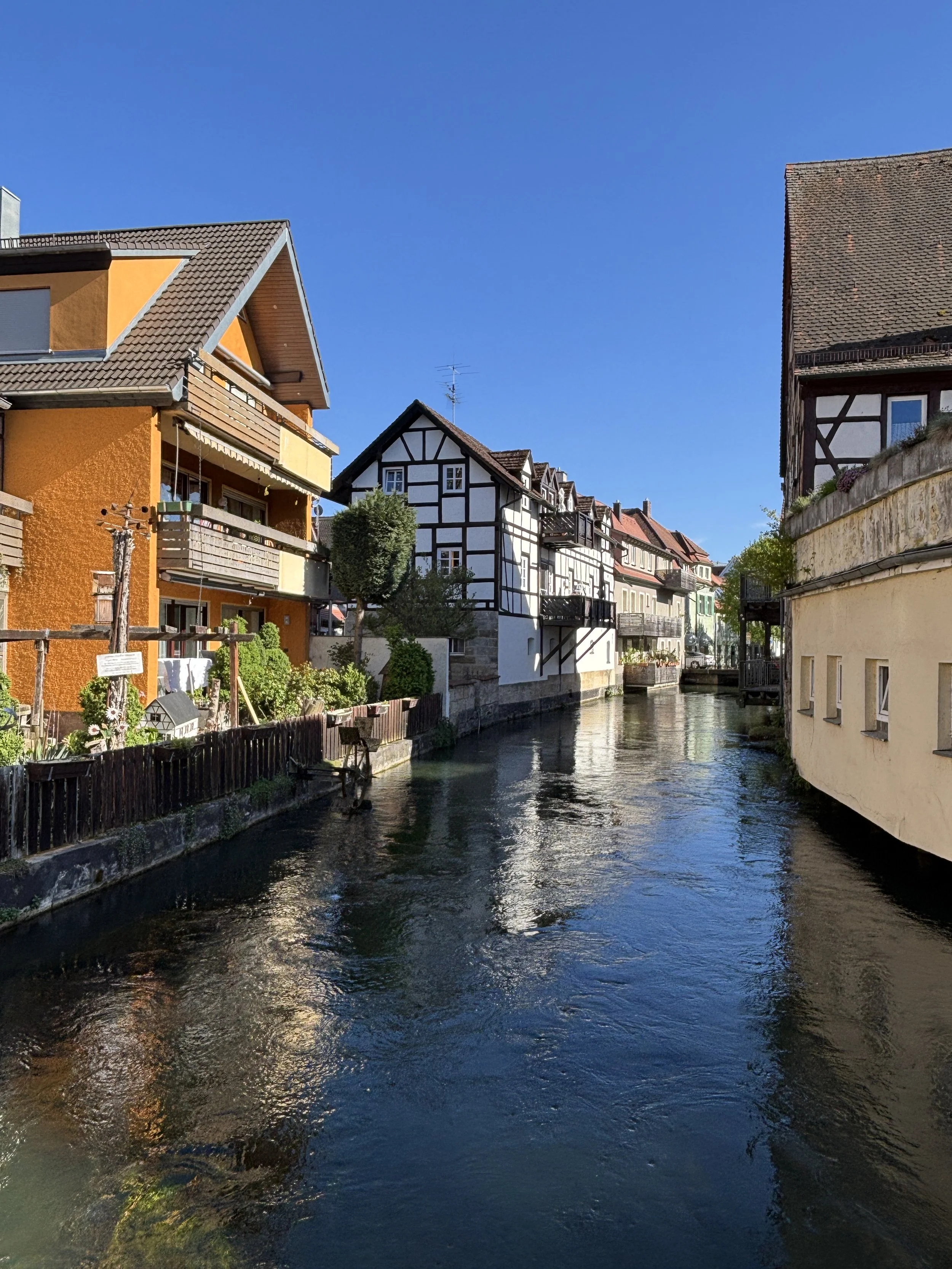
Another important feature of the town is the river Wiesent, which runs through Forchheim’s old town before joining the river Regnitz just west of the city (besides being the same river that flows through Bamberg, the Regnitz is part of the river and canal system that connects the Rhein and Main basins to the Danube).
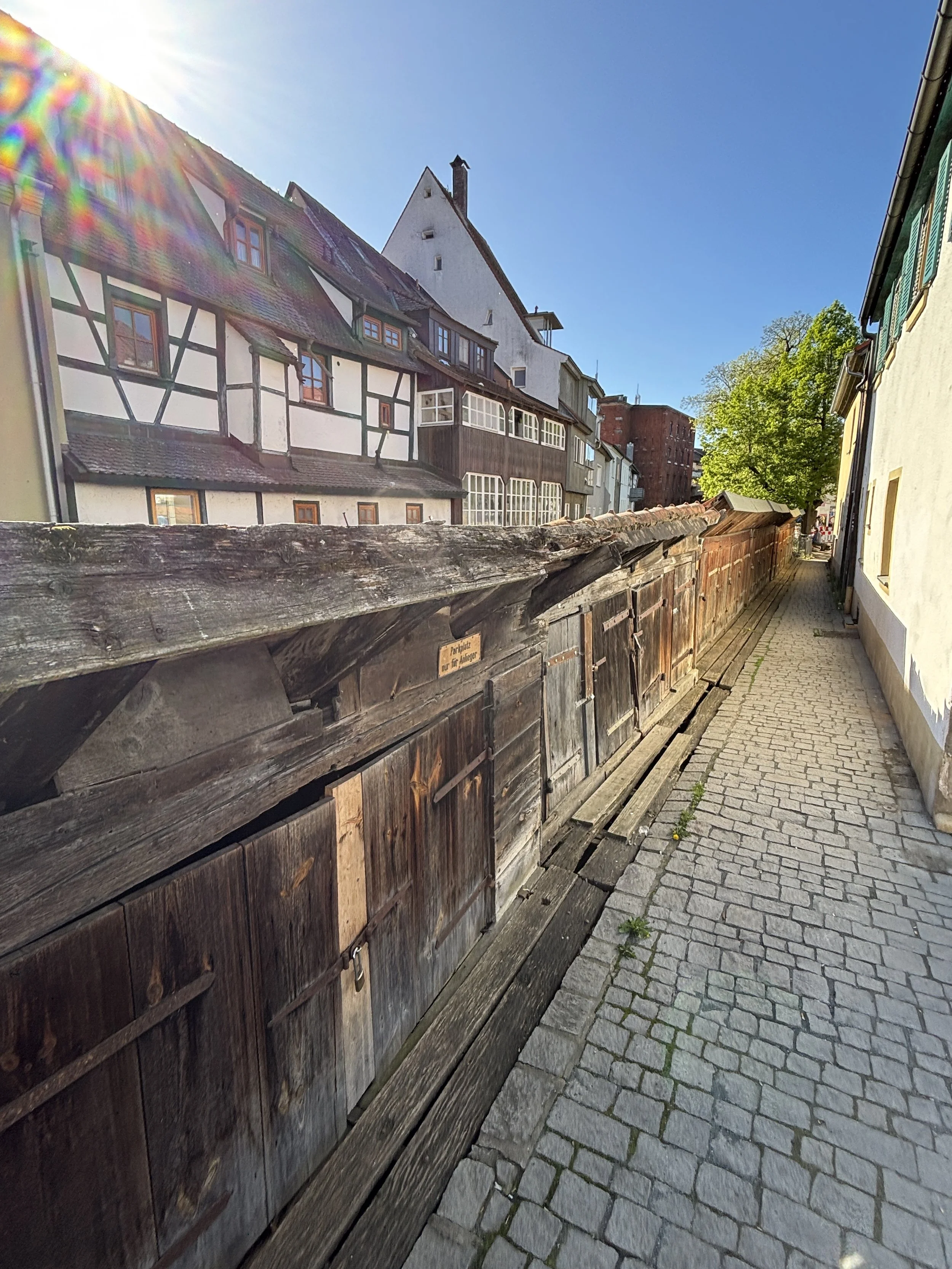
The waters of the Wiesent provide some of the most picturesque photo opportunities in Forchheim and give it also one of the first landmarks we encountered in our itinerary, the fish cages (“Fischkästen”). These are wooden structures lining up the banks of the Wiesent, where, for centuries, local fishermen have kept captured fish, mostly carp, alive before taking them to the market.
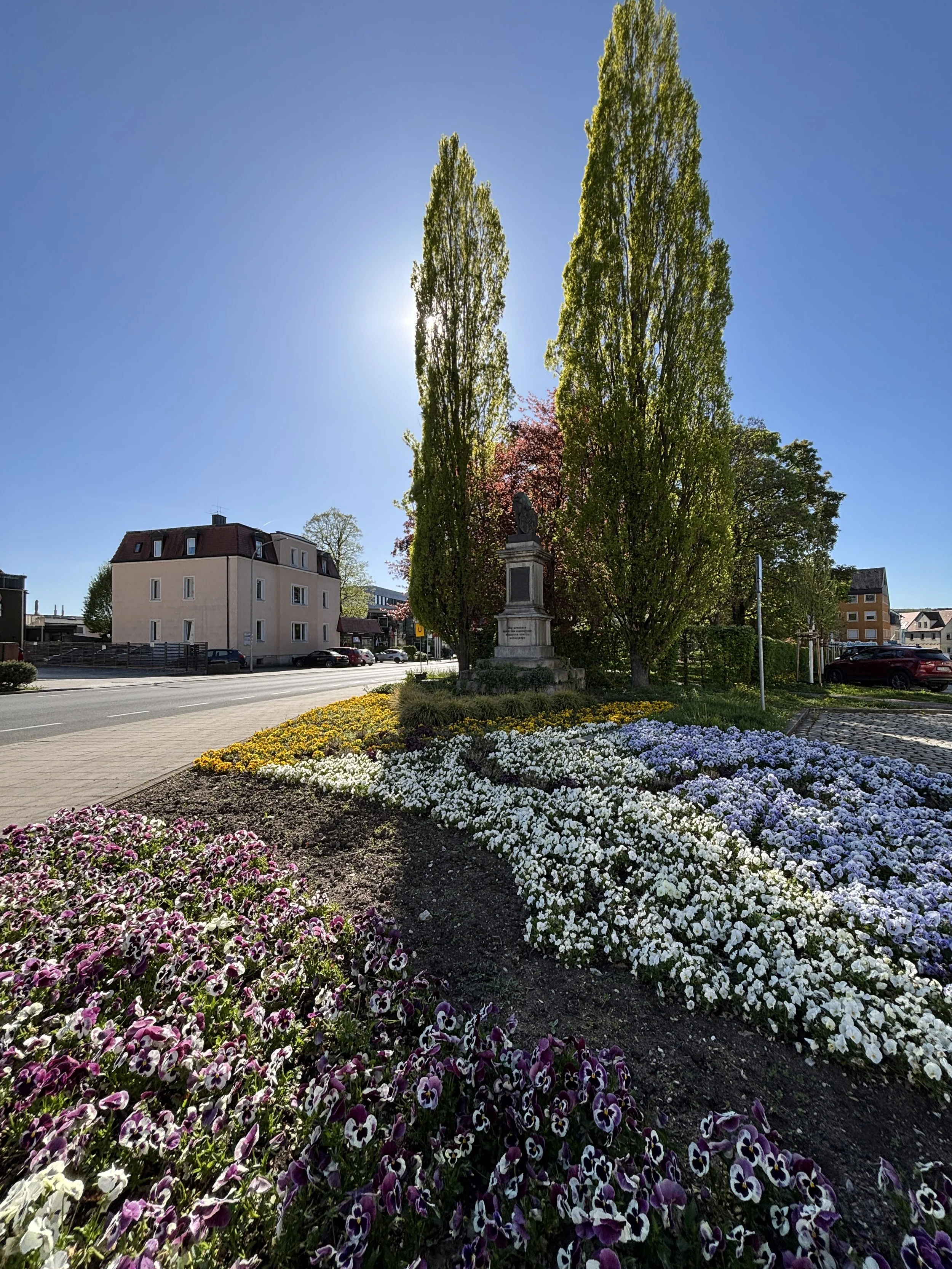
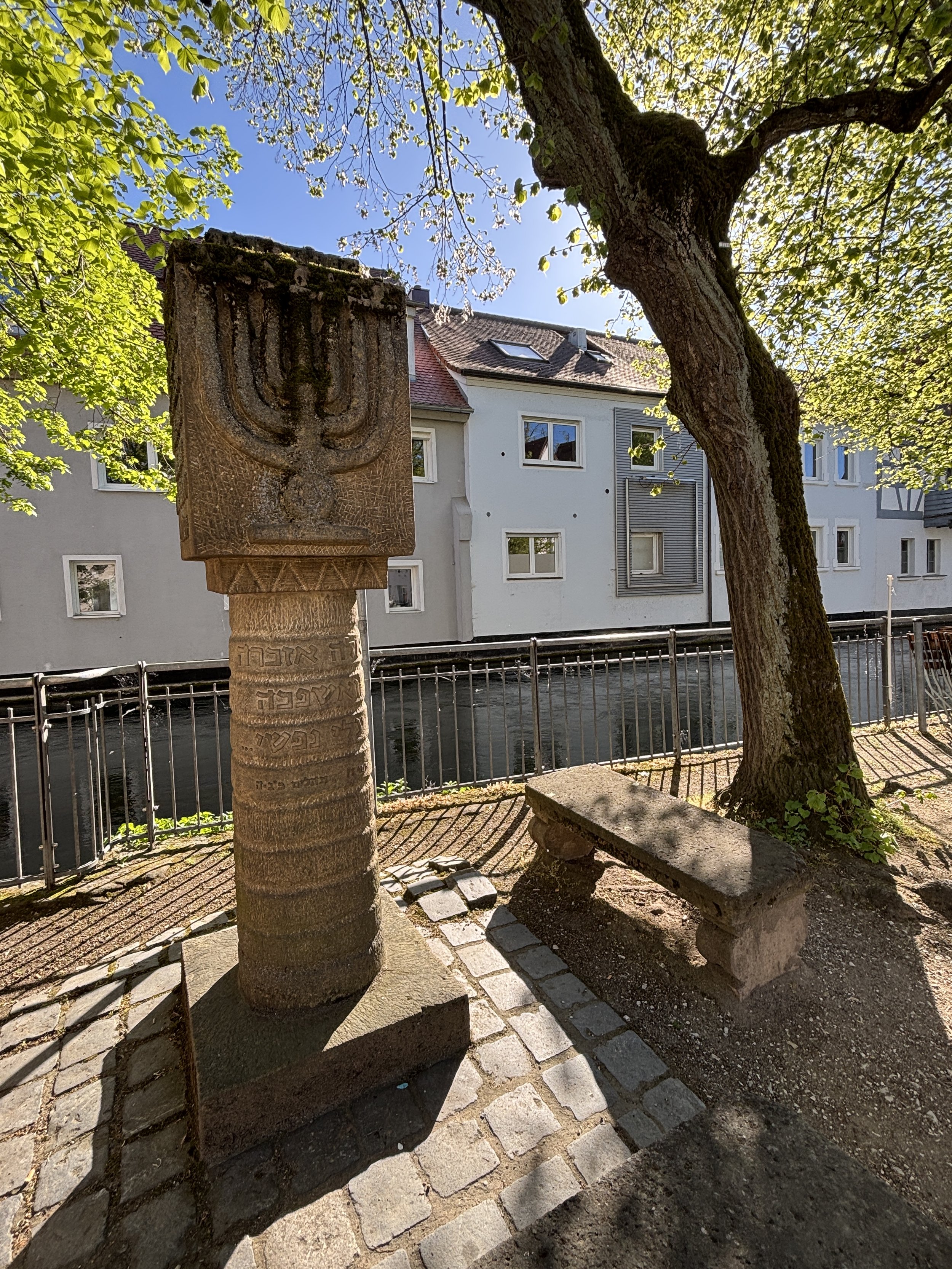
It is also along the banks of the Wiesent that we find a reminder of the fact Forchheim used to have a Jewish community, which was, sadly, destroyed in the late 1930s. A memorial (depicted below) is located in front of where the town’s synagogue once stood before it was torn down in 1938.
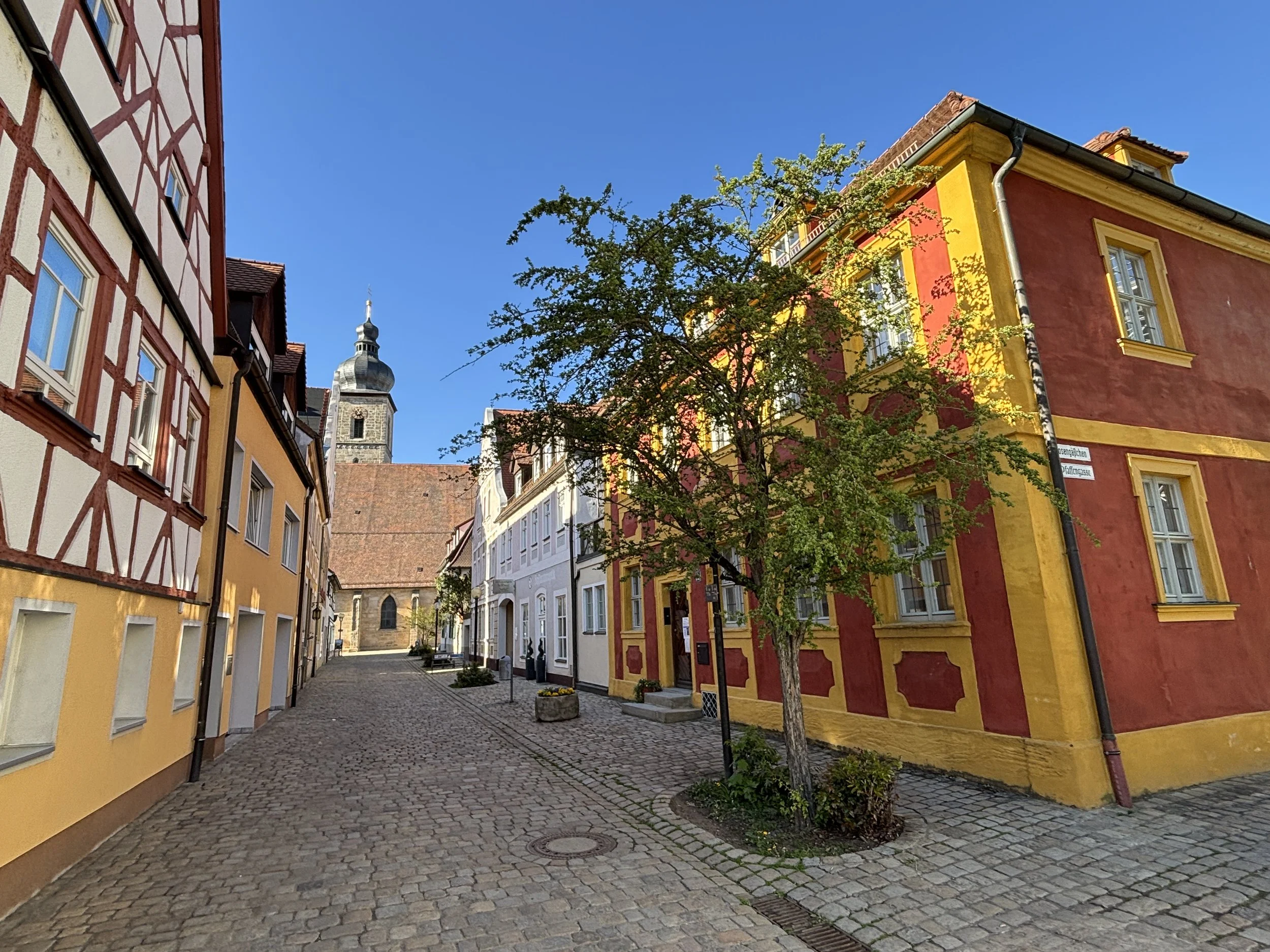
The historical center of Forchheim is made of (partly) pedestrianized cobblestone streets, so it makes for a nice walk.
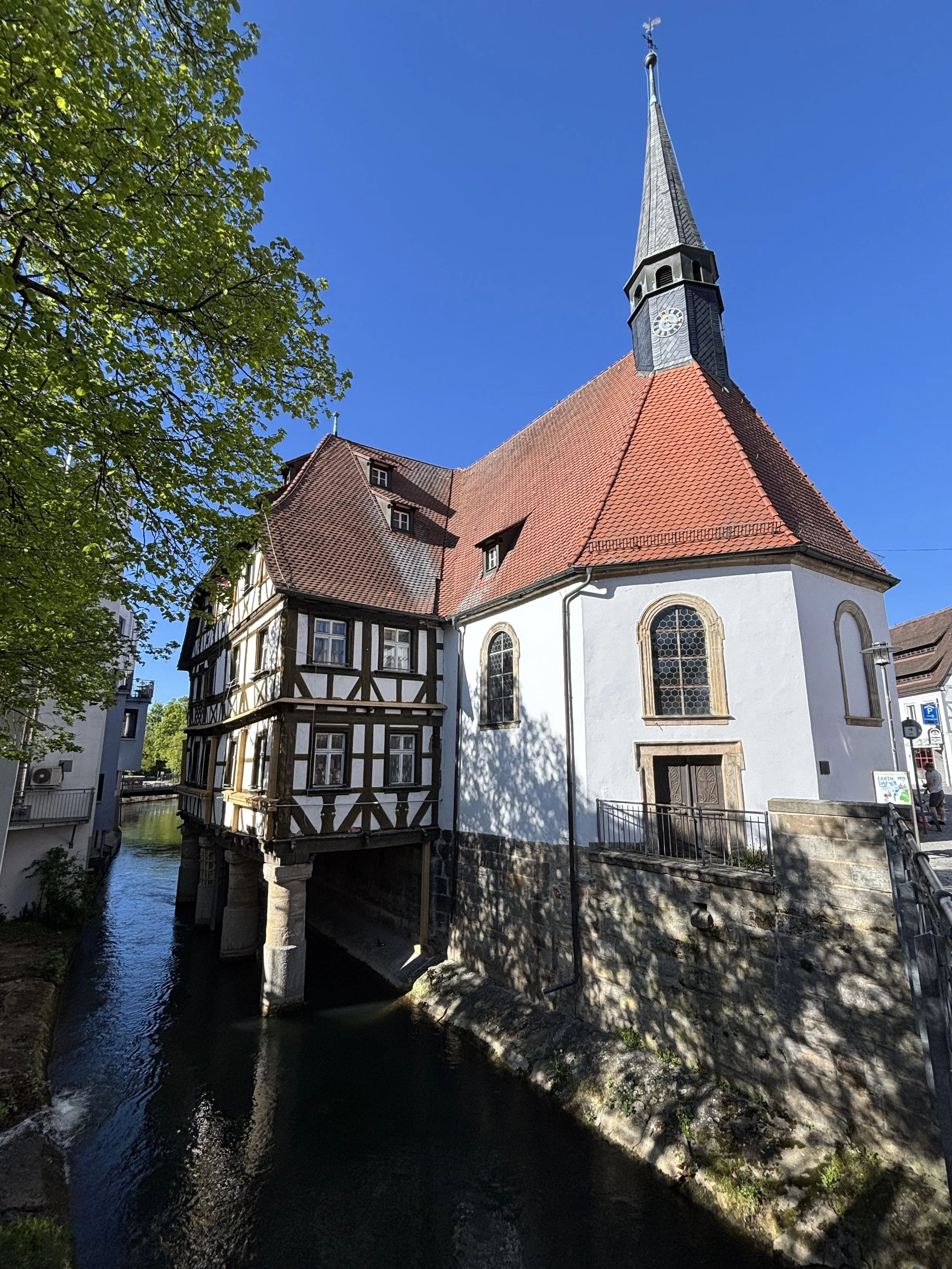
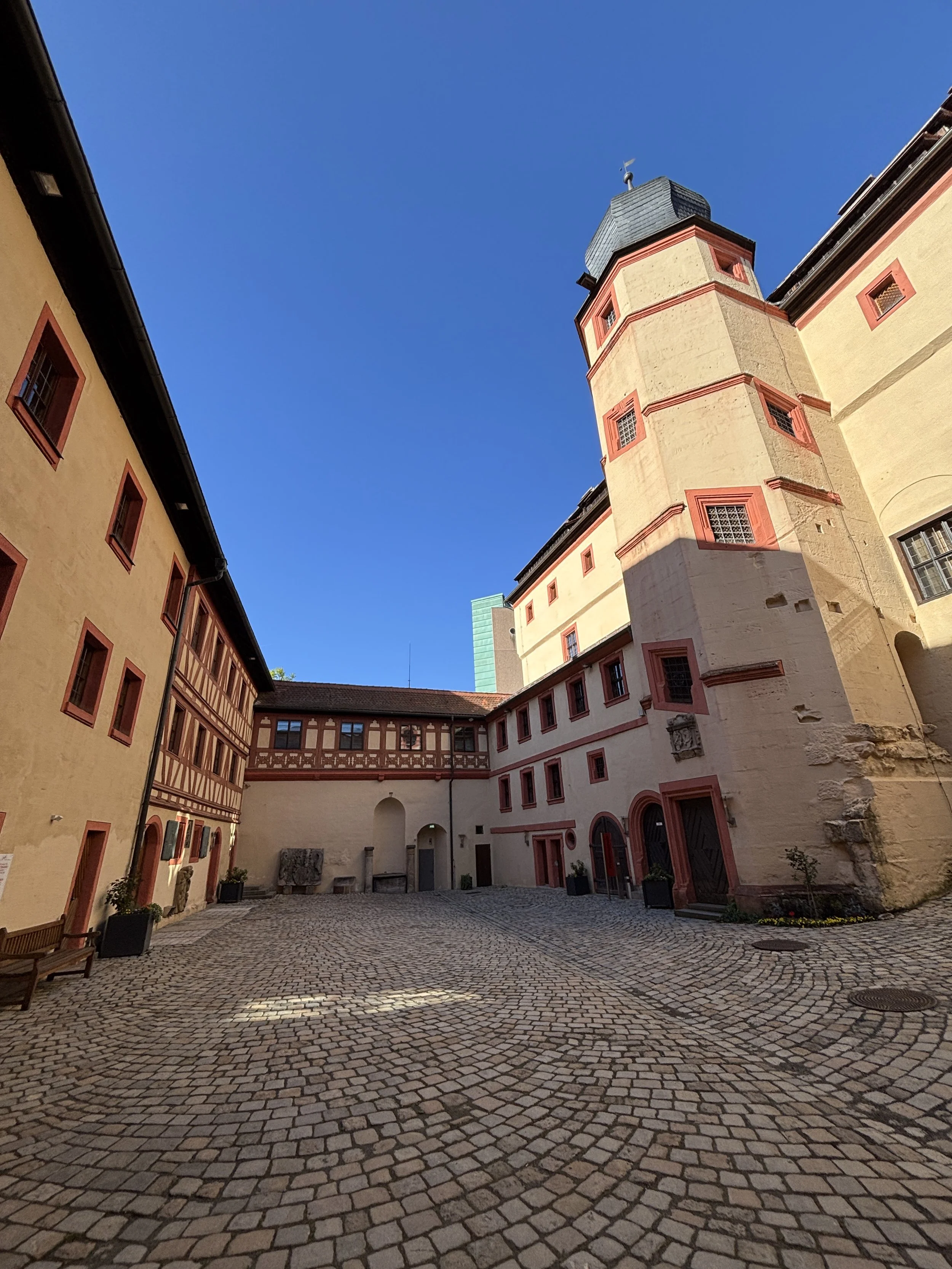
There is one major landmark, which is the former Imperial Palace (“Kaiserpfalz”). This building, which is depicted below right, has a large open courtyard and today it houses the local museum. It takes it name from its early Carolingian origins, although the current structure dates back to the 14th C. when the town was under the rule of the Prince-Bishops of Bamberg.
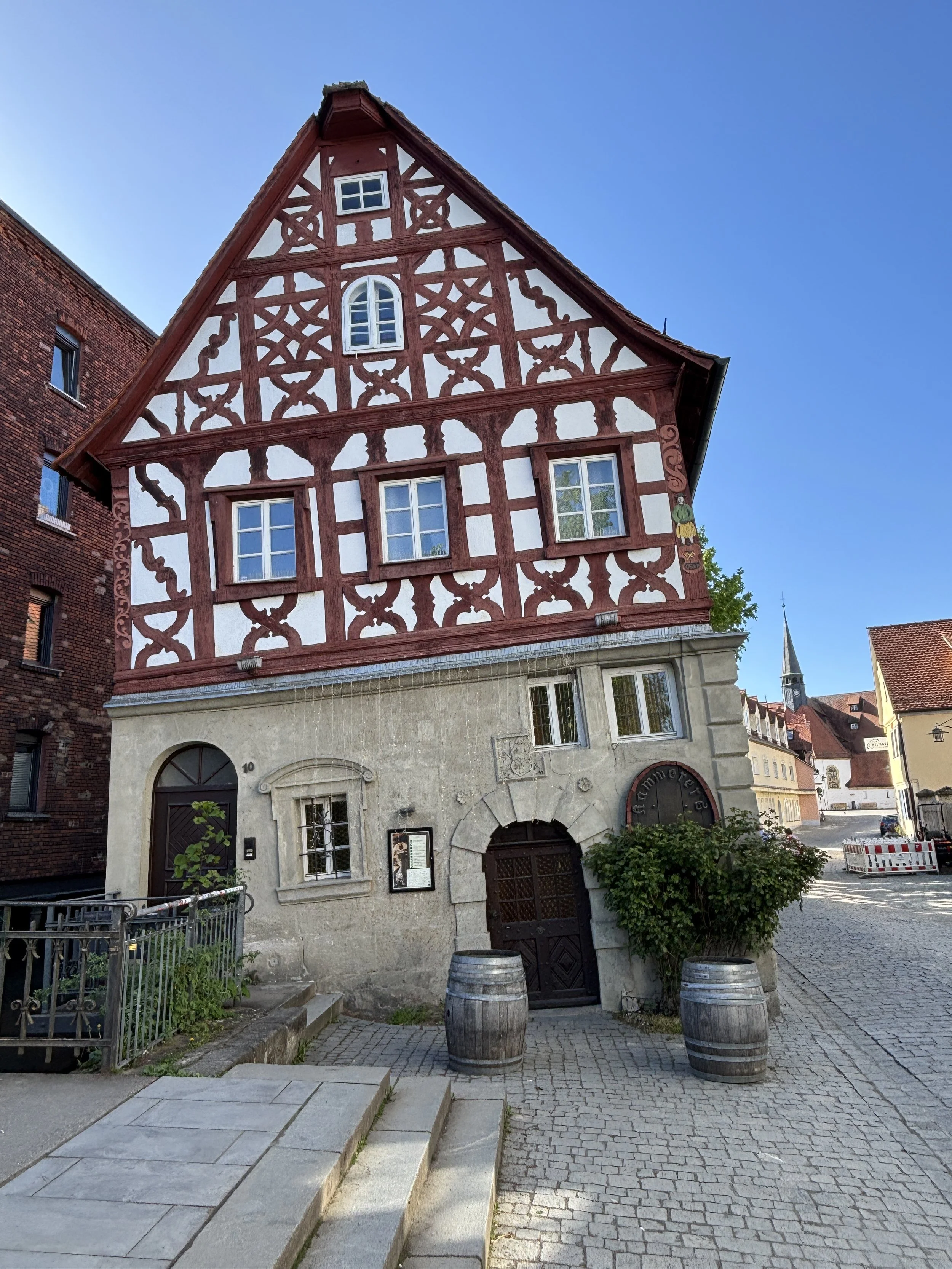
Another curious structure in the historical center is this leaning timbered-house you can see depicted above.
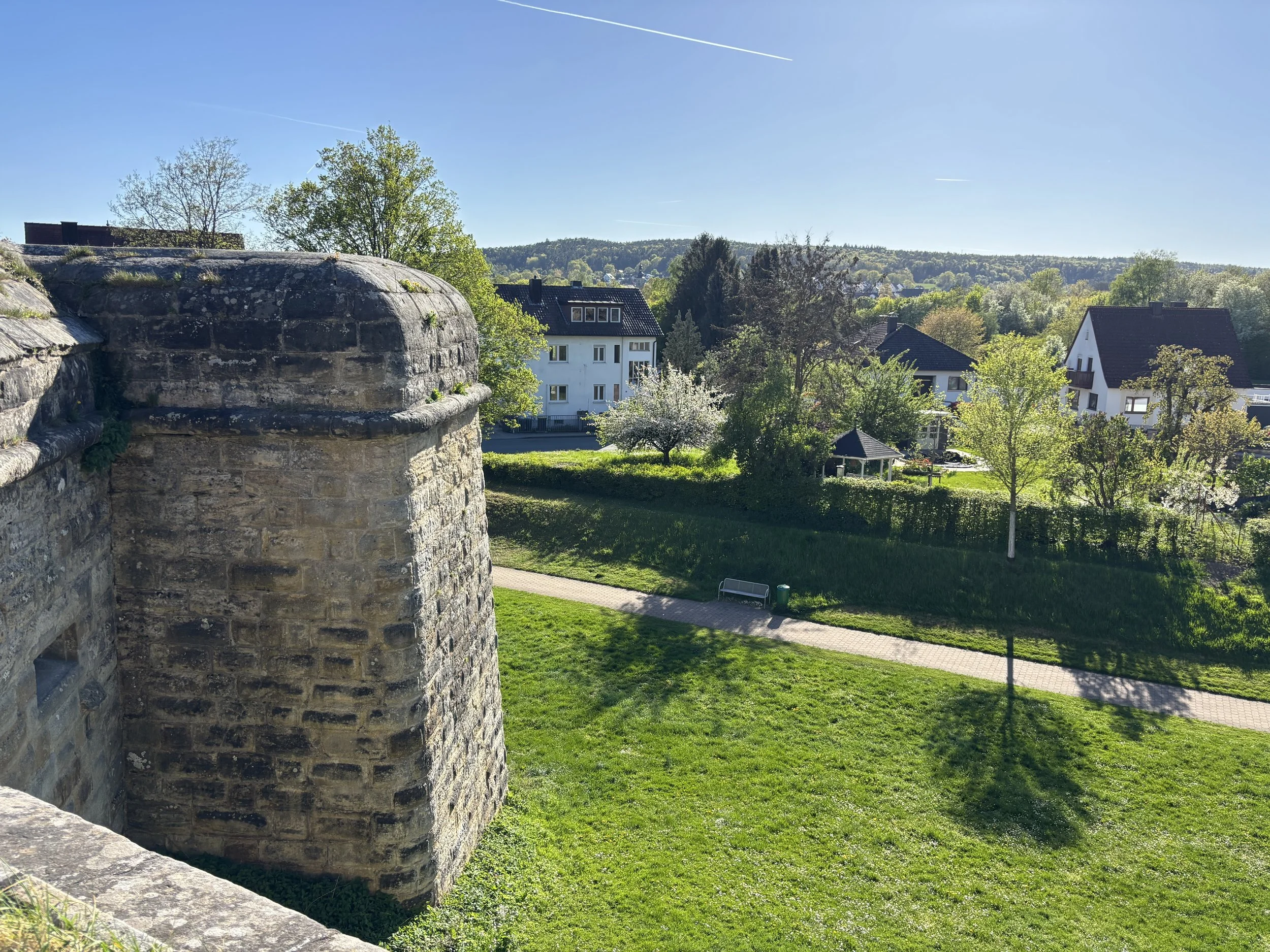
Forchheim used to be also a fortified stronghold, which resisted successfully attacks by Swedish troops during the 30-years War in the 17th C.
Parts of the massive bastions are still standing and today they are part of the historical trail through the old town.
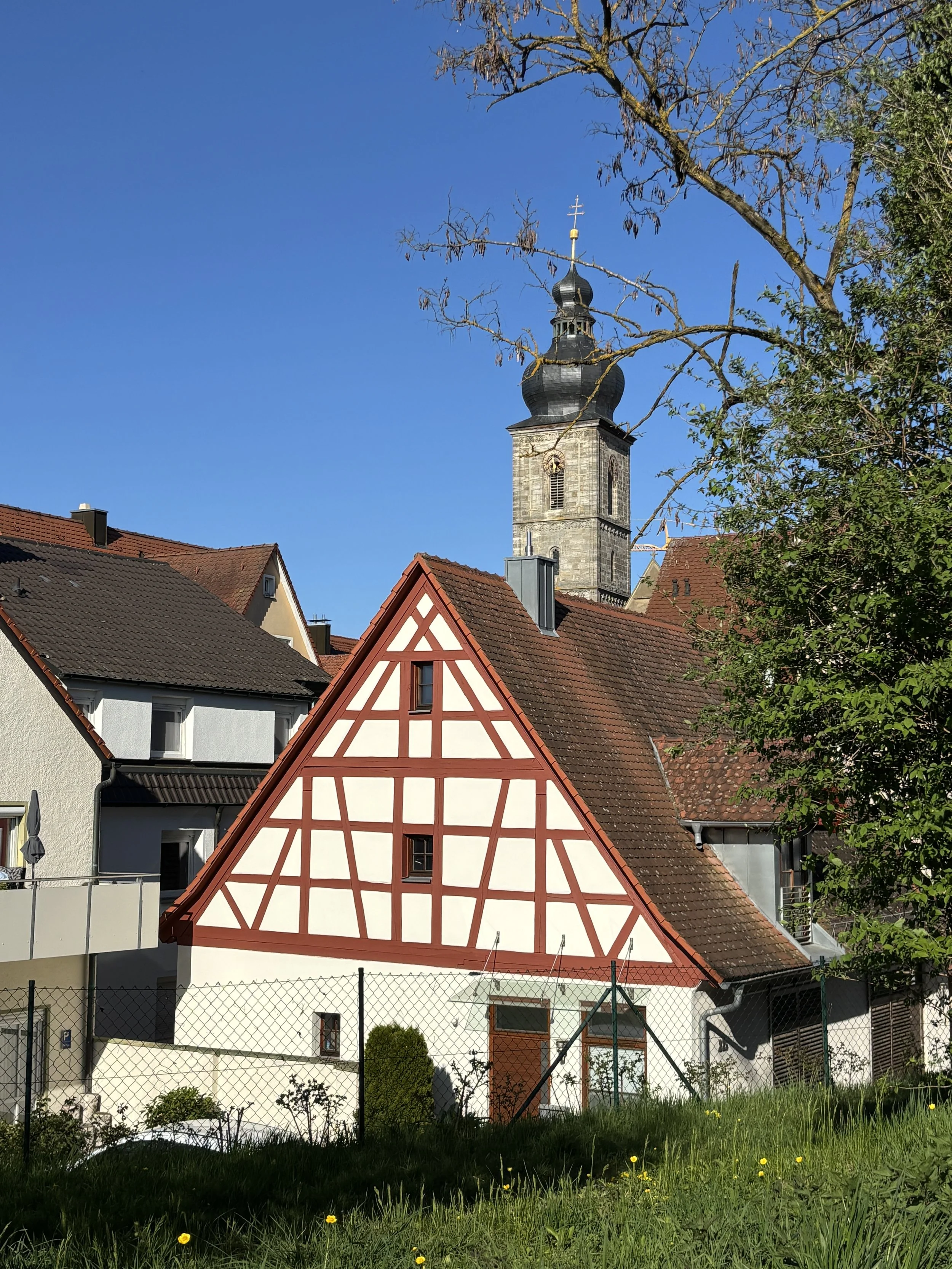
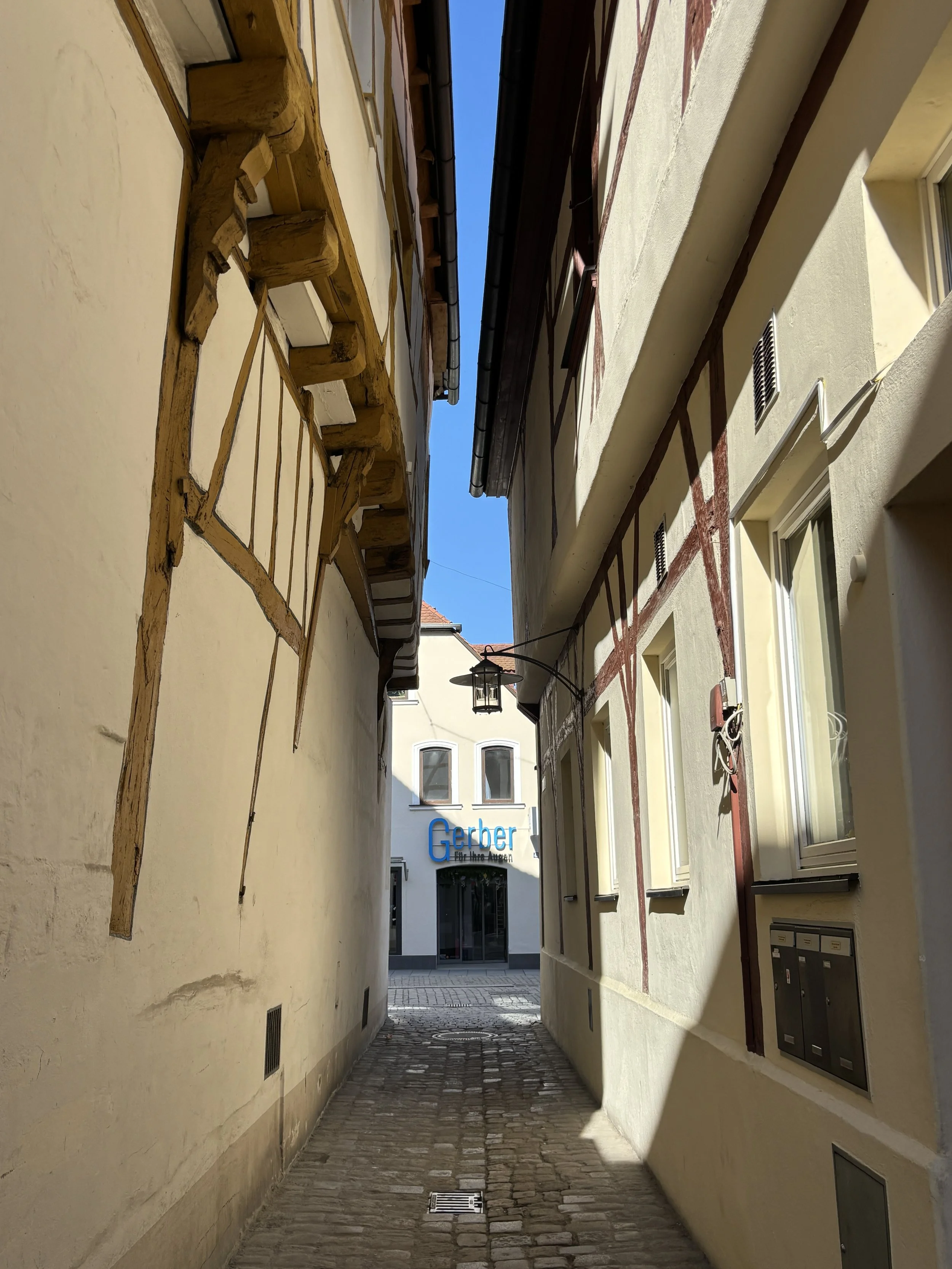
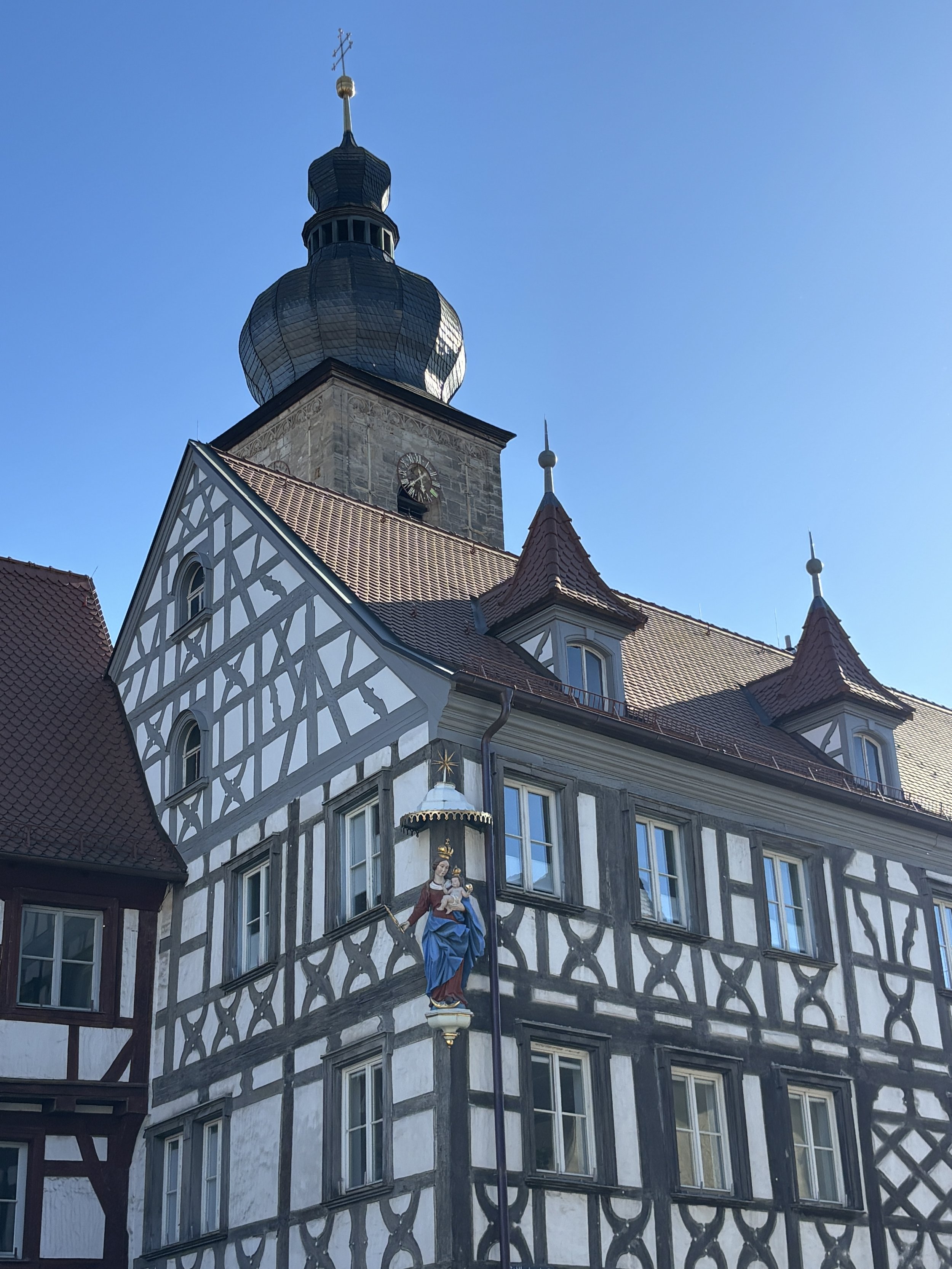
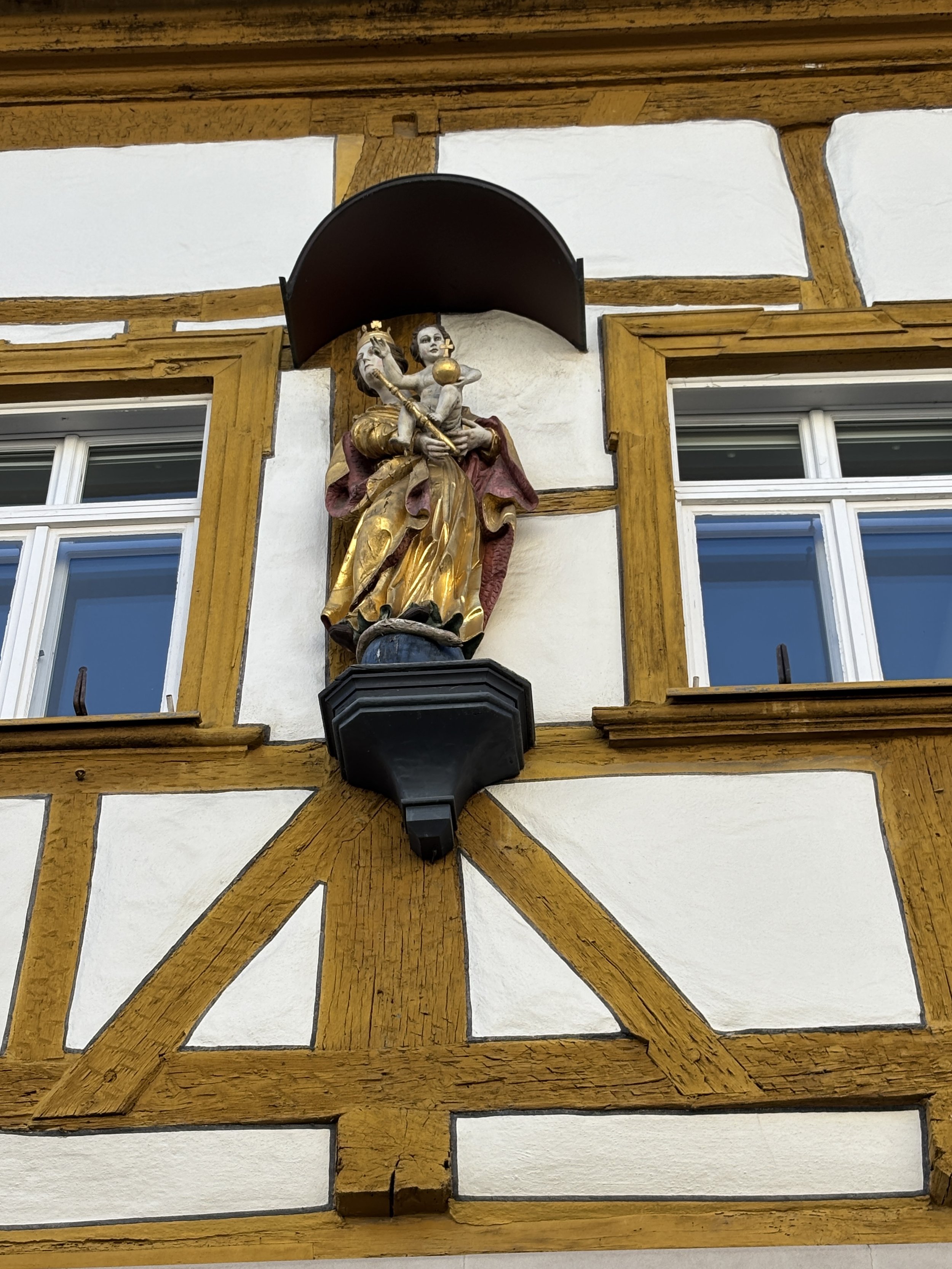
Most of the old town of Forchheim has preserved its authentic character, although many of its half-timbered houses were plastered over during the last few centuries, as, apparently, this type of style was, at times, not particularly popular. After restoration, many old houses in Forchheim, however, display again their half-timbered structure.
Forchheim is also a majority-Catholic town, so it is common to see religious imagery in public places, like the facades of homes.
Another important fact about Forchheim is that it used to have more than 20 breweries downtown. Their number, however, have been dwindling and today there are only three of them left.
The smaller number of commercial breweries does not mean, however, that the locals have turned their backs to beer. As we shall soon see, beer culture in Forchheim is alive and kicking and this does include a fair amount of home-made, artisan brews which are mostly consumed during the local festivals.
Where to eat Franconian food in Forchheim
Birgits Bauernstübla
Klosterstraße 18, 91301 Forchheim
This is a very nice place to sample from Franconian cuisine, particularly if the weather is nice, since it has an outdoor terrace.
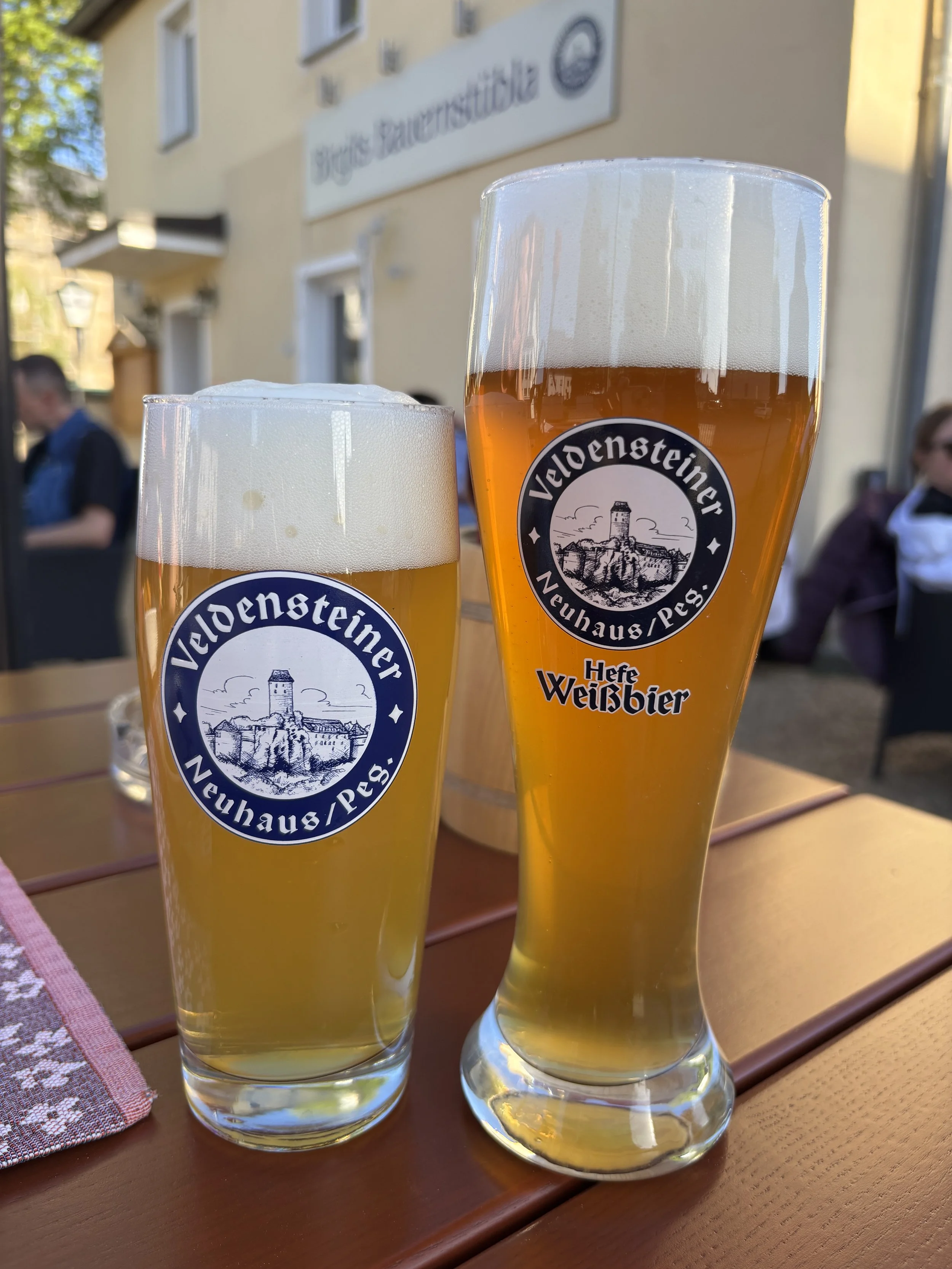
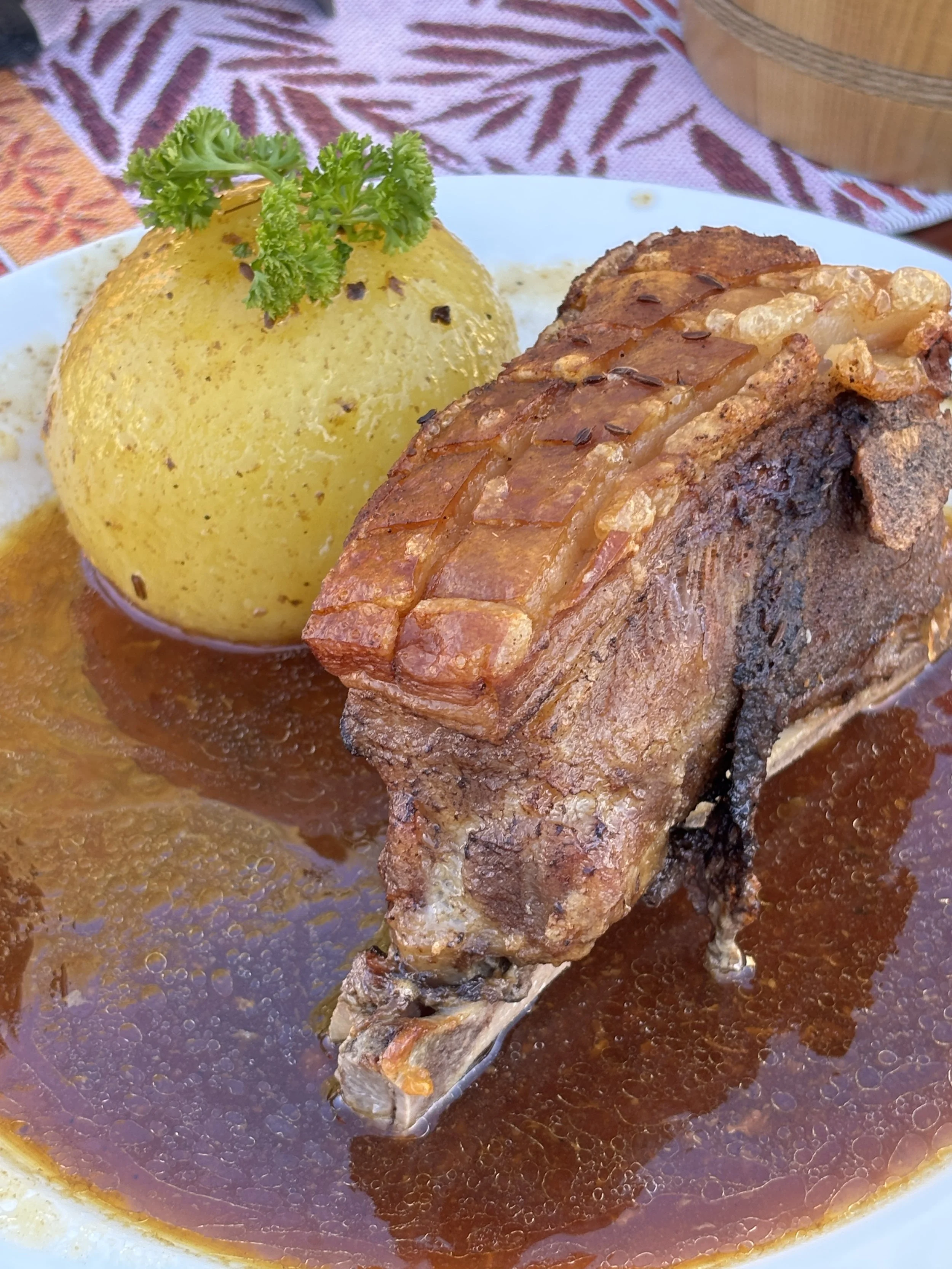
Here I tried Schäufele mit Kloß. This a typical Franconian speciality, which consists in a slow-braised pork shoulder which has been marinated in dark beer. It has a deep, crackling, caramelised crust, the meat underneath which is extremely tender. It is served with a copious amount of gravy and with a side dish of sauerkraut and, another Franconian culinary must, the Klöße.
These are spherical potato dumplings, made from a mixture of raw and cooked grated potato. They are very dense and tasty. All of this, of course, consumed with some local Franconian beer. In this case it was Veldensteiner, made by a craft brewery from Neuhaus an der Pegnitz, a small town east of Forchheim.
Kellerwald & Annafest: exploring artisan beer culture in Forchheim
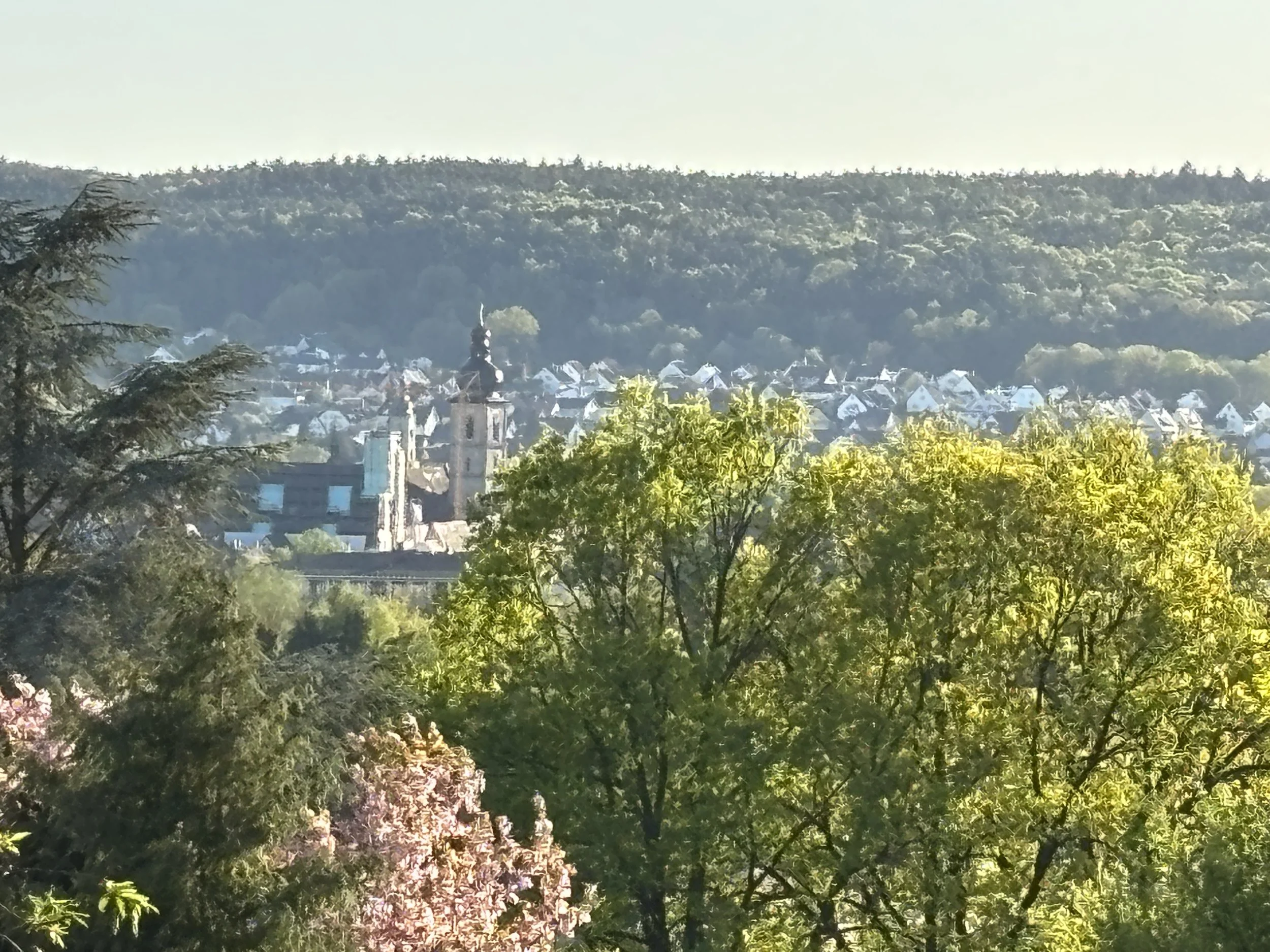
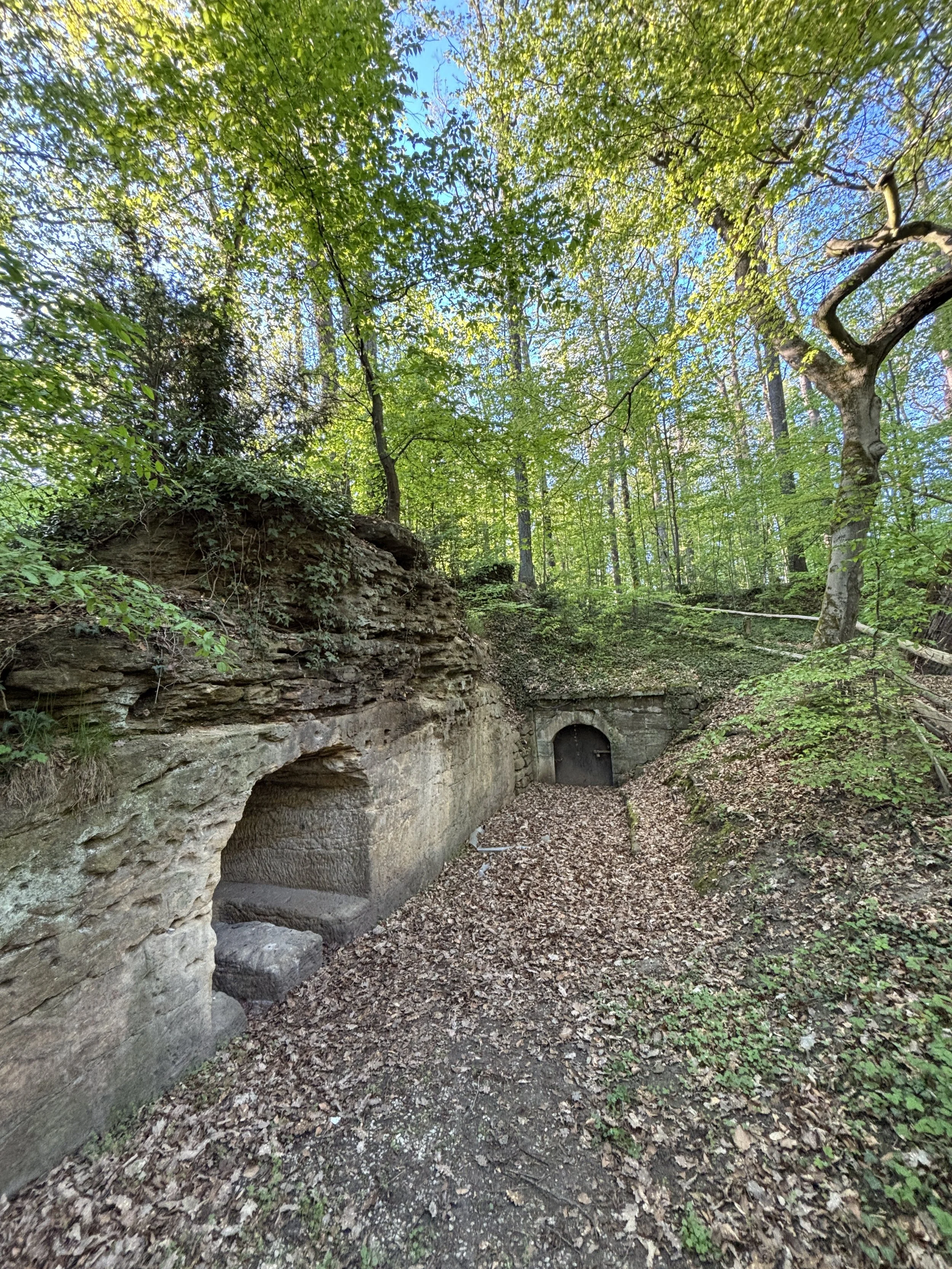
After our exploration of historical Forchheim and local Franconia cuisine, it is time to check a rather unique feature of the town: its underground beer cellars and the whole beer culture around them.
To do so, we leave the downtown and walk a couple of kilometres to the eastern outskirts of town, to a small forested hill known as “Kellerwald” (“Cellar Forest” in German). It is here that, for at least 400 years, the people of Forchheim have used and shaped the natural underground caves that form in the local limestone formations in order to store beer during the latter’s fermentation process.
The production of the type of beer that is popular in this part of Franconia requires relatively cold and stable temperatures and this is what these underground caves provided, since the temperature inside stays constant at around around 6–10°C throughout the year. This was particularly useful in the pre-industrial era, when to artificial refrigeration was available.
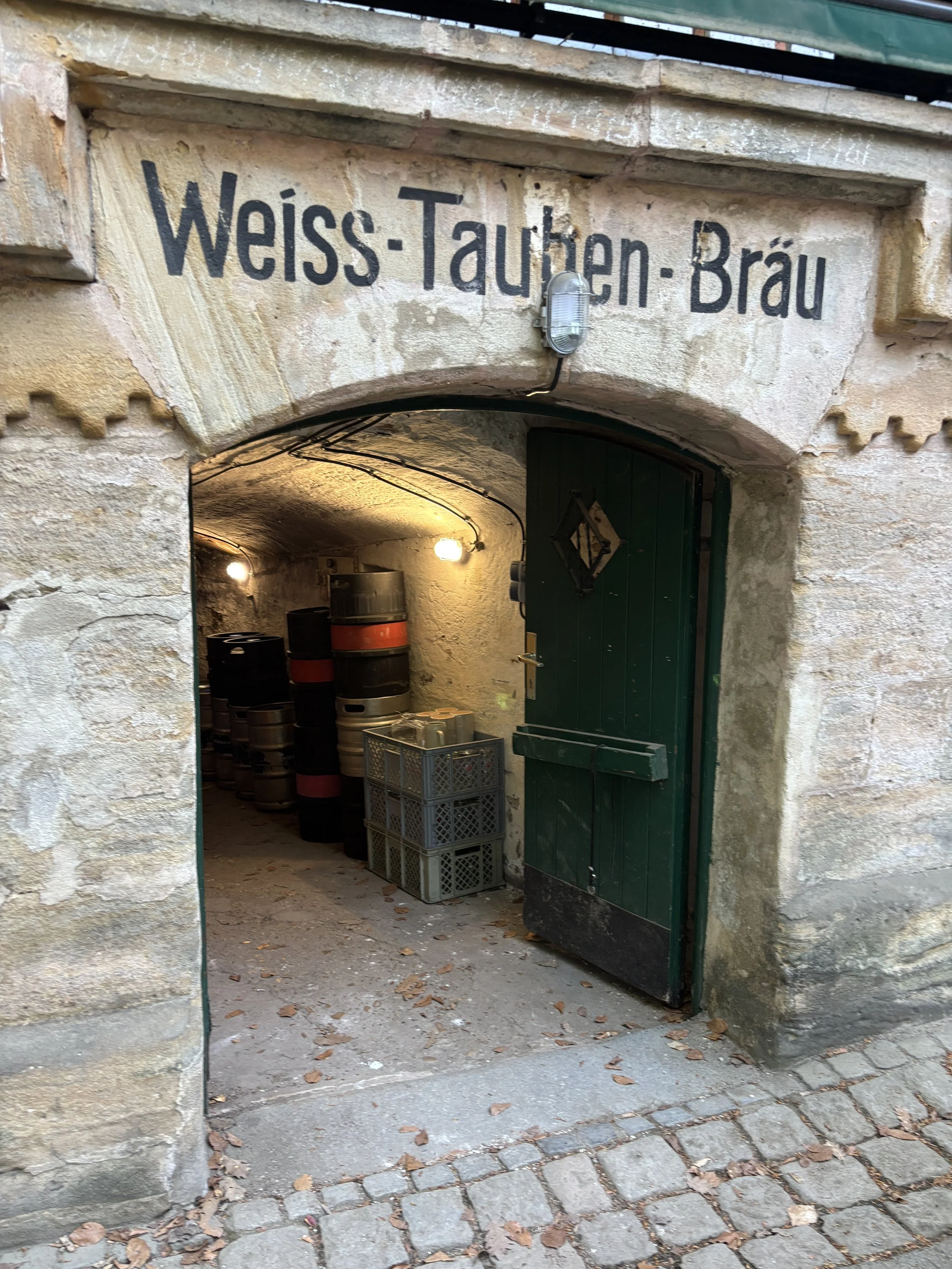
Nowadays, of course, you don’t really need to store beer in caves and, therefore, only a small portion of the underground cellar network is still used. However, a number of beer makers around Forchheim have preserved this tradition.
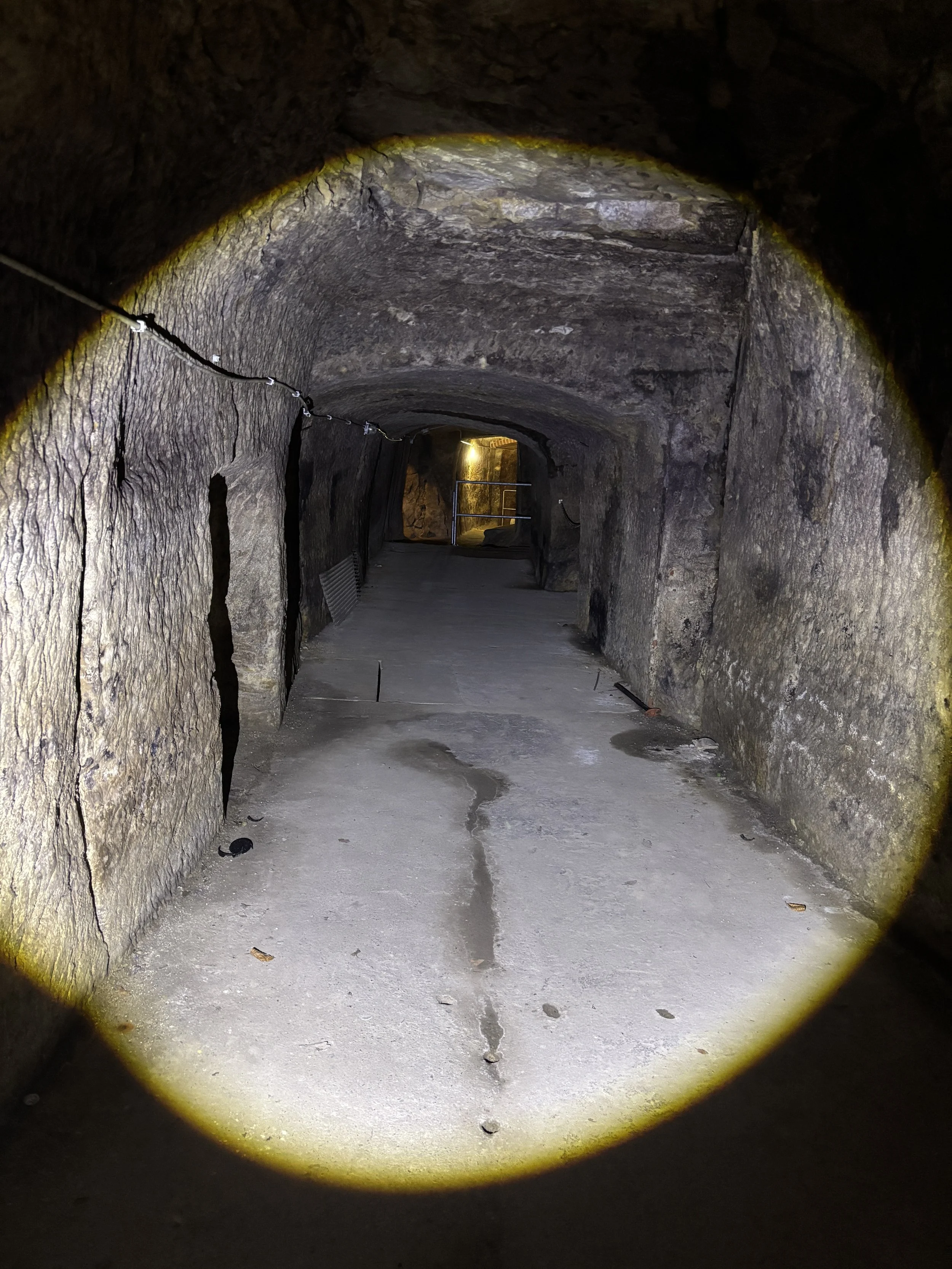
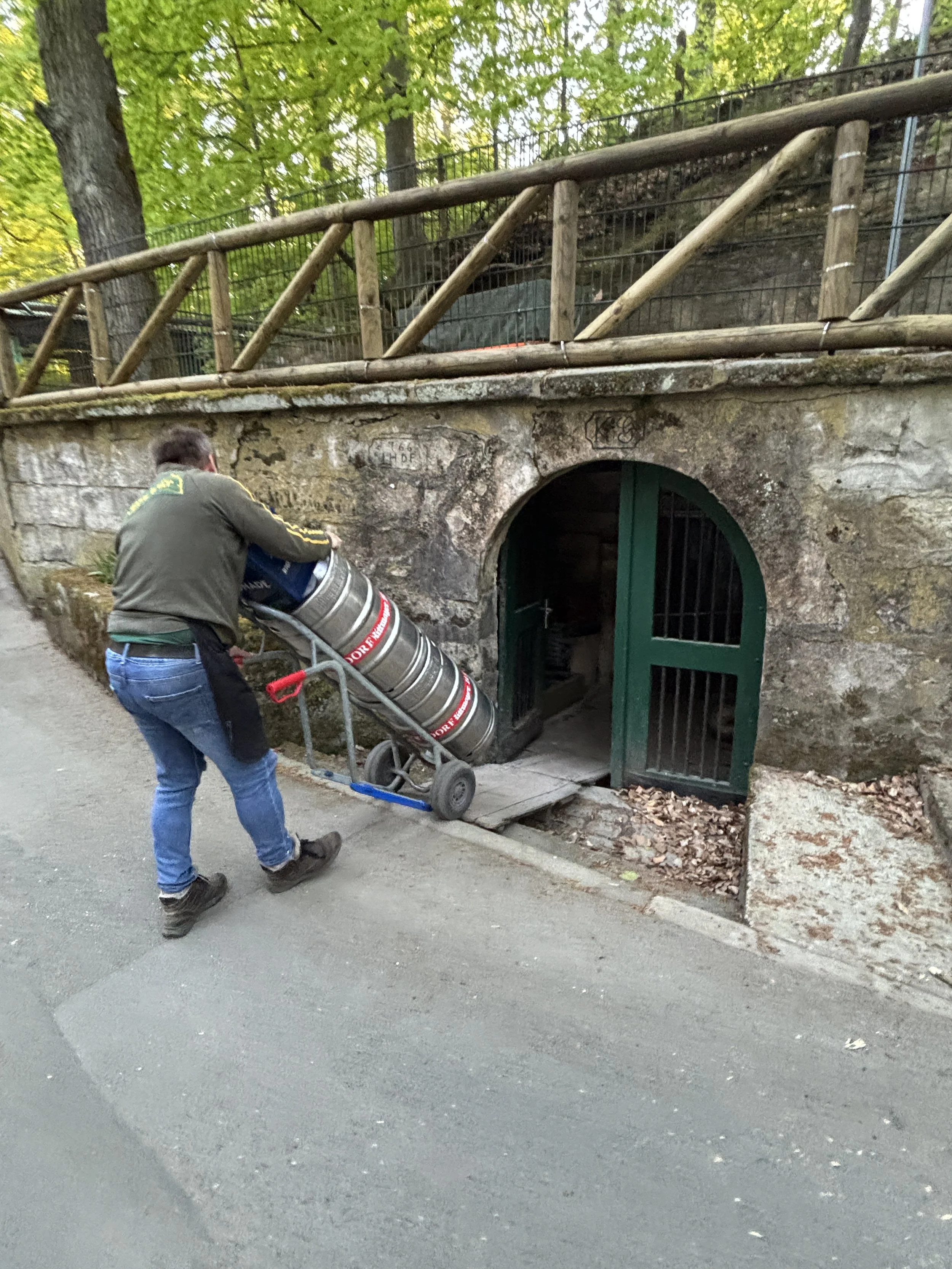
But don’t think of Kellerwald just as some sort of historical curiosity, it is here that, since 1840, Forchheim puts together one of the largest beer festivals in Bavaria, “Annafest”. Named after the festivity of Saint Anna, which is on July 26th (it takes places in the days around it), Annafest congregates some 500,000 people at Forchheim’s Kellerwald for several days (and evenings!) of beer drinking and fun.
Think of it as a sort of small-scale “Oktoberfest”, just that this one takes place in the middle of summer!
Annafest is really a big thing in Forchheim. It is an event that pretty much the whole community plan for during the whole year. There is even an official “Queen of Annafest”, which is elected every two years and represents the town of Forchheim at other similar events and festivals throughout Germany.
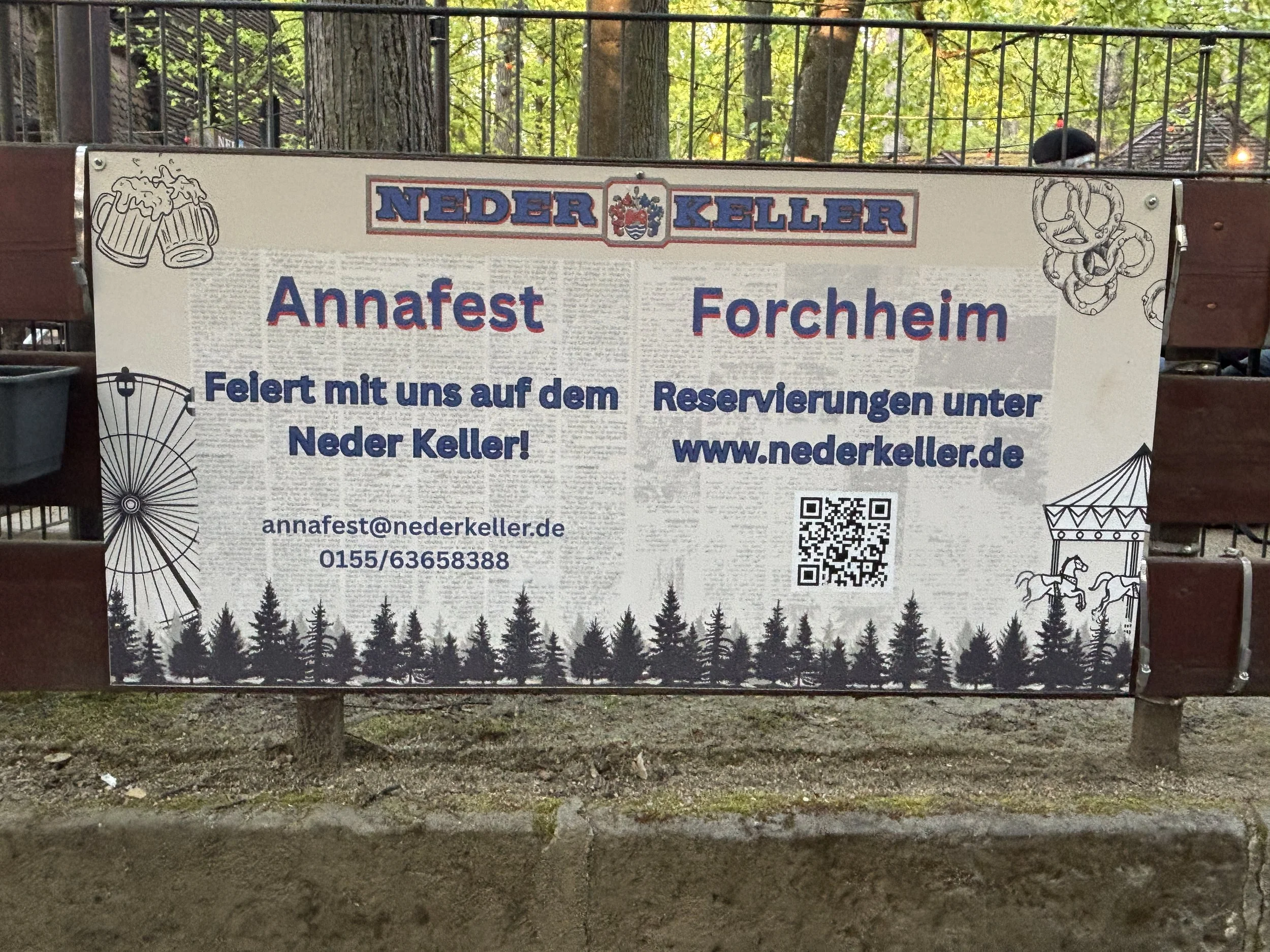
But you don’t need to wait to late July to enjoy beer drinking at Forchheim’s Kellerwald. While Annafest is the peak time of the season, the Kellerwald cellars start opening in spring, as soon as the weather is warm enough.
A whole network of beer gardens, restaurants and temporary food and beer stalls springs up around late April or early May and stays put all throughout the summer offering an outdoor venue for the citizens of Forchheim and visitors to enjoy the outdoors while sampling the fresh local beer.
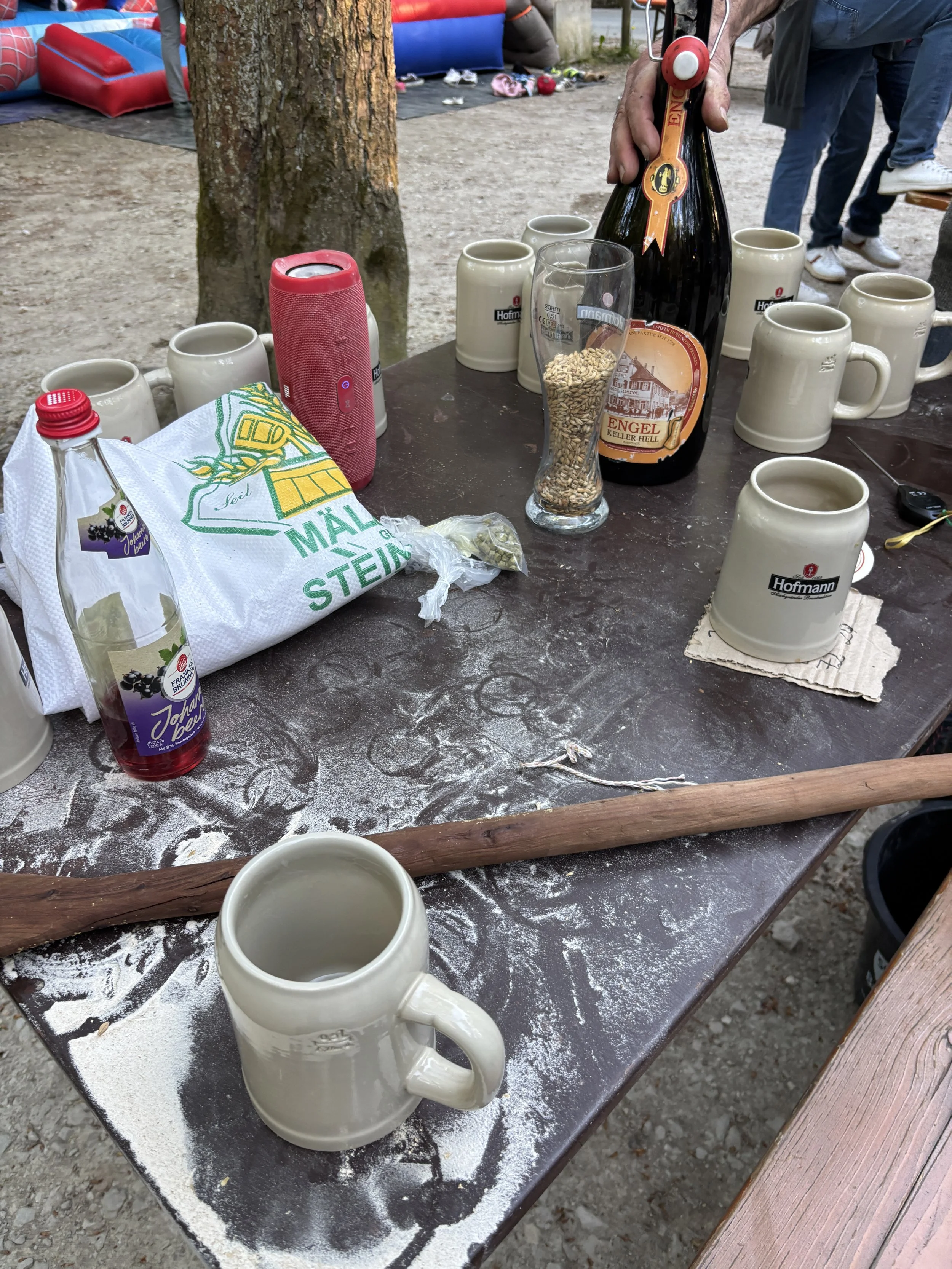
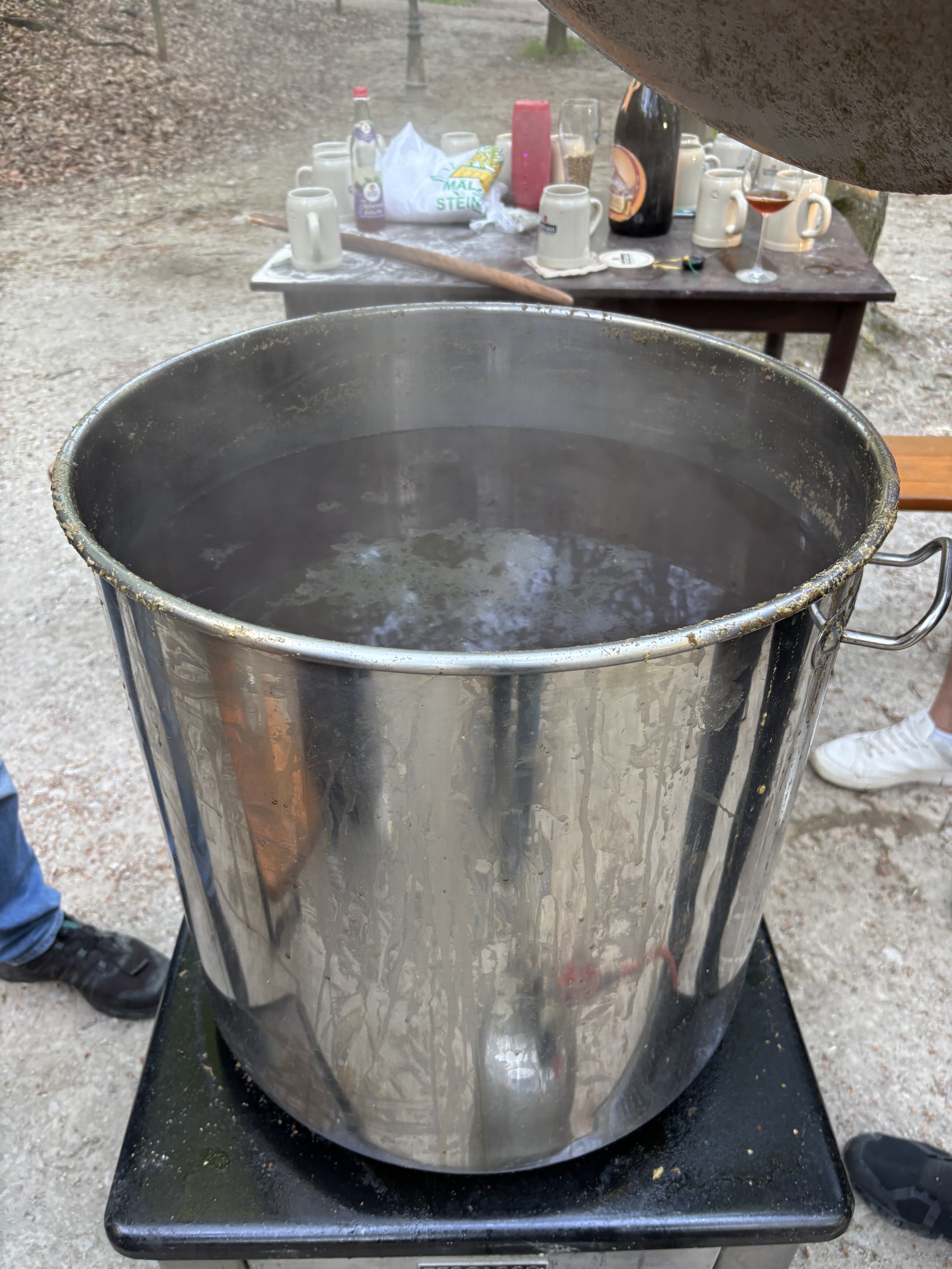
The party at the Kellerwald starts in the evening, before dusk and can go on until relatively late (there are no sleepless neighbours at the Kellerwald!). It is not just about beer, there are also food stalls, live music and, above else, a lot of socializing!
Where to stay in Forchheim
Arivo Aparthotel Forchheim
Bayreuther Str. 1, 91301 Forchheim
This very modern aparthotel was a truly positive surprise. It is located right next to Forchheim’s train station, which makes it super convenient if you are traveling by train. By the way, the aparthotel may be located close to the tracks, but it is also very quiet, I had a room facing the station and didn’t hear a thing from that direction during my stay!).
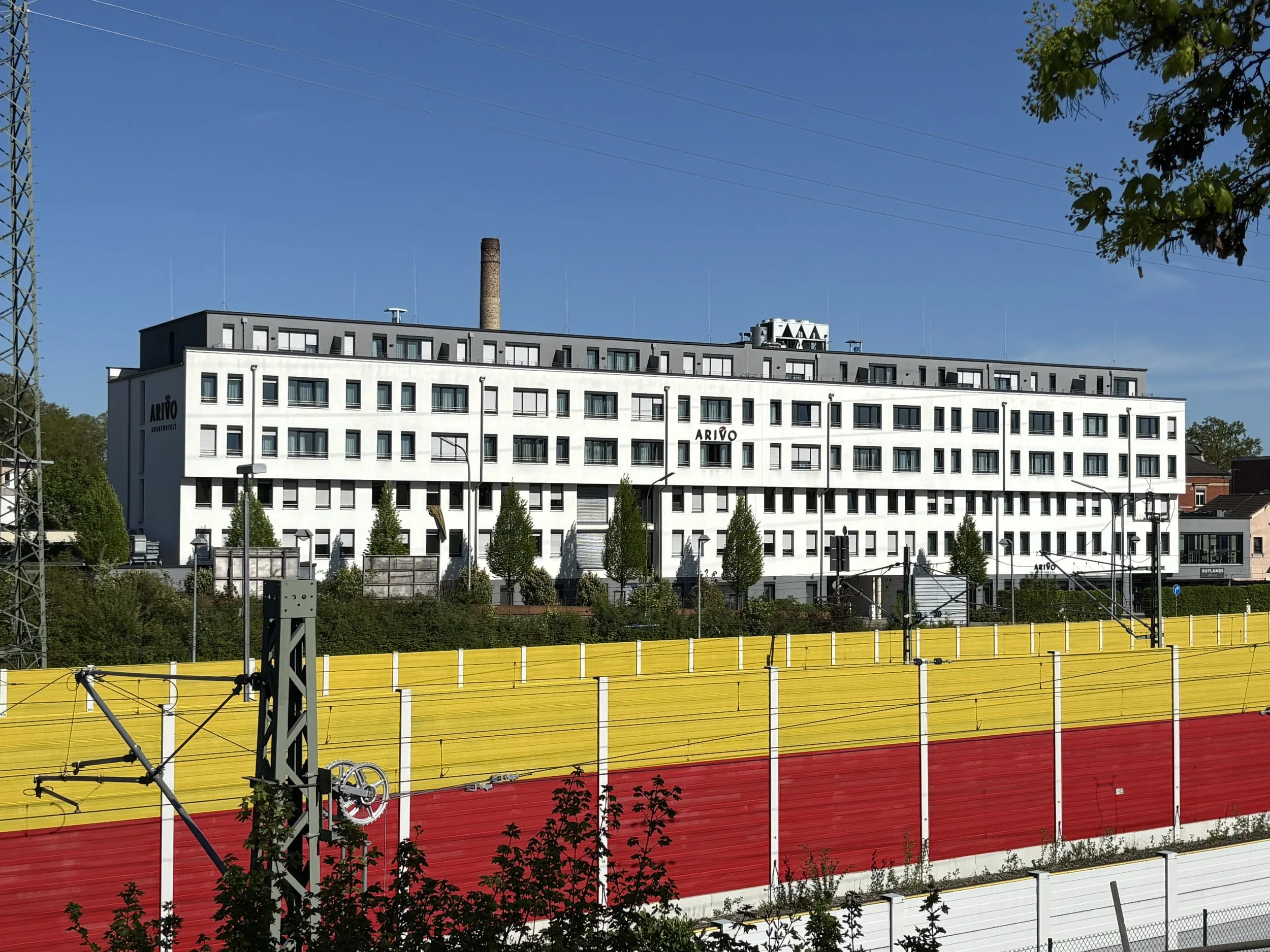
Arivo Aparthotel Forchheim operates a clerk-less checkin, you are given a set of codes with your reservation and you can make your way to the room without having to interact with anyone.
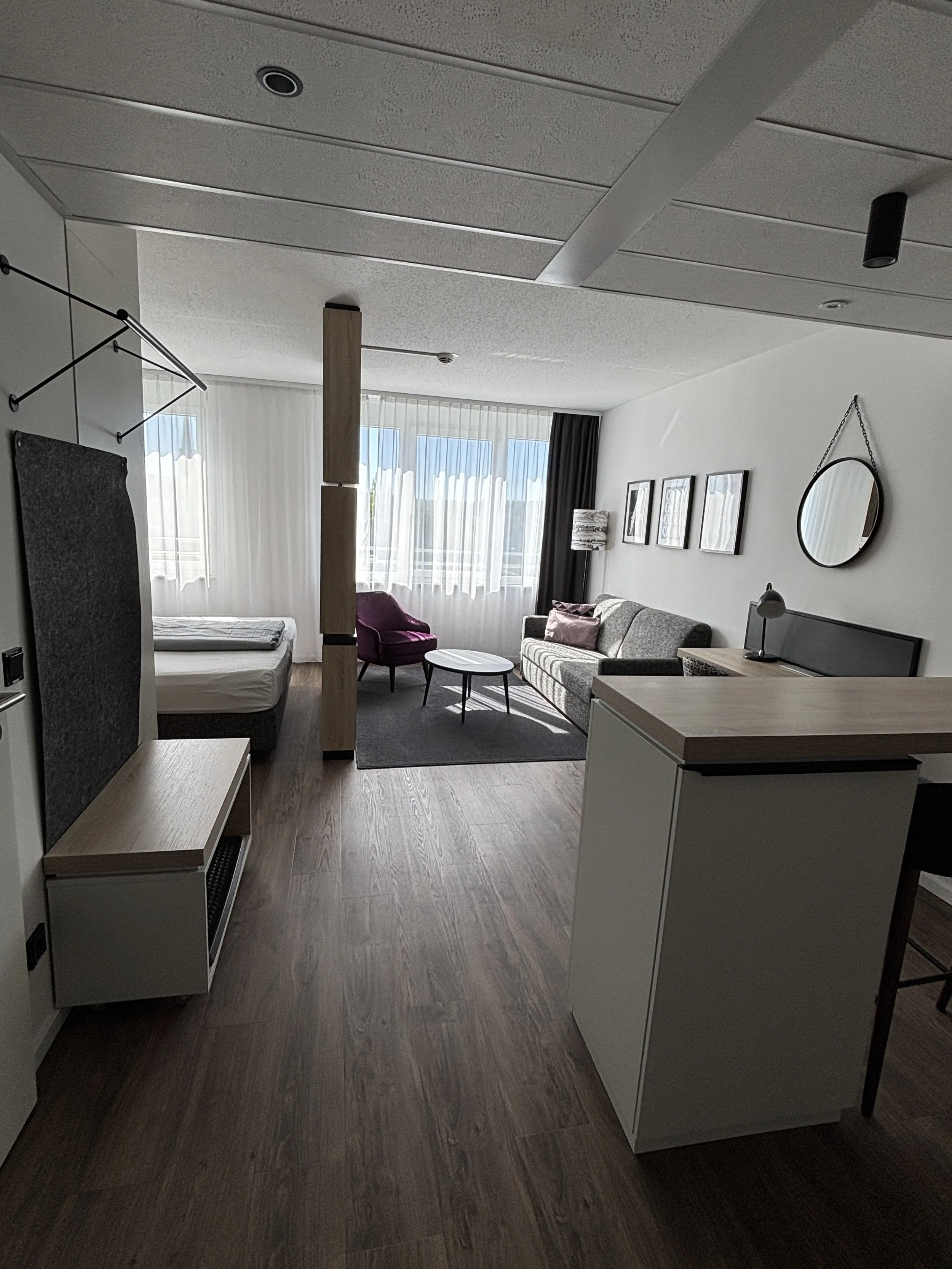
The whole building appears to be really new and modern. My room was super big and had a common bedroom-living room area separated by a false wall which holds a large flat screen tv.
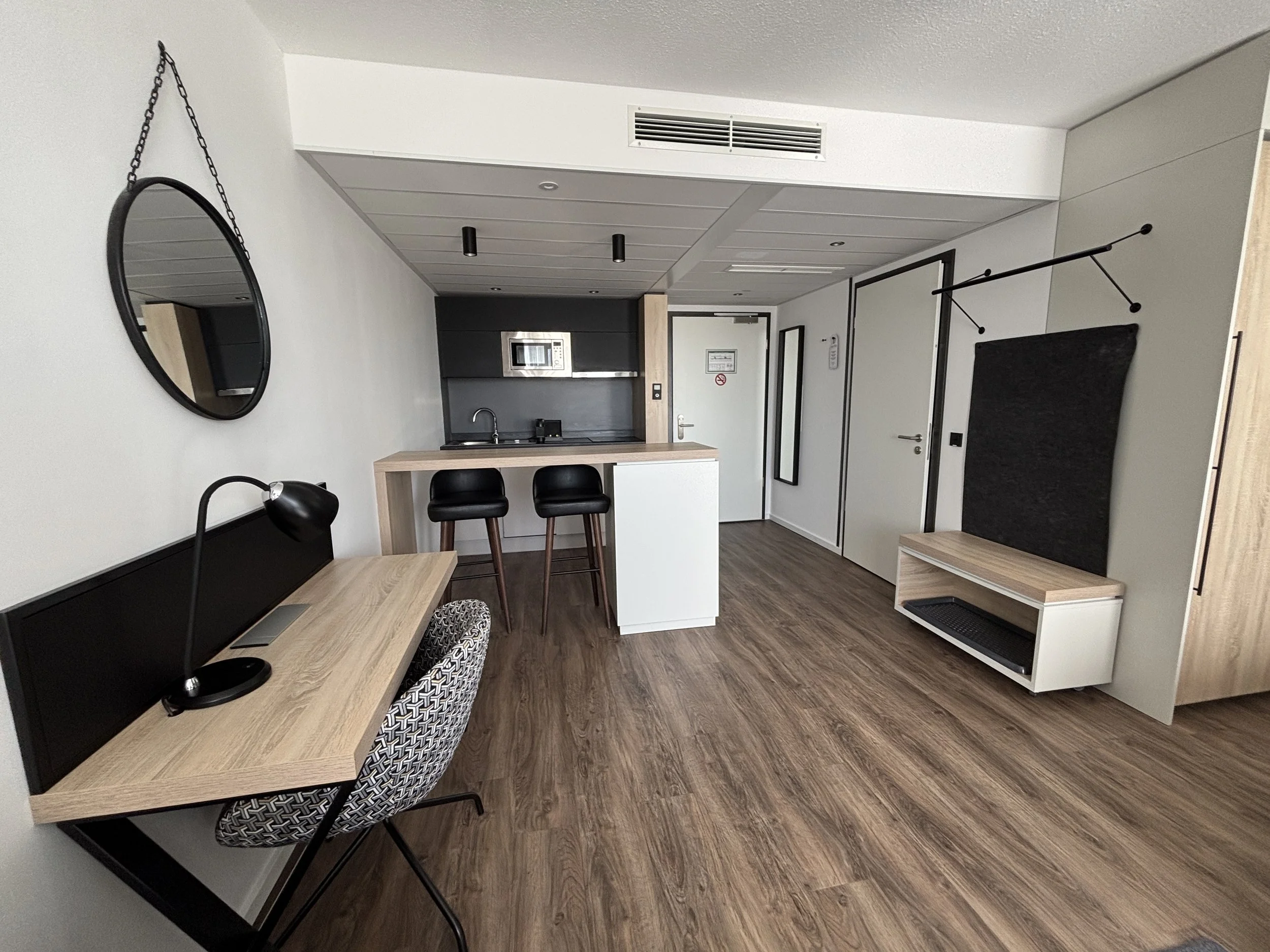
It had also a small kitchen and working desk as well as plenty of space to leave the luggage. There was some complimentary welcome coffee (from a Nespresso-style coffee machine) and some fresh sparkling water in the fridge.
The bathroom is also super modern and in contemporary style. Everything was super clean.
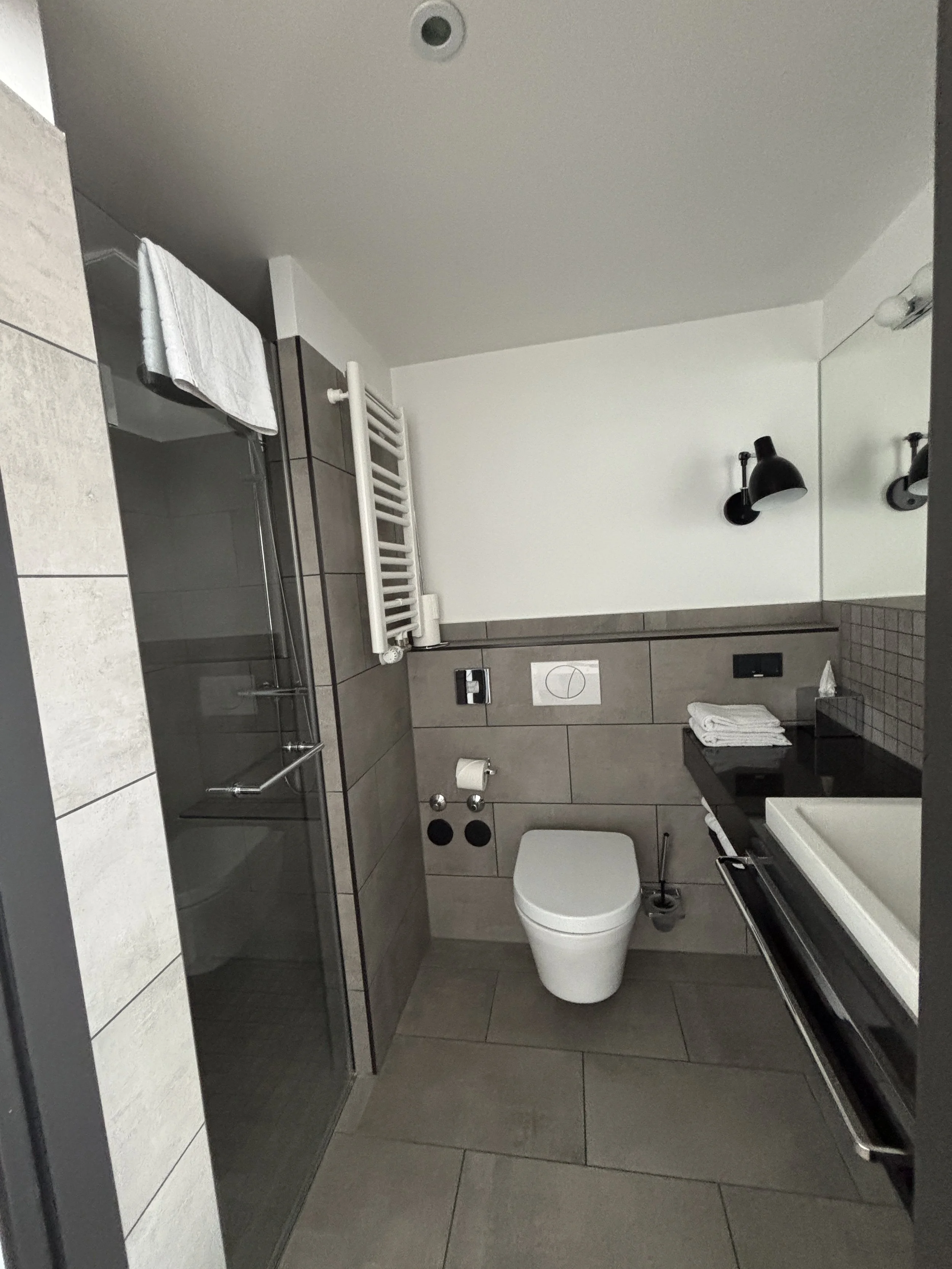
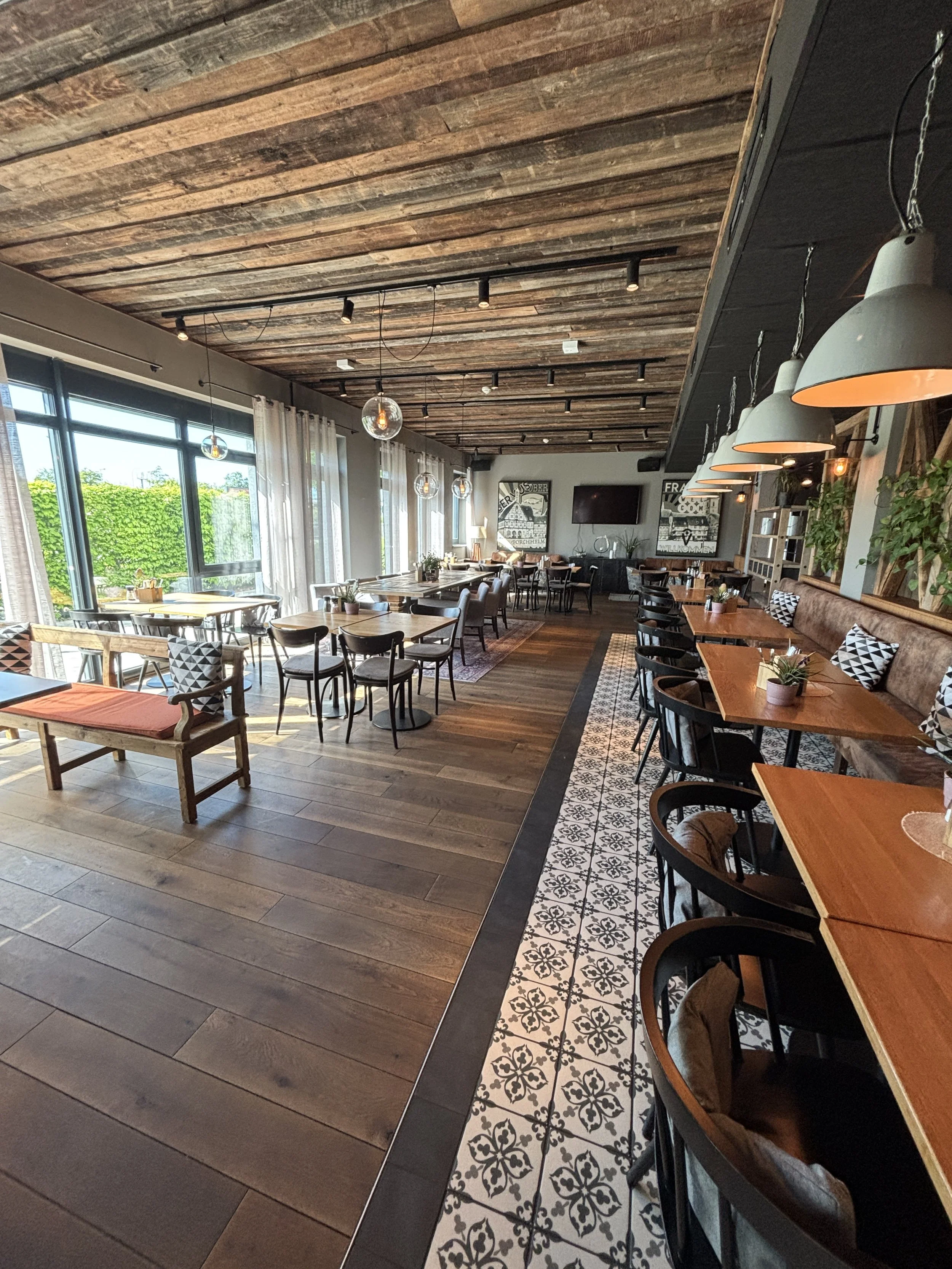
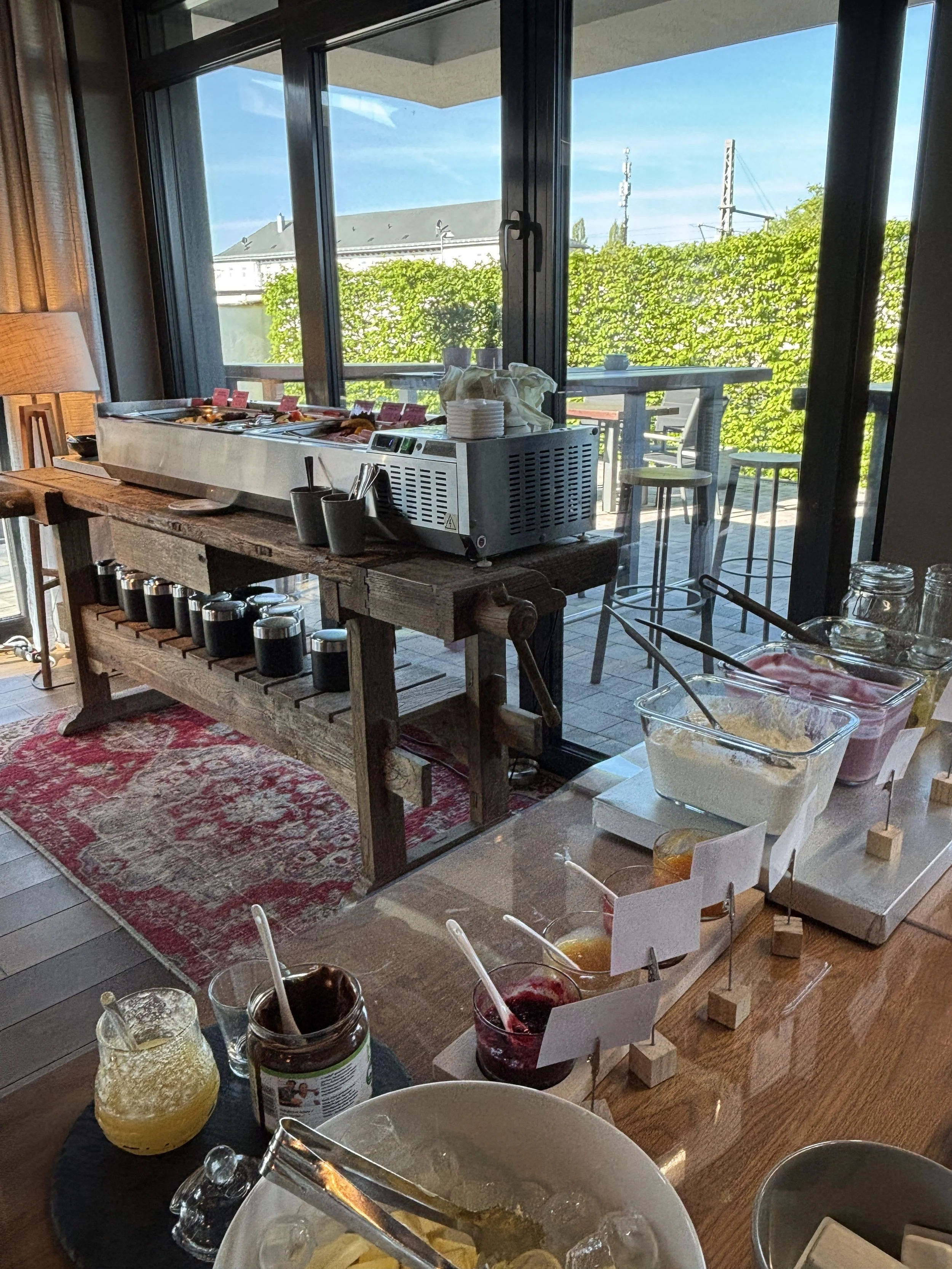
The ground floor has a rather large lobby-common area and restaurant, which is where breakfast is served in the morning. You can get the look and feel of the place in the images below. The breakfast was continental-type buffet.
The Arivo Aparthotel has also parking space, not relevant for me in this case, but I guess, it kind be quite an important detail to mention for those that are touring Franconia by car.
You can book this hotel here!