
Top things to do and to see in Franconia (& 4): Nuremberg
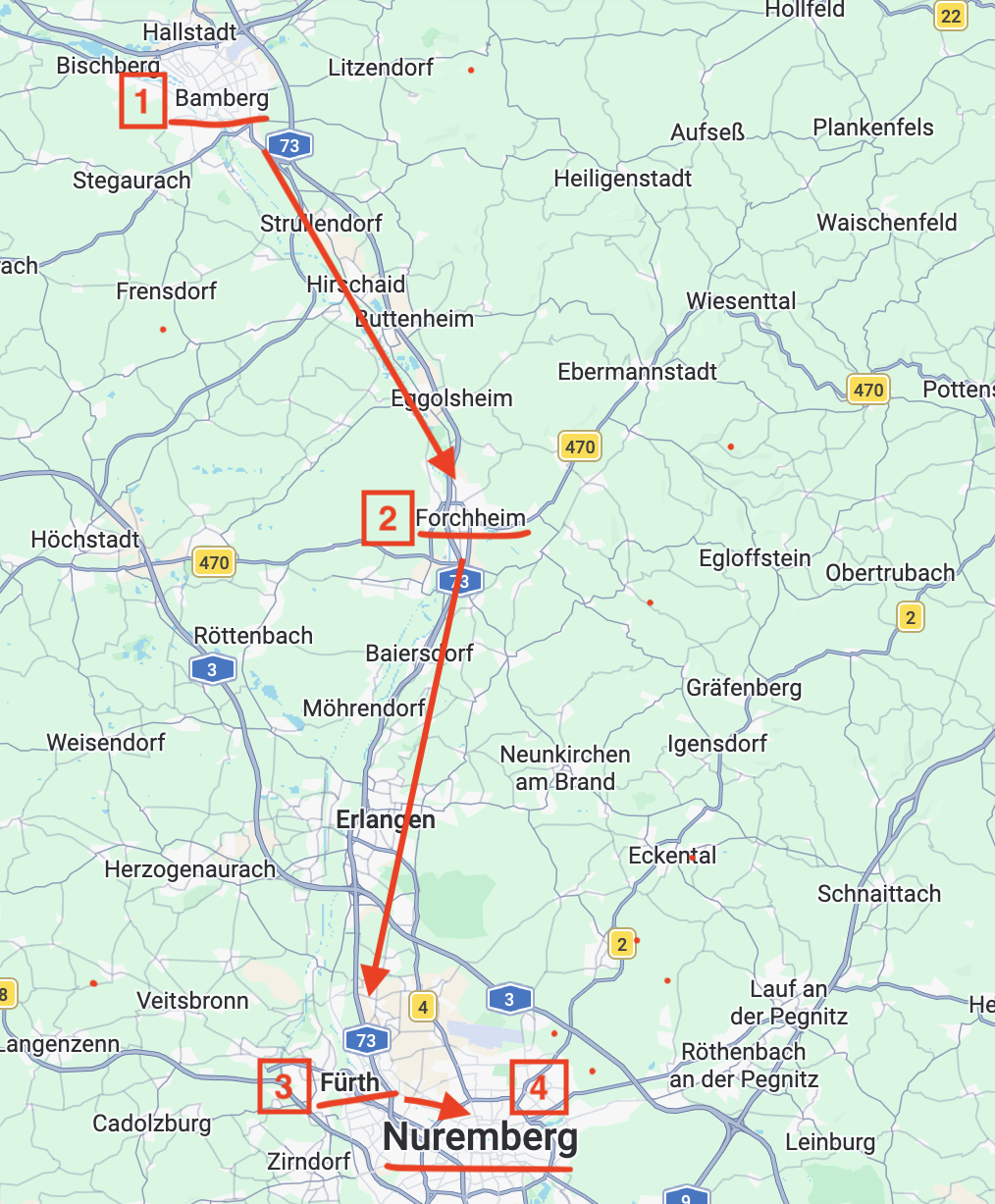
And this is how, after an intense weekend traveling by rail through the Franconia region of northern Bavaria, a journey that took me earlier to the beautiful historical towns of Bamberg, Forchheim and Fürth, reached its end at the Imperial city of Nuremberg.
Why Imperial city? Because since the Middle Ages and until Napoleon dissolved it in 1806, Nuremberg was governed as a free city that owed its allegiance directly to the emperor of the Holy Roman Empire.
What’s more, Nuremberg was also a designated meeting place for the Imperial Diet, a sort of proto-parliament attended by representatives of the many polities that made up the Holy Roman Empire, and it safeguarded also the Imperial Regalia.
But Nuremberg was also an important commercial city which commanded a rather large and rich hinterland from the safety of its imposing walls.
Nuremberg was perhaps at its peak during the early modern era, in the 16th C. and early 17th C., when it also gave the world its most renowned artist: Albrecht Dürer (1471-1528), whose home and studio in the city is still possible to visit in the historical downtown (in addition to giving its name to Nuremberg’s airport too!).
To be honest, this post possibly doesn’t do justice to Nuremberg, because due to time constraints I had to skip some of its top museums: the German National Museum of Toys (Spielzeugmuseum), the museum of the German railways (Deutsche Bahn Museum), the new Deutsches Museum Nuremberg, which focuses on technology, and the more classic Germanisches Nationalmuseum (Germanic National Museum), which focuses on German history.
What I did have time to visit were two sites connected to the more recent history of the city, and not a particularly proud period of it. These are two locations connected with the beginning and also the end of the Nazi period in Germany: Zeppelinfeld, where some of the first Nazi rallies were held, and the Nuremberg palace of justice, where the famous Nuremberg Trials were held after the war.
So, quite a lot to see in Nuremberg, a city that, while big, has still a very manageable size and a public transport system that makes it relatively easy and convenient to move around.
Traveler’s Tip: If you are planning to visit several of Nuremberg’s museums you can purchase a “Nuremberg Card”, which costs €38 and gives you access to most of them within 48 hours and includes also the public transport fare (metro, tram and S-Bahn) for Nuremberg’s Zone A, which covers the airport too.
So, without further ado, let’s have a look at the top things to do in Nuremberg if, like me, you are on a limited time budget!
Top things to see in Nuremberg that are covered in this post:
Nuremberg’s historical center
Nuremberg Castle (Kaiserburg), walls and gardens
Albrecht Dürer’s house and museum
Hauptmarkt, St. Lorenz and the river banks
Nuremberg Memorium:
Nuremberg Trials Museum
Courtoom 600
Zeppelinfeld
A great place to eat in Nuremberg
A great place to stay in Nuremberg
This post may contain affiliate links. If you book or buy something through them, I earn a small commission, at no extra cost to you. It's one of the ways I keep Places of Charm going. Thank you for your support.
I would like to thank also Franken Tourismus for facilitating this journey. All opinions are my own.
Things to see in Nuremberg’s historical centre
Nuremberg Castle (Kaiserburg)
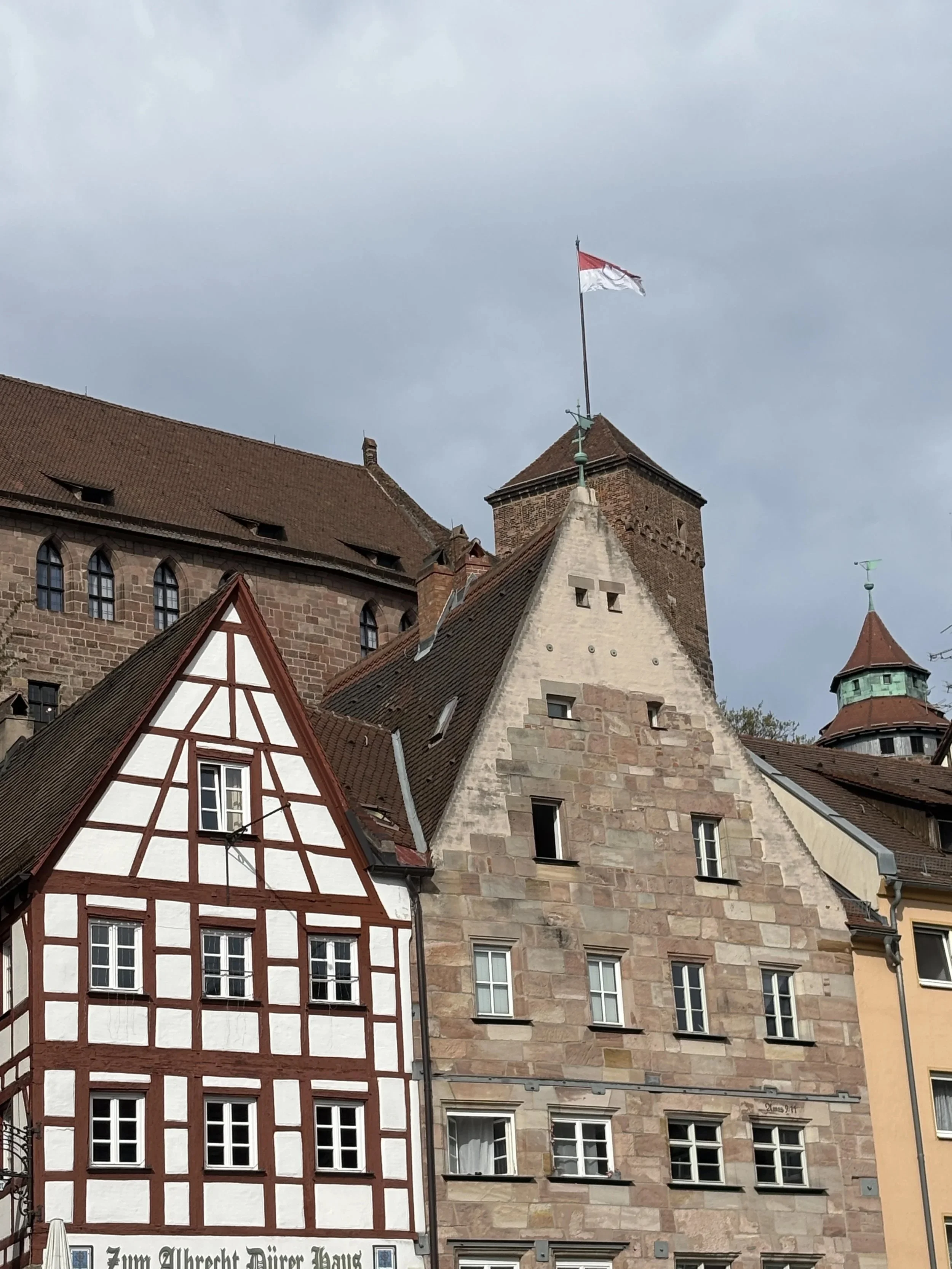
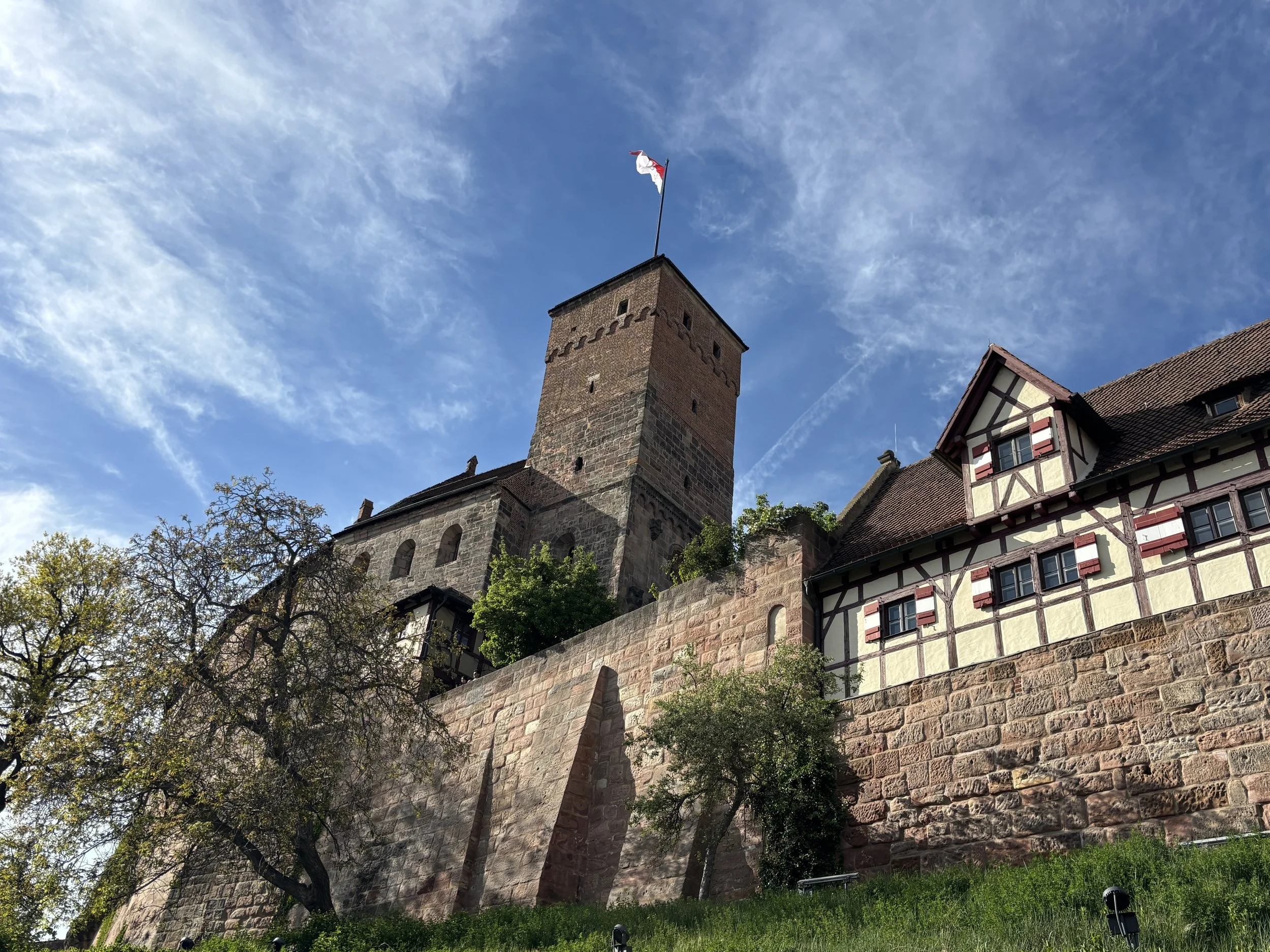
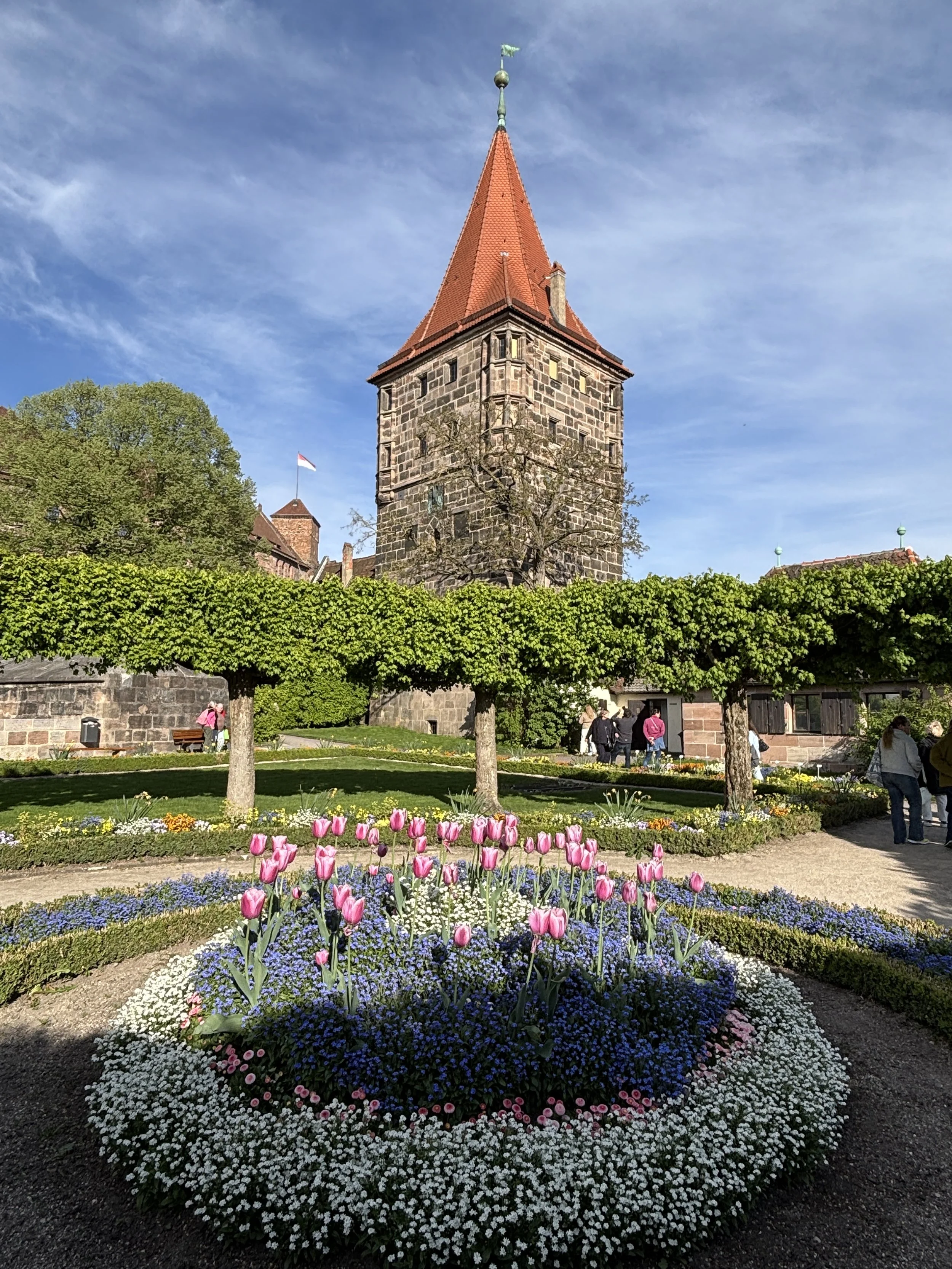
Nuremberg’s castle has been the dominant feature in Nuremberg’s skyline since the Middle Ages. The castle is located on a hilltop at the northern edge of the old town, dominating the historical centre below it and providing some of the best of the city (but perhaps not THE best, as you will soon see further down this post!)
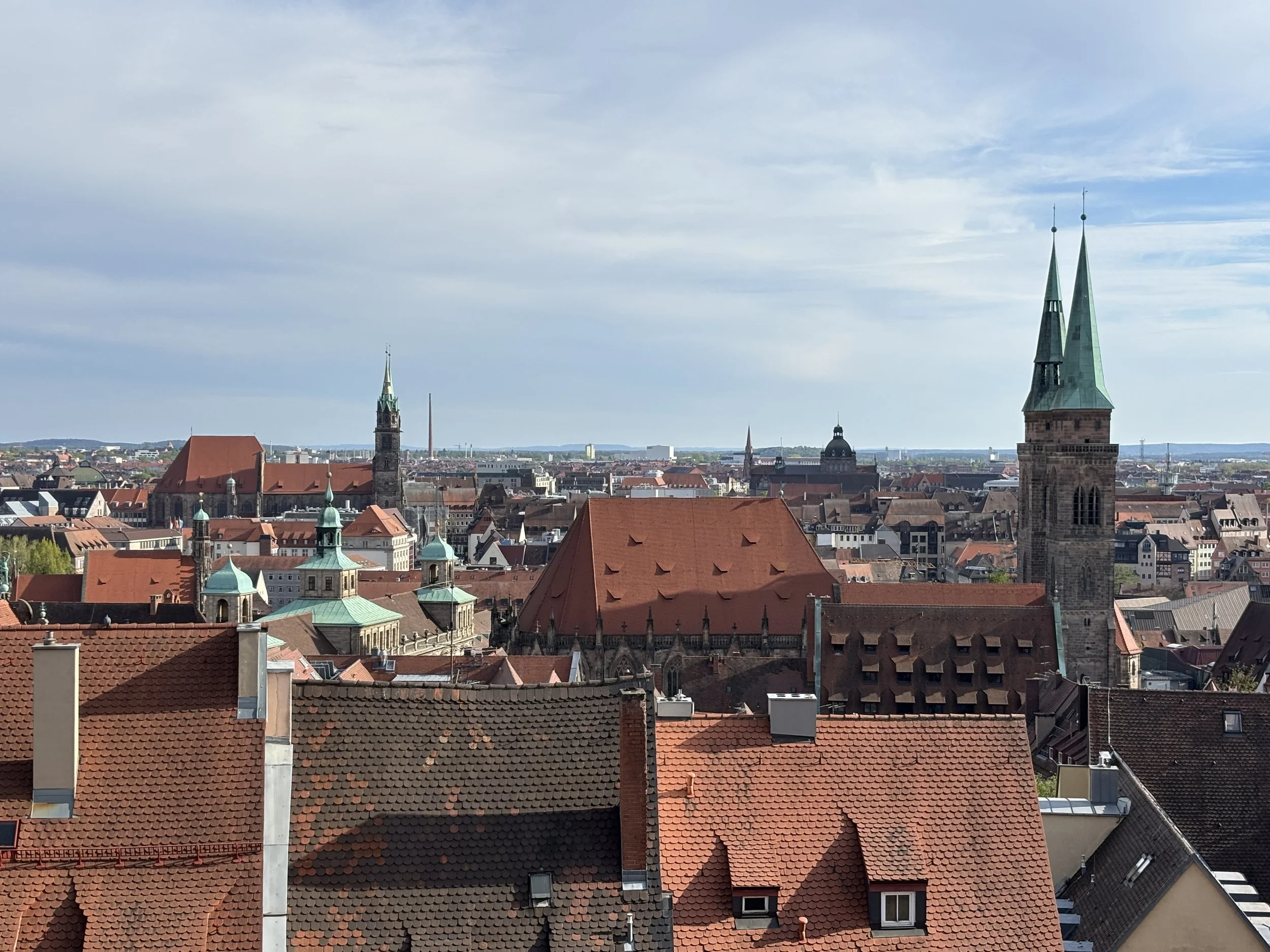
To get up the castle you will need to walk uphill, but the views are well worth it!
You can visit the inside of the castle if you feel inclined to do so.
The castle was, apparently, very heavily damaged by bombing during WW2, so many of the interiors are actually a post-war restoration.
In my case, I just walked around the outer areas to get a feel of the place and to optimize my time.
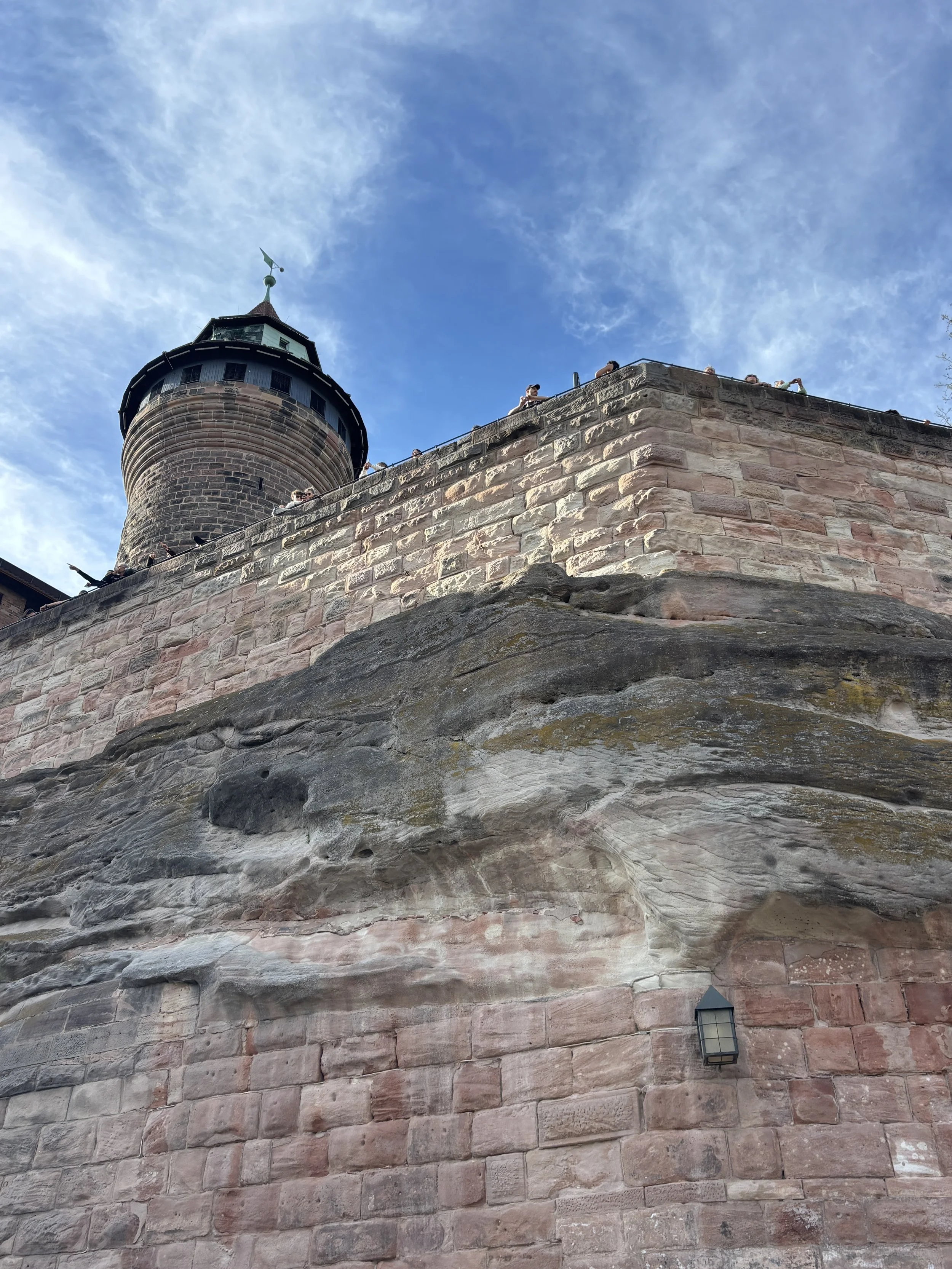
One of the aspects of the castle that are quite impressive is that it is atop a massive rock, which you can see in some places with the naked eye.
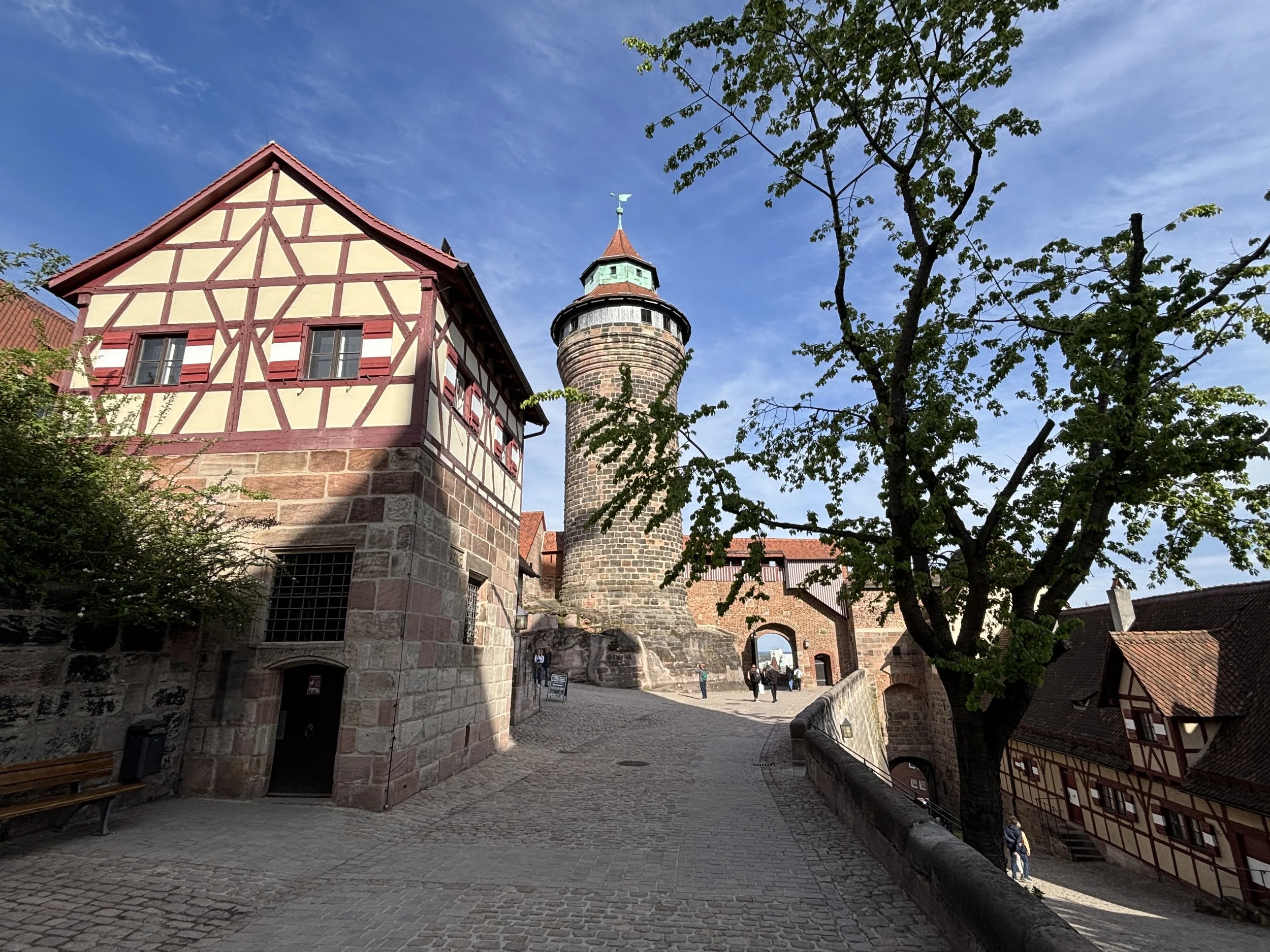
You don’t need any ticket to enter the castle’s enceinte and access the viewpoint facing the old town. It is also possible to walk a segment of the walls, which end in a small square adorned by some perfectly manicured gardens.
Albrecht Dürer’s House and Museum
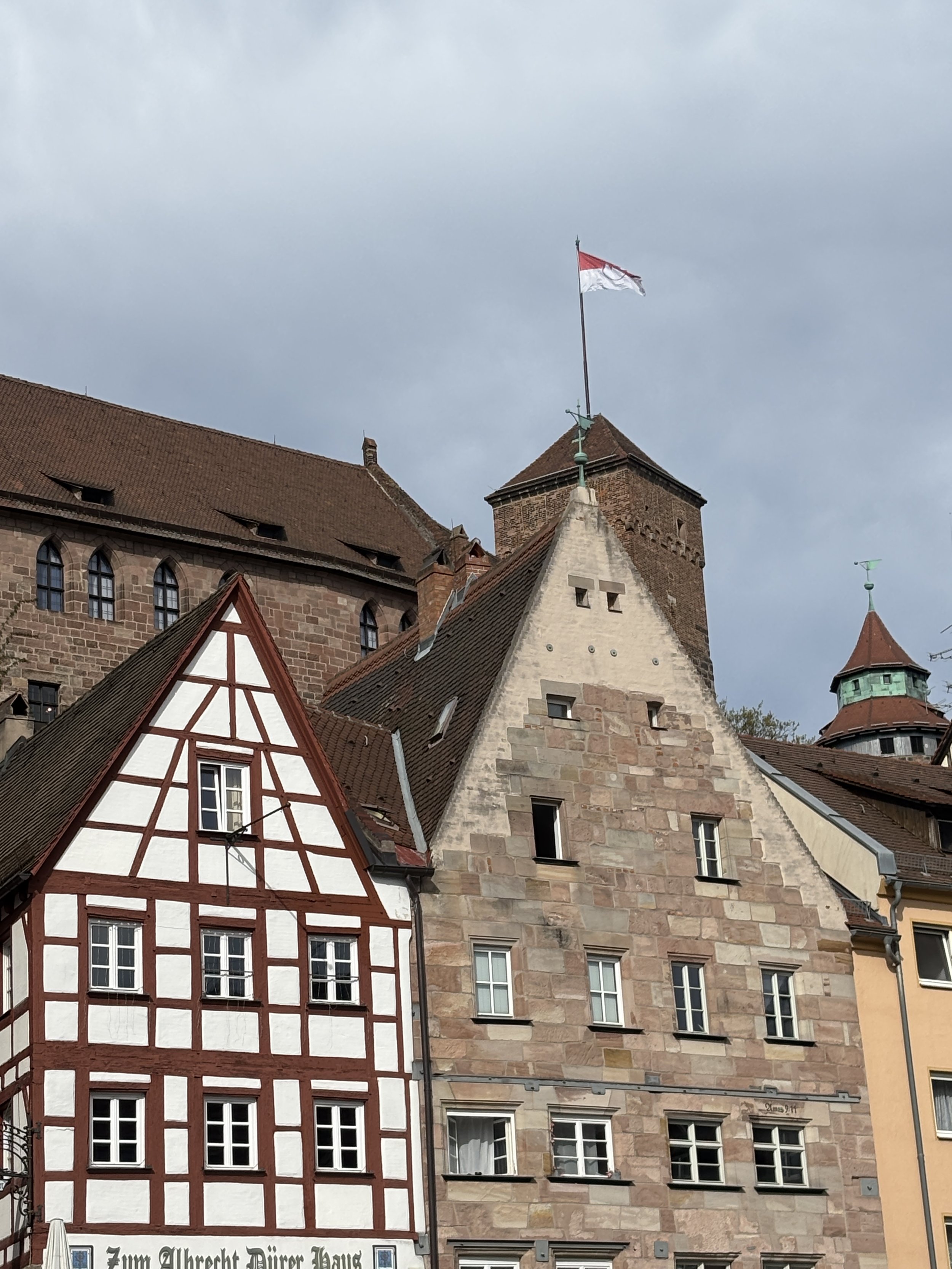
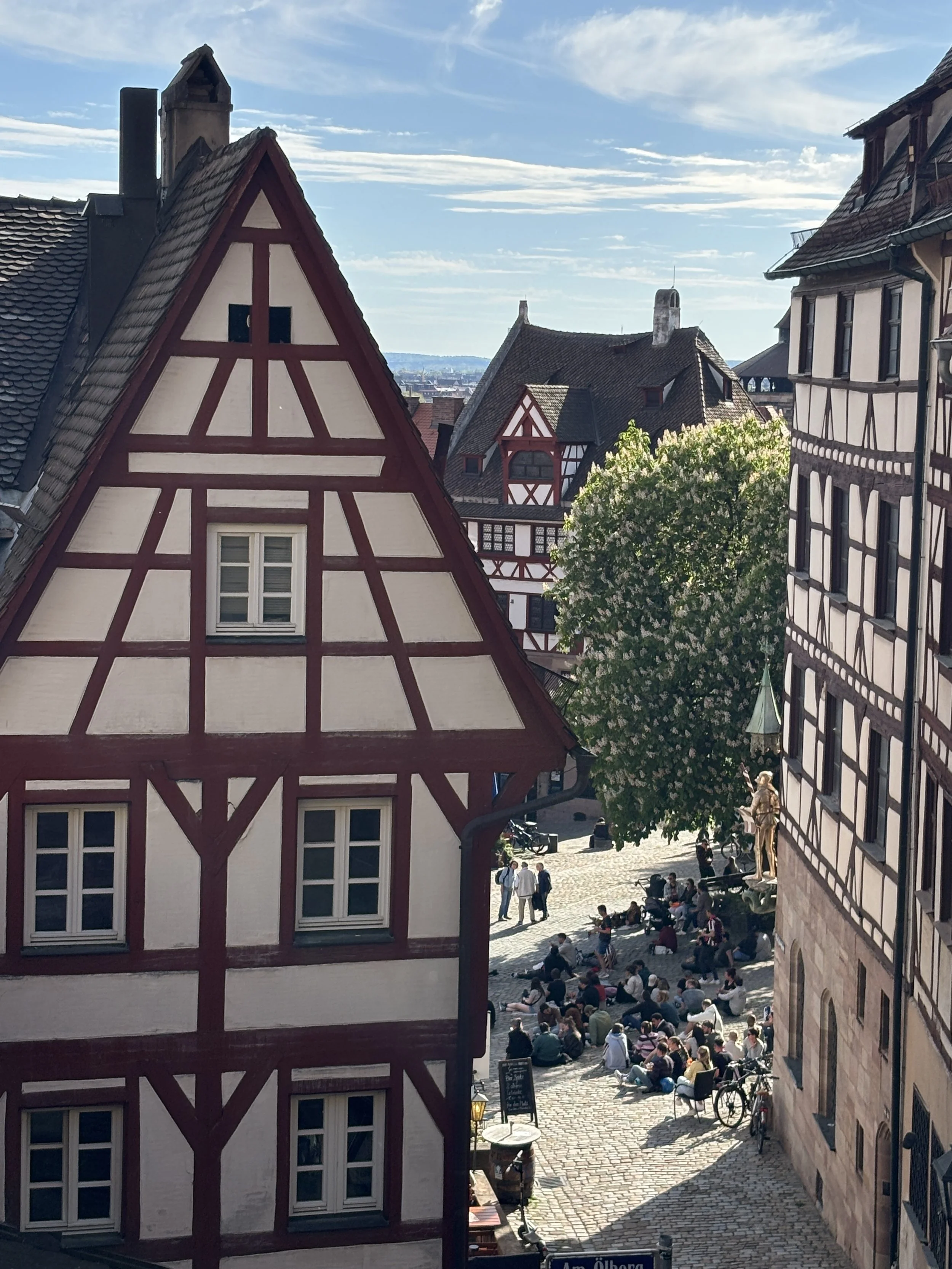
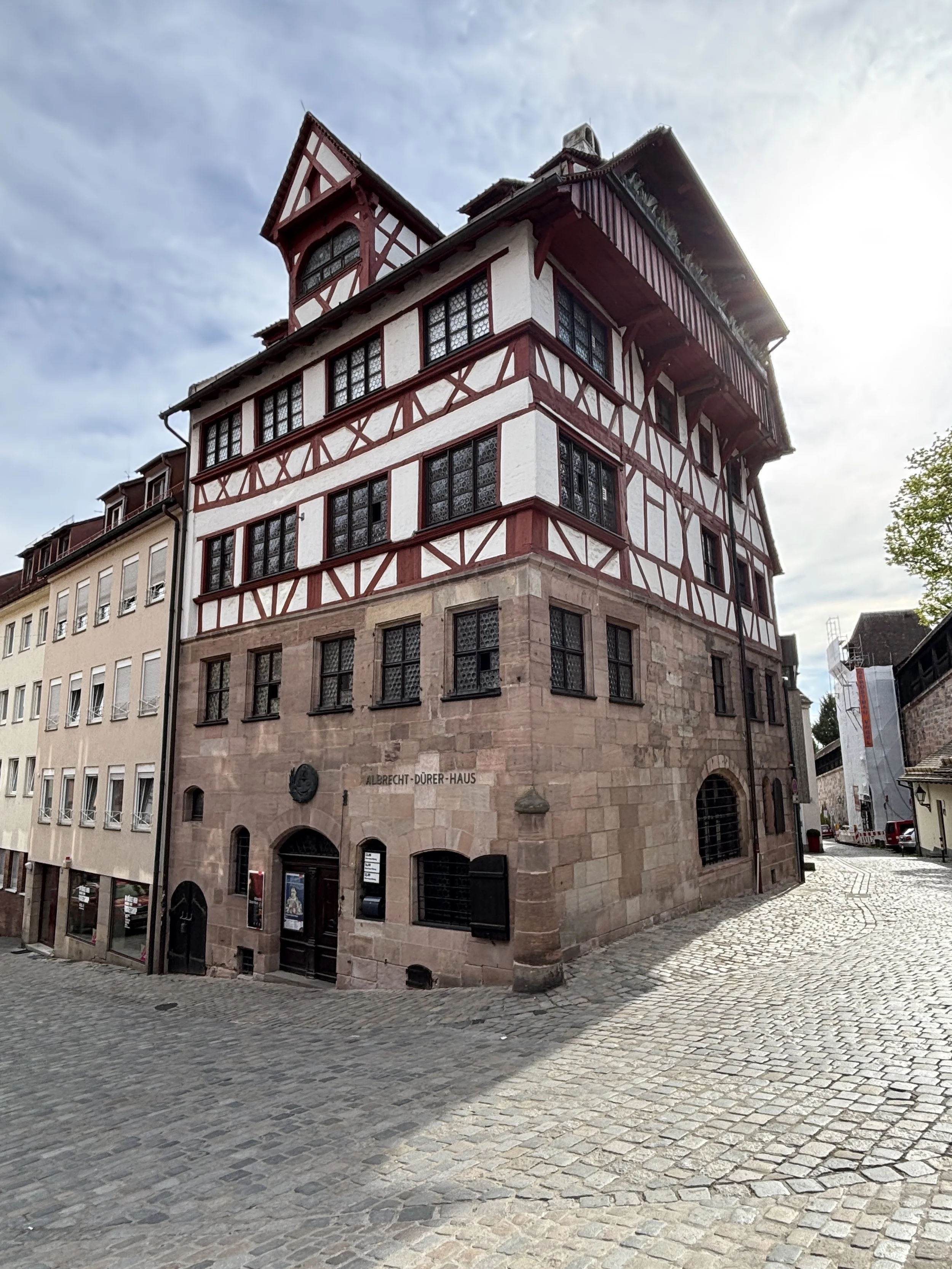
The other focal point in this part of the old town and very close to Nuremberg Castle is the house where Albrecht Dürer lived part of his life. This half-timbered building is on the corner of a small square which opens up just underneath the castle and adjacent to the city walls.
This is a spot where many people congregate when the weather is nice and warm, since the south-facing slope makes it a good spot for groups to congregate and for tourists to get some rest and refreshment at the several bars that line the square.
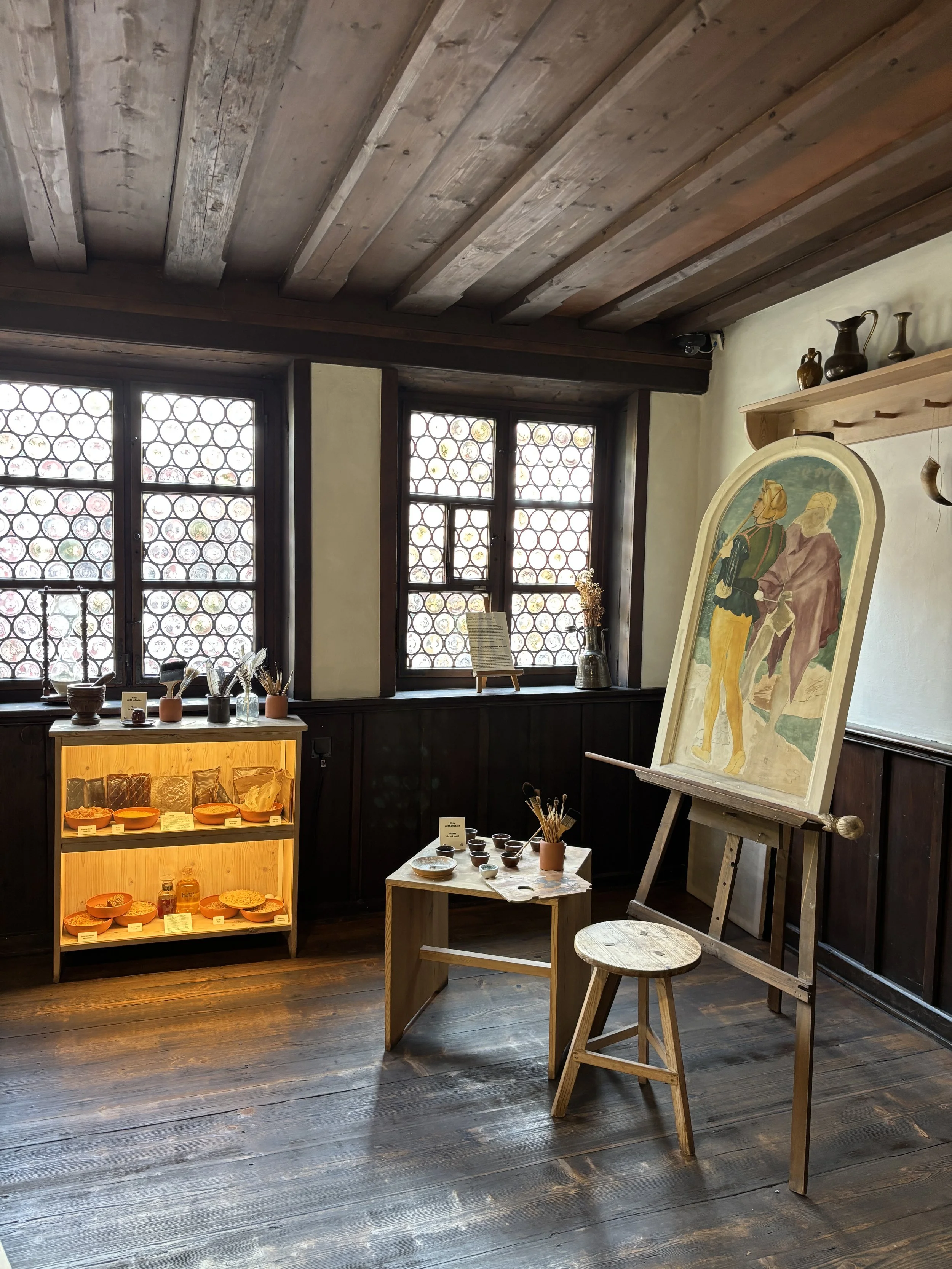
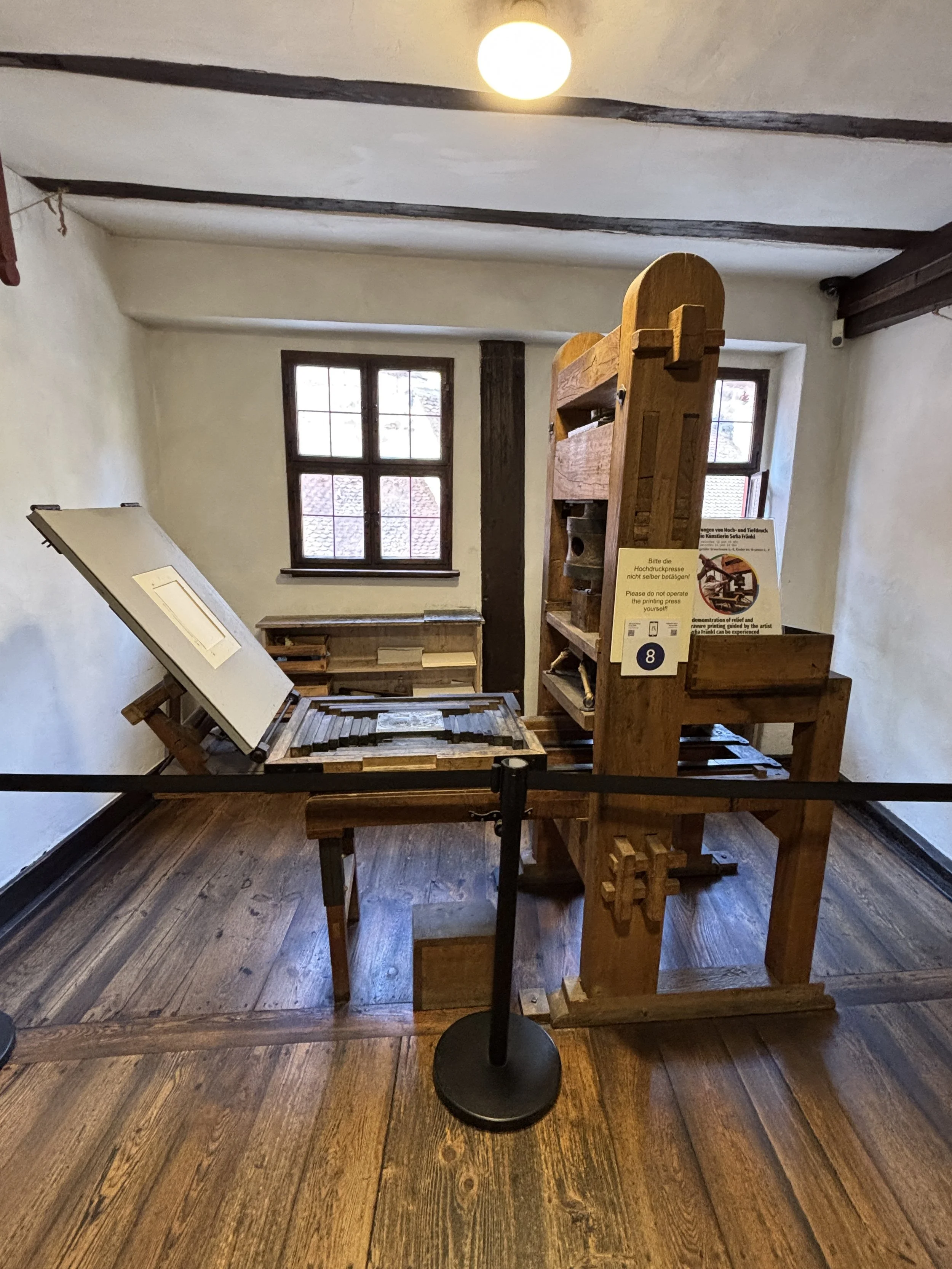
Albrecht Dürer is one of the great artists of the Renaissance era. He was contemporary to the great Italian masters of the time (Leonardo, Michelangelo and Raphael), but developed his own brand and style of creation. And while he was a very talented painter, Dürer is particularly well known for his engravings. This technology, which used an early form of printing press, allowed Dürer’s work to spread fast across Europe, making it famous and celebrated across the continent.
In this sense, Dürer was also “modern”, not just in adopting new technology to amplify its work, but also in that he was one of the first artists to cultivate his own image and fame.
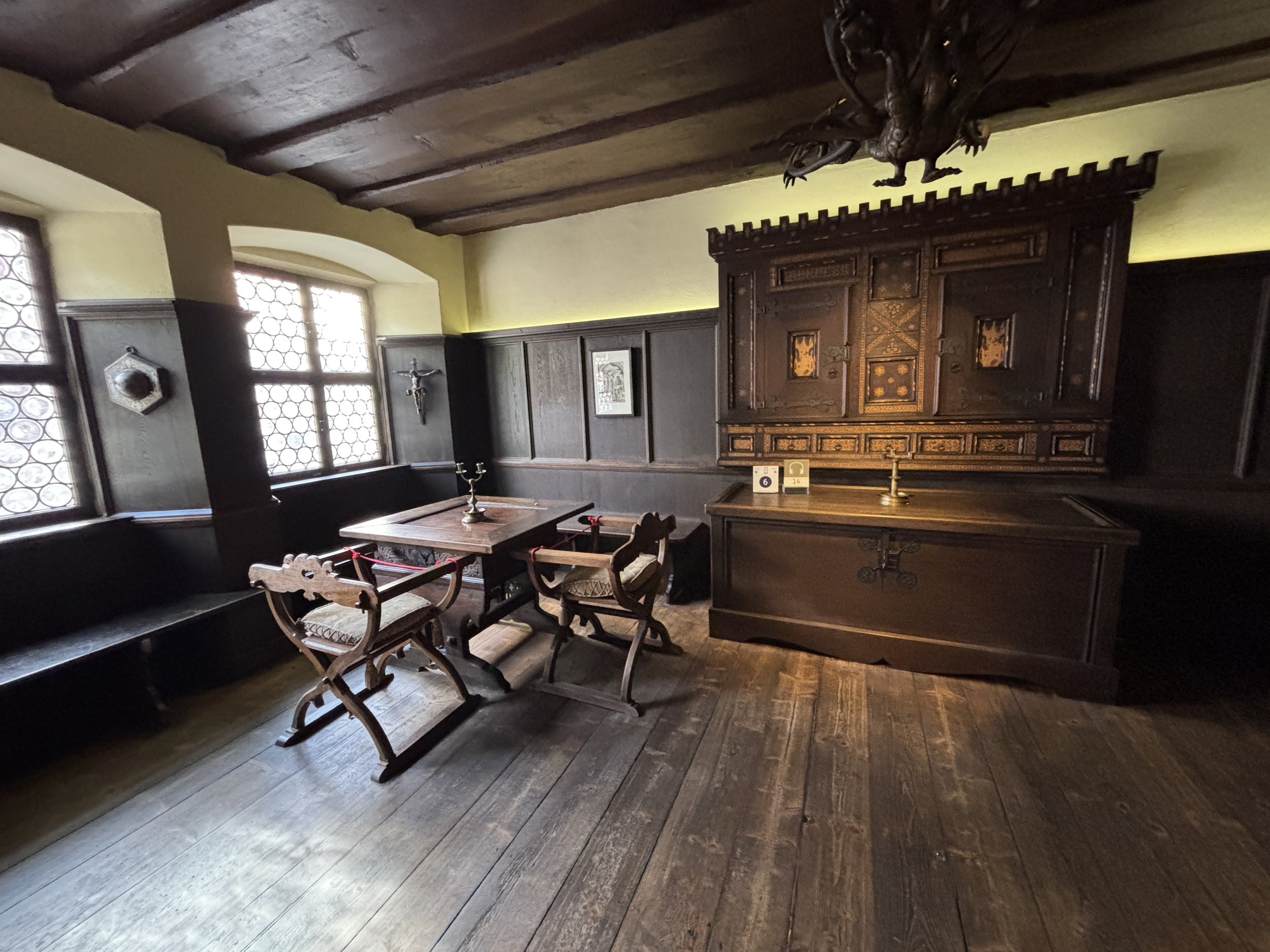
The house you can visit in Nuremberg was bought by Albrecht Dürer when he was already a well-known and reasonably well-off artist and he lived there with his family until his death in 1528.
Obviously, the building has suffered modifications throughout the centuries, but it has been painfully restored to something similar to what it may have looked like at the time. It now houses a small museum about the life and work of Albrecht Dürer.
It takes 30-40 minutes to see and it is a quite interesting way to learn more about a very interesting artist that is perhaps not as universally well-known as his contemporaries south of the Alps.
The entrance fee is €7.5 (it is also included in the Nuremberg Card) and an audioguide is included. Beware, that, as it is common in old buildings, there are some steep stairs to climb to do the visit!
A walk through Nuremberg’s historical center
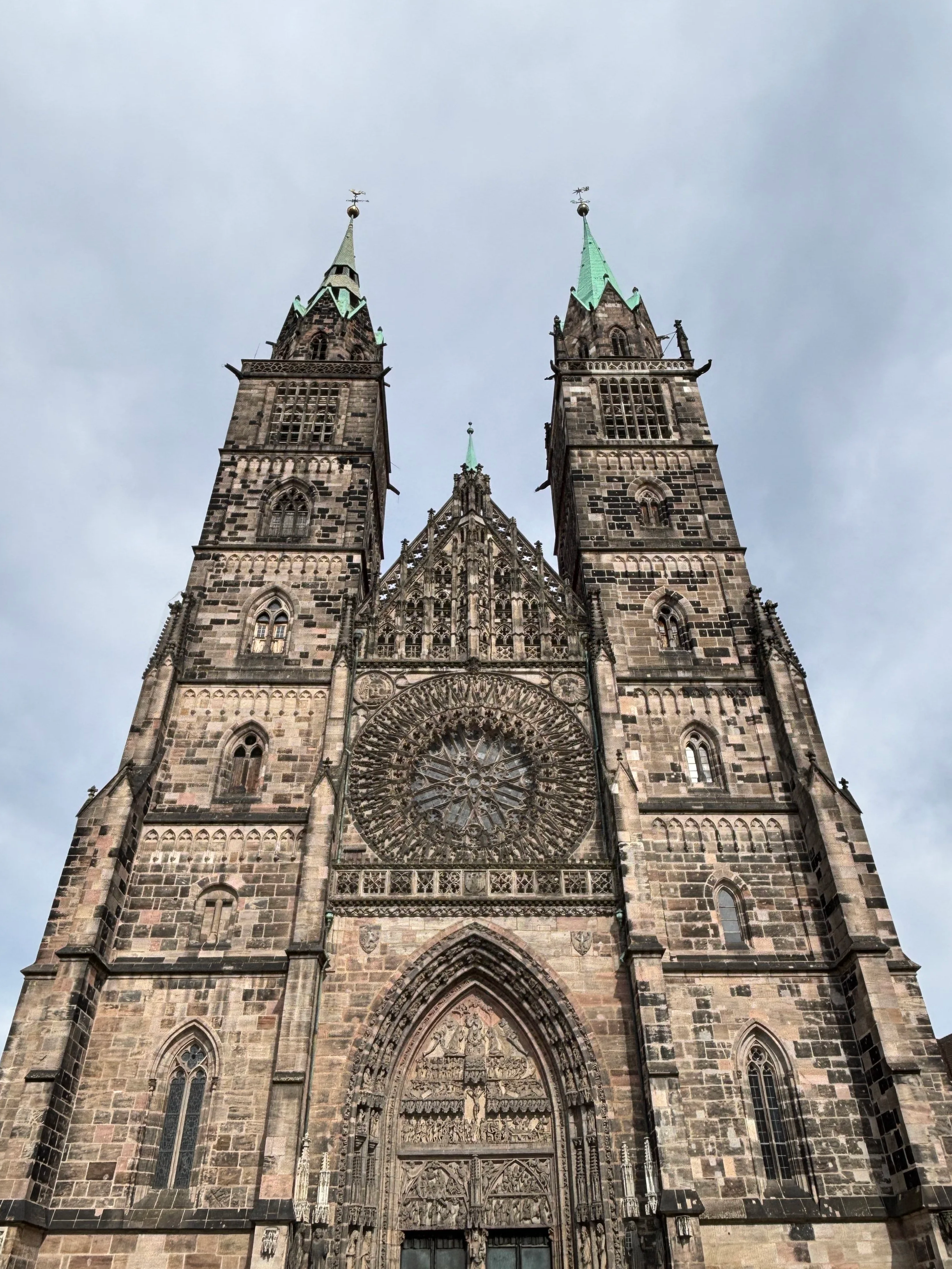
Besides the castle and museums, Nuremberg is endowed with a very large and mostly pedestrianized historical center to walk through.
As mentioned earlier, a large portion of Nuremberg’s city walls are still standing and in a good state of preservation, complete with the moat and towers.
The river Pegnitz also runs through the city center, dividing it in two, and with its two opposite banks sloping gently towards it. This offers also some nice views from specific spots.
If you are entering the historical town from the side of the central station (Hauptbahnhof) a typical route that would take you to the castle past some of the city’s top landmarks would be through Königstrasse north towards Saint Lorenz (depicted right) and then onwards to Hauptmarkt (the setting of Nuremberg’s famous Christmas market!).
At Hauptmarkt (below left) you will find the Schöner Brunnen (Beautiful Fountain) and the Frauenkirche, both built in the 14th C. Just north of it is Saint Sebaldus, another large Gothic church of note.
Continuing further up you reach the Albrecht Dürer house and the foot of the castle.
But you may also choose to walk south and west from Hauptmarkt, across the several bridges spanning the river Pegnitz, towards the Weisser Turm and Saint Jakob’s (below right).
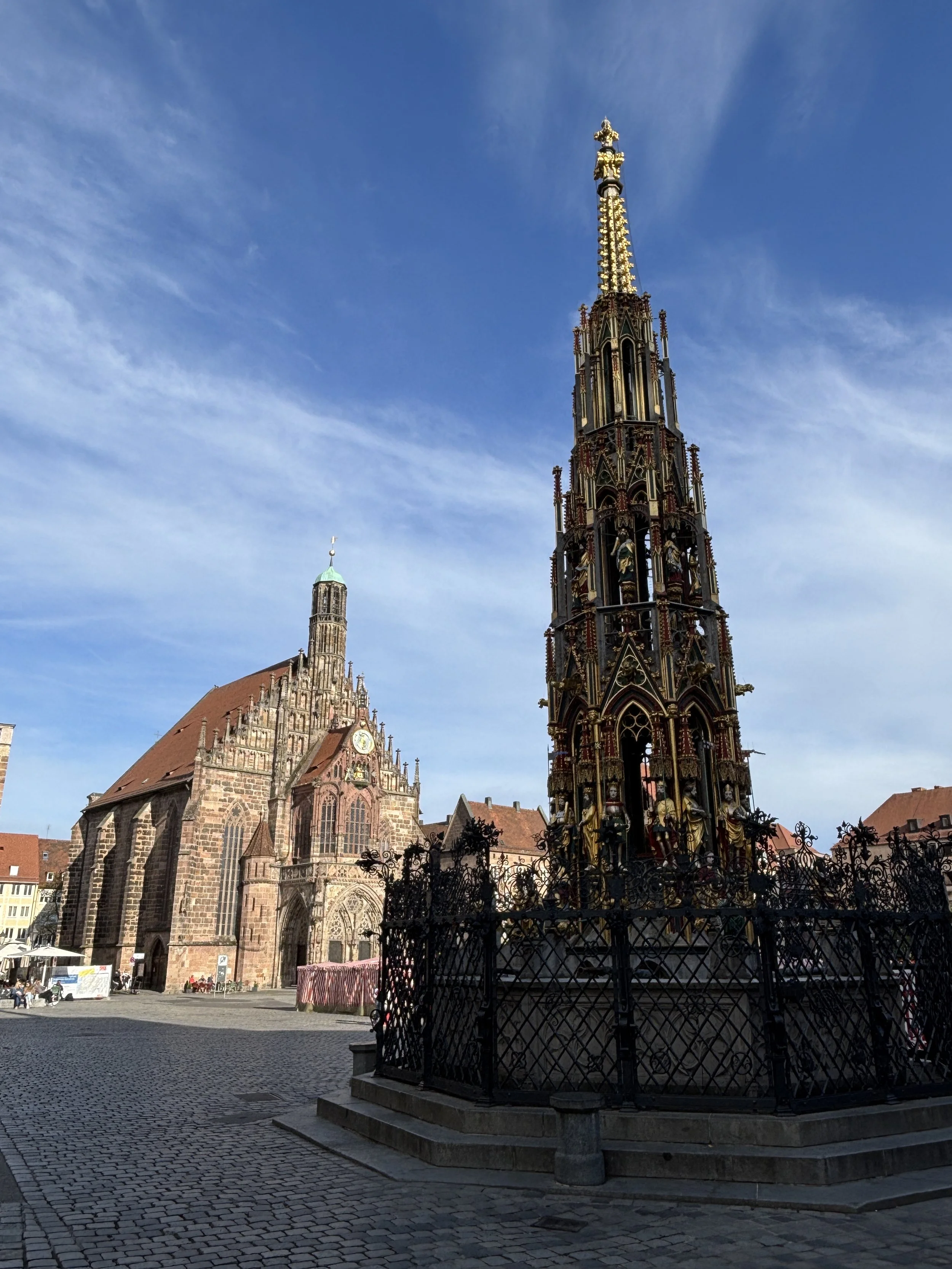
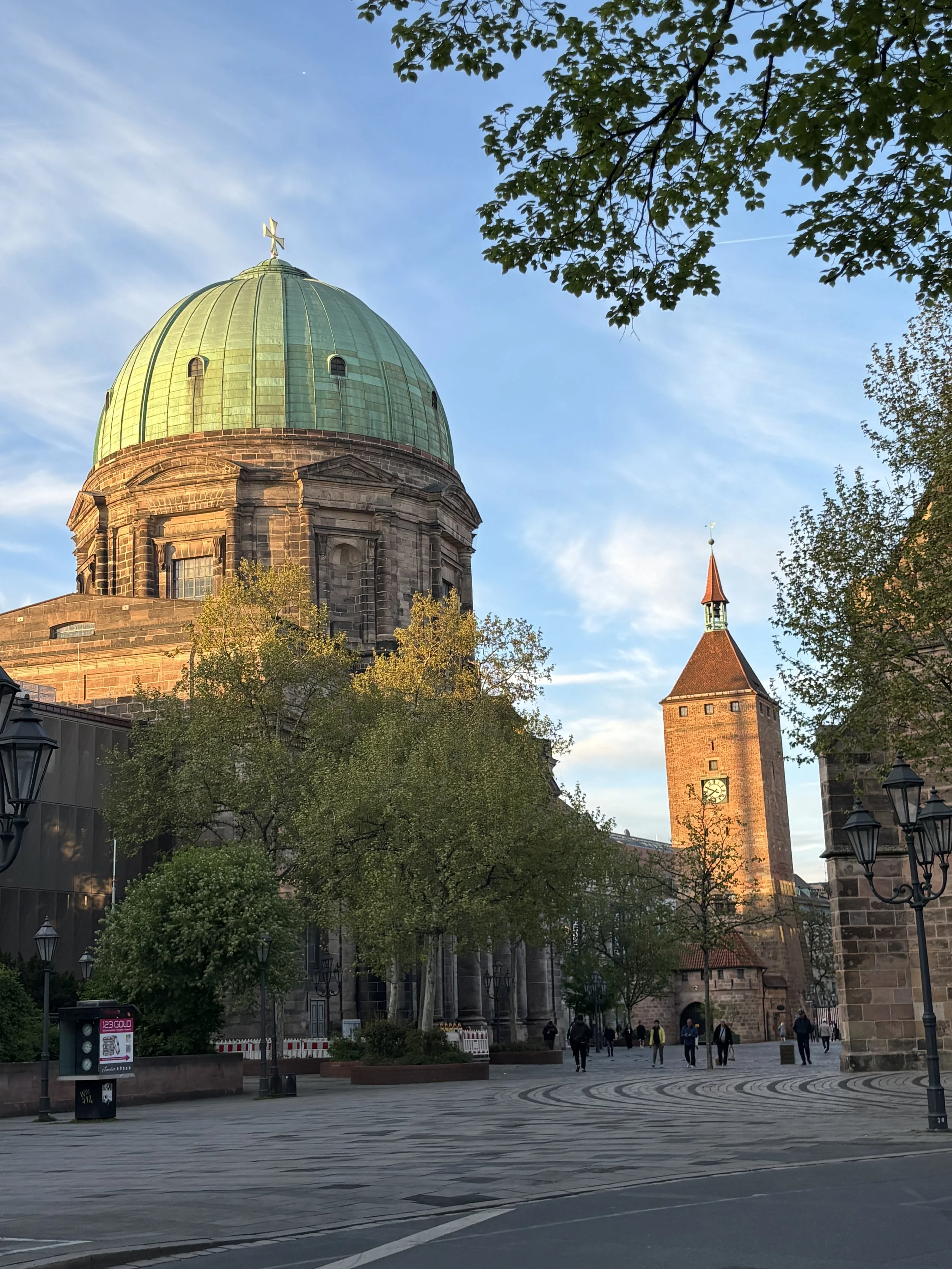
Nuremberg has managed to preserve the charm of its historical centre or, I should rather say “to restore” because the city, including the old town was thoroughly destroyed during the last months of WW2 and later faithfully reconstructed.
Let’s be clear, however, this city is not an open-air museum frozen in time, it has remained a lively,. commercial city throughout and this is apparent in the buzz and activity on its streets, even on a relatively Sunday afternoon, as it was the case of my visit.
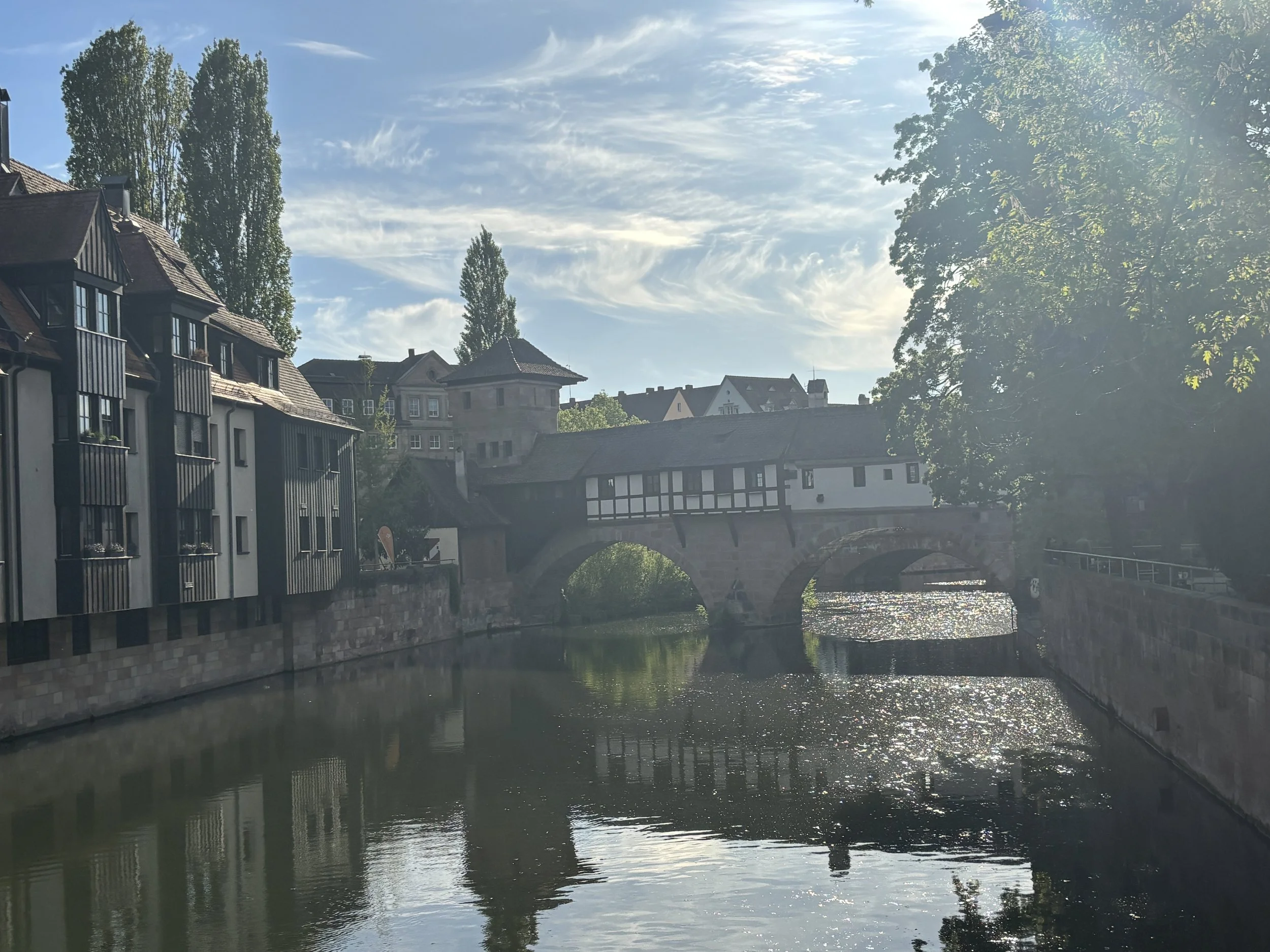
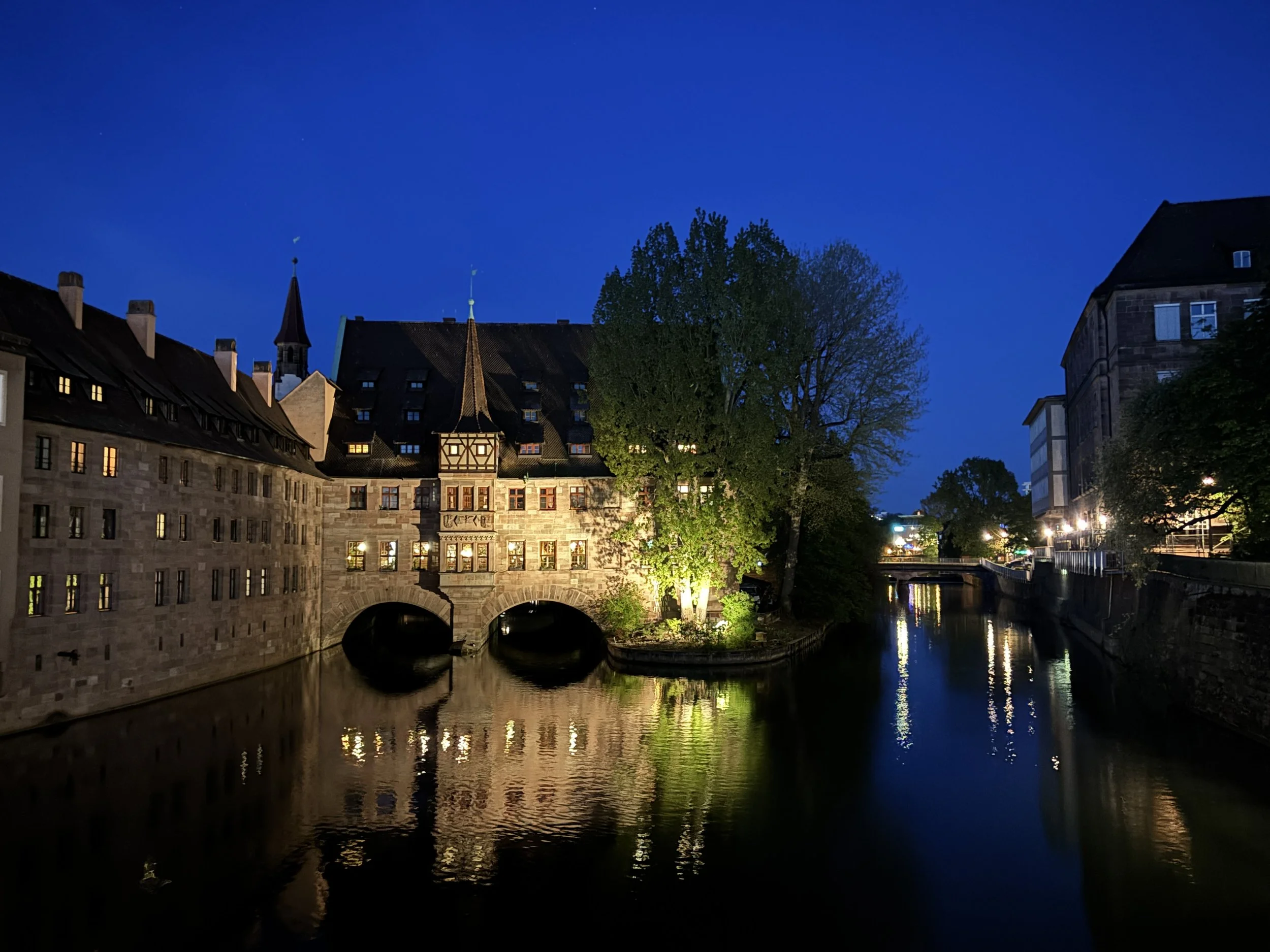
By the way, since most of the city’s landmarks are well illuminated at night for effect, Nuremberg’s historical centre makes also for a beautiful walk at night.
The Nuremberg of WW2
Memorium & the Nuremberg Trials courtroom
And from medieval and early modern Nuremberg to WW2, because the city has preserved sites which are linked to two very specific moments to that dark historical episode.
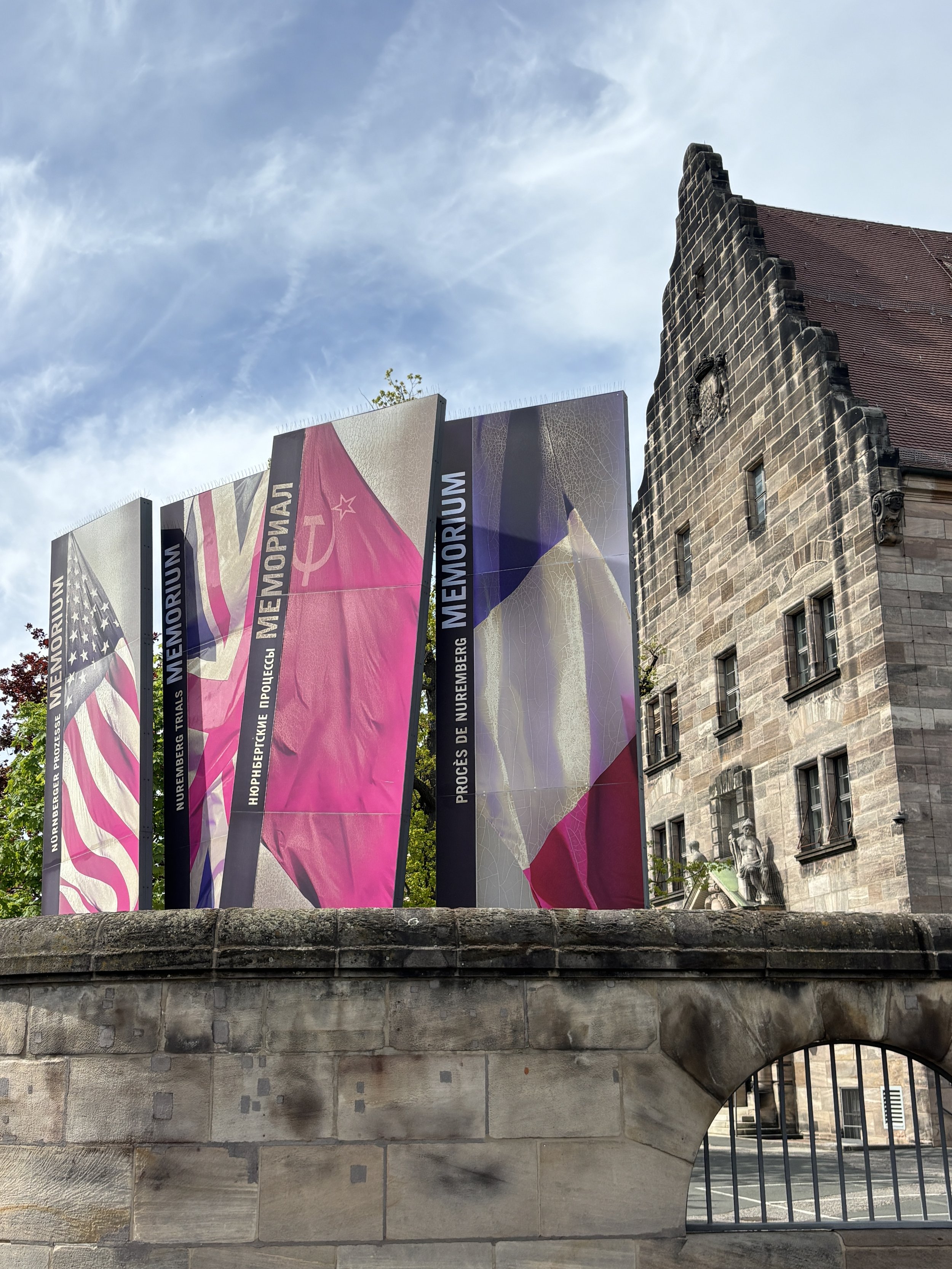
Remarkably these refer to both the rise and the fall of Nazism. One of them is Zeppelinfeld (covered further down this post), the other, and more impressive from a visitor’s point of view, is “Memorium”, the museum and documentation center at Nuremberg’s Palace of Justice, in which Nazi war criminals were tried after the war.
Memorium is located within the Nuremberg’s Palace of Justice. Note that the building, including the historical Courtroom 600, where the trial of the main Nazi leaders (at least those that could be captured alive) took place, is still in use today as a court of justice!
This site is an absolute must for anyone minimally interested in WW2 and, more generally, in international political and legal affairs.
The Palace of Justice is not in the very center of the city, but it is not very far either. It can be reached very conveniently, a 10min metro ride (station Bärenschanze), from Nuremberg’s central station. From the metro station it is a 200m walk to the entrance of the museum area, which occupies a wing of the Palace of Justice building.
The entrance fee is €7.50, although it is also one of the attractions included in the Nuremberg Card.
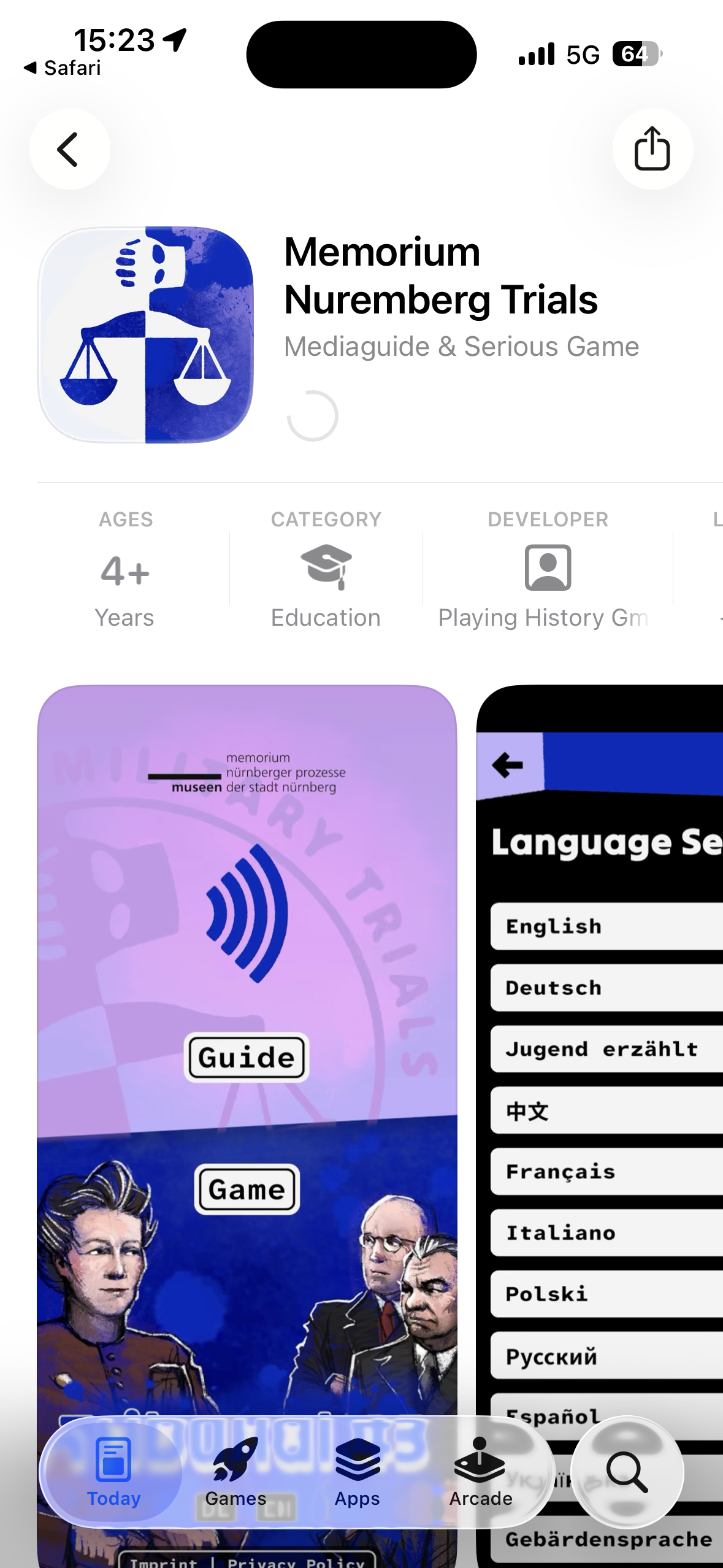
Once there, you are encouraged to download an app which acts as an audioguide (and it has also some gamified features for children).
It is not a requirement to download it, but I would advise doing so if you want to fully enjoy the experience and get all the wealth of information in it.
To be honest, there is so much information, including all the transcripts of the different speeches and other texts related to the trials, that you possibly won’t use all of it. But, nevertheless, is a good way to learn about the many details of the trials.
The most well-known of these trials are the ones that took place in 1945-46, with some of the remaining Nazi leaders. However, there were other batches of trials in the second half of the 1940s concerning also other lower rank Nazis which also took part in war crimes.
The trials represented quite a feat and not only because they involved getting countries which, while formally allies had very different world views, to agree on some common definitions of justice and in what could be define as a crime against humanity.
There were also quite a few practicalities to solve, such as, for example, having real time multi-language translations or getting the media to cover and document the whole process, something which was not trivial with the technology of the time.
The trials, however, were quite a success in terms of what they were trying to achieve, which was to set an example and standard of justice for regimes that commit atrocities and crimes against humanity.
Courtroom 600
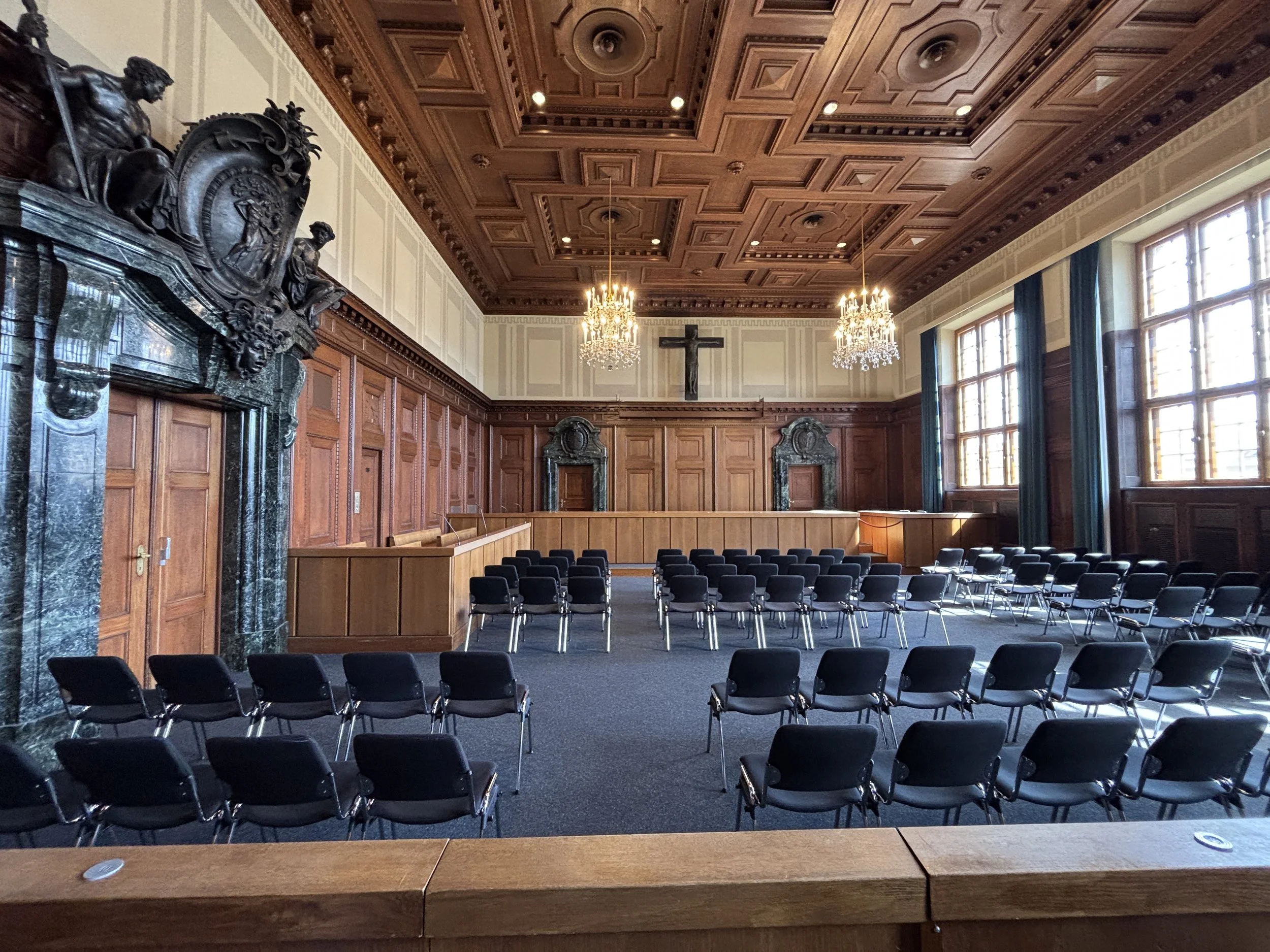
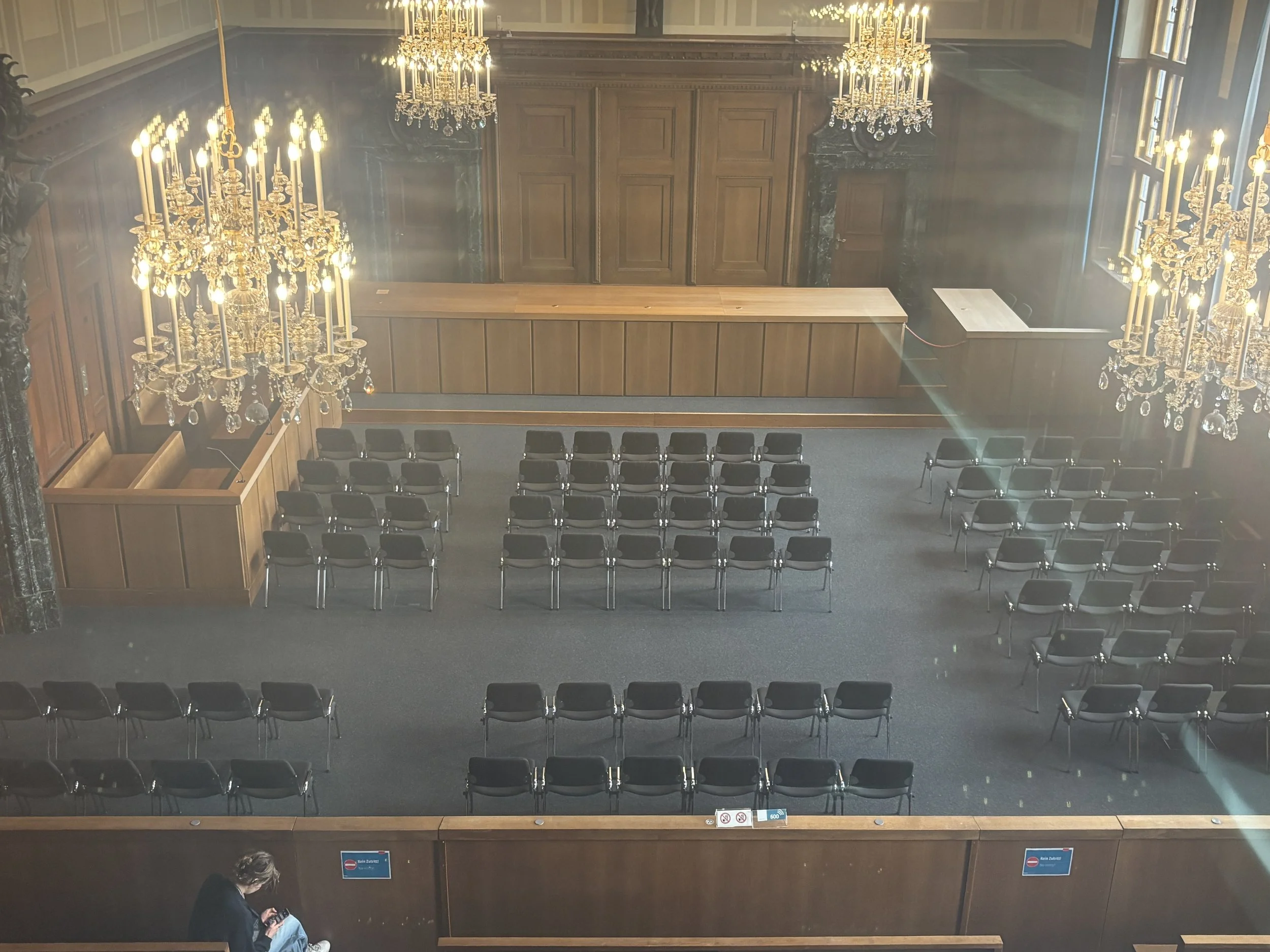
This is, without doubt, the highlight of the visit. It is the very same room in which the trials took place. Even if it has suffered some modifications since the 1940s (which are all explained in the app), the general appearance is easily recognizable if you have seen footage of the original Nuremberg Trials.
Quite an impressive sight, to say the least!
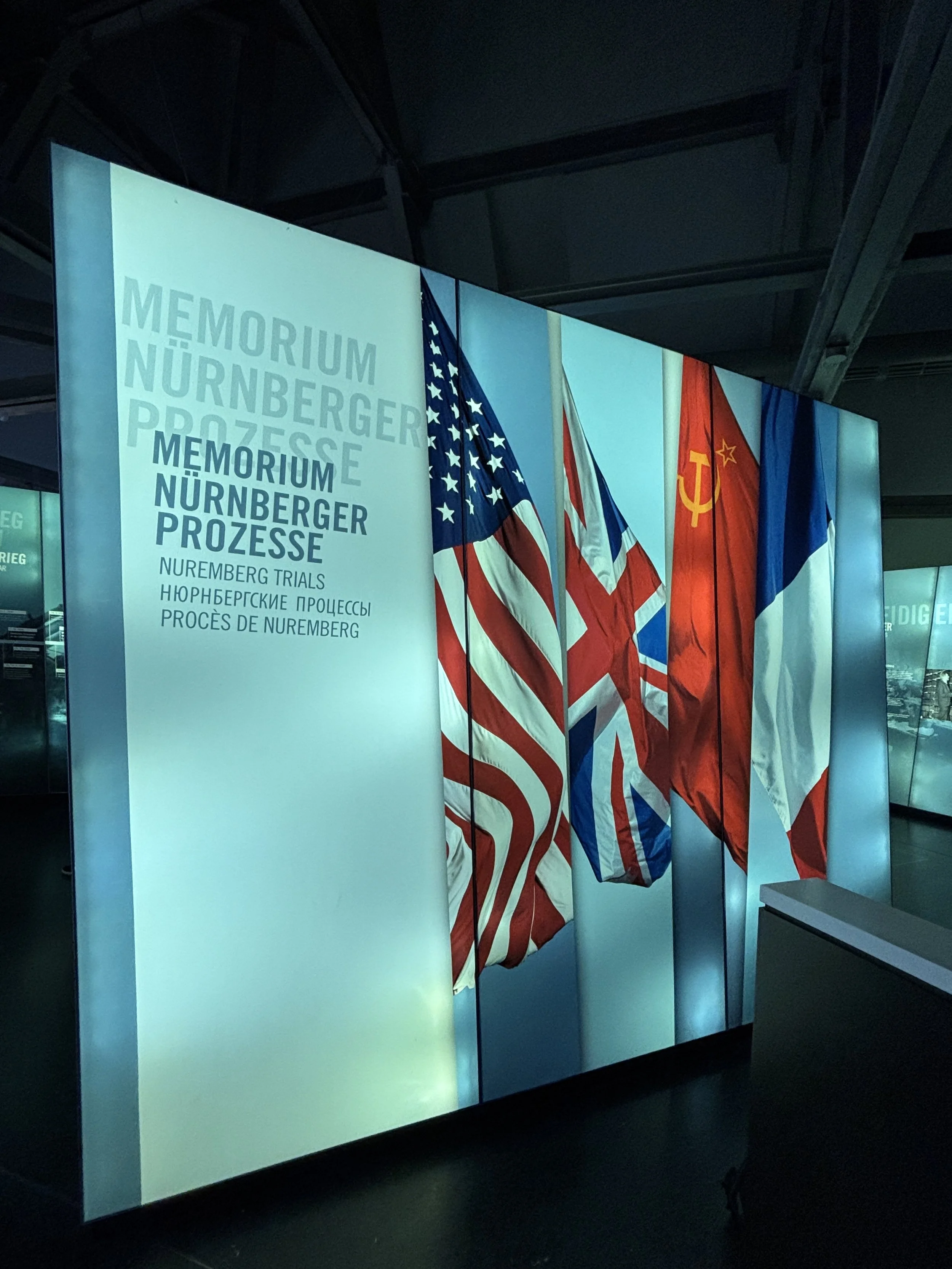
Then, there is the adjacent museum, one floor up.
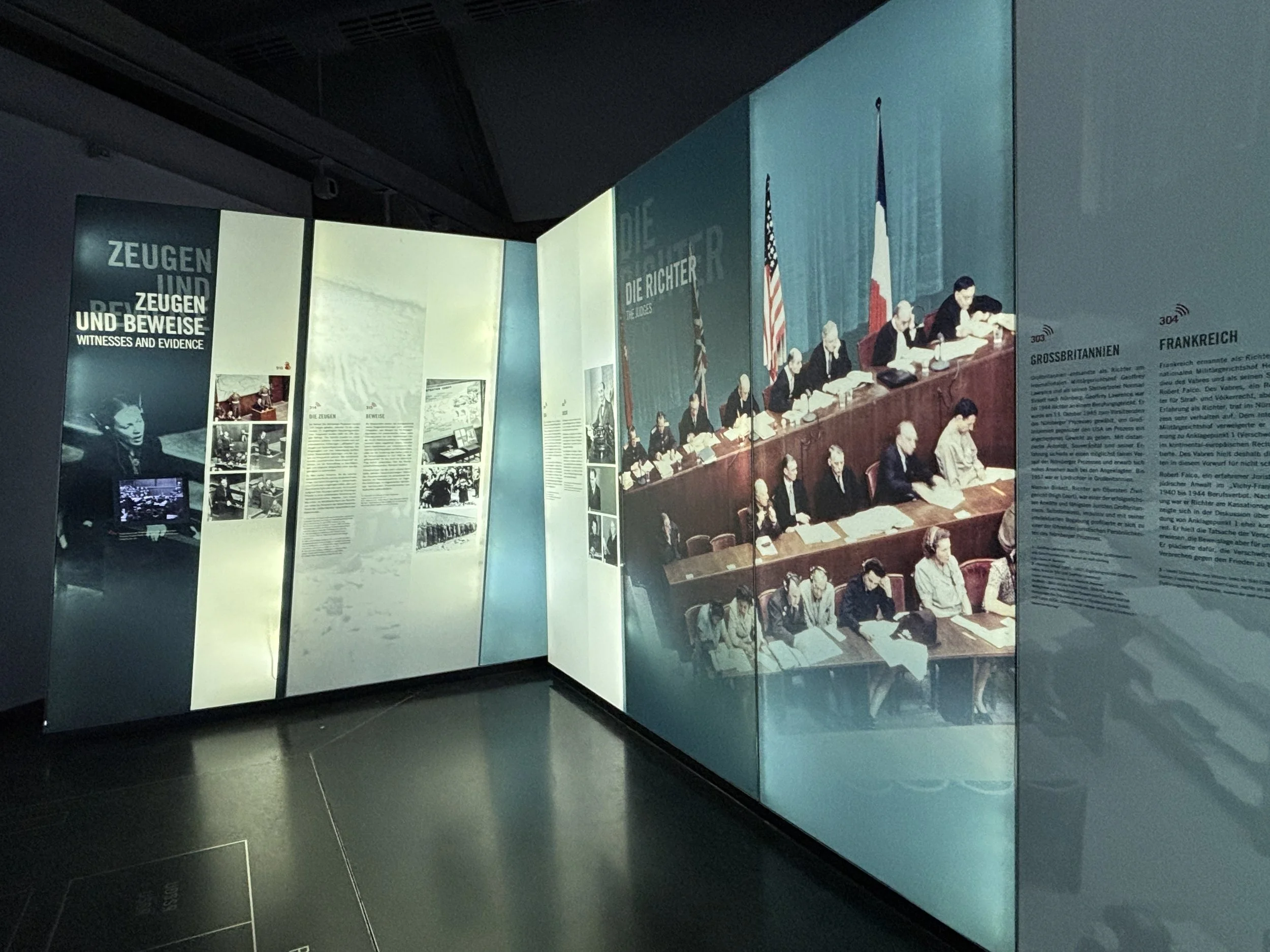
The museum itself is not huge, but it is very dense in information and content.
The exhibition details the fundaments of international humanitarian law and the legal principles that were used to conduct the trials.
It then moves to explain the trials themselves, the charges presented against the defendants and the arguments that were used by the different parties.
There are lots of details about the practical aspects of the trials, the conditions in which the defendants were kept and their final fate.
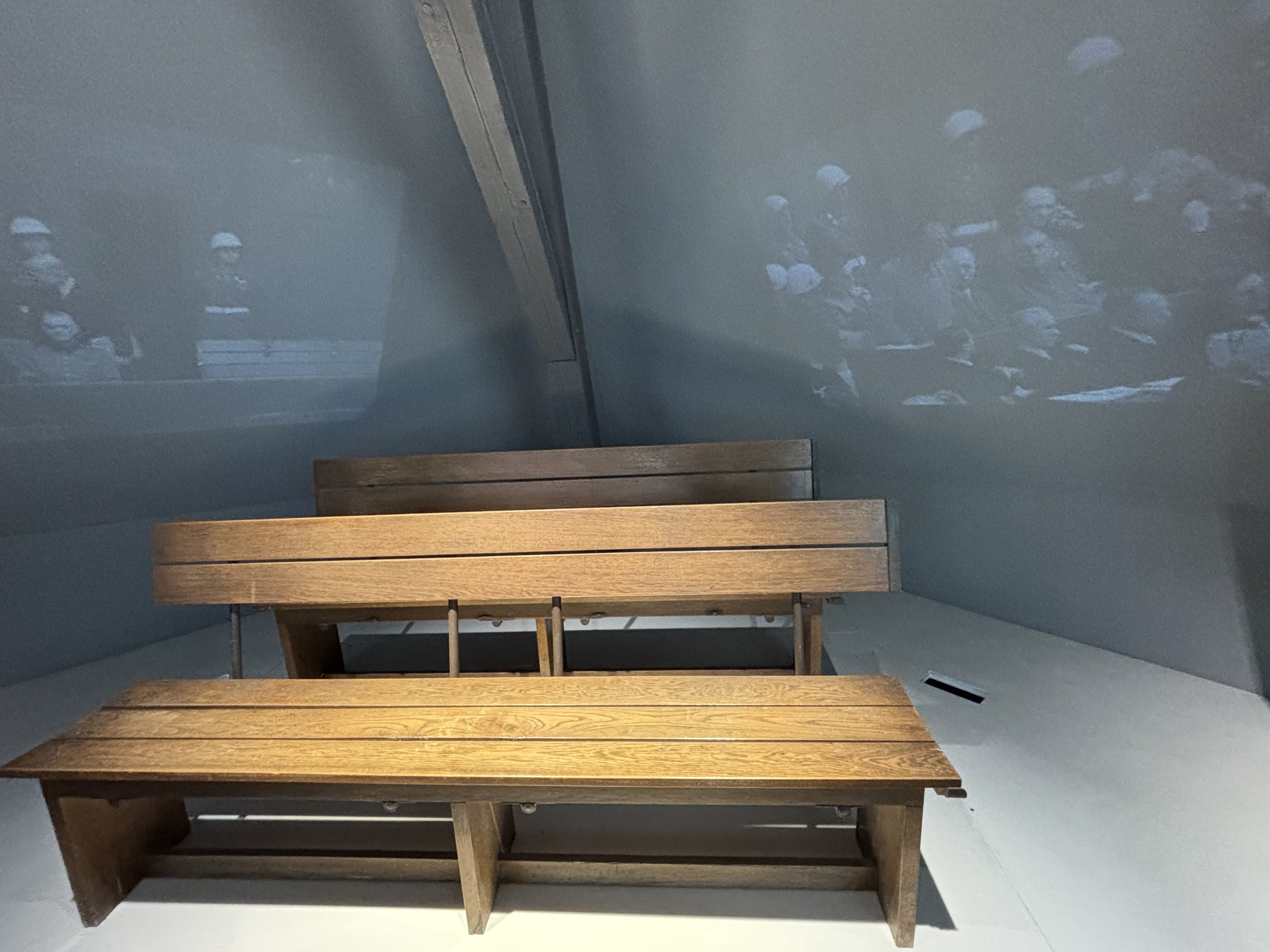
You can also see some original items, such as the benches in which the defendants were sitting during the trial.
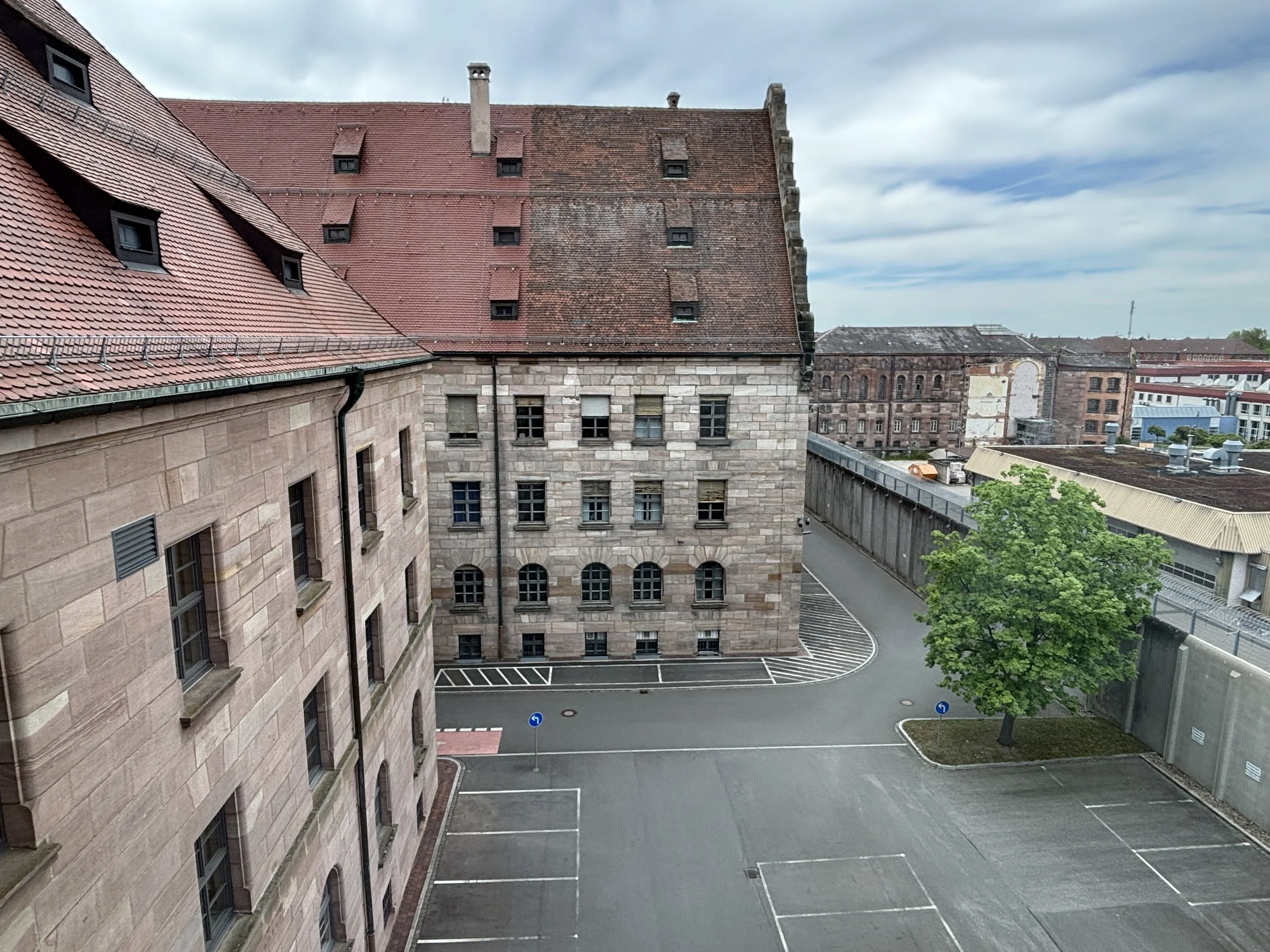
Below is the view from the wing of the building where the Nuremberg Trials took place. In the background is the former prison, where the Nazi war criminals were kept during the proceedings. Most of that old prison building was demolished some time after the trials, but you can get an idea of the place.
You can also get a view from above of the courtroom. In fact, during the trials, the American forces, which were responsible for the logistics on site, added a sort of elevated stage at this end of the room so that the attending media could better follow the sessions.
Visiting Zeppelinfeld
This is the other place in Nuremberg that is a must-visit for anyone interested in the history of the Second World War.
This is a large open ground which is infamously linked to the rise of the Nazism, since it was here that the Nazis held some of its mass rallies in the years before the war, with Hitler in attendance.
The name of the place actually comes the fact that, way before that, in 1909, airship pioneer Count Ferdinand von Zeppelin landed one of its airships here during a demonstration flight.
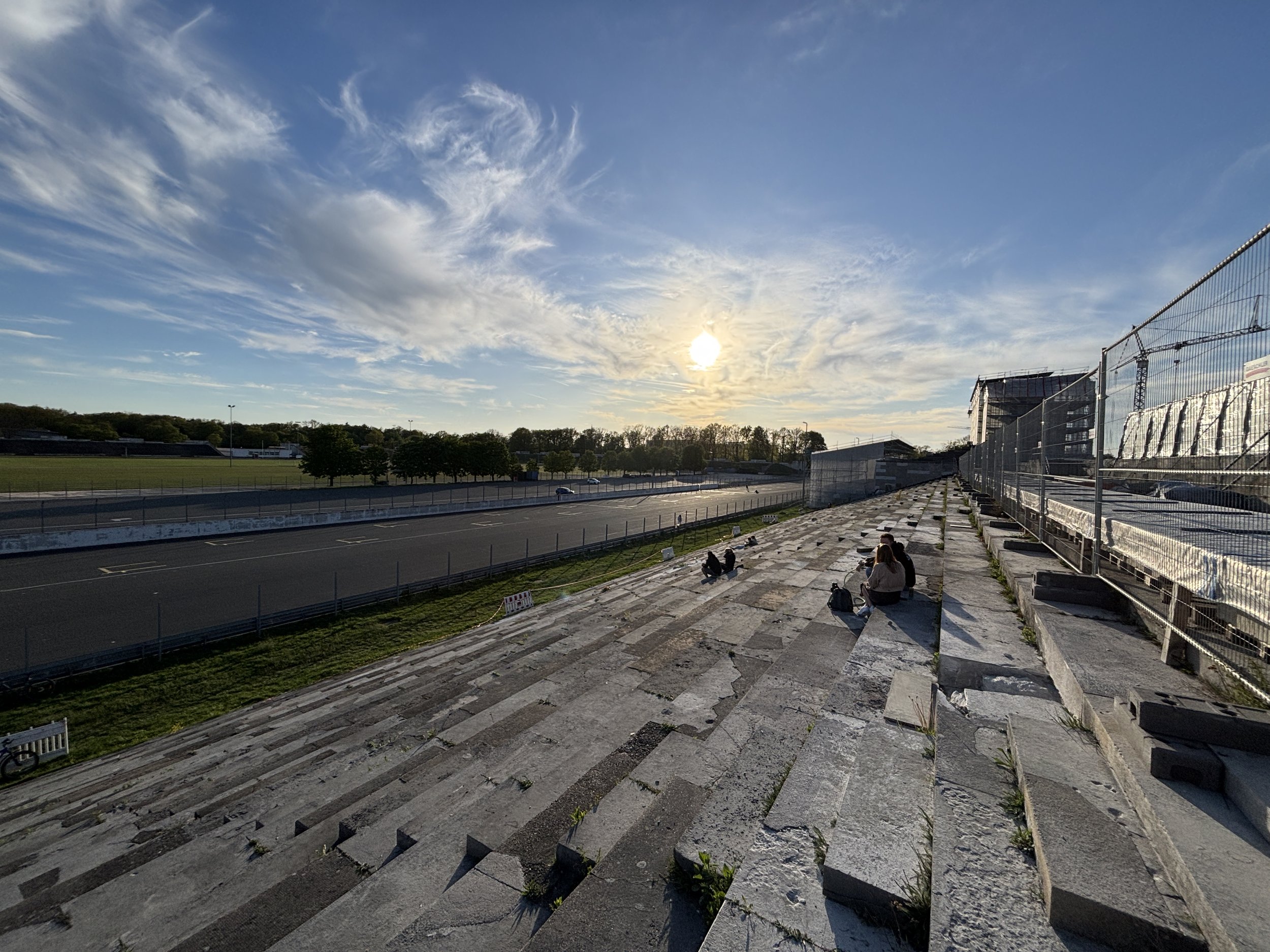
In 1937 Nazi architect (and later munitions minister) Albert Speer build a some monumental grounds at this spot, complete with a tribune from where Hitler and the other senior party leaders could preside the military parades.
In April 1945, the US 7th Army arrived in Nuremberg and after fierce fighting managed to capture the city. Shortly after the war was over, in a very symbolic move which was captured on camera, US military engineers blew up the large marble Swastika which was atop the main structure.
You can watch that moment in this short video documentary on Mark Felton’s channel, which contains also some interesting footage of the battle for Nuremberg in the last days of WW2 and shows the state of utter destruction in which the old town of Nuremberg was left.
After the war the venue was used for sports and music events and other public activities, but, apparently, no one was sure what to do with what was left of the main structures, which are still standing today, even if in a rather derelict state.
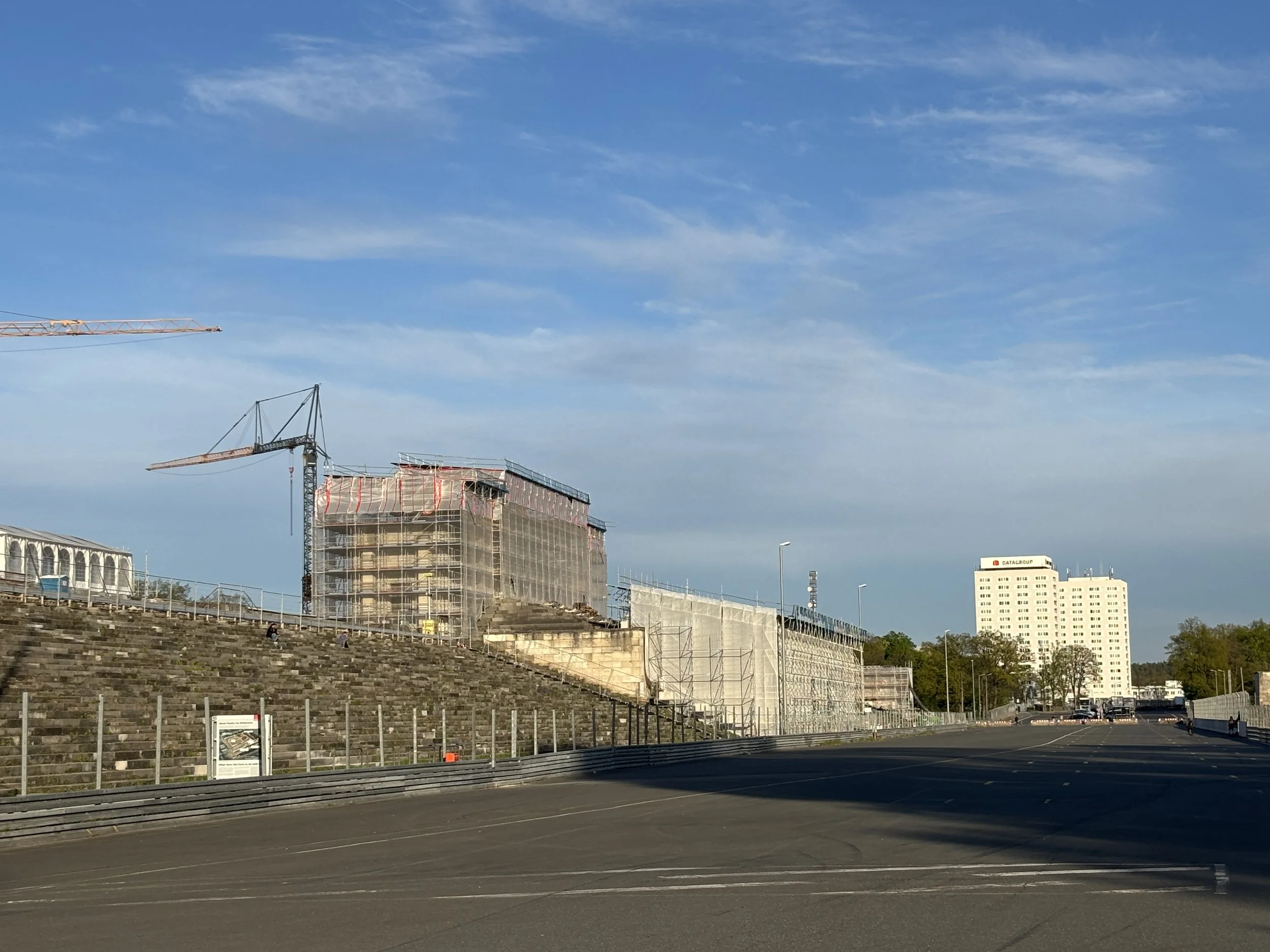
After the war the venue was used for sports events and other activities but, apparently, no one was sure what to do with what was left of the structures, so they have been left as they stood in a more or less derelict state.
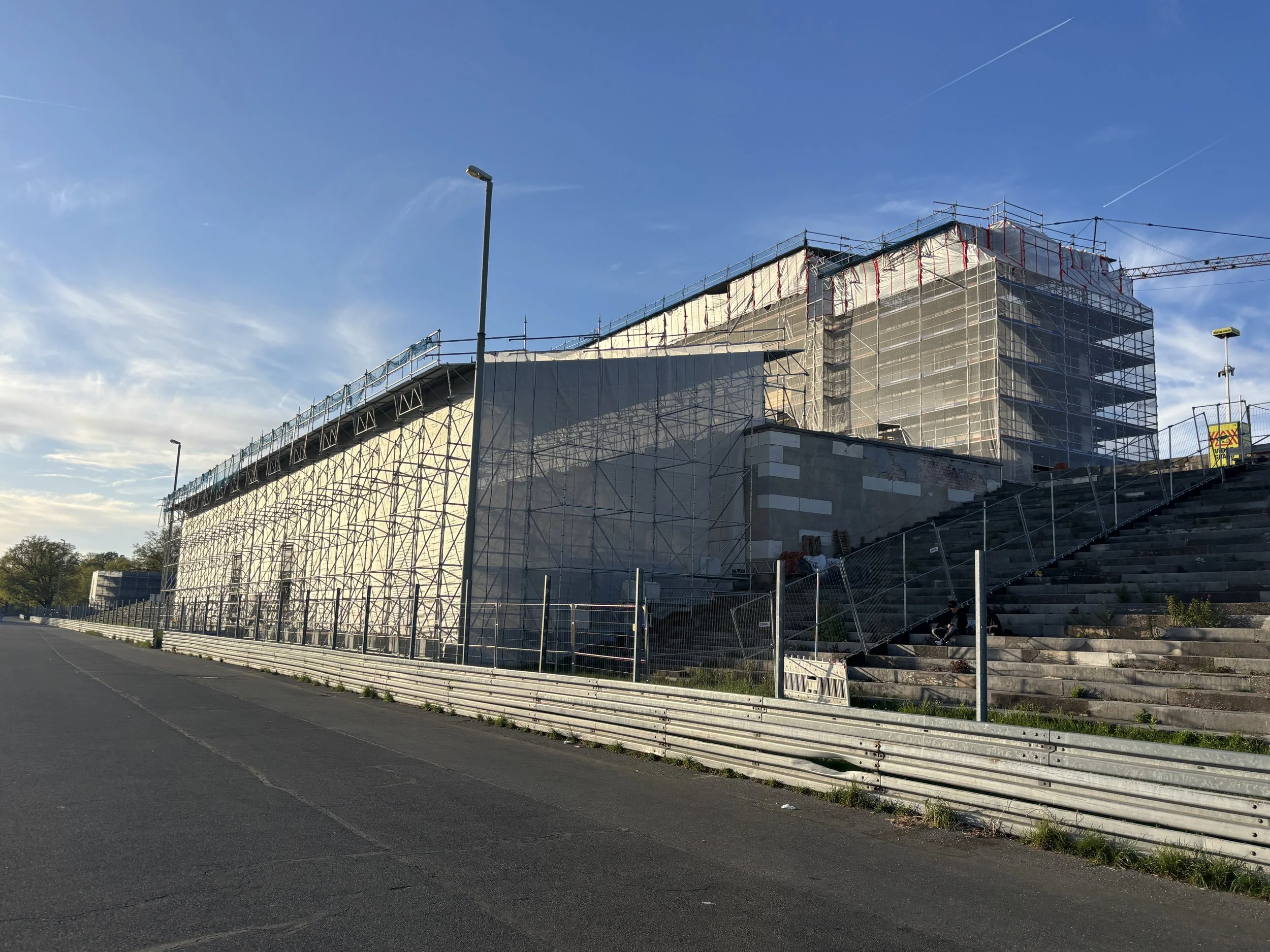
At the time of my visit the tribune at Zeppelinfeld was cordoned off and covered in scaffoldings, since there is a project to conduct some restoration work in order to strengthen the site’s role as a place of memory and remembrance.
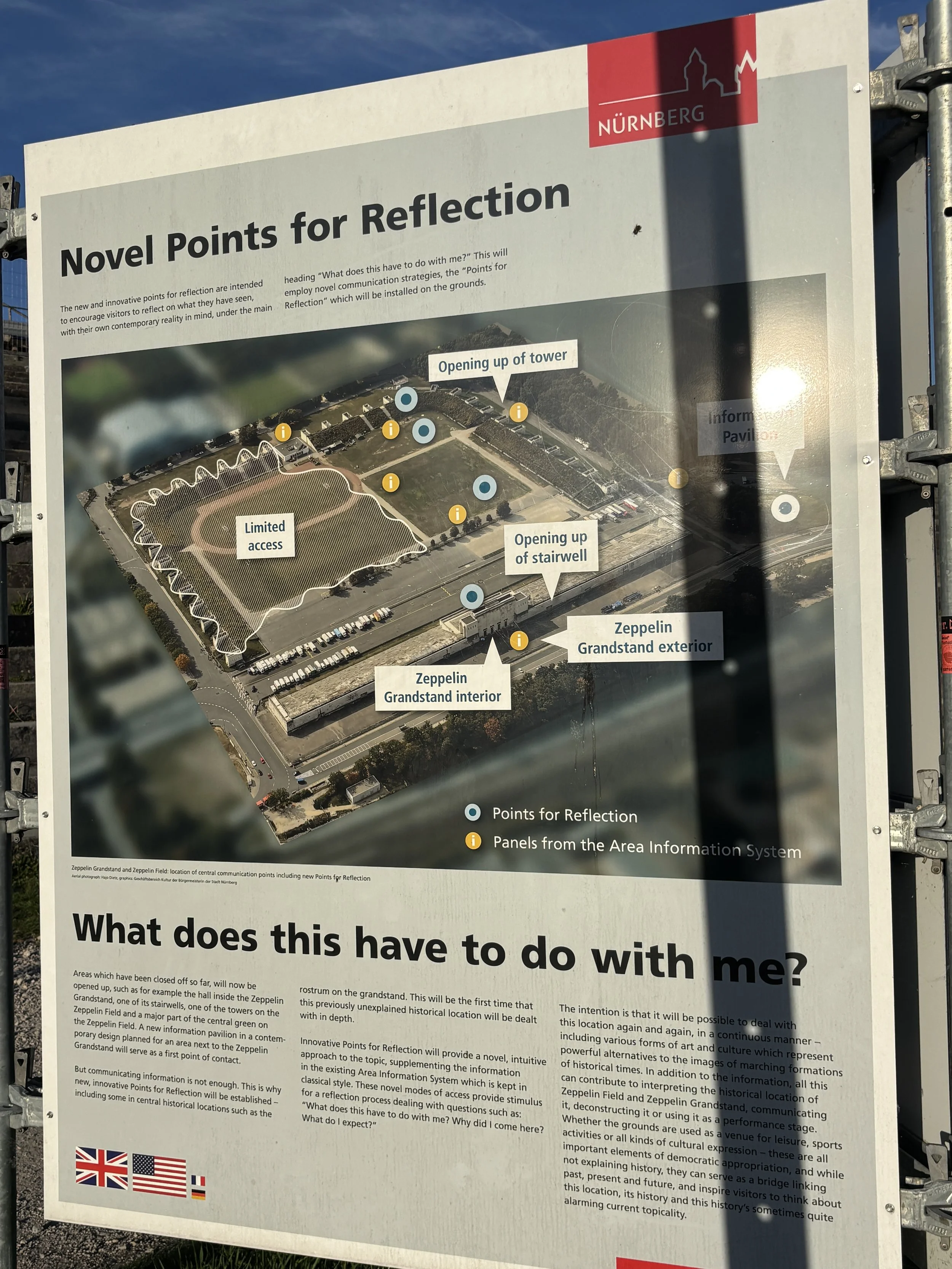
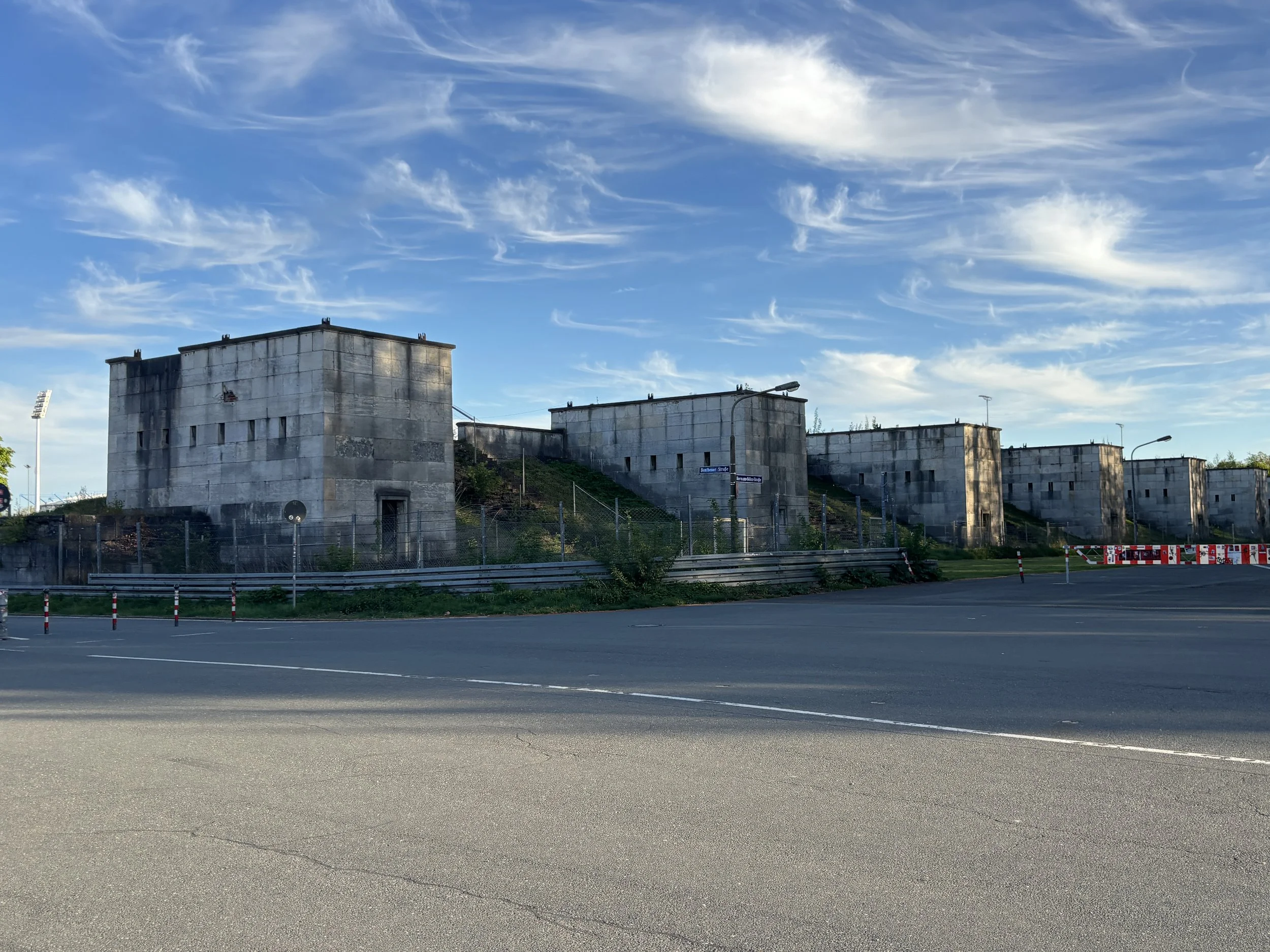
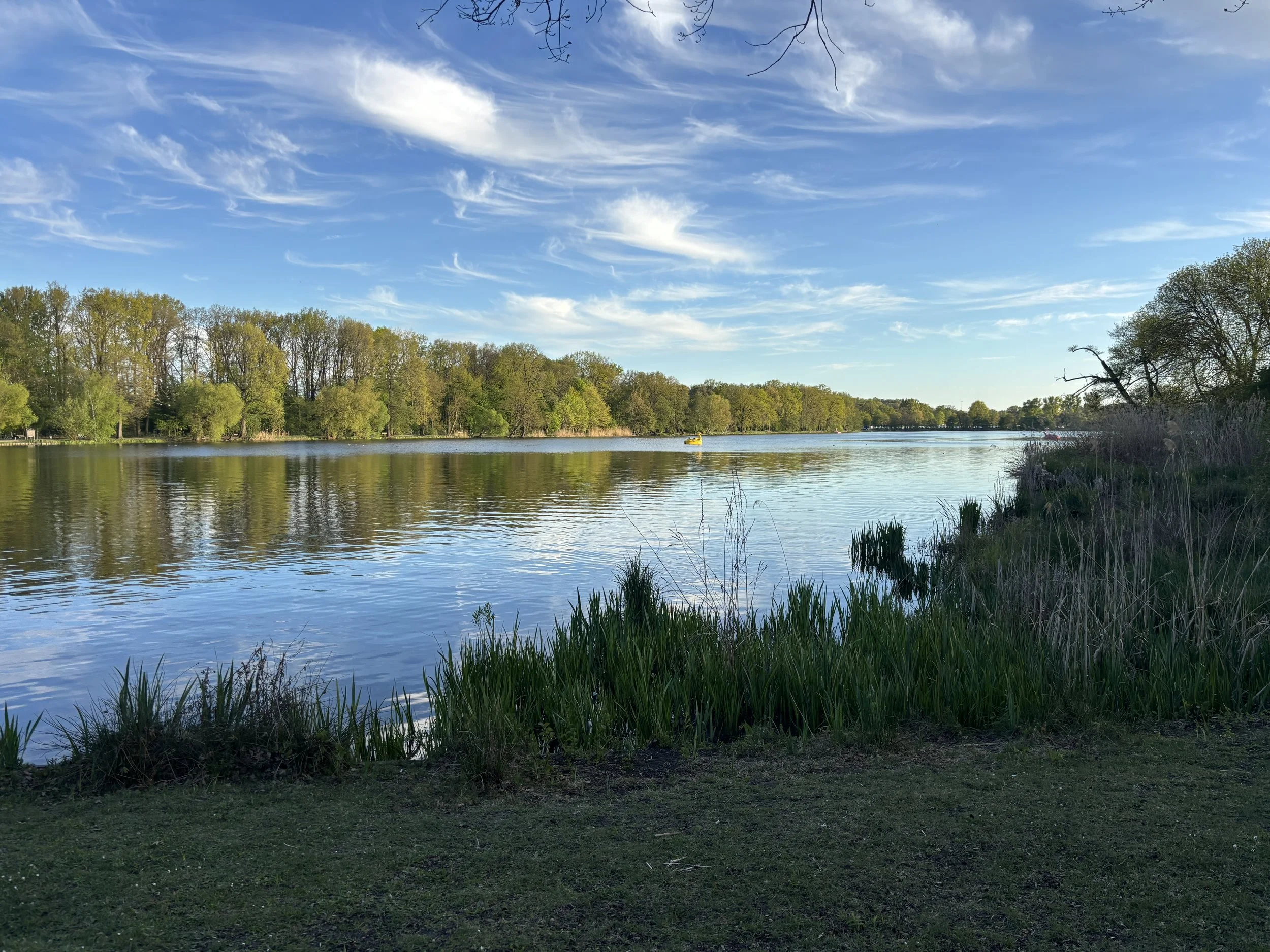
Besides the parade ground, with its tribune and grandstands, the Zeppelinfeld complex included also a large congress center across a small lake. Since 2001 that building, which was closed at the time of my visit, has hosted a research and documentation centre about the Nazi period.
The parade grounds themselves are open to the public, and are integrated in a larger outdoor recreation area, with quite a lot of greenery around.
Zeppelinfeld is a bit outside the city center, but it is quite easy to reach. You can take one of several tram lines or the S-Bahn. It takes a couple of stops and less than 10 minutes from the central station, getting off either at the “Nürnberg-Dutzendteich” or “Nürnberg Frankenstadion” stops and walking from there.
Great place to eat local food in Nuremberg
Bratwurstküche Zum gulden Stern
Zirkelschmiedsgasse 26, 90402 Nürnberg
If you are looking for a place to eat Franconian food or, more specifically Nuremberg’s signature sausage, the “Nürnberger Rostbratwurst”, look no further!
In fact, “Zum gulden Stern” claims to be not only the oldest Bratwurstküche restaurant in Nuremberg, but in the entire world!
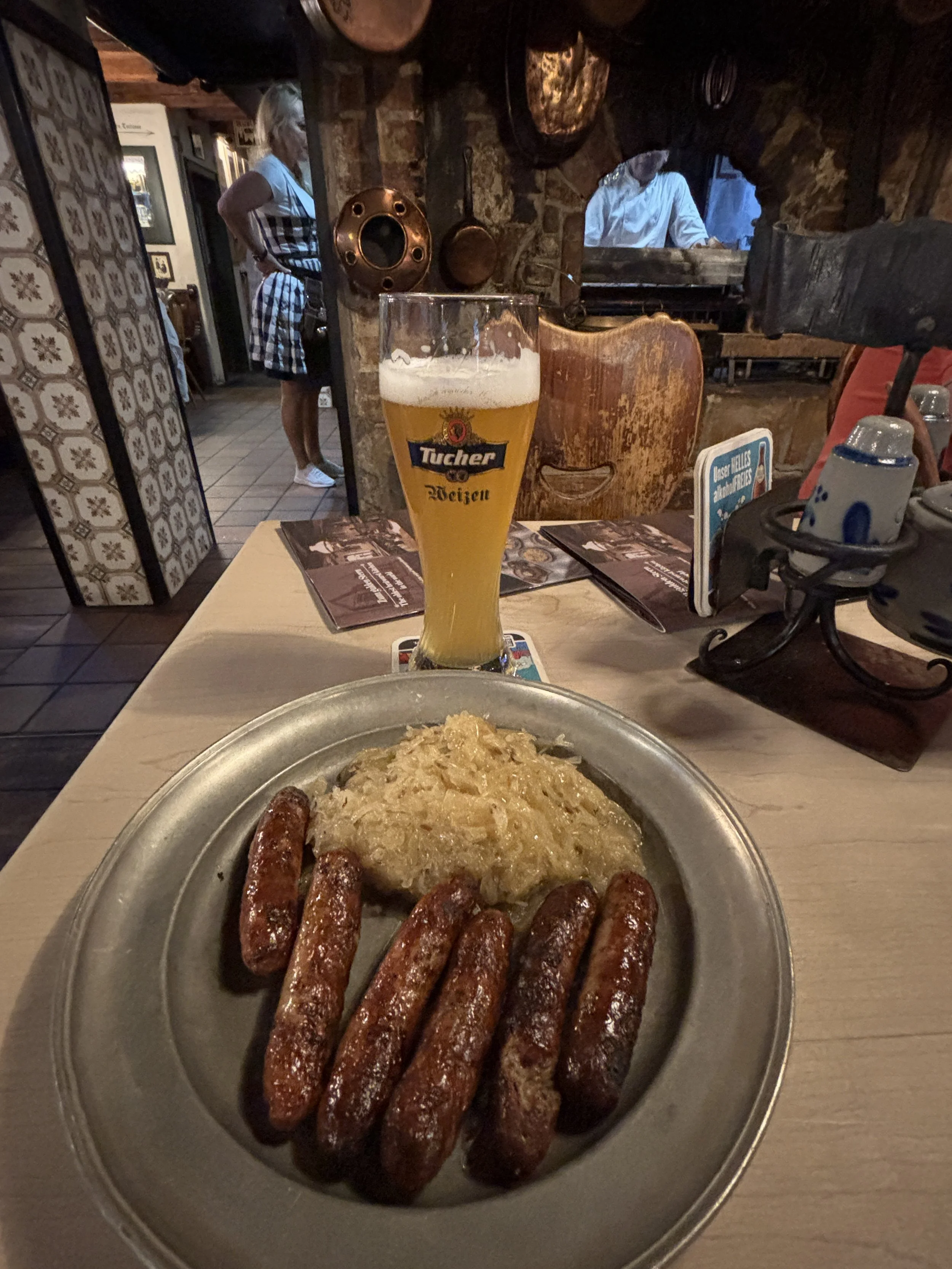
Nuremberg Rostbratwurst is smaller than other German types of bratwurst and it is typically roasted over an open fire and served accompanied of sauerkraut, horseradish and a specific type of mustard that is sweeter than the standard one.
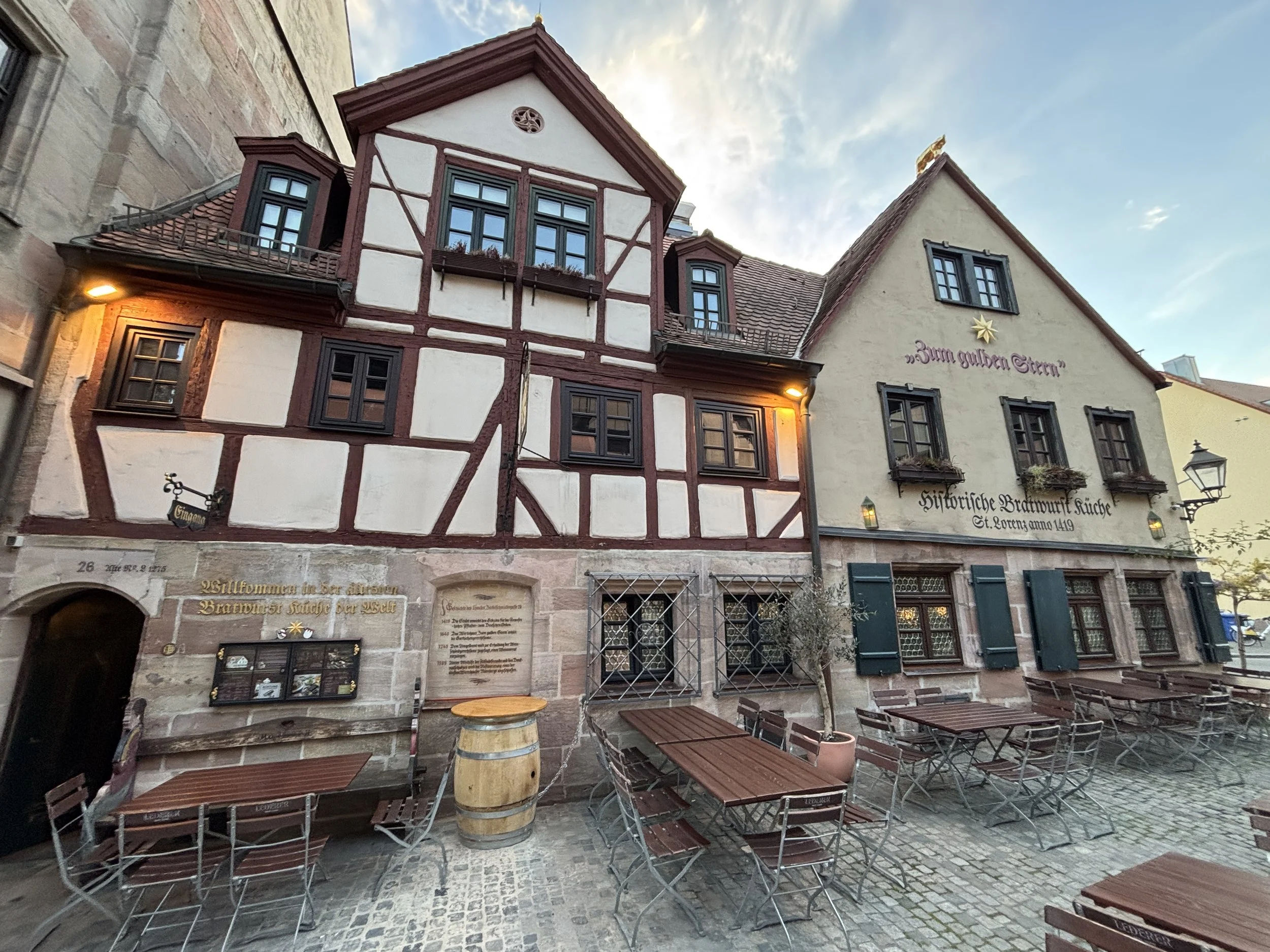
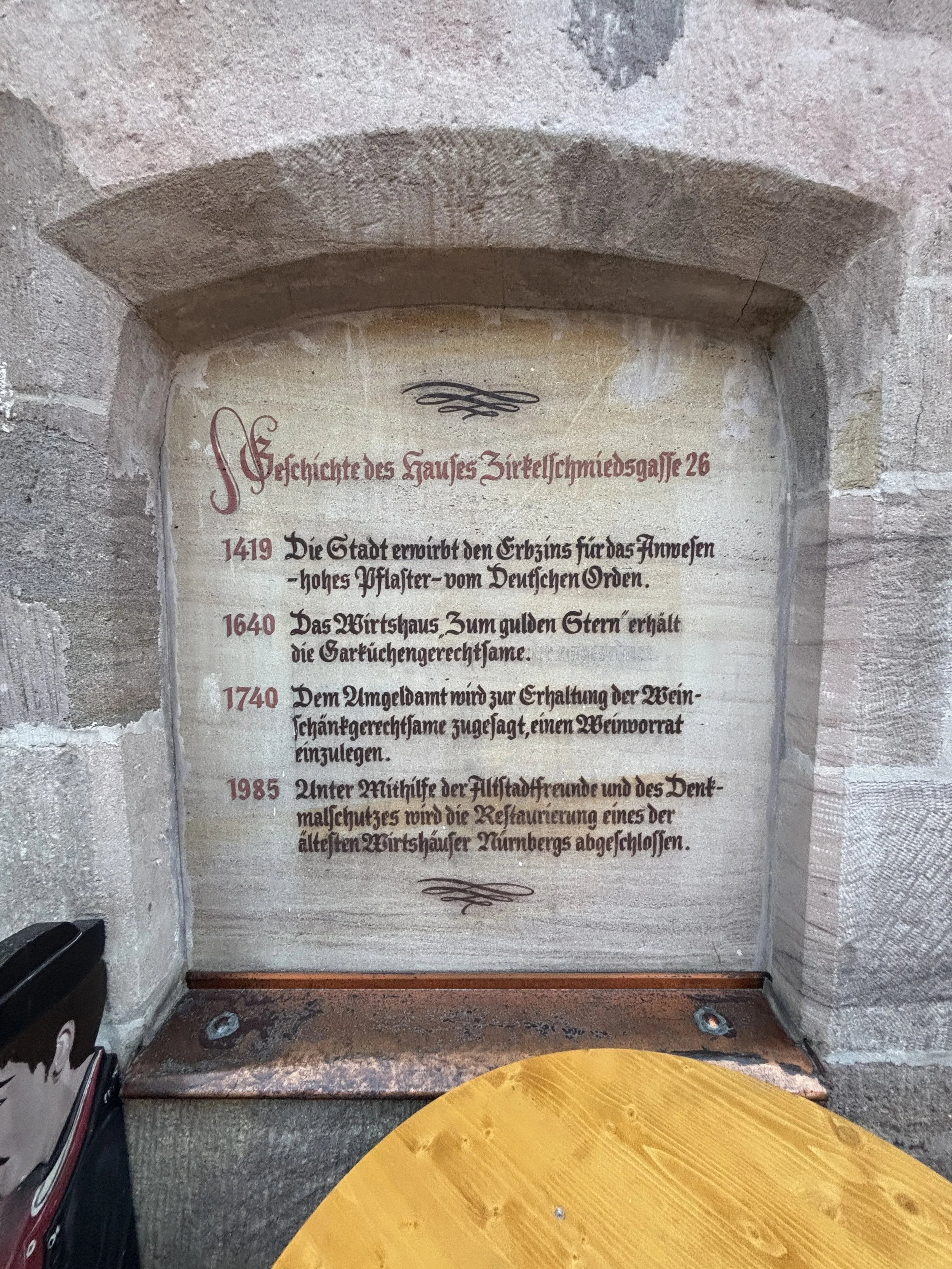
“Zum gulden Stern” traces its roots back to 1419, although it exists in its current form thanks to the efforts of a local entrpreneur, who is 1985 bought the derelict medieval building to save it from demolition and (re-)start the restaurant. His children are the ones now running it.
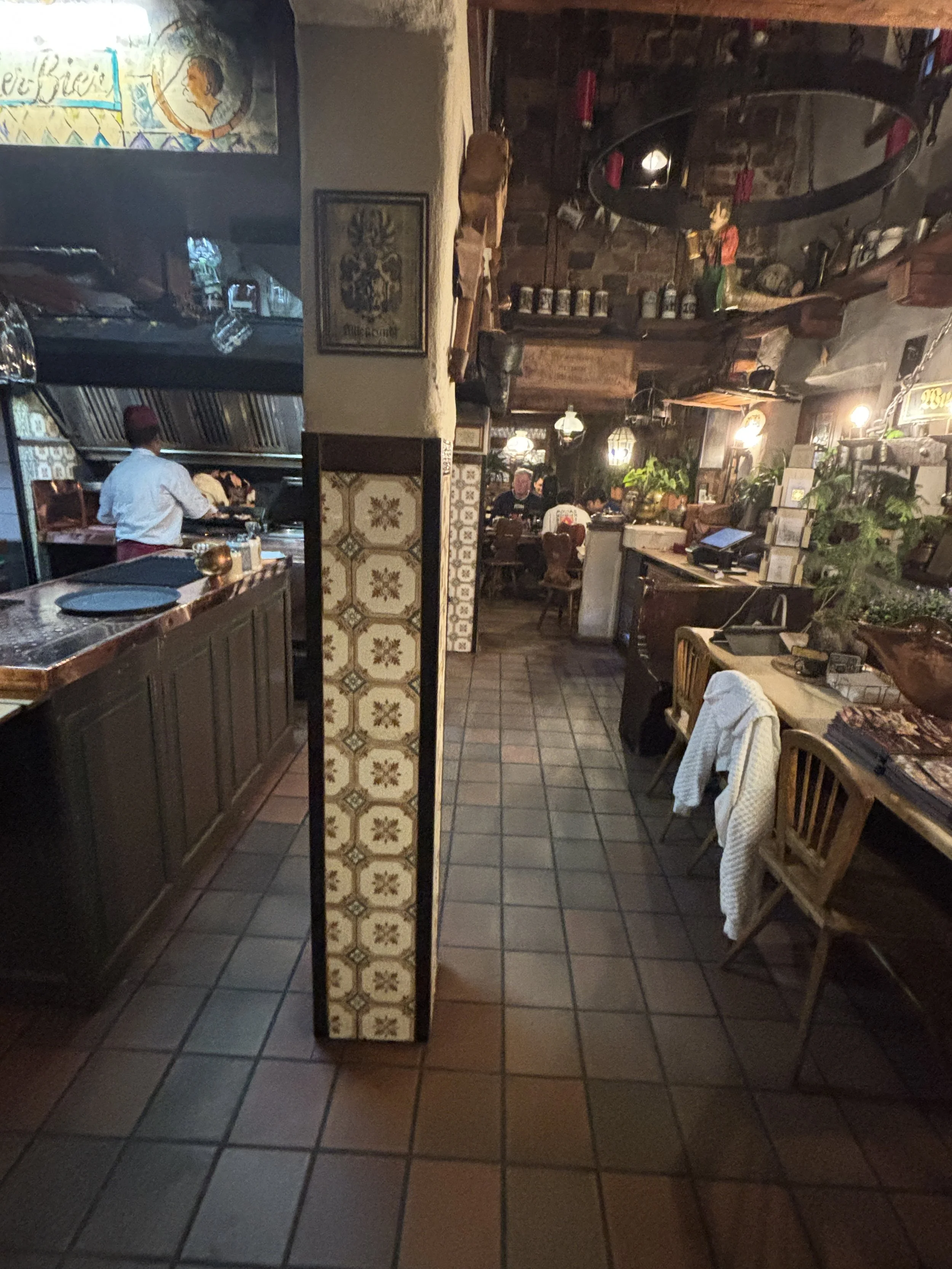
Whether the 600-year history claim is legitimate or exaggerated, the fact is that the owners of “Zum gulden Stern” do a really good job in creating the sort of cozy atmosphere with wholesome authentic local food that, I am sure, many visitors appreciate in a place like Nuremberg.
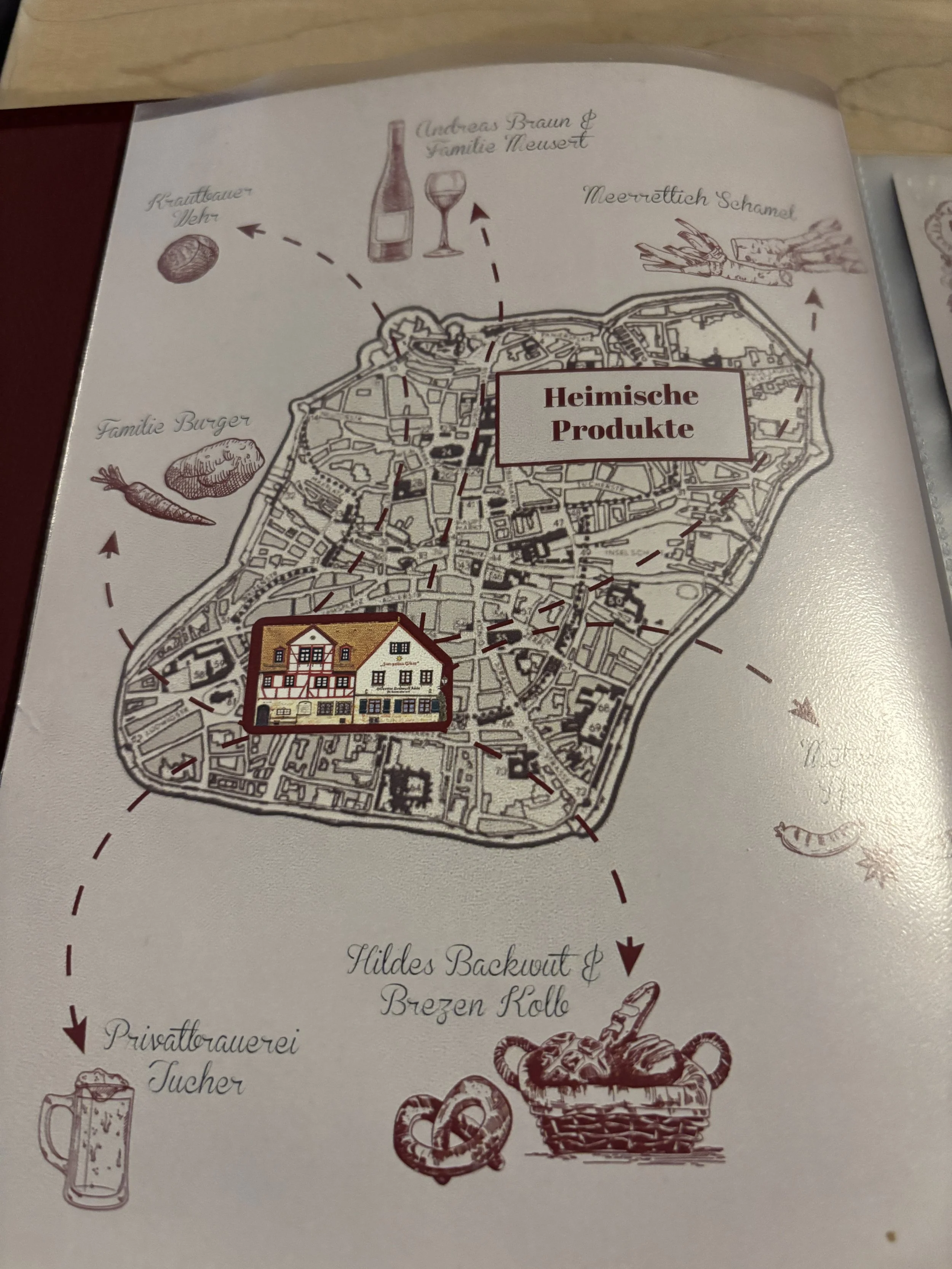
Most of the ingredients are locally sourced, as indicated in the menu, and the sausages are roasted in an open kitchen over a real wood fire. Prices are also very reasonable. So, overall this place provides a very nice experience and would recommend it to anyone looking to get the real Nuremberg culinary experience!
Top (literally!) place to stay in Nuremberg
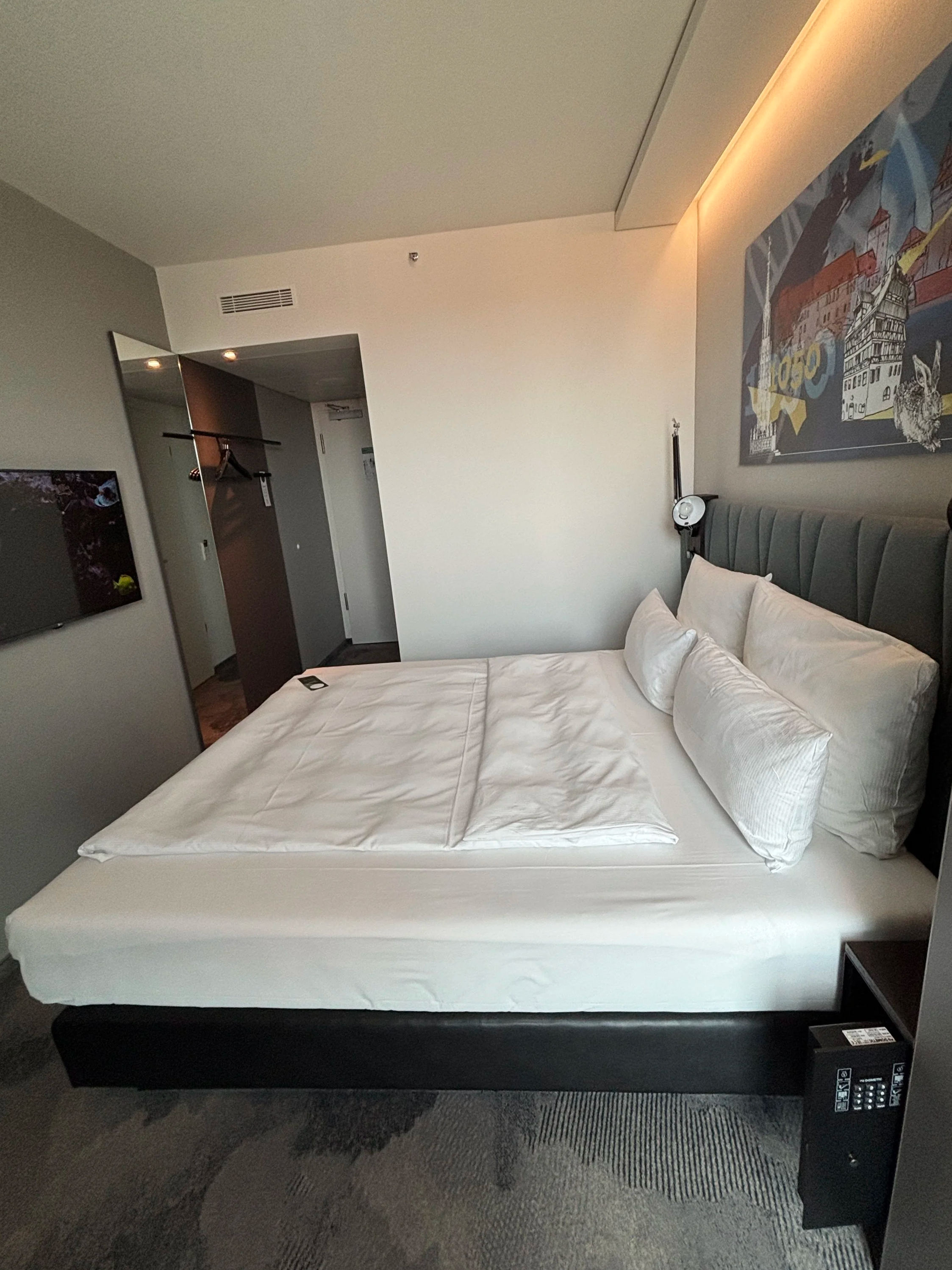
Cloud One Hotel
Bahnhofspl. 1, 90402 Nürnberg
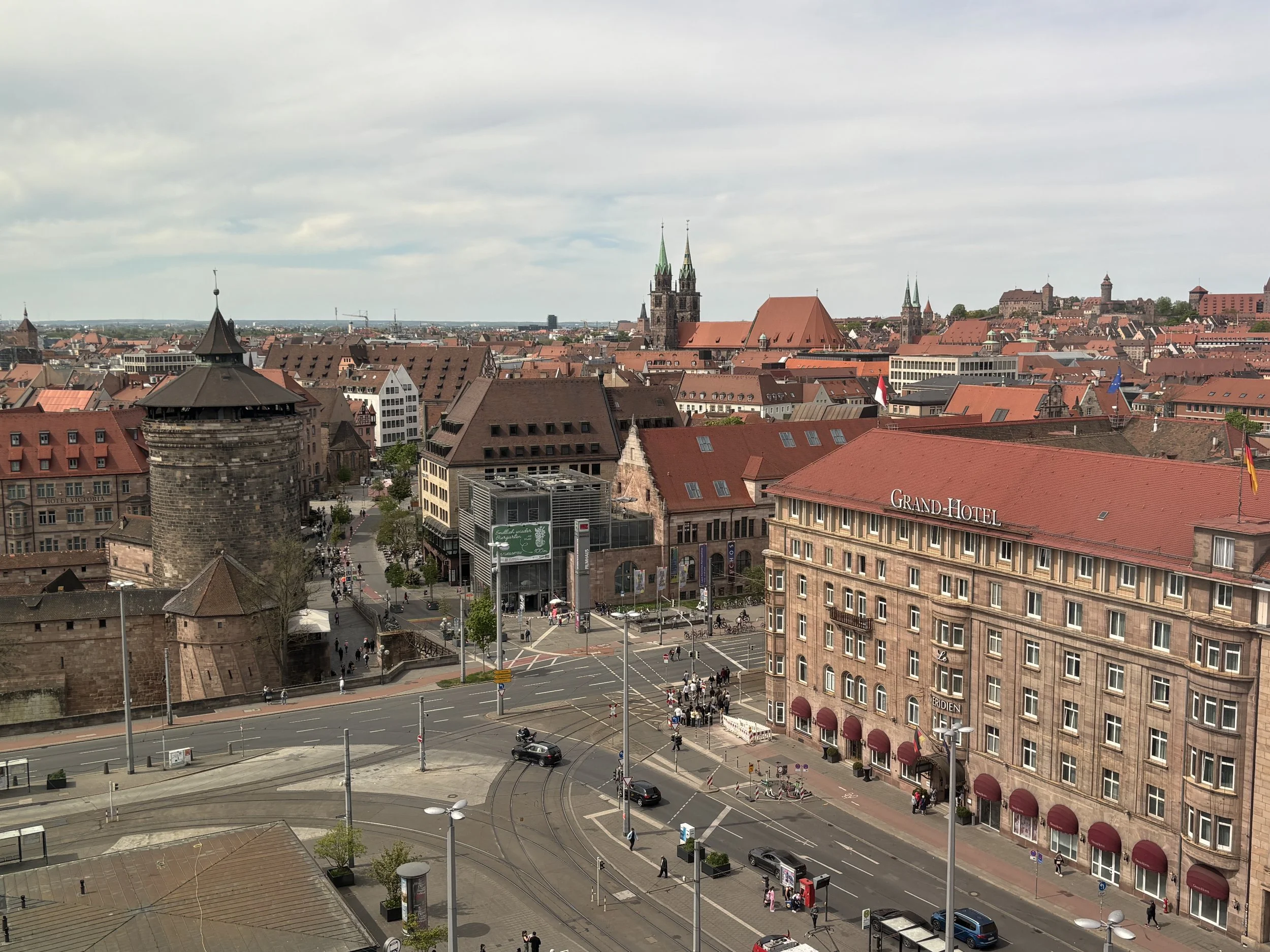
The Cloud One Hotel has possibly the best views in Nuremberg (by some parameters even better than the ones you get from the castle!).
This is due to the fact that it is one of the few high rises in town. Right outside the city walls but close enough to the historical centre to provide amazing views from its top floors. It is also just meters away from the central station (Hauptbahnhof), which makes it super convenient to go anywhere, since this is really the neuralgic centre of the city with most metro, tram, bus and rail lines converging here.
As an example, the Nuremberg Trials Memorium is less than 10min and the airport, 12 minutes away by direct metro. The nearby city of Fürth is barely 20 minutes and a couple of stops away by S-Bahn.
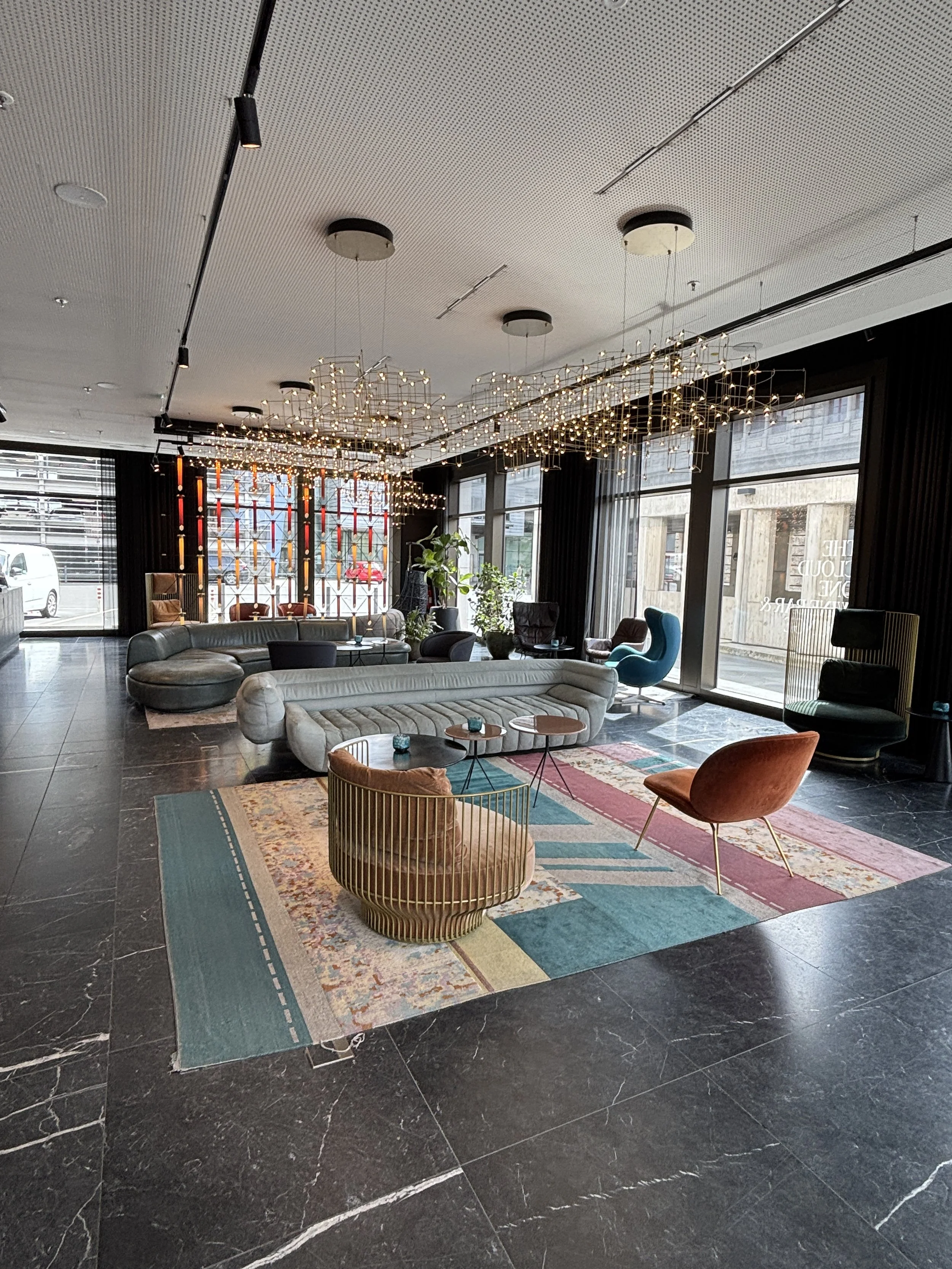
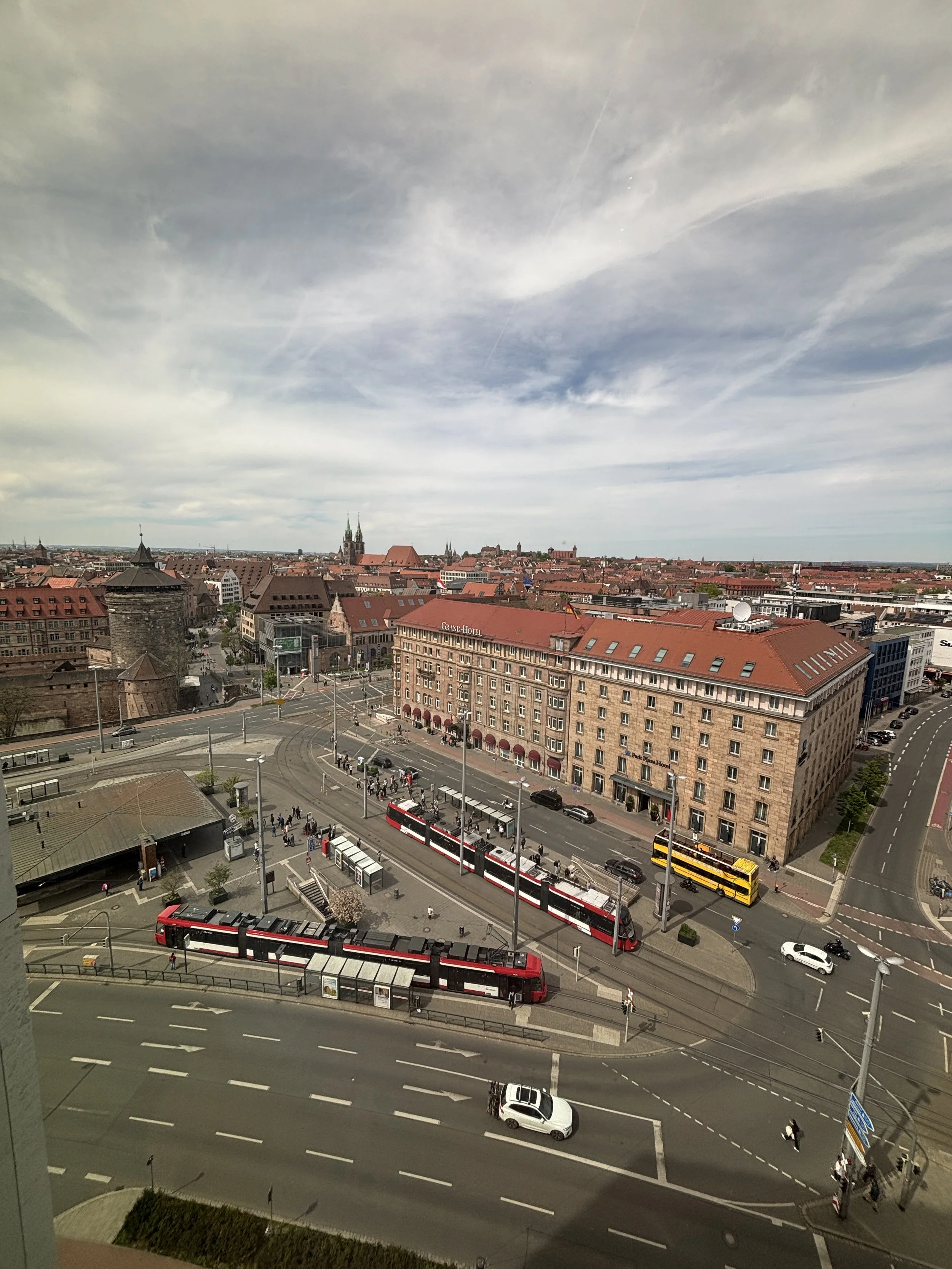
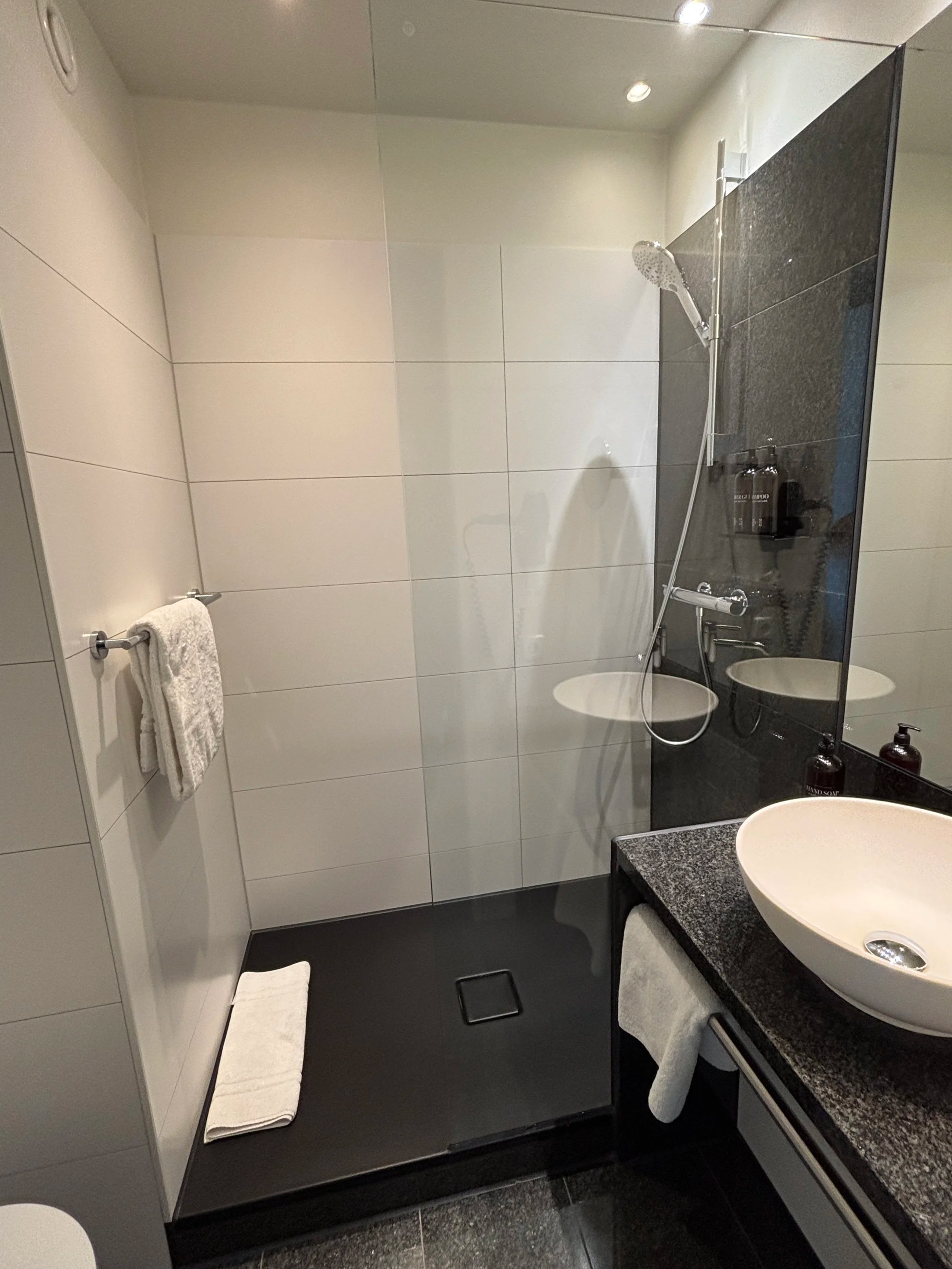
As you can see in these pictures, the rooms are small, but modern. The views from the 11th floor are absolutely stunning.
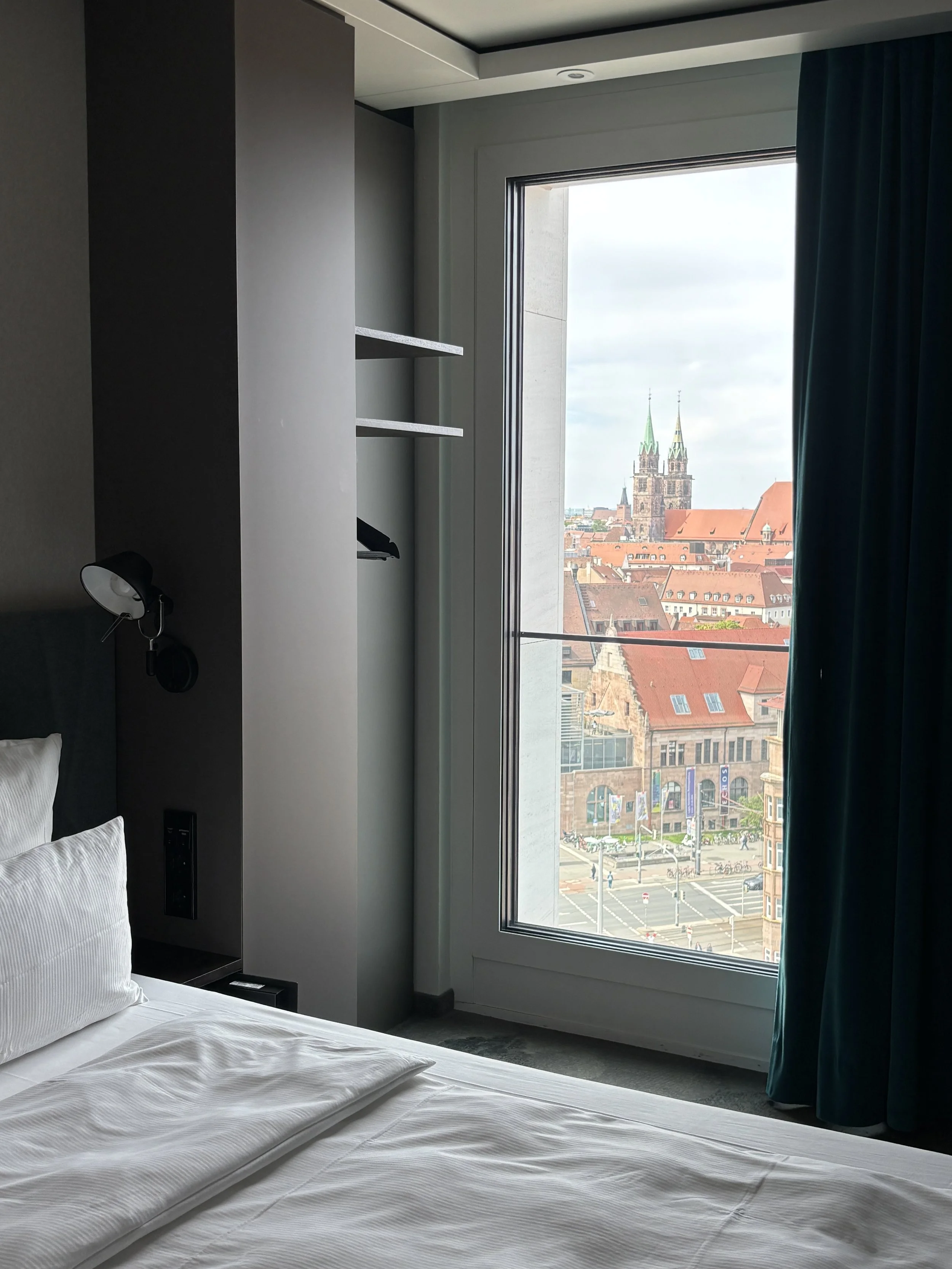
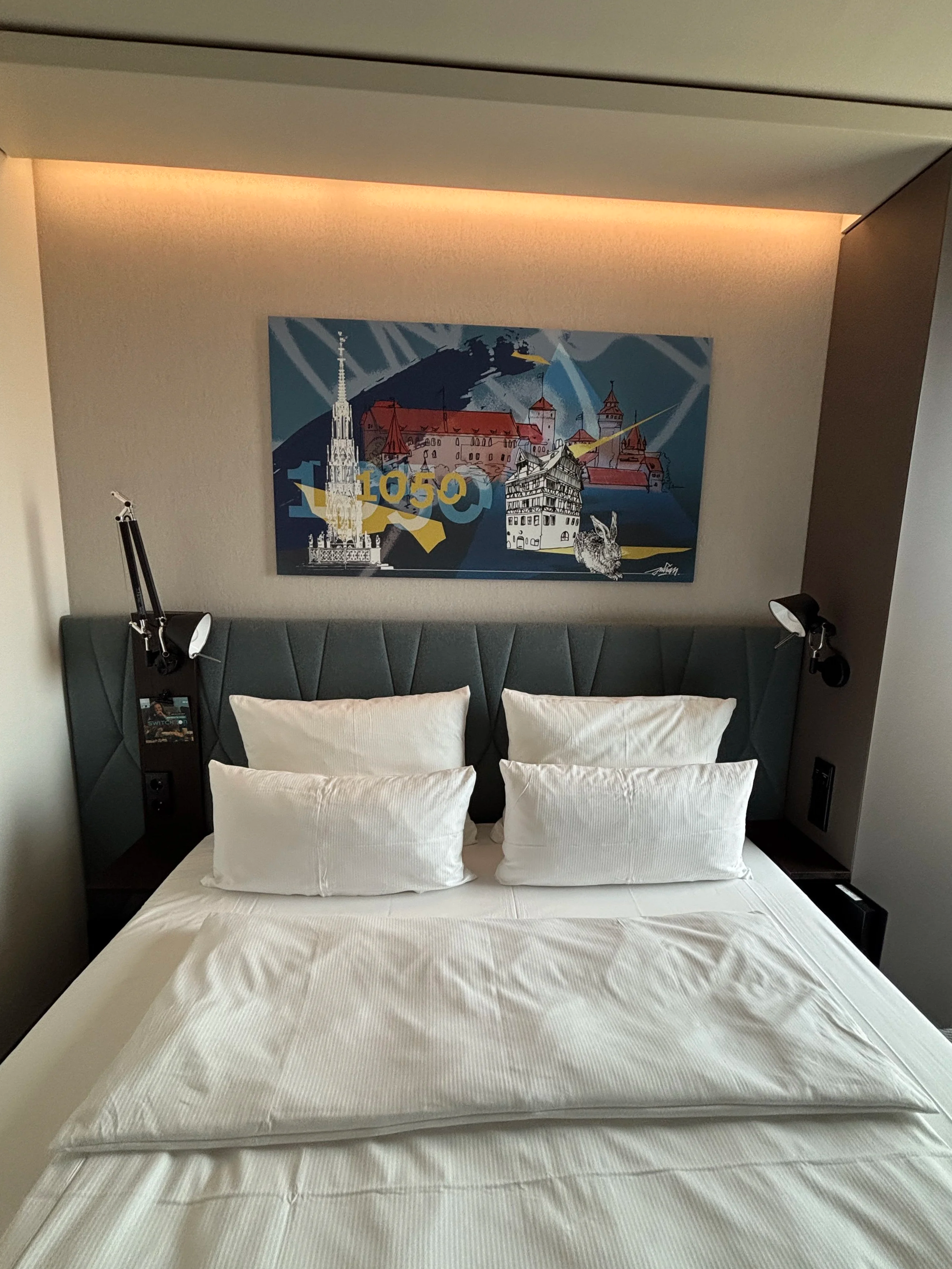
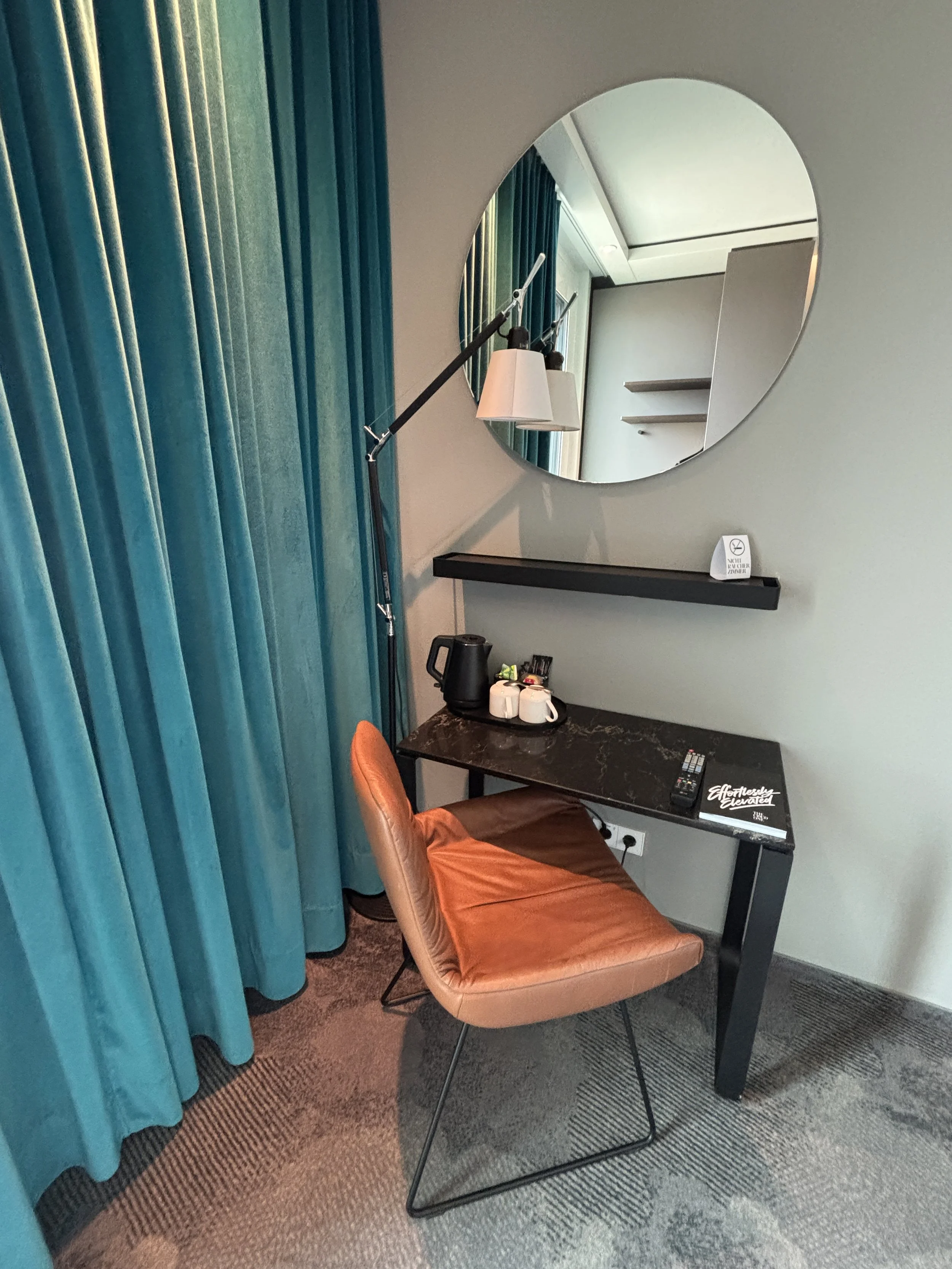
The Cloud One Hotel brand is apparently a premium offshot of the same German hotel group which manages Motel One. There are Cloud One hotels now at several German cities and even in New York City. The Nuremberg property, in particular, had been recently renovated at the time of my visit.
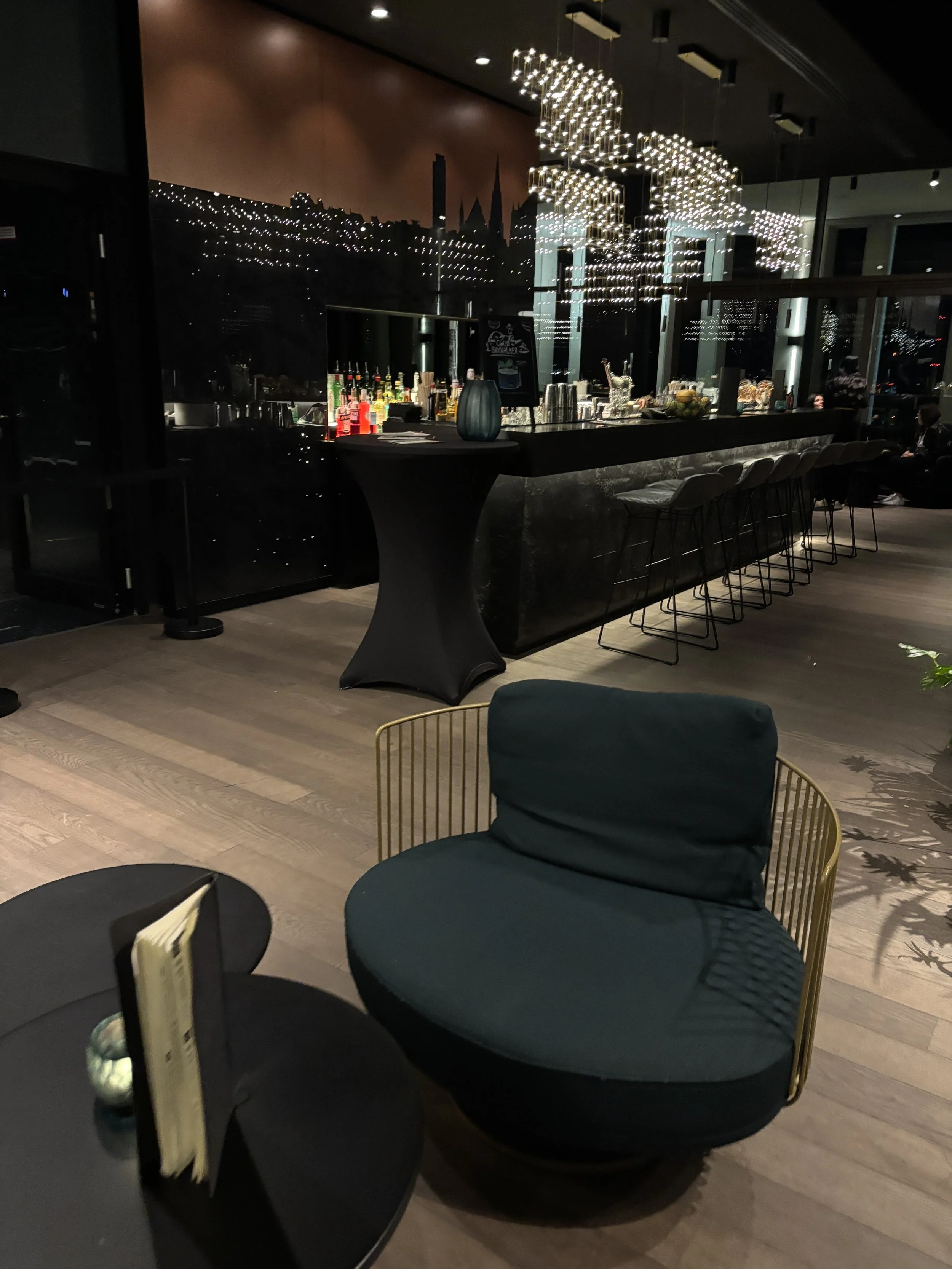
The hotel has also a very stylish cocktail bar on its top (14th) floor, also with truly privileged city views.
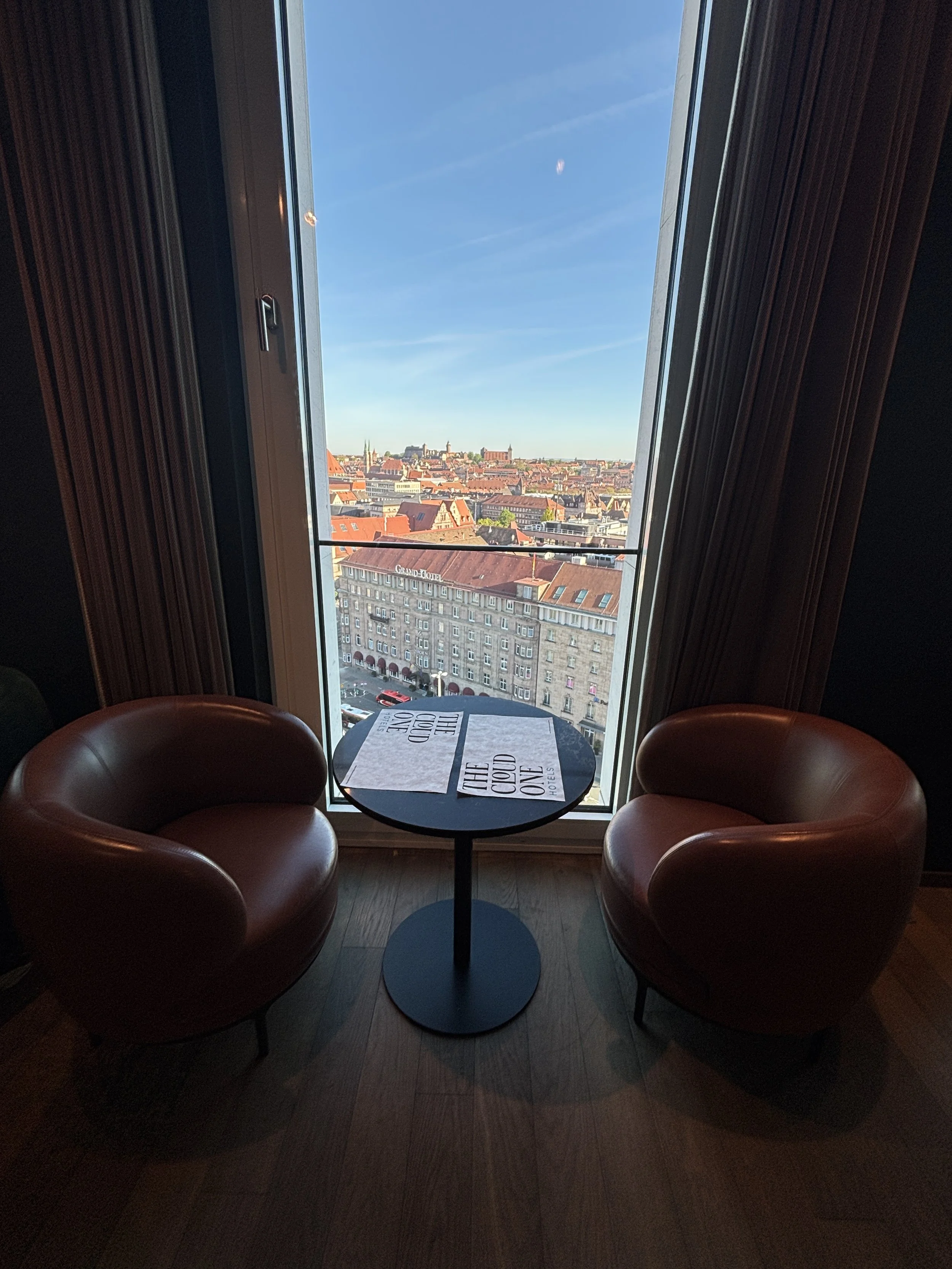
Breakfast was also pretty good, again with the majestic views (13th floor this time) and with lots of local products to try!
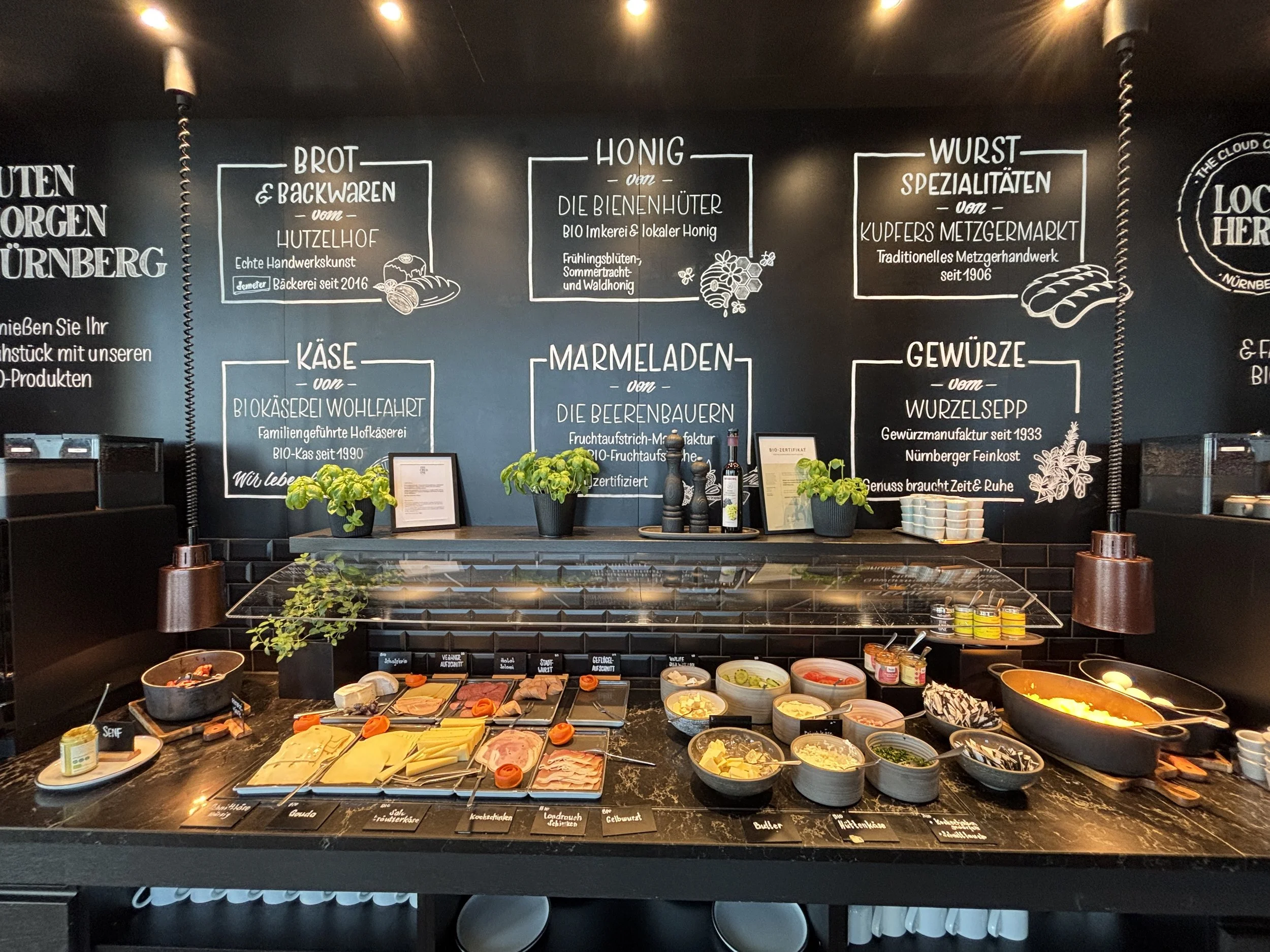
And, with this tasty Franconian breakfast, this itinerary through some of Germany’s most beautiful towns comes to and end.
If you are interested in learning more about Franconia and what to do and what to see in this beautiful part of Bavaria, check out my previous posts this region.