
Top things to see in Uruguay: a day in Colonia del Sacramento
Colonia del Sacramento (which from now on I will refer to simply as “Colonia”) is one of the top things to see in Uruguay outside the country’s capital, Montevideo (which I will cover in a separate post).
In fact, you don’t even need to visit Montevideo to visit the little gem that Colonia is. Its proximity to the large international gateway of Buenos Aires, just a short ferry ride away in Argentina, makes it possible to visit as a day excursion from the Argentinian capital.
Colonia, which has enjoyed UNESCO World Heritage Site status since 1995, is one of the earliest European settlements in the territory that today is Uruguay, and one that changed hands several times between Portugal and Spain. It is precisely this liminal status between the two large Empires that dominated South America during the Colonial Era which confers to Colonia its unique character.
To be fair, the historical centre of Colonia is pretty small, but this also makes it perfect for a short excursion without the anxiety of leaving too many things on the table.
So, without further ado, let’s have a look at the things to and to see in Colonia del Sacramento!
Covered in this post:
How to get to and from Colonia Sacramento
The historical center of Colonia de Sacramento (UNESCO World Heritage Site)
Top things to see in historical Colonia de Sacramento
The bullfighting ring in Colonia de Sacramento
This post may contain affiliate links. If you book or buy something through them, I earn a small commission, at no extra cost to you. It's one of the ways I keep Places of Charm going. Thank you for your support.
Getting to and from Colonia del Sacramento:
Arriving in the ferry from Buenos Aires
This is the option that most visitors take, since Buenos Aires is not just geographically closer to Colonia than Montevideo, but it is also a far larger metropolis with many international and long-haul air connections.
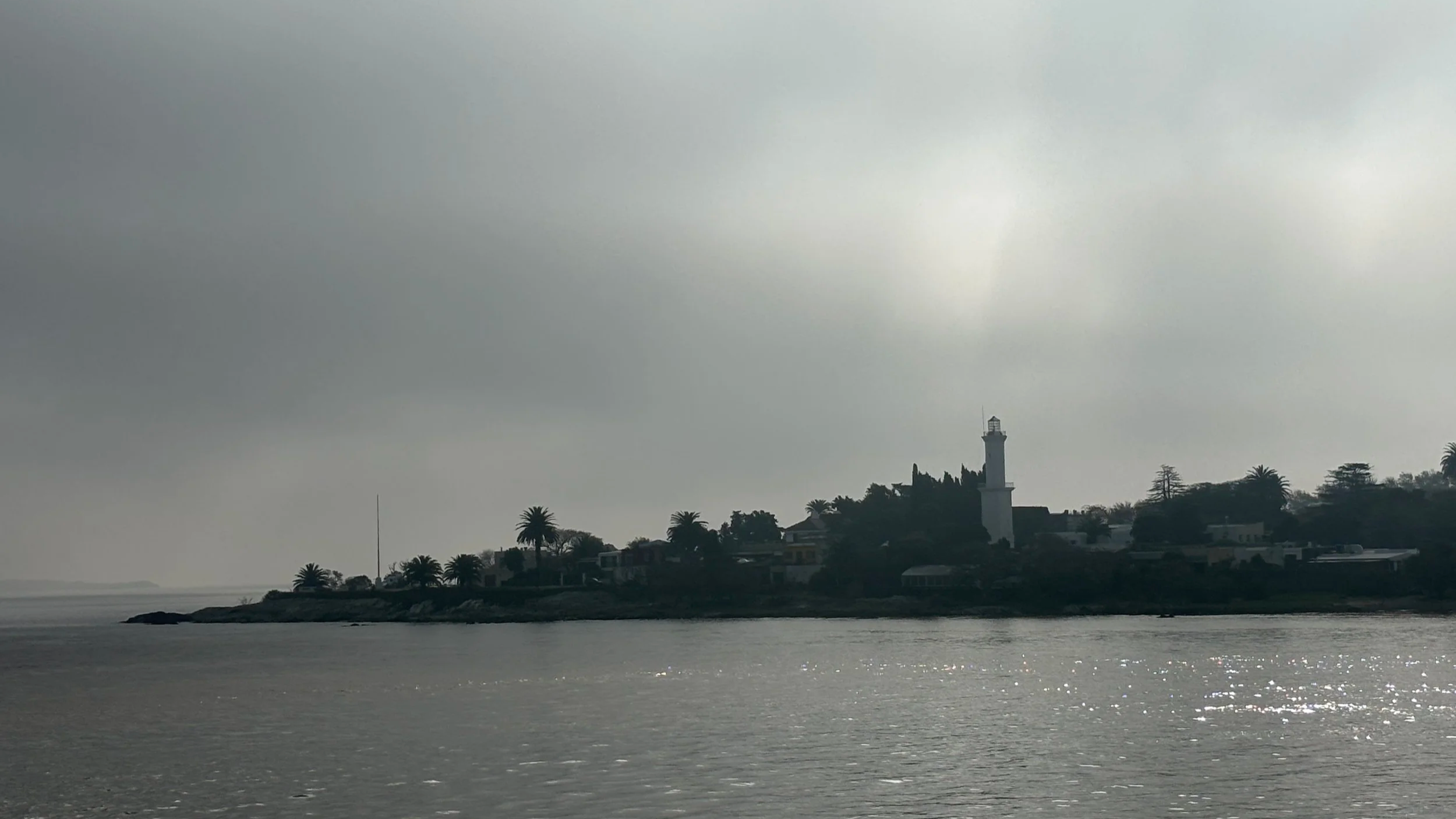
The distance between Colonia and Buenos Aires is some 40km as the crow flies across the Rio de la Plata, the large estuary that separates Argentina from Uruguay.
As of June 2026, there are two ferry companies operating the service, Buquebus and Colonia Express, each offering some 4-5 daily services in each direction (it is possible that there is some seasonality in the service, I will leave it to you to check it out!). Pricing can vary a bit depending on the time of the booking but it is roughly in the $25-50 range per person each way. Some ferries are faster than others but you should count 1.5 to 2h as the standard travel time.
Each of the ferry companies operates its own terminal in Buenos Aires, both of them quite close to Buenos Aires historical downtown, so they are pretty easy to reach.
I traveled from Buenos Aires on Colonia Express, which departs from the southern edge of Puerto Madero, the modern business area adjacent to Buenos Aires historical San Telmo district.
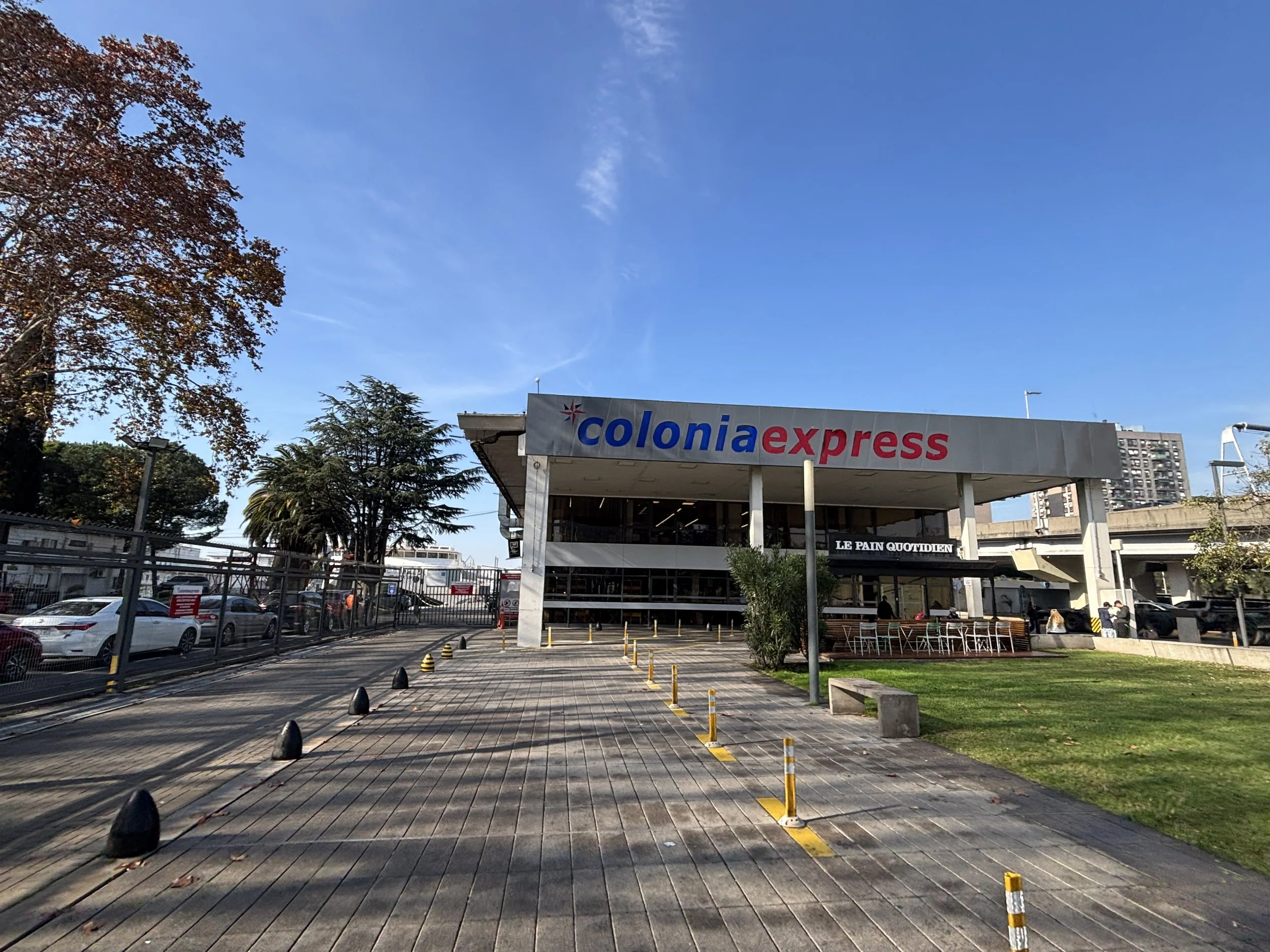
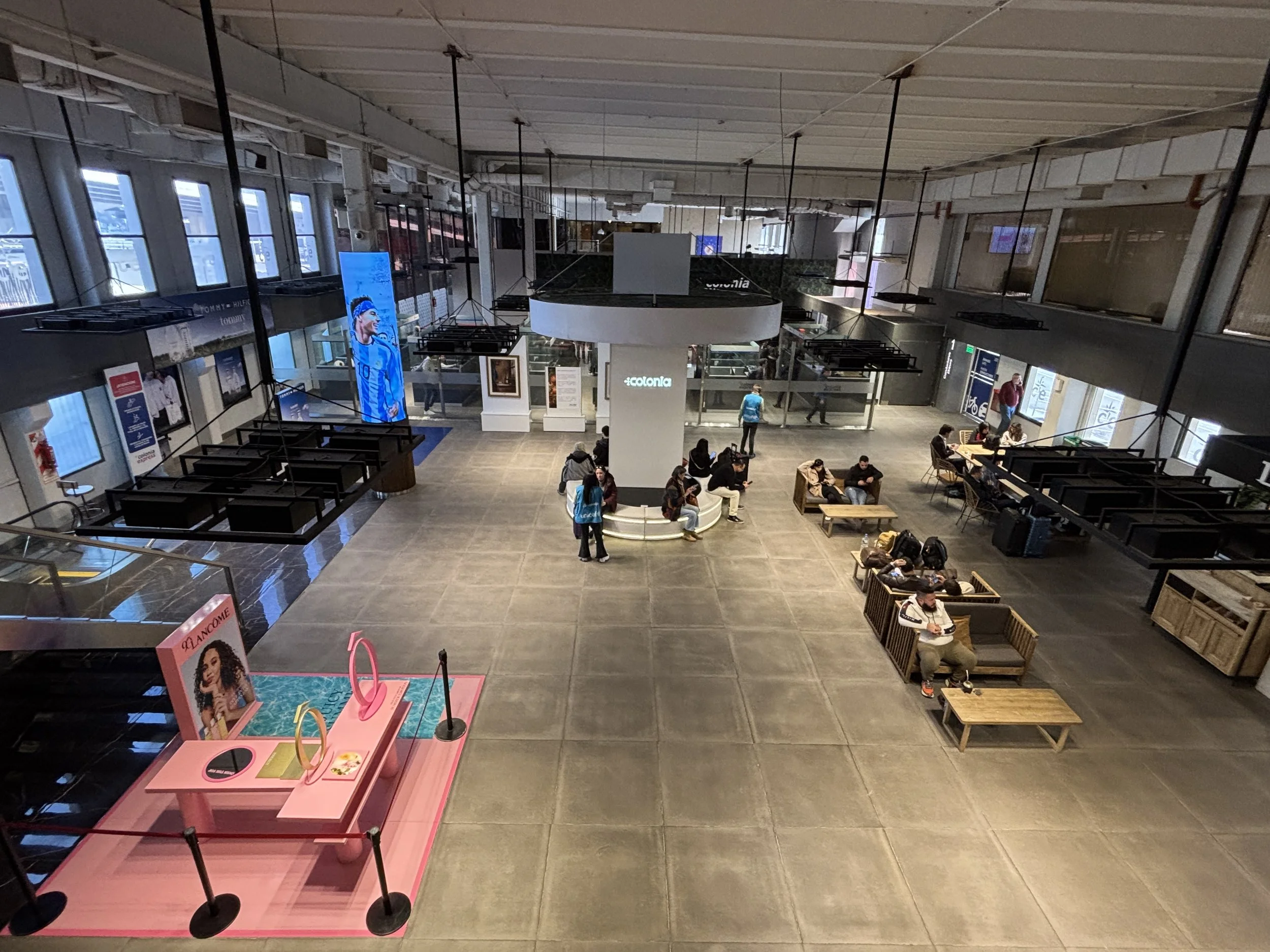
The terminal is super modern and it houses both the Argentinian and Uruguayan customs, so you get both immigration stamps before boarding the ship.
Likewise, I was positively impressed by the ship, which was also pretty modern, clean and comfortable. It has two passenger decks has a bar, a duty free shop, a currency exchange bureau and multiple toilet facilities. You can also go outside, which makes it possible to get nice views, particularly as you depart Buenos Aires, but most people just go inside after that as it can get terribly windy outside!
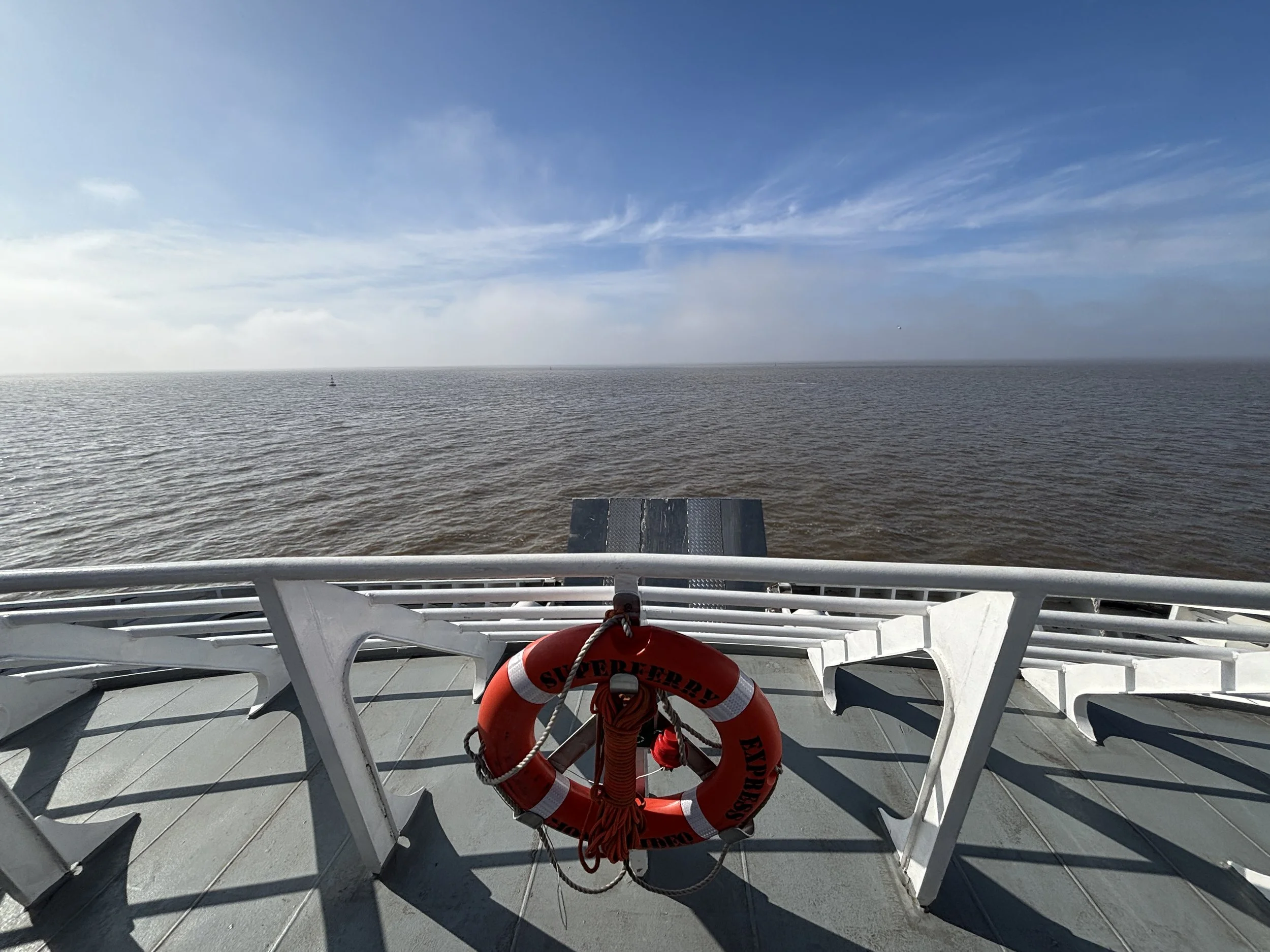
The arrival at Colonia is, likewise, at a modern terminal which is witihin 5-10min walk from the gates of the historical centre. At the time of my visit, the arrival terminal appeared to be undergoing some expansion or refurbishment work.
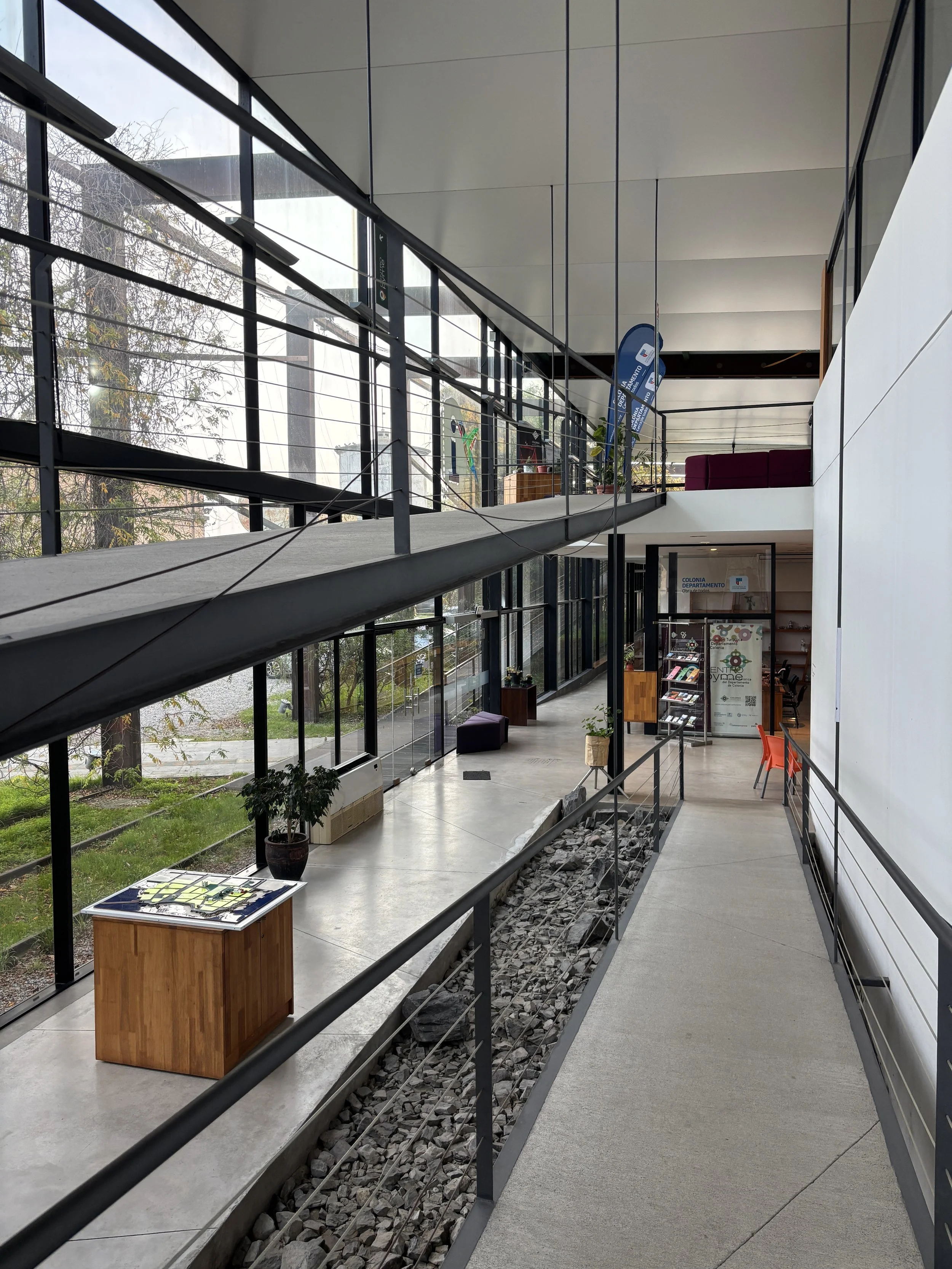
Also next to the maritime terminal there is the Tourist Information Center, housed in a stylish contemporary building in what it used to be a railway yard (the building actually re-uses some of the steel and iron elements in its design), so this is a good place to gather some information and start your visit to Colonia!
Getting to Colonia del Sacramento from Montevideo
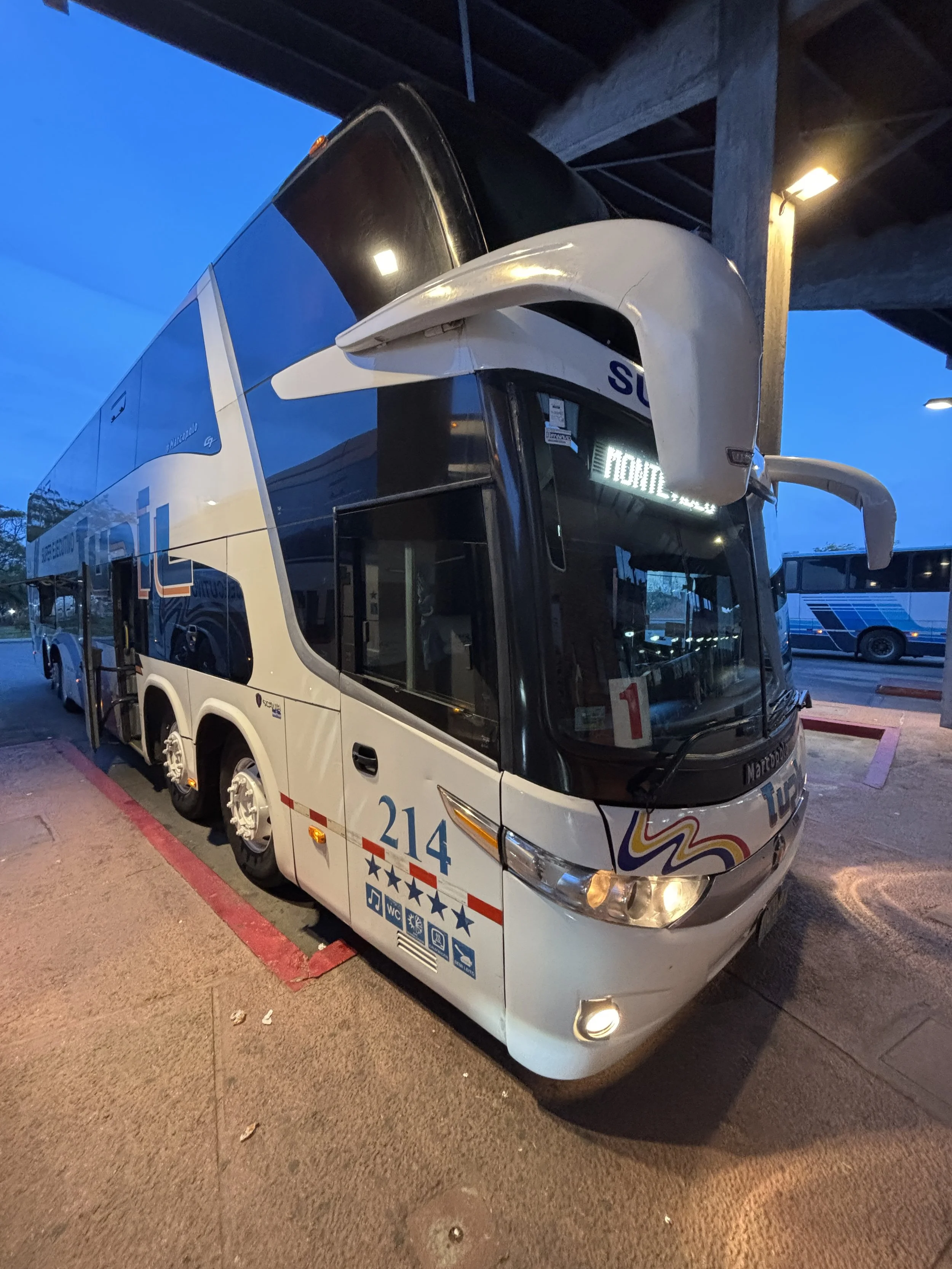
The other way to get to Colonia by public transportation is to take the bus from Montevideo, which is around 2h 45 minutes away. I actually did that after completing my sightseeing in Colonia.
It is also possible, of course, to arrange a private transfer, but I am not sure the price differential makes it worth it, considering the bus is pretty comfortable and costs on the order of €25-30.
There are two bus companies, Cot and Turil, operating this route. They each offer several services per day and prices are pretty similar. The tickets can be booked online, both on their respective websites or on travel aggregators.
The bus terminal is right next to the maritime terminal and the tourist information centre and less than 1km away from the historical centre. It is a rather basic building, but it does have all the services, including a a bar, some small shops and a fair number of electric sockets to charge phones and electric devices (btw, unlike Argentina, Uruguay uses a type of electric socket which is compatible with the European type!).
The bus was surprisingly comfortable, with a larger seat pitch than you would expect on some European airlines’ business class cabins, and it has even a sort of foldable foot and leg rest for extra comfort. I think there was a sign saying there was wifi, but no network appeared to be active.
Btw, the bus stops along the way multiple times to pick up people, so better make sure you are seated on the seat assigned during booking (they are numbered). The bus also has a toilet.
The terminal in Montevideo is in Tres Cruces, which is pretty central in the modern part of the city.
The historical centre of Colonia del Sacramento
Colonia has a really interesting history. It was, in fact, founded as a Portuguese outpost. The Kingdoms of Castile (the nucleous of what later became Spain) and Portugal agreed to demarcate their respective areas of influence through the Treaty of Tordesillas in 1494, which used an imaginary line to the West of the Cape Verde islands as the boundary.
With cartography being still, at the time, a rather inexact science, Portugal tried to enforce a rather favourable (to its interests) interpretation of this line to claim the northern part of the Rio de la Plata and the territory of what is now Uruguay.
So, in 1680, the Portuguese founded Colonia as their southernmost outpost in the Americas. At that time, Spanish settlement of the area was still not fully consolidated, so the Portuguese kind of got away with it for some time. But, it was not long before tensions started between the two European kingdoms, as they both tried to create facts on the ground.
Spain took Colonia by force several times between 1680 and the mid-18th C. and each time the Portuguese recovered it through diplomatic means. This went on until 1777, when the Spanish Crown reclaimed Colonia one last time.
Colonia, however, was not to remain in Spanish hands for long, since in the early 19th C. the independence movements kicked off in Latin America, taking advantage of the Napoleonic Wars in Europe.
Colonia did eventually end up being part of Uruguay, which obtained its independence in 1830 (after yet another war, this time between the United Province of the Rio de la Plata, which later became Argentina, and a Brazil that has just become independent).
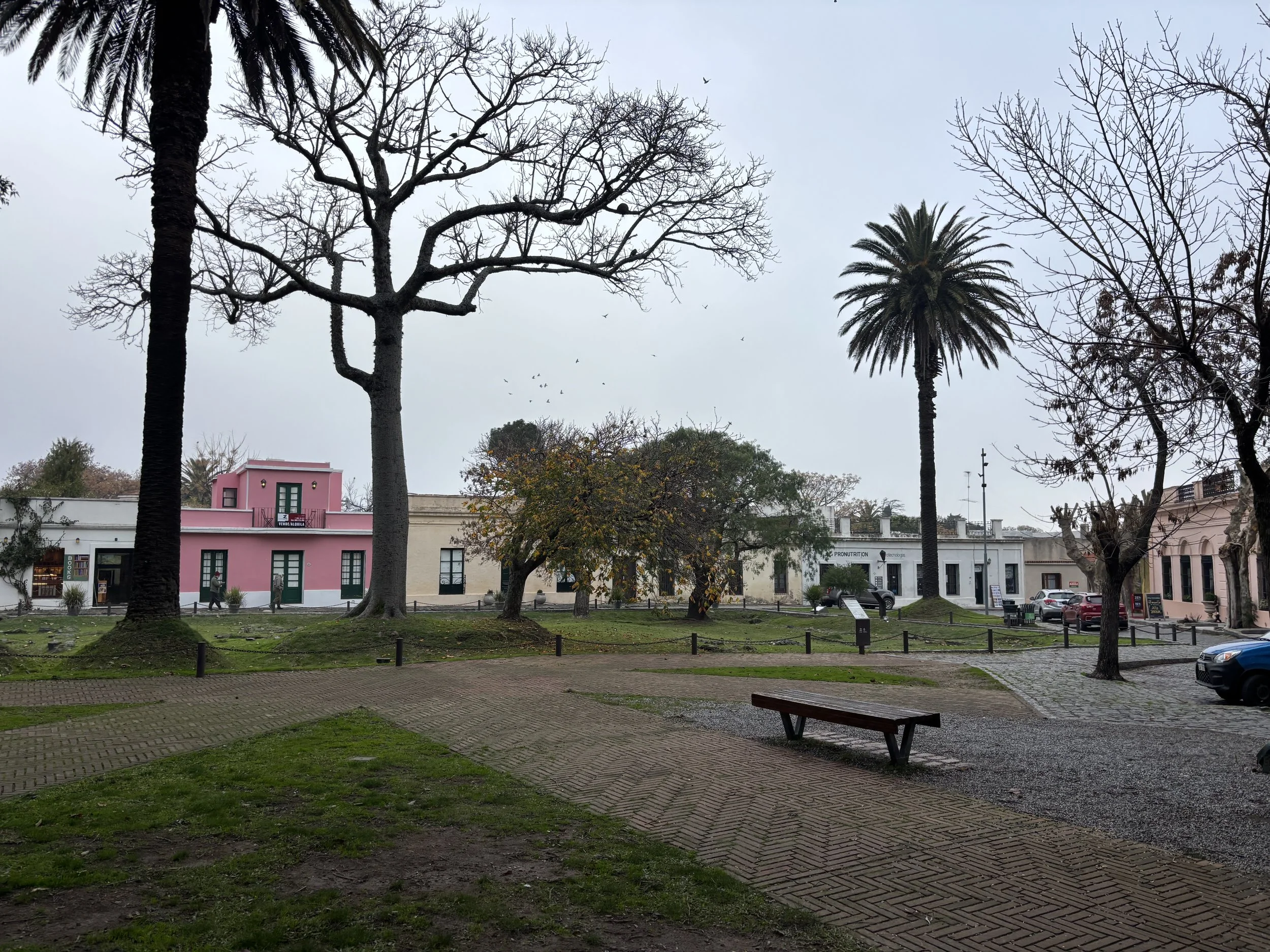
The foundations of Colonia’s Portuguese governor palace, which was razed to the ground by the Spanish, can still be seen in the centre of this square
If I am explaining all of this in detail is because it is essential to understand the uniqueness of Colonia and the reasons that led it to become the first UNESCO World Heritage Sites in Uruguay.
Colonia del Sacramento is the only place in the Americas which has managed to preserve a fusion of both Portuguese and Spanish colonial era styles, something that can be seen in the architecture and urban planning of the site.
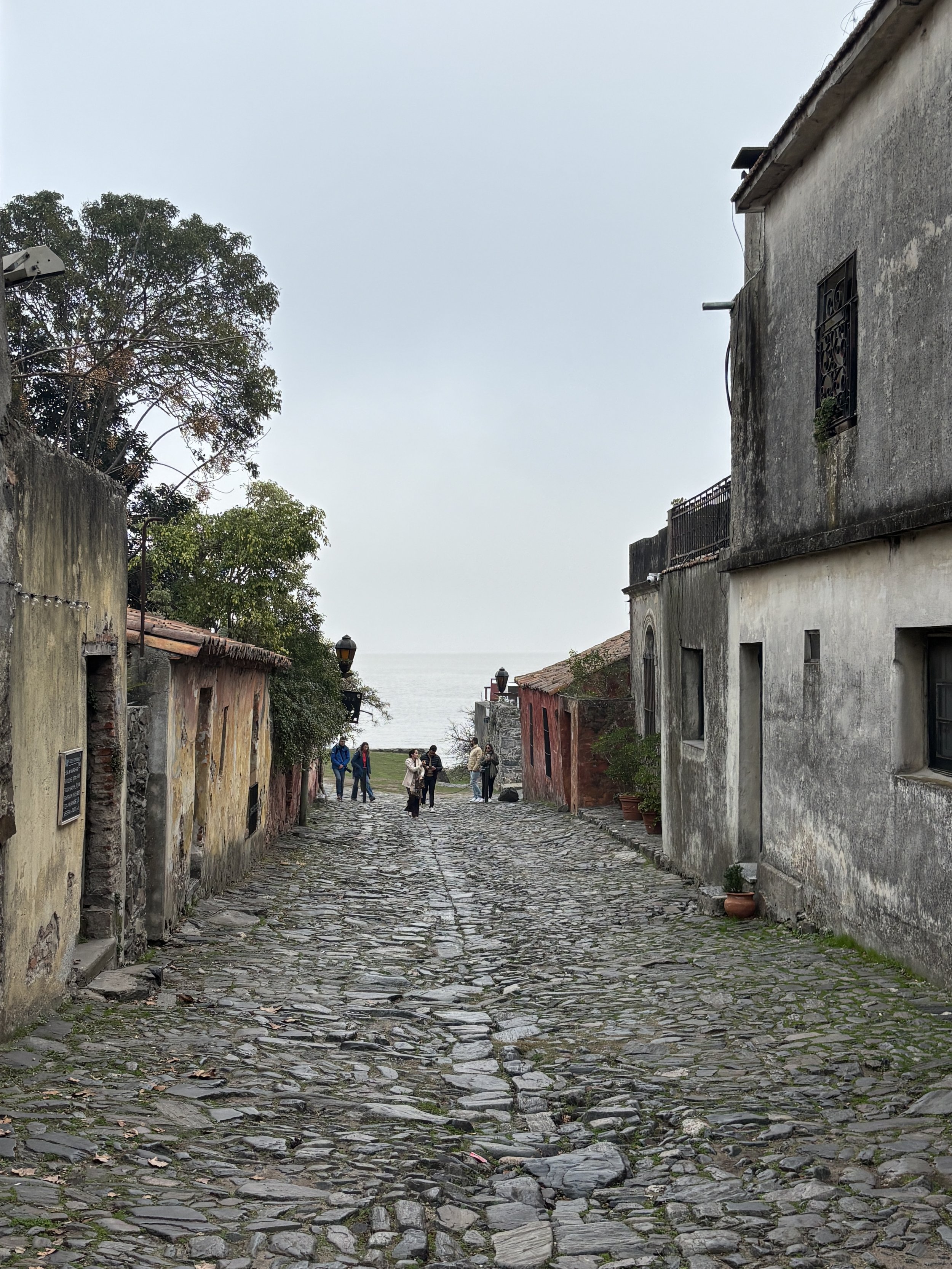
Four top things to see in historical Colonia
The city wall and entrance
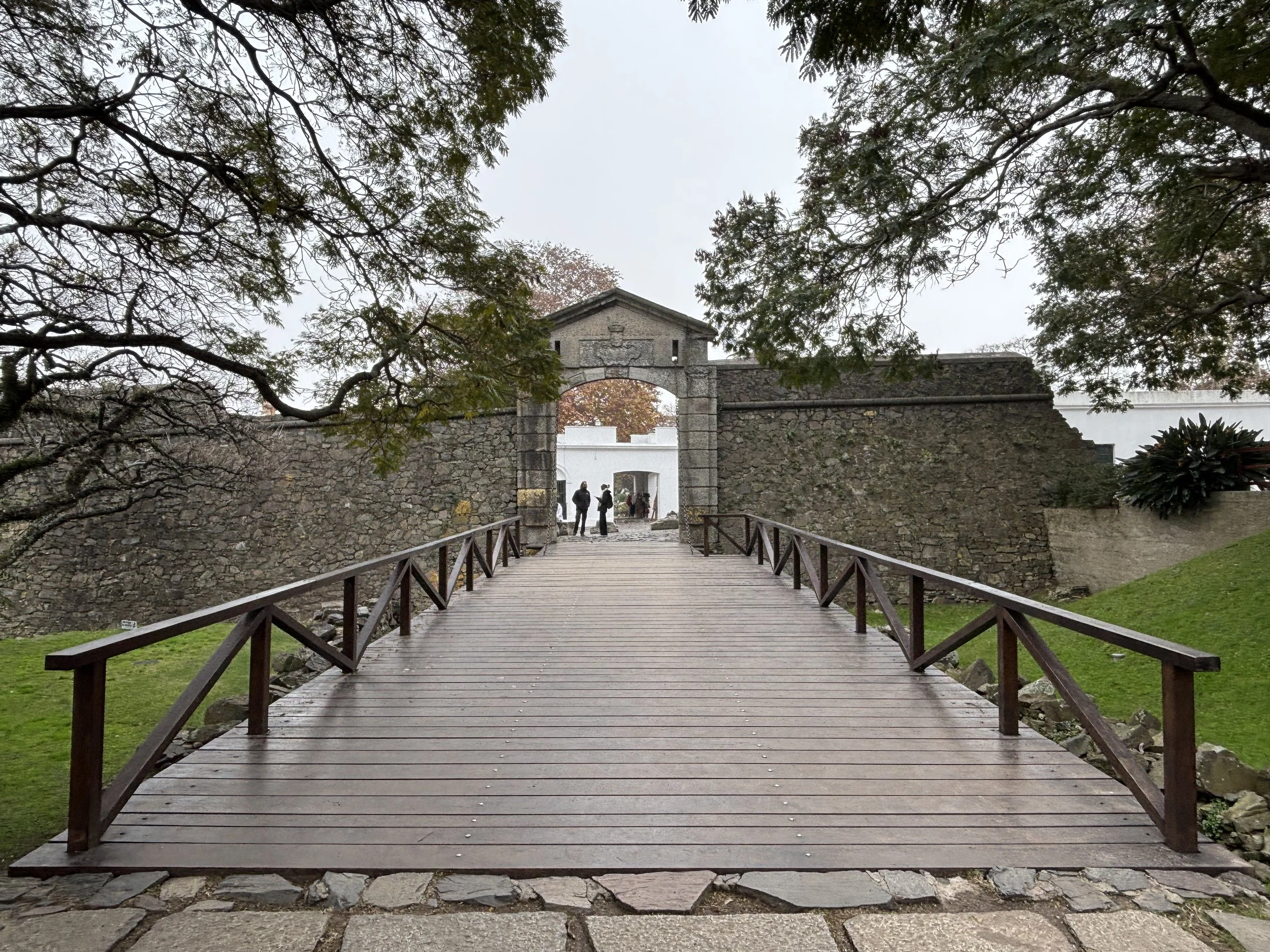
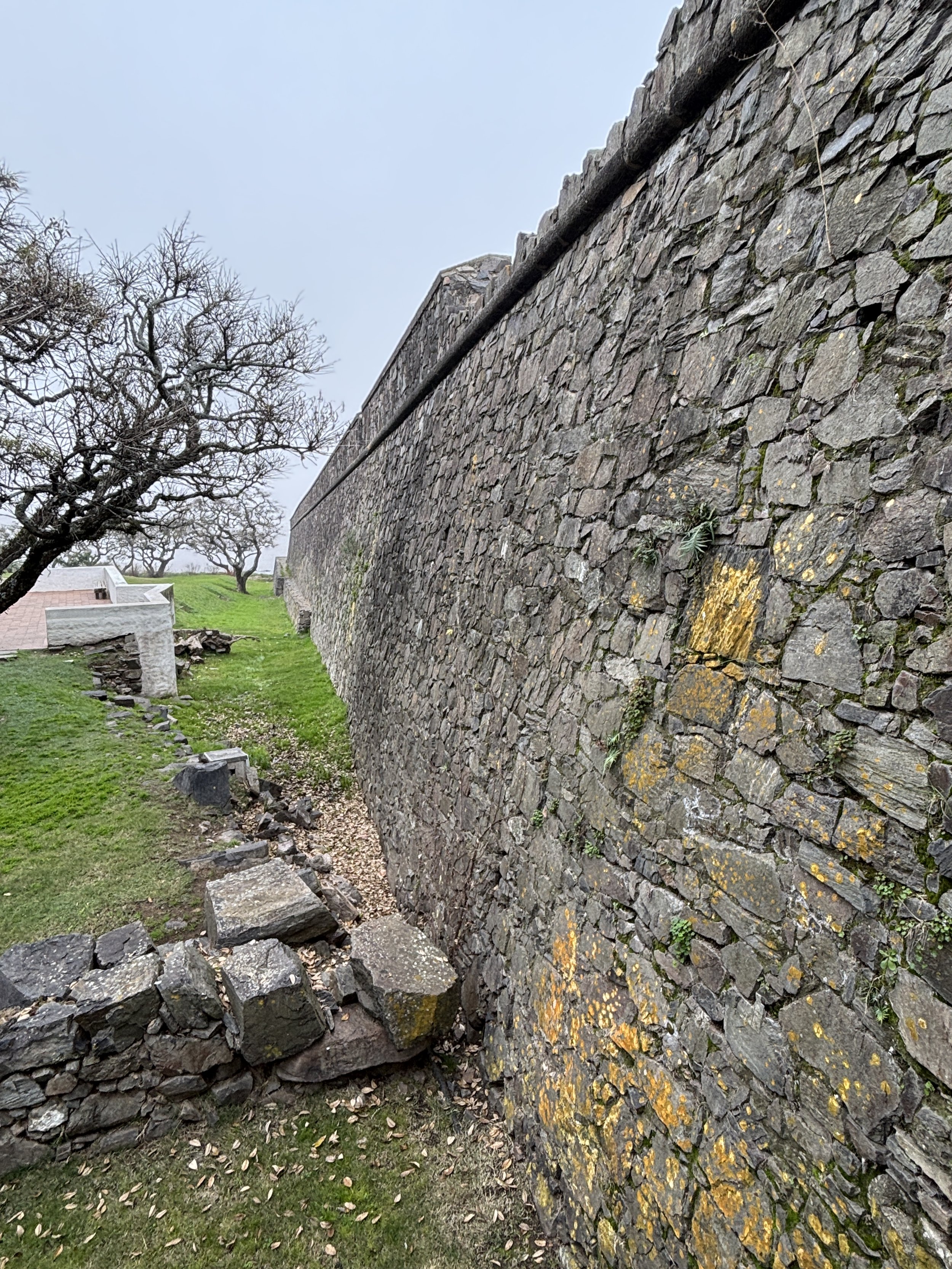
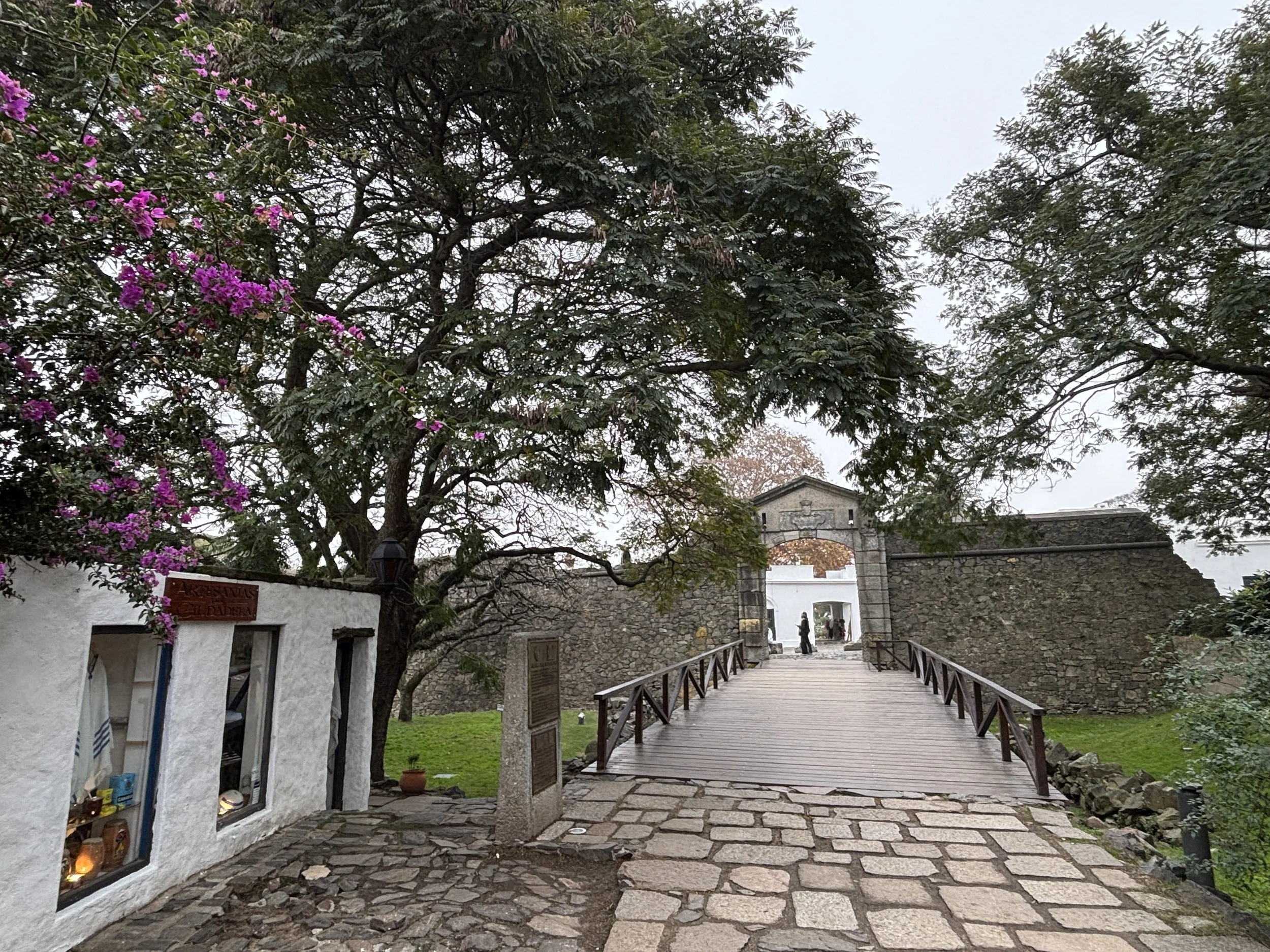
The Portuguese were well aware of the nature of Colonia as an outpost in contested territory, so one of the first things they did was to build an enceinte of fortifications, complete with its own colonial-style gate.
After the Spanish takeover, however, the walls lost much of their utility and they were mostly demolished. The inhabitants at the time were not that appreciative of their historical and aesthetic value. This, however, changed a bit later, in the 1970s when work started on the preservation of Colonia as an heritage site.
Fortunately, most of the stones of the old wall had been deposited right to their original location, so a large portion of the wall and the gate could be reconstructed, which is what visitors see now. So, not quite the original thing…but almost, since the reconstruction is an exact reproduction of the original and it even used the very same stones!
2. “Calle de los Suspiros” ("Street of Sighs")
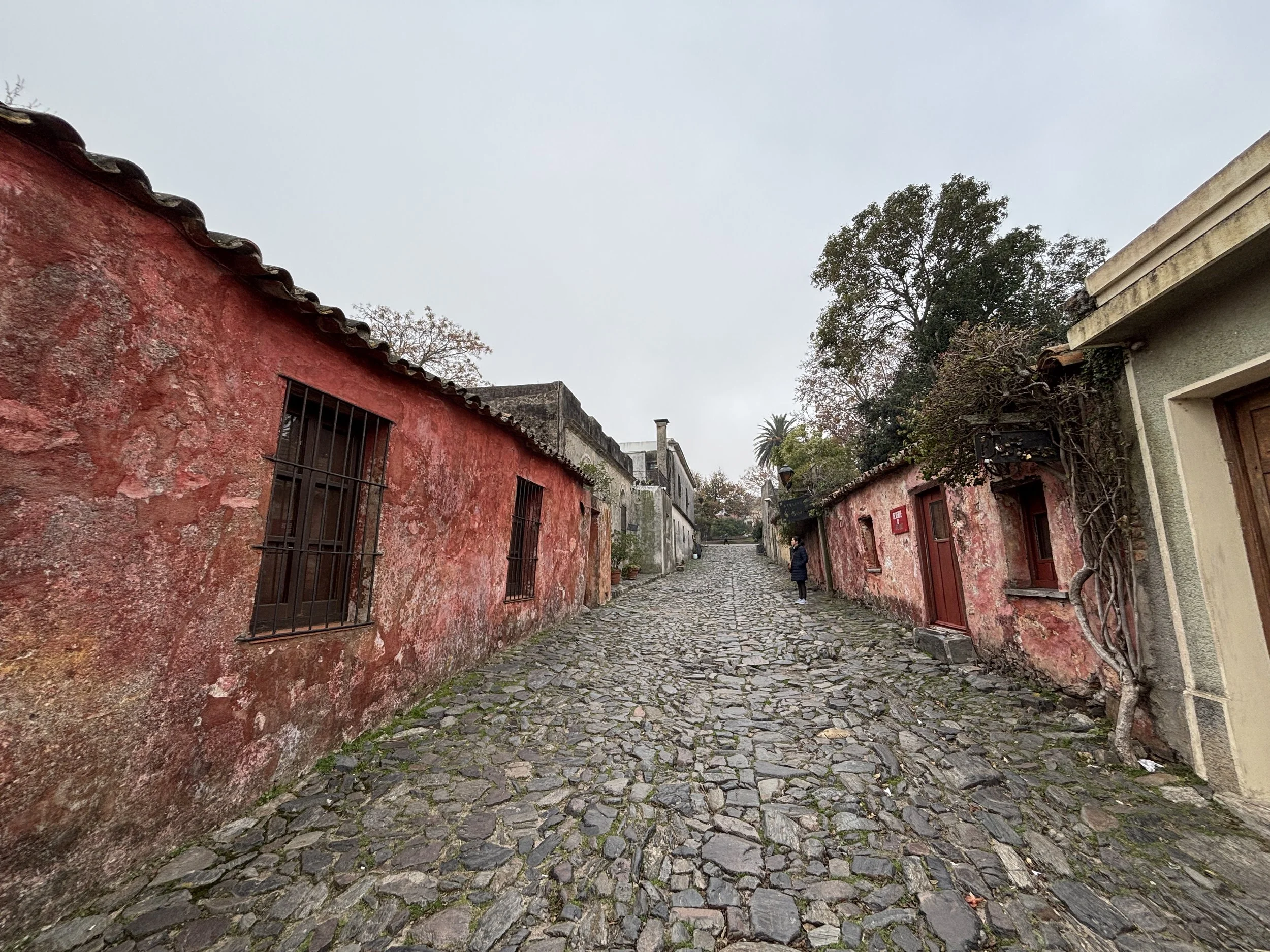
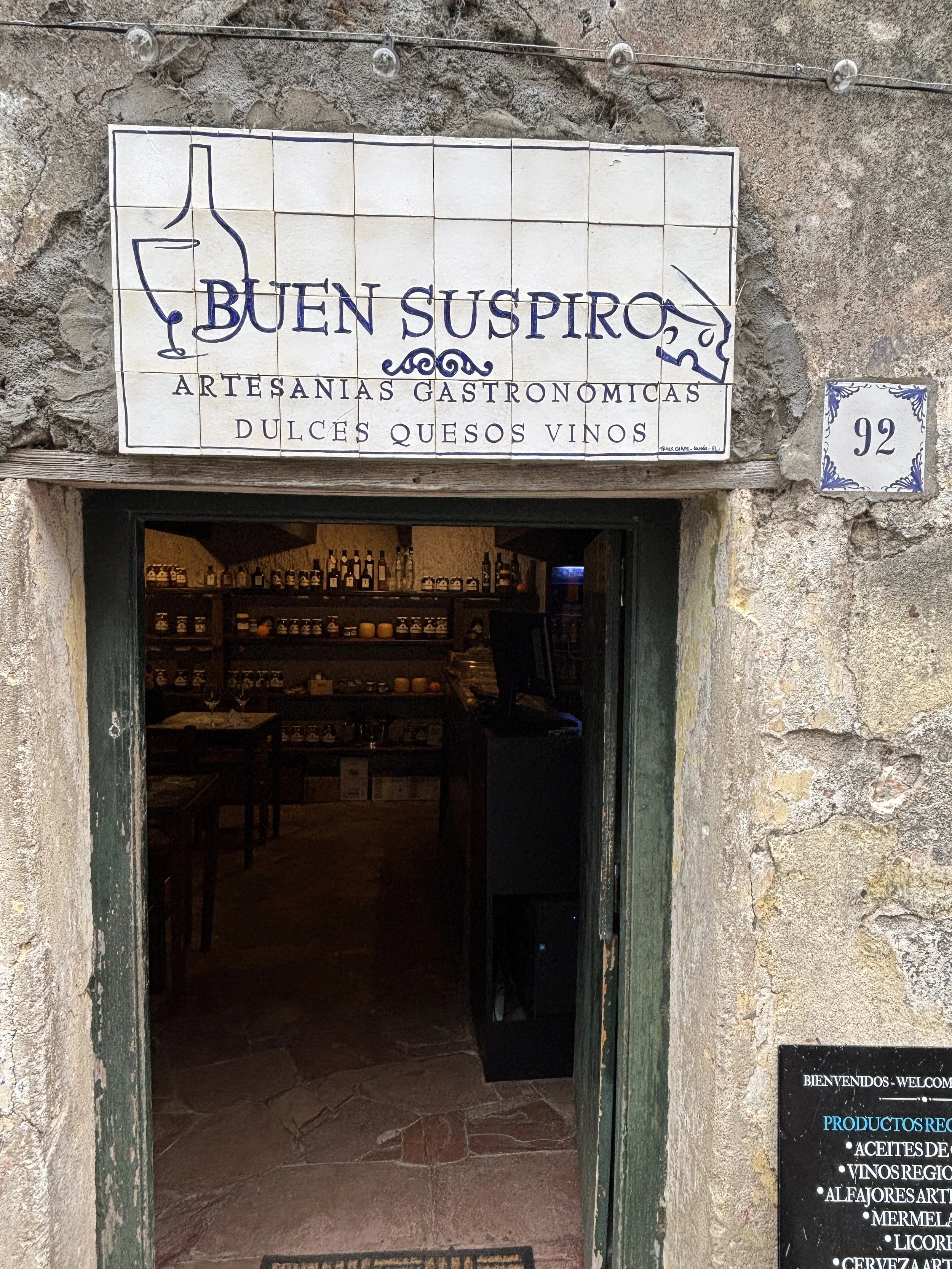
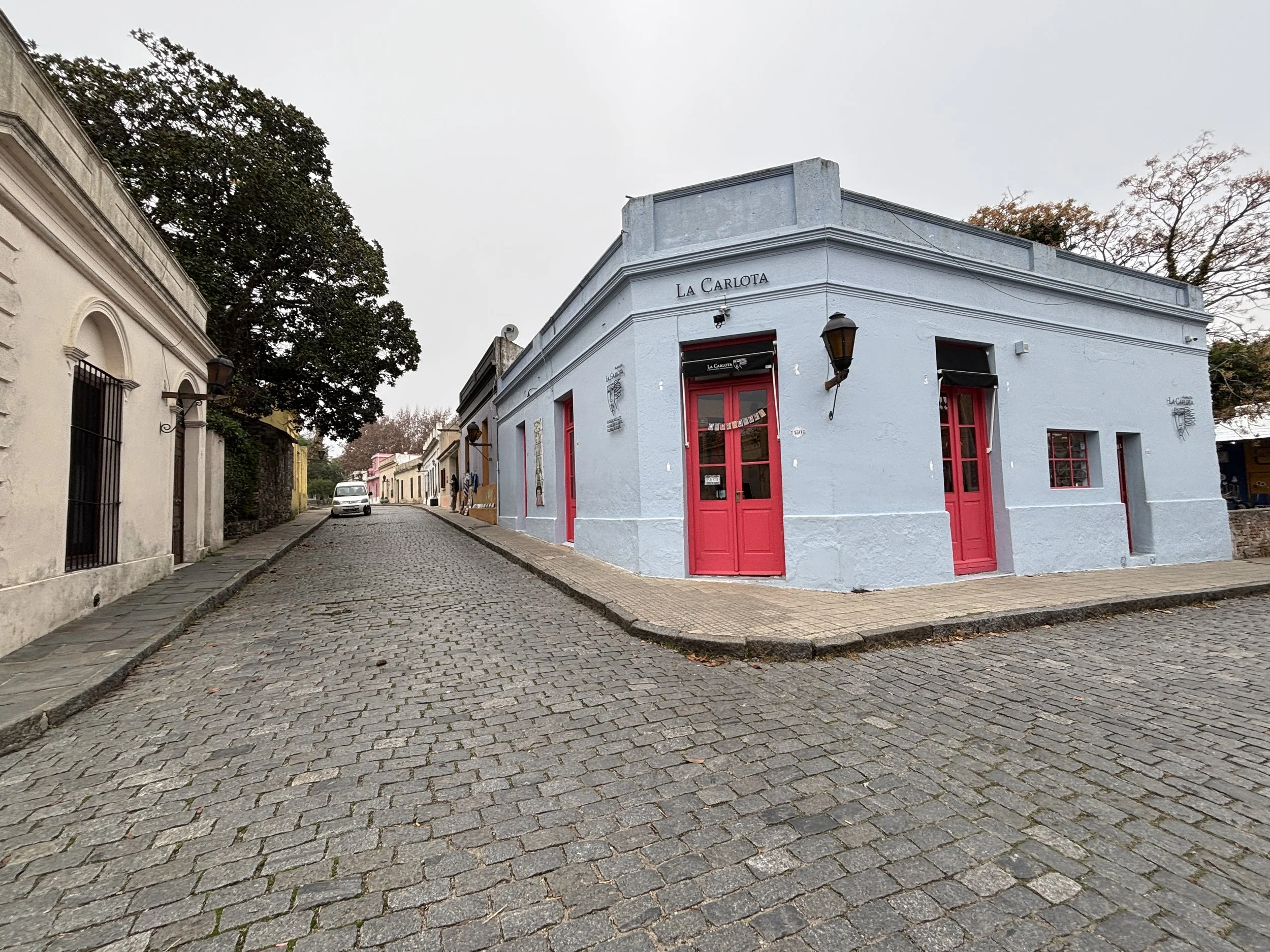
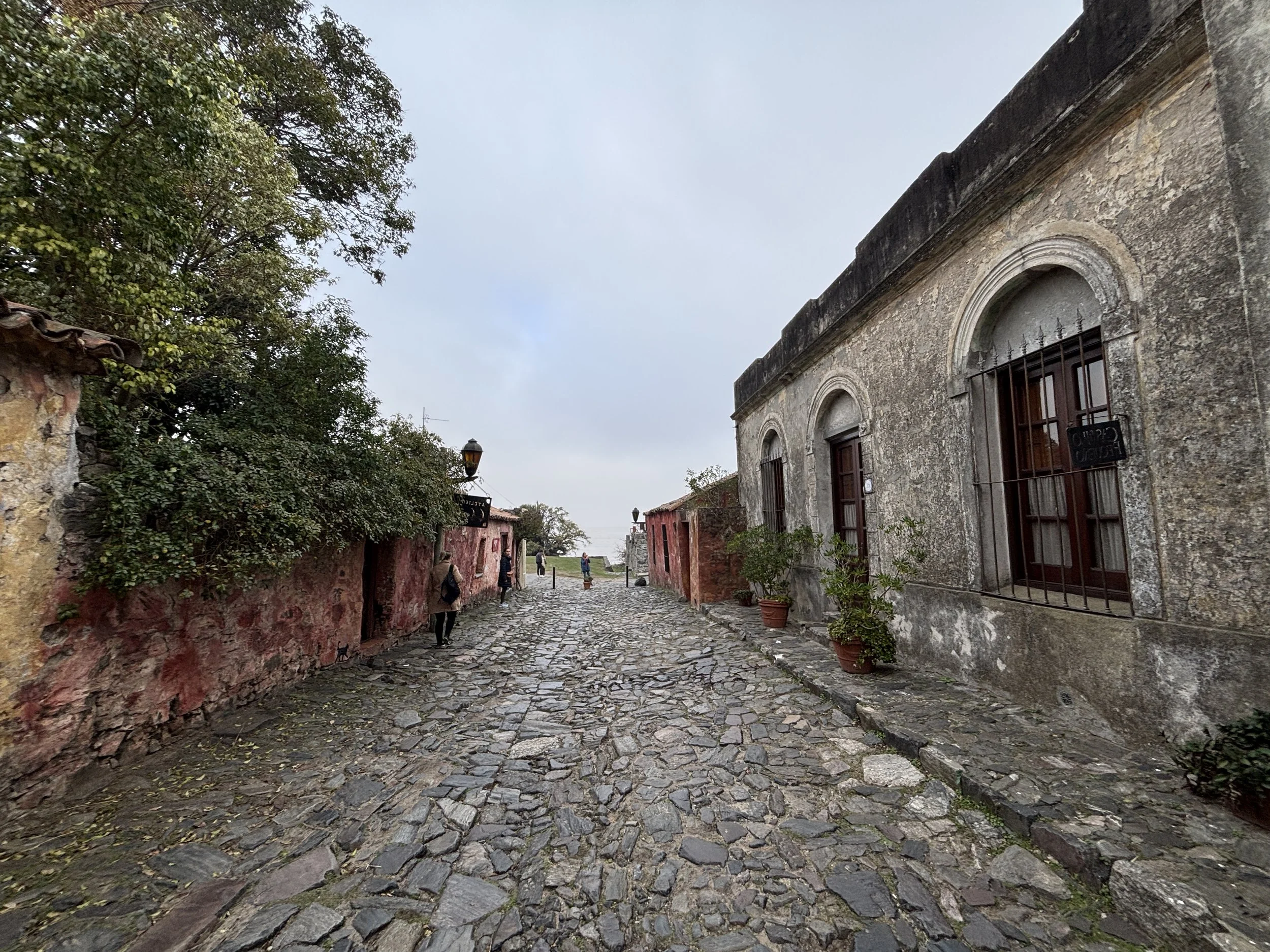
This is one of the most scenic streets of Colonia, combining traditional houses in the Portuguese and Spanish styles, with an irregular cobbled pavement which is more typical of Portuguese settlements. The street has also embellised with some tiled street signs in the Portuguese style, although these appear to be a later addition.
In fact, Colonia is not a historical center in the European sense, with densely packed narrow streets, but more of a spread-out settlement with rather wide streets and plenty of open spaces.
In this street you will also find a shop selling produce from the nearby countryside, which is famous in Uruguay for its wine and cheese production.
3. The old lighthouse
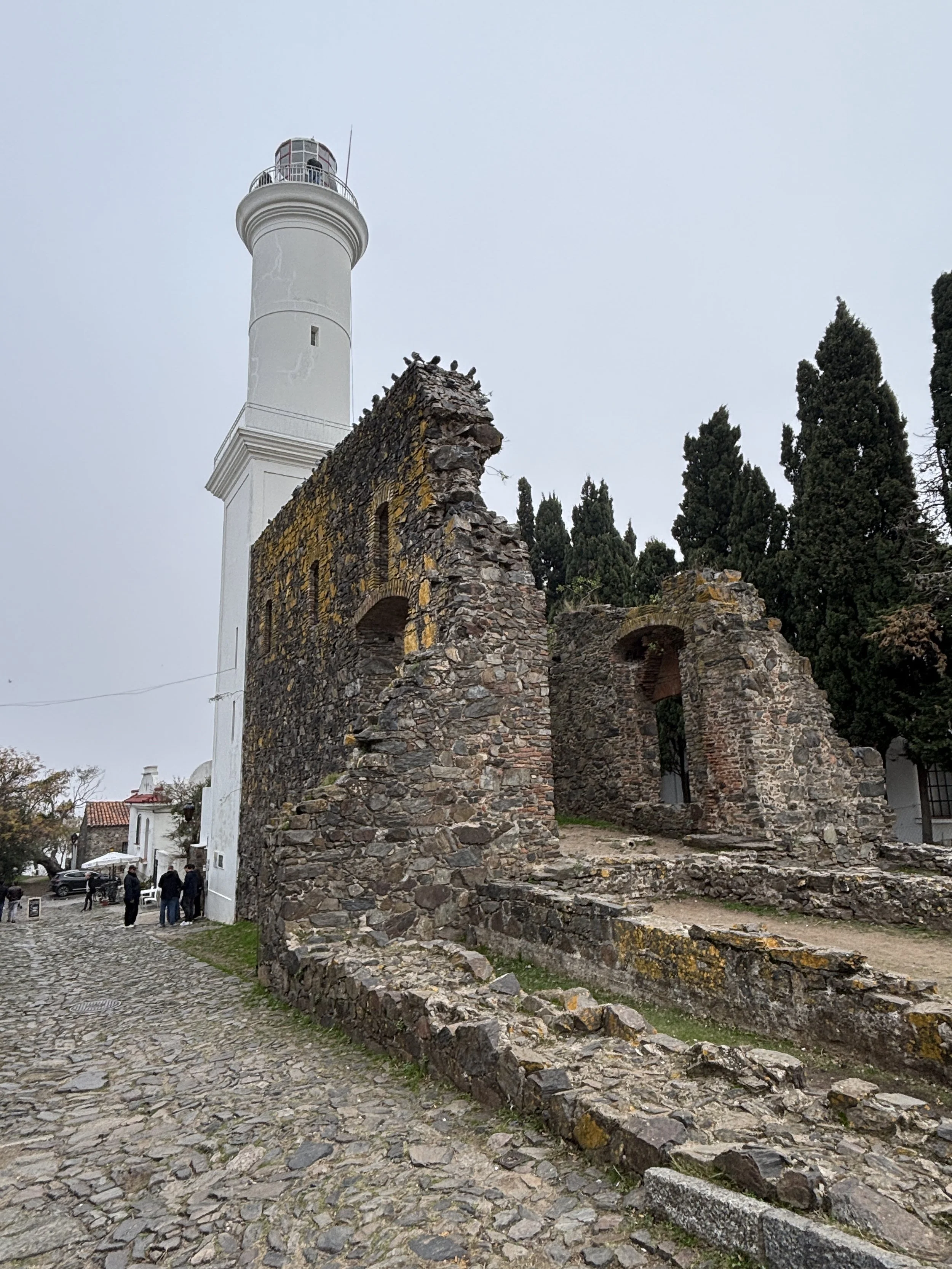
This lighthouse was built in 1859 on top of the ruins of a former Portuguese Franciscan monastery. Located on the historical’ town’s main square (“Plaza Mayor”), this tall structure provides a point of reference in the otherwise low-lying urban grid. It is also located on one of Colonia’s two major historical squares. It is possible to climb up the lighthouse to get the views.
4. The oldest church in Uruguay
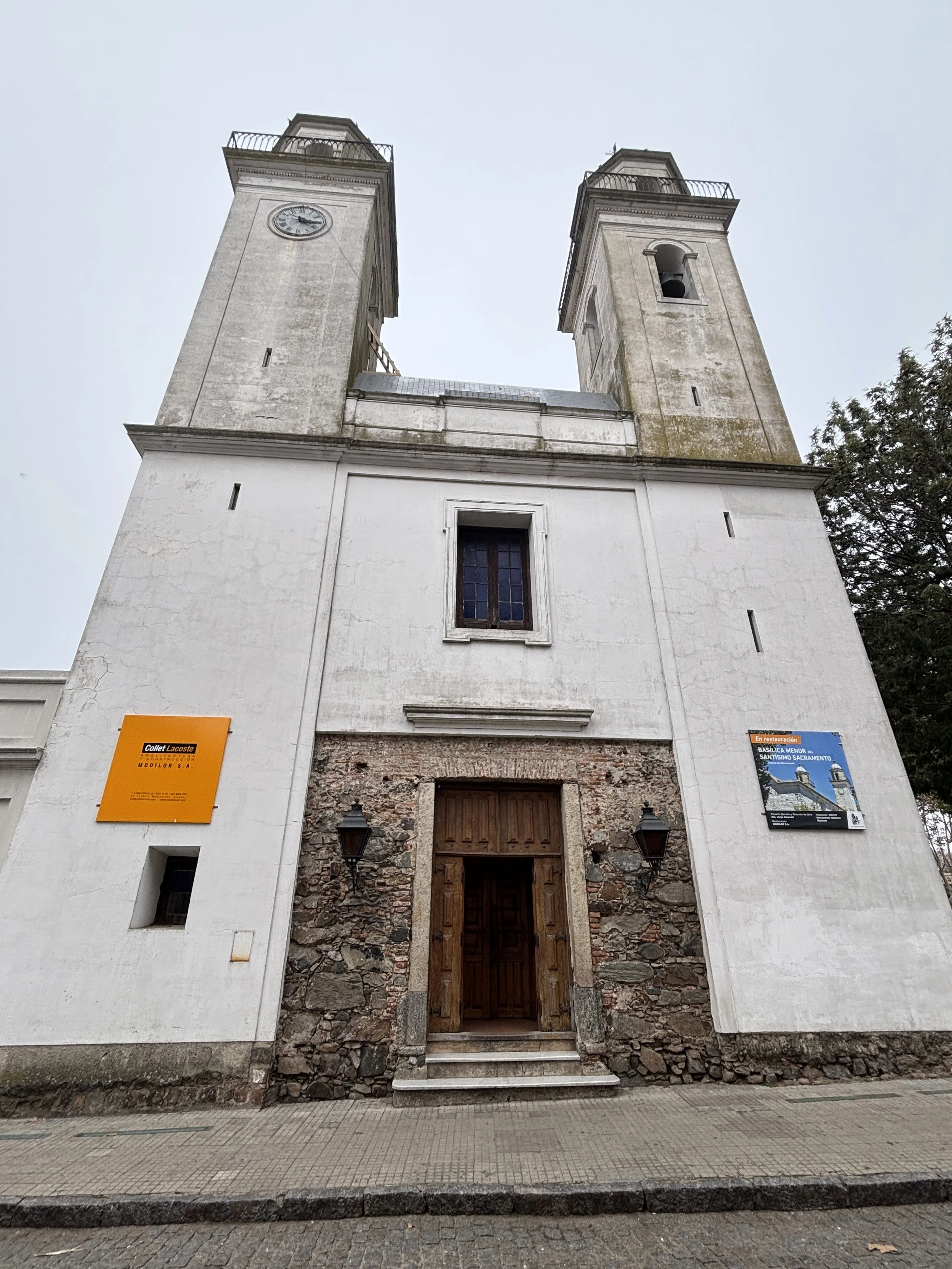
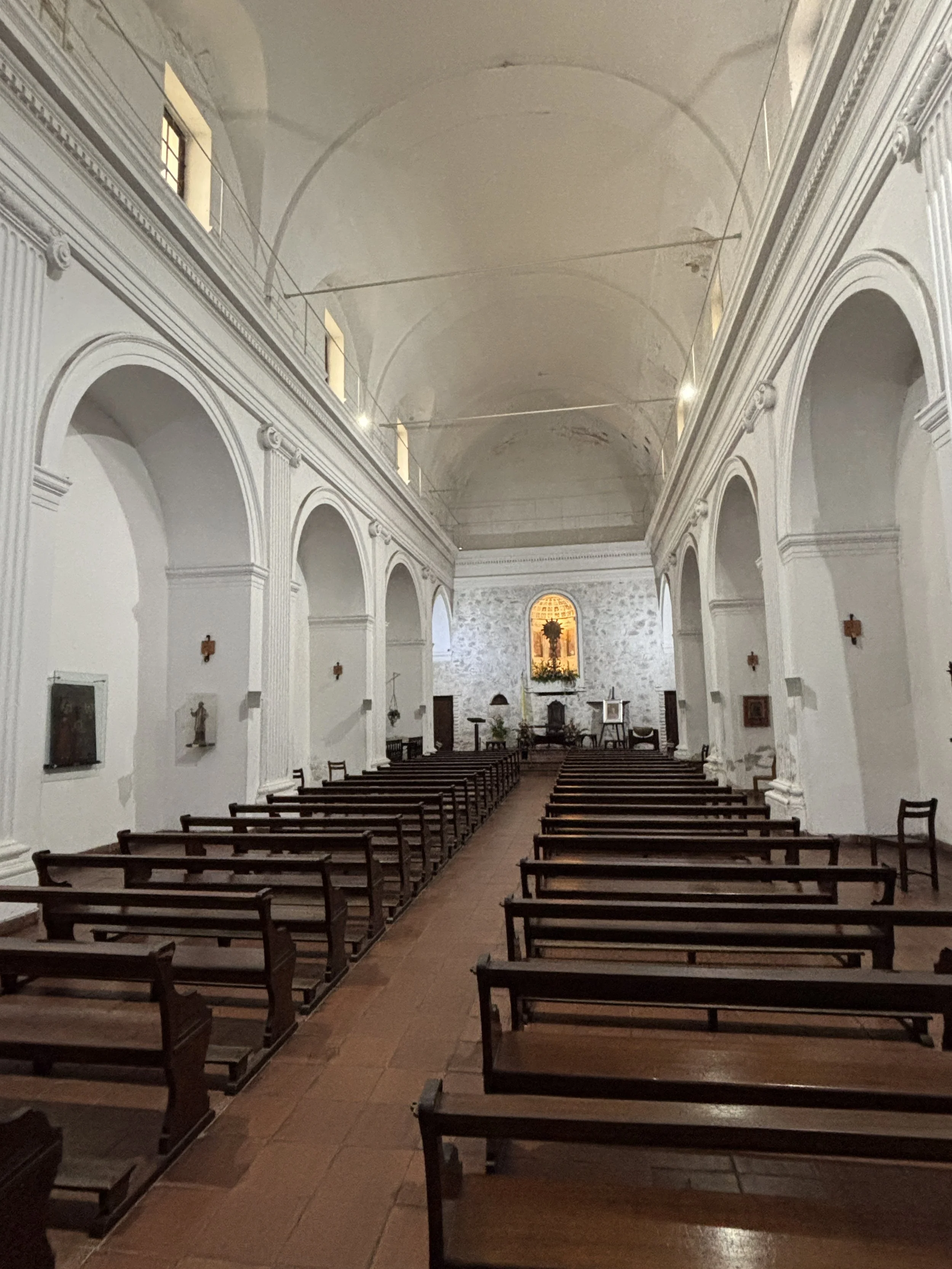
Built in 1699, the church of the Holy Sacrament (“Iglesia del Santísimo Sacramento”) is the oldest in Uruguay. It was built opposite the Portuguese governor’s palace, located on the highest point of the historical town (apparently it was a common Portuguese practice to build the main church and the governor’s house on the highest point in town, unlike the Spaniards, which did so at sea level when possible).
When the Spanish took over the governor’s palace was demolished (its foundations can now be seen in the middle of the square), but the church was modified to fit the Spanish aesthetic canon, which involved covering most of the original stones and some architectural elements with stucco. Modern restorations have brought back some of those original elements while leaving also as much as possible of the Spanish additions.
Other than that, as mentioned earlier, Colonia is not a large place. There are quite a few shops and cafés, but if you visit off-peak as it was my case, it doesn’t feel crowded. So I would suggest wandering around a bit.
The bullfighting ring in Colonia del Sacramento
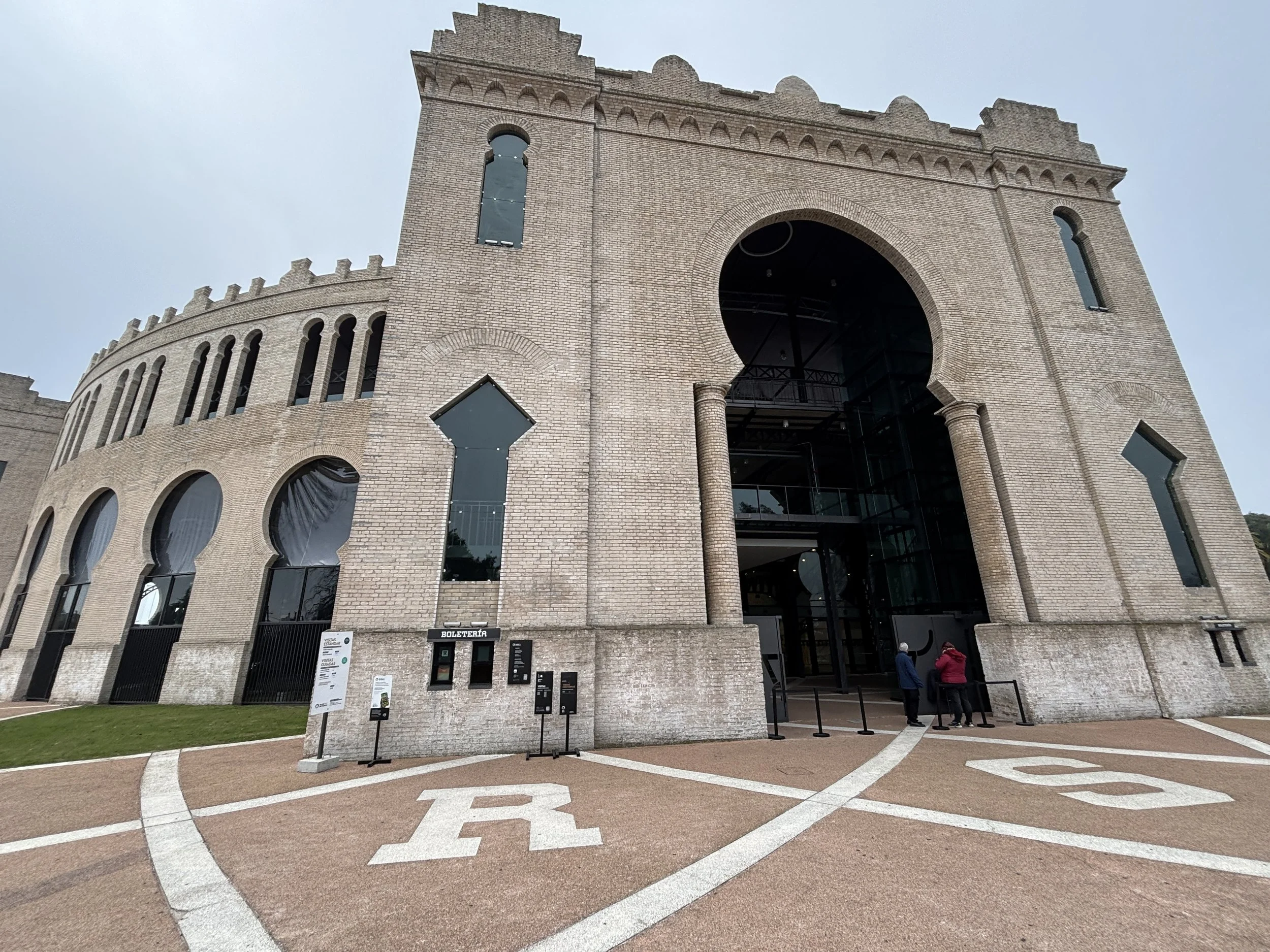
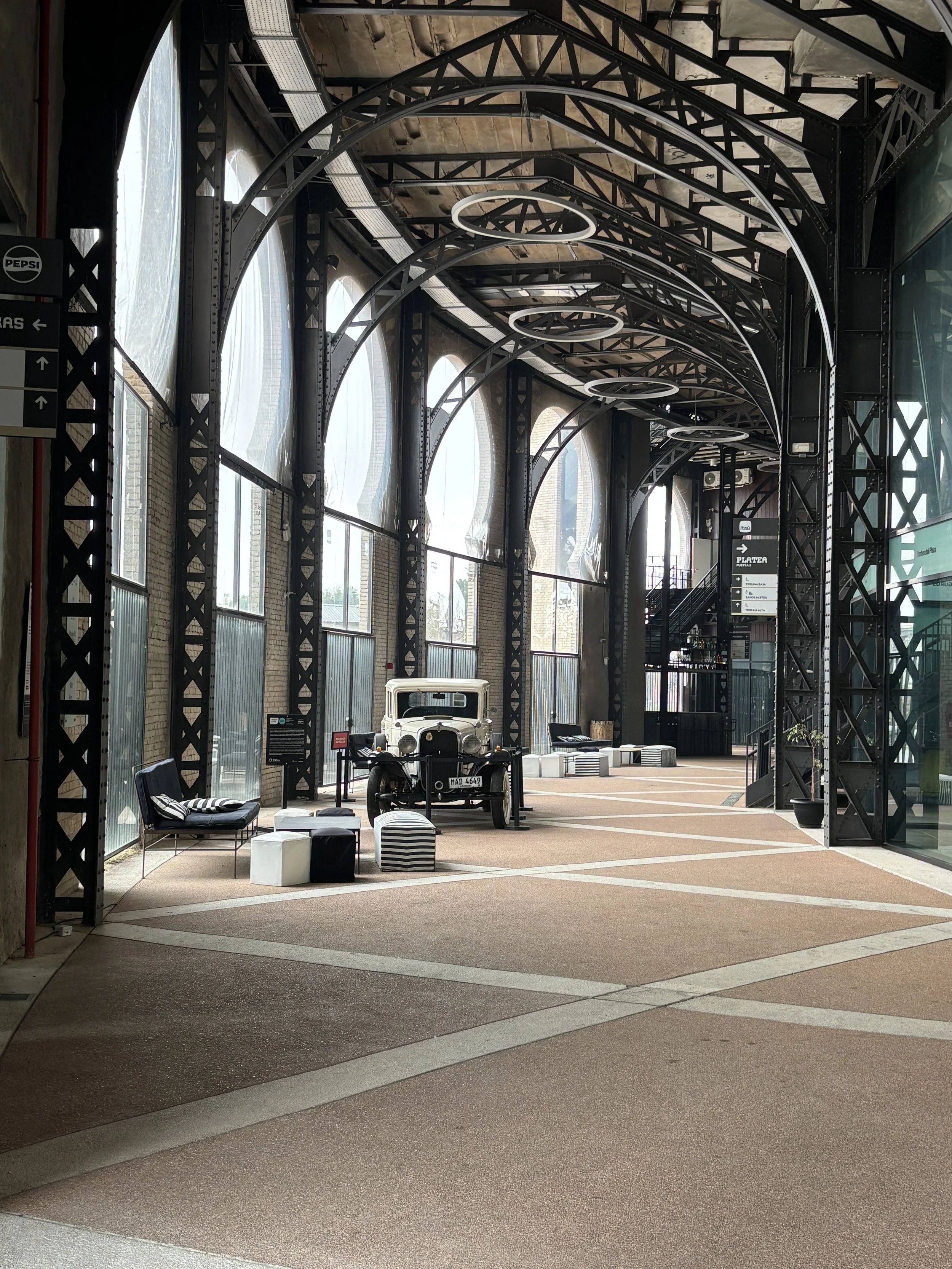
The historical town is linked through a seaside promenade to the other major landmark in Colonia: its former bullfighting ring which has now been turned into a cultural centre.
The ring was actually built at the initiative of Nicolás Mihanovich, an Argentinian shipping magnate of Croatian ancestry, who had the vision of turning Colonia into a sort of “South American Riviera” at the turn of the 20th C.
The idea was that the ring, which was capable of hosting up to 10,000 spectators, would be the centerpiece of a whole leisure complex which would include a luxury hotel and some other entertainment amenities around it, such as a “frontón”, a venue to play the game of Basque pelota, which is now also being restored. The complex had also a small rail line connecting it to the ferry terminal, which would bring visitors from Buenos Aires.
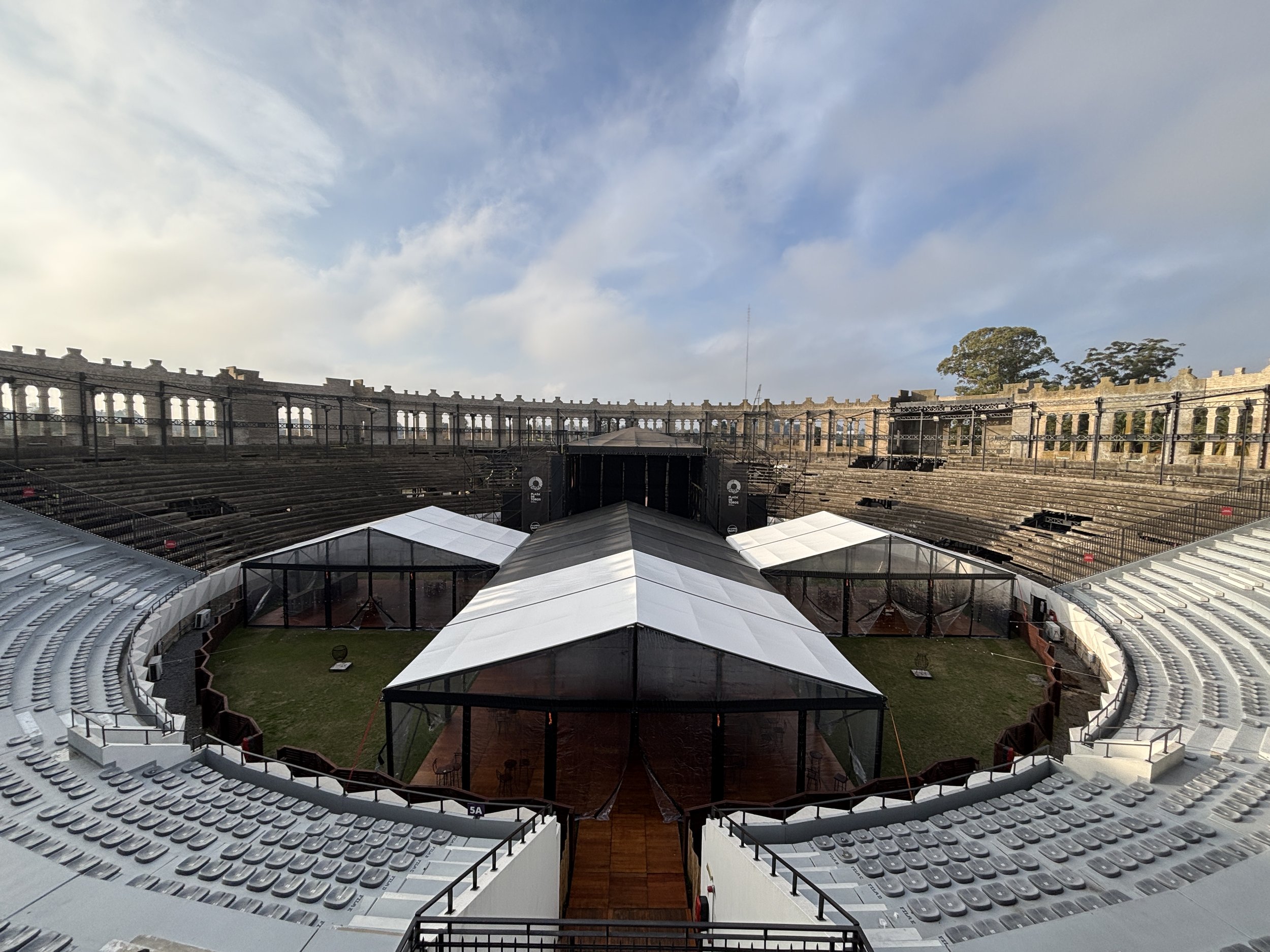
This project was partly realized in 1910, when the ring was built in a rather impressive period of 6 months (possibly would be impossible to do the same today!) using pre-fabricated modules and structural sub-assemblies which were shipped from Europe. Mihanovich also brought some of the top bullfighting stars of the time from Spain for a grand opening.
However, the project was short lived, since Uruguay banned bullfighting in 1912. So, Colonia’s ring hasn’t actually hosted a show of this nature for more than a century.
In fact, after losing its primary function, the ring fell progressively into disrepair and it was already in a very poor state of conservation when, already in the 21st C. it was decided to turn it into a culture and events venue. The structure was restored and had its grand re-opening in December 2021.
Today it hosts corporate and civic events regularly and it is also being readied as a sports venue, using the central ring as the pitch. It also hosts several shops, cafés and temporary exhibitions, as well as a small museum of bullfighting which shows also an interesting video animation documentary about the history of the ring and Colonia as a tourist destination.
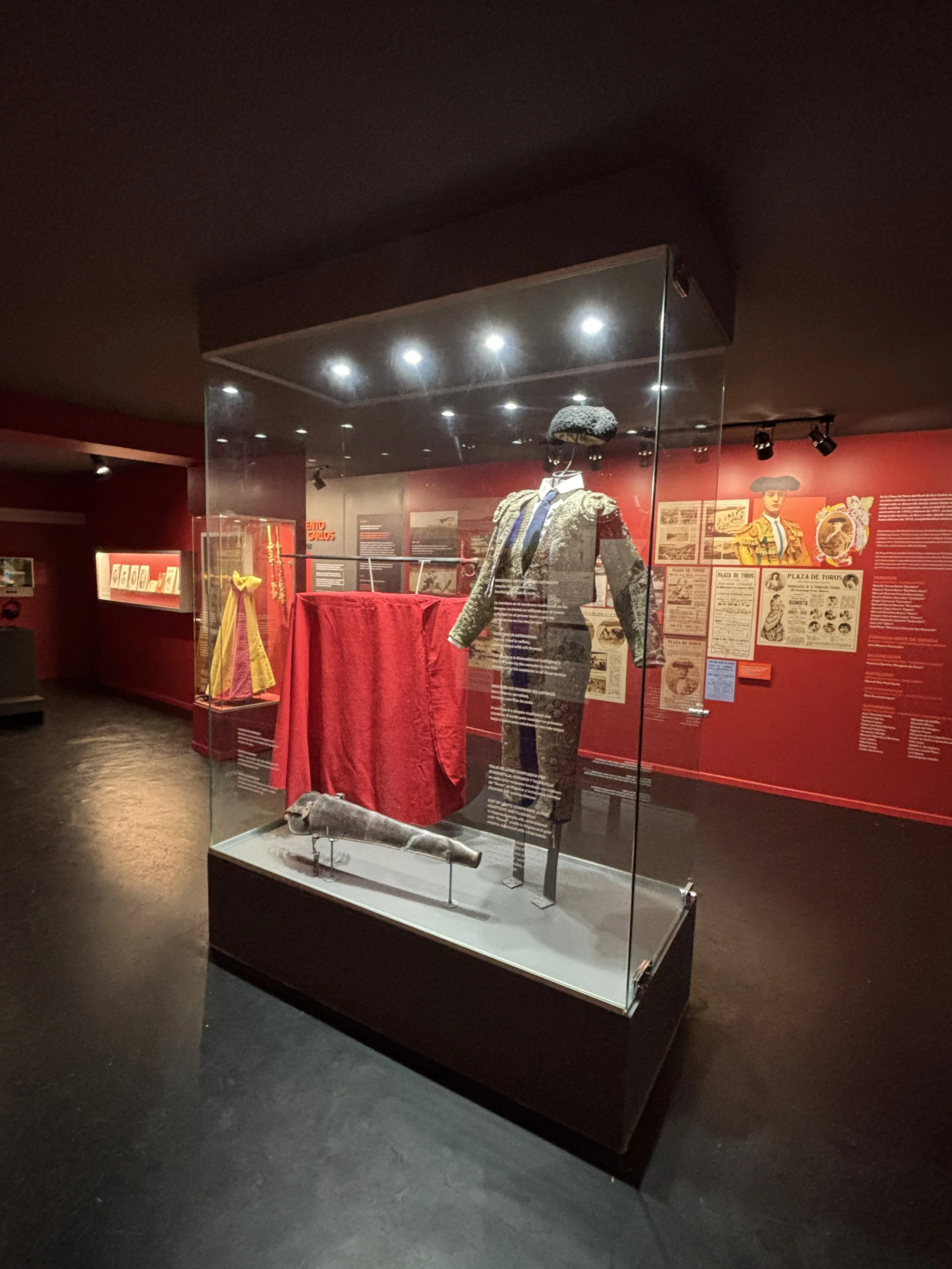
Even if you are not into bullfighting (which I am not), it provides some interesting context to the building and the reasons that led to the set up of the ring in Colonia and the vision the Mihainovich had for this place.
Btw, the ring is in an area called “Real de San Carlos” (named after Charles III of Spain, because it is where the Spanish army that took over Colonia in the late 18th C. set up its camp) located some 5 kilometres away from the historical town along the coastal path. So, a distance technically walkable from the old town, and possibly a nice walk on a sunny day, although a bit on the edge and, if you are short of time, possibly best to order an Uber, which works generally well in Uruguay, or rent a bike!
