More top things to see in Uruguay: a day in Montevideo
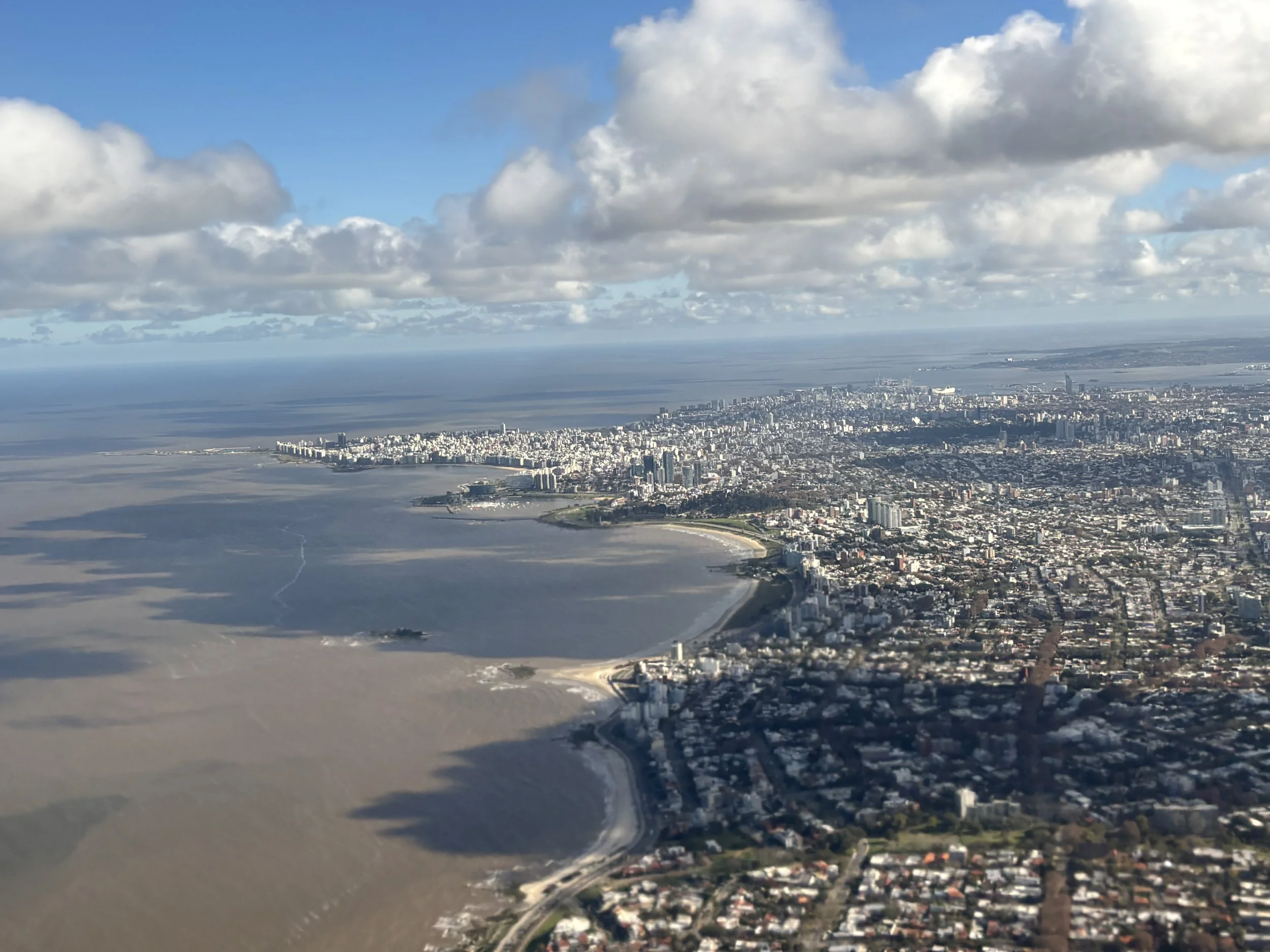
Sandwiched between two giants, Brazil and Argentina, Uruguay often doesn’t get the attention it deserves and I am not even talking about the two World Cups this small South American country won in the past!
A previous post on this site offered a quick glimpse of Uruguay’s top historical site, Colonia del Sacramento, so now it is time to turn our attention to the country’s capital, Montevideo.
To be fair, Montevideo is a relatively small and quiet city, don’t expect the buzz of a megalopolis here. However it has just got enough to keep you going for a couple of days without getting the sort of anxiety that can get hold of you when visiting larger cities on a limited time budget. This was, in fact, my case, with my travel schedule allowing for a full 24h in the Uruguayan capital.
So, in the following lines I will try to provide a summary of my main impressions of the city and my thoughts about what to do and what to see in Montevideo, even if I had to leave at least a couple of things for my next visit!
Covered in this post:
Main areas to visit in Montevideo
What to see in Montevideo’s Ciudad Vieja
Mercado del Puerto
Where to eat in Montevideo’s Ciudad Vieja
Palacio Taranco
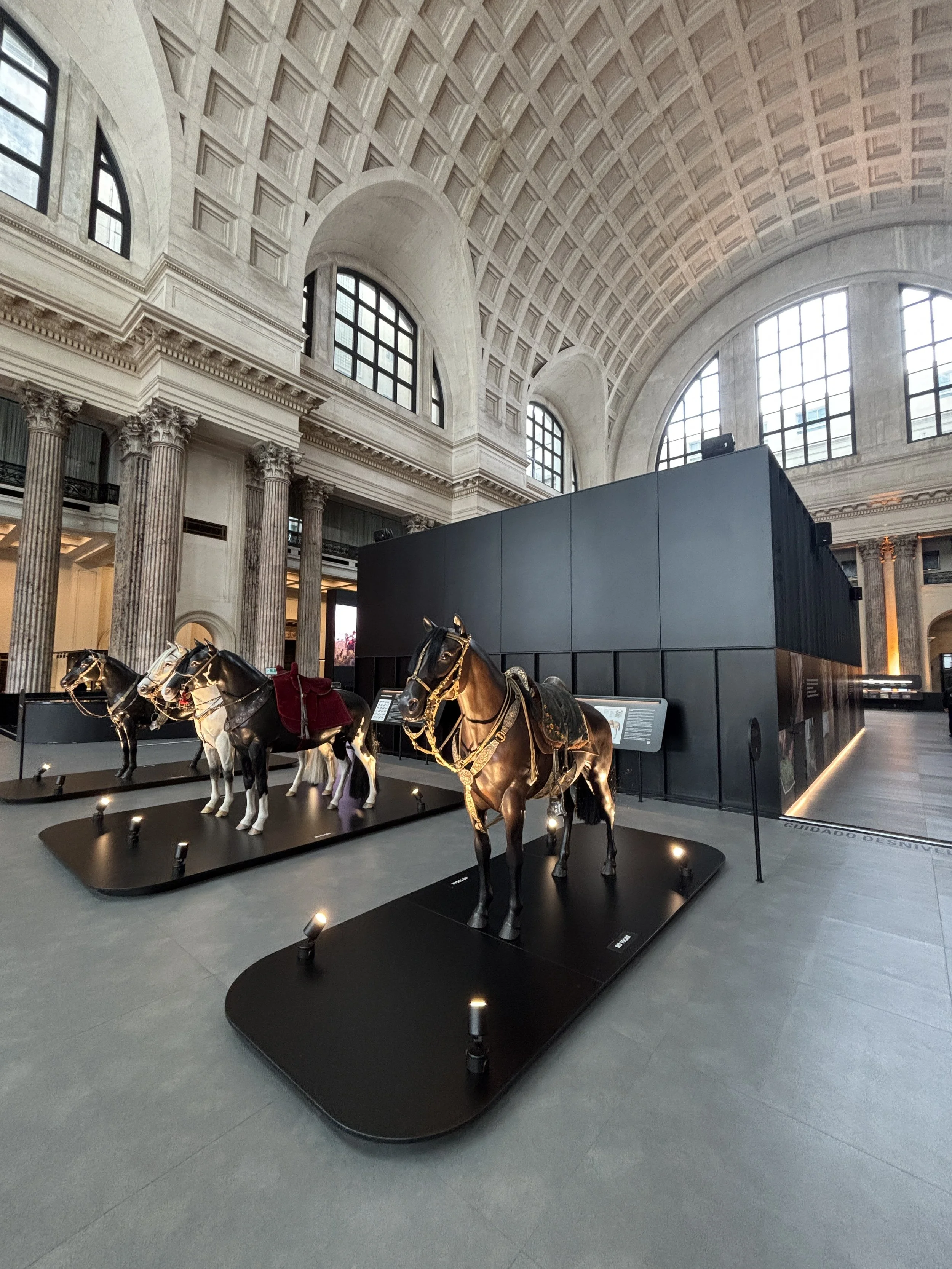
Museo del Gaucho y de la Moneda
Where to have coffee and breakfast in the Ciudad Vieja
Amazing boutique hotel in Montevideo
Exploring modern Montevideo
Mercado Agrícola de Montevideo: a walk through the northern neighbourhoods
The seaside neighbourhoods: Palermo, Punta Carretas, Pocitos, Carrasco
Where to eat in Carrasco
Main areas to visit in Montevideo
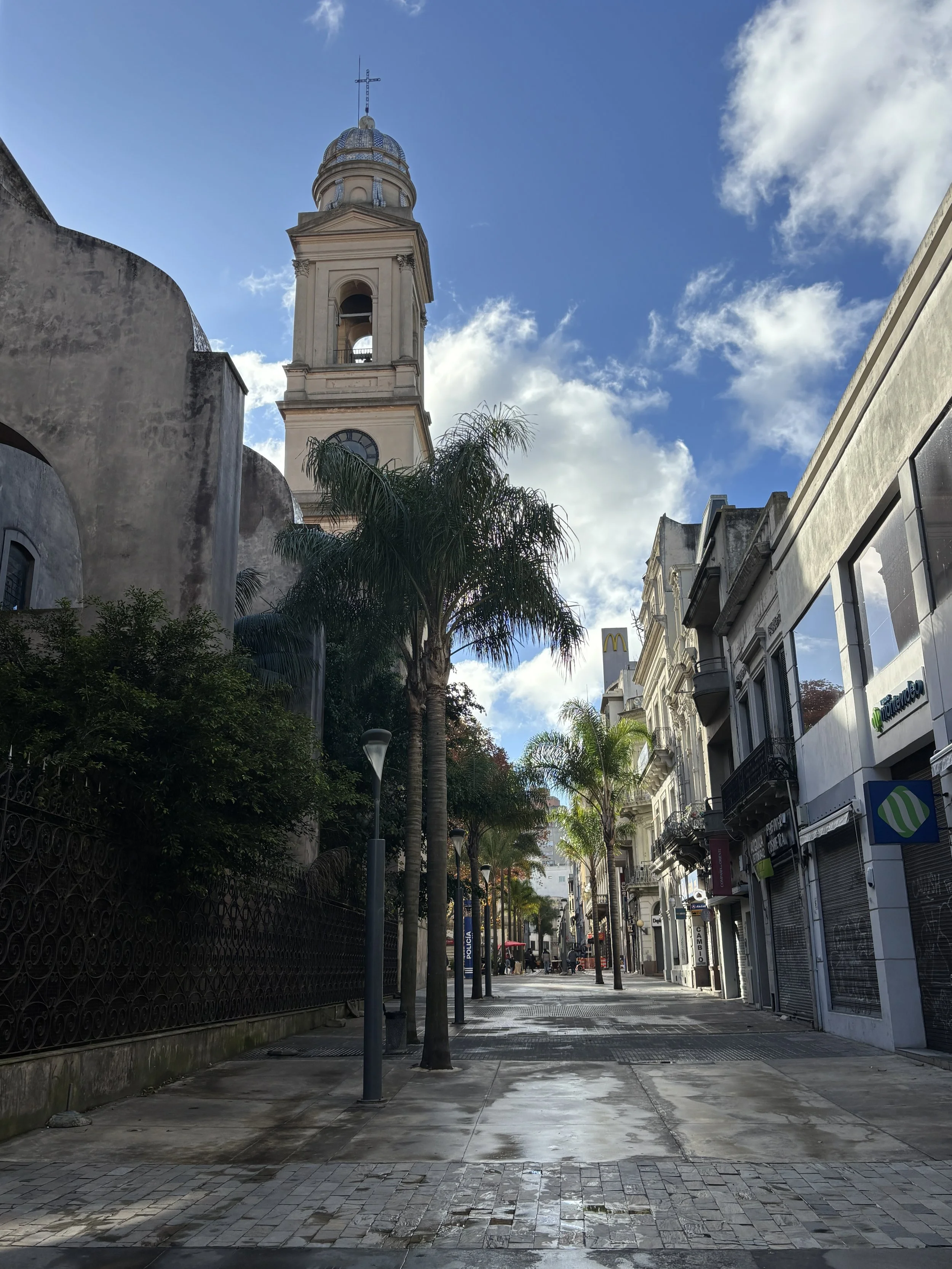
First of all, let’s start with the general layout of the city of Montevideo to set the stage.
Montevideo is located mostly on a small peninsula protruding into the Rio de la Plata, the huge estuary which separates Uruguay from Argentina.
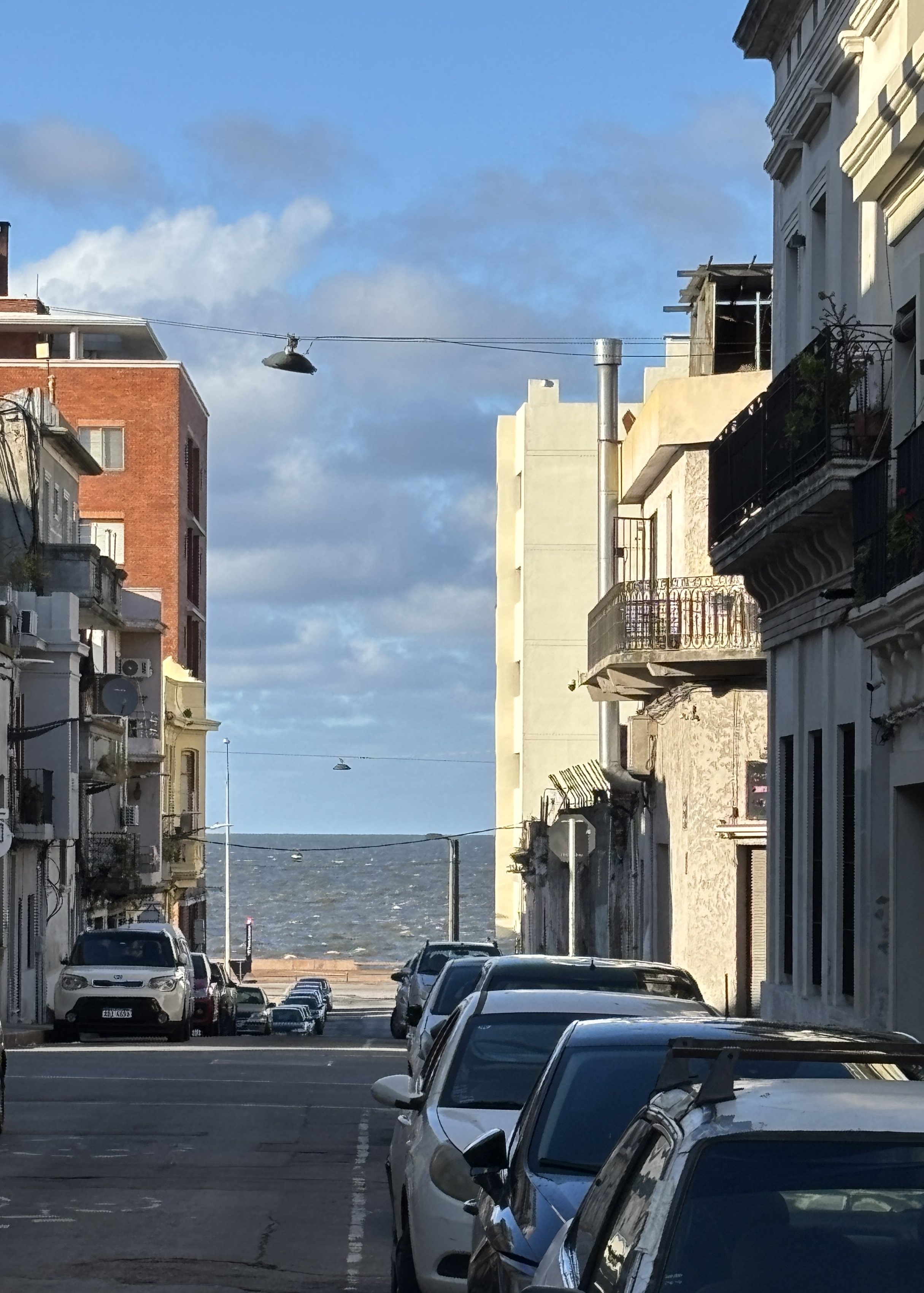
The old town ("Ciudad Vieja") sits at the tip of this peninsula, while the more modern districts extend inland in an orthogonal grid. The city also slopes gently toward the sea, with the central areas located at a slightly higher elevation. In fact, you can see the brownish waters of the Rio de la Plata from many areas of central Montevideo.
In this post I am going to focus my attention on:
Ciudad Vieja and the adjacent Independence Square
Palermo/Punta Carretas/Pocitos/Carrasco, the rather affluent seaside districts on the south side
Villa Muñoz, to the north of downtown
What to see in Montevideo’s Ciudad Vieja
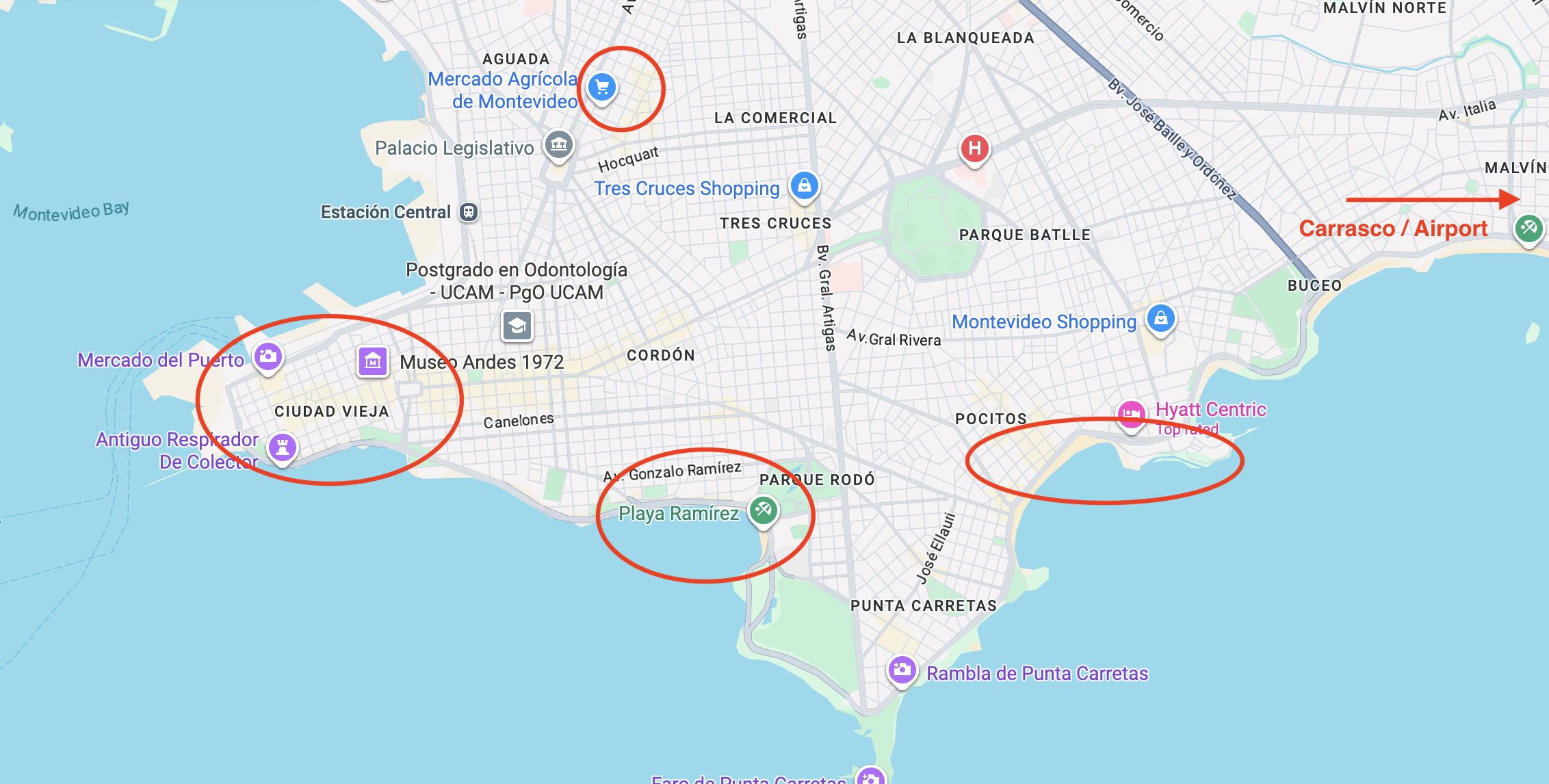
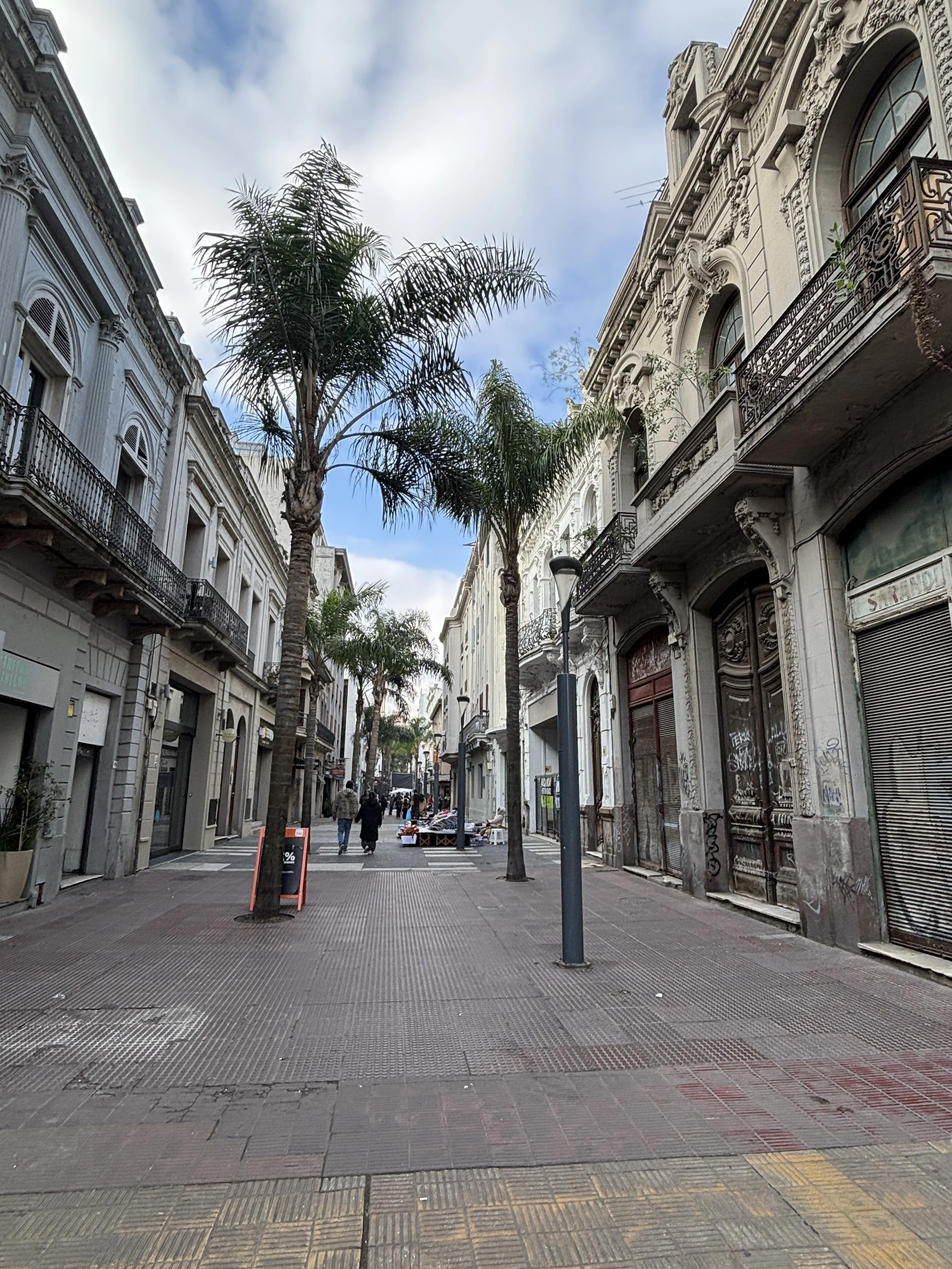
This is the historical part of the city, a mostly pedestrianized area that runs along a ridge which offers views of the sea both right and left, as you walk its central streets.
Like Colonia del Sacramento, old Montevideo was at the tip of a small peninsula with its landward side fortified. The walls are now gone, but one of the gates remains as a reminder, demarcating the border between the old and modern parts of the city.
It is important to remember, though, that it is the “old city” in the context of Uruguay, which is a country that grew mostly between the second half of the 19th C and the first half of the 20th. So, it is a relative type of “old”, however, this area of the city does keep its own character, differentiated from the orthogonal grid that is the (formerly extra-muros) modern part of Montevideo.
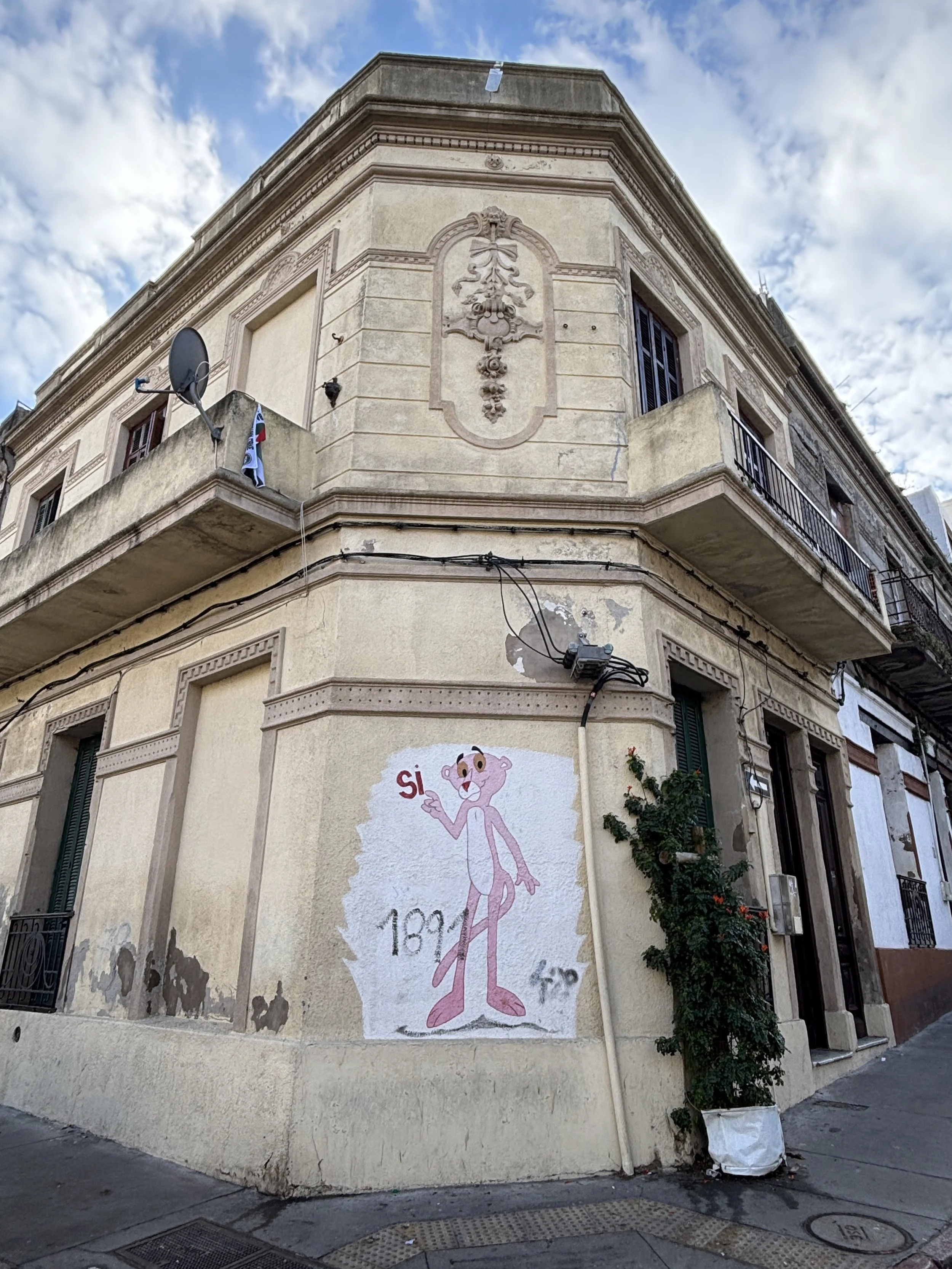
The main points of interest in Montevideo’s old town are:
Mercado del Puerto
Palacio Taranco (Museo de Artes Decorativas)
Museo del Gaucho y de la Moneda
The Ciudad Vieja is very walkable and the distances involved are short. At good pace you can actually see almost all of it in a couple of hours, even if stopping for coffee at any of the several small cafés and bakeries that line its streets.
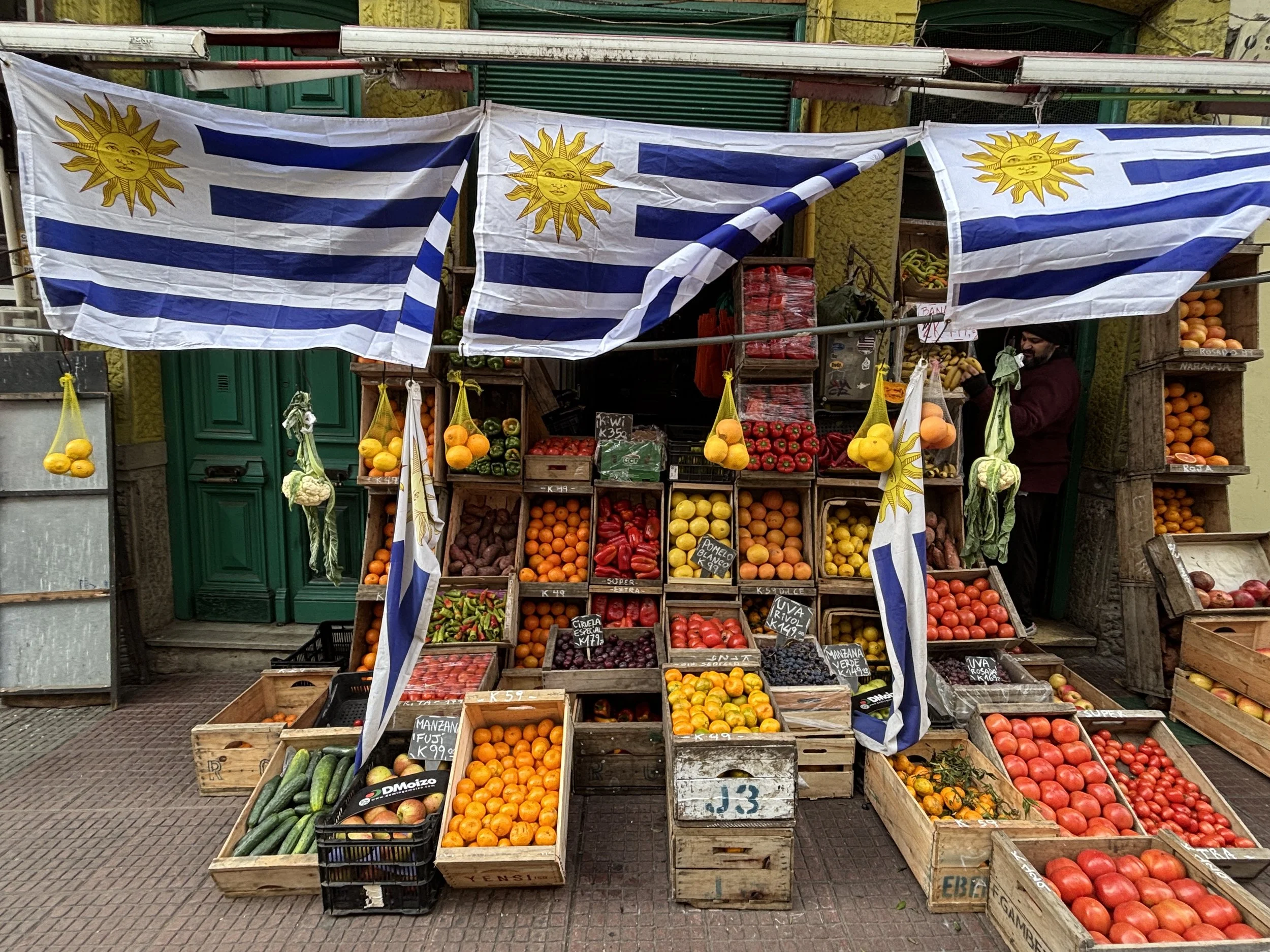
One thing to keep in mind, though is that some areas in the old town appear to be quite run down (I was told it may even be a bit unsafe to walk around at night).
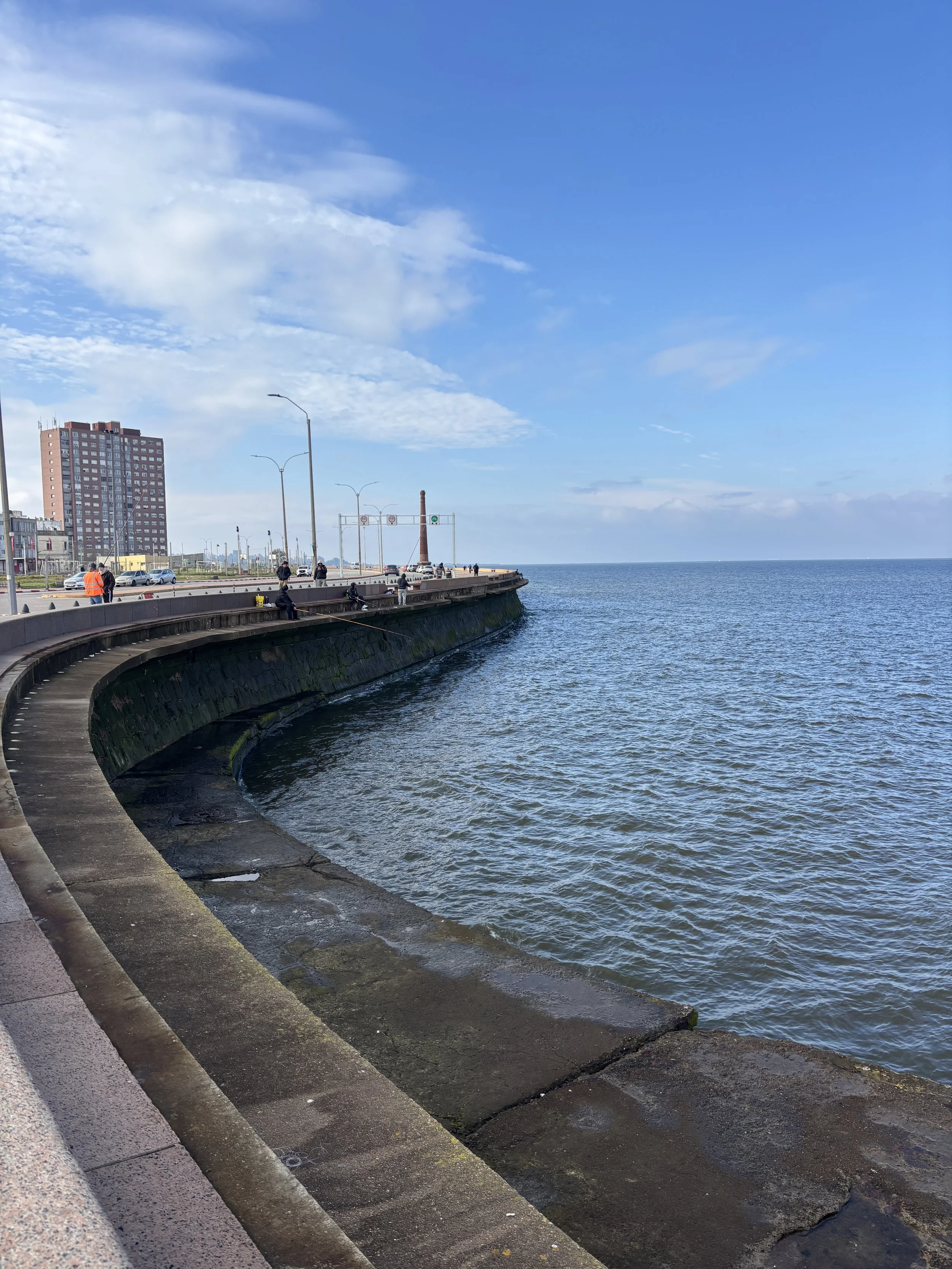
This becomes very apparent if you walk all the way down to the seaside. In most cities this would be prime real estate, but in Montevideo’s Ciudad Vieja what you come across is a number of uninviting open spaces and semi-derelict constructions. At the far end you end up at a sort of embankment where some people are fishing with rods, but the whole area is, again, rather unappealing.
Also, worth noting that the separation between the old town’s pedestrian area and the industrial port is non existent.
One of the spots by the sea that I found most interesting, though, is a large white art-déco building towering over the Mercado del Puerto. Sadly, this is actually off-limits, since it is Uruguay’s naval headquarters!
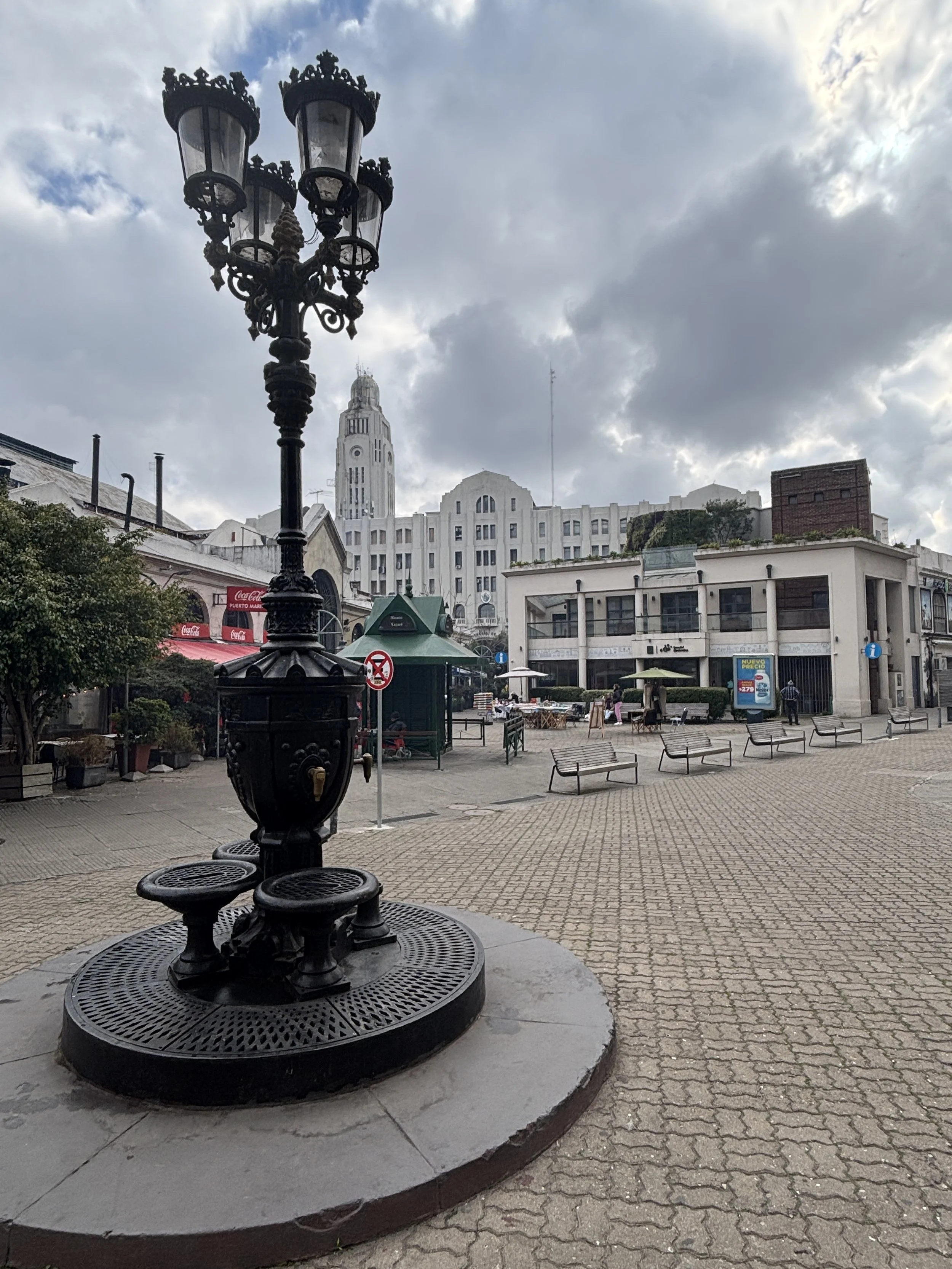
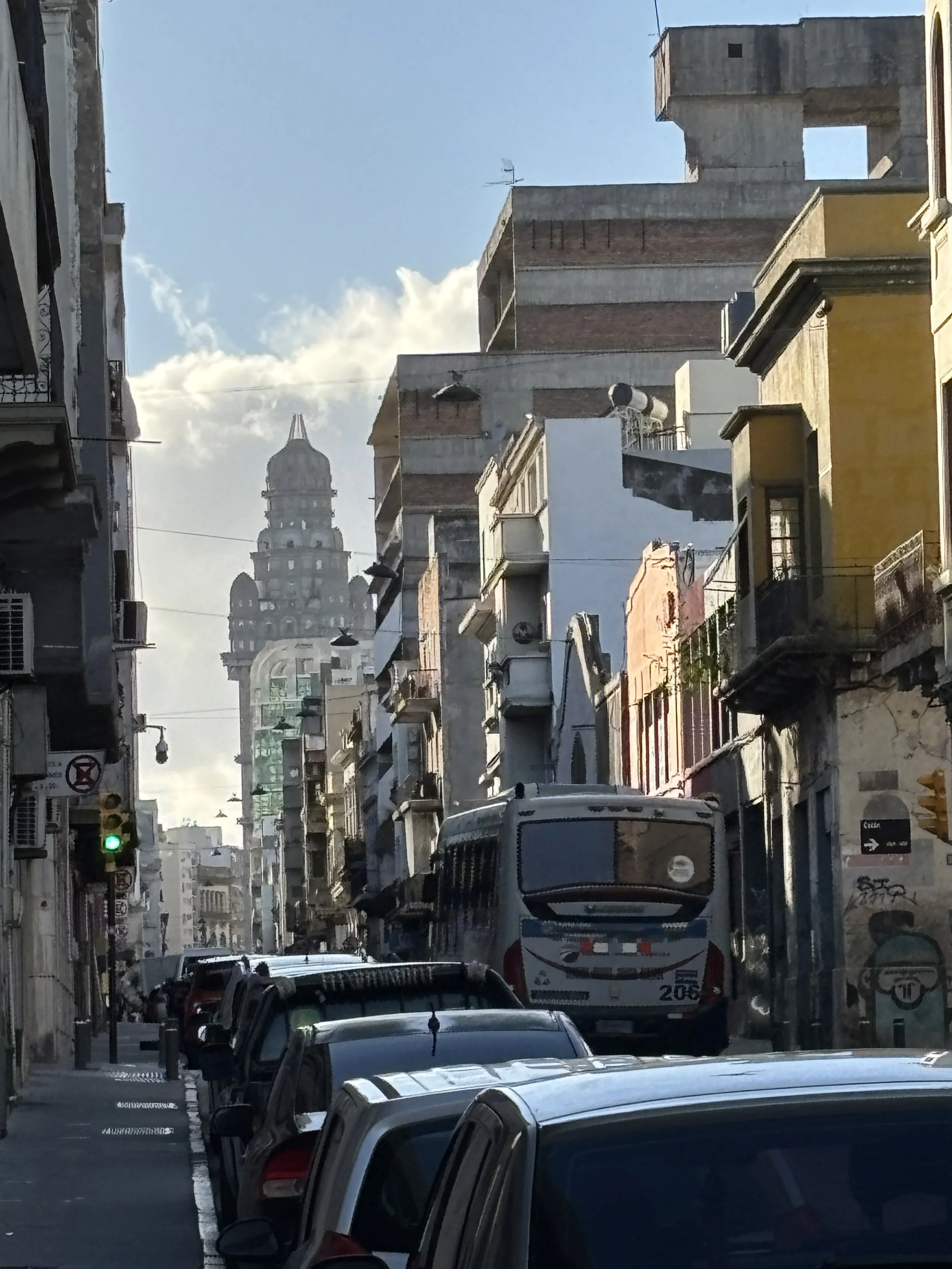
In the following pictures you can get a sense of the look and feel of the area and see also how, even if not particularly accessible in this part of town, the sea, or more accurately, the Rio de la Plata, is always looming in the background.
Mercado del Puerto
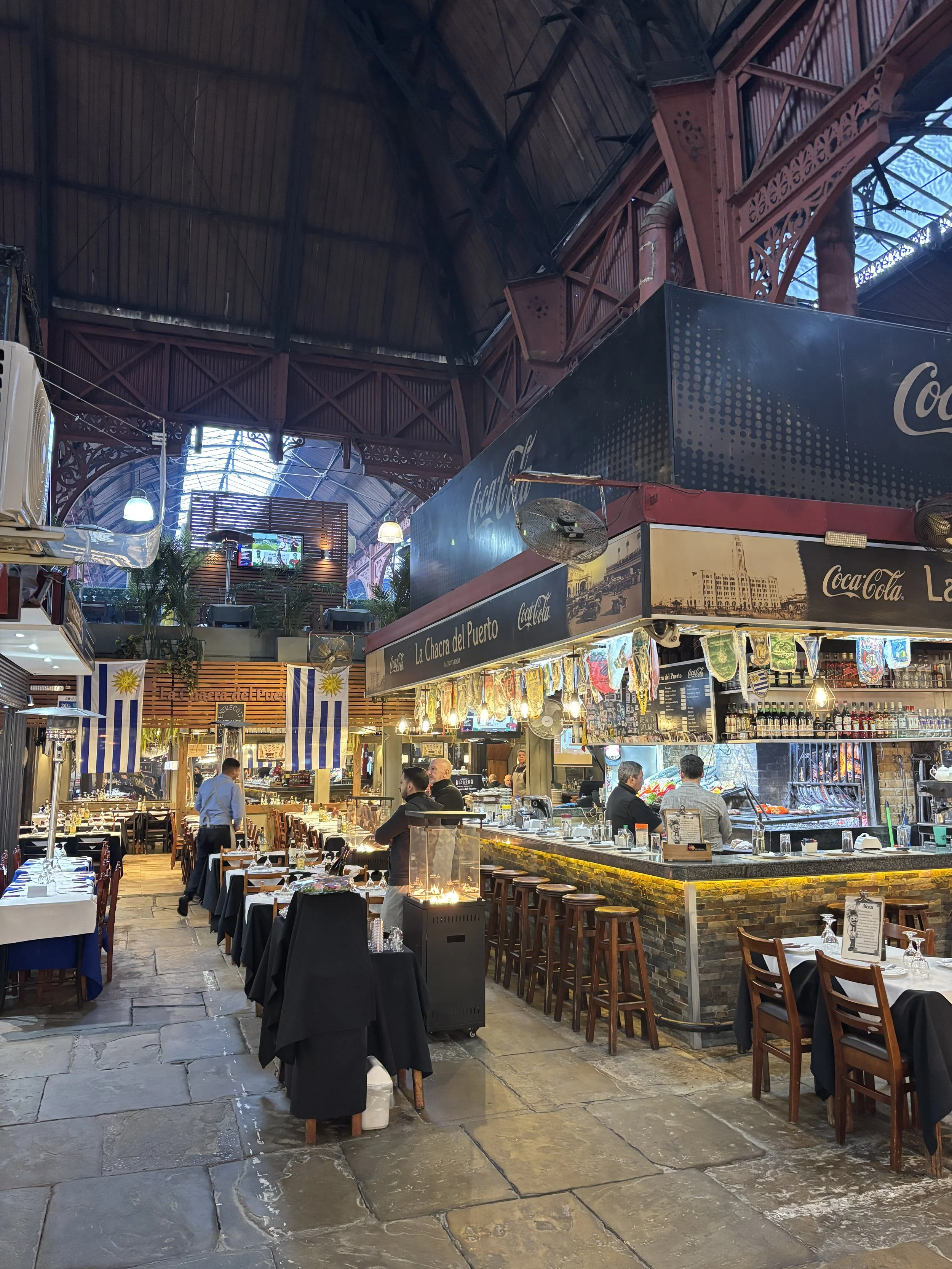
This market is a must visit in Montevideo, not because of its size or the exuberance of the wares on sale. In fact, it is rather small and most of the shops are actually selling souvenirs.
But here you will find some totally great places to eat a typical (and very abundant!) Uruguayan asado!
Grilled meat is one of Uruguay’s specialities. So, provided you are not vegan, you will likely enjoy eating here.
There are different restaurants, all of them offering basically the same selection of grilled meats, which are cooked in the open on proper charcoal.
There is a rich meat-eating culture in Uruguay, so you will be offered a choice of different cuts, best served alongside some local red wine.
What is pretty much guaranteed is that the rations will be huge!
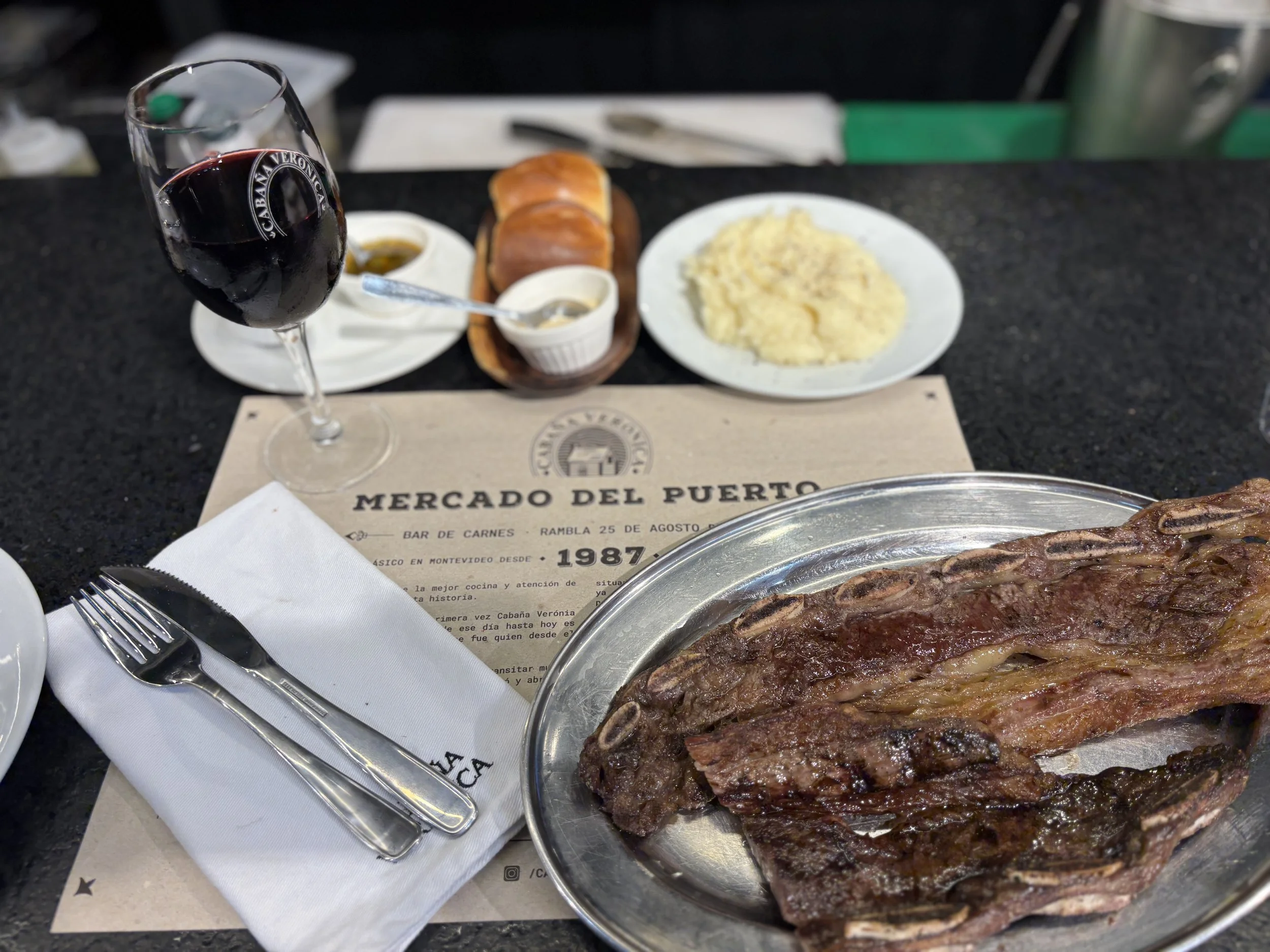
Cabaña Verónica
This was my choice at the Mercado del Puerto (it was later recommended to me independently by my hotel’s staff) and it did not disappoint. Amazing food and great service throughout.
Also worth mentioning that I sat at the bar, watching how the meat was being cooked, which adds to the speed of service and the authenticity of the experience!
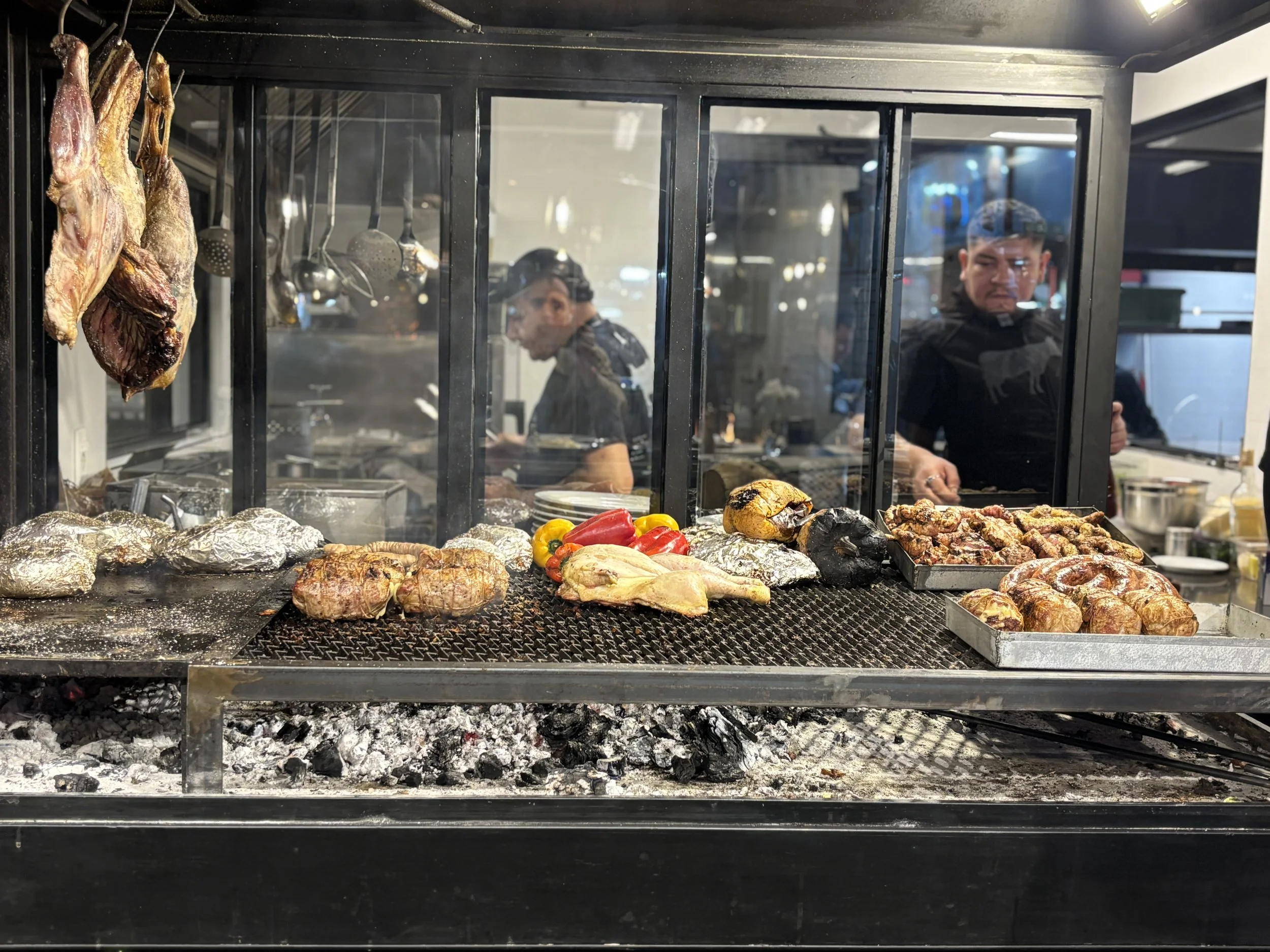
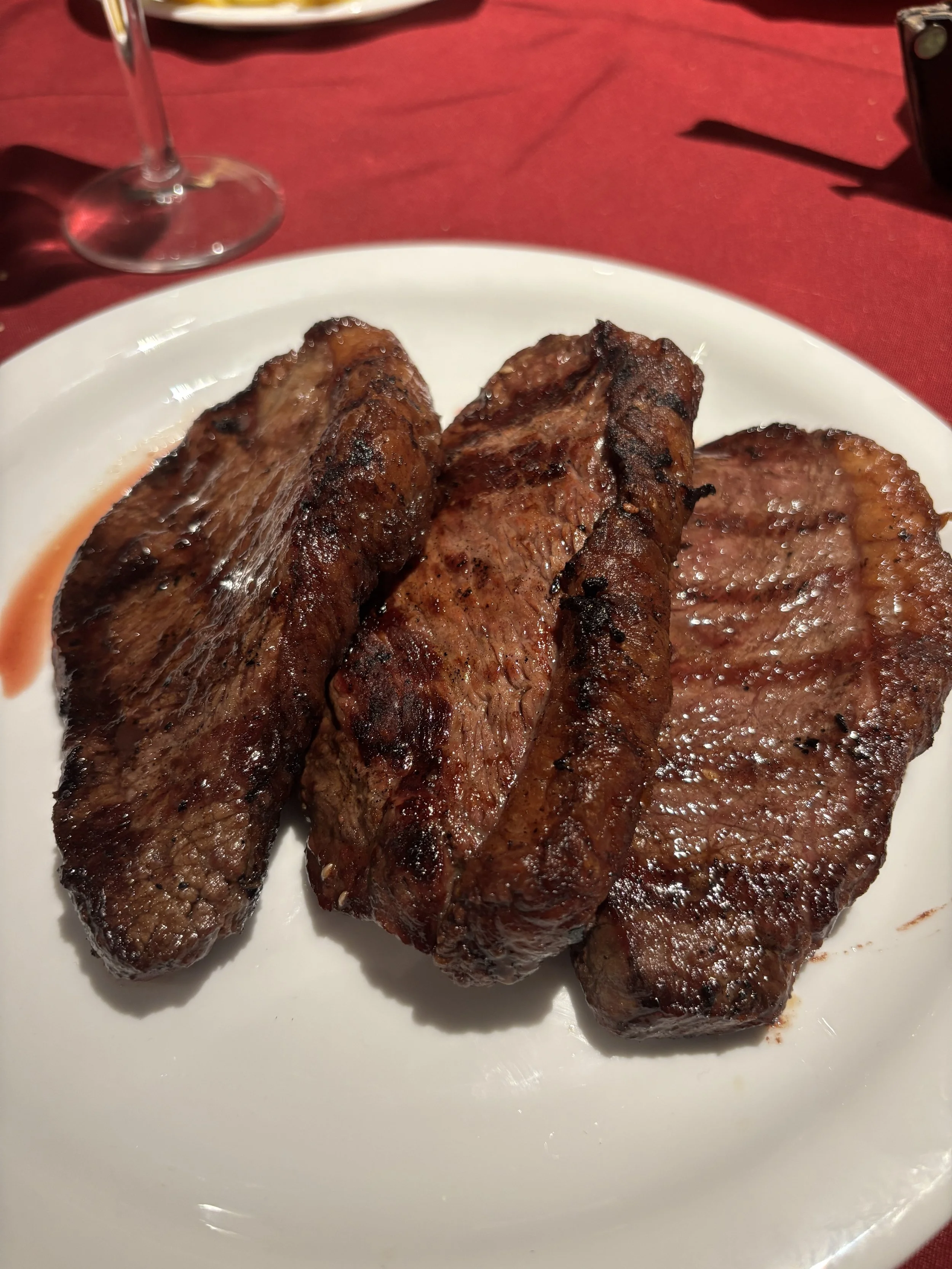
In the picture below you can see what you get if you order one of the most basic cuts, the “tira”.
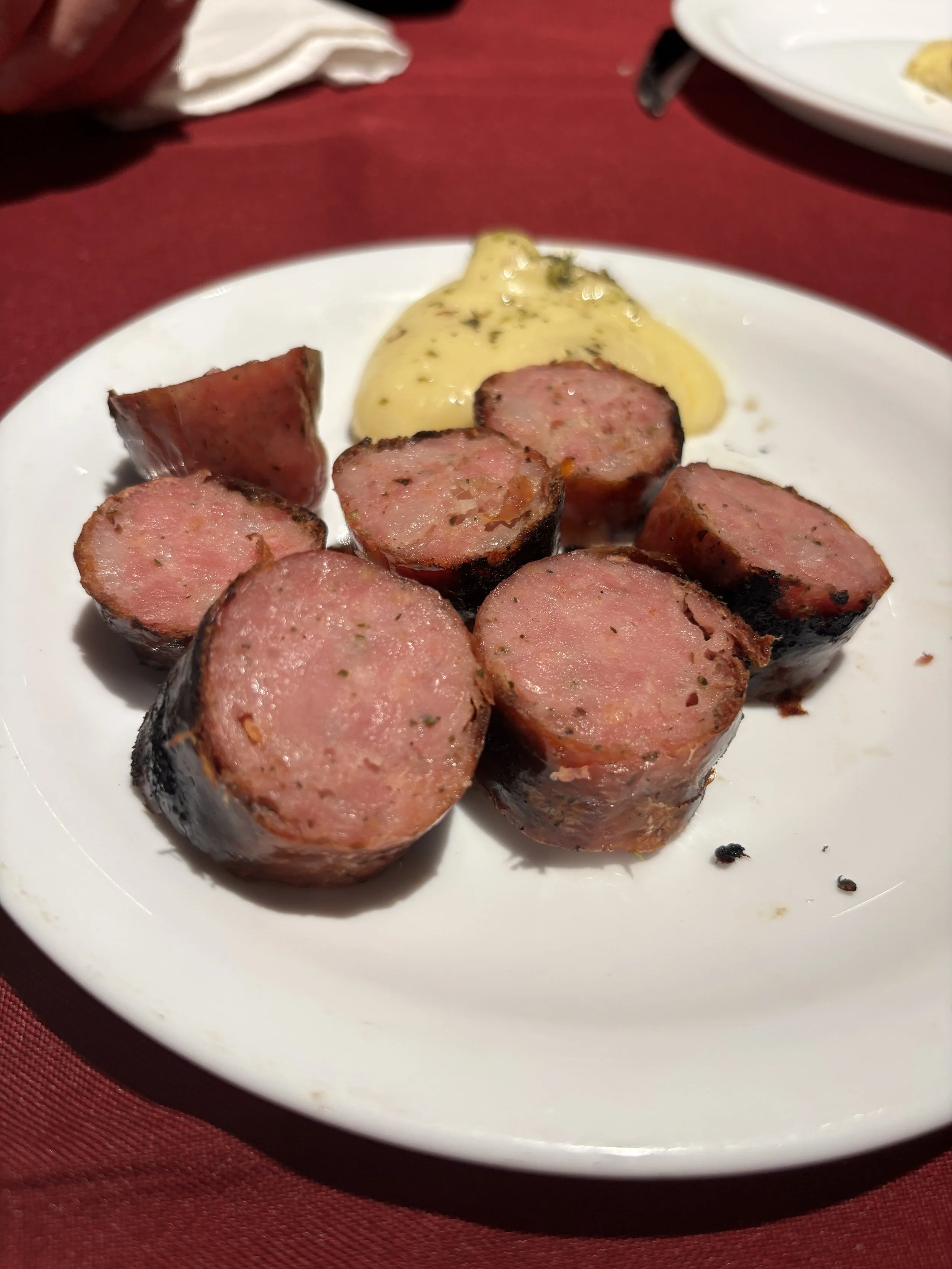
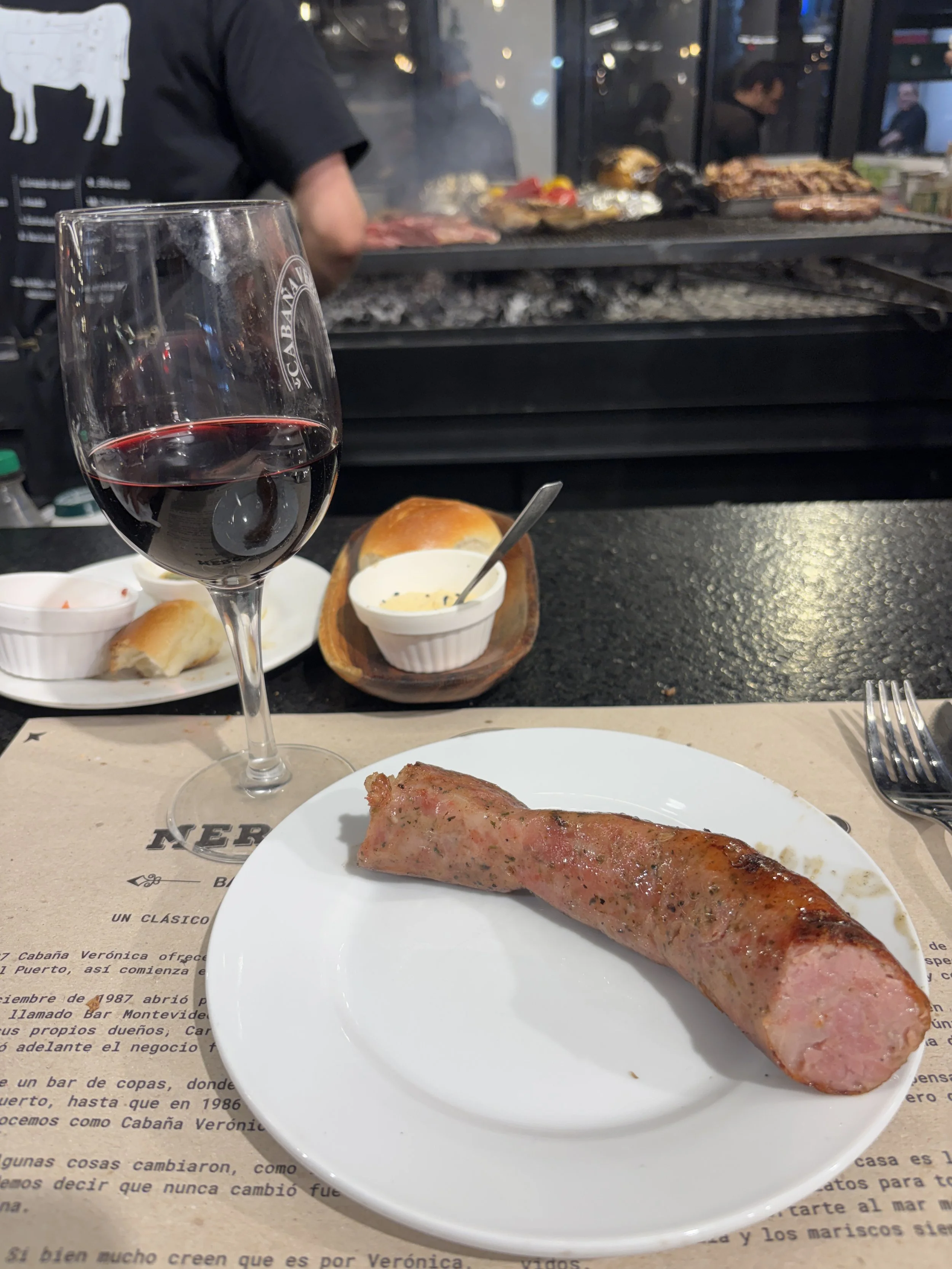
For good measure I also tried the grilled sausage (“chorizo”), which you can see below. All. of these dishes are served with accompanying breads, sauces (pour at your discretion, I personally found it very tasty without adding anything!) and a side, which is usually potato-based.
Visting the Palacio Taranco - Museo de Artes Decorativas
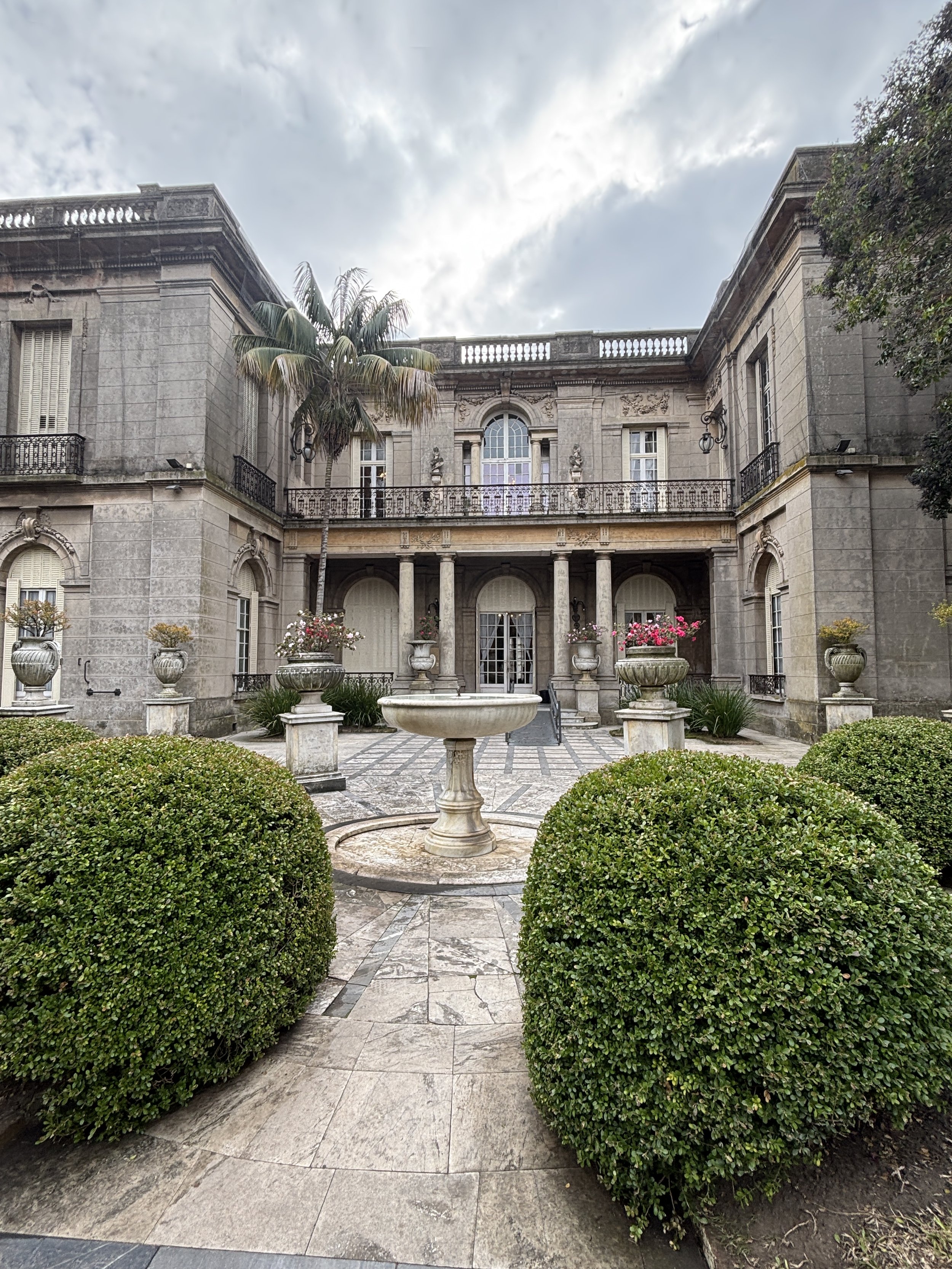
This is a small but beautiful and tasteful palace located on the main square in the Ciudad Vieja, Plaza Zabala. It belonged to a rich Montevidean business family, which lived here in the early 20th C.
Since the 1970s it has hosted the Museum of Decorative Arts (“Museo de Artes Decorativas”), which is essentially a small art museum which contains pieces by some famous European masters, from the Dutch Golden Era to more modern artists, like the Spanish painter Julio Romero de Torres.
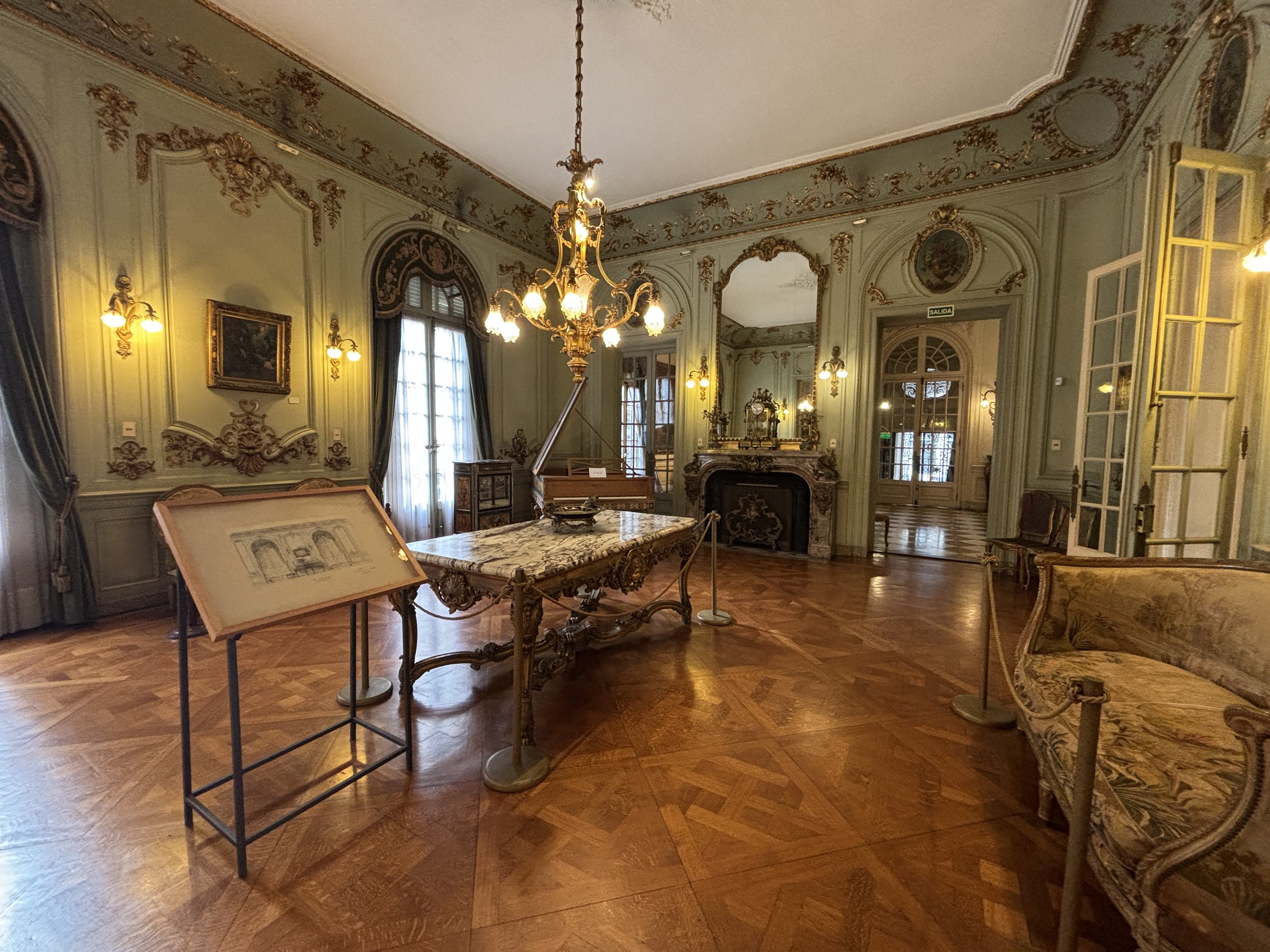
Besides the art, Palacio Taranco shows how the elite of Uruguayan society lived at the time when the country was at its apogee. Palacio Taranco once even hosted the Prince of Wales, who later would become Edward VIII of England, when he visited Uruguay in the 1930s.
The palace can be visited in about 30 minutes or so (it is not that big!) and entry is free.
Museo del Gaucho y de la Moneda
This museum has a rather intriguing name, since it is devoted to two apparently unrelated topics:
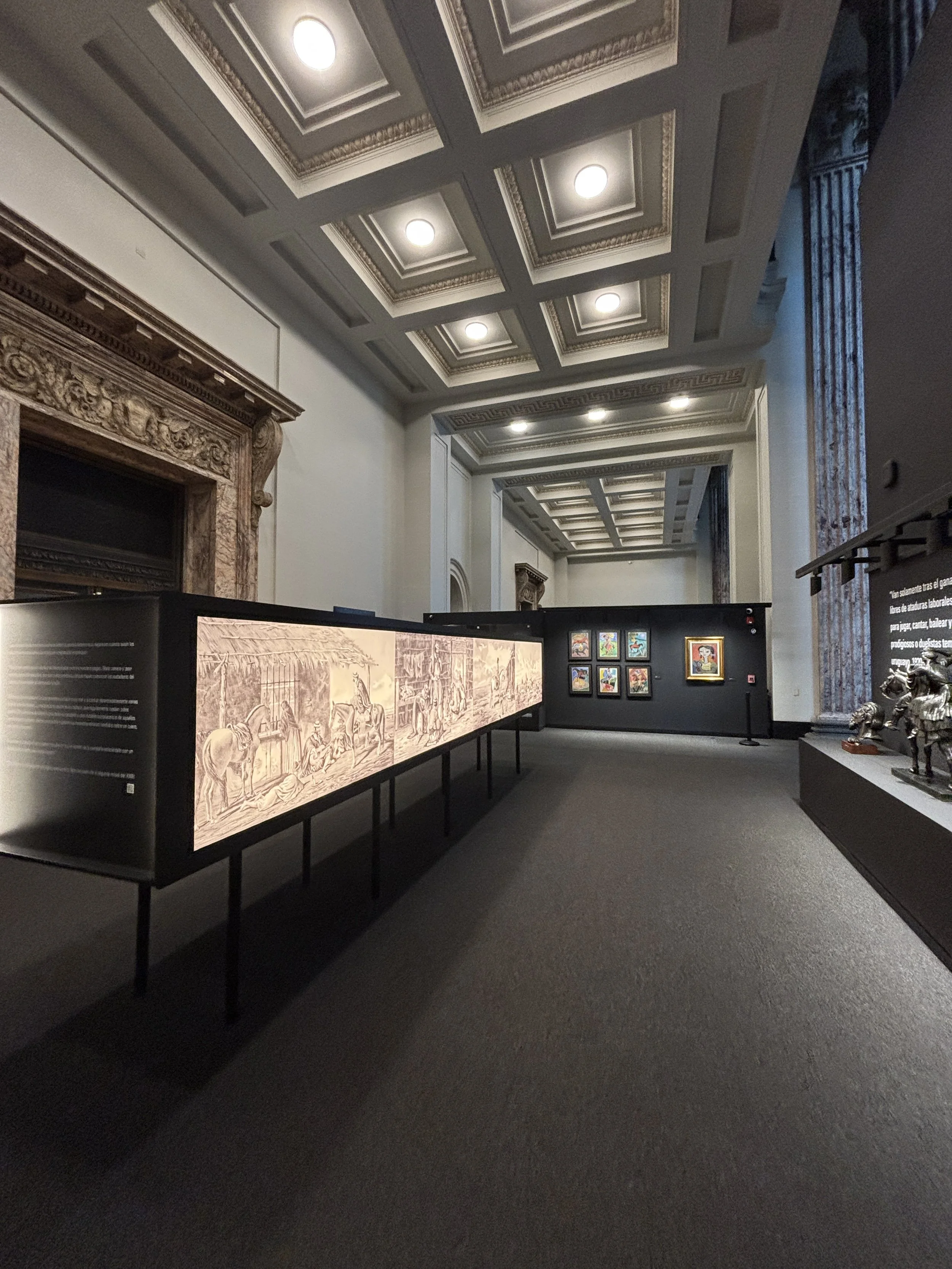
On the one hand it tells the history and culture of the “gauchos”, the mounted frontiersmen that lived in the plains of Uruguay raising cattle and later expanded into the neighbouring Argentina and southern Brazil. They were, roughly, the South American equivalents of the “cowboys” of the US Far West which so popular became in pop culture.
The other topic is…the monetary history of Uruguay! Not for nothing, the rather majestic building which houses this museum used to be a bank.
The museum curators seem to be well aware that this mixing of topics can be a bit confusing to the visitor and they explain throughout the exhibition that the two are linked in the sense that they helped shape Uruguayan nationhood. Fair enough!
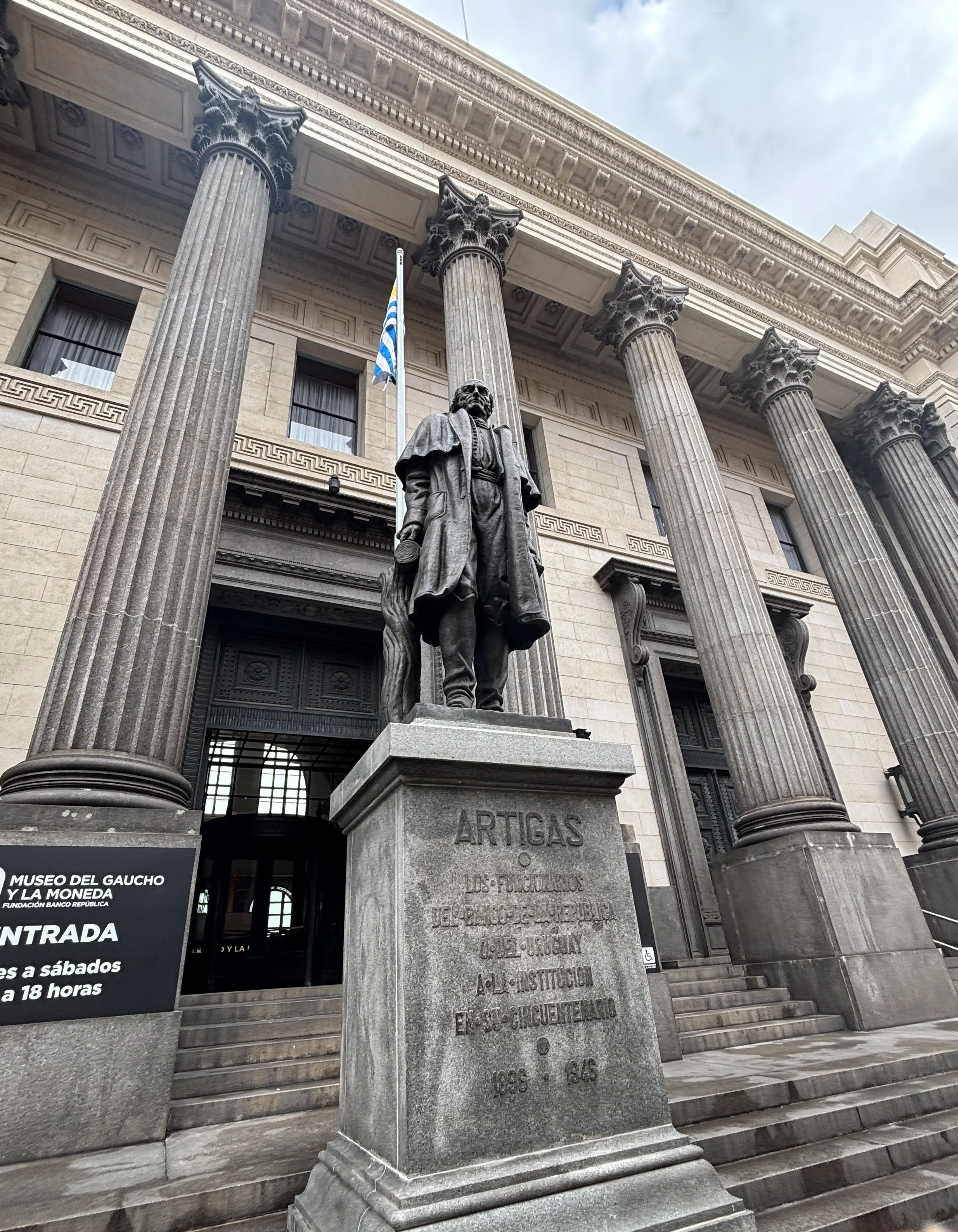
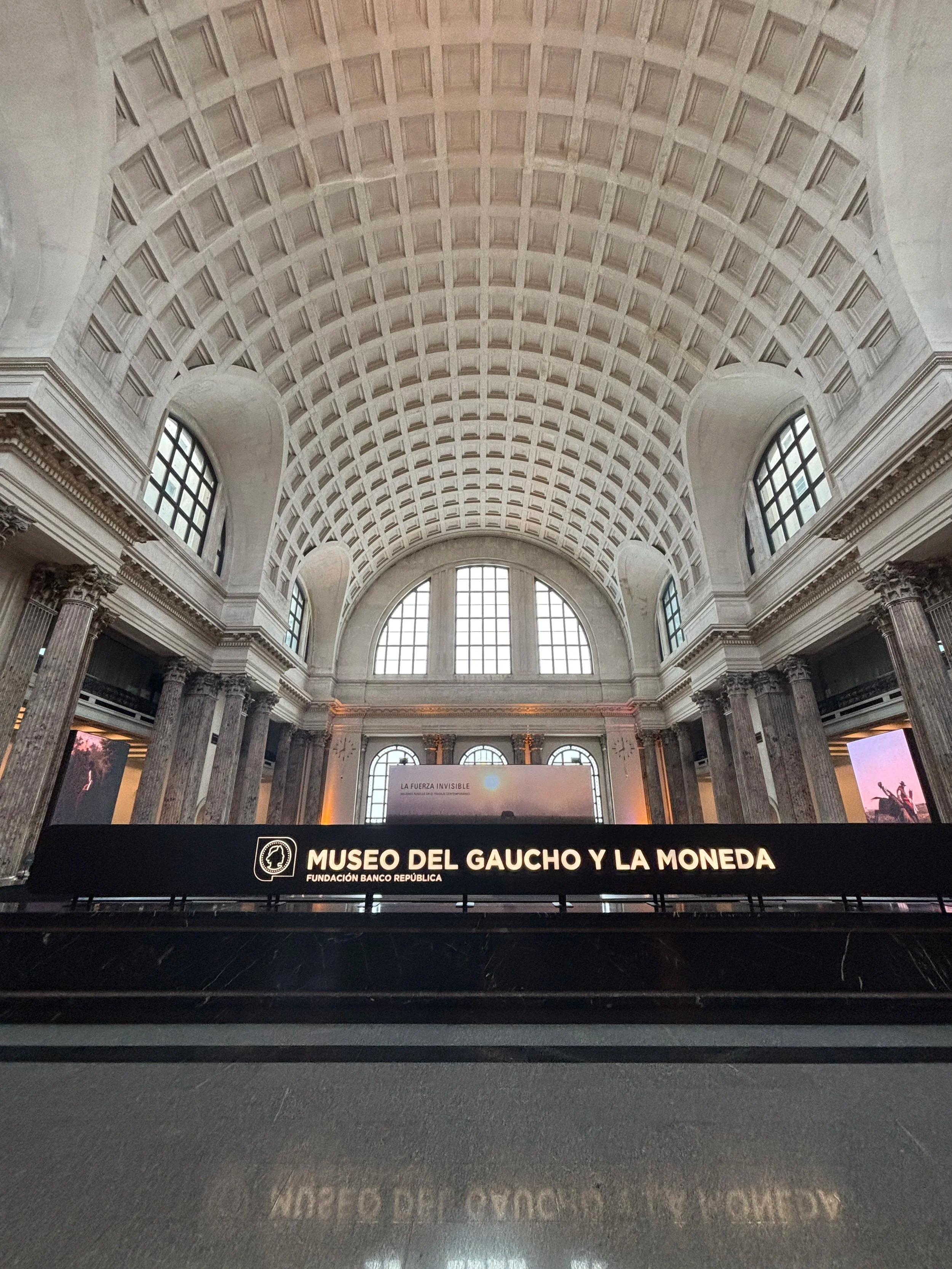
The exhibition part is rather small, with the gaucho history exhibition taking the side areas of along the grand central hall and the monetary-banking part located in the centre, where there is also an immersive video experience about life in rural Uruguay.
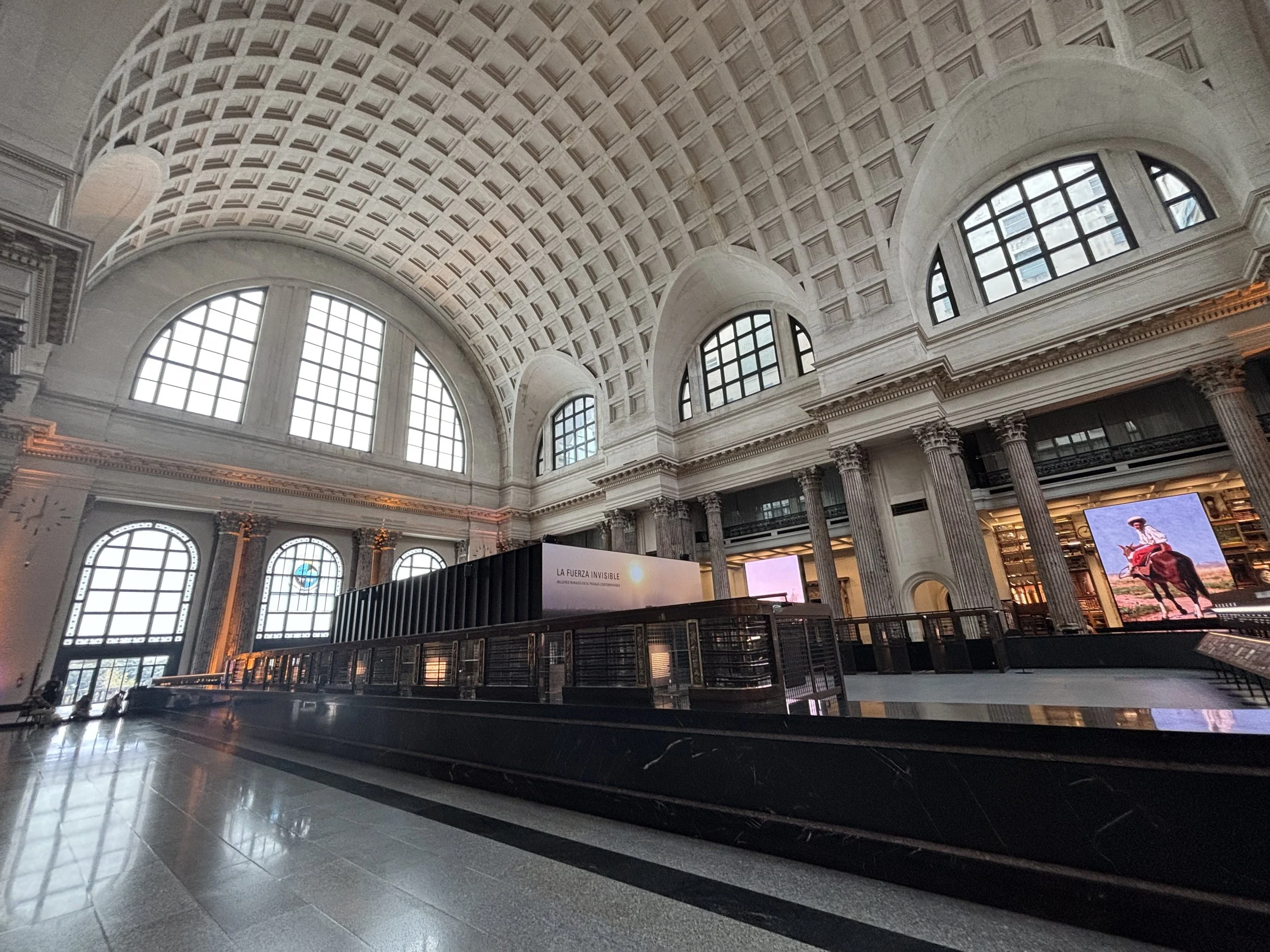
Altogether is a rather eclectic and unconventional mix, but not without interest. In any case, the building is well worth the visit, if only to contemplate its grandiosity.
Nice place to have coffee and breakfast in the Ciudad Vieja
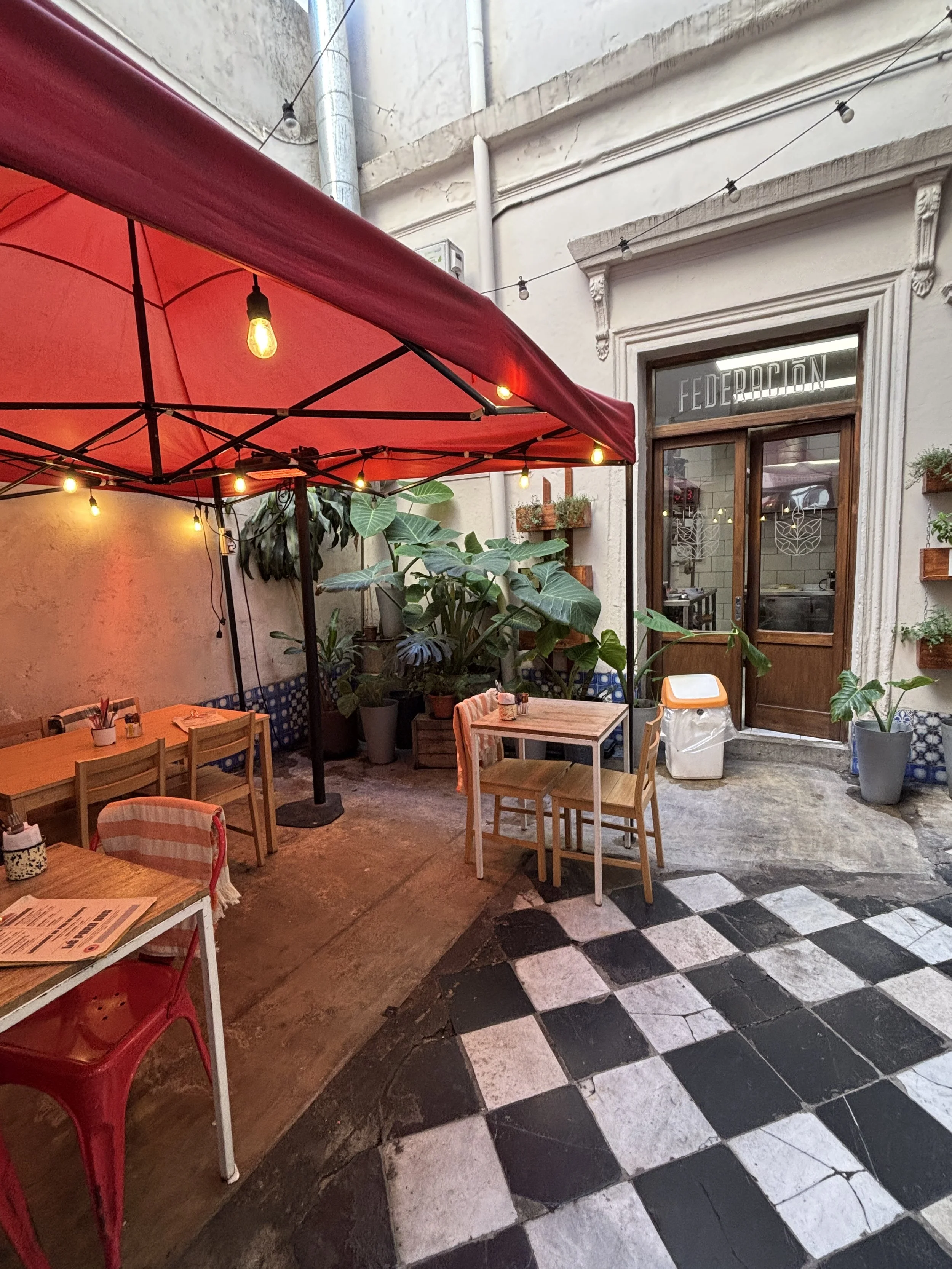
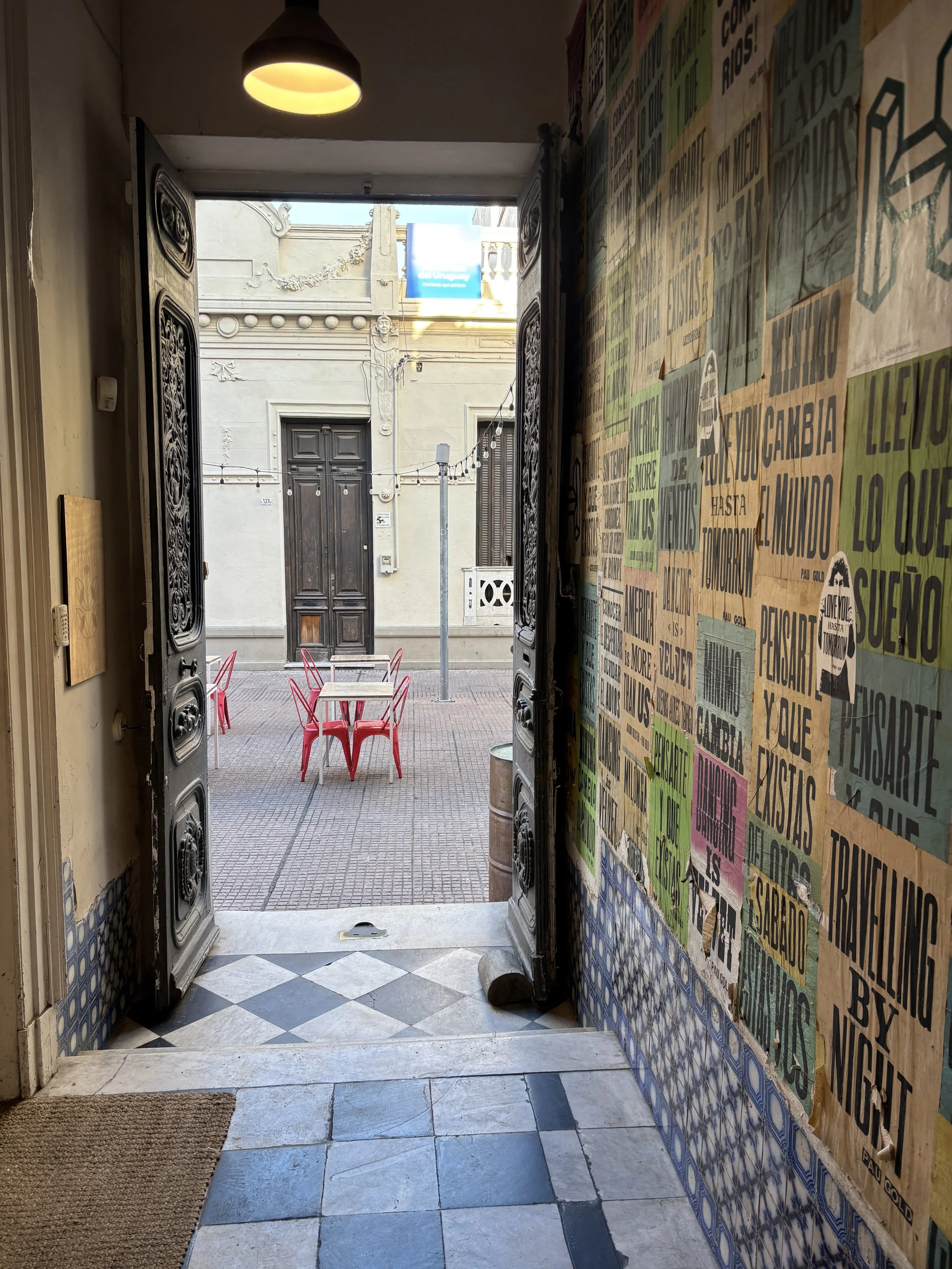
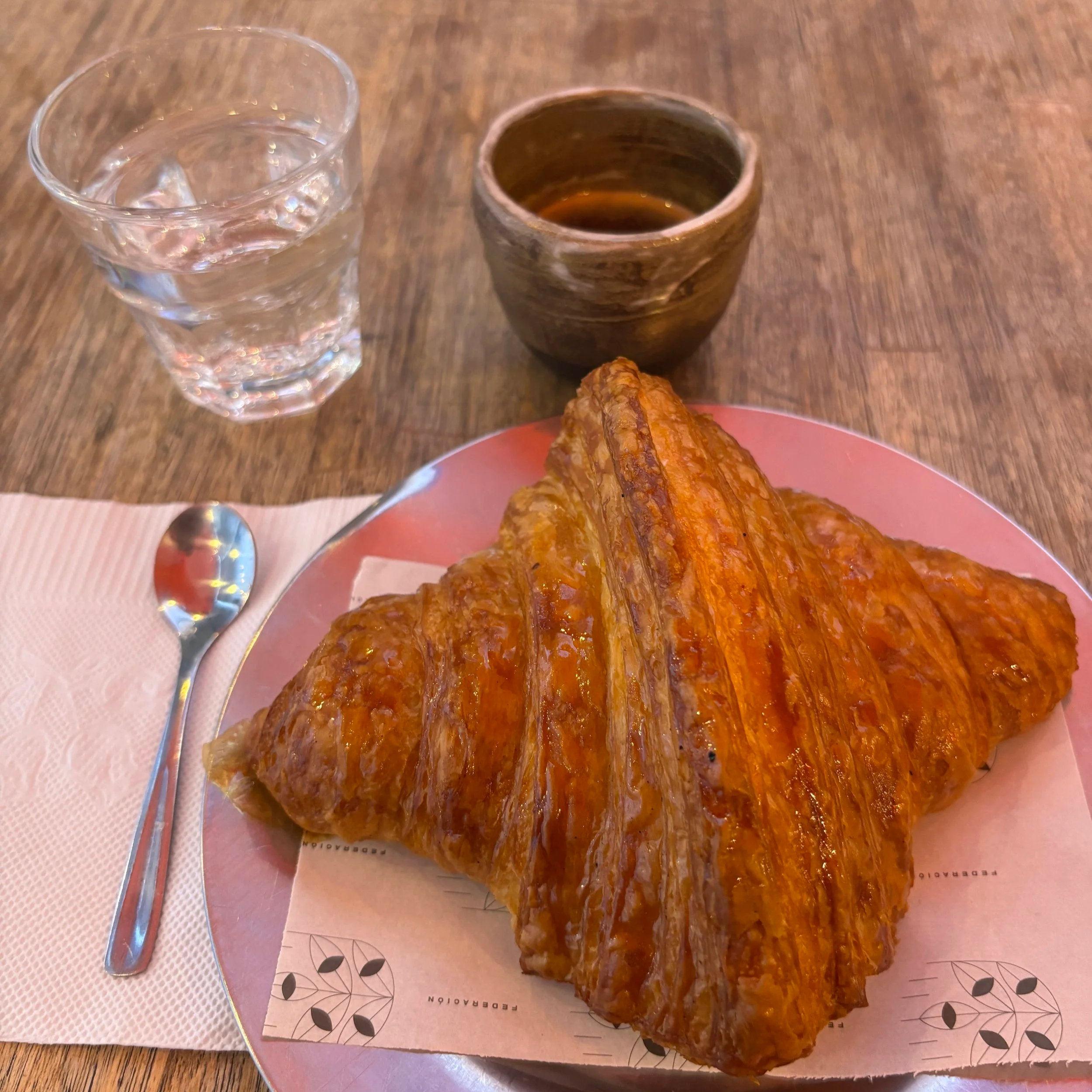
Federación (Café y Panadería Urbana)
Calle Perez Castellano 1370, 11000 Montevideo
This is a cozy place where you can have a little rest while visiting the old town. It offers sitting space on the street as well as in a quiet interior patio. It has great croissants, “media-lunas” (which is another type of croissant) and other pastries,
Amazing boutique hotel in Montevideo
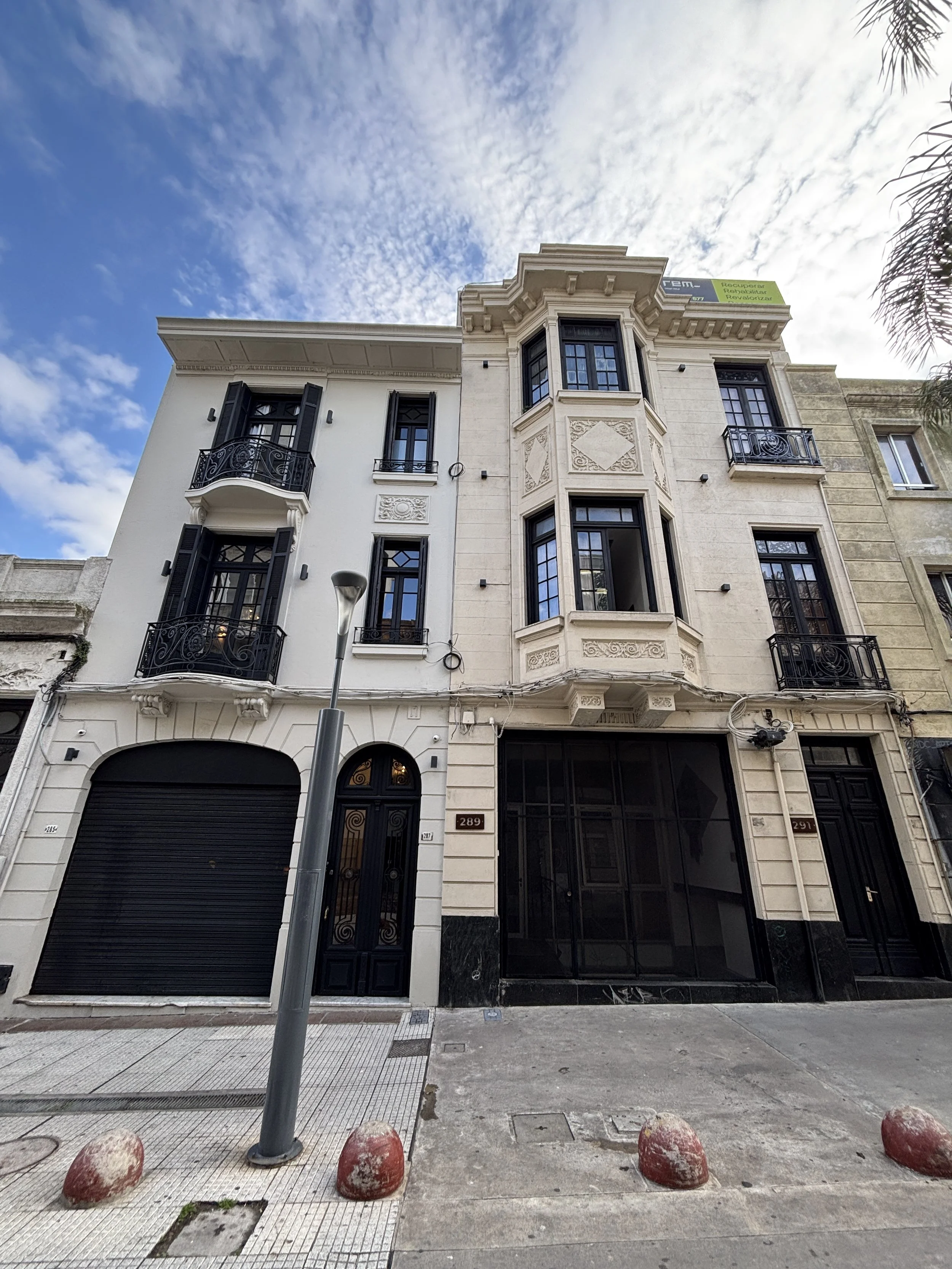
FAUNA Montevideo
Sarandí 287, 11000 Montevideo
This boutique hotel was one of the highlights of the trip. I booked it in great part because it had raving reviews on Booking.com. It is, in fact, rare to find properties with a spotless five-star rating, but I can confirm it is well deserved!
On top of that, it has great pricing and a location that is as central as it gets in the middle of the Ciudad Vieja.
The hotel is in a perfectly restored early 20th C. building, with the reception and some of the rooms on the first floor.
The interior is tastefully decorated to the slightest detail and the lady that manages was extremely nice throughout. She allowed me to check in considerably earlier than the regular time, something which simplified my logistics significantly and pro-actively provided recommendations via whatsapp about things to see in the Ciudad Vieja, as well as places to have breakfast (the hotel does not offer breakfast in its premises) and where to have lunch and dinner.
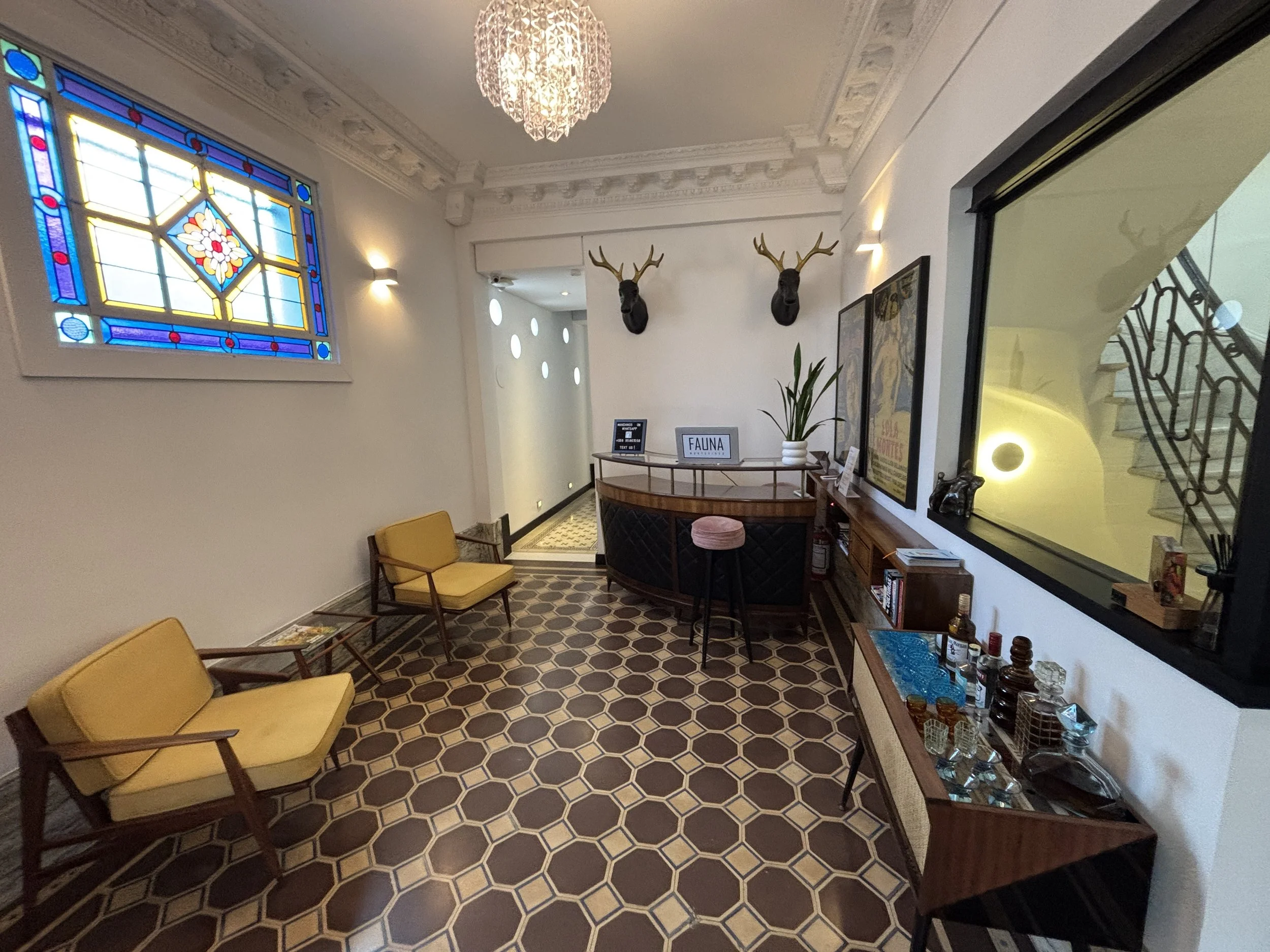
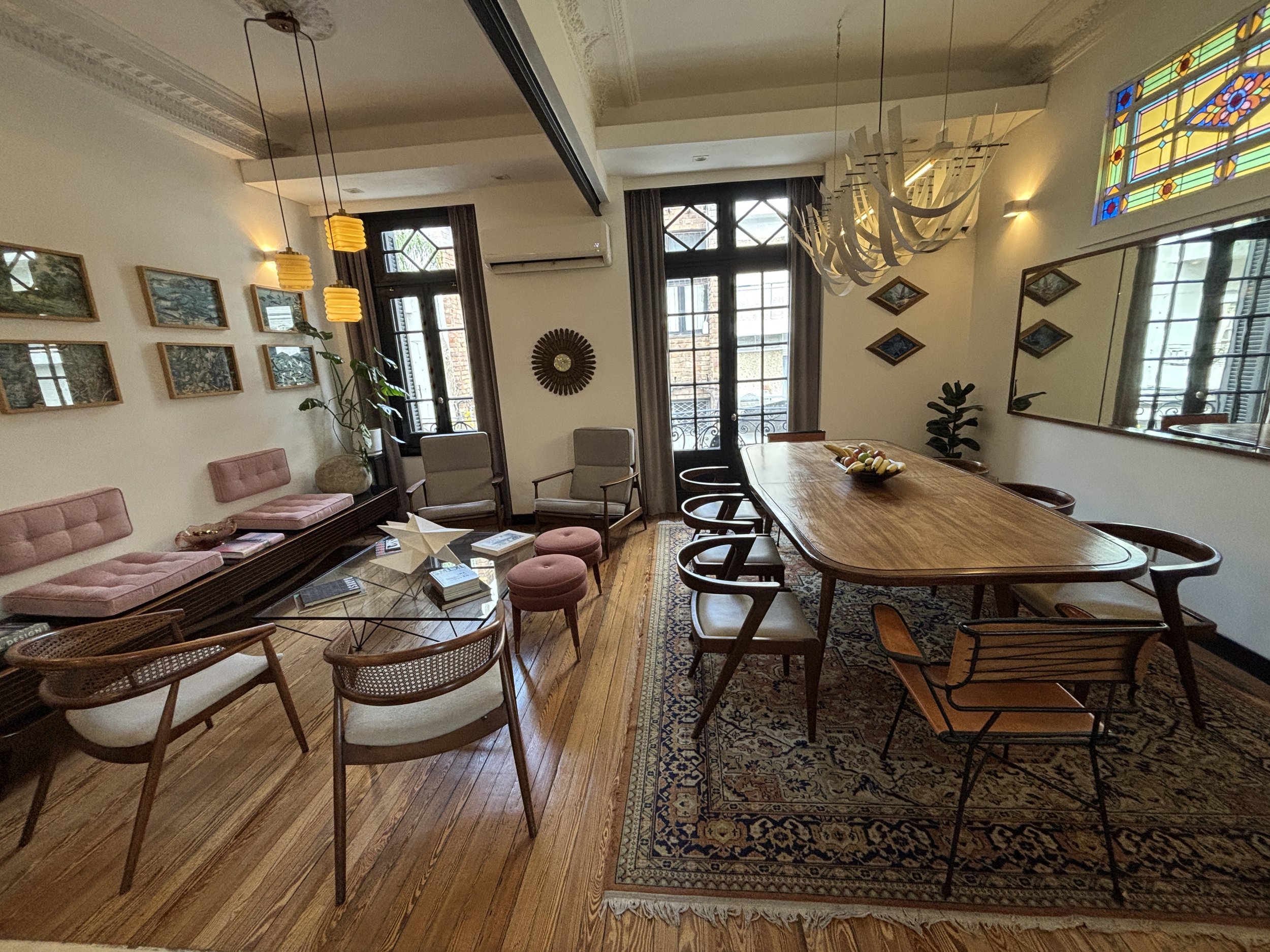
The hotel has a living room which manages to provide a really cozy atmosphere and it is even fitted with a liquor bar which is free to serve (in moderation, of course!). It was a bit chilly outside due to this visit being in the middle of the southern winter, and the heating in the premises provided just the right contrast.
The room was spotlessly clean and tastefully decorated, modern, with a few traditional elements woven in for good measure.
The finishings, materials and general quality standards were also excellent throughout; there was not even a scratch anywhere. I also liked, btw, the layout of the shelves, which makes it quite easy to store your things while keeping them easily accessible at all times.
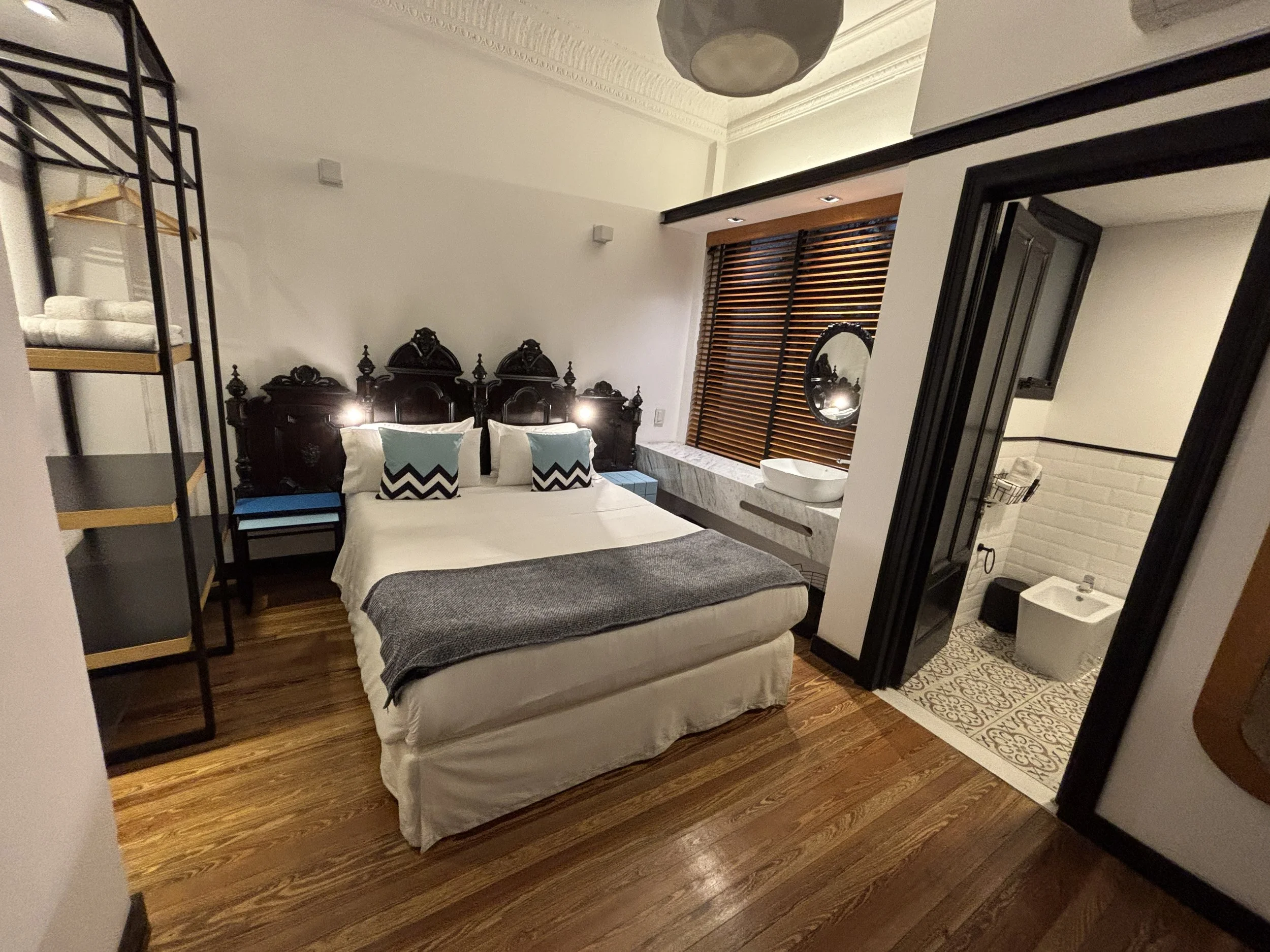
The room had also a work desk, well stocked with tea and coffee (including a designer kettle!), a fridge with complimentary still and sparkling water and a flat screen TV with Netflix connection included (I didn’t really have time to use it, but some readers may find this information of use).
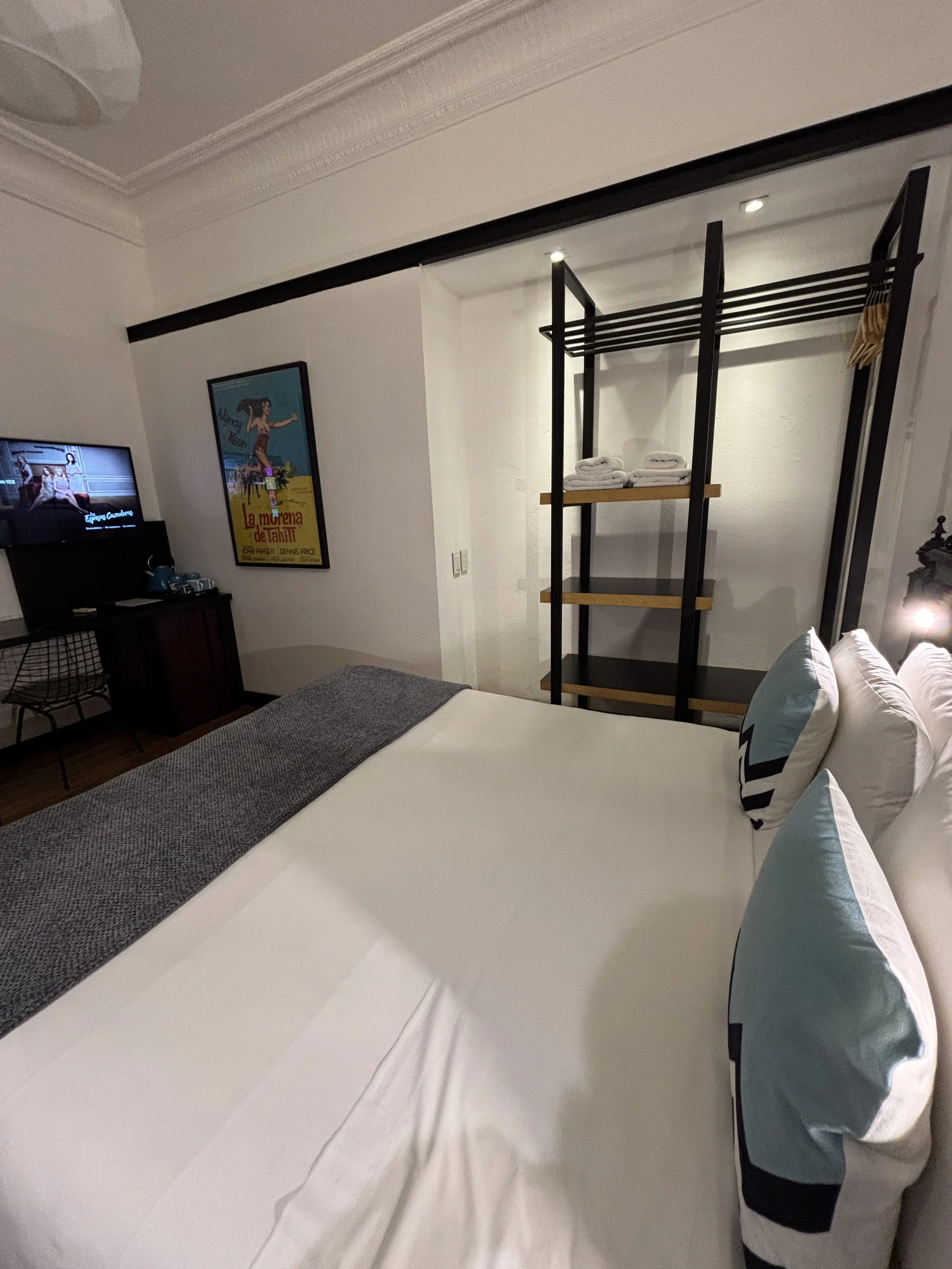
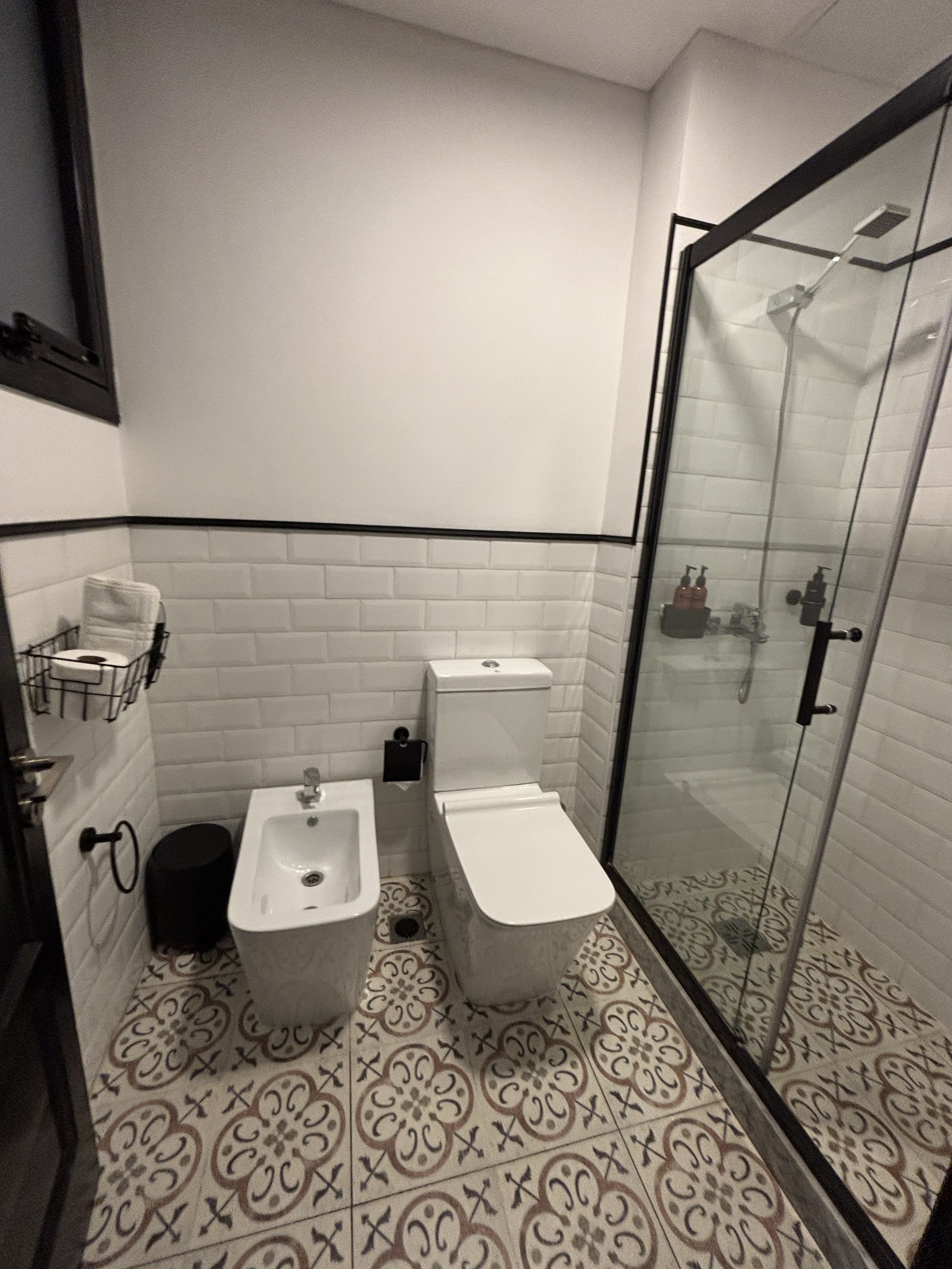
So, happy to give my five stars, as well, to FAUNA Montevideo and don’t forget to check it out if planning a trip to the city. You may be surprised by the cost per night of everything I just told you!
Exploring modern Montevideo
Plaza de la Independencia
So, now that we have seen Montevideo’s old town, it is the turn of its modern part and the first stop in our itinerary is the Plaza de la Independencia (Independence Square).
This square not only acts as the nexus between the old and modern towns, but it is also the closest it gets to a central node of the city.
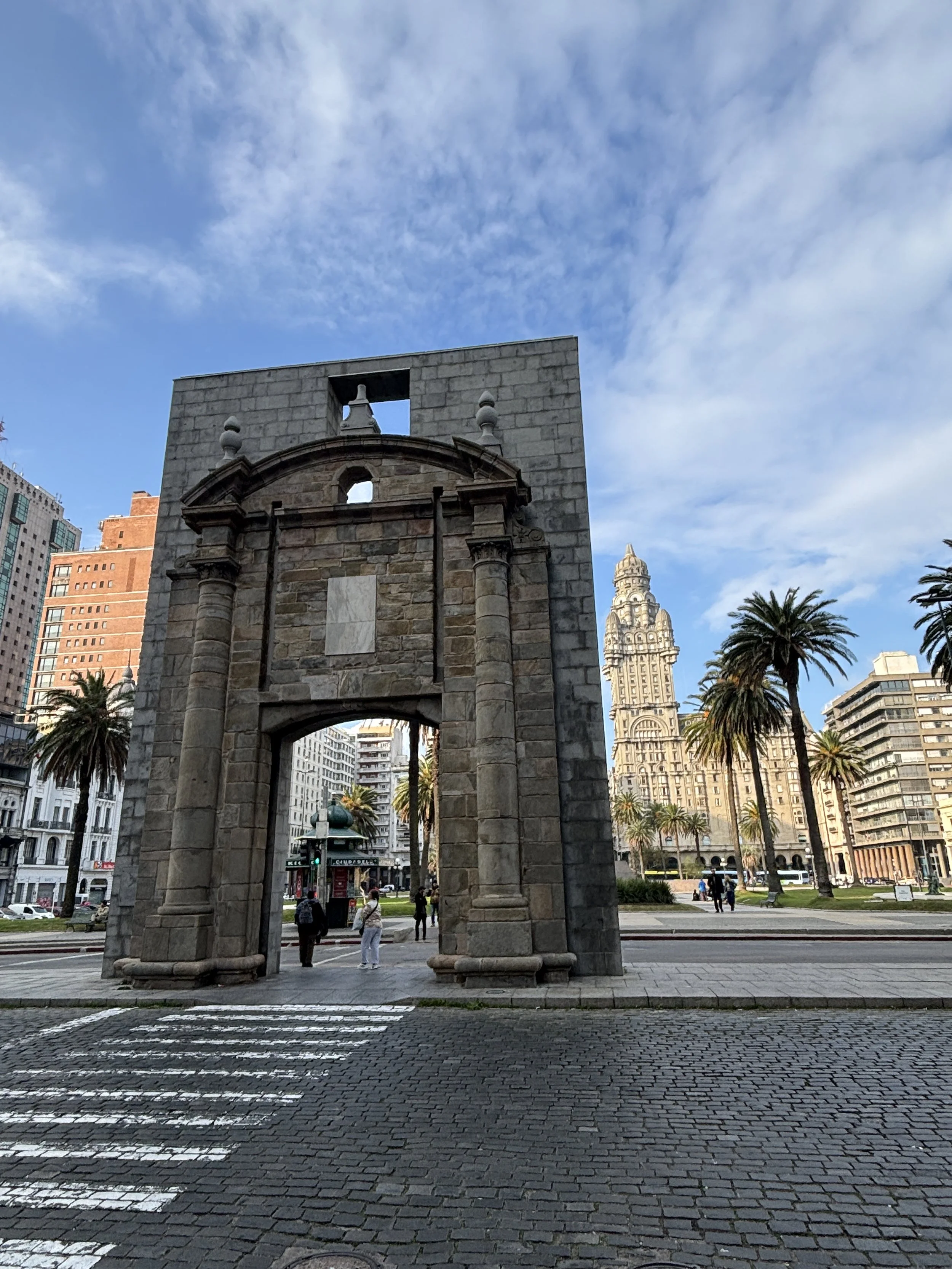
It is here that you find the gate of the old walled town, the “Puerta de la Ciudadela”, which stands now at its original location, the only remnant of the old fortification. The gate, however, has had a more agitated life than it looks. In 1877 it was dismantled stone by stone and moved to another location and it was only in 1959 that it was again moved to its original spot.
The walls are gone, but, as you can see below, there are other wall-like structures nowadays guarding the entrance to Montevideo’s Ciudad Vieja.
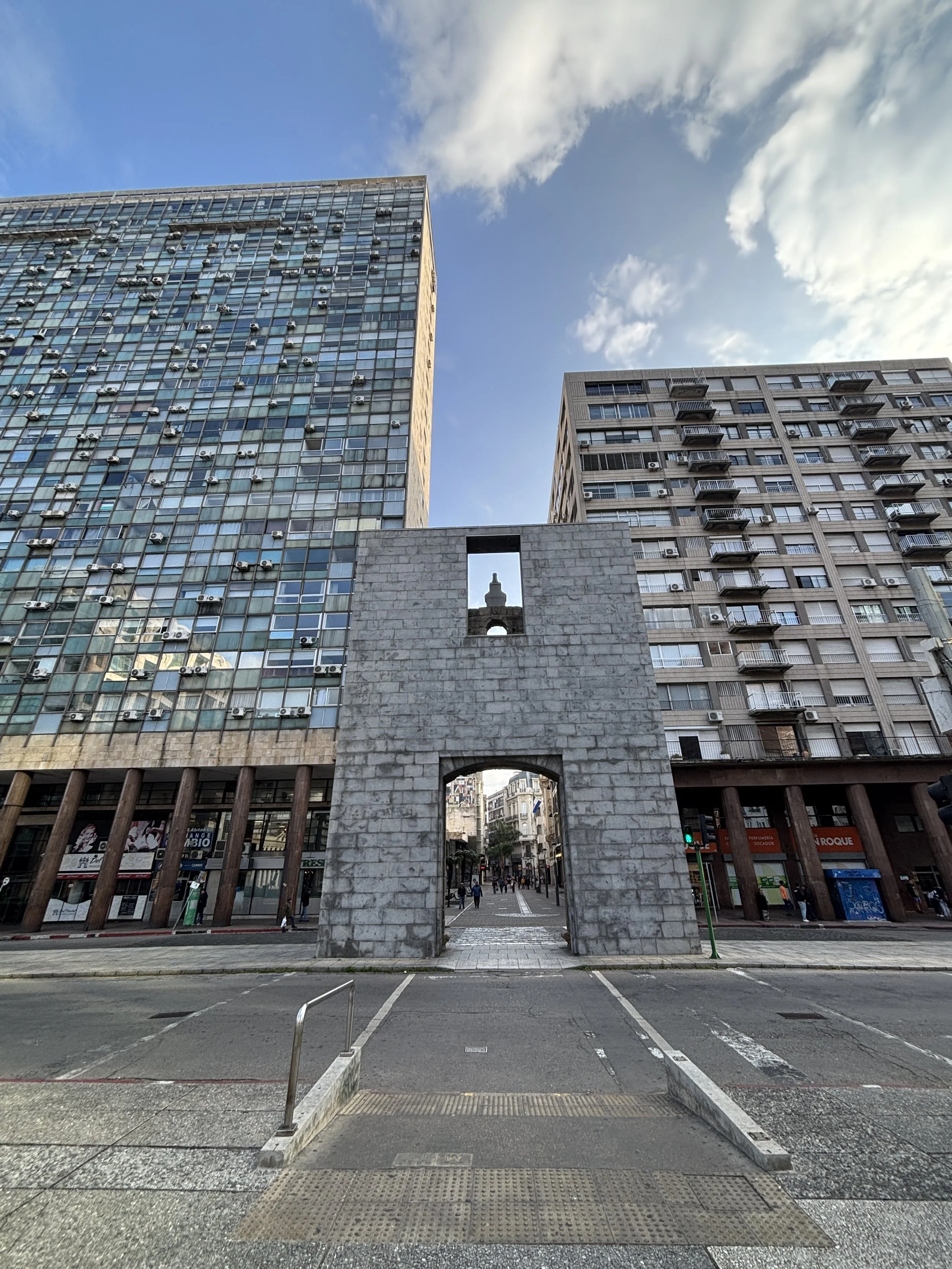
But the most iconic and prominent building on Montevideo’s Plaza de la Independencia is, without a hint of doubt, the Palacio Salvo, which you can see in the picture below at the opposite end of the square from the citadel gate.
The Palacio Salvo, which is named after the businessmen brothers that commissioned it, was, at the time of its construction, in 1928, and for a bried period of time, the tallest building in South America, standing at 105 meters.
Its style is rather difficult to categorize, since it mixes elements of all sorts of styles (neo-Gothic, Renaissance, Neoclassical, Art-Déco) to come up with its very own character.
Also interesting is the fact that the Palacio Salvo has a twin across the Río de la Plata in Buenos Aires, the Palacio Barolo, designed by the same architect, Mario Palanti. There were even plans to link the two visually with a beam of light. That would have been something worth seeing!
It is possible to get to the top of the Palacio Salvo by taking one of the guided tours, which run at specific times (for example, before 1pm on Saturdays). I couldn't make it due to schedule issues, but this is something I would certainly have liked to do!
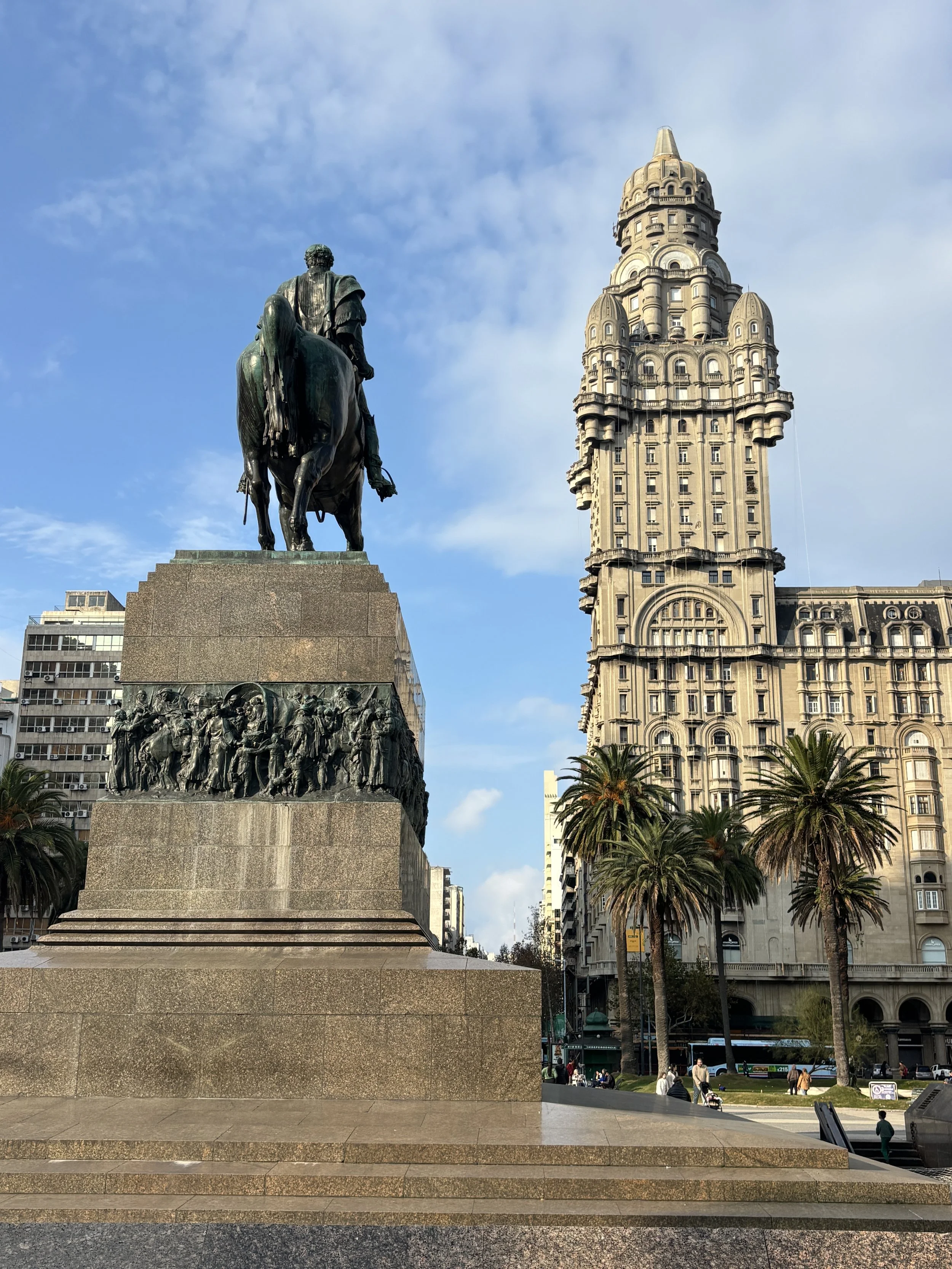
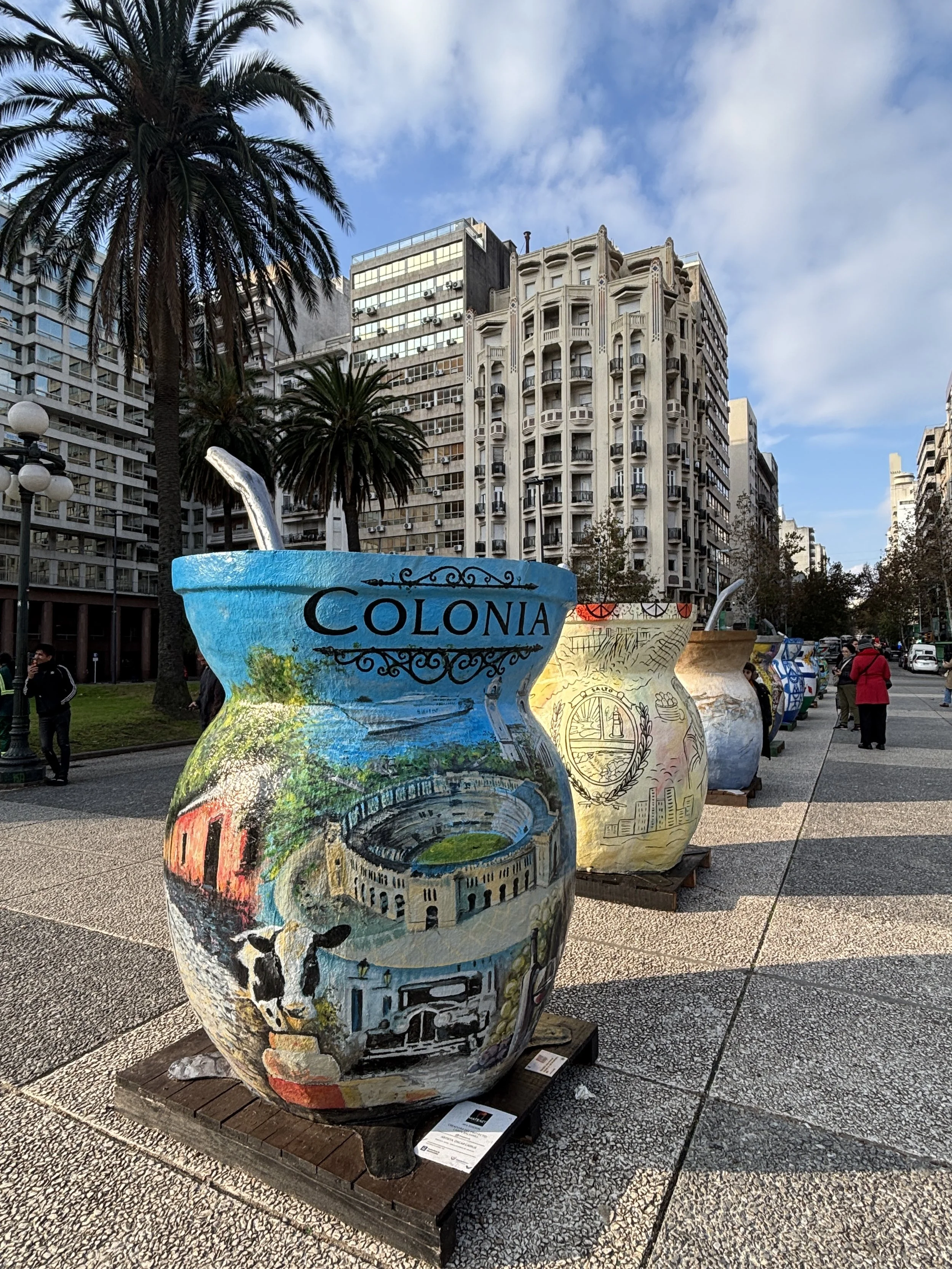
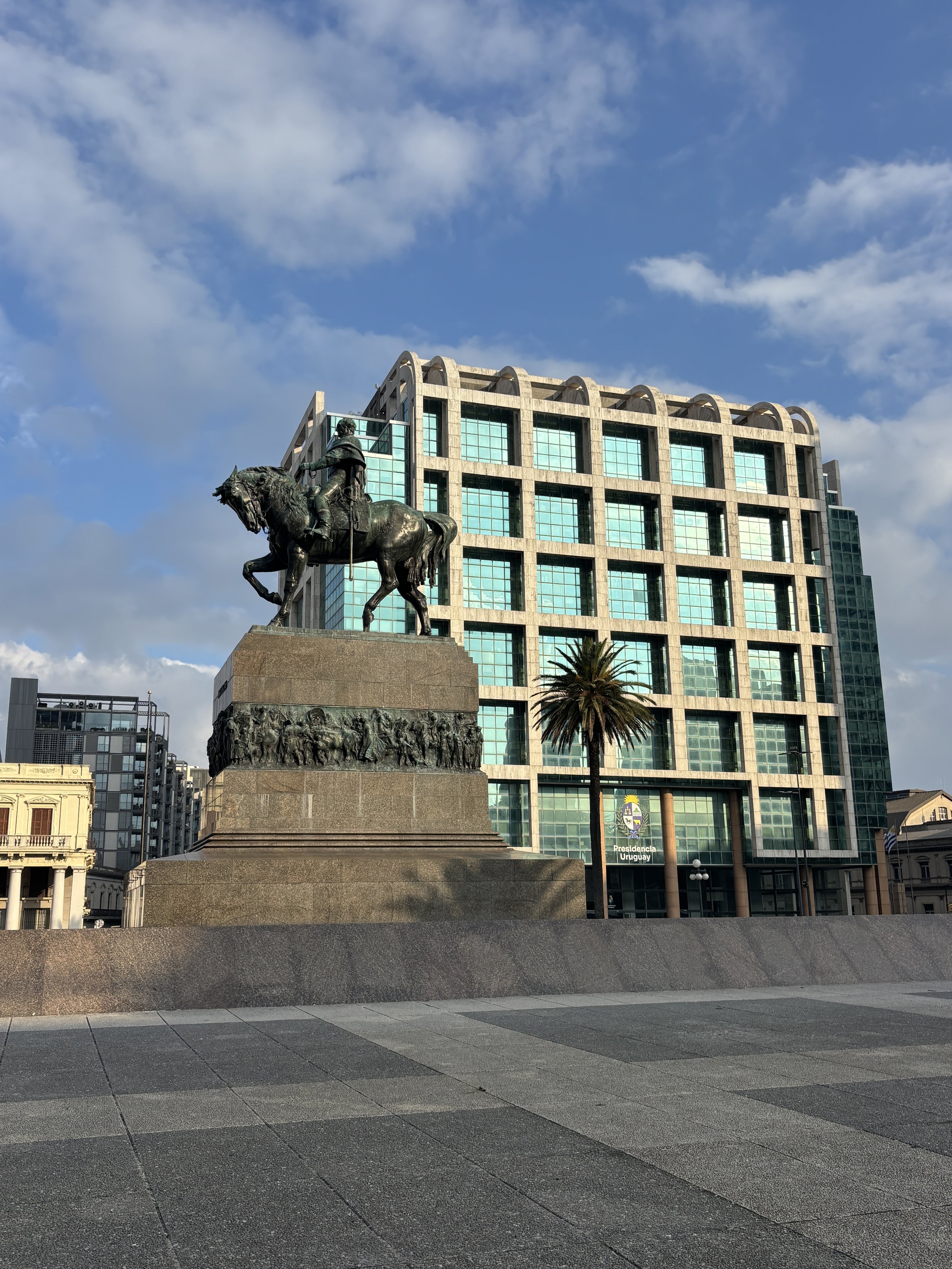
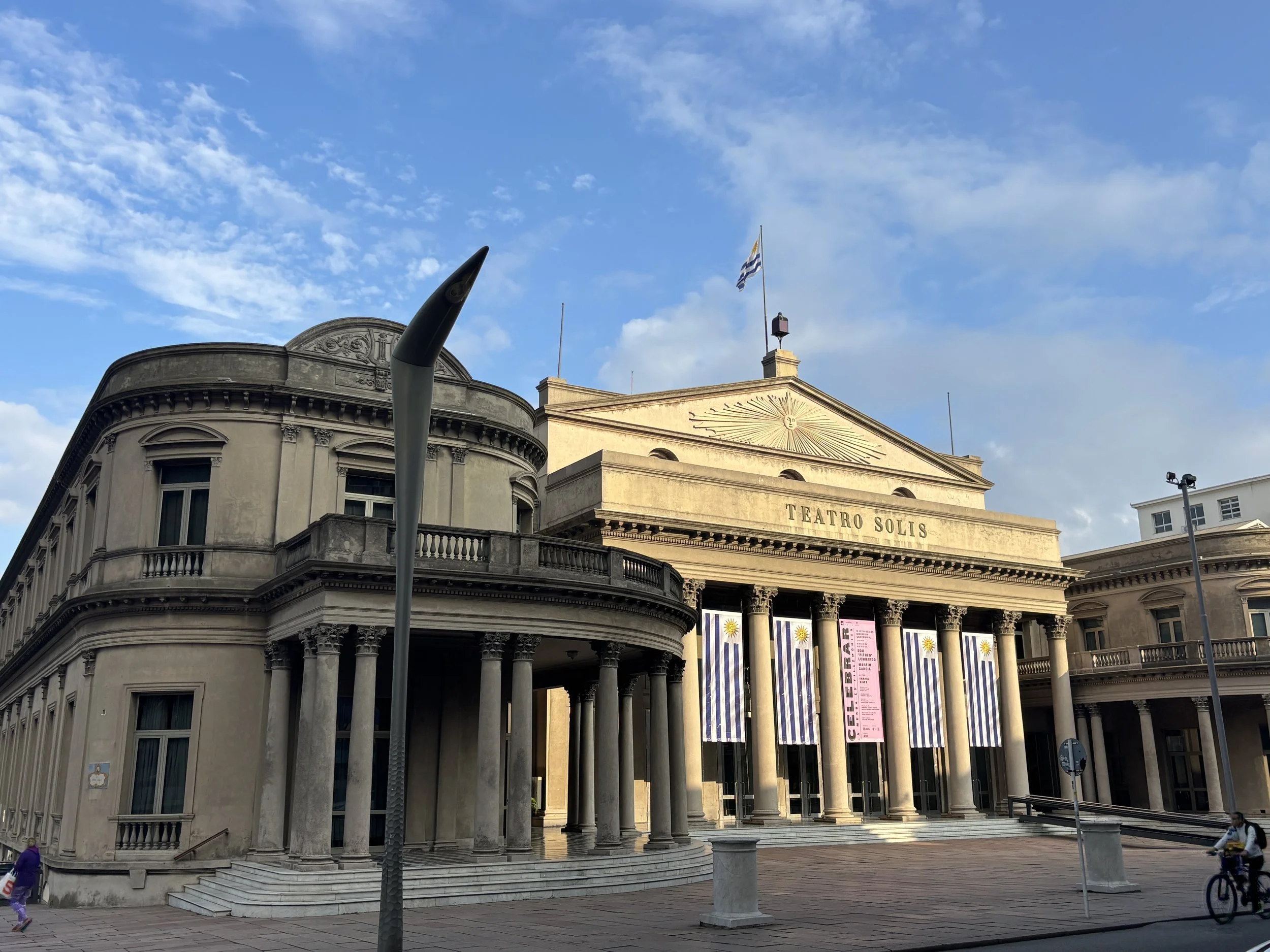
Here below, other interesting elements on Plaza de la Independencia: some oversized yerba mate cups (one of them featuring the bullfighting ring in Colonia del Sacramento, which I covered in my previous Uruguayan post), the statue of national hero Artigas, and the Teatro Solís, which can also be visited with a guided tour.
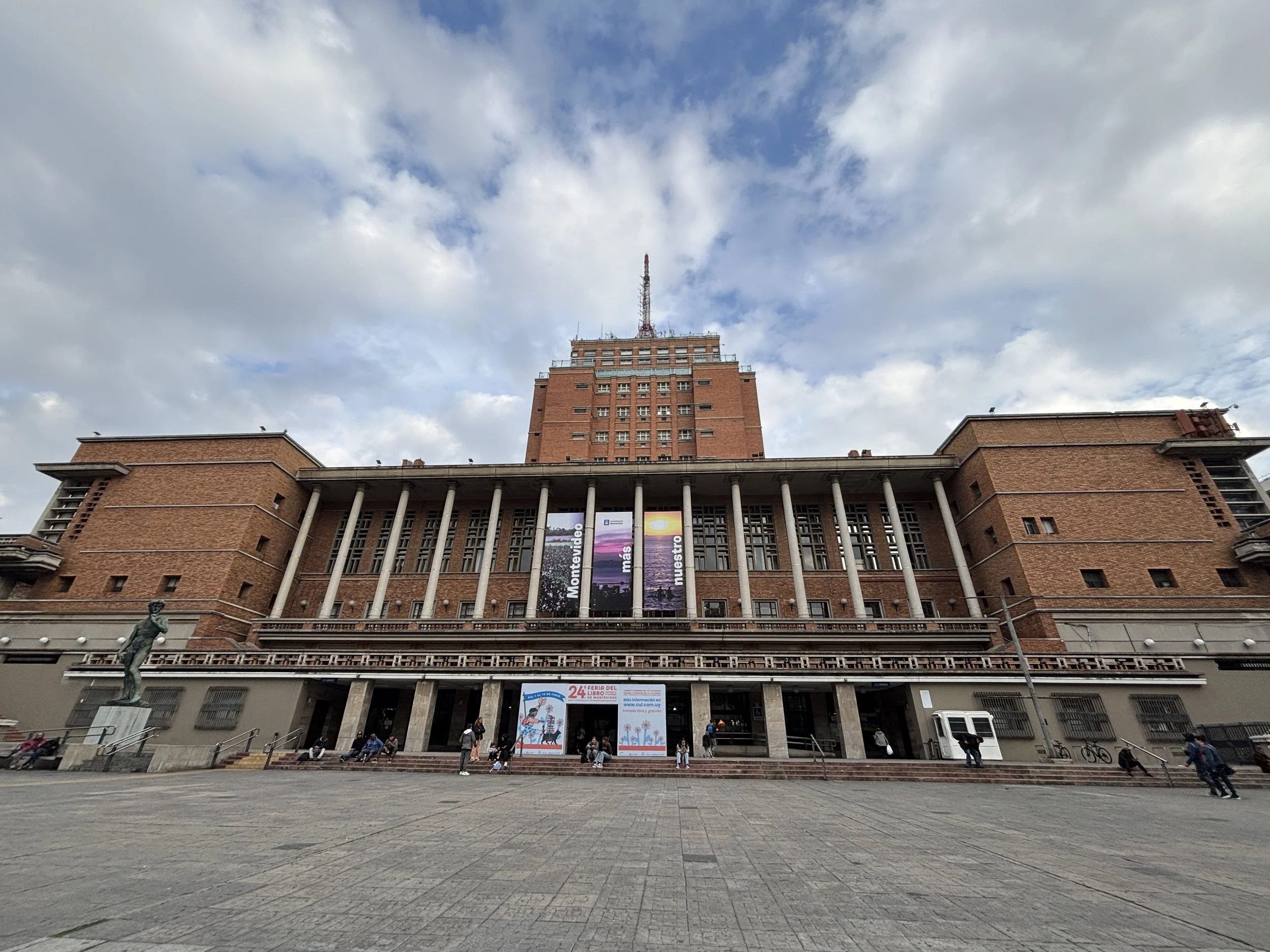
Another city view point is the top of the townhall (“Intendencia de Montevideo”), the red brick building you can see here above. This is further along the “18 the Julio” Avenue, which is the main thoroughfare running through the middle of downtown Montevideo.
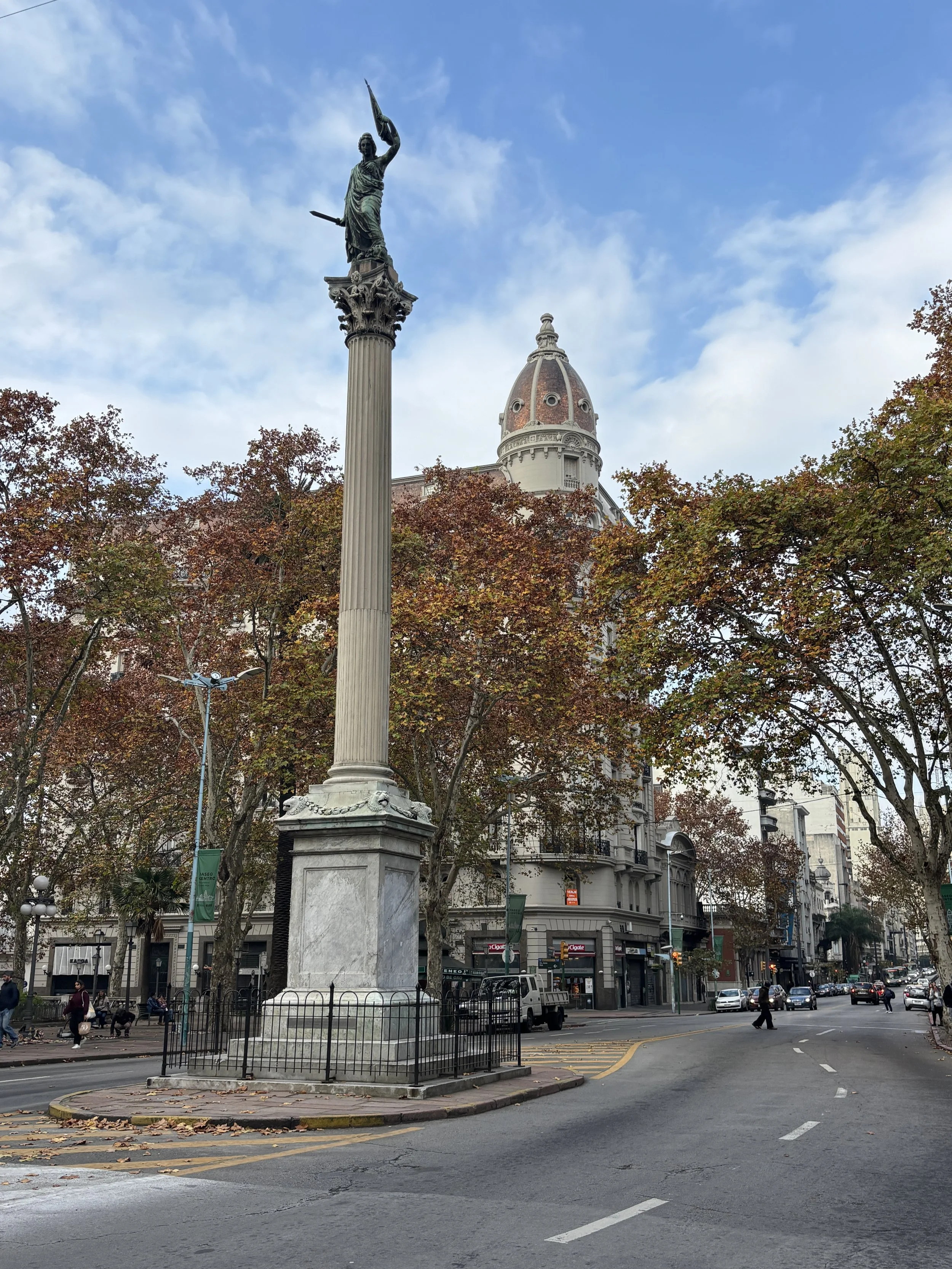
The column on the left is also in the area.
Mercado Agrícola de Montevideo: a walk through the northern neighbourhoods
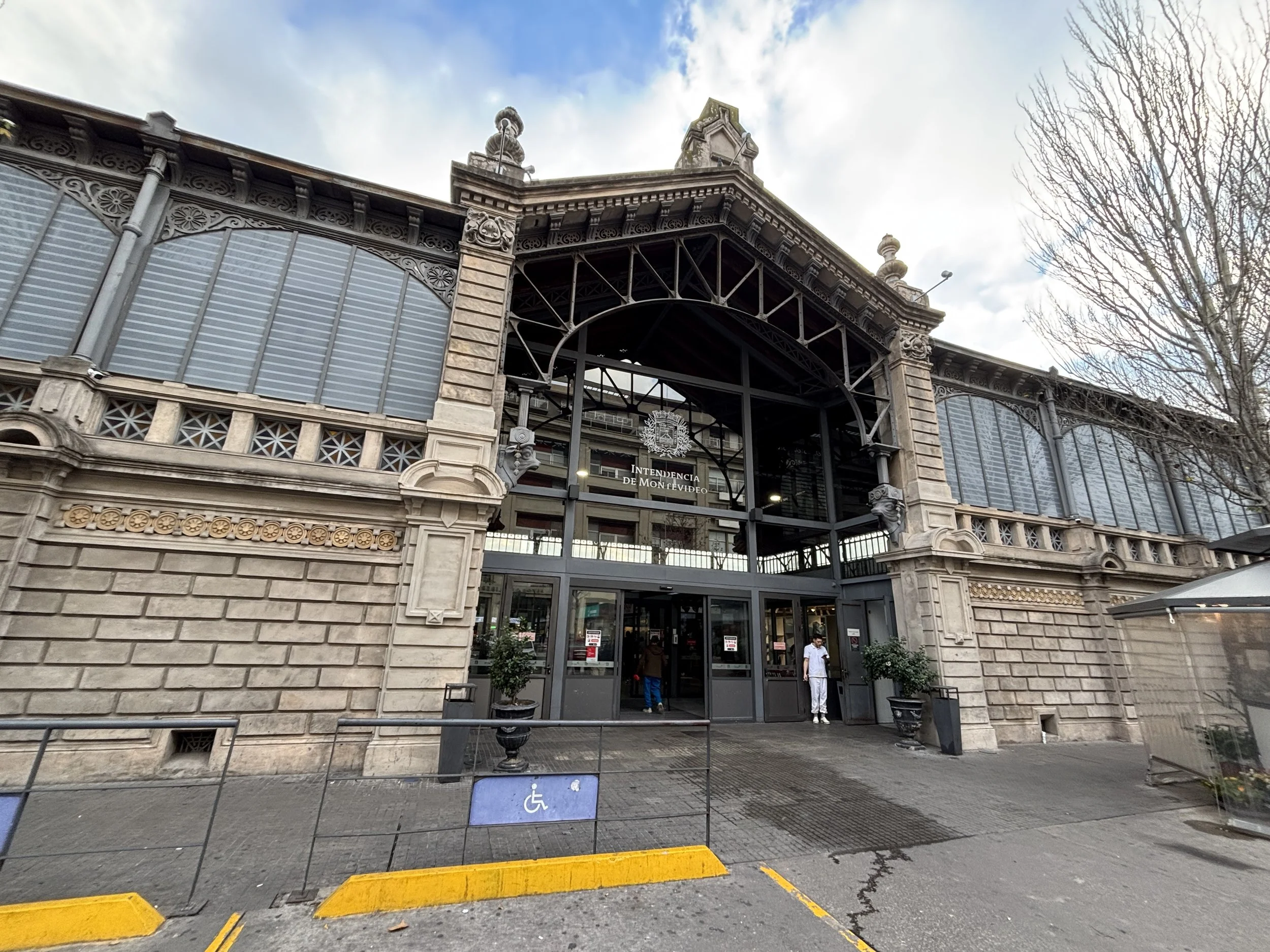
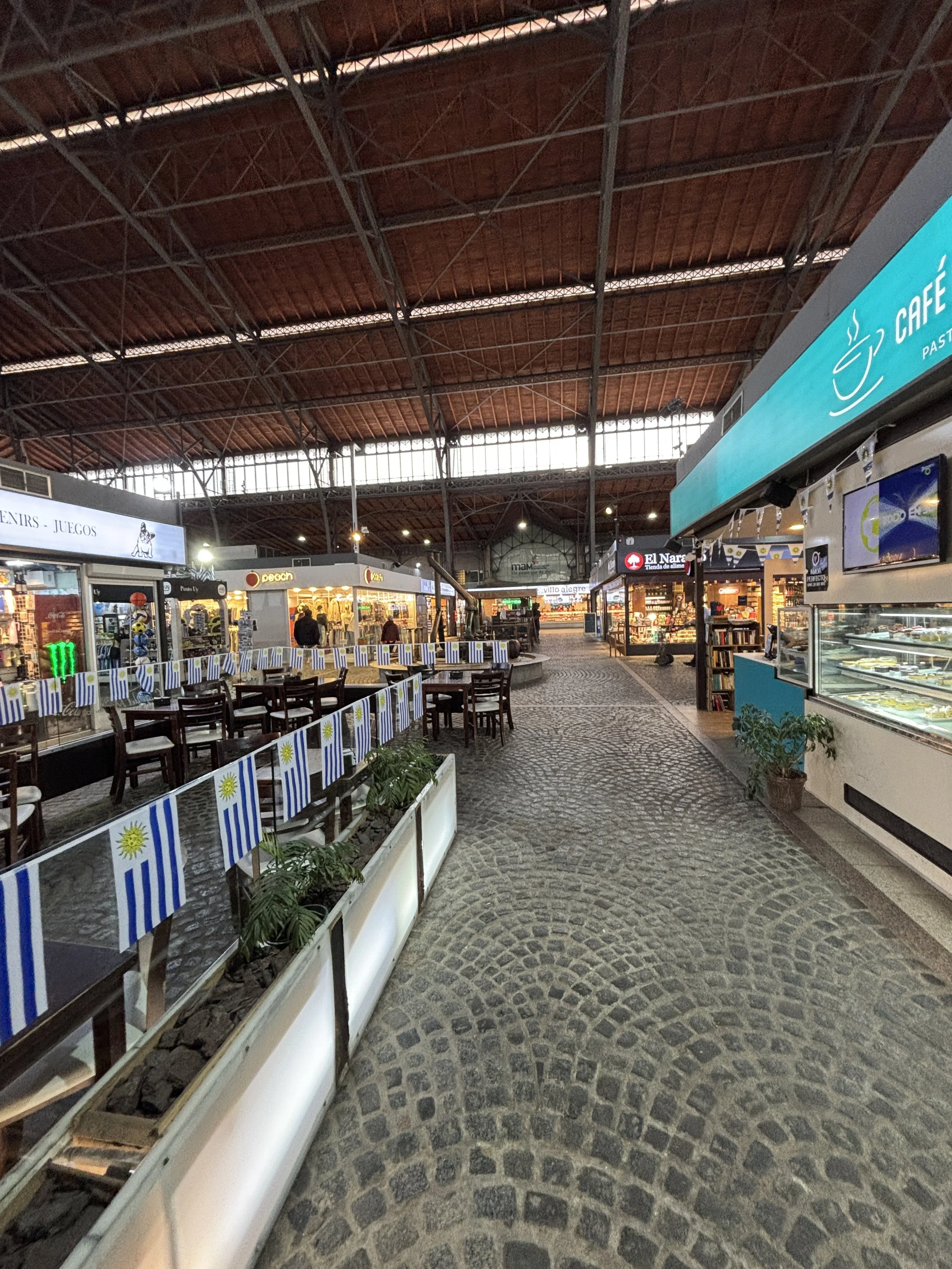
This produce market is a focal point in the northern part of the city center. I visited it in the morning as part of a walk from the area of Tres Cruces to explore this part of the city.
The maket stalls were just getting ready for the day, so it was all very quiet. I had breakfast at one of the cafés.
I would say, if you are short of time, you can skip this one!
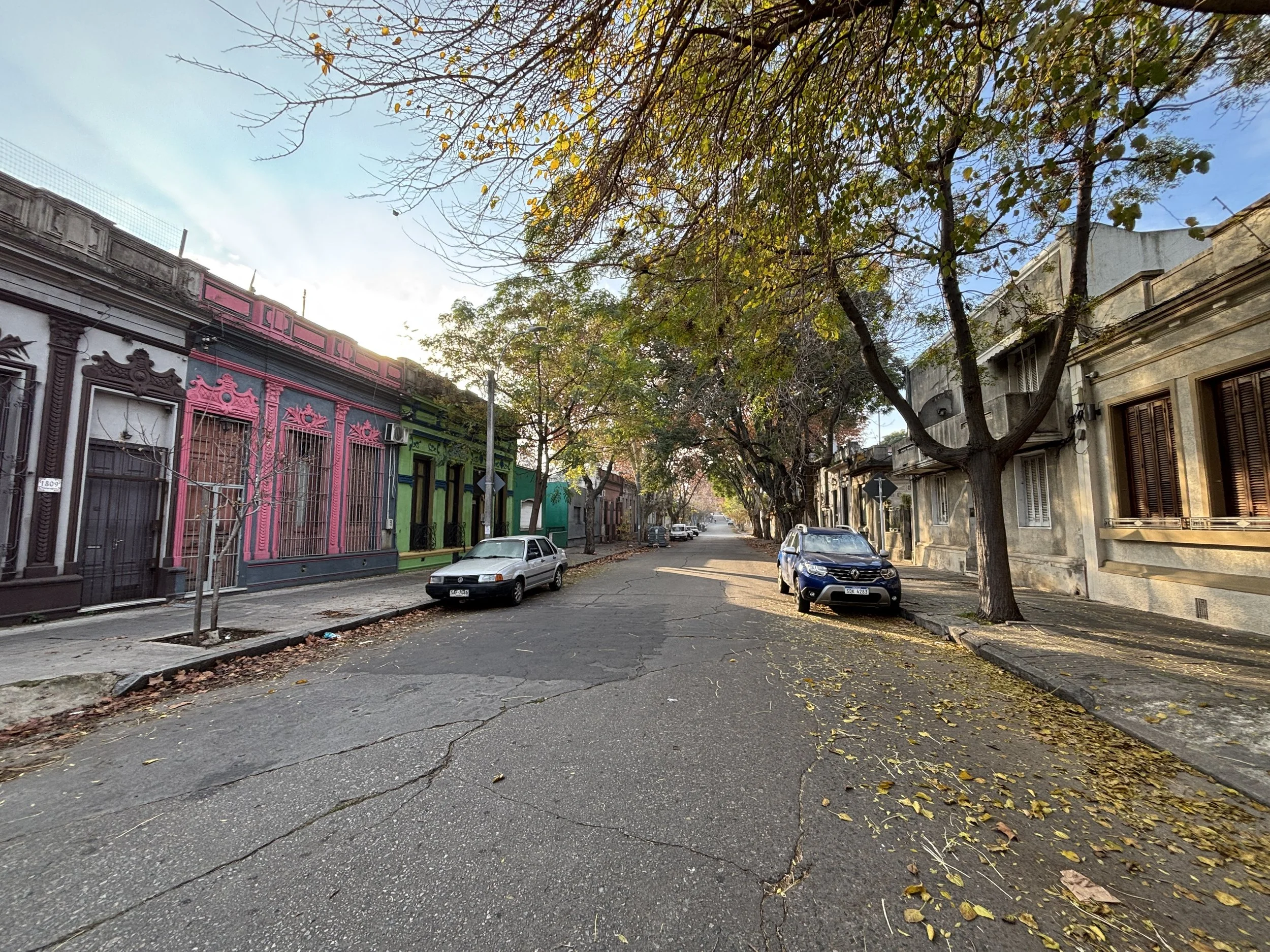
The northern part of town has a totally different character, with many low-lying houses and broad and surprisingly quiet streets.
In this regard, maybe it was due to it being a weekend, but in general I saw few people on the streets in Montevideo. It is true, as some Uruguayan friends pointed out to me, that this is a very low density country, with 3.5 million people living in a territory almost the size of Britain, but didn’t expect the capital city to feel that empty as well!
The seaside neighbourhoods: Palermo, Punta Carretas, Pocitos, Carrasco
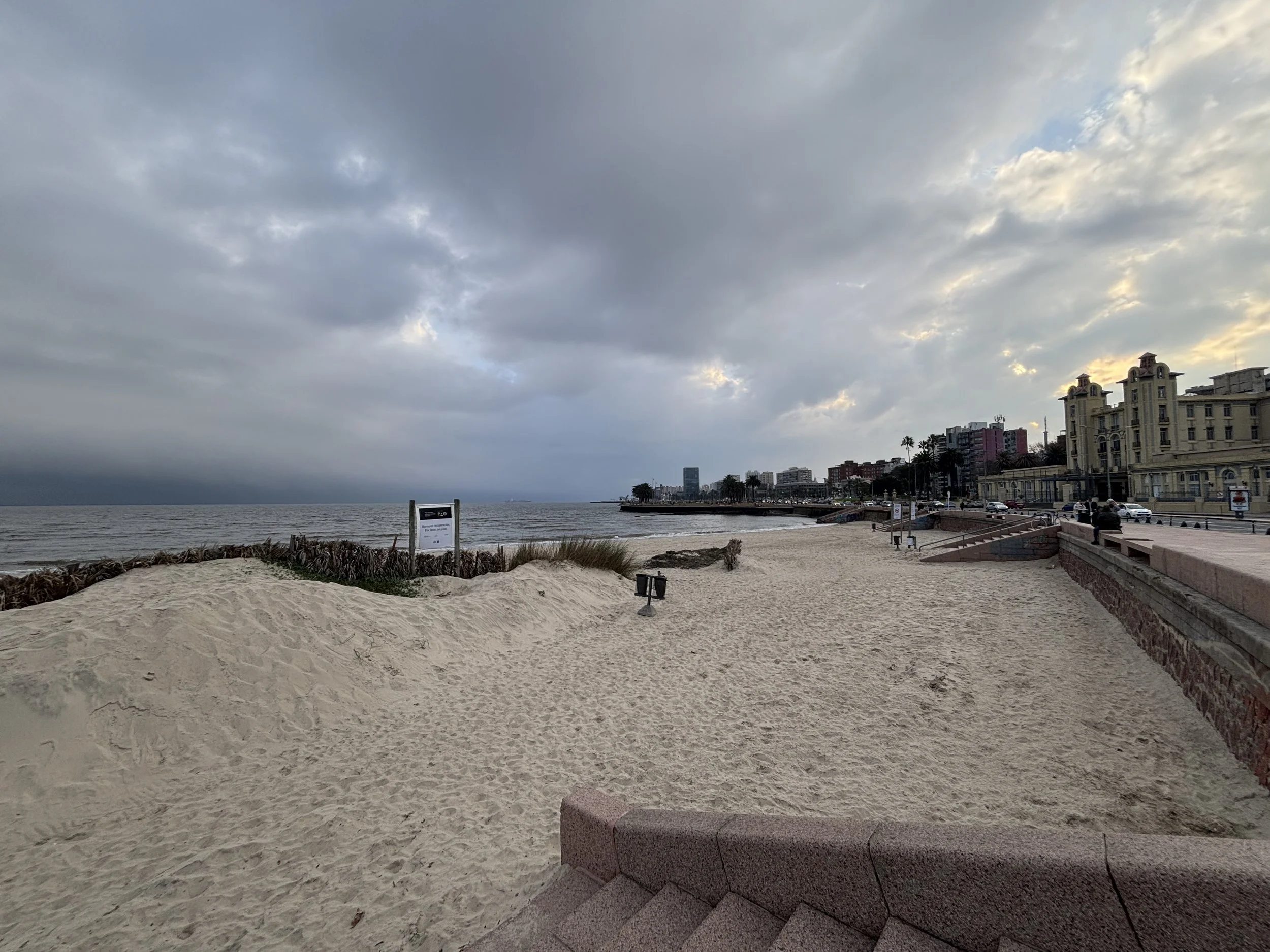
To be totally honest, my experience of this part of the city was rather fleeting: I did walk from the old town to Pocitos in one afternoon and the next day I had also the chance to drive by in an Uber all along the coastal road, also from the old town to the airport, which gave me a good panoramic ride of the whole seaside riviera of Montevideo.
This is, however, a part of the city that, while it doesn’t have much in the way of historical buildings or landmarks, appears to be rather pleasant, way more affluent than the old town and the northern districts and well suited for outdoor activities.
I had limited time to explore this part of the city, but it is well worth it if the weather is nice and wish to spend some time outdoors.
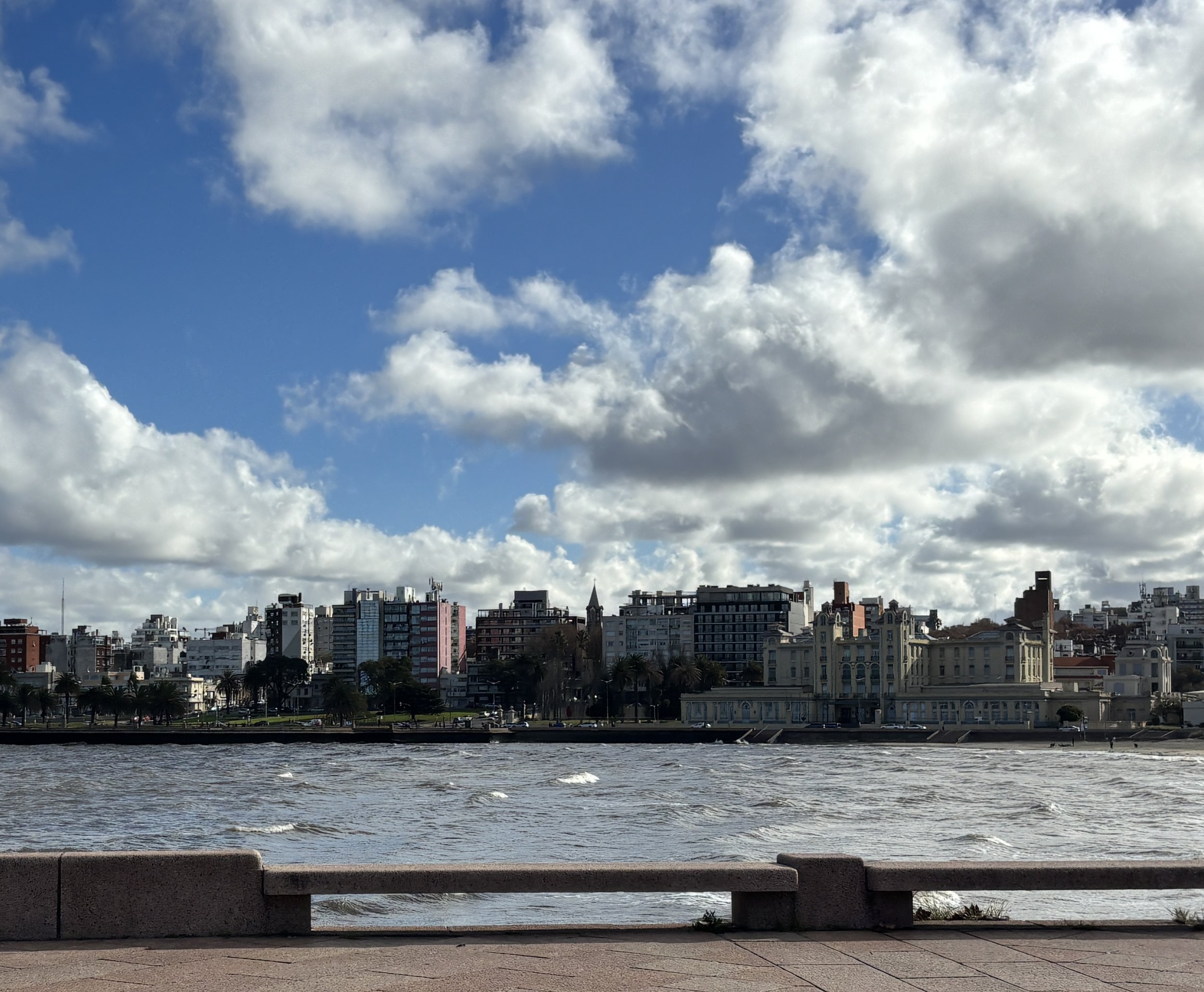
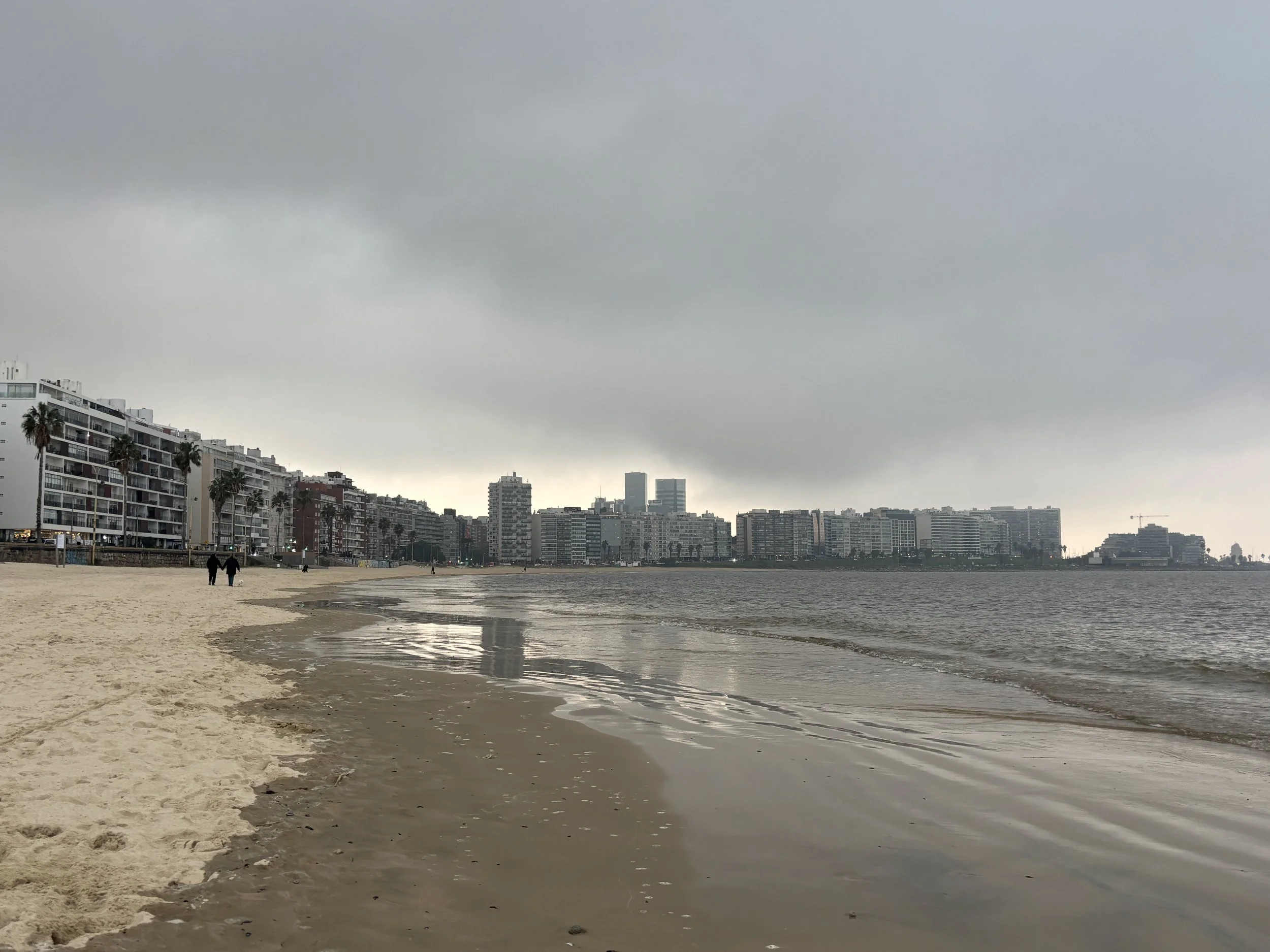
The southern side of Montevideo is where most of the best beaches area and the area is also peppered with many parks and recreational areas. For example, here above you can see the view from Punta Carretas (a small peninsula which is the southernmost tip of the city) and below you can see the beach at Pocitos, which is a fancy residential-commercial district to the east of it.
For many purposes, the area around Pocitos has become like a second downtown. There is even a modern business district next to it, with the typical glass and steel towers and the like.
The Montevideo riviera continues all the way east towards Carrasco, another fancy neighbourhood located near the airport, in a succession of beaches and residential areas.
Great place to eat in Carrasco
Restaurante García
Av. Alfredo Arocena 1587, 11300 Montevideo
And I would like to close this post with another restaurant suggestion: yet another place where it is possible to eat a proper Uruguayan asado, albeit in a bit more formal setting than at Mercado del Puerto, but one with a more local crowd.
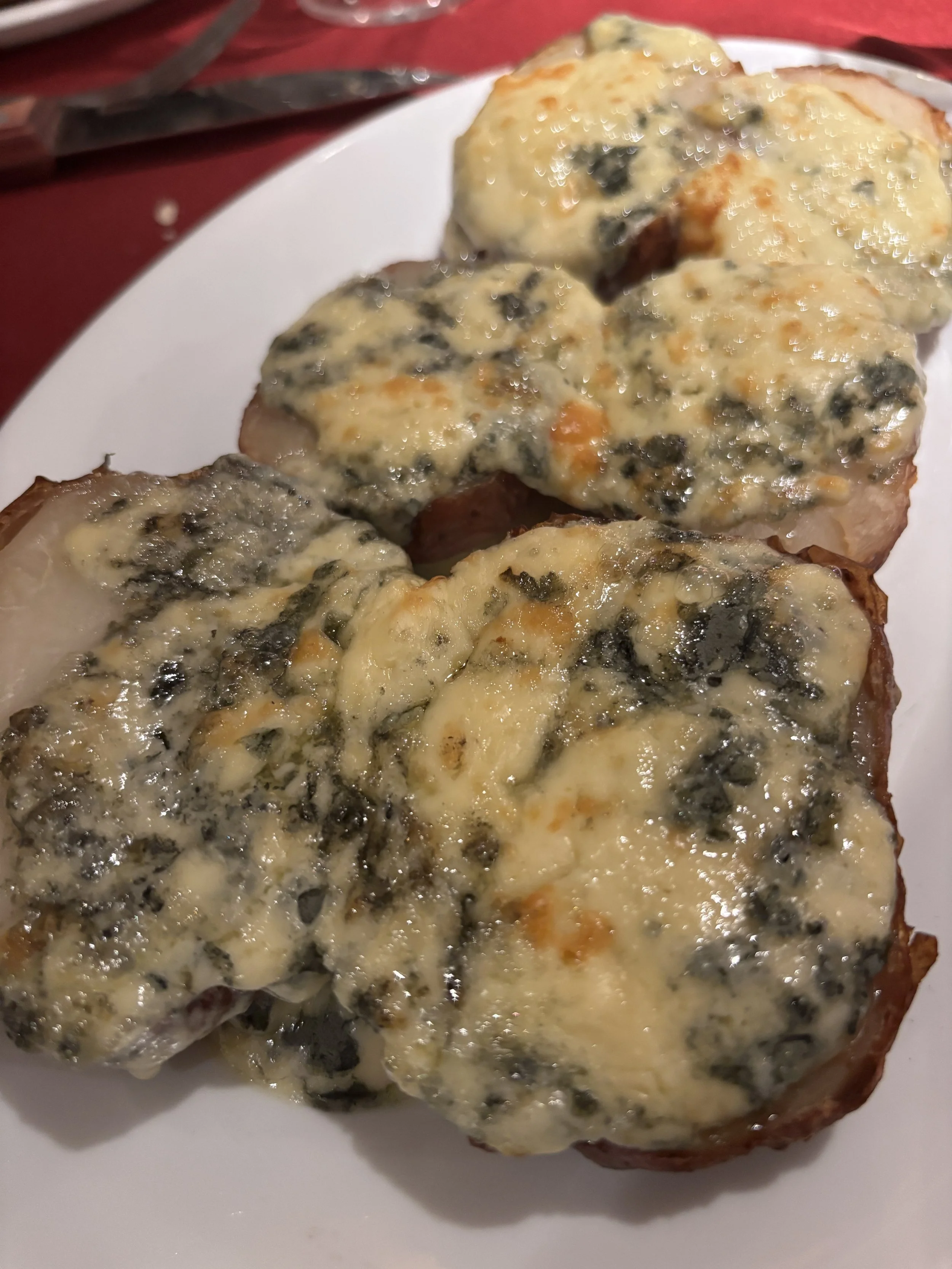
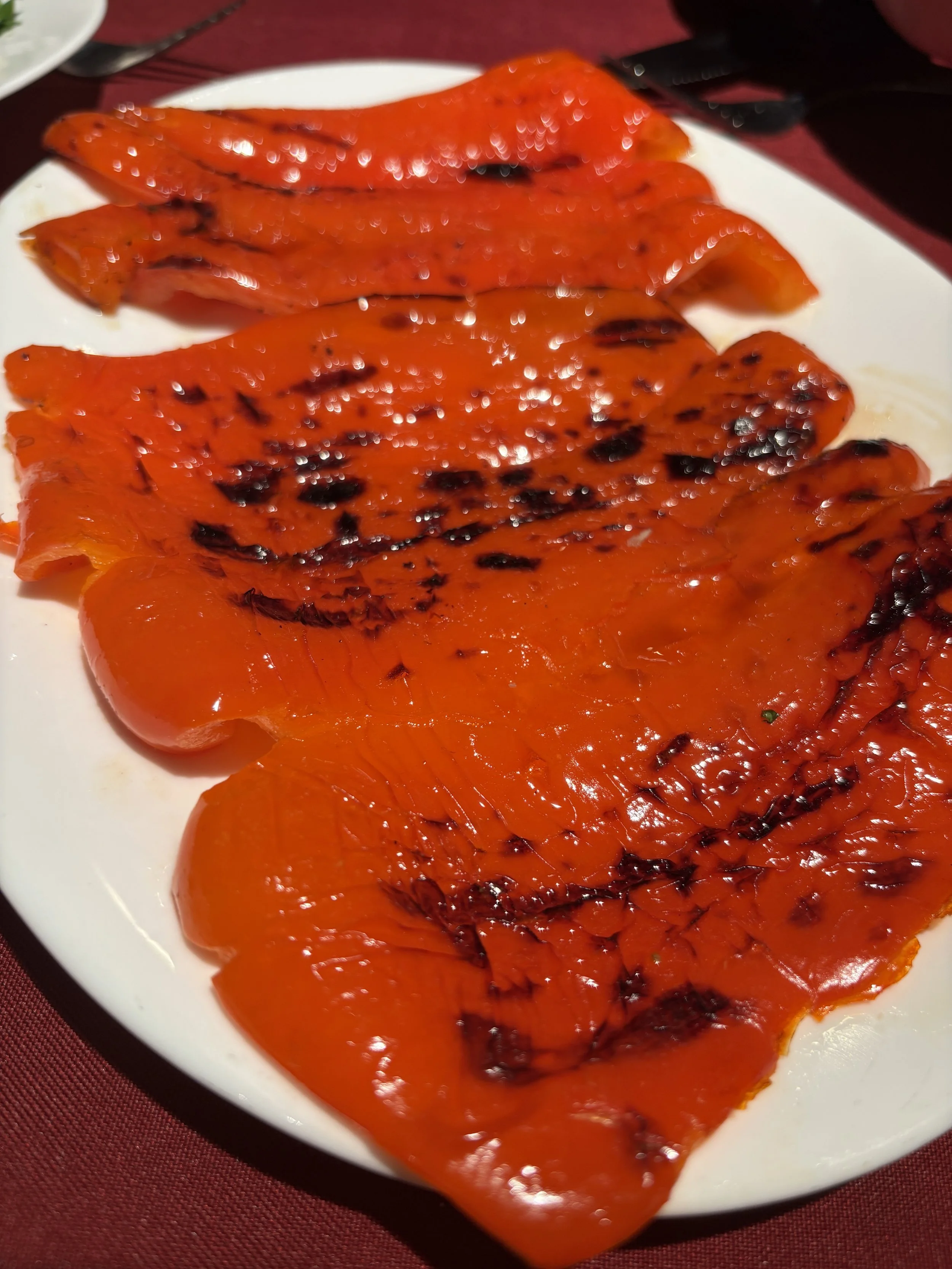
The cooking here is not done in the open, but the results are equally impressive, as you can see in the following pictures.
The restaurant is in the main street of Carrasco, next to the beach, so relatively far if you are in the old town, but reasonably close if staying in Pocitos or one of the districts in the eastern part of the city.