48 hours in Wroclaw: what to do and what to see
A bit of history before visiting Wroclaw
Saying Wrocław has had a complicated history is an understatement.
Today, Wroclaw is Poland's third-largest city as well as the capital of Lower Silesia, a historical region that has changed hands many times over the centuries.
Originally a Polish settlement, in the Middle Ages, the city later passed to Bohemian (Czech) hands , then was part of the Habsburg Empire, until Prussia (the kernel of what later became Germany) took it over in 1741. For a large part of its history, Wroclaw was actually a majority German-speaking city and was known as Breslau.
By the way, about this particularly point and for the sake of clarity and consistency, I'll use the city's Polish name throughout this piece, even when referring to events or sites that are linked to the city’s German period.
Wroclaw eventually became again a Polish city after the end of the Second World War, as the Allies assigned it to Poland in compensation for the transfer of other territories in the east of Poland to the Soviet Union. So, in 1945, the city’s German population was either expelled or left, to be replaced by Poles, which in great part been themselves also displaced from the former eastern territories.
But since most of what visitor’s come to see in Wroclaw’s historical center today dates back from a few centuries earlier, it may be best to start with a brief summary of the origins of the city.
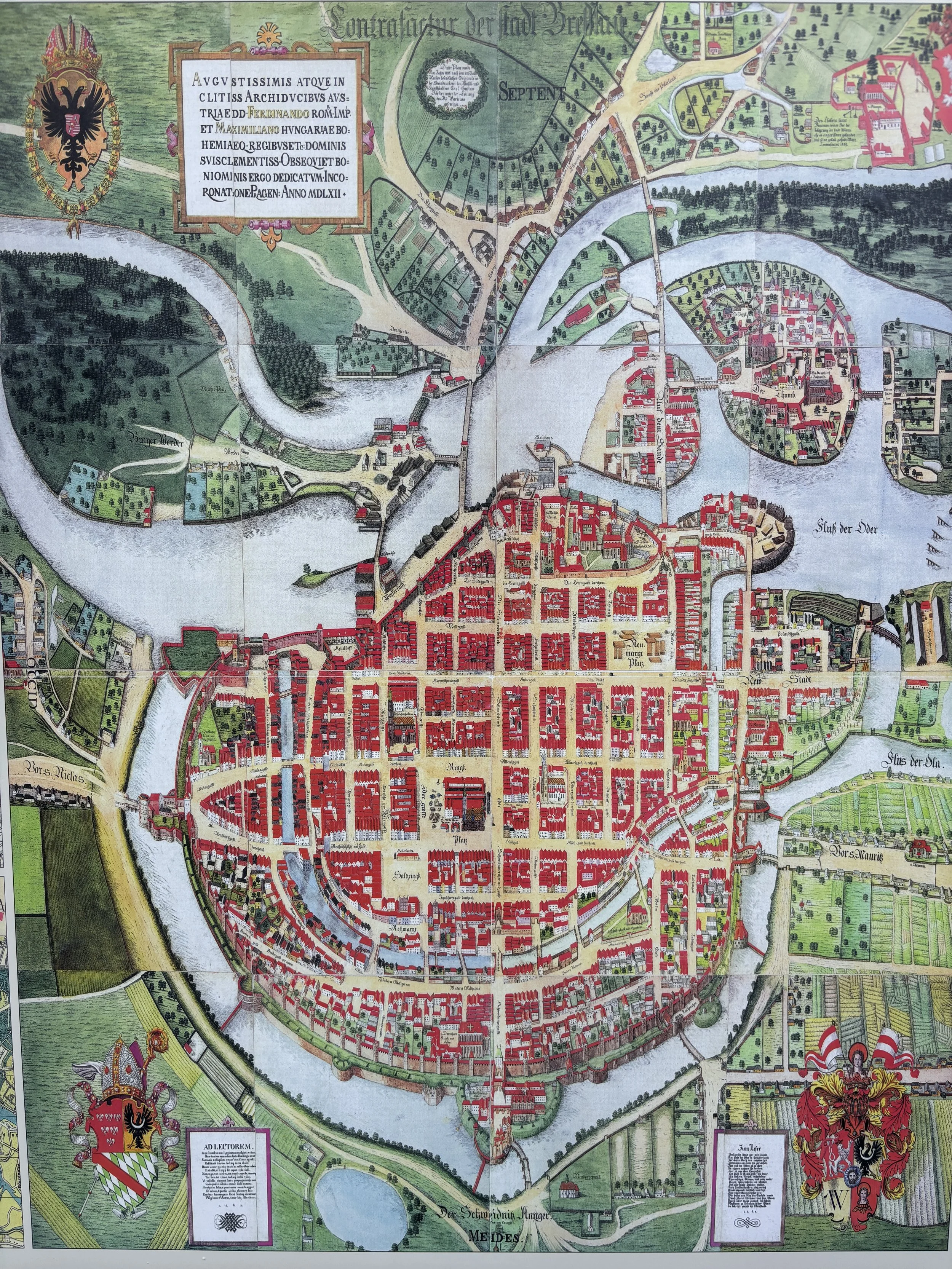
Wrocław grew up on the banks of the Odra (Oder) river, at a very strategic crossroad which linked an Ancient route linking the Baltic to the Mediterranean to what came to be known as “Via Regia”, which was another major axis of communication going linking west to east, the Germanic and Slavic parts of Europe.
The first settlement in what is now Wroclaw started on Ostrów Tumski, an island at the time (not anymore) located next to a river crossing. From there it spilt over to the south bank of the Odra, where most of the historical center of Wroclaw is now. Later, in the early modern times, the city was given a fortified enceinte, complete with bastions and a moat (this is now a boulevard which runs all along the historical center as a garden ring).
It would be a mistake to leave it at that, though, because some of the most interesting periods in Wroclaw’s history have been in the last couple of centuries. With the advent of the industrial era, Wrocław and the wider Silesia region, became one of the major manufacturing centers of the German-speaking world and left also a notable cultural and architectural legacy.
Perhaps the most traumatic chapter in the city's history, at least since the Mongol invasion of 1241, was the Second World War. In August 1944, with the Red Army advancing, Hitler declared the city a fortress. “Festung Breslau” was to be defended to the last man. And it very nearly was: even if it ended up completely encircled by Soviet troops, the German garrison held out until May 6, 1945, several days after the fall of Berlin.
Fortunately, while the destruction was extensive, part of city’s heritage miraculously survived the war (much of what didn’t was later reconstructed after the war, as it happened also in Gdansk, for example).
After the four decades of communist rule that followed, Wrocław has found new energy and emerged as one of the growth hubs of a booming Poland. This post focuses on the city's top sights, but on this trip I also met with several companies and people from the local business community, and the optimism was palpable. That youthful, energetic mood is just as easy to feel walking through the streets. So, let's look at the best things to see in Wrocław!
This post may contain affiliate links. If you book or buy something through them, I earn a small commission, at no extra cost to you. It's one of the ways I keep Places of Charm going. Thank you for your support.
This post was written after a visit to Poland supported by the Warsaw Enterprise Institute with the collaboration of the city of Wroclaw. Many thanks also to Wojtek for guiding me through parts of the city!
What to see in the historical center of Wroclaw
Rynek
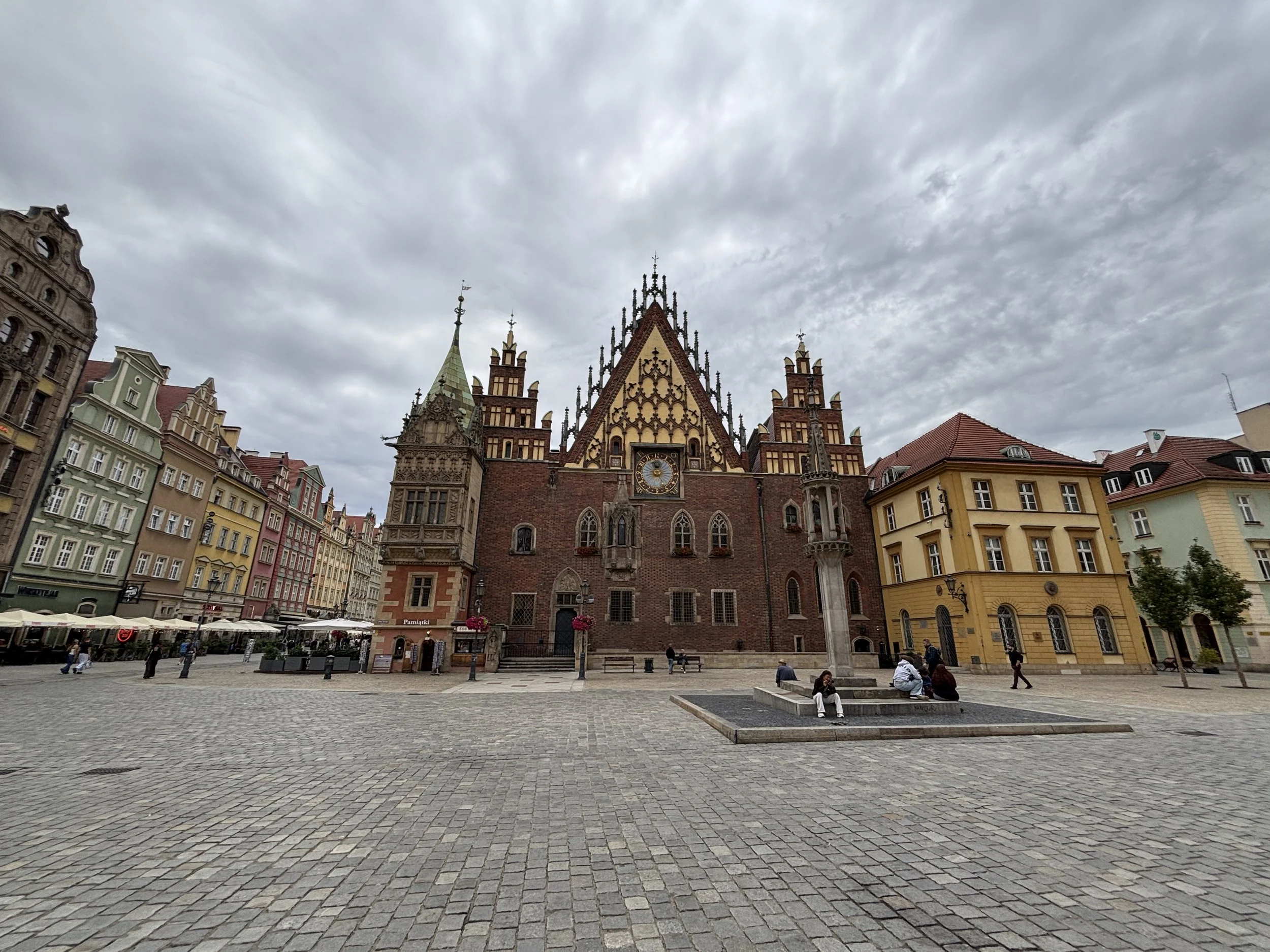
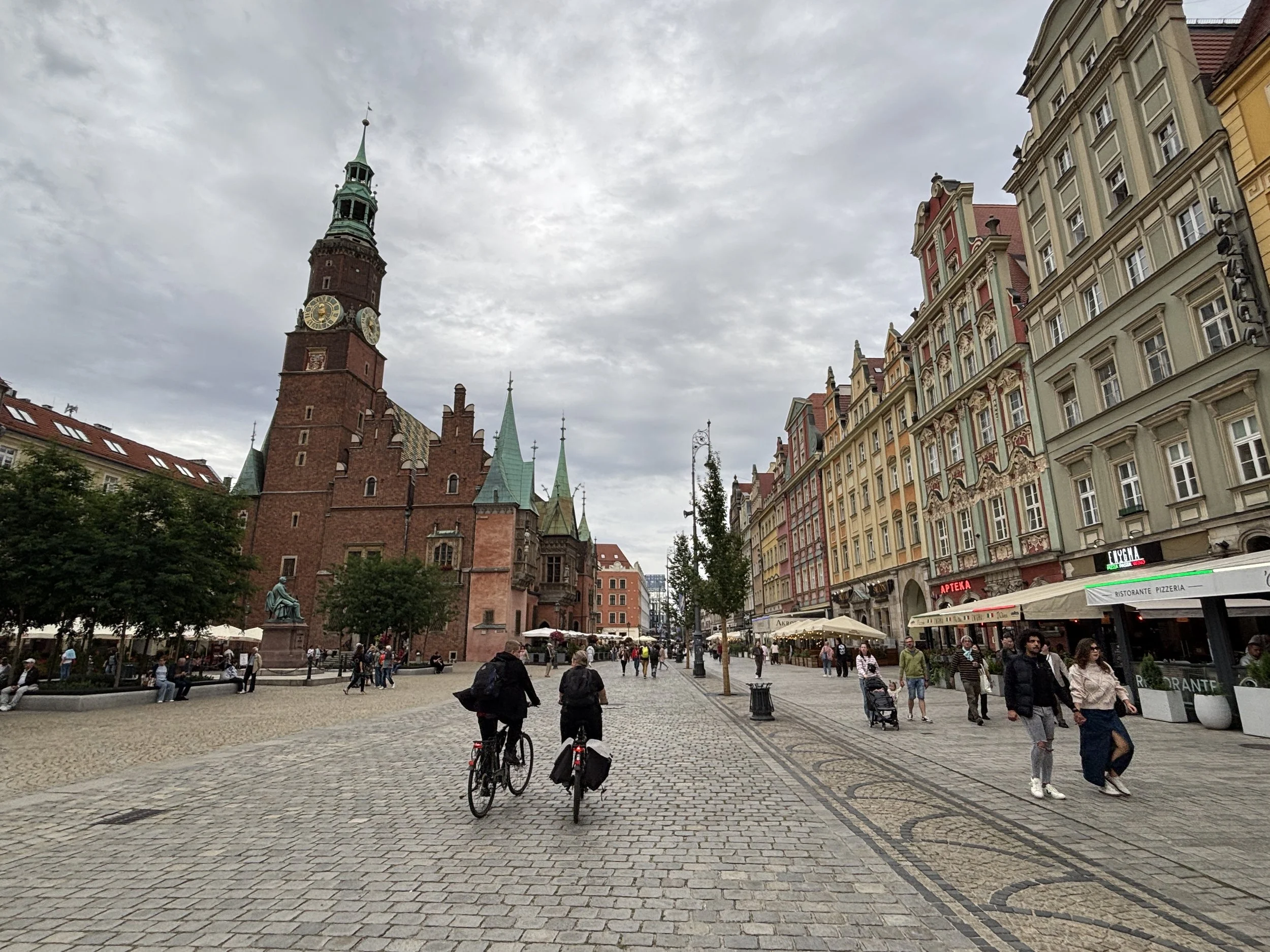
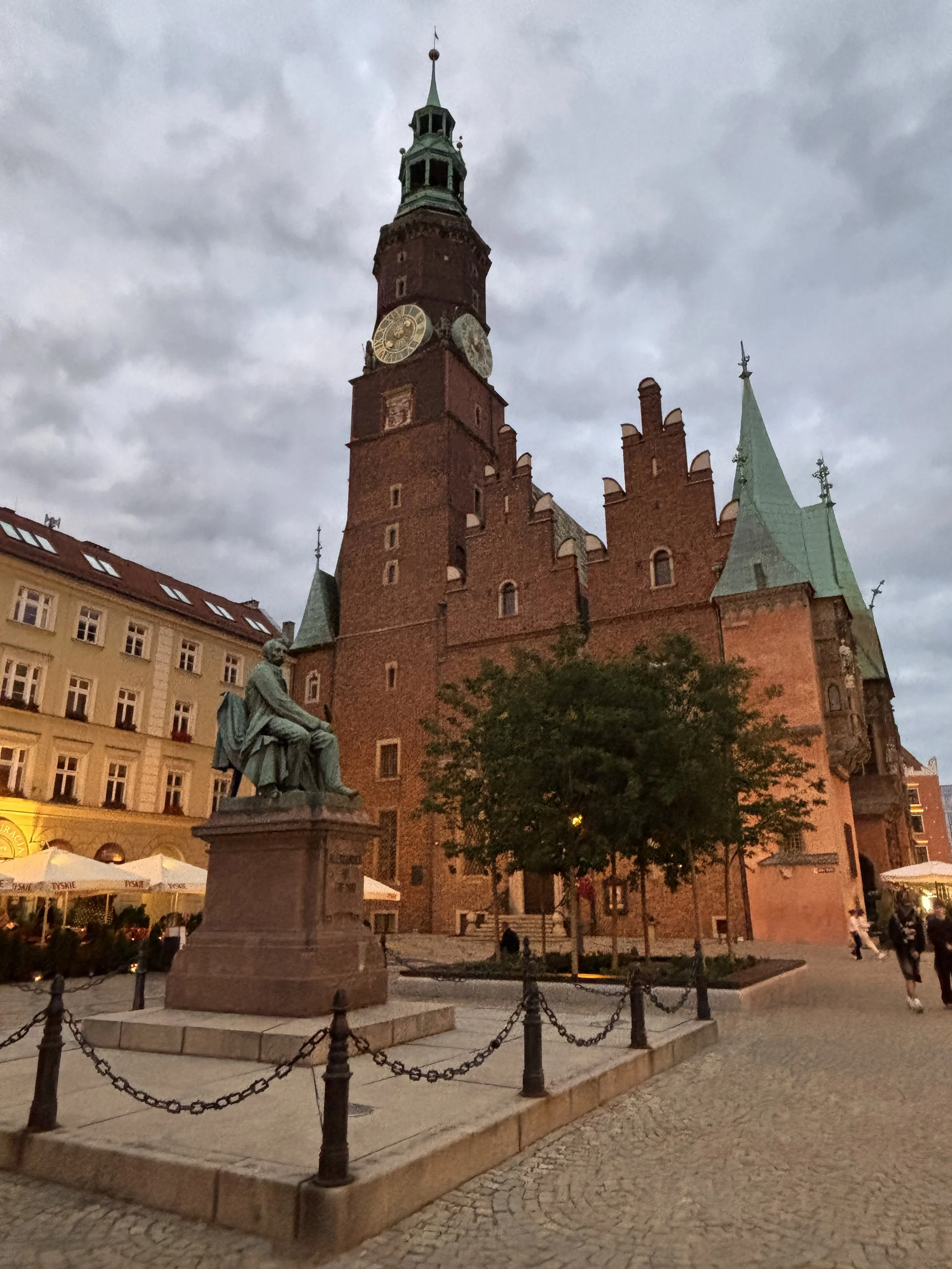
Dating back to 13th C., Rynek is the neuralgic center of Wroclaw’s historical town and the one place that many visitors head to first. Rynek is a large square, so large in fact, that it has a whole set of buildings at its center, the old and new town halls.
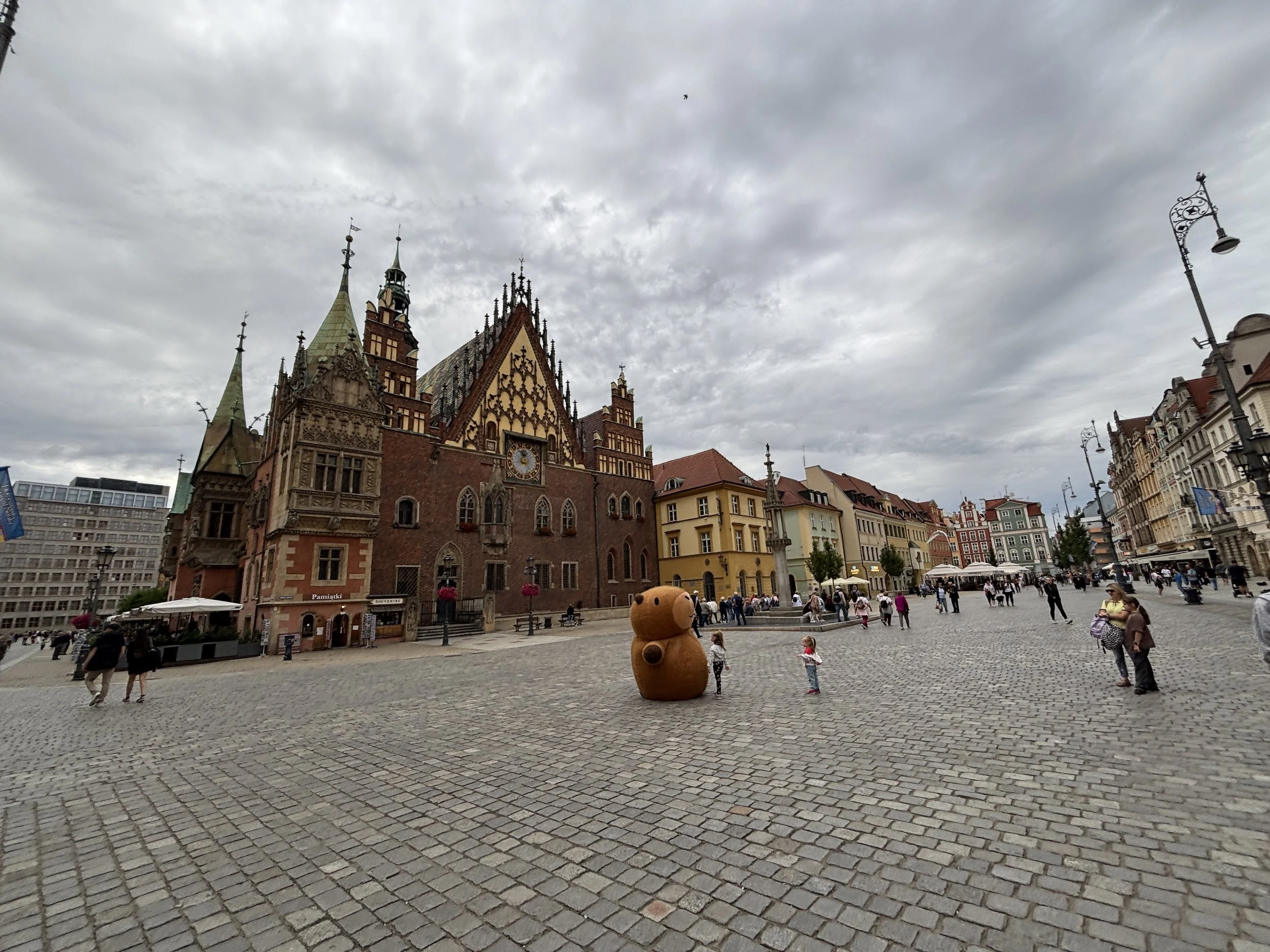
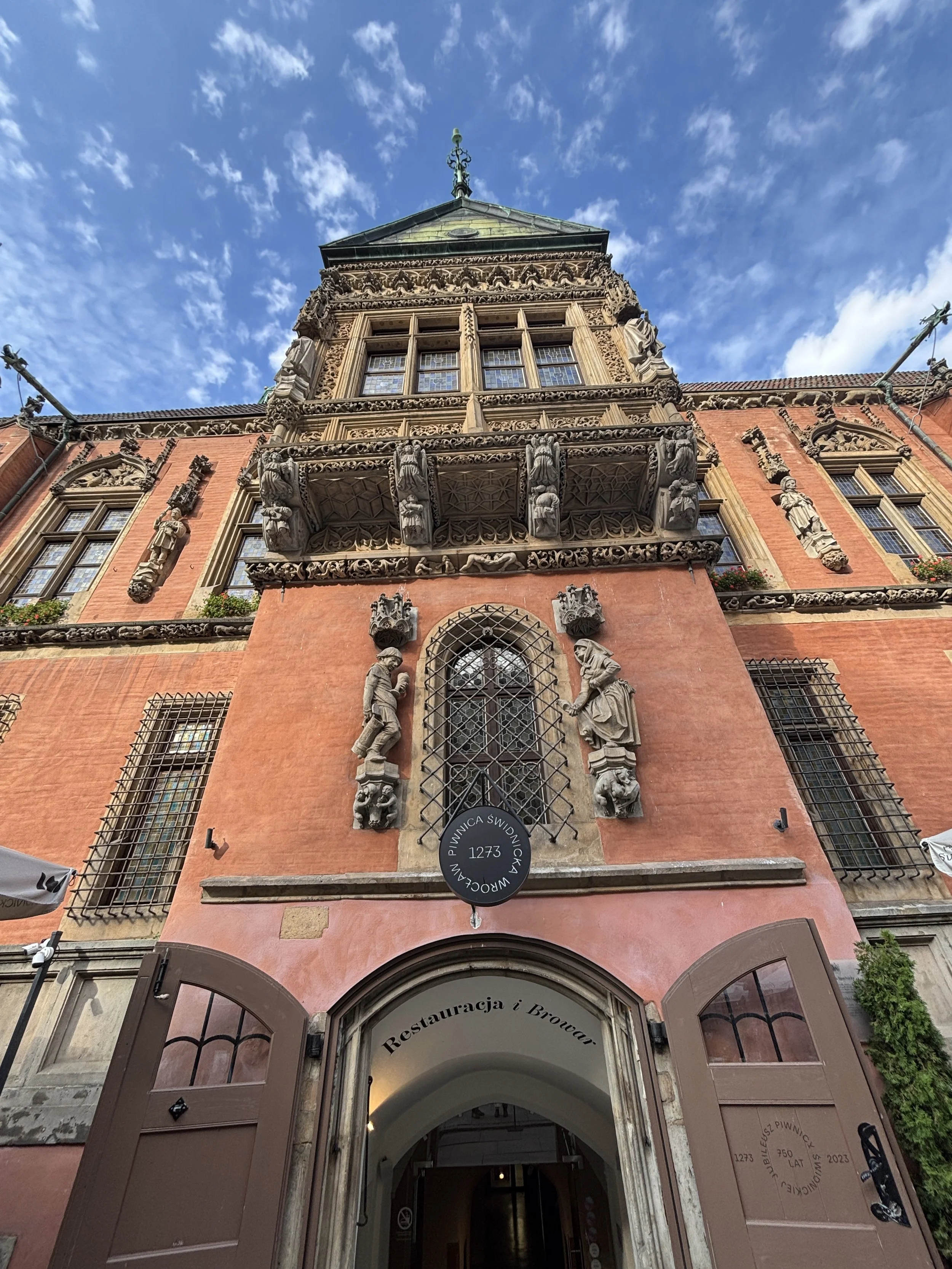
You maybe forgiven for mistaking Wroclaw’s Old Town Hall for a church. However, not only it’s not, but it also hosts one of Europe’s oldest artisan breweries (dating back to the 1273 AD) in its basement!
When at Rynek, take your time to walk all around the square, since all four sides are lined with colourful houses built in the traditional Central European style (as previously mentioned, many of them were reconstructed or restored after the war, but still…!)
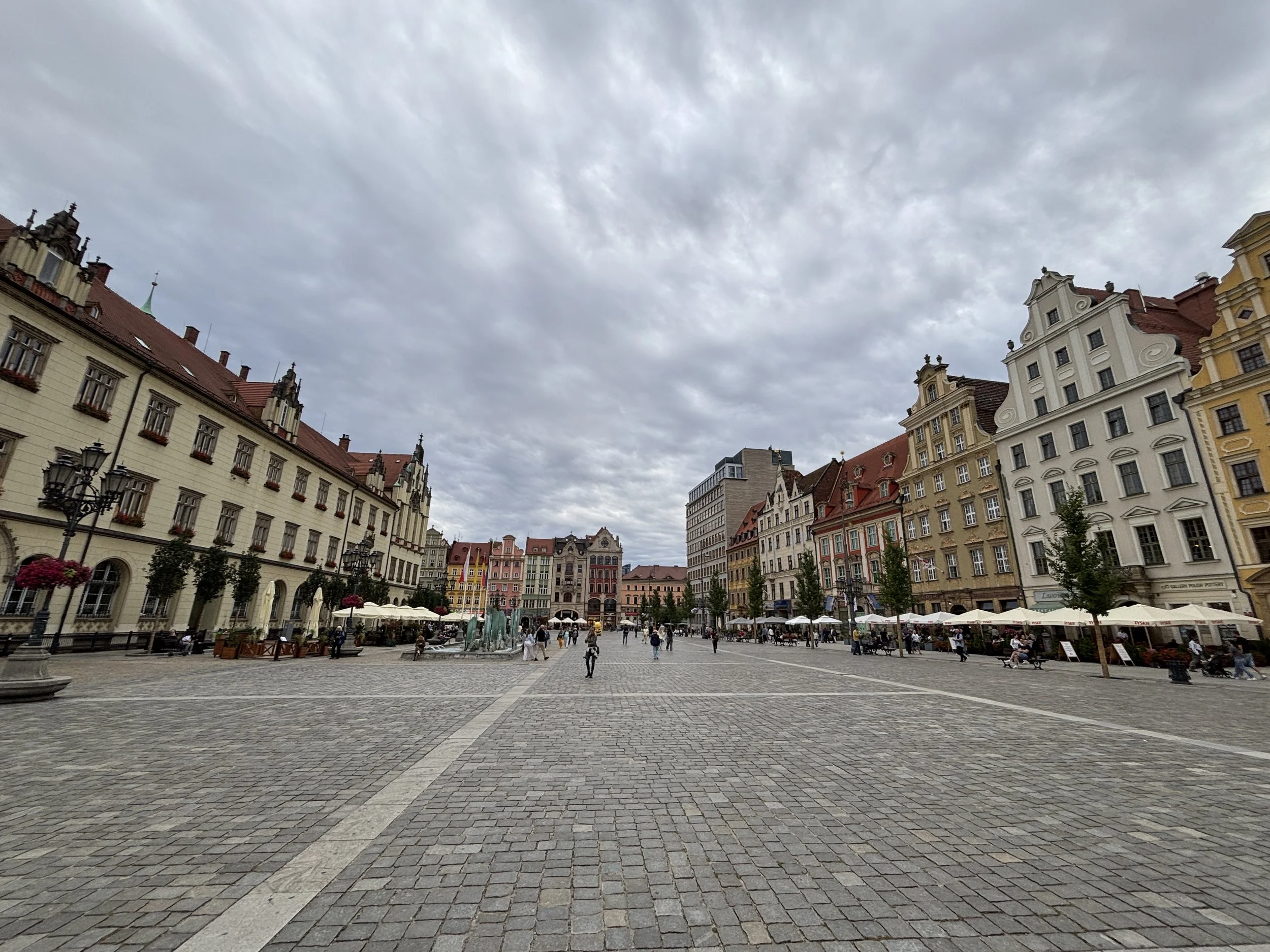
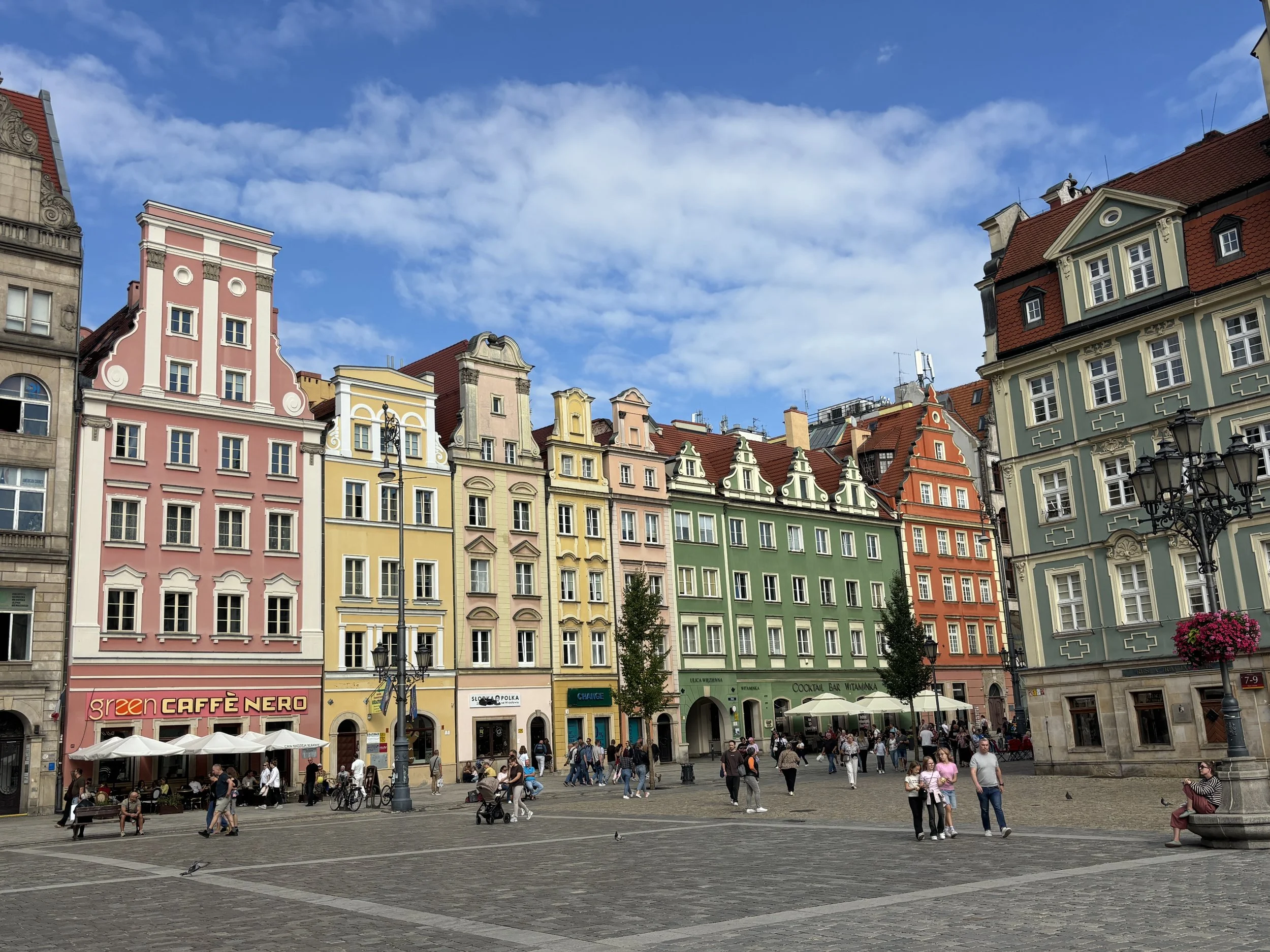
Rynek is buzzing with activity at all times, since, besides being a beautiful and harmonious architectural this is a very commercial area, with plenty of shops, bars and restaurants. In Winter, one of Europe’s largest Christmas Markets takes over the four sides of the square.
Btw, it is hard to imagine nowadays, but until 1997, Rynek was opened to road traffic and cars parked on its sides!
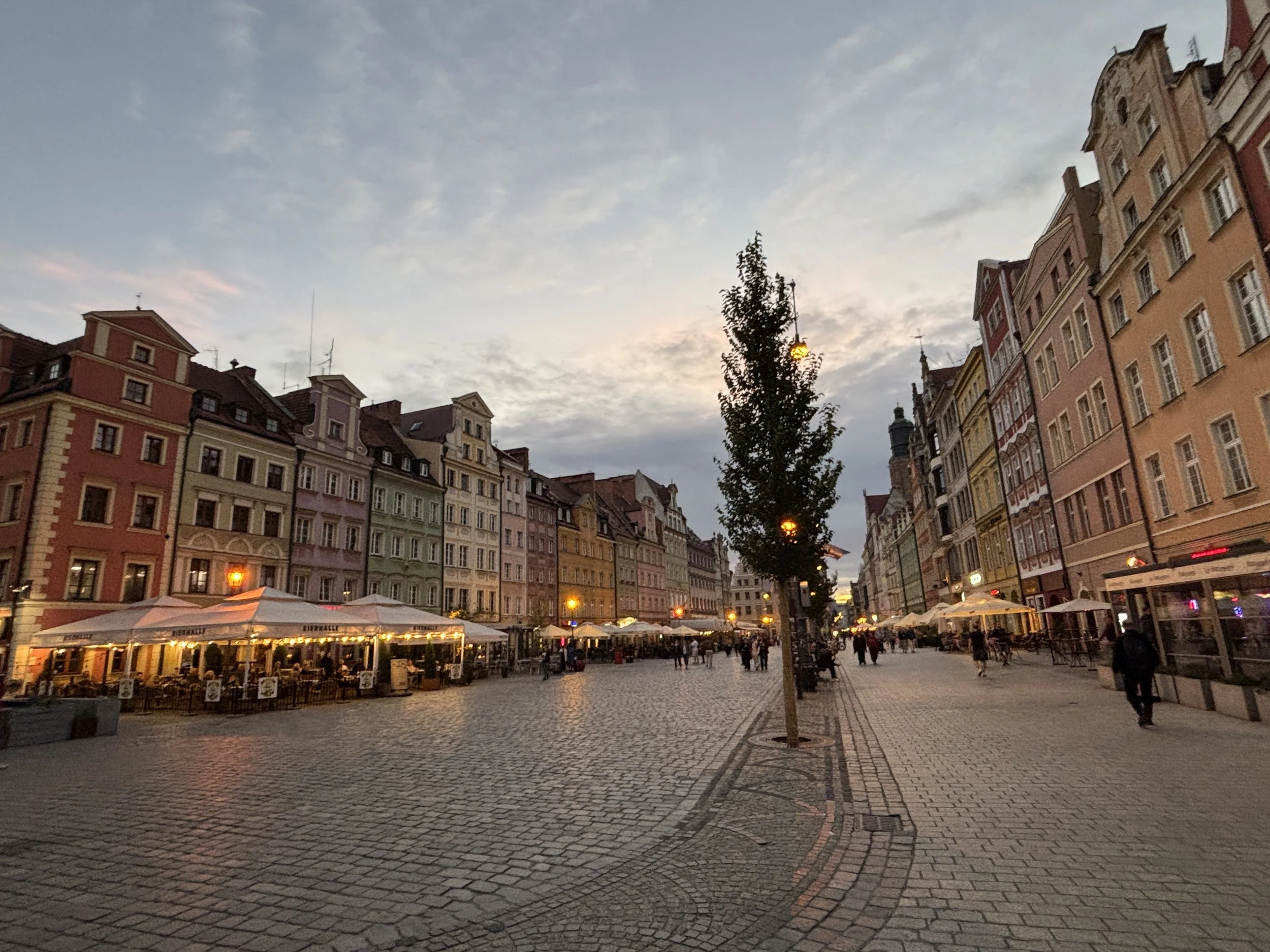
From Rynek you can also see the church of Mary Magdalene, which has, in its Bridge of Penitents (picture below right) one of the best viewpoints of the old town (I didn’t climb to it, though!)
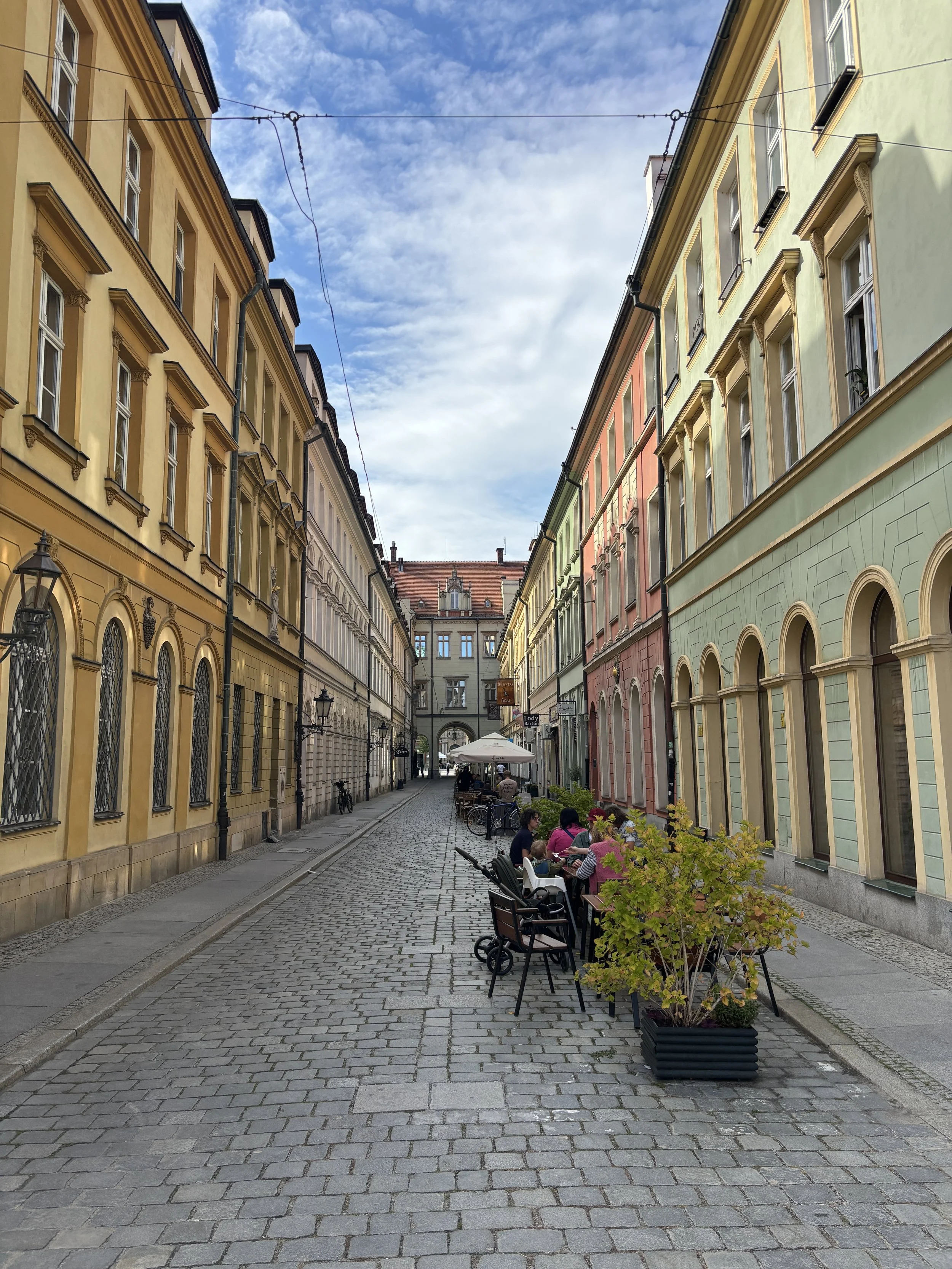
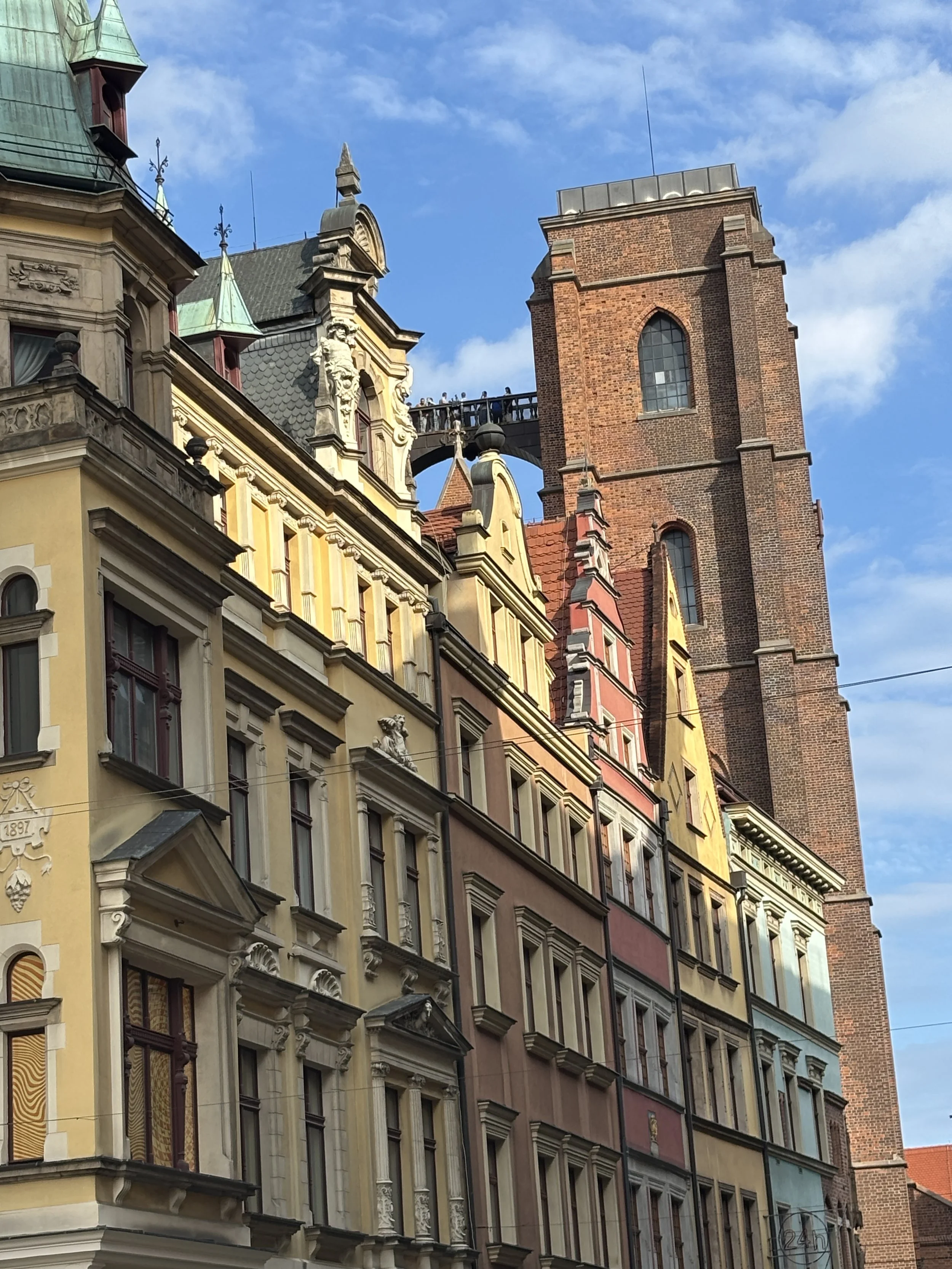
What else to see around Rynek:
Plac Solny (Salt Square)
This is another beautiful square with located just some meters away from Rynek. It’s name derives from the fact that for a long time this was a place where merchants came to sell salt from the mines of southern Poland.
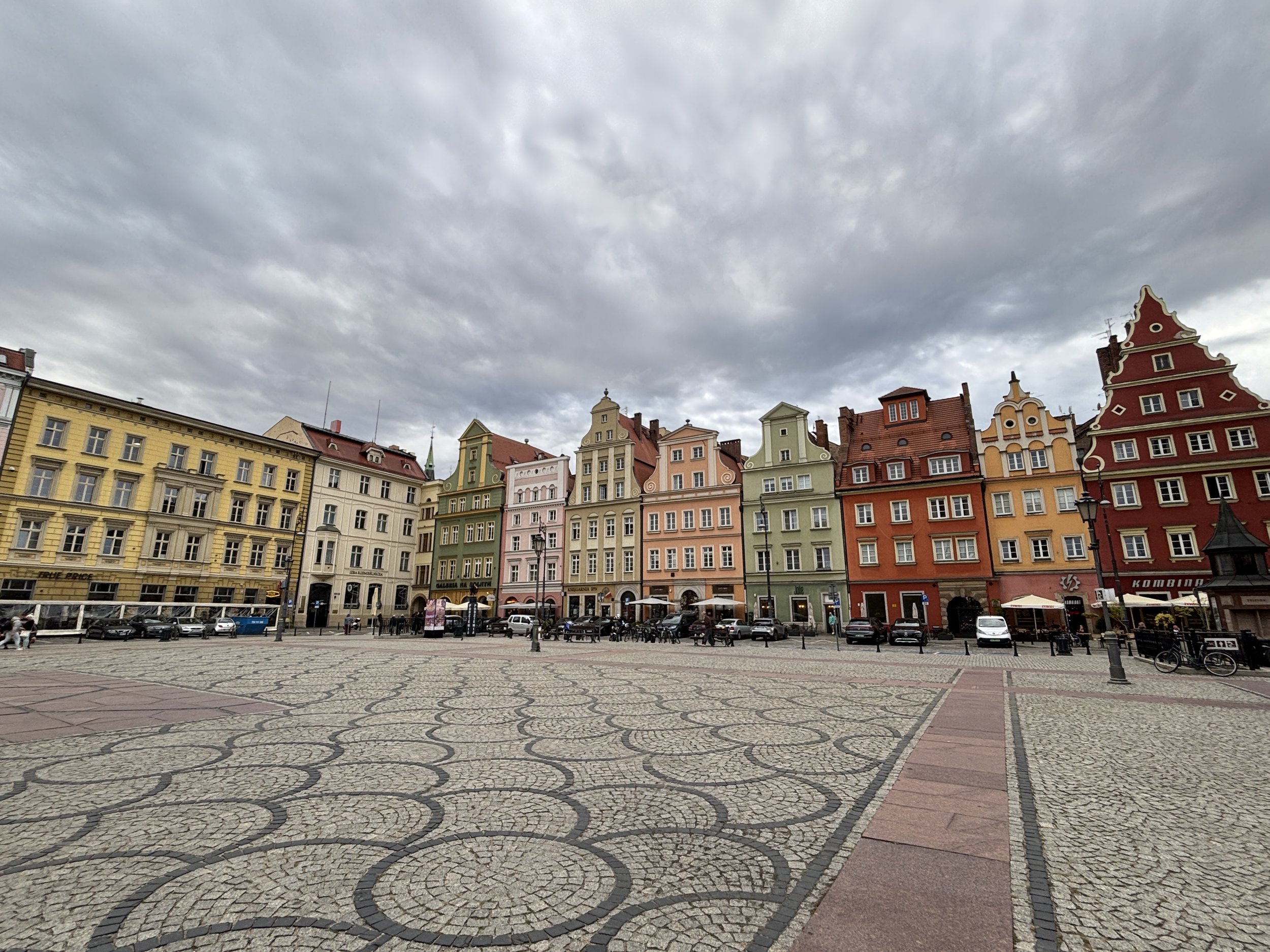
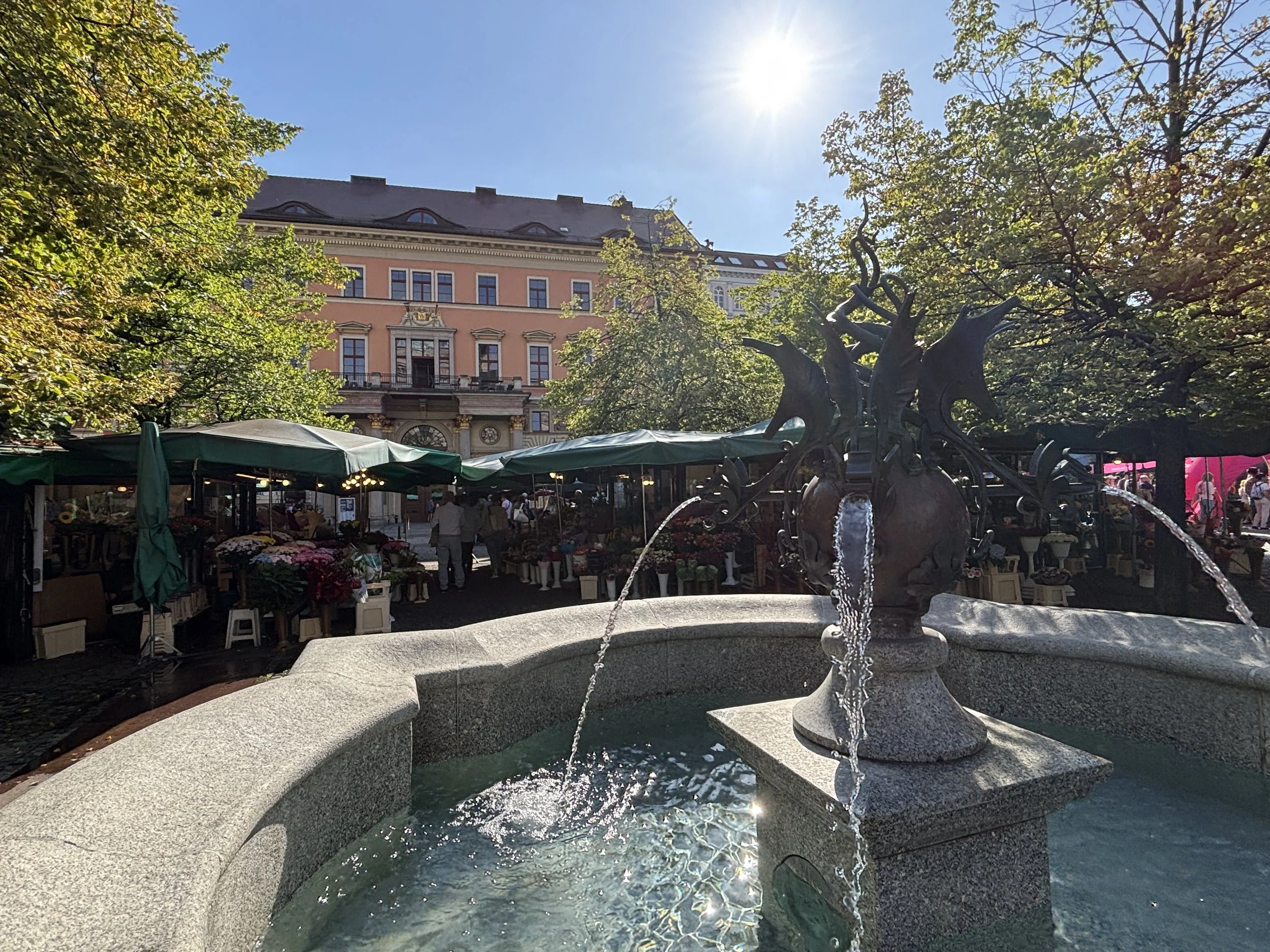
Besides its beautiful mosaic-like pavement and historical buildings, Plac Solny has hosts also a flower market that is open 24 hours!
Saint Elizabeth’s Basilica
This is one of Wroclaw’s main churches and, as its belfry towers over Rynek, it is easy to think this is actually the city’s cathedral (which is actually located on Ostrow Tumski).
Saint Elizabeth’s Basilica tower is open to visitors and provides another magnificent view point over Wroclaw’s old town, but I will have to leave that part to your imagination, because unfortunately I didn’t have Zlotys in my pocket when I showed up right before its closing time at 6pm (It costs around €10 but they only take cash, no cards accepted!).
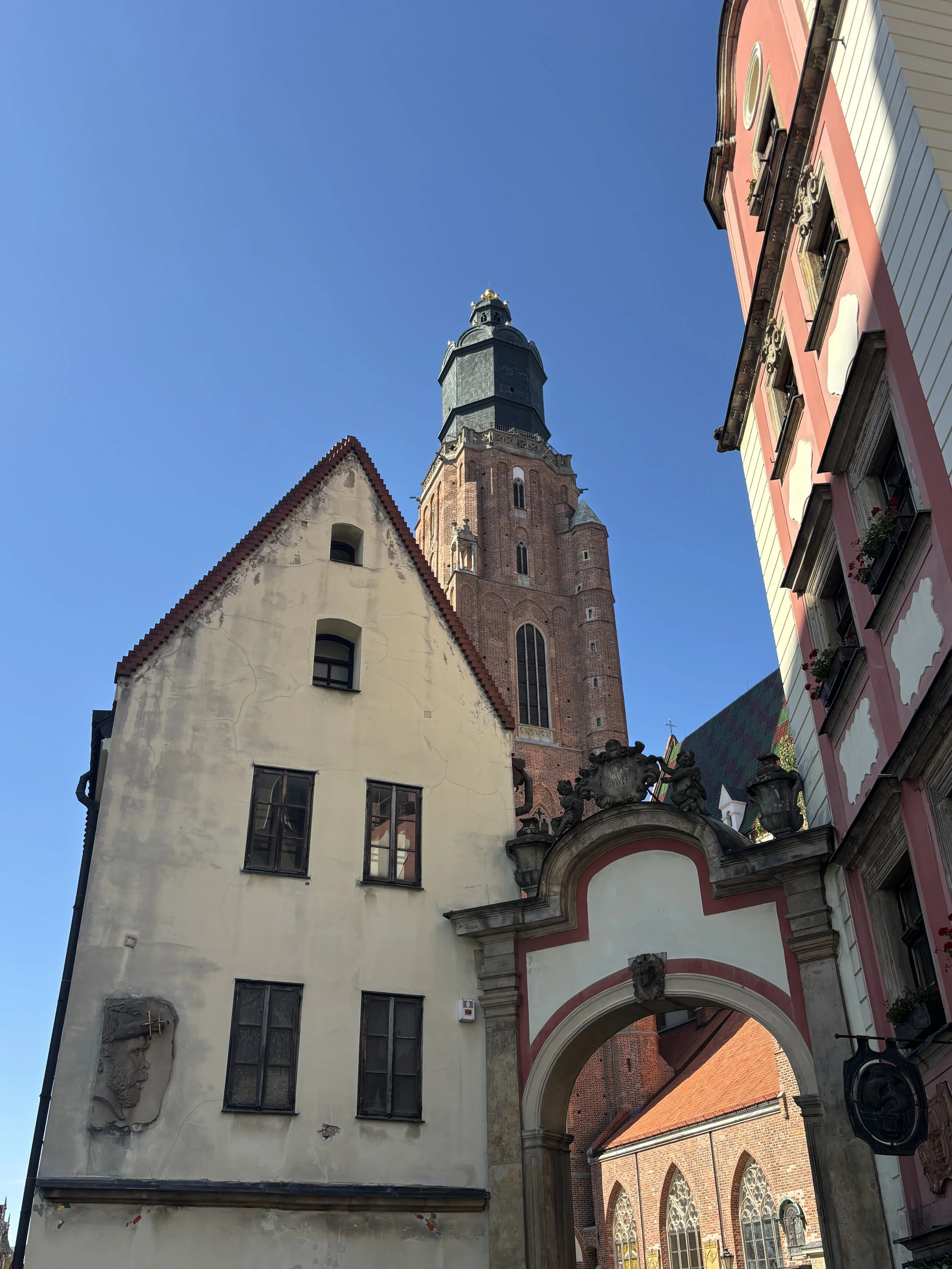
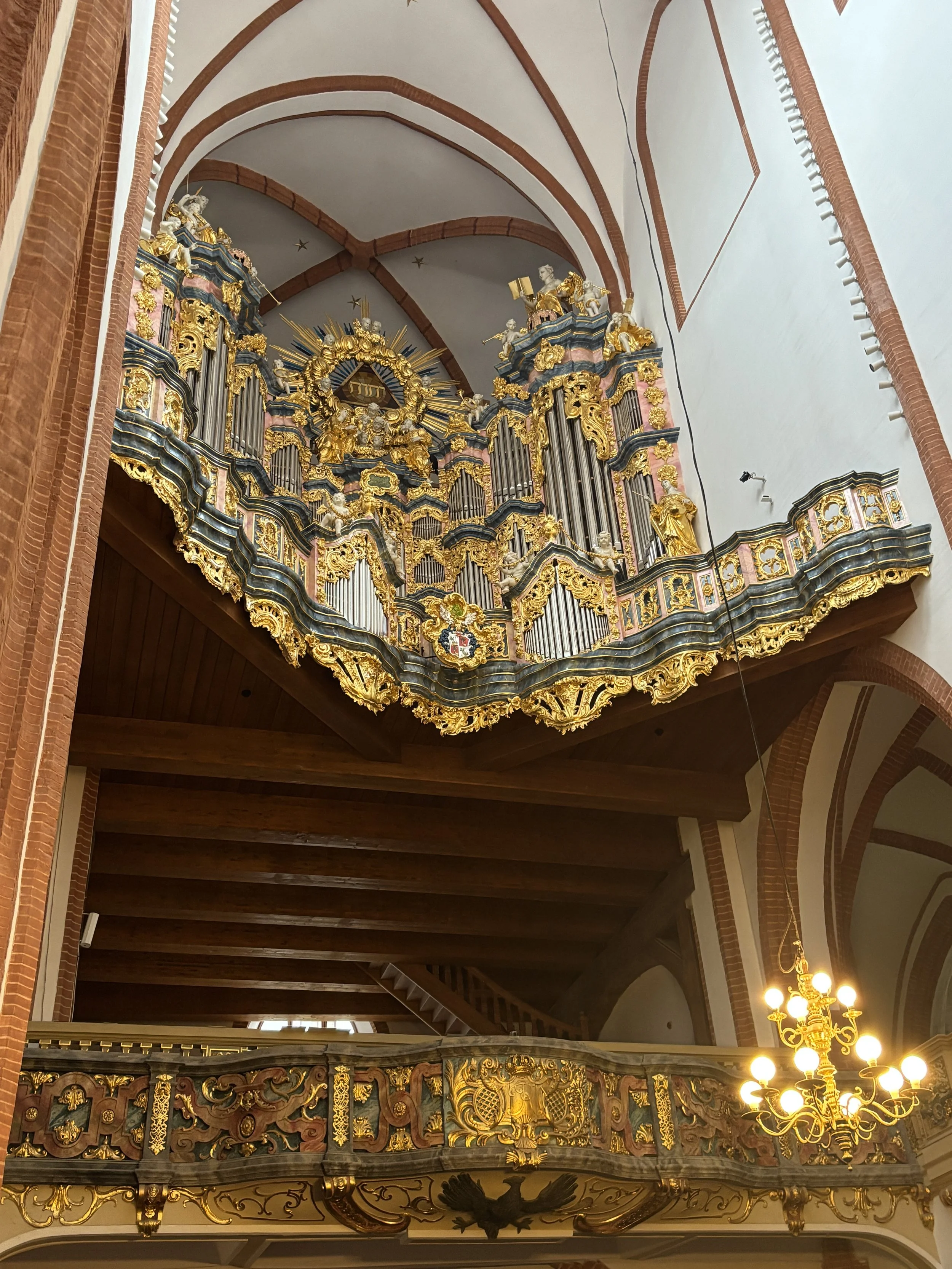
Even if you don’t climb up its tower, Saint Elizabeth’s Basilica has a very interesting story and plenty of interesting details to check.
In fact, the story of this church mimics in some way that of the city itself when it comes to the different changes it has gone through. It was originally a Catholic church, then it became Lutheran after the Reformation, and after WW2 it became Catholic again.
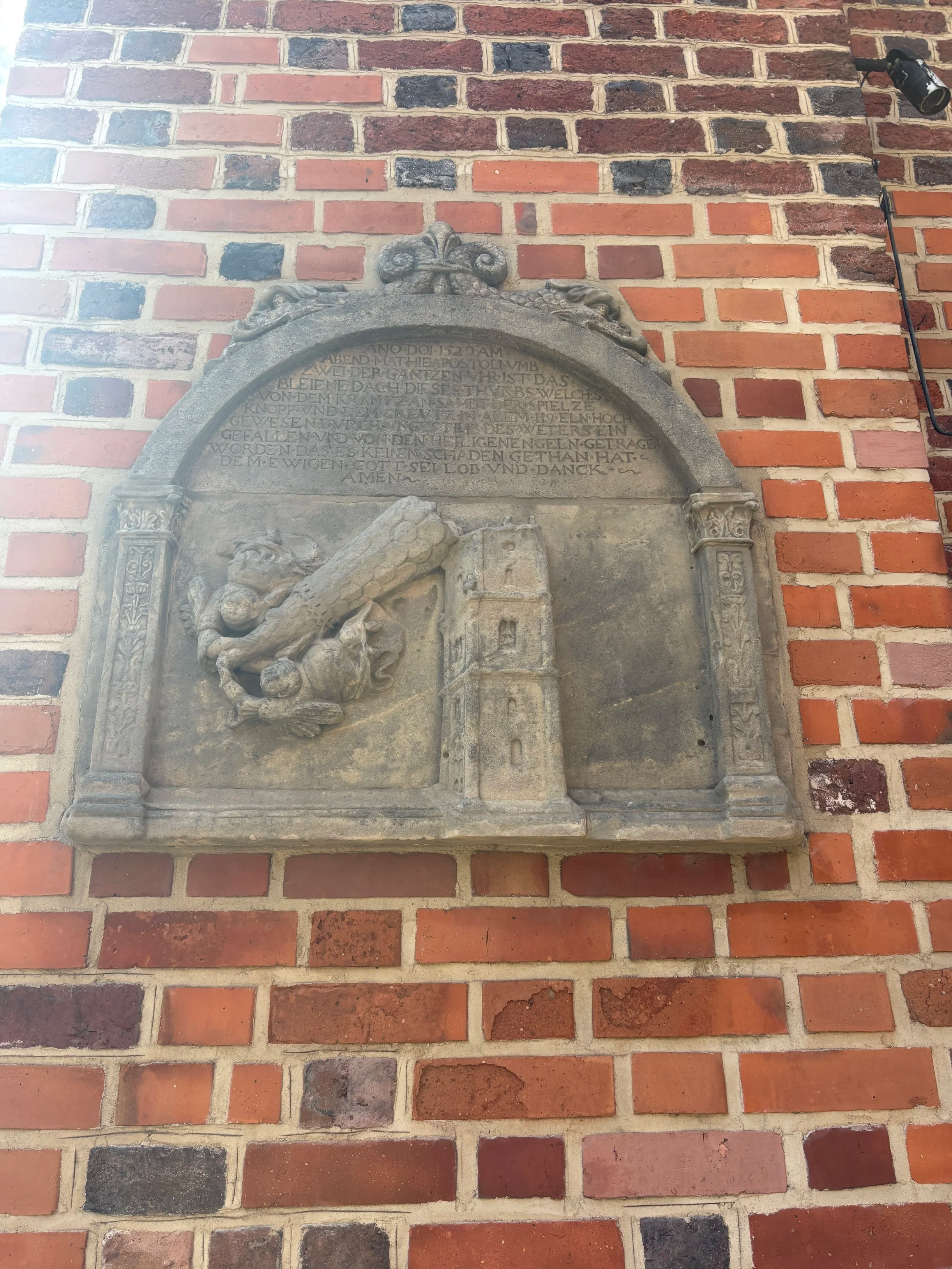
The original spire collapsed in 1529, just four years after it had switch its allegiance to the Reformation. Catholics used that event to suggest it may have been a Divine signal. In response, Protestants alleged that the spire had been carried by angels and, when the spire was rebuilt in the mid-1530s, they put a bass-relief depicting the alleged scene.
The church was thoroughly destroyed in the 20th C., not in the war, but in a fire that broke out in 1976. That fire also destroyed an artistic treasure, a magnificent 18th C. organ, known as the “Engler organ”. This was rebuilt according to the original specifications, between 2011 and 2022, and today it can be seen at one end of the nave.
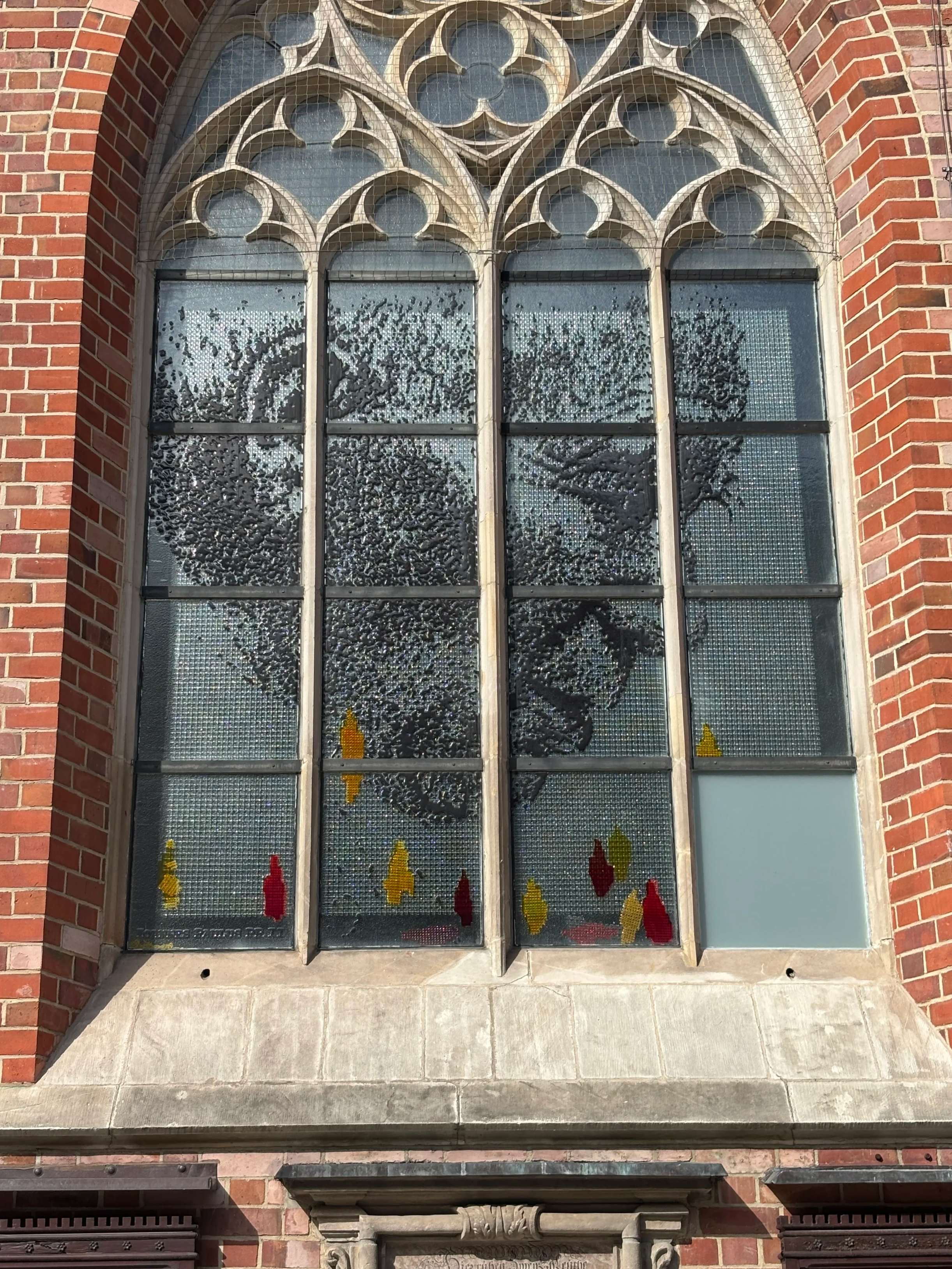
Wroclaw had traditionally had a stained glass industry and while this is today a rather niche activity, there is still a school in the city for those that wish to train in this art. Saint Elizabeth’s Basilica has got its fair share of stained glass, including this one shown here, which depicts the late Pope John Paul II, who visited the church during his pontificate.
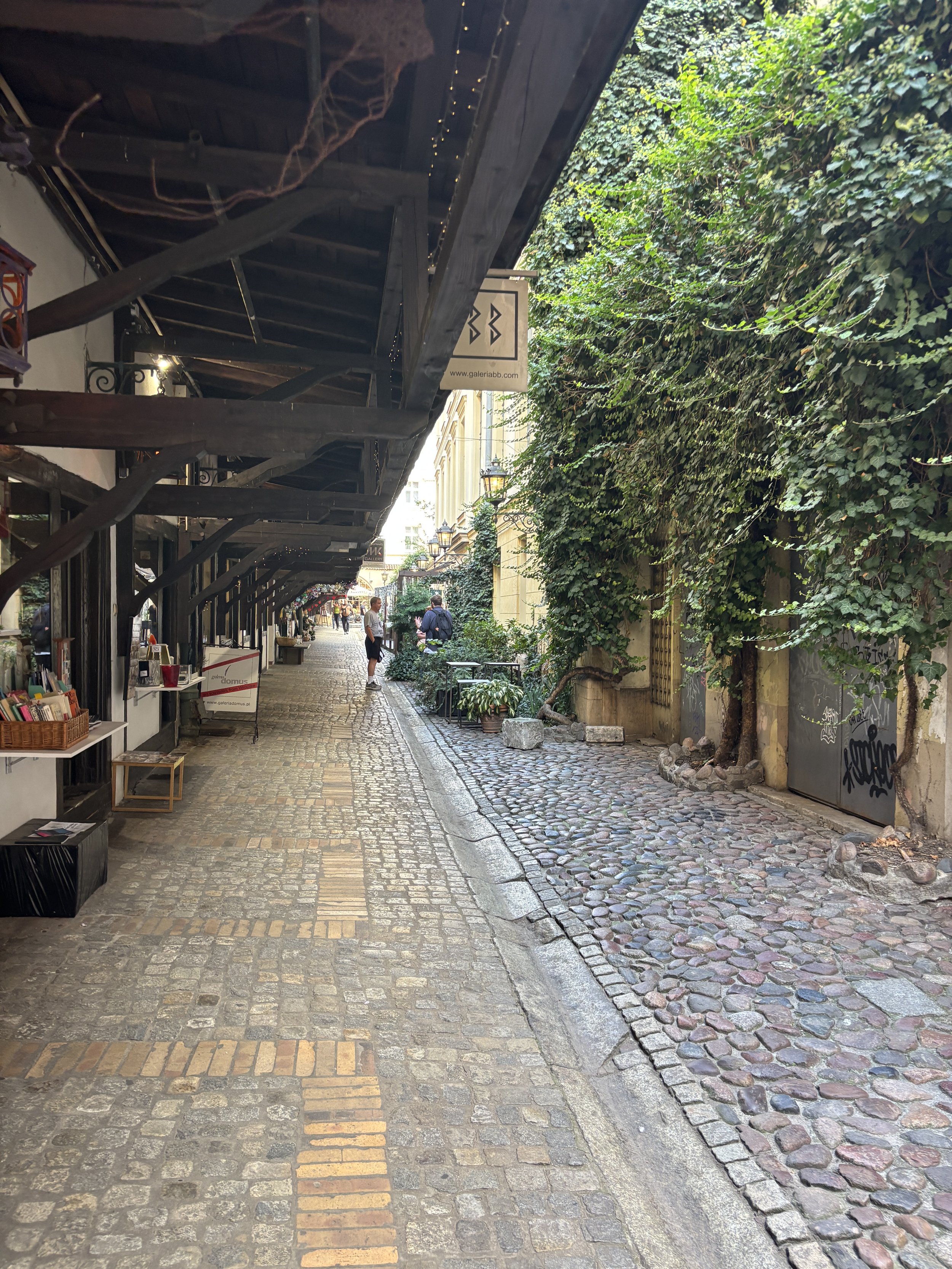
Jatki Street
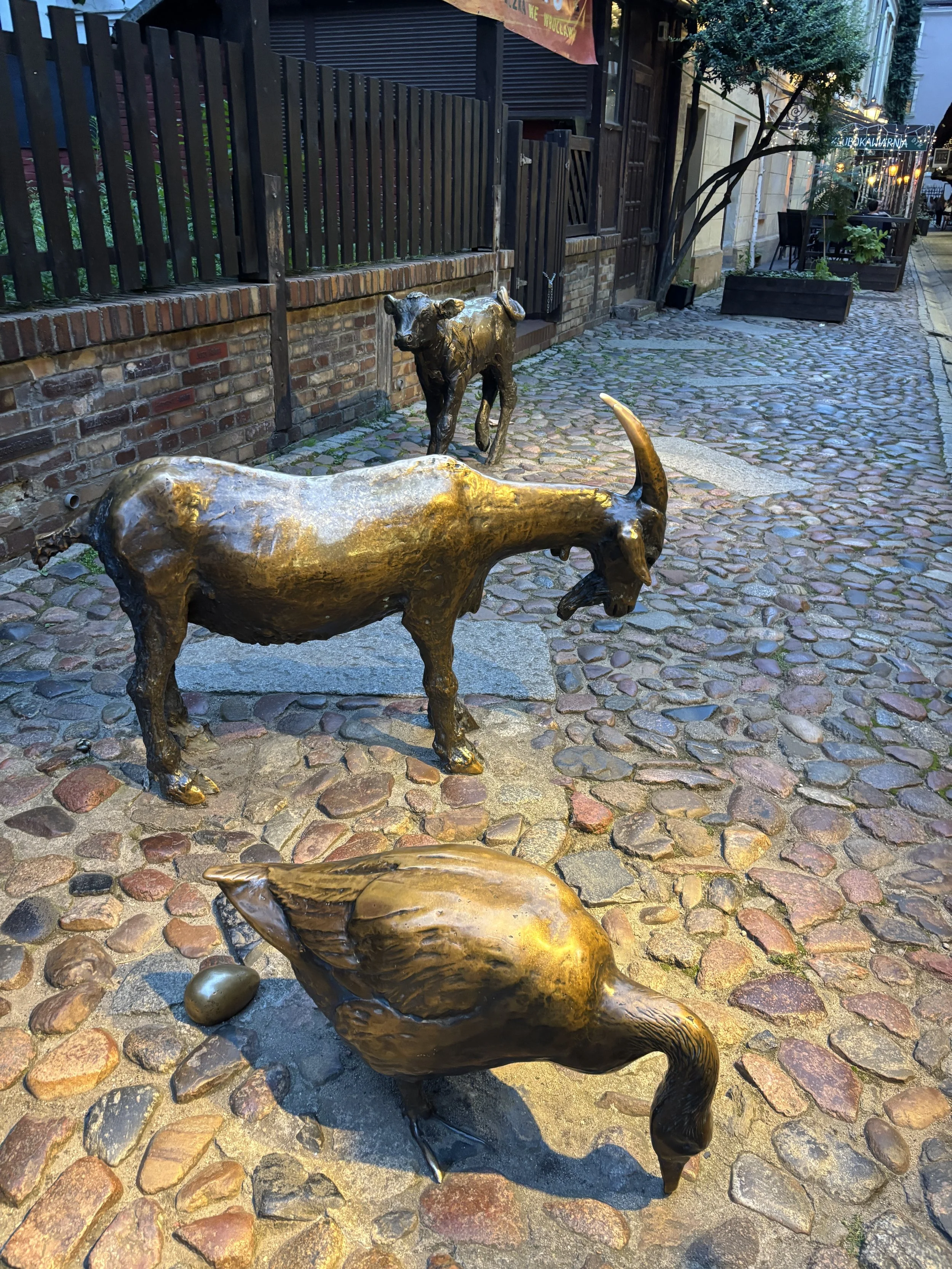
This is a narrow street were butchers used to have their stalls and sell their produce. Today you will find artisan shops instead, at this spot. However, a set of sculptures which depict the different animals man the meat of which man eats, act as a reminder of the street’s past role. And from what I could see, they are also a magnet for tourists, particularly children, who like to take pictures with them.
University of Wrocław
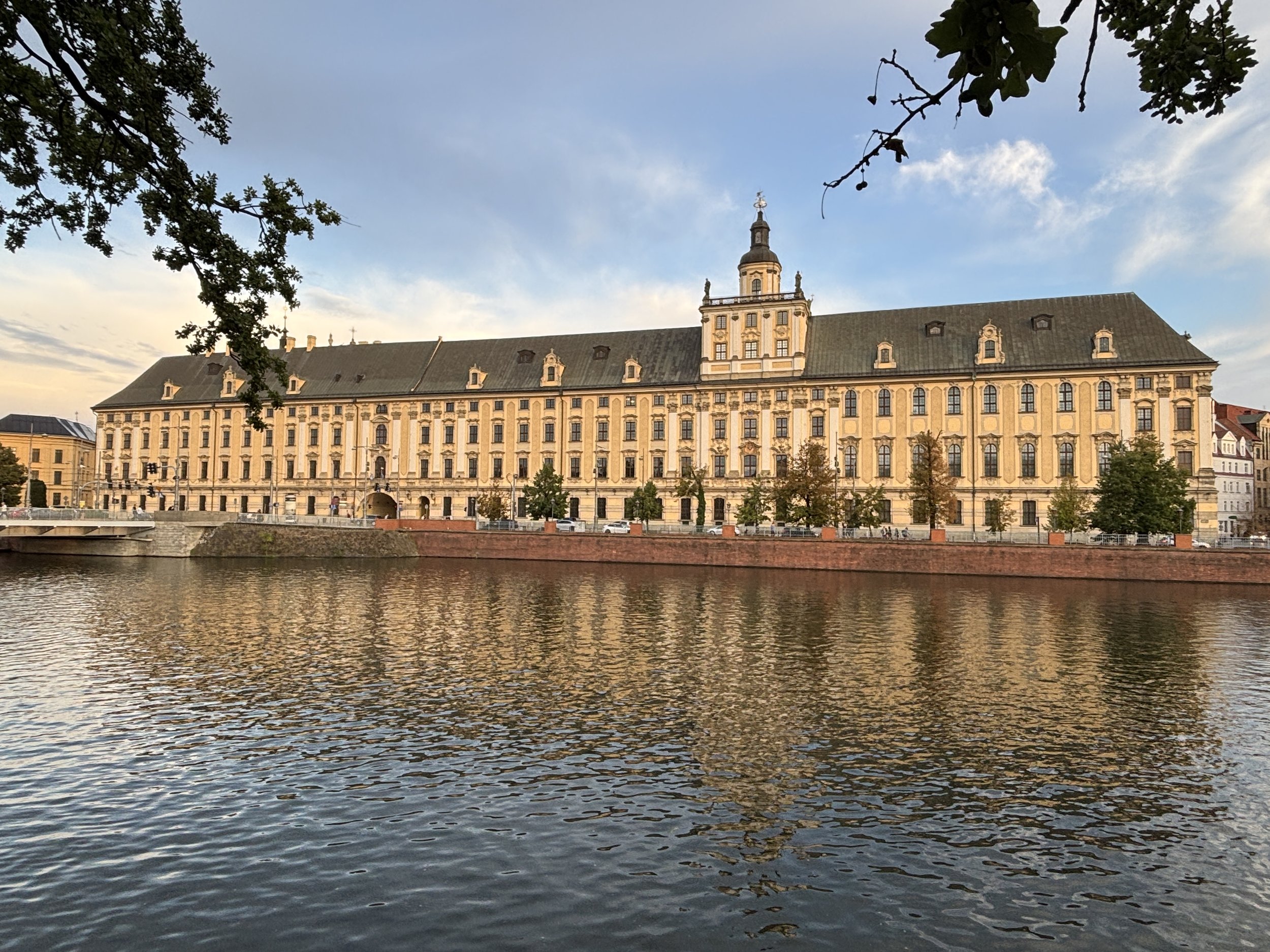
The University of Wroclaw is one of the city’s most majestic buildings and a recommended stop in any itinerary through the city. Besides its grand facades, both facing the inner town and the river, it has also a couple of interesting sites indoors within its grounds.
One of them is the heavily ornate Aula Leopoldina. I didn’t have time to see it for myself, but you can check here how it looks like. The other is the Oratorium Marianum, which is used as a concert hall, you can see it here.
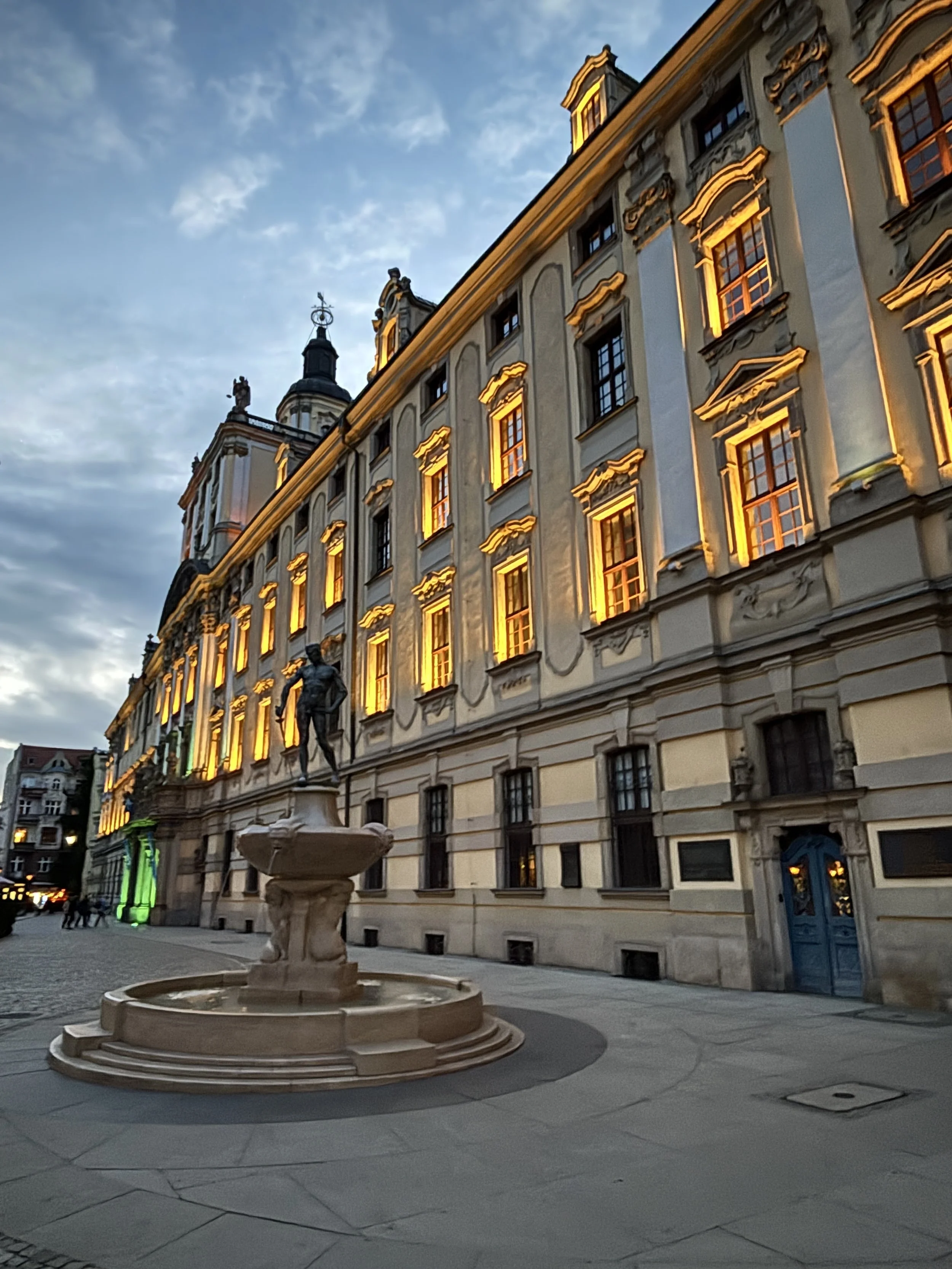
In front of the university building stands the 1904 statue of a naked fencer. A, possibly apocryphal story says that the man in the statue is none other than the artist who made it, Hugo Lederer. According to this story, the monument alludes to an episode from the time when he was a student at the university and gambled away all his clothes after a night of heavy drinking.
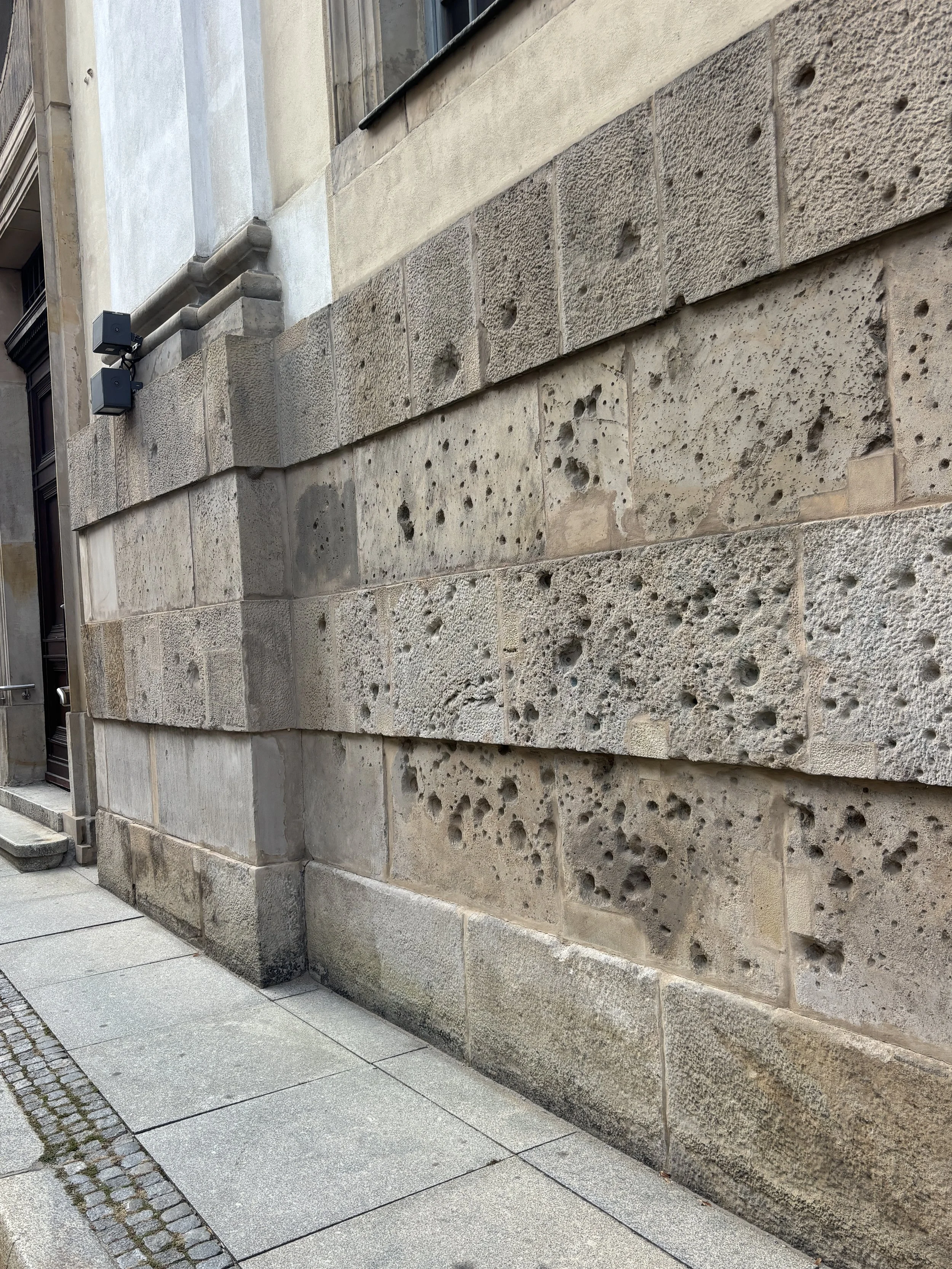
Near the university you can also find some of the bullet marks from the WW2 battles.
St. Matthias Church and Ossolineum
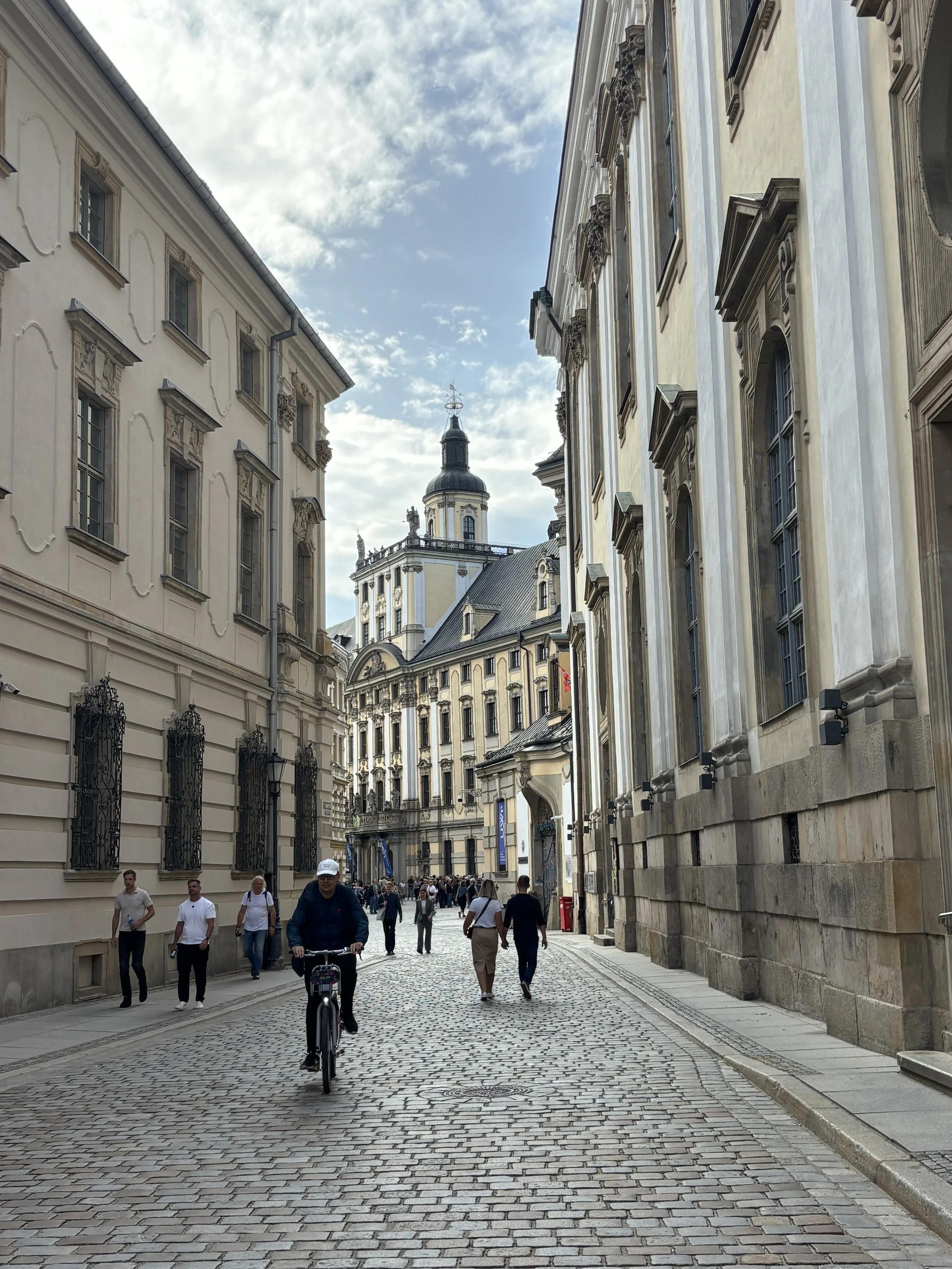
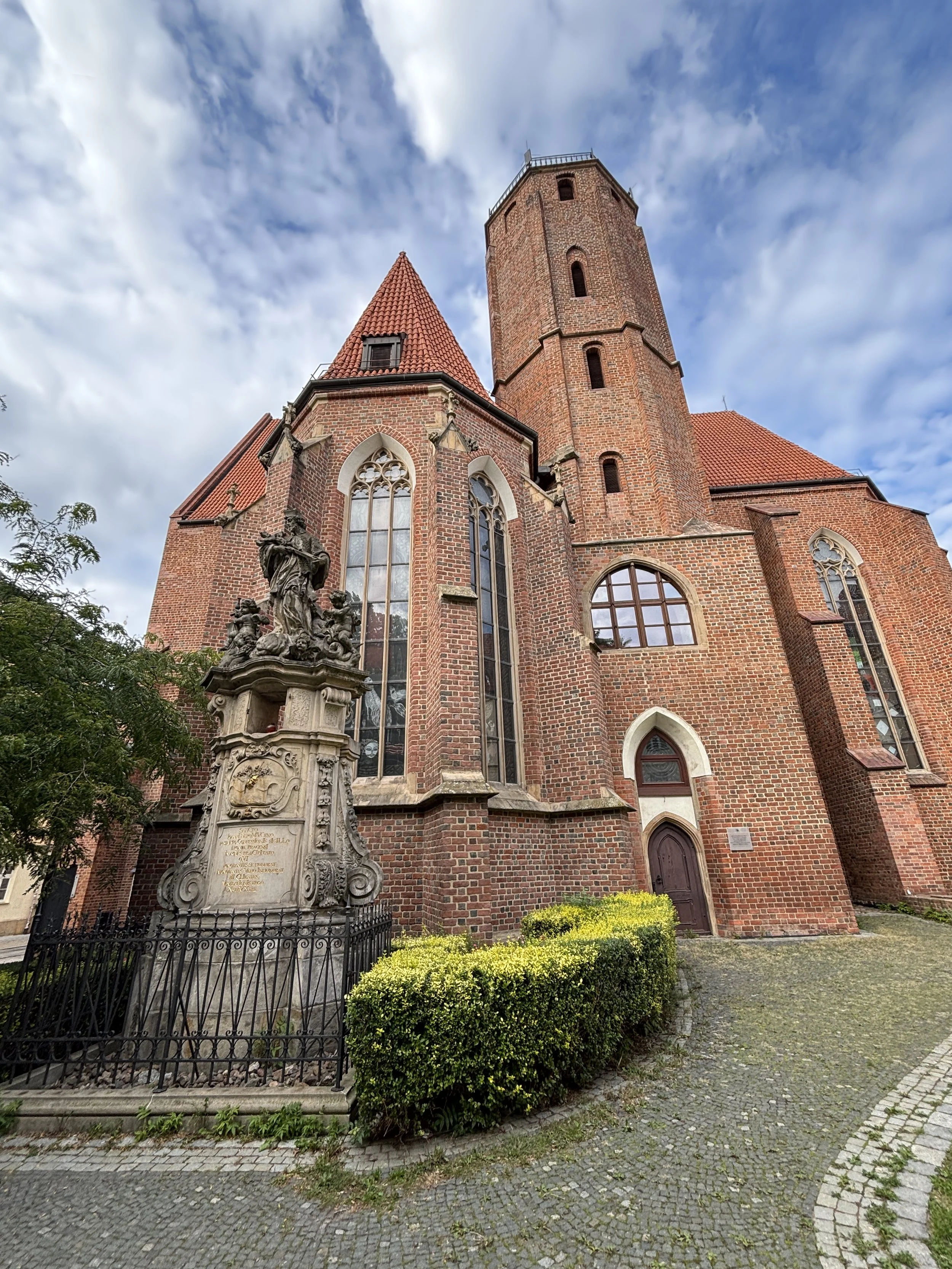
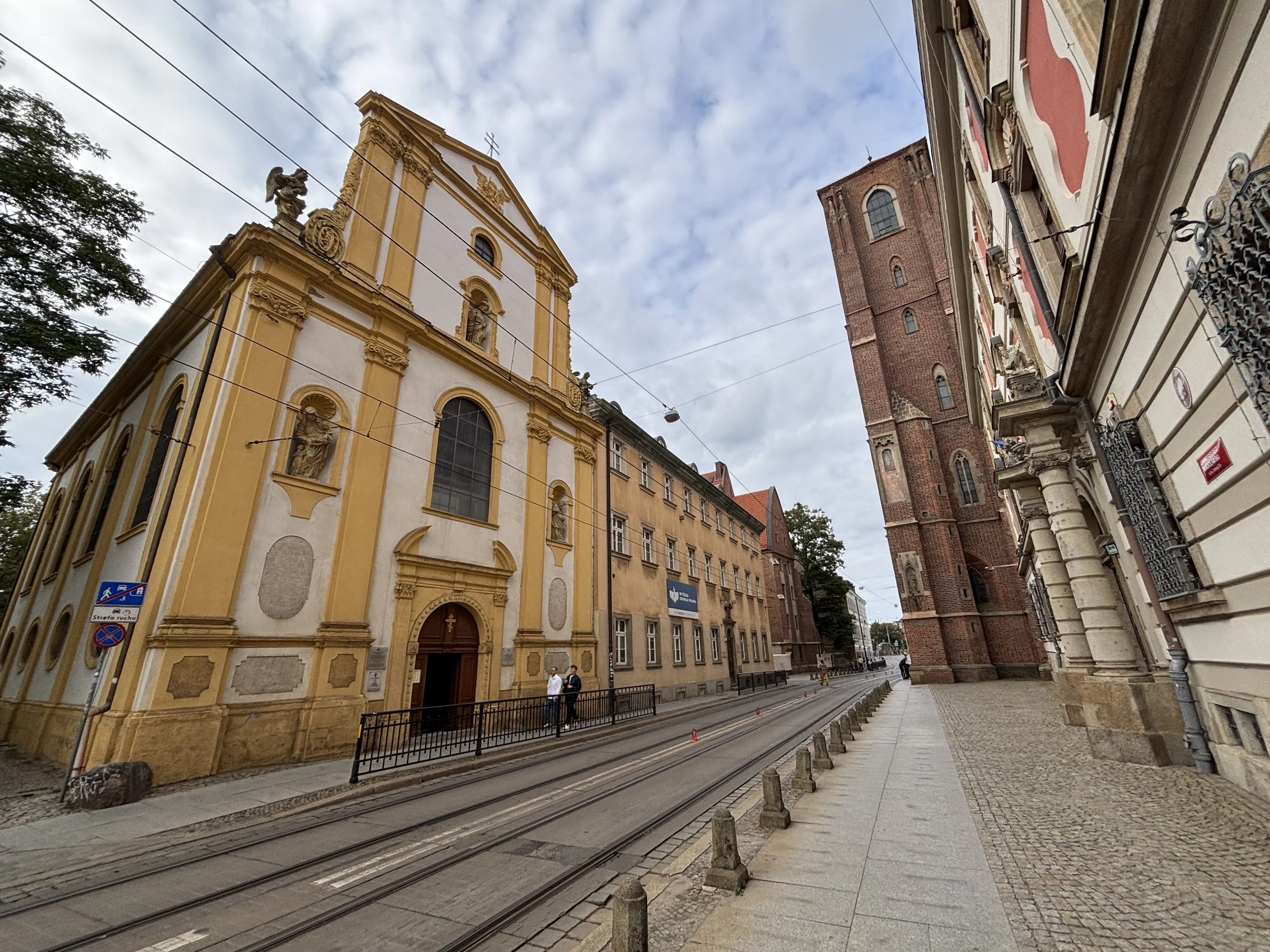
If you walk between Wroclaw University and Ostrow Tumski there are a couple of other sites worth stopping at. One of them is the red-brick church of Saint Mathias, which has some very old foundations, even if the current building was heavily restored after the war. It has some remarkable stained glass windows that you can admire from inside.
The other one is the Ossolineum, which hosts the Ossolinsky Institute, an institution set up in 1817 by a Polish aristocrat who attempted to create a large repository of Polish culture for its preservation at a time when Poland had lost its statehood. A new museum is planned to open to the public at the Ossolineum, in the meantime you can relax a bit in the gardens.
Continuing towards Ostrow Tumski I would suggest walking on Plac Nantiera. On this street you can retrace, literally step by step, the history of Wroclaw by checking the different metal plaques laid down on the ground in chronological order. These evoke the most important events in the history of the city, since its the foundation more than 1,000 years ago, to its designation as the 2016 European capital of Culture.
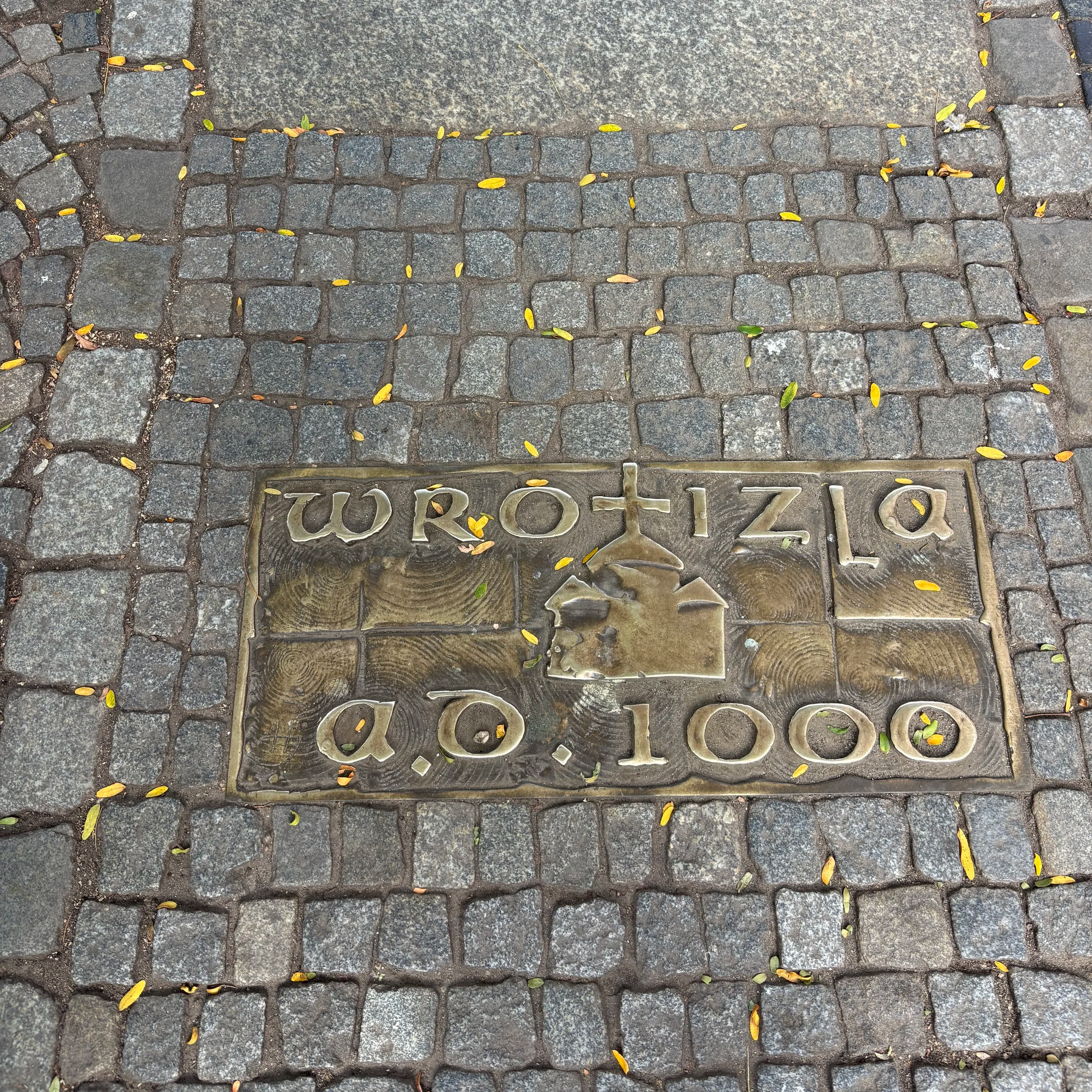
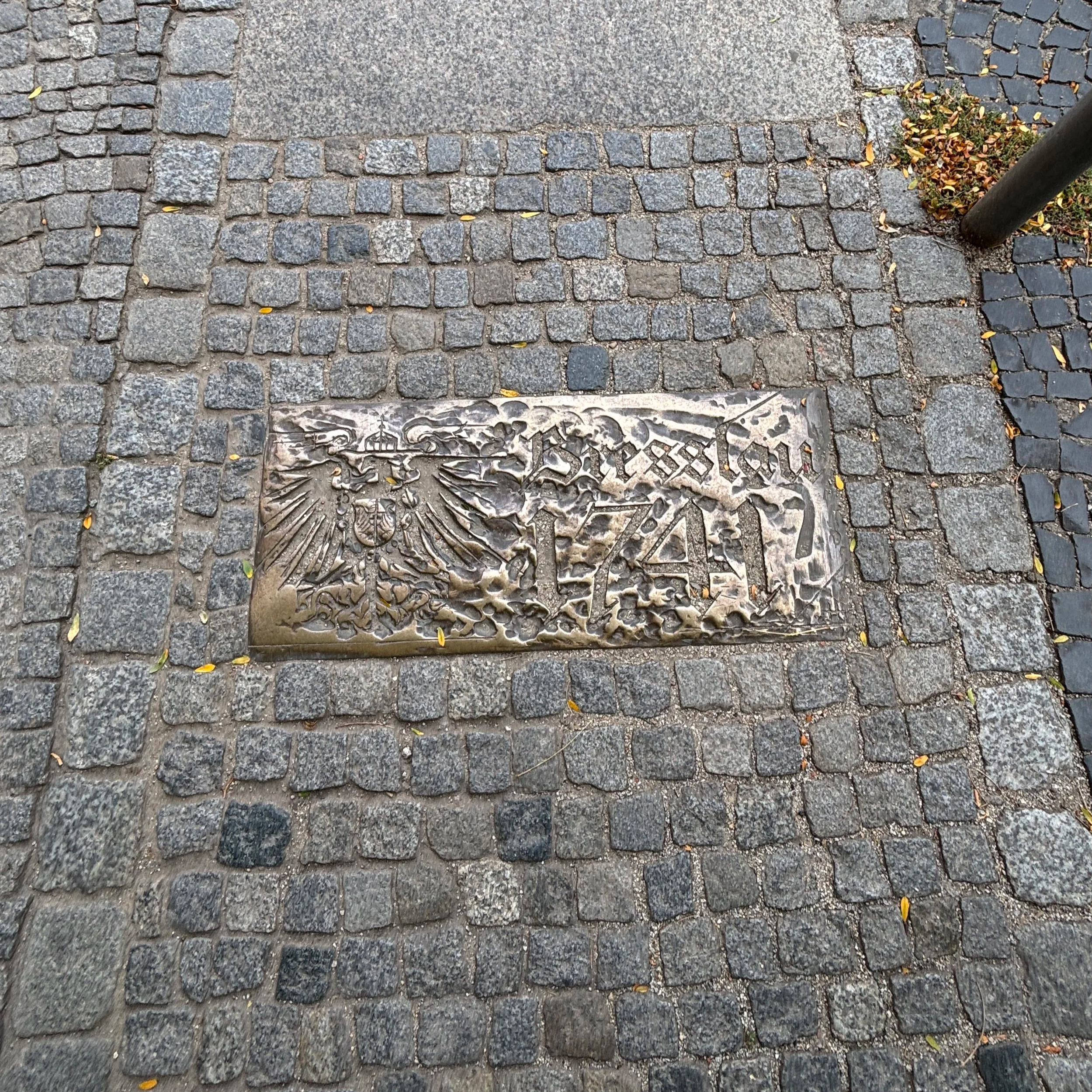
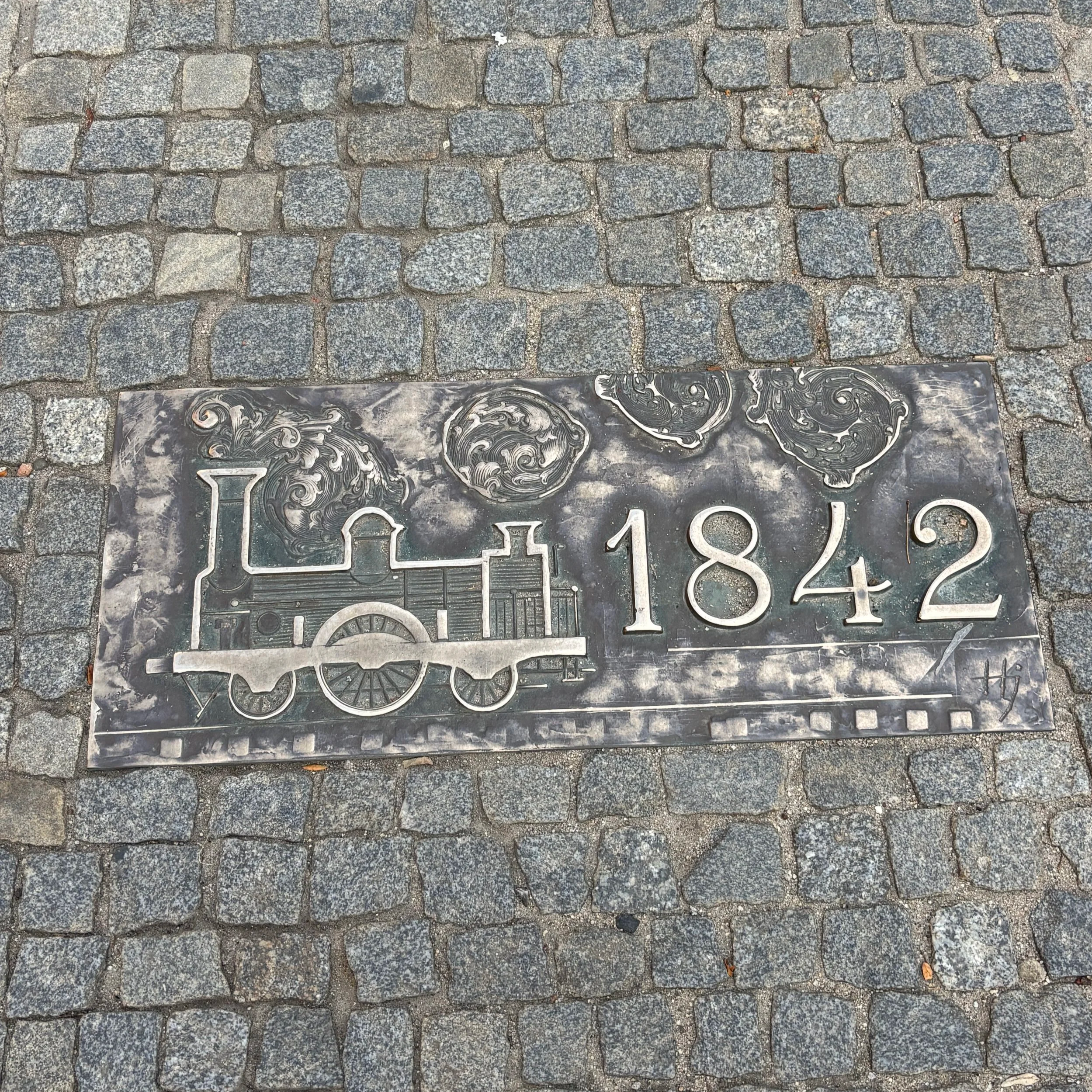
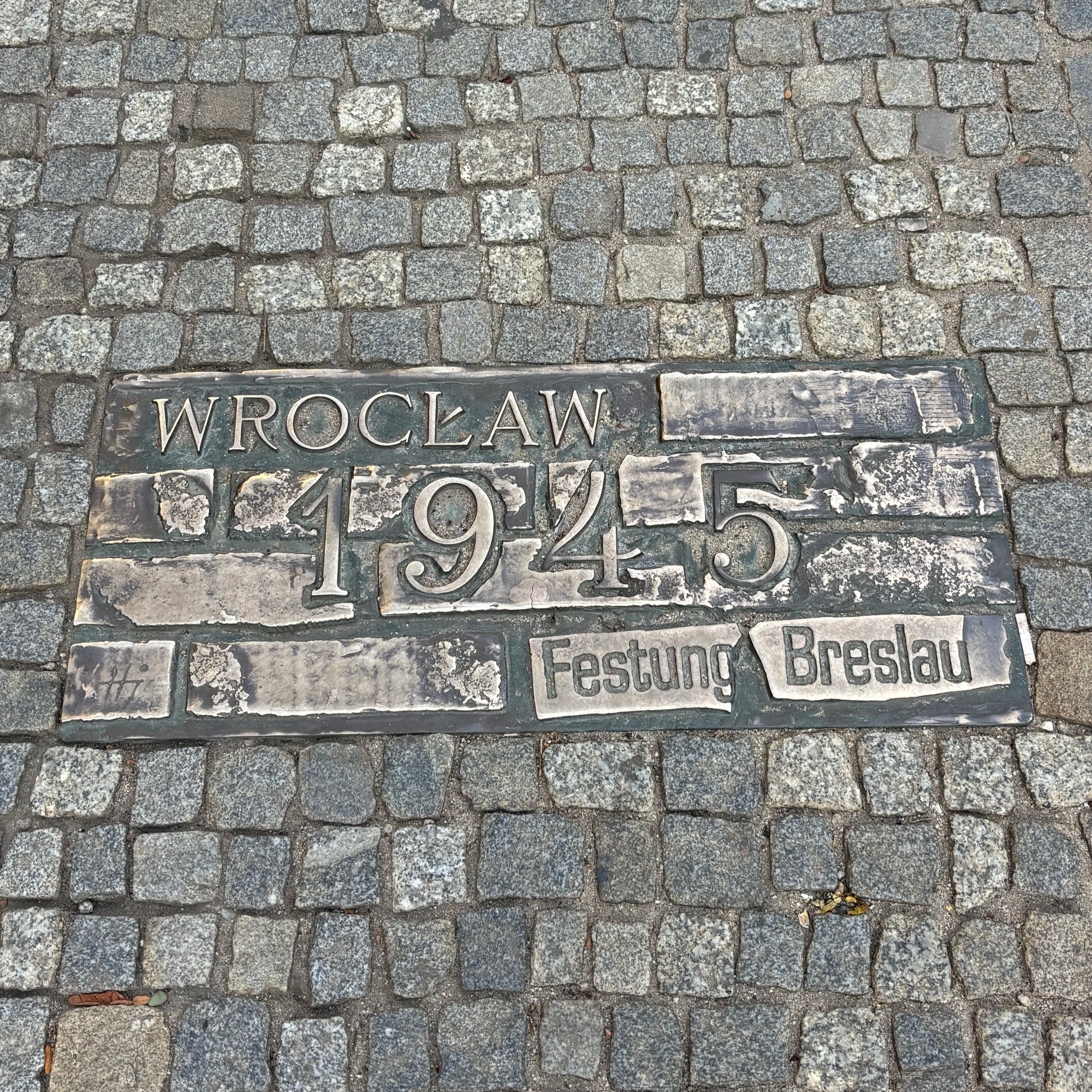
So far we have explored the sites that lie to the north of Rynek, but if you head south, there are also some interesting things to see.
Wroclaw’s Royal Palace
When Prussia took over Silesia, the city became, together with Berlin and Königsberg (present day Kaliningrad) one of the three cities which regularly hosted the king. Therefore, it was endowed with a Royal Palace. The palace was badly damaged during the war, and while one of its former wings is missing, what remains of it has been restored to its former glory and today it houses the Wrocław City Museum.
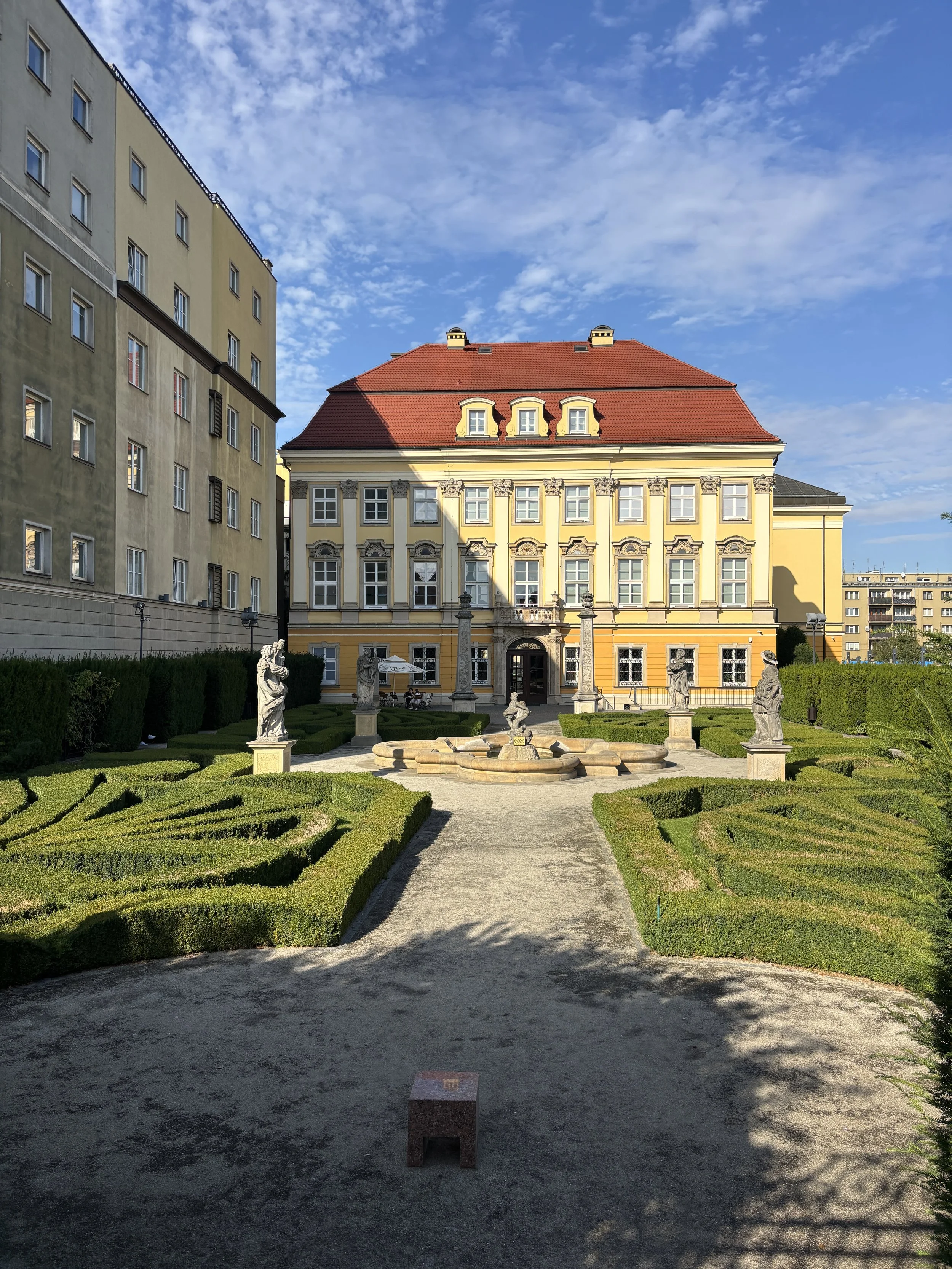
National Forum of Music of Wroclaw and Plac Wolności
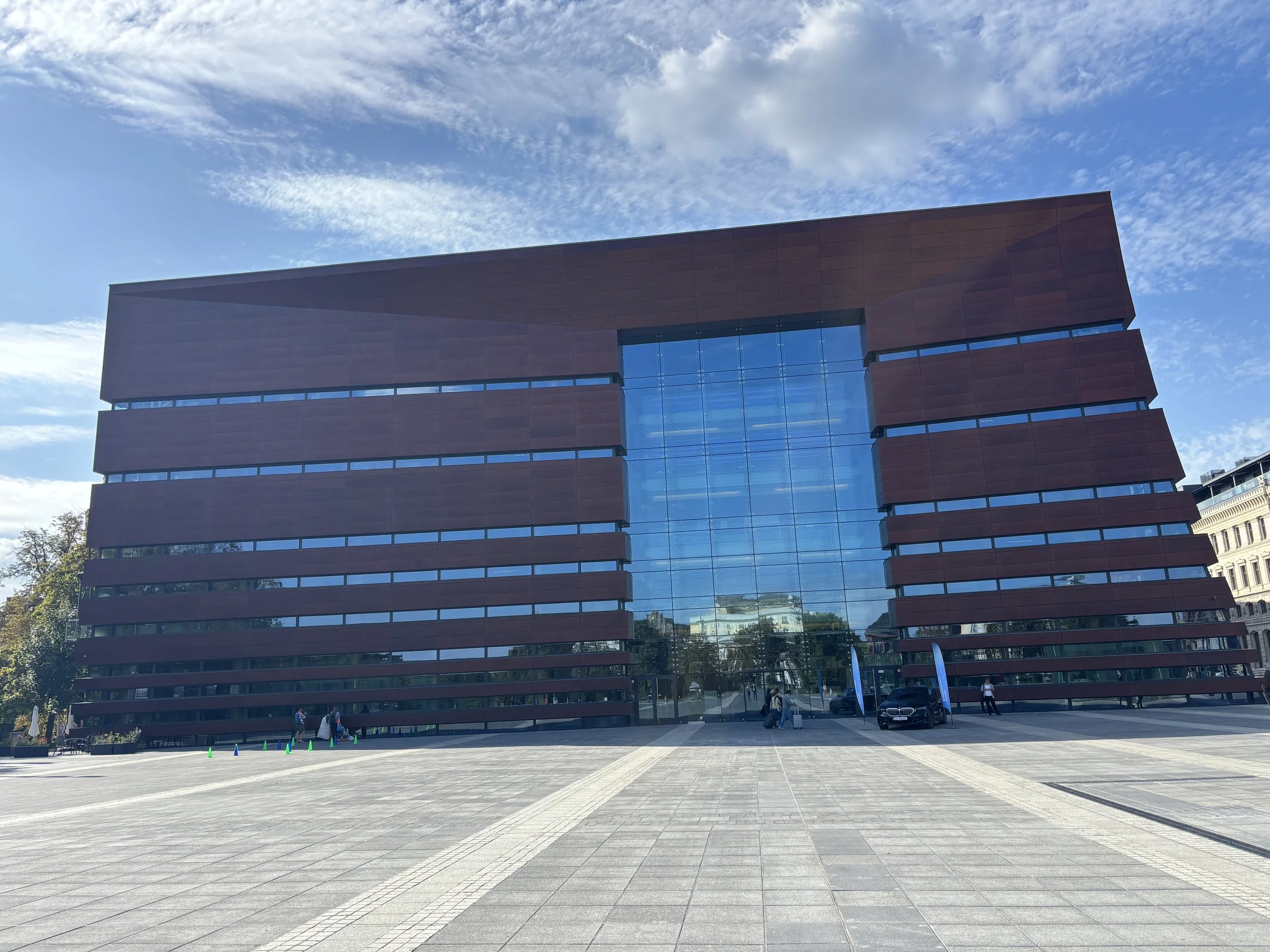
Just south of the Royal Palace is Plac Wolności, a large open space which once upon a time was a parade ground for the Prussian army. Since 2015 it hosts the National Forum of Music, a large contemporary concert hall.
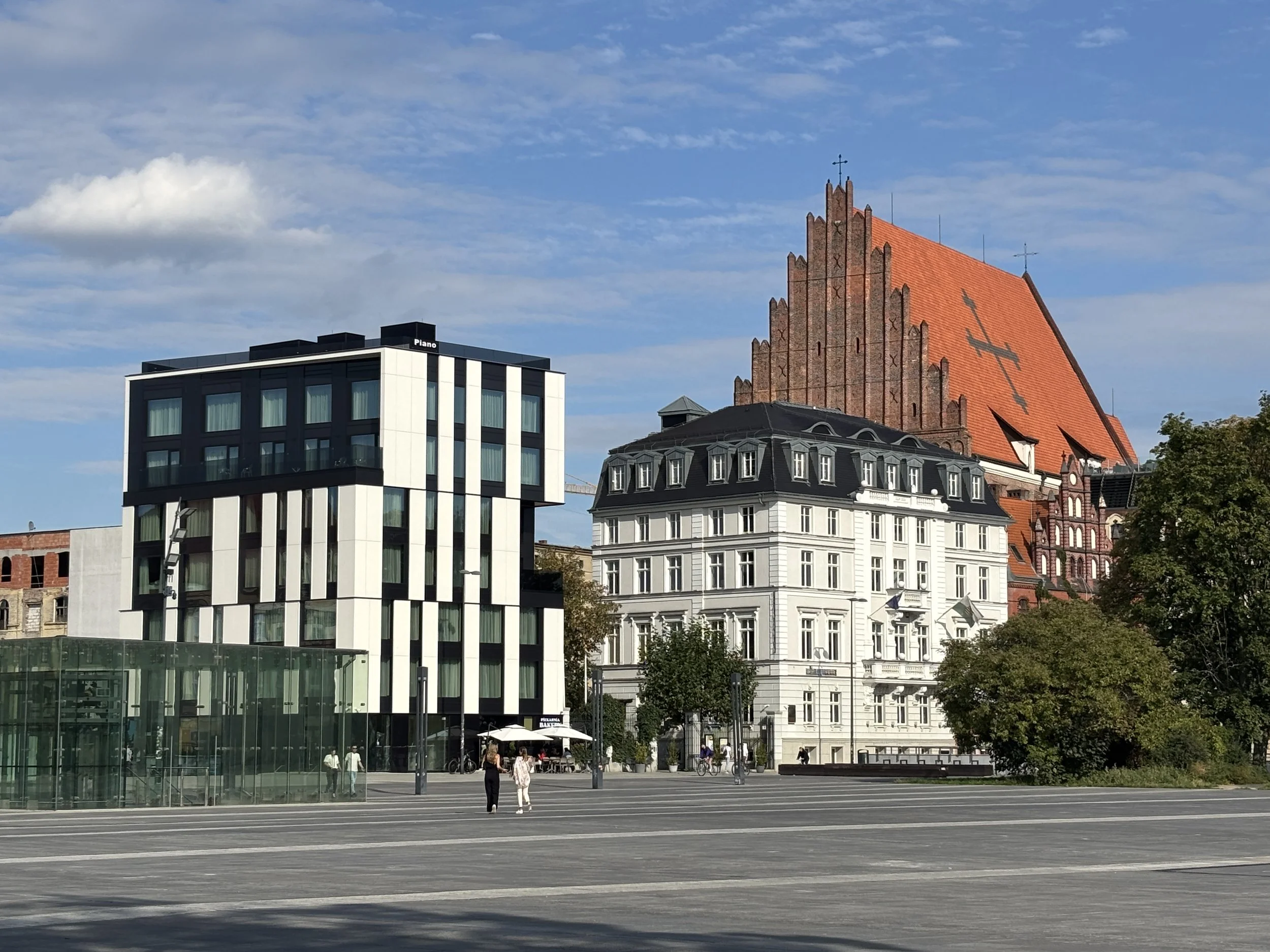
Plac Wolności is also a good place to check the architectural evolution of Wroclaw, since it provides an open, unimpeded view of the area around. From here you can also enter the garden boulevard that follows the path of the former city walls.
Wroclaw’s Opera
Not far from Plac Wolności stands one of the jewels of the city’s 19th architecture that survived WW2, the Opera building, which still fulfills its original purpose.
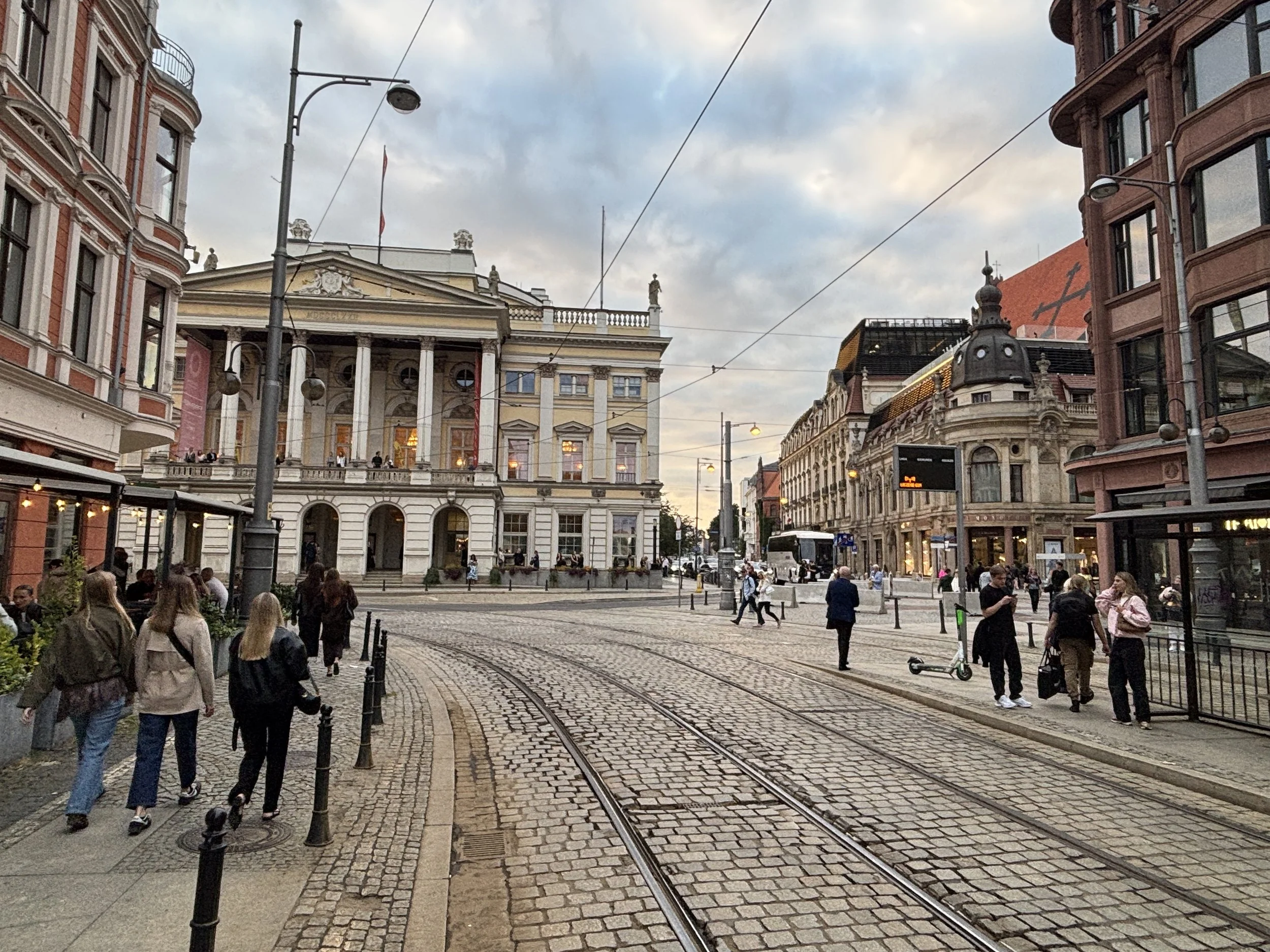
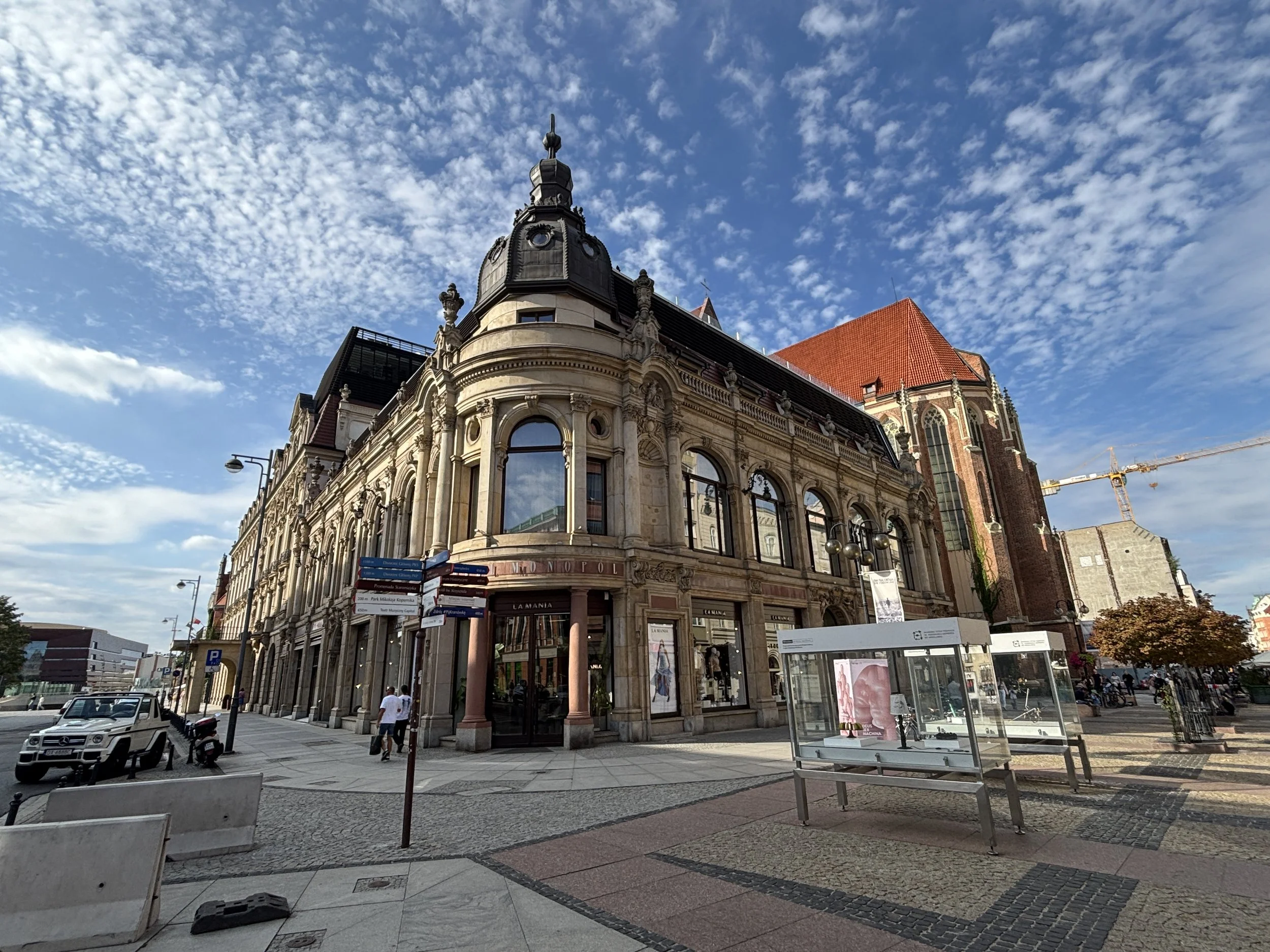
And right next to the opera, another remarkable establishment: the Hotel Monopol, which has hosted a large number of historically prominent visitors to the city, ranging from Adolph Hitler to Pablo Picasso, to name just two very different characters on totally opposite ends of the ideological spectrum. Today, the Monopol remains Wroclaw’s grand classic hotel.
Ostrow Tumski (Cathedral Island)
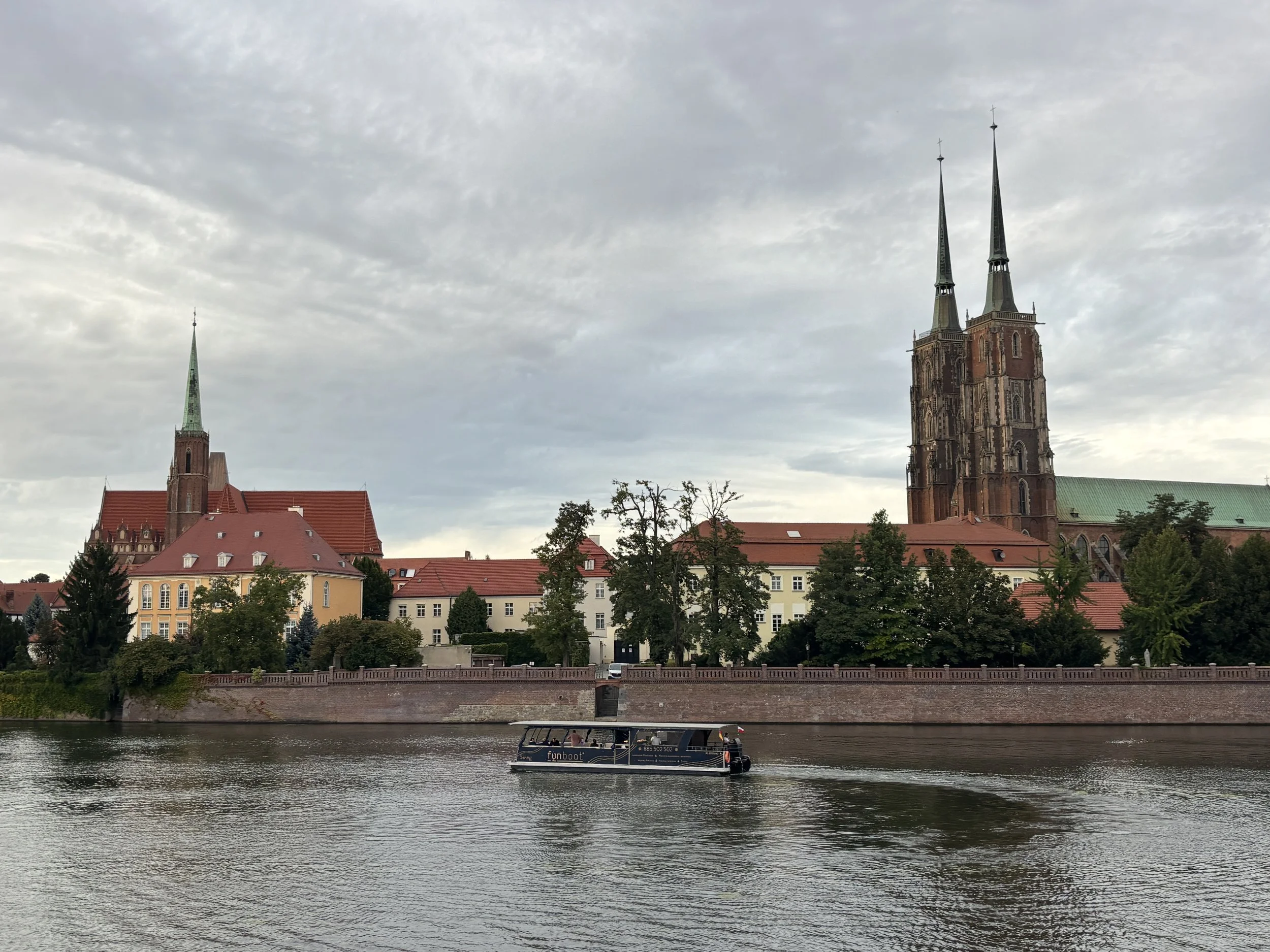
As mentioned earlier, Ostrow Tumski is the original kernel from which the city of Wroclaw sprung up. Today is no longer an island, but it remains almost like a religious enclave, since it hosts the city’s cathedral and most of its surrounding buildings belong to the Catholic church.
Wyspa Piasek (“Sand Island”)
But before getting to Ostrow Tumski, if you are coming from the historical center, you are likely to pass through another river island, “Sand Island”, which hosts two old monasteries, one male and the other female (one of them still active, the other is now part of the university). Apparently, the monks controlled the only crossing point over the Odra river, which went over this island, so they collected significant revenue from tolls.
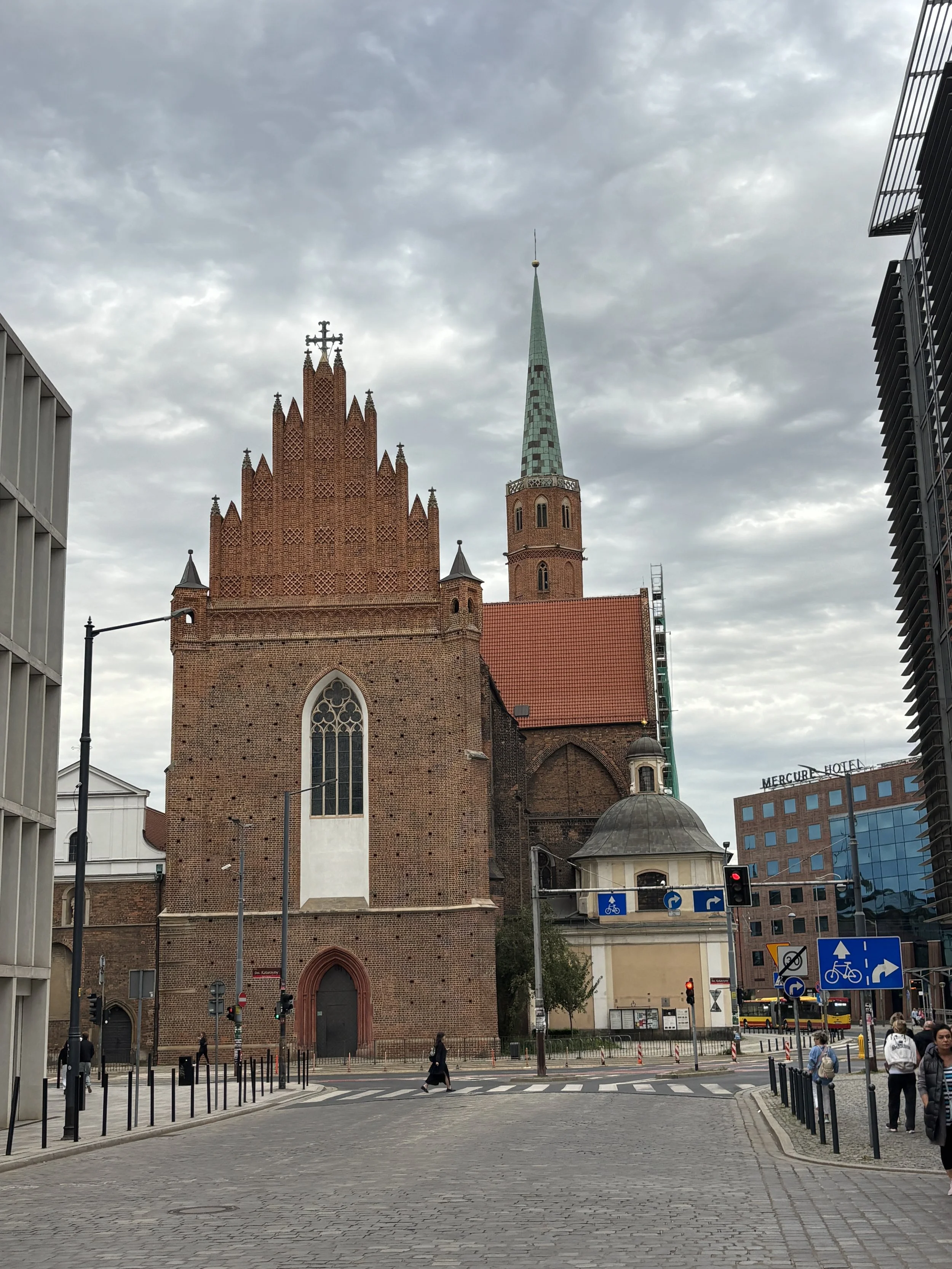
The most scenic way to get to Ostrow Tumski is through Most Tumski, a steel bridge which offers great perspectives of this rather timeless and evocative part of the city.
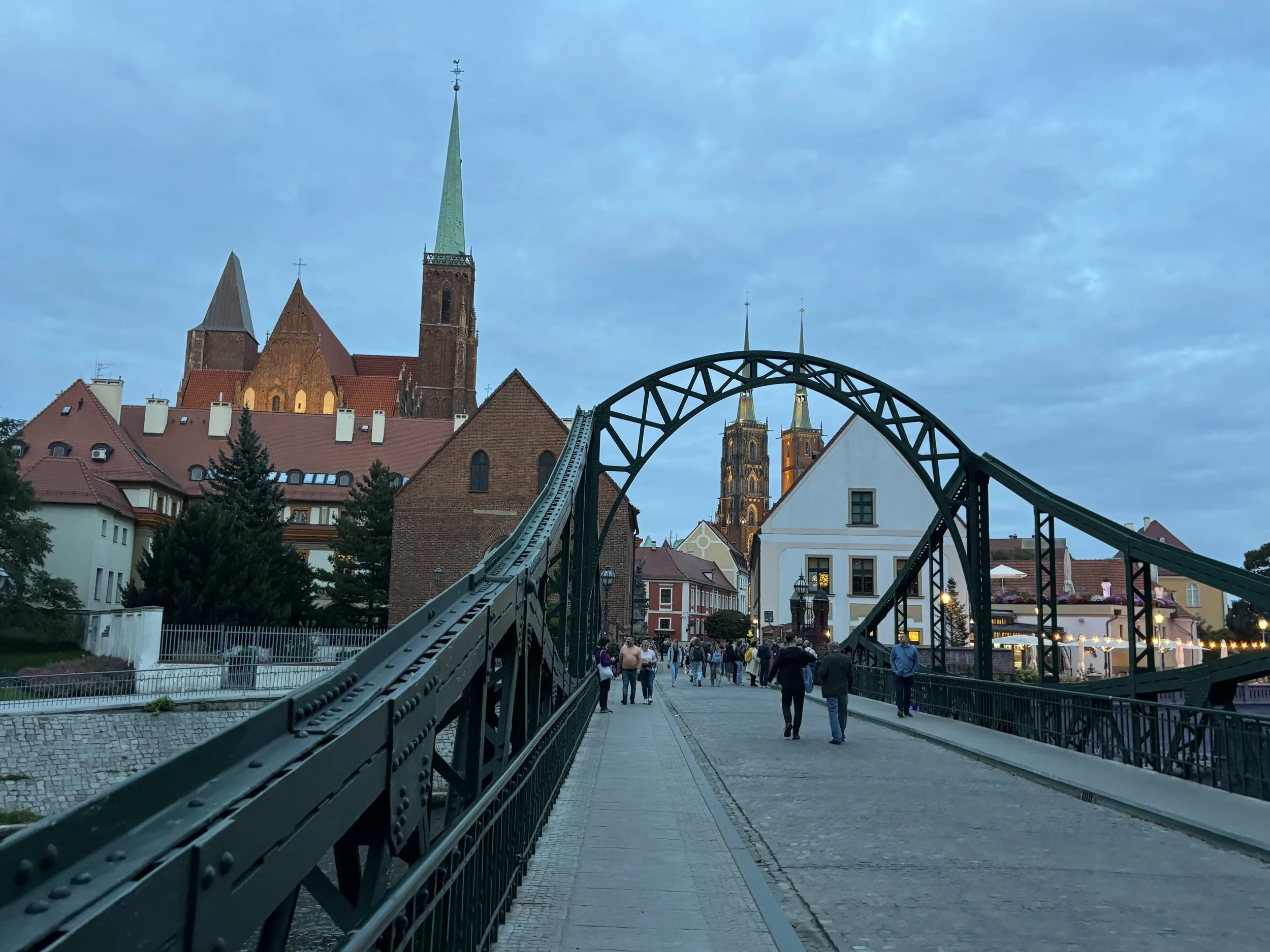
Ostrow Tumski translates into English as “Cathedral Island” and, of course, the cathedral of St. John the Baptists dominates the skyline with its two towers. But the whole island is peppered with religious buildings and it has also several other churches around which add to the monumental ensemble.
Btw, if you like viewpoints, here is another one you can climb up!
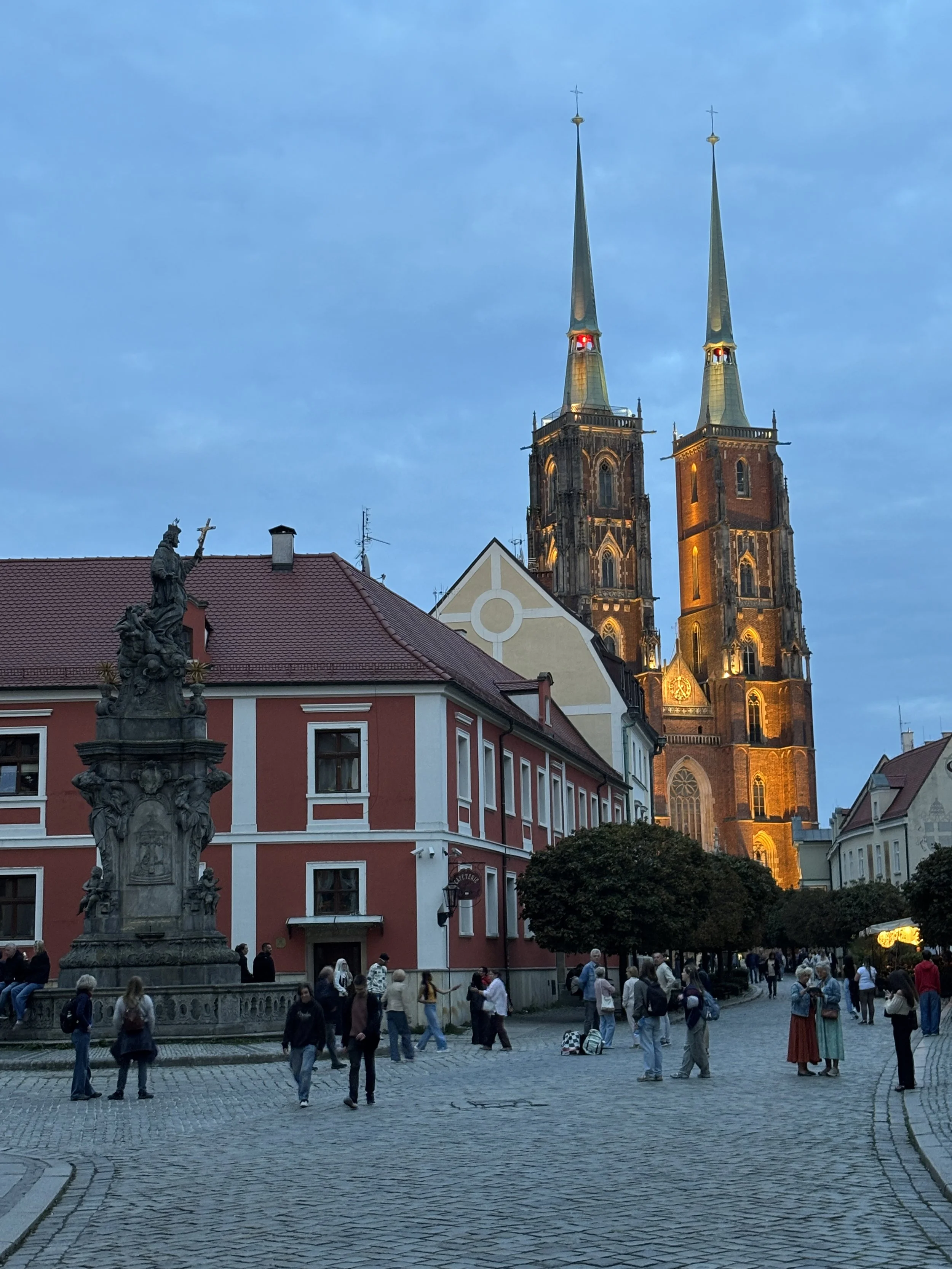
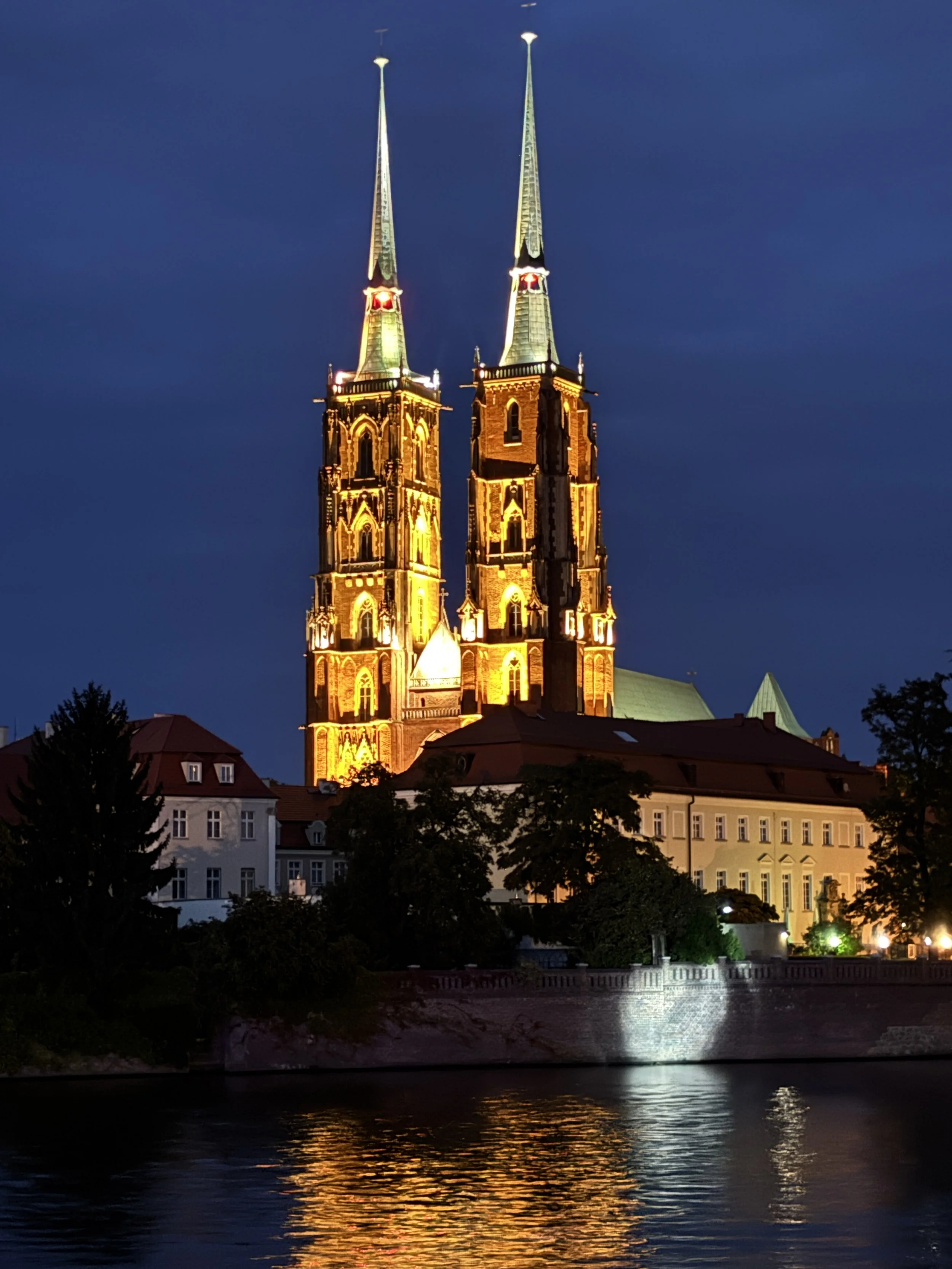
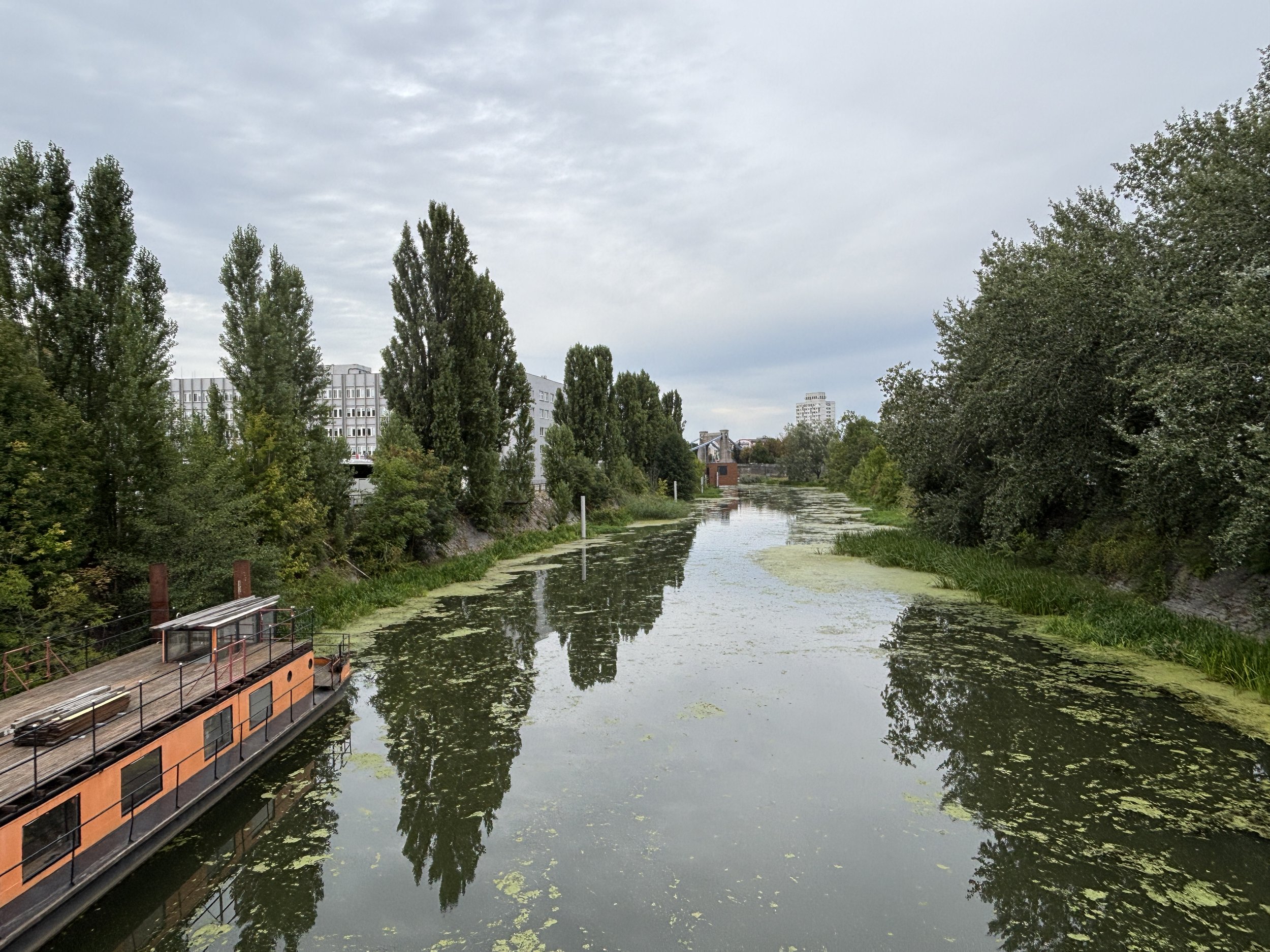
You can also get great panoramic views of Ostrow Tumski from the south bank of the river. Here you will have a riverside promenade with stalls facing the river. Besides being a place for temporary festivals and markets, it is also a nice place to get the views at sunset.
The lamp lighter tradition
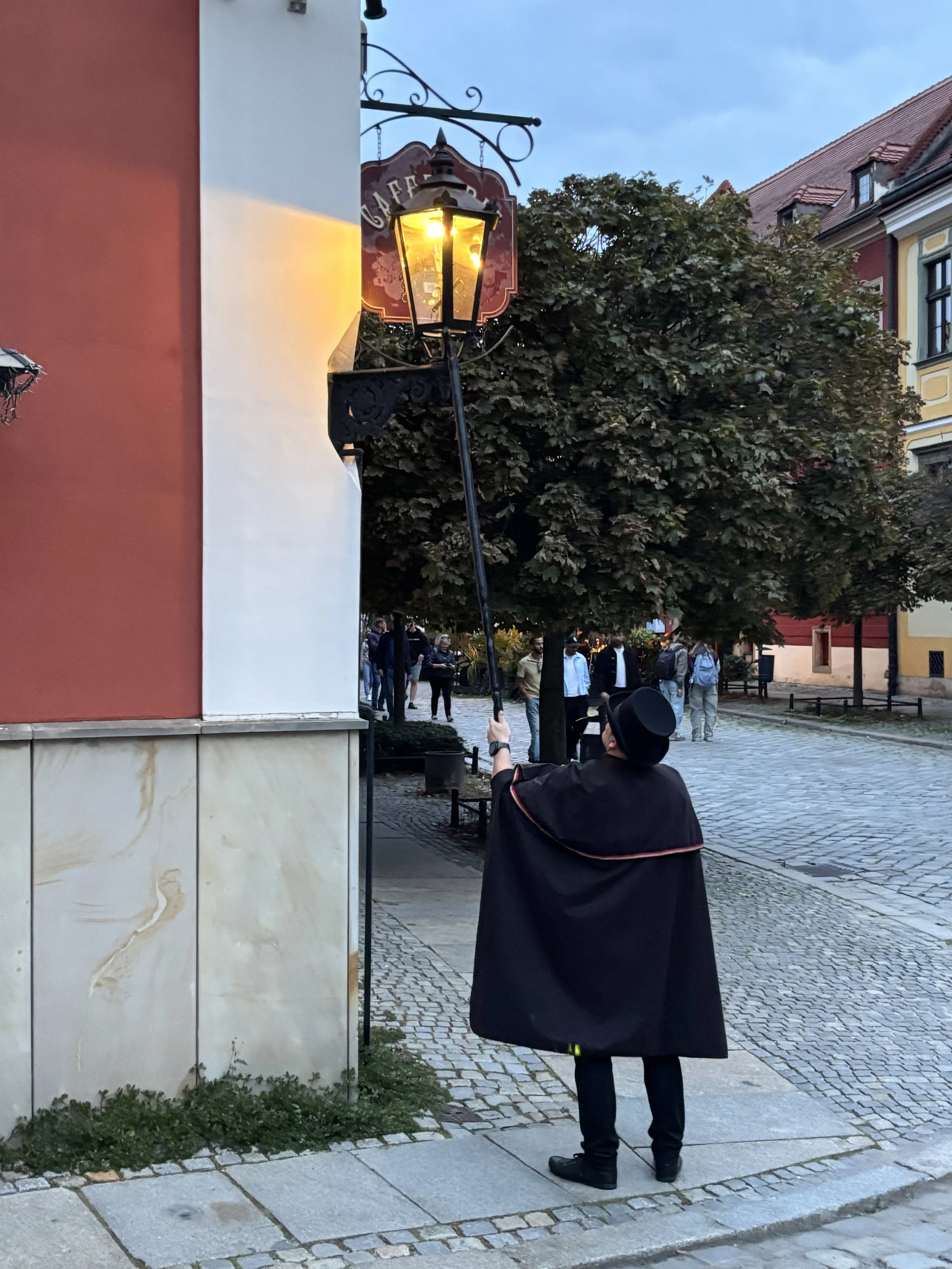
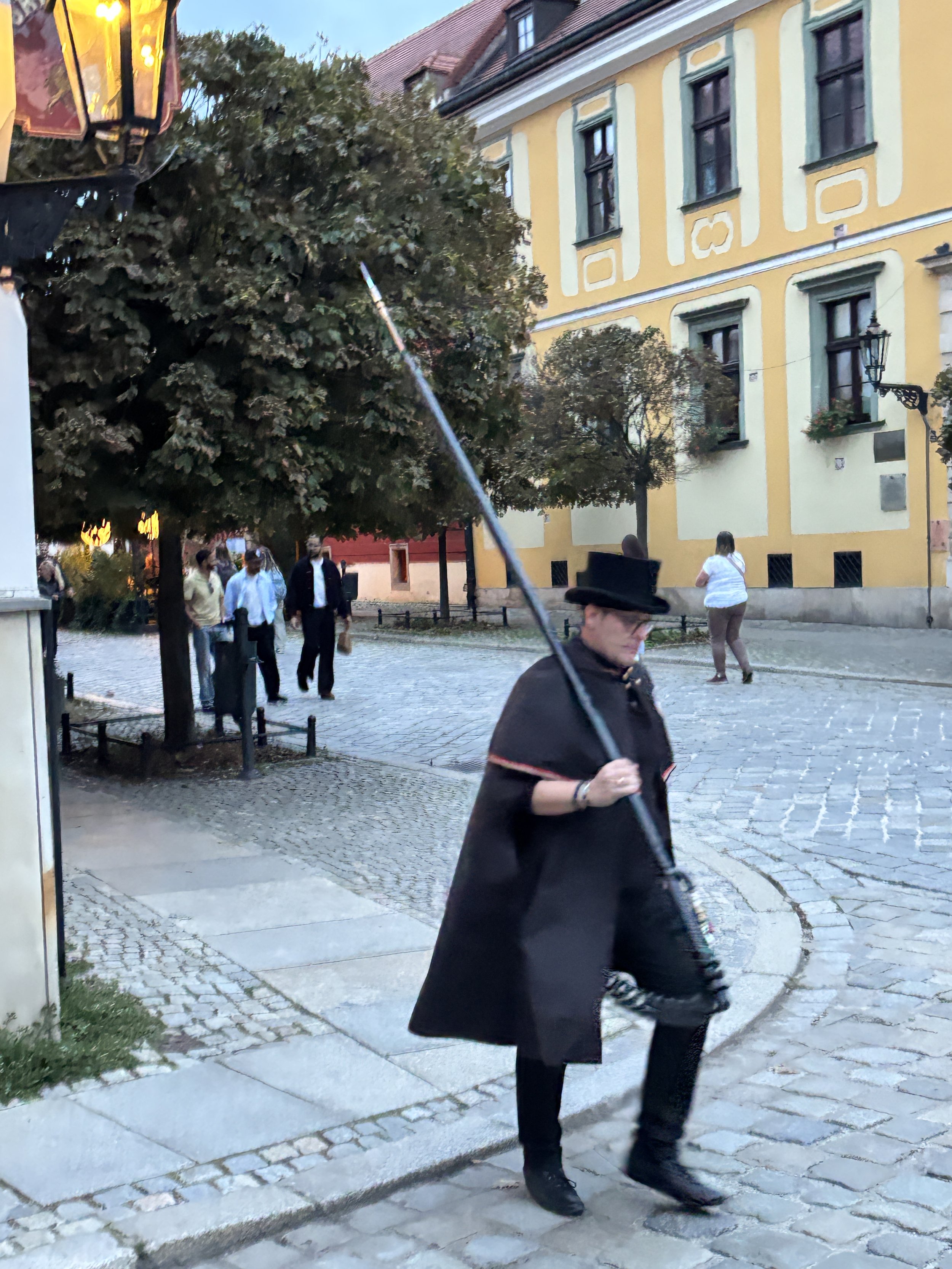
Talking about visiting Ostrow Tumski at sunset, here is yet another reason to do so: every day when the sun sets, an old tradition comes into play, with the nearly 100 gas lamps from the 19th C. still left in Wroclaw, being lit by hand.
There is no set time for this, check the sunset times and head to Ostrow Tumski around that time. You will possibly spot the guy doing this job quite easily, because, besides his period costume, he is usually followed by a crowd of tourists taking pics (yes, I was one of them too!)
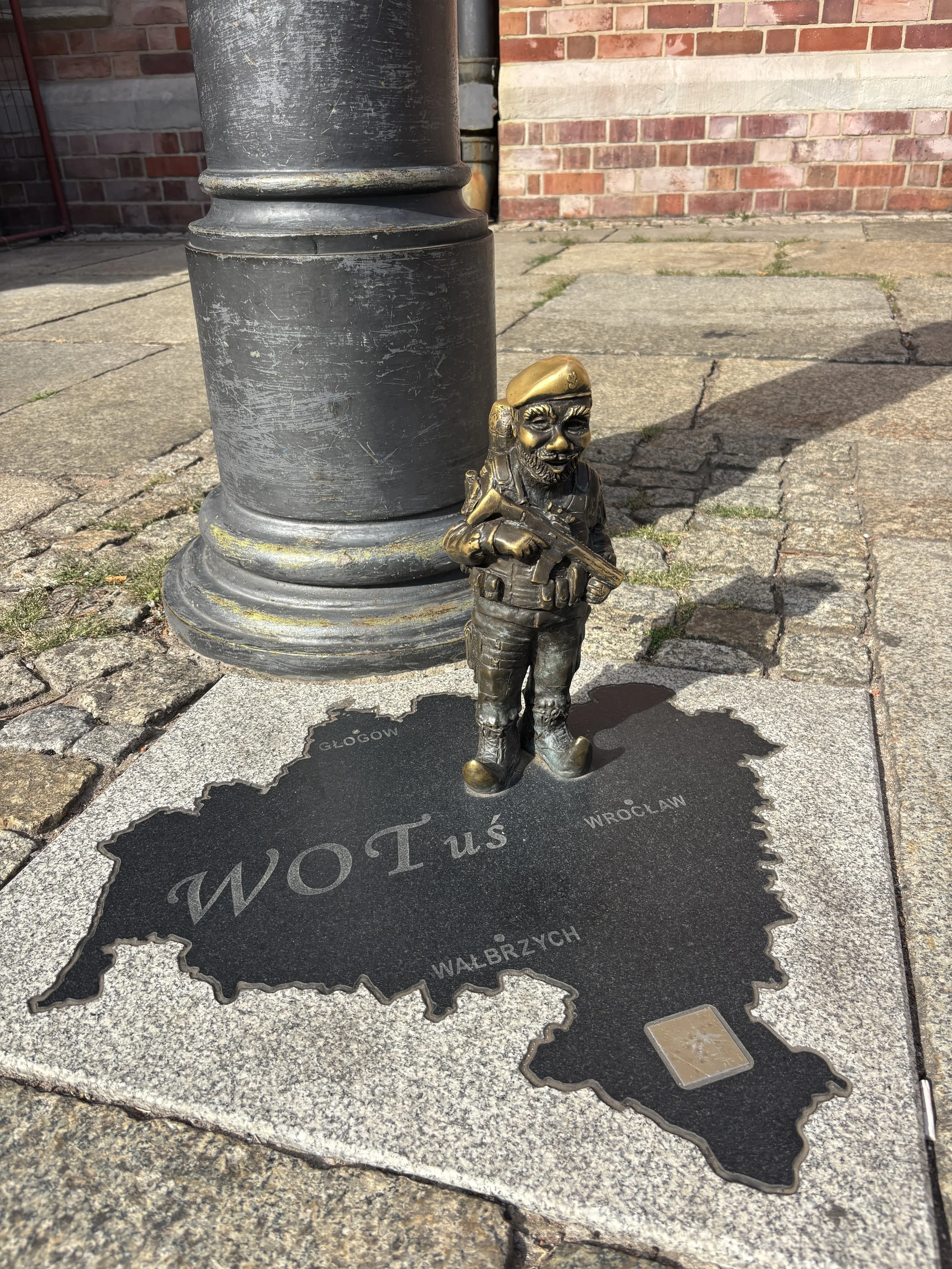
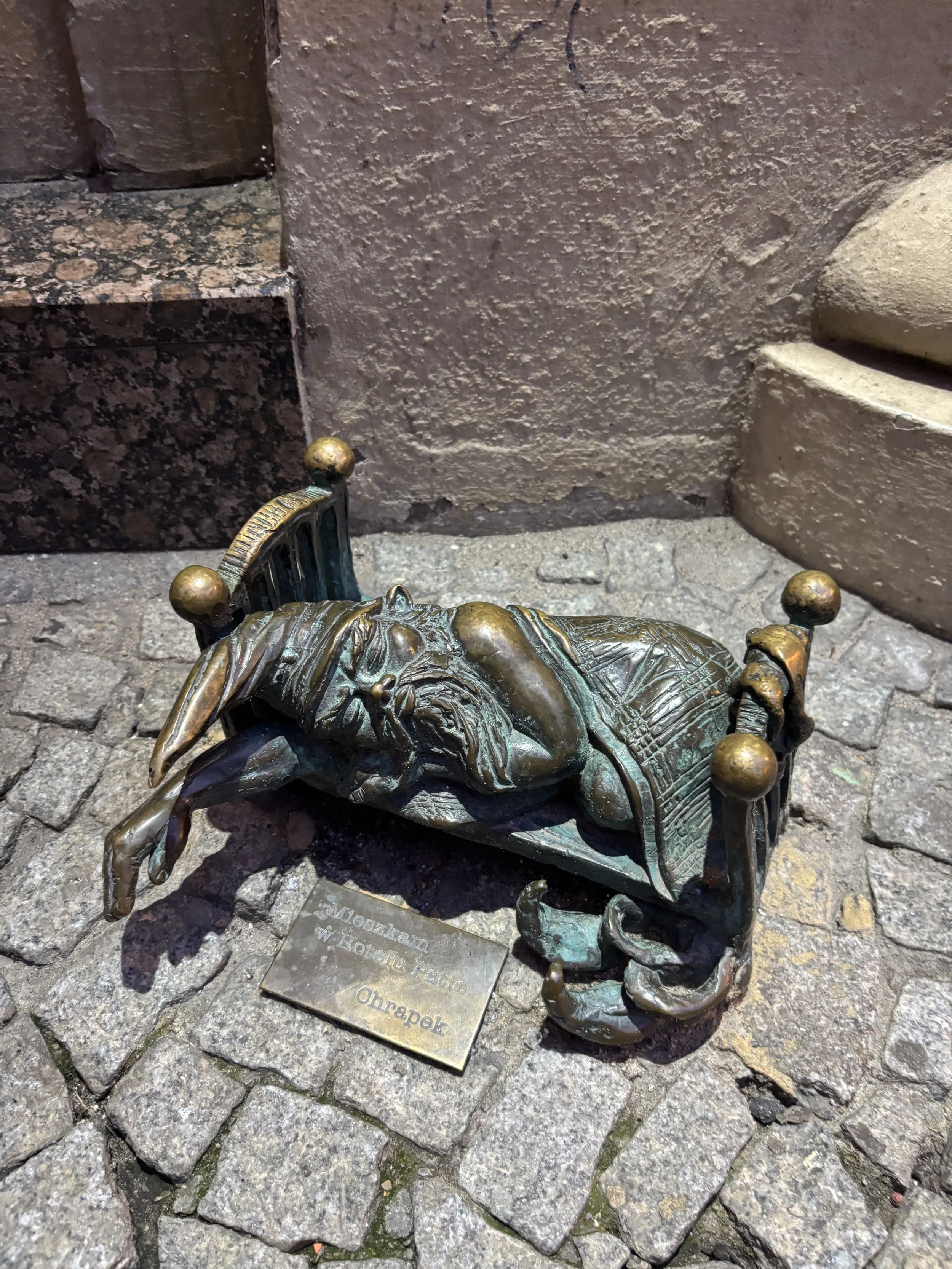
Will you be able to find all of Wroclaw’s dwarves?
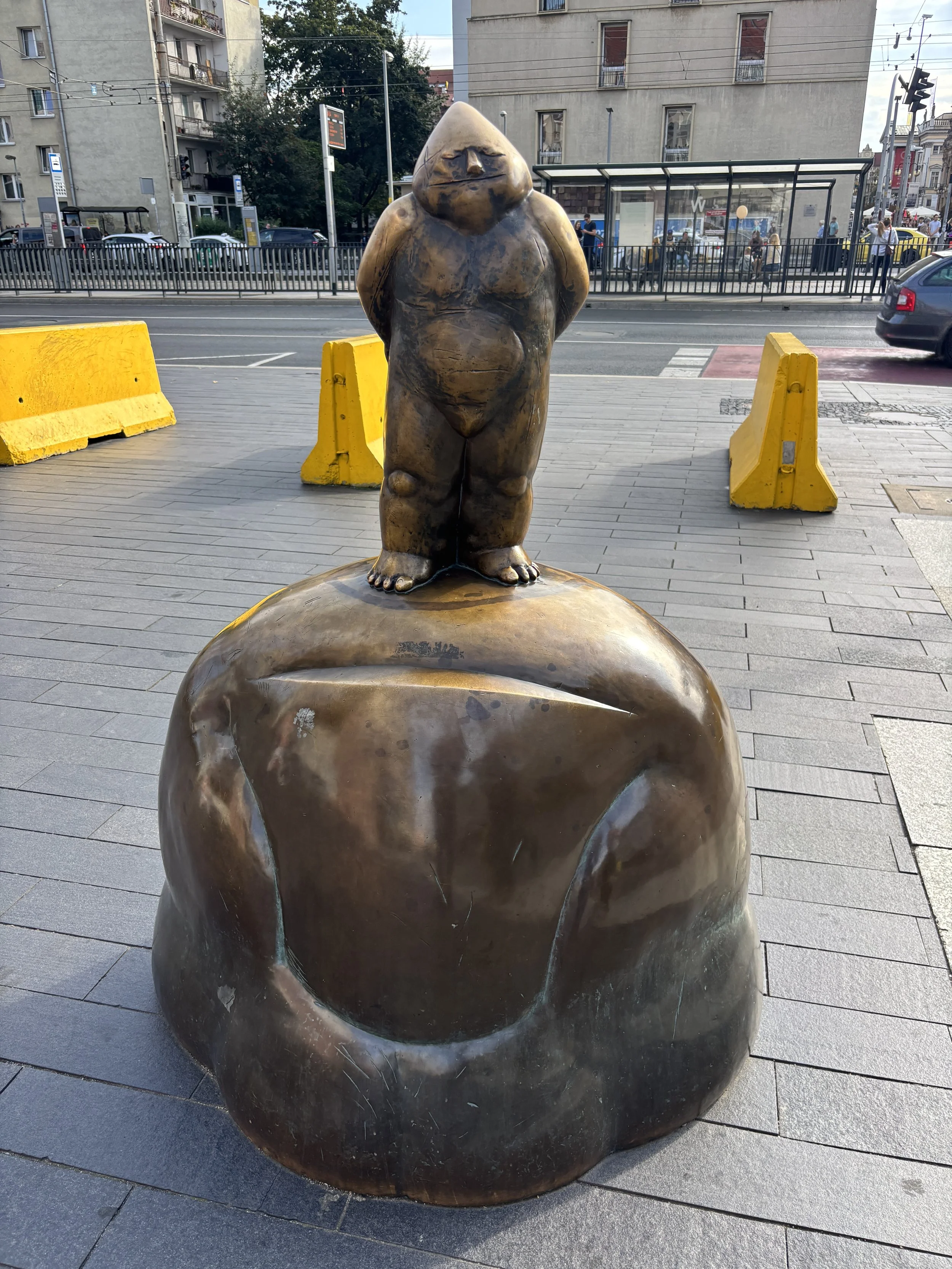
Here is a thing that is quite unique of Wroclaw: the dwarves.
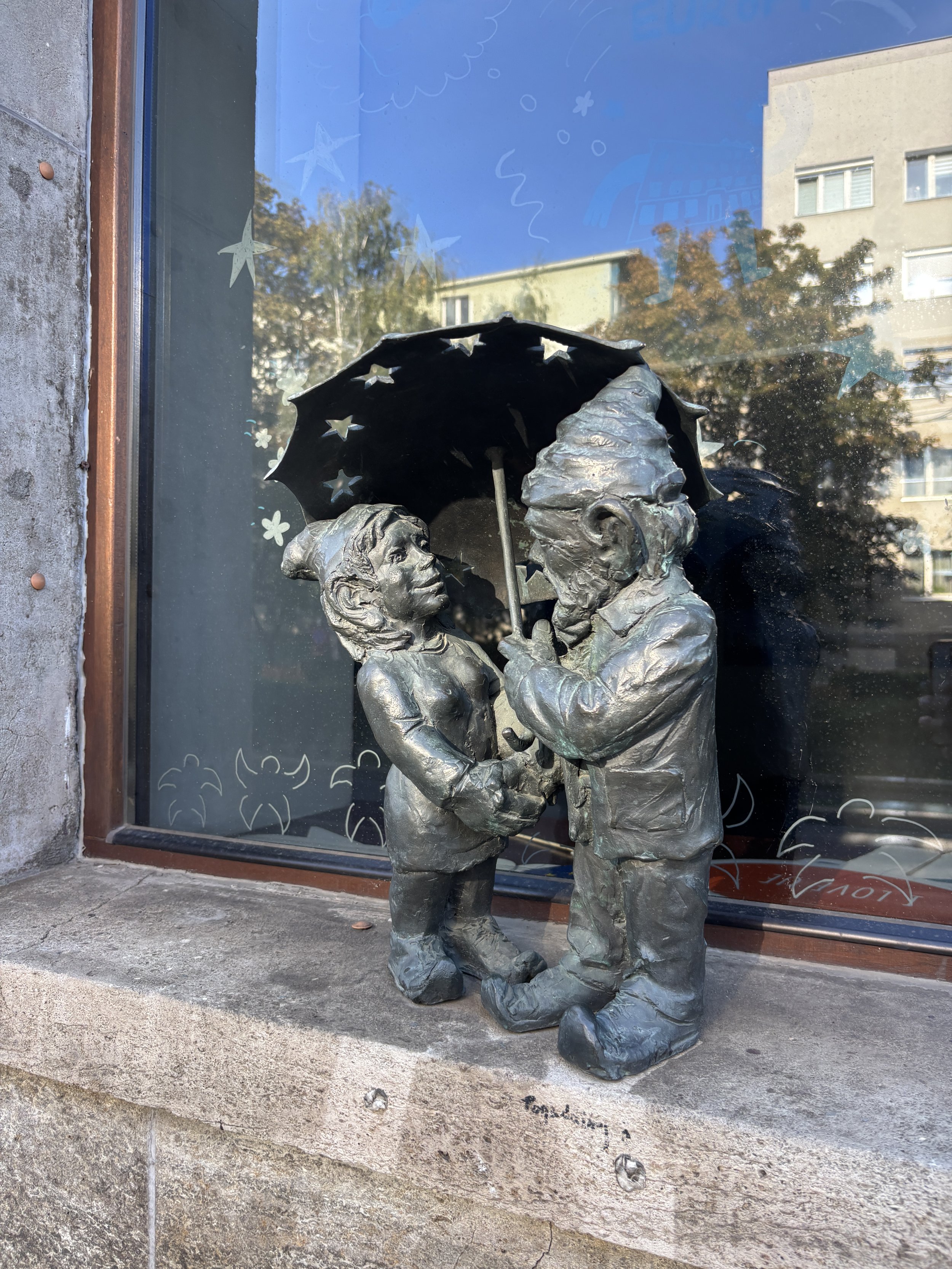
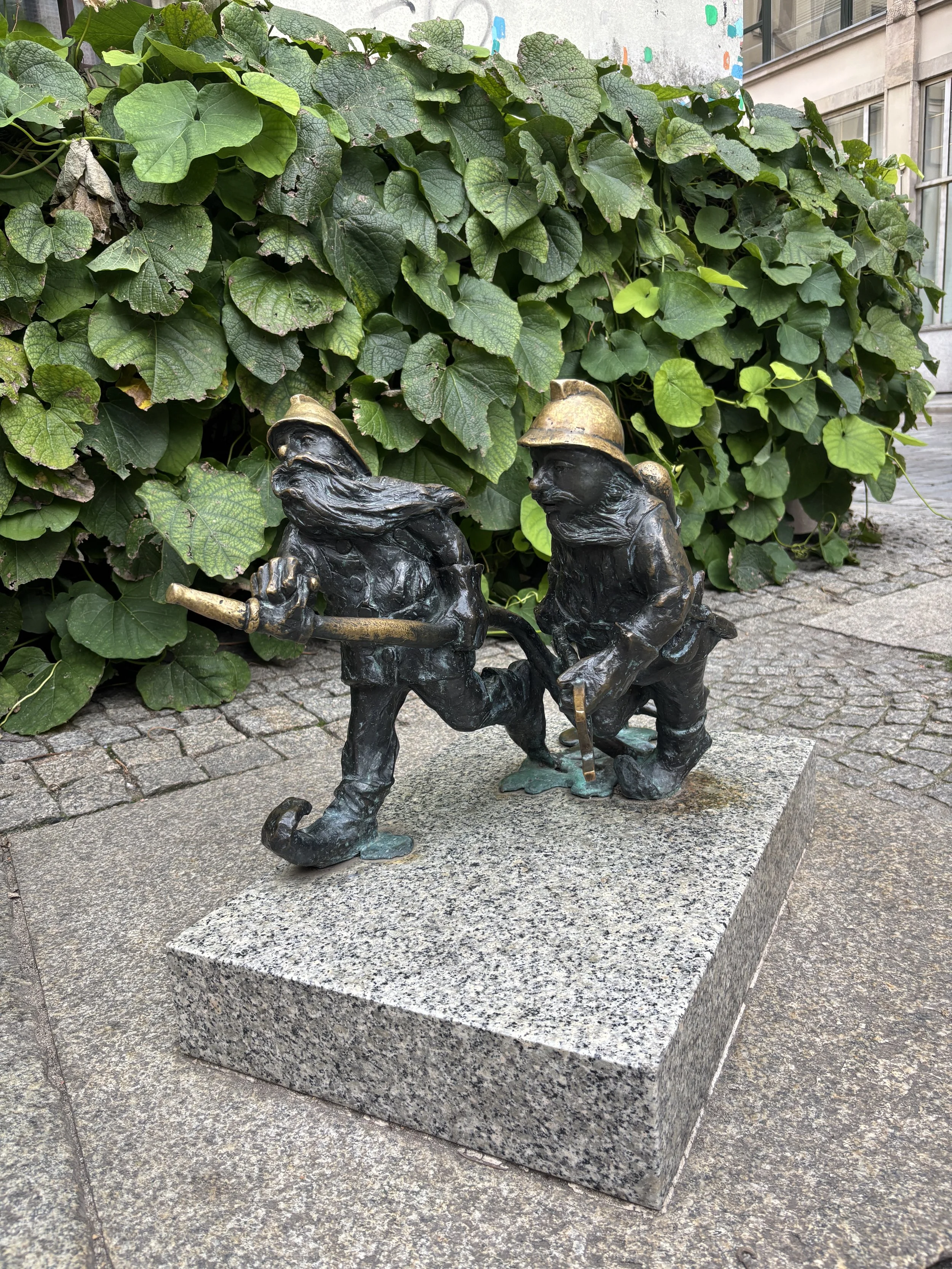
There are around 1,000 of them, possibly more because no one really knows, all over the city of Wroclaw. What’s more, these little bronze statutes tend to come from all walks of life, as each evokes the place or activity it is linked to. There are firemen dwarves, soldier dwarves, traveler dwarves, and so on.
It all started as an anti-communist protest in 1980s Wroclaw, as activists in the “Orange Movement” which criticized the Communist dictatorship started to paint small dwarves on some walls as the authorities tried to patch over anti-regime graffiti. The movement then evolved with protestors conducting ephemeral protests wearing dwarf hats to ridiculize the government repression. A large gathering in 1988 ended up with mass arrests, but that was the point!
So, to remember those events, the the first bronze dwarf, called Papa Krasnal (Papa Dwarf), was installed on one of the city’s main boulevards. Five other smaller ones followed shortly after. But, once they became entrenched in the city’s identity there was no stop and little dwarves started appearing pretty much everywhere, the result of both public and private initiaitive.
Today you can get a map at Wroclaw’s tourist office, which helps you track and “collect” the dwarves you come across while walking around the city!
Hala Targowa - Wroclaw’s Historical Market Hall
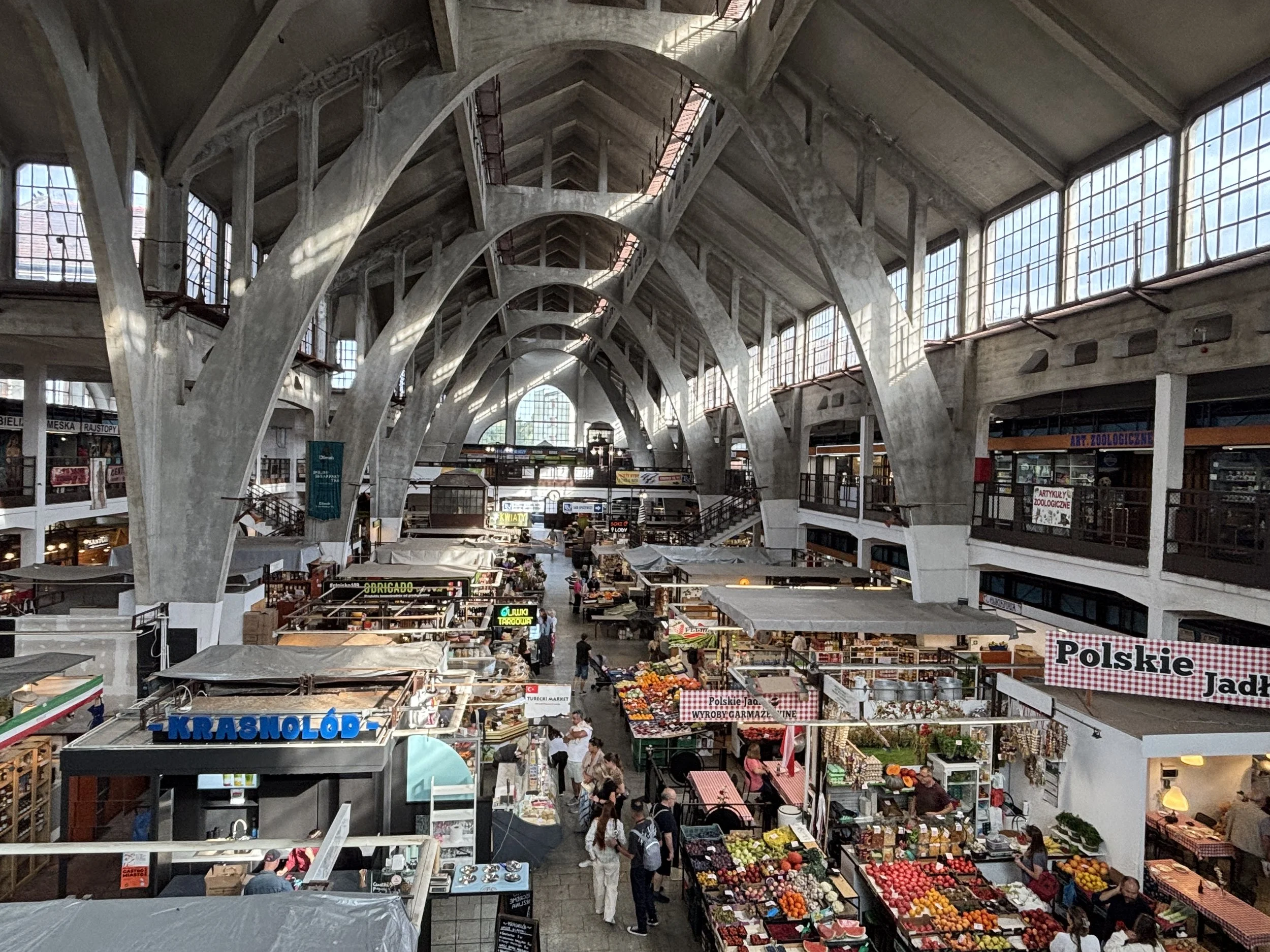
This is another interesting architectural site. It was built in the first decade of the 20th C. with an approach that is quite unique for buildings of this site.
Regular readers of this site may have seen markets with iron structures like the Mercado Central in Montevideo, but this one is made of concrete and using parabollic arches which are somehow reminiscent of the work of Catalan architect Antoni Gaudí. The structure turned out to be resistant enough to survive the war!
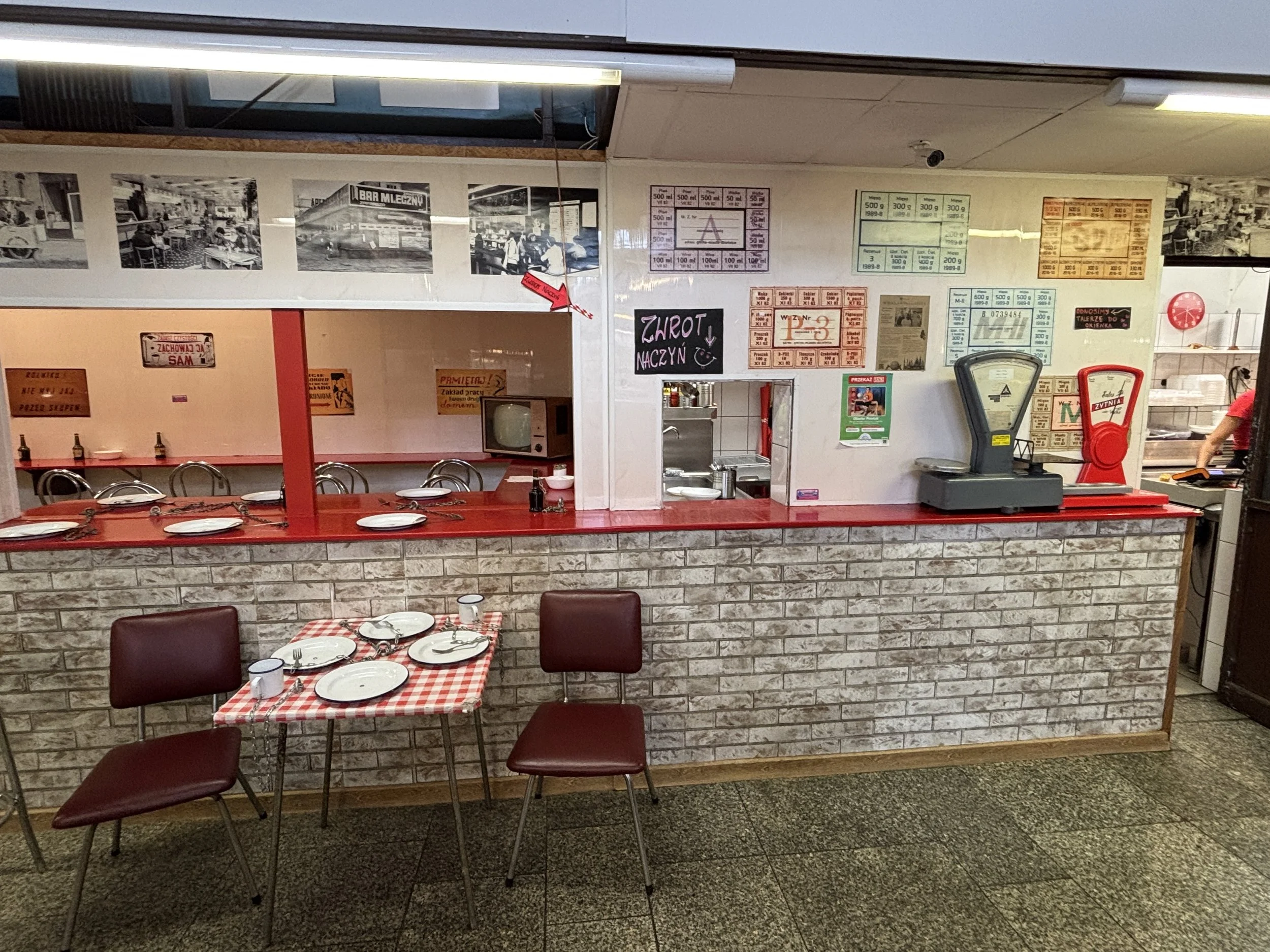
There is currently a project to turn part of the market into a more upmarket gastronomic area, but, in the meantime you can get a taste of Cold War Poland by having some piroegi at “Teddy Bear” (don’t forget your ration card!).
What to see outside Wroclaw’s historical center
So far we have focused our attention on a relatively small area around the historical center of Wroclaw, however, I would advise dedicating at least half a day to the district right to the east of it.
Here you will find the more modern extension of the city, as well as some gardened areas and some of the city’s most interesting museums, such as the Racławice Panorama, Hydropolis and Centennial Hall.
You can use the tram to get to the latte (more on trams and moving around Wroclaw below) but if you have the time and the inclination, they are also within reach on foot, particularly the Panorama, which is the closest to the historical center.
If you head in that direction, a good spot to replenish energies is “Pan Gruzin” a Georgian bakery located on Wita Stwosza.
Visiting the Racławice Panorama
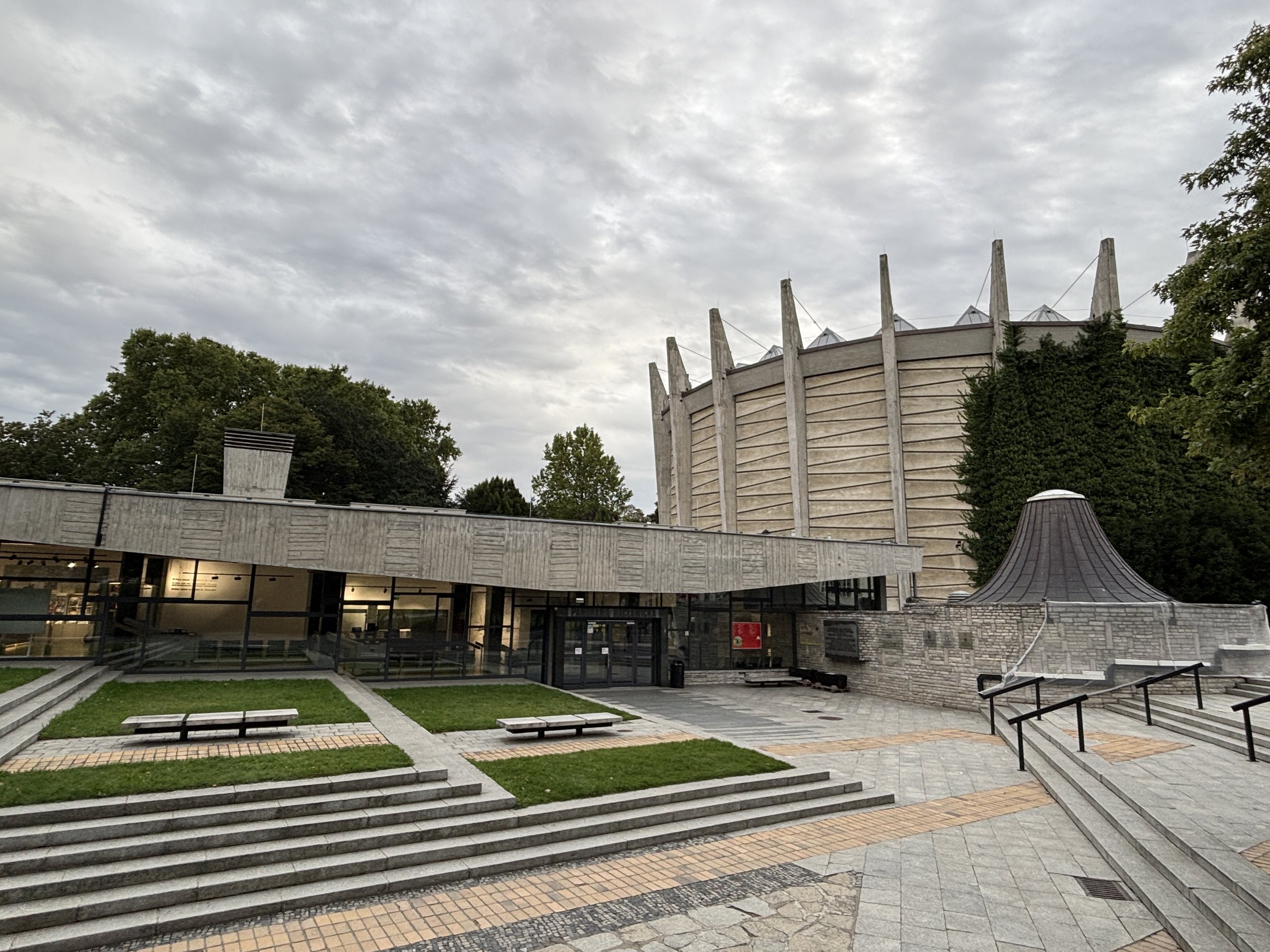
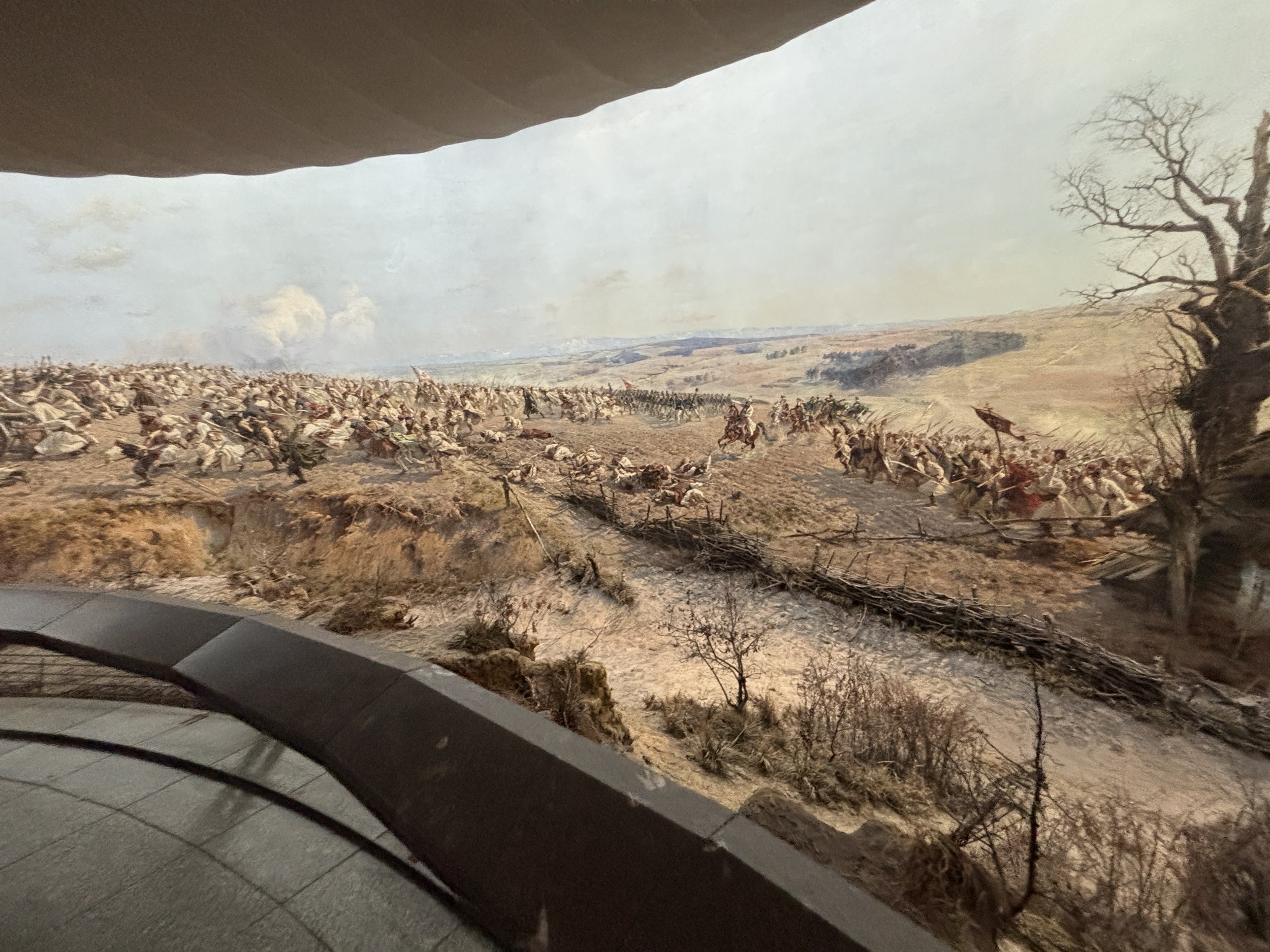
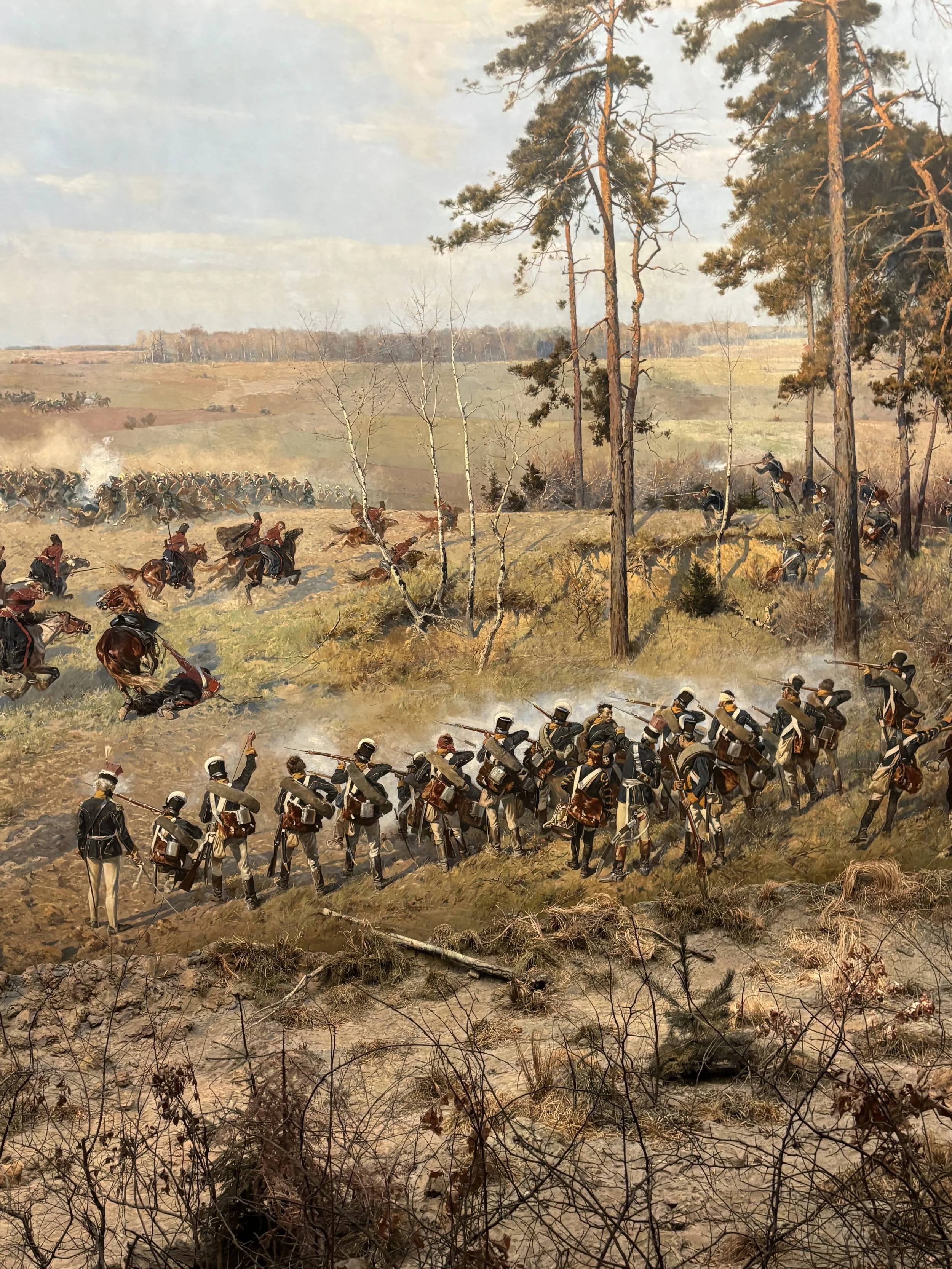
You can’t miss this one if you are a fan of historical paintings. The Racławice Panorama is an epic large scale 360º immersive painting which takes you to the Spring of 1794, when Polish troops and peasants won a victory over the Russian army in an attempt to restore Polish independence.
The Racławice Panorama was first exhibited in 1894, to mark the centennial of the battle, and it was exhibited in Lwow (then part of the Austrian Empire and currently, Lviv, Ukraine) until 1946, when it was sent to Wroclaw by the Soviet authorities together with other elements of Polish cultural heritage. Since at that time Poland was under Soviet domination, the painting was not fully restored until the 1980s, when a special building was built for it.
The painting is truly impressive and it does a great job in getting you in the midst of the events. Access is done by groups every half hour and the ticket (which costs 50 PLN, around €10/$11) includes an audioguide with a very thorough explanation of the battle and what is depicted in each scene of the painting. Totally recommended!
Hydropolis, a water museum
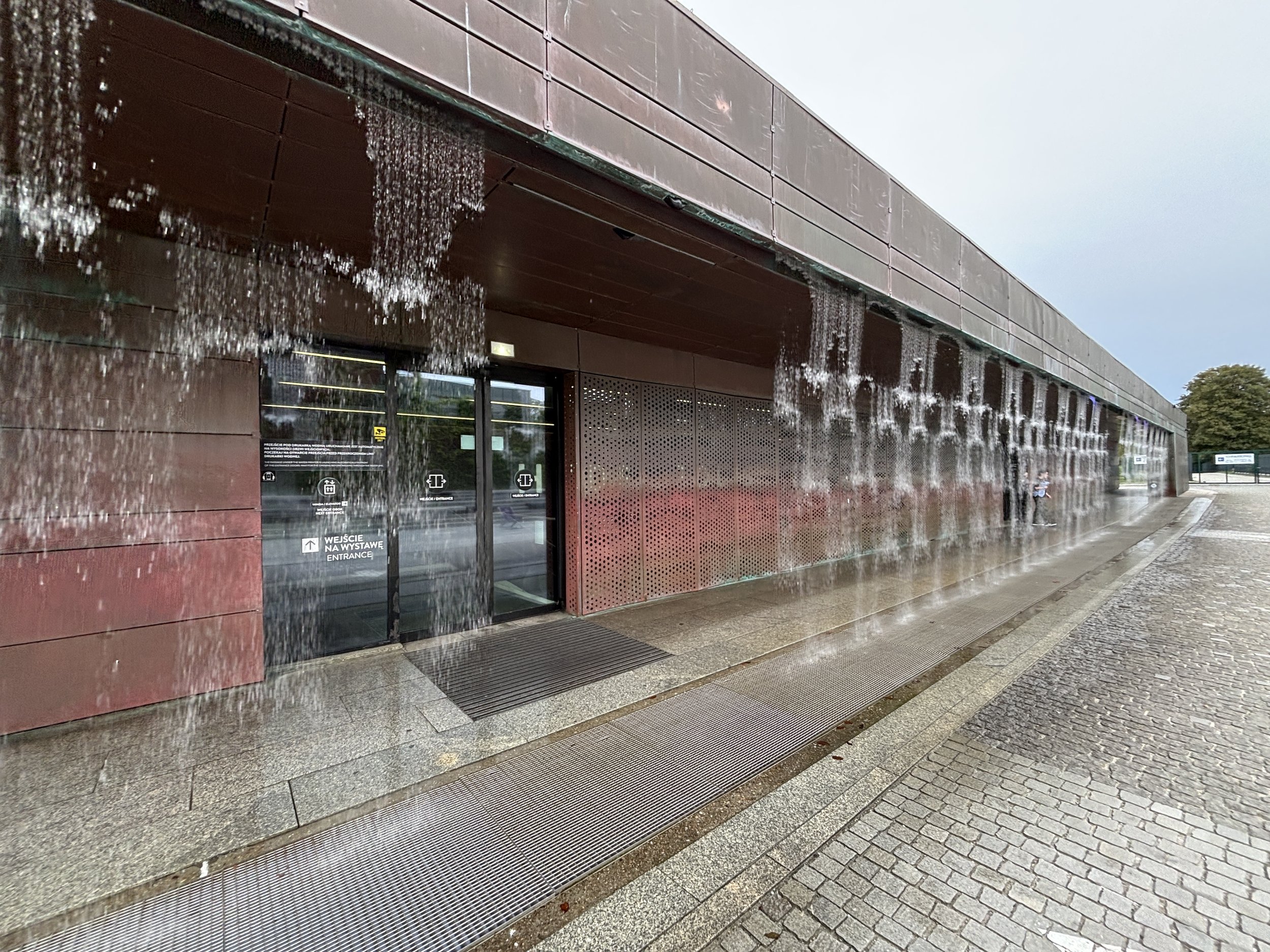
This is a modern museum dedicated to the topic of water in a broad sense: rivers, lakes, oceans and so on.
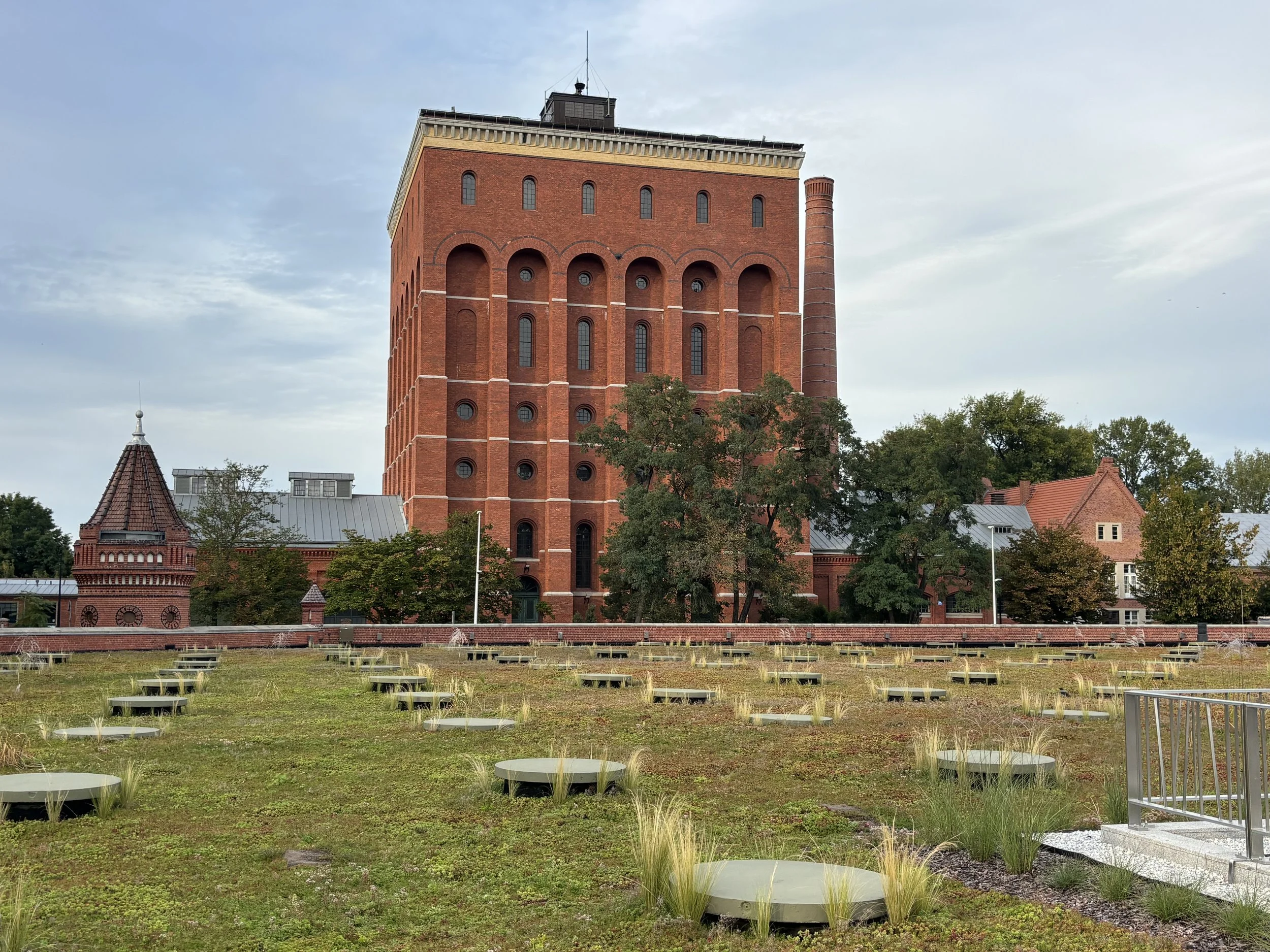
It is located in the city’s former water treatment facility, with the exhibits occupying an underground Neo-Gothic reservoir which used to store the city's drinking water from the late 19th C. 1890s (it is in pieces of infrastructure like this, together with the aforementioned Market Hall and the soon to be explained Centennial Park, that you can see what a forward-looking place this city was at the time!)
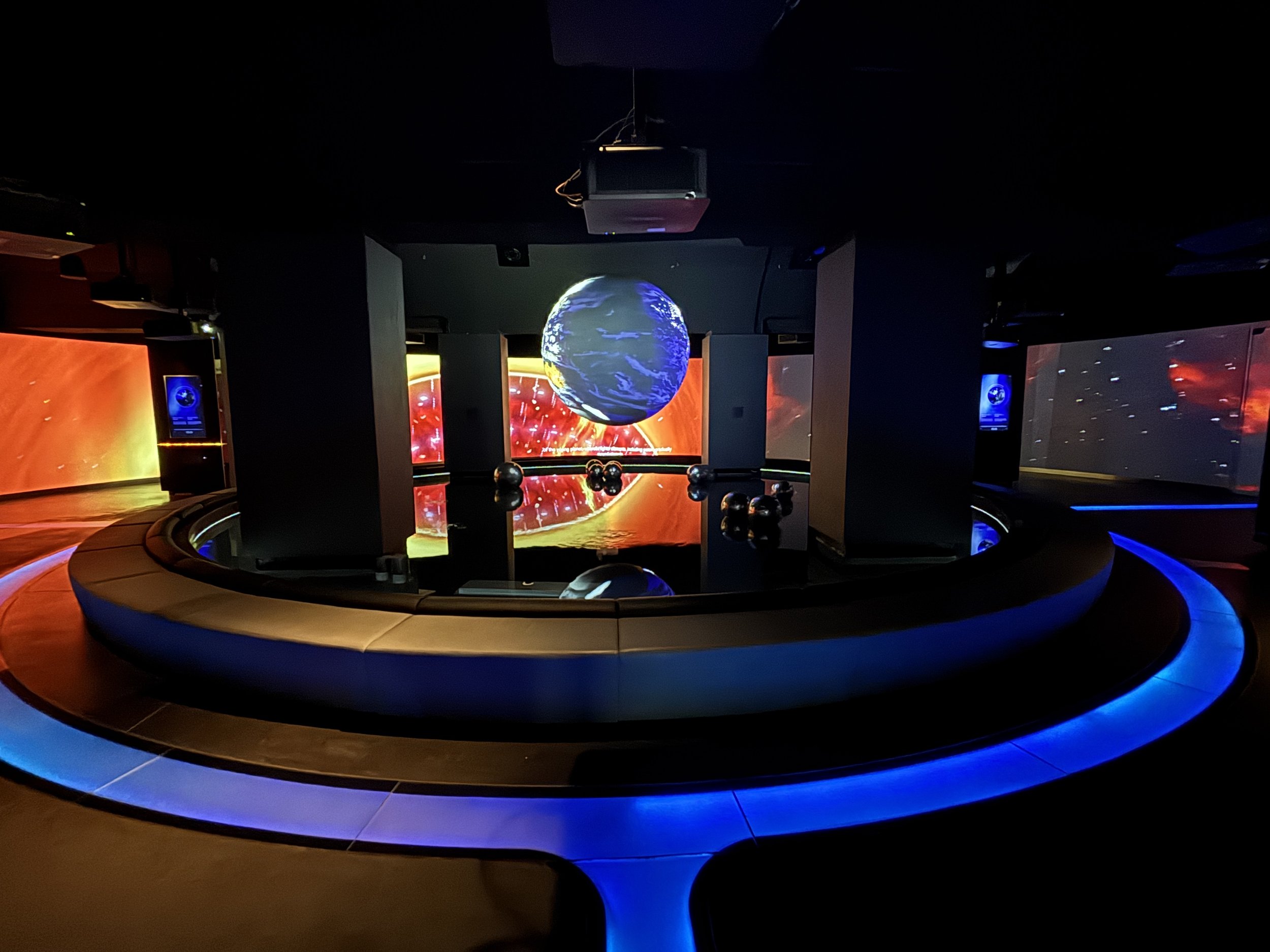
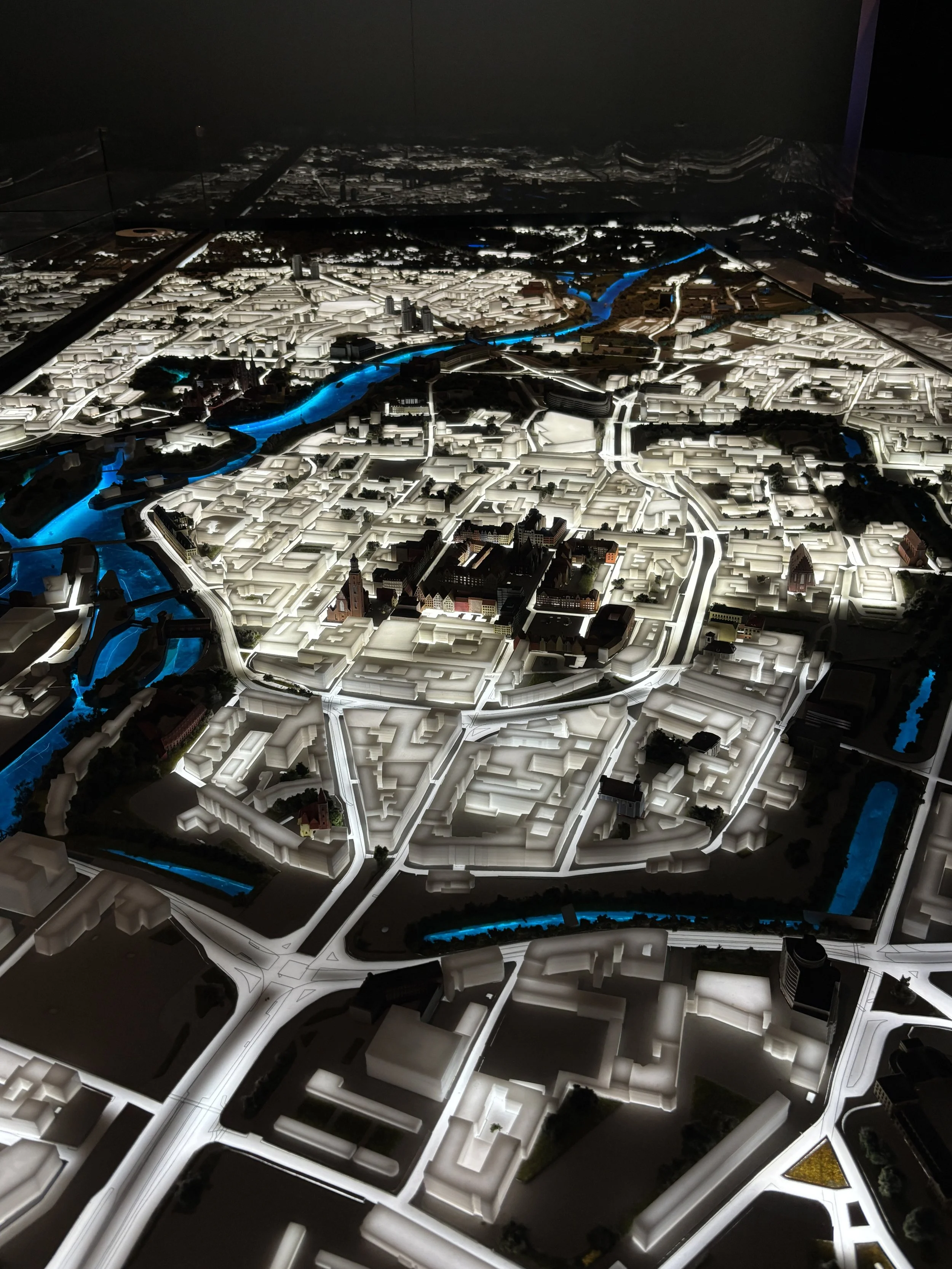
One of the highlights of the exhibition is an interactive map showing the extent of the floods that Wroclaw suffered in 1997, with large portions of the city going under water. That event led to an upgrade of the city’s flood management and protection systems which withstood well another potential flooding event in 2024.
Hydropolis is not a huge museum, you can see it well in about one hour. To be honest, while I found it reasonably interesting , I got the feeling that it tries to cover too much ground (from the ocean depths all the way to Wroclaw’s water system) to do so effectively. If you have to prioritize, I would rather go to the Panorama and Centennial Hall first.
Tickets cost around 50 PLN (€10/$11). Most of the exhibition is inside, but you can also get to a garden roof from where you can see the old brick tower which used to act as a filtration tank for the city’s water supply.
By the way, the water tower has its own dwarf, which you are encouraged to located with the help of a telescope placed in the garden for this purpose!
Centennial Park - Wroclaw’s UNESCO World Heritage Site
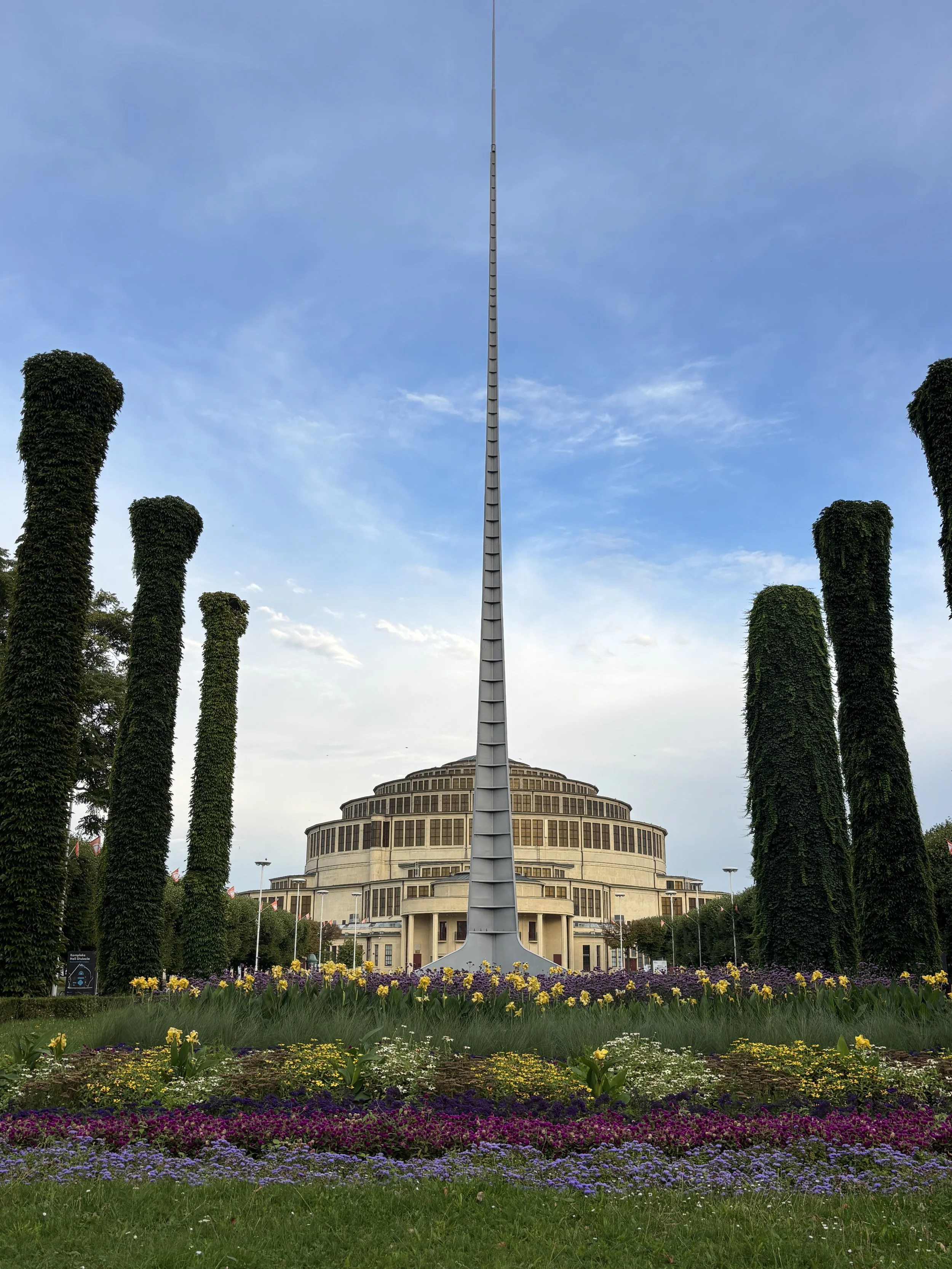
Centennial Park is the only site of Wroclaw which has UNESCO World Heritage status and, interestingly, it is not from the Medieval or early Modern era, but was built in 1913 instead!
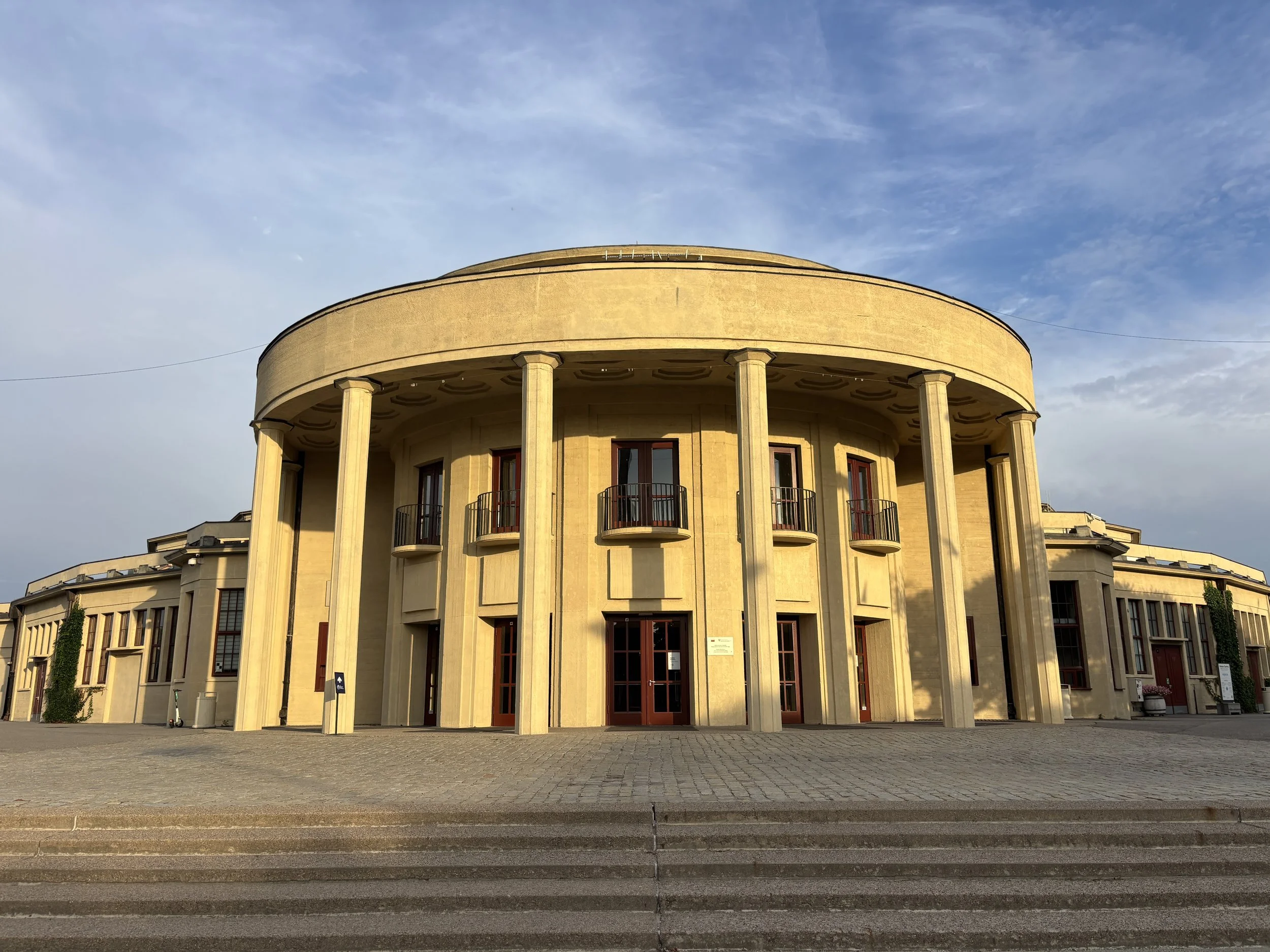
Centennial Hall was designed by German architect Max Berg, to mark the centenary of the 1813 Prussian rising against Napoleon. Its reinforced-concrete dome is reminiscent of the Pantheon, in Rome, although, at 65 metres across, it is way larger!
It is possible to visit the interior, although I was too late for that (last admission is at 5pm). I think the most visually interesting elements are on the outside, though.
It is actually quite amazing to think this type of futuristic, yet very elegant, architecture was a thing more than 100 years ago. And even more amazing to think it survived the destruction of WW2!
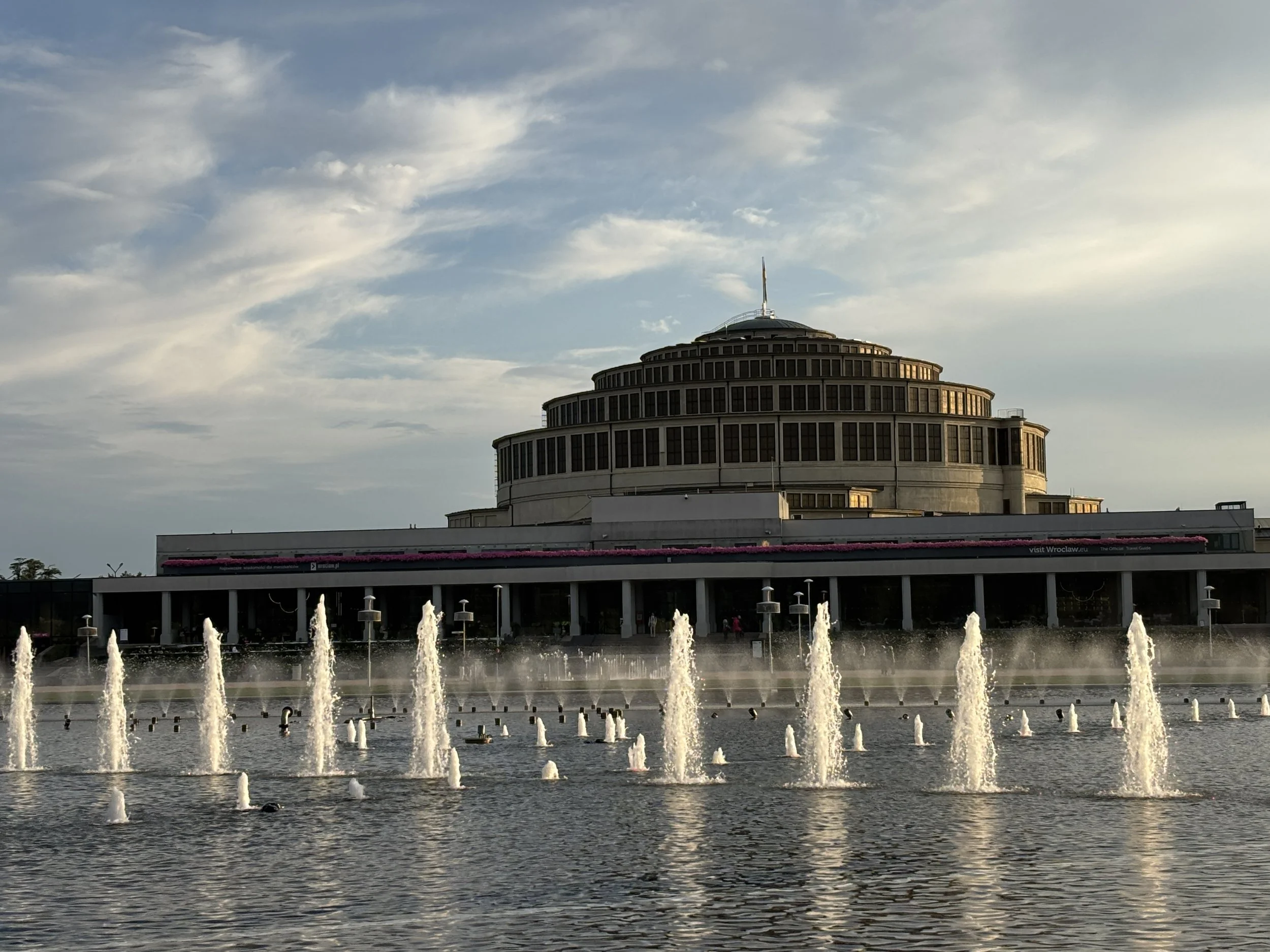
The circular hall and the spire are the most striking elements of Centennial Hall, but they are part of a much larger complex, which includes the lake and fountains, as well as the adjacent Japanese Garden.
While I didn’t have time to visit the Japanese garden, I heard good things about it and can be a nice addition to your itinerary if you go all the way to Centennial Hall. The garden, which is the third largest of its type in Europe, was set up also in 1913 and restored by Japanese specialists in 1995.
The fountain shows run hourly during the summer (May to October) and on some festive days and weekends there are special evening shows which attract large crowds. I didn’t have the chance to see any of these, but my advise is to check the schedules, because it can be a nice addition to your visit.
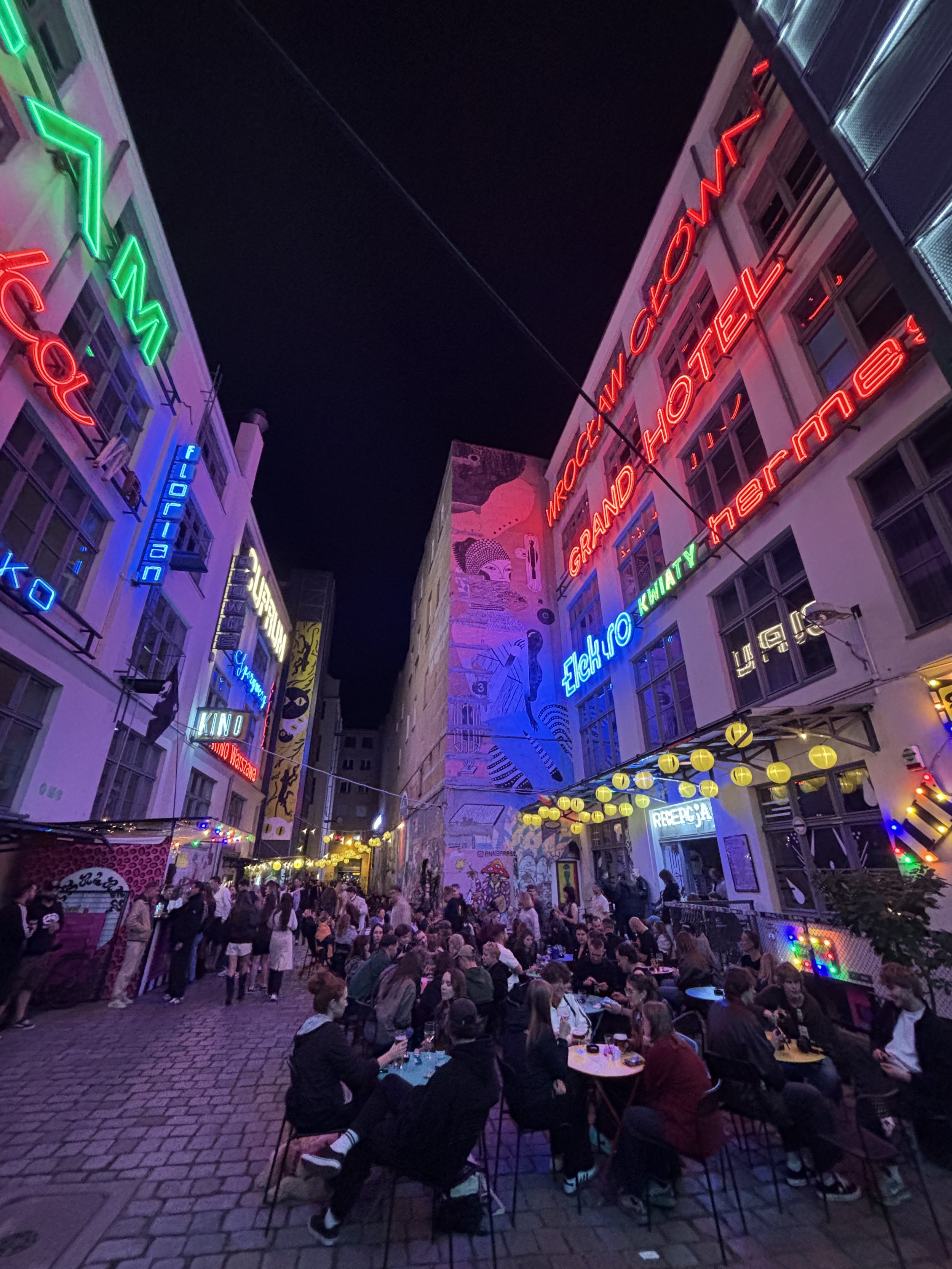
Wroclaw-la-nuit: Neon Gallery
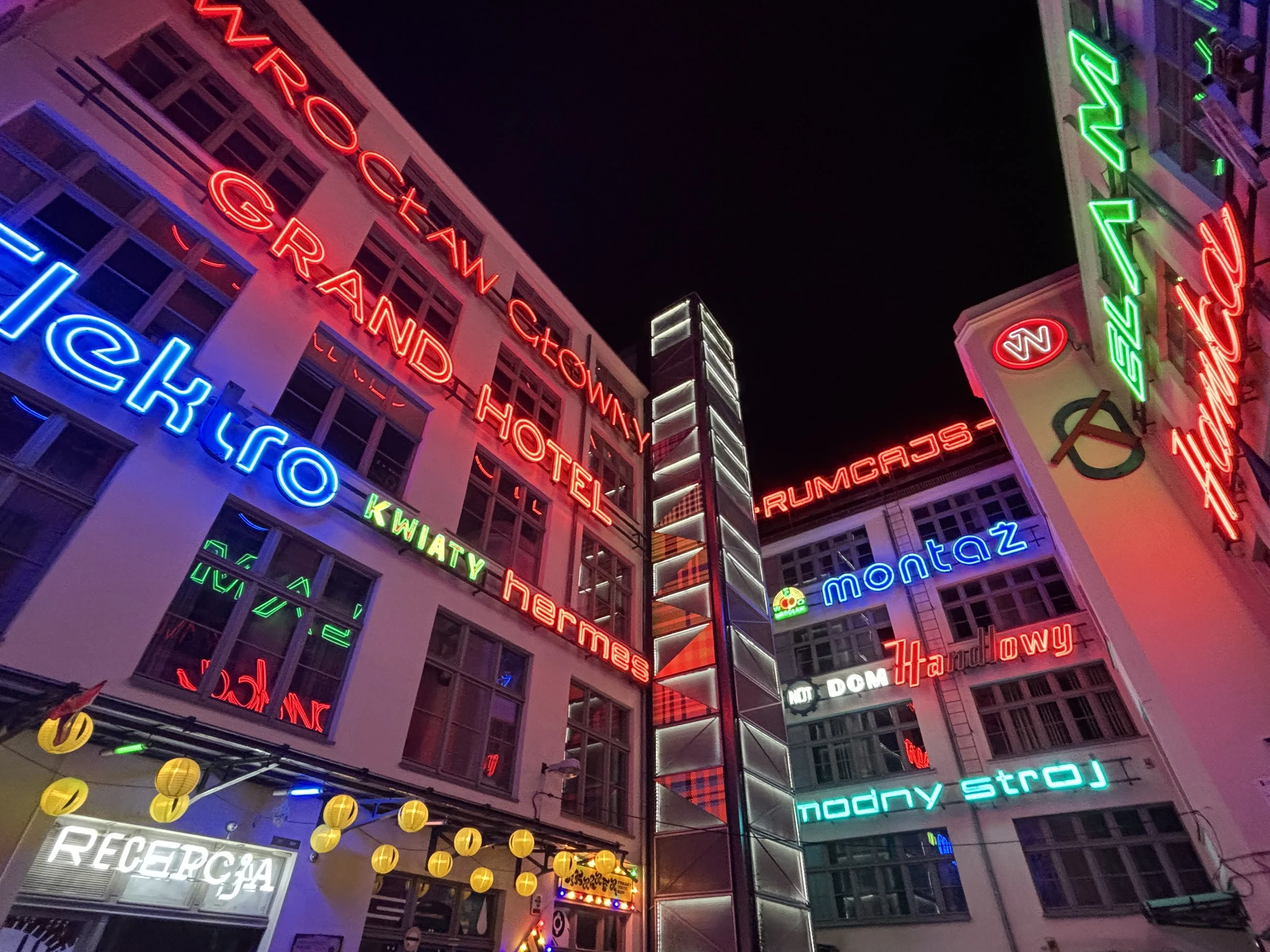
Even if you are planning to skip Wroclaw’s nightlife (as it was my case!) it is worth having a peek at the Neon Gallery, since this is quite a unique and scenic spot and it is literally next to Rynek.
Well, in fact, it is located into what has been named the “Four faiths district”, an area of the historical center which is called this way because it hosts temples of as many religious denominations (Catholic, Lutheran, Orthodox and Jewish) and has become a sort of bohemian side of Wroclaw.
This is, indeed, the vibe of Neon Gallery, which is a large courtyard lined with bars and nightclubs. There are, actually, a couple more courtyards next door which serve the same function, but Neon Gallery is the most visually striking.
It had already a lively atmosphere at a relatively early hour. Of course, the warm weather helped (not sure whether is it the same in the middle of the Polish winter!).
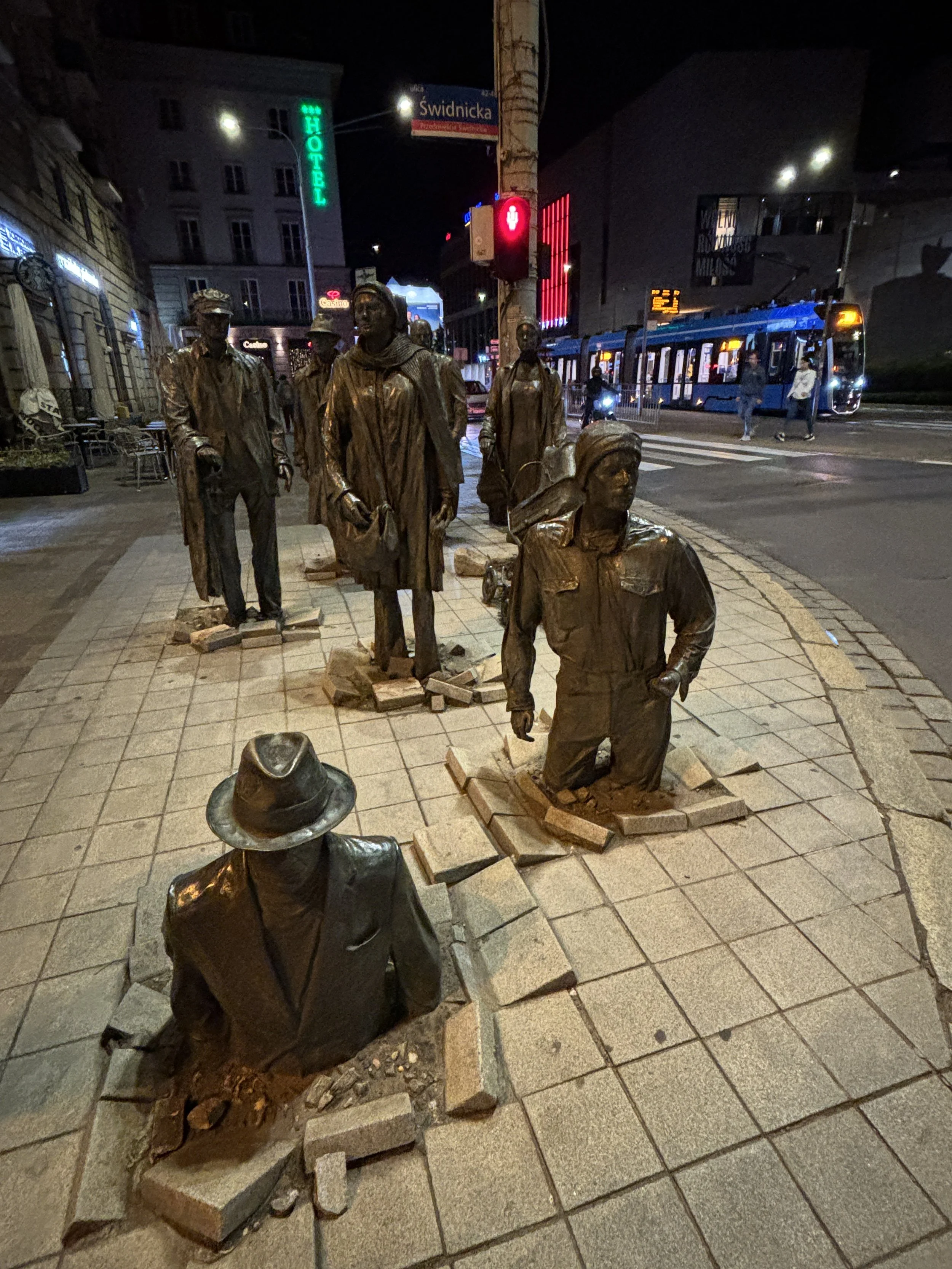
As you can see below, the dwarves are not the only bronze statues you can come across when walking around Wroclaw!
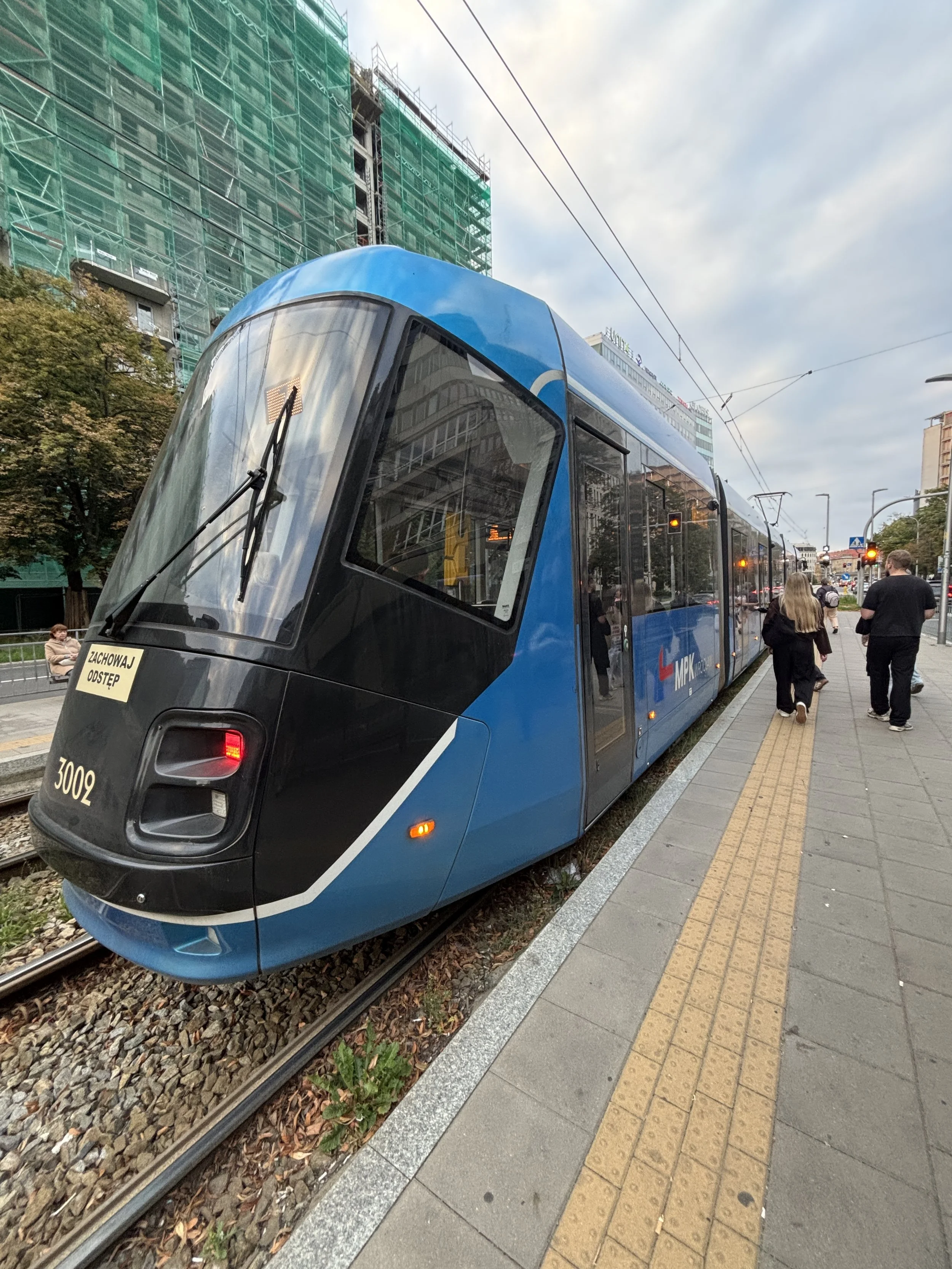
How to move around Wroclaw
Wroclaw is not a huge city and most of the historical center and many of the sites mentioned in this post can be reached on foot from Rynek. However, you may still need some means of transportation to get to some of the more relatively peripheral places, such as Centennial Park or Hydropolis.
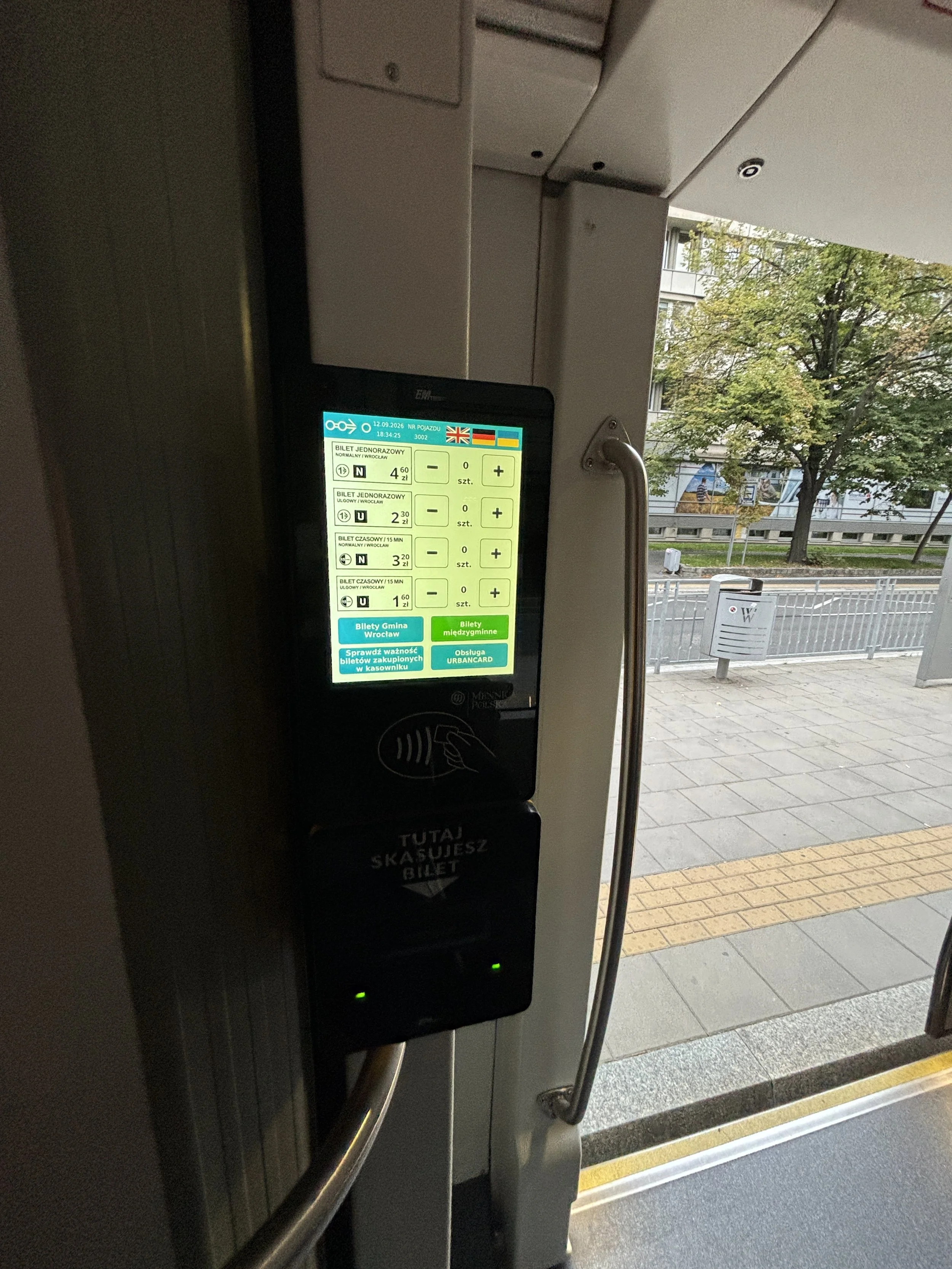
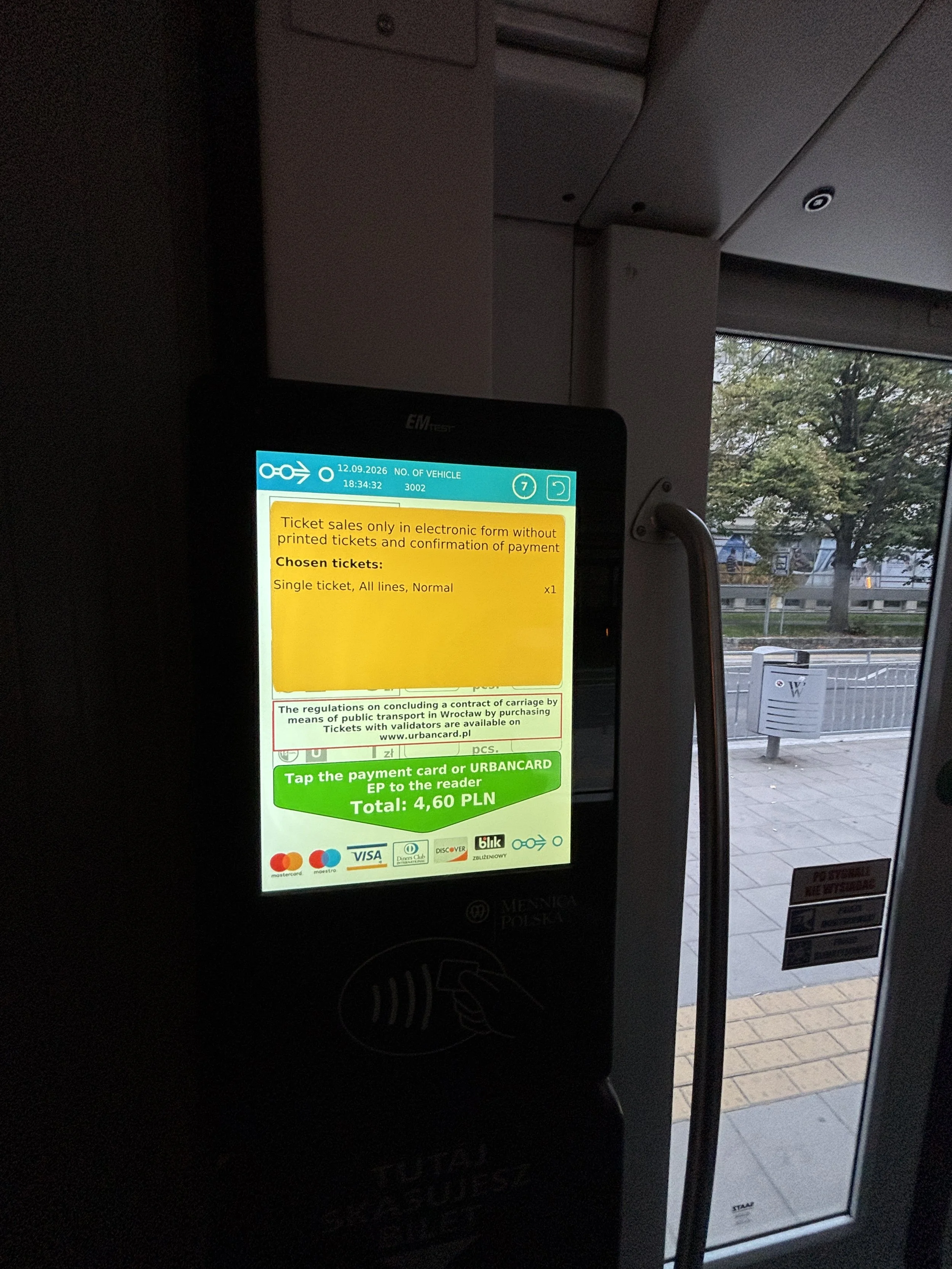
Trams provide a convenient and cheap way to move around the city. They pass frequently along the city’s main axis and you can pay straight away with your credit card at digital terminals inside the tram.
These have modern, touchscreens with a multilingual interface, so the whole process is pretty simple. A single ticket costs 4.5 PLN, which is around €1 (or $1).
I also used Bolt (the European alternative to Uber) a couple of times and it worked also well and was relatively cheap (a 10-15min urban journey costing me the equivalent of €5/$5).
Last but not least, if traveling to and from the airport, you can take Bus 106, which stops by the Renova building at the edge of the old town and runs every 30min or so. Ticketing works exactly the same as on the trams.
Some great places to eat in Wroclaw
1 - Restaurant Przystań & Marina
Księcia Witolda 2, 50-202 Wrocław
This is a modern and quite upmarket restaurant which serves Polish cuisine with European influences. It has got a Michelin guide mention and has also been listed by Forbes among the Top 50 restaurants in Poland.
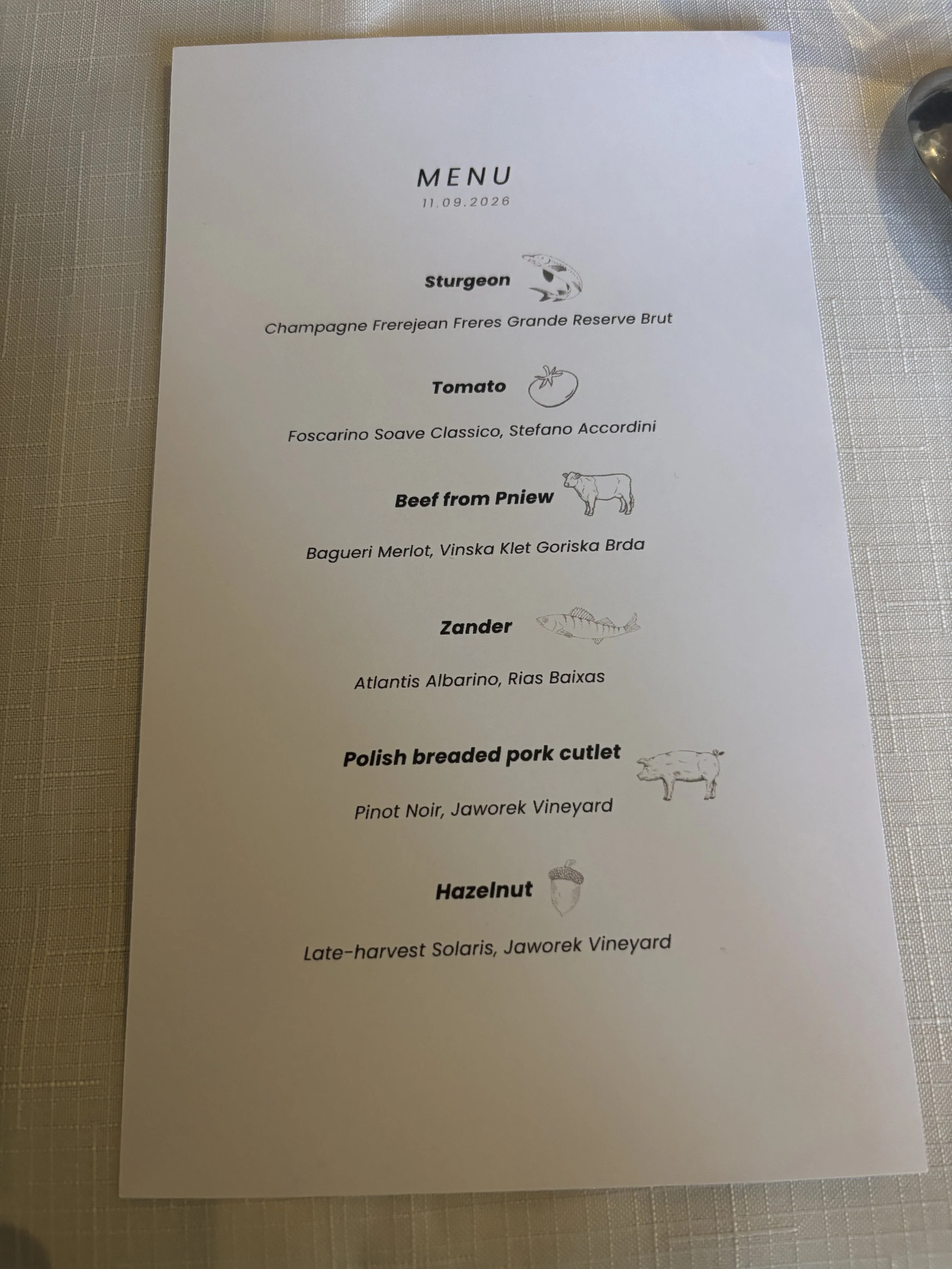
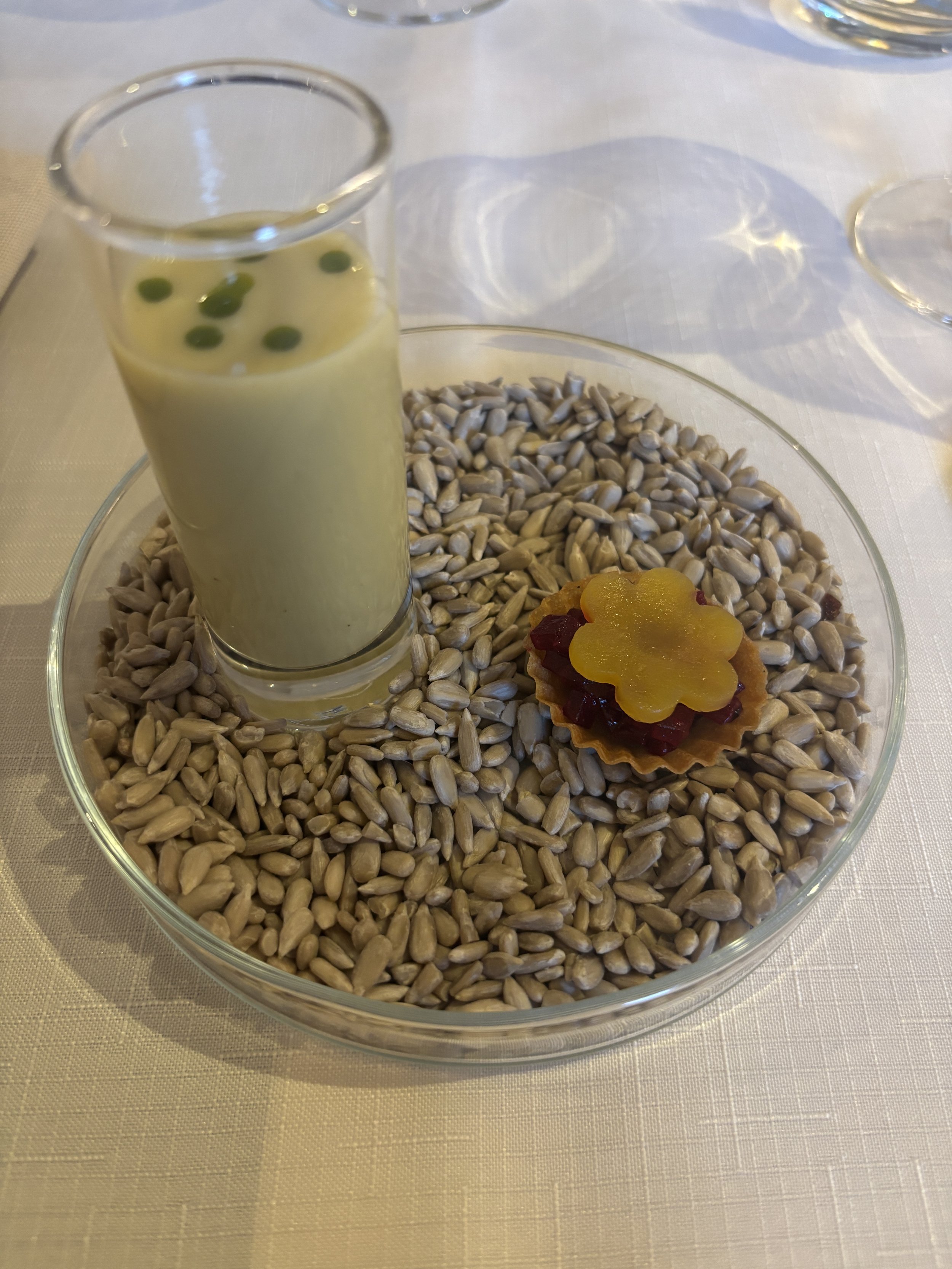
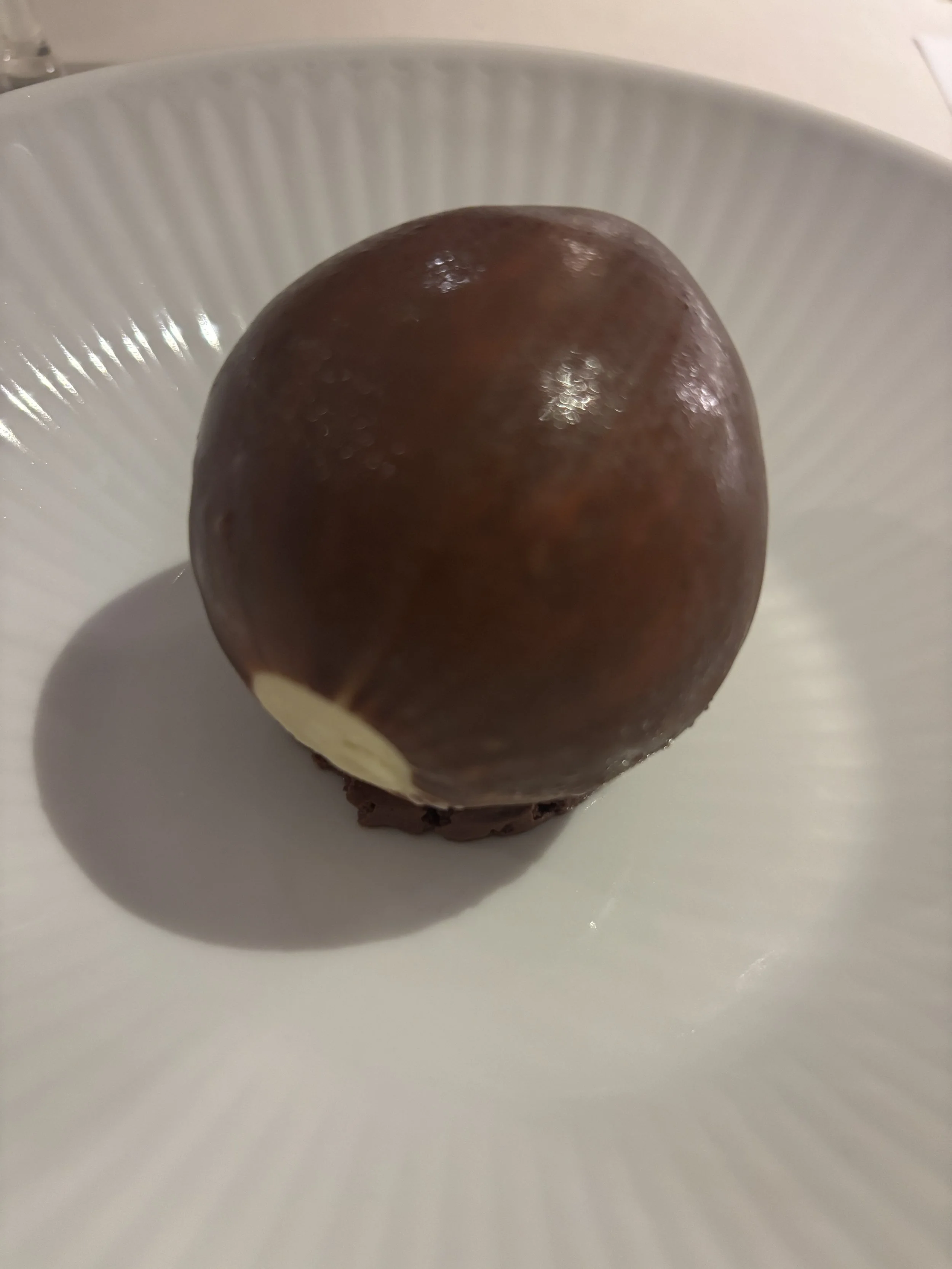
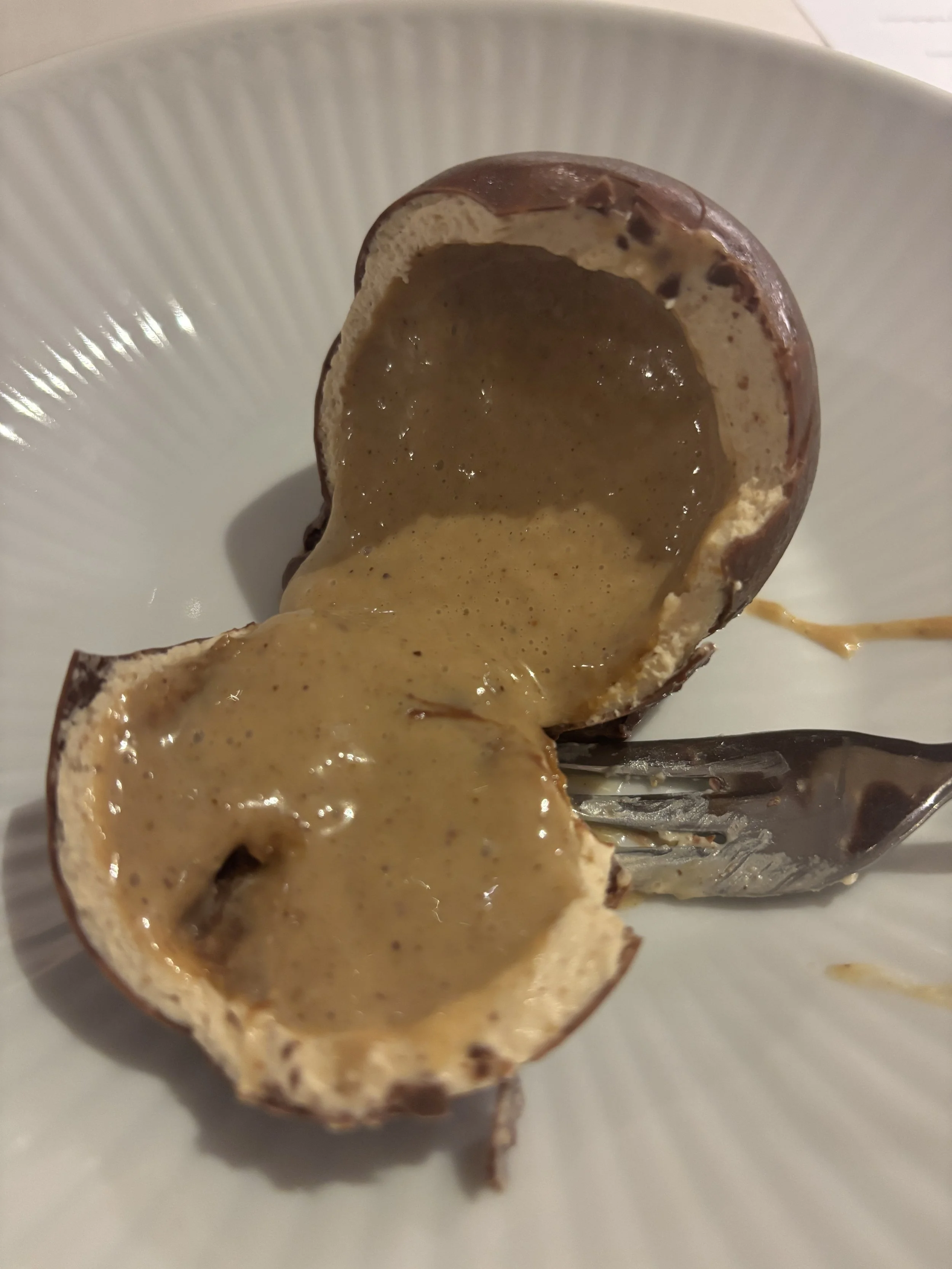
The day I was visited our group got to try a degustation menu (see below), which provided quite a broad sampling of its offering. The presentation and the taste was impeccable throughout!
See the photo gallery below:
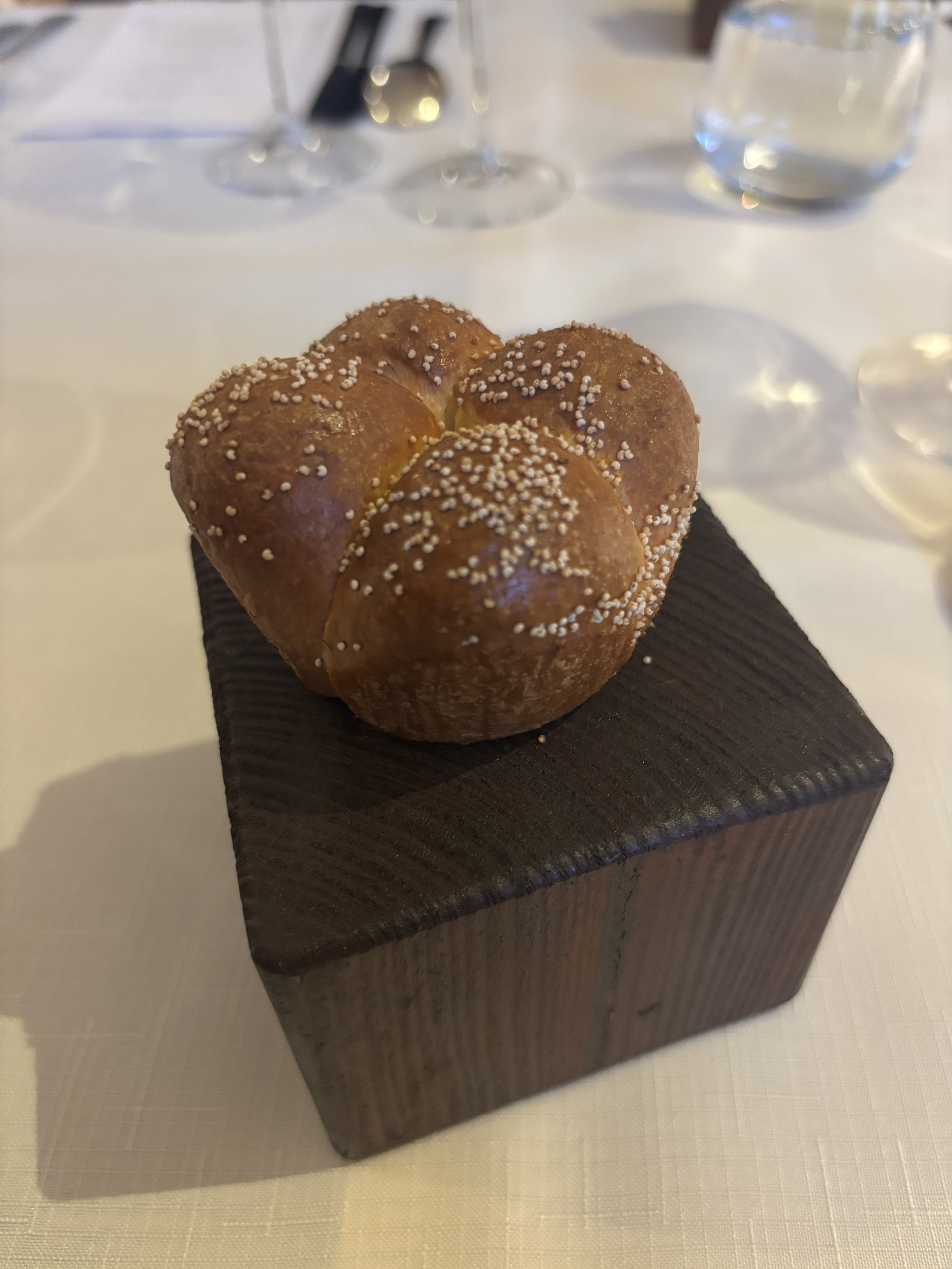
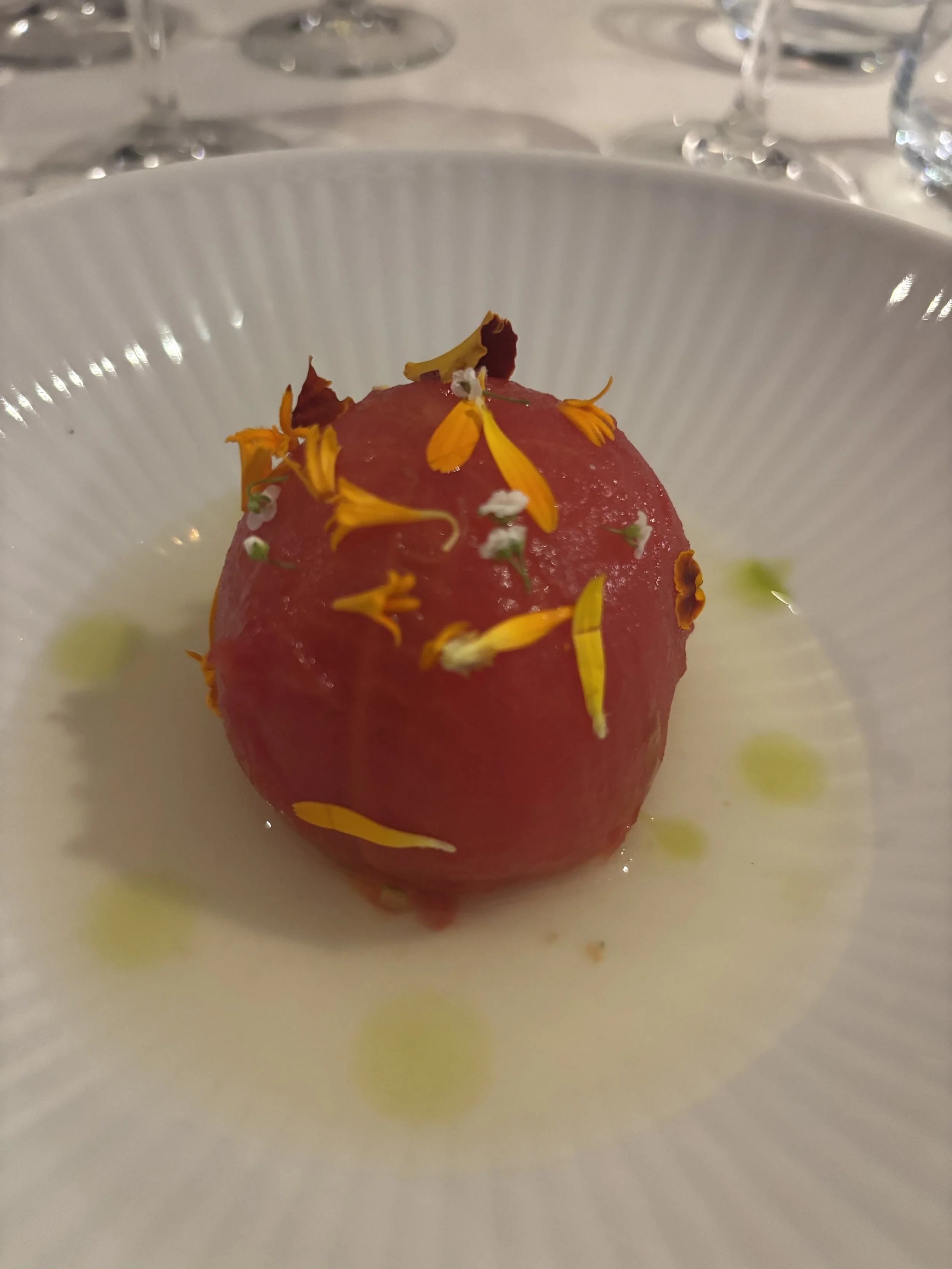
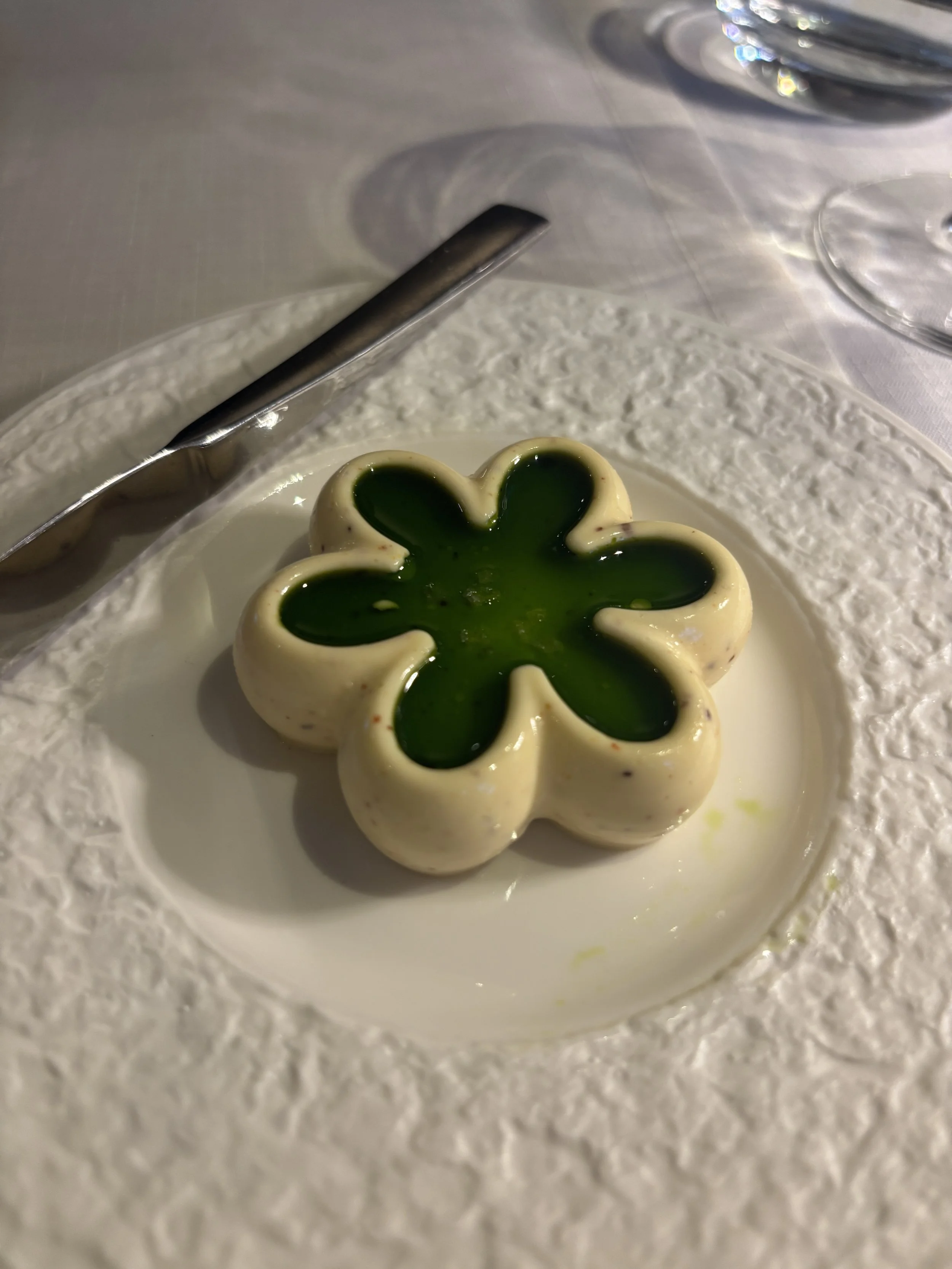
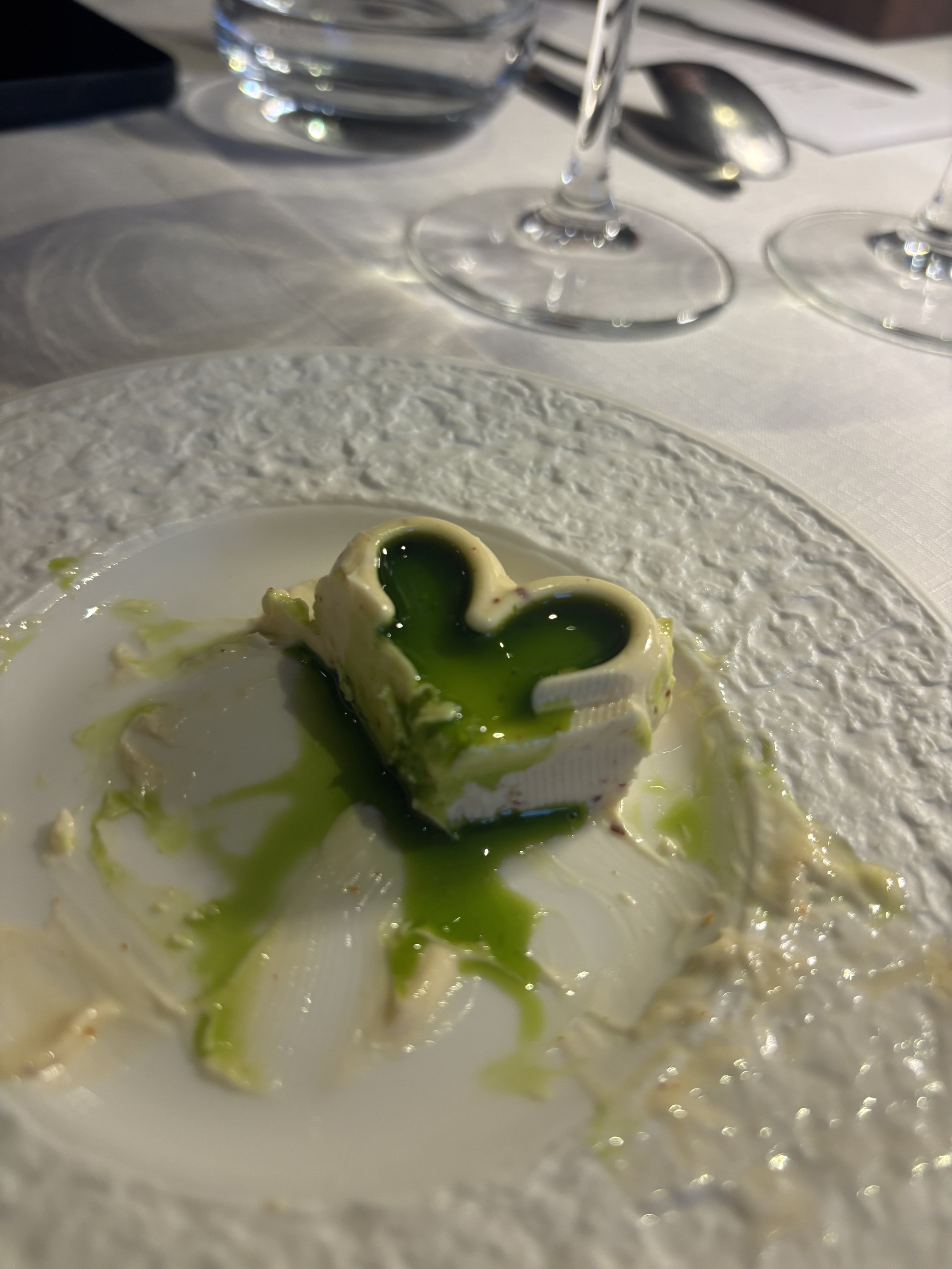
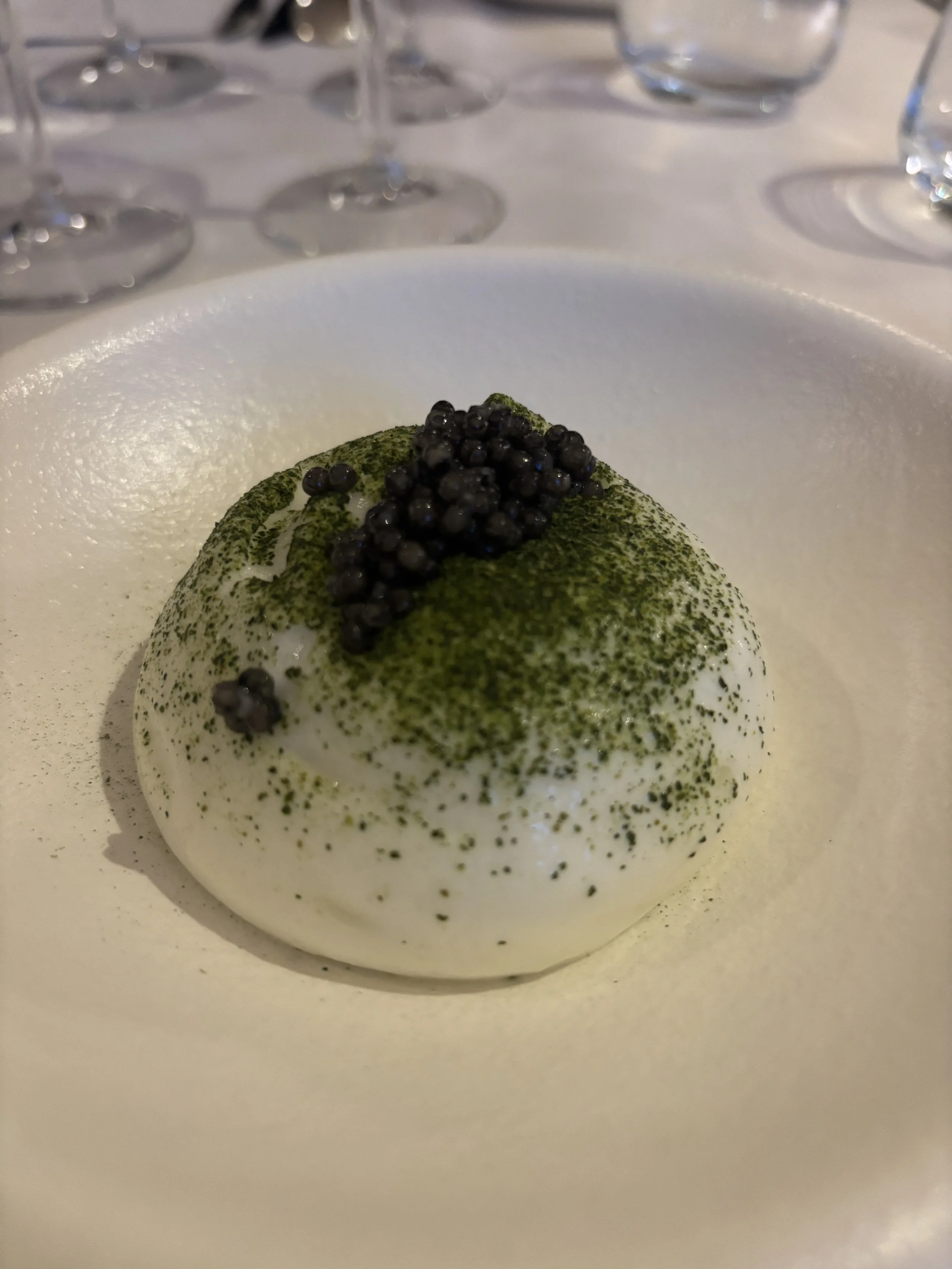
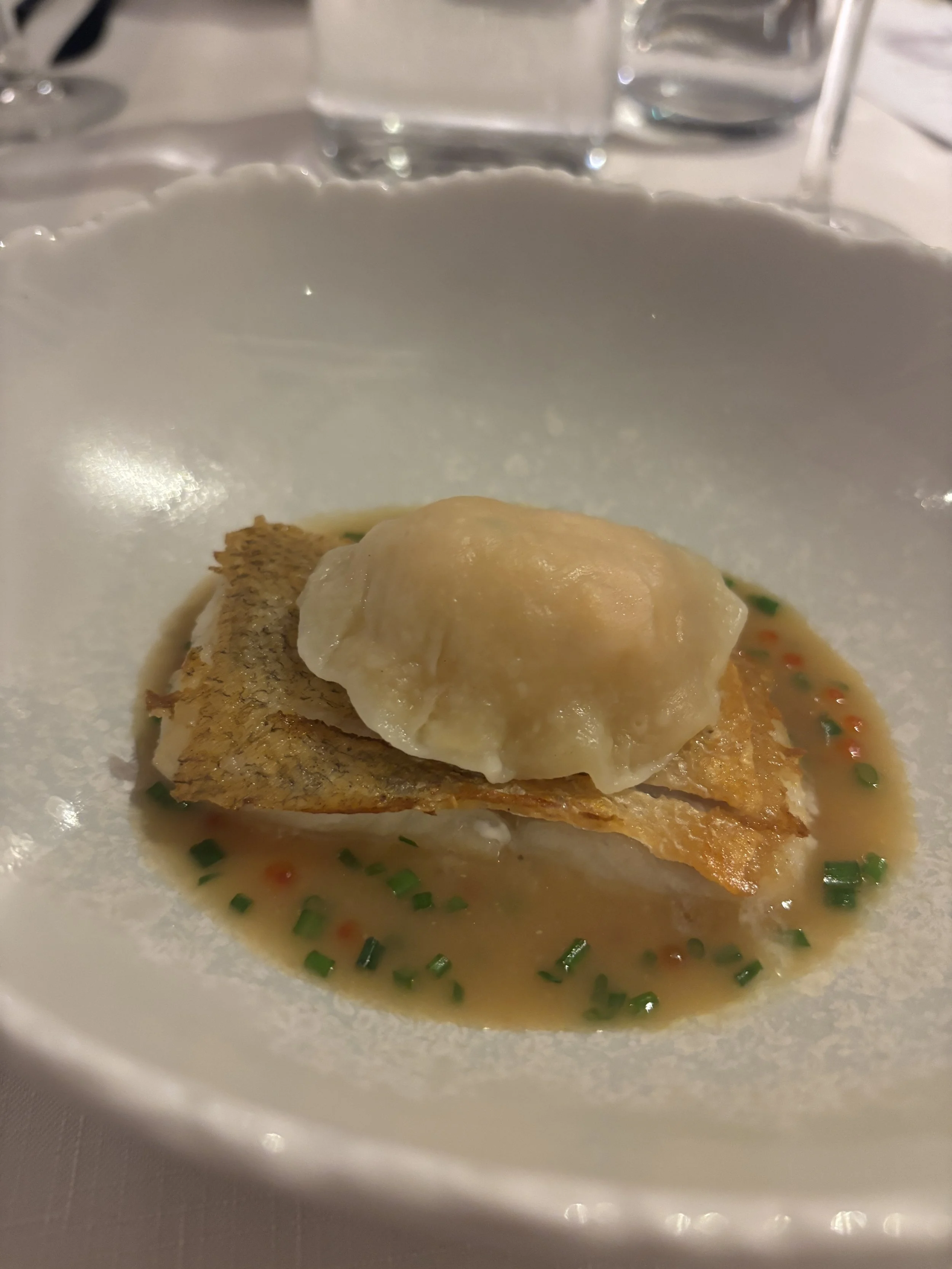
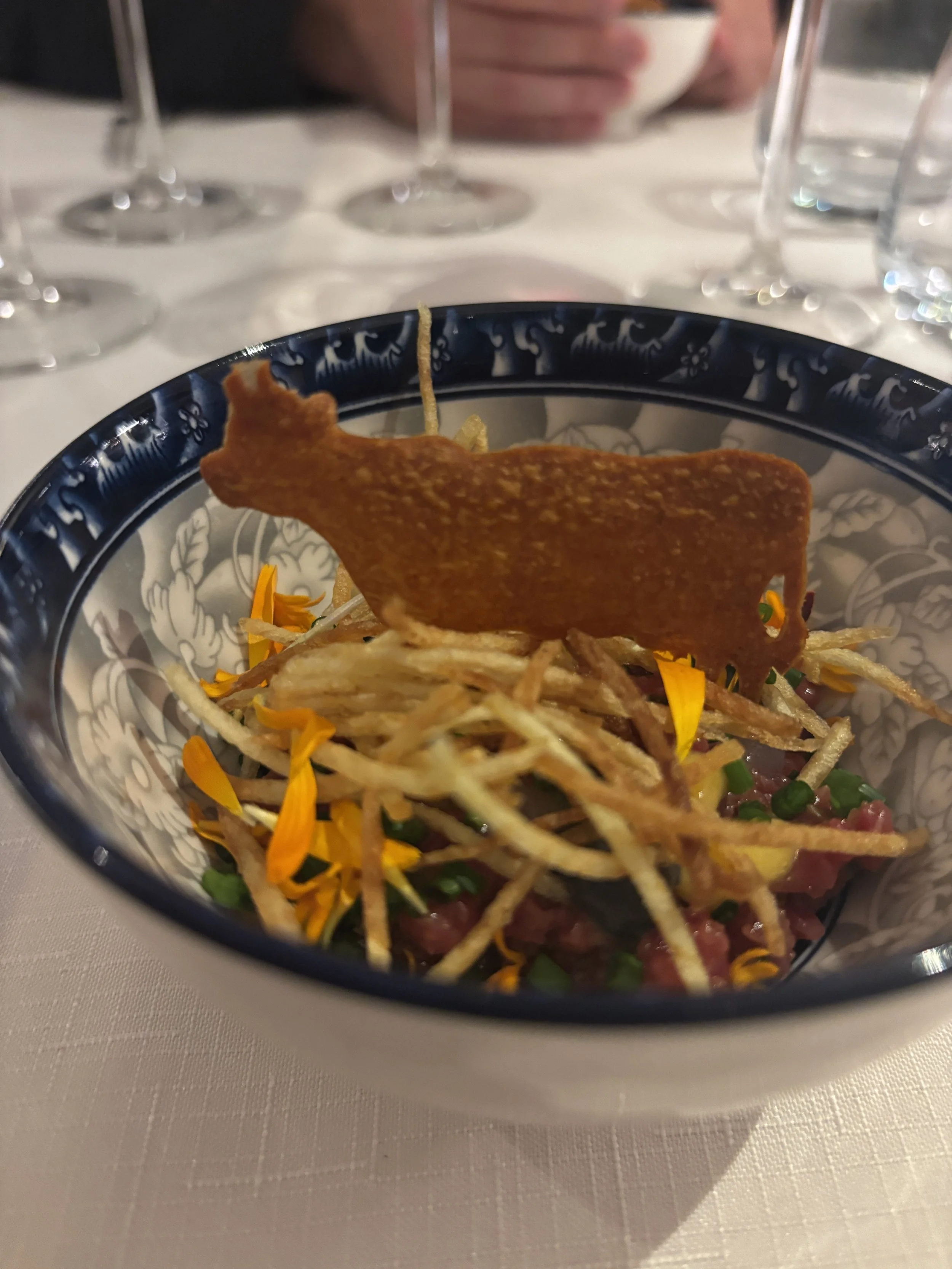
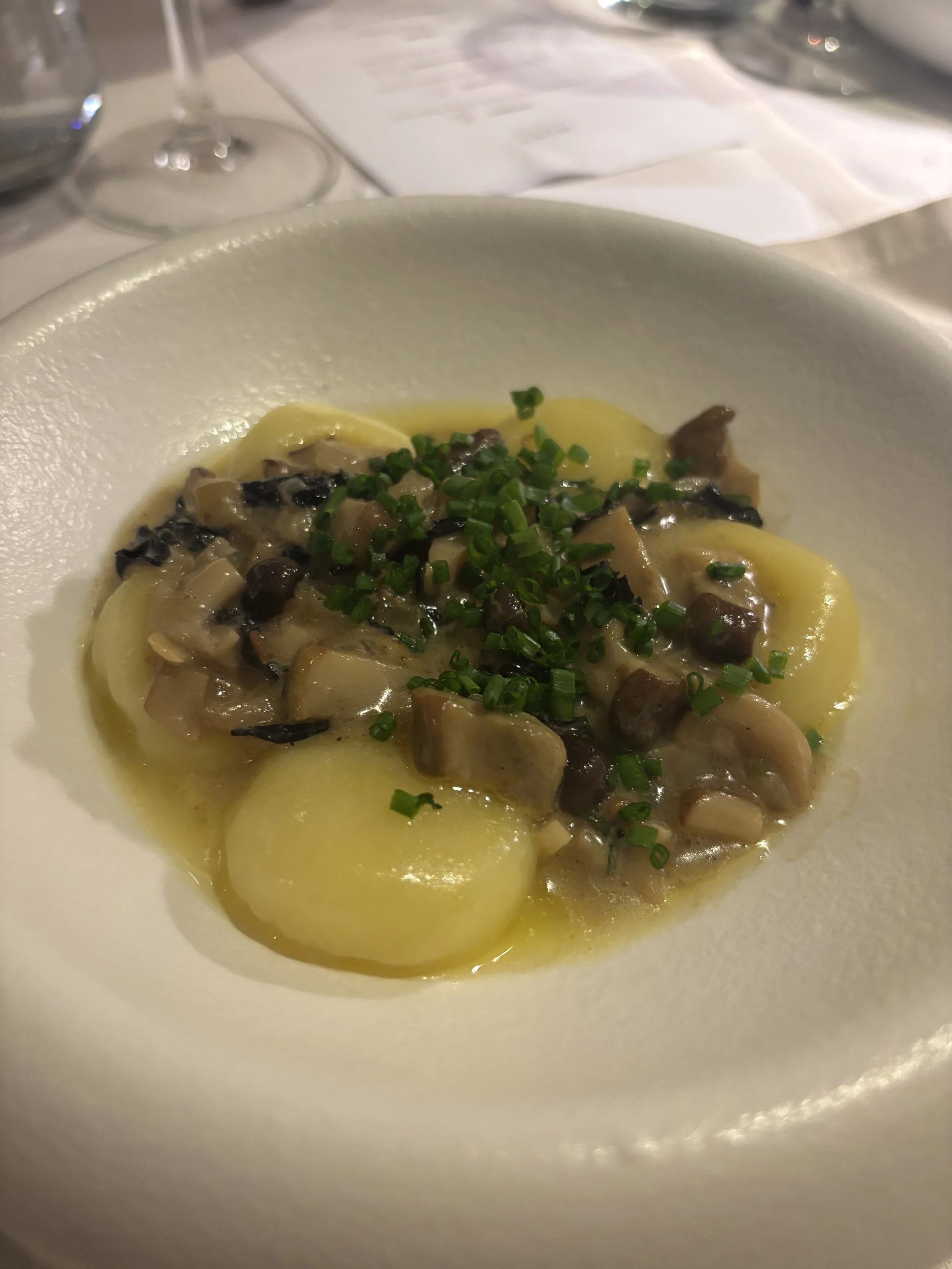
An added bonus if dining at Przystań & Marina is the view of the university building just across the river (the restaurant has a terrace actually).
The name of the restaurant “Przystań & Marina” means actually “harbour & marina” in a hint at its location near the water on one of the islands in the middle of the river Odra.
Vertigo Jazz Club & Restaurant
Oławska 13, 50-123 Wrocław
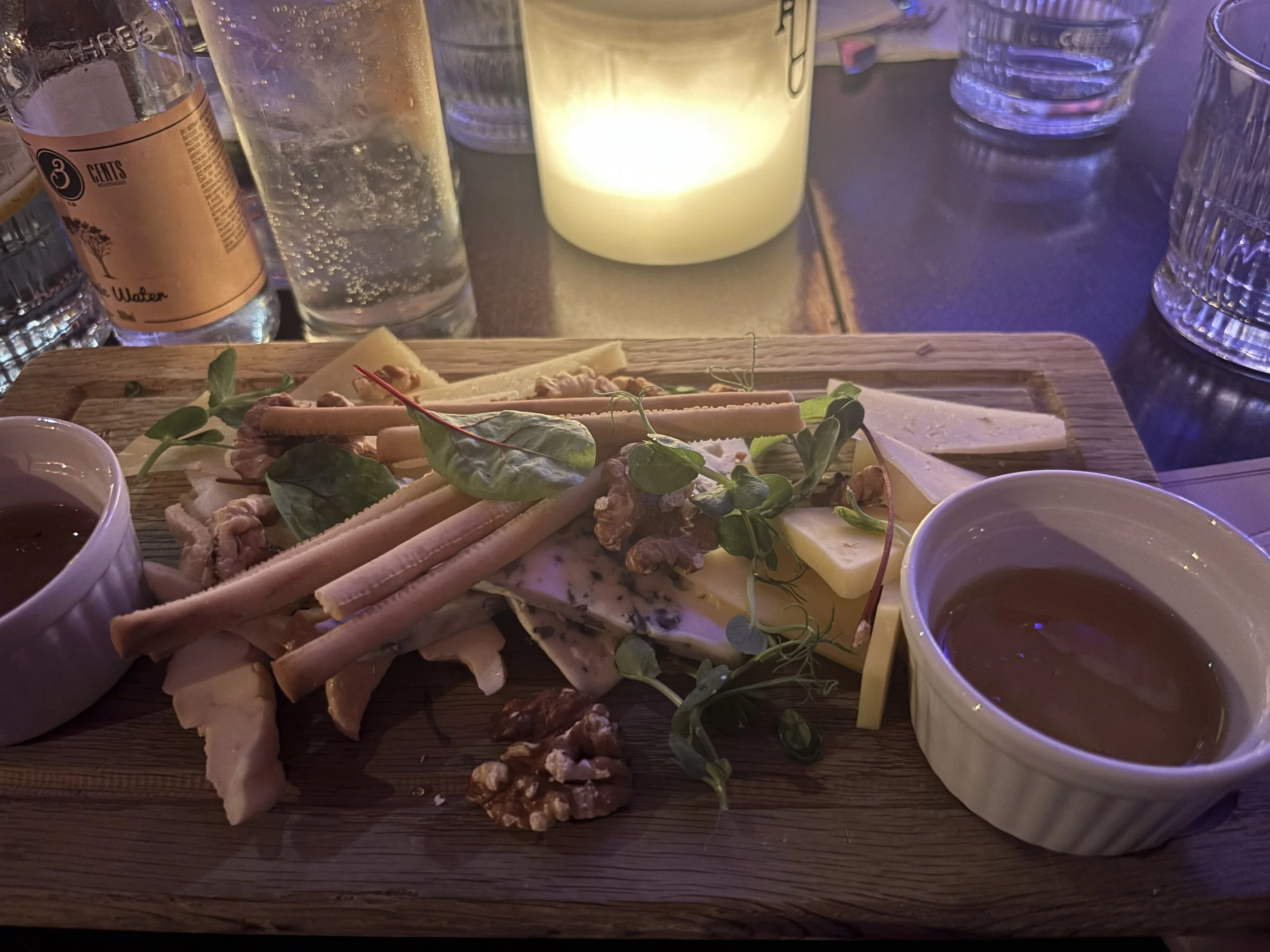
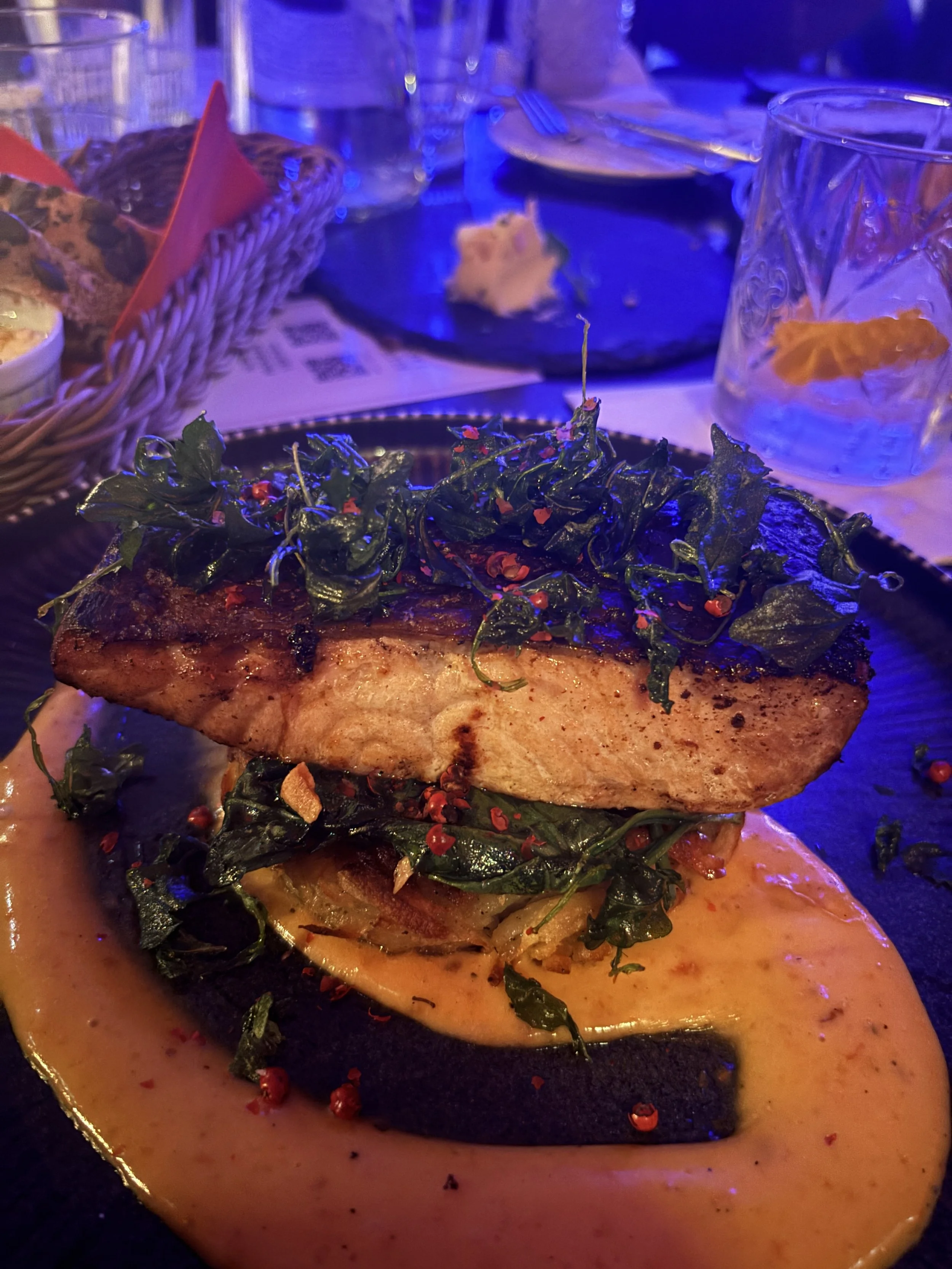
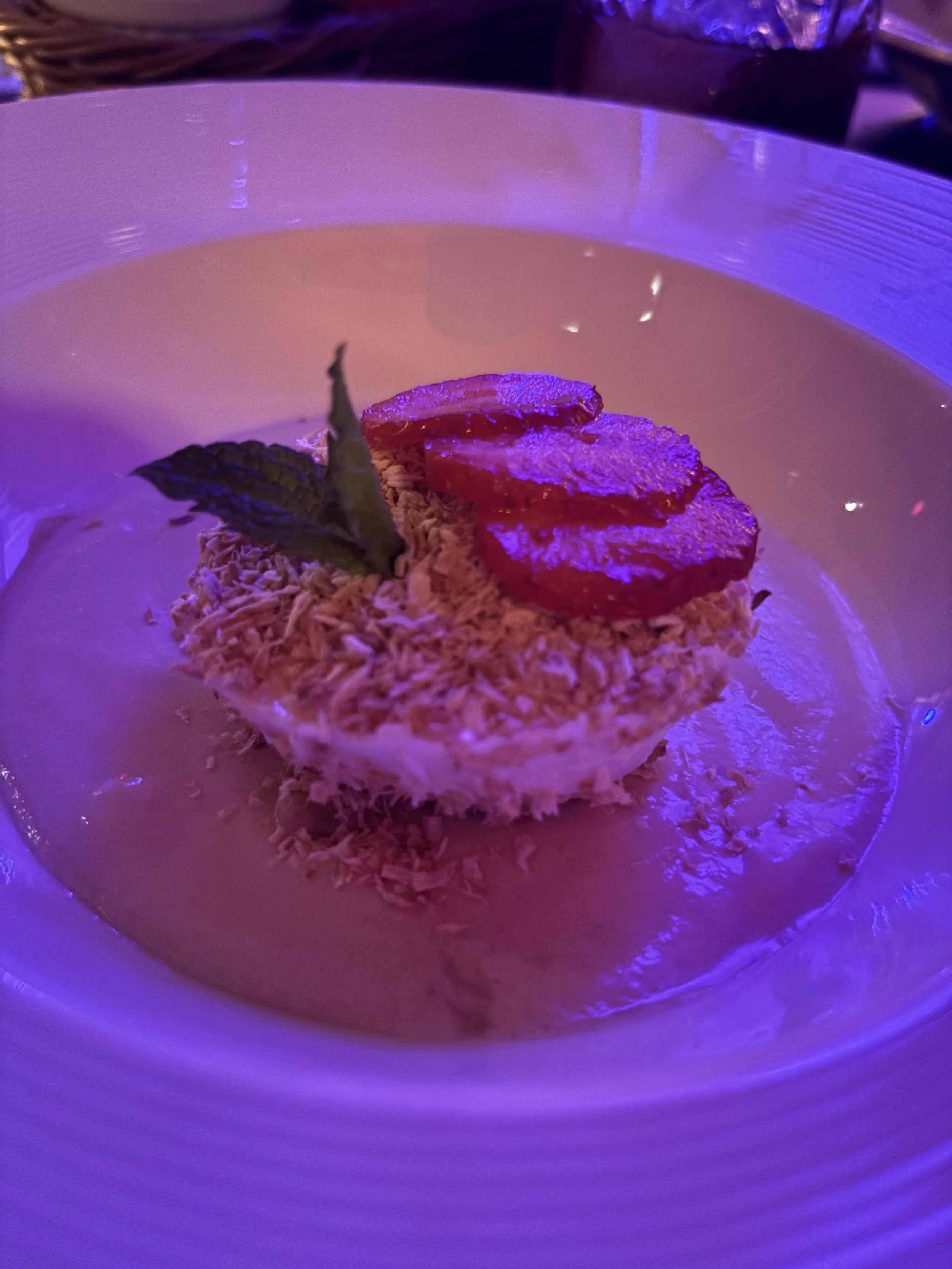
This is an iconic place in Wroclaw which acts, simultaneously as a restaurant and jazz bar. It is located in a basement right in the city center and is, apparently, the only jazz bar in town. It has shows pretty much every night and it serves pretty tasty food in a nice, relaxed atmosphere.
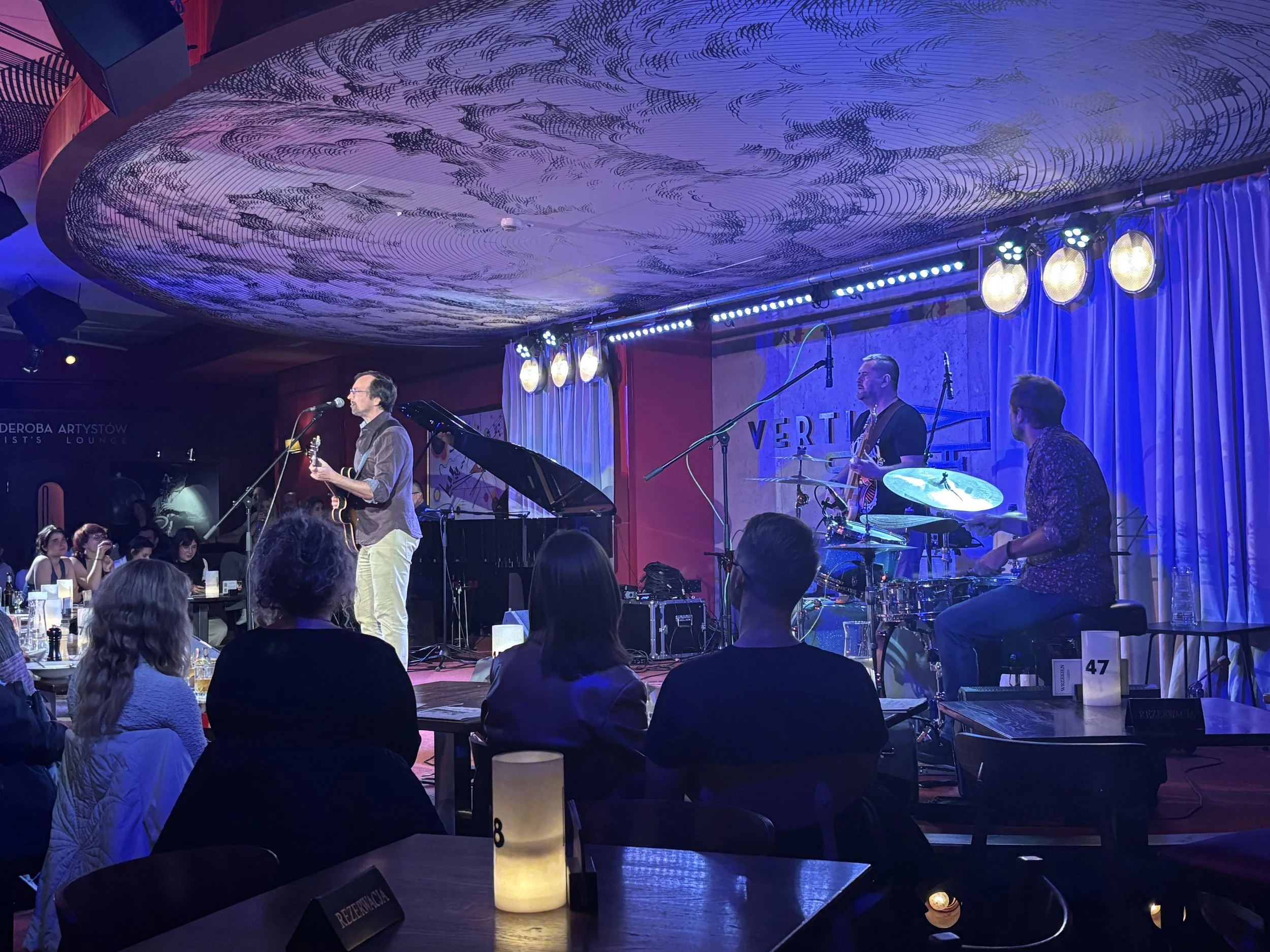
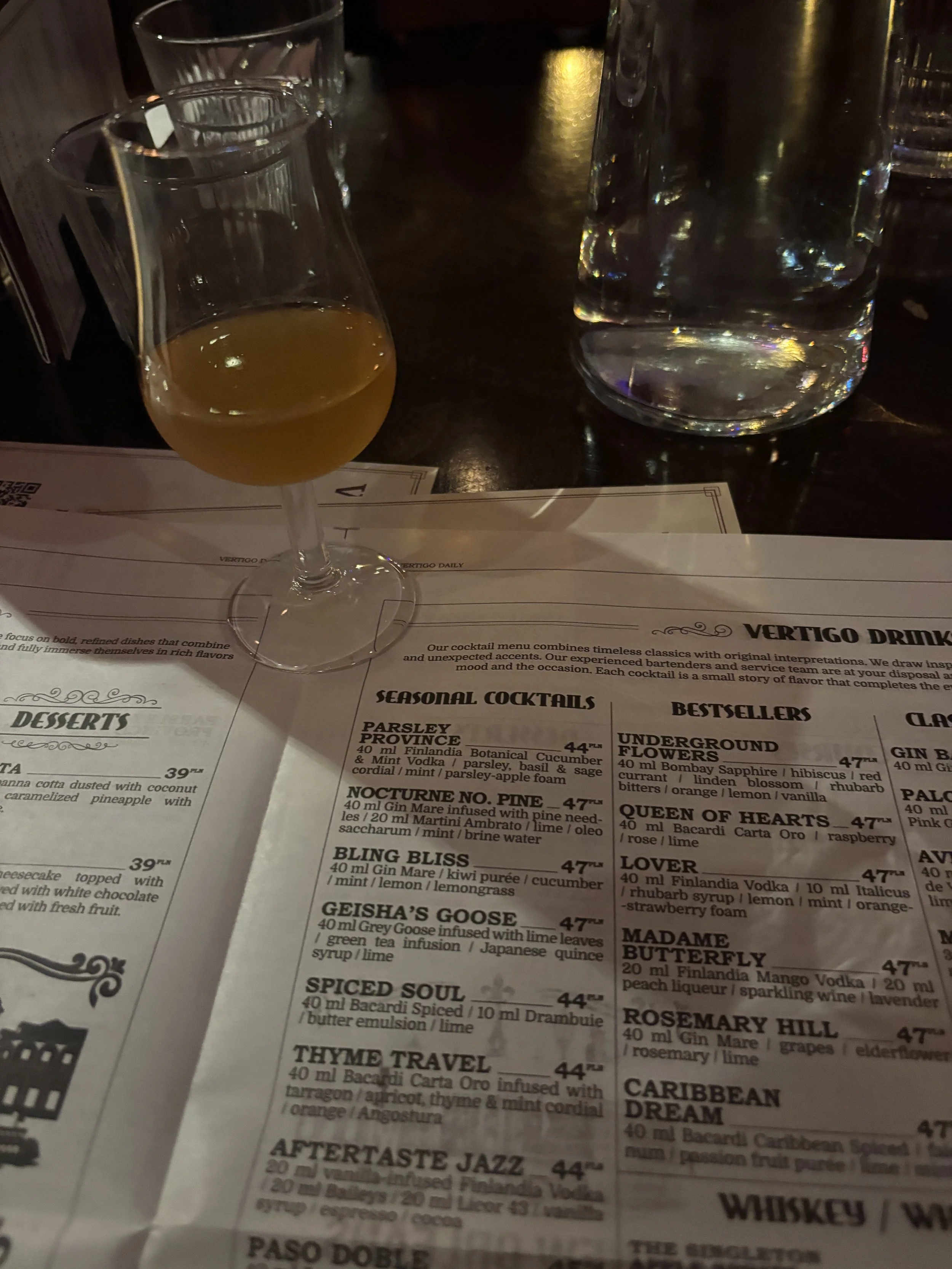
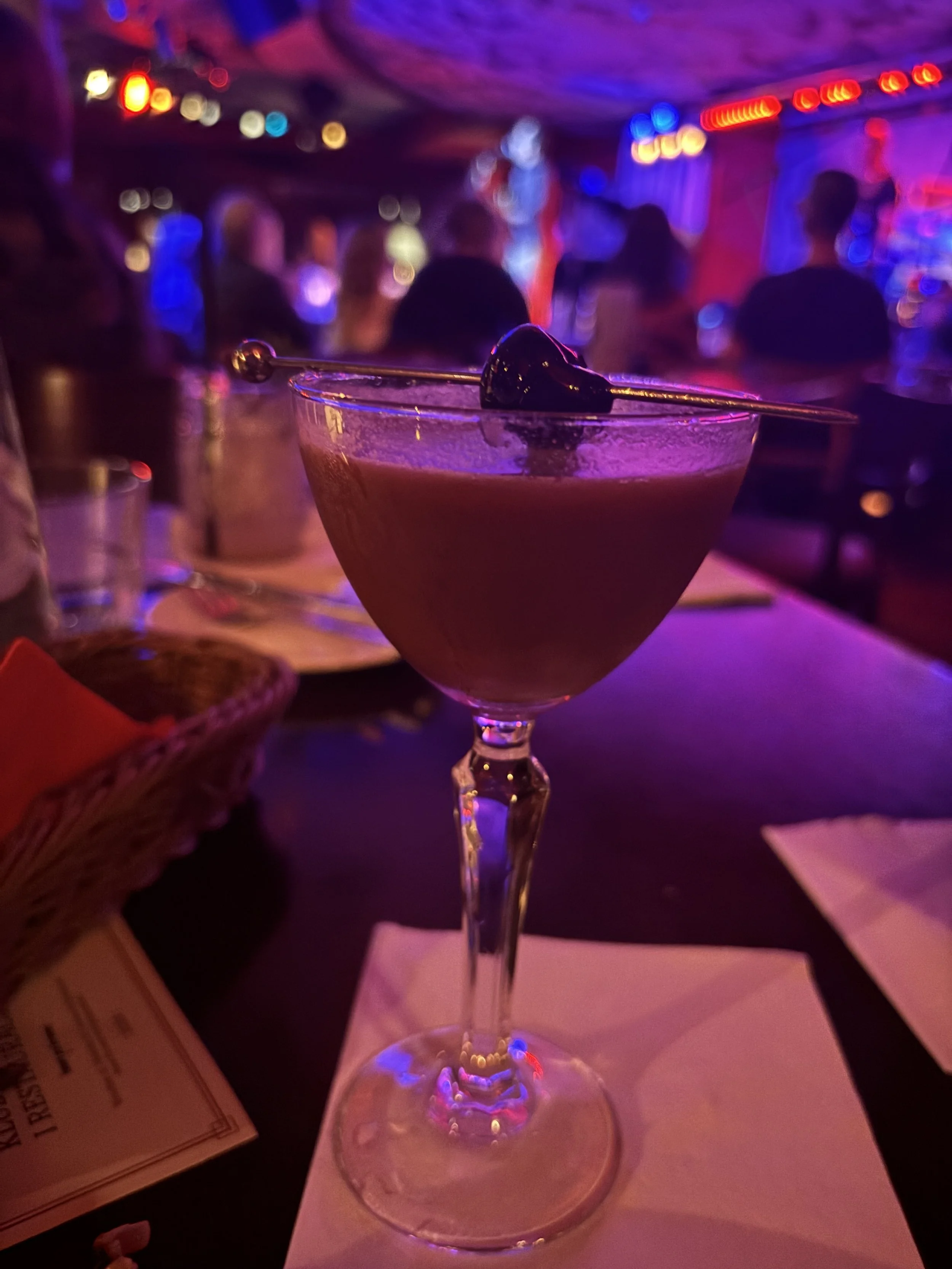
As can be expected from an place with such an artsy reputation, there are plenty of cool small details, such as, for example, the design of the menu, which looks like an old school newspaper. Or the the presentation of both the cocktails and the food.
A nice place for an evening out in Wroclaw!
Concordia Taste
wyspa Słodowa 7, 50-266 Wrocław, Poland
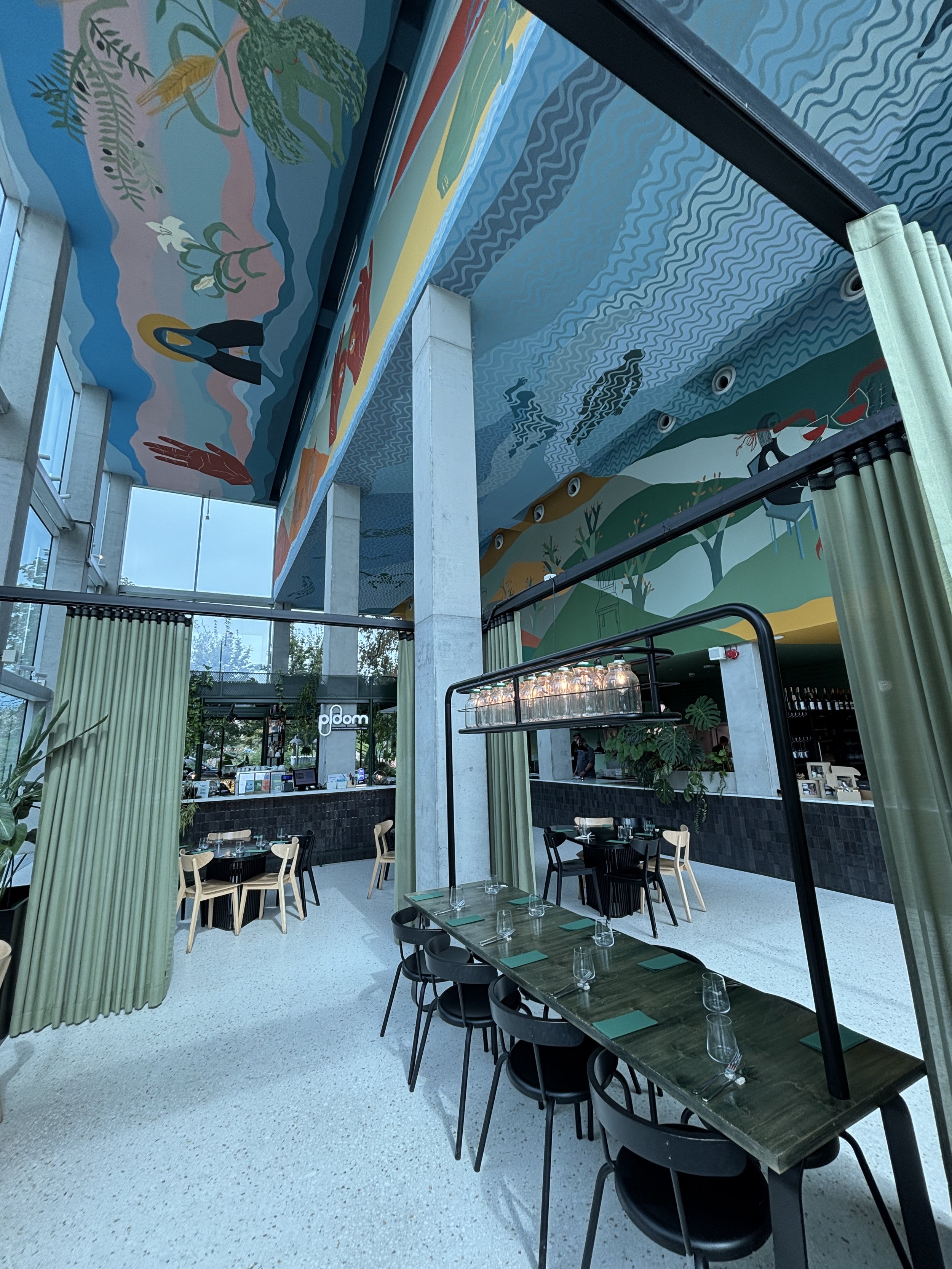
This is a very modern place (opened in 2022) located on one of the small islands on the Odra river (very close to Sand Island and Ostrow Tumski).
Its interior is decorated by a very large mural painting running across the whole restaurant. It is the work of Polish artist by Alicja Biała, who intended to celebrate closeness with nature and with other people you spend time with.
The restaurant is located within a building that serves as a creative arts space and business center and it has nice views of the river and Wroclaw University.
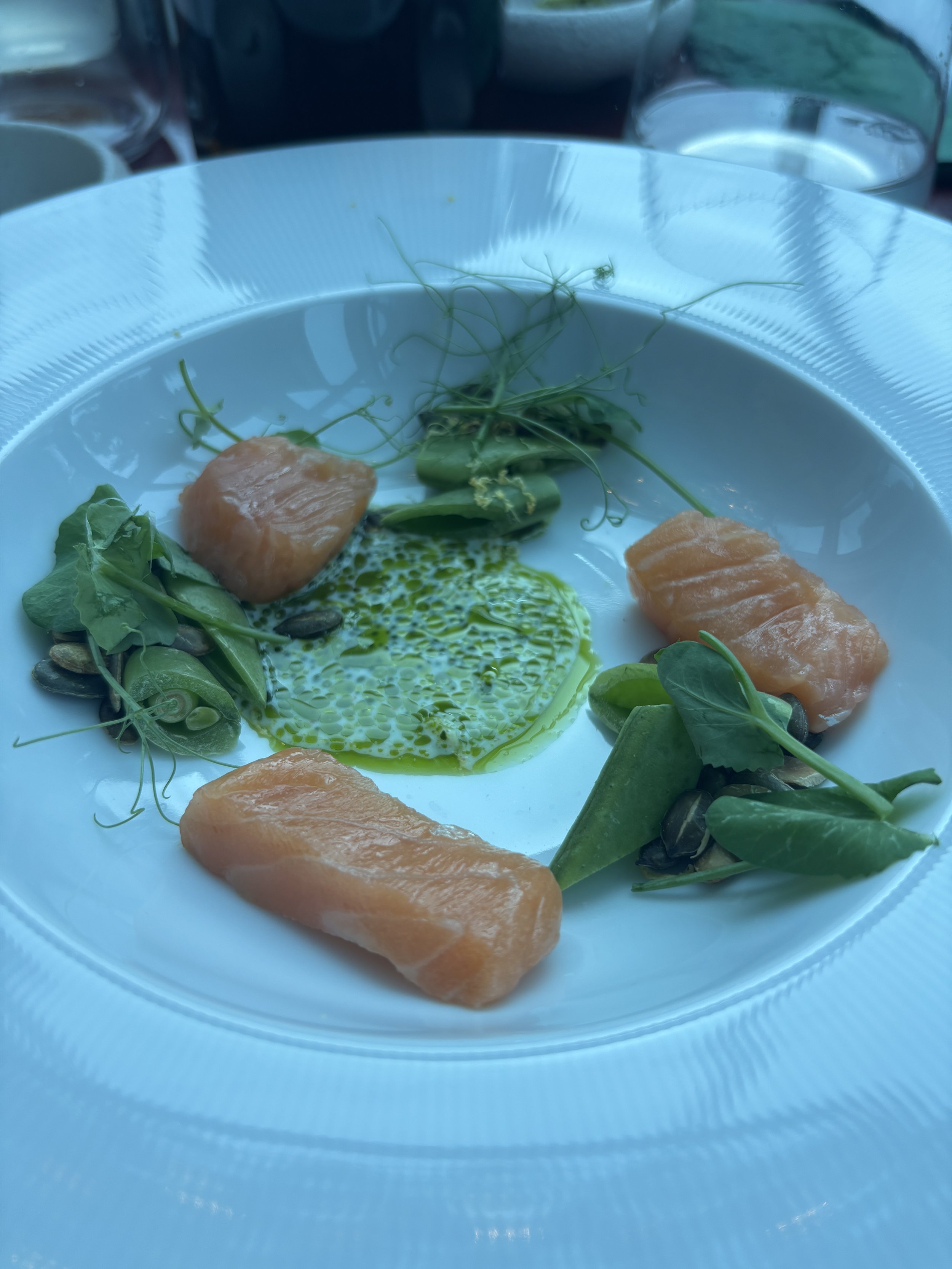
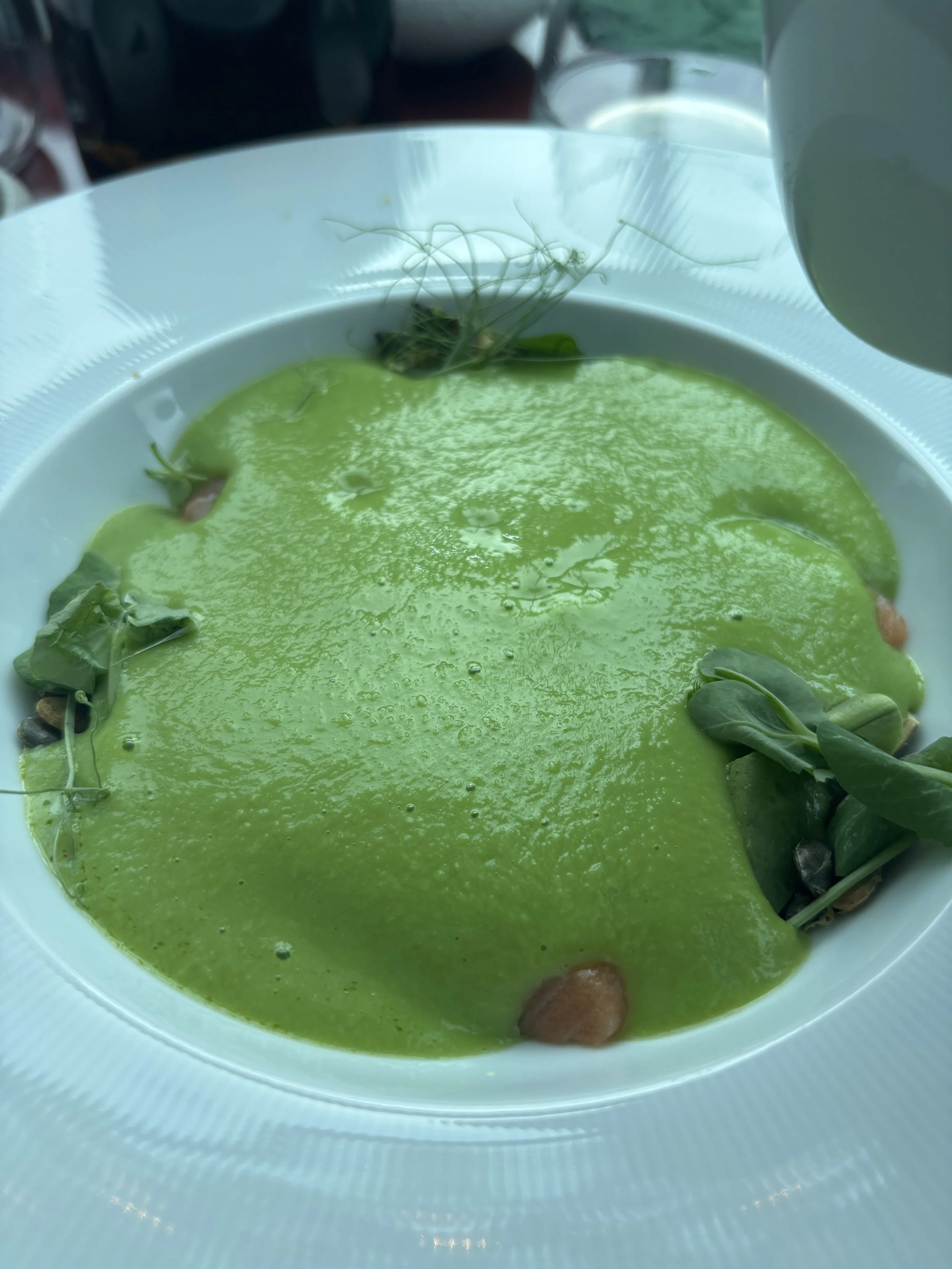
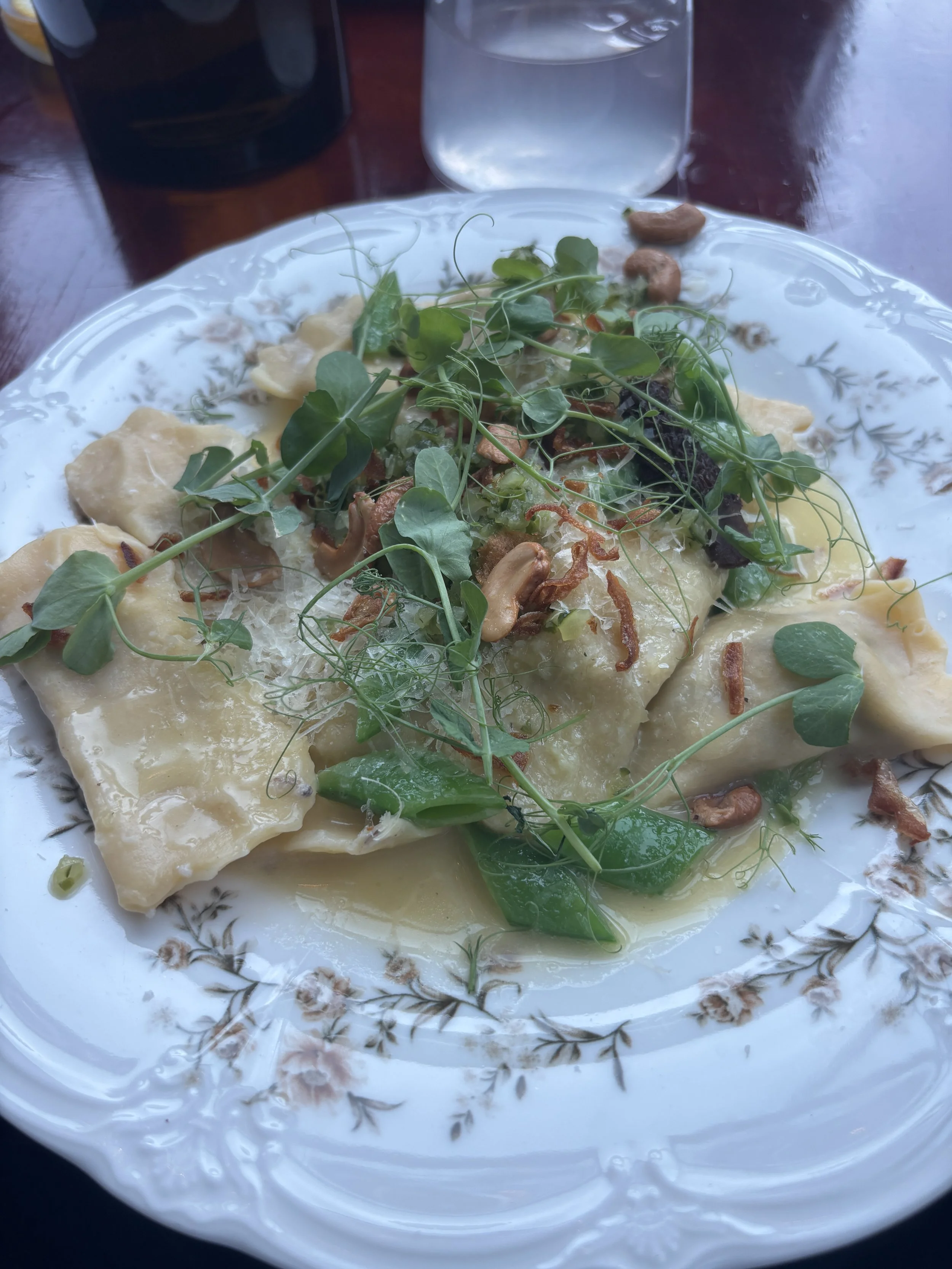
The menu is based on Polish cuisine and local ingredients, but with a somehow modern reinterpretation (as you can see, for example, with the pierogi depicted below).
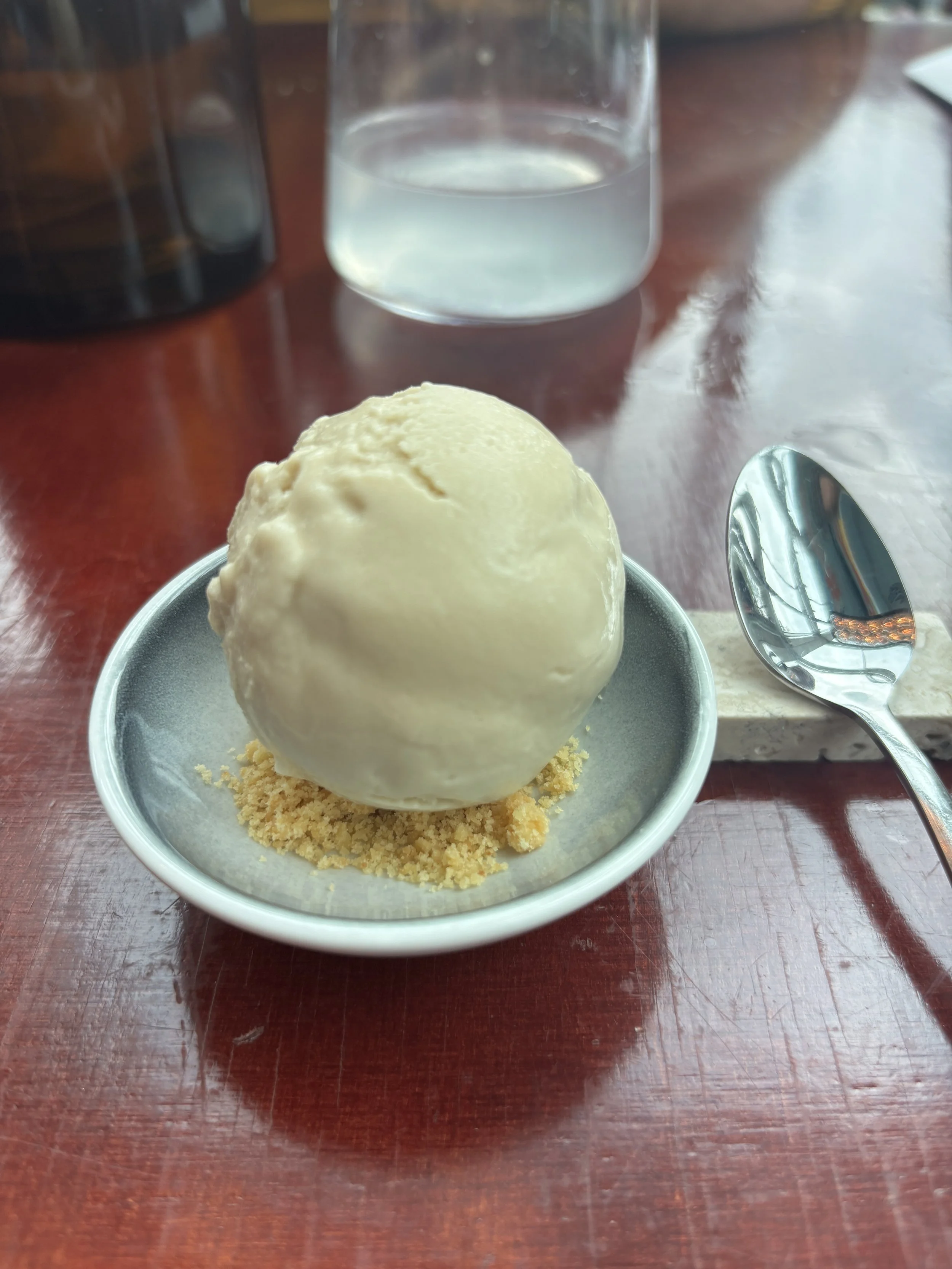
It was super tasty, but light at the same time (despite its four courses), ideal for a business lunch!
Three great hotels to stay in Wroclaw
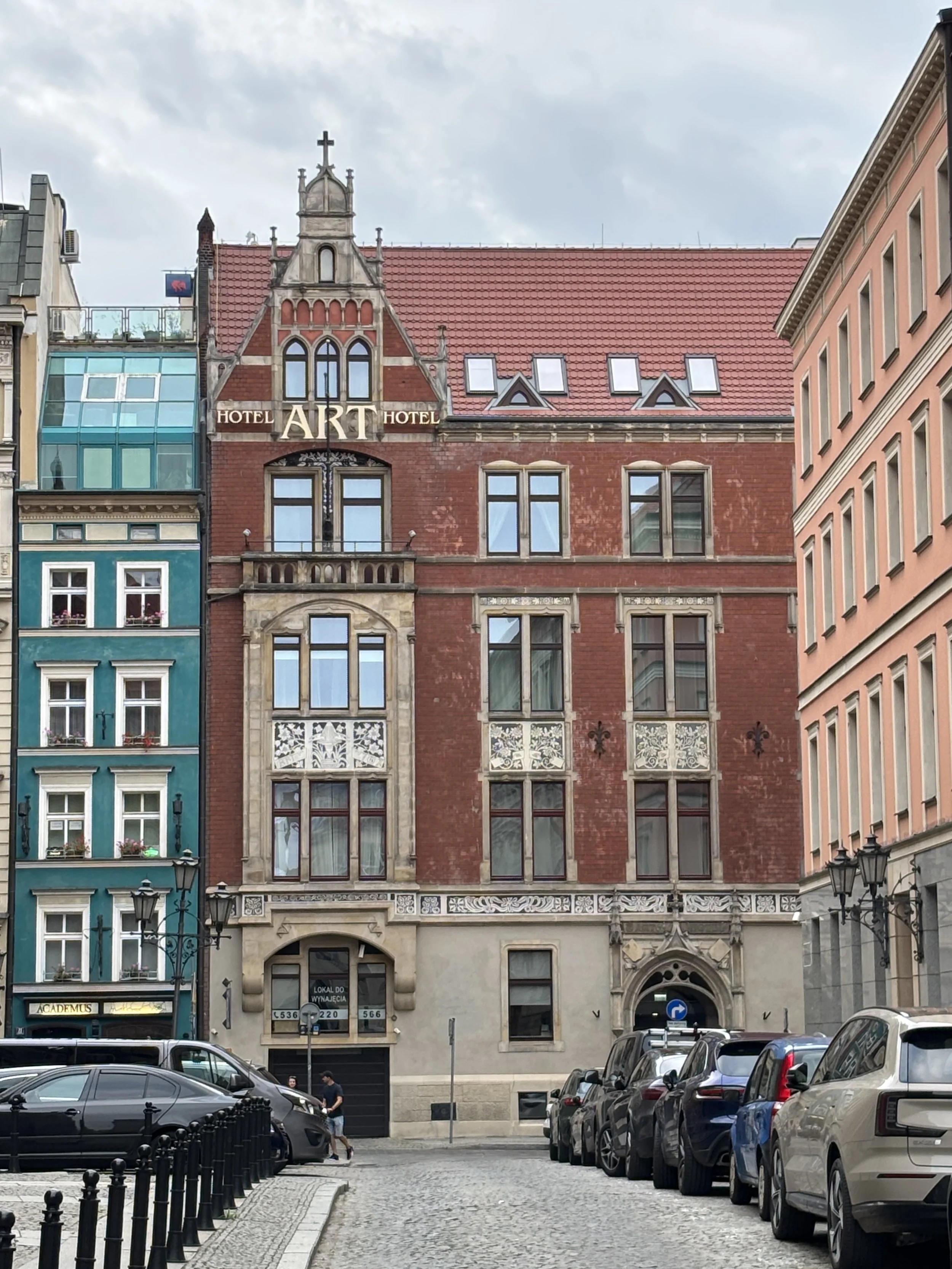
Art Hotel Wroclaw
Kiełbaśnicza 20, 50-110 Wrocław
You can book this hotel here.
This hotel is a really excellent option is if you are looking for a place to stay right in the heart of the Wroclaw’s old town.
This is an independent hotel which occupies a historical building right by barely 2 minutes walk away from Rynek and literally around the corner from St.Elizabeth Basilica and Jatki Street, both sites that I have described earlier.
Part of the hotel is on a building that dates back to the 14th C. and in the 17th and 18th C. housed a printer’s shop.
It became a hotel in the 1990s and has since kept a connection to the city’s art scene. This is why its interior, both the common spaces and the rooms, are all decorated with works of art.
The hotel also has a restaurant and a small spa area.
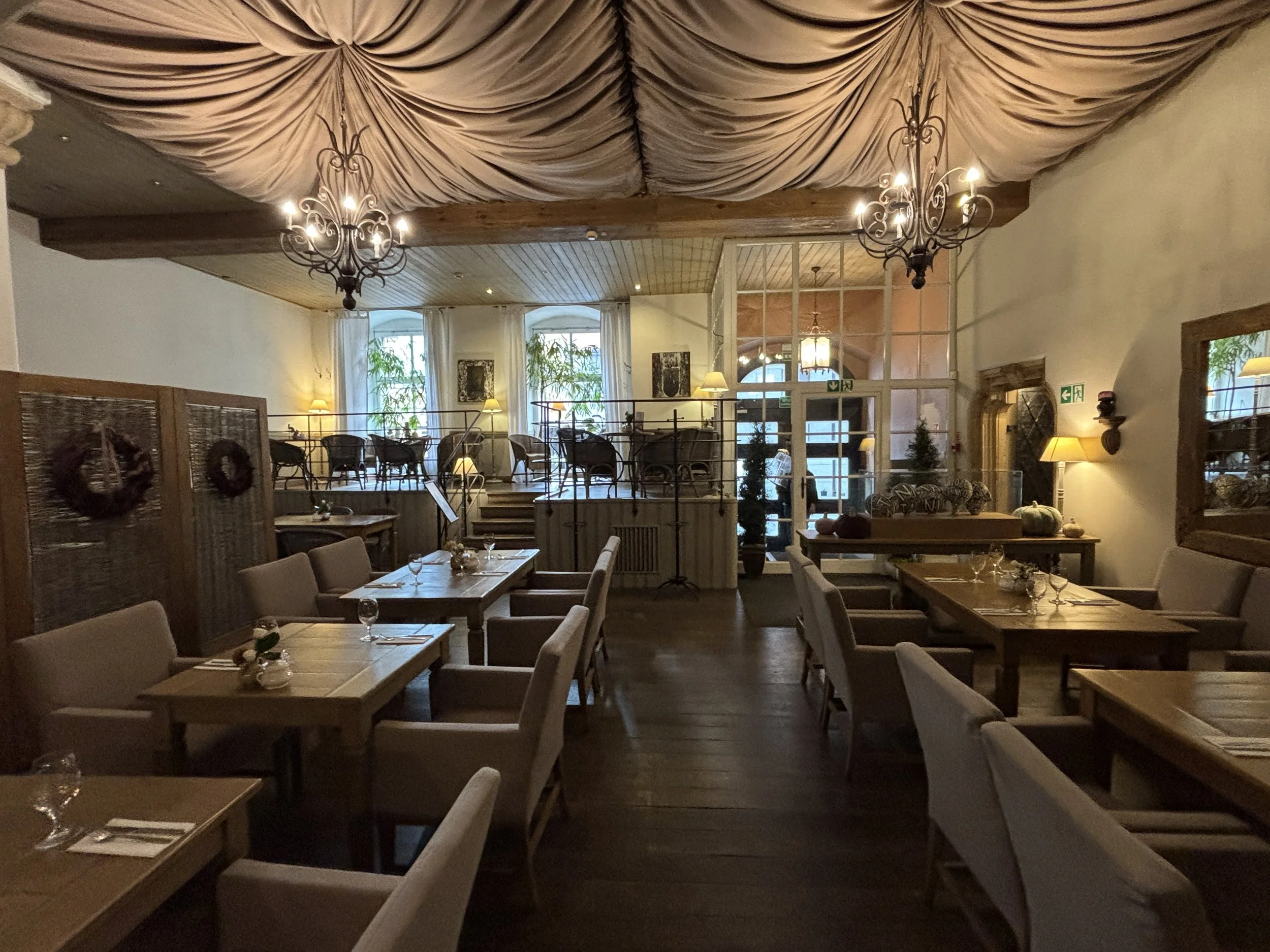
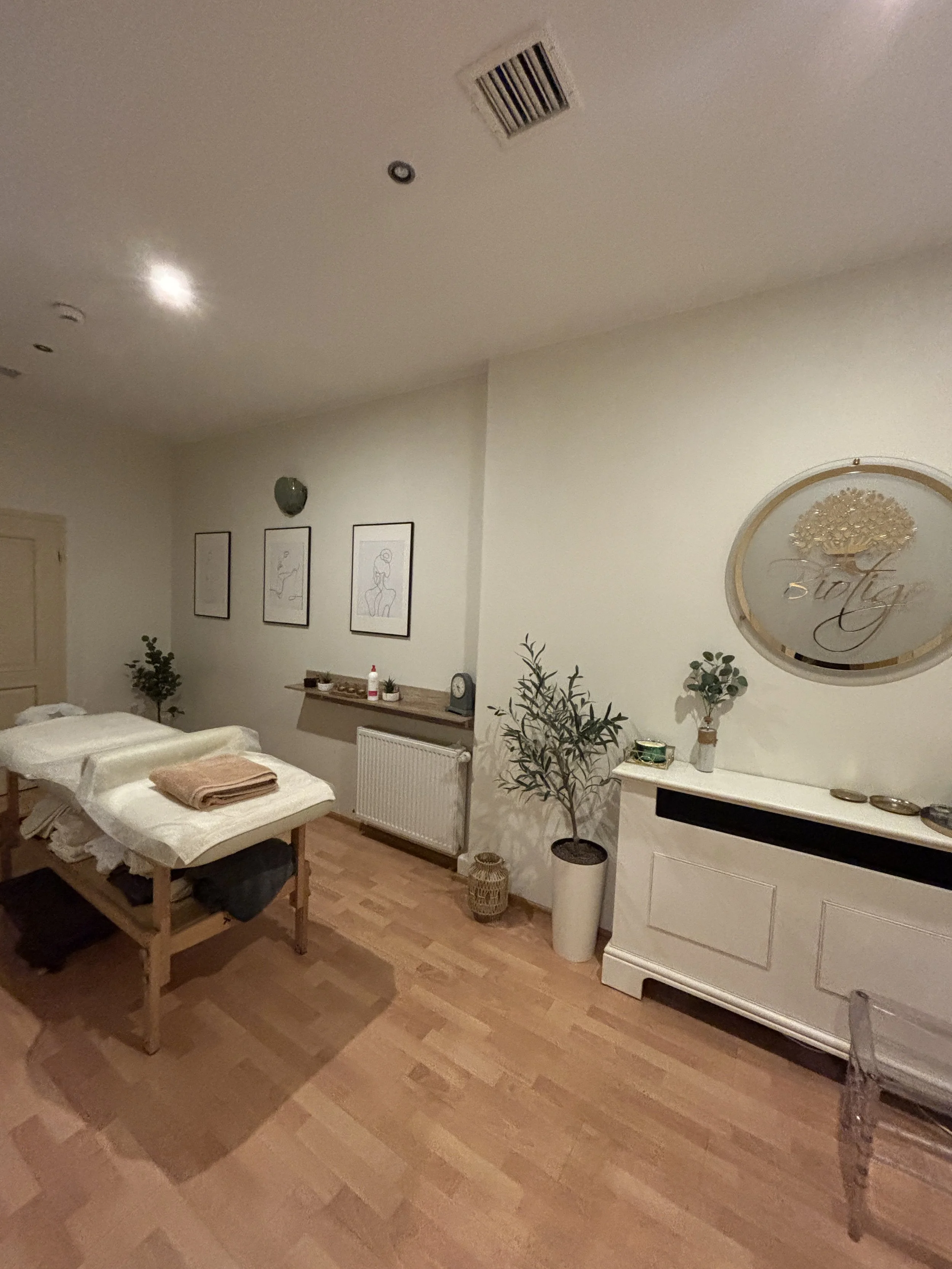
The hotel is full of small details that convey a story…
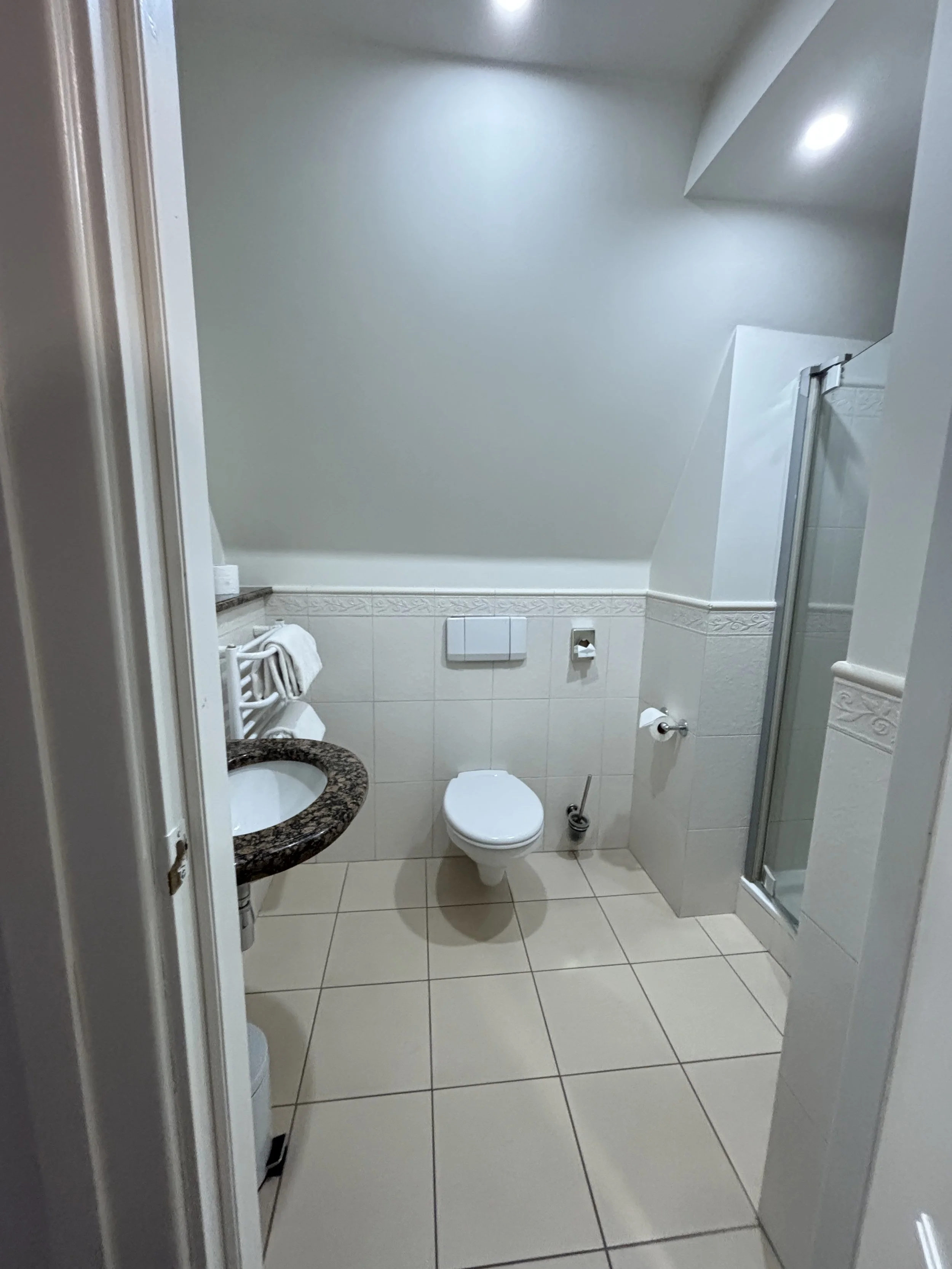
Interestingly, my room was a mansard-style apartment, which, I guess is part of what gives the place its unique character.
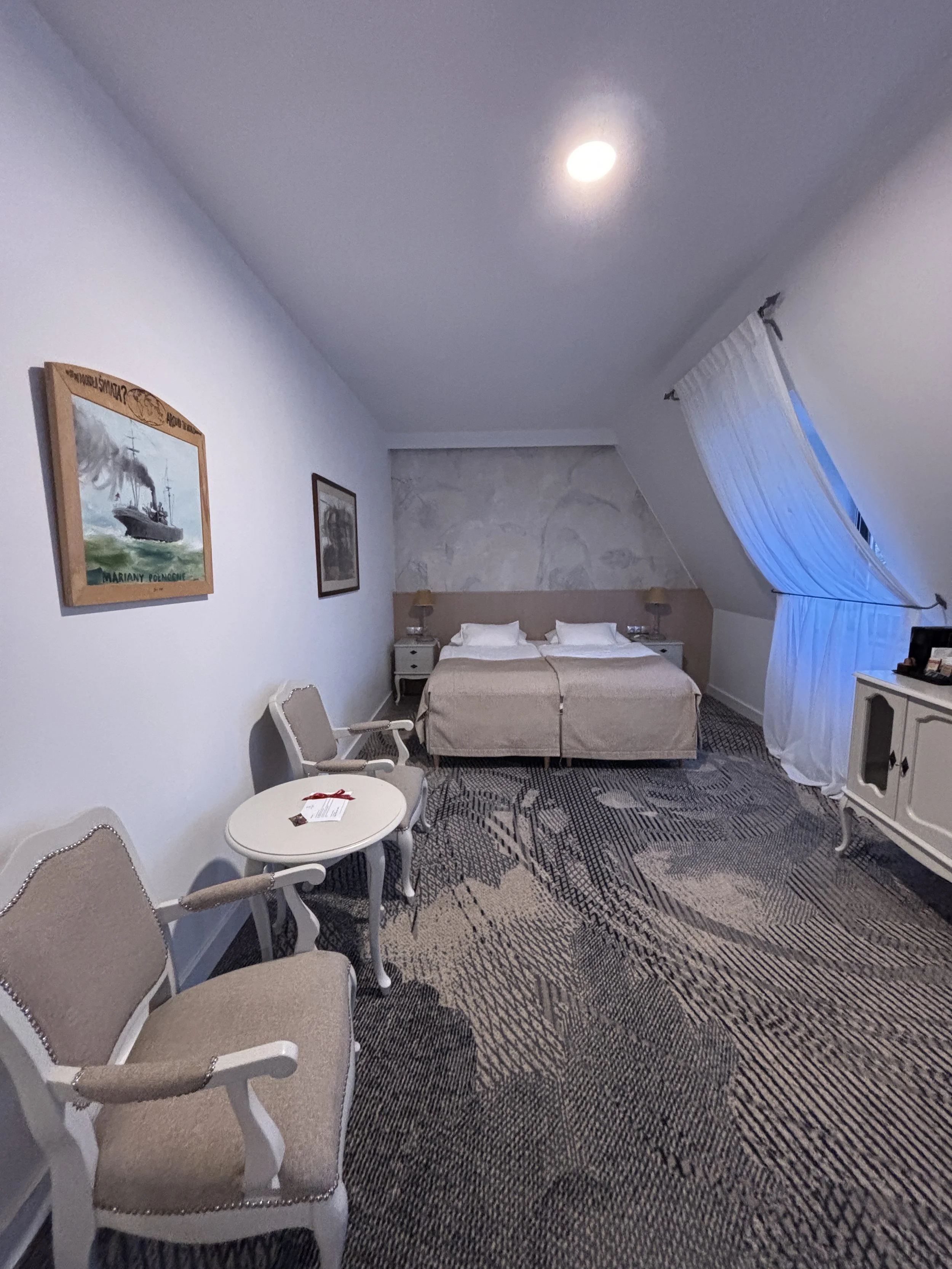
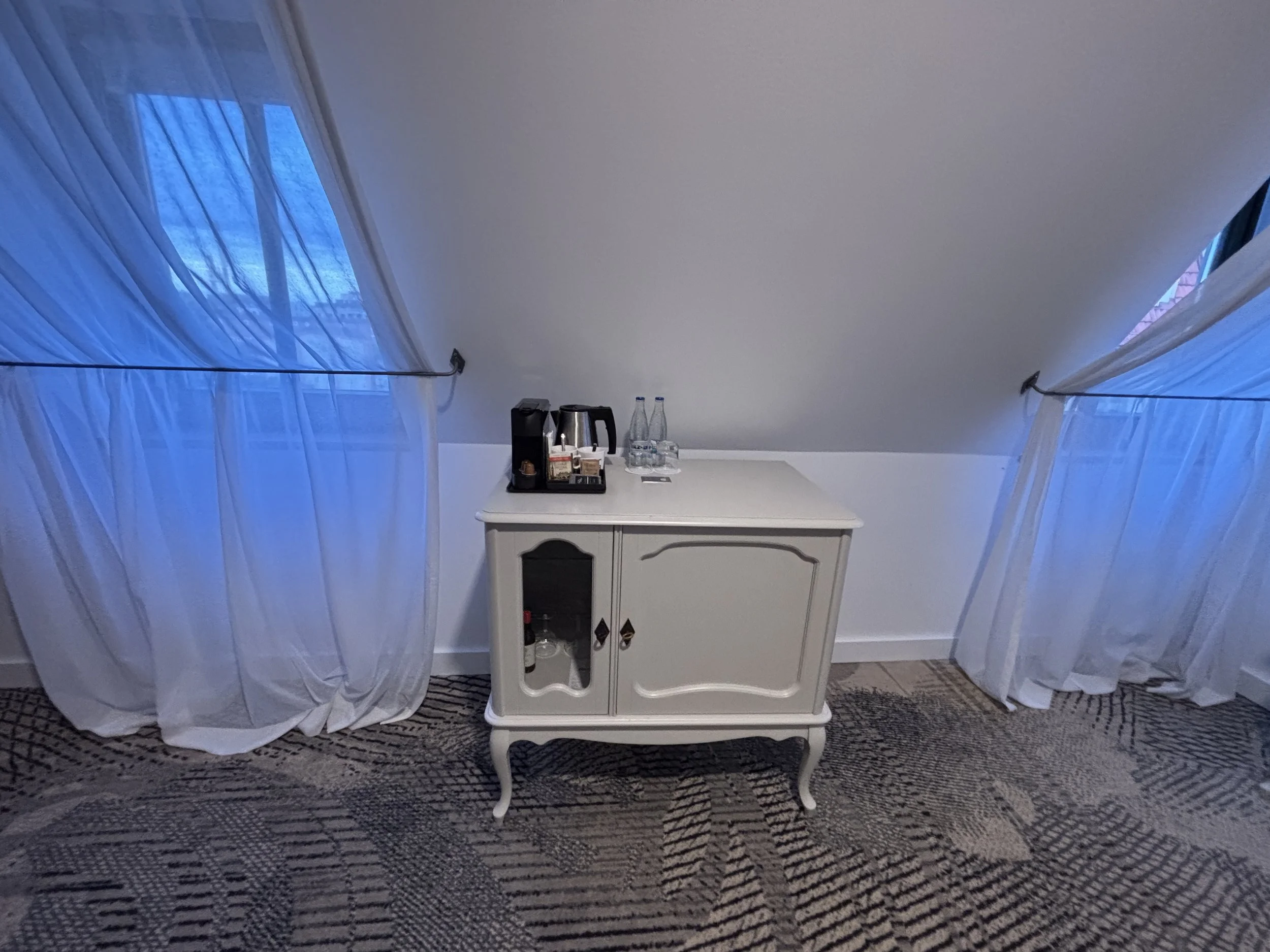
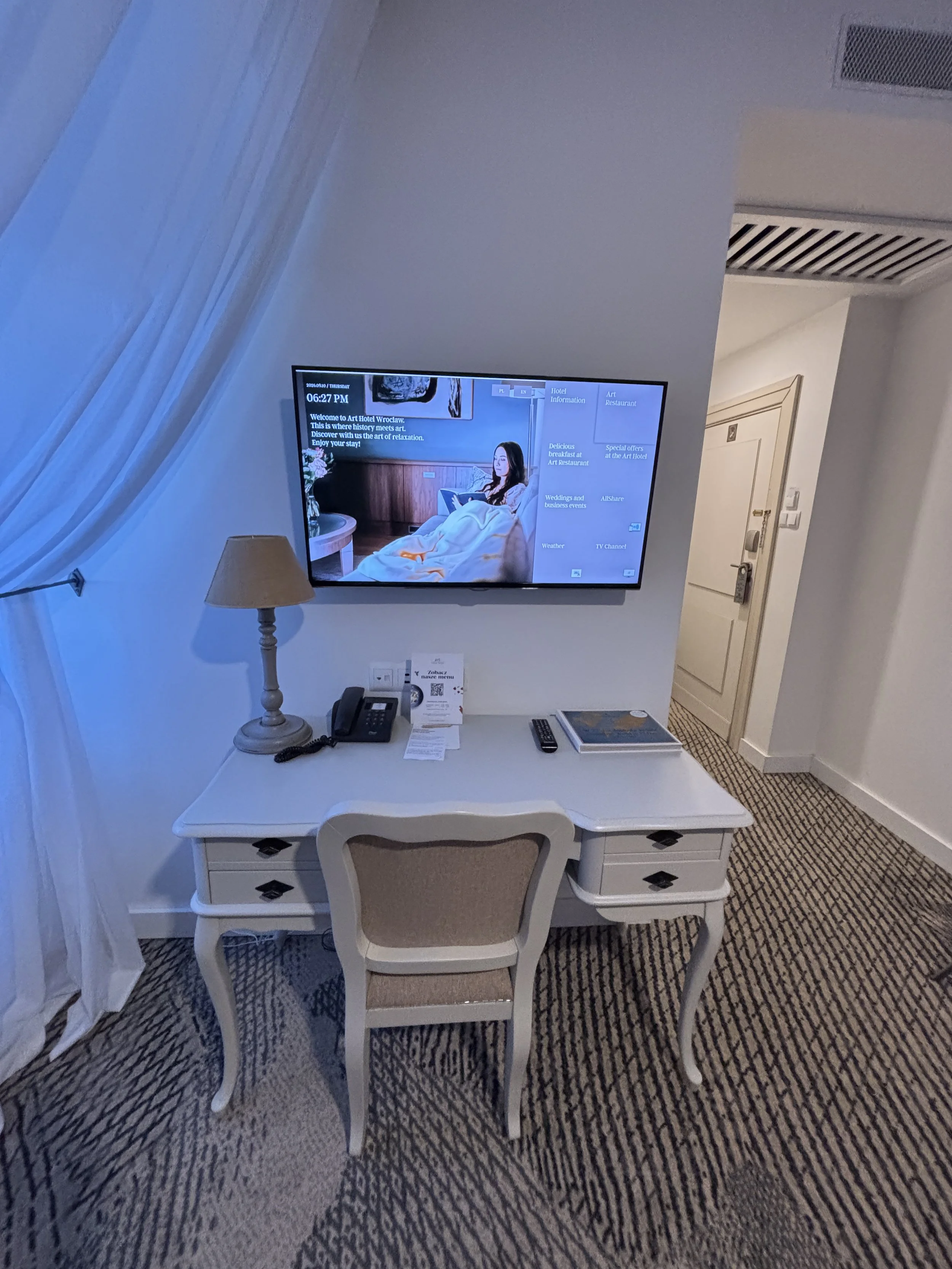
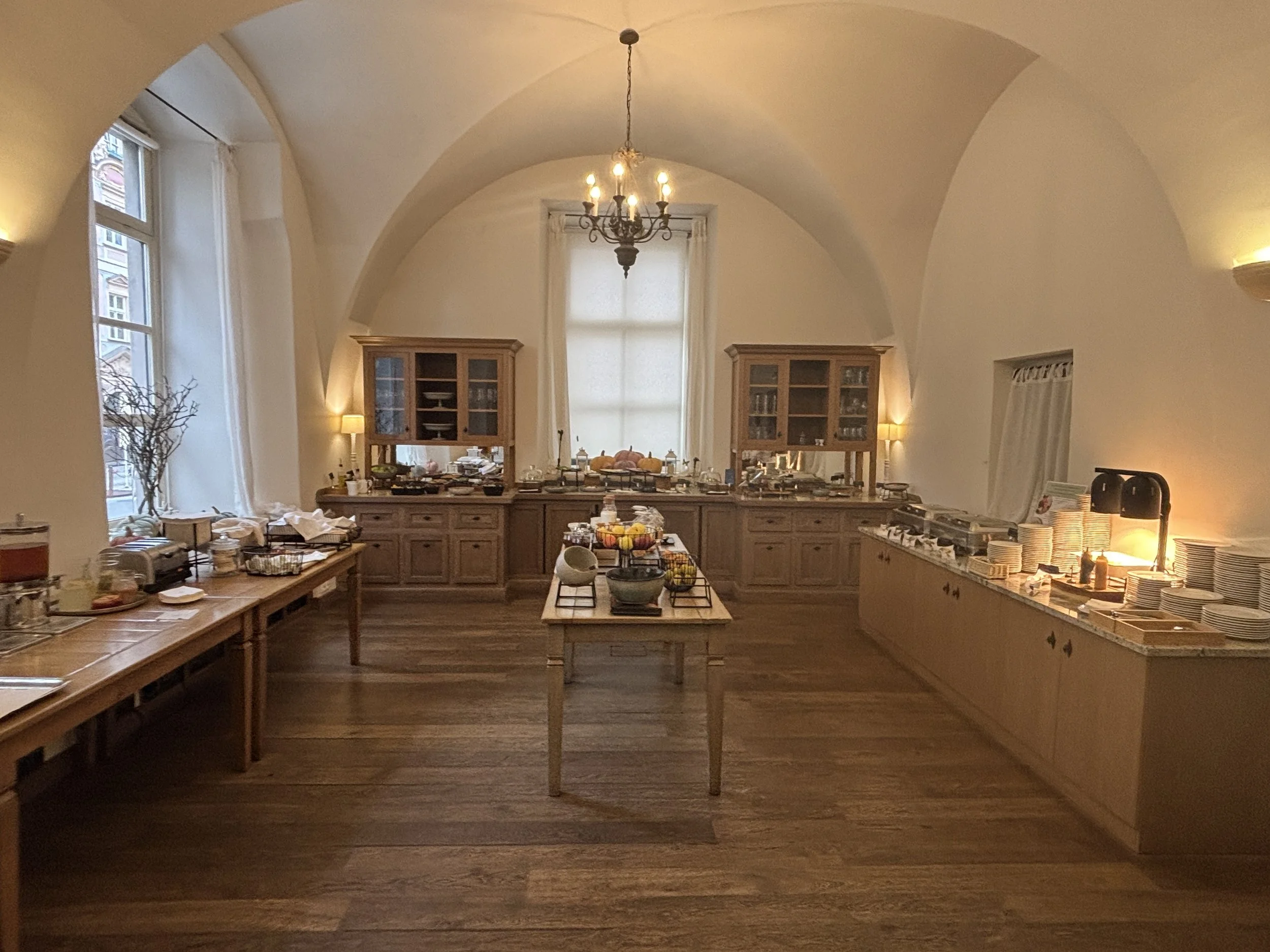
The breakfast was pretty good, btw, and served in this very charming room!
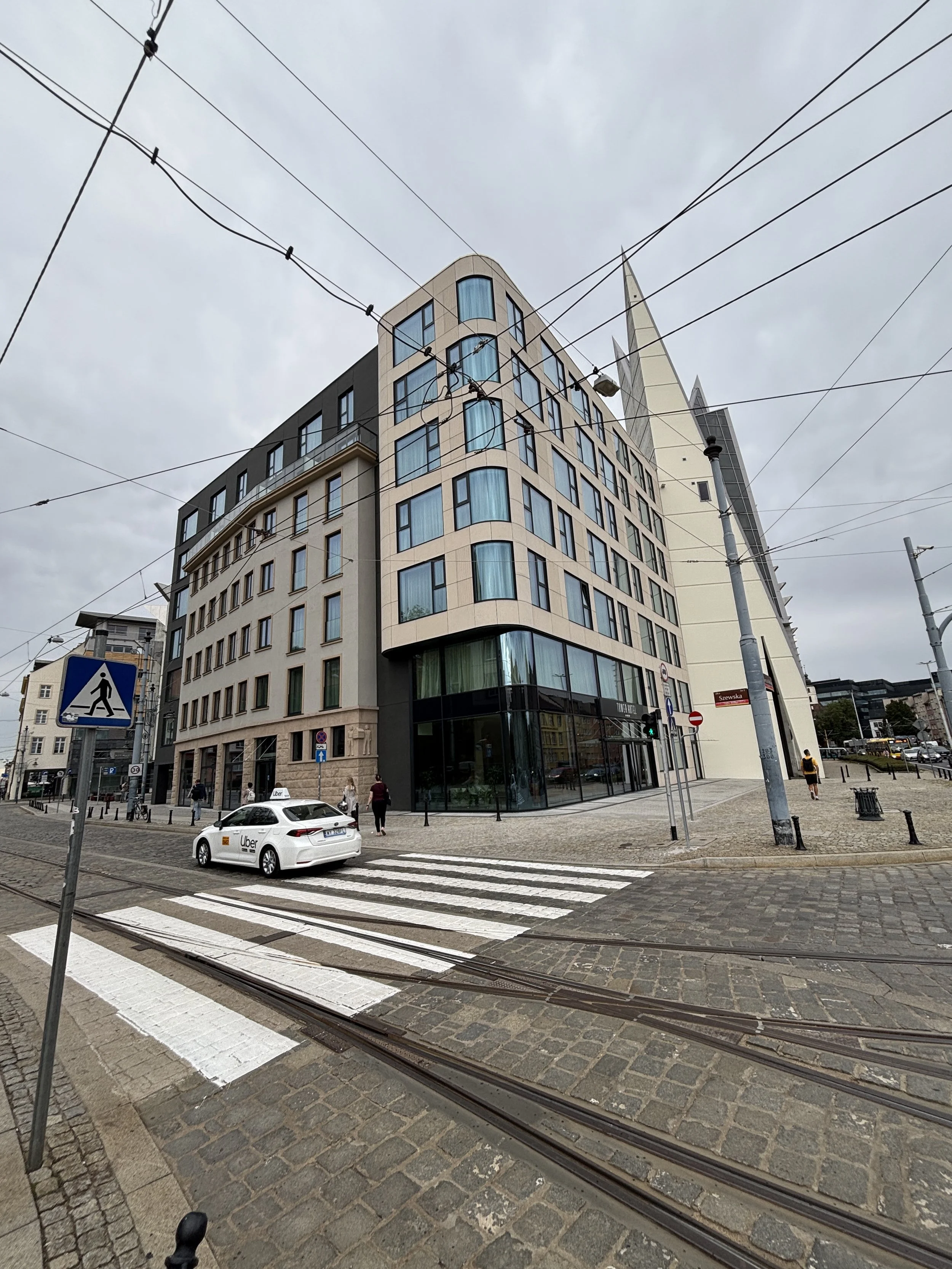
Tower Hotel Wroclaw
Szewska 3, 50-438 Wrocław
You can book it here.
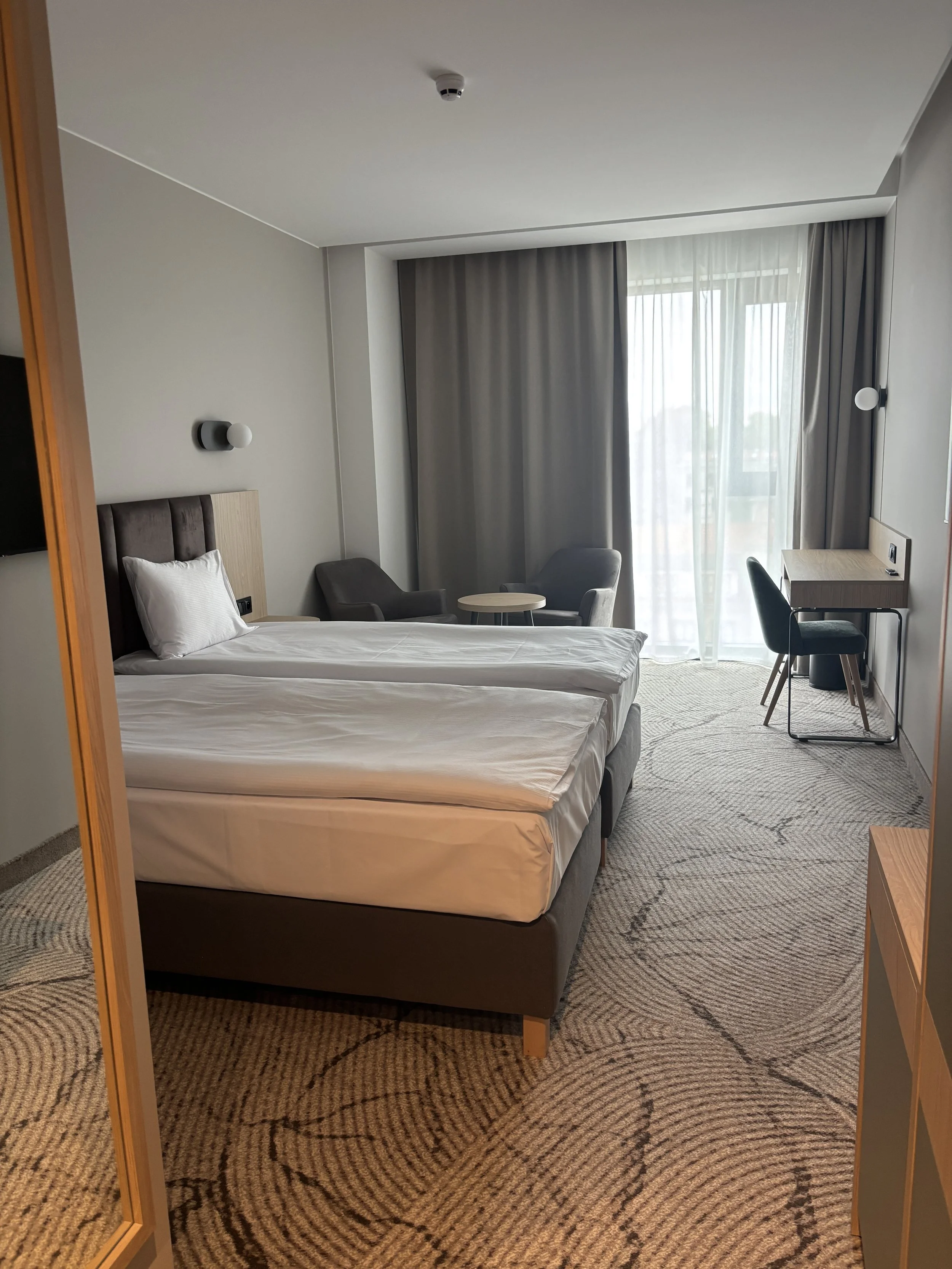
This is a super modern hotel (I read that it had opened barely a few weeks before my arrival).
It is located also very central on the main boulevard ring, right at the edge of the old town.
I was even wondering whether the name derives from the emplacement of one of the city walls’ towers, which is not a far fetched possibility considering the site. In this regard, the faux-historical decor plays its part and mixes well with the remaining totally contemporary motifs.
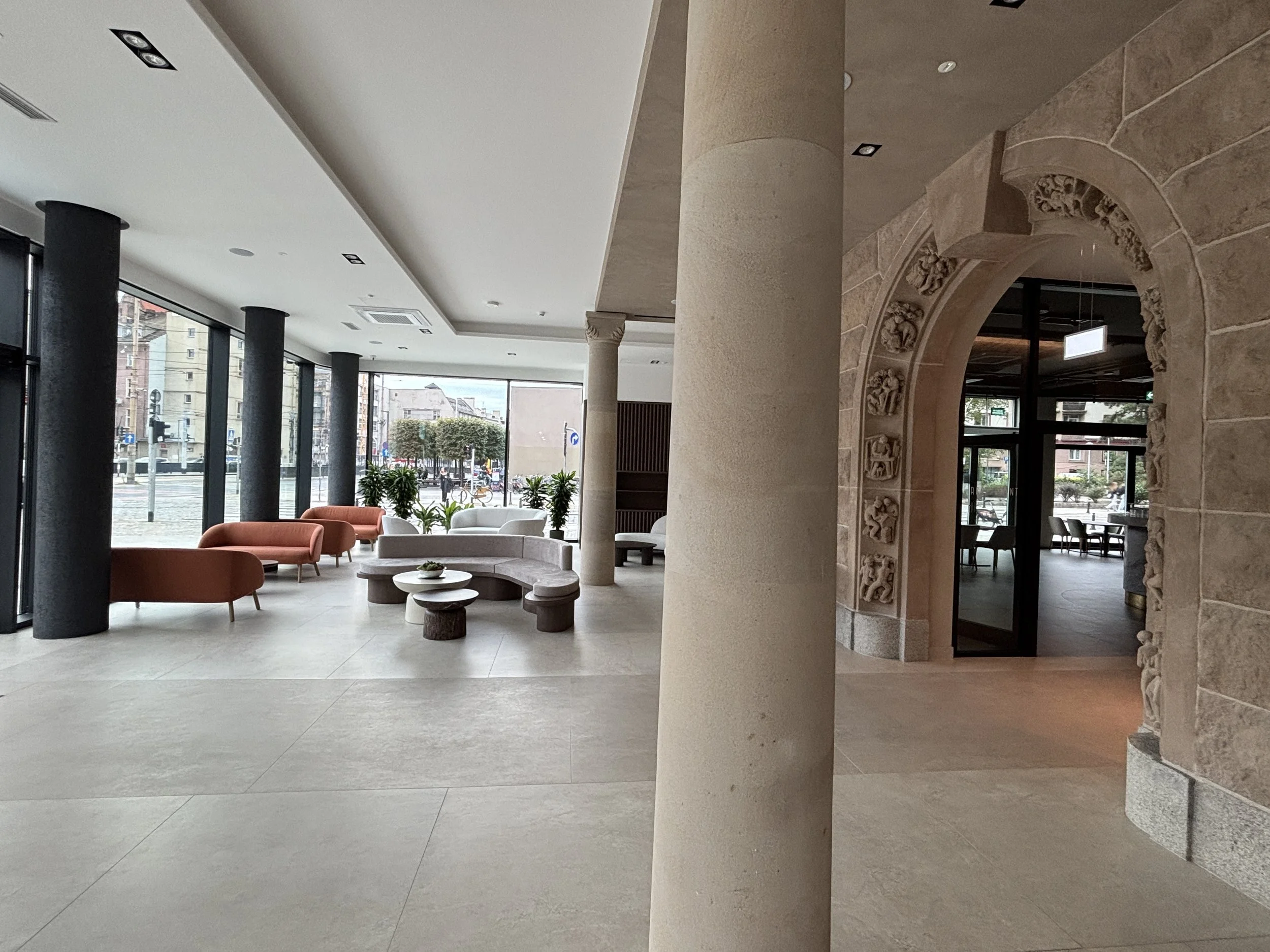
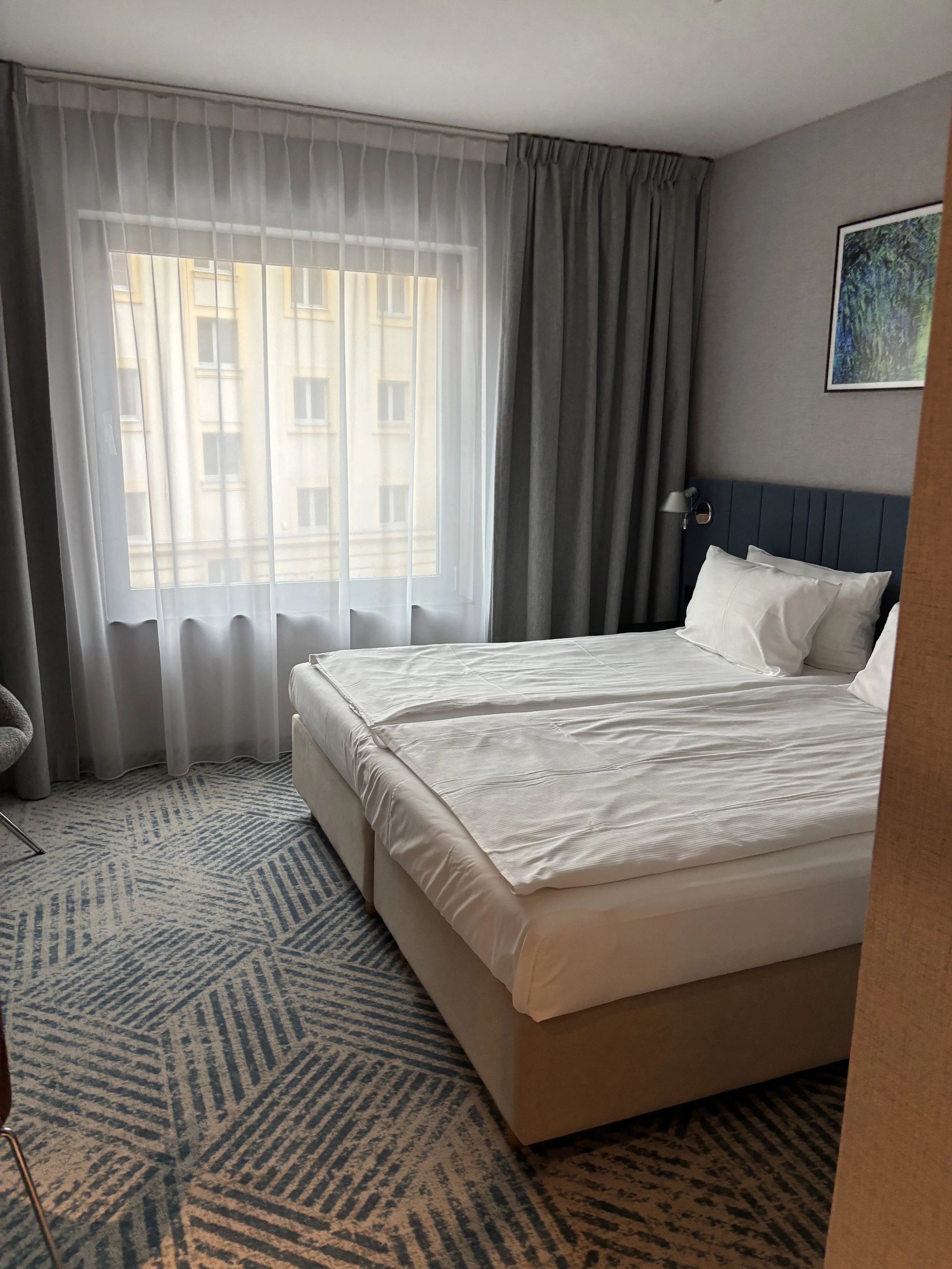
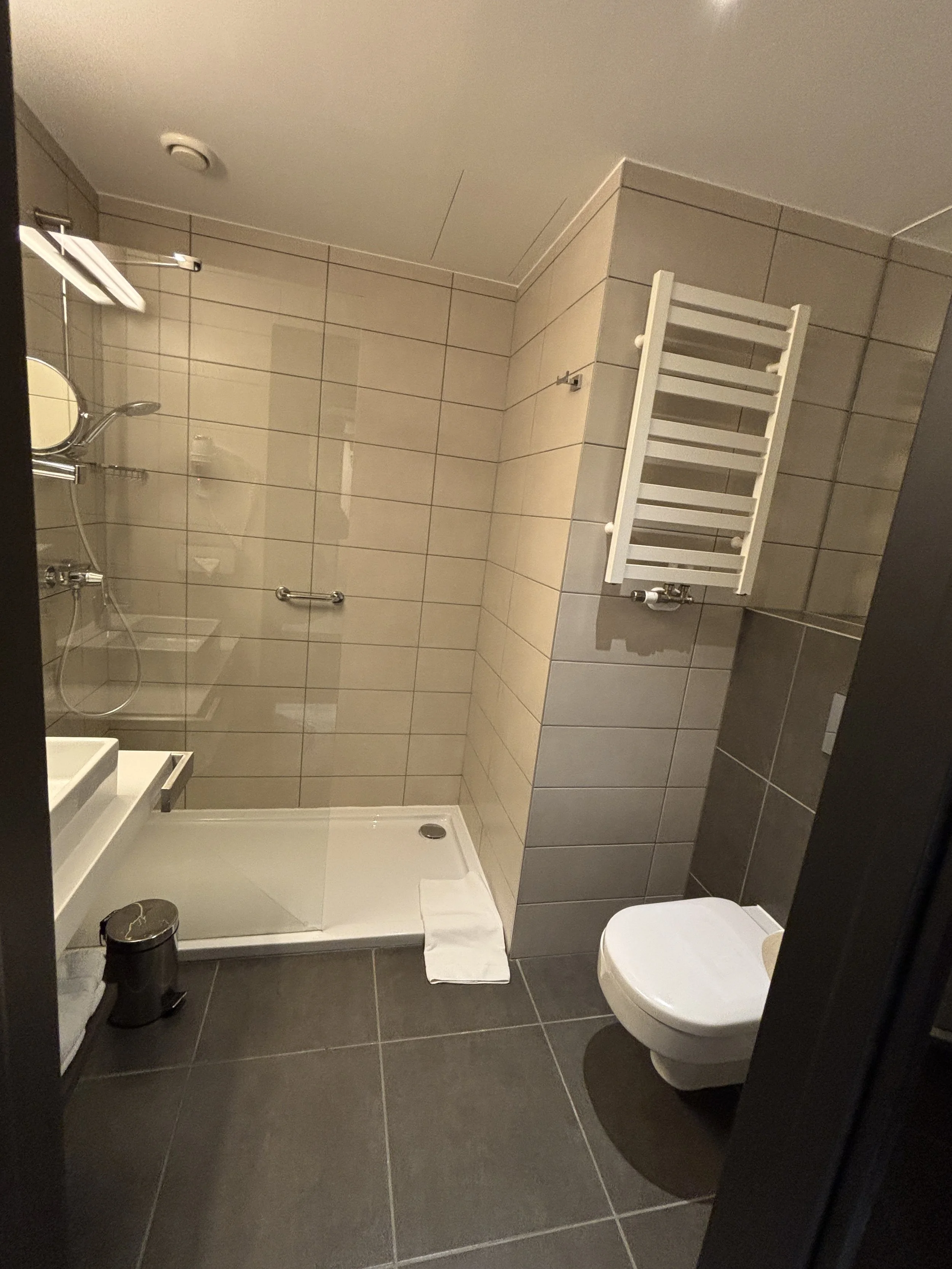
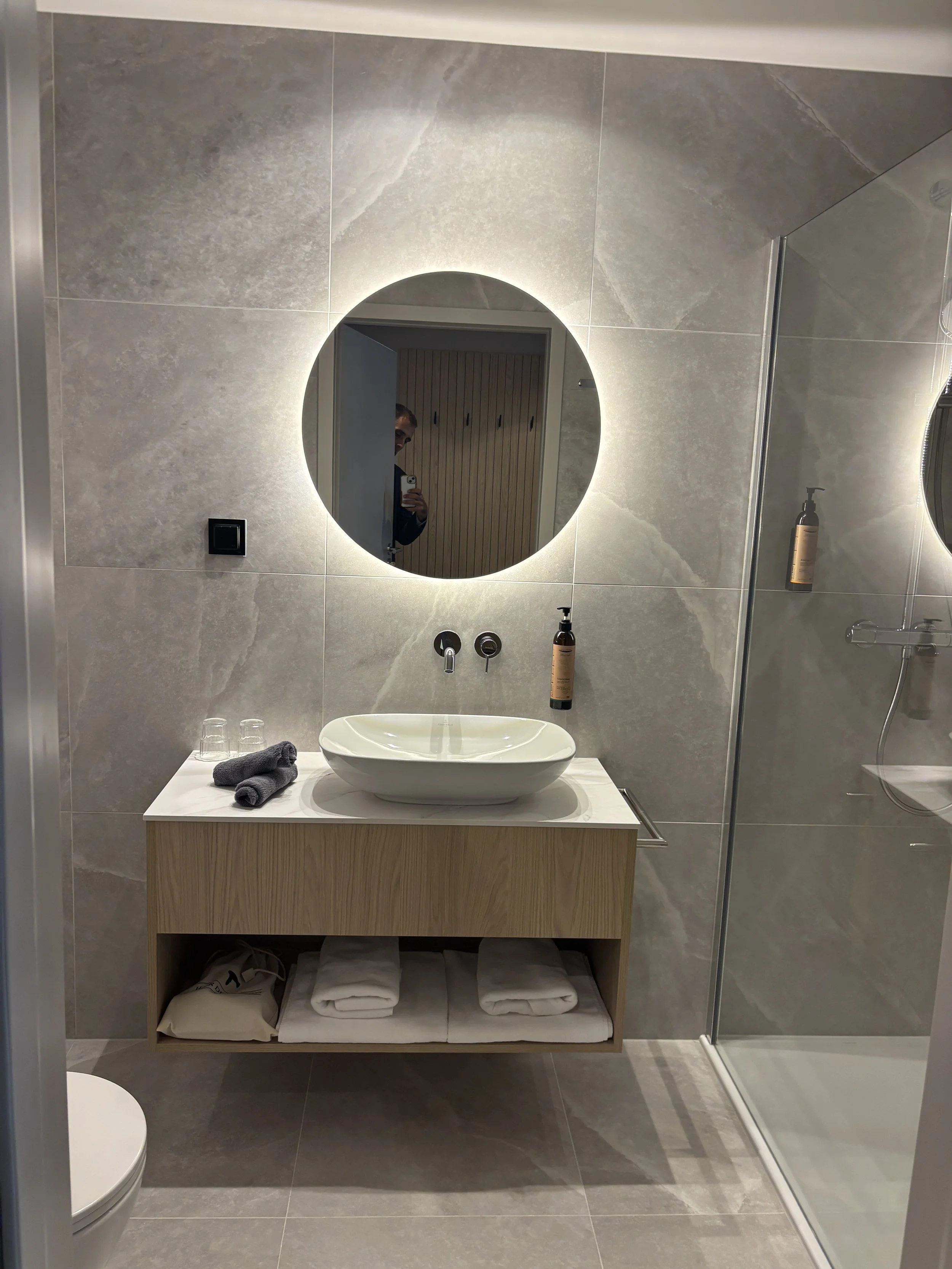
As you can see, and as expected, the style is that of a four-star modern hotel. In the pictures below you can see how the standard double room looks like (this one I was assigned had two small beds instead of a large one, not ideal, but I guess for just one night is ok.
Q Hotel Plus Wroclaw
Zaolziańska 2, 53-334 Wrocław
You can book it here.
This is another super new hotel (there seems to be a hotel boom in Poland right now!).
It is located a bit further from the historical center, although still a comfortable 10 min walk away (or 5 minutes ride from the tram stop located just opposite). It is also very close to Wroclaw’s central station, so if, as it was my case, you have to catch an early train, it’s perfectly located. I liked the fact that there are water fountains on each floor and you get a refillable bottle in the room (in addition to coffee and tea).
As in the previous hotel, the decor and style is contemporary throughout.
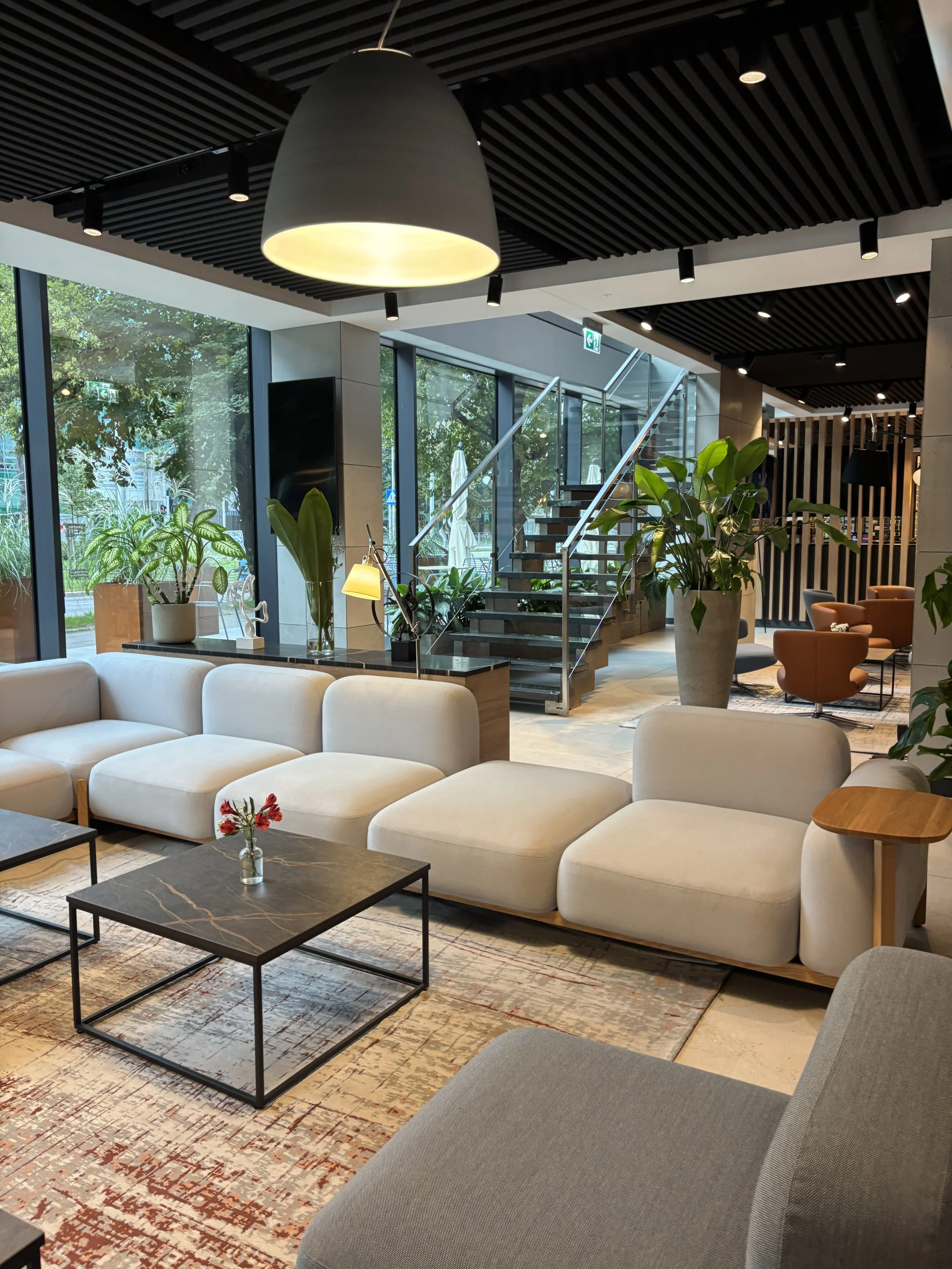
I didn’t really have enough time (just one night) to check all of the hotel’s services, but I really liked the lobby area, which is also adjacent to the hotel’s restaurant.
It had a really cozy atmosphere and received plenty of light from the street