24 Hours in Casablanca, what to do and what to see
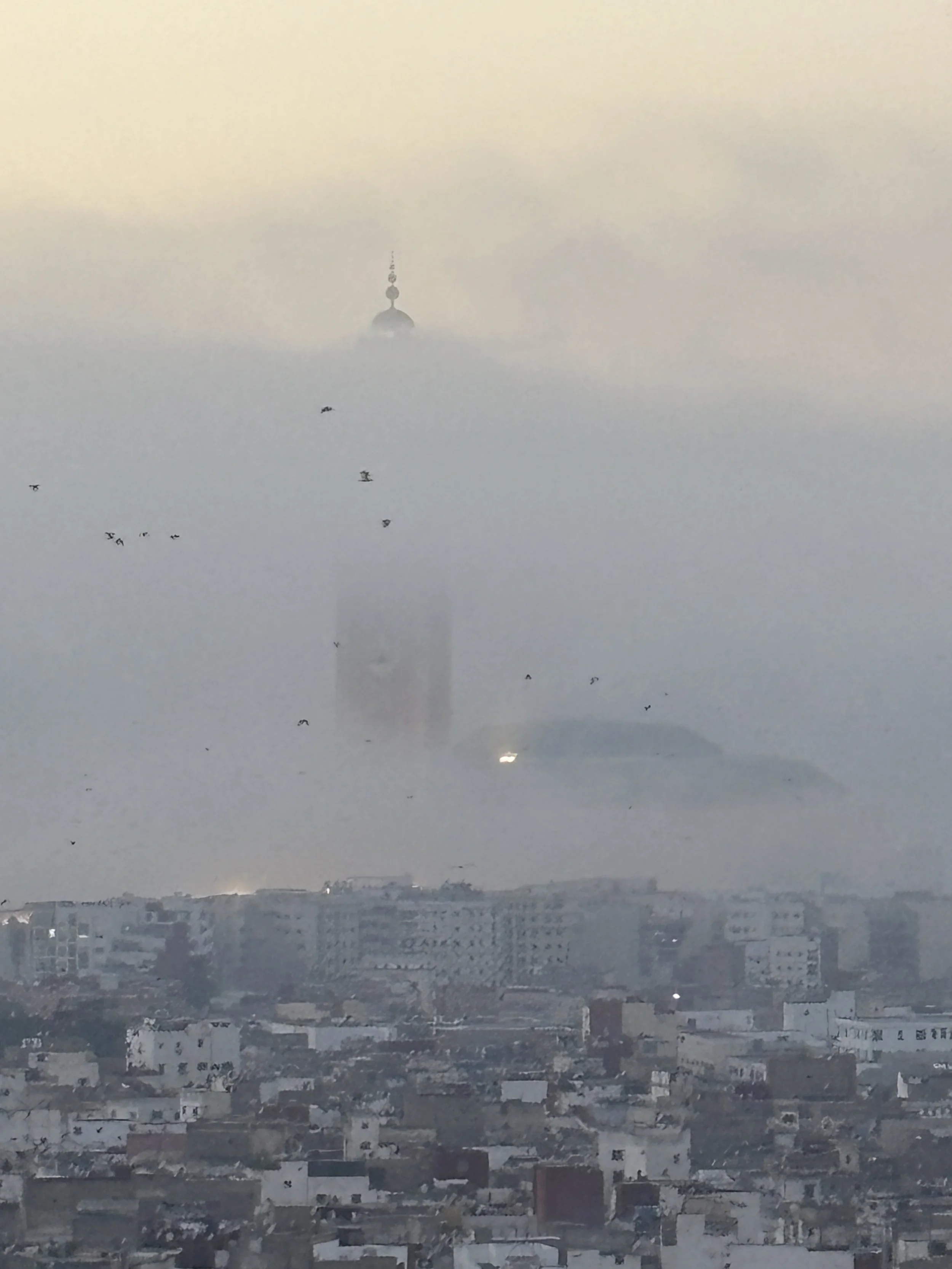
The Moroccan city of Casablanca was made famous by the 1942 classic wartime movie, starring Humphrey Bogart and Ingrid Bergman.
Today, Casablanca is Morocco’s economic capital and its main international gateway, thanks in great part to its international airport being the main hub for Royal Air Maroc.
So, even if Casablanca does not feature prominently among Morocco’s top tourist destinations, chances are that if you are travelling to and from the country, particularly if on a business trip, you may end travelling through it anyway.
To be fair, the city does not have nearly as much allure for the tourist as Marrakech or Rabat, but there is still more than enough to see and to do in Casablanca to keep you busy for one or two days (depending on how leisurely you do your sightseeing).
In this post I have tried to sum-up my impressions of Casablanca for the short-time visitor.
Covered in this post
Casablanca overview: making sense of the city
Getting to Casablanca and moving around
Hassan II Mosque
The Casablanca Medina
Ville Nouvelle and Art-Déco Casablanca
Recommended places to eat in Casablanca
Where to stay in Casablanca: Sofitel Casablanca Tour Blanche
This post may contain affiliate links. If you book or buy something through them, I earn a small commission, at no extra cost to you. It's one of the ways I keep Places of Charm going. Thank you for your support!
An Overview of Casablanca, making sense of the city
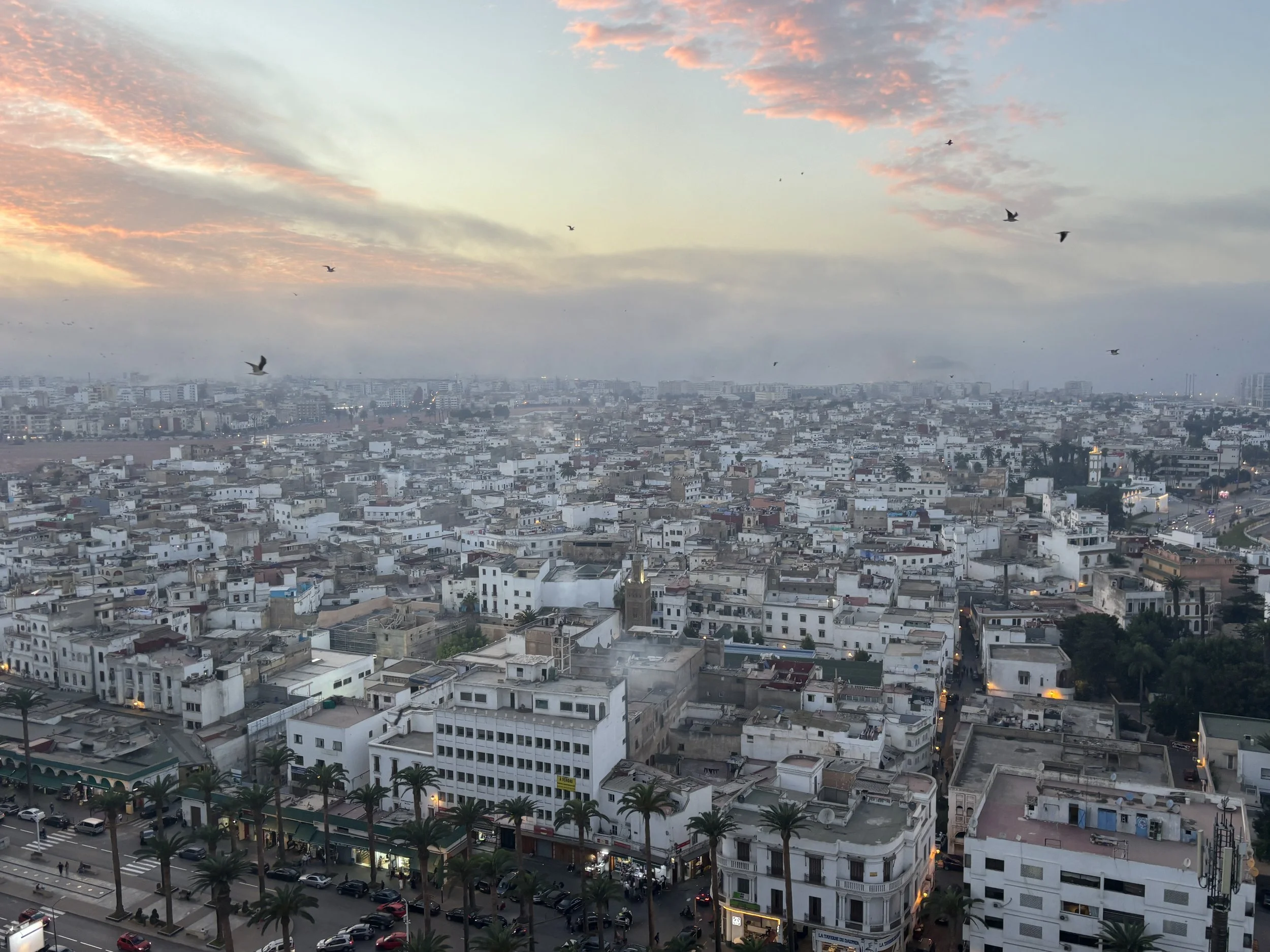
Casablanca is a large city and, although most of it is pretty modern (there is even a newly-built financial district with a fair number of skyscrapers and glass-and-steel towers), most of the points of interest are in the area close to the port. It is there that you will find the old Medina (although it is not nearly as picturesque as that of other Moroccan cities) and the “Ville Nouvelle”, which used to be the heart of colonial-era Casablanca.
There is also a “Corniche”, which is basically the area around the seaside promenade, where some hotels, restaurants and other major commercial establishments are located, but I didn’t have to visit it, so I have not really included it here.
Getting to Casablanca and moving around
Casablanca’s Mohammed V International Airport is the country’s main gateway and it is pretty modern and functional (although it may have been leap-frogged by other more recently revamped airports such as Marrakech, as Morocco is investing quite a lot in infrastructure). Although to be fair, as someone that had to spend a few hours waiting there, I can say that as the commercial and catering offering is not exactly amazing (at least land side and as of Q4 2026).
The airport is connected to the city center (Casa-Port station is right at the spot between the Medina and the Ville Nouvelle) by rail (the terminal is located right next to the terminal). I didn’t take this service myself, but from what I heard, it is quite efficient, taking about half an hour, with frequent services costing around €5.
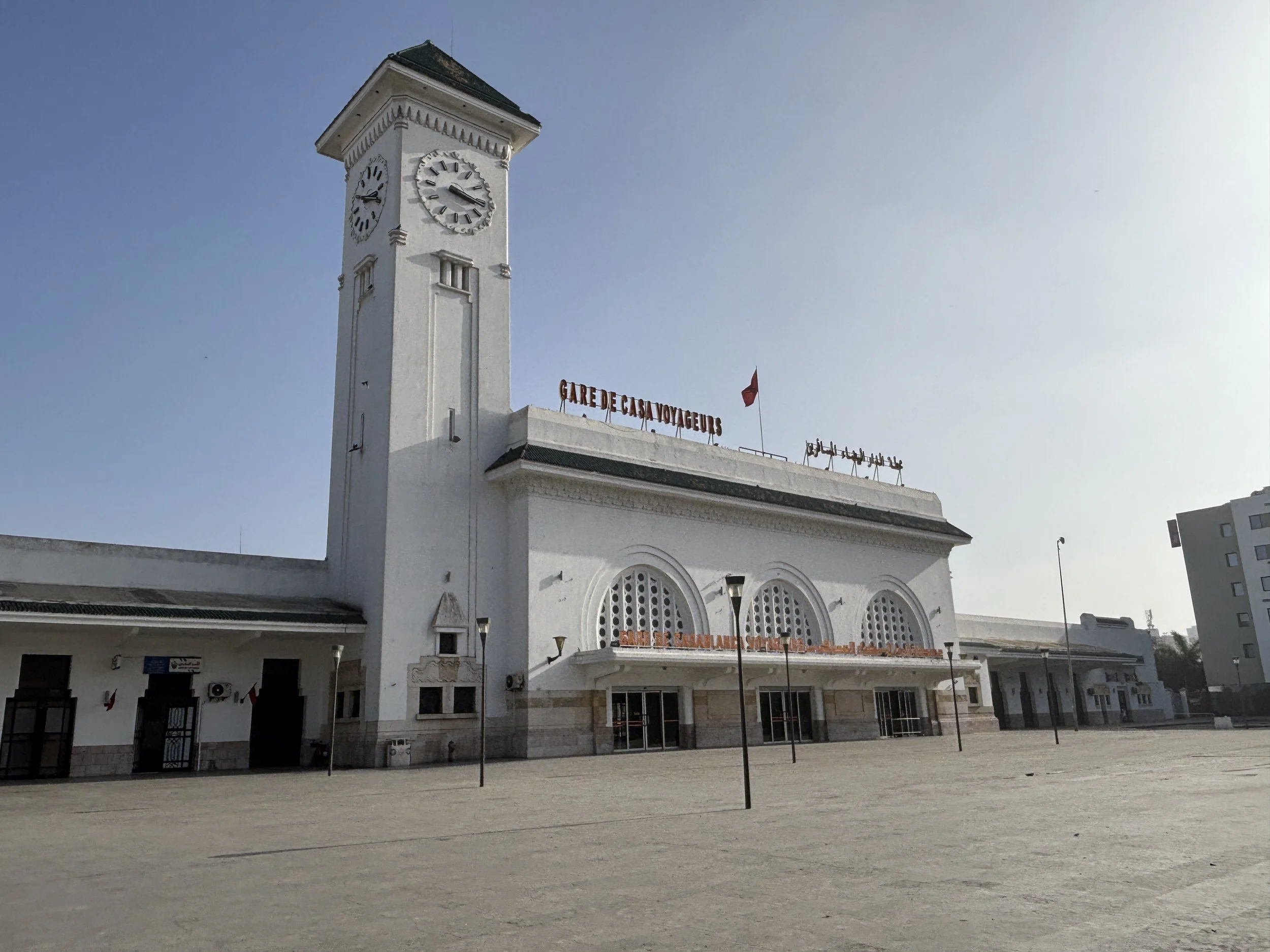
My experience with Moroccan railways has been, in general, quite positive. I took the Al Boqar high-speed service to Rabat from Casa-Voyageurs, which is the city’s other major train station, and it was pretty good: smooth online booking, very reasonable prices and very modern stations (depicted below is the old terminal at Casa-Voyageurs, the trains actually depart from an adjacent newly-built terminal).
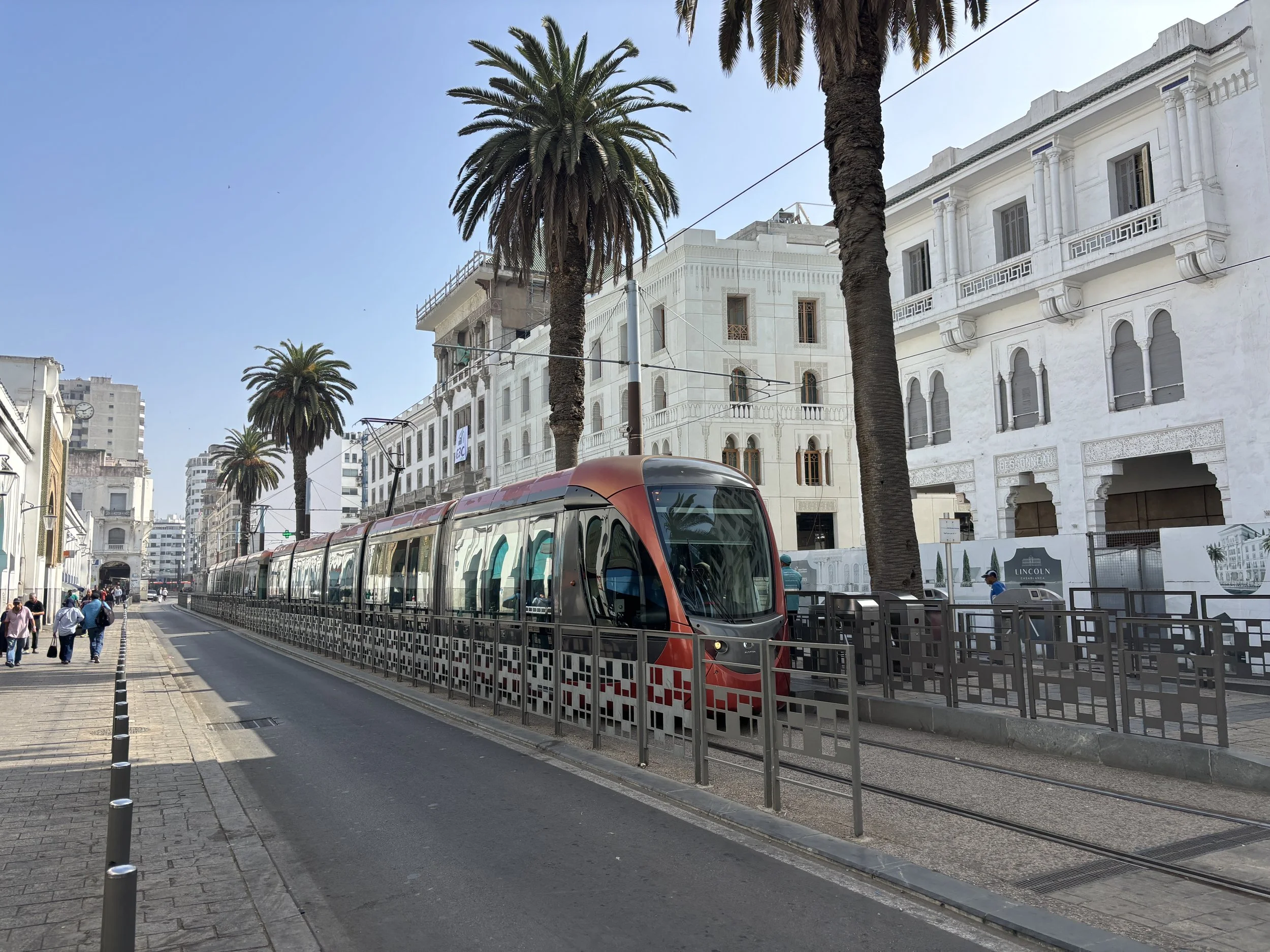
Casablanca has also a modern tram network. I can’t comment on it, since I didn’t try it, but if it is broadly along the lines of the one in Rabat, I guess it is quite efficient as well.
Take an Uber
But perhaps the easiest way for a short-time visitor to move around is by Uber. To be honest, if you stay within the two main areas covered in this post (the Medina and its surroundings and Ville Nouvelle) you may not even need it, since the distances in this area of interest are quite walkable.
Interestingly, Uber prices appeared to be double those of Rabat and the cars, more upmarket. I ignore whether this is a matter of availability of the local operators or whether there is some local regulatory reasons for this (I read that Uber had a bit of a shaky start in Morocco and at one point it even quit the country entirely). In any case, the typical prices are still quite good compared to those in Europe or the US, since the standard rate within the city is 50 Dirhams, or around €5/$5.
Going to or from the aiport is a bit more expensive.
Visiting Casablanca’s Hassan II Mosque
This is without doubt the main landmark in Casablanca and a must-visit if you are in town and have some time to spare for sightseeing.
Designed by French architect Michel Pinseau, it was, when it was completed in 1993, the largest mosque in Africa and third overall, only after the two main mosques in Mecca and Medina. Other larger mosques has been built since then, but the Hassan II Mosque remains firmly among the top ten. It has a 210-meter minaret and a capacity for 25,000 worshipers.
It is possible to visit it outside prayer times, so check the times. It is a good idea to visit first time in the morning and book the tickets online. The ticket costs around €12 and it includes the guided tour (it is not possible to visit independently).
There is also a small adjacent museum, although it is a bit of a side-show. In fact, you will already learn most of the interesting details about about the mosque and its construction directly from the guide.
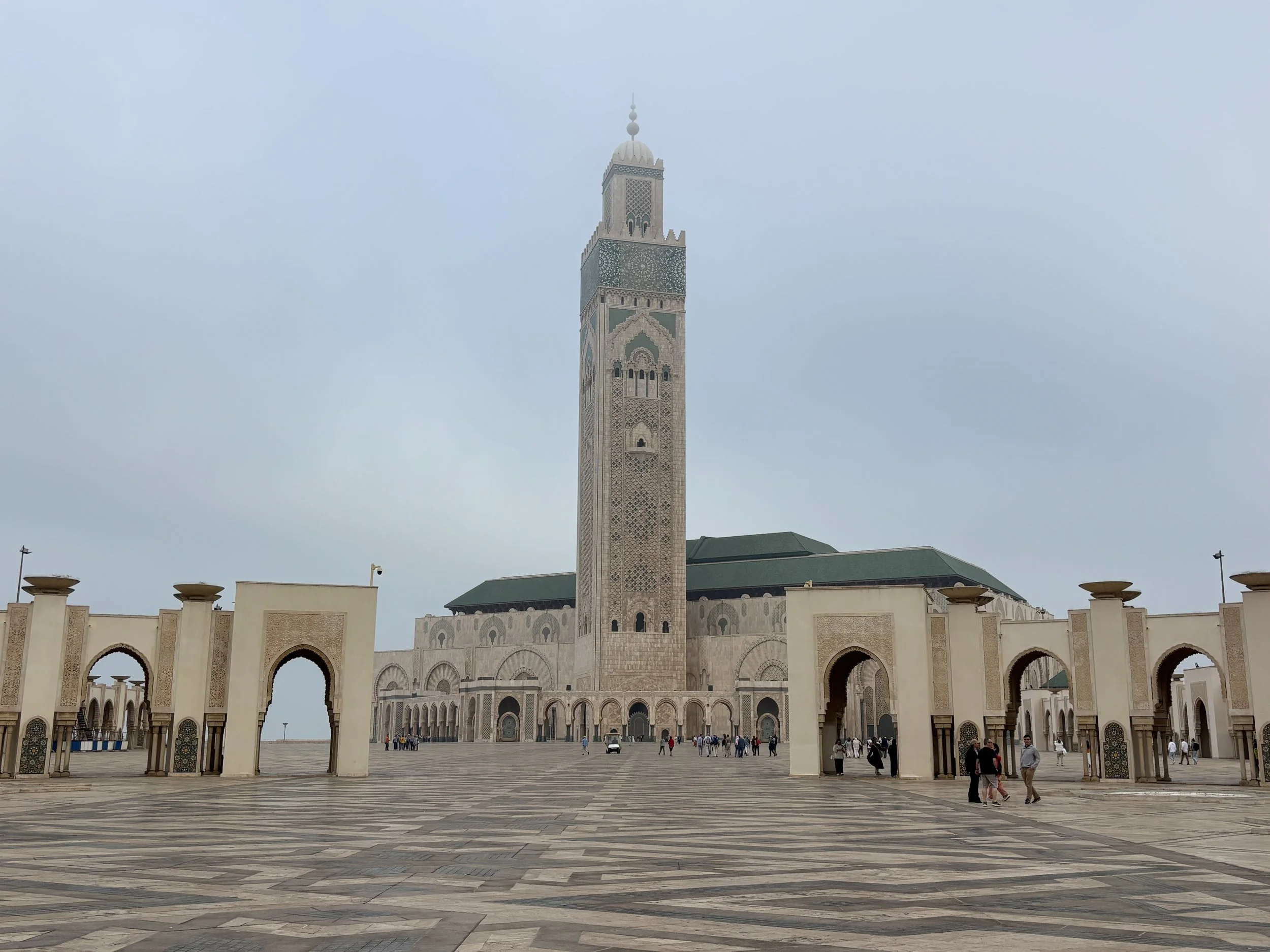
The Hassan II Mosque was the flagship architectural project of the eponymous late king. It was built between 1986 and 1993 on land partly reclaimed from the sea, and with part of its grounds built on top of a former public swimming pool.
It was built in traditional Moorish style, despite being, at heart, a fully modern building design to withstand its exposure to the salty oceanic winds and to be able to handle efficiently the large crowds that congregate during important religious celebrations.
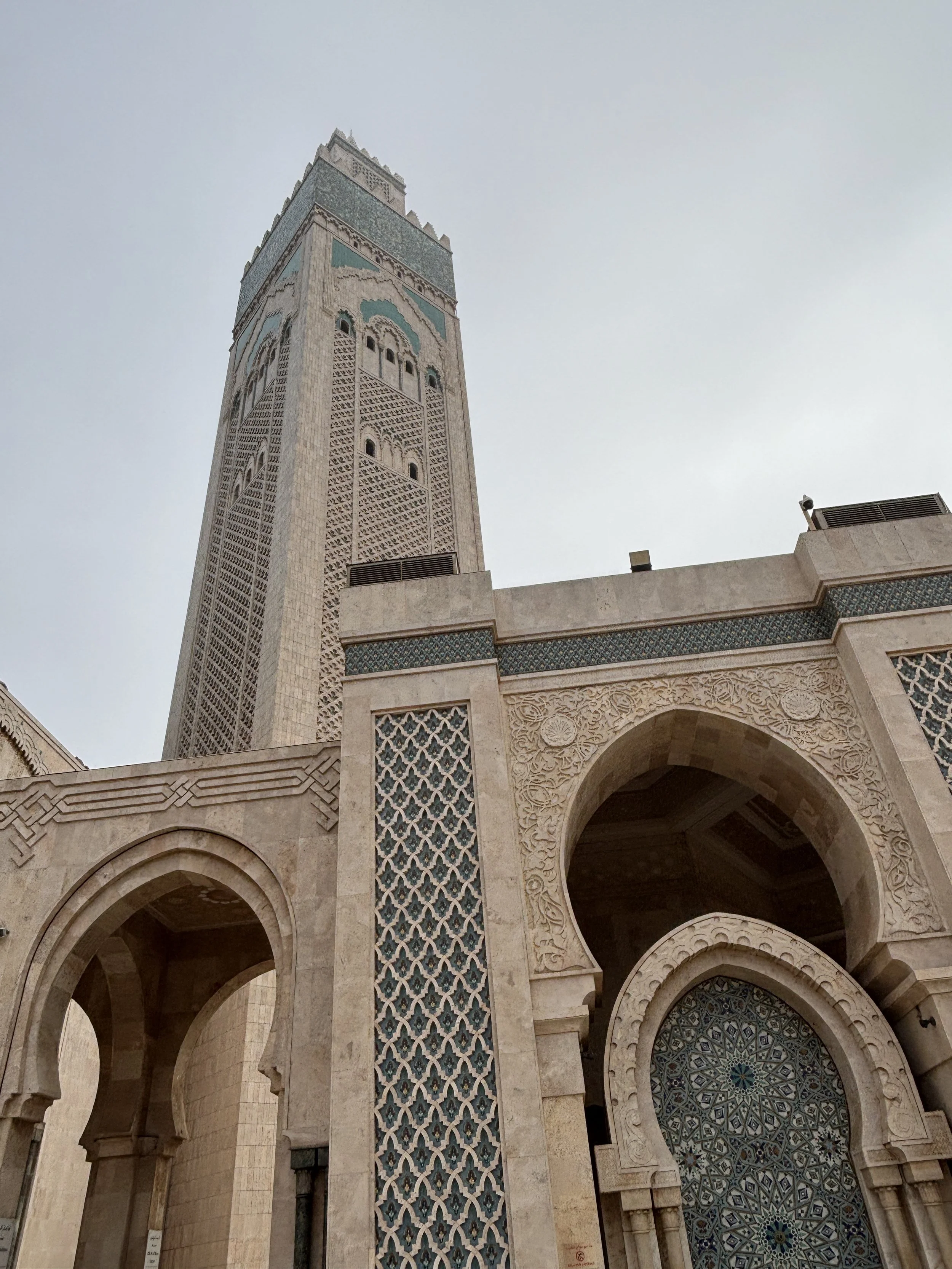
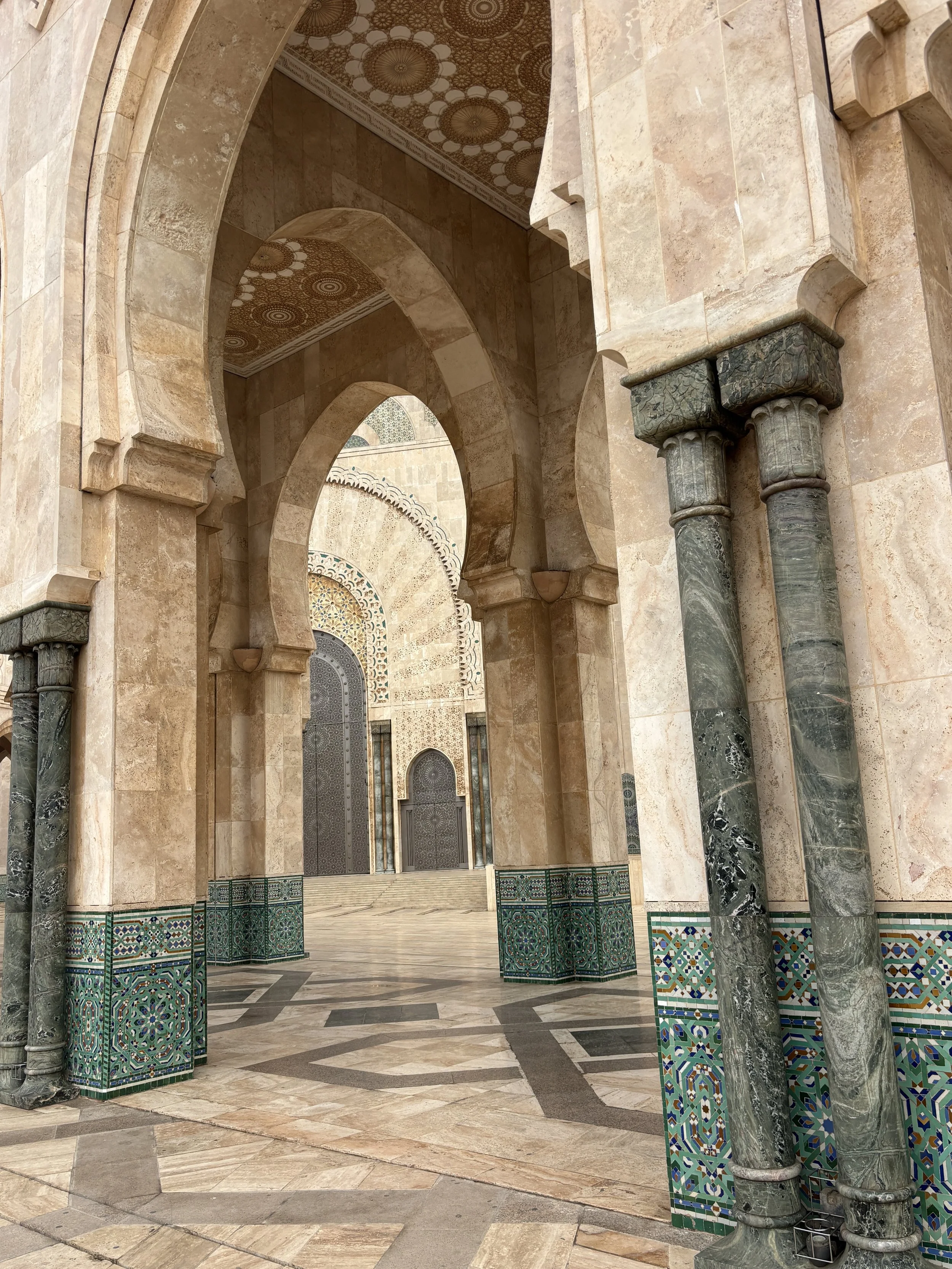
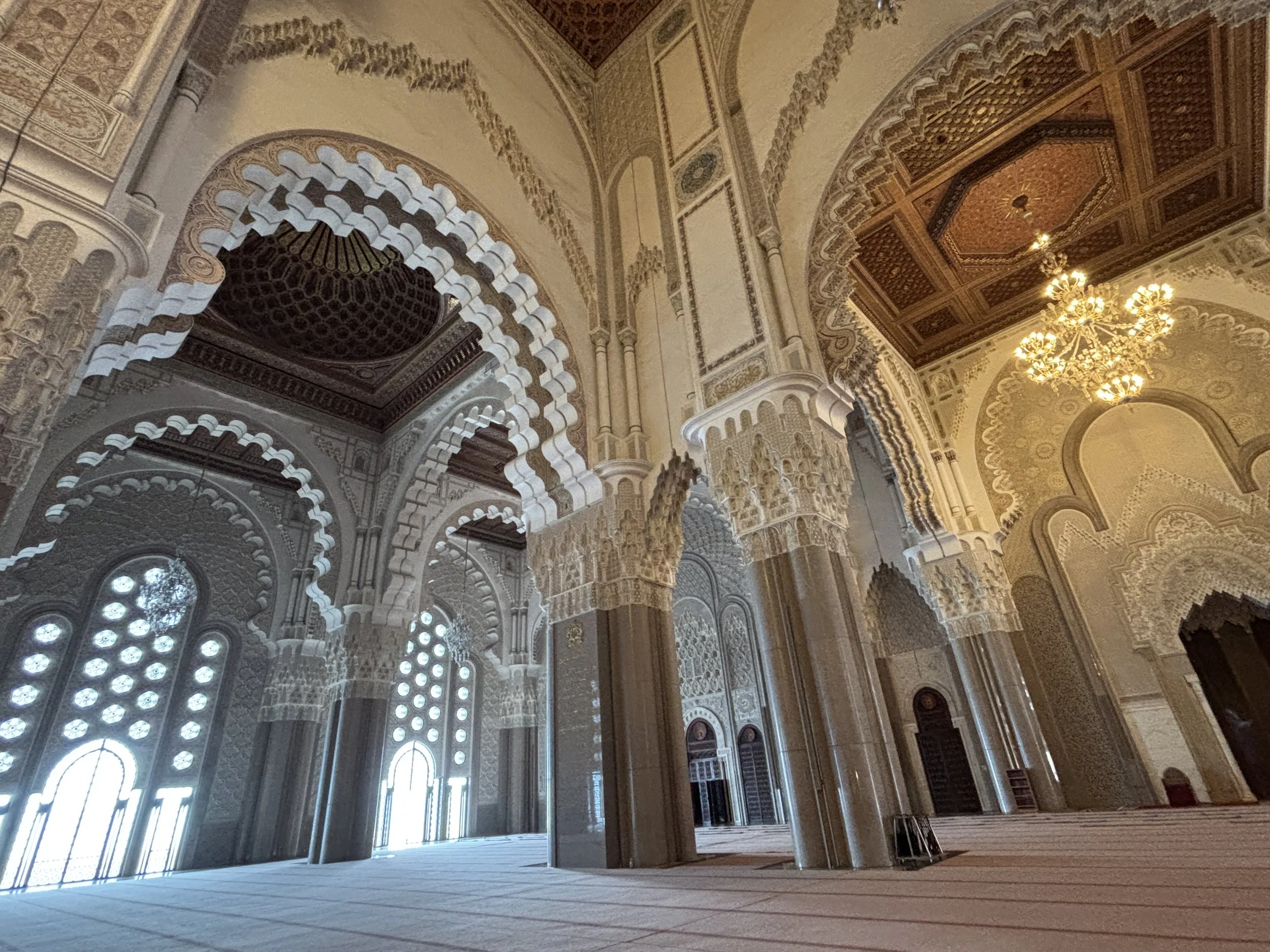
Besides dominating the Casablanca skyline, the interior of the Hassan II Mosque is equally impressive.
It also serves to showcase the craftsmanship of Moroccan artisans, thousands of which worked in its construction. The materials were almost entirely sourced in Morocco, as well, wit cedar woods coming from the Atlas mountains and marble from the Agadir area. Some elements, like the metal doors and the closings facing the sea were made of titanium, to better withstand corrosion.
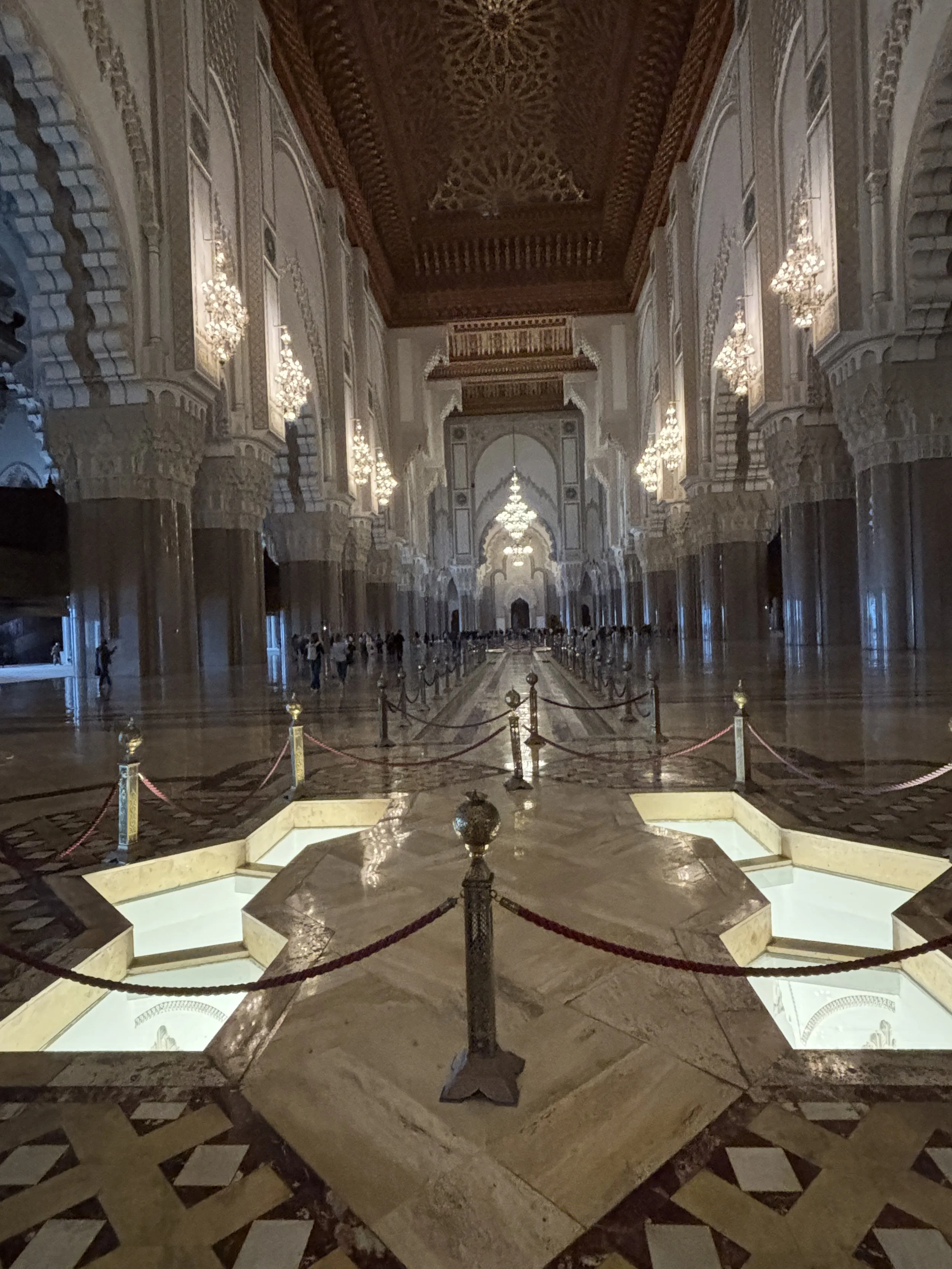
The central nave has a retractable roof, which facilitates air circulation and the light coming in. The sky is reflected on the glass panels which decorates the floor, giving them a blueish-colour.
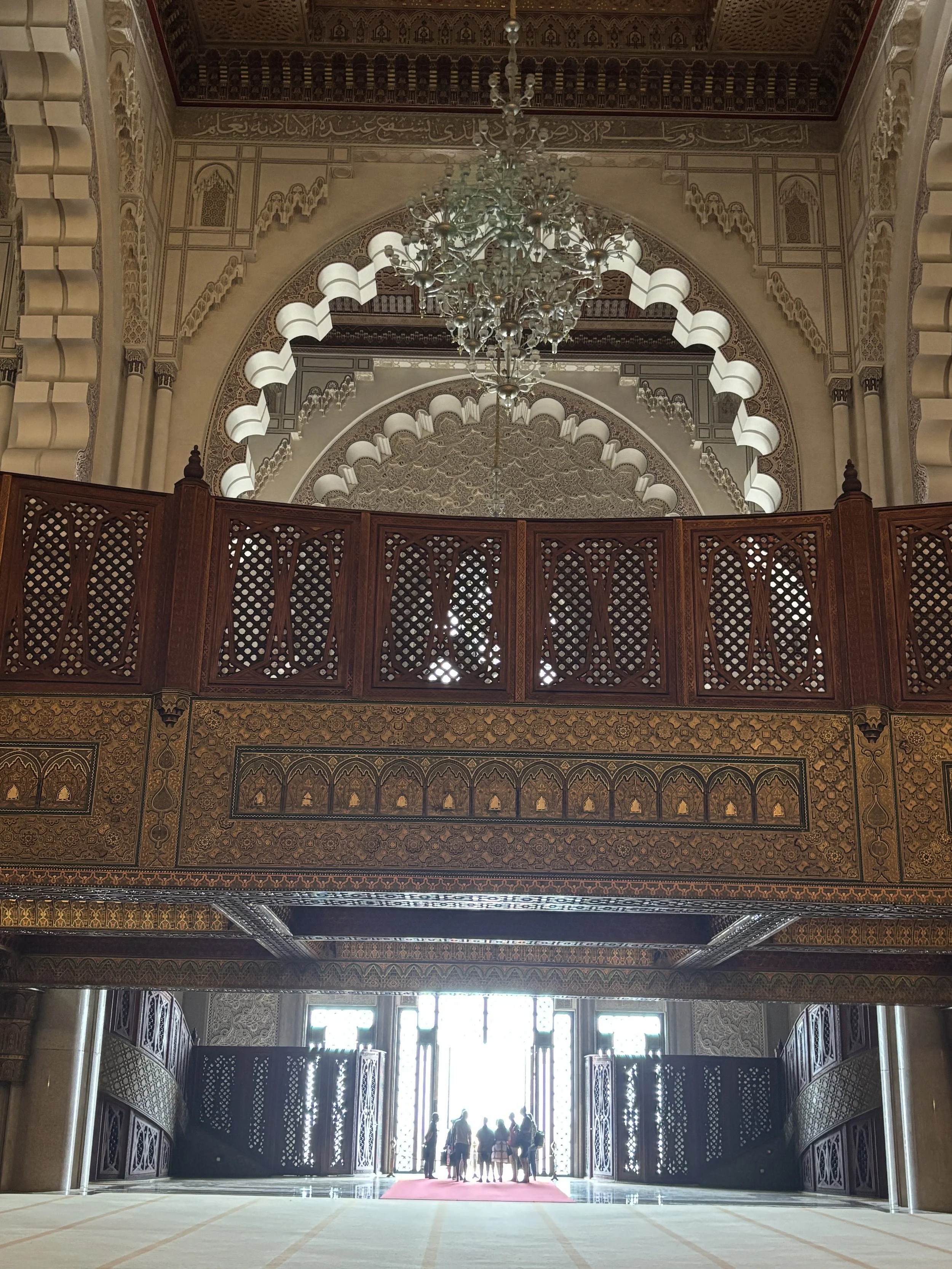
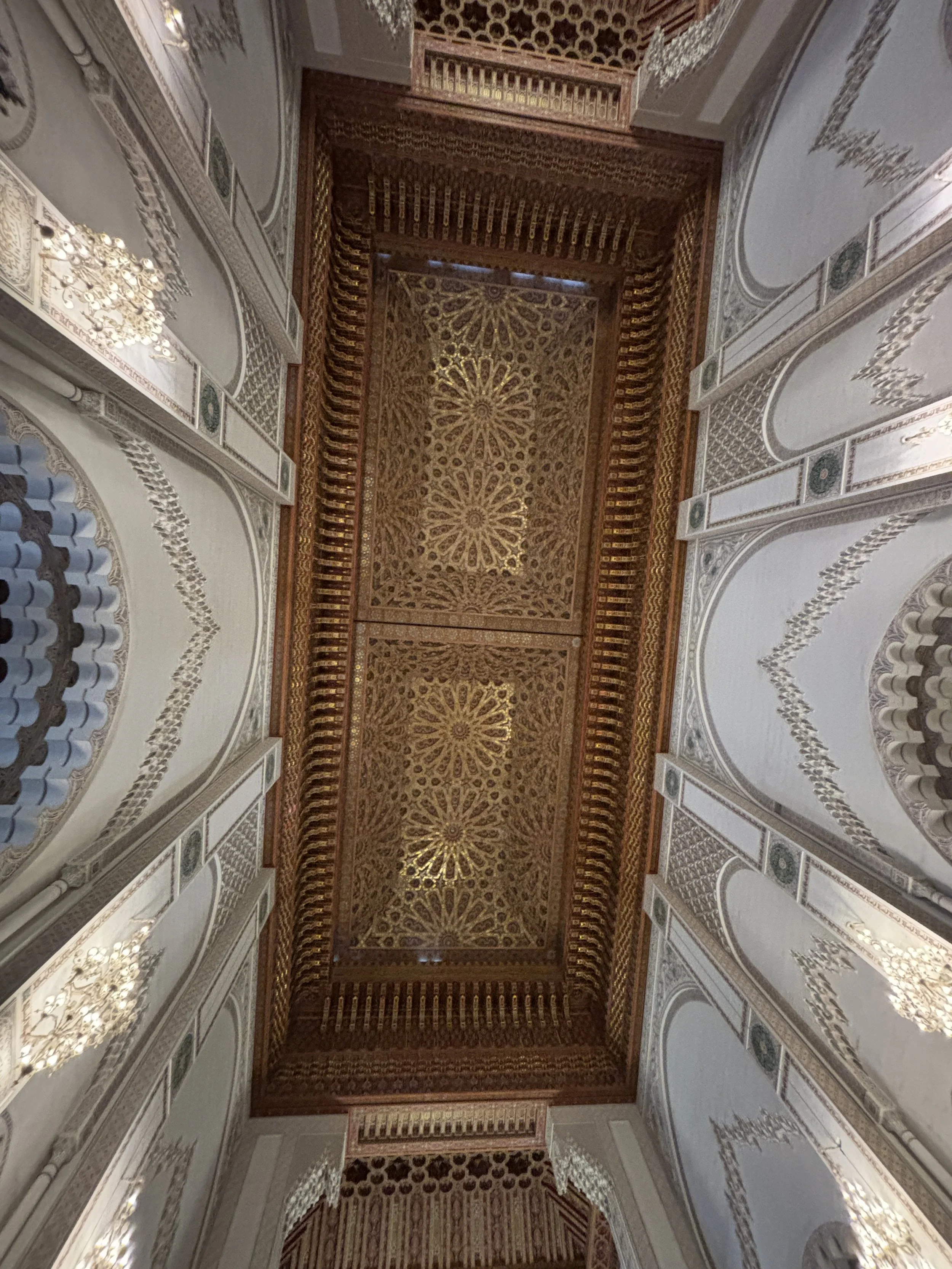
At prayer times the floor is all covered in carpets. Men take the central area of the nave, while women stay in the lateral wooden mezzanine platforms (depicted above left).
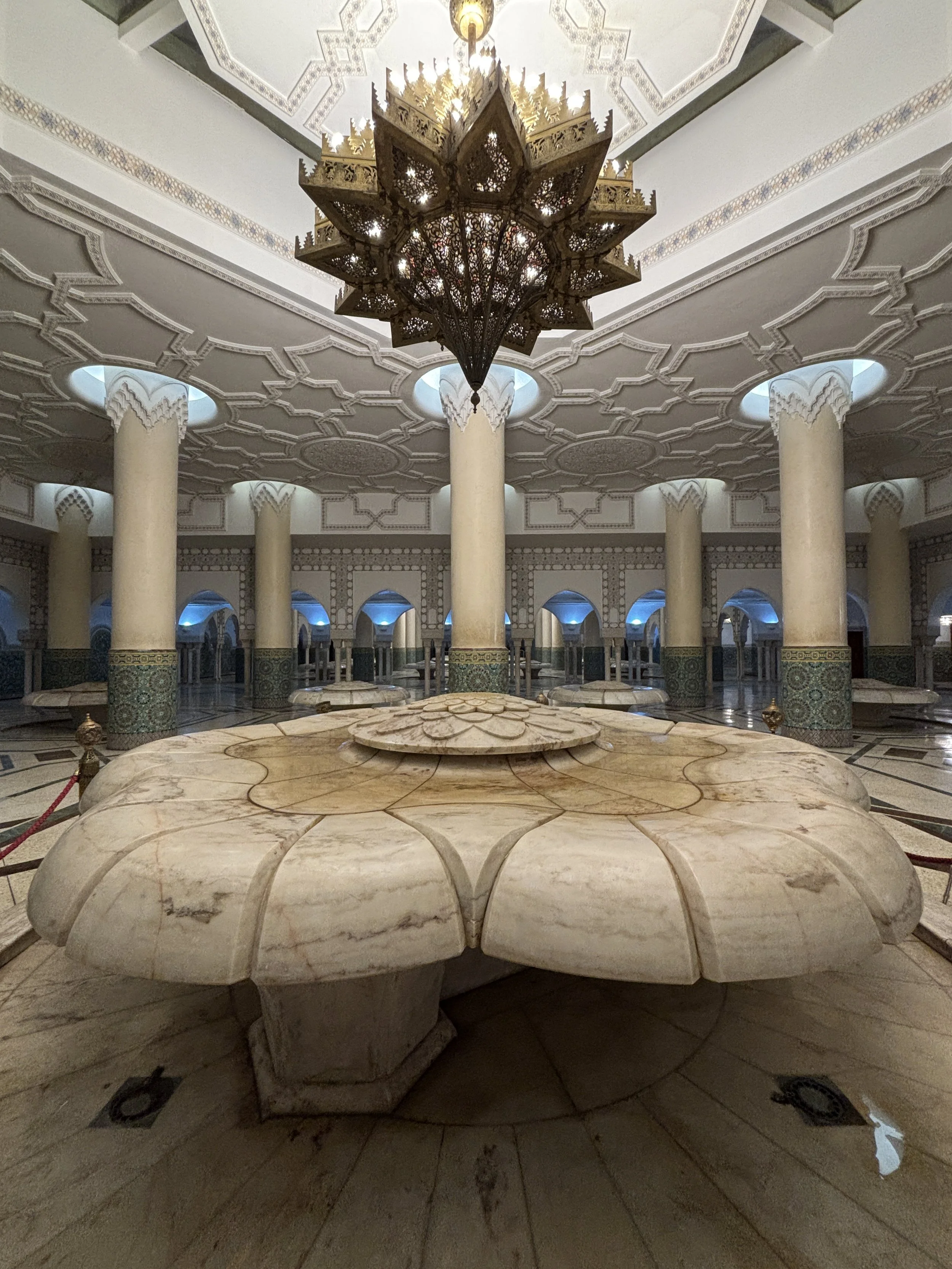
The lower ground has large ablution rooms fitted with several marble fountains.
Worth noting that there is also an adjacent hammam, which is located underneath the main esplanade. It was built roughly at the same time as the mosque, but it was not opened until much later, in 2019.
Casablanca Medina
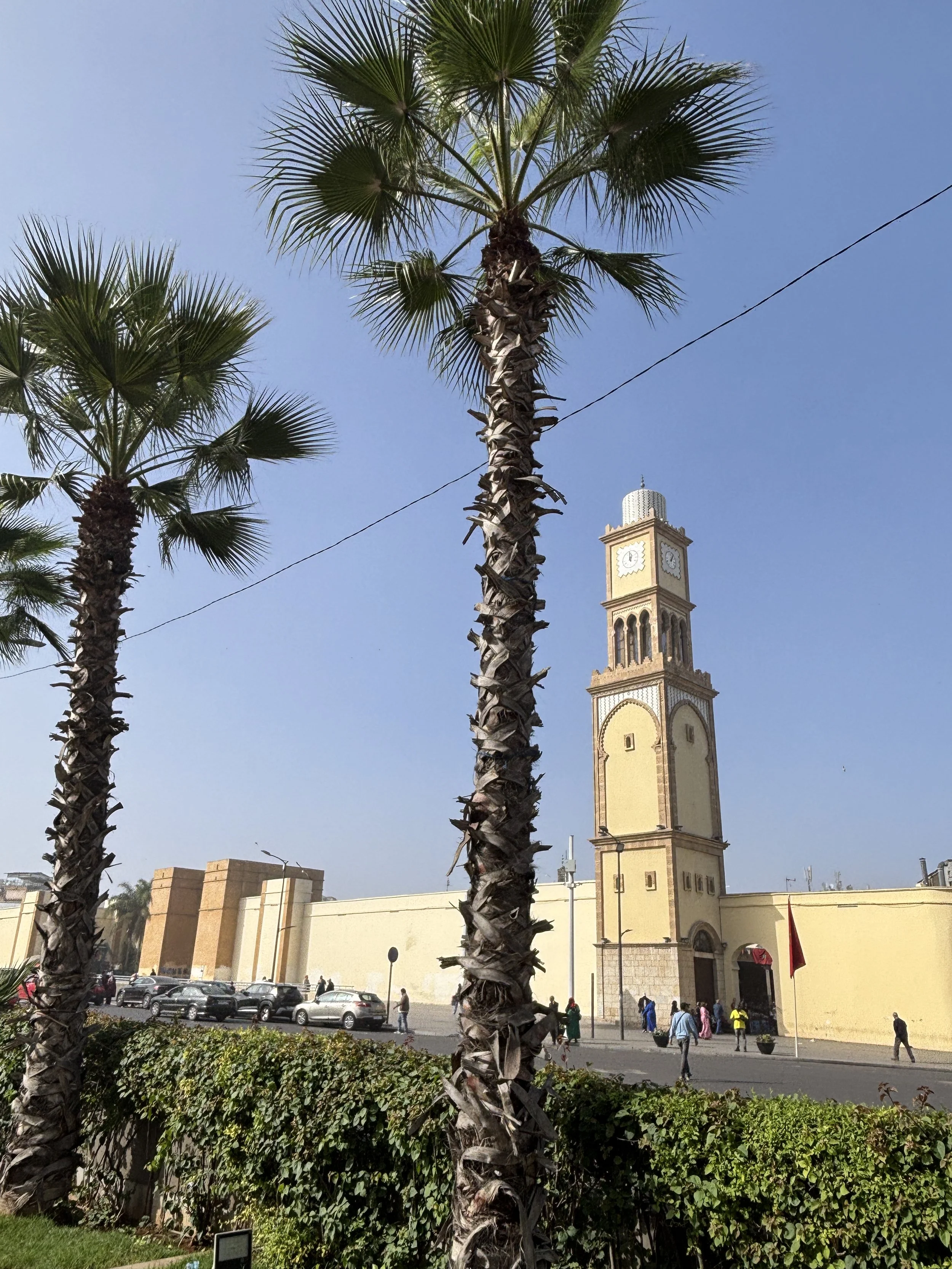
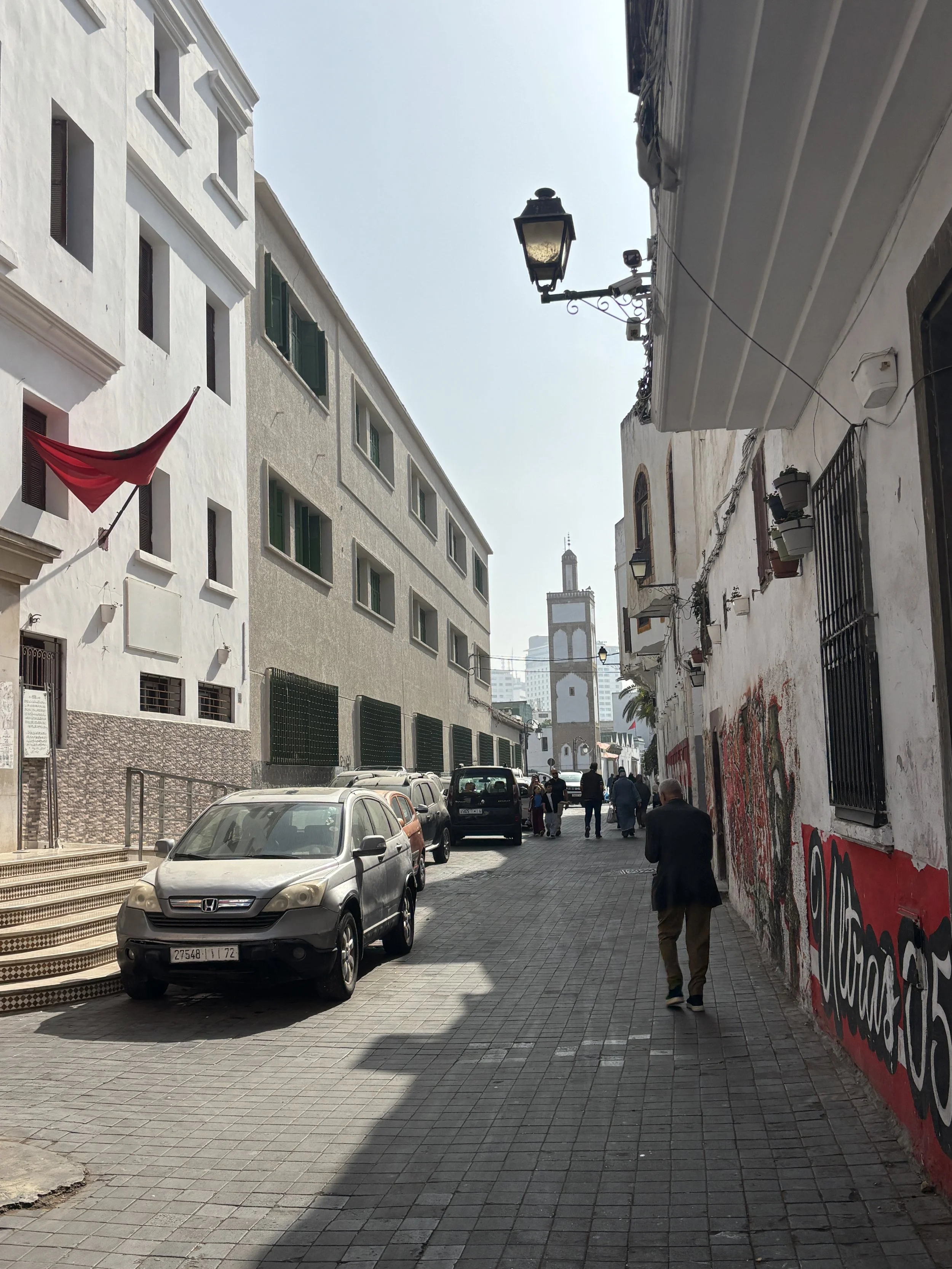
Casablanca has a compact walled medina but, as mentioned earlier, it has not preserved its traditional character as well as those of other Moroccan cities such as Rabat, let alone Marrakech. While the grid of narrow streets and small squares remains, most of it feels rather modern in its appearance. Along its southern edge there is a small bazaar, which isn't particularly impressive either.
Still, you may cross the medina area on foot if you are walking between the Ville Nouvelle and the Hassan II Mosque, or heading to dinner at Sqala, the restaurant featured next, which is set in an old bastion on its northern edge.
Where to eat in the Casablanca Medina
Restaurant Sqala
Bd des Almohades, Casablanca 20250
This is a Casablanca classic if you wish to have a taste of Moroccan cuisine. It is a bit touristy, but it still provides a nice, partly outdoors setting with a picturesque touch.
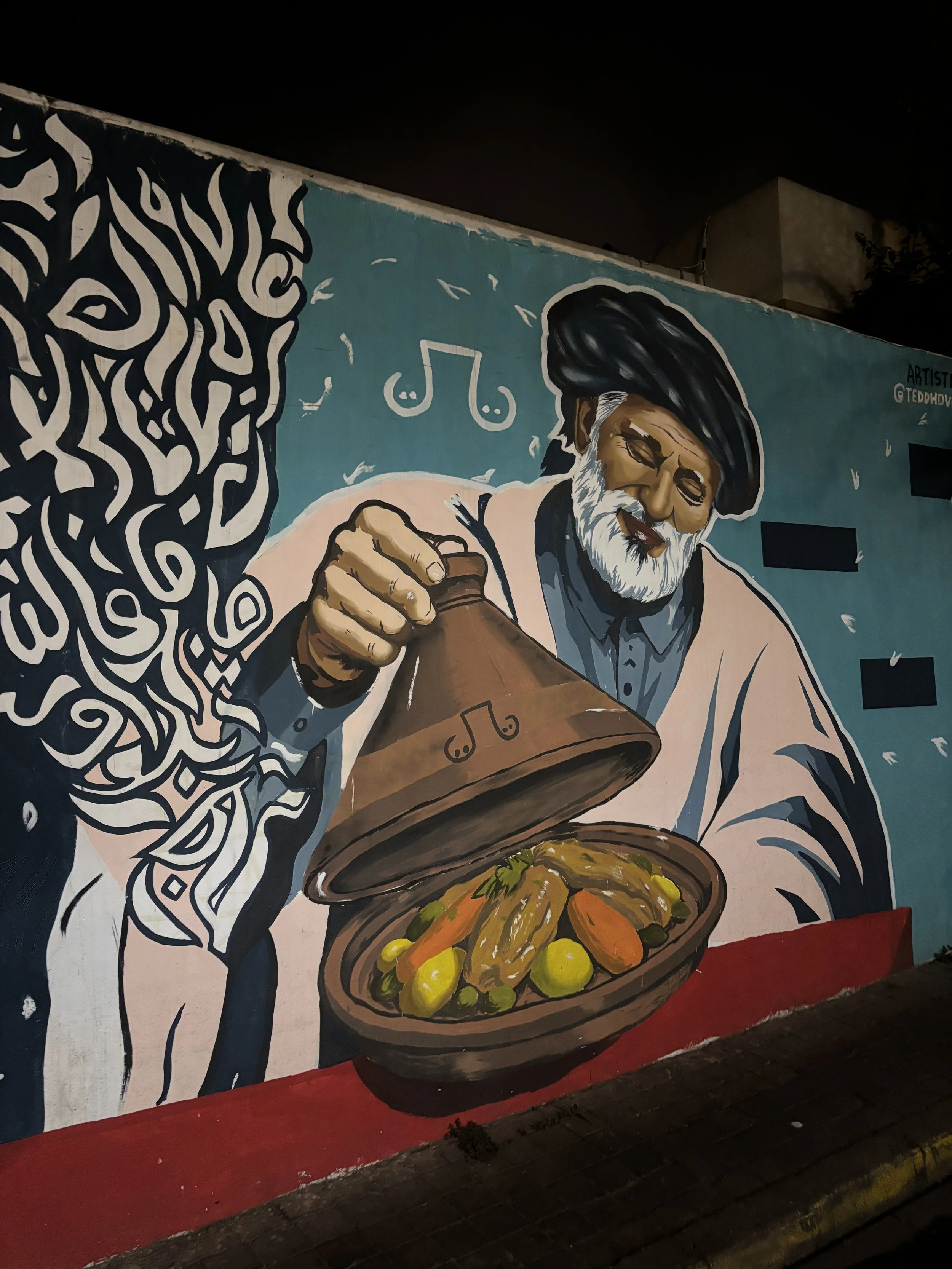
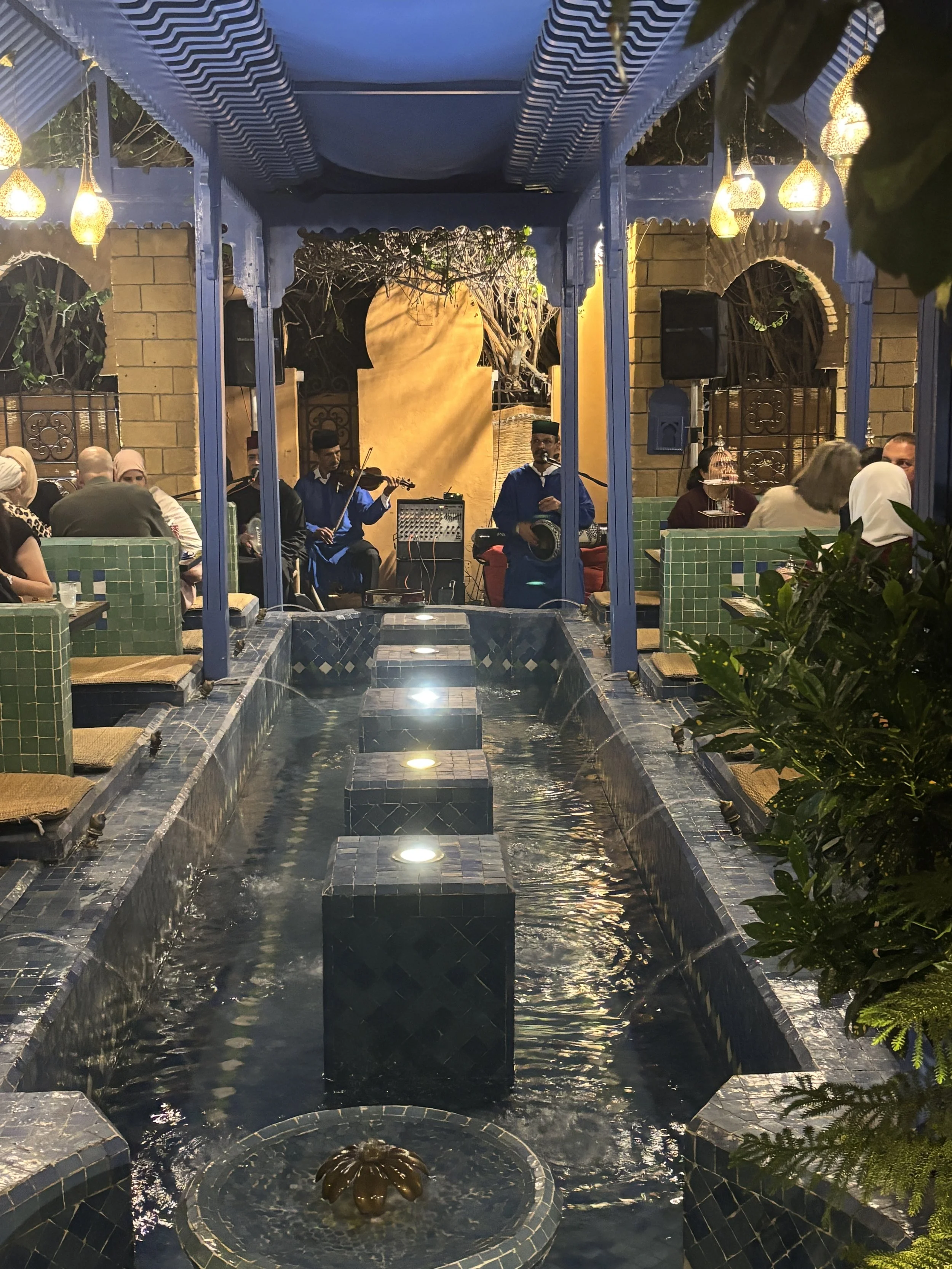
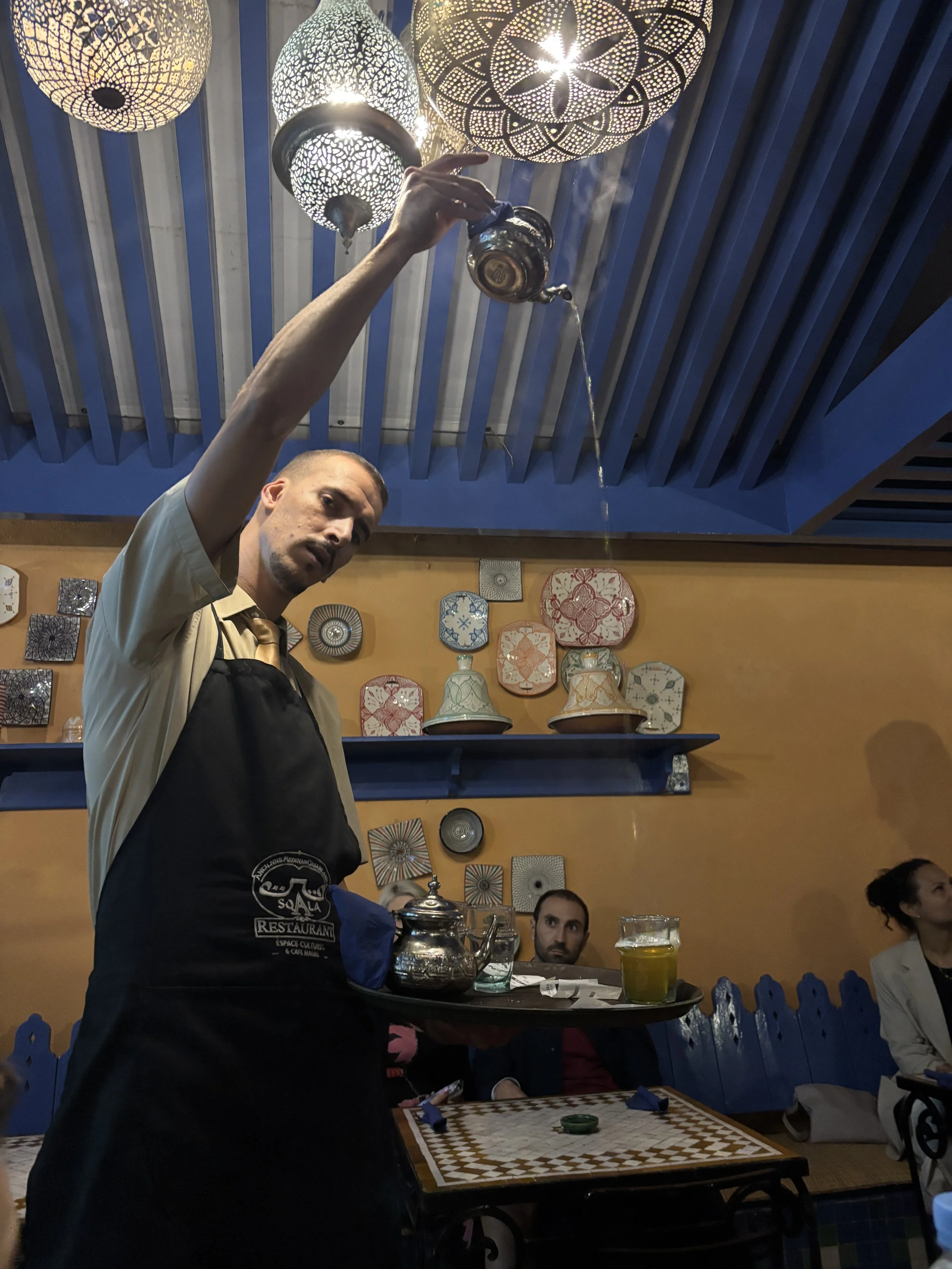
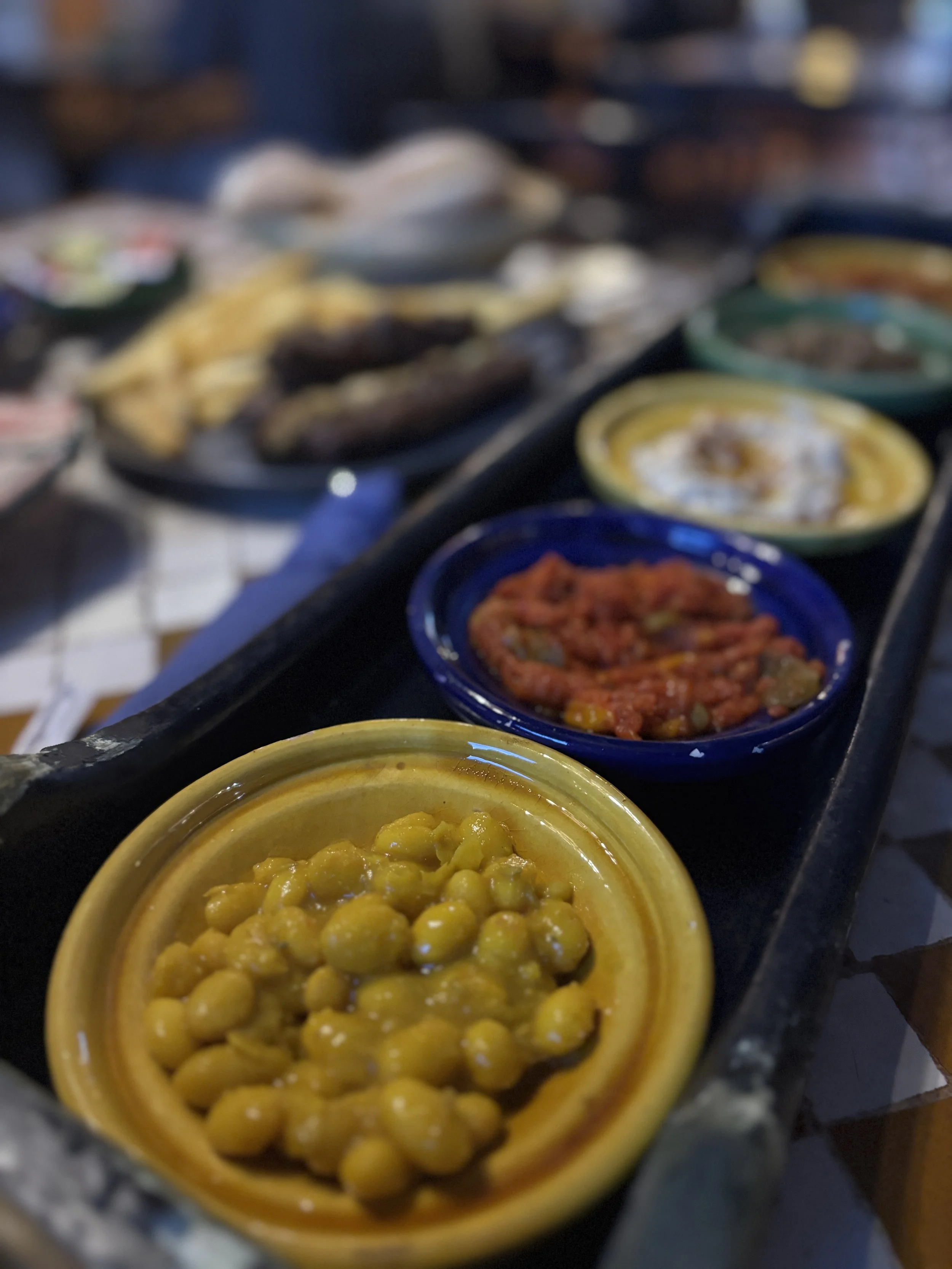
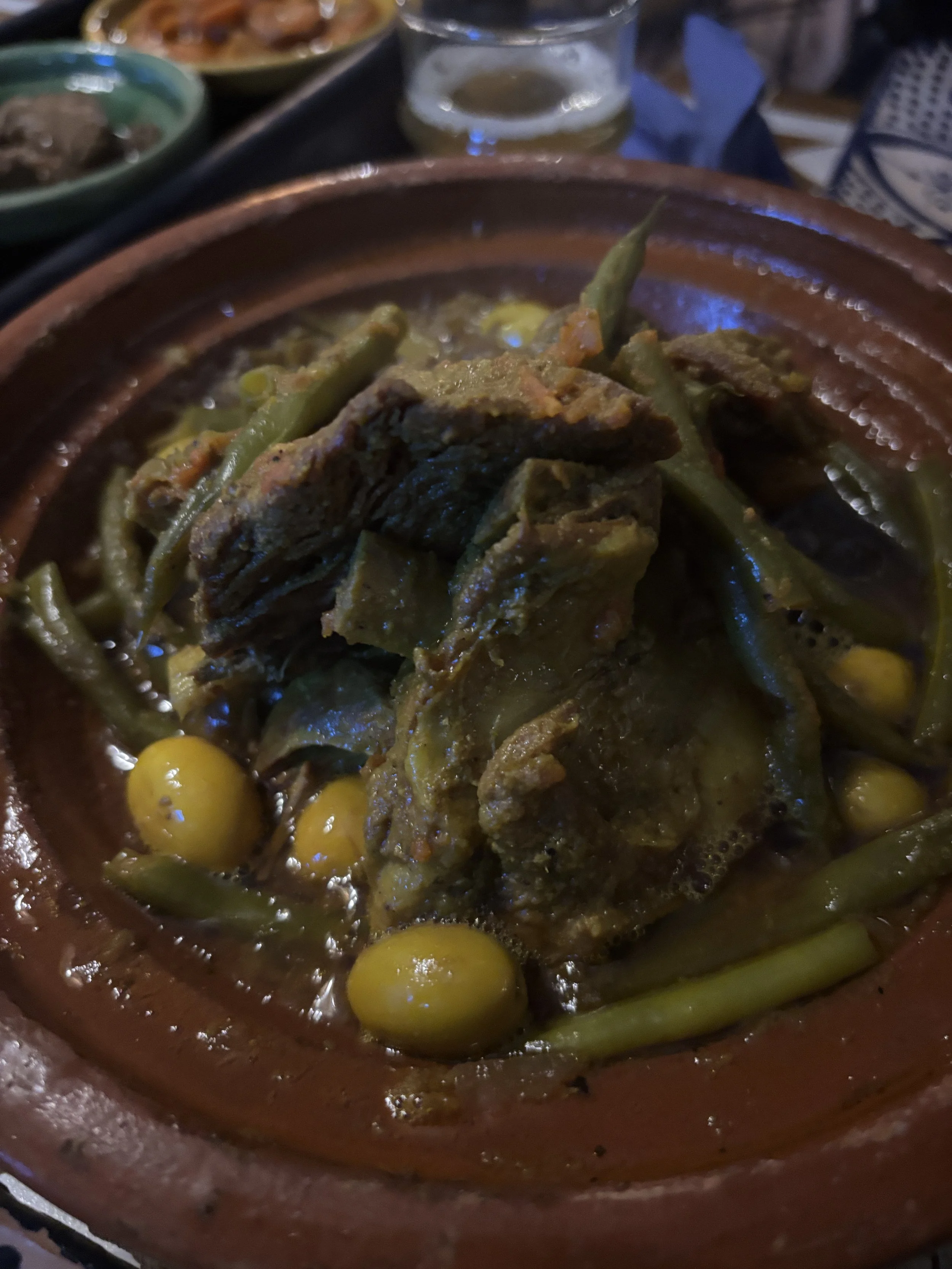
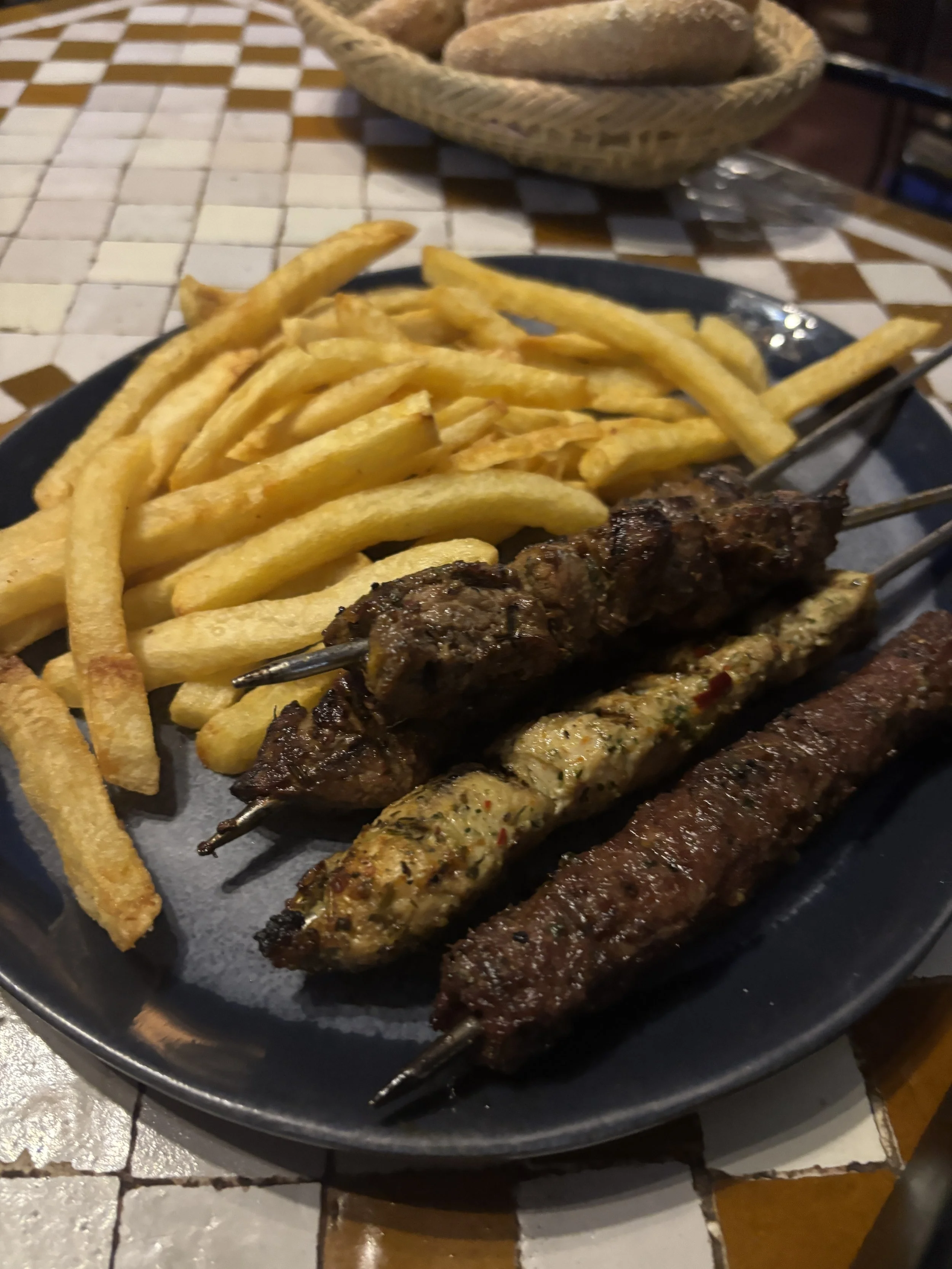
The menu offers a selection of Moroccan dishes, such as tagine, as well as mezze, grilled meats and fish and, of course, mint tea (depicted above). Portions are not huge, but it was quite tasty, including the sides. There is also live music, which adds to the atmosphere.
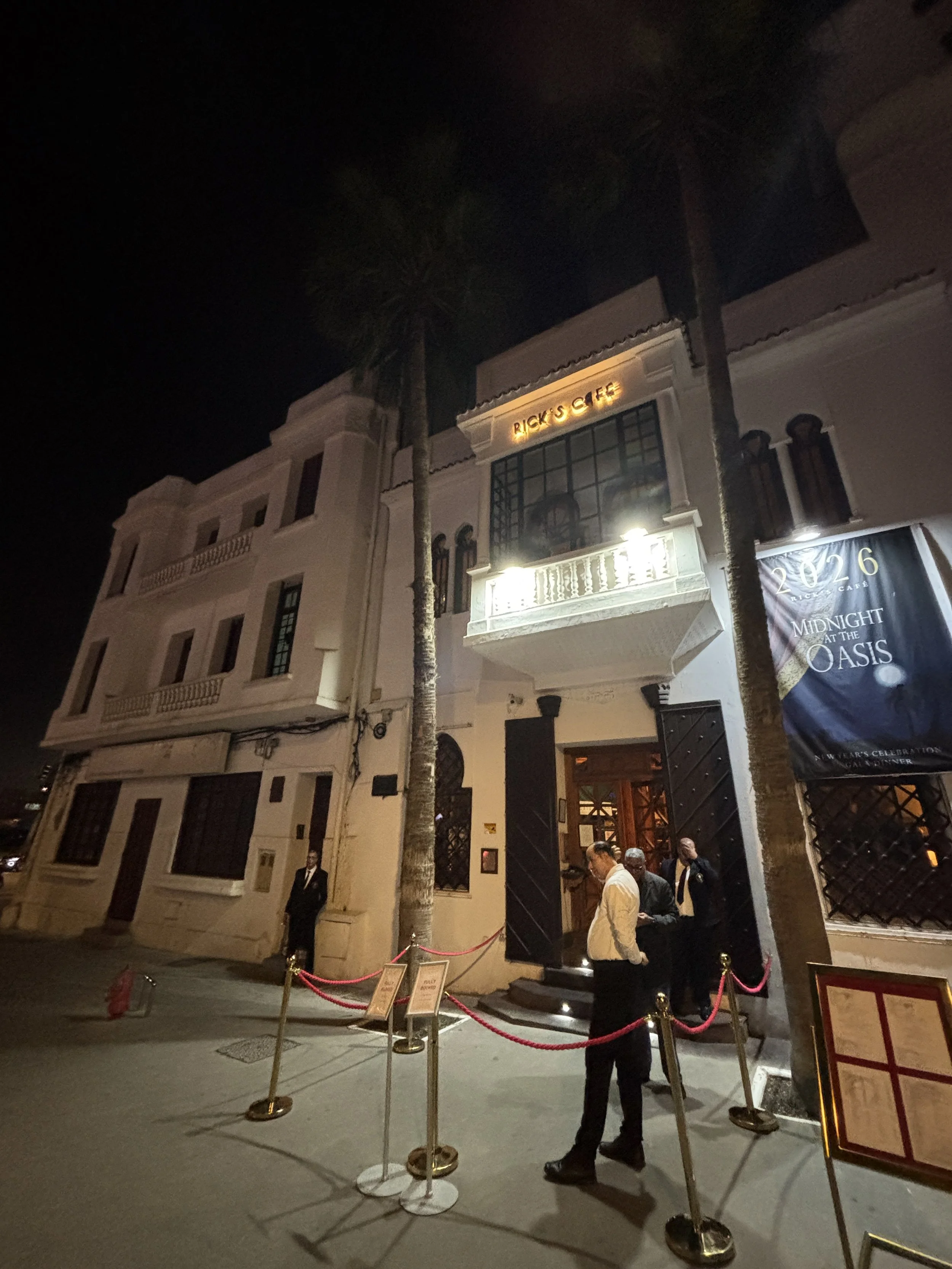
Rick’s Café
This is a recreation of “Rick's Café Américain”, the nightclub that appears in the film Casablanca.
However, no real Rick's Café ever existed in Casablanca until 2004, when Kathy Kriger, a former American diplomat posted to the city, thought it would be great to have a place recreating the atmosphere of that era.
Rick’s Café appears to be popular with tourists (you must certainly book in advance for the evening), although some reviews describe it as a bit of a tourist trap.
I can't offer a first-hand account because, despite earlier assurances from the team that I could briefly peek inside, I didn't manage to get in. So readers will have to rely on other descriptions!
Ville Nouvelle and Art-Déco Casablanca
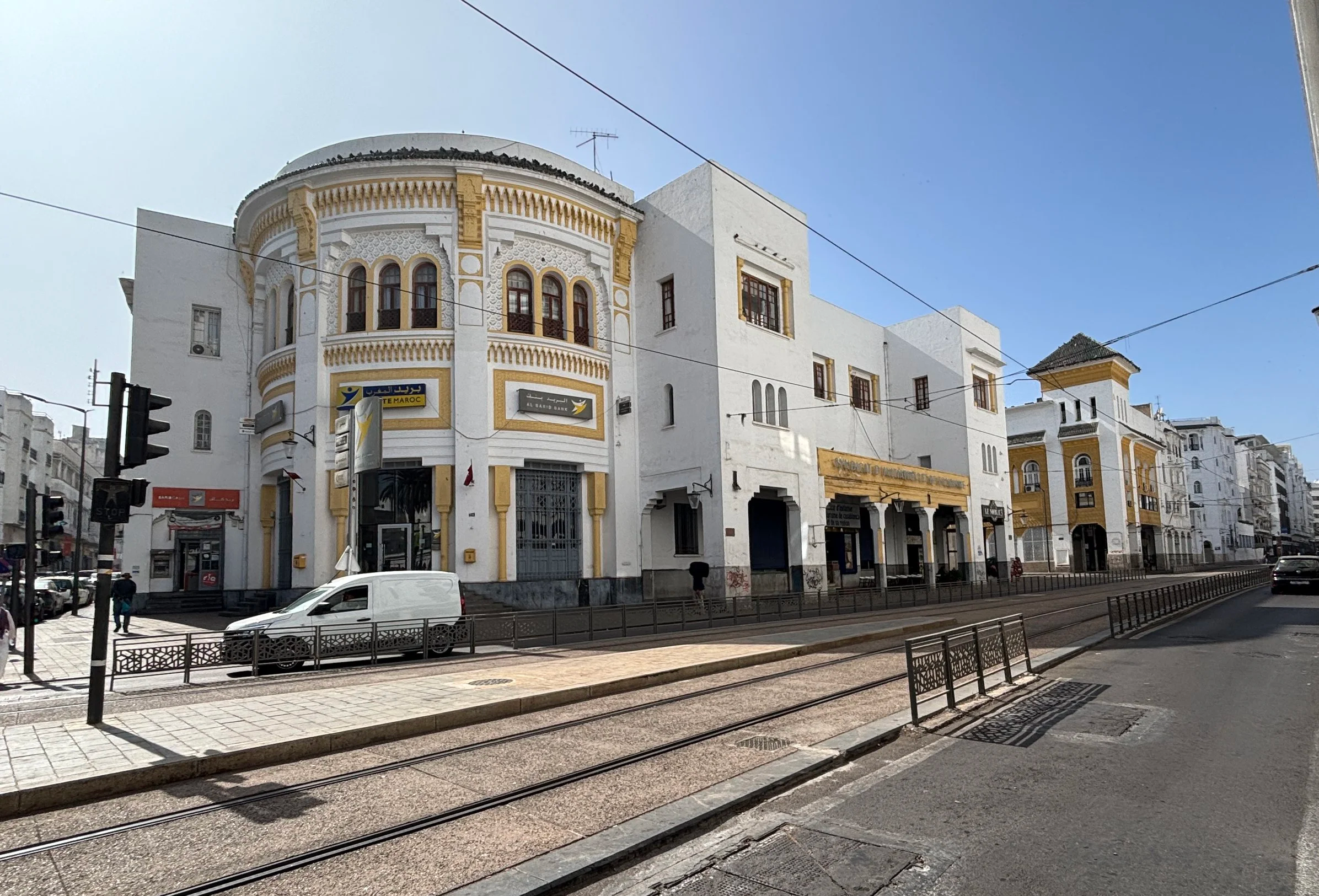
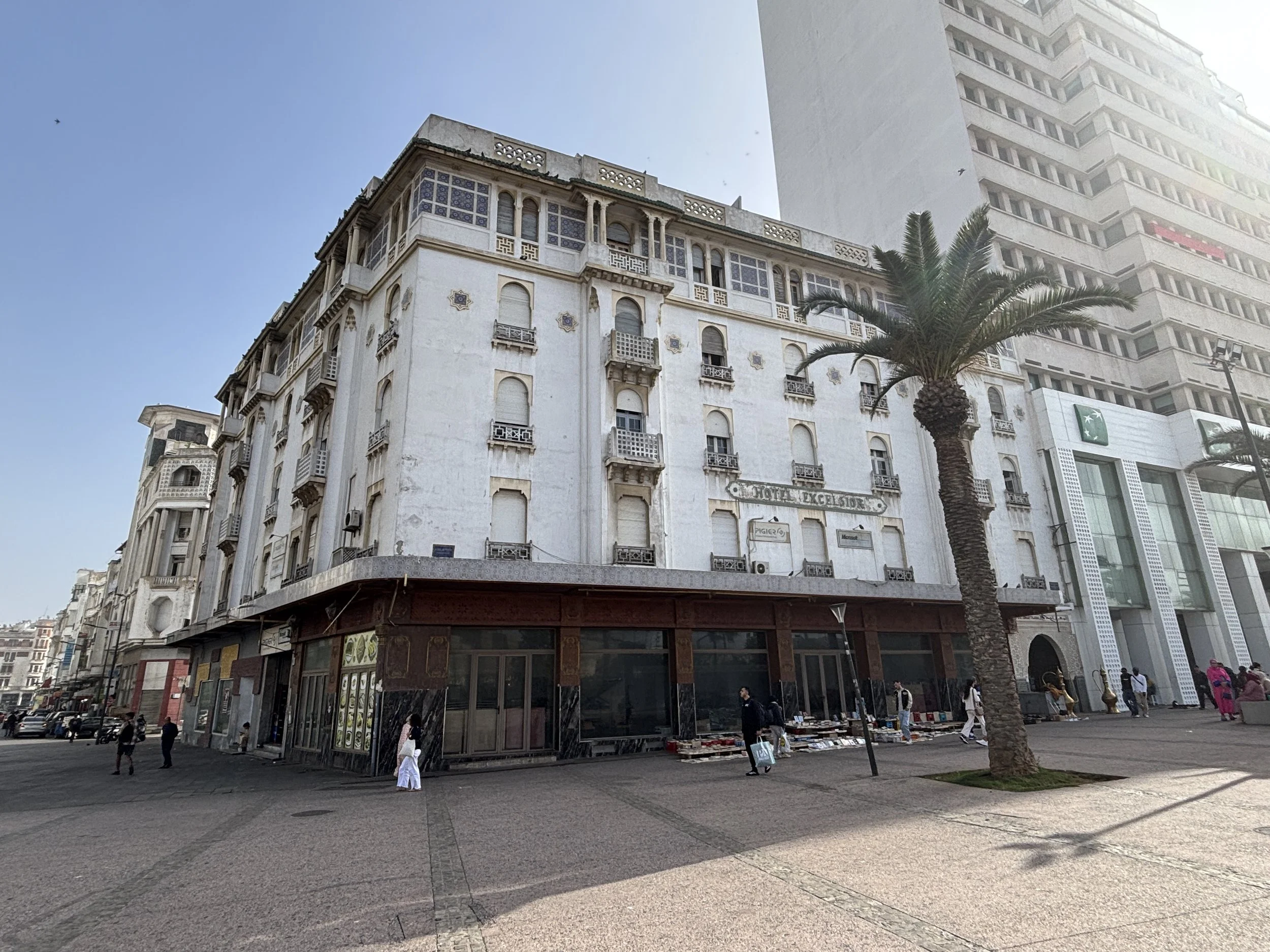
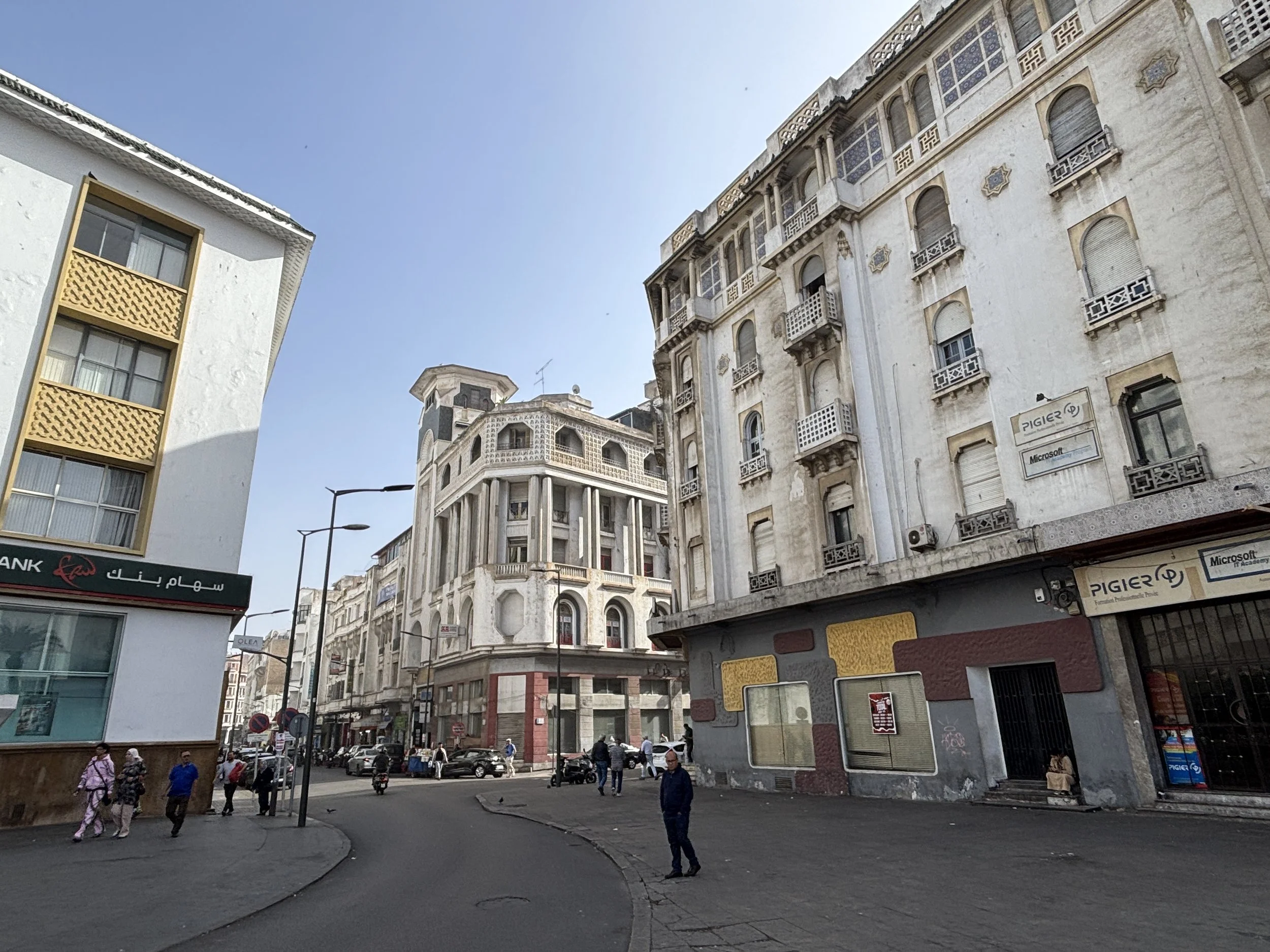
While Casablanca may not be big in ancient heritage or traditional architecture, the colonial-era “Ville Nouvelle” (literally “New Town” in French) has a charm of its own. This is the district that develop next to the old medina when, in the early 20th century, the French colonial authorities decided to develop a clean-sheet town rather than occupy the old town for their own administrative and commercial purposes.
The result is a whole district which encapsulates some of the styles that were popular at the time. The area combines neo-Moorish, Art Déco and Modernist architecture with Arabesque touches throughout, with most buildings sporting white-washed facades, even if some of them show signs of neglect or decadence .
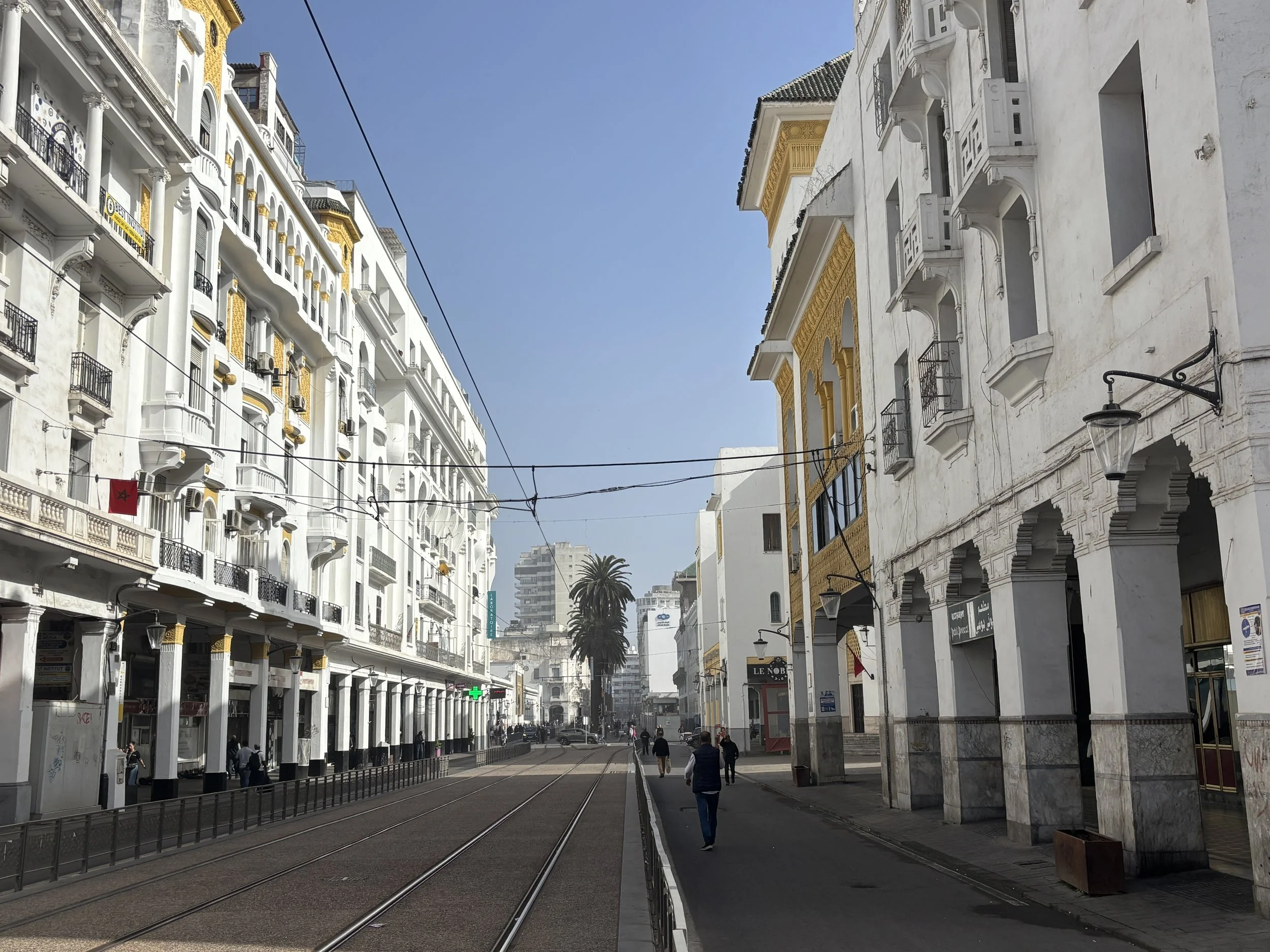
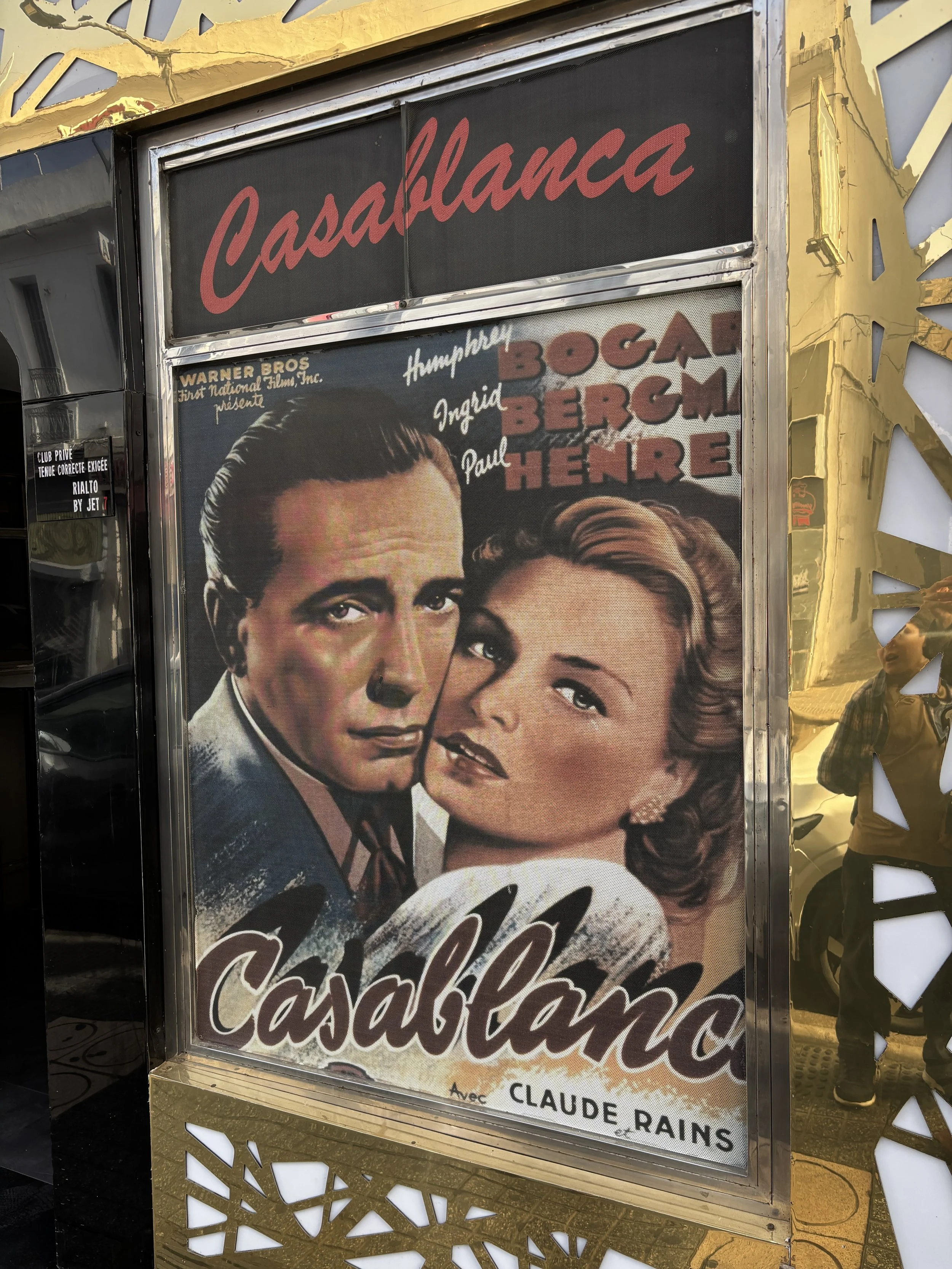
If there is one building in Ville Nouvelle which embodies that “belle époque” halo carried by the name Casablanca it is possibly the 1930s Rialto Cinema. The cinema closed down during the Covid pandemic, but its art-déco building is still decorated with posters of the famous evergreen blockbuster.
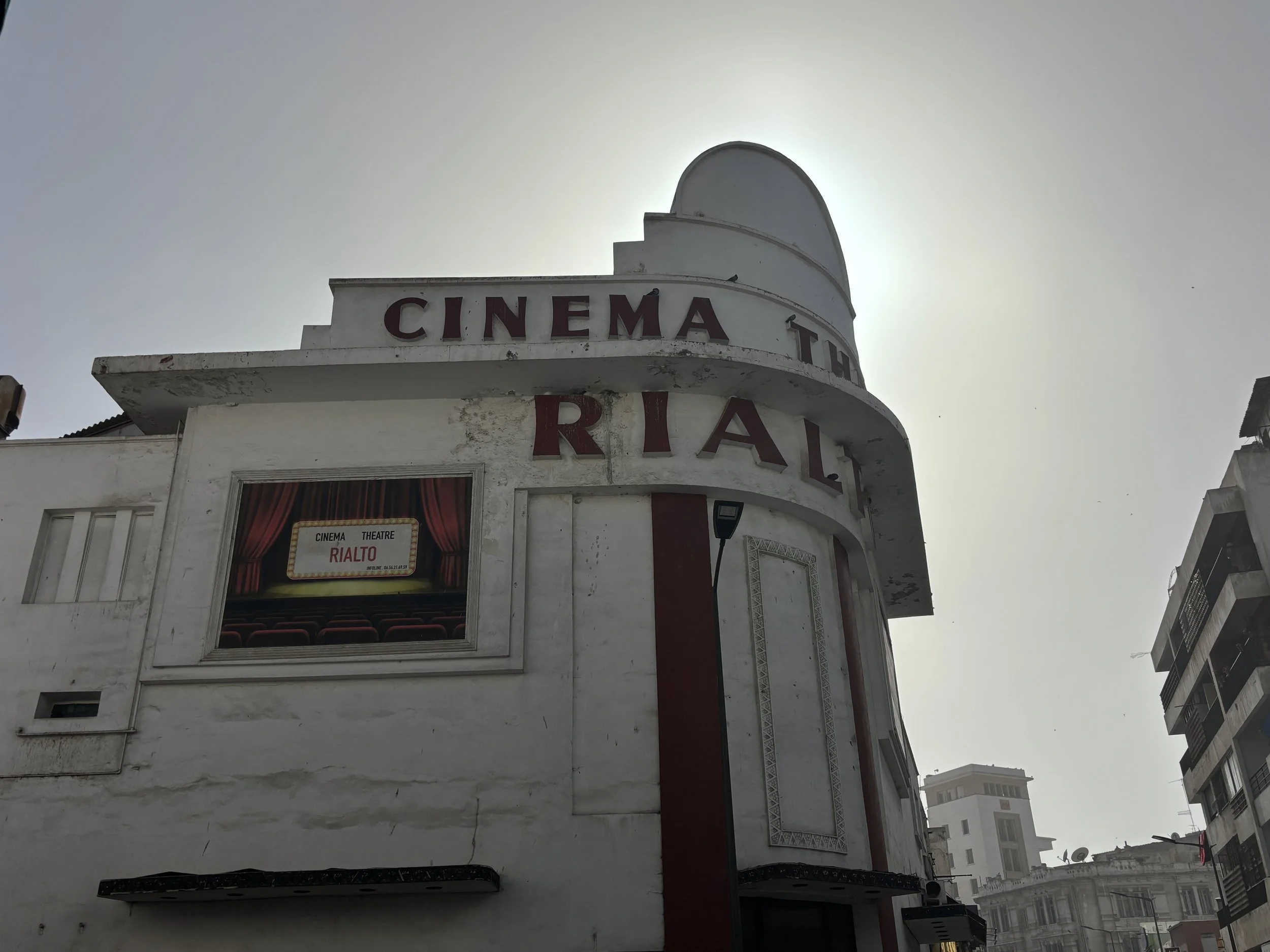
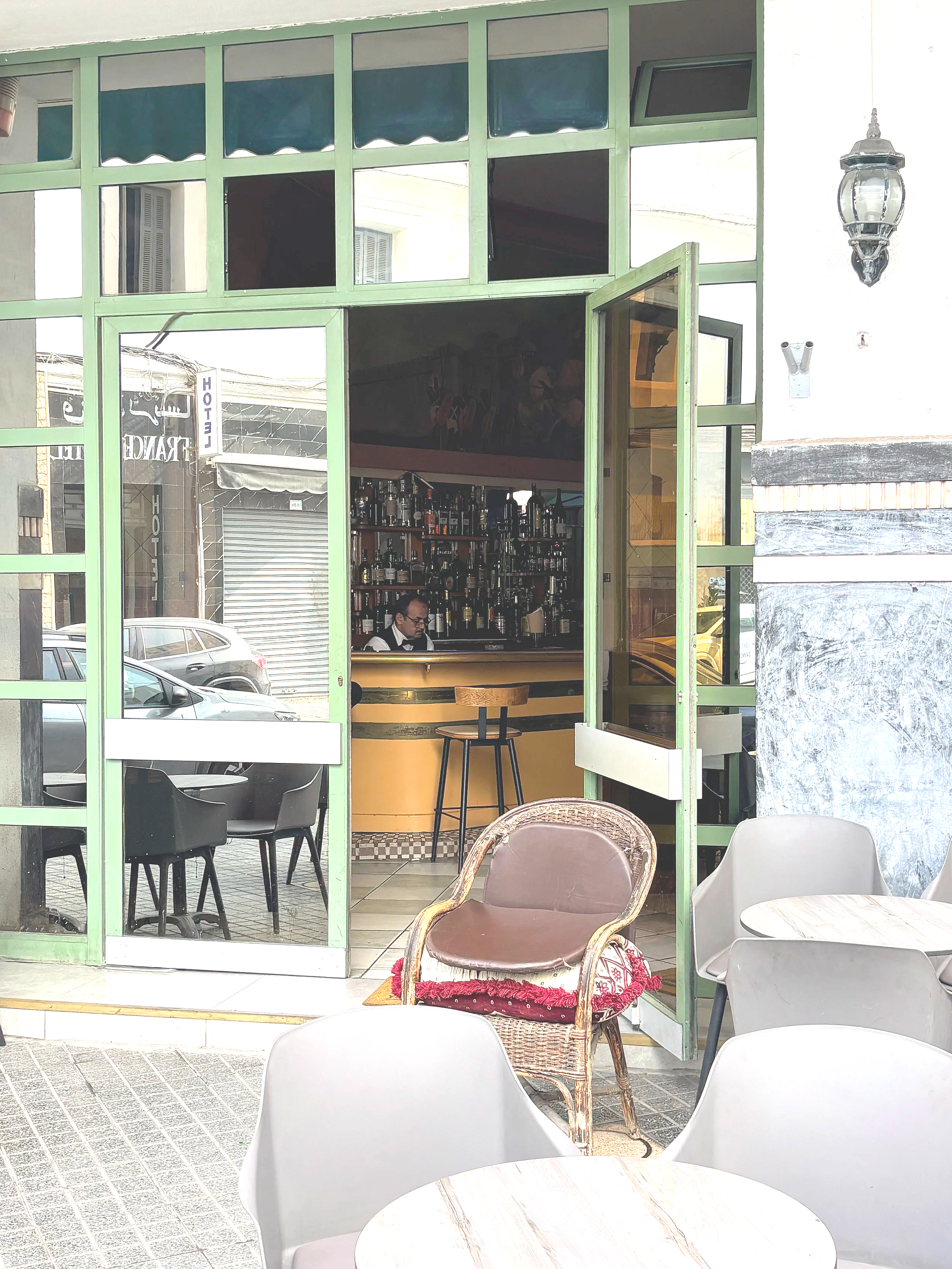
While Ville Nouvelle is no longer the commercial heart of Casablanca, it is worth walking around it a bit with your eyes open to capture the small details that may pop up around every corner. We are not talking about specific landmarks here, but about the general atmosphere evocative of a bygone era.
Casablanca’s Central Market (“Marché Central”)
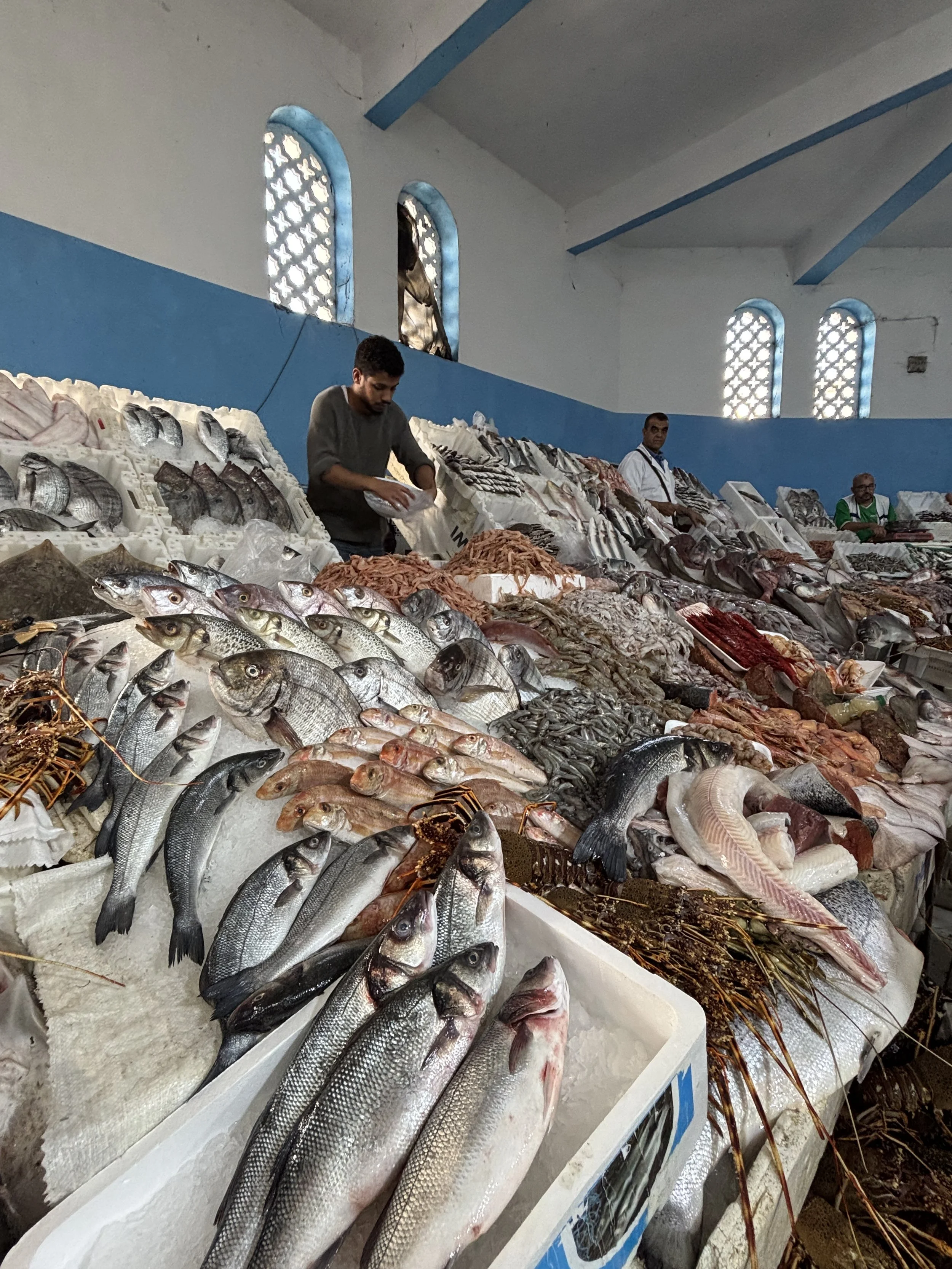
This market is located in the middle of the Ville Nouvelle and, while not particularly large, it is worth a peek inside. It is structured around a central courtyard with the fish stalls at the centre and casual restaurants and souvenir shops lining its sides. Fish and seafood are the main things here and some of the stalls are quite impressive. Expect a bit of mild haggling as soon as you are identified as tourist.
Recommended restaurant in Casablanca’s Ville Nouvelle: Restaurant Madrid
But the other reason to come to the Central Market is to eat. In this regard, my recommended pick would be Restaurant Madrid (named this way because apparently the owner used to live for some time in the Spanish capital).
It is a casual place located at one of the corners of the Central Market. Don’t be deceived by the very basic appearance: the offering is pretty solid.
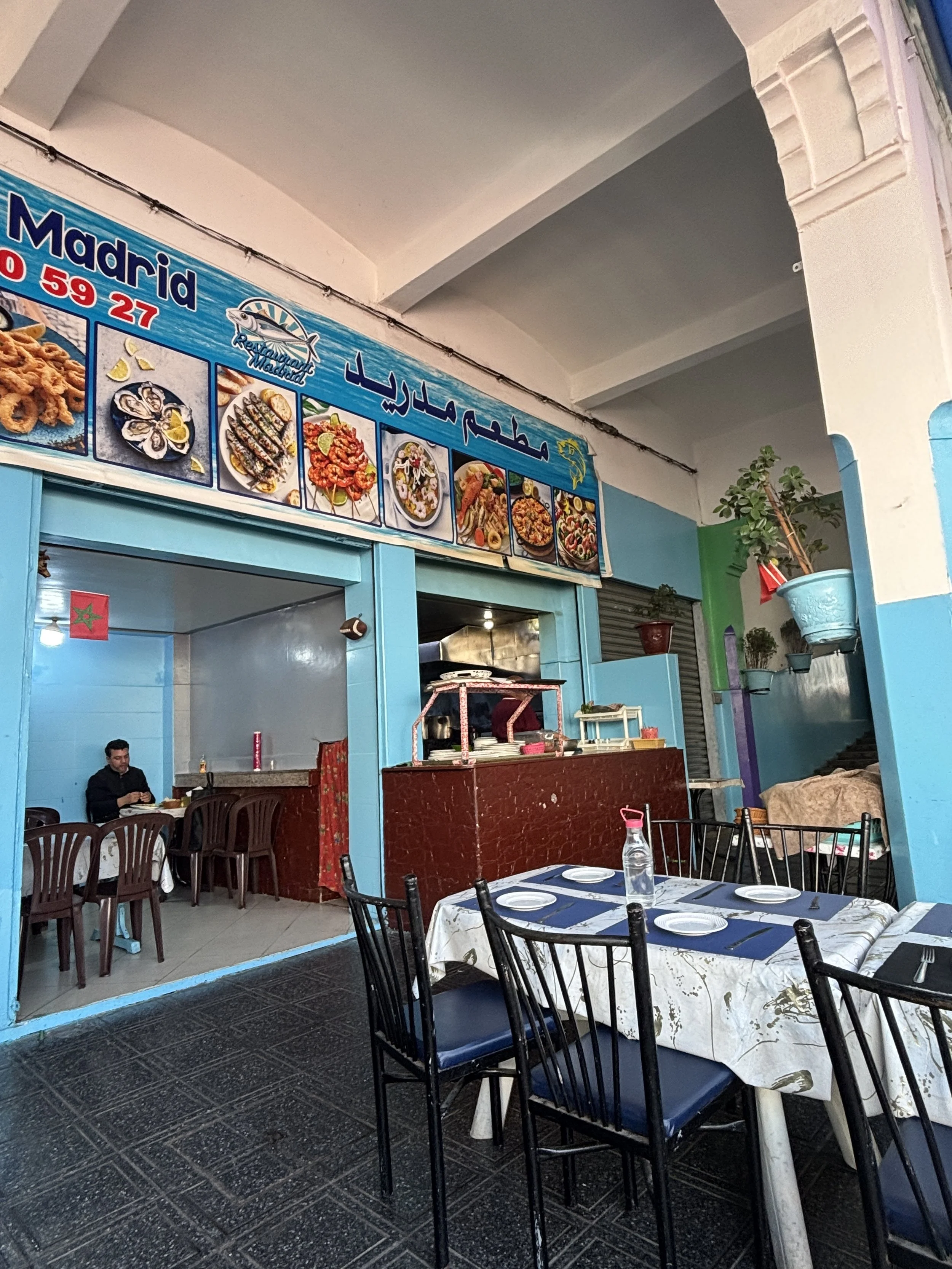
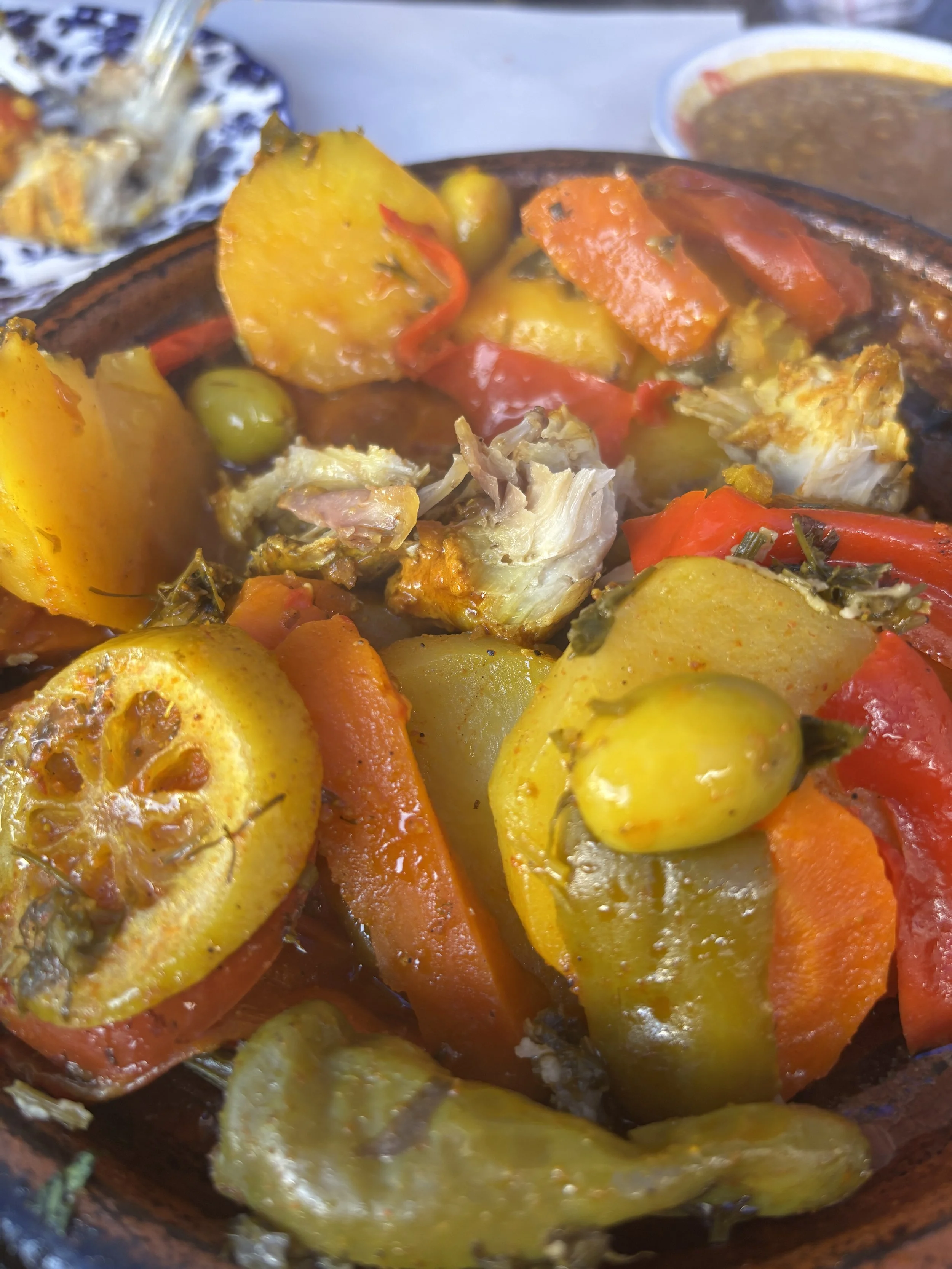
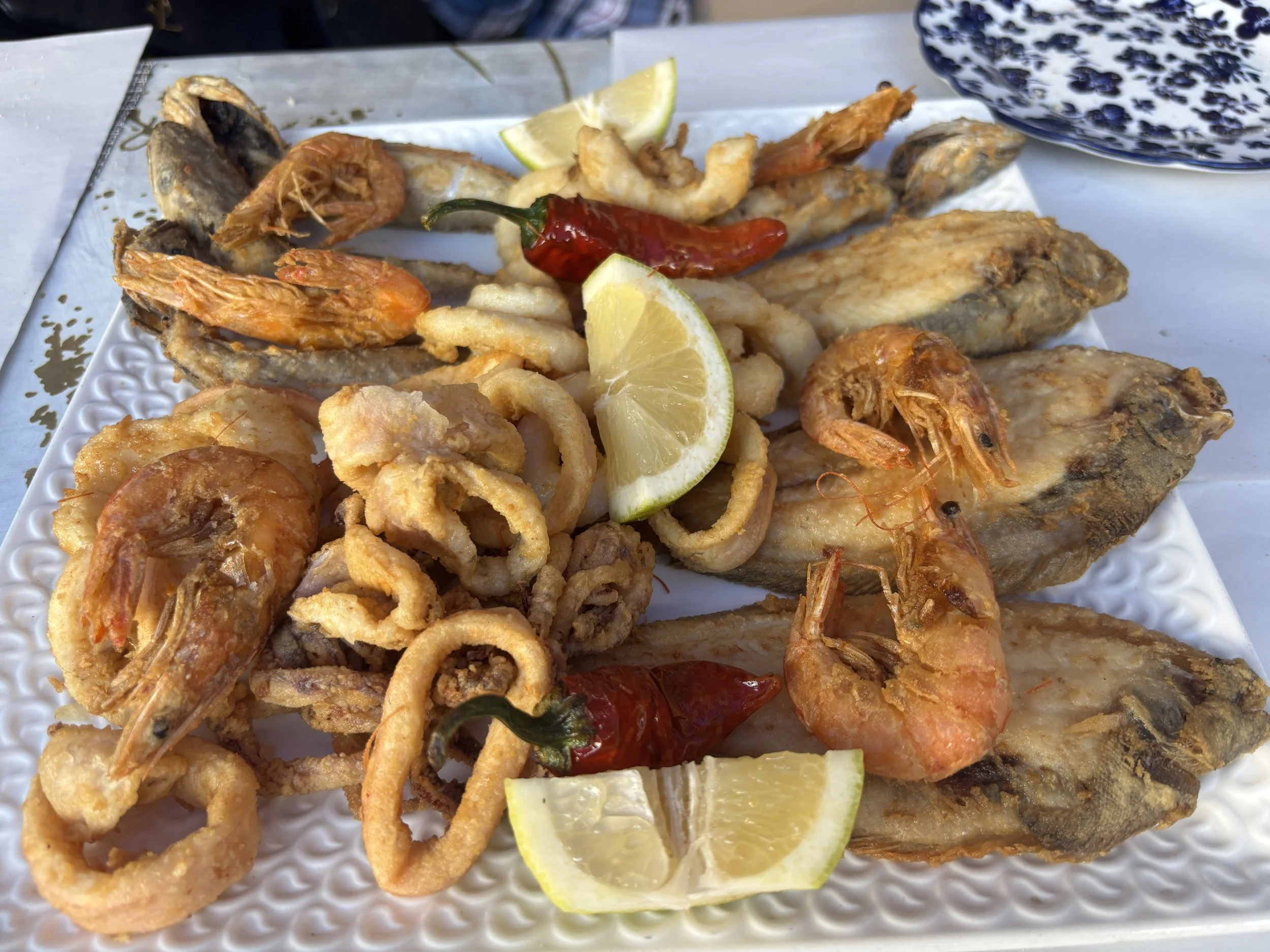
Being located in the Central Market, the speciality here is fish, served in different forms, including fish tagine (depicted above) and a full assortment. Portions are large and service is pretty good. Pricing is also very reasonable, making for great value overall!
Where to stay in Casablanca
Sofitel Casablanca Tour Blanche
Rue Sidi Belyout, Casablanca 20000
You can book this hotel here.
This hotel is one of a triad of Accor-branded hotels (there are an Ibis and a Novotel next door) located right at the nexus between the medina and the Ville Nouvelle and two minutes walk away from the Casa Port train station.
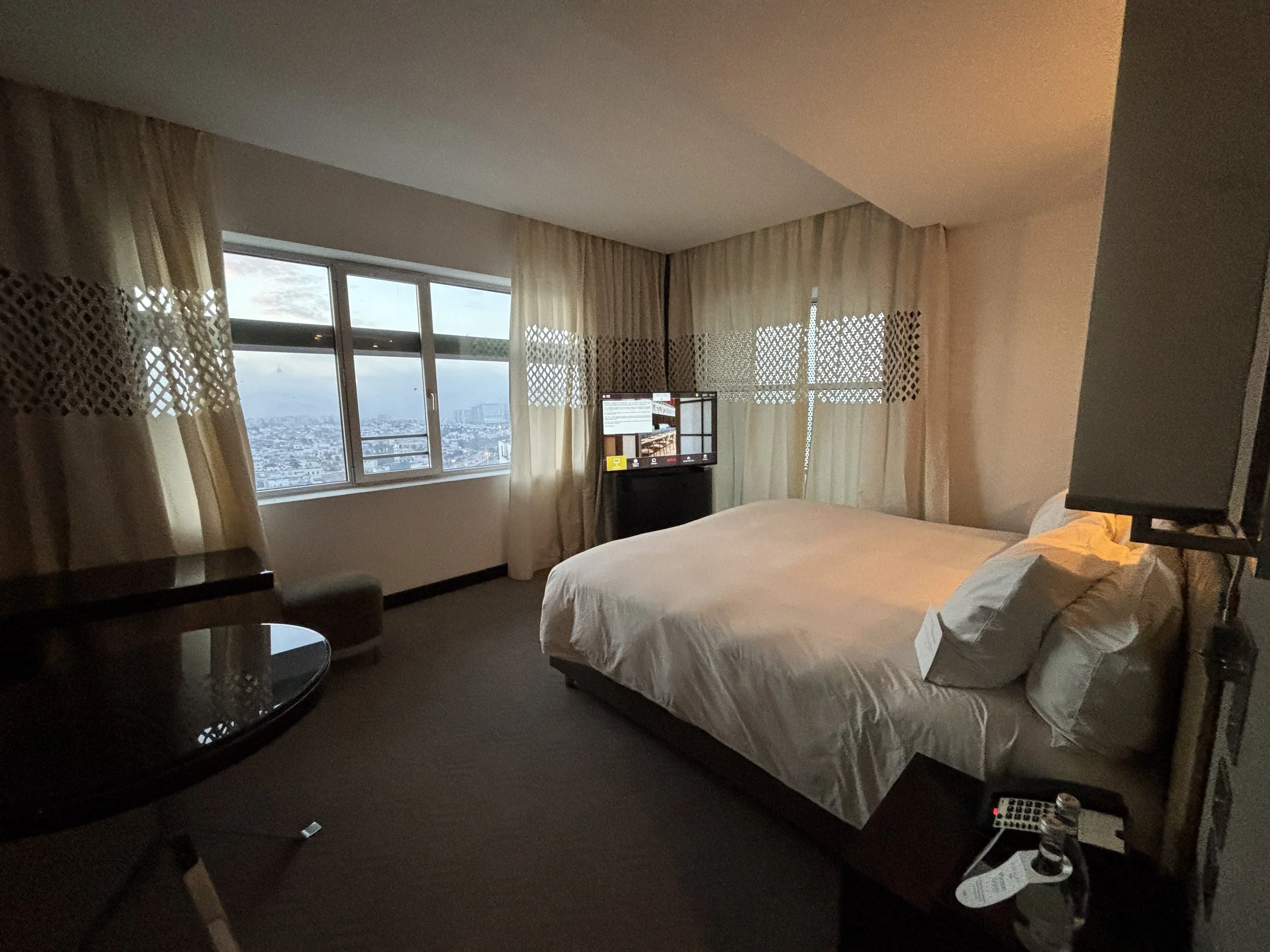
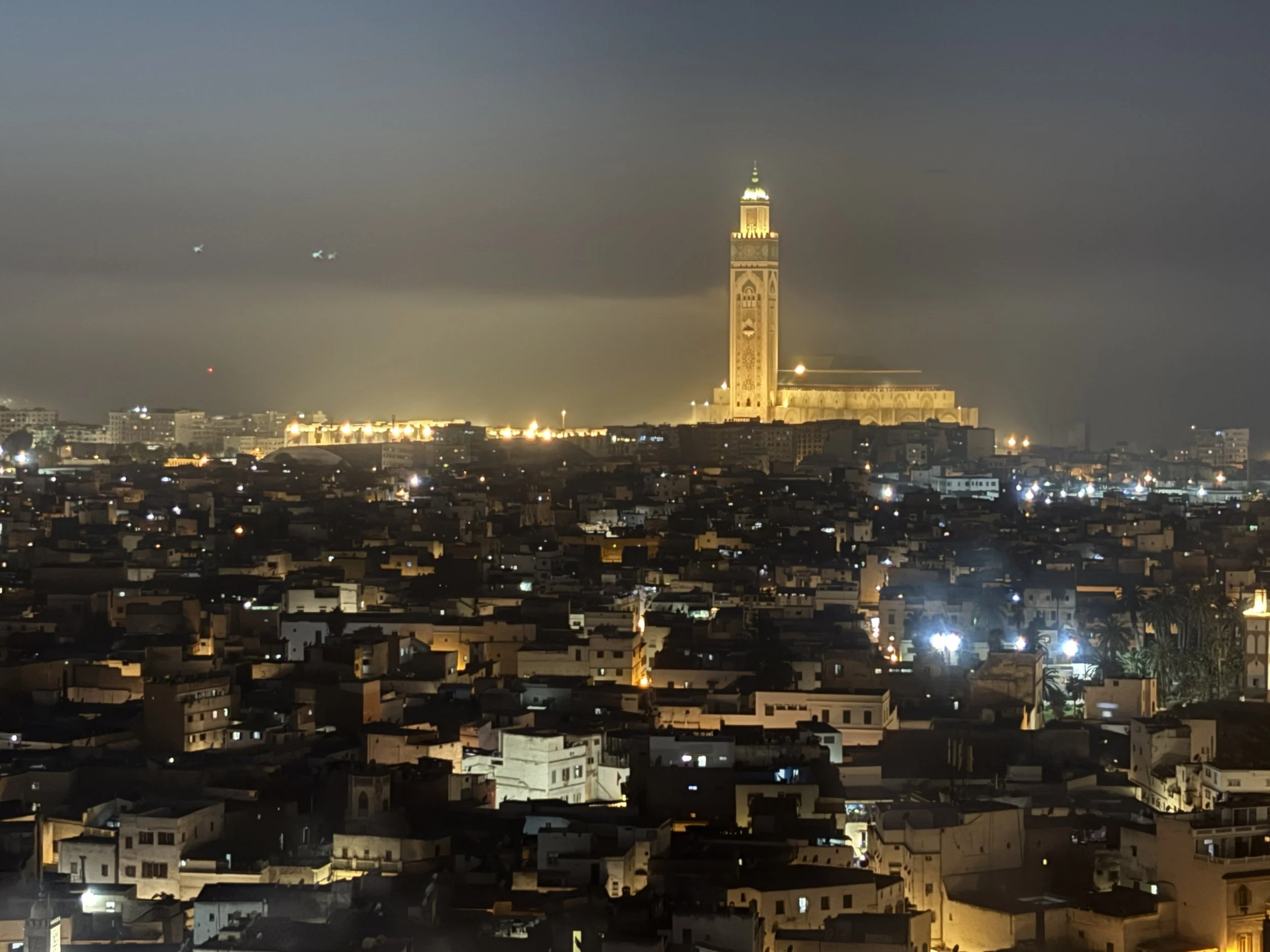
The hotel’s location is, thus, excellent, if you wish to do a bit of sightseeing. But the best feature of this hotel is, in my opinion, the spectacular views it offers of the medina and the Hassan II mosque minaret in the background.
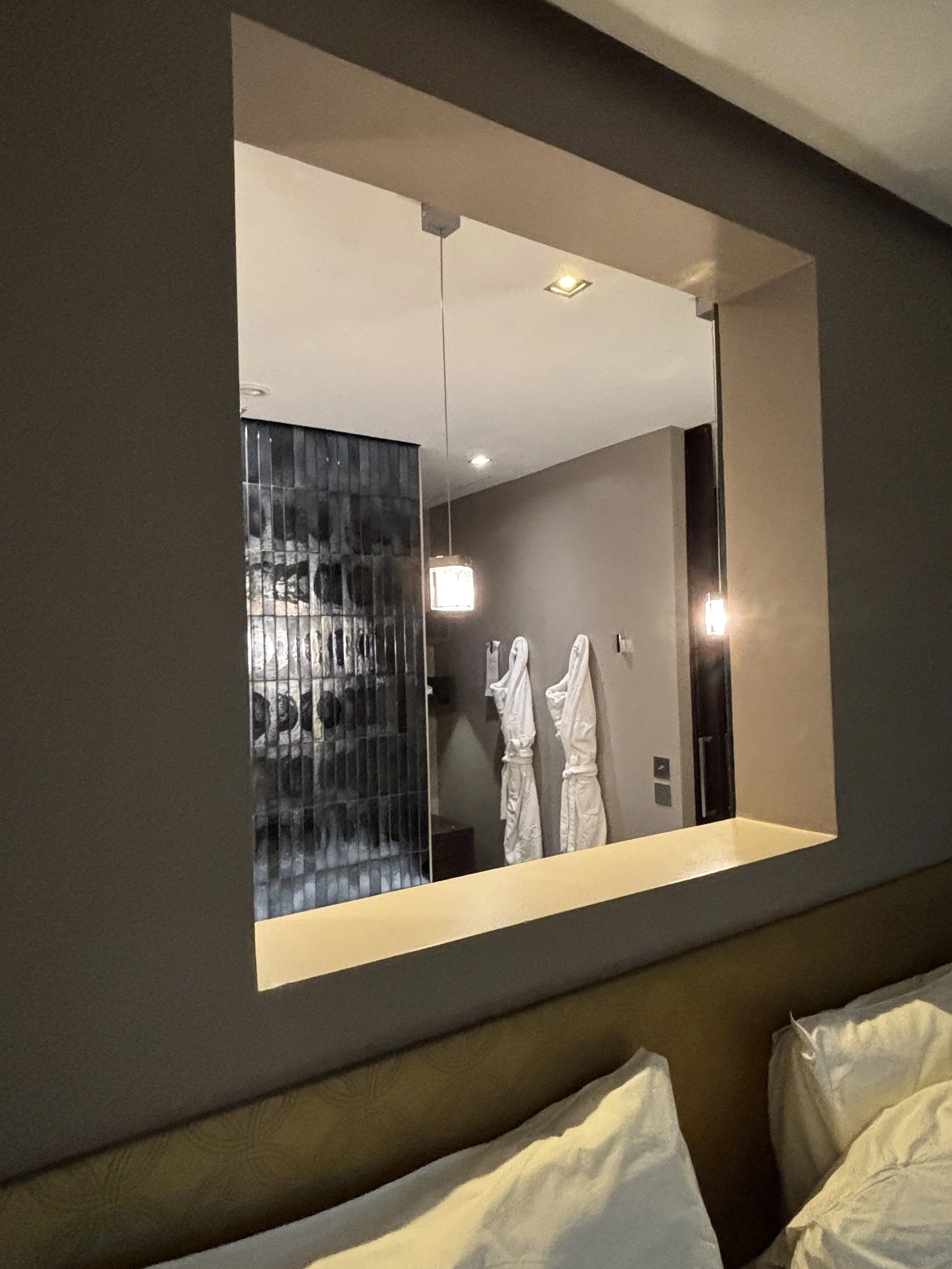
The hotel is modern throughout and I quite liked the rather unusual layout of the room, with the bed facing the city and the bathroom at the back. A window (can be closed) connects the bathroom, which shares space with the wardrobe (the toilet is separate)
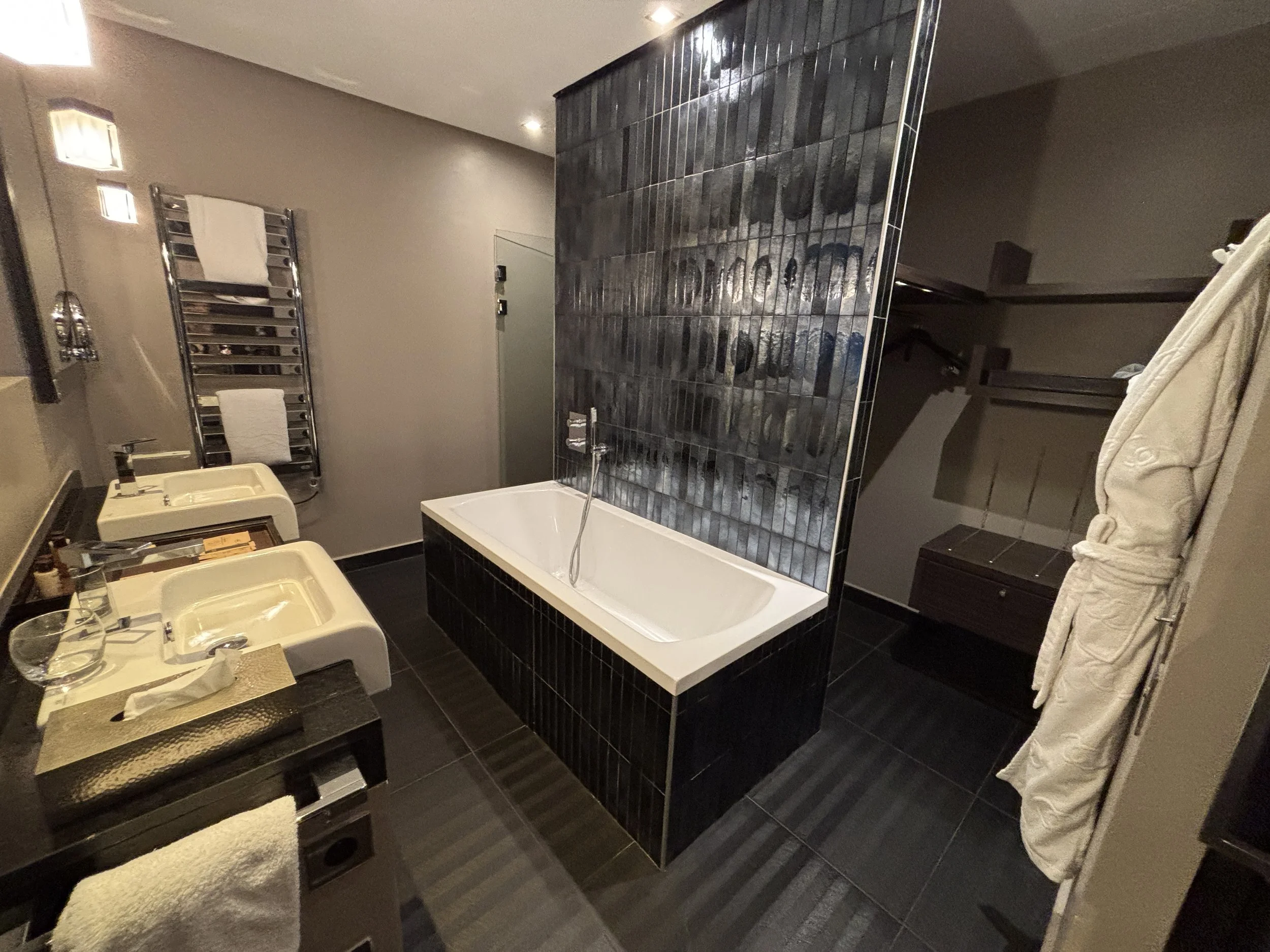
When it comes to the facilities, the style is contemporary throughout, quite stylish. The hotel lacks a big reception hall, but it has a rather cozy bar-lounge and a restaurants on each side of the entrance corridor.
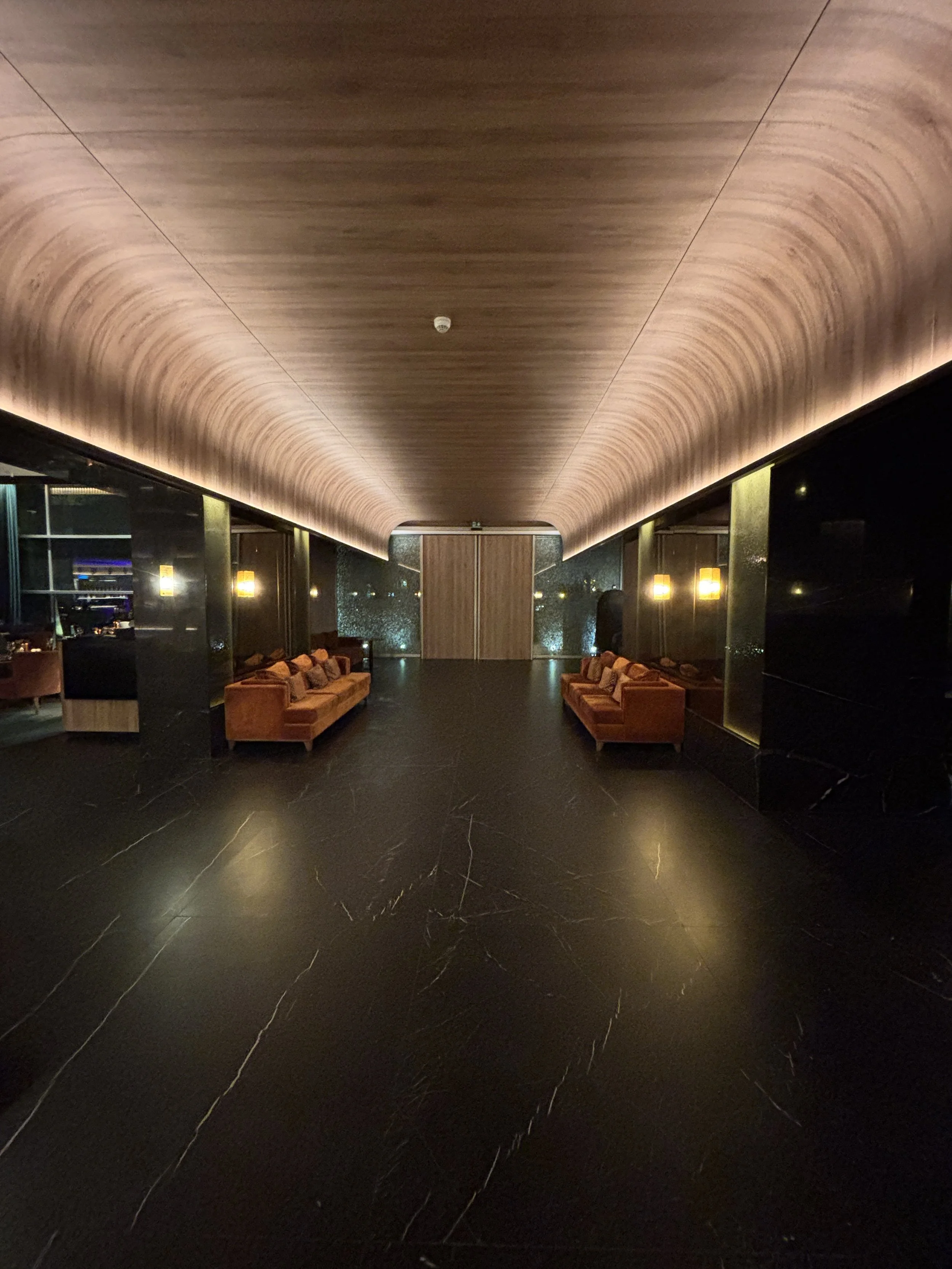
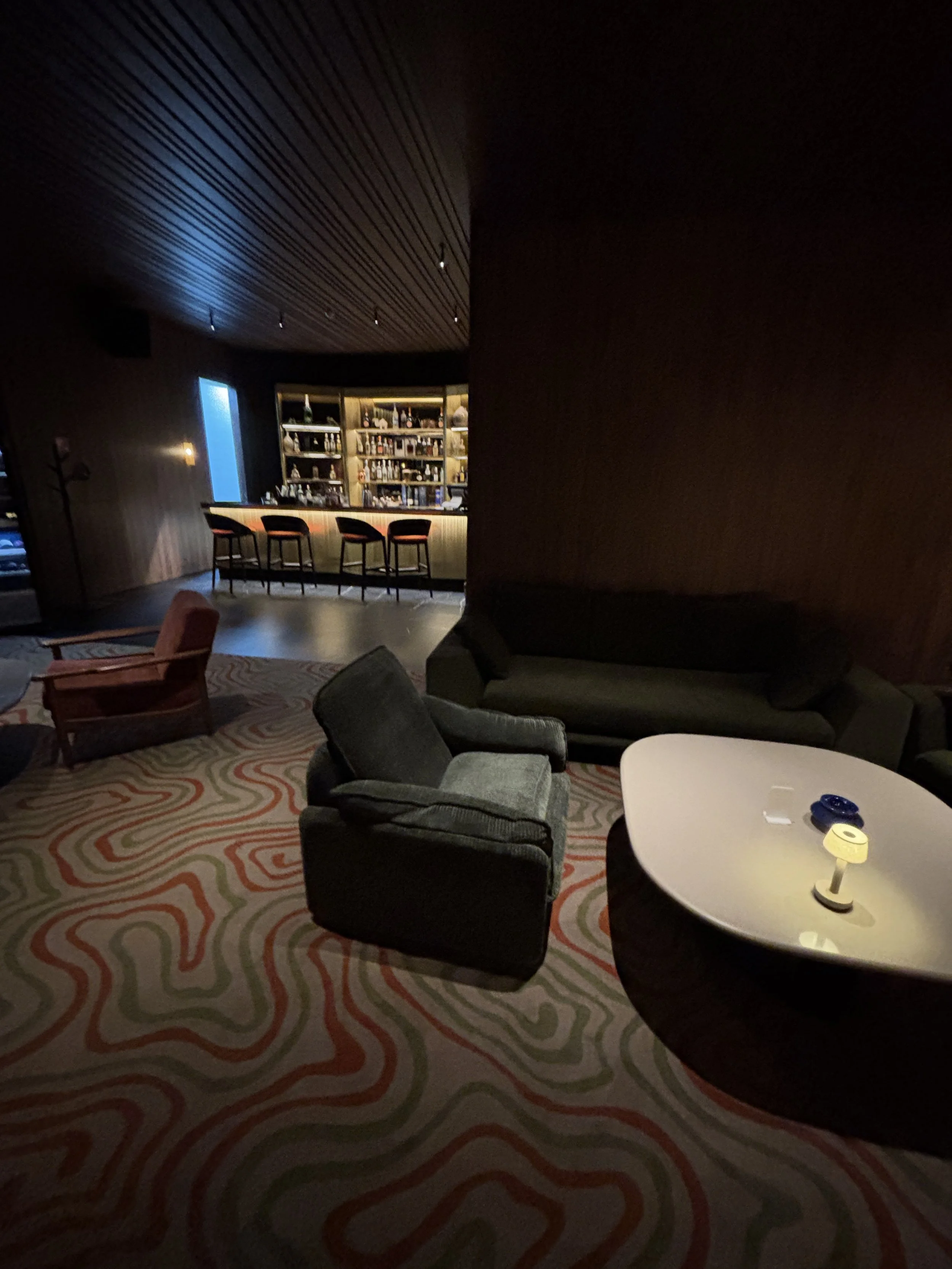
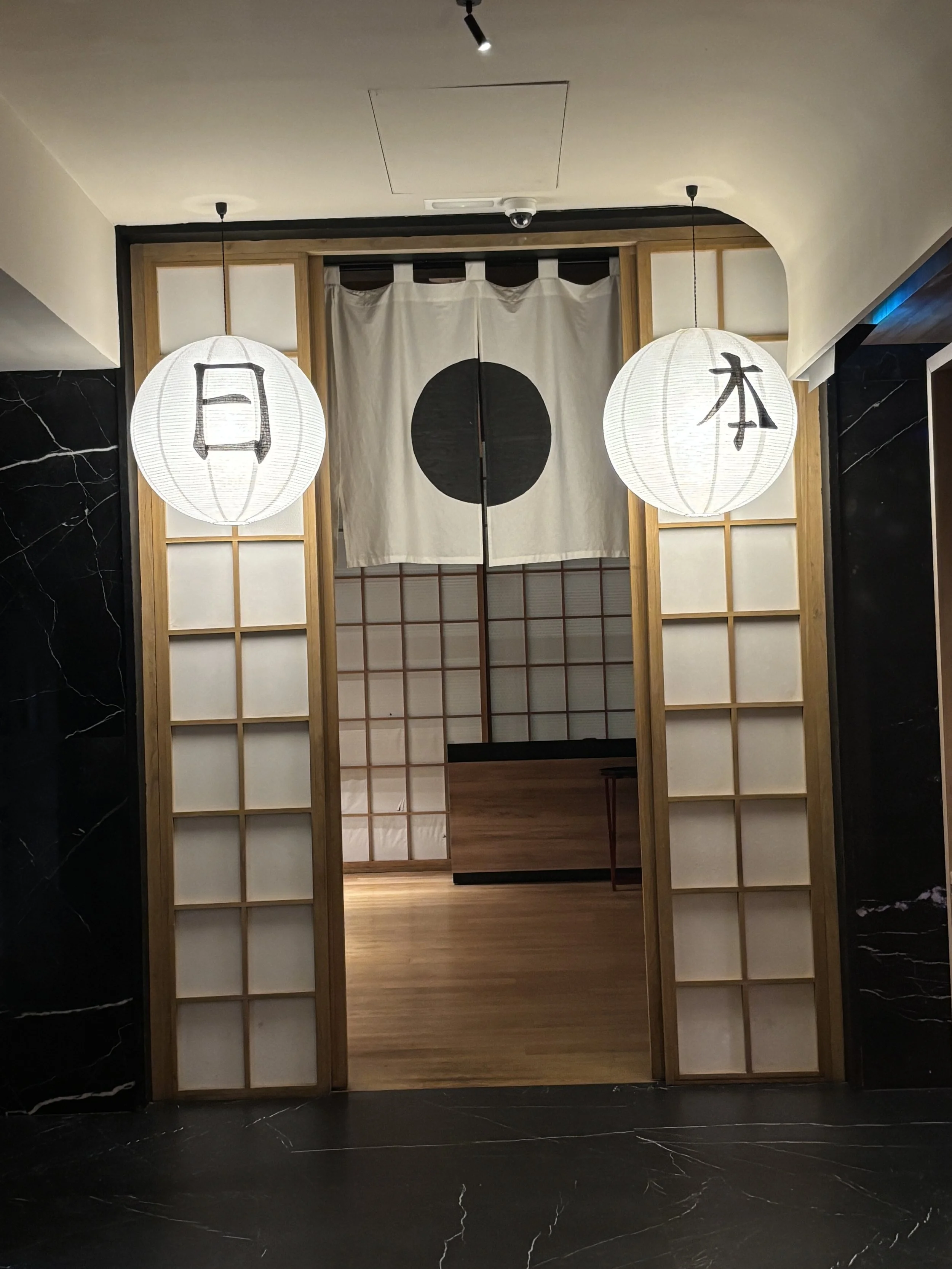
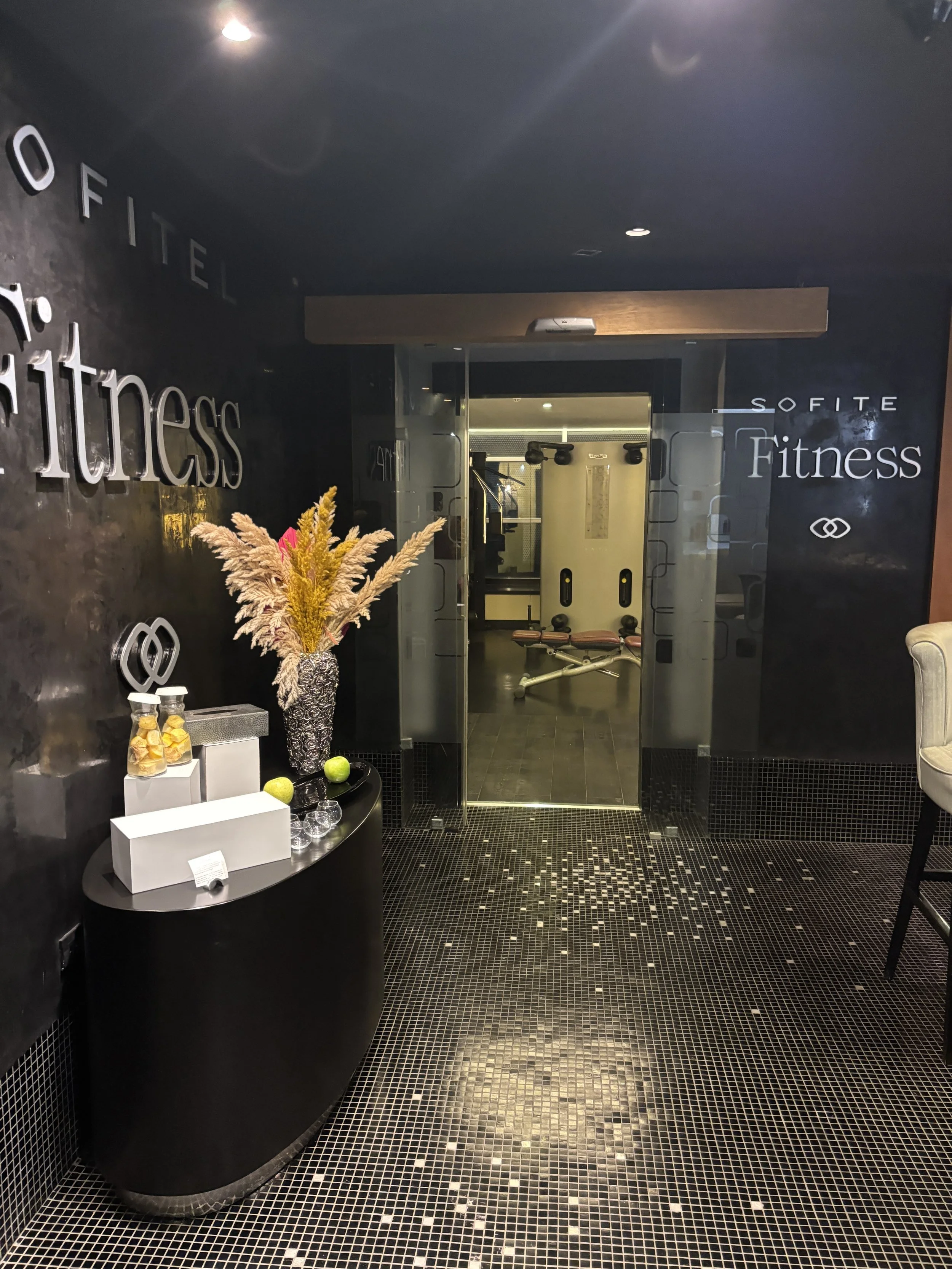
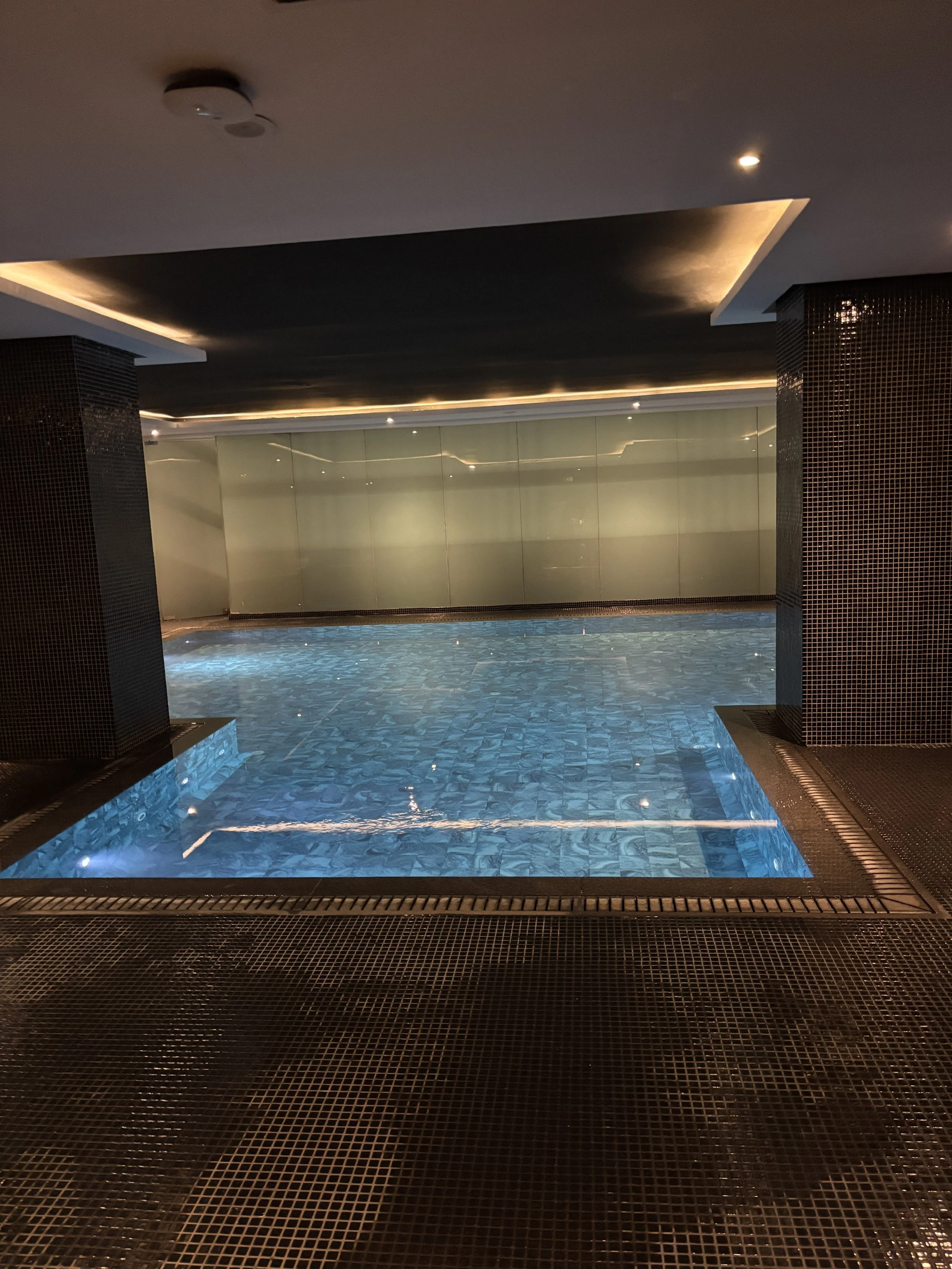
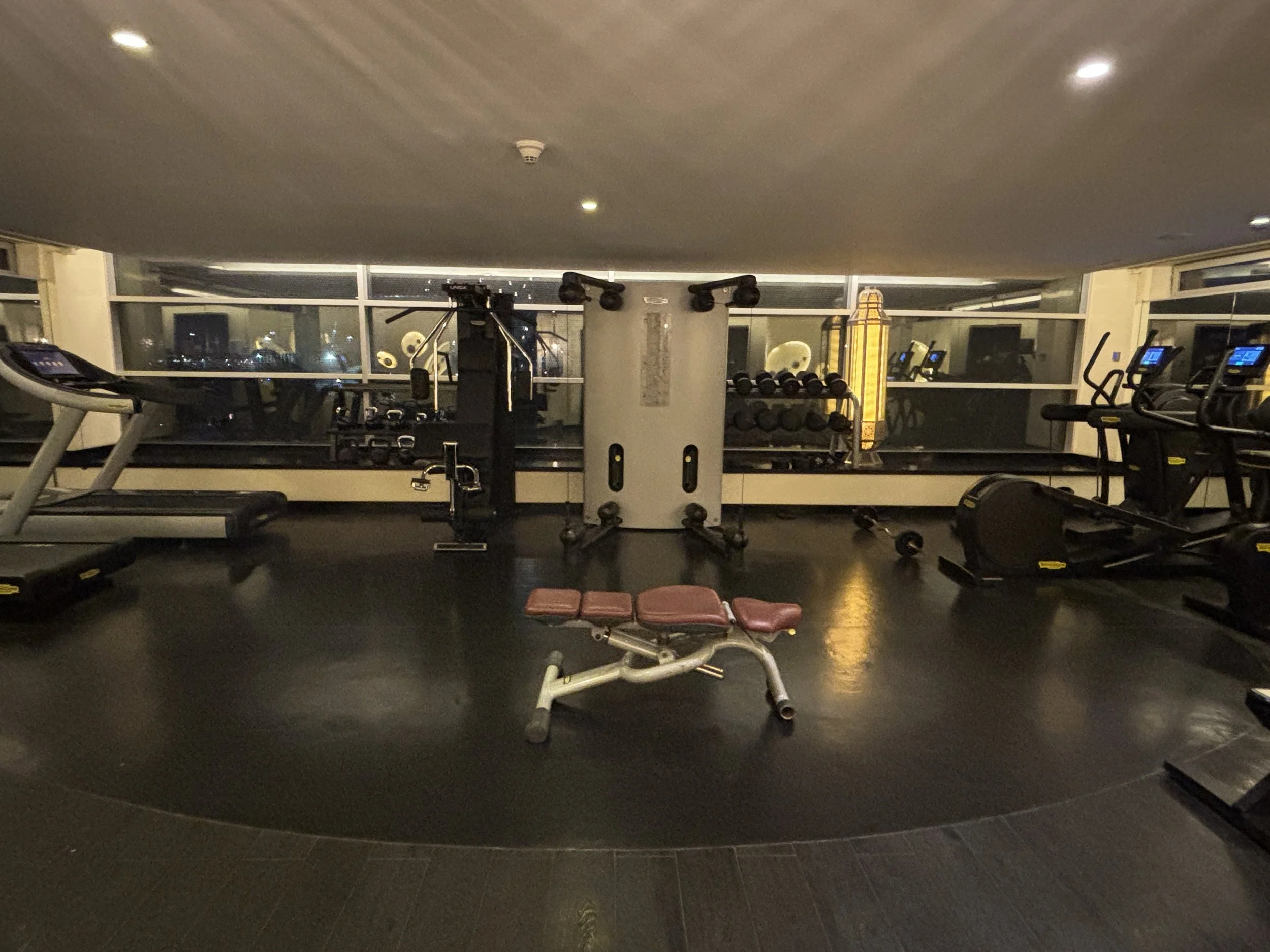
More of the facilities: the Sofitel Casablanca Tour Blanche has also its own (upmarket) Japanese restaurant, a spa and wellness area, fitness room and an indoor pool.
Surprisingly, the hotel has no rooftop bar or similar venue with views anywhere on its uppermost floors. However, this is possibly redundant given the fact that many of its guests can get the same privileged views from their beds!