Karpacz and Śnieżka: hiking along the Polish–Czech Border
In this site we have covered some of Poland’s most beautiful cities, such as Gdansk and Wroclaw. There are, indeed, some very good reasons for the amount of attention these get from the travel content community. And yet, I was longing to see a bit more of the country outside of the fairytale-like medieval urban centers and Cold War architectural legacy that you often find in those urban centers.
An invitation to the 35th Economic Forum, an economic, cultural and political event which takes place every year in Karpacz offered such opportunity.
The Forum is often described as the “Central and Eastern European Davos”, in a reference to the renowned World Economic Forum, which takes place every year in that Swiss resort. The comparison is not misplaced, since Karpacz is also held at a resort town at the foot of the Karkonosze mountains (the highest part of the Sudetes range).
Besides the opportunity to enjoy the sights and the fresh air, Karpacz is also a place of interest for those interested in the topic of international borders, since the town is also the gateway to Śnieżka (Sněžka in Czech), the highest peak in the Sudetes, which separate Poland from the Czech Republic.
So, let’s have a look at what are the top things to do and to see in Karpacz and around!
This post may contain affiliate links. If you book or buy something through them, I earn a small commission, at no extra cost to you. It's one of the ways I keep Places of Charm going. Thank you for your support. My visit to Karpacz was courtesy of the Economic Forum and the Warsaw Enterprise Institute.
Getting to Karpacz
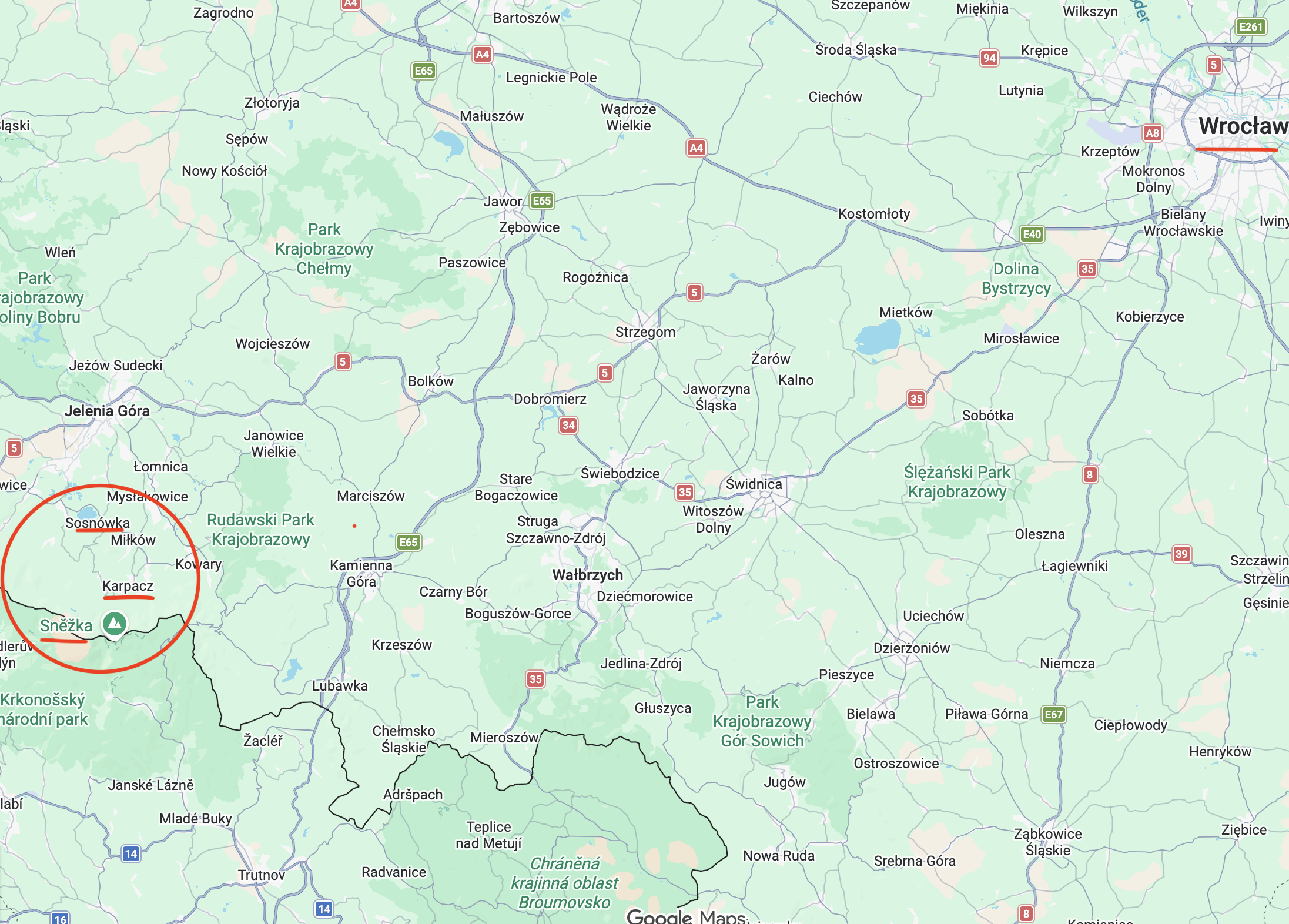
Karpacz is located a couple of hours drive from Wroclaw, which is the closest major city and airport. There is not train service, so the only other public transportation option is the bus.
Prague is also relatively close as the crow flies, but there are the Karkonosze mountain ridge is right in between, so I’d say that, it is best to take the bus from Wroclaw or rent a car. A small part of the way from Wroclaw is motorway, but for the most part the route runs through smaller countryside roads.
Home of the “Eastern Davos”
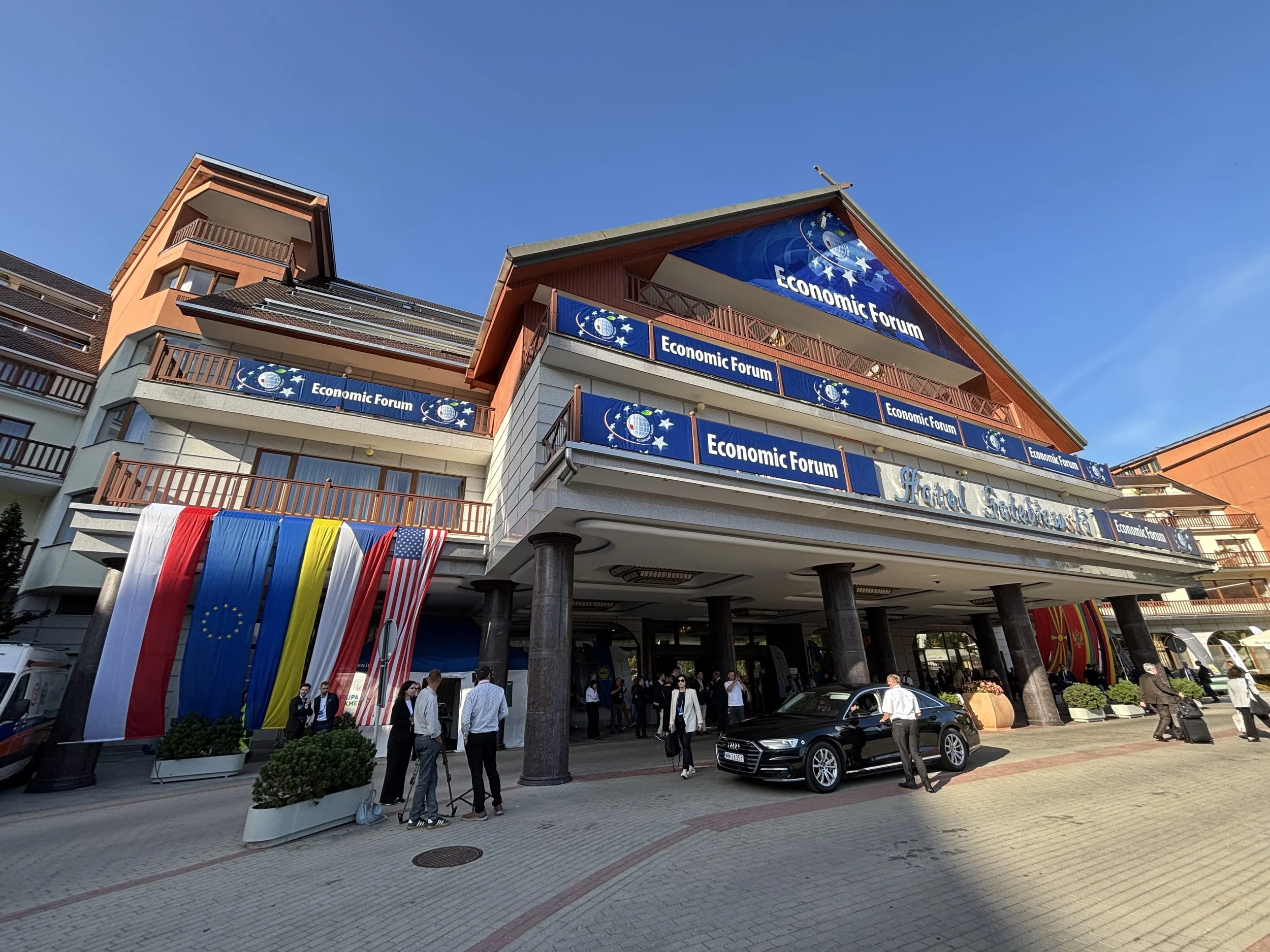
Although it is not the main object of this post, it is inevitable to write about Karpacz without mentioning the Economic Forum and the venue where it takes place: the Hotel Gołębiewski Karpacz.
This 880-room hotel is easily the largest piece of infrastructure in Karpacz. Since I was at Hotel Gołębiewski only for the Forum meetings, I can’t comment on how is it like to stay there as a guest, although you can check how it is like here (I actually stayed at Lake Hill, a much more modern establishment a few kilometres out of town, which I review further down this post), but it is certainly a landmark and a point of reference in what otherwise is a rather spread-out town.
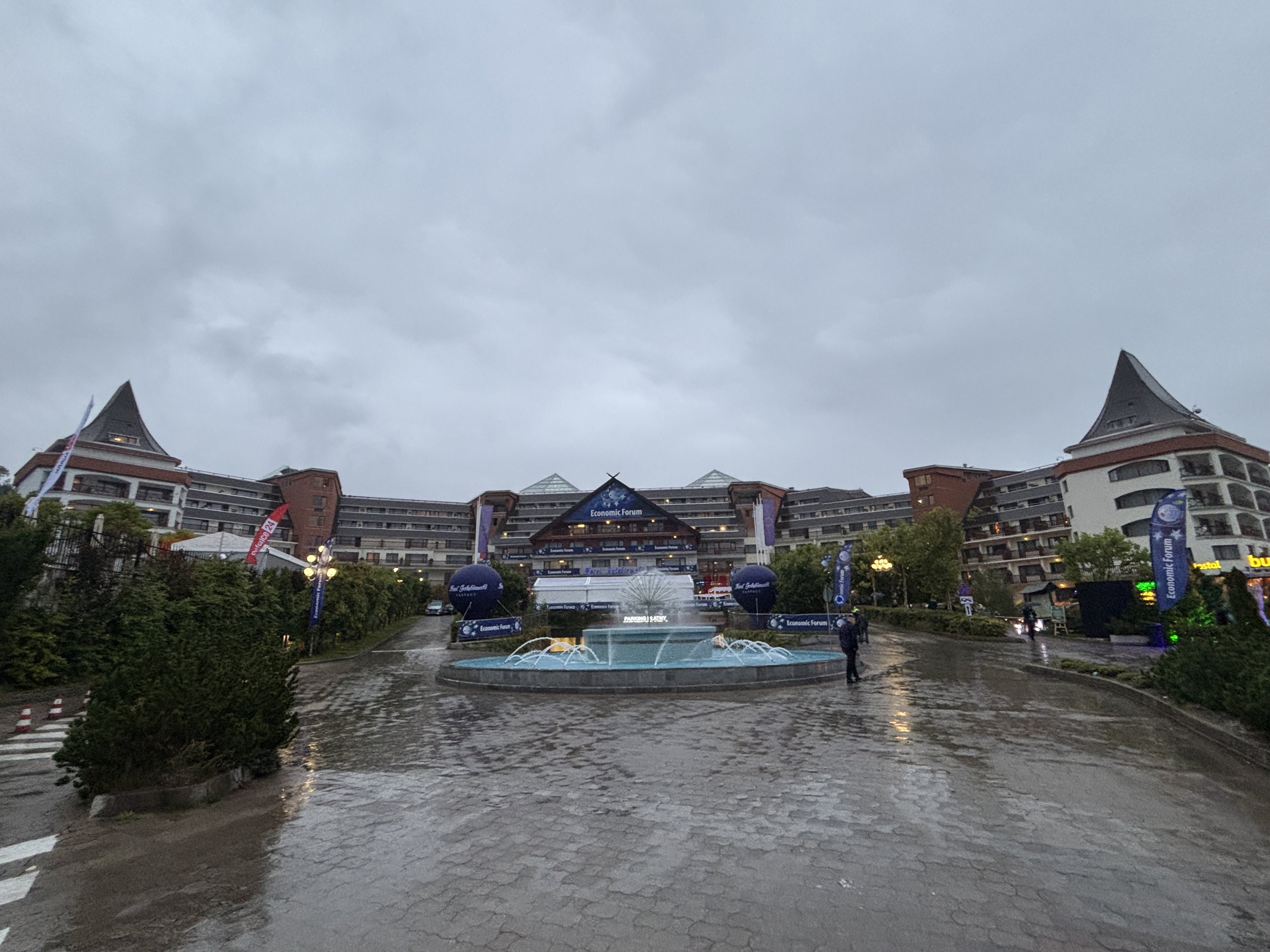
The fact that the town is literally on the slope of the mountain, with little flat ground around also contributes to this lack of a compact urban center, although there is a main street where most shops and businesses are. The two main attractions I describe in this post are both located near the Hotel Gołębiewski, though, in the upper part of town: the lift to Śnieżka, at the Karpacz ski arena and the Wang stave Church
Climbing to Śnieżka, highest peak in the Sudetes (& in the Czech Republic)
This excursion, which for me is the highlight of the Karpacz outdoor experience and it acutally takes you to the highest point in another country, the Czech Republic.
This is because the Śnieżka/Sněžka peak is shared by Poland and the Czech Republic. In fact, when you hike to the summit, you are following the border line all along.
By the way, for the rest of this post I will use the Polish name for the mountain (“Śnieżka”) since I describe here how to get to the peak from the Polish side.
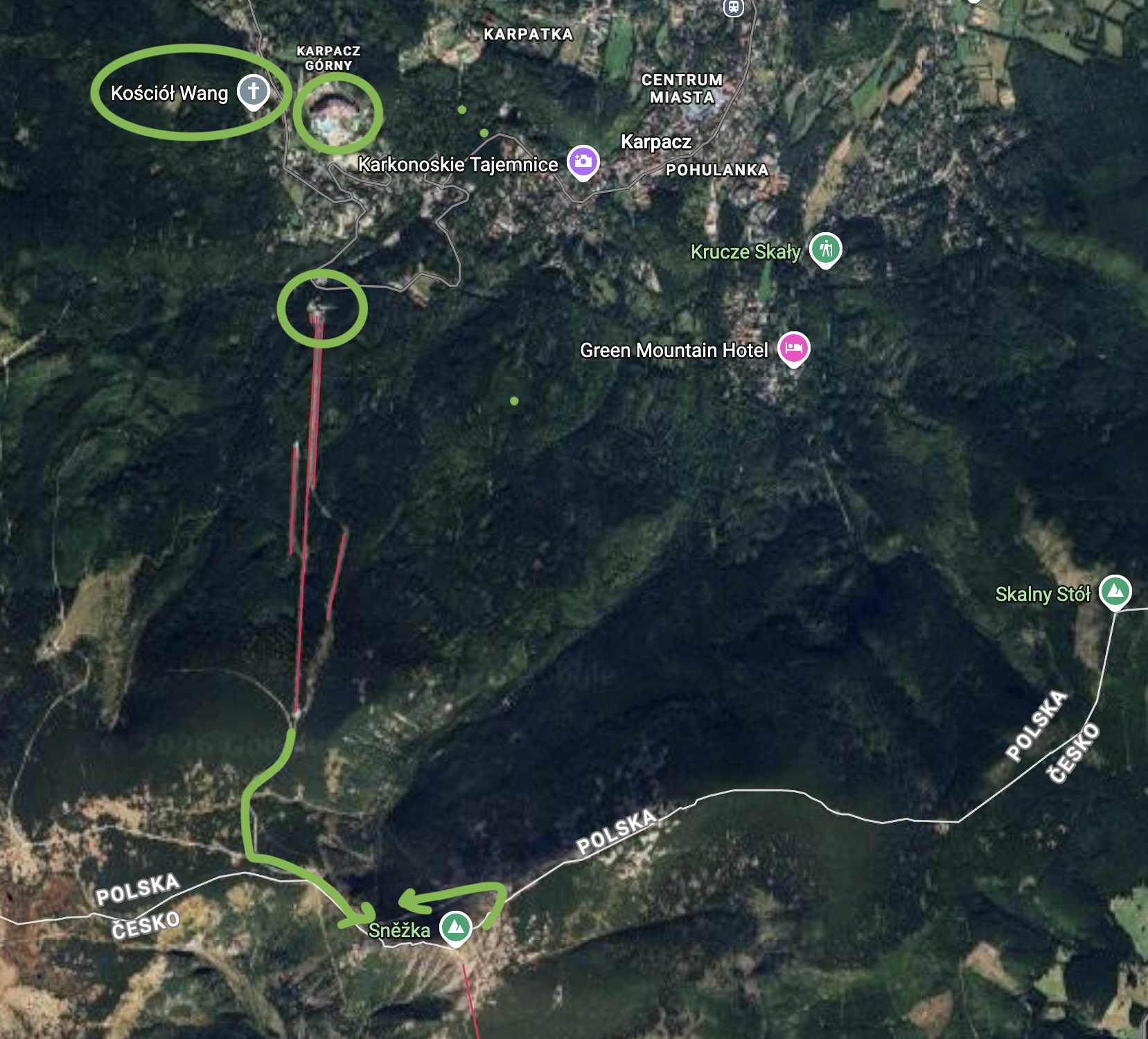
In the map below I have tried to highlight the main points of interest mentioned on this post. See, for example, the lift from Karpacz to the Kopa station (in red) and the green arrows indicating the rough itinerary of the walk along the Polish-Czech border up to Śnieżka and back to Kopa. Also marked with green circles are two other landmarks I reference: the Hotel Gołębiewski and the Wang Church.
So, how to get to Śnieżka? Unless you want to spend several hours trekking, the fastest and most convenient way is to take the lift!
The base station of the lift is located at the Karpacz Ski Arena (yes, Karpacz has some ski slopes!) which is located some 10-15 minute walk uphill from Hotel Gołębiewski. You can also take a Bolt ride (the European equivalent of Uber), since they are plentiful in Karpacz and not too expensive.
A return ticket costs around 100 Zloty (€22 / $25), so not cheap, but definitely worth it!
There is quite a bit off forest in the area the the lift goes through. This is the Karkonosze National Park, which looks inviting enough if you are into trekking, but you need to get a ticket first!
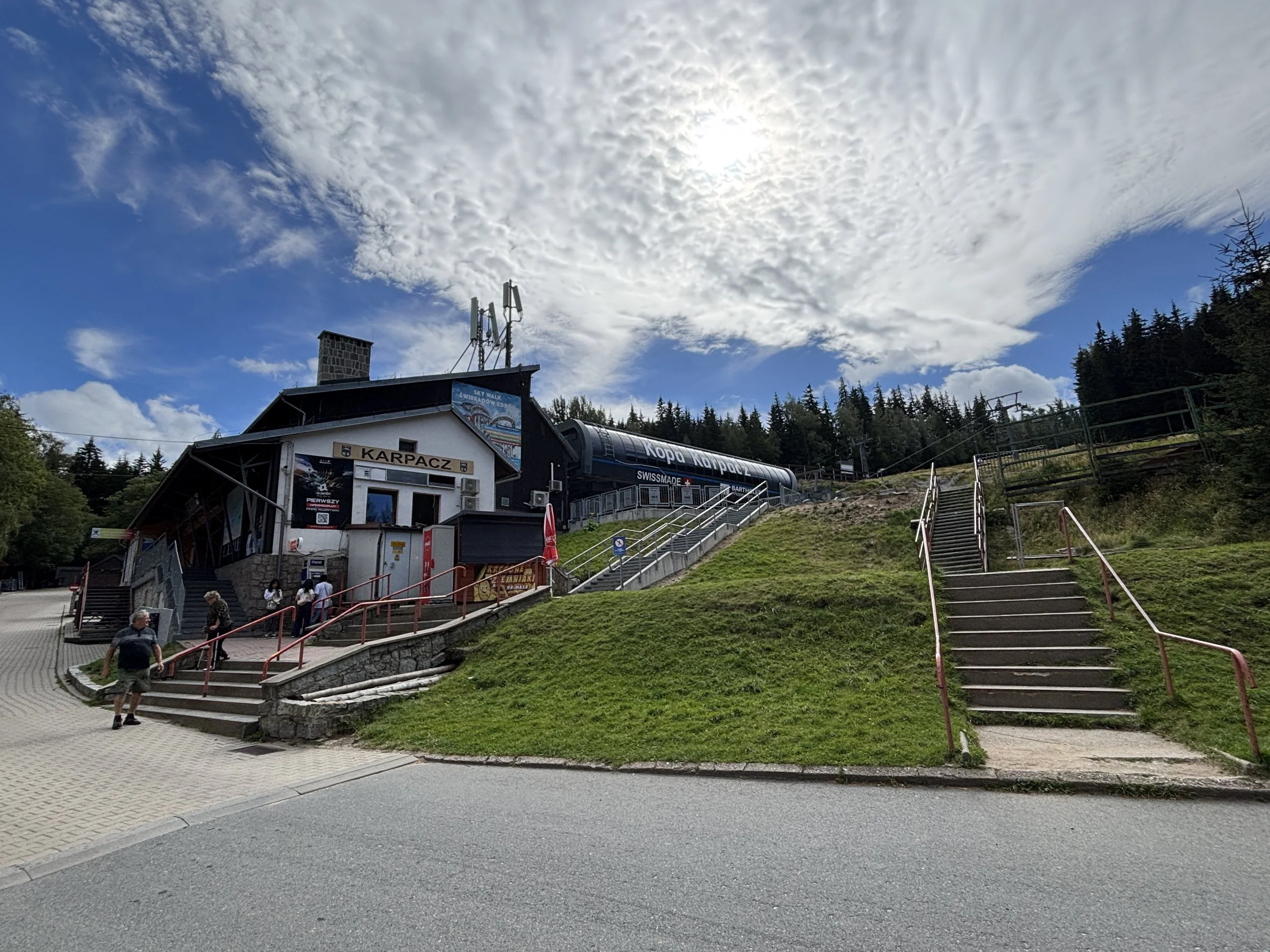
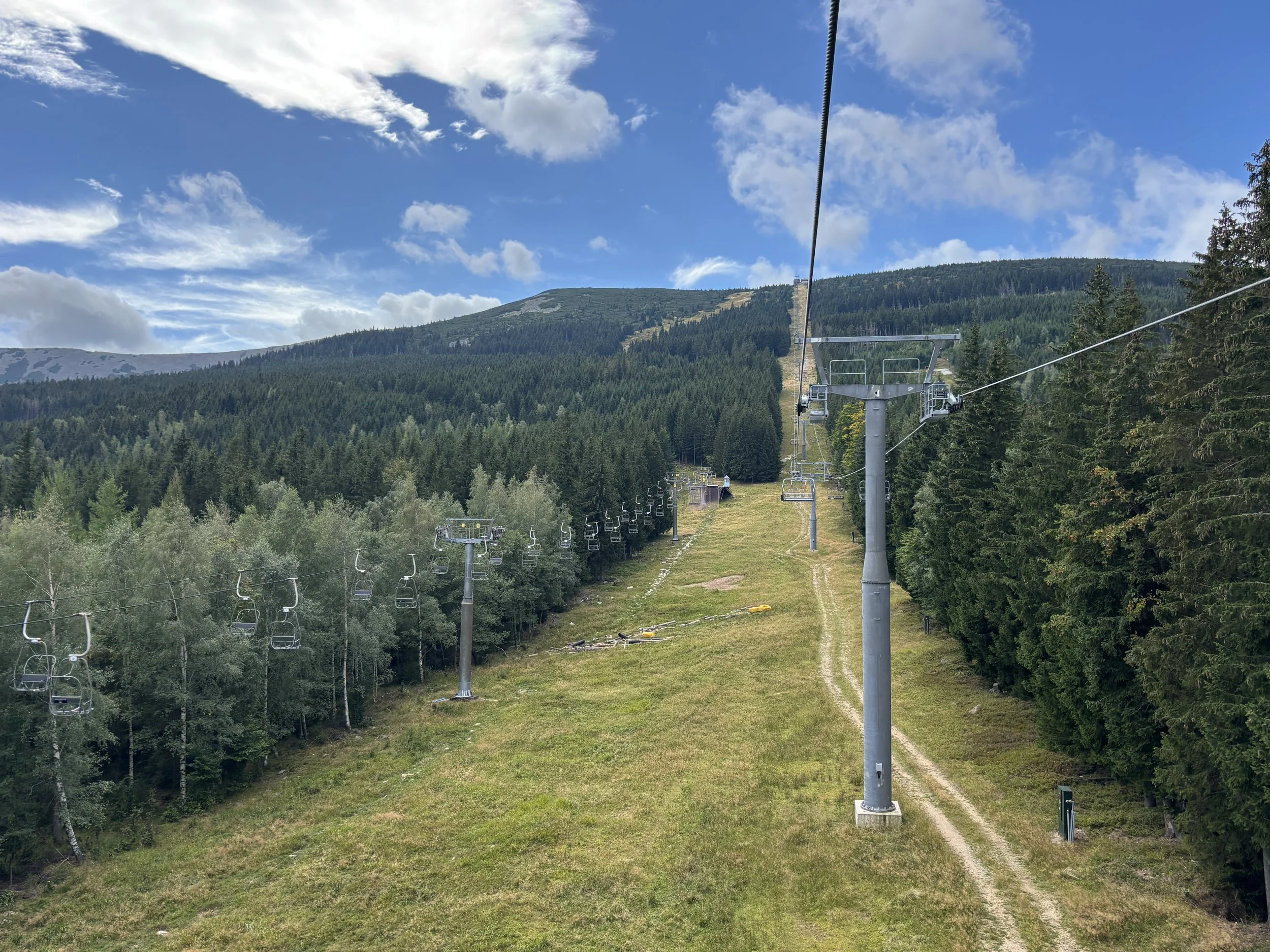
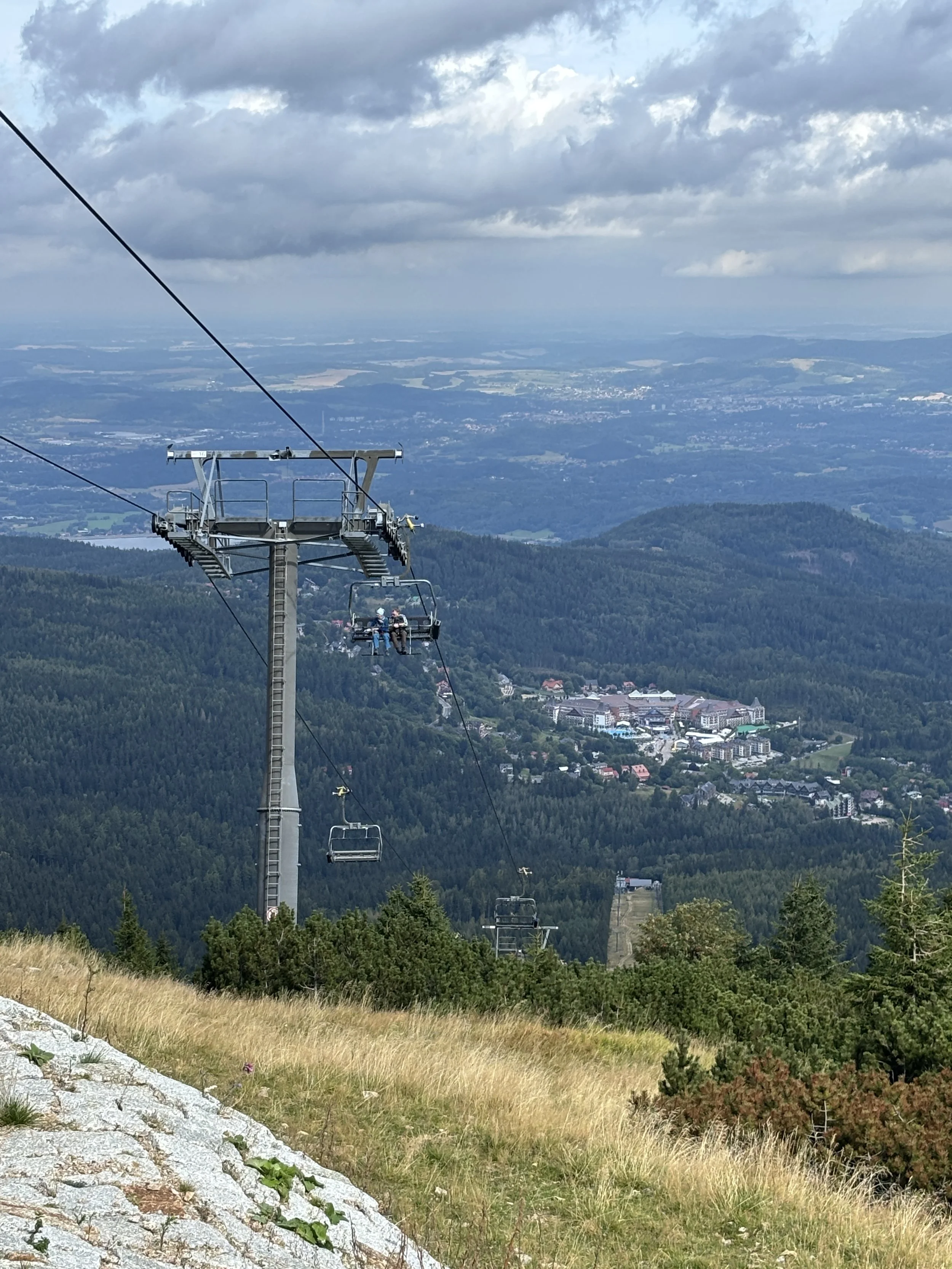
Taking the lift to Śnieżka
It is important to note that the lift doesn’t take you all the way to the summit of Śnieżka, but to Kopa, which is on a ridge from where you would need to walk a couple of additional kilometers.
The first one of these is on flat ground along the ridge and on a paved trail. The second part is the ascent to the peak of Śnieżka and it is way more uphill.
There are actually two branches of that trail, one that goes through the most direct and rocky trail and one that goes around the back of the mountain and it is a bit longer but more gentle.
By the way, the lift up is also an experience in itself, since it offers great views of Karpacz (note how prominent Hotel Gołębiewski is in the surroundings!) as well as of the Silesian plains beyond.
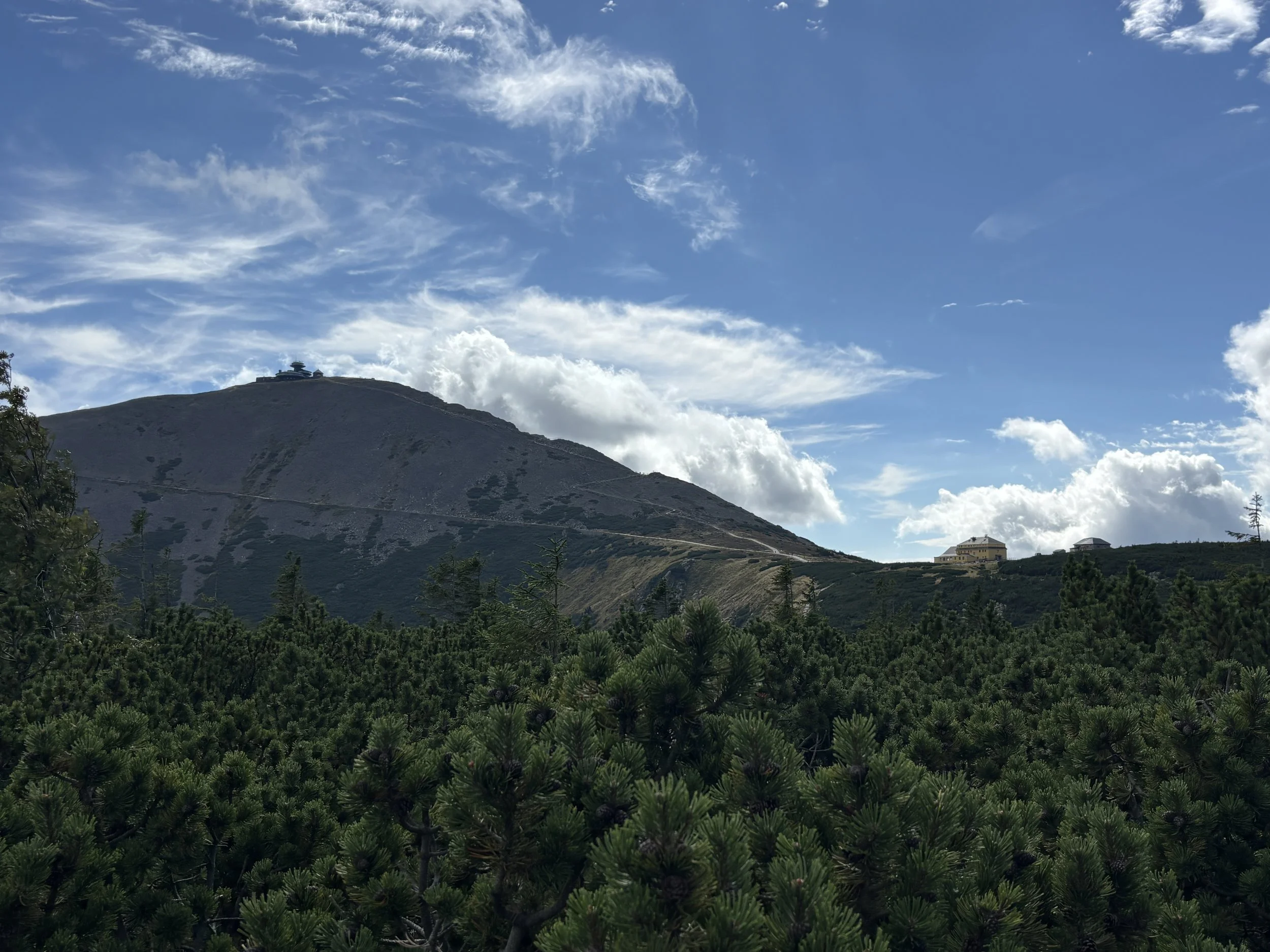
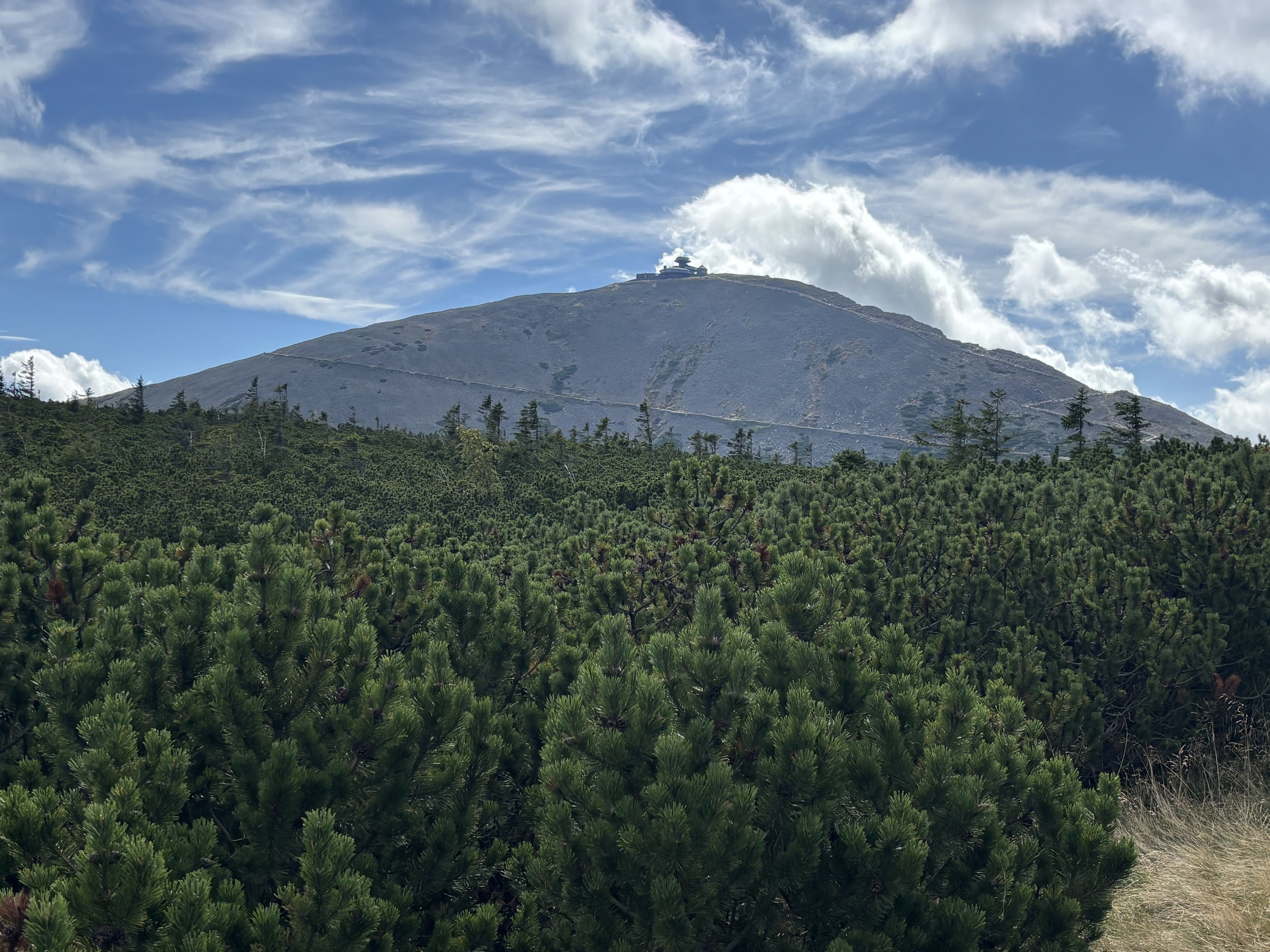
As mentioned earlier, the lift leaves you at Kopa, which is a spot at the top of a ridge and from there you still need to make your way to Śnieżka on foot. The path follows a short of plateau which is right at the edge of the tree line. In fact, it is quite an interesting landscape because you can see that conditions here are such that fir trees don’t grow very tall, possibly because of the wind, so it really looks like a bonsai forest from some angles. I later read that all along the ridge there are some very ecologically valuable peat bogs.
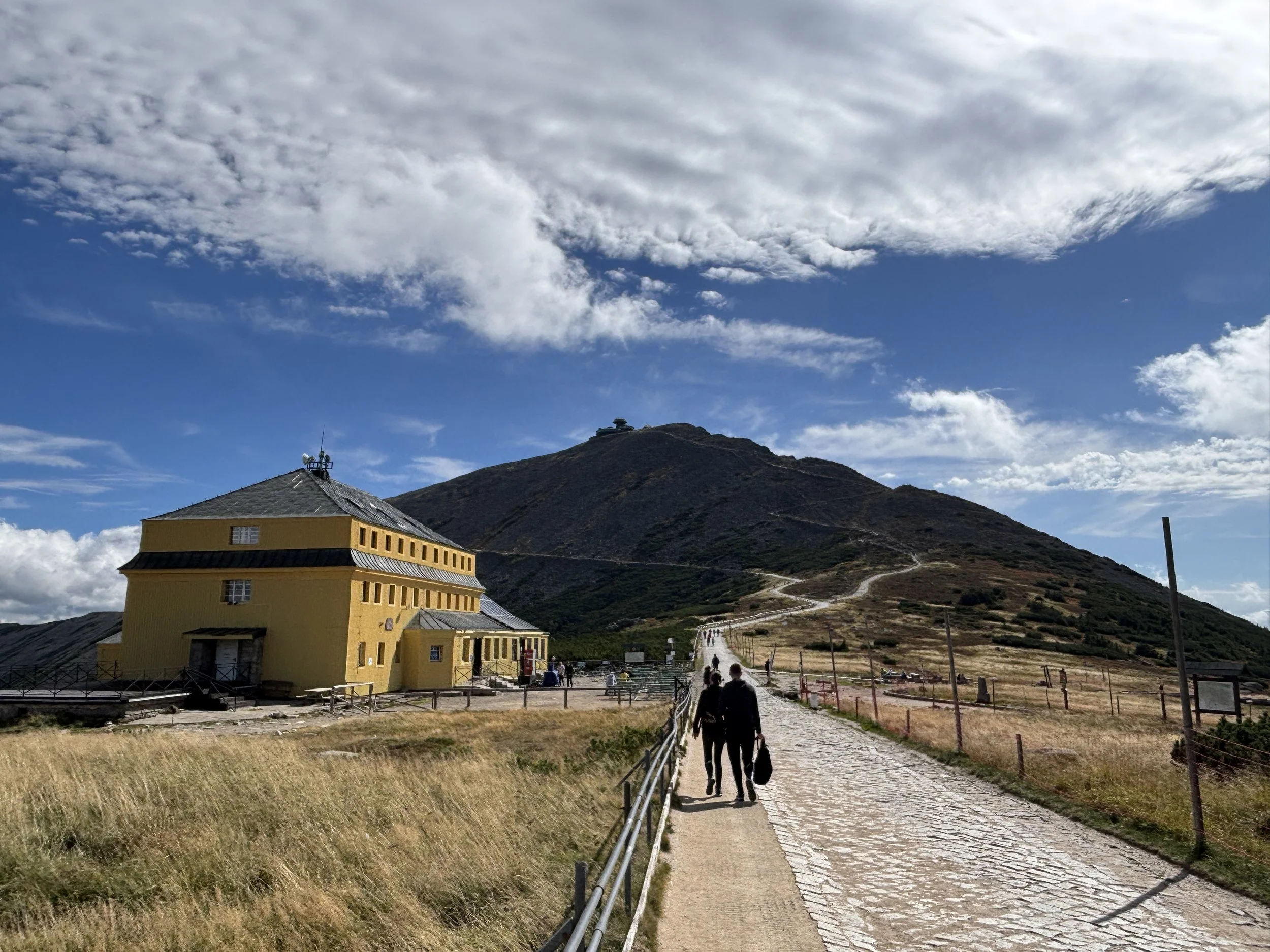
The next point of reference is Dom Śląski (Silesian House), which is the yellow building with a slate roof that you can see in the picture below. It is located roughly half way between the Kopa lift station and the peak.
This building which serves now as a mountain refuge and restaurant has quite an interesting story. There had been a mountain refuge at this spot for centuries, but in the mid-19th C. a proper building was erected in the Silesian style. That refuge was reconstructed twice until getting to the current building, of 1921. Quite remarkably, in 1924 it hosted an experimental wind turbine to produce electricity! But that early attempt at having an aero generator was short-live since the windmill collapsed a year later under the weight of the snow. Nice try, though!
This is also where things get interesting for border chasers, since the international divide runs just a couple of meters to the right of the path. Dom Śląski is entirely on the Polish side, however, I read that until the 1970s there was another “twin” refuge just opposite on the Czech side, which ended up in disrepair and was later demolished.
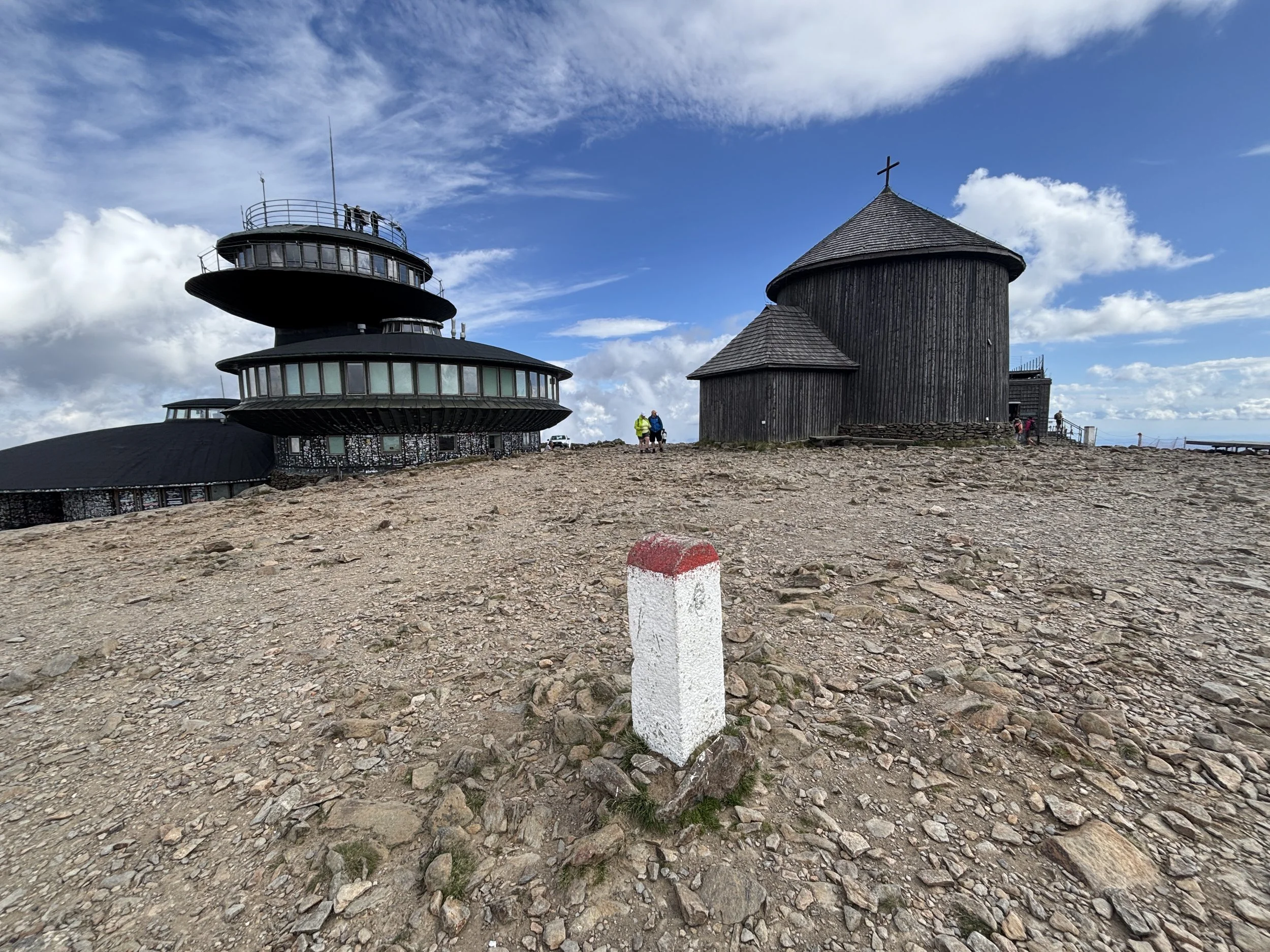
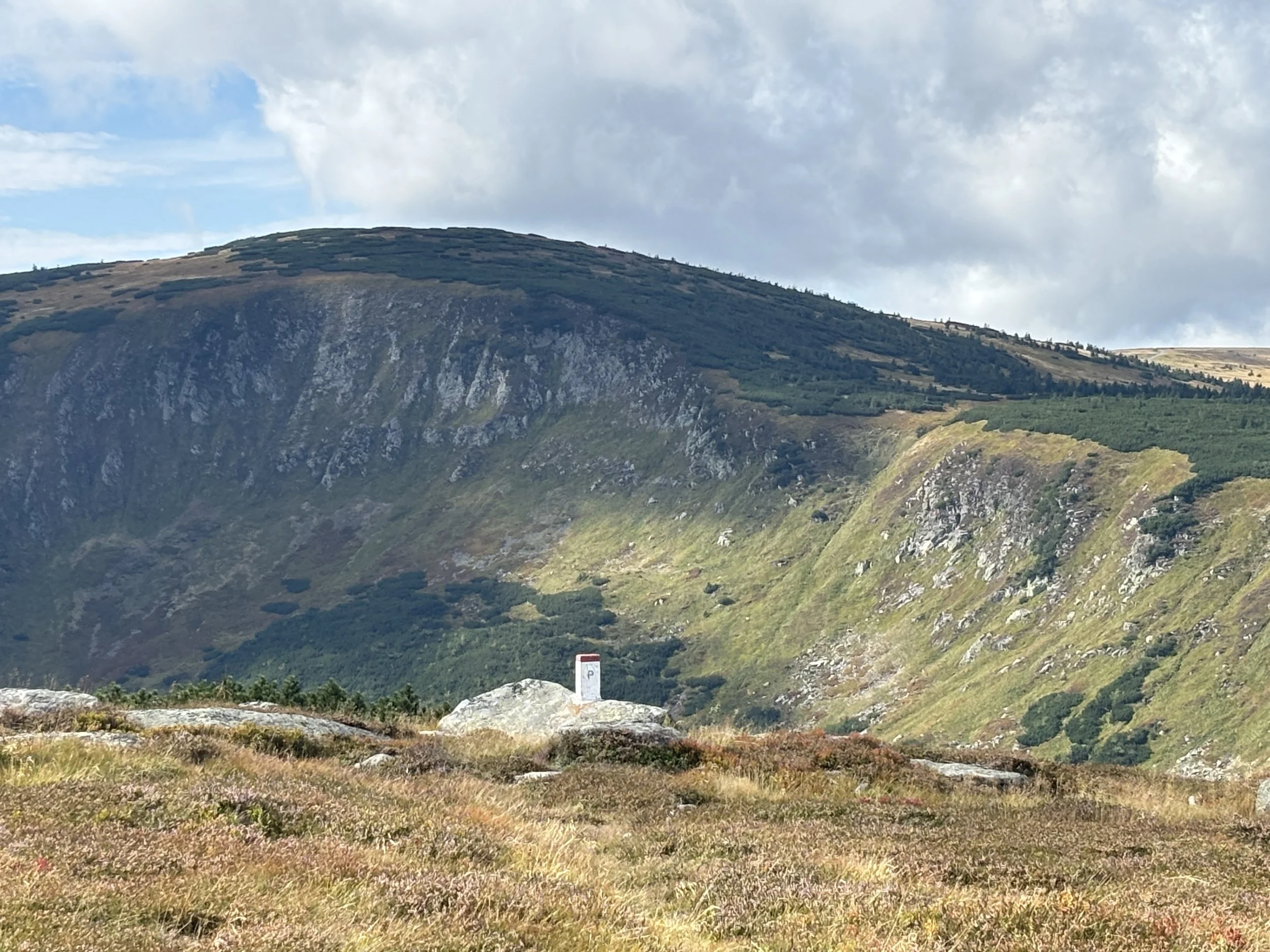
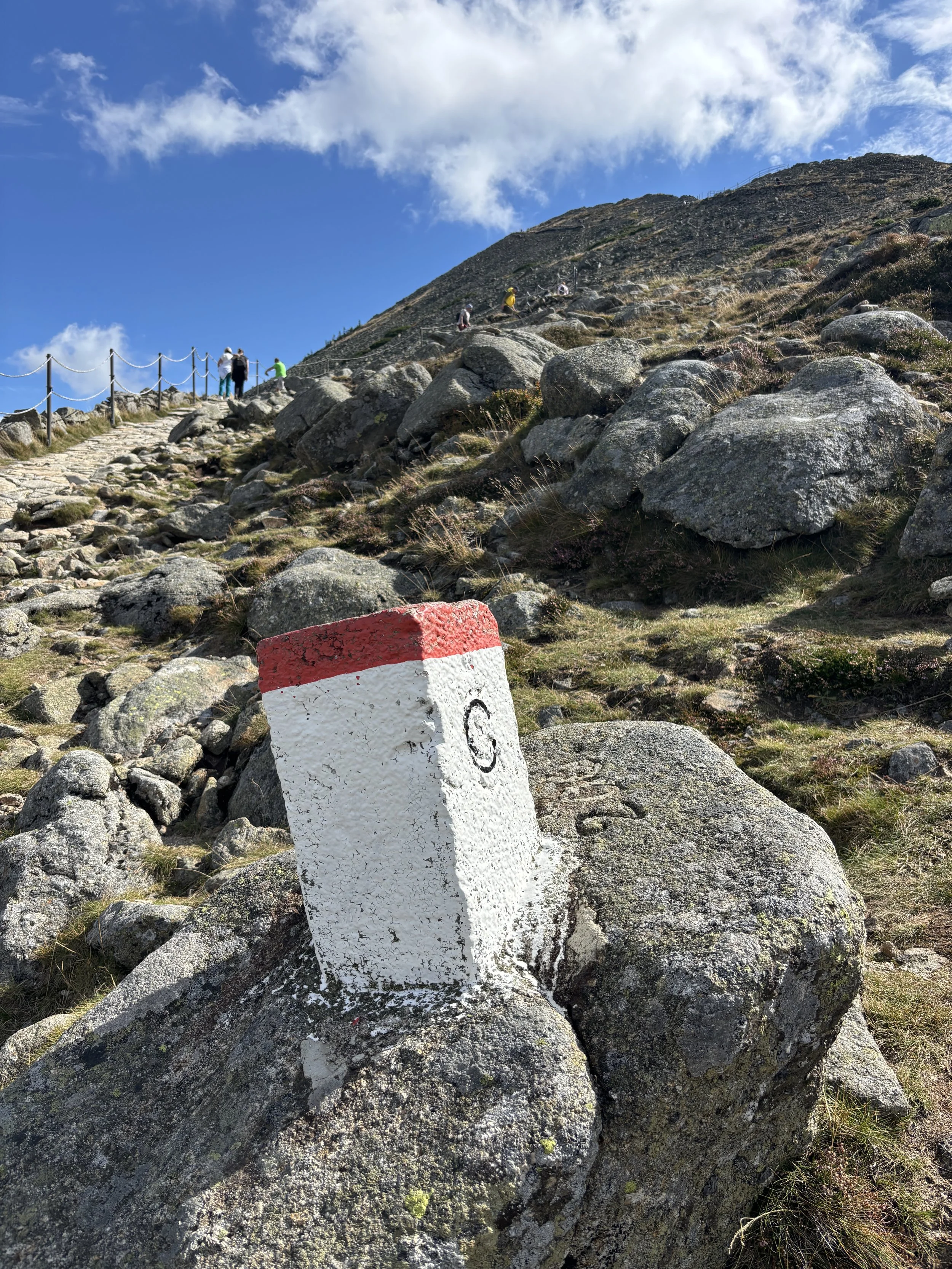
This area is quite a treat for border-chasers, since you can easily trace the many border markets that dot the ridge in a truly stunning natural setting. You can see one of the markers below: they are white with a red top and they are marked with the letters P (“Polska”) or C (Česká Republika) depending on which side you are.
Worth noting that this has not always been like this. For quite a long time this was a border between Germany and the Habsburg Empire, but during the 20th C. sovereignty shifted several times, with the creation of Czechoslovakia first, then annexation of the whole Sudetes area and later of the rest of Bohemia as well, by Germany, and after WW2 the return of Czechoslovakia, the transfer of Lower Silesia to Poland and later the independence of the Czech republic.
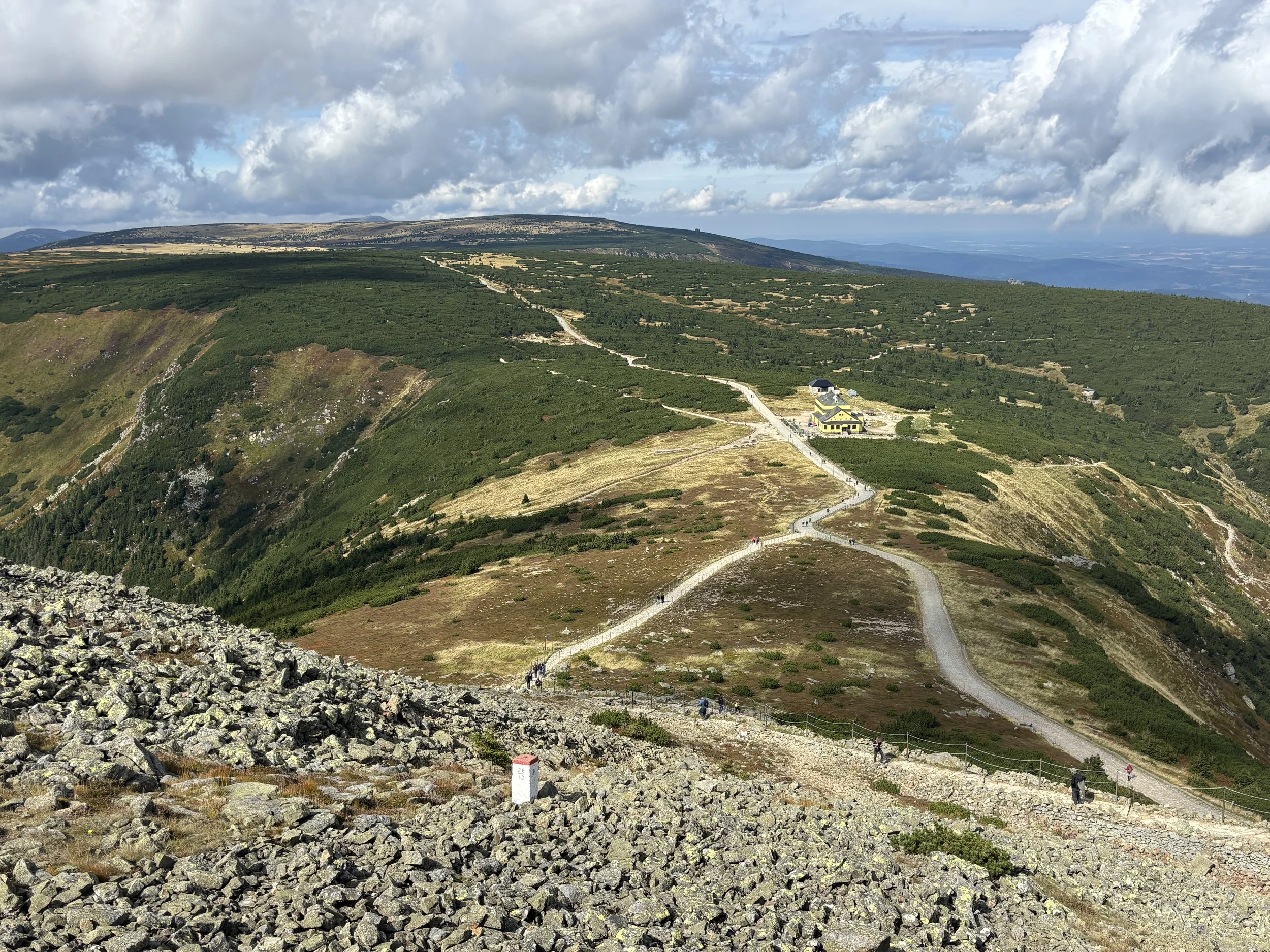
I would recommend wearing appropriate shoes for a hike. While there is a paved and regular path on the flat section along the ridge, the ground gets more irregular and rocky as you start to climb.
When I climbed, weather conditions were pretty good and I was wearing regular street shoes (because I didn’t have any other pair of shoes with me on this trip!) and could complete the route without much problem. Having said that, it would have been better to wear something more sportish to be on the safe side.
In terms of difficulty, I would say that, with good weather conditions and provided you are reasonably fit, it is not particularly challenging. I saw elderly people, children and even a lady carrying a small dog on her back. However, it is quite a steep walk and shouldn’t be taken lightly, particularly if weather conditions are not optimal (there is actually a plate along the trail that remembers two Czech mountain guides which died attempting to rescue a couple on icy conditions in the early 1970s).
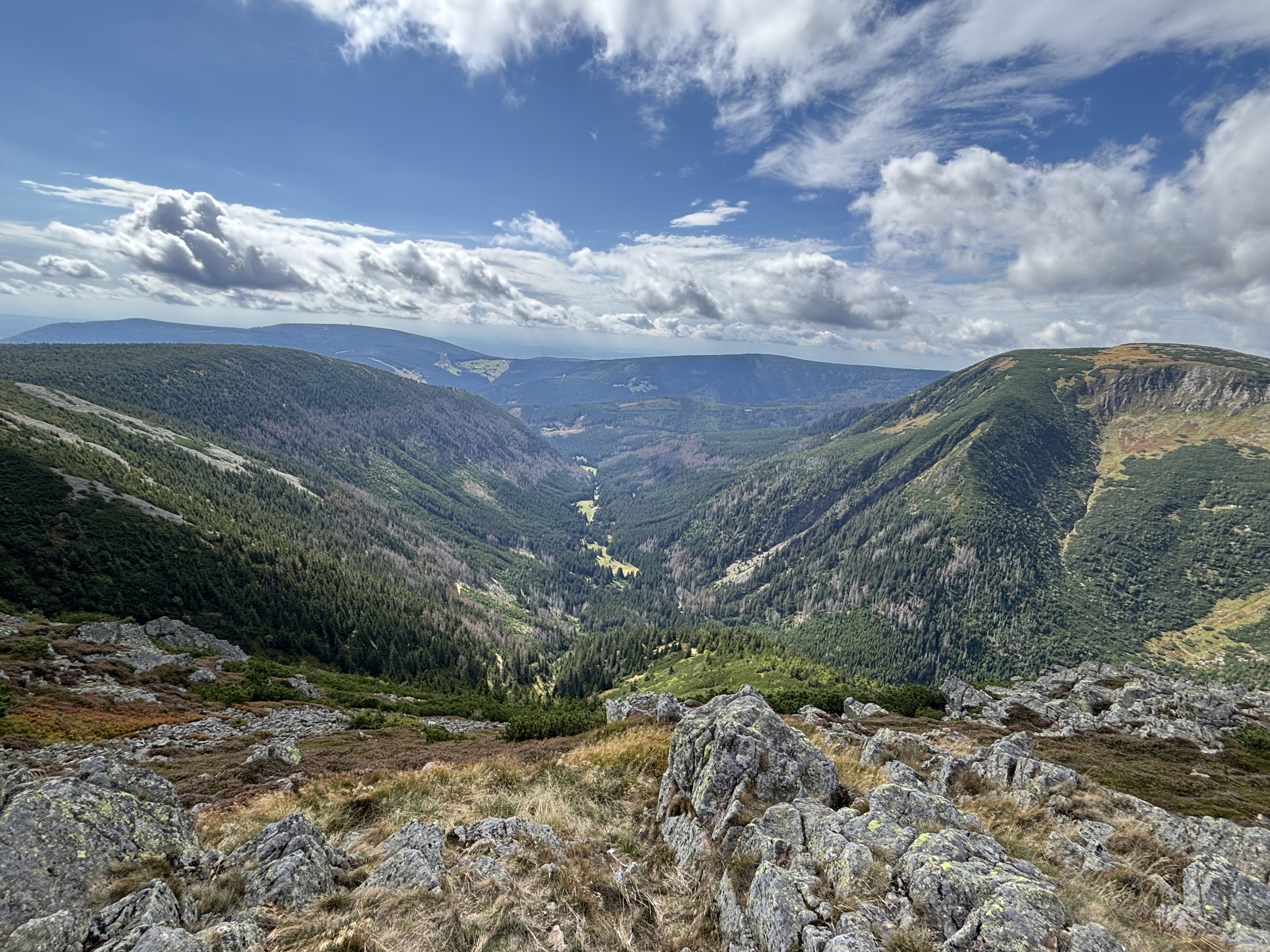
The view onto the two countries (Czech Republic above, Poland, below right) is really magnificent and there are several viewing platforms along the way, which is great. You are never far from a border marker here and, at times is difficult to tell in which country you are, since the border doesn’t follow an exactly straight line (although the trail is mostly on Polish soil).
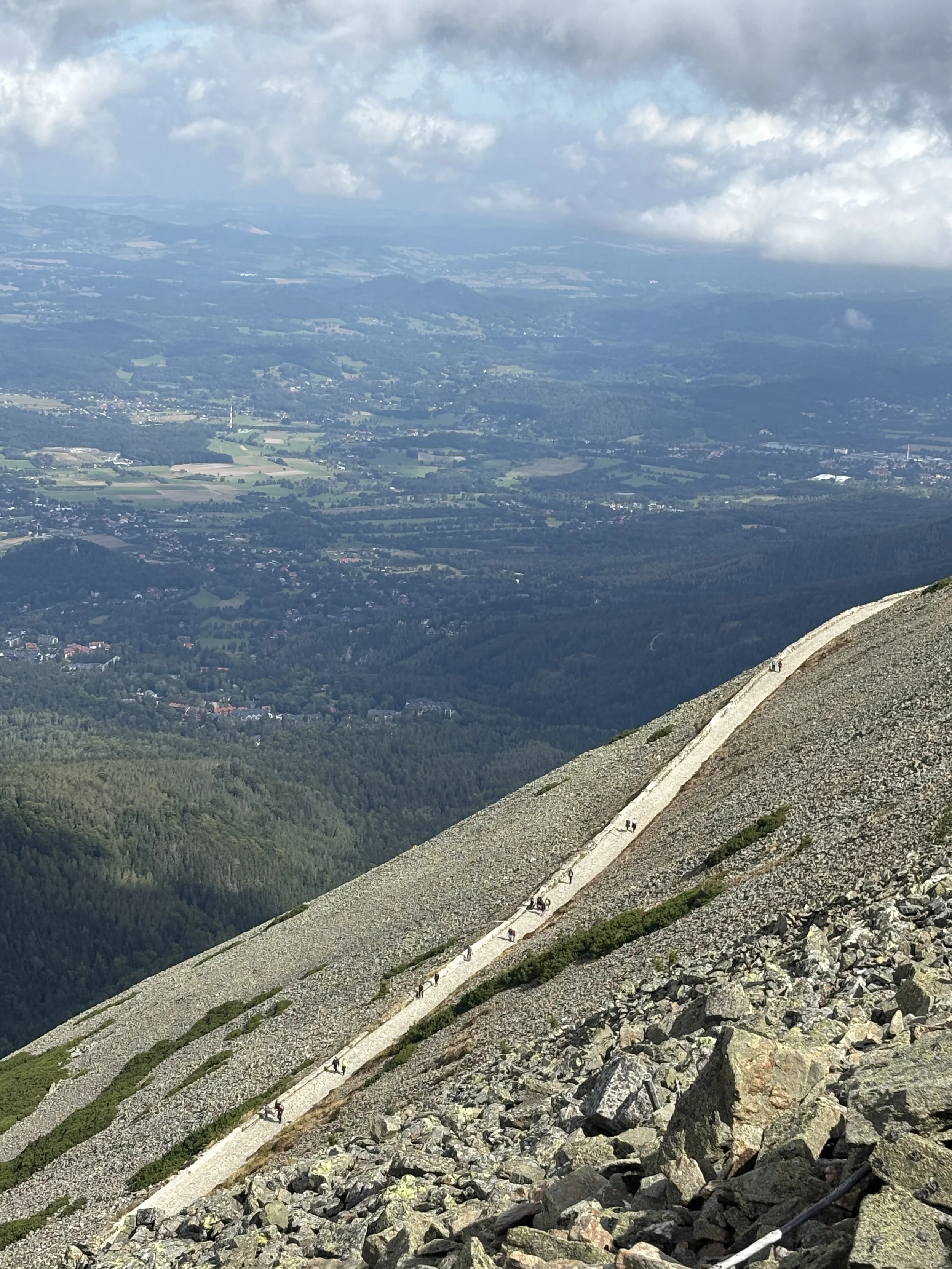
Getting to the summit of Śnieżka
So, after around 45 minutes of climbing up the mountain path, I got to the peak of Śnieżka. And what do you find here?
There are basically three man-made structures, two of them are on the Polish side: St Lawrence's Chapel and a UFO-shaped metereological station. On the Czech side there is a modern metal building which serves as a post office and shop.
The church is actually the oldest building of all by far, since its foundations date back to the 17th C.!
As per the meteorological station, there had been one in Śnieżka since the end of the 19th C., but the current one was built in the late 1960s. At the time of my visit it appeared to be closed and in a bad state of conservation, though.
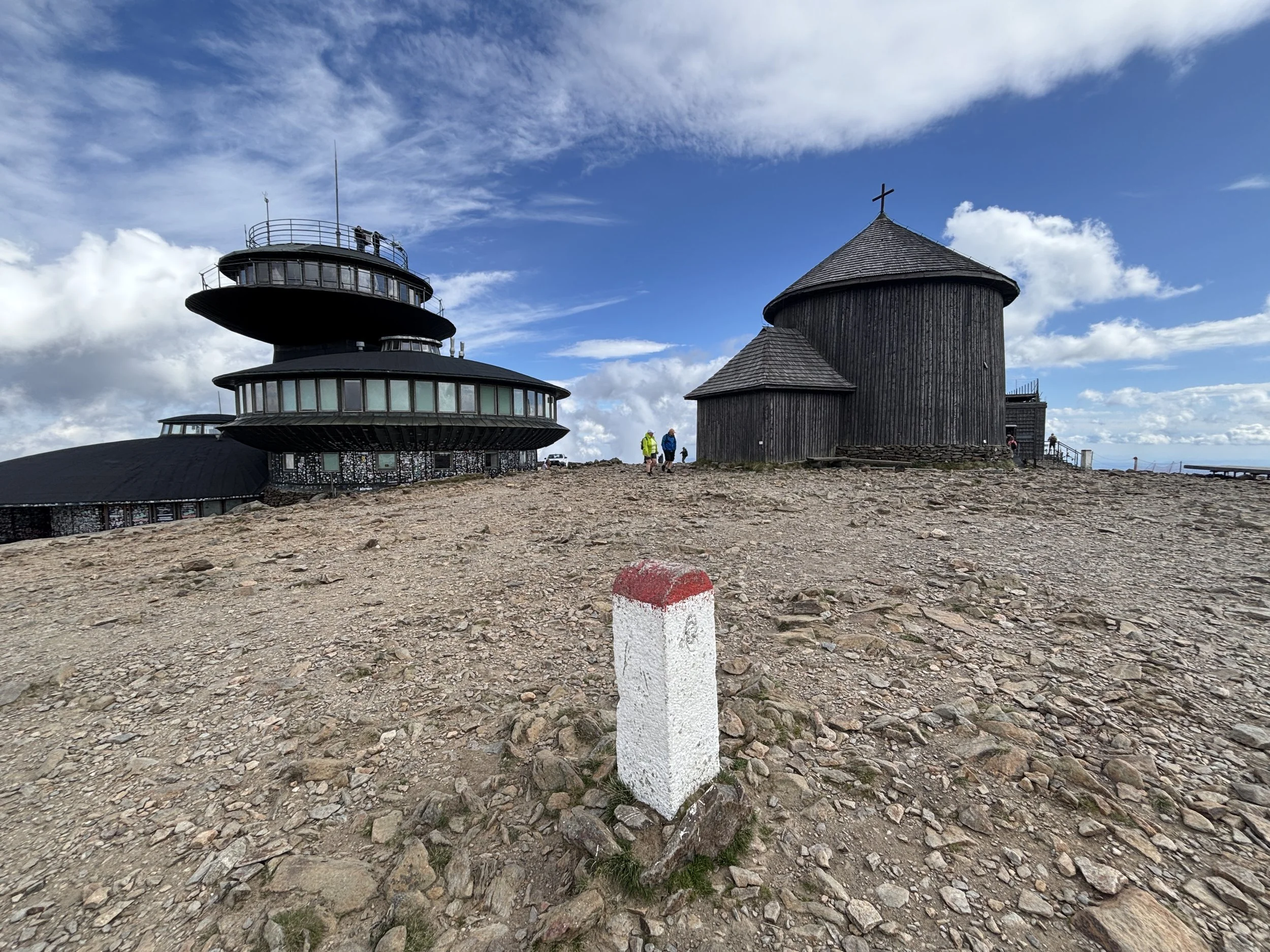
The other structure of interest at the summit of Śnieżka is the Czech post office, which is located a couple of meters inside Czech territory.
There has been a post office at highest point of Śnieżka since the 19th C. Back then it was the Habsburg post, though. The old wooden post office was dismanteled in the early 2000s and moved to another location in the Czech Republic. In its place they installed a container-like elongated pre-fabricated building (I guess it’s a type of structure that is efficient to build and maintain this high up).
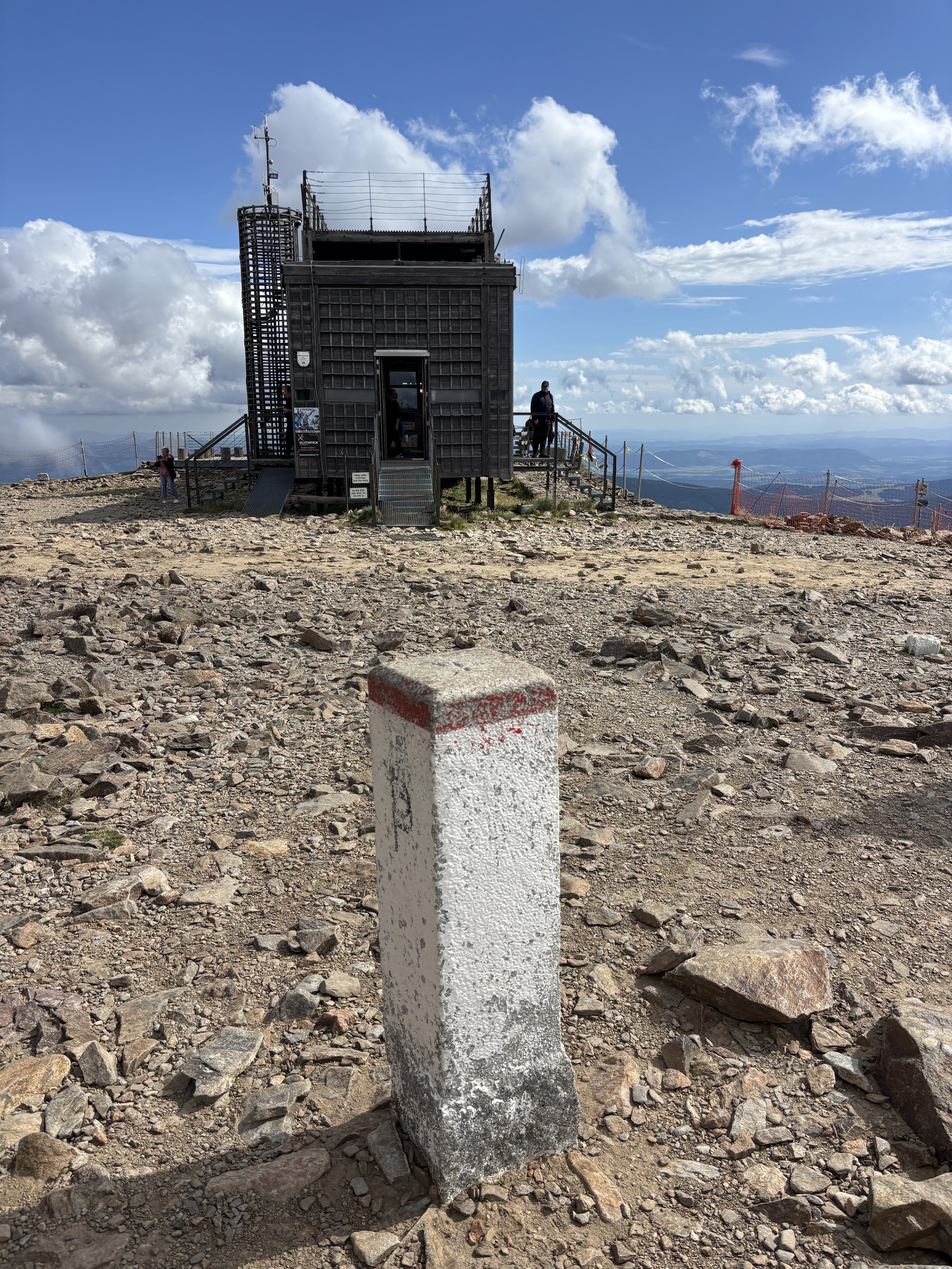
So, one of the cool things you can do at the summit of Śnieżka is send a postcard through the Czech post office! They even let you use the ink marker yourself, even if today the stamps are one-use adhesives so this is not really needed. The establishment also sells snacks, drinks and souvenirs, so it is more like a corner shop than a proper post office.
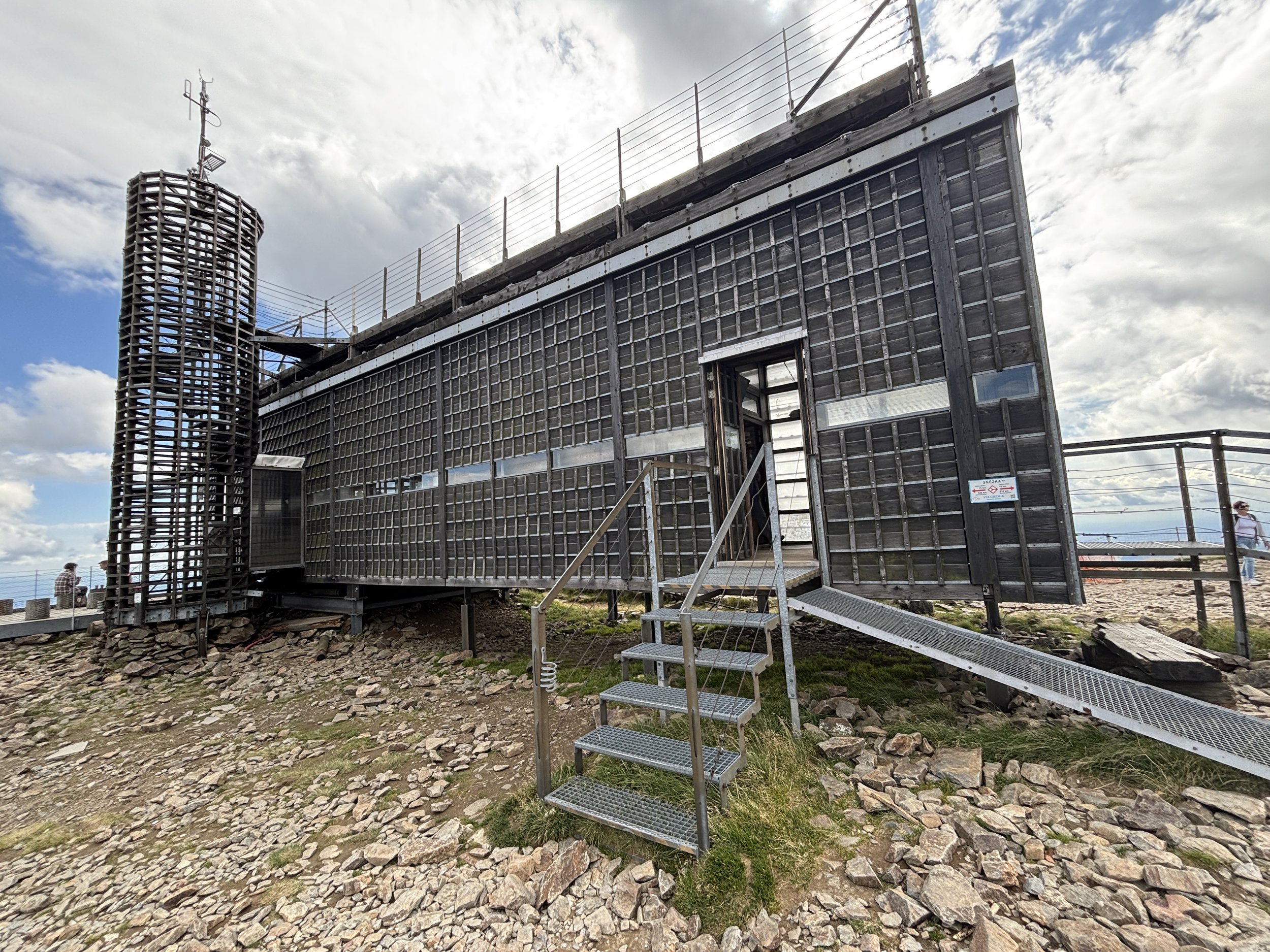
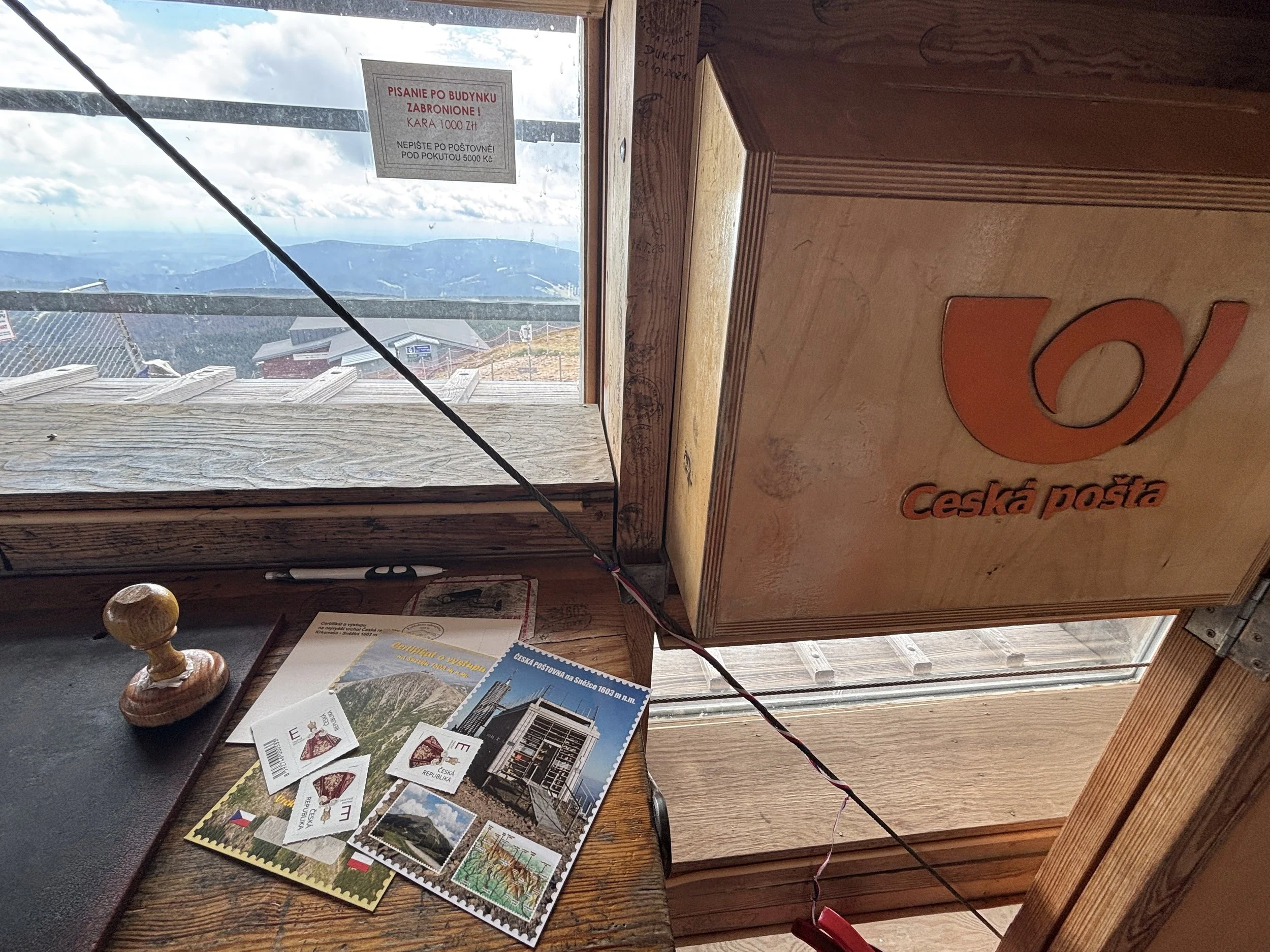
By the way, from the top of Śnieżka (or perhaps I should Sněžka in this case) you can also descend onto the Czech side with another lift. Beware that if, for whatever reason, weather conditions for example, the lift was interrupted, the drive around the mountains back to Poland can be quite lengthy. I didn’t check the cost of the Czech lift or its times.
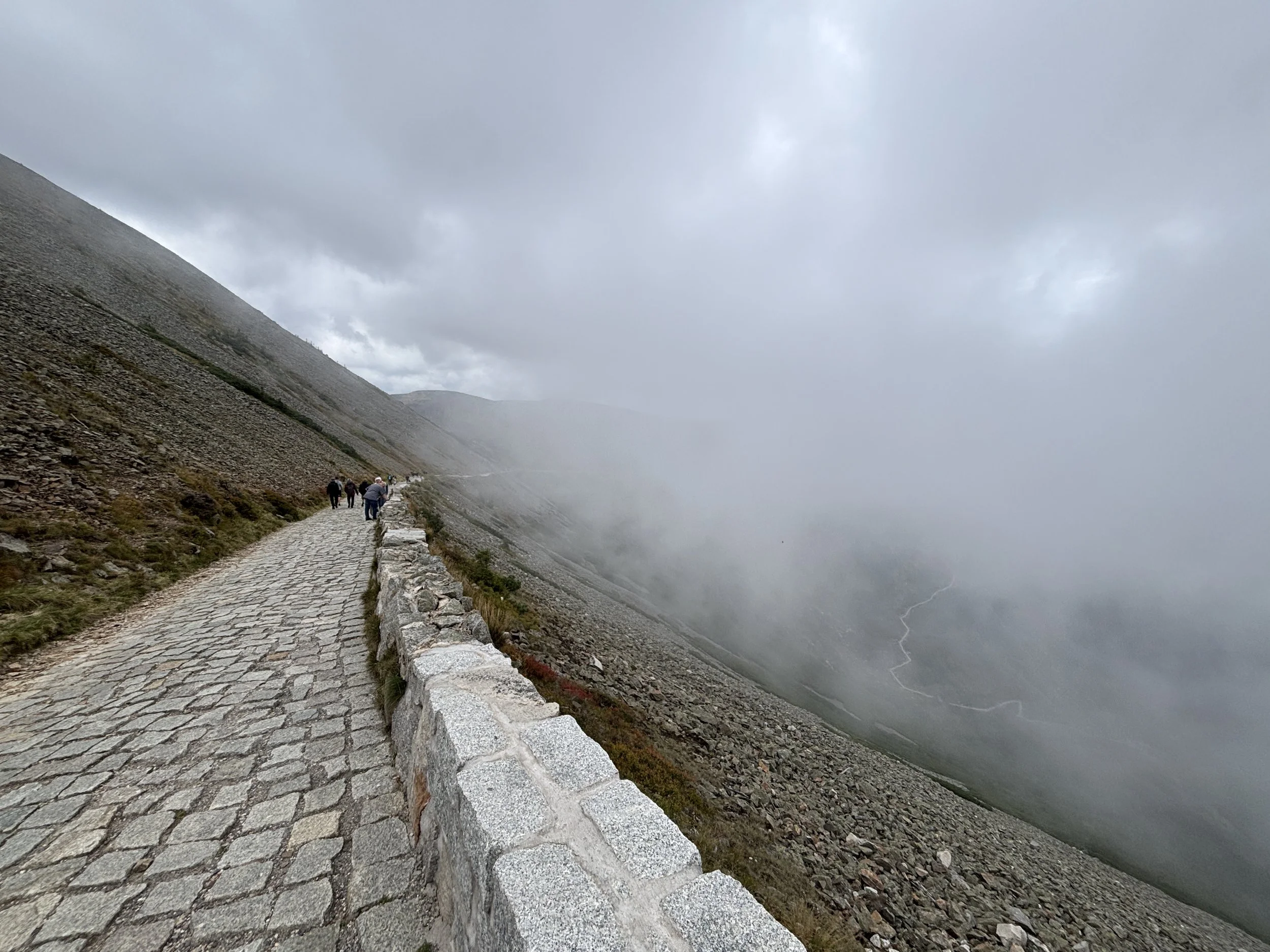
Talking about the weather, here is proof of how fast changing it can be here. The picture below was taken less than one hour after the sunny ones posted above. As you can see, there is a longer, paved trail to go up and down the summit. The views are not as good as on the other, more direct one, but this one is more gentle on the legs!
What else to see in Karpacz:
Wang Temple, a Norwegian stave church
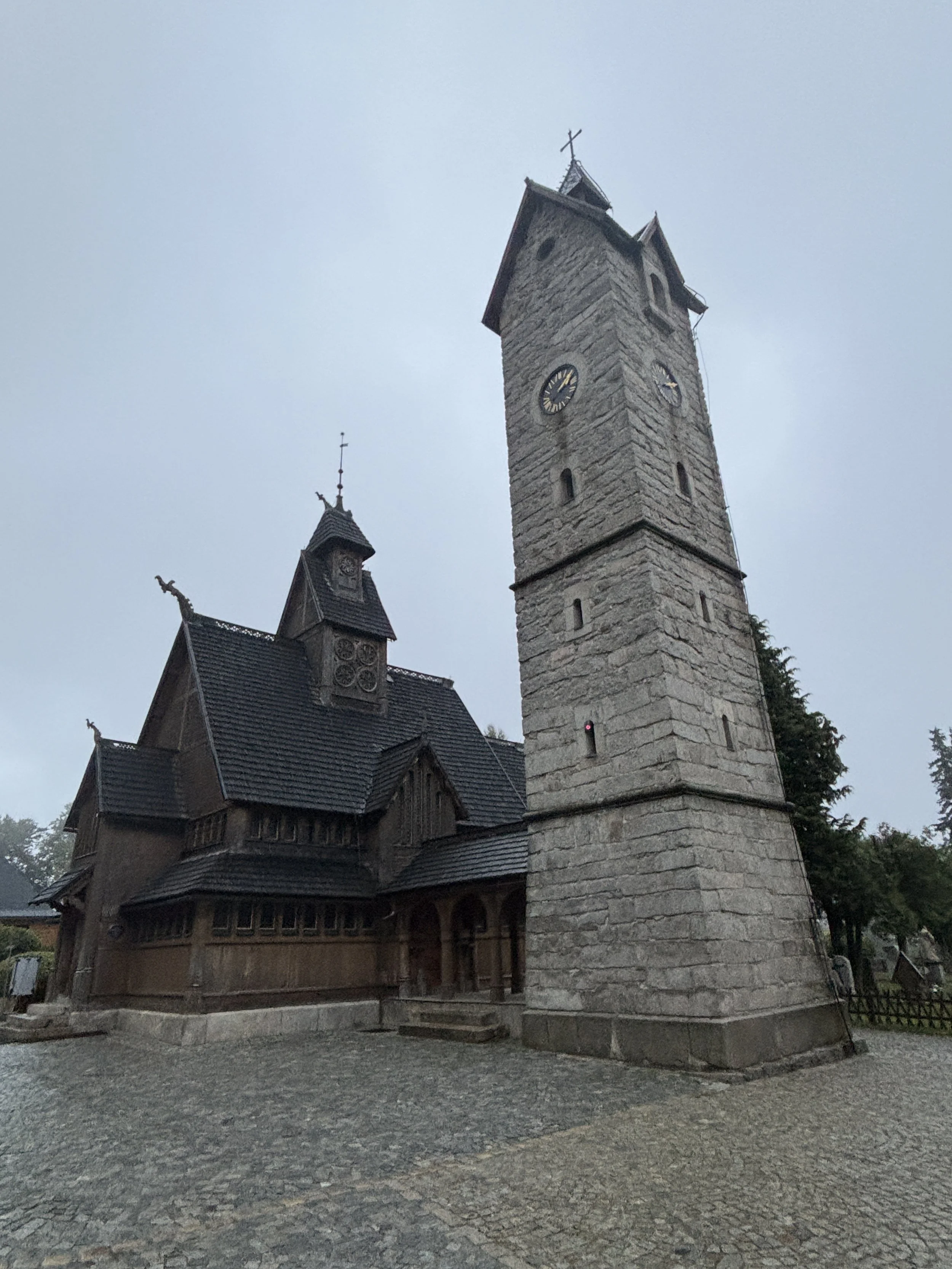
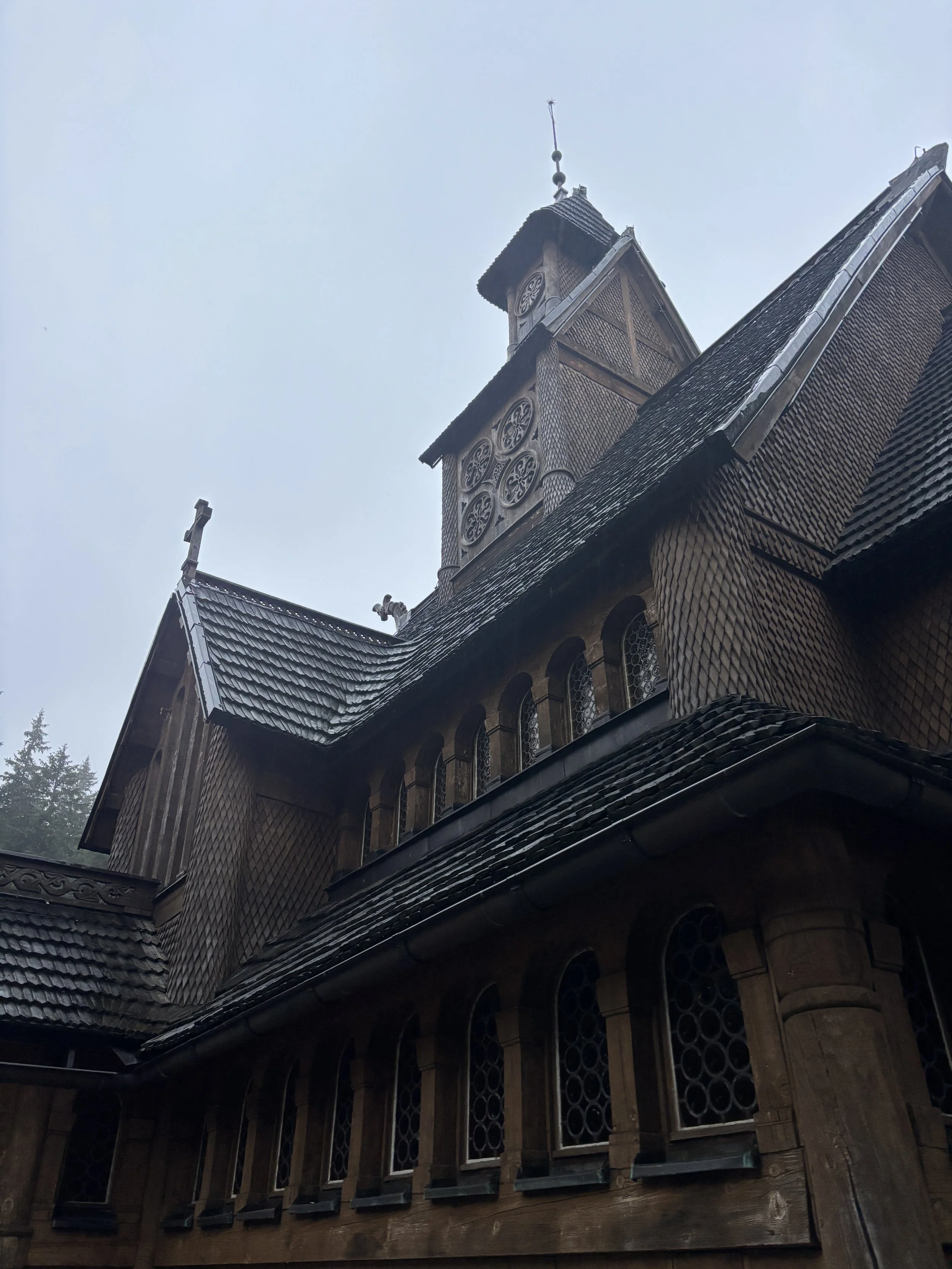
The other major landmark in Karpacz is the Wang Temple, a real Norwegian medieval stave church.
Sounds like a bit out of place, isn’t it?
In fact, it was built in Vang, Norway, sometime around the late 12th or early 13th C. but by the mid-19th C. it had become too small for the local needs and in 1841 it was decided to sell it.
To whom? Apparently, a Norwegian artist, Johan Christian Dahl, lived in Germany at the time and had an interest in stave churches, and he convinced King Frederick William IV of Prussia to buy it and have it shipped to Berlin. However, a local Silesian aristocrat at the Berlin court managed to get the king to gift it to the local Lutheran community.
So the church was dismantled piece by piece, shipped to Silesia and reassembled at its current location between 1842 and 1844. Apparently some elements had to be modified to better fit into the current emplacement. For example, the bell tower, made in stone, was a “local” addition.
At the time of my visit, the Wang Church was closed, so I could not see the interior. The church is within walking distance (if a bit uphill) from, again, Hotel Gołębiewski!
By the way, coincidentally, this is not the first Norwegian stave church to feature on this site! You can also check how this architectural style looks like in its traditional setting in this piece about what to see and what to do around the Sognefjord, which is very close to Vang, actually, the place of origin of the Karpacz stave church!
A nice hotel near Karpacz
Lake Hill Resort & Spa
Tyrolska 2 G, 58-564 Sosnówka
You can book it here.
This is a nice and very modern hotel and apartment complex which lies, as the name implies, next to a lake.
It is located just a few kilometers west of downtown Karpacz, in the village of Sosnówka. It takes some 20 minutes by car to drive from here to Hotel Gołębiewski and the places I described earlier.
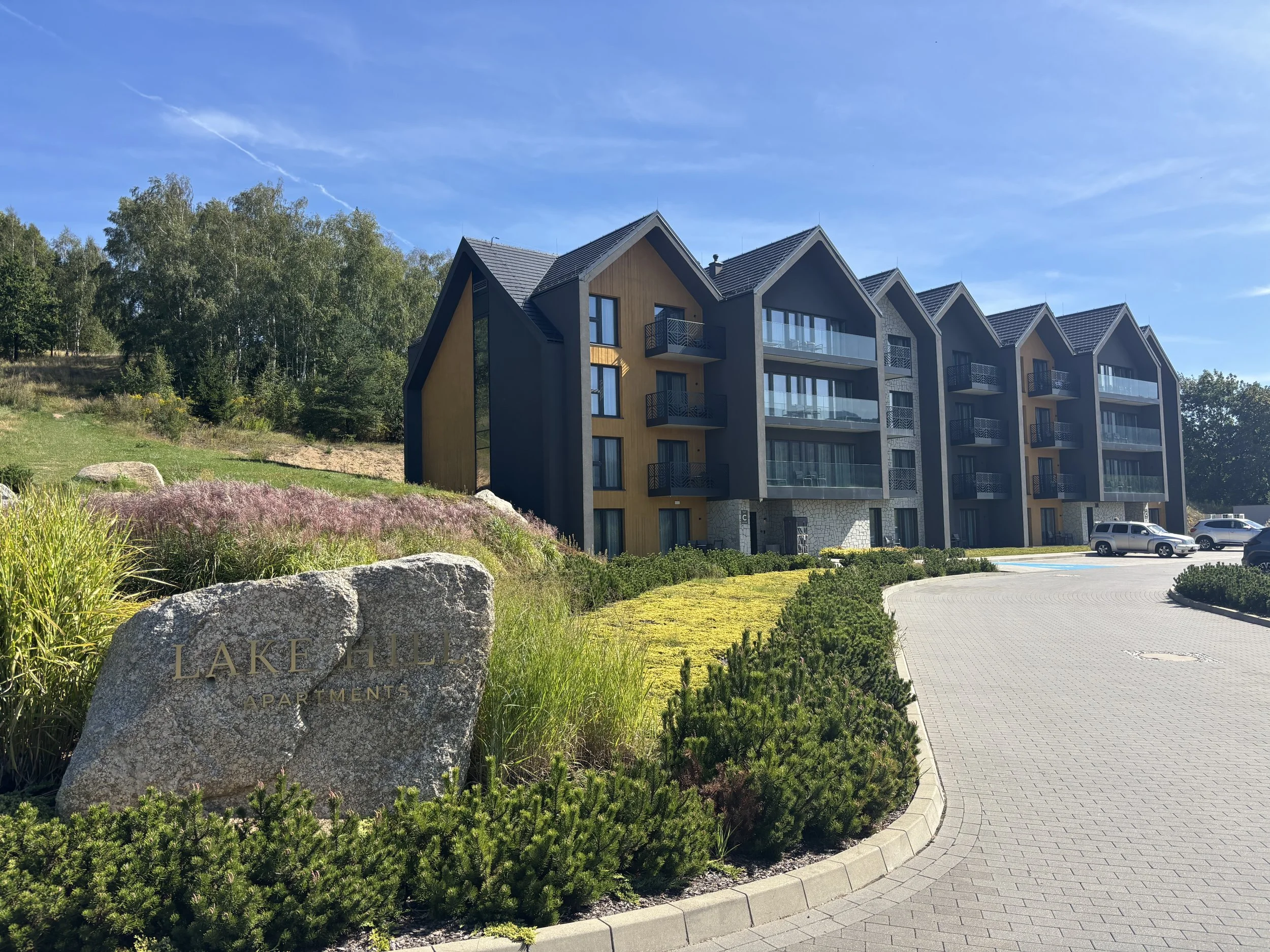
The resort has quite an interesting structure, since it is seems to be quite decentralized, with the rooms and apartments distributed among several buildings on both sides of a local road.
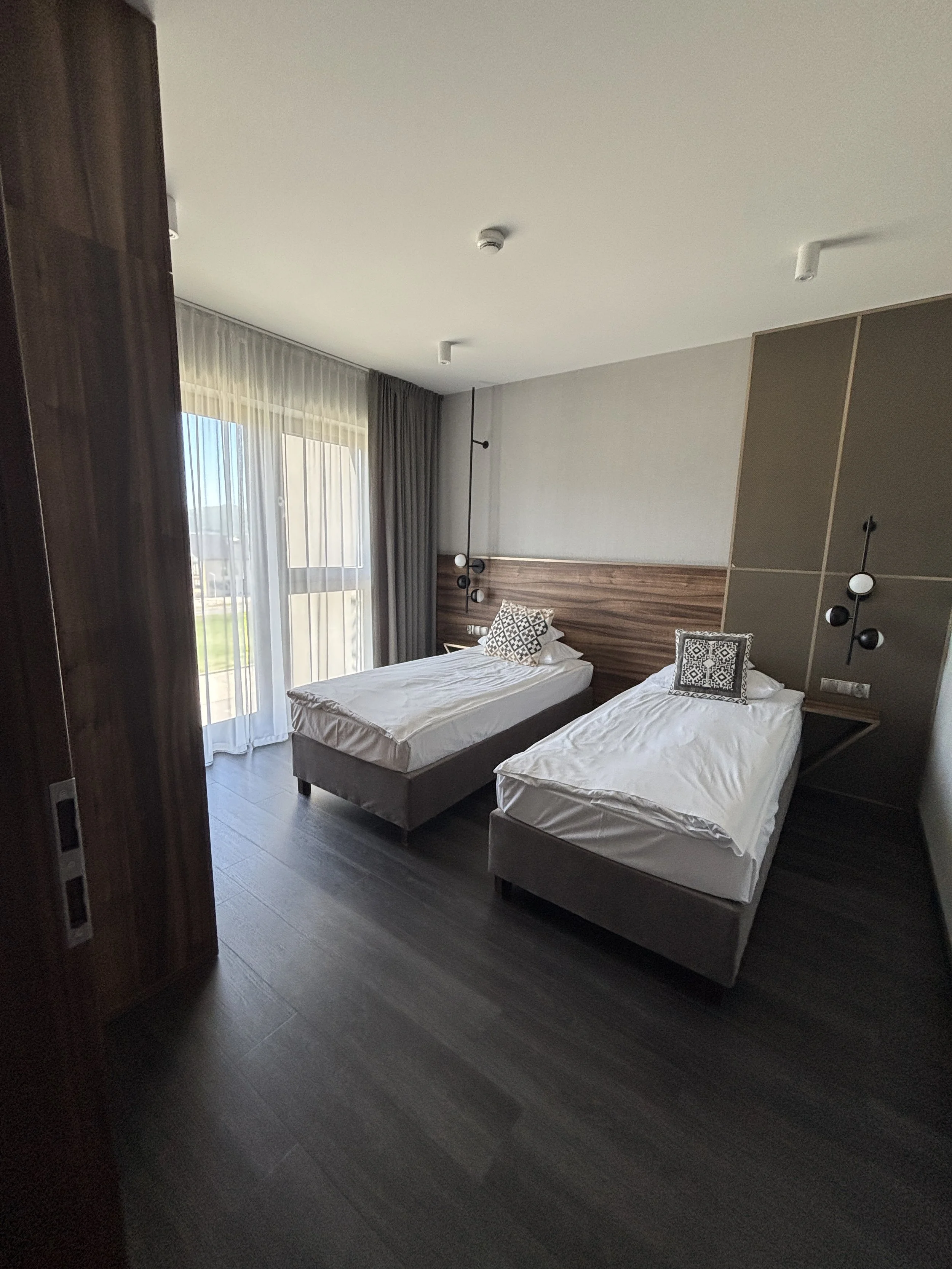
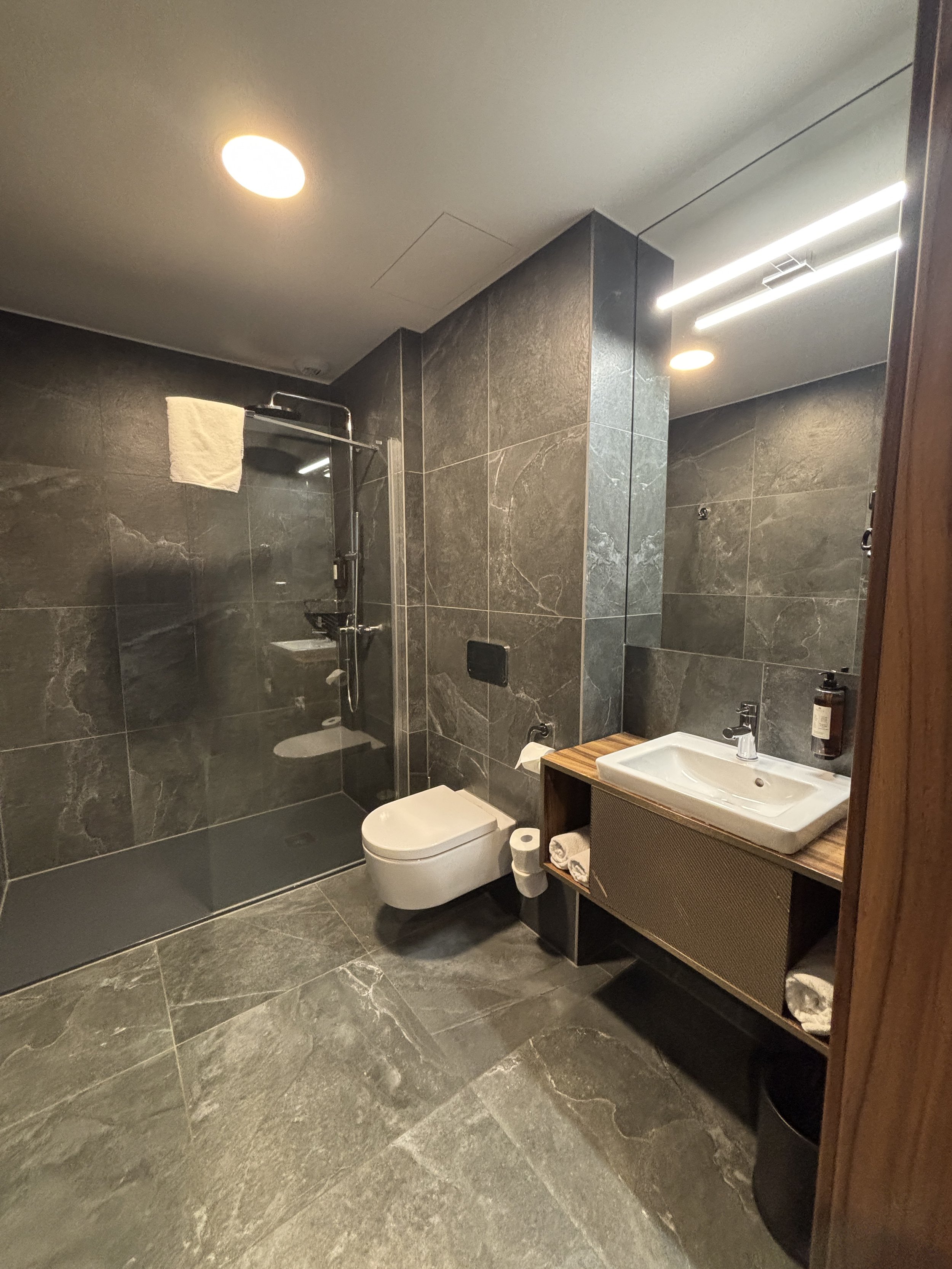
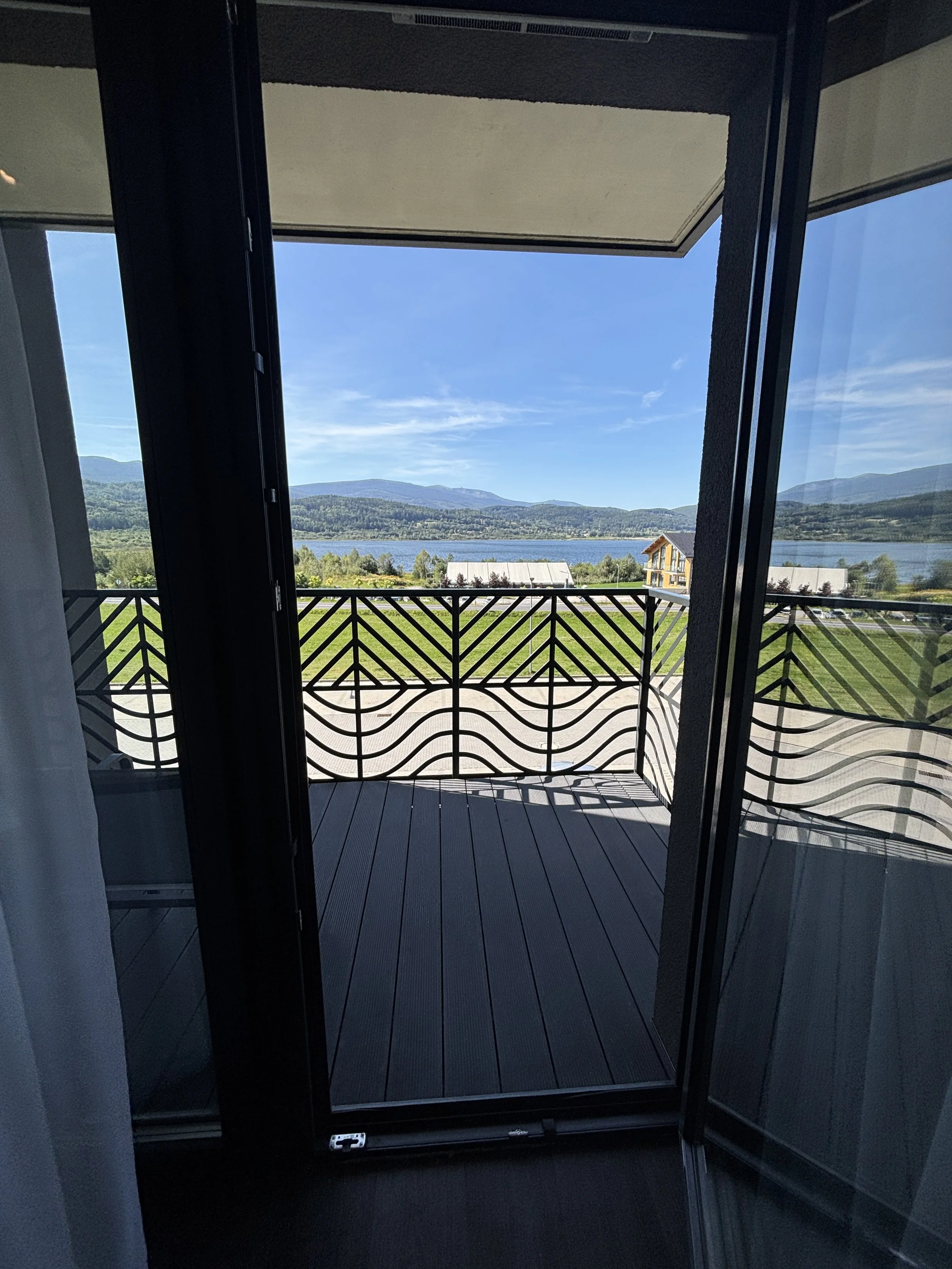
My apartment was in one of the buildings on the north side of the road. As you can see below, it was pretty spacious, with views of the lake (even if a bit far) and very modern throughout.
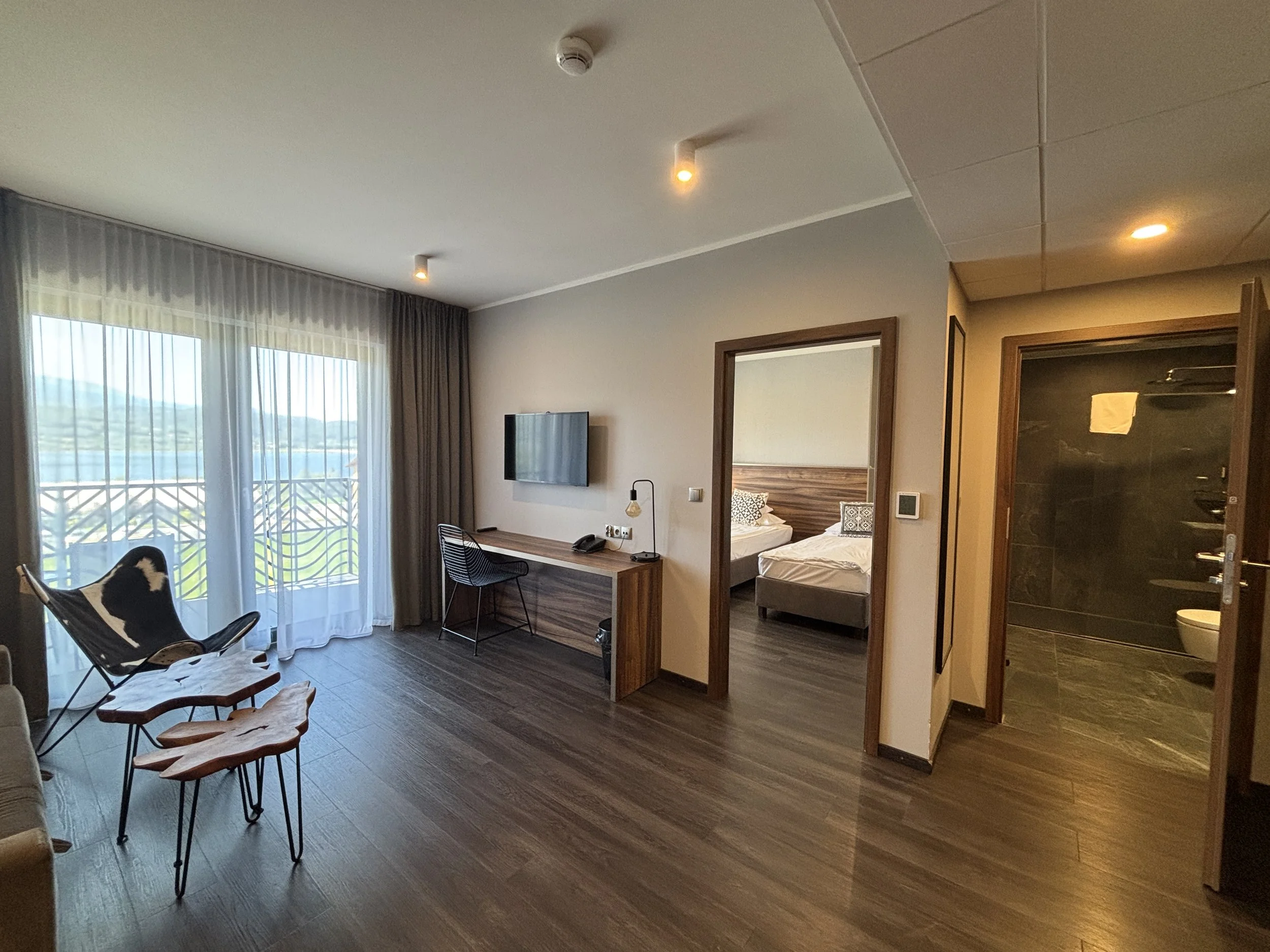
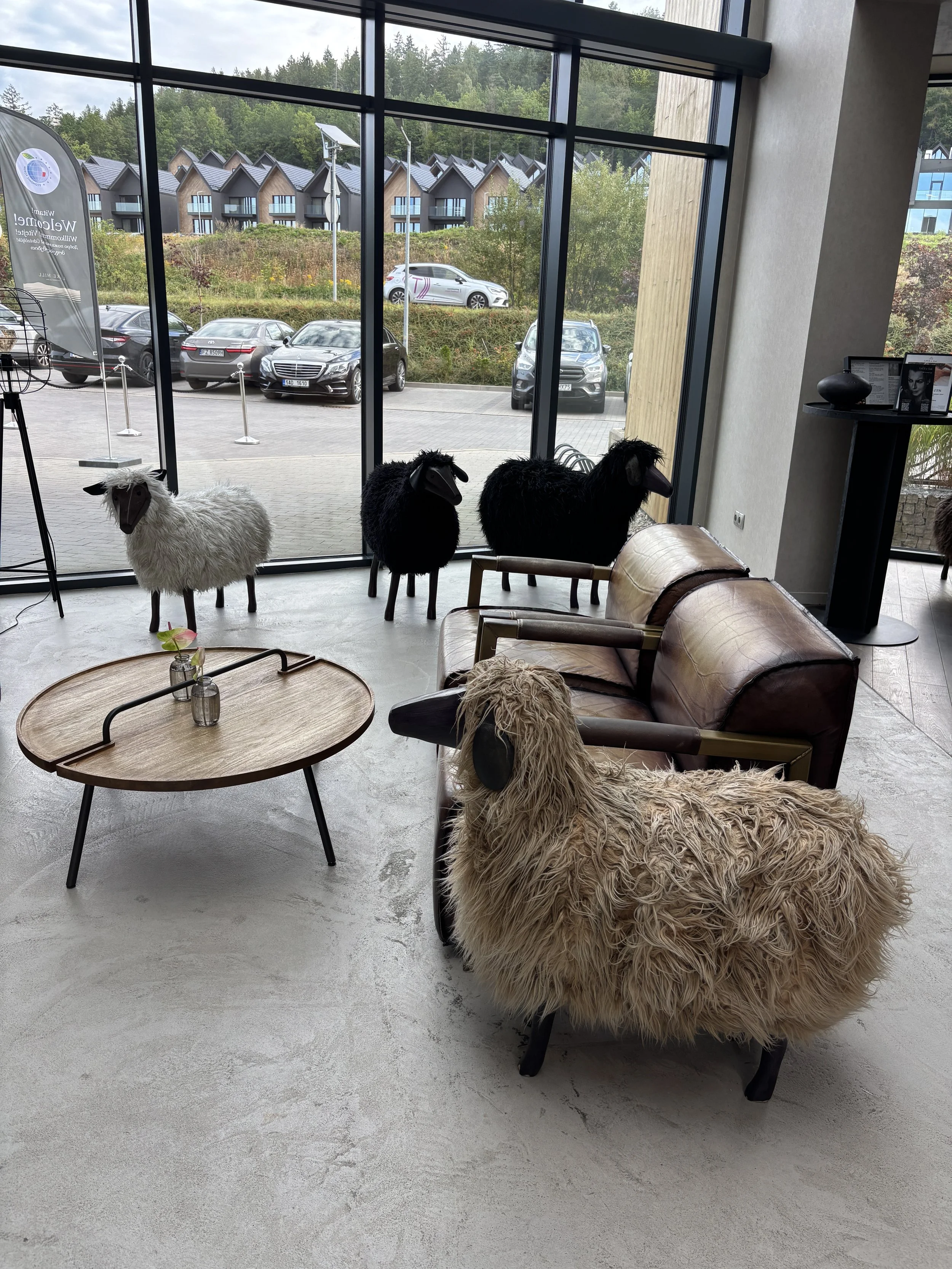
The reception and most of the hotel’s common services, such as the restaurant (where breakfast is served), are on one of the buildings lake-side, so you need to walk around 5 minutes and across the road to get there.
The whole complex is built along very modern lines, as I noticed and expressed in my post about Wroclaw, there seems to be a boom in new hotel development and construction in Poland. And, to be honest, the results are pretty good for the traveler, since there is availability of very nice, modern hotels at reasonable prices.
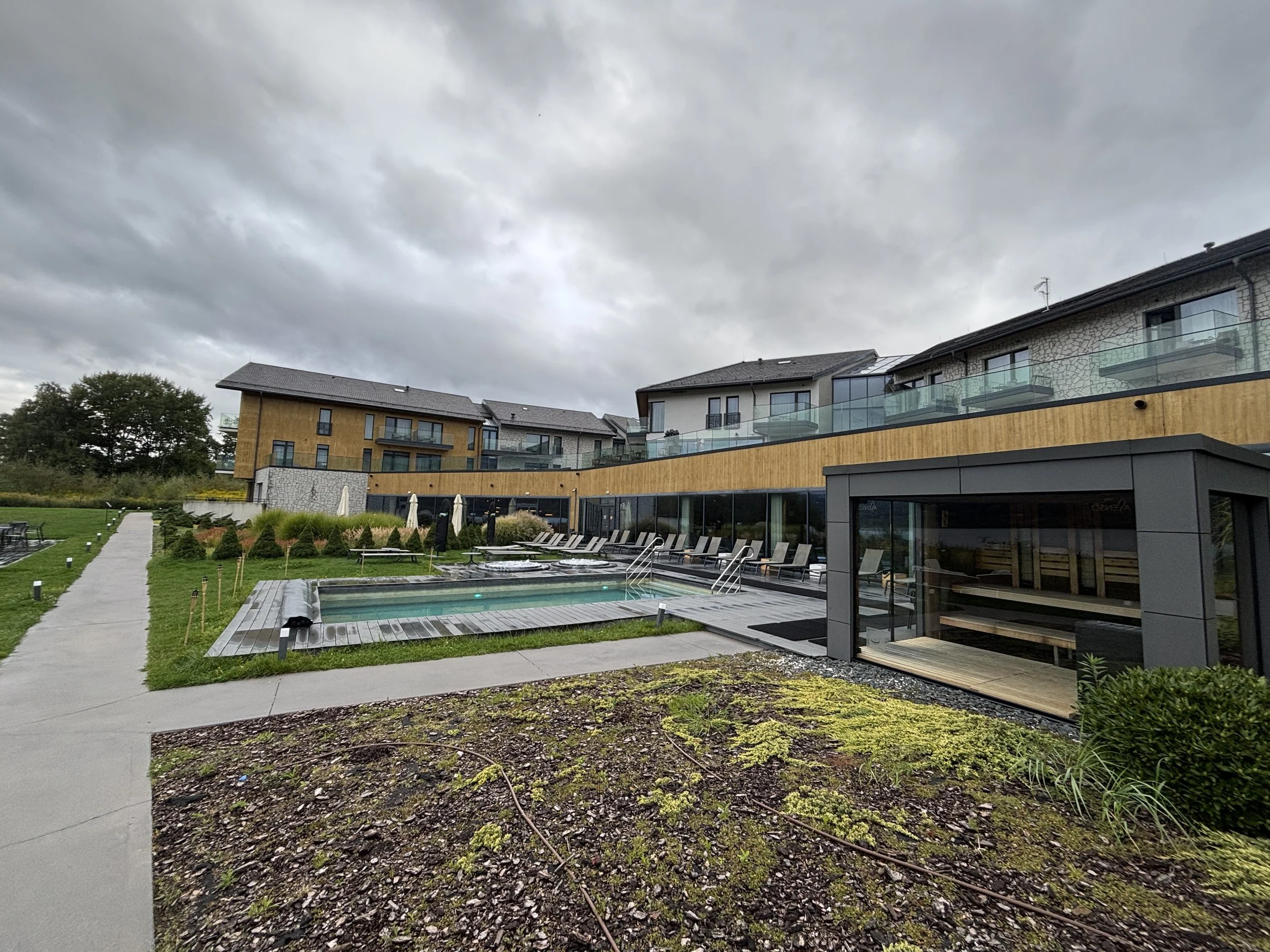
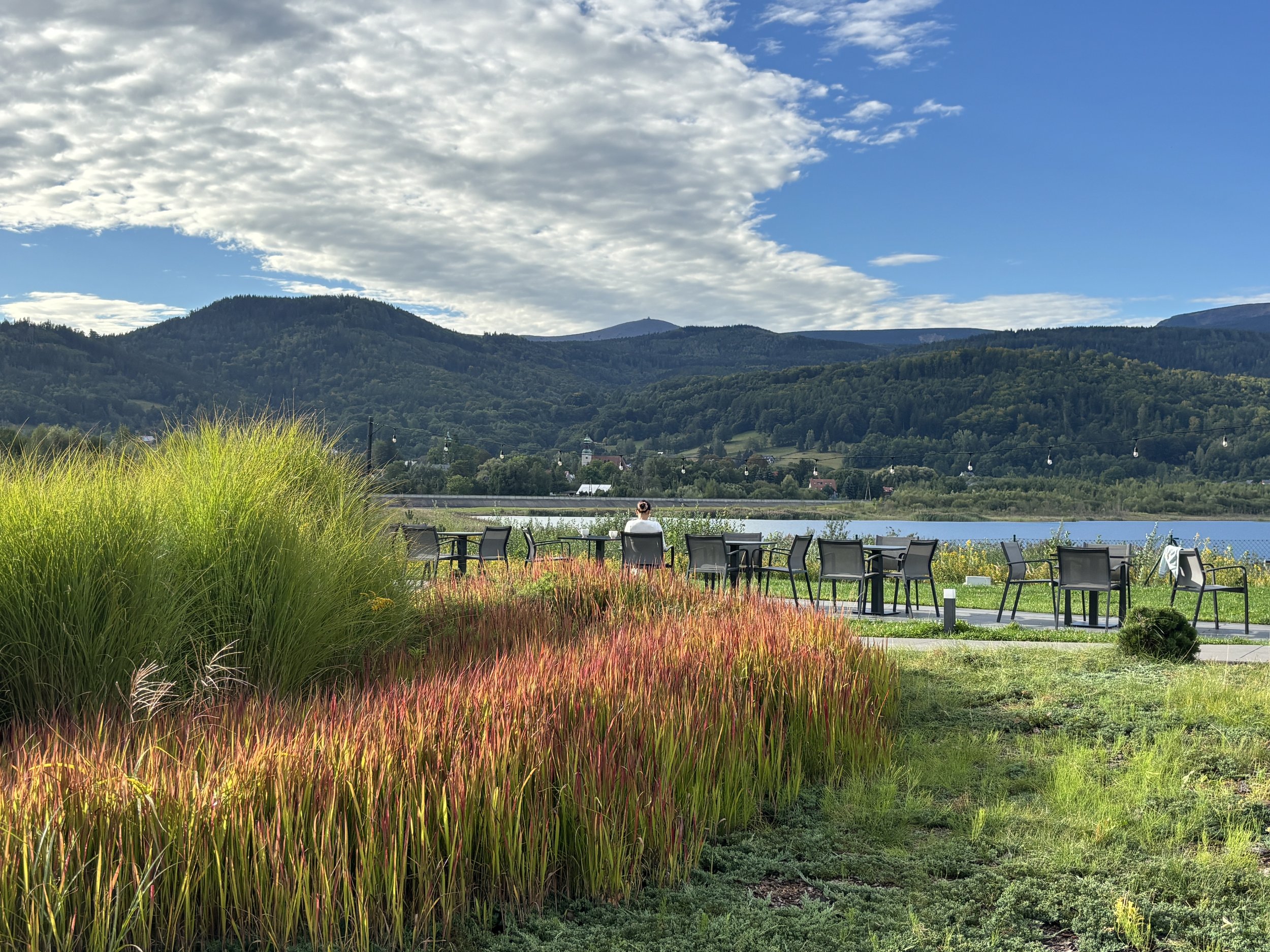
In this particular case, I didn’t have enough time to try all of the hotel services, such as the spa, but you can get an idea in the pictures here of the sort of relaxed atmosphere you can find here!
If you are planning a trip to Poland, you may find the following posts of interest:
What to do and what to see around Lake Balaton, the sea of Hungary
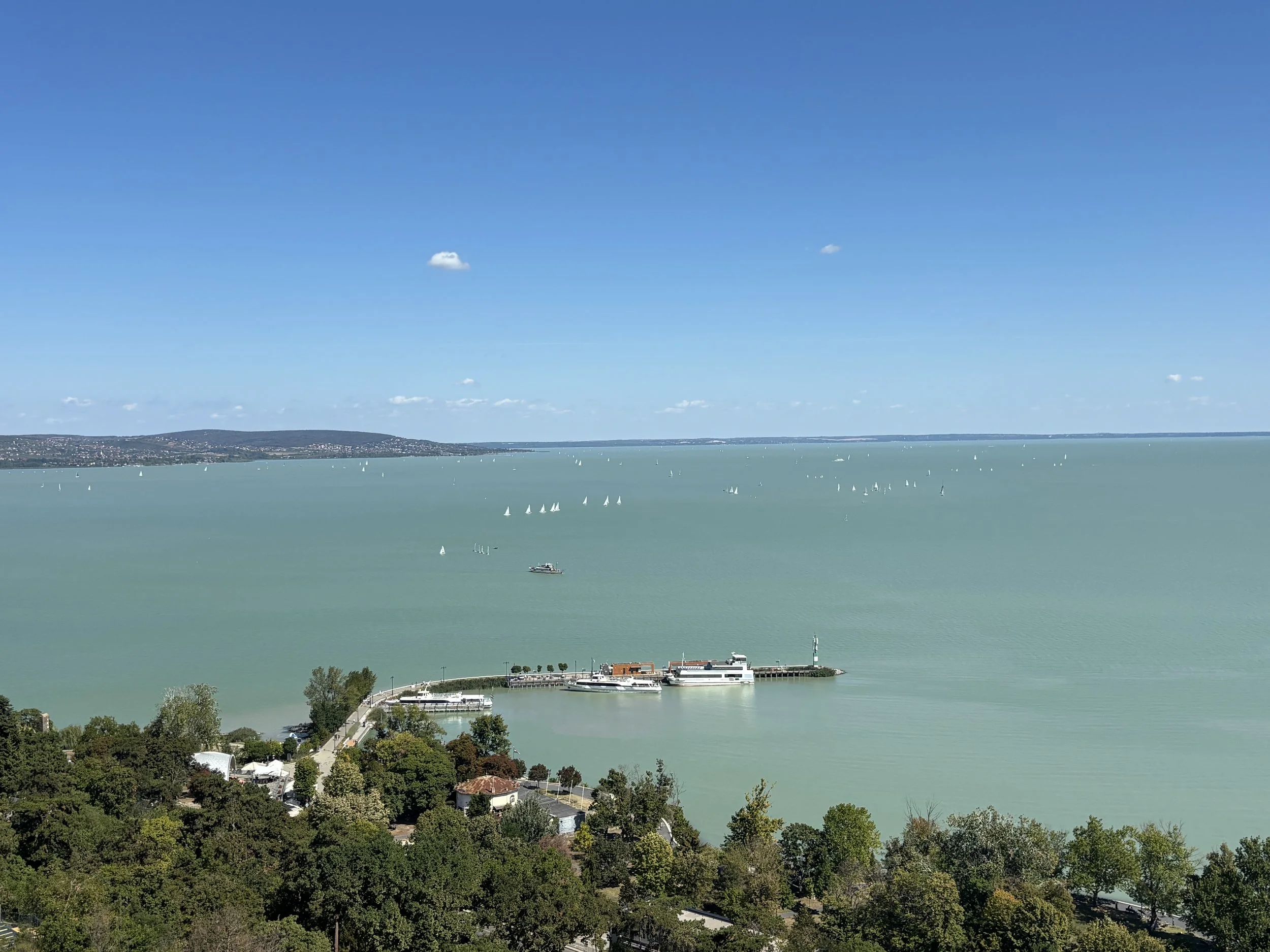
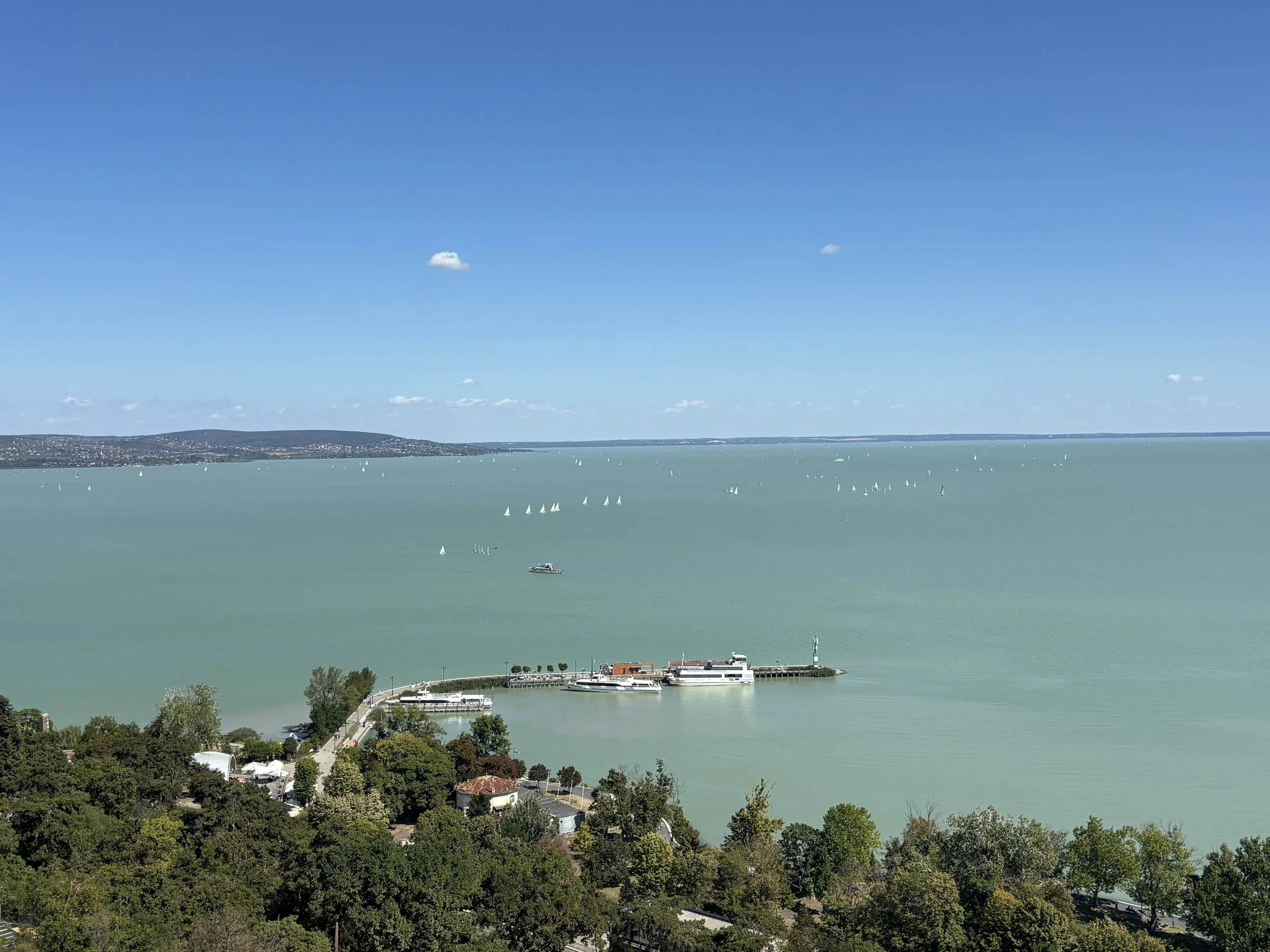
Lake Balaton is not only Central Europe’s largest lake, but it can also be called “the sea of Hungary”, since it is by far the largest body of water in this landlocked country.
Balaton has also been, for many generations, a major holiday destination not just for Hungarians but also for people from all over Central Europe. During the Cold War, citizens of East Germany came in droves to Balaton on holiday and it was actually through Hungary that the first cracks in the Iron Curtain started to appear.
The lake is actually a pretty nice day trip from Budapest. In addition to its scenic and recreational qualities, Lake Balaton has also quite a few interesting sightseeing spots along its shores and the distances involved are such that it is possible to see most of them in a single day. Having said that, if you have the chance I would definitely recommend doing it in two days in order to avoid fatigue and do it all at a more leisurely pace.
So, what are the top things to do and to see around Lake Balaton? Let’s have a look!
Covered in this post:
How to get to Lake Balaton
Driving in Hungary
The Tihany Peninsula
Taking the ferry from the south shore (Szántód)
Badacsony and its wineyards
Szigliget Castle
Héviz and its thermal lake
This post may contain affiliate links. If you book or buy something through them, I earn a small commission, at no extra cost to you. It's one of the ways I keep Places of Charm going. Thank you for your support.
How to get to Lake Balaton
Getting from Lake Balaton. To be clear, this post will mostly be useful if you are travelling by car, but there are trains running along both shores of the lake, so this is an option that may be worth checking if you feel inclined to travel that way and there are even boats that will give you the views from the water side.
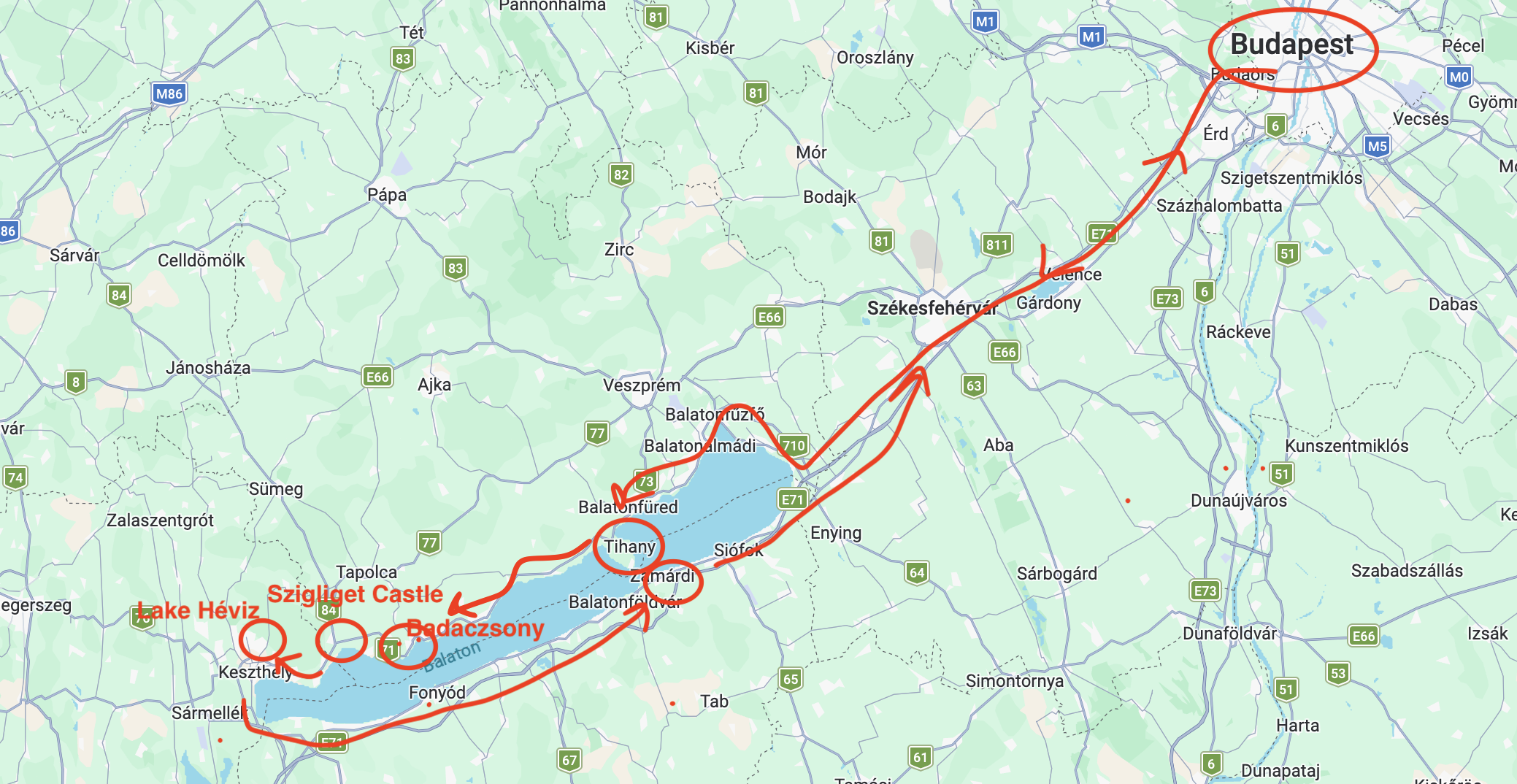
From Budapest, which is the itinerary I followed, it is about one and a half hours drive to Tihany, which was my first stop along this route. Almost the entire itinerary is based on the north shore of the Lake. This is not to say that there aren’t interesting sights on the south shore. The whole itinerary totalled 450km, which is quite a stretch, but doable in a day if you don’t mind the driving.
From what I have read, there are plenty of beaches and holiday infrastructure on the south side, but I got the impression that most of the sites of interest from a purely sightseeing point of view are on the north shore (if I am wrong, happy to take suggestions for my next trip to the area!).
Roads were of very good quality throughout, including motorway M7/E71, which is the main road axis linking Budapest to the Lake. Directions are well indicated all the way from Budapest.
Just before reaching the eastern end of the lake, I left the motorway to take Road 710 northwards and then most of the itinerary followed Road 71, which runs all along the north side of the lake. On the return trip I chose to join again M7/E71 and drive it all the way to Budapest, aside from a short stopover at Szántód to check the cross-lake ferry terminal.
Important!
Hungarian motorways are not free. You need to get a “vignette” or road pass, otherwise you will be restricted to local roads.
Roads requiring vignette are usually indicated with an “M”. The process to purchase the vignette is 100% digital (and pretty straightforward from the user point of view). You just need to go to the Hungarian vignette website, enter your car’s registration number and select the dates you need the vignette for (for short term travel you can purchase either a one day or ten day pass, although there are also monthly and yearly options). The whole purchase process takes less than two minutes.
Everything is automated and your car is electronically checked at certain points along the motorway.
The Tihany Peninsula
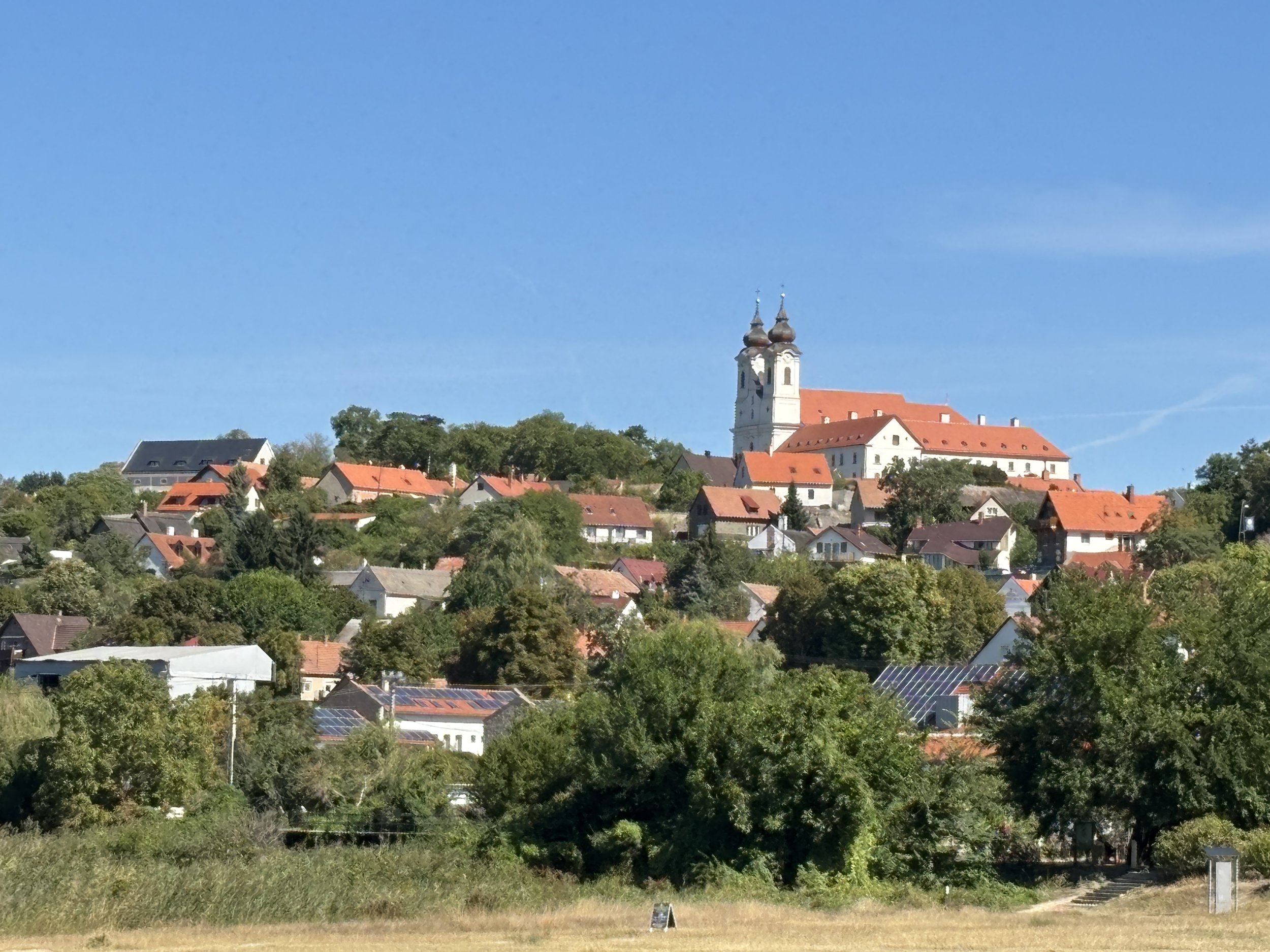
The first stop coming from Budapest and, perhaps, the most scenic place on the shores of Lake Balaton is the peninsula of Tihany.
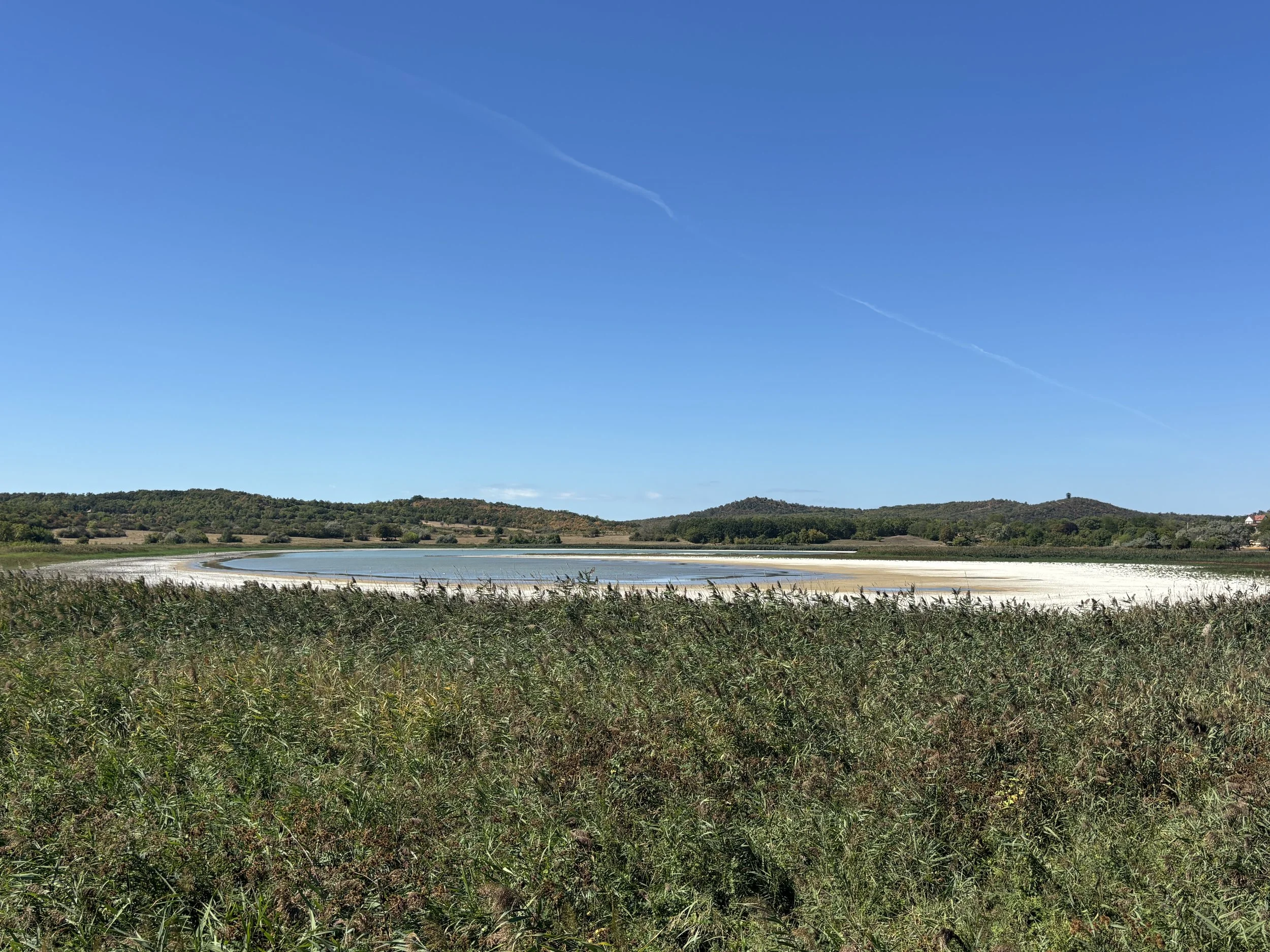
This little peninsula protrudes into the lake, almost cutting it in two parts (it is little more than 1 Km from its southern tip to the south shore).
Unlike most of the surrounding countryside, it has also some elevation (the little hills that dot the area around Lake Balaton are mostly ancient volcanos!), which gives you a great point of view over the lake. In fact, the peninsula contains two other smaller lakes (not connected to Balaton), which are, in fact, old volcanic craters.
Besides the village of Tihany, which we’ll soon see, Tihany is a place of natural interest, as well, since there some marshes around the lakes and several tracks to trekk in the nature around it.
There is even a pagoda-shape observation tower, known as “Őrtorony-kilátó”, although you have walk a bit to get there. It was tempting, but I skipped in order to allocate time also to other points of interest further west on the lake shore.
Parking in Tihany
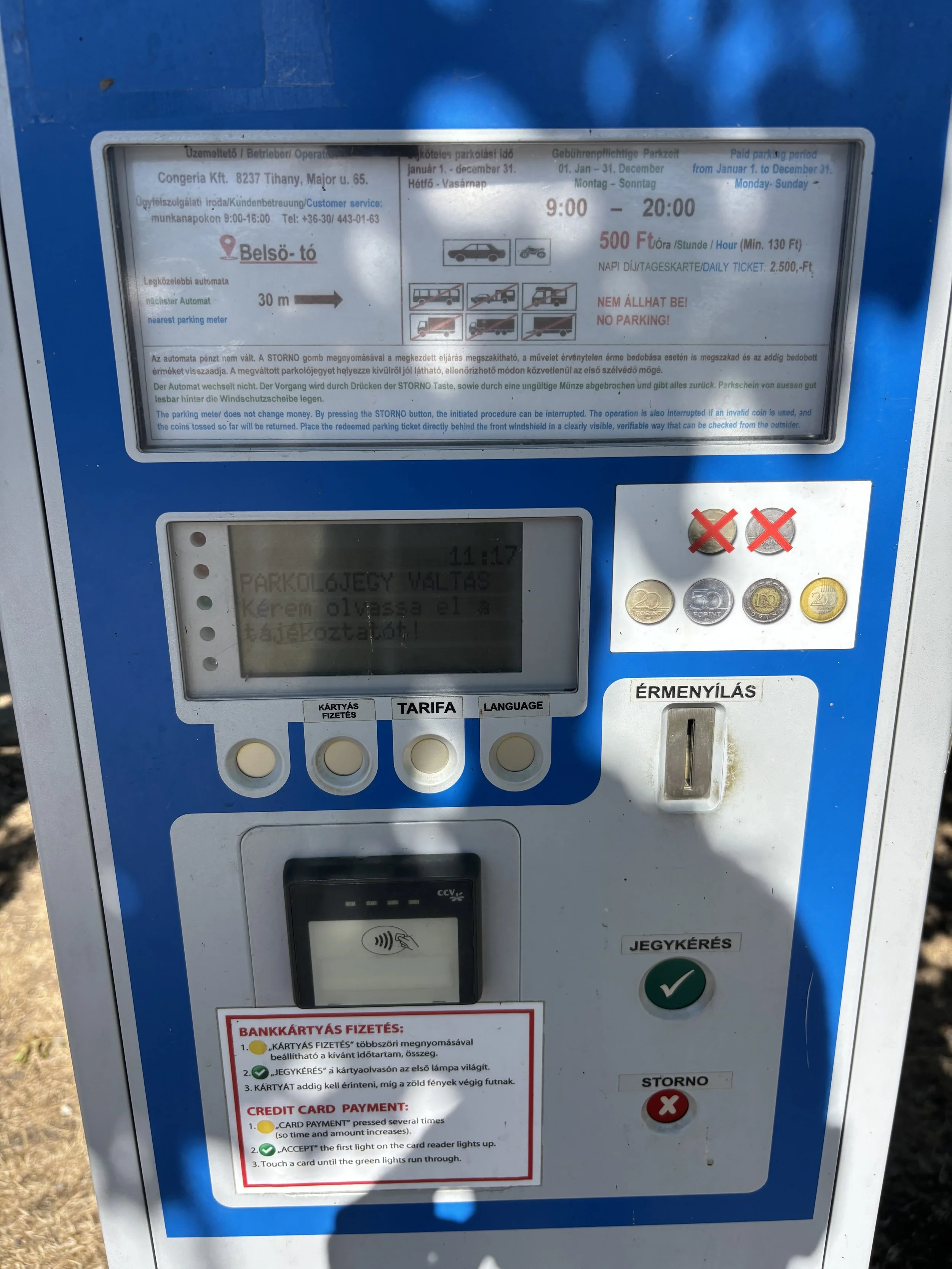
Parking around Tihany is metered. As you can see here, at 500 Forints per hour (€1.3), it is not particularly expensive, but parking spots are a bit limited in the village itself (to be fair, the “urban” part of Tihany is really, really small).
So, if you are visiting during the summer or weekends, the most likely is that you will end up in the outskirts of the village, near the volcanic lake, where space is more plentiful (it is a 10-15min walk from there, although it is a bit uphill).
The payment machines take both cash and cards, but found the interface not to be particularly user friendly, quite clunky and slow, difficult to read (not a language issue, since it is multi-lingual) and, at least, at one spot, not working at all.
Tihany’s Benedictine Abbey
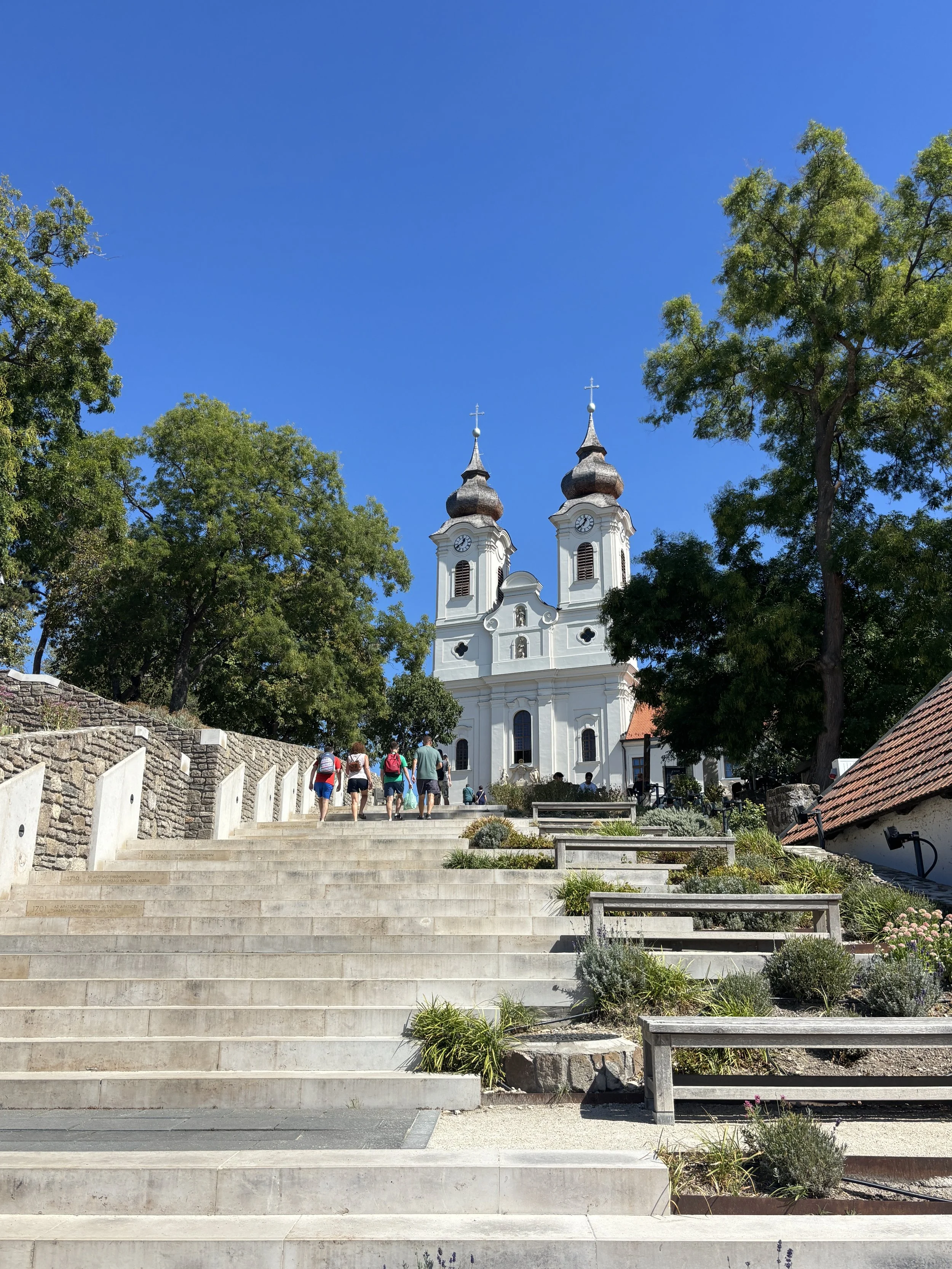
The main landmark in Tihany is, without a hint of doubt, the Benedictine Abbey, which overlooks both the village and the lake from its elevated hilltop position.
Although the current building is in the Central European Baroque style, with two bell towers ending in onion-shaped spires, Tihany’s abbey traces its roots back to the 11th C., just decades after the christianization of the Magyars and at a time when the religious question was not yet fully settled in Hungary. So, the foundation of this abbey was, at the time, an important development that helped consolidate the Christian faith in this part of Europe.
To access the abbey there is a flight of stairs that wouldn’t be out of place in, let’s say, Rome.
To visit the Abbey and its crypt you would need a ticket, which can be bought at the visitor’s center right next to the church entrance. The standard fee is 3,400 Forint (€9.2/$10.5).
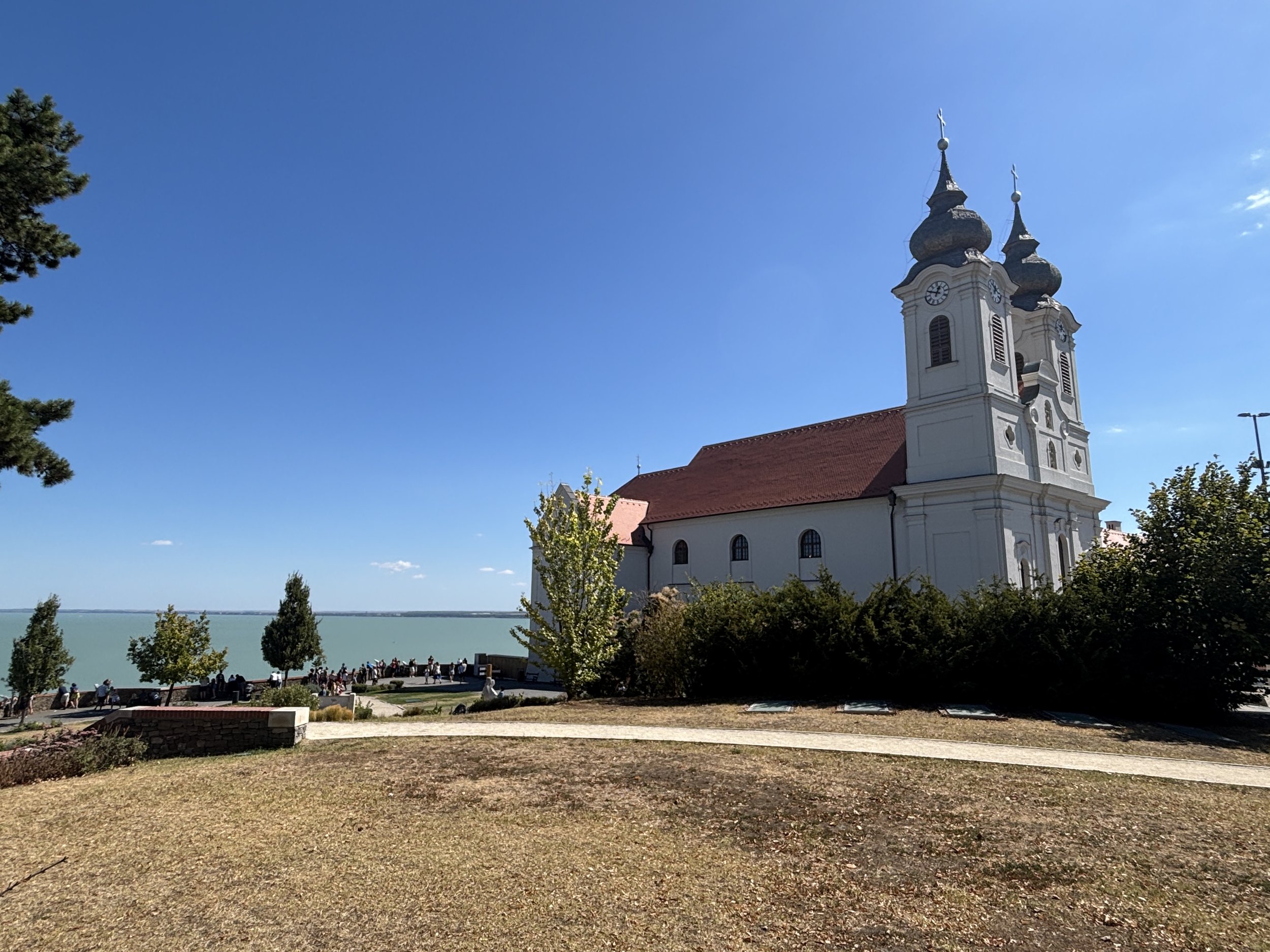
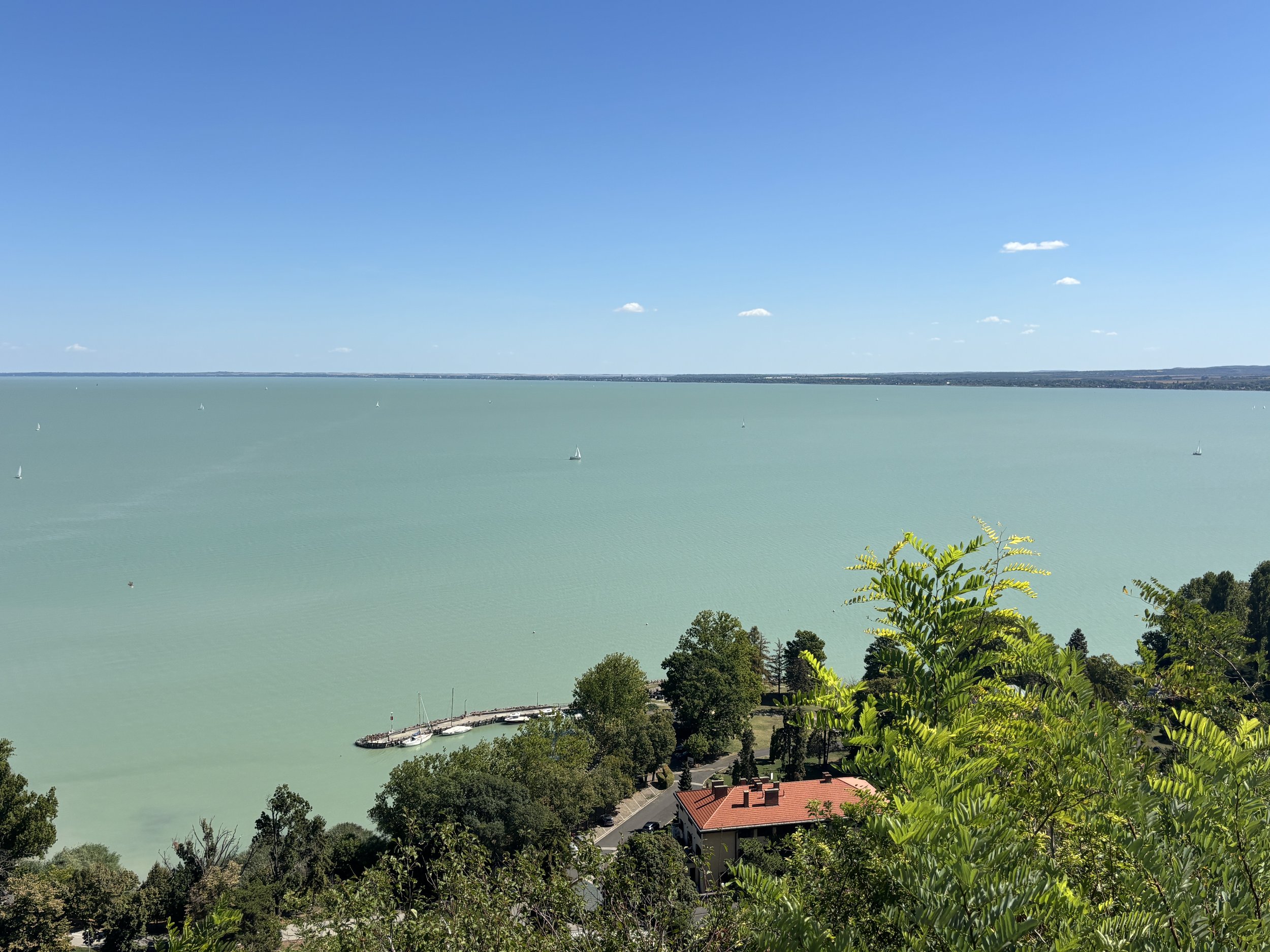
Once at the top, you get to a little park with magnificent views of the eastern part of Lake Balaton, which in sunny days takes a beautiful turquoise colour. From here you can get a grasp of what they mean when they call Balaton “the sea of Hungary”!
Thatched Roof Houses & Lavender Fields in Tihany
All around the Abbey is the village of Tihany, which, to be honest, has become a bit of a tourist trap. The main road into the village is completely devoted to catering to visitors with the usual souvenir shops and the like. The same can be said of the main pedestrian lane on the crest of Tihany hill, leading into the abbey.
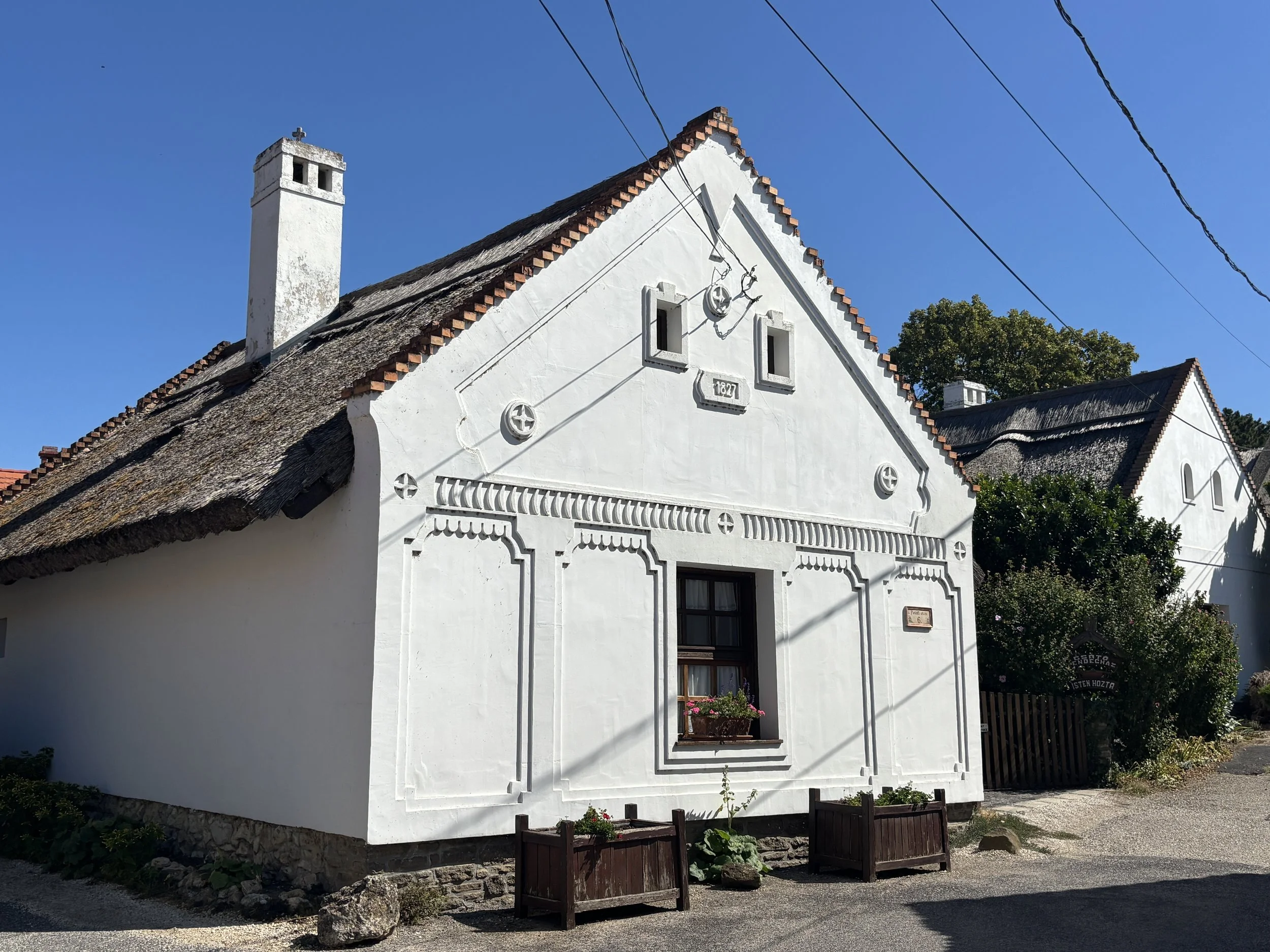
There are, however, some residential homes that have kept the traditional thatched roofs of the area.
The other major thing in Tihany is lavender, which has been grown in the peninsula since the 1920s, when a Hungarian entrepreneur brought seeds from southern France.
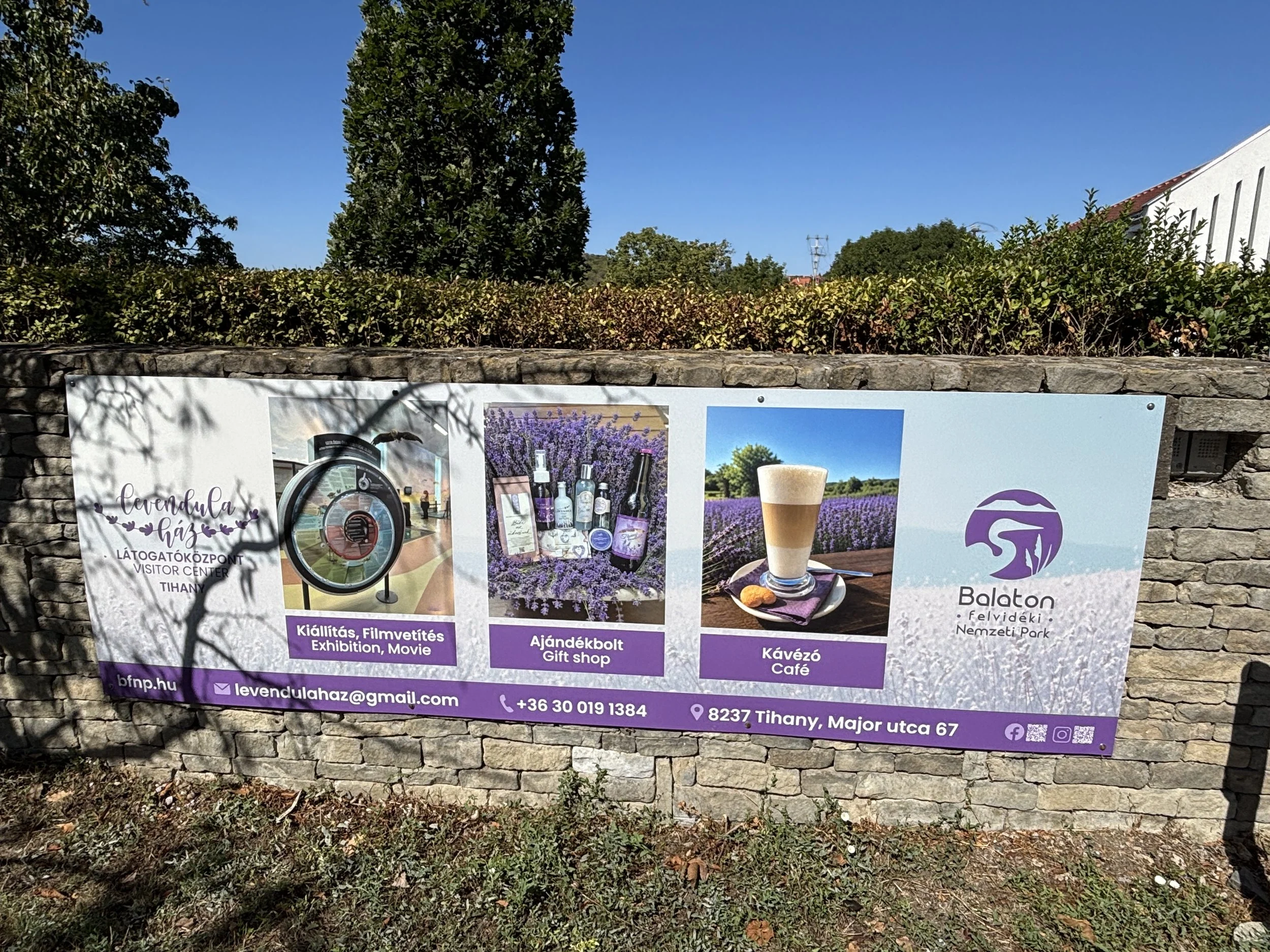
There are lavender fields all over the peninsula and several local businesses make all sort of products with this harvest. You can find lavender products at all souvenir shops and there is even a “Lavender House” (The Levendula Ház), which is a sort of visitor’s center focused on the topic of lavender.
By the way, the blooming season is usually from late June to mid-July.
Avoid this restaurant in Tihany!
I would have liked to provide a restaurant recommendation for Tihany and, in fact, I will recommend where NOT to stop for a meal: avoid the Csárdás Vendéglő restaurant by all means!
It is located on the main street, close to the stairs that lead to the Abbey and it has a large terrace with shadow, which is kind of inviting at first, but there were two major issues:
First is that they are super slow, even with the terrace practically empty, it took ages to get the order.
Secondly, and this is the worst part, is that they do not take cards, none at all! They do not warn you about this anywhere, which would be the minimum they could do and the surprise comes when you have to pay. This may have been understandable perhaps in 1990, but in 2026 it is inexcusable. The result is that if you don’t carry enough forint in your pocket, you will have to run 500m to one of two ATMs in the village, which charge extortionate rates for local currency withdrawals.
I was not surprised to find out on Tripadvisor that this happen quite often, which makes it even more inexcusable.
Beaches around Tihany
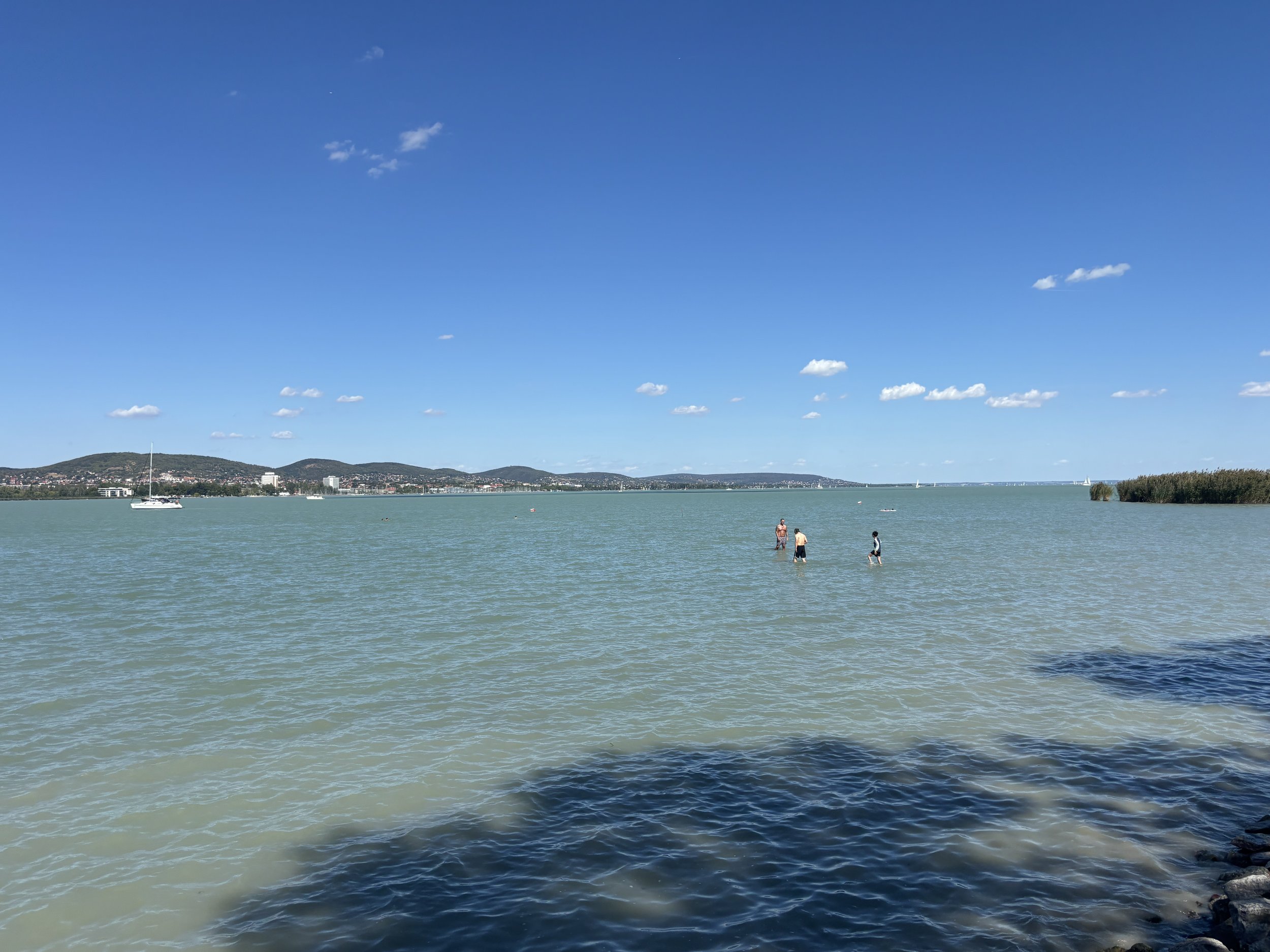
After visiting the Abbey and the village, I recommend driving down to the lake shore. Right underneath the cliff on which the abbey stands is a long shore promenade with several beaches and recreational areas. This is a good spot to get close to the water.
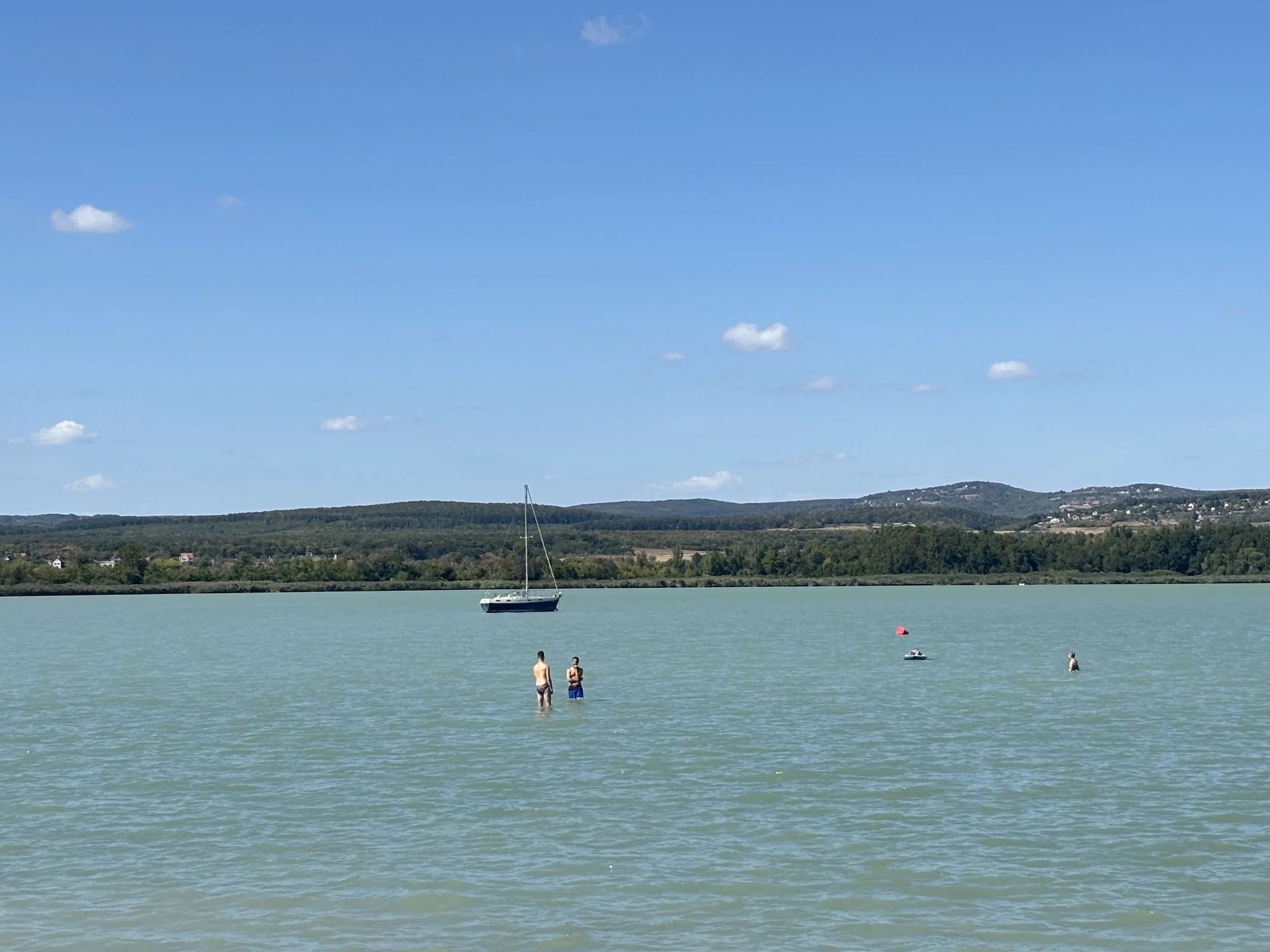
I was surprised to learn how shallow Lake Balaton is in this area: you can see people walking hundreds of meters into the lake with water barely reaching their knees!
The water has also an interesting colour, with the turquoise green that you can see from a distance turning into more brownish hues, due, I guess, to the many sediments it carries. Also, surprisingly (or pehaps not so much, given its shallowness), the water was not cold at all.
Badacsony: vineyards and viewpoints
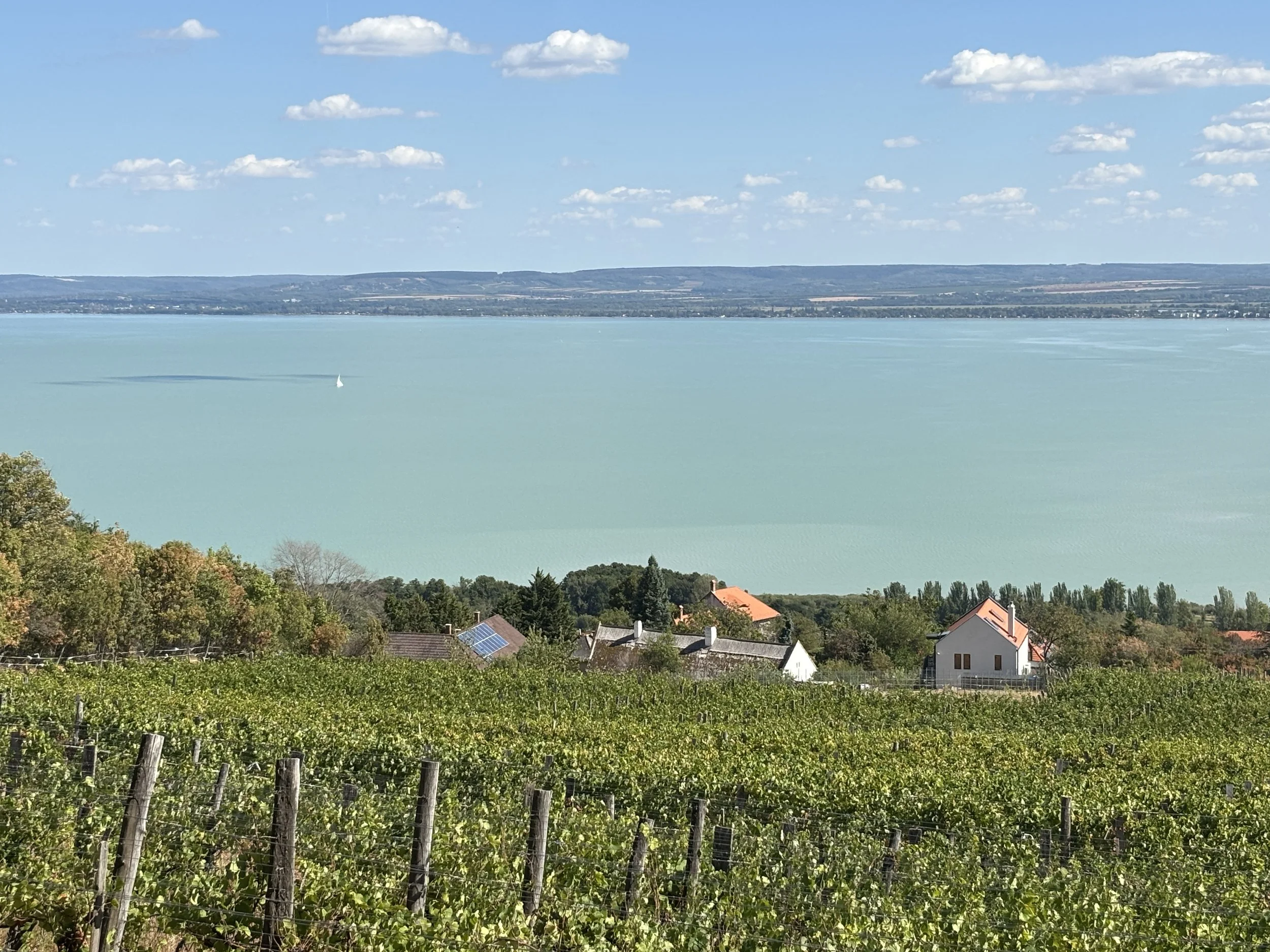
A few kilometers west from Tihany is another great spot to admire the beauty of Lake Balaton.
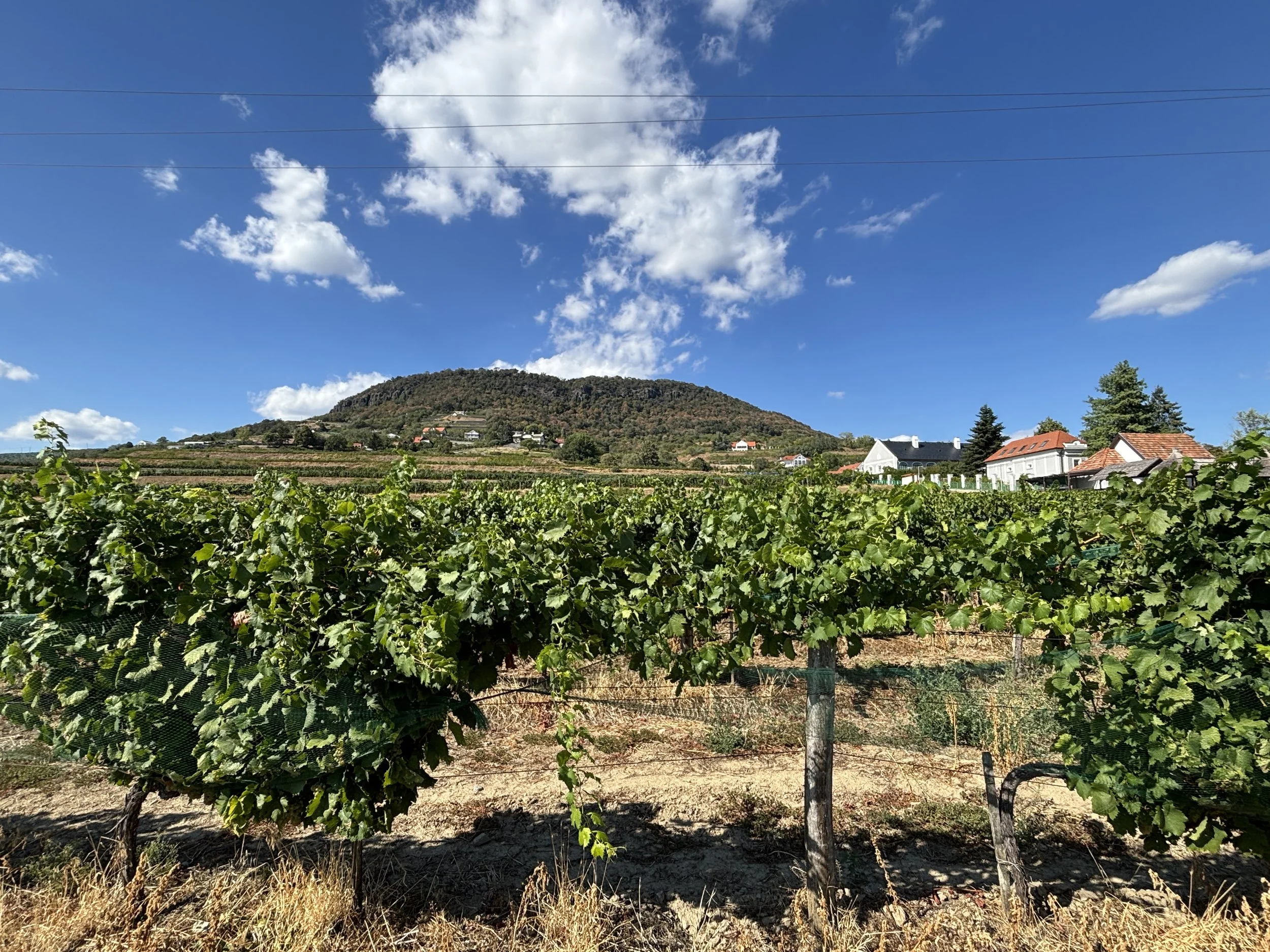
The village of Badacsony is at the foot of yet another hill of volcanic origin. In fact, there are several of these hills along this part of the lake standing more of less in isolation from each other, rather than forming ridges.
Quite a few visitors comes here to trek to an observation point, yet another tower called “Kisfaludy-kilátó”, which is somewhere mid-mountain. To get into the trekking paths you can drive uphill through a narrow road which takes you to the start of the forest line, past the vineyards. Space to park here is limited (it costs 600 Forint, €1.6, per hour), but it is worth stopping by for the views.
You don’t need to get all the way to the tower or other higher viewpoints to get nice views of the lake and vineyards. You can just walk some 100m up from the parking and you have already some great viewpoints.
But what gives this part of Balaton its most scenic quality is its vineyards. This is wine country and what you find here is a landscape that is a bit reminiscent of the vineyards of Lake Leman, in Switzerland, with the vines sloping down gently towards the water edge.
Szigliget Castle
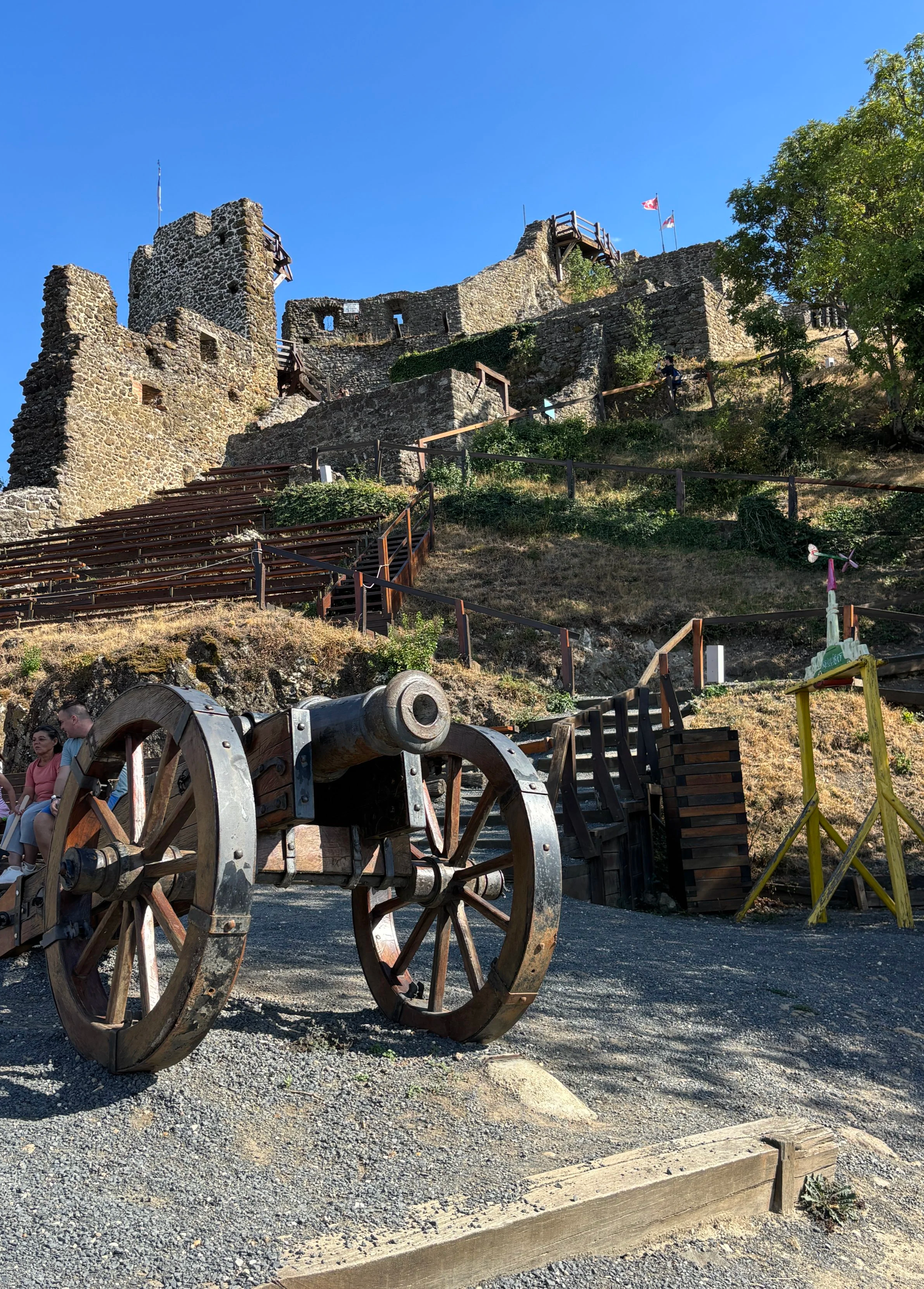
A couple of kilometers further west from Badacsony is another must-see: Szigliget castle.
This fortress is located on top of another isolated hill in what it used to be an island.
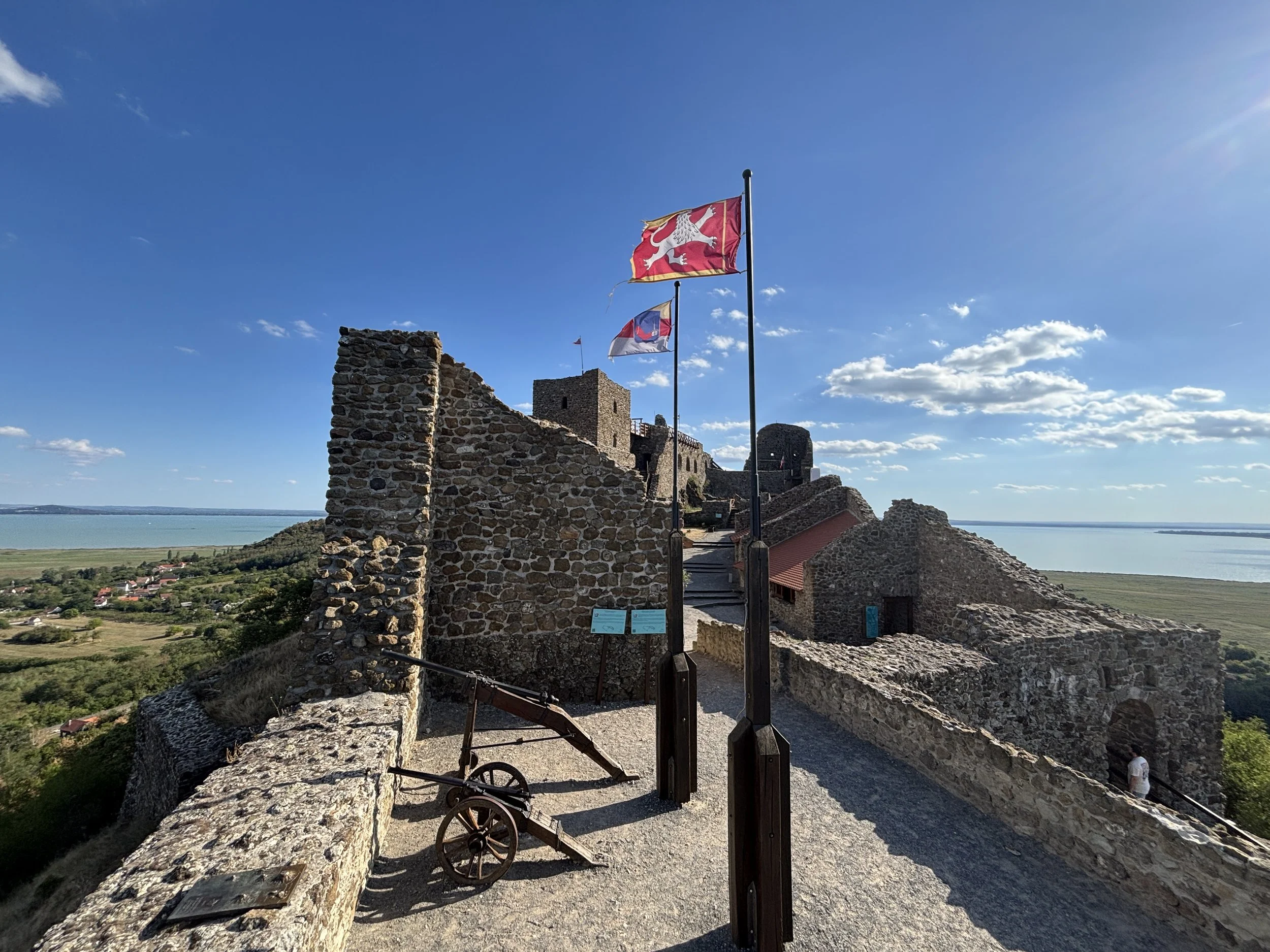
The castle is quite steep in its shape, because its structure was built following the shape of the hill with a significant incline from its base all the way to its upper parts.
Next to the entrance there are several service buildings as well as plenty of space for parking, which is free.
To get to the castle you need to walk some 200m uphill, but this leaves you just at the entrance (btw, standard adult tickets are 2,000 Forint, or €5.5/$6, half this amount for children).
There are then different paths to explore the castle, but if you wish to enjoy it best, you will have to climb a bit.
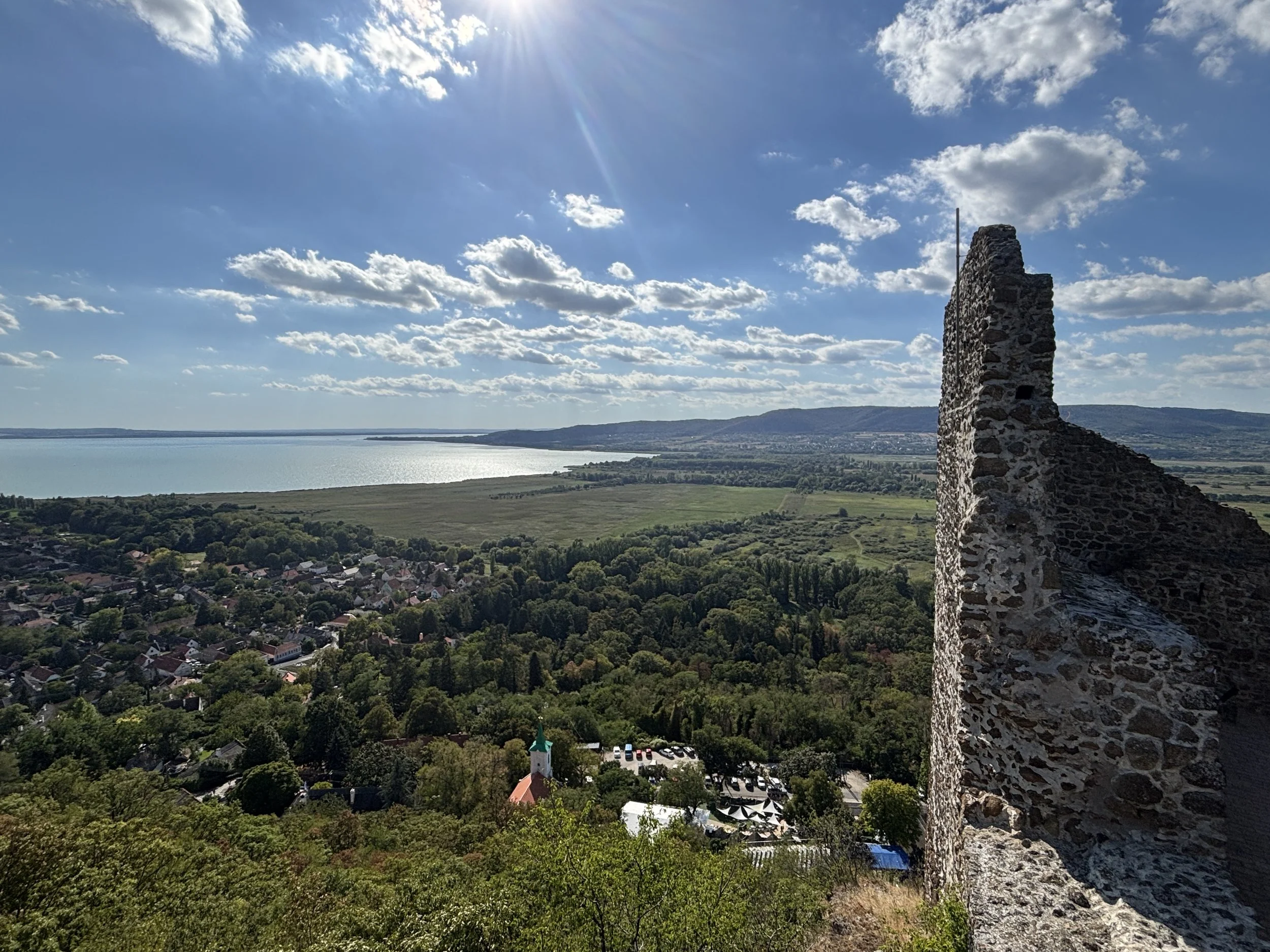
The views from the upper reaches of the castle are pretty amazing, though, and they cover 360º around.
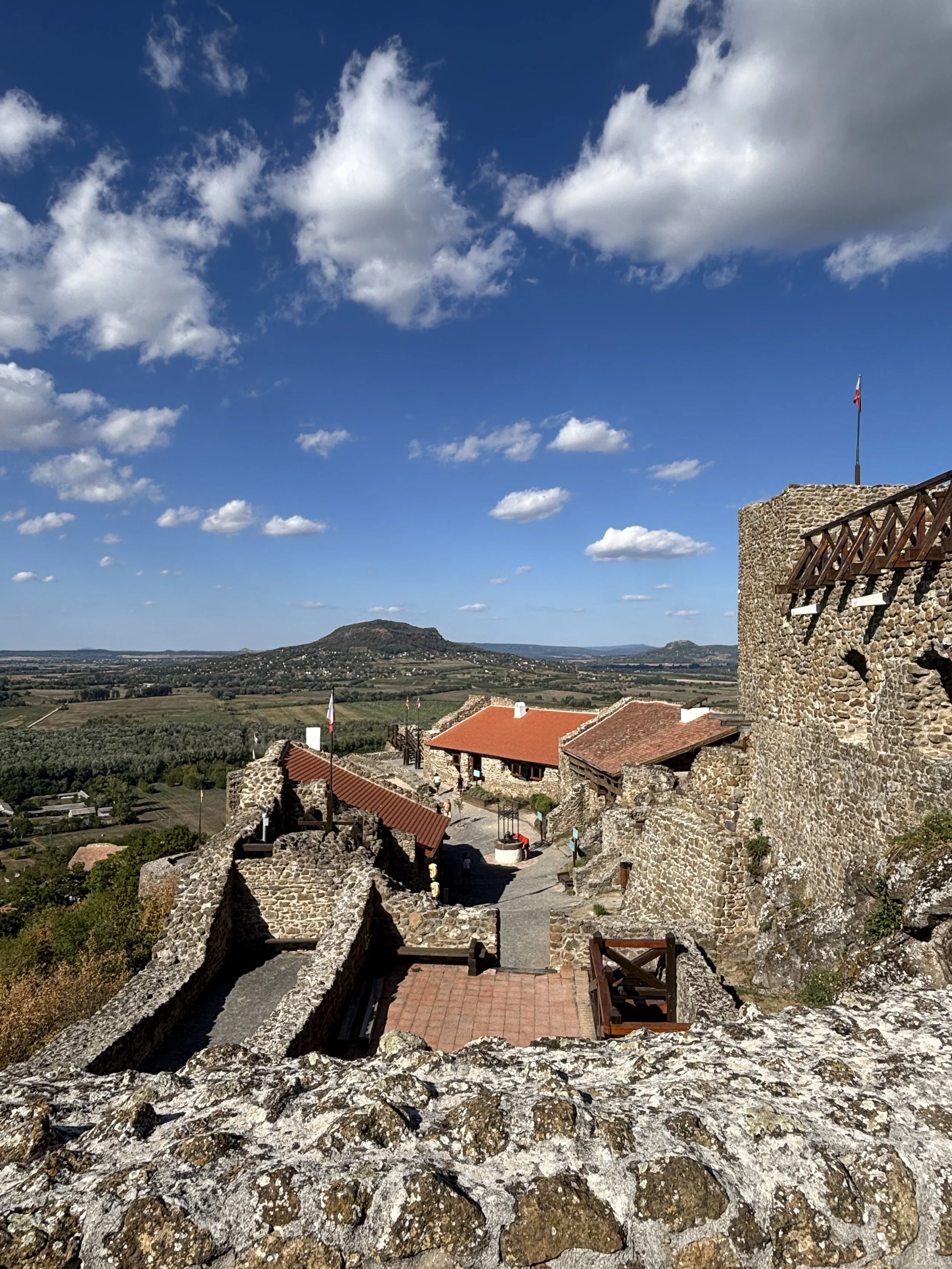
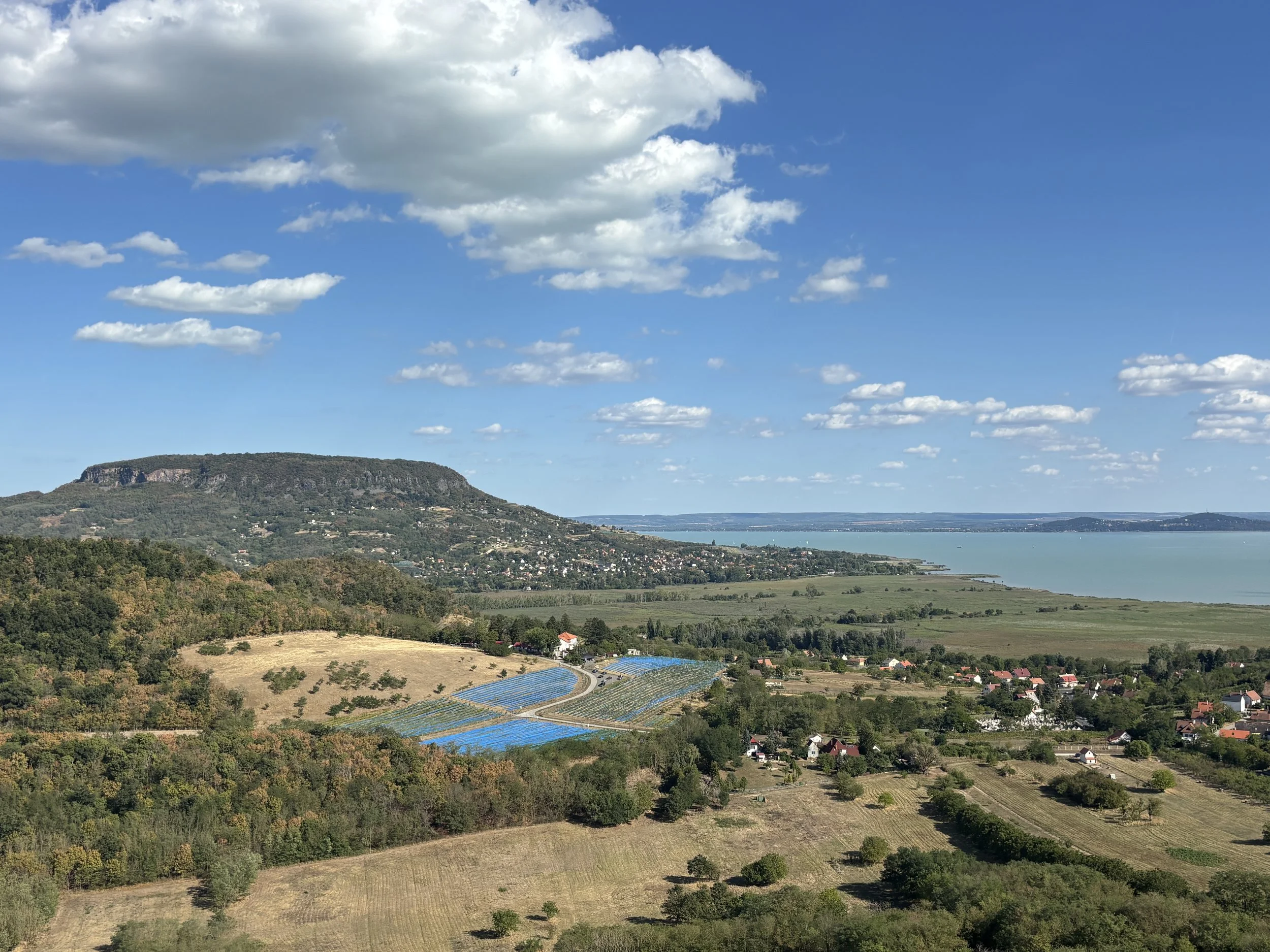
Historical context of Szigliget Castle
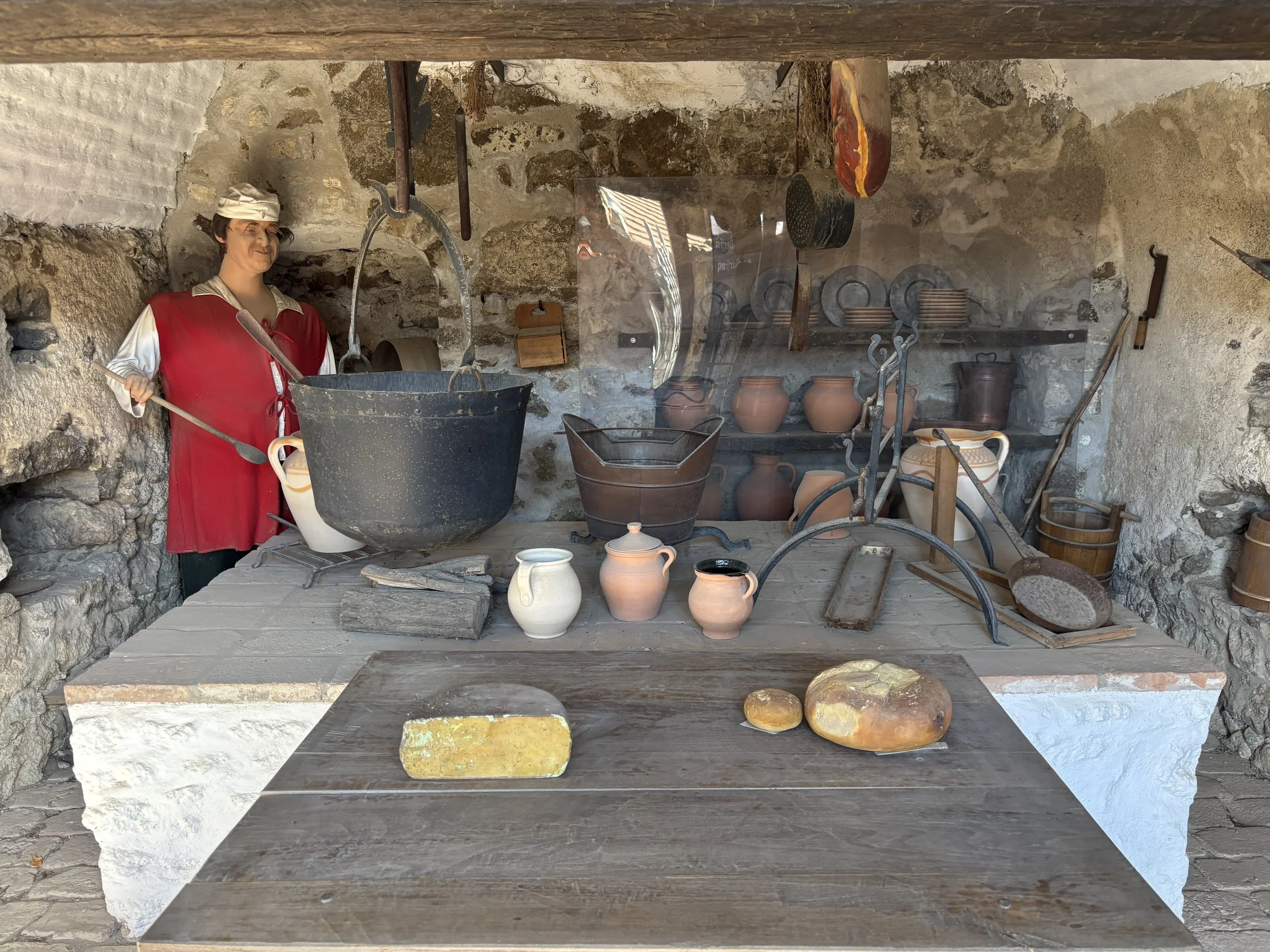
The castle is also a museum, with lots of information presented throughout its multiple chambers, explaining its historical context.
Szigliget Castle was one of many castles built in the area after the Mongol invasion of 1241 (a traumatic event which had also a big impact in other parts of Central Europe, such as the city of Wroclaw, as we commented in a recent post!) and from the 16th C. onwards it was a major stronghold in the fight between the Hungarians and the Turks.
Between the mid-15th and late 17th centuries, this was the front line between Hungary and the Ottoman Empire and the area lived in a state of almost permanent warfare. A line of fortresses, of which Szigliget was an important node, run from the southwest to the northeast along the northern shore of Lake Balaton and towards what is now Slovakia.
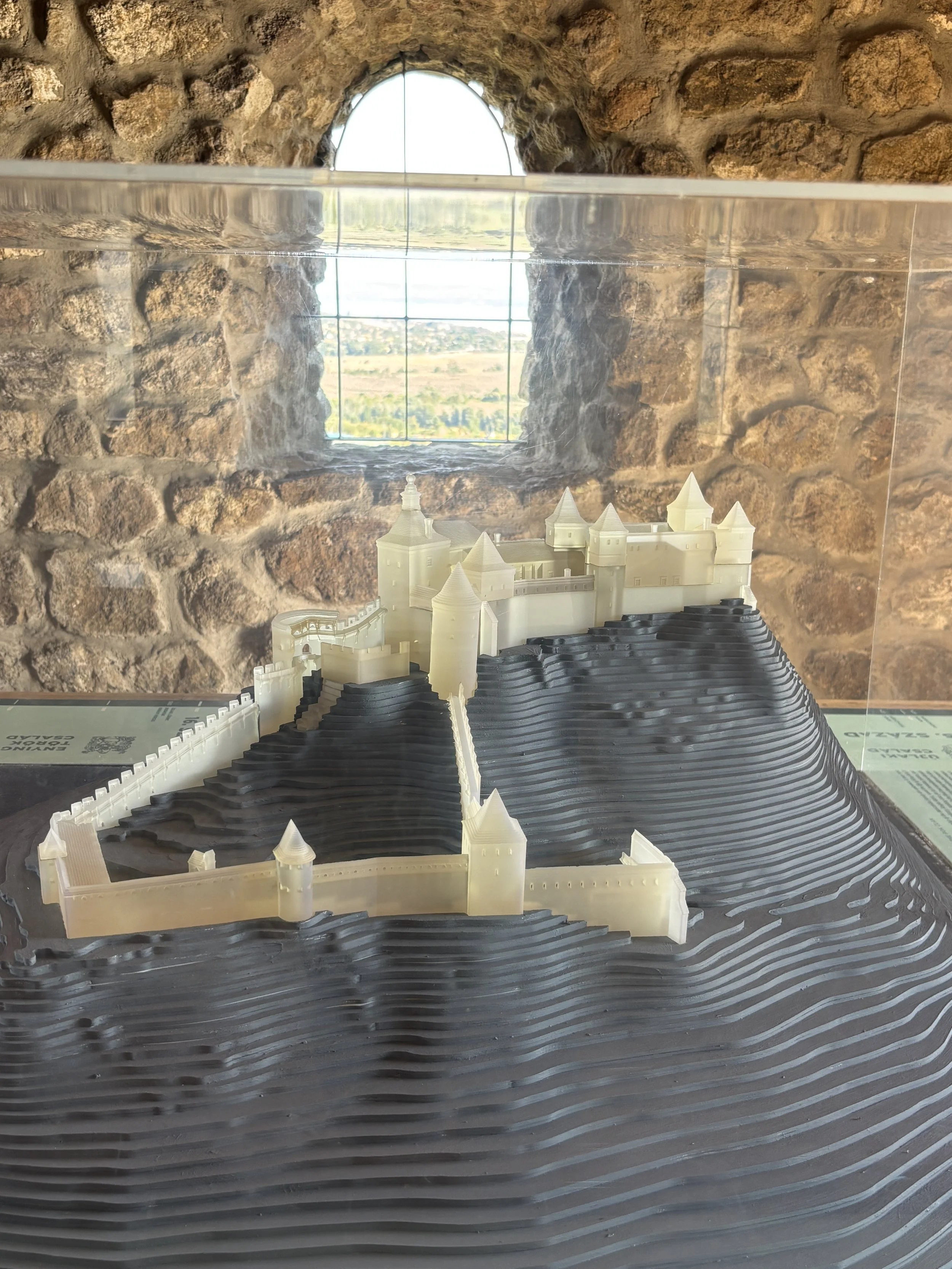
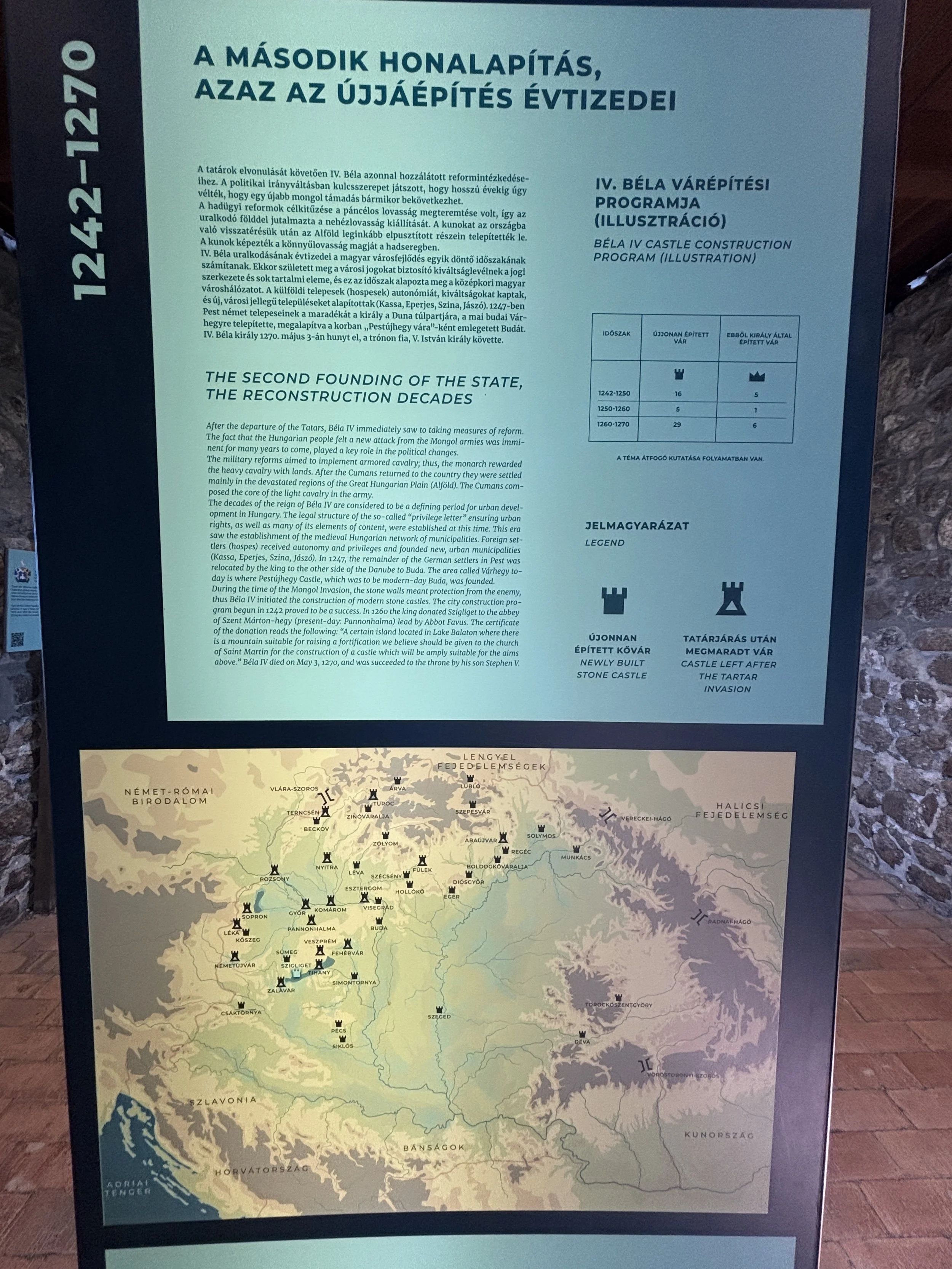
The exhibitions at the castle explain this period in great detail, covering both the military side and the more mundane aspects of everyday life. There are also several dioramas and maps that help you picture what the castle would have looked like in its heyday.
Lake Héviz
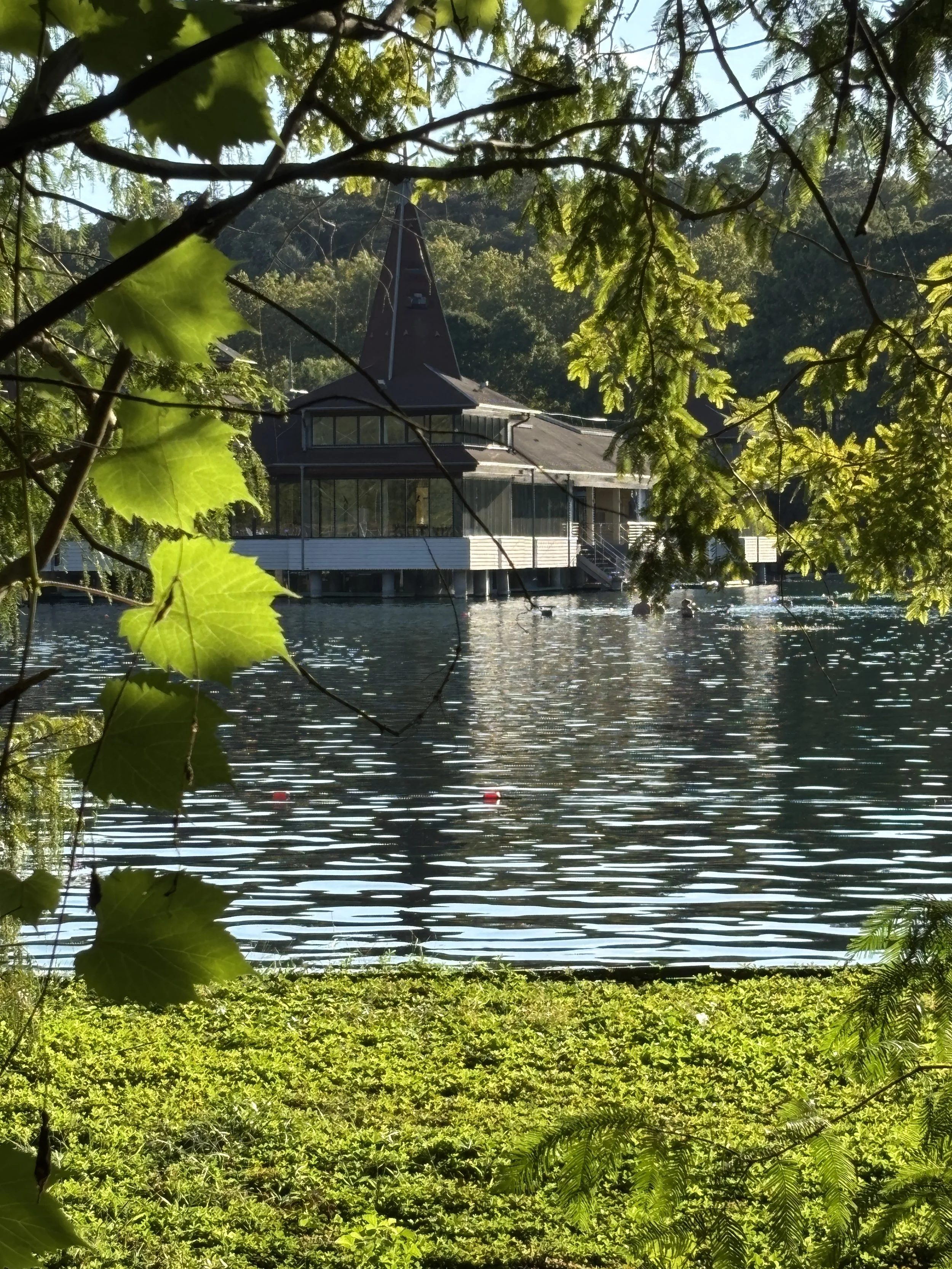
This being Hungary, this post would not be complete without some reference to baths and thermal water. And it you are in the Balaton area, the place for this is Lake Héviz, at the western edge of Lake Balaton.
Lake Héviz is the largest swimmable natural thermal lake in the world, covering 4.4 hectares. It is fed by a natural spring which comes out of an underground cave, with its mineral-rich water staying warm throughout the year (23–26°C in winter and 33–36°C in summer).
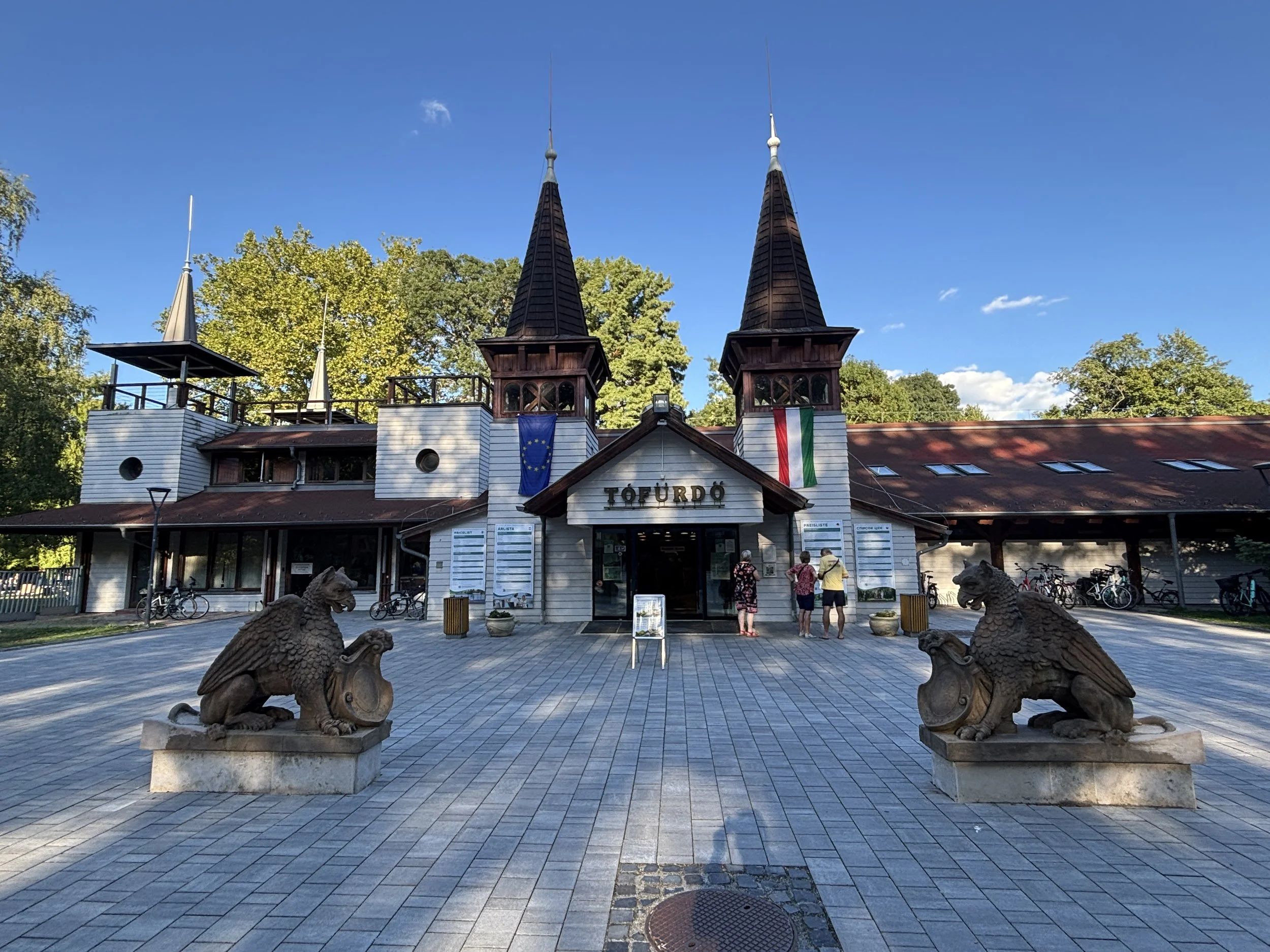
In 1795 a bath house was built next to the lake and, since then, Lake Héviz has grown into a major spa destination and a medical center, with a rheumatology hospital and also several hotels adjacent to it.
At the time of writing these lines, in September 2026, the main spa building, with its above-water structure in the center of the lake, is closed while it awaits a major renovation. It is still possible to bathe in the lake, although there is an entrance fee (standard rate for 3-hour admission is 4500 Forint or €12/$14 approximately).
Apparently, the whole spa area is going to be renovated, but the time-frame for this and the final design are not yet clear.
In any case, if passing by Lake Hévitz on your Balaton trip, a bathing stop could be a nice experience!
By the way, a practical tip: there is a large parking lot opposite the baths on the other side of the main road.
Balaton’s southern shore
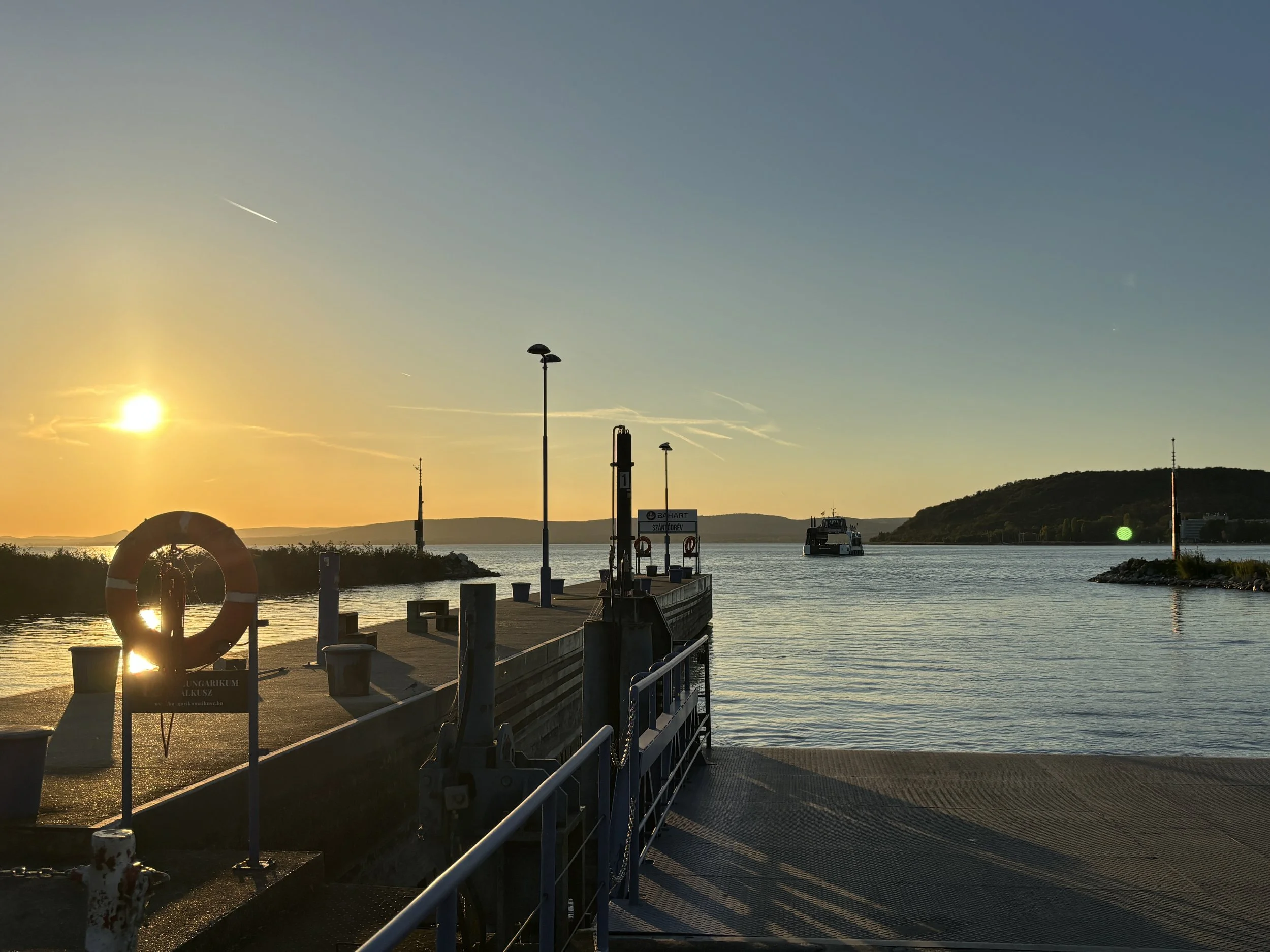
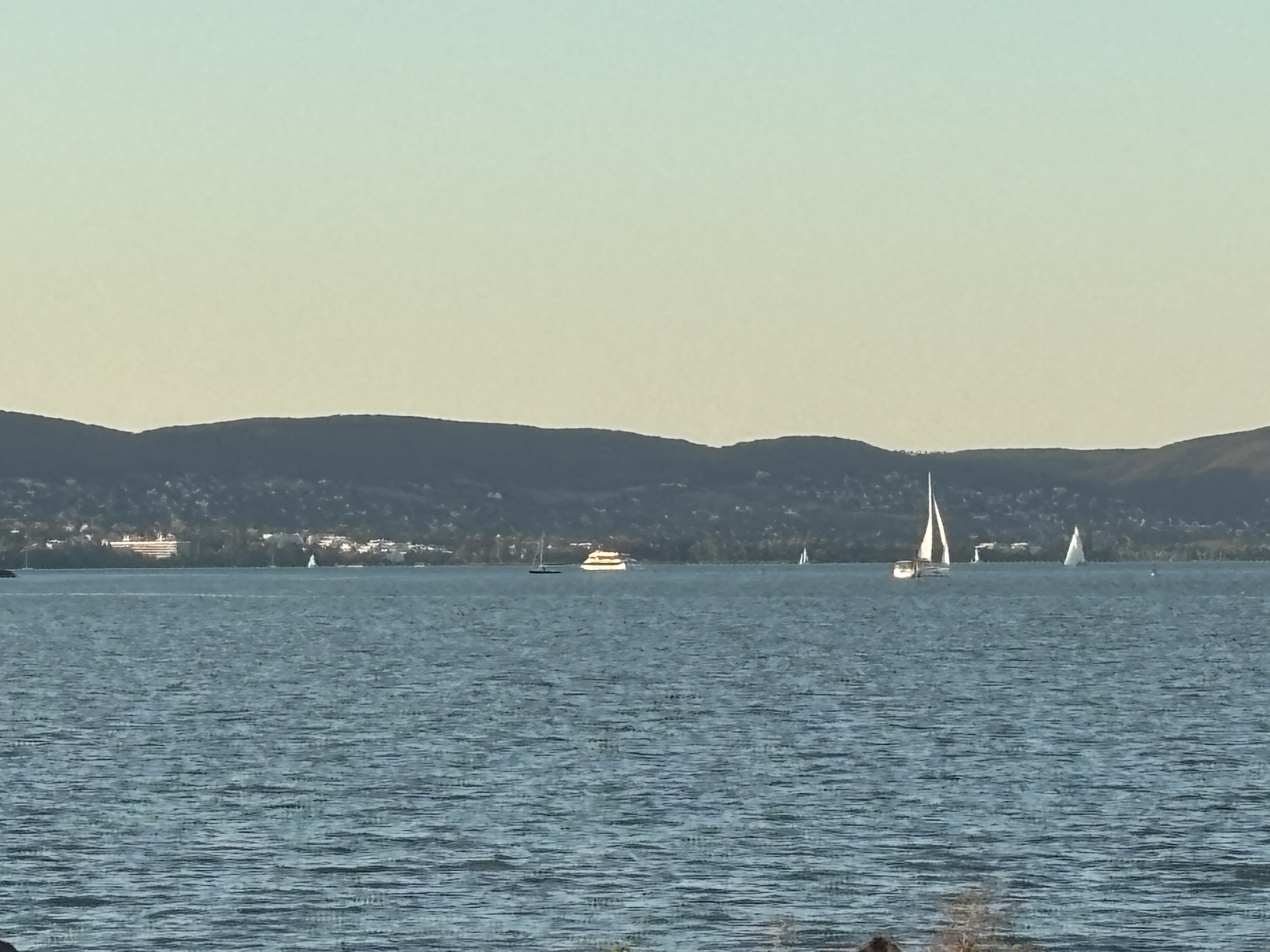
My drive along the southern side of Lake Balaton was done at lightning speed, since it was getting late. Nevertheless, I didn’t pass the opportunity of looking across the lake to the Tihany Peninsula, which have seen earlier.
If you don’t wish to drive all around the lake, there is a car-carrying ferry service which runs between Tihany and Szántód, right at the point in which the lake is at its narrowest.
Here are the views from the south side. I must say, I was expecting the Tihany Abbey to be more clearly visible from the other shore! In any case, it was interesting to see the lake from the other shore before returning to Budapest!
48 hours in Wroclaw: what to do and what to see
What you will find in this article:
Historical introduction to Wroclaw
What to see in Wroclaw’s historical center
Rynek
Plac Solny
St. Elizabeth’s Basilica
Jatki Street
University of Wroclaw
St. Matthias Church and Ossolineum
What to see around Plac Wolności
Ostrow Tumski
Wroclaw’s dwarf statues
Hala Targowa (Market Hall)
Racławice Panorama
Hydropolis
Centennial Park
Wroclaw at night: Neon Gallery
How to move around Wroclaw
Three great restaurants in Wroclaw
Three recommended hotels in Wroclaw
A bit of history before visiting Wroclaw
Saying Wrocław has had a complicated history is an understatement.
Today, Wroclaw is Poland's third-largest city as well as the capital of Lower Silesia, part of a historical region that has changed hands many times over the centuries.
Originally a Polish settlement, in the Middle Ages, the city later passed to Bohemian (Czech) hands , then was part of the Habsburg Empire, until Prussia (the kernel of what later became Germany) took it over in 1741. For a large part of its history, Wroclaw was actually a majority German-speaking city and was known as Breslau.
By the way, about this particularly point and for the sake of clarity and consistency, I'll use the city's Polish name throughout this piece, even when referring to events or sites that are linked to the city’s German period.
Wroclaw eventually became again a Polish city after the end of the Second World War, as the Allies assigned it to Poland in compensation for the transfer of other territories in the east of Poland to the Soviet Union. So, in 1945, the city’s German population was either expelled or left, to be replaced by Poles, which in great part been themselves also displaced from the former eastern territories.
But since most of what visitor’s come to see in Wroclaw’s historical center today dates back from a few centuries earlier, it may be best to start with a brief summary of the origins of the city.
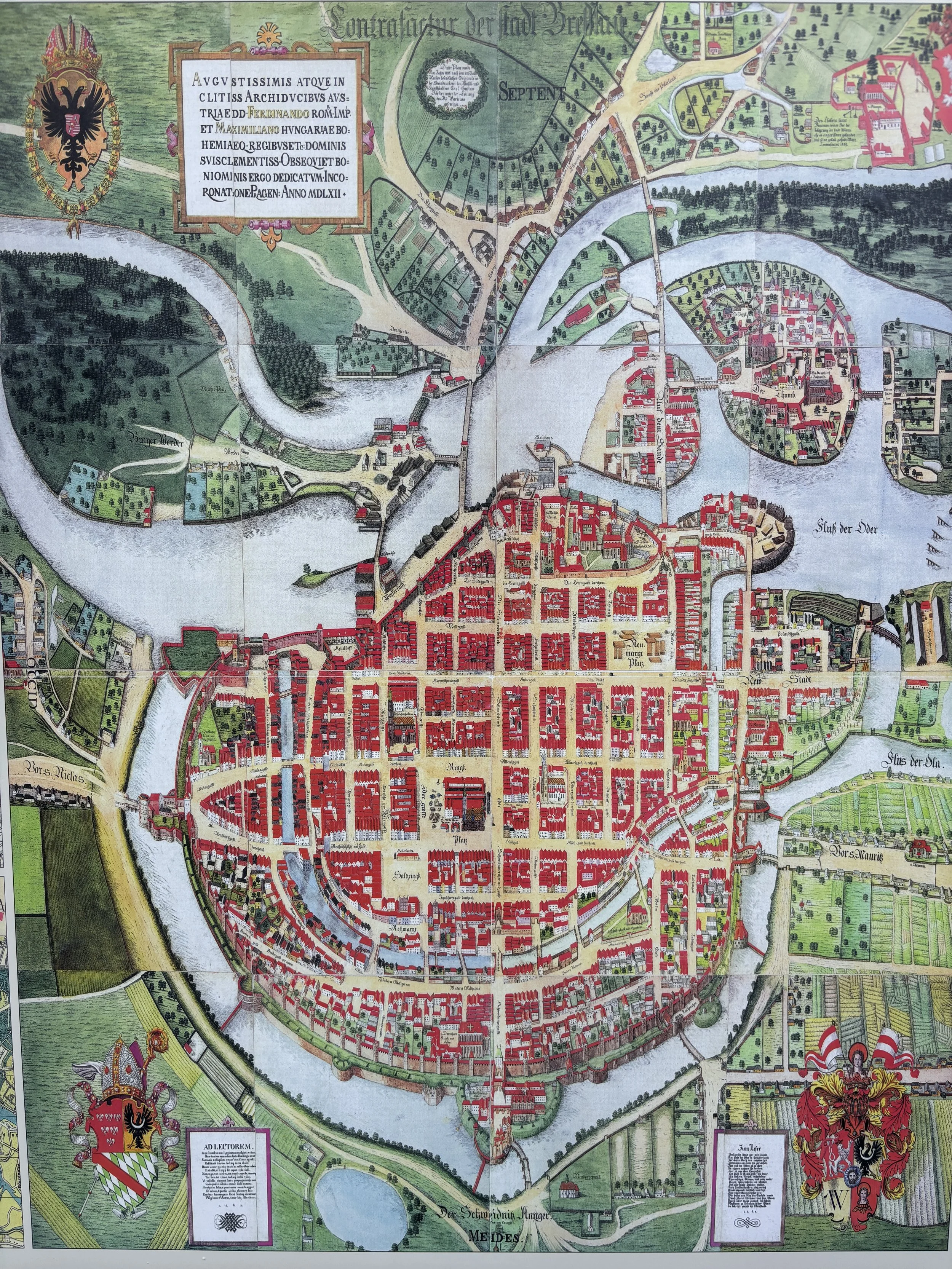
Wrocław grew up on the banks of the Odra (Oder) river, at a very strategic crossroad which linked an Ancient route linking the Baltic to the Mediterranean to what came to be known as “Via Regia”, which was another major axis of communication going linking west to east, the Germanic and Slavic parts of Europe.
The first settlement in what is now Wroclaw started on Ostrów Tumski, an island at the time (not anymore) located next to a river crossing. From there it spilt over to the south bank of the Odra, where most of the historical center of Wroclaw is now. Later, in the early modern times, the city was given a fortified enceinte, complete with bastions and a moat (this is now a boulevard which runs all along the historical center as a garden ring).
It would be a mistake to leave it at that, though, because some of the most interesting periods in Wroclaw’s history have been in the last couple of centuries. With the advent of the industrial era, Wrocław and the wider Silesia region, became one of the major manufacturing centers of the German-speaking world and left also a notable cultural and architectural legacy.
Perhaps the most traumatic chapter in the city's history, at least since the Mongol invasion of 1241, was the Second World War. In August 1944, with the Red Army advancing, Hitler declared the city a fortress. “Festung Breslau” was to be defended to the last man. And it very nearly was: even if it ended up completely encircled by Soviet troops, the German garrison held out until May 6, 1945, several days after the fall of Berlin.
Fortunately, while the destruction was extensive, part of city’s heritage miraculously survived the war (much of what didn’t was later reconstructed after the war, as it happened also in Gdansk, for example).
After the four decades of communist rule that followed, Wrocław has found new energy and emerged as one of the growth hubs of a booming Poland. This post focuses on the city's top sights, but on this trip I also met with several companies and people from the local business community, and the optimism was palpable. That youthful, energetic mood is just as easy to feel walking through the streets. So, let's look at the best things to see in Wrocław!
This post may contain affiliate links. If you book or buy something through them, I earn a small commission, at no extra cost to you. It's one of the ways I keep Places of Charm going. Thank you for your support.
This post was written after a visit to Poland supported by the Warsaw Enterprise Institute with the collaboration of the city of Wroclaw. Many thanks also to Wojtek for guiding me through parts of the city!
What to see in the historical center of Wroclaw
Rynek
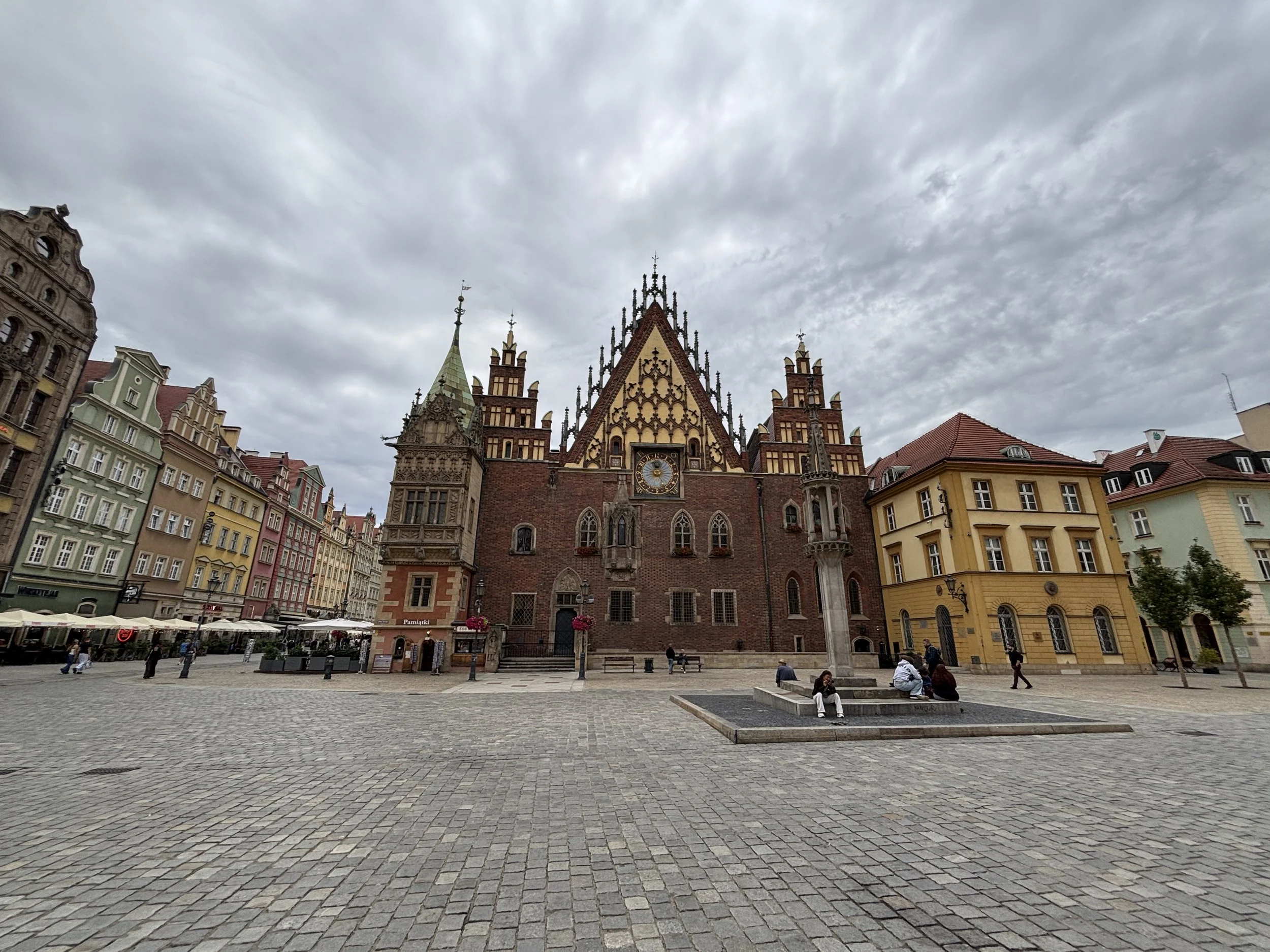
Dating back to 13th C., Rynek is the neuralgic center of Wroclaw’s historical town and the one place that many visitors head to first. Rynek is a large square, so large in fact, that it has a whole set of buildings at its center, the old and new town halls.
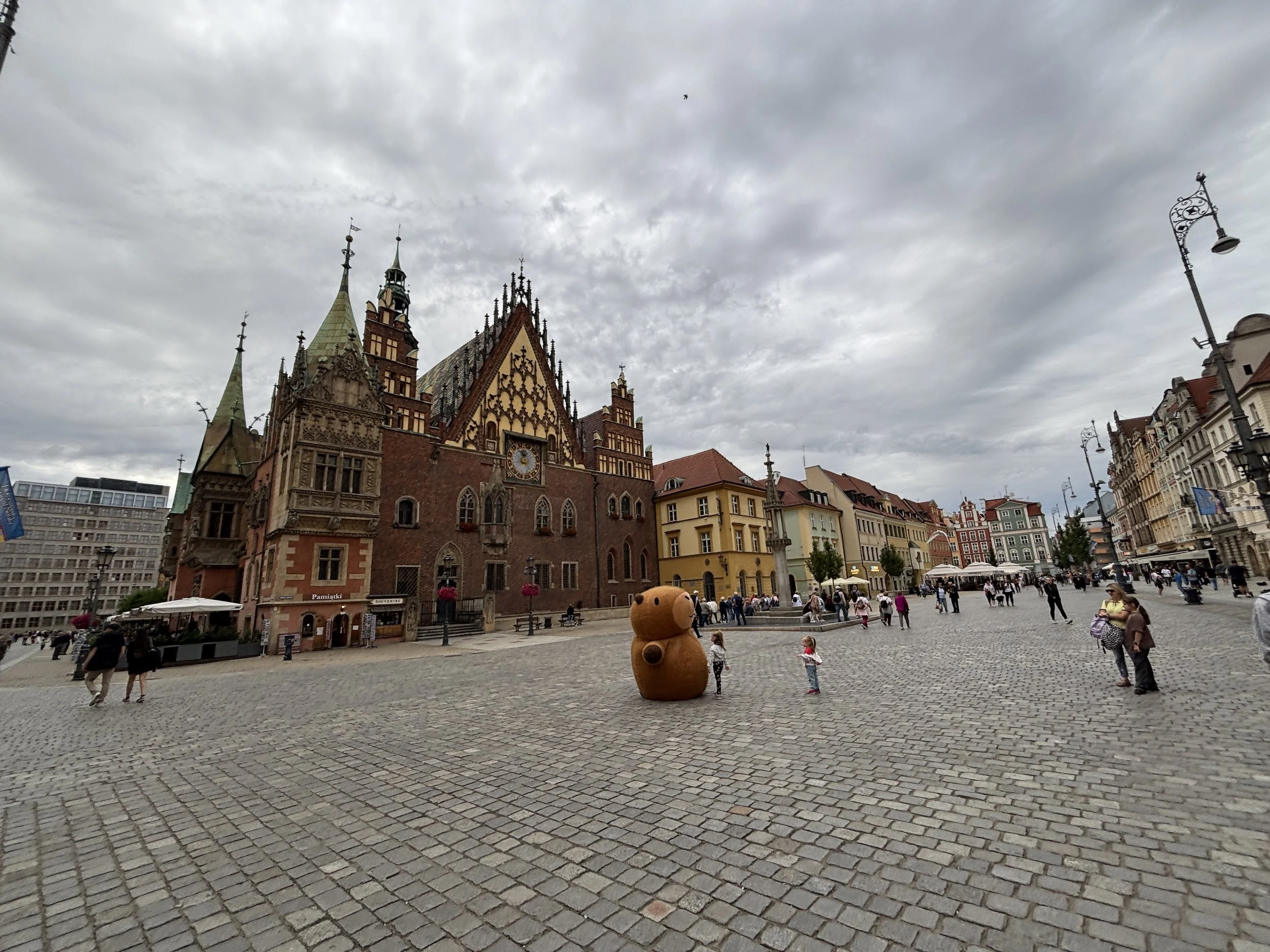
You maybe forgiven for mistaking Wroclaw’s Old Town Hall for a church. However, not only it’s not a religious building, but it also has one of Europe’s oldest artisan breweries (“Piwnica Świdnicka”, dating back to the 1273 AD) in its basement!
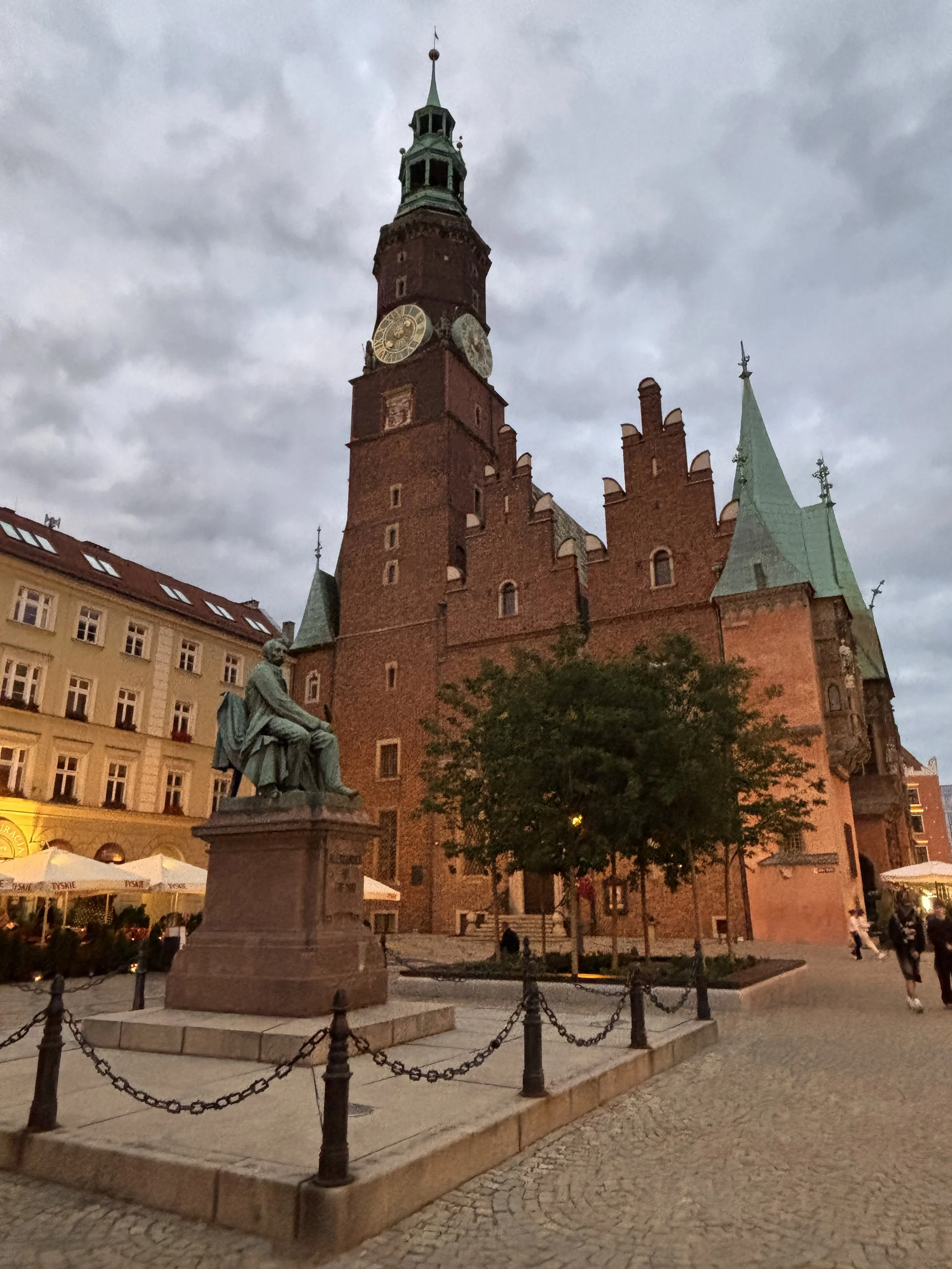
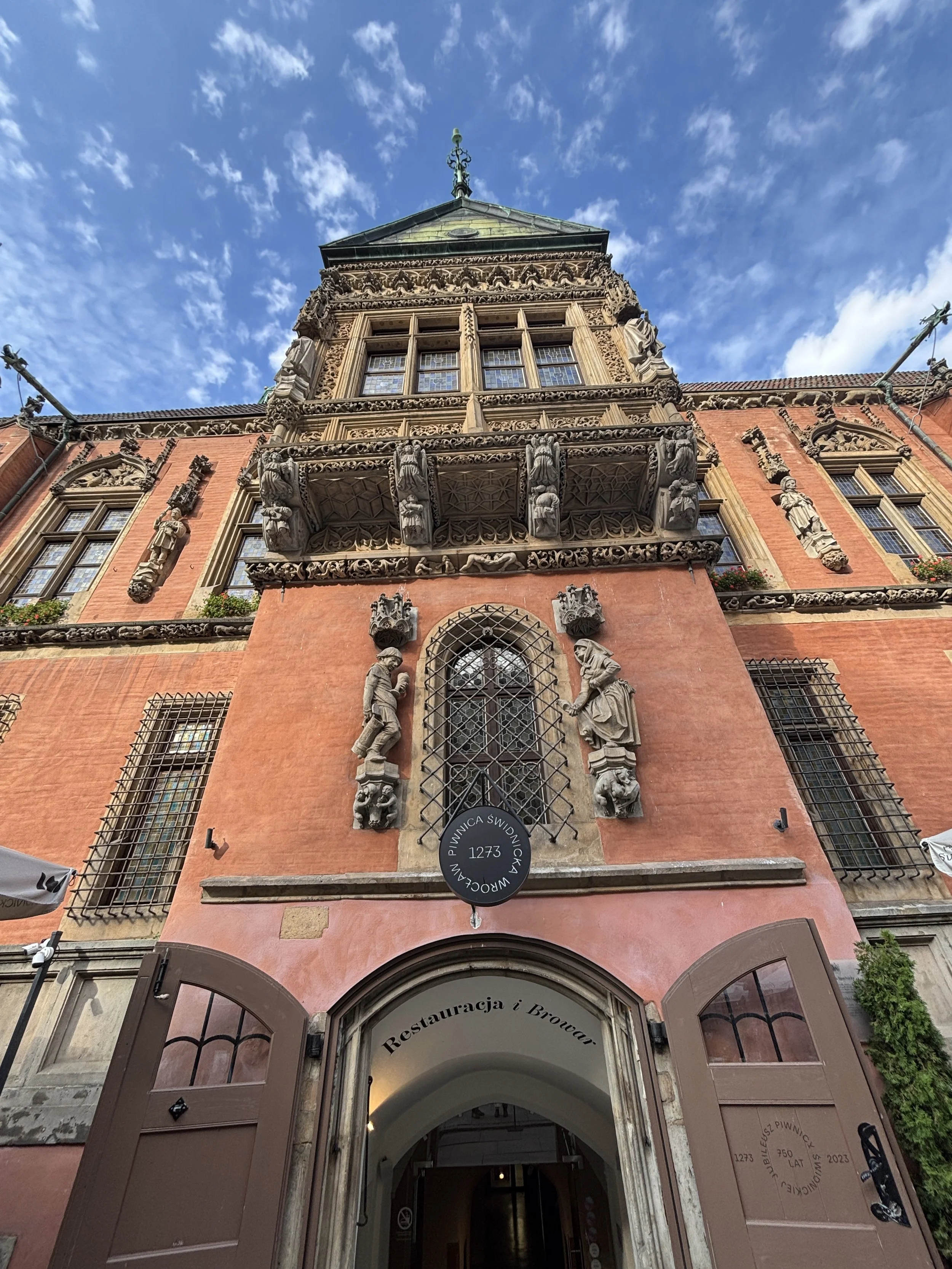
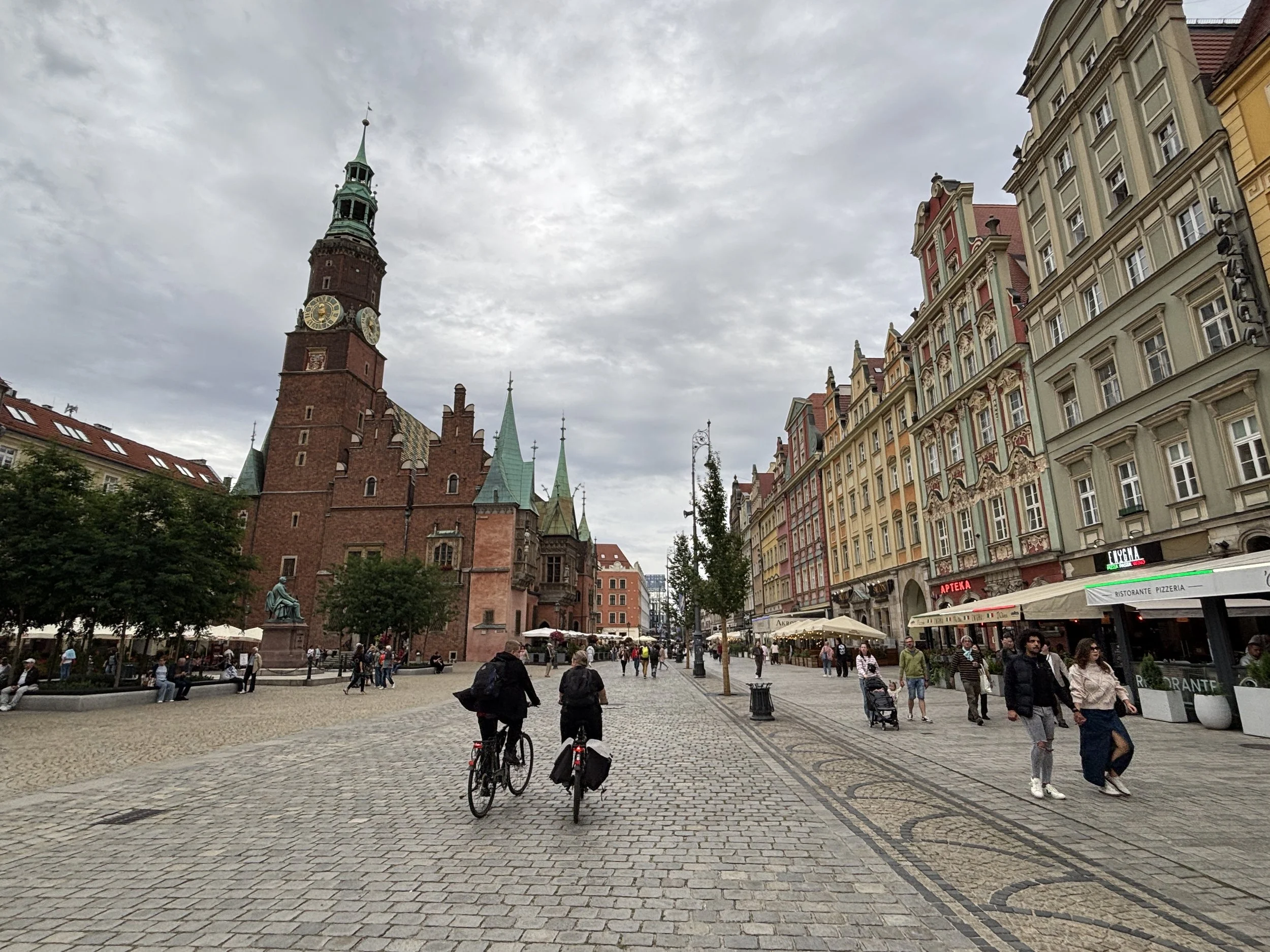
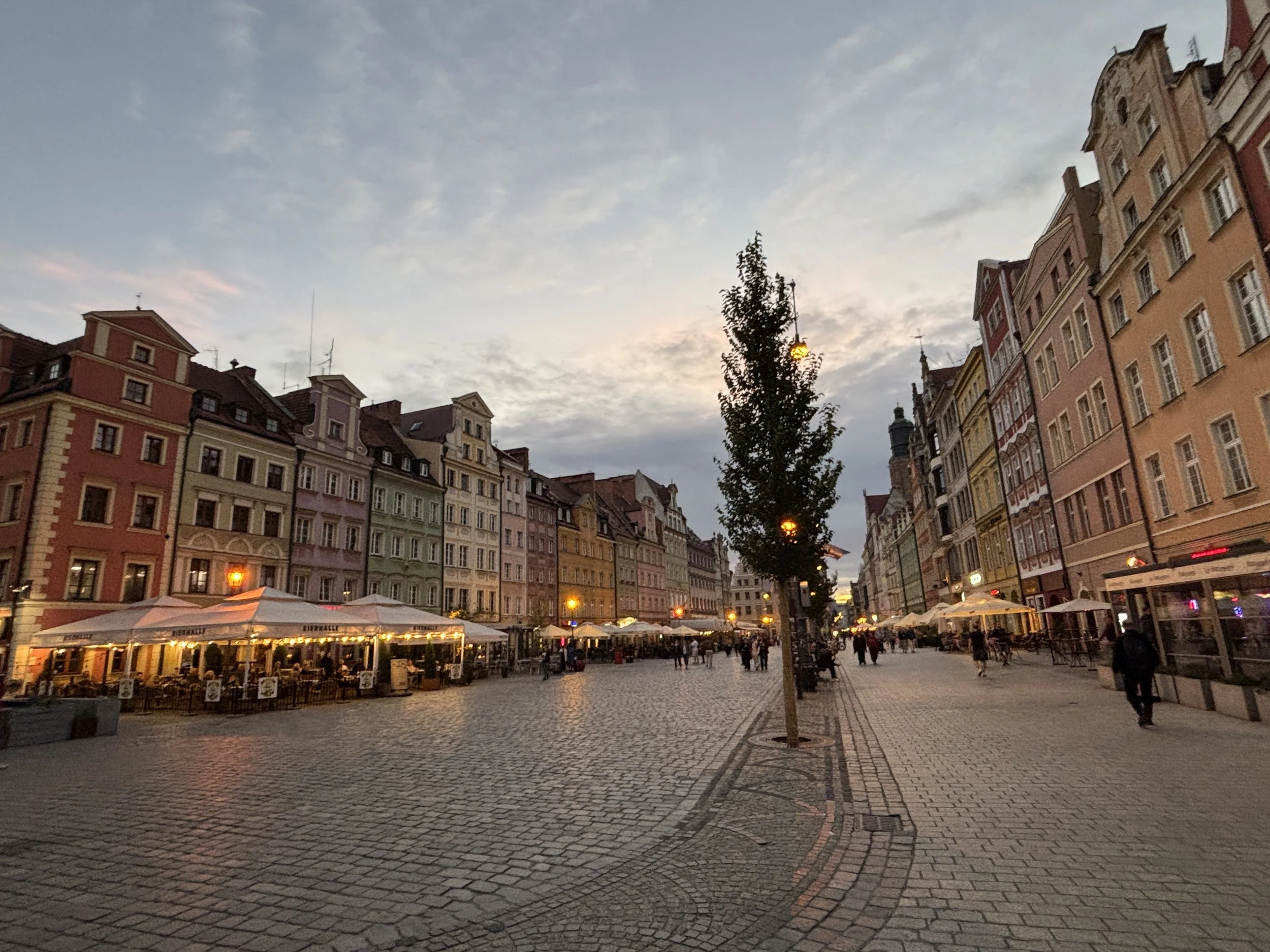
When at Rynek, take your time to walk all around the square, since all four sides are lined with colourful houses built in the traditional Central European style (as previously mentioned, many of them were reconstructed or restored after the war, but still…!)
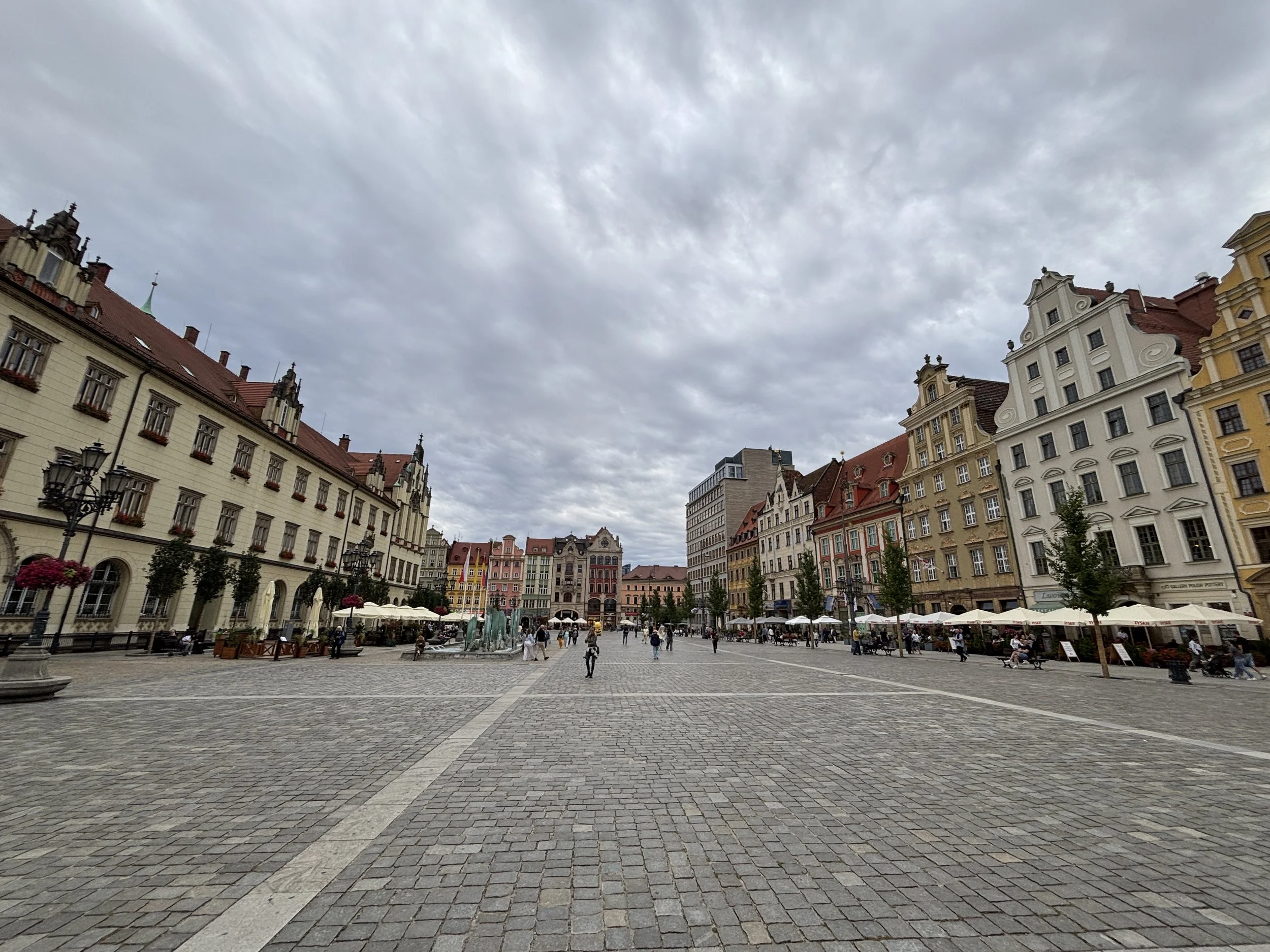
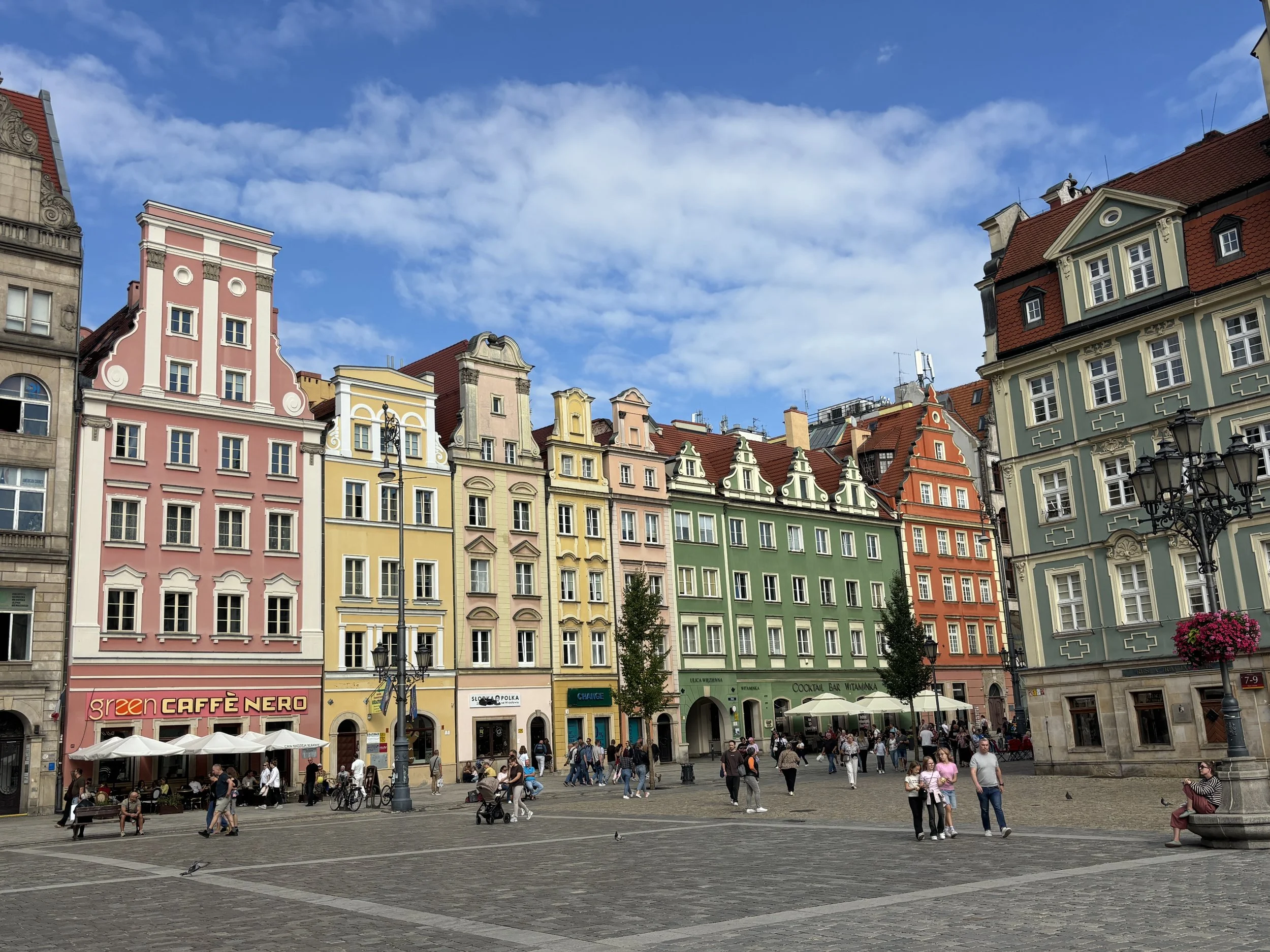
Rynek is buzzing with activity at all times, since, besides being a beautiful and harmonious architectural this is a very commercial area, with plenty of shops, bars and restaurants. In Winter, one of Europe’s largest Christmas Markets takes over the four sides of the square.
Btw, it is hard to imagine nowadays, but until 1997, Rynek was opened to tram and road traffic and cars parked all over the place.
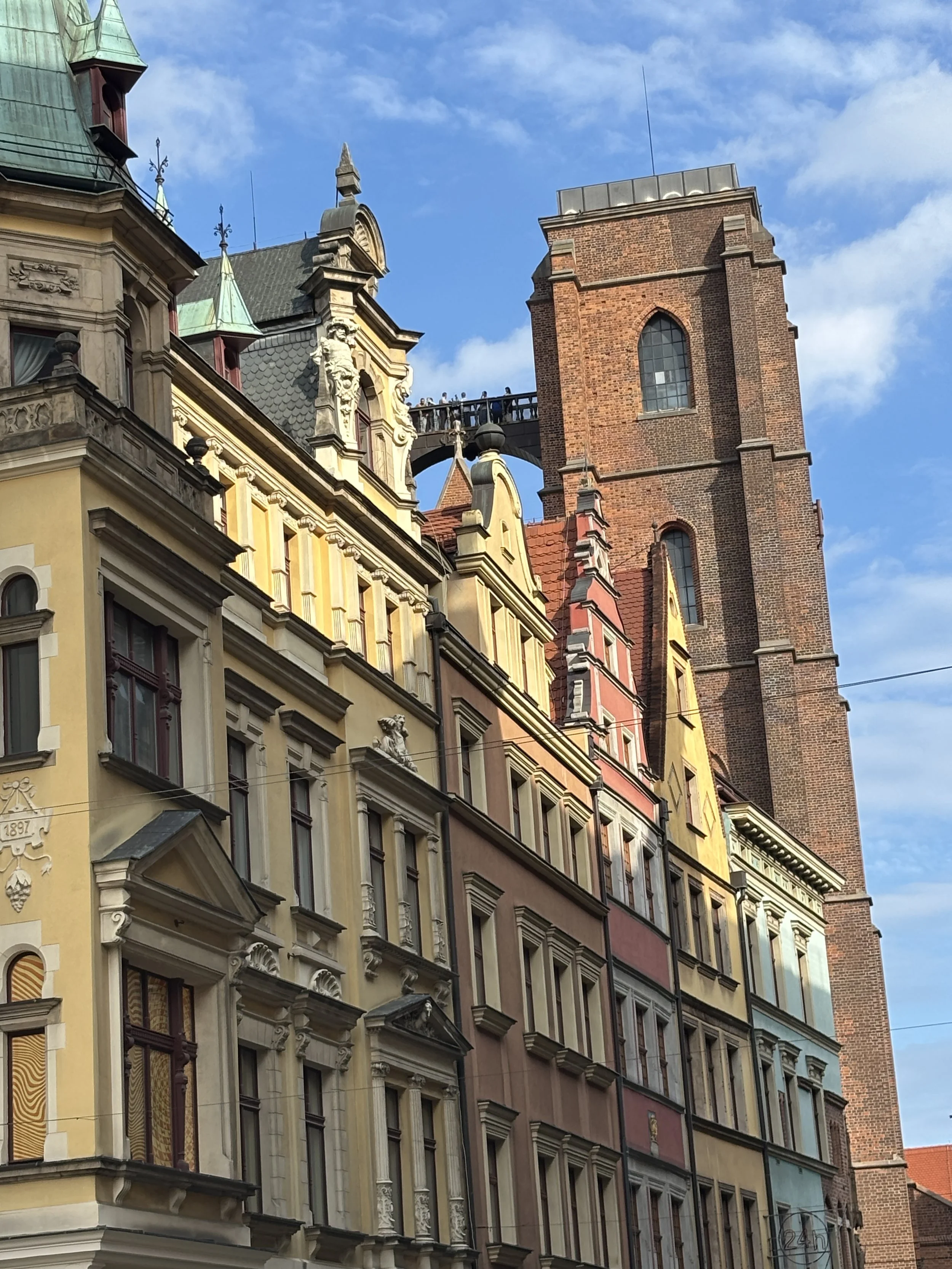
From Rynek you can also see the church of Mary Magdalene, which has, in its Bridge of Penitents (picture below right) one of the best viewpoints of the old town (I didn’t climb to it, though!)
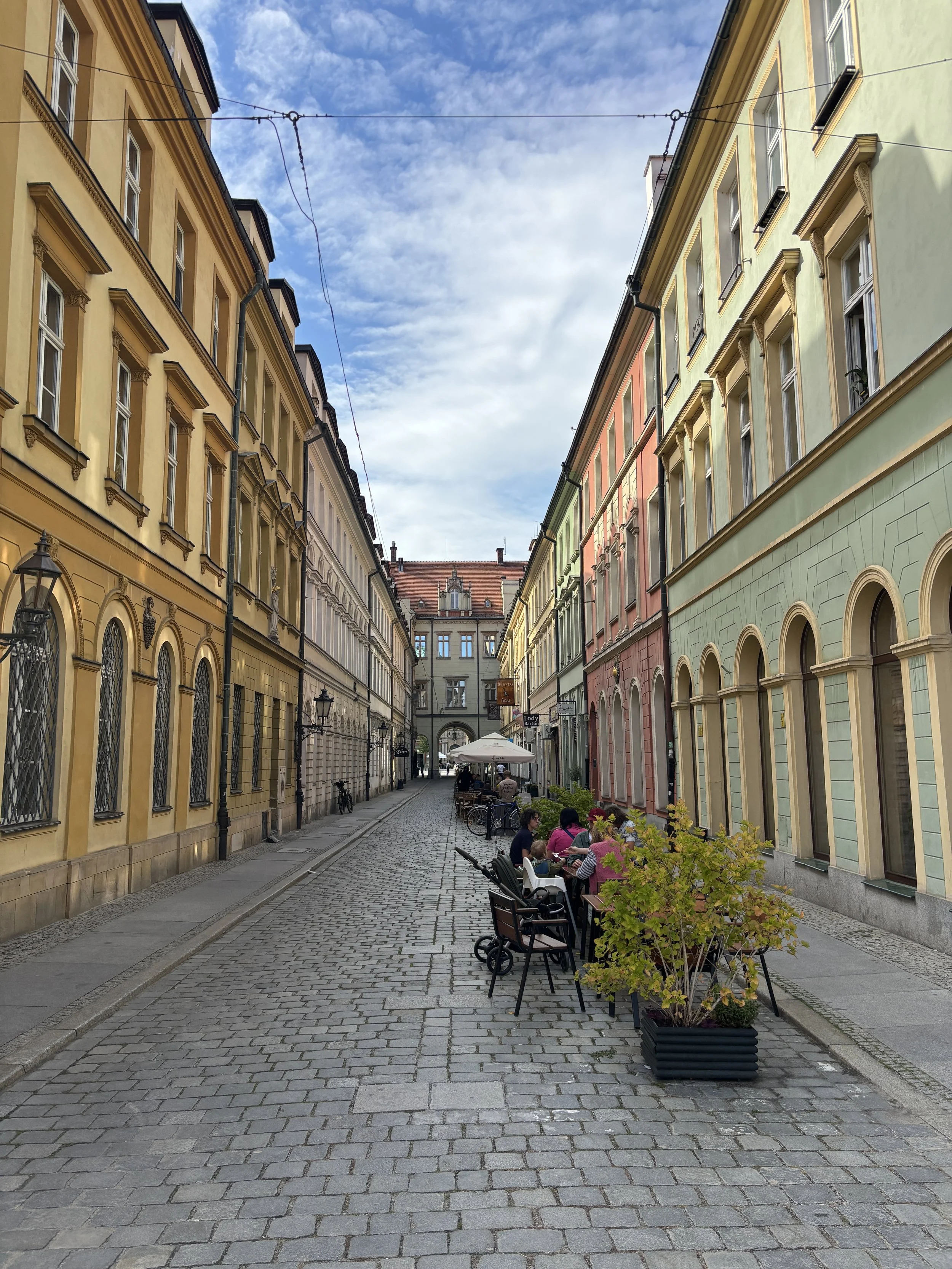
What else to see around Rynek:
Plac Solny (Salt Square)
This is another beautiful square with located just some meters away from Rynek. It’s name derives from the fact that for a long time this was a place where merchants came to sell salt from the mines of southern Poland.
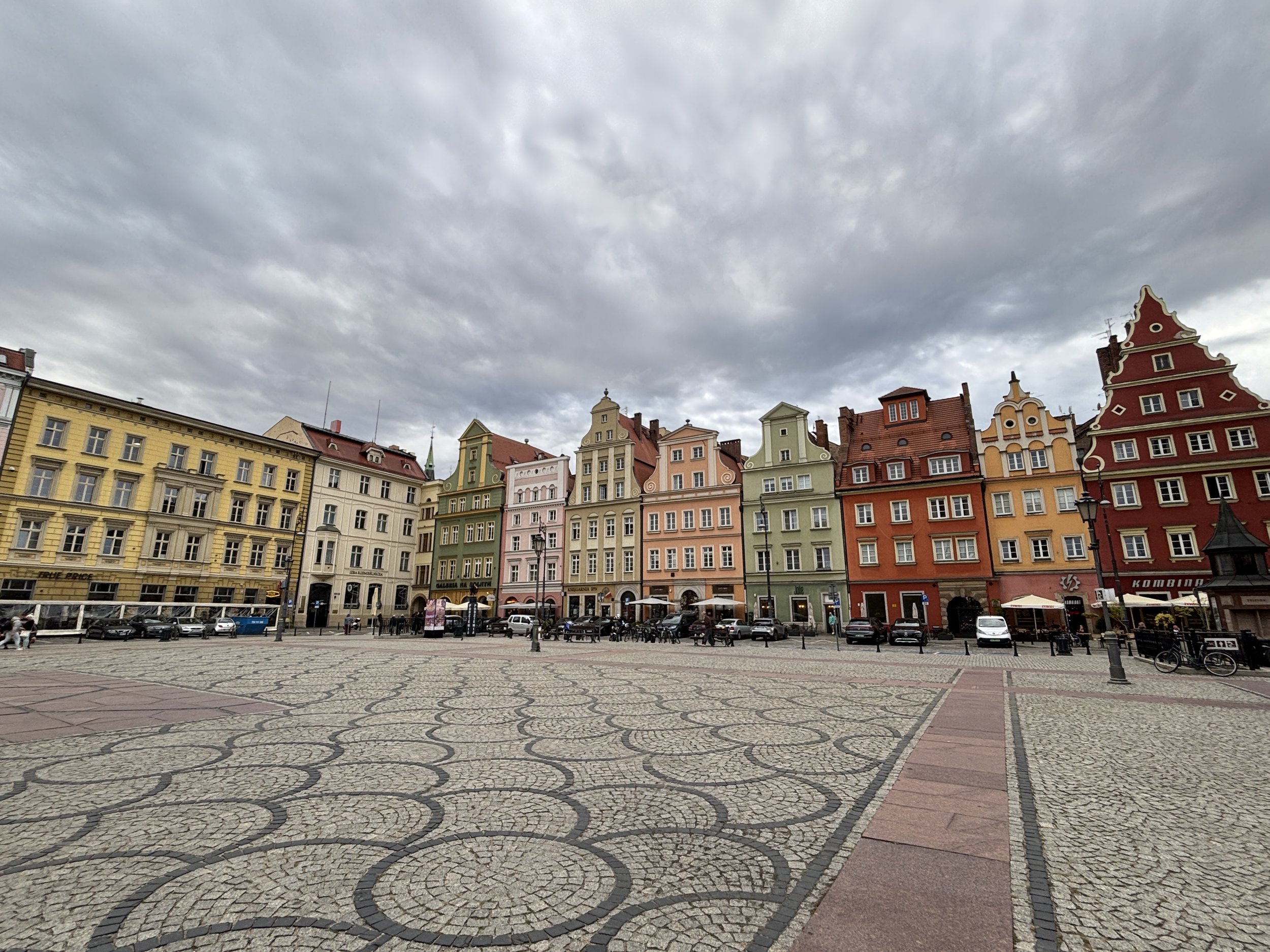
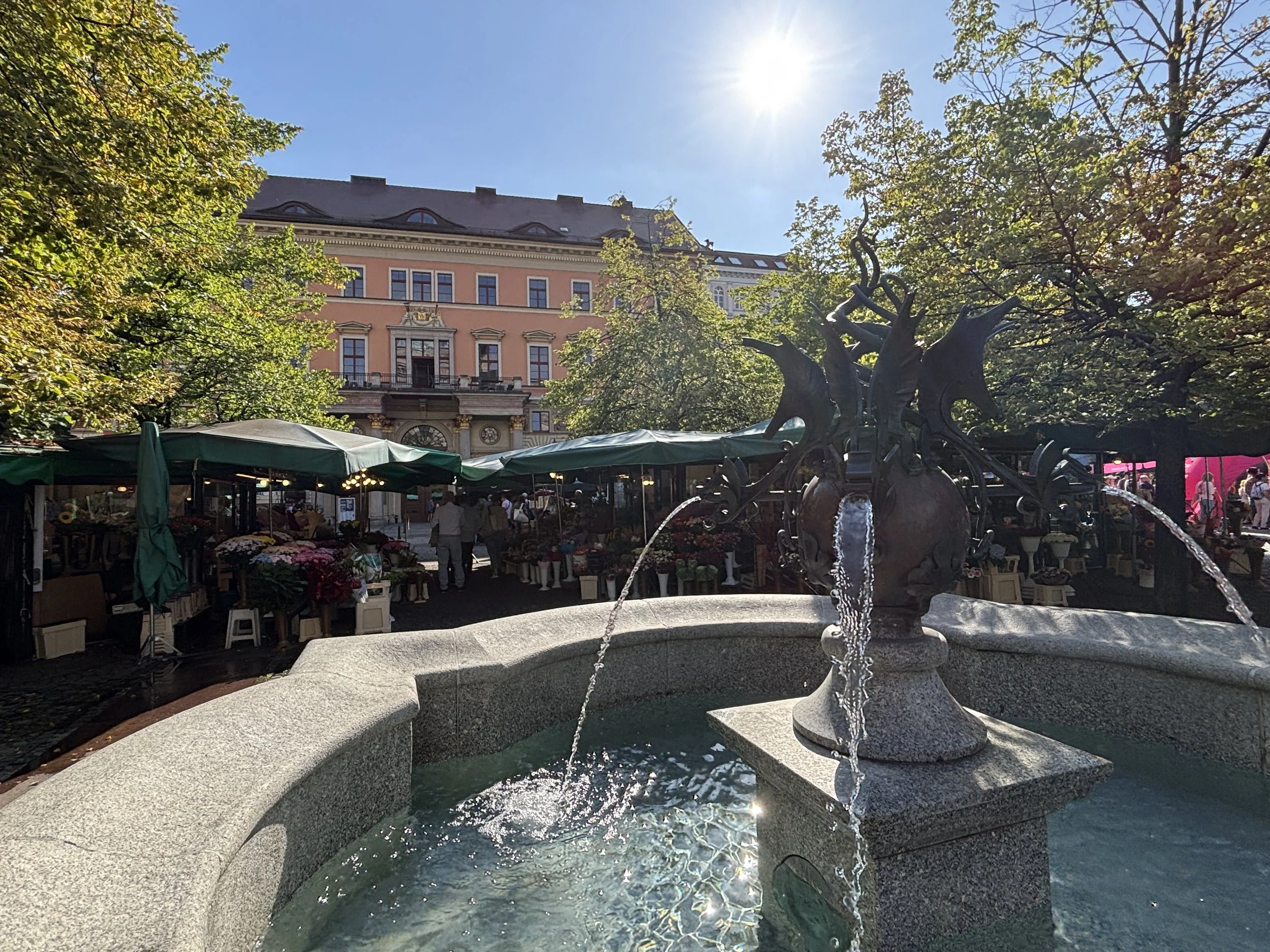
Besides its beautiful mosaic-like pavement and historical buildings, Plac Solny has hosts also a flower market that is open 24 hours!
Saint Elizabeth’s Basilica
This is one of Wroclaw’s main churches and, as its belfry towers over Rynek, it is easy to think this is actually the city’s cathedral (which is actually located on Ostrow Tumski).
Saint Elizabeth’s Basilica tower is open to visitors and provides another magnificent view point over Wroclaw’s old town, but I will have to leave that part to your imagination, because unfortunately I didn’t have Zlotys in my pocket when I showed up right before its closing time at 6pm (It costs around €10 but they only take cash, no cards accepted!).
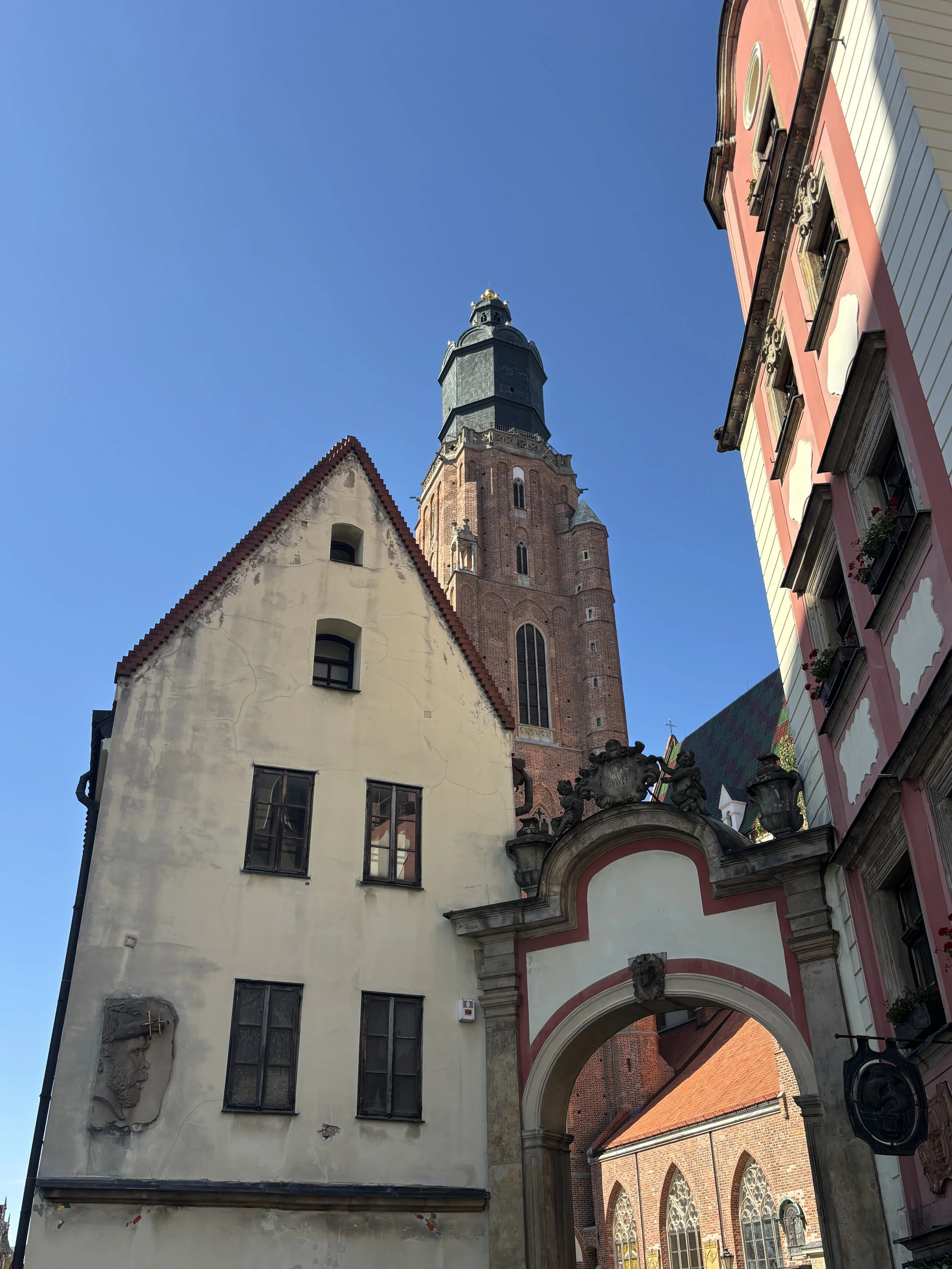
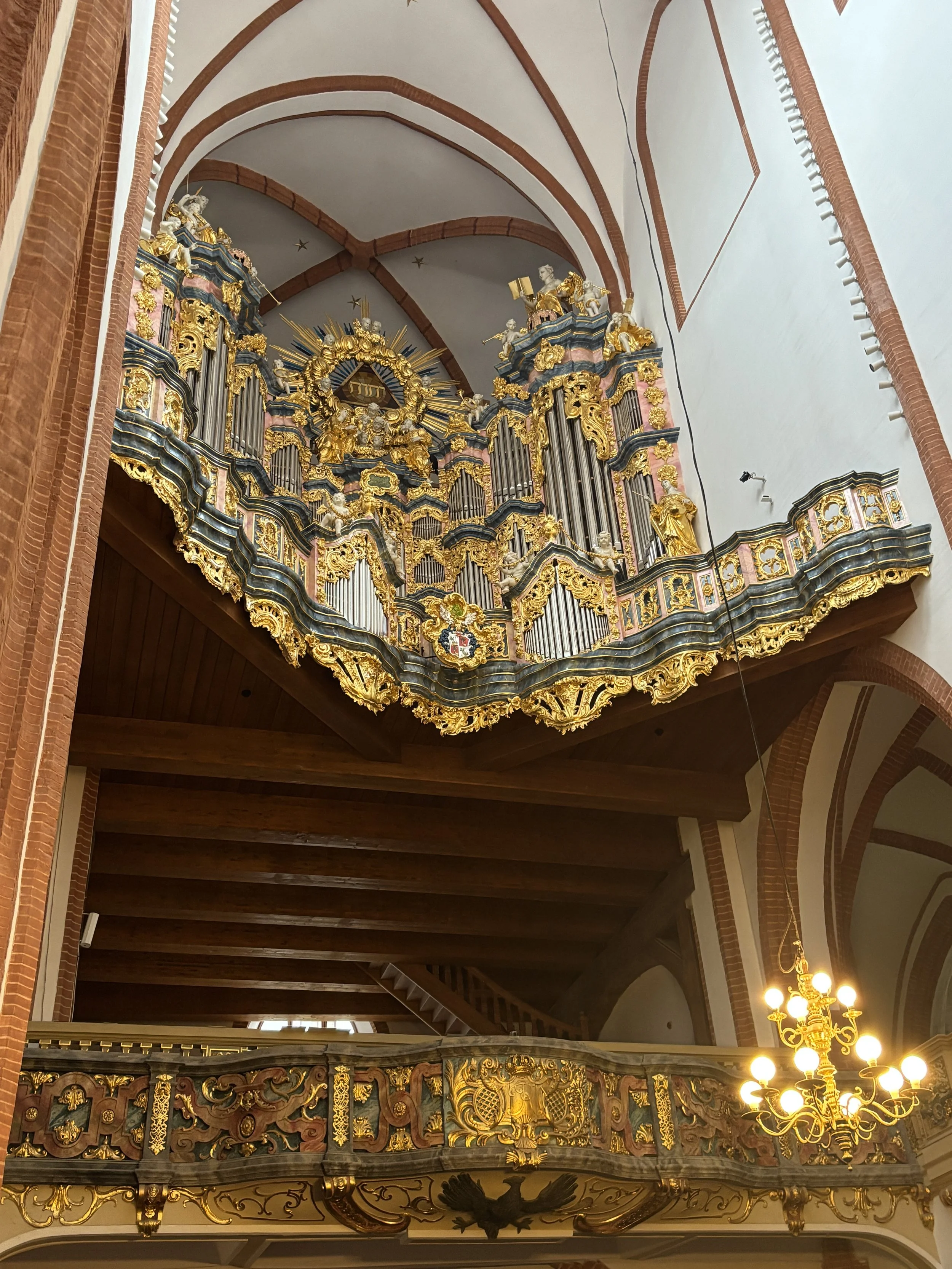
Even if you don’t climb up its tower, Saint Elizabeth’s Basilica has a very interesting story and plenty of interesting details to check.
In fact, the story of this church mimics in some way that of the city itself when it comes to the different changes it has gone through. It was originally a Catholic church, then it became Lutheran after the Reformation, and after WW2 it became Catholic again.
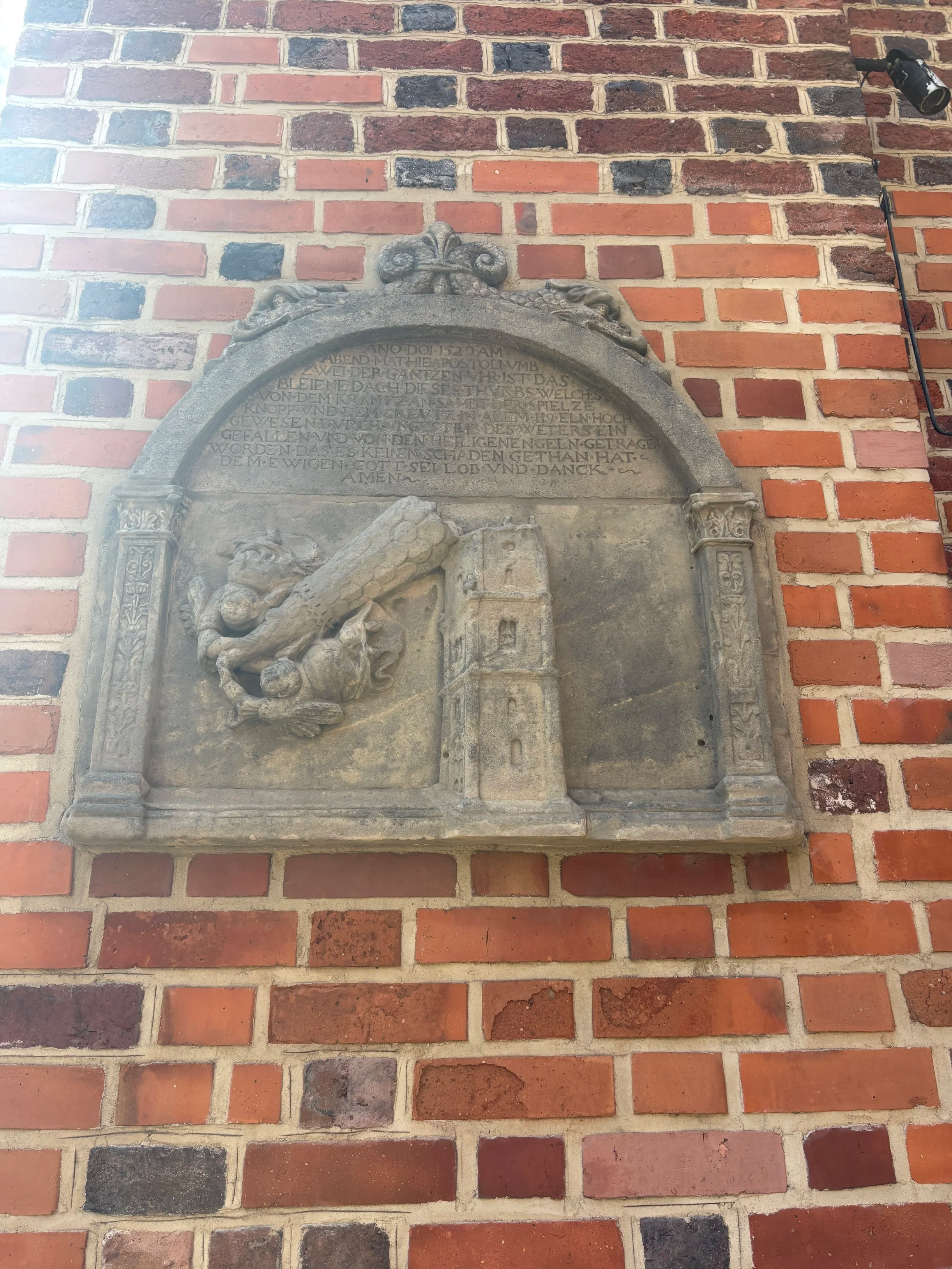
The original spire collapsed in 1529, just four years after it had switch its allegiance to the Reformation. Catholics used that event to suggest it may have been a Divine signal. In response, Protestants alleged that the spire had been carried by angels and, when the spire was rebuilt in the mid-1530s, they put a bass-relief depicting the alleged scene.
The church was thoroughly destroyed in the 20th C., not in the war, but in a fire that broke out in 1976. That fire also destroyed an artistic treasure, a magnificent 18th C. organ, known as the “Engler organ”. This was rebuilt according to the original specifications, between 2011 and 2022, and today it can be seen at one end of the nave.
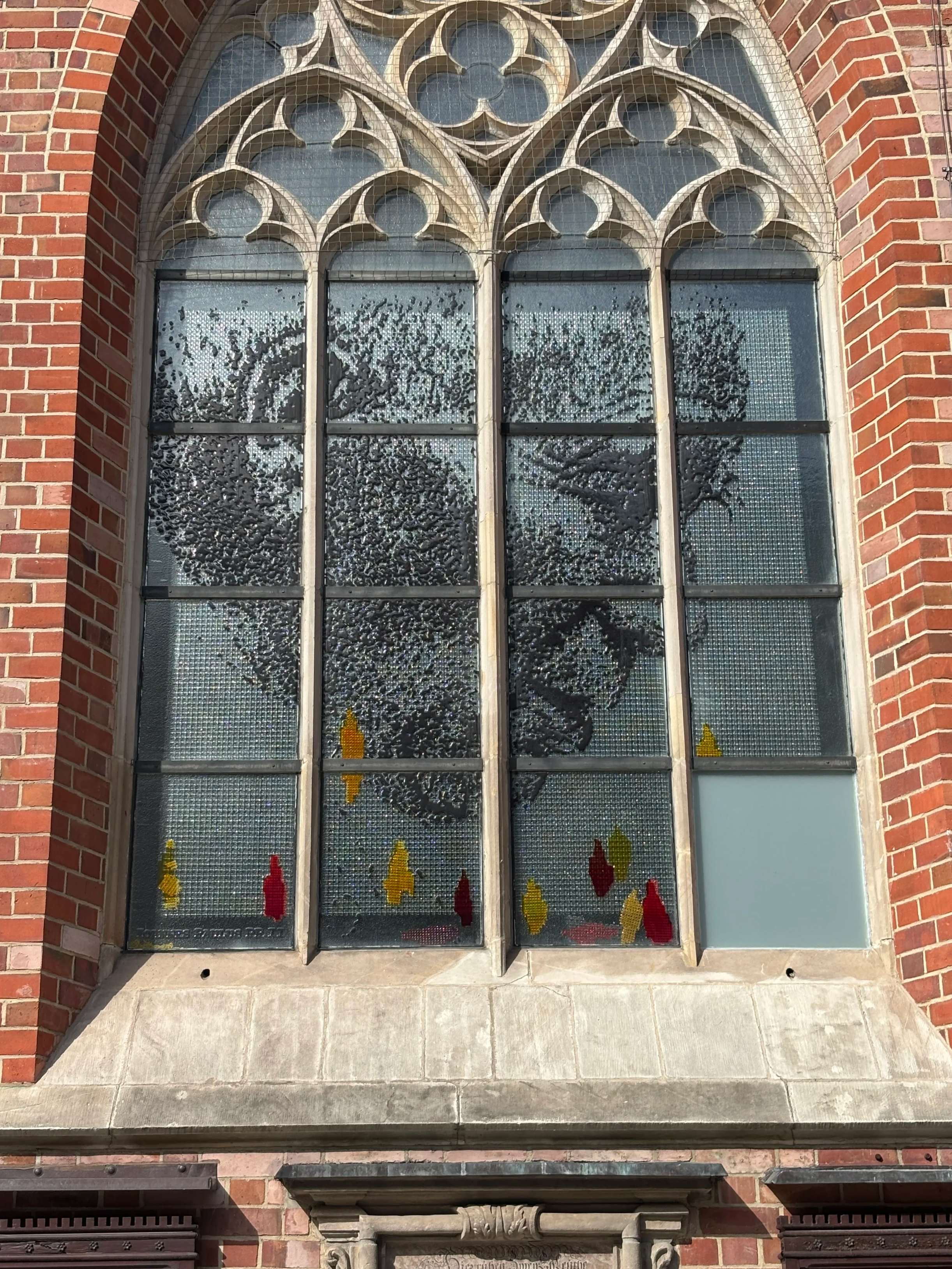
Wroclaw had traditionally had a stained glass industry and while this is today a rather niche activity, there is still a school in the city for those that wish to train in this art. Saint Elizabeth’s Basilica has got its fair share of stained glass, including this one shown here, which depicts the late Pope John Paul II, who visited the church during his pontificate.
Jatki Street
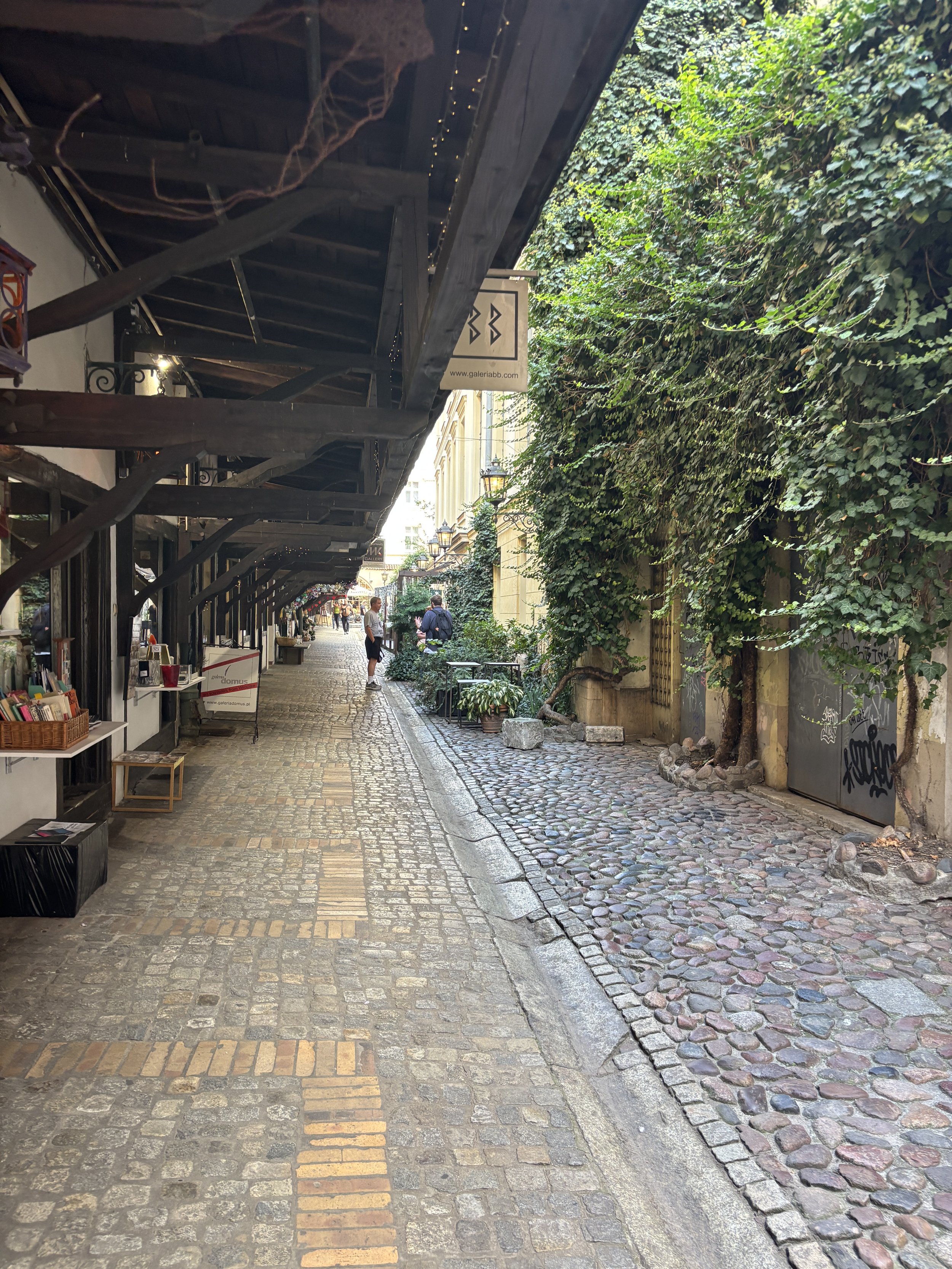
This is a narrow street just north of Rynek, where butchers used to have their stalls and sell their produce. Today you will find artisan shops instead, at this spot.
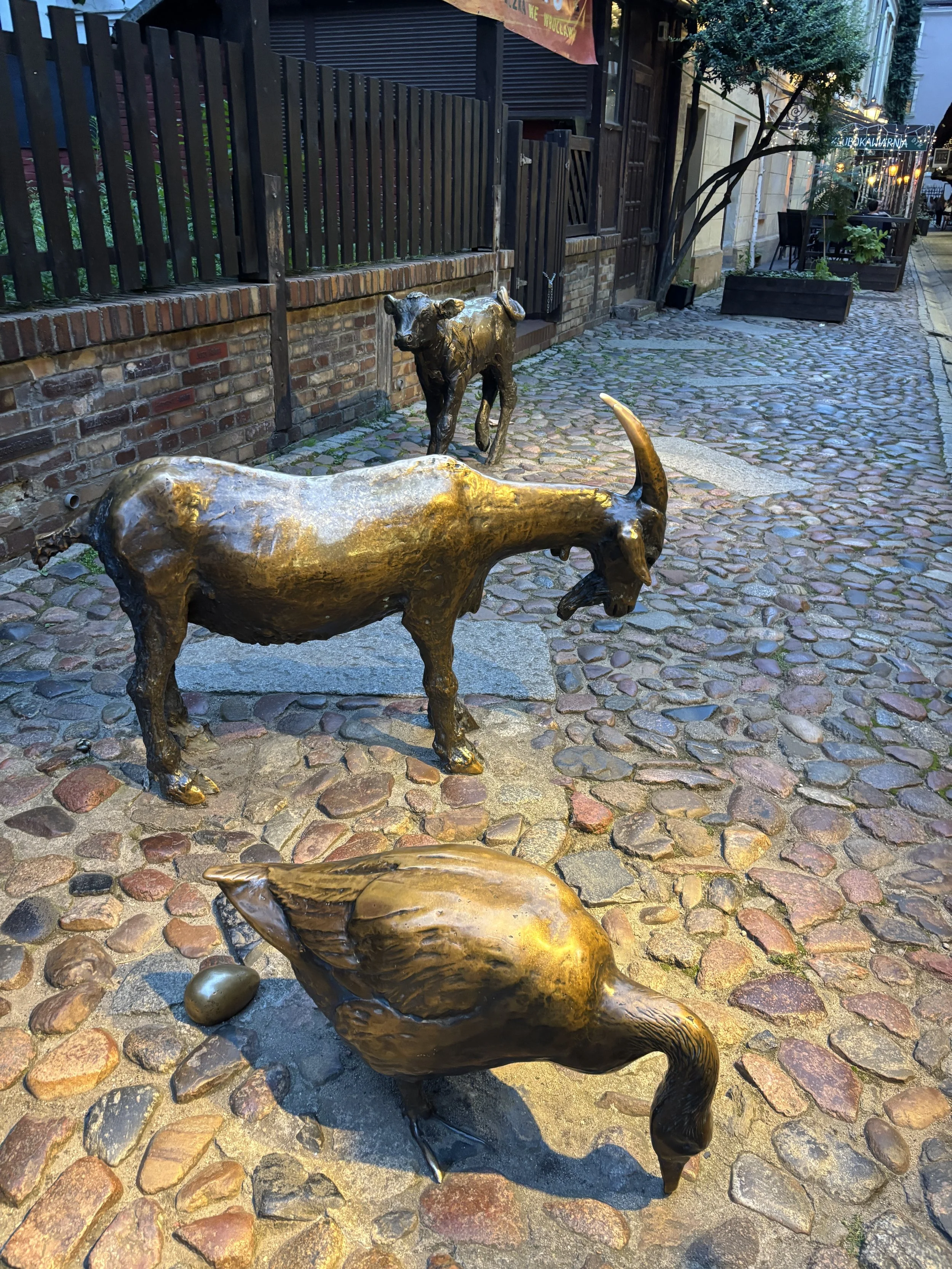
However, a set of sculptures which depict the different animals man the meat of which man eats, act as a reminder of the street’s past role. And from what I could see, they are also a magnet for tourists, particularly children, who like to take pictures with them.
University of Wrocław
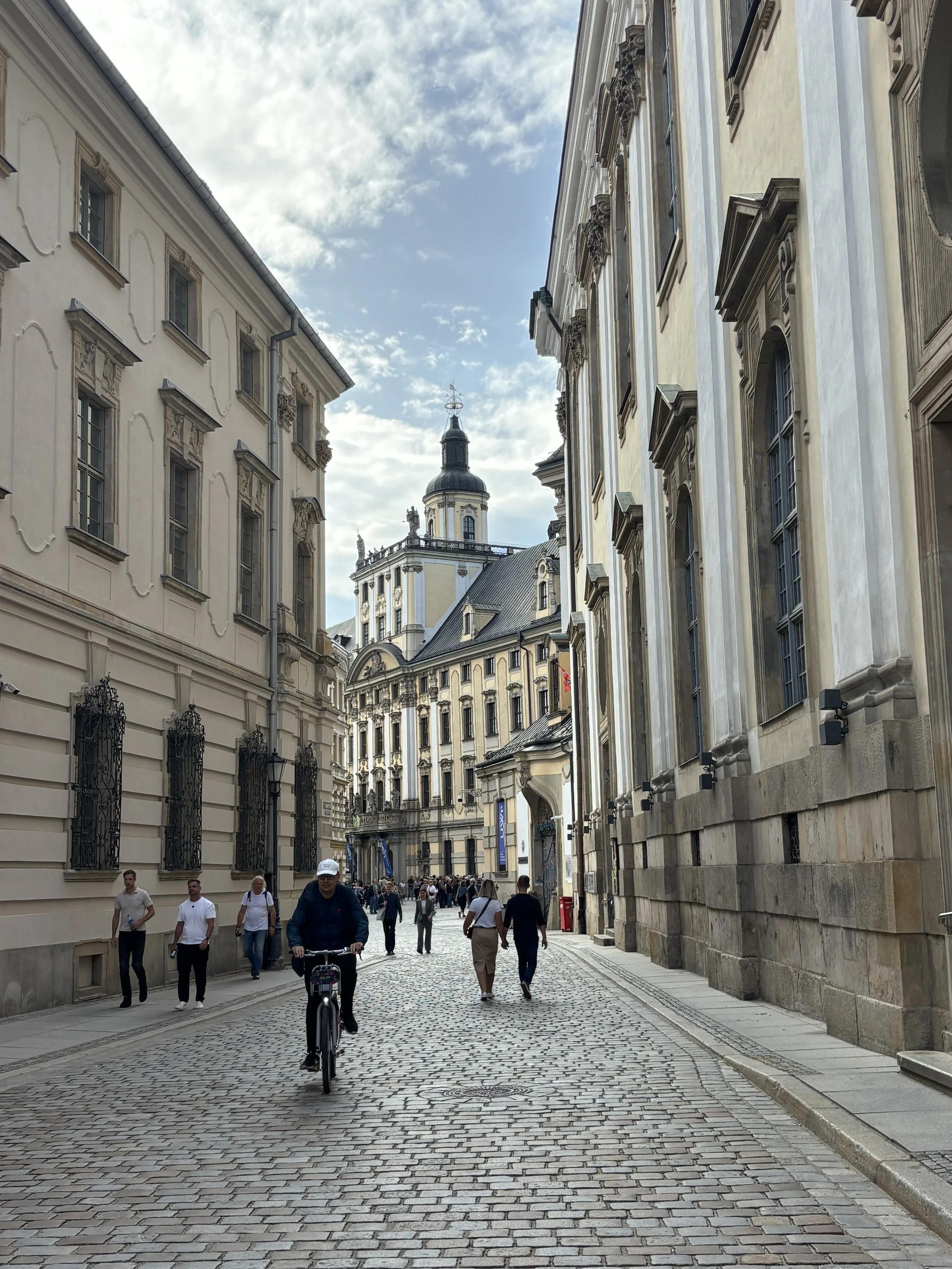
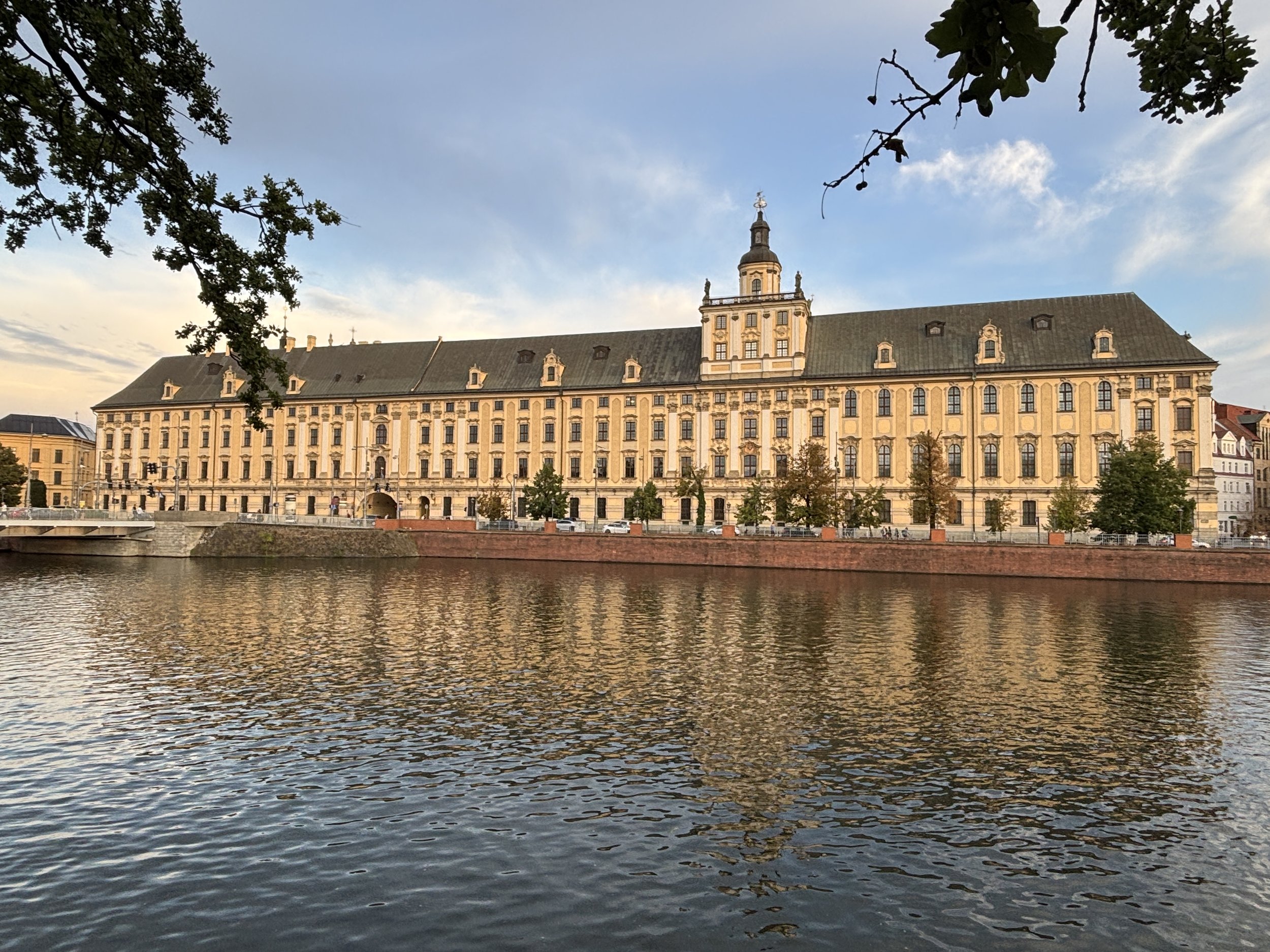
The University of Wroclaw is one of the city’s most majestic buildings and a recommended stop in any itinerary through the city. Besides its grand facades, both facing the inner town and the river, it has also a couple of interesting sites indoors within its grounds.
One of them is the heavily ornate Aula Leopoldina. I didn’t have time to see it for myself, but you can check here how it looks like. Btw, you can also book entry tickets with audioguide included online.
The other is the Oratorium Marianum, which is used as a concert hall, you can see it here.
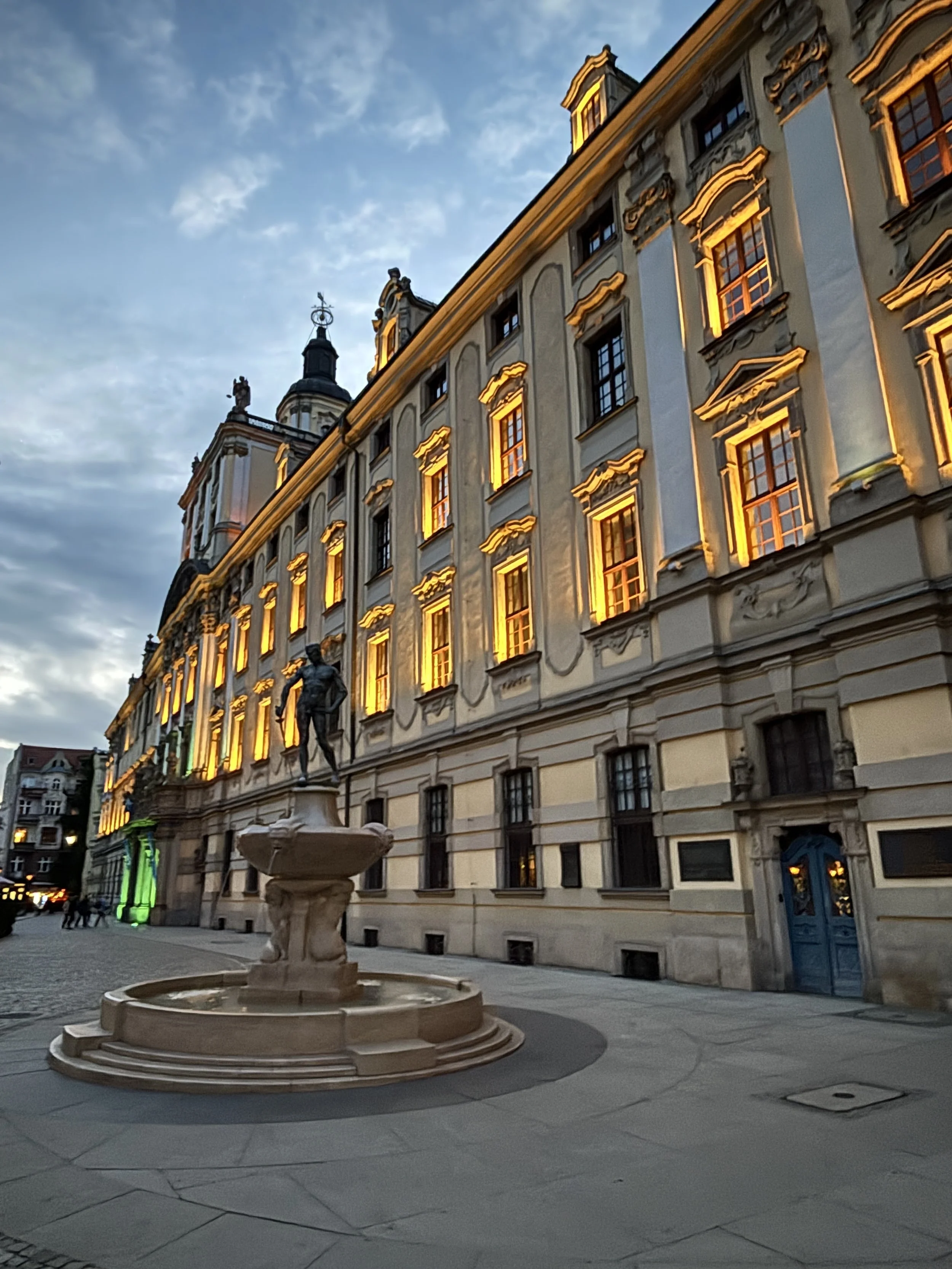
In front of the university building stands the 1904 statue of a naked fencer. A, possibly apocryphal story says that the man in the statue is none other than the artist who made it, Hugo Lederer. According to this story, the monument alludes to an episode from the time when he was a student at the university and gambled away all his clothes after a night of heavy drinking.
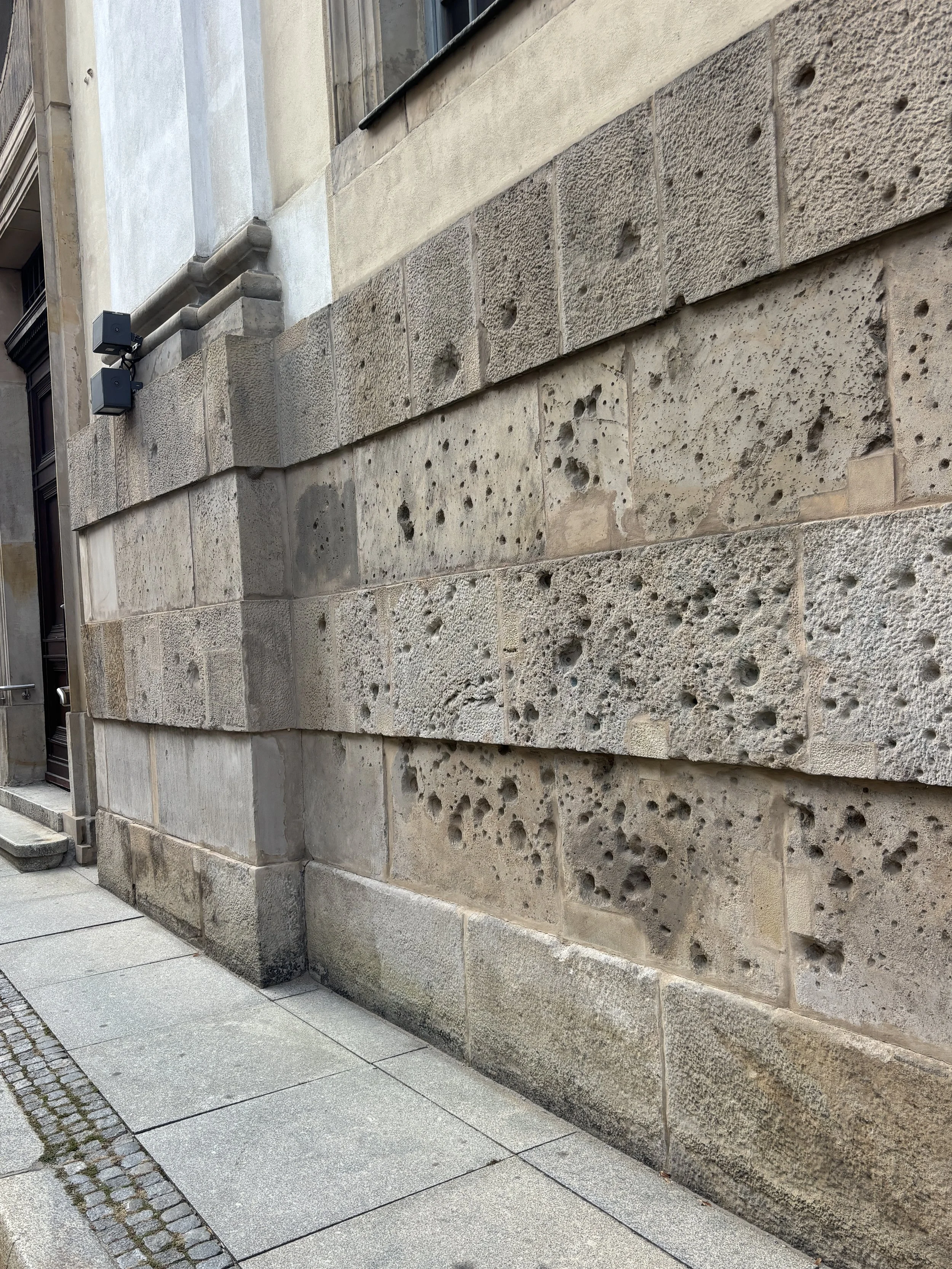
Near the university you can also find some of the bullet marks from the WW2 battles.
St. Matthias Church and Ossolineum
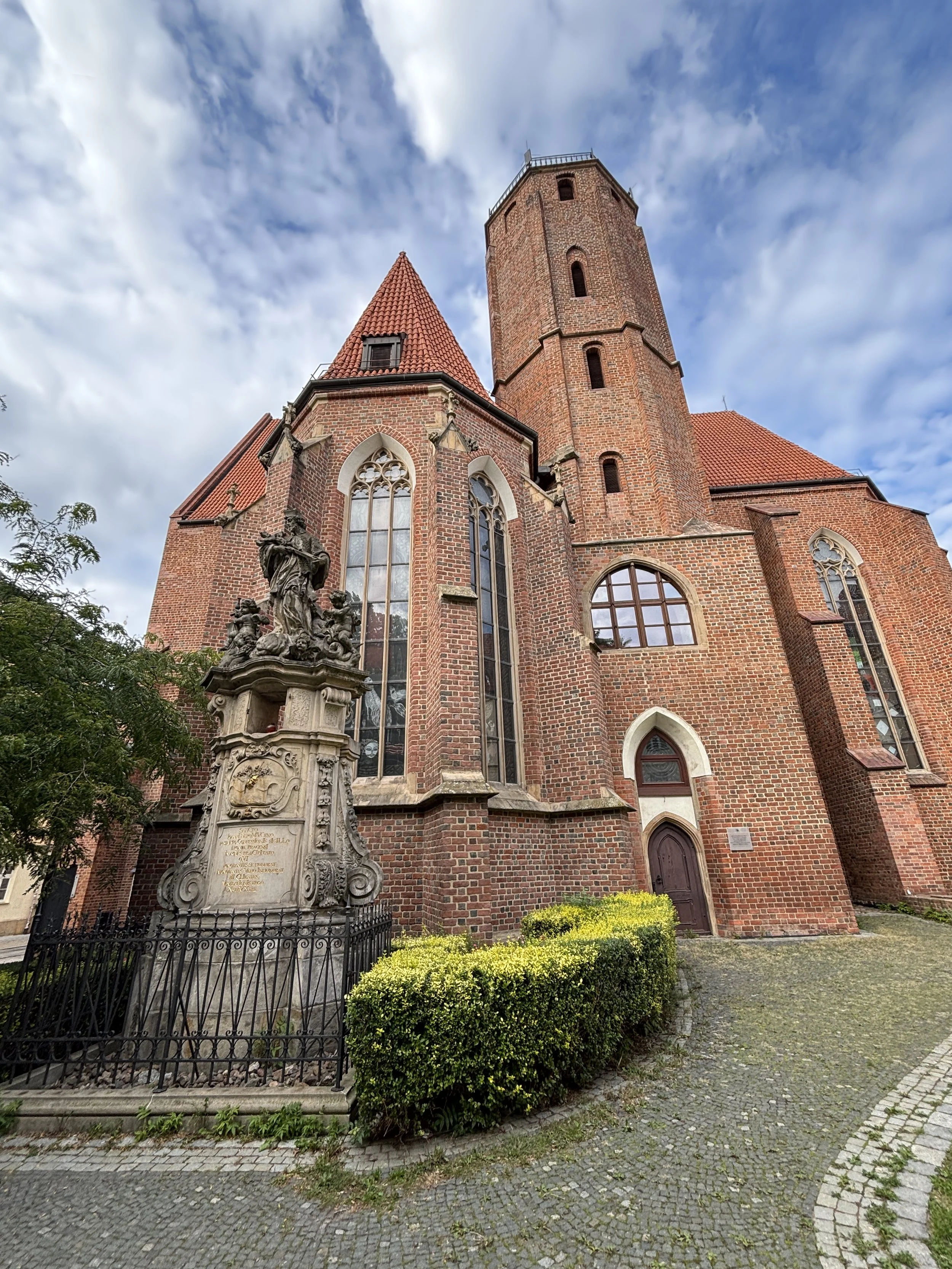
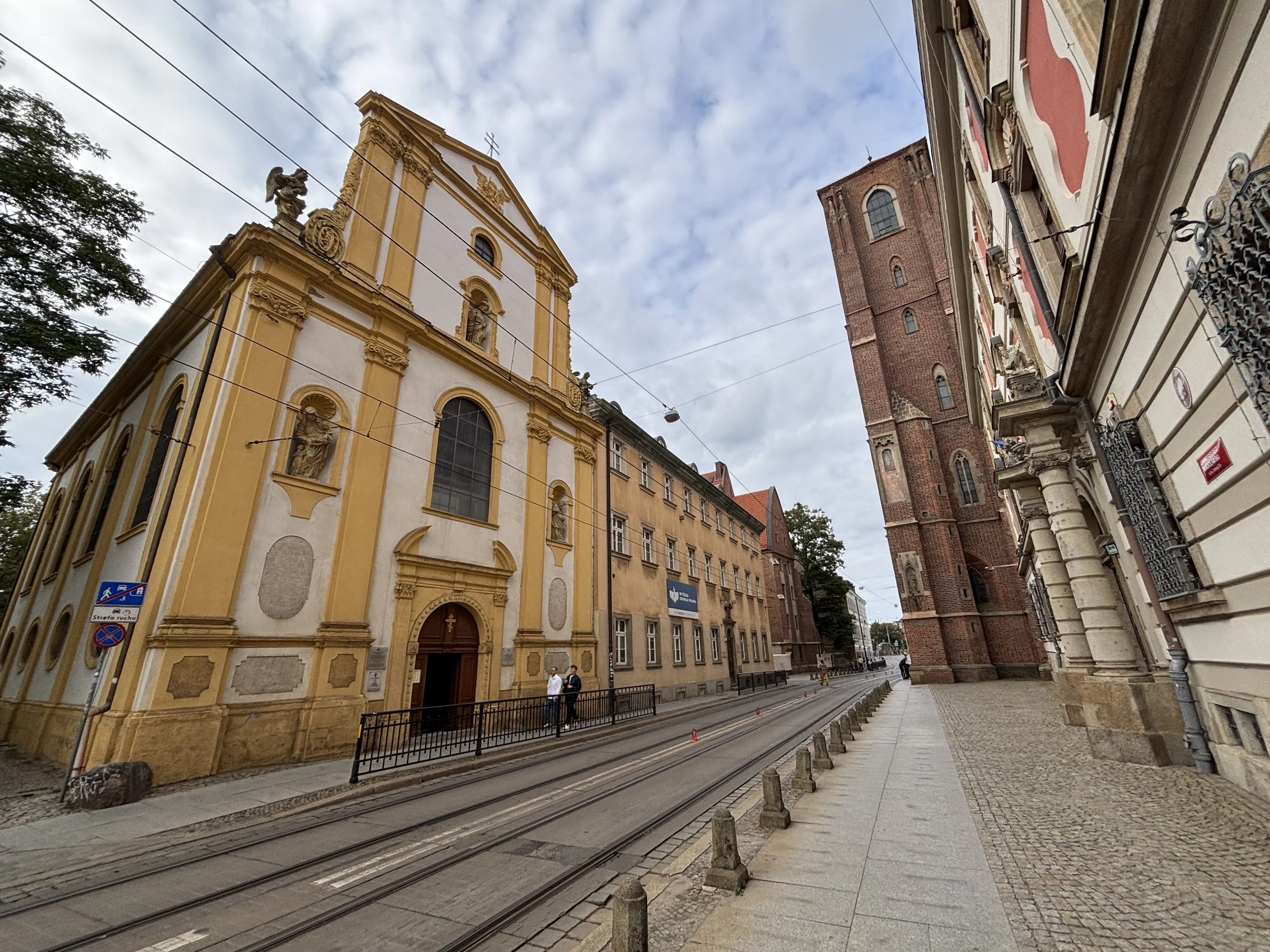
If you walk between Wroclaw University and Ostrow Tumski there are a couple of other sites worth stopping at. One of them is the red-brick church of Saint Mathias, which has some very old foundations, even if the current building was heavily restored after the war. It has some remarkable stained glass windows that you can admire from inside.
The other one is the Ossolineum, which hosts the Ossolinsky Institute, an institution set up in 1817 by a Polish aristocrat, Józef Maksymilian Ossoliński, with the aim of preserving Polish culture at a time when Poland had lost its statehood. Part of the library and archives were transferred from Lwow (Lviv) at the end of WW2. A new museum is planned to open to the public at the Ossolineum, in the meantime you can relax a bit in the gardens.
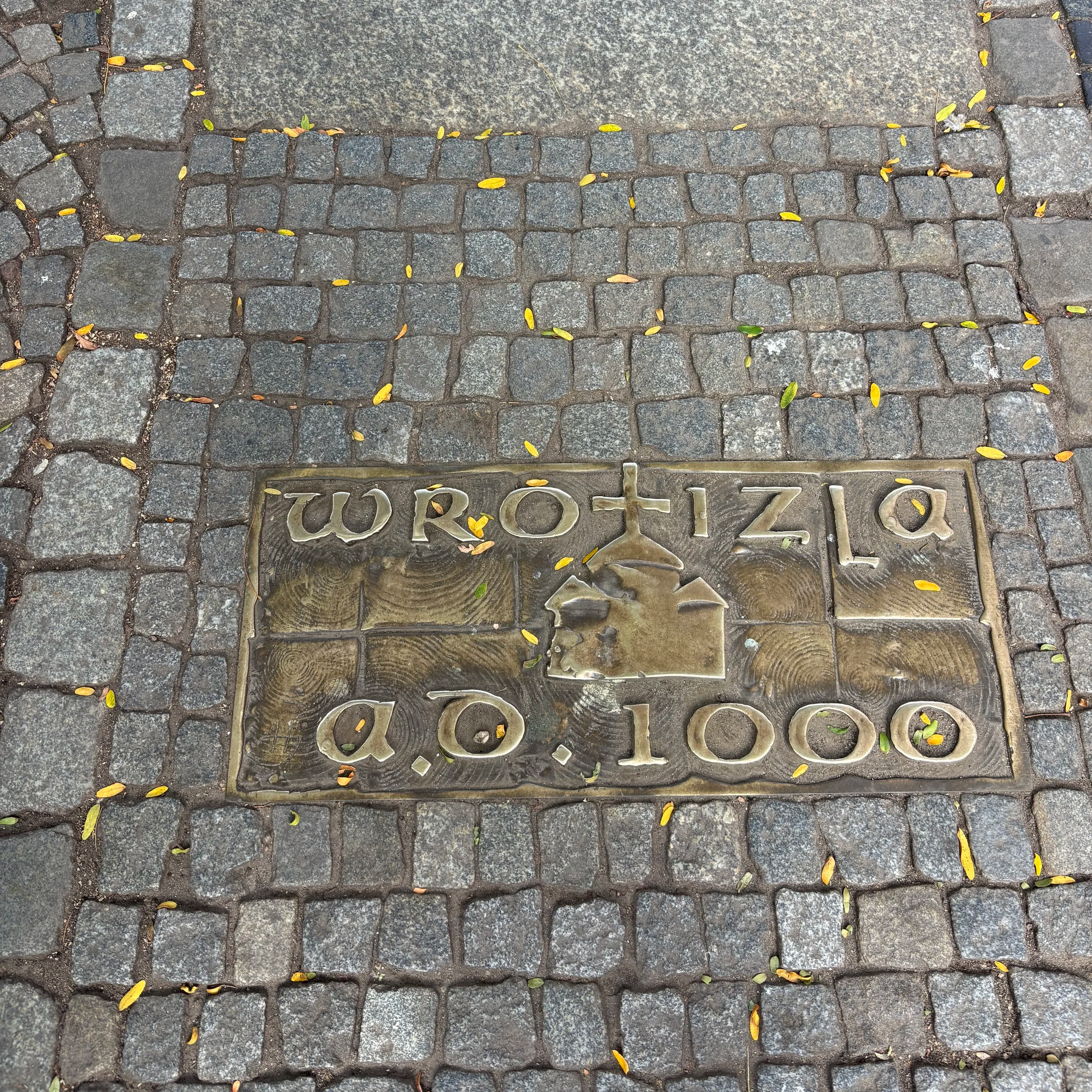
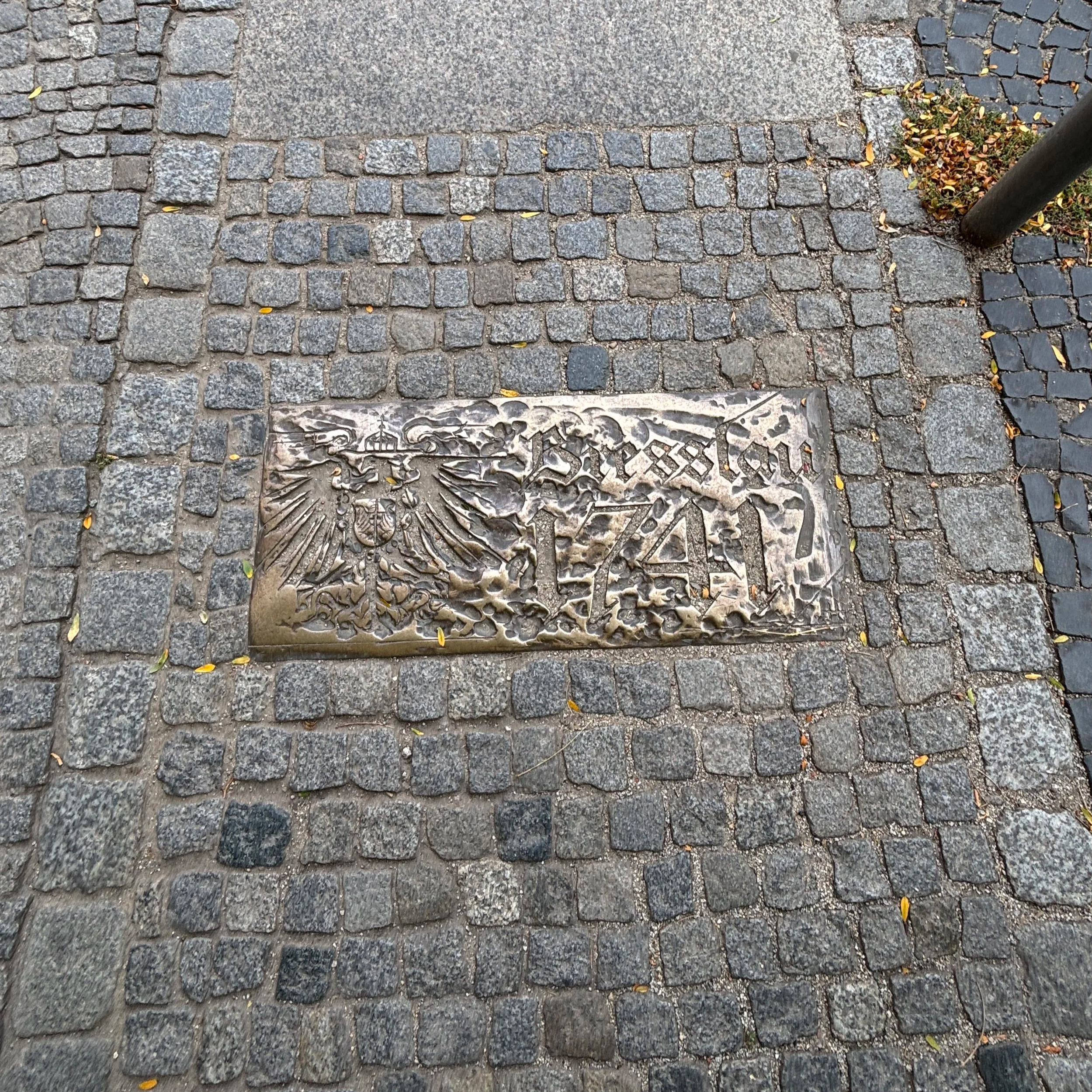
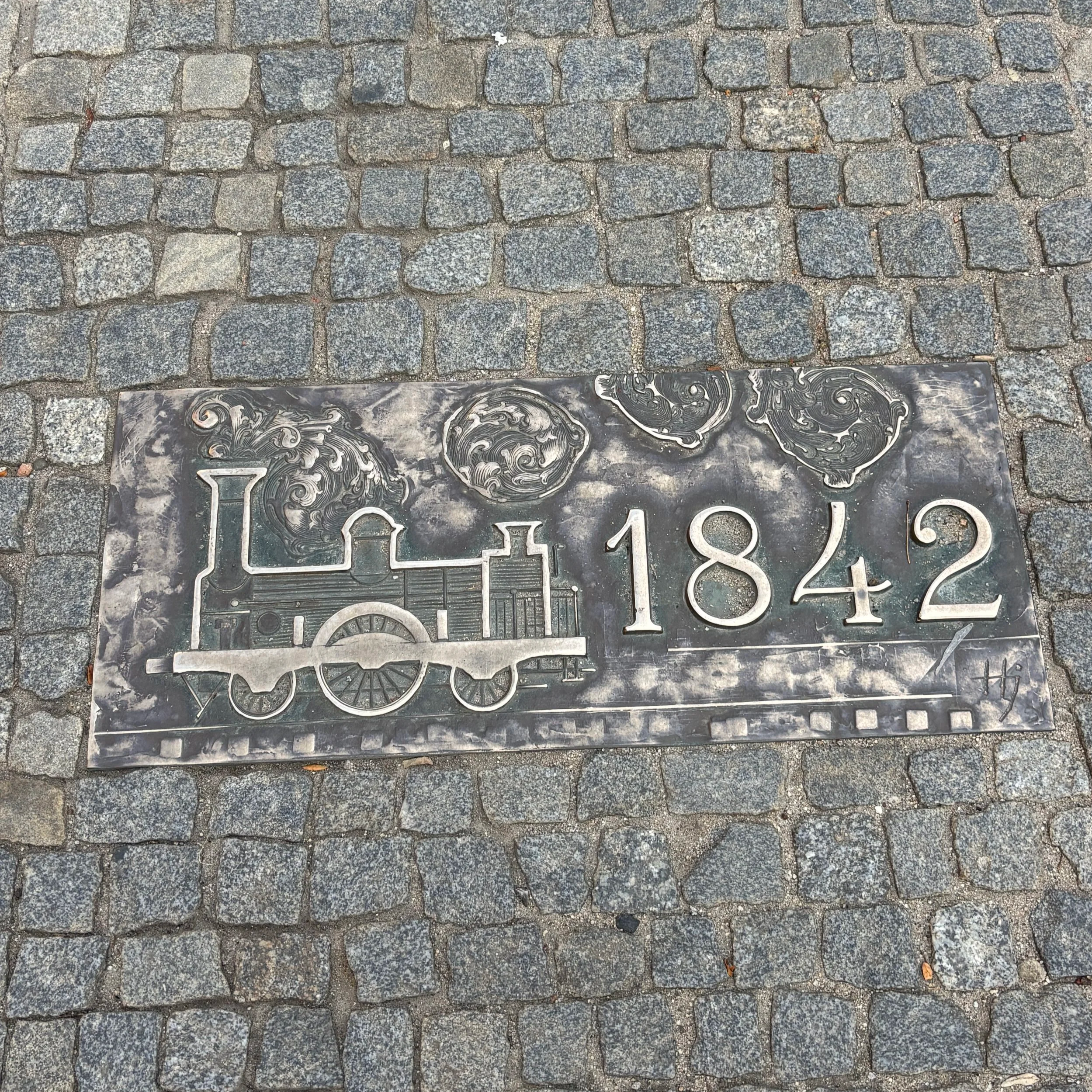
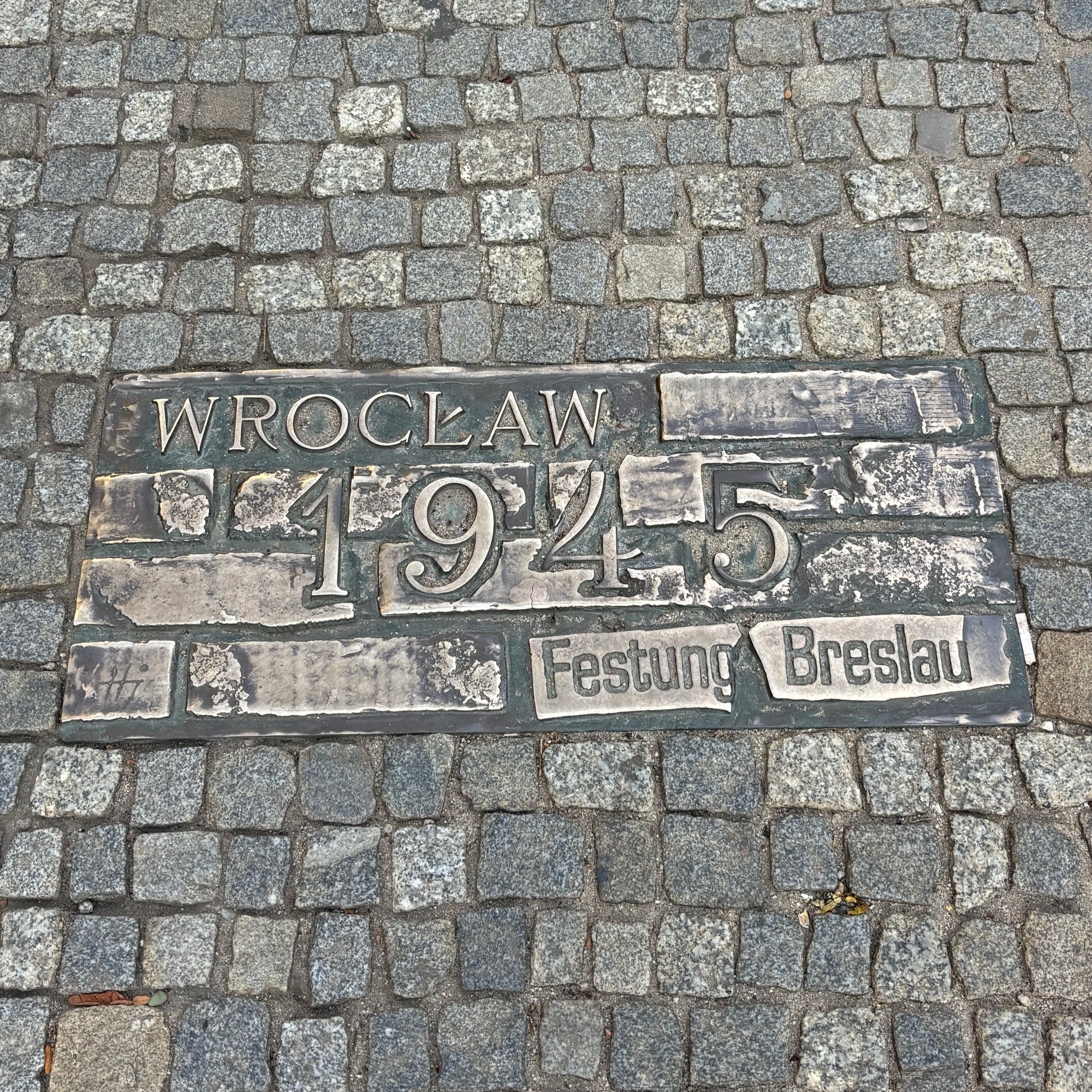
Continuing towards Ostrow Tumski I would suggest walking on Plac Nantiera. On this street you can retrace, literally step by step, the history of Wroclaw by checking the different metal plaques laid down on the ground in chronological order.
These evoke the most important events in the history of the city, since its the foundation more than 1,000 years ago, to its designation as the 2016 European capital of Culture.
So far we have explored the sites that lie to the north of Rynek, but if you head south, there are also some interesting things to see.
Wroclaw’s Royal Palace
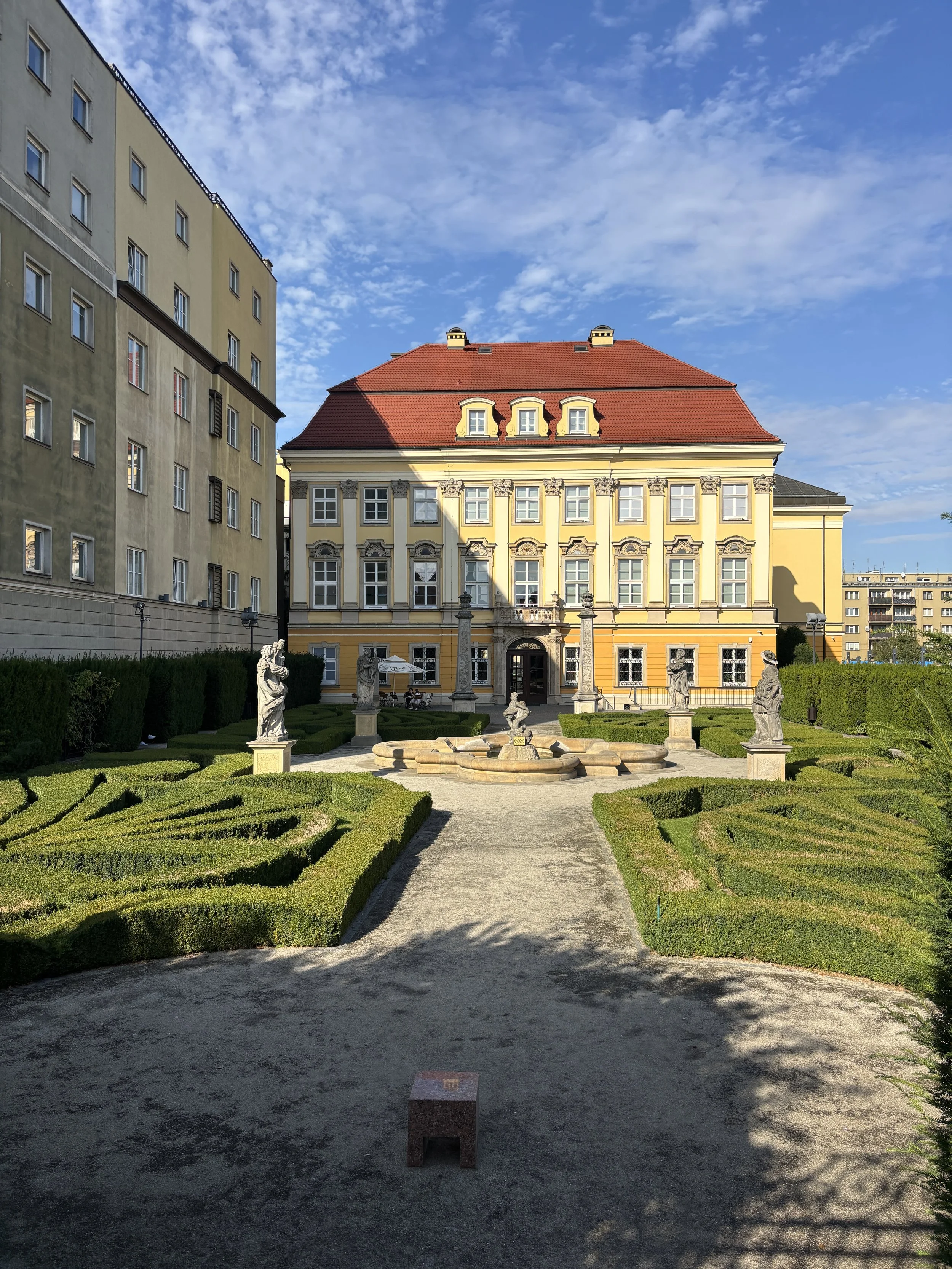
When Prussia took over Silesia, the city became, together with Berlin and Königsberg (present day Kaliningrad) one of the three cities which regularly hosted the king. Therefore, it was endowed with a Royal Palace. The palace was badly damaged during the war, and while one of its former wings is missing, what remains of it has been restored to its former glory and today it houses the Wrocław City Museum.
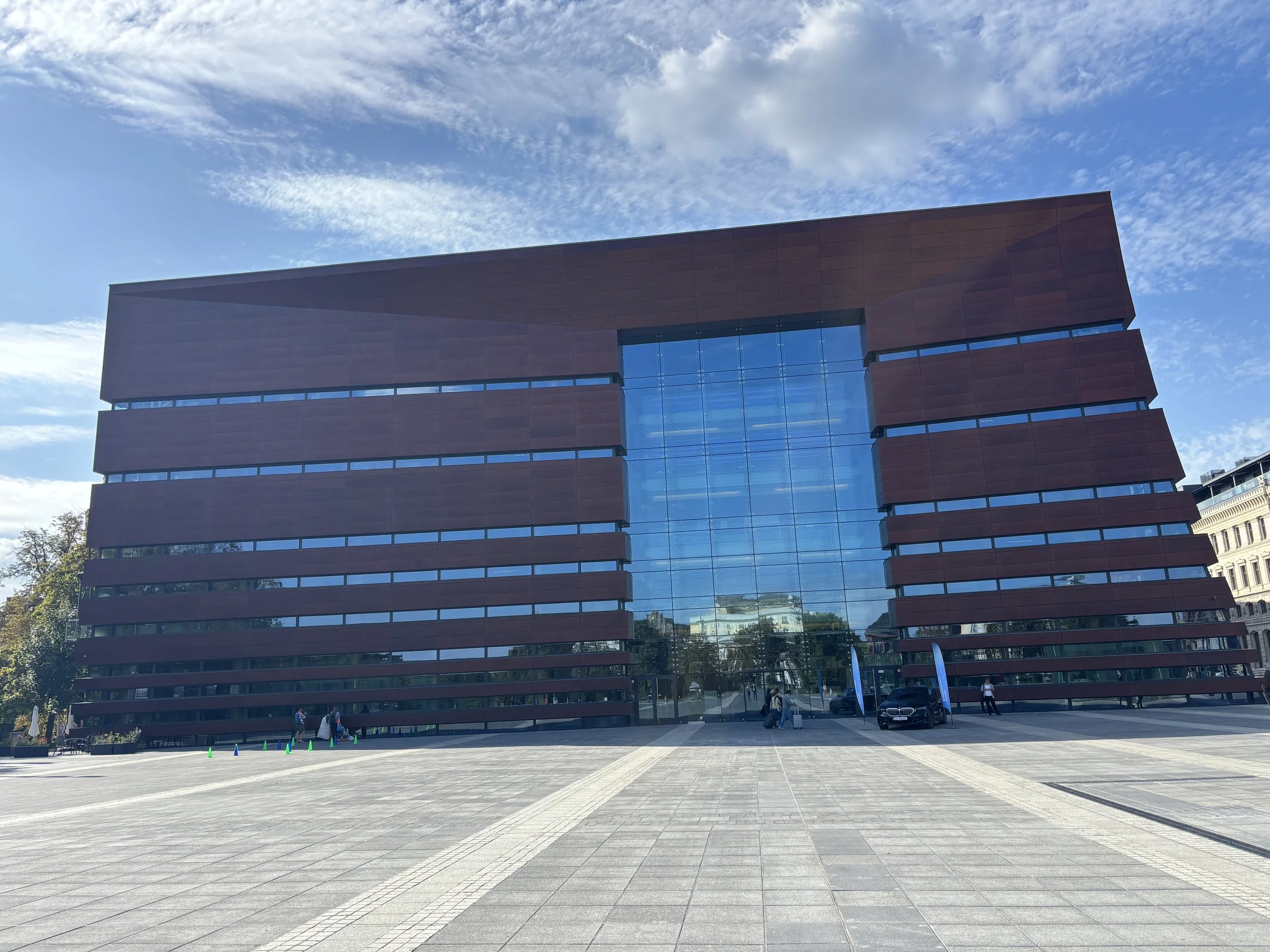
National Forum of Music of Wroclaw and Plac Wolności
Just south of the Royal Palace is Plac Wolności, a large open space which once upon a time was a parade ground for the Prussian army. Since 2015 it hosts the National Forum of Music, a large contemporary concert hall.
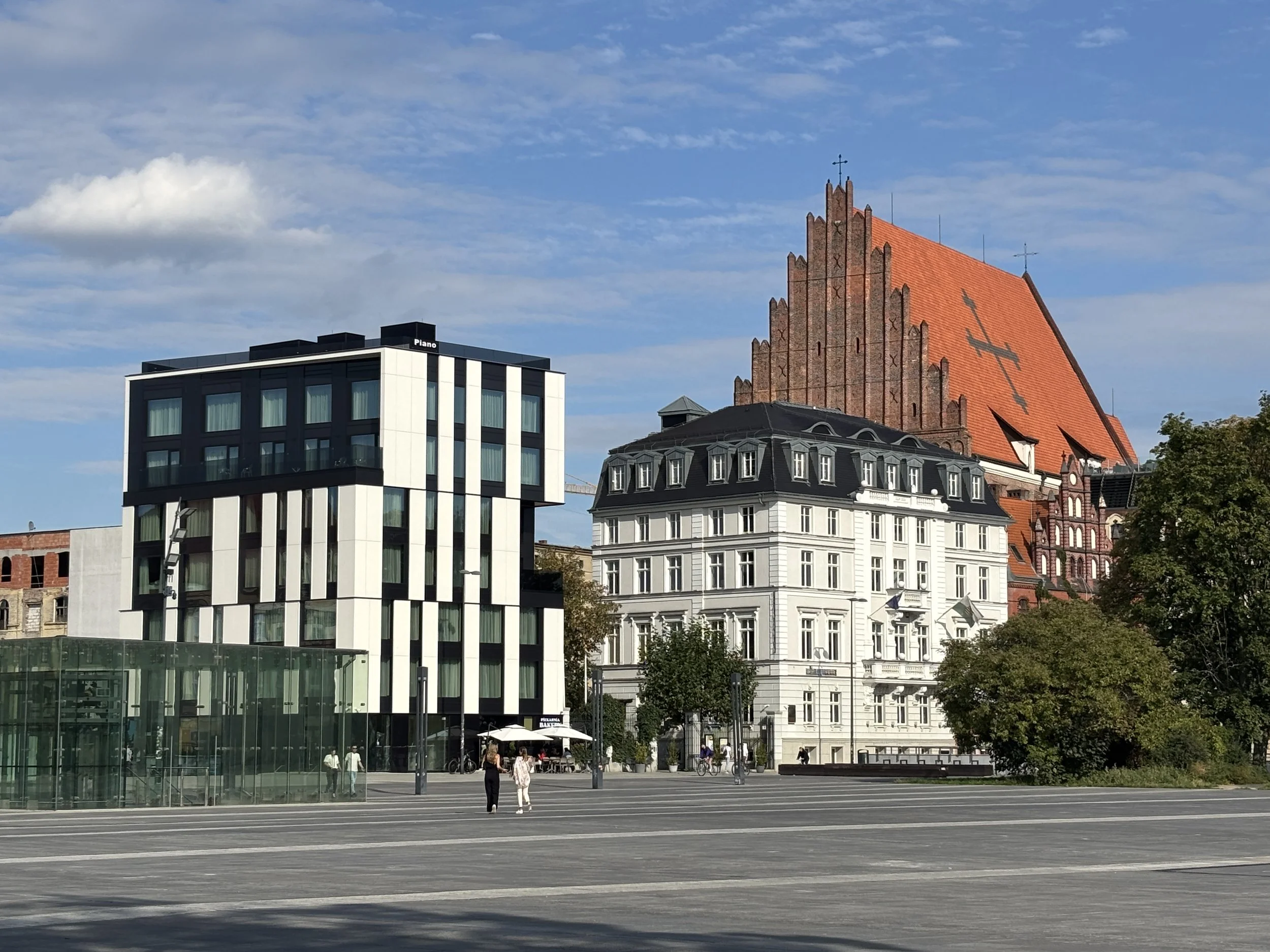
Plac Wolności is also a good place to check the architectural evolution of Wroclaw, since it provides an open, unimpeded view of the area around. From here you can also enter the garden boulevard that follows the path of the former city walls.
Wroclaw’s Opera
Not far from Plac Wolności stands one of the jewels of the city’s 19th architecture that survived WW2, the Opera building, which still fulfills its original purpose.
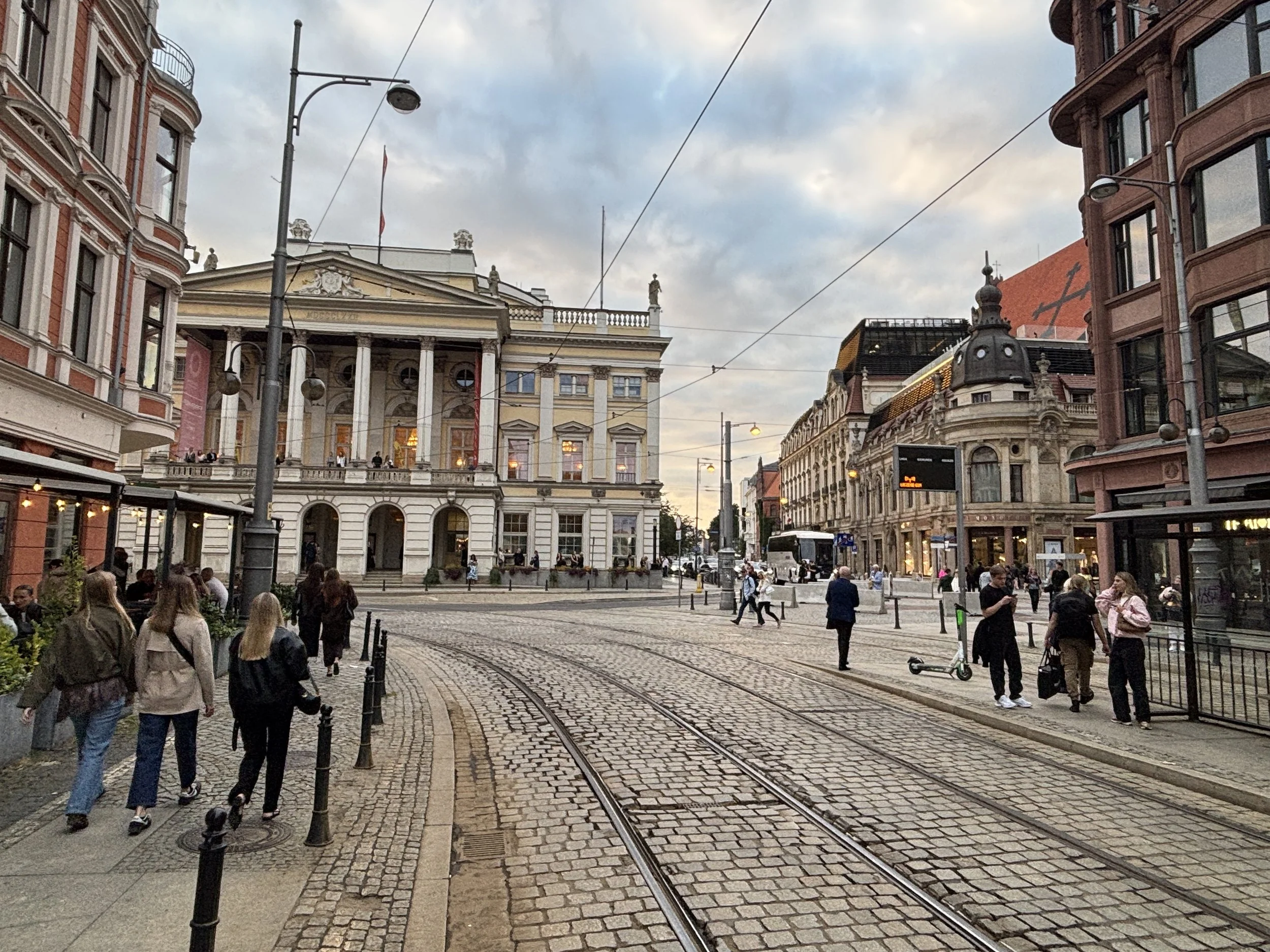
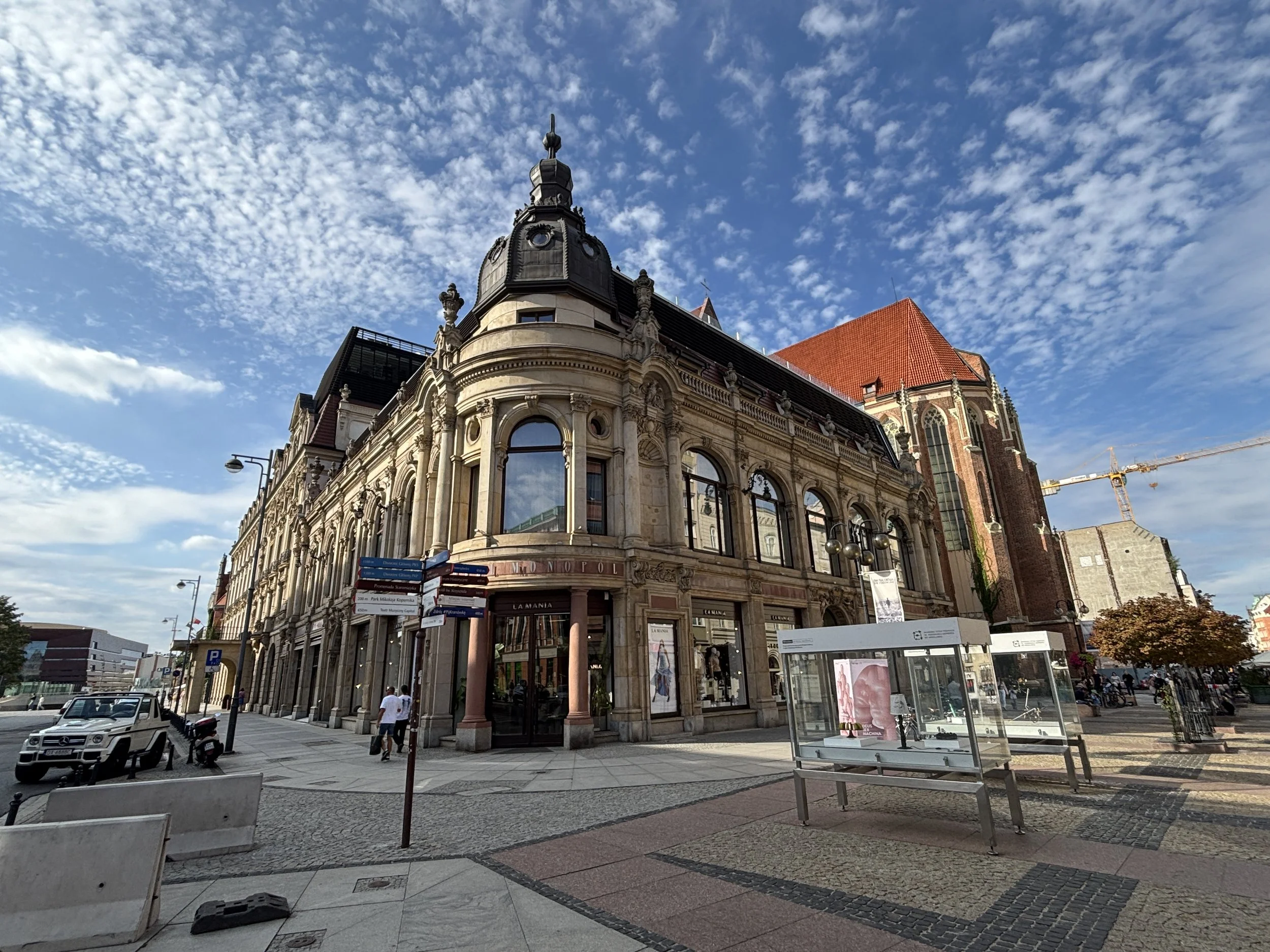
And right next to the opera, another remarkable establishment: the Hotel Monopol, which has hosted a large number of historically prominent visitors to the city, ranging from Adolph Hitler to Pablo Picasso, to name just two very different characters on totally opposite ends of the ideological spectrum. Today, the Monopol remains Wroclaw’s grand classic hotel.
Ostrow Tumski (Cathedral Island)
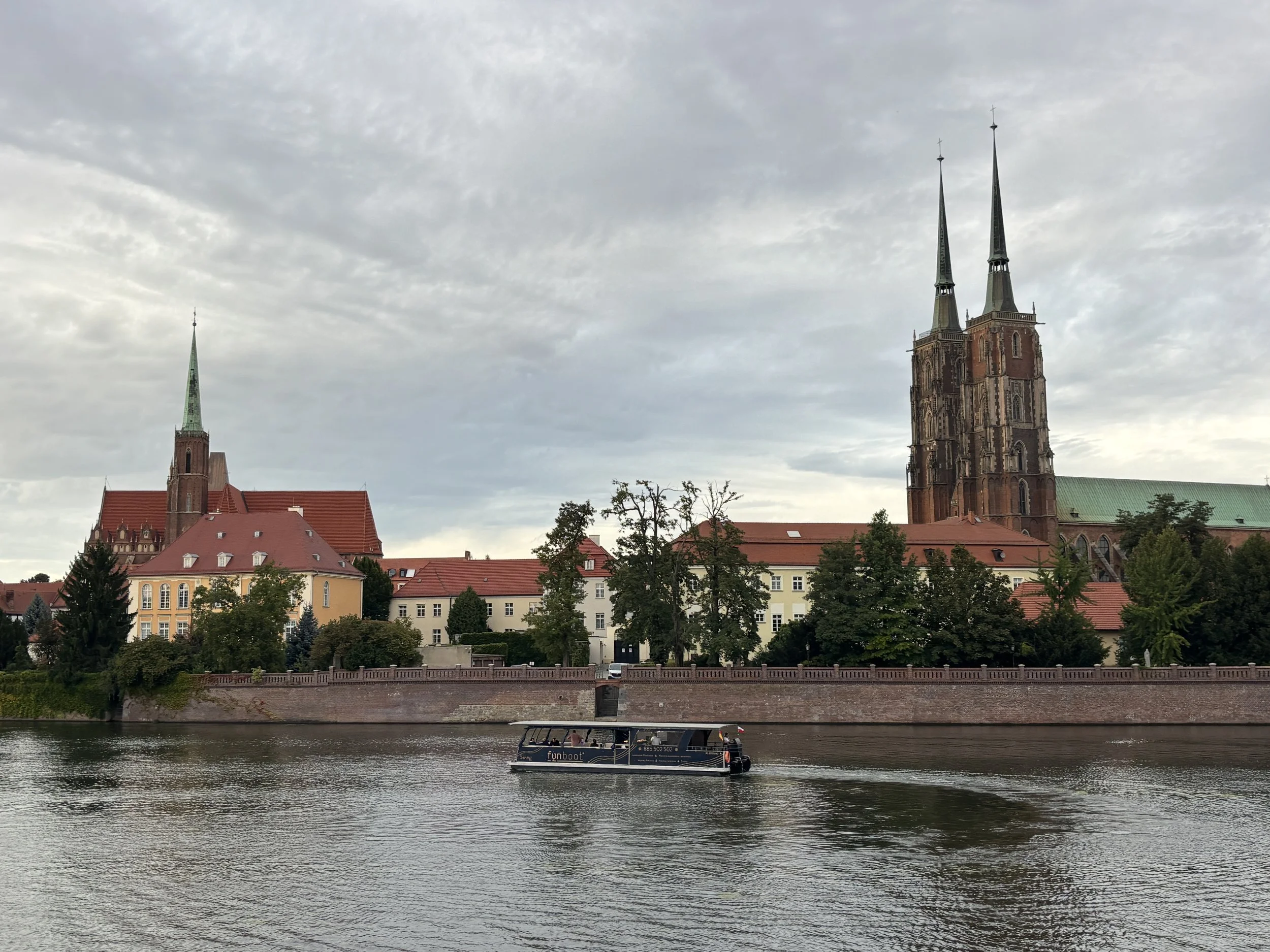
As mentioned earlier, Ostrow Tumski is the original kernel from which the city of Wroclaw sprung up. Today is no longer an island, but it remains almost like a religious enclave, since it hosts the city’s cathedral and most of its surrounding buildings belong to the Catholic church.
Wyspa Piasek (“Sand Island”)
But before getting to Ostrow Tumski, if you are coming from the historical center, you are likely to pass through another river island, “Sand Island”, which hosts two old monasteries, one male and the other female (one of them still active, the other is now part of the university).
Apparently, the monks controlled the only crossing point over the Odra river, which went over this island, so they collected significant revenue from tolls.
The most scenic way to get to Ostrow Tumski is through Most Tumski, a steel bridge which offers great perspectives of this rather timeless and evocative part of the city.
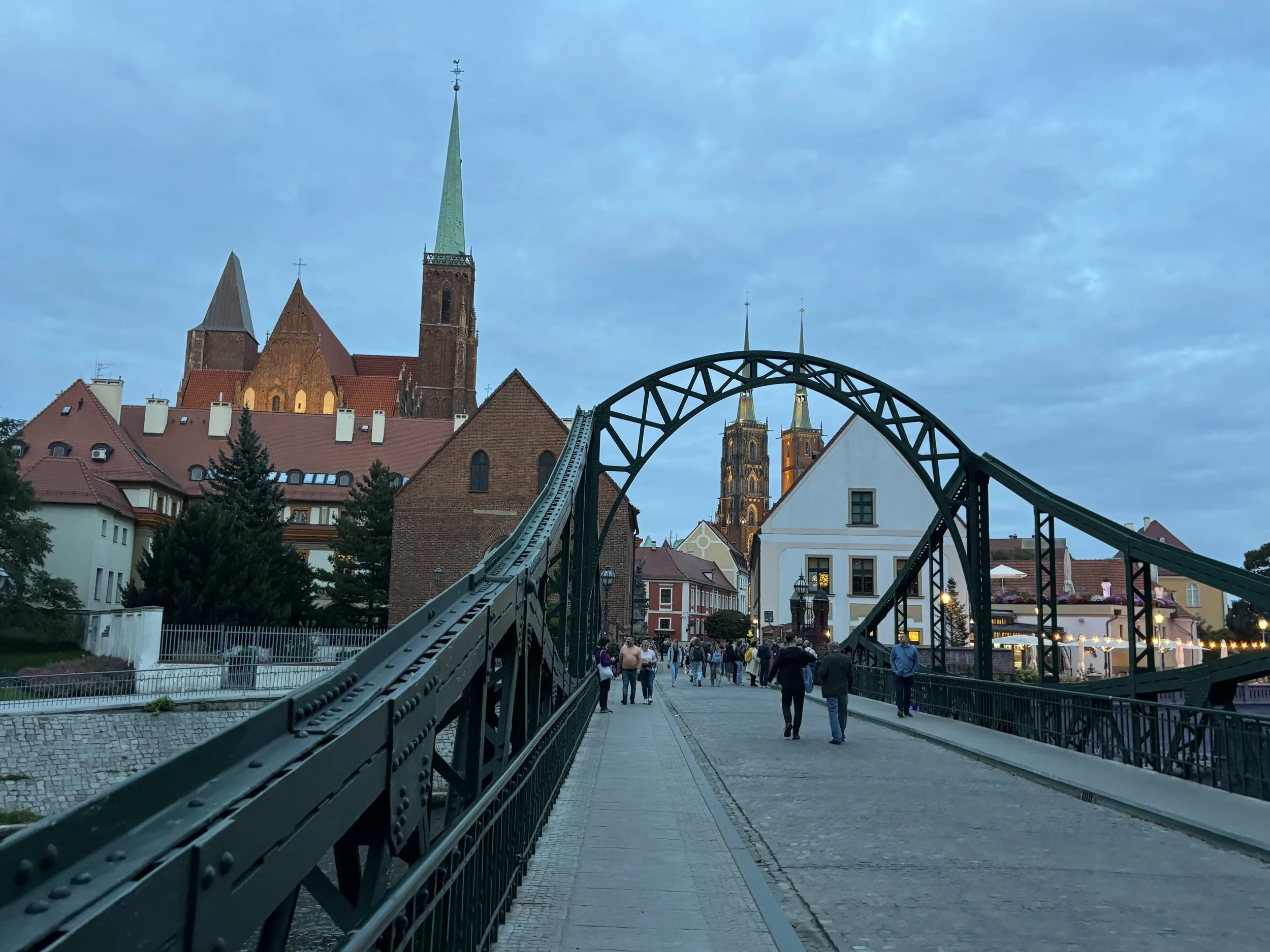
Ostrow Tumski translates into English as “Cathedral Island” and, of course, the cathedral of St. John the Baptists dominates the skyline with its two towers. But the whole island is peppered with religious buildings and it has also several other churches around which add to the monumental ensemble.
Btw, if you like viewpoints, here is another one you can climb up!
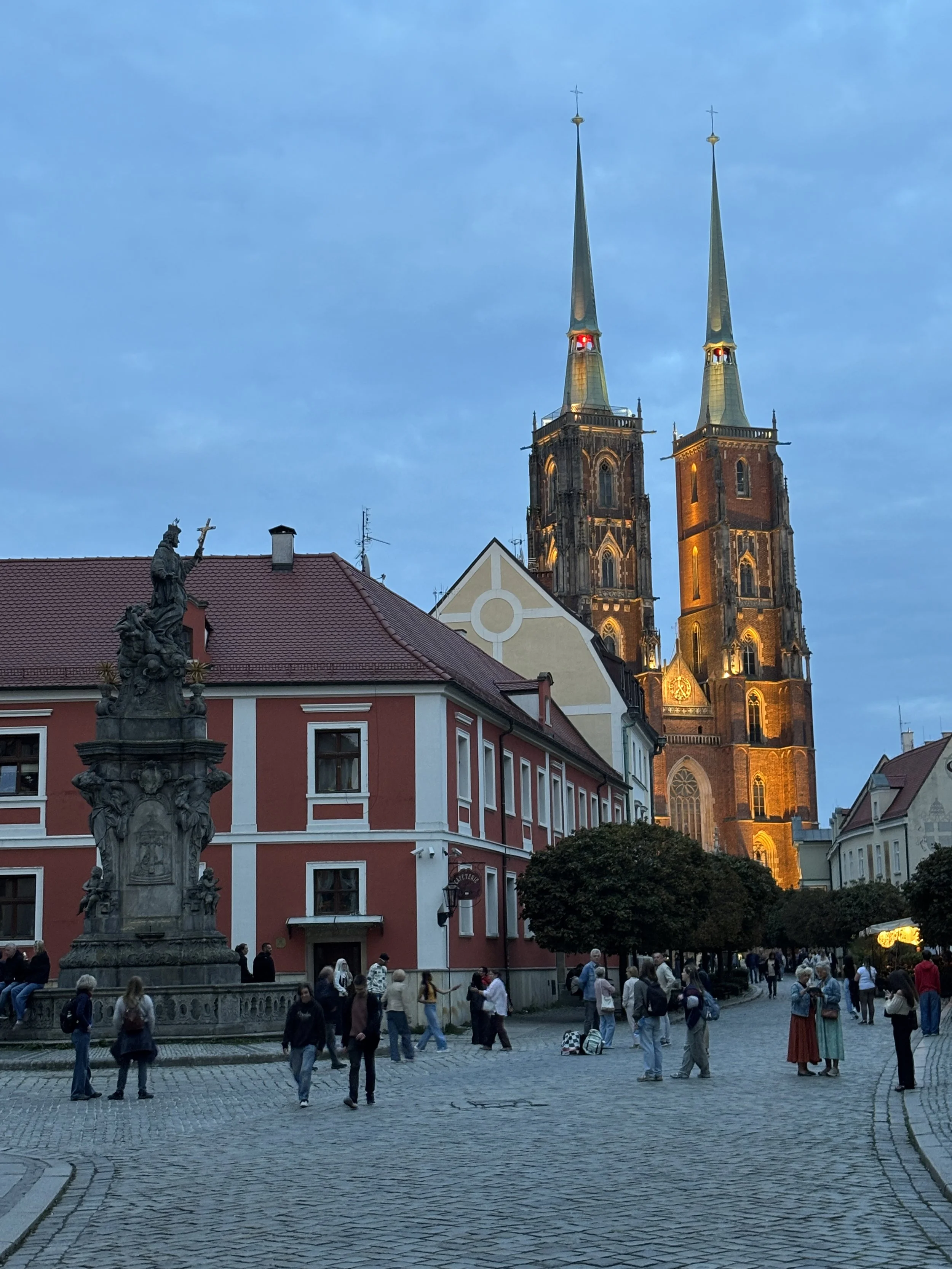
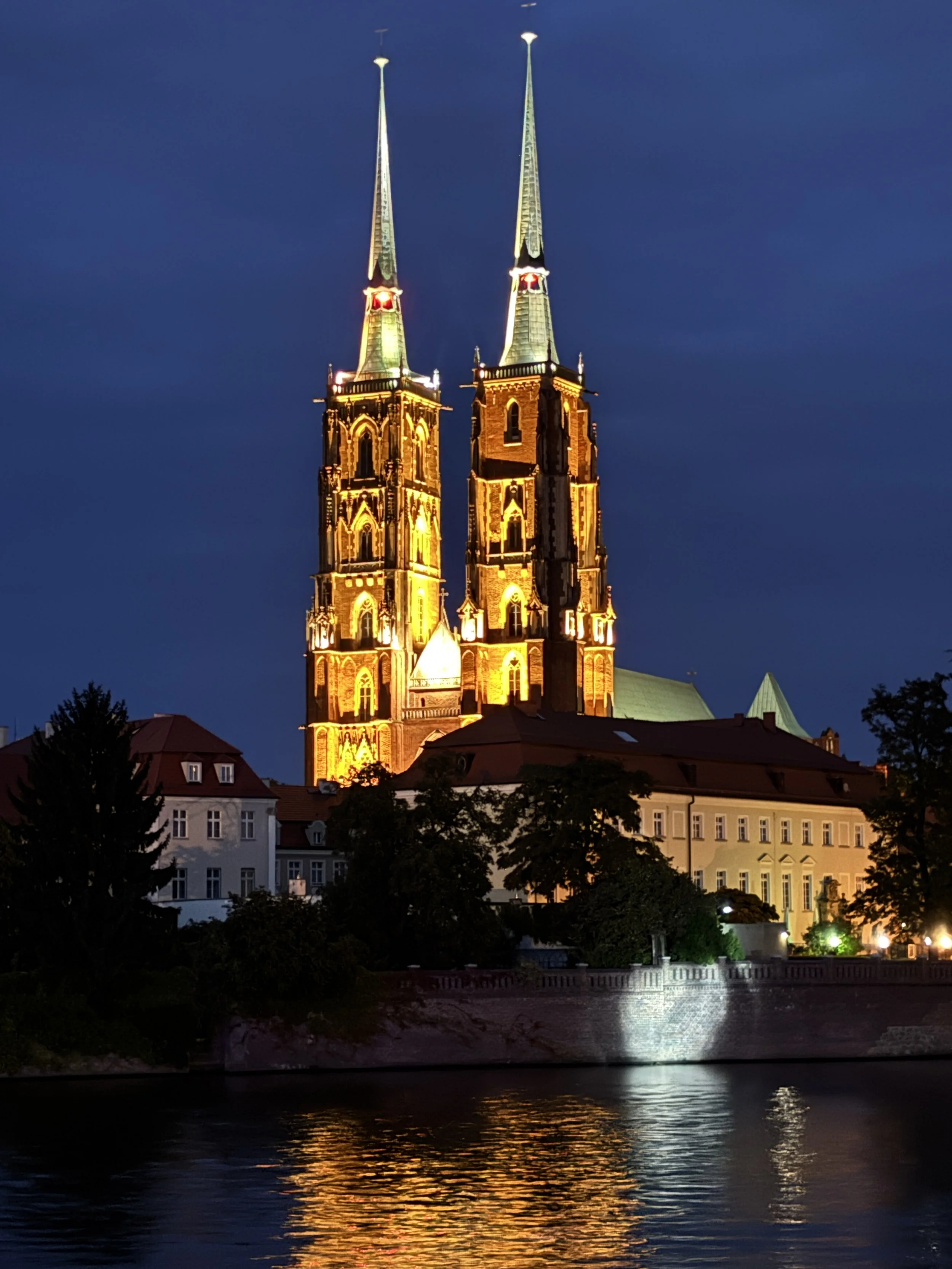
You can also get great panoramic views of Ostrow Tumski from the south bank of the river. Here you will have a riverside promenade with stalls facing the river. Besides being a place for temporary festivals and markets, it is also a nice place to get the views at sunset.
The lamp lighting tradition
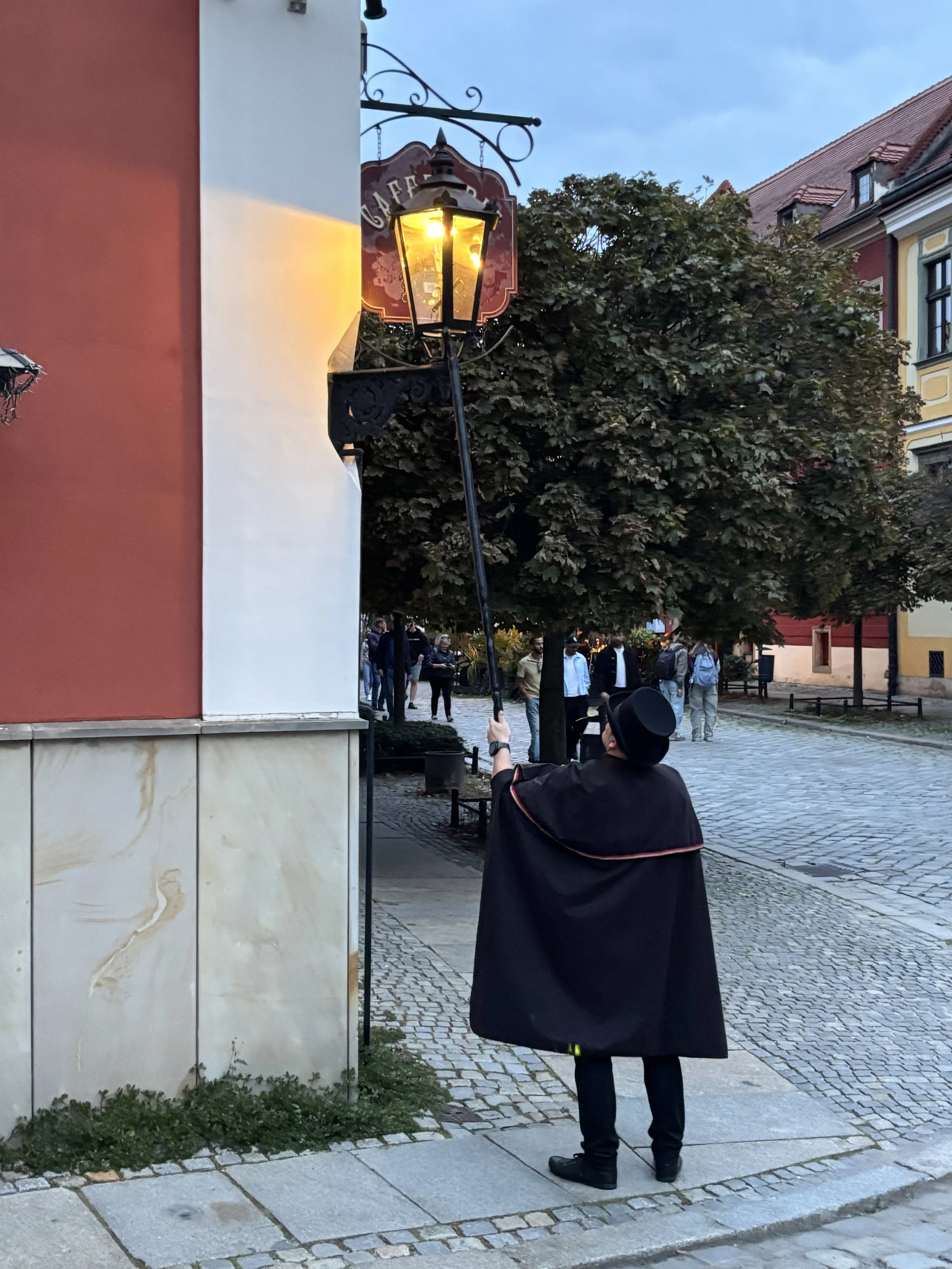
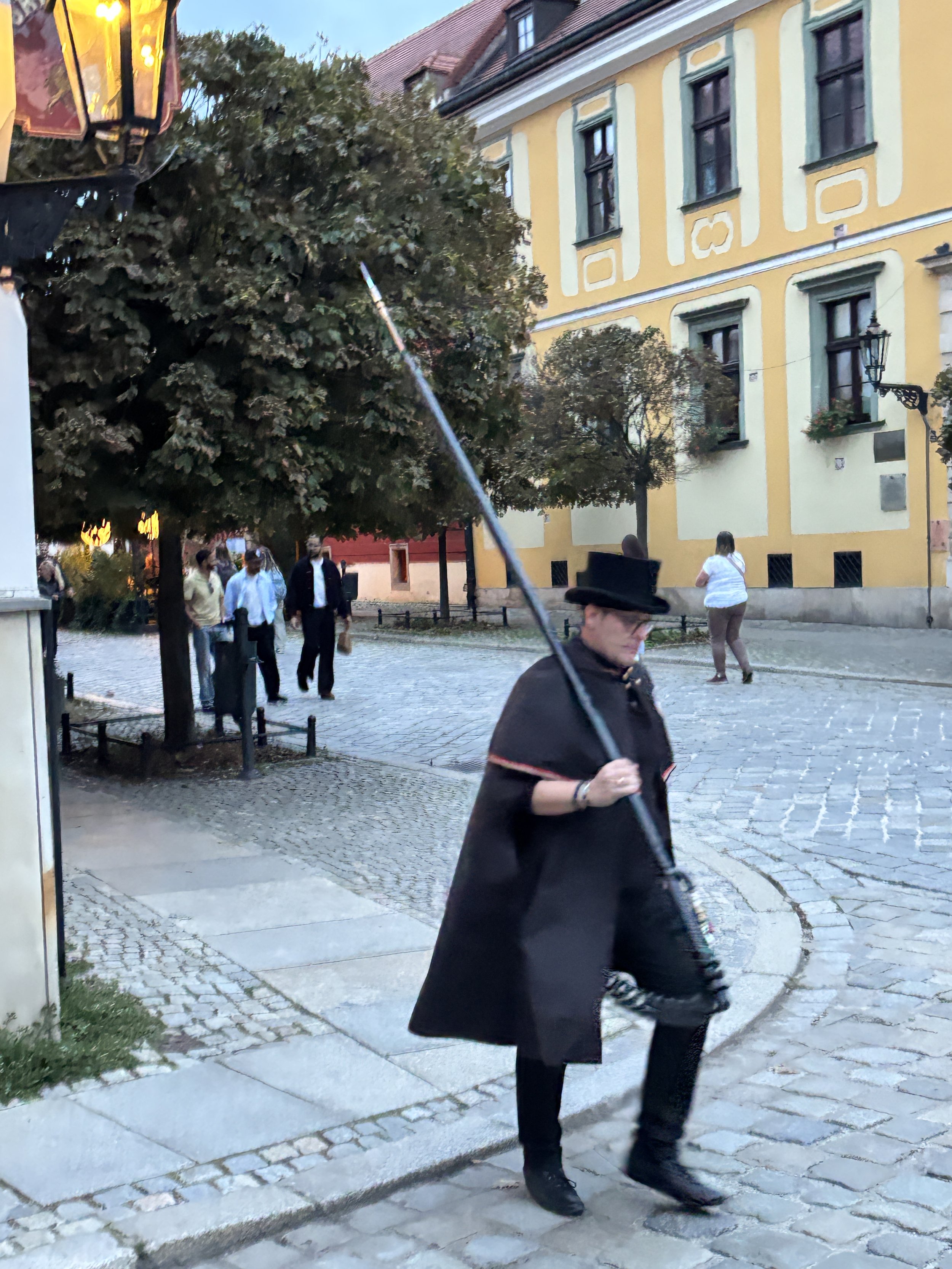
Talking about visiting Ostrow Tumski at sunset, here is yet another reason to do so: every day when the sun sets, an old tradition comes into play, with the nearly 100 gas lamps from the 19th C. still left in Wroclaw, being lit by hand.
There is no set time for this, check the sunset times and head to Ostrow Tumski around that time. You will possibly spot the guy doing this job quite easily, because, besides his period costume, he is usually followed by a crowd of tourists taking pics (yes, I was one of them too!)
Will you be able to find all of Wroclaw’s dwarves?
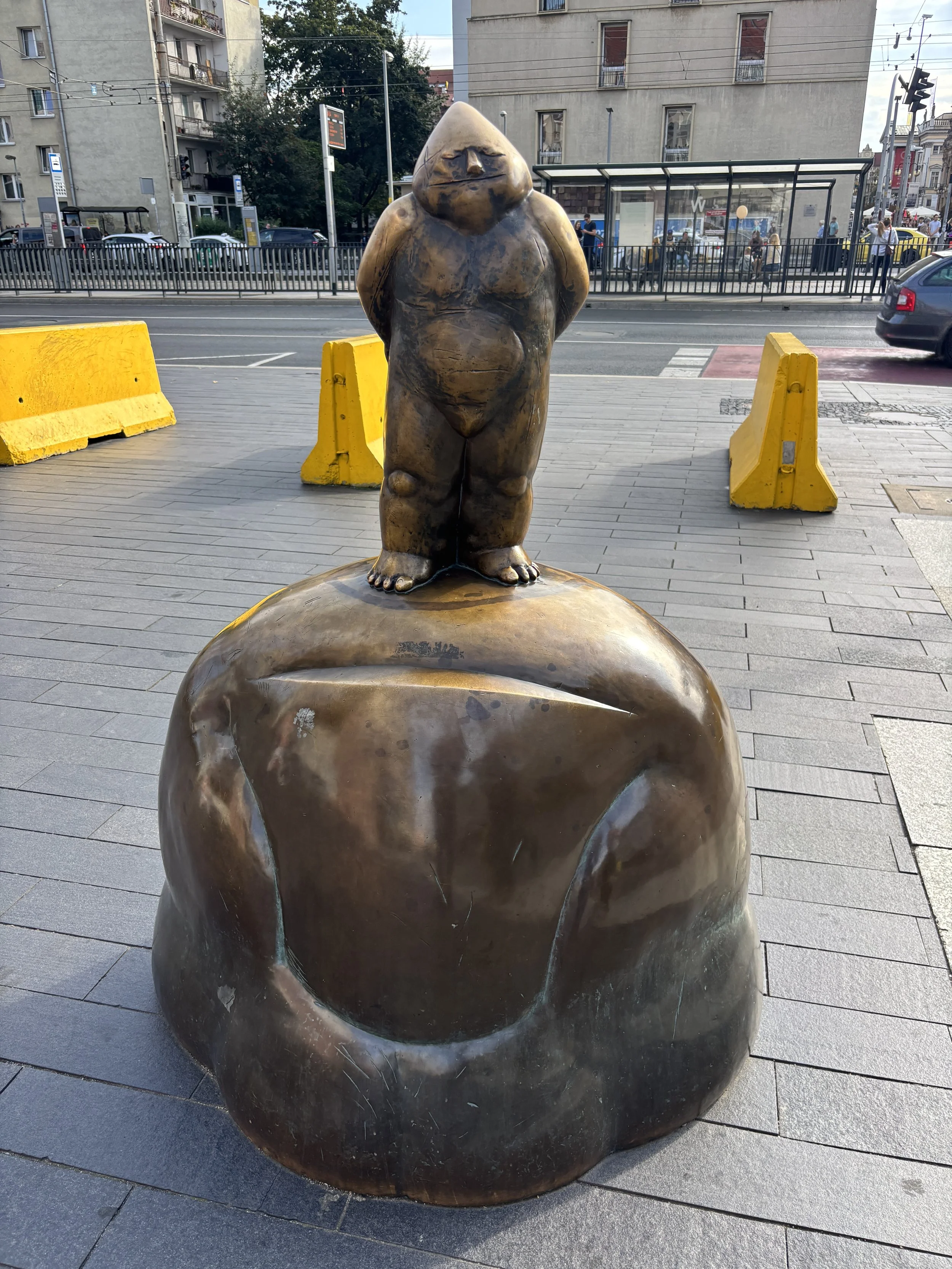
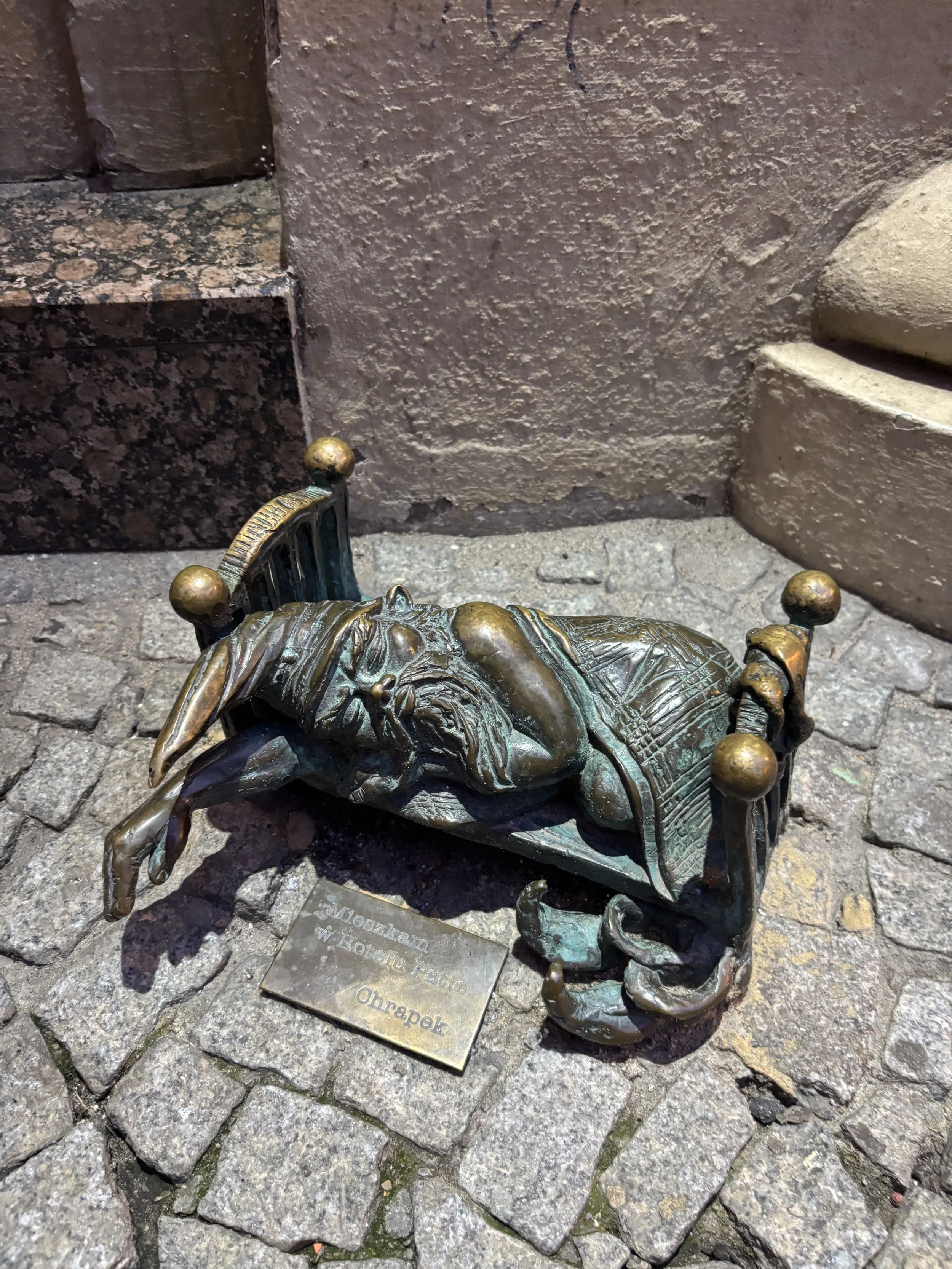
Here is a thing that is quite unique of Wroclaw: the dwarves.
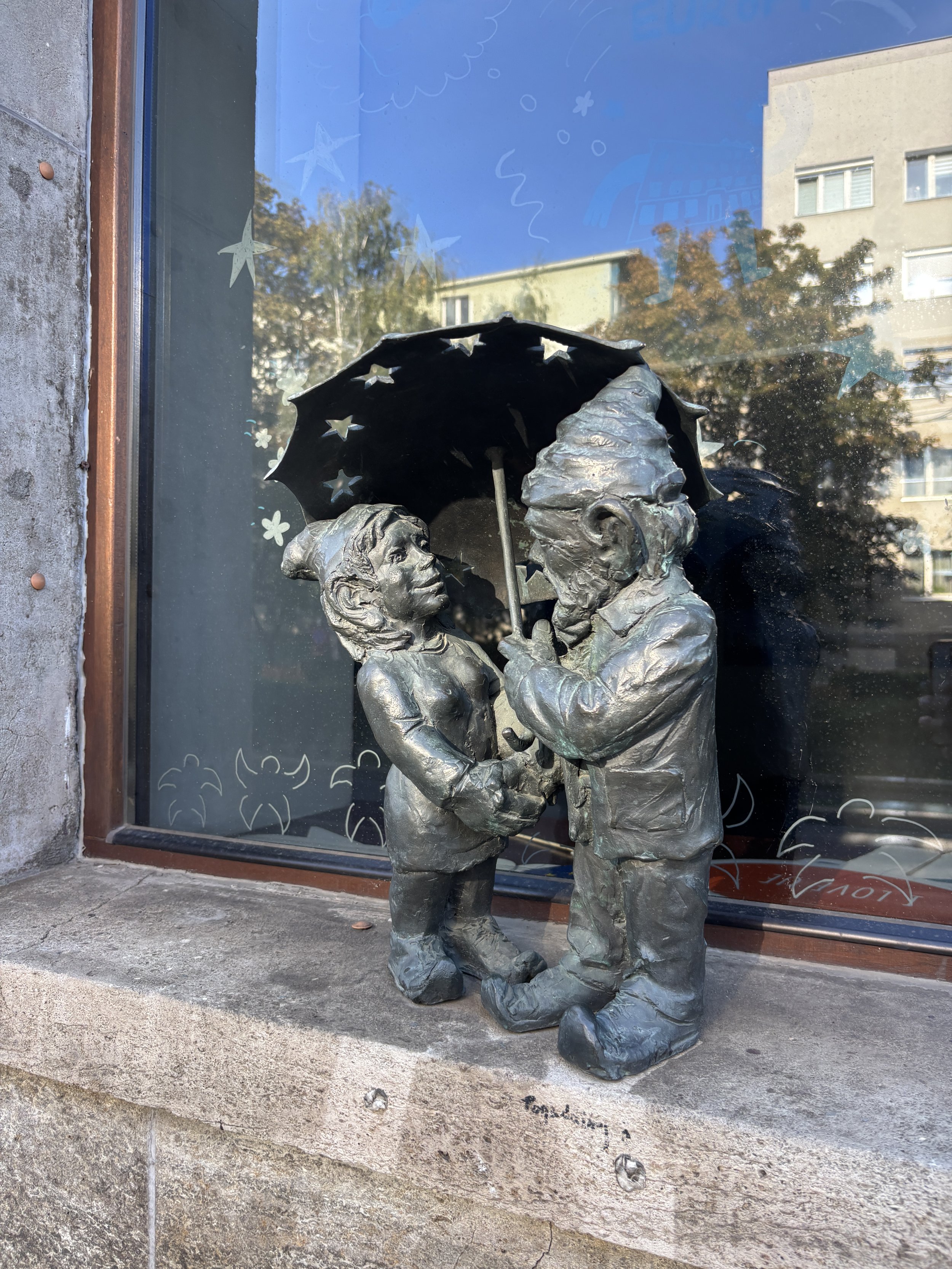
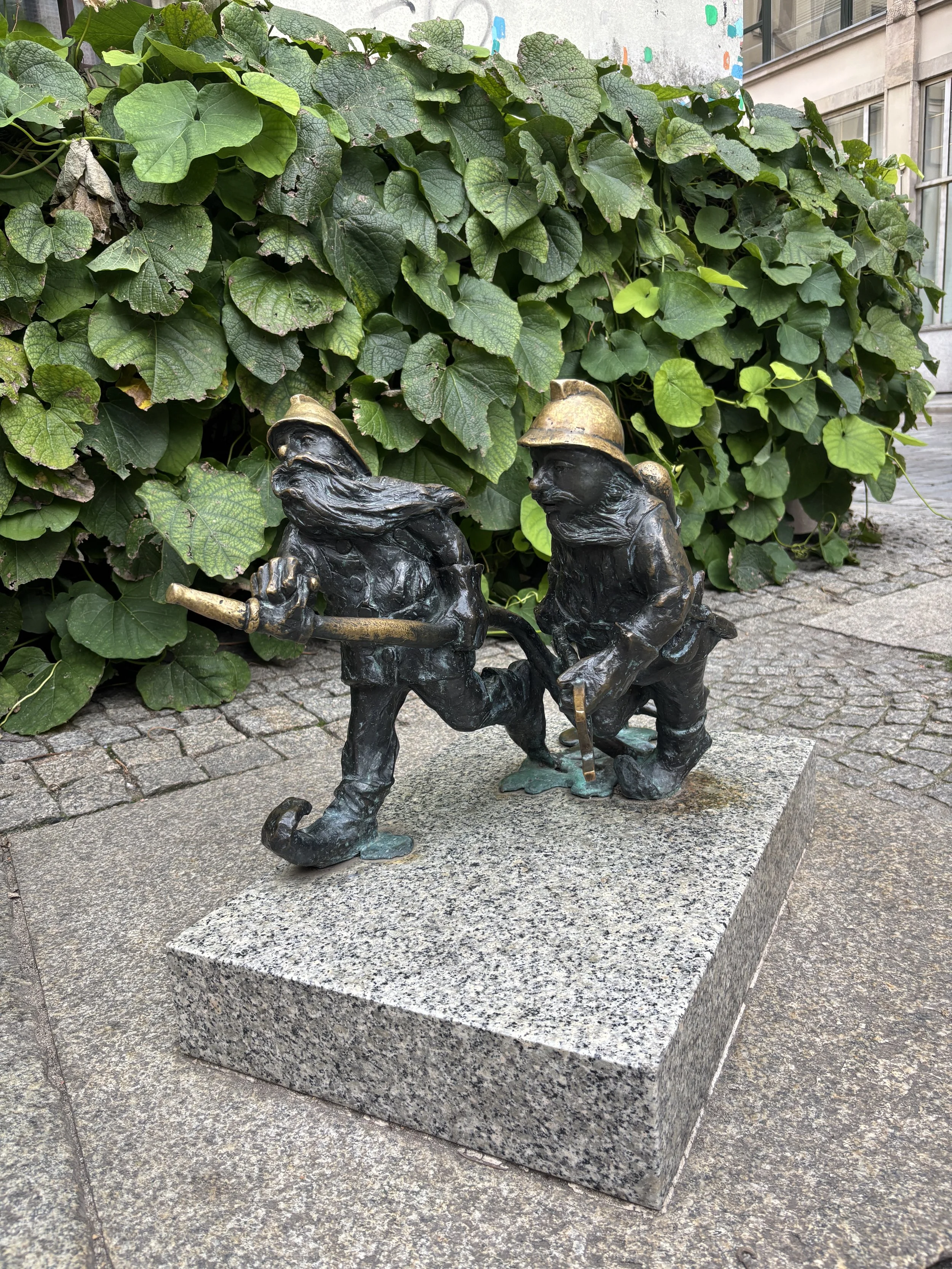
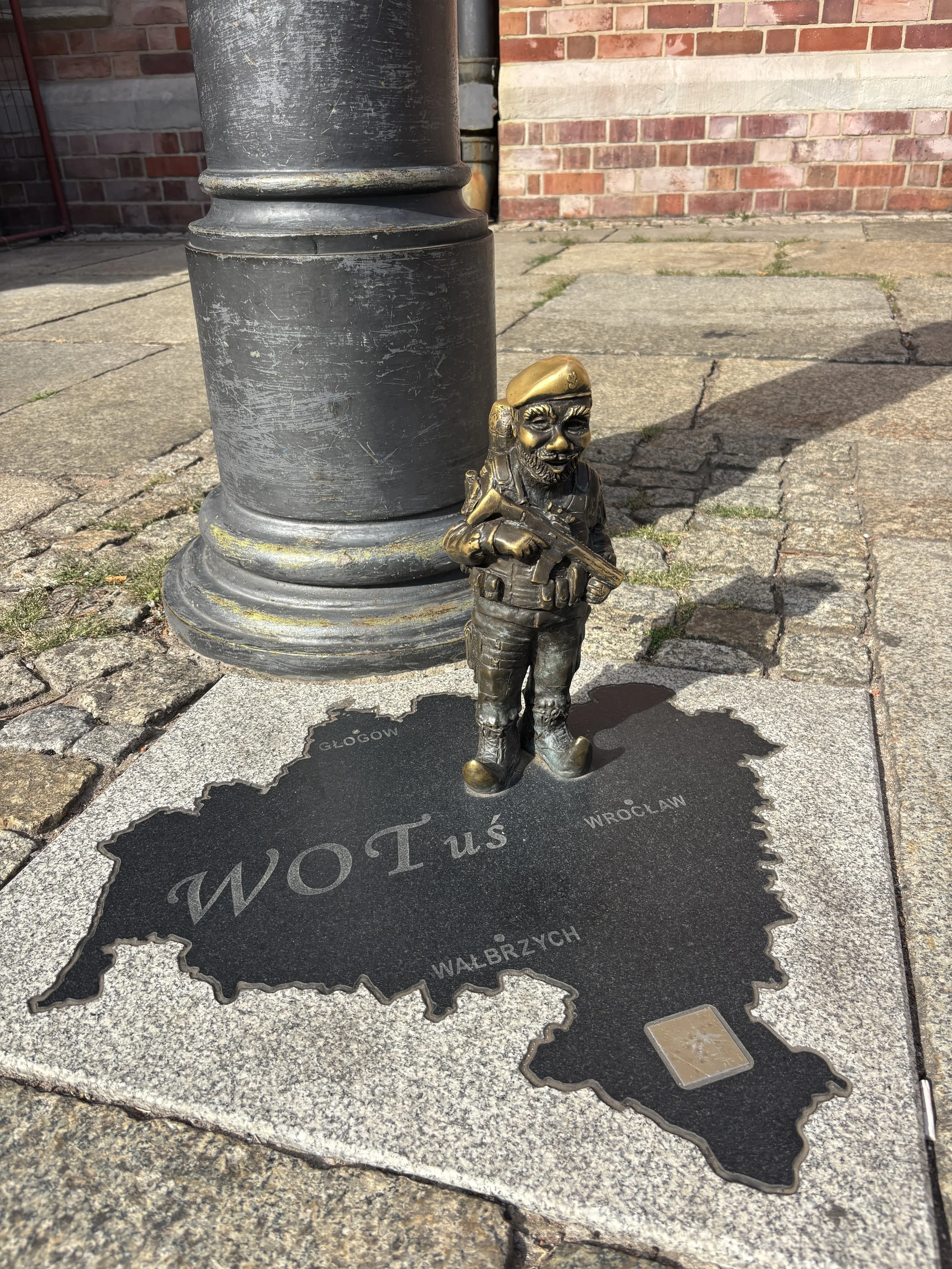
There are around 1,000 of them, possibly more because no one really knows, all over the city of Wroclaw. What’s more, these little bronze statutes tend to come from all walks of life, as each evokes the place or activity it is linked to. There are firemen dwarves, soldier dwarves, traveler dwarves, and so on.
It all started as an anti-communist protest in 1980s Wroclaw, as activists in the “Orange Movement” which criticized the Communist dictatorship started to paint small dwarves on some walls as the authorities tried to patch over anti-regime graffiti. The movement then evolved with protestors conducting ephemeral protests wearing dwarf hats to ridiculize the government repression. A large gathering in 1988 ended up with mass arrests, but that was the point!
So, to remember those events, the the first bronze dwarf, called Papa Krasnal (Papa Dwarf), was installed on one of the city’s main boulevards. Five other smaller ones followed shortly after. But, once they became entrenched in the city’s identity there was no stop and little dwarves started appearing pretty much everywhere, the result of both public and private initiaitive.
Today you can get a map at Wroclaw’s tourist office, which helps you track and “collect” the dwarves you come across while walking around the city! (and there are, of course, other initiatives to help you find all the dwarves, like these app-based dwarf tours). With more than 1,000 around, it can be quite a fun and absorbing challenge!
Hala Targowa - Wroclaw’s Historical Market Hall
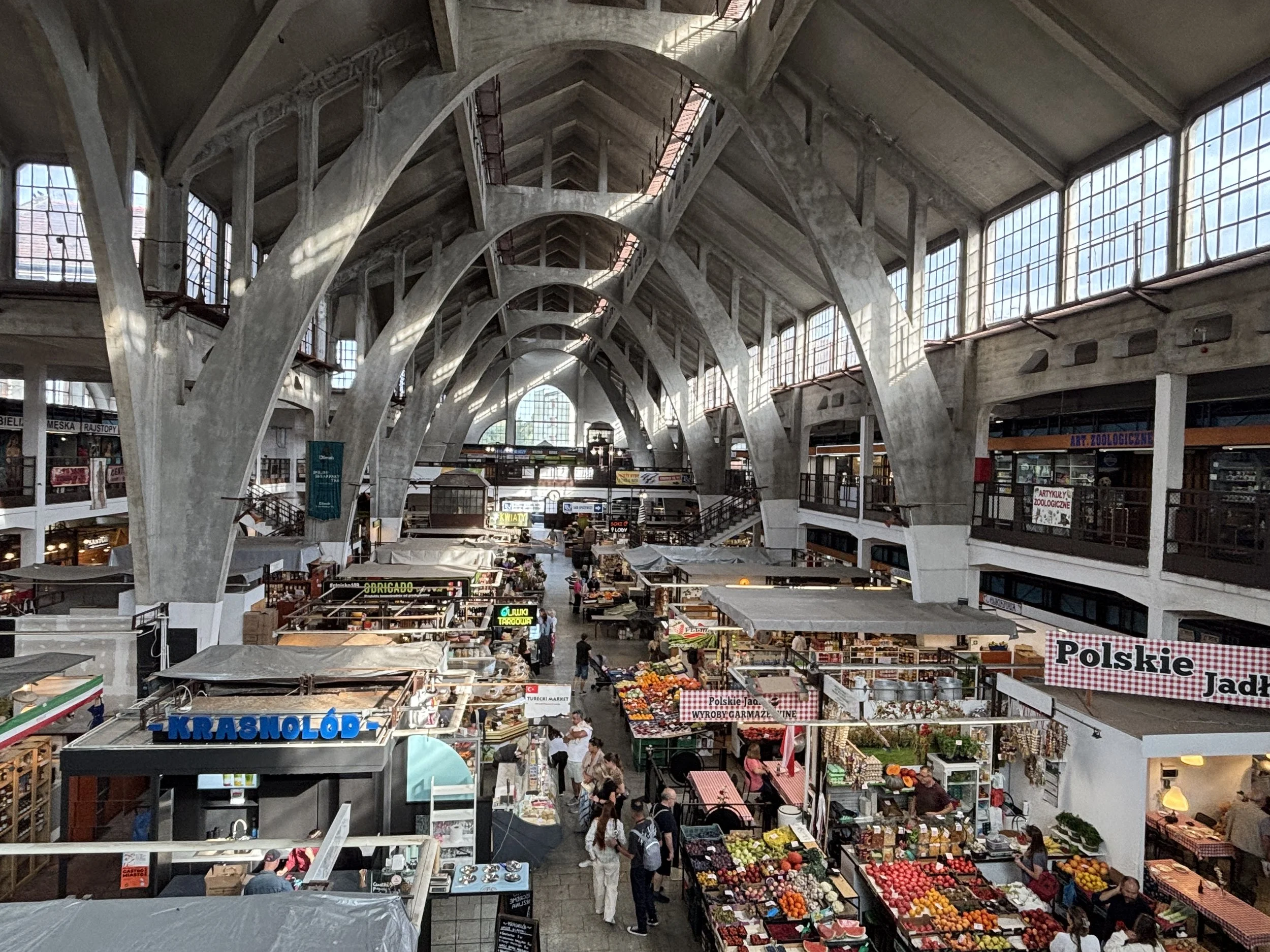
This is another interesting architectural site. It was built in the first decade of the 20th C. with an approach that is quite unique for buildings of this site.
Regular readers of this site may have seen markets with iron structures like the Mercado Central in Montevideo, but this one is made of concrete and using parabollic arches which are somehow reminiscent of the work of Catalan architect Antoni Gaudí. The structure turned out to be resistant enough to survive the war!
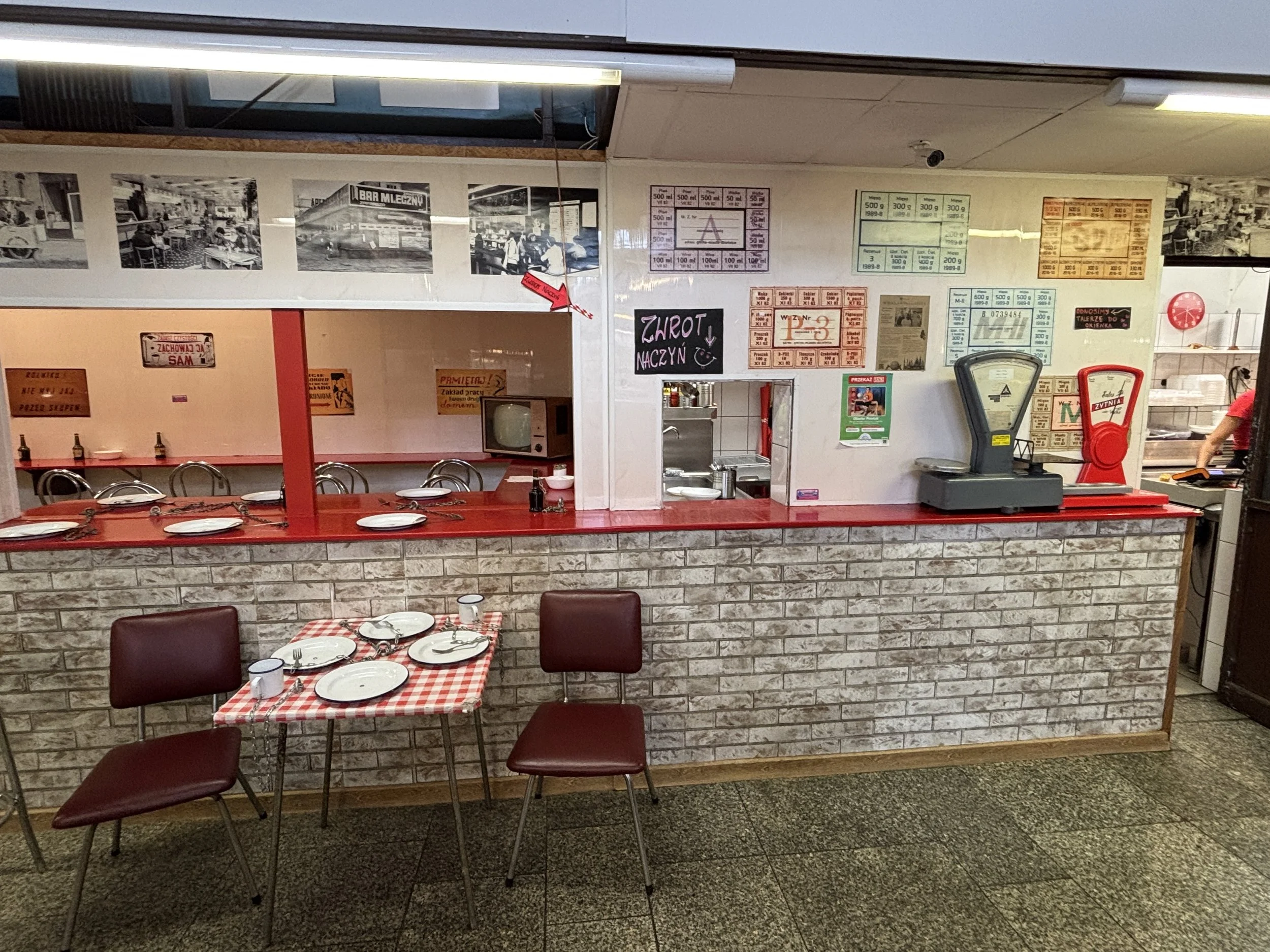
There is currently a project to turn part of the market into a more upmarket gastronomic area, but, in the meantime you can get a taste of Cold War Poland by having some piroegi at “Teddy Bear” (don’t forget to bring your ration card!).
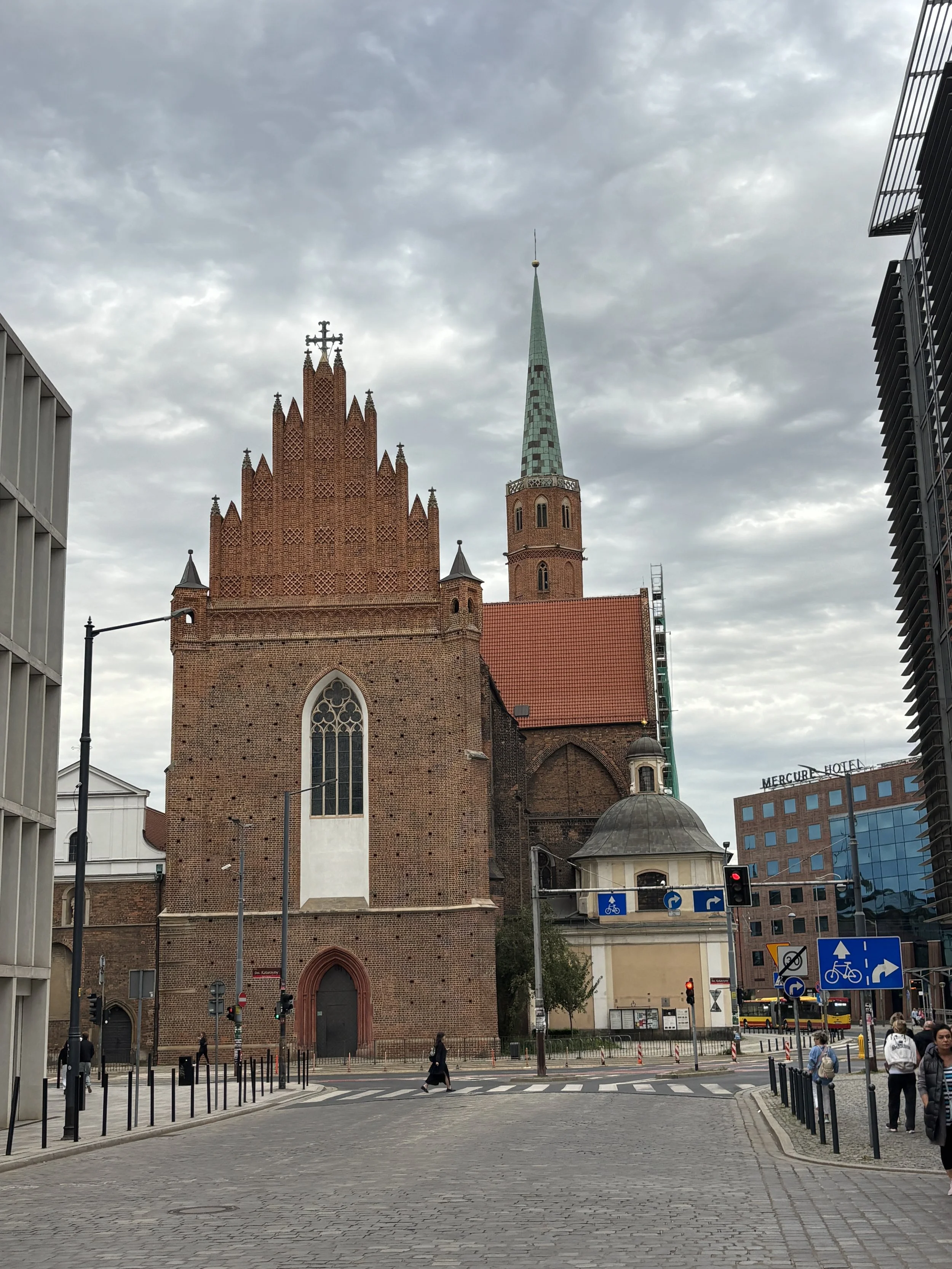
What to see outside Wroclaw’s historical center
So far we have focused our attention on a relatively small area around the historical center of Wroclaw, however, I would advise dedicating at least half a day to the district right to the east of it.
Here you will find the more modern extension of the city, as well as some gardened areas and some of the city’s most interesting museums, such as the Racławice Panorama, Hydropolis and Centennial Hall.
You can use the tram to get to the latte (more on trams and moving around Wroclaw below) but if you have the time and the inclination, they are also within reach on foot, particularly the Panorama, which is the closest to the historical center.
If you head in that direction, a good spot to replenish energies is “Pan Gruzin” a Georgian bakery located on Wita Stwosza.
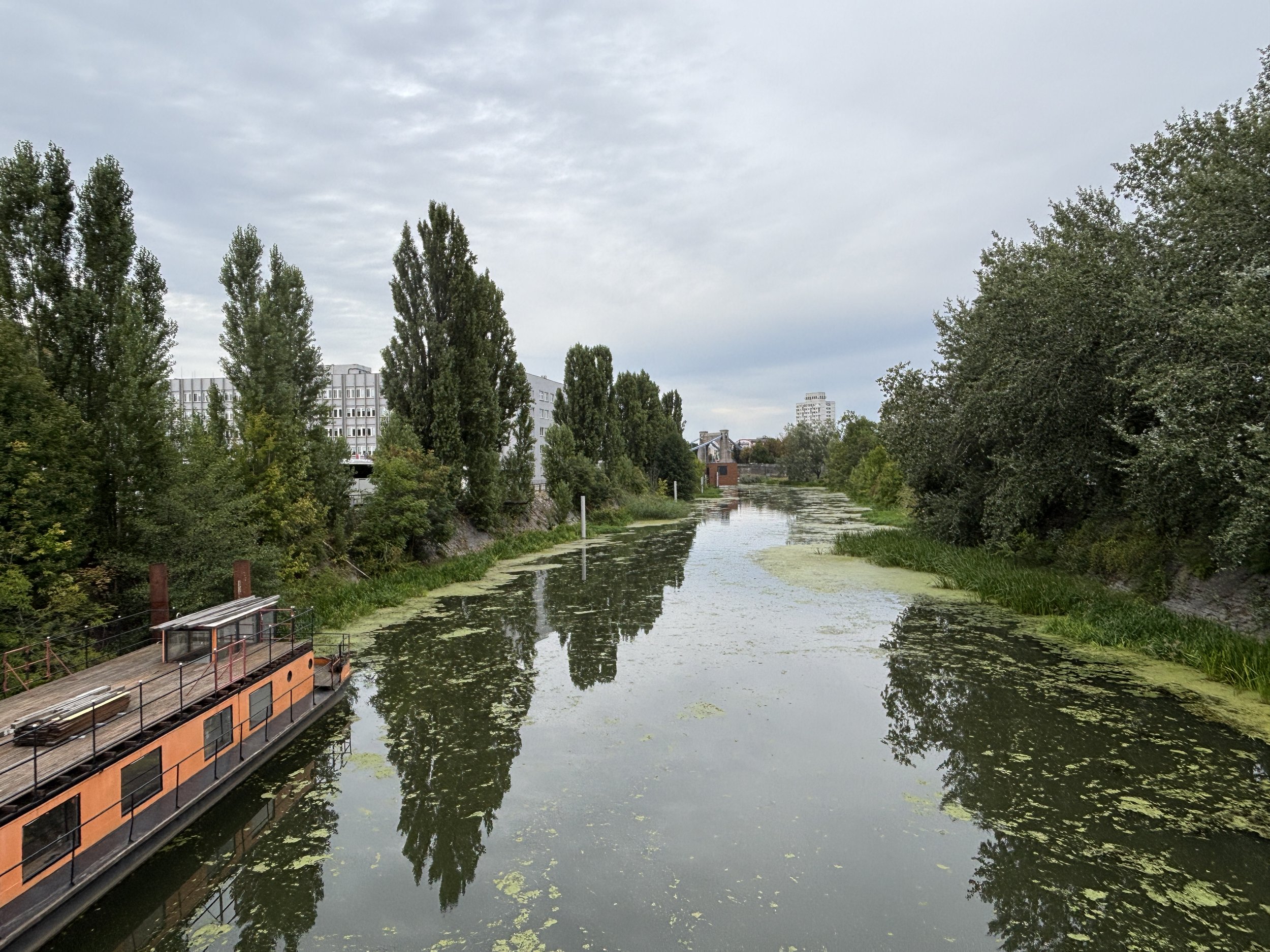
Visiting the Racławice Panorama
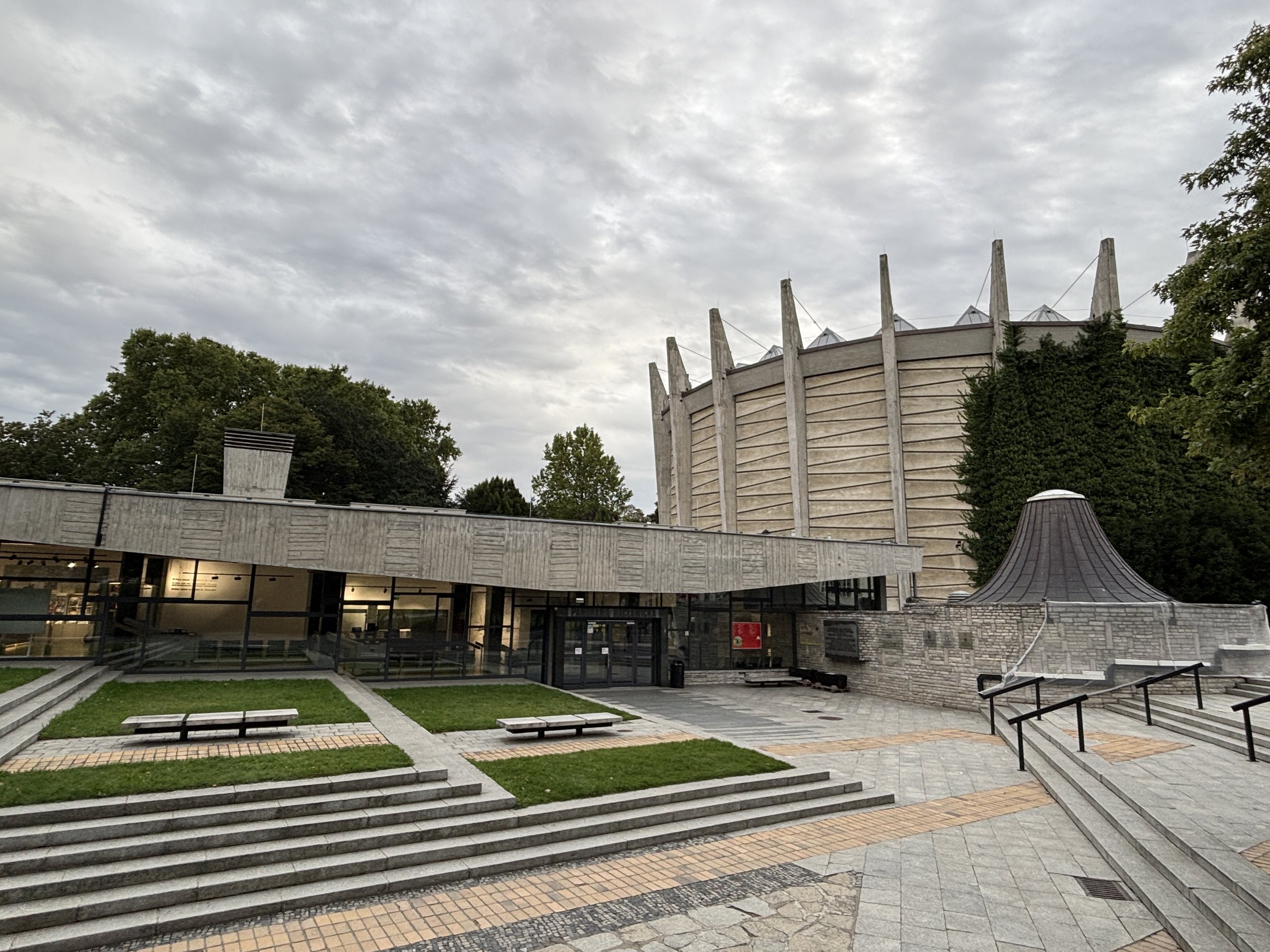
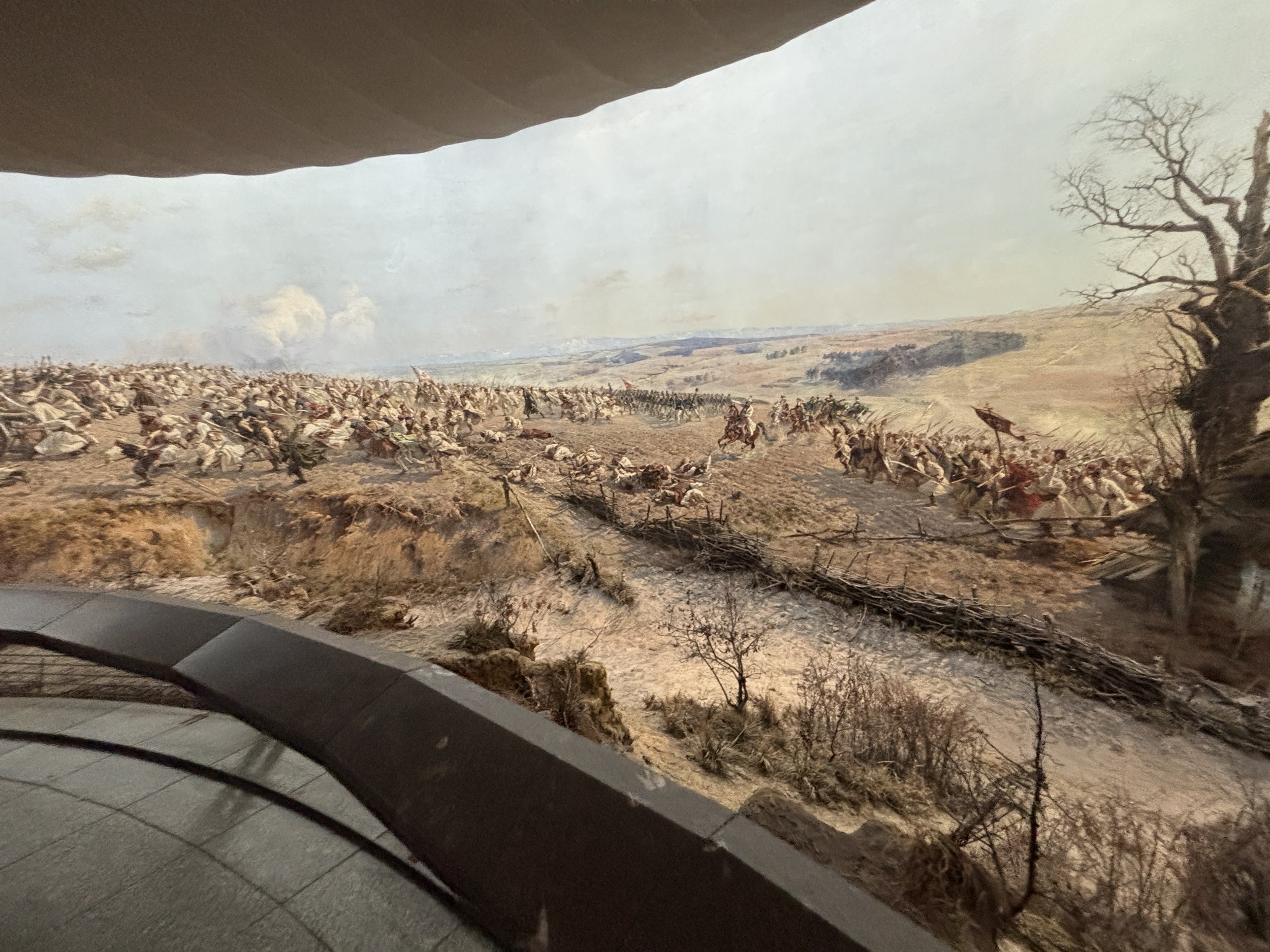
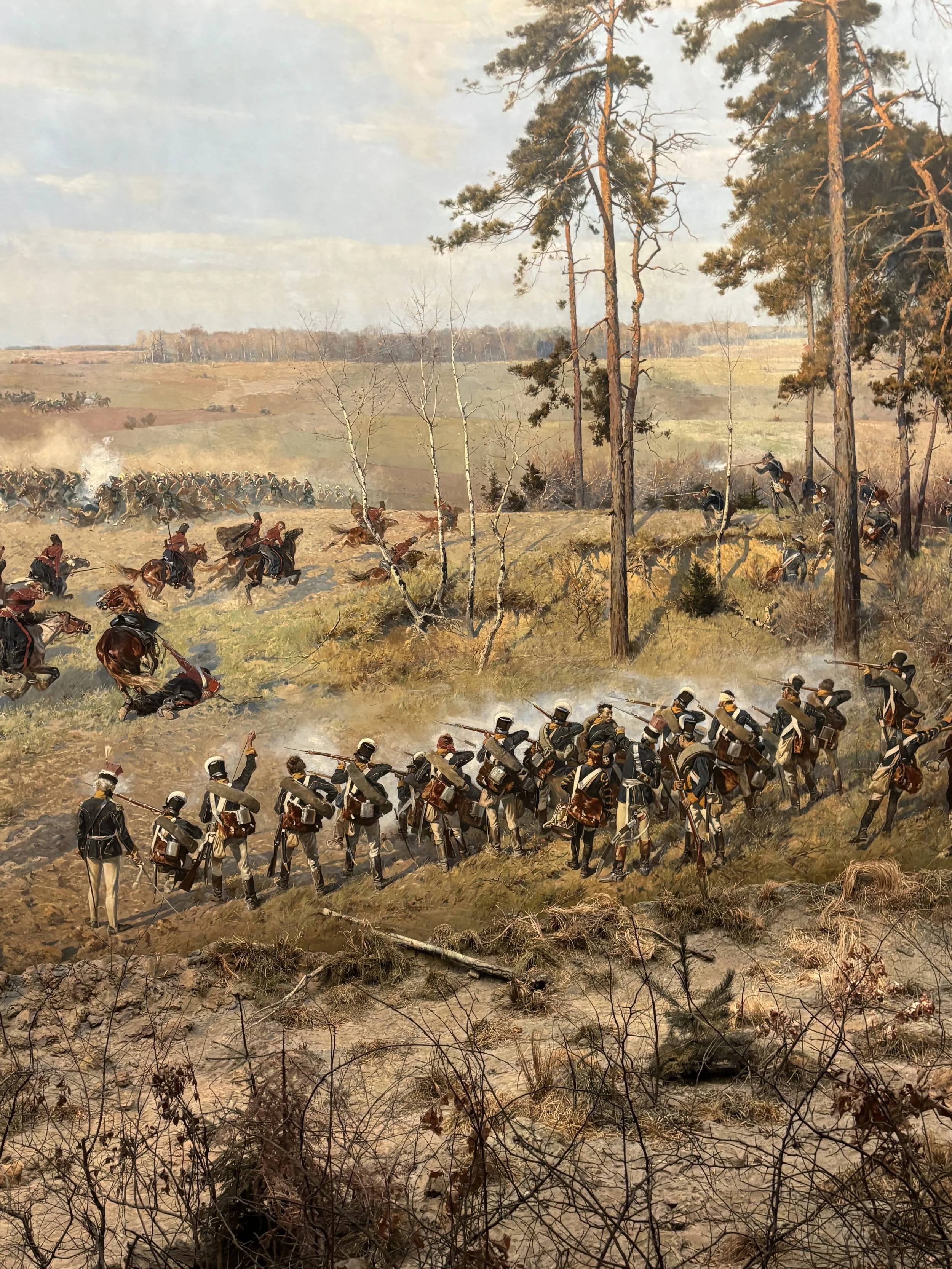
You can’t miss this one if you are a fan of historical paintings. The Racławice Panorama is an epic large scale 360º immersive painting which takes you to the Spring of 1794, when Polish troops and peasants won a victory over the Russian army in an attempt to restore Polish independence.
The Racławice Panorama was first exhibited in 1894, to mark the centennial of the battle, and it was exhibited in Lwow (then part of the Austrian Empire and currently, Lviv, Ukraine) until 1946, when it was sent to Wroclaw by the Soviet authorities together with other elements of Polish cultural heritage. Since at that time Poland was under Soviet domination, the painting was not fully restored until the 1980s, when a special building was built for it.
The painting is truly impressive and it does a great job in getting you in the midst of the events. Access is done by groups every half hour and the ticket (which costs 50 PLN, around €10/$11) includes an audioguide with a very thorough explanation of the battle and what is depicted in each scene of the painting. Totally recommended!
Hydropolis, a water museum
This is a modern museum dedicated to the topic of water in a broad sense: rivers, lakes, oceans and so on.
It is located in the city’s former water treatment facility, with the exhibits occupying an underground Neo-Gothic reservoir which used to store the city's drinking water from the late 19th C. 1890s (it is in pieces of infrastructure like this, together with the aforementioned Market Hall and the soon to be explained Centennial Park, that you can see what a forward-looking place this city was at the time!)
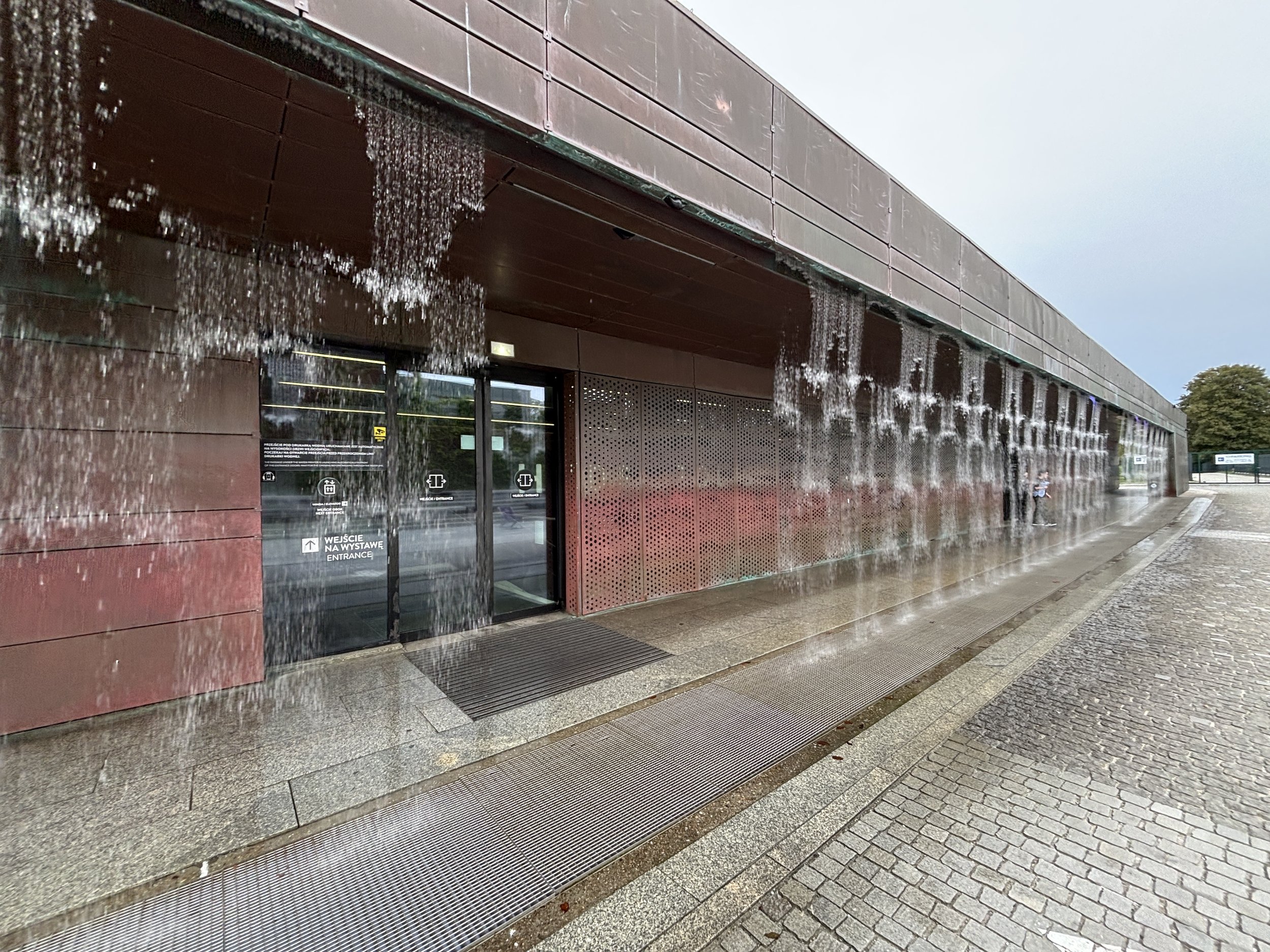
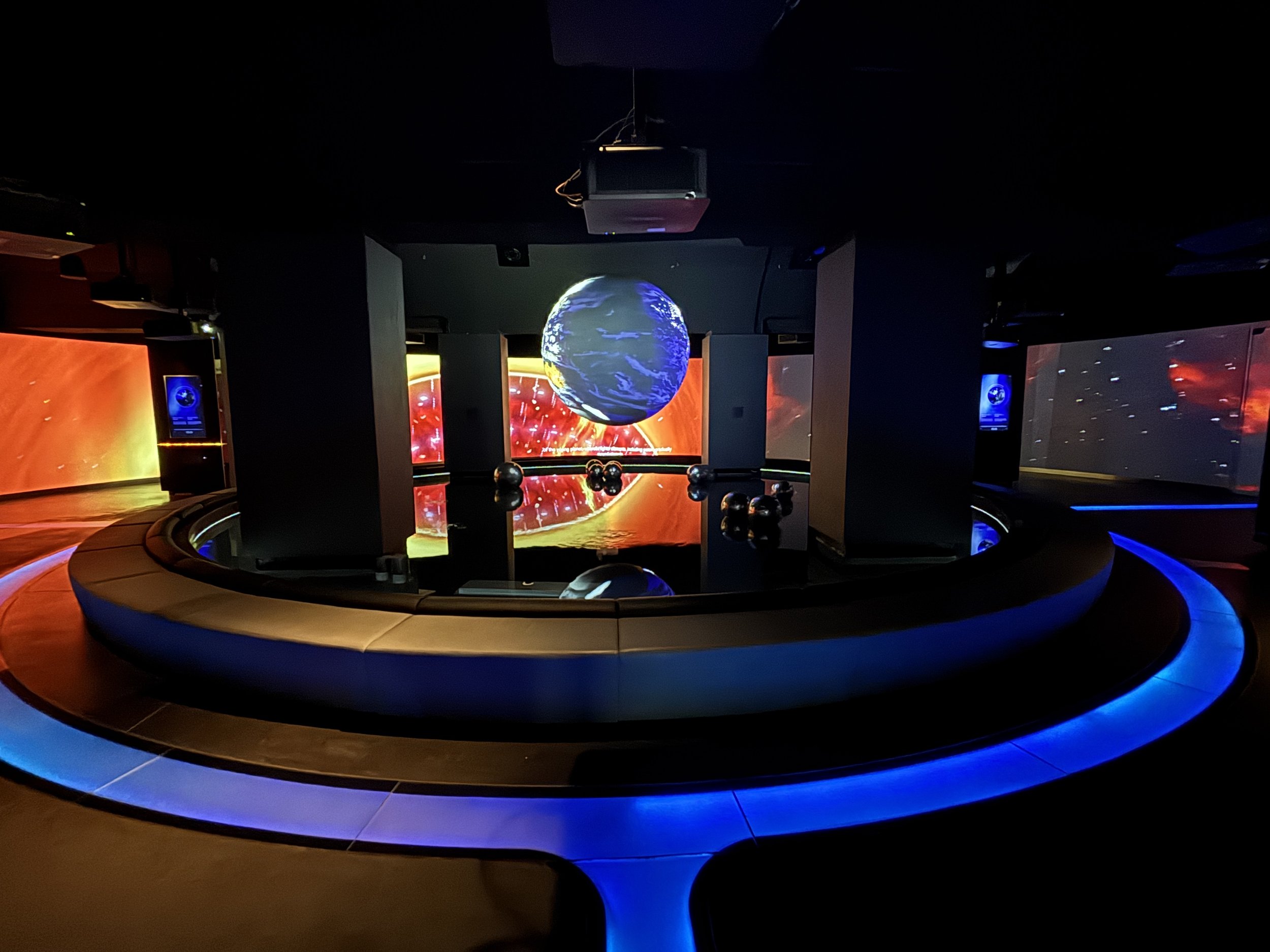
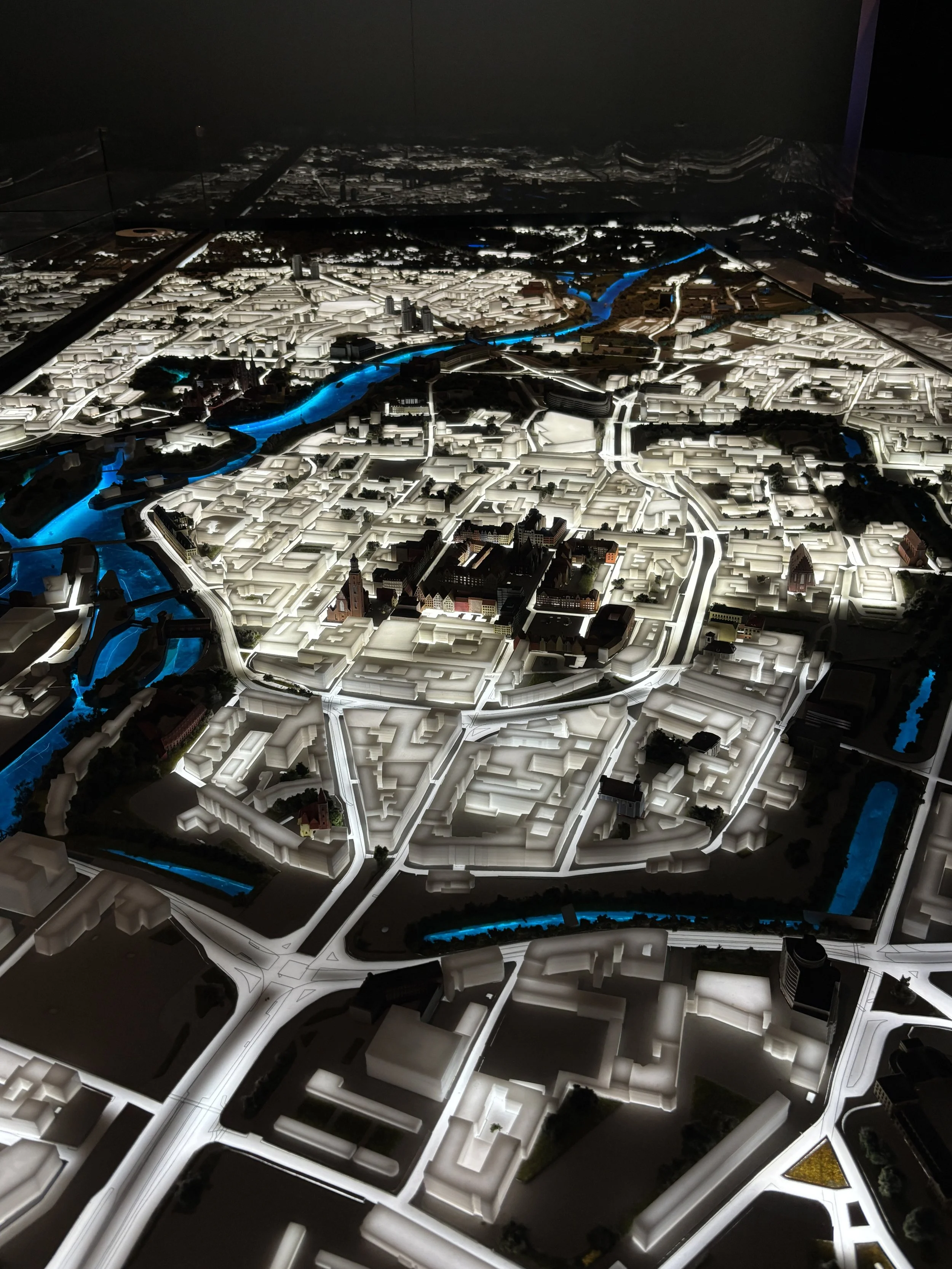
One of the highlights of the exhibition is an interactive map showing the extent of the floods that Wroclaw suffered in 1997, with large portions of the city going under water. That event led to an upgrade of the city’s flood management and protection systems which withstood well another potential flooding event in 2024.
Hydropolis is not a huge museum, you can see it well in about one hour. To be honest, while I found it reasonably interesting , I got the feeling that it tries to cover too much ground (from the ocean depths all the way to Wroclaw’s water system) to do so effectively. If you have to prioritize, I would rather go to the Panorama and Centennial Hall first.
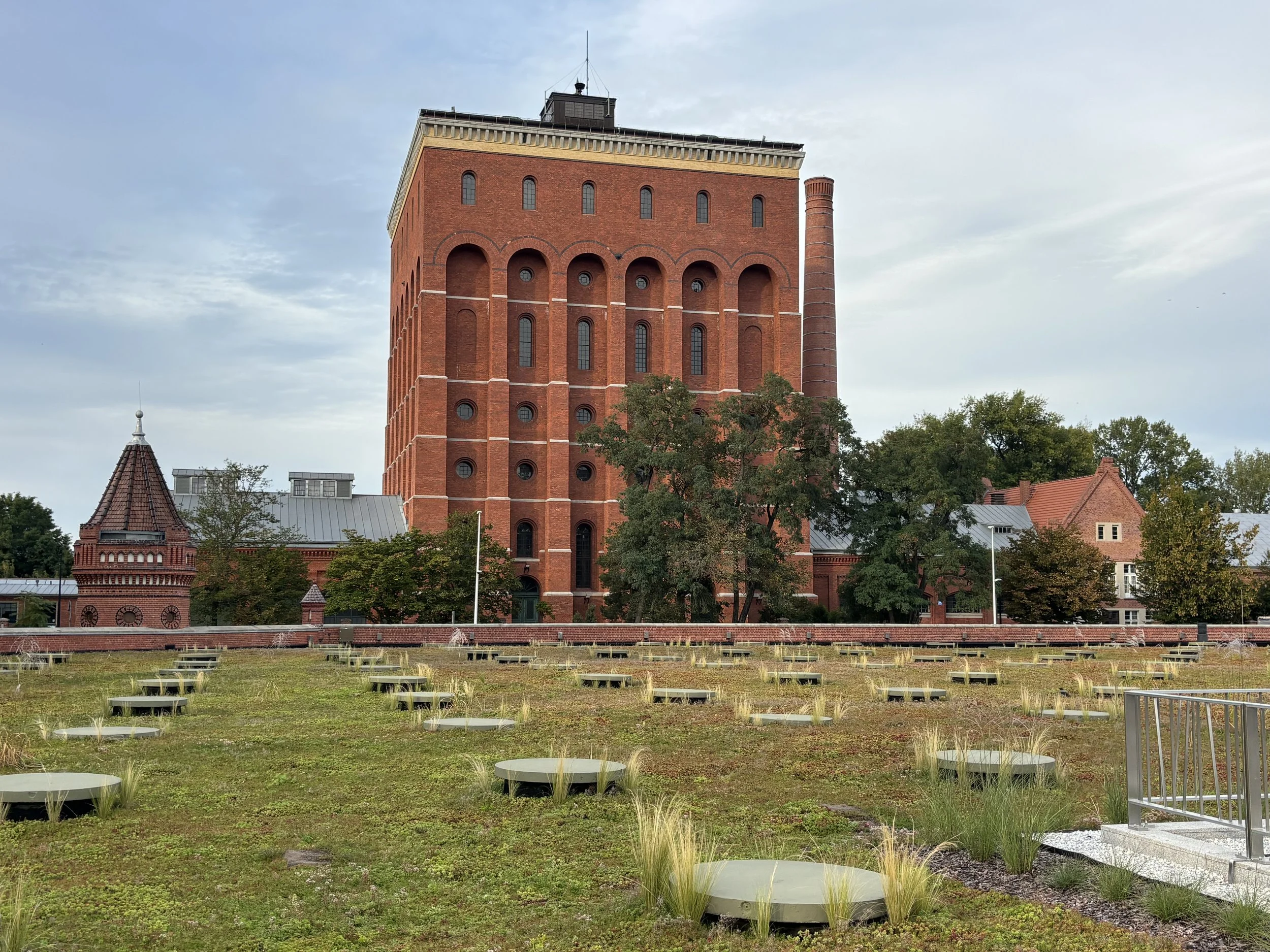
Tickets cost around 50 PLN (€10/$11). Most of the exhibition is inside, but you can also get to a garden roof from where you can see the old brick tower which used to act as a filtration tank for the city’s water supply.
By the way, the water tower has its own dwarf, which you are encouraged to located with the help of a telescope placed in the garden for this purpose!
Centennial Park - Wroclaw’s UNESCO World Heritage Site
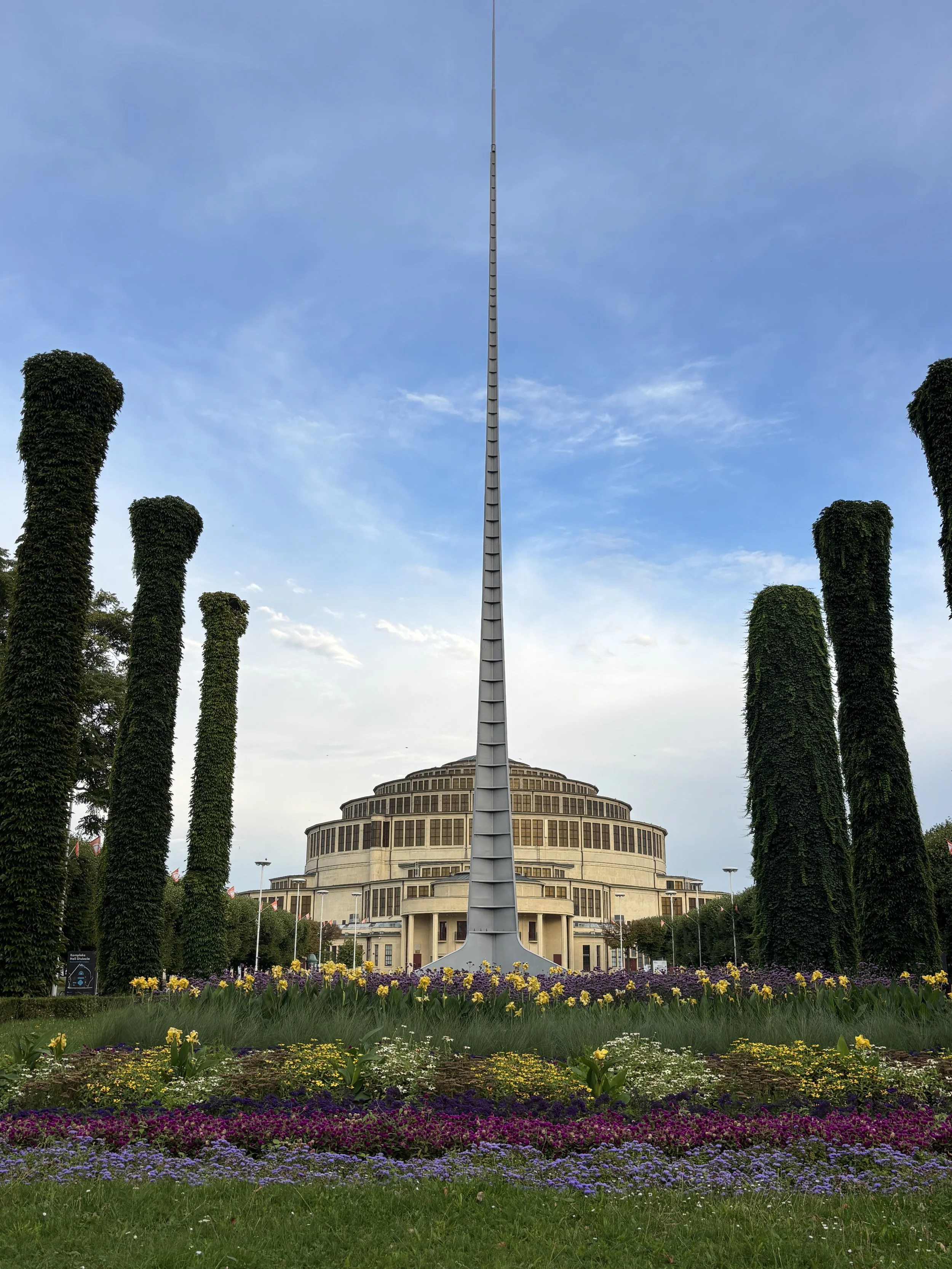
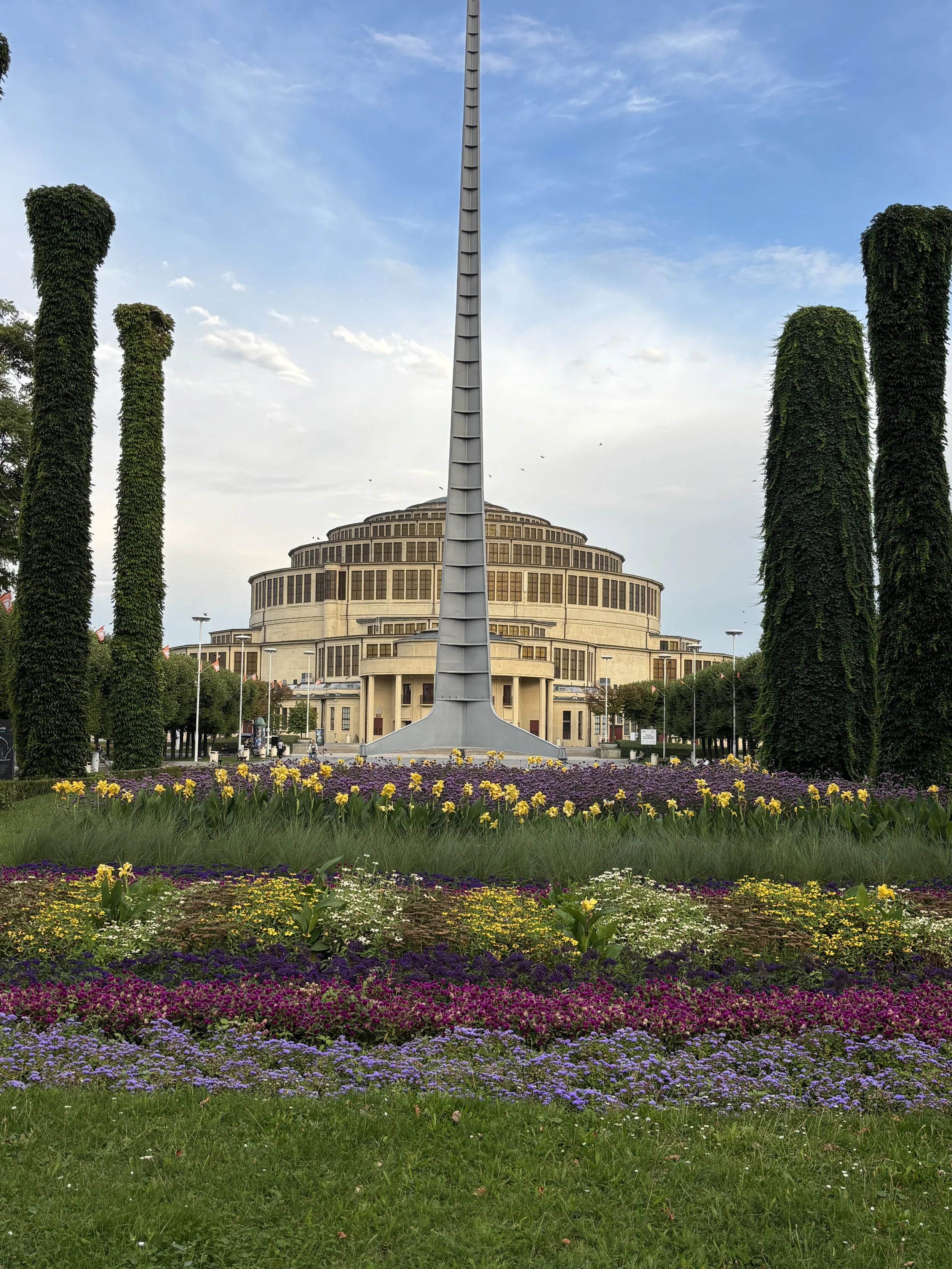
Centennial Park is the only site of Wroclaw which has UNESCO World Heritage status and, interestingly, it is not from the Medieval or early Modern era, but was built in 1913 instead!
Centennial Hall was designed by German architect Max Berg, to mark the centenary of the 1813 Prussian rising against Napoleon. Its reinforced-concrete dome is reminiscent of the Pantheon, in Rome, although, at 65 metres across, it is way larger!
It is possible to visit the interior, although I was too late for that (last admission is at 5pm). I think the most visually interesting elements are on the outside, though.
It is actually quite amazing to think this type of futuristic, yet very elegant, architecture was a thing more than 100 years ago. And even more amazing to think it survived the destruction of WW2!
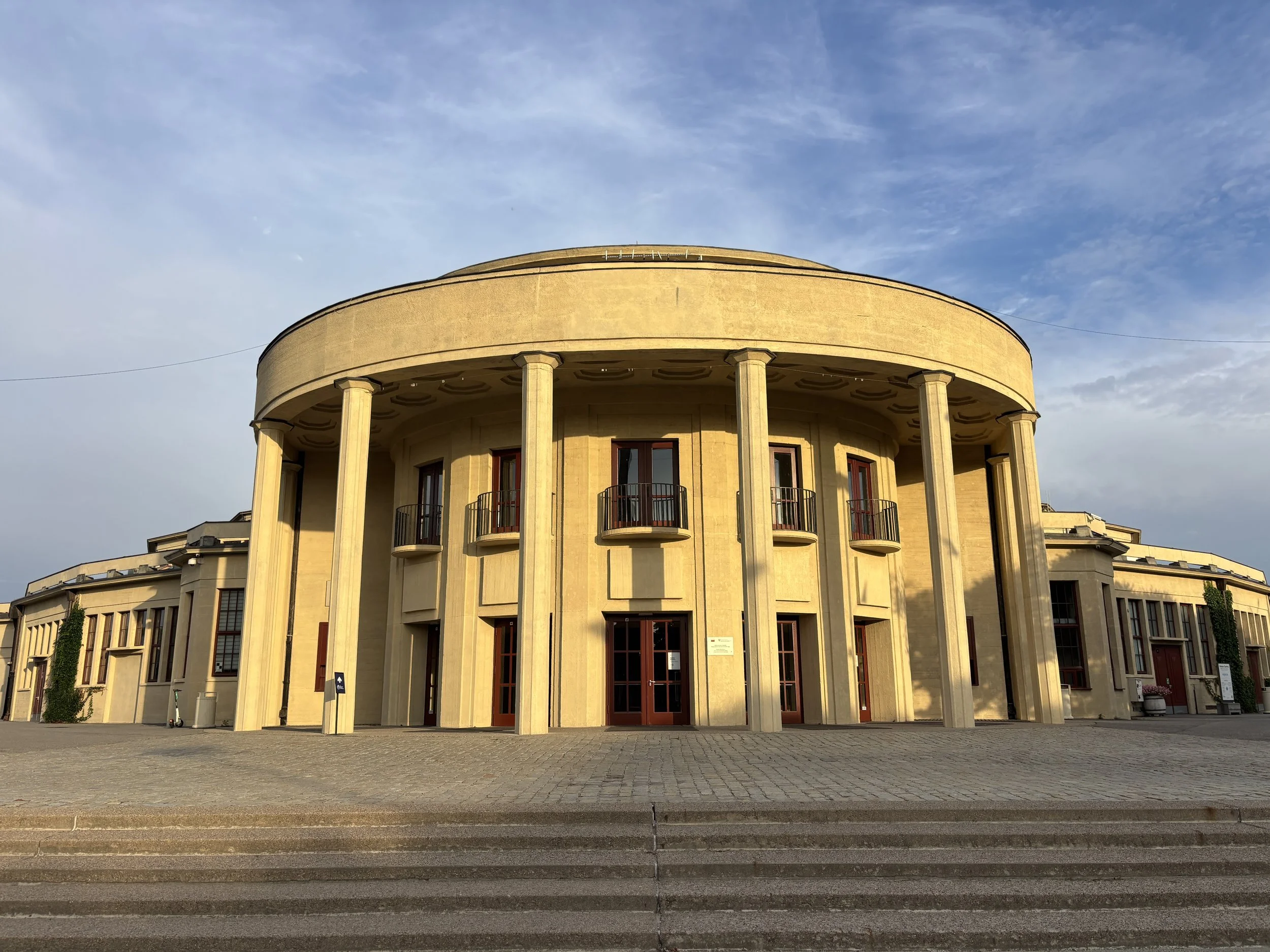
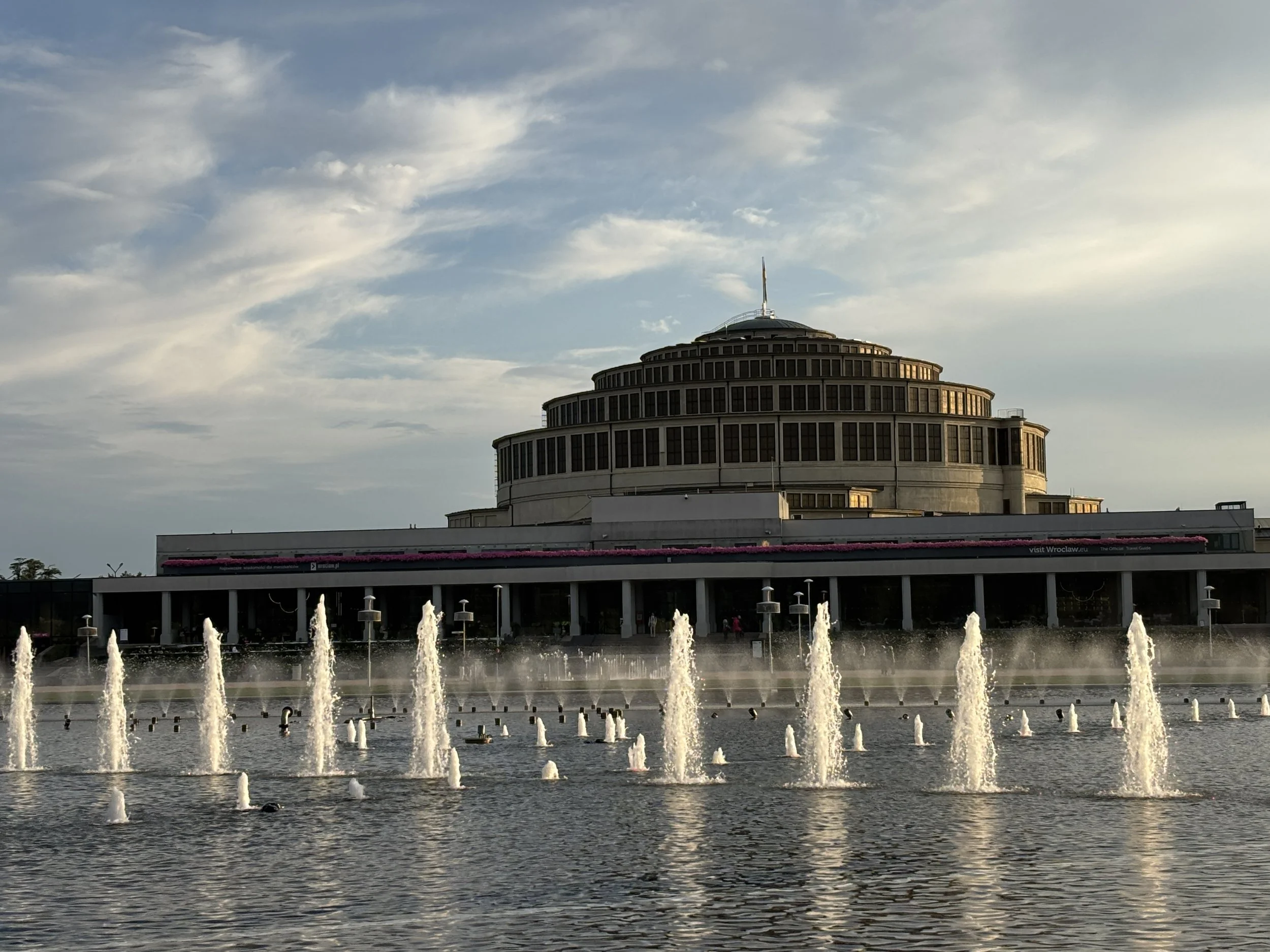
The circular hall and the spire are the most striking elements of Centennial Hall, but they are part of a much larger complex, which includes the lake and fountains, as well as the adjacent Japanese Garden.
While I didn’t have time to visit the Japanese garden, I heard good things about it and can be a nice addition to your itinerary if you go all the way to Centennial Hall. The garden, which is the third largest of its type in Europe, was set up also in 1913 and restored by Japanese specialists in 1995.
The fountain shows run hourly during the summer (May to October) and on some festive days and weekends there are special evening shows which attract large crowds. I didn’t have the chance to see any of these, but my advise is to check the schedules, because it can be a nice addition to your visit.
Wroclaw-la-nuit: Neon Gallery
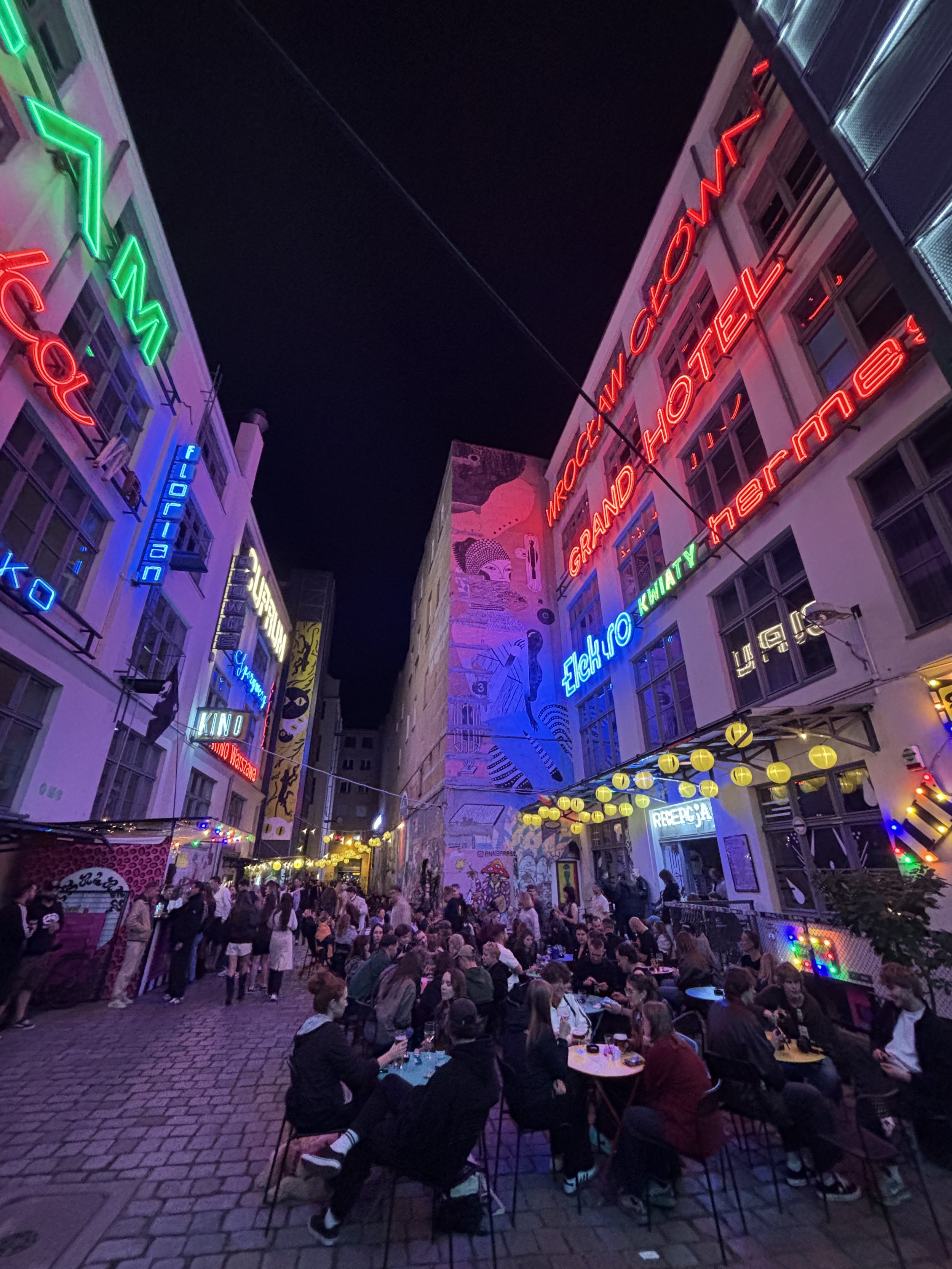
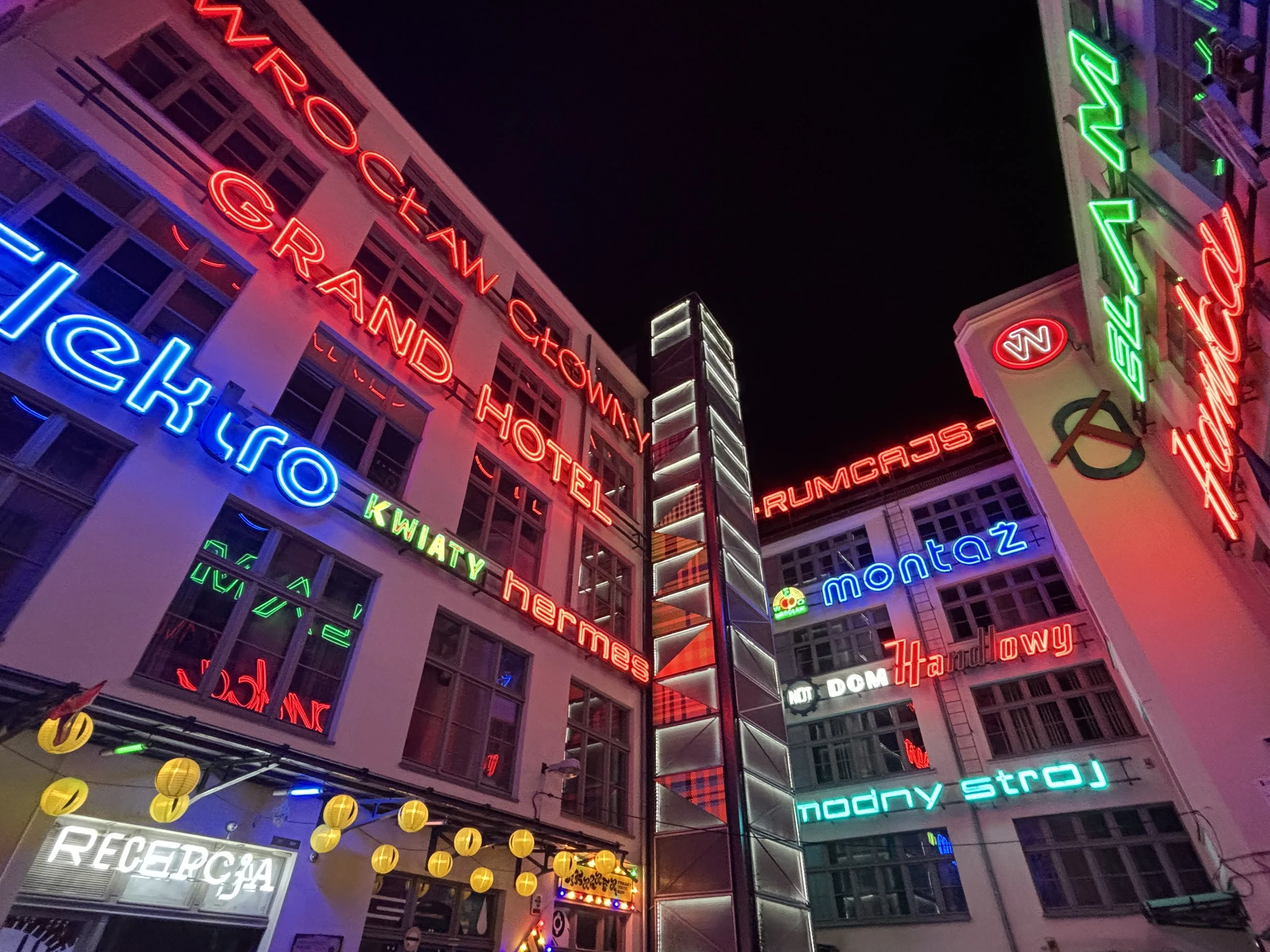
Even if you are planning to skip Wroclaw’s nightlife (as it was my case!) it is worth having a peek at the Neon Gallery, since this is quite a unique and scenic spot and it is literally next to Rynek.
Well, in fact, it is located into what has been named the “Four faiths district”, an area of the historical center which is called this way because it hosts temples of as many religious denominations (Catholic, Lutheran, Orthodox and Jewish) and has become a sort of bohemian side of Wroclaw.
This is, indeed, the vibe of Neon Gallery, which is a large courtyard lined with bars and nightclubs. There are, actually, a couple more courtyards next door which serve the same function, but Neon Gallery is the most visually striking.
It had already a lively atmosphere at a relatively early hour. Of course, the warm weather helped (not sure whether is it the same in the middle of the Polish winter!).
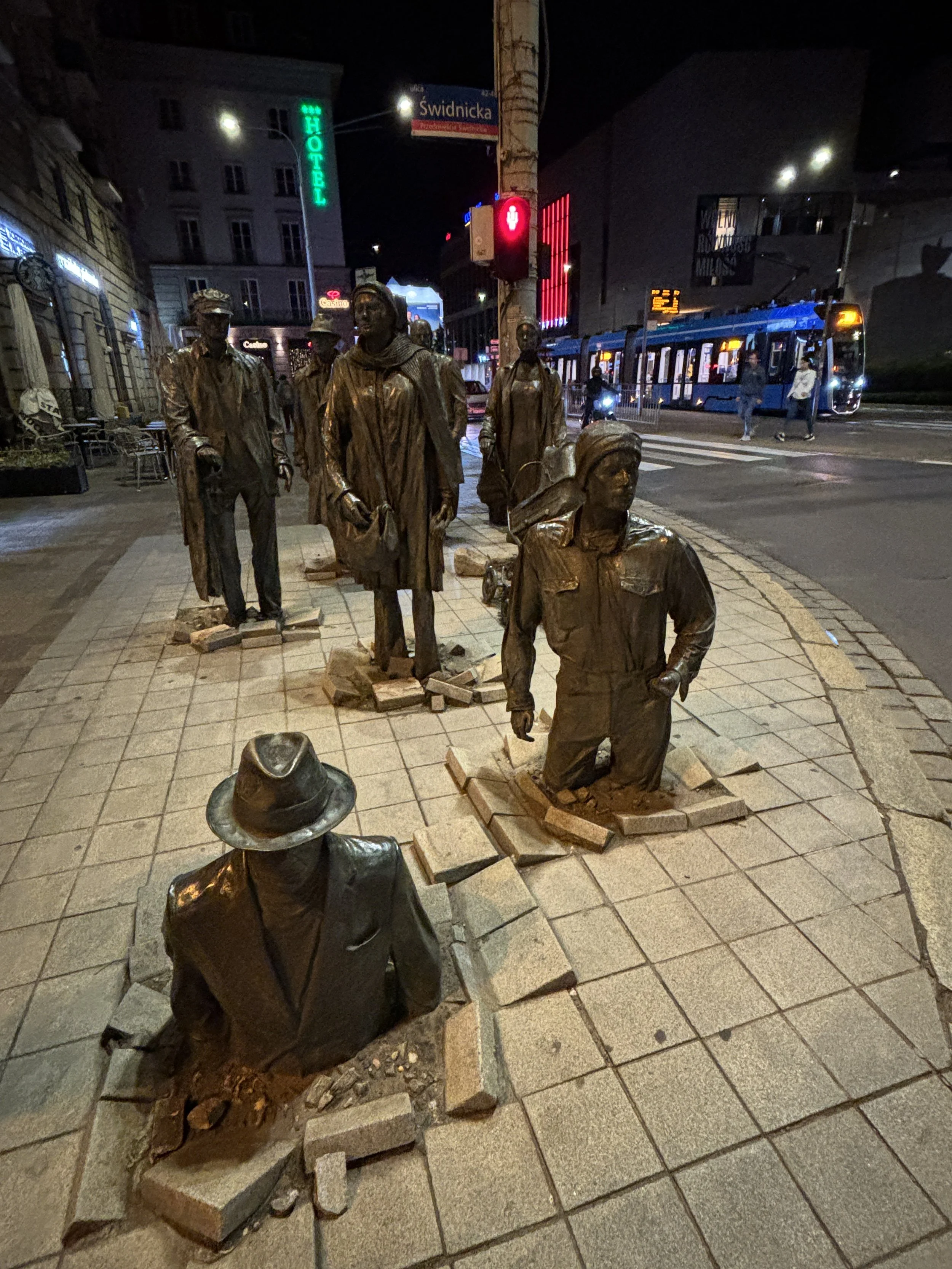
As you can see below, the dwarves are not the only bronze statues you can come across when walking around Wroclaw!
How to move around Wroclaw
Wroclaw is not a huge city and most of the historical center and many of the sites mentioned in this post can be reached on foot from Rynek. However, you may still need some means of transportation to get to some of the more relatively peripheral places, such as Centennial Park or Hydropolis.
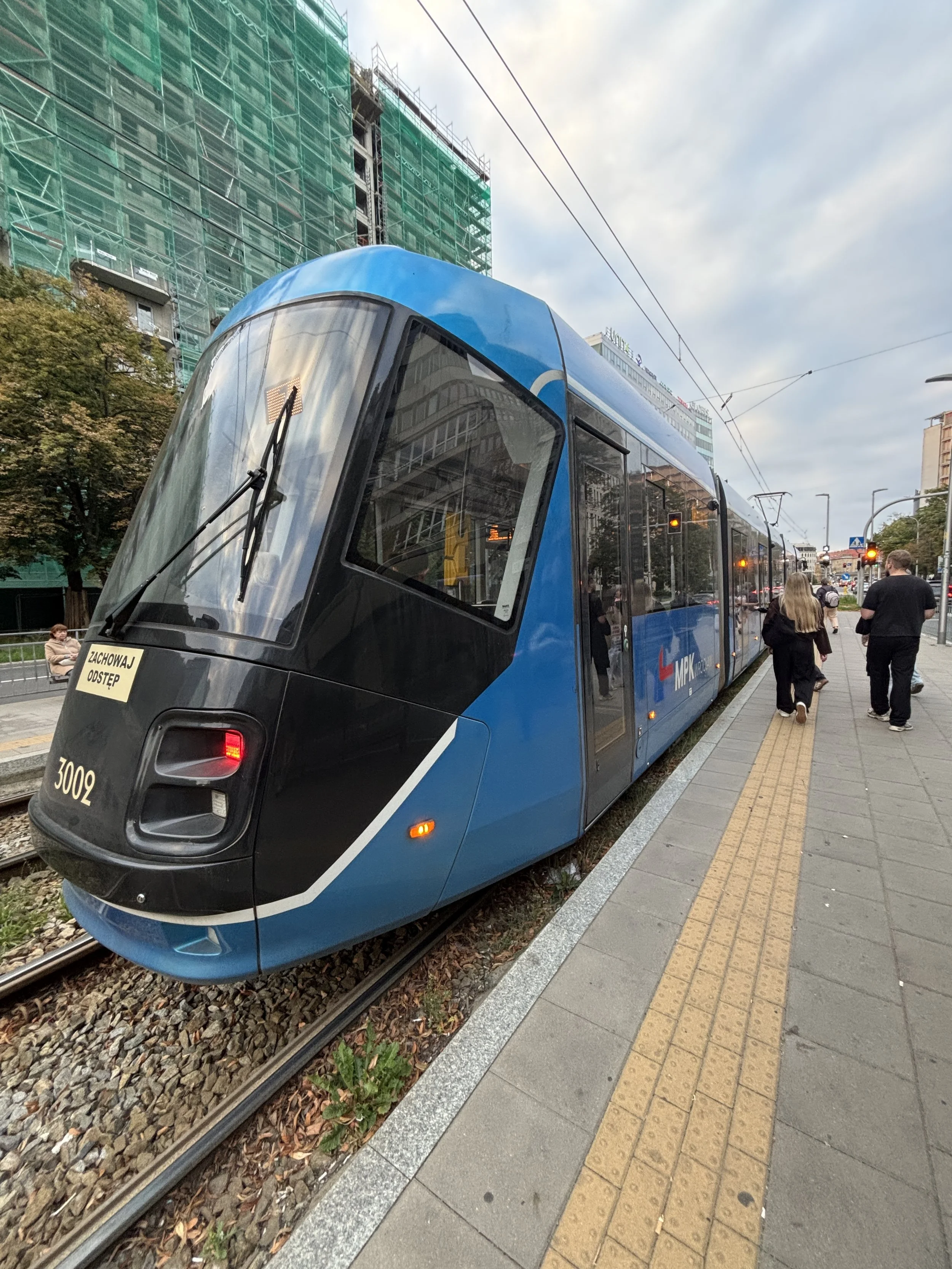
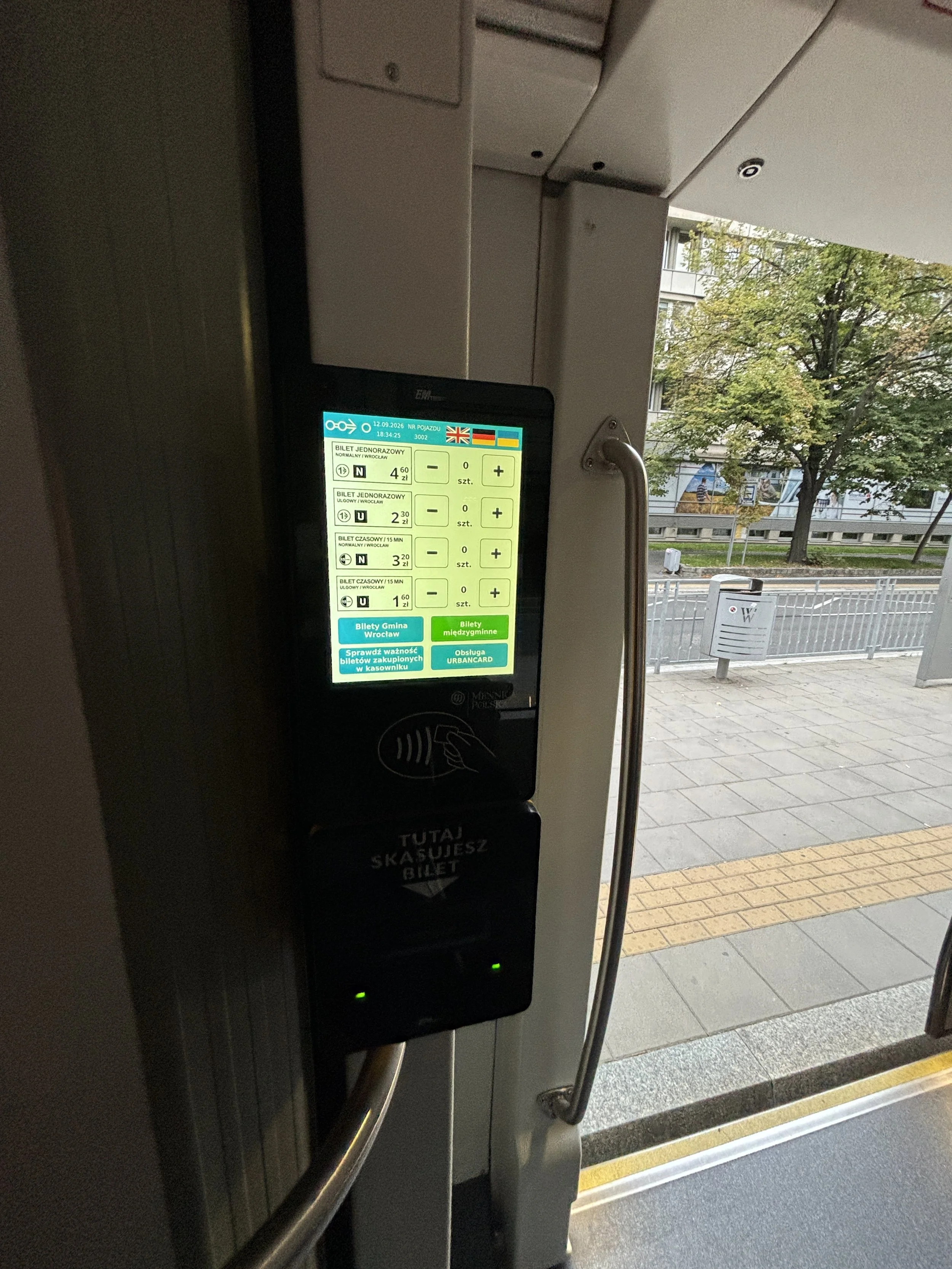
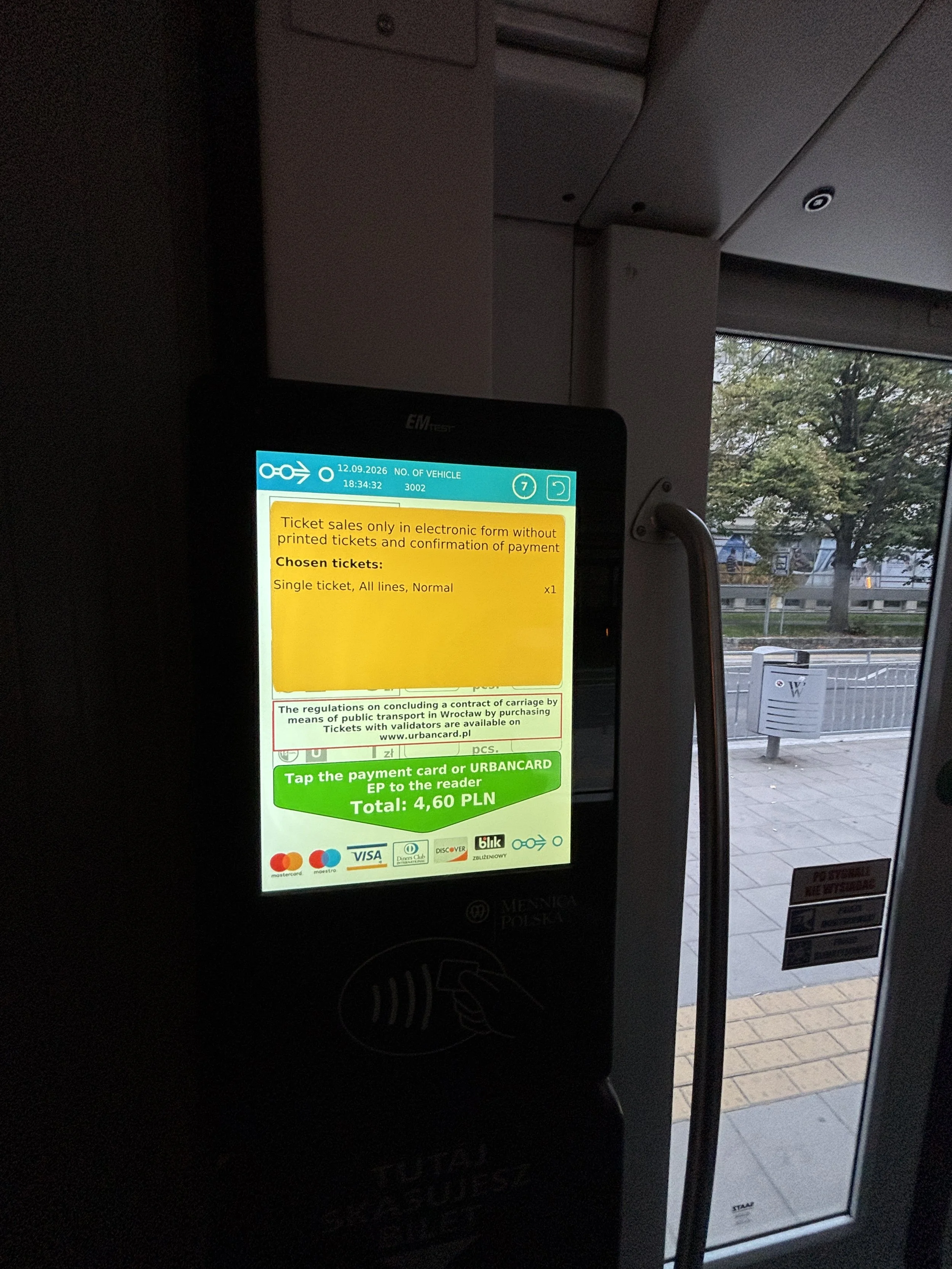
Trams provide a convenient and cheap way to move around the city. They pass frequently along the city’s main axis and you can pay straight away with your credit card at digital terminals inside the tram.
These have modern, touchscreens with a multilingual interface, so the whole process is pretty simple. A single ticket costs 4.5 PLN, which is around €1 (or $1).
I also used Bolt (the European alternative to Uber) a couple of times and it worked also well and was relatively cheap (a 10-15min urban journey costing me the equivalent of €5/$5).
Last but not least, if traveling to and from the airport, you can take Bus 106, which stops by the Renova building at the edge of the old town and runs every 30min or so. Ticketing works exactly the same as on the trams.
Three great places to eat in Wroclaw
1 - Restaurant Przystań & Marina
Księcia Witolda 2, 50-202 Wrocław
This is a modern and quite upmarket restaurant which serves Polish cuisine with European influences. It has got a Michelin guide mention and has also been listed by Forbes among the Top 50 restaurants in Poland.
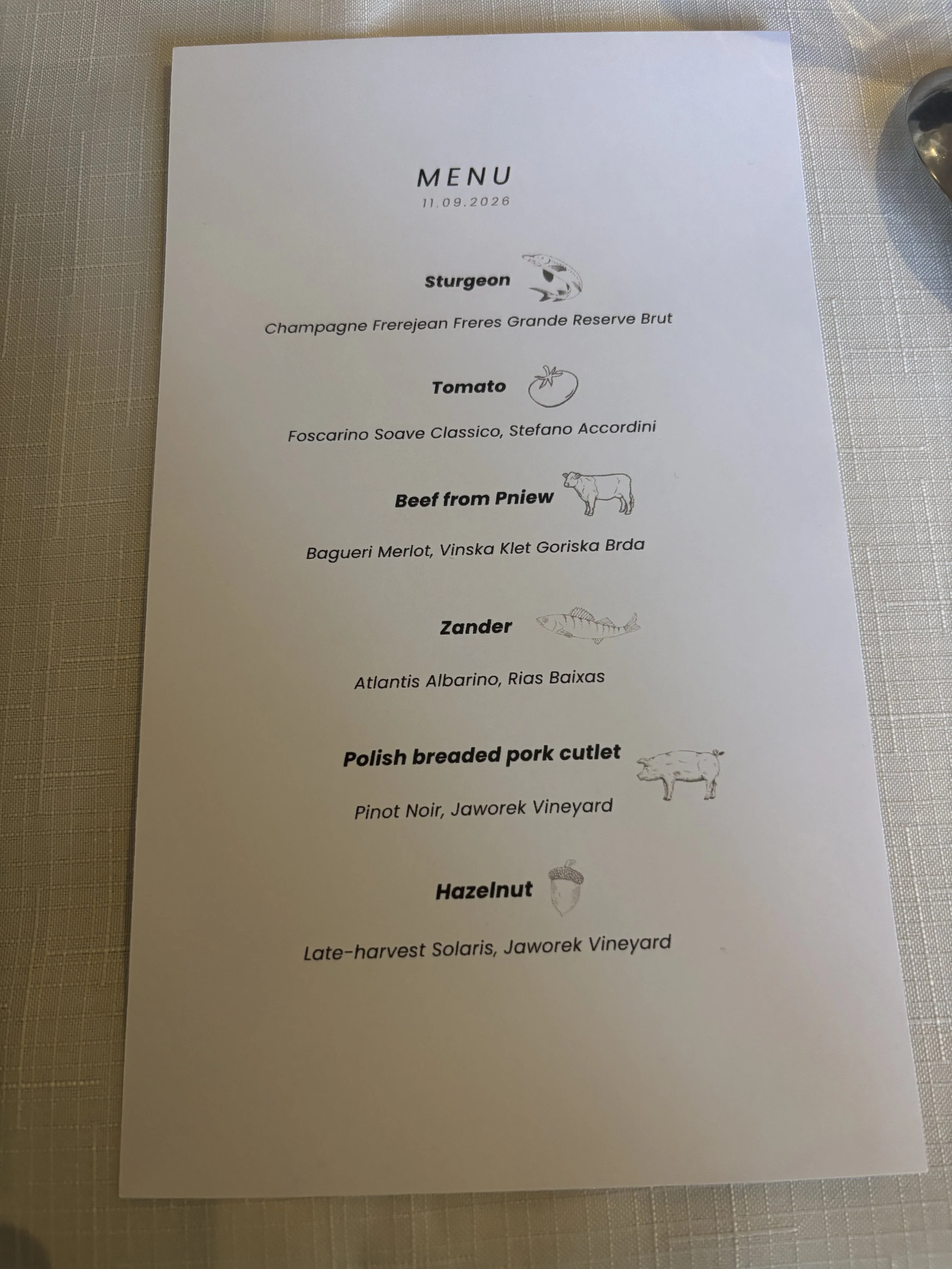
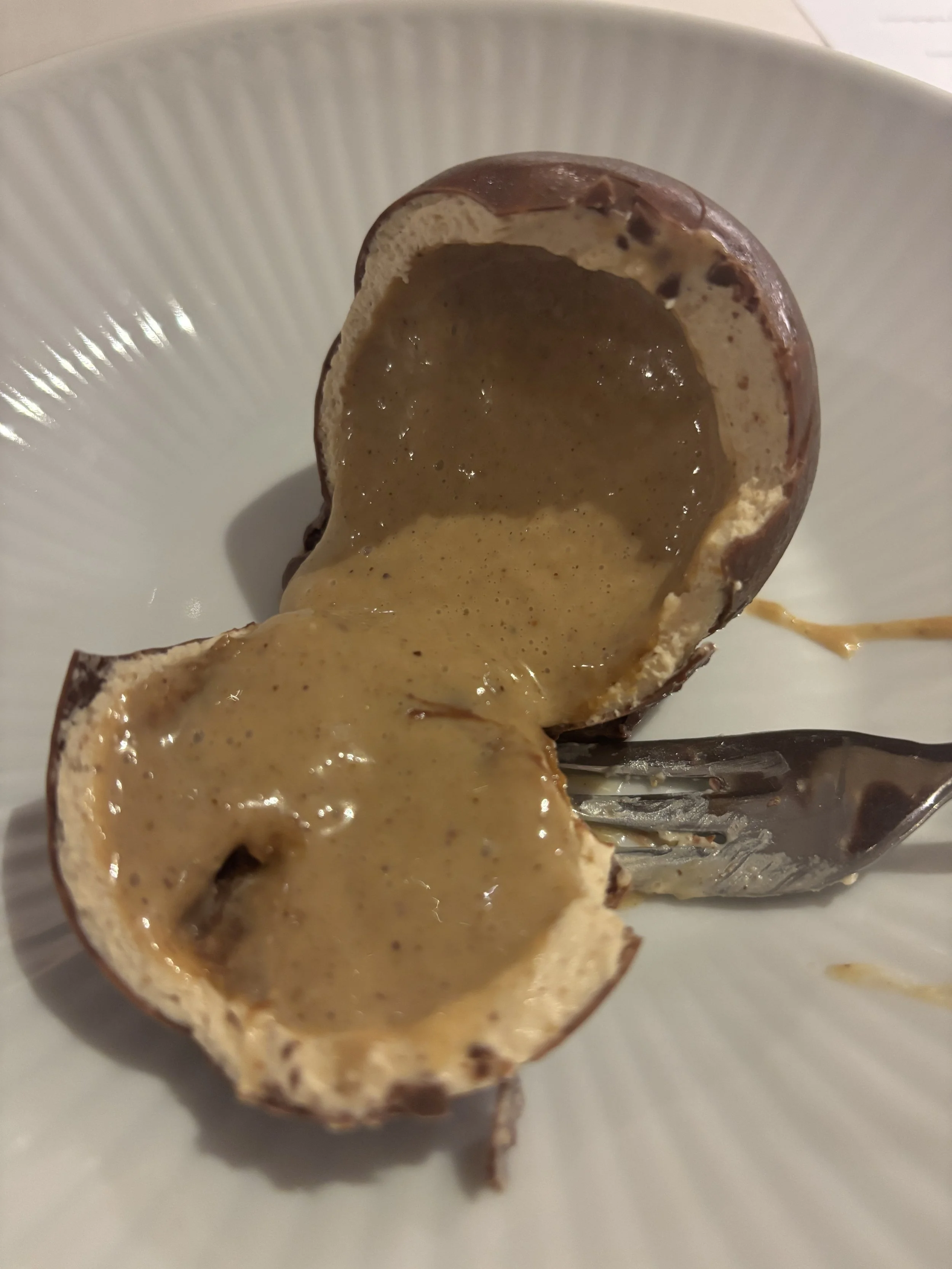
The day I was visited our group got to try a degustation menu (see below), which provided quite a broad sampling of its offering. The presentation and the taste was impeccable throughout!
See the photo gallery below:
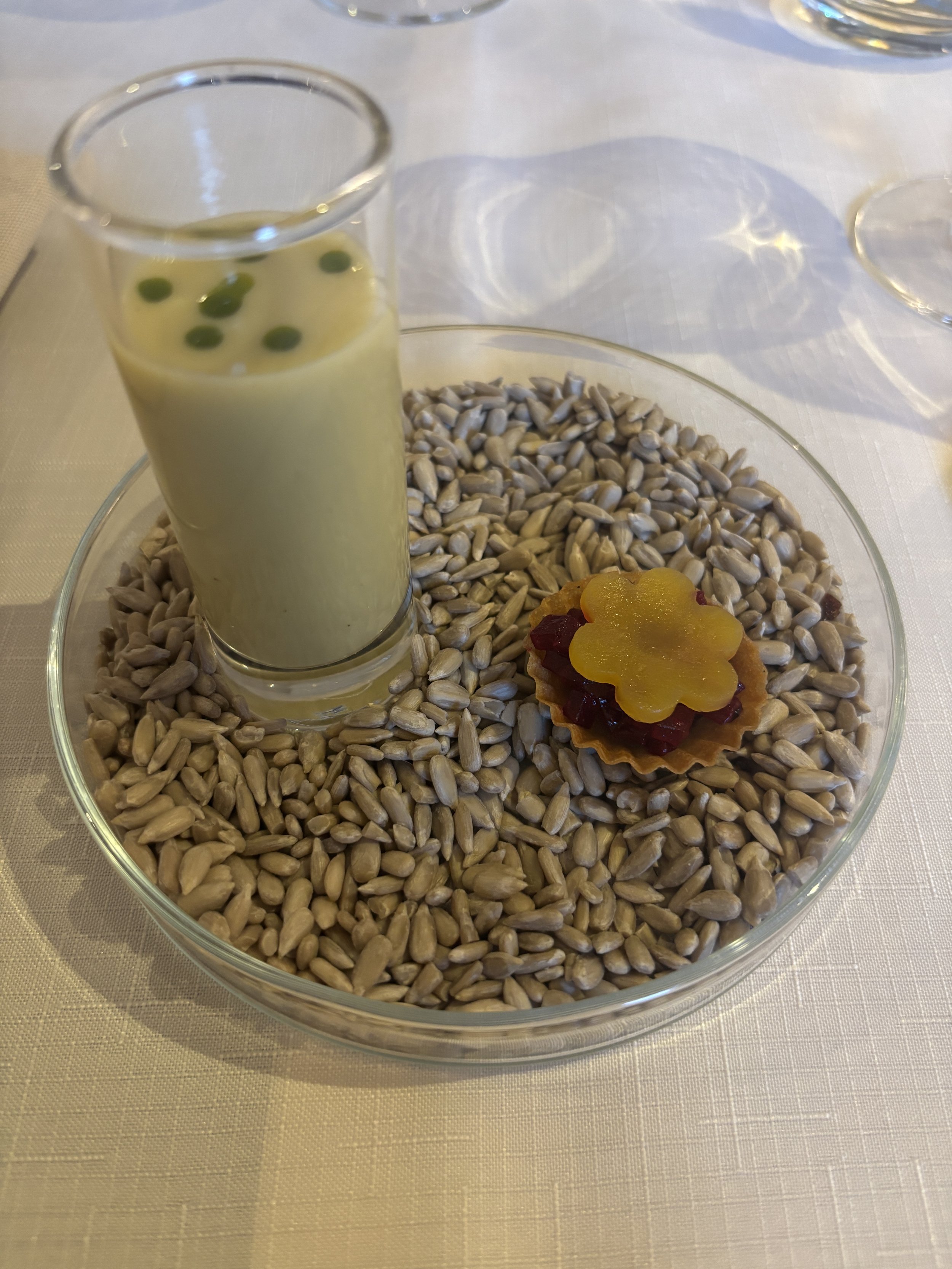
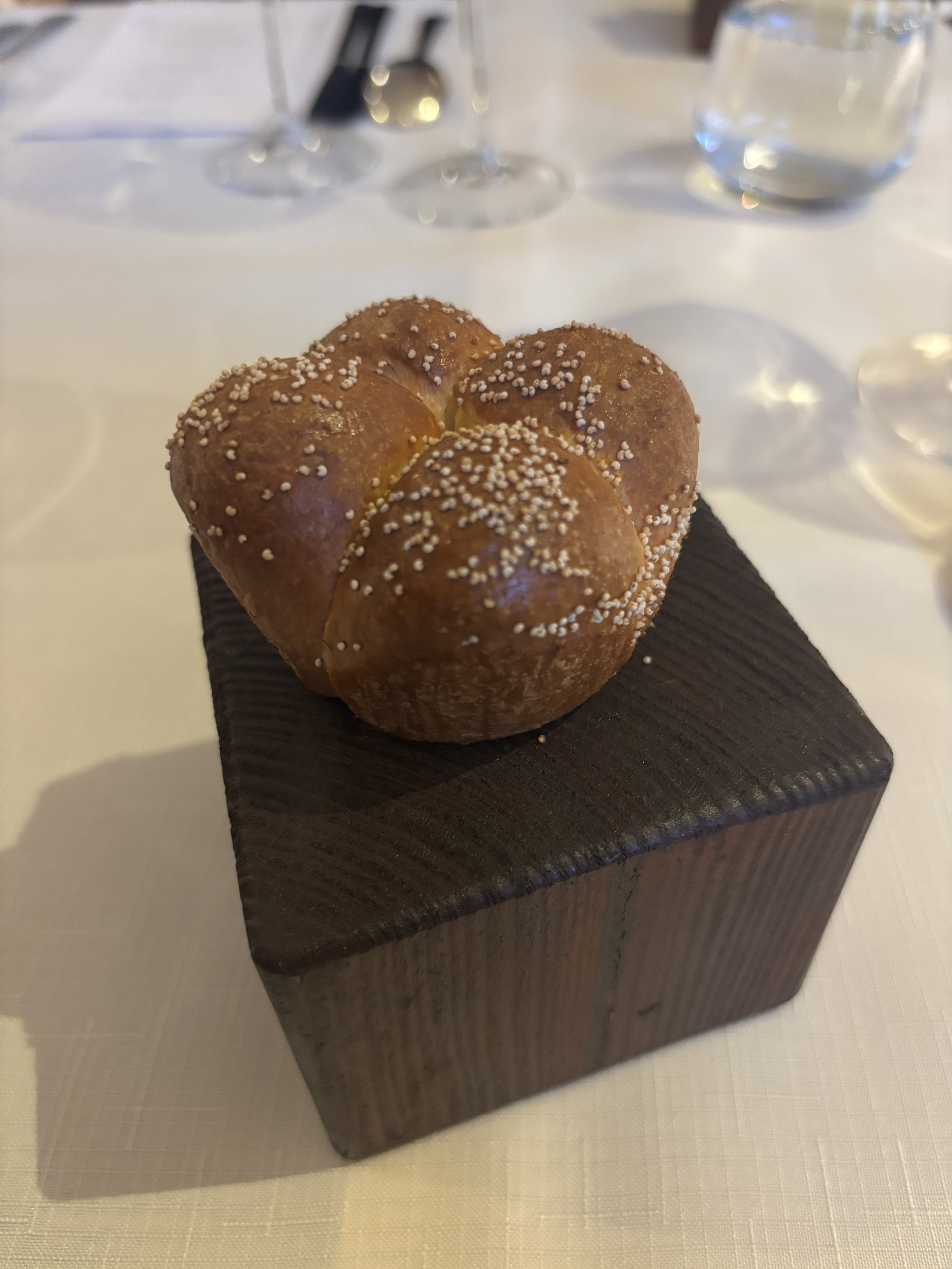
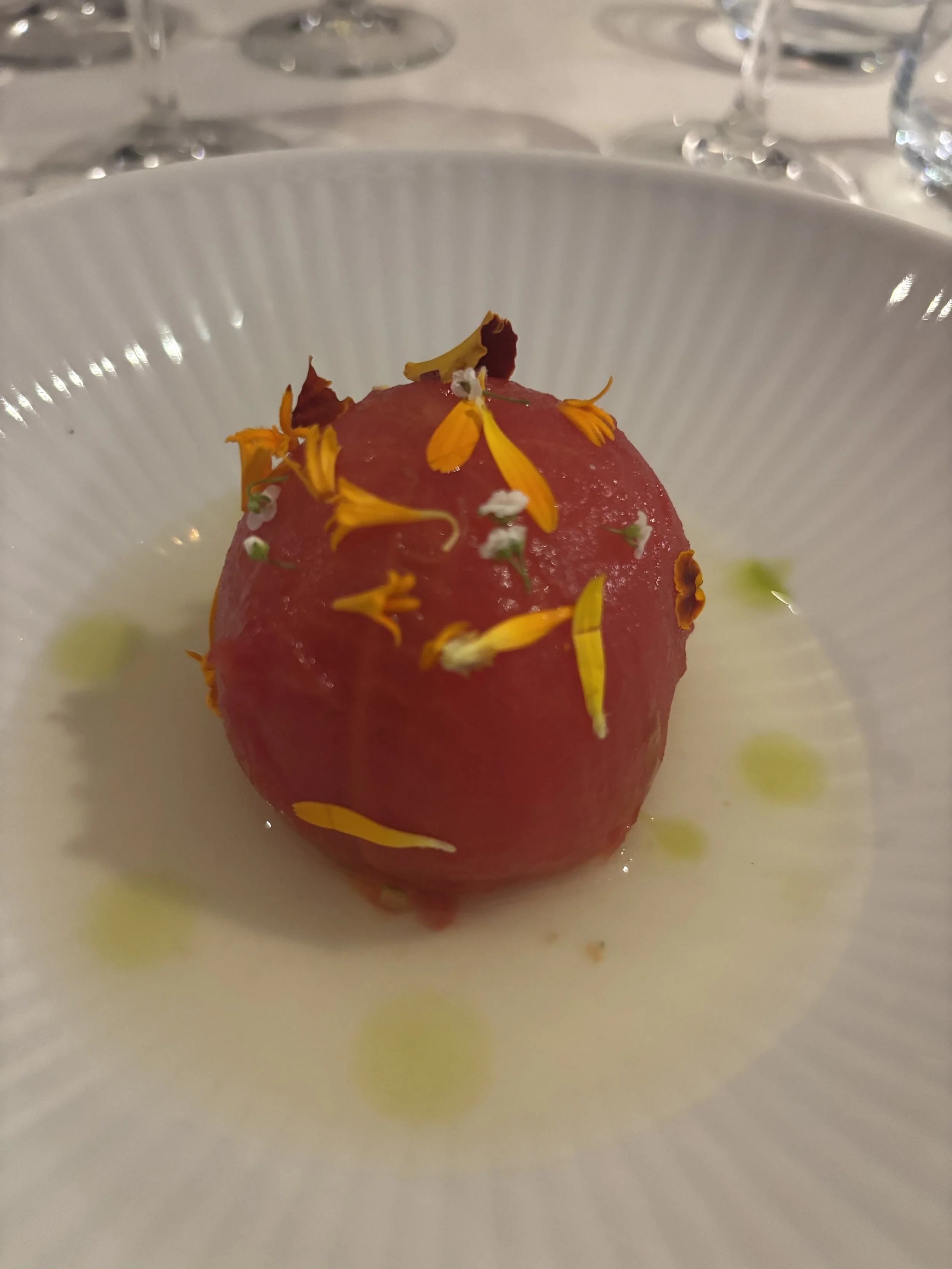
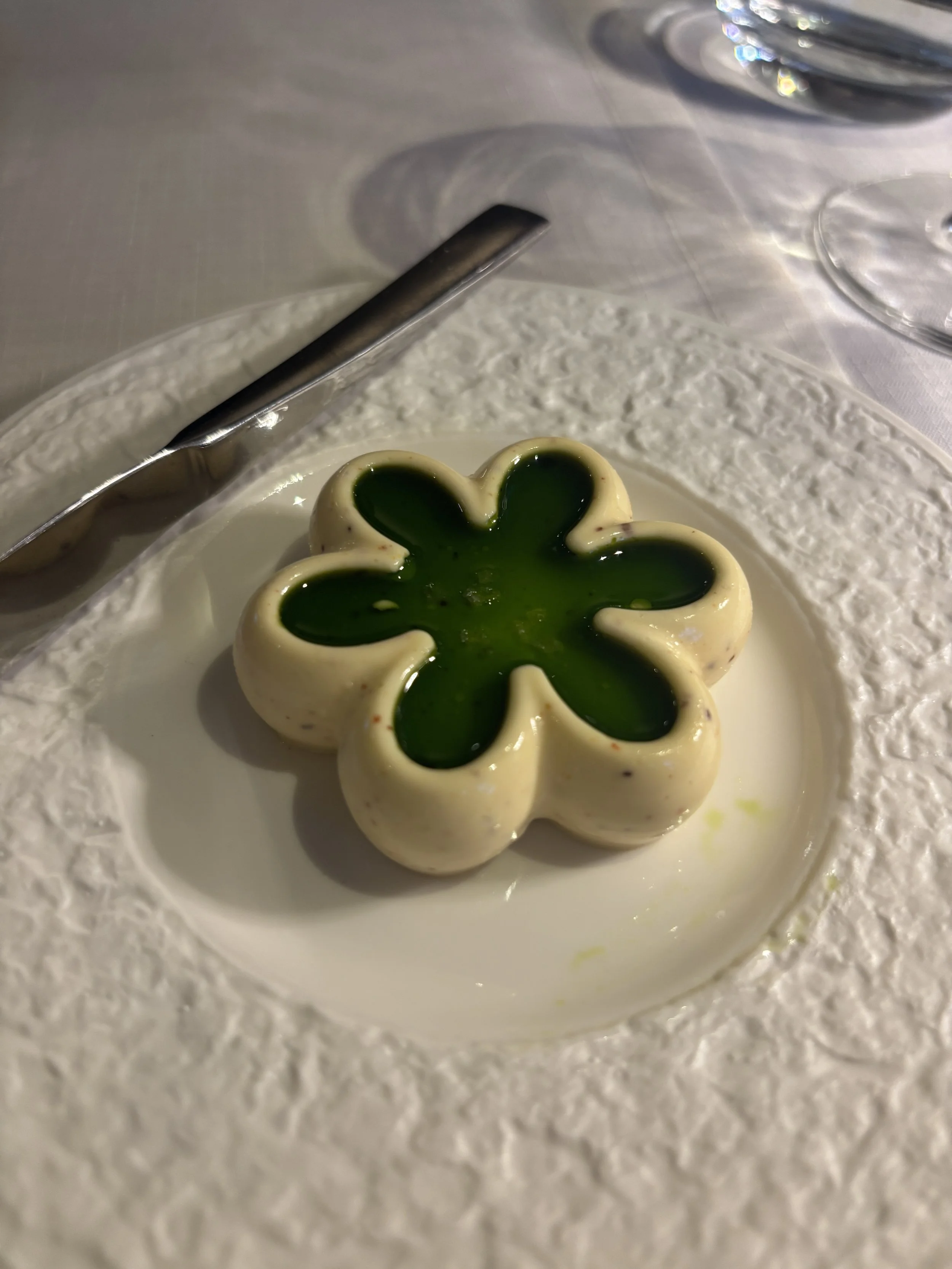
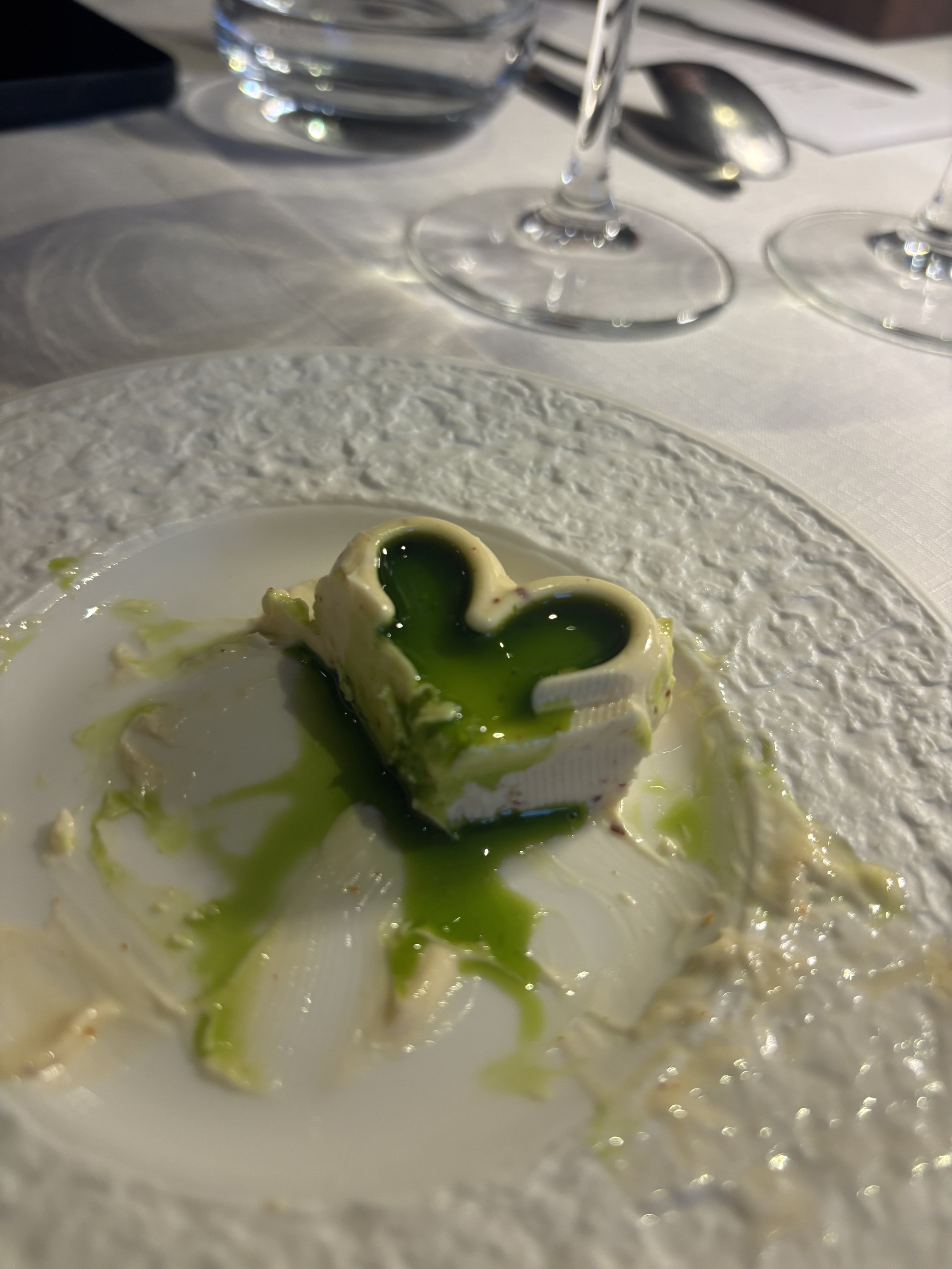
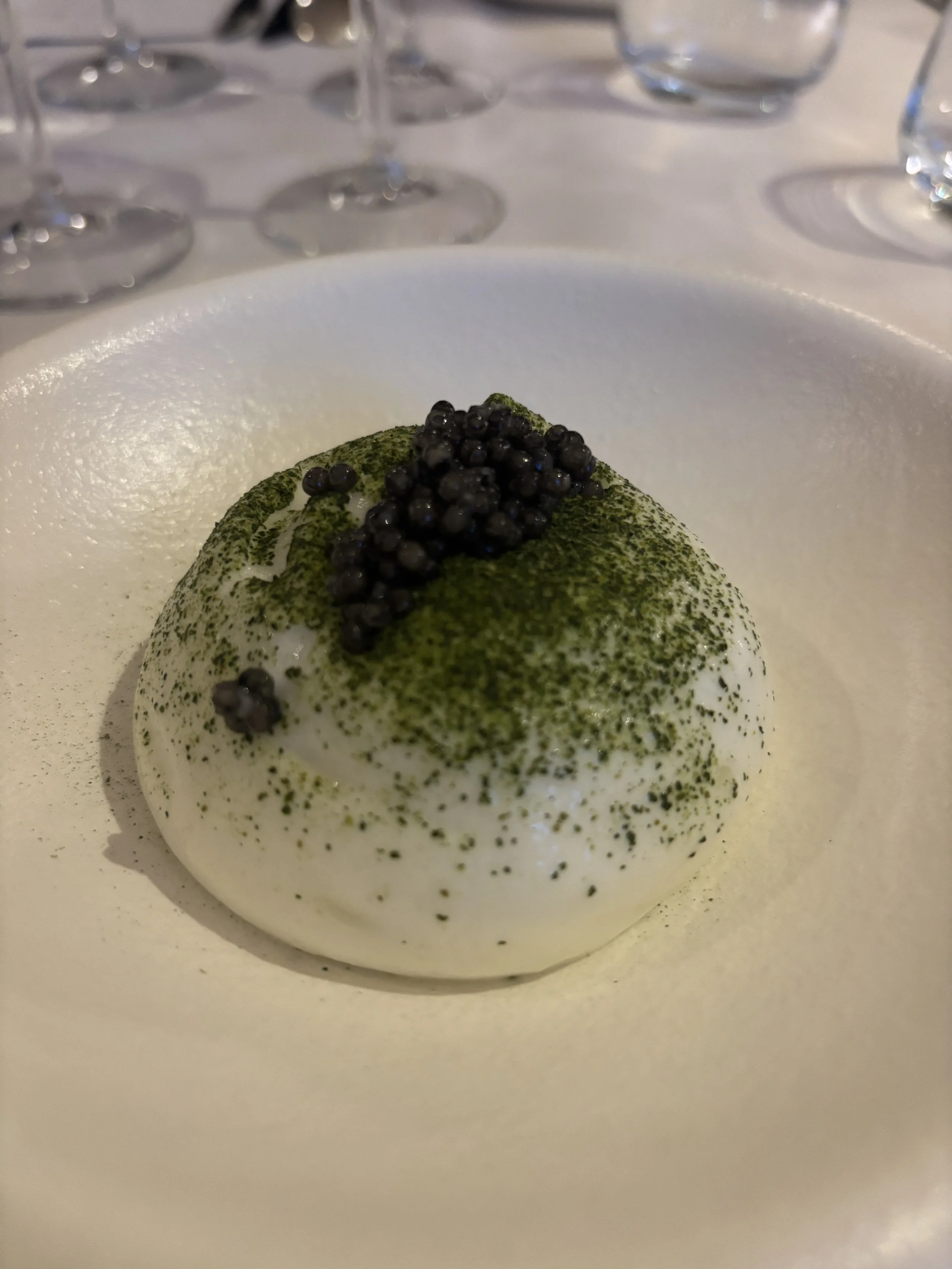
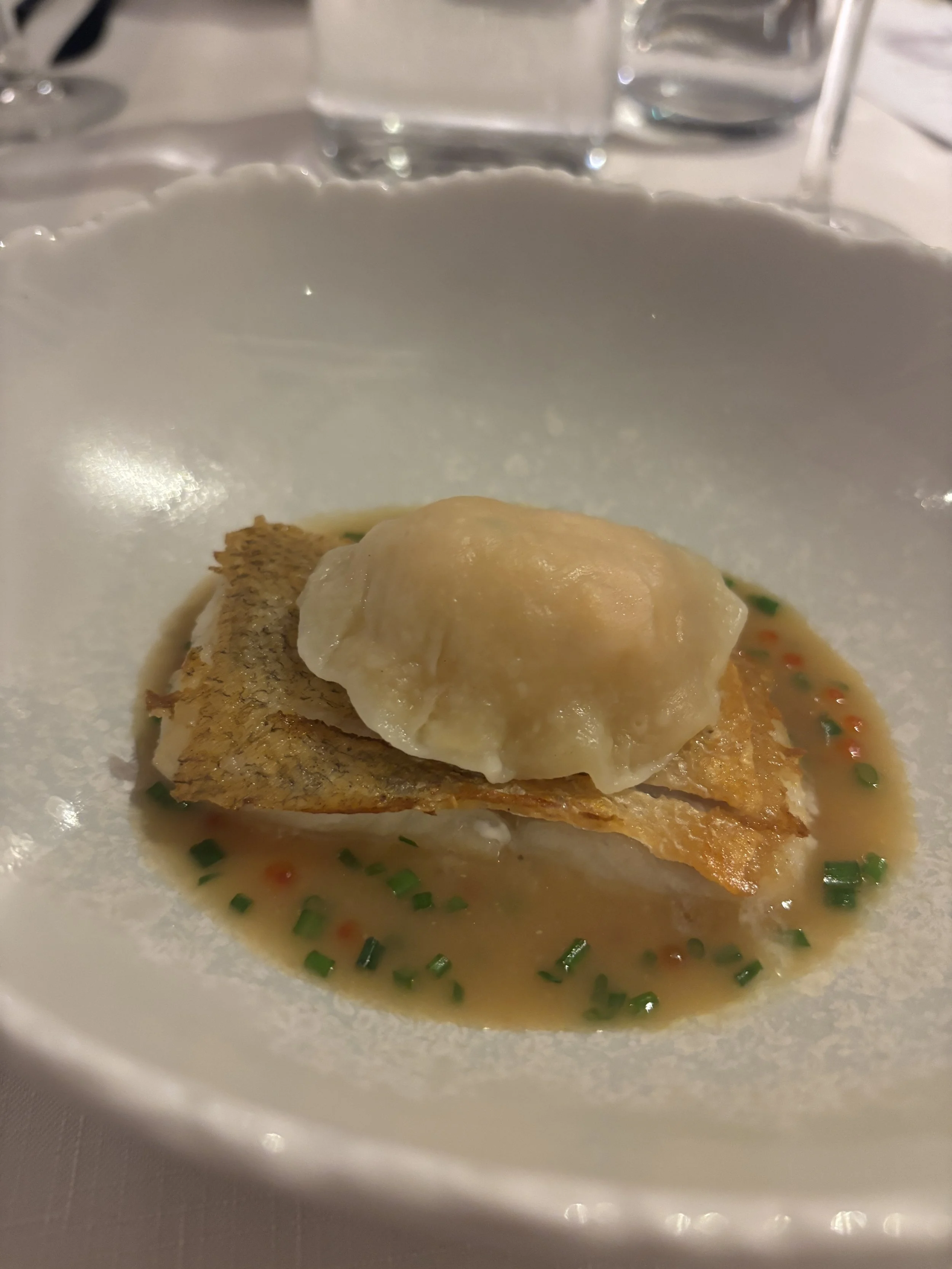
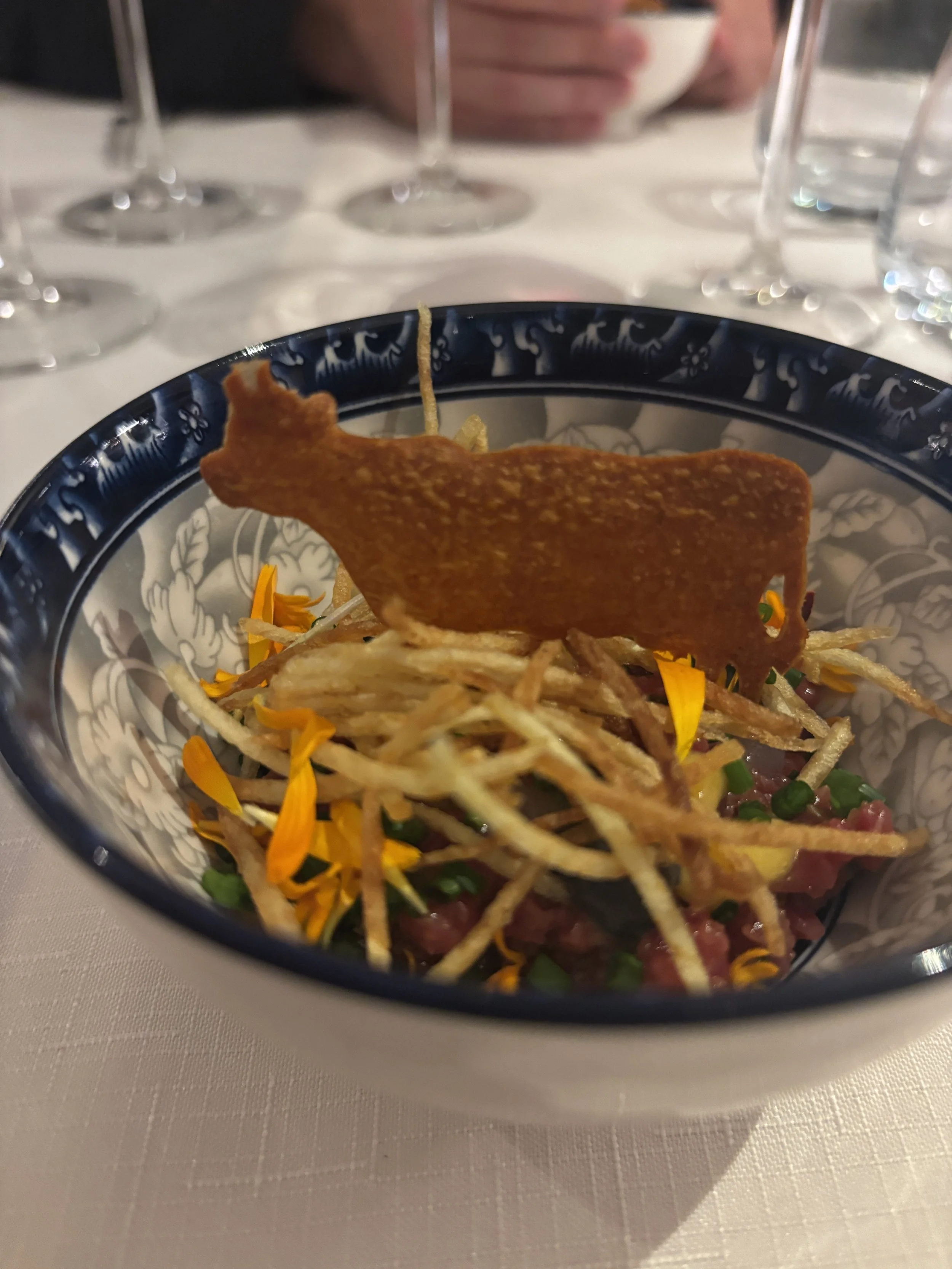
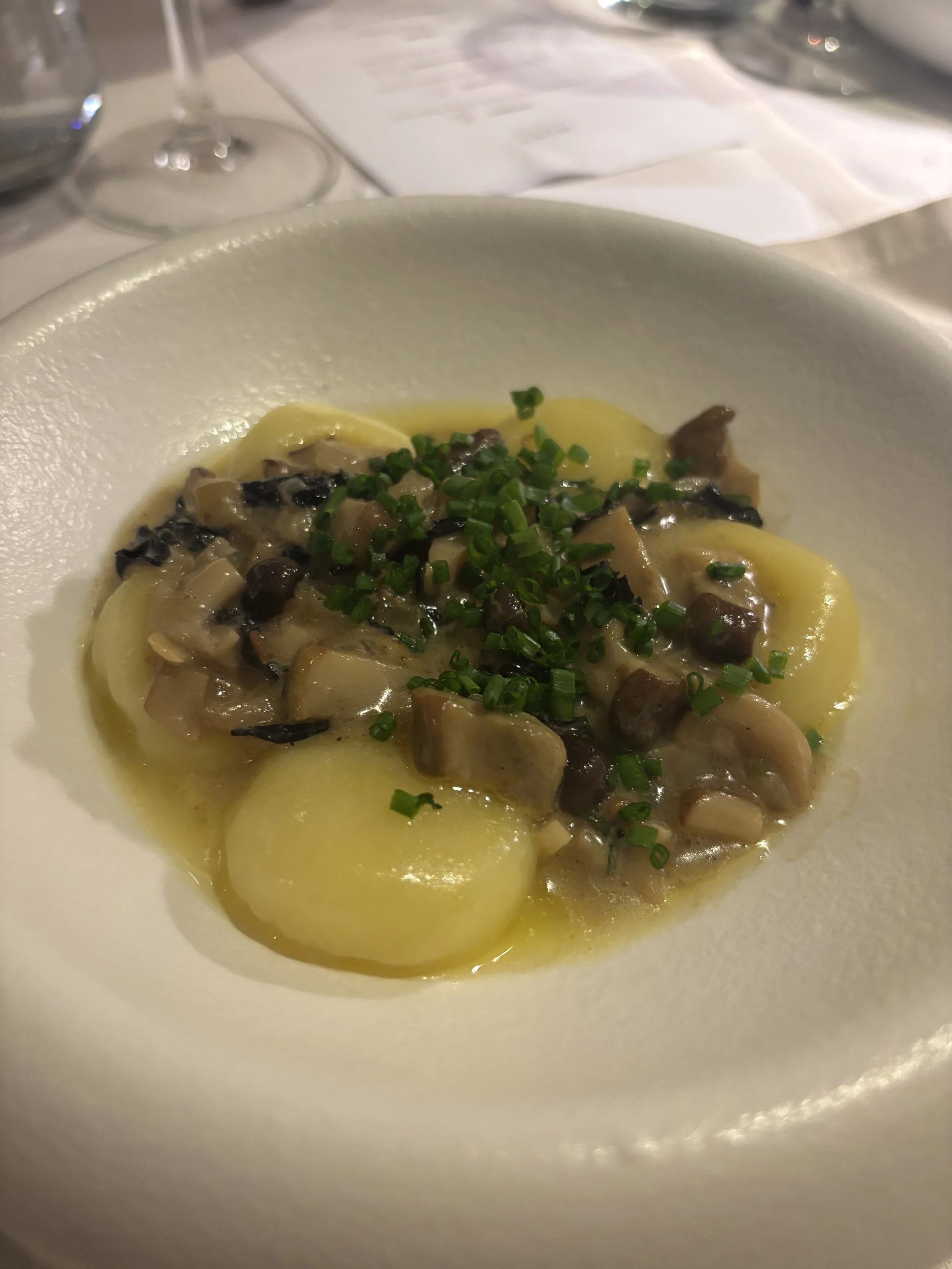
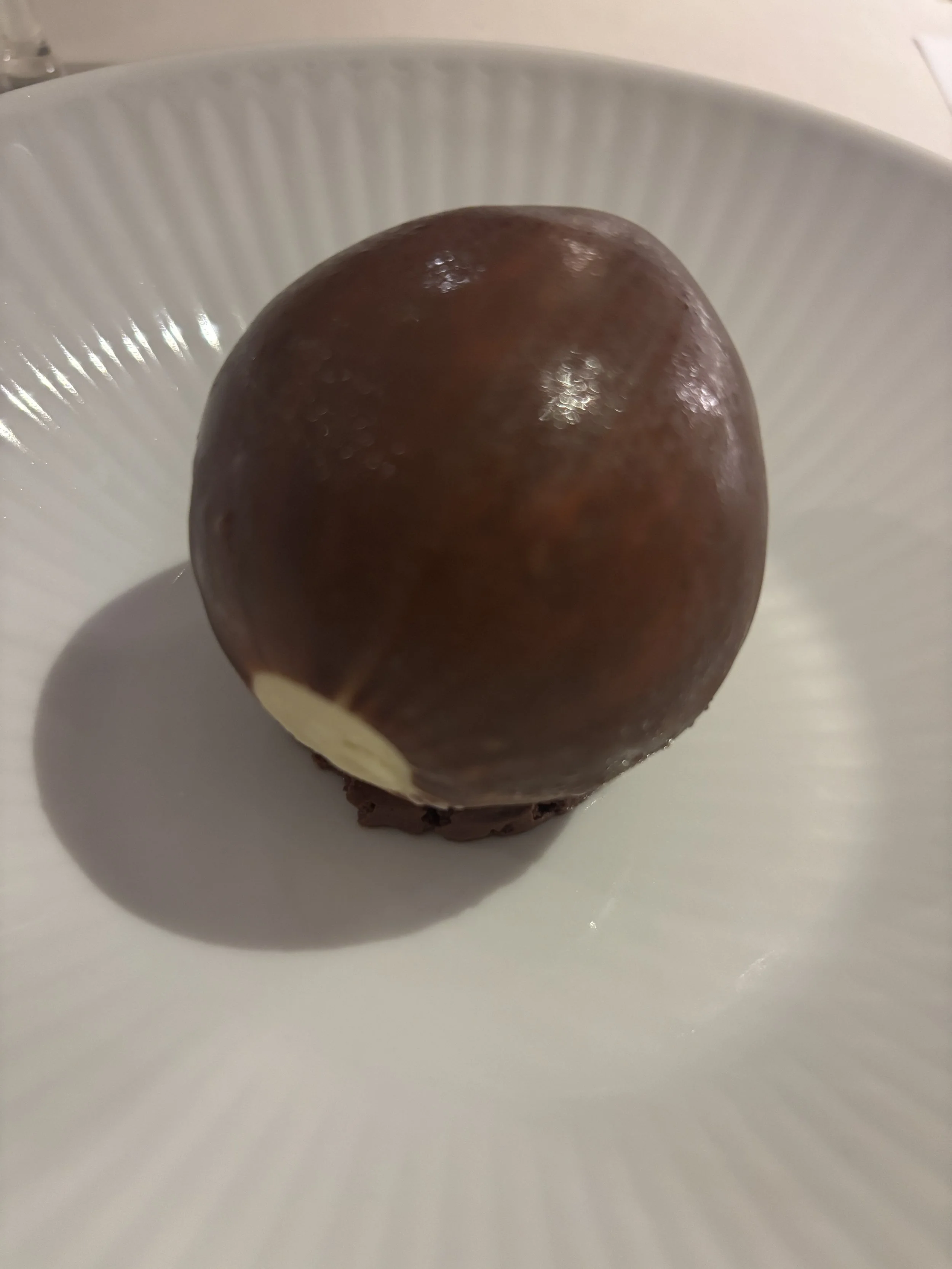
An added bonus if dining at Przystań & Marina is the view of the university building just across the river (the restaurant has a terrace actually).
The name of the restaurant “Przystań & Marina” means actually “harbour & marina” in a hint at its location near the water on one of the islands in the middle of the river Odra.
2- Vertigo Jazz Club & Restaurant
Oławska 13, 50-123 Wrocław
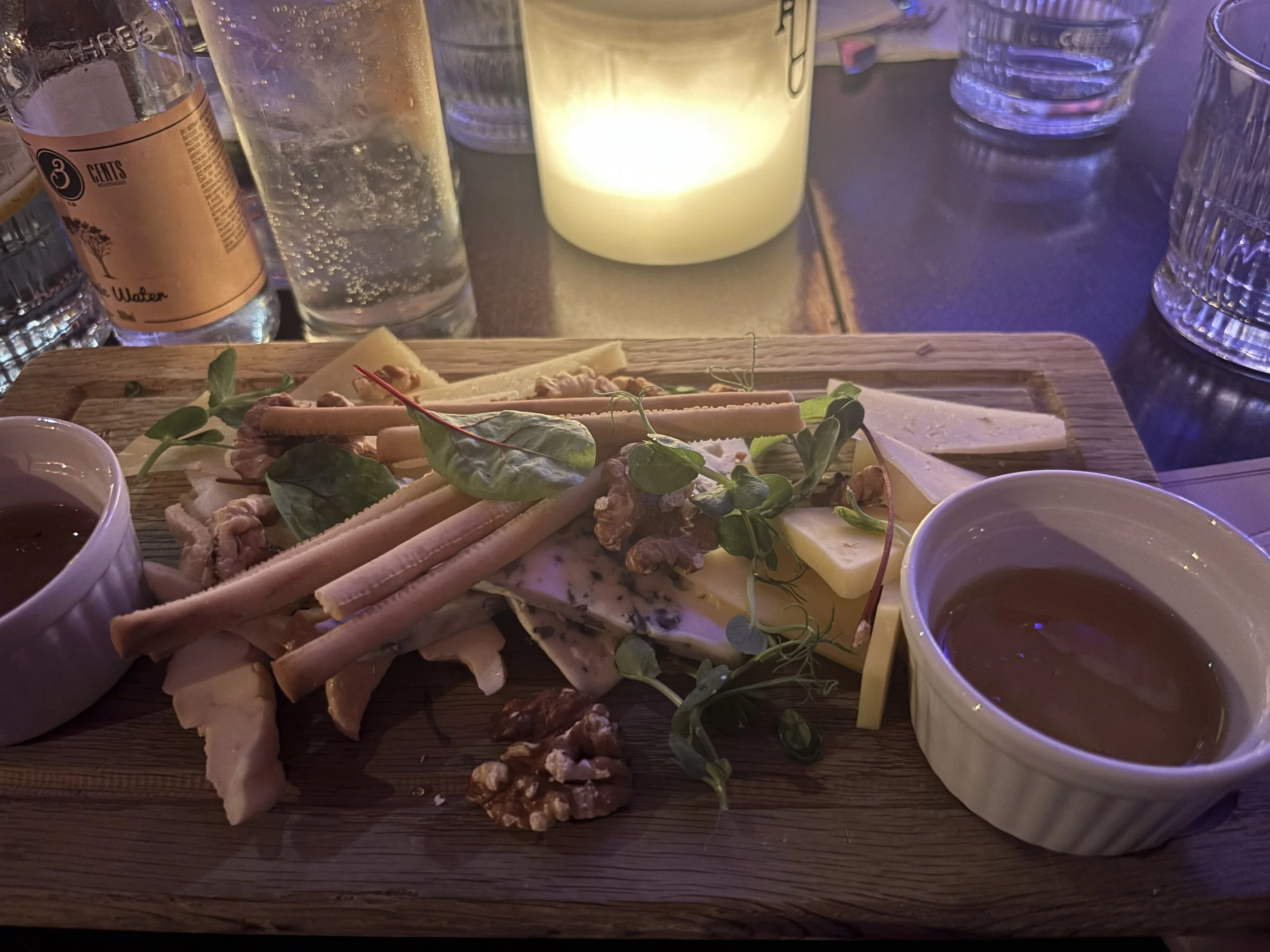
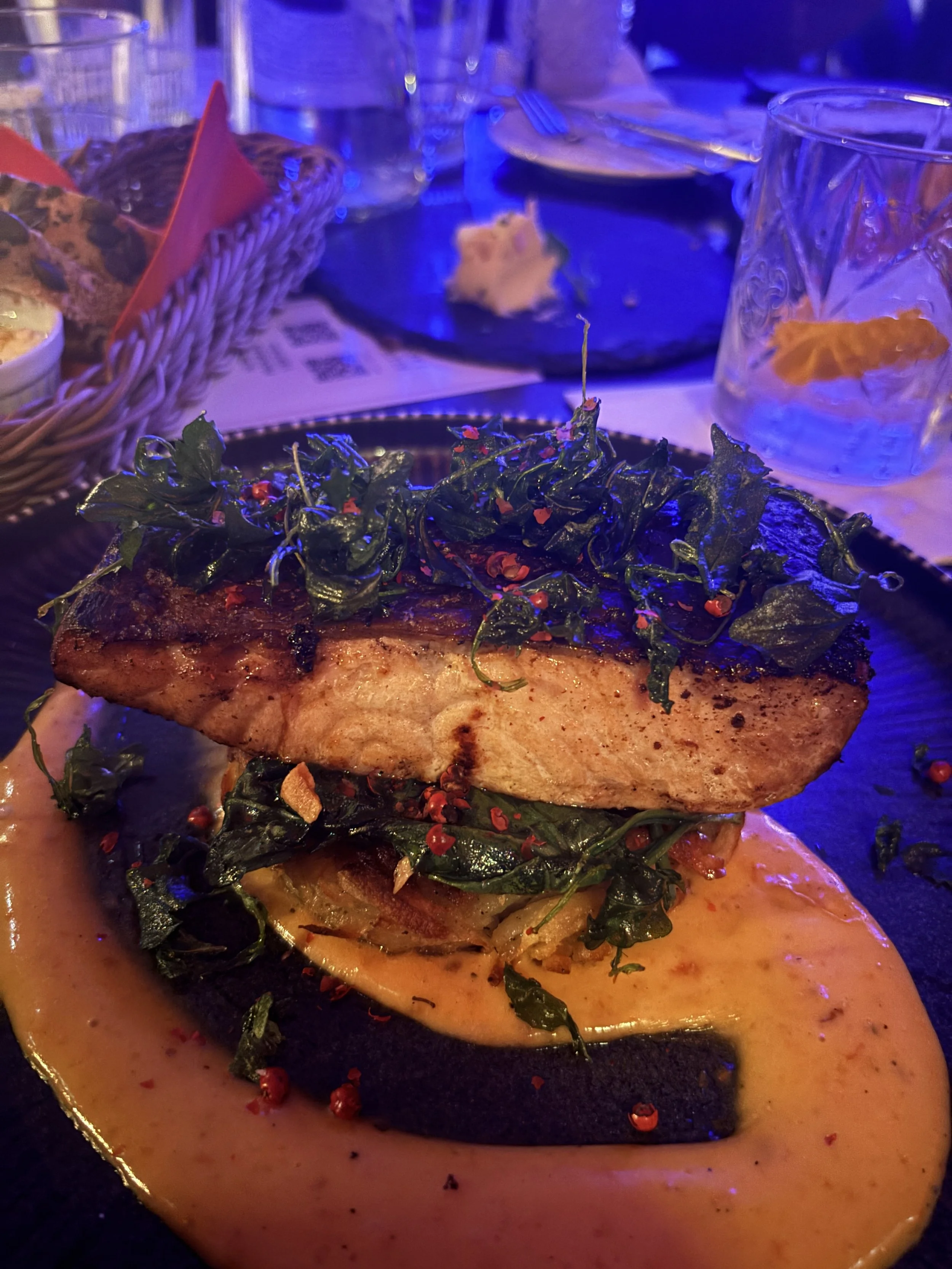
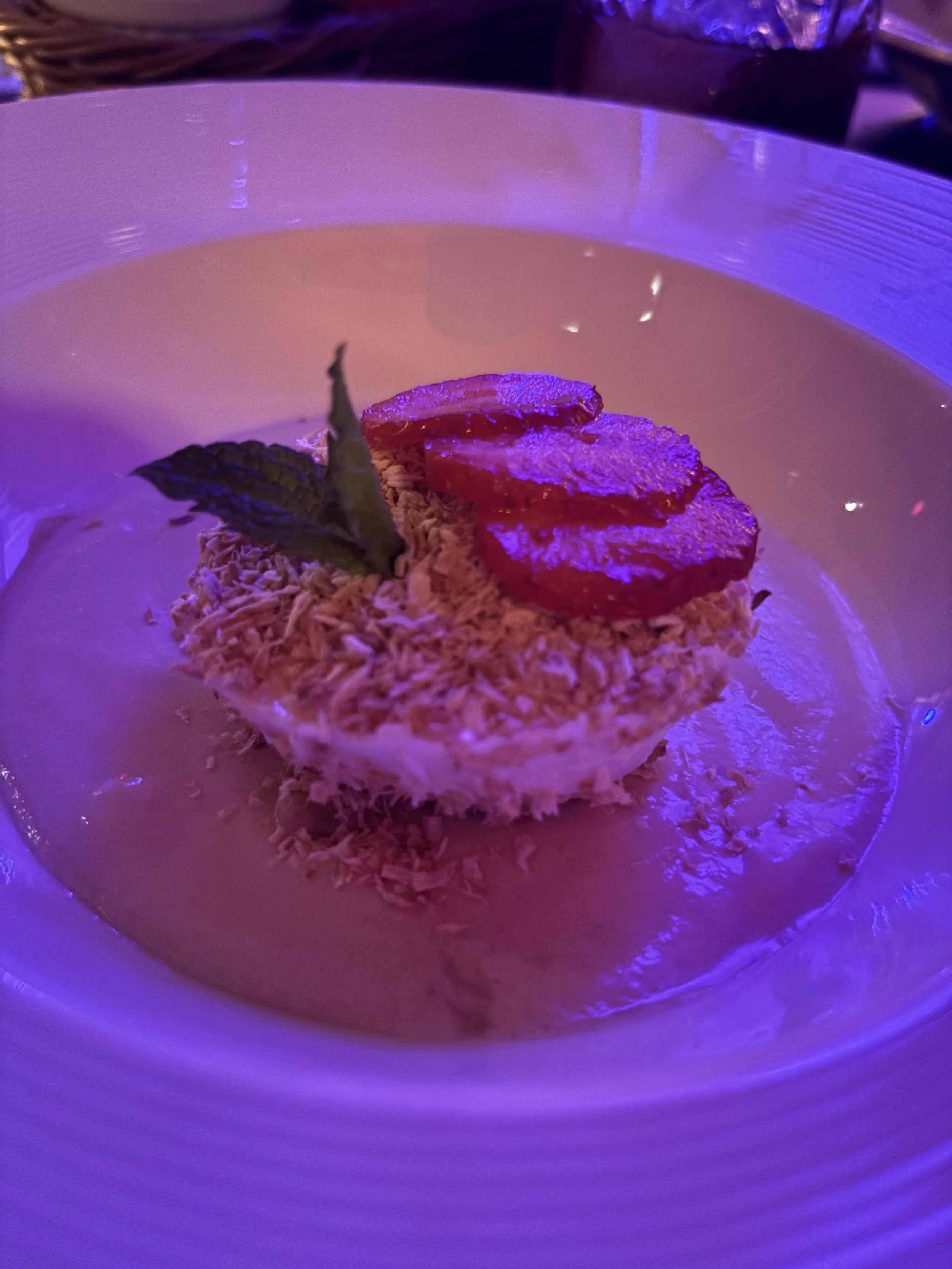
This is an iconic place in Wroclaw which acts, simultaneously as a restaurant and jazz bar. It is located in a basement right in the city center and is, apparently, the only jazz bar in town. It has shows pretty much every night and it serves pretty tasty food in a nice, relaxed atmosphere.
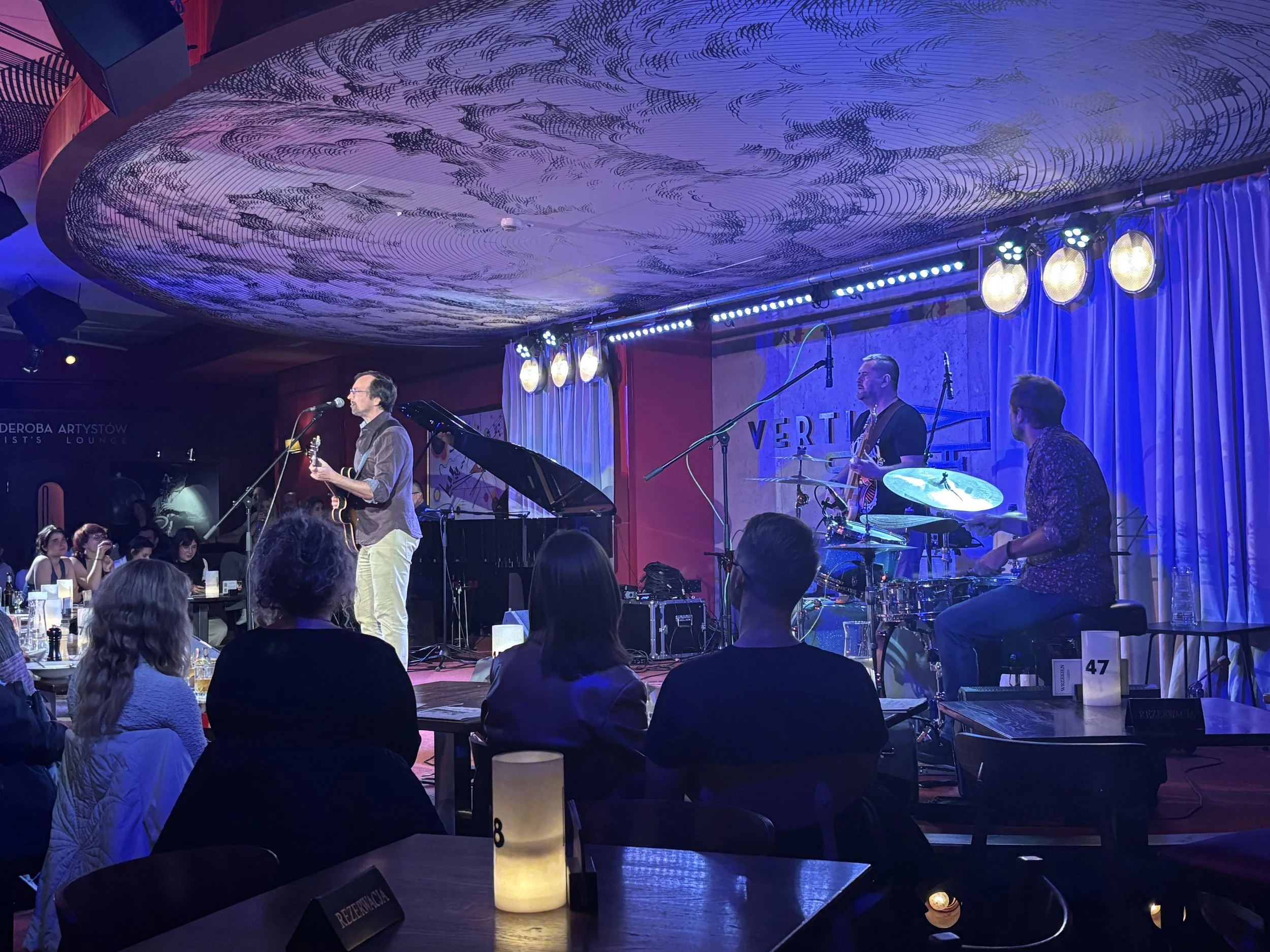
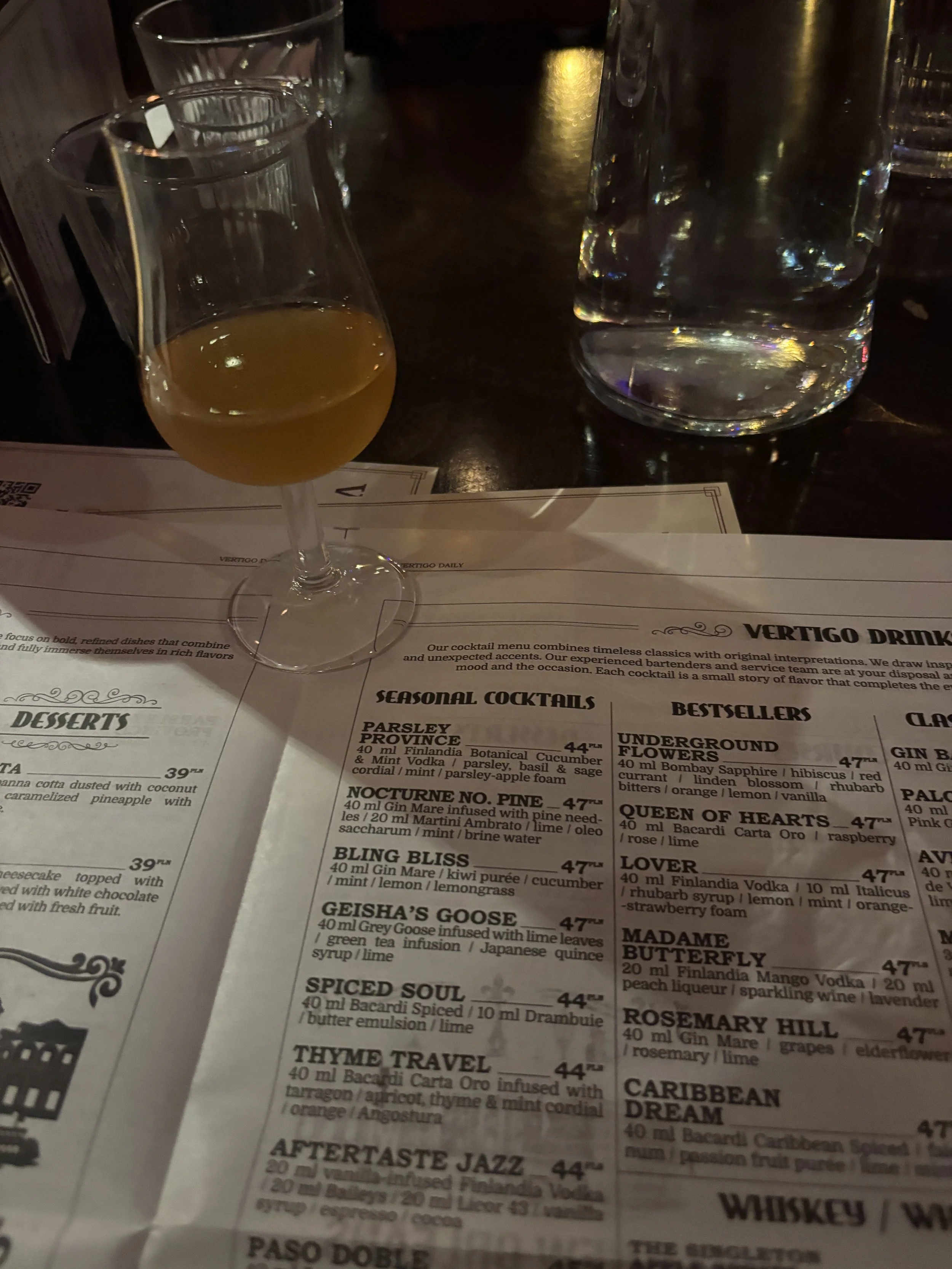
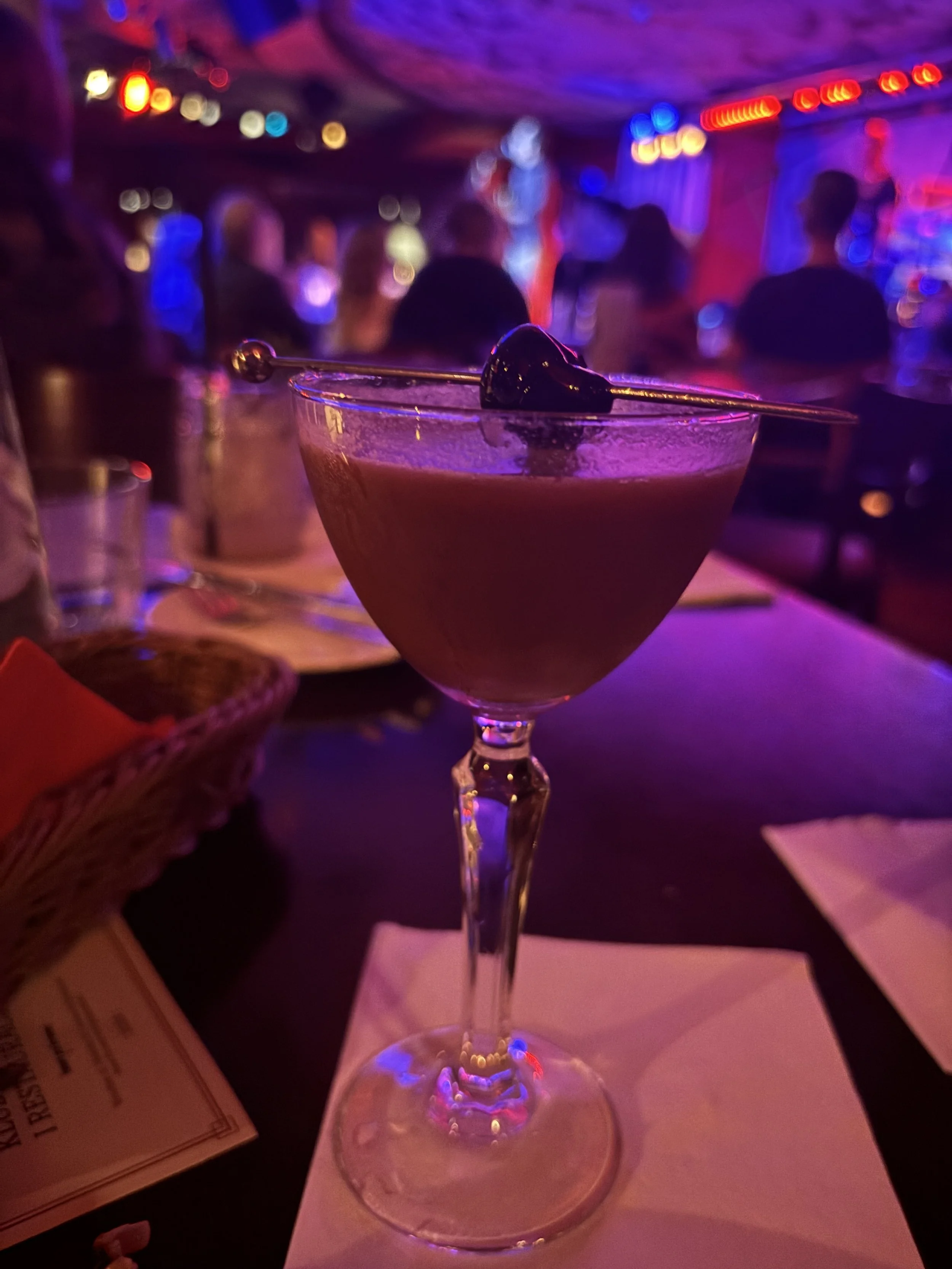
As can be expected from an place with such an artsy reputation, there are plenty of cool small details, such as, for example, the design of the menu, which looks like an old school newspaper. Or the the presentation of both the cocktails and the food.
A nice place for an evening out in Wroclaw!
3- Concordia Taste
wyspa Słodowa 7, 50-266 Wrocław, Poland
This is a very modern place (opened in 2022) located on one of the small islands on the Odra river (very close to Sand Island and Ostrow Tumski).
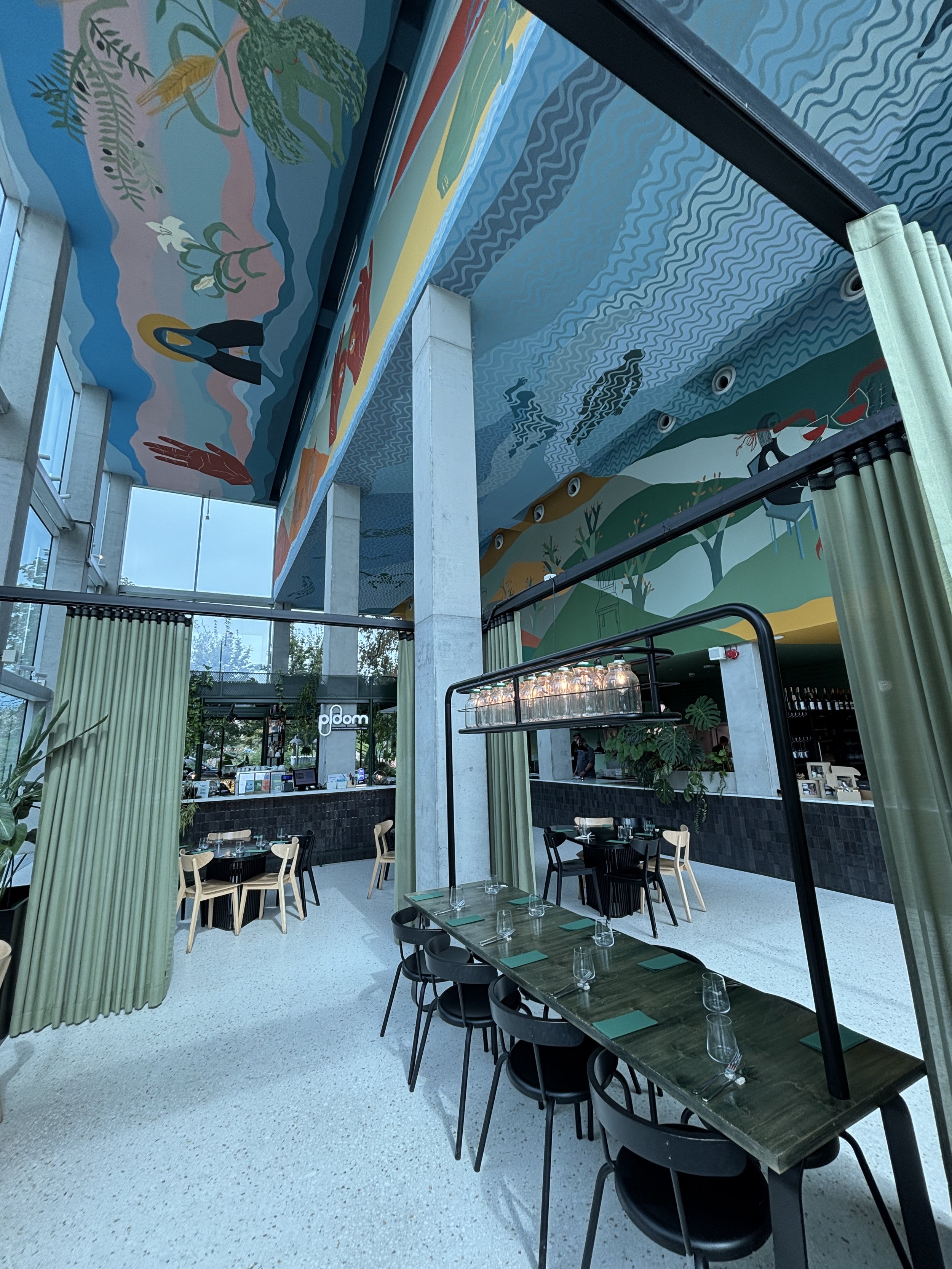
Its interior is decorated by a very large mural painting running across the whole restaurant. It is the work of Polish artist by Alicja Biała, who intended to celebrate closeness with nature and with other people you spend time with.
The restaurant is located within a building that serves as a creative arts space and business center and it has nice views of the river and Wroclaw University.
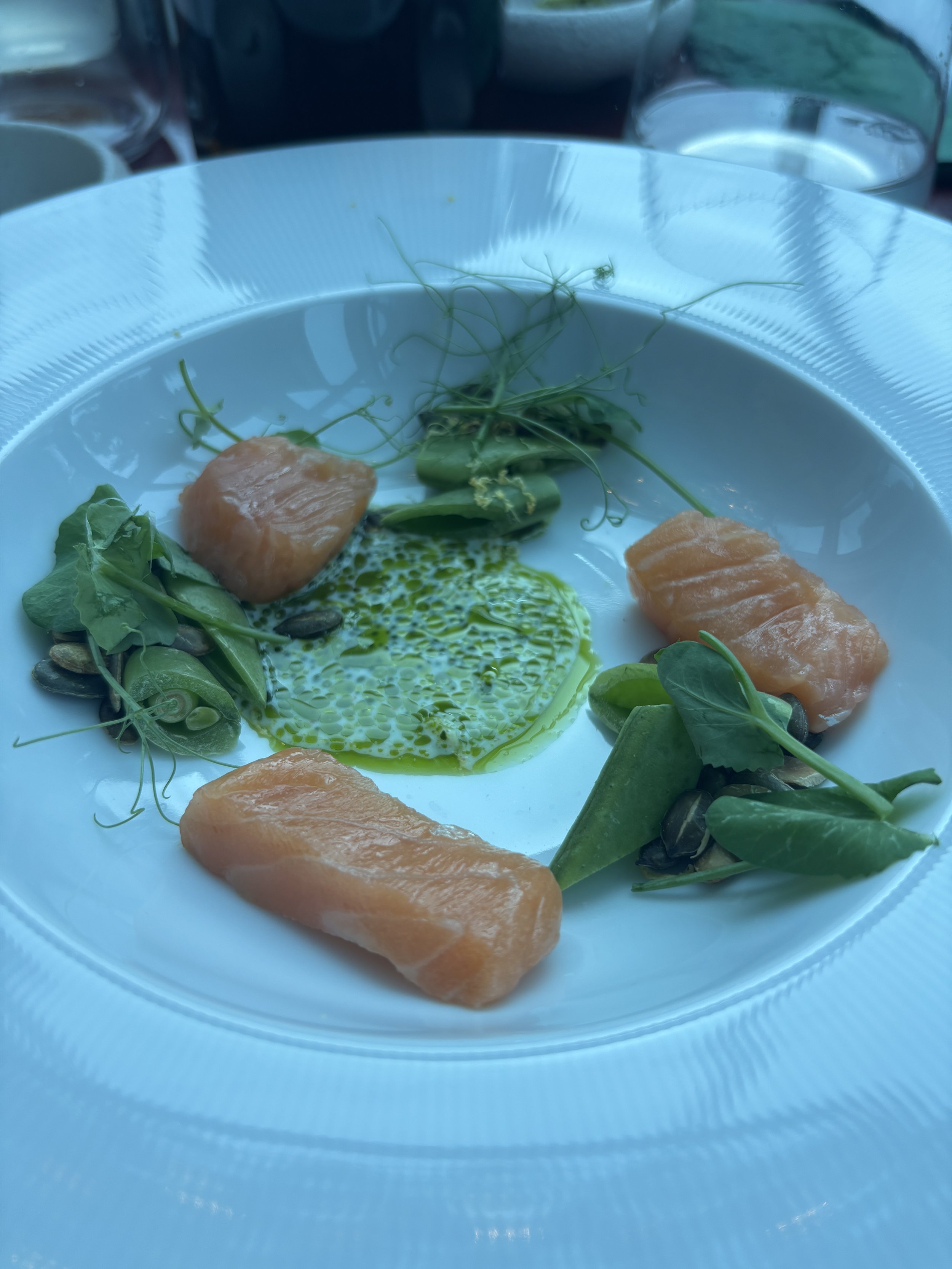
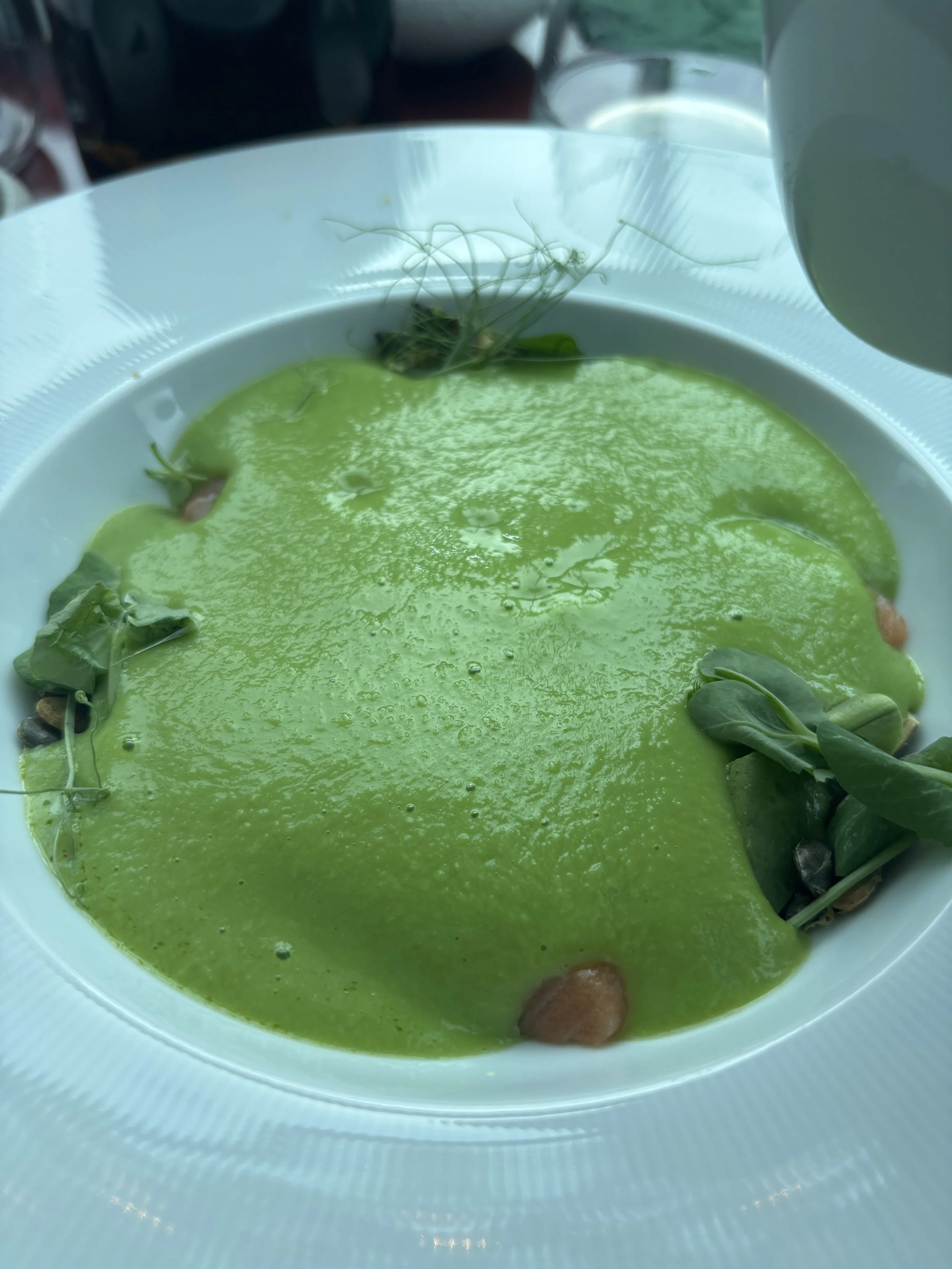
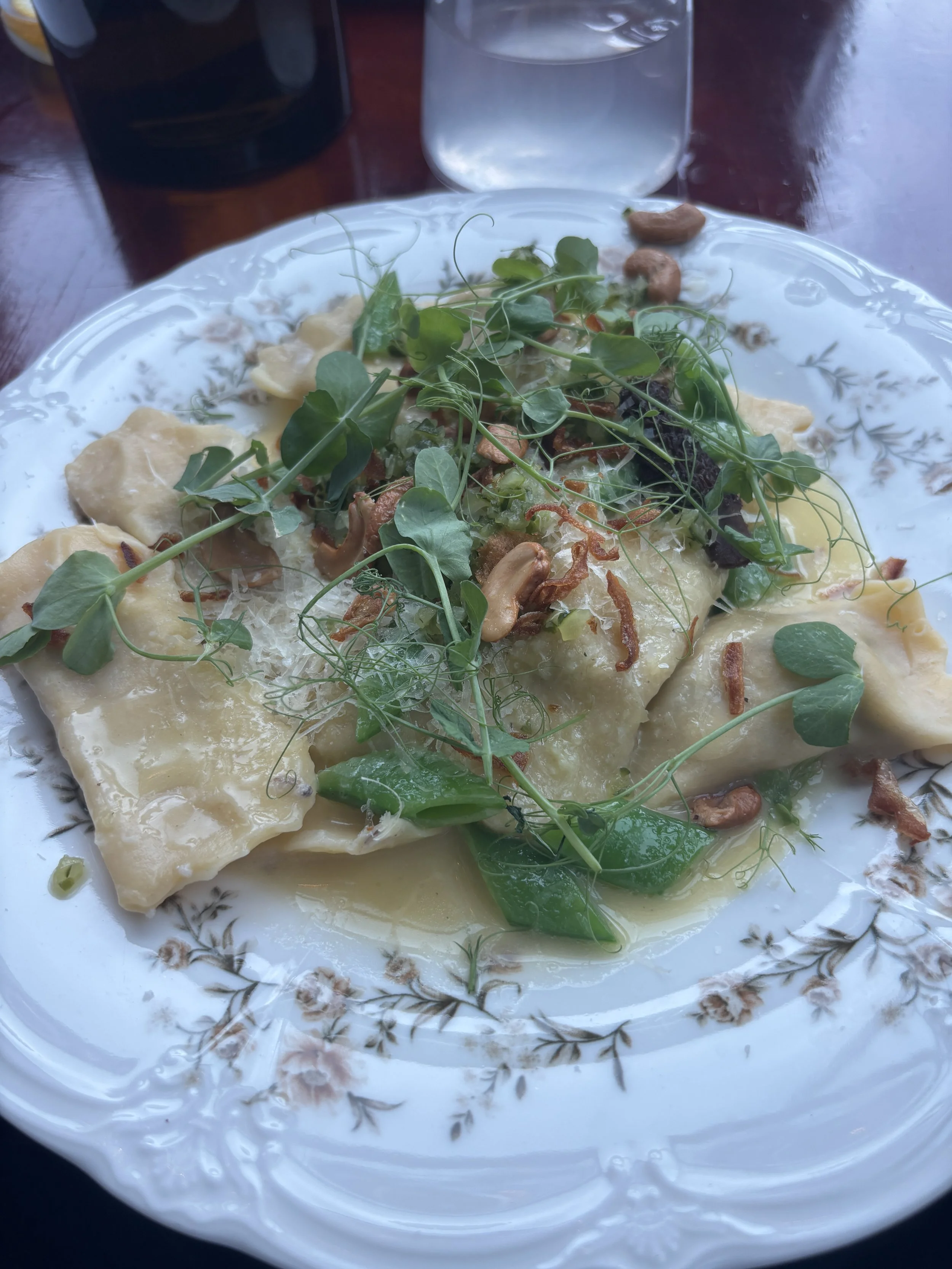
The menu is based on Polish cuisine and local ingredients, but with a somehow modern reinterpretation (as you can see, for example, with the pierogi depicted below).
It was super tasty, but light at the same time (despite its four courses), ideal for a business lunch!
Three great hotels to stay in Wroclaw
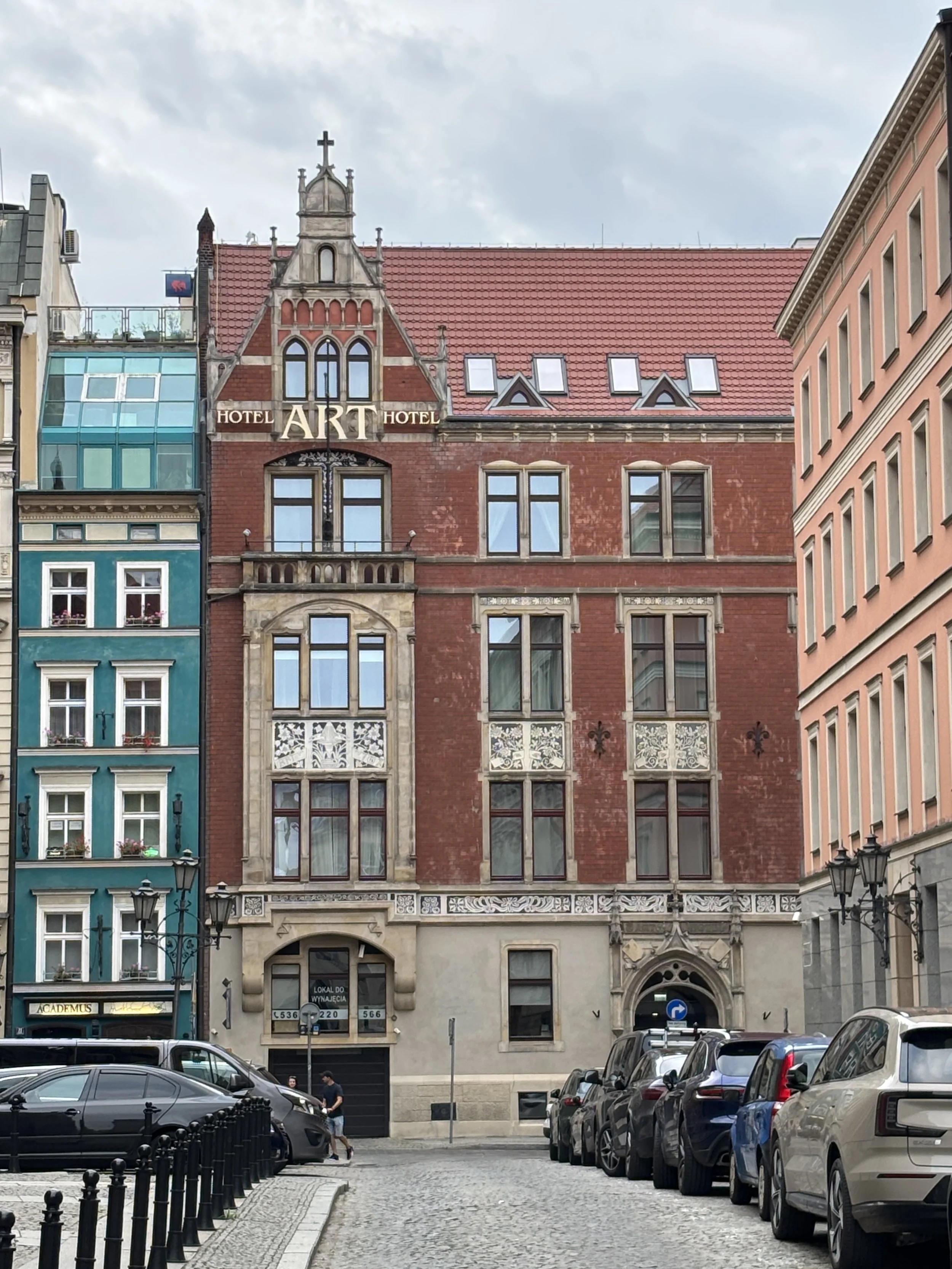
1 - Art Hotel Wroclaw
Kiełbaśnicza 20, 50-110 Wrocław
You can book this hotel here.
This hotel is a really excellent option is if you are looking for a place to stay right in the heart of the Wroclaw’s old town.
This is an independent hotel which occupies a historical building right by barely 2 minutes walk away from Rynek and literally around the corner from St.Elizabeth Basilica and Jatki Street, both sites that I have described earlier.
Part of the hotel is on a building that dates back to the 14th C. and in the 17th and 18th C. housed a printer’s shop.
It became a hotel in the 1990s and has since kept a connection to the city’s art scene. This is why its interior, both the common spaces and the rooms, are all decorated with works of art.
The hotel also has a restaurant and a small spa area.
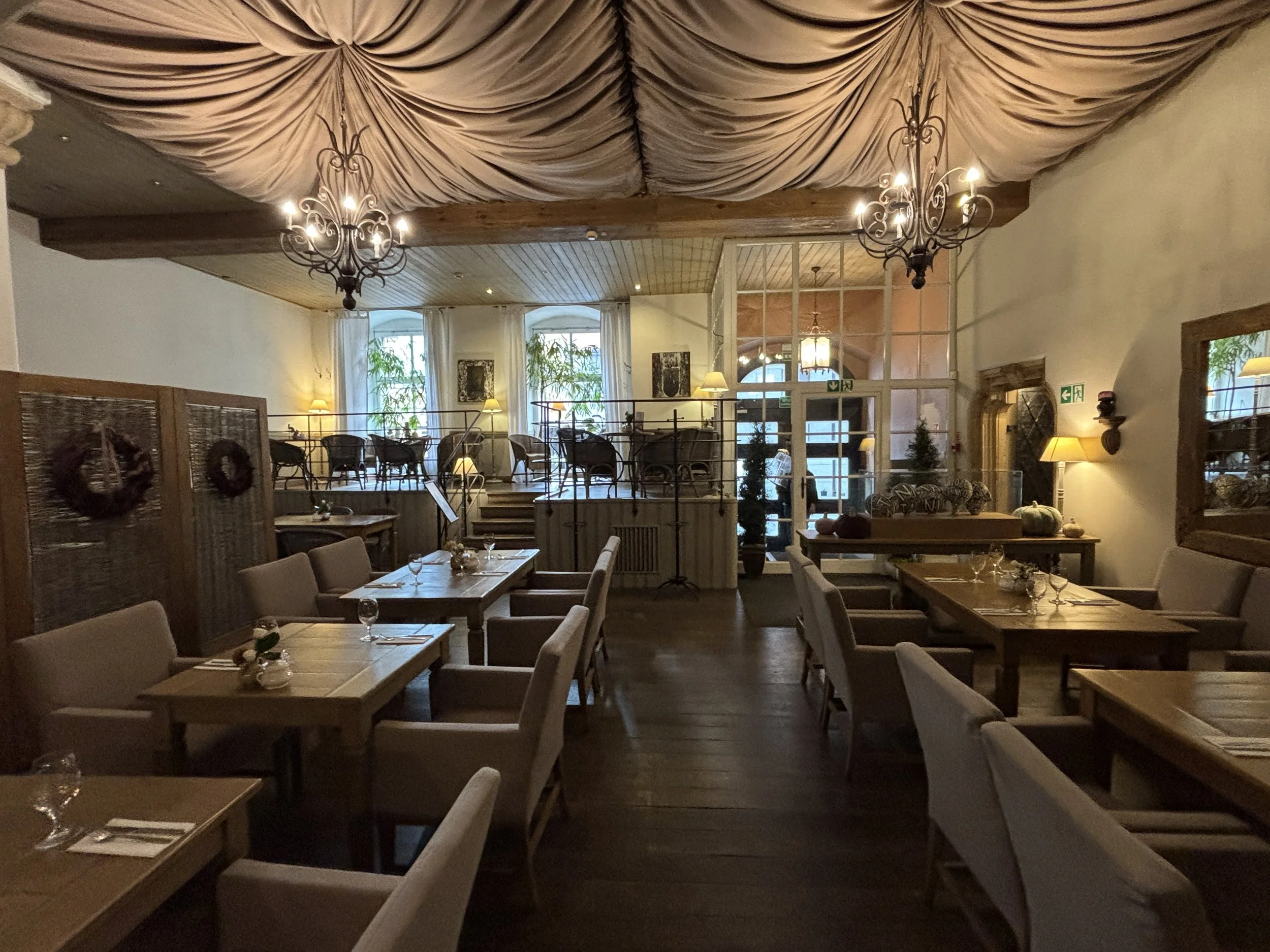
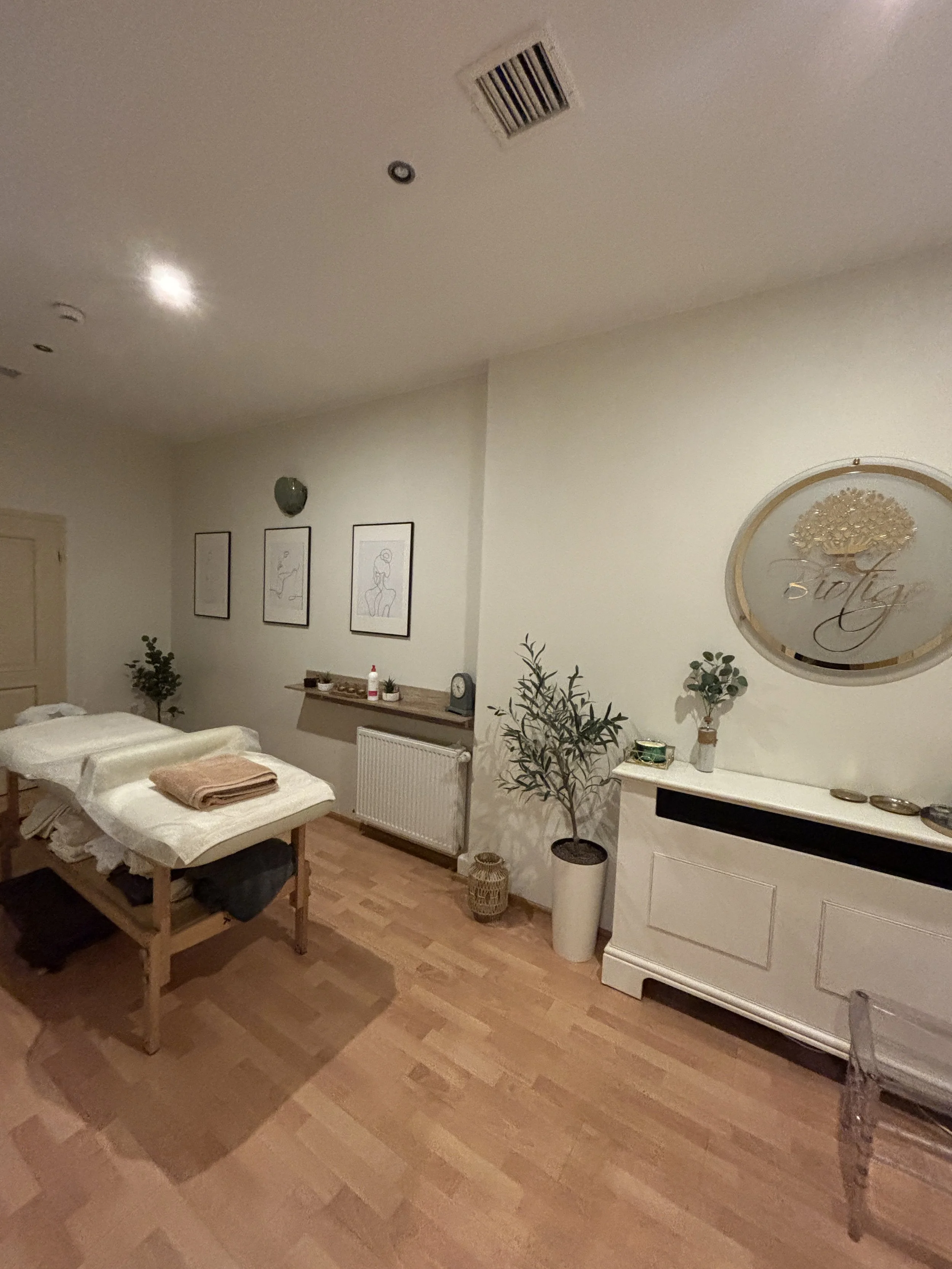
Interestingly, my room was a mansard-style apartment, which, I guess is part of what gives the place its unique character.
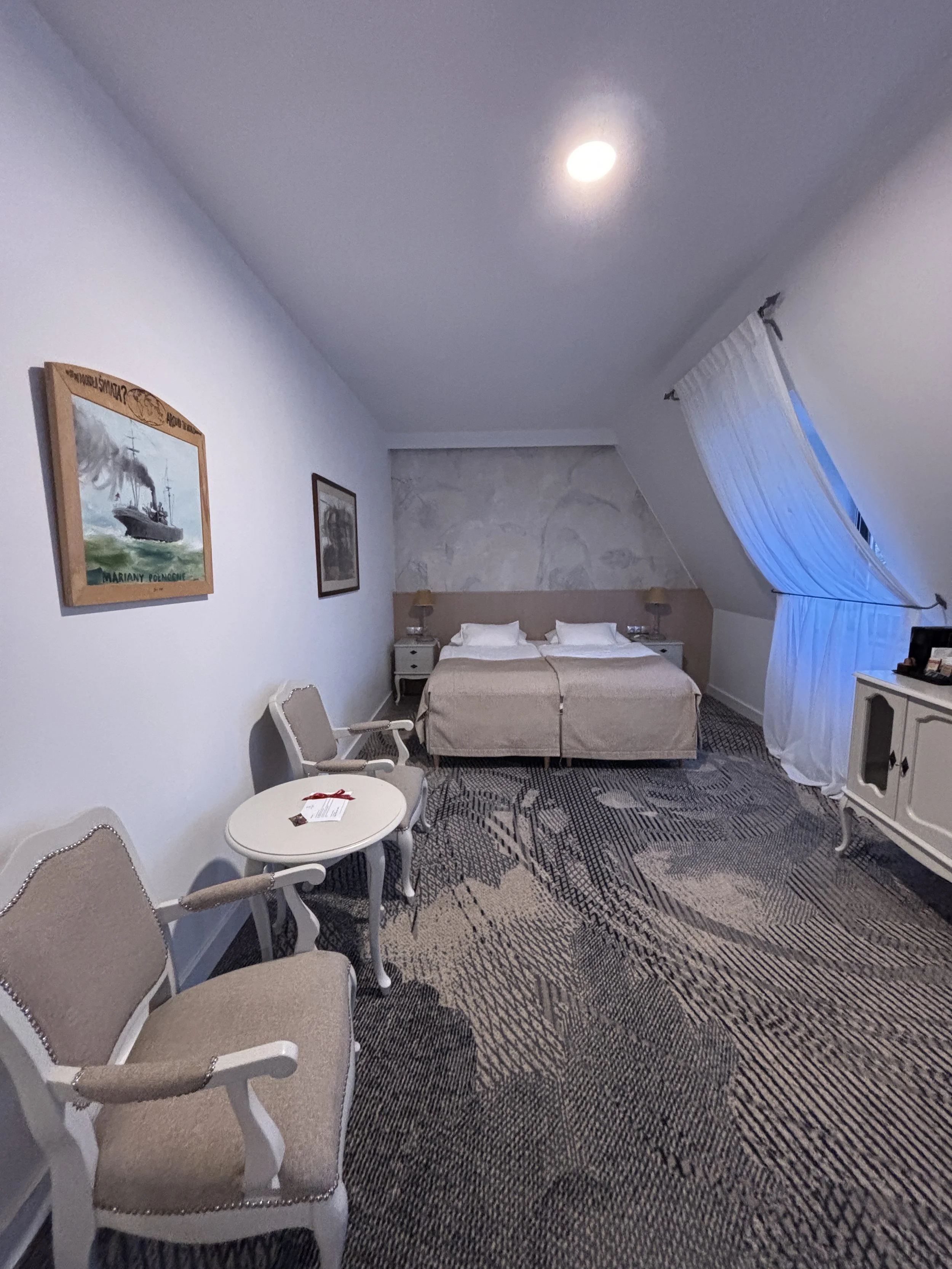
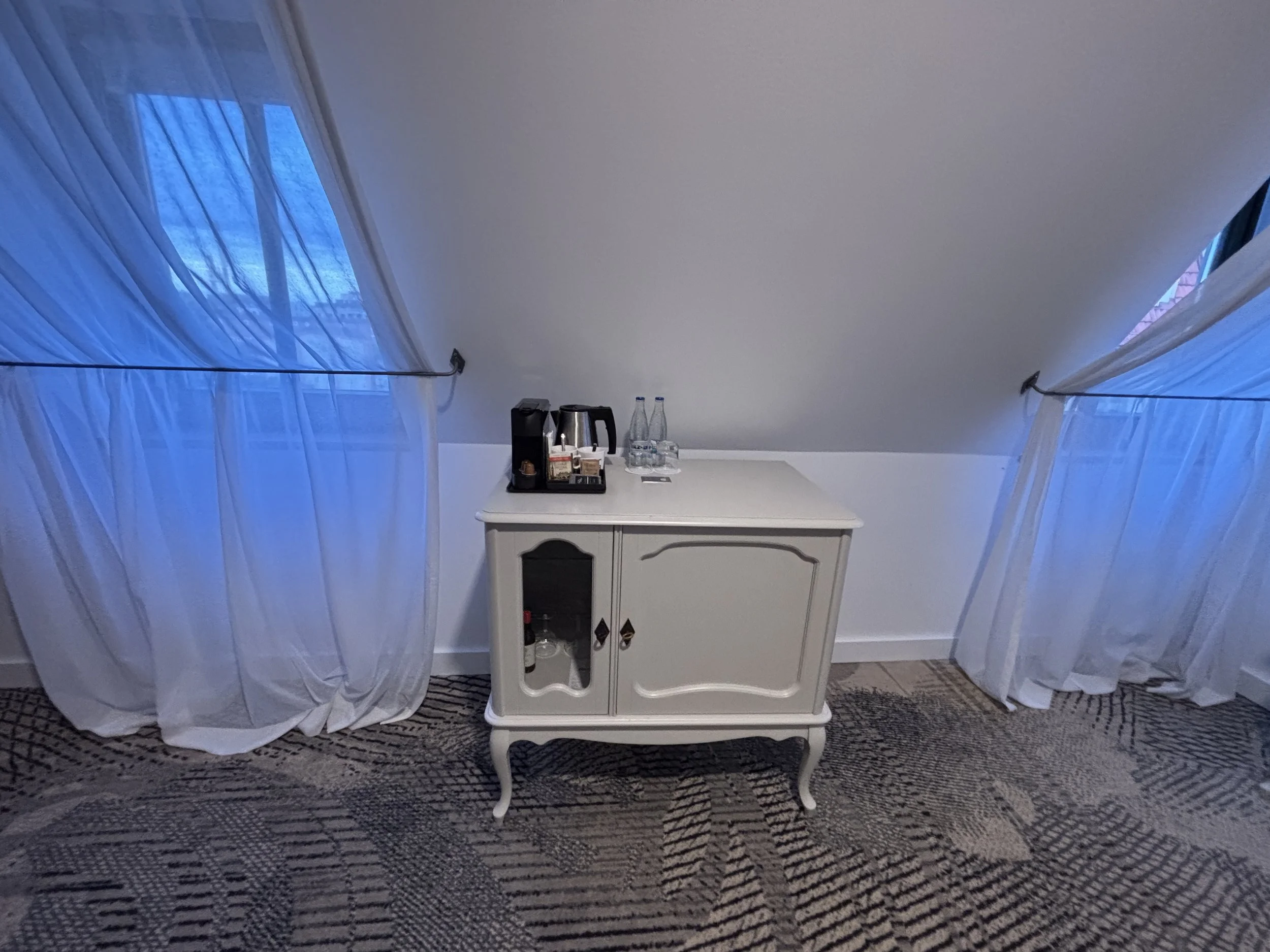
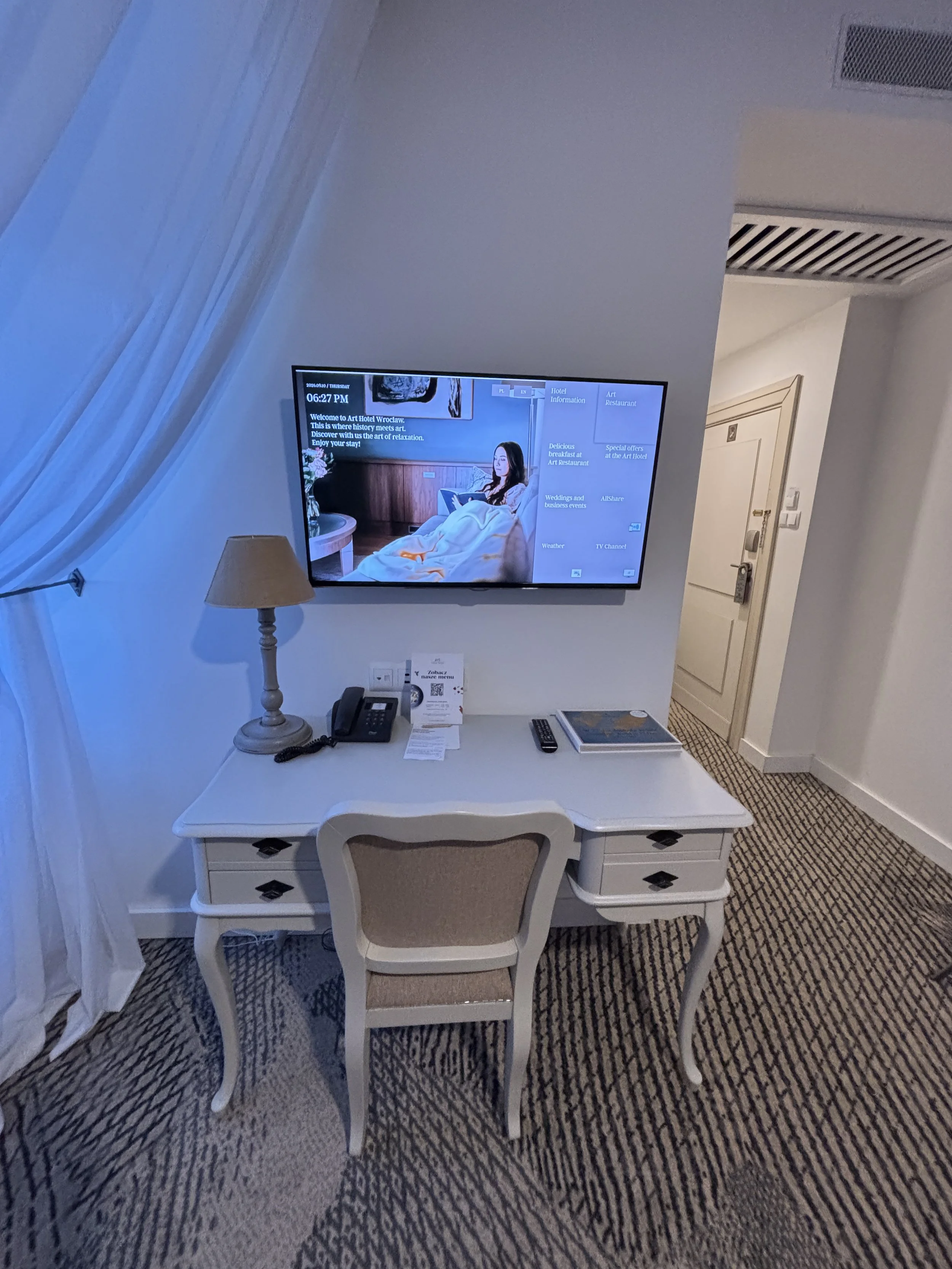
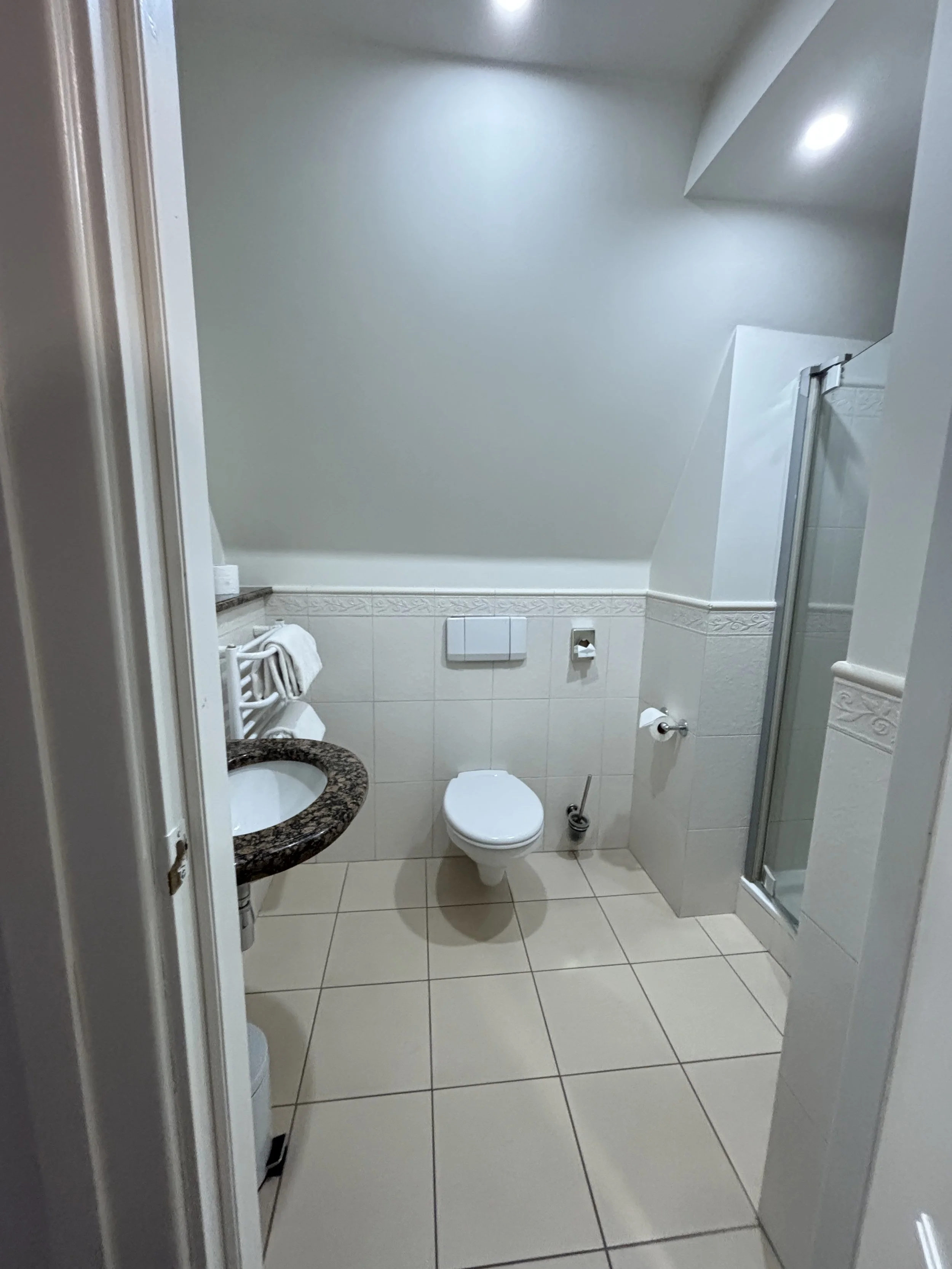
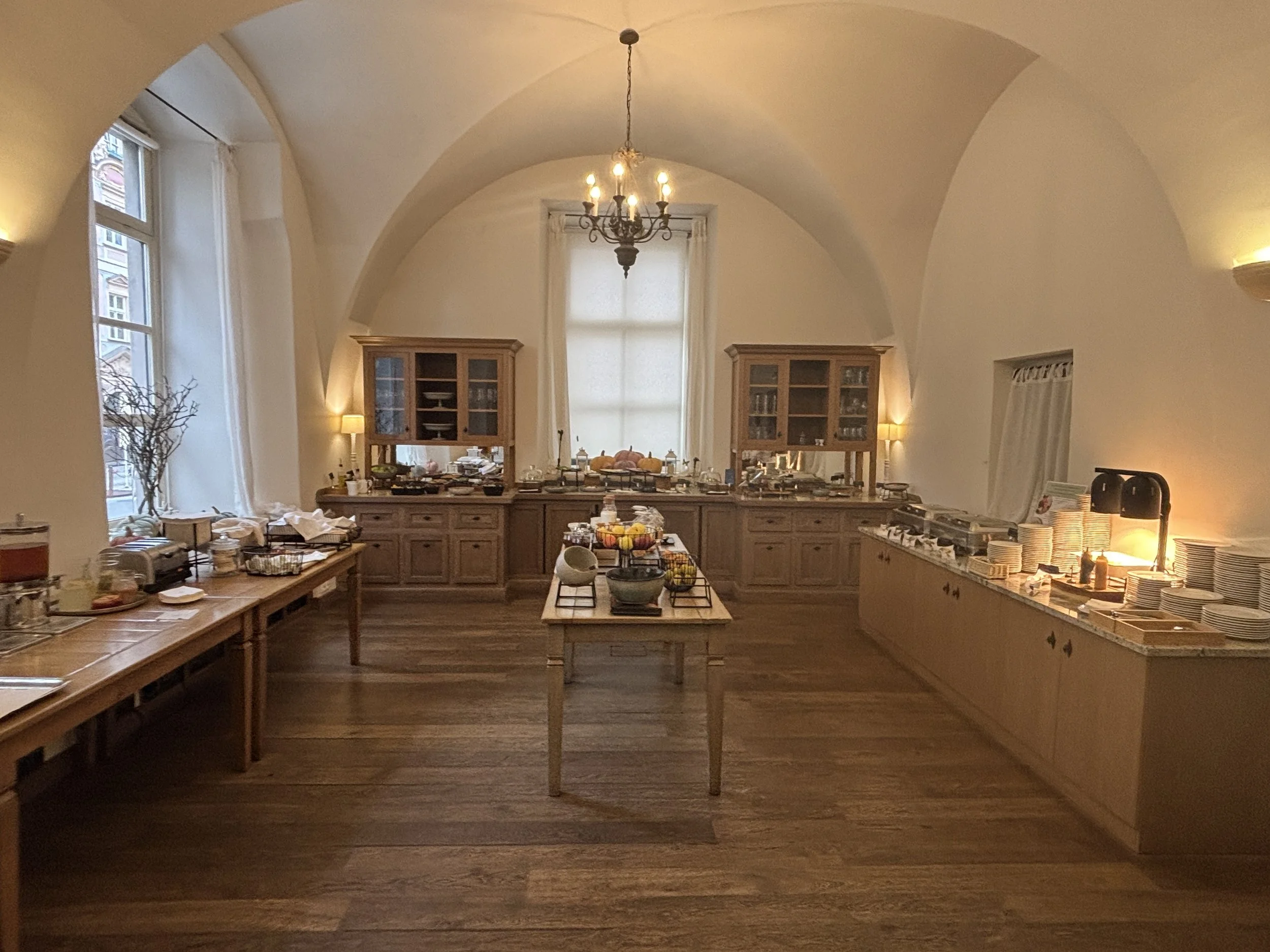
The breakfast was pretty good, btw, and served in this very charming room!
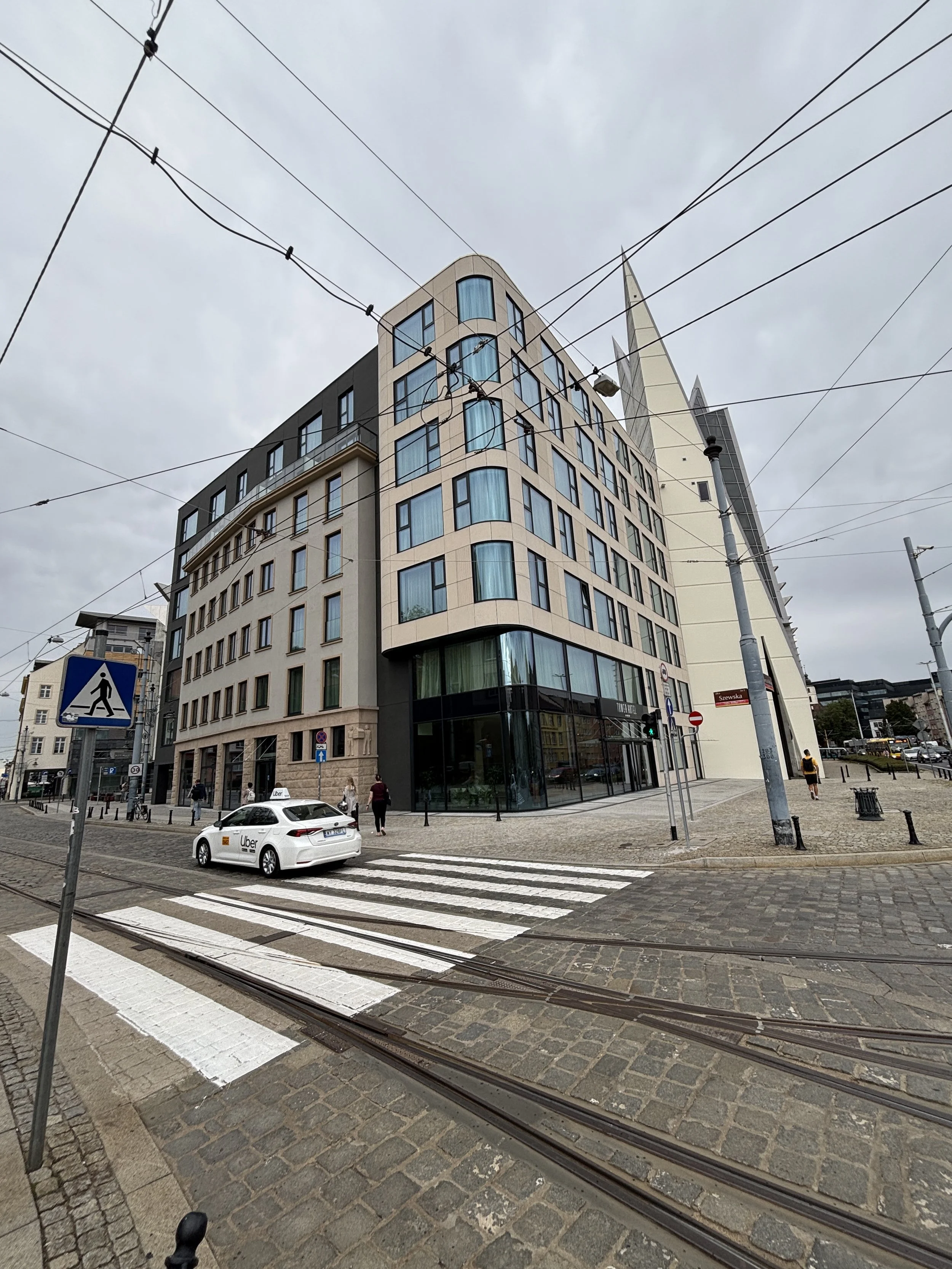
2 - Tower Hotel Wroclaw
Szewska 3, 50-438 Wrocław
You can book it here.
This is a super modern hotel (I read that it had opened barely a few weeks before my arrival).
It is located also very central on the main boulevard ring, right at the edge of the old town.
I was even wondering whether the name derives from the emplacement of one of the city walls’ towers, which is not a far fetched possibility considering the site. In this regard, the faux-historical decor plays its part and mixes well with the remaining totally contemporary motifs.
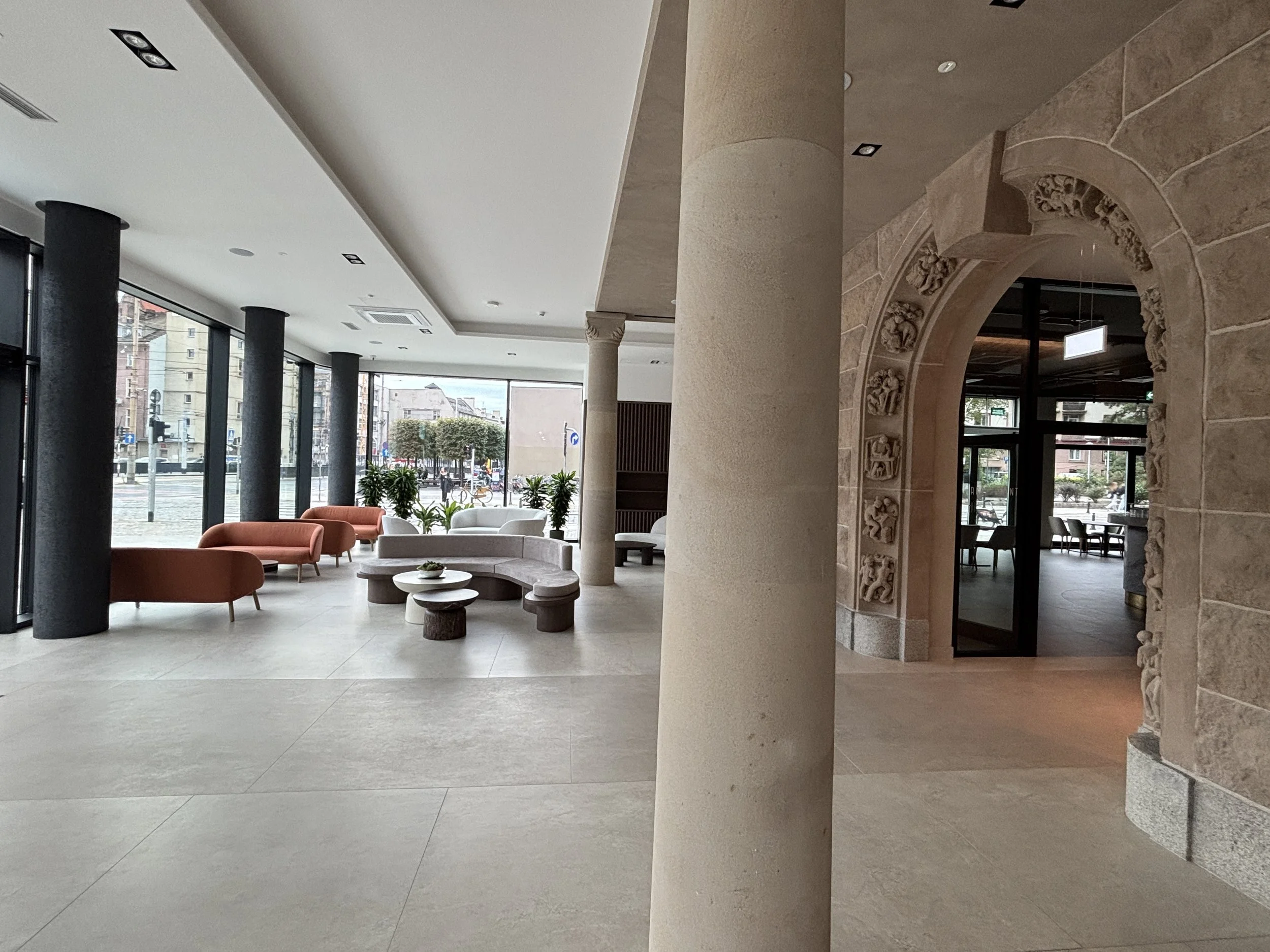
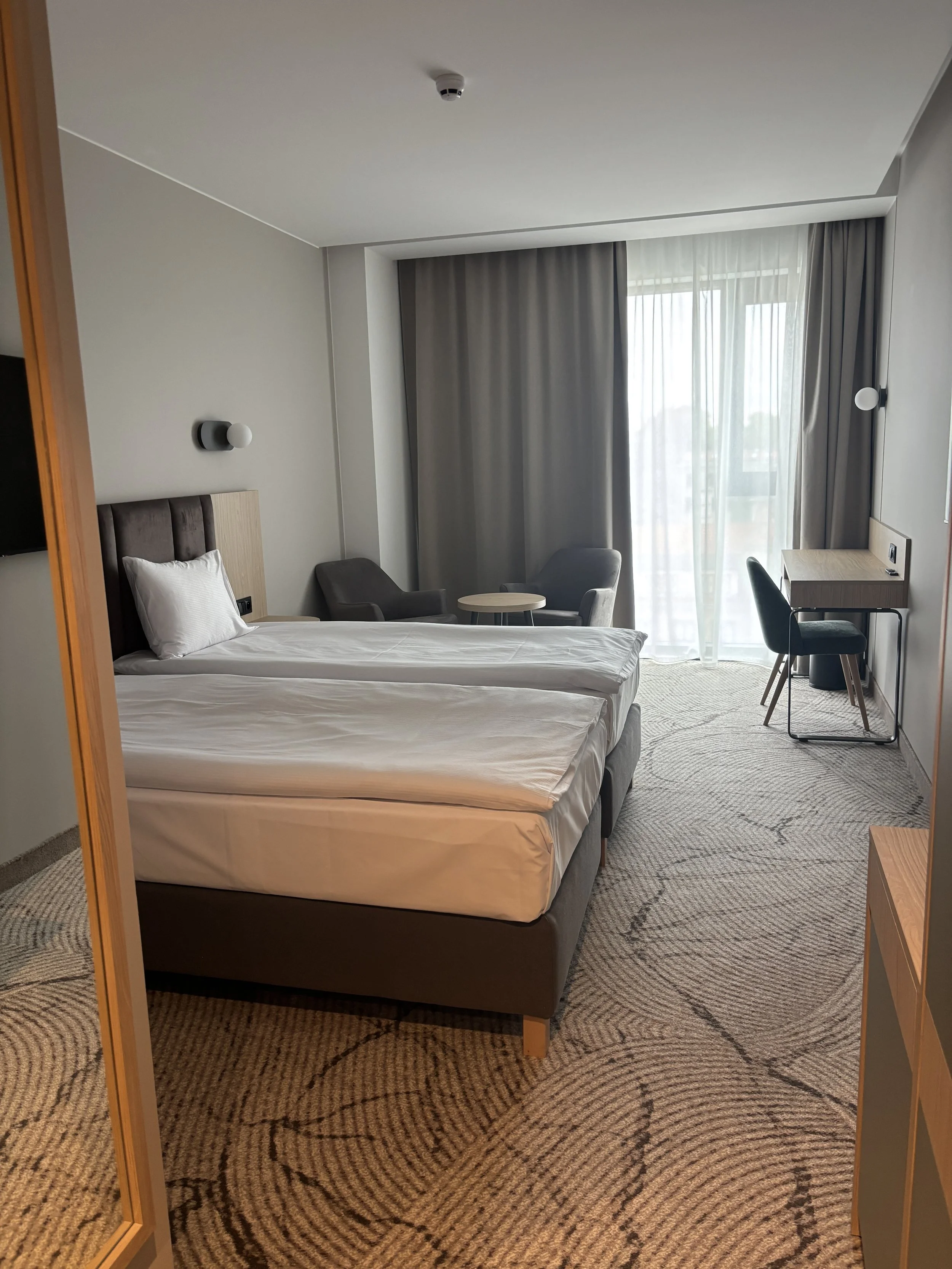
As you can see, and as expected, the style is that of a four-star modern hotel. In the pictures below you can see how the standard double room looks like (this one I was assigned had two small beds instead of a large one, not ideal, but I guess for just one night is ok.
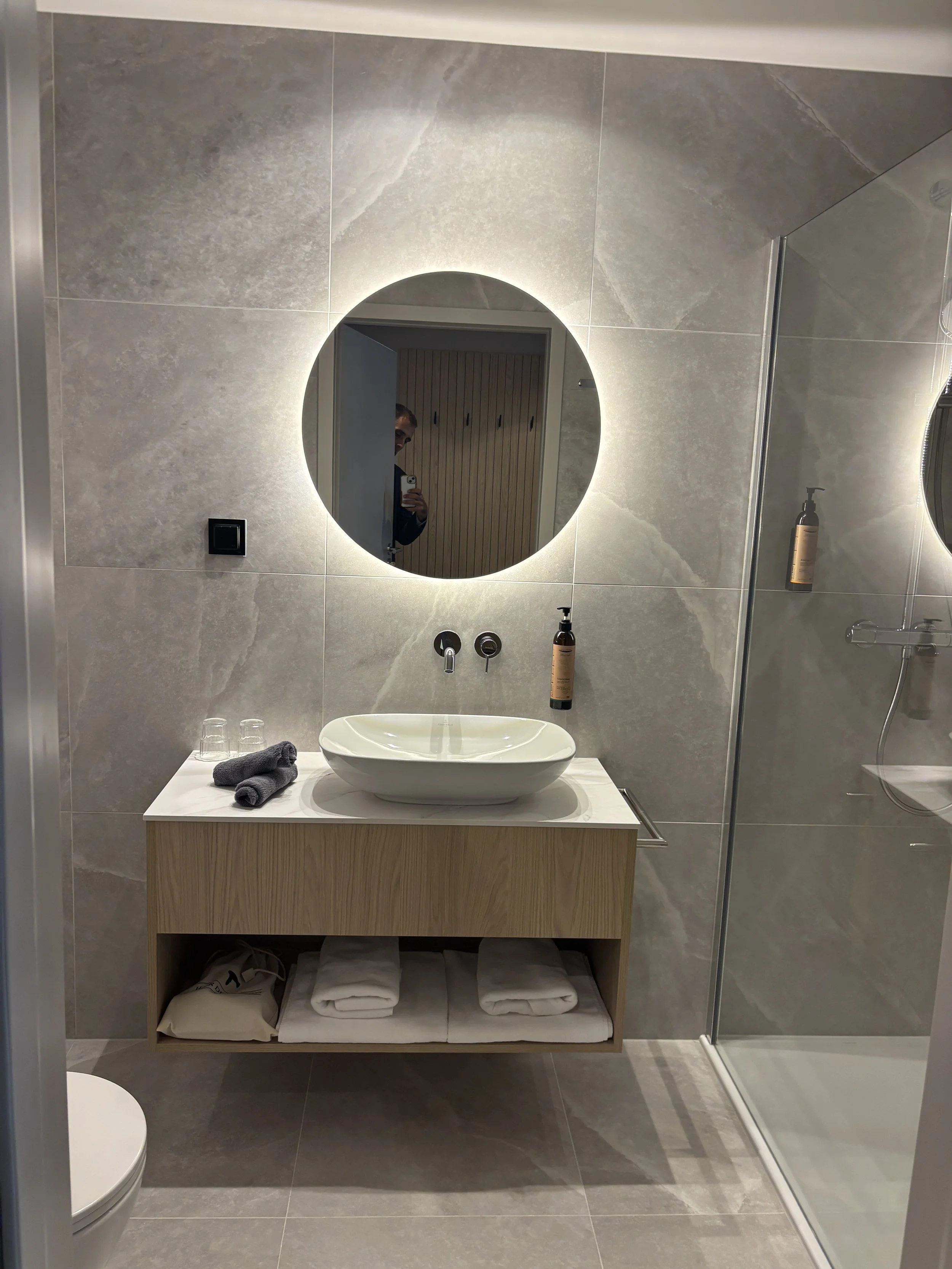
3 - Q Hotel Plus Wroclaw
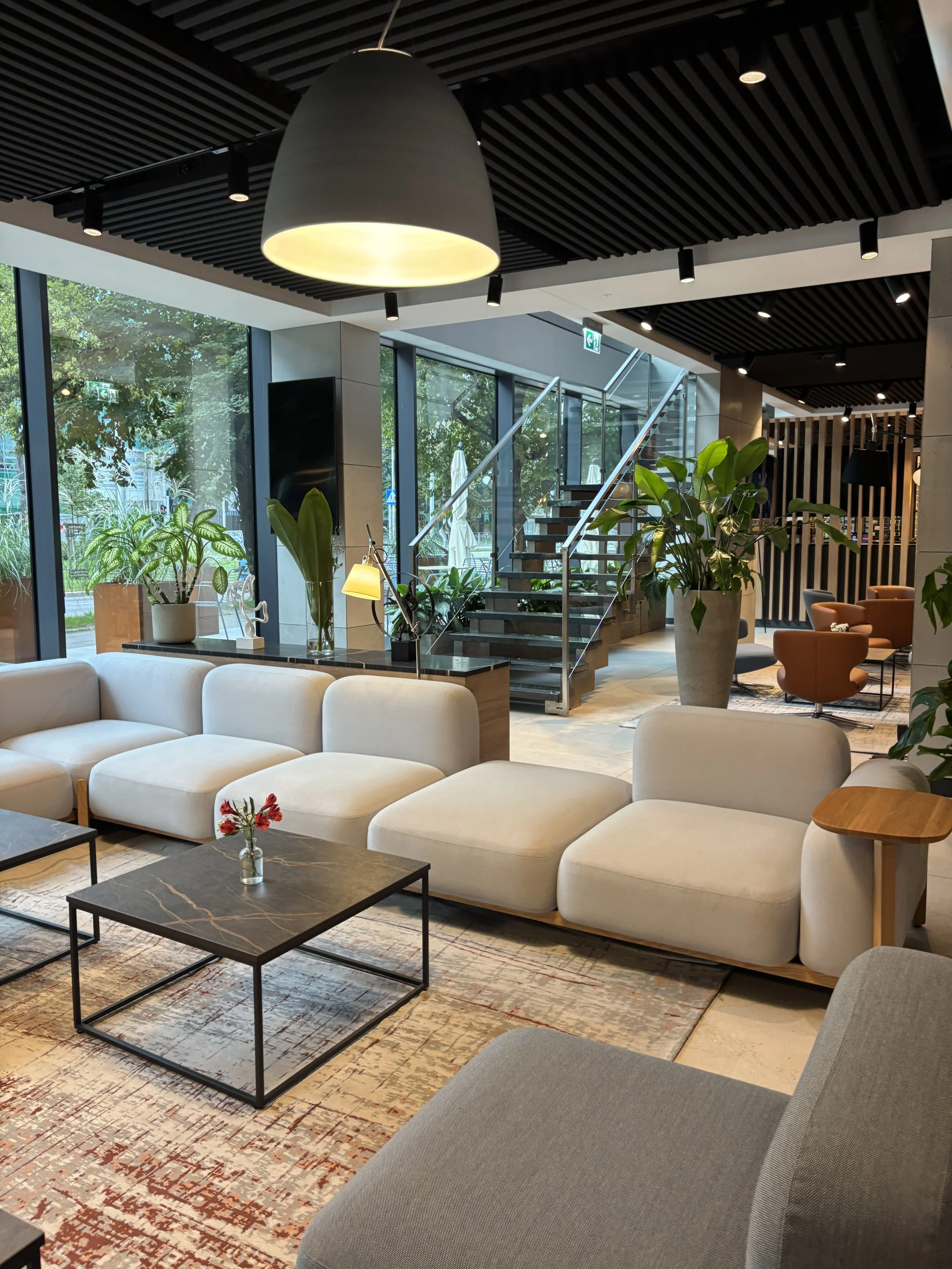
Zaolziańska 2, 53-334 Wrocław
You can book it here.
This is another super new hotel (there seems to be a hotel boom in Poland right now!).
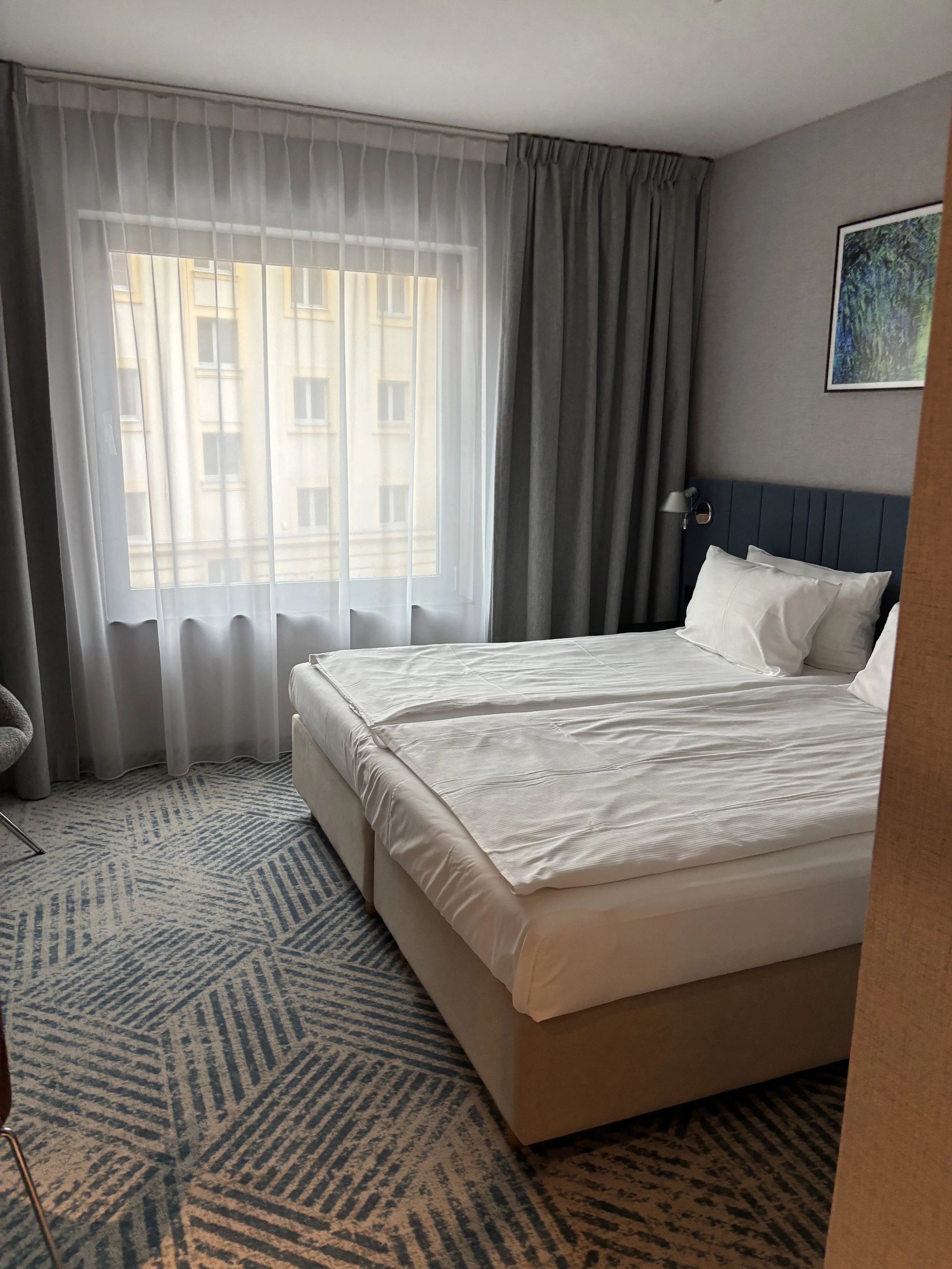
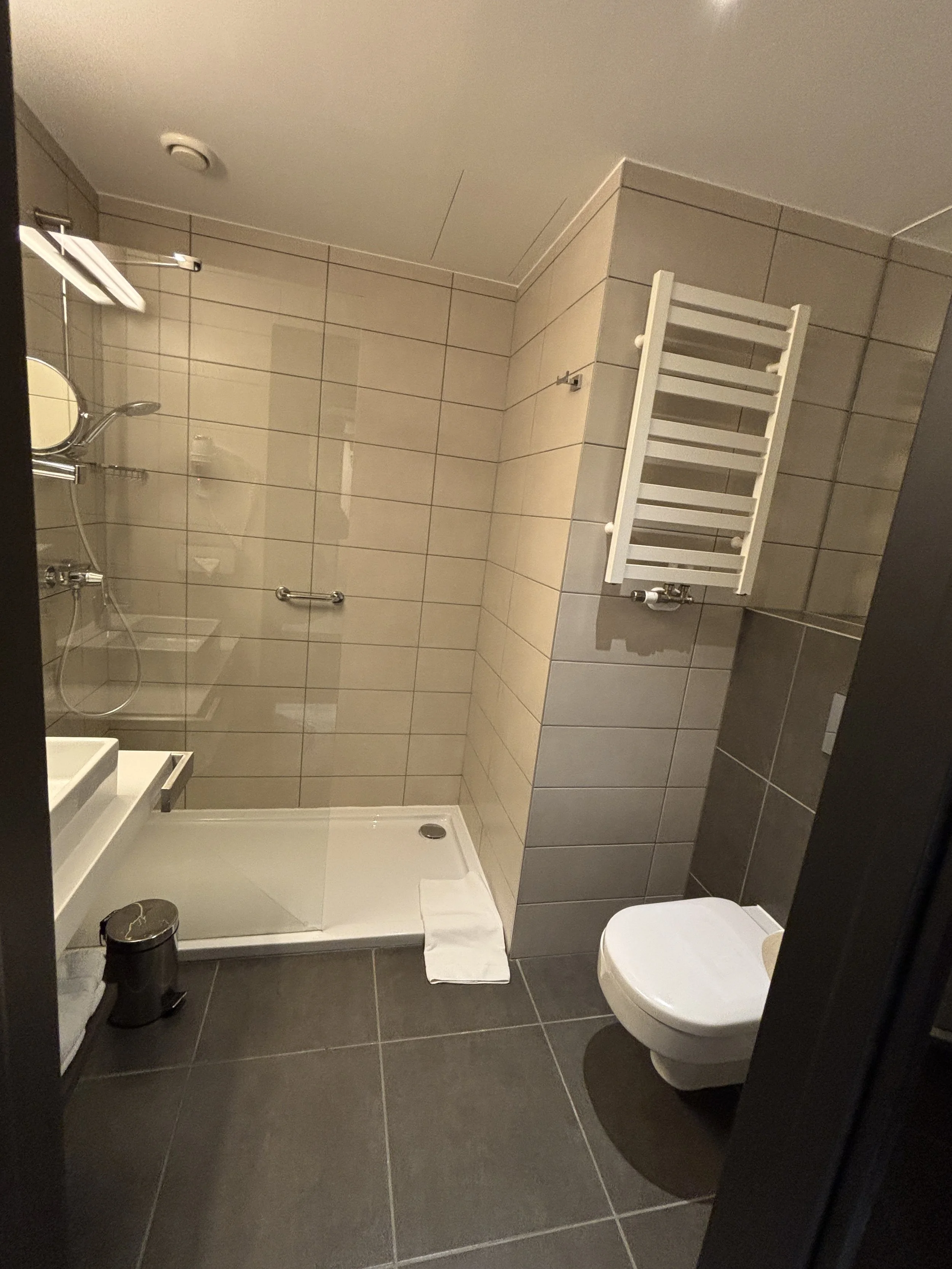
It is located a bit further from the historical center, although still a comfortable 10 min walk away (or 5 minutes ride from the tram stop located just opposite). It is also very close to Wroclaw’s central station, so if, as it was my case, you have to catch an early train, it’s perfectly located. I liked the fact that there are water fountains on each floor and you get a refillable bottle in the room (in addition to coffee and tea).
As in the previous hotel, the decor and style is contemporary throughout.
I didn’t really have enough time (just one night) to check all of the hotel’s services, but I really liked the lobby area, which is also adjacent to the hotel’s restaurant.
It had a really cozy atmosphere and received plenty of light from the street
If you are planning a trip to Poland, you may also find of interest our story about what to do and what to see when on a short trip to Gdansk.
What to do and what to see in Madeira, paradise island (2026 update)
A thorough exploration of the exuberant and diverse Portuguese island of Madeira. A proper Garden of Eden in the middle of the Ocean.
This article was first published in 2019 and updated in August 2026.
There is little doubt that Portugal has become one of the hottest tourist destinations in Europe.
A case in point is Lisbon’s comeback, from sleepy capital on the periphery of Europe to a must-visit place for any discerning traveller has been remarkable. But it is easy to forget that the wonders of Portugal are not limited to its mainland. One of Portugal’s most fascinating territories is the small island of Madeira (whose name means “wood” in Portuguese).
Once a stepping stone on Portugal’s long Oceanic routes, Madeira is just 57 km long and 22 km wide (at its widest point) but thanks to its orography and geographical position, it has an amazing diversity of landscapes and ecosystems that guarantee you won’t get bored anytime soon.
In this article:
What to see in Funchal, Madeira’s capital
Dolphin and whale spotting in Madeira
The Faja dos Padres seaside oasis and cable car
Pico Arrieiro, Madeira’s highest point
Madeira’s lush northern side
Where to get Madeira’s traditional embroidery
Where to taste Madeira wine - visiting the Blandy’s winery
Must to in Madeira: going downhill on a sledge
Where to stay on Madeira, some suggestions
Cristiano Ronaldo’s hotel in Funchal
Great places to eat out in Madeira
How to get to Madeira
The first impression you get upon landing on Madeira is that the island is incredibly mountainous. In fact, the island is but the emerged part of a large volcanic ridge that rises all the way from the ocean floor to a height of nearly 2,000m above sea level.
There is hardly a square mile of flat terrain on this island, and this is why even the island’s airport had to be built, partly, on a hill-side man-made structure sustained by pillars (resembling an aircraft carrier of sorts)
Madeira’s complex orography becomes evident on the drive from the airport to its capital, Funchal, through a brand new motorway with innumerable tunnels and bridges. Houses are perched on the what look like impossibly steep inclines right and left, with deep ravines and cliffs around them.
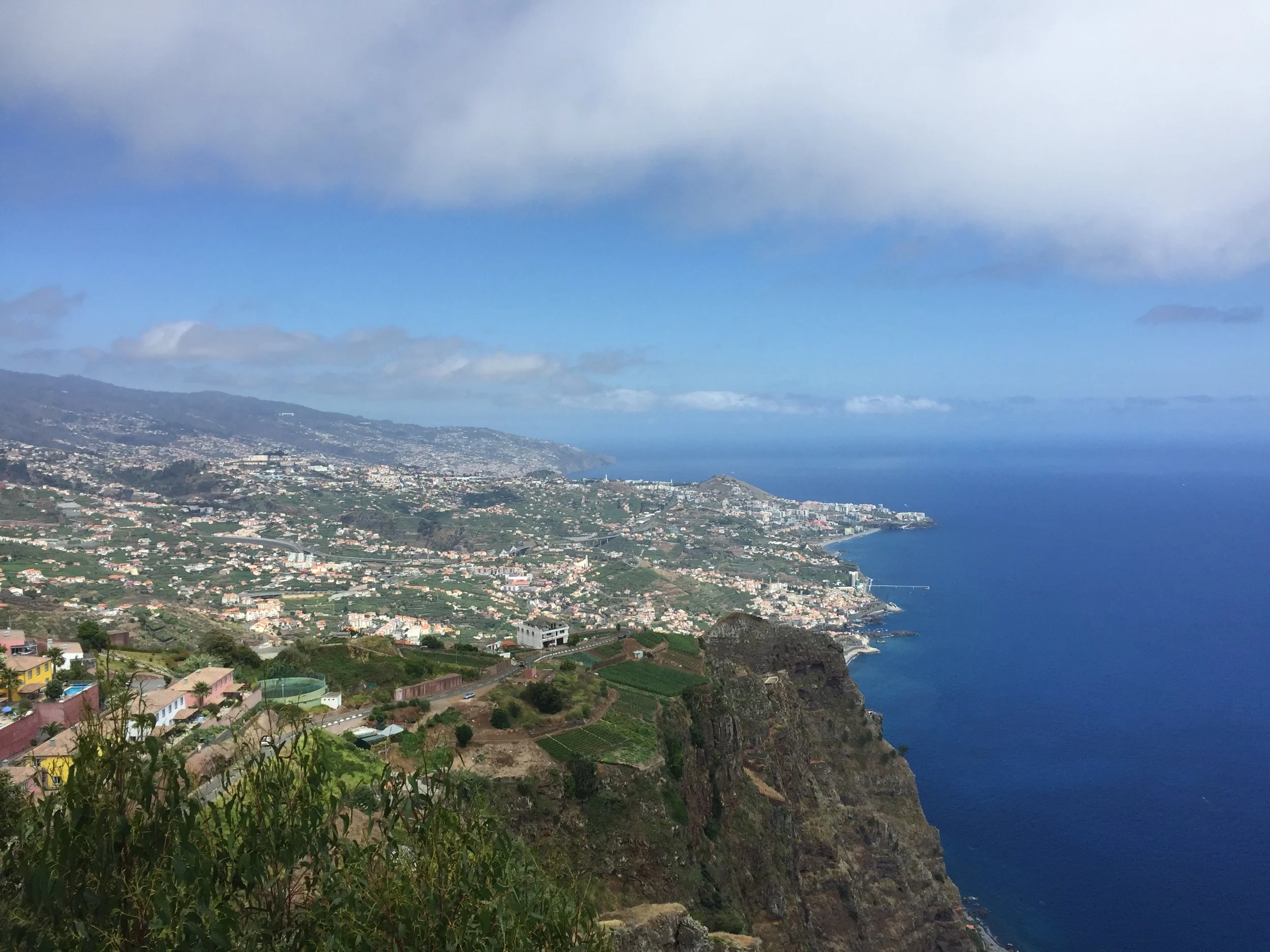
This is about as flat as it gets in Madeira!
This post may contain affiliate links. If you book or buy something through them, I earn a small commission, at no extra cost to you. It's one of the ways I keep Places of Charm going. Thank you for your support.
The trip was courtesy of TAP Air Portugal in collaboration with Turismo de Portugal and the Madeira Promotion Agency. All opinions are my own.
What to see in Funchal
Madeira’s capital and its administrative and services hub, Funchal, is on the south coast of the island.
Located in a rare opening of the vertical cliffs that line the island’s coast. Although Funchal’s neighbourhoods climb onto the surrounding hillsides, its historical centre is right by the sea.
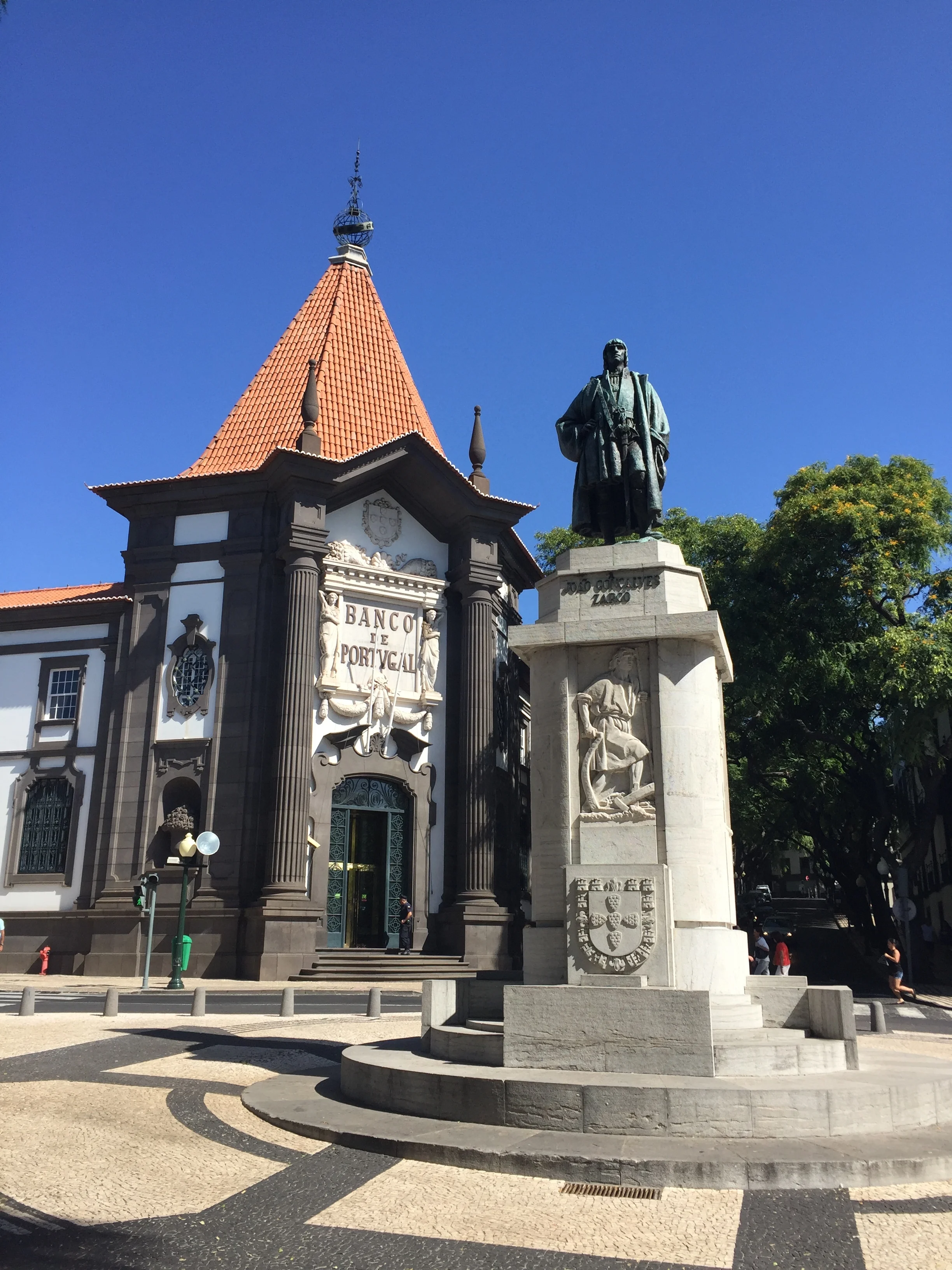
Funchal feels like a rather sleepy provincial town and, although it is hard to pinpoint one major landmark or point of interest, its whole urban ensemble, particularly the streets on the old town, is not devoid of charm.
One place you can not miss if visiting Funchal is the fish and vegetables market. We were to late for the fish auction, but could get a first glimpse of the produce that results from Madeira’s mild sub-tropical climate.

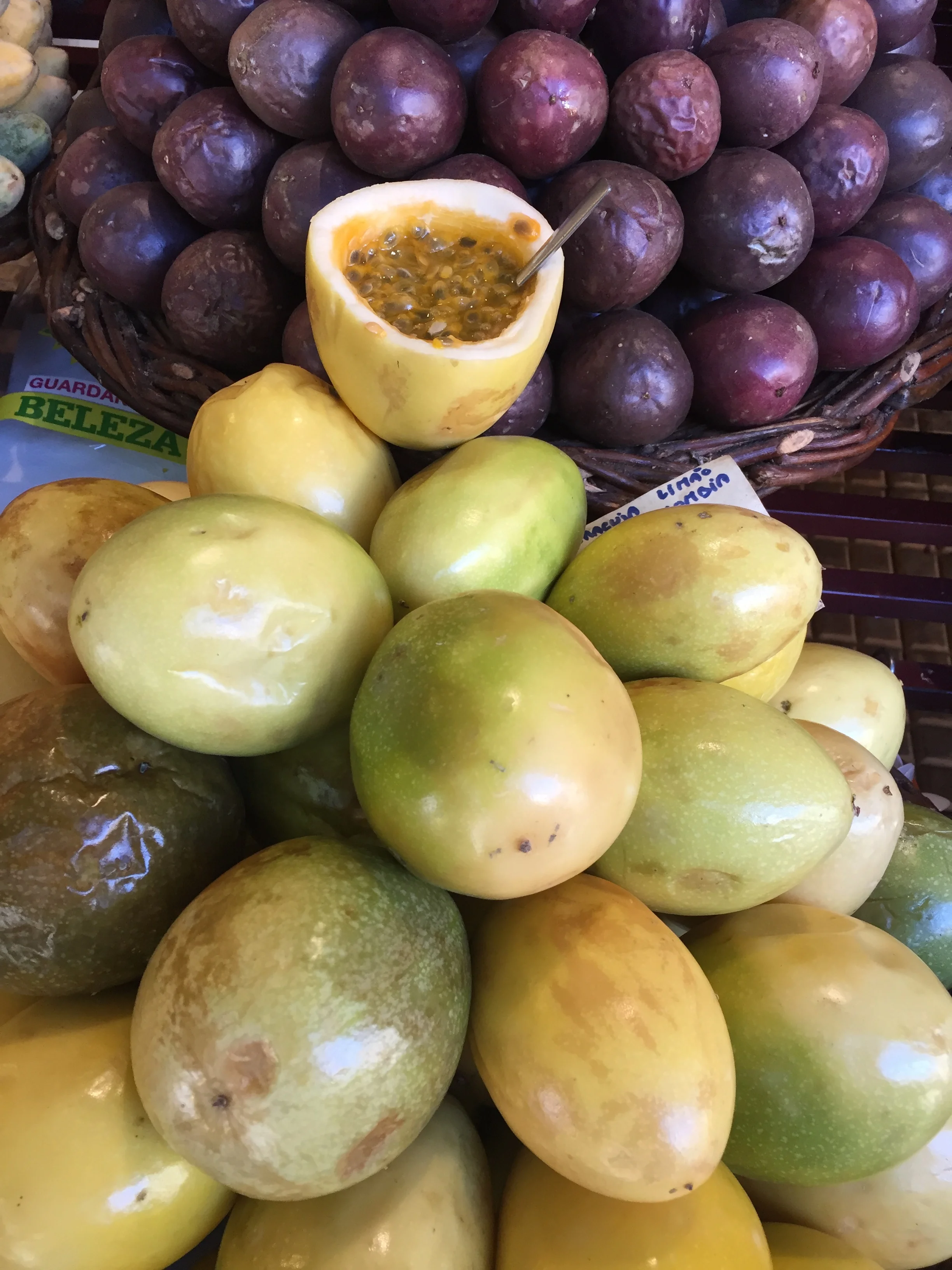
The flower and fruit display at Funchal market can’t be described as anything else but a colour explosion, with passion fruit, which comes in different sorts and varieties, being the real star here!


Dolphin Spotting in Madeira
One of the most amazing things to do in Madeira is the whale and dolphin watching tour (there are several companies offering dolphin and whale watching tours on the island).
Even if you don’t get to spot any of these magnificent marine mammals, it is the perfect excuse to enjoy the clean, deep blue waters that surround the island and contemplate its magnificent orography from the sea.
There were a dozen of us on a fast boat as we moved out of Funchal’s harbour for a glorious morning at sea. It was bright and sunny but the constant breeze kept the temperature balmy and pleasant at all times.
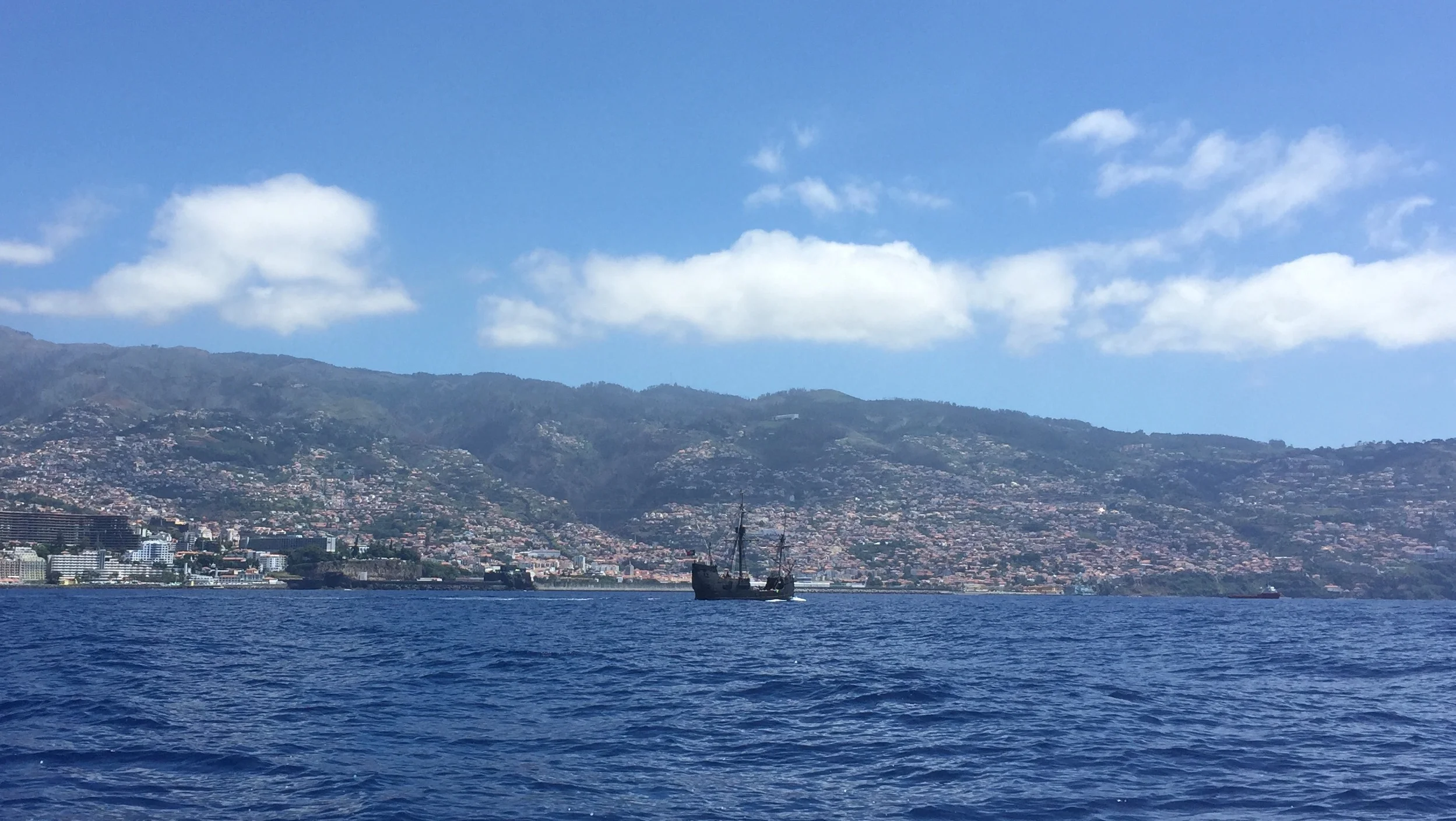
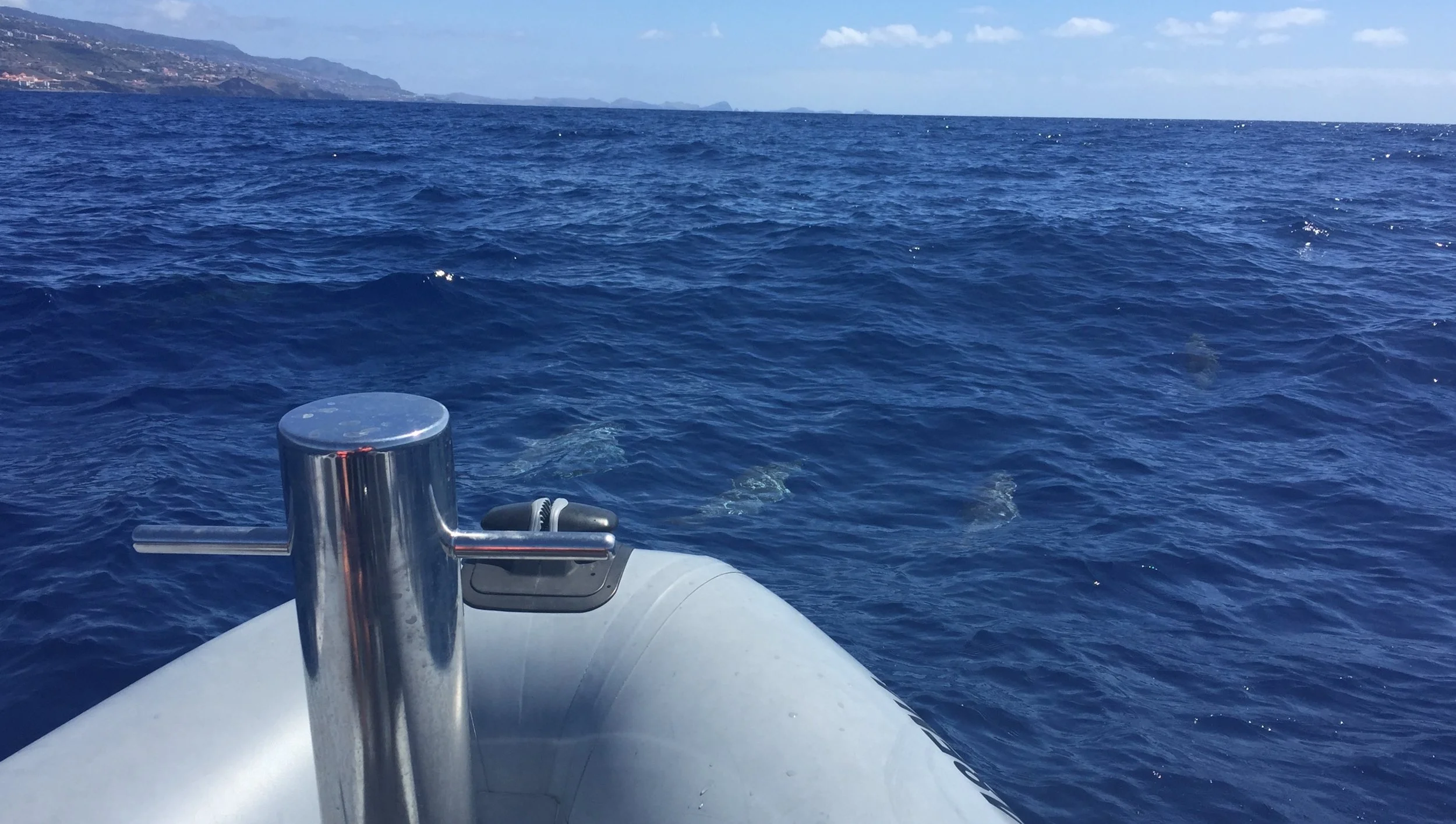
It did not take long before we spot the first dolphins, we followed them for a while before they were gone…far from being a rare encounter, we soon got visual contact with another group…and then another…and another…
Lunch at Fajã dos Padres
A great continuation to the dolphin-spotting adventure, as traveling by boat is the best way to access this secluded oasis of calm nested between the sea and high vertical cliffs.
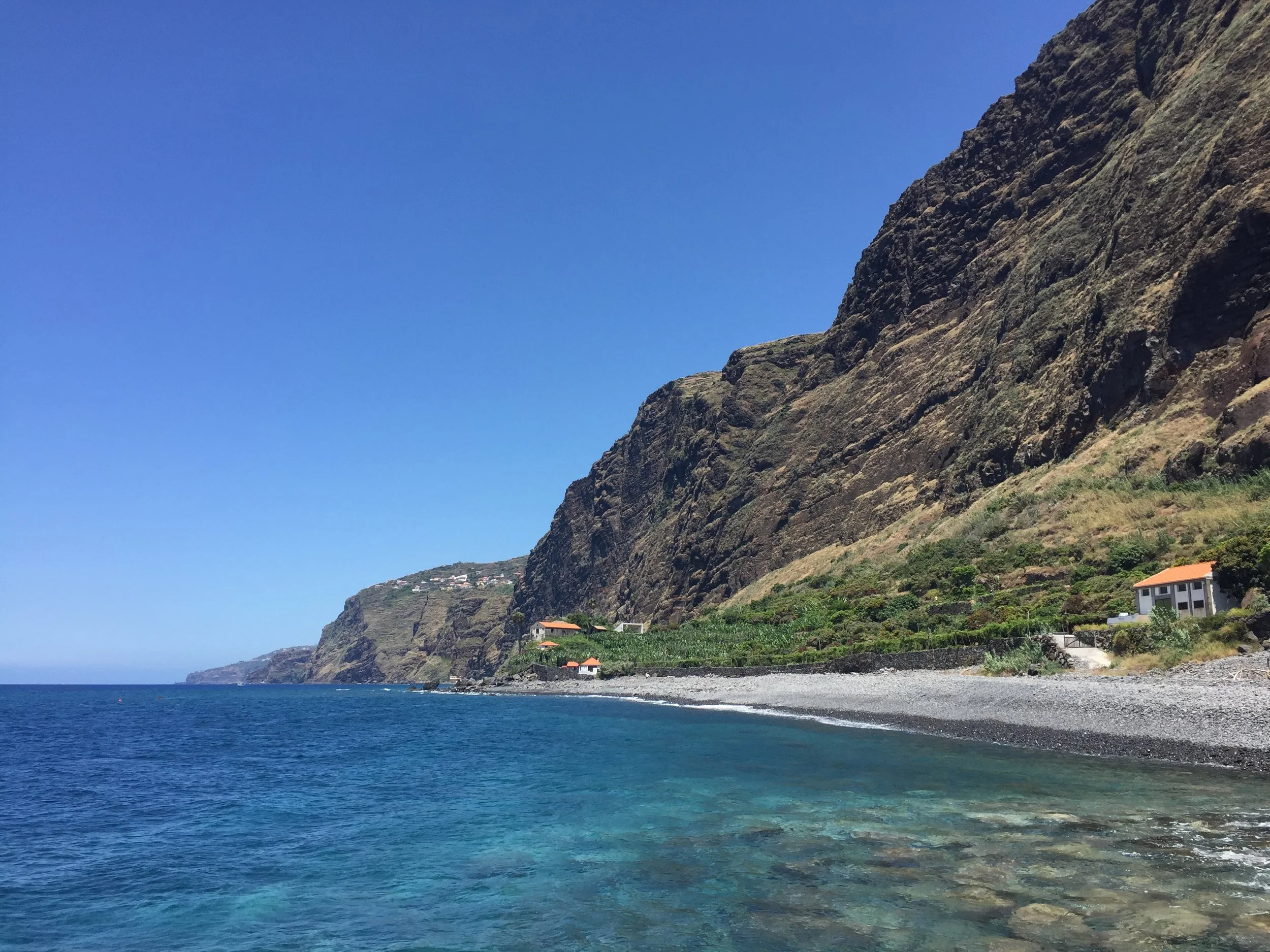
It would be fair to say that this narrow tongue of land at the foot of huge fully vertical cliffs, concentrates much of what makes of Madeira such a special place: crystalline waters, great food, exuberant vegetation and amazing weather set in a rough, rocky landscape.
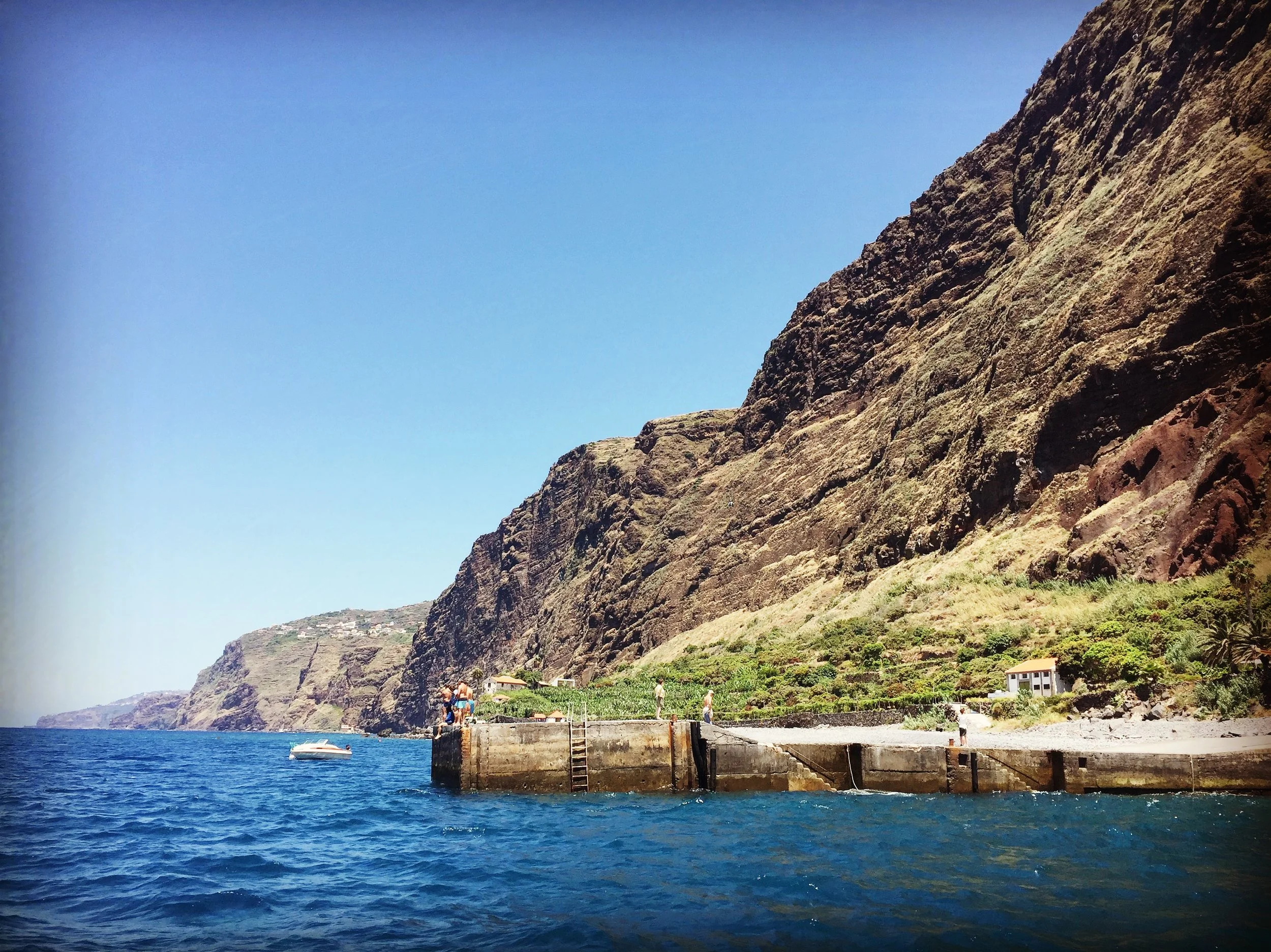

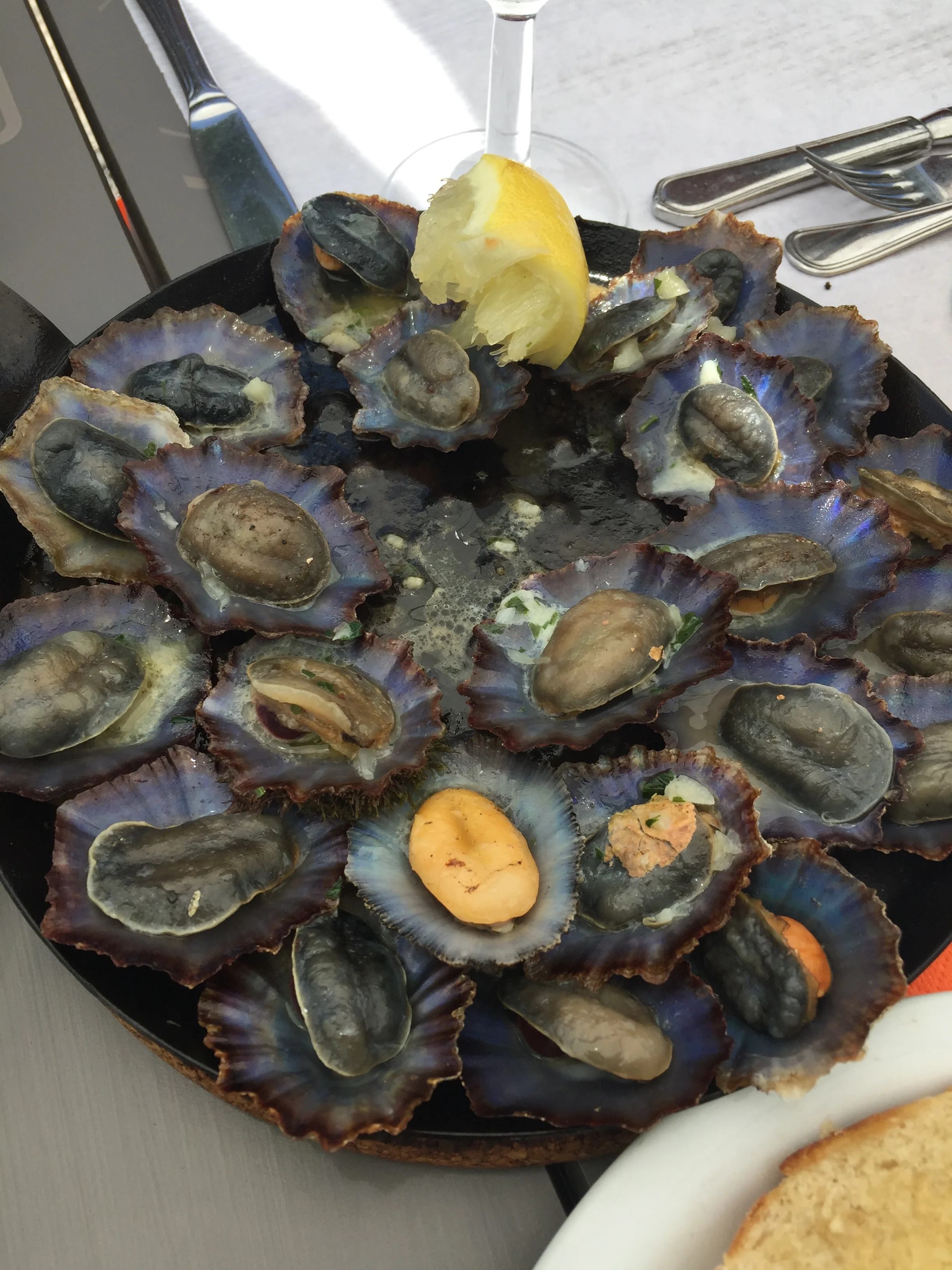
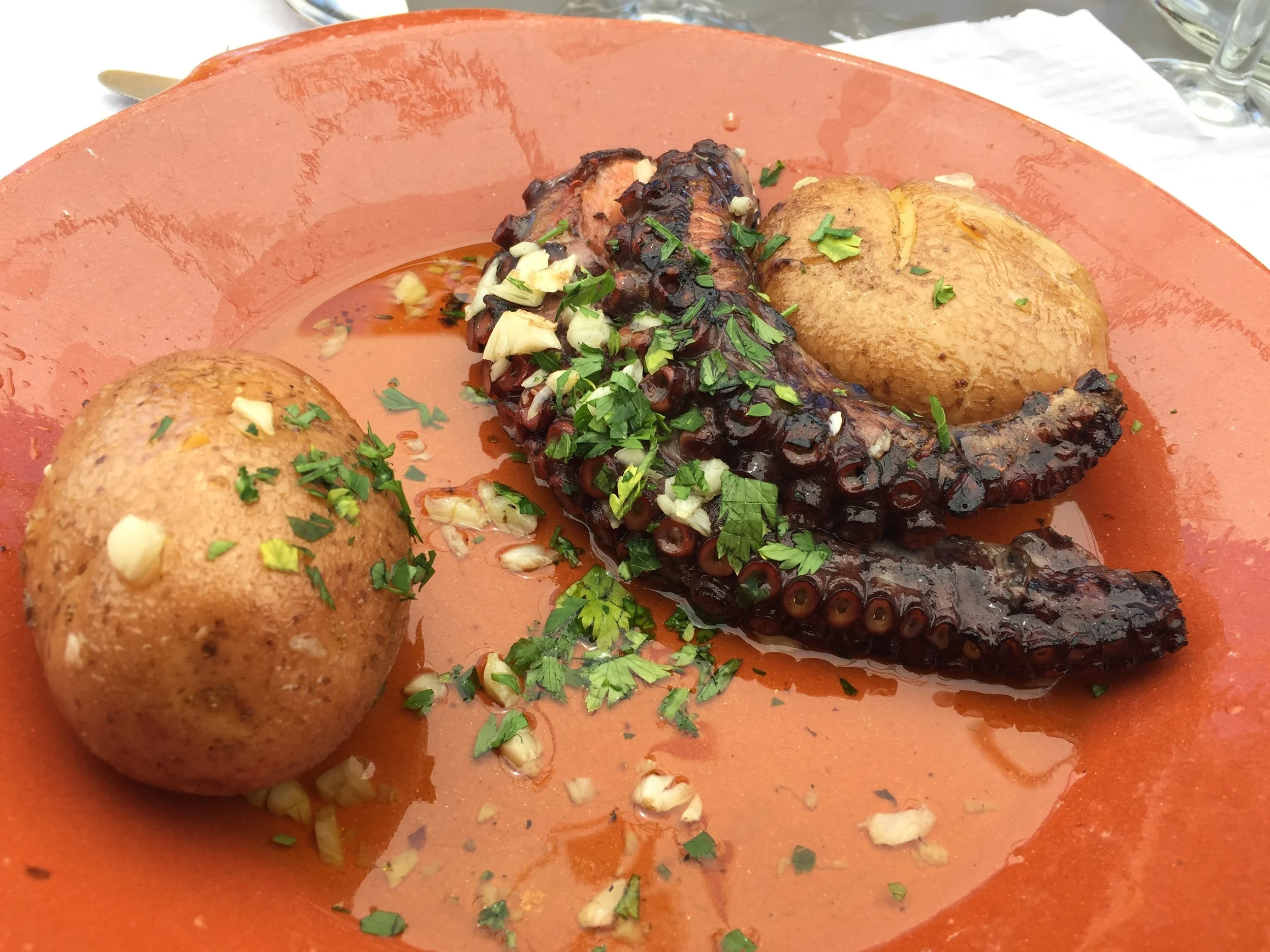
There is a restaurant and terrace in Fajã dos Padres, the feel is rather vintage, but this is exactly what fits this place, that seems to move at its very own pace. In fact, the Fajã dos Padres offers some of the best produce that Madeira has to offer: fresh fish and seafood and succulent tropical fruit and this shows in the menu…By the way, one of the local specialities: limpets with a sprinkle of lemon!
How to get to Fajã dos Padres if you don’t have access to a boat? Some time ago, there used to be a lift that would take you all the way up to the island’s main road…

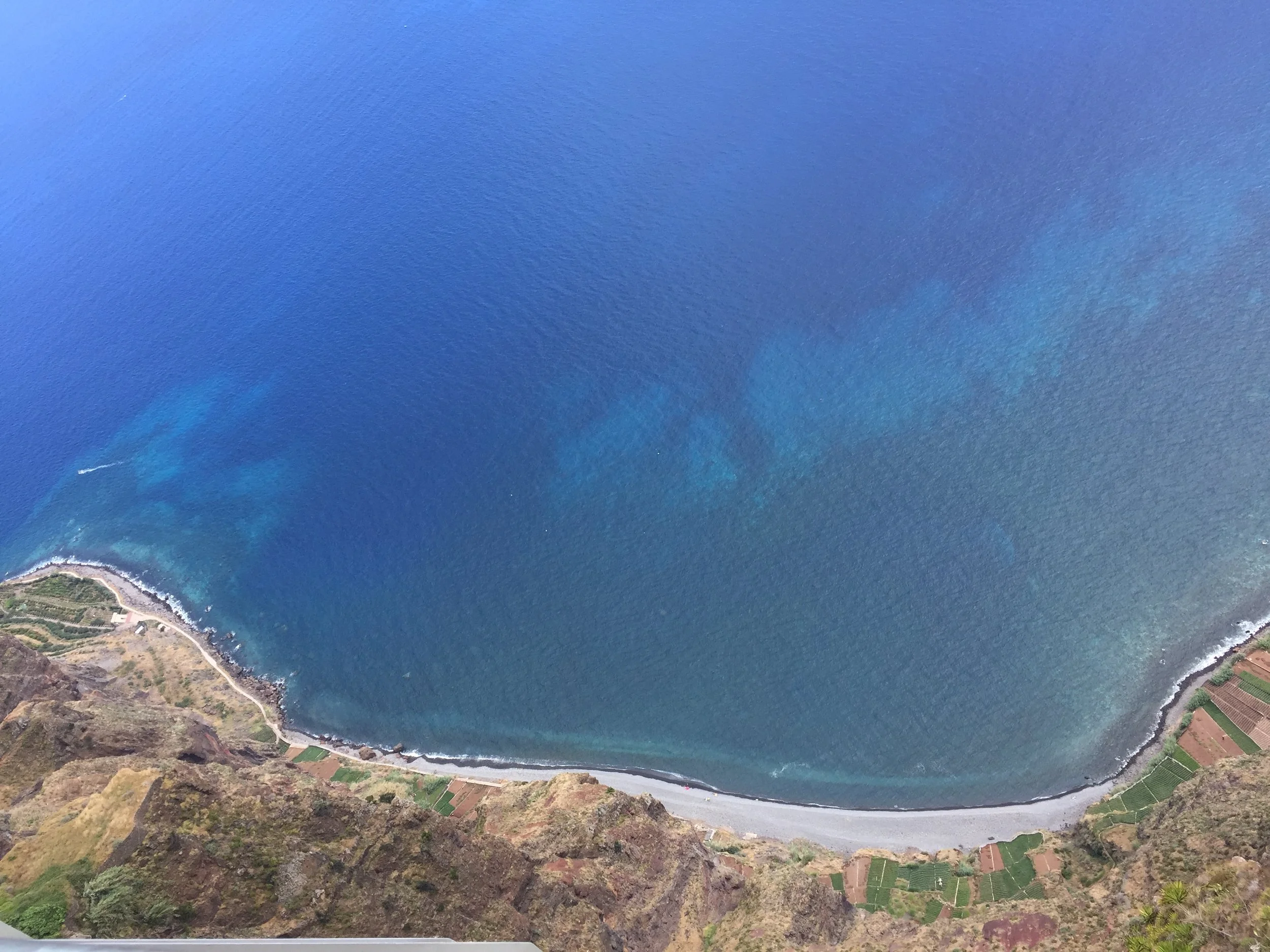
The lift is no longer in service and nowadays there is a modern cable car instead.

The ride uphill on the cable car gives you an idea of the rather precarious narrowness of this strip of land that Fajã dos Padres sits on (which you can see in the picture below). There’s enough land, though, for several tropical fruit plantations and orchards to be found all along the seaside.
Pico Arieiro: the highest point on Madeira
Our activity for the next day could not be more different, a sweater and raincoat were required.
In a matter of just a few miles we got from sea level to a height of over 1,800m. From the warm, subtropical temperatures to the rather fresher mountain air of Pico Arieiro, Madeira’s highest peak.
The summit of Pico Arieiro can, actually, be accessed by road, although the car struggled at times to keep going in the super steep ramps that lead to the highest point in the island. Once you are on top, though, the views are simply otherworldly.
The mountains at the centre of the island form deep canyons on the north side that are quickly filled with the thick clouds coming from the ocean. On the Eastern side, it is the blue ocean.
Would it be it possible to see the Africa coast from here? We tried…
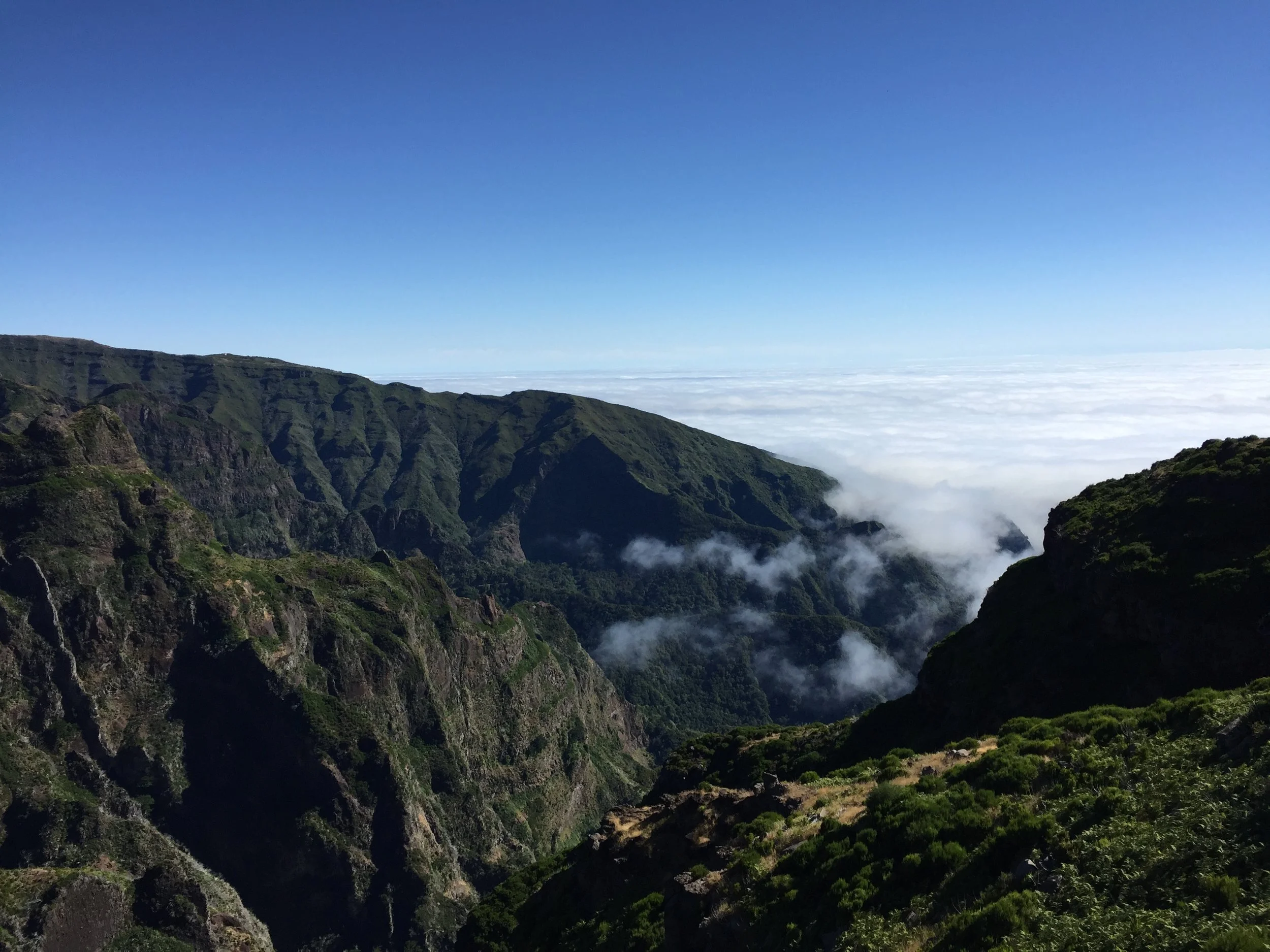
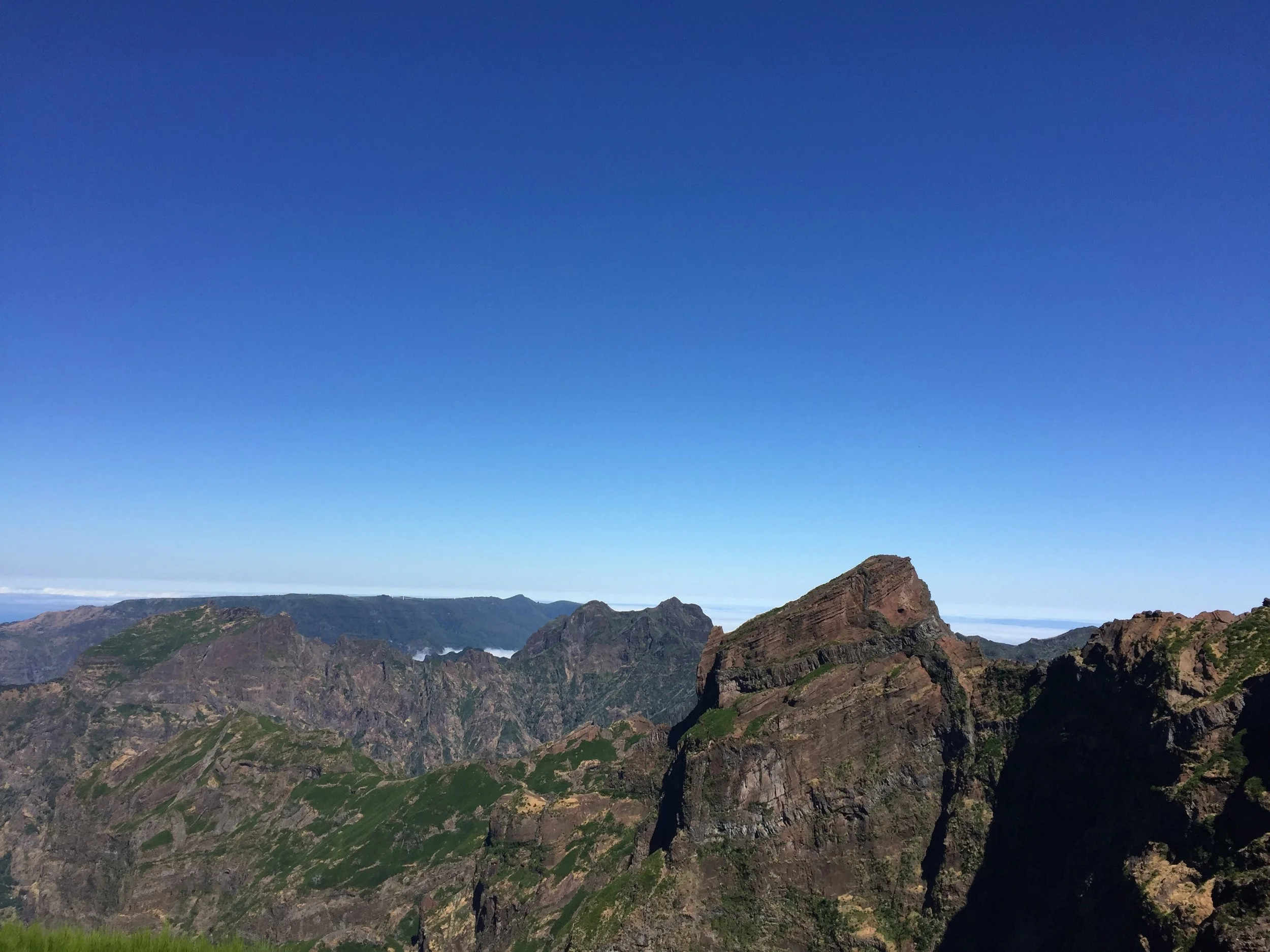

Exploring Madeira’s lush Northern side
Once you start to descend towards the Northern side of Madeira, it starts to feel like you are in a totally different island. The contrast with the southern half of the island couldn’t be starker.
Everything of the western side is absolutely dripping wet. Here the rainforest is thick, green and lush. In a matter of a couple of miles we have been transported from the aridness of North Africa to a landscape that could well be that of the US Pacific Northwest.

But, one thing remains the same: flowers blooming everywhere.
It’s just different types of flowers than the ones on the dry south side. In some areas these white, round flowers, which are called hydrangeas, cluster in cotton-like bushes, so thick that at some points looks like they are about to block the road.

Upon arrival at the aptly named “Ribeiro Frio” (Cold River), we had the chance to do bits of a Levada Walk.
The “levadas” are old irrigation channels that, historically, had been built to bring water from the rainy Western side of the Madeira to the arid East, where most people live. Some of them run for many miles and tunnels and aqueducts were built along their path to sort out the complicated orography of the island.
Nowadays a network of trails follow the routes of these “levadas”.
Where to eat on the north side of Madeira
After the walk, time to eat something…
Restaurant Quinta do Furao
Estrada da Quinta do Furão Nº6, 9230-082
Santana, Portugal
This restaurant (which is also a hotel) is located among the vineyards at the North tip of the island. Besides the excellent food and the views, here in Santana there are also some houses built in the traditional architectural style of Madeira.

The coast on this part of the island is a sight to behold, almost devoid of vegetation and with an almost lunar aspect at some points. This is the predominant landscape until we get to Ponta San Lourenço, the Easternmost tip of the island. From here we follow the road along coast all the way back to Funchal.

What to bring back from Madeira? Traditional embroidery
One of the traditional economic activities in Madeira and one that still employs quite a lot of people in the island is embroidery.
We had the chance to visit Bordal, one of the firms in Funchal, that still work on this traditional craft, and to learn about the artisan process that results in these highly valued embroidered textiles.
This industry is structured in a very capillar way. A handful of houses in Funchal control de embroidery industry, they distribute work to a large network of women all over the rural parts of the island. They, then, at home, complete parts of the process, before taking the semi-finished fabrics to Funchal, where they are completed and dyed with different pigments.
It is still today an artisan process and the old sub-contracting work system continues in place.
With a renewed interest around the world for craftsmanship and artisan products, Madeira embroidery may be set for a revival and has even attracted the attention of some big names of the fashion industry.


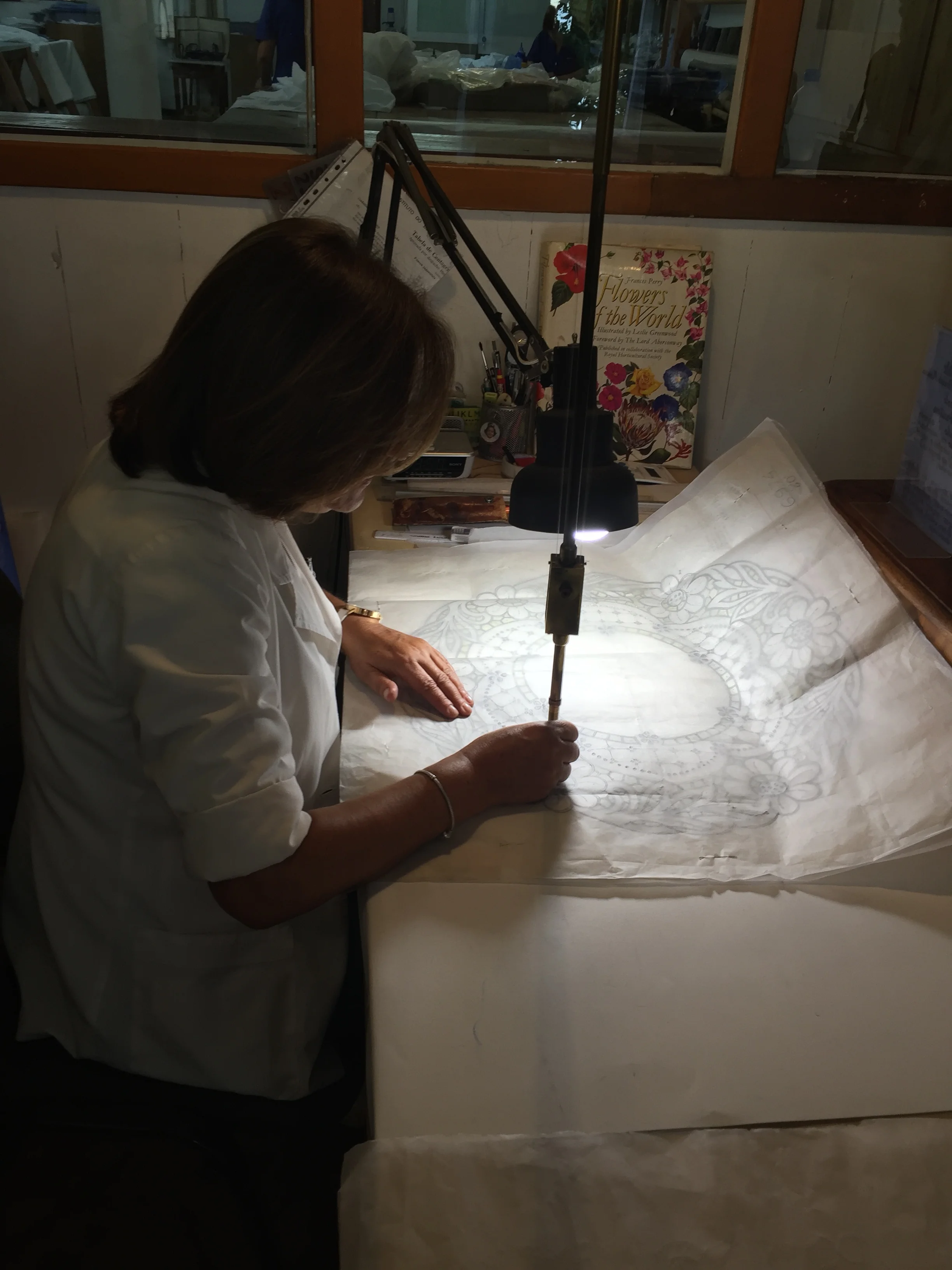
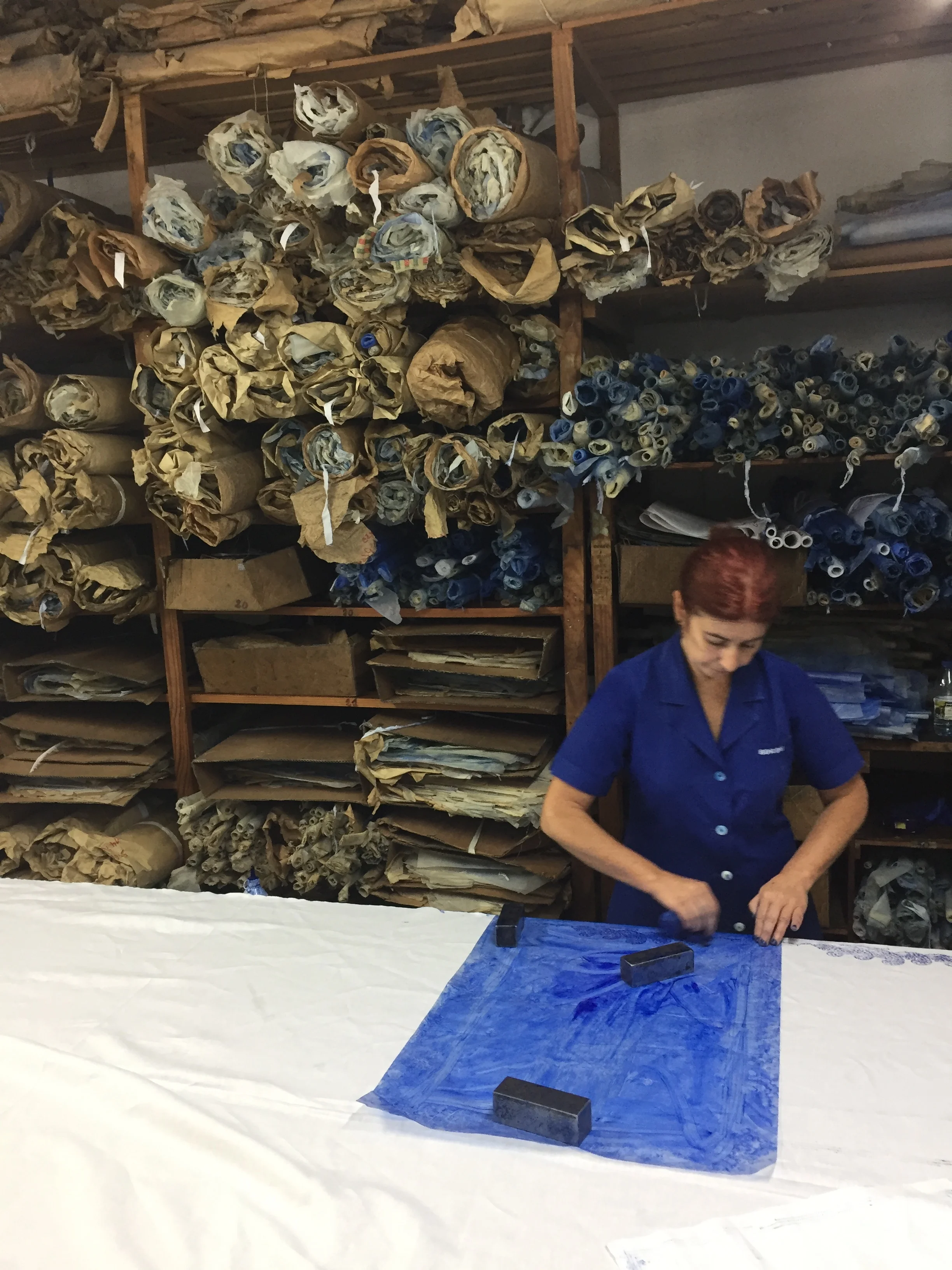

Where to taste Madeira Wine
The other well known Madeiran export is its wine.
Madeira wine was highly appreciated by the British, whose ships often called at Funchal on their way to India and the Far East. In fact, in the 18th and 19th Centuries Madeira attracted quite a few British entrepreneurs that settled in the island and helped develop its wine industry. Some of those entrepreneurs gave rise to wine-making dynasties that continue to play a prominent role in the local economy and society.
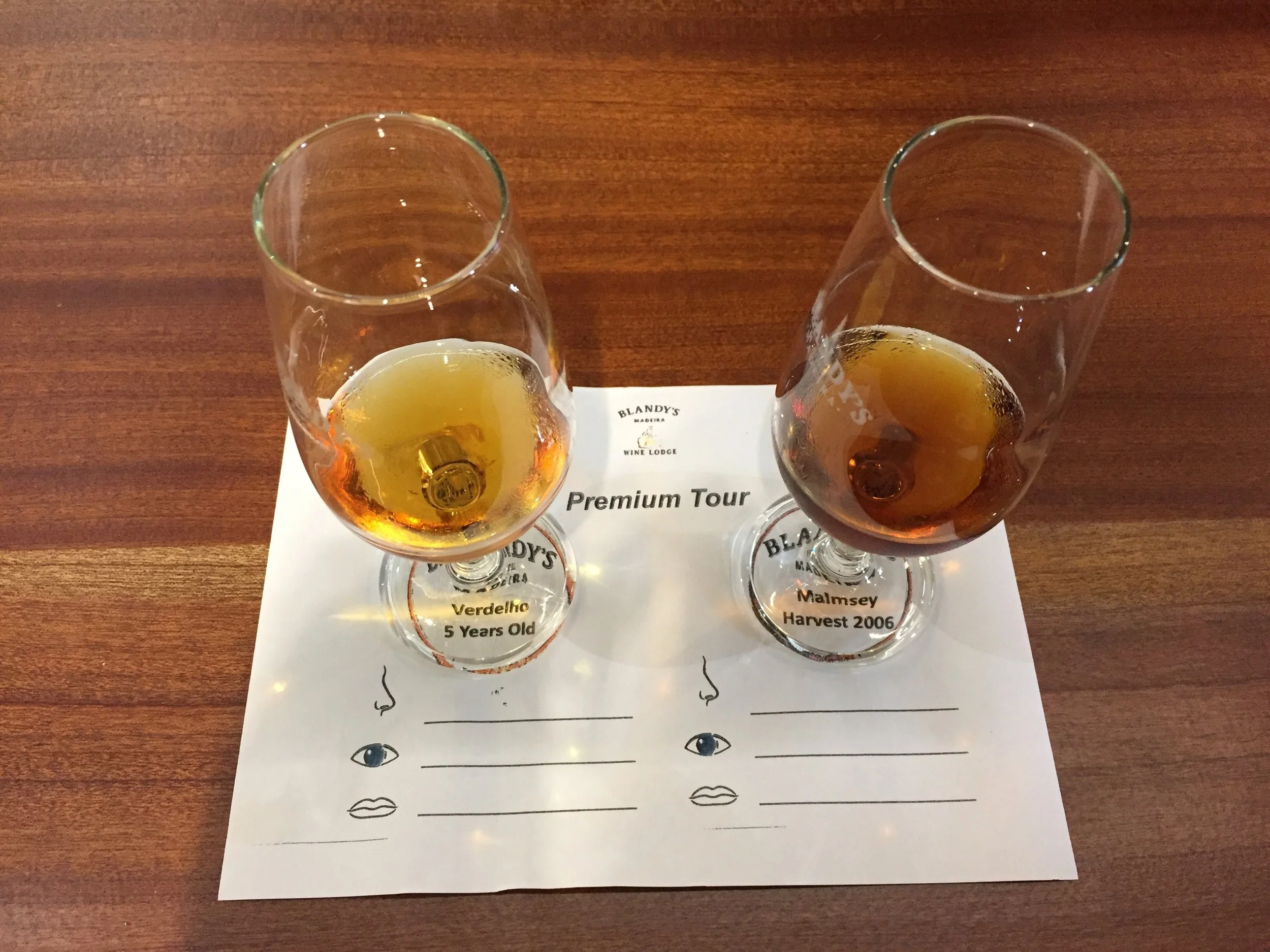
This is the case of Blandy’s, the wine cellar we visited in central Funchal.

Madeira wine is indeed, quite unique, with a flavour similar to Port in some ways (note: I am not a wine expert, so forgive me if I am not technically accurate in my words, will try to transmit what they told us there!).
Blandy’s offers and didactic tour about the process of elaboration of Madeira wine (and interestingly, Blandy’s winery has its own on-premises hotel for wine lovers).
The most remarkable feature of the Madeira wine production process, and that that gives it its very distinctive taste, is the heat-aging process. As part of the production process, the wine is exposed for relatively long periods of time to high temperatures. The origin of this practice is in the fact that, centuries ago, someone figured out that Madeira wine that went on long transoceanic voyages in the hold of ships bound for the tropics, did actually taste better. Later, techniques were developed to replicate and accelerate this process on land.
Another feature of Madeira wine is that they can last very very long time and still be drinkable. In this regard, one of the most interesting moments of the visit to Blandy’s is when you get to the room where bottles containing many decades of vintages are displayed together and you can just but marvel at the dates that appear on the bottles.

In the 18th Century Madeira wine was extremely popular, particularly in the American Colonies. Not for nothing, the US Founding Fathers toasted to the Declaration of Independence with a glass of Madeira wine!
During the 20th Century, though, Madeira wine lost its hype and came to be regarded as unfashionable, a state of things that the current generation of Madeira producers are working hard to change.
Although not an expert myself, I quite like Madeira’s very unique taste and I hope it will eventually get back the recognition that it deserves!

Must do in Madeira: go downhill on a sledge
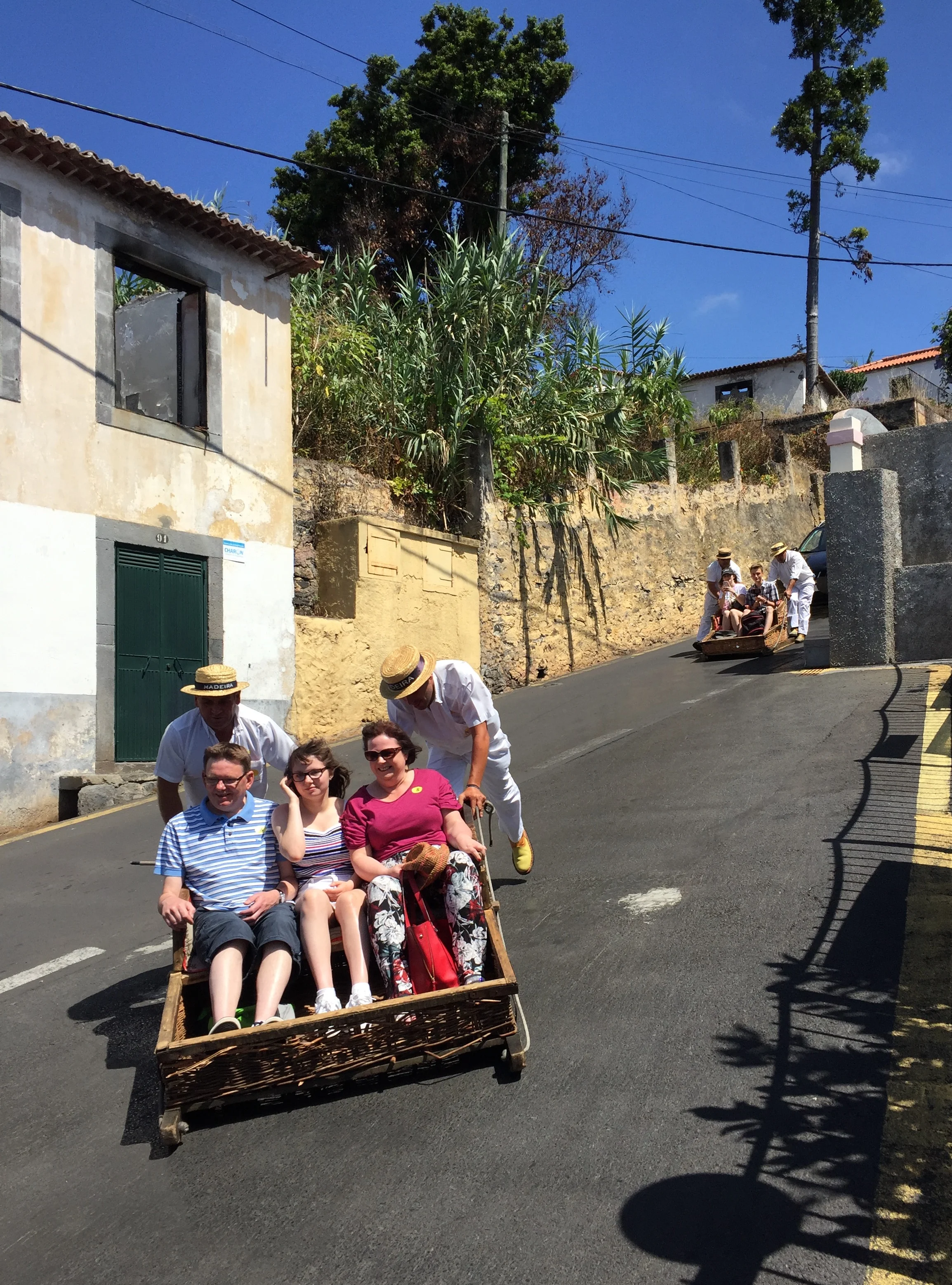
A truly unique thing to do in Madeira is go downhill on the Monte sledges.
Although nowadays is a tourist attraction, starting in the early 19th Century, sledge-descent used to be the a common way to commute between the uphill town of Monte and downtown Funchal.
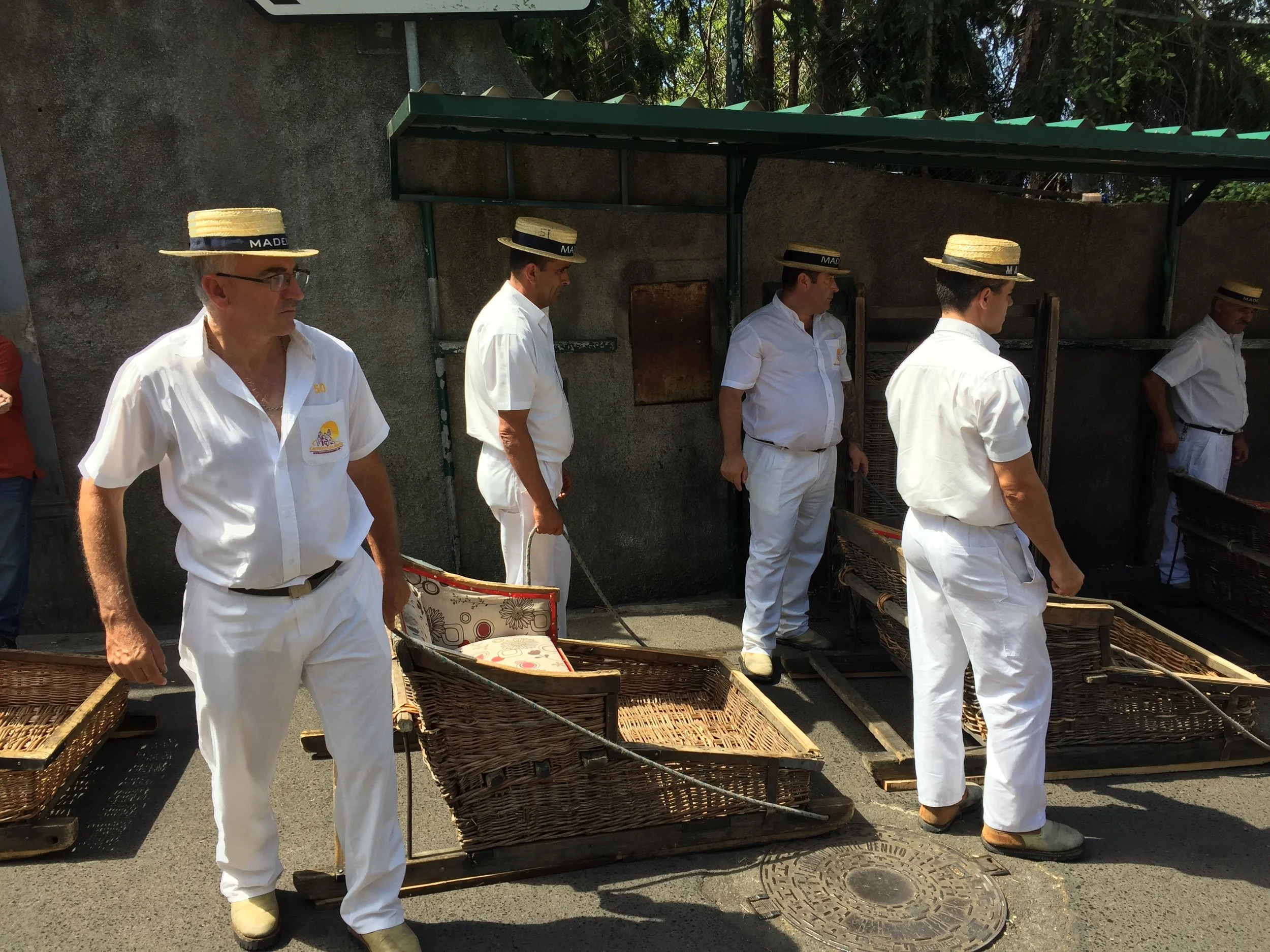
The experience itself is getting into a basket-like sledge that, guided by two professional drivers, called “carreiros”, goes on a 2km downhill descent through a paved road. The ride takes some 10min and it is, definitely a thrill and it is amazing how those guys manage to keep it all the time under control.
There are several companies offering sledge descents in Monte, sometimes combined with other activities.
Recommended places to Stay in Madeira
Hotel Pestana Casino Park
Rùa Imperatriz D Amelia, 9004-513 Funchal
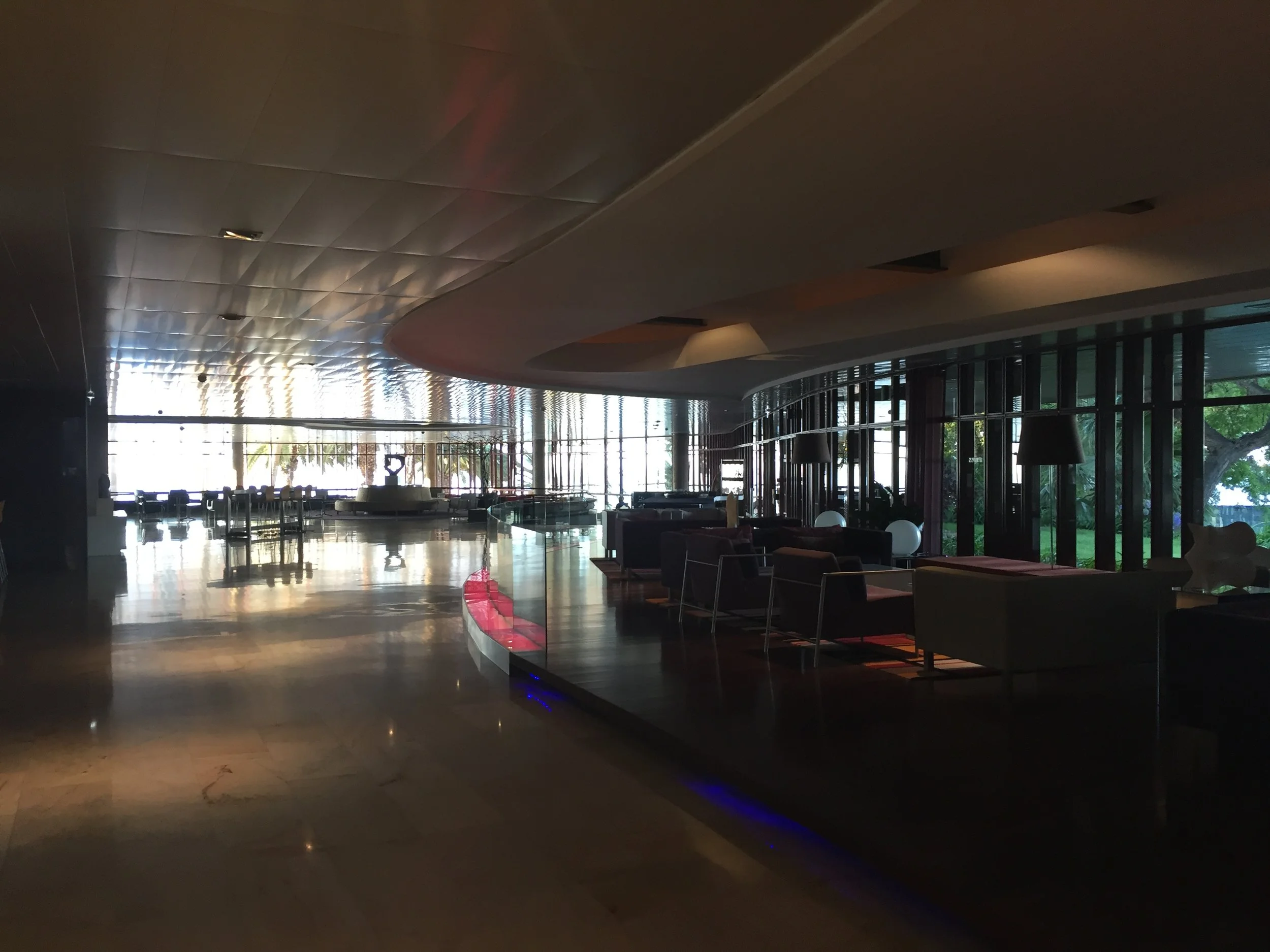
Possibly the hotel of reference in Funchal.
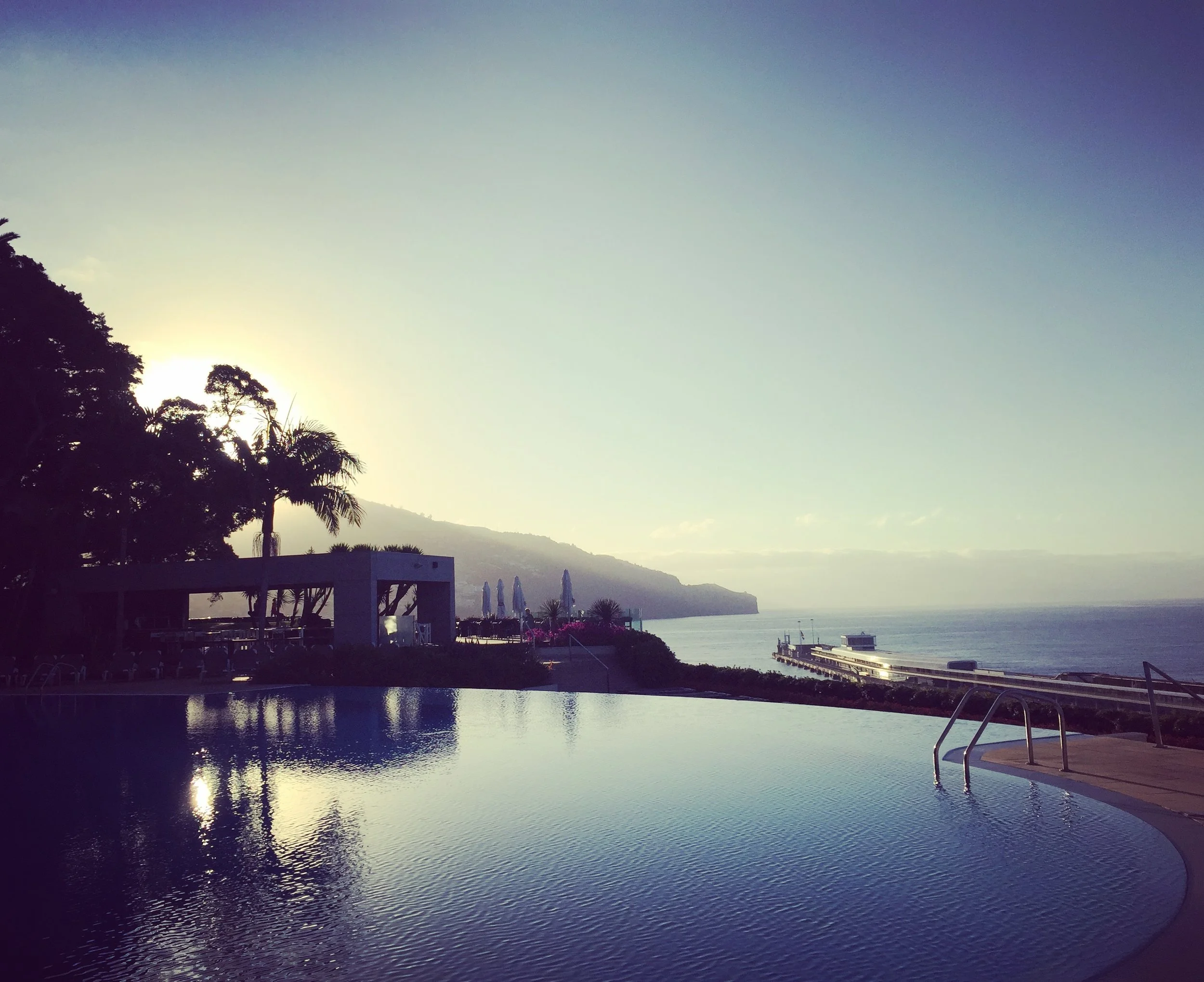
It was designed by Oscar Niemeyer, the famous Brazilian architect (who designed also Brazil’s capital, Brasilia) and this shows in the style. The hotel has also amazing views, particularly from the infinity pool area, that is also where you guests have their breakfast.


Hotel Pestana CR7 Funchal
Av. Sá Carneiro, 9000-017 Funchal
Football player Cristiano Ronaldo (also known as CR7) is, together with wine and embroidery, the other Madeira export with global reach.
In partnership with the Pestana Group (Portugal’s largest hotel operator), he has opened a number of CR7-themed hotels.
I did not stay at this hotel, but I had the chance to visit its facilities and be shown around by the managers.
While the CR7 hotel in Lisboa is rather more neutral in its decor, the Pestana CR7 hotel in Funchal is totally dedicated to Cristiano Ronaldo and his life as a football star.
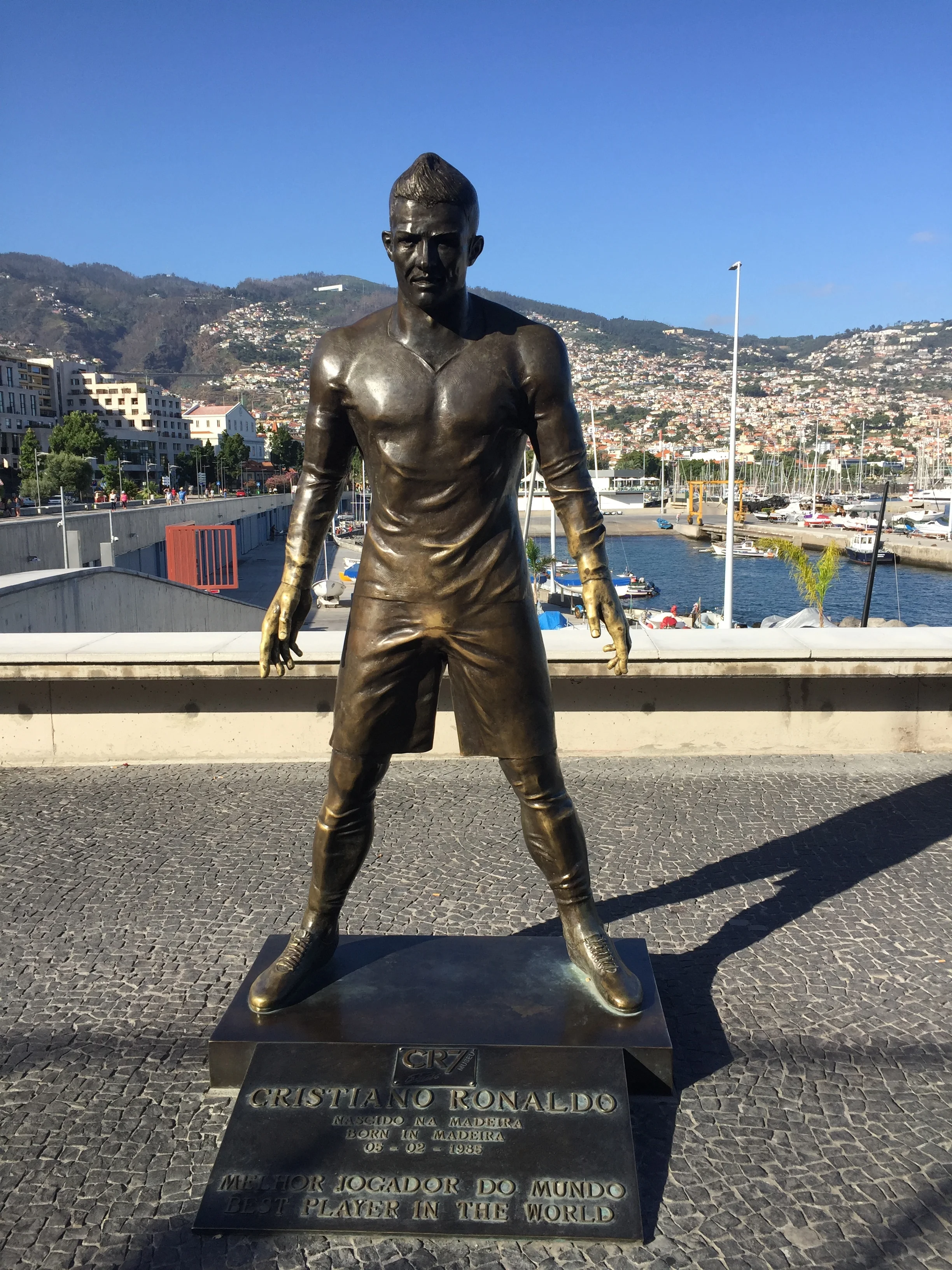
The hotel occupies on a modern, two-storey, elongated building right by the port. It has some rather unique elements, such as this statue of Cristiano Ronaldo just outside the hotel.
The roof is a massive solarium and outdoor spa area, complete with pool, sauna and other amenities.
And while this hotel may not be for everyone (warning: if cult of personality is not you thing, you can skip the rest of this review), CR7’s global fan base may be big enough for this concept to work.
The hotel manager actually confirmed that some guests travel thousands of miles just to have the CR7 experience!


While the lobby and restaurant on the ground floor have a modern design where, little (besides some memorabilia here and there) indicates the connection to the footballer. It’s another story in the upper floors, where the rooms are located. Everything here is football and CR7-themed.
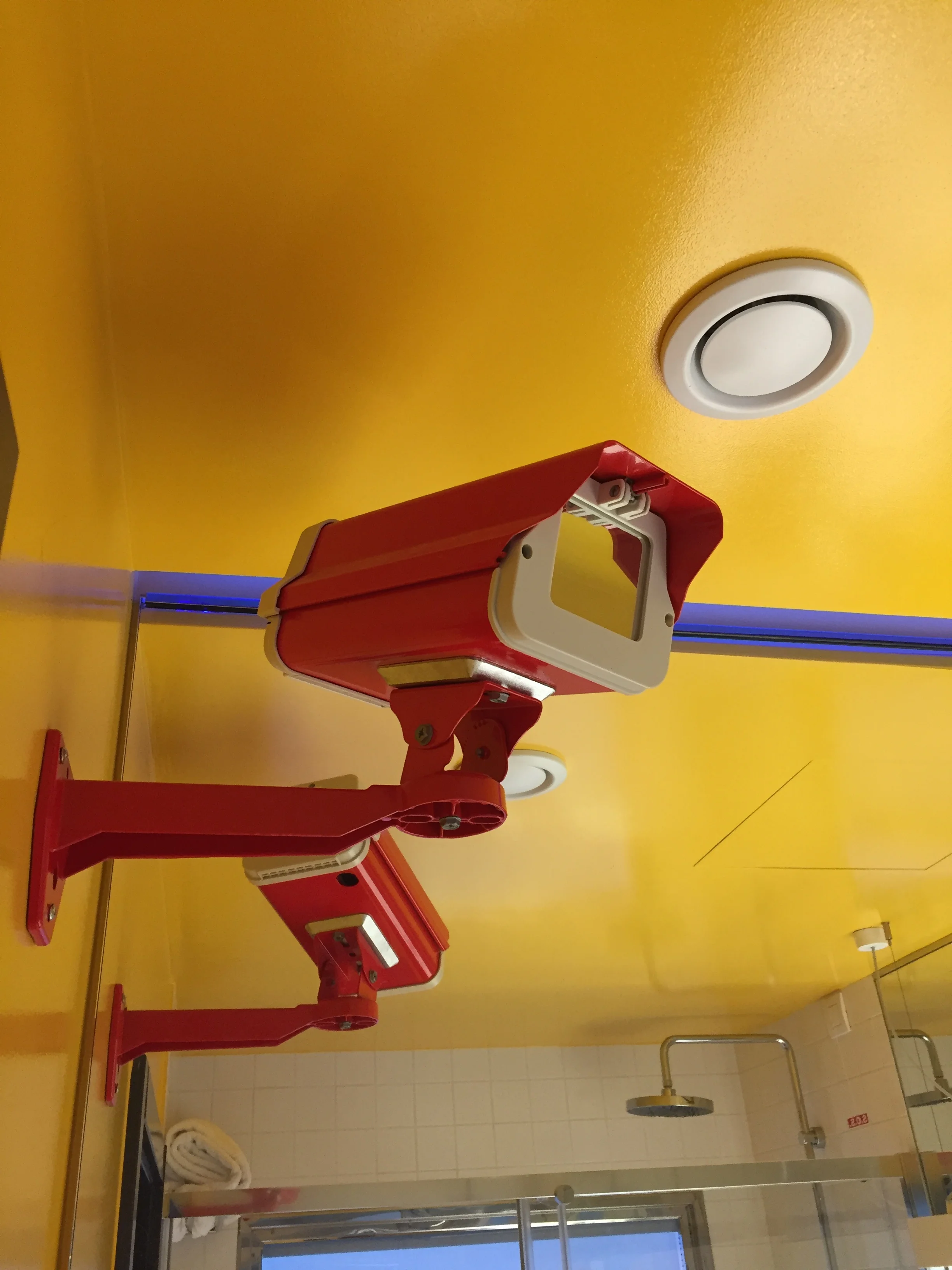
And below a couple of rather disturbing (imo) elements in the decor, that are intended to be a constant reminder of the sort of constant surveillance and public attention that football stars of the caliber of CR7 constantly get, 24/7.

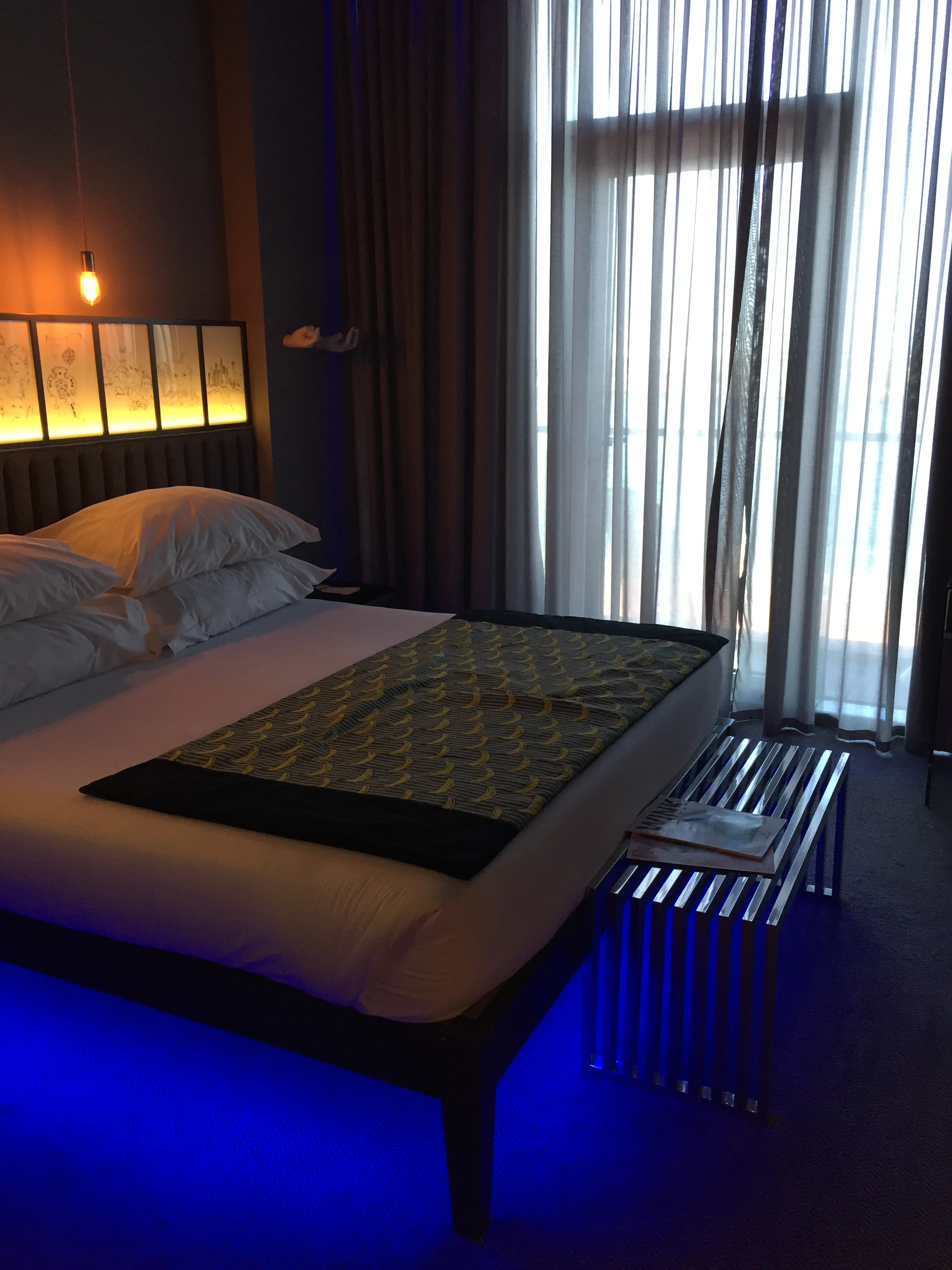

As you can see room decor is contemporary and minimal. There is one element to highlight though…The paintings on top of the bed tell the story of the life of CR7, from his childhood in poverty to stardom…While aesthetically they fit in the overall theme, I found this a bit…mmmh…too much, maybe? But I guess this is a plus for his fans (disclosure: I am a FC Barcelona supporter)
Some more recommended places to eat in Madeira
Nini Design Centre Andrade Silva Restaurant - DC Atelier
Estrada da Pontinha
Forte de Nossa Senhora da Conceição, Funchal
http://www.ninidesigncentre.com
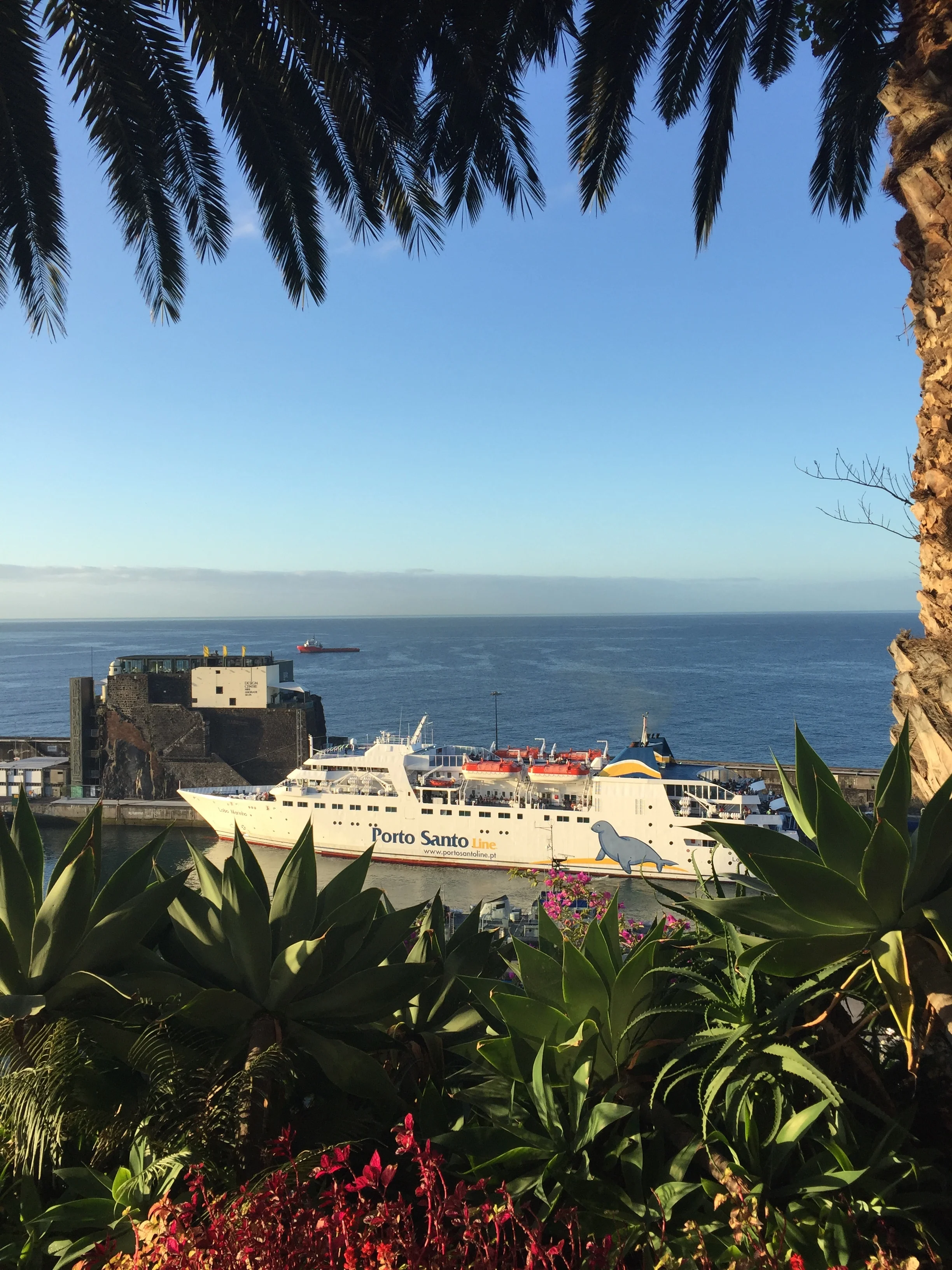
This stylish contemporary restaurant is located within the walls of an old fort at Funchal’s harbour. The DC Atelier restaurant of modern cuisine is, in fact, part of a larger design and cultural hub that serves as a setting for temporary art exhibitions and a number of fashion and design shops.
The place has magnificent views as its terraces open towards the port of Funchal, with the town and neighbouring mountains on one side and the open sea on the other side. The mix of contemporary decor and the old walls of the place also makes for an interesting contrast.


As it could not be otherwise in a house dedicated to design, the cuisine here is contemporary, with a degree of creativity, and, what’s more… rather generous portions.
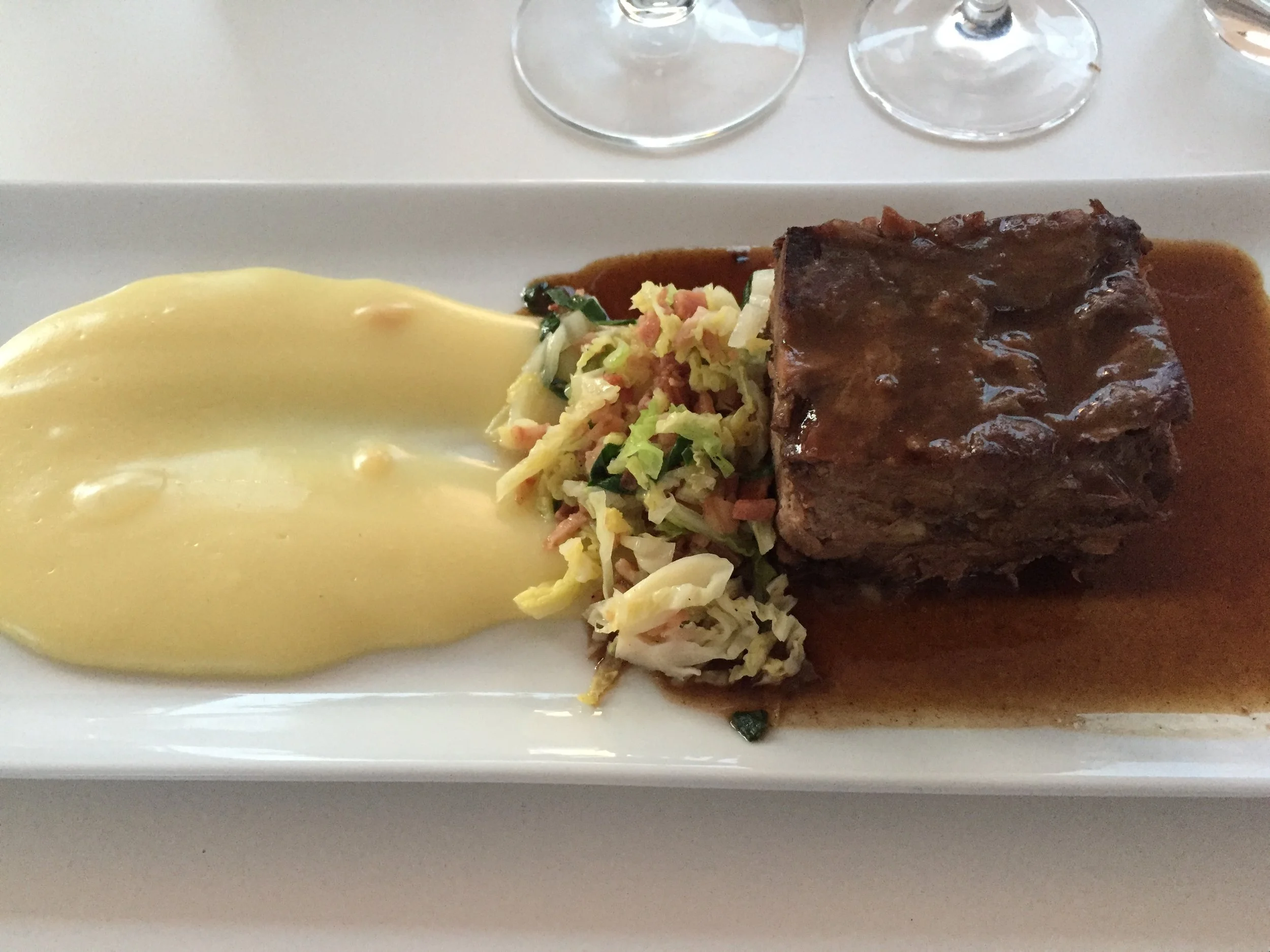
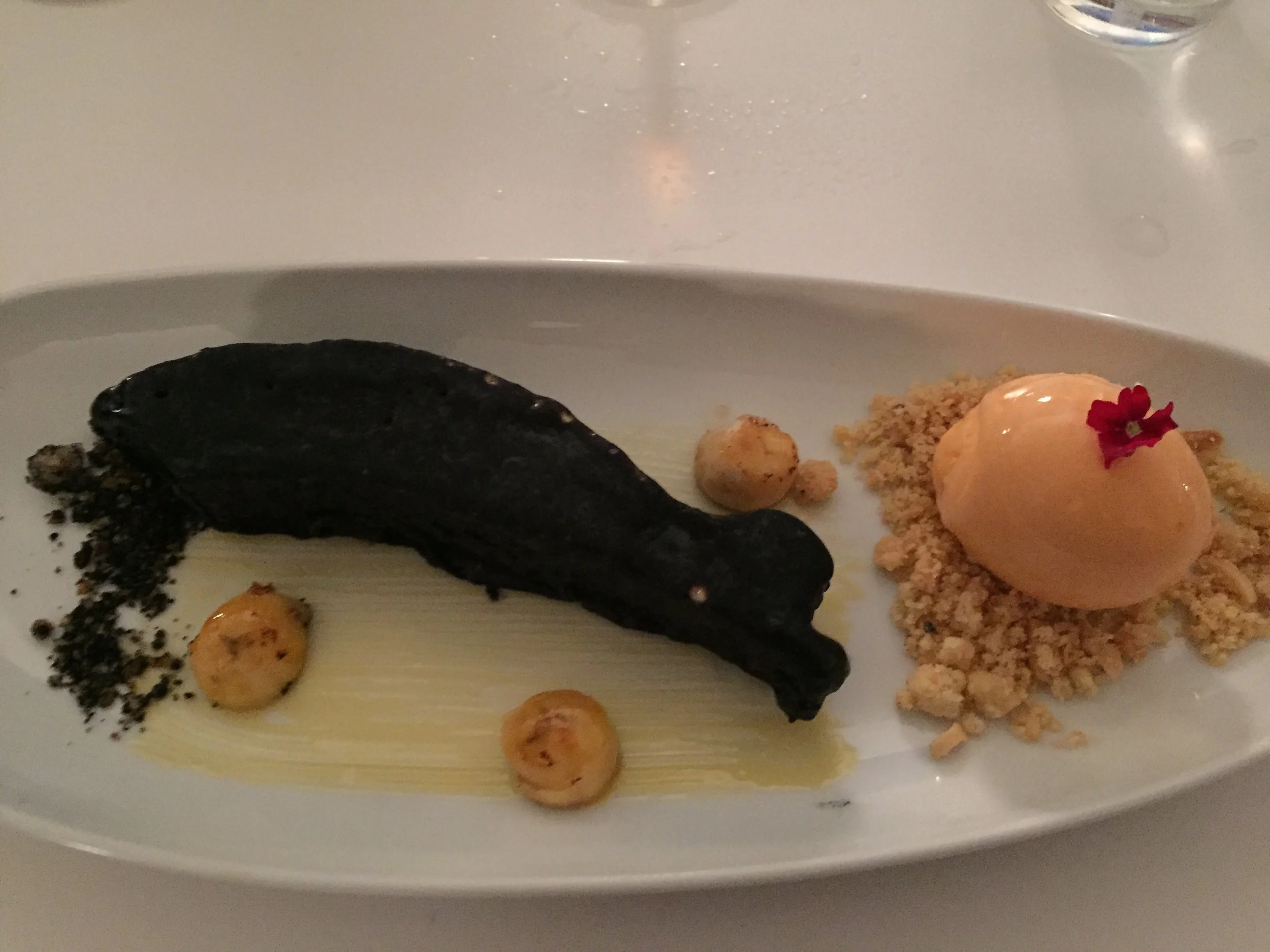
Restaurante do Forte (Sao Tiago Fortress)
Tv. do Forte 3, 9060-123 Funchal
Located in a 17th Century fortress at the edge of the old town, this is another great place to eat while admiring one of the most prominent pieces of Funchal’s historical heritage.
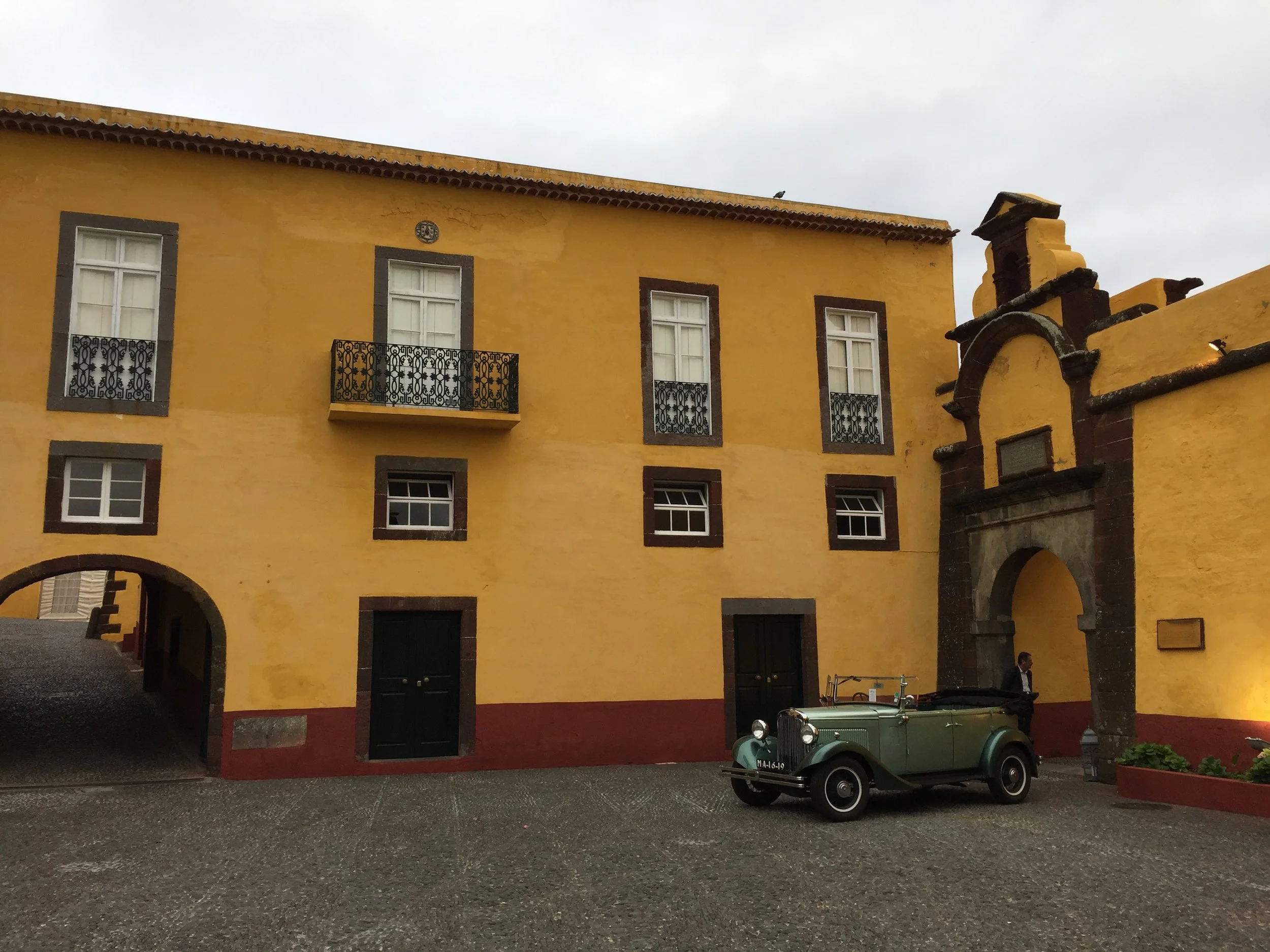


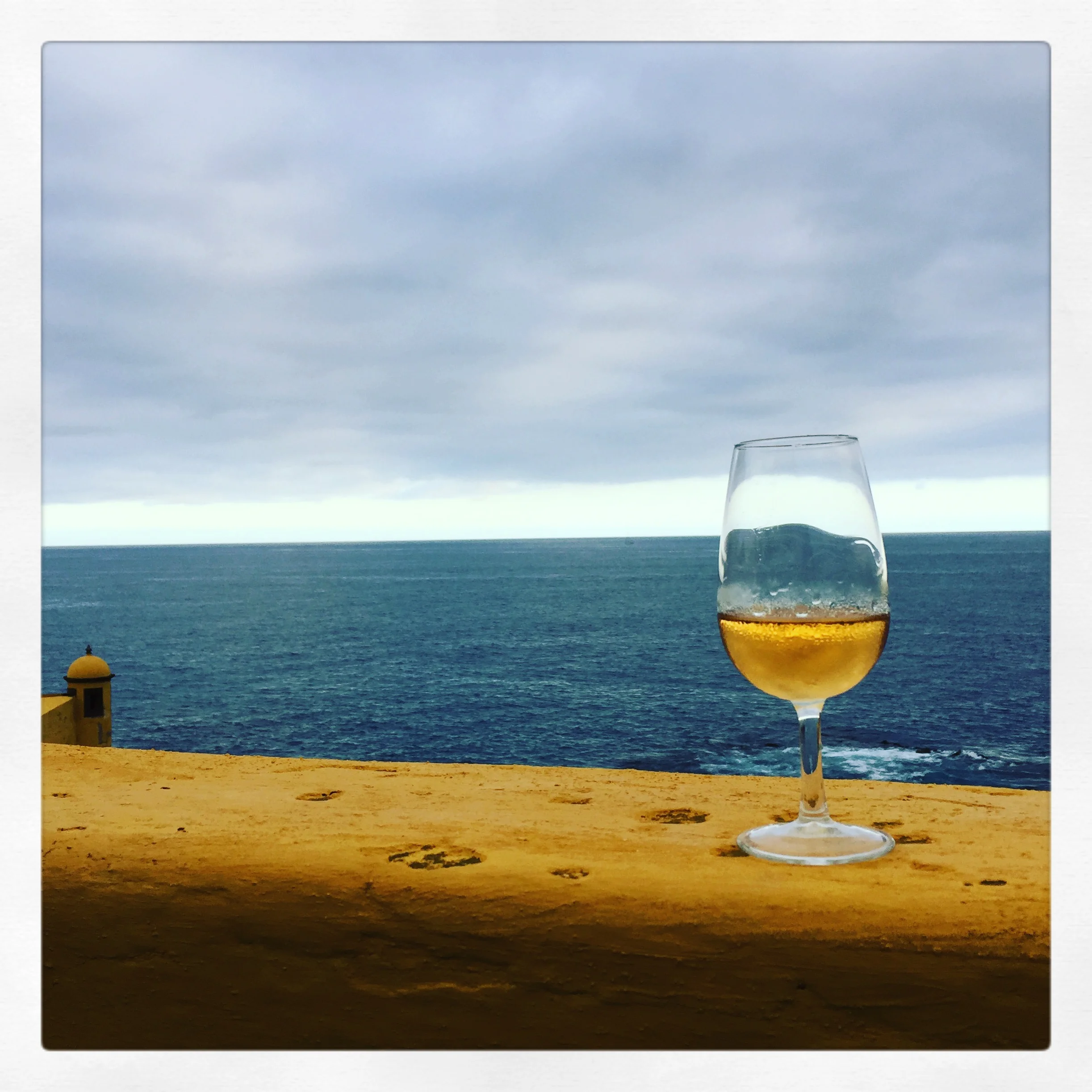

As you can see, seafood and local Madeira wines features prominently in our meal here. Very tasty and great location by the sea, next to the historical centre of Funchal.
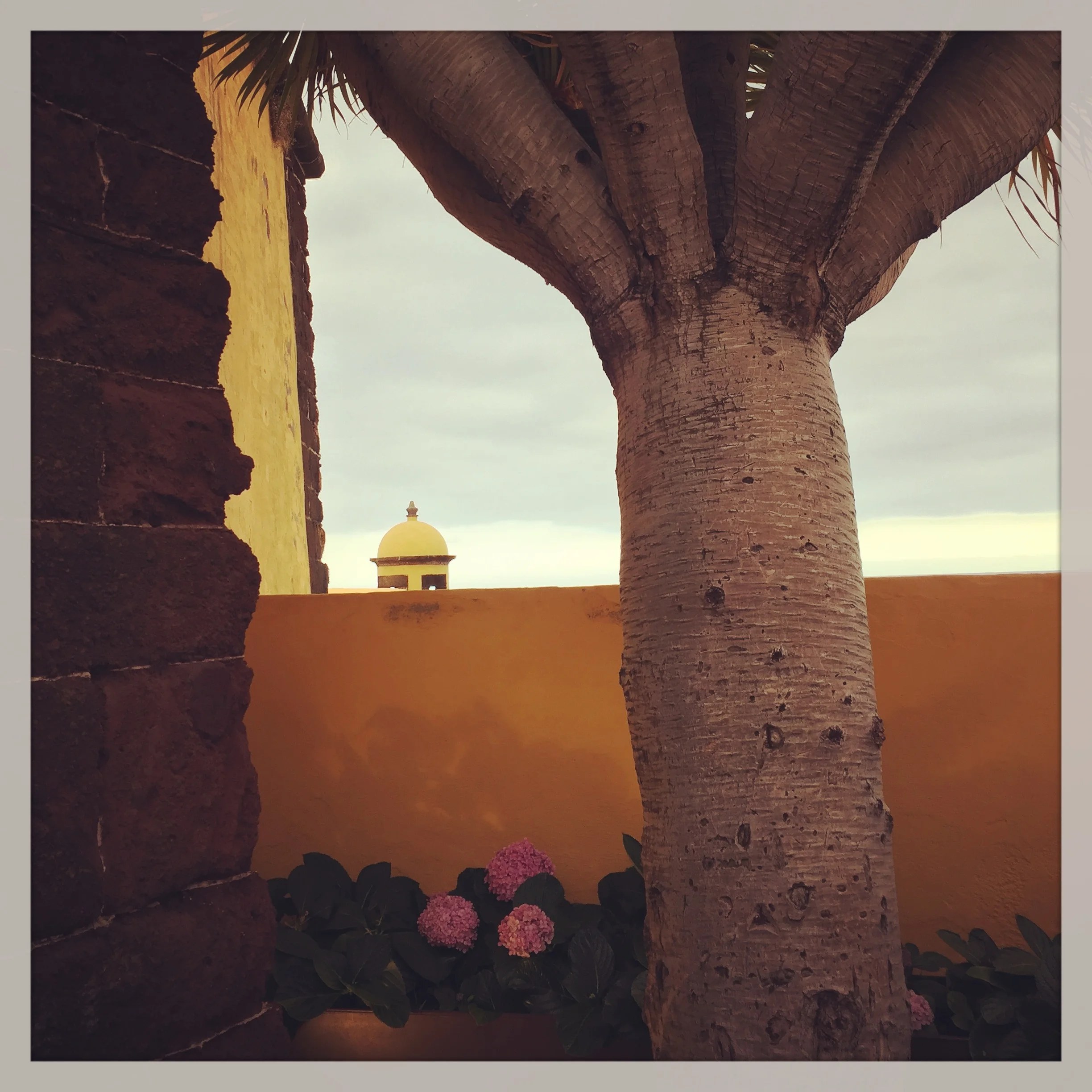
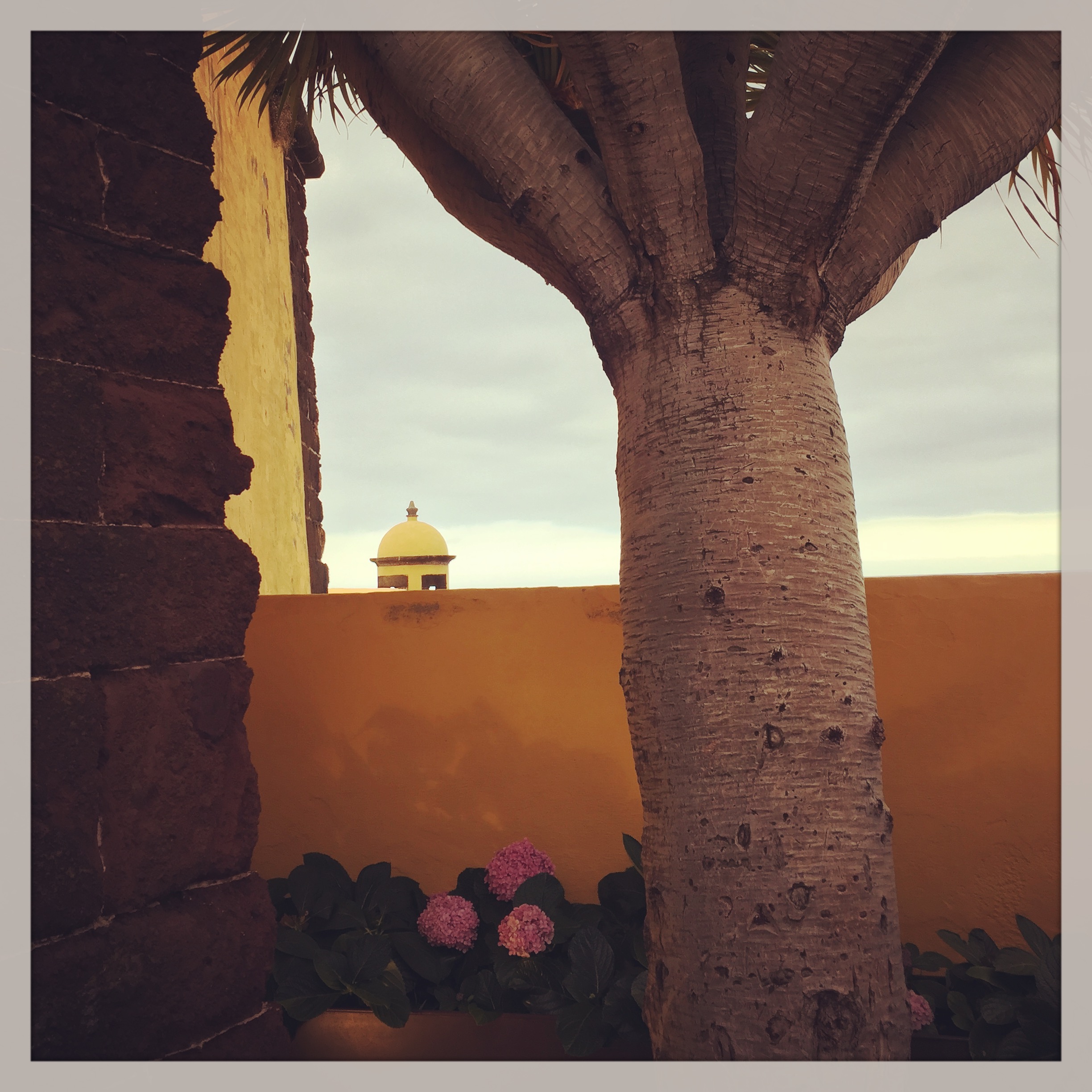
Believe it or not, this is not a painting, but and iPhone photo with some retouching on Instagram!
Restaurant Adega da Quinta
R. José Joaquim da Costa, 9325-034 Madeira
https://www.facebook.com/restauranteadegadaquinta
Located on a hilltop near Funchal, this restaurant has great views and lush gardens.
The speciality here is meat, that is cooked in the traditional “espetada” beef skewers. It has also a cellar where local Madeira wine is kept in oak barrels.
How to get to Madeira
Being an island, the obvious way to get here is by plane. Although there are also, at least seasonally, ferries to mainland Portugal and the Canady Islands, as well as to the nearby island of Porto Santo (that administratively depends of Madeira).
Funchal airport is named…you guess it!…Cristiano Ronaldo International Airport and it has the particularity, as we commented earlier, that part of the runway is supported by pillars as there was not enough space to build it entirely on firm ground.

TAP Air Portugal has several daily flights between Madeira and mainland Portugal and the island is also included in the airline’s “Portugal Stopover” programme.
The UK and Germany stand out when it comes to the number of year-round air links to Funchal (FNC) operated both by full service airlines such as British Airways and Lufthansa and leisure-focused operators such as Jet2, TUI or Condor.
Quite a few other European airlines fly to Madeira, including low cost airlines Ryanair and Easyjet.
Thinking about visiting Portugal?
Why don’t you also check our post about the Douro Valley and its wineries?
And our review of JAM Lisbon, one of Portugal’s most original hotels
nūn Ibiza, the beachside wood-fired restaurant you can’t miss
Could nūn ibiza be the next global brand to come out of the island?
By our lifestyle correspondent Katya Kvasova
The island of Ibiza (Eivissa in the local Catalan language) is undoubtedly one of Europe’s summer hotspots, its charms attract a diverse crowd from ever distant shores (to the point that United Airlines is even launching the first ever nonstop route between the island and New York in 2027).
Ibiza, often celebrated for its vibrant nightlife, offers a tapestry of experiences that cater to diverse tastes and preferences. Each visitor can discover a unique facet of the island. Ibiza ensures that there is truly something for everyone.
The magic and absolutely unique vibe of Ibiza have been making me come back every summer for over a decade now and a special feature about how best to discover the island with itineraries, logistics, hotels and recommended places to visit is definitely on the editorial calendar. However, I felt that nūn ibiza deserved a piece of its own, since this restaurant is one of the places that, in my opinion, best represent the soul of the island and make it feel like home.
This beautiful Cala Llonga seaside restaurant has elevated wood-fired cooking into something close to art, while keeping the whole experience light, deep, rich and natural throughout.
Follow me as I show you how is it like to eat at one of the most charming restaurants you can find on the entire island of Ibiza!
This post may contain affiliate links. If you book or buy something through them, I earn a small commission, at no extra cost to you. It's one of the ways I keep Places of Charm going. Thank you for your support.
The meal was courtesy of Nûn. All opinions are my own.
A very personal project
It’s impossible to write about nūn Ibiza without mentioning its founder. Because nūn Ibiza is the very personal project of French restaurateur Olivia Fleury (“nūn” is, in fact, her childhood nickname), whom we had the chance to meet in person during our visit to the restaurant.
Olivia has been in Ibiza for more than 20 years, 18 of which spent in the restaurant business. Prior to setting up nūn Ibiza, she was instrumental in setting up two other popular names of the Ibiza restaurant scene: El Chiringuito and Beachouse.
Those who have been coming to Ibiza for the last ten years or so, have likely seen lots of places come and go, unable to hold through more than a couple of seasons, not Olivia’s restaurants, though.
El Chiringuito, in particular, has made a name for itself on the south side of the island. That is a part of Ibiza, which has seen a lot of changes in the last few years, and even if Olivia is no longer running the place, El Chiringuito’s staying power says lots about Olivia’s capability to come up with the right formula for the right place.
In conversation during our visit, Olivia attributed this to two factors: attention to detail and the ability to pick the best possible team, one that will stick around for years and works its magic.
Picture: nūn ibiza
Started four years ago, nūn Ibiza is, in fact, the first restaurant project which Olivia has set up and led entirely on her own.
“I first came here [to Ibiza] at age 18 and thought “one day I will come back and live here. It was wild. I loved it”" she told us. “to me, nūn ibiza feels like El Chiringuito at its very beginning. I want to spend time talking to the guests, to be able to give this type of quality again. This is the first time i own my own restaurant and the season can get long and heavy but I really like it. This is what i call happiness and I enjoy creating happiness for other people!”
The setting: Cala Llonga
nūn ibiza
Carrer Monte Rosa, 12
07849 Cala Llonga, Eivissa
Before we get into the actual food side of things, it’s worth mentioning the setting, since it plays no small part in the overall experience.
This includes, of course, Cala Llonga, a long narrow cove of white sand nestled between rocky outcrops on the east side of the island.
nûn Ibiza is located right on the northern side of the cove, literally on the sand’s edge.
“The idea was to create kind of a home on the beach. Because not a lot of people have the opportunity to live like this, with their feet on the sand.” explained Olivia during our chat.
The restaurant has actually a nice terrace with views that offer an immersive experience.
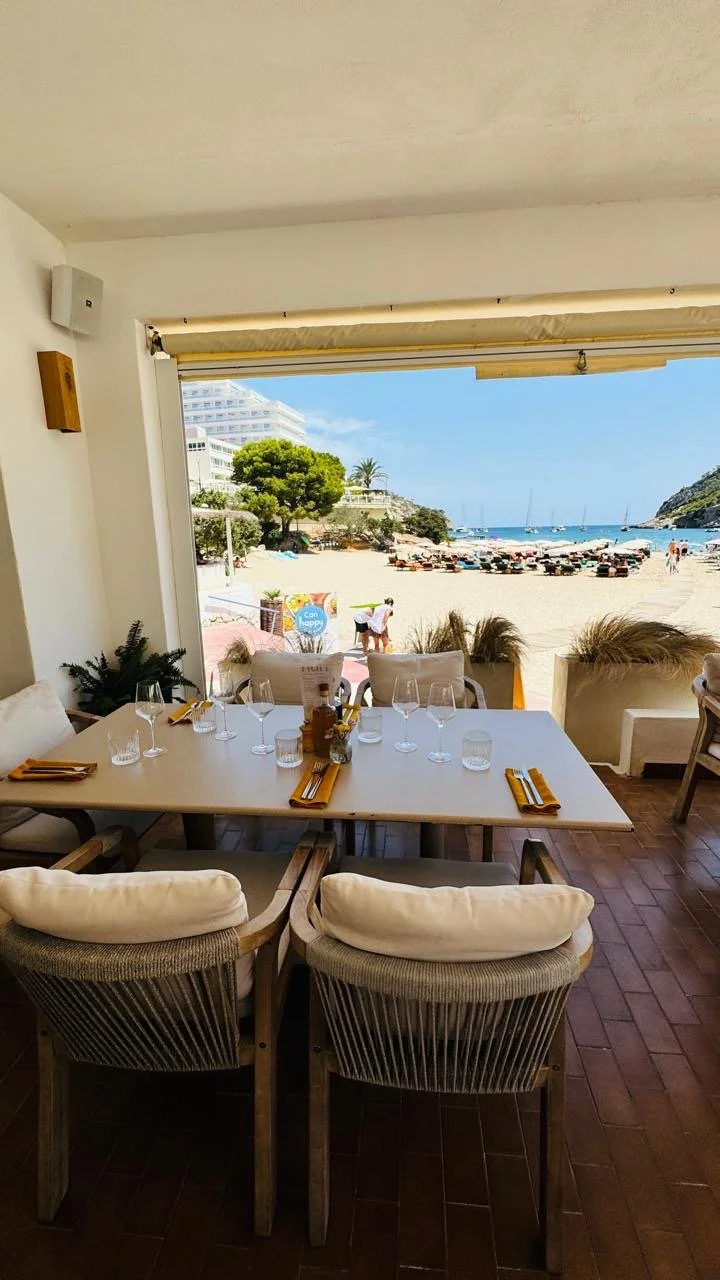
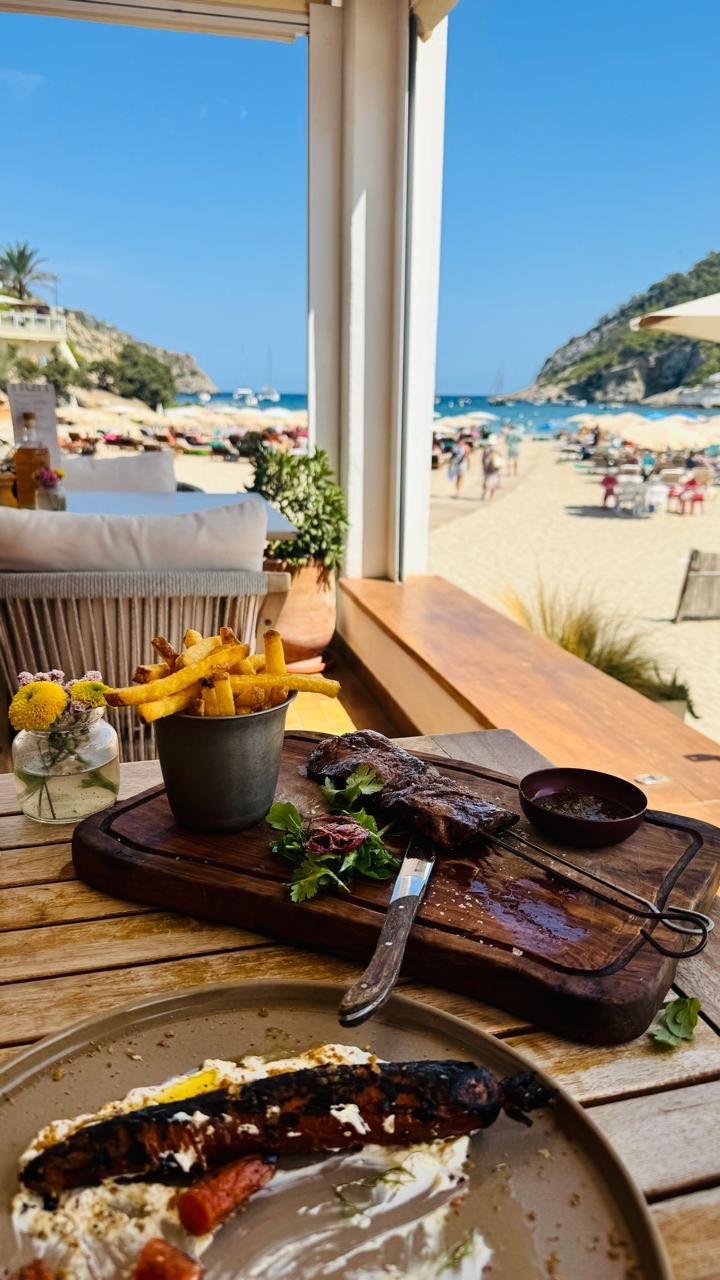
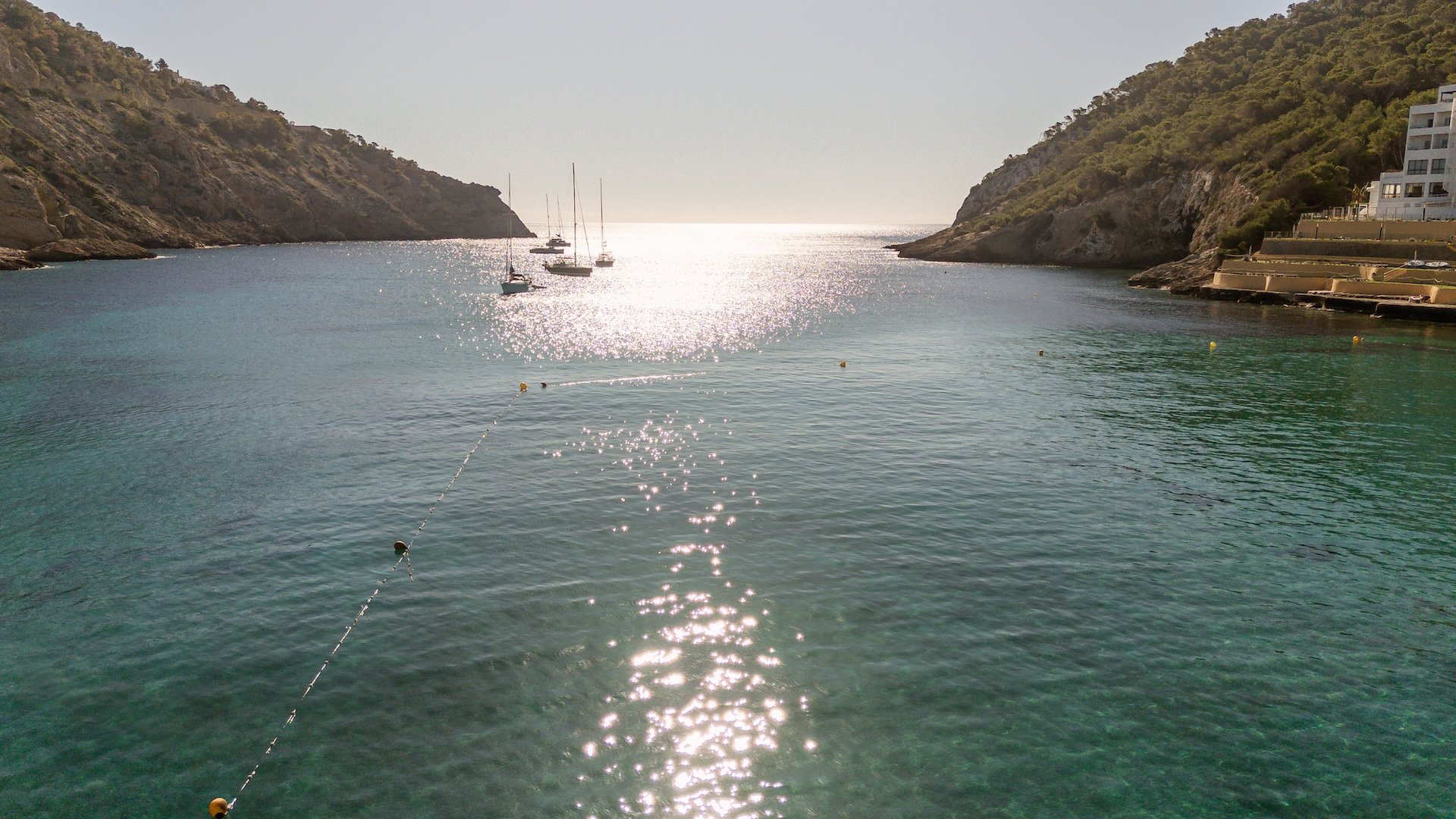
Picture: nūn ibiza
The firewood cuisine at nūn ibiza
If there’s one thing that sets nūn Ibiza apart it’s the centrality of firewood to its cooking. In fact, pretty much everything at the restaurant is grilled over firewood, giving it the complexity of flavour and unique point of smokiness only this way of cooking can provide.
“I think one of the nicest things you can have is grilled food. It's an amazing product, very simple. We use only wood fire.” Olivia told us. “It took us a few days, even a few months, but we just realized that it brings some flavours that you don't usually get with the traditional way of cooking. Everything has a little bit of a smoky taste, but not too strong.”
This is a way of cooking which requires a certain know-how, including the sourcing of the right types of wood, as well as patience. Fortunately, Olivia has the right man for the task: chef Sebastián Nicoletti, who brought to nūn ibiza some of the cooking techniques from his native land of origin, Argentina, where firewood cooking is part of the culture.
But it’s not just the way food is cooked, the time and pace at which it is consumed matters too.
And on this front, nūn Ibiza again, distinguishes itself through its relaxed approach. The restaurant is open around the clock, morning to evening, catering to different tastes, all times of day.
There is no such thing as time or schedule on Ibiza for many of those holidaying on the island, mentioned Olivia, sharing the recent real story of a family with kids who showed up mid-morning for breakfast (the restaurant has also a pastry corner) and ended up leaving in the evening after having had lunch and dinner, as well.
Local DJs add another sensory element to the experience, with sound always a presence that makes you feel like you never want to leave. It’s a feeling of flow that you blend in the day, a slow life, a “dolce far niente”.
“The idea is to provide always this welcoming vibe, and let people feel free from breakfast to dinner.” stated Olivia.
The menu and the ingredients at nūn ibiza
When it comes to sourcing the food for its menu, nūn ibiza combines a principled approach with a dose of pragmatism. But perhaps is best to learn what this means directly through Olivia’s own words.
“What we've tried to do in the last few years, is to select as much organic produce as possible. There is all this romanticism about km.0 produce, but the reality of an island like ours is this is that if you need to have a lot of ingredients and products, you can source everything locally.” acknowledged Olivia.
“It’s a lot about the quality and also about the price, because if the prices are going crazy, and here we are trying to be focused on the value. So, you know, it's not just about some dishes going to have a high price point, like the vongole, for example, the clams, which are coming from Galicia. Once you try them, you understand why you're paying this. For me, it's about having a value point of view more than trying to get everything as cheap or as expensive as possible.”
“Because we've been working for many years together with the team in the kitchen, we kind of understand each other now. So, we're trying to respect the suppliers as much as we can to get the freshest produce. And sometimes we don't have this product, or we don't have that other one, because every day everything is coming fresh. that's the policy. If we were organic km-zero, I would need to change the menu every two weeks, and I would have 10 dishes at most, realistically.”
Our eating experience at nûn ibiza
We came to nūn Ibiza for lunch and were immediately confronted with what can only be described as a version of the so-called paradox of choice.
And while you may end up with a little bit of remorse for having selected, let’s say, skirt steak over one of nūn’s perfect burgers or the fish of the day, the good news is that you are very unlikely to choose wrongly, because everything was truly top notch.
To say we opened the meal with some starters would be an understatement, since among them was possibly the best Greek salad I've ever had: big chunks of warm cheese, generous handfuls of capers and olives, plump, juicy cherry tomatoes, all served alongside crusty round bread.
We also had some fish tacos, which are served in small corn tortilals and topped with guacamole, watercress and coriander
Oh, and did I mention the Padrón peppers? I am not sure where else you would be able to find better ones…
Trust me, it was all unforgettable.
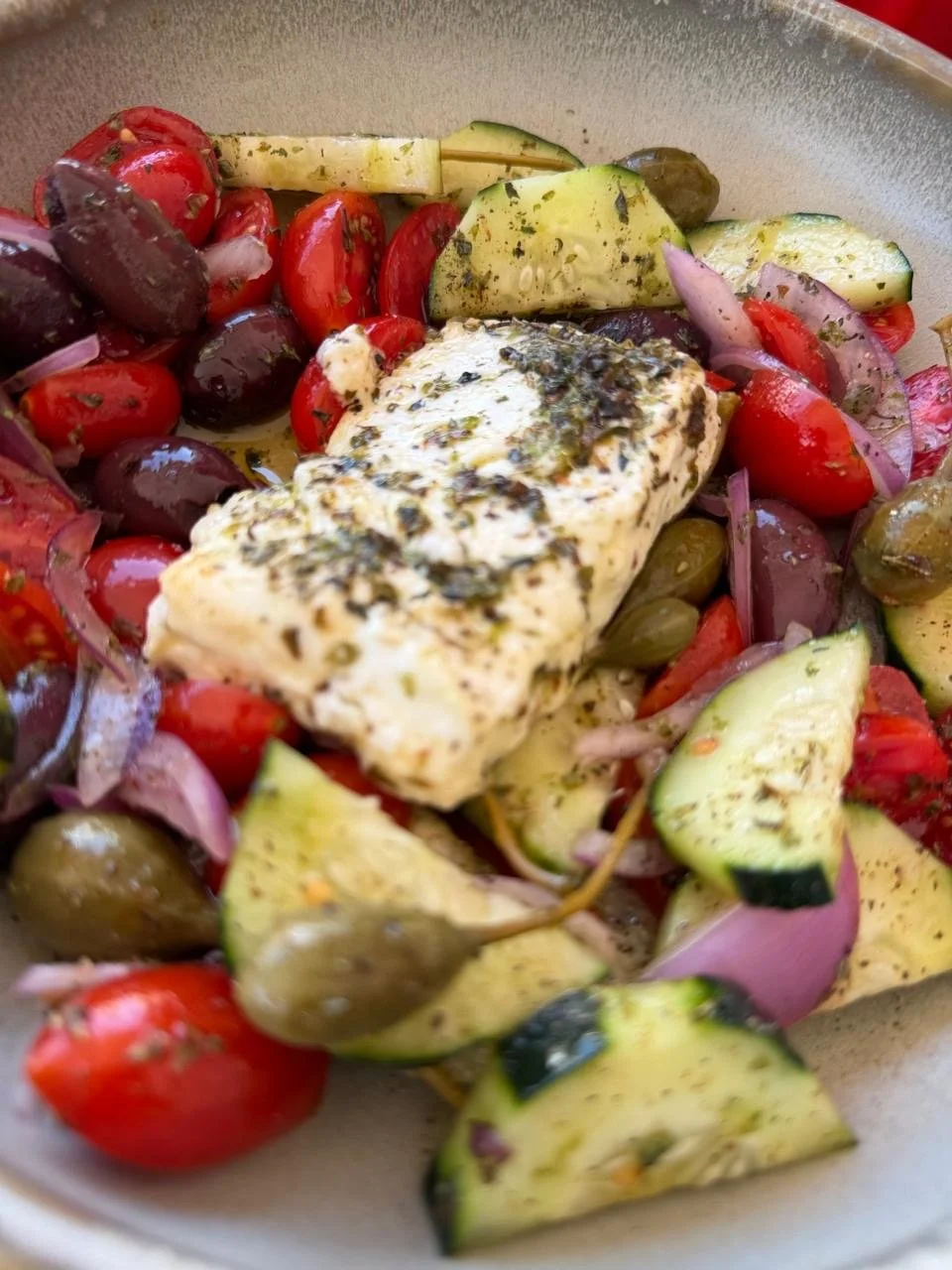
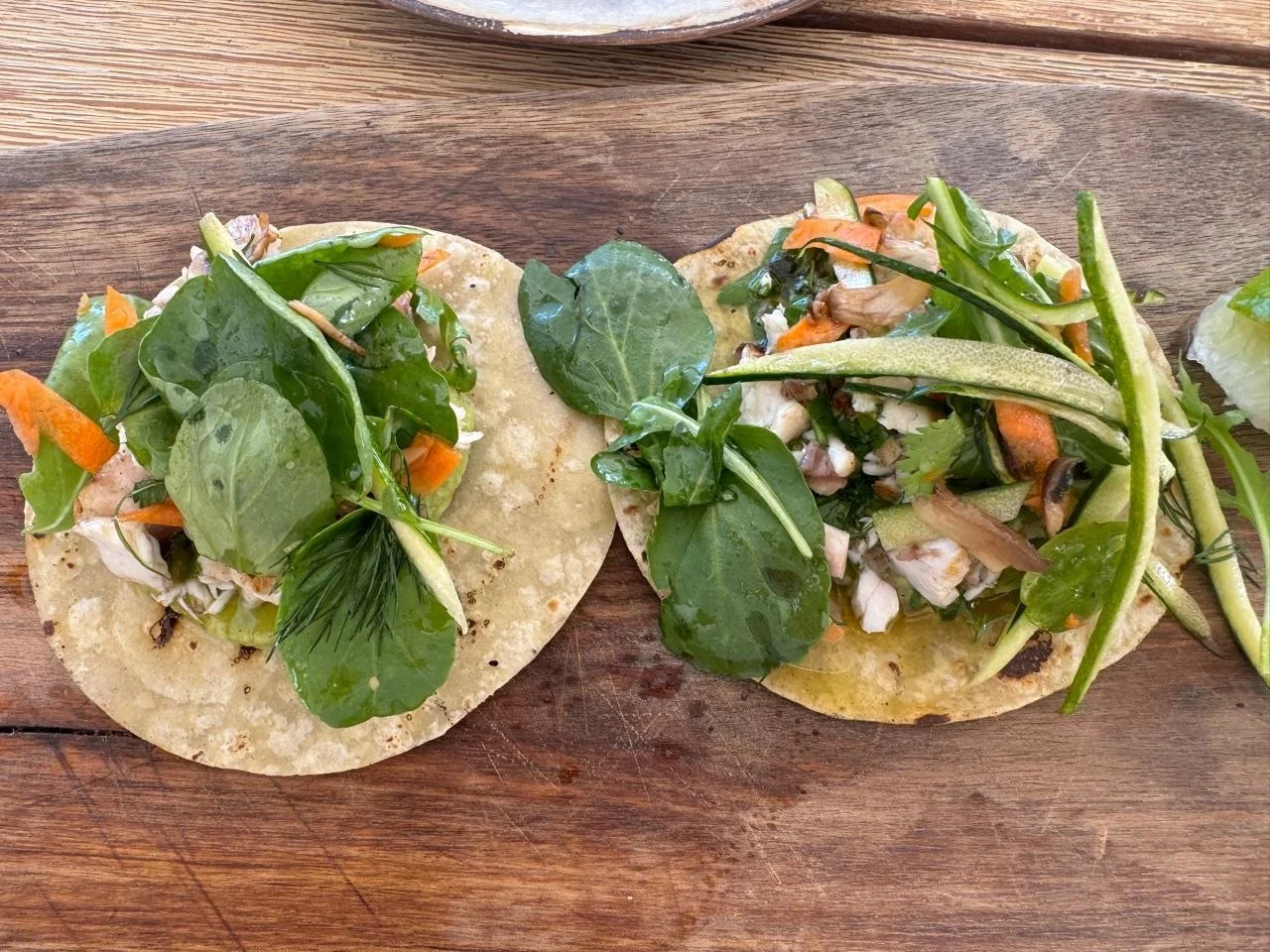
nūn is also the place that will make you a lifelong fan of cooked carrots. After being cooked over fire, they are served on a bed of labneh, the Levantine yogurt-style cream, which has been sprinkled with chickpea crumble and cumin, drizzled with honey and covered in fresh coriander and herbs for good measure. This is what I would call a mouthful of Mediterranean flavours!
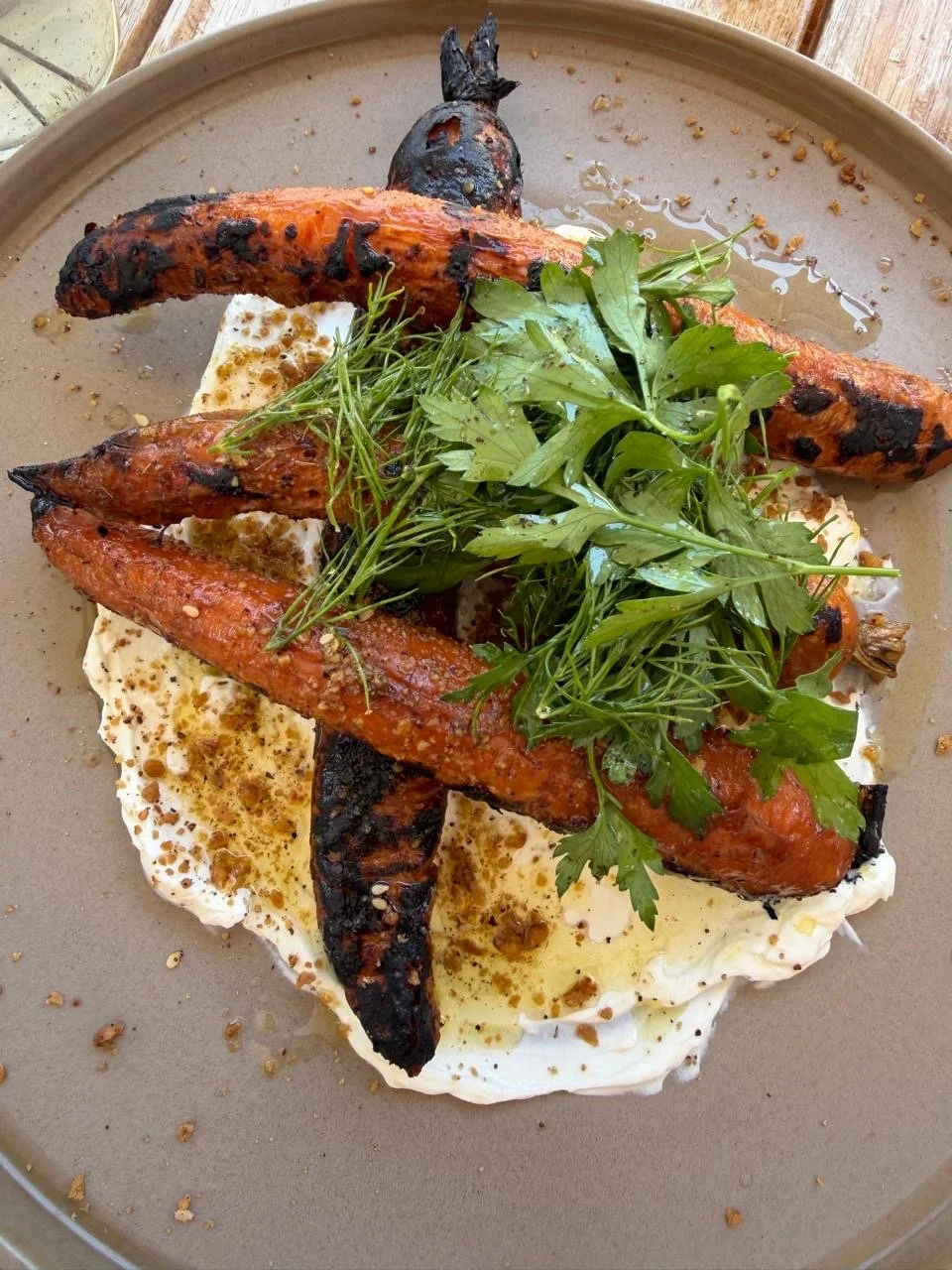
Skirt steak, served with a side of fries, was my final choice of main, and it turned out to be an excellent decision. It was on a whole other level, no surprises here!
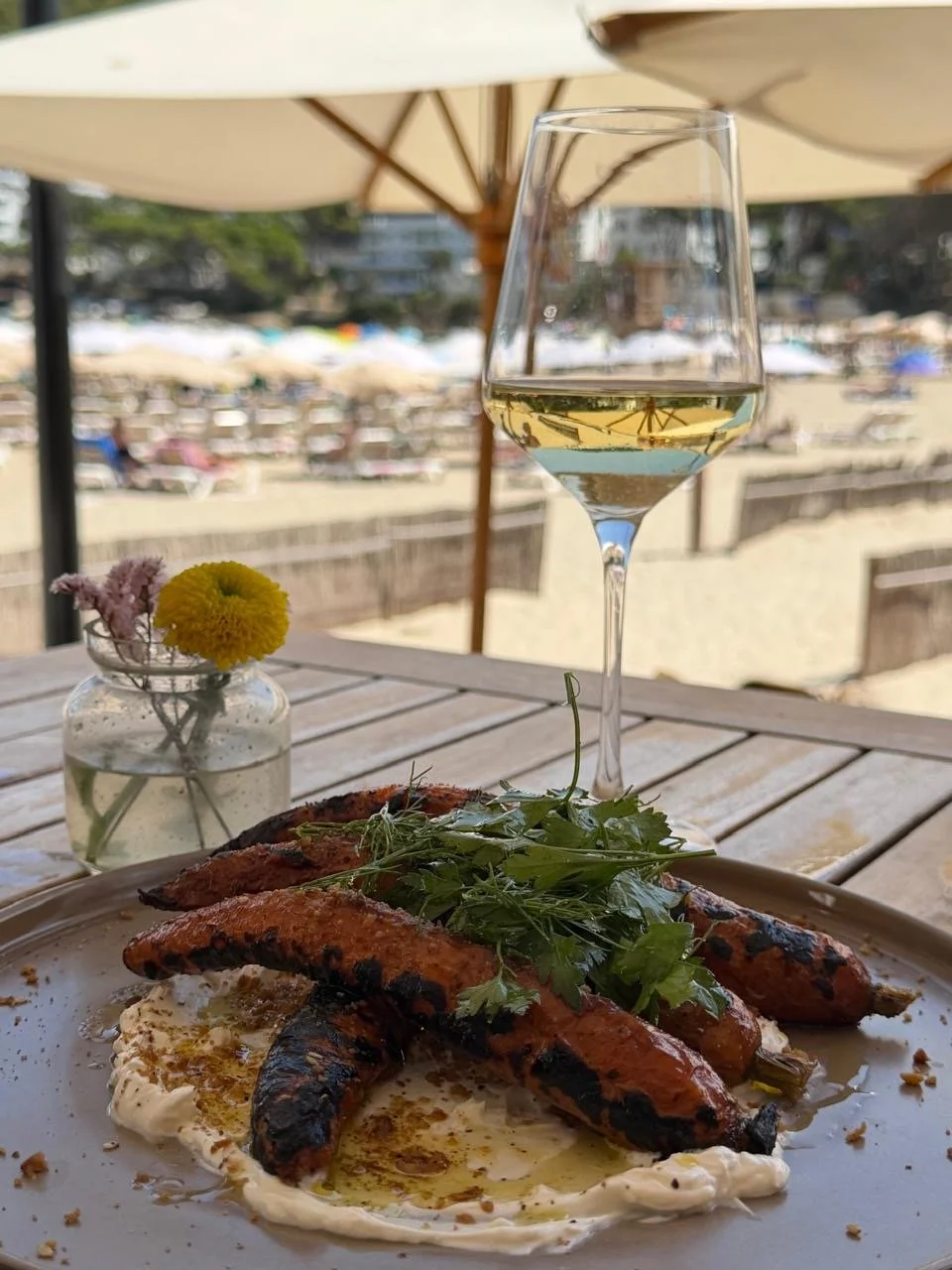
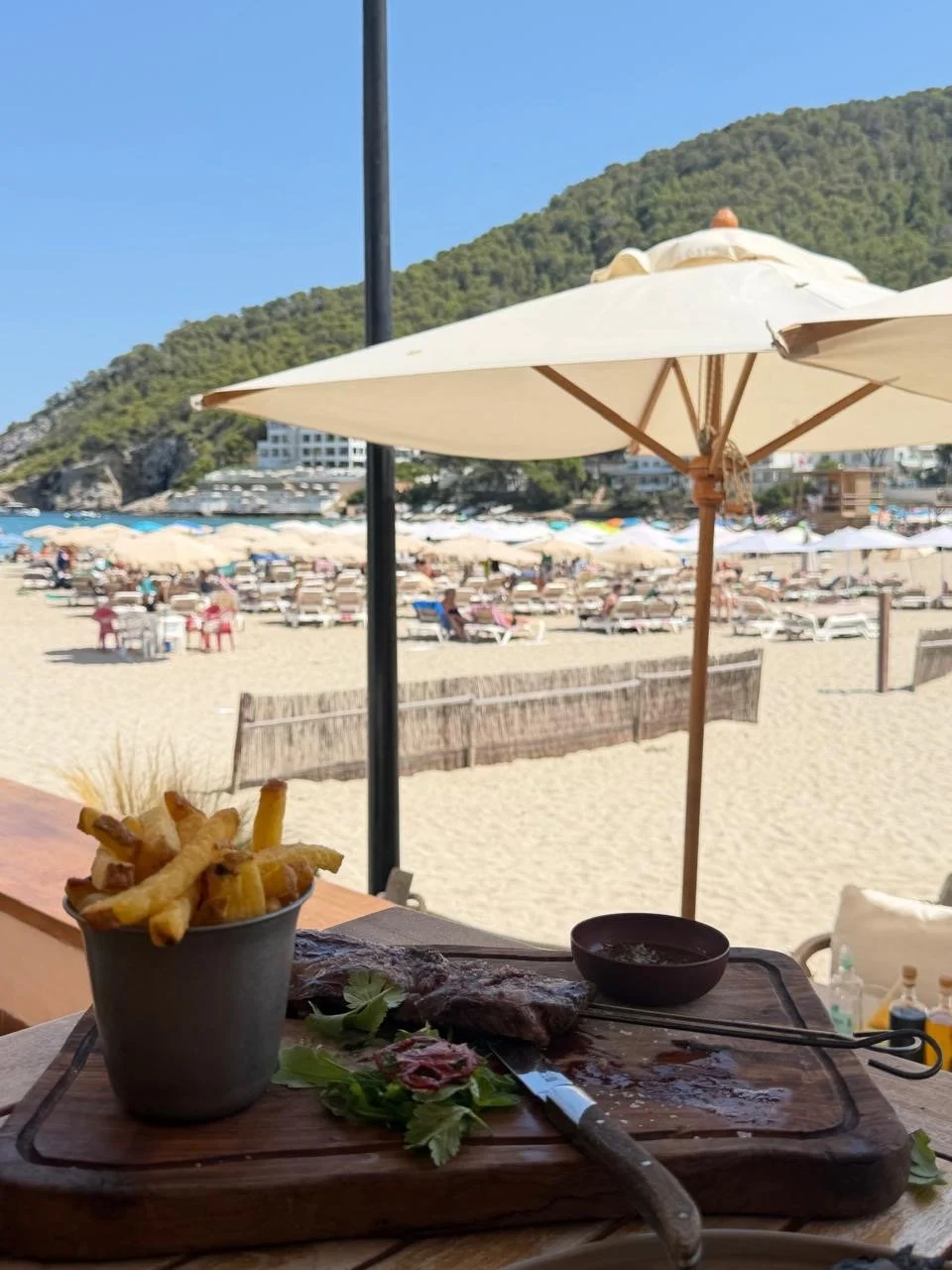
Getting to Cala Llonga
Cala Llonga is in the municipality of Santa Eulària del Riu, on the eastern side of Ibiza. It takes around 20-25 minutes from downtown Ibiza to get there.
So, you will need to get a car or take a taxi to get there, because public transport is not really an option.
Worth mentioning that, since our visit took place pretty much at the peak of the summer season, we were, at first, a bit concerned about parking space availability in Cala Llonga, but I am happy to report this turned out not to be a problem at all! (we even managed to park for free)
Our Take
Few places in Ibiza, if any, encapsulate better the concept of barefoot sophistication that this island has come to represent than nūn iIbiza. It is also proof that sometimes what looks like a pretty straightforward culinary approach, cooking over firewood, can produce the most extraordinary multi-layered flavours.
But, most of all, nūn Ibiza is about the vibe that leads so many of its customers to lose track of time.
Ibiza, an island wrapped in prejudice and myths, is also a platform certain brands can leverage to become international references in their respective fields. I wouldn’t be surprised if this ends up being the case of nūn, an amazing and well deserved success story.
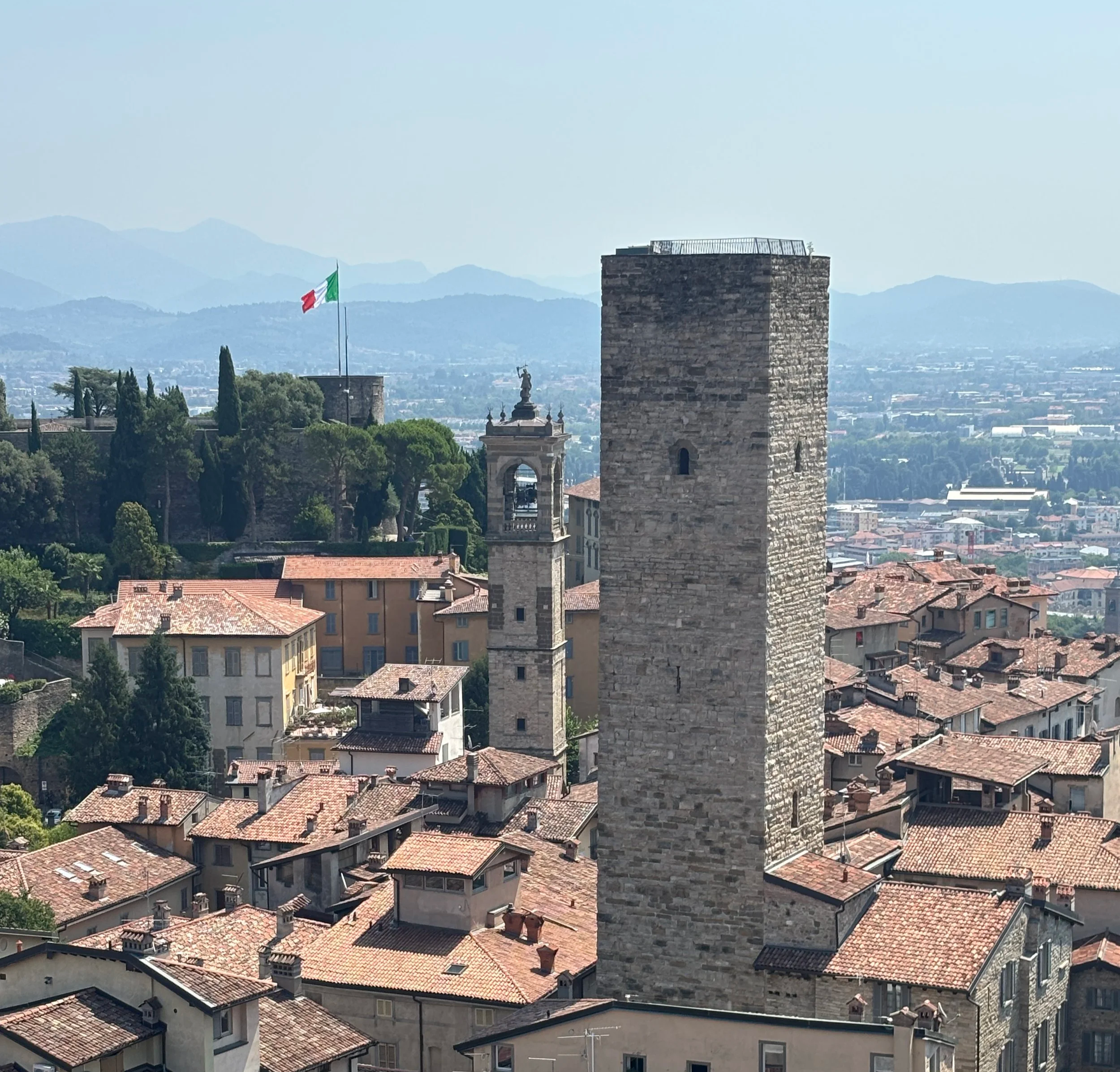
What to do and what to see in Bergamo and Lake Iseo
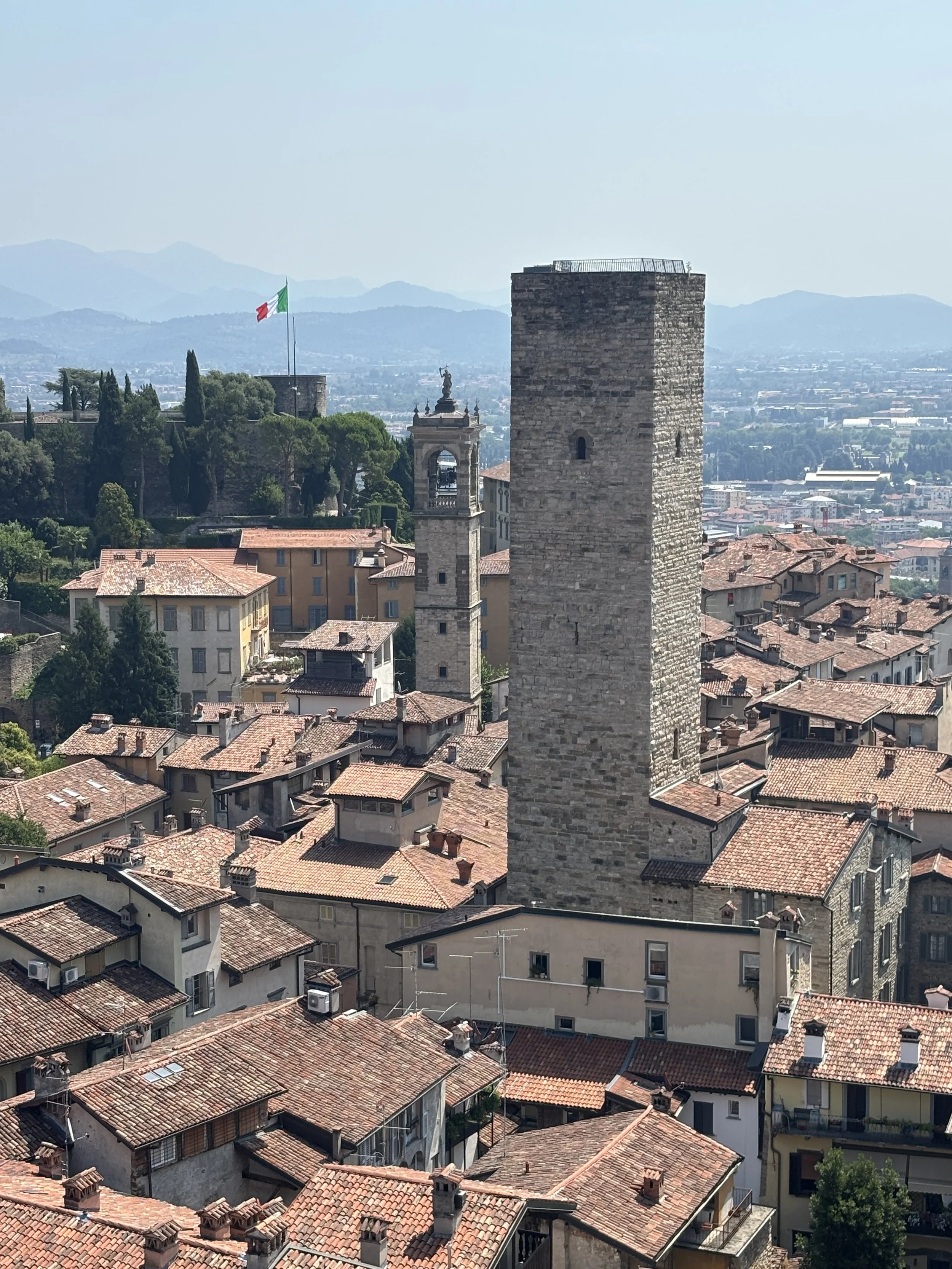
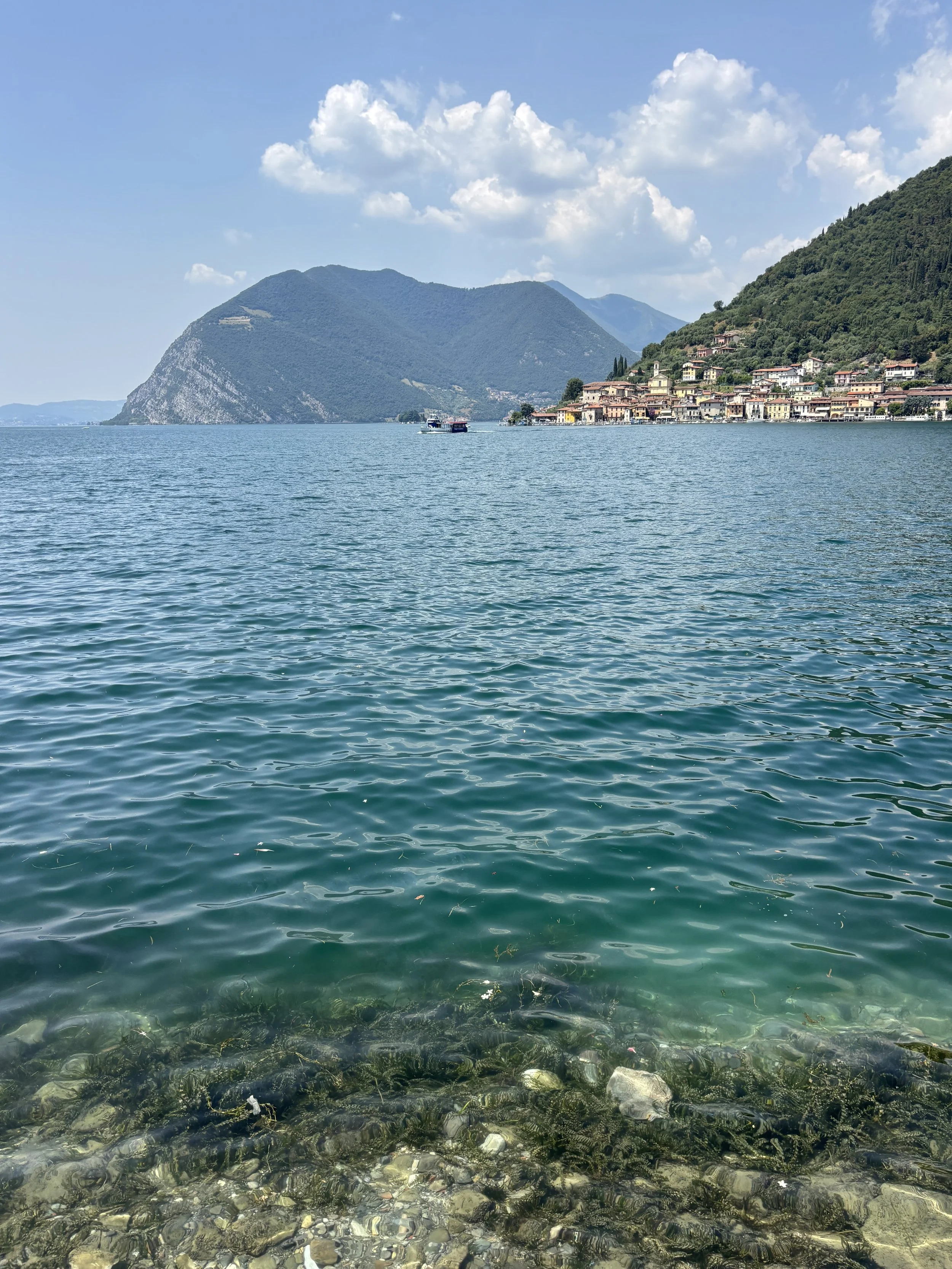
Bergamo, at the foot of the Italian Alps, is well known all over Europe because of its airport, Bergamo-Orio al Serio (BGY), which is one of Ryanair’s main bases and is used also by several other low cost airlines.
For many which have transited this airport, Bergamo may be just an alternative gateway to get to Milan, which is located roughly one hour drive to the southwest, yet, in this post I will try to explain how Bergamo is, in fact, a beautiful and fascinating destination one its very own!
What’s more, besides its many charms, Bergamo is also an ideal base to explore other great spots in throughout the nearby Alps, most notably among them Lake Iseo (“Lago d’Iseo” in Italian). Keep reading to learn more about what to do and what to see in Bergamo, Lake Iseo and the surrounding countryside.
Covered in this post:
Bergamo’s Città Alta and Città Bassa, a tale of two cities
What to see in Bergamo’s Città Bassa
Nice places to have coffee in Bergamo’s Città Bassa
What to see in Bergamo’s historical center, the Città Alta
La Rocca (fortress) and museum of the ‘800
A recommended itinerary through Bergamo’s Città Alta
Tasting Bergamo’s Casoncelli
A great, small art museum in Bergamo: Accademia Carrara
Where to stay in Bergamo
A great day excursion near Bergamo: Lake Iseo
What to see around Lake Iseo
Visiting Monteisola on Lake Iseo
Wandering around Peschiera Maraglio
Other spots to bathe in Lake Iseo
More interesting places around Lake Iseo: Lovere
Bonus tip: visiting Clusone, in the Val Seriana
Getting from the airport to the city
We have already mentioned Bergamo-Orio al Serio airport and this is, I guess, the way most visitors arrive in Bergamo. The airport is, in fact, quite close to the city center, so close that you can actually make out the countours of Bergamo’s old town from the boarding gates.
What’s the easiest way to get to downtown Bergamo from Orio al Serio airport, then?
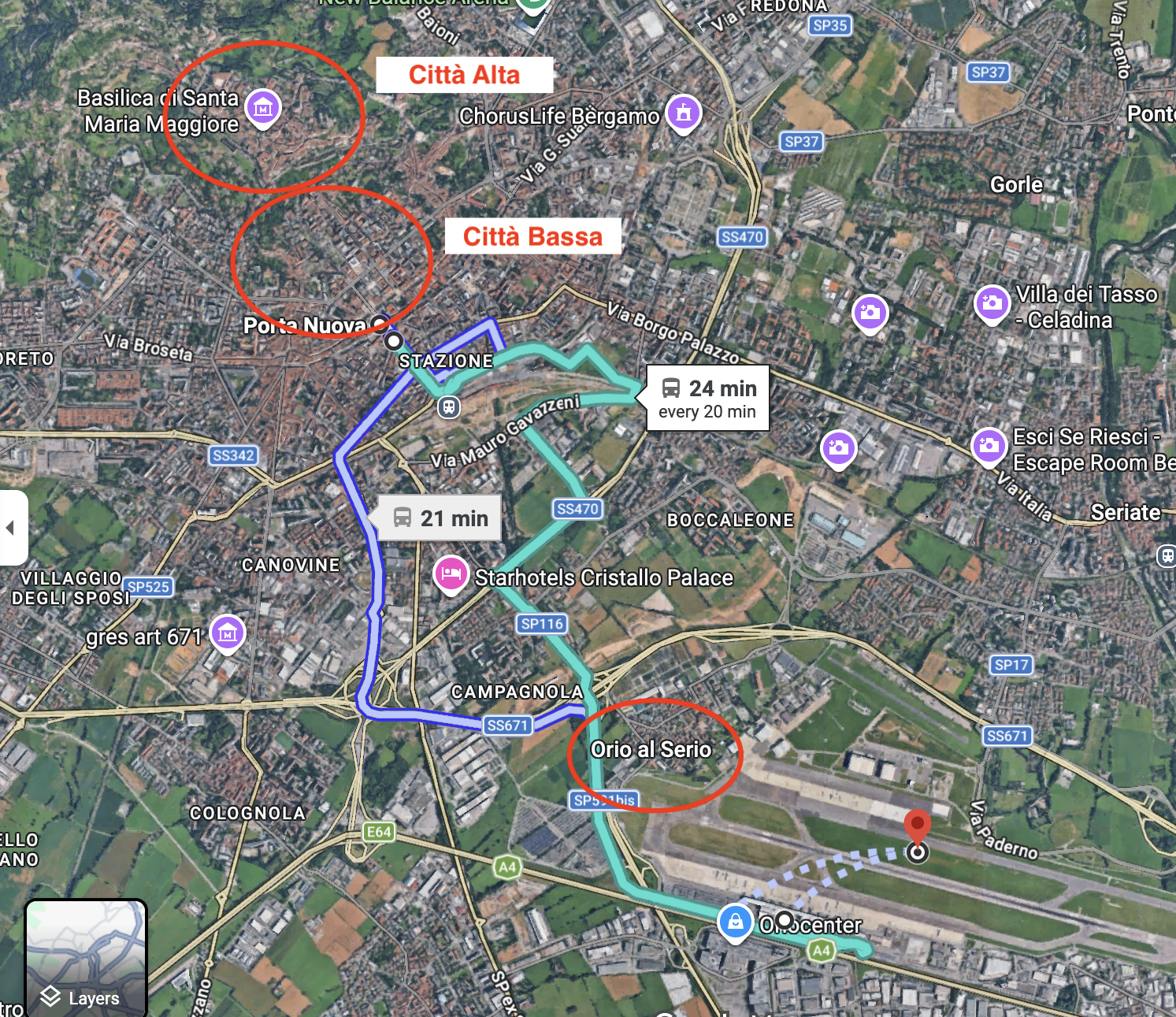
The cheapest, and possibly fastest, way to get to the city center is to take the Bus number 1, which takes you from Orio al Serio Airport to the foot of Bergamo’s Città Bassa.
The bus passes roughly every 15-20 minutes and tickets cost €3 each way. They can be acquired at ticket machines which are found at the bus stop just outside the terminal.
A word of caution, though: this is a regular urban bus and sometimes it can get really, really crowded, making the trip, even if short at around 20-25 minutes, far from comfortable, particularly if you are traveling heavy and carrying bags.
By the way, Bus Number 1 also stops at the city’s main train station, where it is possible to connect with trains that go to other points in the Lombardy region and beyond.
This post may contain affiliate links. If you book or buy something through them, I earn a small commission, at no extra cost to you. It's one of the ways I keep Places of Charm going. Thank you for your support.
Bergamo’s Città Alta and Città Bassa, a tale of two cities
As mentioned in the previous section, Bergamo is divided in two major parts: the lower city (Città Bassa) and the upper city (Città Alta).
The upper part is the historical hilltop walled town, with its foundations dating back at least to Roman times. This is where most of the monuments and sightseeing spots are.
The lower town is essentially the modern part of the city, on the plains.
This part of the city has already been partly urbanized in some way or another since the middle ages, when a large trade fair started to be held at an ad-hoc spot near today’s Porta Nuova area. This is where most hotels and other services are located. It has also some nice walkable streets.
The two parts of the city are connected by a funicular, which is a tourist attraction on its very own. One way trip costs €1.7 (I think it is also included in some travel cards).
Nevertheless, you can also get to and from the Città Alta on foot through the old Venetian bastion gate of Porta di San Agostino, just that it will take you a bit longer from the Porta Nuova area (maybe a 15-20 min extra walk), and it will be a bit uphill.
I would leave this itinerary for the return journey from the Città Alta, not least because this way you can also pass by another of Bergamo’s top attractions, the Accademia Carrara art museum, which I also cover in this post.
Walking through Bergamo’s Città Bassa
A view of Bergamo’s Porta Nuova
But before we get to the Città Alta, a few words about the Città Bassa, because it has also some interesting elements.
If you start your itinerary at the Porta Nuova, which marks the limit of what used to be the second ring of walls of the city (Bergamo has three rings of walls, the latest of which, built by the Venetians in the 16th C. has UNESCO World Heritage Site status) and if you head from there to the funicular you will pass through Bergamo’s modern downtown.
If you have been to other Italian cities before, you will recognize many of the elements that make this part of town, such as the porticoed buildings dating back to the time of Risorgimento and the unification of Italy, in the 19th C. as well, as some reconizable examples of architecture from the Fascist period, housing the post office and other administrative functions.
By the way, here is a curiosity I was not aware of before this trip: Bergamo takes pride in being the world capital of Straciatella, the famous cream and chocolate ice-cream flavour. So now you know!
Nice places to have coffee in Bergamo’s Città Bassa
Bergamo’s Città Bassa has some great spots to rest and relax in front of a cup of coffee and some tasty local pastries away from the tourist crowds that roam the Città Alta. Here are my recommendations:
1- Elidor Patisserie
Via Torquato Tasso, 49, 24121 Bergamo
This is a really nice and elegant coffee and, as the name implies, pastry place in the heart of Bergamo’s Città Bassa. It is located in an quiet interior courtyard, which gives it a touch of sophistication. If your accommodation in the Città Bassa, this a nice spot to start your day gathering energies before heading uphill to the historical center.
2- La Caffetteria Di Porta Nuova
Via G. Tiraboschi, 55, 24127 Bergamo
This is a more simple place, but one not devoid of character. It’s, actually, a pretty small place: there is no place to sit inside, there are just a handful of tables right on the pavement. It is quite central, though, very convenient if waiting for the bus to the airport, for example.
Here you can also taste one of Bergamo’s specialities, called “Polenta e Osei”, an spherical sweet cake filled with a dense marzipan paste and crowned by a bird-shaped (hence the name “osei”) chocolate.
What to see in Bergamo’s historical center, the Città Alta
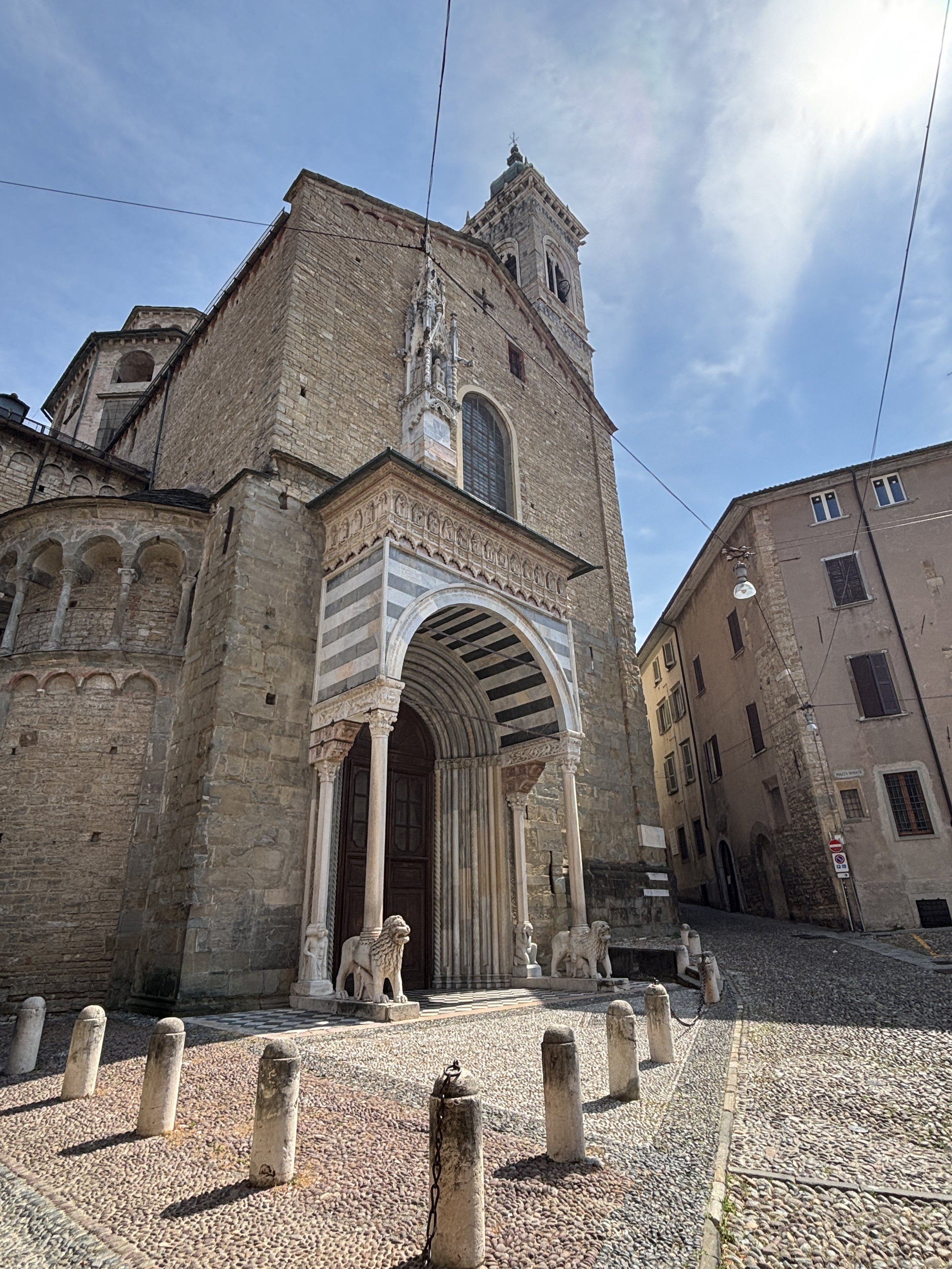
So, let’s say you have taken the funicular, which has taken you straight to the heart of the old (upper) town of Bergamo.
We’ll discuss shortly some of the main sights to see in the Città Alta, but, first of all, a couple of paragraphs about the history of Bergamo and the main events that shaped its past.
I referred earlier to Roman Bergamo, but I should also add that, while the Romans left their imprint on the city, there was already a Celtic pre-Roman settlement at the spot where the Città Alta stands today.
Although some vestiges from the Roman era are visible in the old town, the Bergamo most visitors come to see today is that of the late Middle Ages, when the city fell under the rule of Venice. The Most Serene Republic of Venice annexed Bergamo in 1428 during a period in which it vied with other Italian states to expand its continental possessions, the so-called “Terra Ferma”.
Bergamo remained under Venetian rule for more than three centuries, until the arrival of Napoleon and the start of the period of political change and agitation that culminated in the Risorgimento and the unification of Italy (check the section of the “Museo del ‘800 for more on this historical period).
So, now, without further ado, what sights are not too miss in Bergamo’s Città Alta?
The main square (“Piazza Vecchia”)
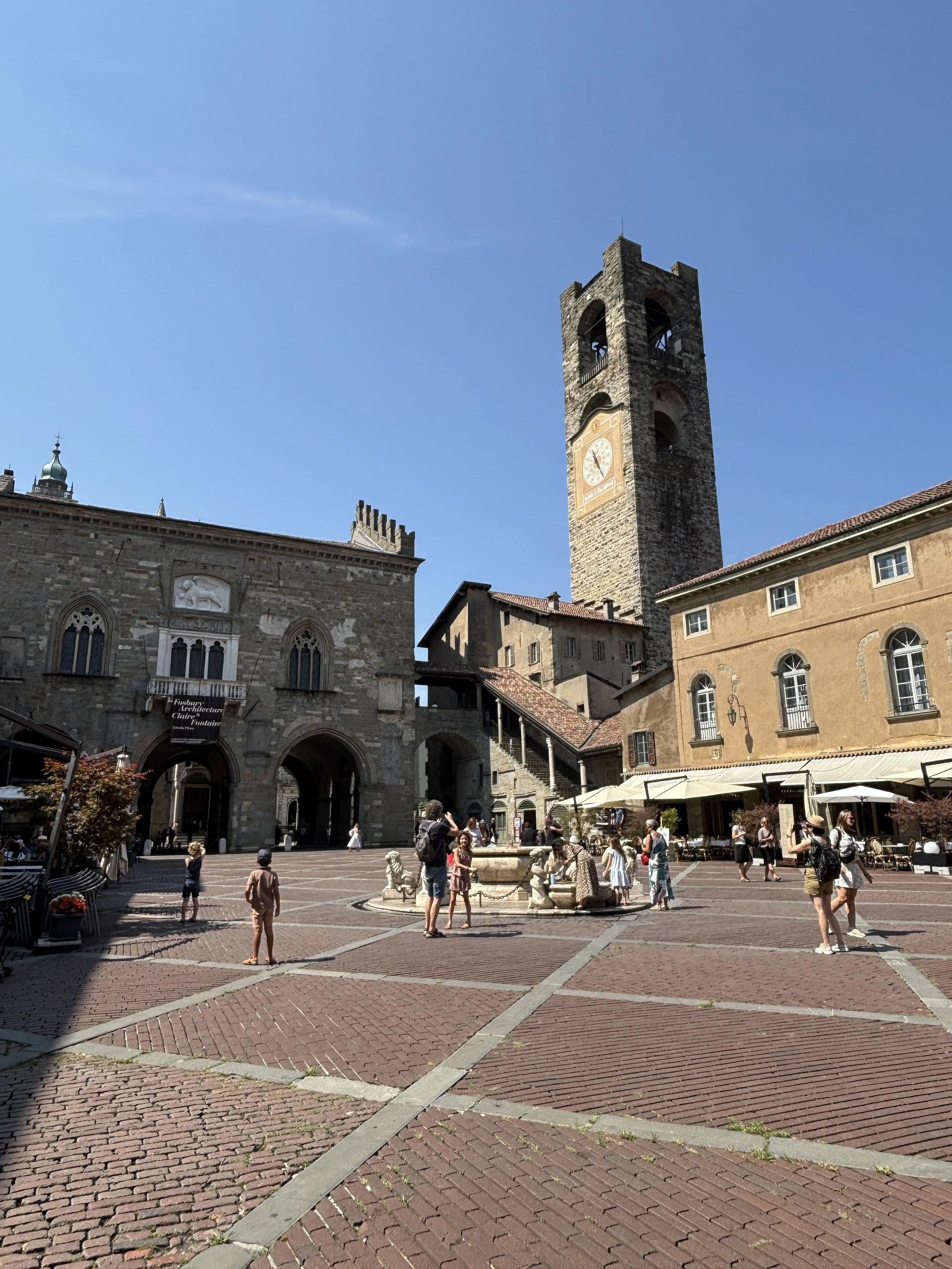
Apparently Le Corbusieur considered to be the greatest example of urban space in Europe (although knowing the aesthetic tastes of the Franco-Swiss architect, I am not quite sure this counts as praise!). This has been the political, civic and religious center of Bergamo for many centuries. Besides the large monumental marble fountain at its center there are quite a few monumental buildings of note here, concentrated in a relatively small space.
The Palazzo Nuovo, from the 17th C. and currently a public library dominates one side of the square
On the exact opposite side (technically a separate square, the Piazza del Duomo, although physically connected to the Piazza Vecchia through the portico of the 12th Palazzo della Raggione) there is a collection of rather impressive religious buildings:
The Duomo, which is actually Bergamos cathedral, even if most visitors focus on the most eye-catching Basilica and Colleoni Chapel next door.
The Basilica di Santa Maria Maggiore, originally from the 12th C. although its constructions lasted several centuries. Look here for the pink marble Venetian lions at the entrance
The Colleoni Chapel, adjacent to the Basilica is perhaps the most eye-catching building of the ensemble. It was built in the late 15th C. as a mausoleum for a condottiero (essentially a Renaissance period warlord) called Bartolomeo Colleoni, hence its name. Sadly, not photos are allowed inside, so you will need to Google it to look how it looks like.
The Battistero, a small octogonal structure on one side of the square. This was actually not the original emplacement, which was inside the Basilica.
The main tower (“Torre Civica”), the Palazzo de la Raggione and Museum of the ‘500, is another building of note on one side of the square. This was originally the property of one family, which built a defensive tower, as it was the norm in many Italian cities at the time where different factions vied for power (often violently).
From the mid 15th C it became a city building, hosting the Venetian governor and, with its bell tower, also a sort of broadcasting station of the time. Nowadays it hosts the museum of the ‘500s, which is dedicated to the history of Bergamo during the Renaissance period. The museum is not huge, it includes the view of some Roman foundations and some interesting details about the history of Bergamo, but the highlight is the tower, which you can climb for amazing views over the whole of the Città Alta and the surrounding countryside. Ticket is around €10, but the views are worth it, in my opinion.
La Rocca (fortress) and museum of the ‘800
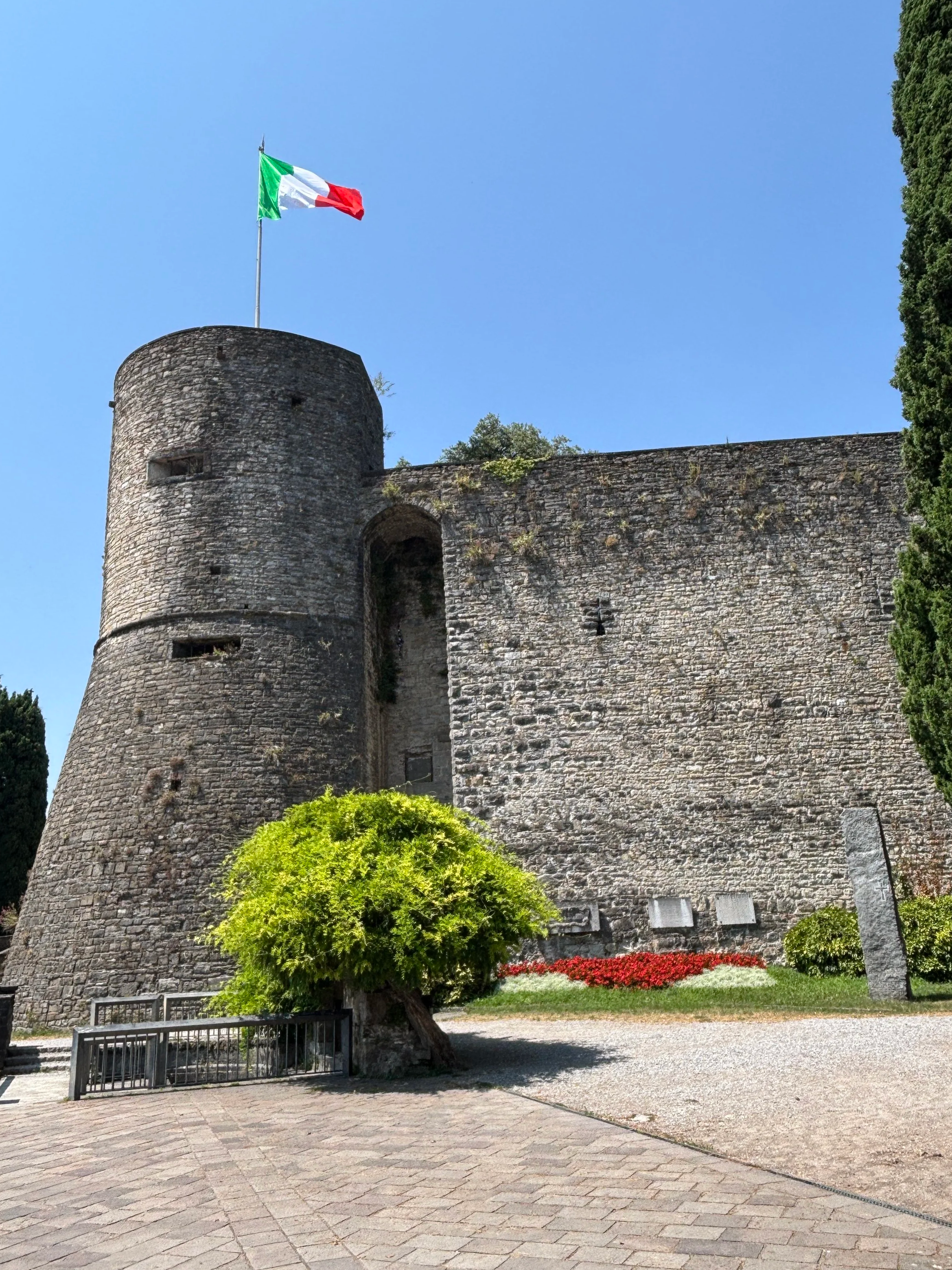
This is another point of interest in Bergamo’s Città Alta which I recommend visiting.
“La Rocca” is, essentially, the city’s fortress, which is located at the edge of the Città Alta overlooking the plains of Lombardy and the nearby Alps.
Access to the gardens is free. This part of the fortress is, essentially, an Italian war memorial dedicated to those that fought in WW1 and WW2. There are several pieces of artillery and armour from that period, as well as commemorative monuments for pretty much every single branch of the Italian military.
Inside the castle there is a small but pretty interesting museum, the Museum of the ‘800, which is focused on the history of Bergamo during the period that goes between the Napoleonic Wars and the Italian unification.
This is a well organized museum which focuses on the role that Bergamo and the surrounding region played in those momentous events and it provides quite a lot of information as well about the social and economic context of the time.
The museum has also a rather impressive collection of period items, including uniforms, documents and the like, it even displays a piano that was once played by Giuseppe Garibaldi no less! It costs €5 but if you are interested in this period of Italian history is well spent money.
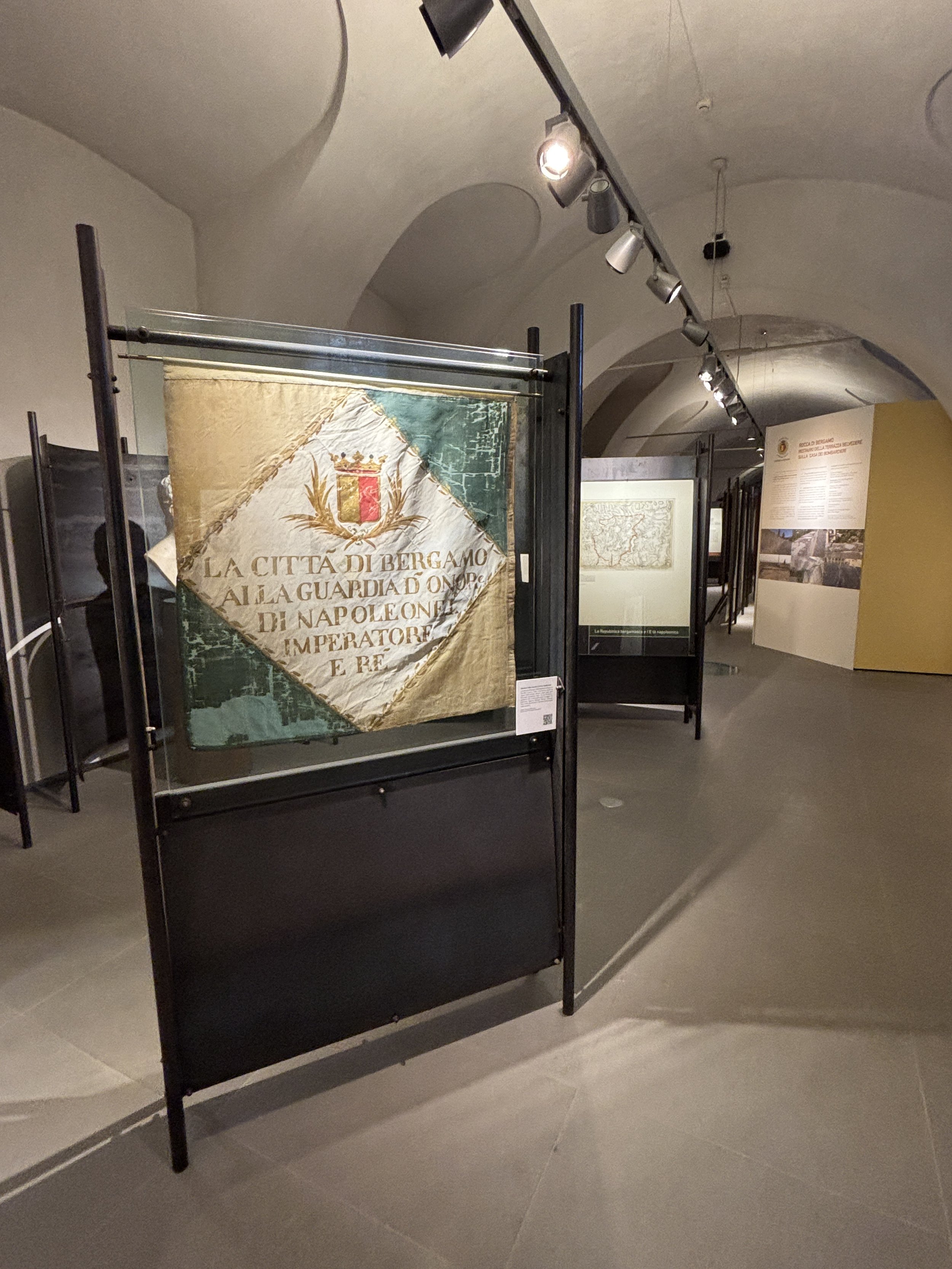
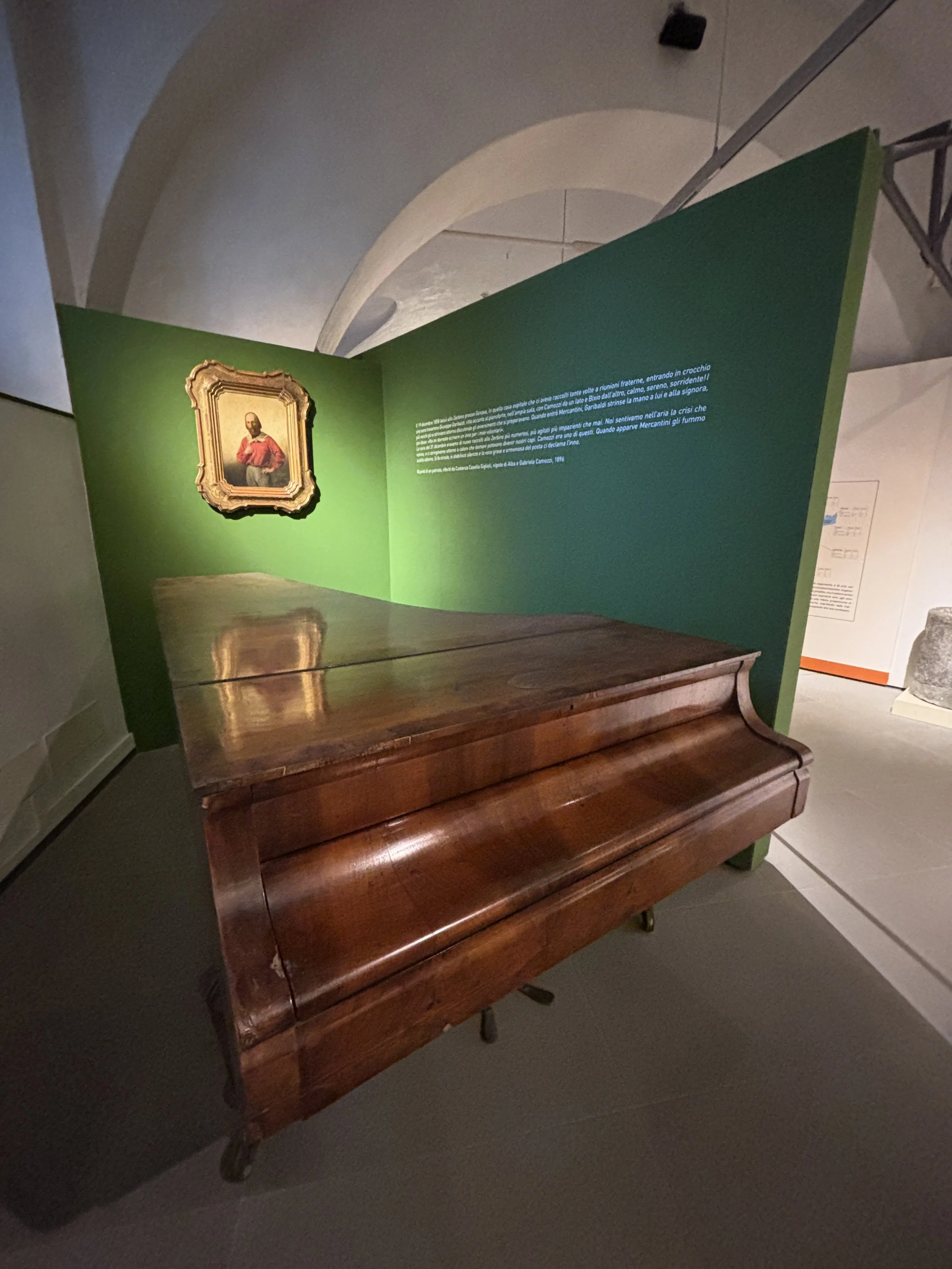
A recommended itinerary through Bergamo’s Città Alta
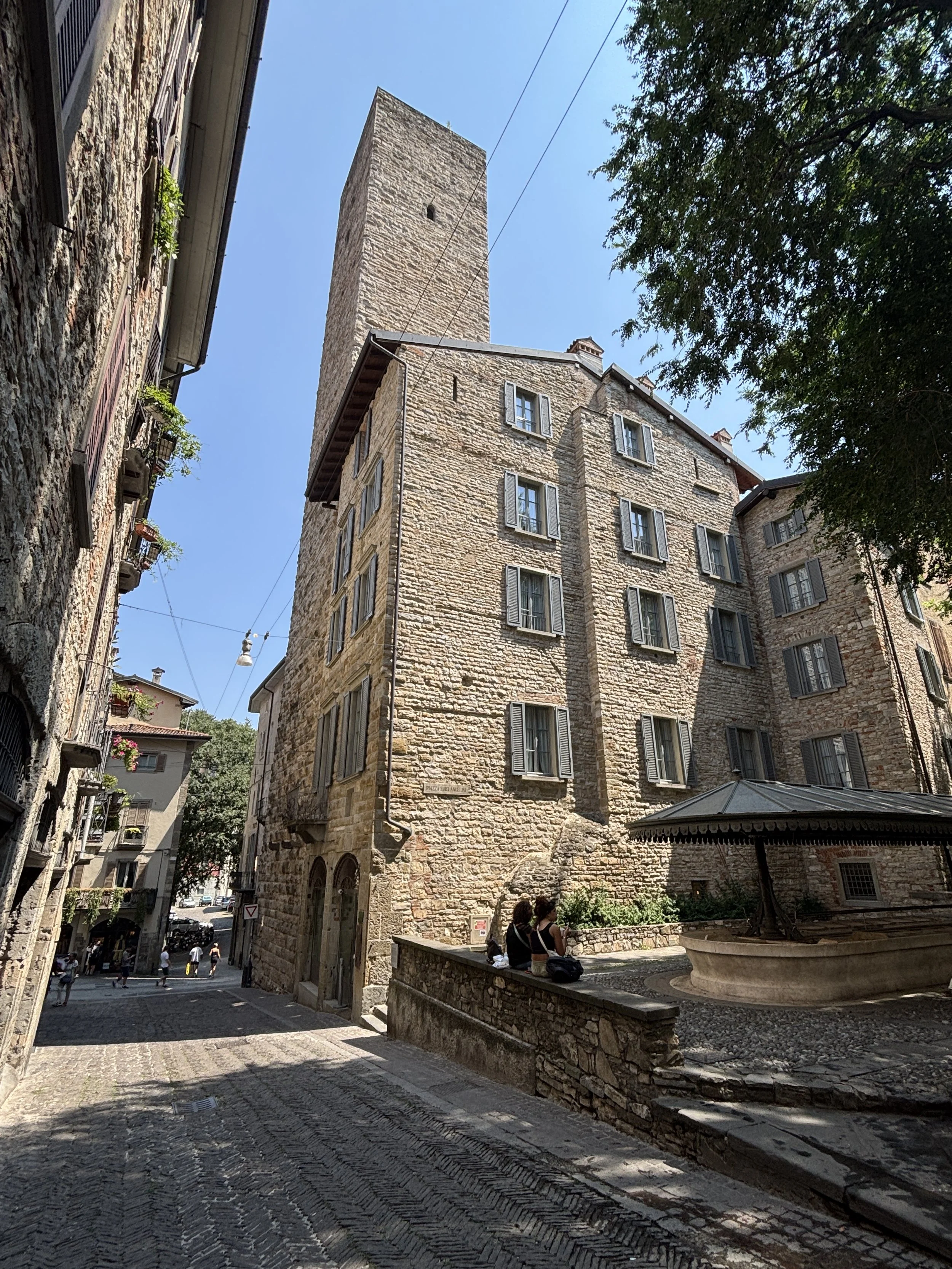
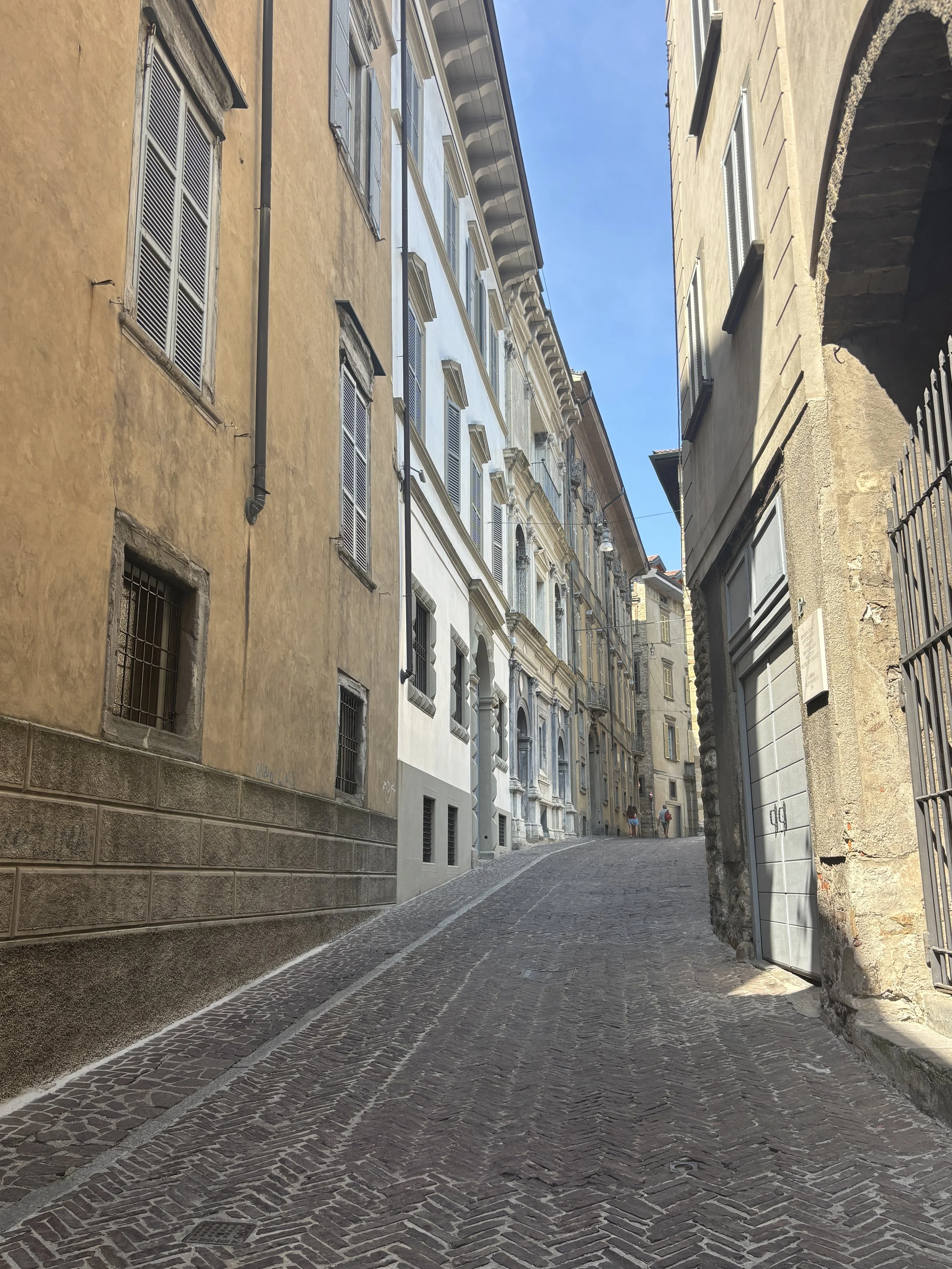
Besides this handful of must-see landmarks, Bergamo, like so many historical cities in Italy, is a great place to spend a morning just strolling leisurely around.
Most of the main streets are, of course, pretty touristicized. (not even sure this word exists, but you get the idea!). However, I would say (based on personal vibes here) that it is not overcrowded and banalized to the same extent (at least not yet) than other more classical destinations, such as Rome or Florence. There are, of course, many souvenir shops, restaurants and ice-cream parlors that are clearly catering to tourists, but their offerings have kept at least an appearance of authenticity (whatever this means nowadays) and some local connection, for example, in the sort of products they offer.
In the map below I share the itinerary that I roughly followed during may wandering through Bergamo’s Città Alta.
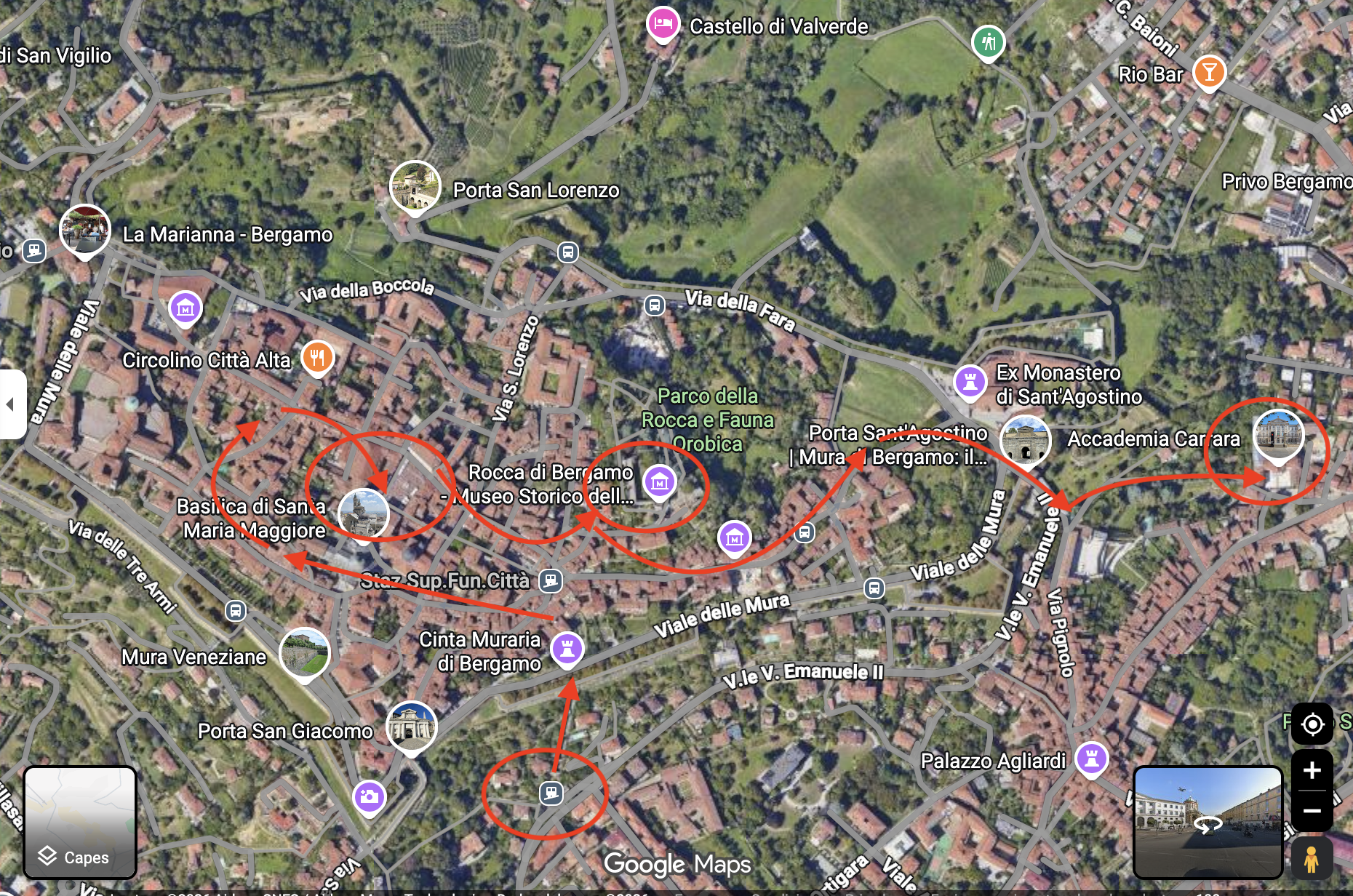
Tasting Bergamo’s Casoncelli
I know I may get in trouble about this one, since food in Italy is a sacred topic, particularly whenever local specialities are concerned. However, here is a casual eating concept that I came across while walking around Bergamo’s Città Alta which I quite liked.
To be clear, we are talking fast food here, not high cuisine, but I quite liked the modern and imaginative way in which one of the signature dishes of Bergamasca cuisine is being offered to visitors.
The Casoncelli are a sort of dumplings which are served with a side of vegetables and bacon (a vegetarian version also exists, btw). So, pretty simple and easy to eat while on the go, which is the reason I had a bite here.
At “Casoncelli Nonna Alda” they play with the “local” and “home-made” concepts. This is a small food outlet on one of the main streets in the Città Alta, very close to the funicular station and the Rocca.
It offers just one thing, “casoncelli” (in classical and vegetarian formats) in three sizes, for €5, €9 and €14 respectively, which removes any anxieties about choices and prices.
The decor also panders to this “authentic food of the nonna” theme, with a lady preparing the casoncelli in sight from the street in an adjacent room. I don’t know if this is “nonna Alda”, most likely not, but “si non è vero, e ben trobato!”
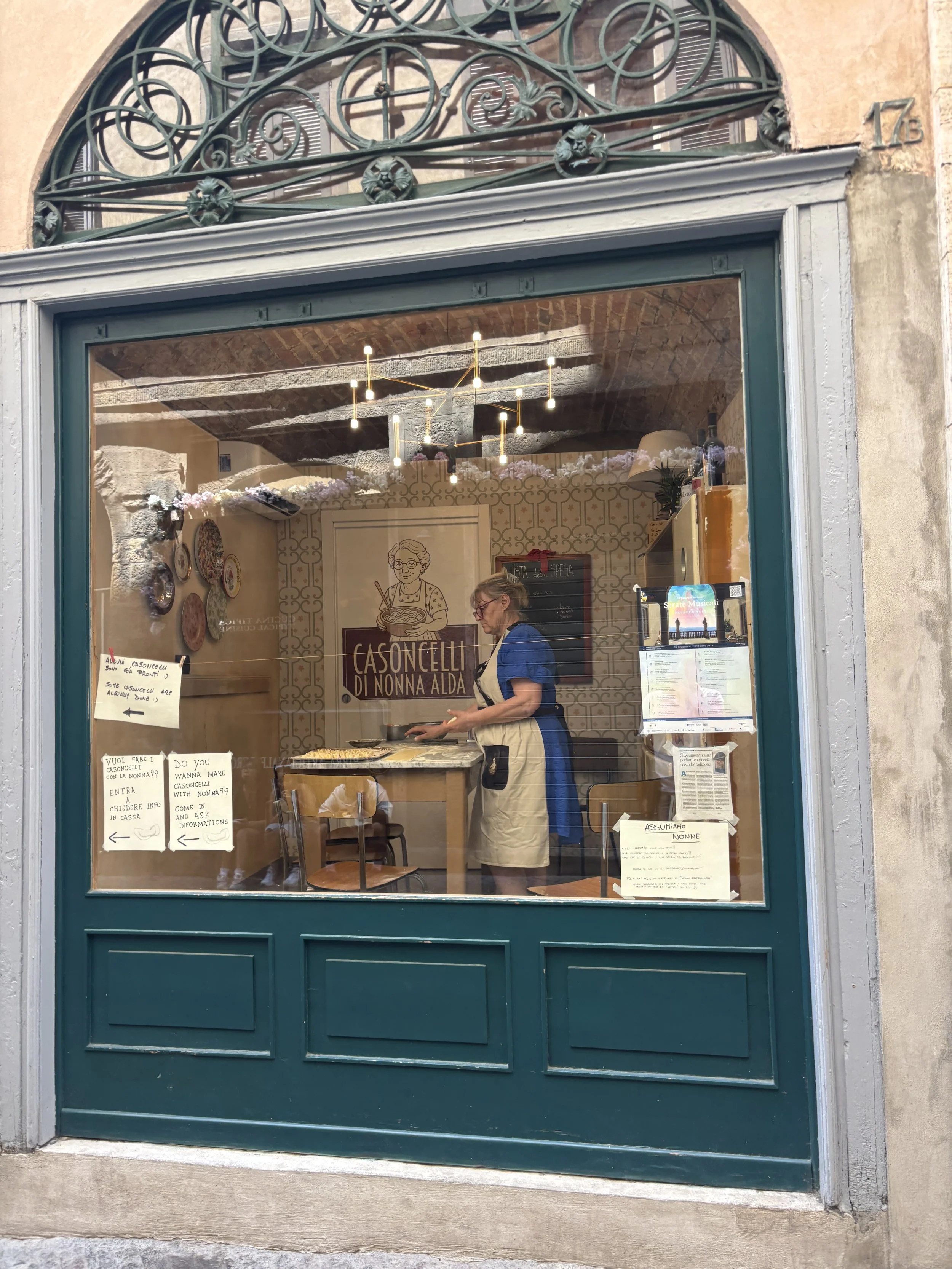
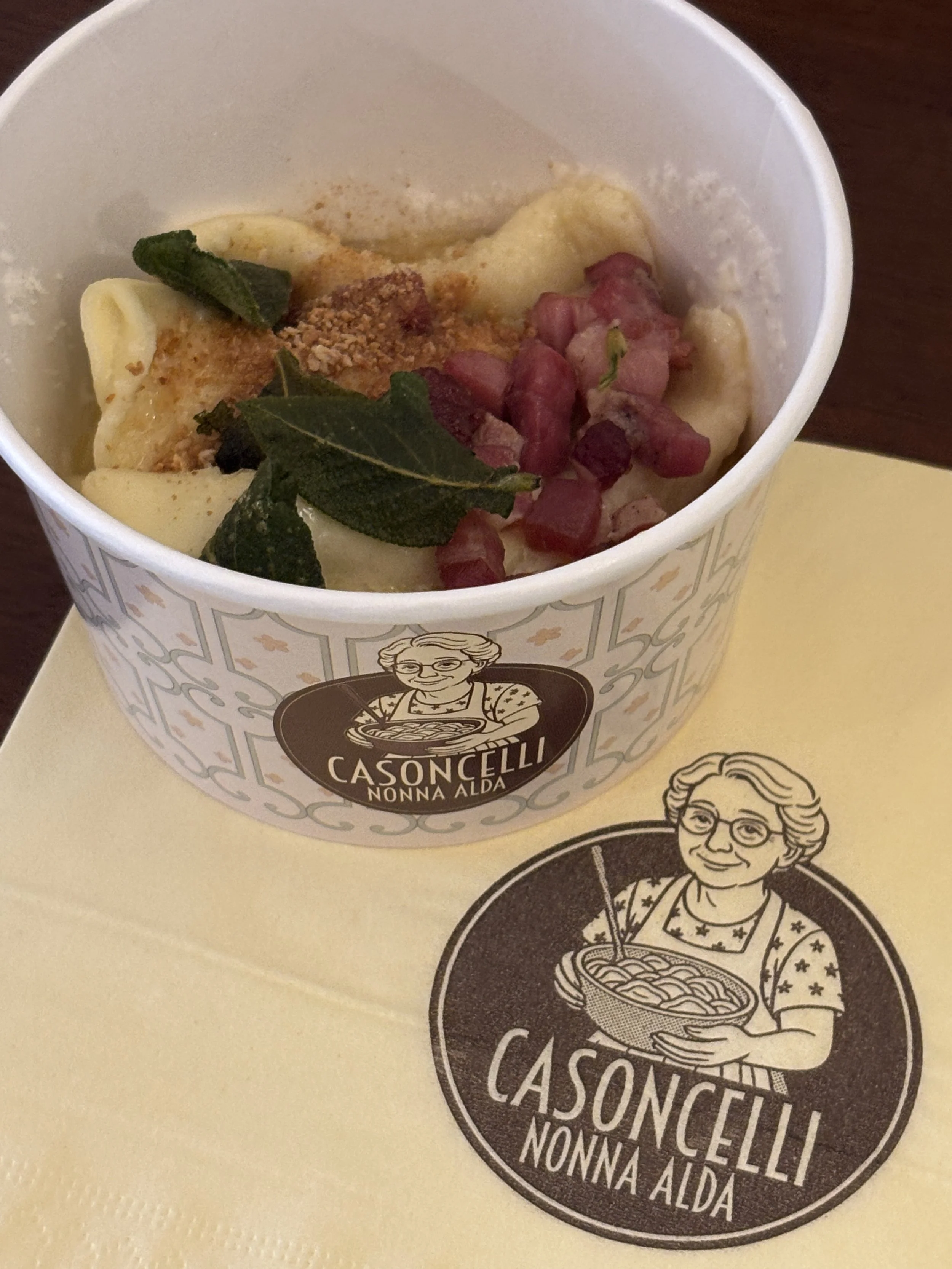
A great, small art museum in Bergamo: Accademia Carrara
Bergamo has a top-level art museum in Accademia Carrara, and, actually, a pretty well historied one, since its roots lie in a private collection which was opened to the public in the late 18th C.
Its collections span Italian art from the Renaissance through the 19th century, and include some famous names such as Titian, Mantegna and Botticelli. There are also remarkable pieces from later periods, all presented in a nicely set-up display.
The building itself is also rather interesting, with a sober and majestic neoclassical exterior. The museum, however, went through a general revamp in 2023, which shows in the modern interiors.
Entry is €10, which is worth it if you are into these periods of art.
Museum of the Alpini
Bergamo has also a museum dedicated to the Alpini, the iconic Italian mountain troops, famous for the black feather they append to their hats. I include it here because this is a place I would really have liked to visit. Unfortunately this was not to be the case, because the Museo Alpino, which is free and run by a private foundation, opens only three days per week.
If you find yourself in Bergamo on a Monday, Thursday os Saturday and wish to check it out, here is the website.
Where to stay in Bergamo
Porta Nuova Bergamo Apartments
Largo Porta Nuova, 3, 24122 Bergamo
These apartments are located in one of the most central spots in the Città Bassa and they are also very conveniently located next to the bus stop to get to and from the airport.
The interior of the apartment was modern, yet, with a touch of personality in the decor which avoided the typical “corporate” look of many hotels. It is also worth noting that it had views of the Porta Nuova and the Città Alta and plenty of space and natural light.
By the way, make sure you have some cash to pay the tourist tax, which was something like €5 per person per night. It is, apparently not included in the Booking.com reservation and must be paid by leaving some cash on the table before leaving (checkin and checkout are totally automated via an access code which gives you access to a postbox in which you find a physical key).
You can book the apartments here.
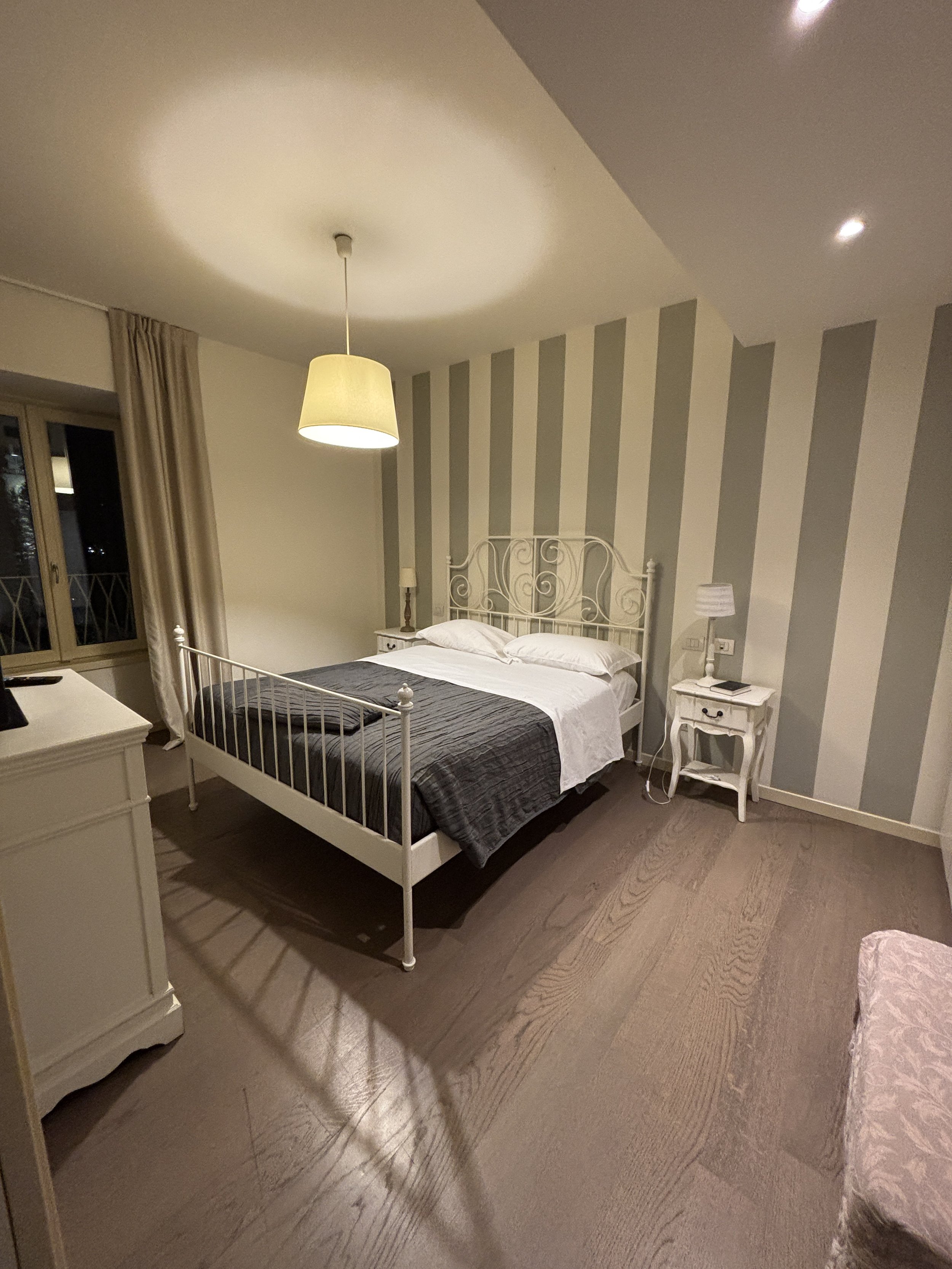
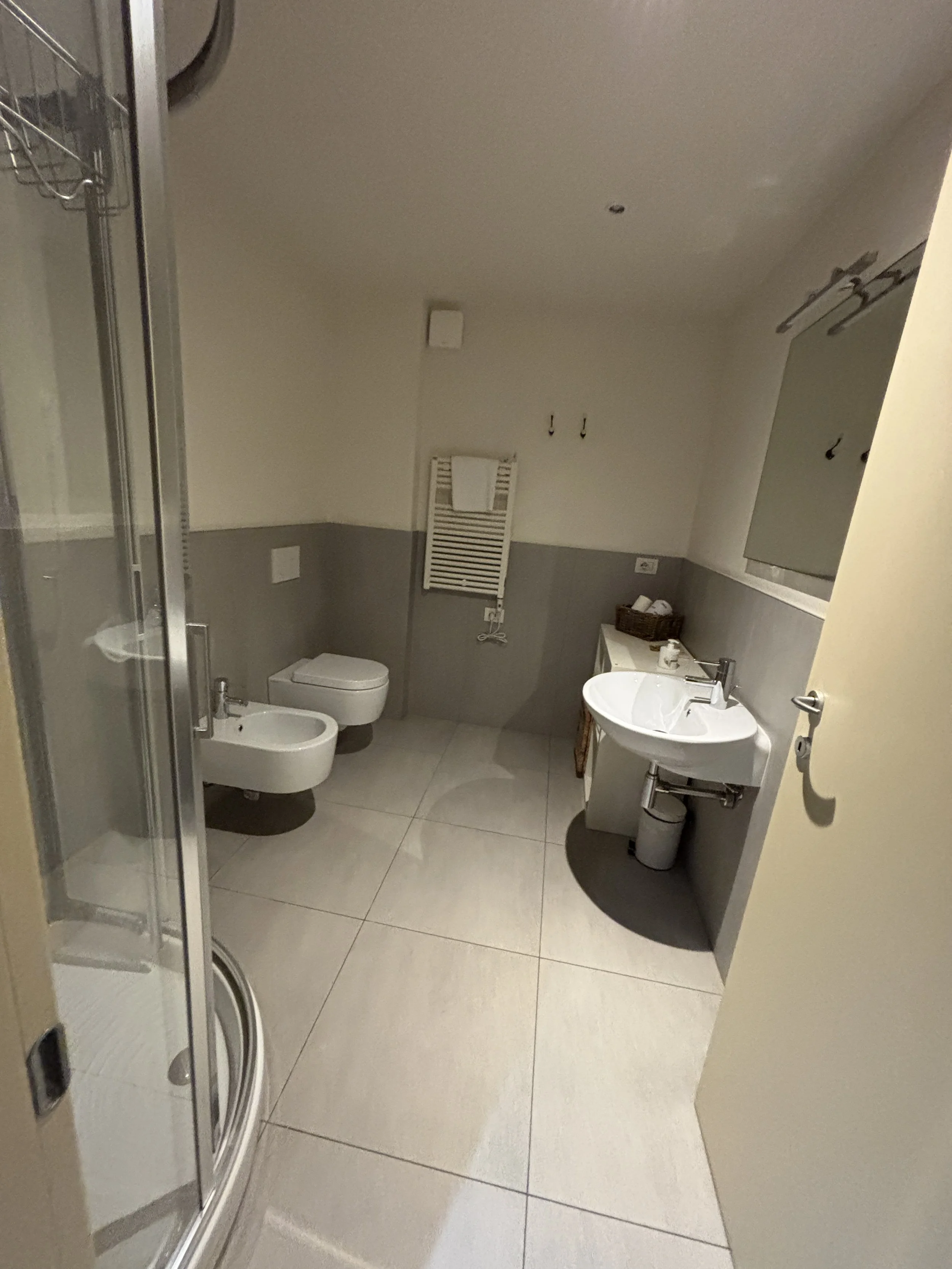
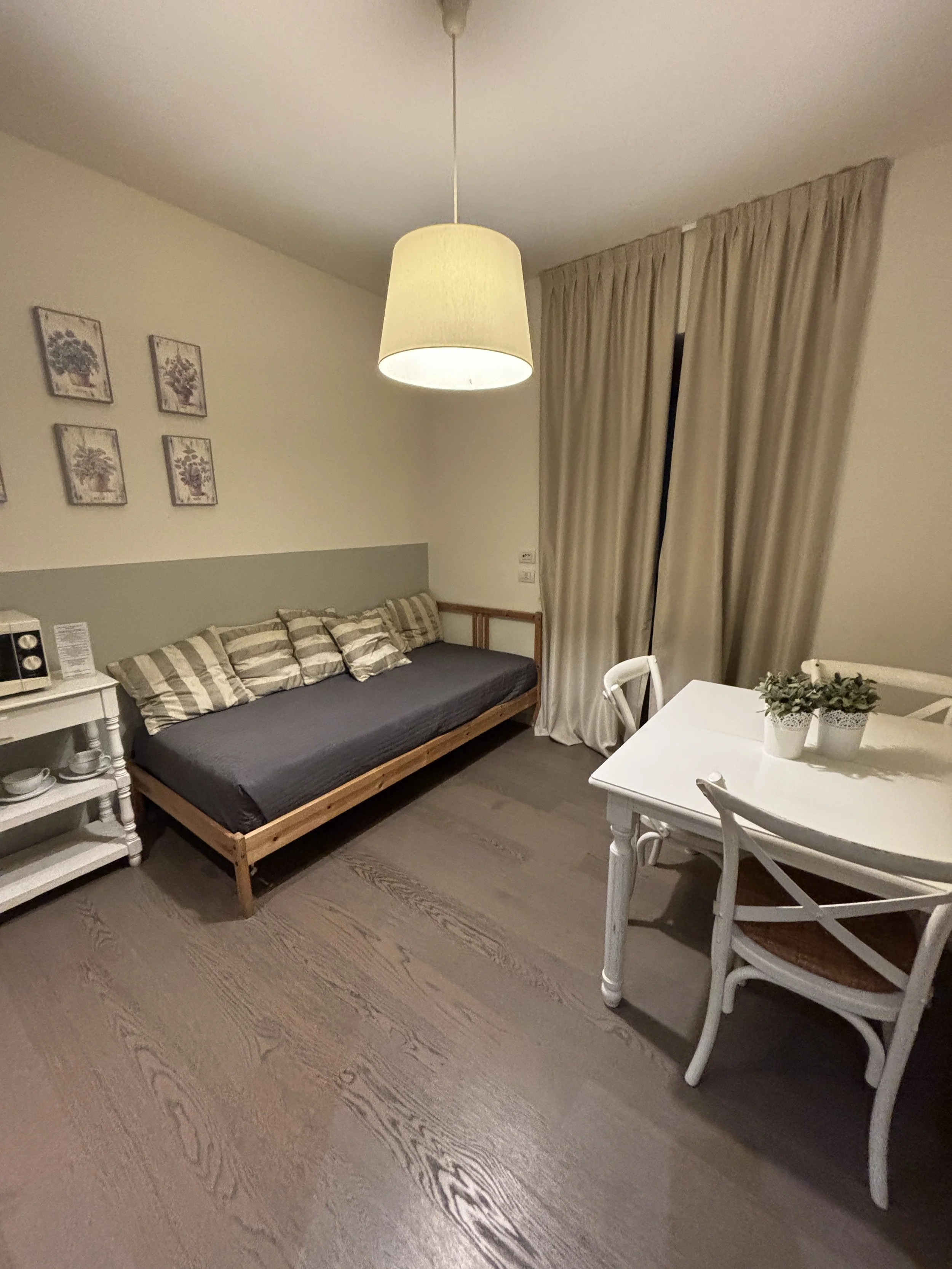
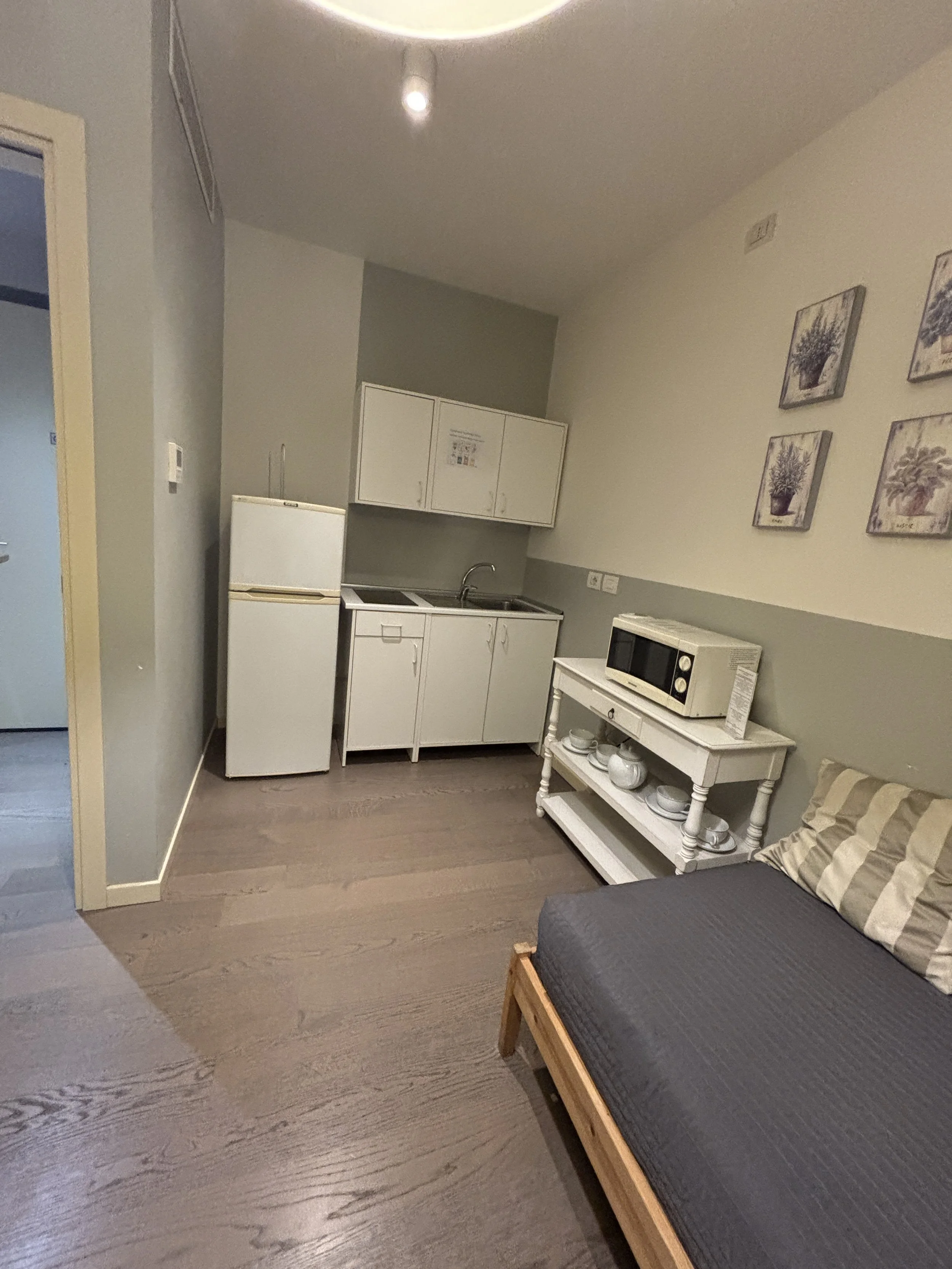
A great day excursion near Bergamo: Lake Iseo
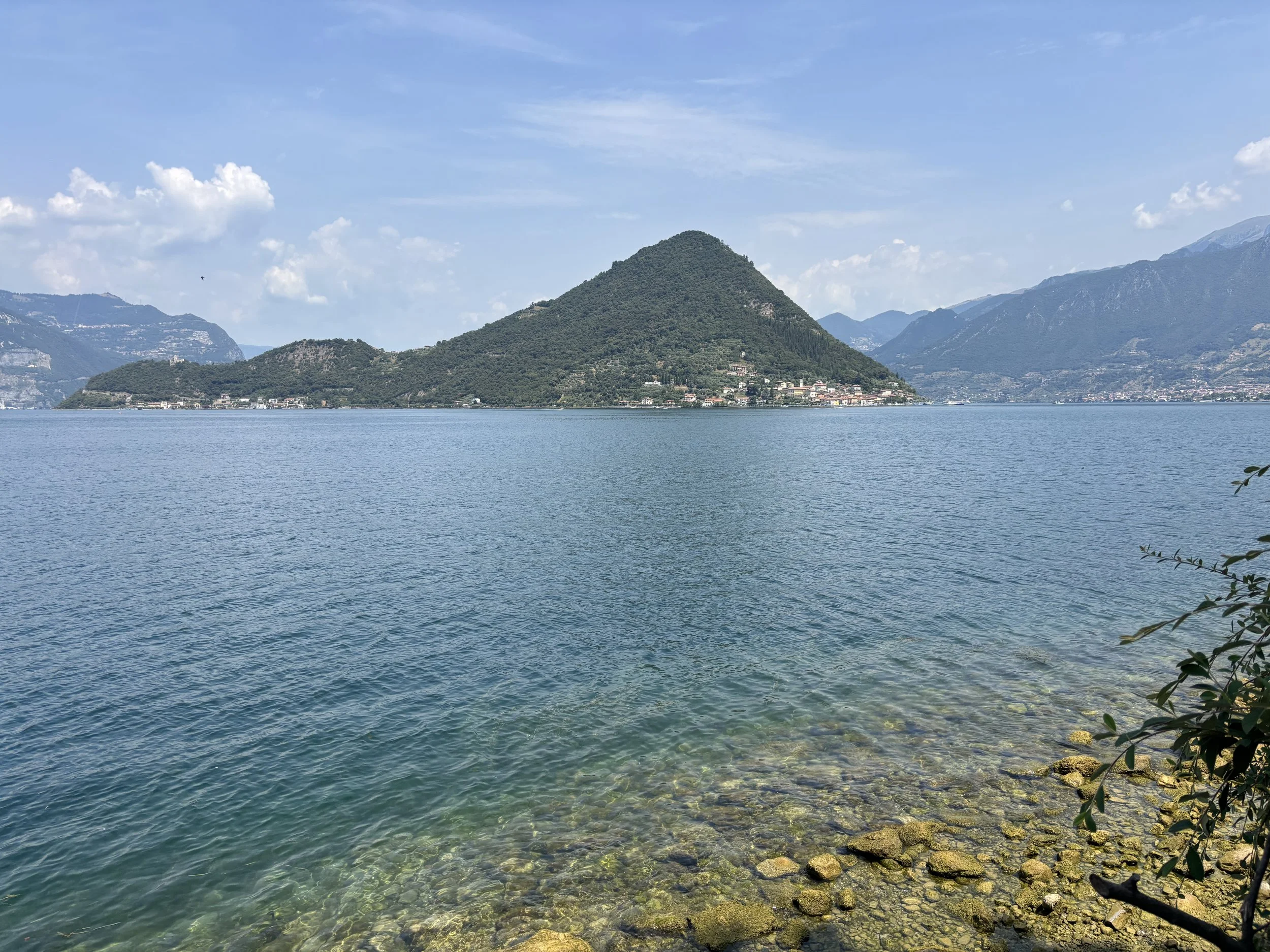
Lake Iseo (Lago d’Iseo) is one of the great lakes of northern Italy. Even if a bit smaller and perhaps lesser known than lakes Como, Maggiore and Garda, it is also very beautiful and of a respectable size.
Lake Iseo contains also the largest lake island in Europe, Monteisola, which is I cover in this post and happens to be an amazing place to spend some time if the weather is nice.
What to see around Lake Iseo
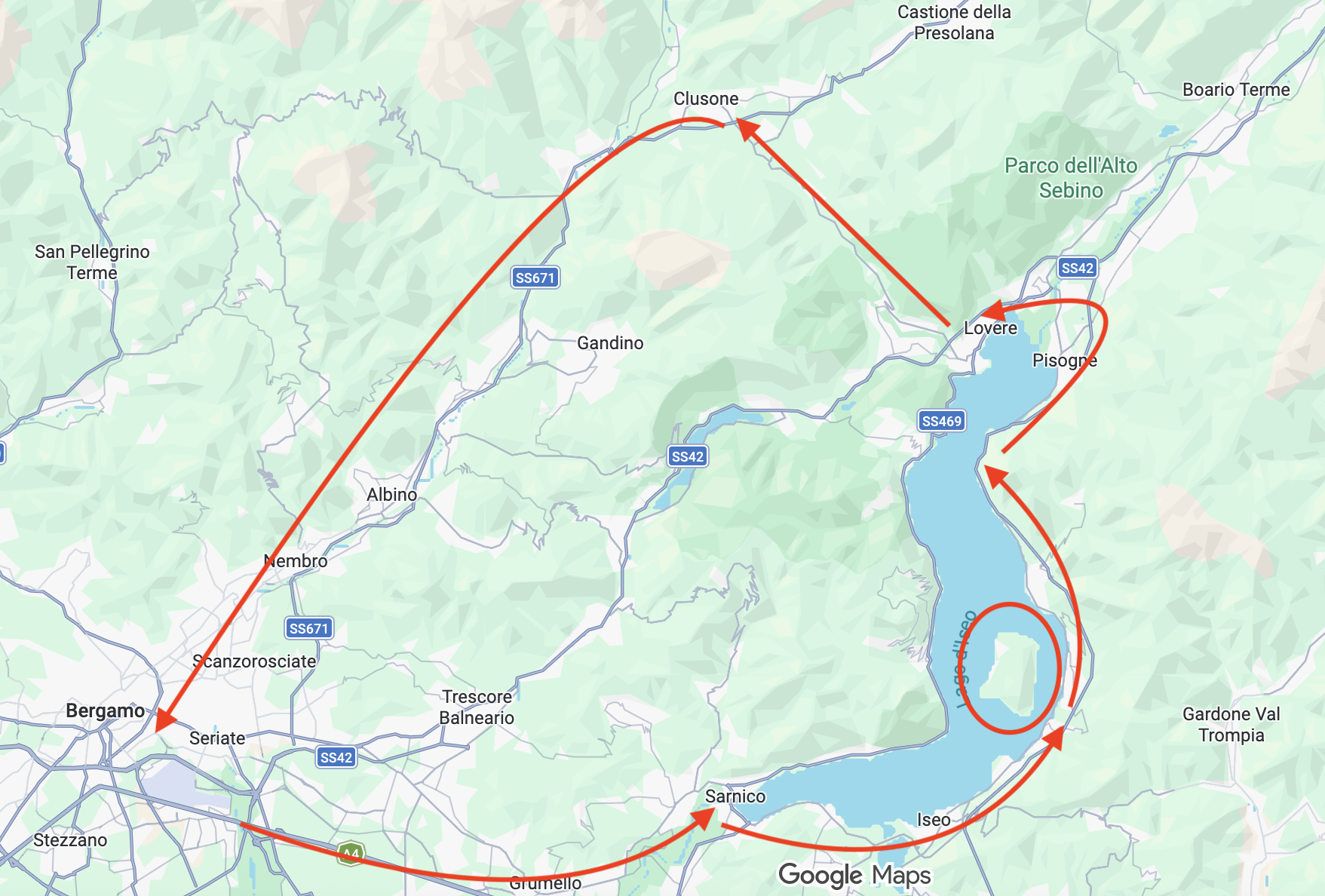
First of all, it is important to bear in mind that, while Lake Iseo is smaller than other lakes in northern Italy, it still is some 25km long by 5km of width, so it is a significant body of water.
If you are planning to visit as a day trip, it is, thus, advisable to be strategic about which spots to visit along the lake’s shores.
In this regard, my choice is clear: go to Sulzano to hop across the water from there to Monteisola, the large island in middle (actually a bit closer to the eastern shore) of the lake.
From there I drove along the eastern shore of the lake up to its head, to then turn slightly west to Lovere and then take the slightly longest but more panoramic way back to Bergamo across the mountains
Visiting Monteisola on Lake Iseo
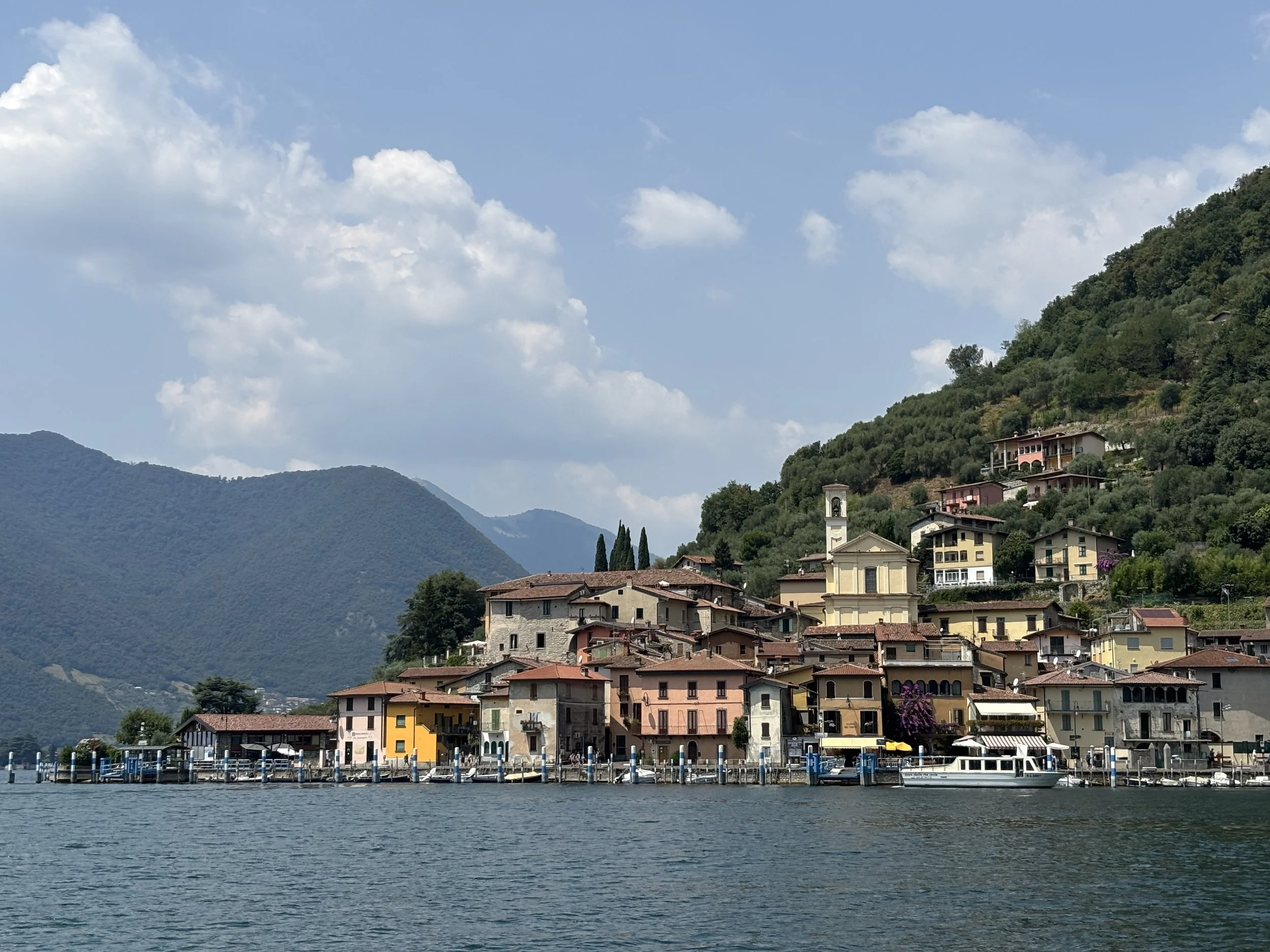
Why if I had to pick up one spot ot. visit in Lake Iseo it would be Monteisola?
First of all because it is a beautiful spot. The island is close enough to the eastern shore that from Sulzano you can make out the contours of the picturesque little lakeside village of Peschiera Maraglio. The place does not disappoint once you come in to land at its quay. This would fit perfectly the sort of setting many have in mind when they imagine the so-called “Italian dolcevita”, just without the crowds you get in places like Portofino or Cinque Terre.
Now, a word of caution: I did visit on a sunny day in the middle of July. While I am sure it is still beautiful, the whole experience may be a bit different if you visit, let’s say, on a grey day in winter!
What’s more, visiting Monteisola gives you the opportunity to have the ferry experience. There are boats connecting Sulzano to the island every 15 minutes or so. The ticket costs about €5 return. It is a really short ride, no more than 5-10 minutes, but enough to get you a new perspective of the lake.
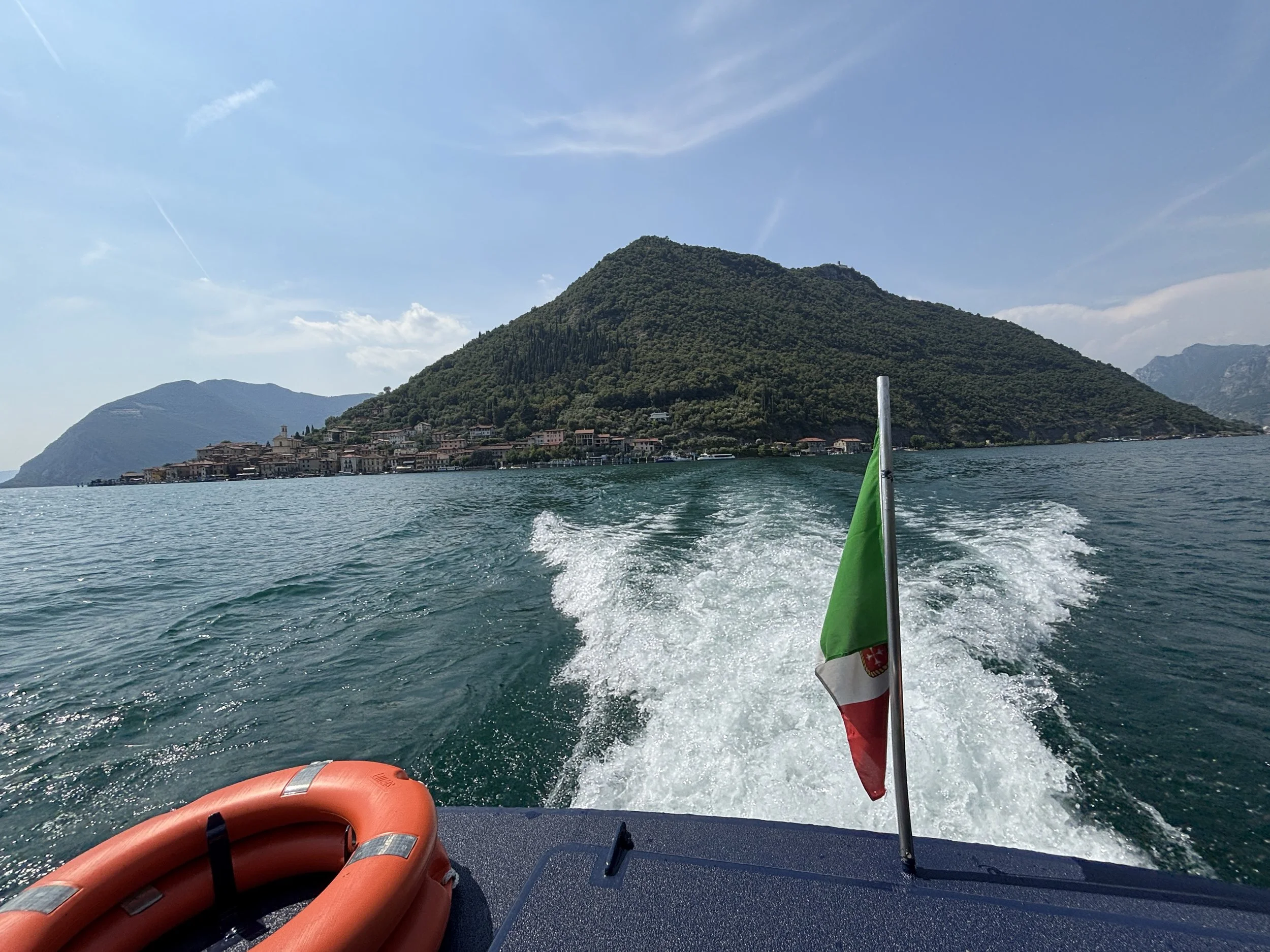
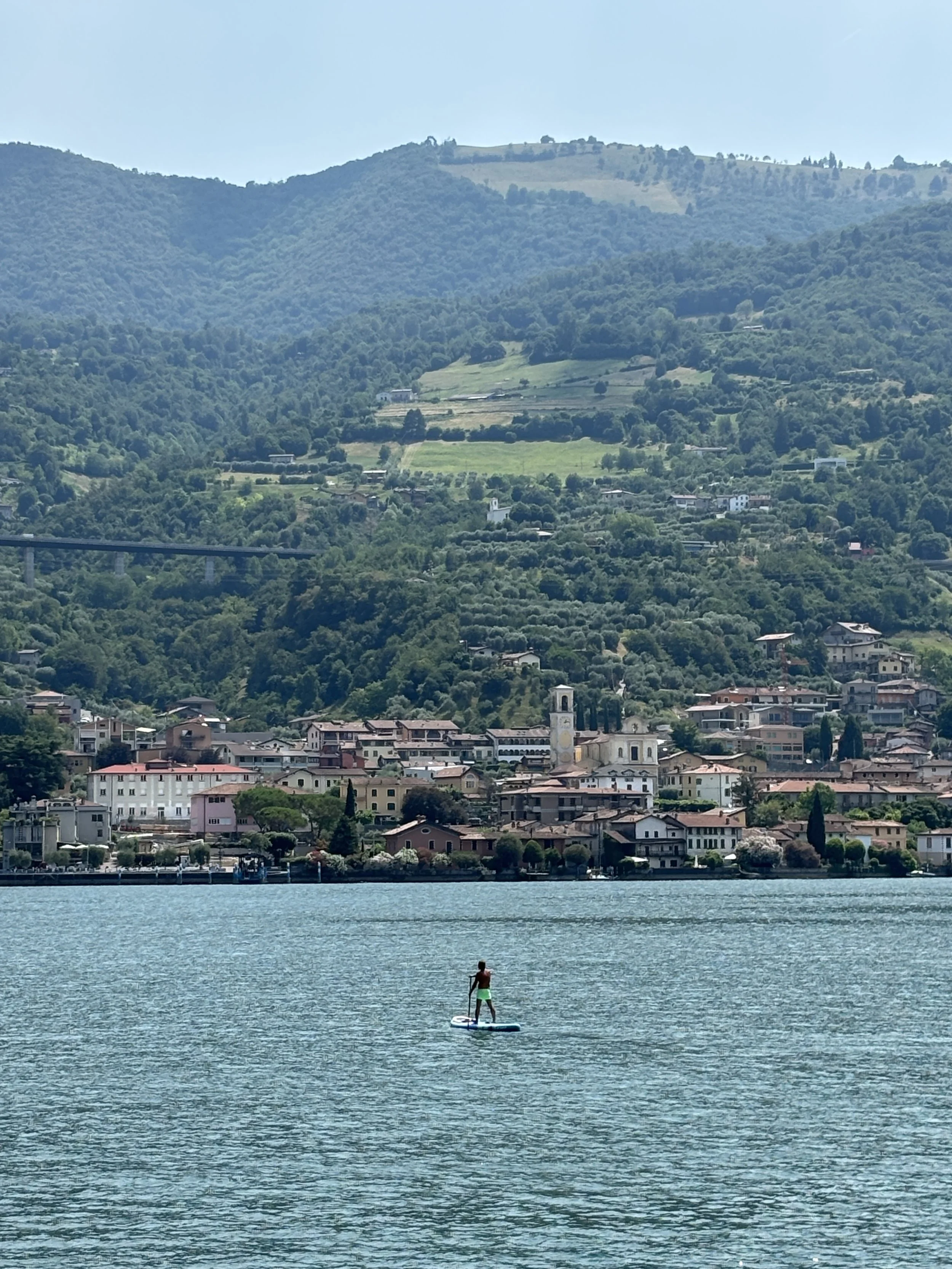
As mentioned earlier, Monteisola is the largest lake island in Europe. It has a perimeter of around 9 km and its center is a peak of some 600m of height with a monastery at the top.
Bear in mind that no cars are allowed on Monteisola and the ferry carries only people. You can rent bikes on arrival, though.
What’s more, you don’t need to visit the whole island to get a nice experience. I would say, if you are short of time, you can simply stay around Peschiera, which has also quite a few nice bathing spots around, if the weather permits.
My initial plan was, actually, to take a small winding path that takes you all the way up to the monastery, from where it is possible to get the best views of all Lake Iseo. However, it was so hot on the day of my visit that I soon abandoned this plan and switched to the beach instead.
There are a handful of public lakeside recreational areas on the south side of the island, just 5 minutes walk west of Peschiera Maraglio following the lakeside boulevard.
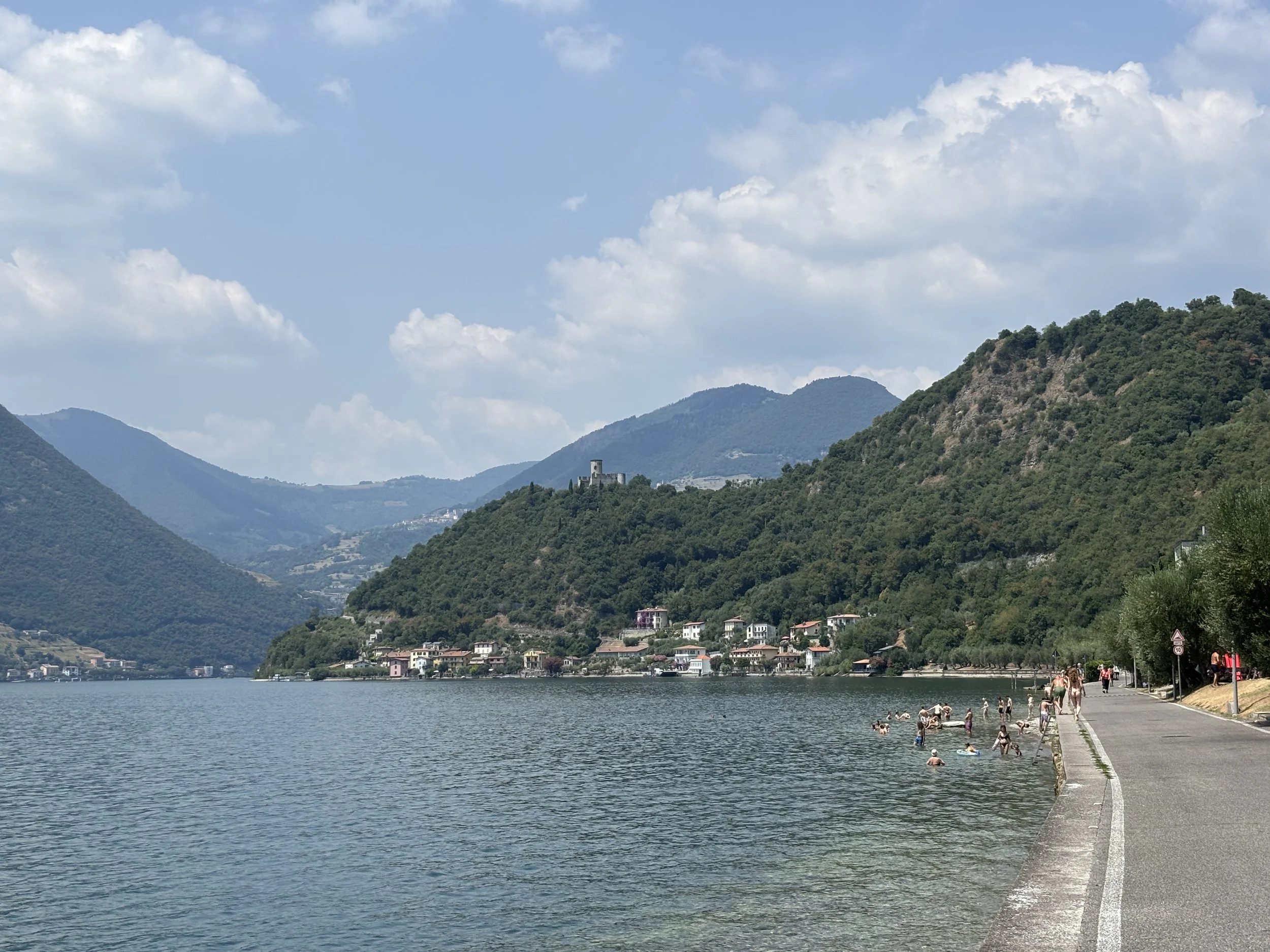
By the way, don’t expect large sandy beaches on Monteisola, the bathing spots on Lake Iseo tend to be more like relatively small openings between the rocks, with some pebbled open space where you can leave your stuff while you go for a plunge.
I mention it because, while I personally like this kind of beach, I am aware it is not for everyone!
I was surprised to find the water on Lake Iseo to be quite warm, but it was an exceptionally hot day in the middle of a heat wave when I visited, so it was possibly not representative of the usual experience.
What I can say for sure is that water was pretty clean, transparent actually, and there were plenty of fish and even ducks (and ducklings!) swimming around.
For reference, these images are from the small beach some 300m to the west of Peschiera Maraglio, on the southern tip of the island. From this spot you can also see the Isola di San Paolo, a small islet which is the private property of the Beretta family, of gun-making fame.
The Christo 2016 installation on Lake Iseo
At this point is worth mentioning a rather unique art event that took place in this part of Lake Iseo in 2016, when the famous Bulgarian artist Christo build its “Floating Piers” installation, which consisted in the construction of several ephemeral piers covered in yellow fabric which, with a length of 3km total, connected Sulzano to Monteisola and the Isola di San Paolo.
Nothing is left of those piers, although it is possible to find some decorative elements along the lake’s shores that recall that one-off episode. You can more information and some images of how it looked like here.
Wandering around Peschiera Maraglio
Besides the nature and the views, Peschiera Maraglio has a small urban nucleous that revolves around the quay.
It is here were most shops, bars and restaurants are, although there are also a handful of back streets climbing the lower parts of the hill and leading up to the village’s small church.
While this is obviously a tourist spot, it has preserved a modicum of authenticity.
You can try, for example, a local speciality, the Salame di Monteisola, which is a type of salami that is smoked in a cellar through an artisan process. And you can also complement it with a nice artisan ice-cream and some pastries from the local bakery.
So, here are my recommendations of casual places to eat in Peschiera Maraglio (I didn’t go to any “formal” or upmarket restaurant although there a few of these places too, if this is your preference). The options I mention here are all found within 20 meters of each other and can be combined for an on-the-go type of meal:
La Tindirlana, for a bite of Salame di Monteisola
L’Isola, for a scoop of tasty gelato
Forneria Ziliani, for some local tasty buns
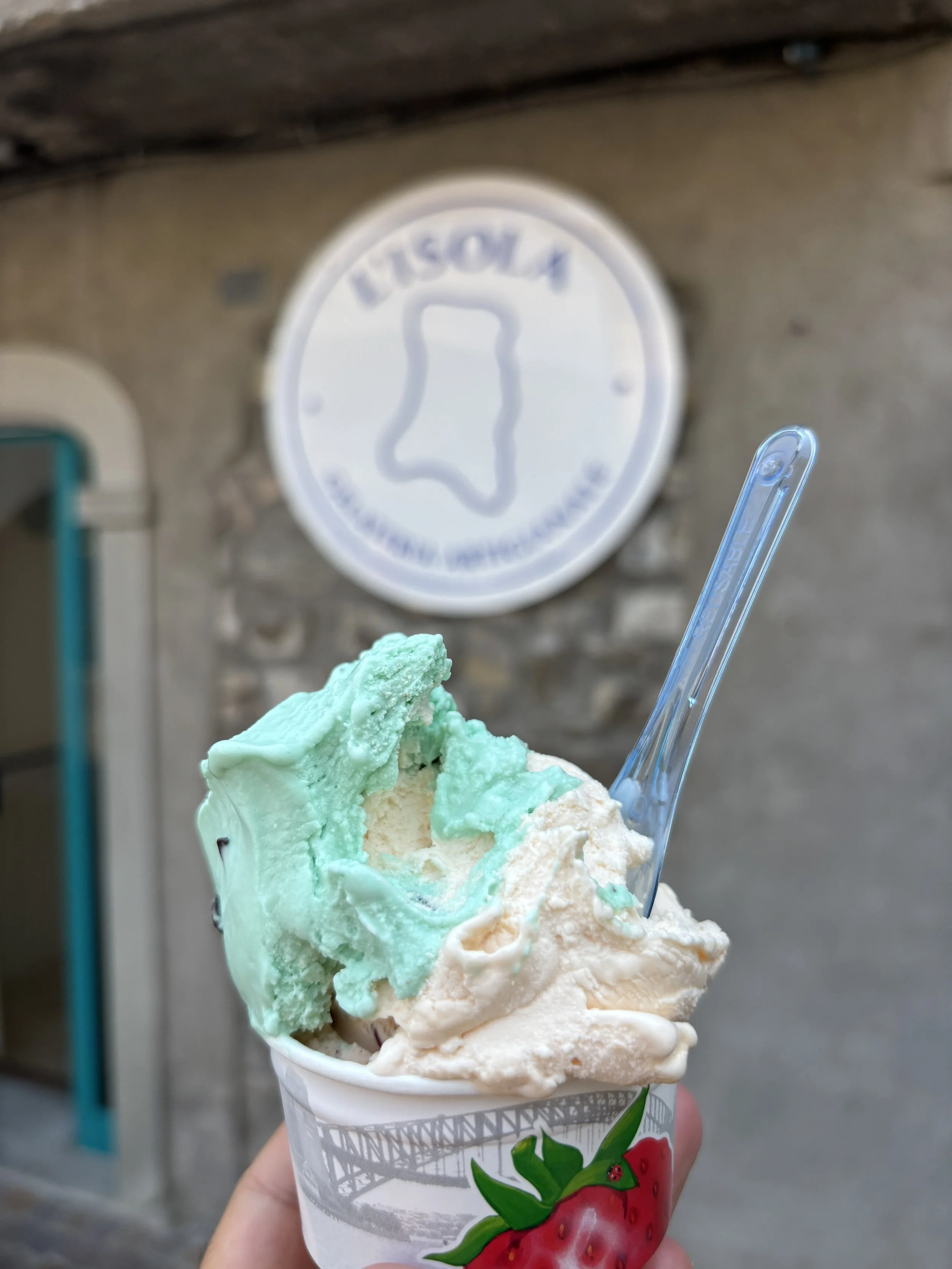
Other spots to bathe in Lake Iseo
There is no shortage of bathing places on Lake Iseo. The only issue is finding places that are easily accessible from the road and with parking space at hand.
Signage on Italian roads is not great, so be extra attentive, because there are long stretches of road on the eastern side of Lake Iseo which are fully tunnelled, which means that if you take the wrong exit you may end up tens of kilometres from the intended destination.
There are several bathing spots on the mainland around Sulzano, for example, particularly on the south side of the town, and also near Marone and Pisogne, a bit further up the lake from Sulzano.
I personally went for another swim in the vicinity of Toline, which is a hamlet just to the south of Pisogne. There you will find a small beach area just south of the urban centre with some parking space nearby. As in Monteisola, the beach here is made of pebbles, so better carry some type of sandals that make it easier to get to water!
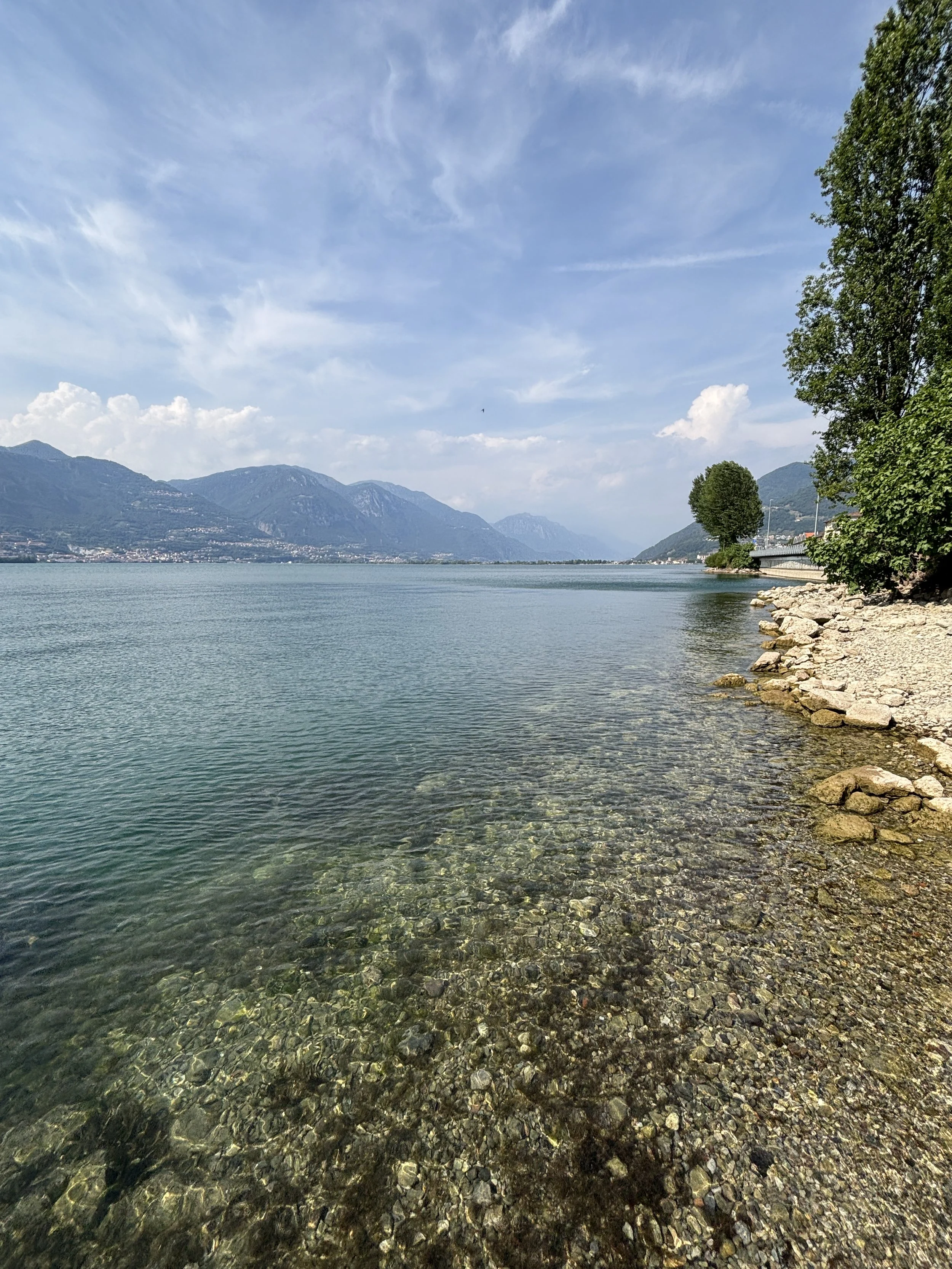
More interesting places around Lake Iseo: Lovere
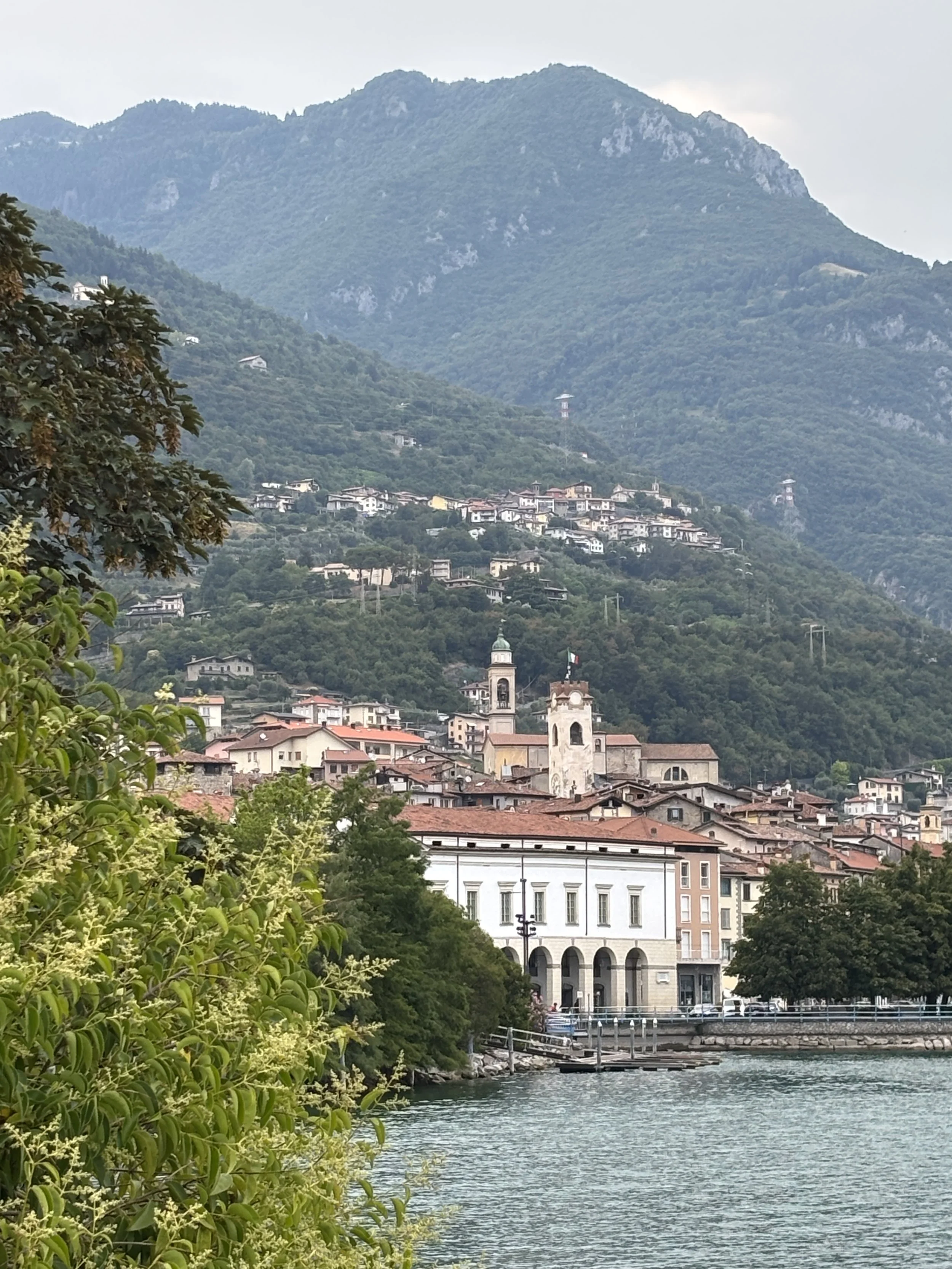
The lakeside town of Lovere is on the northwestern side of Lake Iseo.
Lovere is included in the network of the most beautiful villages of Italy (“I borghi piu belli d’Italia”), which I found to be perhaps a bit of an overstatement. This is not because Lovere is lacking in charms, but because in a country like Italy, in which competition on the beauty front is fierce, this label raises perhaps some irrational expectations.
The best views of Lovere are actually from outside the village proper.
The marina area just to the south of downtown, offers a view of the village, silhouetted against the background of the lake and the nearby mountains.
Even if parts of the town are now relatively modernly built, Lovere is actually pretty old and it still keeps some urban elements that date back to the Middle Ages.
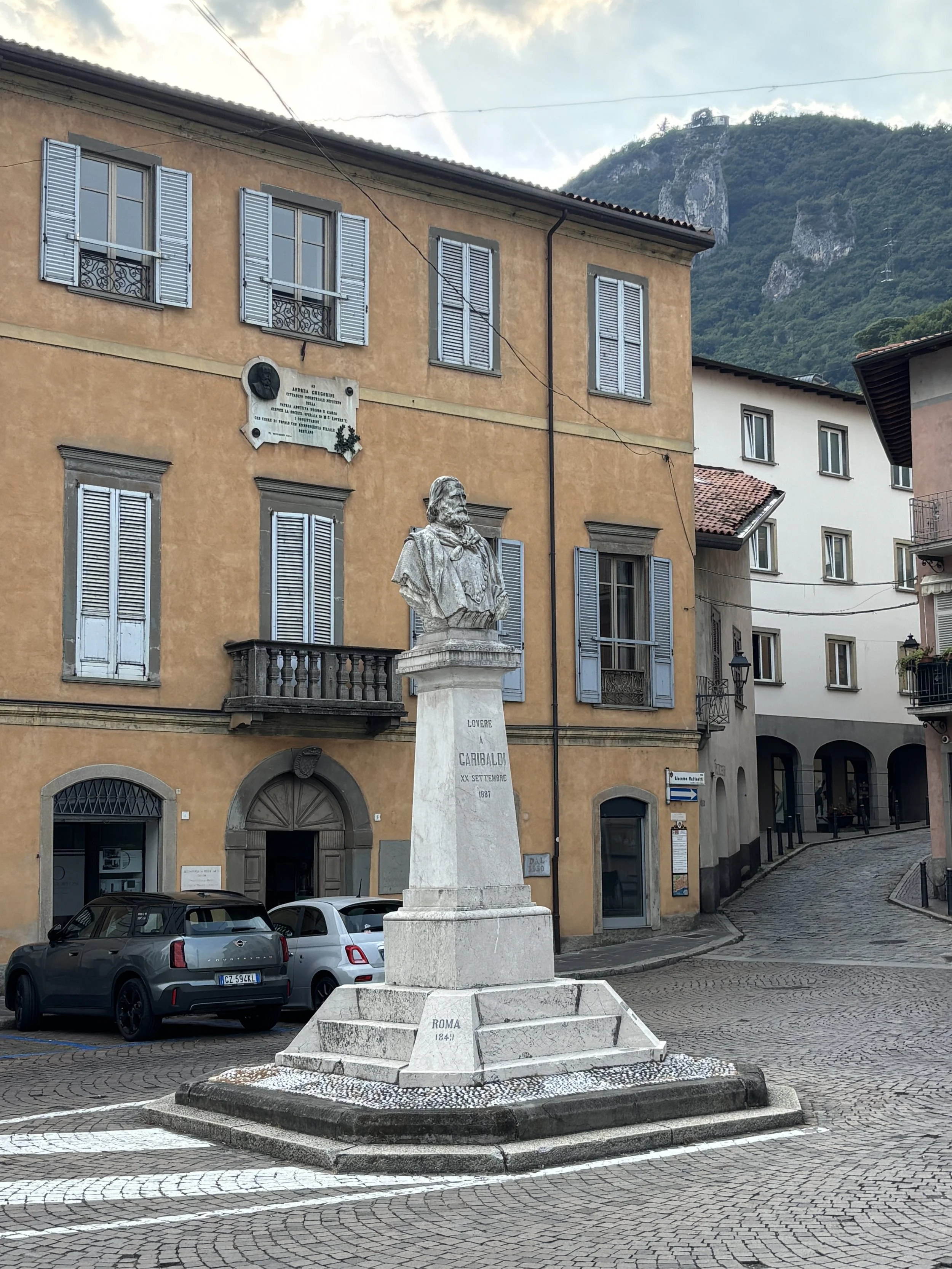
If you were to visit just one place in Lovere, go to Piazza Vittorio Emanuele I (depicted below), which is really picturesque and has a bust of the said king at its center.
By the way, just like Bergamo, Lovere has its own art and history museum set up in the late 18th C. by a local aristocrat, Count Luigi de Tadini. It hosts art and archaeology collections as well as a section about the Italian Risorgimento. I didn’t have time to visit it, but I thought it worth mentioning!
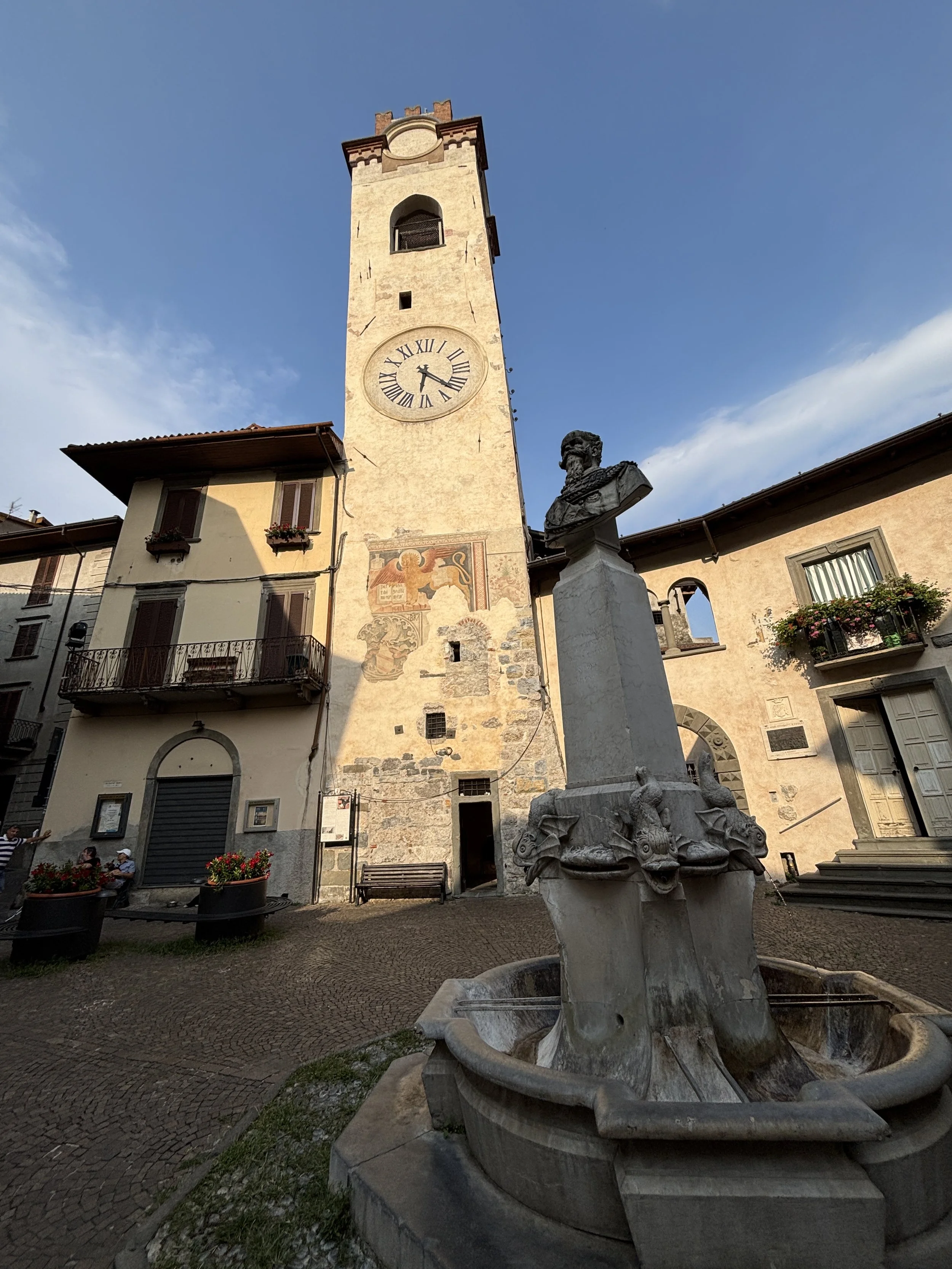
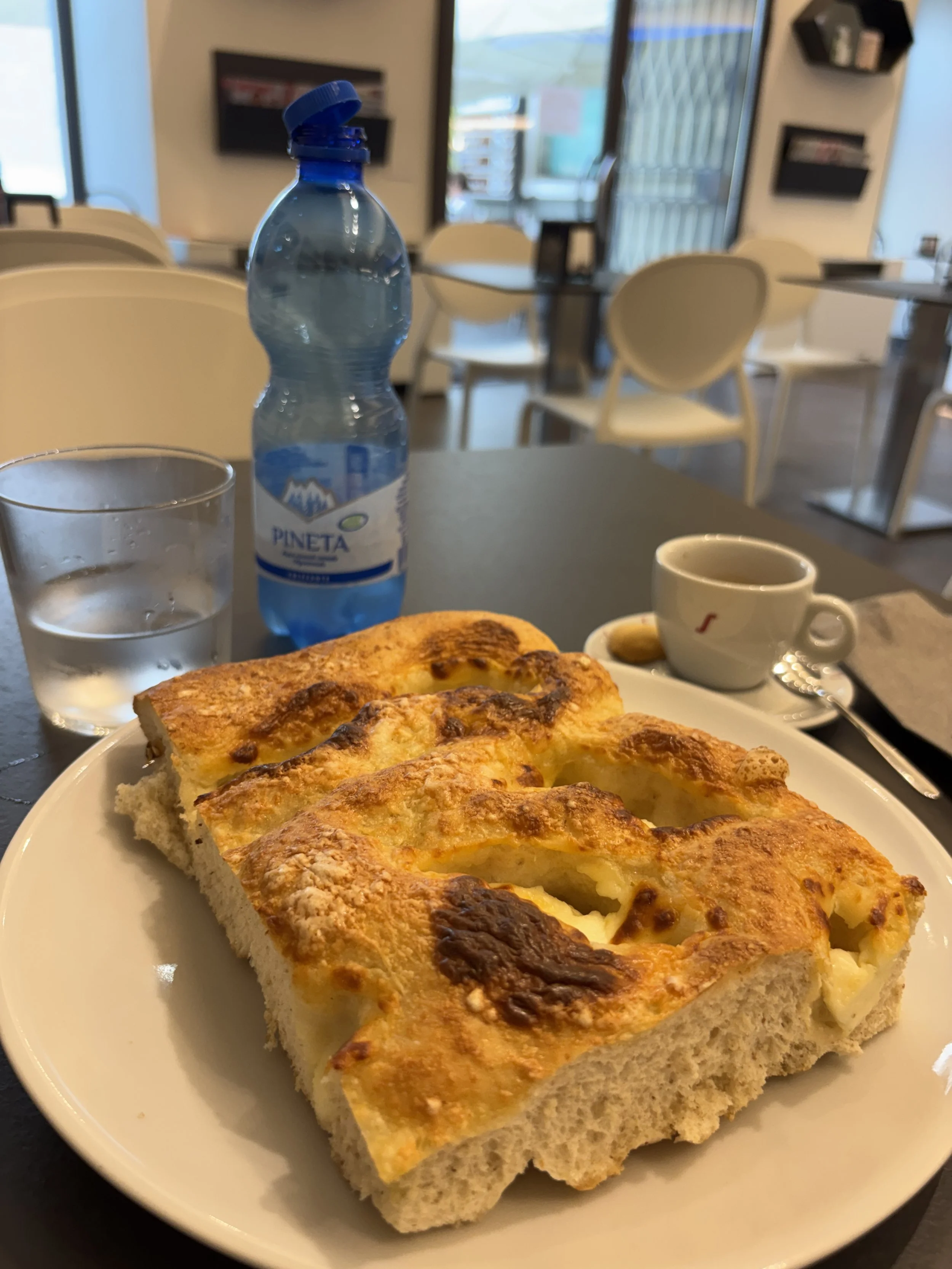
A place to have coffee in Lovere
Minuscoli Lovere
Via Tadini, 28, 24065 Lovere
This is a rather modern place, so, don’t expect the classical, old-style Italian café which may have been around at the time of the Risorgimento.
However, I quite liked it, because it had nice, clean, spacious and air conditioned premises, it offered a great choice of pastries.
It is located on the main lakeside road, on a small square just by the quais, so not in the very center of the historical town, but convenient if you have left the car in one of the parking lots by the lake.
I think that what this place lacks in history and authenticity more than makes it up in the choices available and nice and efficient service.
Bonus tip: visiting Clusone, in the Val Seriana
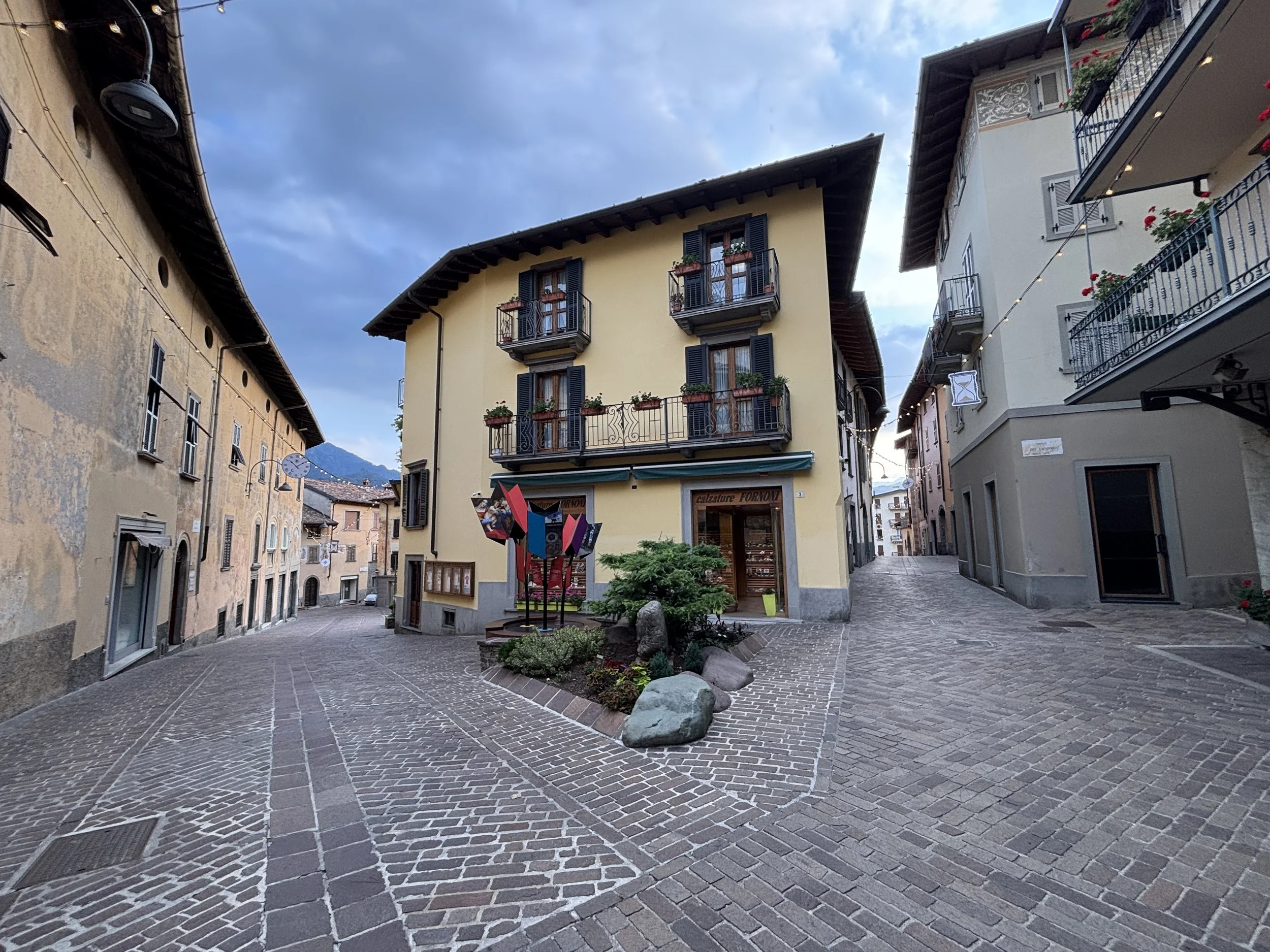
If driving back to Bergamo from Lake Iseo, you may consider, instead of returning via Sarnico and the main motorway, to take a bit of a detour through the mountains of the Val Seriana.
This route allows you to see this part of the Alpine foothills and the town of Clusone, which, like Lovere, is also included in the network of Italy’s most beautiful villages.
Clusone has also a medieval center with a few rather unique things to see
An astronomical clock (Fanzago clock) on the Palazzo Comunale, this is quite a unique piece of craftmanship. Designed by a local mathematician called Pietro Fanzago. Since 1583, Clusone’s astronomical clock has marked hour, day, month, the moon phase, and zodiac signs simultaneously.
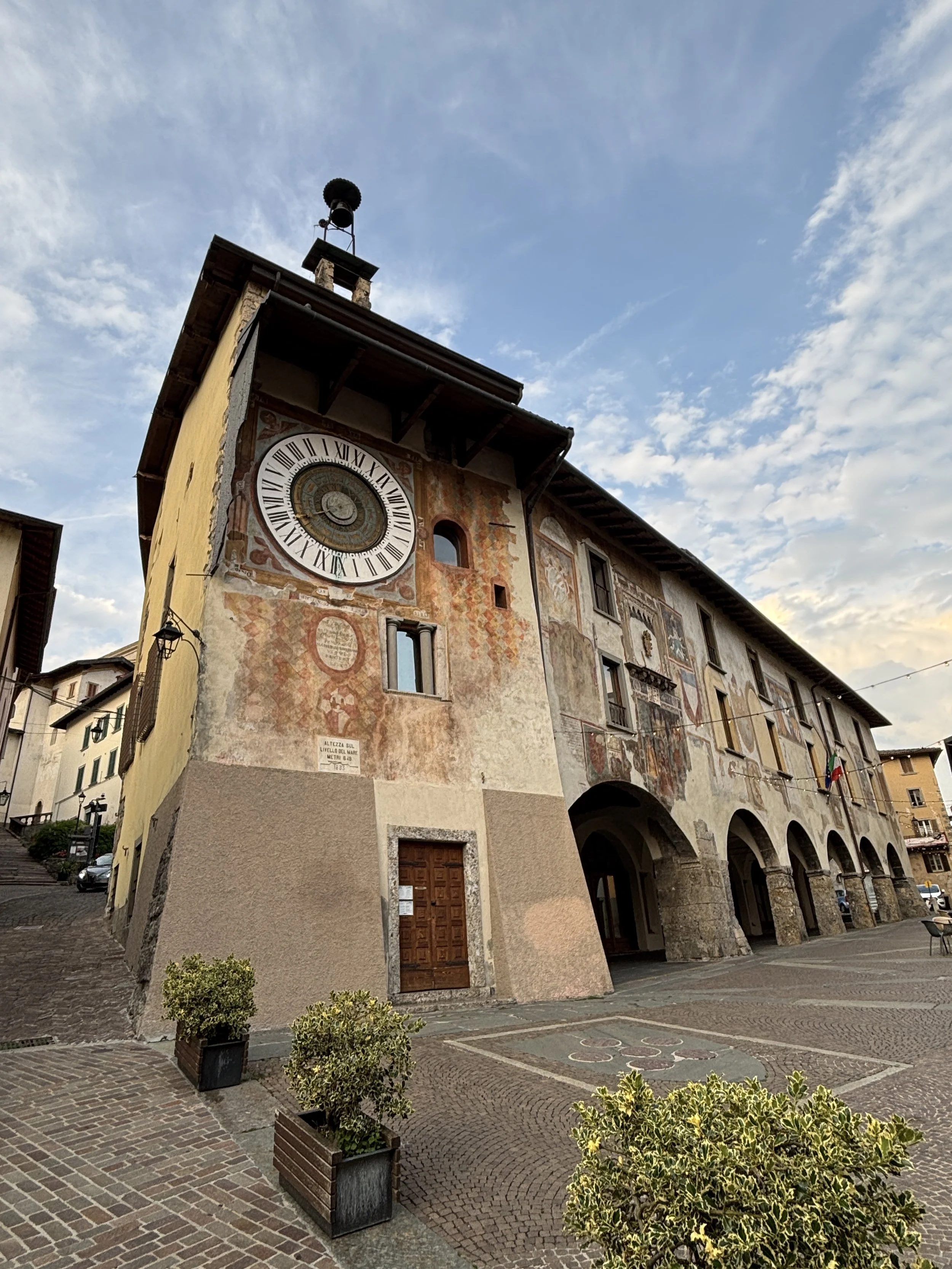
The "Danza Macabra" fresco, painted in 1485 on the Oratorio dei Disciplini di San Bernardino, which is essentially a “memnto mori”, a reminder of mortality and Death as a great equalizer. It is located next to the Basilica di Santa Maria Assunta e San Giovanni Battista, which is a rather impressive 17th C. church built at the highest point in downtown Clusone.
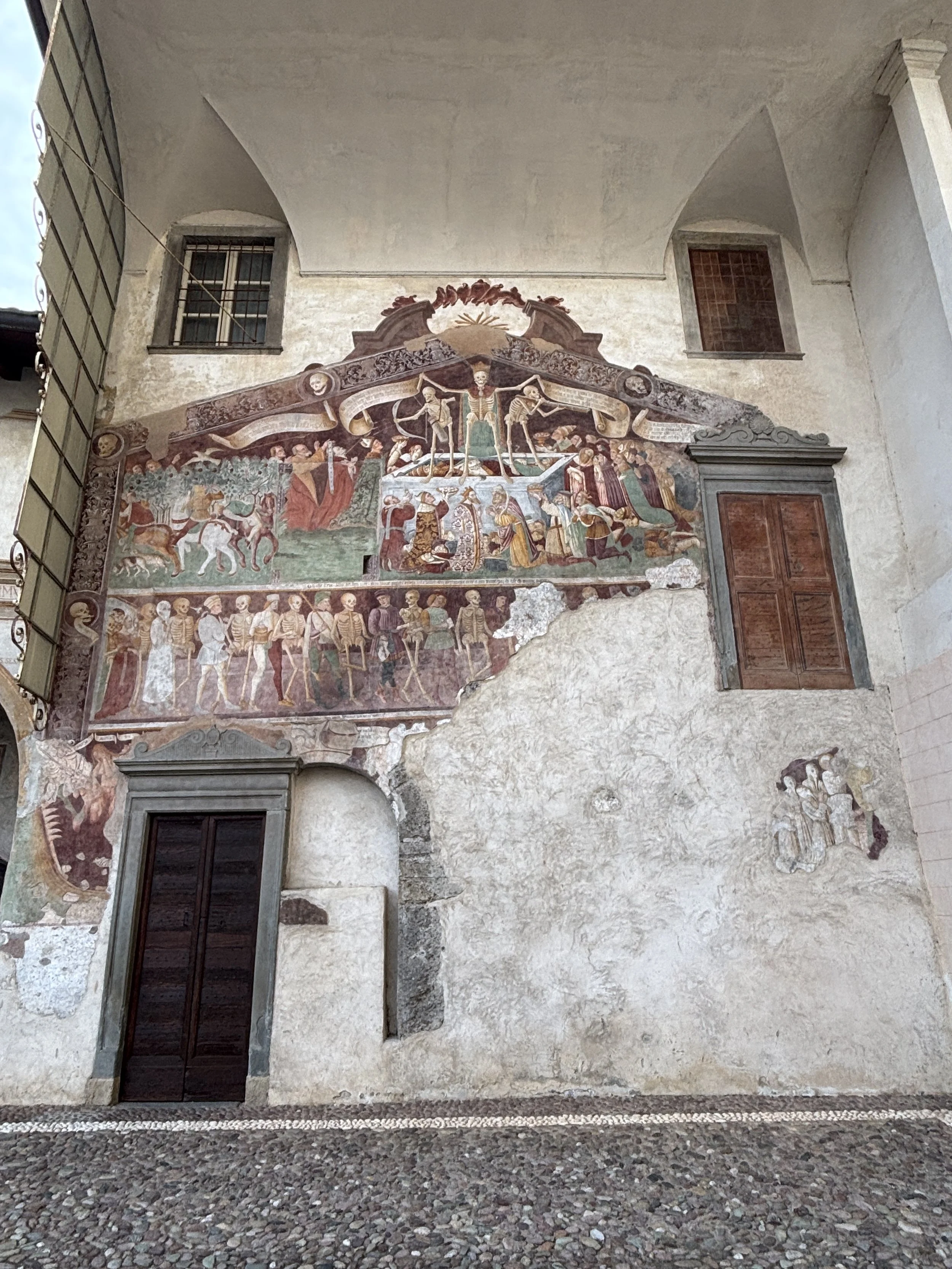
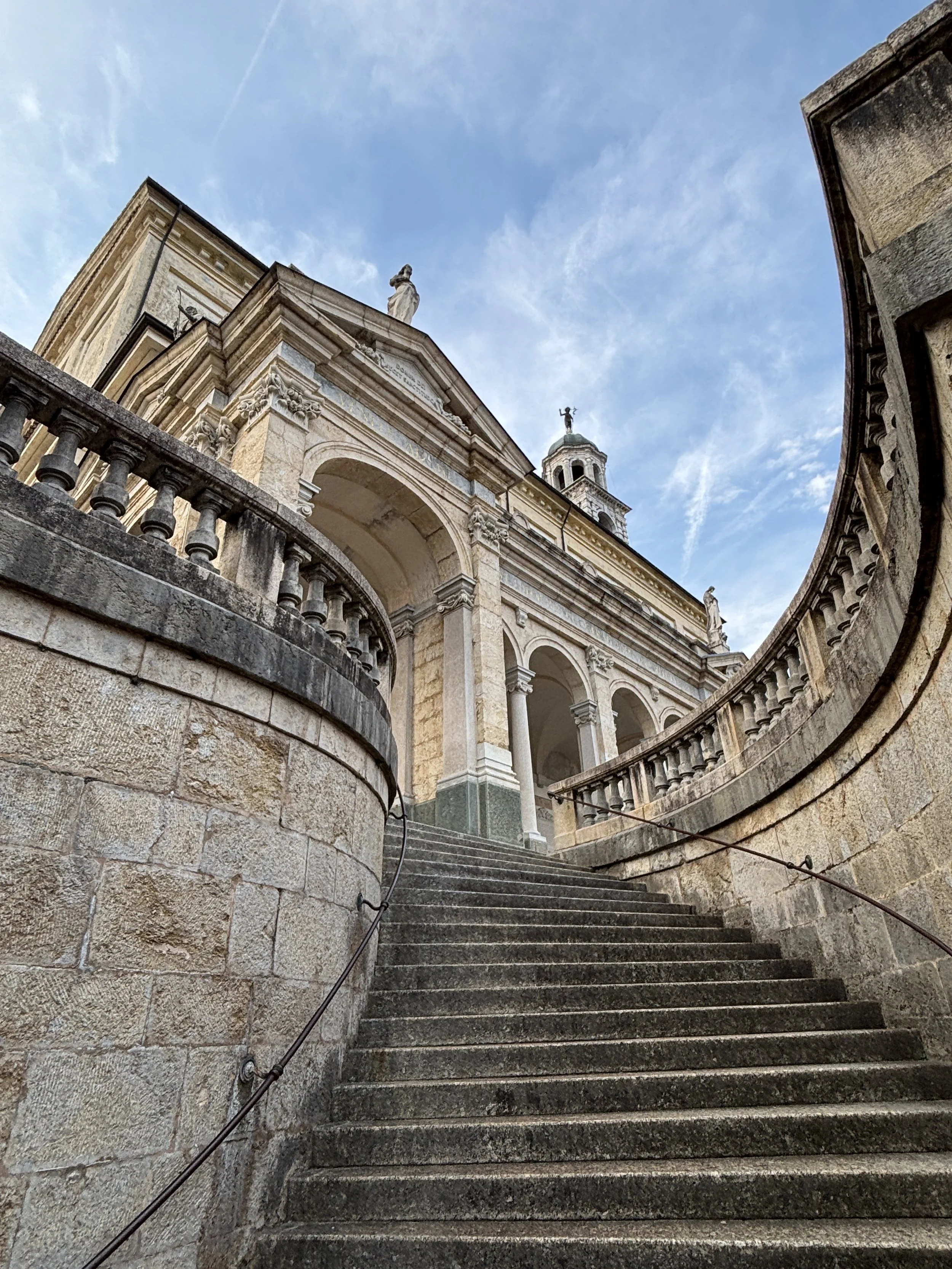
The Chiesa di Santa Anna, built in late 15th C. and featuring some restored 16th C. frescoes on its facade.
The Monte Polenta (suspected location of a lost castle). This hill just outside Clusone takes its name from the fact that its shape reminds of the traditional presentation of polenta, the northern Italian dish. There may have been some sort of fortification here in the early middle ages, but, apparently, archaeological research has been inconclusive. What is sure is that from its top you will get some of the best views of Clusone and the surrounding countryside.
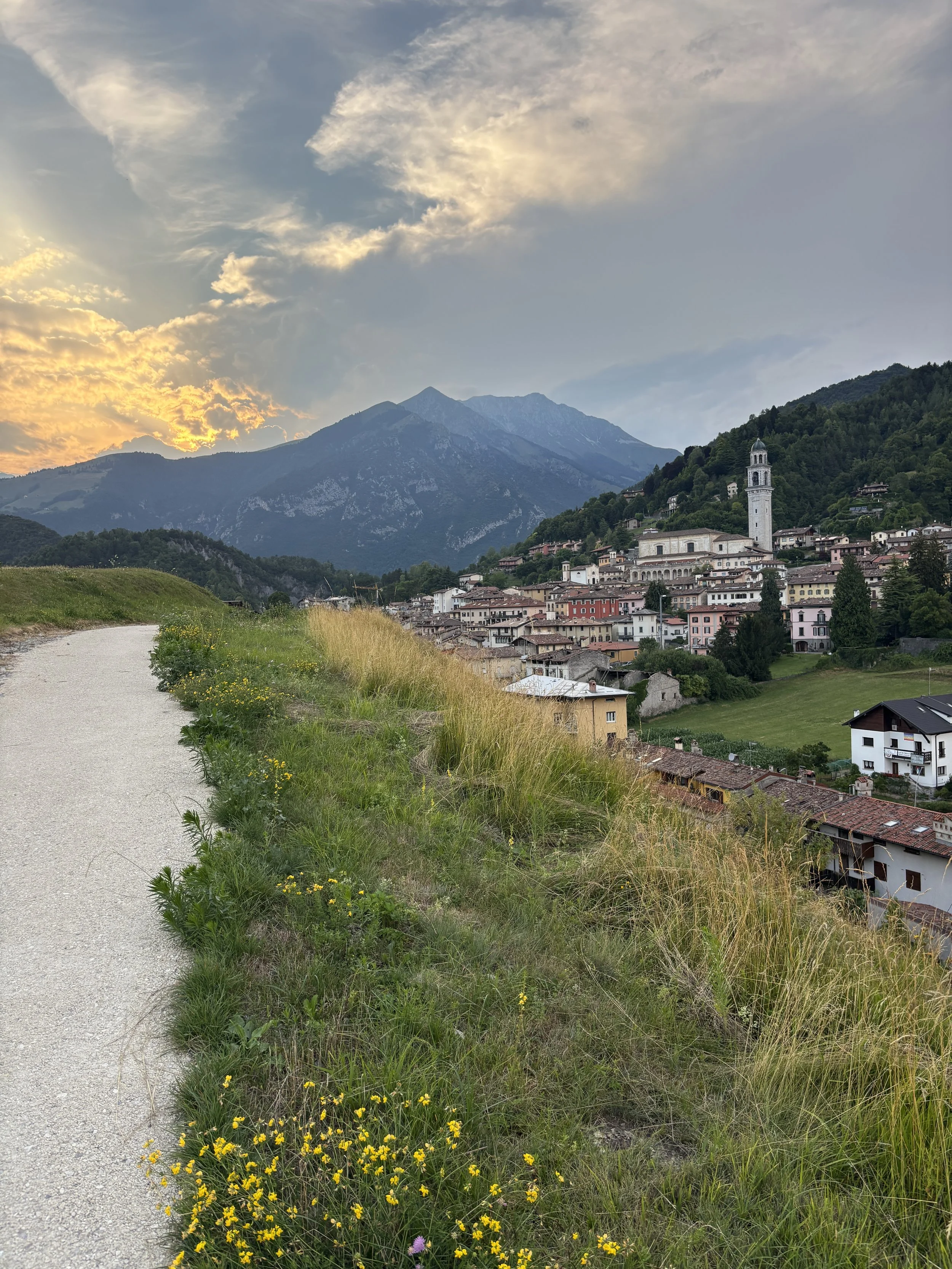
There are also a fair number of cafés, restaurants and shops in Clusone, unfortunately, I am not able to recommend any, because mine was a rather quick visit, a literal pit stop, in the evening.
From Clusone it is around 37 km by car down the Val Seriana to Bergamo.
If you are travelling around Italy, you may find the following posts of interest too!
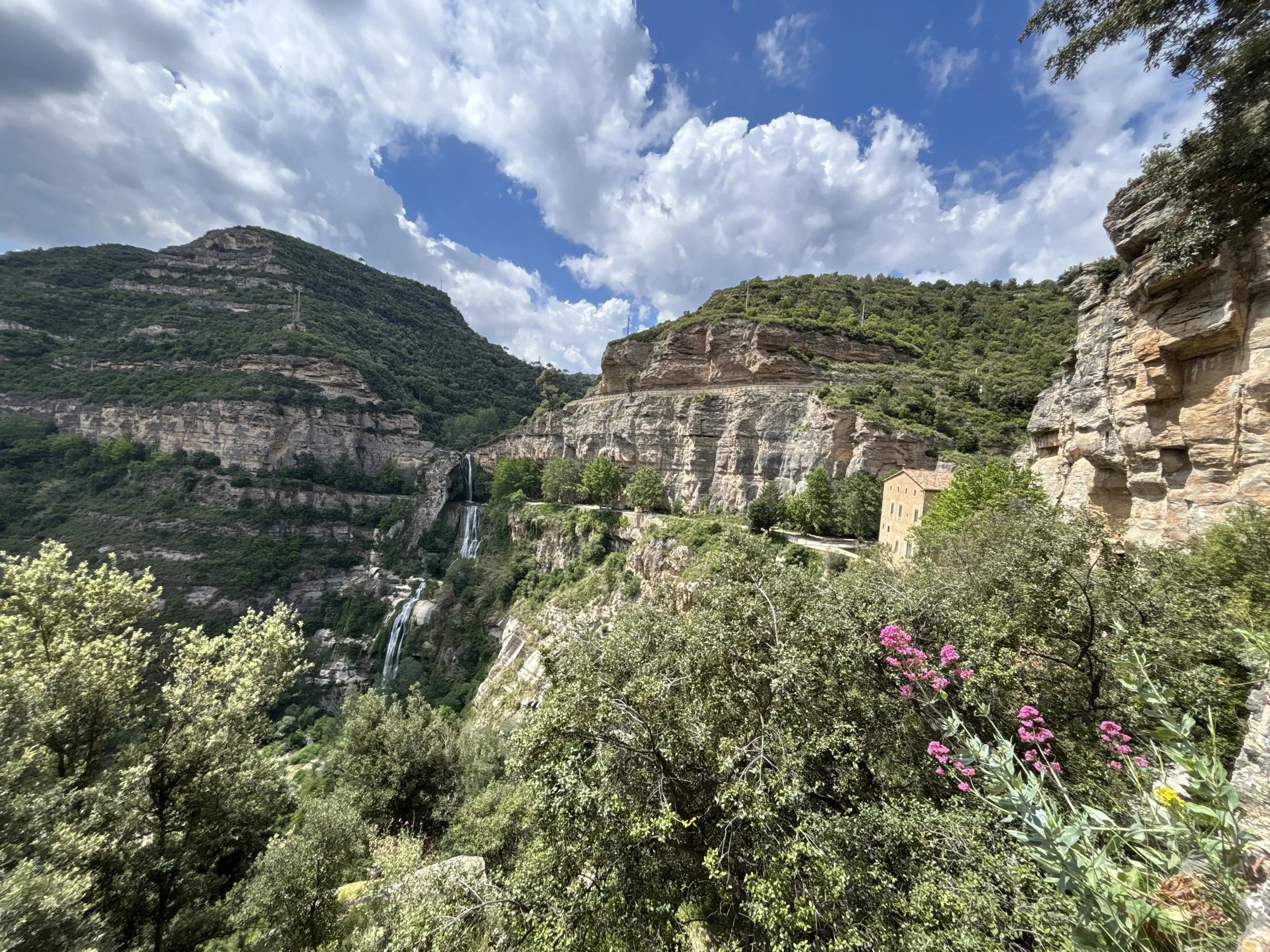
3 Great unusual day excursions from Barcelona: mines, waterfalls & castles
Barcelona is one of the world’s top tourist destinations. This is so to the point that concerns have been growing that some of the city’s best known landmarks, such as Gaudí’s Sagrada Familia and the picturesque streets of the old town may be approaching saturation point.
As some of its landmarks are becoming increasingly well-known, it is natural that many visitors start looking for other types of experiences.
There is a wealth of interesting places within easy reach of Barcelona that make for great day excursions.
In this post I suggest just three great day excursions from Barcelona. There are many more interesting places, but each of these represents a truly unique place which combines some natural and historical appeal and also each of them represents a different type of requirements when it comes to distance and time.
By the way, only the first of them is relatively easy to reach by public transportation from central Barcelona, for the other two I really recommend getting a car.
So, here are three great day excursions that you can do from Barcelona, by order of distance.
The prehistoric mines of Gavà (required time: 3h)
The waterfall and monumental cliffs at Sant Miquel del Fai (half a day)
The salt mine and castle of Cardona (full day)
1- Visiting the Prehistoric Mines of Gavà
So, let’s start with an excursion which is just on Barcelona’s backyard and very close to its international airport, actually.
Today the city of Gavà is a Barcelona suburb, but 6,000 years ago (between 4,000 adn 3,000 BC) this place was the site of a large neolithic mining complex.
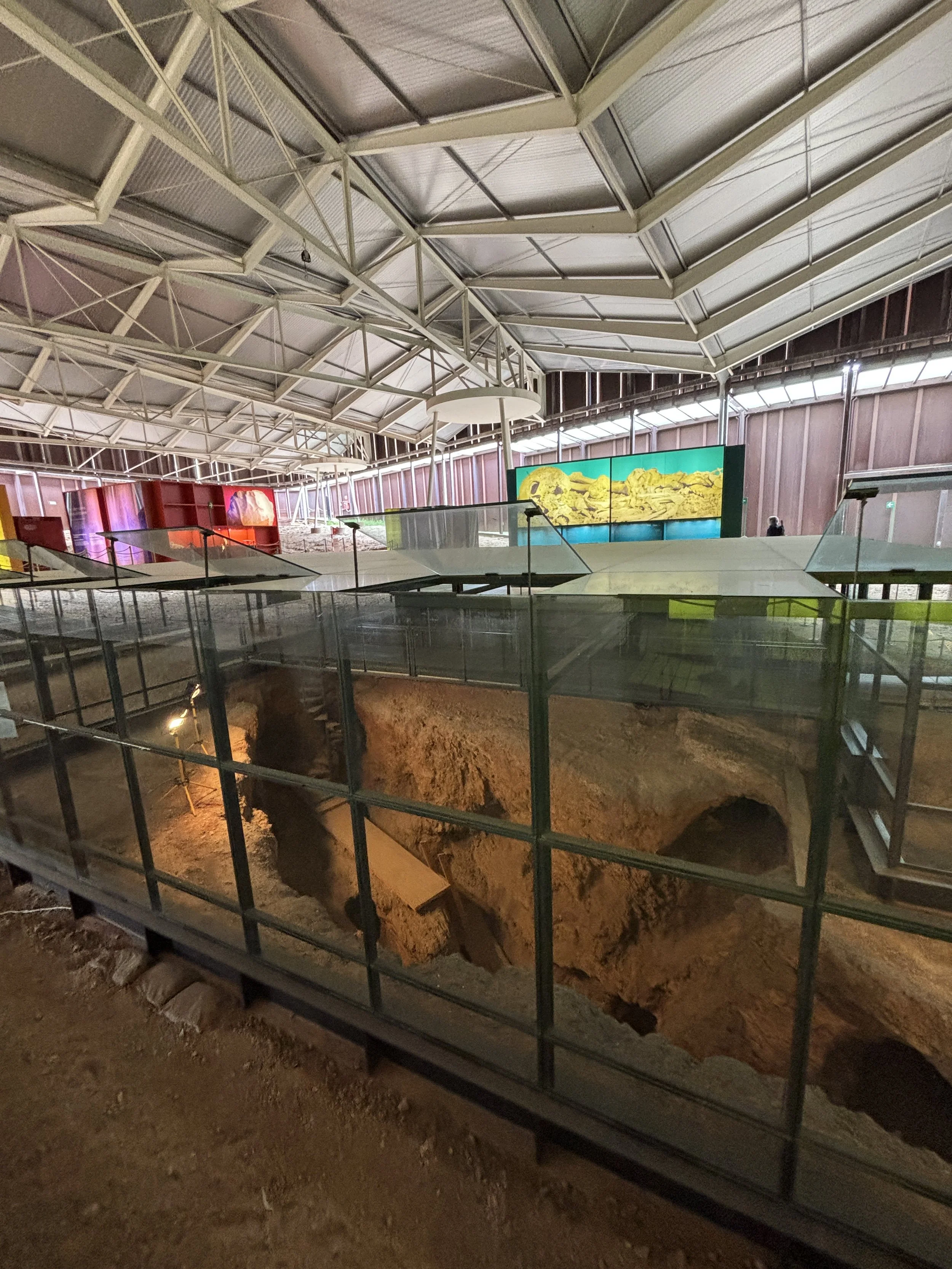
The galleries, which constitute one of the largest known mining complexes of that era anywhere in Europe, were dedicated to the extraction of variscite, an aluminium phosphate prized for its turquoise coloring. This material had an ornamental function but was likely also used as a stored of value and medium of exchange, not unlike precious metals.
What’s more, the people that exploited these mines didn’t have metal tools! The digging was made with tools made of red deer antler and stone.
The site was huge for its time, extending over at least some 200 hectares (almost 500 acres), most of it under the territory of the modern city of Gavà.
The people that worked at this site were part of what has become known as the “Sepulcres de fossa culture”, which thrived in what is now Catalonia and parts of southern France all the way to Switzerland. They are called this way because they buried their dead in pits, and, indeed, this is what they did with some of the galleries at the mines, where archaeologists have found ancient human remains.
The mines were discovered by chance in the 1970s and archaeological research has been going on since.
In 2007 an immersive modern museum was opened at the site, the “Parc Arqueològic de les Mines de Gavà”, which allows you to literally walk on top of the mine pits and enter a full-scale reconstruction of the mine’s galleries.
The latter is perhaps the most interesting and exciting part. Sadly, when I visited and due to some issues with lighting, I did not manage to get a picture of good enough quality to post, here, so you will need to imagine it. But I can tell you that it is quite an interesting experience (you even have to wear a helmet, since it is really an exact replica of the real thing!).
How to get to the archaeological park of the Gavà mines?
The easiest way to reach Gavà from central Barcelona using public transportation is to take the suburban train.
The R2 Line runs from Plaça Catalunya to Gavà several times every hour, with an approximate travel time of 25 minutes.
Having said that, suburban rail service in the Barcelona area has become notoriously unreliable at the time of writing these lines, in mid-2026, so I would check the state of the service on this website before doing anything.
From Gavà railway station you can walk about 1km to the archaeological site, which is on a hill top.
The other option is, of course, to get there by car. Gavà is actually just a couple of kilometers from Barcelona-El Prat International Airport, so, if you are looking for some interesting thing to do or to see before taking you flight which doesn’t require a lot of time, this could be an option!
2 - The Waterfalls and Monumental Cliffs of Sant Miquel del Fai
This is one of the most spectacular places you can visit within one hour drive of Barcelona.
Sant Miquel del Fai is a rather unique spot combining natural and historical beauty. It sits at the head of the Sant Miquel Valley, within the Cingles de Bertí natural area. This rugged landscape is presided over by steep cliffs and two rather majestic waterfalls.
But Sant Miquel del Fai is also a place of historical significance. In 997 AD, a small Benedictine monastery was established here, the Romanesque church of which, built using a sheltered space under a large rock. Later, in the 16th C. several other constructions were added, including the large building in Catalan style which is today one of its prominent features.
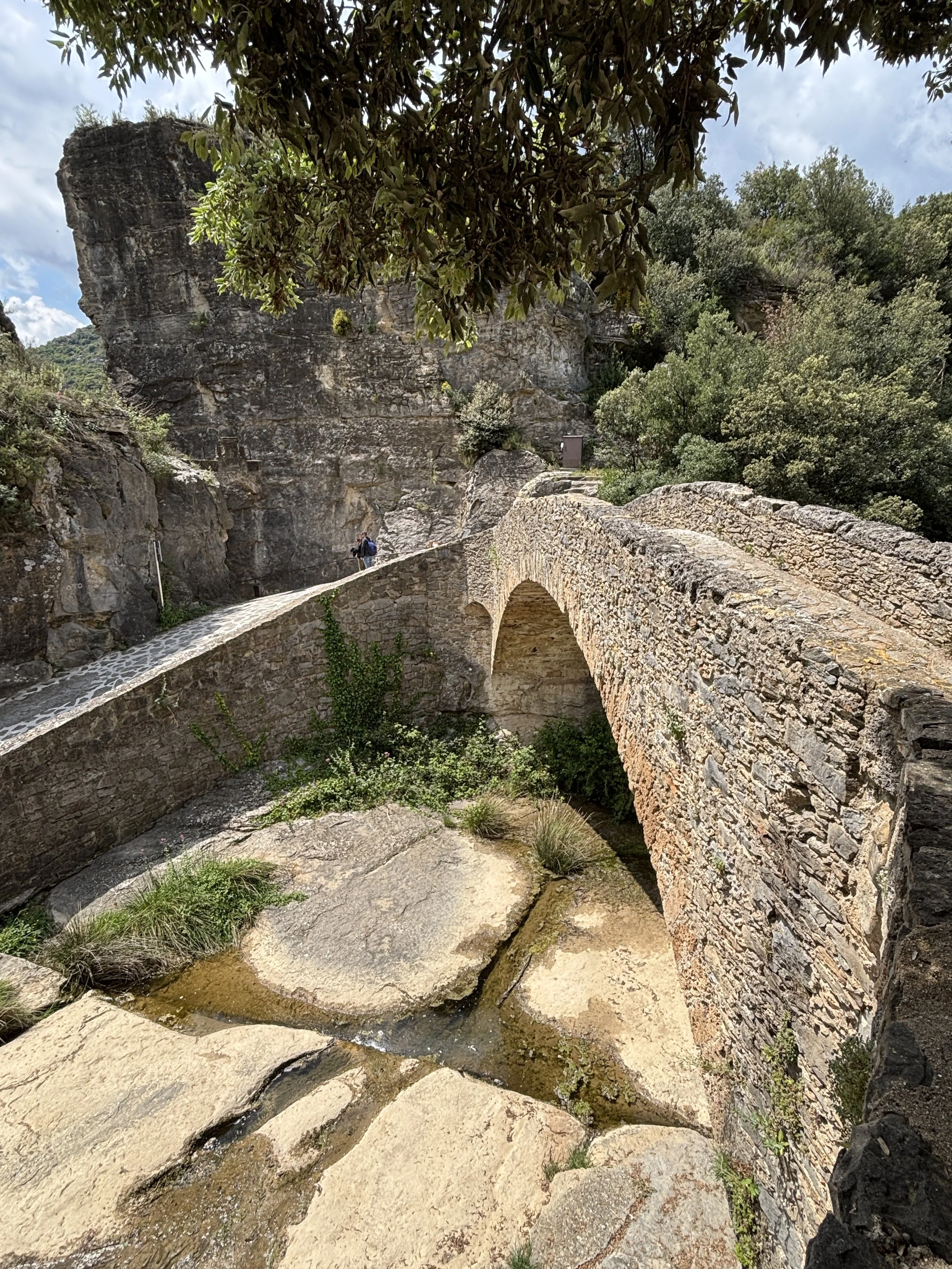
Getting to Sant Miquel del Fai
To get to Sant Miquel del Fai you will need to get a car. I am not even sure there is any way to get there on scheduled public transport, but if you have a car available is about a 45-minute drive from central Barcelona, taking the AP-7 motorway to Mollet del Vallès and then the C-59 road to Sant Feliu de Codines, the closes urban center.
It is important to book your visit in advance (no pre-payment is required), since the site is managed by Barcelona’s provincial government, which, after completing restoration works in 2026, implemented a slot system to better control visitor flows.
You can book your slot free of charge here.
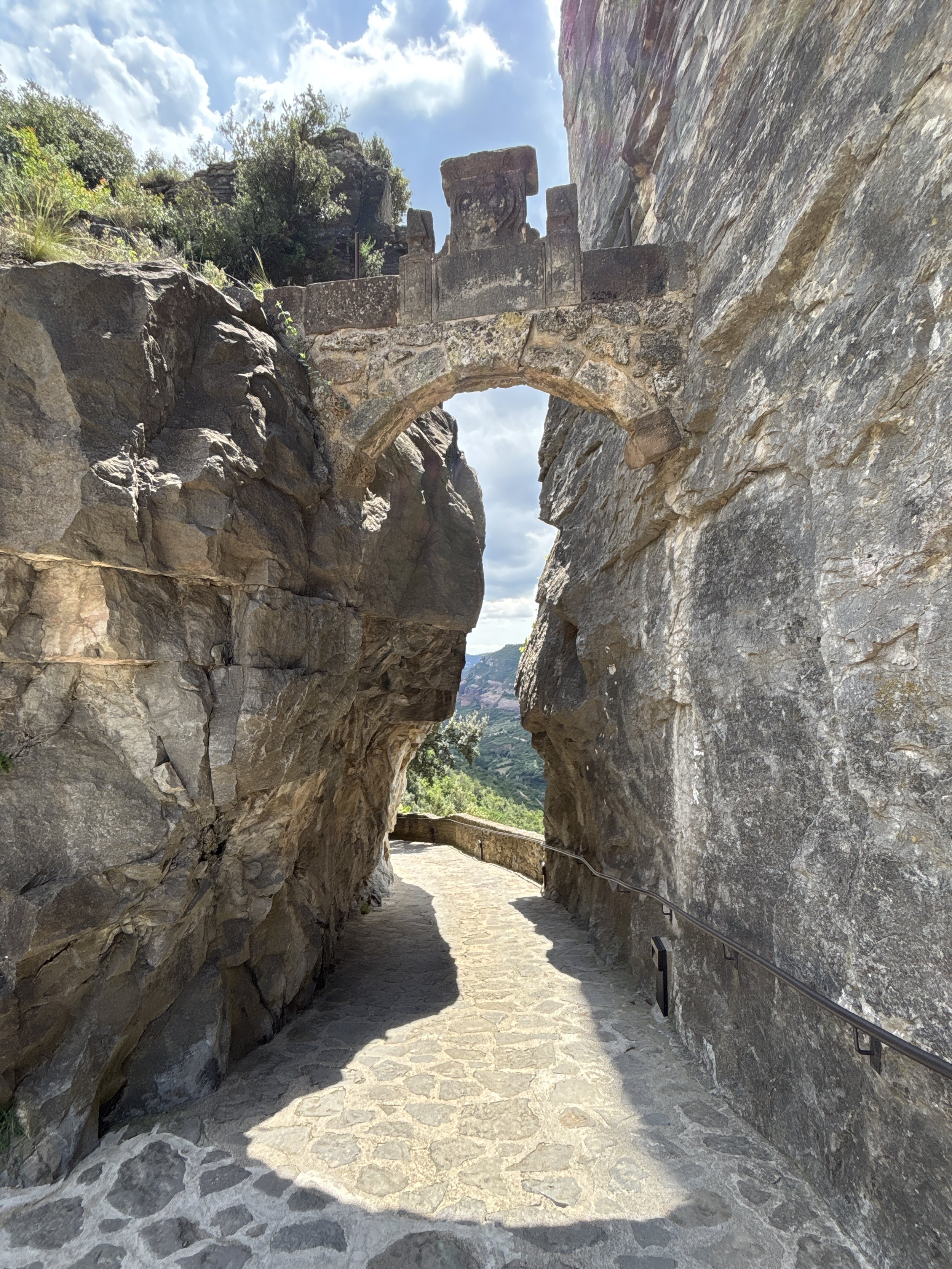
If coming by car, access is through the north side, which offers a rather picturesque entrance pathway which includes a walk over the 16th C. stone bridge and a narrow passage between the rock formations.
This builds anticipation as you move into the grand setting of the Sant Miquel Valley and the Cingles de Bertí, the series of cliffs that run along the head of the valley. It is here that you will find one of the best viewpoints to contemplate this landscape in all majesty.
Bear in mind, though, that this is an area of Mediterranean climate and the amount of water flowing down the waterfalls could vary quite a lot depending on rainfall. Since the Winter of 2025/26 had been quite rainy in Catalonia, at the time of my visit, the waterfall was at its best.
But even if water levels are low, the landscape is well worth the trip!
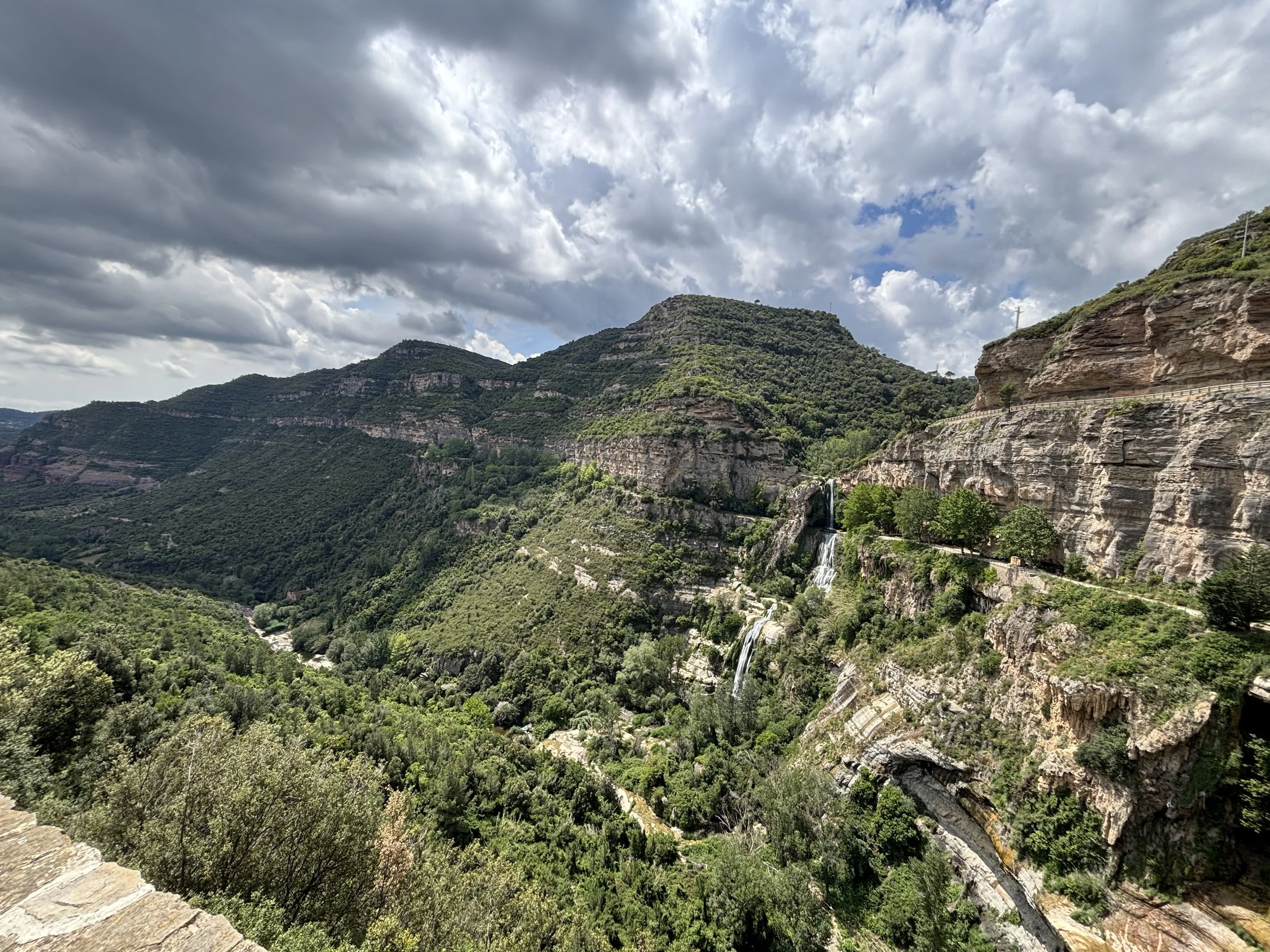
The main structure in Sant Miquel del Fai is the 16th C. priory building, which today houses some of the site’s services and is also a venue for events. This building stands between the steep mountain slope and the rock cliffs, creating a choke point which is the site’s entrance.
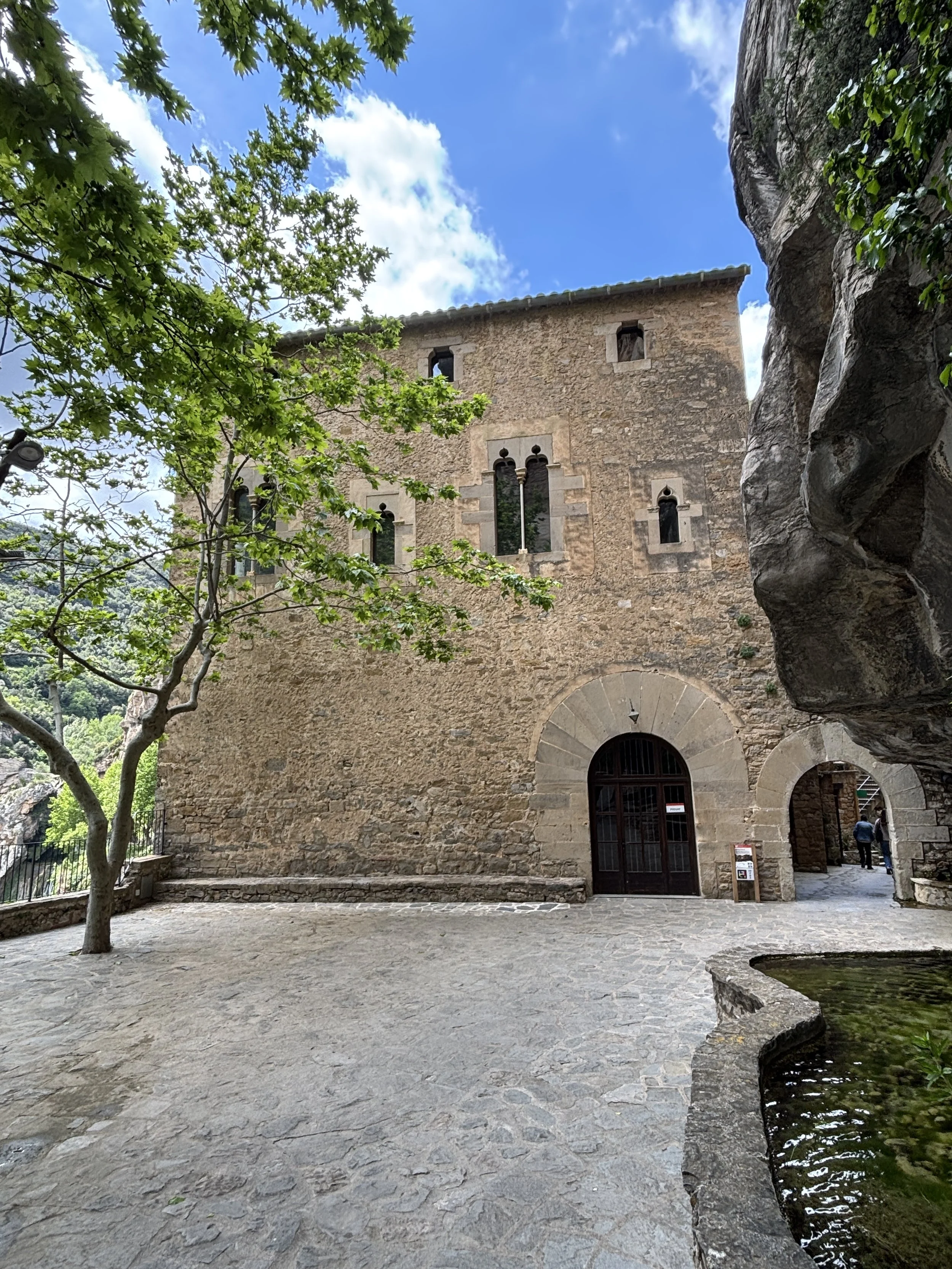
The next point of interest is the 10th C. church, which is of the type known as “troglodyte church”. This name designates those churches that have been built using rock formations for at least part of its structure.
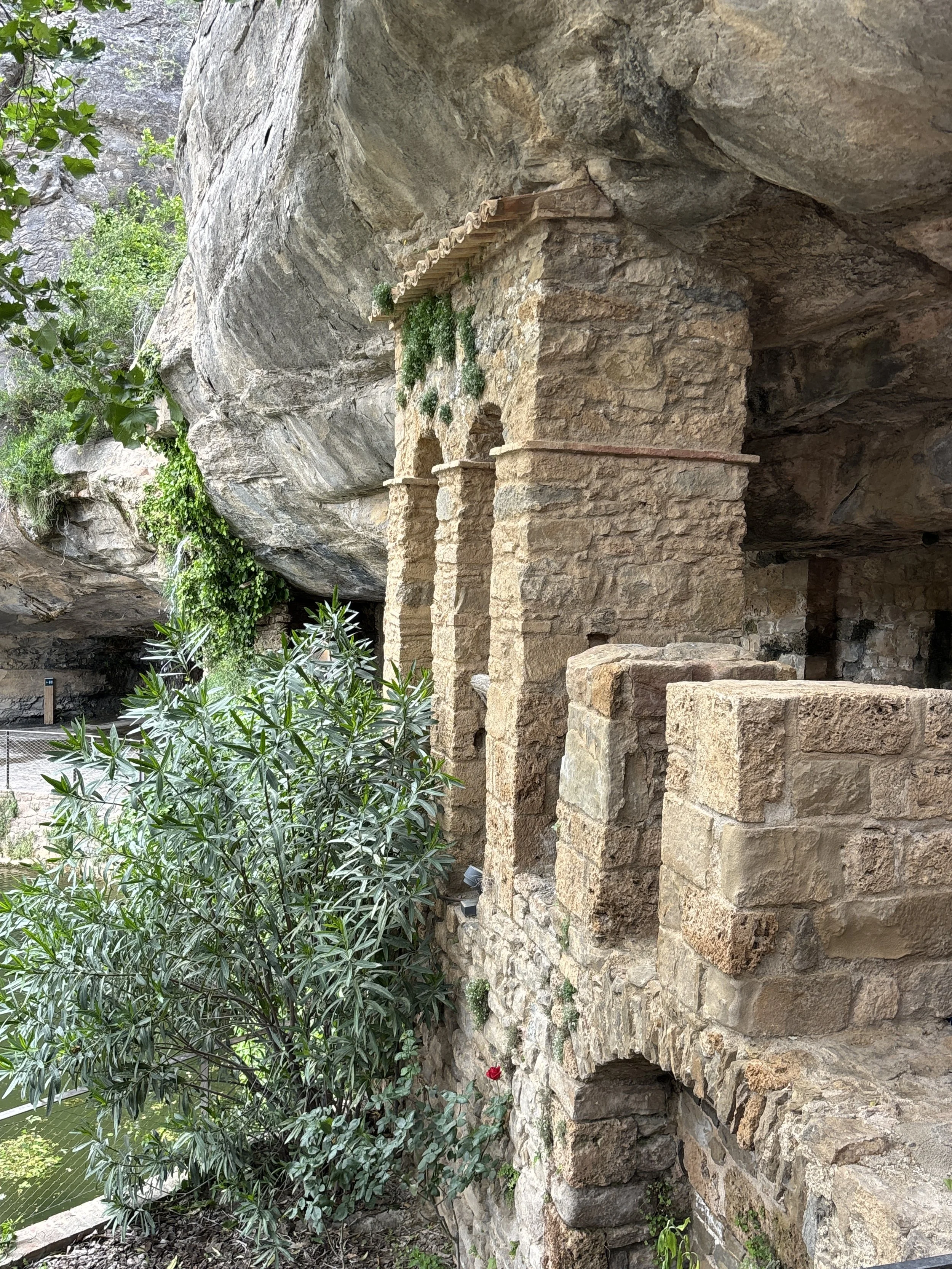
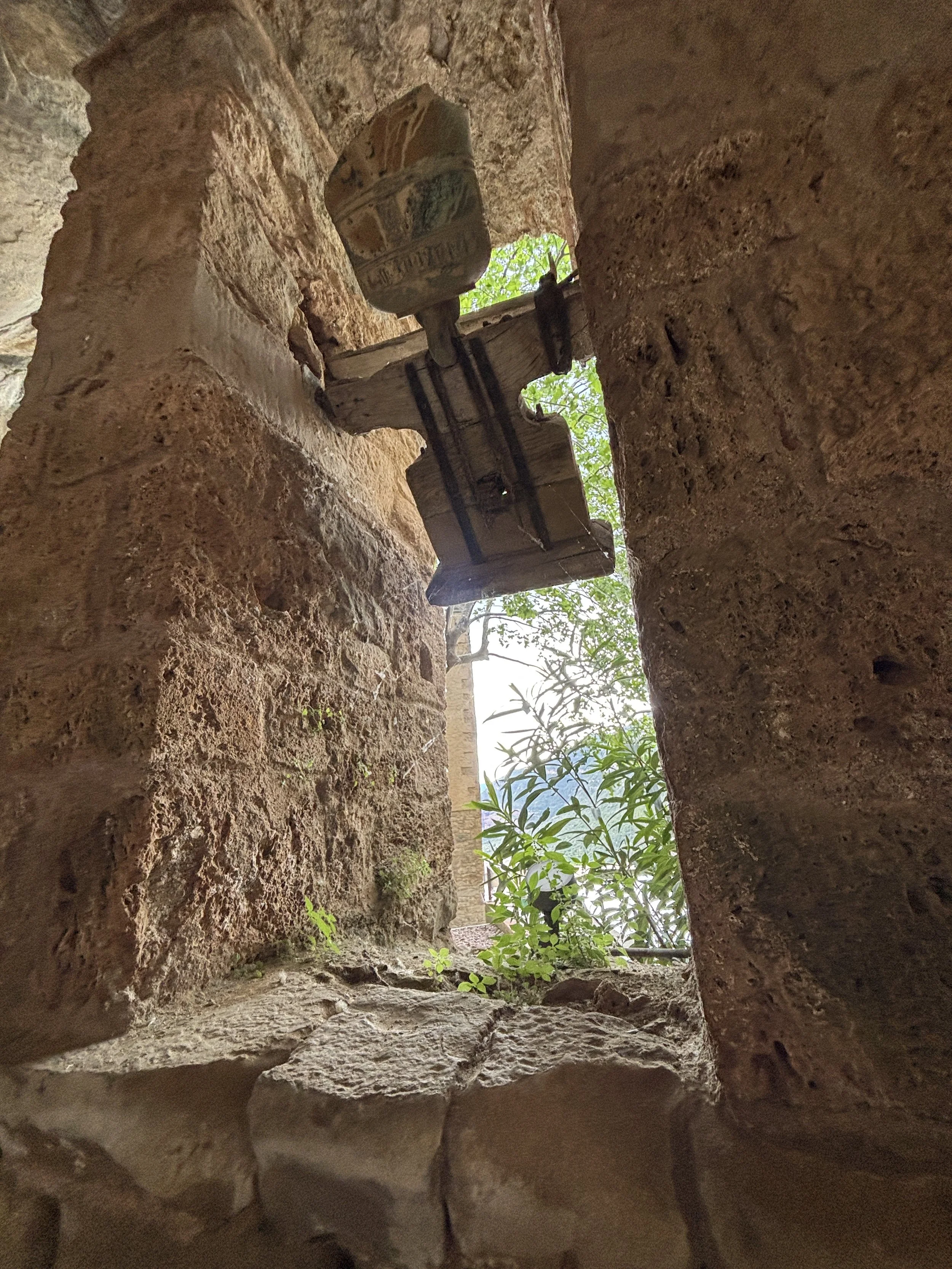
You can see how the small Romanesque church at Sant Miquel del Fai blends perfectly with its surroundings and, as you get close, you can appreciate, as well, how old it is.
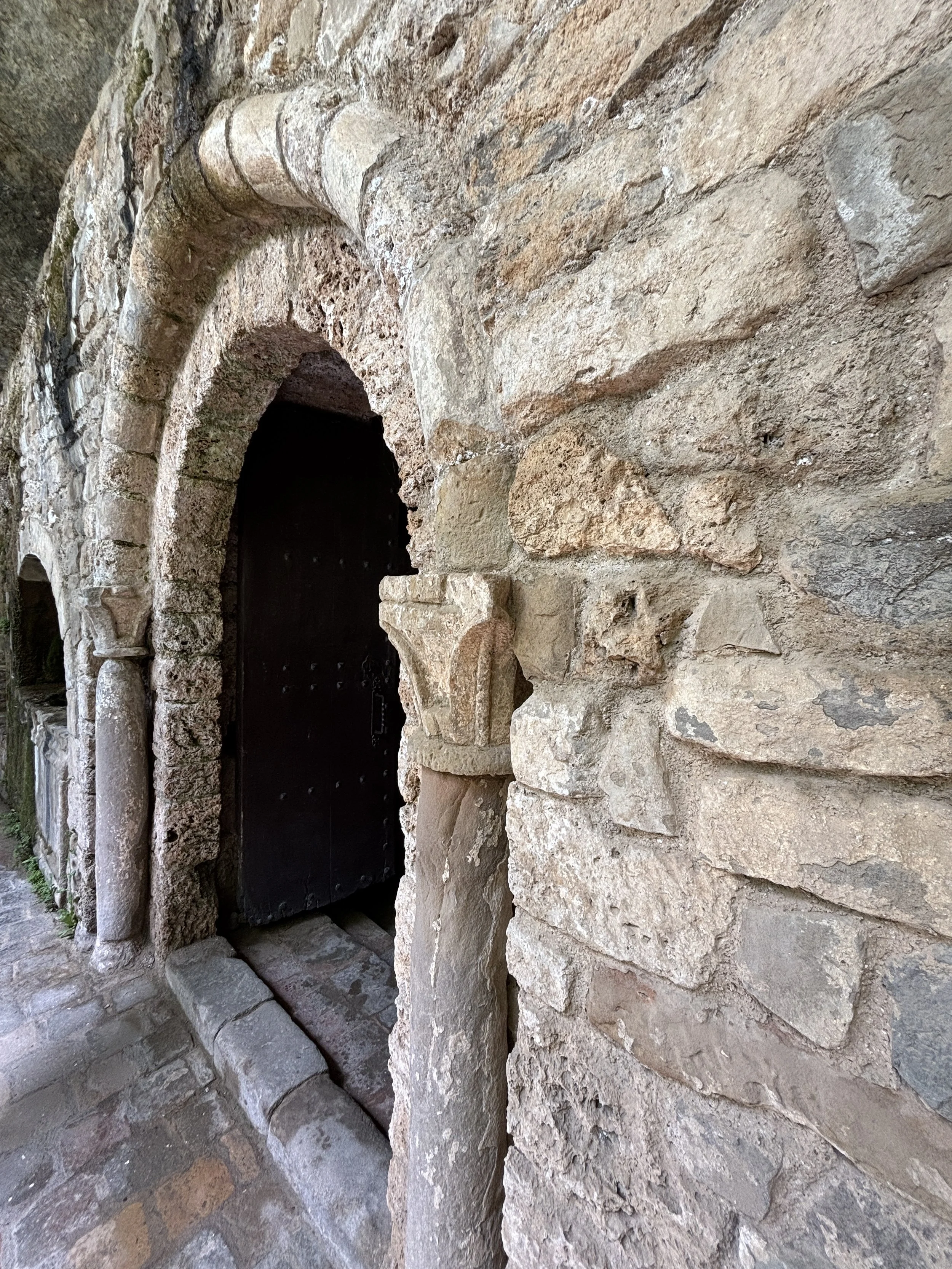
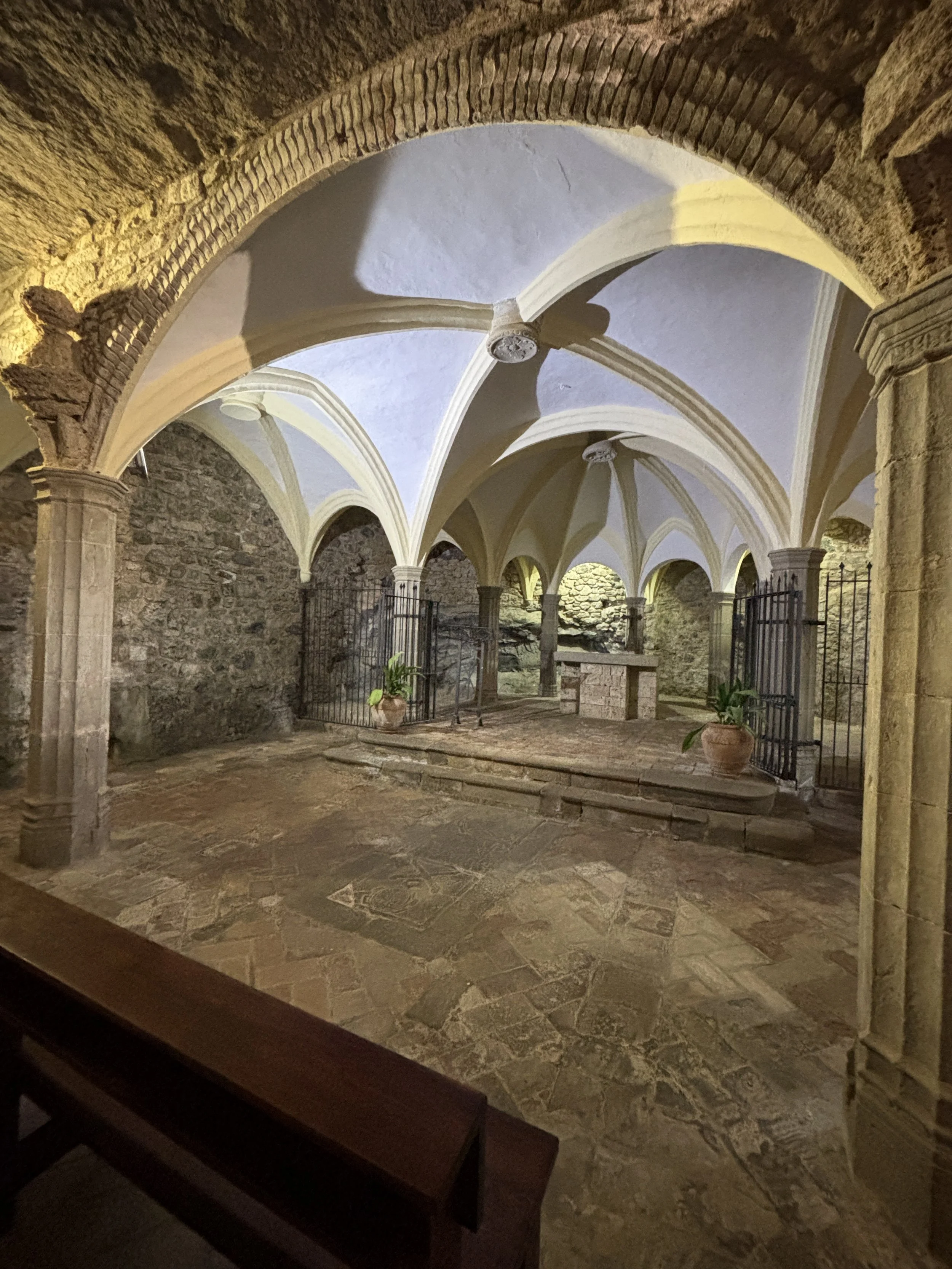
There is a path that runs all along the cliffs and takes you to one of the highlights: the waterfalls.
Now, if you have been to Niagara Falls, Iguaçu or even the Rhine Falls in Switzerland, be warned, the ones at Sant Miquel del Fai are in not in the same league. Nevertheless they are quite impressive when seen from up close, particularly because you can get quite close to them, making this a rather immersive experience!
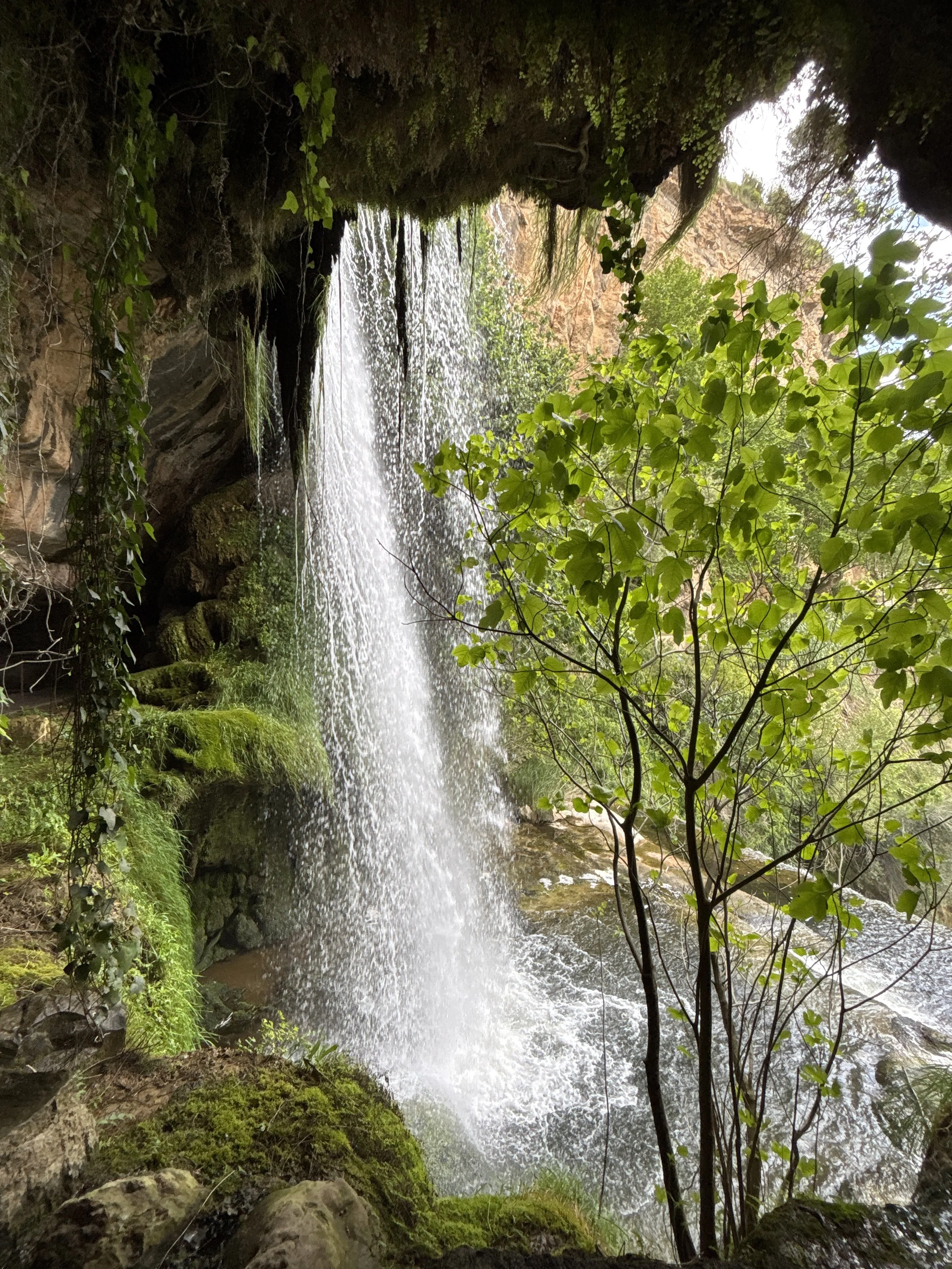
The monastery at Sant Miquel del Fai was secularized in 1567, with the monks leaving and the place turned into a regular priory. It is at this time when the site got most of its current appearance, with the construction of the priory house as well as the northern access path and the bridge that is now used by most visitors.
After a general privatization of church lands in the 1830s, Sant Miquel del Fai was acquired by a family, which turned it into an inn. This coincided roughly with the start of tourism in the 19th C. and Sant Miquel del Fai became a popular destination on account of its natural beauty and relative proximity to Barcelona.
The Diputació de Barcelona (the provincial government) acquired the site in 2017 and embarked on an ambitious process of restoration, which concluded in 2023.
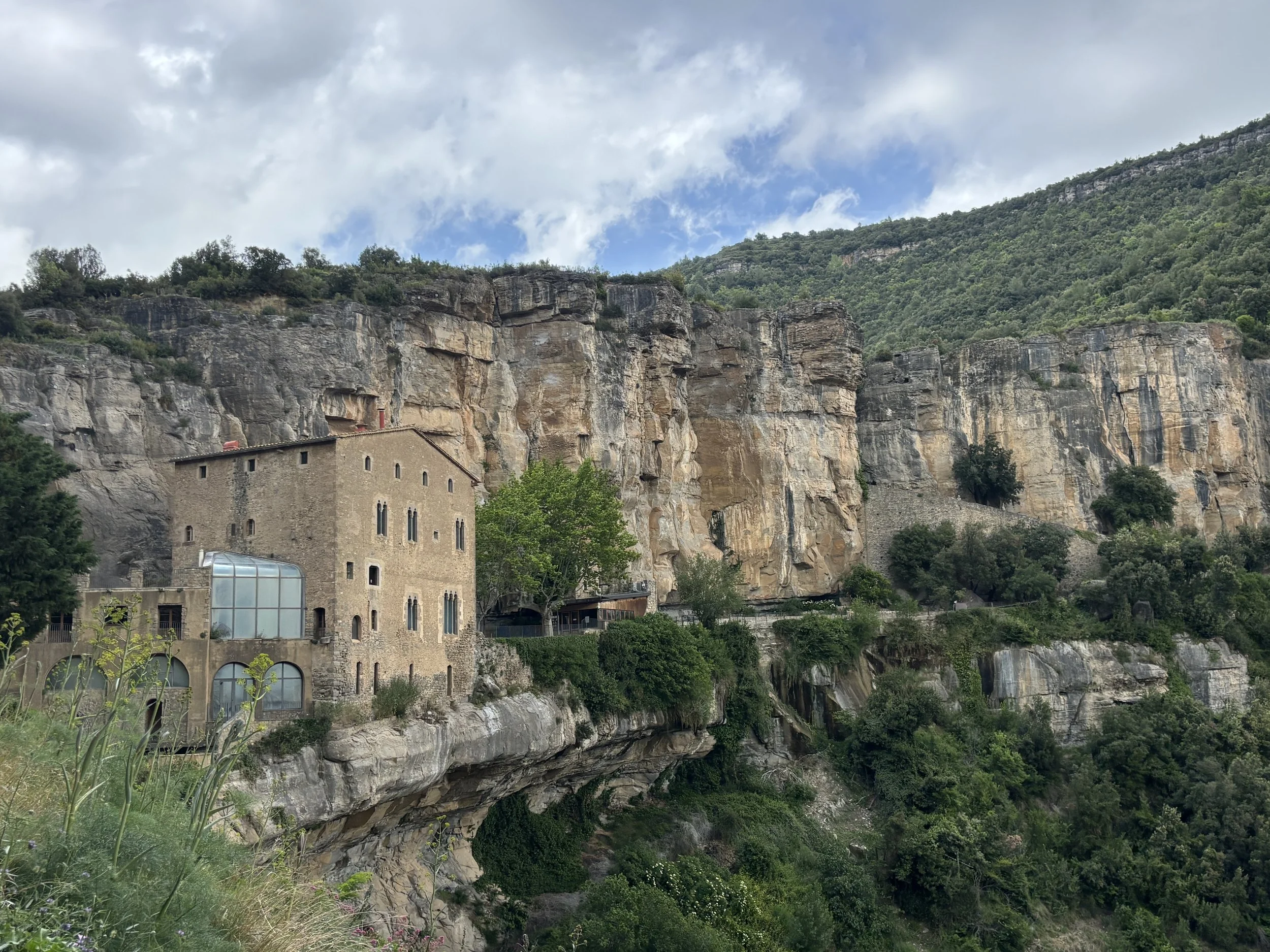
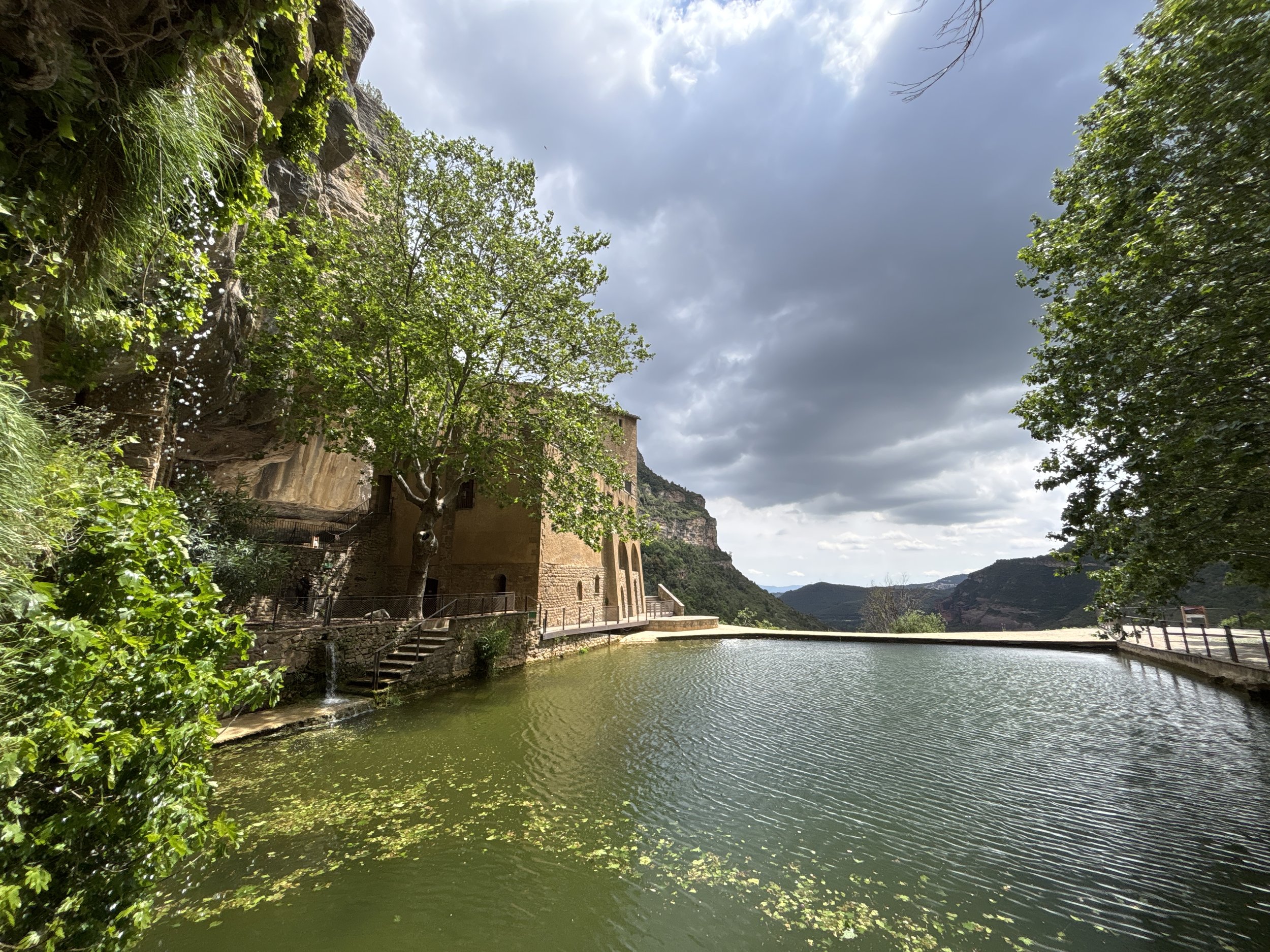
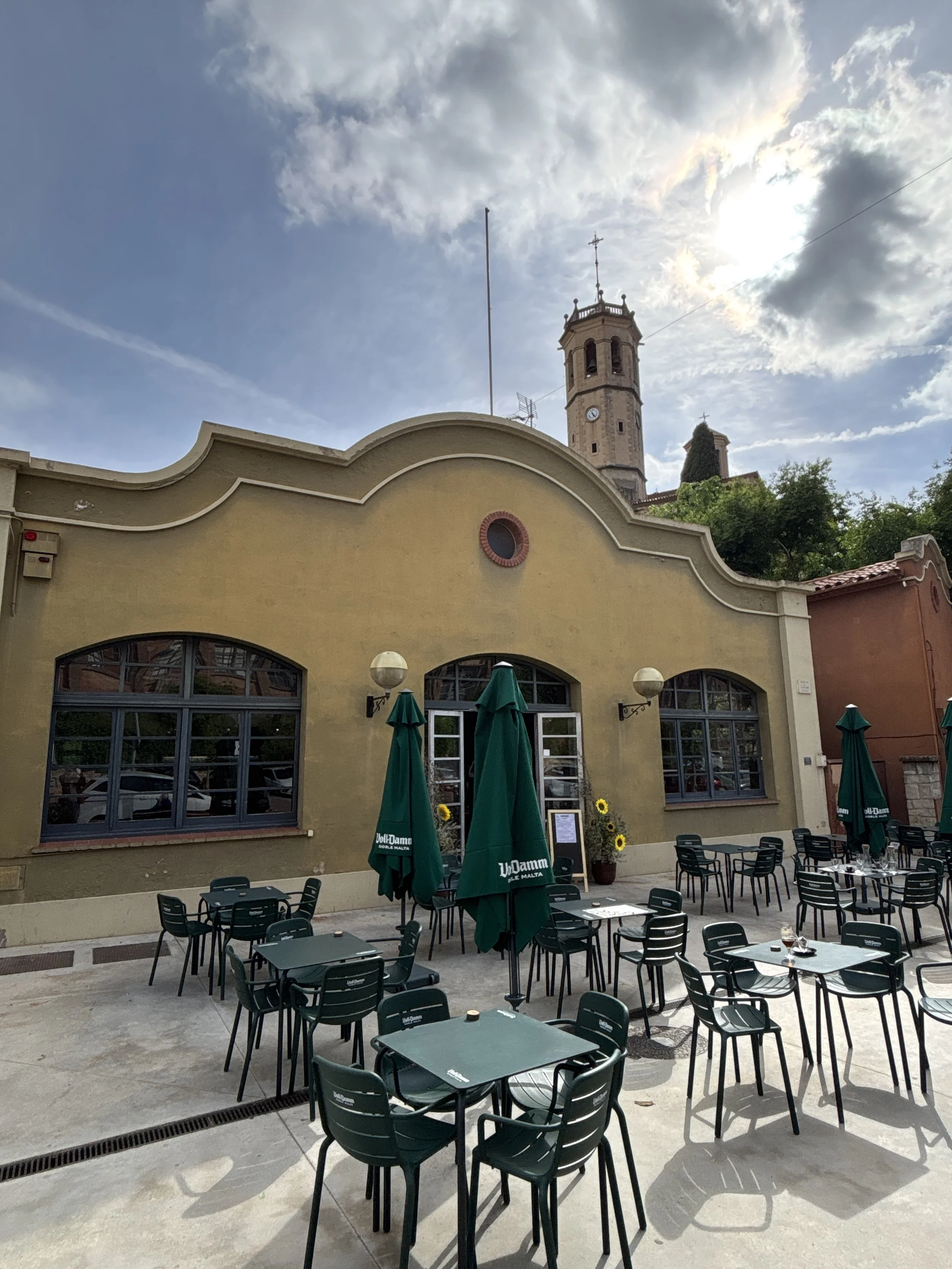
A nice place to eat near Sant Miquel del Fai
El Racó de la Fonteta (Sant Feliu de Codines)
Plaça Josep Umbert Rosàs, 08182 Sant Feliu de Codines
It is a nice idea to combine a visit to Sant Miquel del Fai with lunch in the nearby town of Sant Feliu de Codines.
Perched on a mountainous plateau with views, this town preserves an elegant character from its days as a popular summer retreat for well-off Barcelona families, who built villas here. It also has a handful of restaurants and I am happy to recommend one of them which totally surpassed our initial expectations.
The “Racó de la Fonteta” is located next to the town’s civic center and it offers a great value menu. Rations are abundanat, of good quality and served in a really nice and elegant way.
What’s more, the service was impeccable throughout and, no doubt, I would come back!
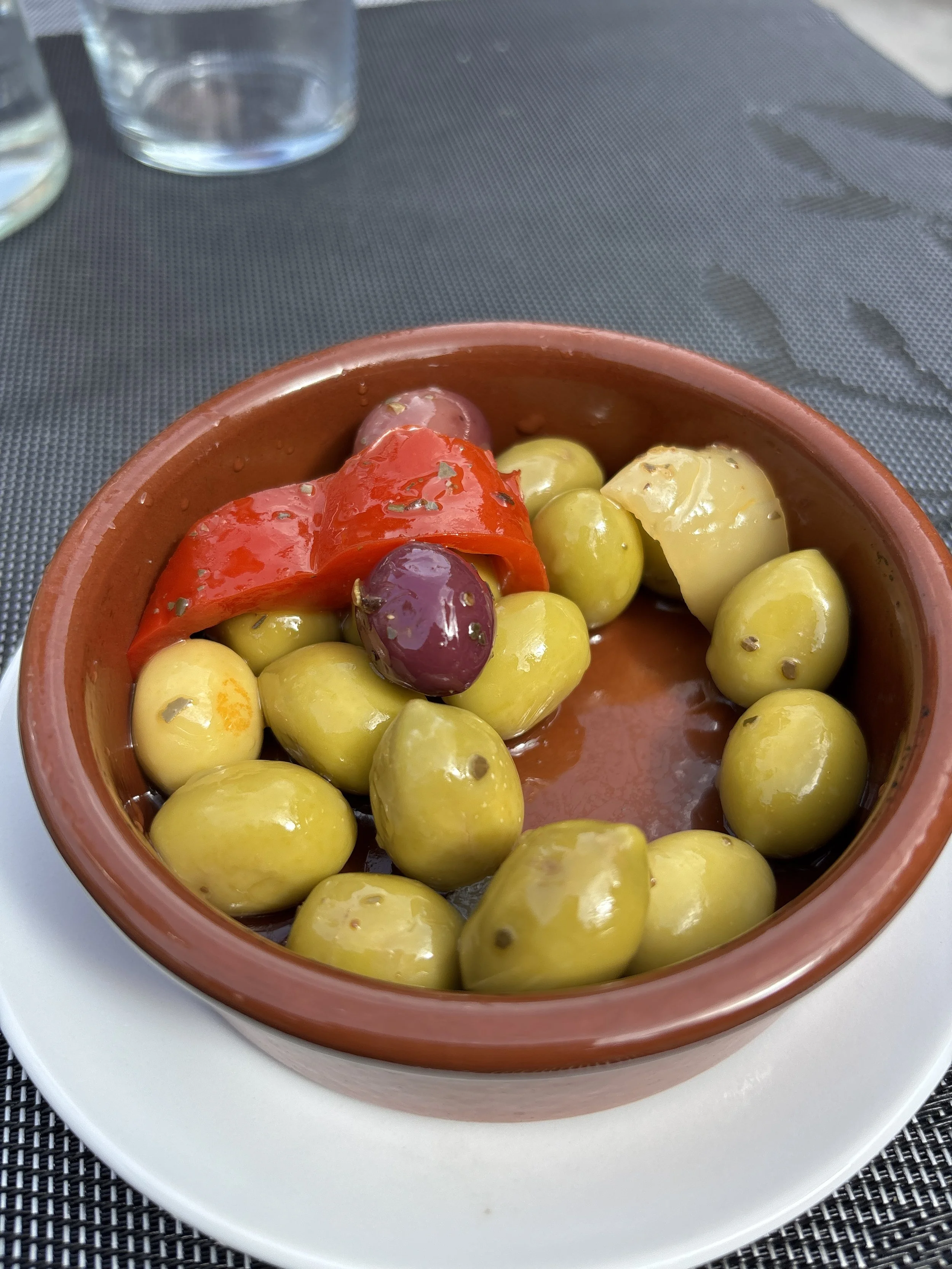
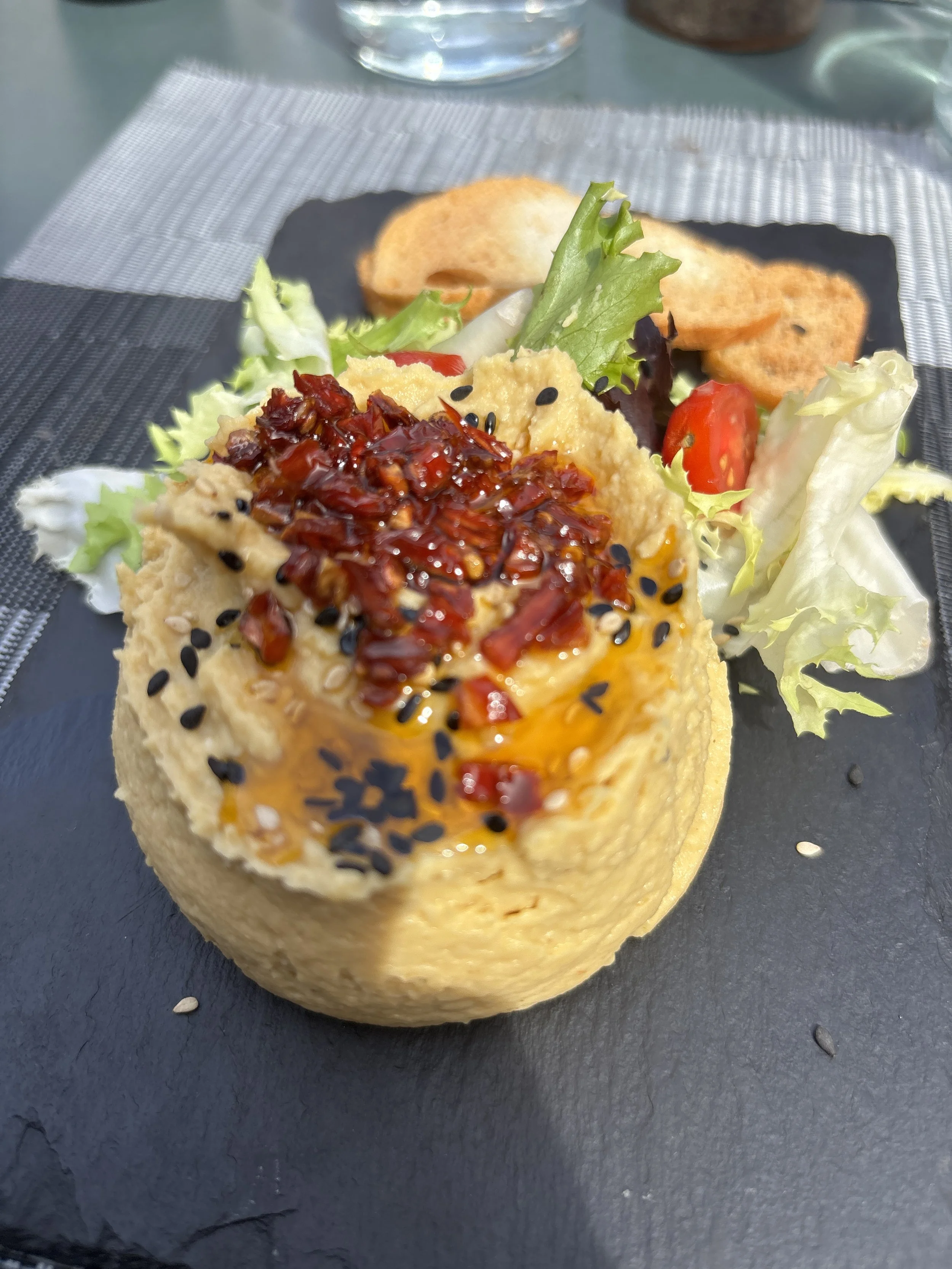
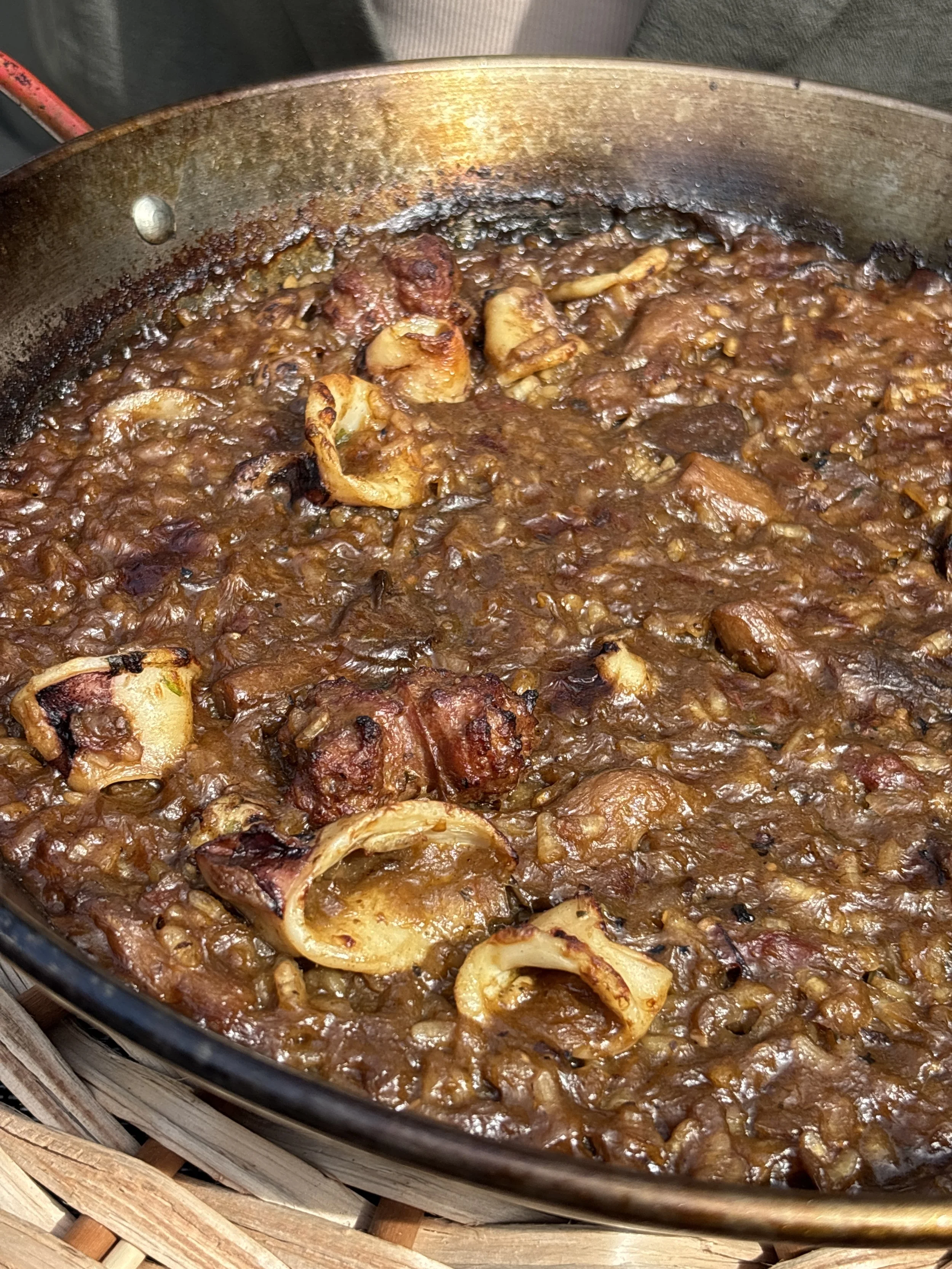
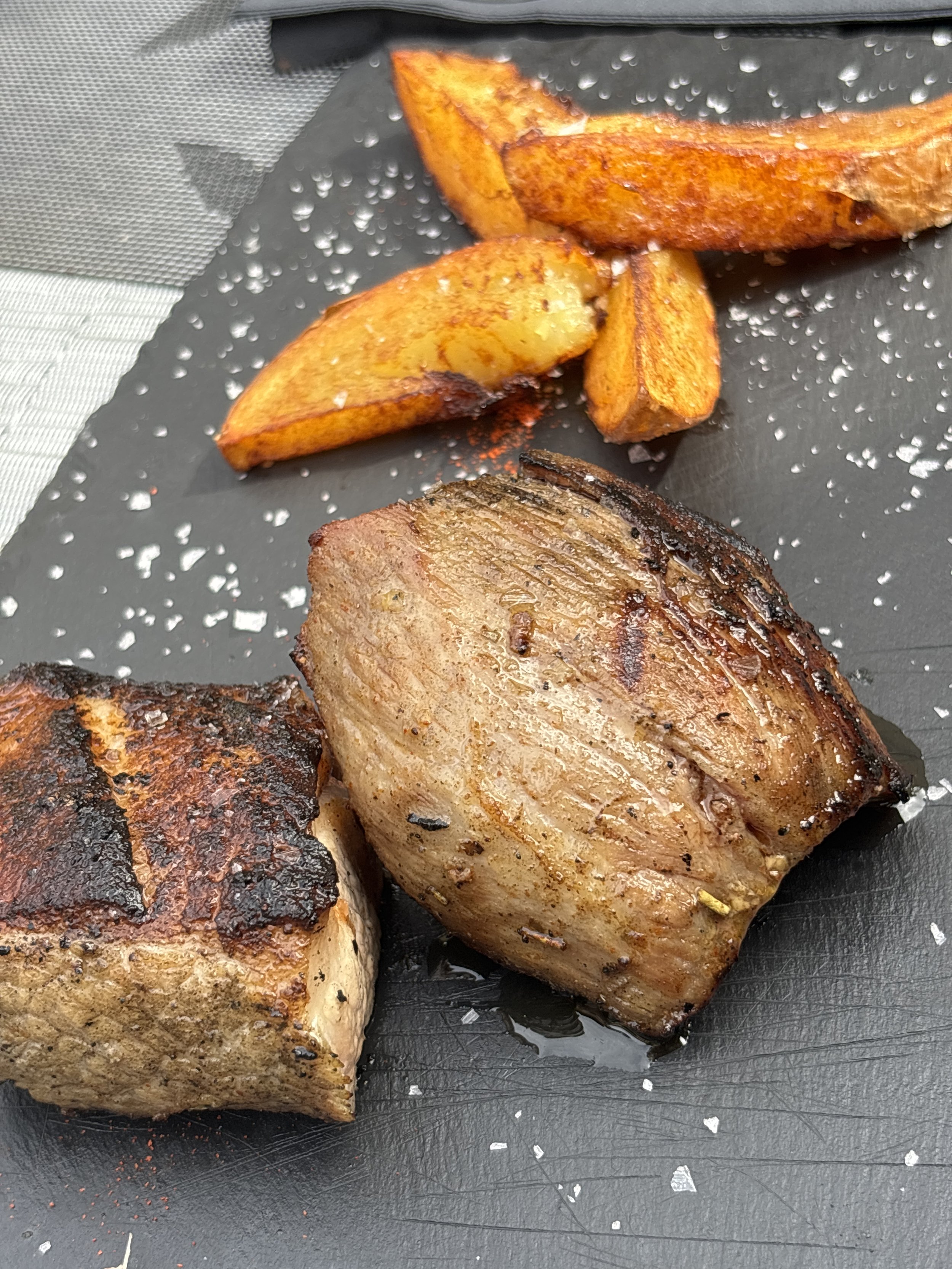
3 - The salt mountain and castle of Cardona
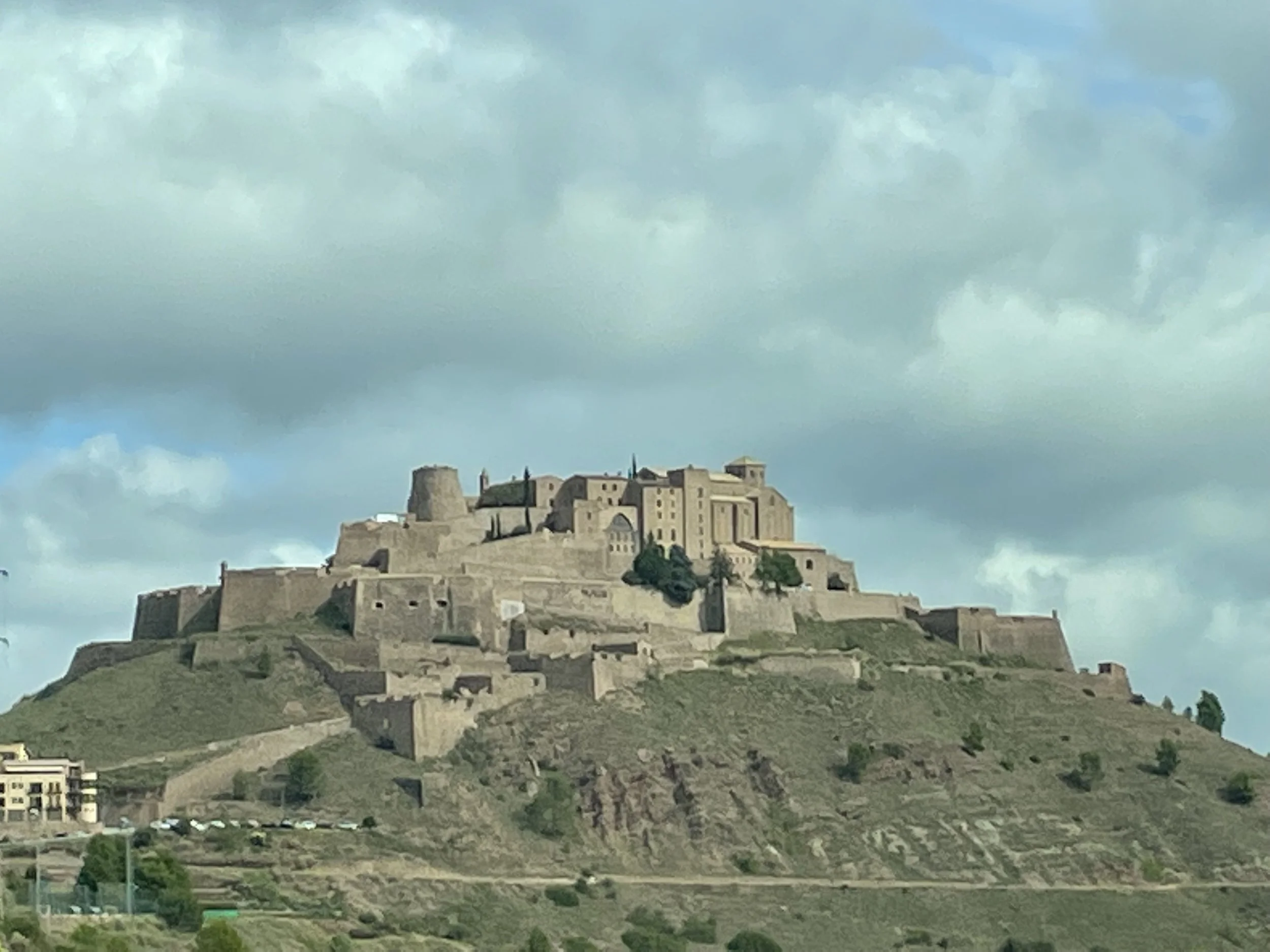
If the two previous suggested excursions can be completed as a half a day outing, this one is more of a full-day excursion. Like the other two locations, Cardona is also rather unique.
It combines a natural and a historical wonder in one place: its mountain of salt,. which is the site of one of Europe’s most ancient and spectacular salt mines, as well as a majestic medieval castle which was never taken by the force of arms.
How to get to Cardona
The simple answer is: get there by car.
To be clear, there is a regular bus service from Barcelona (alas, no rail!), but it is quite slow, around 2h, and it has limited frequencies.
If you are driving, instead, it will take you a bit more than an hour to get to Cardona, taking the C-16 motorway (toll road) to Manresa and then road C-55 direction Solsona.
Having a car will also facilitate movement between Cardona’s two main sites, its castle and the Salt Mountain Cultural Park, which are in opposite ends of the town.
Cardona’s Monumental Castle
This castle is, easily, one of the most spectacular in Catalonia. Its origins date back at least to the 9th C. when Cardona was one of the southernmost outposts of the Catalan counties and, in fact, of Western Christendom, in their fight against the Saracens which had been occupying part of the Iberian Peninsula since the early 8th C.
The location of this frontier castle, is, of course, not random and is connected to the need to protect the nearby salt mountain, an incredibly valuable resource in that era of history.
The castle of Cardona was a work in progress for many centuries, which have given it the imposing aspect it has today.
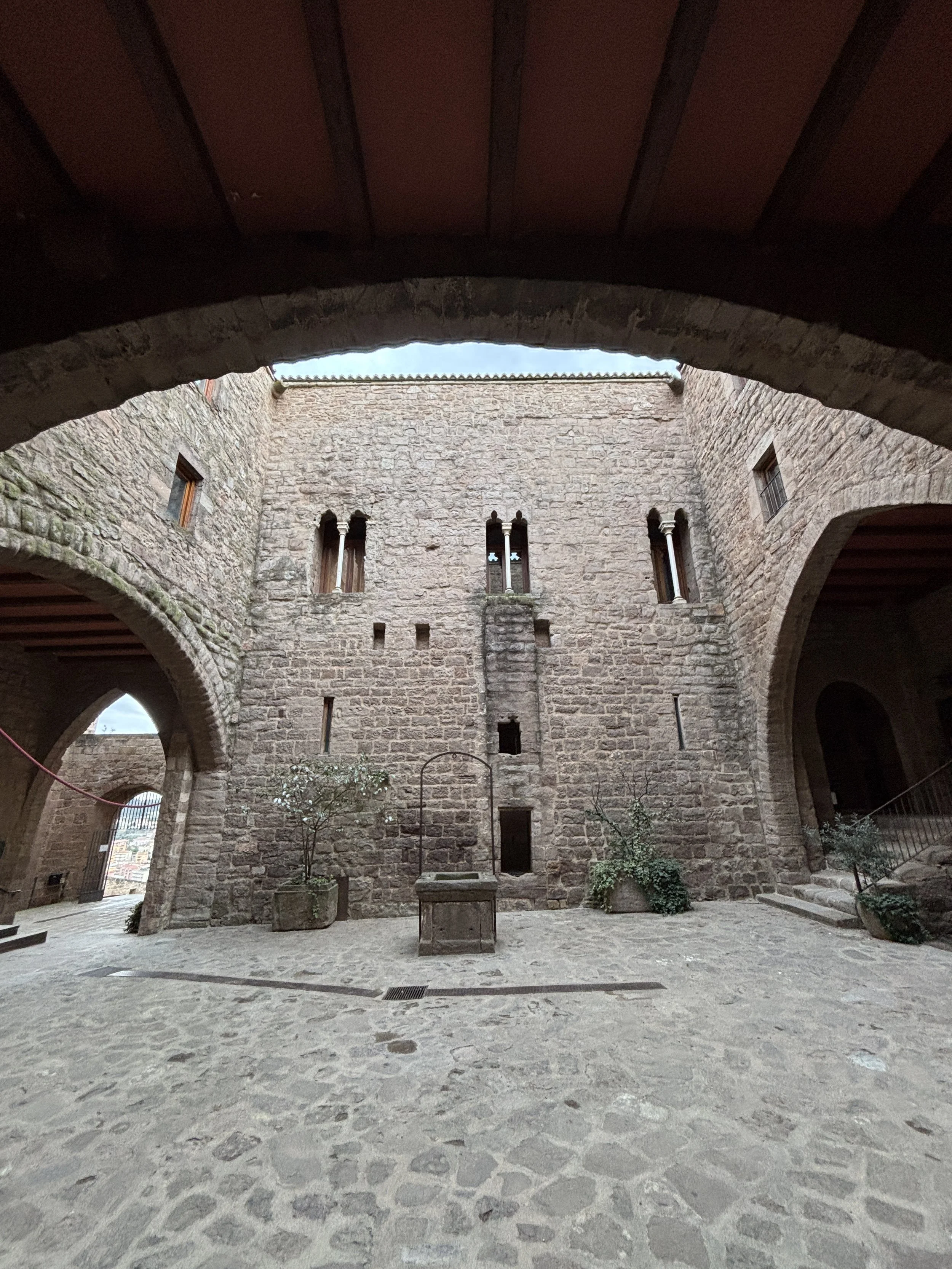
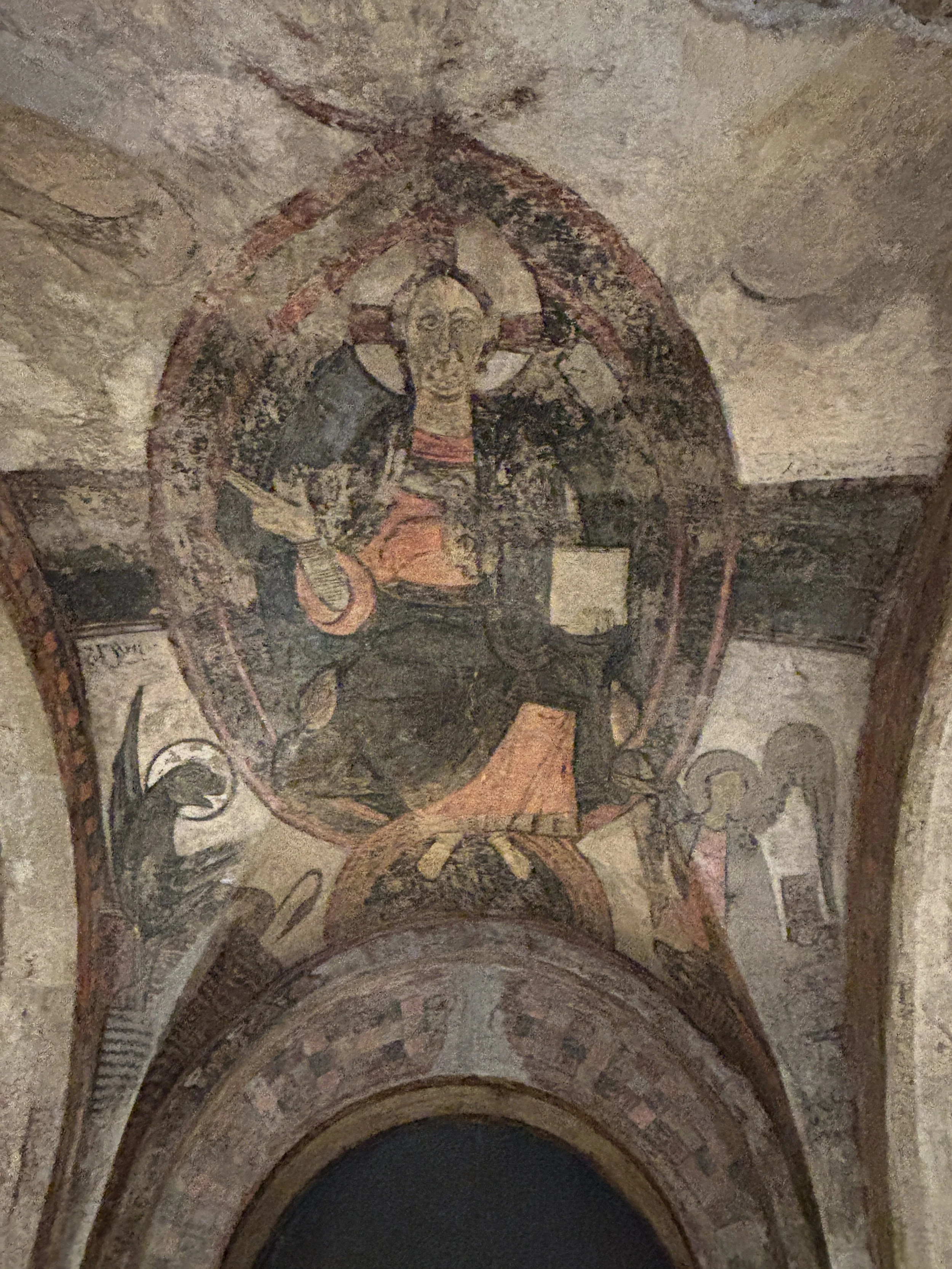
Nowadays you can not only visit the castle to admire the view from the village. the surrounding landscape and its 11th C. Romanesque church, the “Col·legiata de Sant Vicenç”, but you can also spend the night in it!
This is because the Castle of Cardona has been turned into a hotel and is part of the “Paradores” network, a government-owned hotel chain which manages hotels located within historical monuments all throughout Spain. It is said that the “Parador de Cardona” has even a haunted room!
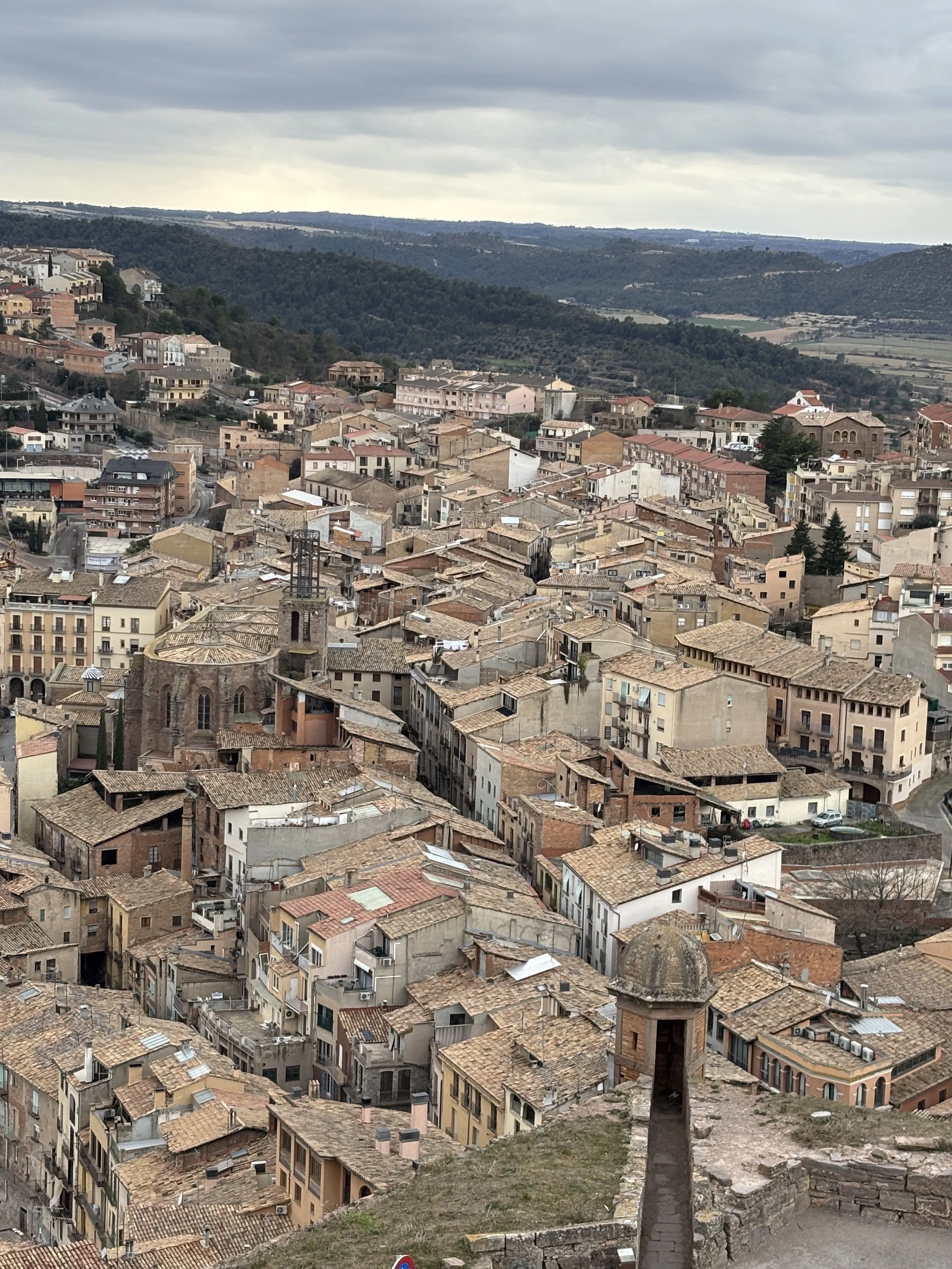
The castle commands great views of the town and the adjacent areas, including the Salt Mountain, which we’ll see next.
Visiting the Salt Mountain of Cardona
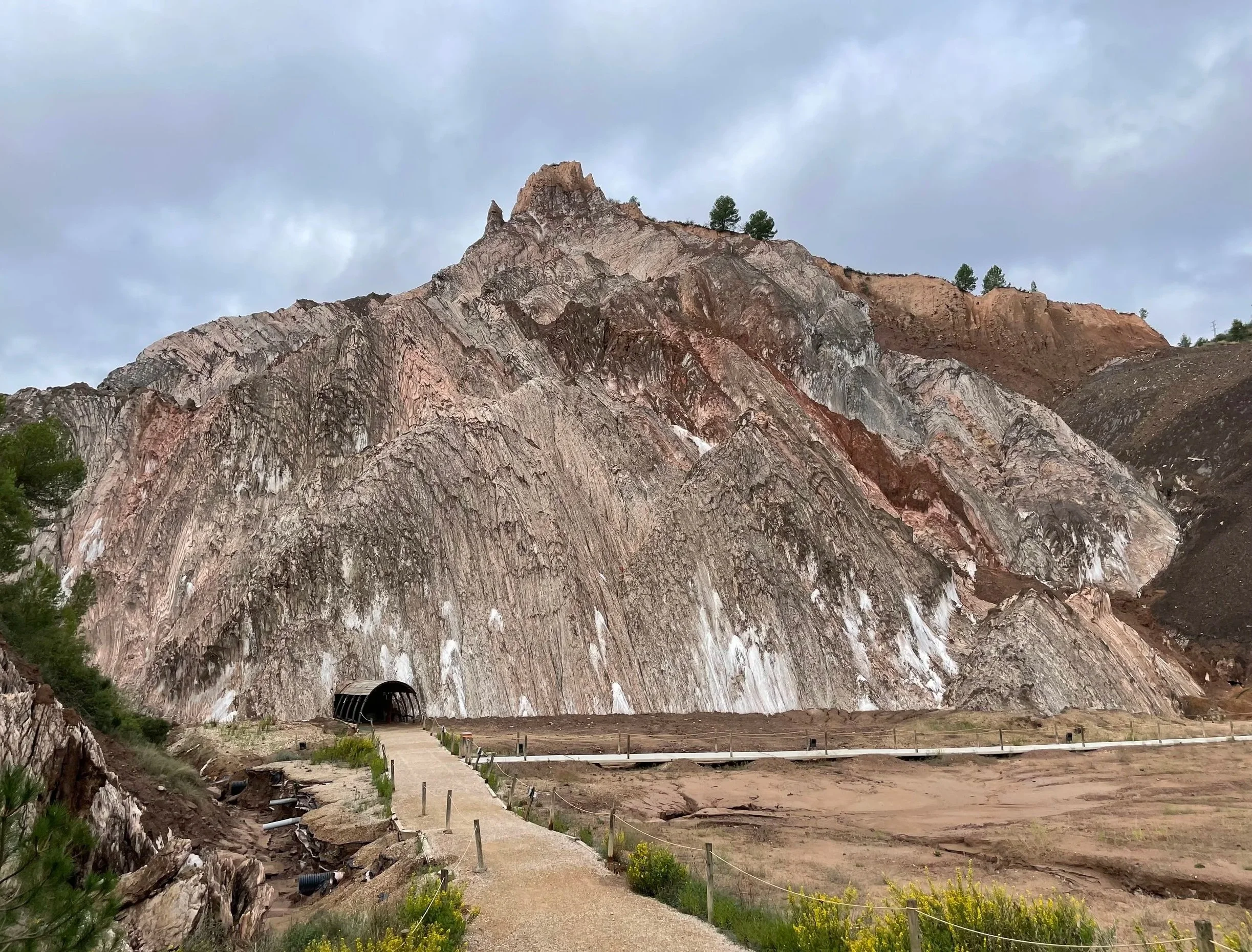
The Salt Mountain would, by itself, make the trip to Cardona worthwhile. Cardona is one of a handful of sites in Europe, such as Hallstatt in Austria and some others, that have been known since very early Antiquity for its salt deposits.
Salt mining has been going on in Cardona since at least Roman times, but very likely earlier than that. Salt was incredibly valuable at the time, since it was used extensively to feed cattle and was also currency and a medium of exchange as well.
To that, in the early 20th C. you can add the exploitation of Potash, which brought modern industrial mining to Cardona and thousands of migrants from all over Spain. While some of the other villages in the area are still fully engaged in this activity, industrial mining ceased in Cardona in the early 1990s, when its exploitation became uneconomic, and the mine has since been mostly a tourist attraction.
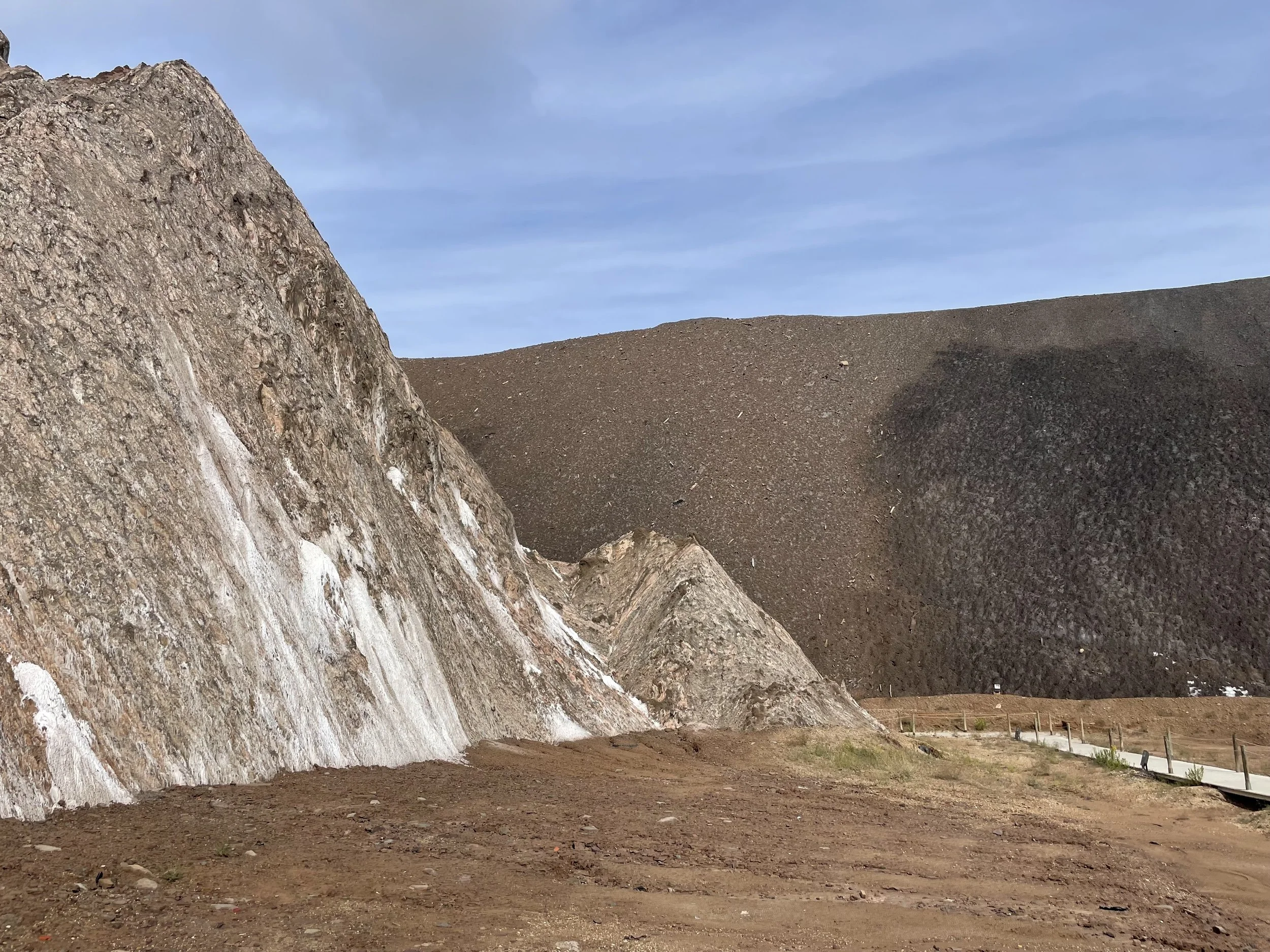
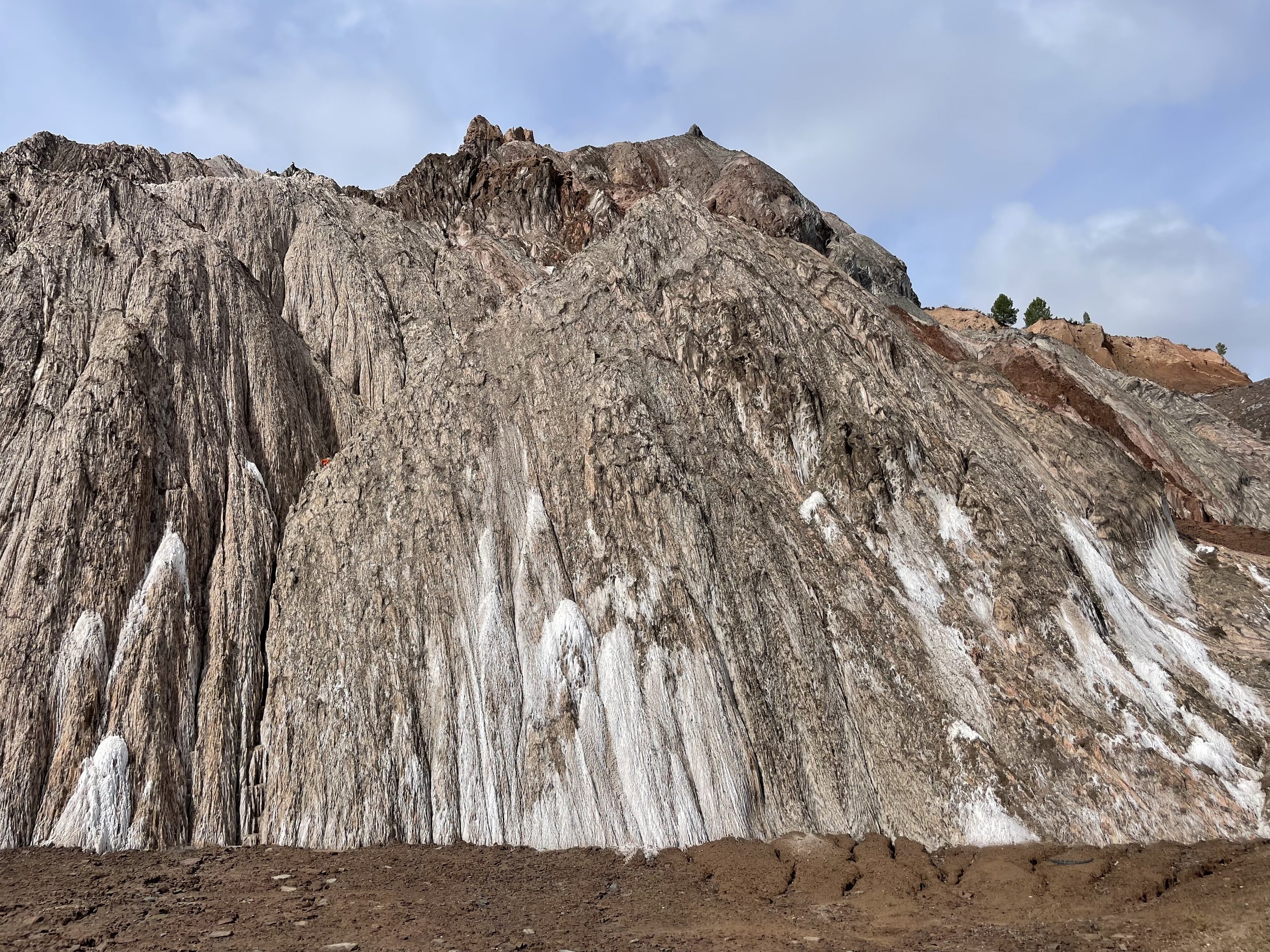
Cardona’s Salt Mountain Cultural Park is quite an interesting place. It has two components: one is above ground and it is a conventional museum and visitor’s center, where you can tour some of the mine’s facilities and learned how miners lived and worked there during most of the 20th C.
The other, and more unique part of the experience is the visit to interior of the Salt Mountain.
There are different slots to visit the mine, always with a group, since you are driven to the entrance, which is at the bottom of a rather steep valley, in a 4×4 vehicle. There you walk along a demarcated trail which takes you through some of the mine’s old galleries.
Before getting into the mine you are given a plastic cape and helmet, in part to protect you clothing, since salty sediments can drop at any time from the ceiling of the galleries.
Entering the Cardona salt mines is like stepping into a fantasy world full of many different shapes and structures formed by the continued salt deposits.
The mine is actually a dynamic environment, since water and salt continue to carve the interior of these galleries constantly. At one point in the visit you can even see an old wooden ladder, which was forgotten there by some miners some time many decades ago and have since become pretty much like another mineral formation.
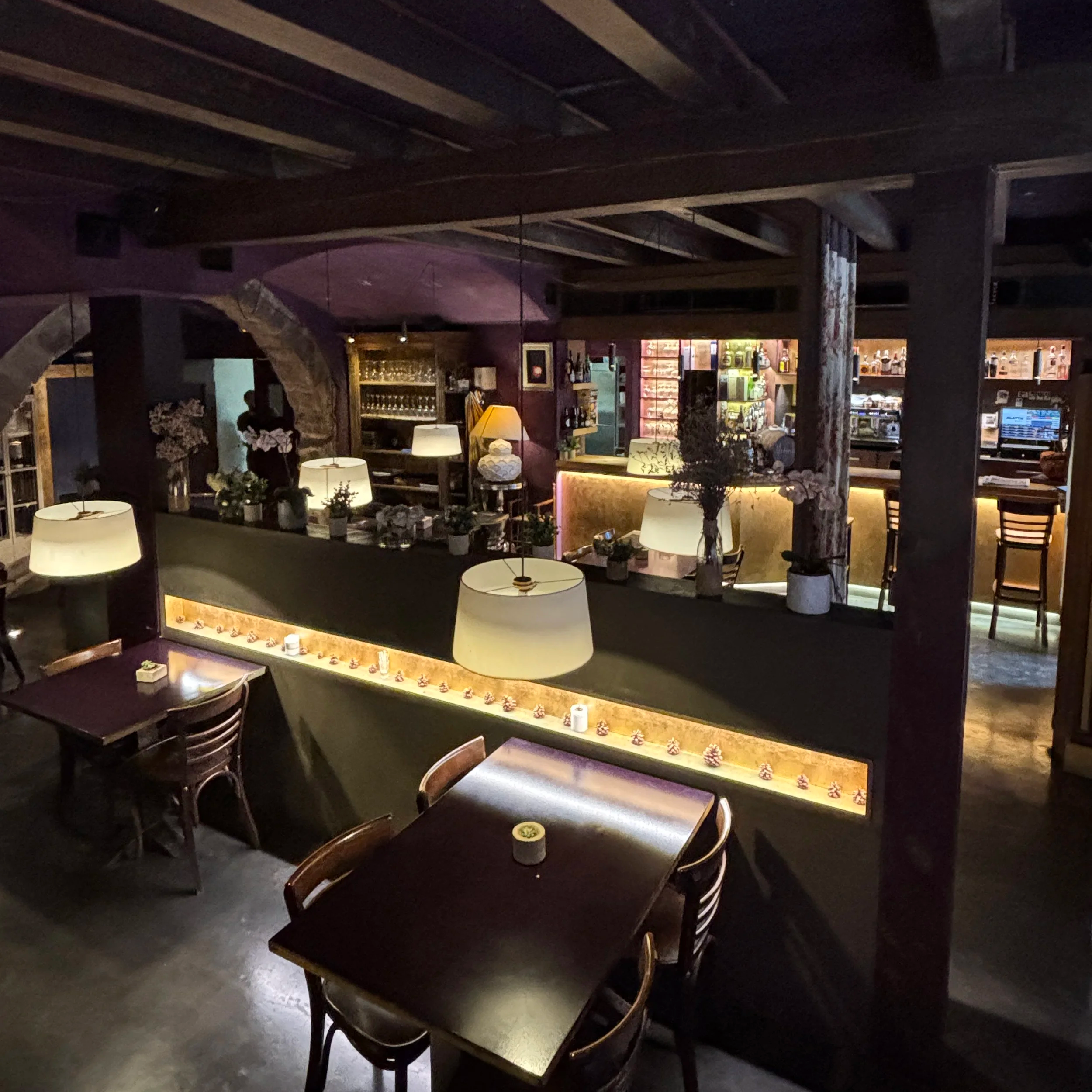
A nice restaurant in Cardona
La Volta del Rector
Carrer de les Flors, 4, 08261 Cardona
If you visit Cardona, La Volta del Rector is a great choice of restaurant to refuel and taste some local, hearty produce.
It's located in the heart of Cardona's old town, so it also offers a chance to combine it with a walk through its picturesque streets.
The setting is rather elegant, with a modern touch, but keeps a sense of rural authenticity.
Prices are well balanced, and it offers good value for money.
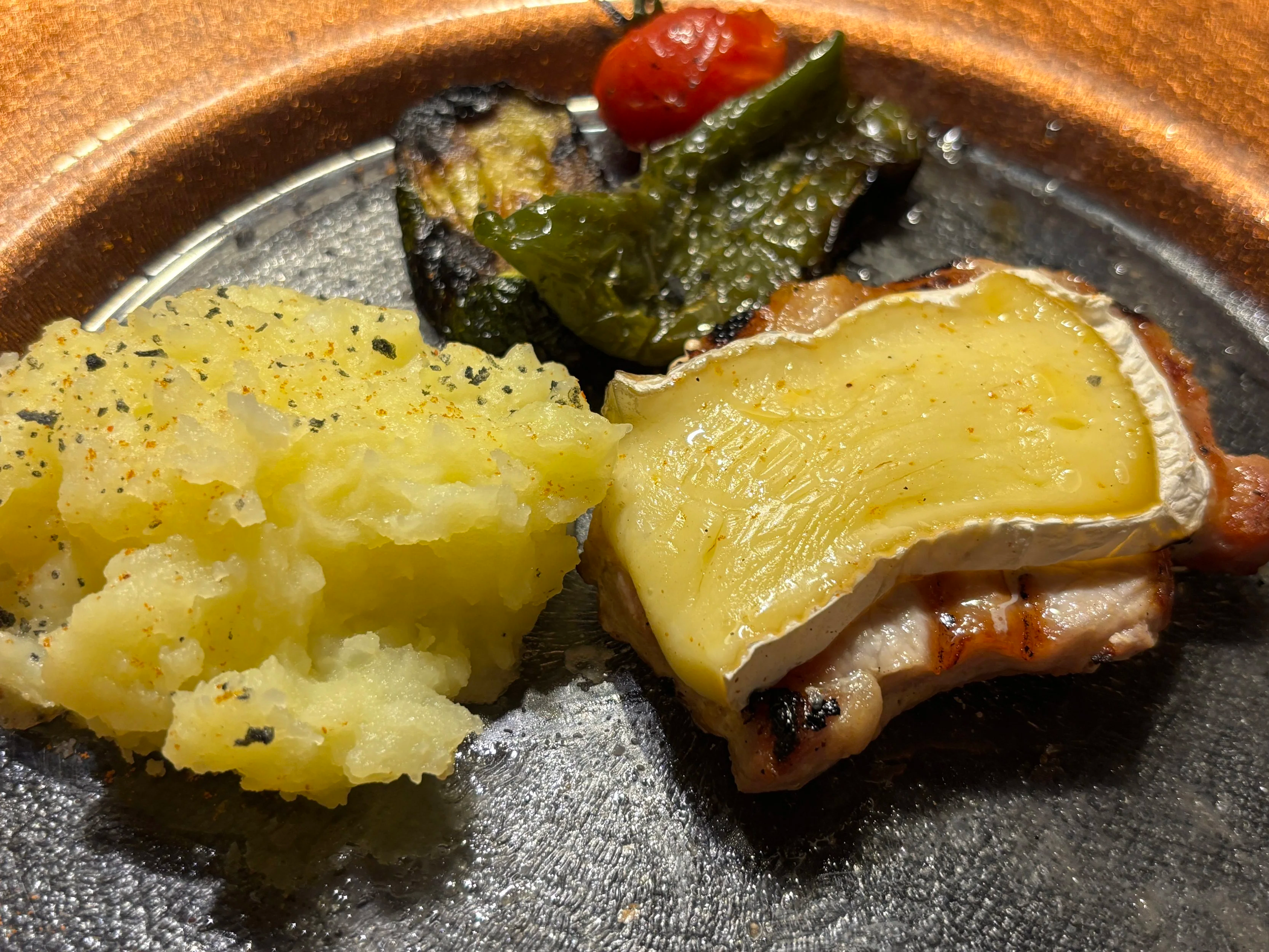
Here you can see some of the dishes I tried at La Volta del Rector. Overall it was pretty good quality. The service was also pretty good throughout.
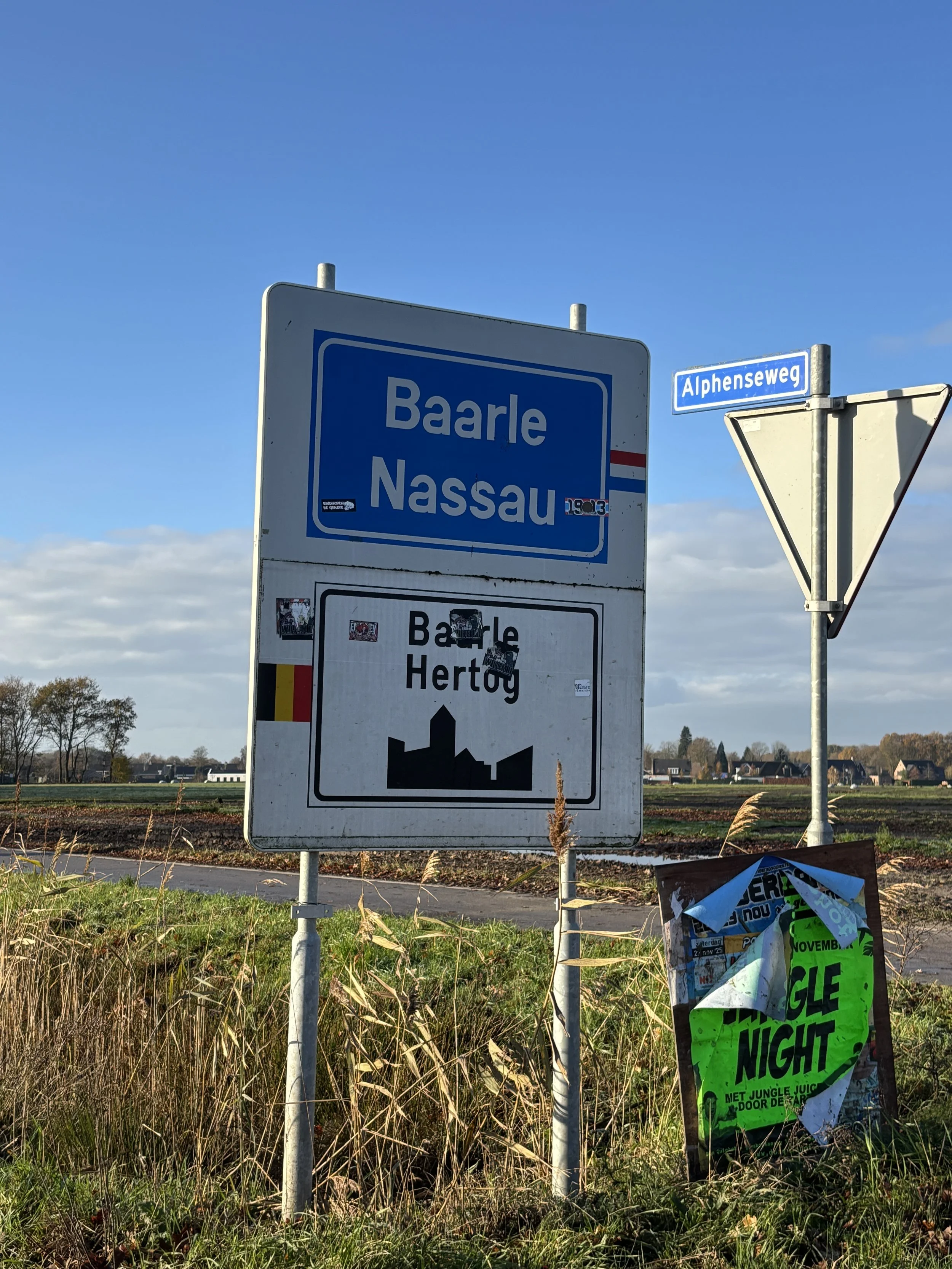
How to visit Europe’s weirdest border town: Baarle
Regular readers of this site possibly know by know that I am fascinated by the topic of borders. It is not for nothing that we have a dedicated “Borders” section here. And this is a topic which I have also explored on CNN on several occasions, whether in Europe or elsewhere.
But when it comes to borders, there is no other place like Baarle. Well, there kind of used to be one, the enclaves of Cooch Behar on the border between India and Bangladesh, but the two countries decided to straighten the border back in 2015, so that border line got greatly simplified.
Feudal land divisions and the messy divorce between Belgium and The Netherlands shortly after the creation of the former in the early 19th C. led to the formation of what is most likely Europe’s weirdest border arrangement.
Fortunately, though, the fact that both Belgium and The Netherlands are part of the EU and the Schengen Area facilitates enormously not just the lives of its inhabitants but also of the many visitors that come here on purpose to check out this border curiosity of the first order.
By the way, in order to keep it simple, throughout this post I am going to refer to the town simply as “Baarle”, since there are technically two towns in one: Baarle-Nassau if you refer to its Dutch portion, Baarle-Hertog when it comes to its Belgian municipality, which has also part of its territory on the Belgian “mainland”.
And I use the word “portion” very purposefully here, and not “side” which is often used when talking about borders, because it is frankly difficult to define “sides” in this corner of Europe.
There is, of course, the main border line between Belgium (and Flanders) and The Netherlands, and then there is the enclave of Baarle-Hertog, a piece of Belgium north of it, but if you zoom in, a more complex panorama appears, since the Belgian enclave is, in fact a patchwork of 22 smaller enclaves which have another eight Dutch meta-enclaves (or counter-enclaves) in them. There are also a few smaller Belgian enclaves on Dutch soil outside the urban centre, but we’ll leave those aside for the purposes of this post.
In the images below you can see how all these enclaves look like on the map:

This post may contain affiliate links. If you book or buy something through them, I earn a small commission, at no extra cost to you. It's a way to keep Places of Charm going. Thank you for your support.
Main points of interest in Baarle
Baarle is not large and most of its commercial activity happens along what could be considered the town’s neuralgic center, the Singel. It is here that you find the tourist information center, the church and what is possibly its café of reference.
It is really helpful that the local authorities have taken the care of painting the border line on the pavements, with the letters “B” and “NL” to indicate in which country you are at any time.
Café Den Engel
Singel 3, 5111 CD Baarle-Nassau
If you don’t know where to start your route through the streets of Baarle, this is a good starting point.
It is here also that you will find the Café Den Engel (“The Angel”), which is also a hotel (you can check the prices here) and has a bi-national terrace in which it is possible to sit down at a table that is bissected by the border.
Note also, in the picture below, which zooms out from the outside of the café, how the border does not necessarily follow straight lines. At this point the border does a sort of zig-zag, making to straight angles in the middle of the road which leave Den Engel fully within Dutch territory.
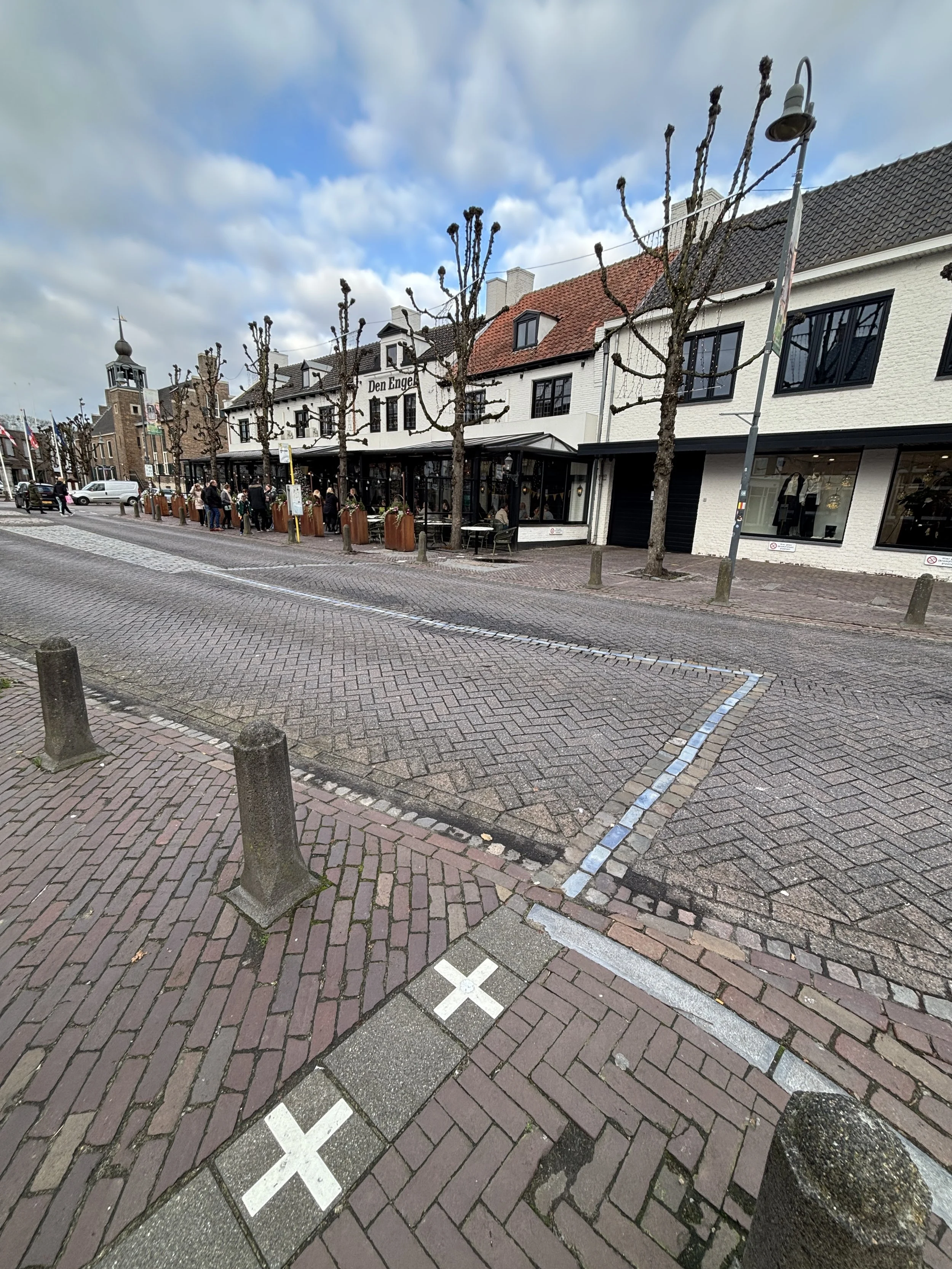
Baarle Tourist Information Office & Museum
If you think border tourism is weird, just go to the Baarle tourist office and you won’t feel alone anymore, because the facility is dedicated to serve the constant stream of visitors that come to check “The Line”.
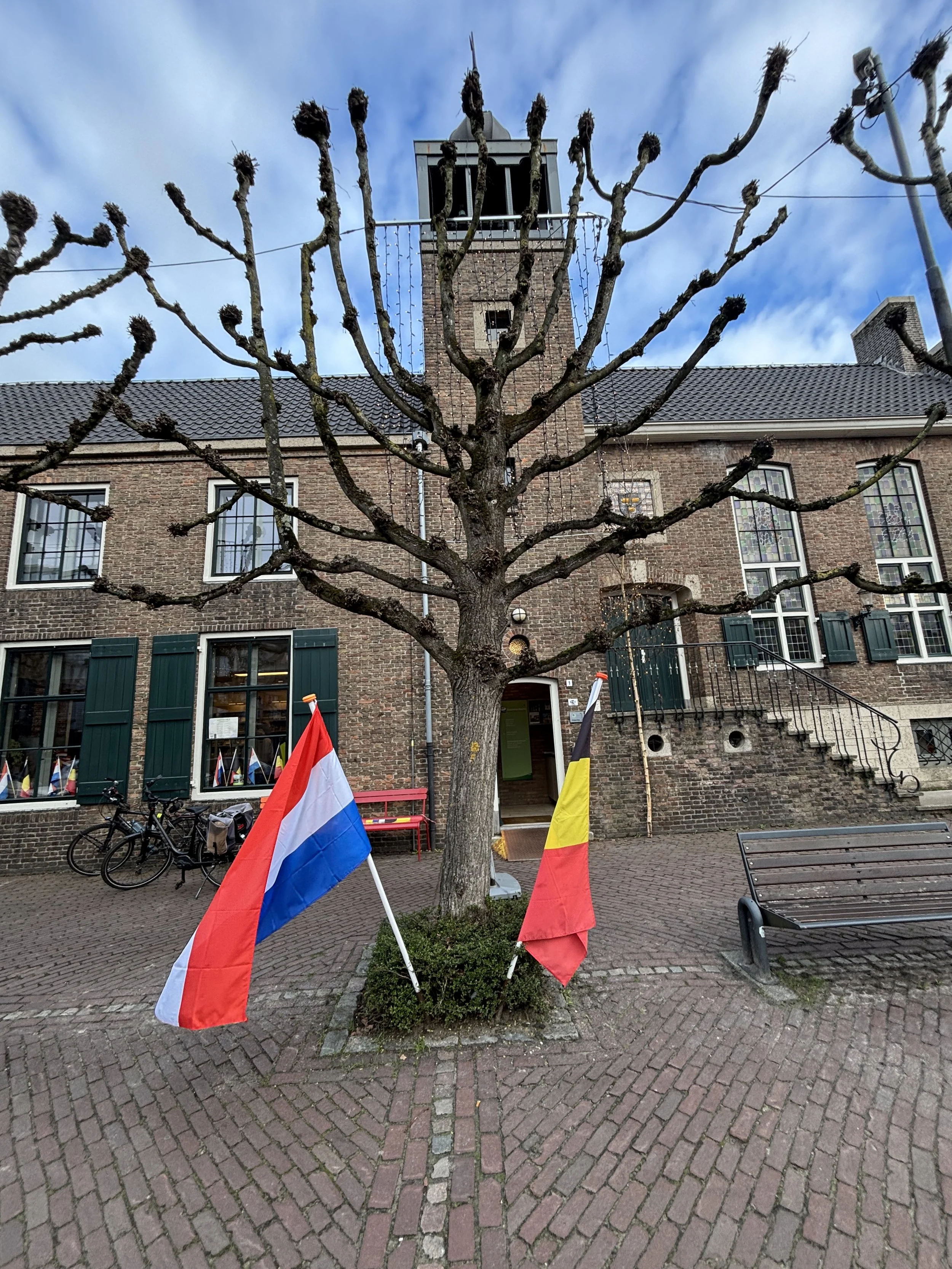
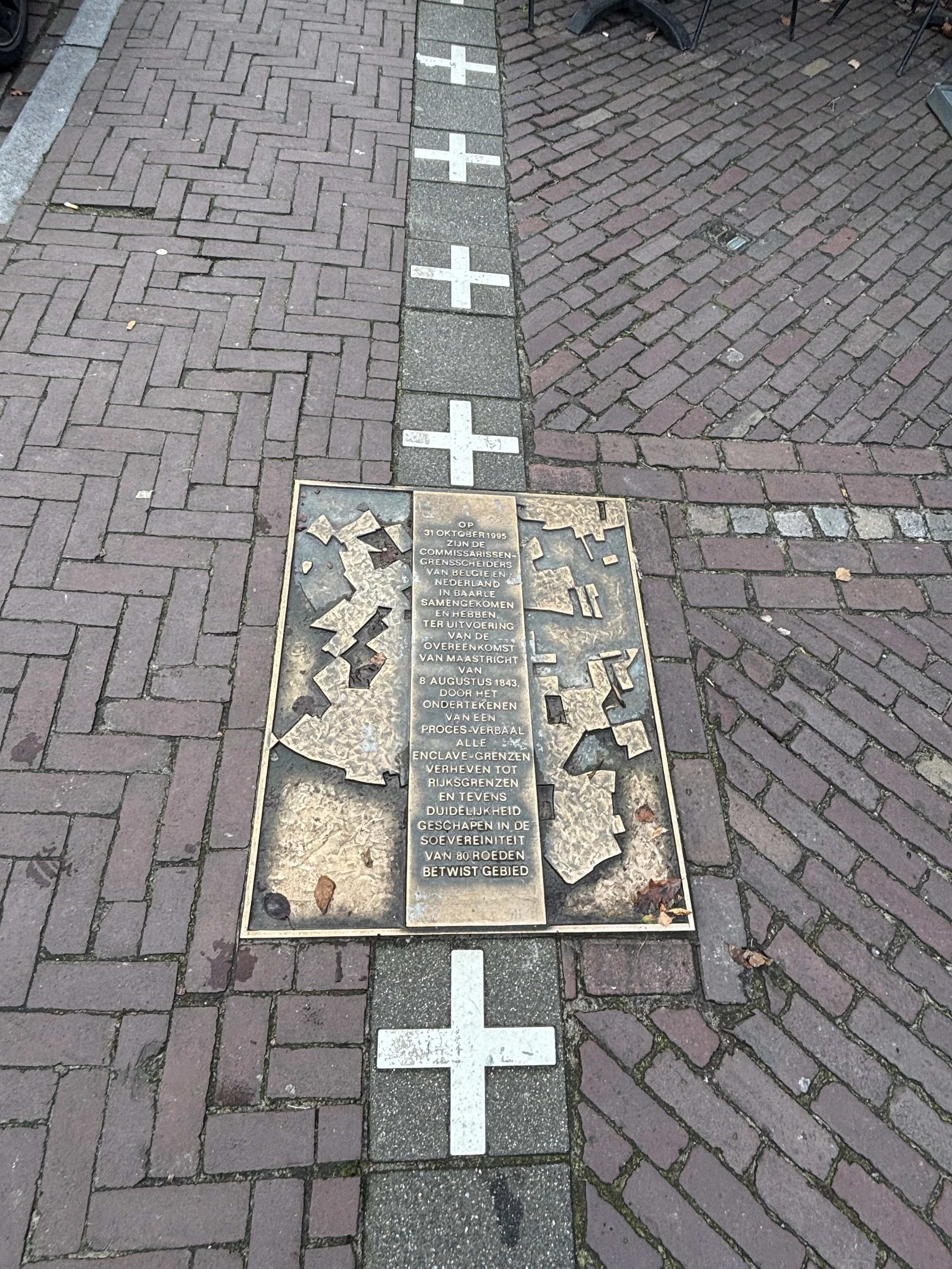

So, Baarle’s tourist office, which is also located on the Singel, is well stocked with all sorts of maps and other reading materials about the border. Here you can also get suggestions and advice about the best walking routes routes to see the most picturesque border points in and around town. By the way, here you can also buy some border-themed merchandise!
There is also a small museum in the basement. It is just one room, but it has some interesting stories, pictures and other border-related items. It’s worth checking.
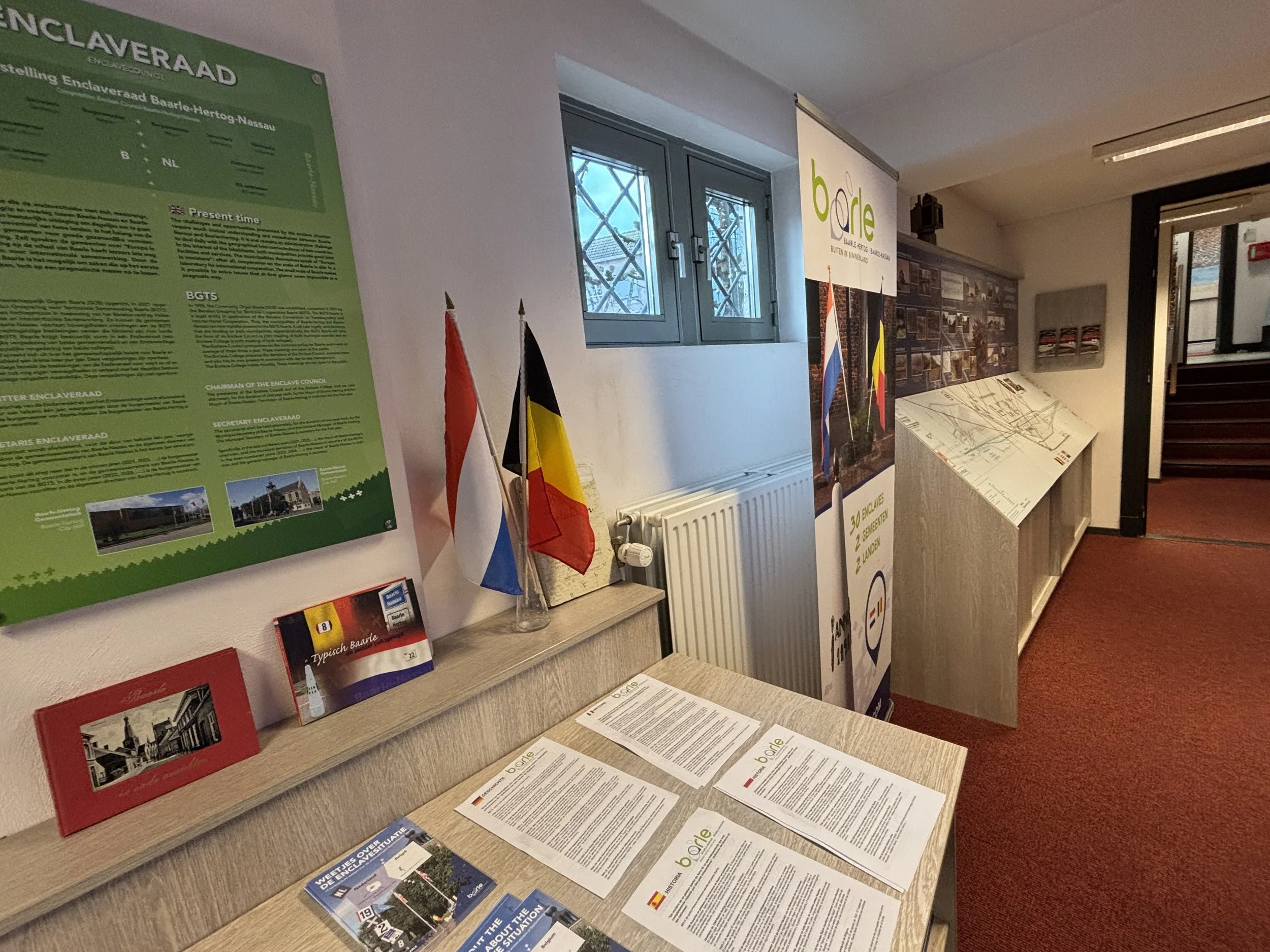
By the way, not everything in Baarle is about the border.
There is also a WW2 memorial, which is located in front of the church. It is dedicated to Free Polish troops which liberated the town of Baarle and the surrounding region in October 1944.
The rather long list of names in it gives you an idea of how fierce the fighting was in this area, with many young Poles losing their lives in the combat for this borderland.
This episode of WW2, in which the 1st Polish Armoured Division under general Maczek went on to liberate much of the region of Brabant, in the southern Netherlands, was also remembered by a 34km remembrance walk organized by organised by WIEGO, a Dutch walking association, and the Maczek Memorial.
The walk took place on September 21, 2024, between Baarle and Breda to mark the 80th anniversary of the liberation of the city by Polish troops.

De Biergrens, a bi-national beer & liquor store
Molenstraat 98, 5111 CE Baarle-Hertog
This is another interesting spot to visit, first because the short walk to get there is a perfect excuse to check a few more of the border “crossings”, as the two countries intersect several times along the way.
But, also because this store, De Biergrens (which could be translated as “The Beer Border” or “Beer at the Border”) has the particularity of sitting right on the border line. And it does so, because part of the building is actually within one of the Dutch counter-enclaves, the smallest of them all, actually!
The fact that the sale alcohol is usually subject to a whole set of taxes and regulations depending on the country you are in, only makes the place more interesting.
The store owners are well aware of this and have actually laid out a line with the flags of the two countries to demarcate the border inside the store.
Here you can also buy the local, border-themed beer, called “Smokkelar” (“the sumggler”).
Baarle’s bi-national apparel store
Zeeman
Stationsstraat 1A, 5111 CK Baarle-Nassau
If you are not into beer, here is another bi-national store you can check, this one is a Zeeman apparel store.
It is located next to Baarle’s main commercial street, at a spot where the border makes an angle.
Like at De Biergrens, here the border line has been demarcated with a line showing the two flags which runs all through the store’s floor. I assume, though, that the administrative complications of selling apparel and household items across border lines are not nearly as great of those of selling alcohol.
Baarle’s WW1 Radio Station
This is actually a spot in Baarle which has quite an interesting story.
During WW1, the Germans occupied almost all of Belgium, except for a tiny pocket in the westernmost side of the country and, of course, the Belgian enclaves in Baarle, since they protected by a narrow slice of neutral Dutch land.
This meant that Belgian authorities could continue to operate freely within their own territory in Baarle, so a radio station was smuggled in through Dutch territory to operate as both a listening and a broadcasting post.
Zendstation MN7 had a 40-meter tall mast, a replica of which was erected again, just few years ago, at its original location on one of the Belgian enclaves. Unfortunately, the mast appeared to have been taken down, perhaps for maintenance, at the time of this visit. However, it was possible to read about this fascinating story on several information panels at or near the spot where the original mast was located, at the corner of Leliestraat and Sint Janstraat.
Even if the mast was no longer there, the walk to get there offered the chance to see some more bi-national streets.
The bi-national house
We have seen a number of commercial establishments that sit right at the border, but there are also private homes where this happens.
This is the case of the house in the picture, located partly on one of the Belgian enclaves, which has the distinction of being the smallest enclave in the World, actually.
In addition to featuring two flags, this house has also two addresses, Loveren 2, Baarle-Hertog (Belgium) and Loveren 19, Baarle-Nassau (The Netherlands), because the border goes literally through the door.
This is not as unusual as it might sound, for example, check this story I wrote for CNN about the Franco-Swiss hotel which sits right at the border between France and Switzerland, with the border running through the middle of some rooms and even beds.
It is worth noting that in Baarle through which the location of the front door which determines the address and to whom do you pay taxes. So, there have been recorded cases of people that have physically modified their own houses to “move” to their preferred jurisdiction.
Recommended place to eat in Baarle
Eetcafé De Lantaern
Molenstraat 42, 2387 Baarle-Hertog, Belgium
This restaurant, which is located entirely within one of the Belgian enclaves, is a nice option to eat in Baarle. To be honest, the food choices are not huge, also don’t expect super-sophisticated cuisine, but it offes good value, in my opinion.
The portions are reasonably good, the desserts in particular, and they also have a very large selection of Belgian beers.
But, the best of this place is the atmosphere, which is pretty nice and cozy inside. It also has a courtyard, which I guess it is a plus when the weather is nice.

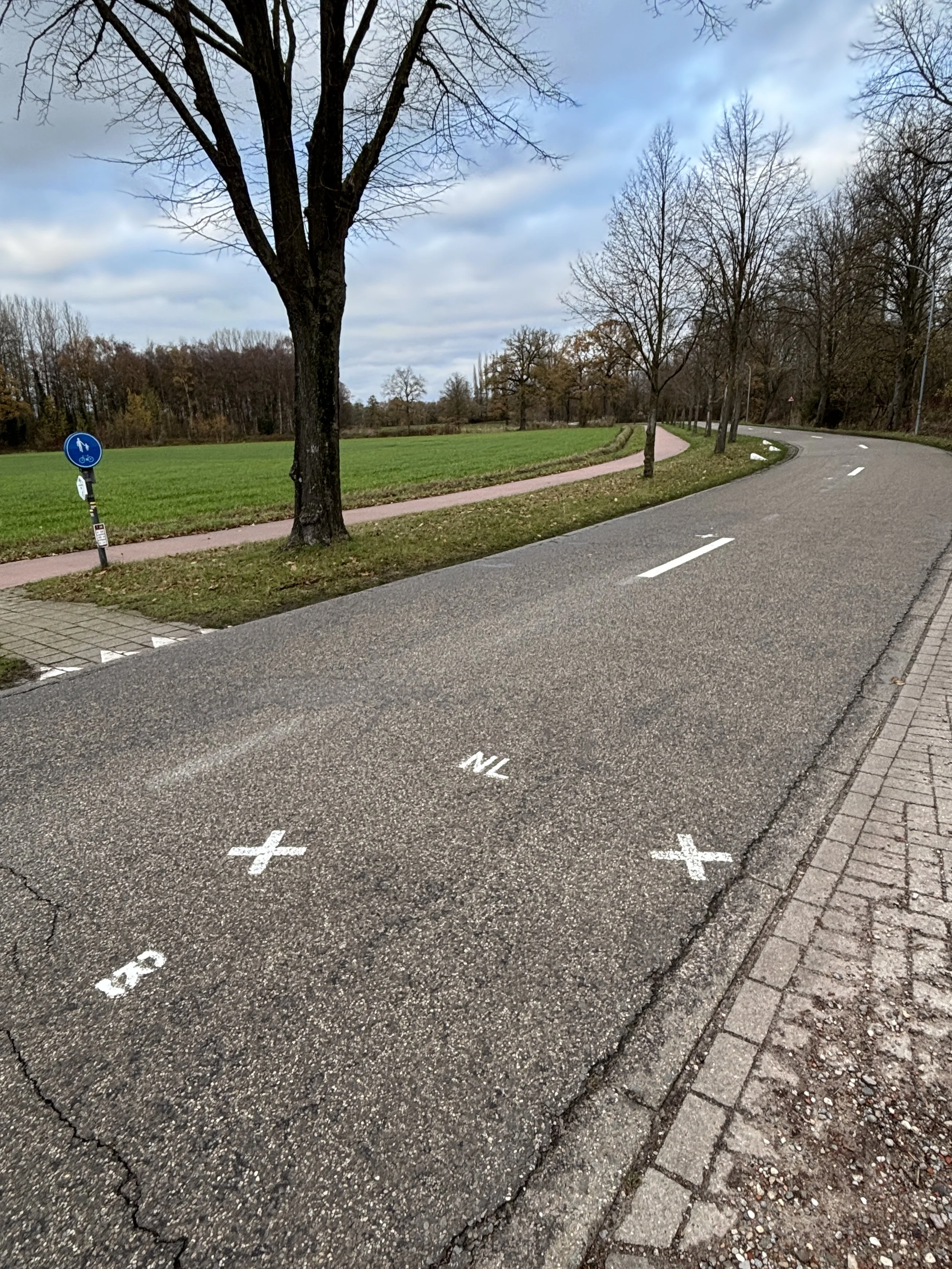
The main B-NL border and the WW1 fence
Here is another point which would be of interest on its own right, but there is part of history that makes it even more interesting.
During WW1, Imperial Germany decided to seal off occupied Belgium from The Netherlands, which were neutral. However, since there are no natural borders in this part of Europe and people on both sides of the border speak the same language and have also many links, this was very difficult to do without an extreme level of coertion.
So they built the “Dodendraad” (“the Wire of Death”) an electrified fence which would kill anyone touching it while trying to cross it. It is estimated that while it was in place this fence killed between 2,000 ad 3,000 civilians trying to cross it!
Today, a reconstruction of that fence stands at the exact spot where it used to be, as a memorial. This is a poignant reminder that borders are not always a safe or friendly place!
There is a little parking next to it, so you can stop your car here and walk along the border if you feel inclined to do so.
Also, note that, at this spot, the border does not run in a straight line across the road, but it makes a 90º angle at about one third of the width of the road. The quirks of the border in this part of Europe are almost endless!

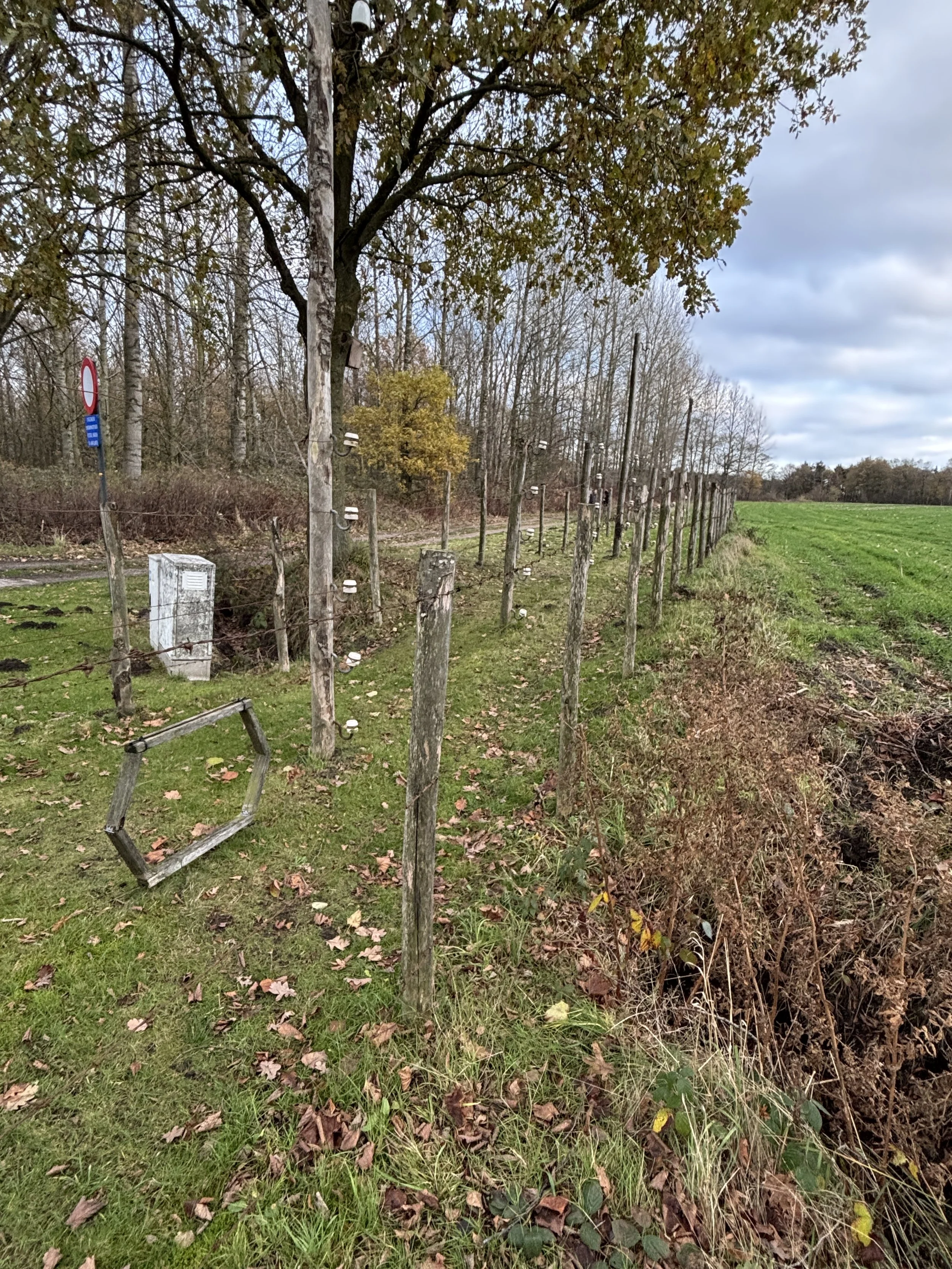
Additional resources:
If you wish to know more about Baarle and how this weird border layout came to be and, more generally, about borders, here are some additional sites and resources you can check:
The great and comprehensive post about Baarle on the Frontera’s Blog (in Spanish)
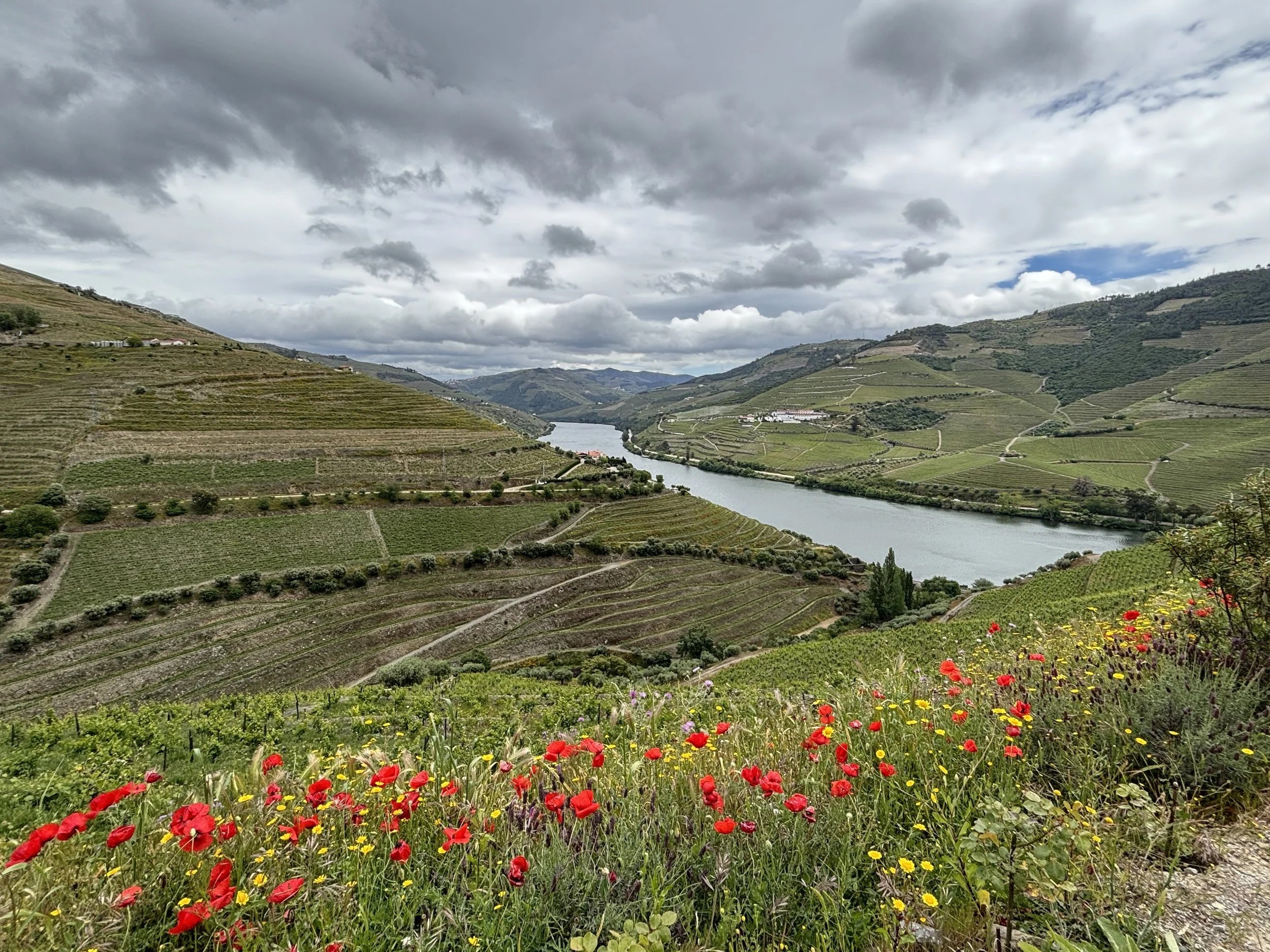
A road trip through the Douro Valley: what to see & to do

Let me set the tone for this article by saying that the Douro Valley is one of most beautiful wine regions in Europe, if not the entire World.
The are is, of course, famous for being the place of production of the rather unique and famous Port wines, but also of a whole variety of other wines under the Douro Designation of Origin (Denominação de Origem Controlada - DOC). There is a large number of cellars, many of them small, family-owned businesses, all along the Portuguese stretch of the river Douro, pretty much from the Spanish border to the city of Porto and the Atlantic Ocean.
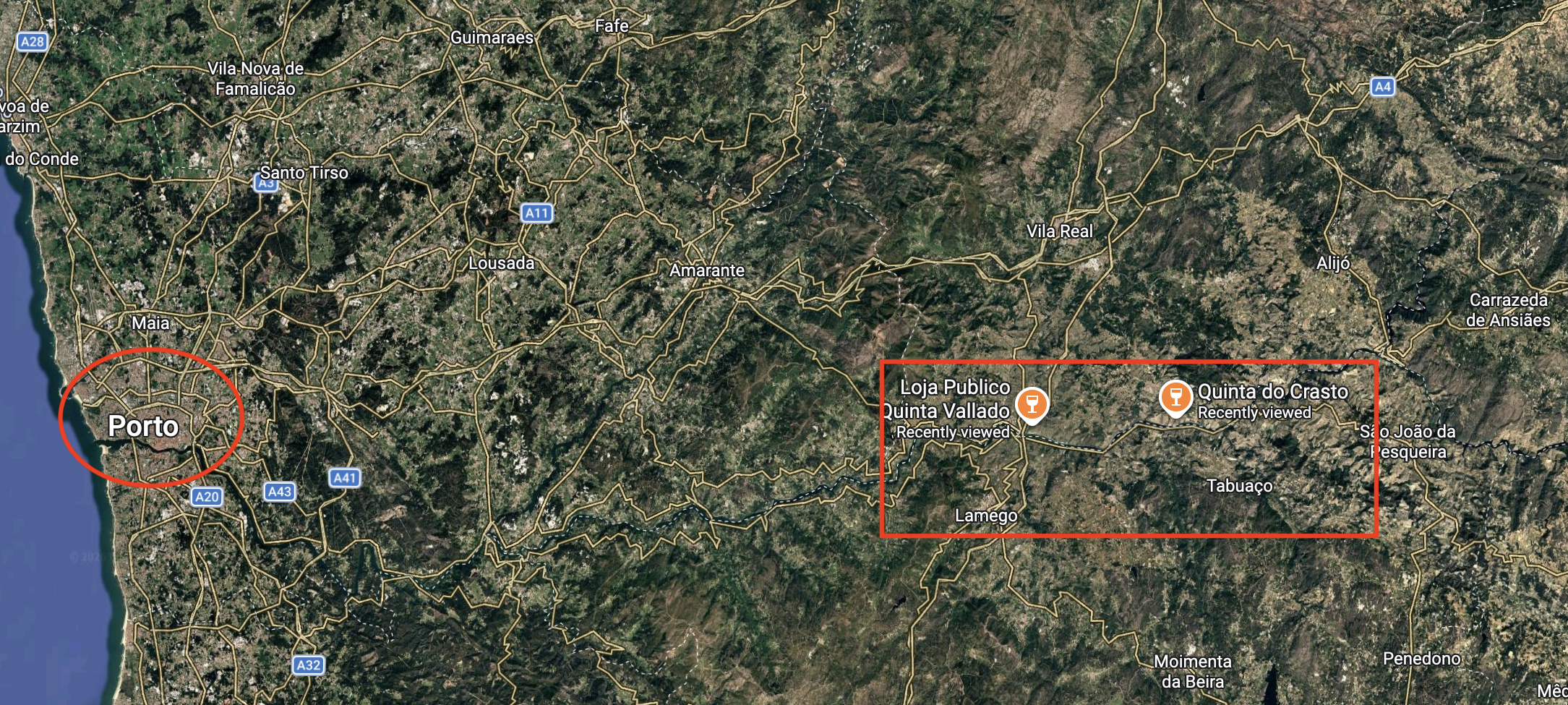
But even if you are not into wine, or your wine-tasting capability is limited because you need to drive (there is a touristic train that runs along the valley from Porto, but to visit the places named in this post you will need a car), the Douro Valley is a magic place full of incredible landscapes.
What’s more, it has pretty good infrastructure throughout, and in here I include not just roads and the like, but also hotels and restaurants, which are in most cases, small family-run affairs as well.
In fact, I would say the main problem when visiting the Douro Valley is the large number of choices, of wineries to visit and potential places to stay at. I hope this post, while inevitably limited in scope, will provide a starting point for those doing this type of research ahead of a trip to this beautiful part of Portugal.
In the map below you can see some of the places that are mentioned in this story in which I will share my experience driving through the Douro Valley and sharing some tips, from my own experience, about which wineries to visit (or which “Quintas” to visit, to use the local parlance) and what to do and what to see in this beautiful area of northern Portugal.
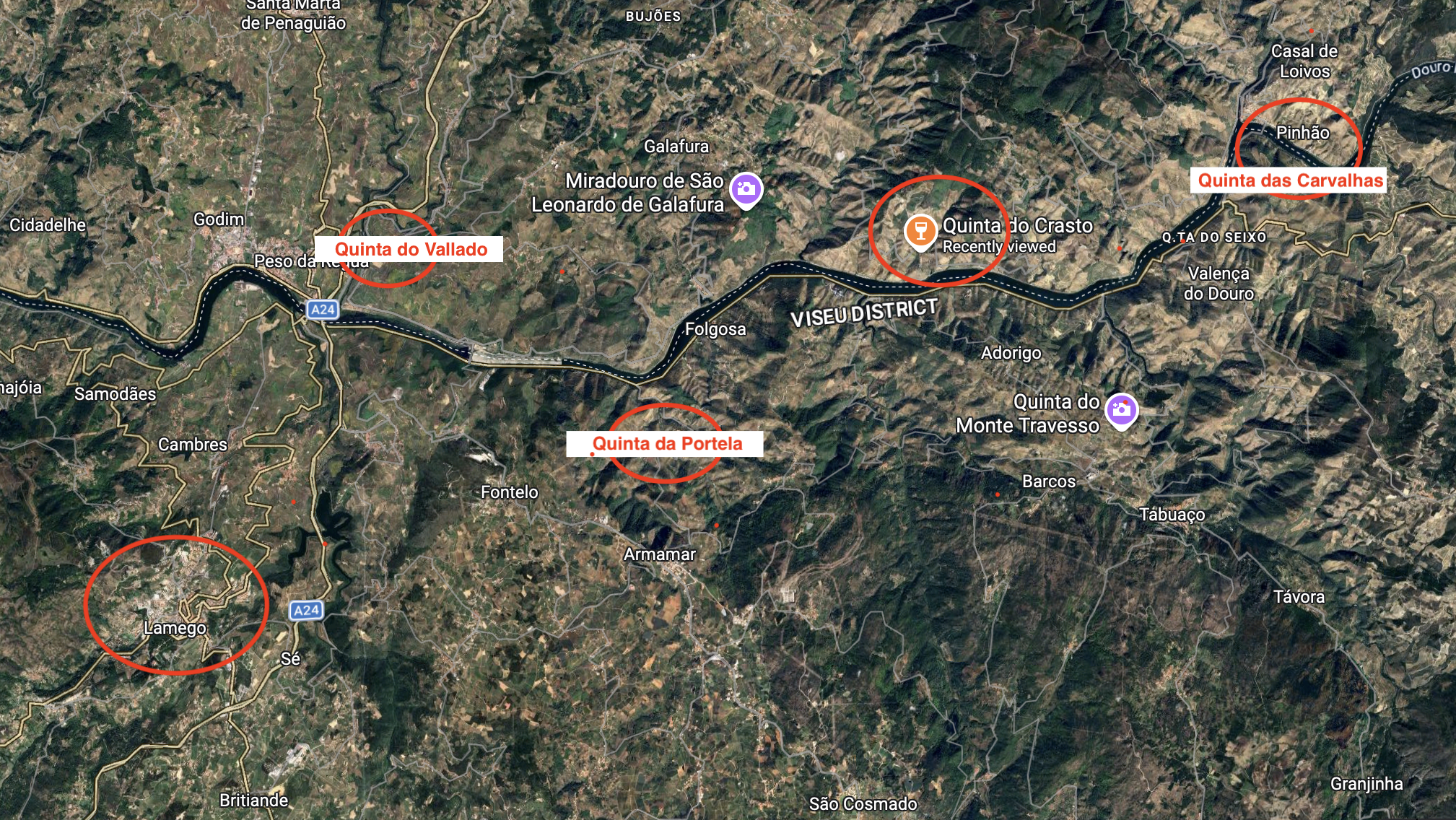
This post may contain affiliate links. If you book or buy something through them, I earn a small commission, at no extra cost to you. It's a way to keep Places of Charm going. Thank you for your support.
A good base to explore the Douro Valley: Lamego

This town makes a good starting point for any road trip through the Douro Valley.
It is located on the south bank of the river, about an hour drive from central Porto.
It is actually a place of historical significance in Portugal since it is here where, it is said (apparently it is has not been completely ascertained), the first King of Portugal was proclaimed in the Middle Ages.
The town is also a place of pilgrimage, since it has the Sanctuary of Nossa Senhora dos Remédios (“Our Lady of Remedies”), which sits, very spectacularly at the top of a hill and is reached by an impressive flight of stairs.
Unfortunately, we arrived to Lamego when it was already late in the evening, so didn’t have the chance to visit it, but enjoyed the views from the town’s main avenue.
Btw, below is a picture of the landscape around Lamego taken from one of the nearby hills, where our hotel was located.

Check this great place to eat in Lamego
Douro Excellence, por Paulo Matos & Jacira Galhardo
Largo da Vitória, R. Macário de Castro, 5100-196 Lamego
We stumbled upon this restaurant almost randomly, after arriving in Lamego quite late (most of the town was closed) and asking some locals. It turned out to be an excellent piece of advice!
So, if you are in the area, definitely make some time to eat at this restaurant, even better, just call to book in advance, because it is well worth it.
The restaurant is run by a husband-and-wife team and it has a really welcoming and homely atmosphere. The food was also really good, with plenty of Portuguese specialities, nicely presented in slate plates and matching local wines.
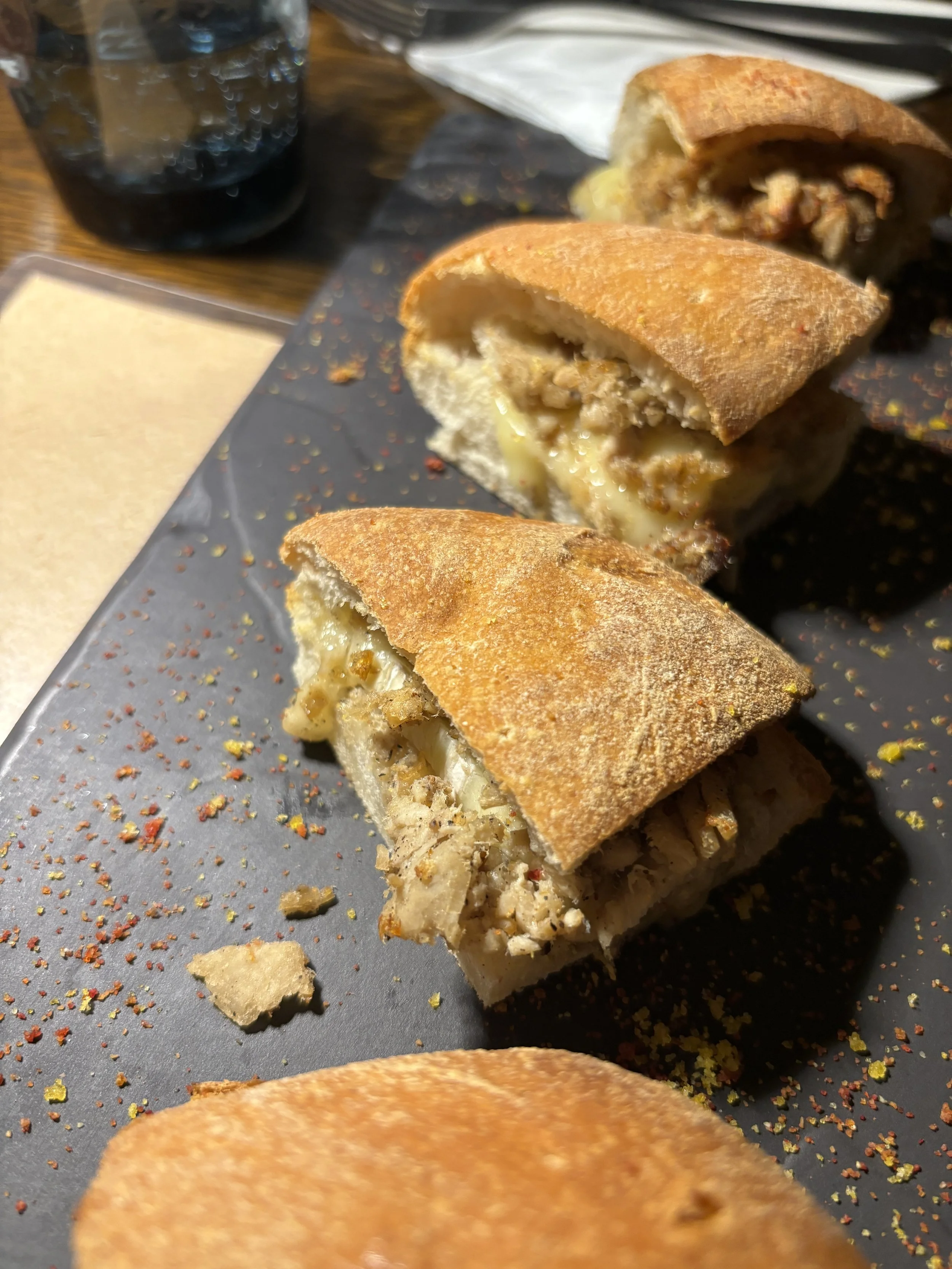
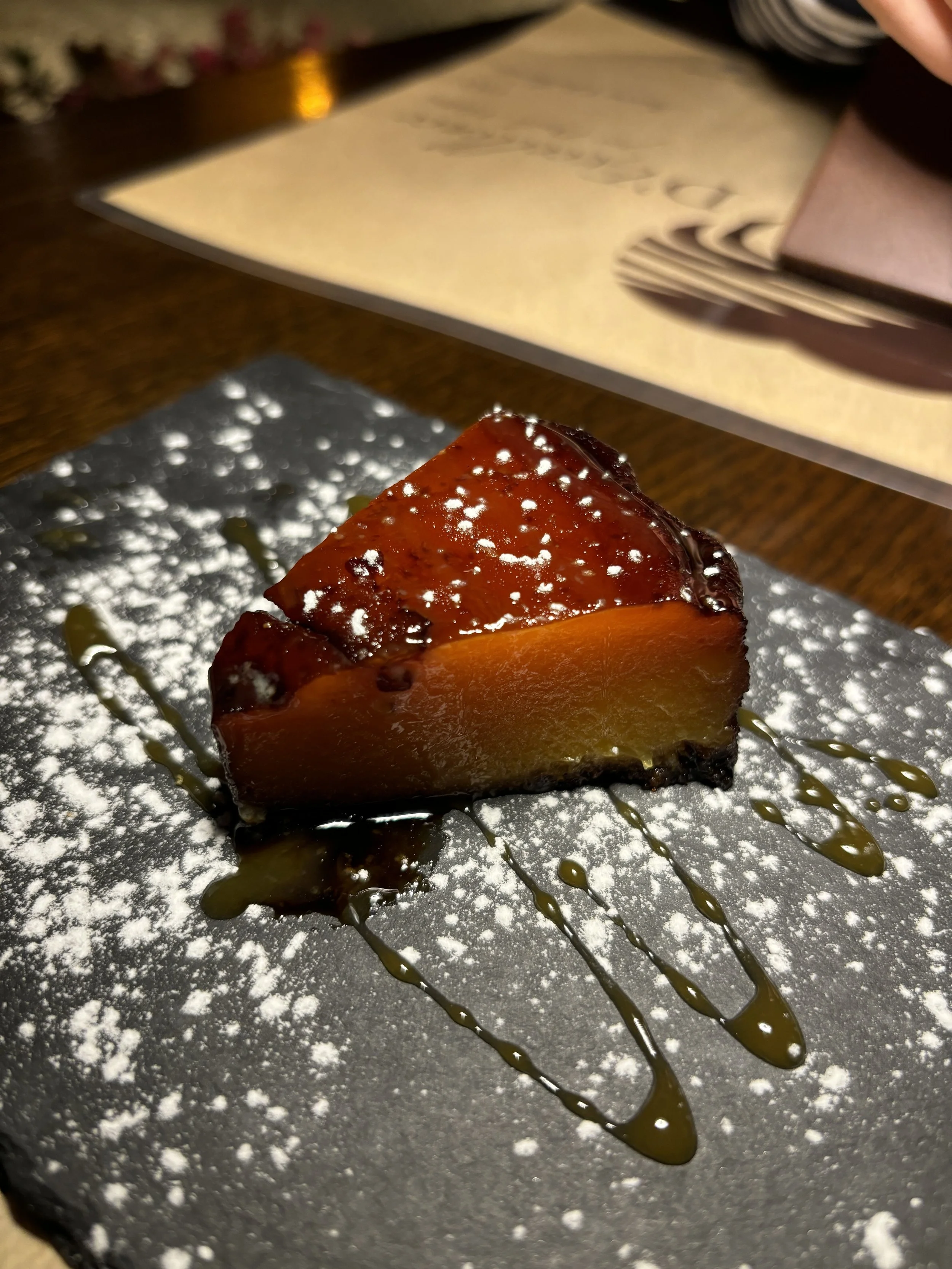
Nice place to stay in Lamego
Paraíso Douro AL
Caminho Da Serra Das Meadas 44, Quinta da Pegada
5100-043 Lamego
This hotel is a bit out of town on a hill with amazing views (check the pics below).
It has rather large grounds, with a garden area and a pool, although we just stayed there for a night, so didn’t use it much.
Very large rooms and good breakfast!
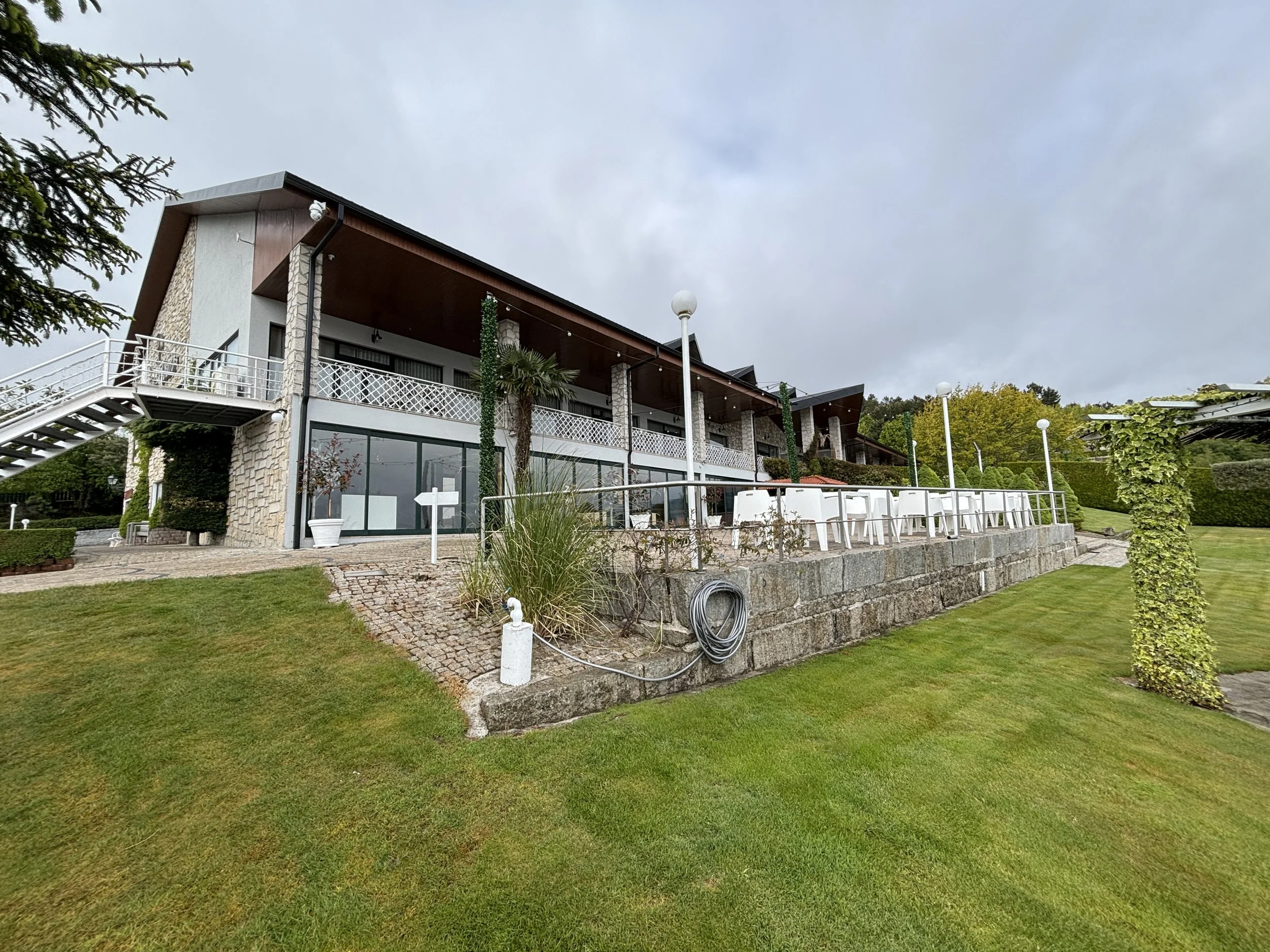
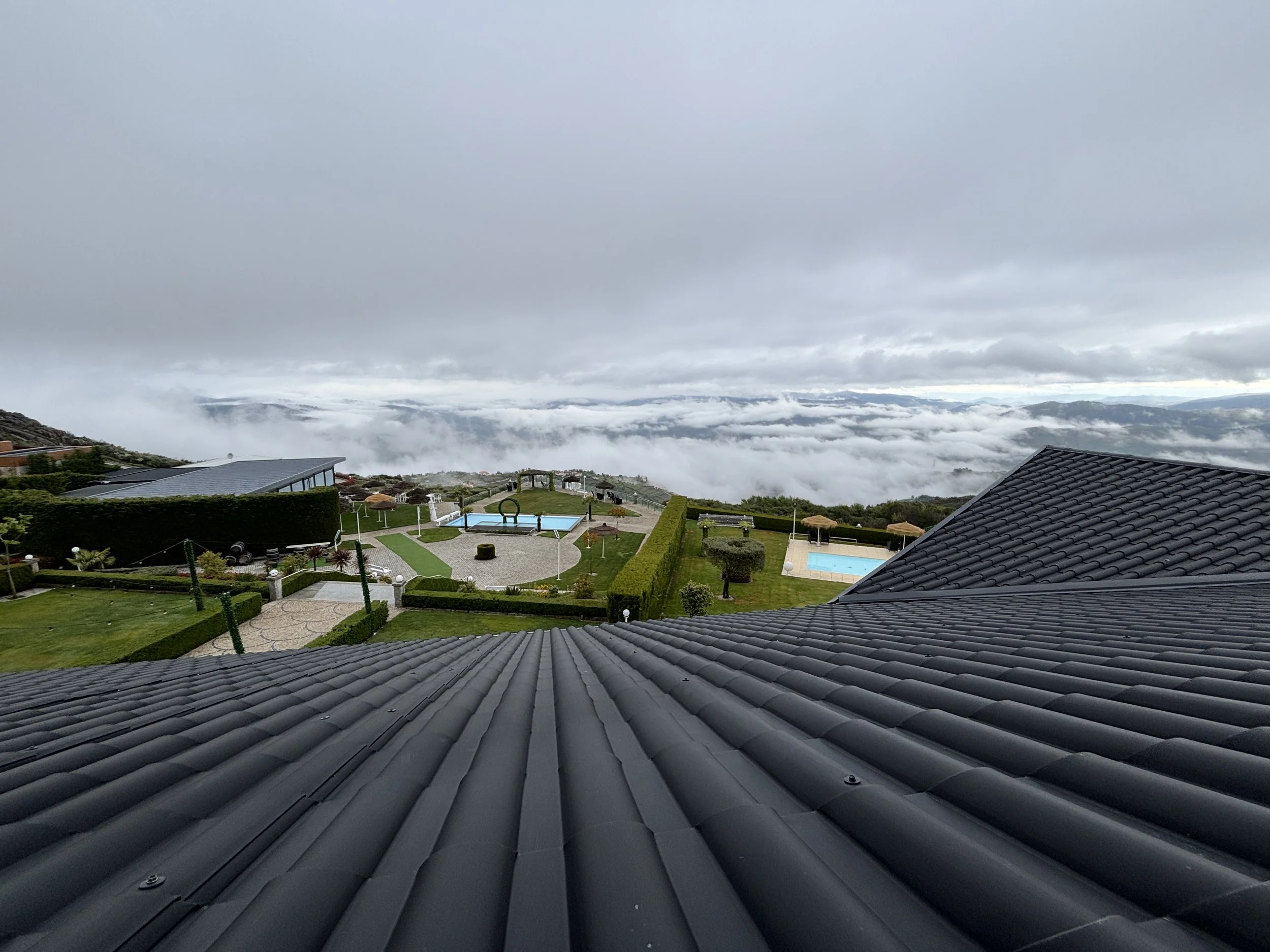
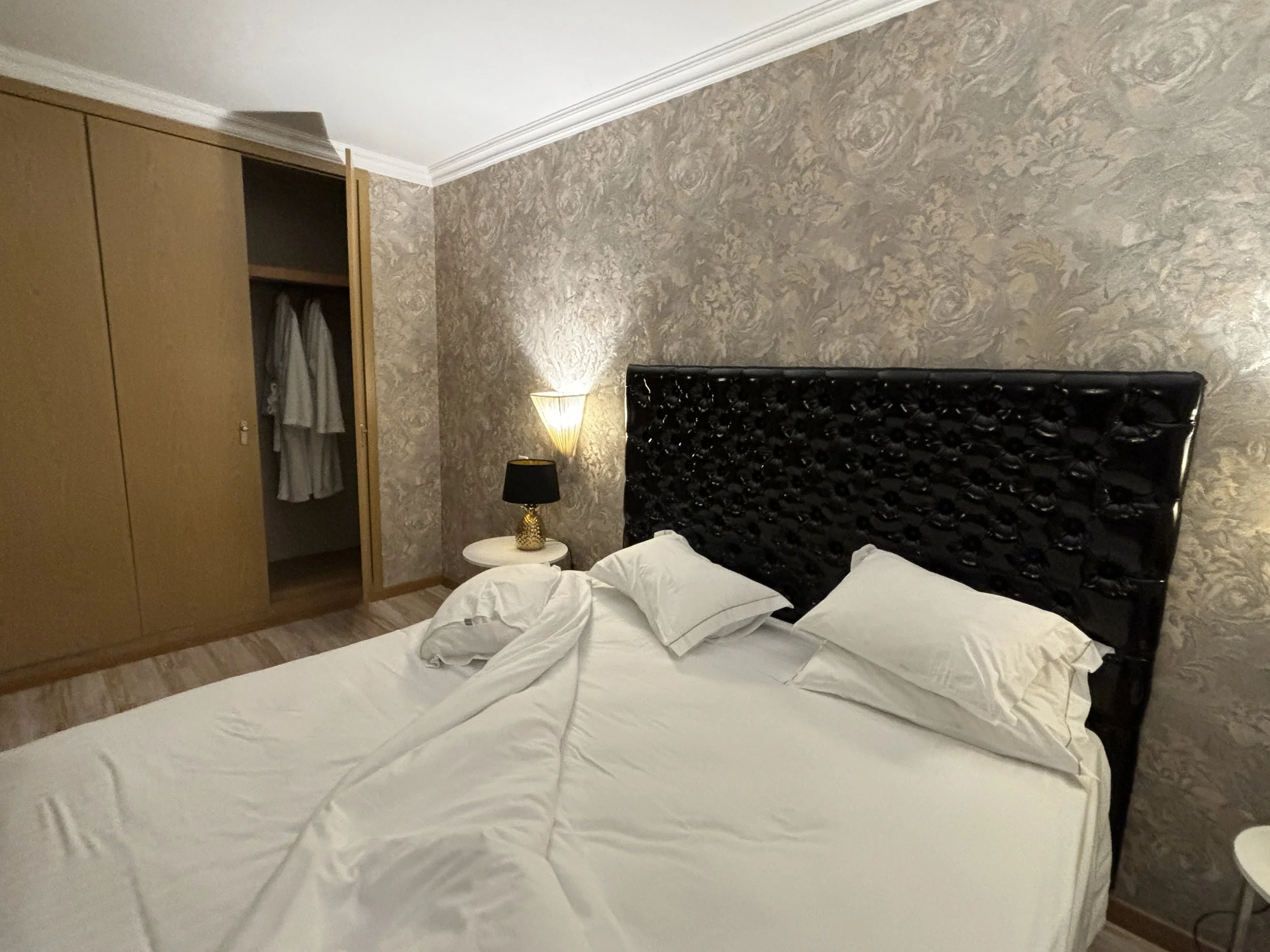
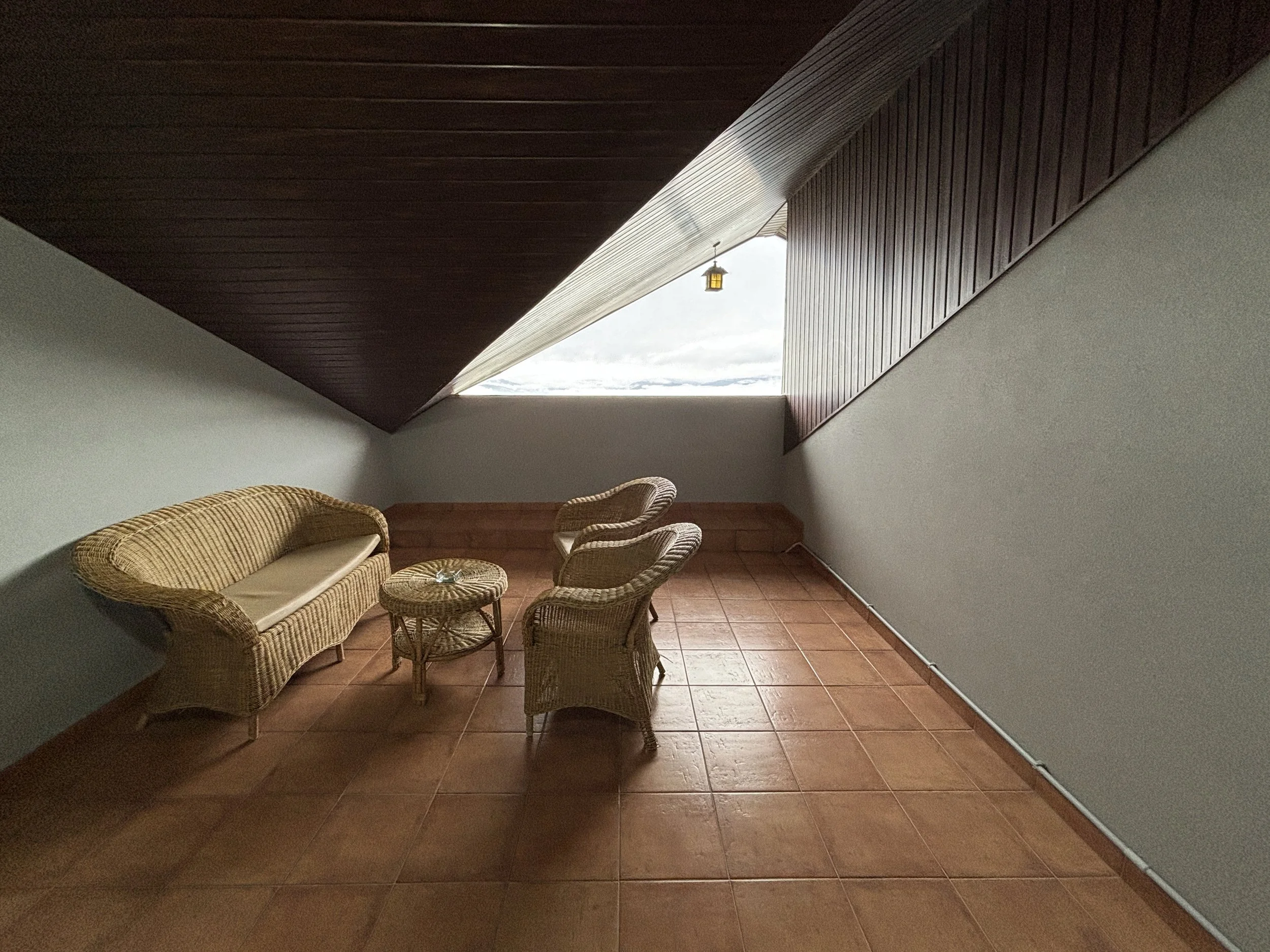
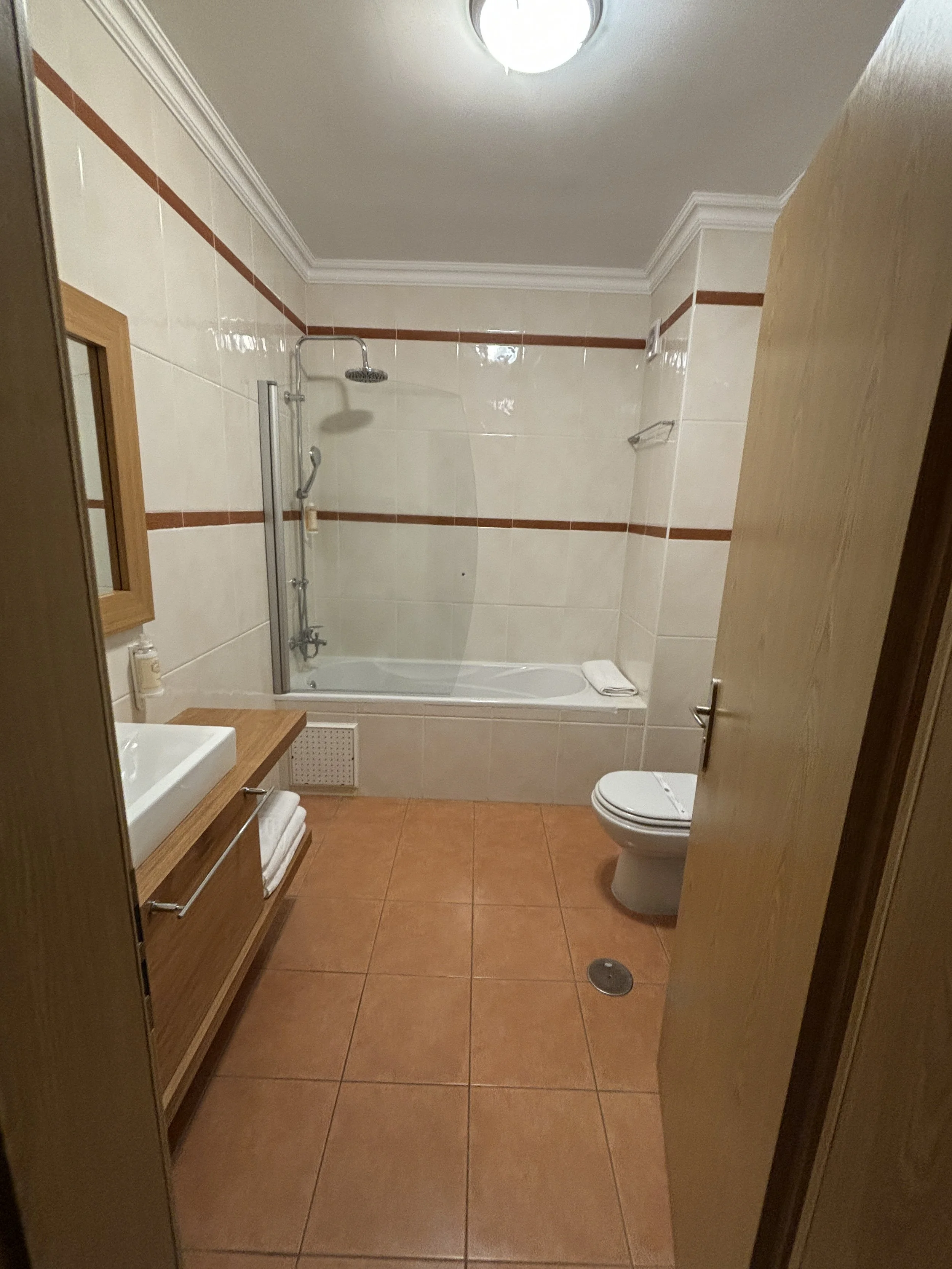
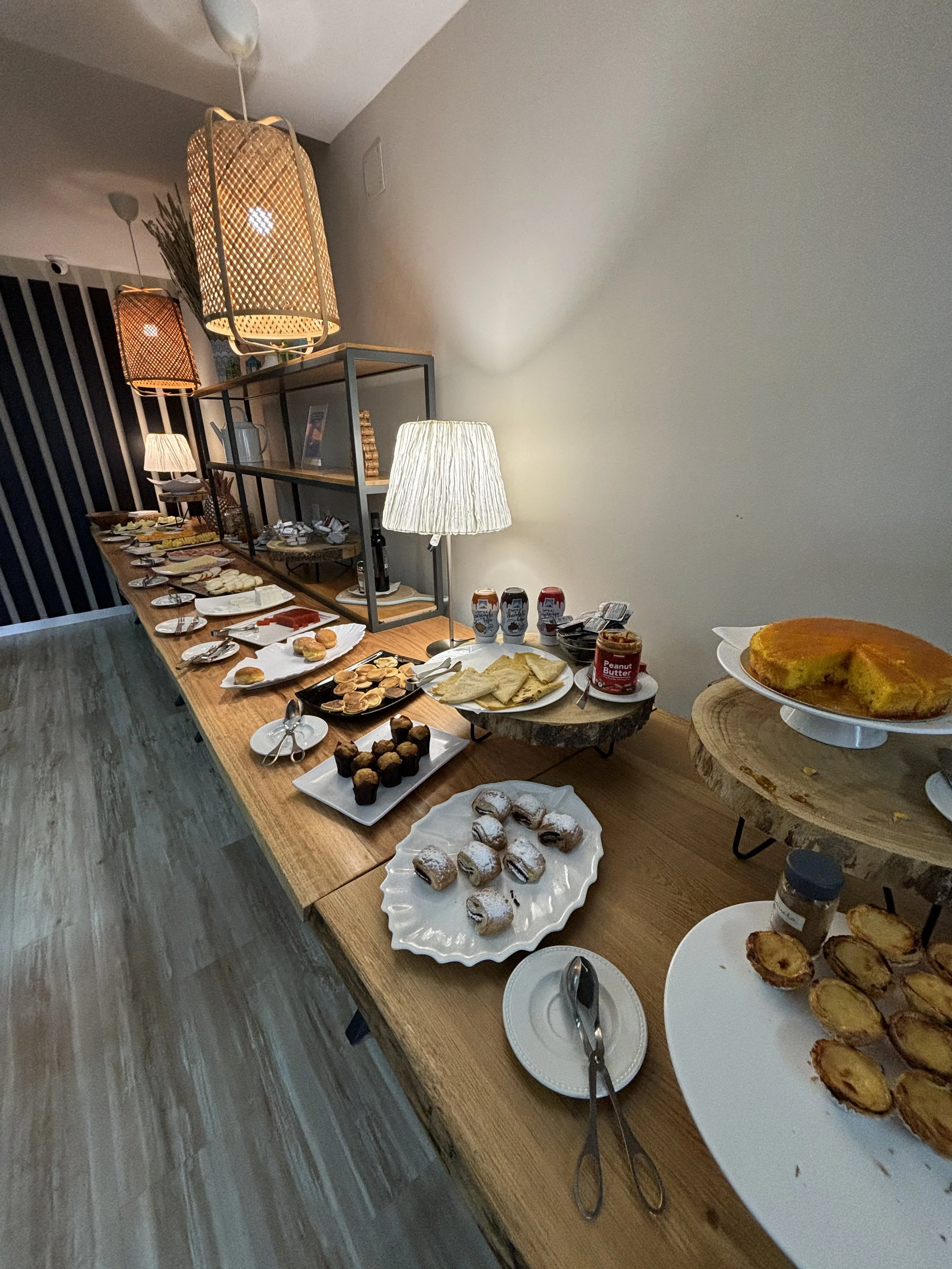
Visiting wineries in the Douro Valley
So, after Lamego, it was time to cross onto the northern bank of the Douro for the first winery visits. Here are a few things that I wished I knew before planning this trip.
Number one is: book in advance your winery tours. Yes, with the large amount of wineries in the Douro Valley, it may be easy to assume that there should be no problem with access, but this is not the case.
Many of these wineries run tours only at certain times and for small groups and we found out that quite a few of them were quite full, actually. You may find one that is available, of course, but the issue is that if you go on knocking doors time and kilometers start adding up, since the Douro Valley is quite a large area, and you have wasted your morning before you have even noticed!
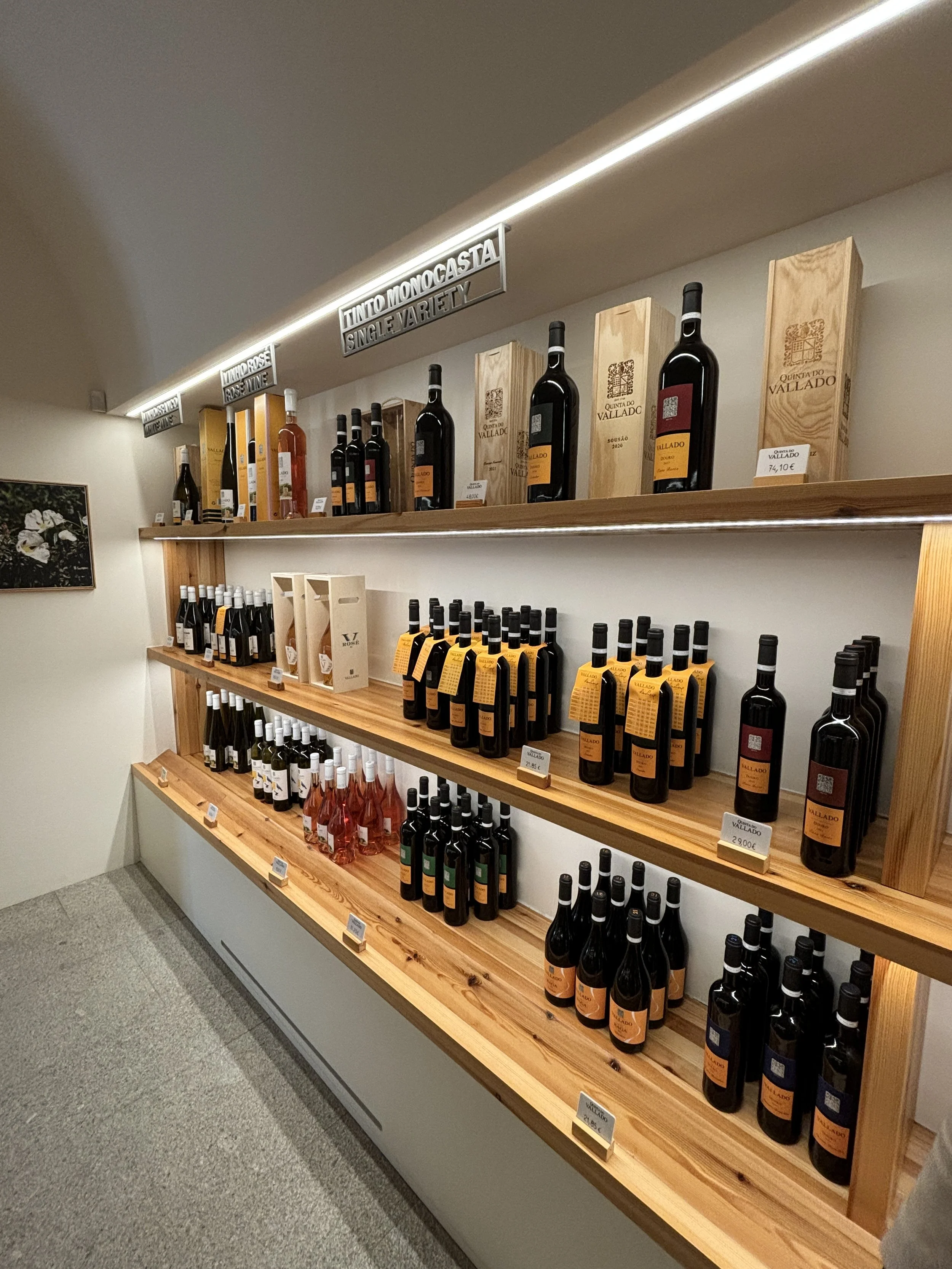
As we shall soon see, in our case, this ended up being a blessing in disguise, because, after all we had a limited amount of time (one day) for the winery tours and ended up having a great experience at the one we ended up at, but a bit of planning wouldn’t have been out of place!
So, here are two wineries that we called at, and stopped by, but couldn’t properly visit. Although they looked quite interesting and had a well stocked shop where it is possible to do some sampling of wines.
Quinta do Vallado, in Peso da Régua
This is one of the most historical wineries in the Douro Valley and it has been run by the same family since the 18th C.
Traditionally its product had always been Port wine, but in recent years it has diversified into other types of wines, as well.
The family’s old manor house has also been transformed into a boutique winery hotel. They also offer several tours and experiences, which is better to book in advance, because they usually fill up quickly.
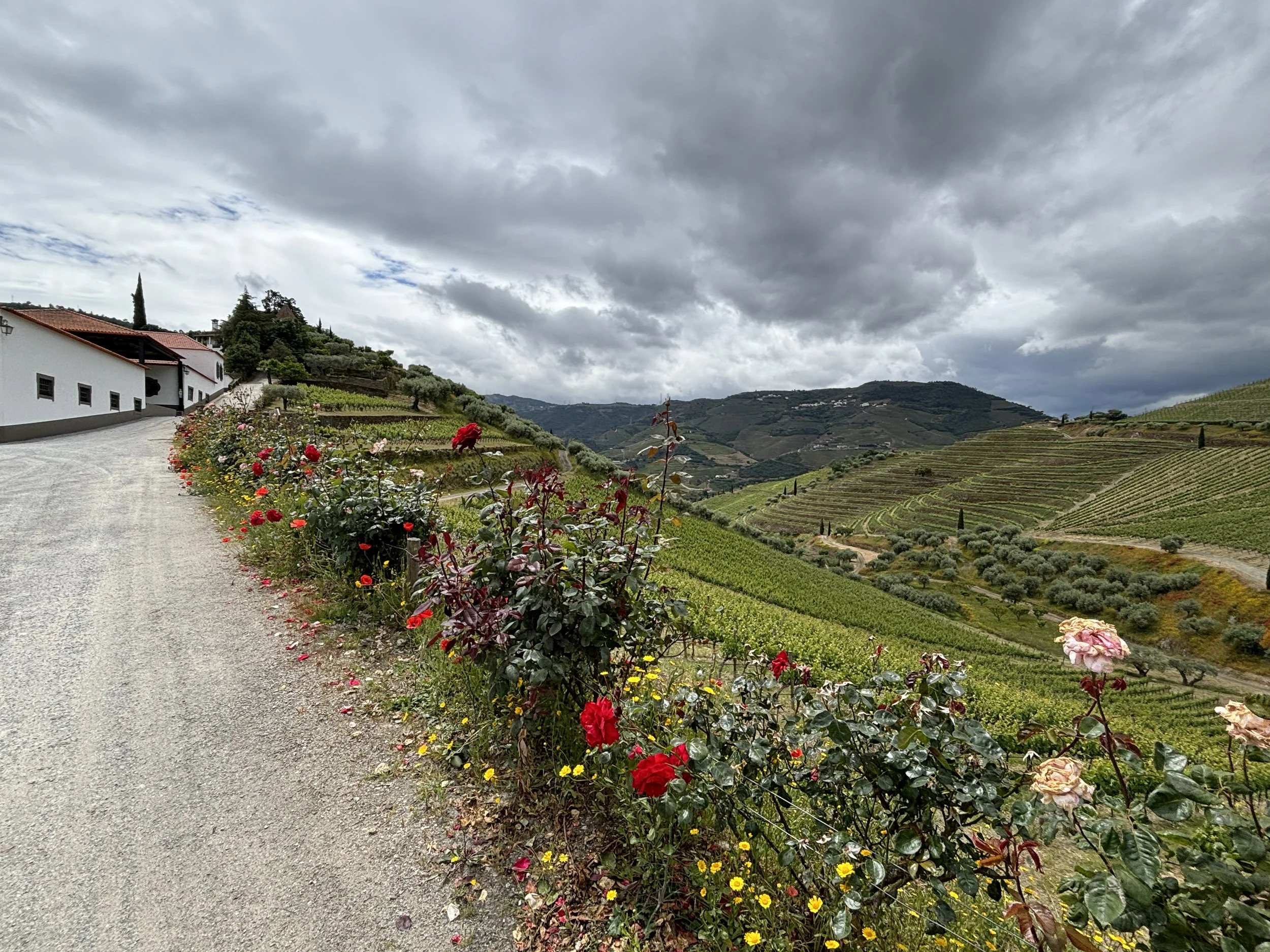
Quinta do Crasto
This is another of the most prominent wine estates of the Douro Valley. Its roots date back at least since the 17th C. and the name hints at a possible Roman presence (“Castrum” or castle at this spot).
But, even if you don’t do the tour, is worth stopping by the estate to check the amazing sights of the wine groves all around, since the winery is on top of a hill overlooking the Douro river on one side and the nearly endless wine terraces on the other.
Driving on the north bank of the Douro: from Peso da Régua to Pinhao
Another good reason to pass by the Quinta do Crasto is that it lies in the middle of an absolutely scenic road. The route from Peso da Régua to Pinhao makes a large arch, heading first towards the northeast towards Vila-Seca and then southeast back towards the river by way of Gouvinhas. It is near the spot where the road rejoins the river that Quina do Crasto is located.
This last stretch of the route, from Gouvinhas to Pinhao is a winding countryside road full of curves but it provides some postcard-perfect (or Instagram-perfect, if you prefer) pictures of the Douro Valley landscape, with its green terraced slopes mixing vines with olive groves.
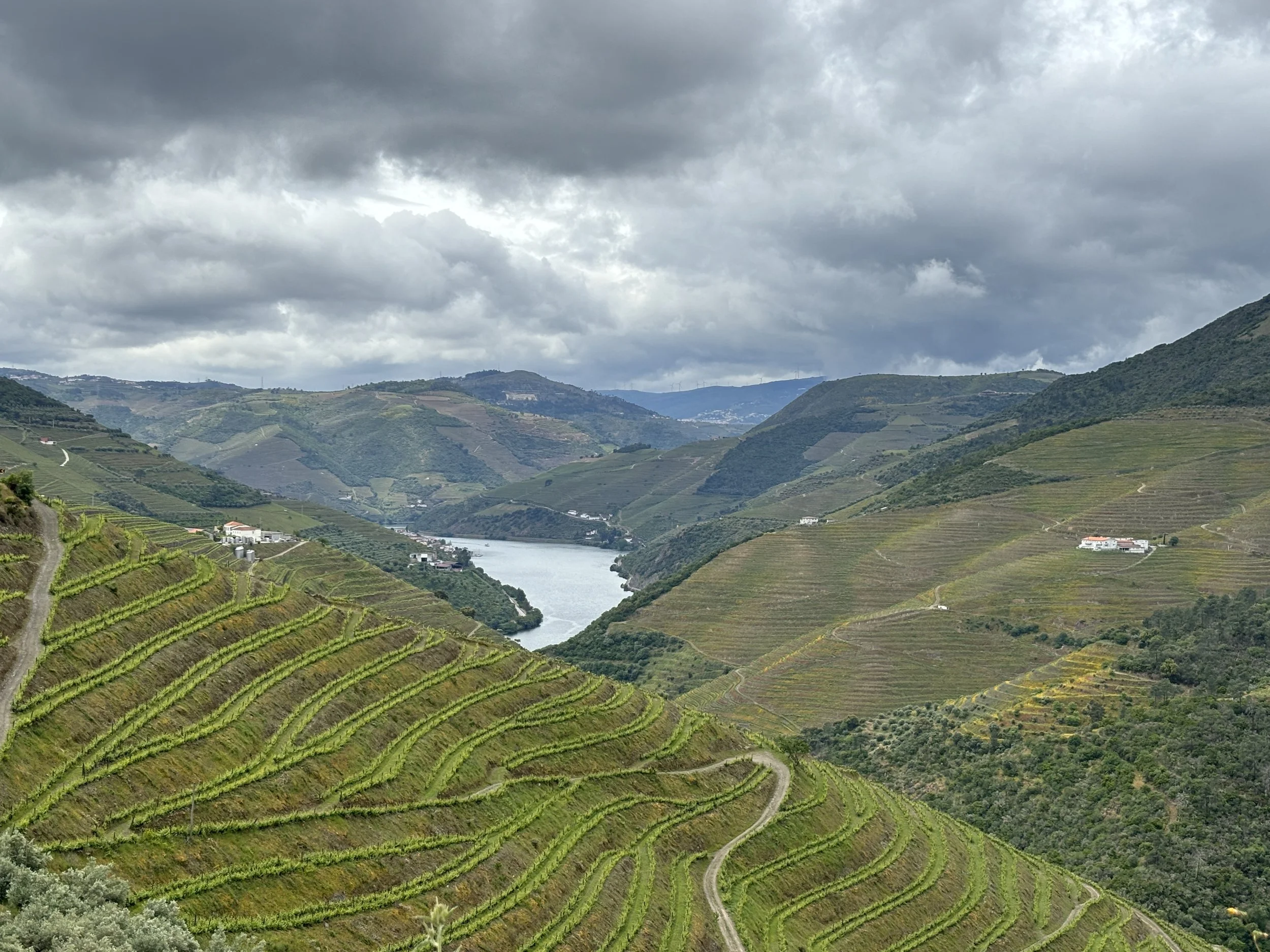
This is a very rural area and every now and then you come across some village which looks as if it has come out of some time-travelling machine!

Winery visit: Quinta das Carvalhas
Quinta das Carvalhas, 5085-034 Pinhão
So, after a few frustrated attempts to do the winery tour, we did find one winery that would take us and it was actually a pretty good one!
If you are looking for a comprehensive winery visit, with great explanations, landscapes and tastings, the Quinta das Carvalhas, just outside Pinhao, is an excellent option.
Pinhao is also on the railway line from Porto, so even if the winery is on the opposite bank of the river, it is next to a bridge and should be easy to reach even without a car.
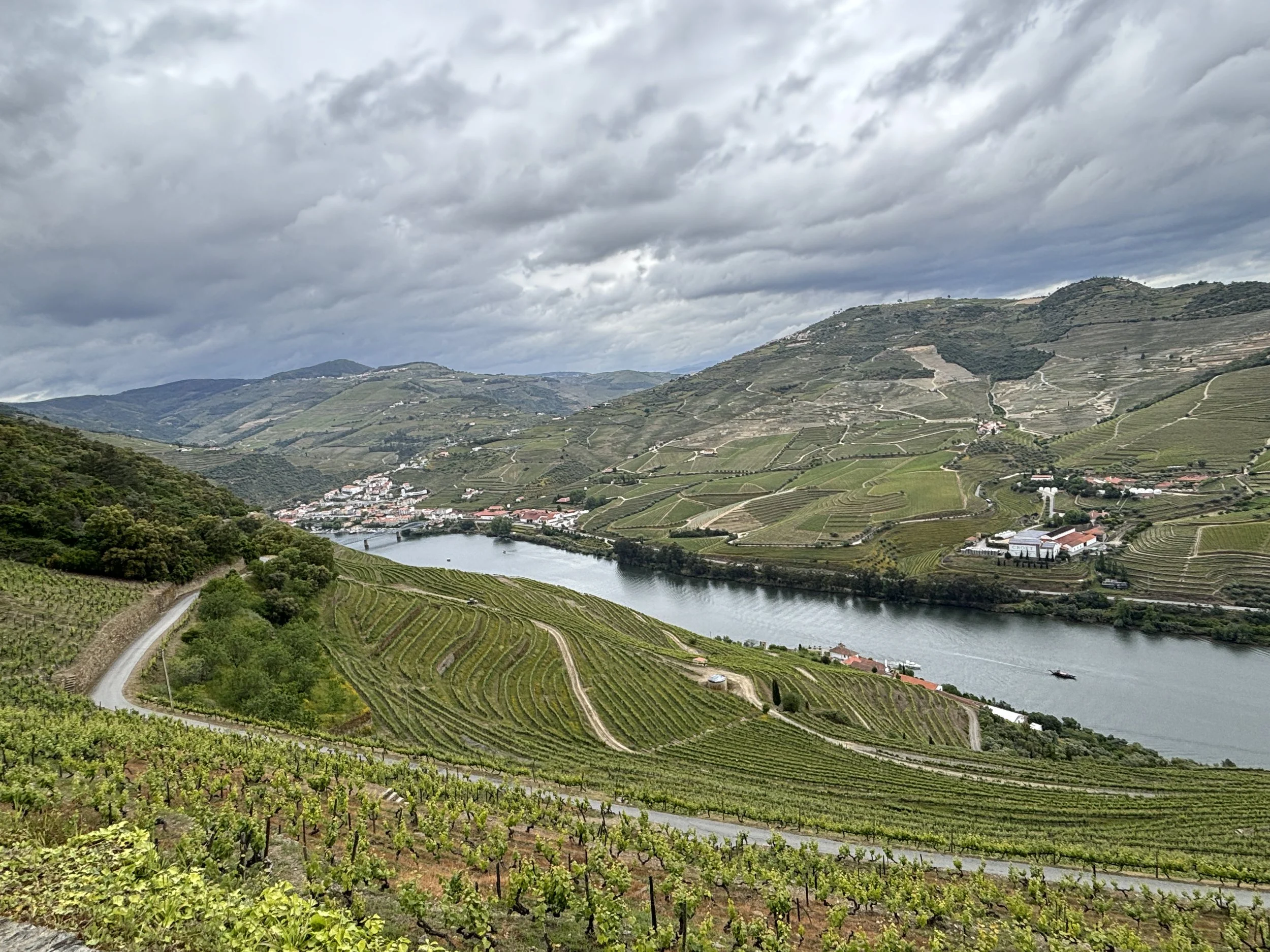
Quinta das Carvalhas offers a guided tour which, rather than showing you the cellars, takes you outdoors through the different areas of the estate. The vines grow on the slopes on the southern bank of the river, offering some truly amazing views.
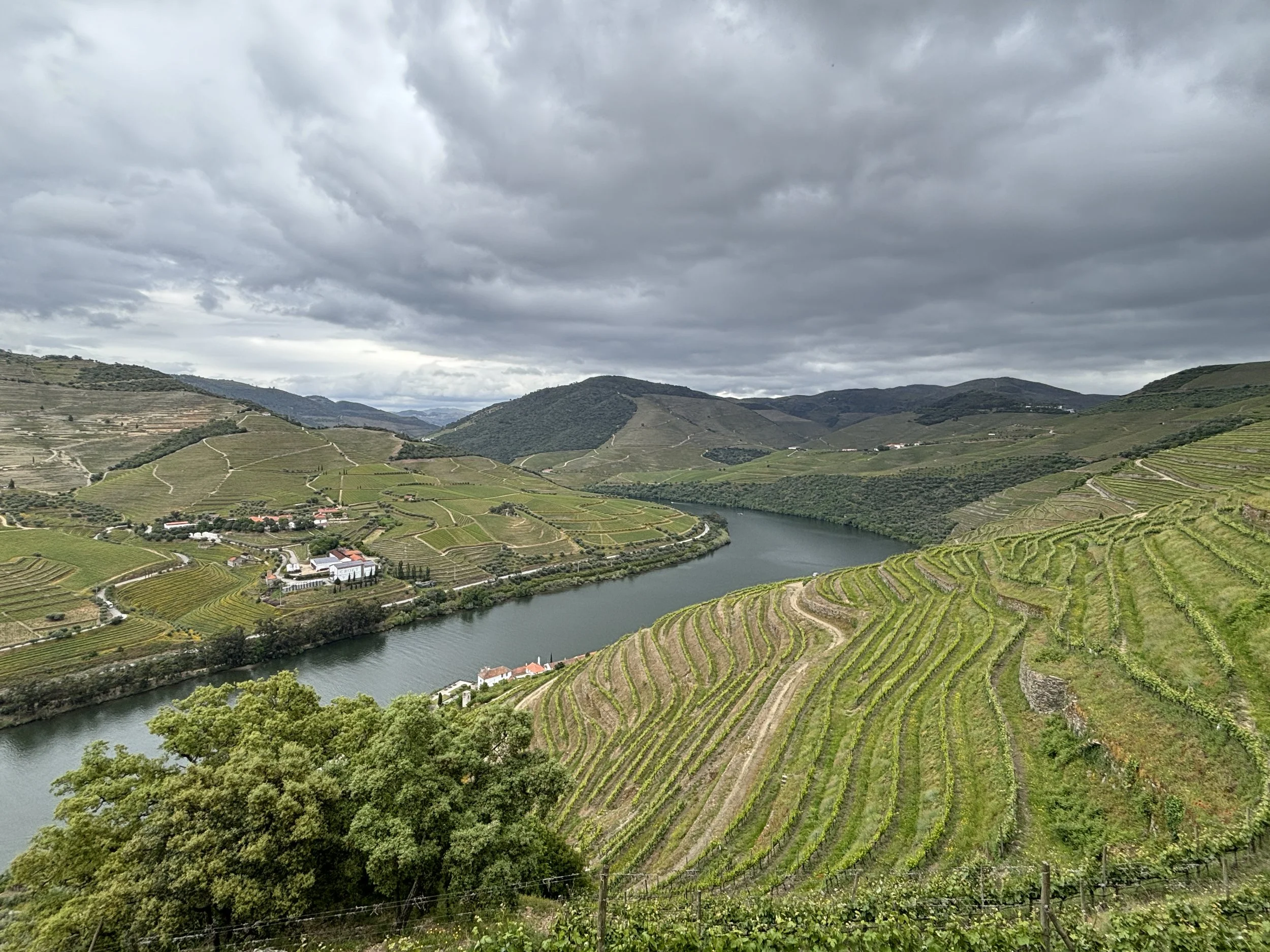
Since the whole mountain is within the estate, from its top you also have a nice view of the land side, the wine landscape that extends towards the south from the Douro river.
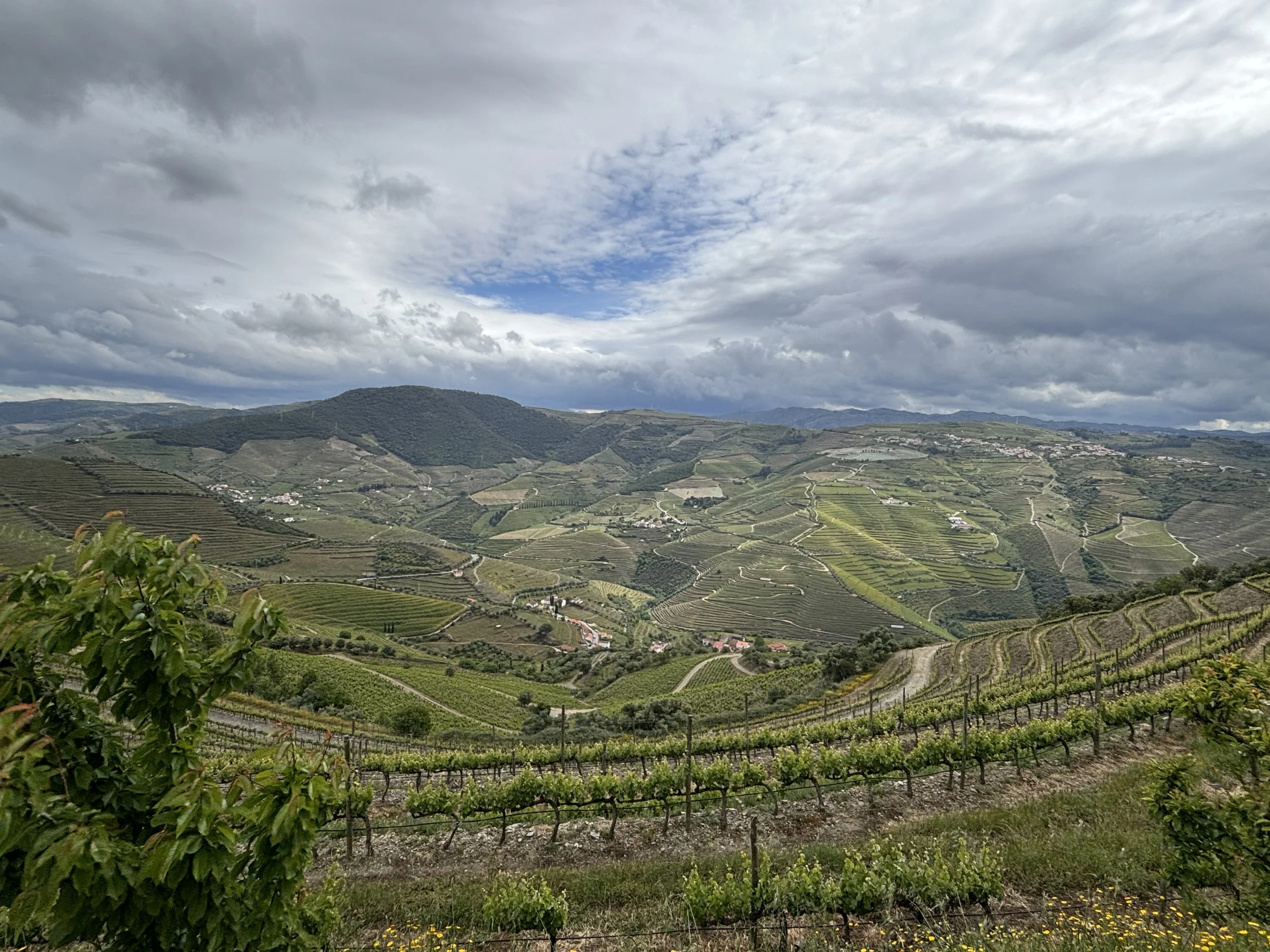
Our very knowledgeable guide provided us a really interesting explanation of how the estate is run and the different types of grapes that are grown there and how and why they are used.
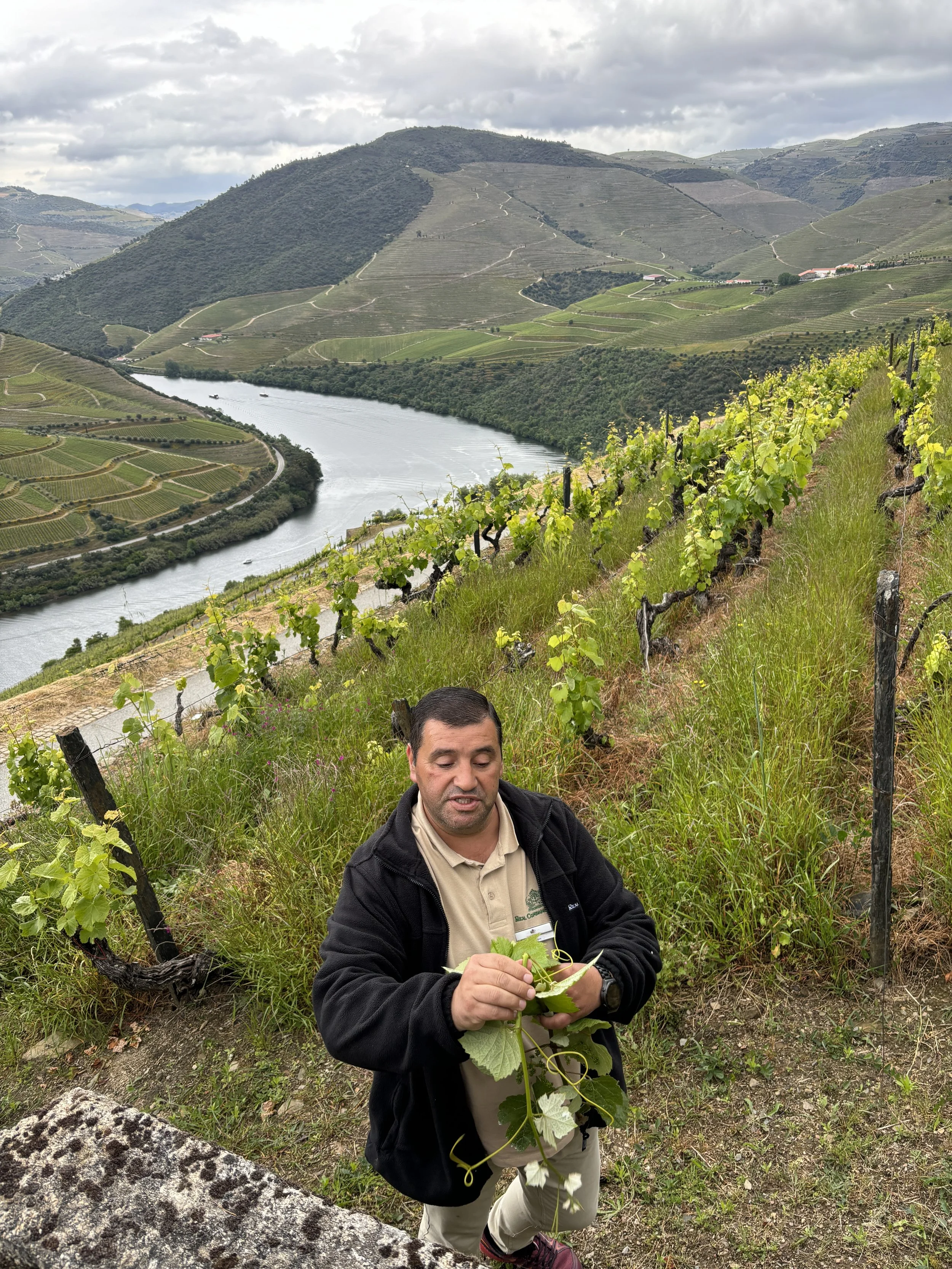
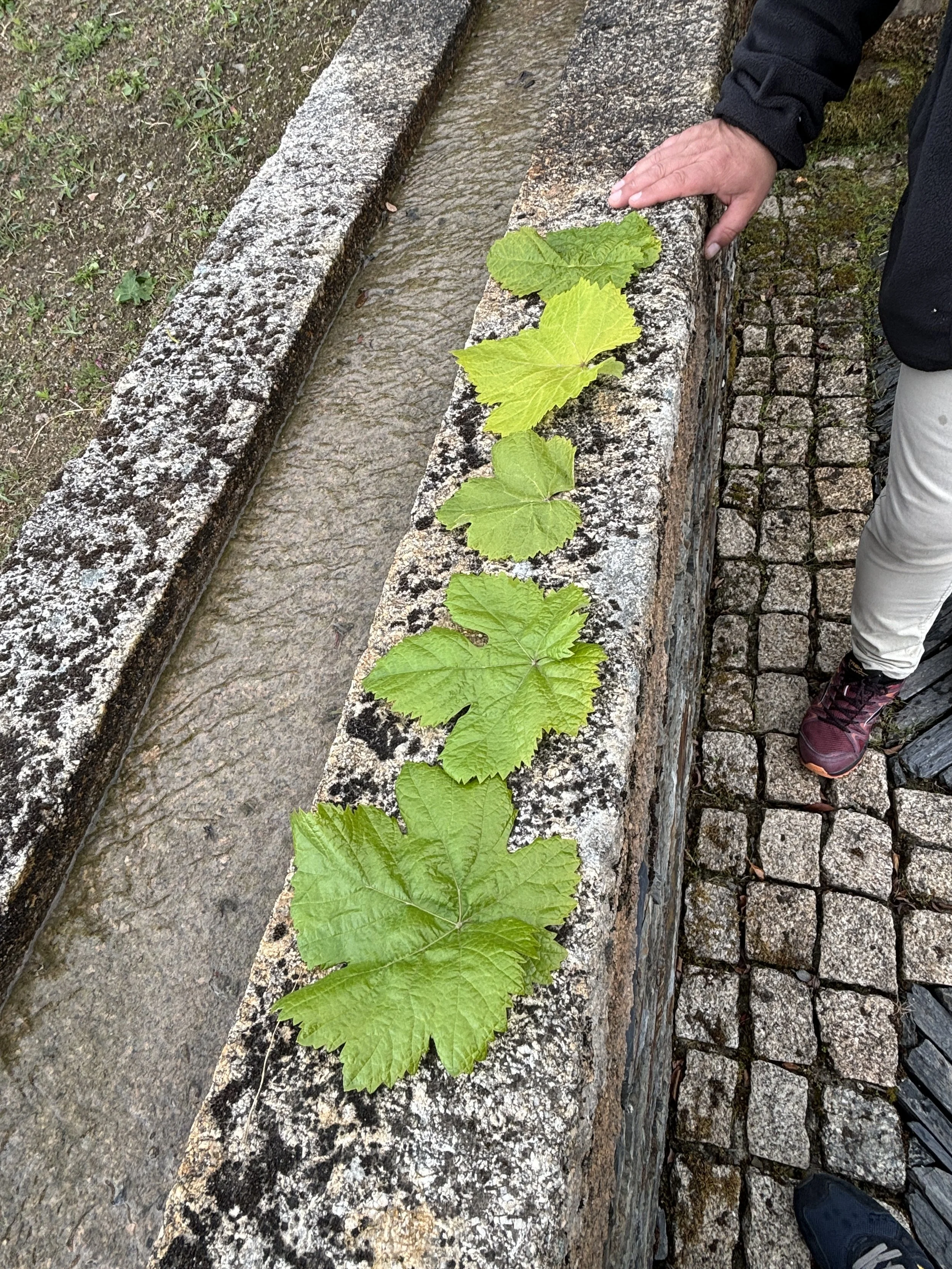
The visit ends, of course, at the winery’s visitors centre, where there is a rather large and modern shop and restaurant.
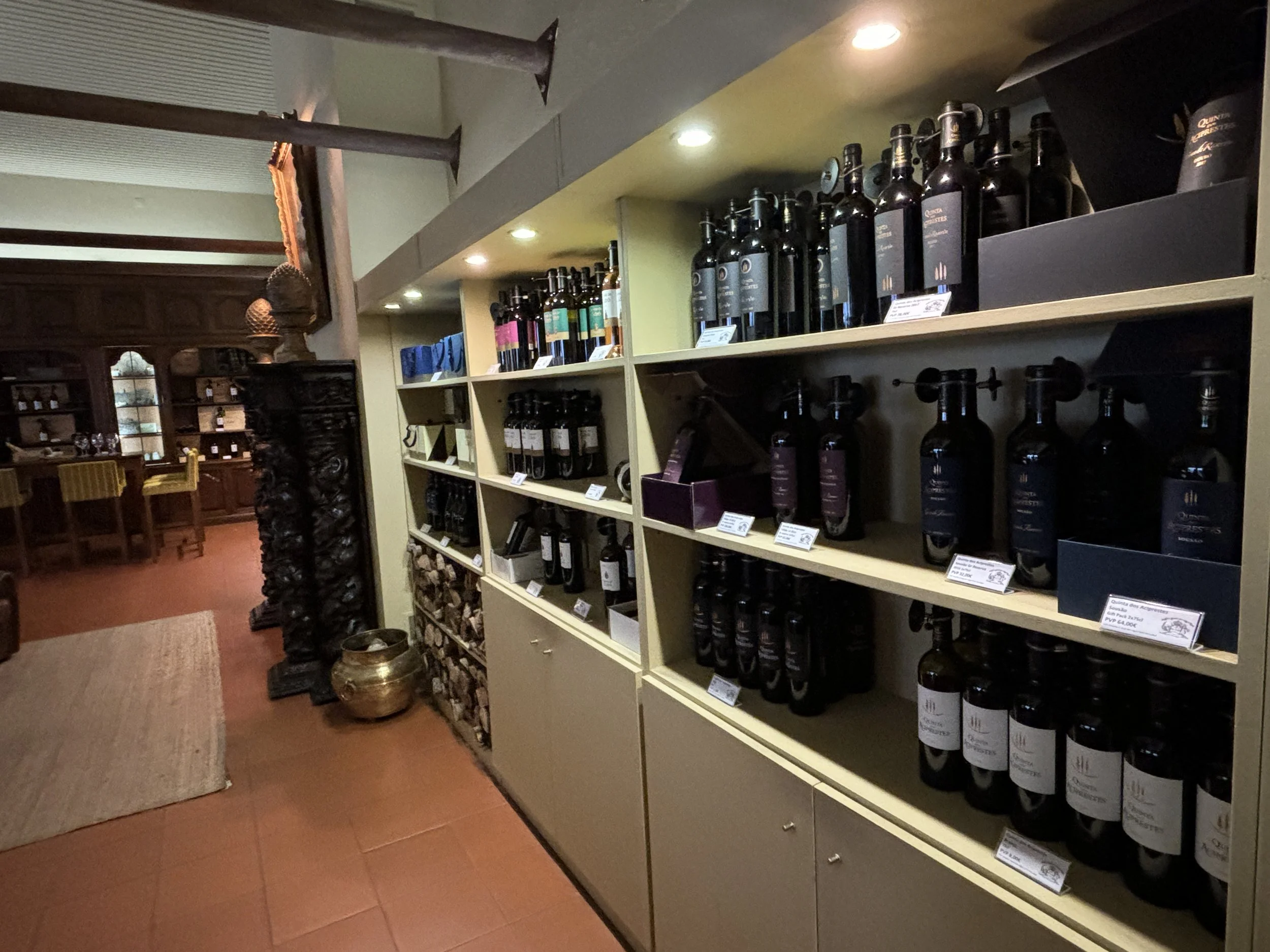
In addition to the wine tasting, there was also a chance to taste some local cheese and cured meats.
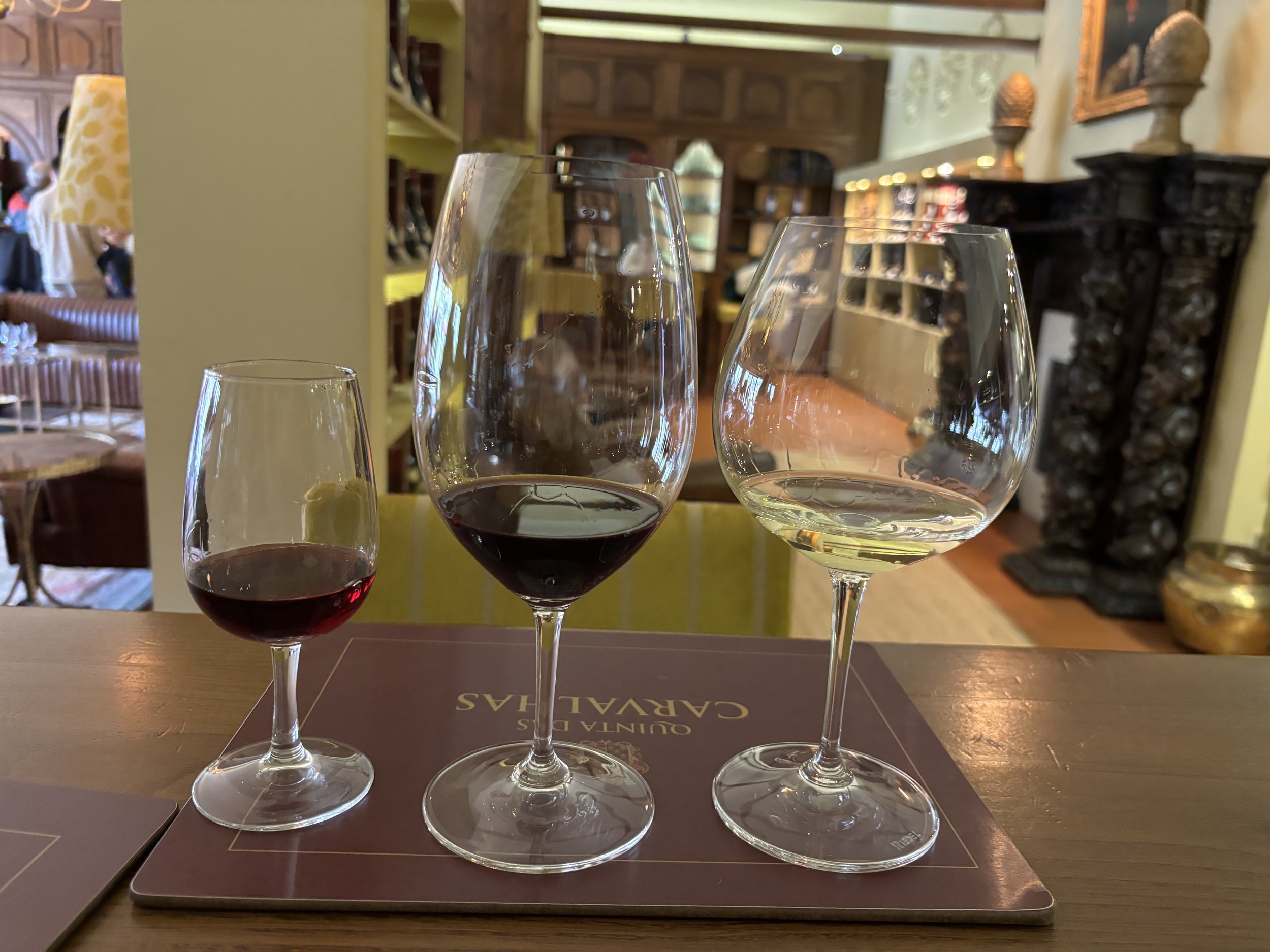
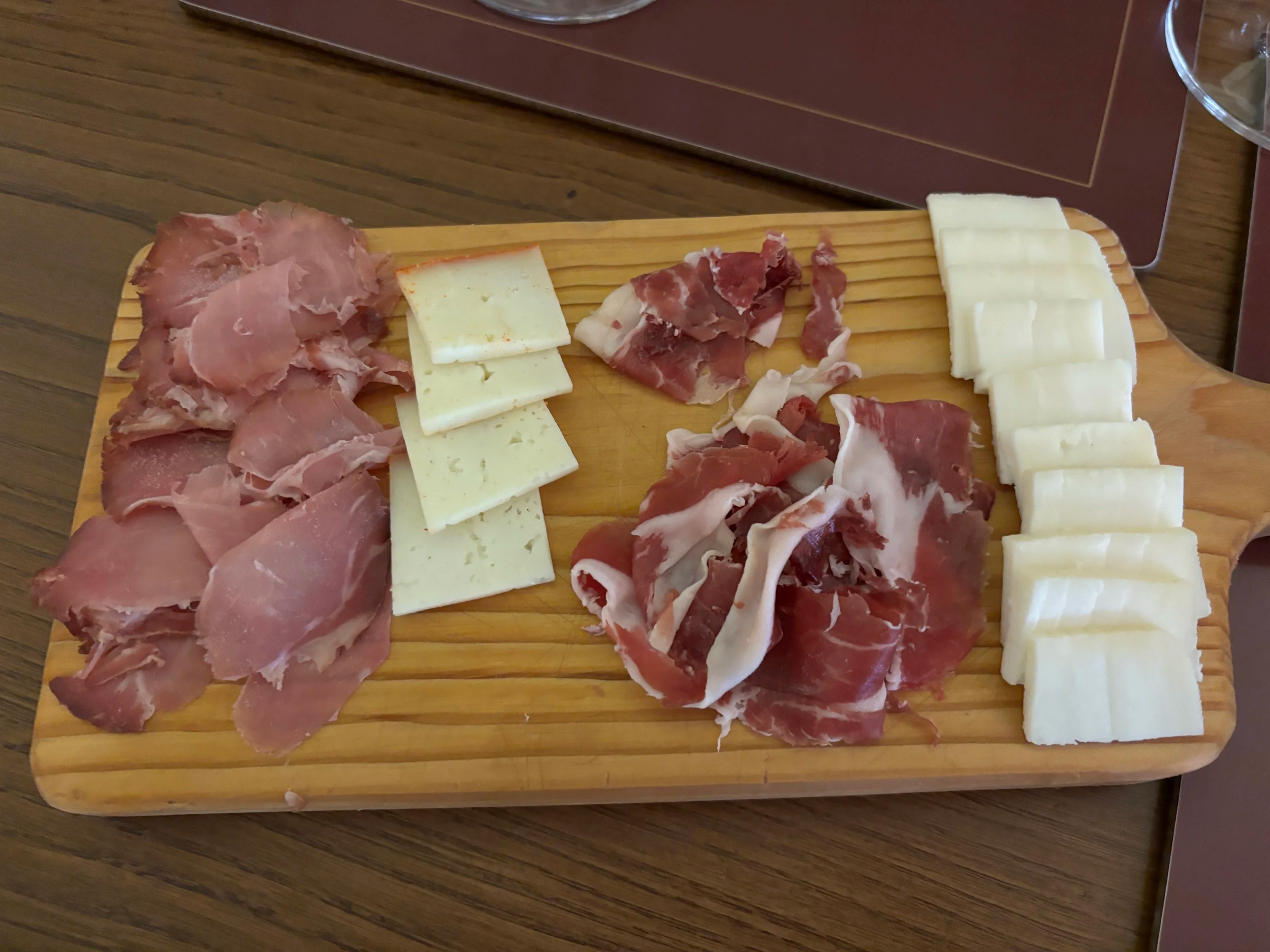
A nice place to stay in the Douro Valley
Quinta da Portela Douro
CM1099, Quinta da Portela n.º 123, 5110-662 Vacalar
This is a another place to stay at the heart of the Douro wine region.
The Quinta da Portela is located on a hill on the south bank of the Douro, near the village of Vacalar (again, you will need a car to get here, but most of the best hotels are in those rural locations anyway).
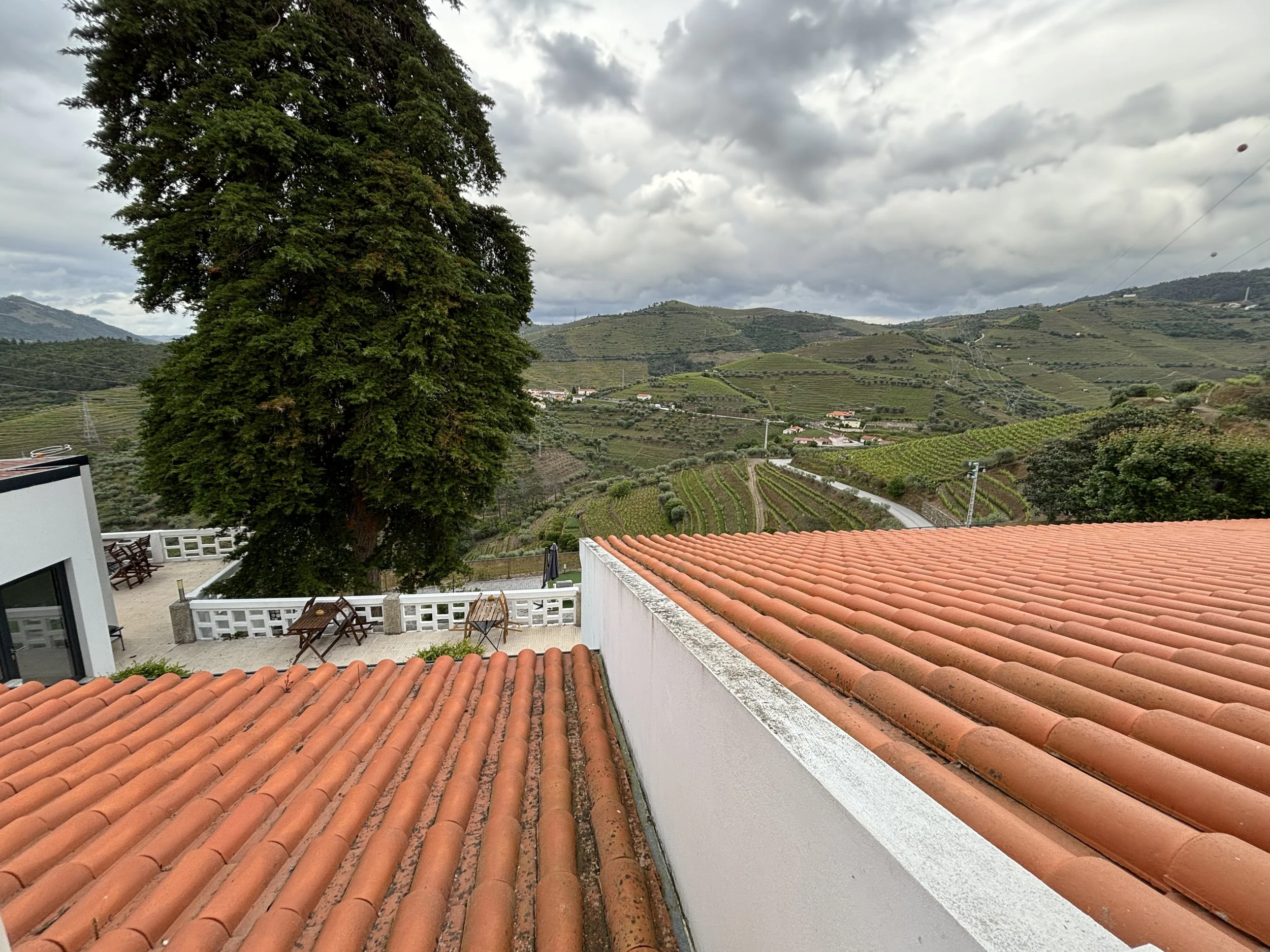
The Quinta da Portela manages to combine a modern setup with a homely feel remarkably well.
In fact, when we went into the nearby village to have dinner, we were told that, since there would be no one at the reception when we came back, we should just use our set of keys to access the hotel's common areas and make ourselves at home.
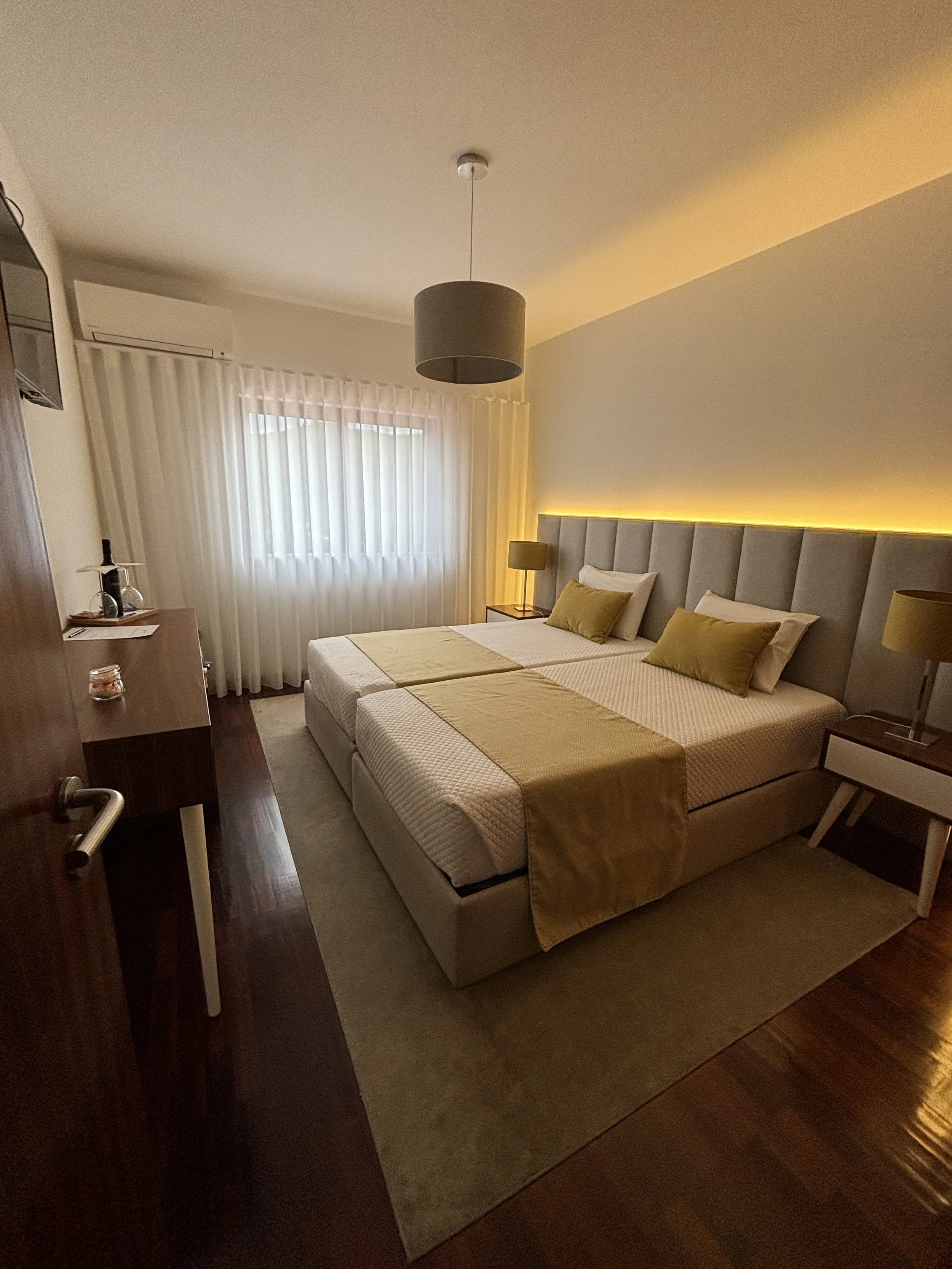
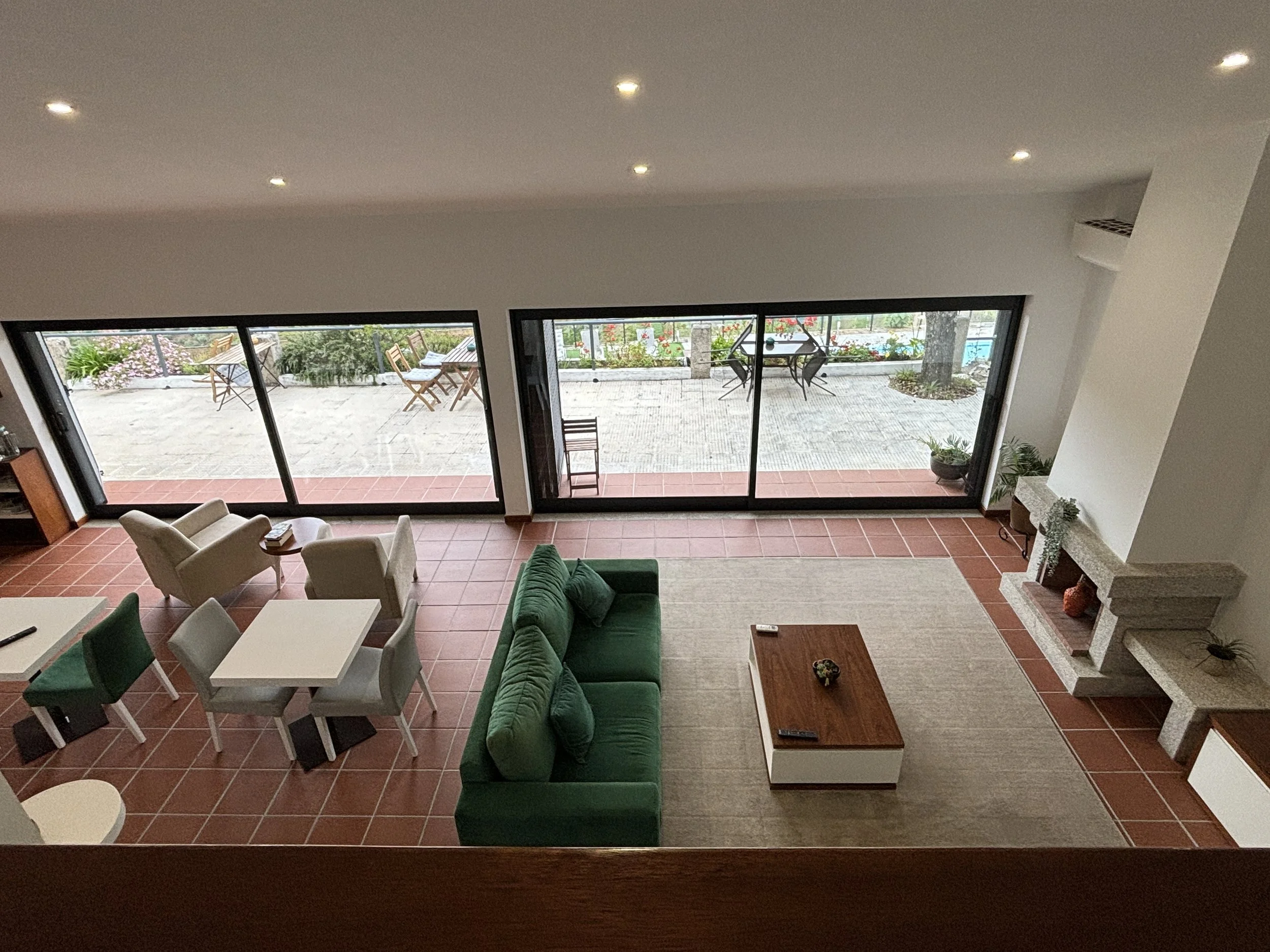
The hotel is perched on a hillside and it has its own private parking space, a nice terrace and a pool, which I am sure is great during the summer months, but, as you can see, we didn’t really have this type of weather. The one element that spoils the view a bit is the nearby electricity line, although you do not see it when looking towards the valley.
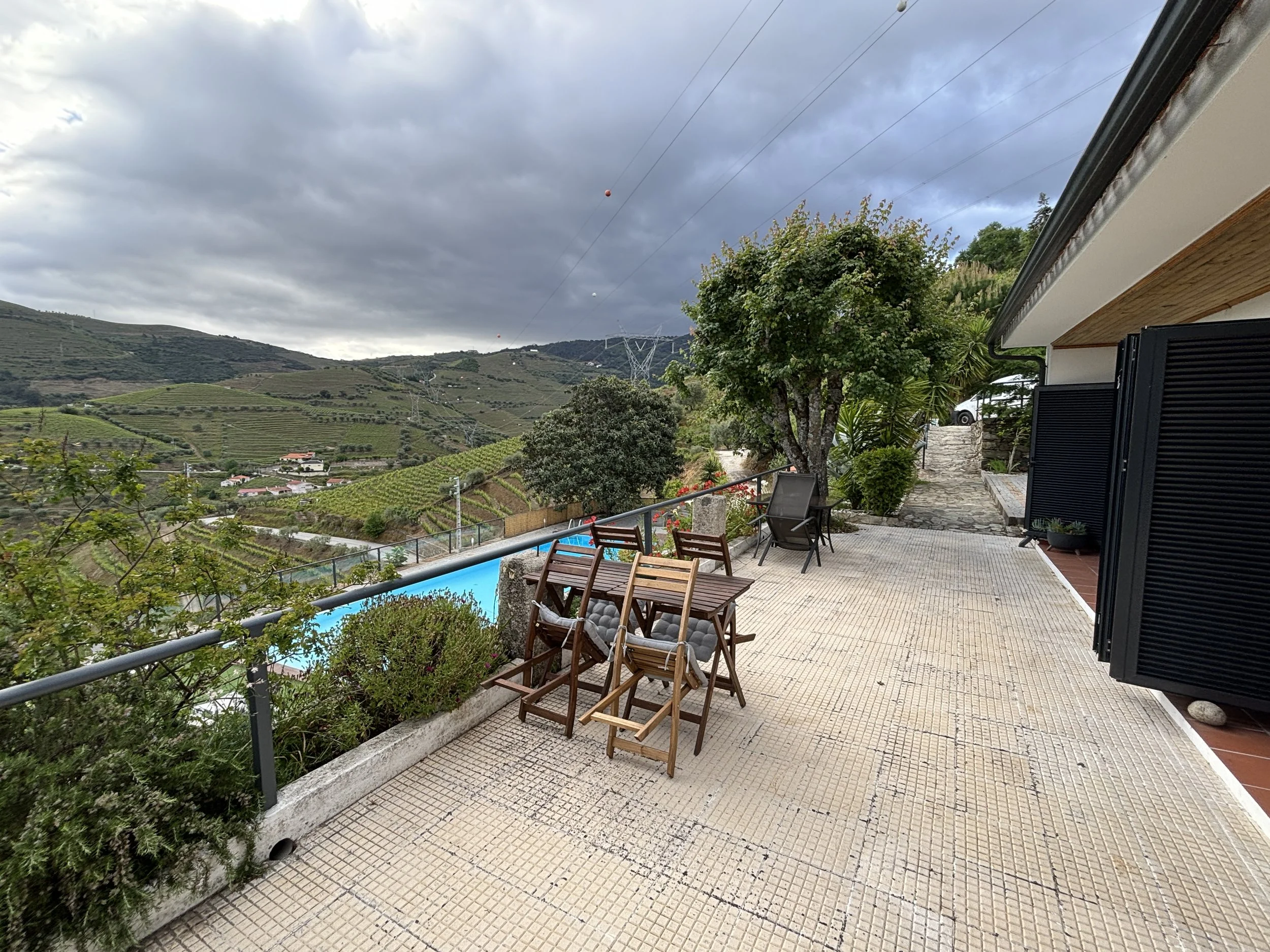
Here you can see the breakfast area, which could well be the living room of a designer house. So, overall, I must say, the experience at Quinta da Portela was pretty good.
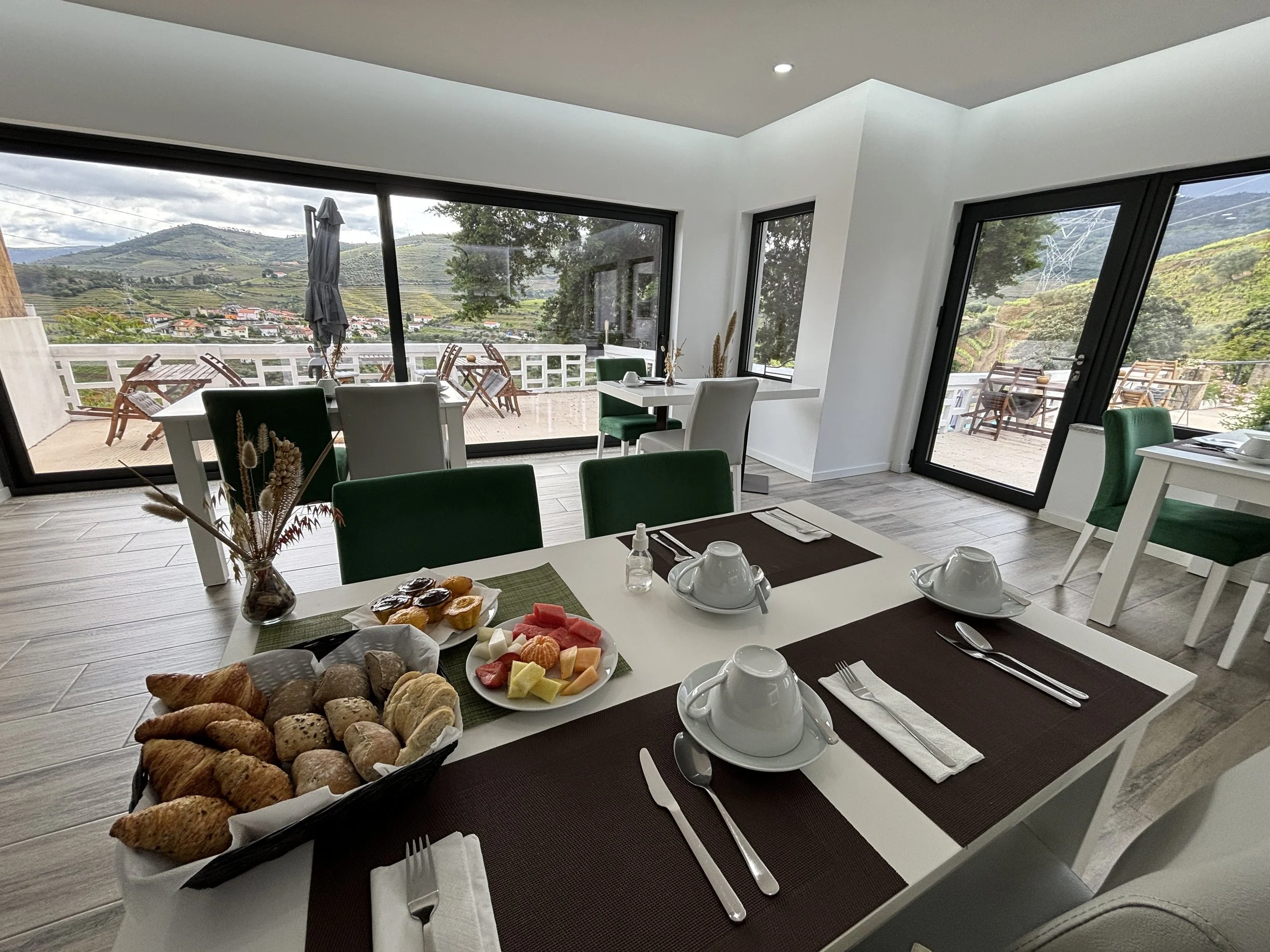
A great place to stay in Porto
While it is a bit out of the scope of this post, it is safe to assume many travellers visiting the Douro Valley wine region will start or end their journey in the city. This is the reason that I found it appropriate to provide also a recommendation about where to stay in Porto. And my pick is…
Oporto Maison Anselmo
Rua de Anselmo Braamcamp 165, 4000-082 Porto
This property is technically an aparthotel although it has pretty much all the services you would expect in a hotel.
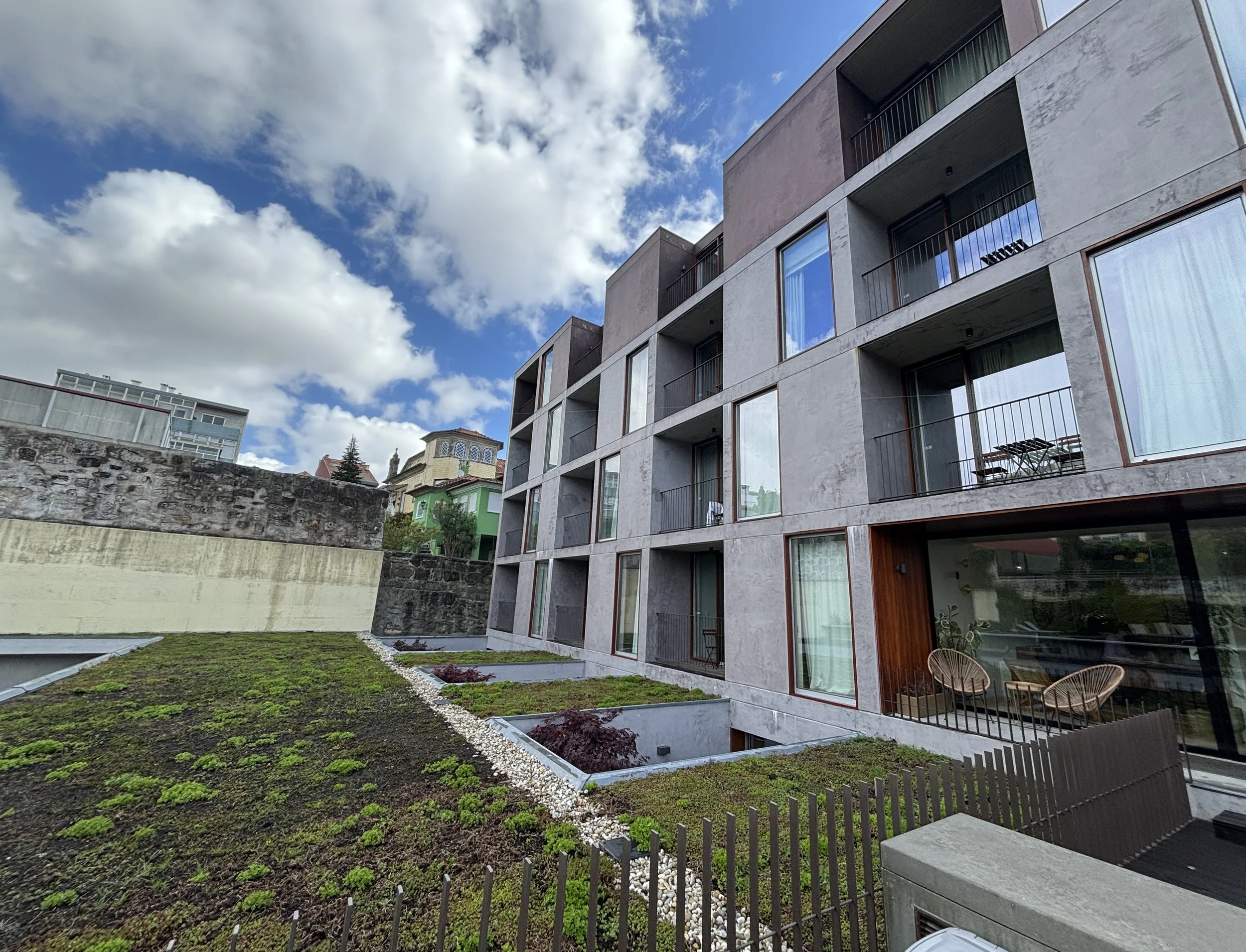
It is located in a rather modern facility, just one the edge of the historical center, which it makes it quite convenient if you are traveling by car. The aparthotel has, actually, its own parking space (which can be booked for a fee), although there appeared to be quite a lot of parking space also on the streets around it.
In fact, in terms of location, I’d say the Oporto Maison Anselmo hits the sweet spot, because it is close enough to the center that you can walk, it is about 20min of a nice walk, but it is also close enough to the main motorway ring and the accesses to the city that it saves you from having to navigate Porto’s very intricate urban grid in the very center.
The Oporto Maison Anselmo has also its own courtyard and a pool, although we didn’t really make use of these facilities, since were staying only for one night.
Also worth mentioning is that the staff were very friendly throughout and gave us plenty of guidance about moving around town, for example. Also worth noting is that there is an amazing bakery (“Confeitaira Miguel Ángelo”) just around the corner, which is where we had breakfast.
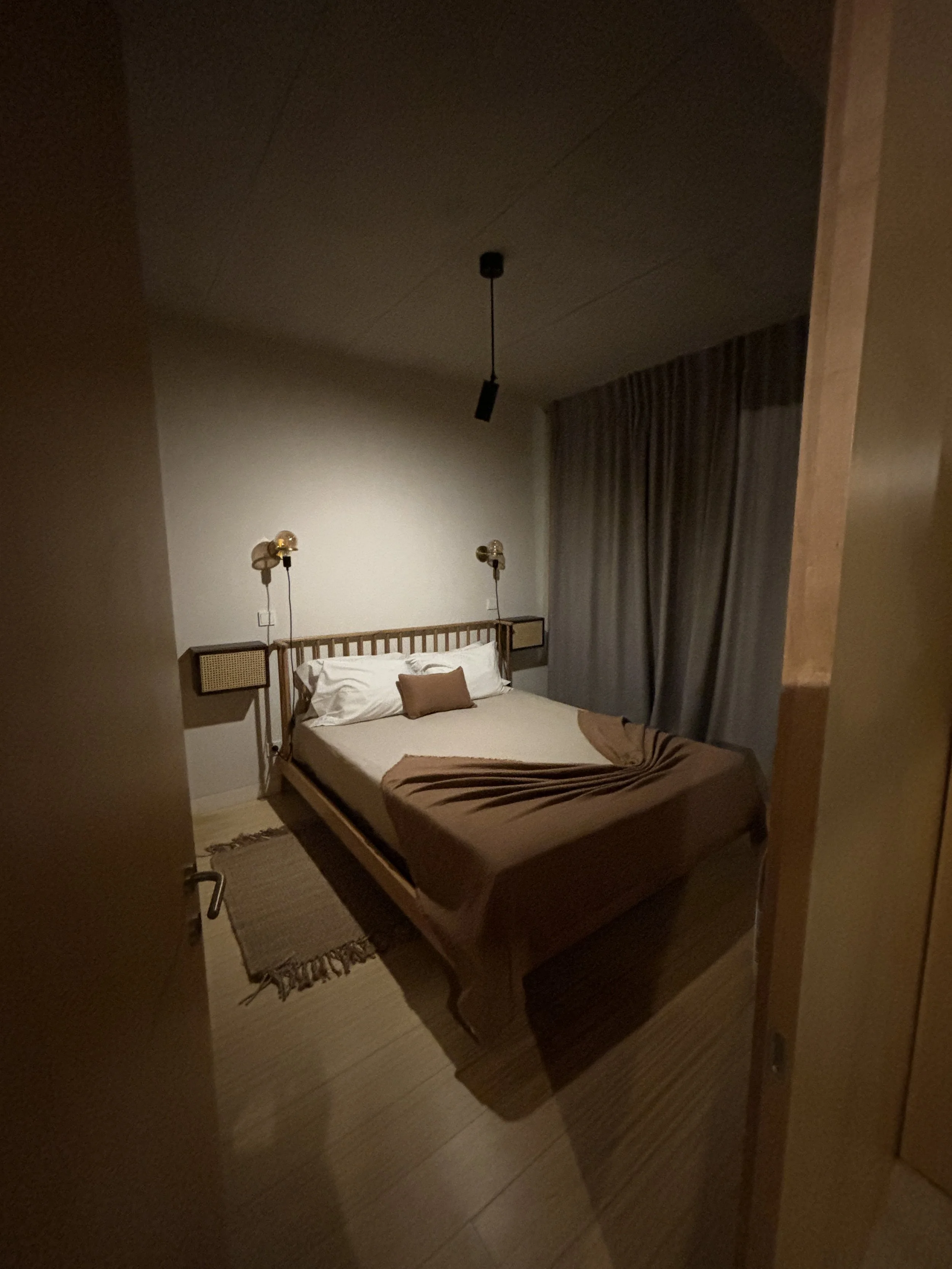
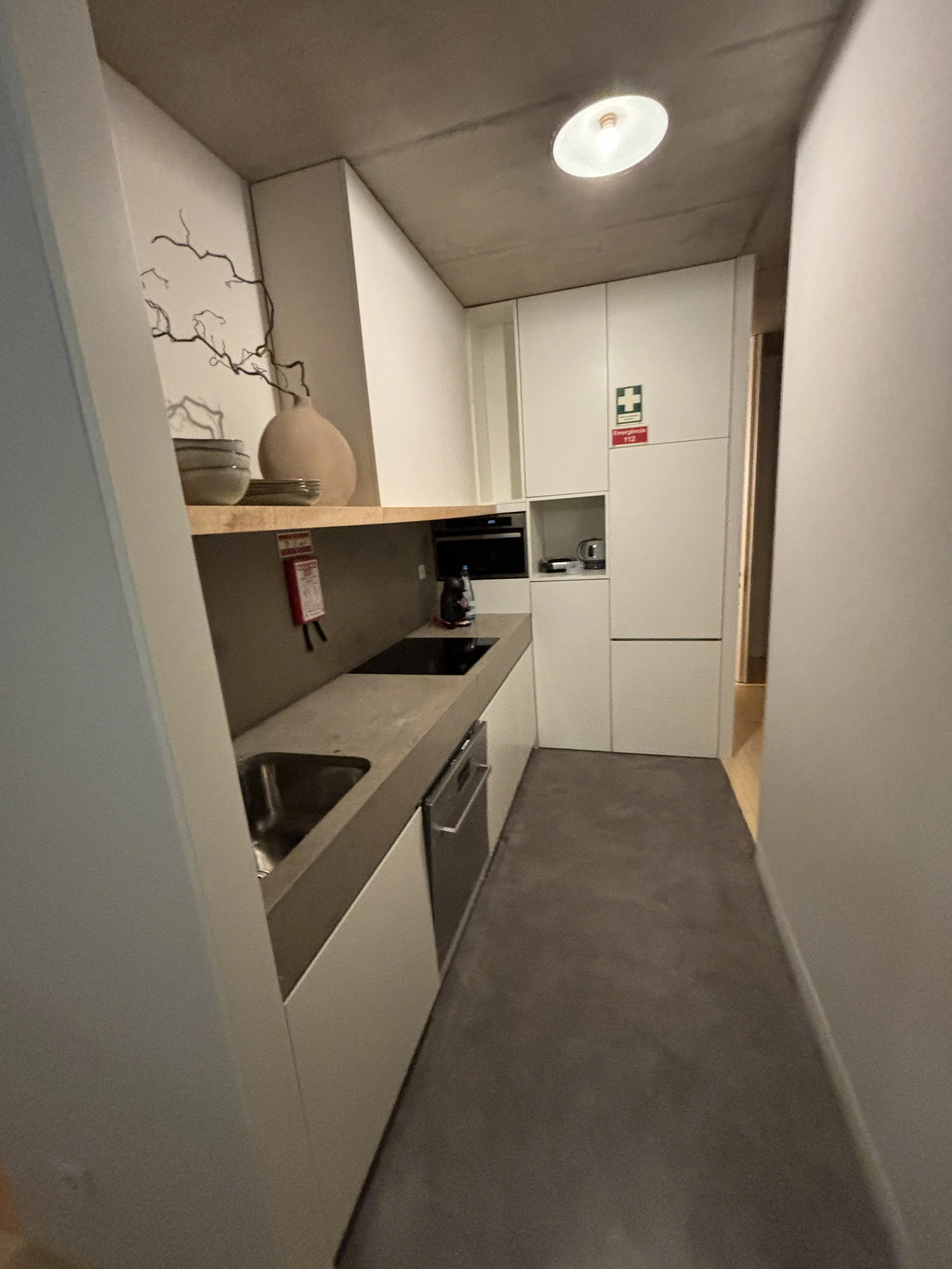
As per the room, we were given not just a room, but a whole two-floor modern apartment, complete with a large living room, two bedrooms, kitchen and even a small patio.
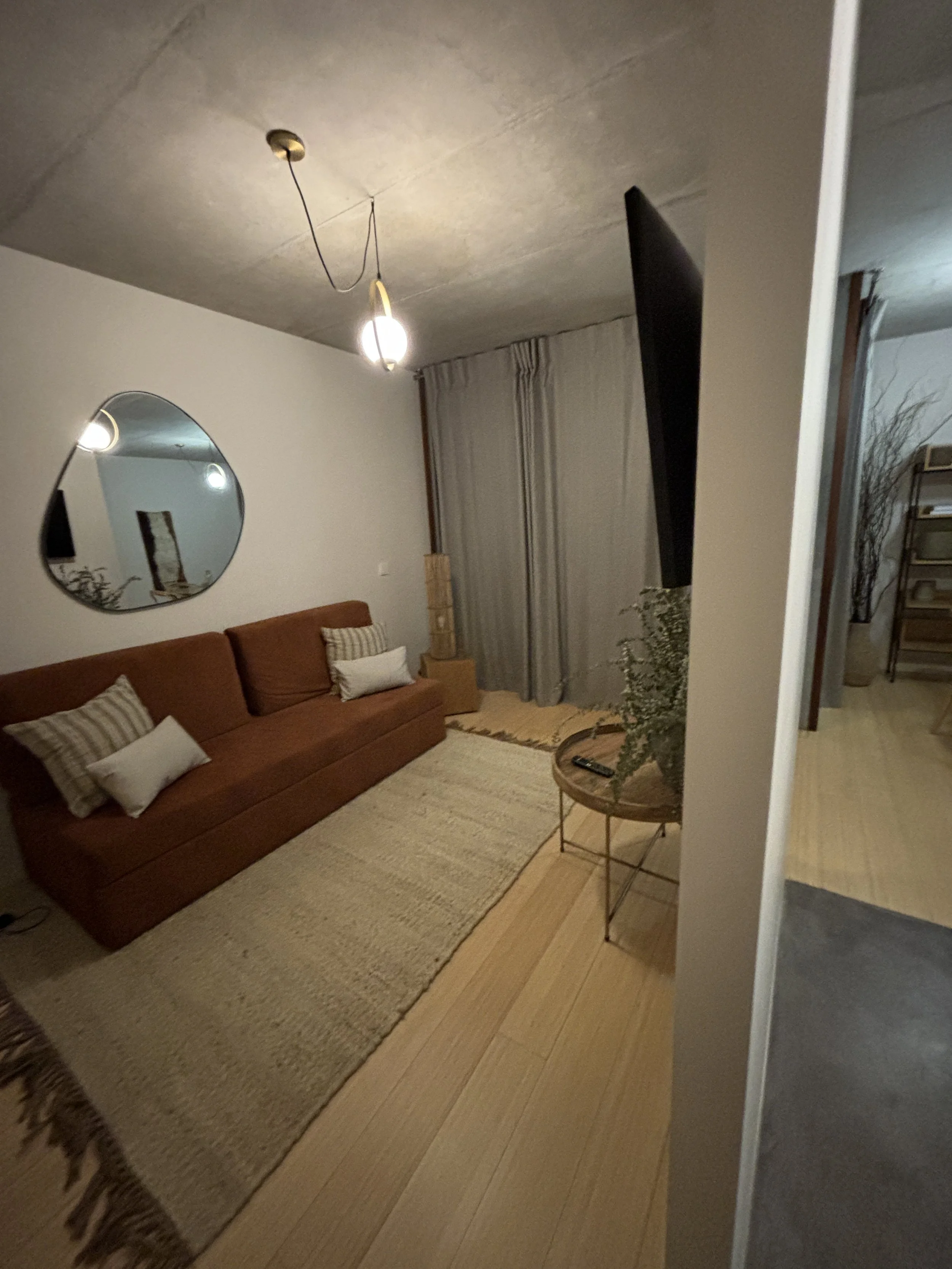
We didn’t spend that much time there to be able to enjoy all of this fully, but I must say we were really impressed by the whole setup and the value for money this establisment provides.
Thinking about visiting Portugal? Why don’t you also check our posts about:
What to see in the fascinating island of Madeira
JAM Lisbon, a truly original hotel in the Portuguese capital
Top things to do and to see in Franconia (& 4): Nuremberg
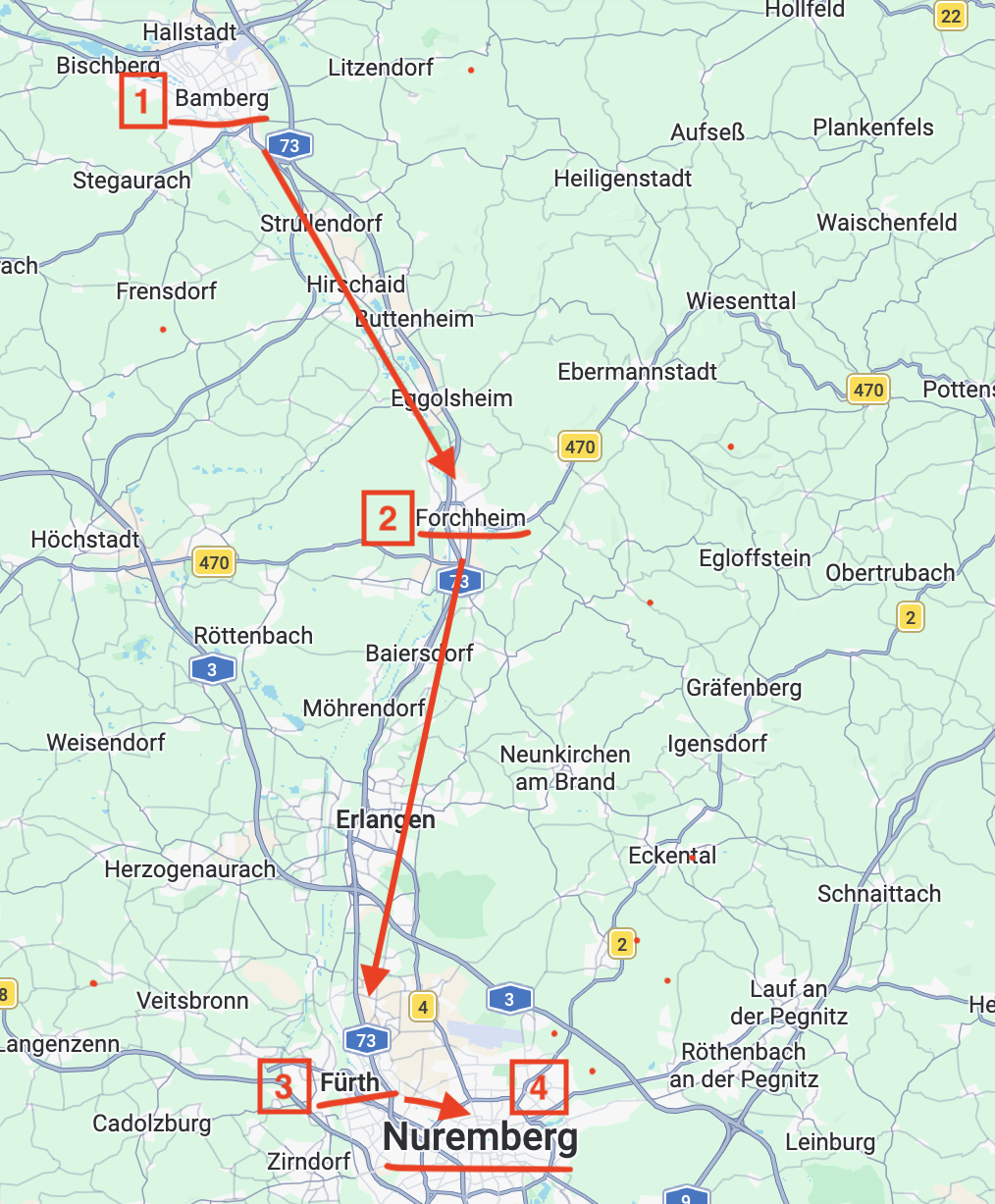
And this is how, after an intense weekend traveling by rail through the Franconia region of northern Bavaria, a journey that took me earlier to the beautiful historical towns of Bamberg, Forchheim and Fürth, reached its end at the Imperial city of Nuremberg.
Why Imperial city? Because since the Middle Ages and until Napoleon dissolved it in 1806, Nuremberg was governed as a free city that owed its allegiance directly to the emperor of the Holy Roman Empire.
What’s more, Nuremberg was also a designated meeting place for the Imperial Diet, a sort of proto-parliament attended by representatives of the many polities that made up the Holy Roman Empire, and it safeguarded also the Imperial Regalia.
But Nuremberg was also an important commercial city which commanded a rather large and rich hinterland from the safety of its imposing walls.
Nuremberg was perhaps at its peak during the early modern era, in the 16th C. and early 17th C., when it also gave the world its most renowned artist: Albrecht Dürer (1471-1528), whose home and studio in the city is still possible to visit in the historical downtown (in addition to giving its name to Nuremberg’s airport too!).
To be honest, this post possibly doesn’t do justice to Nuremberg, because due to time constraints I had to skip some of its top museums: the German National Museum of Toys (Spielzeugmuseum), the museum of the German railways (Deutsche Bahn Museum), the new Deutsches Museum Nuremberg, which focuses on technology, and the more classic Germanisches Nationalmuseum (Germanic National Museum), which focuses on German history.
What I did have time to visit were two sites connected to the more recent history of the city, and not a particularly proud period of it. These are two locations connected with the beginning and also the end of the Nazi period in Germany: Zeppelinfeld, where some of the first Nazi rallies were held, and the Nuremberg palace of justice, where the famous Nuremberg Trials were held after the war.
So, quite a lot to see in Nuremberg, a city that, while big, has still a very manageable size and a public transport system that makes it relatively easy and convenient to move around.
Traveler’s Tip: If you are planning to visit several of Nuremberg’s museums you can purchase a “Nuremberg Card”, which costs €38 and gives you access to most of them within 48 hours and includes also the public transport fare (metro, tram and S-Bahn) for Nuremberg’s Zone A, which covers the airport too.
So, without further ado, let’s have a look at the top things to do in Nuremberg if, like me, you are on a limited time budget!
Top things to see in Nuremberg that are covered in this post:
Nuremberg’s historical center
Nuremberg Castle (Kaiserburg), walls and gardens
Albrecht Dürer’s house and museum
Hauptmarkt, St. Lorenz and the river banks
Nuremberg Memorium:
Nuremberg Trials Museum
Courtoom 600
Zeppelinfeld
A great place to eat in Nuremberg
A great place to stay in Nuremberg
This post may contain affiliate links. If you book or buy something through them, I earn a small commission, at no extra cost to you. It's one of the ways I keep Places of Charm going. Thank you for your support.
I would like to thank also Franken Tourismus for facilitating this journey. All opinions are my own.
Things to see in Nuremberg’s historical centre
Nuremberg Castle (Kaiserburg)
Nuremberg’s castle has been the dominant feature in Nuremberg’s skyline since the Middle Ages. The castle is located on a hilltop at the northern edge of the old town, dominating the historical centre below it and providing some of the best of the city (but perhaps not THE best, as you will soon see further down this post!)
To get up the castle you will need to walk uphill, but the views are well worth it!
You can visit the inside of the castle if you feel inclined to do so.
The castle was, apparently, very heavily damaged by bombing during WW2, so many of the interiors are actually a post-war restoration.
In my case, I just walked around the outer areas to get a feel of the place and to optimize my time.
One of the aspects of the castle that are quite impressive is that it is atop a massive rock, which you can see in some places with the naked eye.
You don’t need any ticket to enter the castle’s enceinte and access the viewpoint facing the old town. It is also possible to walk a segment of the walls, which end in a small square adorned by some perfectly manicured gardens.
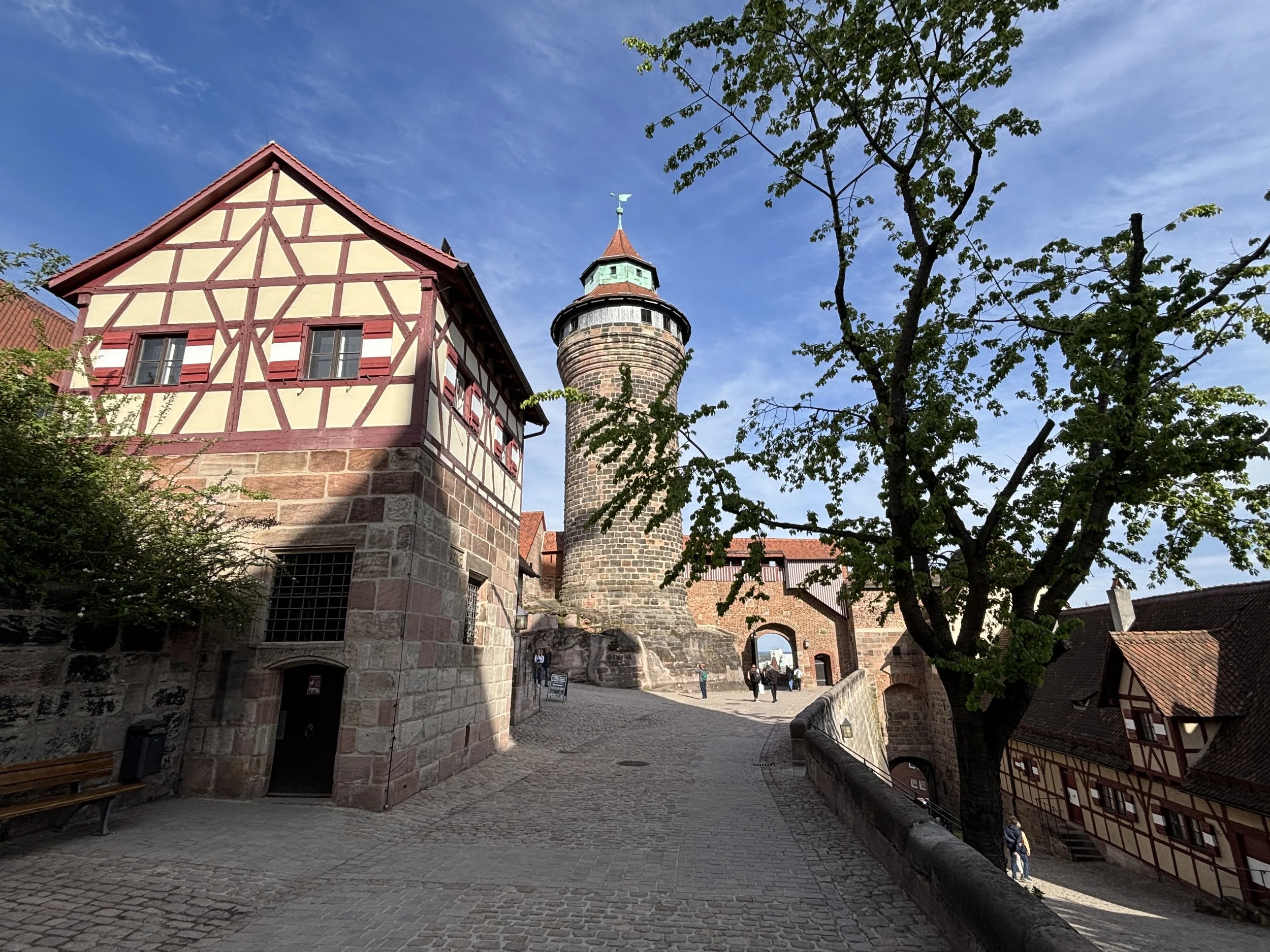
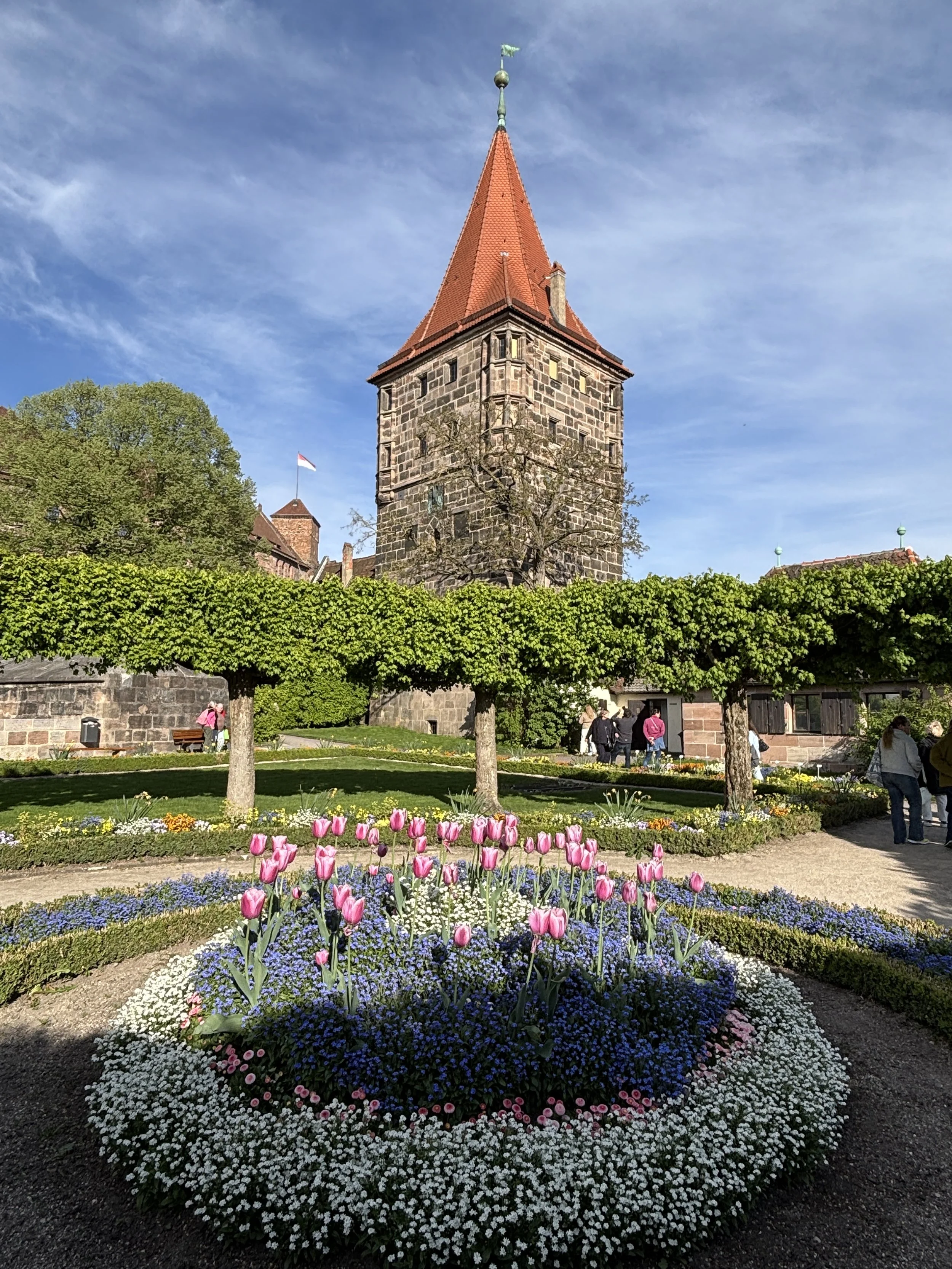
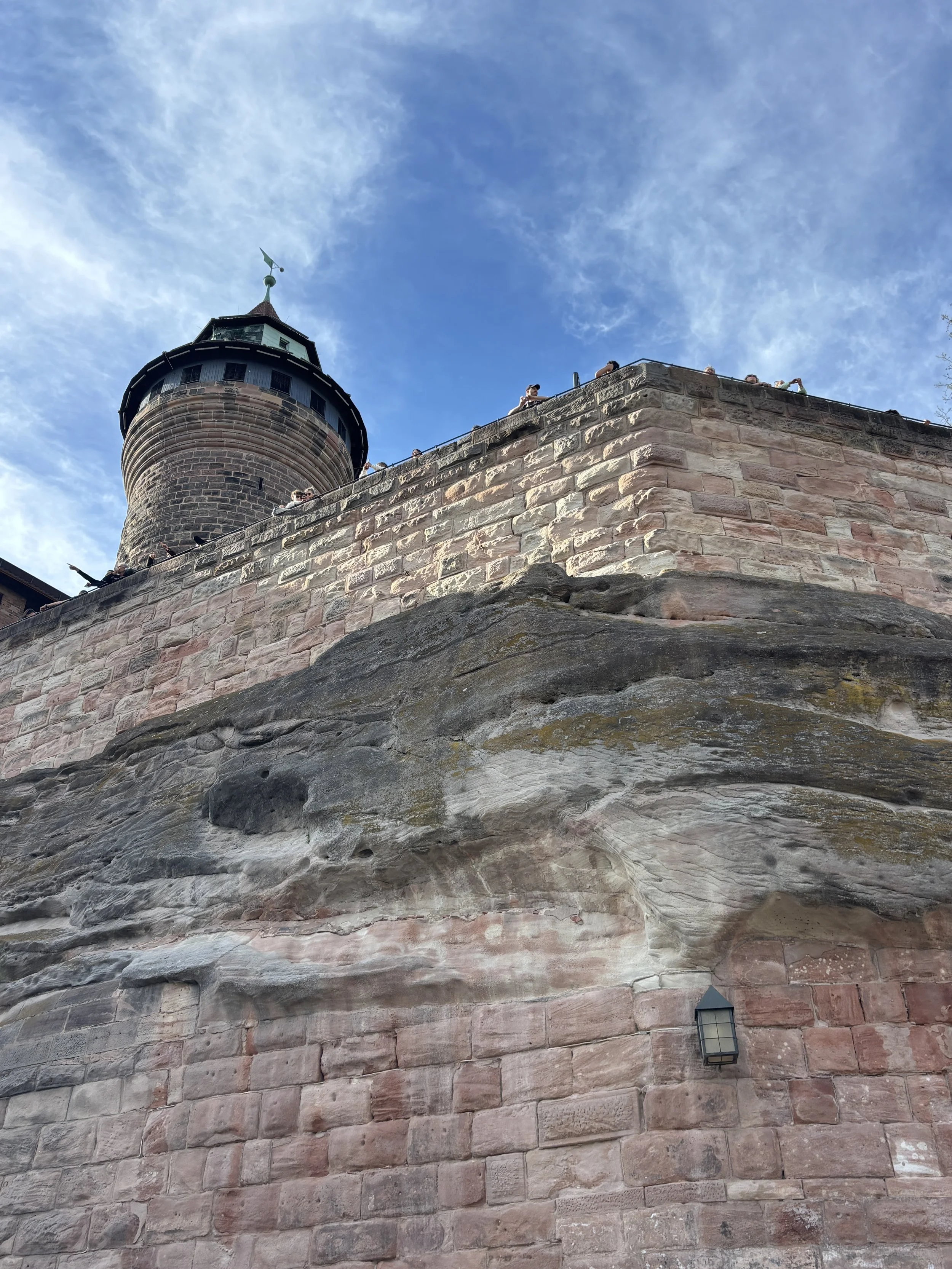
Albrecht Dürer’s House and Museum
The other focal point in this part of the old town and very close to Nuremberg Castle is the house where Albrecht Dürer lived part of his life. This half-timbered building is on the corner of a small square which opens up just underneath the castle and adjacent to the city walls.
This is a spot where many people congregate when the weather is nice and warm, since the south-facing slope makes it a good spot for groups to congregate and for tourists to get some rest and refreshment at the several bars that line the square.
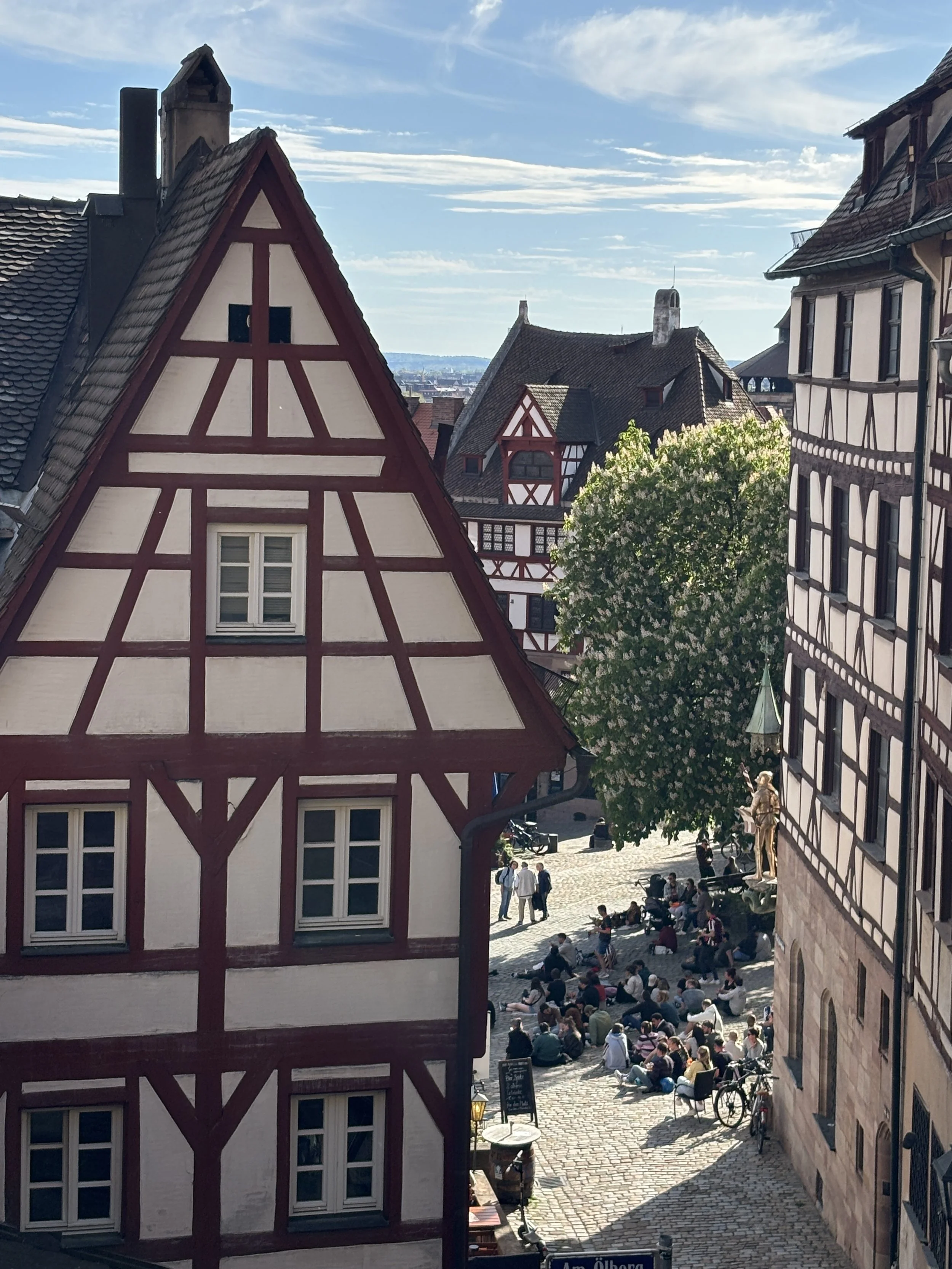
Albrecht Dürer is one of the great artists of the Renaissance era. He was contemporary to the great Italian masters of the time (Leonardo, Michelangelo and Raphael), but developed his own brand and style of creation. And while he was a very talented painter, Dürer is particularly well known for his engravings. This technology, which used an early form of printing press, allowed Dürer’s work to spread fast across Europe, making it famous and celebrated across the continent.
In this sense, Dürer was also “modern”, not just in adopting new technology to amplify its work, but also in that he was one of the first artists to cultivate his own image and fame.
The house you can visit in Nuremberg was bought by Albrecht Dürer when he was already a well-known and reasonably well-off artist and he lived there with his family until his death in 1528.
Obviously, the building has suffered modifications throughout the centuries, but it has been painfully restored to something similar to what it may have looked like at the time. It now houses a small museum about the life and work of Albrecht Dürer.
It takes 30-40 minutes to see and it is a quite interesting way to learn more about a very interesting artist that is perhaps not as universally well-known as his contemporaries south of the Alps.
The entrance fee is €7.5 (it is also included in the Nuremberg Card) and an audioguide is included. Beware, that, as it is common in old buildings, there are some steep stairs to climb to do the visit!
A walk through Nuremberg’s historical center
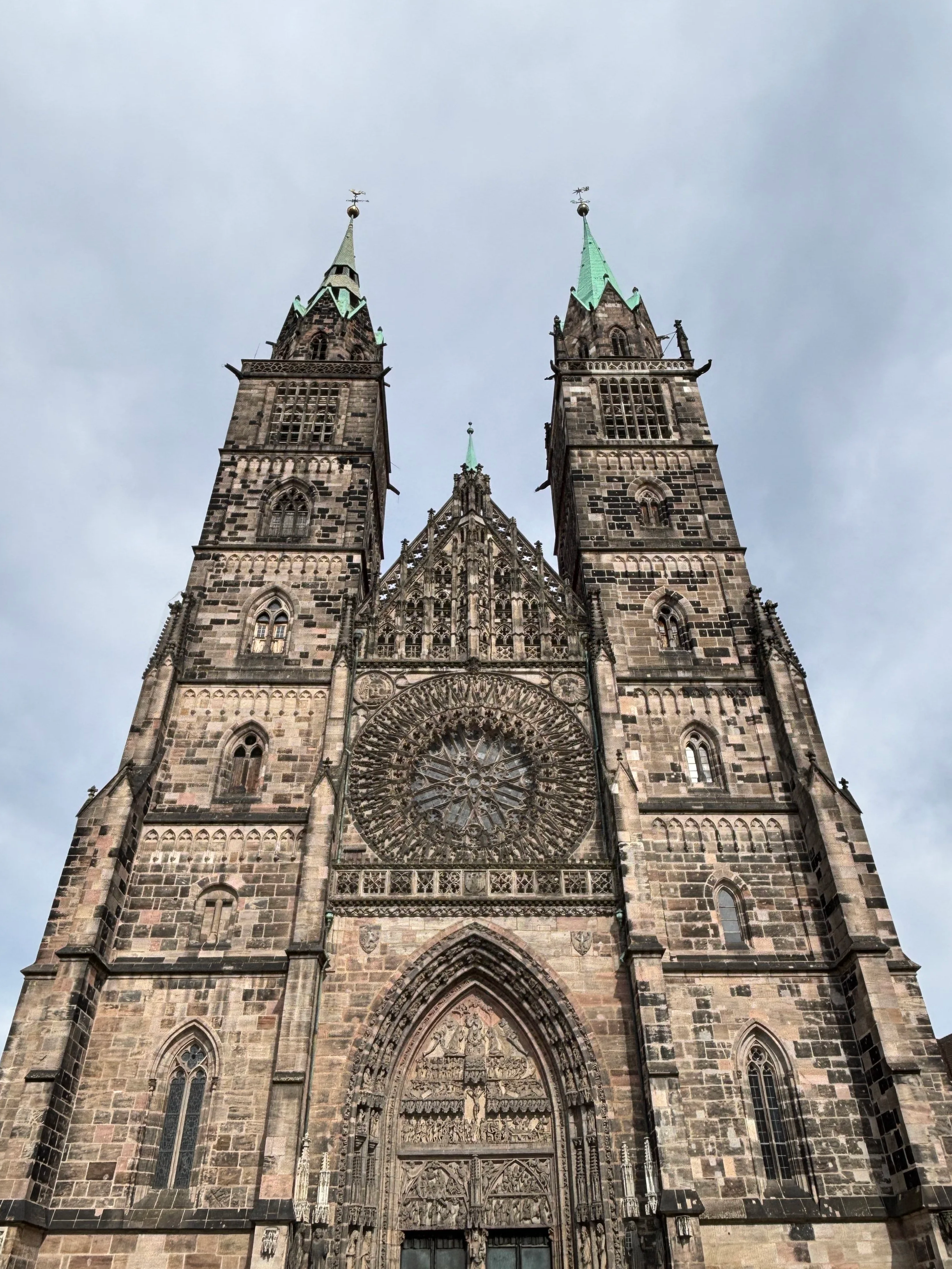
Besides the castle and museums, Nuremberg is endowed with a very large and mostly pedestrianized historical center to walk through.
As mentioned earlier, a large portion of Nuremberg’s city walls are still standing and in a good state of preservation, complete with the moat and towers.
The river Pegnitz also runs through the city center, dividing it in two, and with its two opposite banks sloping gently towards it. This offers also some nice views from specific spots.
If you are entering the historical town from the side of the central station (Hauptbahnhof) a typical route that would take you to the castle past some of the city’s top landmarks would be through Königstrasse north towards Saint Lorenz (depicted right) and then onwards to Hauptmarkt (the setting of Nuremberg’s famous Christmas market!).
At Hauptmarkt (below left) you will find the Schöner Brunnen (Beautiful Fountain) and the Frauenkirche, both built in the 14th C. Just north of it is Saint Sebaldus, another large Gothic church of note.
Continuing further up you reach the Albrecht Dürer house and the foot of the castle.
But you may also choose to walk south and west from Hauptmarkt, across the several bridges spanning the river Pegnitz, towards the Weisser Turm and Saint Jakob’s (below right).
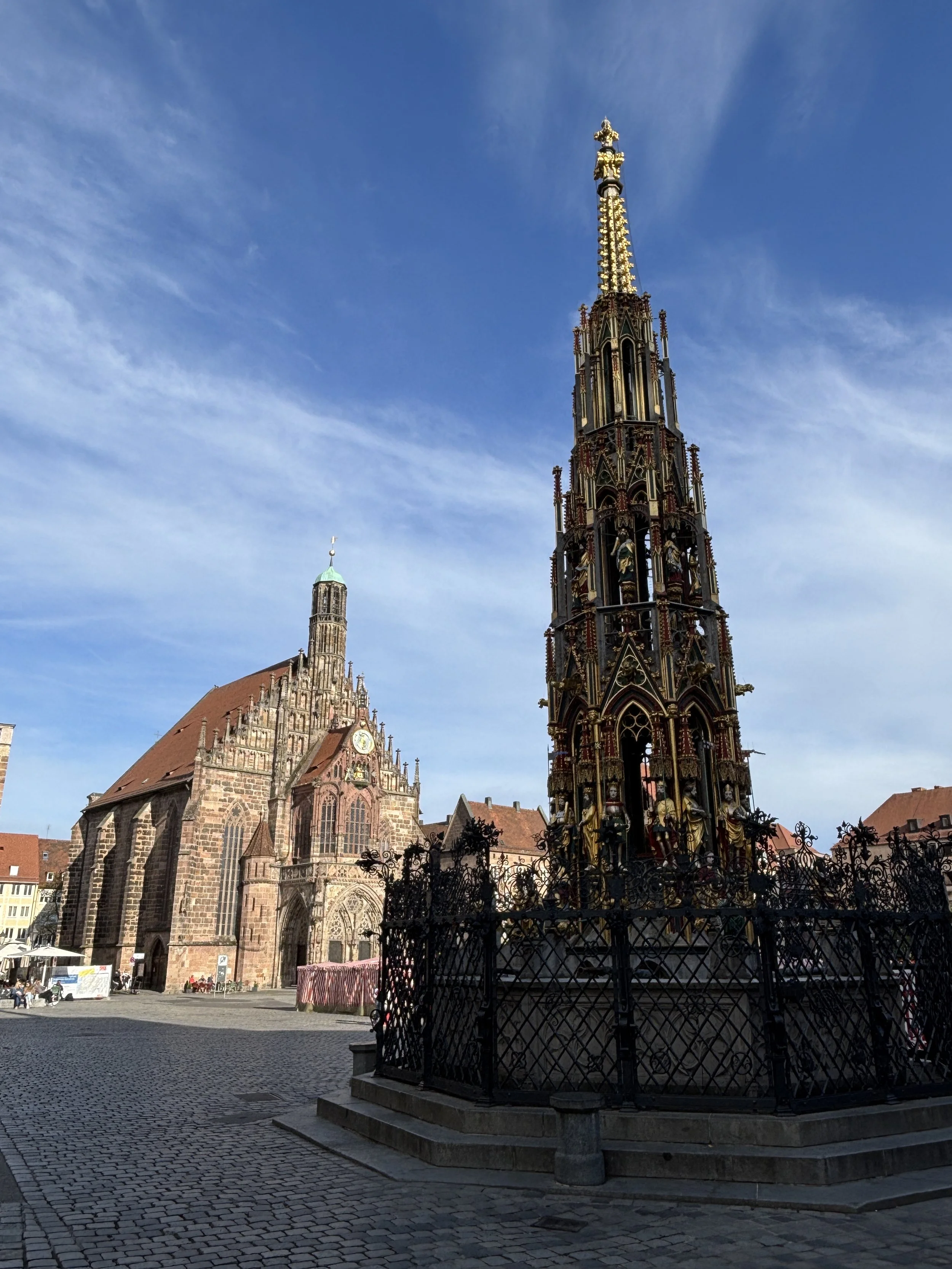
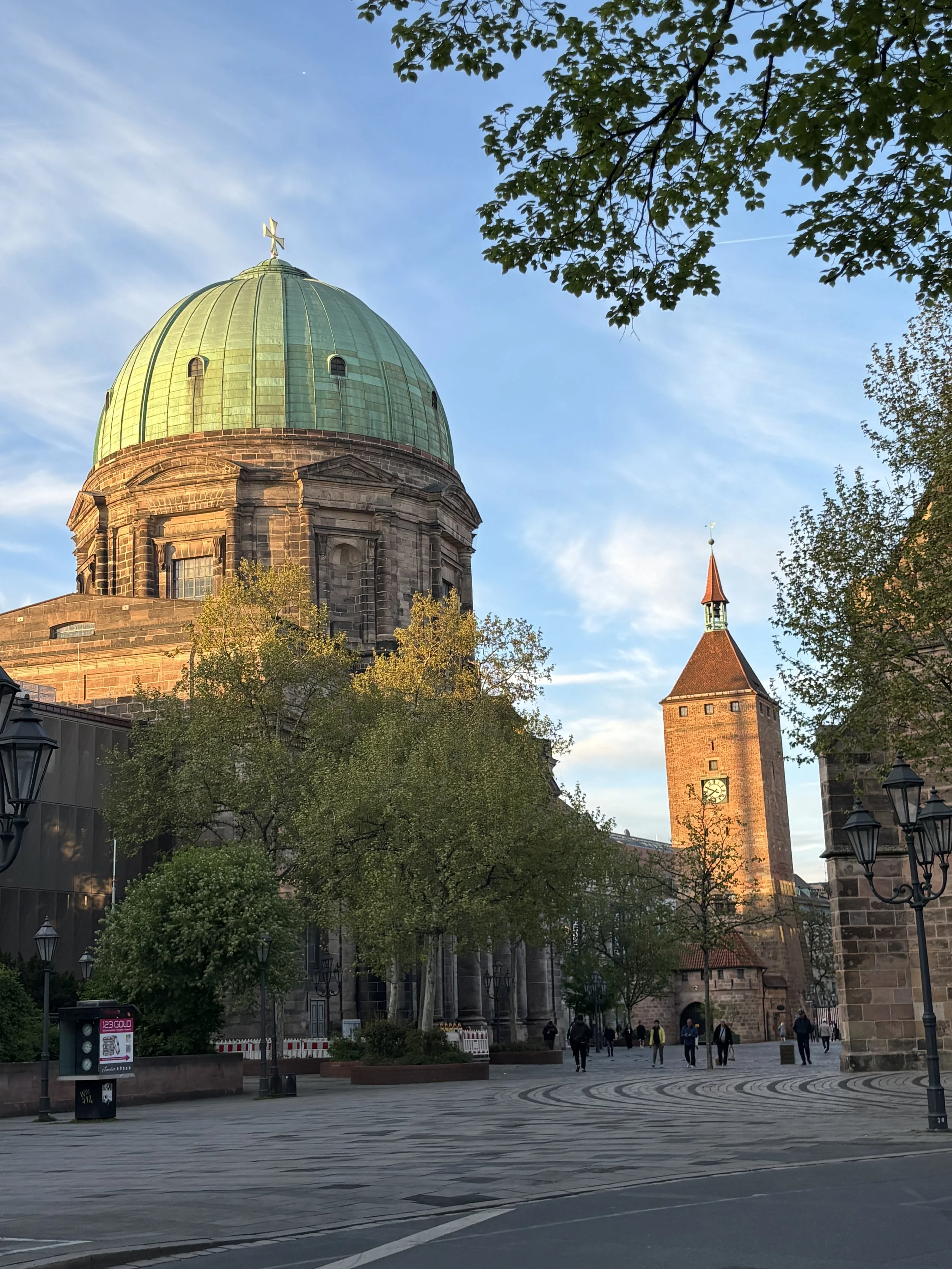
Nuremberg has managed to preserve the charm of its historical centre or, I should rather say “to restore” because the city, including the old town was thoroughly destroyed during the last months of WW2 and later faithfully reconstructed.
Let’s be clear, however, this city is not an open-air museum frozen in time, it has remained a lively,. commercial city throughout and this is apparent in the buzz and activity on its streets, even on a relatively Sunday afternoon, as it was the case of my visit.
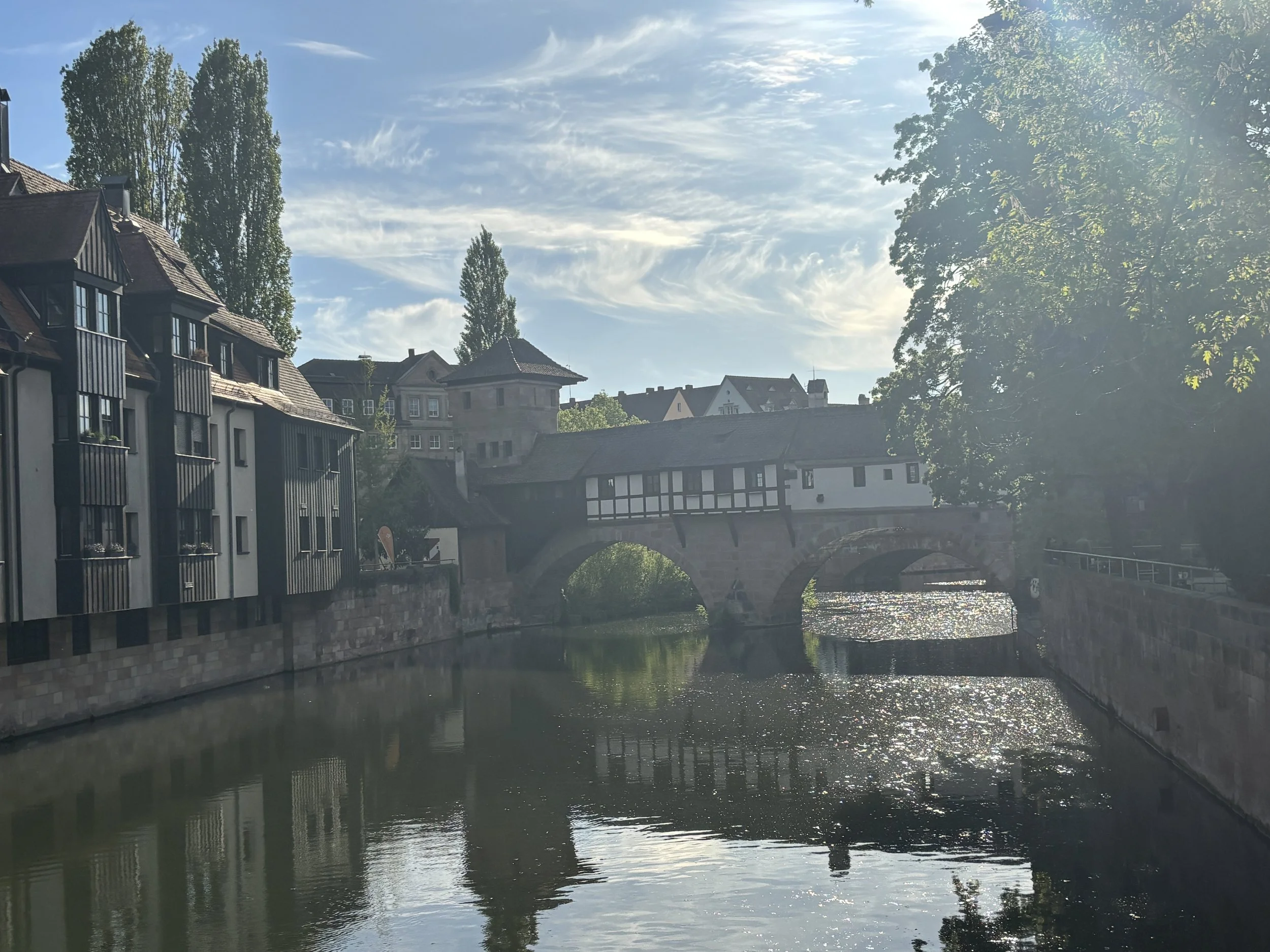
By the way, since most of the city’s landmarks are well illuminated at night for effect, Nuremberg’s historical centre makes also for a beautiful walk at night.
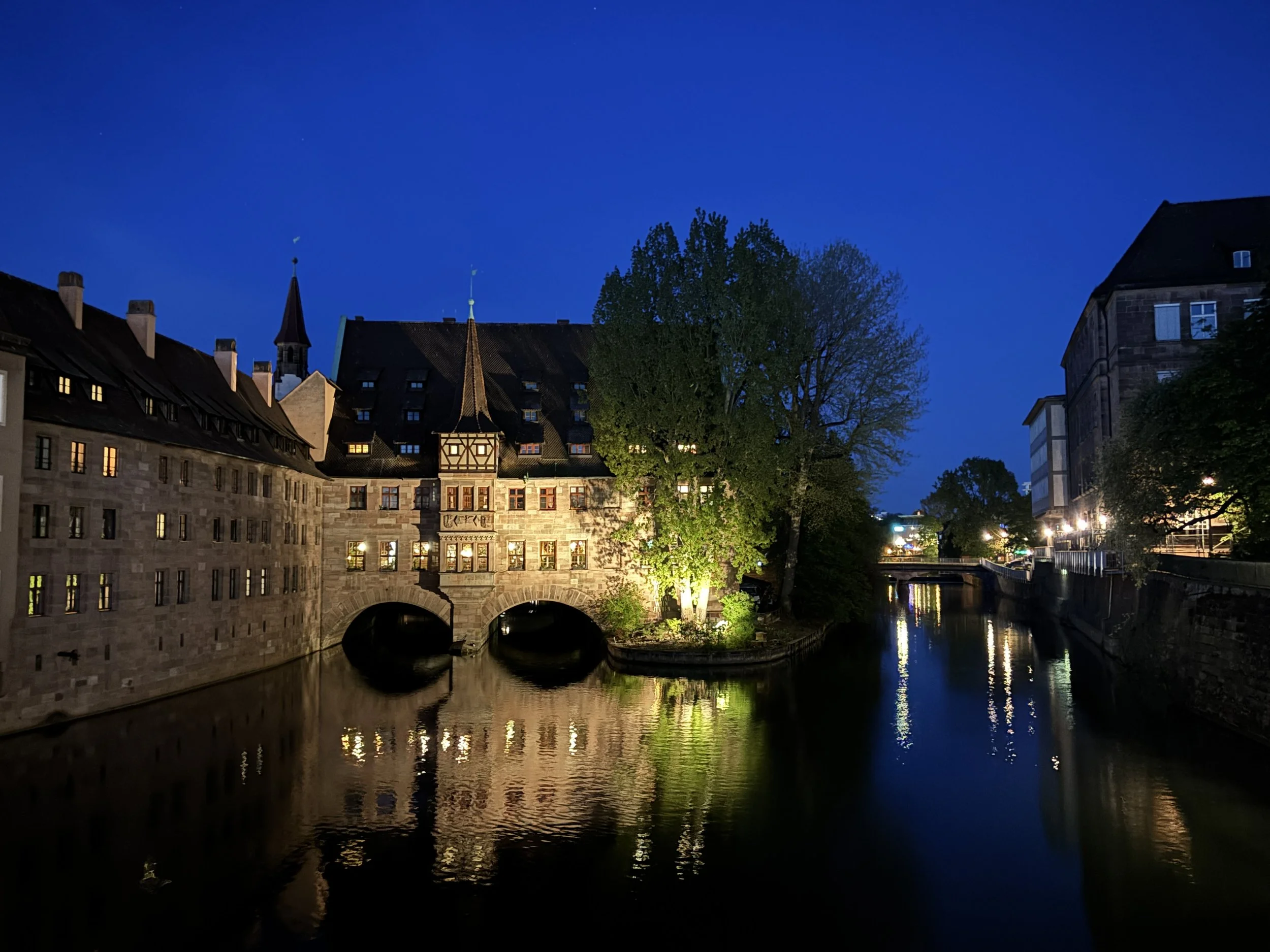
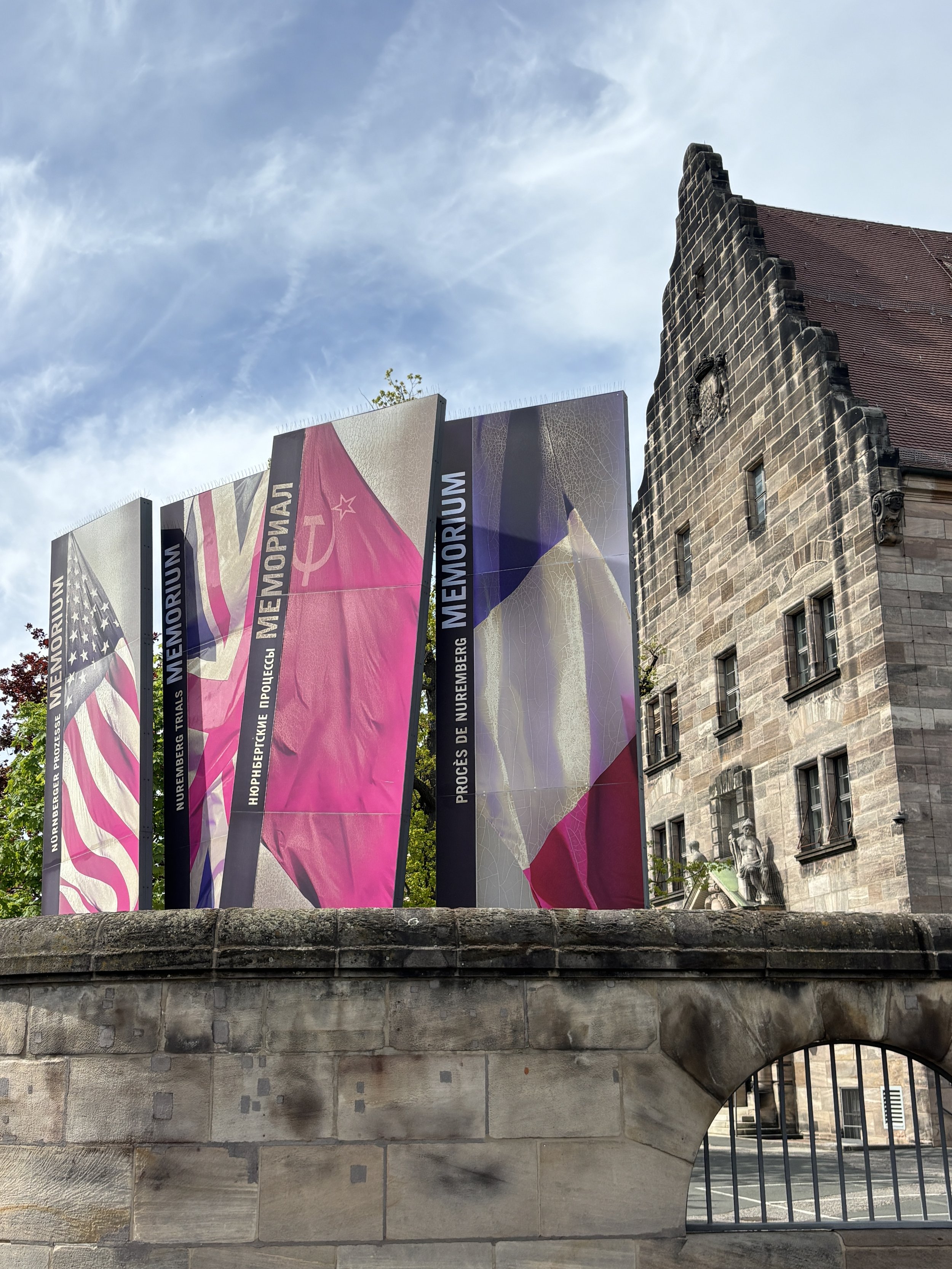
The Nuremberg of WW2
Memorium & the Nuremberg Trials courtroom
And from medieval and early modern Nuremberg to WW2, because the city has preserved sites which are linked to two very specific moments to that dark historical episode.
Remarkably these refer to both the rise and the fall of Nazism. One of them is Zeppelinfeld (covered further down this post), the other, and more impressive from a visitor’s point of view, is “Memorium”, the museum and documentation center at Nuremberg’s Palace of Justice, in which Nazi war criminals were tried after the war.
Memorium is located within the Nuremberg’s Palace of Justice. Note that the building, including the historical Courtroom 600, where the trial of the main Nazi leaders (at least those that could be captured alive) took place, is still in use today as a court of justice!
This site is an absolute must for anyone minimally interested in WW2 and, more generally, in international political and legal affairs.
The Palace of Justice is not in the very center of the city, but it is not very far either. It can be reached very conveniently, a 10min metro ride (station Bärenschanze), from Nuremberg’s central station. From the metro station it is a 200m walk to the entrance of the museum area, which occupies a wing of the Palace of Justice building.
The entrance fee is €7.50, although it is also one of the attractions included in the Nuremberg Card.
Once there, you are encouraged to download an app which acts as an audioguide (and it has also some gamified features for children).
It is not a requirement to download it, but I would advise doing so if you want to fully enjoy the experience and get all the wealth of information in it.
To be honest, there is so much information, including all the transcripts of the different speeches and other texts related to the trials, that you possibly won’t use all of it. But, nevertheless, is a good way to learn about the many details of the trials.
The most well-known of these trials are the ones that took place in 1945-46, with some of the remaining Nazi leaders. However, there were other batches of trials in the second half of the 1940s concerning also other lower rank Nazis which also took part in war crimes.
The trials represented quite a feat and not only because they involved getting countries which, while formally allies had very different world views, to agree on some common definitions of justice and in what could be define as a crime against humanity.
There were also quite a few practicalities to solve, such as, for example, having real time multi-language translations or getting the media to cover and document the whole process, something which was not trivial with the technology of the time.
The trials, however, were quite a success in terms of what they were trying to achieve, which was to set an example and standard of justice for regimes that commit atrocities and crimes against humanity.
Courtroom 600
This is, without doubt, the highlight of the visit. It is the very same room in which the trials took place. Even if it has suffered some modifications since the 1940s (which are all explained in the app), the general appearance is easily recognizable if you have seen footage of the original Nuremberg Trials.
Quite an impressive sight, to say the least!
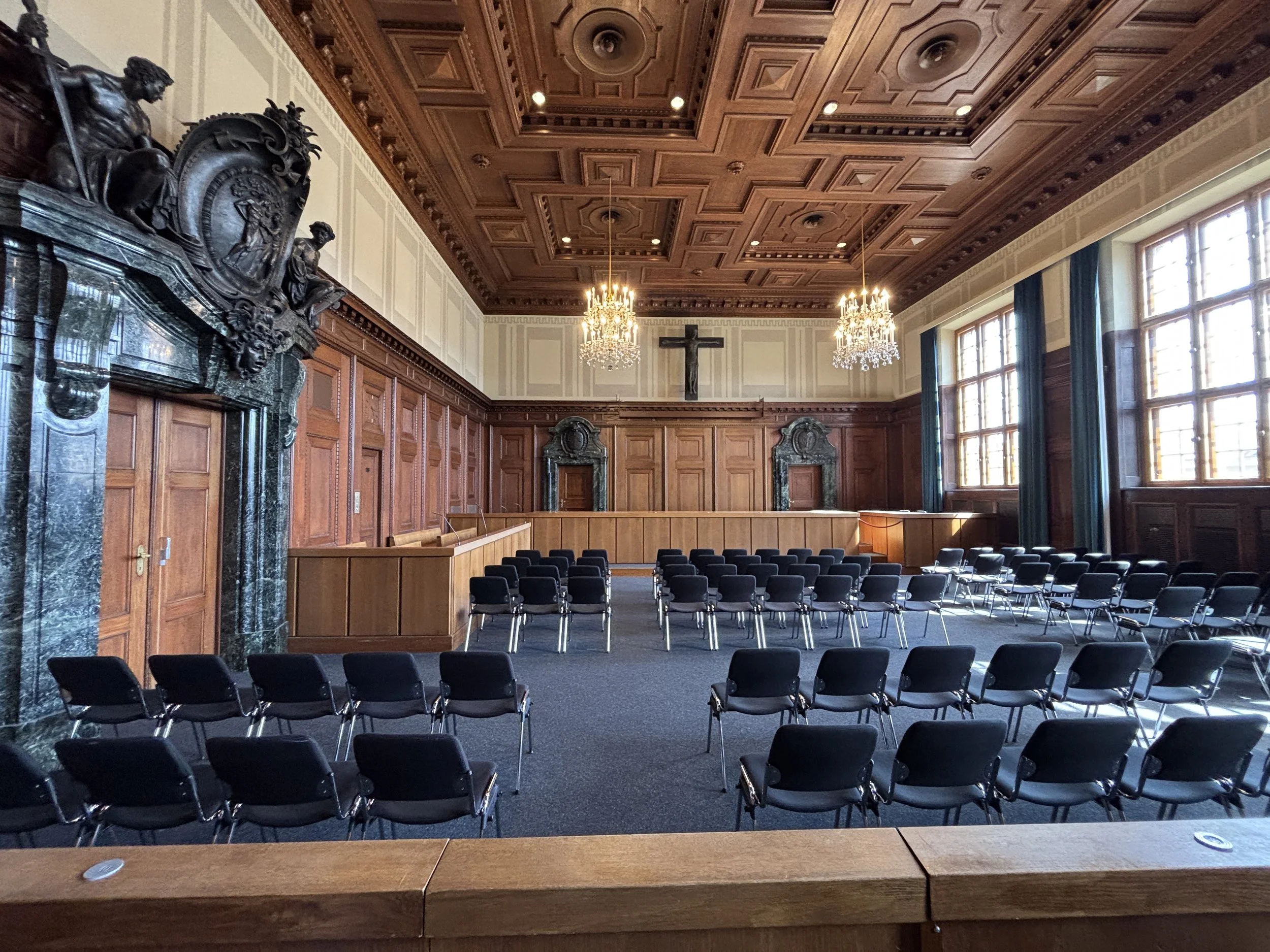
Then, there is the adjacent museum, one floor up.
The museum itself is not huge, but it is very dense in information and content.
The exhibition details the fundaments of international humanitarian law and the legal principles that were used to conduct the trials.
It then moves to explain the trials themselves, the charges presented against the defendants and the arguments that were used by the different parties.
There are lots of details about the practical aspects of the trials, the conditions in which the defendants were kept and their final fate.
You can also see some original items, such as the benches in which the defendants were sitting during the trial.
Below is the view from the wing of the building where the Nuremberg Trials took place. In the background is the former prison, where the Nazi war criminals were kept during the proceedings. Most of that old prison building was demolished some time after the trials, but you can get an idea of the place.
You can also get a view from above of the courtroom. In fact, during the trials, the American forces, which were responsible for the logistics on site, added a sort of elevated stage at this end of the room so that the attending media could better follow the sessions.
Visiting Zeppelinfeld
This is the other place in Nuremberg that is a must-visit for anyone interested in the history of the Second World War.
This is a large open ground which is infamously linked to the rise of the Nazism, since it was here that the Nazis held some of its mass rallies in the years before the war, with Hitler in attendance.
The name of the place actually comes the fact that, way before that, in 1909, airship pioneer Count Ferdinand von Zeppelin landed one of its airships here during a demonstration flight.
In 1937 Nazi architect (and later munitions minister) Albert Speer build a some monumental grounds at this spot, complete with a tribune from where Hitler and the other senior party leaders could preside the military parades.
In April 1945, the US 7th Army arrived in Nuremberg and after fierce fighting managed to capture the city. Shortly after the war was over, in a very symbolic move which was captured on camera, US military engineers blew up the large marble Swastika which was atop the main structure.
You can watch that moment in this short video documentary on Mark Felton’s channel, which contains also some interesting footage of the battle for Nuremberg in the last days of WW2 and shows the state of utter destruction in which the old town of Nuremberg was left.
After the war the venue was used for sports and music events and other public activities, but, apparently, no one was sure what to do with what was left of the main structures, which are still standing today, even if in a rather derelict state.
After the war the venue was used for sports events and other activities but, apparently, no one was sure what to do with what was left of the structures, so they have been left as they stood in a more or less derelict state.
At the time of my visit the tribune at Zeppelinfeld was cordoned off and covered in scaffoldings, since there is a project to conduct some restoration work in order to strengthen the site’s role as a place of memory and remembrance.
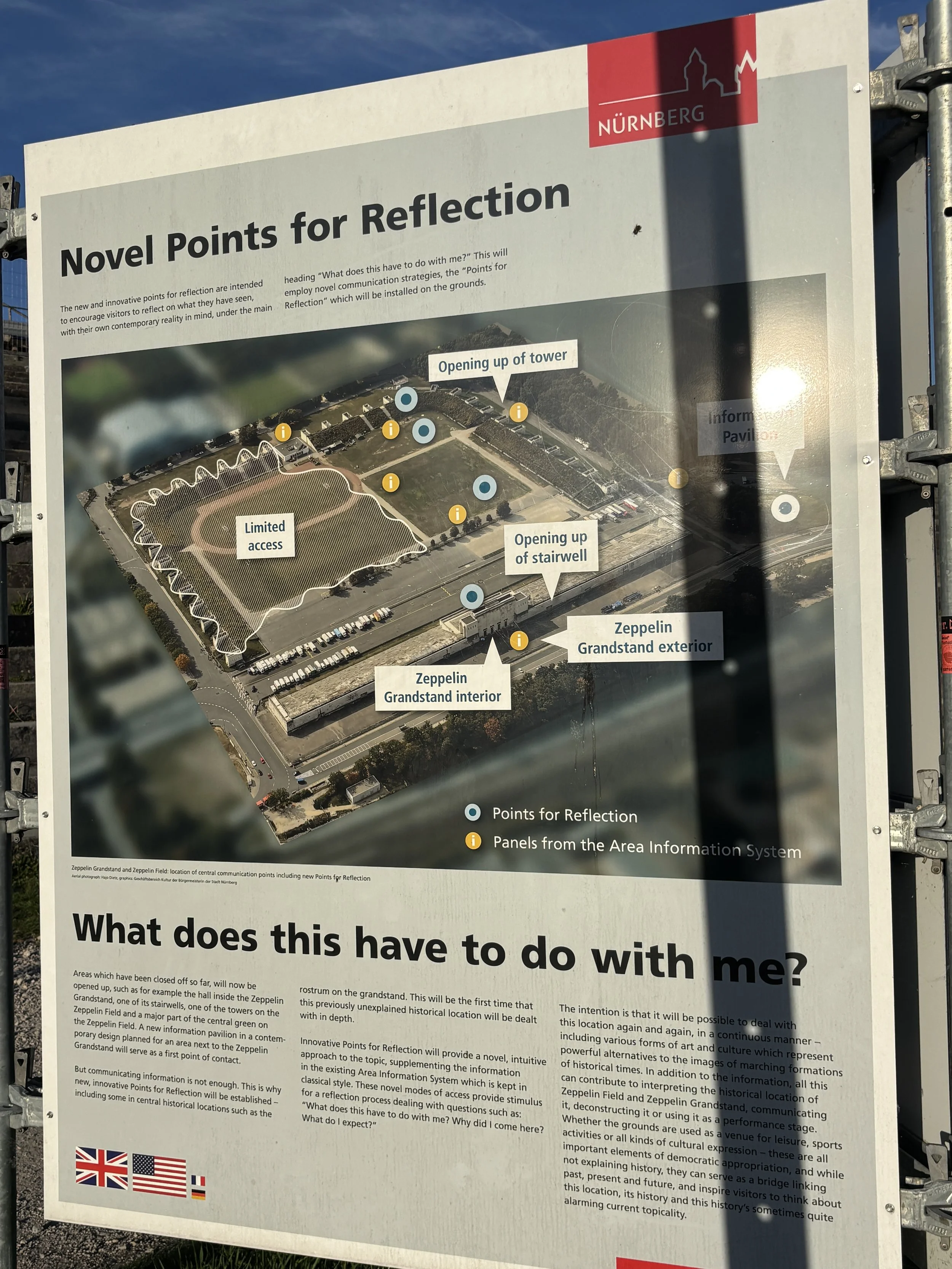
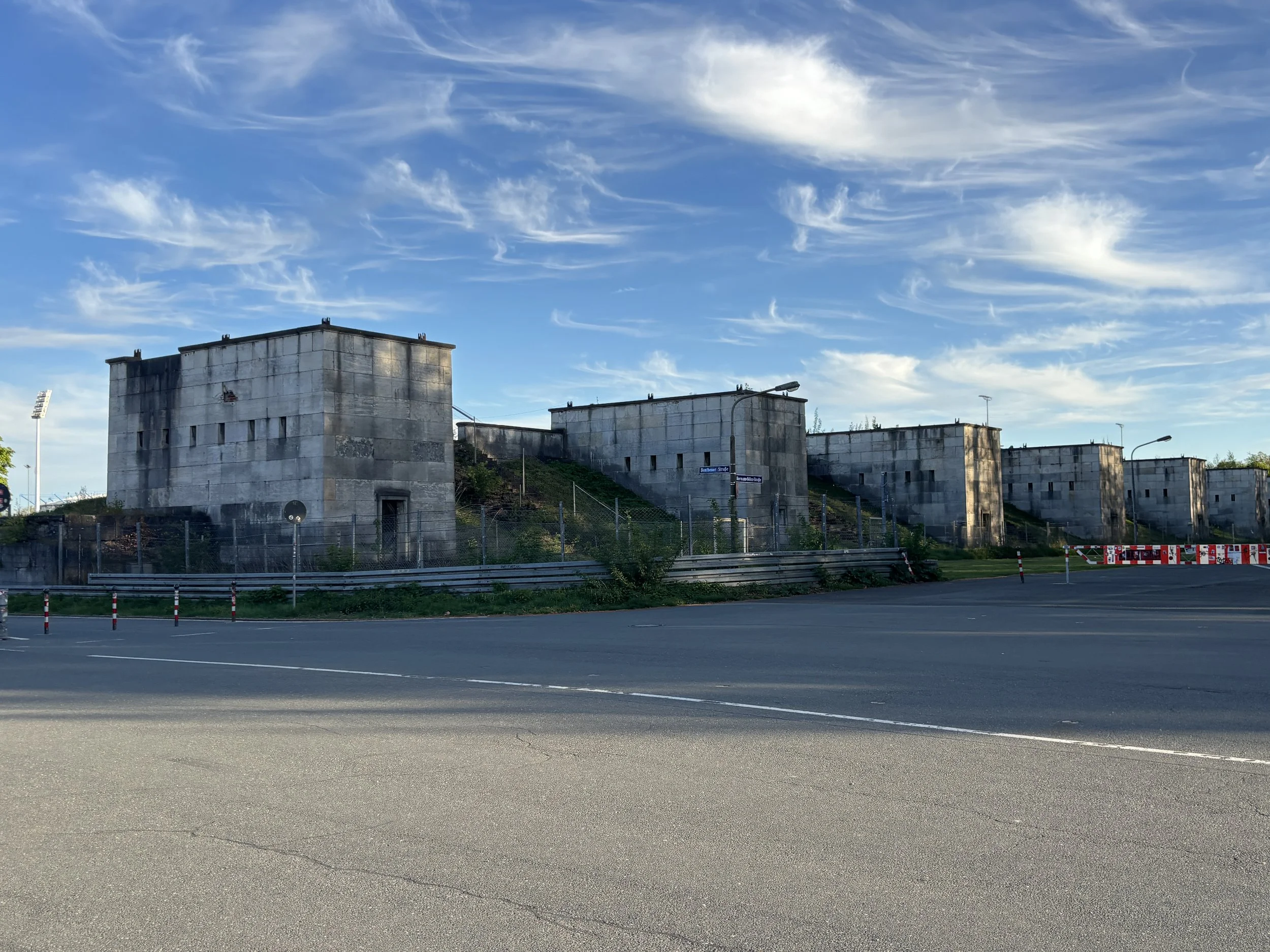
Besides the parade ground, with its tribune and grandstands, the Zeppelinfeld complex included also a large congress center across a small lake. Since 2001 that building, which was closed at the time of my visit, has hosted a research and documentation centre about the Nazi period.
The parade grounds themselves are open to the public, and are integrated in a larger outdoor recreation area, with quite a lot of greenery around.
Zeppelinfeld is a bit outside the city center, but it is quite easy to reach. You can take one of several tram lines or the S-Bahn. It takes a couple of stops and less than 10 minutes from the central station, getting off either at the “Nürnberg-Dutzendteich” or “Nürnberg Frankenstadion” stops and walking from there.
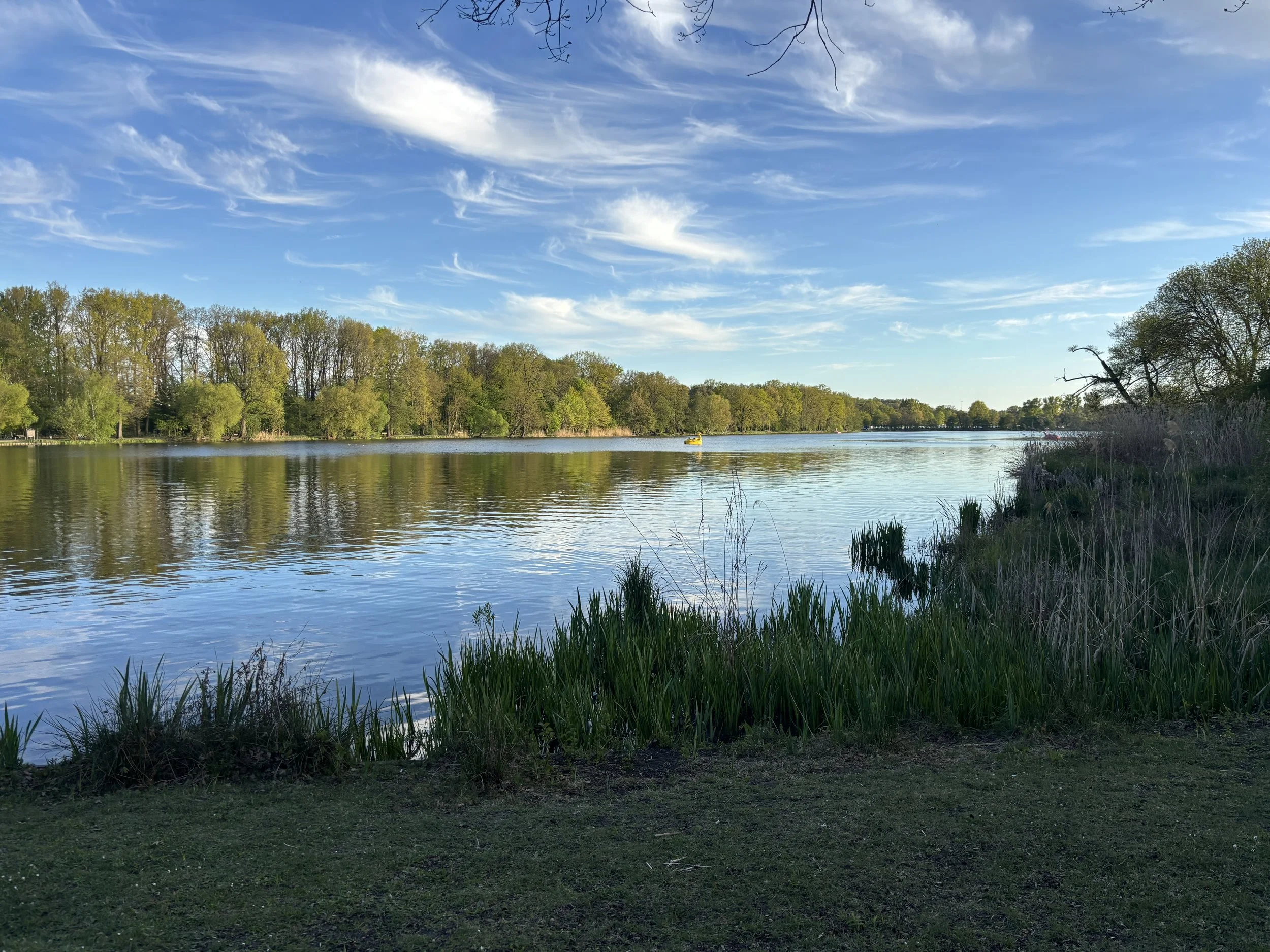
Great place to eat local food in Nuremberg
Bratwurstküche Zum gulden Stern
Zirkelschmiedsgasse 26, 90402 Nürnberg
If you are looking for a place to eat Franconian food or, more specifically Nuremberg’s signature sausage, the “Nürnberger Rostbratwurst”, look no further!
In fact, “Zum gulden Stern” claims to be not only the oldest Bratwurstküche restaurant in Nuremberg, but in the entire world!
Nuremberg Rostbratwurst is smaller than other German types of bratwurst and it is typically roasted over an open fire and served accompanied of sauerkraut, horseradish and a specific type of mustard that is sweeter than the standard one.
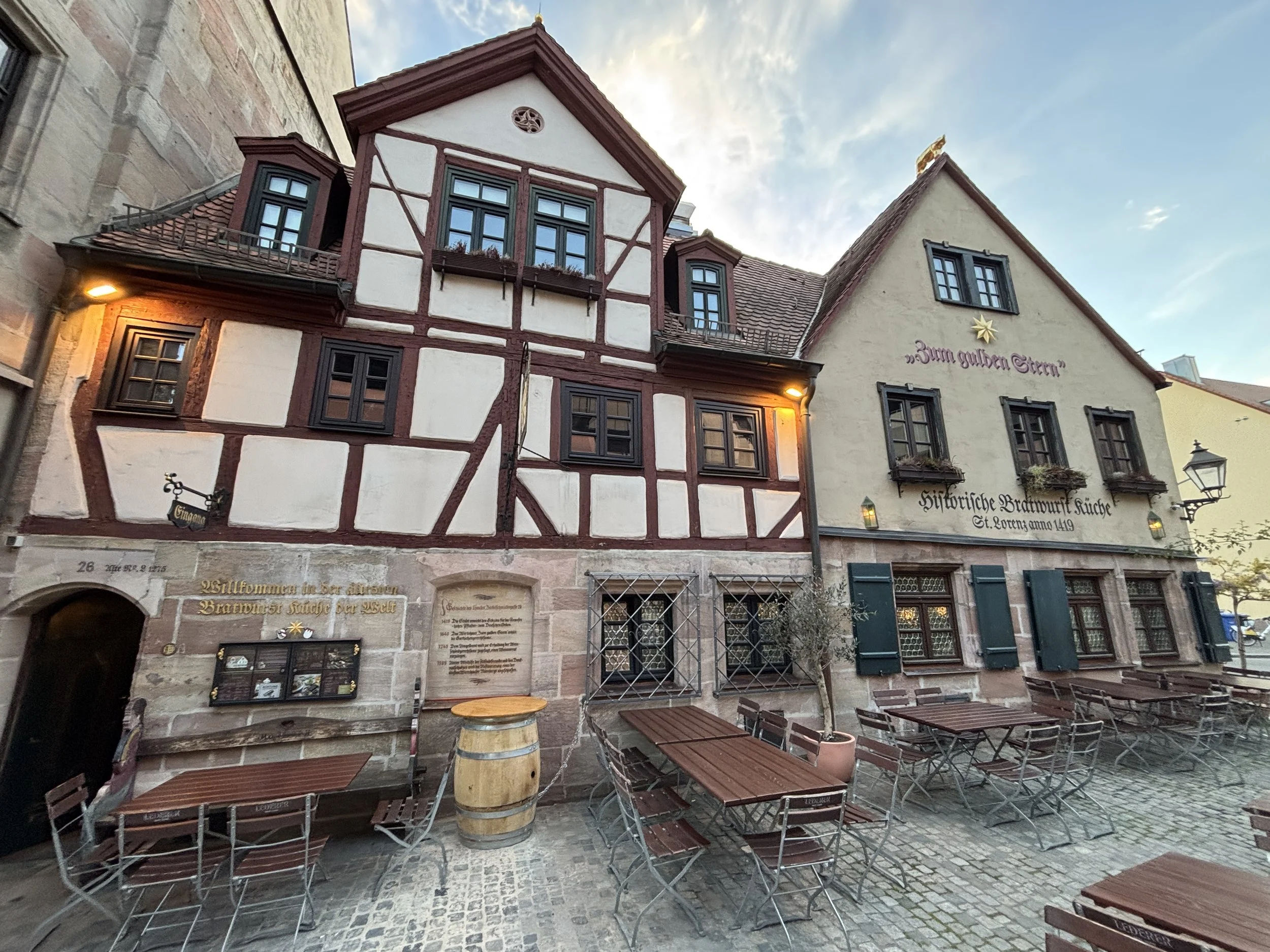
“Zum gulden Stern” traces its roots back to 1419, although it exists in its current form thanks to the efforts of a local entrpreneur, who is 1985 bought the derelict medieval building to save it from demolition and (re-)start the restaurant. His children are the ones now running it.
Whether the 600-year history claim is legitimate or exaggerated, the fact is that the owners of “Zum gulden Stern” do a really good job in creating the sort of cozy atmosphere with wholesome authentic local food that, I am sure, many visitors appreciate in a place like Nuremberg.
Most of the ingredients are locally sourced, as indicated in the menu, and the sausages are roasted in an open kitchen over a real wood fire. Prices are also very reasonable. So, overall this place provides a very nice experience and would recommend it to anyone looking to get the real Nuremberg culinary experience!
Top (literally!) place to stay in Nuremberg
Cloud One Hotel
Bahnhofspl. 1, 90402 Nürnberg
The Cloud One Hotel has possibly the best views in Nuremberg (by some parameters even better than the ones you get from the castle!).
This is due to the fact that it is one of the few high rises in town. Right outside the city walls but close enough to the historical centre to provide amazing views from its top floors. It is also just meters away from the central station (Hauptbahnhof), which makes it super convenient to go anywhere, since this is really the neuralgic centre of the city with most metro, tram, bus and rail lines converging here.
As an example, the Nuremberg Trials Memorium is less than 10min and the airport, 12 minutes away by direct metro. The nearby city of Fürth is barely 20 minutes and a couple of stops away by S-Bahn.
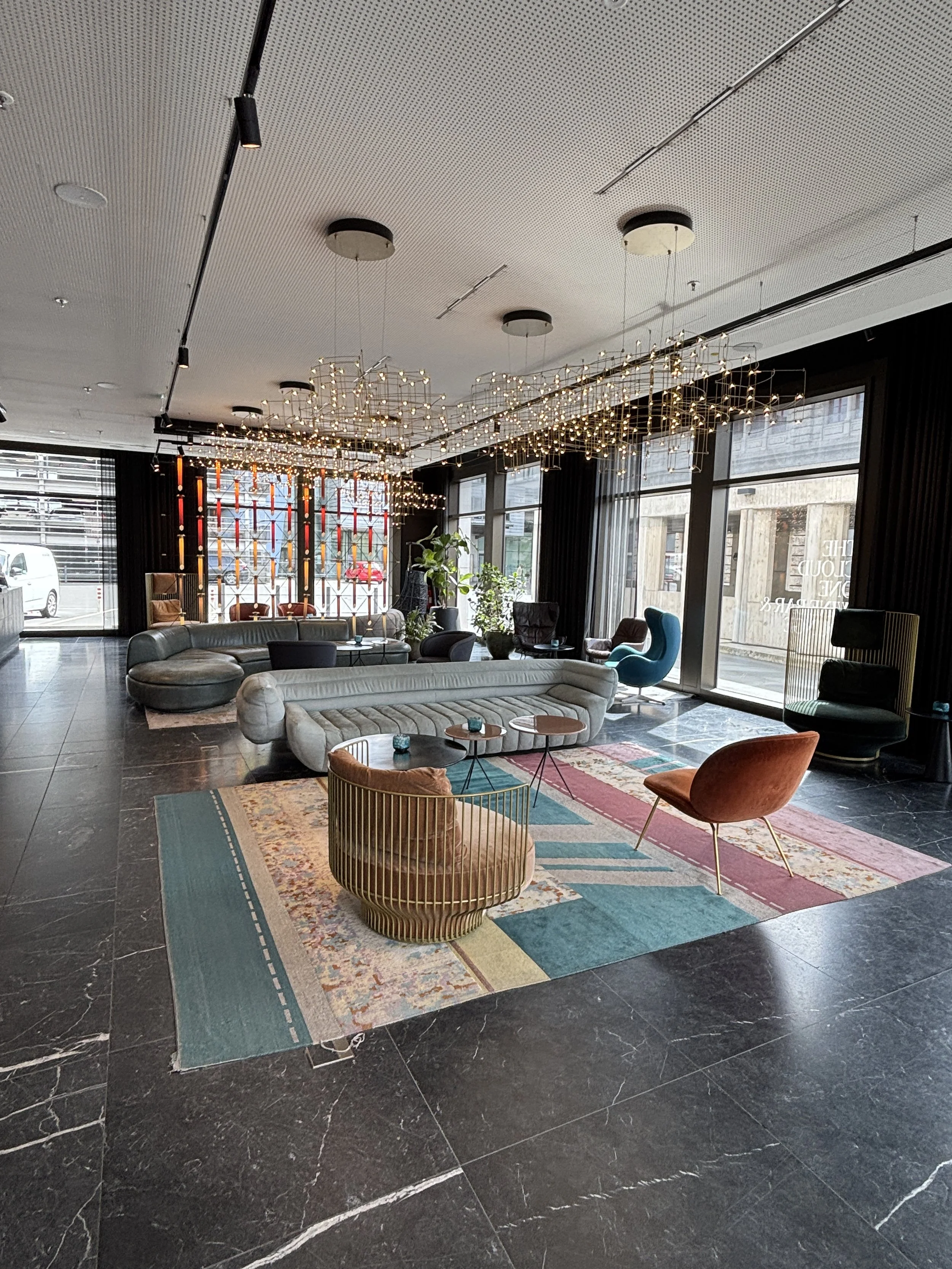
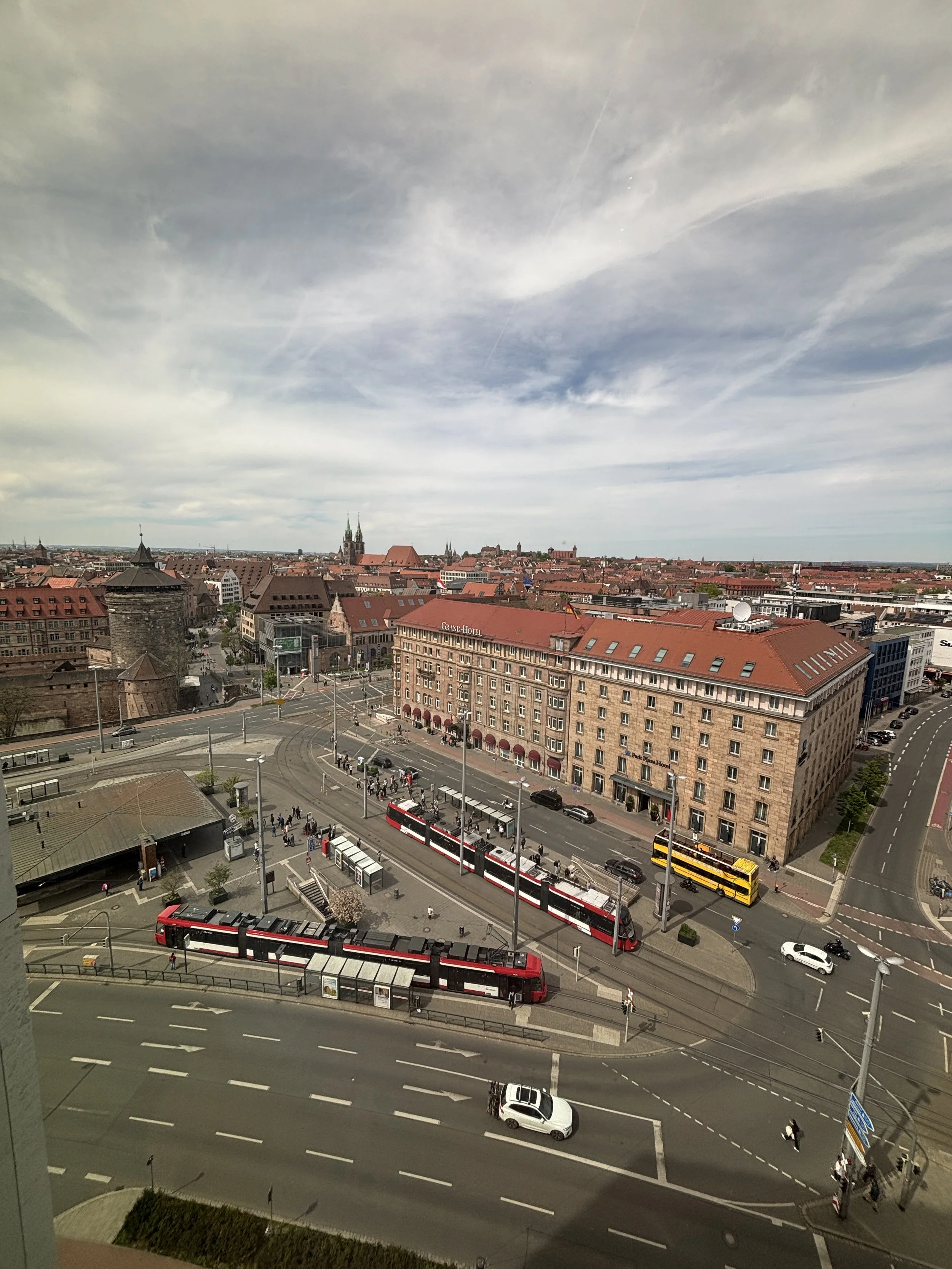
As you can see in these pictures, the rooms are small, but modern. The views from the 11th floor are absolutely stunning.
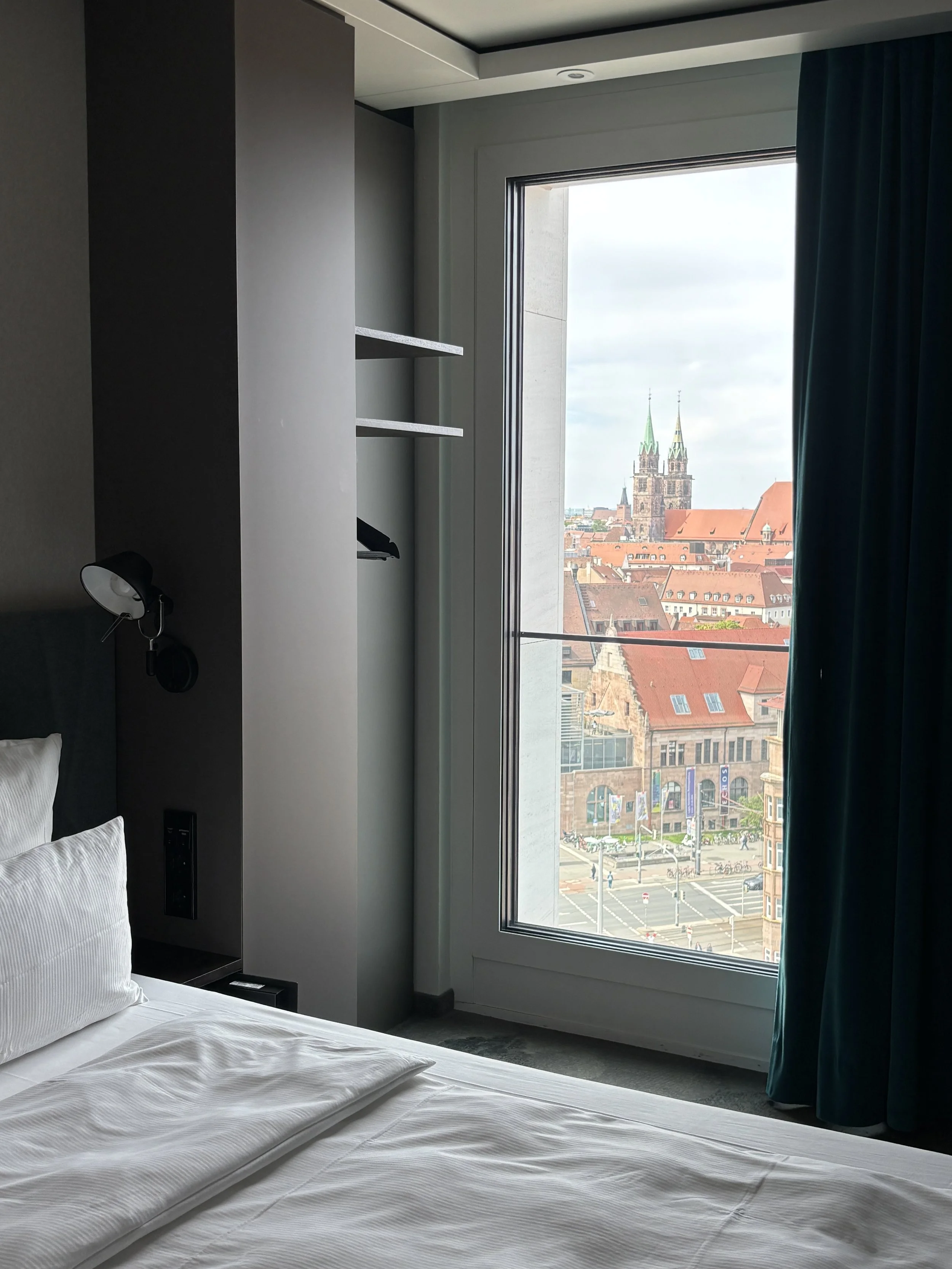
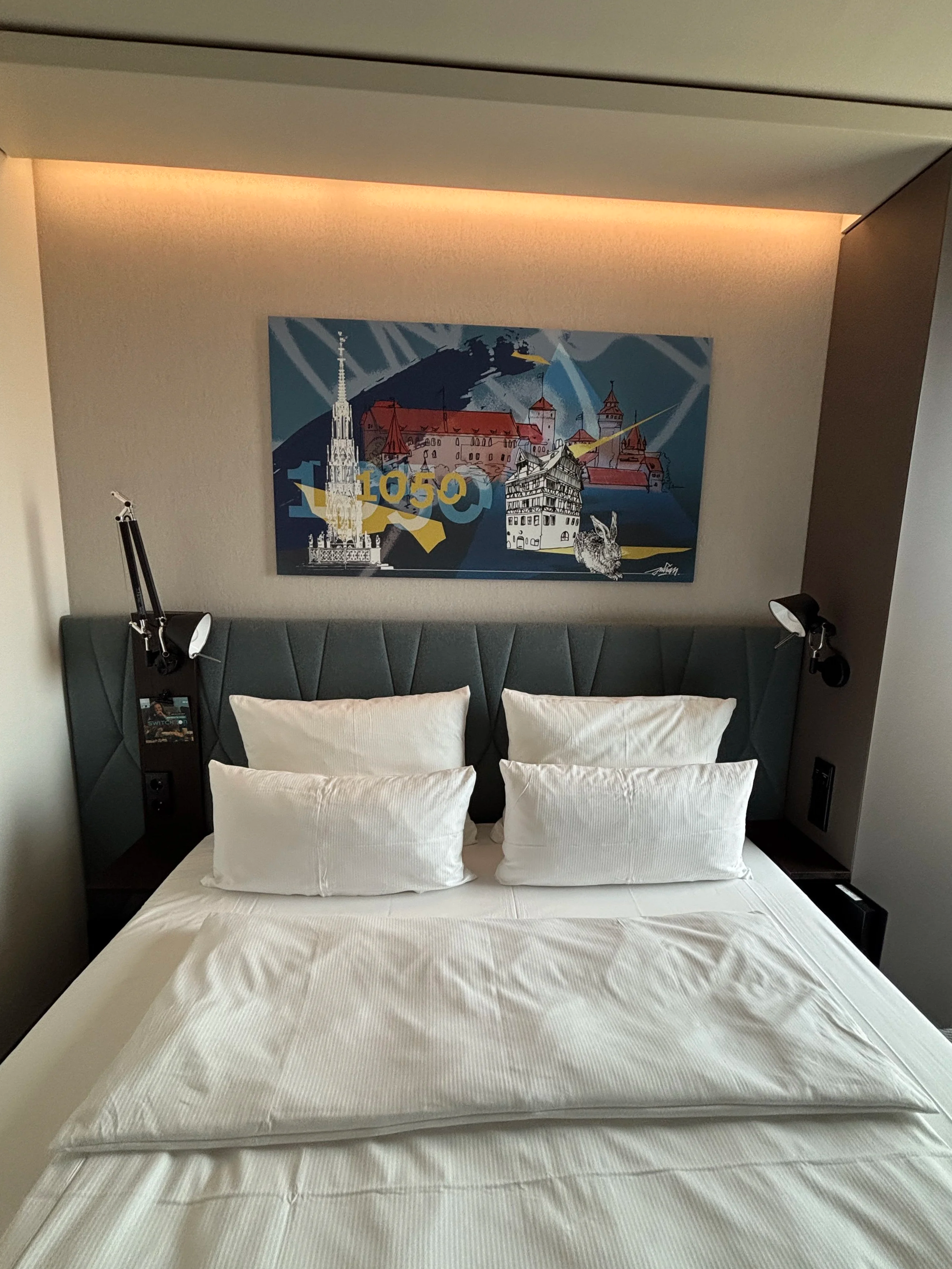
The Cloud One Hotel brand is apparently a premium offshot of the same German hotel group which manages Motel One. There are Cloud One hotels now at several German cities and even in New York City. The Nuremberg property, in particular, had been recently renovated at the time of my visit.
The hotel has also a very stylish cocktail bar on its top (14th) floor, also with truly privileged city views.
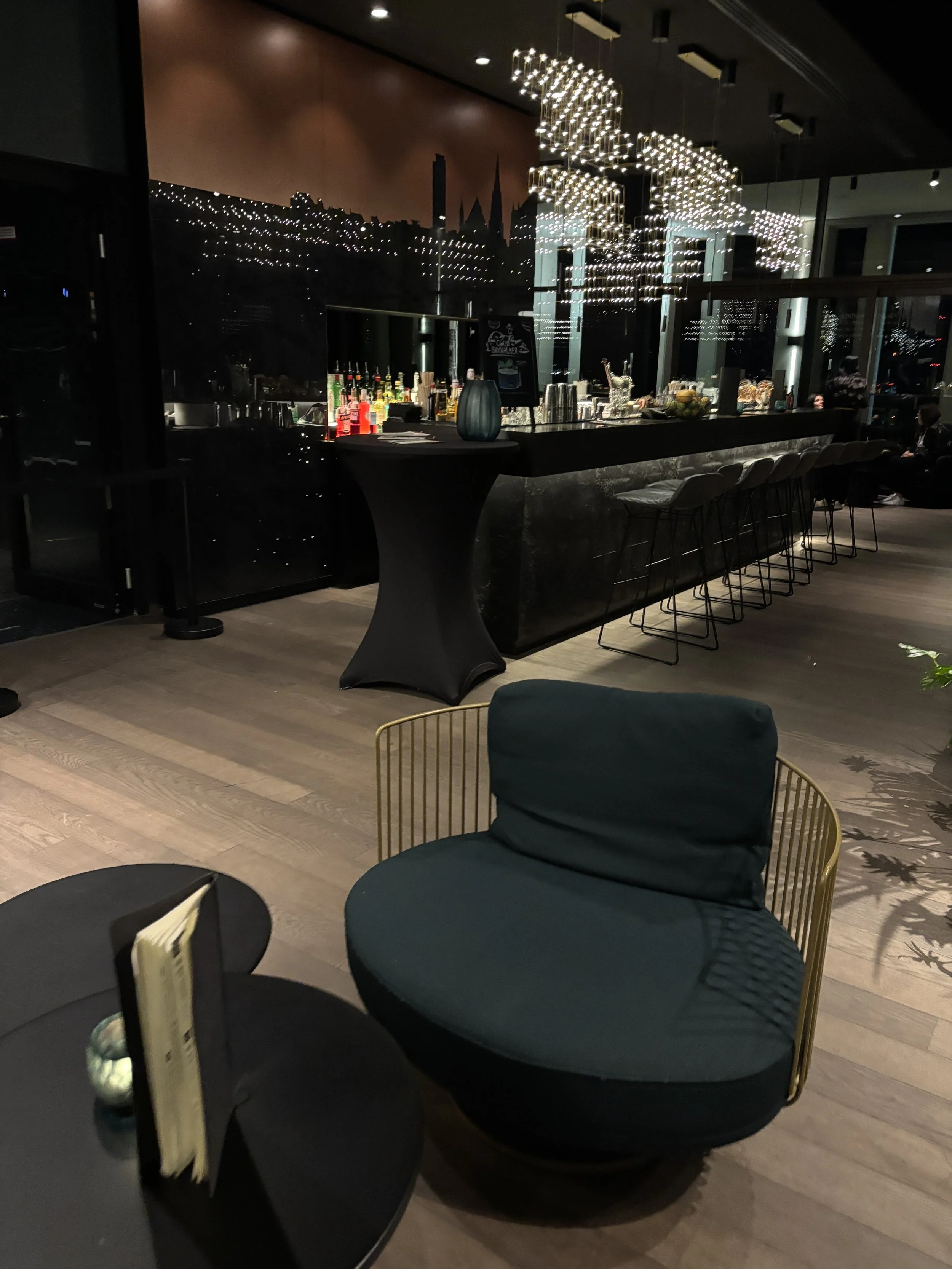
Breakfast was also pretty good, again with the majestic views (13th floor this time) and with lots of local products to try!
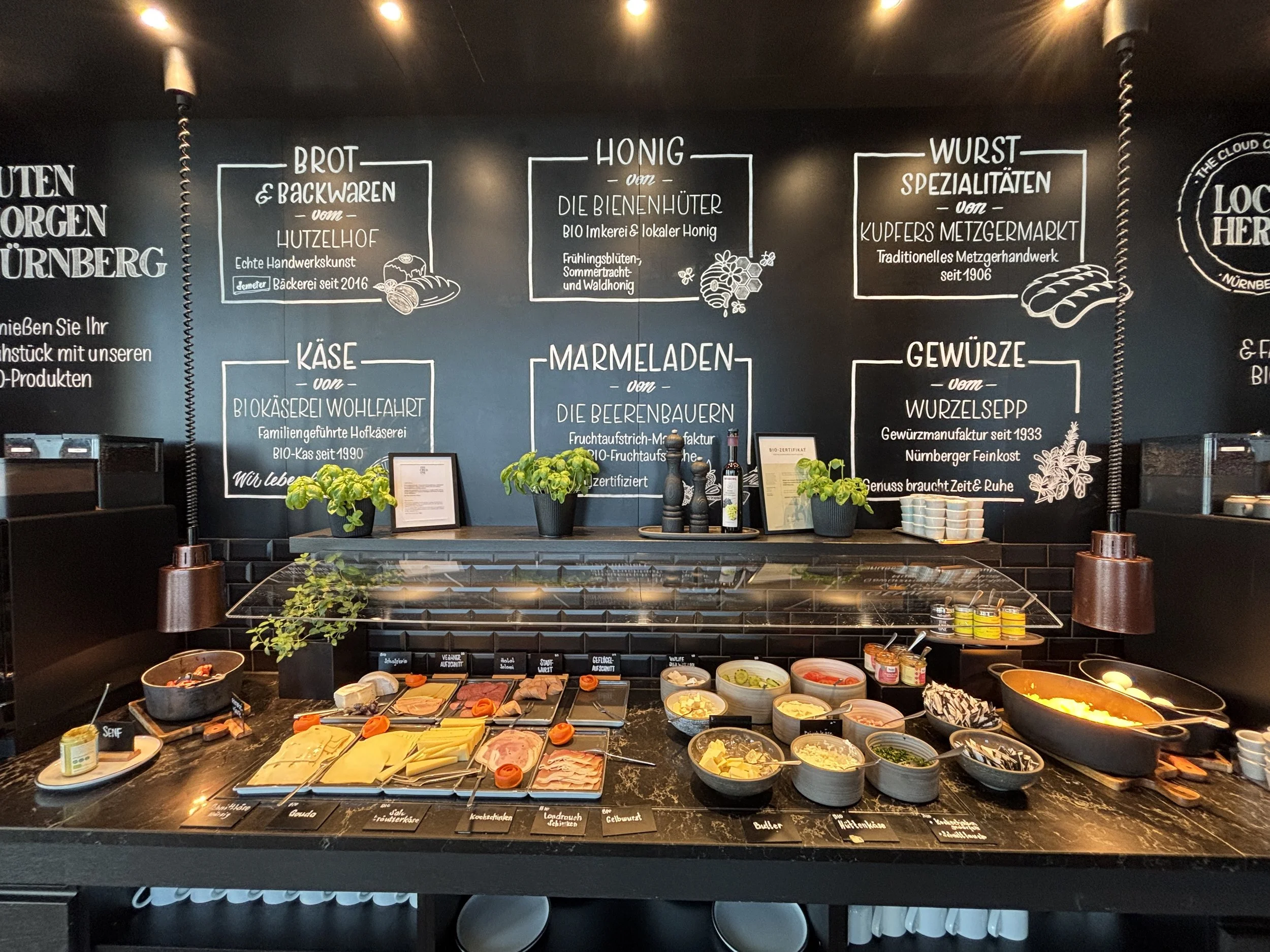
And, with this tasty Franconian breakfast, this itinerary through some of Germany’s most beautiful towns comes to and end.
If you are interested in learning more about Franconia and what to do and what to see in this beautiful part of Bavaria, check out my previous posts this region.
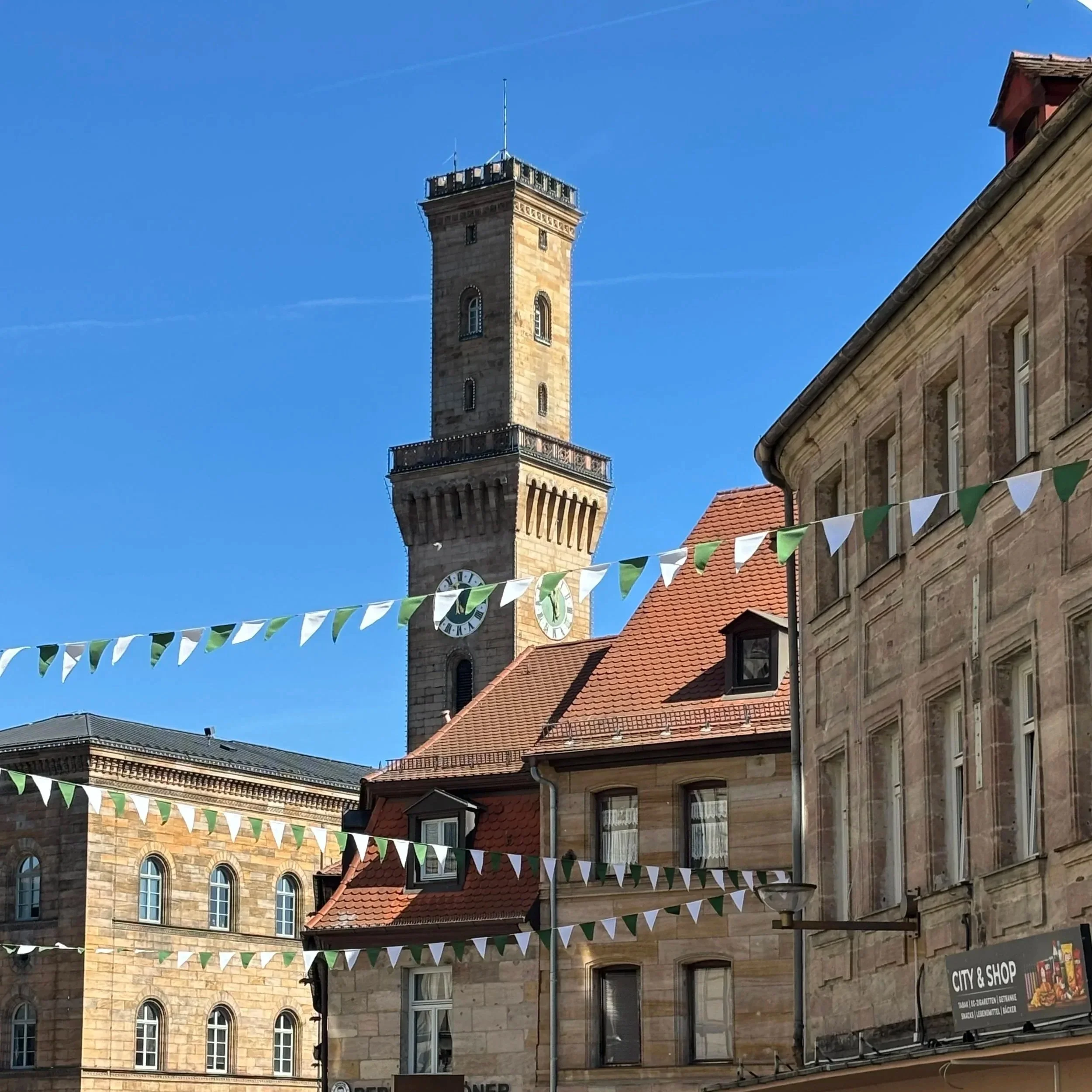
Top things to do and see in Franconia (III): Fürth, the “Franconian Jerusalem”
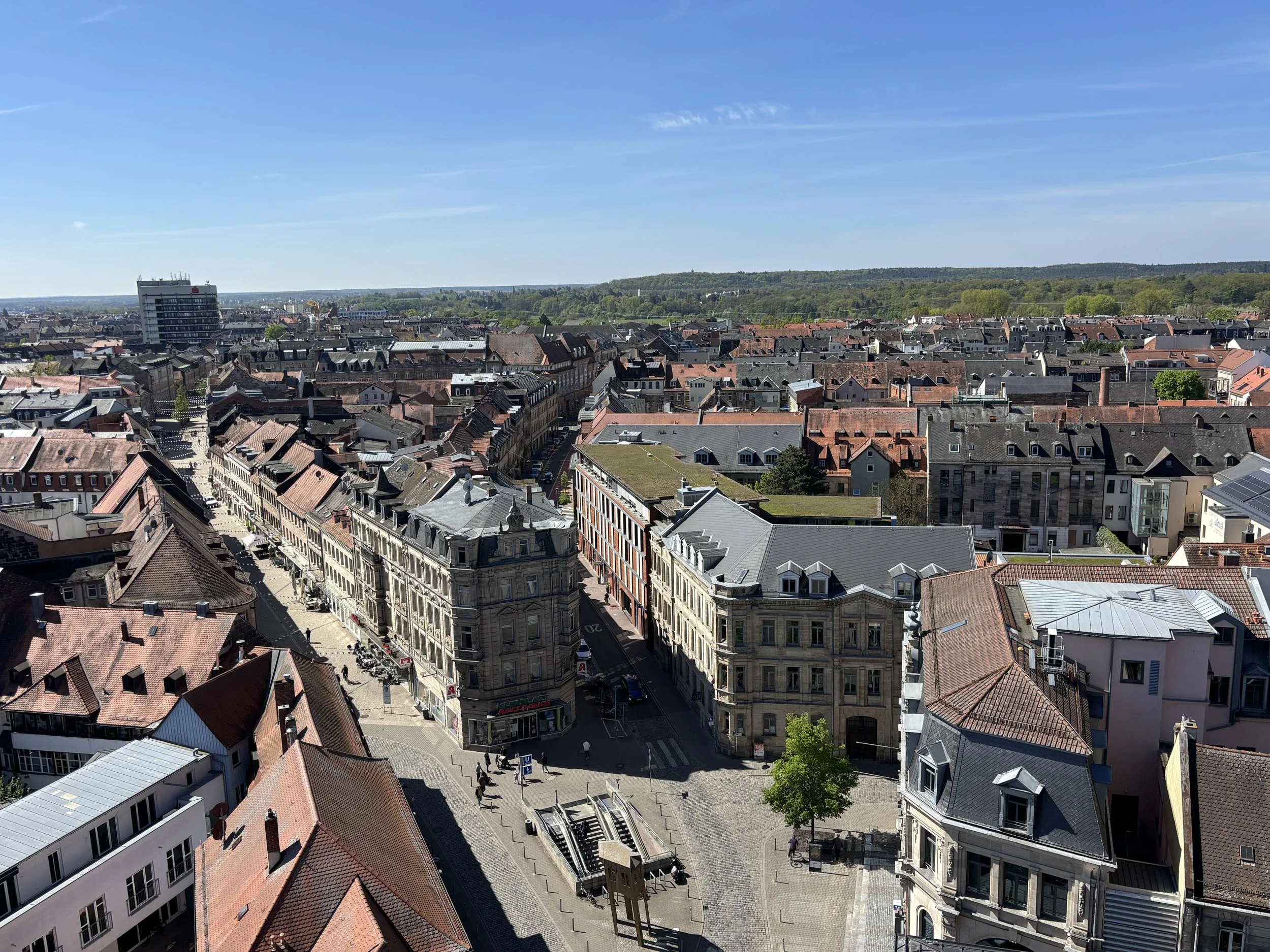
After visiting the beautiful historical towns of Bamberg and Forchheim, the next stop in my Franconian tour was the city of Fürth.
Now, if you look it up on the map, you will see that Fürth is today pretty much integrated into the greater Nuremberg urban agglomeration.
However, this Franconian city of more than 130,000 people has a rather rich and interesting history of its own and it is well worth a visit.
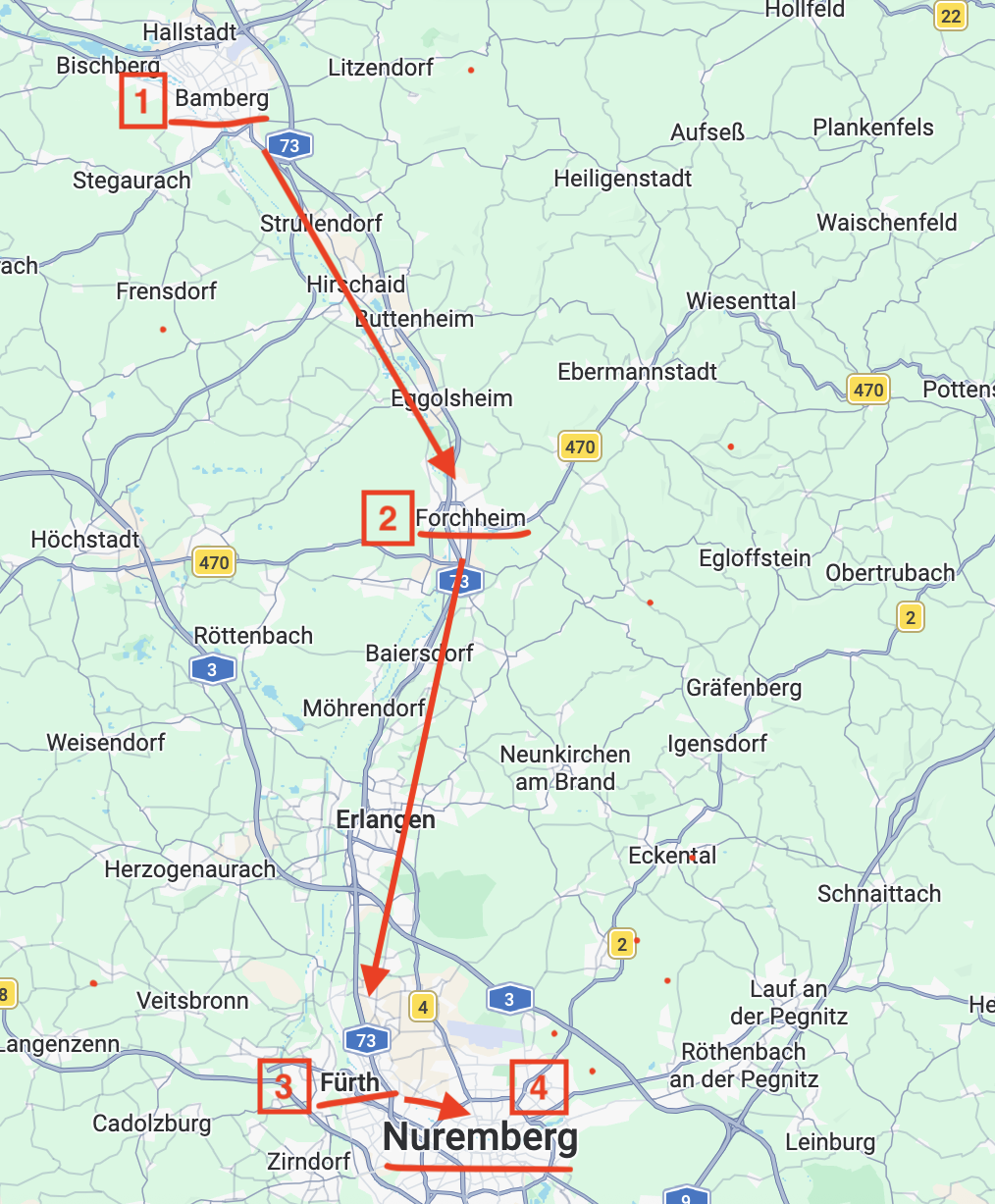
Fürth has enough to keep you going for a full day and it can also be visited as a day excursion from Nuremberg (since their urban transportation networks are interconnected, including the metro and S-Bahn, the suburban train system).
So, on this post I will share my impressions of my visit to Fürth and its main landmarks.
Here are some of the topics you will find next in this post:
The growth of industrial Fürth & its Italianate town hall
The Jewish heritage of Fürth
Protestantism in Fürth and the 30-Year War
The historical town of Fürth
Henry Kissinger’s birthplace in Fürth
Where to eat Franconian food in Fürth
This post may contain affiliate links. If you book or buy something through them, I earn a small commission, at no extra cost to you. It's one of the ways I keep Places of Charm going. Thank you for your support.
I would like to thank also Franken Tourismus and the Fürth Tourist Office for facilitating this journey and arranging a tour of Fürth with the great local guide Monika. All opinions are my own.
Walking around Fürth
Fürth is quite an old city, the origins of which can be traced back to the early Middle Ages.
In fact, its name is possibly derived from the old Germanic word for “ford” since Fürth sits at the confluence of the Pegnitz and Rednitz rivers (which join together a bit north of the city to form the Regnitz, the river which we have already seen in Bamberg and Forchheim earlier in this series).
While Fürth has grown over the centuries somehow under the shadow of the much larger (and Imperial) neighbouring city of Nuremberg, it has always had a very strong character of its own.
This is reflected today in some symbols of local identity, such as the cloverleaf, which is visible in quite a few urban ornaments (no connection with Ireland that I am aware of!). In past centuries, however, Fürth distinctive status in the German political order was based on a rather unusual political set up in which three entities shared power over parts of the city: the Princely Bishopric of Bamberg, the Principality of Ansbach, and the City of Nuremberg.
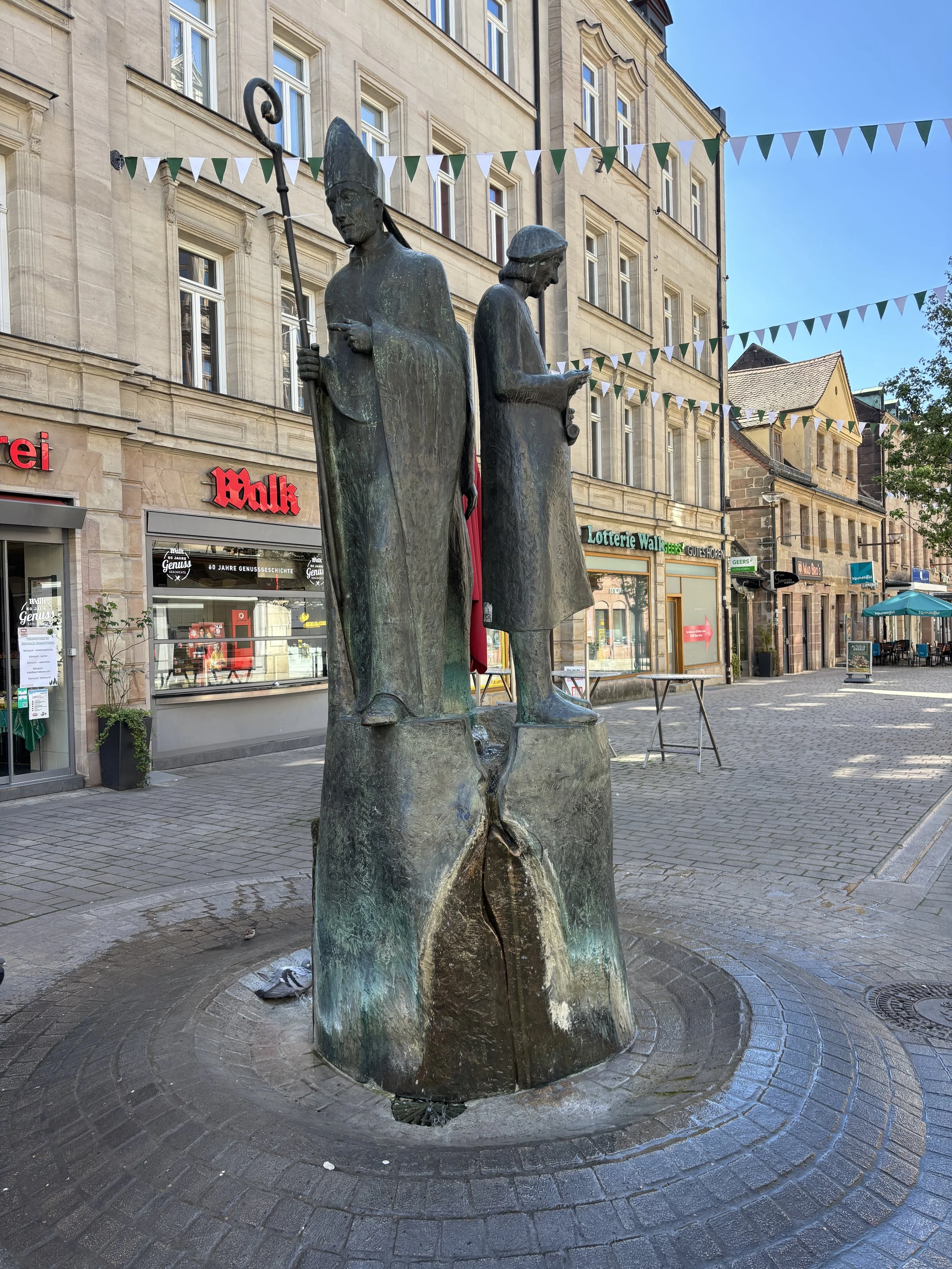
By the way, these three powers are depicted in one of the statues that adorn Fürth’s main commercial street (picture to the right).
This means, that, while very close to the Imperial city of Nuremberg, Fürth could sometimes carve its own path. For example, in the early 16th C., when many German territories, including the city of Nuremberg, were expelling their Jewish populations, Fürth welcomed them (in exchange of a “protection fee”, truth be told). This led, over time, to earn Fürth the nickname of “Franconian Jerusalem”, a topic we’ll revisit further down this post.
Another particularity of Fürth is that it was a Protestant stronghold in highly Catholic Franconia, this led to it being also the setting of some big military clashes in the 17th C. during the 30-Year War, something we’ll touch upon later in this post, as well.
So, Fürth evolved as a rather diverse cultural and religious entrepôt all the way to the industrial era, which Fürth also embraced wholeheartedly, becoming not just a major industrial centre but also the terminus of the first railway in Germany, which linked it to Nuremberg.
So, now, without further ado, let’s see what the city has to offer to the visitor today and my suggestions about what to do and what to see in Fürth.
Fürth has managed to preserve a small, nice historical center, however, the city has remained far from stagnant through the last five hundred years. In fact, most of Fürth’s current downtown is the product of the industrial revolution. Since the 19th C. Fürth became home to industries such as gold-beating, toy manufacturing, mirror production and electronics (radio and household appliances giant Gründig was founded in the city).
This gave Fürth the wealth and prosperity that allowed it to fund a world-class urban development program in the 19th C. and early 20th C. with broad avenues, elegant multi-storey buildings, department stores and a number of singular public buildings.
Among the latter was the Church of Our Lady, built in 1829, not long after Fürth joined the strongly Catholic Bavarian kingdom in 1806. Remarkably, the Church was built with voluntary contributions from the Protestant and Jewish communities.
Another civic venue which in the city which was built through citizen contributions (in this case with a major involvement of the city’s Jewish community) was the city’s majestic theatre venue, which was completed in 1902.
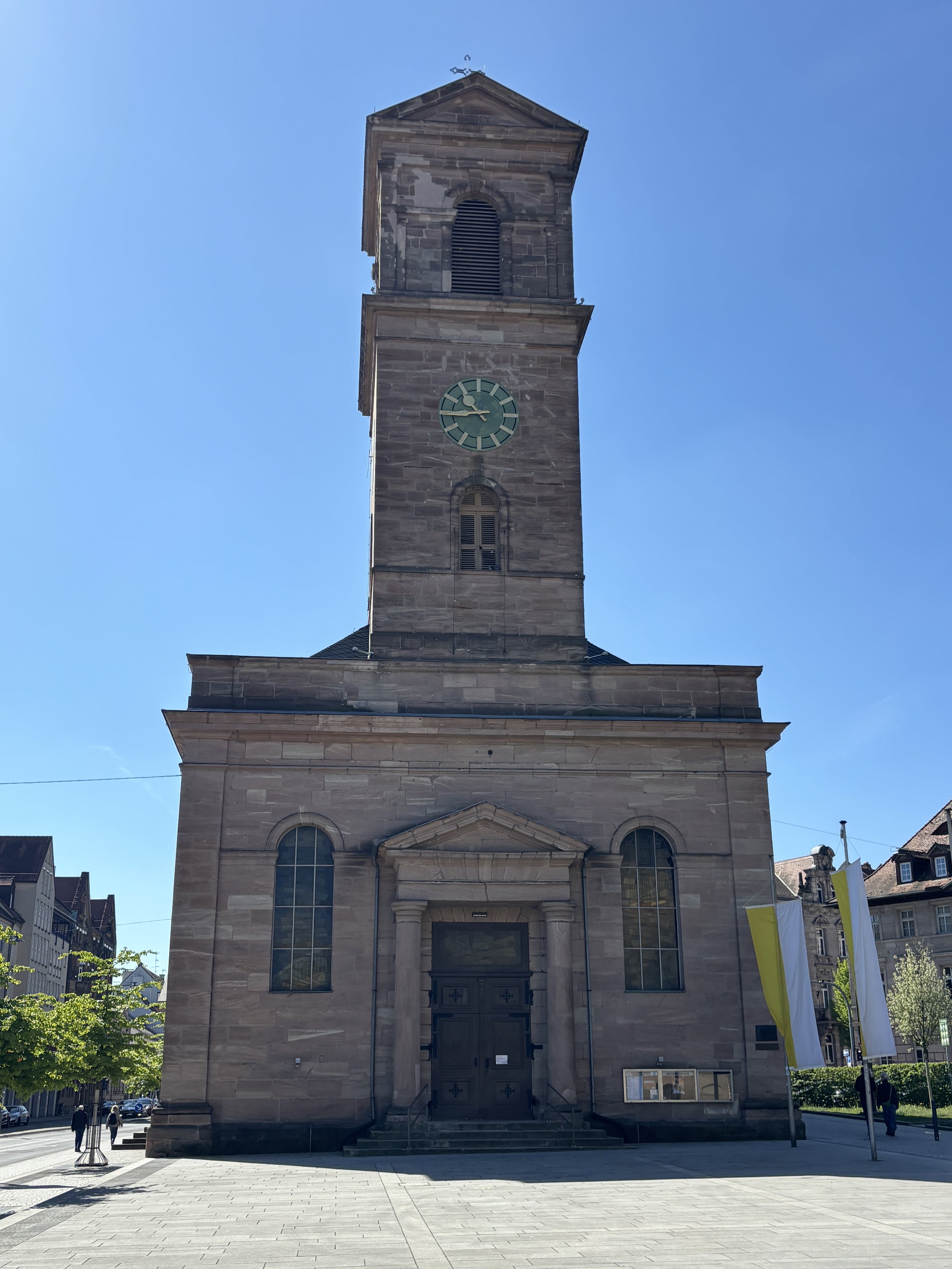
Interestingly, the architect that designed Fürth’s theatre used the blueprints it had devised for another theatre which had been commissioned to be built in what was then Czernowitz, in the Austro-Hungarian Empire (now Chernivtsi, in Ukraine). So the two cities did get eventually (more or less) the same building!
But perhaps the most eye-catching element dominating the Fürth skyline is the town hall, which was designed in the mid-19th C. If it reminds you of an Italian scene, it’s for a reason!
In their quest for something extraordinary, the citizens of Fürth decided that their city needed a replica of Florence’s Palazzo Vecchio as their new town hall!
It is possible to get to the top of the Town Hall tower to get a 360º panorama of the city of Fürth, with the city’s two well-defined parts, the old and modern ones, as well as the surrounding countryside and as far as the city of Nuremberg, the main landmarks of which are perfectly visible in the distance.
The Jewish Heritage of Fürth, the “Franconian Jerusalem”
We have already mentioned how Fürth became a safe haven for Jews which, in the 16th C, had to flee other parts of Germany.
Over the next few centuries the Jewish community of Fürth kept growing and the city became, actually, a very dynamic center of Jewish learning to the point that it became known as the “Franconian Jerusalem”.
The hub of Jewish cultural life in Fürth was an area called the “Schulhof” (or “School Courtyard”), which was exactly that: several centers of learning and prayer structured around a large open courtyard.
This part of Fürth’s history came to an abrupt end in the 1930s with the rise of Nazism in Germany. As it happened to other Jewish communities in Germany and Europe, the Nazis targeted Jews in Fürth and razed the Schulhof to the ground.
What you see today is an ensemble of modern post-war constructions more or less laid out around that central courtyard. A monument by Japanese artist Kunihiko Kato, now stands in the middle of the courtyard remembering that past and what happened to it.
Fürth has other sites connected to the Jewish past of the city, although I was not able to visit them all due to time constraints.
For example, there is also a Jewish Museum, which has been housed by a modern purpose-built facility since 2018 and documents the history of Jewish life in Fürth and Franconia.
Another interesting site is the old Jewish cemetery, which is located in the outskirts of the old town. Since it is no longer in use, vegetation has covered most of the large patch of land in which is located, including many of the old tombstones, giving it a somehow remarkable aspect, which invites contemplation and remembrance.
Visiting the historical center of Fürth
Continuing our walking tour of Fürth, we get to the historical town, which is not large, but survived WW2 pretty much intact.
Like many other historical German cities, Fürth has its fair share of half-timbered buildings, but if there is one aesthetic aspect for which this city stands out is its slate-clade facades.
Here, in Fürth, slate panels have been used profusely to cover all sort of surfaces, not just the roofs. Valued because of its insulating properties, slate is in facades and side-walls, often covering most of the building. In many places it is also possible to find facades which have been decorated by using patterned slate coverings.
The other thing that historical Fürth stands out for is the abundance of little courtyards, some public, some semi-private, many of them perfectly well kept as gardens.
This phenomenon may be partly explained by the location of Fürth on a major axis of communication linking Nuremberg to Frankfurt and other major German cities. With Nuremberg a mere five miles away, the city of Fürth made a convenient overnight stop before being able to cross Nuremberg’s city gates in the morning. the courtyards provided a a safe place for travelers to leave their horses or carts for the night while sleeping at the adjacent inns.
Protestantism and the Thirty Years War in Fürth
Fürth has also the particularity of being a majority-Protestant city in Catholic Bavaria. Fürth main Protestant church is Saint Michael’s, which is credired with being, possibly the oldest building in town, as well.
Fürth’s protestantism meant that in 1632, during the Thirty Years War, it hosted the King of Sweden, Gustavus Adolphus, which styled himself as a major defender of the Protestant cause in German lands.
The Swedish king is still remembered in Fürth, where a plaque and a bust remembers the royal visit. Gustav Adolphus apparently lodged at the rectory adjacent to Saint Michael’s church in June 1632. One of Fürth’s main streets is also named after the Swedish monarch.
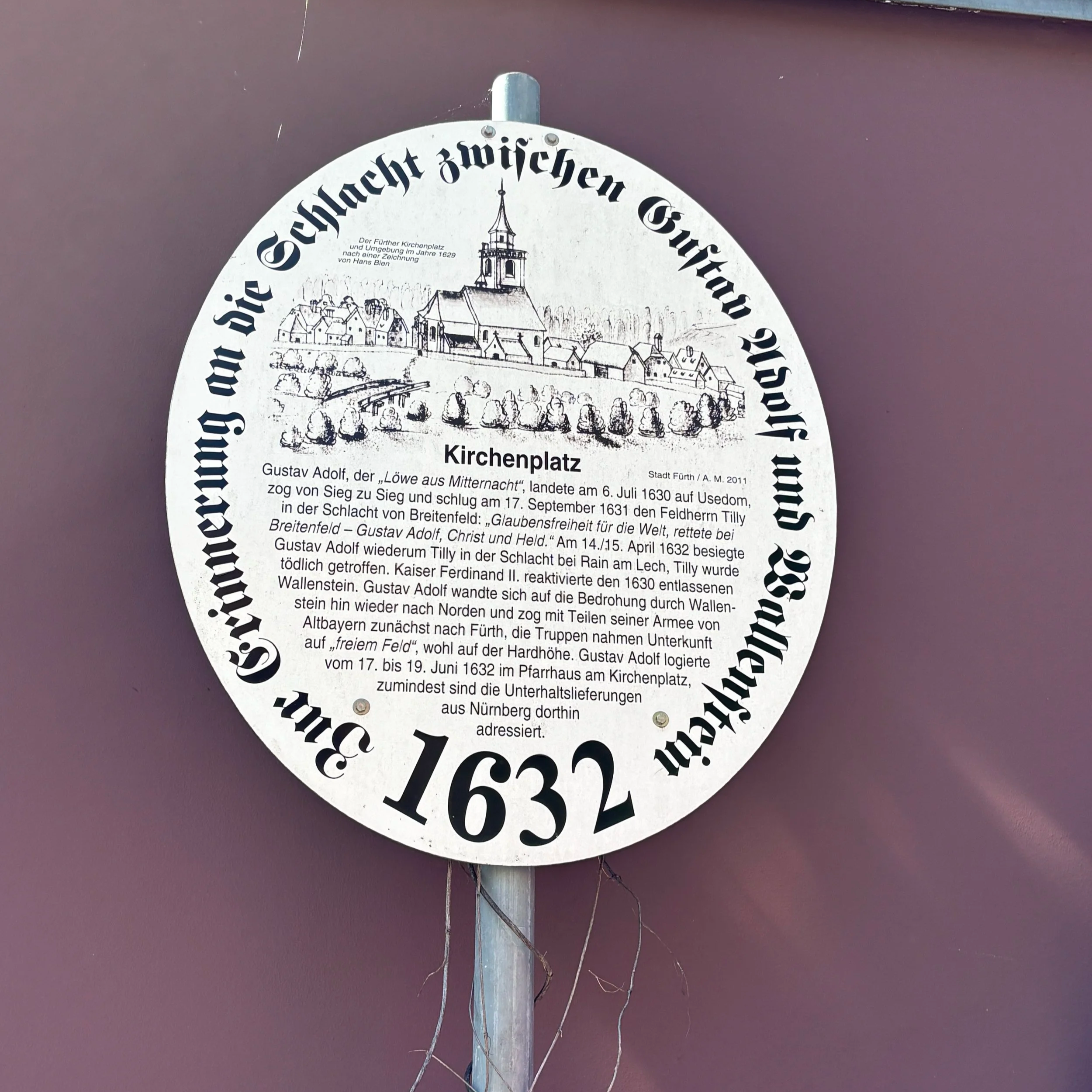
Gustav Adolphus campaigning in the area of Fürth culminated in a battle at a nearby hill called Alte Veste (“Old Fortress”). There, after a prolongued stand-off, Swedish forces charged the Imperial army under the command of Albrecht von Wallenstein, with the latter reportedly getting the upper hand. The city of Fürth and the surrounding countryside reportedly suffered quite a lot of damage during that conflict.
Visiting Henry Kissinger’s birthplace
Fürth is the birthplace of two prominent statesmen.
One of them was Ludwig Erhard, who was Finance Minister of the German Federal Republic under Adenauer and later, between 1963 and 1966, Chancellor himself. A remarkable man who is widely credited with being one of the architects of the German post-war economic miracle (the so called “Wirtschaftswunder”).
The other major statesman born in Fürth is none other than Henry Kissinger, the formidable US Secretary of State.
Kissinger served in this capacity between 1973 and 1977 under Presidents Nixon and Ford, and later remained a very prominent and influential voice in international affairs pretty much until his death in 2023, at the venerable age of 100.
Kissinger was born to a middle class Jewish family at 23, Mathildenstrasse, in central Fürth and his native home still stands at this exact spot in a good state of preservation. A plaque by the door remembers visitors of this historical fact.
Kissinger’s family, however, had to flee Fürth, in 1938, as the environment was turning increasingly dangerous for German Jews. The Kissingers landed in the United States, where young Henry would go on to make a brilliant career, but this is another story that, I am sure, there are many other books and sources better qualified to tell in all detail.
Btw, the area in which Kissinger was born and spend his childhood in, with its broad, orderly avenues and solid residential and commercial housing blocs, is a good example of the modern expansion of the city of Fürth in the 19th C., as the city prospered as an industrial and trading center (in the picture below you can see how the streets of this district mostly look like).
Where to eat in Fürth
Gasthof Grüner Baum
Gustavstraße 34, 90762 Fürth
This restaurant and guesthouse is located in one of Fürth’s most historical buildings.
While the current building dates largely from the early 19th C., an inn has been documented at this spot since at least 1607. A 2018 renovation uncovered some parts of the old structure, such as a wooden ceiling. Legend has it that the Swedish king Gustav Adolphus may have dined here in 1632, but this is totally unverified!
It has a terrace which is lovely when the weather is nice, as it was the case during my visit.
The food was, you guessed it (particularly if you have followed the previous stages of this itinerary)…Franconian cuisine!
In this case it was the sausages, although those of you that prefer schnitzel, will also be well served here. The dishes were accompanied by a nice potato salad and Bavarian beer.
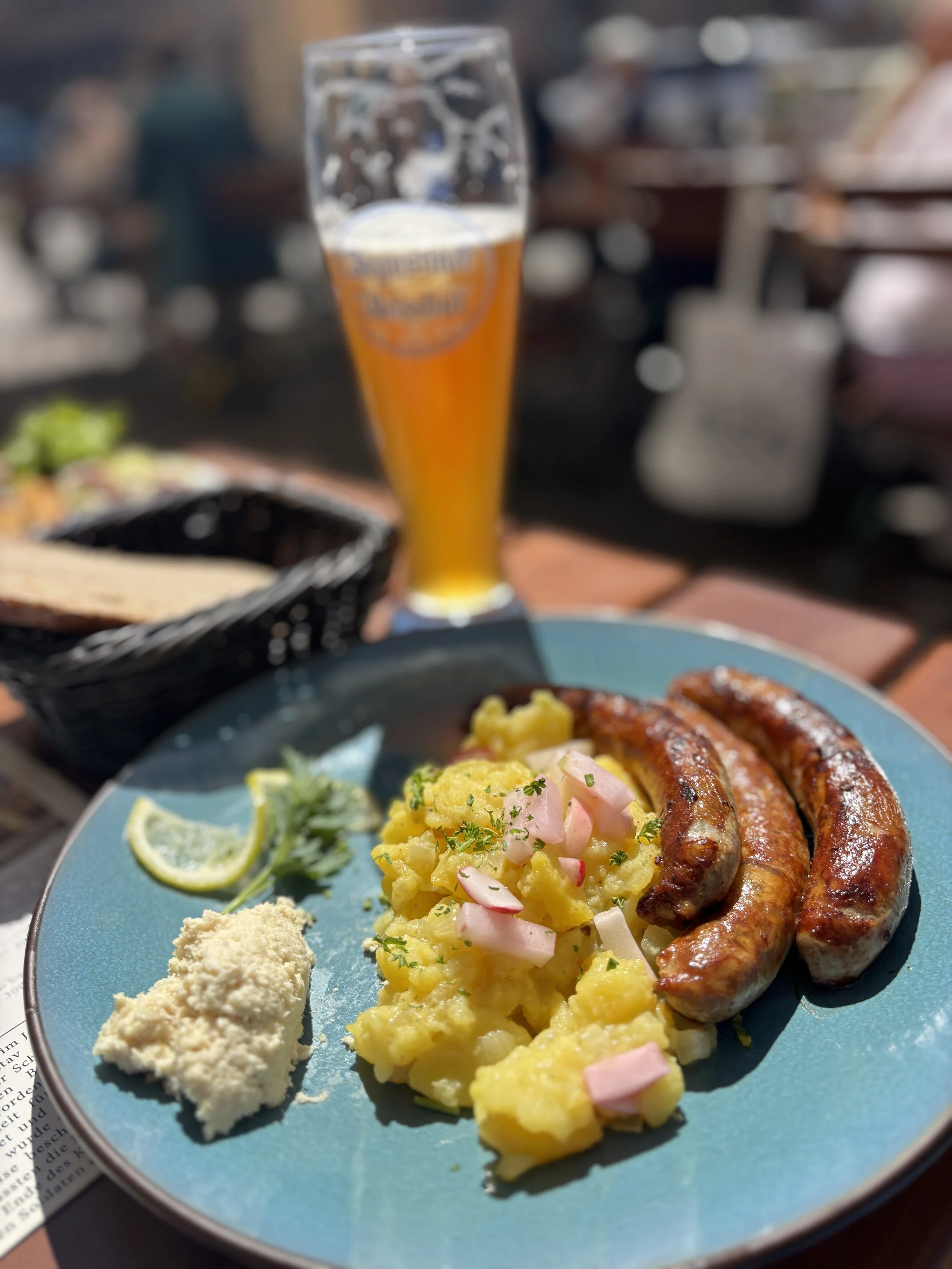
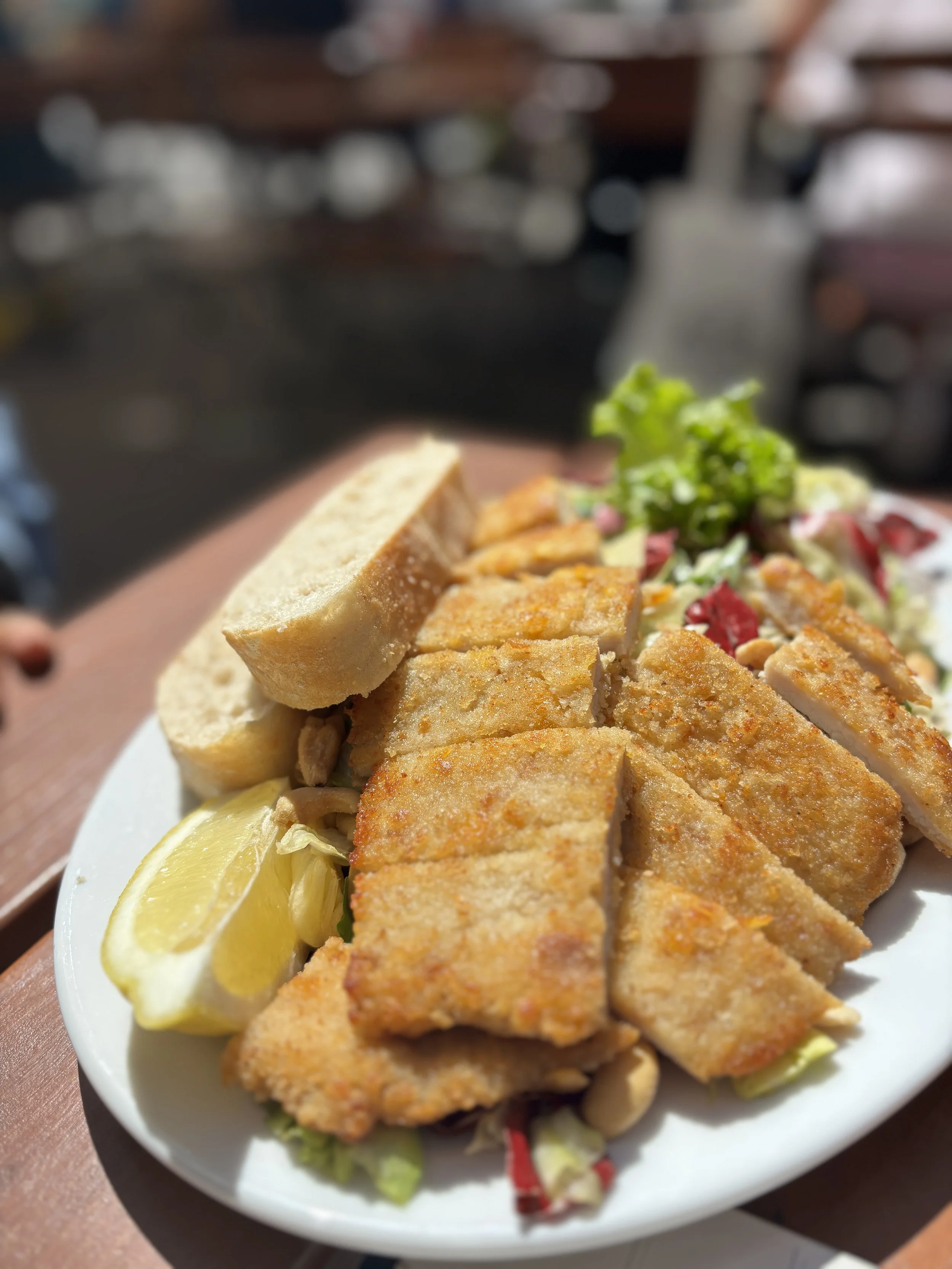
DÄCHLA Panoramic Terrace
Friedrichstraße 6a, 90762 Fürth
Another place of note in Fürth, particularly if you wish to have a coffee or a drink with some nice views is the rooftop bar at DÄCHLA, which is located at top of a the city’s public library in Dr.-Konrad-Adenauer-Anlage, a public park not far from the main train station.
Dächla, which apparently means “little roof” in Franconian dialect, has a large terrace offering nice views of the city (although not as impressive as the ones from the top of the town hall’s italianate tower).
This modern venue was renovated as recently as 2024. It works mostly as a coffee place during the day, doubling later as a trendy wine bar in the evenings.
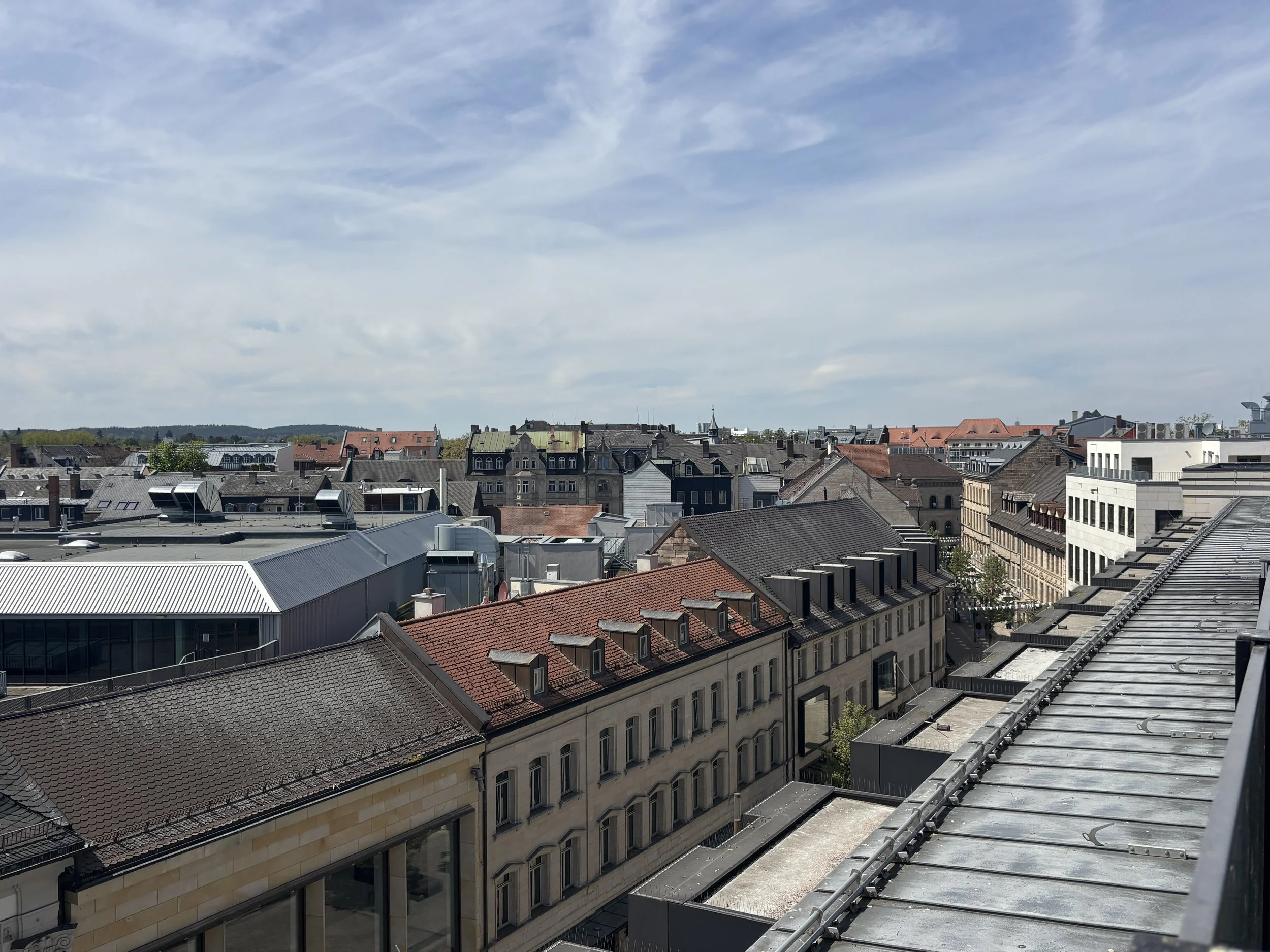
Germany’s first railway in Fürth
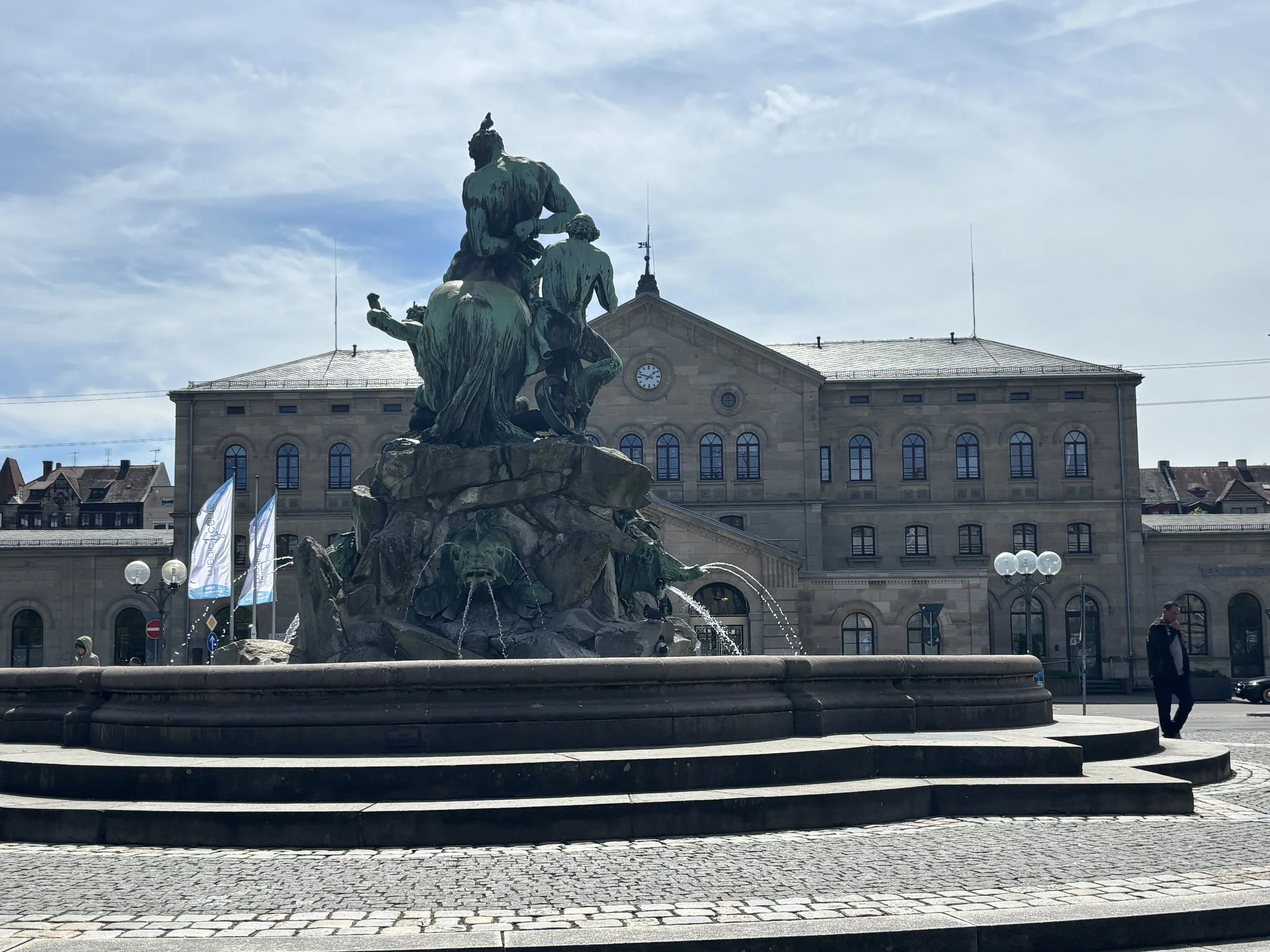
This post about Fürth wouldn't be complete, even more so considering that this visit was part of an all-railway journey, without a mention of Germany's first railway, which connected the city to nearby Nuremberg.
This first German railway line opened in December 1835, with the Adler ("Eagle"), a primitive steam locomotive, making the inaugural six-kilometre run between the two cities.
The train departed not from the present-day railway station but from where today's Fürther Freiheit square is located. The original terminus, known as Ludwig's Station, was demolished in 1938 to make way for a Nazi parade ground. Today this area is a large open square which acts as a venue for several outdoor markets.
The history of Germany’s first railway is also remembered at Fürth’s railway station, where you can find several decor elements and even a scale model that relate to that major historical feat.
If you enjoyed this chronicle from Fürth, stay tuned for the fourth and last installment of the Franconian series, from its major city: Nuremberg.
Top things to see and do in Franconia (II): Forchheim & its underground beer cellars
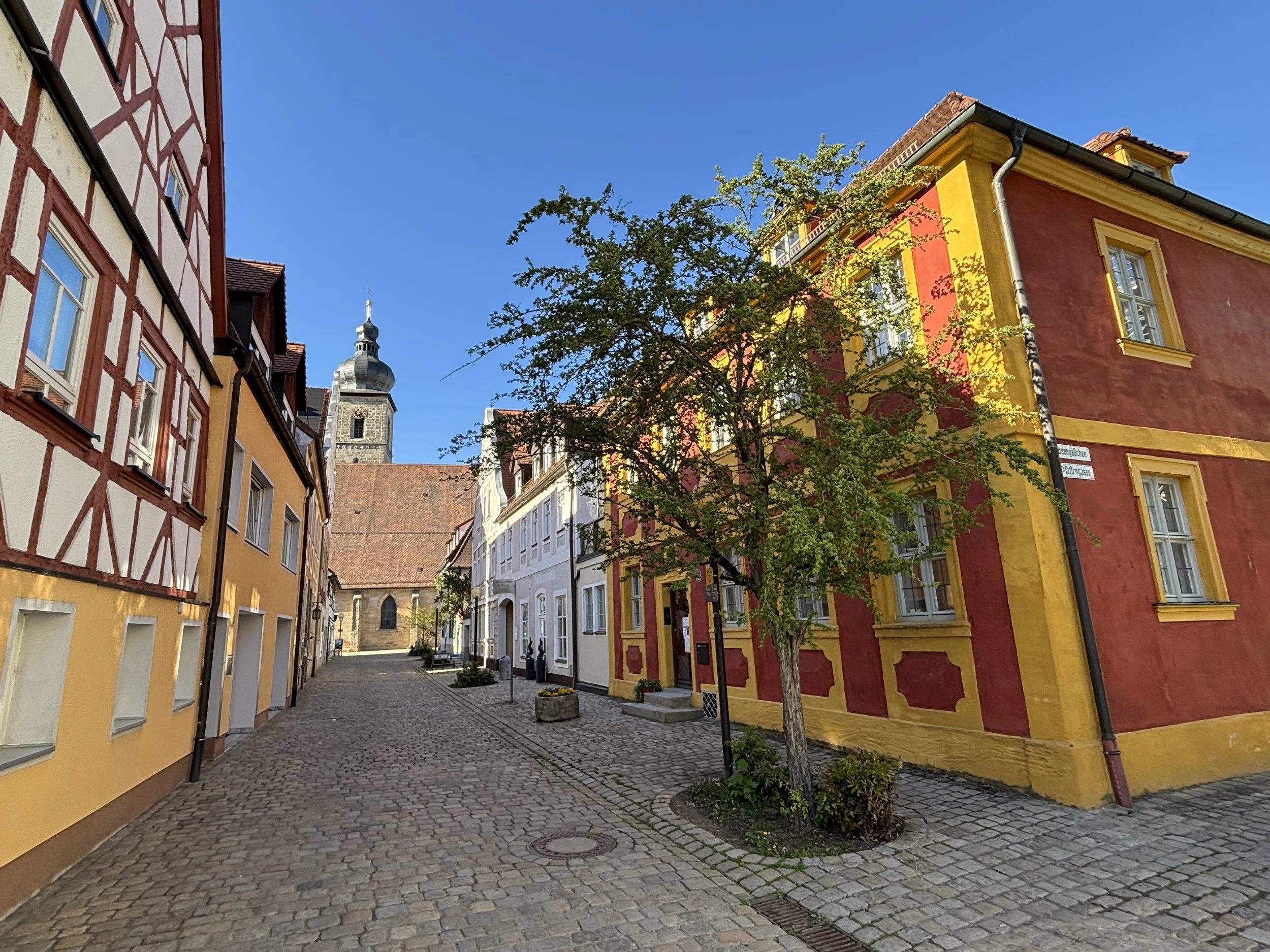
We continue our rail itinerary through the heart of the Franconia region of Bavaria with a stop at Forchheim.
First of all, just a quick reminder that this is but the second stage of a four-city tour to explore some of the most beautiful towns in Franconia (“Franken” in German). You can, of course, read this post as a stand-alone, but if traveling to this area, let me suggest also our other stories about:
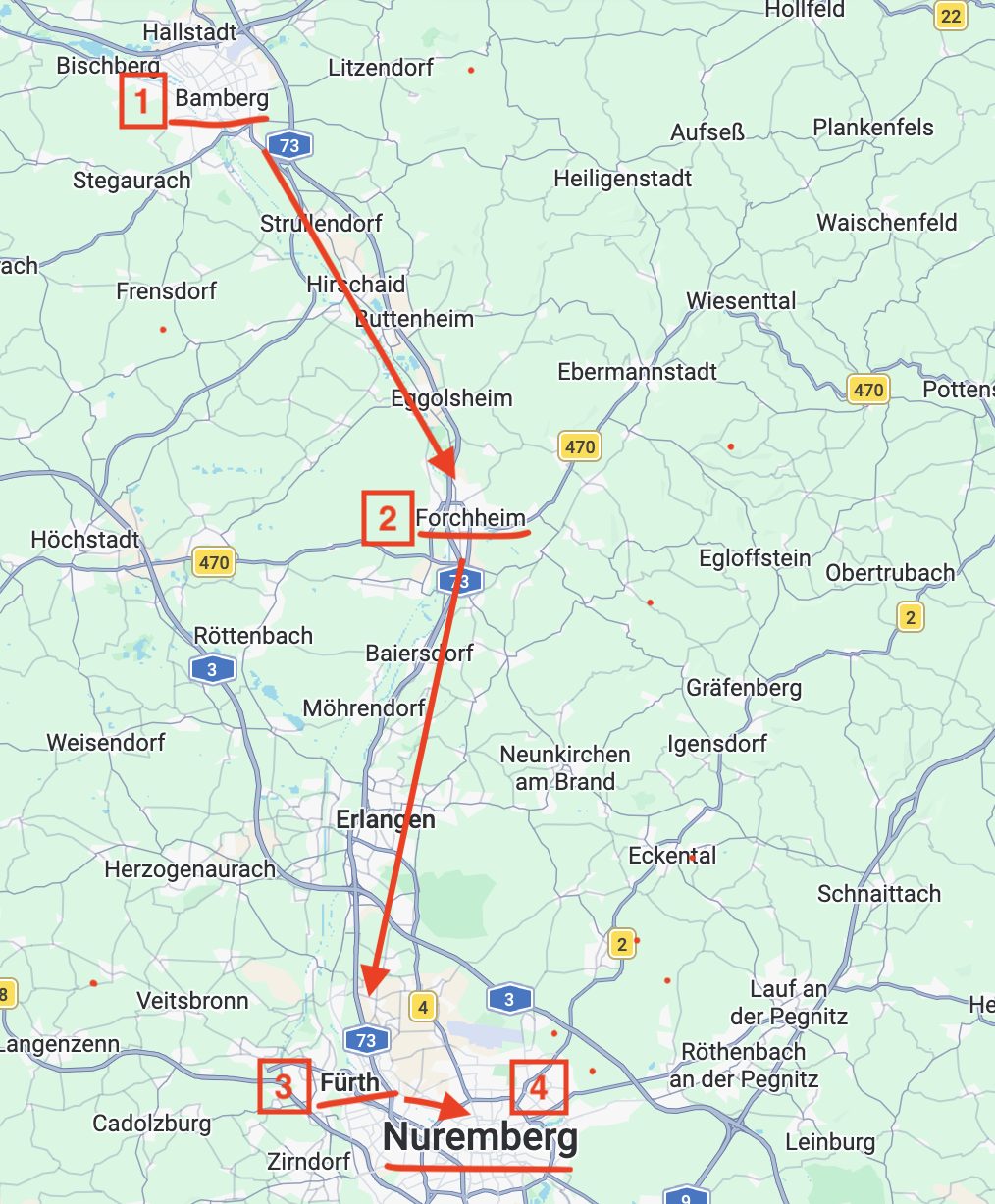
Let’s start with a few words about Forchheim, because, chances are you
With a population of around 30,000, Forchheim is actually larger than it looks when walking through its historical center. I am saying this, because the place is amazingly calm and relaxed, even when walking around on a weekend afternoon.
I guess this is due in part to the fact that, even if it is not lacking in charm and character, Forchheim does not get nearly as many visitors as nearby Bamberg, but also to a significant degree to the local population living kind of spread out all over the place rather than in a dense town center.
It is also worth noting that, during the warm months most of the social activity, particularly in the weekends and festive days, switches to the Kellerwald area, an outdoors recreation area with underground beer cellars (more on this unique feature of Forchheim further down this post)!
I must confess that I hadn’t really heard about Forchheim when the Franconia Tourist Office, which helped organize this trip, suggested a stop in Forchheim, but the place didn’t disappoint and, if you like artisan beer and traveling through Upper Franconia, you should definitely make some space for this town!
By the way, Forchheim is also considered to be one of the gateways to the “Fanconian Switzerland”, an area renowned for its natural beauty. Although this aspect of Forchheim is not the object of this post (I was sticking to the main rail axis on this occasion), it is worth noting in case you were traveling through Franconia by car.
This post may contain affiliate links. If you book or buy something through them, I earn a small commission, at no extra cost to you. It's one of the ways I keep Places of Charm going. Thank you for your support.
I would like to thank also Franken Tourismus for facilitating this journey and arranging a tour of Forchheim with the excellent local guide Christiane. All opinions are my own.
So, this is how I arrived to Forchheim from Bamberg, which is barely 20 minutes away by regional train (the ticket was around €6.5 at the time of my visit). The central station is literally 5 minutes away from the historical center (and 2 min from my hotel, the Arivo Aparthotel, which I will review, as well, later in this post).
Forchheim is, actually, quite an old place. There are mentions to it already in the Carolingian era and, from the 11th C. it belonged to the Price-Bishops of Bamberg, who had their own palace in town, as well. Like the rest of this ancient princely bishopric, Forchheim was annexed by Bavaria in the early 19th C.
Another important feature of the town is the river Wiesent, which runs through Forchheim’s old town before joining the river Regnitz just west of the city (besides being the same river that flows through Bamberg, the Regnitz is part of the river and canal system that connects the Rhein and Main basins to the Danube).
The waters of the Wiesent provide some of the most picturesque photo opportunities in Forchheim and give it also one of the first landmarks we encountered in our itinerary, the fish cages (“Fischkästen”). These are wooden structures lining up the banks of the Wiesent, where, for centuries, local fishermen have kept captured fish, mostly carp, alive before taking them to the market.
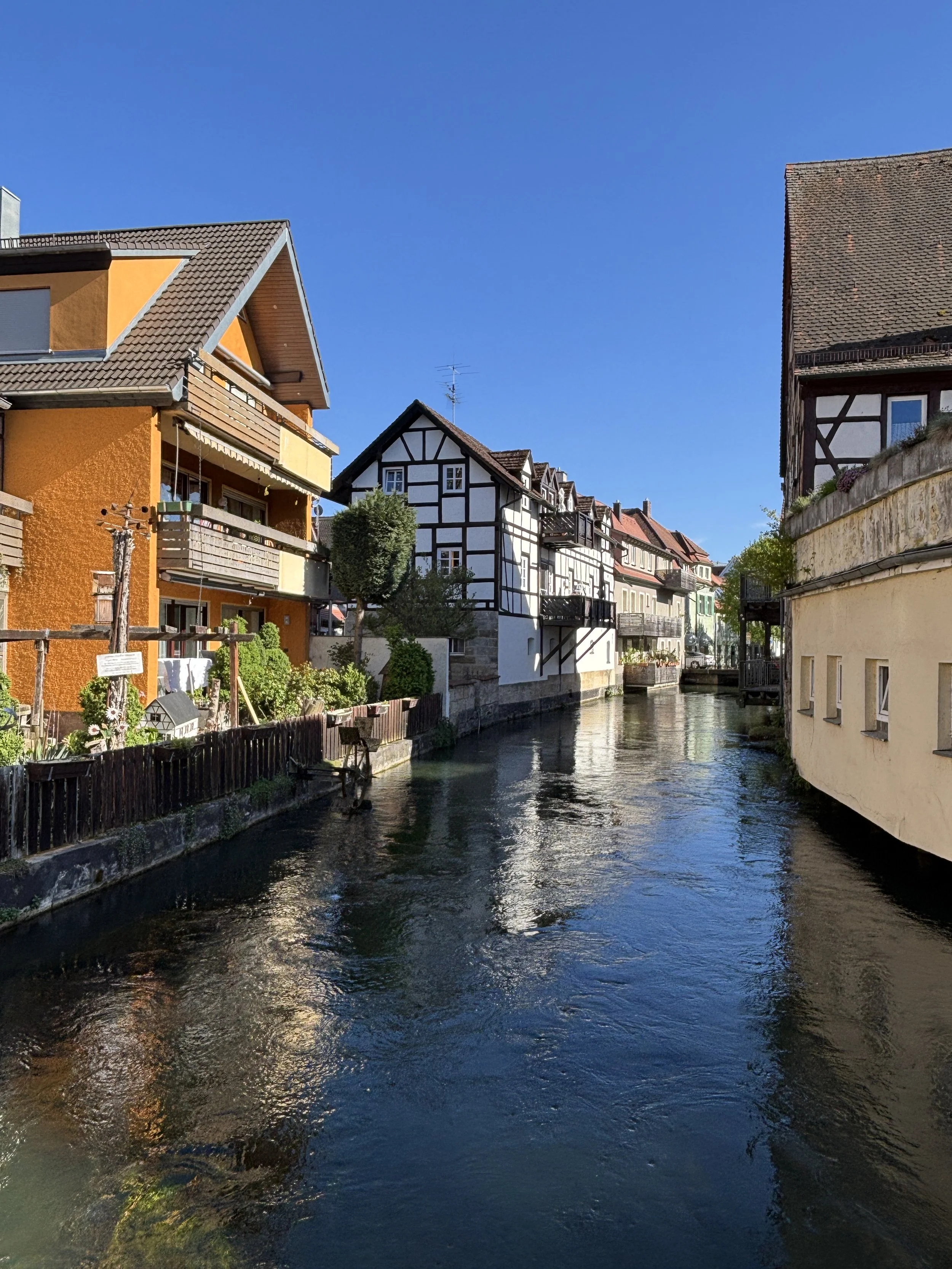
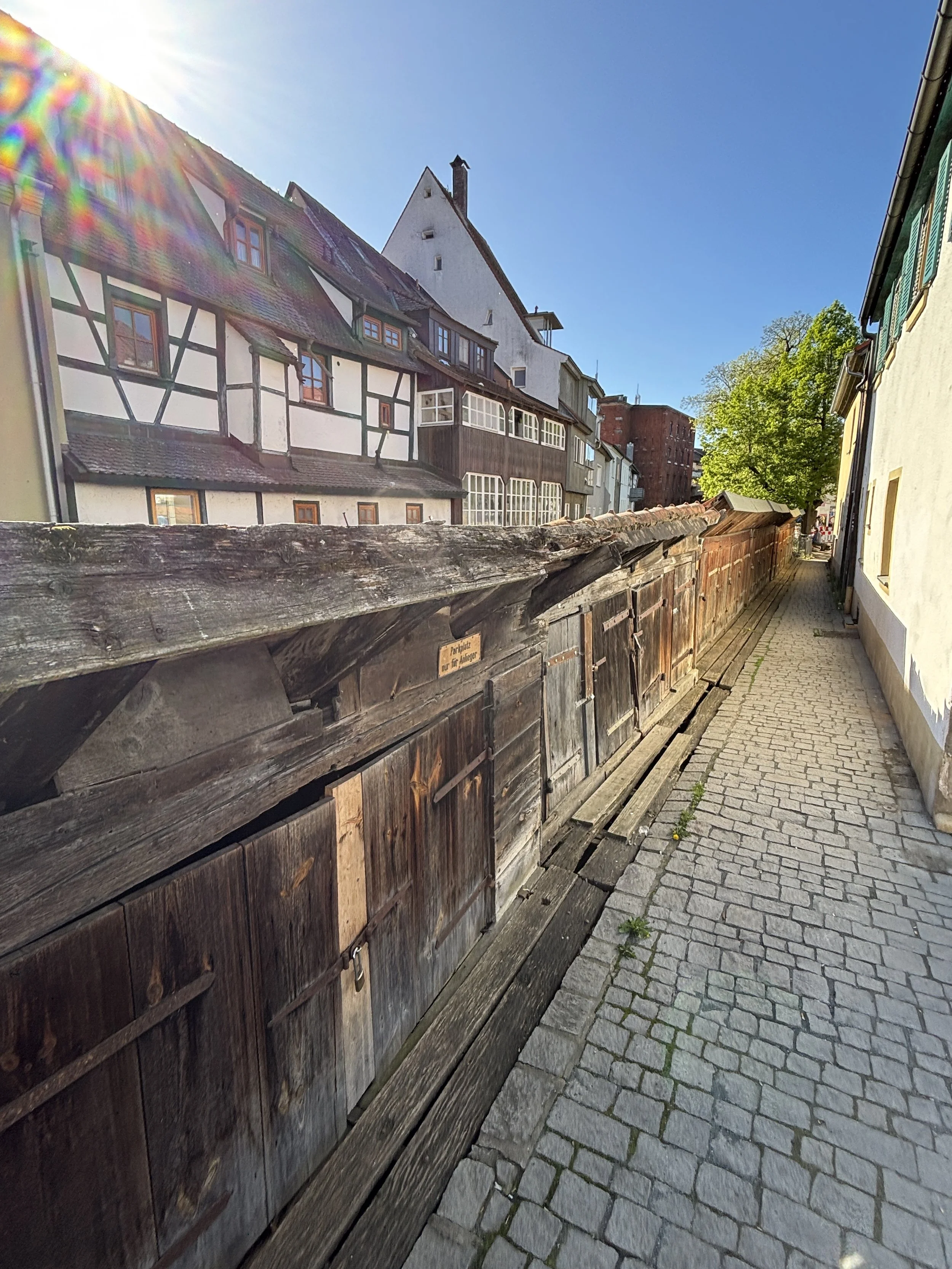
It is also along the banks of the Wiesent that we find a reminder of the fact Forchheim used to have a Jewish community, which was, sadly, destroyed in the late 1930s. A memorial (depicted below) is located in front of where the town’s synagogue once stood before it was torn down in 1938.
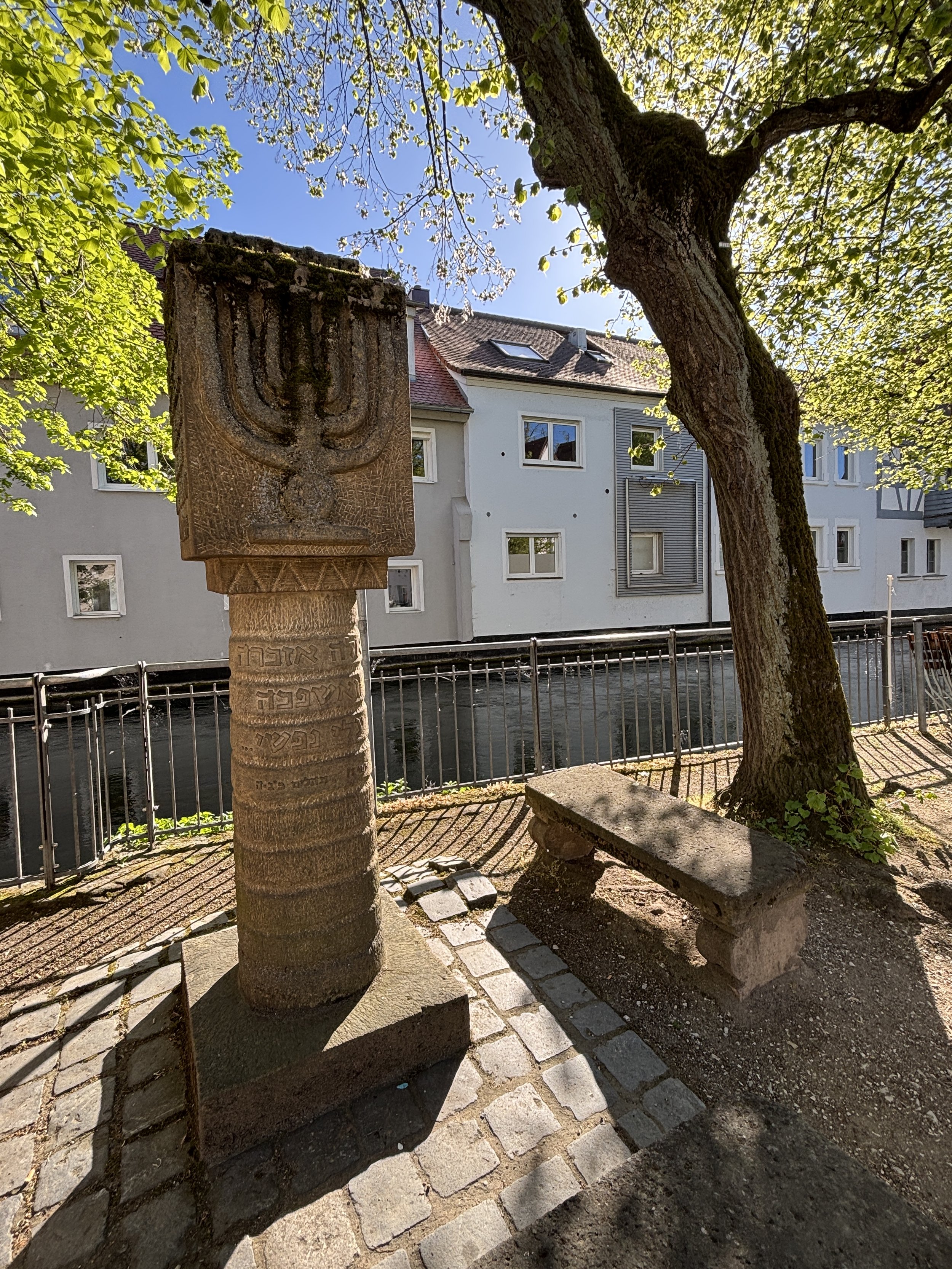
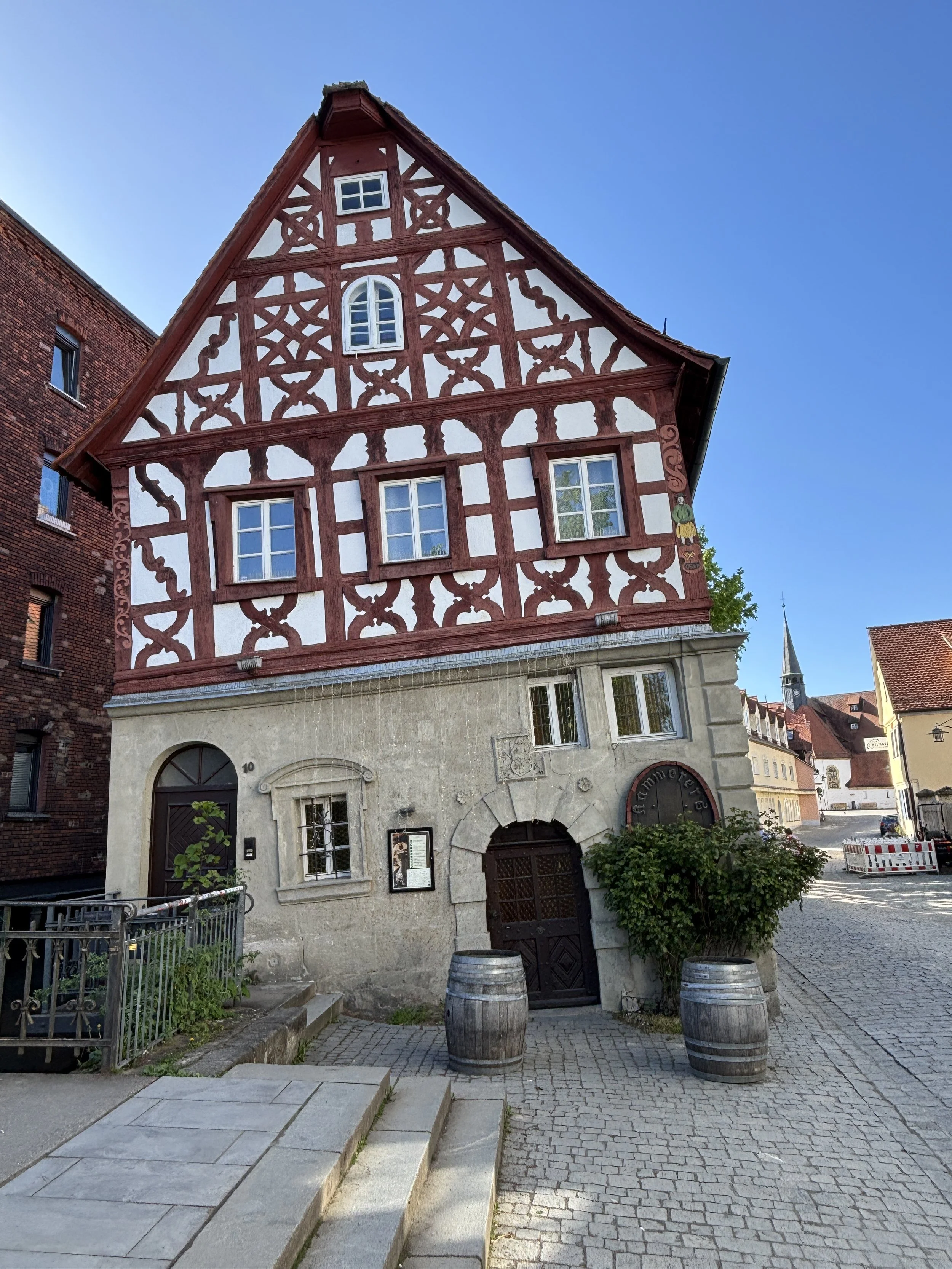
The historical center of Forchheim is made of (partly) pedestrianized cobblestone streets, so it makes for a nice walk.
There is one major landmark, which is the former Imperial Palace (“Kaiserpfalz”). This building, which is depicted below right, has a large open courtyard and today it houses the local museum. It takes it name from its early Carolingian origins, although the current structure dates back to the 14th C. when the town was under the rule of the Prince-Bishops of Bamberg.
Another curious structure in the historical center is this leaning timbered-house you can see depicted above.
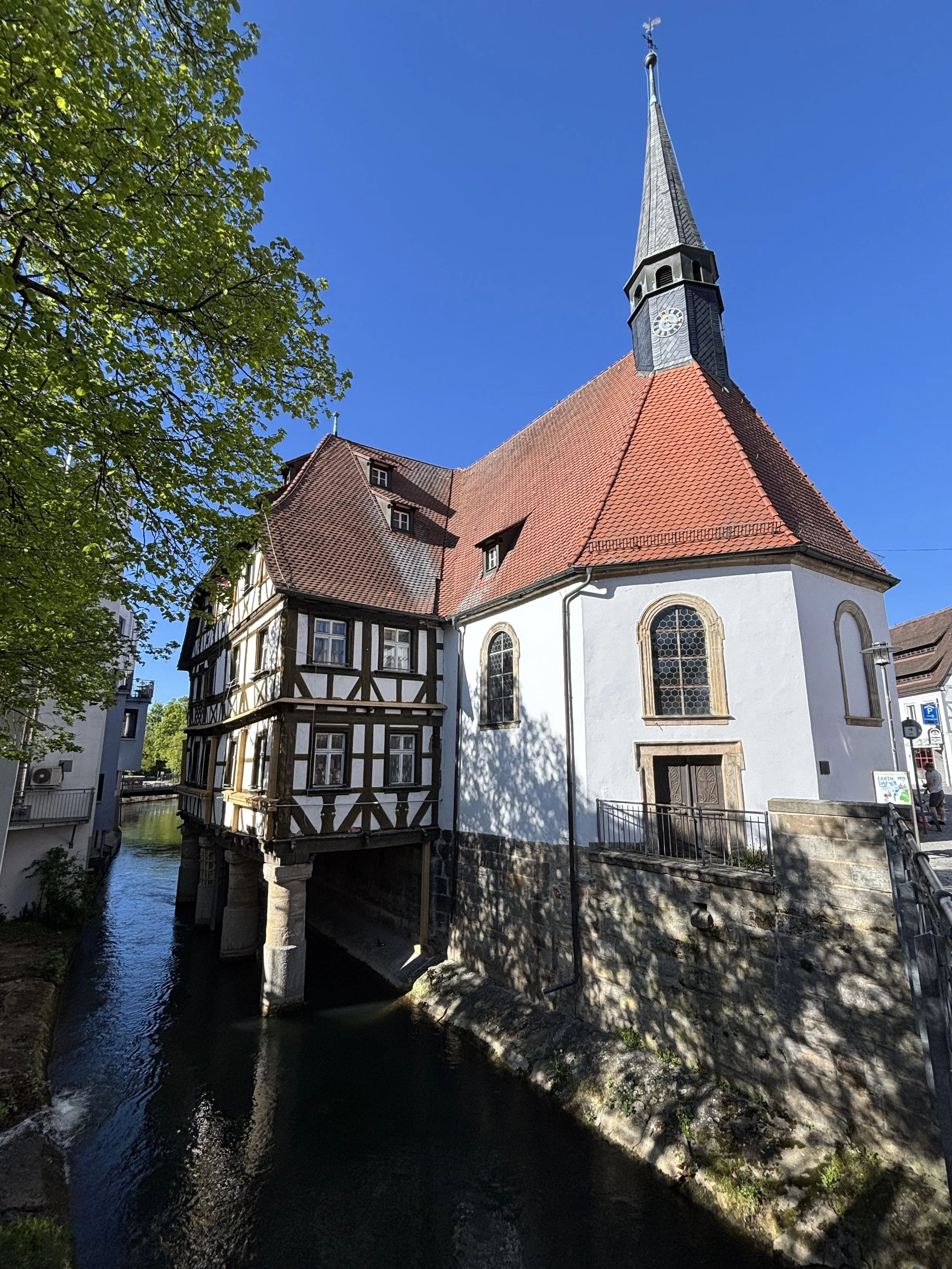
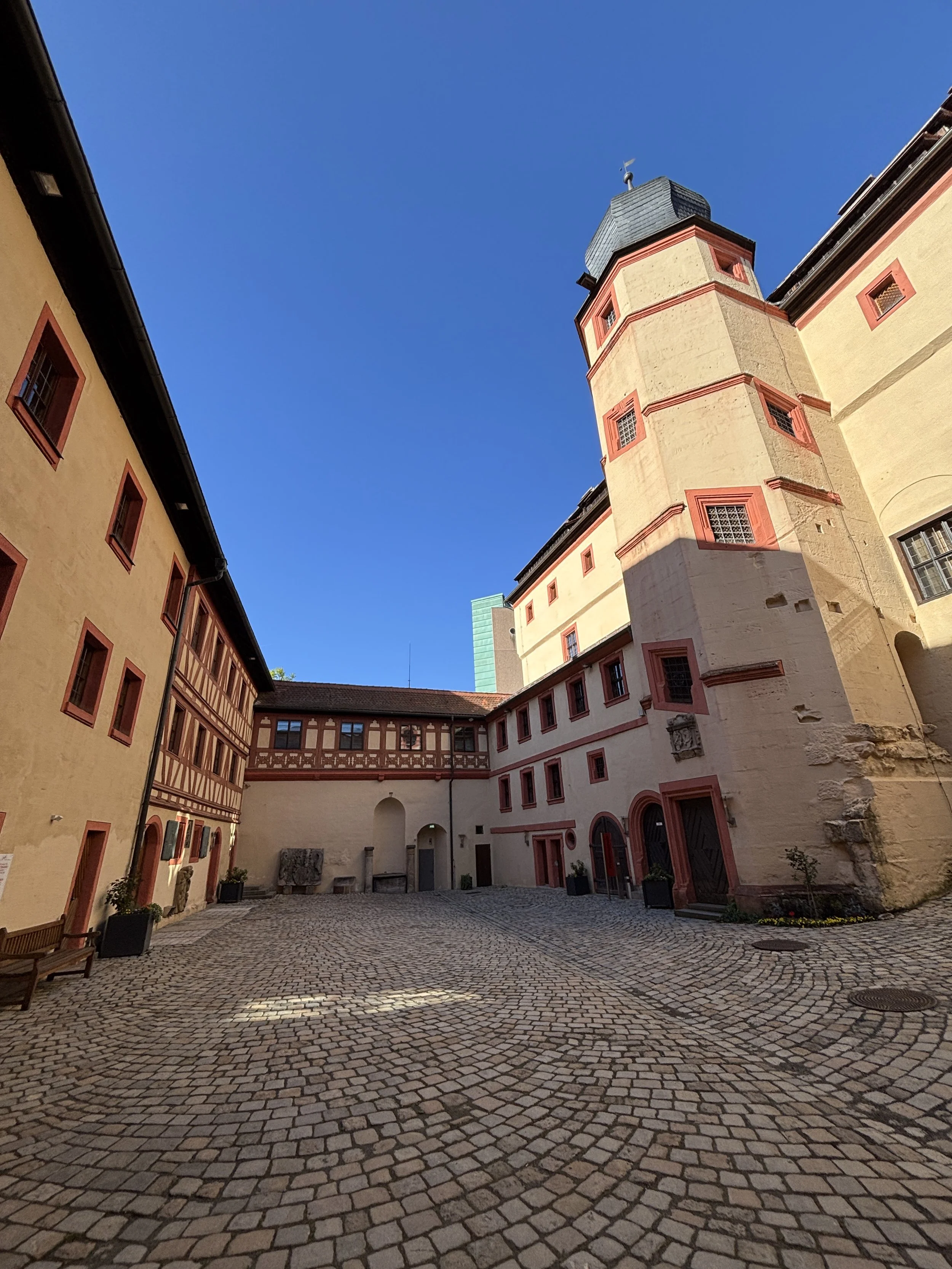
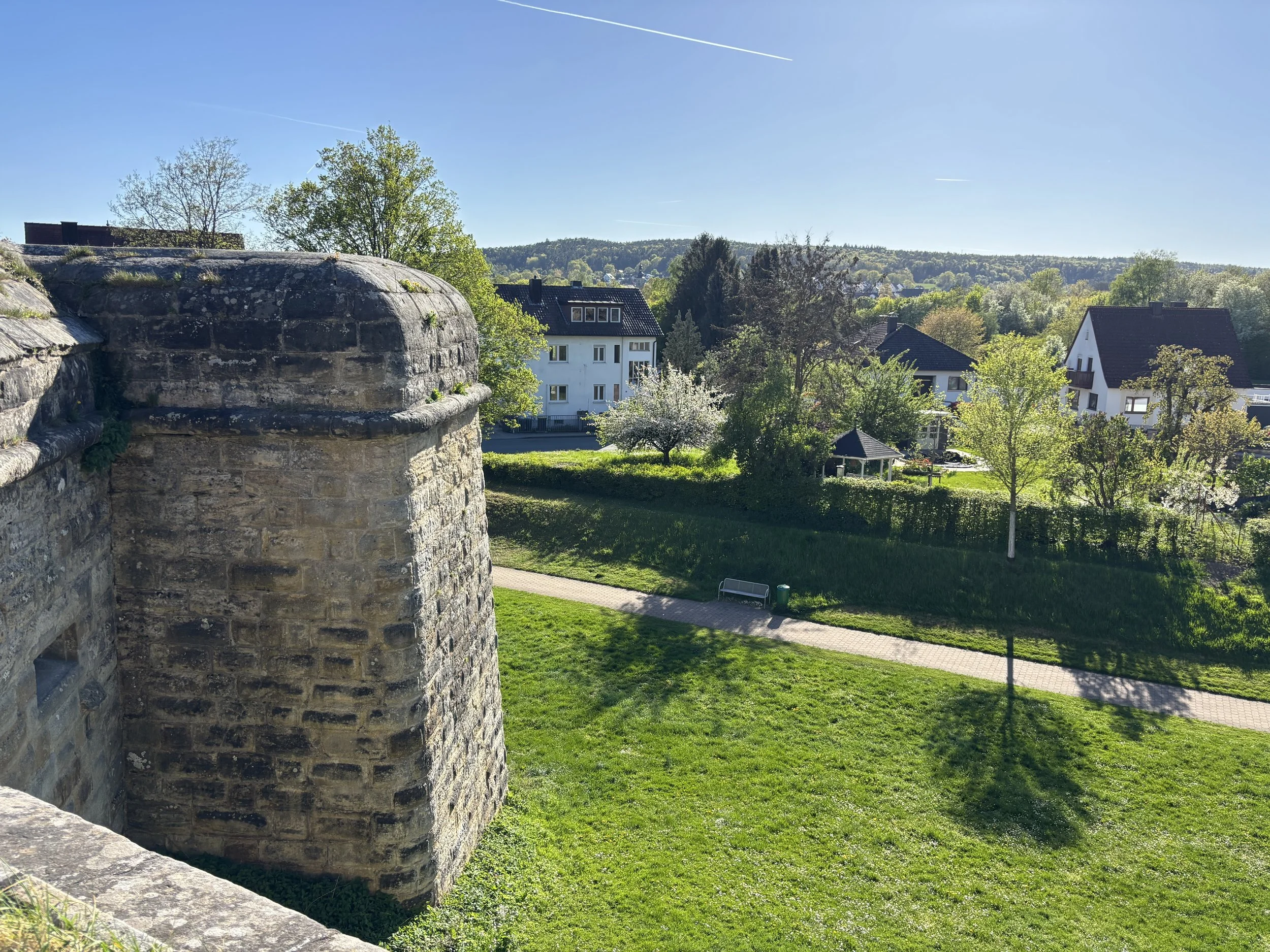
Forchheim used to be also a fortified stronghold, which resisted successfully attacks by Swedish troops during the 30-years War in the 17th C.
Parts of the massive bastions are still standing and today they are part of the historical trail through the old town.
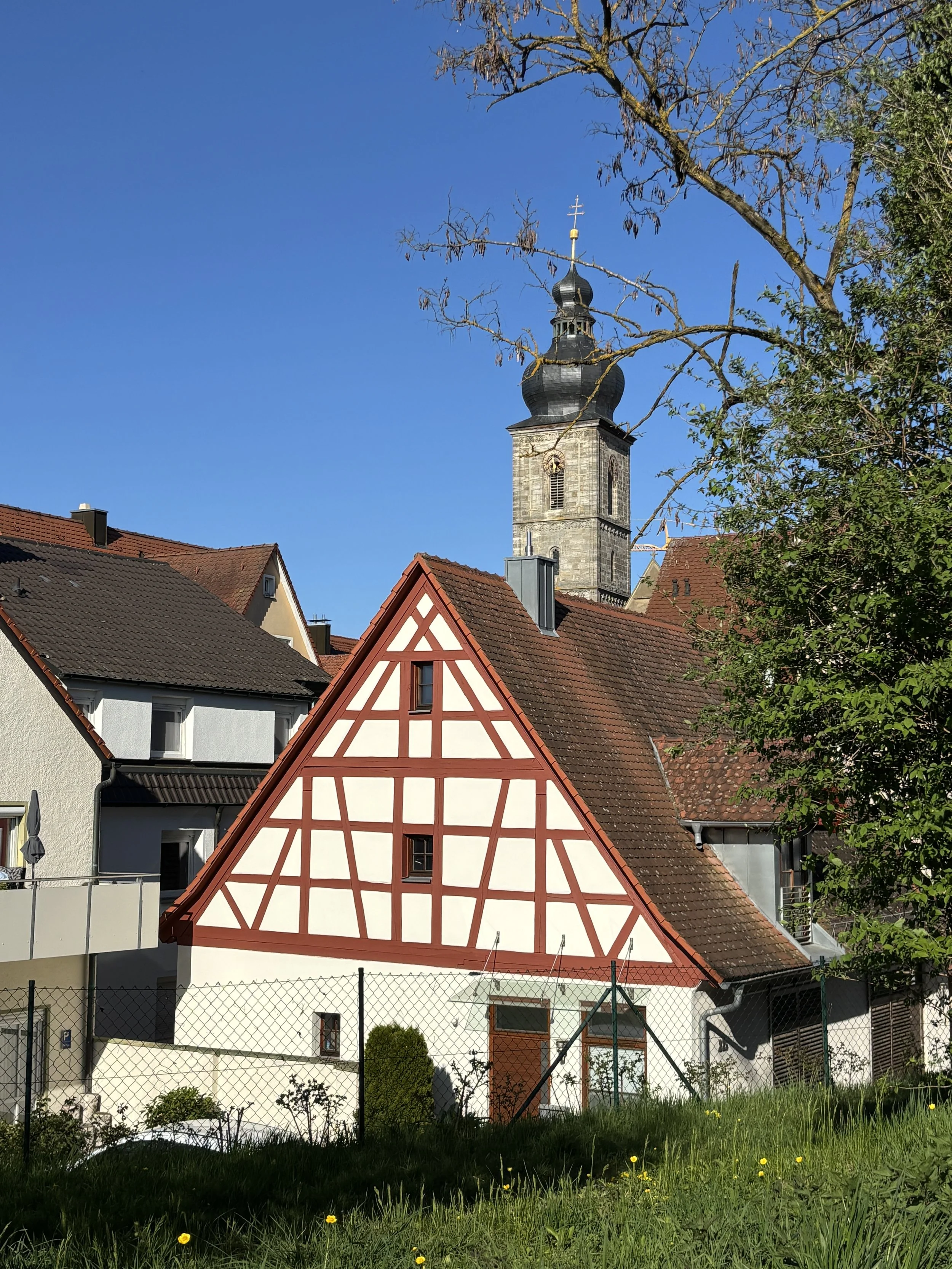
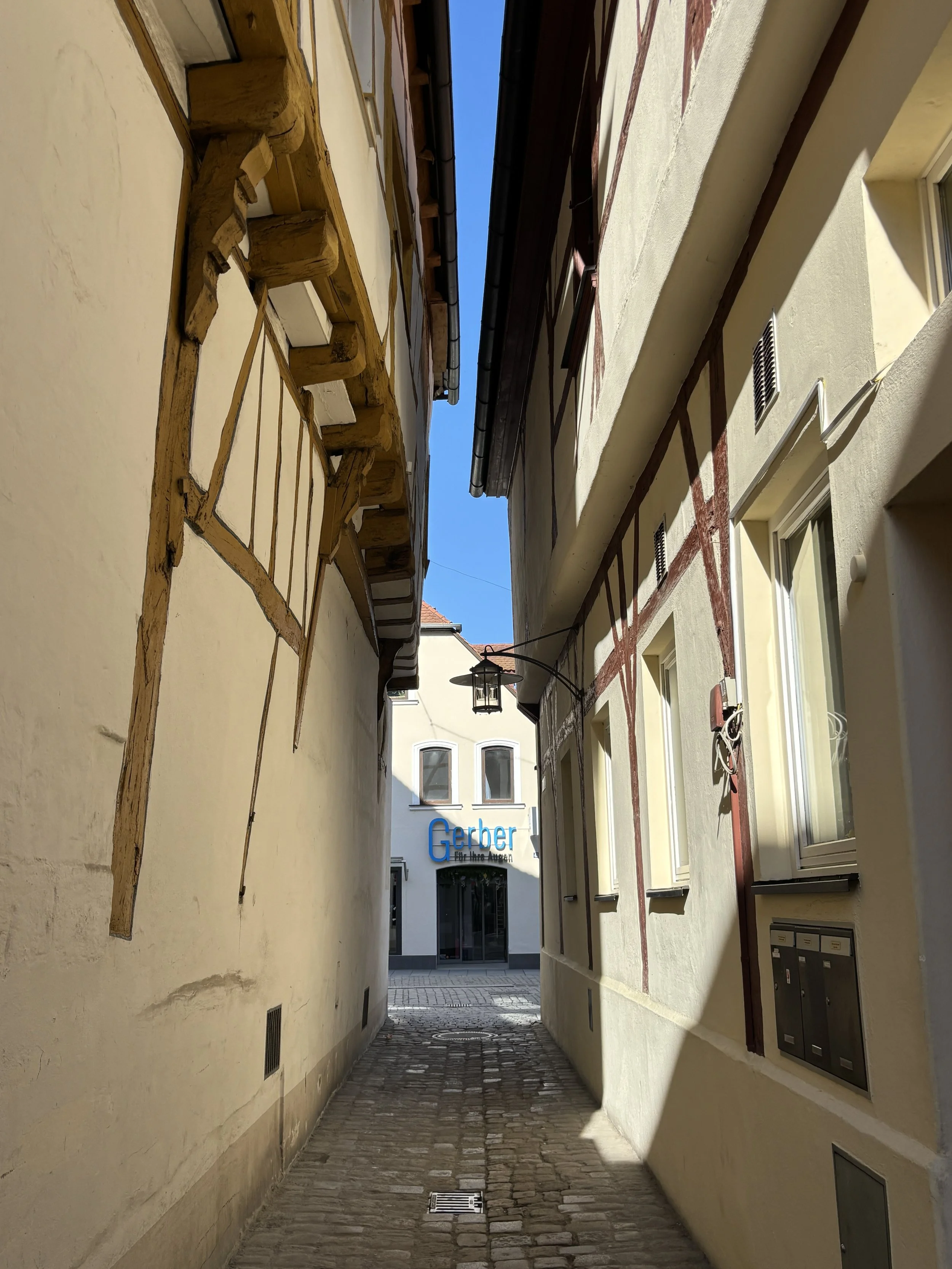
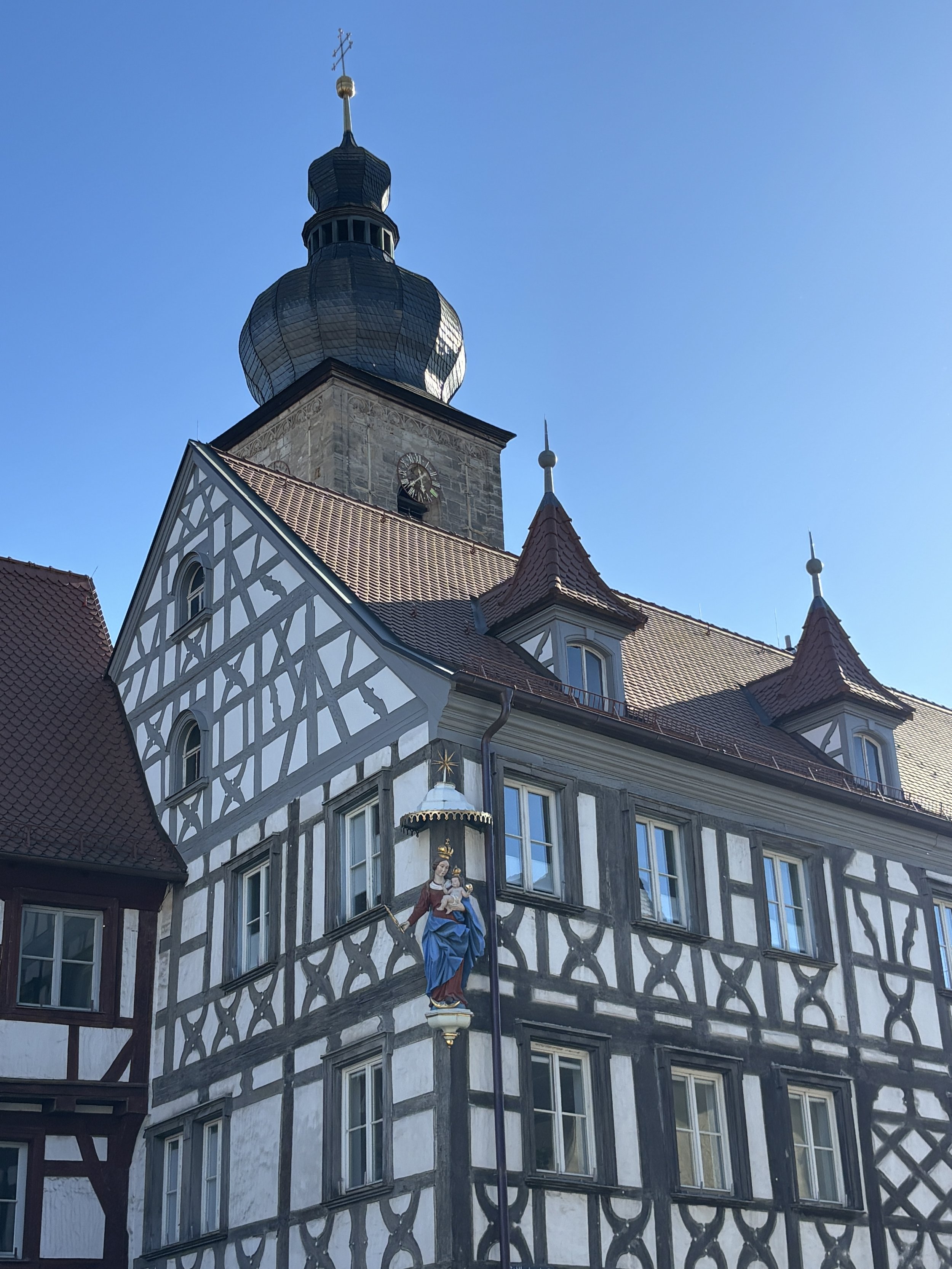
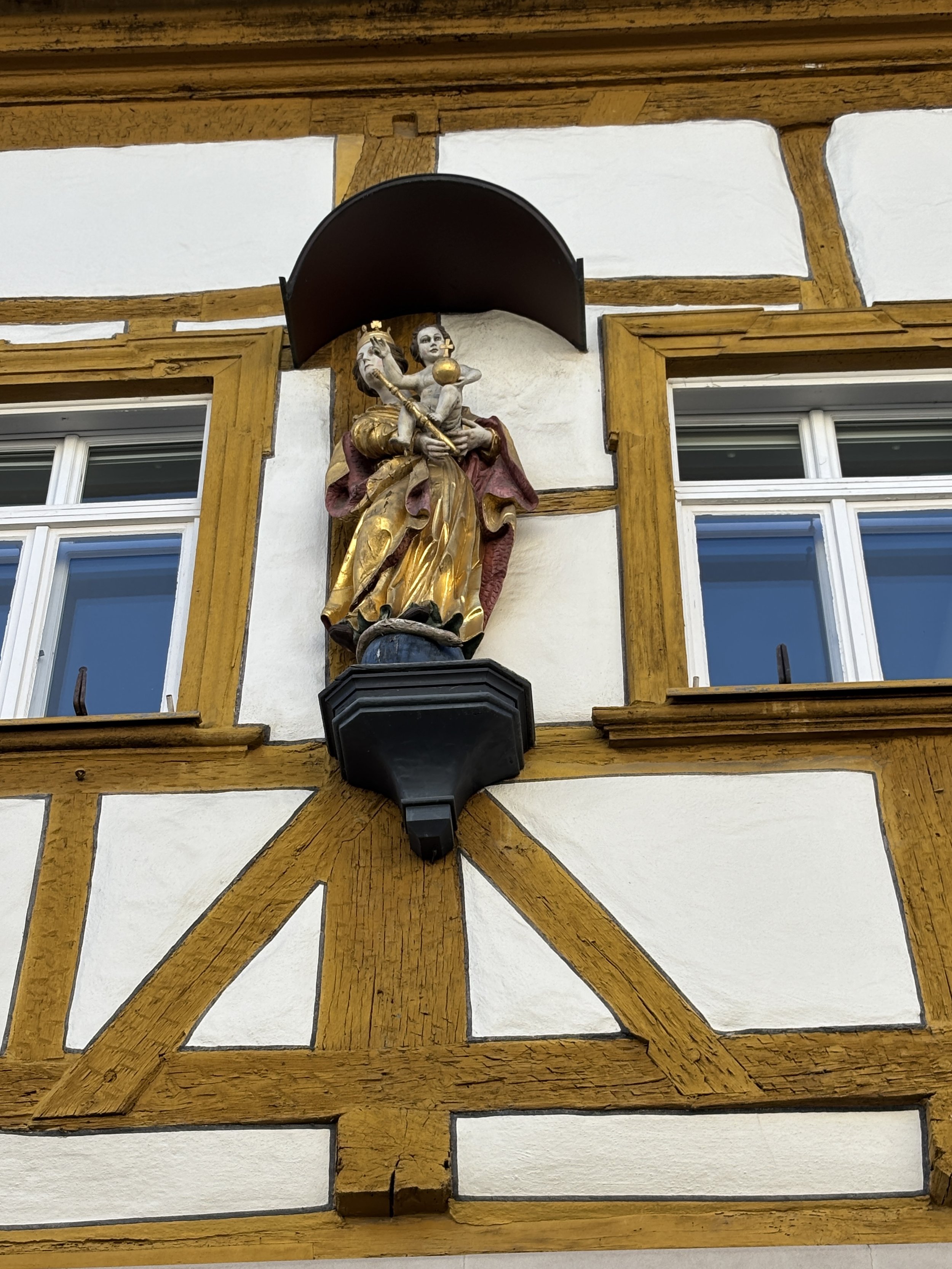
Most of the old town of Forchheim has preserved its authentic character, although many of its half-timbered houses were plastered over during the last few centuries, as, apparently, this type of style was, at times, not particularly popular. After restoration, many old houses in Forchheim, however, display again their half-timbered structure.
Forchheim is also a majority-Catholic town, so it is common to see religious imagery in public places, like the facades of homes.
Another important fact about Forchheim is that it used to have more than 20 breweries downtown. Their number, however, have been dwindling and today there are only three of them left.
The smaller number of commercial breweries does not mean, however, that the locals have turned their backs to beer. As we shall soon see, beer culture in Forchheim is alive and kicking and this does include a fair amount of home-made, artisan brews which are mostly consumed during the local festivals.
Where to eat Franconian food in Forchheim
Birgits Bauernstübla
Klosterstraße 18, 91301 Forchheim
This is a very nice place to sample from Franconian cuisine, particularly if the weather is nice, since it has an outdoor terrace.
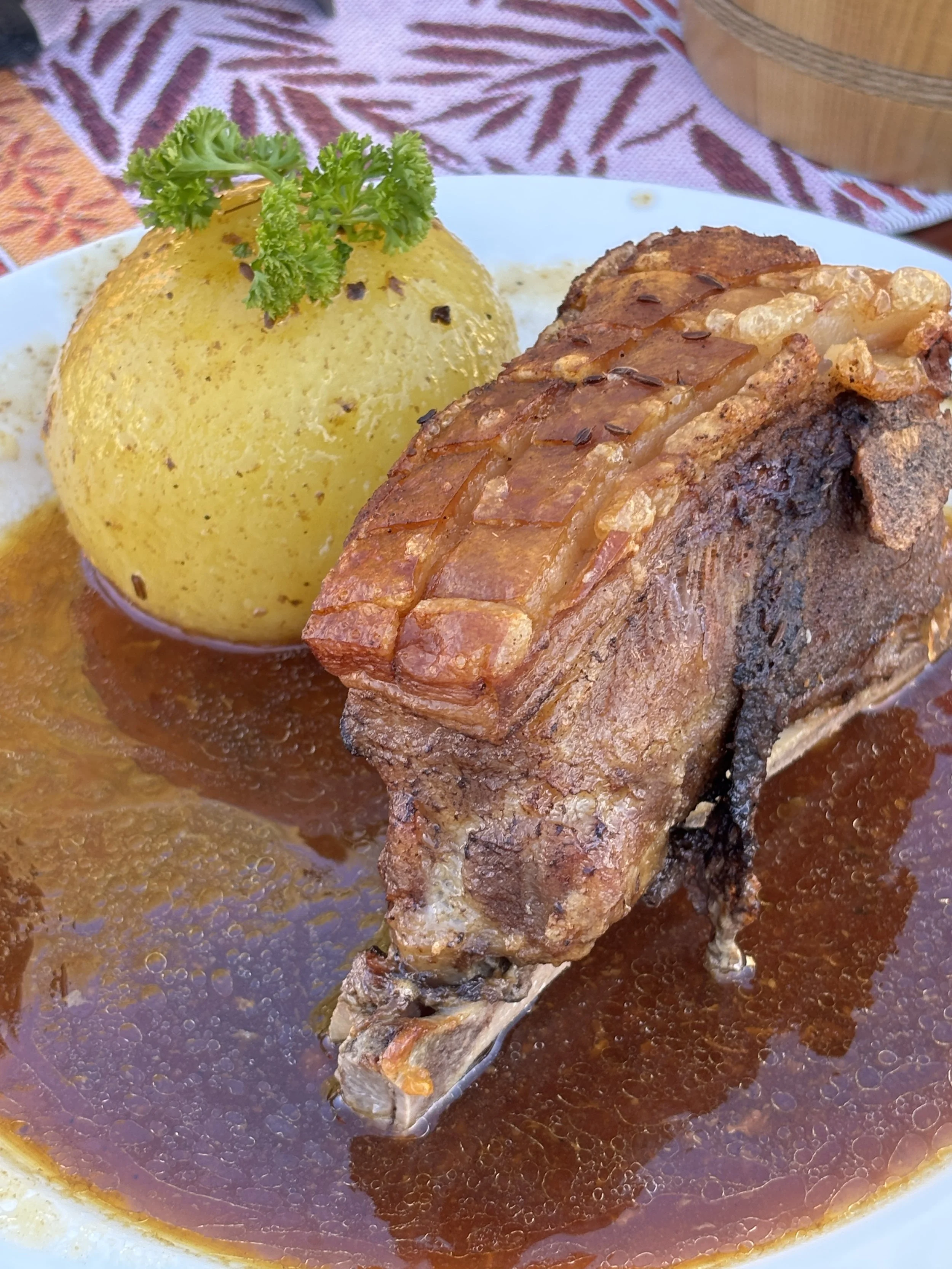
Here I tried Schäufele mit Kloß. This a typical Franconian speciality, which consists in a slow-braised pork shoulder which has been marinated in dark beer. It has a deep, crackling, caramelised crust, the meat underneath which is extremely tender. It is served with a copious amount of gravy and with a side dish of sauerkraut and, another Franconian culinary must, the Klöße.
These are spherical potato dumplings, made from a mixture of raw and cooked grated potato. They are very dense and tasty. All of this, of course, consumed with some local Franconian beer. In this case it was Veldensteiner, made by a craft brewery from Neuhaus an der Pegnitz, a small town east of Forchheim.
Kellerwald & Annafest: exploring artisan beer culture in Forchheim
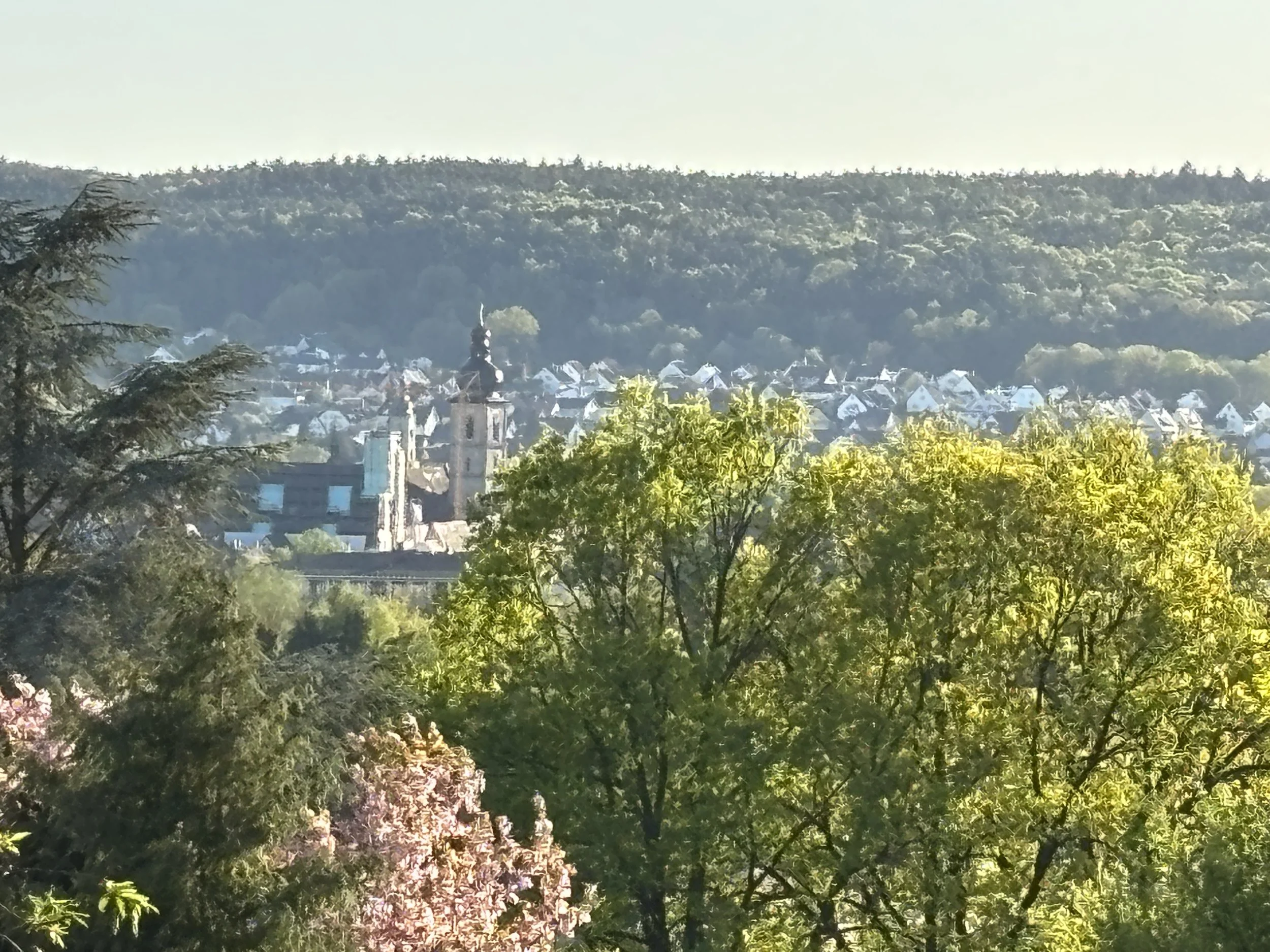
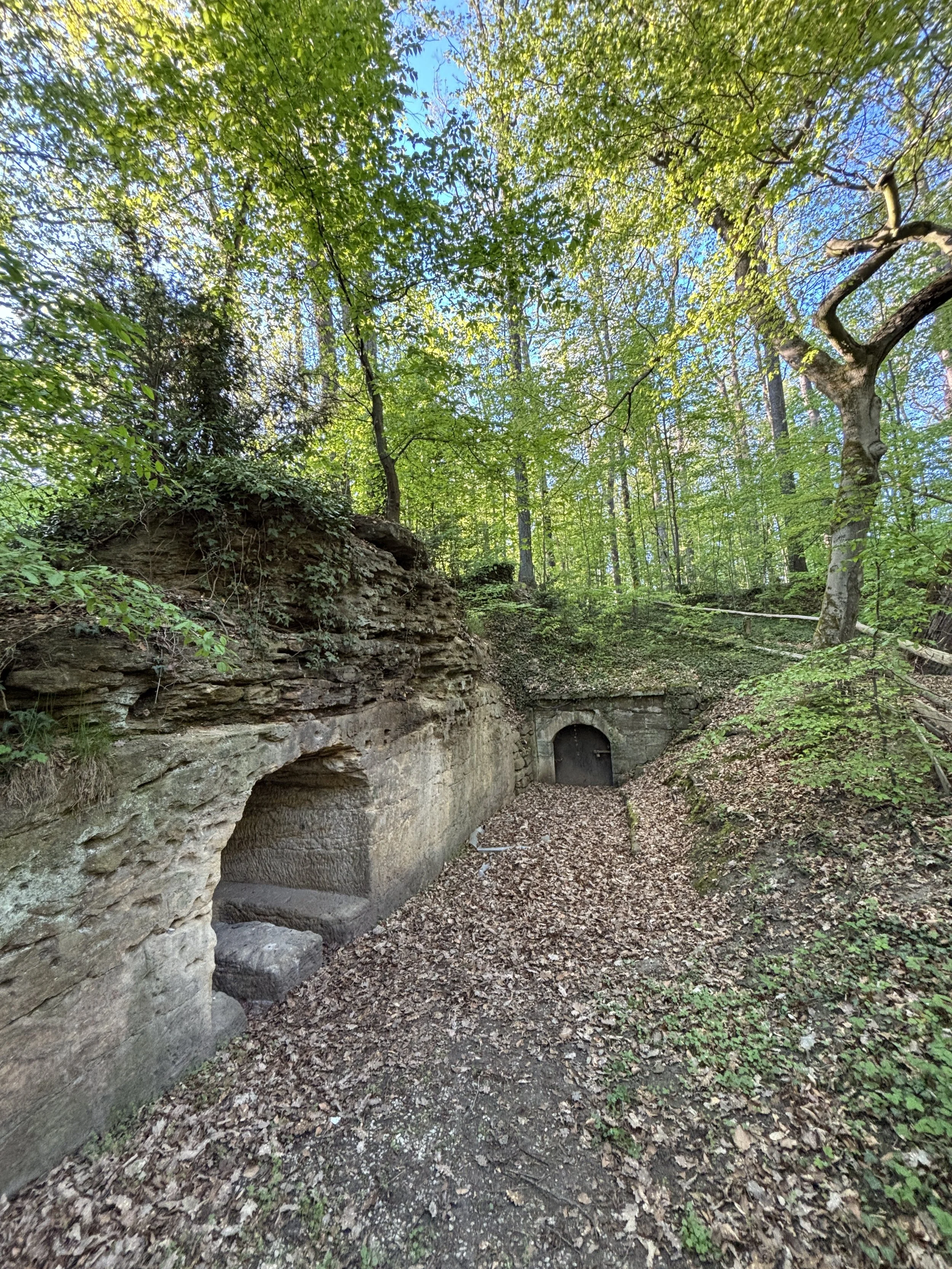
After our exploration of historical Forchheim and local Franconia cuisine, it is time to check a rather unique feature of the town: its underground beer cellars and the whole beer culture around them.
To do so, we leave the downtown and walk a couple of kilometres to the eastern outskirts of town, to a small forested hill known as “Kellerwald” (“Cellar Forest” in German). It is here that, for at least 400 years, the people of Forchheim have used and shaped the natural underground caves that form in the local limestone formations in order to store beer during the latter’s fermentation process.
The production of the type of beer that is popular in this part of Franconia requires relatively cold and stable temperatures and this is what these underground caves provided, since the temperature inside stays constant at around around 6–10°C throughout the year. This was particularly useful in the pre-industrial era, when to artificial refrigeration was available.
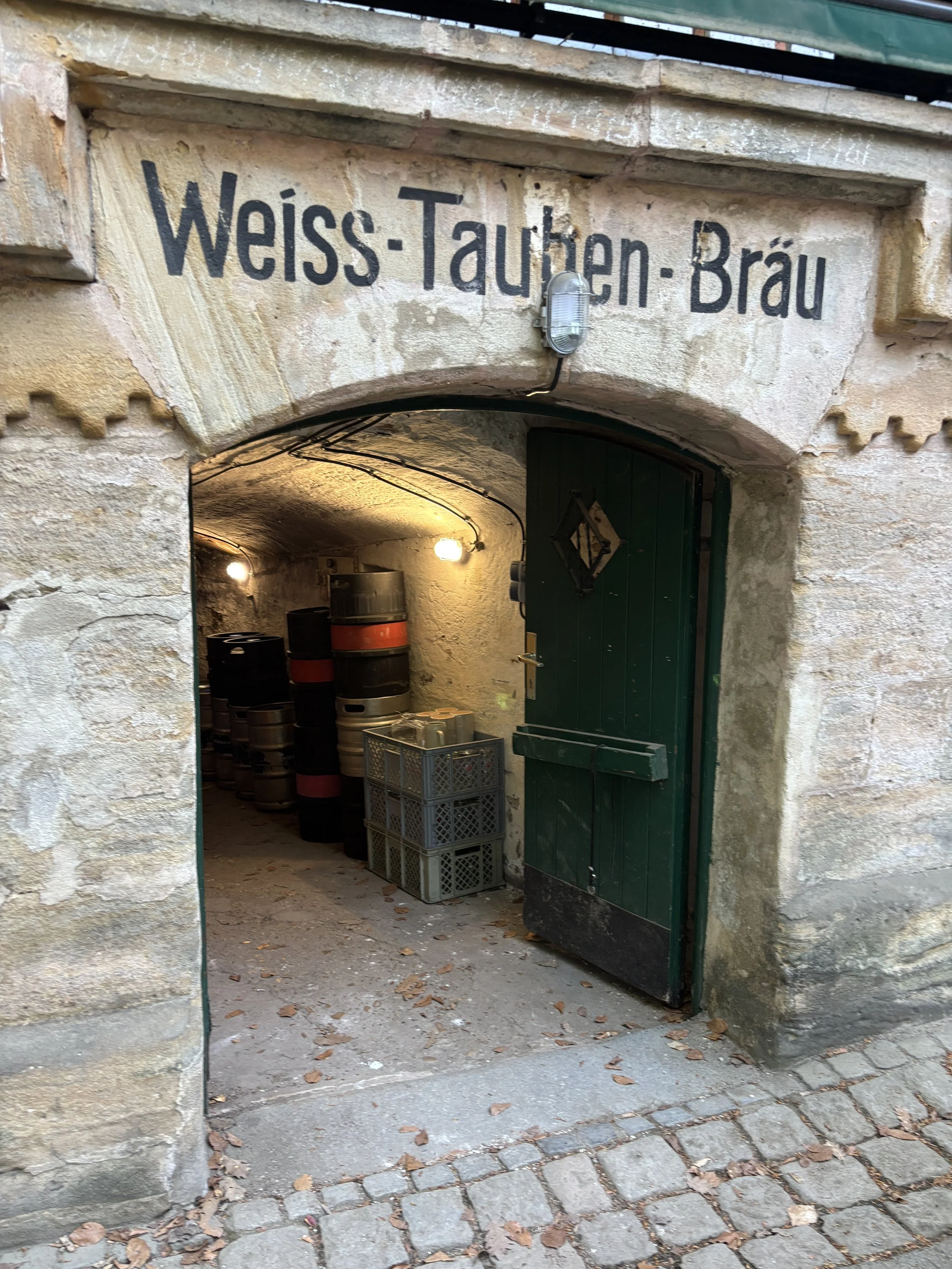
Nowadays, of course, you don’t really need to store beer in caves and, therefore, only a small portion of the underground cellar network is still used. However, a number of beer makers around Forchheim have preserved this tradition.
But don’t think of Kellerwald just as some sort of historical curiosity, it is here that, since 1840, Forchheim puts together one of the largest beer festivals in Bavaria, “Annafest”. Named after the festivity of Saint Anna, which is on July 26th (it takes places in the days around it), Annafest congregates some 500,000 people at Forchheim’s Kellerwald for several days (and evenings!) of beer drinking and fun.
Think of it as a sort of small-scale “Oktoberfest”, just that this one takes place in the middle of summer!
Annafest is really a big thing in Forchheim. It is an event that pretty much the whole community plan for during the whole year. There is even an official “Queen of Annafest”, which is elected every two years and represents the town of Forchheim at other similar events and festivals throughout Germany.
But you don’t need to wait to late July to enjoy beer drinking at Forchheim’s Kellerwald. While Annafest is the peak time of the season, the Kellerwald cellars start opening in spring, as soon as the weather is warm enough.
A whole network of beer gardens, restaurants and temporary food and beer stalls springs up around late April or early May and stays put all throughout the summer offering an outdoor venue for the citizens of Forchheim and visitors to enjoy the outdoors while sampling the fresh local beer.
The party at the Kellerwald starts in the evening, before dusk and can go on until relatively late (there are no sleepless neighbours at the Kellerwald!). It is not just about beer, there are also food stalls, live music and, above else, a lot of socializing!
Where to stay in Forchheim
Arivo Aparthotel Forchheim
Bayreuther Str. 1, 91301 Forchheim
This very modern aparthotel was a truly positive surprise. It is located right next to Forchheim’s train station, which makes it super convenient if you are traveling by train. By the way, the aparthotel may be located close to the tracks, but it is also very quiet, I had a room facing the station and didn’t hear a thing from that direction during my stay!).
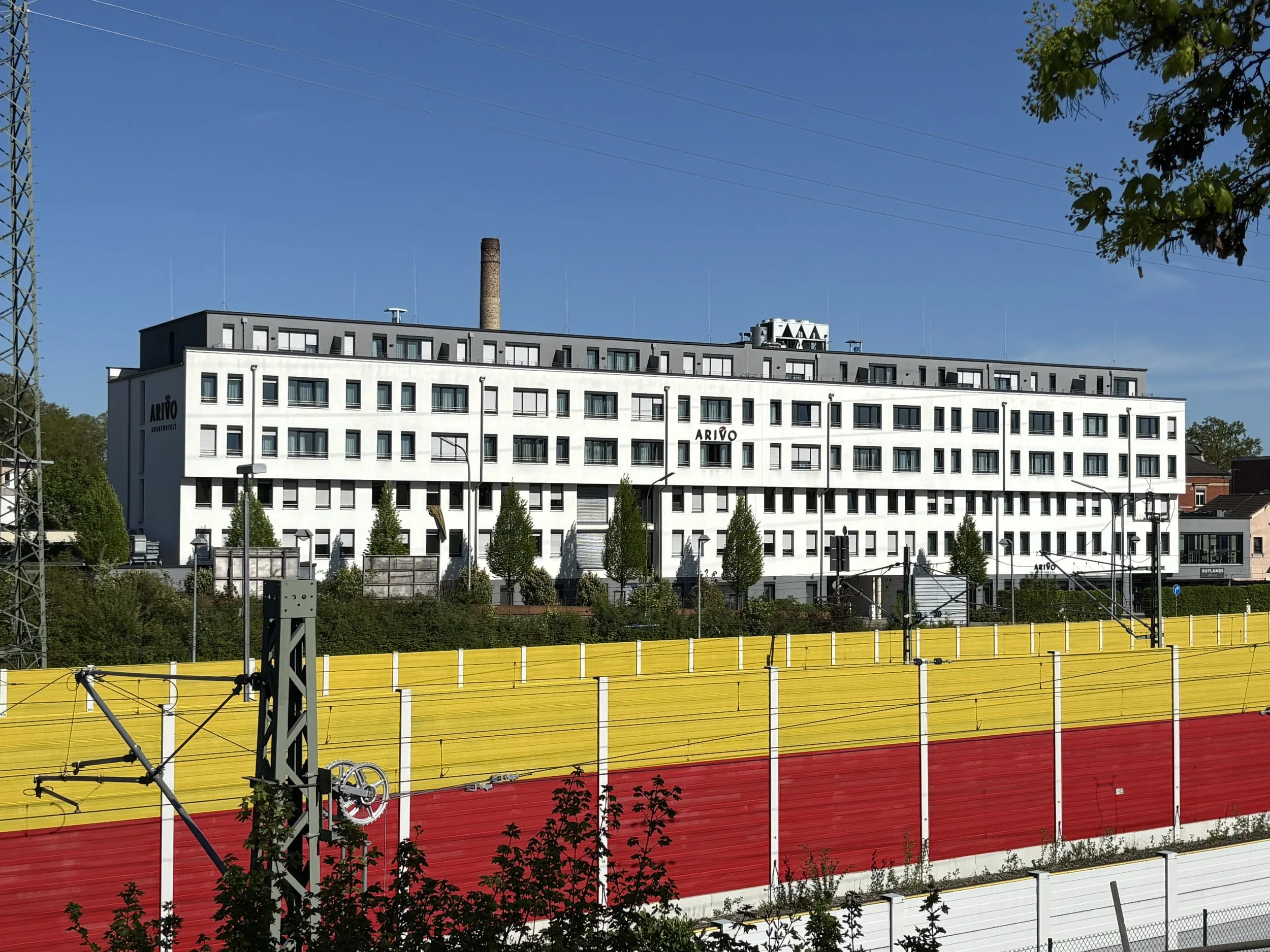
Arivo Aparthotel Forchheim operates a clerk-less checkin, you are given a set of codes with your reservation and you can make your way to the room without having to interact with anyone.
The whole building appears to be really new and modern. My room was super big and had a common bedroom-living room area separated by a false wall which holds a large flat screen tv.
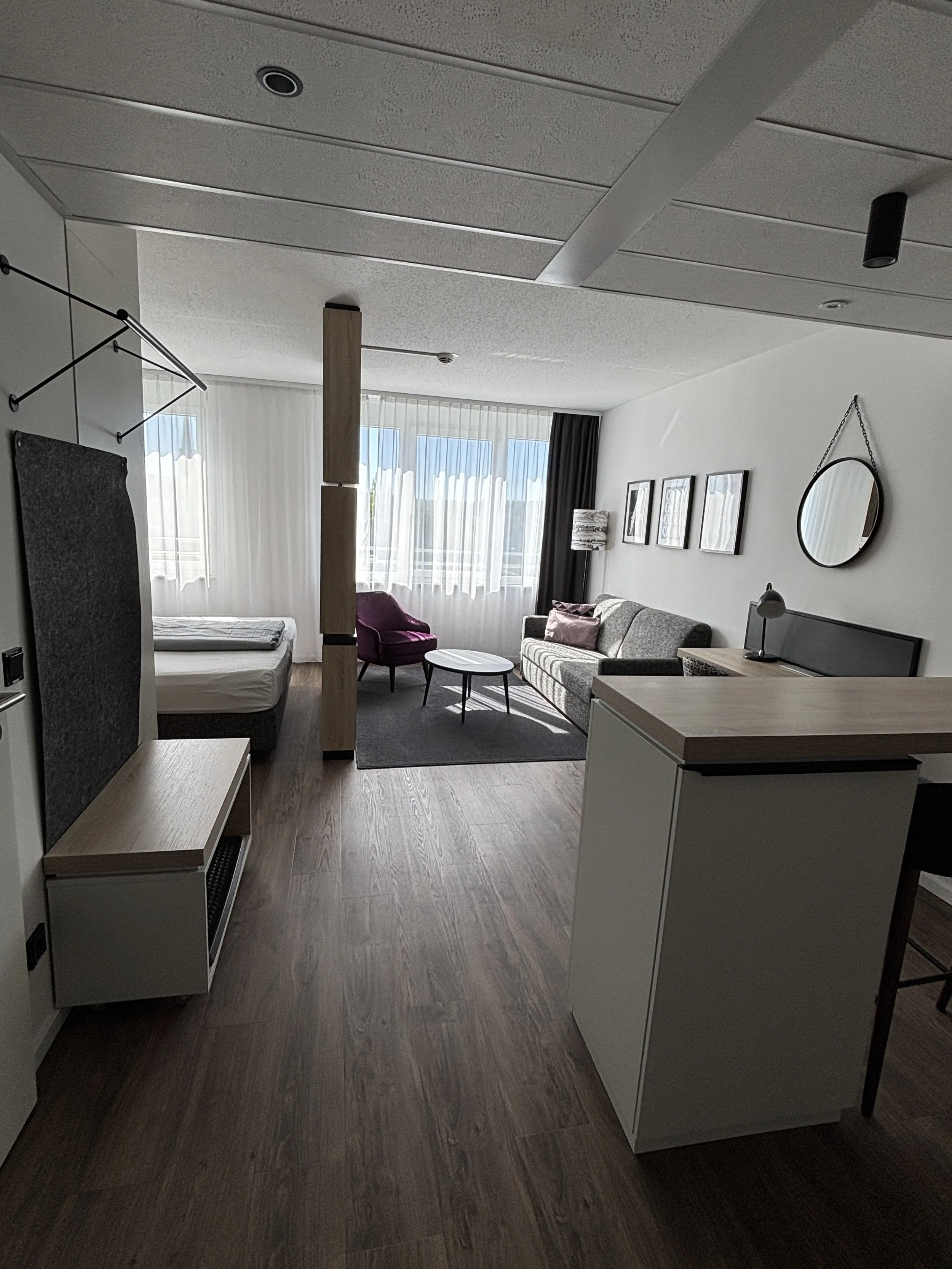
It had also a small kitchen and working desk as well as plenty of space to leave the luggage. There was some complimentary welcome coffee (from a Nespresso-style coffee machine) and some fresh sparkling water in the fridge.
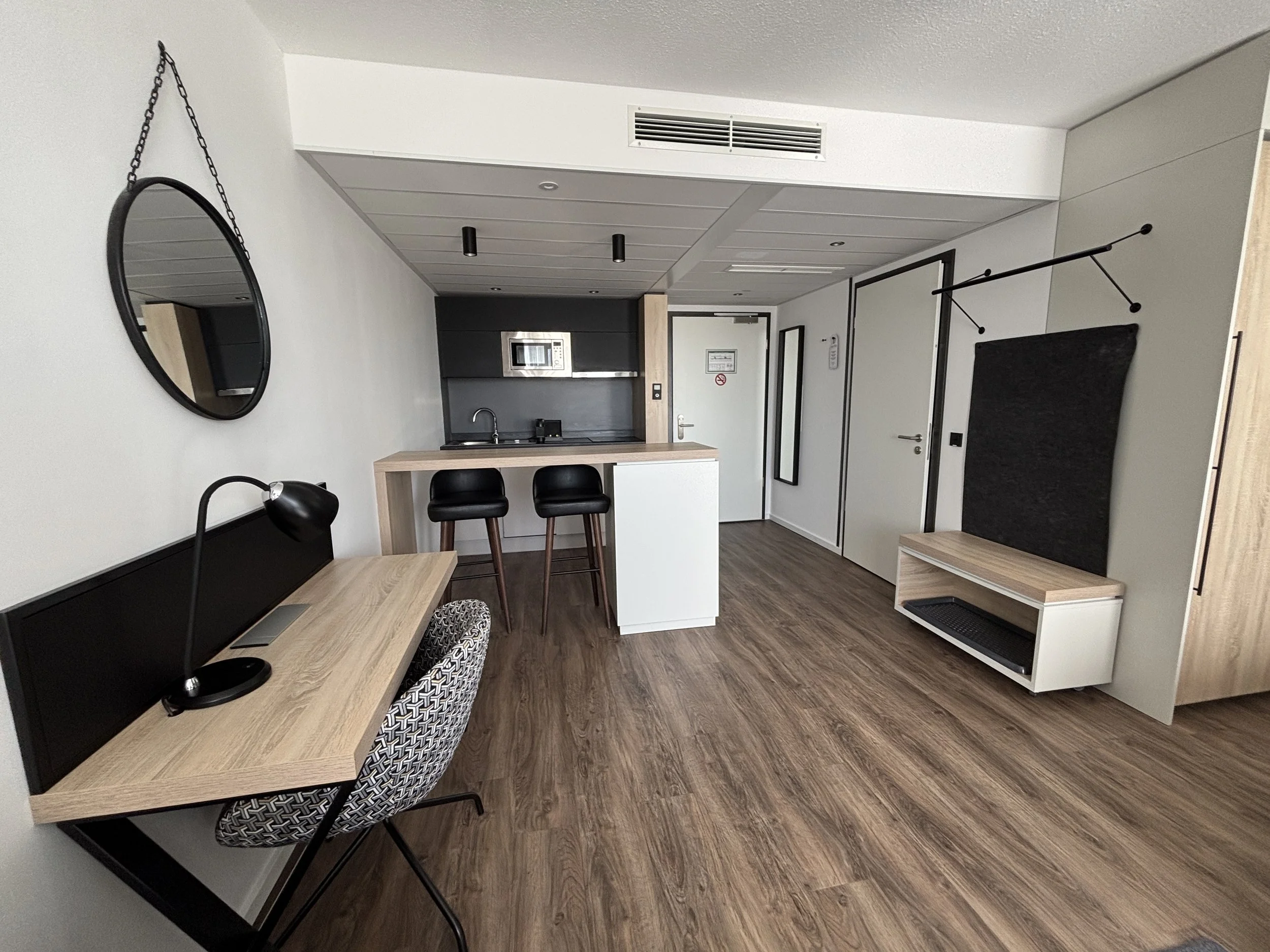
The bathroom is also super modern and in contemporary style. Everything was super clean.
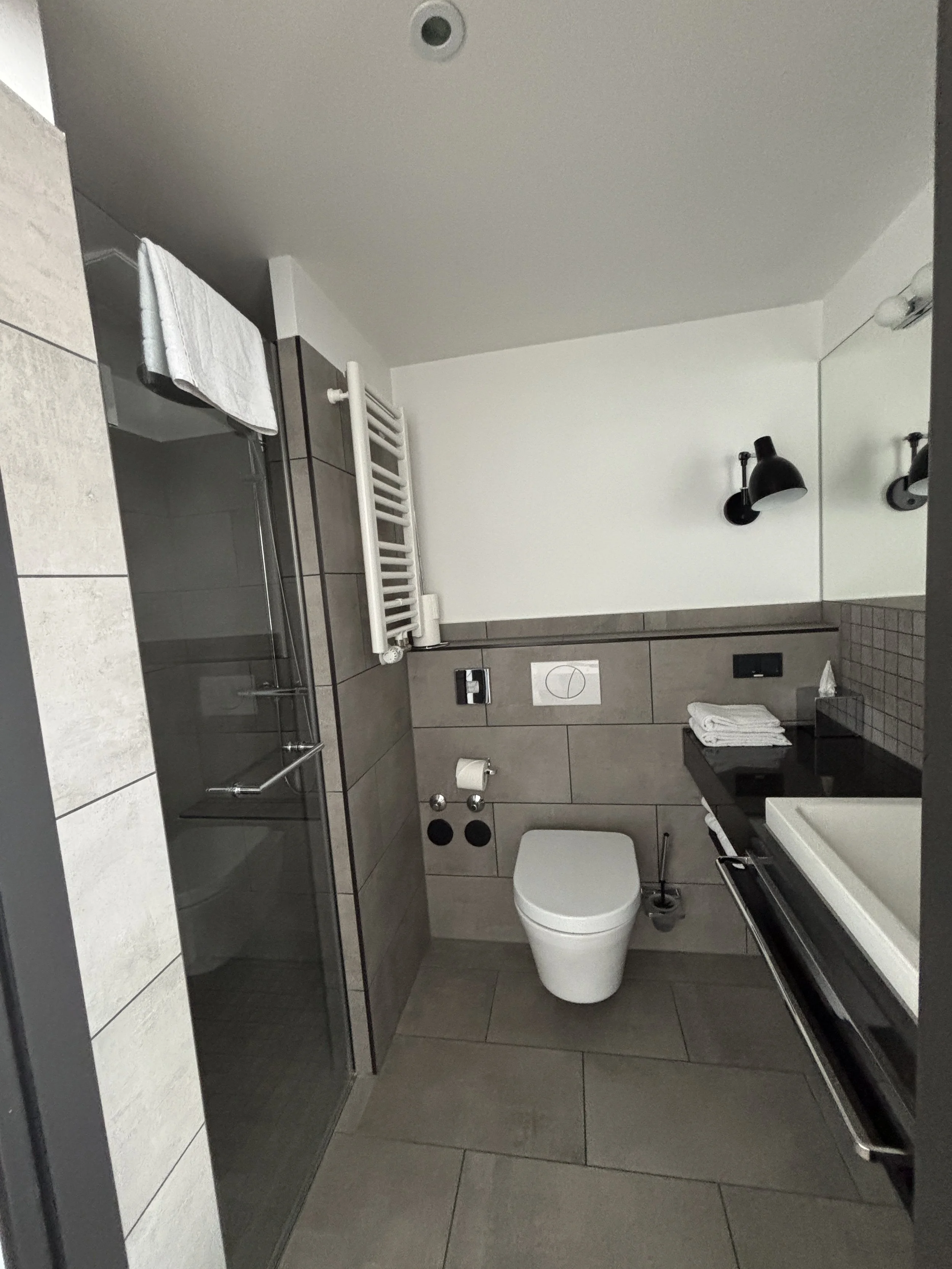
The ground floor has a rather large lobby-common area and restaurant, which is where breakfast is served in the morning. You can get the look and feel of the place in the images below. The breakfast was continental-type buffet.
The Arivo Aparthotel has also parking space, not relevant for me in this case, but I guess, it kind be quite an important detail to mention for those that are touring Franconia by car.
You can book this hotel here!
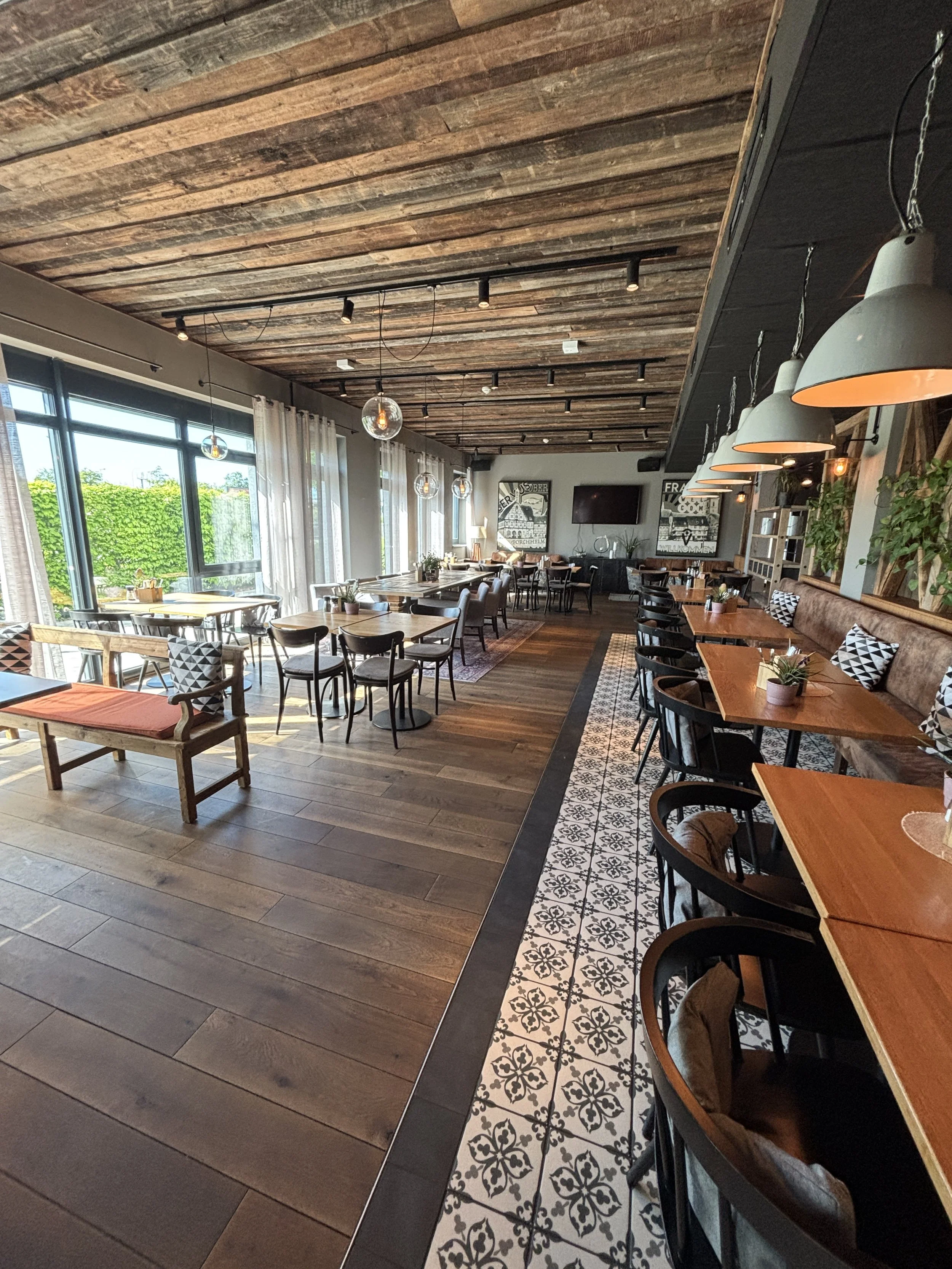
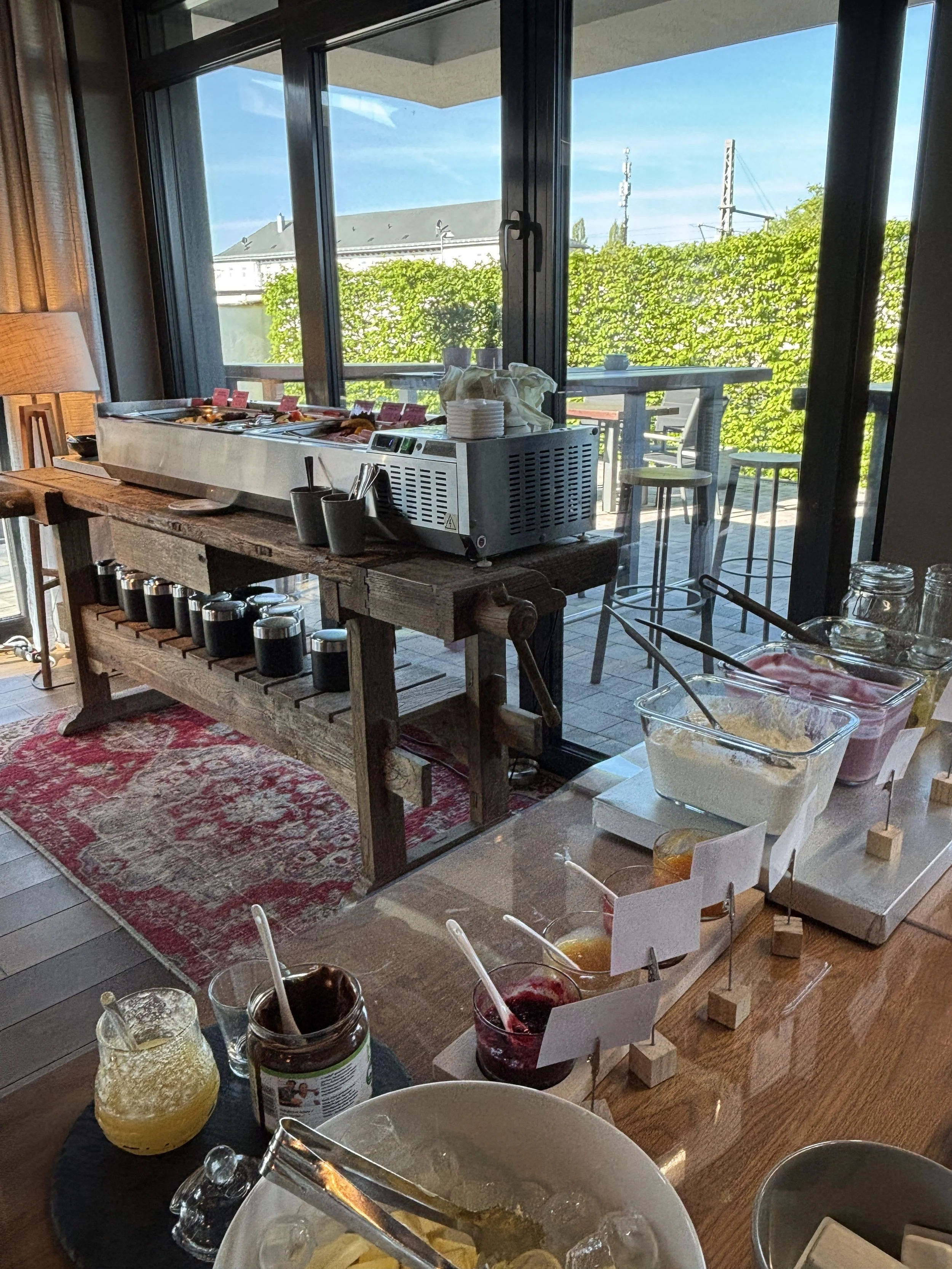
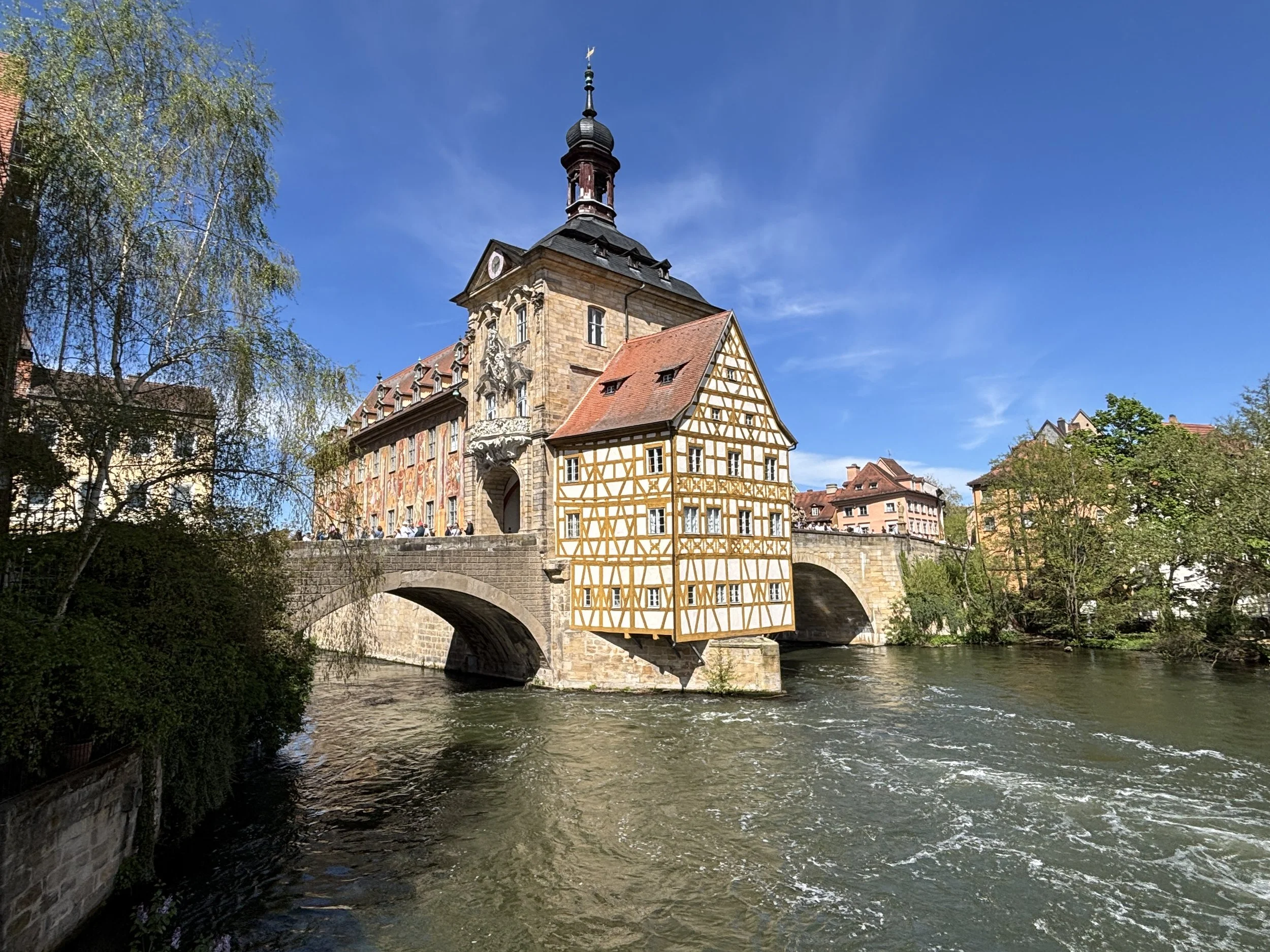
Top things to see and do in Franconia (I): a tour of Bamberg
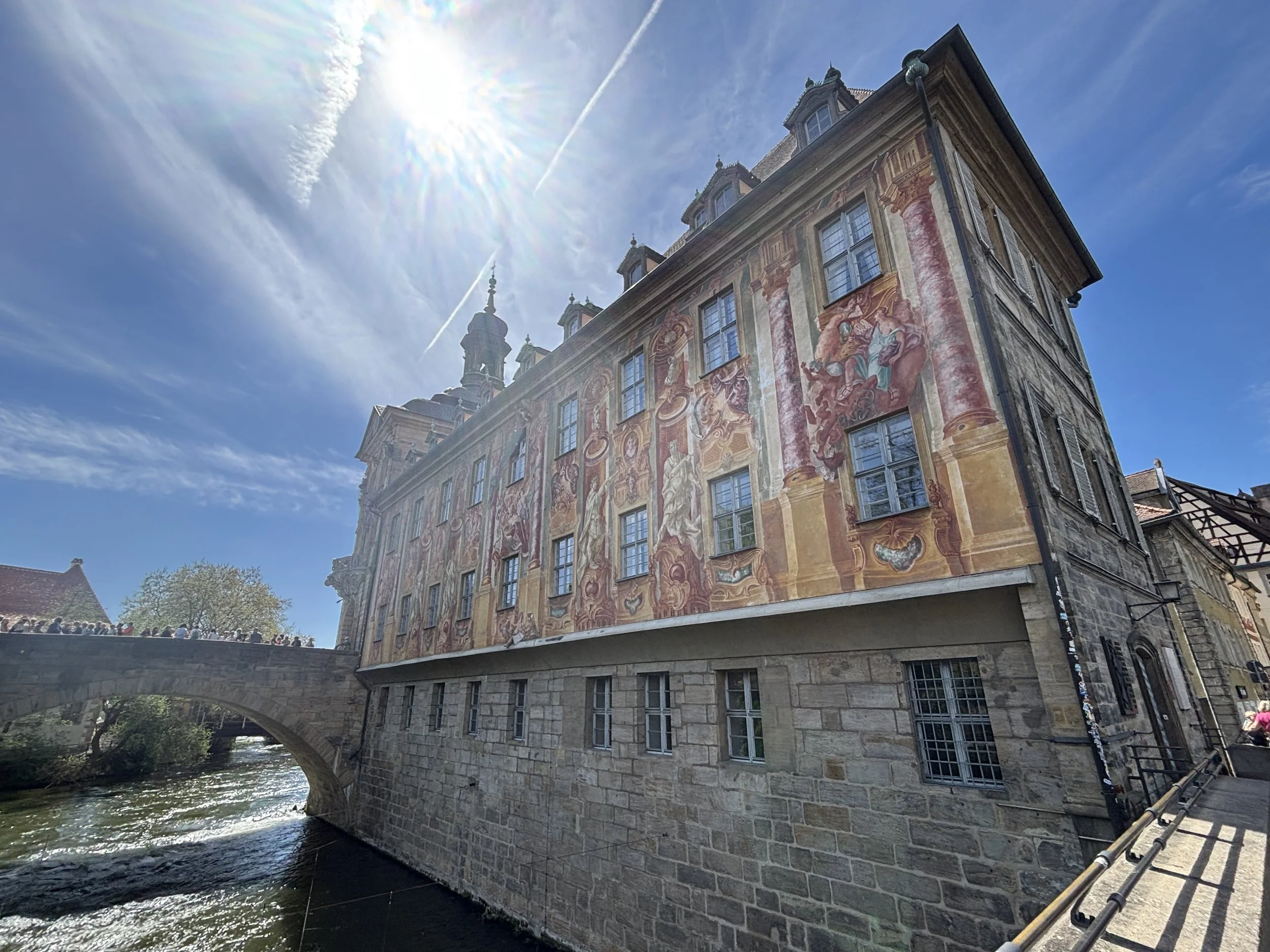
If you are looking for a Germany of charming fairy tale towns, almost intact medieval heritage, artisan beer and bratwürst, look no further than Franconia.
A Russian doll of cultural identities, local pride rules strong in Franconia (“Franken” in German), which is a historical region of northern Bavaria, itself, a former Kingdom and one of the parts of Germany that has most fiercely preserved its own character and distinct identity.
Culturally, it is equally varied: part of it is wine country, while other areas lean firmly towards beer; and while Bavaria is predominantly Catholic, Franconia contains Protestant enclaves, such as the city of Fürth.
This is perhaps due to the fact that, like much of the German lands, historically, Franconia was a complex patchwork of sovereignties, with different rulers sometimes having overlapping claims to parts of the land. Among them, Nuremberg held a pre-eminent role, since it is the place where the Imperial Diet (of the so-called “Holy Roman Empire”). Franconia only became part of Bavaria in the early 19th century, when the whole area became one of Napoleon’s client states.
In fact, Franconia is large enough that it can be divided in three large areas: Upper Franconia (Oberfranken), Middle Franconia (Mittelfranken) and Lower Franconia (Unterfranken), although this series of posts will cover only a relatively small central section of it, starting in Bamberg in the north and ending in Nuremberg at the southern end of my itinerary.
What’s more, unlike in other itineraries that I have featured on this site, this time my entire journey was done by train, since all four Franconian cities that I had the chance to visit (Bamberg, Forchheim, Fürth and Nuremberg) sit neatly in a straight line. This was, I think, a pretty efficient (and sustainable!) way to explore this region.
So, this post is the first of a series of four installments in which I will share my impressions of this region and some tips about what to do and what to see when visiting Franconia.
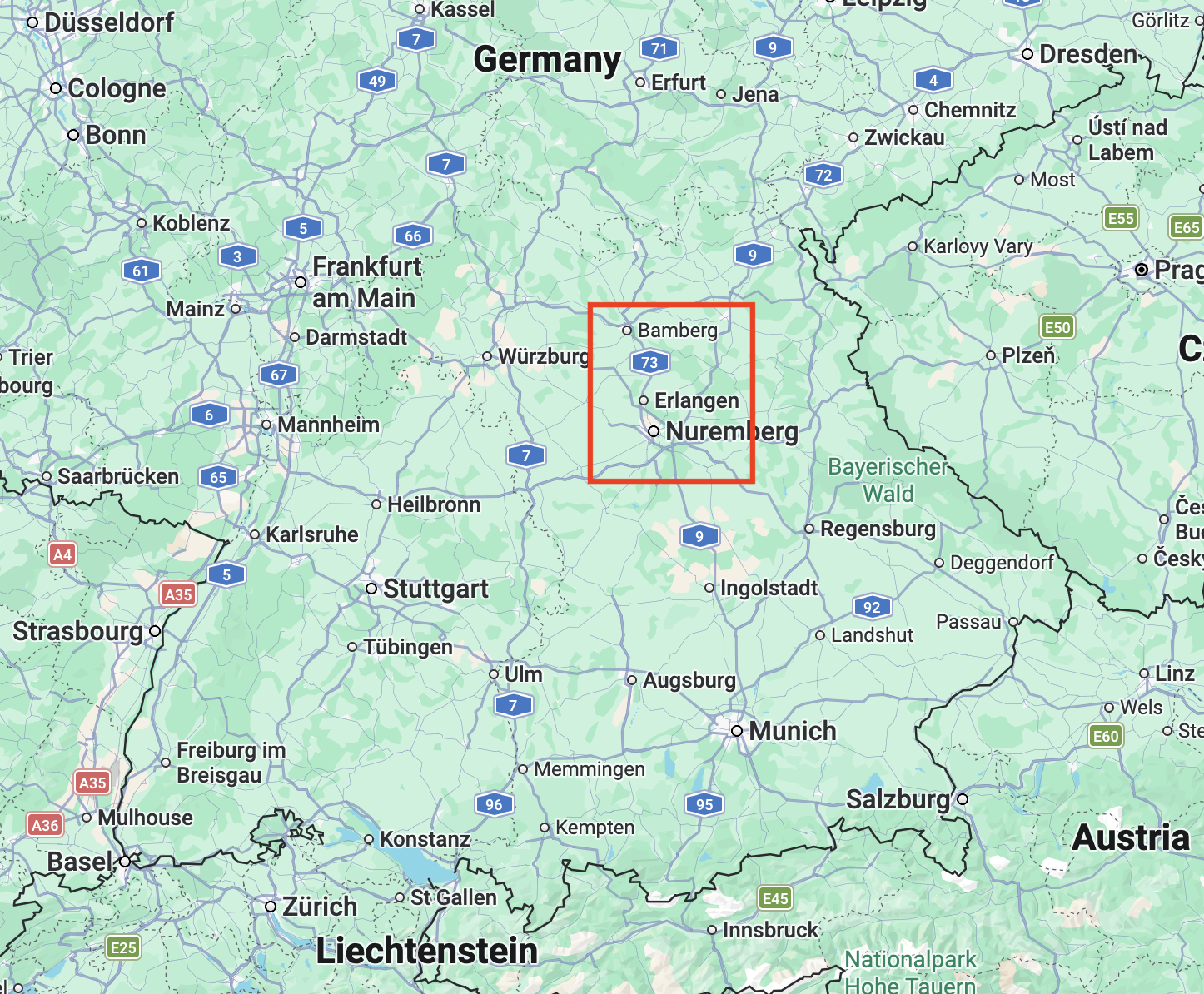
My itinerary started in Berlin, from where I traveled by train to Bamberg and then moved continued moving south always by train, all the way to Nuremberg, the largest city of the lot, by far.
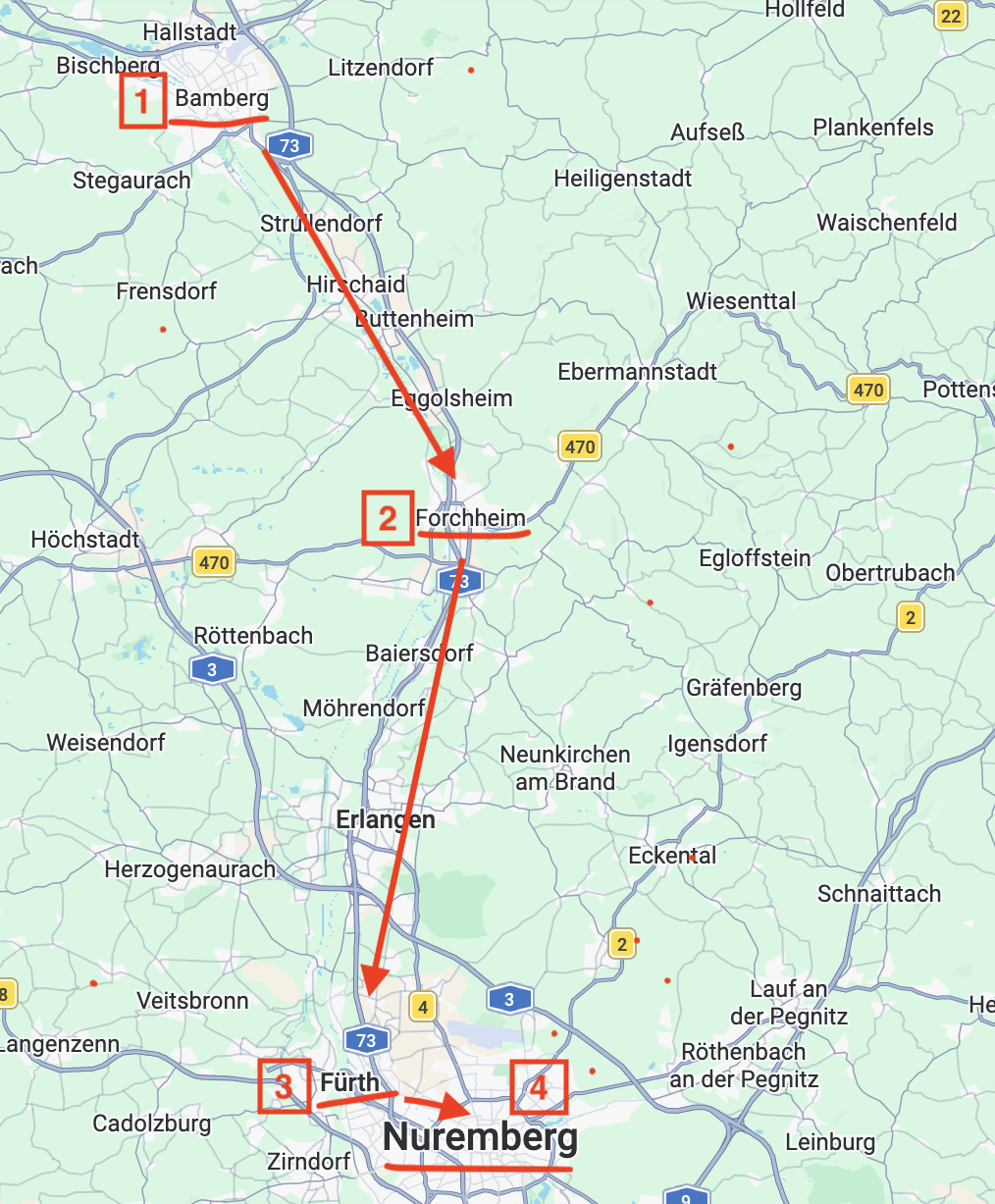
This post may contain affiliate links. If you book or buy something through them, I earn a small commission, at no extra cost to you. It's one of the ways I keep Places of Charm going. Thank you for your support.
I would like to thank also Franken Tourismus for facilitating this journey through Franconia and the visit to Bamberg with excellent local guide Sabine. All opinions are my own.
Half a day in Bamberg: what to do and what to see
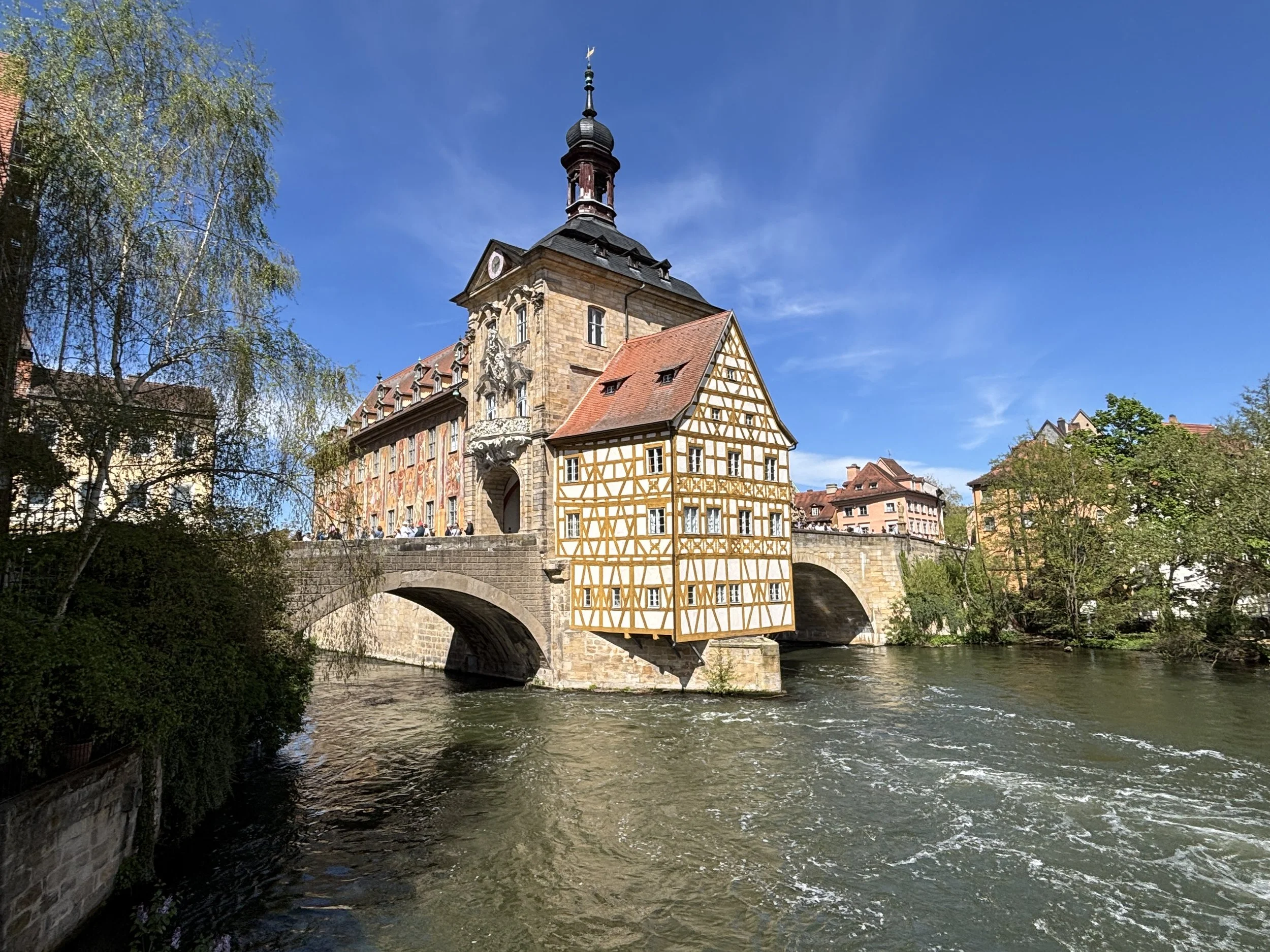
Bamberg is one of the jewels, not just of Franconia, but of Bavaria as well. Besides being a town of historical significance (it used to be the capital of a small principality ruled by a bishop), Bamberg was practically untouched by WW2, so most of what you see here is what a German pre-industrial city used to look like. Since 1993, Bamberg has been a UNESCO World Heritage Site.
What’s more, it’s geographical setting greatly enhances its historical attractiveness. First, there is the fact that, like Rome and several other cities of note, the city of Bamberg was built on seven hills. Then, there is the presence of the river Regnitz, a tributary of the Main, and therefore, the Rhein, which is navigable and accessible by river cruises (such as those operated by Viking Cruises, an old friend of this site!) and other operators. The river divides its waters between several canals when it passes through Bamberg’s old town, adding significantly to the aesthetics of the place.
I arrived at Bamberg’s main train station mid-morning and, after leaving my luggage at the station’s storage area (make sure you have €2 and €1 coins with you!) I headed on foot towards the old town, which is a mere 15-20 walk away.
I was to meet my guide for the day, Sabine, at Schlenkerla, Bamberg’s most iconic brewery (more on this place further down this article), for a quick but relatively intense walking tour of the city.
Bamberg’s “Little Venice”
When approaching Bamberg’s old town from the train station, you will first have to cross the Reignetz and its several canals. You will then be in an area popularly known as “Little Venice”, obviously because of its connection to water.
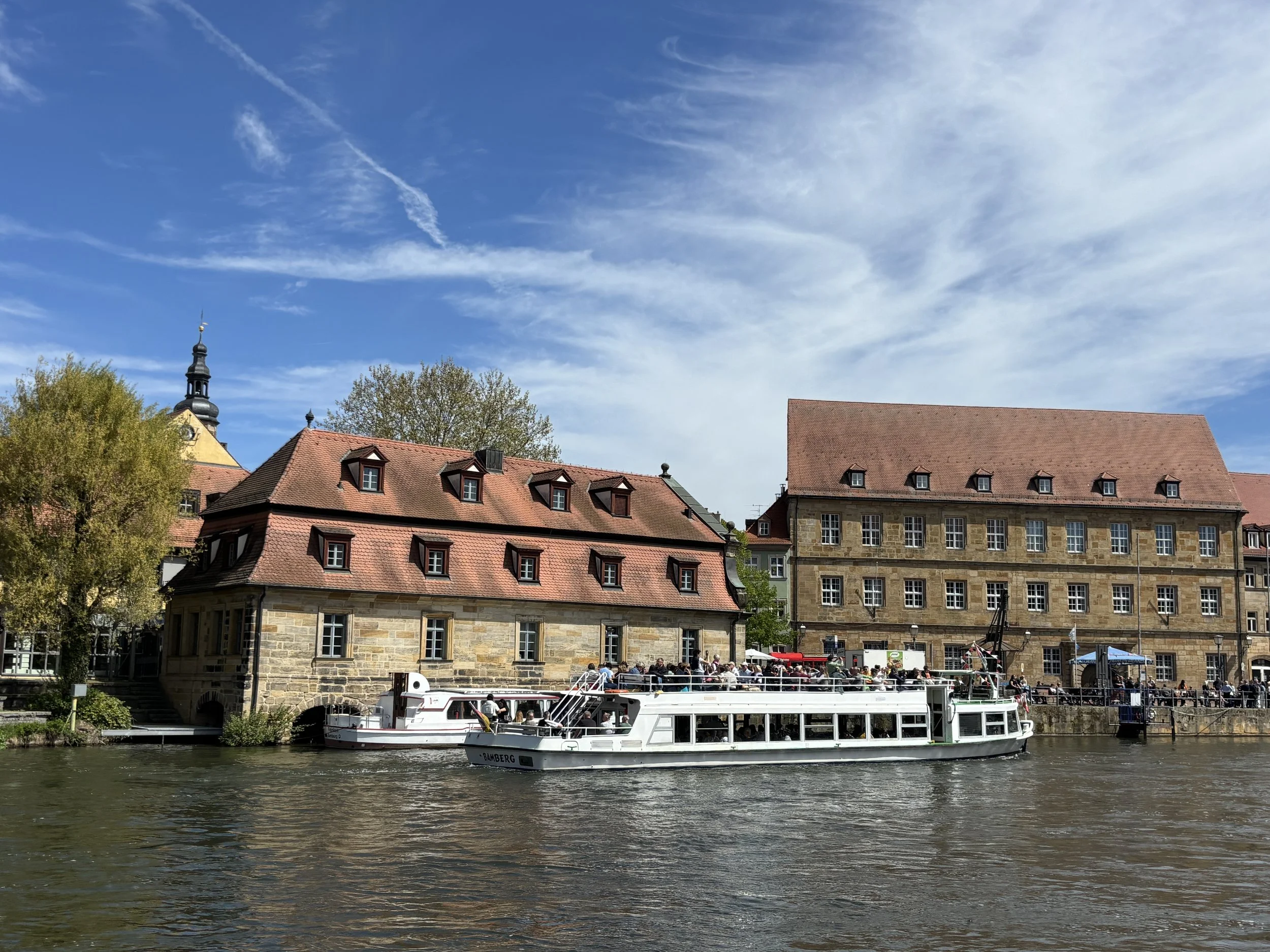
There is even a gondola service that would give you a ride through the canals for a fee! Or, if you prefer something more conventional, you will also find here several boats that a carry tourists around. We didn’t do that, and went for a stroll along the banks of the Reignetz instead.
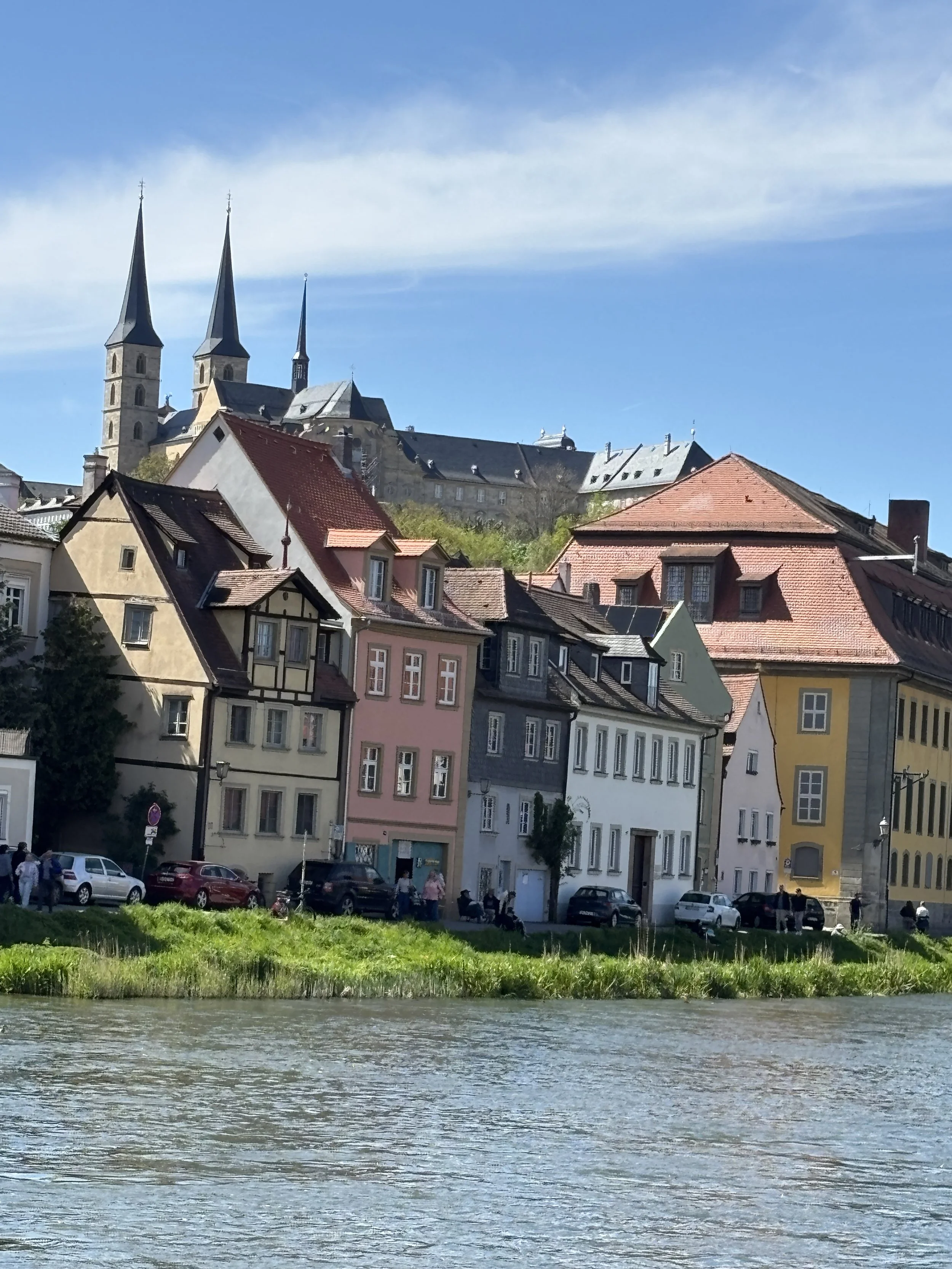
When the weather is nice, as was the case during my visit, Bamberg’s river side is an amazingly beautiful place. However, crowds can form at some spots, and for good reason!
One such spots is the small island that holds what is one of Bamberg’s most distinctive buildings, the old town hall (“Altes Rathaus”), which is the beautifully ornated historical building the picture of which opens this article.
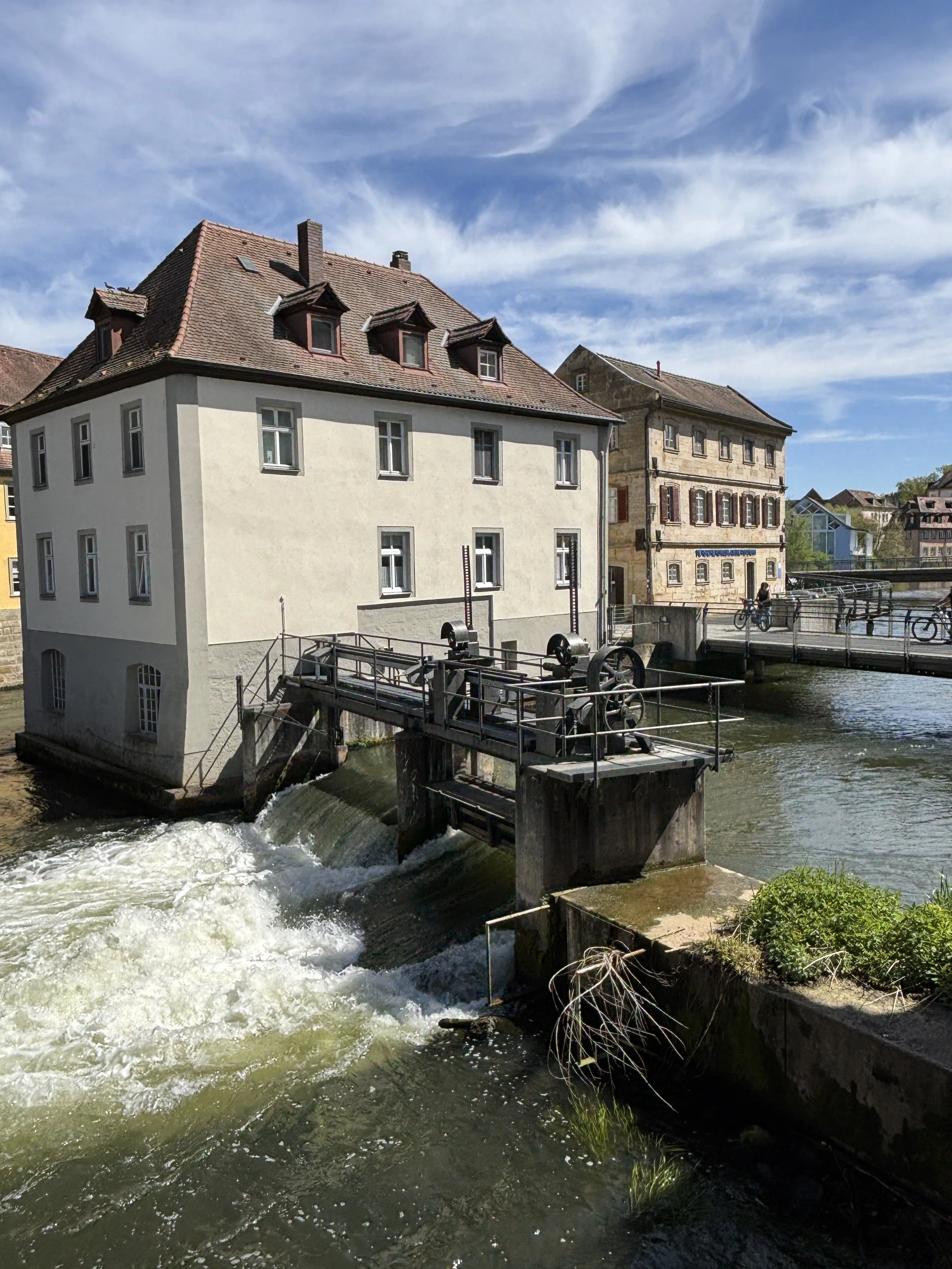
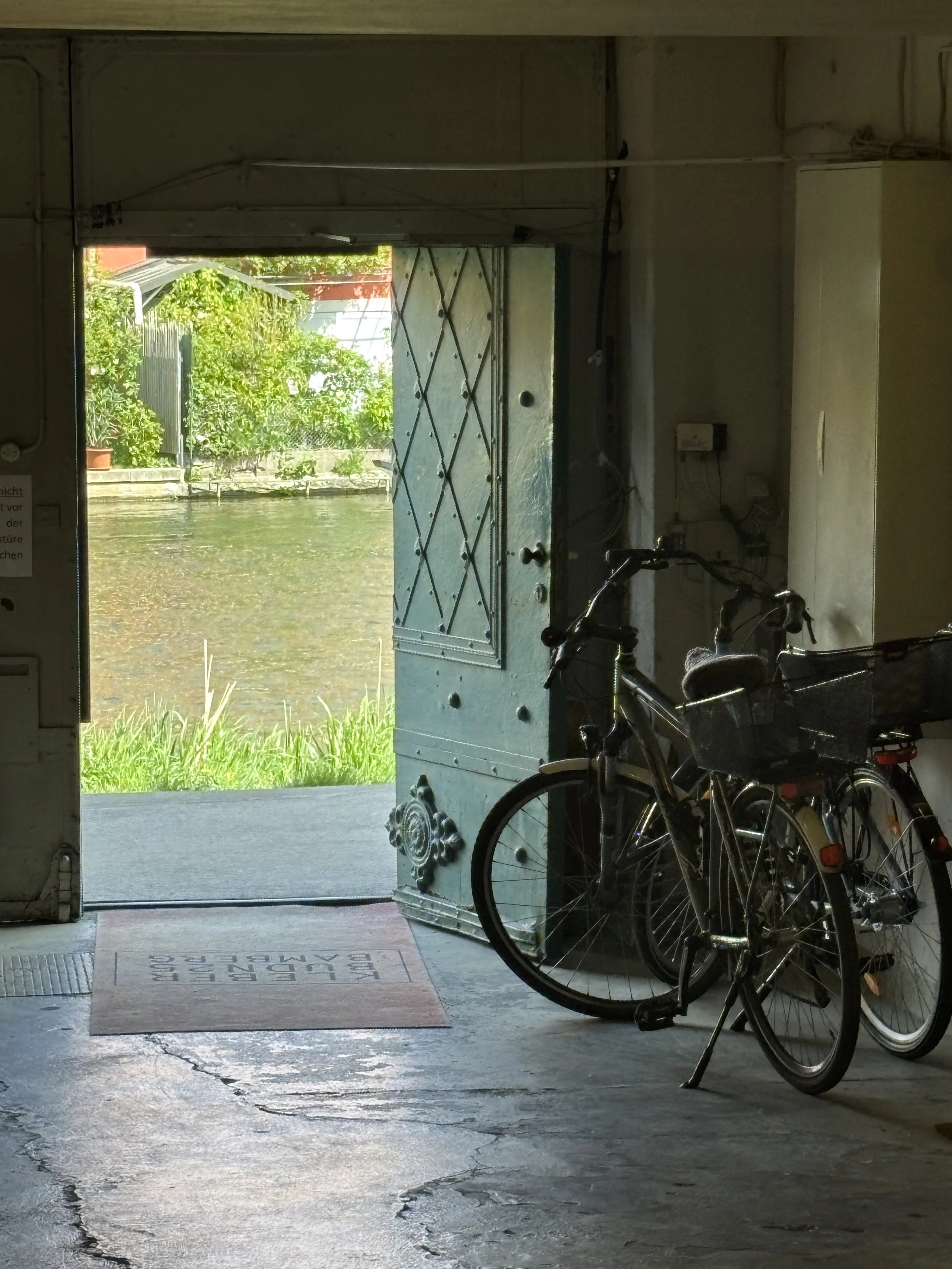
The whole area along the river banks, though, is pretty harmonious and makes for a pleasant walk.
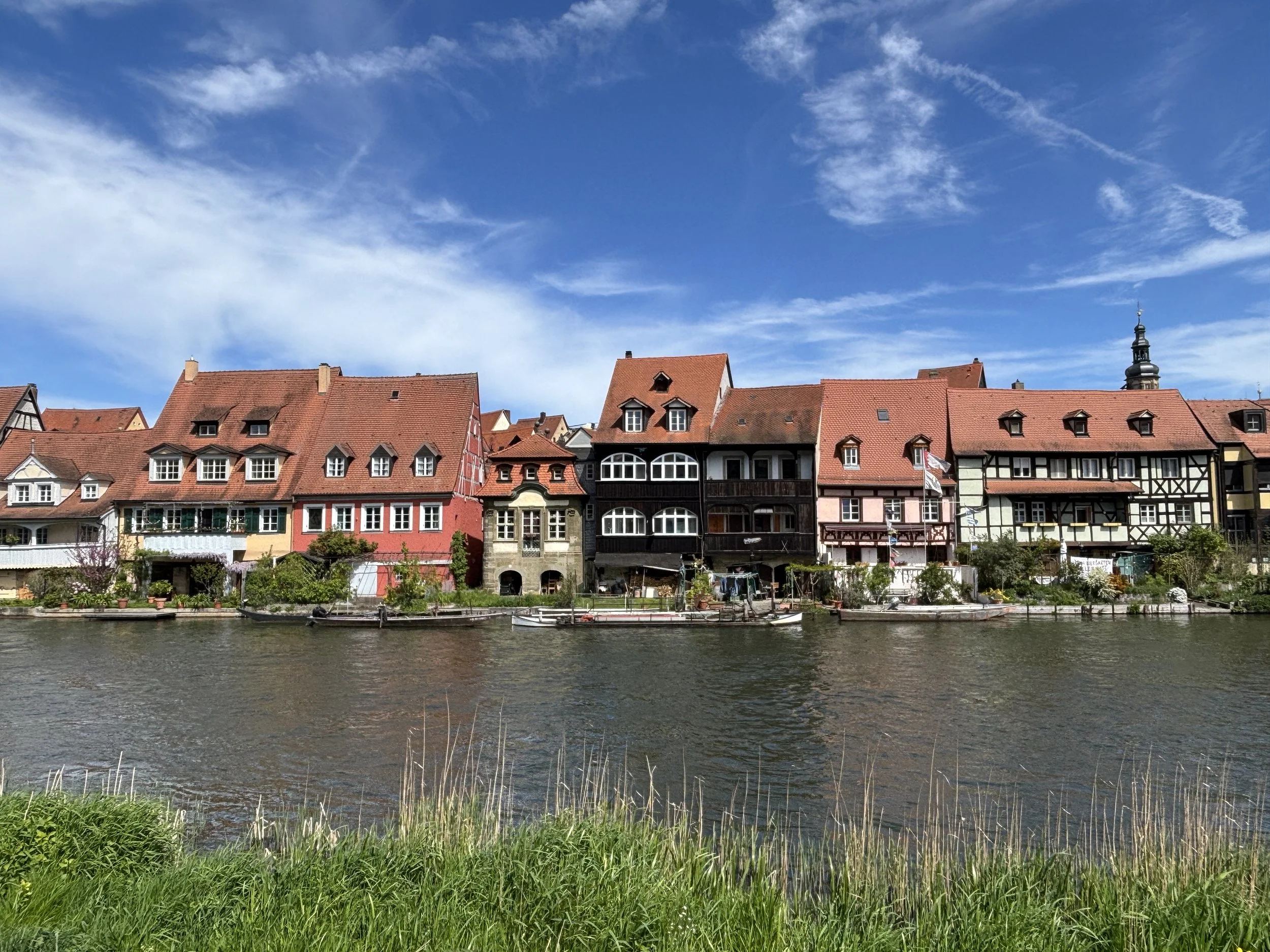
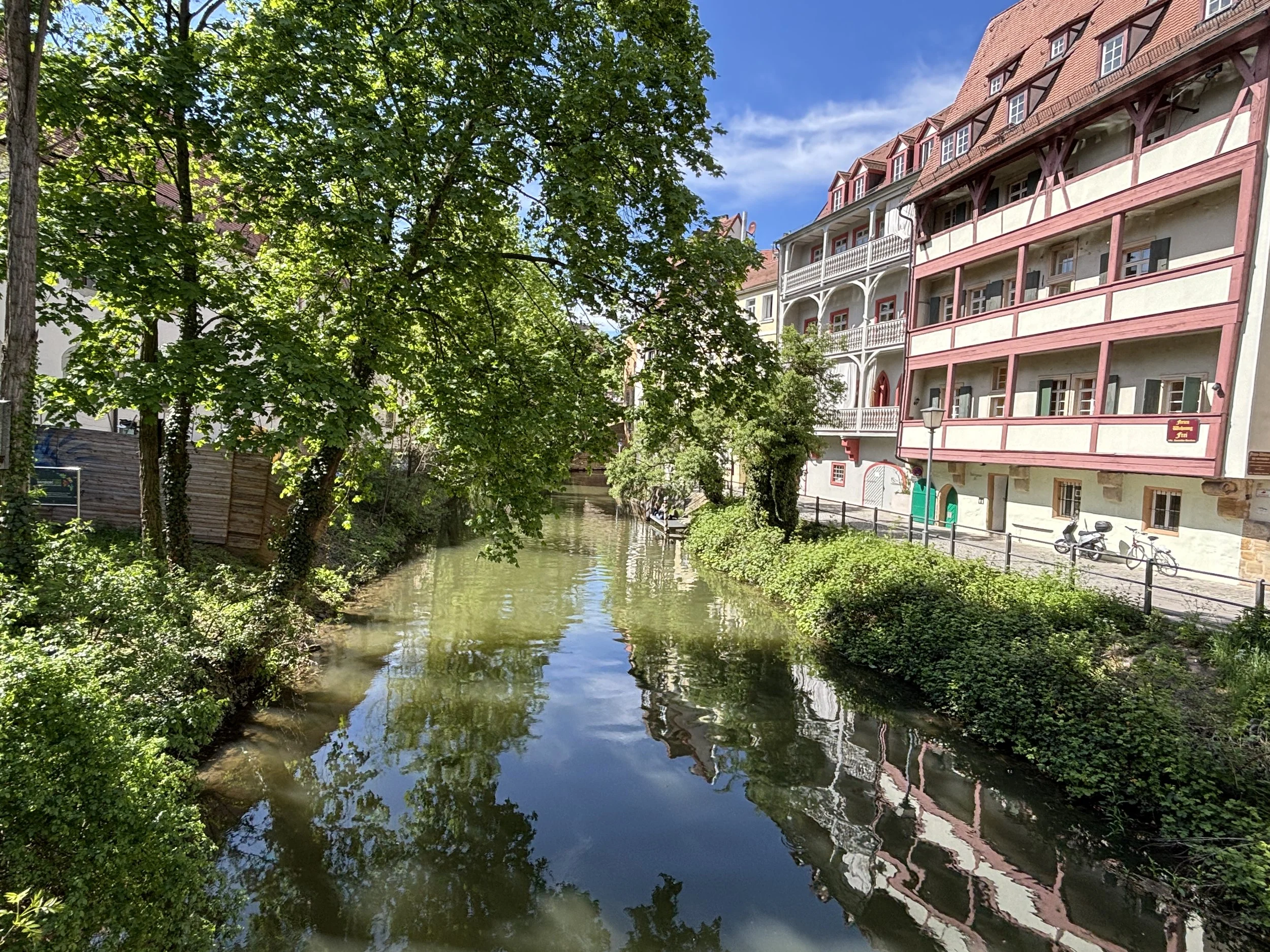
A walk through Bamberg’s old town
Our itinerary then took us uphill, for it is at the top of one of Bamberg’s seven hills that we find what was the nucleus of Bamberg’s political and ecclesiastic power for around eight centuries.
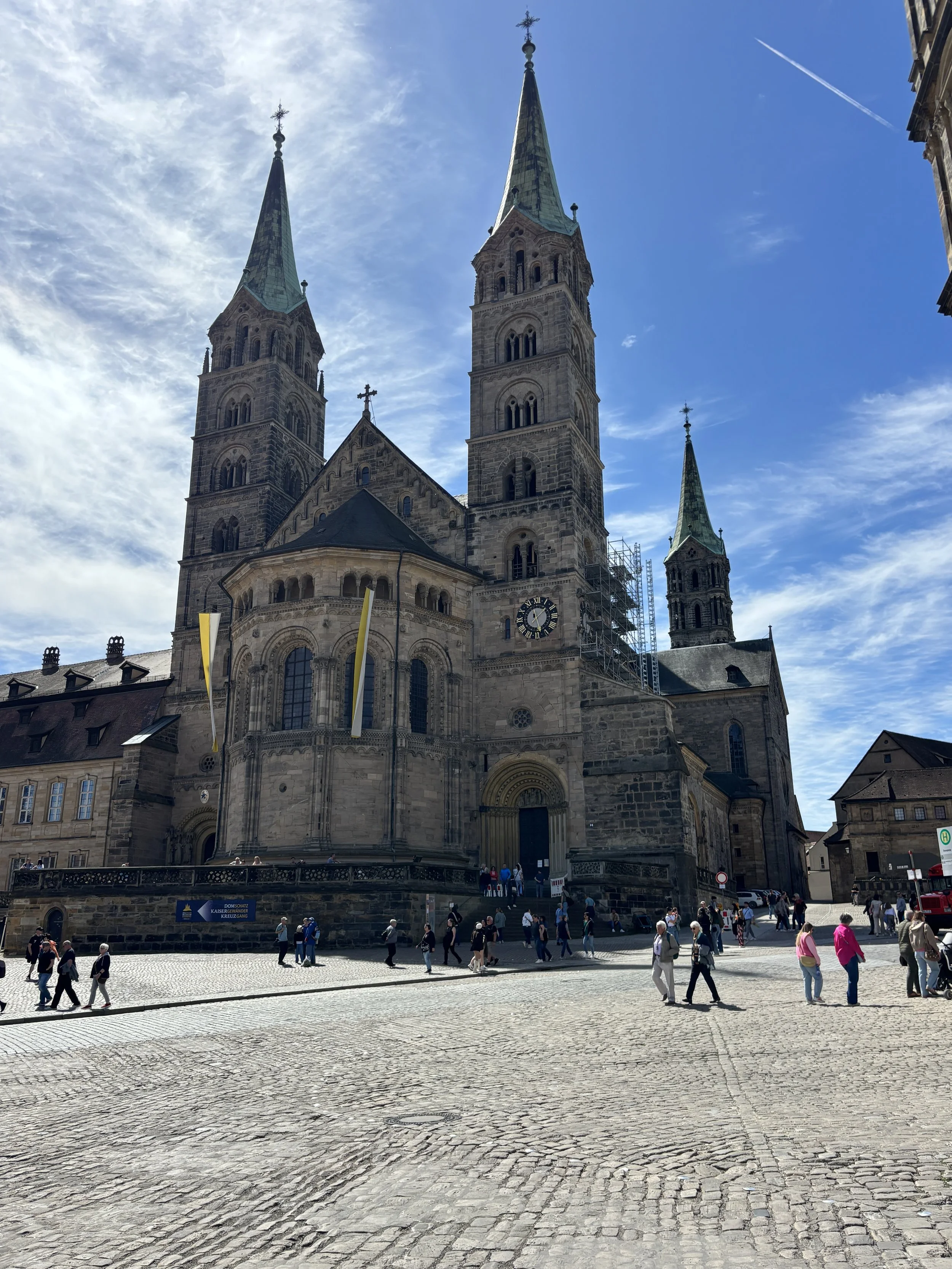
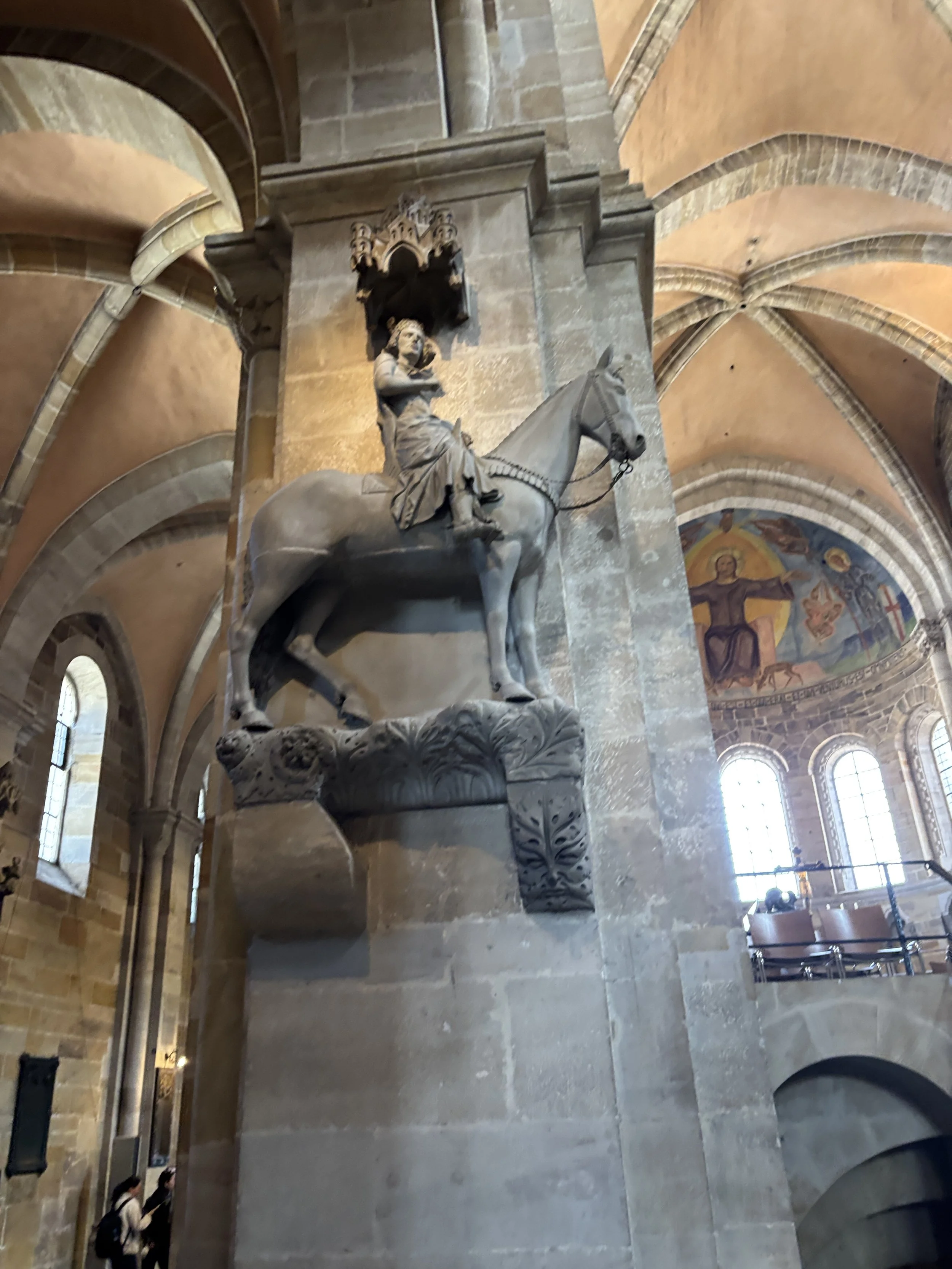
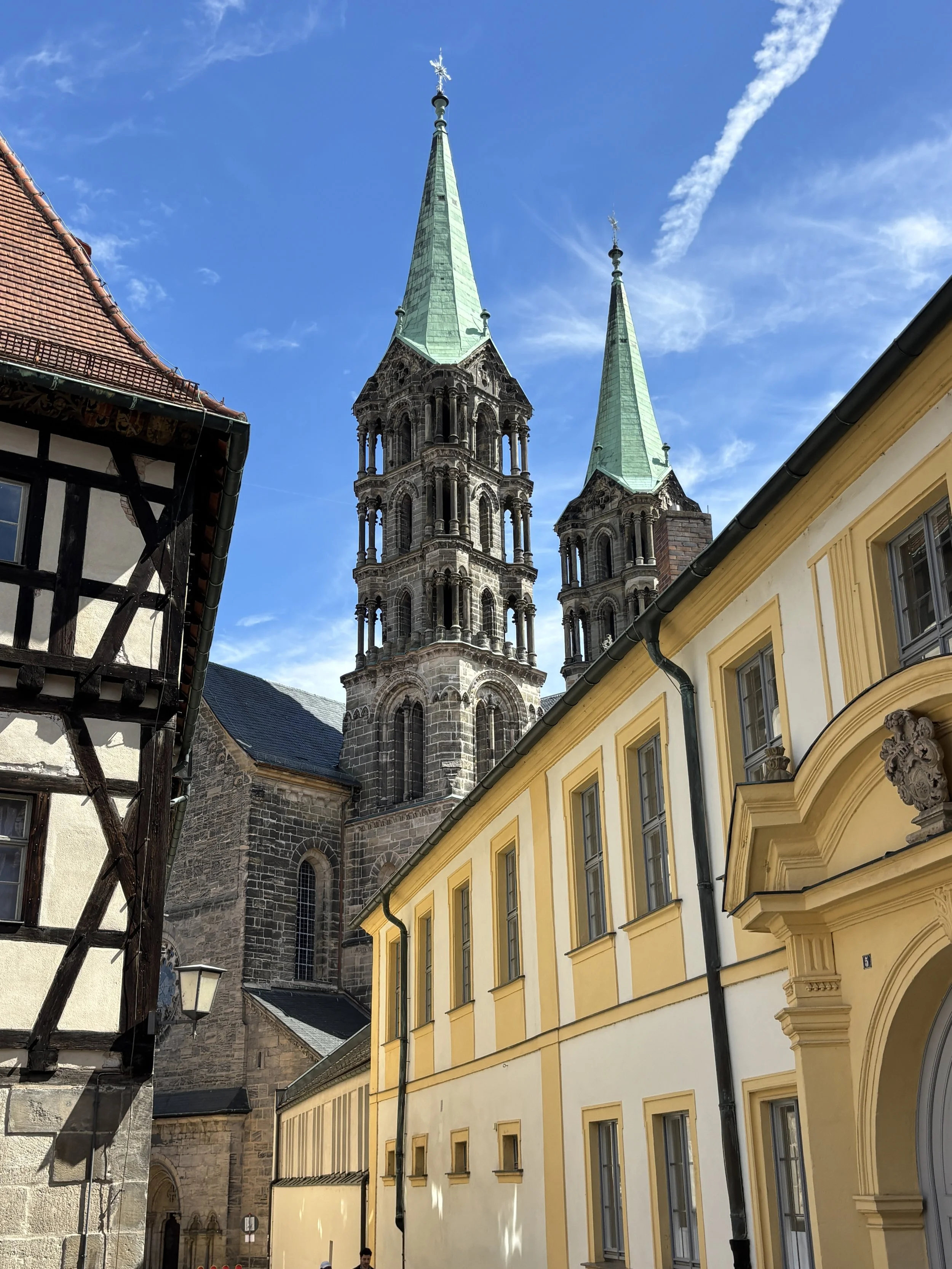
Bamberg’s Cathedral (“Bamberger Dom”) is the most imposing building of the lot and, from its hilltop position dominates the rest of the town. It has Romanesque and Gothic elements and no less than four towers.
Besides its religious and political importance, Bamberg Cathedral has two interesting curiosities: it has the tomb of Pope Clement II, which is the only papal tomb north of the Alps.
And it also has the Bamberg Rider, “Bamberger Reiter” in German (picture above right), which is a 13th C. statue which, to this day, no one knows who does it represent.
It is here, adjacent to each other and structured around a large open and somehow inclined square, that we find two other very prominent structures.
One of them is the Old Court, which is one of the oldest structures in the city and once upon a time an Epicospal residence, the other is the Neues Residenz (below), which was the main palace of the princely bishops of Bamberg.
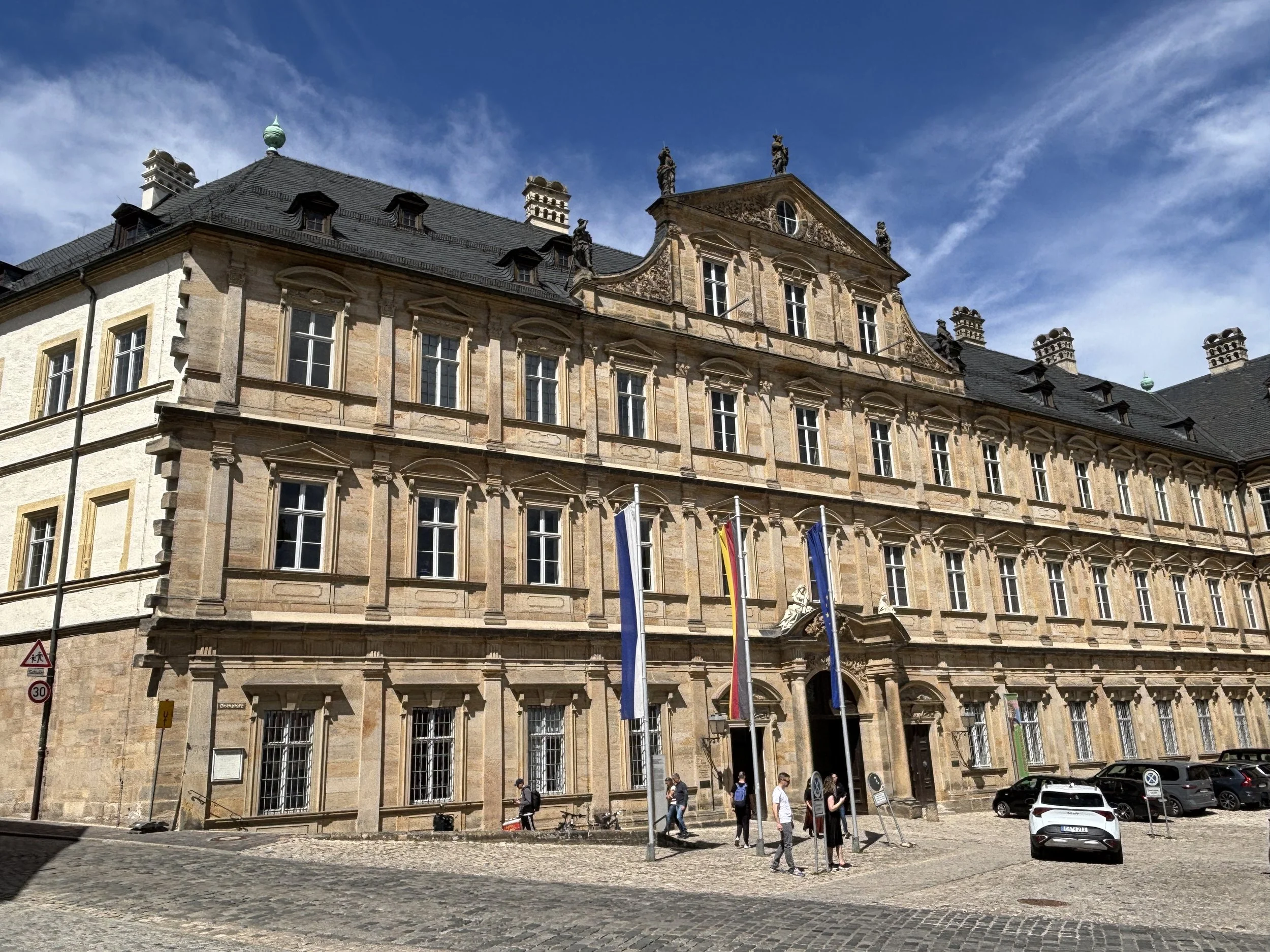
Below you can see the Old Court, which is a collection of very old timbered buildings organized around a central courtyard.
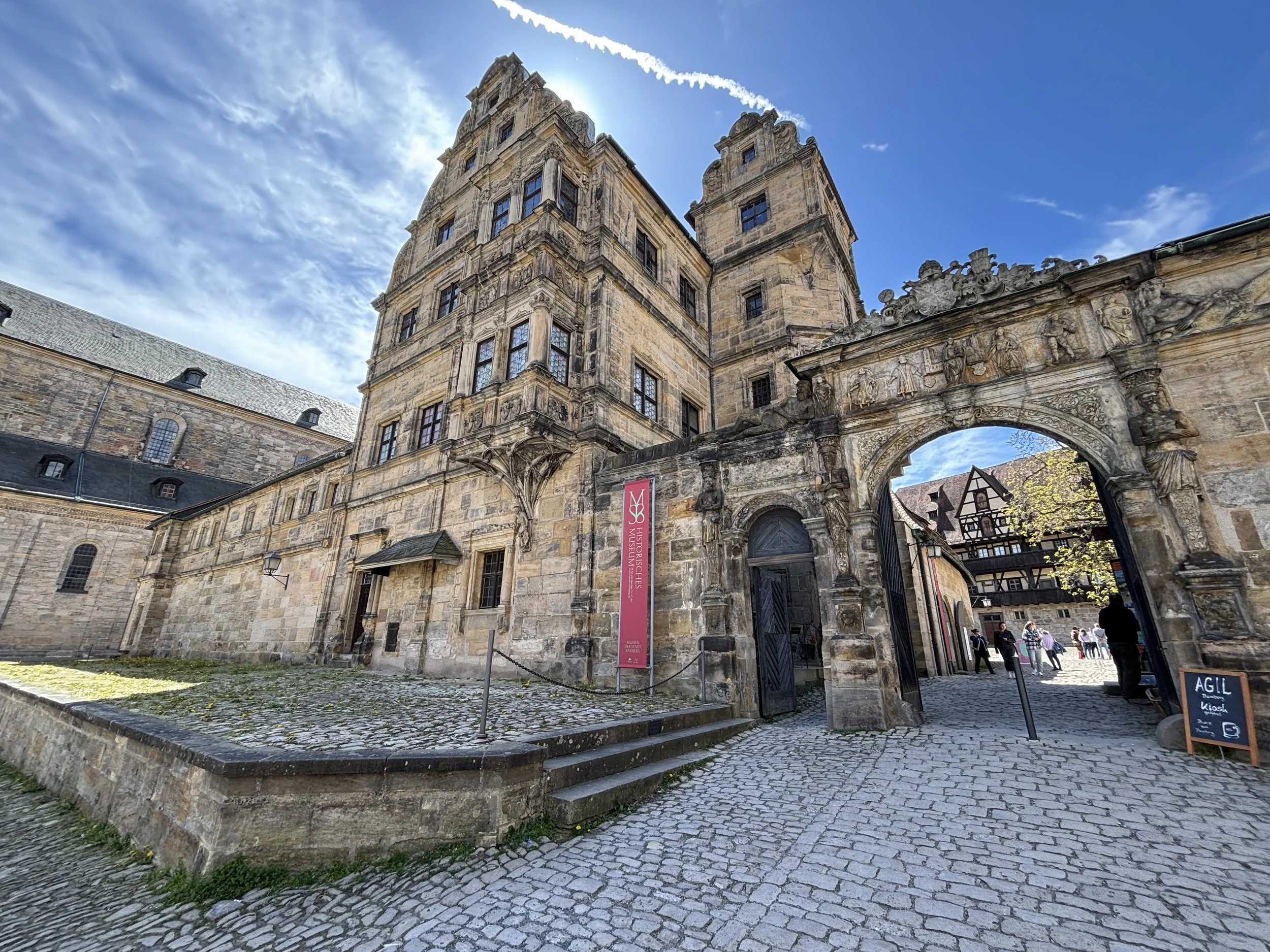
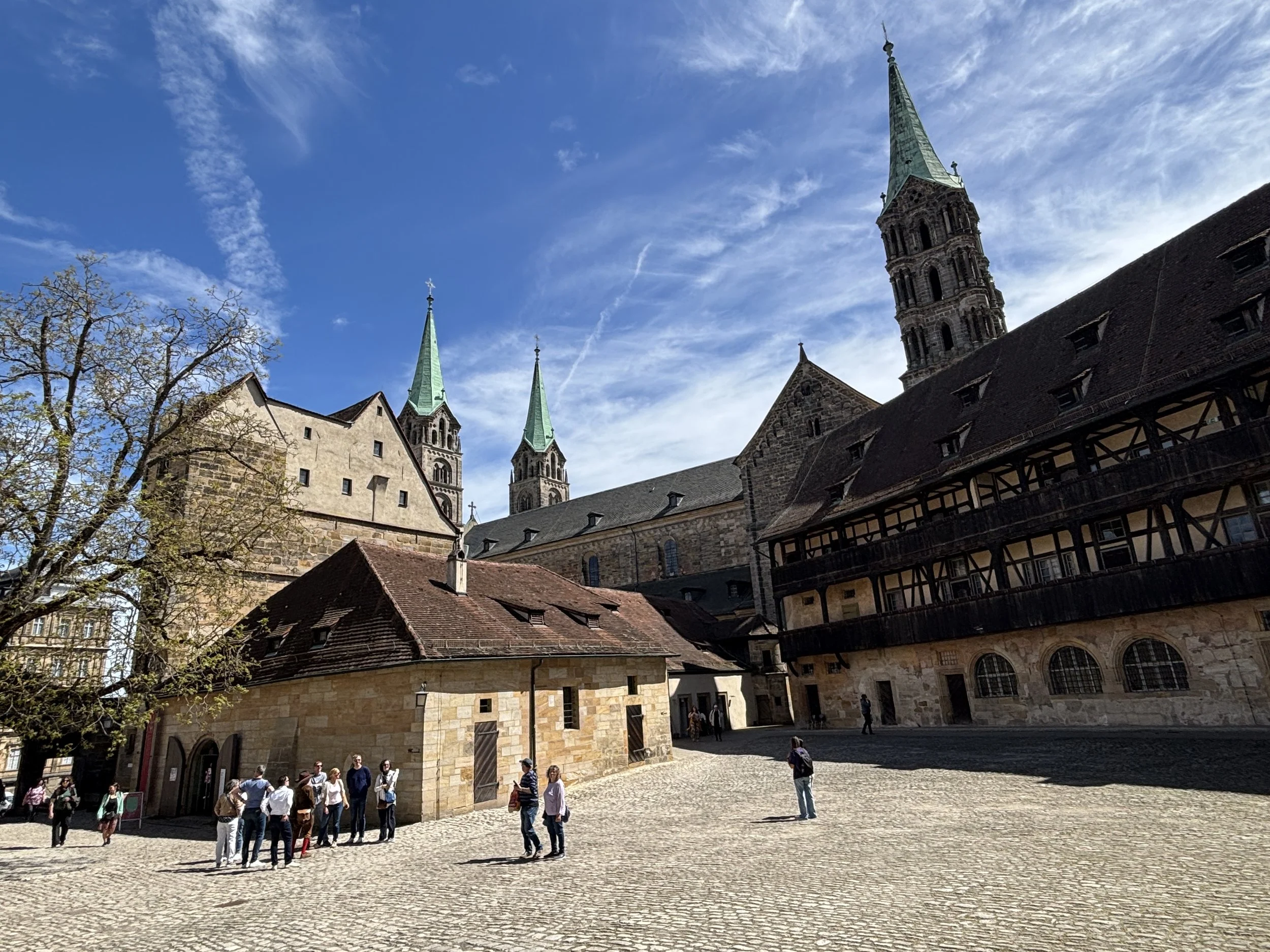
The old town of Bamberg is surrounded by greenery and, while there is a constant flow of tourists, it has quite a few quite and really calm spots.
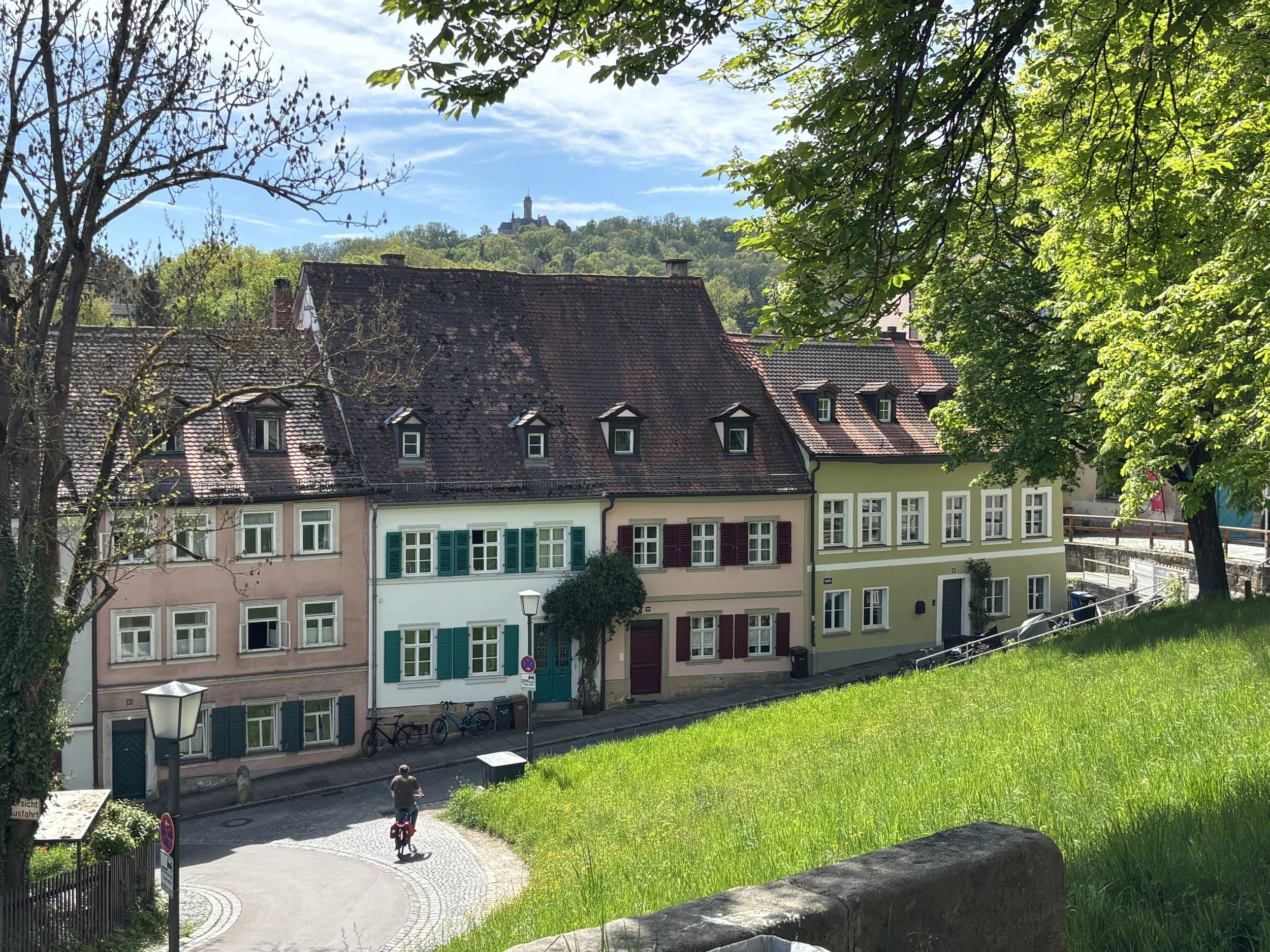
Another building of note is the Monastery of St Michael, which sits on top of another of Bamberg’s hills (the” Michelsberg”). It was built in the 11th C. as a Benedictine monastery and was secularized in the early 19th C.
It is one of the most iconic elements in Bamberg’s skyline, particularly when seen from the Rose Garden. The latter, which is an annex of the Neues Residenz, is a perfectly manicured classical garden which opens onto a terrace providing what is likely the best panoramic view of the city.
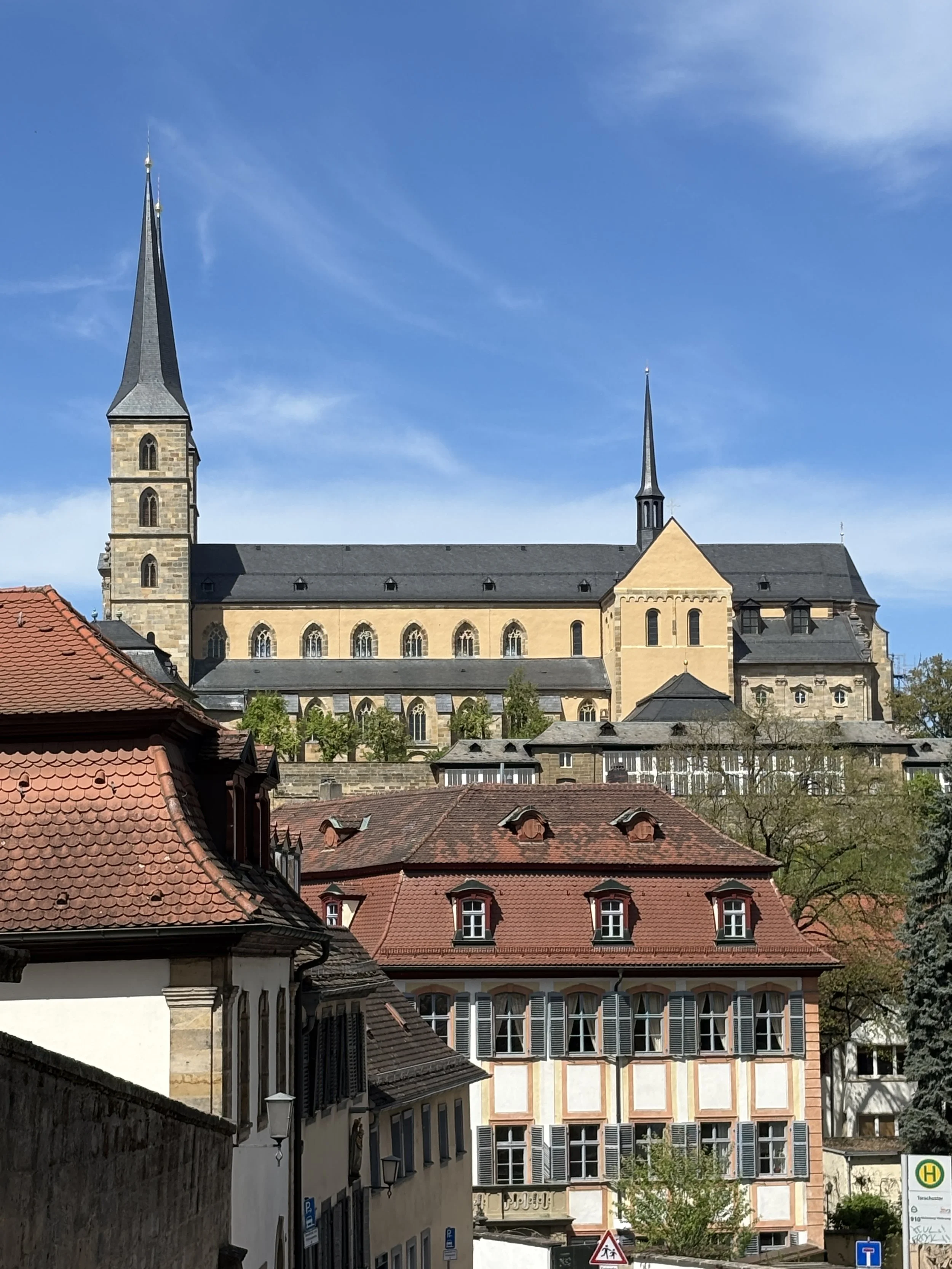
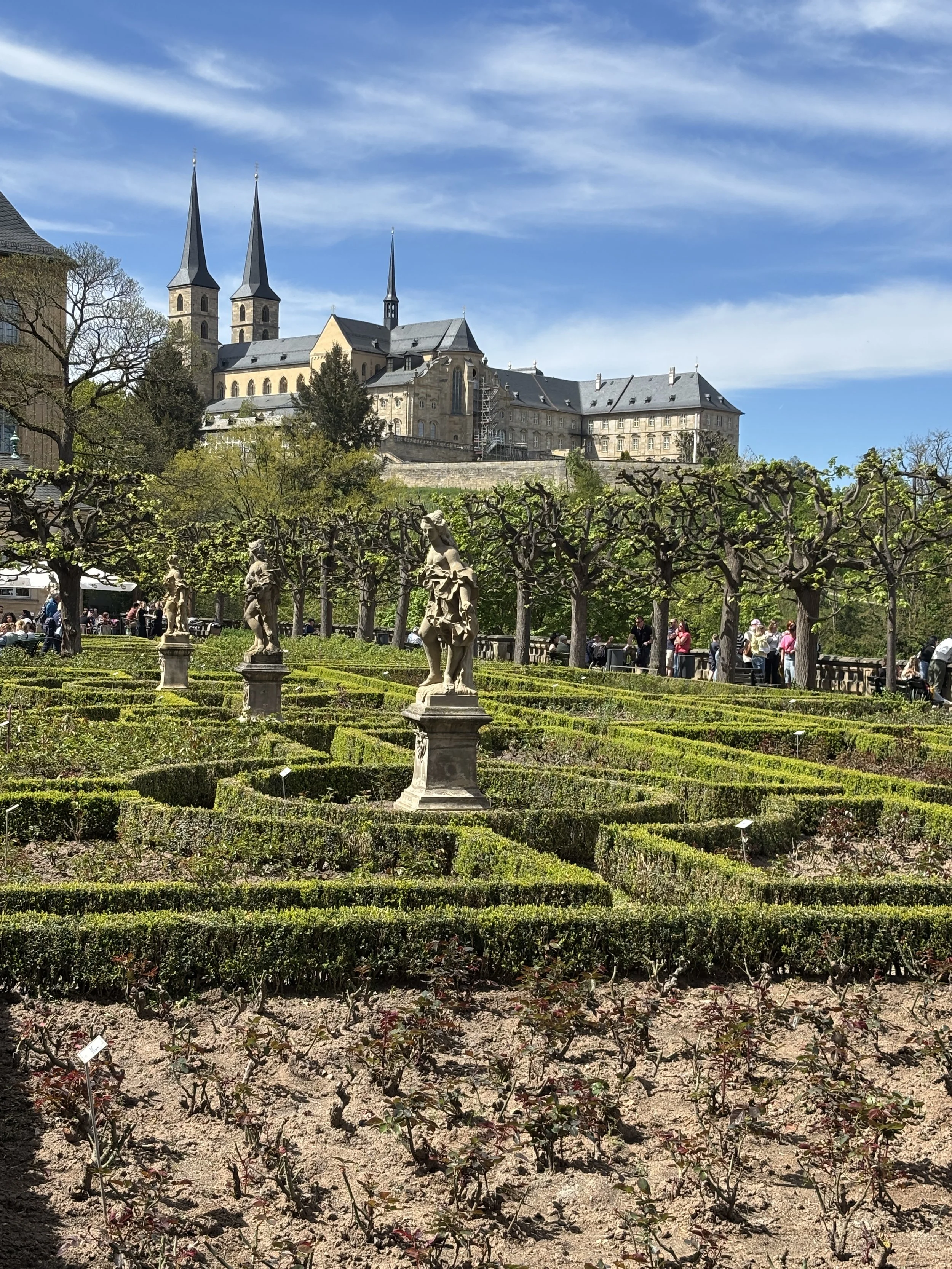
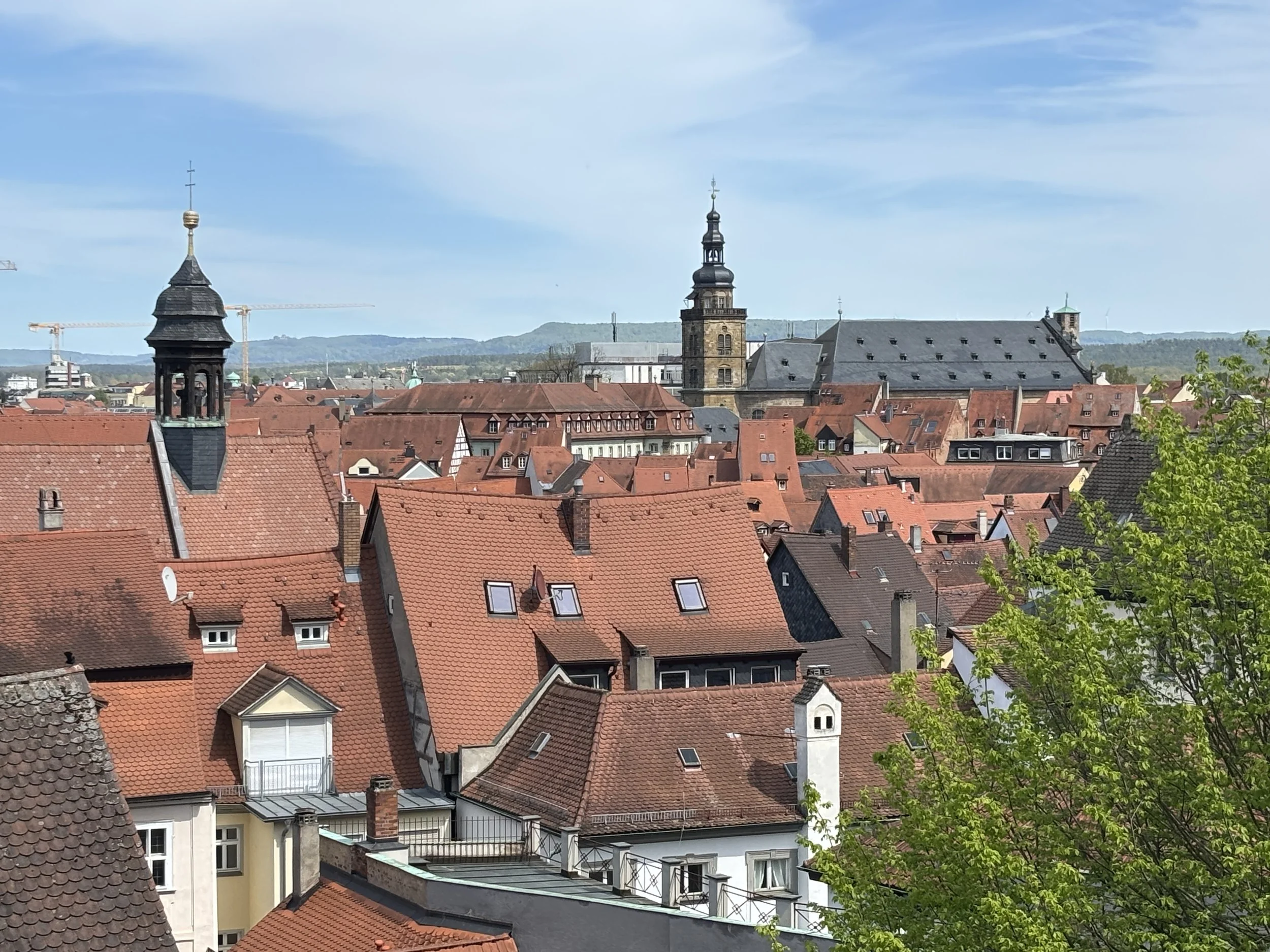
The walk through old Bamberg took us through several picturesque locations, with the unequal terrain offering several interesting perspectives.
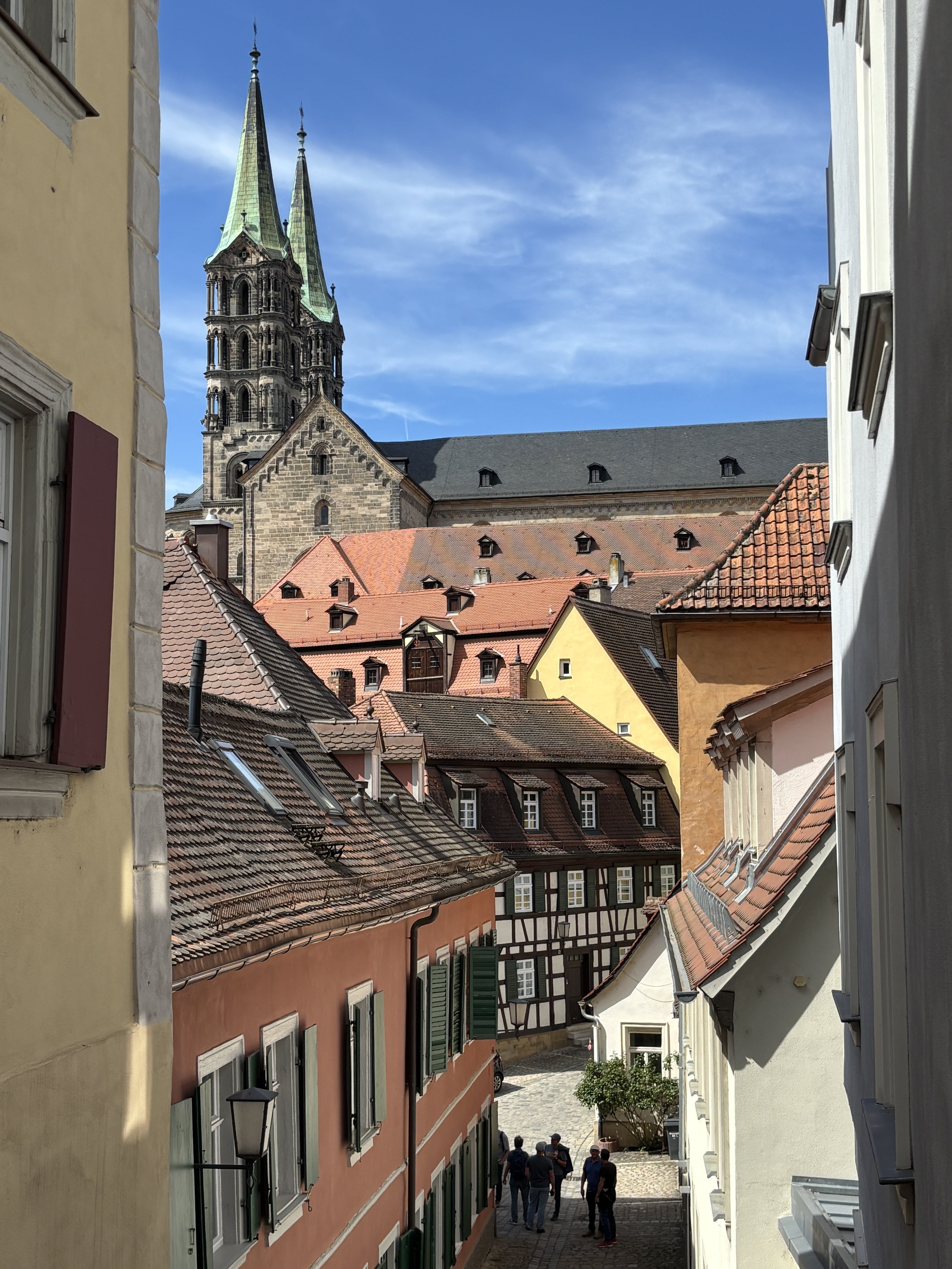
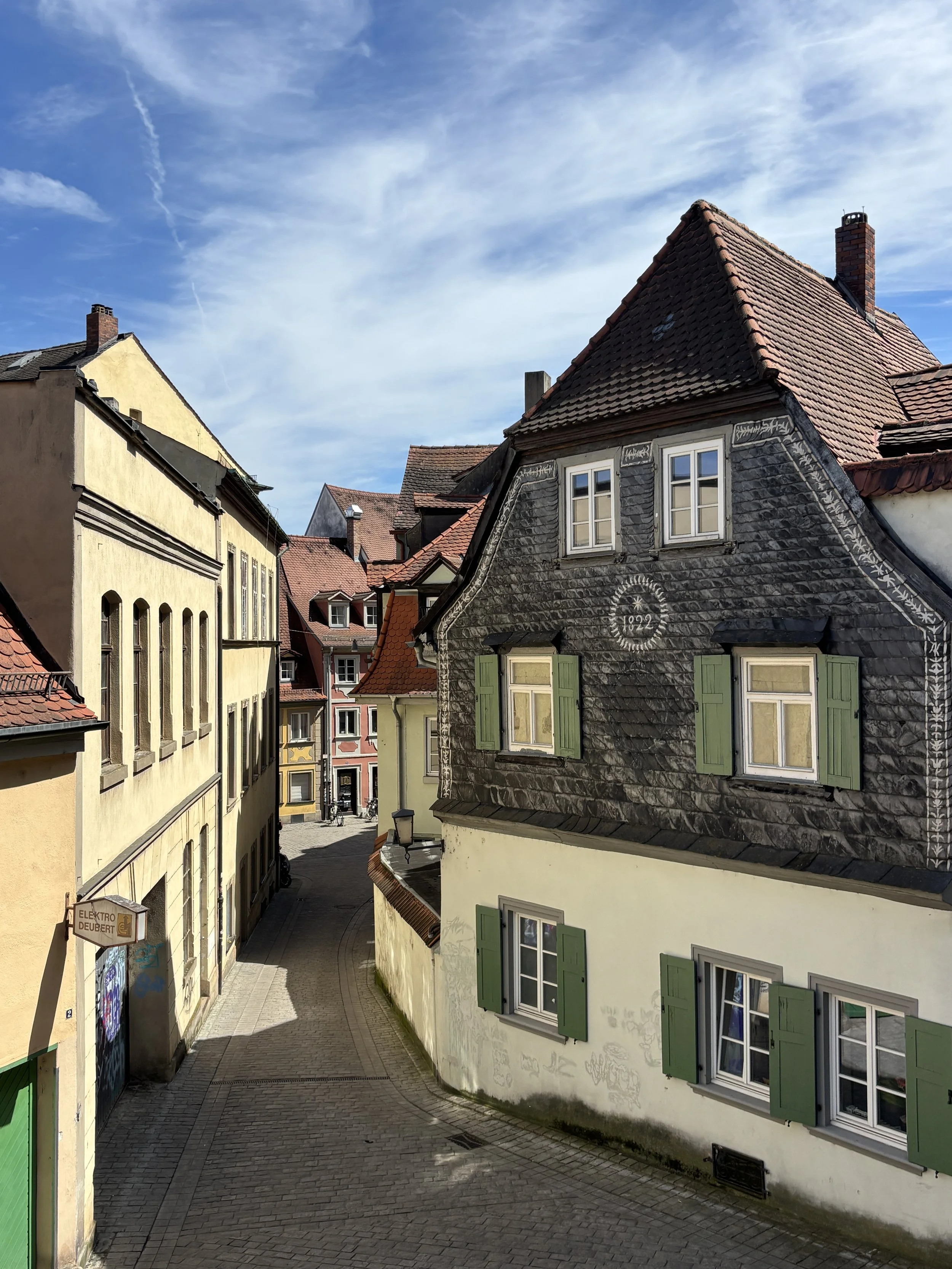
There are several other large churches of historical interest in Bamberg, such as Saint Jakob (a branch of the “Way of Saint James”, the famous pilgrimage route, passes apparently through Bamberg), Saint Stephan and the Parish Church of Our Lady (“Pfarrkirche Unsere Liebe Frau”). We only visited the latter of these, which is presided by a rather magnificent Baroque altar.
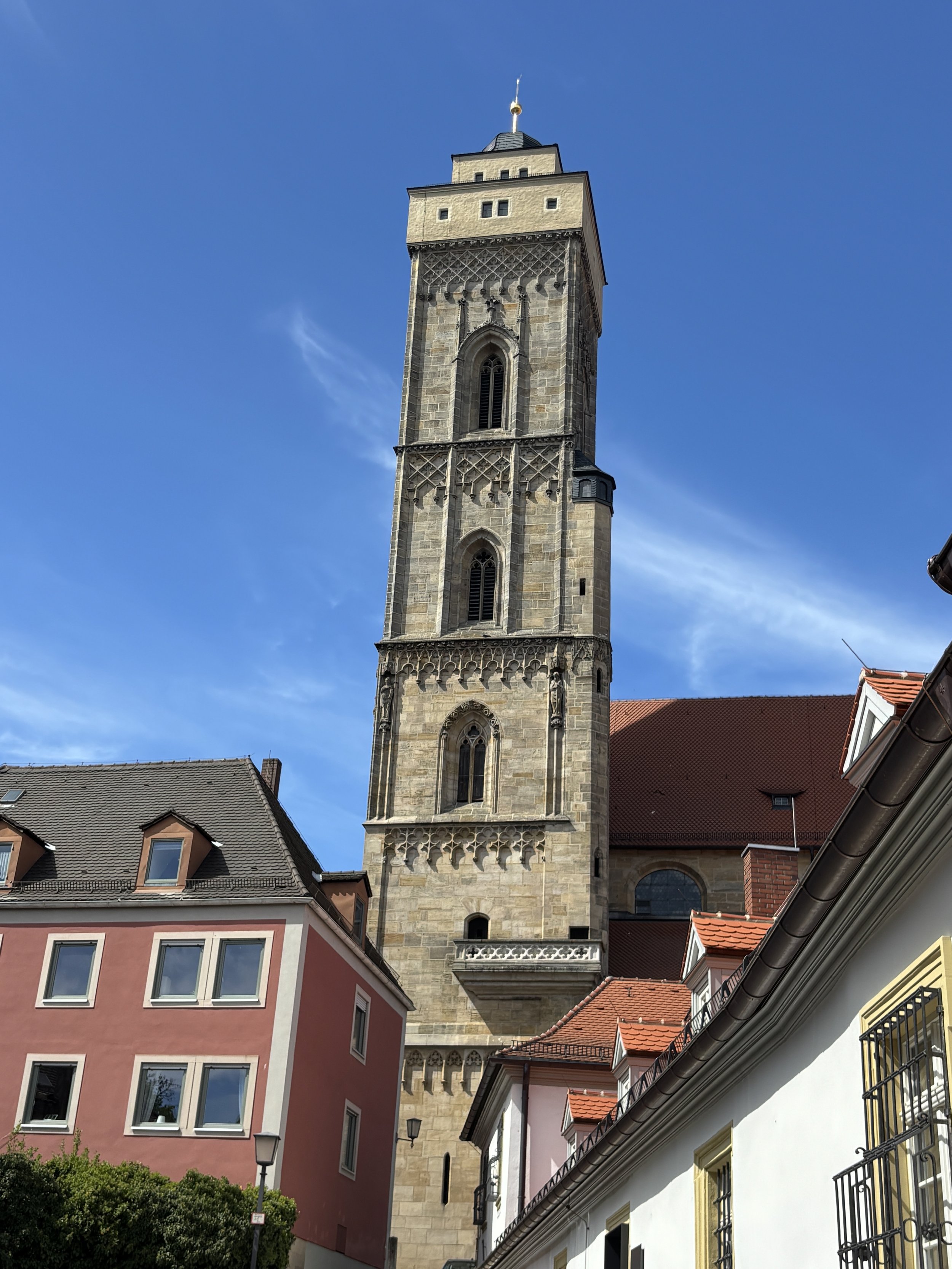
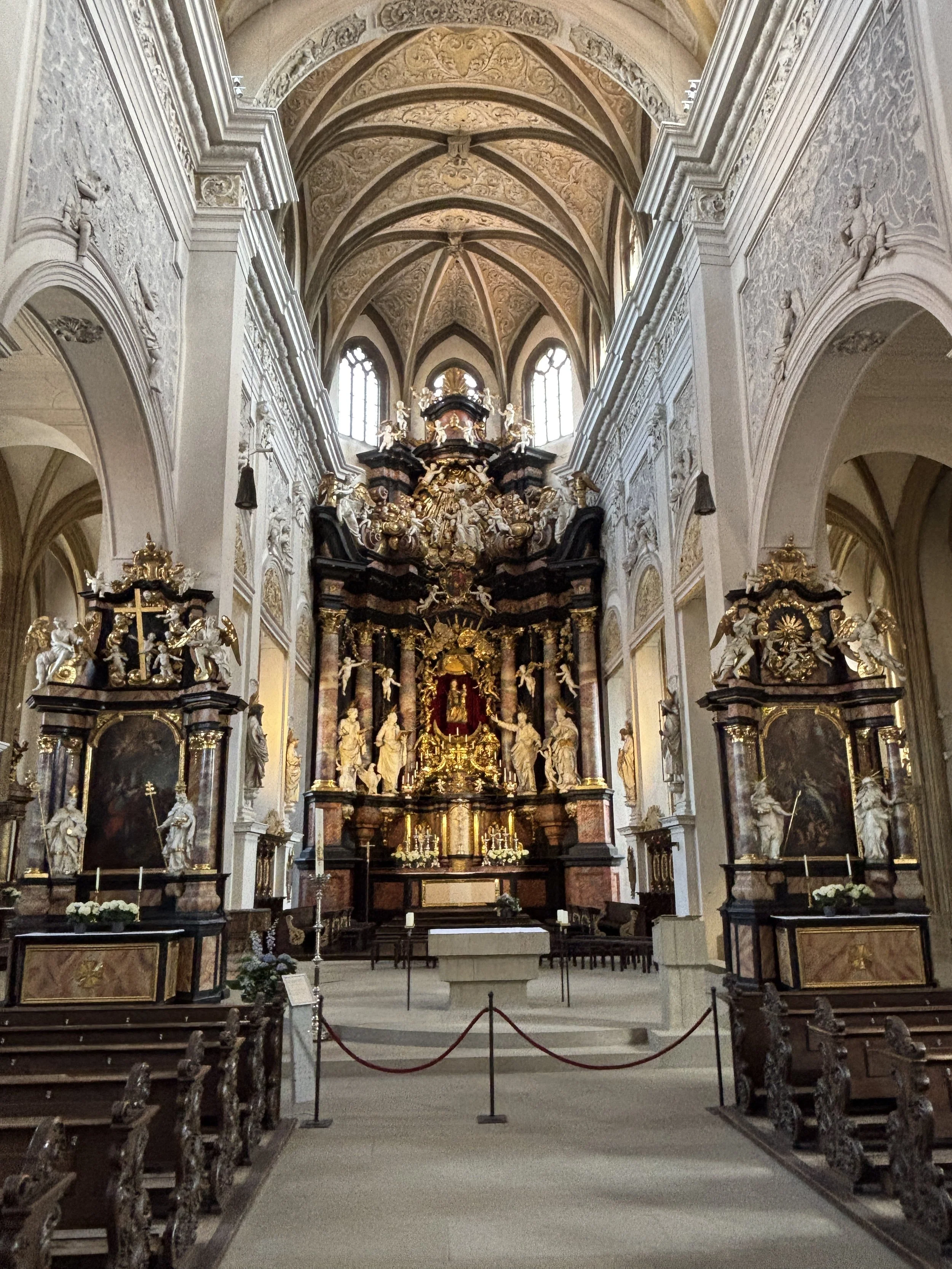
Where to eat in Bamberg
Schlenkerla Rauchbierbrauerei
Dominikanerstraße 6
96049 Bamberg
Bamberg is known for its smoked beer (Rauchbier) and no better place to taste it than its oldest and most renowned brewery, Schlenkerla.
This beer house was reportedly established in 1405 and it still produces smoked beer in the traditional way (using malt that has been dried over burning beechwood instead of hot air, a process which infuses the grain with a distinctive smokiness before fermentation). It is served in two versions: dark and light, with the latter being seasonal and available only in spring and summer.
So, if you wish to get the full Bamberg experience, make sure you stop by Schlenkerla to try it, even if you are not a regular beer drinker, as it is my case.
What’s more, since it is also a restaurant, you can have your beer together with another of the local specialities: stuffed onions (“Bamberger Zwiebel”). These are filled with pork meat and served with a side of mashed potato and gravy. It’s quite a filling dish!
By the way, the beer you see here is Schlenkerla’s Pale Lager, which is a special edition beer that the restaurant offers exclusively on “Beer Day”, April 23, and while supplies last. No smoked malt us used in its brewing process, however, it’s brewed in the same copper kettles and with the same yeast as the traditional “Rauchbier” in order to give it a slight smoky flavour.
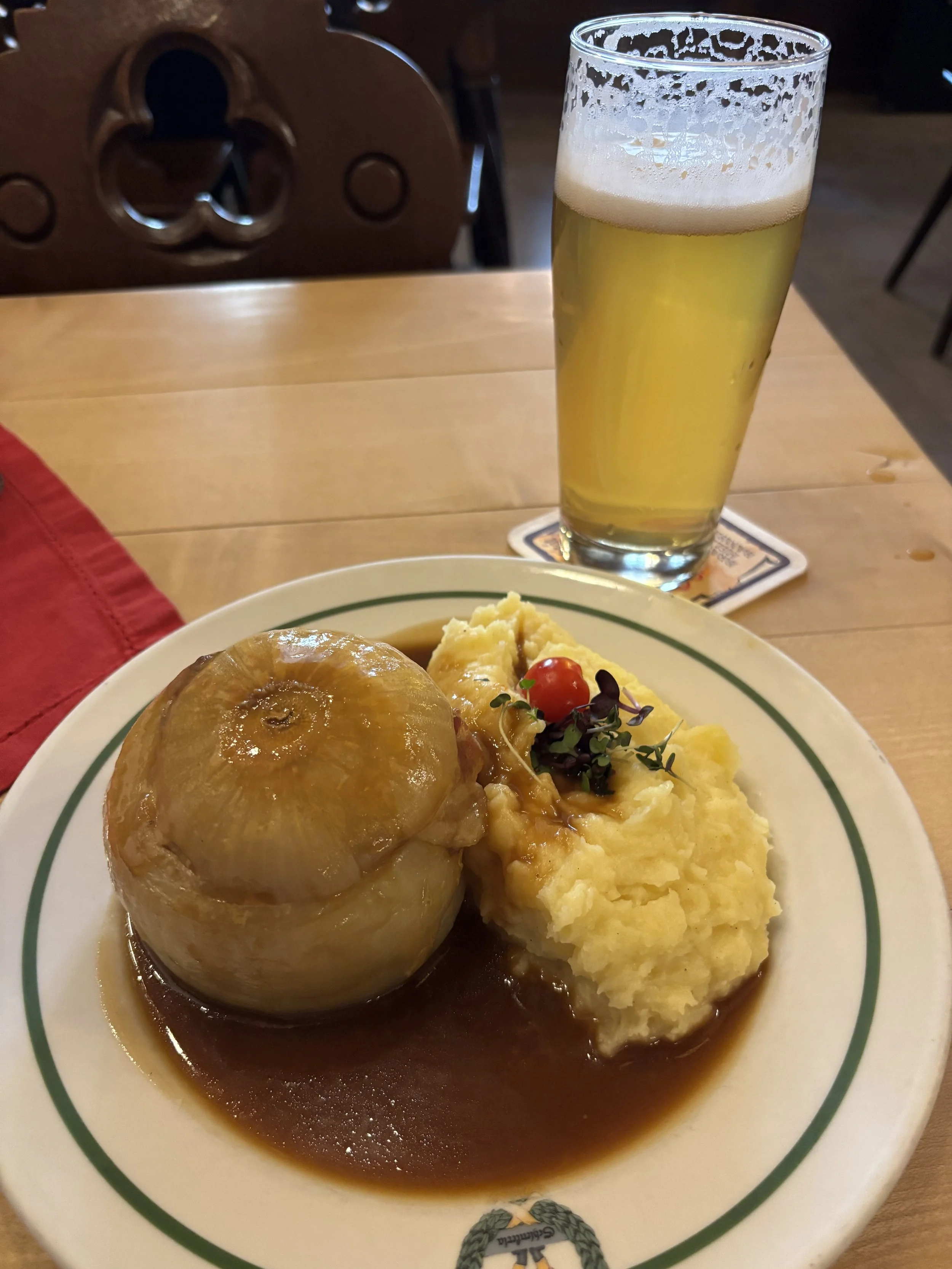
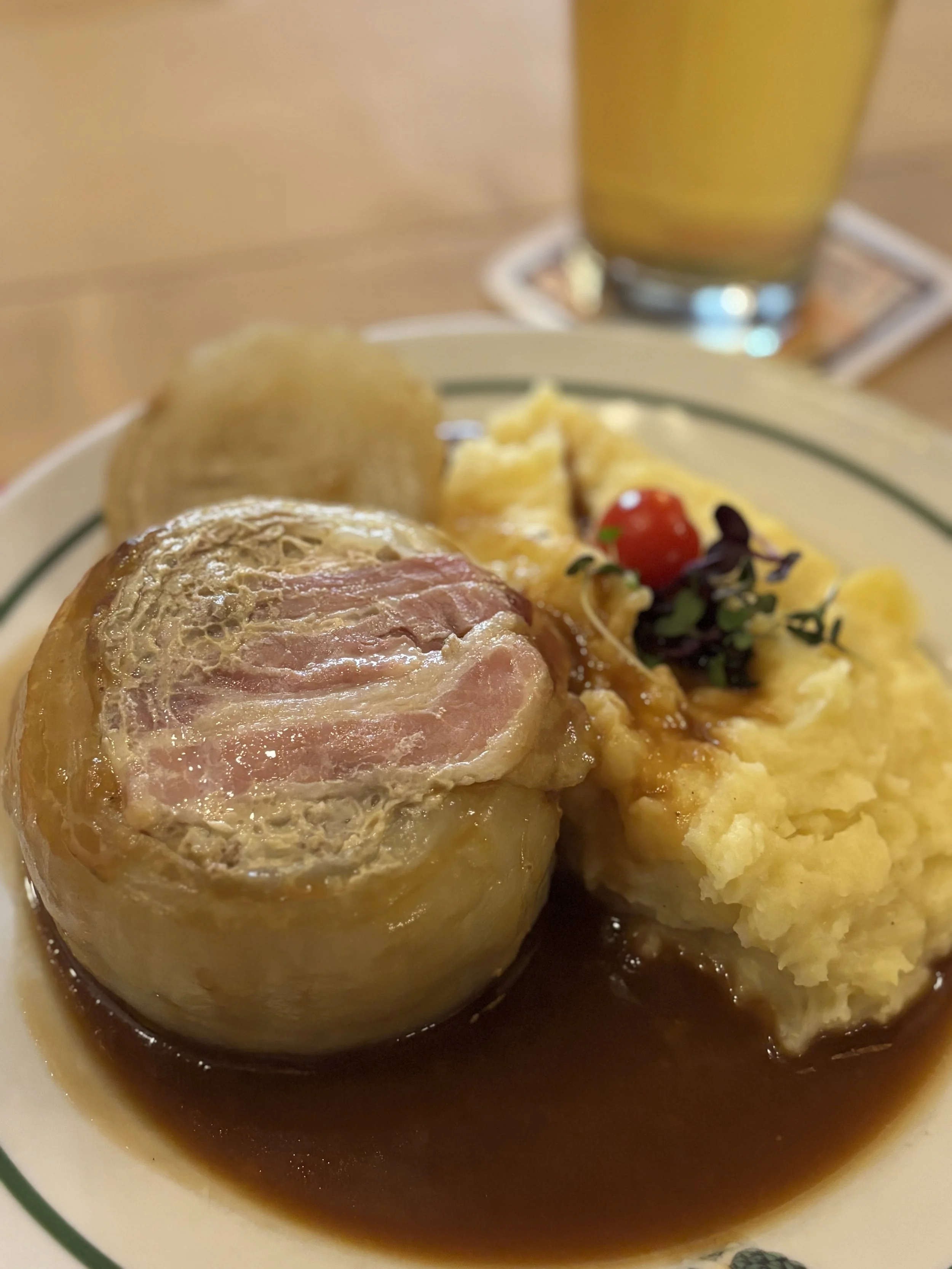
Grüner Markt and other Bamberg specialities
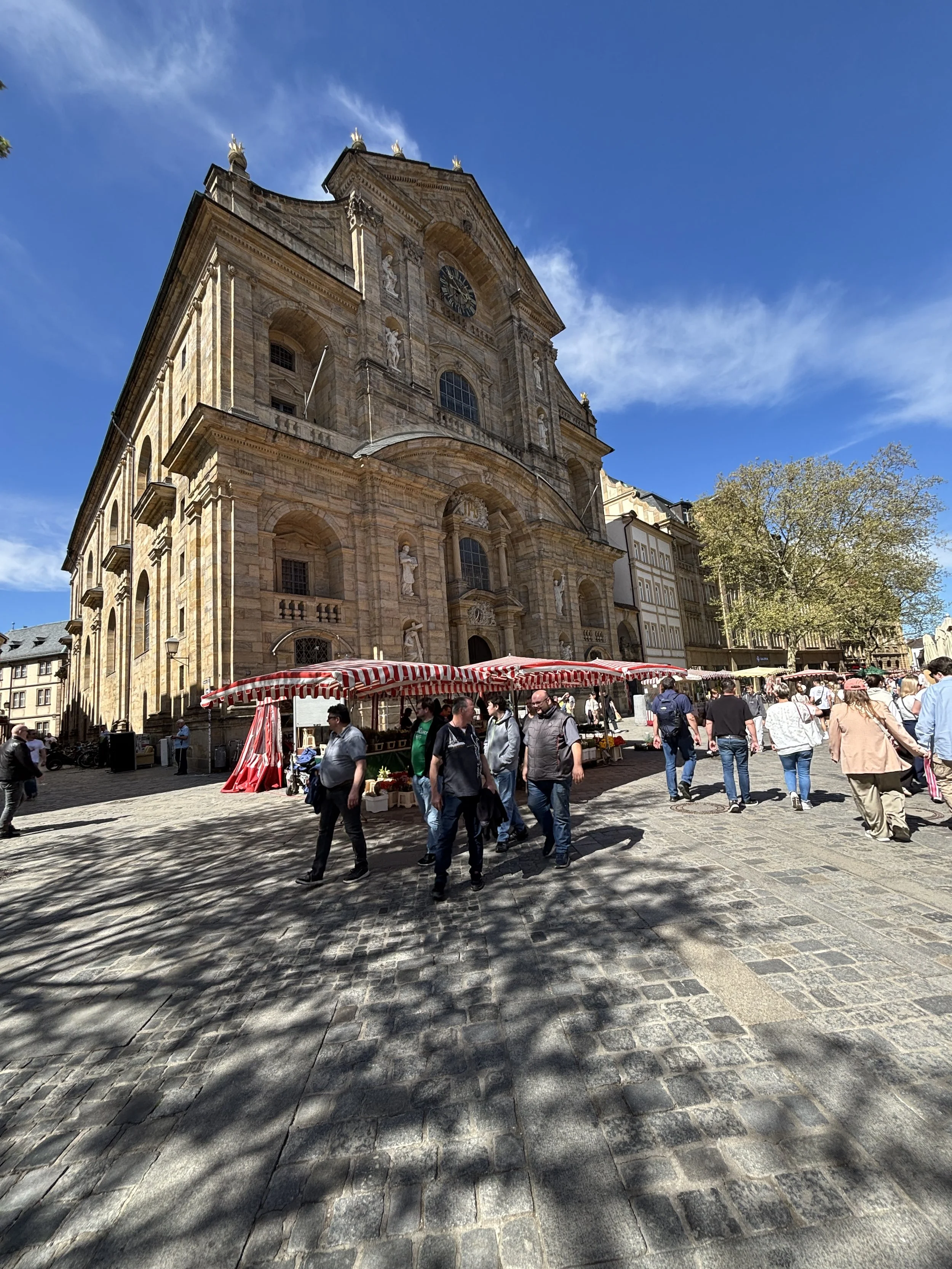
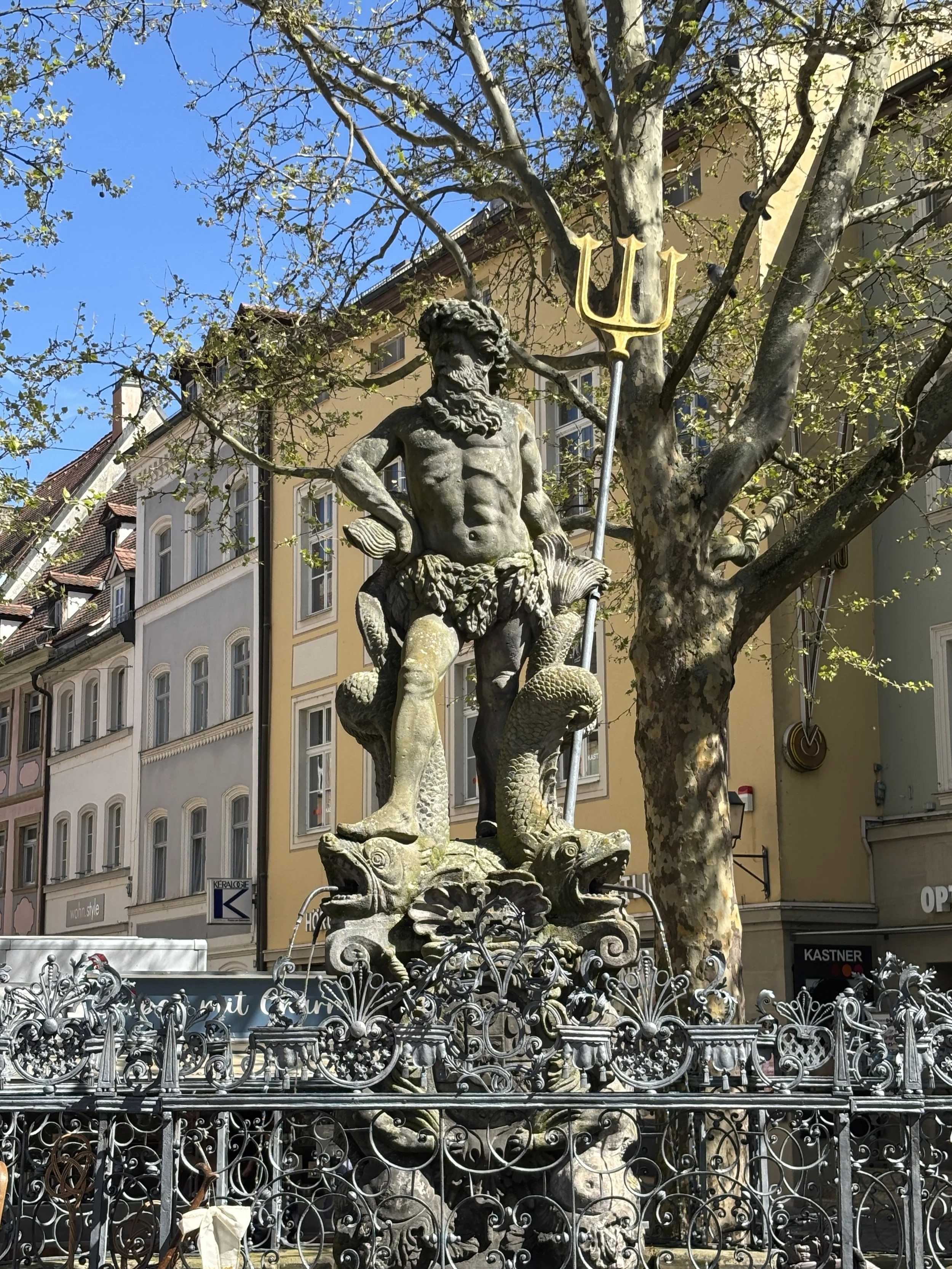
Bamberg’s downtown stretches onto the eastern bank of the Reignetz. And while this is still, technically, part of the old town, the streets here have a more modern feel, with Grüner Markt (“Vegetables Market”) and Maximilien Platz acting as buzzing commercial hubs of the city.
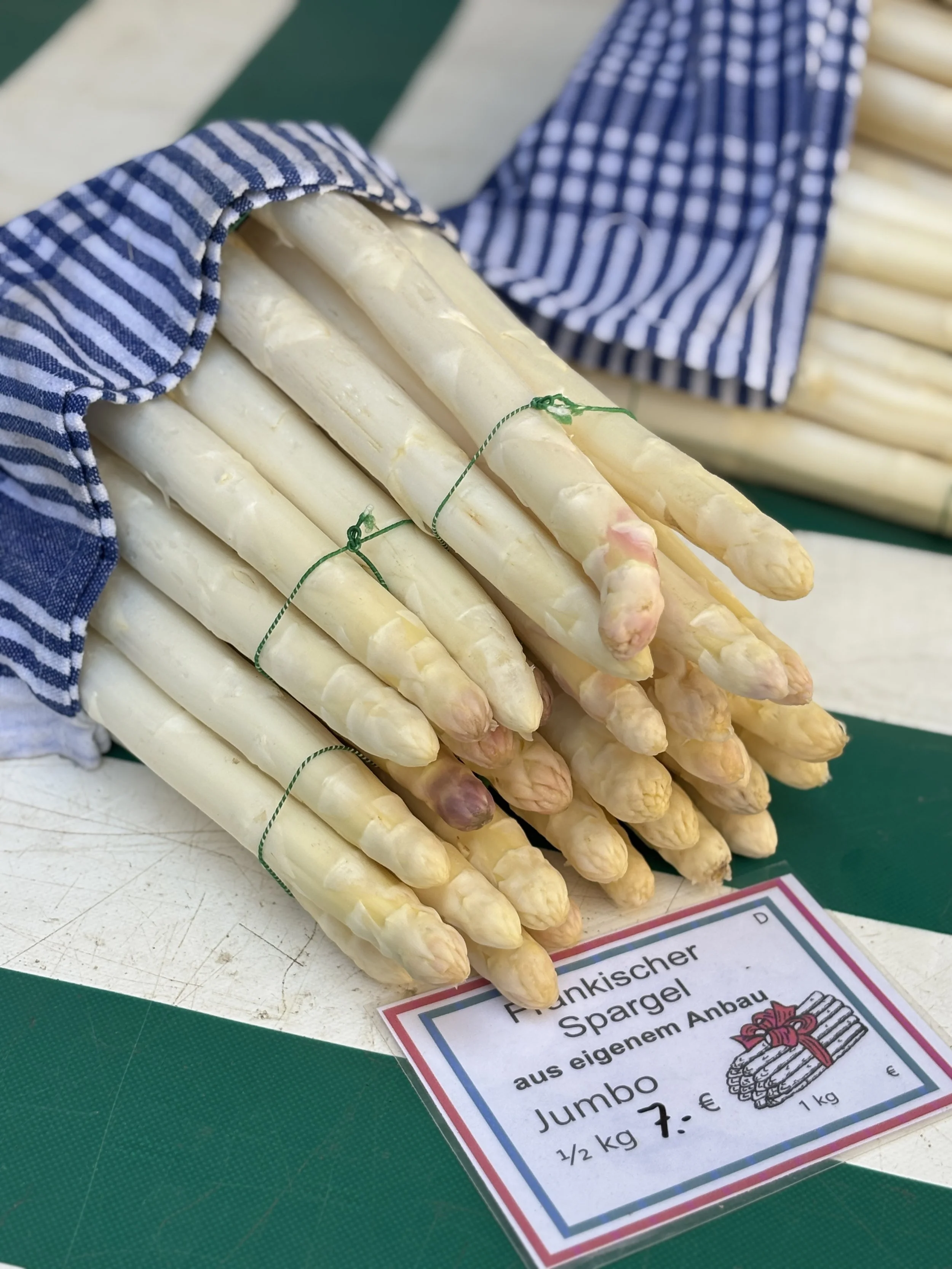
Grüner Markt, in particular, holds a street market for produce where it is possible to find some other local specialities, like the white aspargus and a special type of small crescent-shaped potatoes called “Bamberger Hörnla”.
Maximilien Platz (below), in turn, is the center of the city’s modern administration.
Yet another local speciality in Bamberg, this one in the bakery section, are the “Bamberg Hörnchen”, a type of croissants which are more curved than the regular ones and thinner at the center.
By the way, if you are into beer, before heading back to the station, you can stop at “Die Bierothek”, a shop where you can find specialty beer from Bamberg (including the famous smoked one) and the rest of Franconia (if you like beer, stay tuned for the next installment of this series, Forchheim, since it will feature plenty of it!).
If you enjoyed this post, check out the next stage of my Franconian trip: Forchheim and its underground beer cellars!
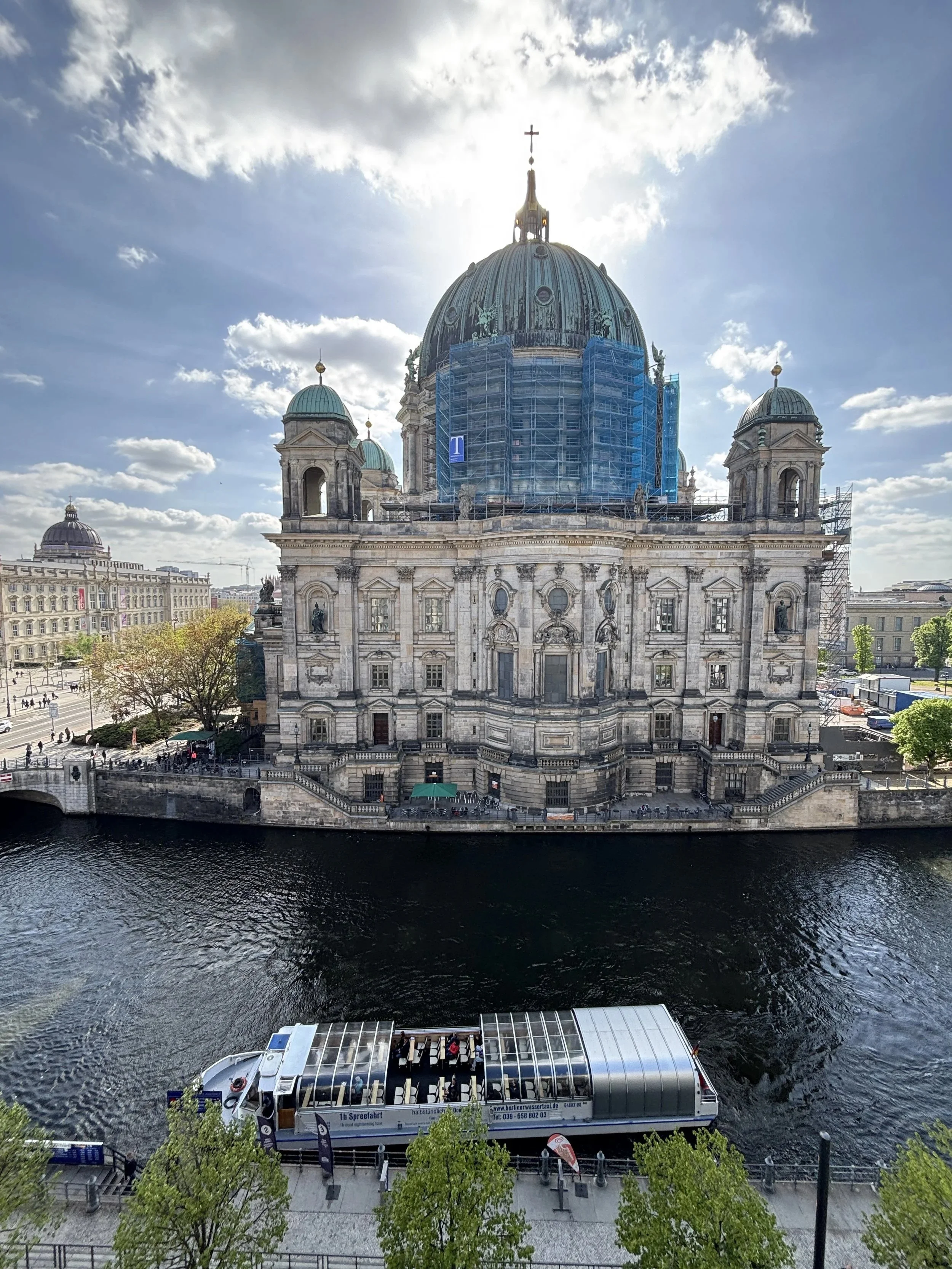
Two great unique hotels with character in Berlin
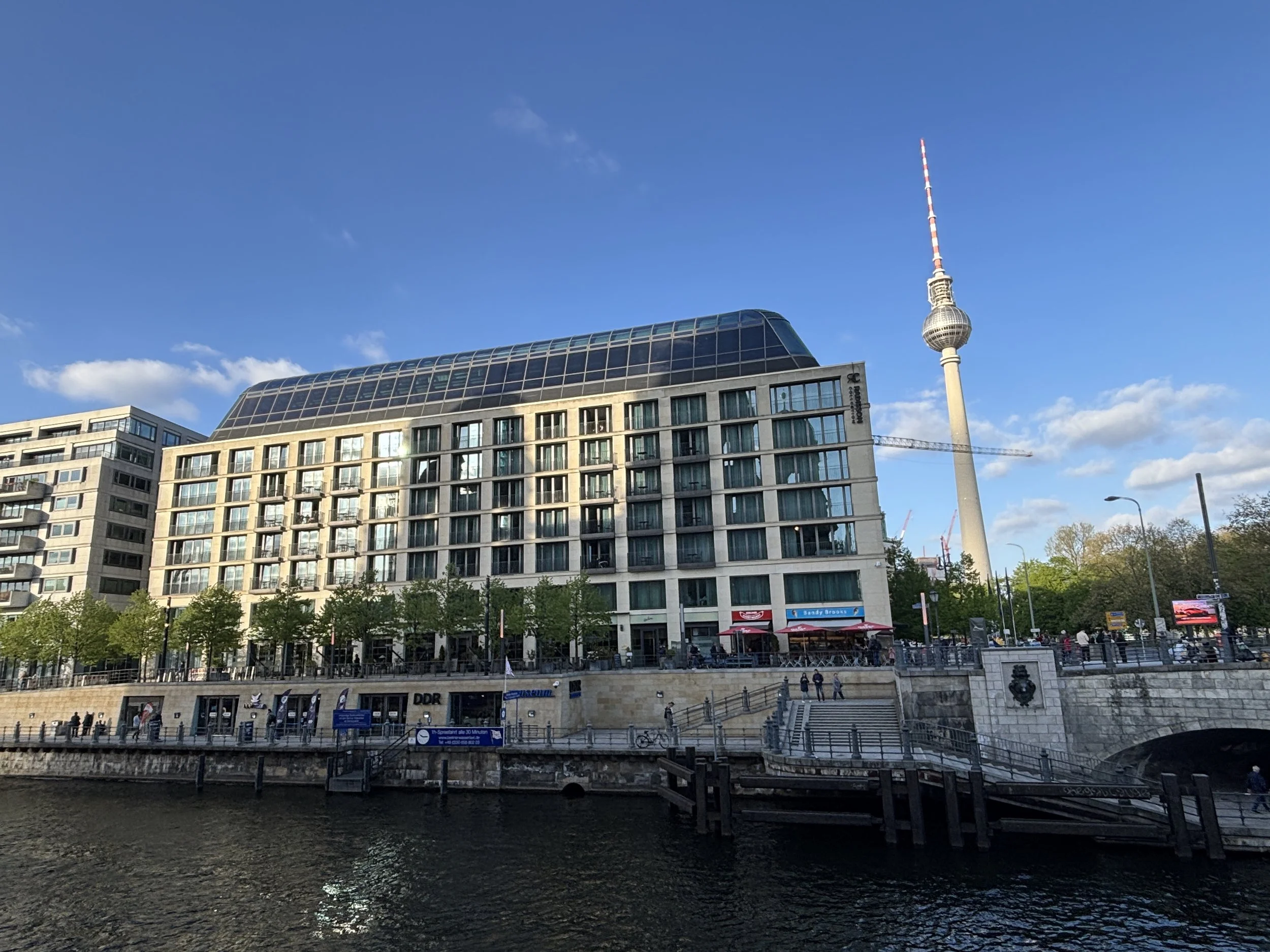
I have been traveling to Berlin quite a few times in the last few months and, for good or for bad, I have had a chance to stay at quite a few hotels all over the city. It is rare when to come across properties that really stand out, but every now and then I come across some true gems which I think it is worth sharing.
To be clear, this is not a post about Berlin’s main tourist attractions, there are plenty of other blogs that can provide that, but to share some details about what I think are two of the best options to stay in Berlin right now at price points that are, I think, not particularly extravagant for the typical business traveler.
A recent trip to the German capital offered me the chance to experience two greatly located hotels which I will proceed to describe next:
Radisson Collection Berlin
The PostHouse Berlin
This post may contain affiliate links. If you book or buy something through them, I earn a small commission, at no extra cost to you. It's one of the ways I keep Places of Charm going. Thank you for your support.
I would like to thank also Radisson for facilitating the stay at this specific property. All opinions are my own.
A review of the Radisson Collection Hotel Berlin
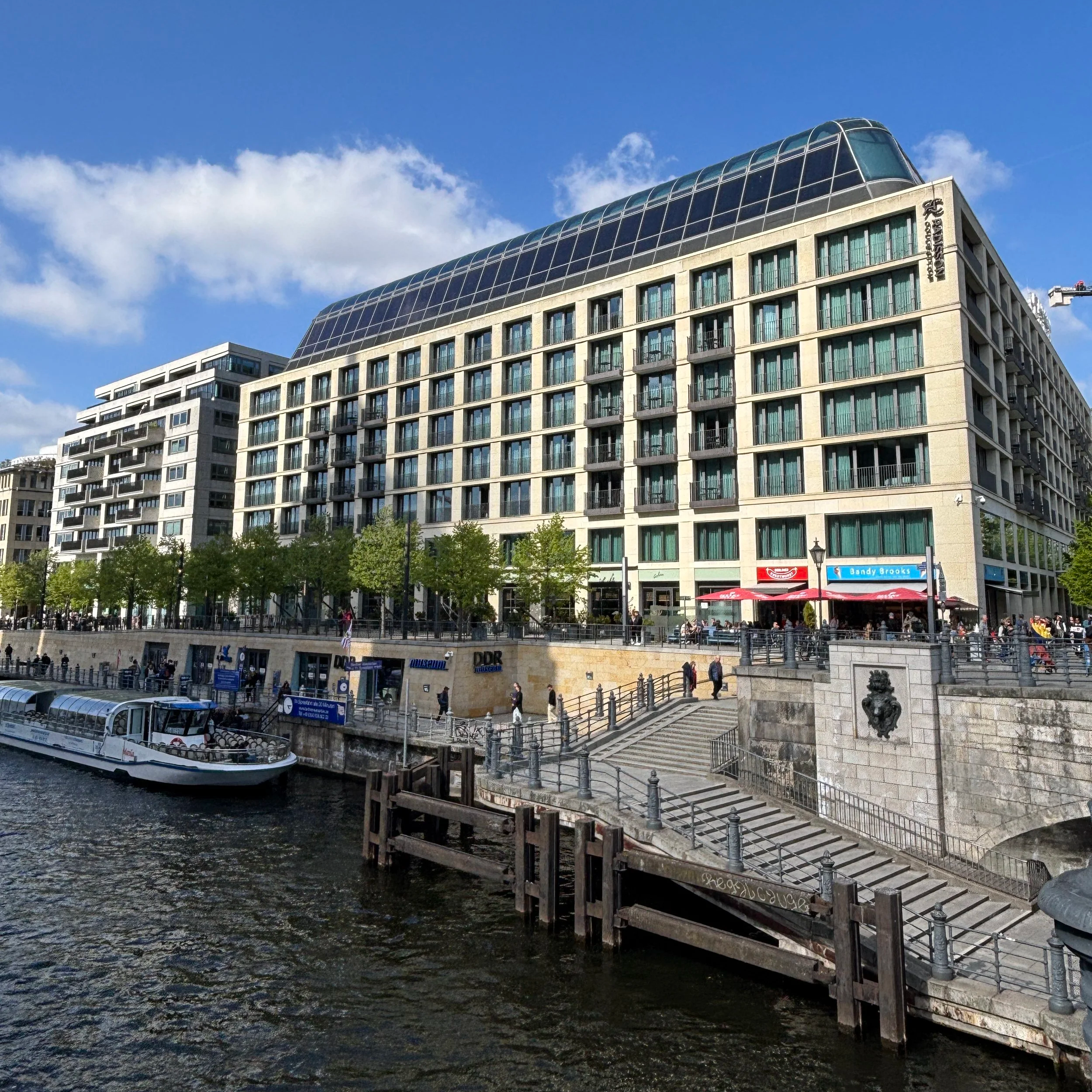
The Radisson Collection Hotel Berlin is truly a landmark hotel. It is located in what must be one of the most prime pieces of real estate of any hotel, of any category in Berlin, right on the banks of the river Spree, next to Museum Insel and the opposite the Berliner Dom.
The building itself is also quite remarkable, a compact and solid, building with a large indoor courtyard that is dominated by a rather impressive central structure that simulates a sort of giant tree.
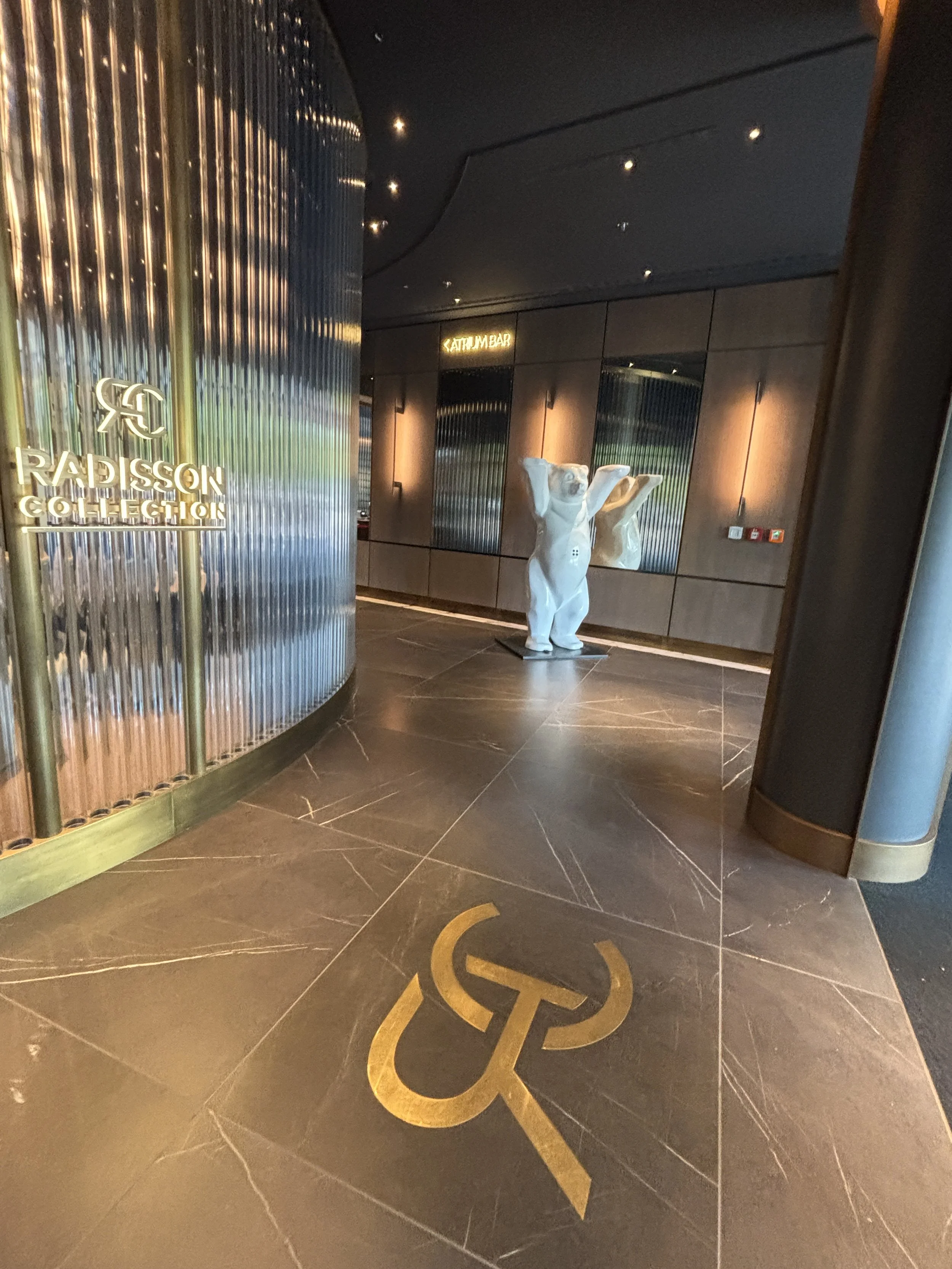
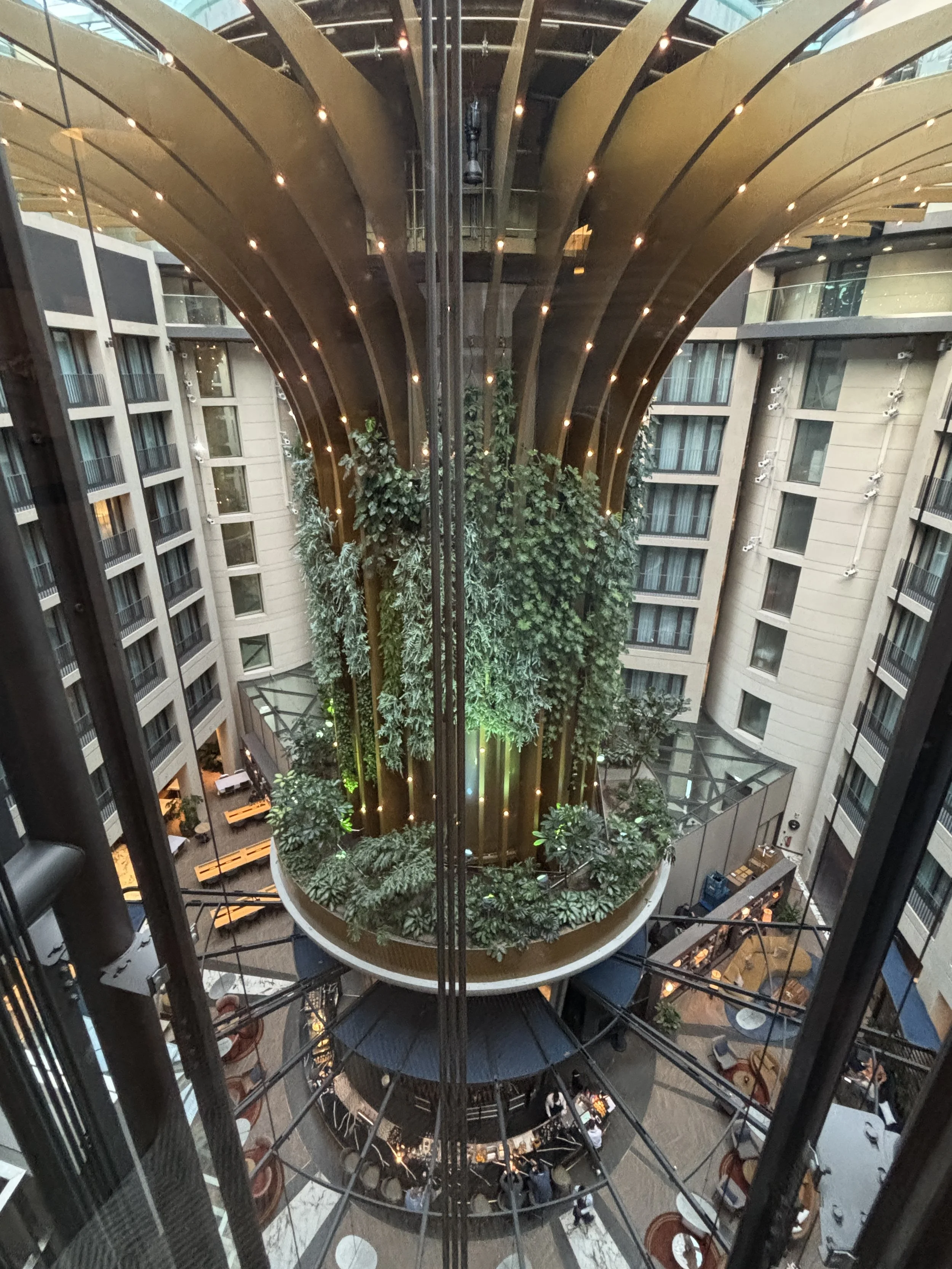
The overall aesthetic is modern and elegant throughout, but with a rather cozy vibe which is rather different to that of other more, let’s say, “classical” luxury establishments.
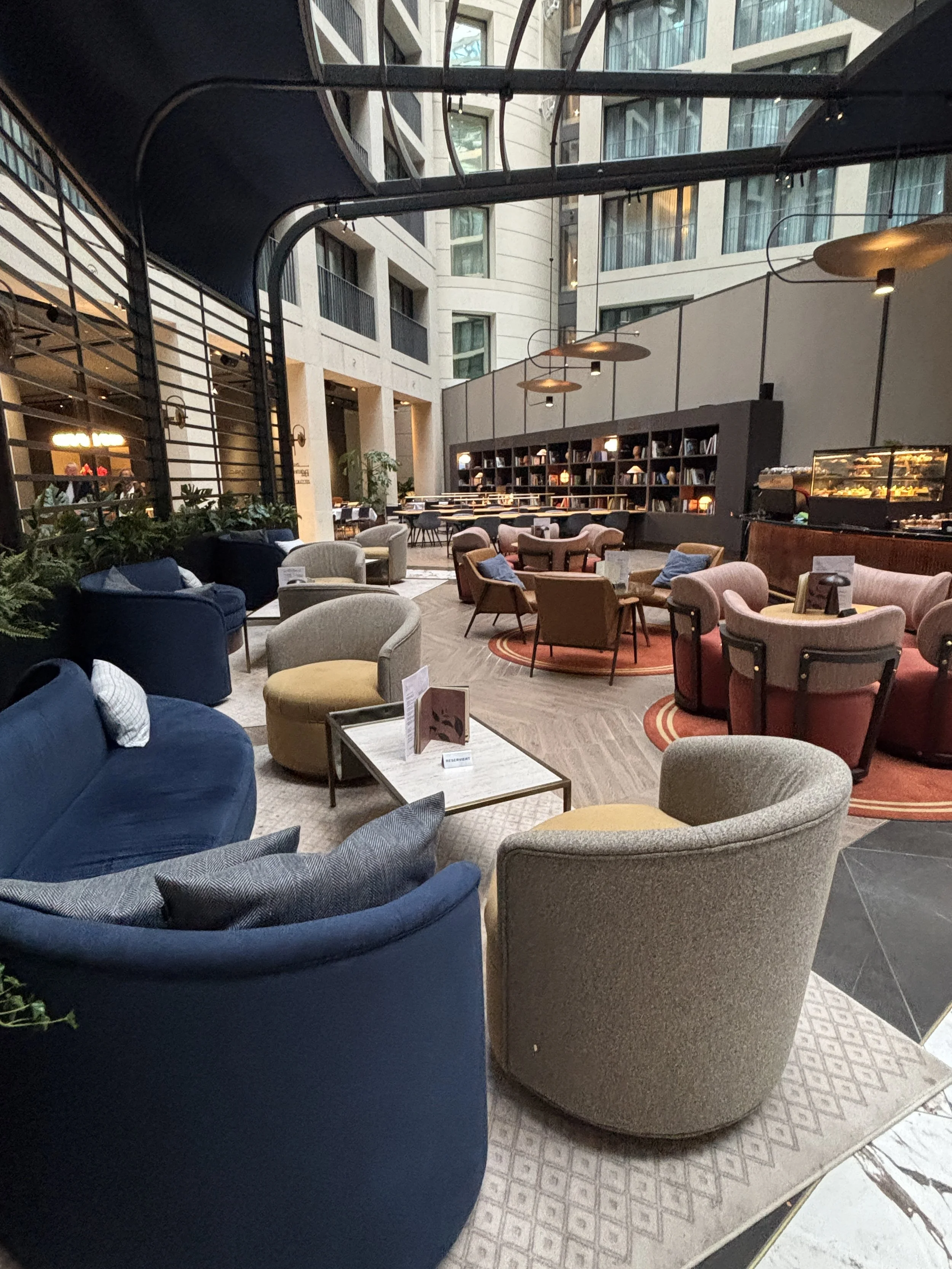
In fact, all around the aforementioned central trunk, in the lobby area is a mixed bar/restaurant-library/reading room-workspace area, complete with a fully stocked library (interestingly, with what appears to be a rather large Scandinavian book section, which possibly reflects Radisson’s own roots!)
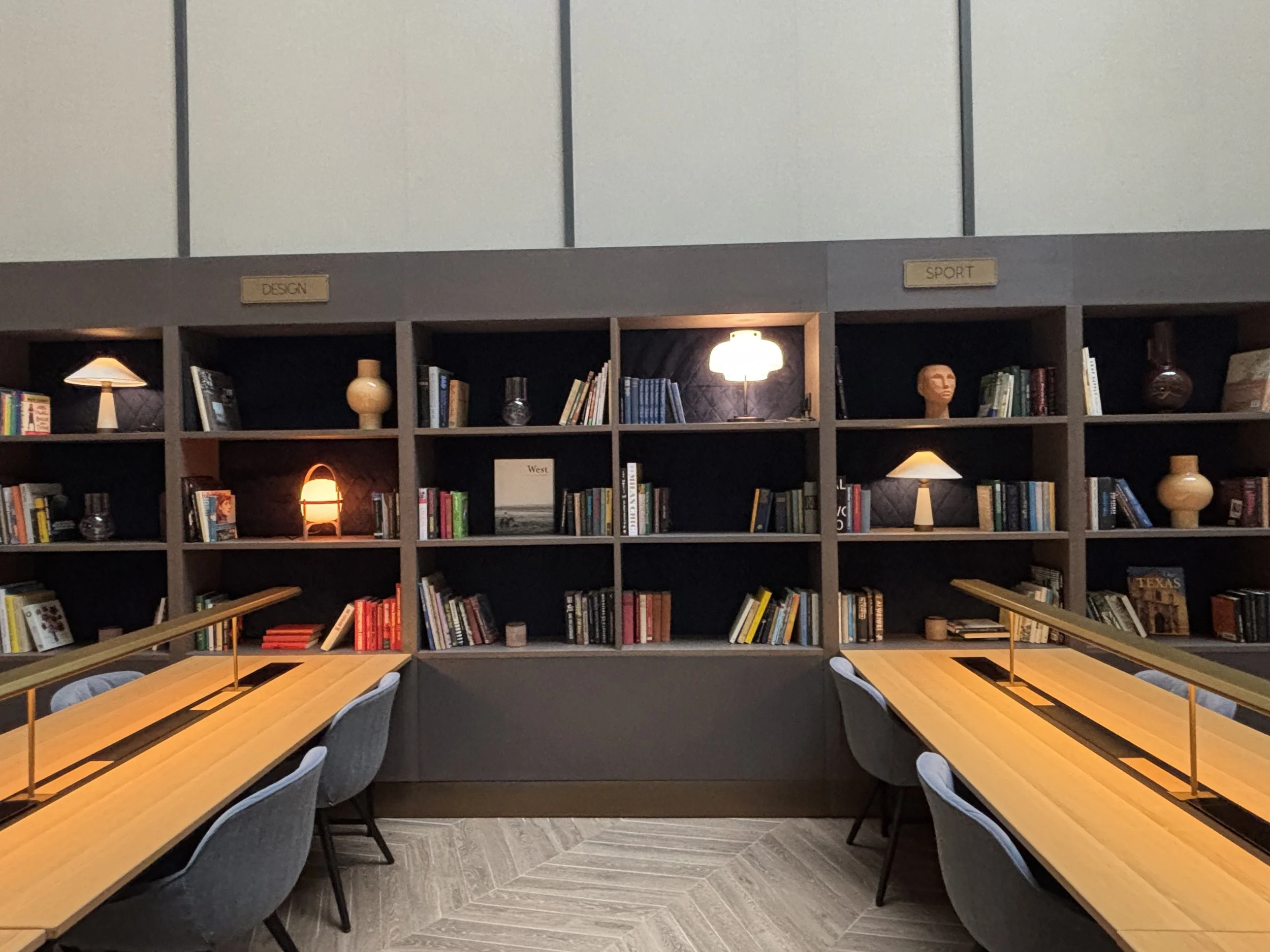
This somehow round floor plan makes it possible for all these different areas of the lobby to be conveniently compartimentalized while remaining within the same open plan. The reception area is also somehow segregated from this more innerpart (albeit still public) area of the hotel.
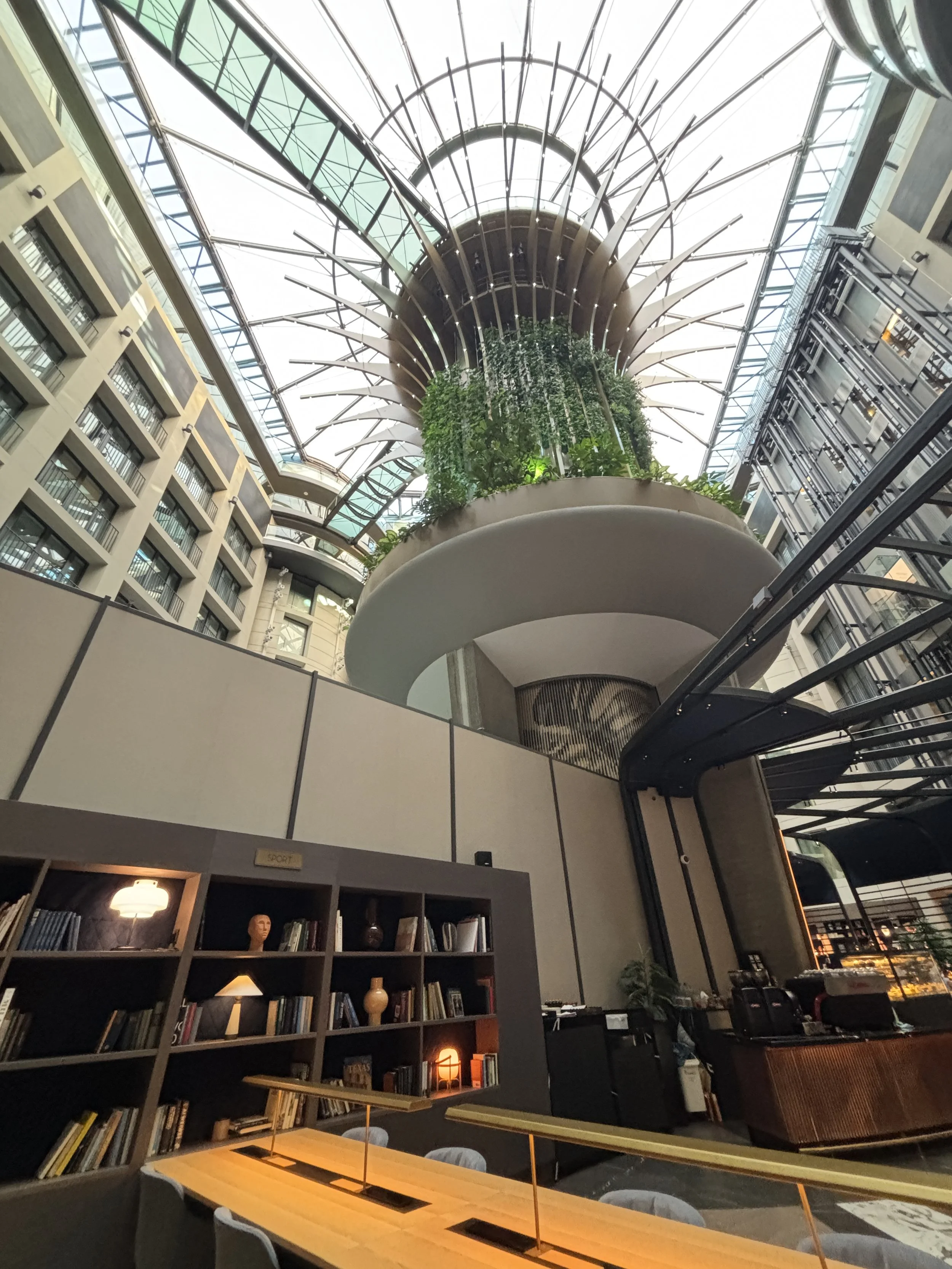
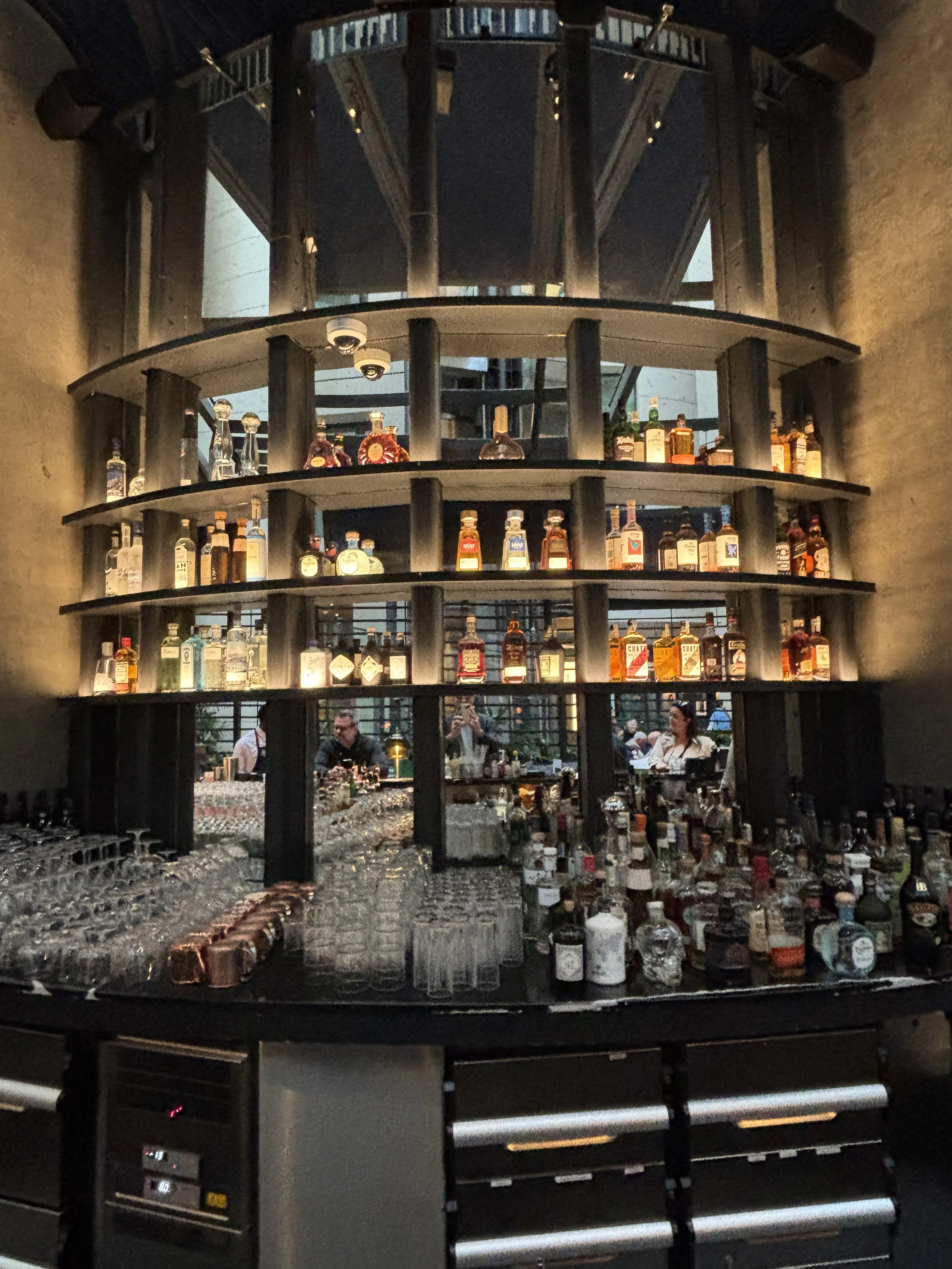
Access to the rooms is through the glass lifts which make for quite a scenic up and down the building. Access to each of the floors is also rather grand, with a large open space in a rather modern and harmonious style, including the colour palette, and local touches of decor.
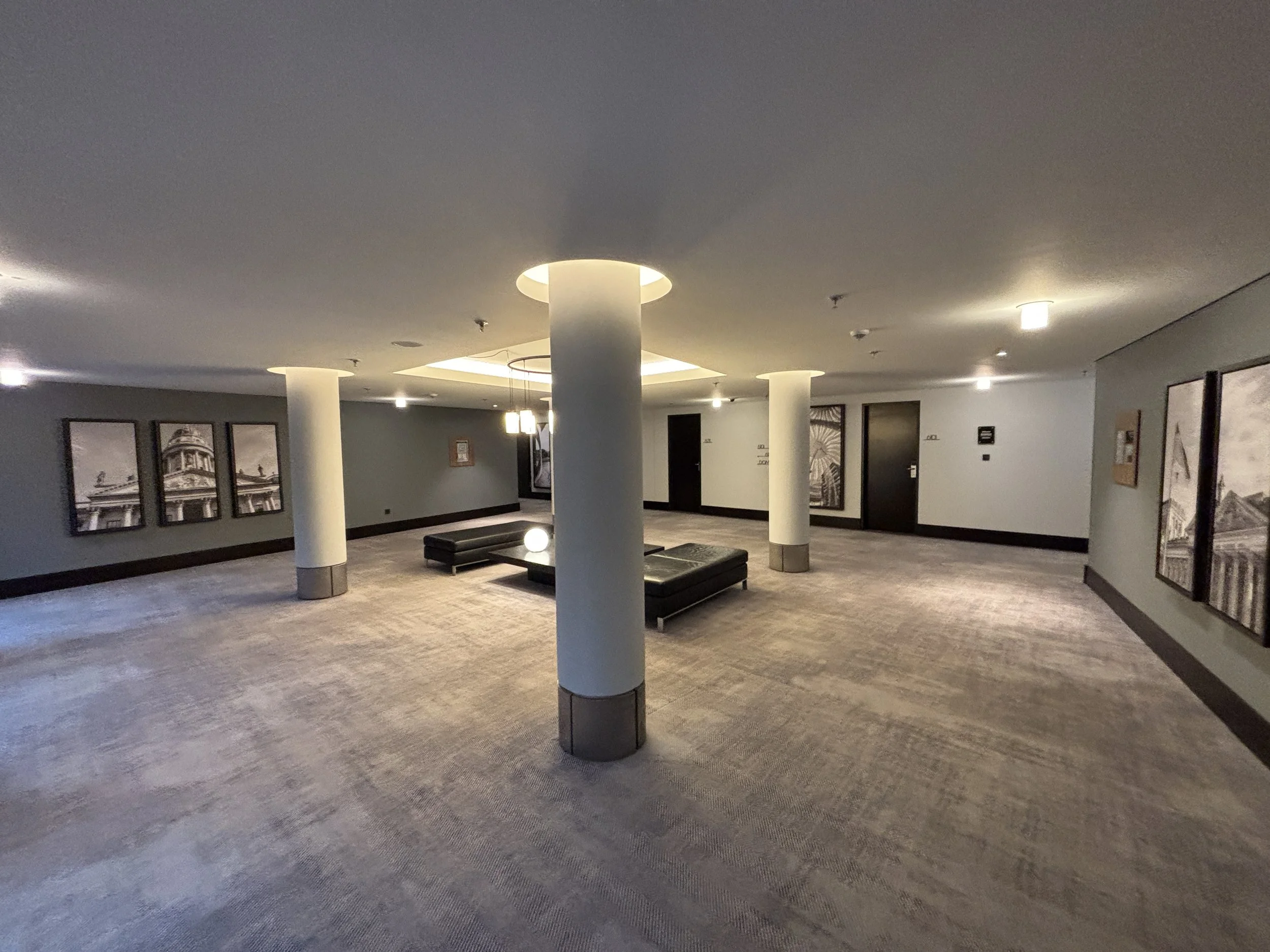
The rooms at the Radisson Collection Berlin
As you may have already guessed, the rooms follow more or less the same contemporary style and no-nonsense approach to comfort. In this case, my room, located on Floor 11 (one of the highest) west side had also a special “surprise” that I will soon disclose, further down this post.
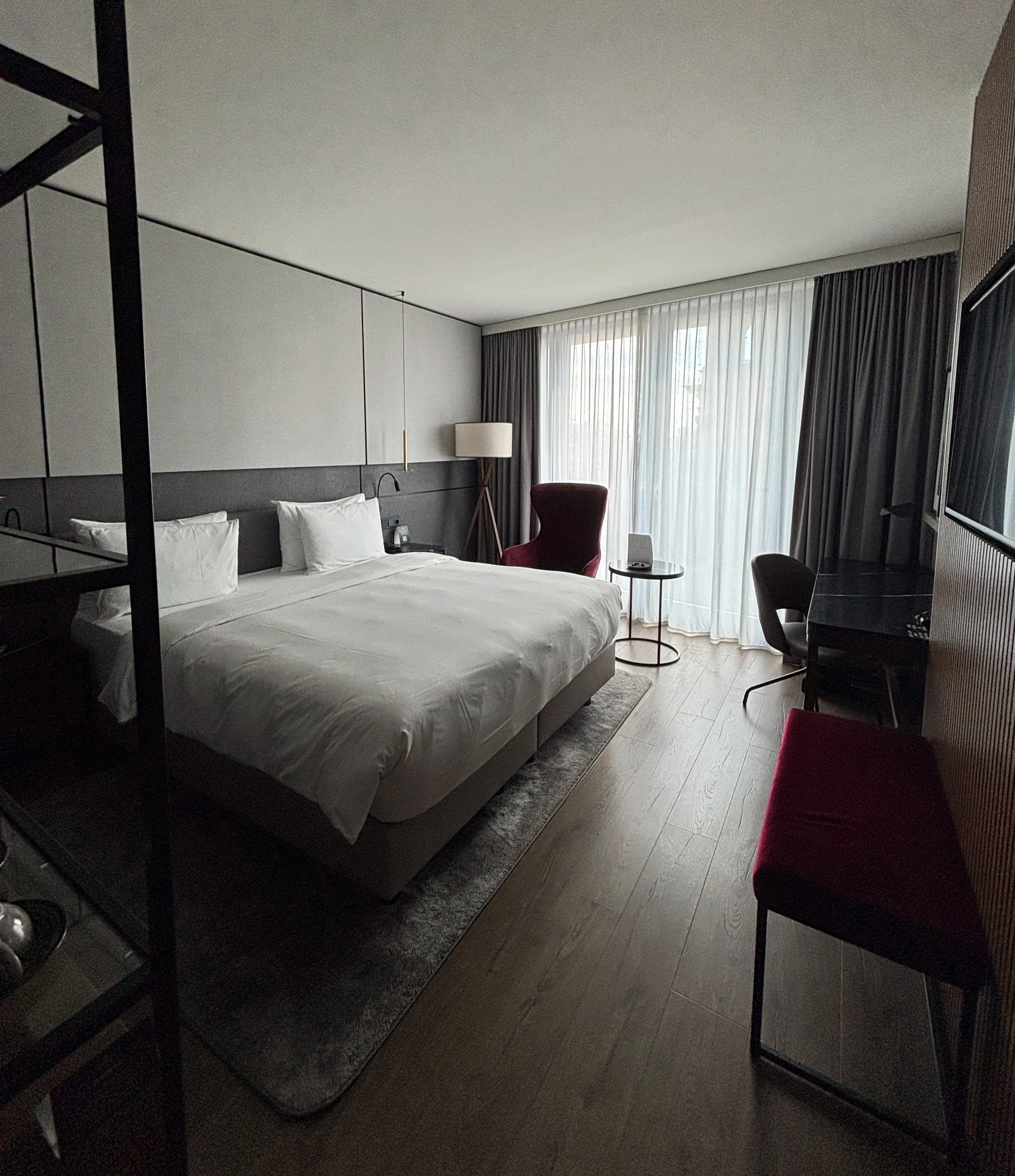
As you can see, the rooms have wooden flooring (another Scandi design touch), which I tend to prefer.
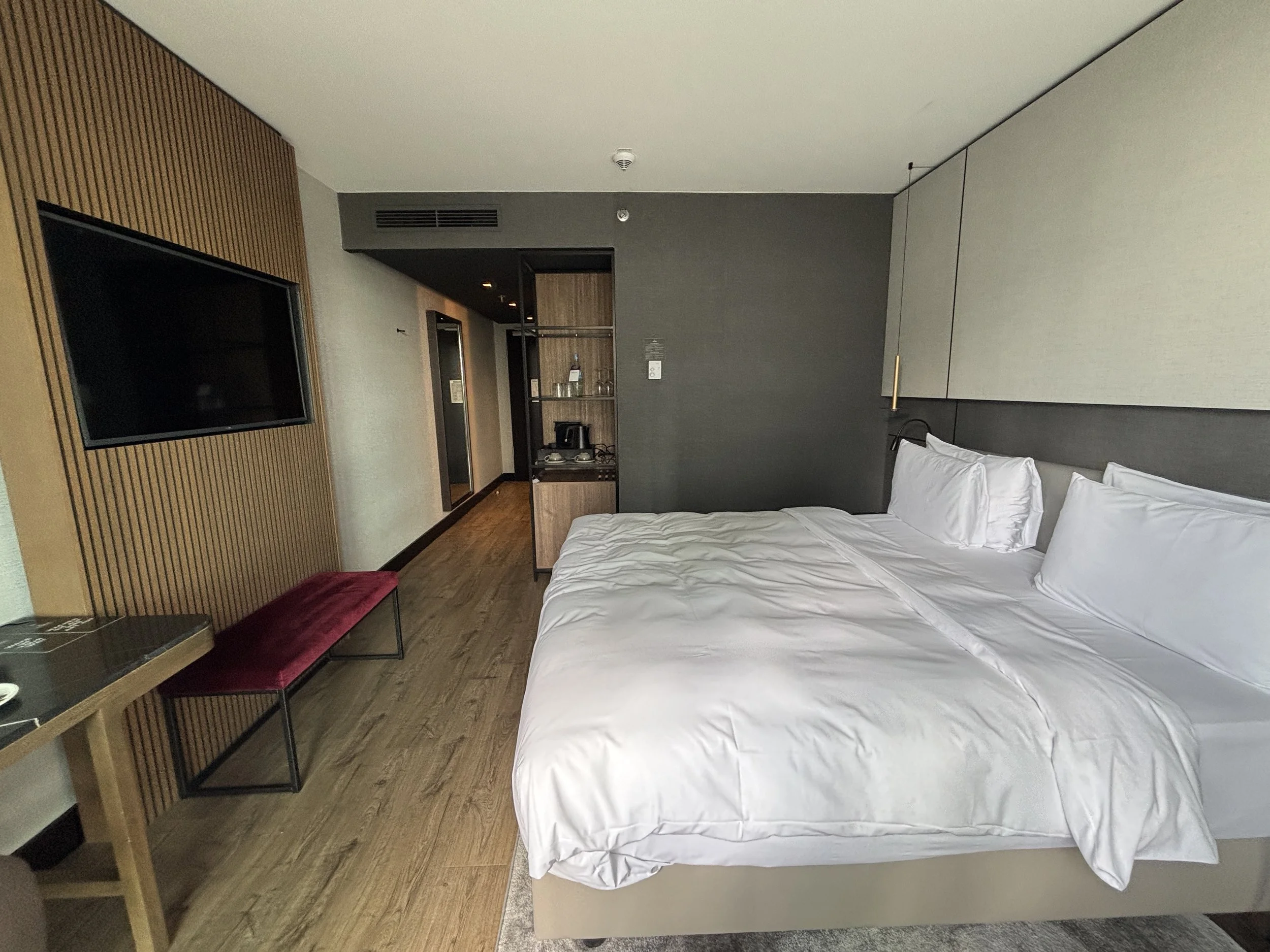
A few other details I liked about the room: note the large amount of storage space, both for luggage and also to layout clothes and personal items. Also, as is the norm in this category of establishment, there’s a coffee machine and some mineral water waiting for the guest.
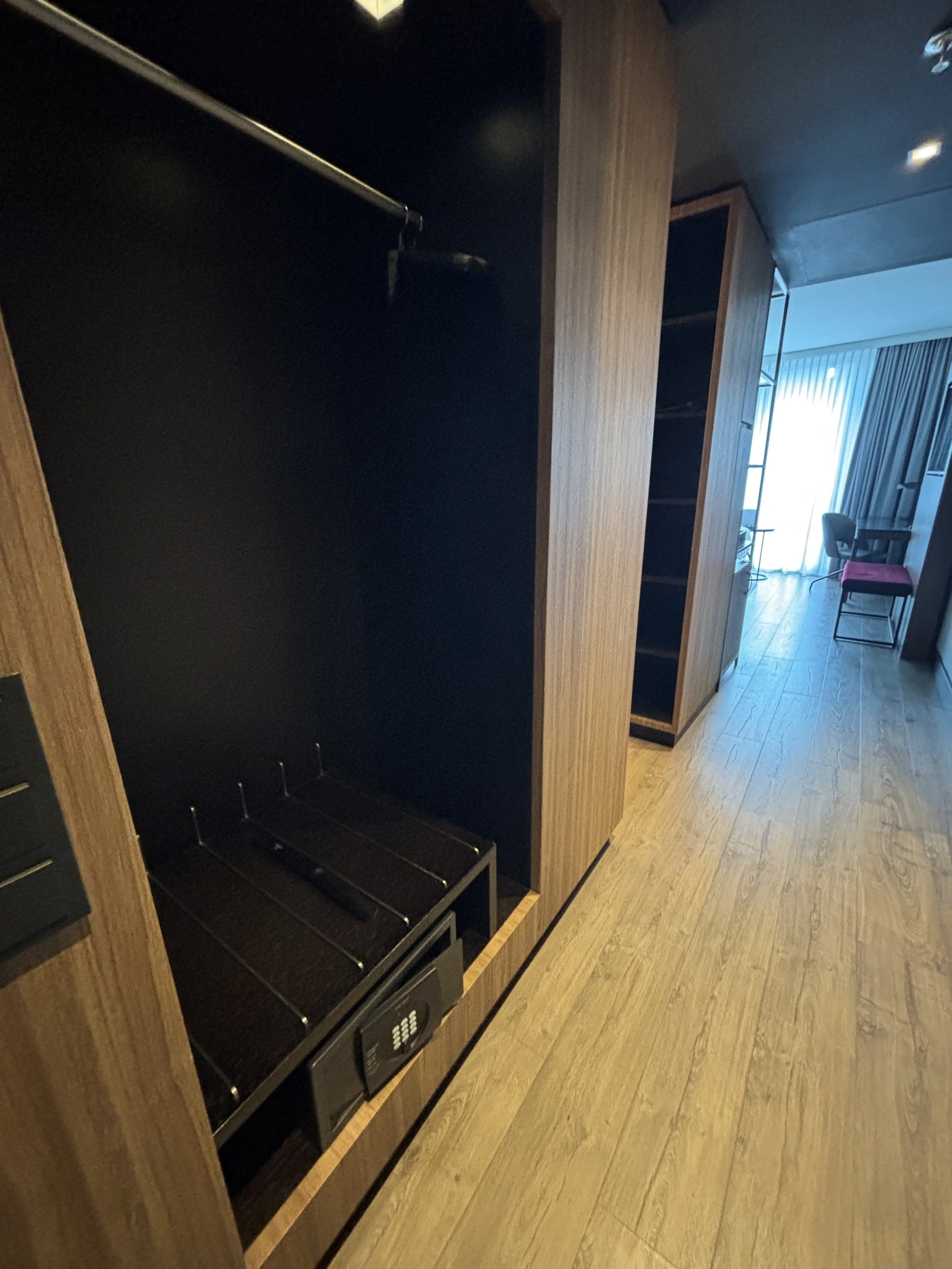
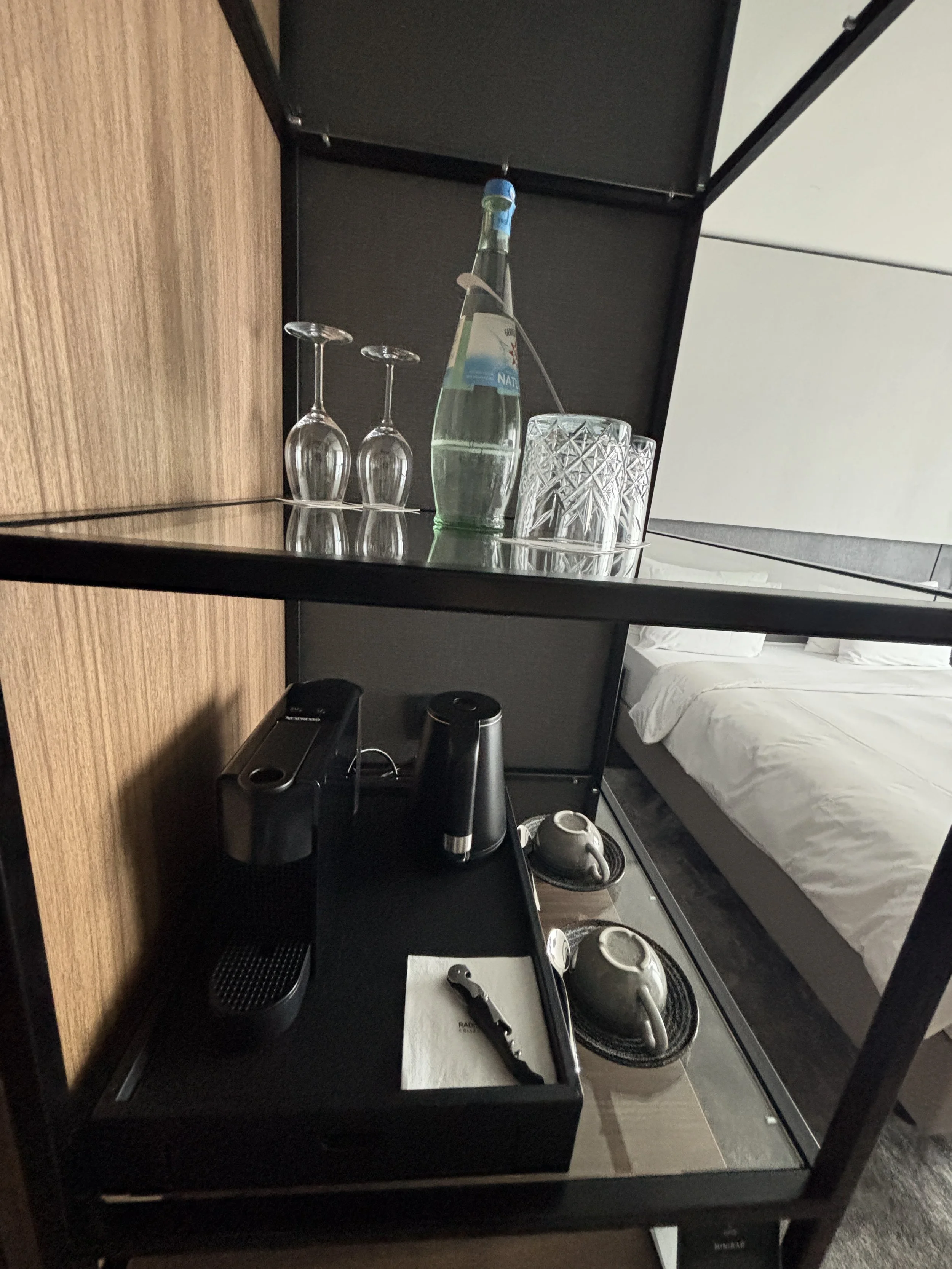
The two-piece bathroom is also pretty impressive: very modern throughout and with a power shower. Bathrobes are also provided, since the hotel, as we shall soon see further down this post, has also a small indoor pool and a spa area.
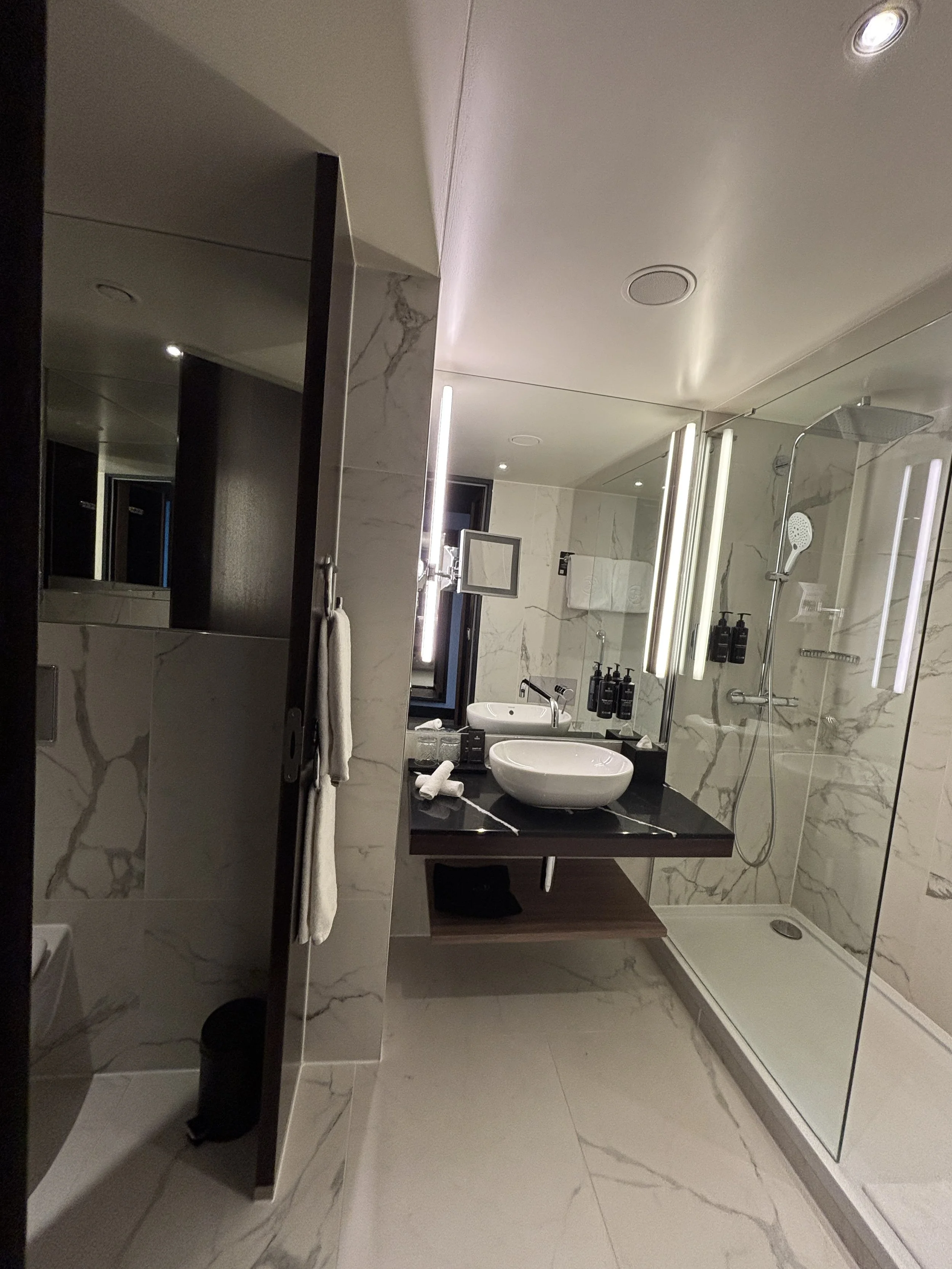
The hotel offers also a whole range of additional ancillary services, from a choice of different pillow types to laundry, all through the electronic console which is accessible through the room’s work desk.
Best hotel room views in Berlin?
And now, the “surprise” that I mentioned earlier, because if this was an Instagram account, the moment of opening the room’s small balcony would be the time to do that typical influencer gesture of covering your mouth with the palm of your hand, in awe of the sights! The picture below is the unfiltered picture of what I could see from my room. Does it get better than this in Berlin?
And, for good measure, this is the view from the bed itself! That’s what I would call a central location!
Btw, in this picture you can appreciate the little balcony, which makes it easy to enjoy the views in full, since you can actually open the doors, a particularly suitable feature during the Berlin spring and summer when the weather can be quite balmy in the German capital! Btw, when that’s the case, you can just spend the afternoon watching the boats on the river Spree pass just underneath your balcony.
Also in the room is a work desk: the right size for the traveling professional and with plenty of natural light, as you can see!
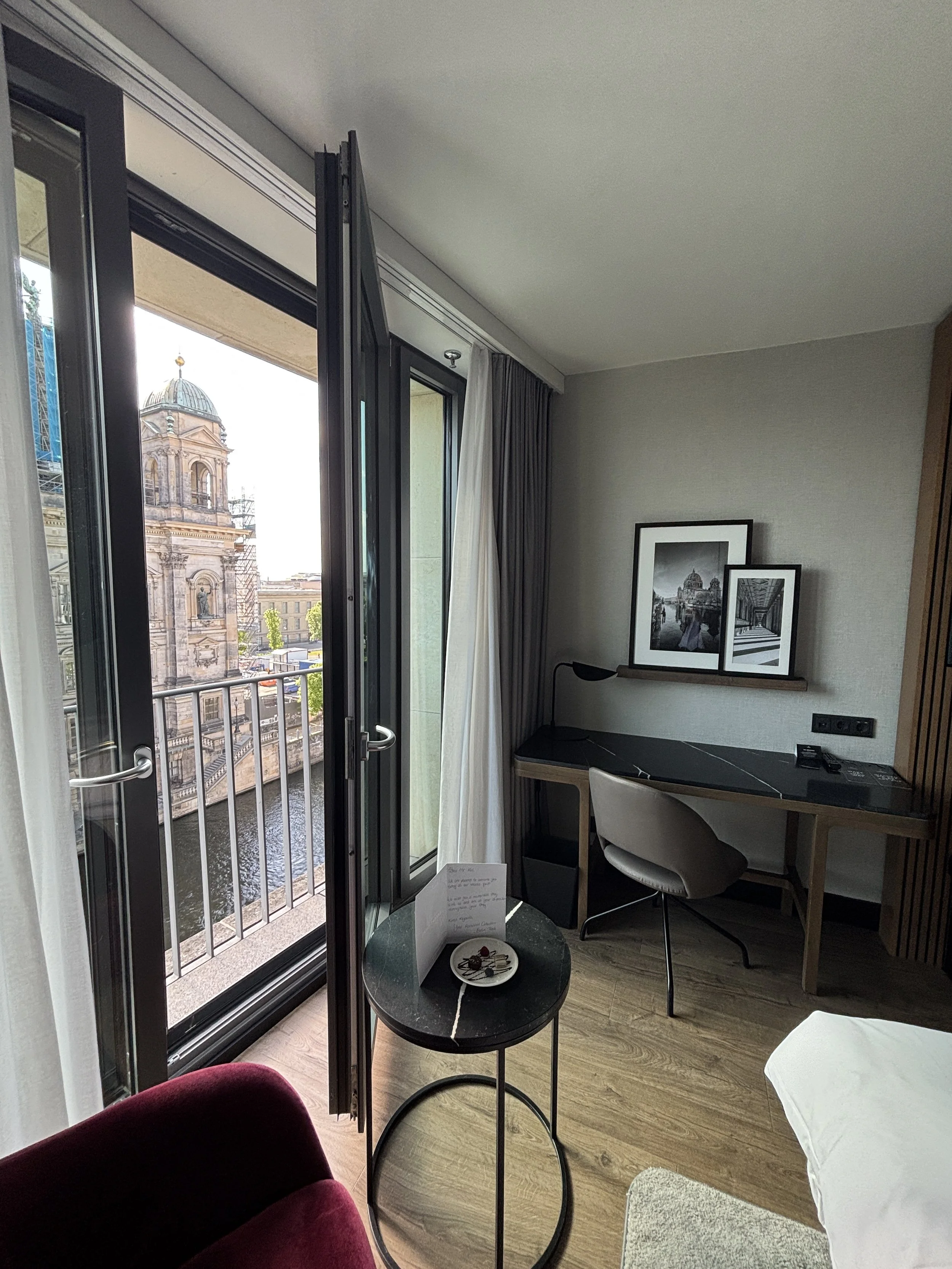
Gym, Spa and Wellness at the Radisson Collection Berlin
As I mentioned earlier, there is a fitness and wellness center in the hotel. To be fair, the facilities are small, but they have pretty much all you would possibly need during a urban city break.
The fitness and wellness center is in the basement and accessible directly from the rooms through the lifts. There is a small pool, more for relaxation than exercises, tbh, as well as separate cardio, yoga, and weight rooms.
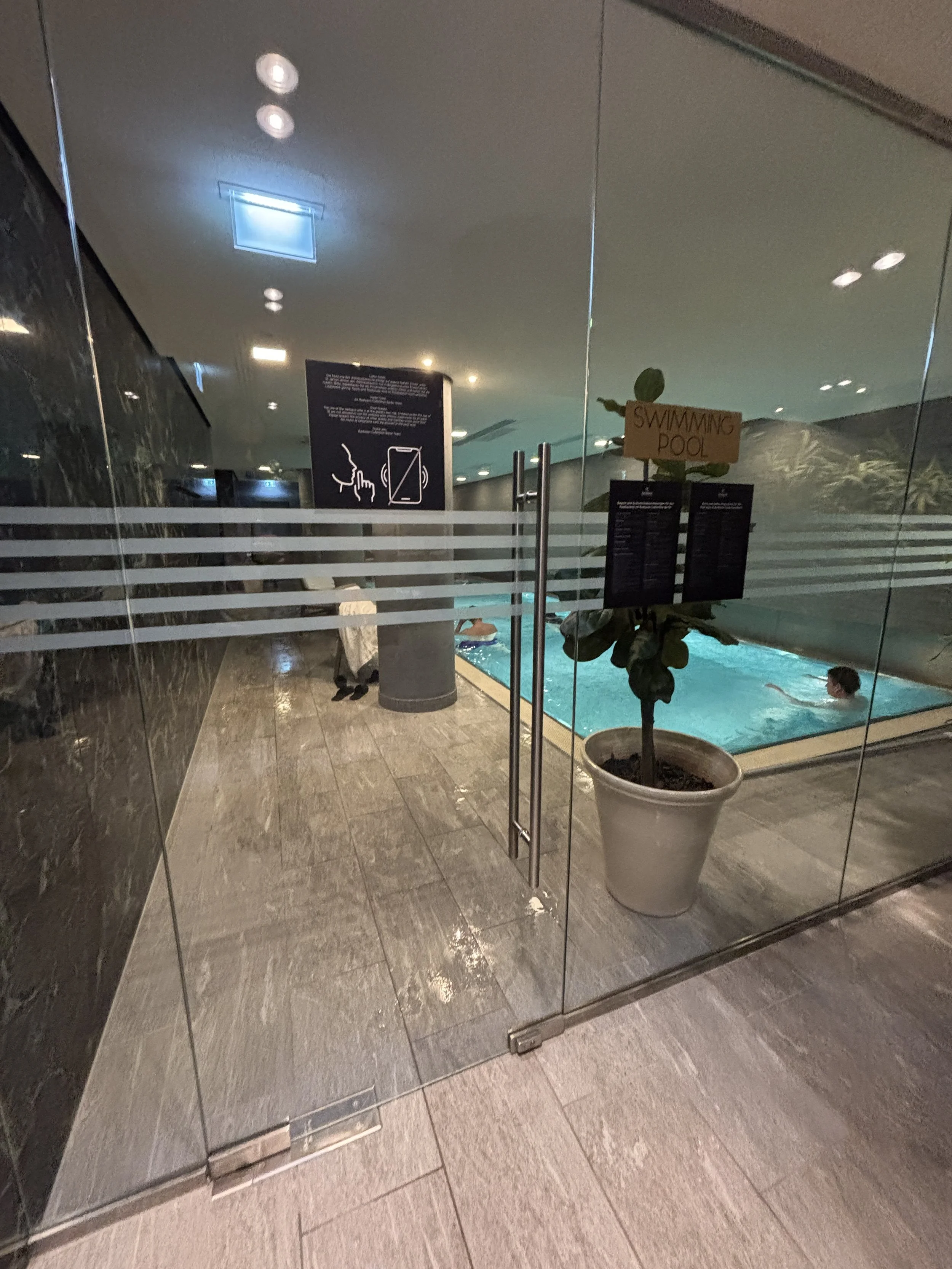
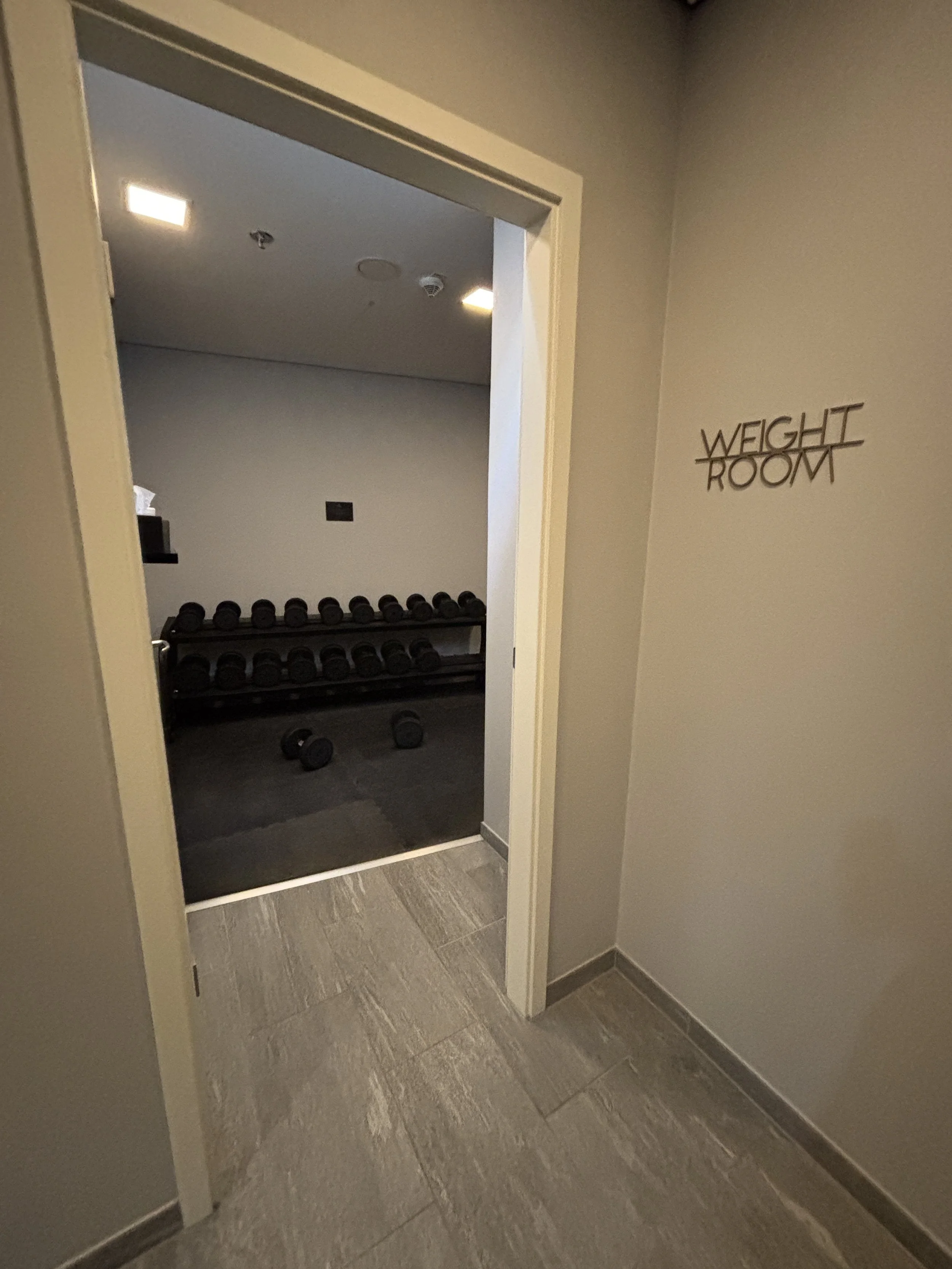
Eating at the Radisson Collection Berlin
The hotel has, of course, a restaurant. It is located on the ground floor on the west side of the property, which means that it has views of the river bank. The decor is aligned with the modern-cozy style of the rest of the property.
I had the chance to have my buffet breakfast there and it didn’t disappoint. The breakfast offering was predominantly continental, but with a fair amount of choices. This being Germany, the bakery section was particularly impressive!
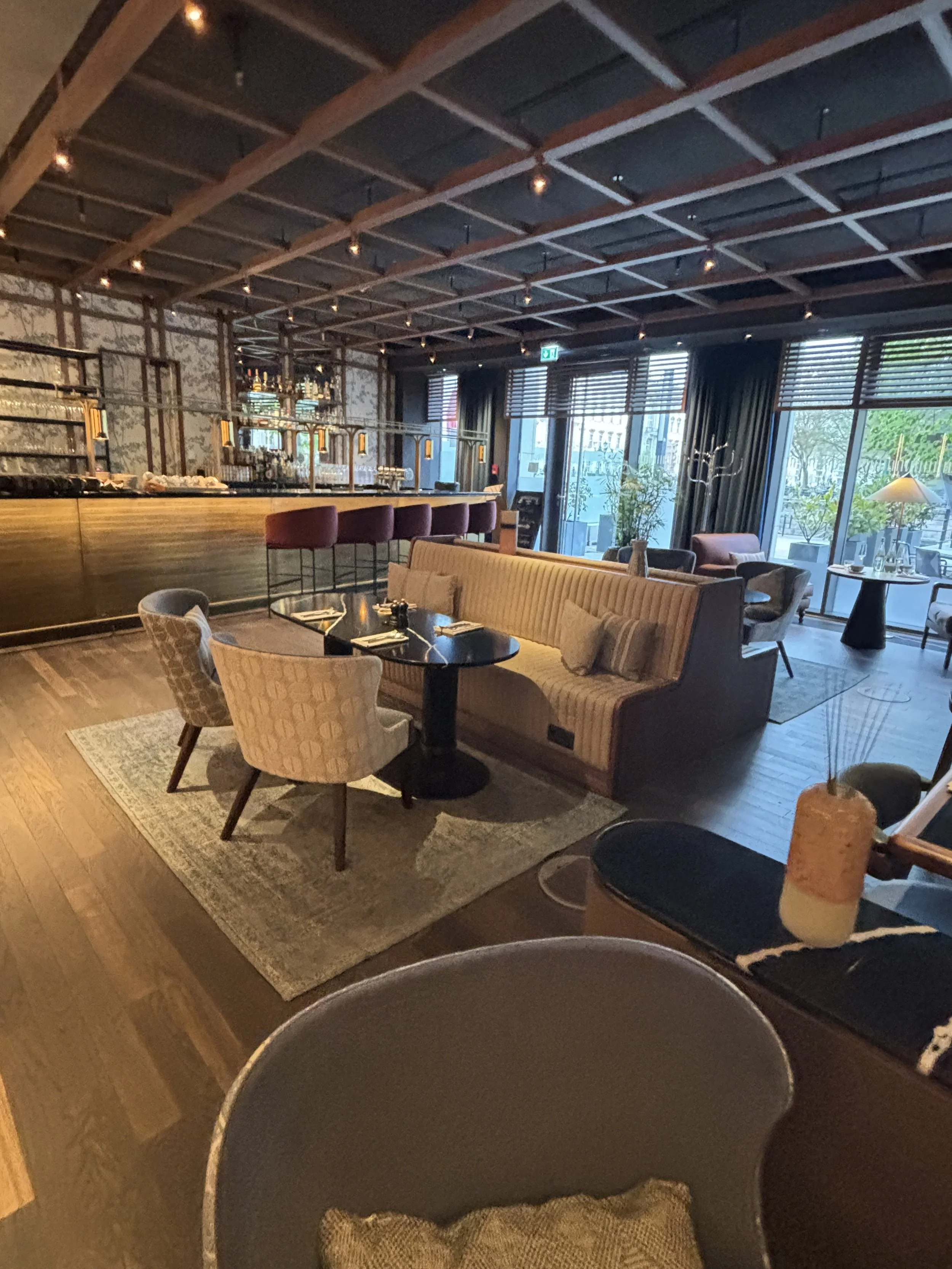
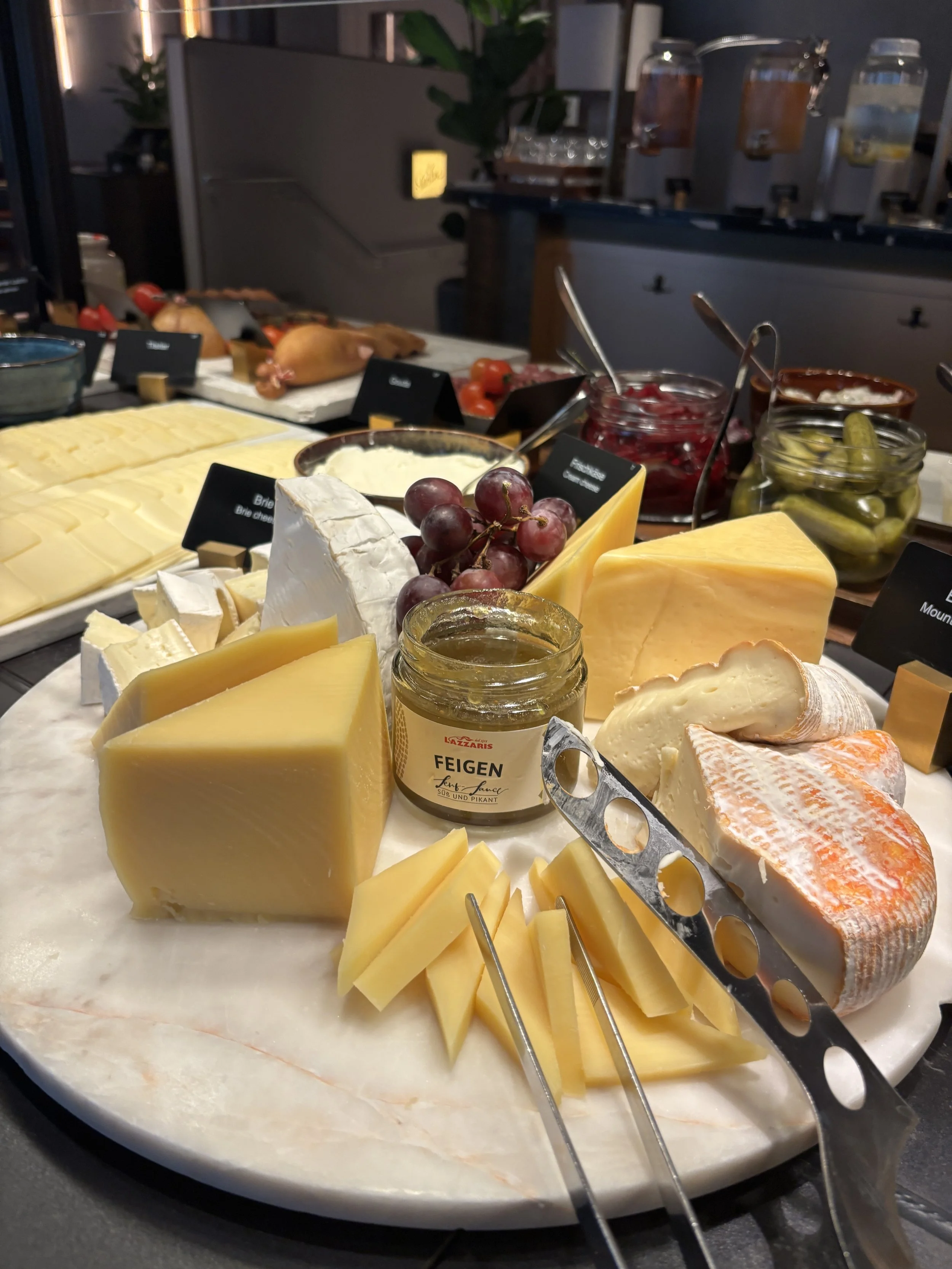
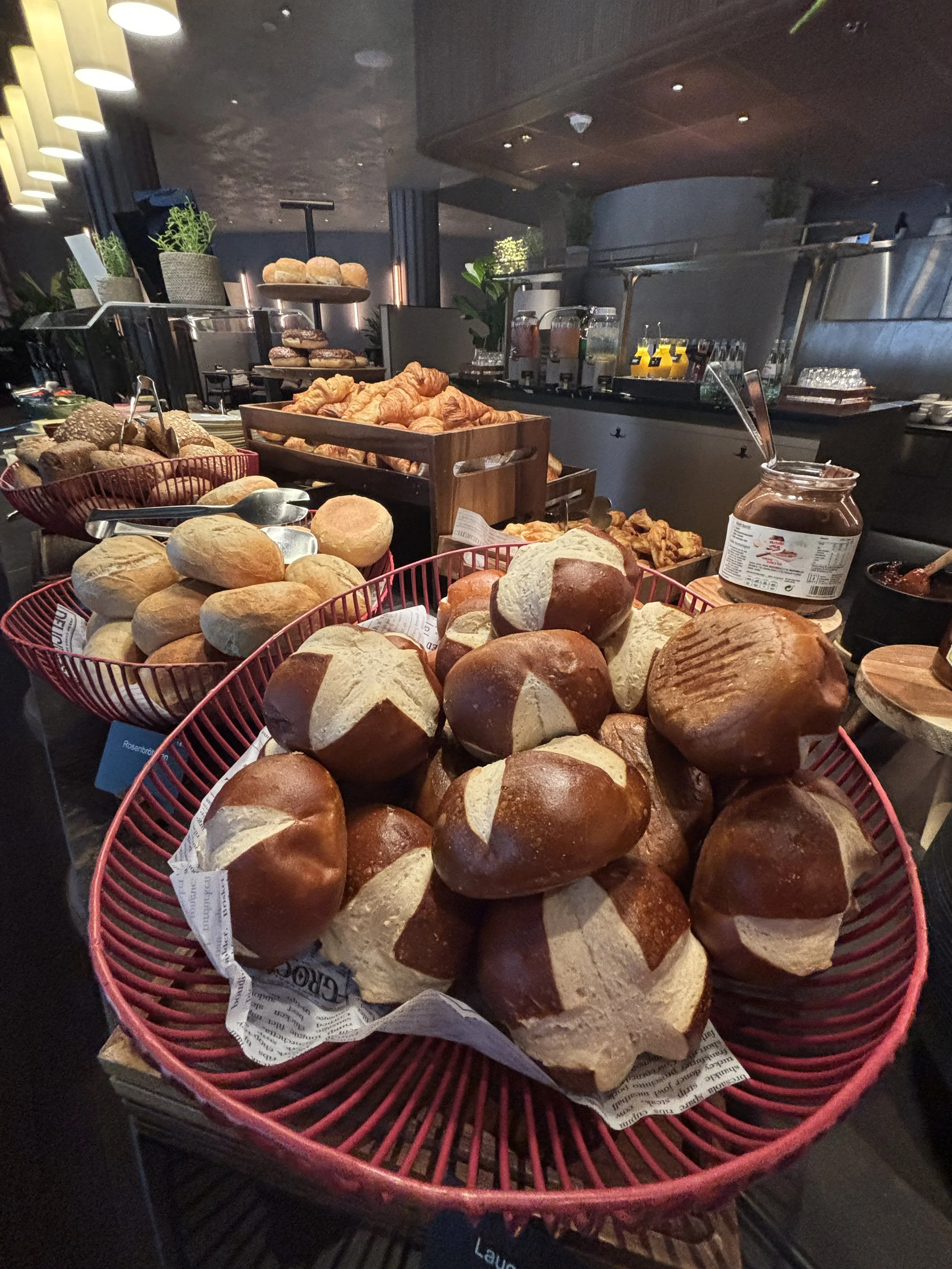
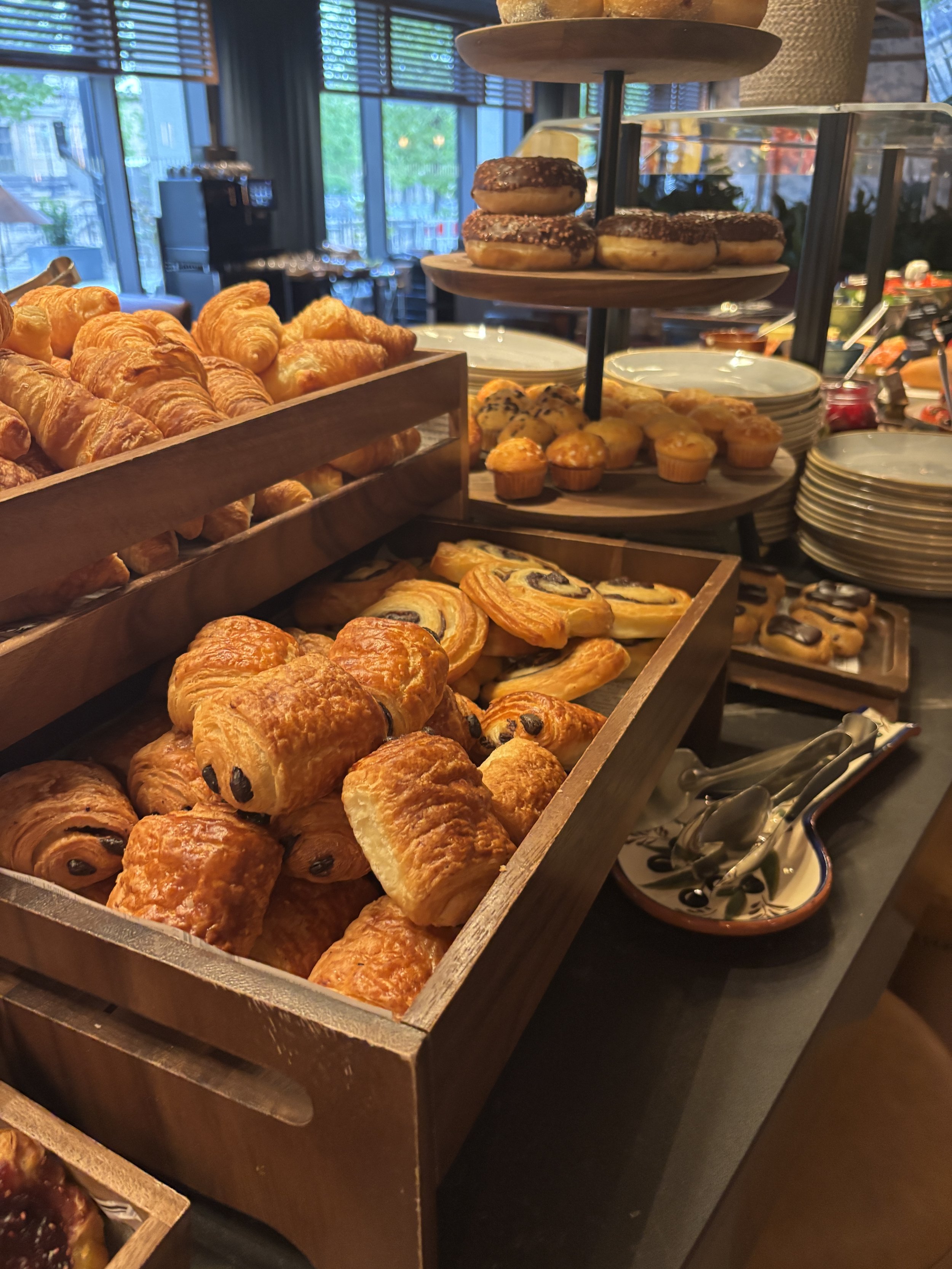
So, overall, a very well rounded experience with the added touch that, as a guest, you have a very good chance of getting one of the very best panoramic views of the city of Berlin included in the fare (which, I may say, at this property tend to be in a very reasonable range for Berlin standards and adjusting for quality and location!), a true gem.
A review of The Posthouse Berlin Hotel - Potsdamer Platz
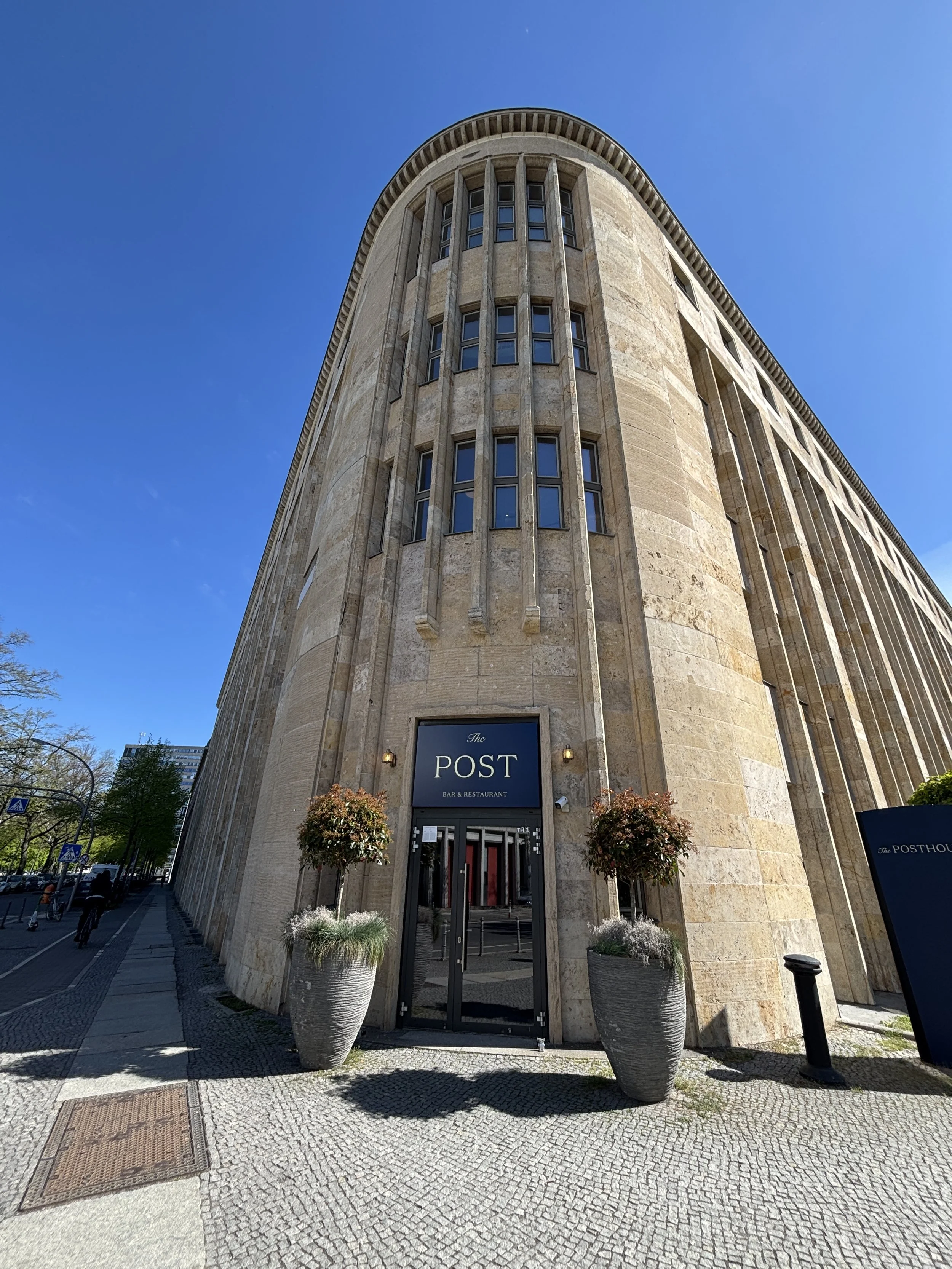
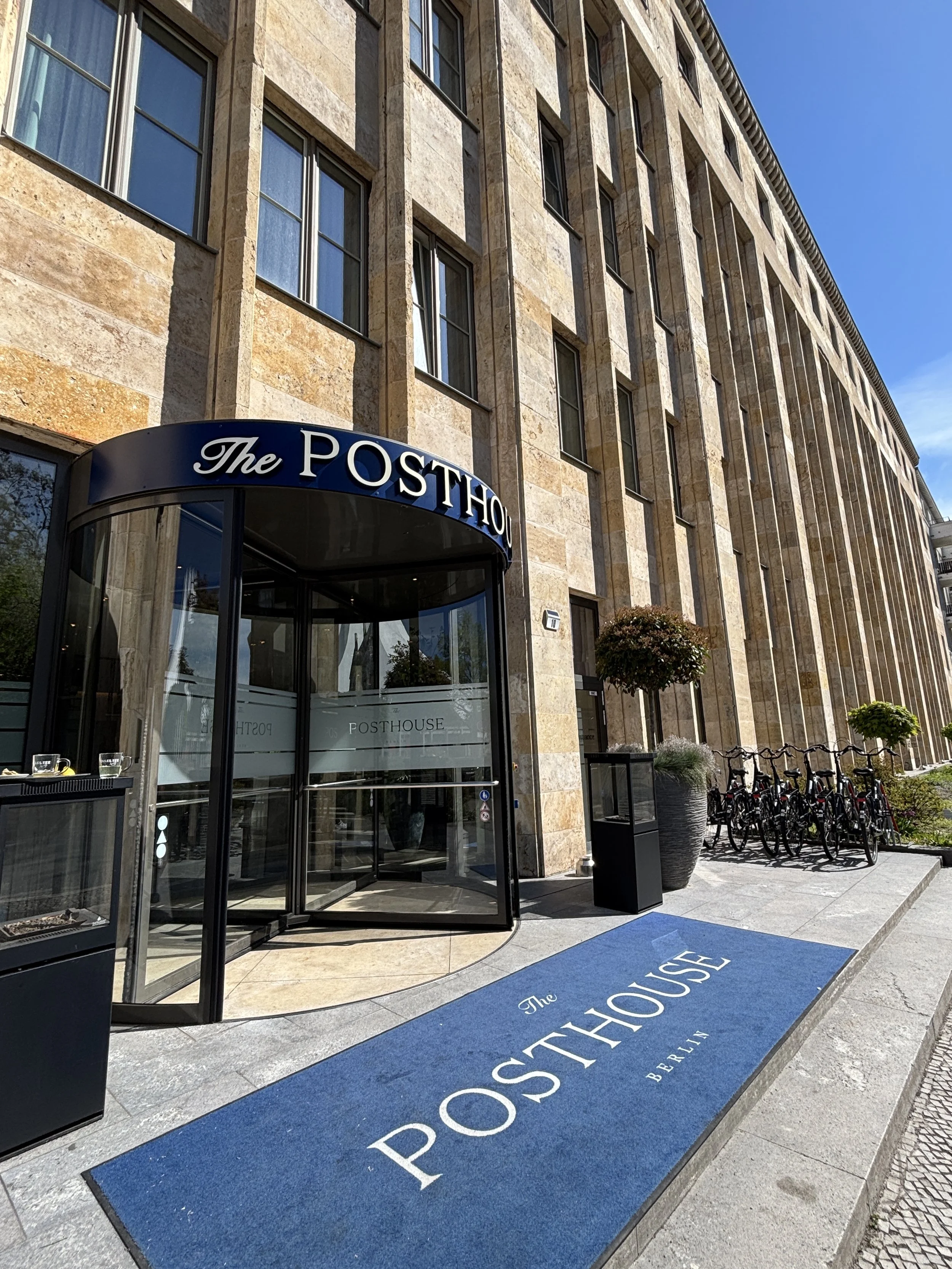
This was another find during a recent visit to Berlin, another real gem, offering great value at a prime location. The Posthouse Berlin Potsdamer Platz – Leonardo Limited Edition is a very modern hotel, which belongs to the Italian chain Leonardo.
It has the additional allure of being located in a historical building which once housed Berlin’s main postal distribution center, something that you can kind of guess looking at architecture of the place. In this case, as we shall soon see, Leonardo has fully embraced this truly unique character of the building when it comes to marketing this property.
While it is not located right next to the city’s top landmark, like the previous hotel we have seen, The Posthouse is also incredibly well located from the point of view of its centrality in the city. It is located within walking distance (10min) of Potsdamer Platz, right at the core of the Government District and pretty much on top (give or take a few dozens of meters) of where the Berlin Wall used to be. It has also within 5minutes walk of the Anhalter Banhof S-Bahn station and the Möckernbrücke U-Bahn station (in addition to the aforementioned Potsdamer Platz, which is also a major railway station).
What’s more the area is very walkable and safe, with broad avenues and lots of hotels, restaurants, shops and museums in its vicinity.
The rooms at The Posthouse Berlin
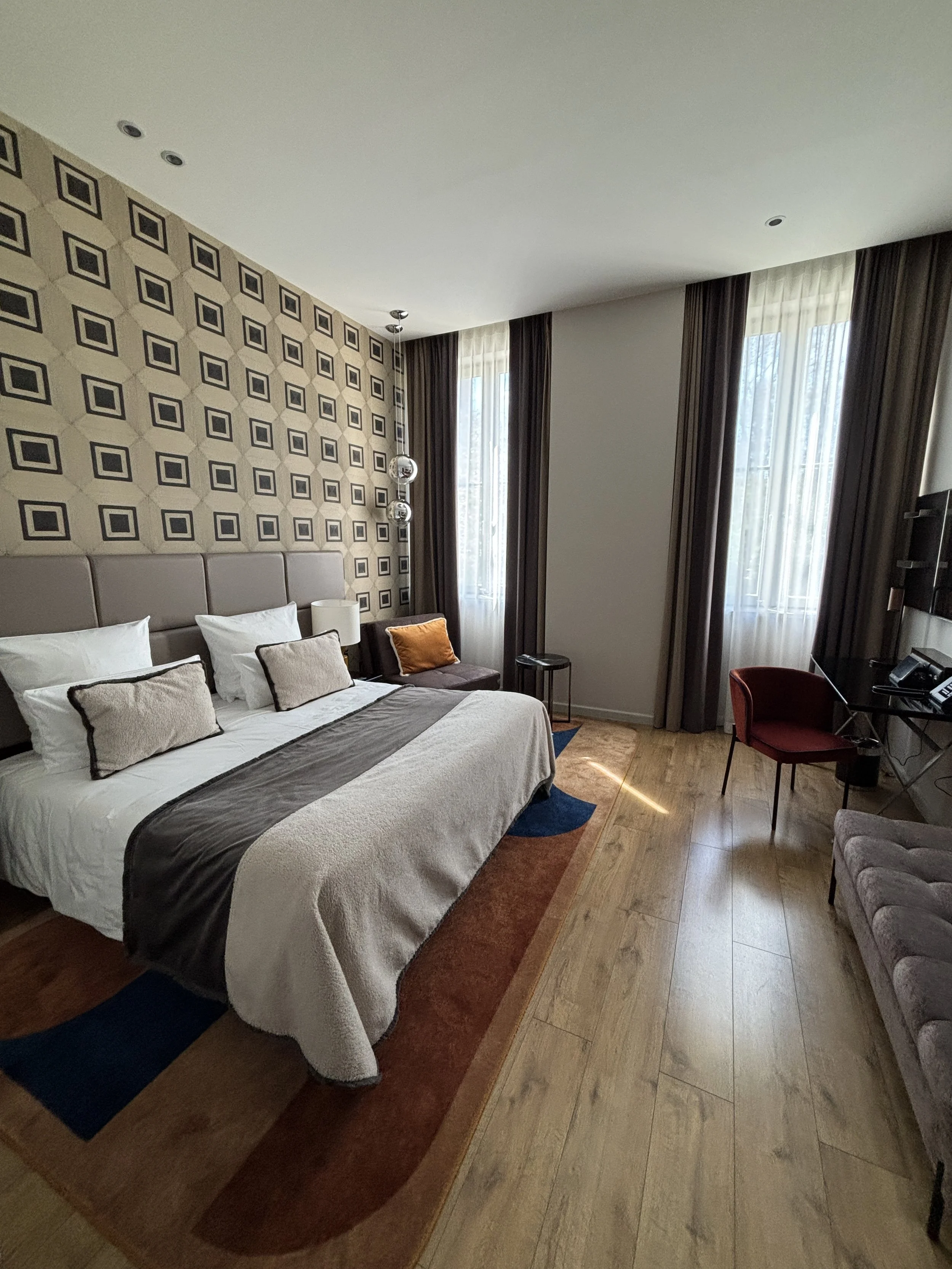
The rooms are large and very modern and cozy, with a mix of coulours that is warm and sophisticated at the same time. The little touches of colour make the whole ensemble more lively preventing it from being too “neutral”, while keeping the whole subdued.
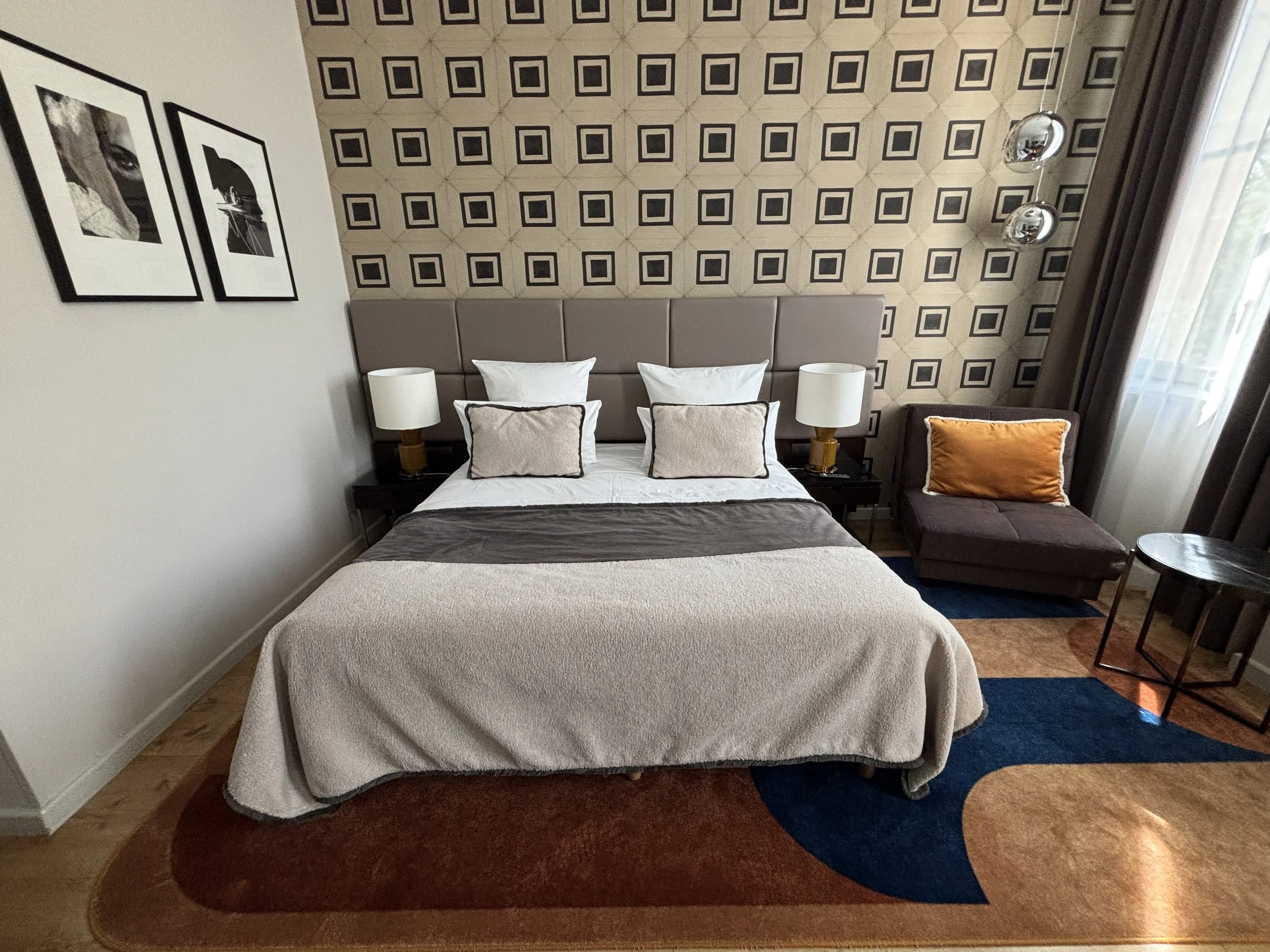
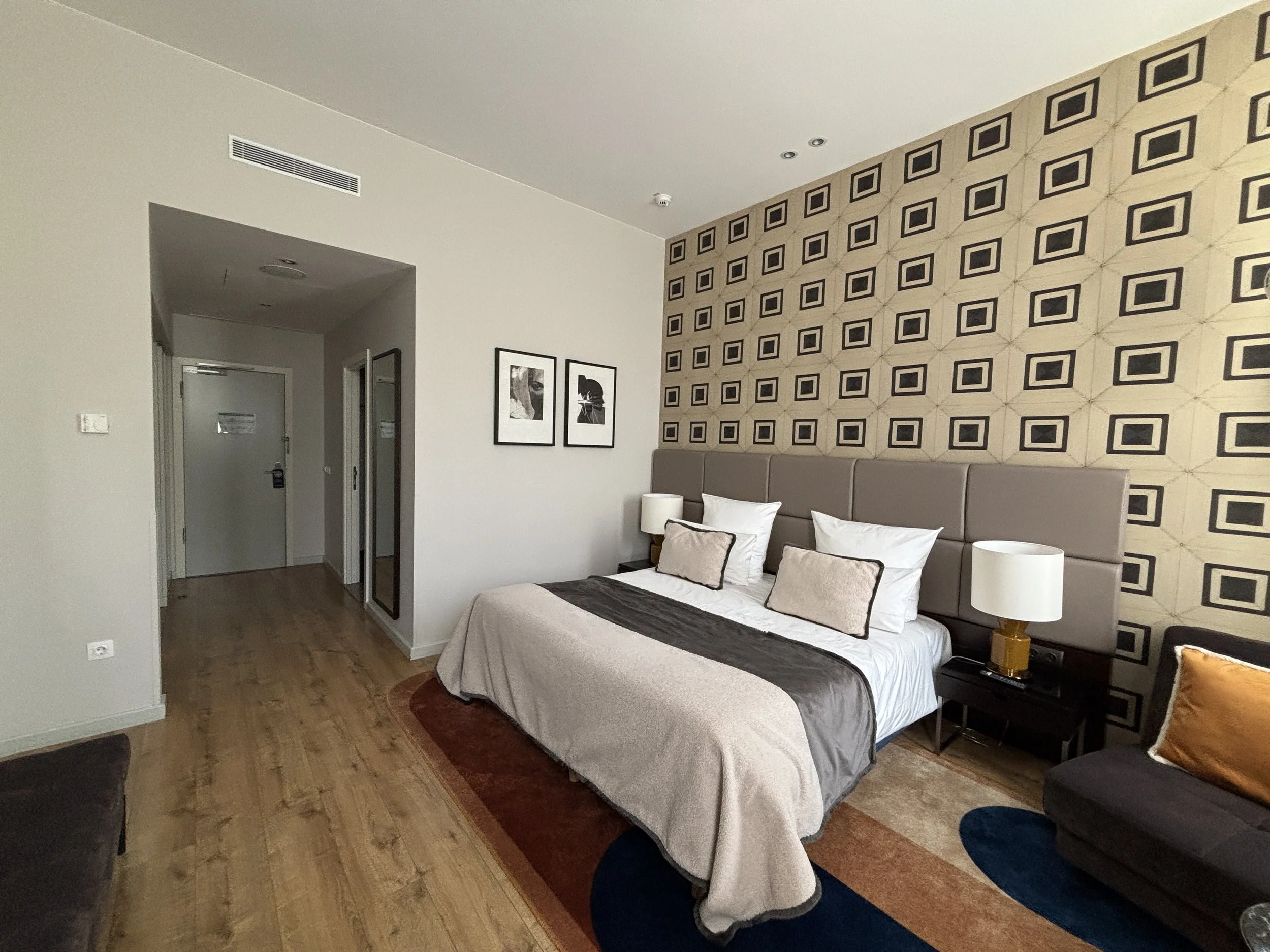
The bathroom, rather large, also super modern and impeccably clean.
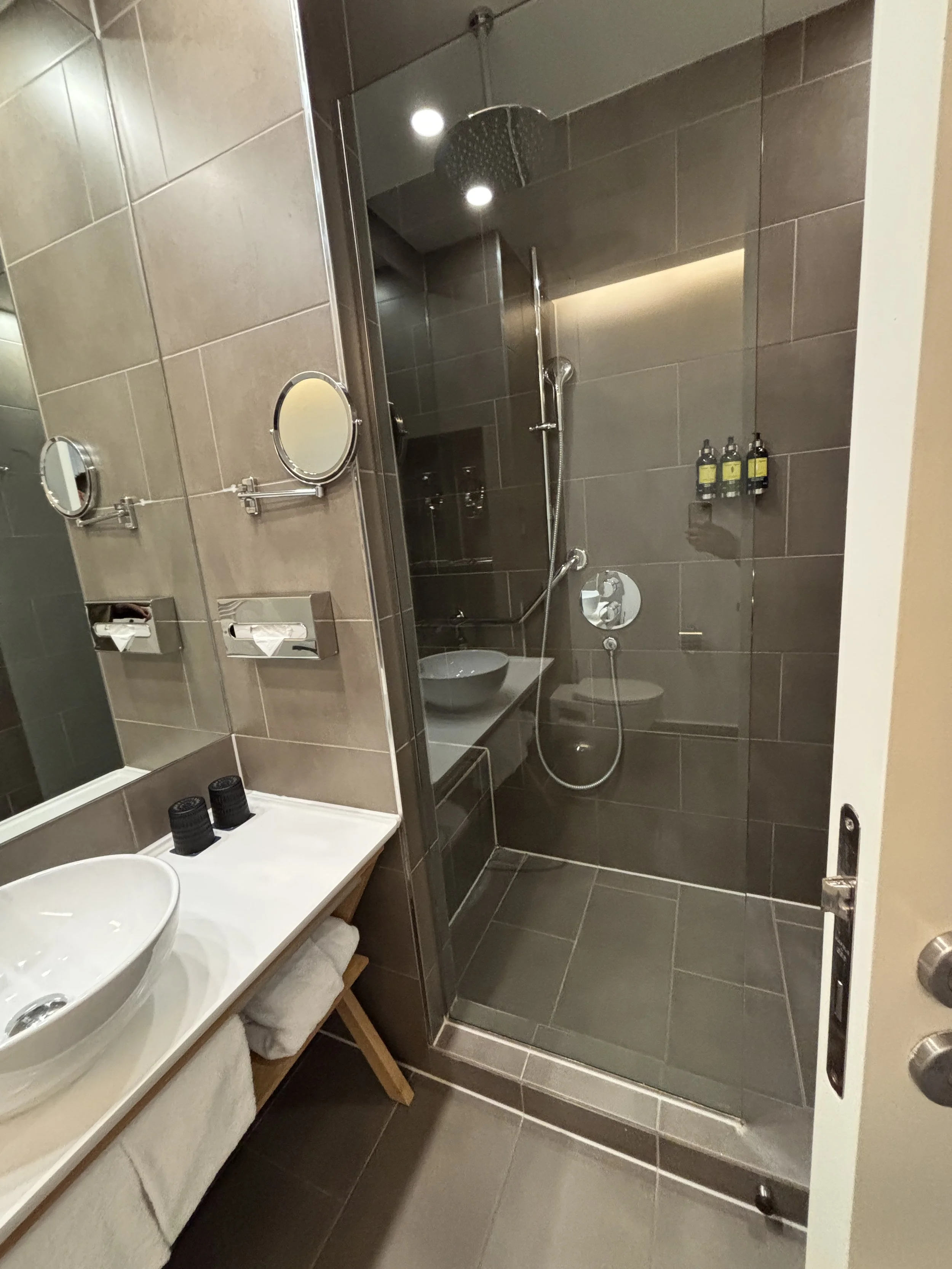
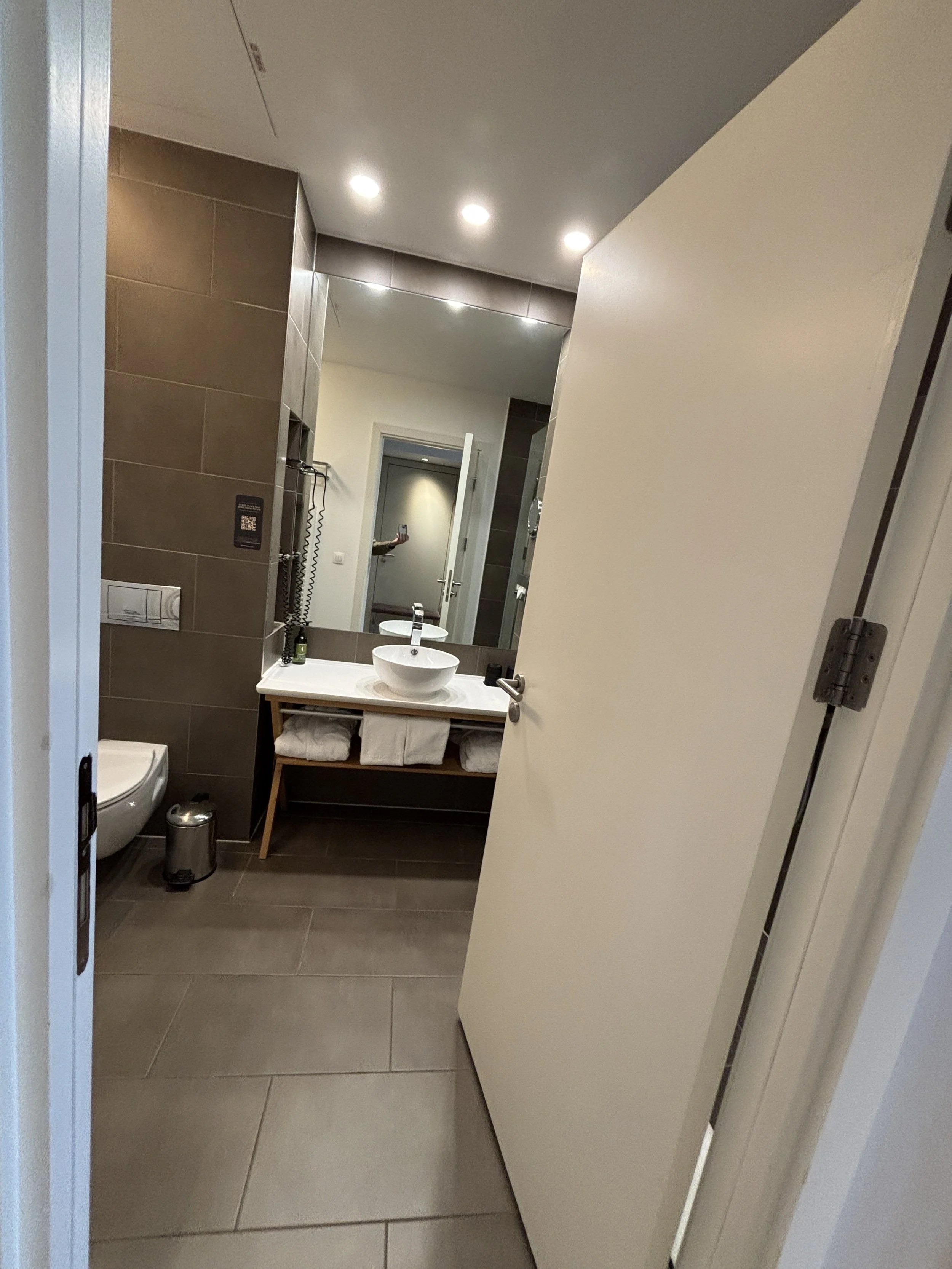
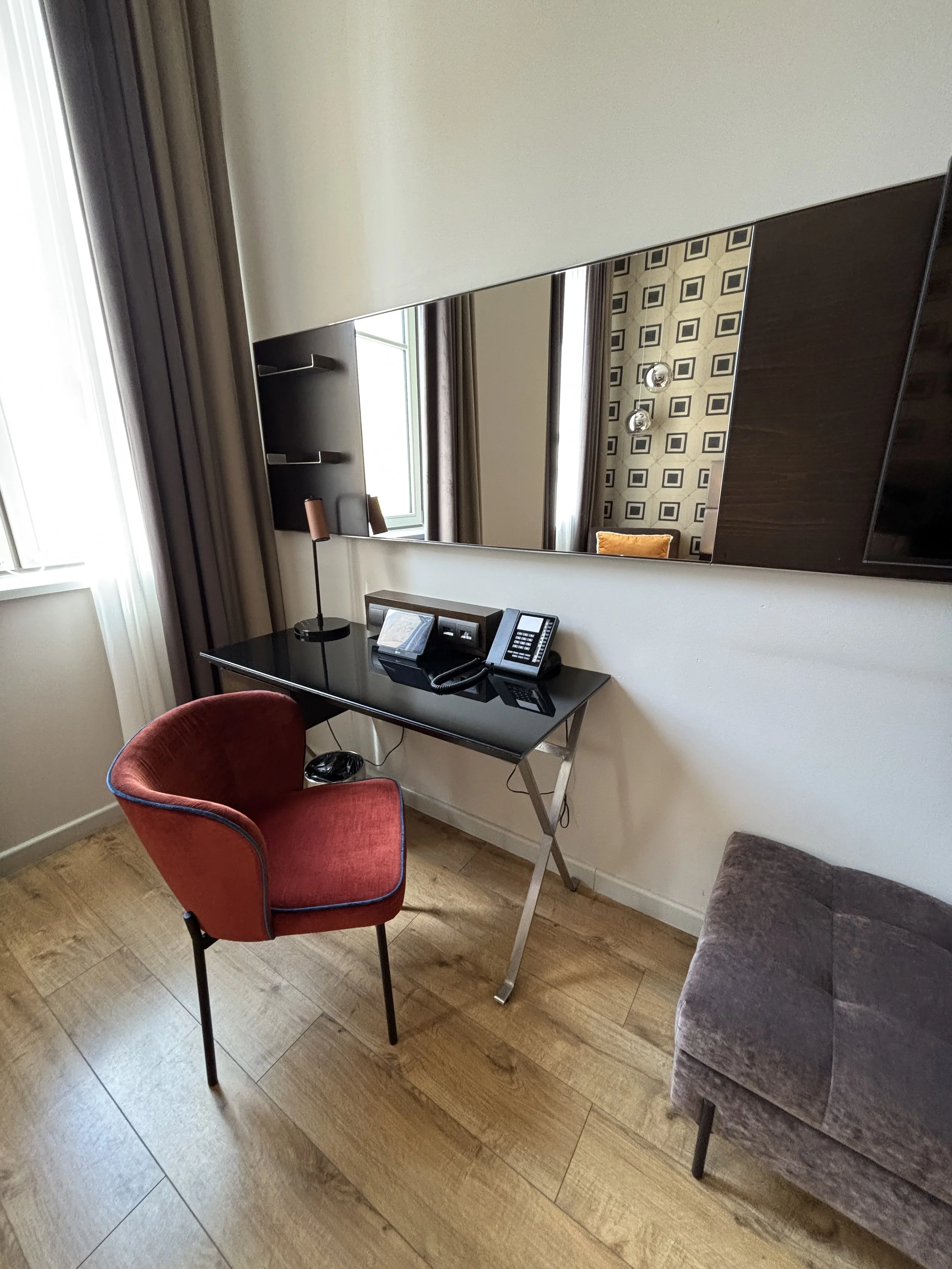

There is a little work desk, also very stylish.
On top of it, a little electronic console provides information and access to services, doing away with the old-school service directory folders.
Some more details that make The Posthouse Berlin a great hotel
A couple of additional details here: lots of space for luggage (you may have noted in the pics above that there is also a rather long bank opposite the bed) and even to sit down to take your shows on or off.
The windows open into a very calm street next to a large green area. In fact, the hotel is located in a rather nice area, with several pedestrian streets around and some shops.
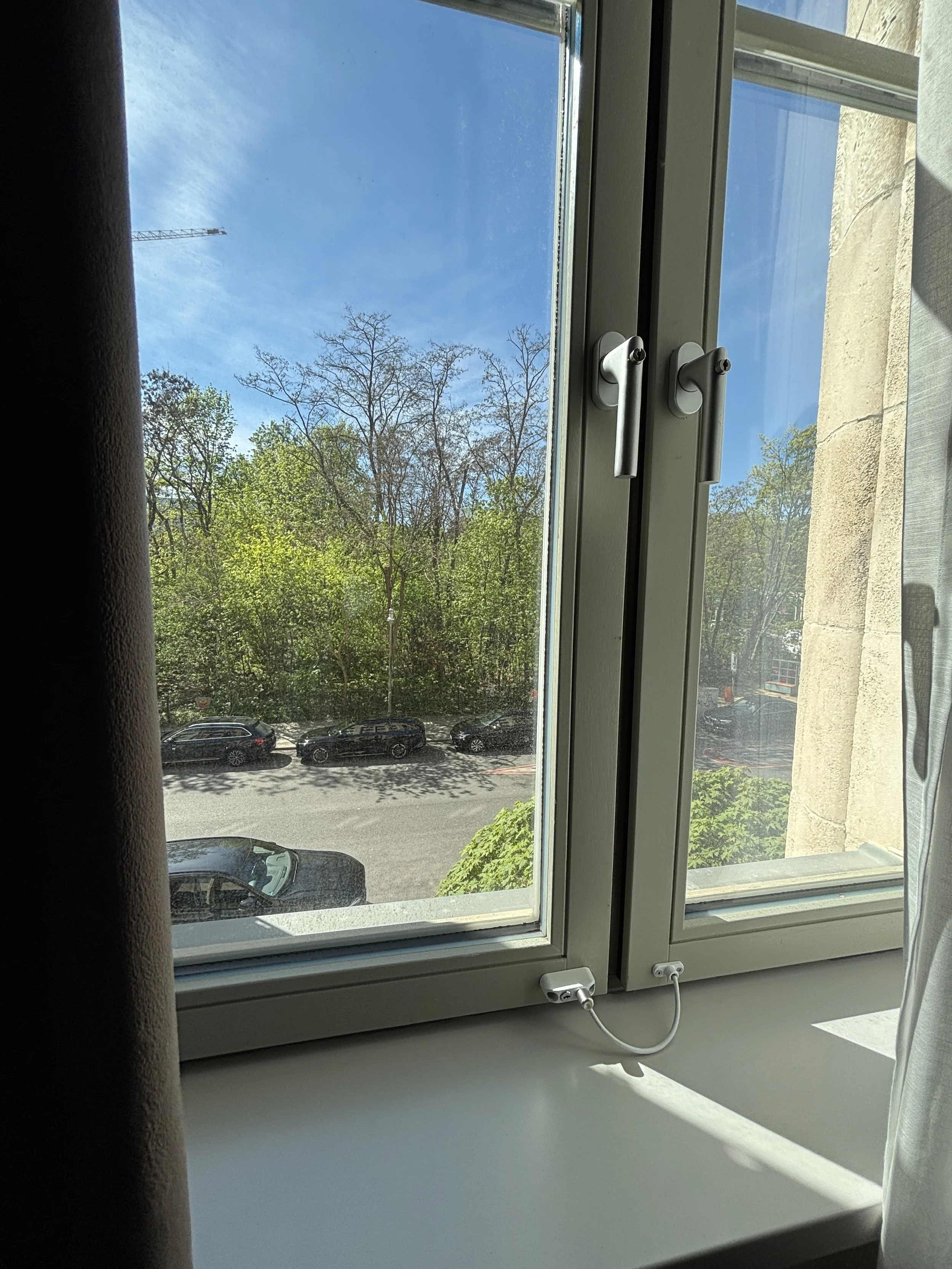
As mentioned earlier, Leonardo has developed a whole brand identity for The Posthouse which is pervasive throughout the property. I particularly liked the very elegant way in which it is applied to all the small items you find in the room and in other parts of the hotel.
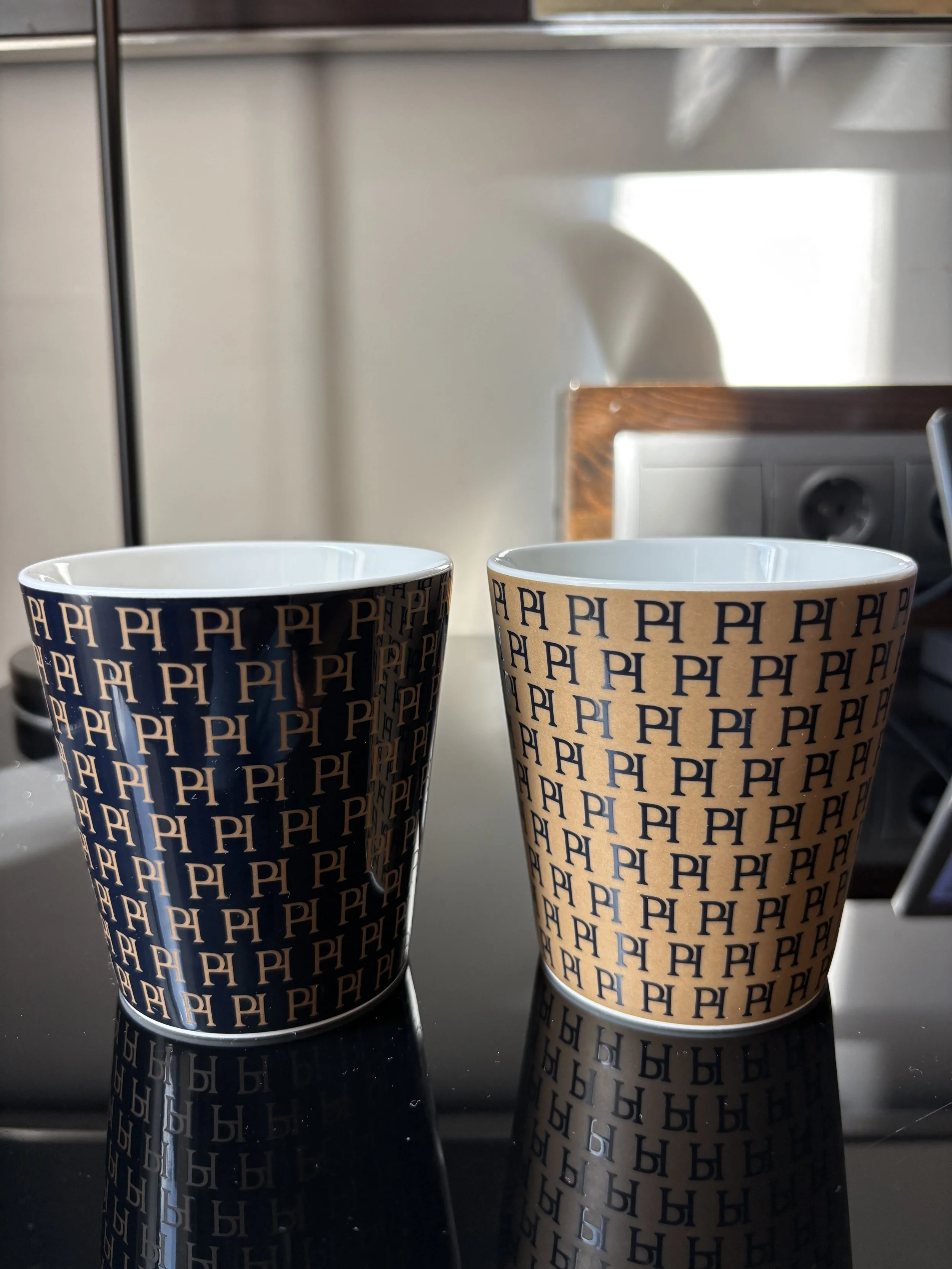
The Posthouse has also its restaurant, which shares the same ground floor space as the lobby and reception area. The different spaces are blended seamlessly and get plenty of natural light through the large windows that open onto the street on one side and onto a very large open courtyard on the other.
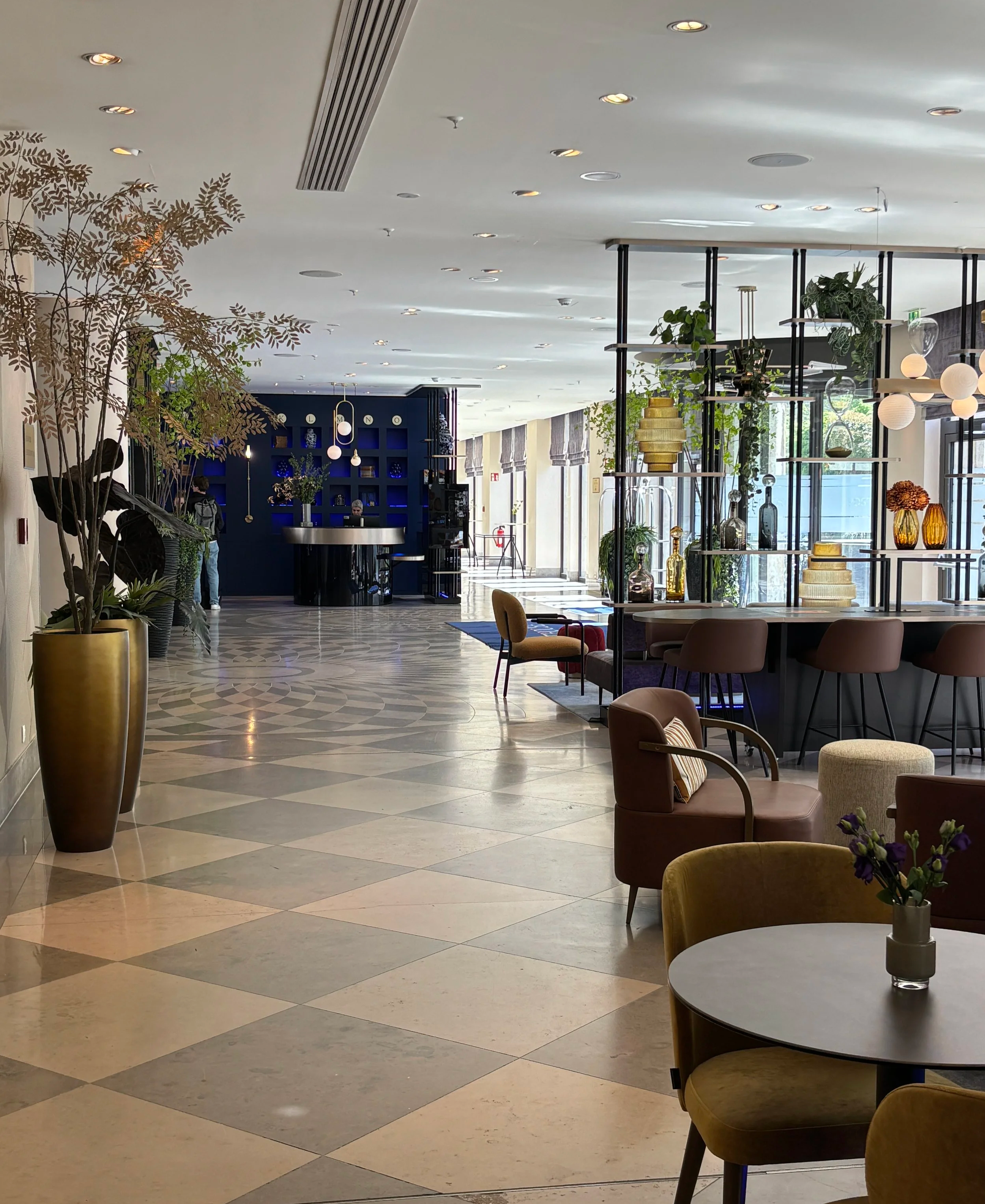
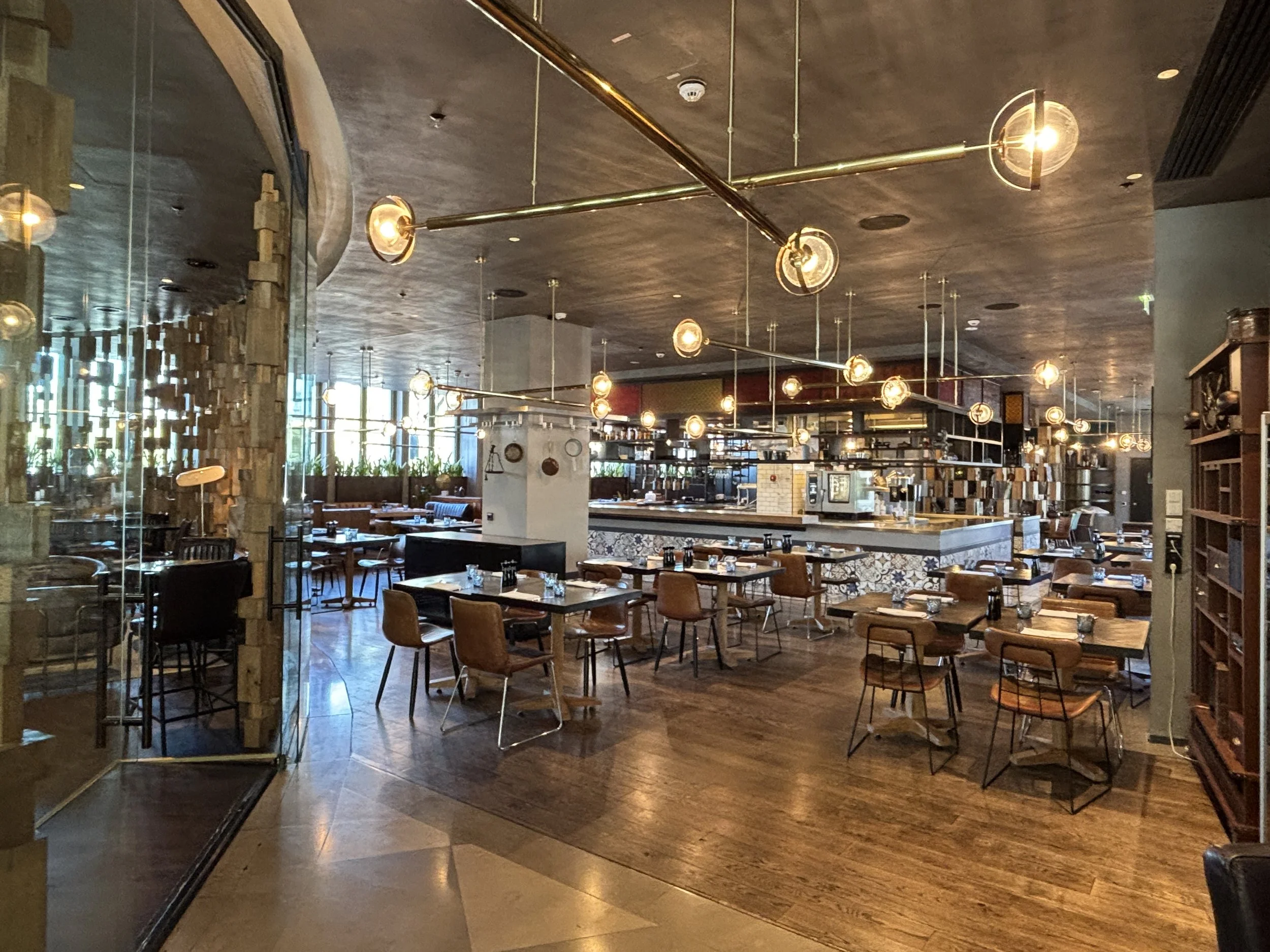
A couple of other details I liked in the lobby area:
A snacks and water station which guests can access at all hours. Even if the hotel staff renew the bottles of mineral water in the room, its location on the way to the lifts makes for a very convenient stopping point to get some refreshments on the way to and from the rooms. Btw, note also how the hotel decor takes into account the postal history of the place.
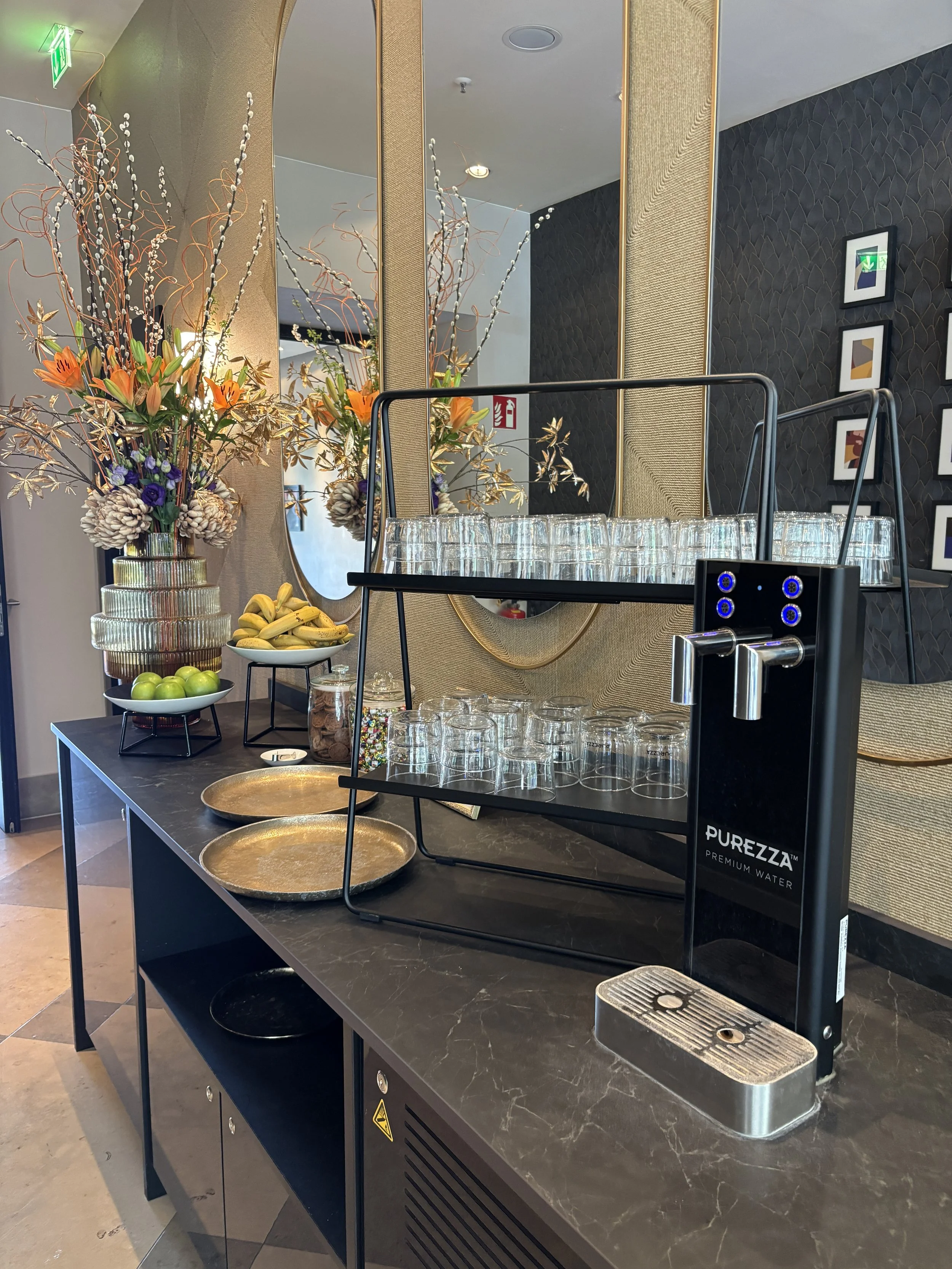
When you come into The Posthouse you will notice a bicycle parking. These bicycles are actually available for rental by the day, you just need to ask at the reception, here below you can see the prices.
So, what’s our take: this hotel offers also amazing value for any visitor to Berlin, whether for business or leisure. As was the case of the Radisson Collection Berlin, The Posthouse Berlin Postadamer Platz offers and amazing combination of modern, spacious and pleasant facilities, impeccable service and prices that are truly hard to believe for what you get!
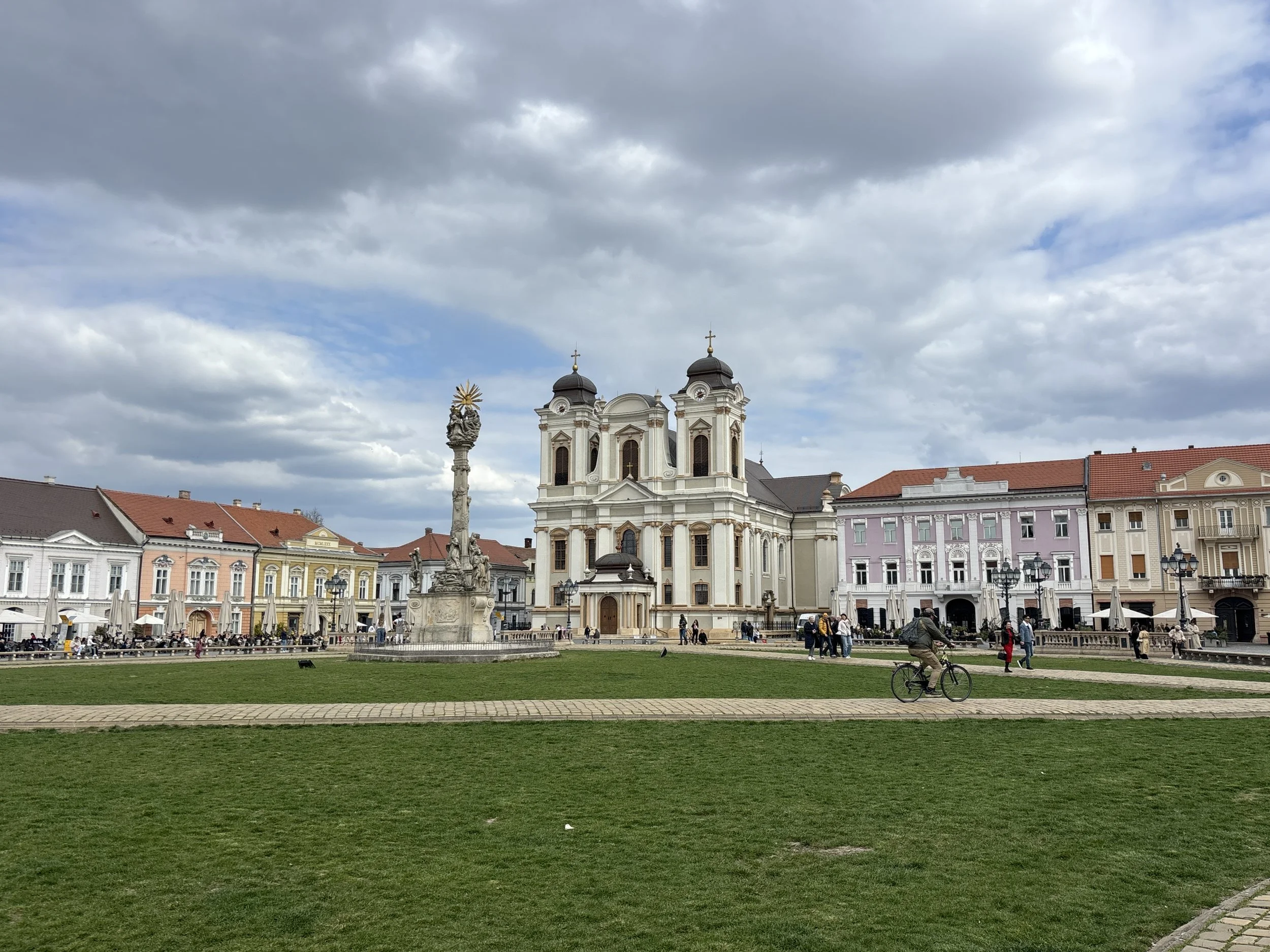
Two days in Timisoara: what to do and what to see
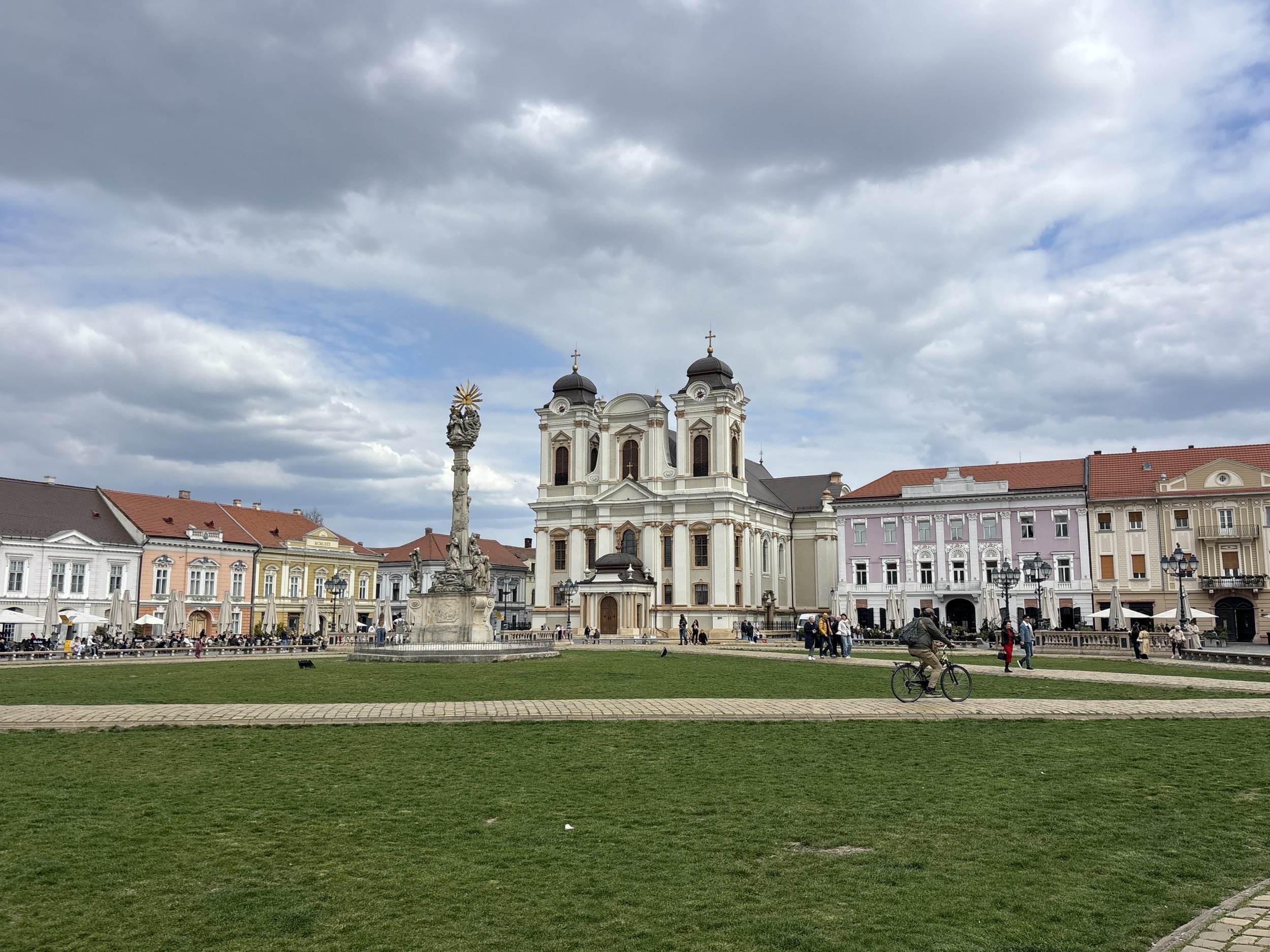
Timisoara is the capital of the Banat, a historical region of Western Romania with a rather rich and interesting history.
Perhaps no other factor has contributed more to shaping the city than its location atop one of Europe’s civilizational fault lines.
The Ottomans conquered the city in 1522 and ruled it for nearly two centuries. During that time, Timisoara was one of the westernmost cities of their Empire. In 1716, the tables turned and it was the Austrians that took the city, transformed it from the ground up and made it one of their easternmost fortresses.
Later came the modern state of Romania and, of course, the Communist period under Ceaucescu, in the downfall of which Timisoara was to play a star role.
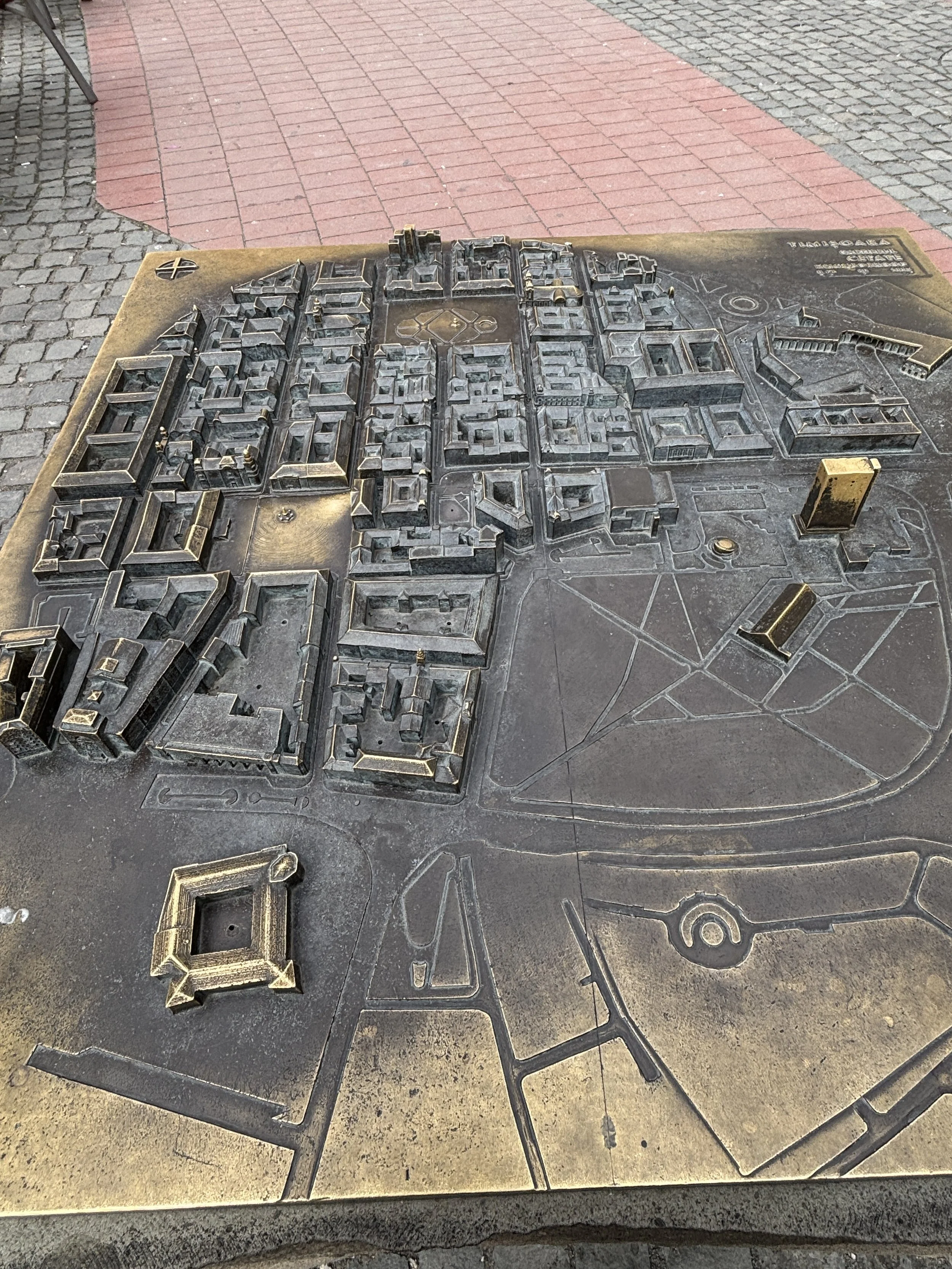
The city that most visitors see today, though, is the product of the Habsburg era. When the Austrians, led by the famous military commander Eugene de Savoy, took over the city, they soon started an ambitious program of engineering works.
In fact, to call it a “transformation” would be an understatement, because the Habsburgs basically built a new city over the foundations of the Ottoman-era one. The marshes around the old city were drained and a new urban grid was overlaid on the existing one, making way for the broad avenues and squares and Baroque buildings that make Timisoara such an architectural gem today. The city was also enclosed by star-shaped fortified enceinte containing multiple bastions.
Like many other cities in this part of Europe, Timisoara became also a cultural melting pot, with a population that, in addition to Romanians, has historically included also substantial numbers of Hungarians, Germans, Serbians and Jews. This shows in the fact that there are no less than three different cathedrals (Romanian and Serbian Orthodox and Catholic) in the historical centre of Timisoara, as well as a synagogue.
In this post I list the main points of interest in the old town plus some other things to do if visiting Timisoara, mostly connected with the role that the city played in the start of the Romanian Revolution of 1989, which ended up with the downfall of Ceaucescu’s regime and the democratization of Romania and its ultimate entry into the EU a few years later.
So what to see when visiting central Timisoara?
A walk through the Old town: from Piata Unirii to Piata Victoriei
Romanian Orthodox Cathedral
Banks of the Bega River
Maria-Theresa Bastion
Memorial of the Revolution
Museum of the Communist Consumer
This post may contain affiliate links. If you book or buy something through them, I earn a small commission, at no extra cost to you. It's one of the ways I keep Places of Charm going. Thank you for your support.
Top things to see in Timisoara’s historical centre
The historical centre of Timisoara is small, orderly and compact. It is structured along a number of large monumental squares linked by an orthogonal grid of cobblestone-paved pedestrian streets.
To be fair, the area of historical interest is not large and you can see most of it in a morning even if walking at a leisurely pace. If you allocate some time as well to visit the museums and enjoying the many cafés and restaurants in town, the two days that we I used as a reference to build this itinerary turn out to be quite optimal.
Piata Libertatii
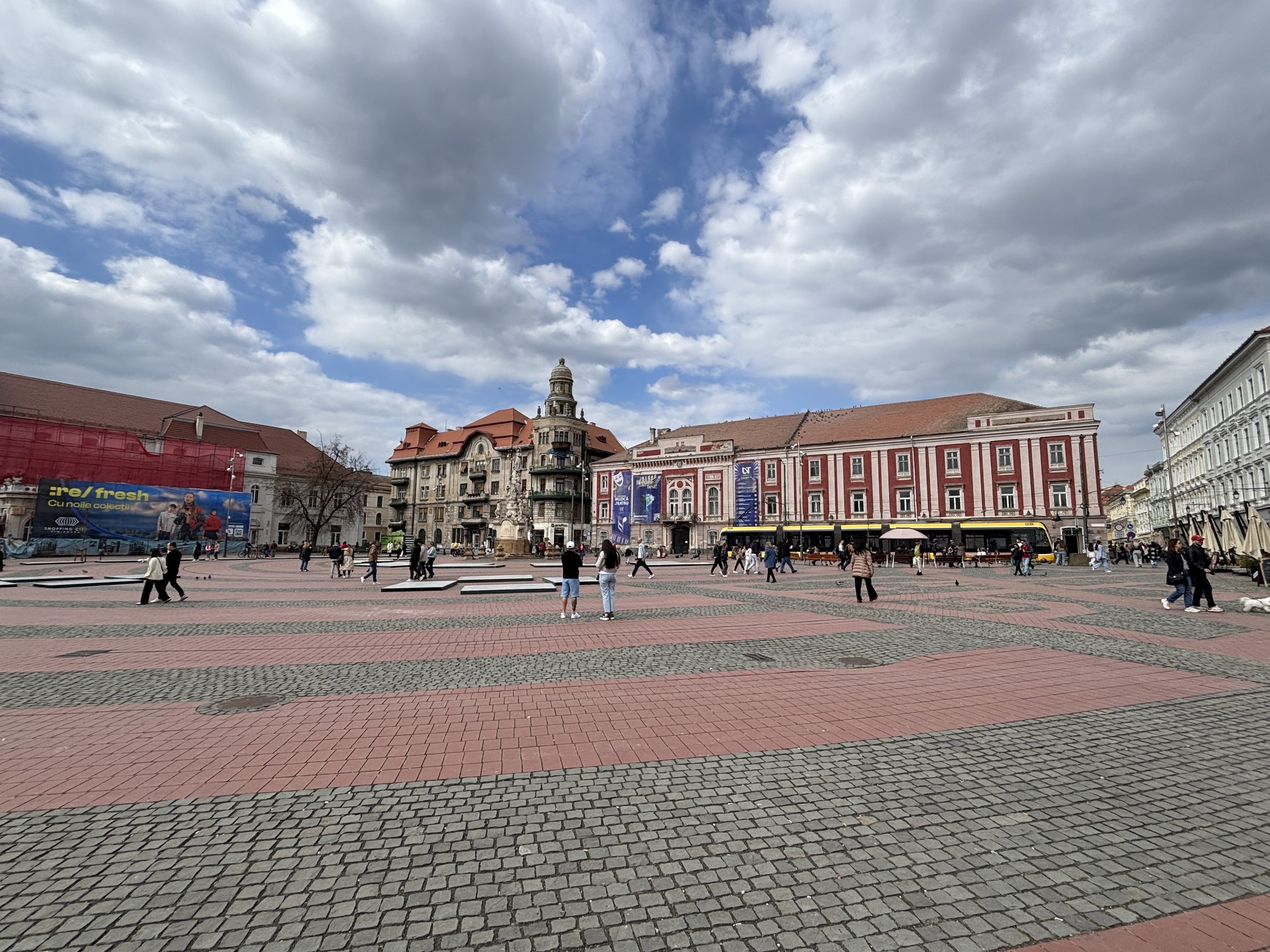
This is one of the main squares in Timisoara. Piata Libertatii (“Freedom Square”) and, while it lacks the grand splendour of the nearby Piata Unirii (there are in fact, several buildings that are undergoing renovation), it is a lively square and a major crossroads where there is always movement of people.
It is also at one end of the Vasile Alecsandri avenue (depicted below right) the main commercial axis in the old town of Timisoara.
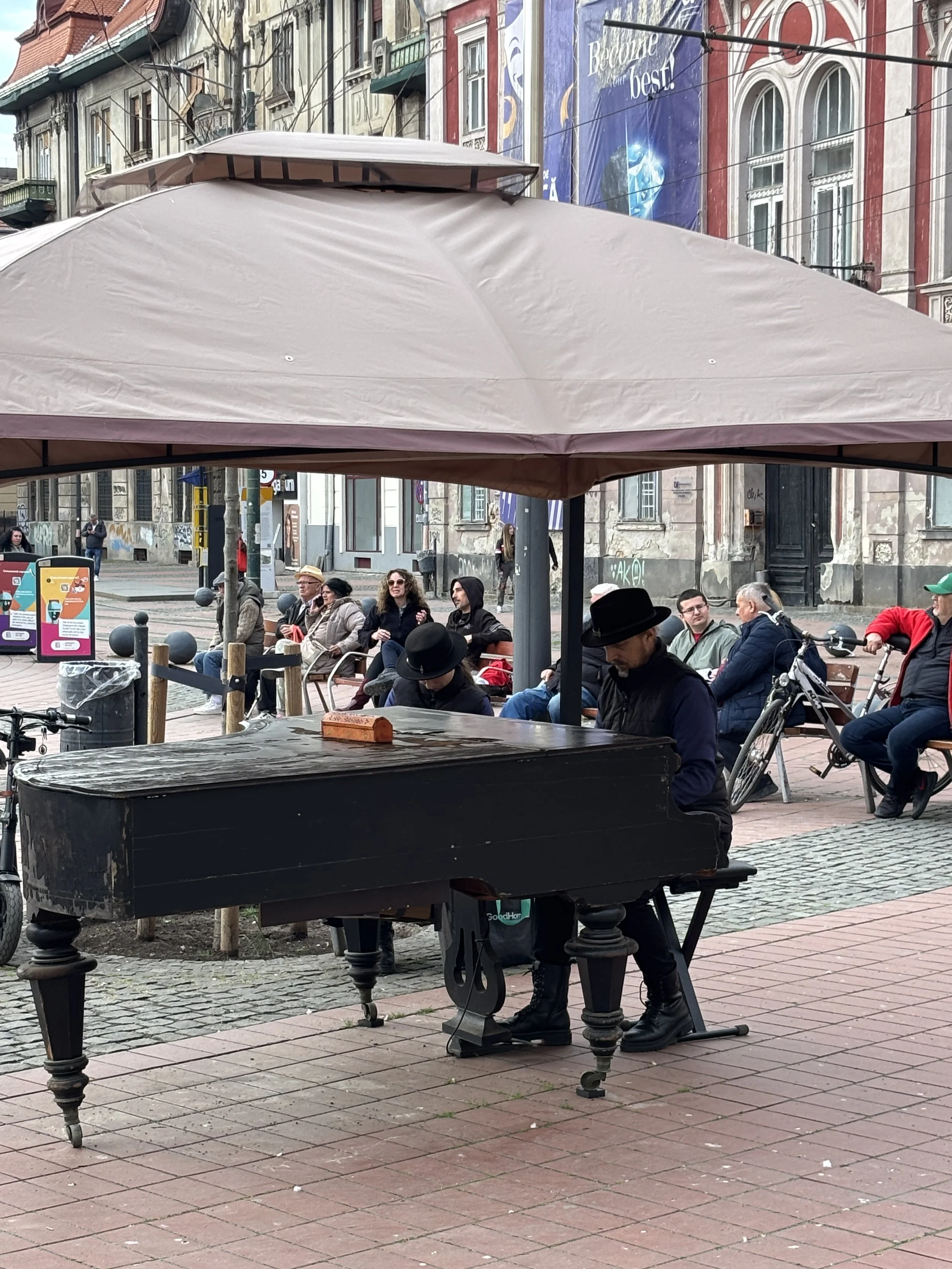
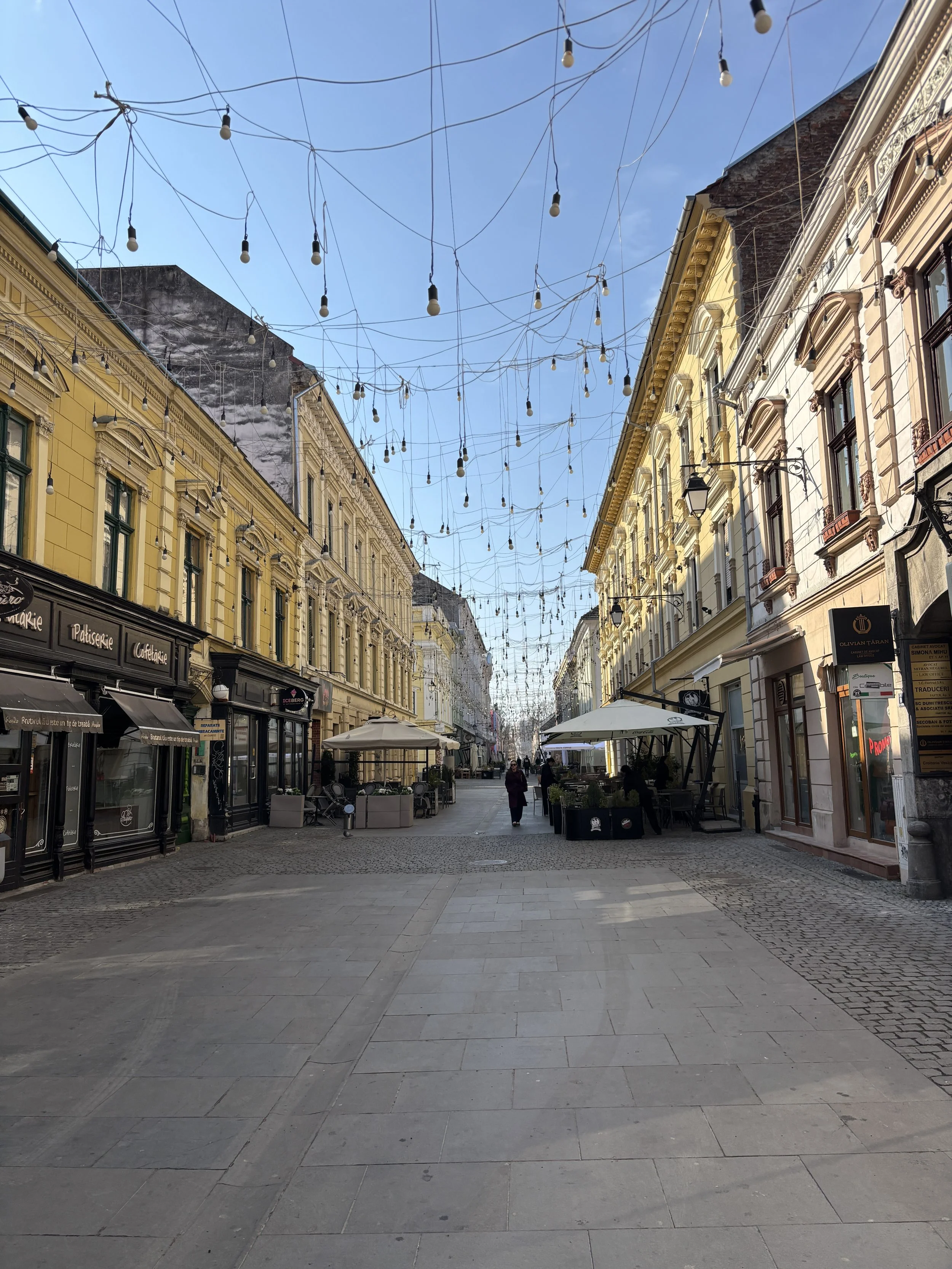
Piata Unirii
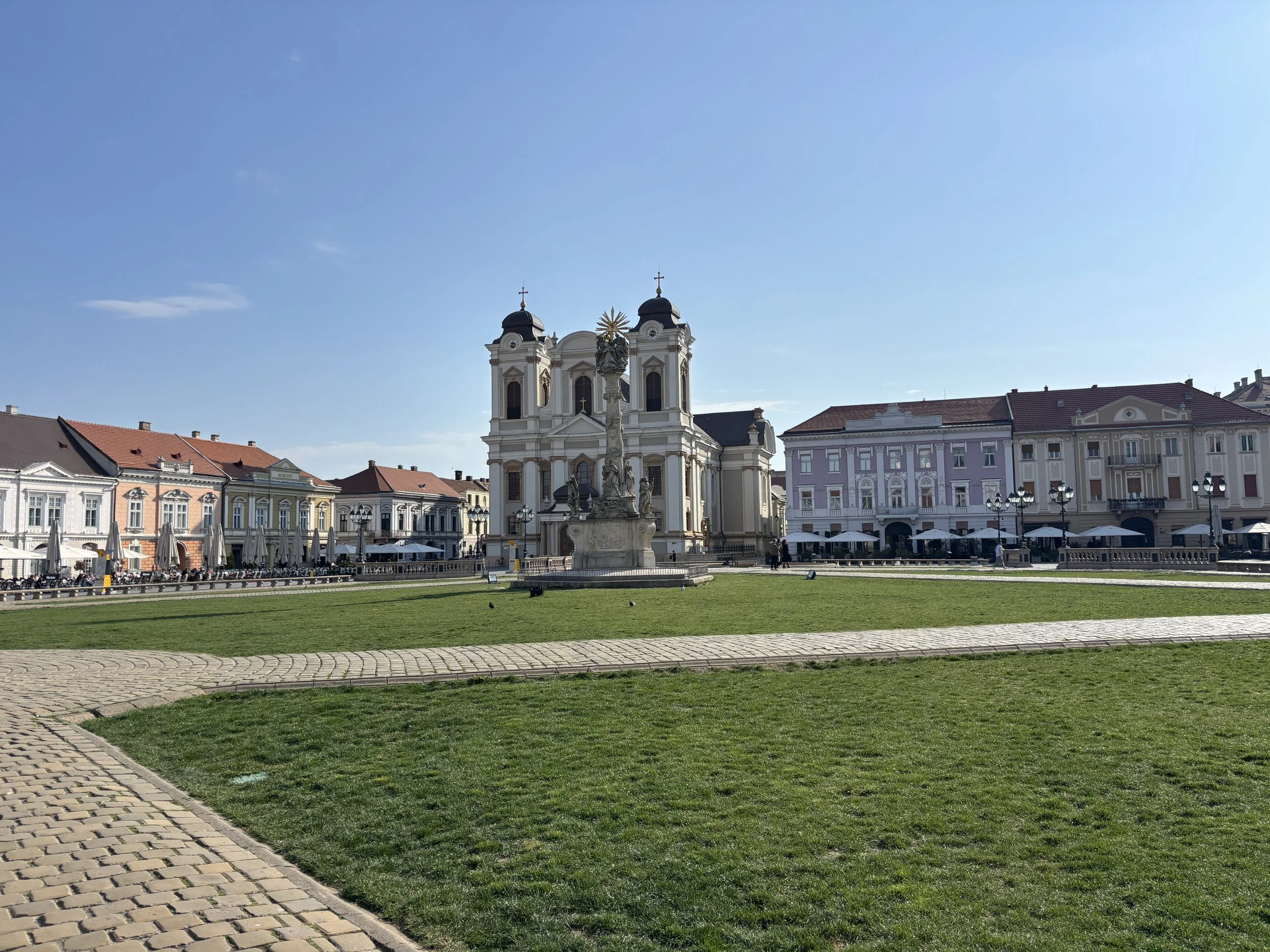
Piata Unirii (“Union Square”) is the main landmark in Timisoara’s old town: a large, open square which, in addition to the Austrian-built Catholic cathedral, contains also the city’s art museum as well as several beautiful and colourful historical buildings which line all its sides.
When the sun shines it offers an absolutely glorious panorama.
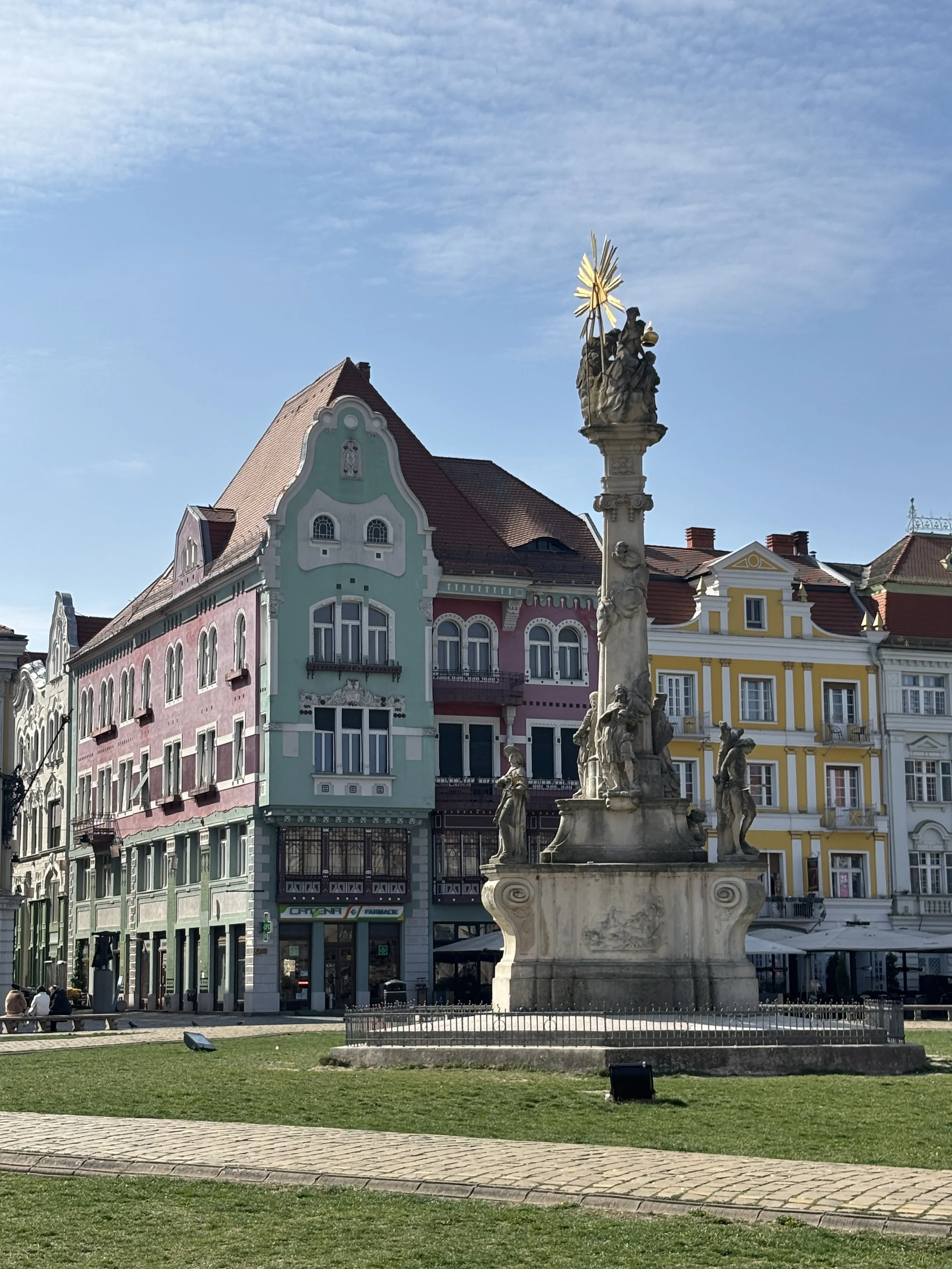
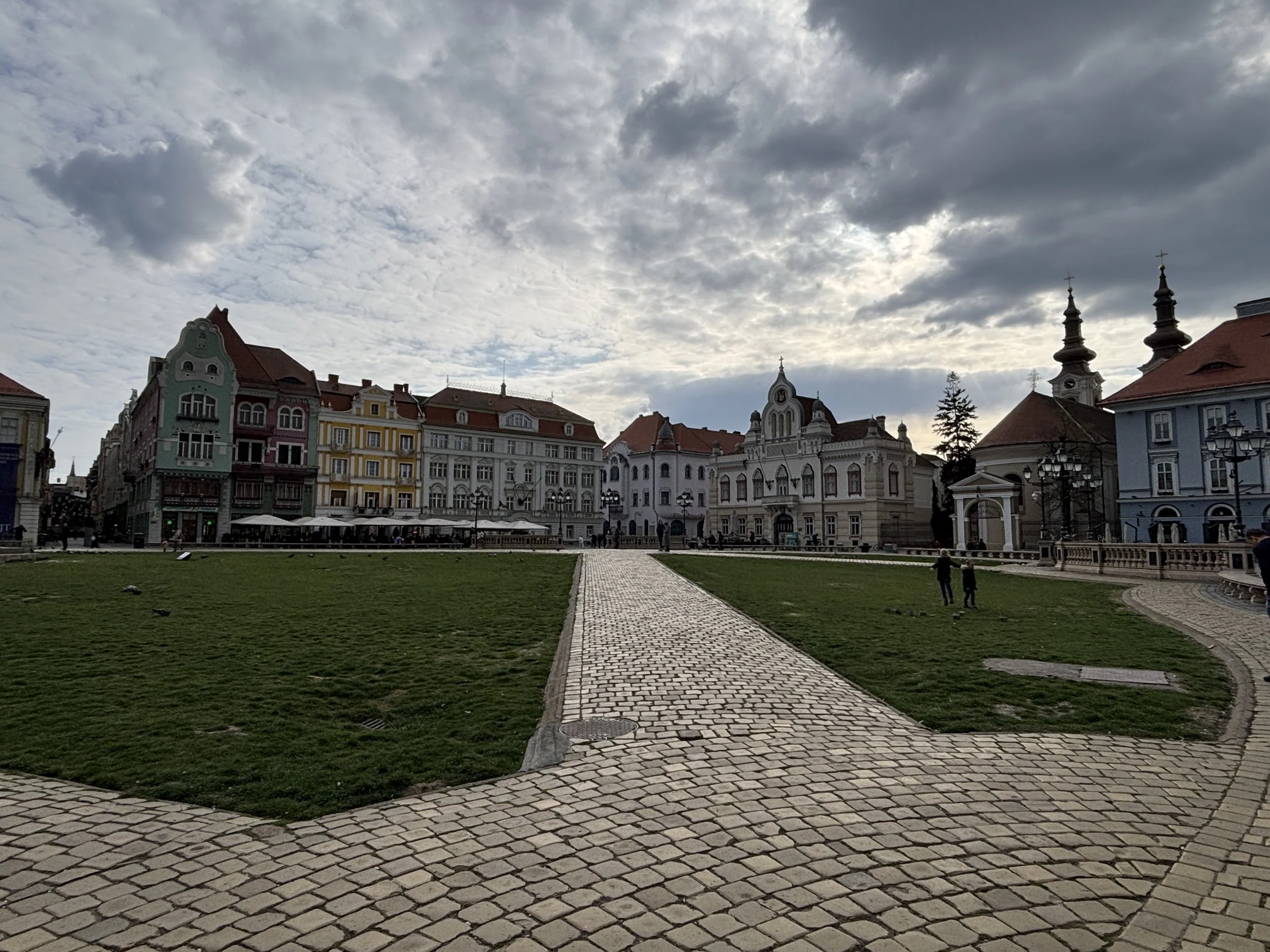
When walking through the city you can see that the historical centre has been painstakingly restored and, indeed, some buildings (including the one I stayed in, more on this further below in this post) are still undergoing a thorough renovation.
The public space has also been fitted with quite a few pieces of urban art and contemporary sculptures, as well as informational panels in both Romanian and English. There is also a QR code you can scan to get more in-depth info on your mobile phone, although, sadly there was some technical glitch that prevented the page from opening when I tried it on mine.
Timisoara seems to be a city well aware of its past, and it is also possible to find quite a few plates and signs marking important historical spots, whether its Romanian statesman Ioan Cuza or Eugene of Savoy, or the emplacements of buildings that are long gone, like the Ottoman hammam (roughly where present day Piata Libertatii now stands).
Another piece of relatively well preserved (and now restored) historical Timisoara is the Maria-Theresa Bastion, which was part of the Austrian fortifications, and is just a couple of minutes on foot from Piata Unirii. This is now the home of the National Museum of the Banat, but it was closed at the time of my visit.
Piata Victoriei and around
Piata Victoriei (“Victory Square”) is the third major square that gives shape and character to downtown Timisoara. Unlike the other two, this one has a more modern flair.
In fact, it is more than a square, because it transitions into an elongated gardened boulevard that ends in front of the Orthodox Metropolitan Cathedral.
At the opposite end of the boluevard from the cathedral is the National Opera House, a very distinctive building the façade of which is adorned by a large arch and a colonnade.
Piata Victoriei was a major scenario of the 1989 Romanian Revolution, with the balcony of the National Opera House acting as an impromptu gathering place for the revolutionaries. In fact, the imprint of those days is kept well alive to this day.
In addition to the musem and memorials that remembers that moment (more on this further below), it is possible to find reminders of those epic moments throughout the city, like the grafitti alluding to the 35th anniversary of those events, to the entire text of the “Proclamation of Timisoara” being proudly exhibited in Piata Victoriei.
As in Cluj-Napoca, the she-wolf statue acts as a reminder of Romania’s links to Ancient Rome
The Romanian Orthodox Metropolitan Cathedral of Timisoara is another landmark of interest in this part of the city, with a very distinctive architectural style which mixes Byzantine and local influences.
The cathedral stands at the edge of the historical town. Right next to it starts a series of gardens which run all along the banks of the Bega river and act as a nexus with the modern part of the town.
These ring of parks cover the area where the city’s outer defensive bastions used to stand. If the weather is nice, you can expect them to be packed with families strolling around or with young people having parties in the terraces and boat-restaurants.
While most of Timisoara’s modern parts are rather unremarkable from the point of view of architecture (several decades of Communist dictatorship left its urban mark), the area immediately to the south of the Bega river has some avenues that are not without interest.
Here you can see how in the early years of the 20th C. Timisoara was a growing city that expanded well beyond its original kernel.
Timisoara must have been a really thriving city in the late 19th and early 20th C. as shown by the fact that it was one of the first in Europe to introduce a number of public services that were truly pioneering at the time.
It was one of the first cities in Europe to have a horse-drawn tram network in 1867 (their electrically-powered successors still plod its streets, as you can see in the picture below) and the very first city to introduce electric street lamps in 1884!
The post-war Communist regime also tried to introduce its own version of “modernity” but with far less pleasing aesthetical results. Fortunately the historical perimeter of Timisoara was relatively untouched by this branch of “architecture”.
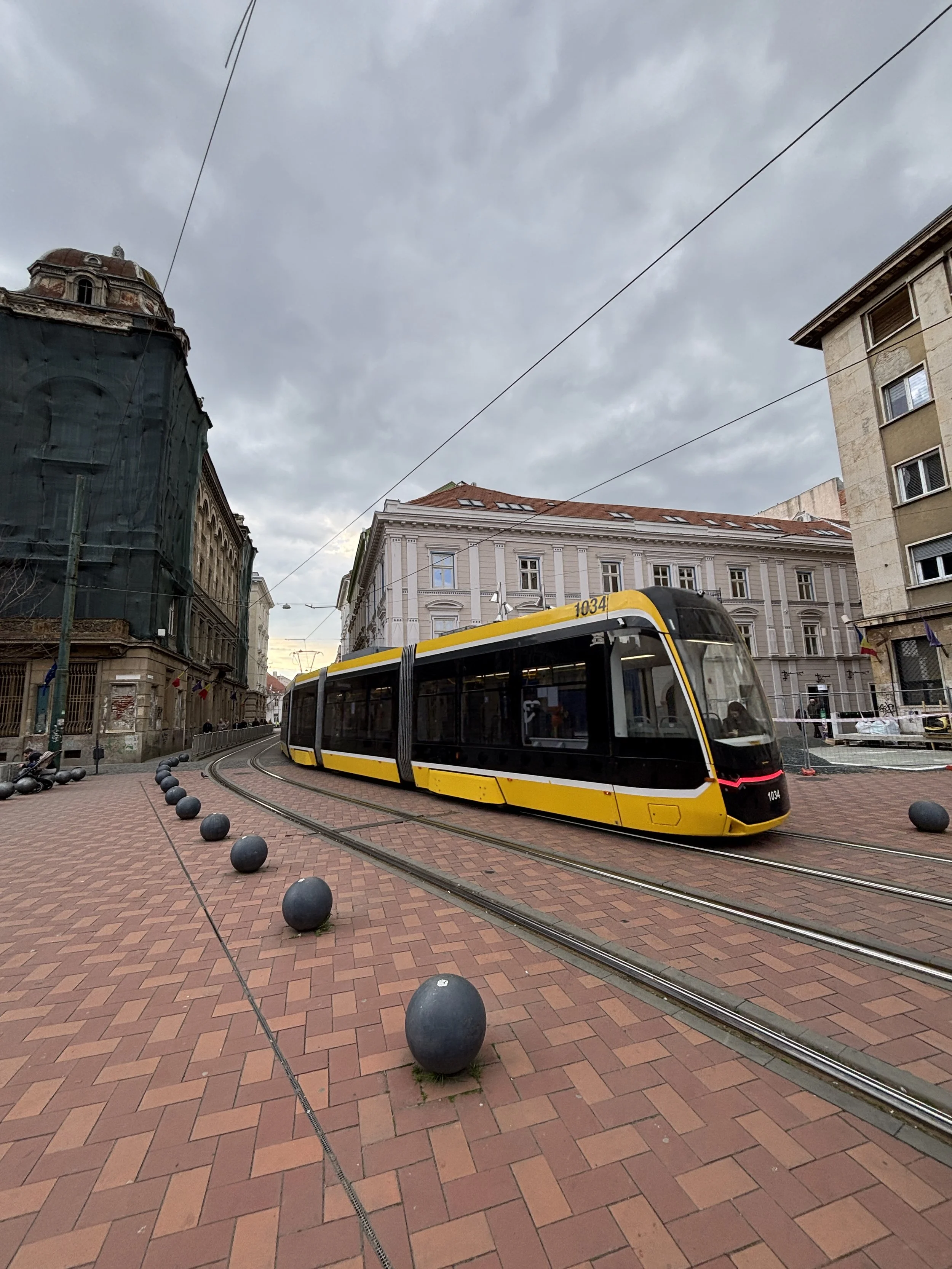
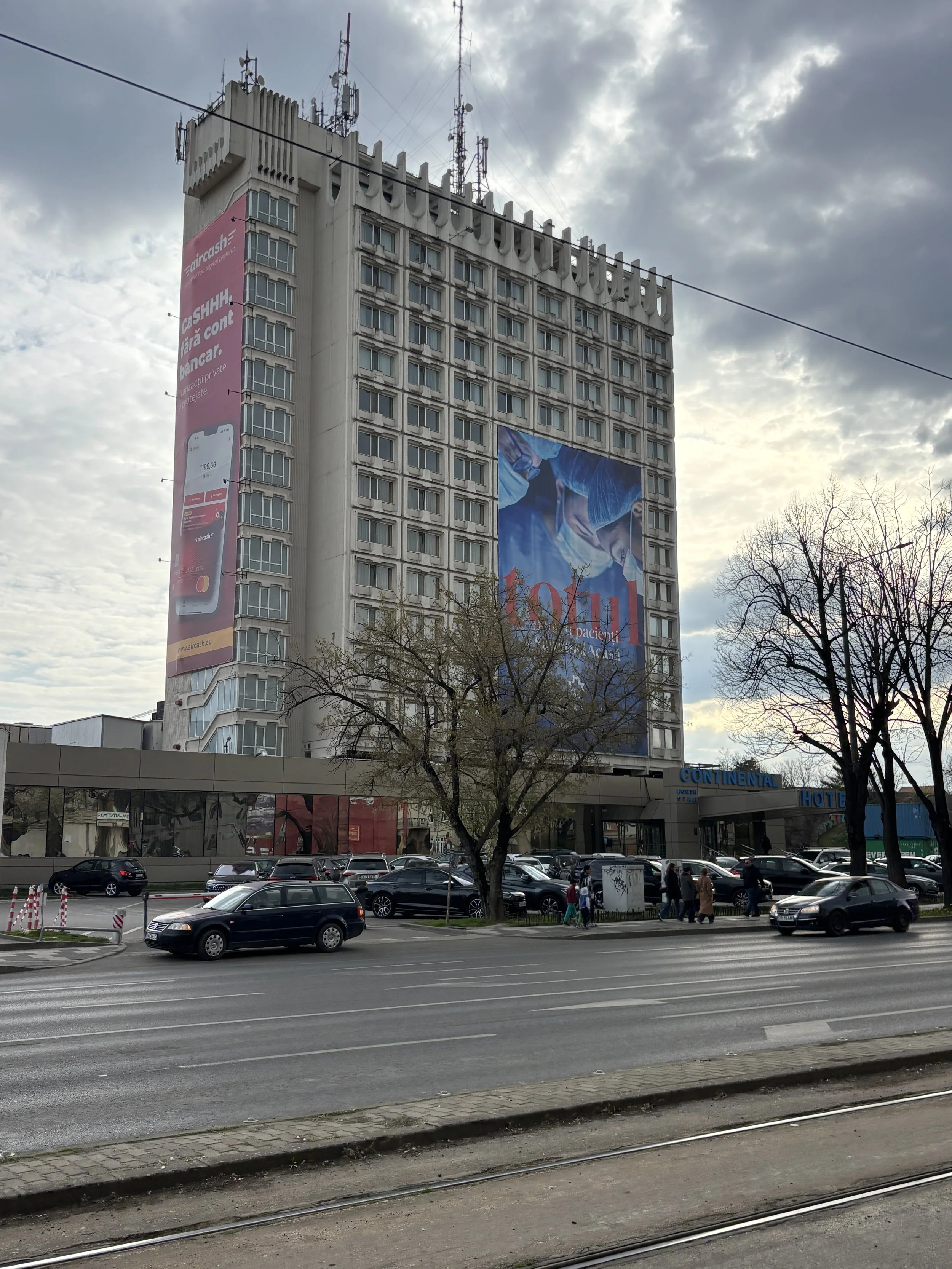
The Revolution Memorial
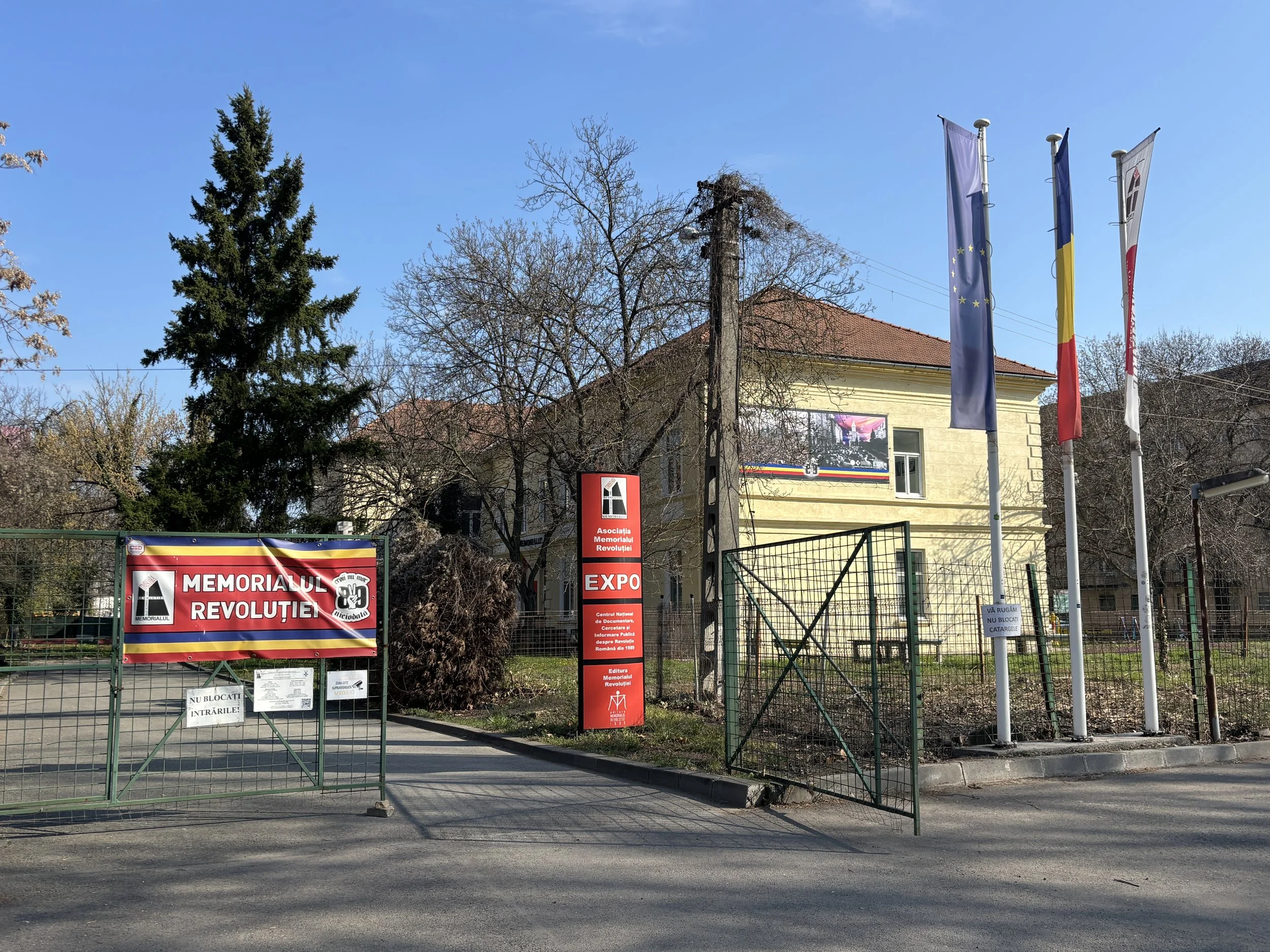
This is a must-visit in Timisoara, and a nice way to get a peek into the history of the city during the Cold War years, when Romania was under the totalitarian rule of Communist dictator Nicolae Ceaucescu.
The museum is, I think, run by non-profit, and the facilities are somehow basic (if quite centrally located just north of Piata Unirii) but it does a good job of conveying what life was like at that time and the sequence of events which, starting in Timisoara, led to the downfall of Ceaucescu’s regime in December 1989.
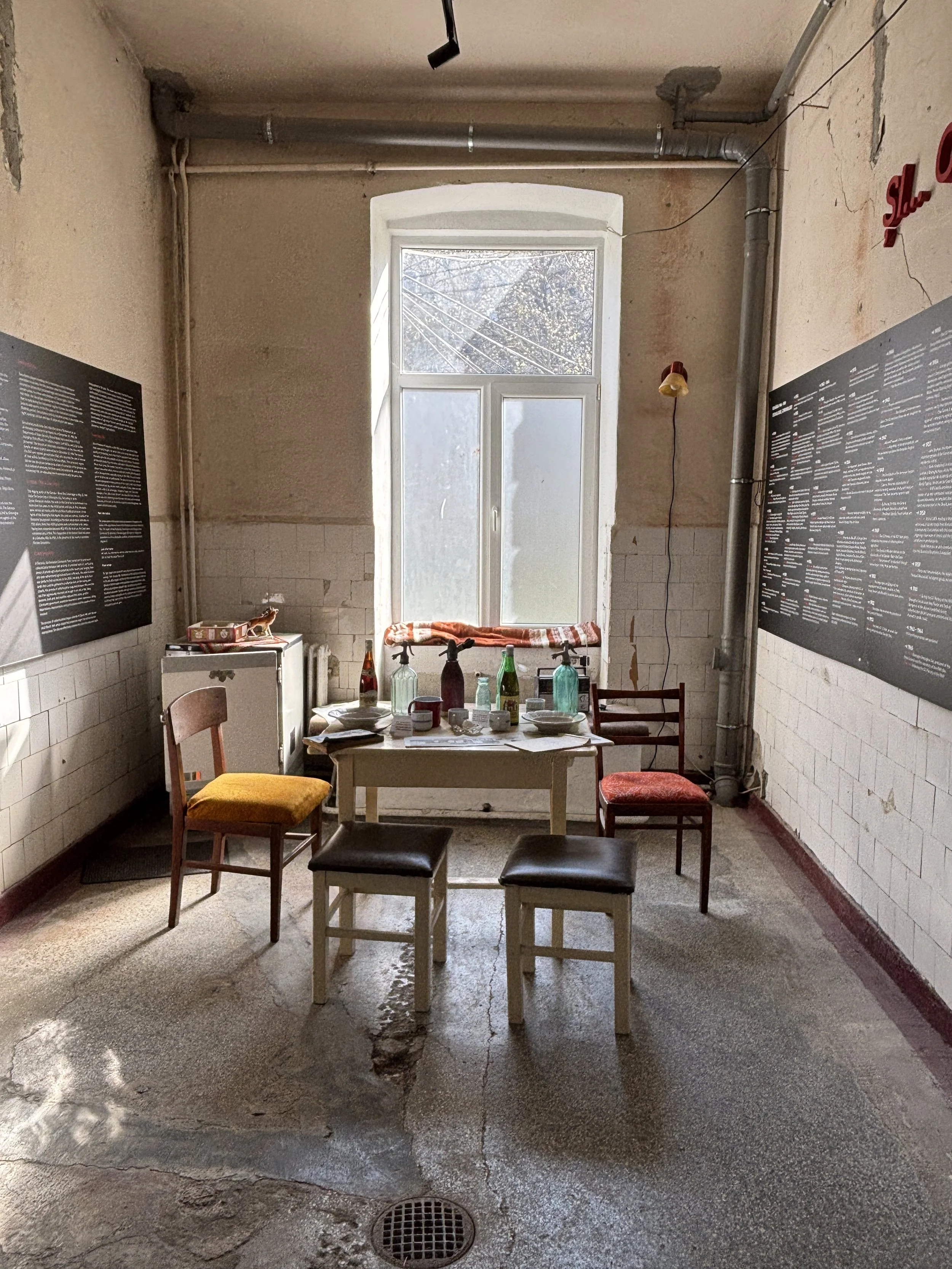
The Romanian flag with the Communist coat of arms cut off from its middle became the emblem of the 1989 Revolution. Unlike in other countries of the Eastern Bloc, the ousting of the Communist regime was a rather bloody affair, first due to government repression and later on due to the ensuing chaos.
This is a historical episode, by the way, which I covered also in my post about Bucharest, where some of the key developments of this story took place. Timisoara, however, is where everything started and today the city takes just pride in this fact!
Museum of Communist Consumers
If you didn’t have enough of Cold War Romania during the visit to the Memorial of the Revolution, you can also take a stroll to the Museum of Communist Consumers (“Muzeul Consumatorului Comunist“).
In fact, to call it a “museum” is a bit of a stretch, since it is essentially a bar which, in a rather ingenious marketing ploy, has transformed its basement into a makeshift repository filled with ordinary objects and memorabilia from the Communist period.
To be fair, there is not entrance fee, you just walk down the stairs and are free to roam the rooms (you may have to look for the electric switch as you walk into the next room, just as you would in a normal house). As mentioned, this is not an ordinary museum, so don’t expect any signage or audioguide.
If you are interested in that era, it is not without interest, if only because of the very original way to present the “collections”. If you were born before the 90s some of the items in the collection may not look entirely unfamiliar either!
In any case, since the bar-museum is located some 15 minutes walk south of the Bega river, it is a nice excuse to get out of the old town, as well. It’s a nice walk if the weather is nice and the bar has a terrace where you can sit down to replenish energies before continuing the sightseeing.
Where to eat in Timisoara
When arriving in Timisoara, one of my goals was to try some local Banat specialities and, I must say, that proved quite more challenging than I expected. There is no shortage of Italian and Asian restaurants and burger joints in Timisoara, but not really that many Banat or Romanian cuisine restaurants! In fact, I think I didn’t fully succeed at finding them, although I present here a couple of options which may be reasonably close and provide, I think, good value.
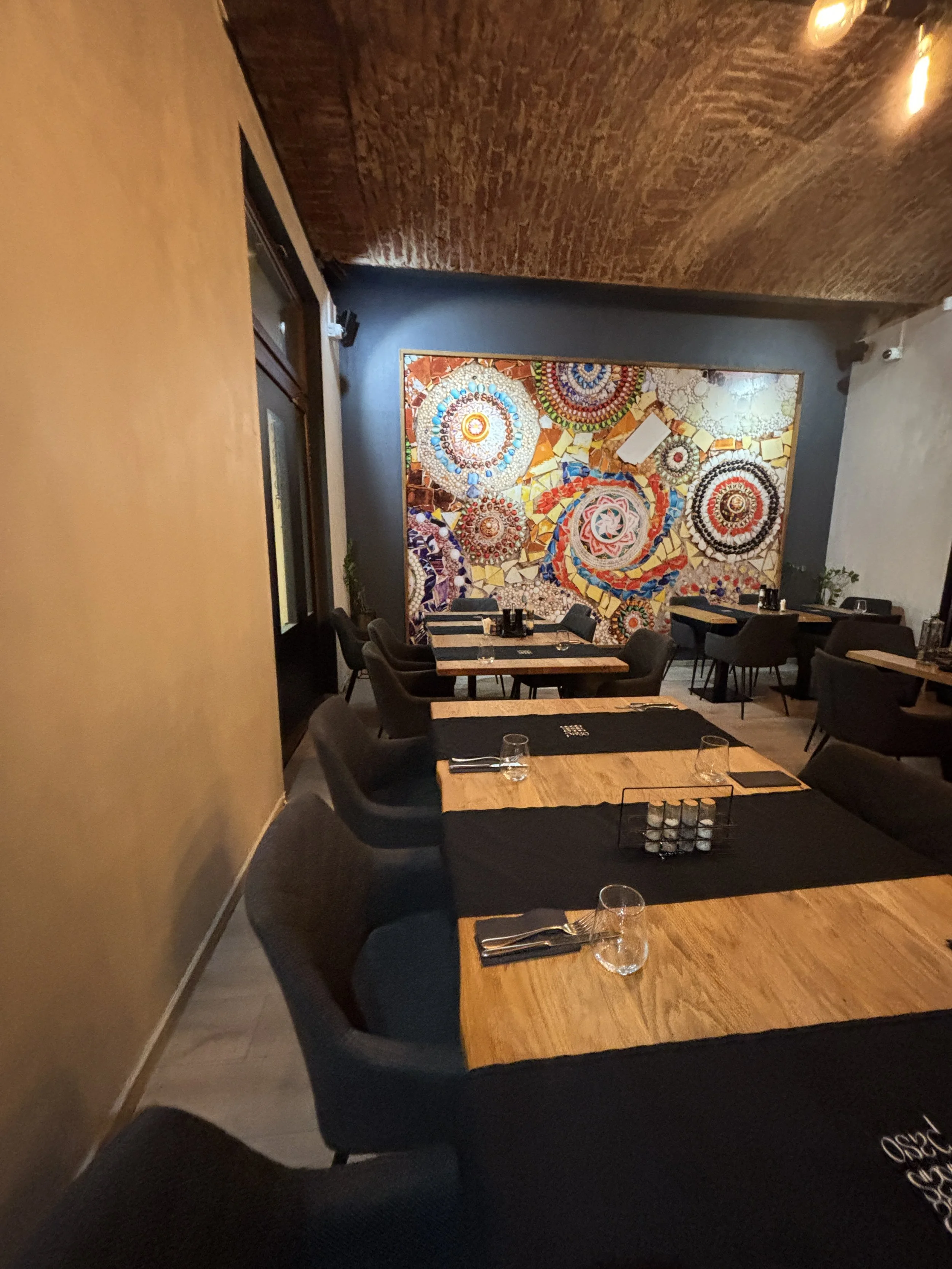
Paso Local Cuisine
Strada Eugeniu de Savoya 6B, Timișoara
https://www.pasorestaurant.com
This is a small restaurant located at the heart of the old town, providing good service and value for money in addition to a somehow lively atmosphere.
The speciality here are the meat dishes (although they do have some fish too) and, in particular, the roasted meat dishes that are so typical of the Balkans and southeastern Europe.
They only had one dessert choice, but it was pretty tasty.
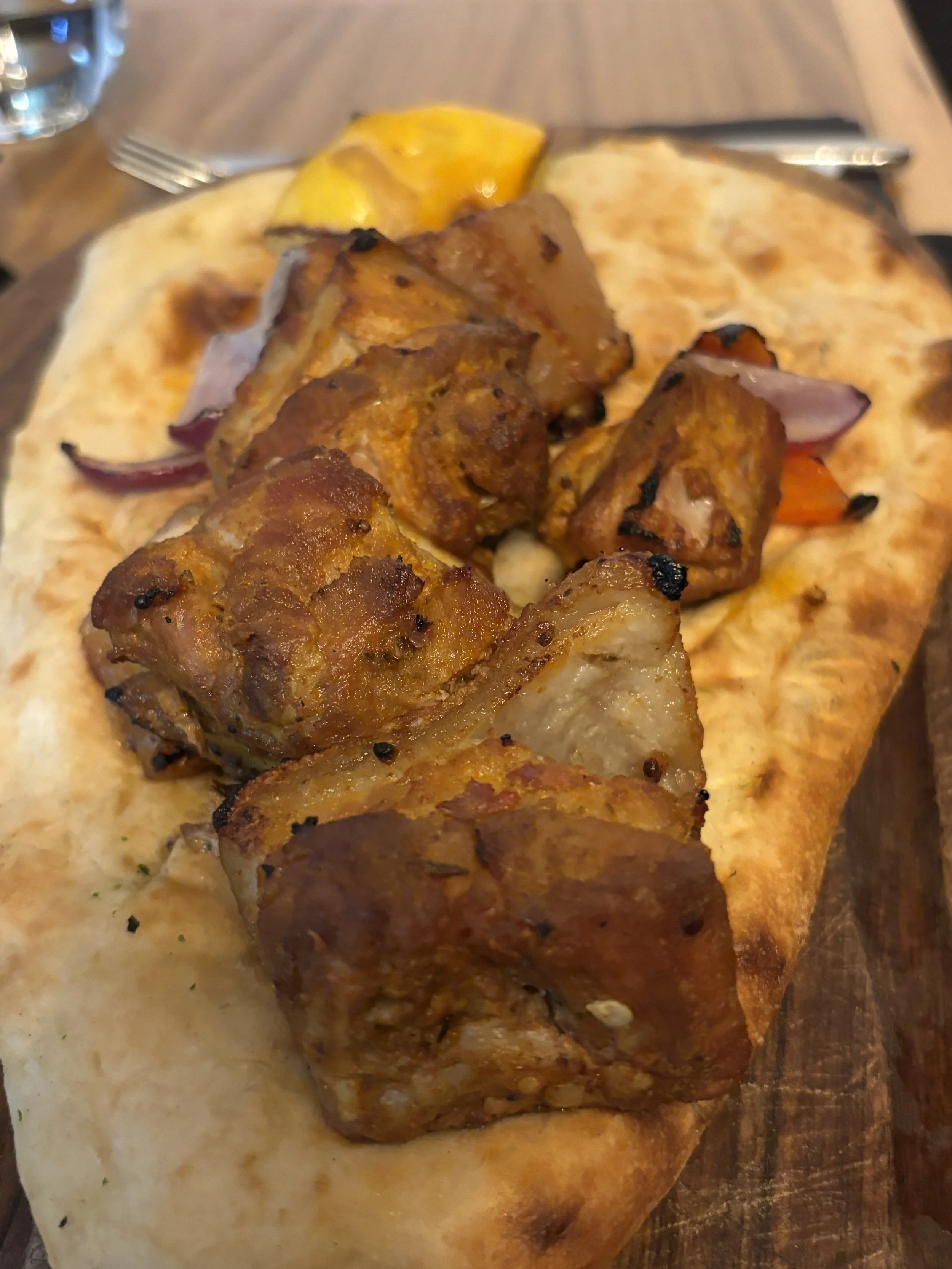
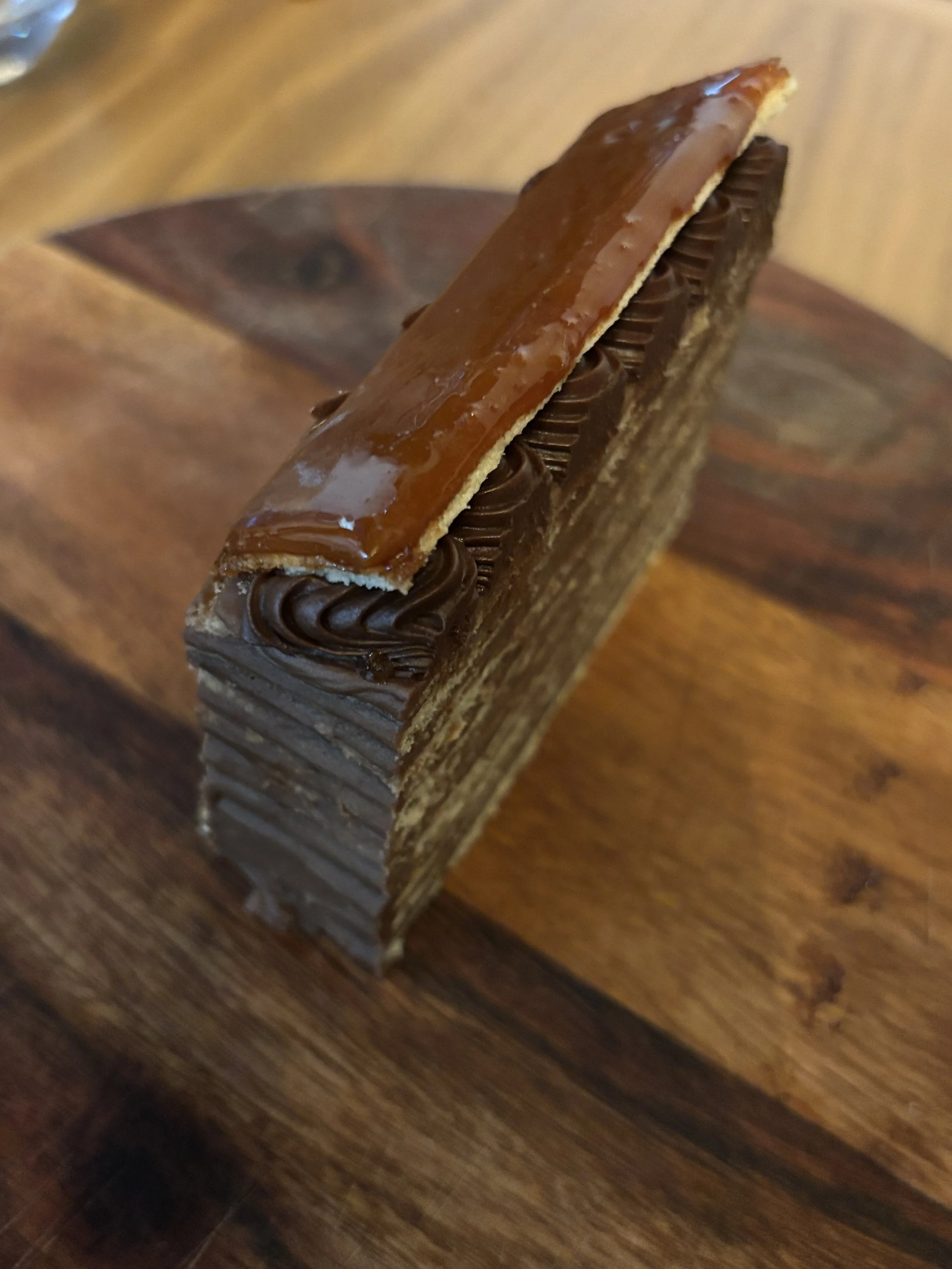
Restaurant Tinecz
Calea Aradului 51, 300254 Timișoara
This restaurant is a bit further from the historical centre, so ideally you would need to take a cab (the Bolt ride from the Piata Unirii costs something like €3). I went to try it since I saw it had good reviews and a semblance of local cuisine.
This is, in fact, the case, although it combines some dishes with a local flavour, like the “sarmale” (below), which were excellent and pretty substantious, with more, let’s say, international cuisine.
The service was pretty good throughout, as well.
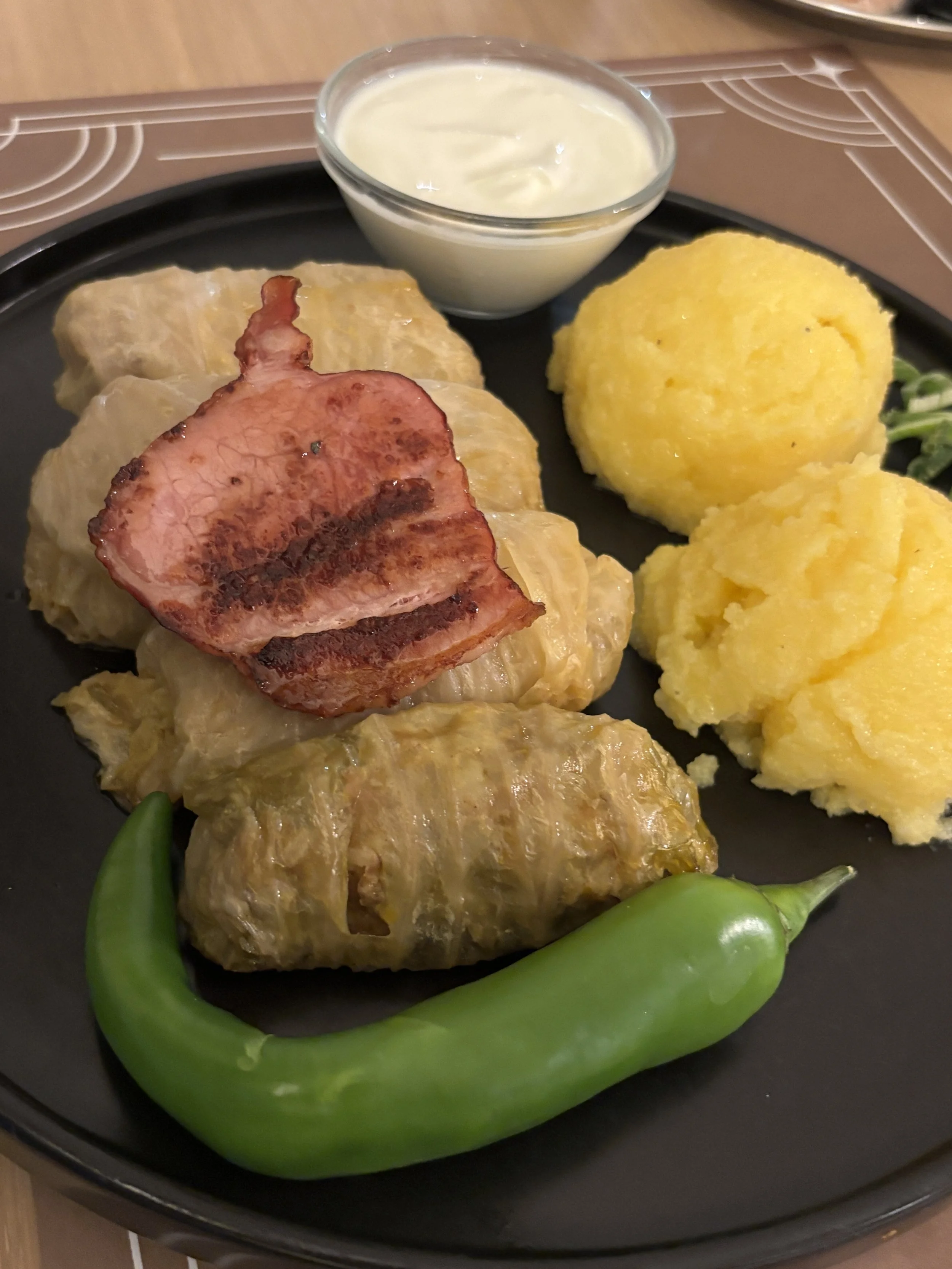
Coffee and pastries in Timisoara’s historical centre
If there is one thing I liked on the culinary front, though, it is the pastries. Here below are three places that I tried. All three are within 20 meters of each other on Vasile Alecsandri street next to Piata Unirii.
Patisserie-Cafetarie Prospero
This is, apparently, a local chain with three or four brances around town. It offers a nice range of sweet and savoury pastries and good coffee.
A’Clair by Alma Dulce
This place represents a totally different approach to coffee and bakery.
In fact it is more like a high-end patisserie offering some coffee as well.
The flagship product here is a sort of elongated sweet cake filled in the middle with cream of different flavours.
While there is not place to sit in the fancy, but rather small, interior, it does have sitting outside, on the street.
In line with the type of stylish experience it aims to offer, coffee here is served in some very original designer terracotta cups.
Service was great throughout.
Select Bakery
This is just opposite the aforementioned “Prospero” and it offers a similar selection of pastries. You can order to take away right from a little window on the side of the shop.
I particularly enjoyed this sort of triangular pastry, which is filled with a sort of cottage cheese and served warm. In fact, I liked it so much that I went back there for more the next day, and would have done the same if I had remained in town for longer!
Where to stay in Timisoara
City Park Apartments
Strada Carol Telbisz 4, Timișoara
This place was great value and in absolutely convenient location. It is located in one of the large old blocks next to Piata Libertatii. The place looks completely dilapidated on the outside, but the apartments inside are modern and renovated.
The place consists of a number of renovated apartments located in one of the wings of what I think must have been some old military barracks or something like that.
At the time of my arrival the place was pretty much a construction site. I guess the place will look completely different in a relatively short period of time, on account of its really prime location, since it is literally a two minute walk away from the main commercial axis in the historical centre.
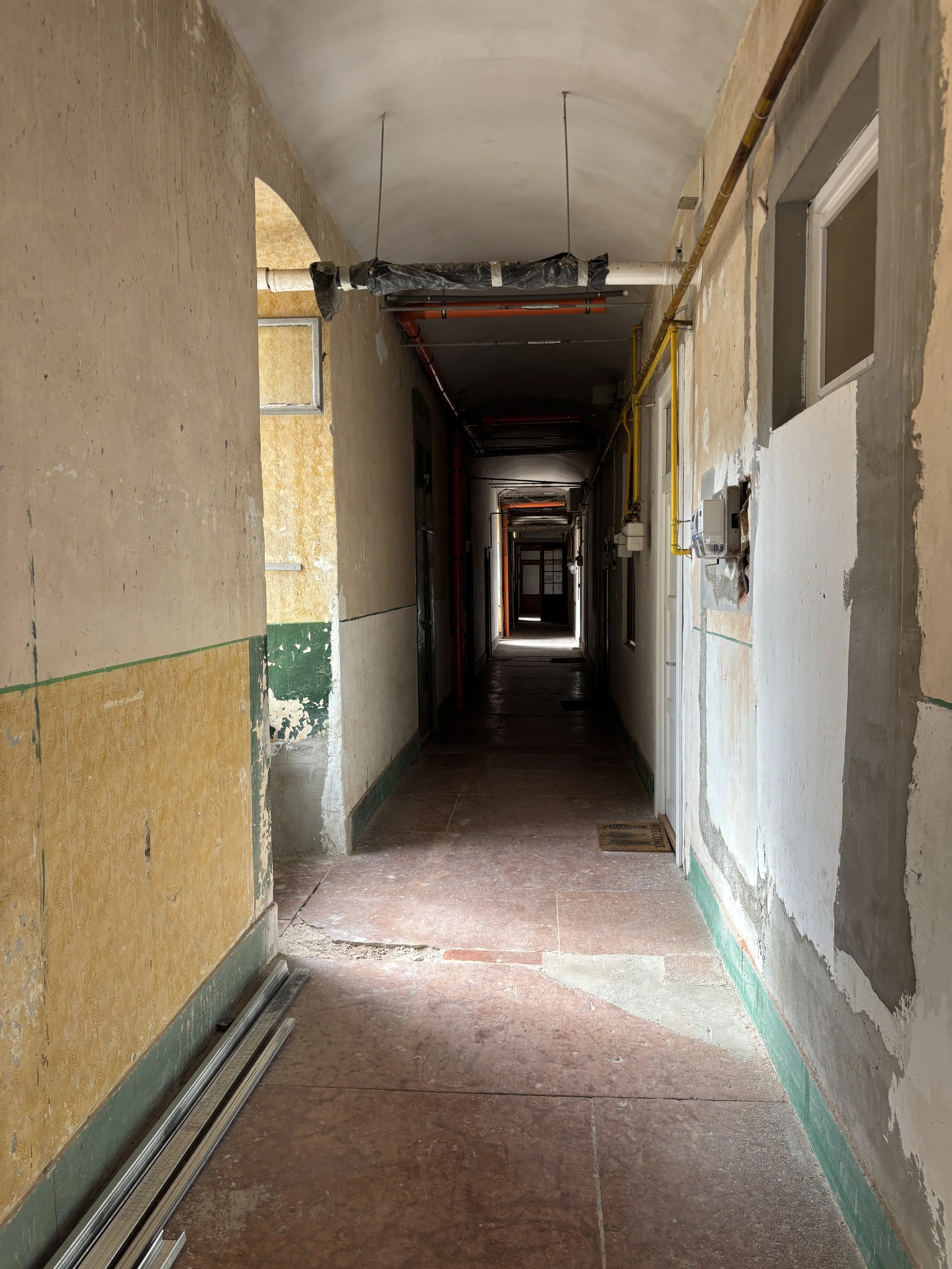
So, don’t be fooled by first impressions when you come in (the check in process is fully automated, with the property sending you the codes to access the different parts of the building), the apartments inside are in good state, renovated and are very spacious. There is also a small, equipped kitchen, and some household supplies in an antechamber. There is also an espresso machine with some available capsules.
When I arrived there was no warm water, but this was fixed in a matter of minutes when I emailed the property and they sent me instructions about how to reset the heater, which was in an adjacent room.
There is high speed wifi as well.
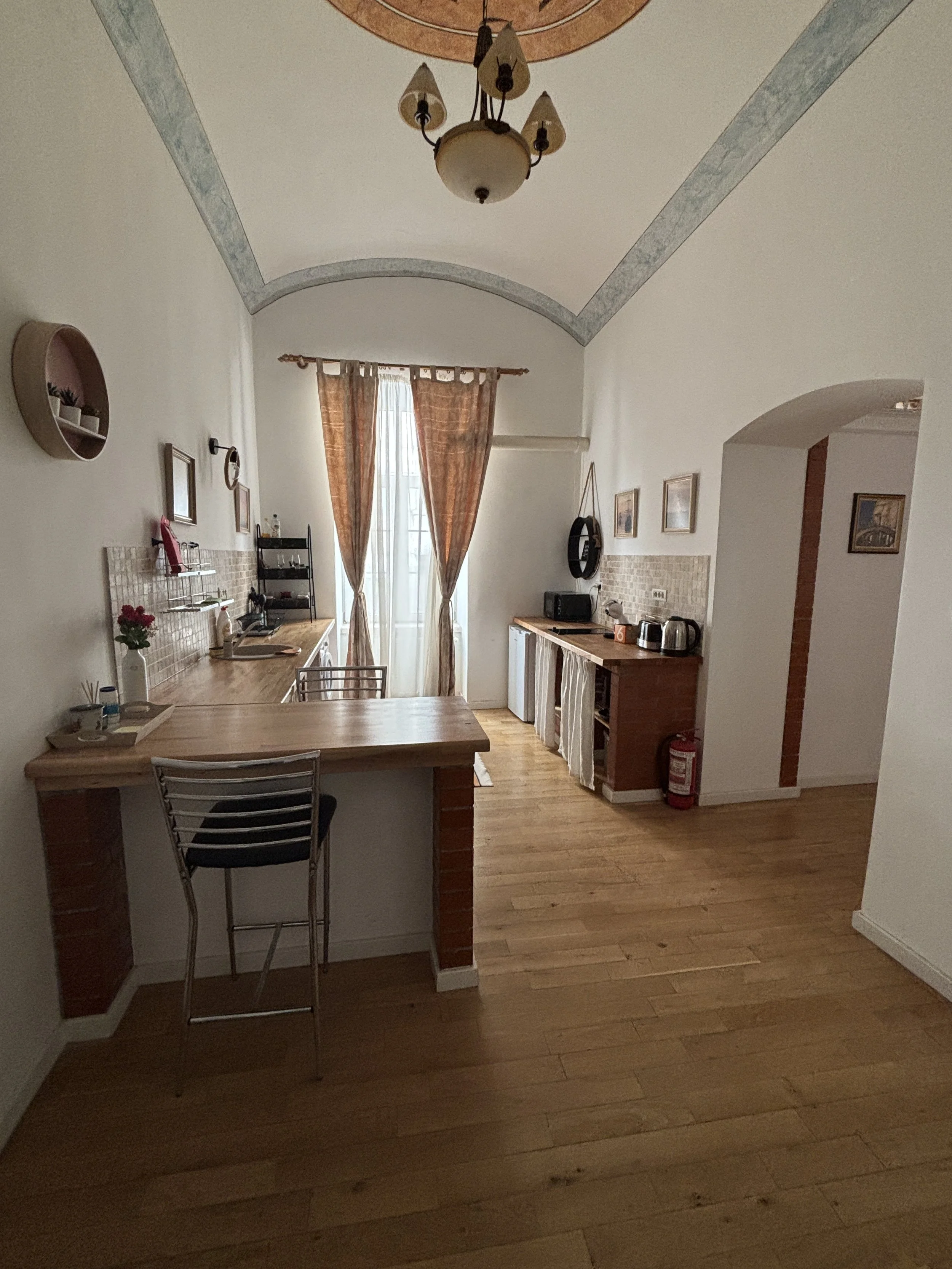
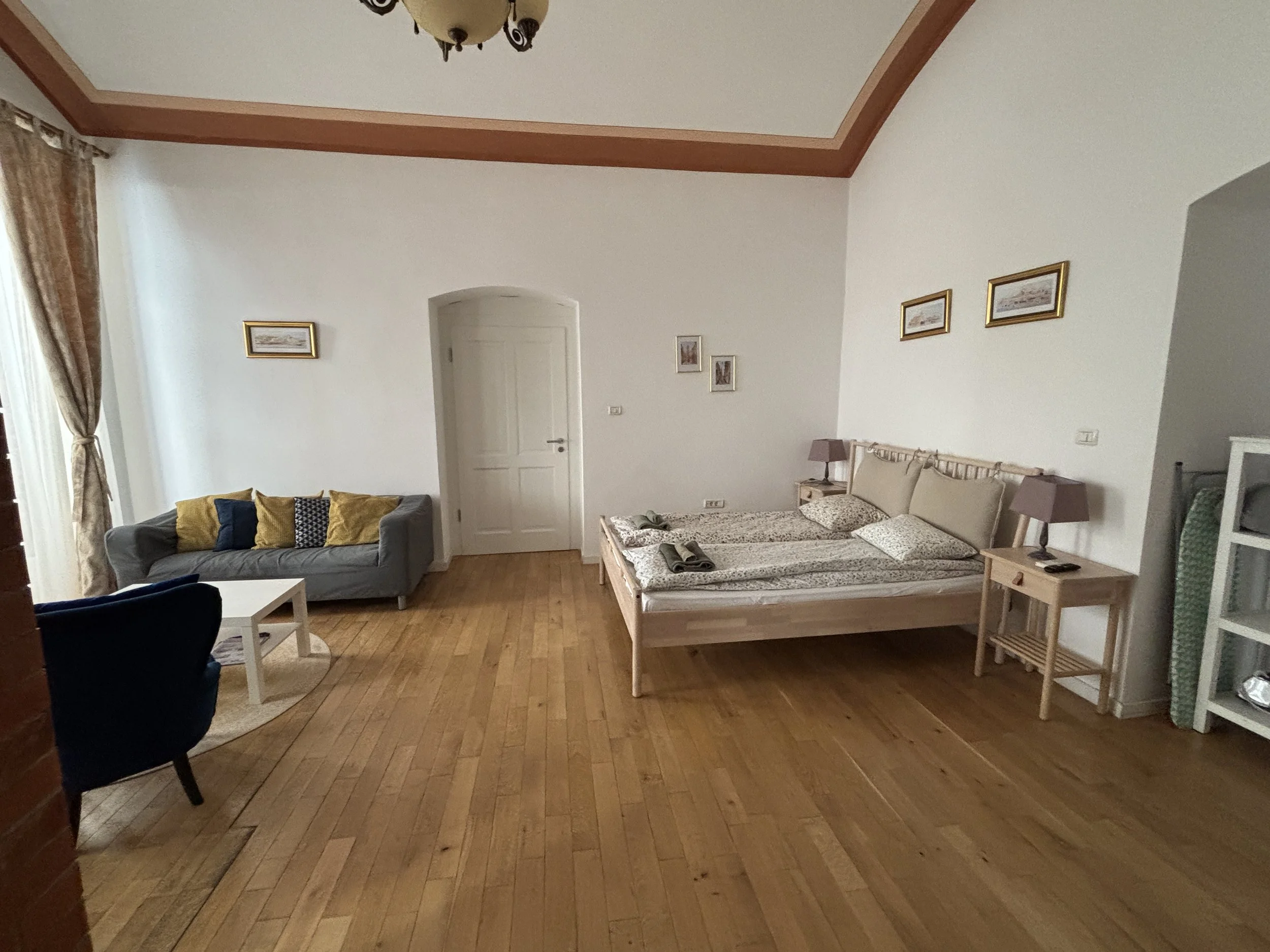
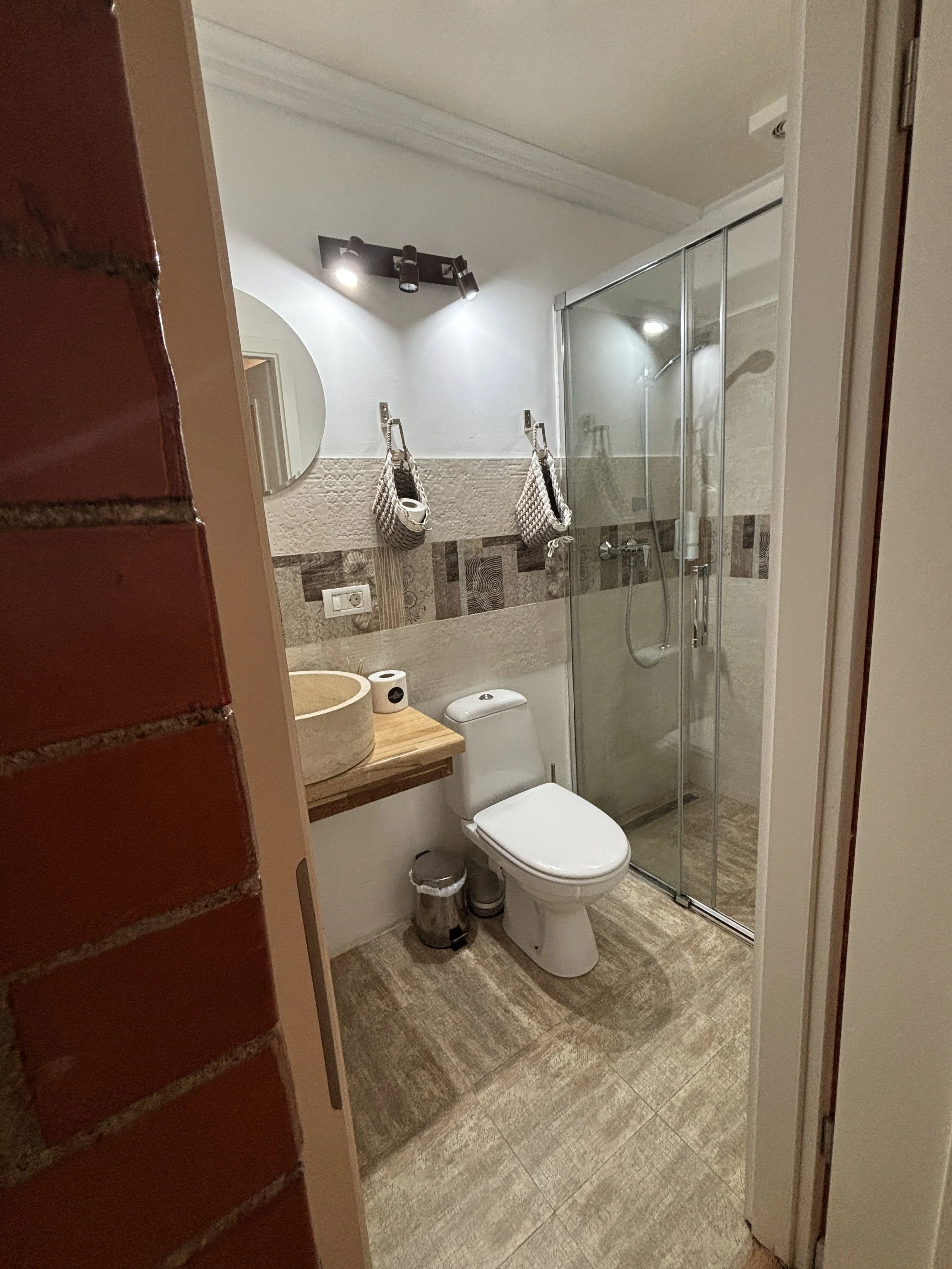
Getting to and from Timisoara
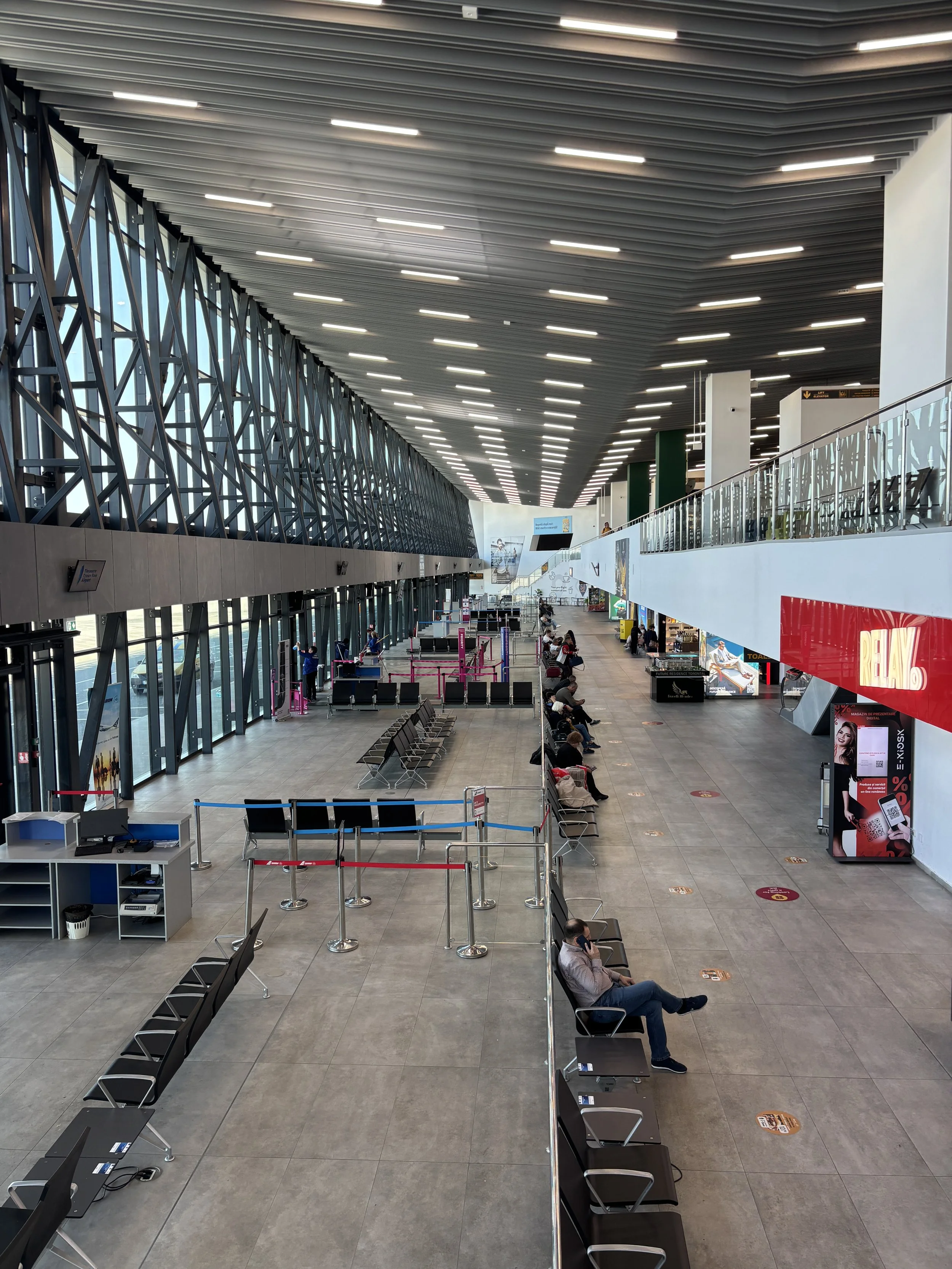
Finally, before departing, a word about logistics and how to get to and from Timisoara.
The fact is that with low-cost airlines like Wizz Air flying to Timisoara from many points in Europe, never has been so easy to explore this beautiful city.
The airport is small but very modern and functional and it costs less than €10 to get there from the center with Bolt.
This ride hailing app is possibly the best way to move around if you don’t want to get messed up with public transport schedules and the like, and it is also not very expensive. In fact, if you stay near the old town you possibly won’t need transportation within the city at all.
If you are traveling from other parts of Romania, like Bucharest or Cluj-Napoca, you may look also at the train or the bus. In such case I suggest you check this website for schedules and bookings.
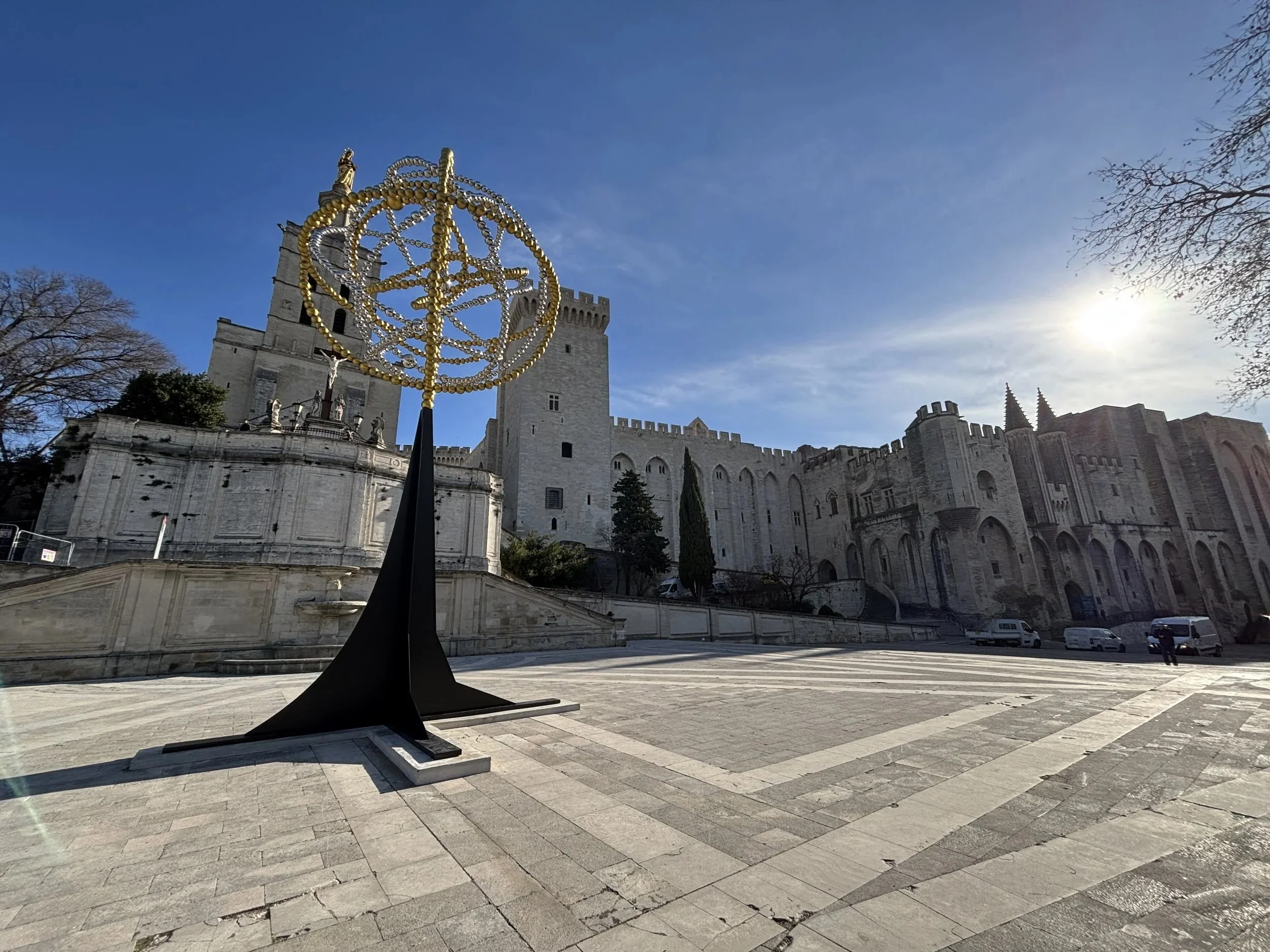
48 hours in Avignon and Nîmes: what to see, what to do
The south of France is so rich in sights and history that at, if you find yourself driving around the area on a sunny day, it is easy to feel overwhelmed by the amount of choices that present themselves.
There are, however, some sites that really stand out (and have even been recognized as such by UNESCO, which has granted them World Heritage Site status) and fortunately, several of them are relatively close to each other, so it is perfectly possible to visit quite a handful of them in a couple of days if you have access to a car.
So, what to see and what to do if you if you are traveling in the area roughly delimited between Nîmes to the west, Avignon to the east, Châteauneuf-du-Pape to the north and Aiguesmortes and the Camargue to the south? We’ll see it now!
In this post I am going to try do just that: describe an itinerary that includes, I think, some of the most impressive and interesting places to visit in the lower Rhône Valley and the region where Provence meets Occitanie. These are representative of a diverse range of historical eras and have some varied landscapes, as well.
This post may contain affiliate links. If you book or buy something through them, I earn a small commission, at no extra cost to you. It's one of the ways I keep Places of Charm going. Thank you for your support.
Visiting the Palais des Papes in Avignon
Our itinerary starts in front of the imposing ramparts of the Palais des Papes, the old papal fortress in Avignon. This small provençal town was for quite a few decades in the 14th C., the residence of a number of Popes, which made it, de facto, the centre of the Catholic world.
Pope Clement V, who was French, relocated to Avignon from Rome in 1309. Apparently in an attempt to be closer to the French court. After him, successive popes stayed in Avignon and kept enlarging their residence and making ever more majestic.
The Papal Palace in Avignon thus, evolved into one of Europe’s largest medieval fortresses, made even more impressive by the fact that parts of it are built on top of naked rock (see the picture below).
The Pope returned to Rome in 1377, although Avignon remained part of the Papal estates and, in fact, it didn’t, join France until after the French Revolution in 1791!
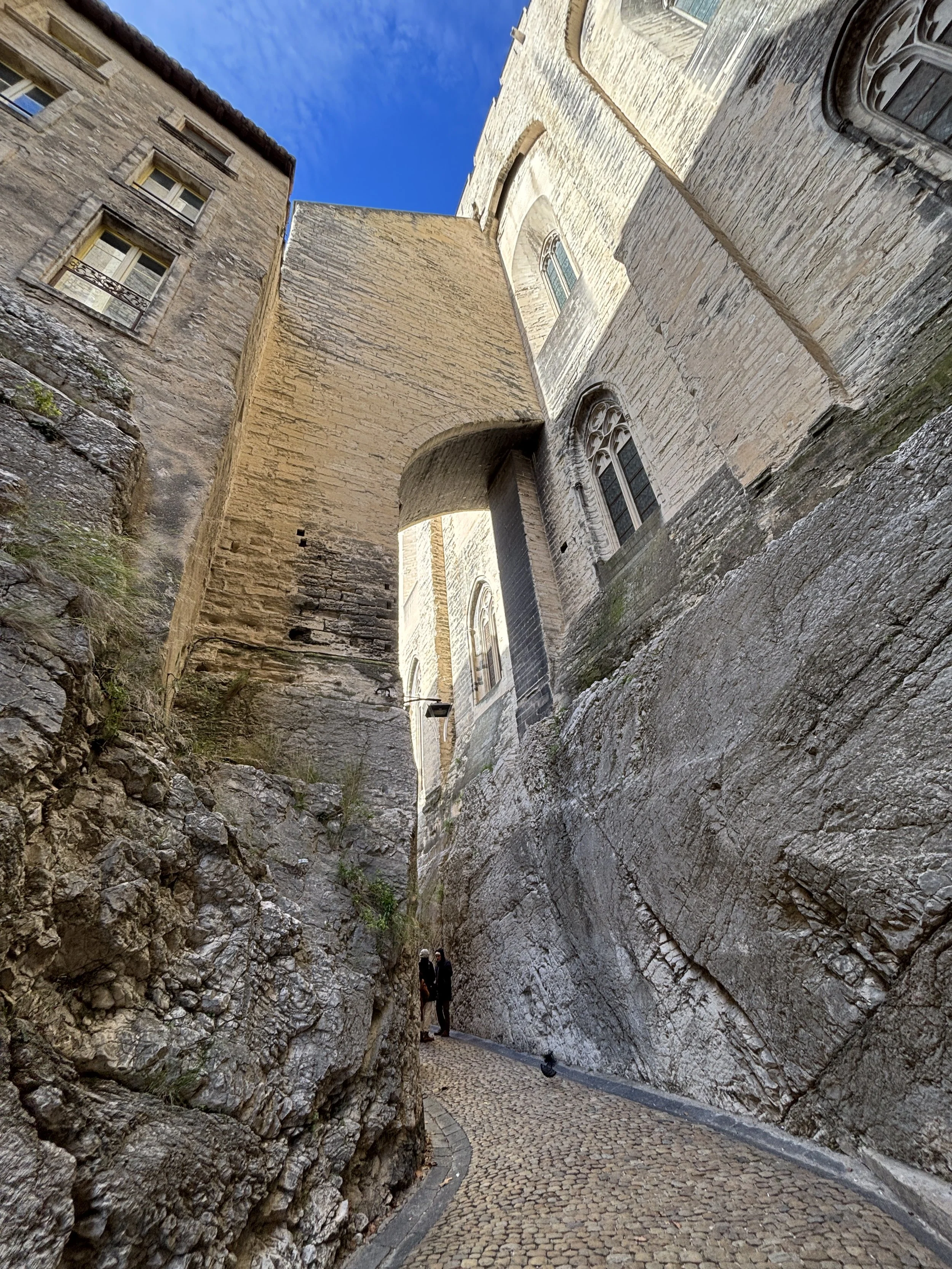
It is advisable to buy the entry ticket in advance online, since there is a slot system for visits. To be fair, we booked quite at the last minute didn’t have any issue finding available slots, but I can not guarantee this is always the case, particularly during busy holiday periods!
It is also possible to buy a ticket that combines several of the town’s historical sites, such as the palace, its gardens (which we were closed at the time of our visit and, therefore, not included here) and the bridge over the Rhône (the famous “Pont d’Avignon”). Prices range between €12 and €17 approximately depending on the option you take.
If arriving by car, the best option is to leave the car at one of the several underground paid parkings near the Palace. The closest one is just underneath the palace’s rock and it is very aptly called “Parking du Palais des Papes”. If you spend half a day touring the castle and walking around the old town you would possibly pay something on the order of €10 or so, but it saves a lot of hassle.
Allocate at least a couple of hours to the Palais des Papes, because the place is huge.
I recommend taking the audioguide since, in addition to having nice and comprehensive explanations, it comes in the form of a tablet with augmented reality effects. It allows you to see how the different parts of the palace-fortress would have looked like in its heyday by pointing out at specific locations.
The visit, by the way, combines indoor and outdoor spaces and it is even possible to climb to one of the fortress towers for a view of the town.
Sometimes there are also some temporary art exhibits throughout the palace (like is the case of these giant suspended crowns in the picture below).
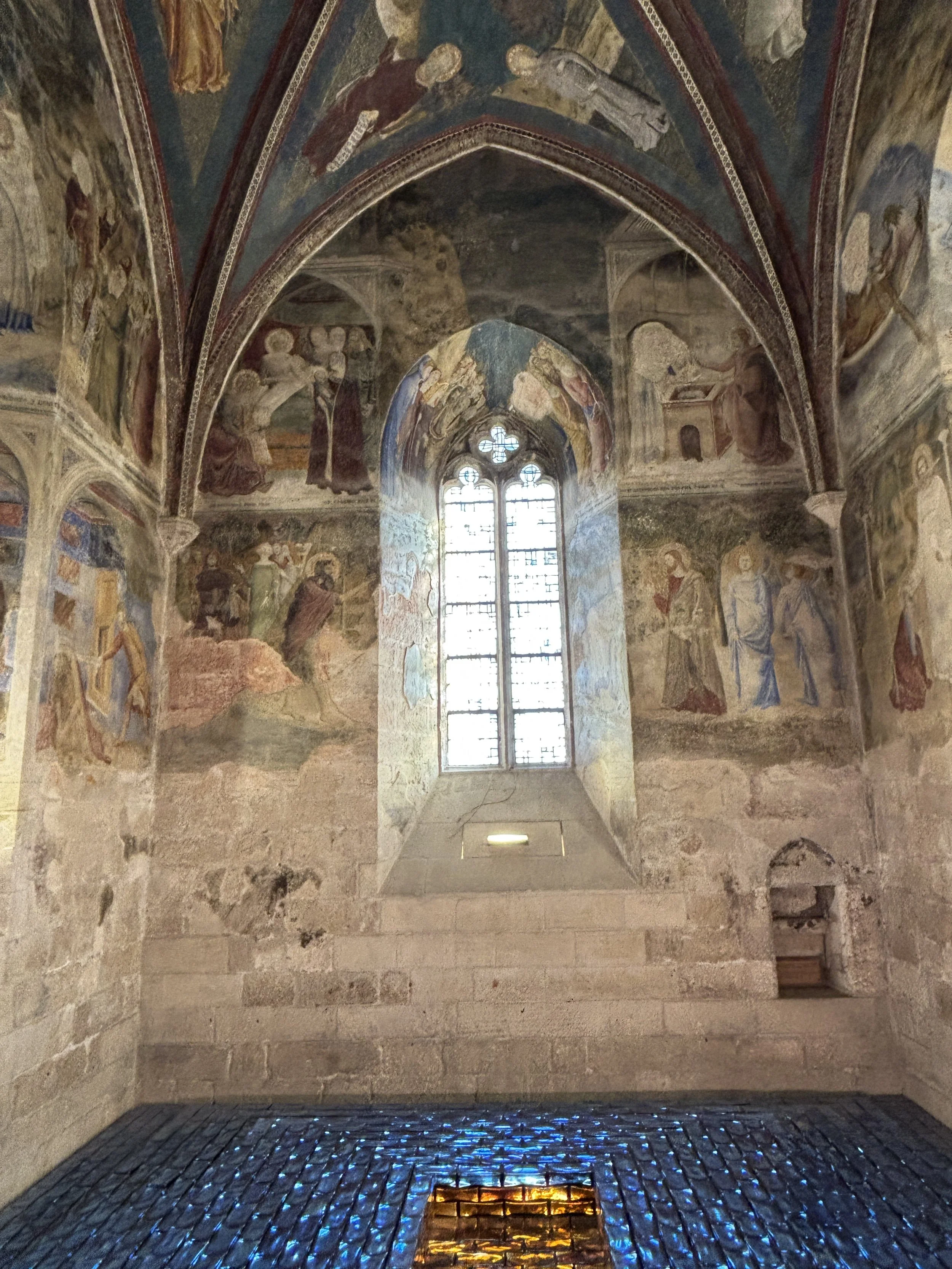
“Sur le Pont d’Avignon”
A visit to Avignon wouldn’ be complete without visiting the bridge over the river Rhône, the “Pont d’Avignon” that gives its title to the famous folk song.
The “Pont d’Avignon” is a real thing and it was built during the Middle Ages. Besides its function connecting the two banks of the Rhône, it also acted as a checkpoint to tax goods and trade and move upstream from the Mediterranean and downstream from Bourgogne and northern France.
The bridge only makes it half way across the river nowadays, since part of it was destroyed by a flood. This was apparently a regular occurence, but for some reason they stopped rebuilding it at some point.
There is a small museum at the head of the bridge which explains not just the history of the bridge and the importance of the Rhône as a major trading artery in the past, but also sheds some light into Medieval bridge-building techniques.
It is also possible to walk over the bridge and, in fact, it is from the far end of the bridge that you can get what are, possibly, the best panoramic views of the monumental ensemble of the Palais des Papes. so, make sure you include this in your visit as well!
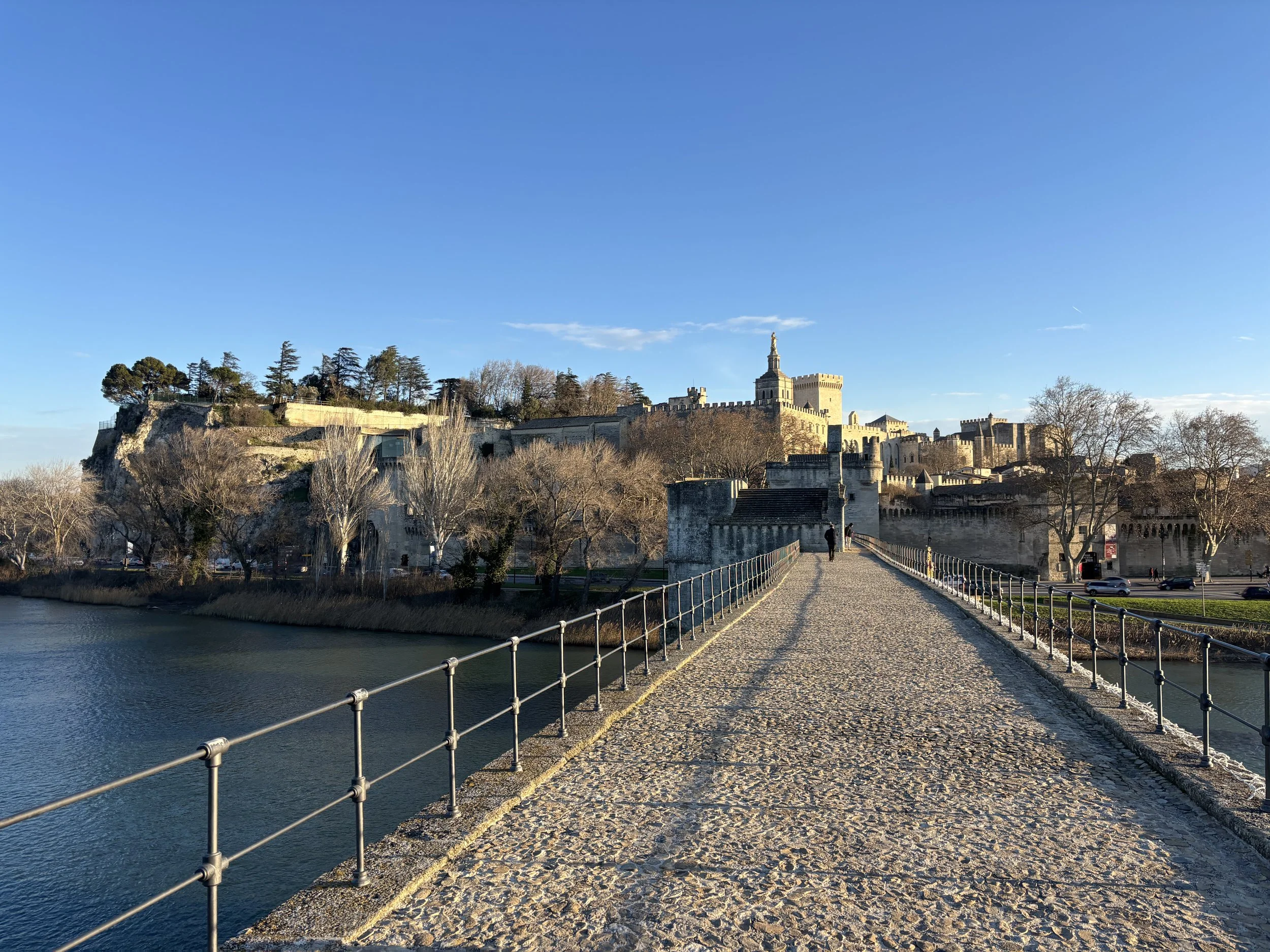
Wine tasting in Chateaunêuf-du-Pape
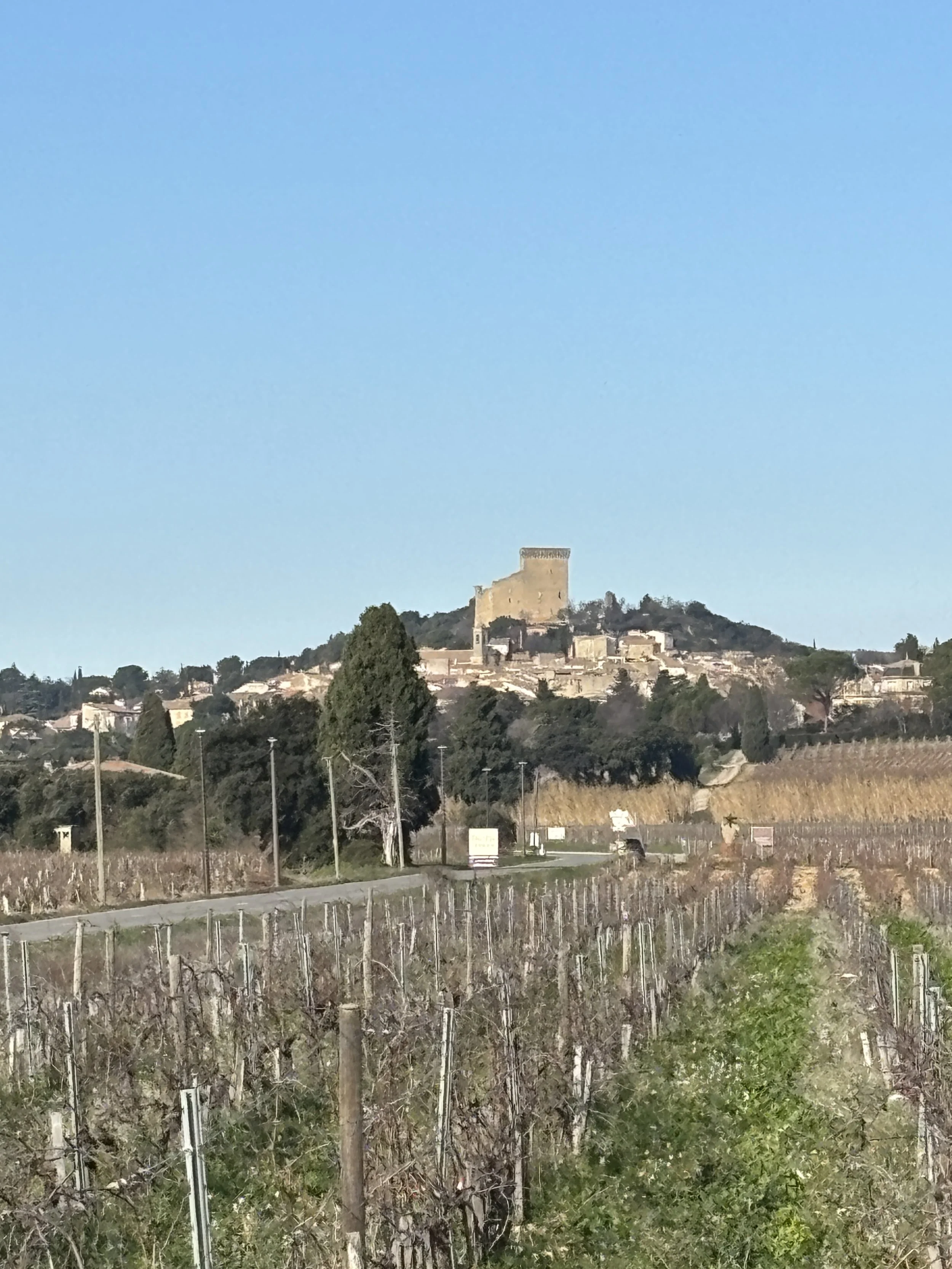
The village of Châteauneuf-du-Pape (which is named like this because the Popes had a summer residence there during the period they resided in Avignon) is home to one of France’s most prestigious wine “terroirs”.
Châteauneuf-du-Pape is an AOC (Appellation d'Origine Contrôlée) within the French and European system of geographical designations for origin for wine (and other types of produce) and a particularly renowned one, covering both red and white wines.
According to oenologists, the quality of Châteauneuf-du-Pape wines has a lot to do with the combination of sunny southern climate, the strong winds that often blow down the orographical funnel that is the Rhône valley and the soil of the area, which is peppered by a type of rounded rocks that were, once upon a time, underneath a large glacier that covered this region.
Now, I am sure a dedicated wine conoisseurs could spend a whole week in Châteauneuf-du-Pape from one cellar to the next, tasting all the different labels. We certainly didn’t have this luxury (neither do I claim to be a wine expert) and I guess that this is also the case of most of our readers (even if possibly many of you may appreciate a nice glass of wine from time to time), so we selected just one winery for a quick glimpse into the world of Châteauneuf-du-Pape wines.
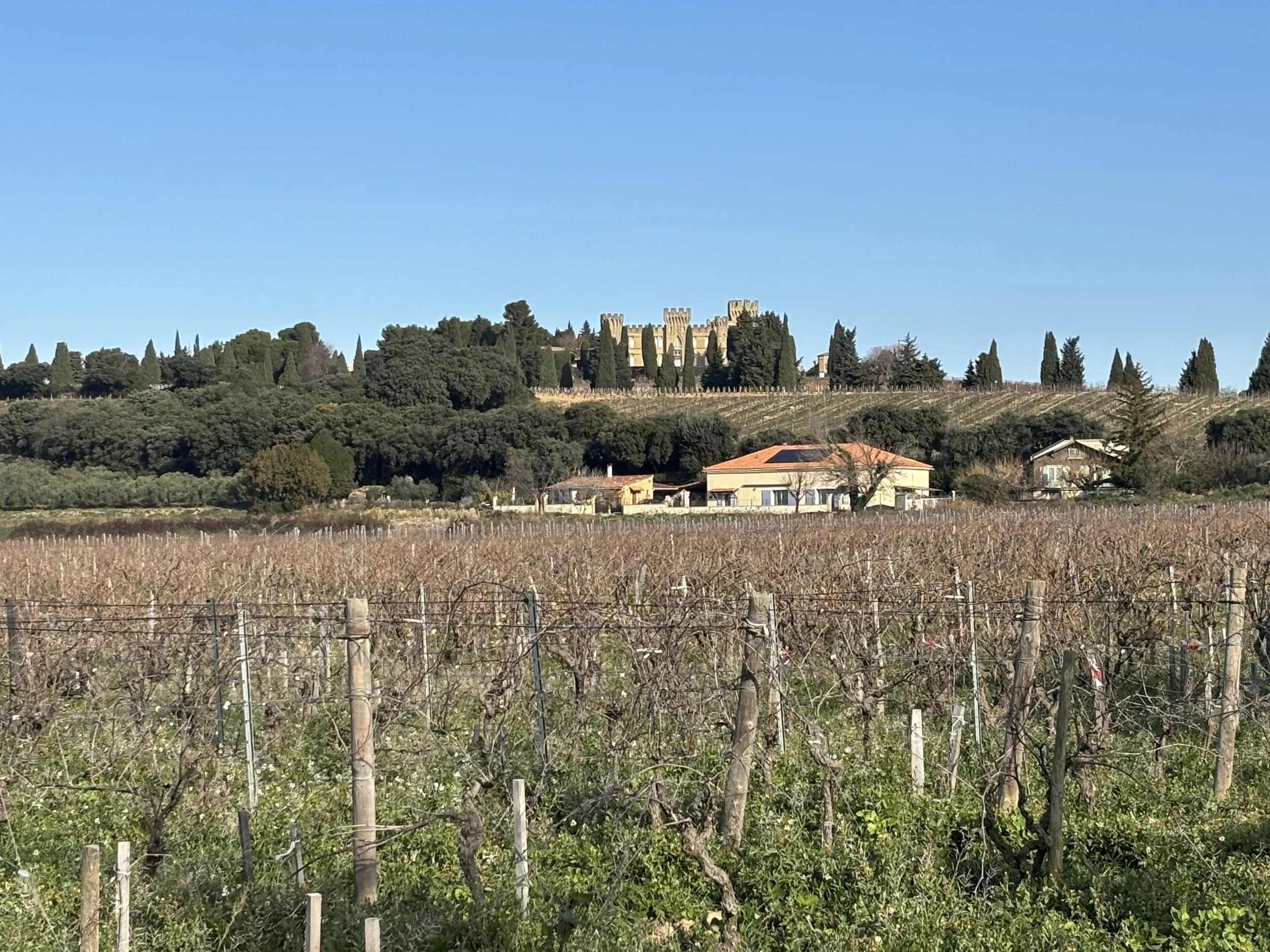
Visiting Maison Brotte in Châteauneuf-du-Pape
Avenue Pierre de Luxembourg, 84230 Châteauneuf-du-Pape
You can check it out here.
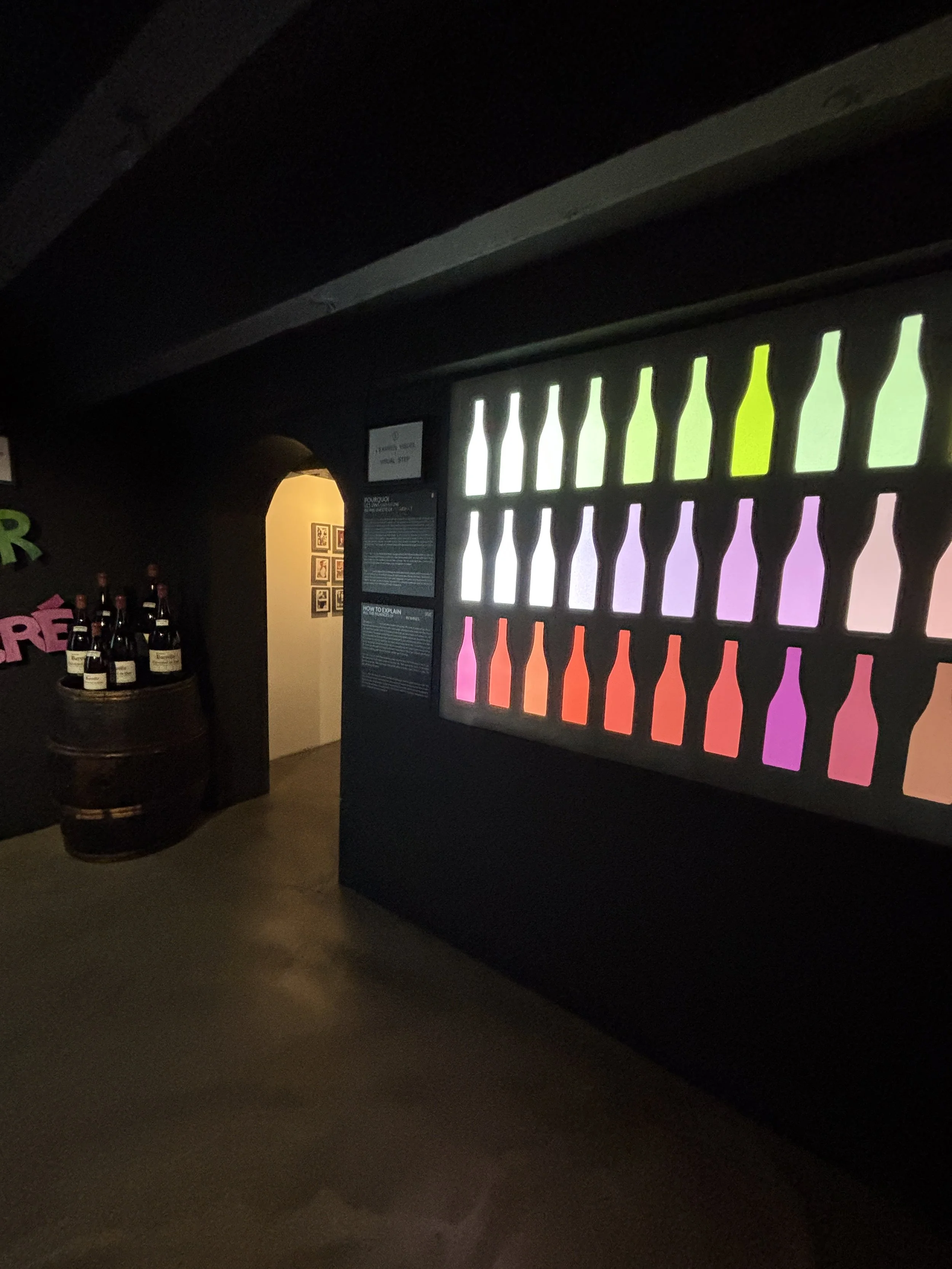
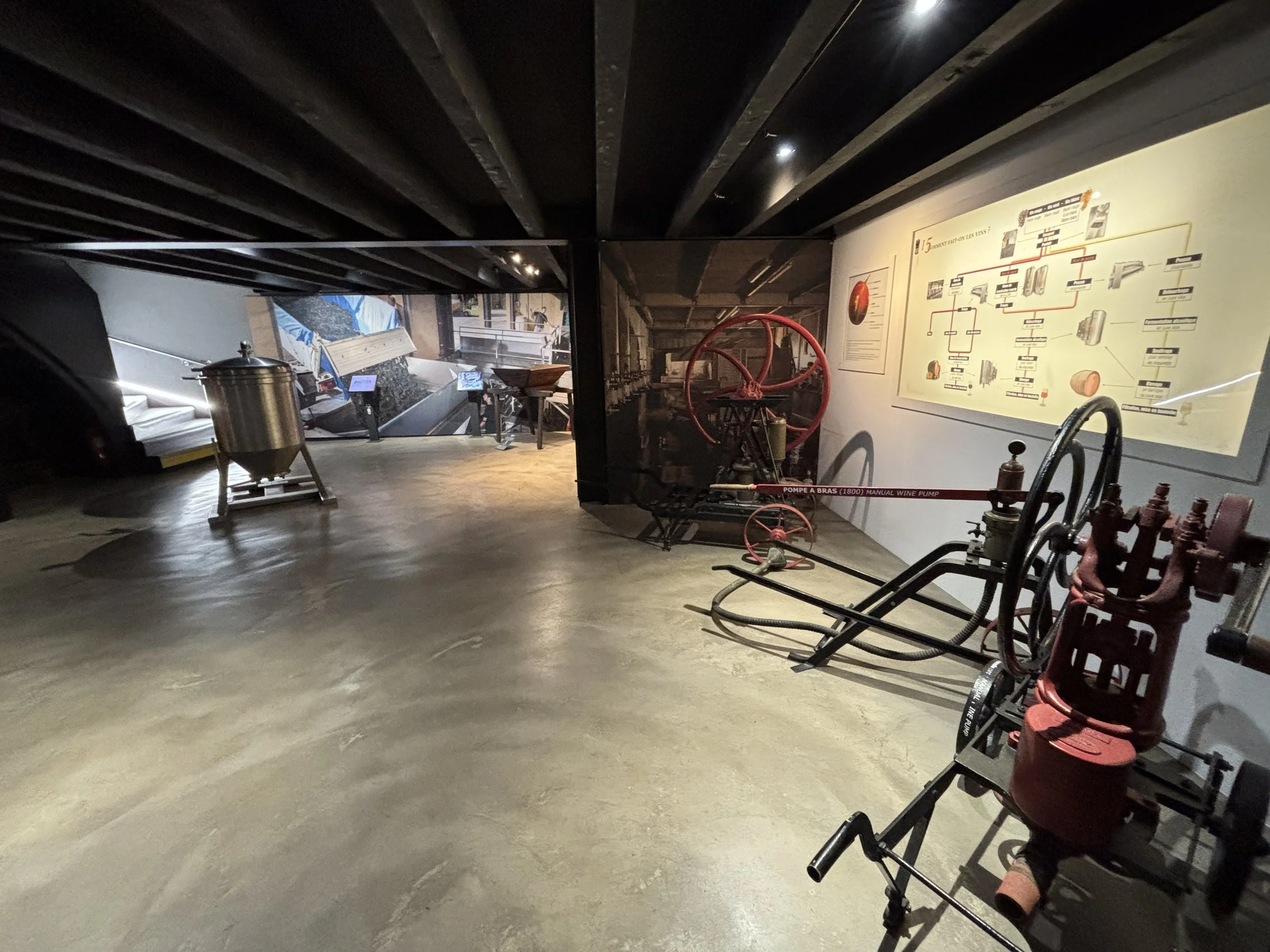
This is one of the largest wineries in Châteauneuf-du-Pape and it runs a small museum dedicated to wine-making in the region as well as the history of the Appellation d'Origine Contrôlée and its natural environment. The visit includes a rather comprehensive audioguide itinerary and ends with a tasting of half a dozen local wines.
It is advised to book online in advance. The ticket costs something like €10 per person, give or take, and includes the tasting.
From Avignon to Châteauneuf-du-Pape is about 15km or so, about 20 minutes by car. Maison Brotte is right on the main road leading into the village and it has its own parking space for visitors. So, if you have the time, definitely worth a go.
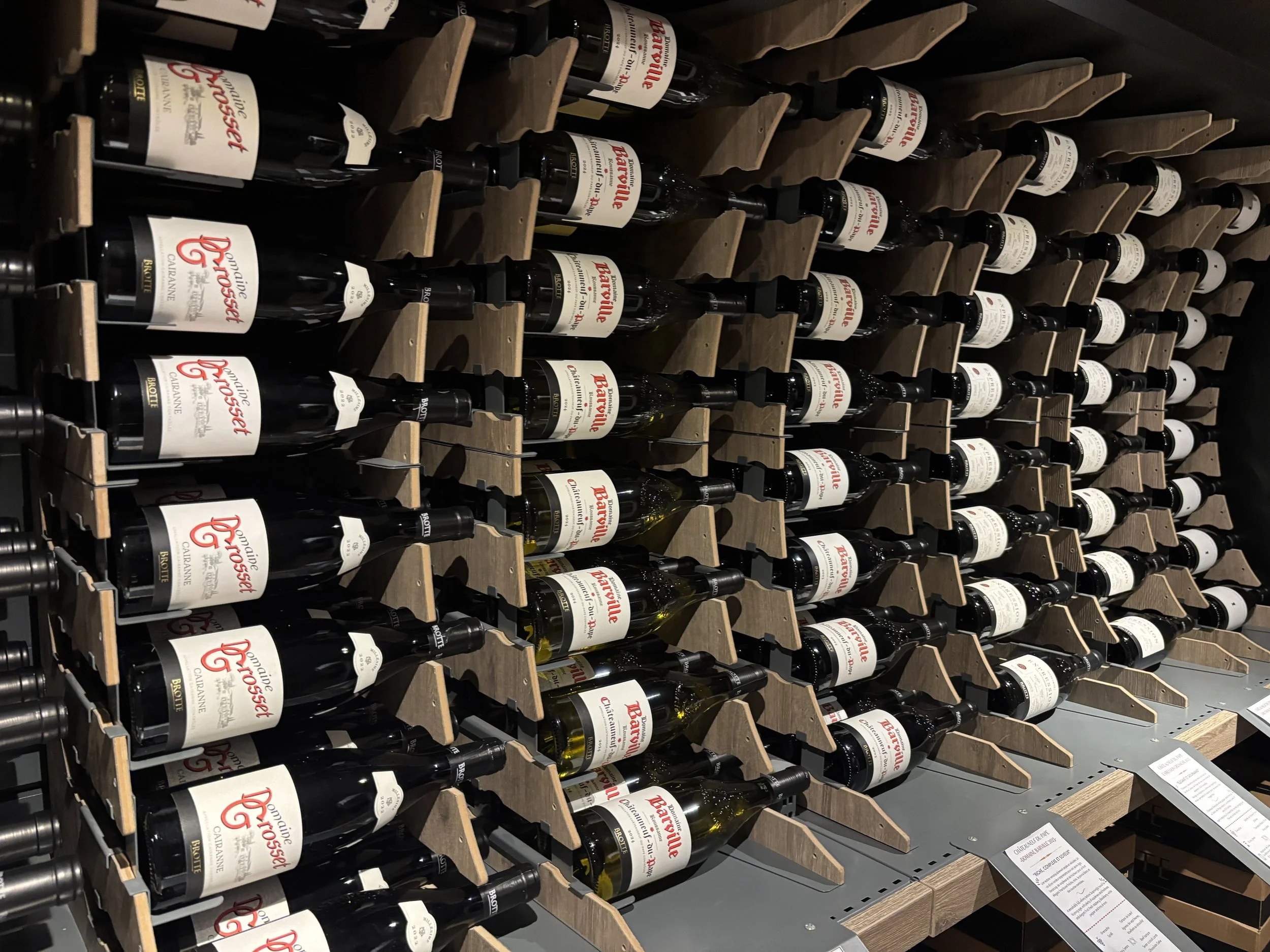
Visiting the Pont du Gard
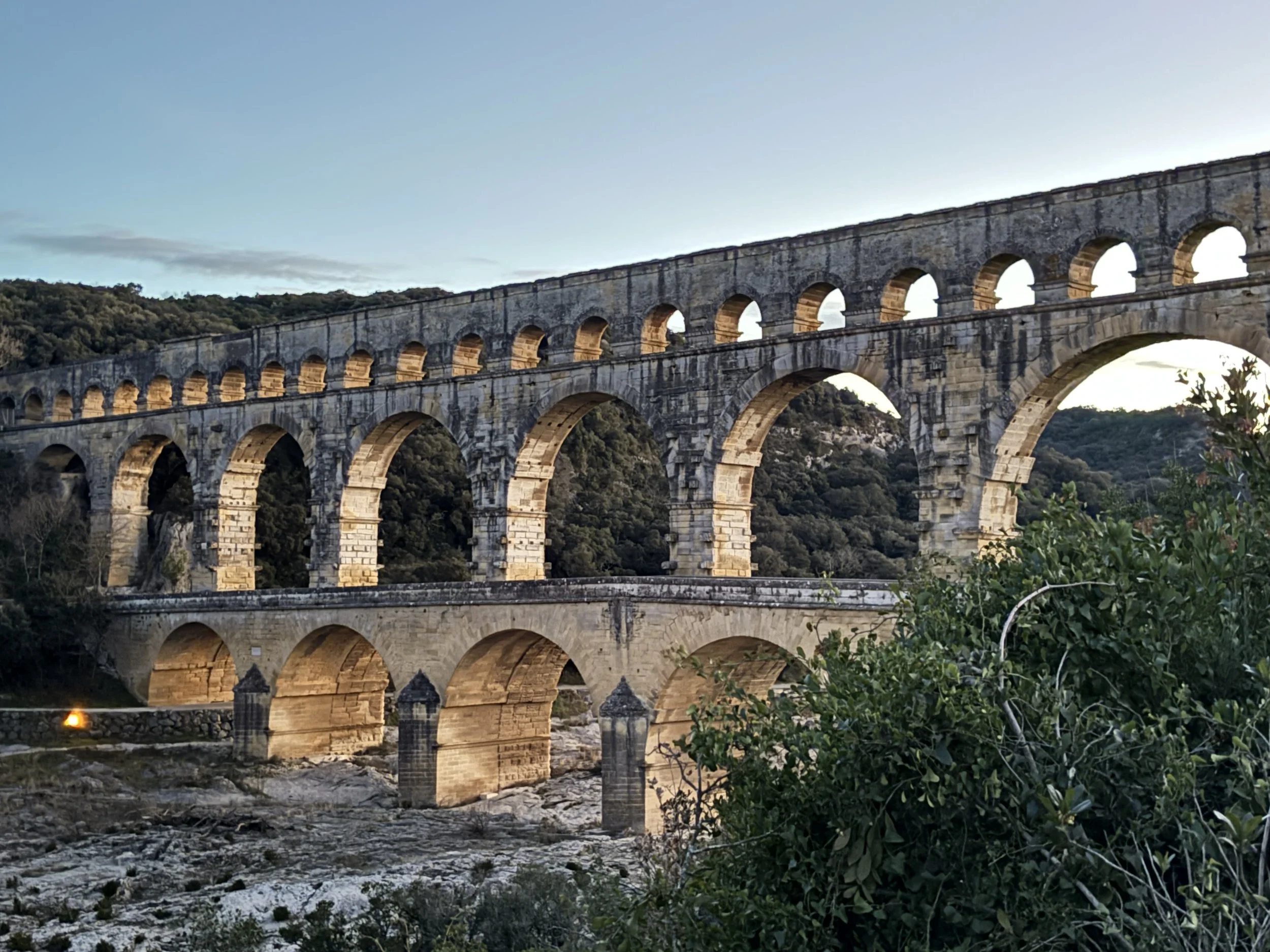
An itinerary between Avignon and Nîmes must include, of course, a detour to visit the famous Pont du Gard, one of the most impressive and best preserved Roman aqueducts to be found anywhere in the world.
This UNESCO World Heritage Site can be accessed from both banks of the river Gard. In either case, the car will only get you to about a kilometre or so from the actual aqueduct.
We approached it from the north side and there is a very large parking there and an interpretation center. Entry to the monument grounds is €8. I guess this is all the same on the south side.
A network of footpaths take you all the way to the aqueduct. You can even walk on it.
This is a very spectacular piece of Roman architecture by any consideration. We also got there at dusk when there was hardly anyone around, which made the visit even more impressive!
What to do in Nîmes
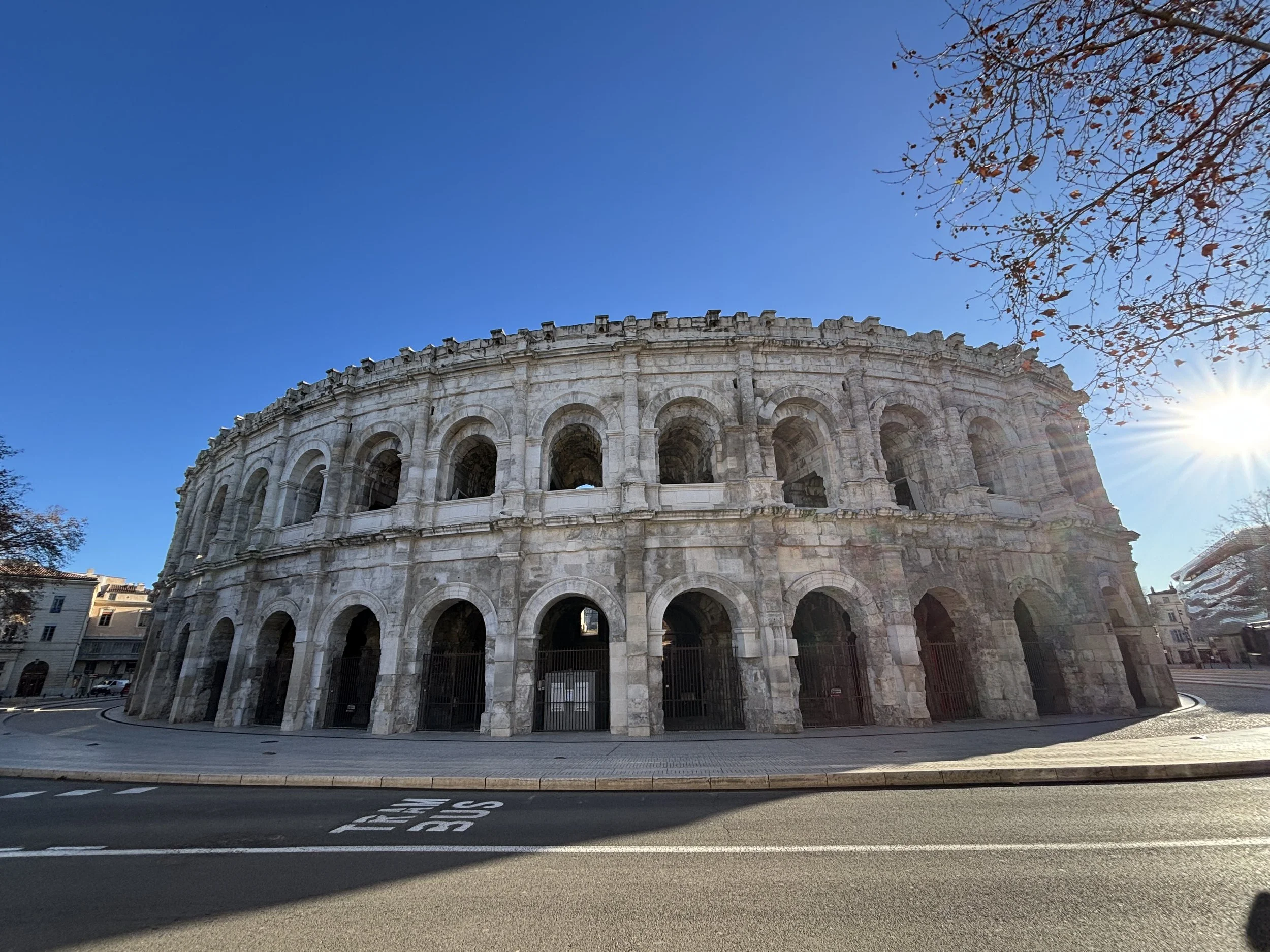
Next stop in our itinerary and our base for the night was Nîmes.
This is a very pleasant French provincial city which surprised me positively. I had heard, of course, about its Roman heritage (the city was called Nemausus in Roman times and the Pont du Gard was actually built it to keep it supplied with water), but Nîmes also has a beautiful and very walkable centre with some interesting architecture.
It is also a convenient place for an overnight stop, since, as we shall soon see, it has some great value options to eat and sleep and it is also quite easy to move around.
Visit the Arena of Nîmes
The roman amphitheatre (“Arènes de Nîmes”) is the jewel of the crown here. It is one of the best preserved (perhapsh THE best preserved) Roman arenas in the world, to the point that it is still used regularly nowadays for all sorts of spectacles. It is also super centrally located, so you can’t miss it!
Now, if you have visited other similar buildings in other parts of the former Roman Empire, you know what it is about. Nevertheless, it makes for an interesting visit, because most of the original structure is still standing you can roam through most parts of it, including the top rows, which good views of both the inside of the Arena and the city around.
The audioguide is also included with the ticket, by the way.
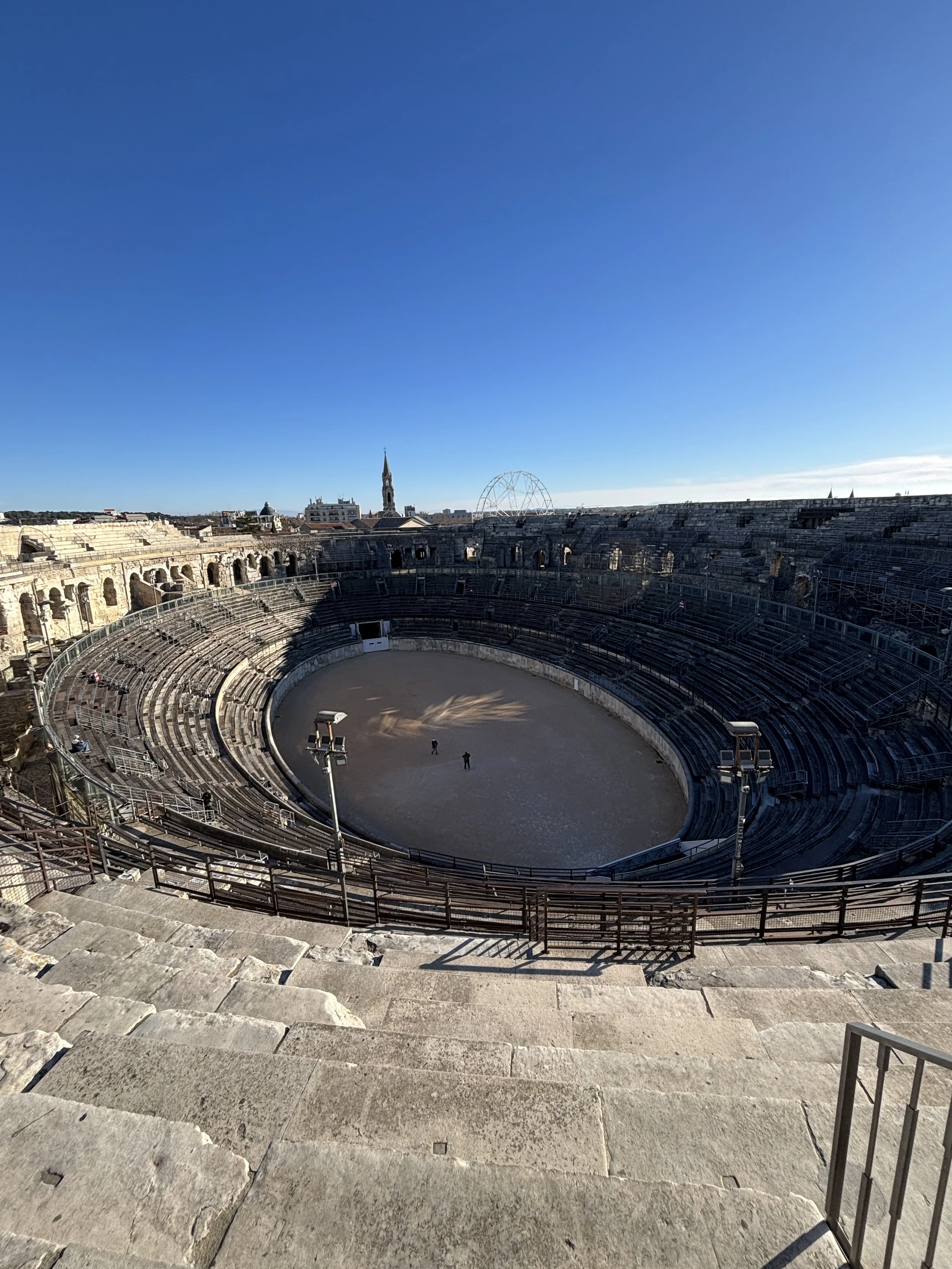
Visiting Roman Nîmes and the Maison Carrée
Nîmes is also home to another exceptionally preserved Roman structure, the temple known as “La Maisón Carrée”, which is also right in the middle of the old town. Besides the beauty of its proportions and the postcard-perfect look, it also has a small museum inside.
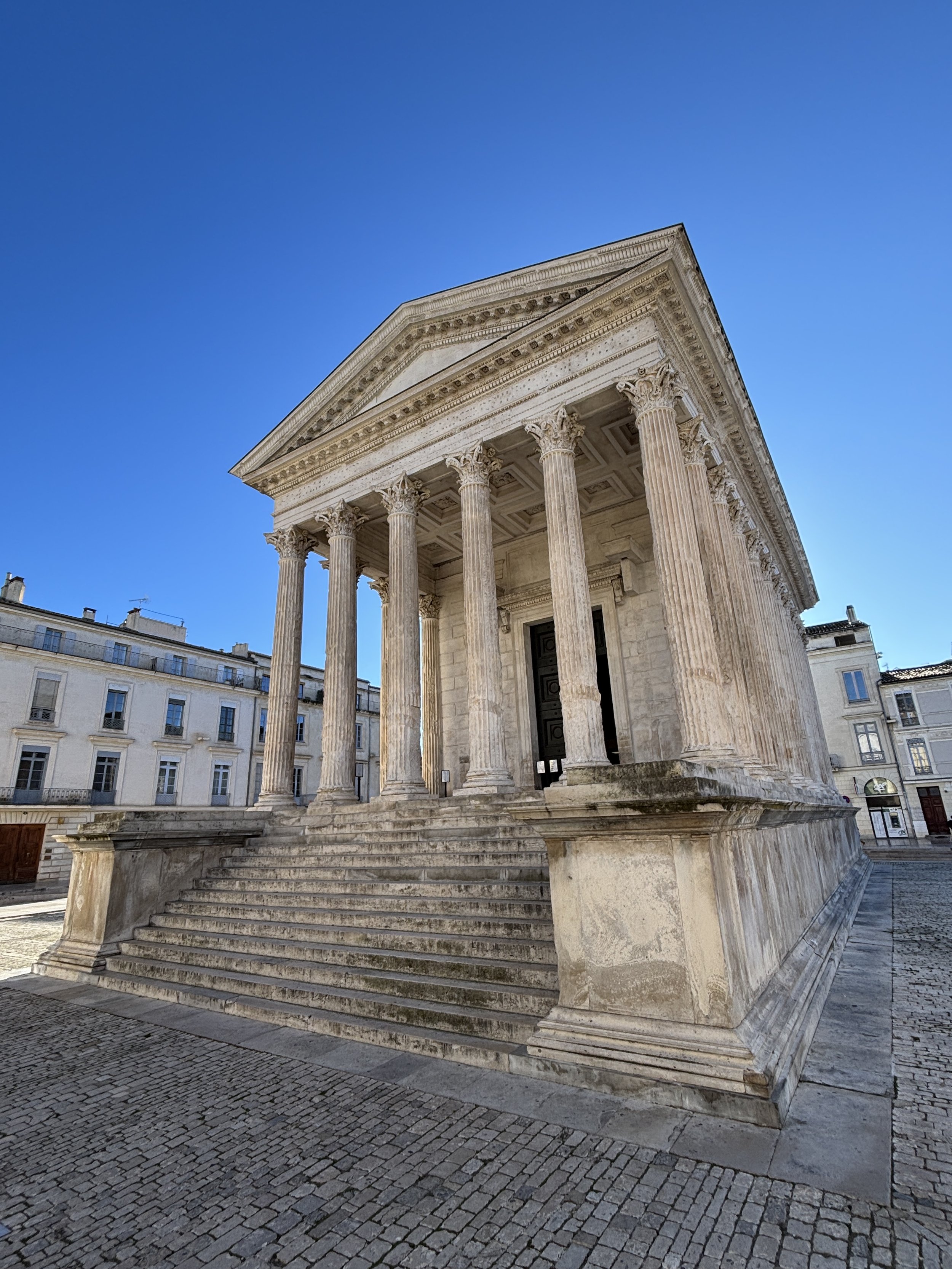
In fact there are quite a few Roman monuments in Nîmes in addition to the two presented here.
For example, there is also an old Roman defensive tower (the “Tour Magne”) at the northern edge of the city center, as well as a large archaeological museum located next to the Arena. The latter, known as “Musée de la Romanité” is housed in a contemporary landmark building next to the Amphitheatre. We didn’t have time to visit it, but read very good reviews.
It is possible to purchase a combined ticket which lets you visit all the sites for an advantageous price (although it is also possible to buy individual tickets, as well, if you don’t plan to visit them all).
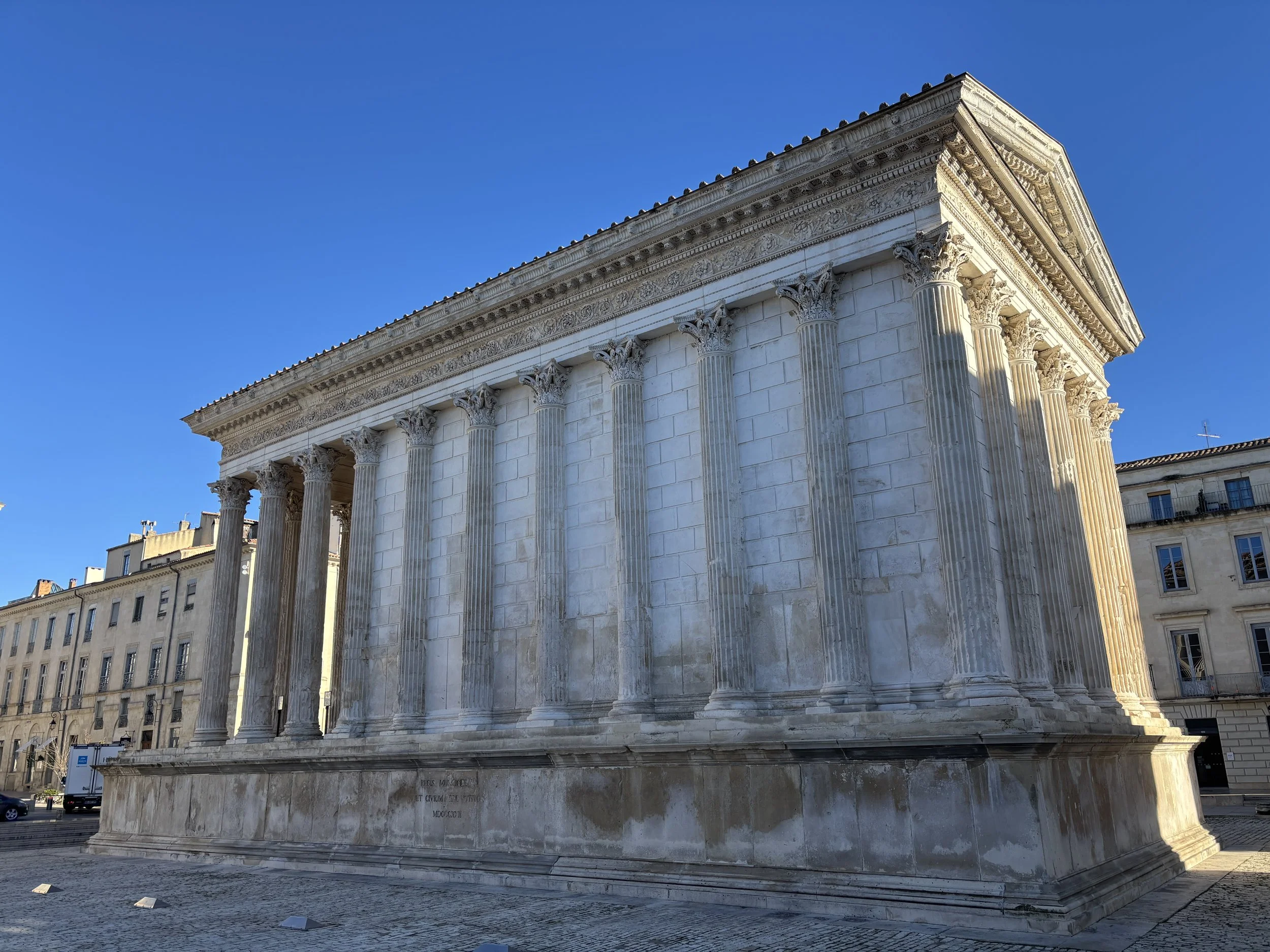
Walking in Nîmes historical center
But besides the Roman monuments, Nîmes has also a rather beautiful, even grand, downtown.
Parts of it had the typical French “Republican” civic architecture. Large majestic buildings in neoclassical style and large open space are found in the area adjacent to the Arena (including a rather impressive Great War memorial with thousands of names on it).
The old town has a more intricate maze of small streets, with plenty of shops, cafés and small hotels.
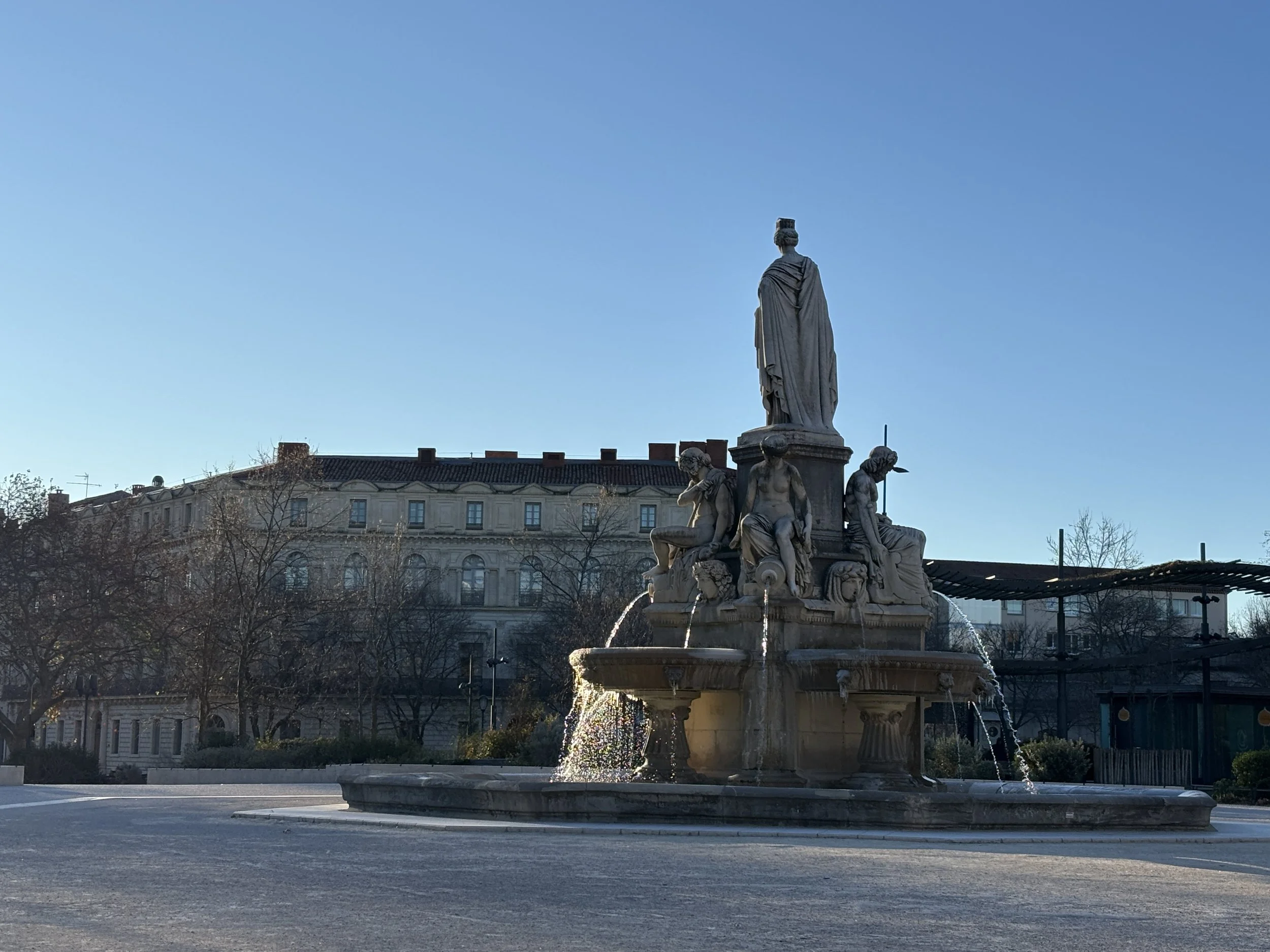
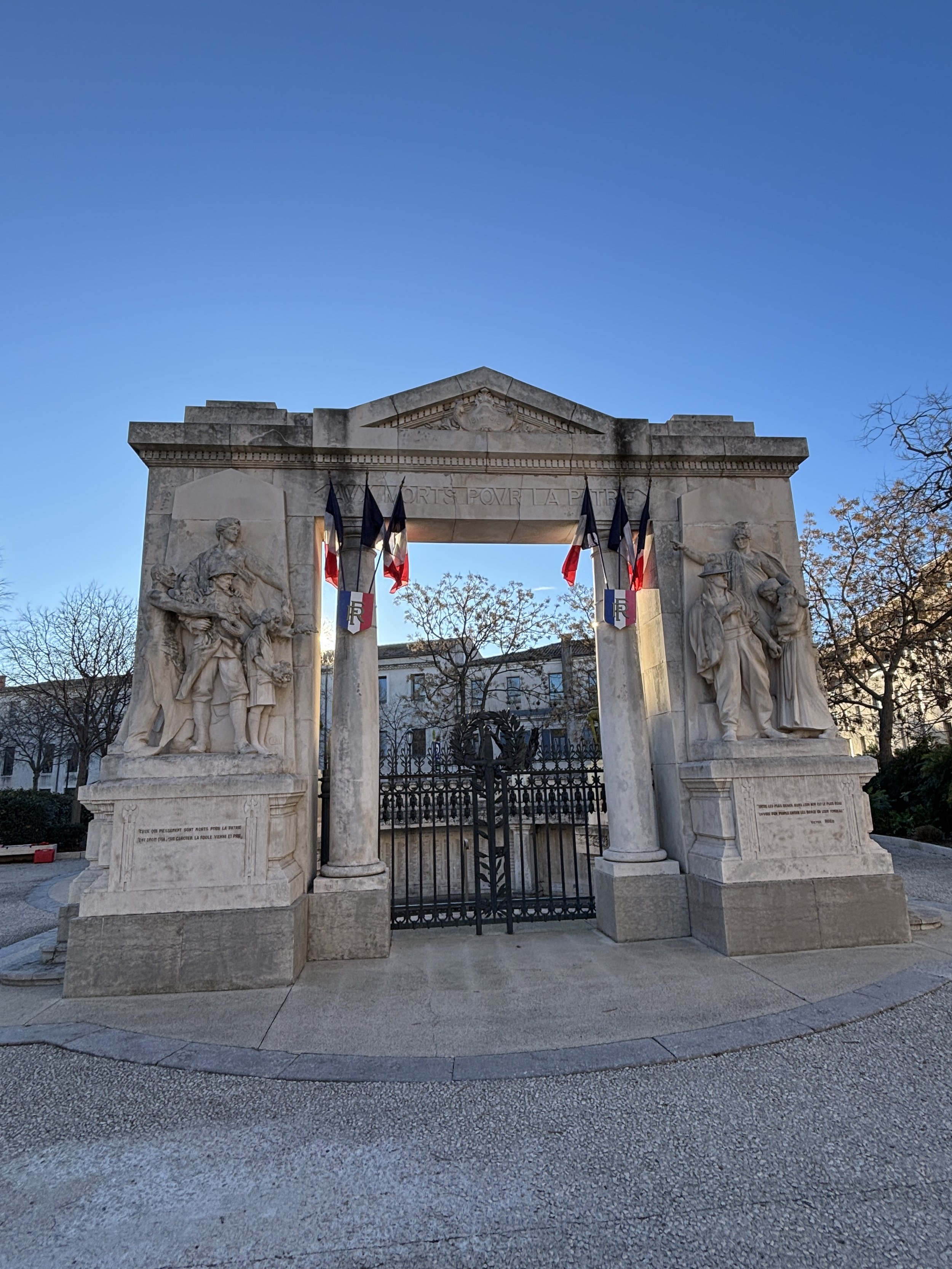
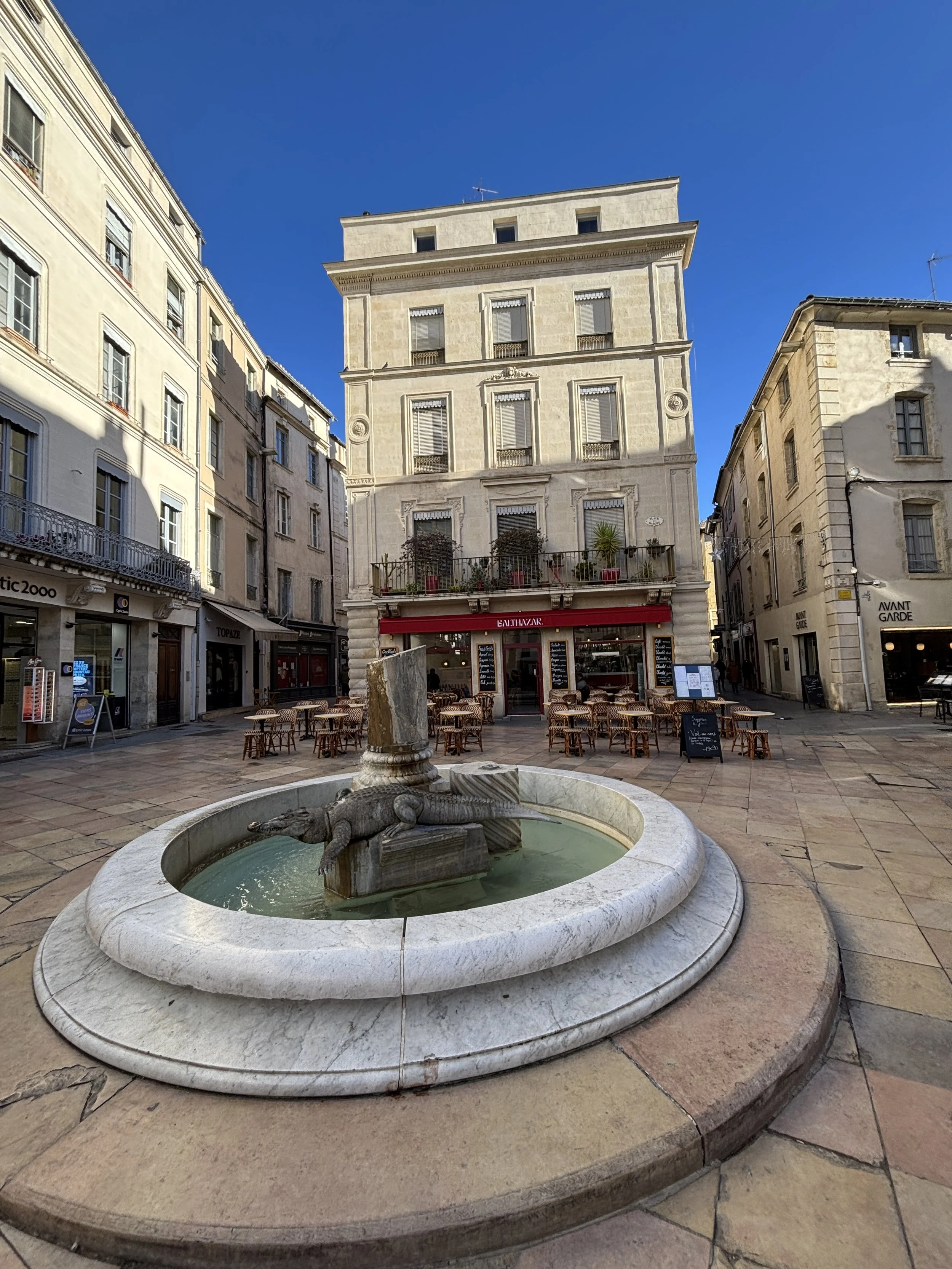
Here are quite a few details from the morning walk through downtown Nîmes, from the crocodile that adorns one of the fountains in the old town, to some touches of contemporary architecture that mix with the more traditional harmony of the old town.
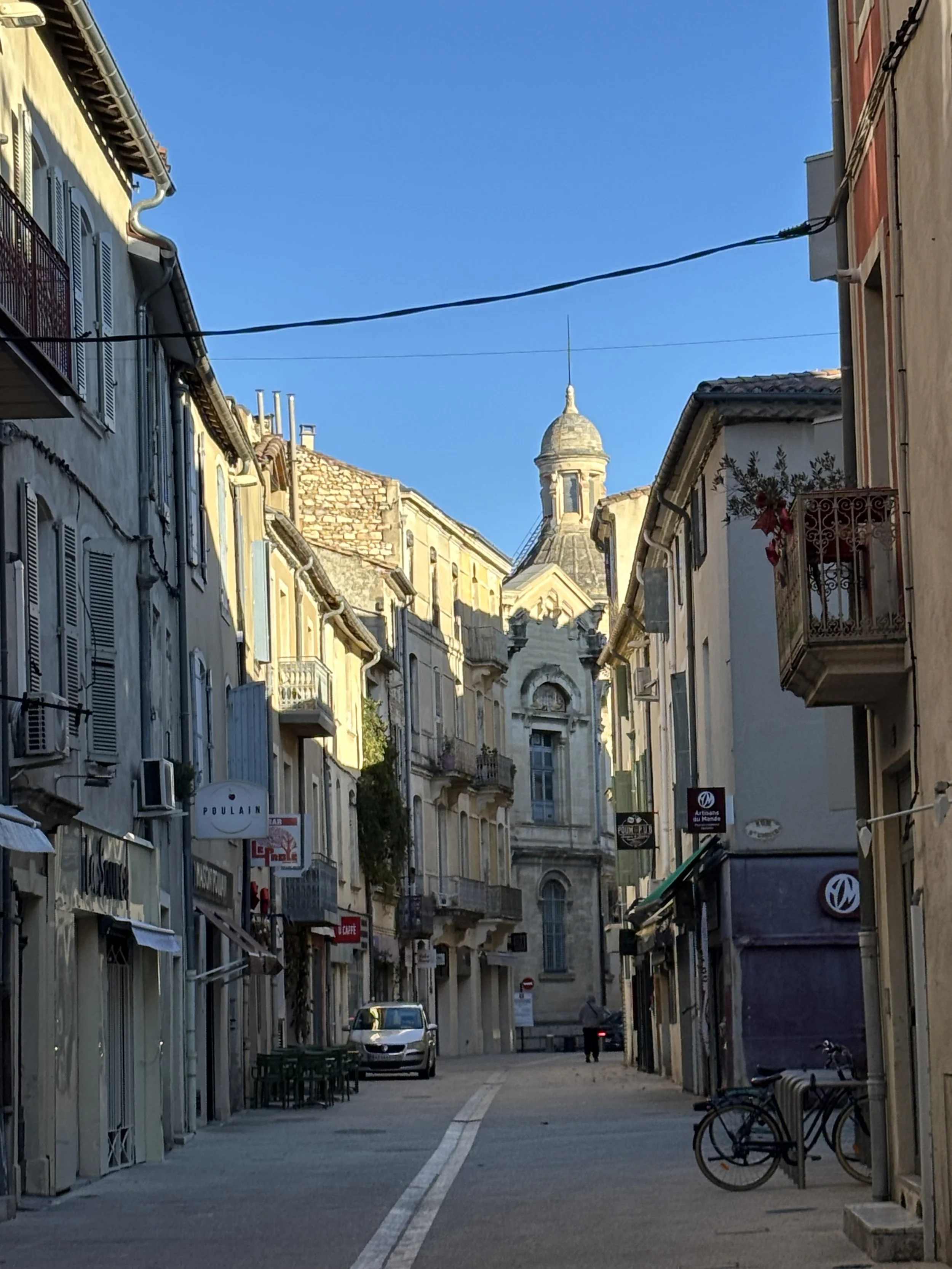
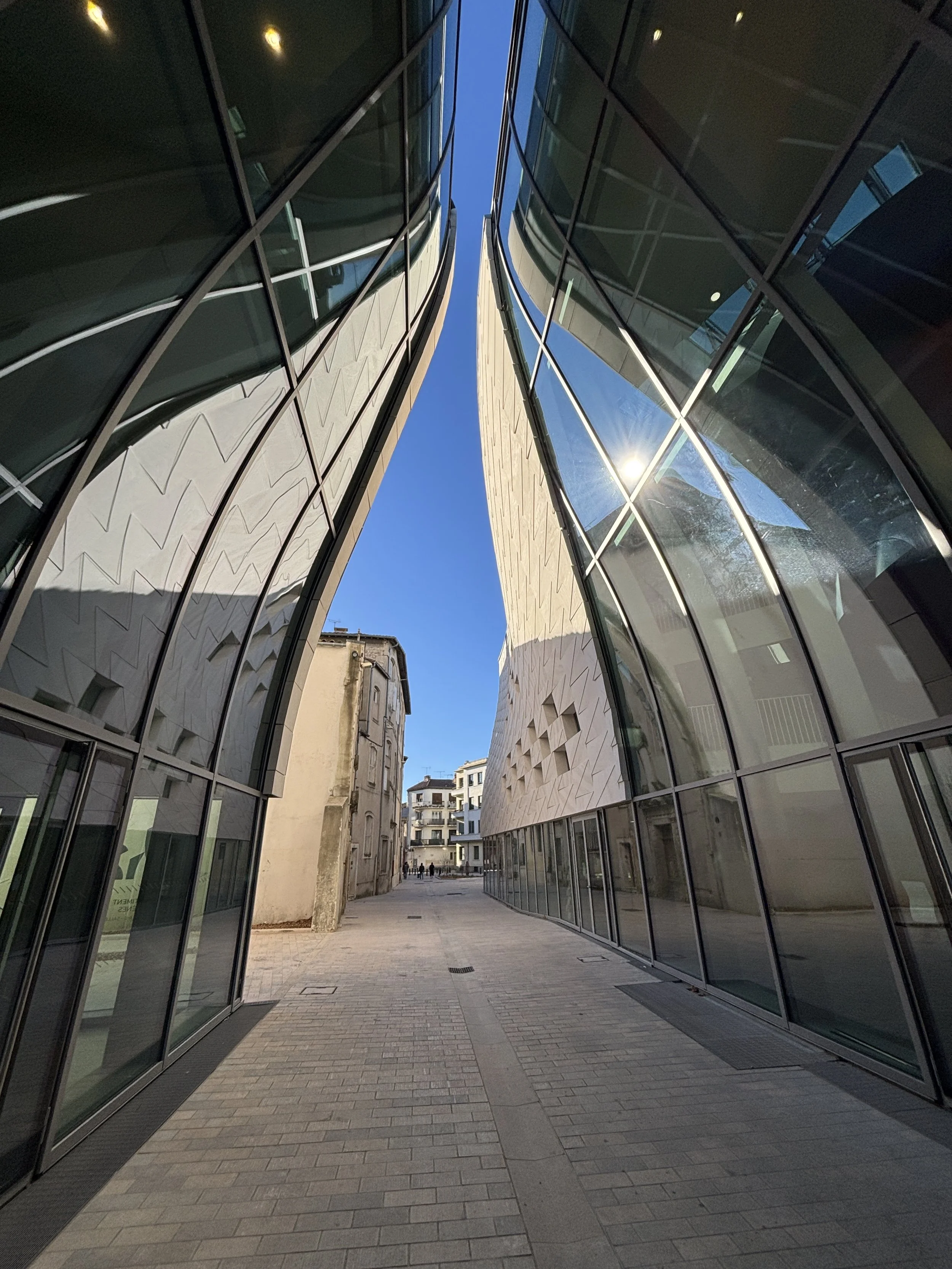
Where to eat in Nîmes
Wine Bar Restaurant Cheval Blanc
1 Pl. des Arènes, 30000 Nîmes, France
https://www.winebar-lechevalblanc.com
This is a cozy French restaurant located right in front of the Roman amphitheatre.
It features an artsy-bohemian decor with lots of motifs related to bullfighting, which is an activity which has a long tradition in Nîmes.
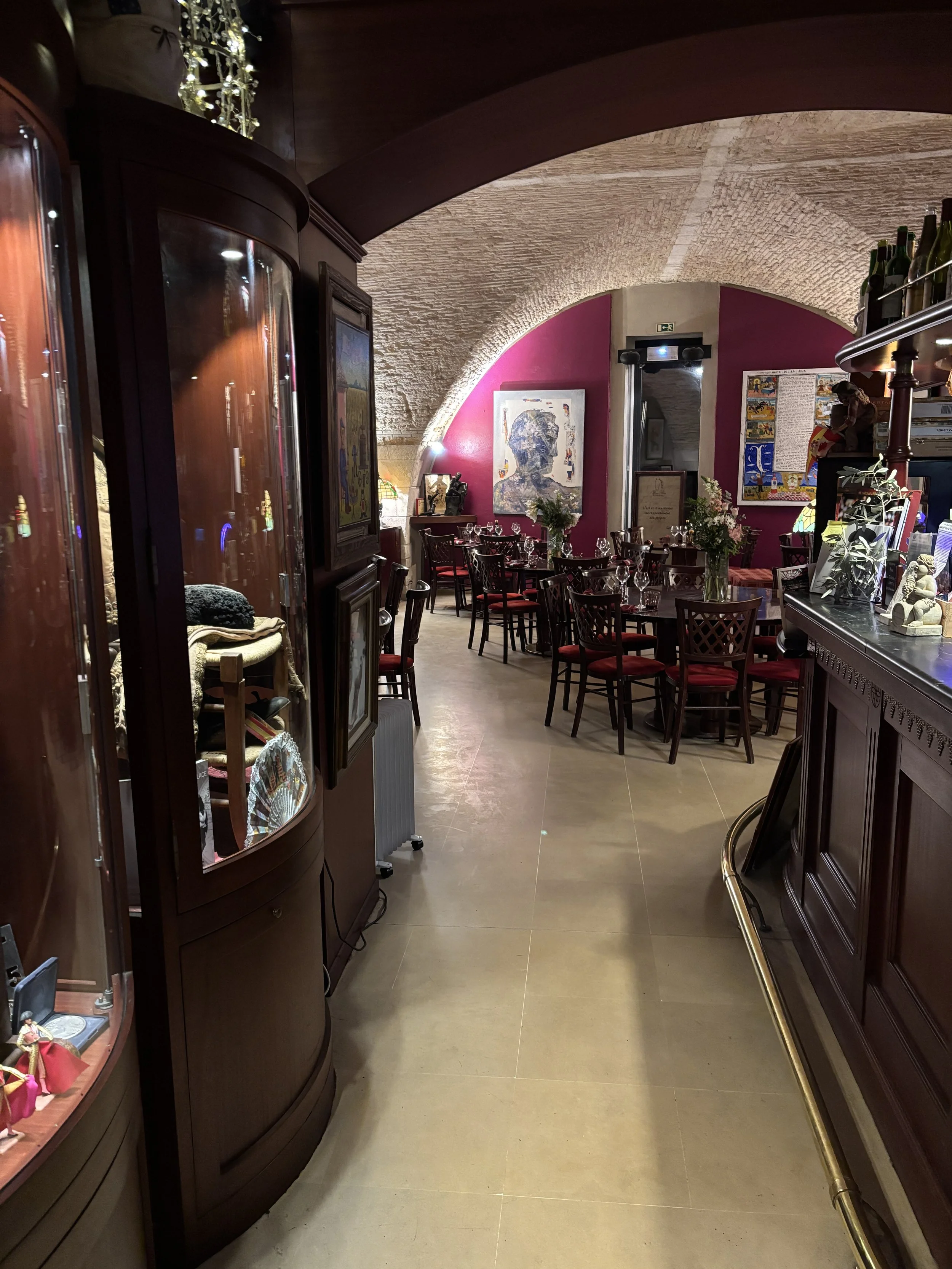
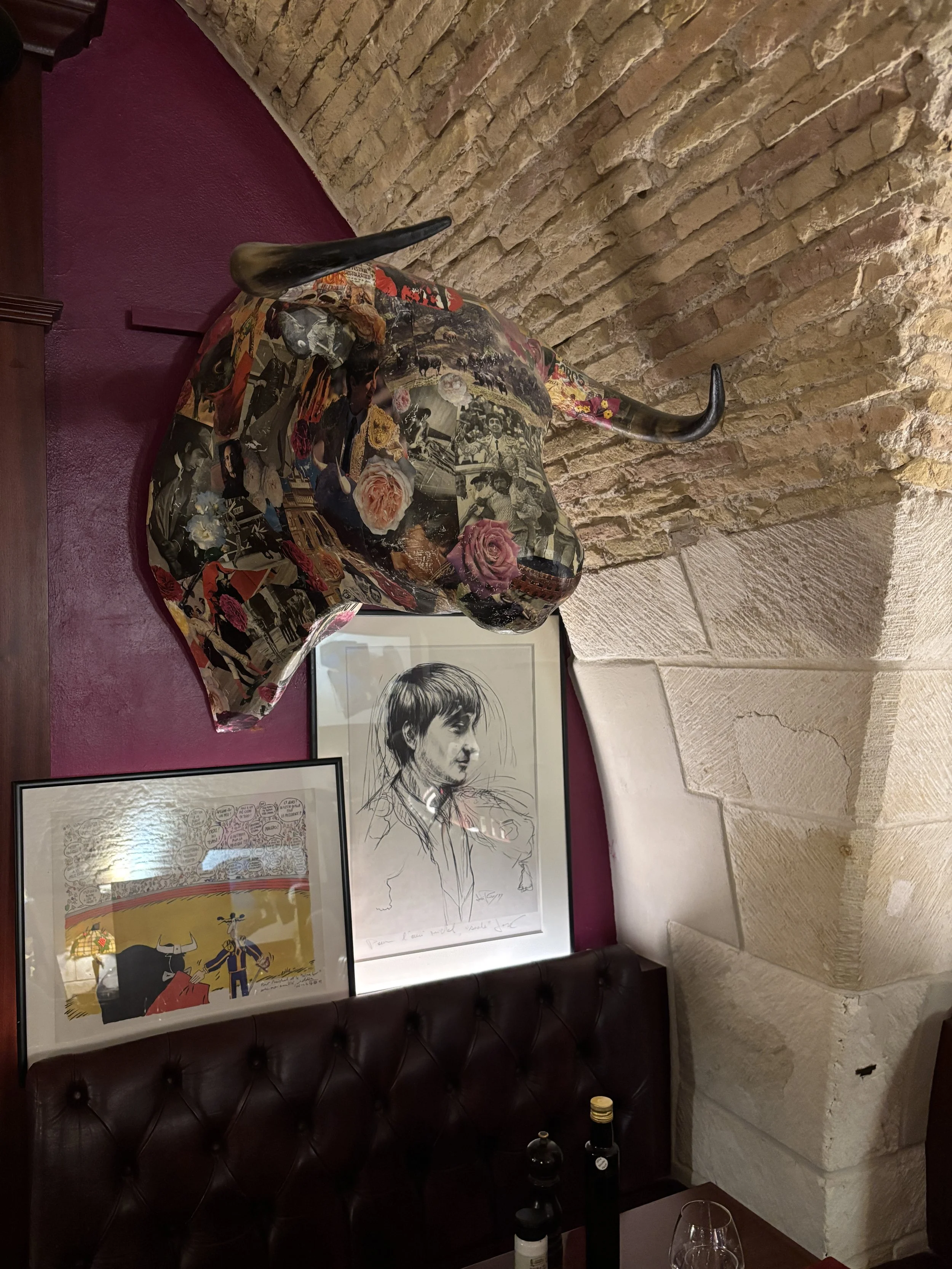
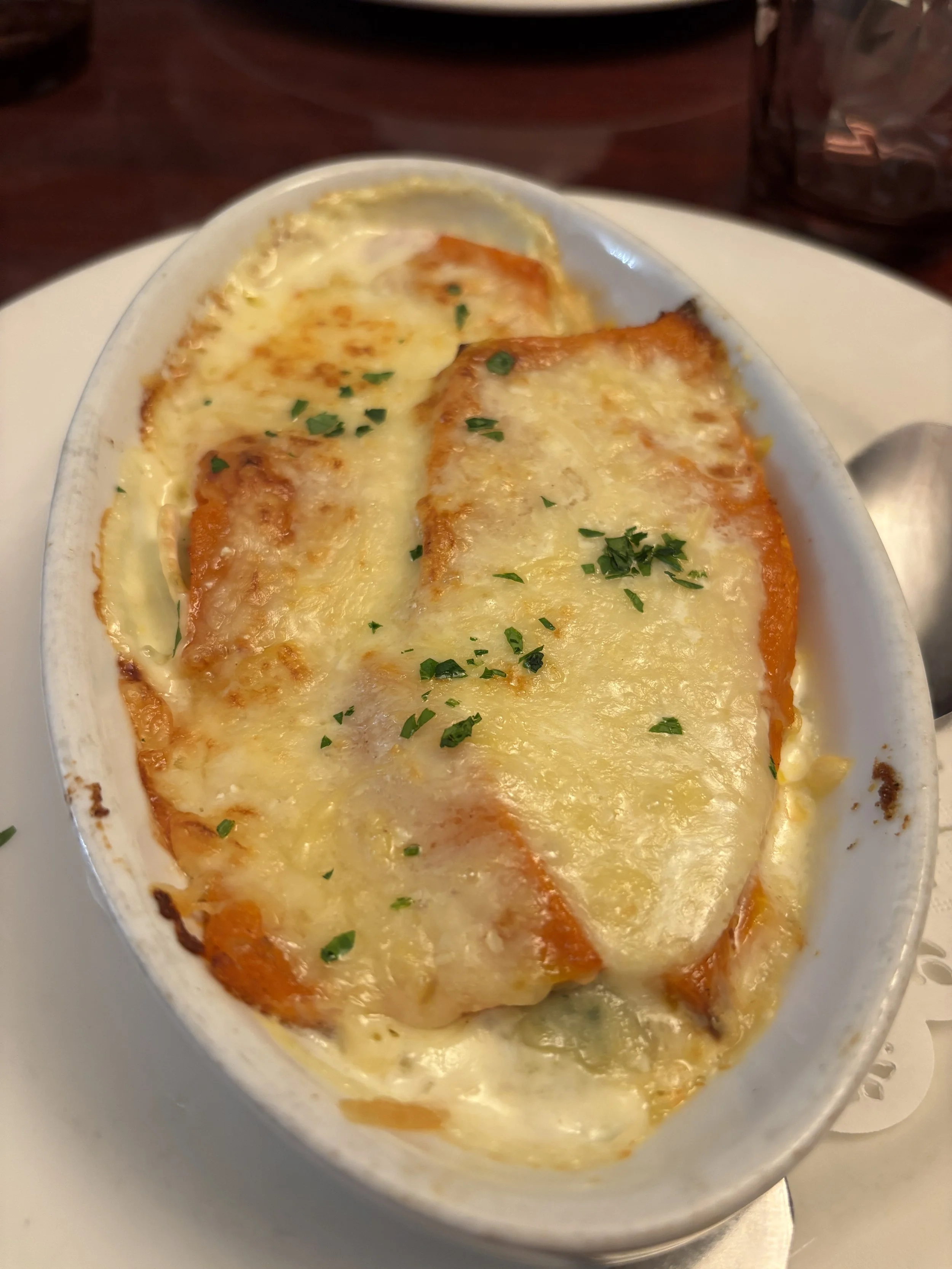
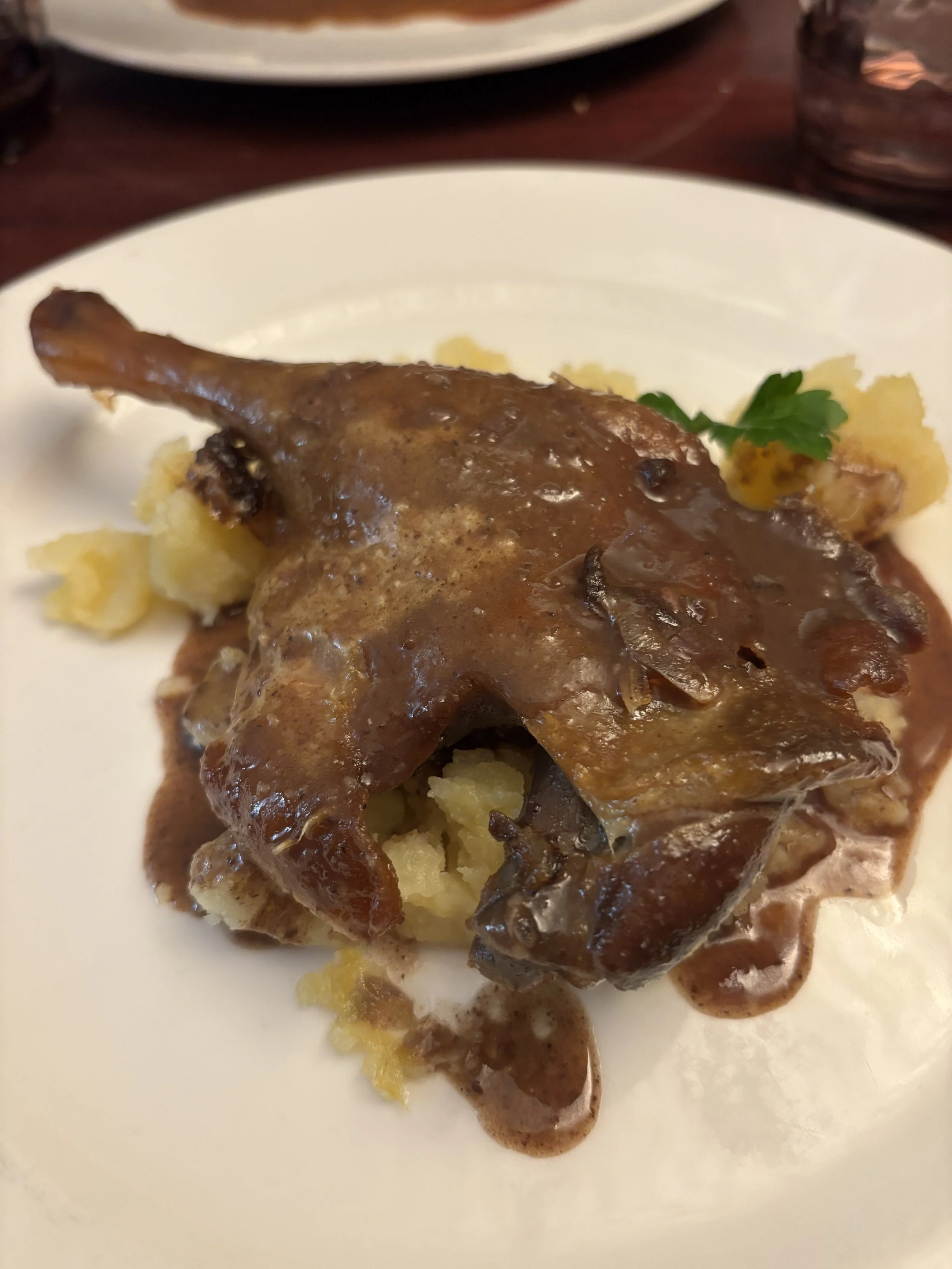
At Cheval Blanc you will find, essentially, French cuisine specialities. The food was rather good overall, it didn’t disappoint, it was exactly what we were looking for. You can see our choices here.
Service was a bit slow and at times the staff appeared a bit inexperienced, although to be fair they strived to make up for this by being extra nice and they were very diligent whenever we had some query or request.
Extra points for the desserts, which were amazing!
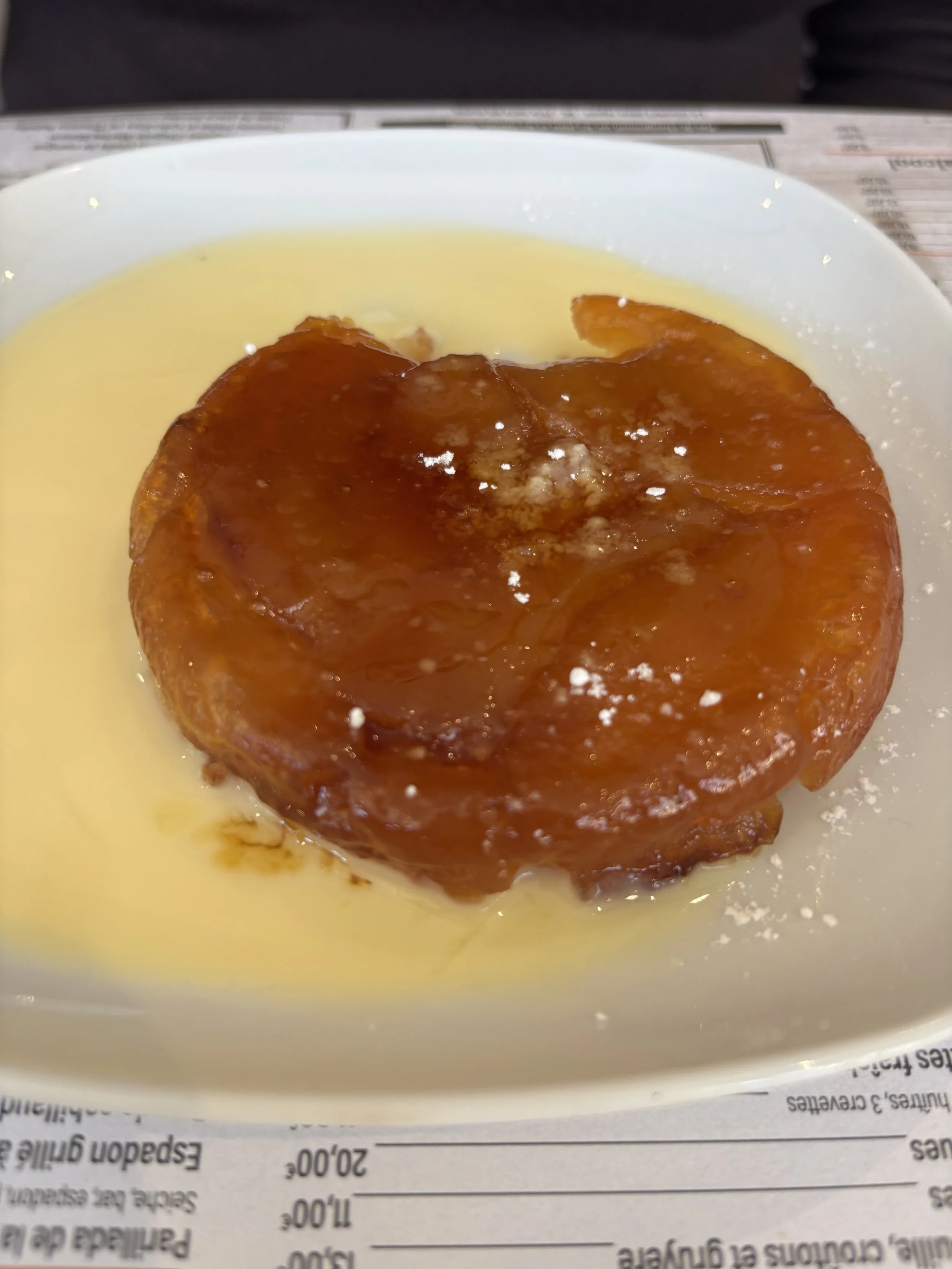
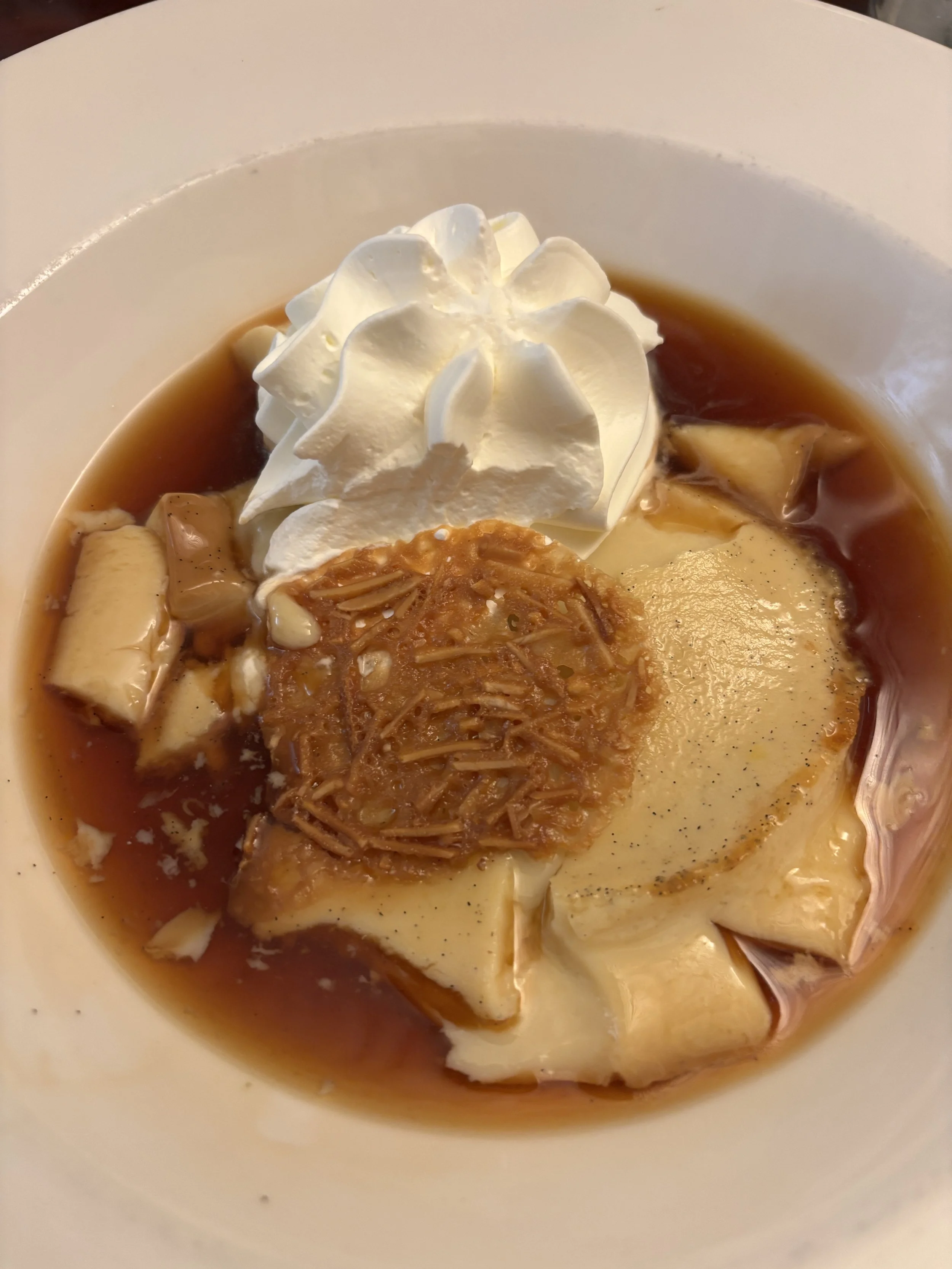
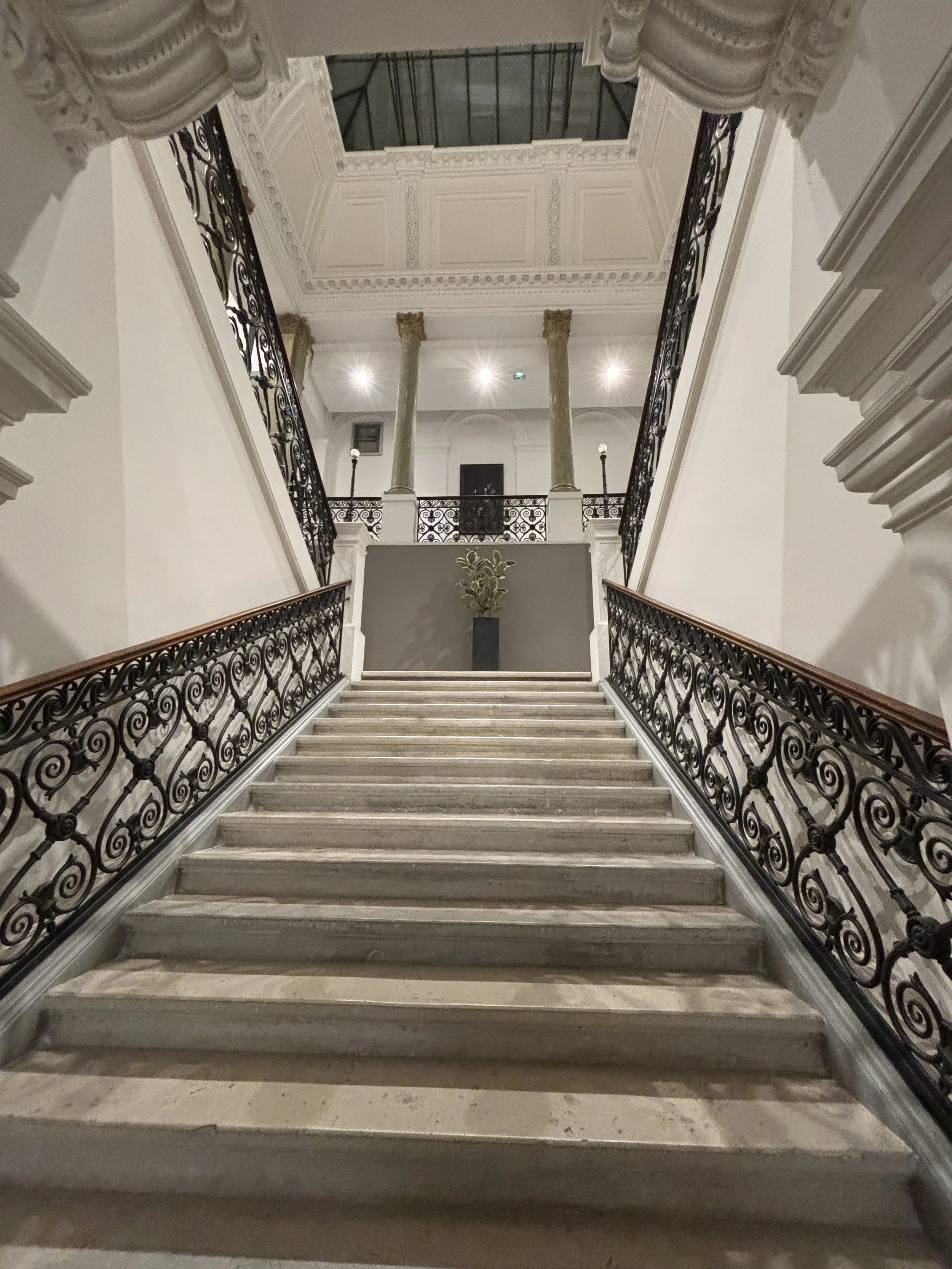
Where to stay in Nîmes
Appart'City Collection Nîmes Arènes
1 Bd de Bruxelles, 30000 Nîmes, France
This is an amazingly good value option to stay in Nîmes. It is as centrally located as it gets: just opposite the Roman Arena. and right next to the city’s main post office.
These serviced apartments (a hotel in all but name), occupies a grand, almost palatial, building which may have been a bank or something like this in the past, or at least it looks the part.
Staff at the reception were also quite nice in giving us very good advice for our visit downtown. It is also possible to park for free evenings and weekends on the nearby streets (there is a large paid car park under the adjacent square).
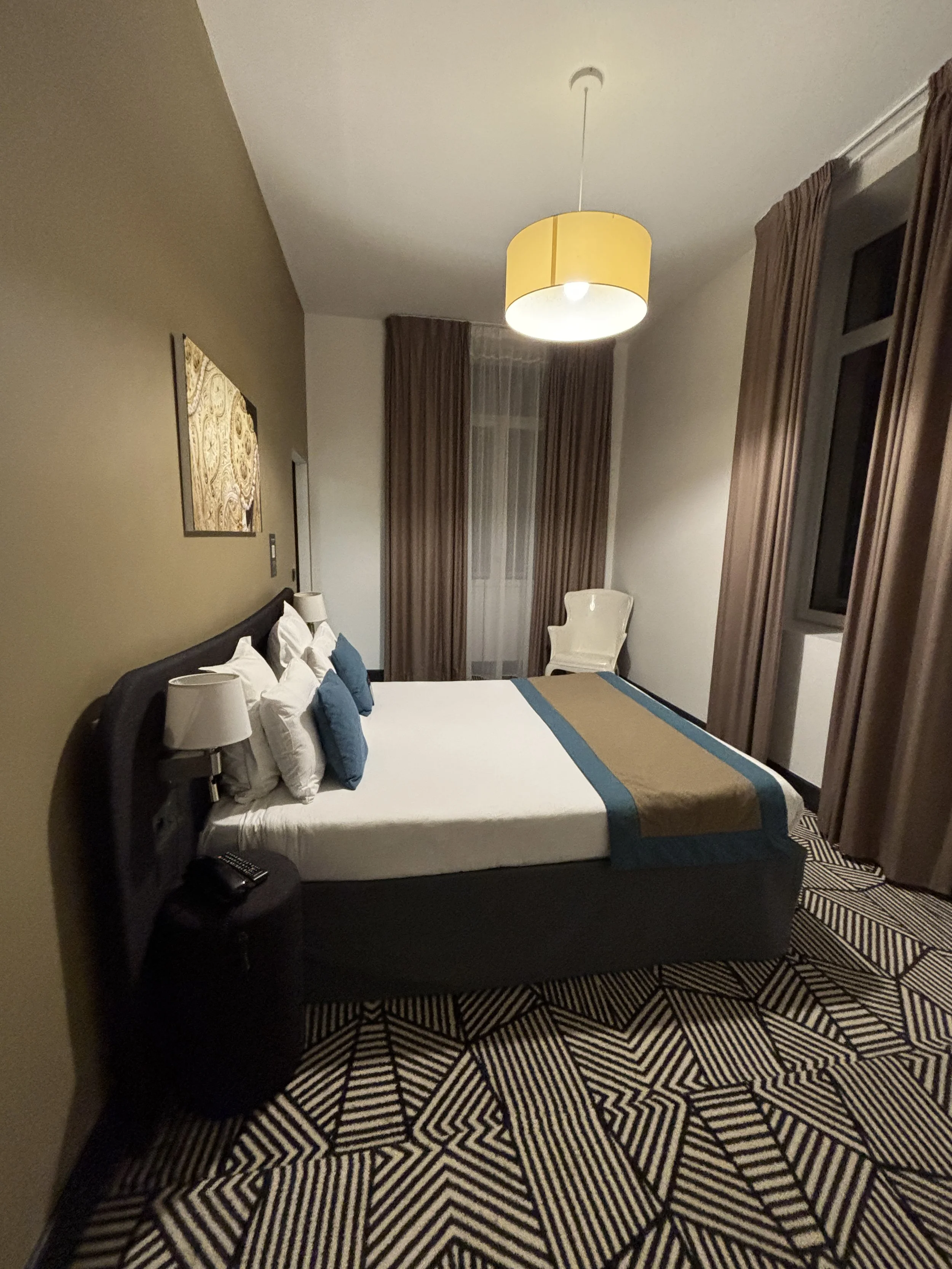
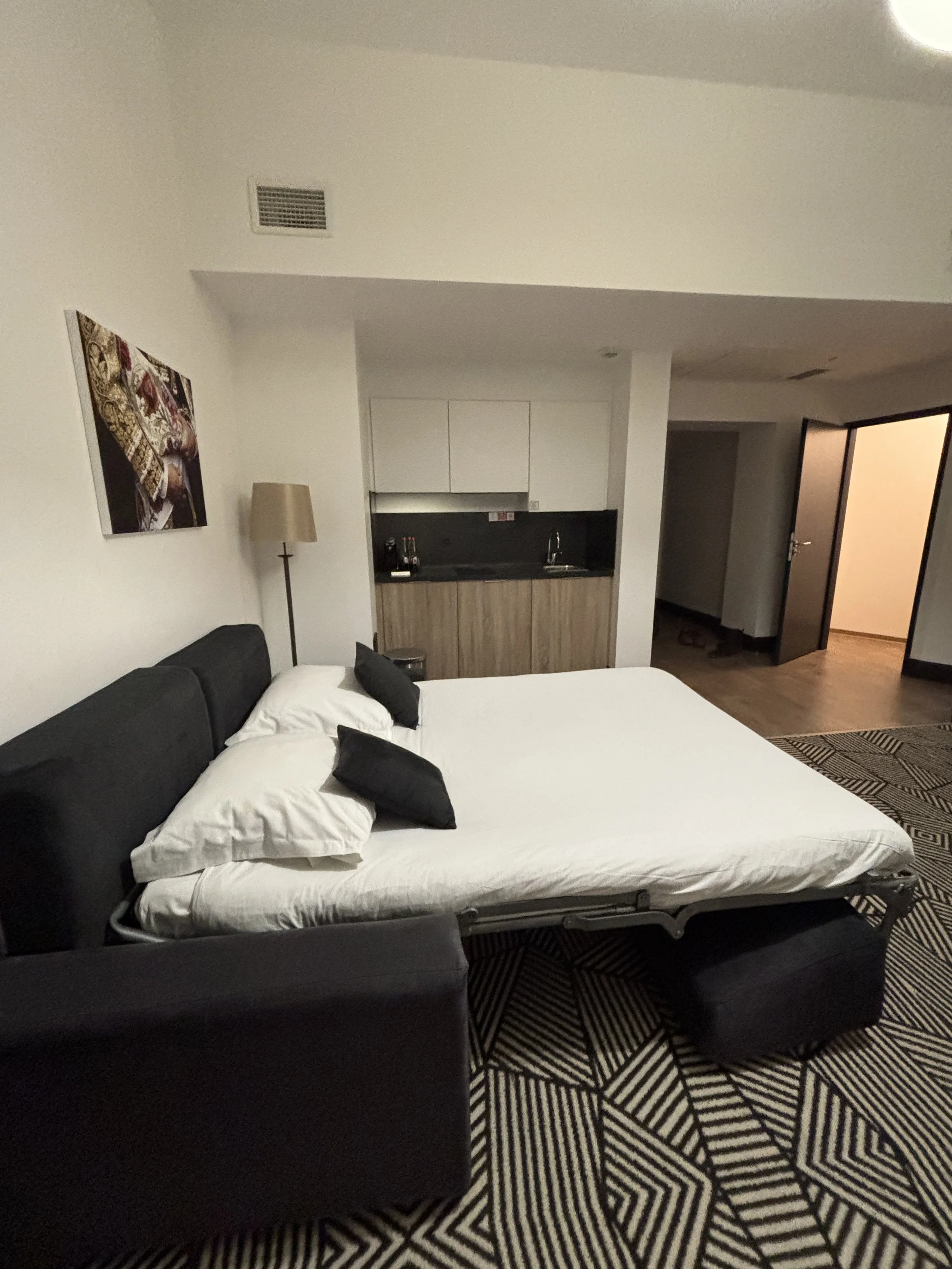
The room was huge! In fact it was more like a proper apartment with several differentiated areas: bedroom, living room-kitchen, with a large sofa that can be turned into a king size bed, bathroom and a sort of elongated studio and storage area as annex of the main bedroom.
I don’t know if all the rooms are that large, but it was truly spacious! And all of this cost around €100.
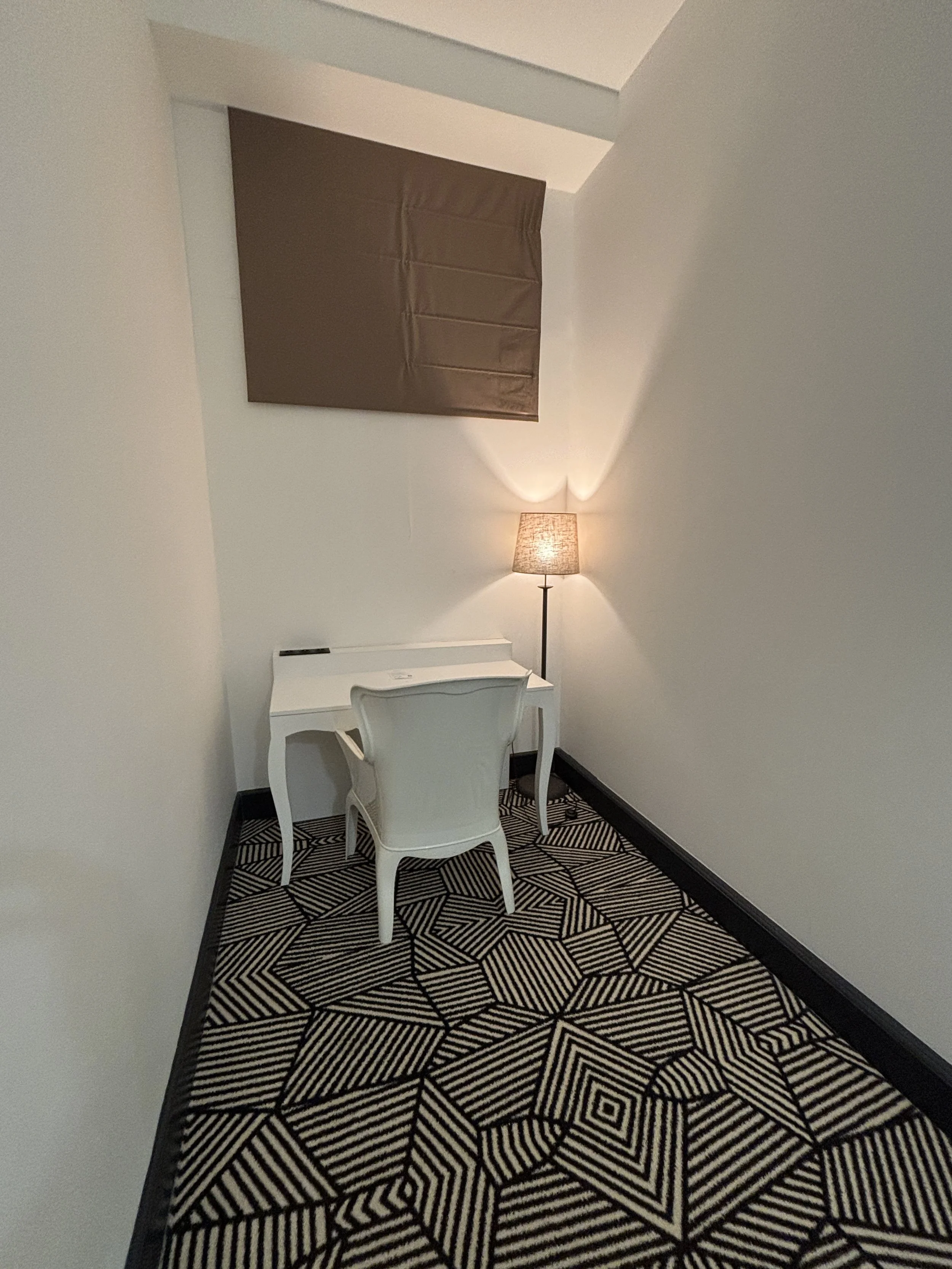
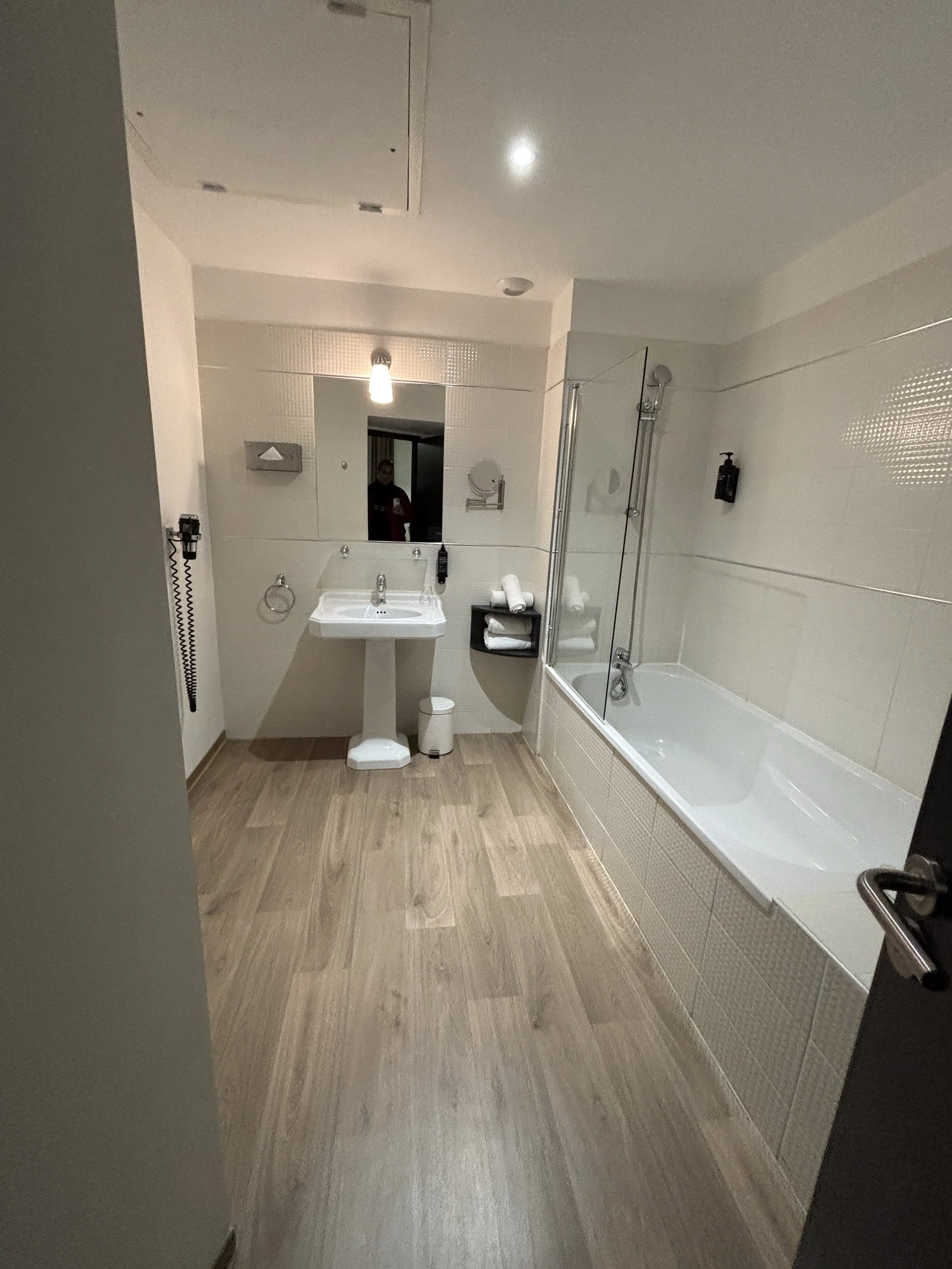
What to see in Aigues-Mortes
So, if you are in Nîmes and have a car, you may want to drive down to the Camargue, the marshy area at the mouth of the river Rhône.
The Camargue is, in fact, quite a large region that occupies most of the coastline between Montpellier and Marseille. To properly experience it, you would need to spend several days there, but, if you are short of time, you can make a quick stop at the walled medieval town of Aigues-Mortes, some 40 kilometres south of Nîmes.
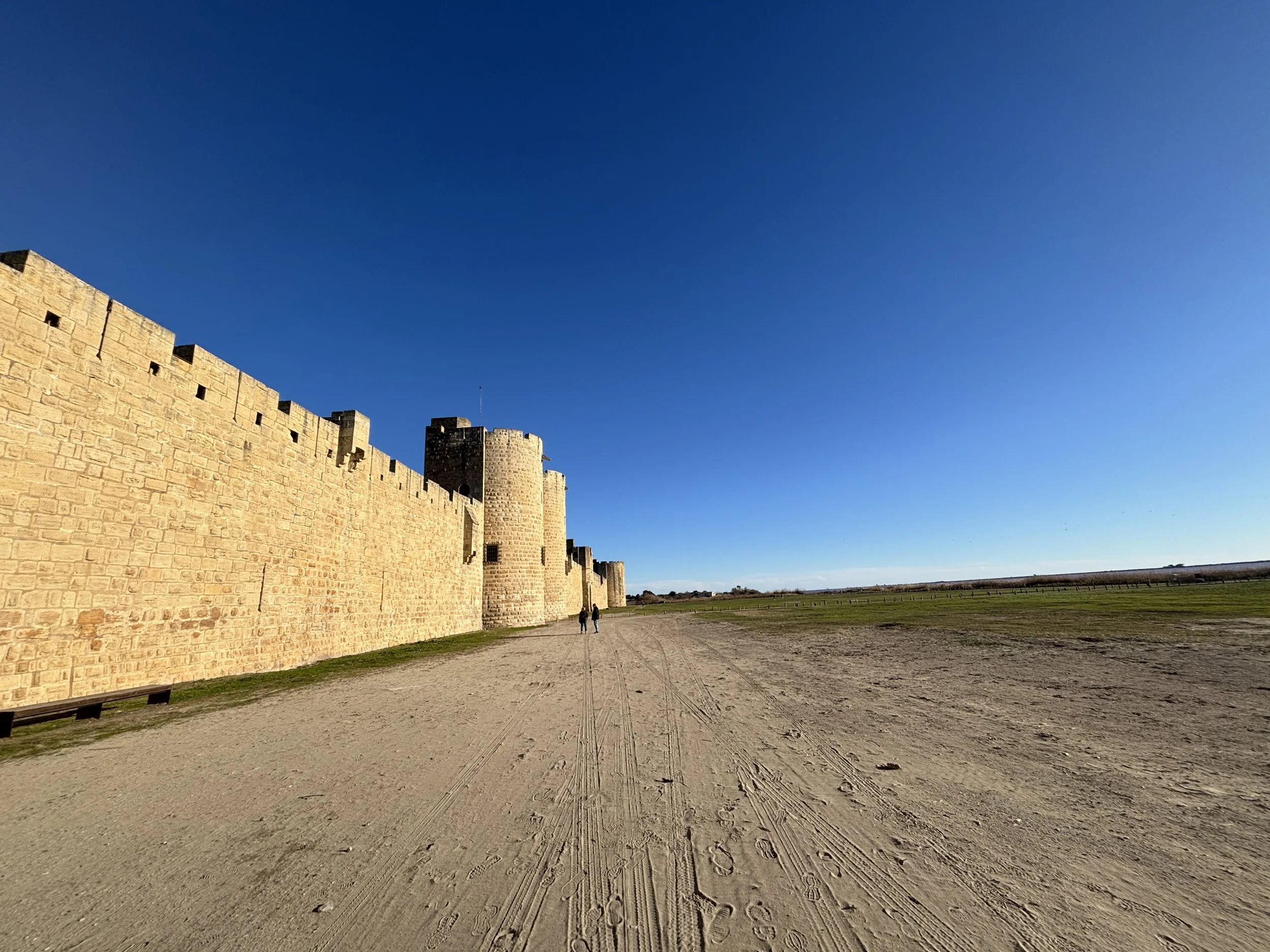
Aigues-Mortes was a departure port for the Crusades in the 13th C. You can see, from the size of its walls that this was a place of quite some importance in the Middle Ages. In fact, Aigues-Mortes has managed to preserve, to a large extent, its medieval characters, being still to this day completely enclosed by the very impressive medieval walls.
As its name implies (“Dead Waters” in Occitan language), Aigues-Mortes is surrounded by water and swamps pretty much on all sides. It is also pretty close to, but not directly on the sea shore. There is a canal on one side of the old town and a lagoon and salt pans on the other one.
This lagoon turns pink at certain times of the year (not at the time of our visit), making for some amazing photo opportunities, although, to get the best angles I think you need to get to quite some distance from the ramparts!
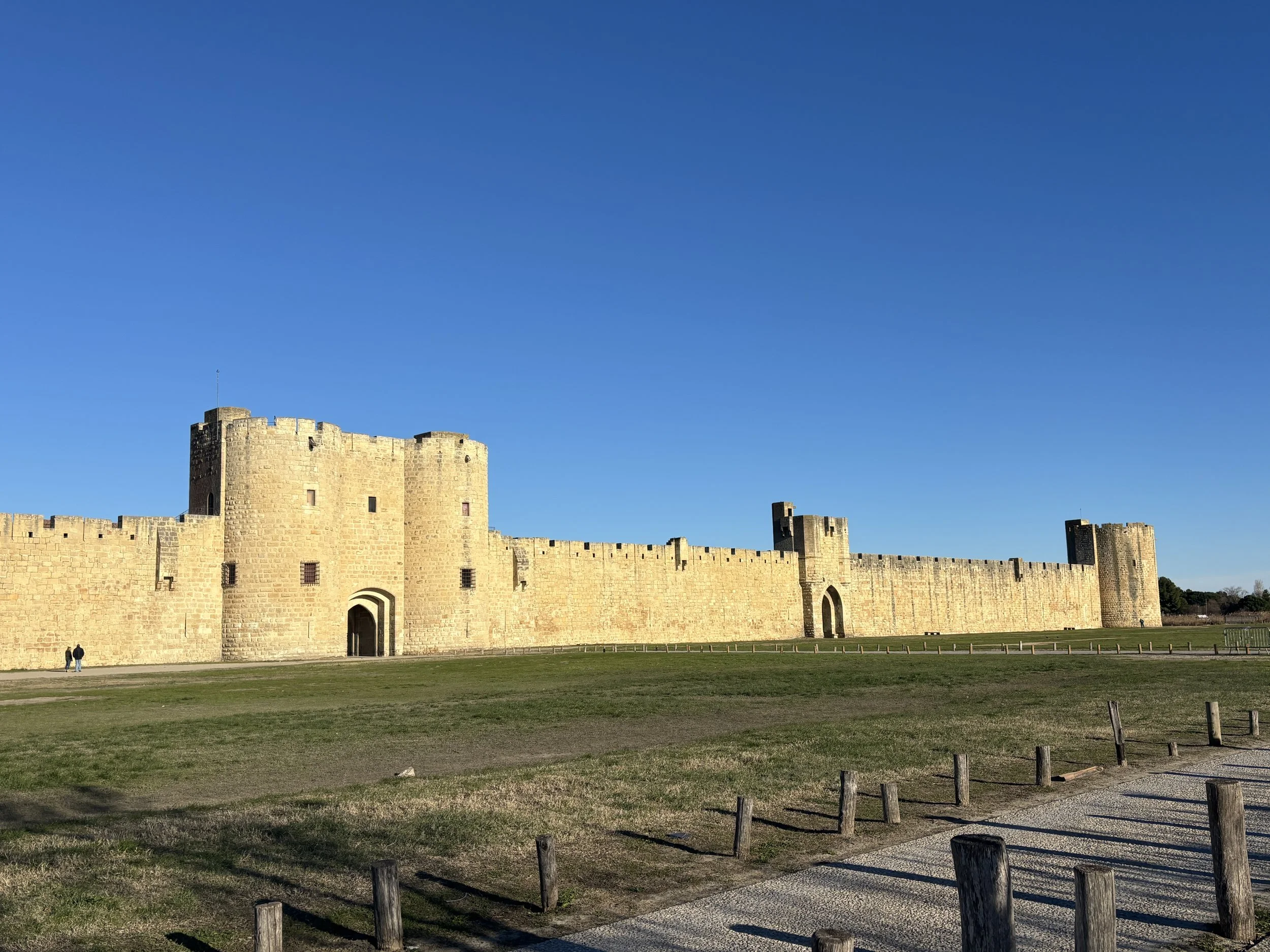
As you would expect in such a heritage-rich city, its centre is all pretty much pedestrianized (there are paid car park right outside the city gates), and while there are not major landmarks standing out within the walls, the beauty of the place is the harmony of the ensemble.
Where to eat in Aiguesmortes
Restaurant La Citadelle
10 Pl. Saint-Louis, 30220 Aigues-Mortes
https://restaurantlacitadelle.shop
This restaurant is located on the main square of Aiguesmortes (Place Saint Louis).
We picked this place up a bit randomly (it was one of the few places that were open at the time of our visit) and it turned out to be quite a find!
It has two areas, a large spacious hall inside and a terrace (it is also a café) which I am sure it is rather nice when the weather is warm and sunny.
It is a rather unpretentious place overall, but here you can enjoy some local specialities, excellent seafood and great service.
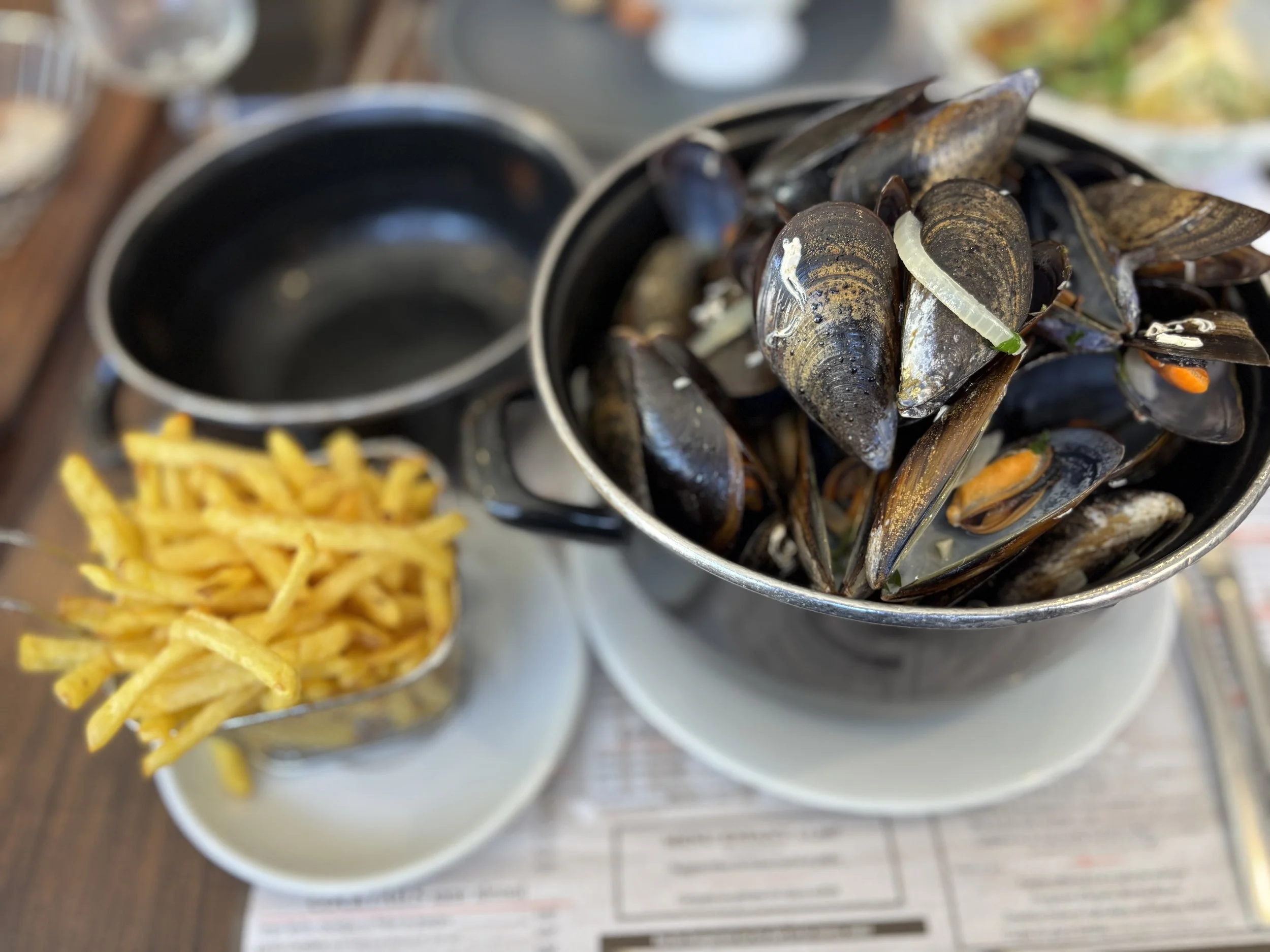
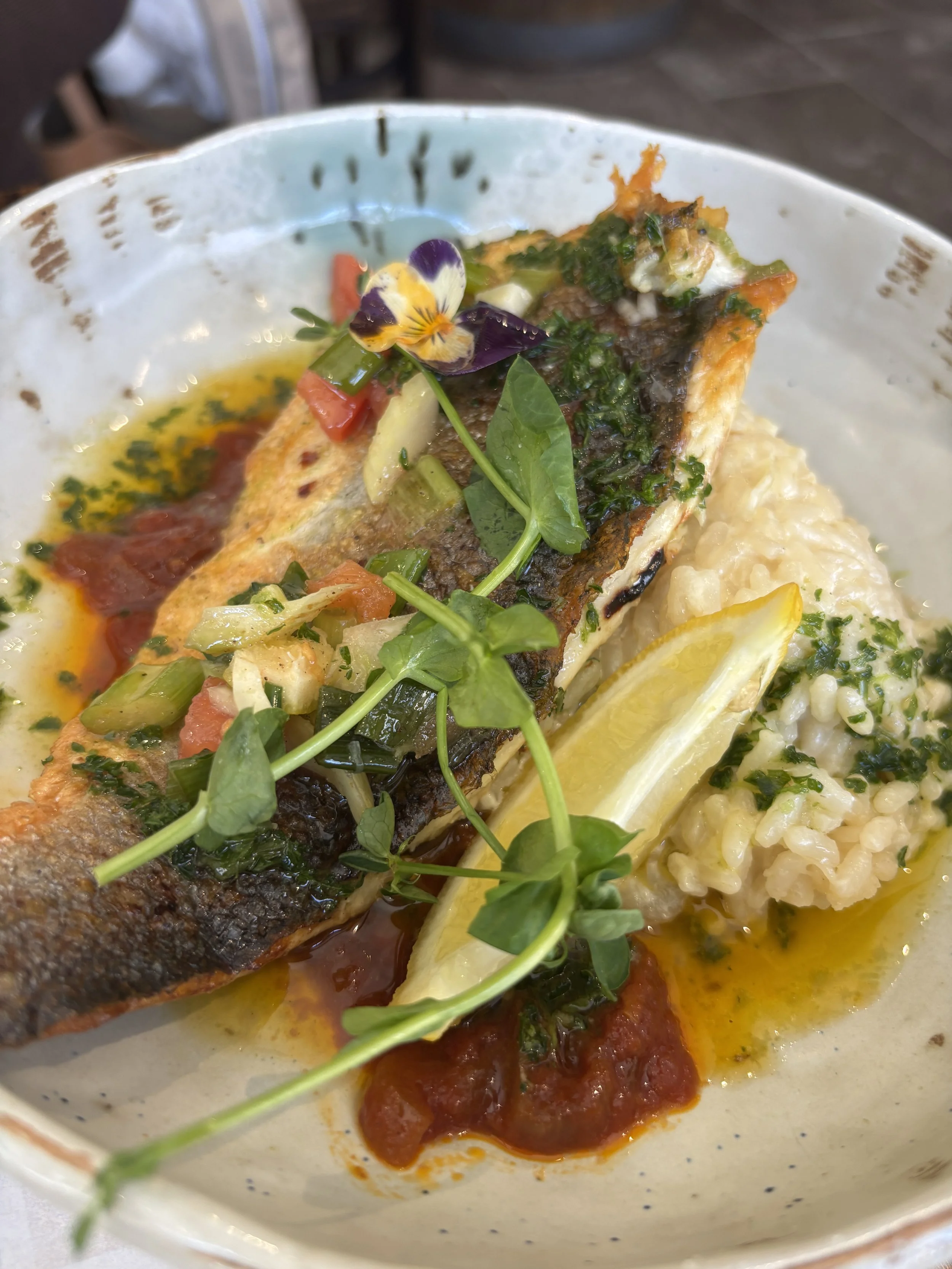
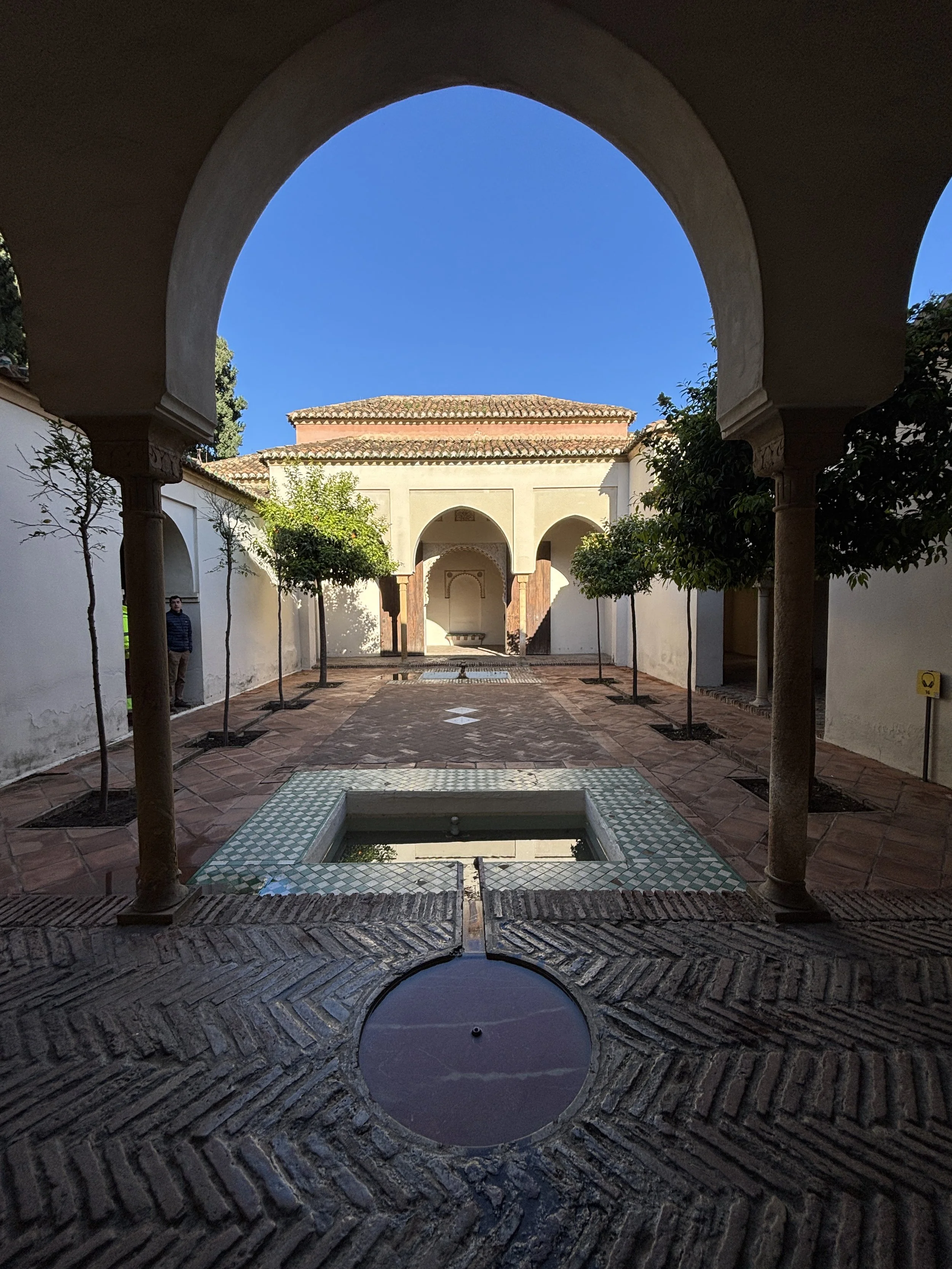
A day in Málaga, what to do and what to see
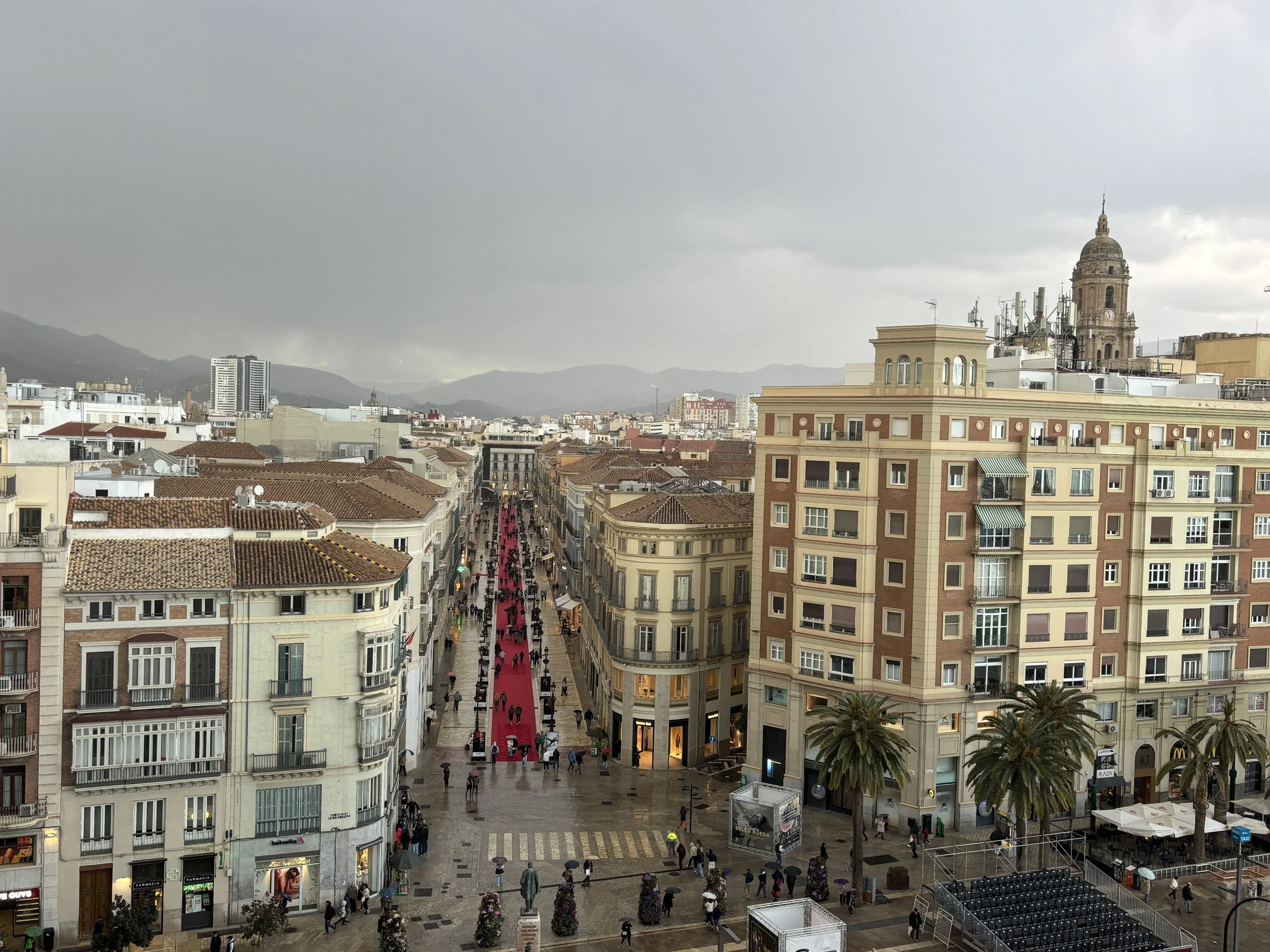
Despite being the gateway to one of Europe’s top tourist regions, the city of Málaga is, I think, often overlooked as a tourist destinations on its very own.
Of the millions of visitors that pass through Málaga airport every year, only a relatively small percentage venture into downtown Málaga itself, the rest heading straight to the many seaside resorts and golf courses that dot this narrow strip of land between the Mediterranean and the Penibetic mountains, a stretch of coastline that has come to be known as the Costa del Sol.
I must confess that I was more or less guilty of the same sin, since my previous visit to Málaga, decades ago, had just been a quick ride through town on the way to the airport. The 2026 edition of the eMobility World Congress provided the opportunity to change that and to explore a bit more of the city. And, while it is true that most of Málaga’s suburbs look a bit uninviting, as is typical of cities that grew fast during that dark era of architecture that were the 1970s, the city centre has, fortunately, preserved some truly charming corners.
In the following sections I am trying to sketch the top things to do and to see in Málaga if you are on a short visit. The good news is that Málaga’s historical center is quite compact, so you can go quite a lot even if, as it was my case, you are truly time-constrained.
This post may contain affiliate links. If you book or buy something through them, I earn a small commission, at no extra cost to you. It's one of the ways I keep Places of Charm going. Thank you for your support.
A walk through Málaga’s historical town
Most of the sights cluster within or around the old town, which borders also the port area and the hill where two old fortresses stand (the Alcazaba and Gibralfaro castle). The good news is that most of this area is pedestrianised, so this makes for a rather pleasant walk between the different sights.
Calle Marqués de Larios
This is Málaga’s main commercial axis, which you can see below. It has a rather elegant pavement made of these large white stone slabs (although the red carpet is a temporary addition for the city’s film festival).
The street is named after the Marquis of Larios, which was a prominent local industrialist in the 19th Century. The Larios family played a very important role in Málaga during most of that century and held sway over large swathes of the local economy. Their palace was located right where the “Equitativa” building stands today, the very prominent 1950s rationalist building that takes center stage in the picture below.
This building, which used to be the local headquarters of an American insurance firm, has since been transformed into a boutique hotel, the “Soho Equitativa”, which I will review further down this post.
So, this street, “Calle Marqués de Larios” is where many of the well known consumer brands have set up shop (I read that at some point it was one of the most expensive locations for retailers in Spain). It was a bit rainy during the time I started my visit (so much for the “Costa del Sol” famous year-round sunshine!) but this gave the streets a particular patina that I kind of liked.
While Málaga hasn’t been immune to the sort of touristization and banalization that has afflicted most European historical centers, it is still possible to find some truly authentic retail outlets!
Málaga Cathedral
One of the highlights in historical Málaga is, of course, the cathedral. This one is particularly impressive because of its size!
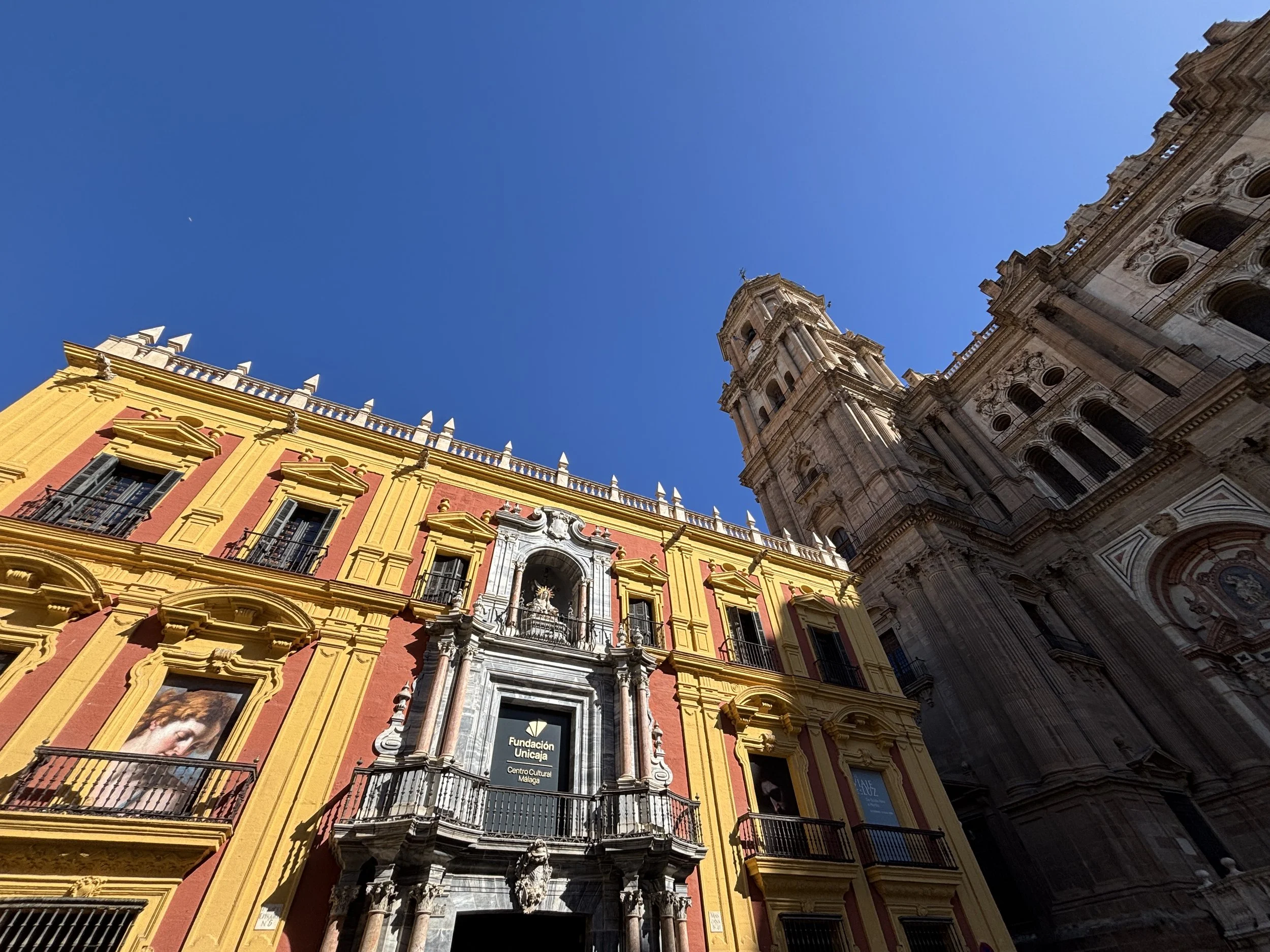
Roman Theater
Málaga is a really ancient city! One of the oldest in Europe, in fact. Málaga appears to have been founded by the Phoenicians some 500 years before the Romans arrived in the Iberian Peninsula. Rome, however, did arrive in due turn and and the city continued to prosper, changing its name from Phoenician “Malaka” to Latin “Malaca”. One of the most visible landmarks from that era is the ancient theater (“Teatro Romano”). It has its own small dedicated museum, but it was closed at the time I visited. Nevertheless, you don’t need any ticket to admire the ruins.
To be fair, it is not as big as the Ancient theaters in places like Myra and Amman, but its locaation at the foot of the old Islamic-style fortress of the Alcazaba fortress, with its medieval walls, make it quite scenic. It is also right in the middle of the old town.
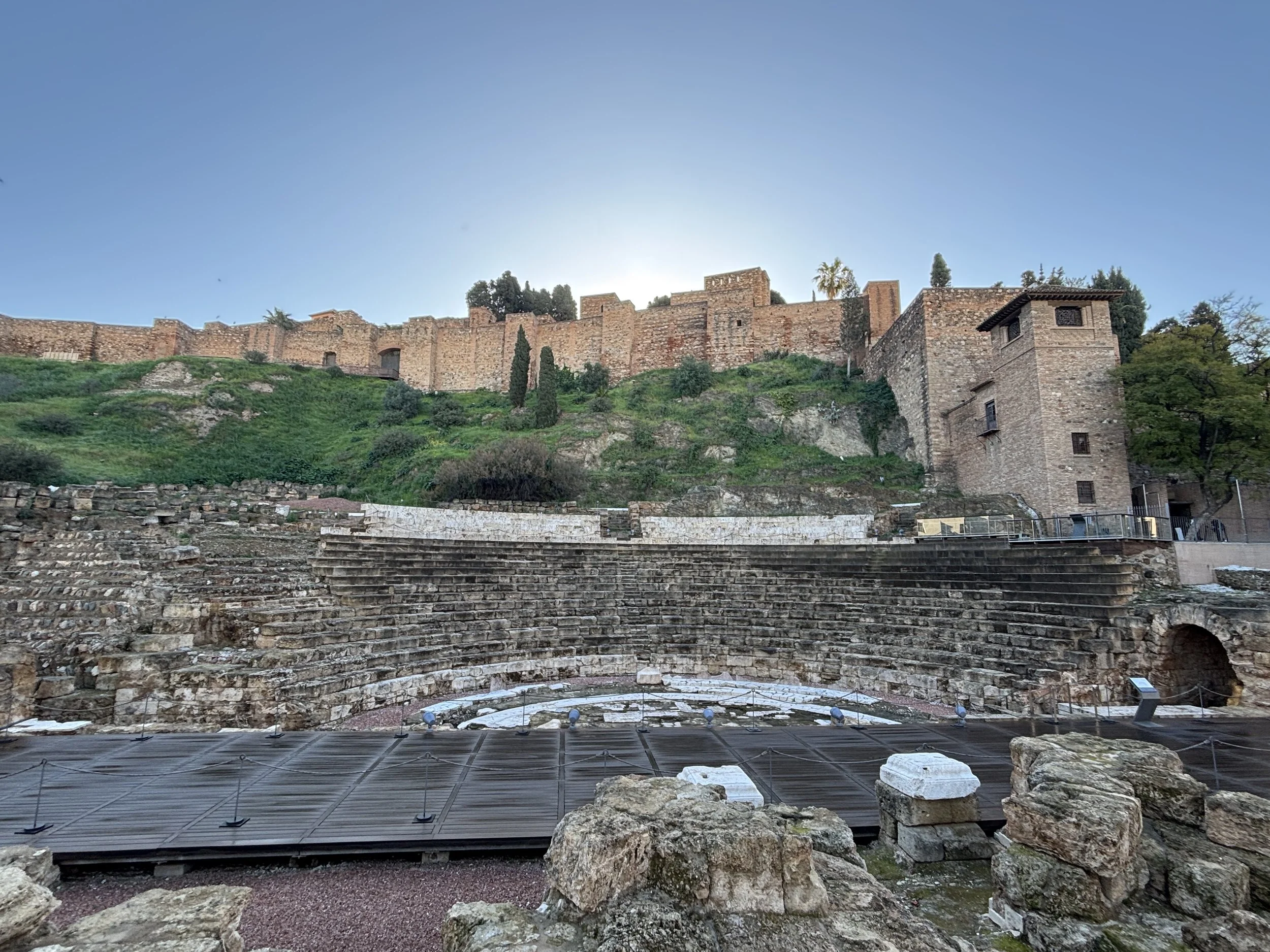
Right next door, between the Roman Theatre and the Cathedral is the Málaga Museum (Museo de Málaga), which is housed in a neoclassical former customs house. Now, I didn’t have time to visit the museum, something that I kind of regret, since I head good things about it. So, I included it here so that you don’t forget to add it to your list if you have the time. It has basically to main collections: 19th Century Spanish paintings and Ancient archaeology from the local area.
I did manage to admire the exuberant palm grove that surrounds the building, though!
The Alcazaba of Málaga
If you have to choose only one place to visit in Málaga, this is it!
The Alcazaba is a former fortress-palace that for centuries has dominated the city from its hilltop position. Now, there is another castle even higher up on the same ridge, the castle of Gibralfaro.
The two were connected by a narrow walled enceinte, now in ruins. You can visit both nowadays, although you need to do so separately (you can purchase a joint ticket, though).
Since I had limited time I opted to visit the Alcazaba only, which I think has most to offer to the visitor. The higher Gibralfaro fortress has perhaps slightly better views, but you get a pretty nice view from the Alcazaba as well, and it saves you the climb uphill. It’s just a matter of prioritization.
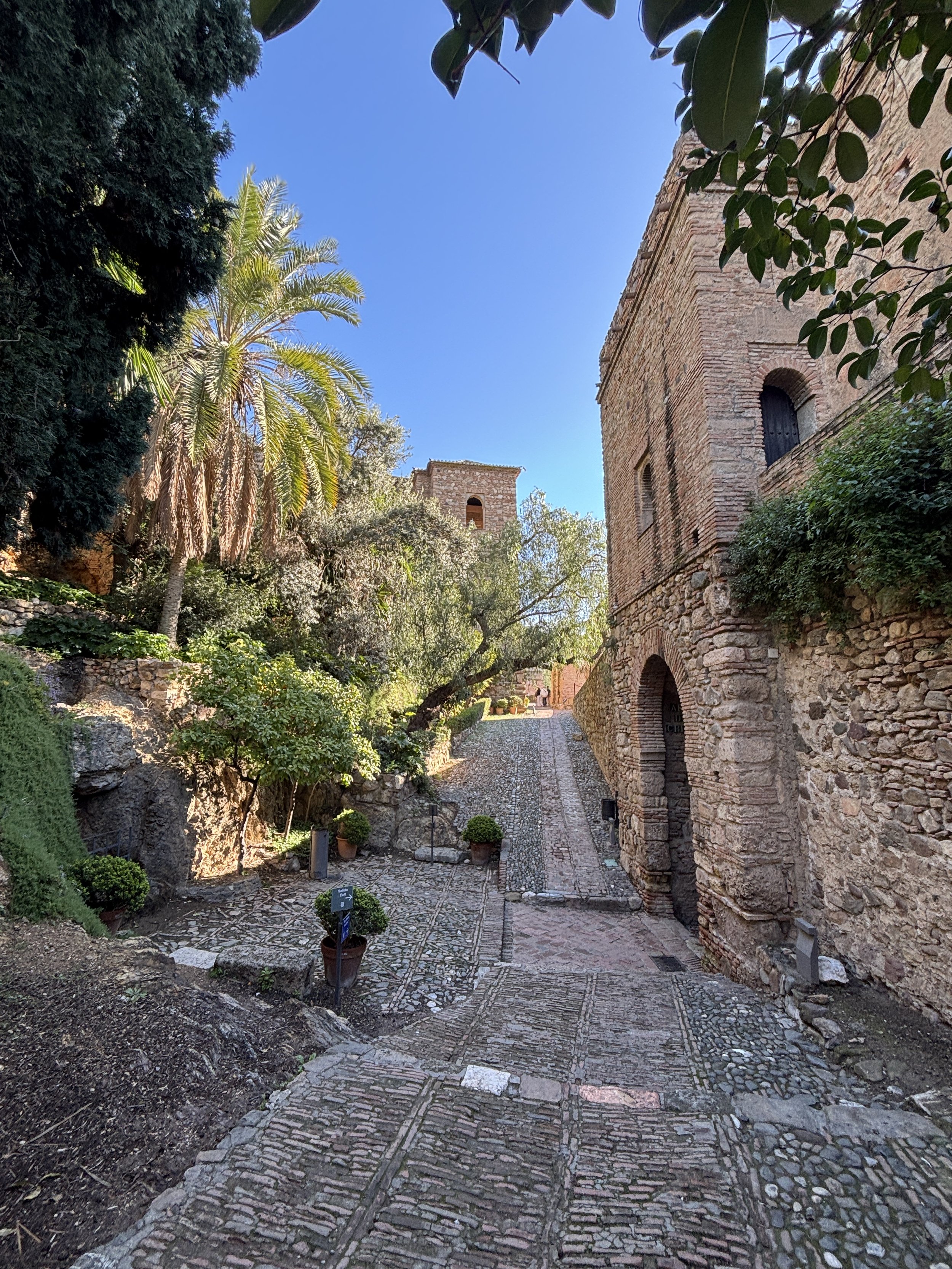
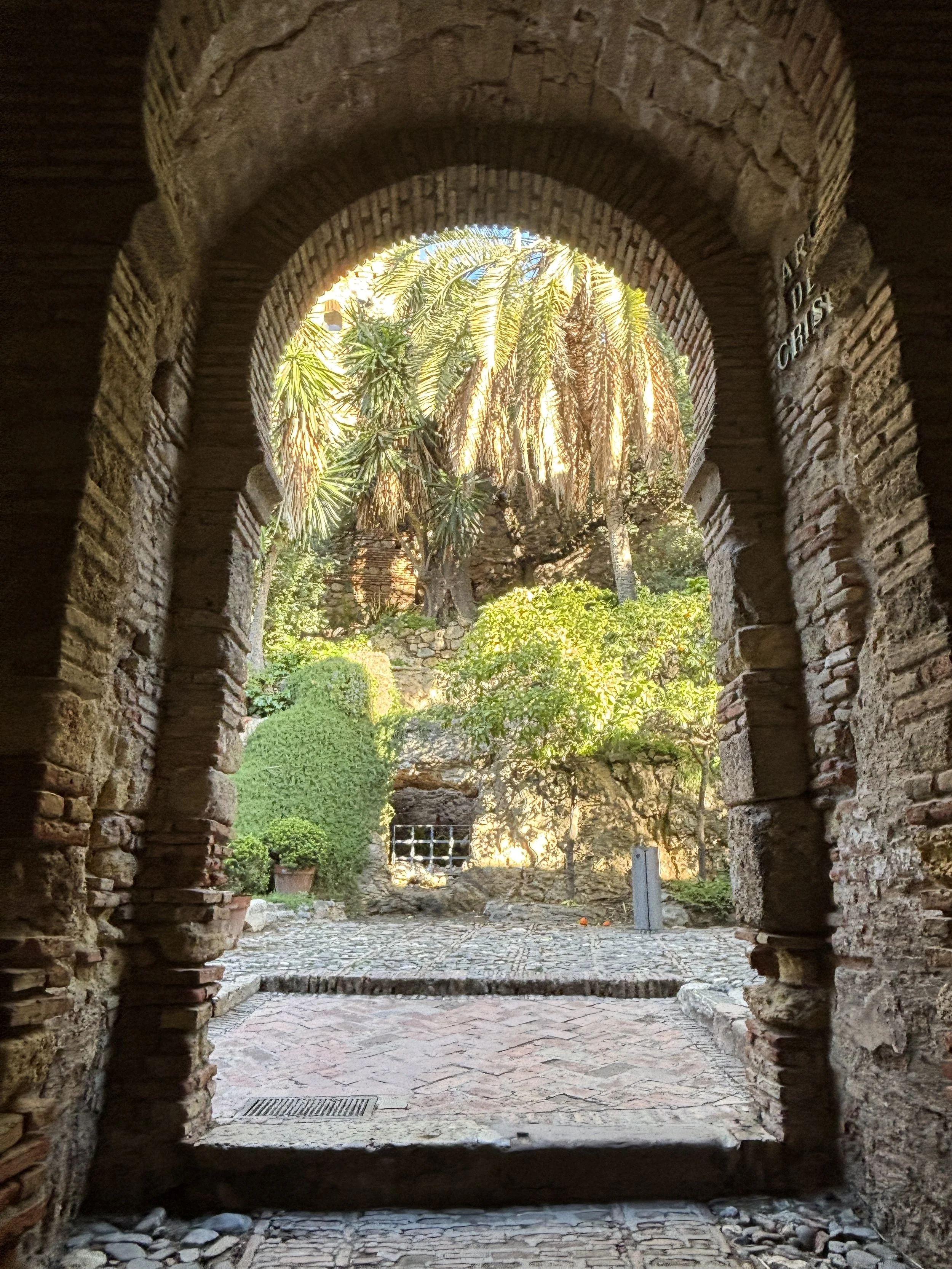
The Málaga Alcazaba as we know it today is mainly a product of the Al-Andalus era, when Spain was under Islamic rule. The foundations of the current castle were laid out in the 11th Century, but the complex has suffered modifications throughout the centuries.
By the 19th Century there was even a whole residential neighbourhood on top of the palace ruins and some plans were drawn to remove completely what was left of the old fortification.
Fortunately those plans didn’t materialize and, in fact, by the early 20th Century, with changing attitudes towards the preservation of historical heritage the Alcazaba was declared a legally-protected monument and a process of archaeological investigation, restoration (and in some cases even reconstruction!) started.
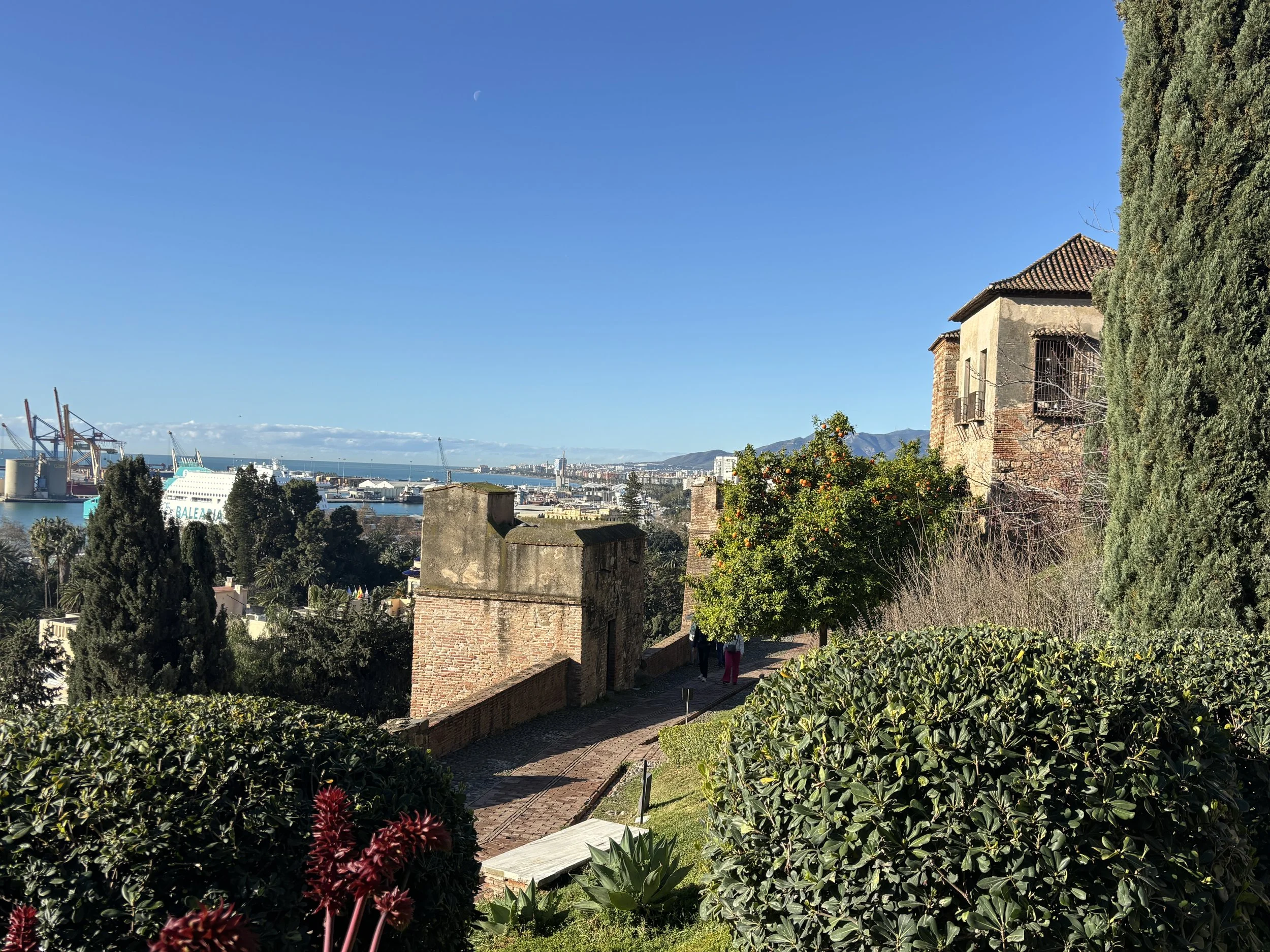
Málaga’s Alcazaba is, in some ways, like a mini-Alhambra of Granada, with its magnificent views, patios and palatial quarters in Islamic Andalusí style.
However, most of what you see today is a relatively modern reconstruction (albeit a tastefully done one!) since most of the buildings had become a total ruin and some areas had to be cleared of other later constructions that had been built on top.
Seeing the result, I think it was the good decision to take!
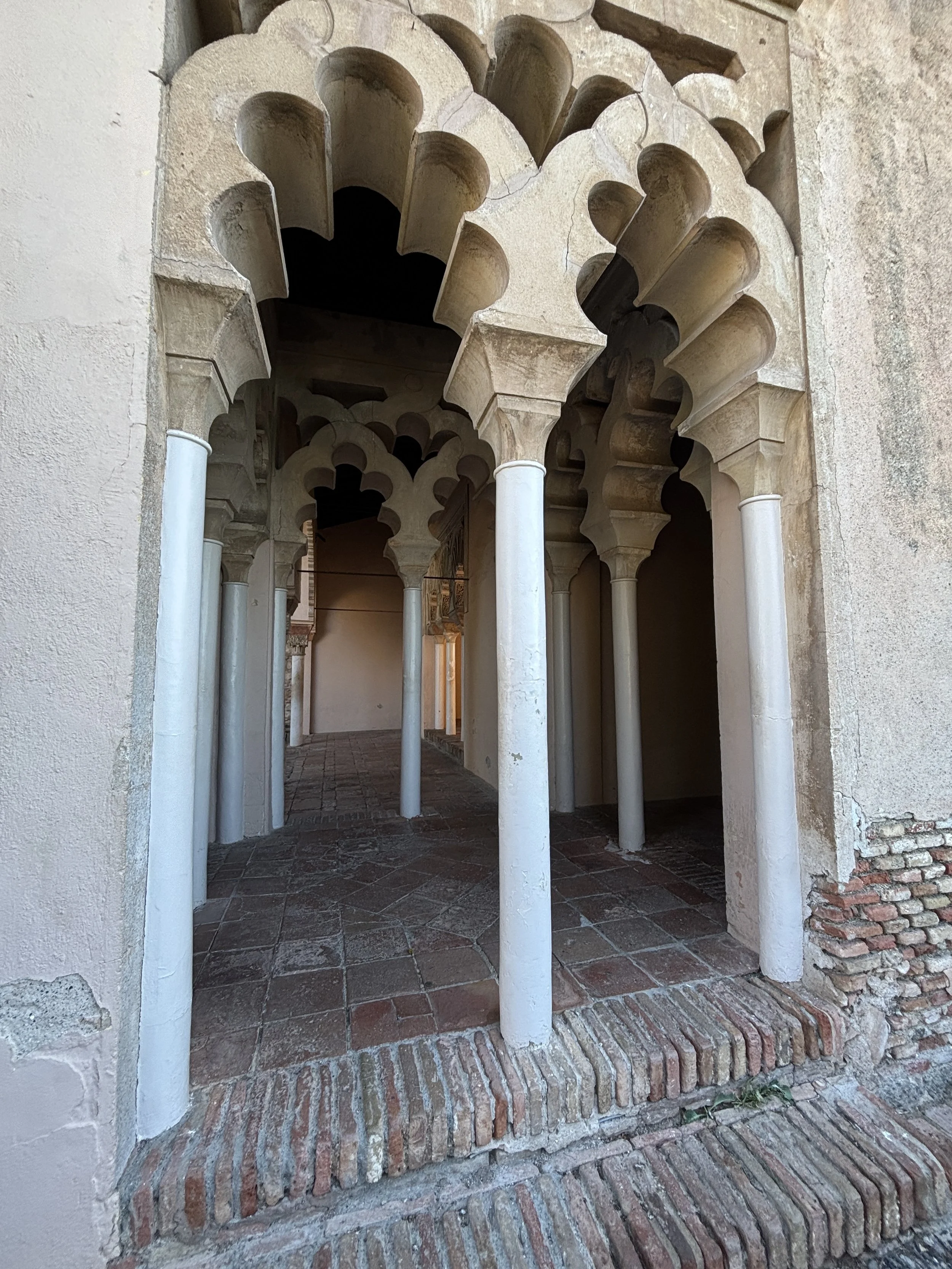
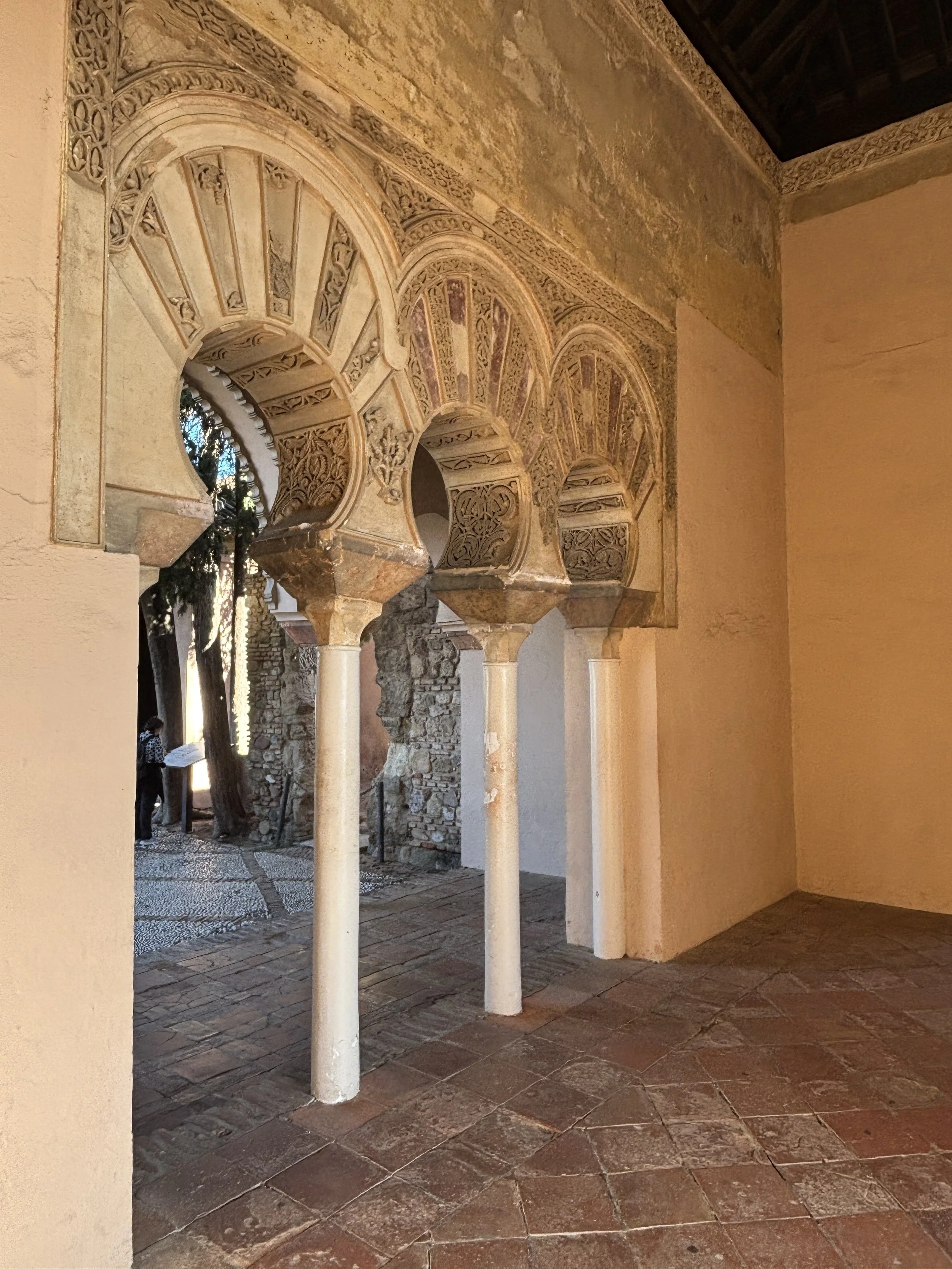
Entrance to the Málaga Alcazaba is €7 (or €10 if you buy the combined ticket that gives you also access to Gibralfaro fortress). The ticket has a QR code that you can access to get an audioguide which runs straight through your phone (you need an internet connection), a pretty smart and convenient approach!
The Alcazaba also opens a bit earlier than other museums, so it is a good idea to start the day here.
Picasso Museum of Málaga
Pablo Ruiz Picasso, one of the most influential and universal artists in history, was born in Málaga and, while he left the city quite early in his life, his imprint remains in the city through the Picasso Museum of Málaga.
The museum is located in the middle of the historical center in the Palacio de Buenavista, a fully restored 16th-century palace, which was, in turn, built on top of Roman and Phoenician foundations. IT is also adjacent to the church of San Agustín (picture on the right), also from the 16th C. and sharing its courtyard with the museum building.
Btw, the museum must not be confused with Picasso’s birthplace, which is actually some 200 meters away, on Plaza de la Merced, and it is also an exhibition space (which unfortunately I wasn’t able to visit).
Practical note: there are two queues to enter, one for those that purchased the ticket online (you are encouraged to do so by using a QR code displayed by the entrance to the museum) and another for those that wish to buy the ticket onsite.
It was a bit confusing, particularly since both queues appeared to be growing by the minute at the time of my visit. Interestingly, the “online ticket queue” was not only longer, but seemed to move more slowly. So, since I was not sure how much time would it take, I decided to try the ticketless-cash only queue. It turned out to be the right decision, since every few minutes a member of staff let some people from that, much shorter, queue in.
So, I don’t really know if this is how it always works, and hadrd to understand the logic when it looked like those pre-purchasing were being penalized (perhaps on some days there are numerus clausus and those that didn’t buy online can not get in?). In any case, but thought worth sharing the experience.
The entrance fee is not cheap (€13) but I think it is good value for what you get.
While the museum is not huge, it holds a really interesting collection that covers pretty much the whole of Picasso’s life and which were gathered by the artist’s daughter-in-law and one of his grandsons.
There is also a section with paintings by other influential artists that were contemporary with Picasso.
So, I would say this is the other highlight I would visit if having to prioritize the things to see in Málaga.
By the way, if you are interested in the life and work of Picasso, you may also want to check this piece I published on CNN a few years ago about the places that inspired and influenced the artist’s work in Catalonia during his youth.
The Port of Málaga
Since Málaga is a port city, a walk through the harbour could not be missing from this post. This time it had to be an evening one, but it still delivered some rather impressive sights, and I am not referring to the handful of mega-yachts moored along the quay!
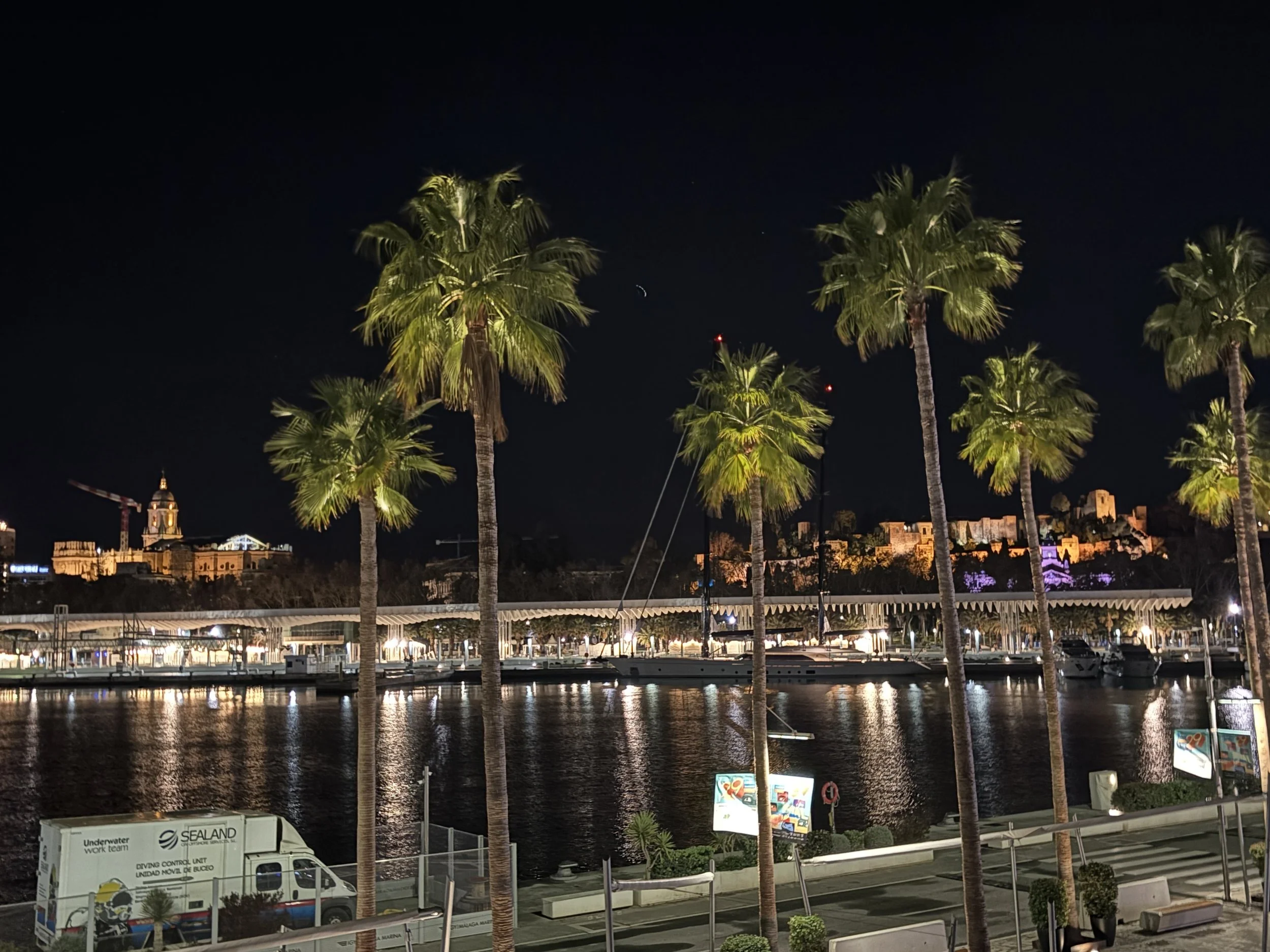
There is a promenade all along the quais which offers the sea-view of the historical Málaga skyline, complete with the cathedral, the Alcazaba and the line of walls, illuminated at night, that run all the way up to Gibralfaro castle.
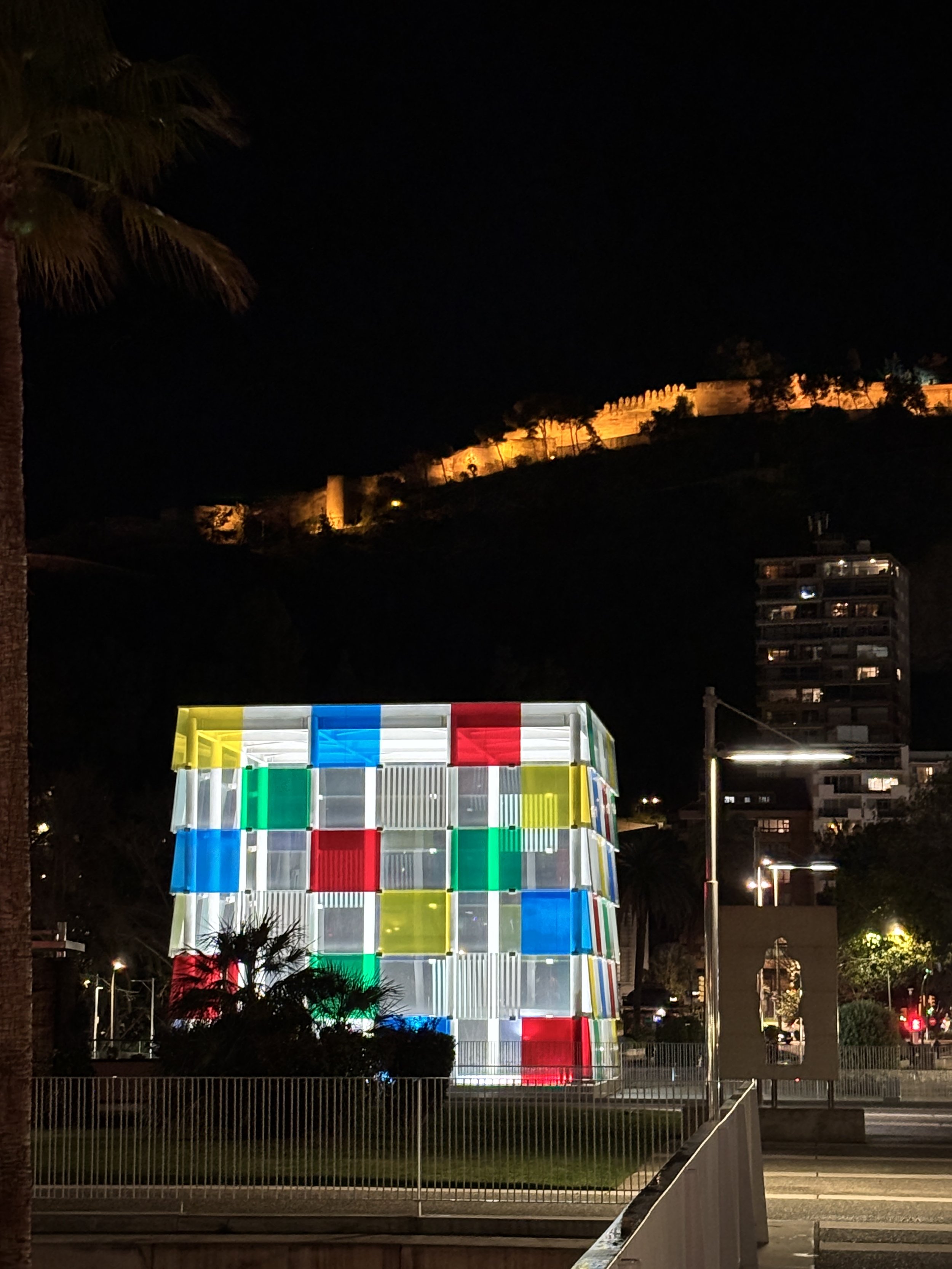
What’s more, the port of Málaga has also some interesting architectural landmarks that are made even more interesting because of the contrast in styles. This is the case of this Mondrian-style glass cube which hosts the Centre Pompidou Málaga and a small modern art collection, and the elegant Chapel of the Port nearby.
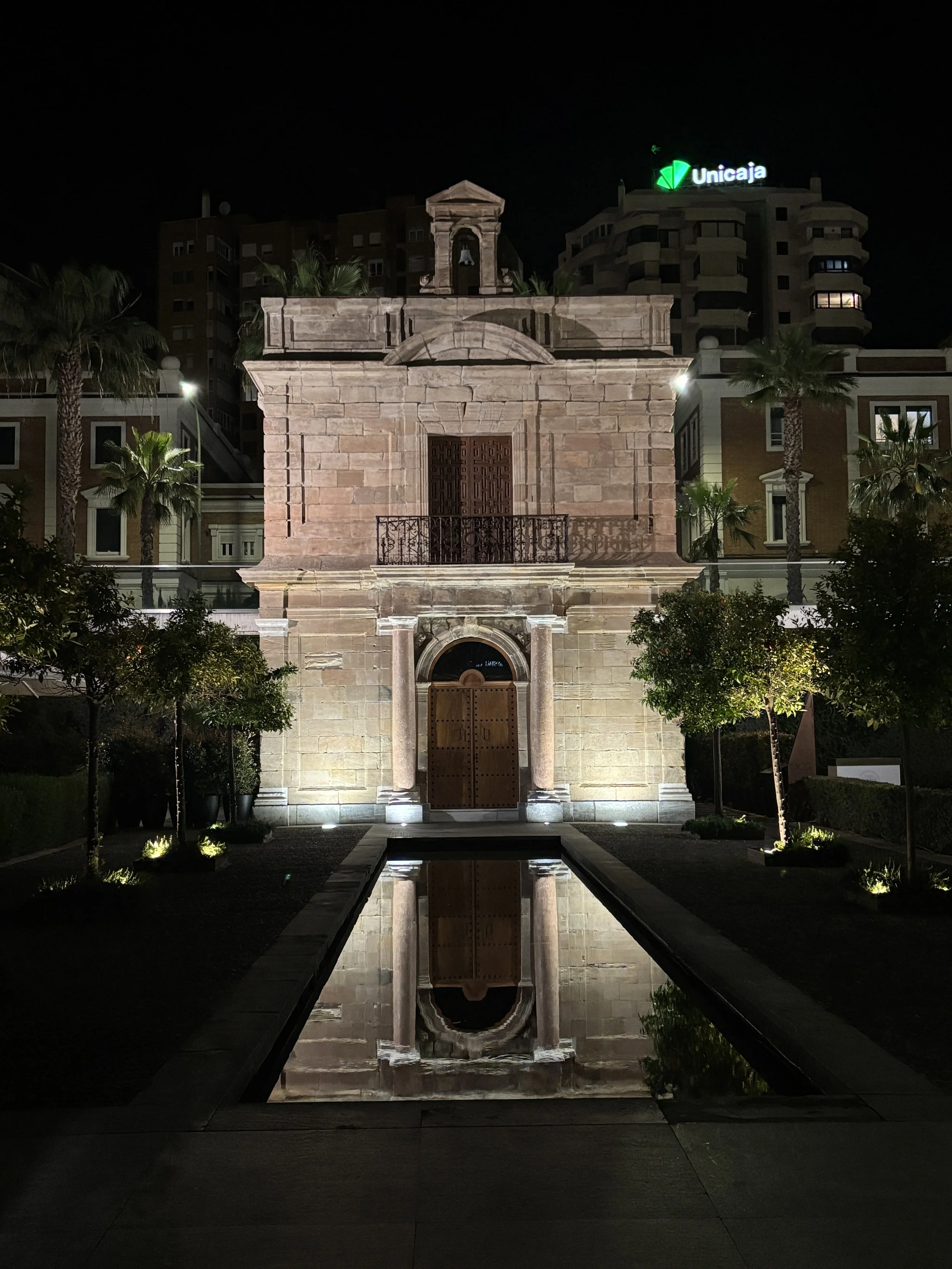
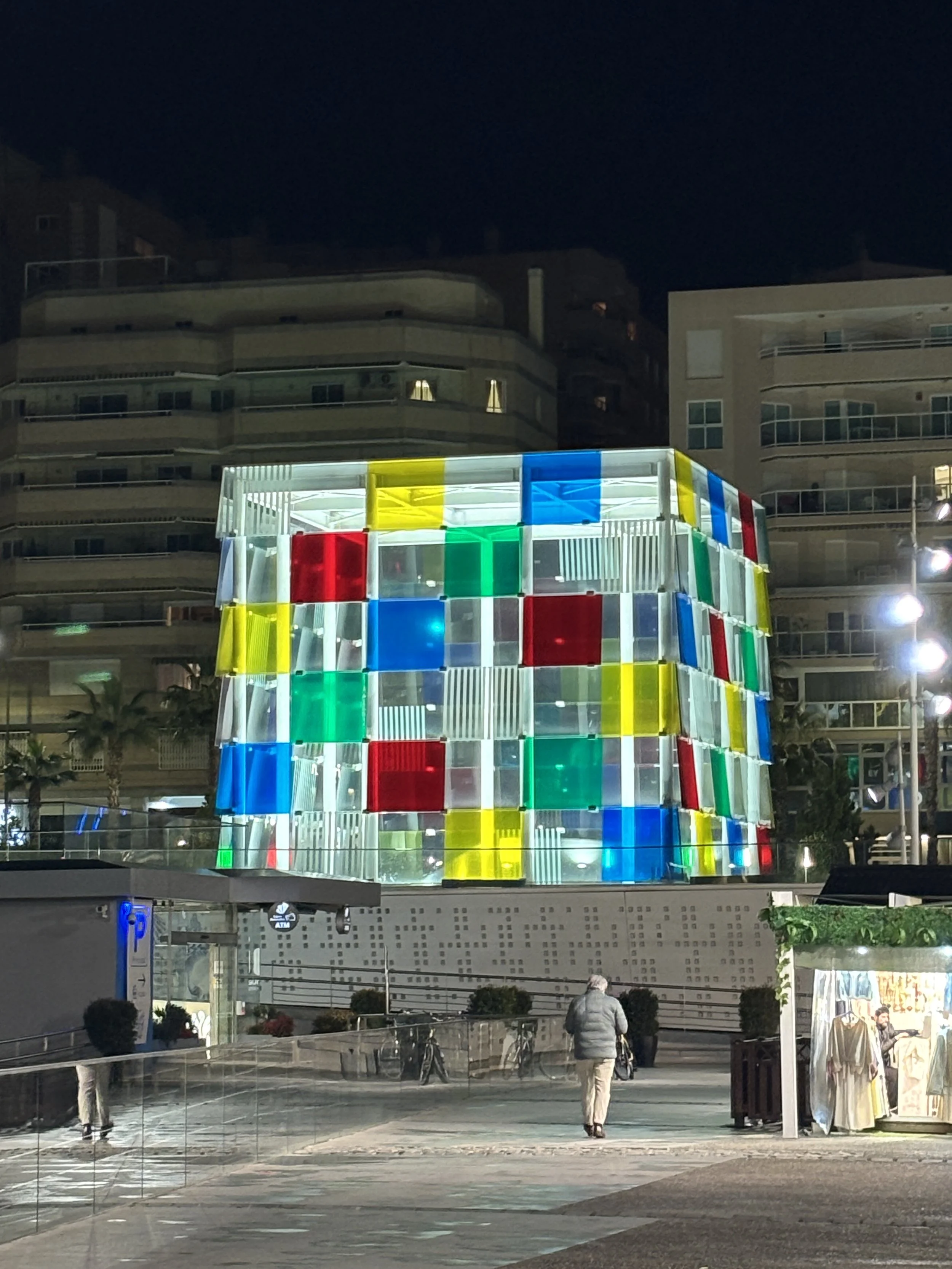
And if you make it all the way to the port’s lighthouse (“La Farola de Málaga”), you may as well eat or drink something at the “Trocadero Casa de Botes”. This is a stylish quayside restaurant which offers a cozy indoor atmosphere and some nice views of the port and the city. Definitely a place to check if you are looking for a place with real character to eat in Málaga.
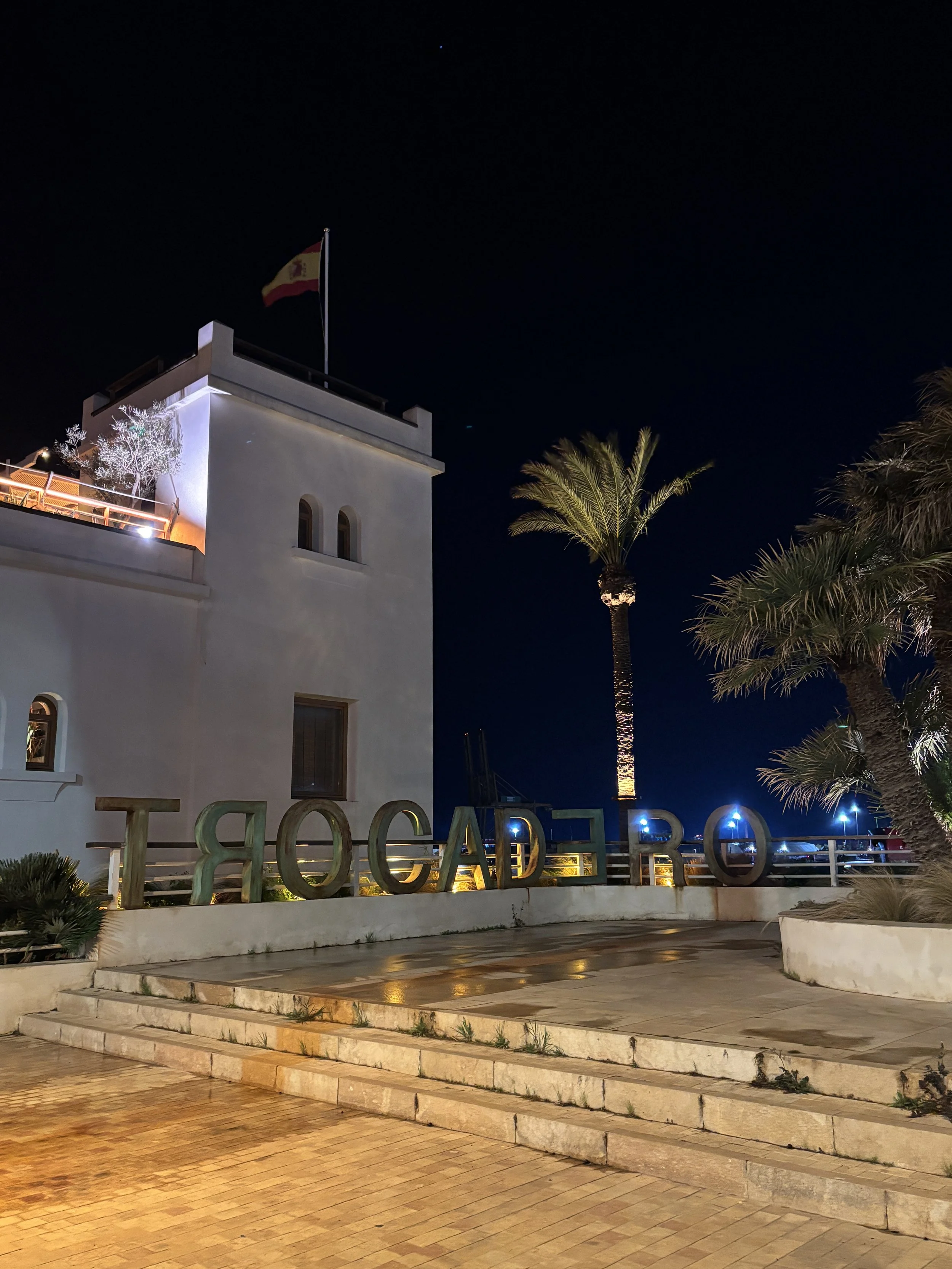
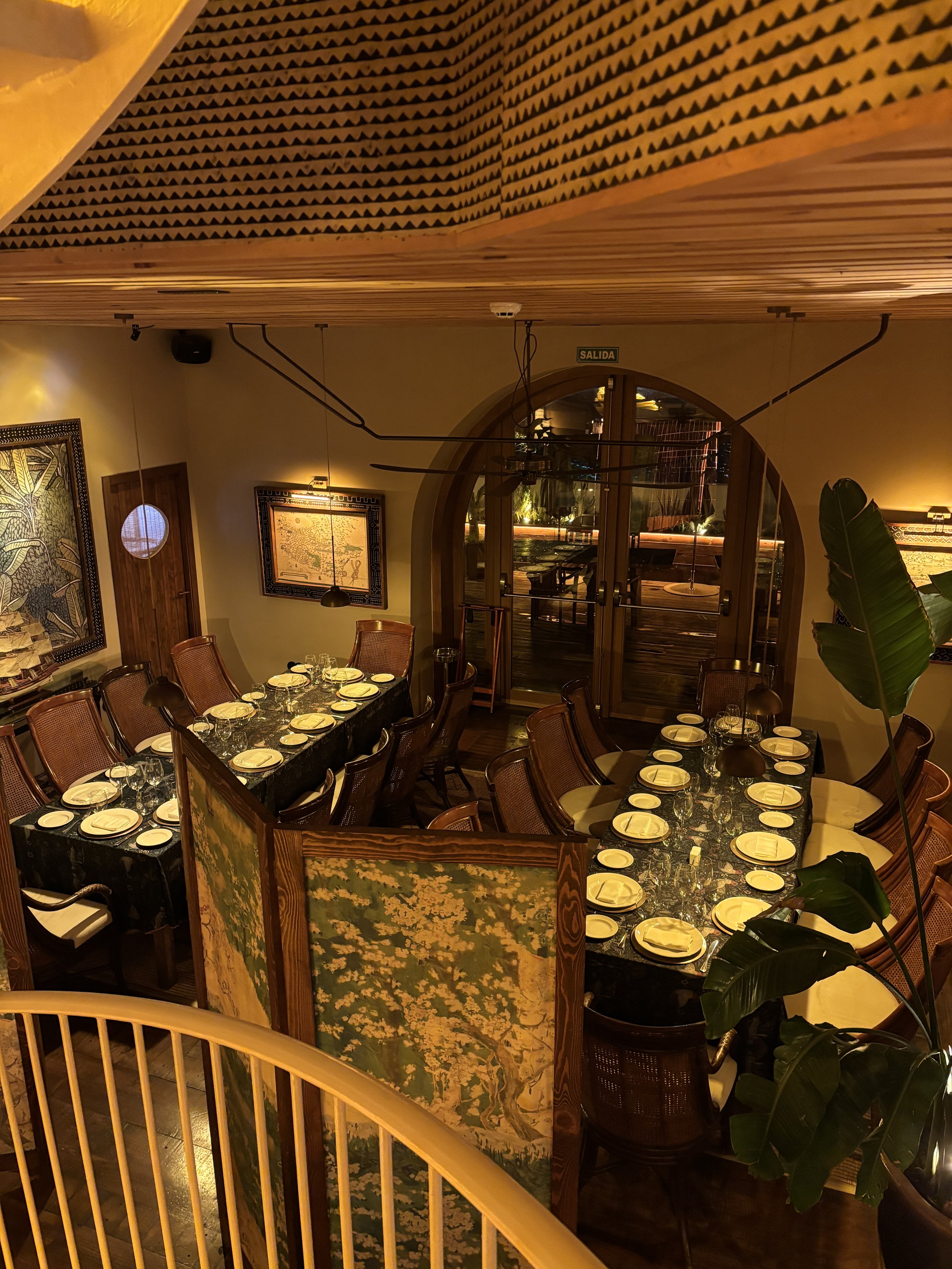
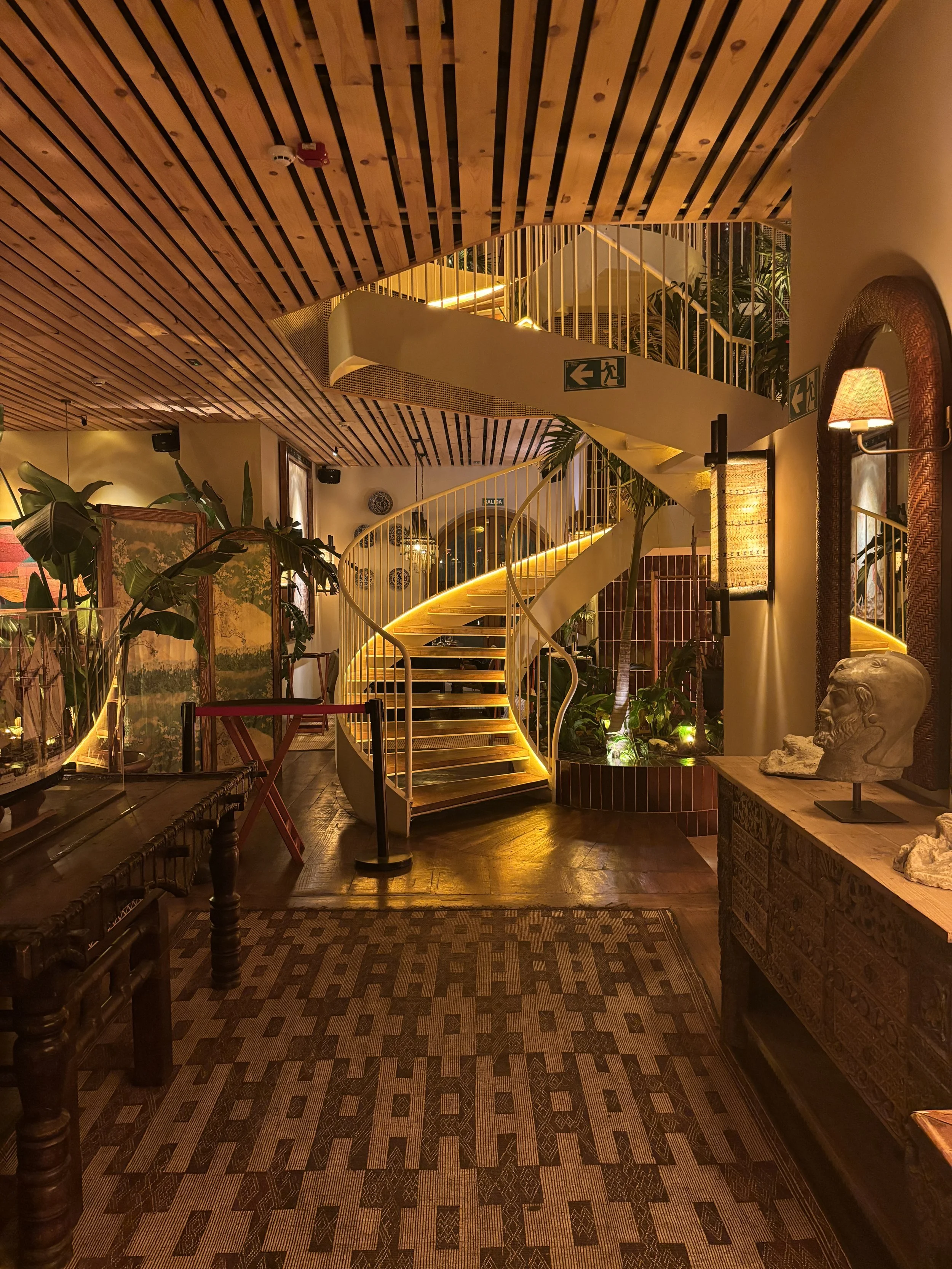
Where to stay in Málaga
Hotel Soho Boutique Equitativa Málaga
Edificio La Equitativa, Alameda Principal, 3
29001 Málaga
This is a very nice hotel located right at the intersection of Calle Larios and the Alameda avenue, the two major avenues in Málaga’s downtown, and next to the port area. What’s more, as described earlier in this post, the Equitativa building is a landmark on its very own. Built in the 1950s, this 14-storey rationalist building would not be out of place in a major US downtown.
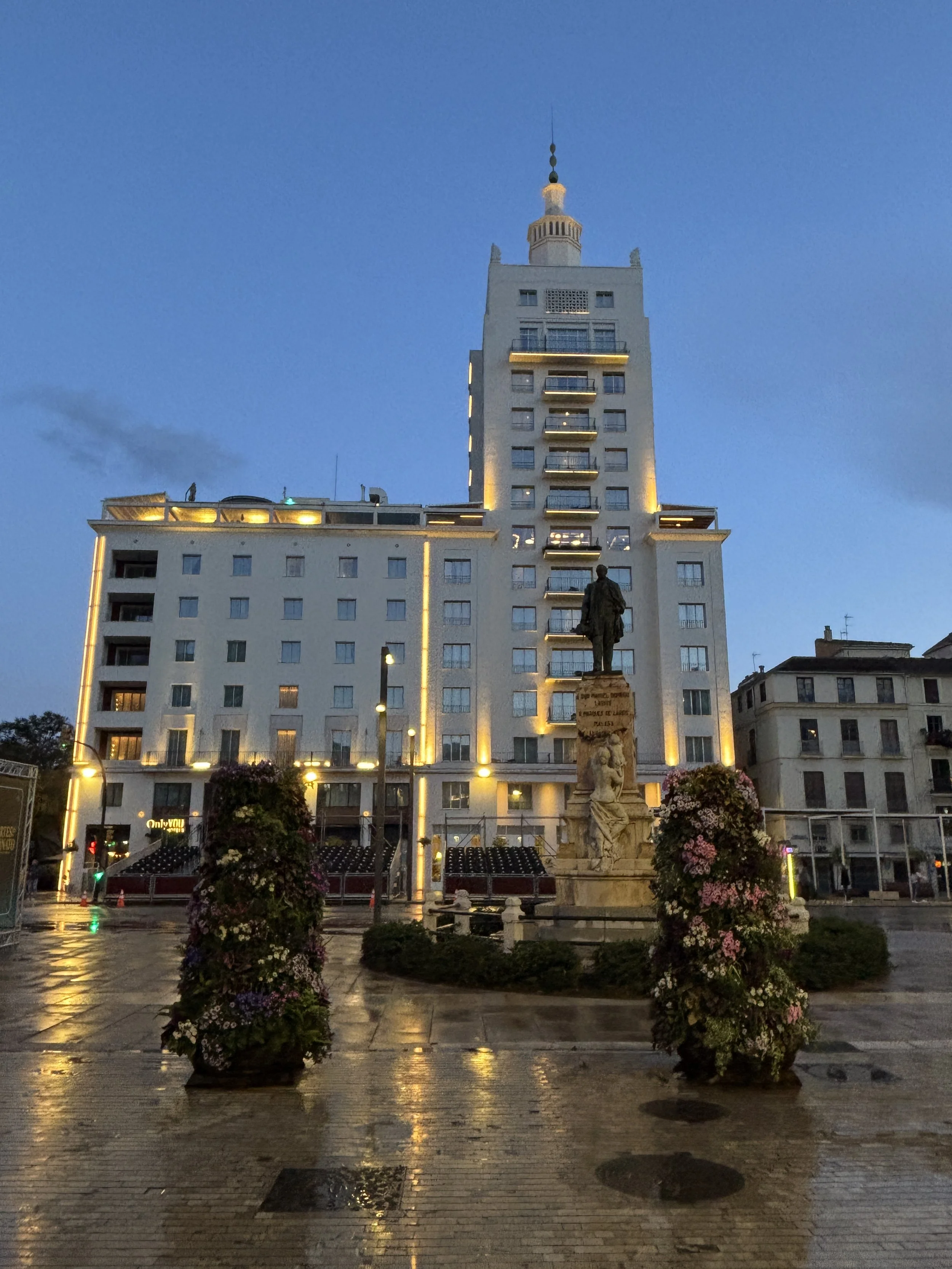
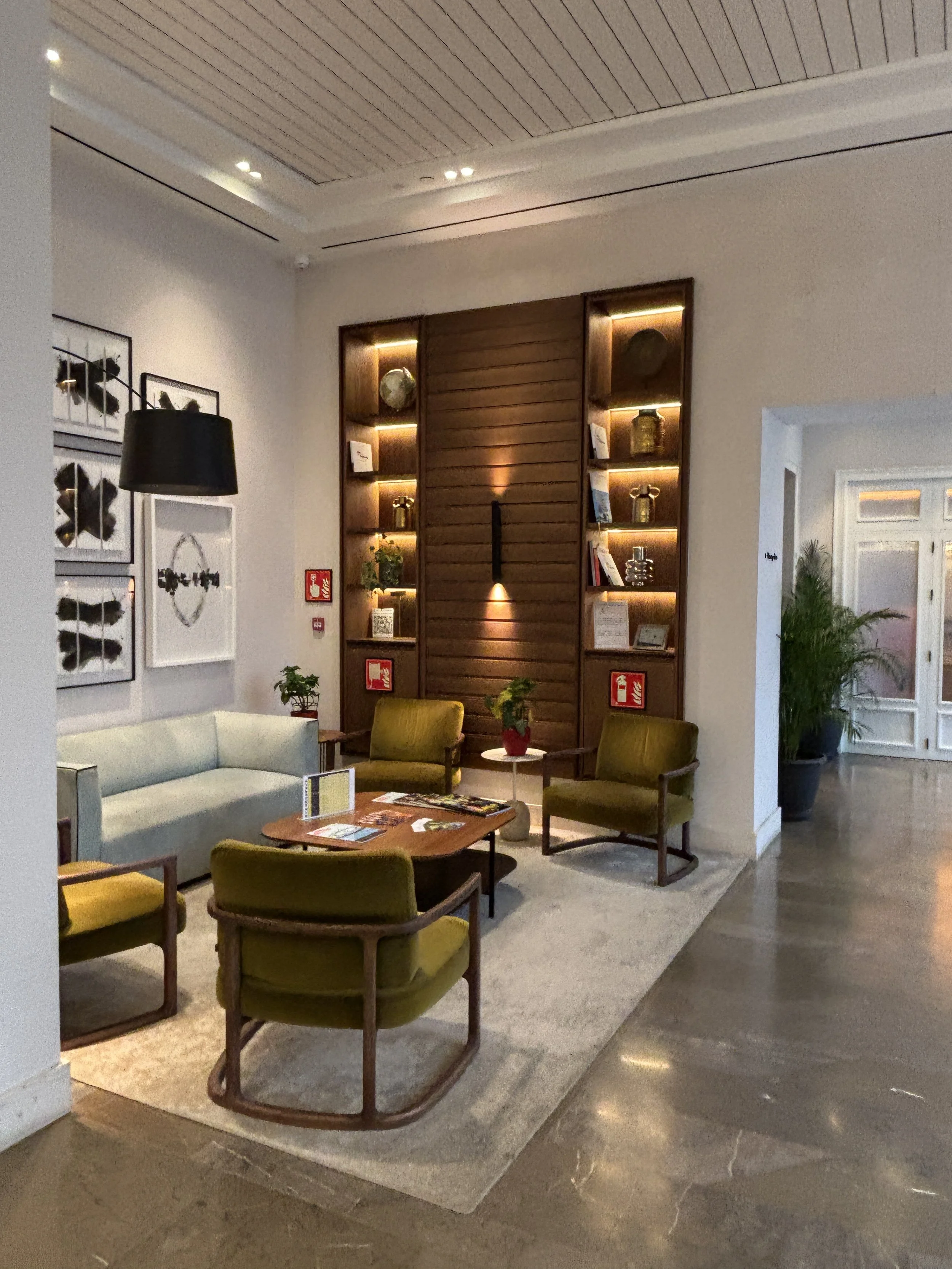
Rooms are not big, but are very cozy. The bed is comfortable and the room has everything you need to work, if needed. The bathroom is also pretty modern and stylish and has a huge shower room.
Also remarkable is that you may get great views of the city. I was just on floor 4th (of 14) and it was already like a panoramic viewpoint of the aforementioned Calle del Marqués de Larios right in front. I can only imagine how the views must have been from rooms further up.
By the way, there is a bar and a panoramic terrace (with a small outdoor pool, also with views) on floor 7th.
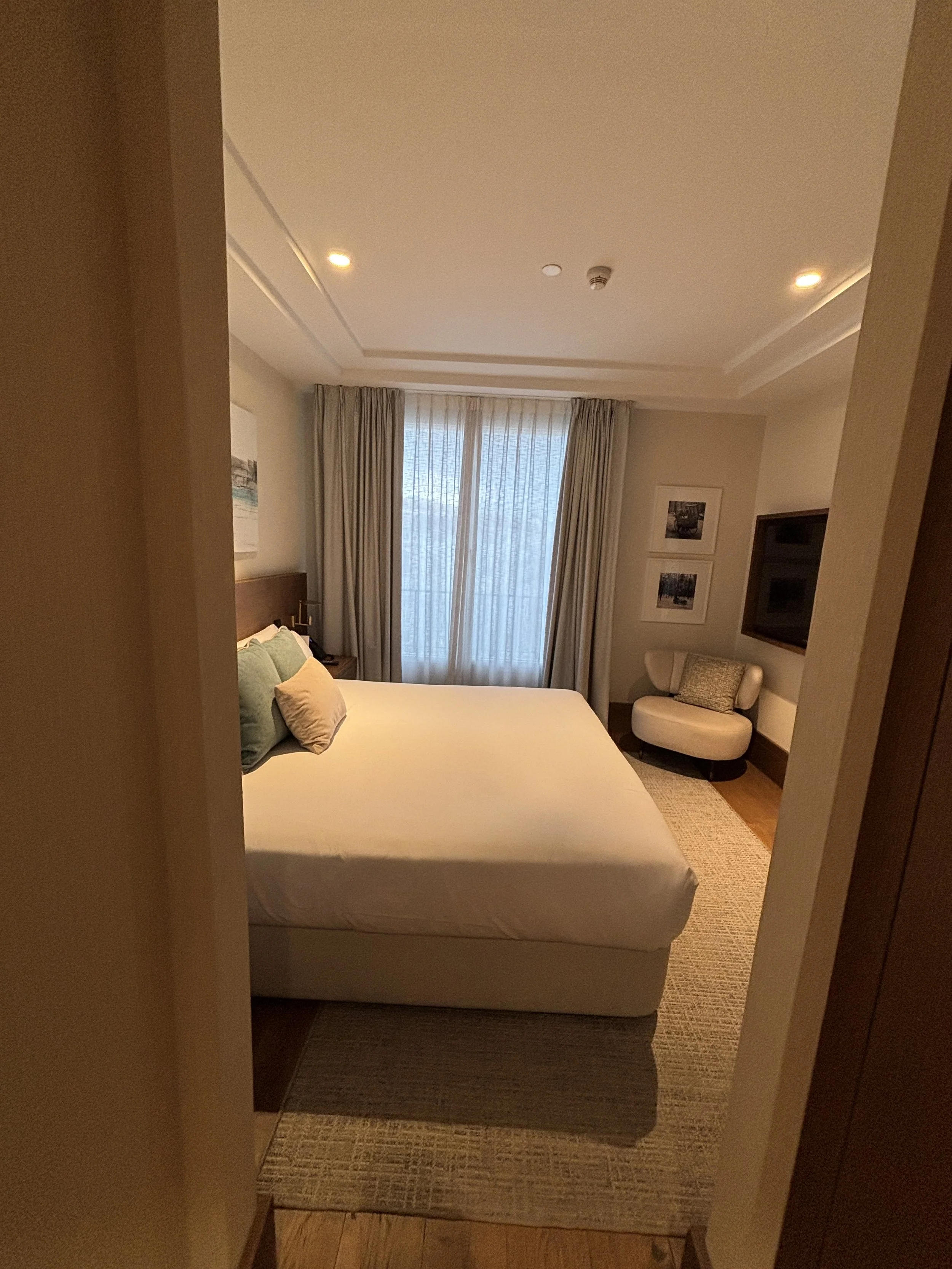
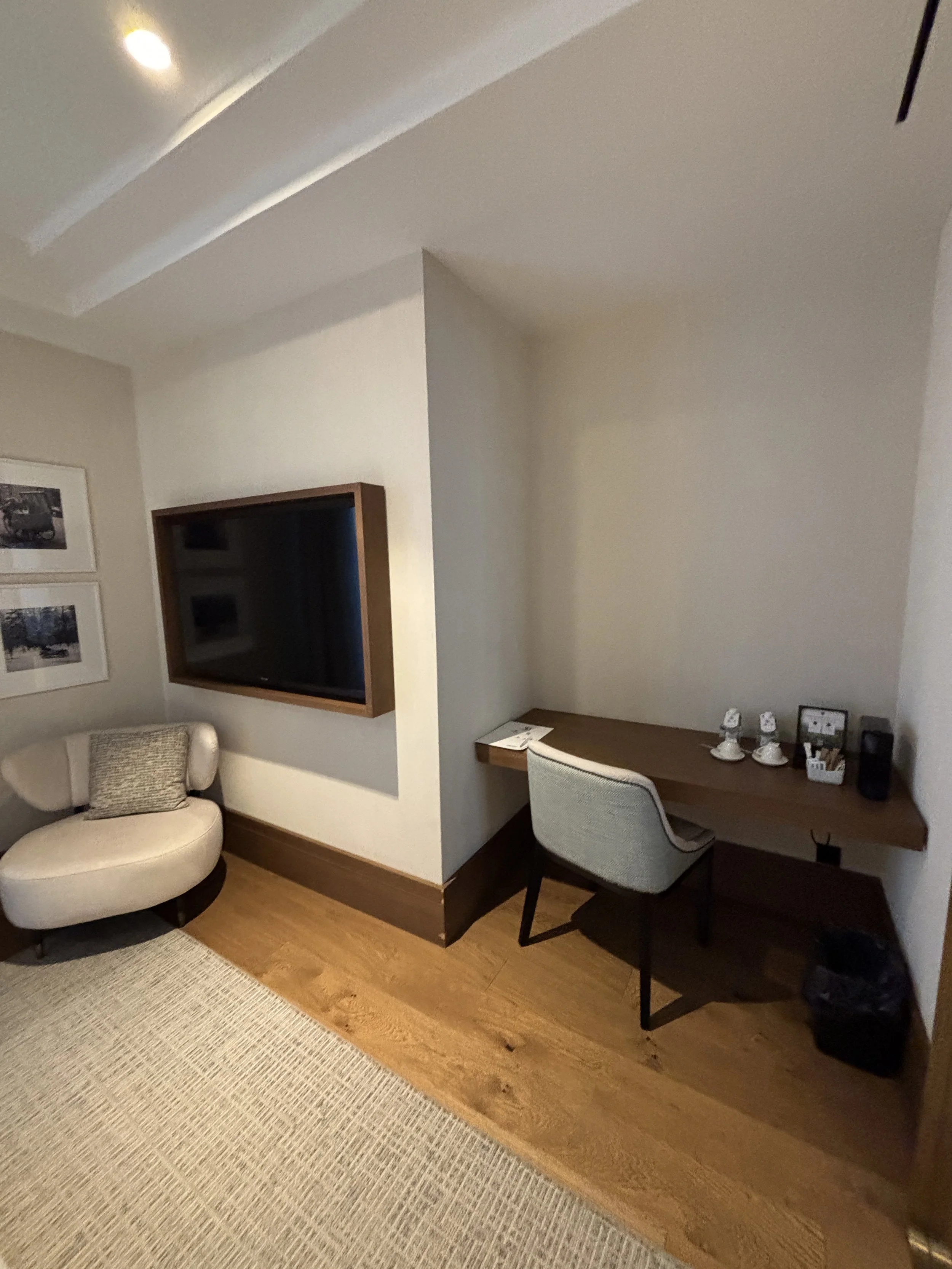
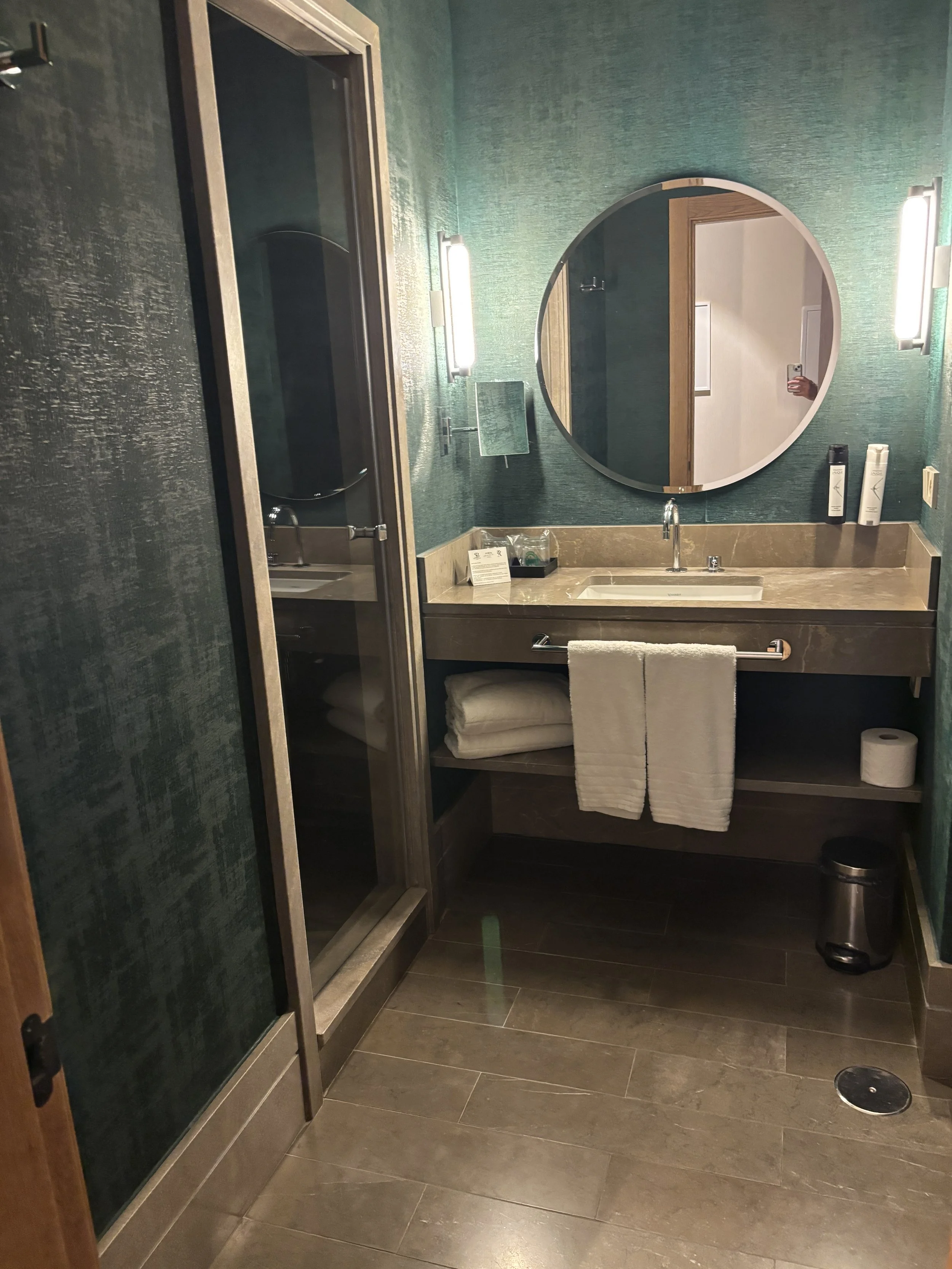
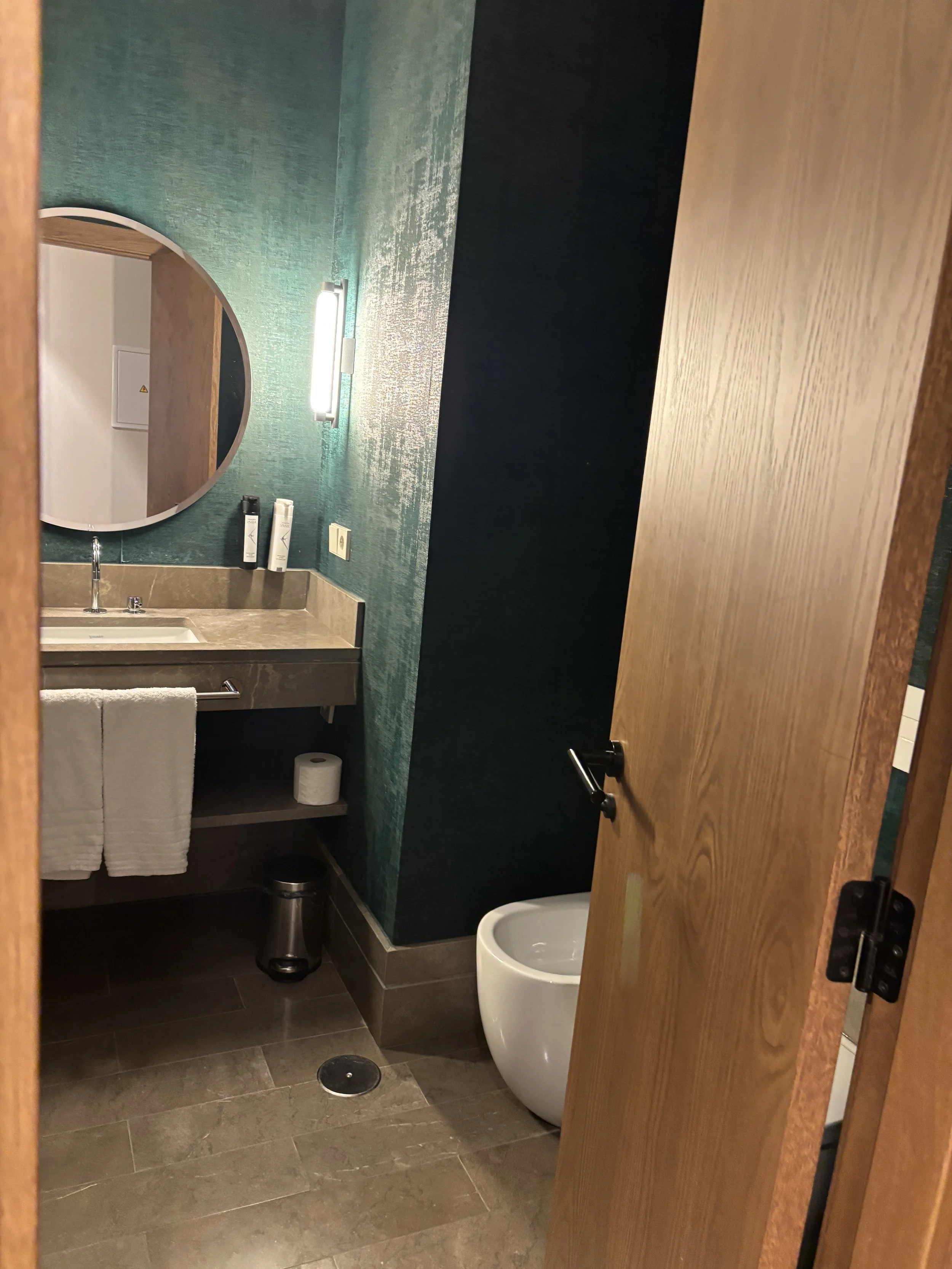
Last but not least, a couple of shots of the breakfast, which, as you can see here, was particularly solid when it comes to the pastry department!
So, definitely a hotel I would recommend as a place to stay in Málaga!
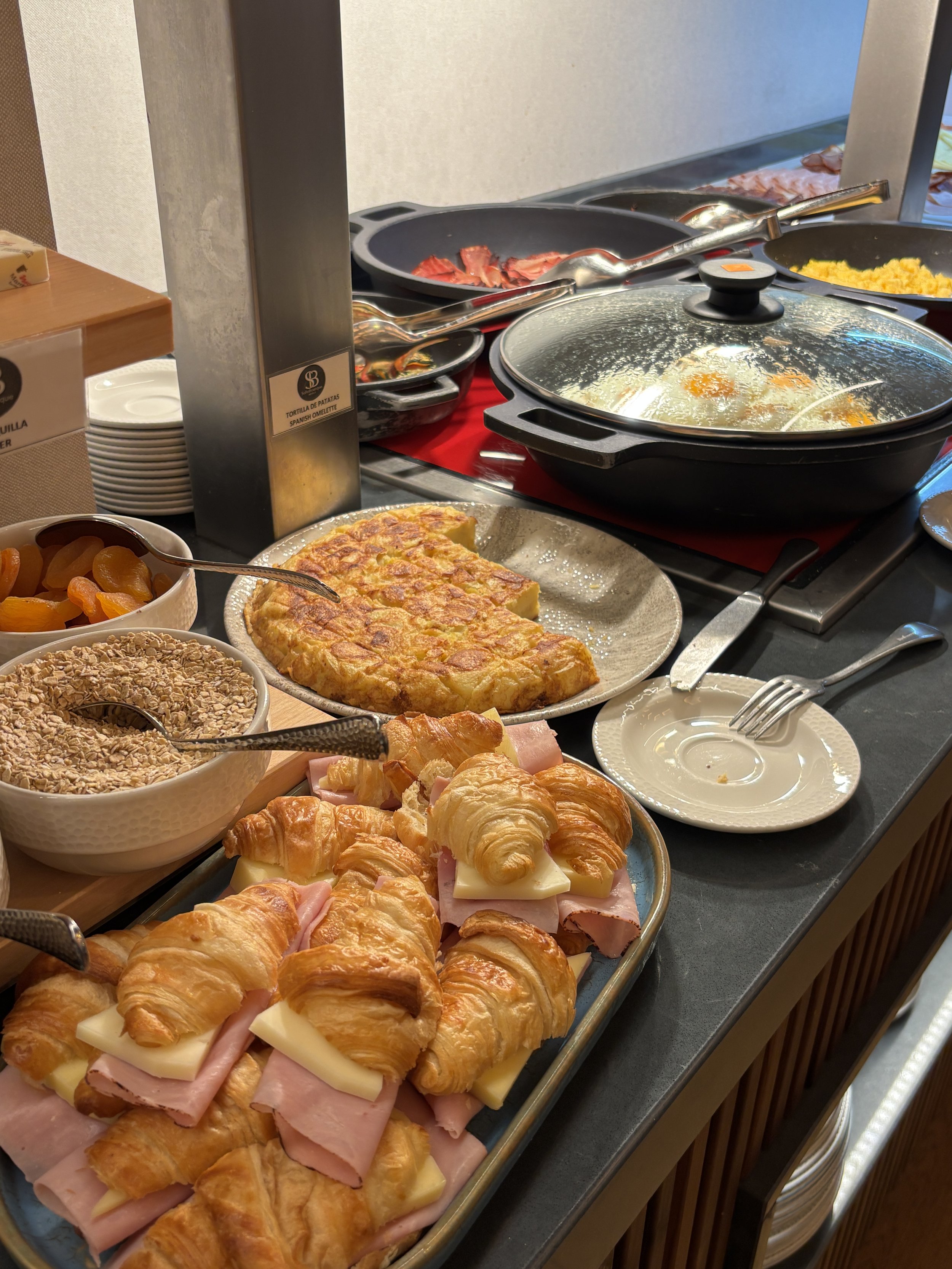
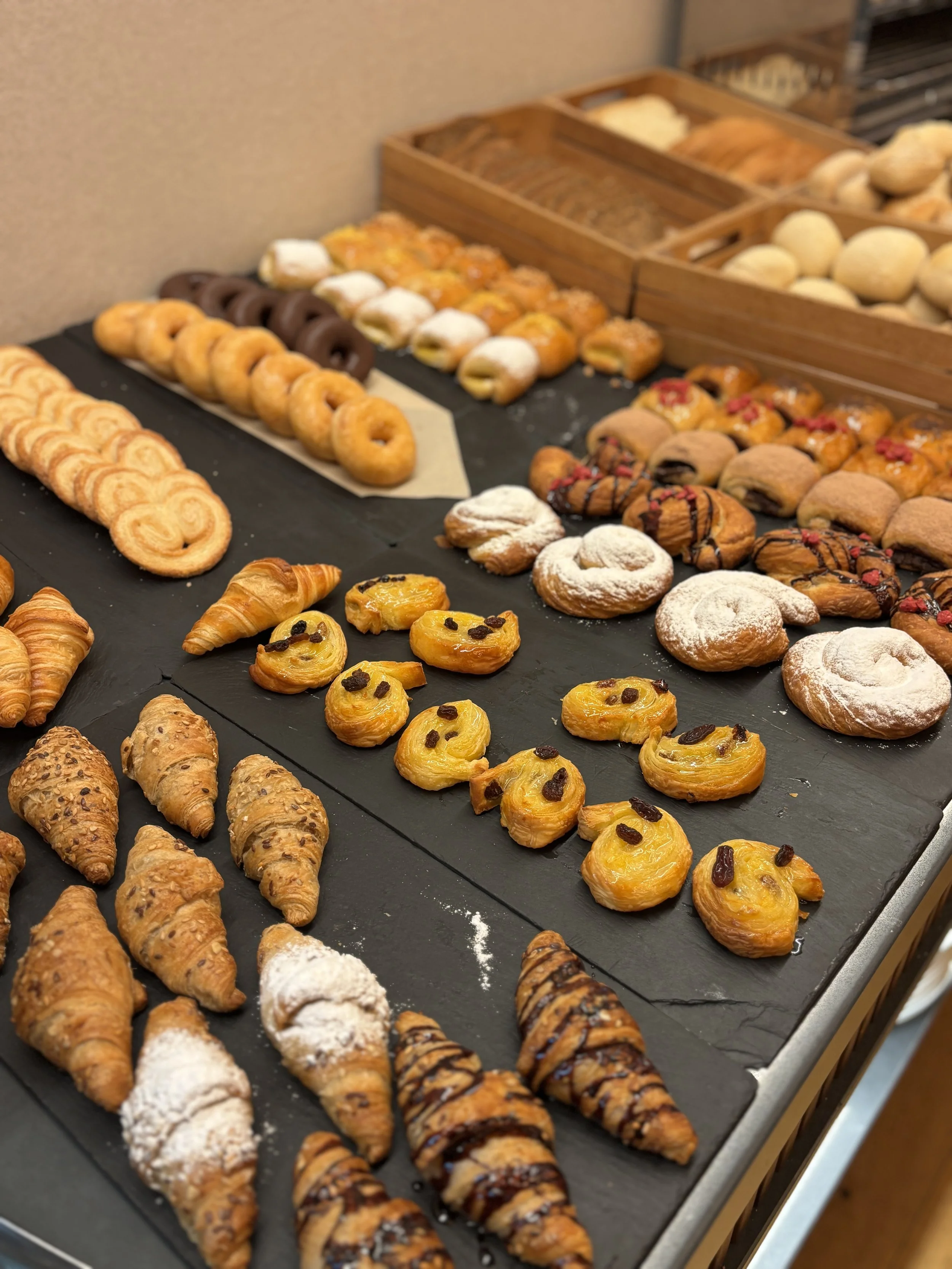
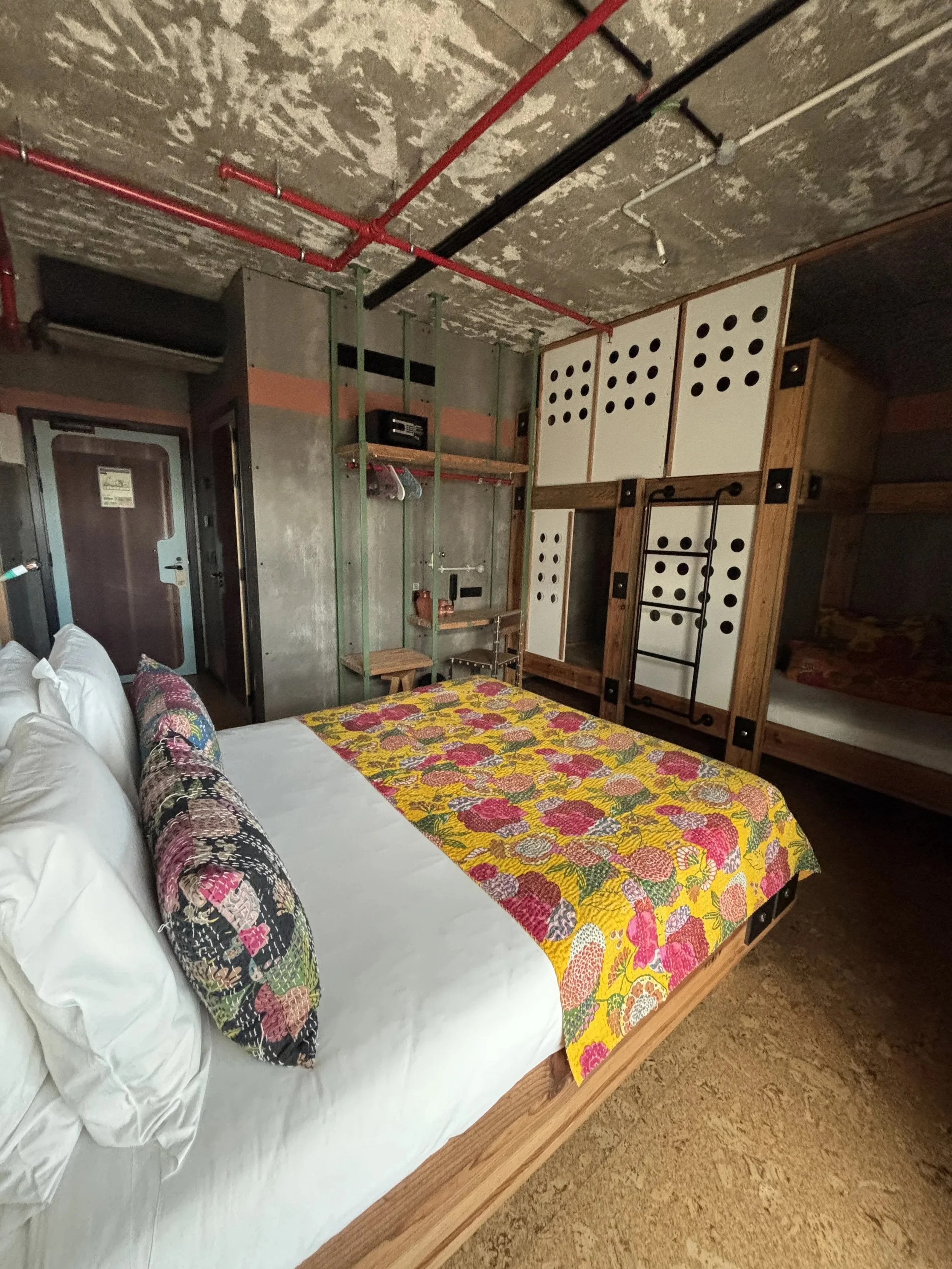
JAM Lisbon: a surprisingly original, great value hotel in Lisbon
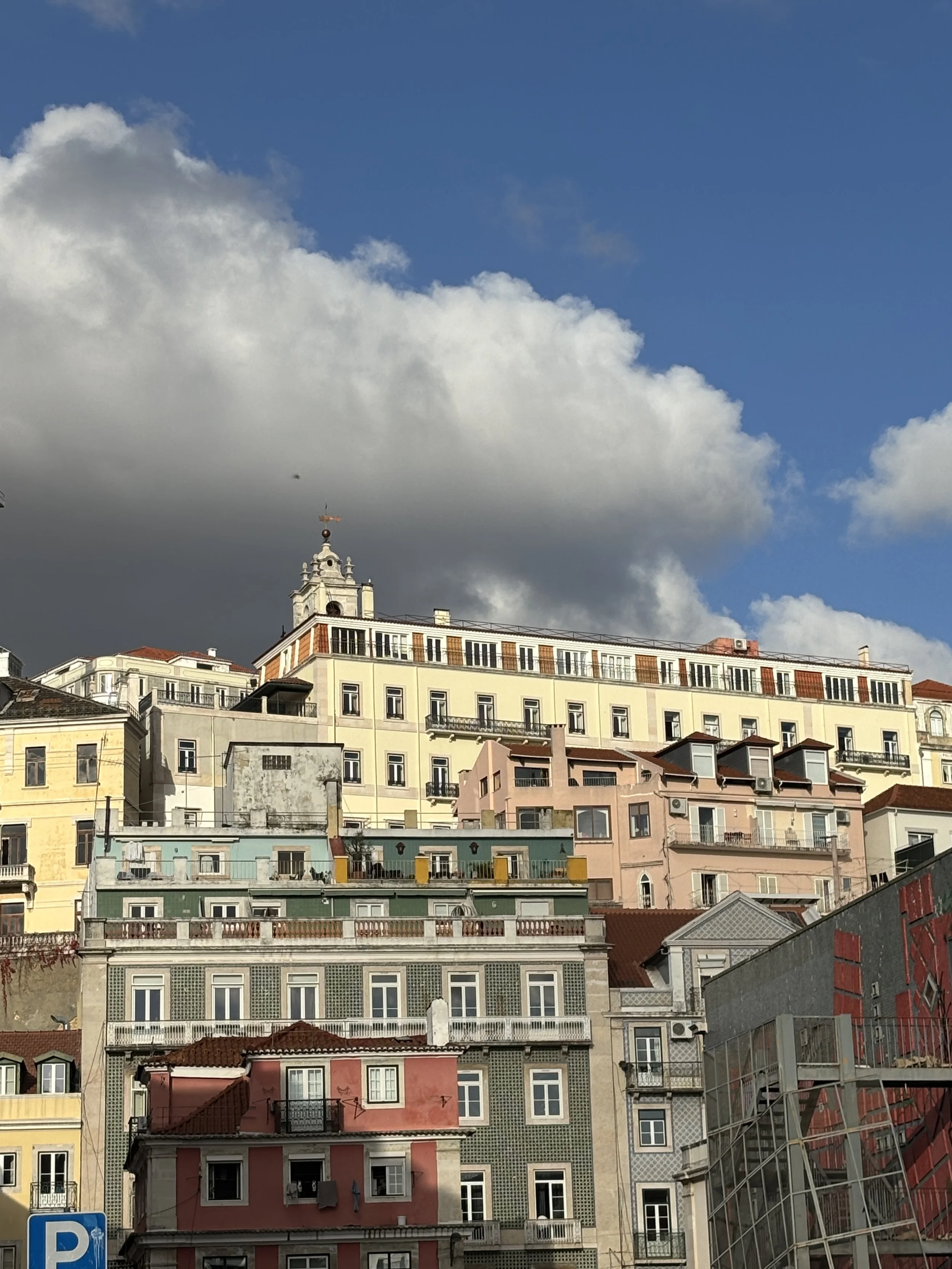
Lisbon has become one of Europe’s tourist (and digital nomad) hotspots.
In fact, there is so much content out there about Lisbon at the moment, that, while I have been visiting a few times recently, will refrain from writing about the city itself.
However, I recently had the chance to stay at a hotel there that I think deserves a post on its own.
To be clear, I have no commercial link or interests in this hotel and fully paid the standard rate to stay there a couple of nights.
There were so many original and unique elements, though, that I couldn’t pass the opportunity to share my experience in case someone here is looking for ideas for his or her next trip to the Portuguese capital!
JAM Lisbon Hotel
Av. 24 de Julho 80, 1200-870 Lisboa
I have to confess I had never heard about JAM Hotels, but the Lisbon one is not the first. The concept originated in Brussels, where the first JAM Hotel opened in 2020, with Lisbon being its second location.
This small network is managed by a Belgian company called Nelson Group, which specializes in environmentally conscious architectural developments. In fact, the JAM Lisbon claims to be a “passive hotel” in the sense that it has been designed to have such a reduced environmental footprint (consuming 80% less energy than the average building of this sort) that is close to carbon neutrality.
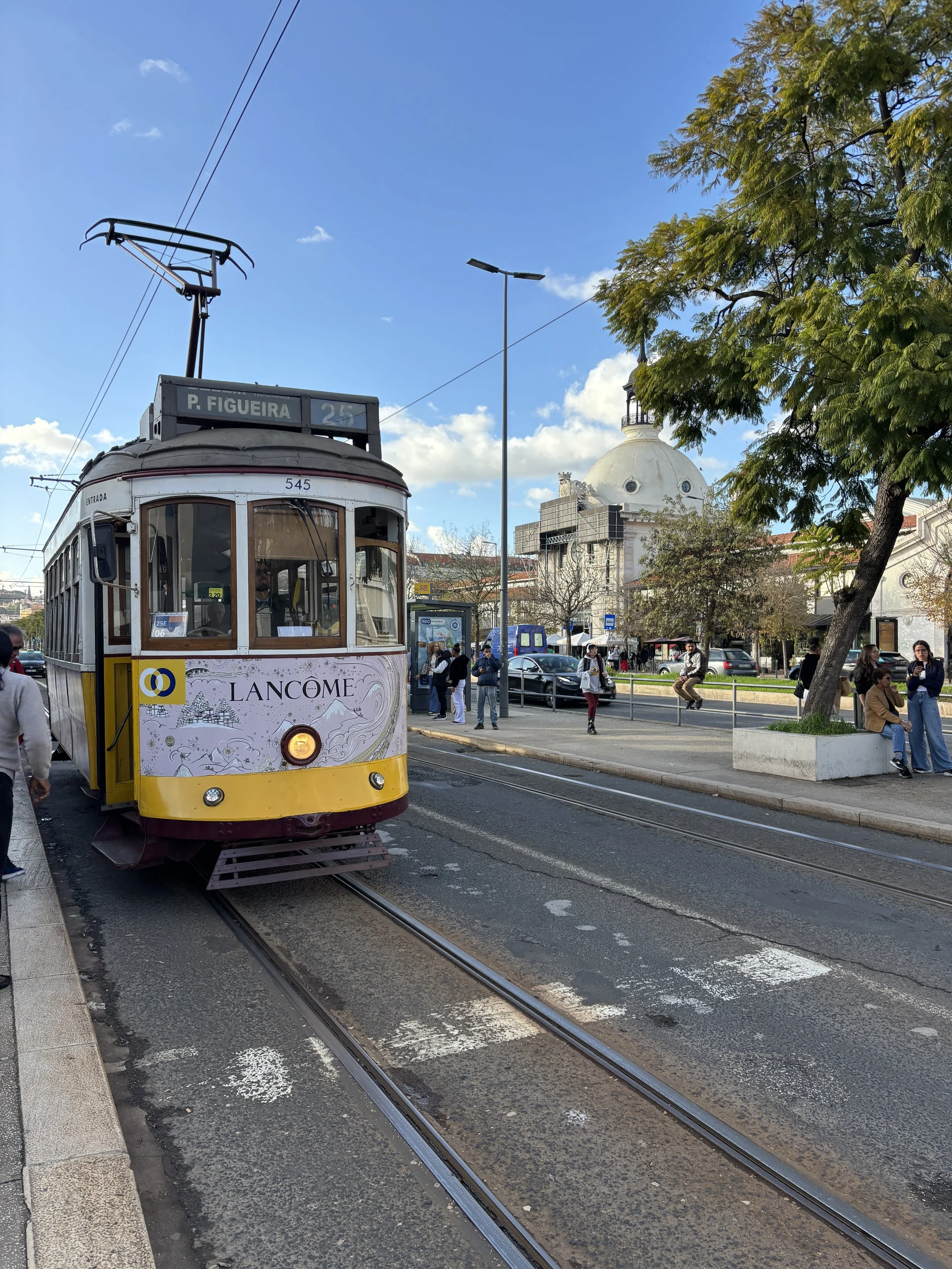
This 109-room hotel, which opened in 2023, was redeveloped at the site of a former office building on the banks of the Tagus river.
In fact, while it is not in the heart of downtown, I did like the location. It is right on the road that follows the river all the way from the city center to the Torre de Belem, one of the city’s top tourist attractions.
And while the hotel is not right on the water (there is a road, a railway and the embankment in between), many of the rooms and, of course, the rooftop terrace, have views of the river.
This is an axis of communication which has numerous tram lines going through it (and even a railway).
The famous Time Out market, with its many casual eating spots and the picturesque neighbourhood of Chiado are both within walking distance.
JAM Lisbon has 109 rooms and a contemporary aesthetic. Although it is, by no means, “corporate modern”, it is something else!
There is a sort of “raw” aesthetic throughout. Lots of exposed concrete and an artsy non-conventional decor. Some parts of the hotel resemble a rather hipsterish co-working space rather than a hotel, an I don’t mean it in a bad way! There is also an open courtyward at the back.
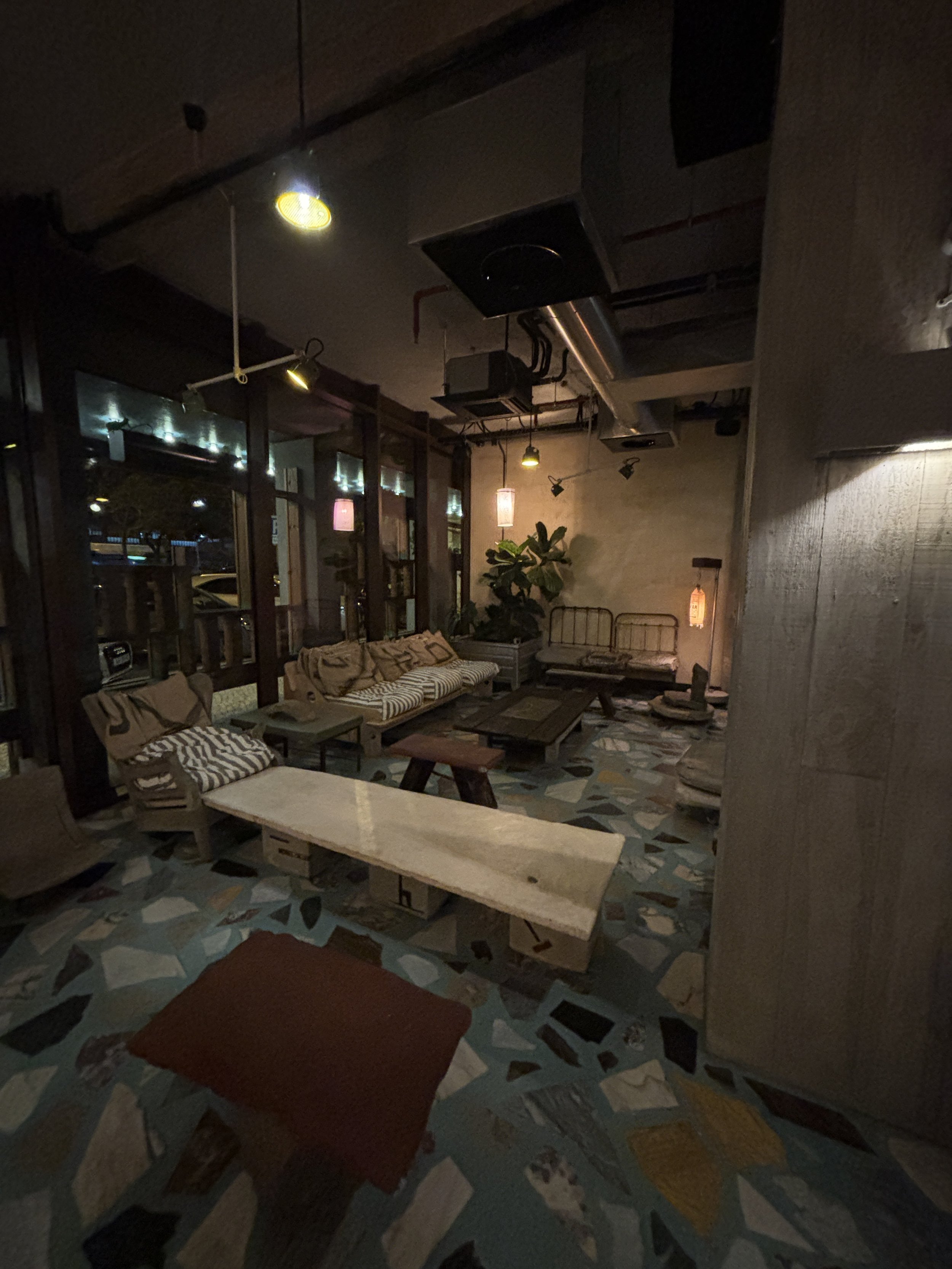
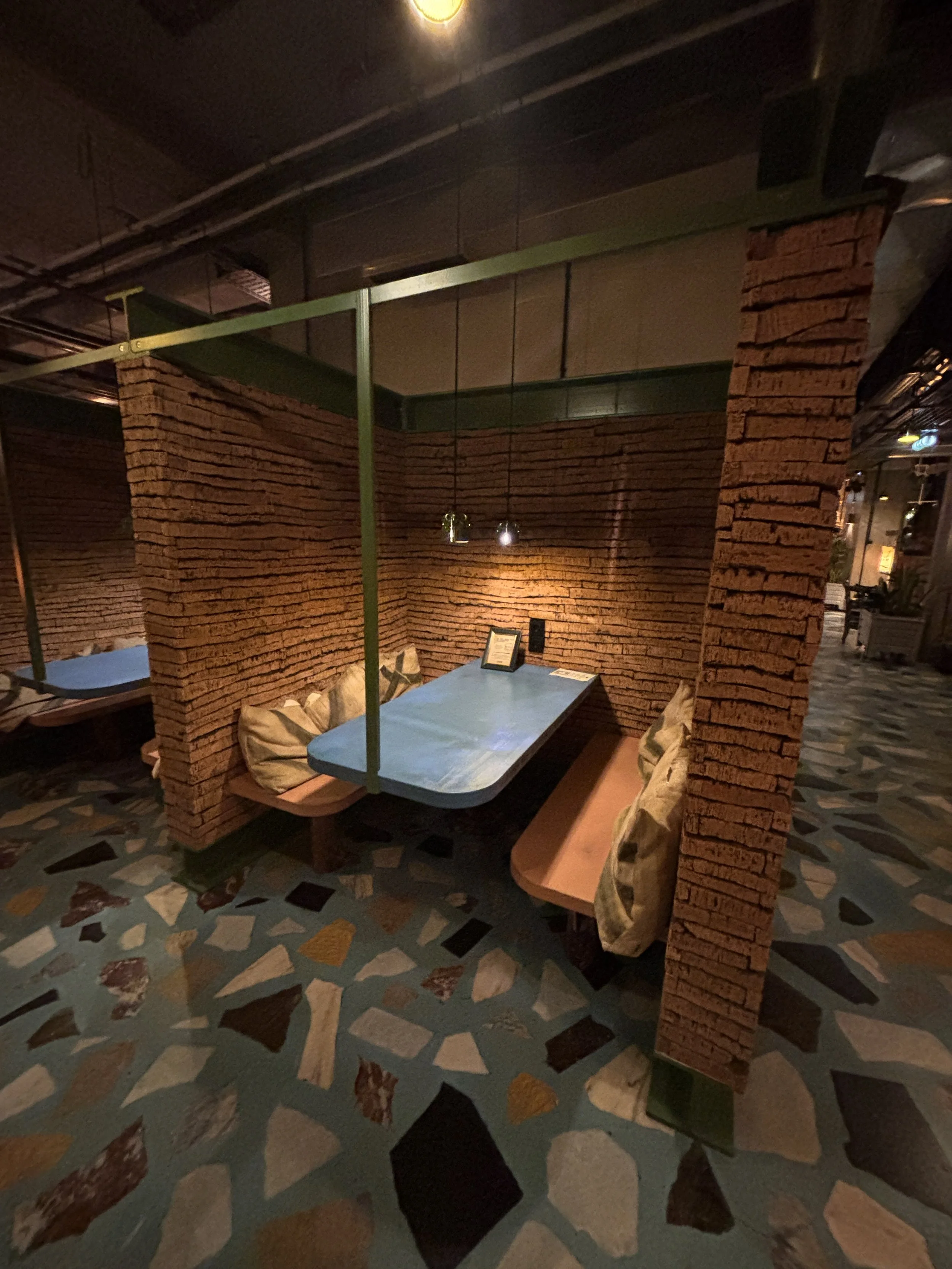
The rooms at JAM Lisbon
So, let’s go check the rooms!
But, first, another positive surprise: each floor is fitted with this small coffee and water station. It is a sort of kitchenette, but just with the sink, and some coffee machines. So guests have complimentary coffee and water here at any time. Nice!
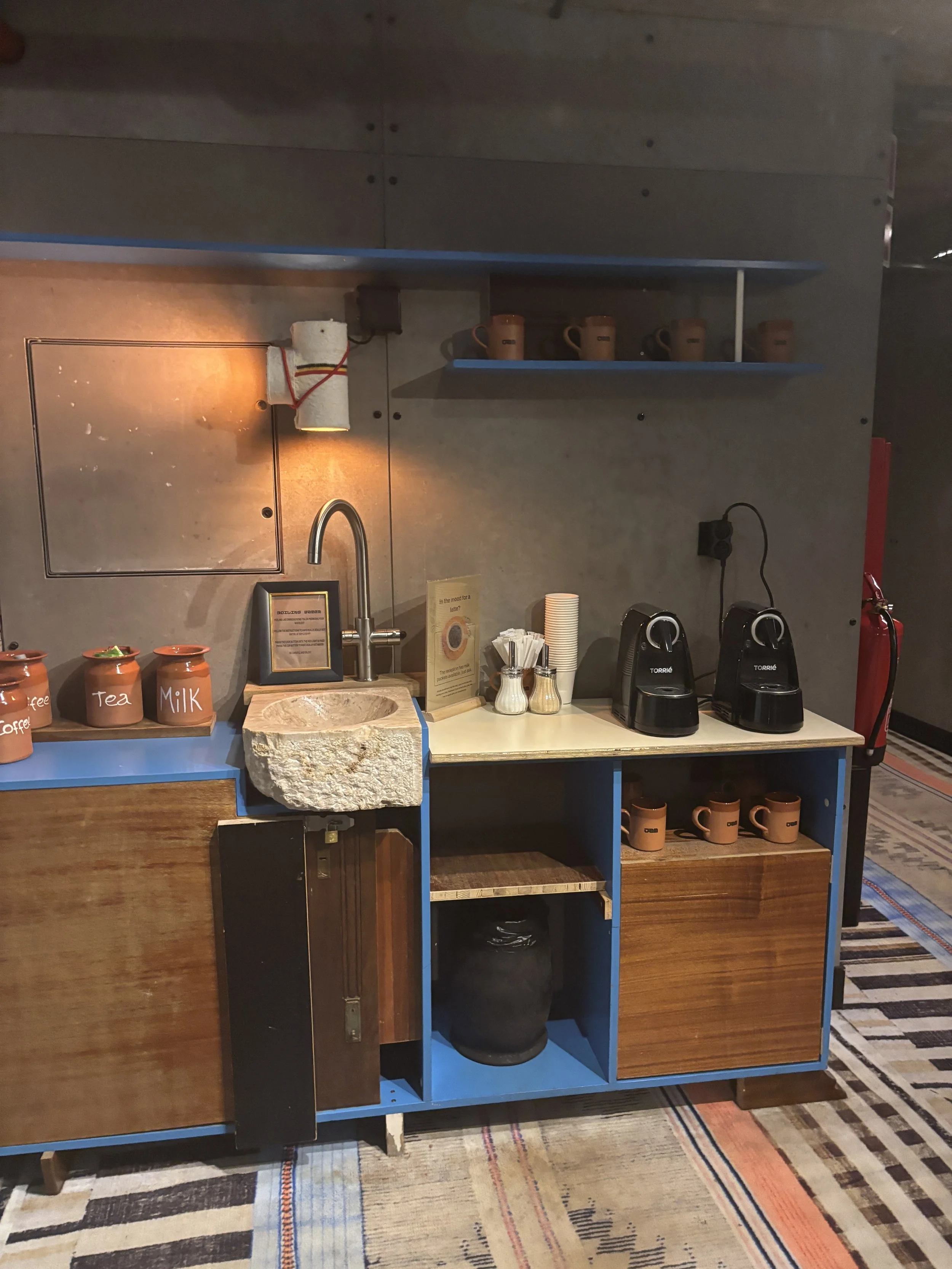
Next surprise: it’s not just the room decor and style, which is, certainly, unconventional, but something which by now was already pretty much expected, but the whole room set up.
I was on my own, but this is certainly a very interesting configuration for families traveling together with kids. Have you seen the piece of furniture opposite the bed? Let’s see what this is…
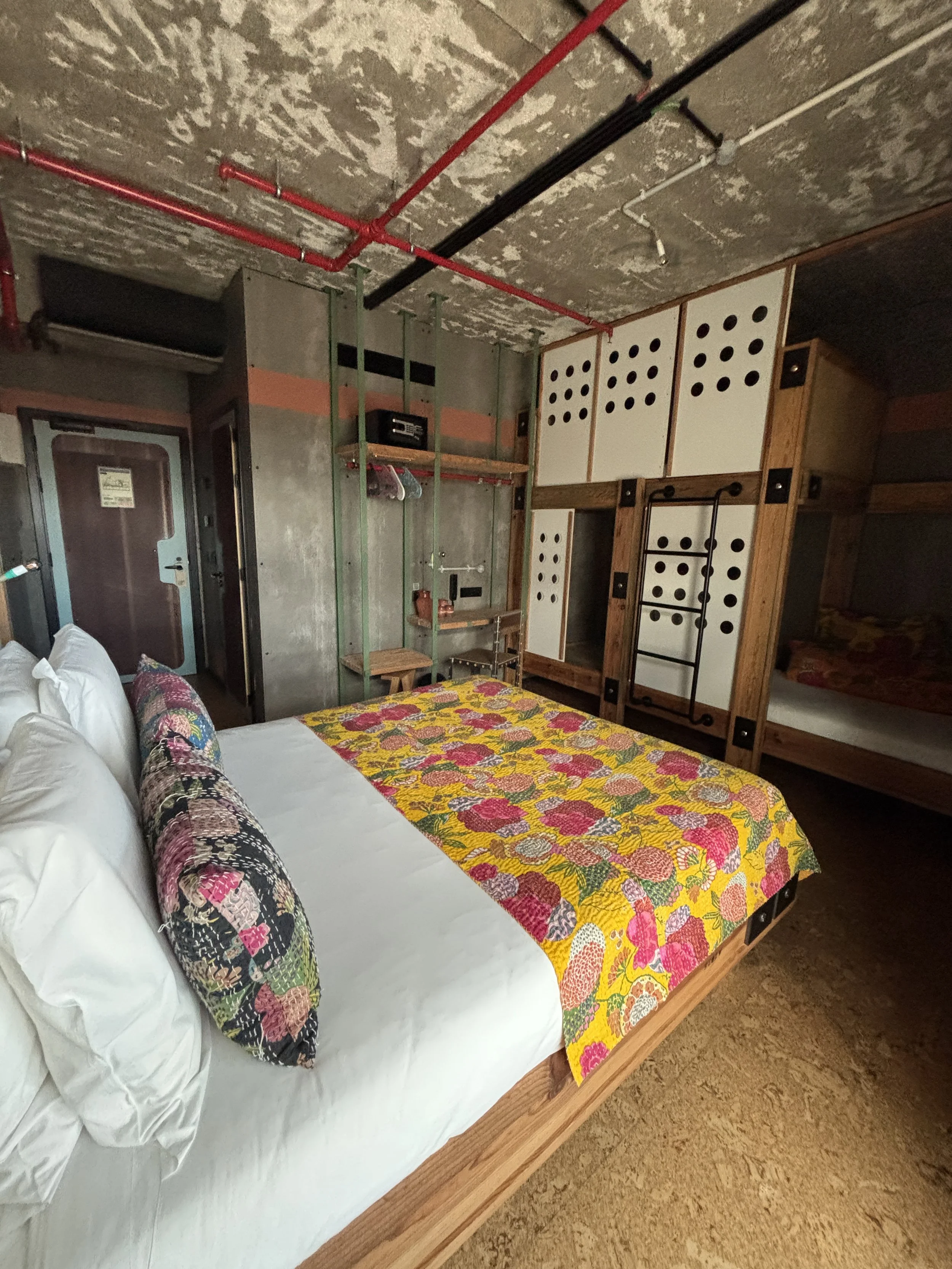
These are, in fact, bunk beds combined with some storage space. But not just any plain bunk beds, they have a sort of modular structure. And even if no one is sleeping there, the lower one can be used as a sofa.
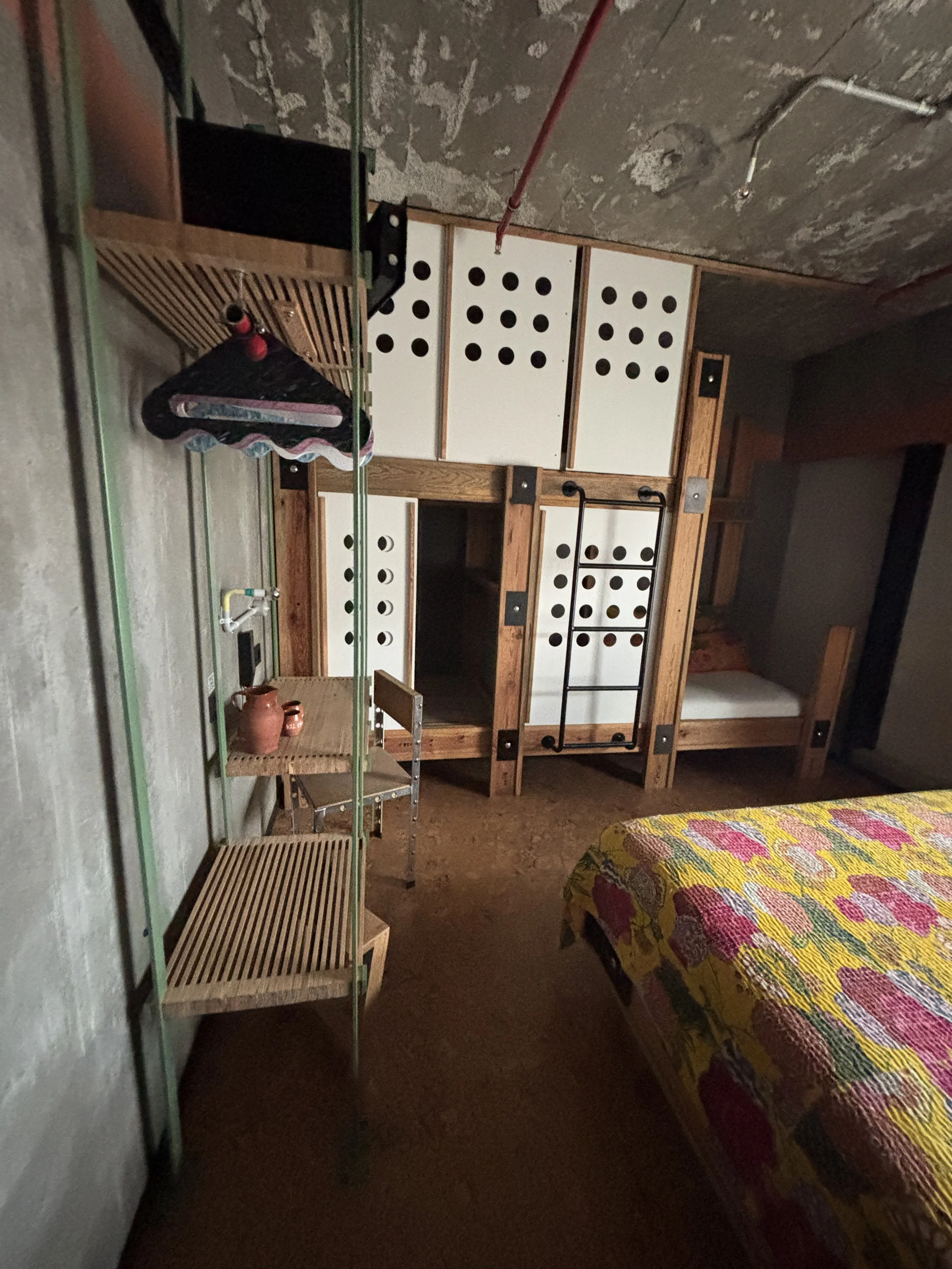
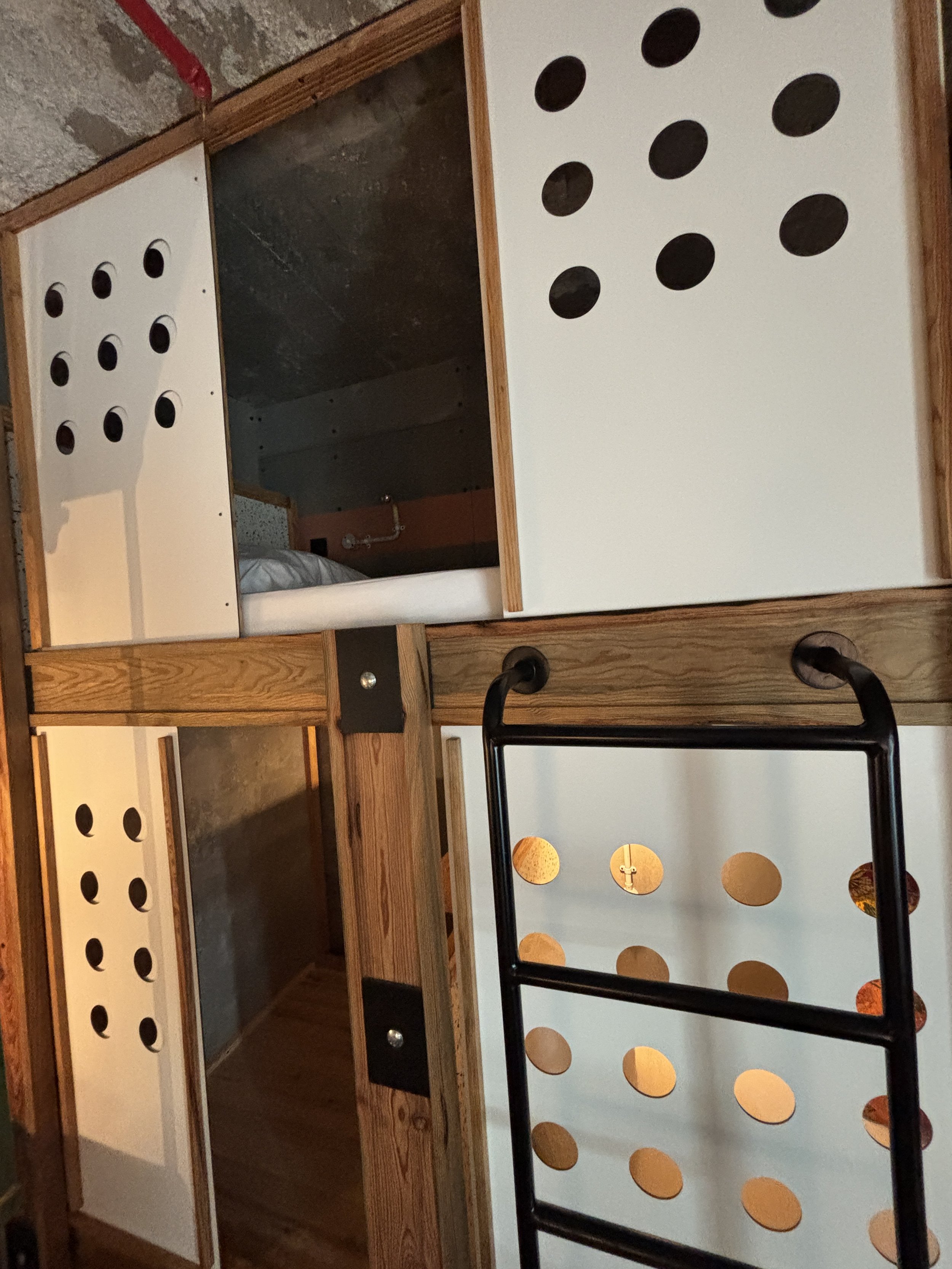
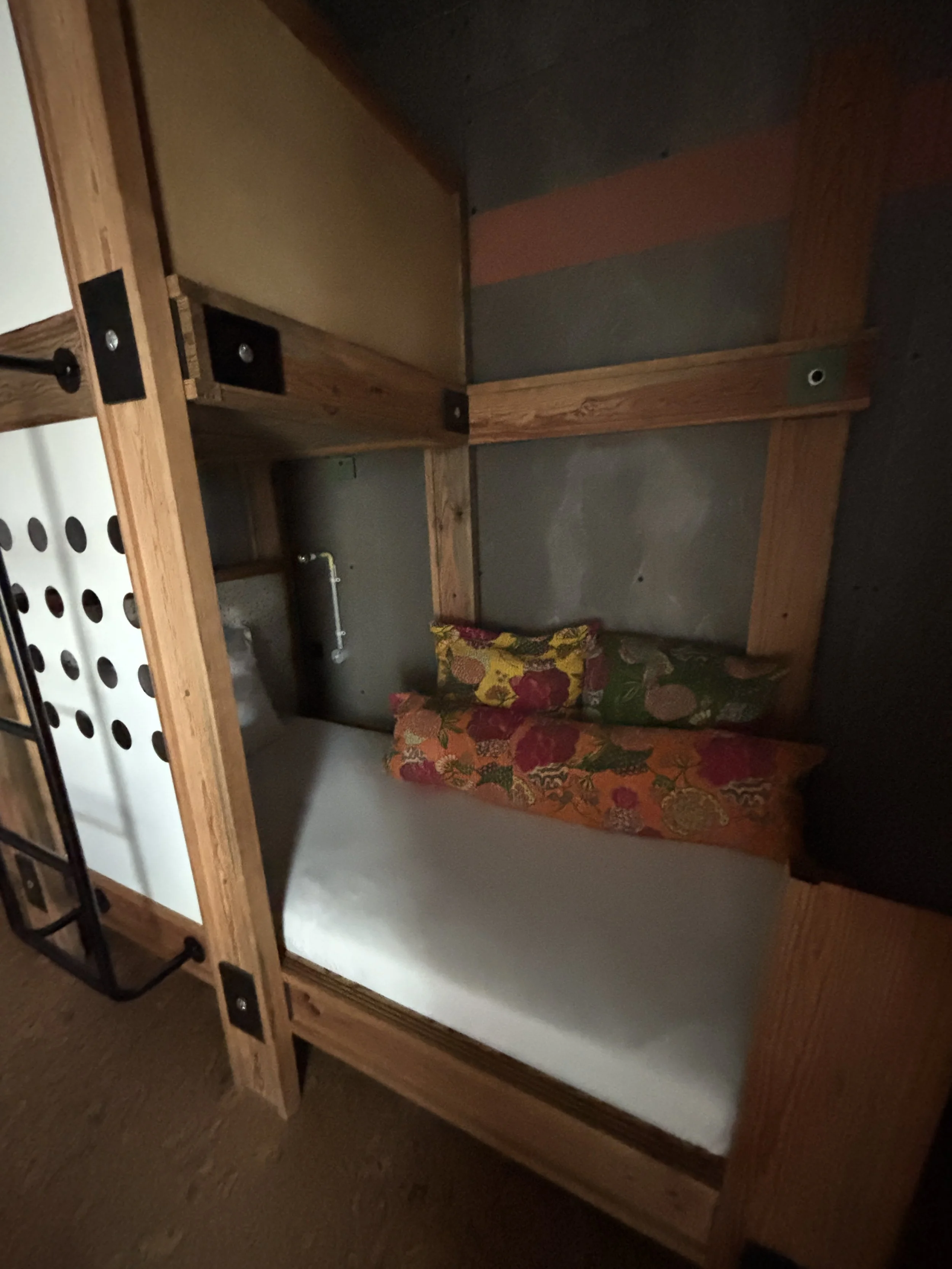
The bathroom is also quite original. It is actually quite spacious and, perhaps influenced by the local Portuguese traditions, covered in these blue tiles you can see below.
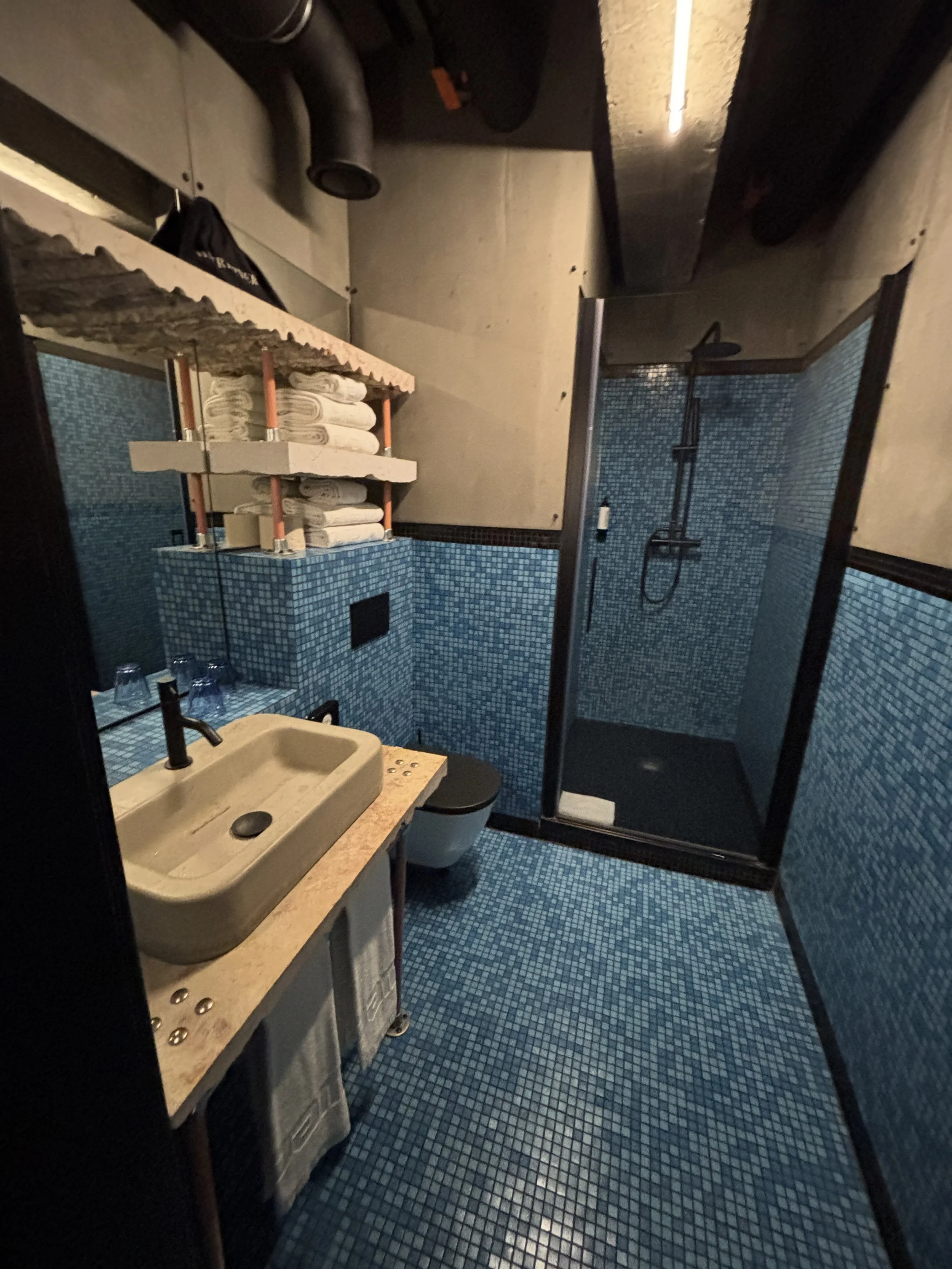
The use of natural materials throughout is another distinctive characteristic of JAM Lisbon. In the next set of pictures I have tried to capture from up close what I mean by this. You can see by yourself the different textures and materials: the ceramic vases (complete with inspirational messages, because, why not?), the cork-upholstered chair and the earthy tones and shapes of, otherwise banal, elements such as the coat hangers or the bathroom shelves.
I didn’t have lunch or dinner at the hotel, although I did try the breakfast, which was pretty good. To be honest, the buffet didn’t have a huge amount of items, but it had the right ones and of the right quality. The croissants and the “pasteis de nata”, in particular, were excellent!
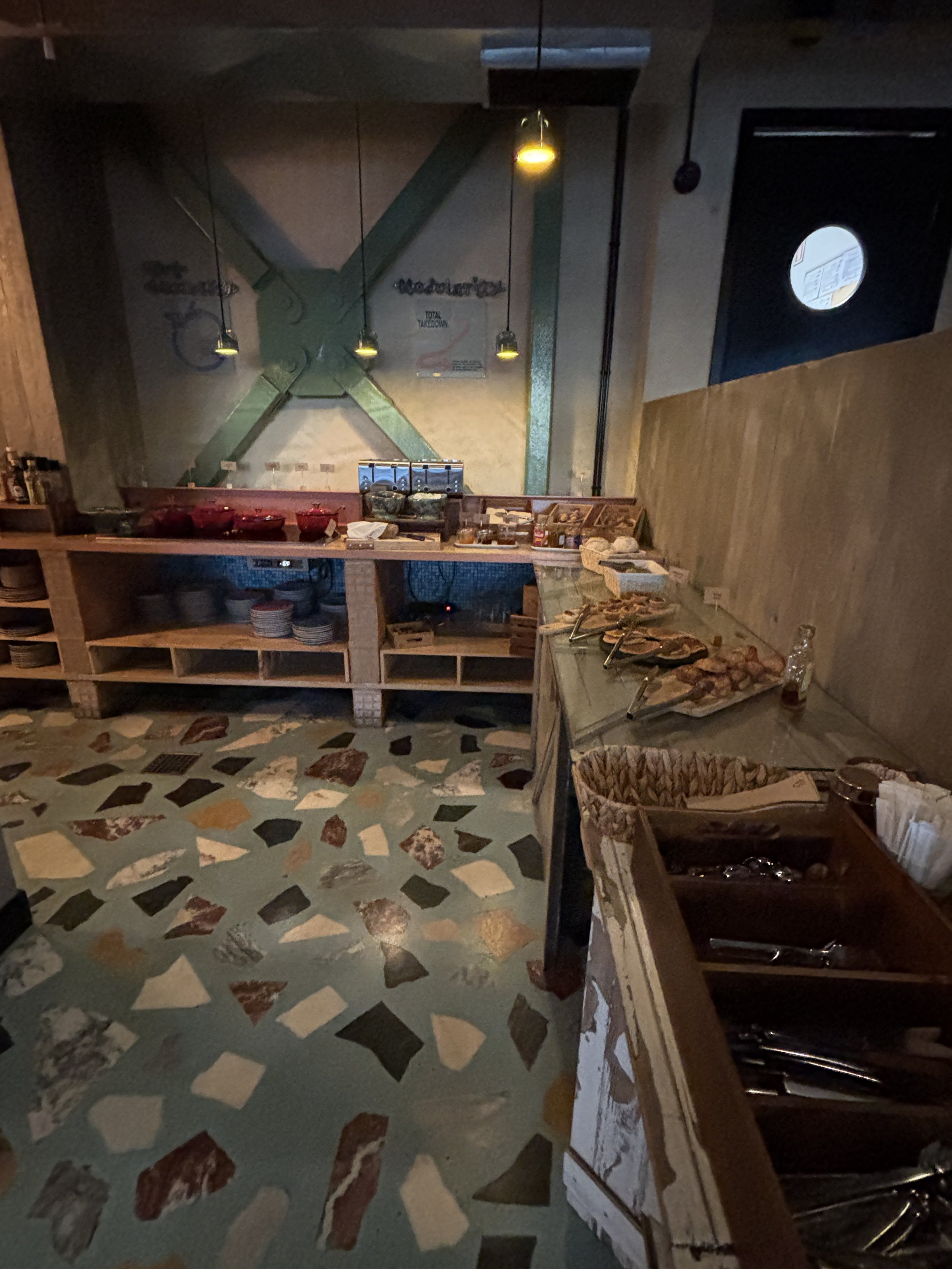
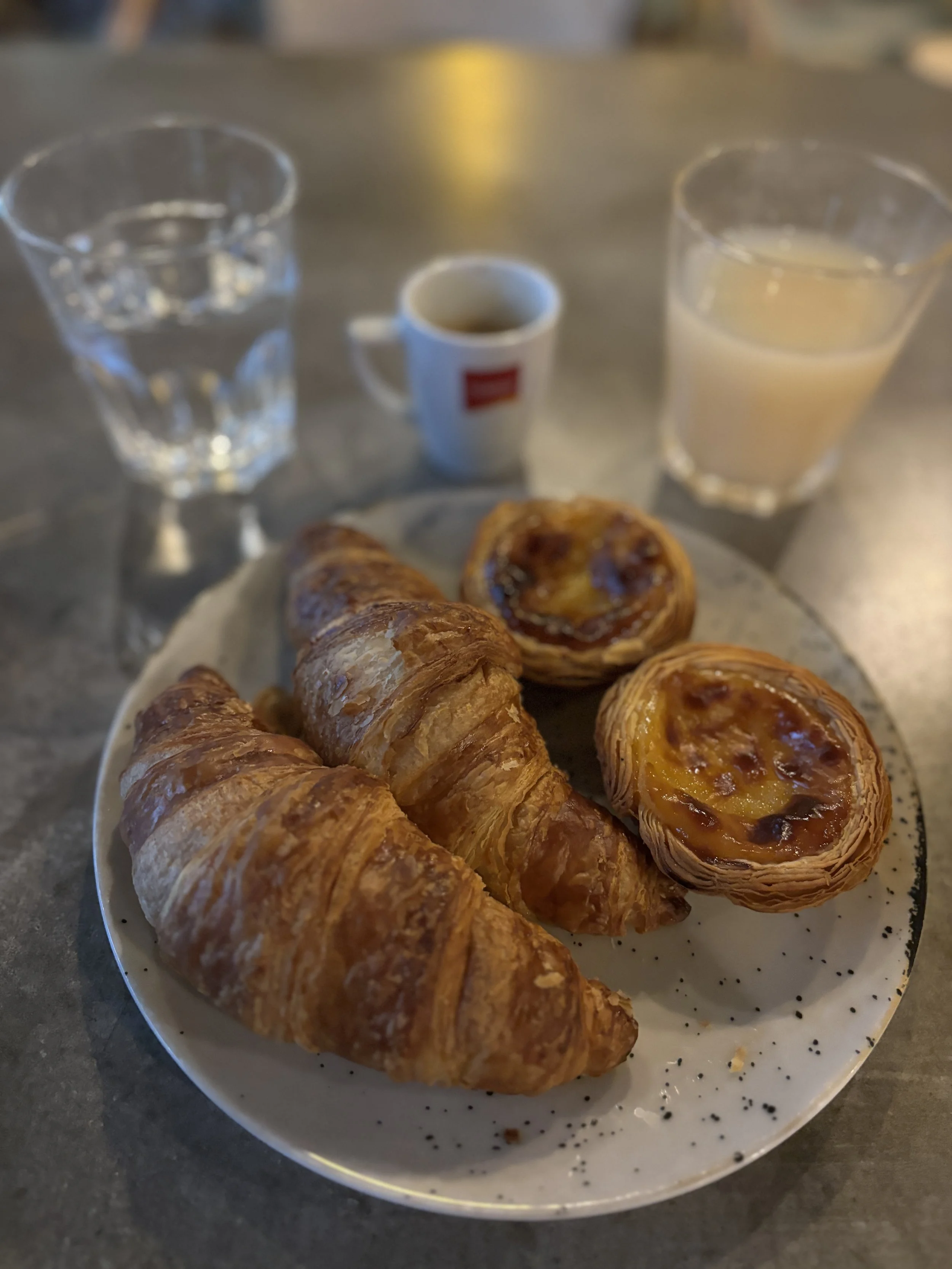
JAM Lisbon Rooftop
And, now, let’s take the lift to the top floor, because this is another ofJAM Lisbon’s highlights.
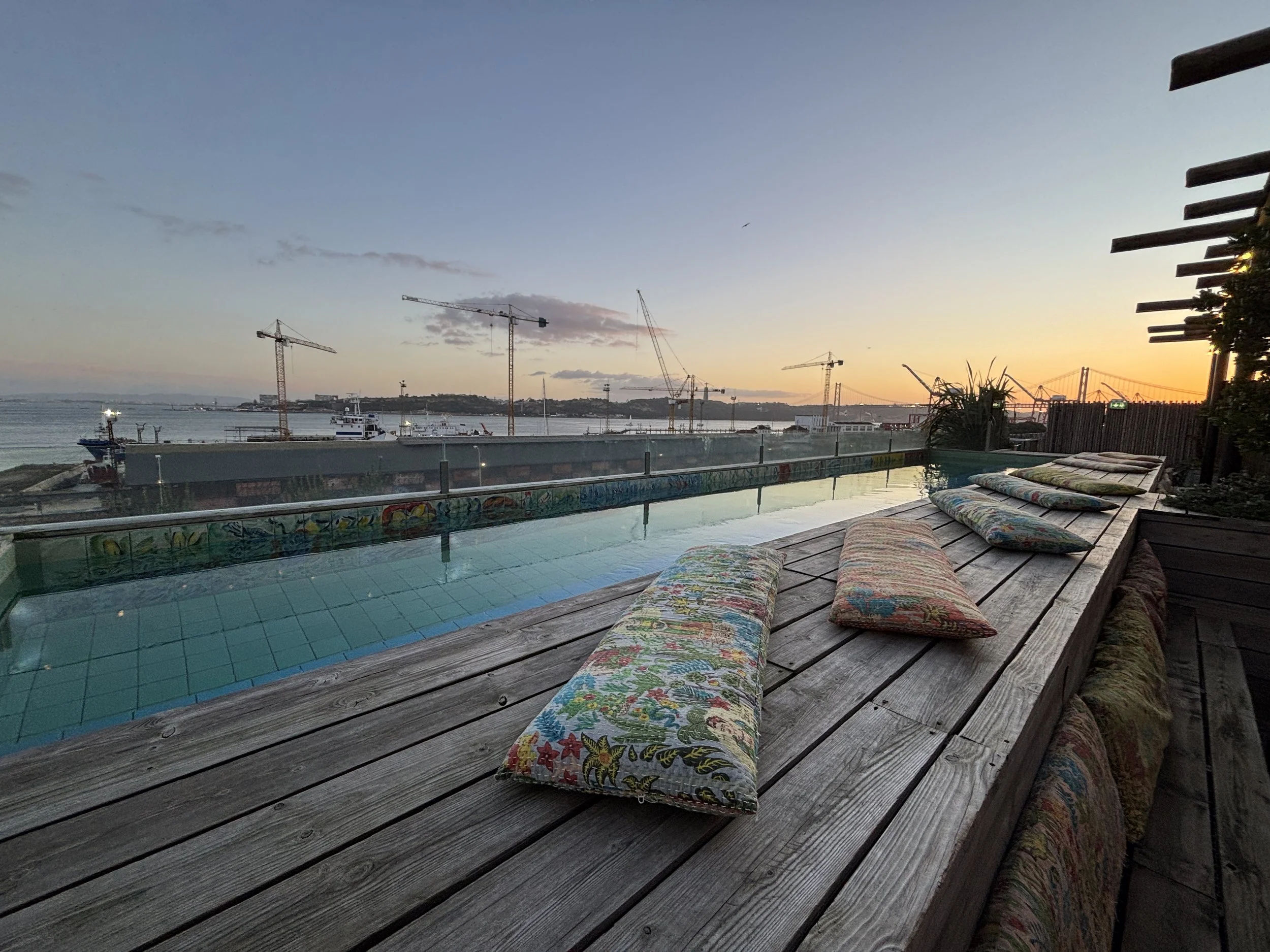
JAM Lisbon has a rooftop terrace with a bar, a chillout area (complete with a ping pong table and large screen) and a small swimming pool. I has also pretty good views of the Tagus river and the iconic “25th of April Bridge” (aka, the Lisboan Golden Gate bridge).
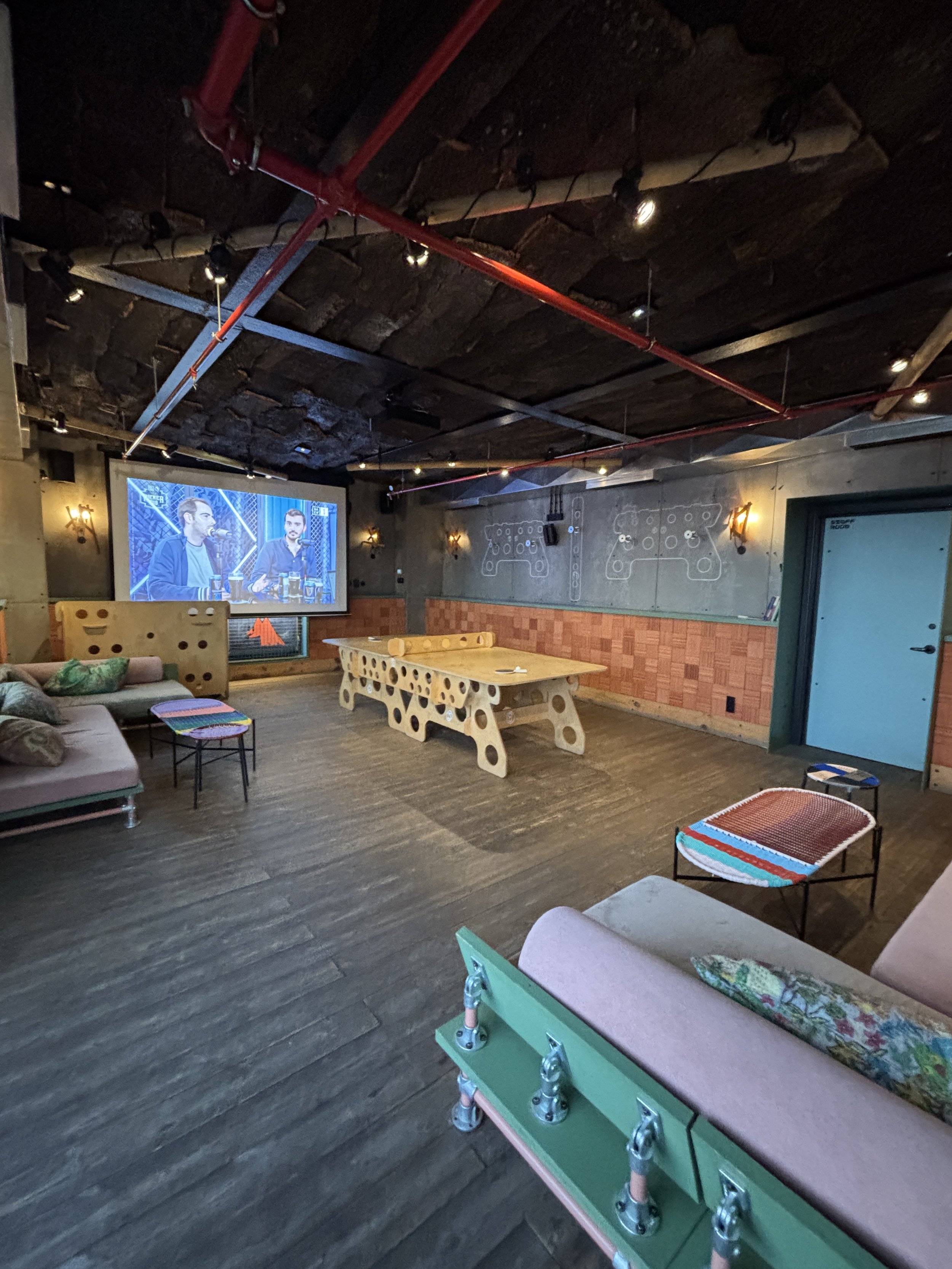
JAM Lisbon as an art venue
And yet another surprise was awaiting at JAM Lisbon!
It turns out the hotel is also used, on occasion, as an exhibition space. And it is easy to see why!
In this particular case it was a pop-up art exhibition and fair which had taken over a large part of the premises. The style, much in line with the overall hotel theme: lots of natural, earthy materials, shapes and textures, whether ceramics or textiles.
Some two dozens artists took over JAM Lisbon, not just the common areas, but also the whole 1st floor of the hotel. It was quite an experience to be able to go room by room, checking what was in each of them.
These were just normal rooms, like the one we have seen before, which had been turned into an exhibition space. The artists were also there, ready to explain their creations to any visitors that showed up. Hard to find a better setting for this type of event!
So, overall, I was quite positively impressed by the experience at JAM Lisbon, and the prices (at least at the time of my visit) are also pretty competitive. I visit many hotels throughout the course of the year and, while some are really nice, it is rare to find some truly original properties. This was one of them!
Service was also excellent during the whole experience, both at the reception and at the rooftop bar (one of the bar tenders even refused to charge me on account that the bottle was finished before he was able to top up the glass to the right level).
Perhaps the only thing that was not so great is the fact that lighting is very subdued, to the point that sometimes its a bit dark, but I guess this is aligned with the energy efficiency goal and, to be fair, it is not a big inconvenience.
So, to sum it up: if you are looking for some hotel that is truly unique and different during your next trip to Lisbon, a proper unpretentious designer hotel, do check JAM Lisbon, definitely!
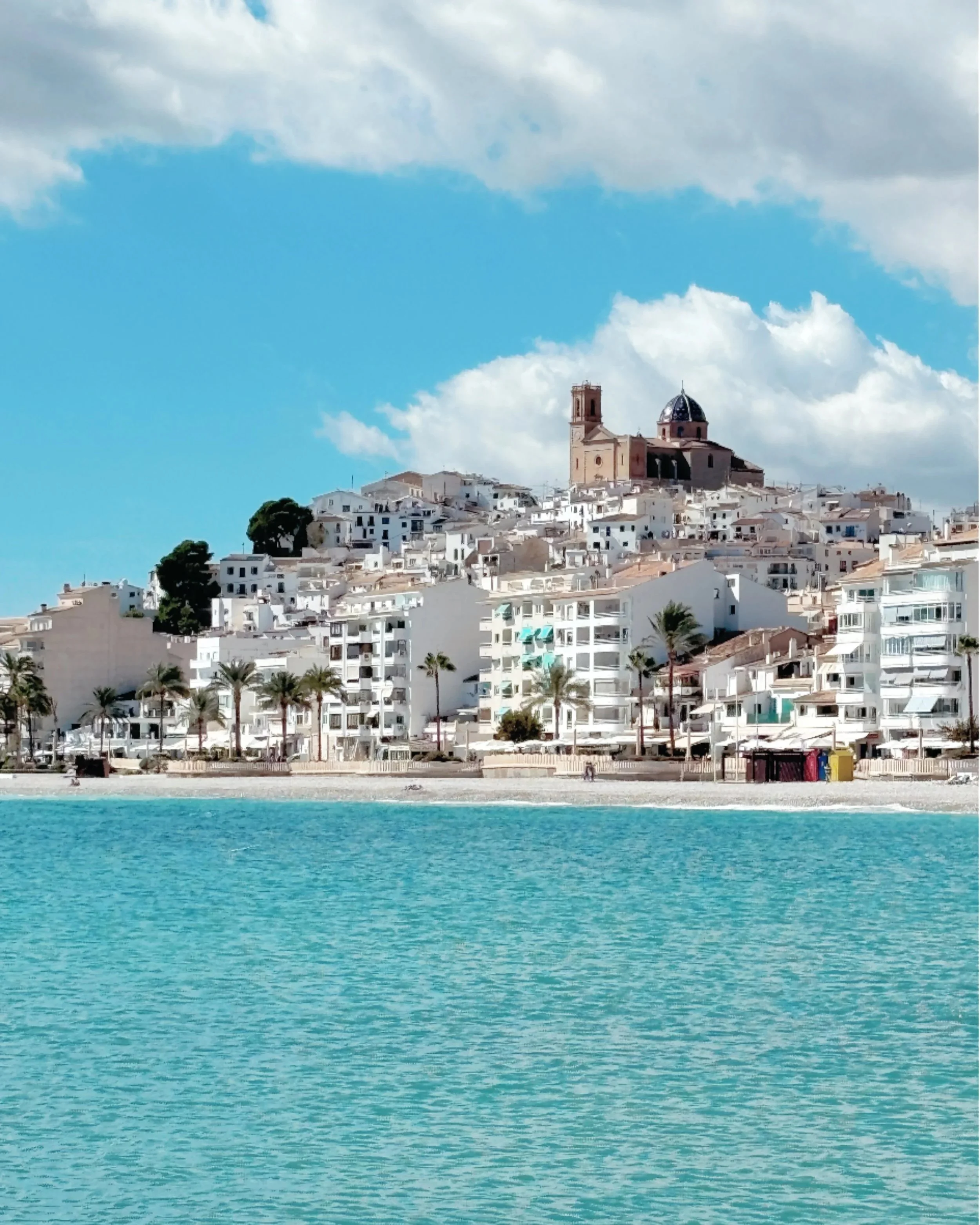
Gems of the Costa Blanca: What to see in Alicante, Altea, Tabarca and around

The stretch of the Spanish coast centred on the city of Alacant/Alicante* is popularly known as the Costa Blanca and it is one of Europe’s tourist hotspots.
Now, I know this site usually avoids tourist traps, BUT, in fact, the point of this post is to show that, next to mass-tourism resorts like Benidorm, with their massive 1970s-style multi-storey buildings, there are quite a few beautiful gems that have managed to preserve their Mediterranean charm.
A recent visit to Alacant provided me the chance, with the help of a rented car, to visit some of these locations. I did complete the itinerary in a single day, although that was really, really a stretch and afforded just enough time to get a quick glimpse of the places. This is, therefore, mostly a visual post, since, I think the general relaxed atmosphere of some of these sites, together with the balmy weather is what makes them attractive.
*I have opted to use primarily the Valencian language (the local variant of the Catalan language spoken in the Valencian Autonomous Region) form of place names, although in some cases, like the city of Alacant, the Spanish version - Alicante - may be much better known internationally. Although Valencian/Catalan has, sadly, long been in decline in this area, I think it is a good way to pay homage to local culture and tradition.
A walk through downtown Alacant/Alicante
This was my first time in Alacant, plus my hotel (more on this further down this post) was in the very center of the city, right next to the town hall, so the obvious thing to do was to take a stroll in the central area of the city.
Alacant is a rather commercial city and it has been the scene of very intense urban development in the second half of the 20th century and until this day. Thus, the downtown is mostly “newish” in appearance, but there are is a section of the center, between the town hall and the narrow streets that ascend towards Santa Barbara Castle, in which it is possible to get an idea of the historical city.
The other point that is kind of a must is the seaside palm tree-lined promenade, with its patterned mosaic-covered floors. It has also a number of modernist style architecture that would not be out of place in Cannes or places like that. This is also next to the city’s large marina. Alacant/Alicante has also some notorious urban beaches, like the famous “Platja de Sant Joan”, but I didn’t have time to go for a swim this time!
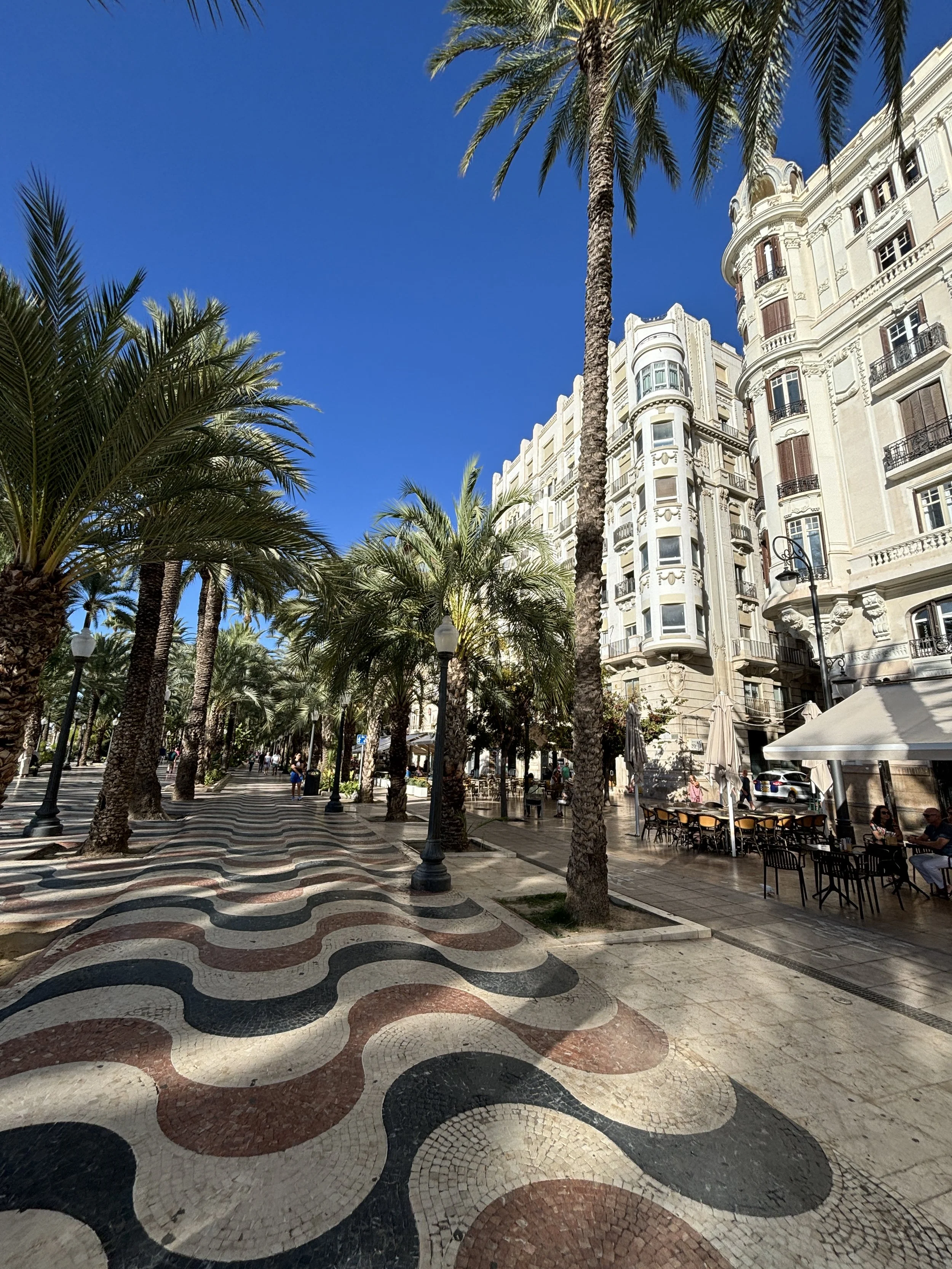
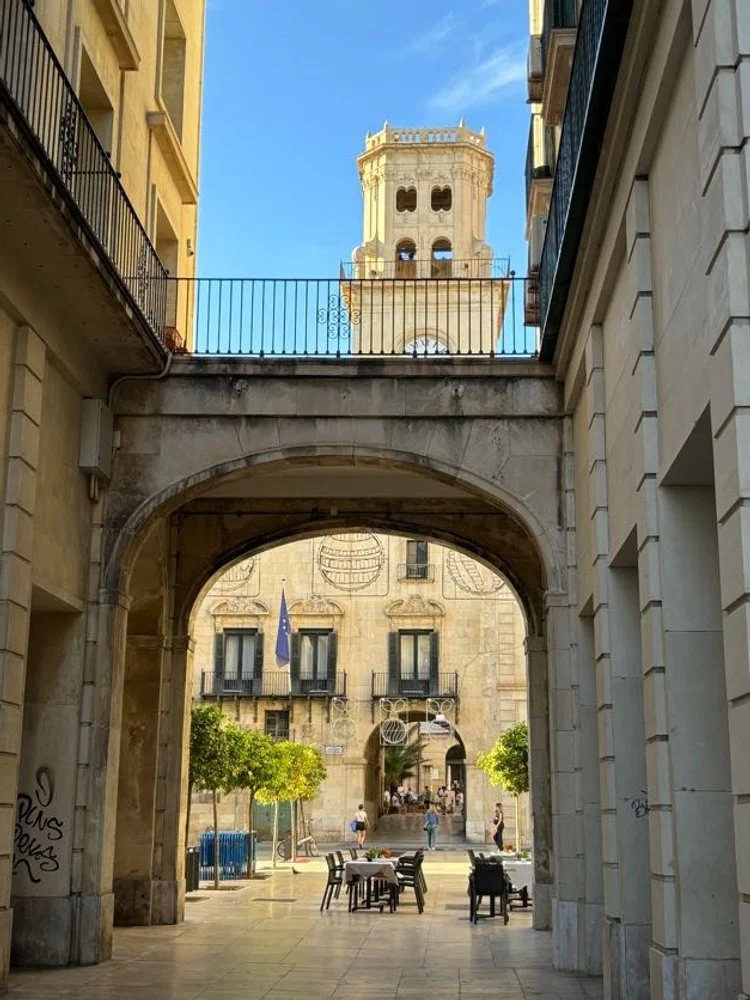
Must-do in Alacant (Alicante): visit Santa Barbara castle

Santa Barabara Castle is located on top of a steep hill which absolutely dominates the city of Alicante from every possible angle.
This castle is, I would say, the top attraction to visit in Alacant/Alicante if you have limited time for sightseeing.
There is an access road and a couple of trails (which include several flights of stairs), but I would leave those for the way down towards the city.
The fastest and most convenient way to get up the castle is to take the elevator that runs inside the hill and leaves you in one of the upper levels of the castle.
Access is on the sea-facing part of the hill next to the beach of El Postiguet. It costs around €5 each way.
I did take the lift to go up and then walk down into the city to enjoy the views of the old quarter on my way down.
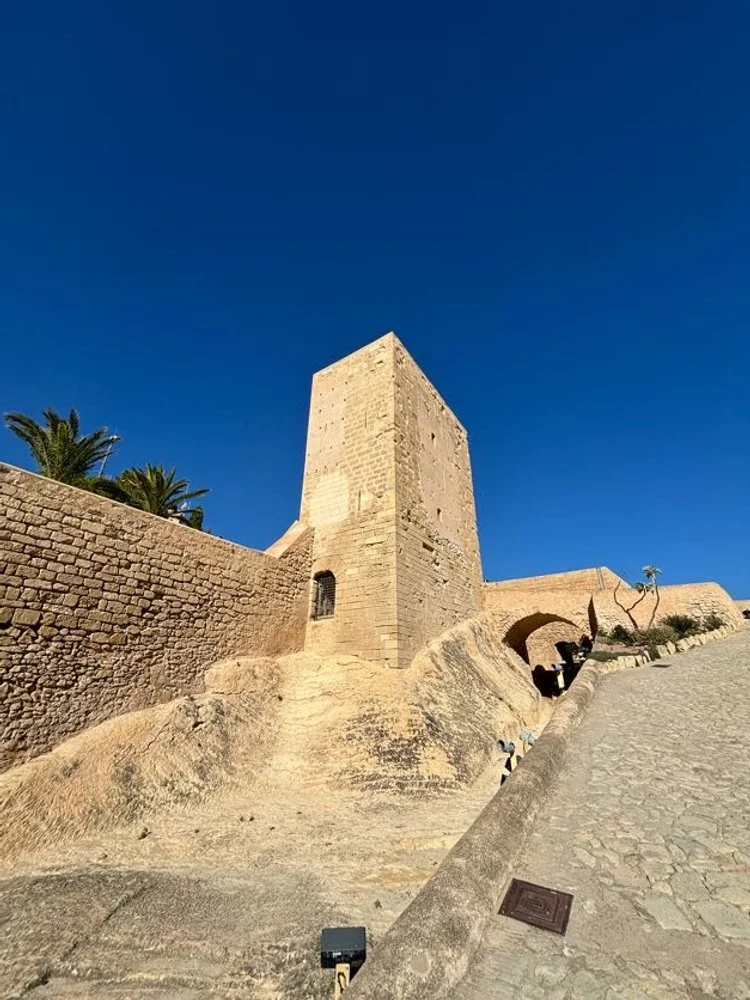
The castle is, in itself, quite a remarkable construction. It looks pretty much the way you would imagine a medieval castle, with several concentric levels of fortifications, with defensive towers, parapets and the like.
But the best reason to go up the hill is to enjoy the magnificent 360-degree views of the city of Alacant and the neighbouring coastline and inland plains.
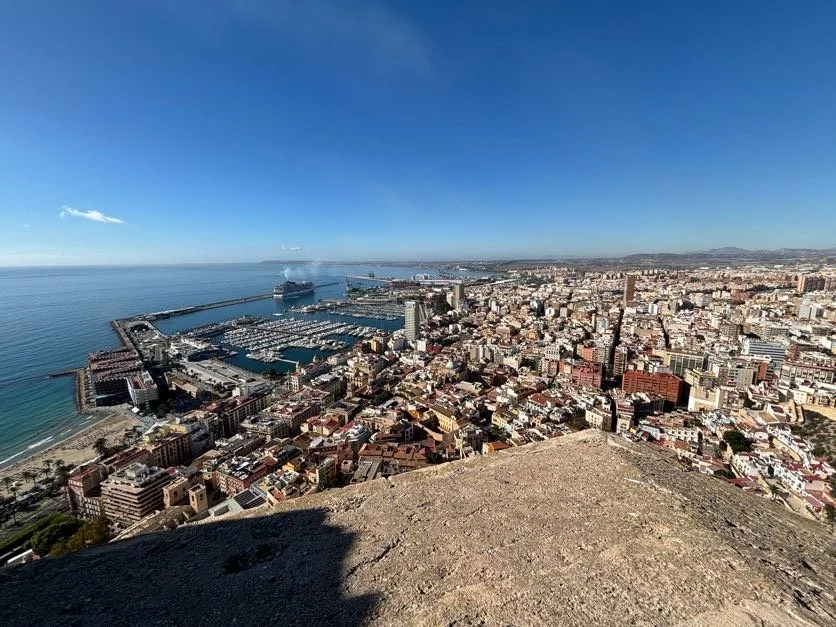
On the way down you also come across some interesting sights. If Alicante oozes Mediterranean-ness, some corners of this part of the city take it to another level!
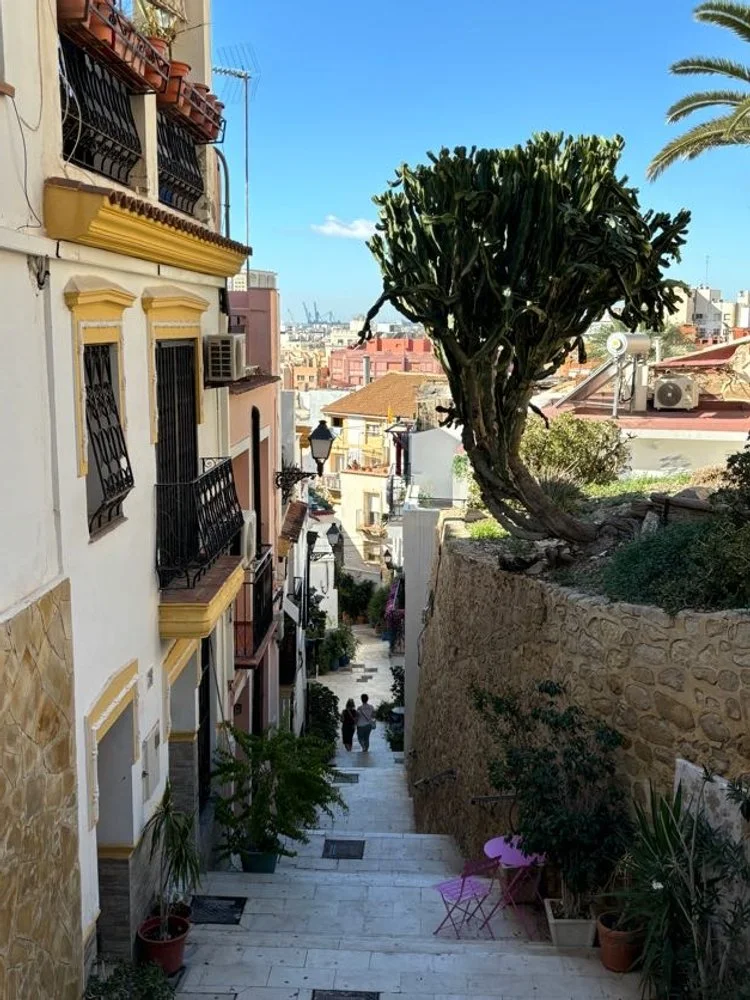
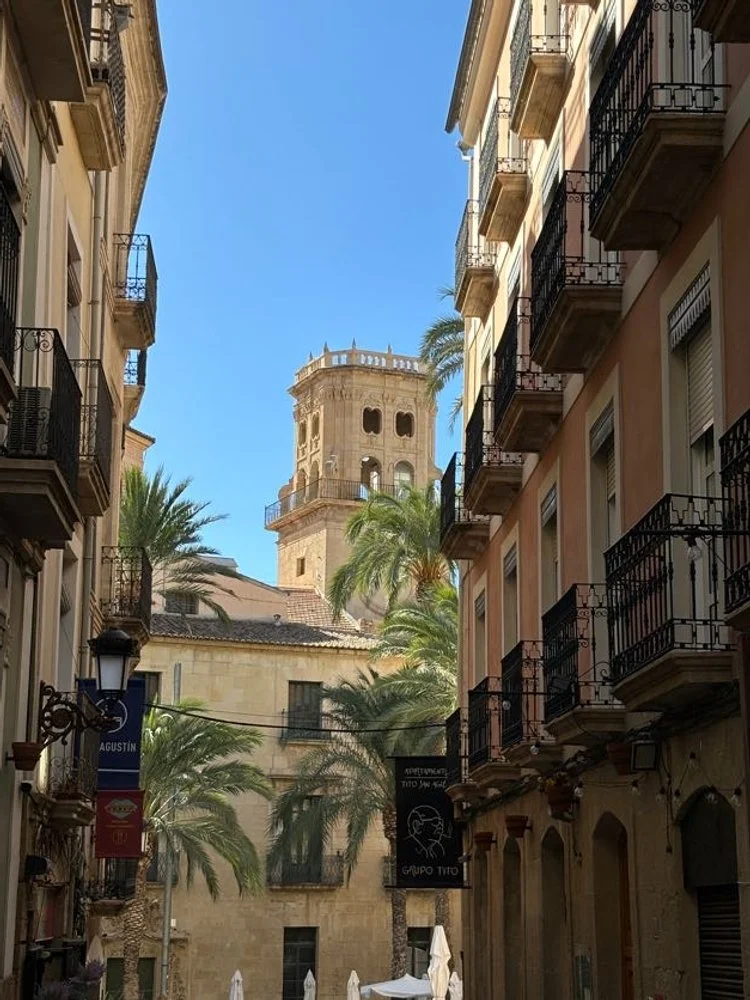
Great restaurant in Alicante
El Nou Manolín
C. Villegas, 3, 03001 Alacant
https://grupogastronou.com/en/nou-manolin
This is a sort of cult restaurant in downtown Alacant, with a tradition going back decades for good good and atmosphere. I was taken here by a local friend of mine and the place didn’t disappoint.
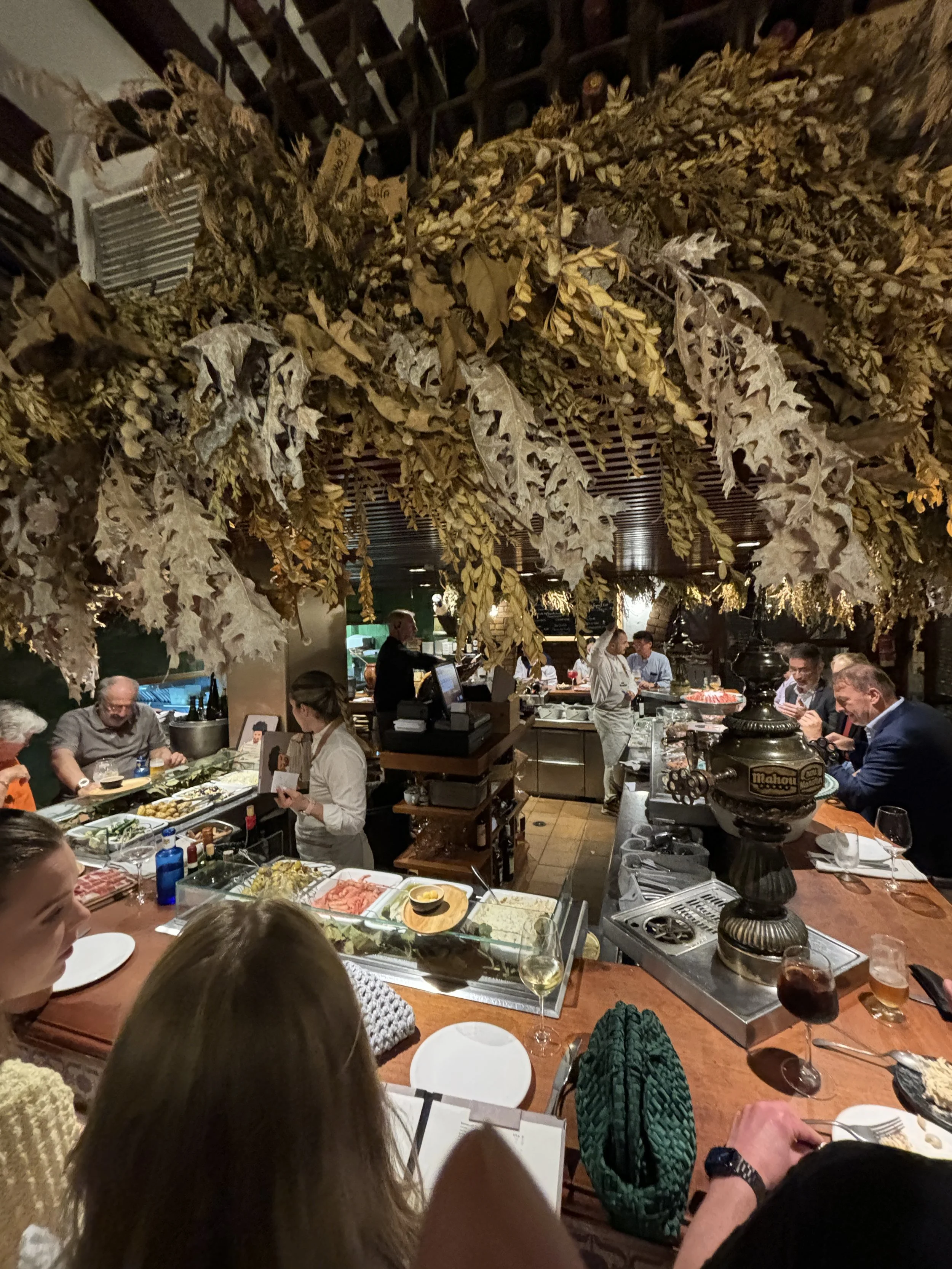
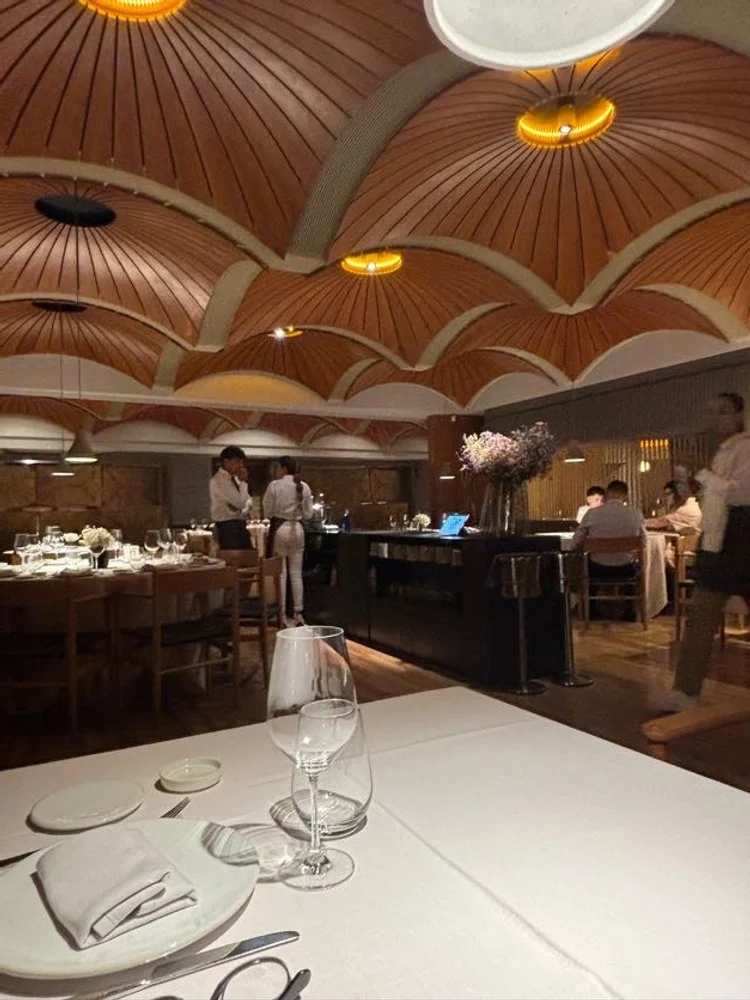
El Nou Manolín is located right in the liveliest nightlife area of Alacant, which is packed with bars, terraces and restaurants.
It has two levels, the first one is more like a bar, with a more casual setting in which people just seat around a central bar area, while the upper floor has a more formal, sit-down restaurant.
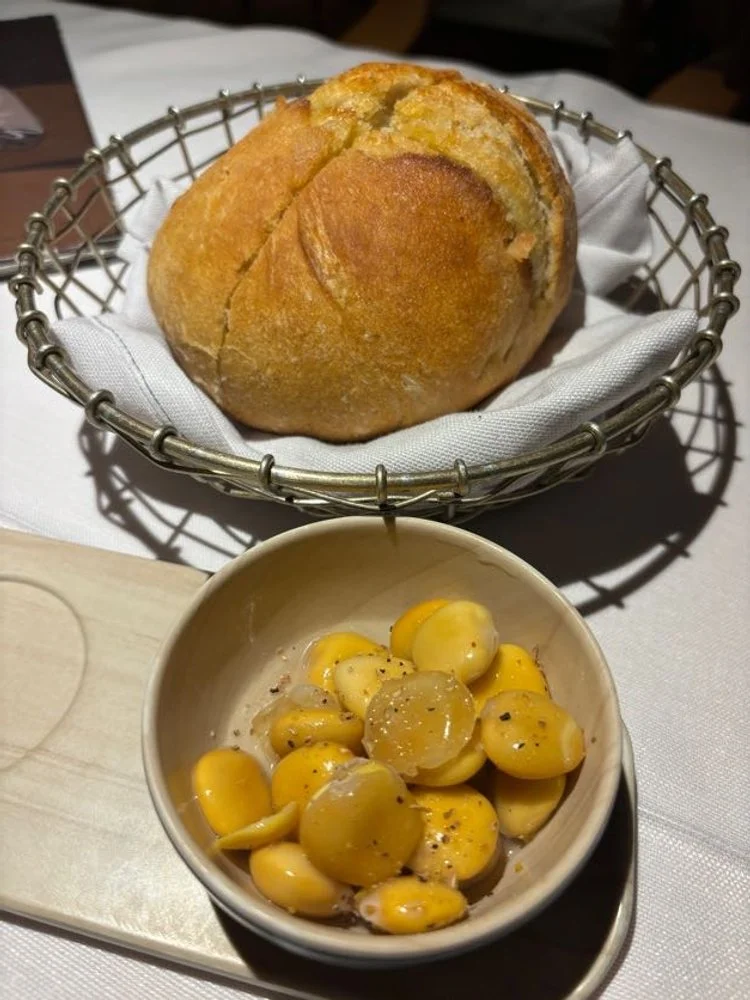
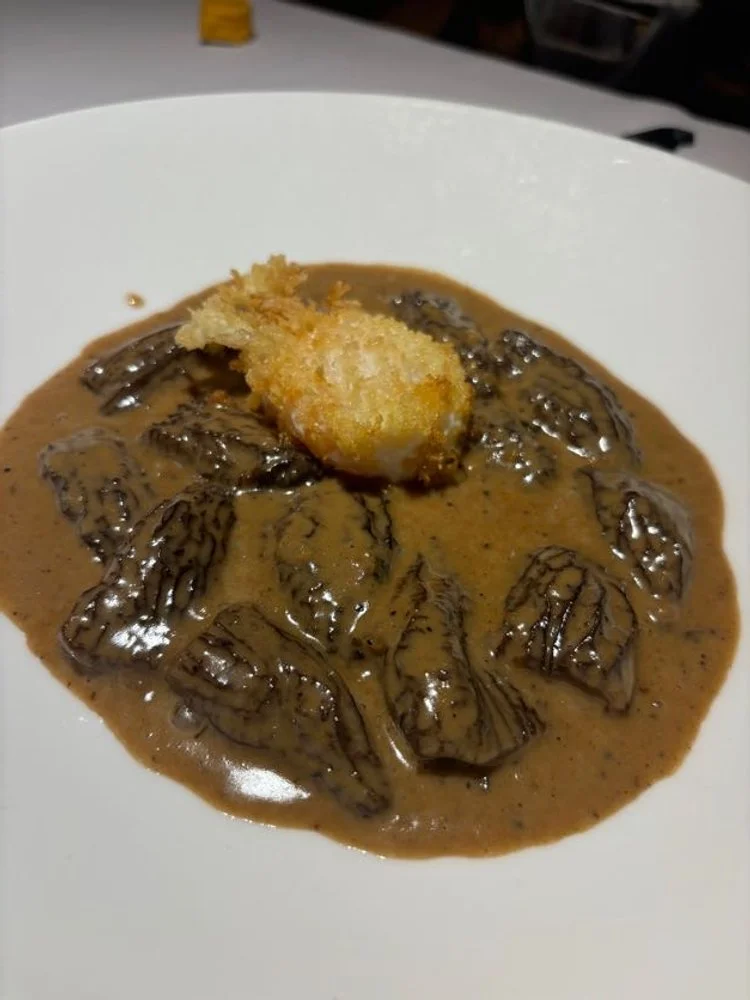
I have posted here some pictures of the diverse range of tapas and dishes that we tried (I have also included a picture of the bread, because it was so good!).
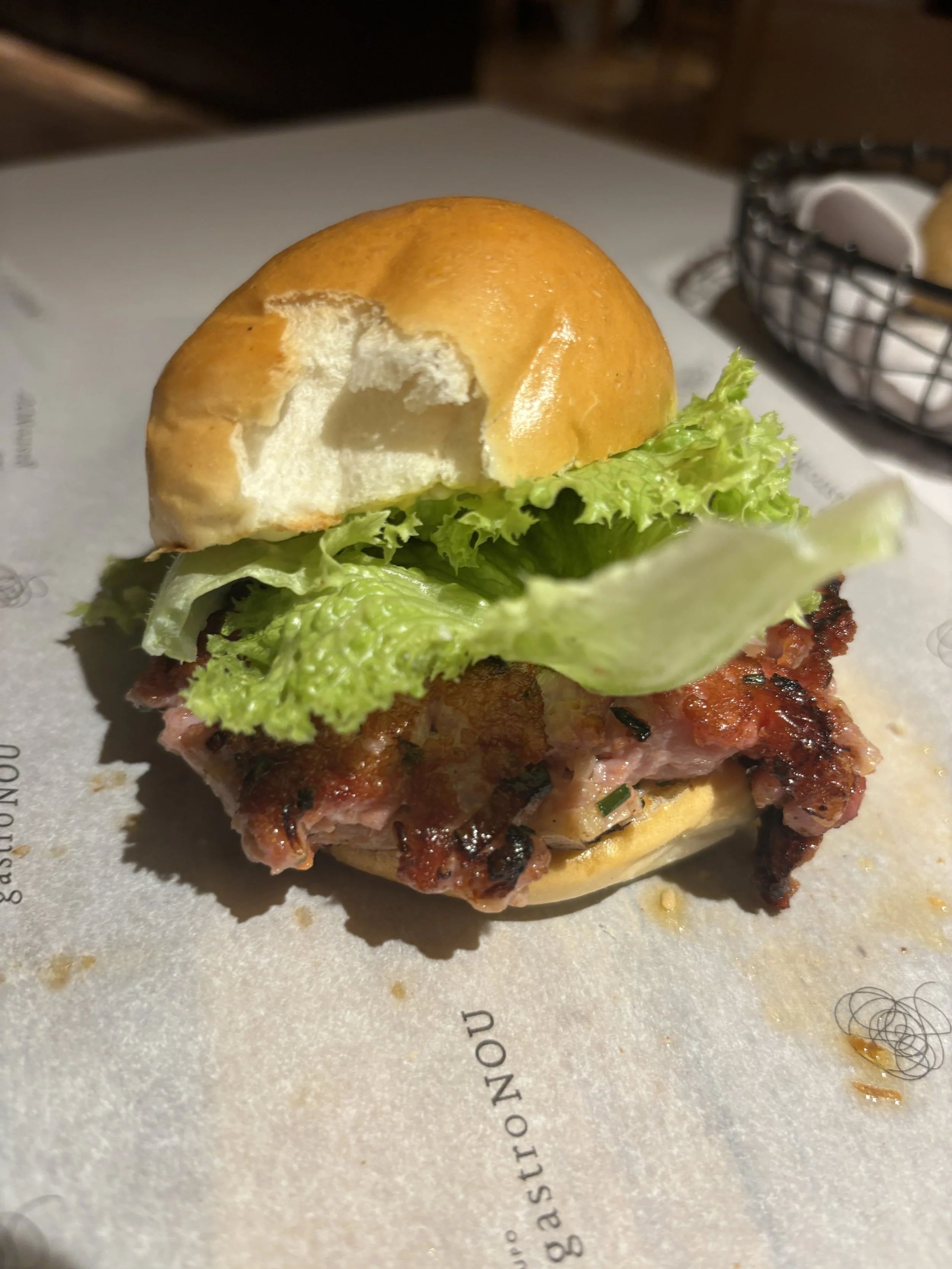
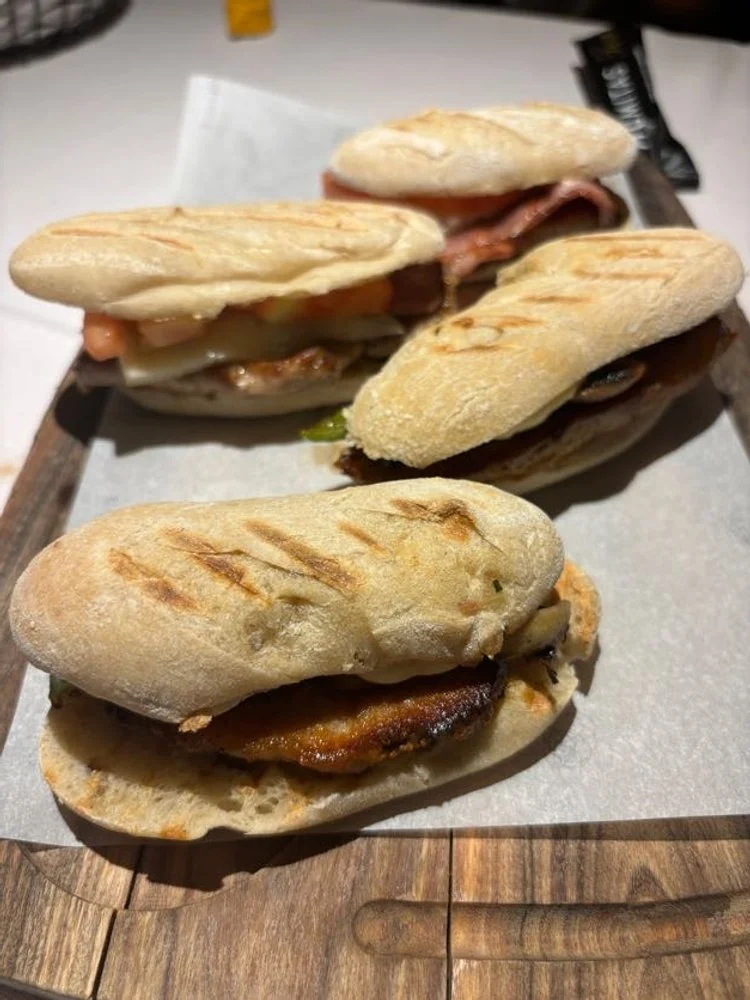
As you can see, fish or meat, it doesn’t matter. From the morel mushrooms filled with foie and egg (further above) to the littel grilled meat bites to the different presentations of anchovies. It was all pretty delicious.
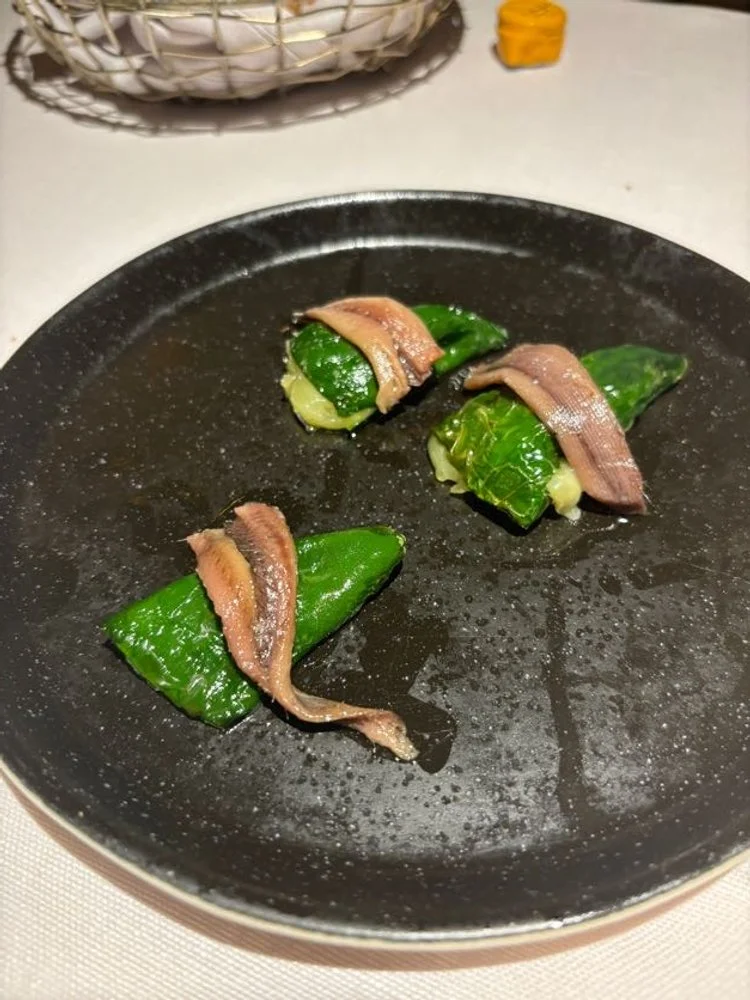
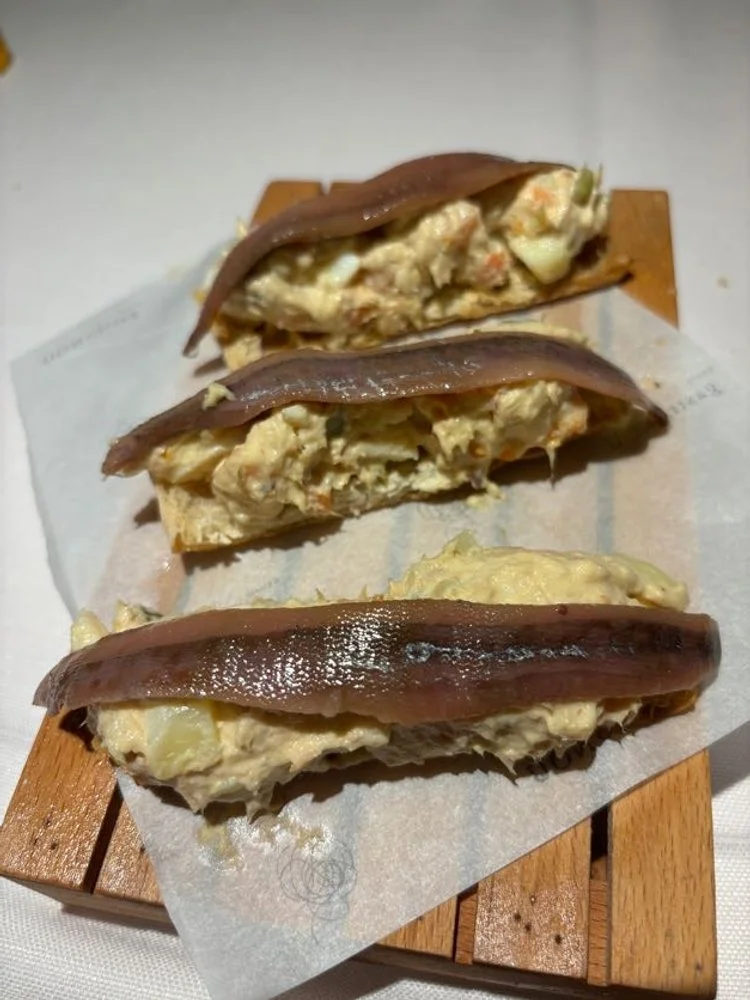
El Nou Manolín has a particular large variety of rice dishes (an ingredient with a strong presence in Valencian cuisine), although given it was late in the evening, we opted for a lighter option, such as these red shrimps, very fresh andsimply grilled and salted.
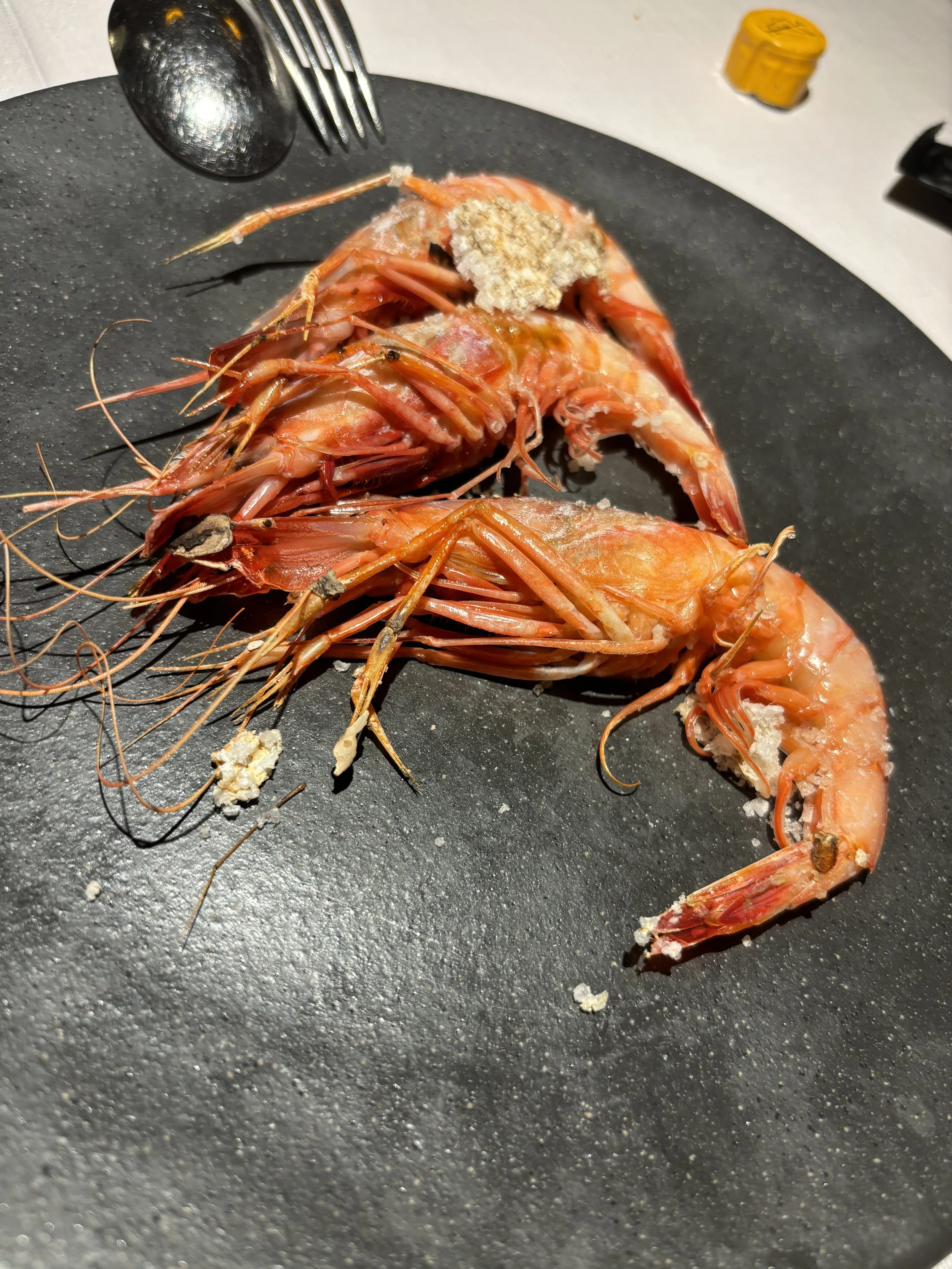
One specialty you must try when in Alacant is Fondillón, a sweet wine that is made locally with the Monastrell grape variety.
Although it has a long history dating back centuries, this type of wine came close to extinction at the turn of the 19th C. due to the phylloxera epidemic, a parasyte that devastated Europe’s vineyards. It survived, though, and it has recently seen a bit of a revival, becoming a bit of a symbol of local viticulture and even getting its own Protected Designation of Origin (PDO) from the European Union!
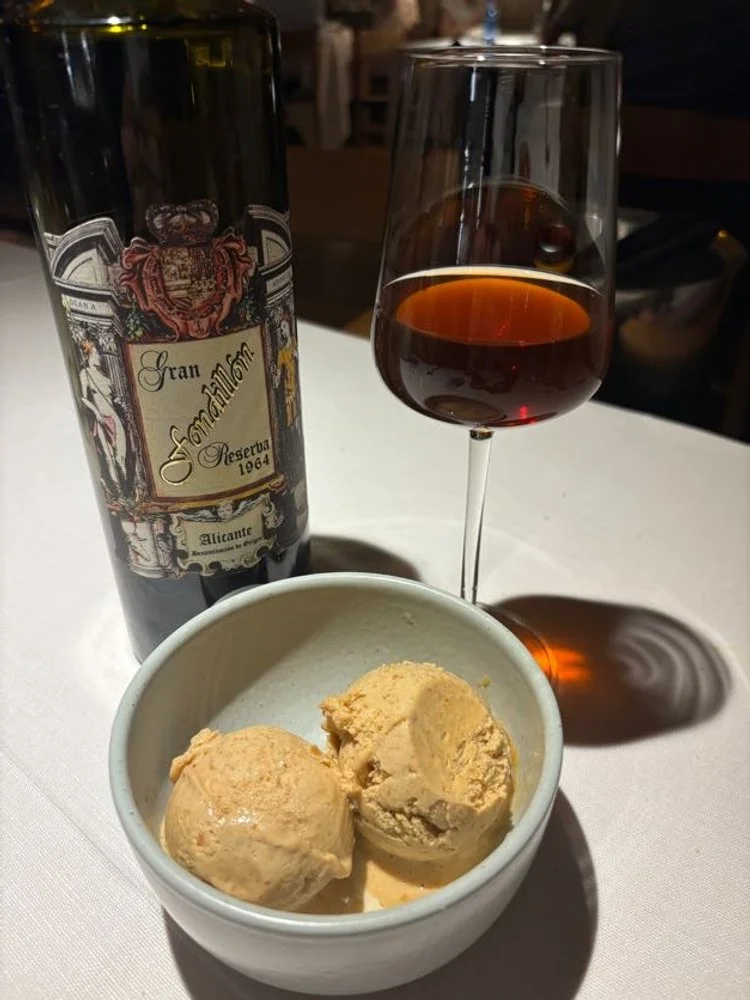
Visiting Altea, a Mediterranean gem
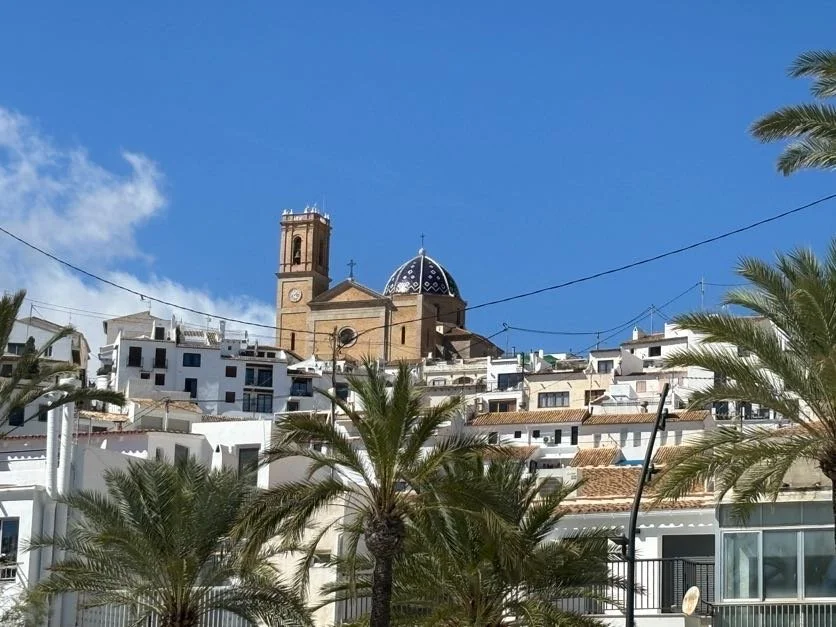
So, leaving Alacant behind, it’s time to move up the AP-7 motorway and drive all the way to the first (and furthest) stop in our Costa Blanca itinerary: the beautiful seaside town of Altea!

Although it has not been immune to the overconstruction and overdevelopment fever of the rest of the Costa Blanca, Altea has a couple great things going for it:
A fantastic natural setting on a small, open bay, with a long, wide beach of crystalline waters, nicely enclosed by two slightly protruding rocky headlands on either side.
A picturesque whitewashed old town slopes down to the beach from a small hill, crowned at the top by a rather imposing domed church.

The charms of Altea have not gone unnoticed (and I am not talking just about Volkswagen subsidiary SEAT naming one of its cars after the town), but about the proliferation of all sorts of real estate agencies all over the place! Altea is, in fact, one of the towns in Spain with the highest number of foreign expat residents.

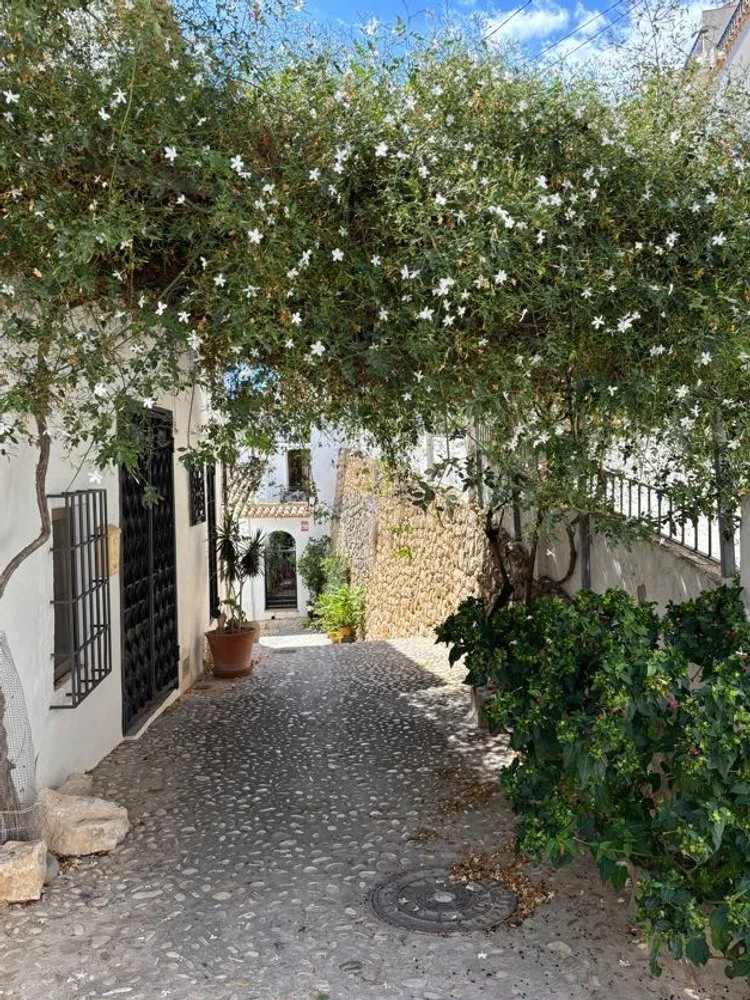
Pit stop in Benidorm - Avoid!
Down the coast from Altea is the place that epitomizes everything that has gone wrong with urban planning and tourism development in this part of Spain.
Some love it (the “Spanish Dubai” you may even say, to judge by the scale and pace of development going on here) some hate it. I lean towards the latter camp, although when I visited, off-season of course, the place was way more quiet than I expected.
The fact is, that while Benidorm may be able to offer low accommodation prices through sheer economies of scale, there are much nicer places nearby!
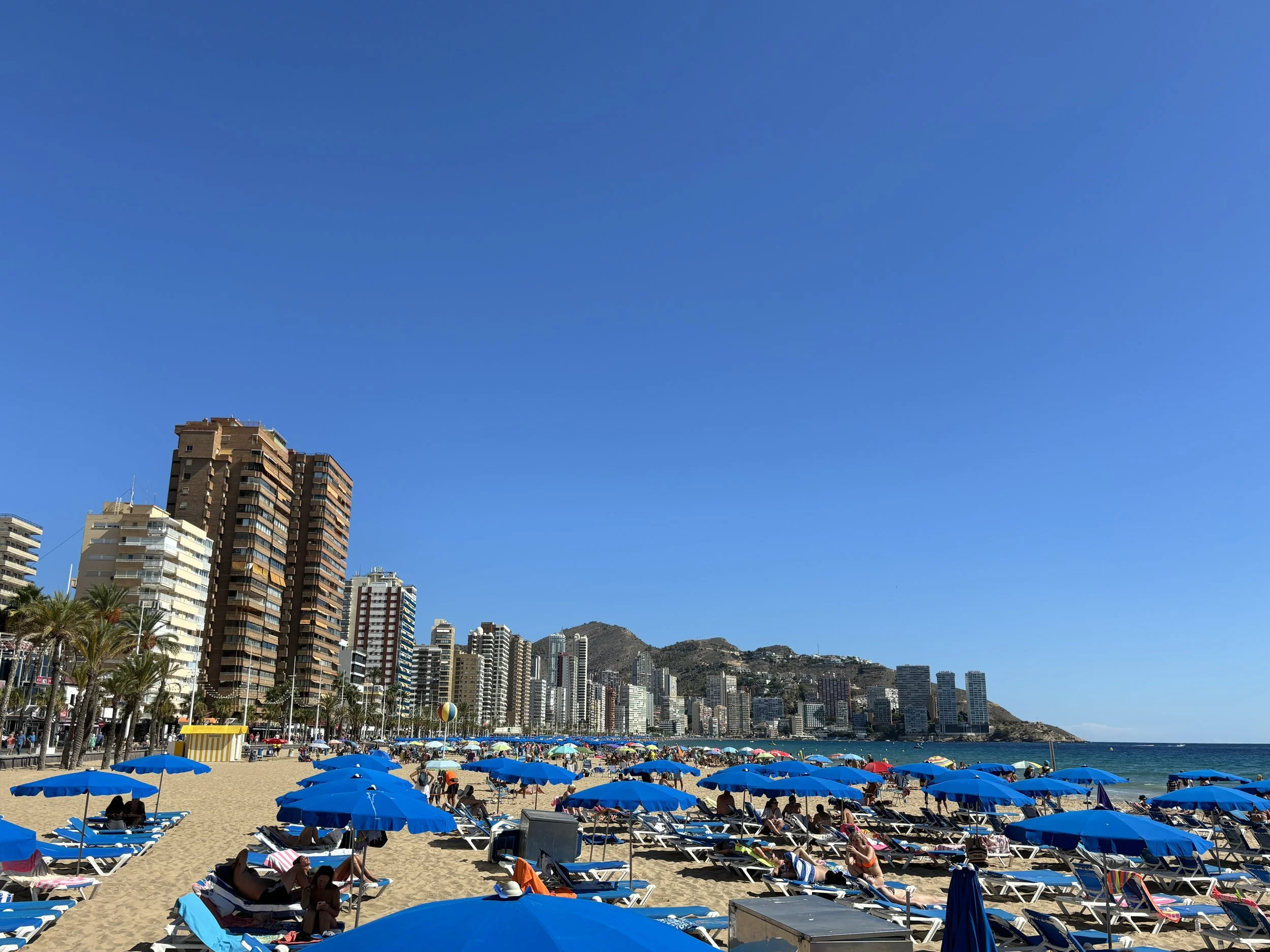
The colourful houses of La Vila Joiosa
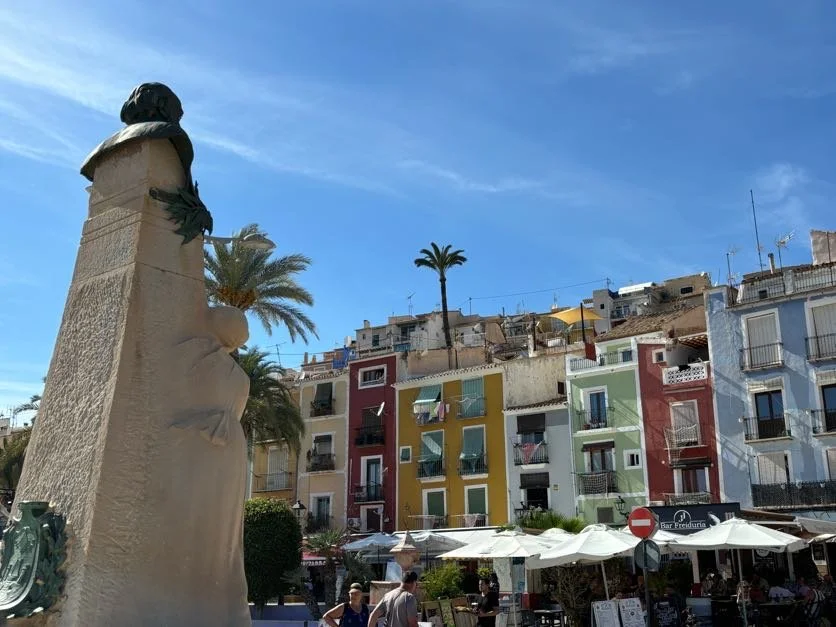
This was another remarkable find!
La Vila Joisoa (the name of which means literally “The Happy Town” in Valencian-Catalan language) is a seaside town, similar, in many ways, to Altea, just that a tad smaller AND with a polychrome downtown rather than whitewashed!

La Vila Joiosa is eminently a beach destination and the life of the place gravitates towards its wide, sandy beach and the adjacent promenade. Didn’t have time to stop for long, but wouldn’t mind coming back!


An excursion to Spain’s smallest inhabited island: Tabarca
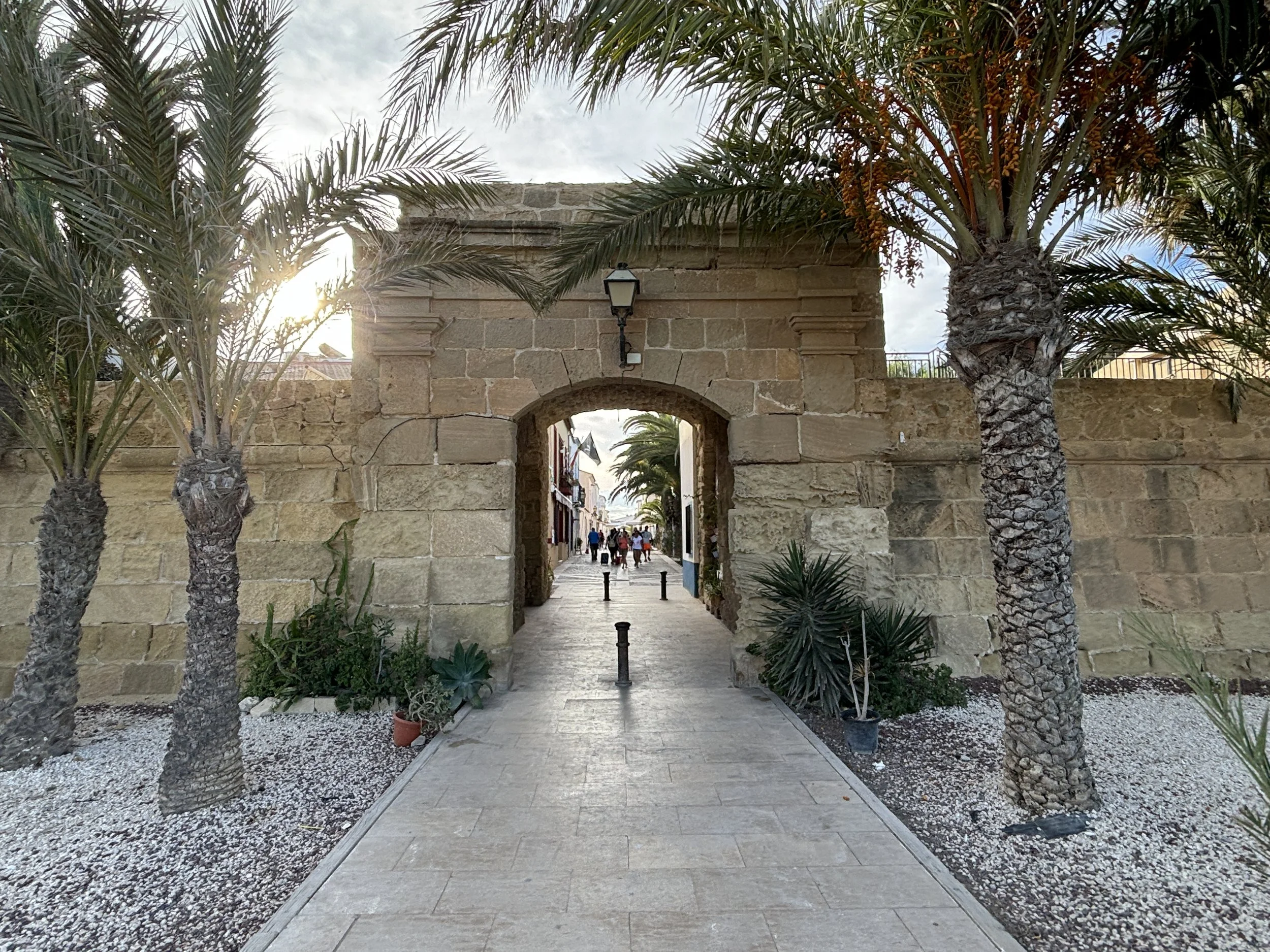
And here comes a truly unique experience, because Tabarca is a rather unusual place. After my visit I even wrote an in-depth piece for CNN about this island.
Located just a couple of kilometres from Alacant, Tabarca is not only Spain’s smallest inhabited island, with some 50 permanent residents, but it has a very interesting history.
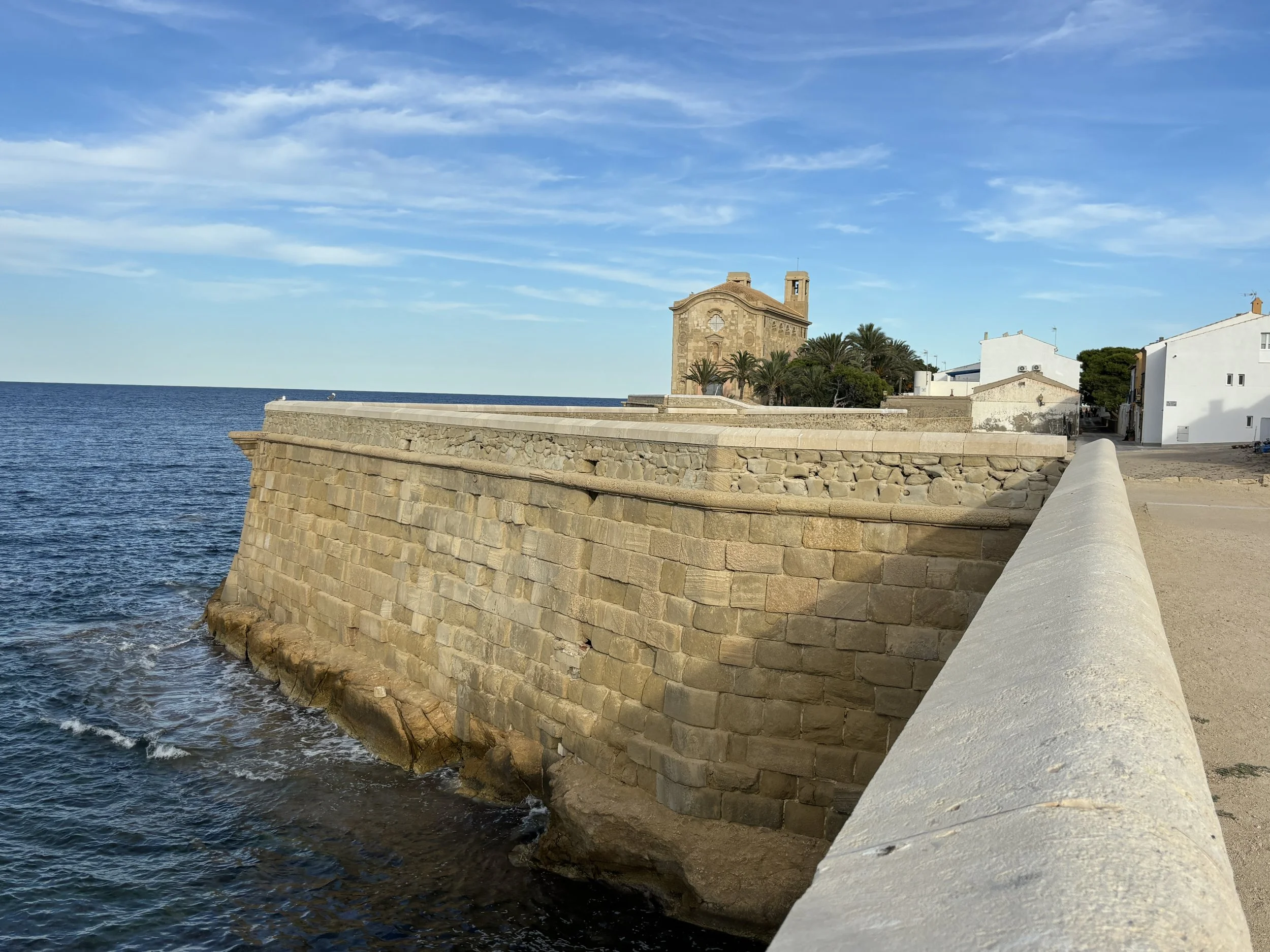

Tabarca or, more accurately “Nova Tabarca”, was colonized in the 18th C. by people of Genoese origin.
They were fleeing another Tabarka, a tiny island off the coast of Tunis that acted as a Genoese outpost for a couple of centuries.
When the Bey of Tunis reclaimed the island, those Tabarkians that managed to escape were granted land in “Nova (New) Tabarca” by the King of Spain, who ordered also a fortress be built on the island.
So, today Nova Tabarca offers its visitors the relaxed and charming atmosphere of a Mediterranean fishing village designed with the engineering precision of an 18th-century military fortress, complete with its fortified walls.
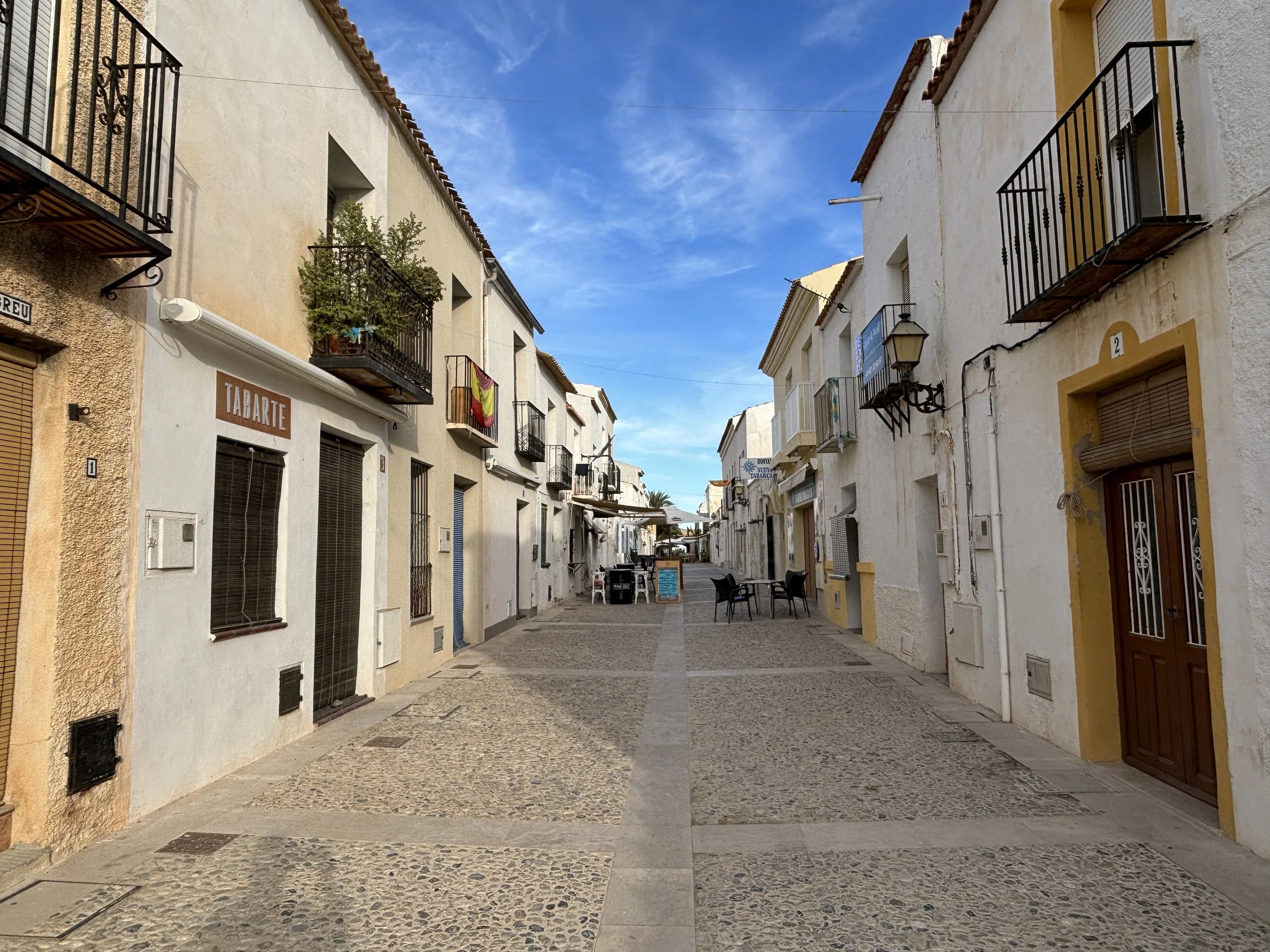
What’s more, the two thirds of the island that were not built over, as well as the surrounding waters, are a protected natural area which feels a world apart from the buzz found on the coast of the neighbouring mainland.
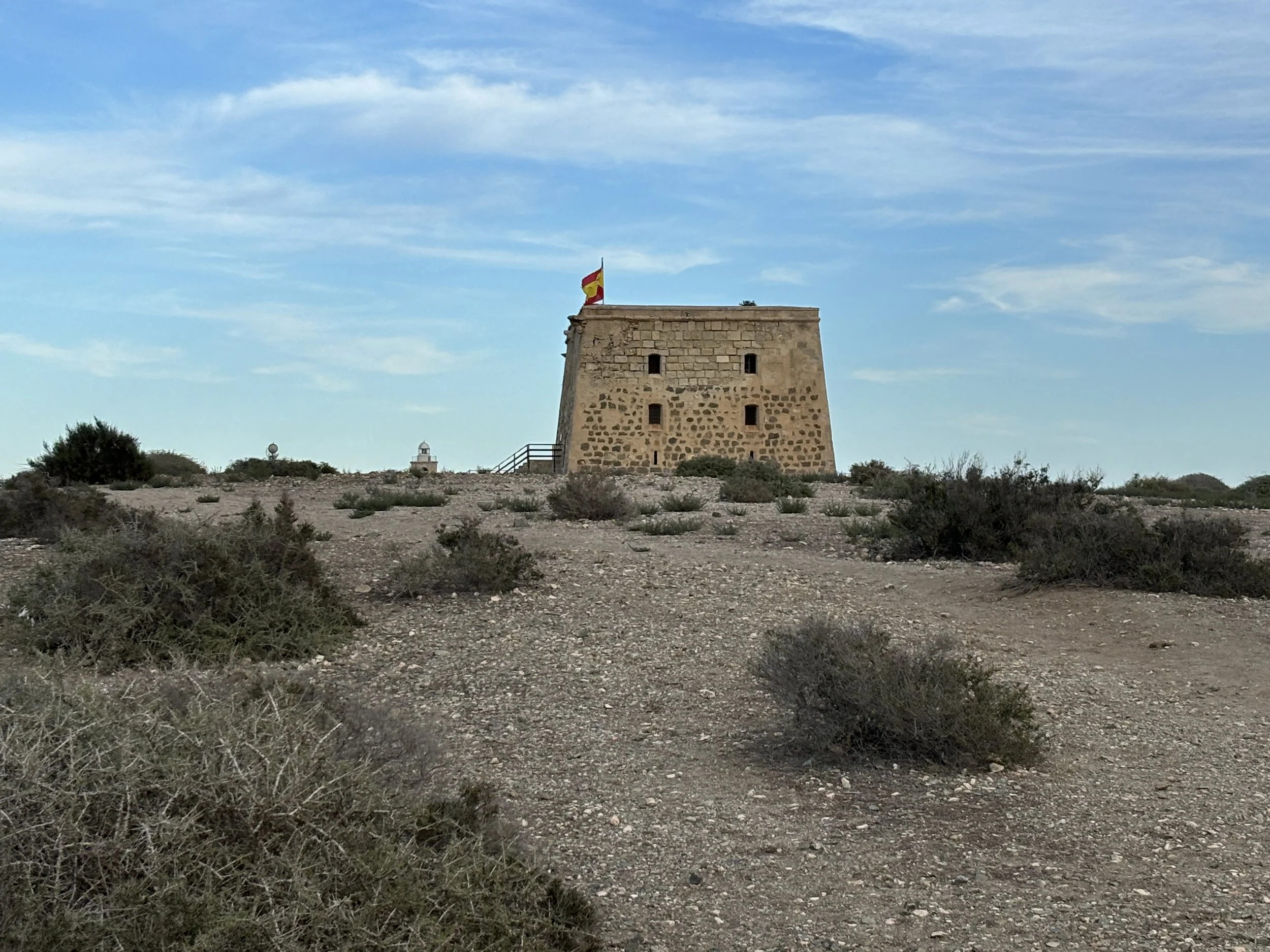
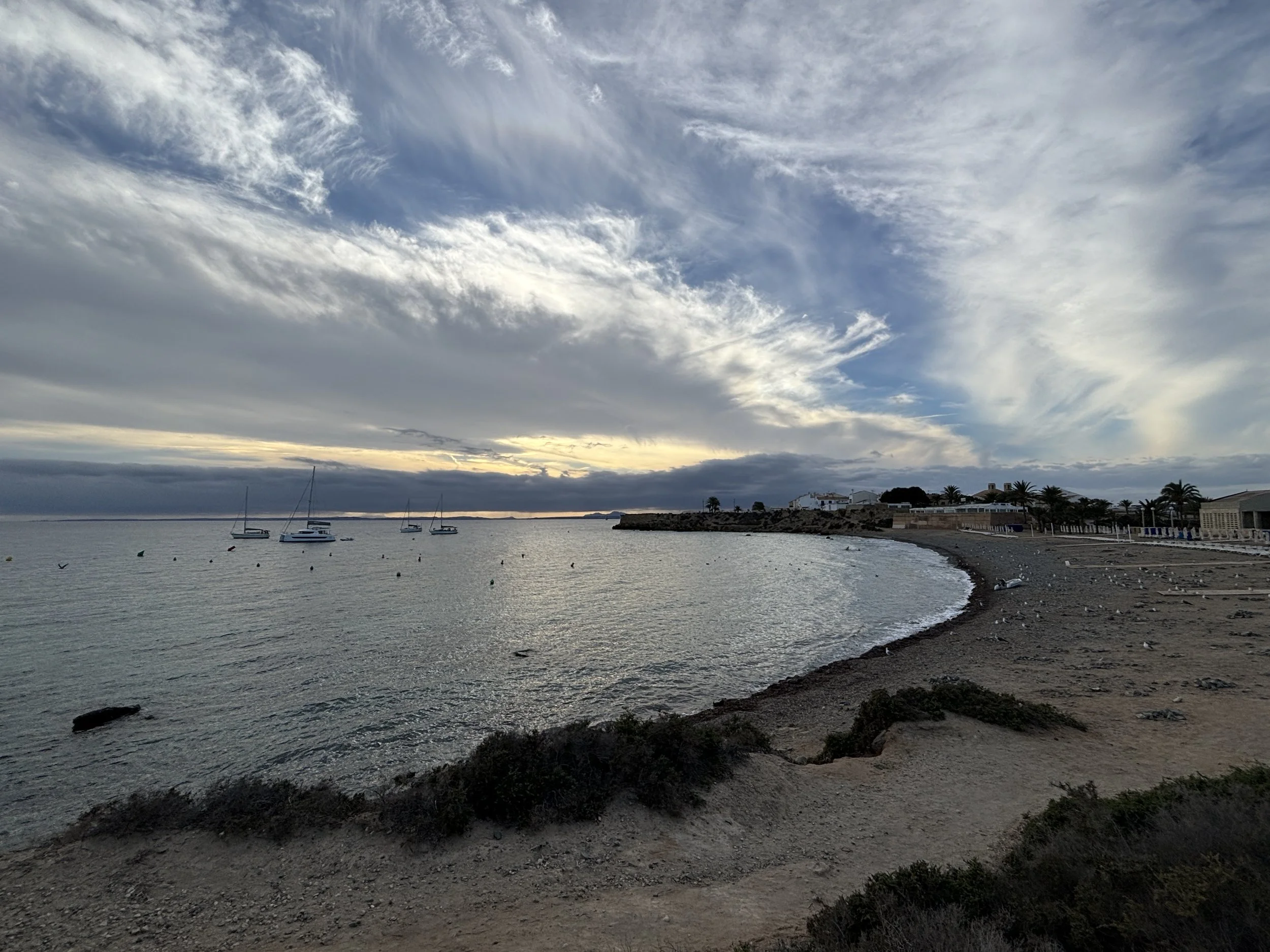
How to get to Tabarca
Although Tabarca is officially a district of the city of Alacant, the ferries depart from the port of Santa Pola, which is a few km south of the city, near the airport.
There are several boats a day (although frequencies diminish drastically in winter!) and the return ride costs around €9. The trip takes some 20min and as an added bonus, most of the ferries have a glass bottom that lets you see the bottom of the sea as you approach the island!
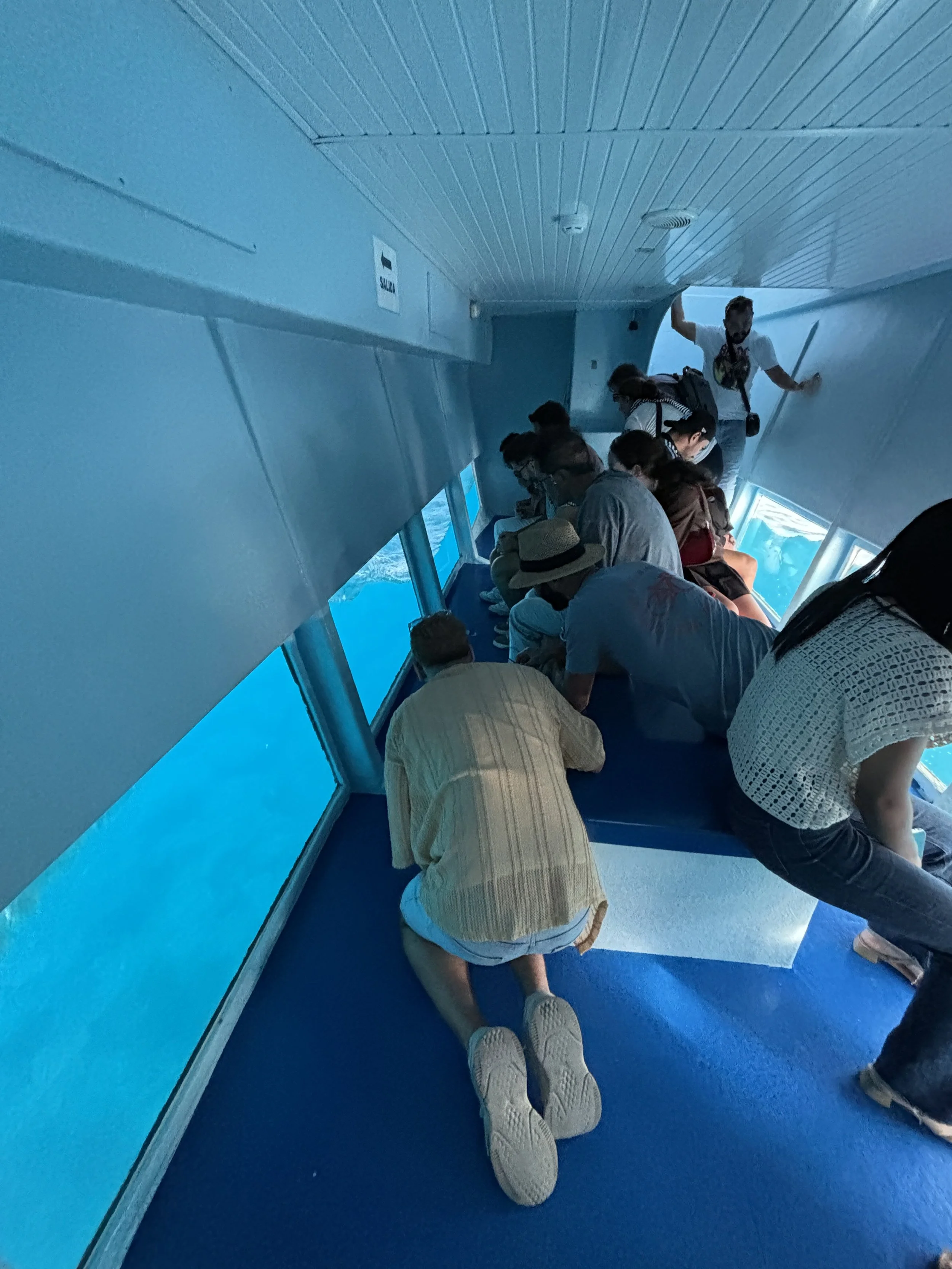
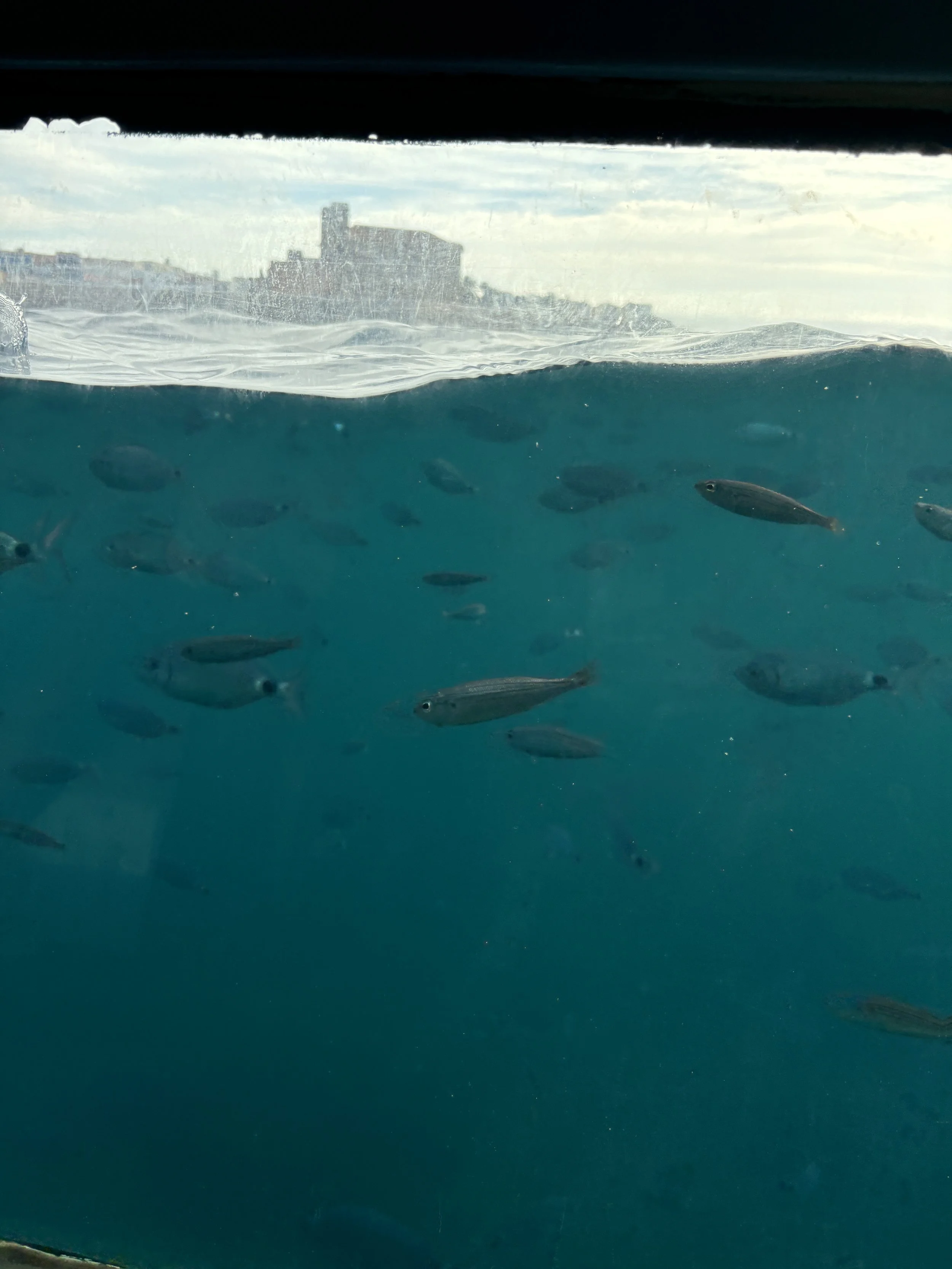
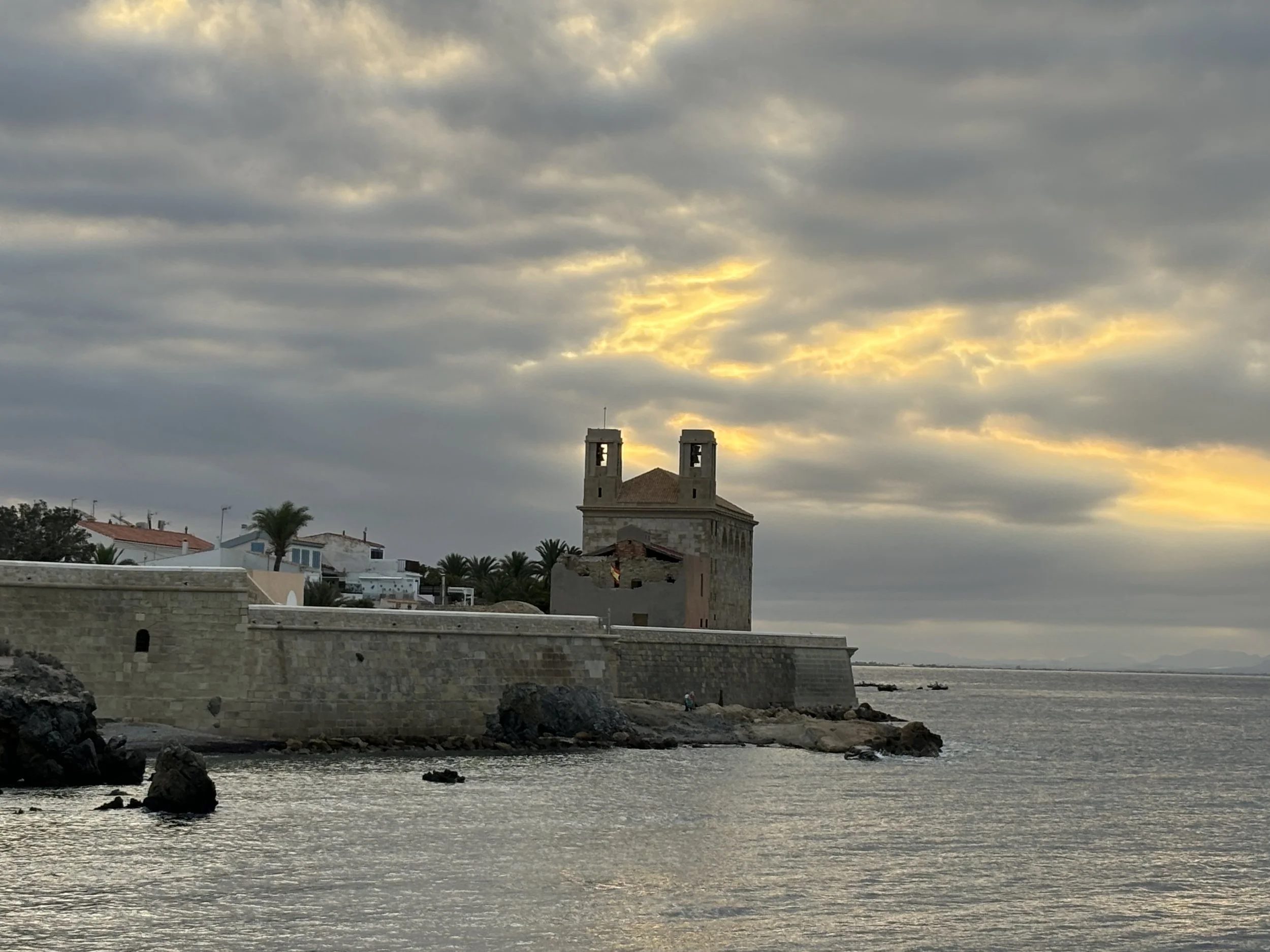
The Palm Grove of Elx (Elche), a UNESCO World Heritage Site
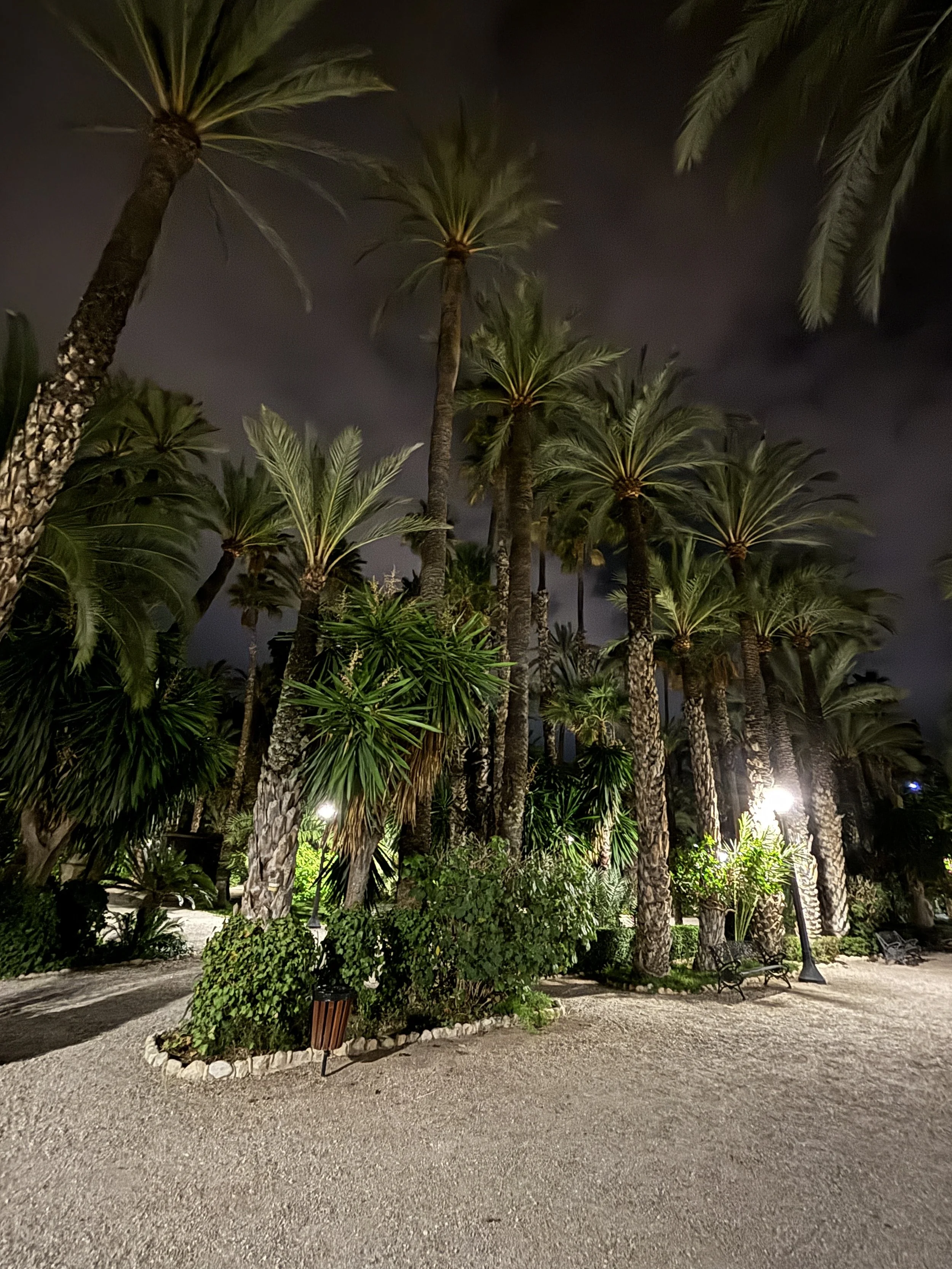
The last stop of our list is the millenary Palm Grove of Elx (“El Palmeral de Elche” in Spanish), a World Heritage Site which dates back to the time of Al-Andalus, when this part of Spain was under Moorish rule.
The palm grove is, nowadays in the very center of the city, and it is a large park, which, as the name implies, is dotted with some 200,000 palm trees. The atmosphere is, indeed, reminiscent of some of the oasis of the Middle East, such as Al-Ain, which, by the way, is also an UNESCO World Heritage site.
I only managed to get to Elx by the evening, when the sun had already set, but this was not a problem to visit the palm grove since it is an open public park. Perhaps the nocturnal atmosphere made the place somehow even more interesting and suggestive!
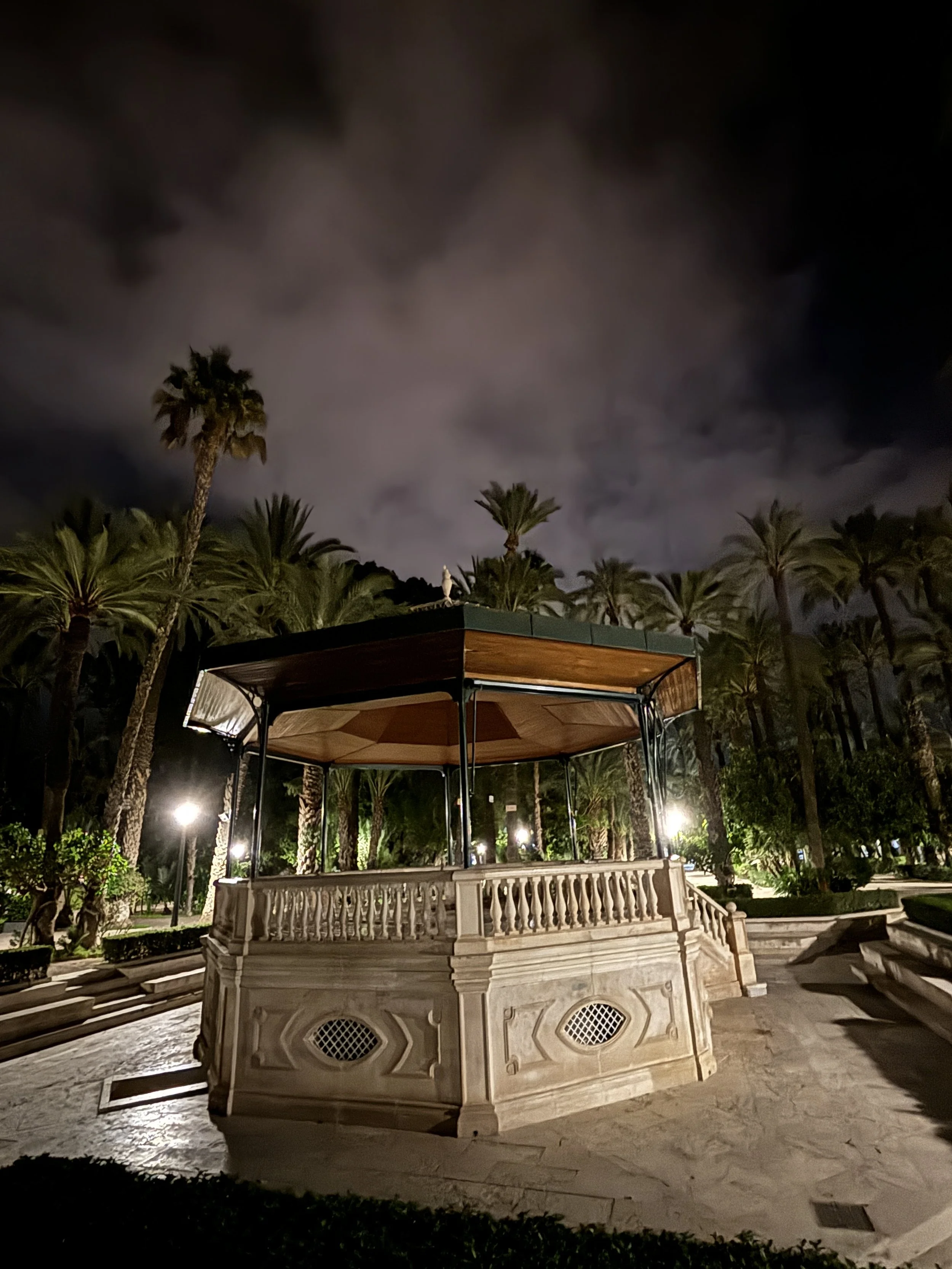
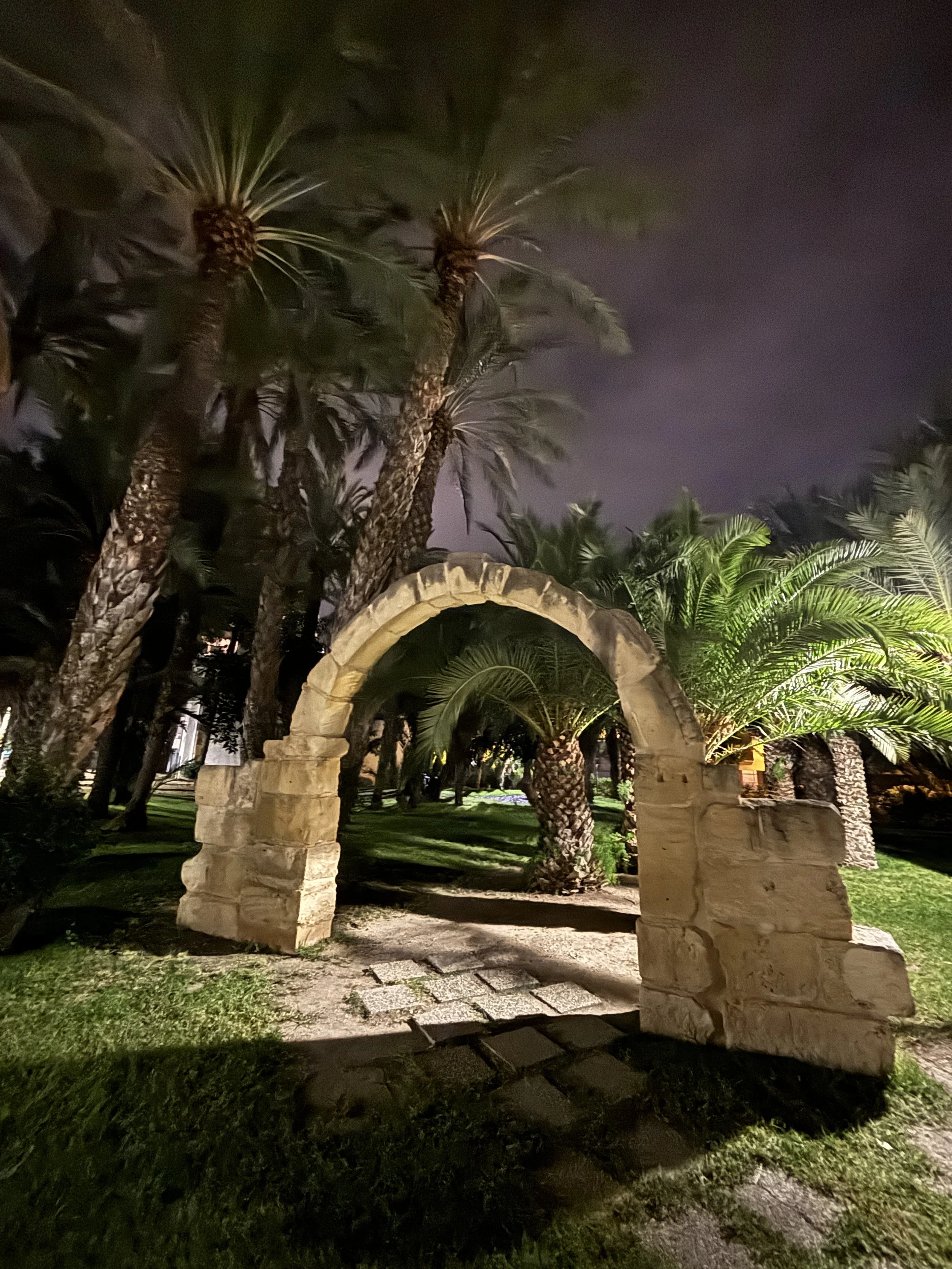
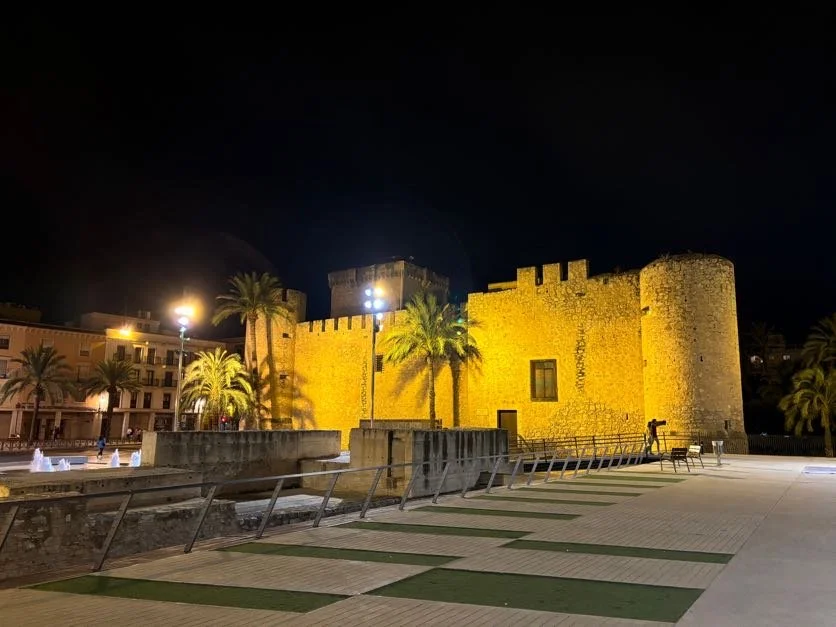
Where to stay in central Alicante

Eurostars Mediterranea Plaza
Plaça de l'Ajuntament, 6, 03002 Alacant
This is a nice, modern four-star hotel that is as central as it gets in Alacant, just opposite the town hall, in the main square of the old town. The room and bathroom were impeccably clean and had a functional design.
The breakfast was also very good and it included a good number of local specialities, a nice touch!
The hotel does not have parking (a relevant point in my case, since I had rented a car upon my arrival at the airport), however, there is a public parking two minutes walk away next to the port, which cost something like €20 per day.

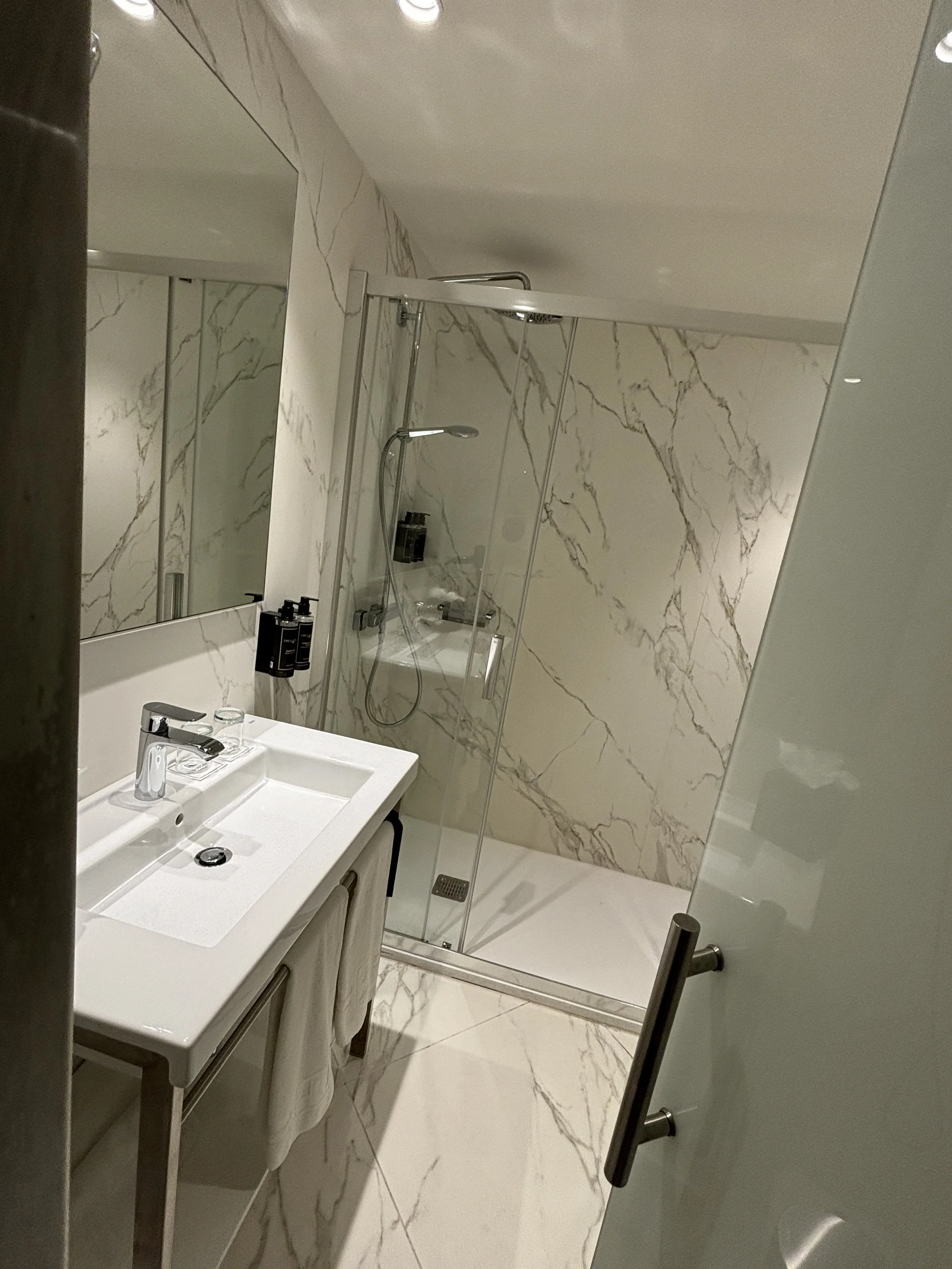
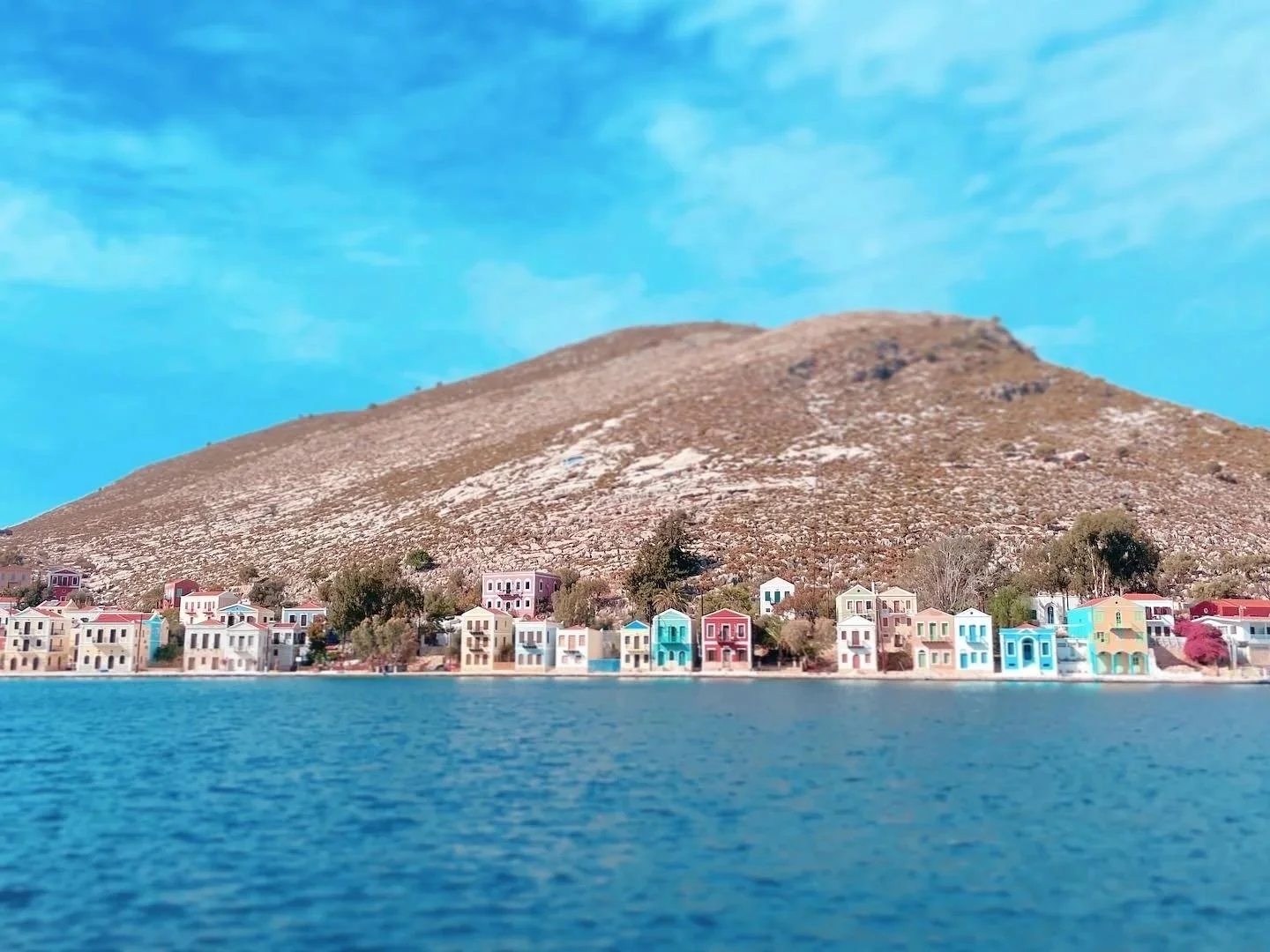
Kaş to Kastellorizo: where Turkey's Lycian Way meets the most distant Greek island


This post covers one of the areas with, possibly, more top historical heritage per square kilometre of the Mediterranean and this is on top of a stunningly beautiful landscapes.
This is, of course, not our first foray to the Turkish Aegean coast, you can also check our post about what to see in Bodrum and its surroundings. This one covers another section of the beautiful and rugged coastline of southwestern Turkey, particularly the area around Kaş and Kalkan and the neighbouring Ancient cities of Myra and Patara, what is today known as the “Lycian Way”.

What’s more, for those like me, who are interested in borders and those places that act as fault lines (or meeting points, depending on how you see it) between countries, continents and cultures, this region contains a particularly interesting spot: a very tiny Greek island which is really far away from the mainland, but almost adjacent to the nearby Turkish coast.
Keep on reading to find out how is it like to visit this tiny Greek (and European Union) outpost from the neighbouring Turkish town of Kaş.
Getting to the Lycian Way
Let’s start with a short paragraph about logistics. It’s going to be short: rent a car.
The area of Kaş is located roughly halfway between Antalya and Dalaman airports (Bodrum is also a reasonably close gateway and gets more flights than Dalaman). There is no train connection and I don’t think buses are a practical option to move along the area. I know “walking the Lycian Way” is a thing, but since this is not a hardcore trekking site, I will leave this one out too.
This leaves renting a car as the most convenient option and, actually, the roads are generally ok (between Antalya and Kaş about half of the distance is actually covered by a two-lane motorway). I also found parking in those coastal towns surprisingly easy (particularly when compared with its equivalents in Western Europe), but this may be due to the fact that my trip was in the autumn, and, therefore, a bit off season.
The Ancient city of Myra - the city of Santa Claus!
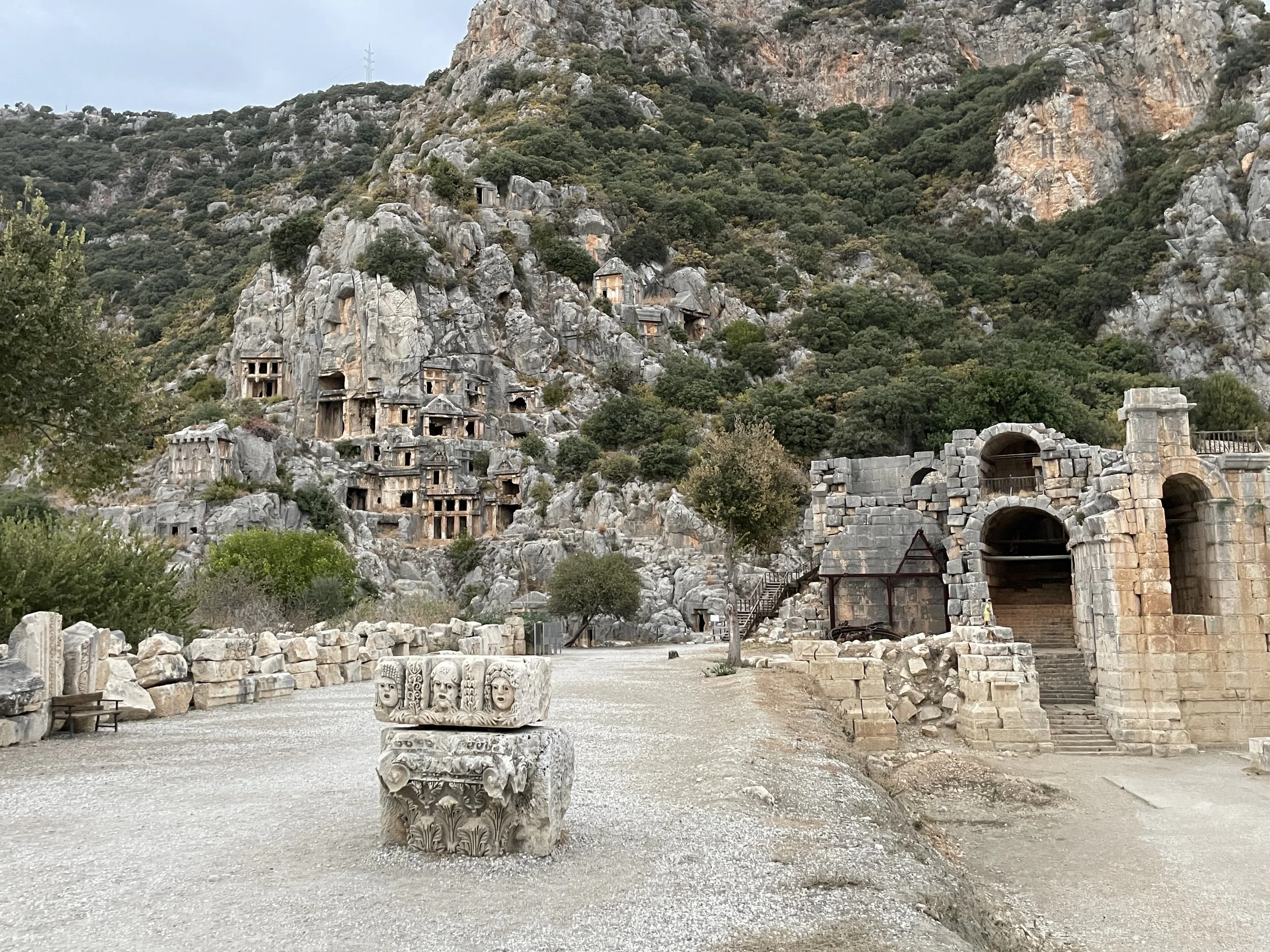
One the way between Antalya and Kaş perhaps the most fascinating place you can visit is the Ancient Lycian city of Myra.
The Ancient city of Myra (“Myra Antik Kenti” in Turkish) is a truly interesting spot for several reasons:
It was one of the epicenters of the Lycian civilization, which used to be kind of part of the Greek world, but not quite. Lycia had, in fact, its own cultural and political system for quite a few centuries, until the Romans took over the whole region and made it part of their Empire. Lycian cities were organized in a league that had some proto-democratic elements in the way it worked. It was actually mentioned by Montesquieu and said to have inspired the US Founding Fathers, as well.
Myra was the home city of Saint Nicholas (aka Santa Claus). Although he was born in Patara (another Lycian city that we also cover, further down this post, Saint Nicholas was the bishop of Myra for some time in the 4th C. There is a church of Saint Nicholas in the Ancient city, which is visited by numerous pilgrims (Saint Nicholas is said to have been buried there at first, but in the Middle Ages his relics were taken to Bari, in southern Italy).
The archaeological ensemble of Myra is absolutely stunning. Its most famous landmark are the rock-carved tumbs that fill the surrounding cliffs. These have porticos and facades, creating the impression of a proper city carved in the face of the rock. Next to it are the vestiges of what was, in its time, a rather important city, complete with a very well preserved theatre and many of the buildings that we typically associated with the major cities of Antiquity.

So, make sure you include a visit to the Ancient city of Myra in your itinerary!
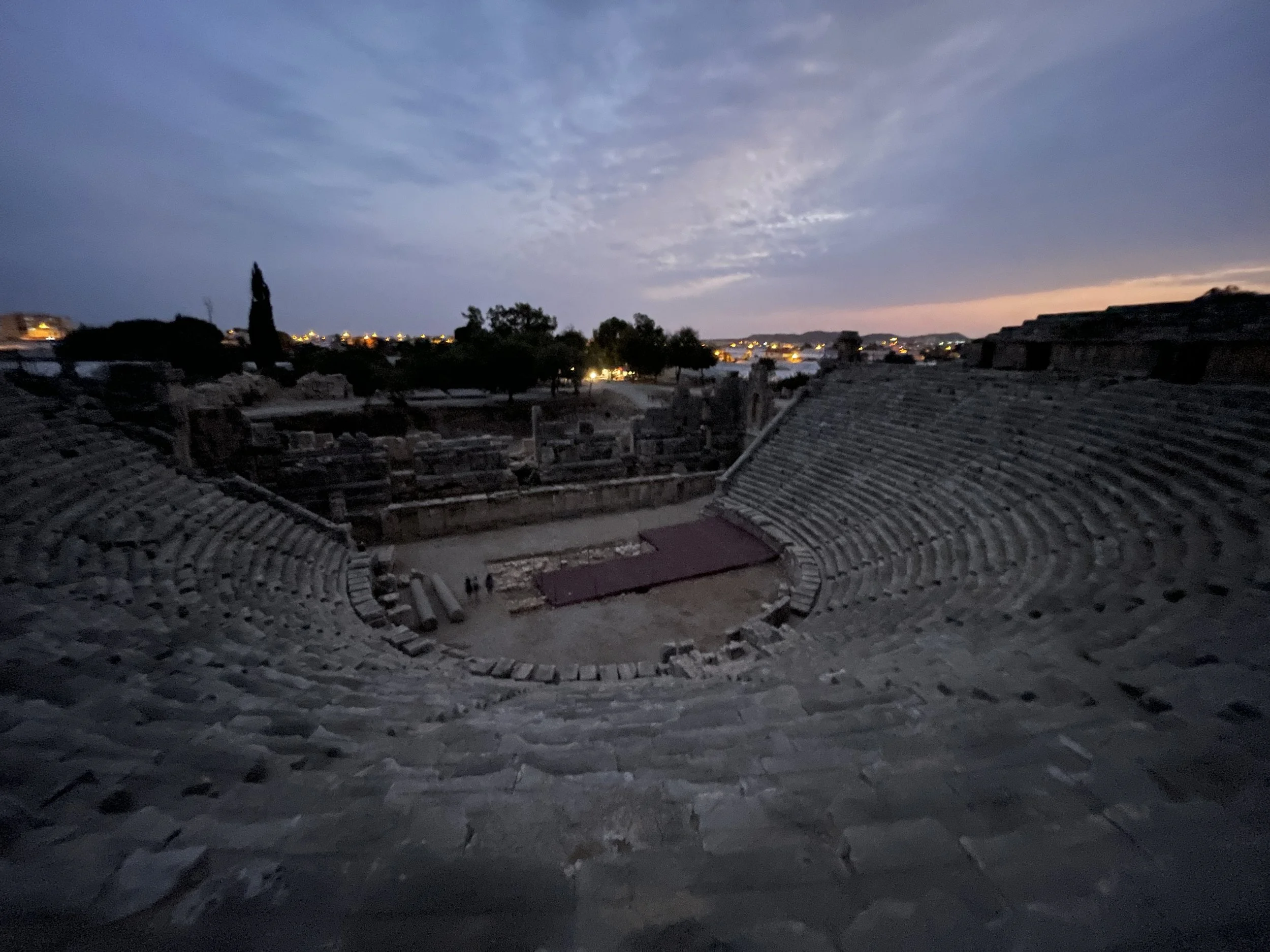

Kalkan, perfect base for exploring the coast around Kaş: where to stay and eat
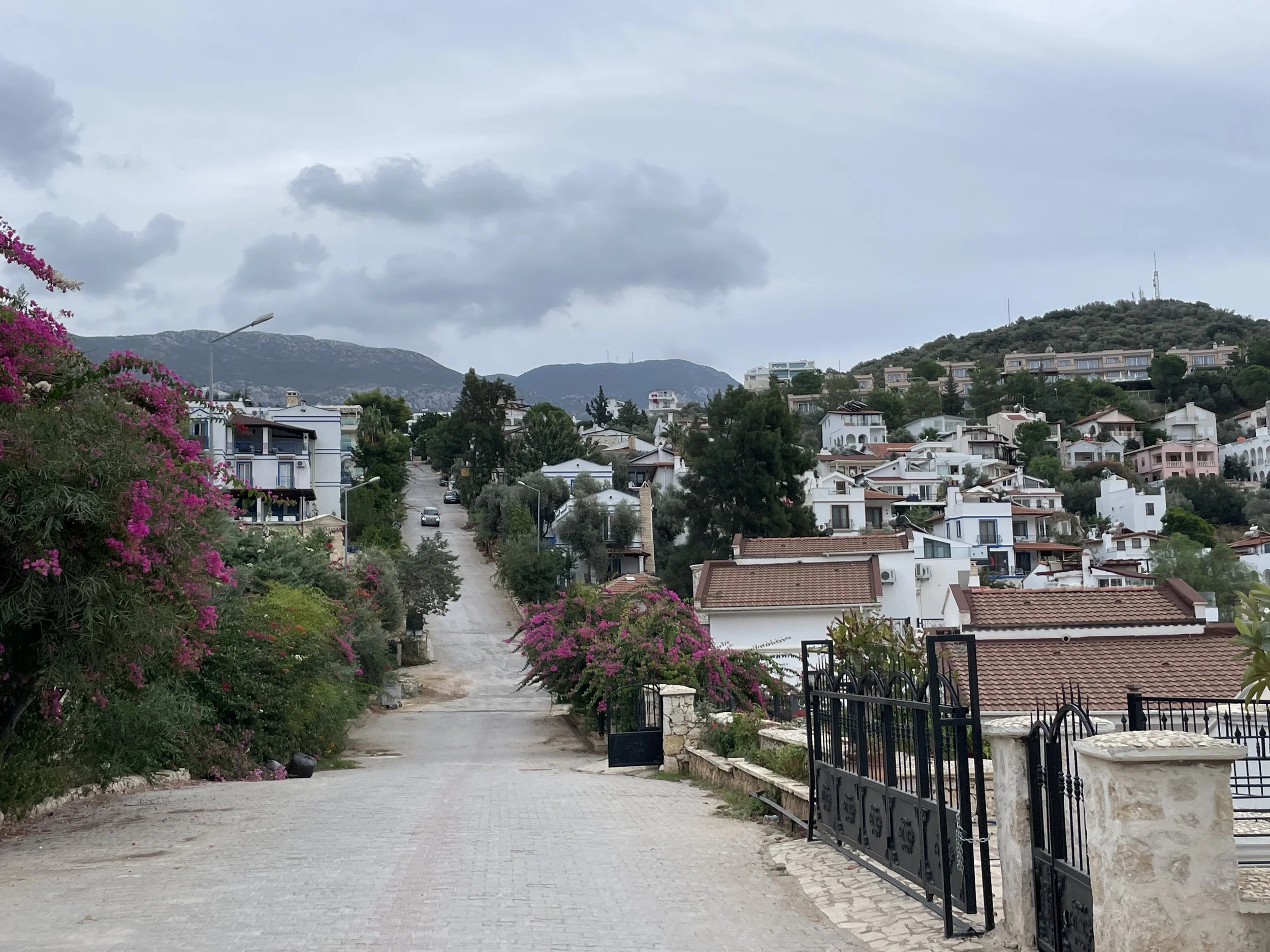

Our hotel recommendation in Kalkan:
Payava Hotel
Kalkan, Cumhuriyet Cd. No:80, 07960 Kalkan (Kaş)
This little hotel in Kalkan, a town some 27km west of downtown Kaş, was a real find. We booked it at the very last minute and it totally surpassed expectations.
The facility is on the outskirts of Kalkan, but if you have a car this is not an issue. It is actually quite easy to get there and to park (the hotel has its own private parking space).
The facilities are pretty modern (the bathroom in particular was pretty large) and, while not exactly next to the sea, it does have views of the sea, as well as a swimming pool with terrace.


I would also like to highlight the service, which was excellent. The hotel staff were actually very friendly throughout. At the end, we decided extend our stay for one more day than originally planned!

While we did not have lunch or dinner at the hotel, since we spent most of the day on excursions or exploring downtown Kalkan (see the section about where to eat in Kalkan further below), we did try the hotel’s breakfast and it was absolutely great.
The breakfast buffet at Hotel Payava offered a broad mix of European and Turkish foods (including an amazing assortment of local cheeses) as well as plenty of fresh fruit and produce.
Great place to eat in Kalcan

Ata Mezze Grill
Kalkan, Şehitler Cd. no:21, 07960 Kalcan (Kaş)
This is not the fanciest or the most expensive restaurant in Kalkan, but it is the one I would go back to without hesitation!
It is actually a kebab and mezze place located a bit in the outskirts but within walking distance of downtown.
The vibe of the place was nice, the food super tasty and the prices, very reasonable. We also got excellent service.
Here are some pics of the assortment of Turkish kebabs, bread and sides that we got (note also the paper tablecloth with the map of the Lycian coast, I really like restaurants that do this!)
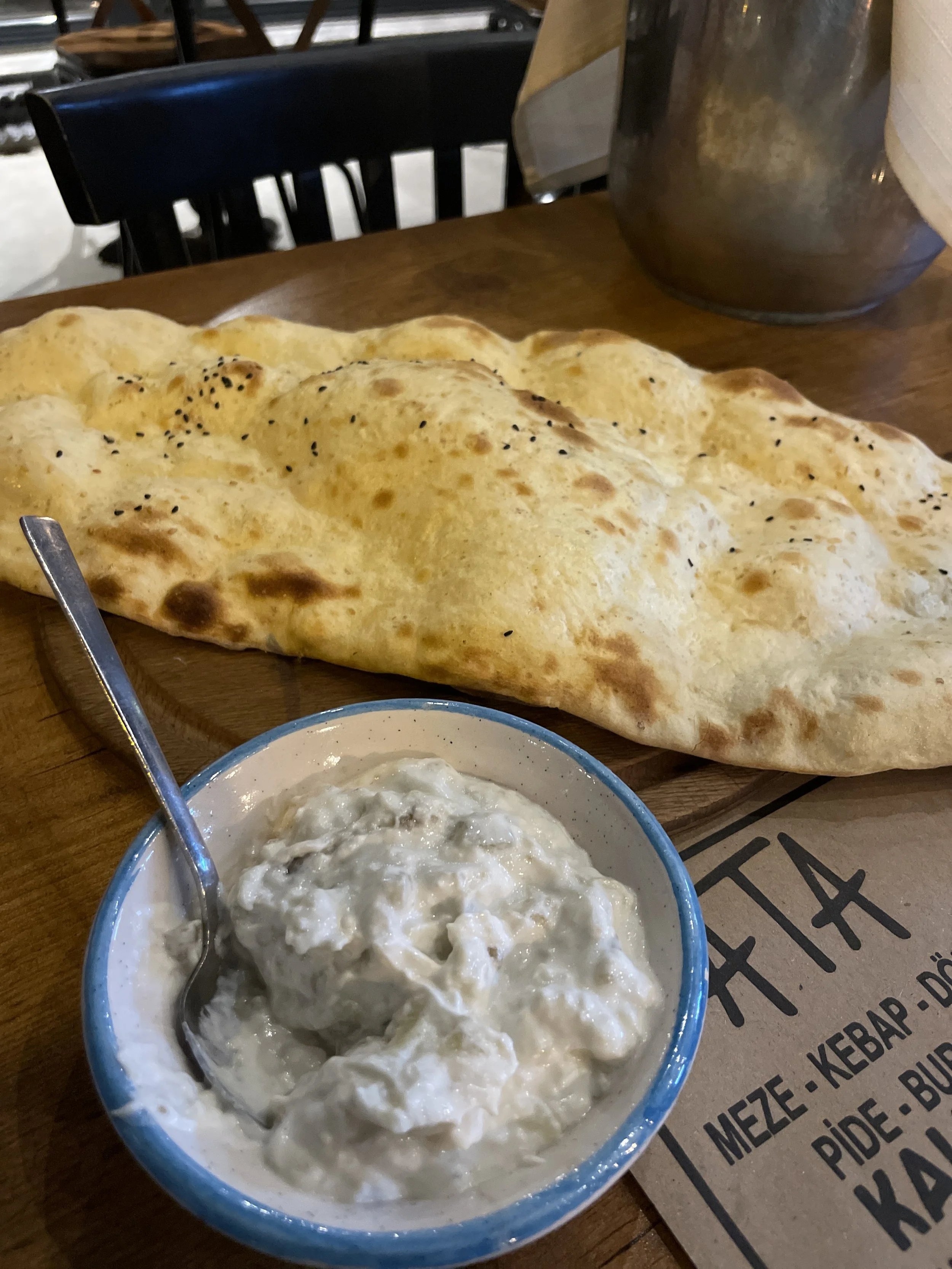


The kebabs are all prepared in proper charcoal and served in generous portions, so top marks for this. But even better was this traditional Turkish dessert called “Katmer” (see below), which is simply amazing!
Katmer combines Kaymak (Turkish-style clotted cream) with a thick and sweet pistaccio paste encased in a sort of mille-feuille. It is served warm and waiter breaks the outer crusty shell when serving it. Delicious!

A day trip to Kastelorizo from Kaş

As mentioned in the opening section of this post, one of the attractions of the Kaş area, at least for those like me that are interested in borders and geopolitical boundaries, is the possibility of visiting the Greek island that is most distant from its mainland and which is also one of the EU’s tiniest and most peripheral outposts as well: the island of Kastellorizo (Megisti in Greek).
Kastellorizo is a tiny island, roughly 9km at its longest point and 2km at its widest, with some 500 permanent inhabitants. It is distant about 1 mile from the Turkish coast but some 100 miles or so from the closest Greek island, Rhodes. Kastellorizo also has a number of adjacent islets and rocks that are also under Greek sovereignty.
Considering the usually tense relations between Greece and Turkey, it will possibly not come as a surprise to you that this island has been a flashpoint in the long going disputes between the two countries. Recently, for example, Greece and Turkey quarrelled about the limits of their respective Exclusive Economic Zones (EEZ) in this part of the Mediterranean.
In an attempt to diffuse these tensions and to promote the good understanding between the two countries, a number of people in this region came up with the idea to organize an international sports event linking Kastellorizo and Kas in a friendly manner.
The result was the Kastellorizo-Kaş international swim, which takes place every year in June.
Participants swim across the narrow strait that separates Kastellorizo from Kas. It is technically a competition, but takes place in an atmosphere of friendliness and cooperation, since the main goal is to foster good cross-border relations.
I really don’t know when and how the border formalities are conducted for this swim, though, since Kastellorizo, as part of Greece is EU territory and is within the Schengen zone, so people making the crossing in that direction must have the proper paperwork to enter the EU. Likewise, the Turkish Republic enforces passport controls on its borders and this applies to the short hop from Kastellorizo too.
How to get from Kaş to Kastellorizo?

The easiest and shortest way is to take the ferry (operated by Meis Express) from the small port of Kaş, from where several ferries depart every day (the island has also ferry service to Rhodes, although it takes several hours on account of the much longer distance. There is also a small airport in Kastellorizo with flights to Rhodes, as well).
It is possible to buy tickets at the port terminal in Kaş , although it is best to book them online in advance.

The island, which can be seen from the shore, is just a 20 minute ride away. The ferry ride can, in itself be quite a pleasant experience if the weather is nice. There is an open terrace (as well as an indoors cabin) which is perfect to enjoy the sights of the coastline and the blue waters all around. We did even get to see some flying fish following us and jumping out of the water all around the boat!
Halfway to Kastellorizo, the boat crosses the international divide the Greek flag is raised (the boat is Turkish). On the return trip, the inverse operation is performed, with the flag being lowered down.

The existence of the border is very present throughout. In fact the first thing you notice when you sail into Kastellorizo’s beautiful small sheltered harbour are the huge flags of Greece (painted on one of the island’s hills) and of the European Union (waving at the entrance of the port), which welcome you to the island.
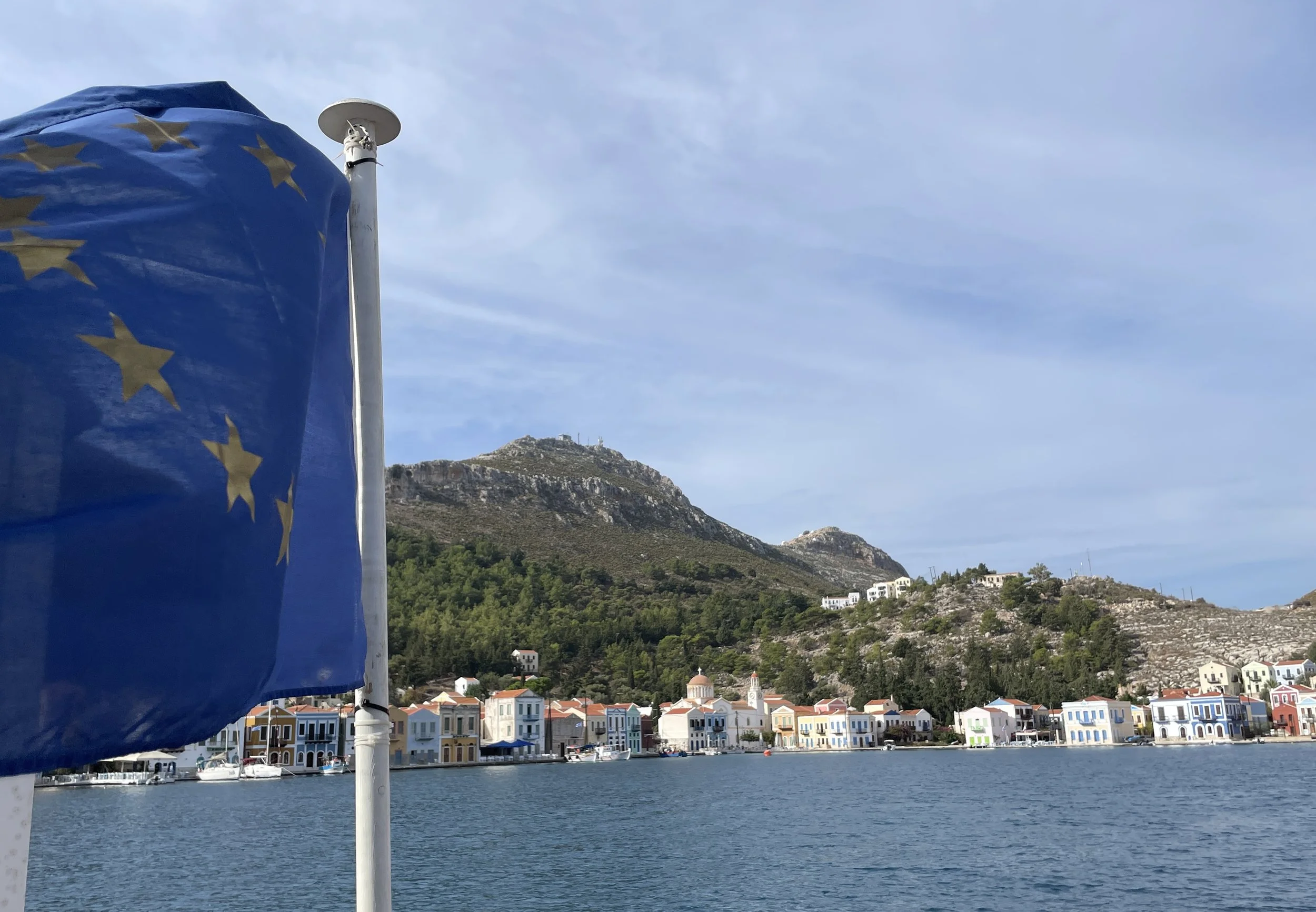
Besides the border control upon arrival, the liminal nature of this place is also accentuated by some other small details that you don’t need to be a border geek to notice. For example, you switch from Turkish to Greek time (-1h), from Turkish Lira to Euro and, if you have a EU sim card, you get to benefit from the roaming-charge-free mobile connectivity.
Exploring Kastellorizo
The island of Kastellorizo is absolutely beautiful and it would be well worth a visit even if you are not interested in all this border stuff. Most of the island’s population cluster around a tiny, almost perfectly quadrangular harbour bay, which is lined with cute traditional houses painted in an array of bright, vivid colours.

So, what to do in Kastelorizo once you set foot on the island?
Unless you have decided to overnight on the island, your time is likely going to be constrained by the ferrys’ schedule. It really depends on the time of the season and of the week.
When we visited the last ferry departed back for Turkish territory at around 5pm. So, this gave us around 6 hours on the island, which, I think, is enough to explore its main town and its surroundings and get a decent meal at one of the many restaurants lining the harbour.

So, what most people do is just go for a relaxed stroll along the harbour and the handful of streets around the historical center. These are really nice and encapsulate a certain idea of the Mediterranean as many people imagine it.
The seaside promenade is a bit touristicized, though (which I guess is inevitable in this setting!) and the different restaurants compete very proactively for the daily haul of tourists arriving in the ferrry.
Yes, it can feel a bit touristy and prices are not particularly cheap, but I would still include a seaside lunch in the Kastellorizo experience, if only because there is not “that much” to do once you have taken your nice postcard-like pictures!

You may also see the sea turtles that roam around the harbour. They are obviously used to human presence, since many of the tourists feed them scraps of food and even some restaurant owners do the same in order to attract them to their section of the harbour for the entertainment of their guests.

The other thing I would recommend doing, if you don’t mind the steep walk, is climbing up to Kastellorizo’s castle.
While the fortress is now in ruins, it commands quite a great viewpoint, dominating the harbour below. It is not a surprise that this place has a long history and it is suspected to have been fortified already in Antiquity.
The heyday of this fortress, however, was during the Middle Ages, when it was occupied by the Knights of Saint John and even, for a few decades in the second half of the 15th C., by a Catalan warlord, Bernat I of Vilamarí. I had read somewhere that it was still possible to see the four stripes of the House of Barcelona carved on one of the stones, but I could not find them (in fact, the castle is in such a state of ruin that it is only possible to access what is left of one of the towers). The island got even a Catalan name during that period “Castellroig”.
In 1512 Kastellorizo was taken by the Ottomas and in successive centuries it changed hands several times between Venetians, Greeks, Turks, Italians, and even British and Germans during WW2. In 1947, together with the other Dodecanese islands, Kastellorizo was confirmed as part of Greece.
From the castle you can also enjoy great views of the Lycian coast and the several little islands and islets that dot this area. But there is more…

If you climb down the castle hill by taking a little trail on its sea-facing side you will come across a couple of rock-carved monumental Lycian tombs, quite similar to the ones found in the Ancient city of Myra. This seems to have been a cultural practice common all over this region.
Btw, you can also continue along the seaside path to get additional views of the entrance of Kastellorizo’s harbour as you walk back to the ferry terminal.
Once back on Turkish soil, you can also spend some time exploring Kaş downtown.
While it is mostly a modern town, Kaş is actually, quite a lively place, with plenty of shops, cafés and commercial activity going around.
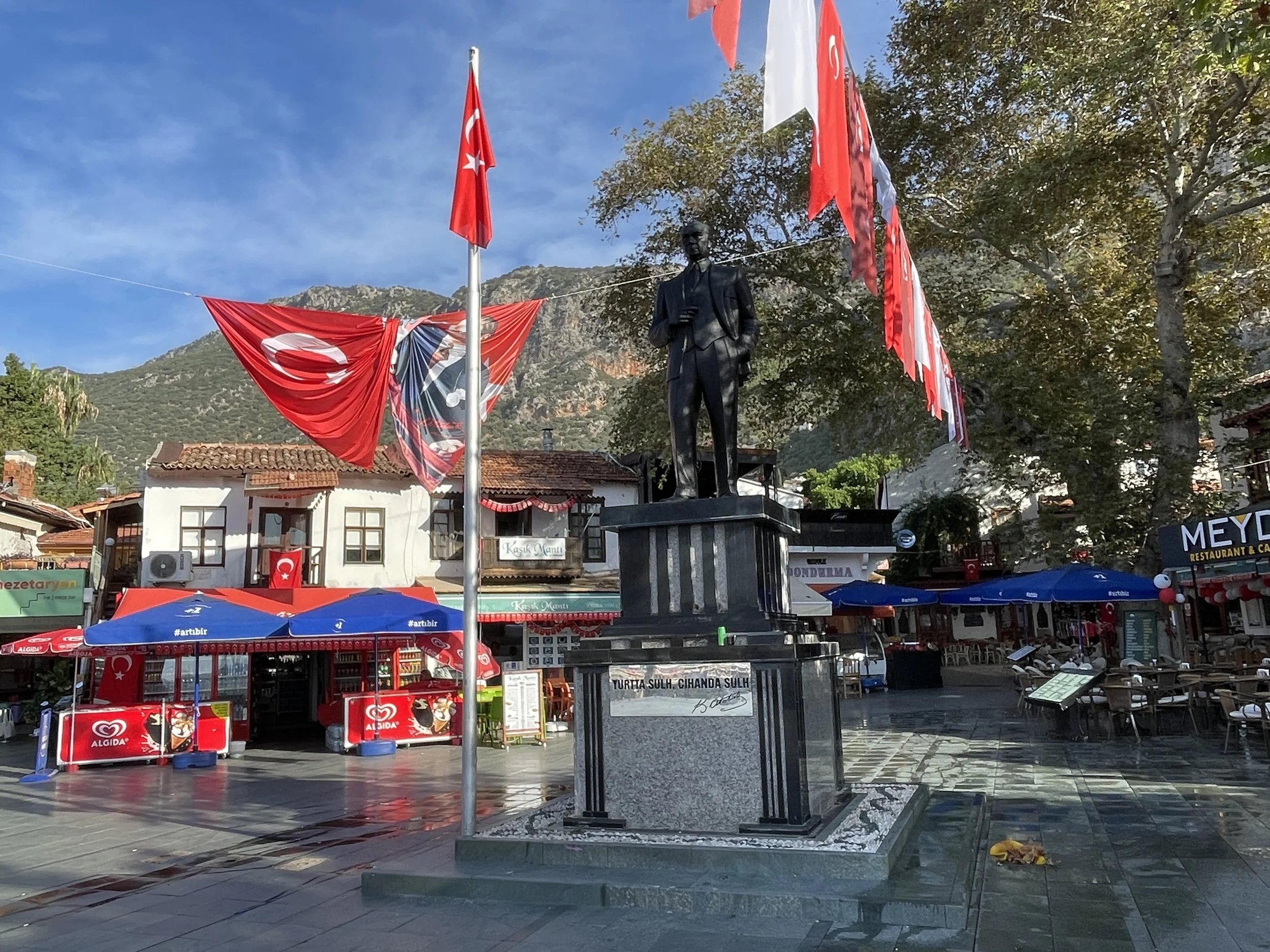
Visiting the Ancient city of Patara (the birthplace of Santa Claus!)
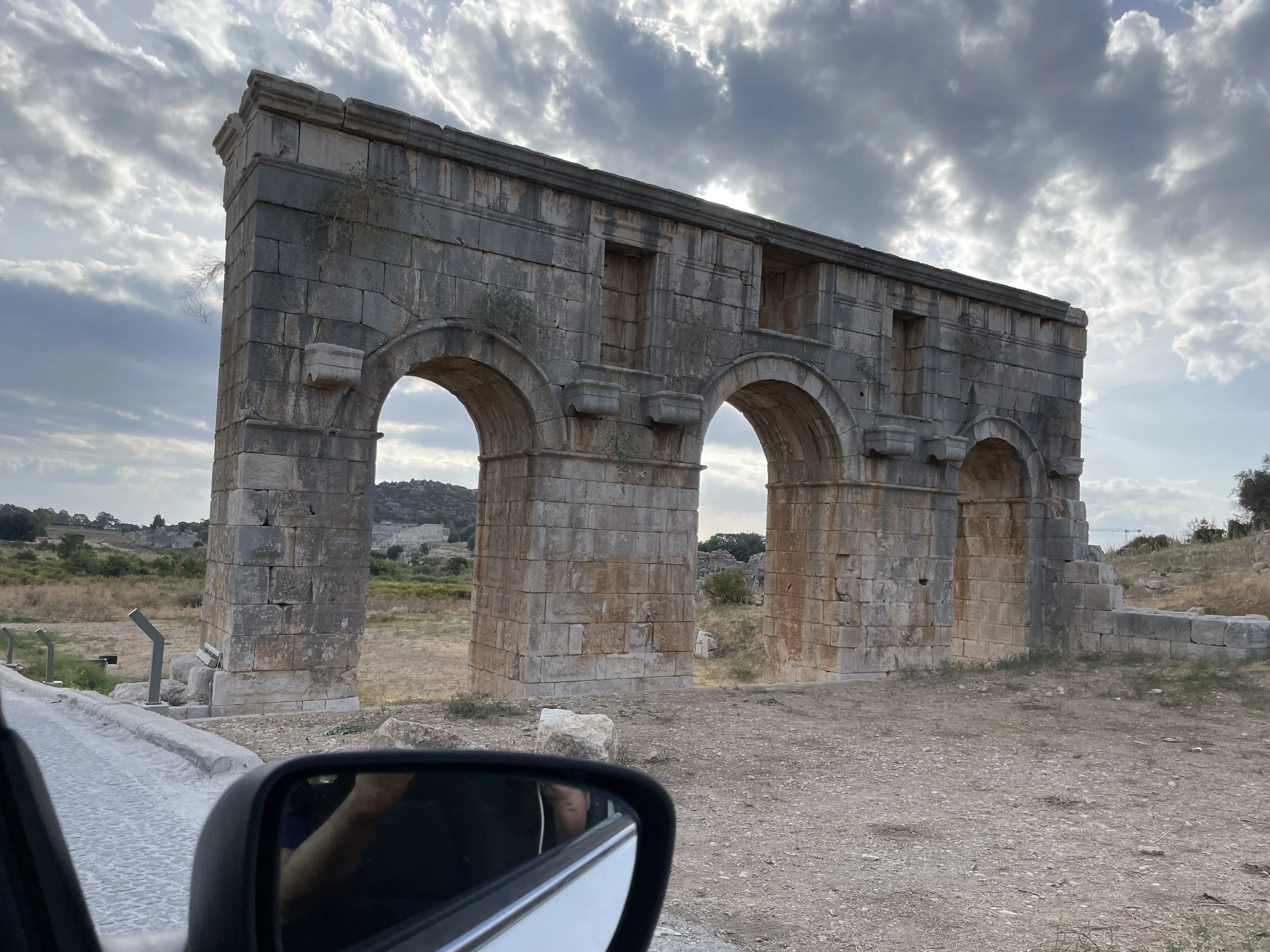
And, last but not least, if staying in the Kaş area, the Ancient Lycian city of Patara is another must-see, since it is located just a few miles west of Kalkan.
We have already commented on Myra, the city where Saint Nicholas (Santa Claus) served as a bishop, but, in fact, Patara was his birthplace.
Patara was quite a sizeable city at its peak, and even if only a small part of its perimeter has been excavated you can get an idea of its importance.
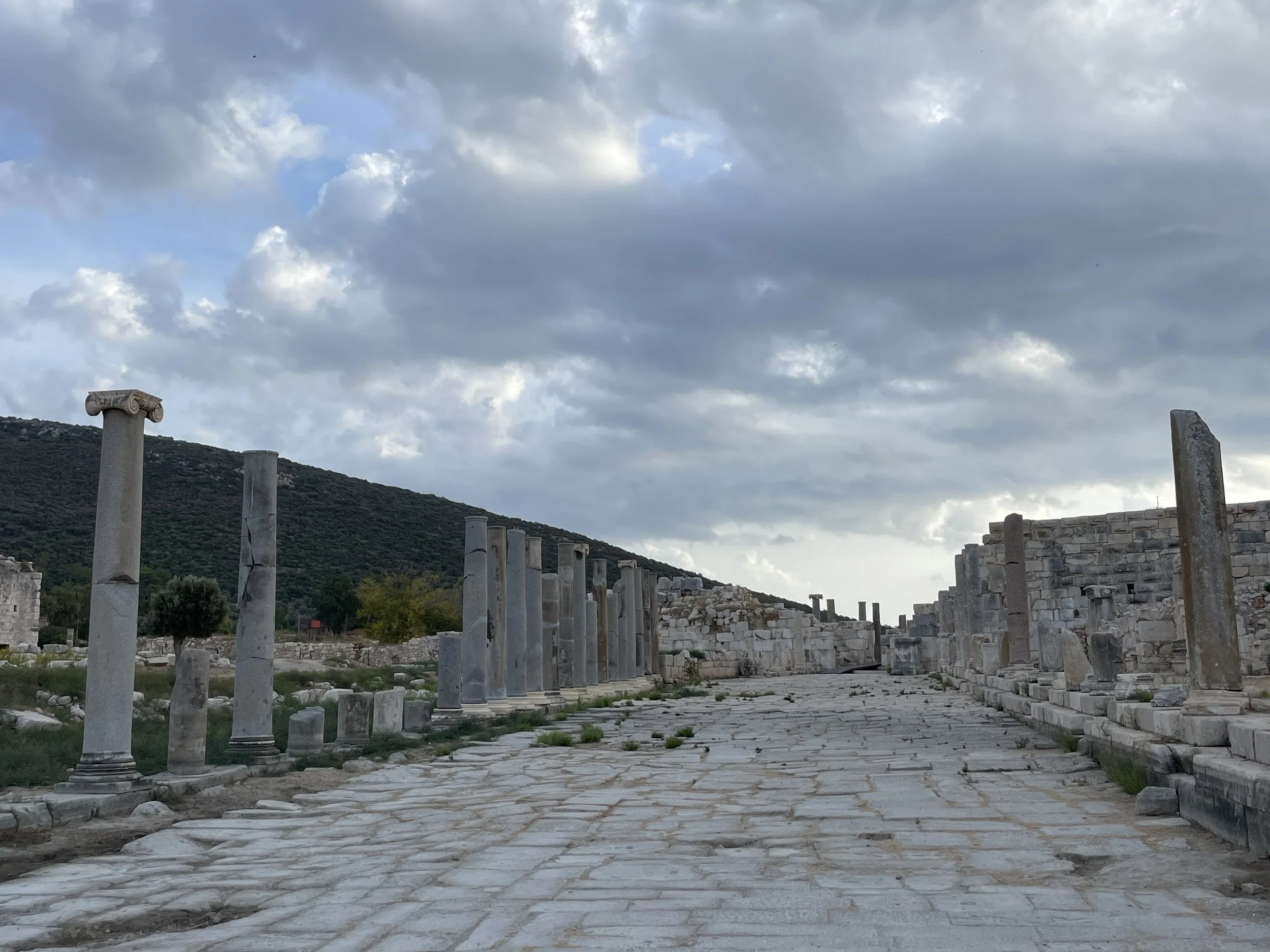
There are quite a few magnificent Ancient monuments in Patara, such as this impressive and well-preserved theater. What’s more, the ruins of the Ancient city are located right next to a long sandy beach, so it is perfectly possible to combine a visit to the archaeological site with a swim in the Mediterranean (and I would actually recommend doing so!).