
3 Great unusual day excursions from Barcelona: mines, waterfalls & castles
Barcelona is one of the world’s top tourist destinations. This is so to the point that concerns have been growing that some of the city’s best known landmarks, such as Gaudí’s Sagrada Familia and the picturesque streets of the old town may be approaching saturation point.
As some of its landmarks are becoming increasingly well-known, it is natural that many visitors start looking for other types of experiences.
There is a wealth of interesting places within easy reach of Barcelona that make for great day excursions.
In this post I suggest just three great day excursions from Barcelona. There are many more interesting places, but each of these represents a truly unique place which combines some natural and historical appeal and also each of them represents a different type of requirements when it comes to distance and time.
By the way, only the first of them is relatively easy to reach by public transportation from central Barcelona, for the other two I really recommend getting a car.
So, here are three great day excursions that you can do from Barcelona, by order of distance.
The prehistoric mines of Gavà (required time: 3h)
The waterfall and monumental cliffs at Sant Miquel del Fai (half a day)
The salt mine and castle of Cardona (full day)
1- Visiting the Prehistoric Mines of Gavà
So, let’s start with an excursion which is just on Barcelona’s backyard and very close to its international airport, actually.
Today the city of Gavà is a Barcelona suburb, but 6,000 years ago (between 4,000 adn 3,000 BC) this place was the site of a large neolithic mining complex.
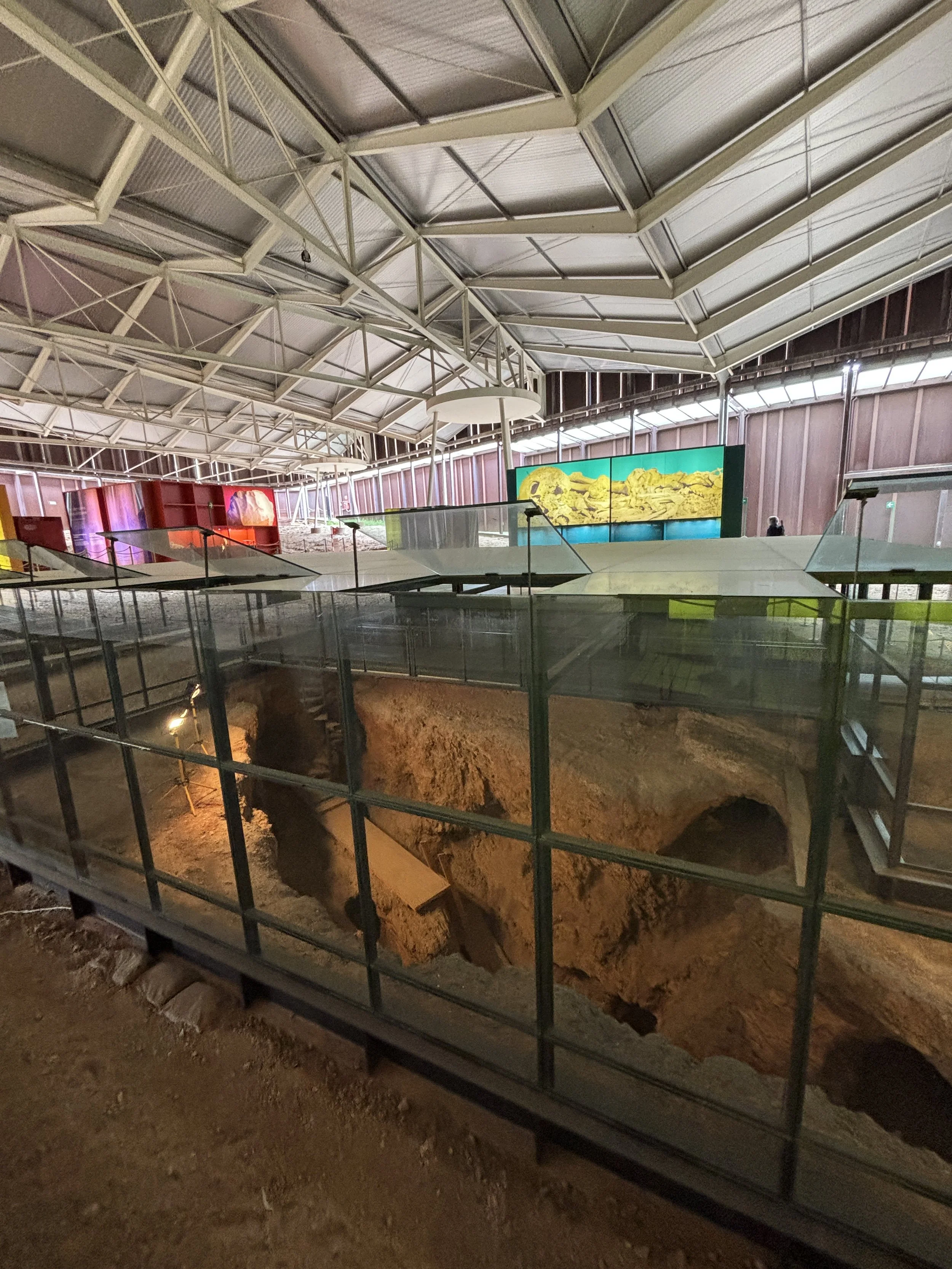
The galleries, which constitute one of the largest known mining complexes of that era anywhere in Europe, were dedicated to the extraction of variscite, an aluminium phosphate prized for its turquoise coloring. This material had an ornamental function but was likely also used as a stored of value and medium of exchange, not unlike precious metals.
What’s more, the people that exploited these mines didn’t have metal tools! The digging was made with tools made of red deer antler and stone.
The site was huge for its time, extending over at least some 200 hectares (almost 500 acres), most of it under the territory of the modern city of Gavà.
The people that worked at this site were part of what has become known as the “Sepulcres de fossa culture”, which thrived in what is now Catalonia and parts of southern France all the way to Switzerland. They are called this way because they buried their dead in pits, and, indeed, this is what they did with some of the galleries at the mines, where archaeologists have found ancient human remains.
The mines were discovered by chance in the 1970s and archaeological research has been going on since.
In 2007 an immersive modern museum was opened at the site, the “Parc Arqueològic de les Mines de Gavà”, which allows you to literally walk on top of the mine pits and enter a full-scale reconstruction of the mine’s galleries.
The latter is perhaps the most interesting and exciting part. Sadly, when I visited and due to some issues with lighting, I did not manage to get a picture of good enough quality to post, here, so you will need to imagine it. But I can tell you that it is quite an interesting experience (you even have to wear a helmet, since it is really an exact replica of the real thing!).
How to get to the archaeological park of the Gavà mines?
The easiest way to reach Gavà from central Barcelona using public transportation is to take the suburban train.
The R2 Line runs from Plaça Catalunya to Gavà several times every hour, with an approximate travel time of 25 minutes.
Having said that, suburban rail service in the Barcelona area has become notoriously unreliable at the time of writing these lines, in mid-2026, so I would check the state of the service on this website before doing anything.
From Gavà railway station you can walk about 1km to the archaeological site, which is on a hill top.
The other option is, of course, to get there by car. Gavà is actually just a couple of kilometers from Barcelona-El Prat International Airport, so, if you are looking for some interesting thing to do or to see before taking you flight which doesn’t require a lot of time, this could be an option!
2 - The Waterfalls and Monumental Cliffs of Sant Miquel del Fai
This is one of the most spectacular places you can visit within one hour drive of Barcelona.
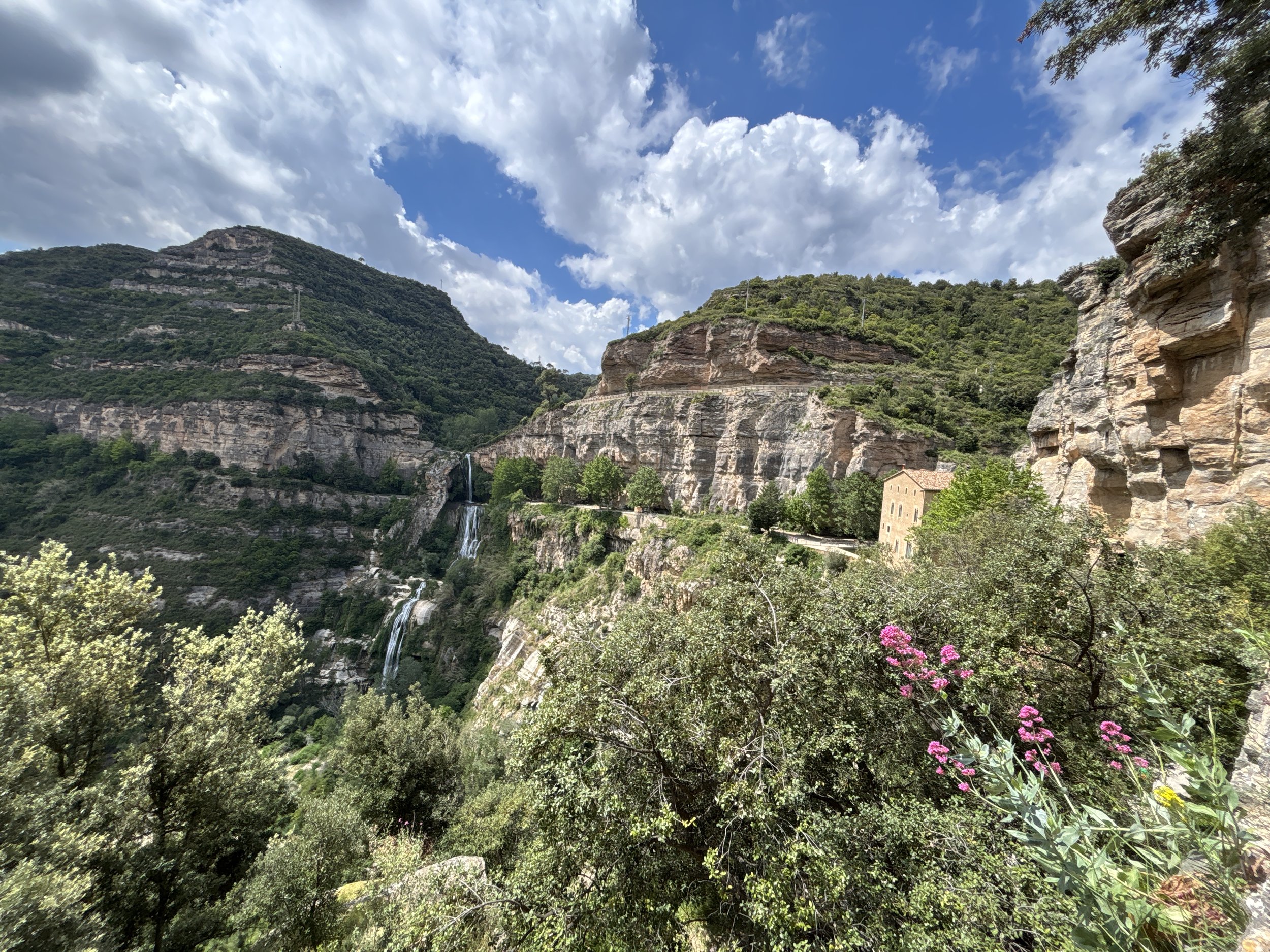
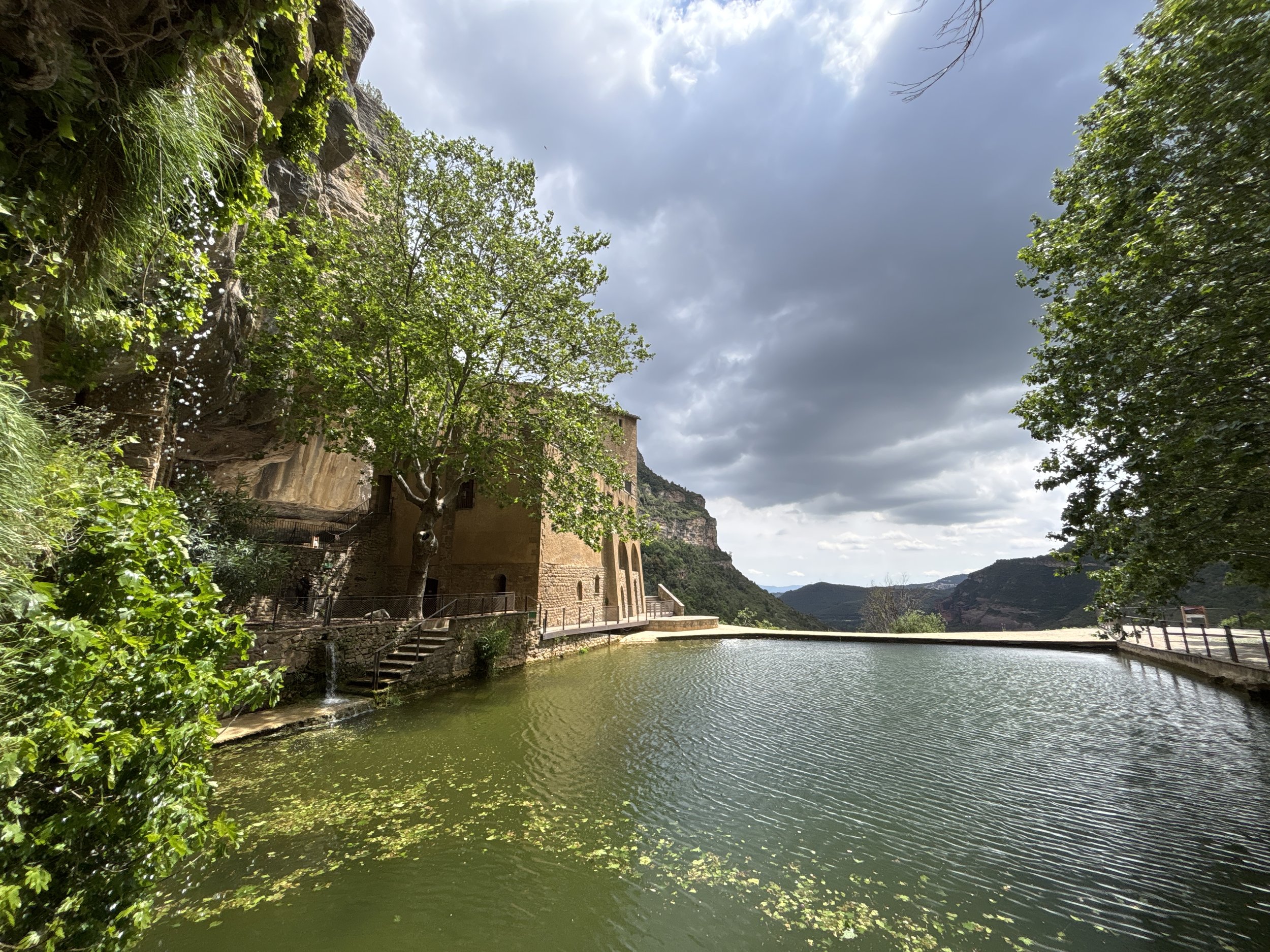
Sant Miquel del Fai is a rather unique spot combining natural and historical beauty. It sits at the head of the Sant Miquel Valley, within the Cingles de Bertí natural area. This rugged landscape is presided over by steep cliffs and two rather majestic waterfalls.
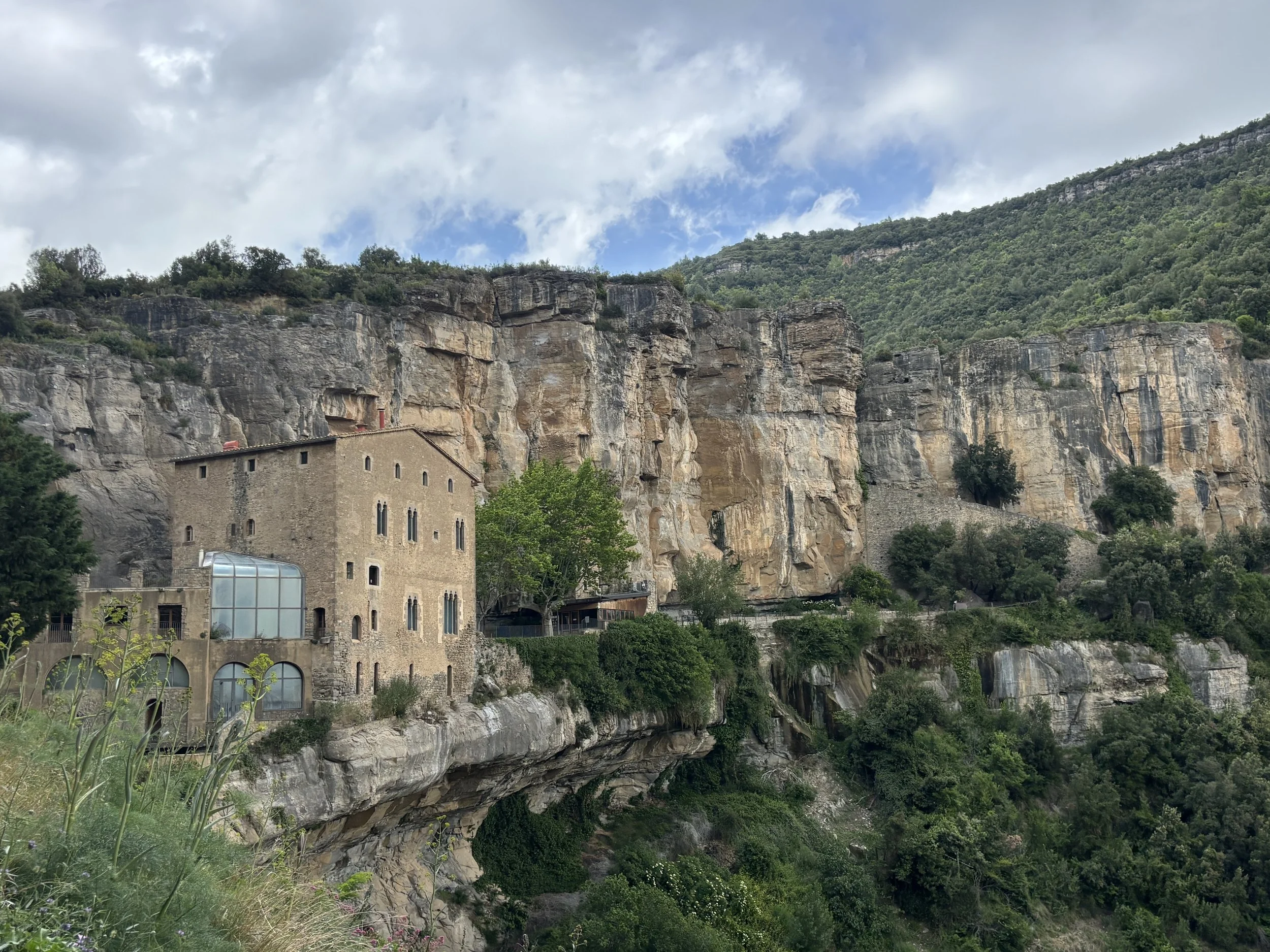
But Sant Miquel del Fai is also a place of historical significance. In 997 AD, a small Benedictine monastery was established here, the Romanesque church of which, built using a sheltered space under a large rock. Later, in the 16th C. several other constructions were added, including the large building in Catalan style which is today one of its prominent features.
Getting to Sant Miquel del Fai
To get to Sant Miquel del Fai you will need to get a car. I am not even sure there is any way to get there on scheduled public transport, but if you have a car available is about a 45-minute drive from central Barcelona, taking the AP-7 motorway to Mollet del Vallès and then the C-59 road to Sant Feliu de Codines, the closes urban center.
It is important to book your visit in advance (no pre-payment is required), since the site is managed by Barcelona’s provincial government, which, after completing restoration works in 2026, implemented a slot system to better control visitor flows.
You can book your slot free of charge here.
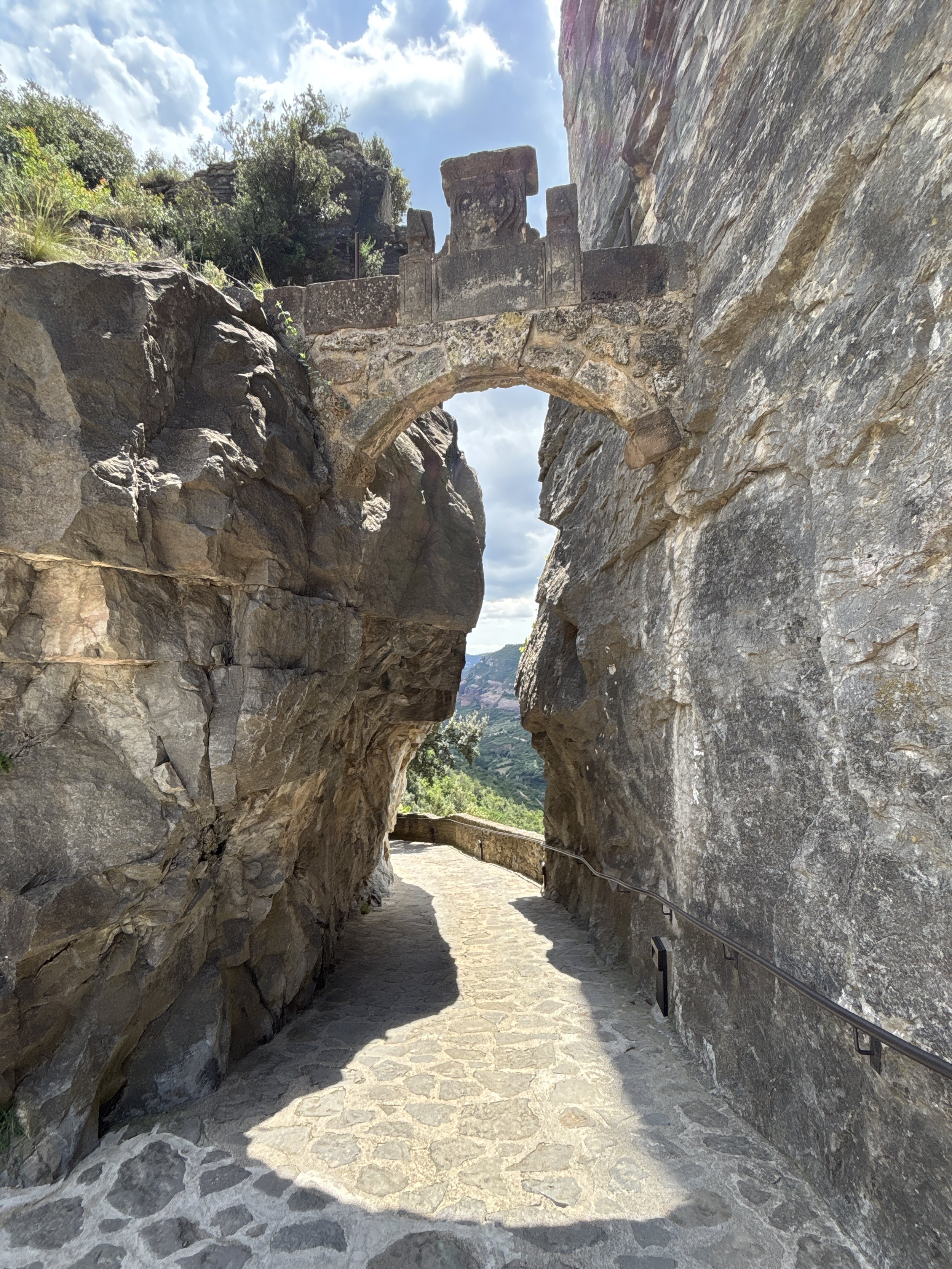
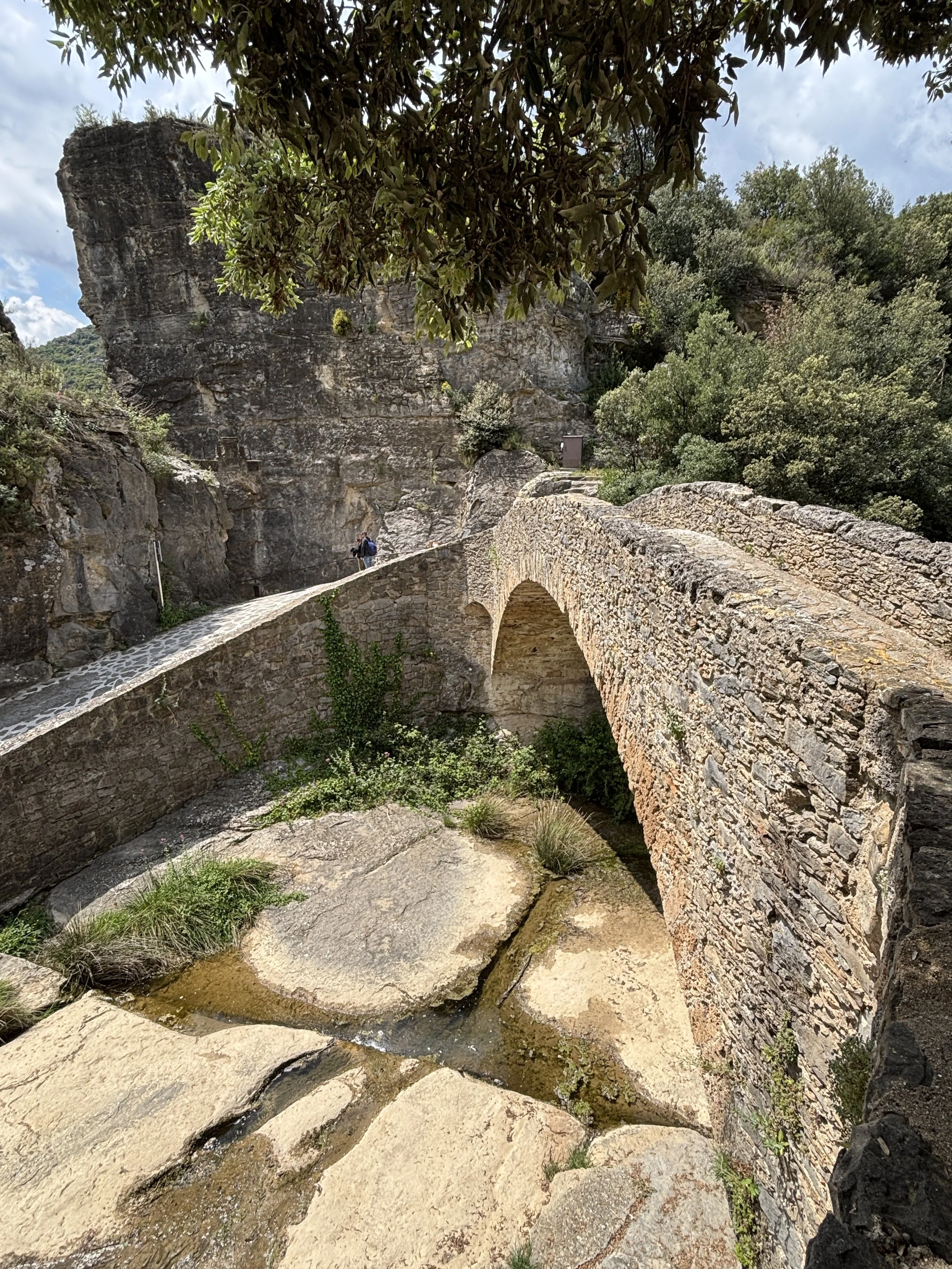
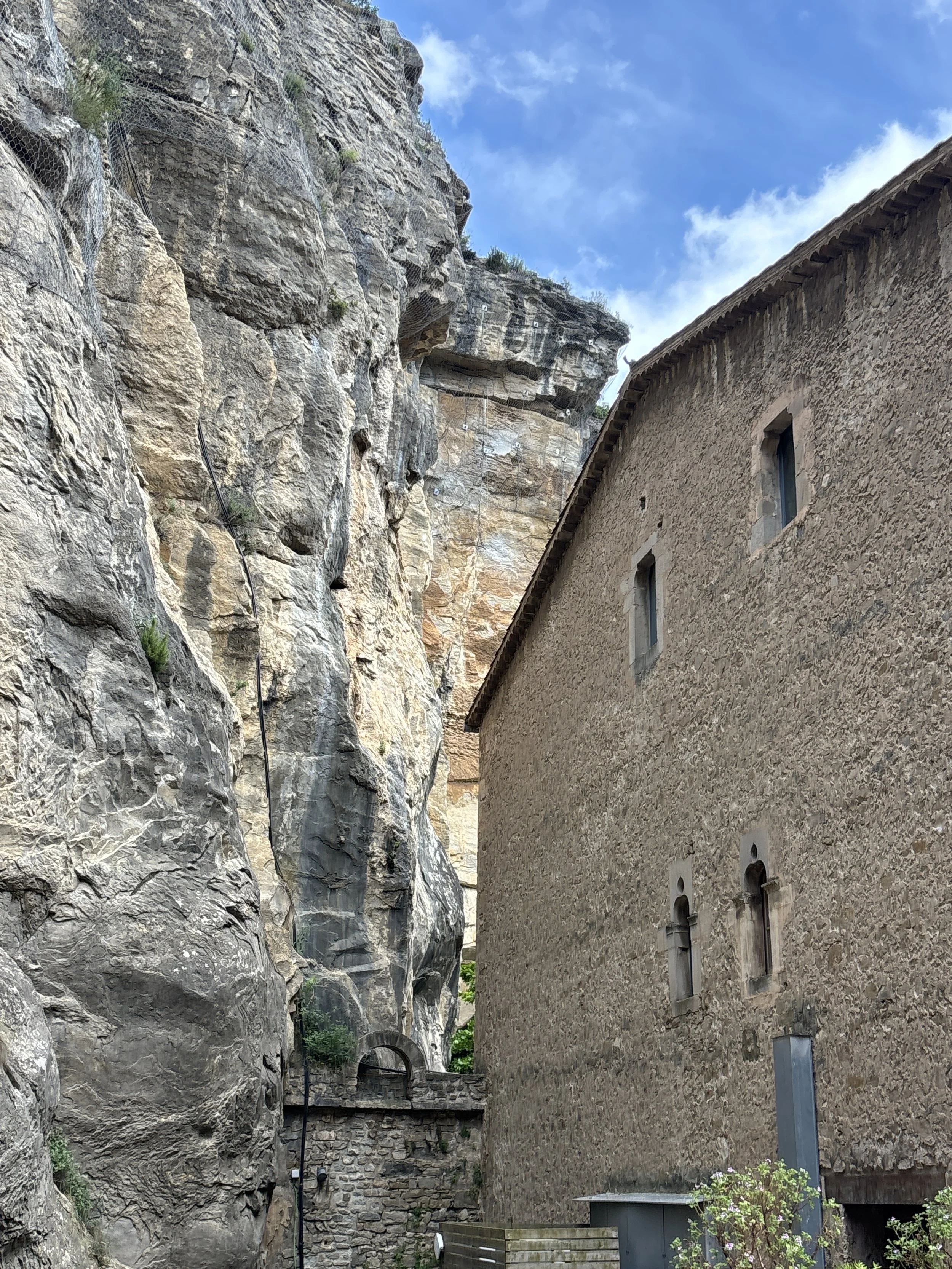
If coming by car, access is through the north side, which offers a rather picturesque entrance pathway which includes a walk over the 16th C. stone bridge and a narrow passage between the rock formations.
This builds anticipation as you move into the grand setting of the Sant Miquel Valley and the Cingles de Bertí, the series of cliffs that run along the head of the valley. It is here that you will find one of the best viewpoints to contemplate this landscape in all majesty.
Bear in mind, though, that this is an area of Mediterranean climate and the amount of water flowing down the waterfalls could vary quite a lot depending on rainfall. Since the Winter of 2025/26 had been quite rainy in Catalonia, at the time of my visit, the waterfall was at its best.
But even if water levels are low, the landscape is well worth the trip!
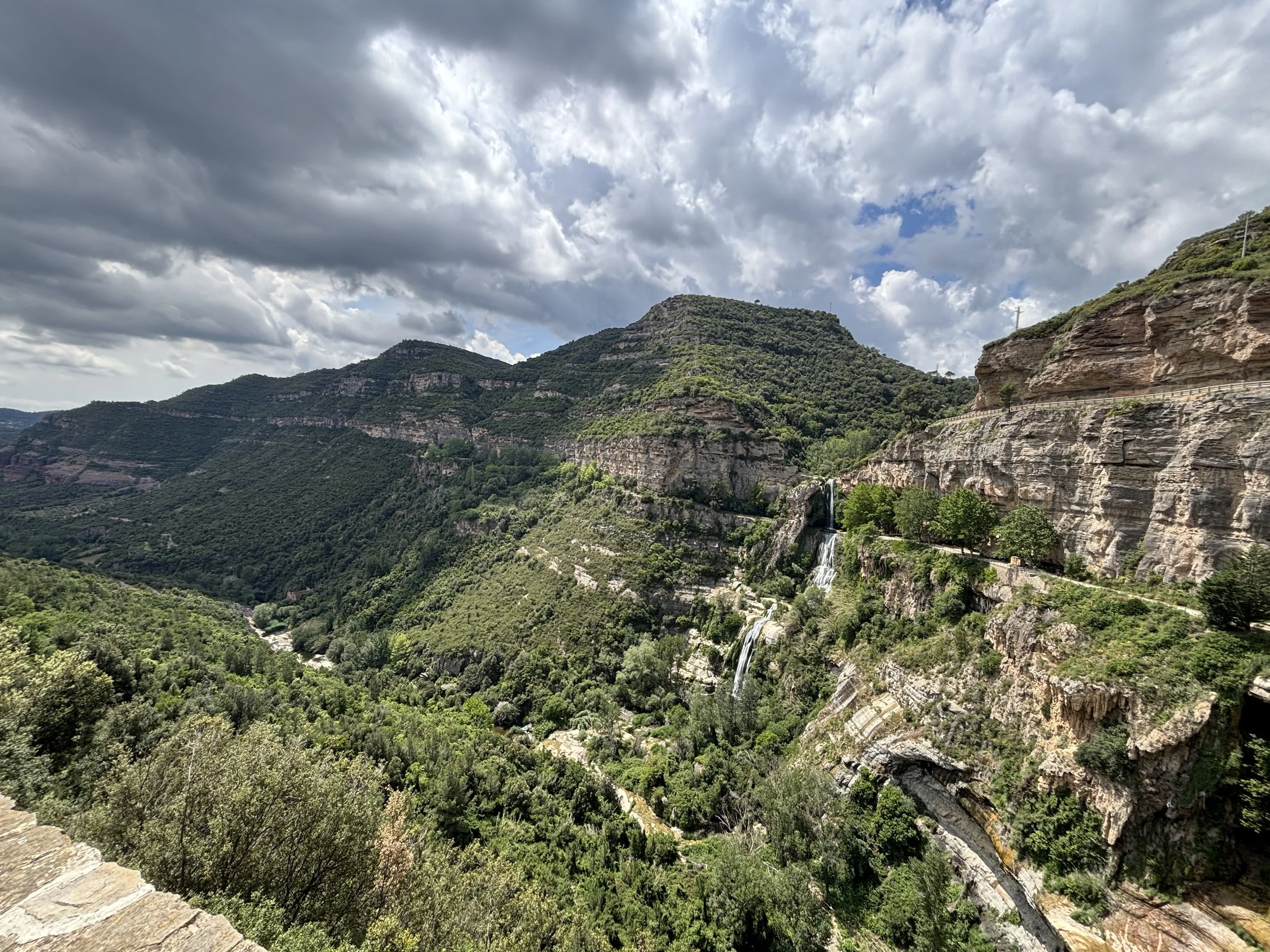
The main structure in Sant Miquel del Fai is the 16th C. priory building, which today houses some of the site’s services and is also a venue for events. This building stands between the steep mountain slope and the rock cliffs, creating a choke point which is the site’s entrance.
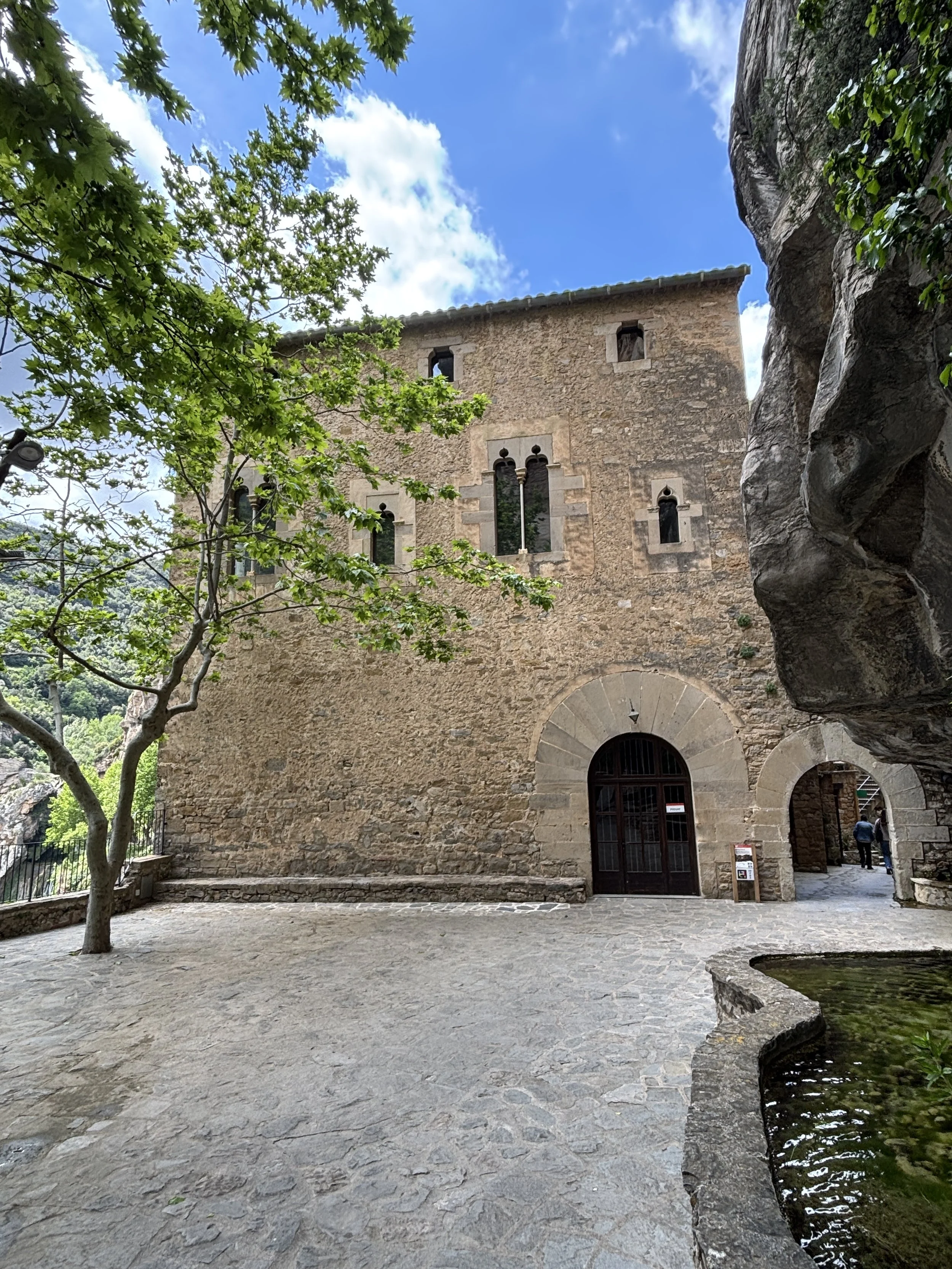
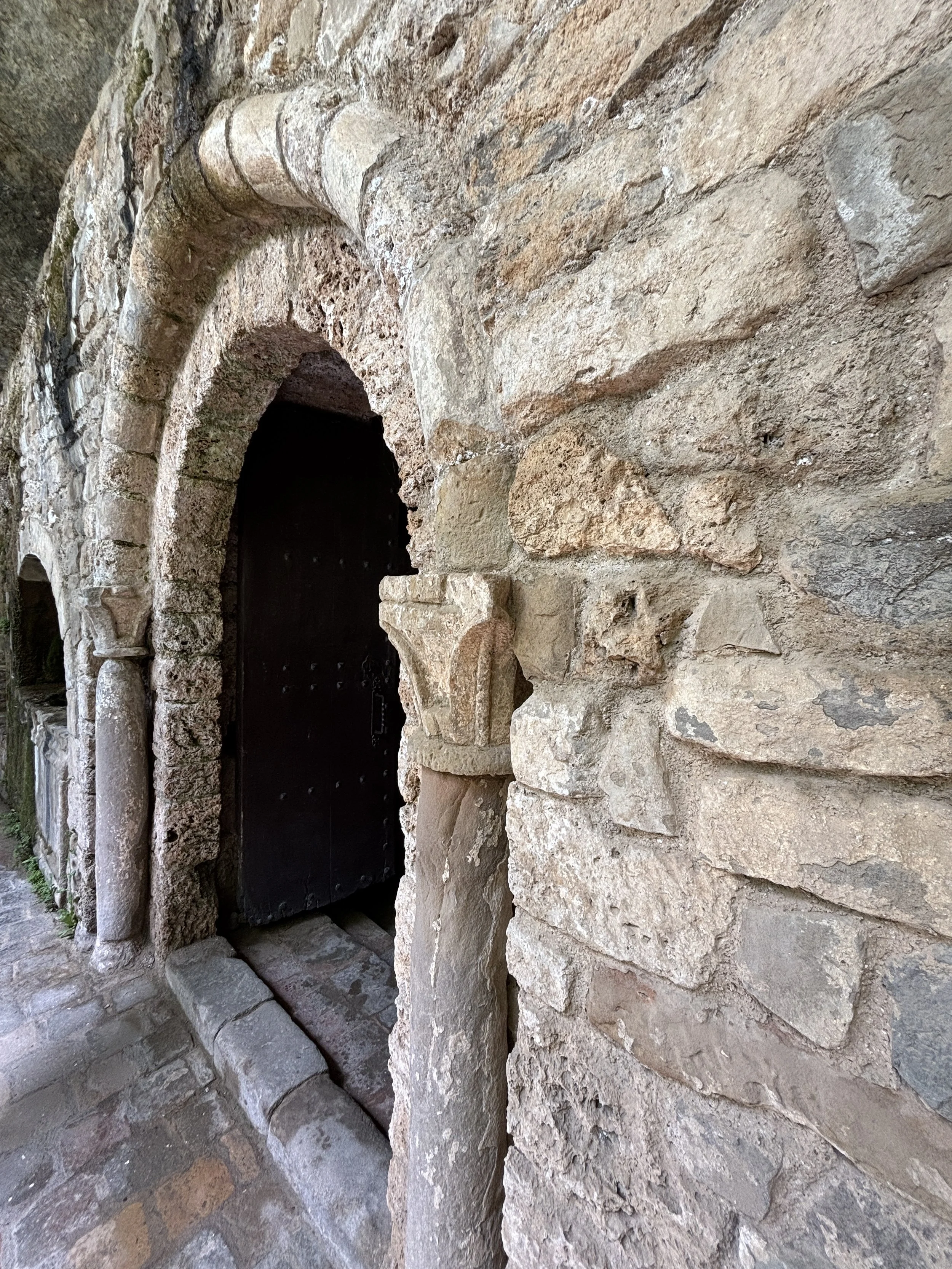
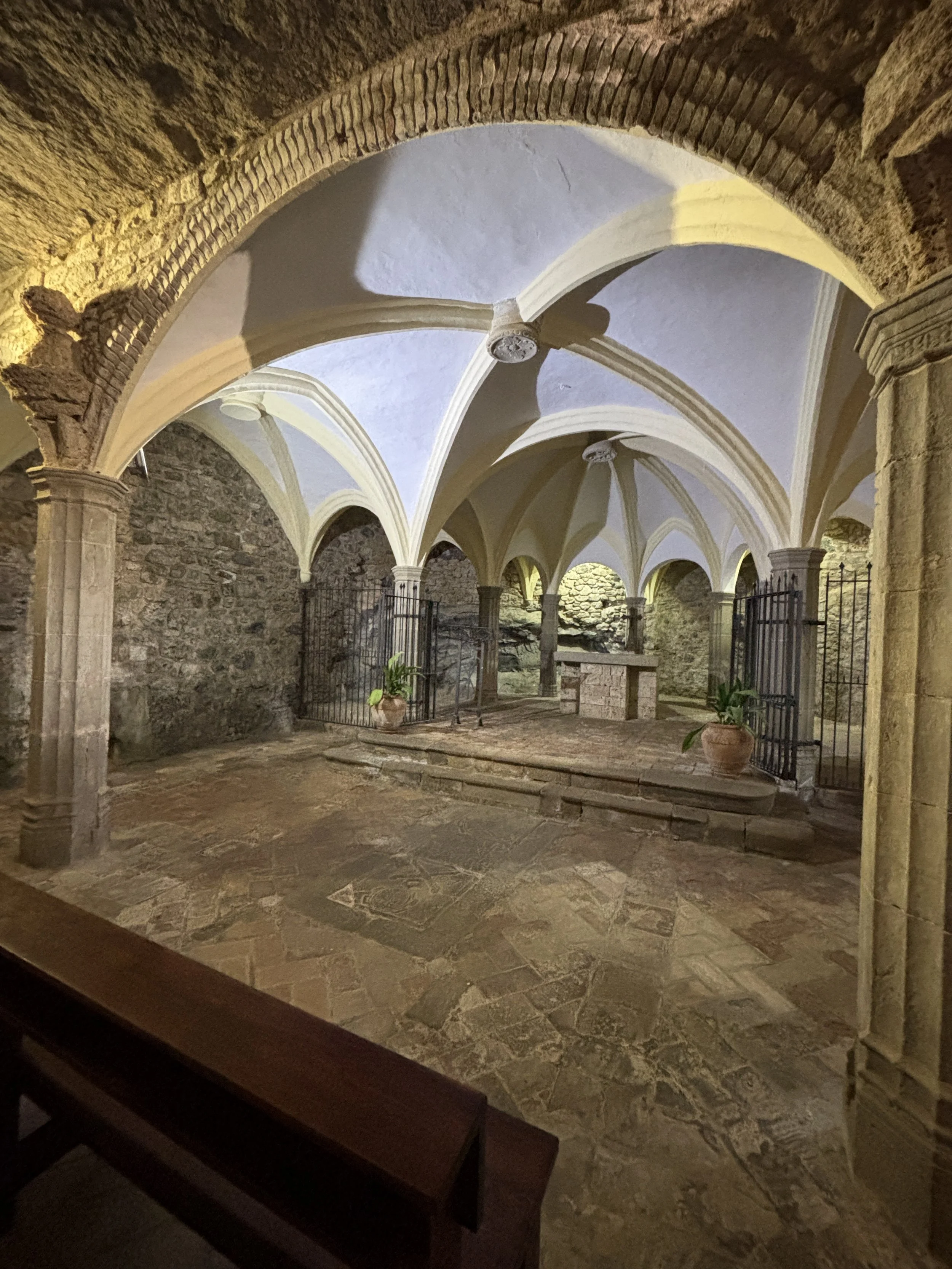
The next point of interest is the 10th C. church, which is of the type known as “troglodyte church”. This name designates those churches that have been built using rock formations for at least part of its structure.
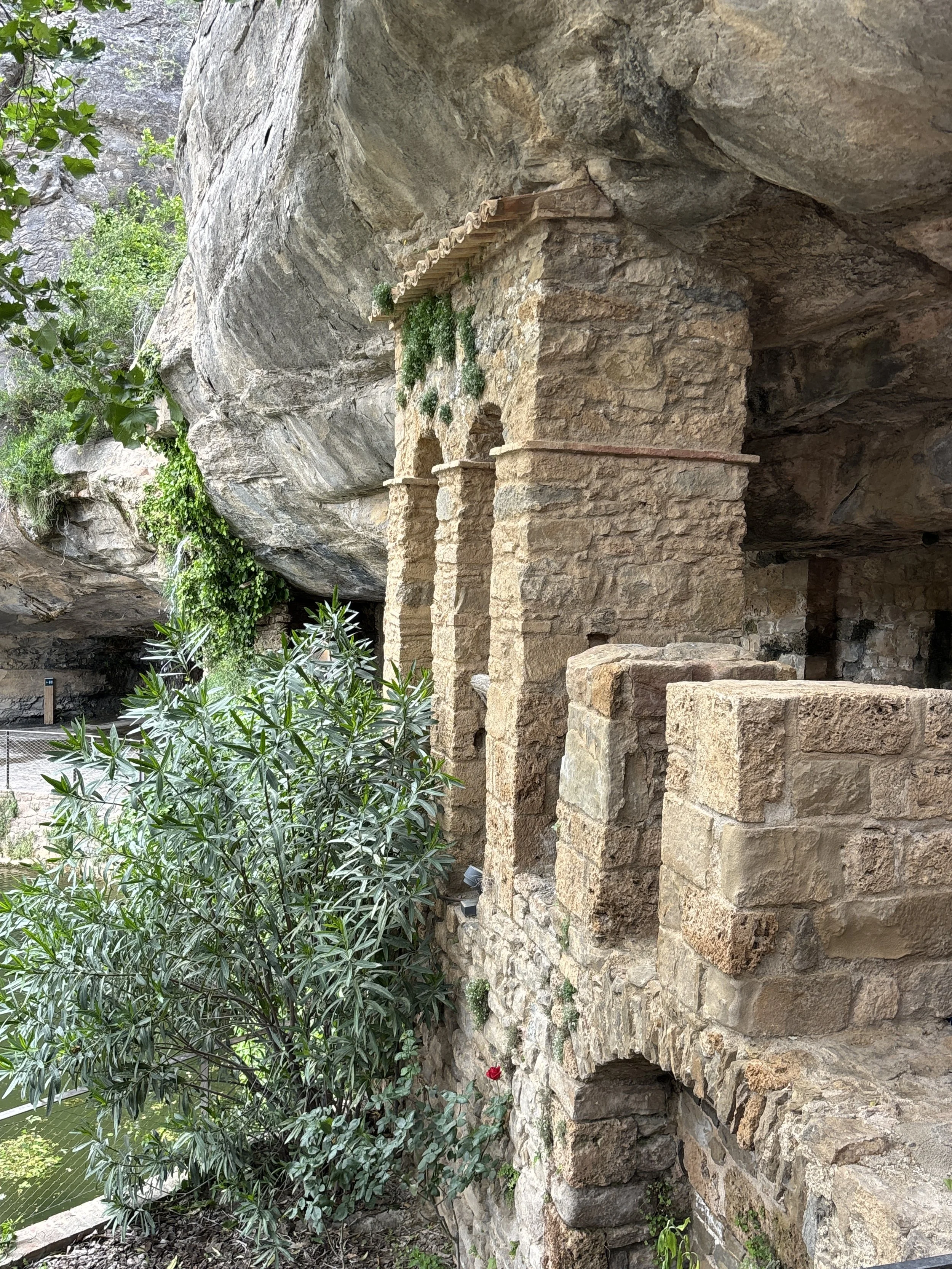
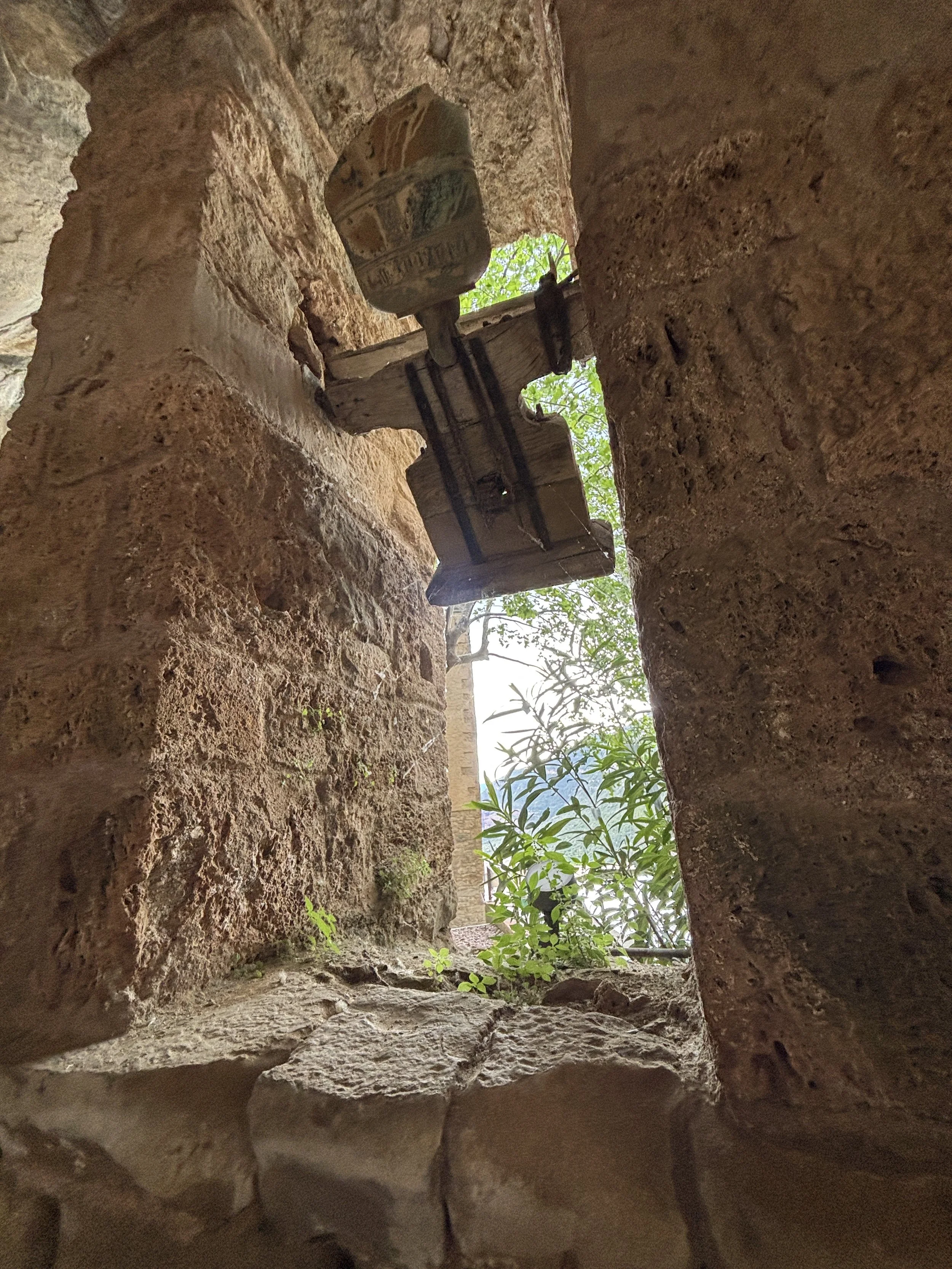
You can see how the small Romanesque church at Sant Miquel del Fai blends perfectly with its surroundings and, as you get close, you can appreciate, as well, how old it is.
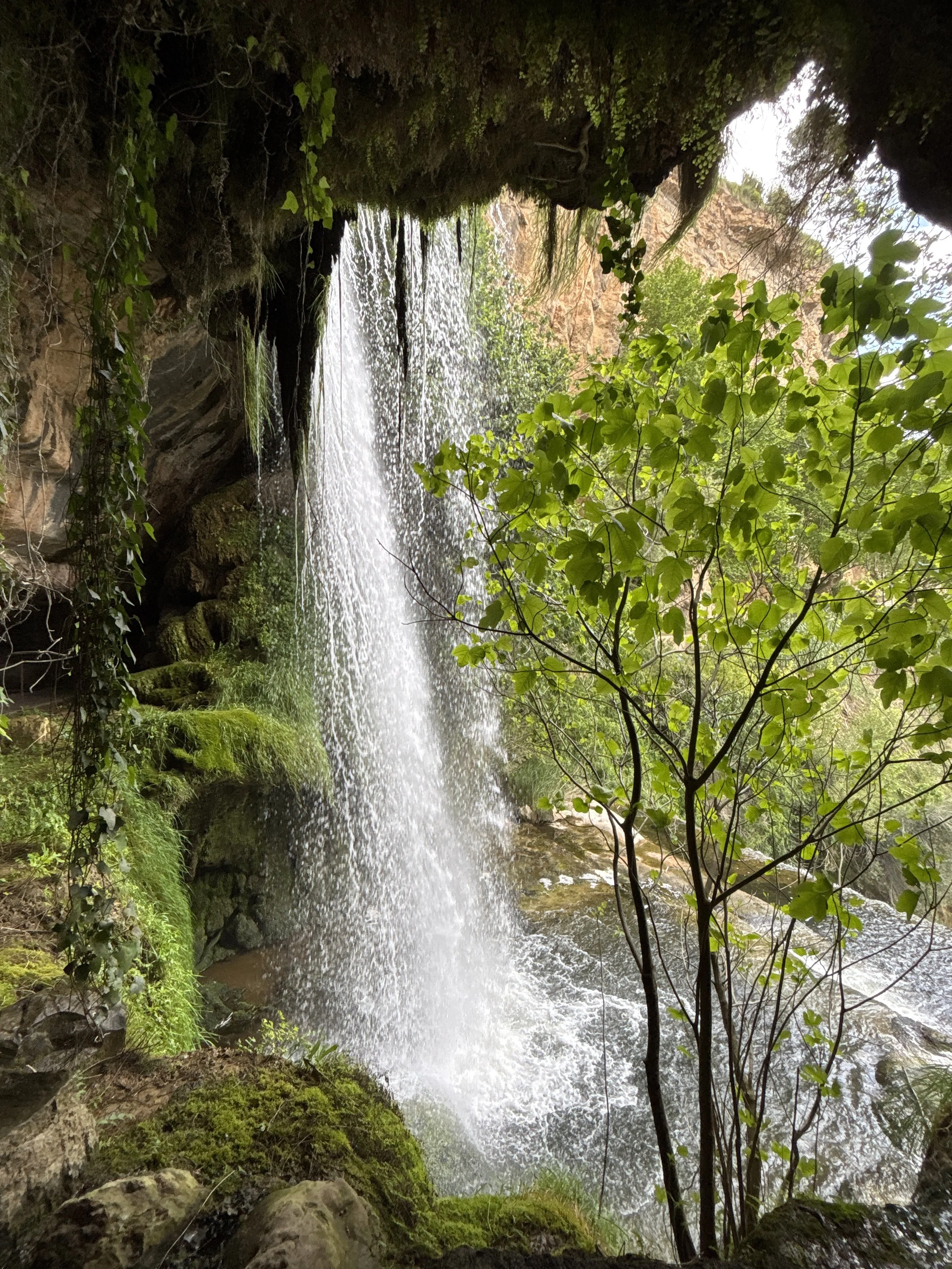
There is a path that runs all along the cliffs and takes you to one of the highlights: the waterfalls.
Now, if you have been to Niagara Falls, Iguaçu or even the Rhine Falls in Switzerland, be warned, the ones at Sant Miquel del Fai are in not in the same league. Nevertheless they are quite impressive when seen from up close, particularly because you can get quite close to them, making this a rather immersive experience!
The monastery at Sant Miquel del Fai was secularized in 1567, with the monks leaving and the place turned into a regular priory. It is at this time when the site got most of its current appearance, with the construction of the priory house as well as the northern access path and the bridge that is now used by most visitors.
After a general privatization of church lands in the 1830s, Sant Miquel del Fai was acquired by a family, which turned it into an inn. This coincided roughly with the start of tourism in the 19th C. and Sant Miquel del Fai became a popular destination on account of its natural beauty and relative proximity to Barcelona.
The Diputació de Barcelona (the provincial government) acquired the site in 2017 and embarked on an ambitious process of restoration, which concluded in 2023.
A nice place to eat near Sant Miquel del Fai
El Racó de la Fonteta (Sant Feliu de Codines)
Plaça Josep Umbert Rosàs, 08182 Sant Feliu de Codines
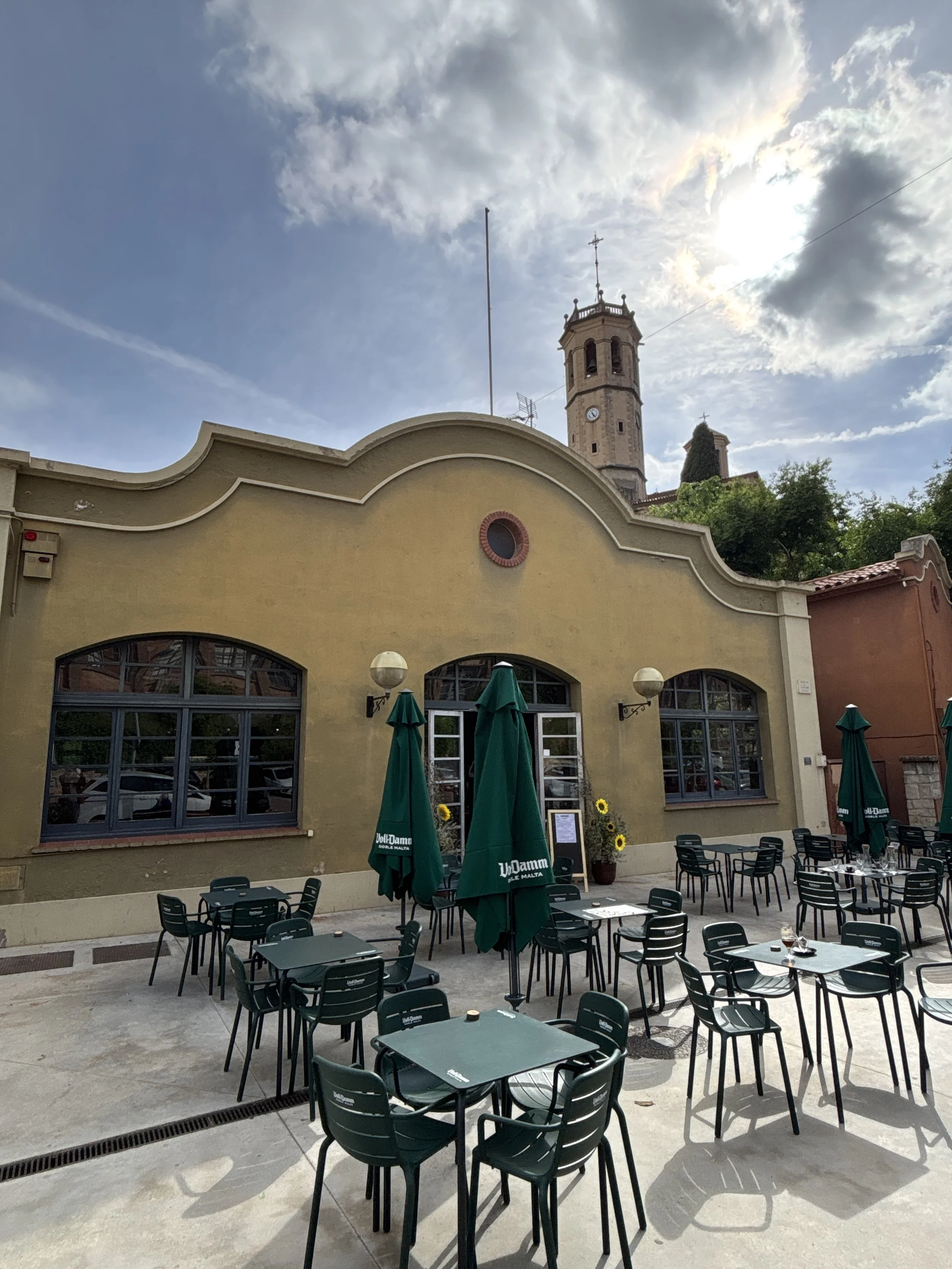
It is a nice idea to combine a visit to Sant Miquel del Fai with lunch in the nearby town of Sant Feliu de Codines.
Perched on a mountainous plateau with views, this town preserves an elegant character from its days as a popular summer retreat for well-off Barcelona families, who built villas here. It also has a handful of restaurants and I am happy to recommend one of them which totally surpassed our initial expectations.
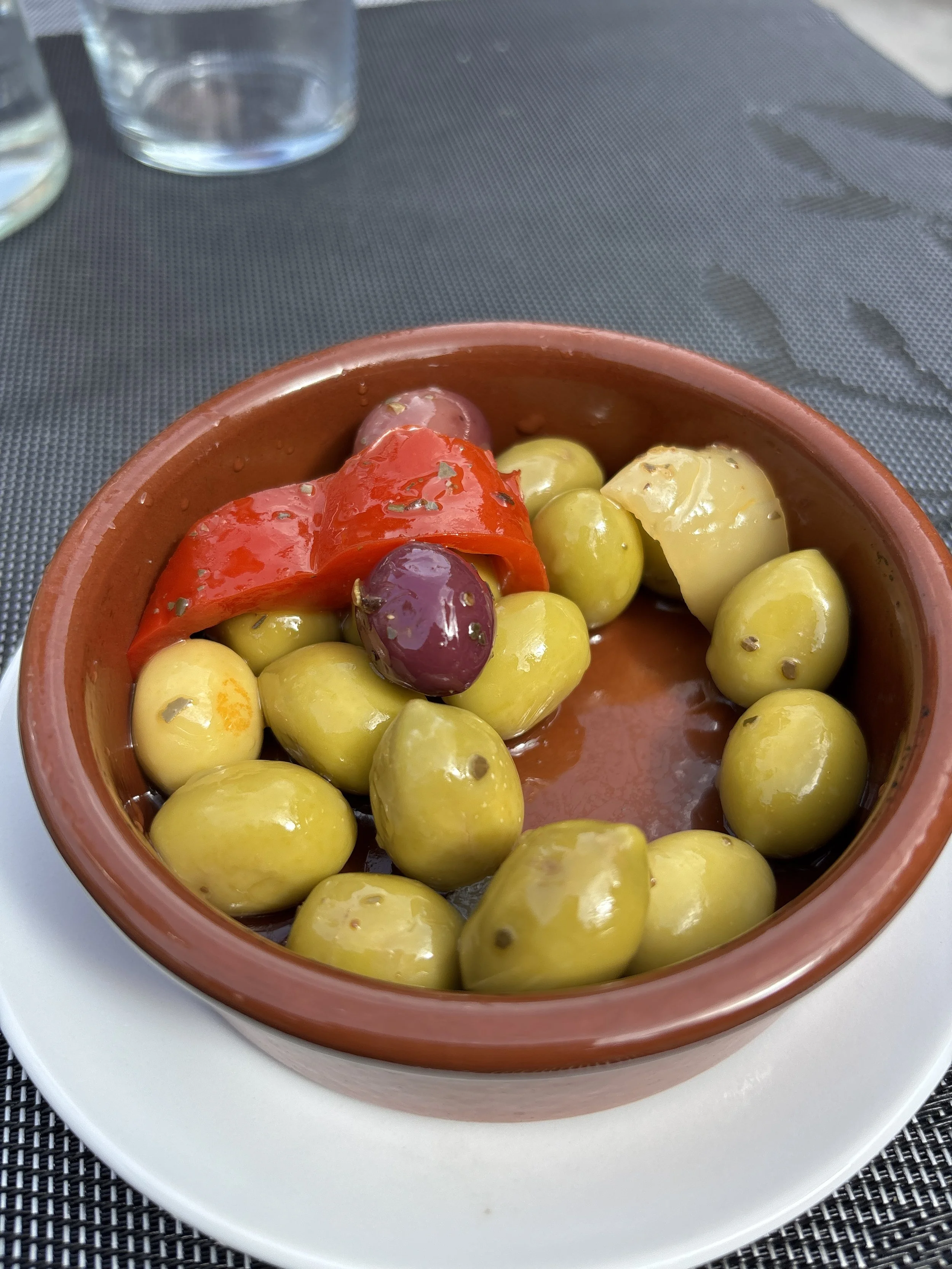
The “Racó de la Fonteta” is located next to the town’s civic center and it offers a great value menu. Rations are abundanat, of good quality and served in a really nice and elegant way.
What’s more, the service was impeccable throughout and, no doubt, I would come back!
3 - The salt mountain and castle of Cardona
If the two previous suggested excursions can be completed as a half a day outing, this one is more of a full-day excursion. Like the other two locations, Cardona is also rather unique.
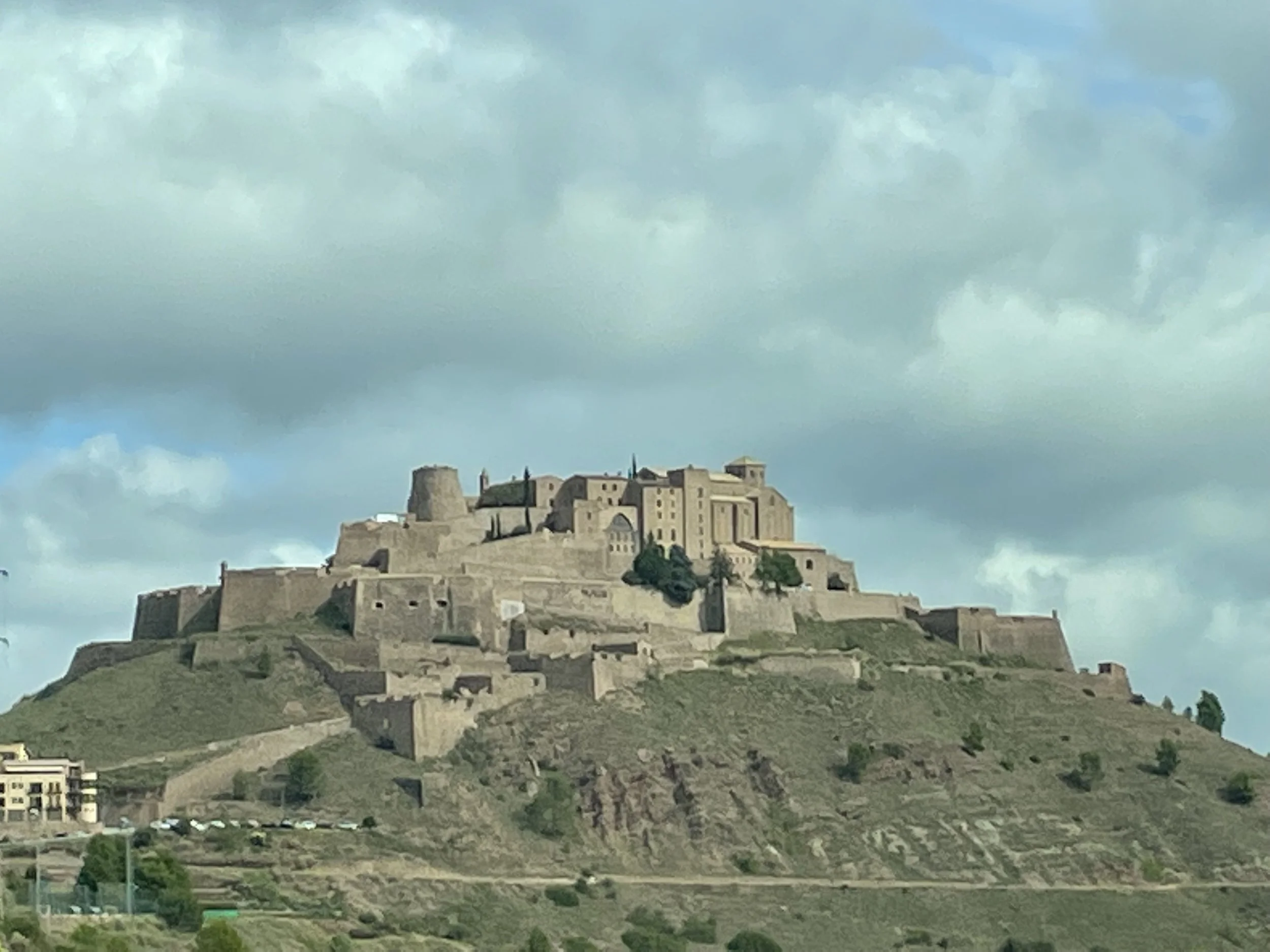
It combines a natural and a historical wonder in one place: its mountain of salt,. which is the site of one of Europe’s most ancient and spectacular salt mines, as well as a majestic medieval castle which was never taken by the force of arms.
How to get to Cardona
The simple answer is: get there by car.
To be clear, there is a regular bus service from Barcelona (alas, no rail!), but it is quite slow, around 2h, and it has limited frequencies.
If you are driving, instead, it will take you a bit more than an hour to get to Cardona, taking the C-16 motorway (toll road) to Manresa and then road C-55 direction Solsona.
Having a car will also facilitate movement between Cardona’s two main sites, its castle and the Salt Mountain Cultural Park, which are in opposite ends of the town.
Cardona’s Monumental Castle
This castle is, easily, one of the most spectacular in Catalonia. Its origins date back at least to the 9th C. when Cardona was one of the southernmost outposts of the Catalan counties and, in fact, of Western Christendom, in their fight against the Saracens which had been occupying part of the Iberian Peninsula since the early 8th C.
The location of this frontier castle, is, of course, not random and is connected to the need to protect the nearby salt mountain, an incredibly valuable resource in that era of history.
The castle of Cardona was a work in progress for many centuries, which have given it the imposing aspect it has today.
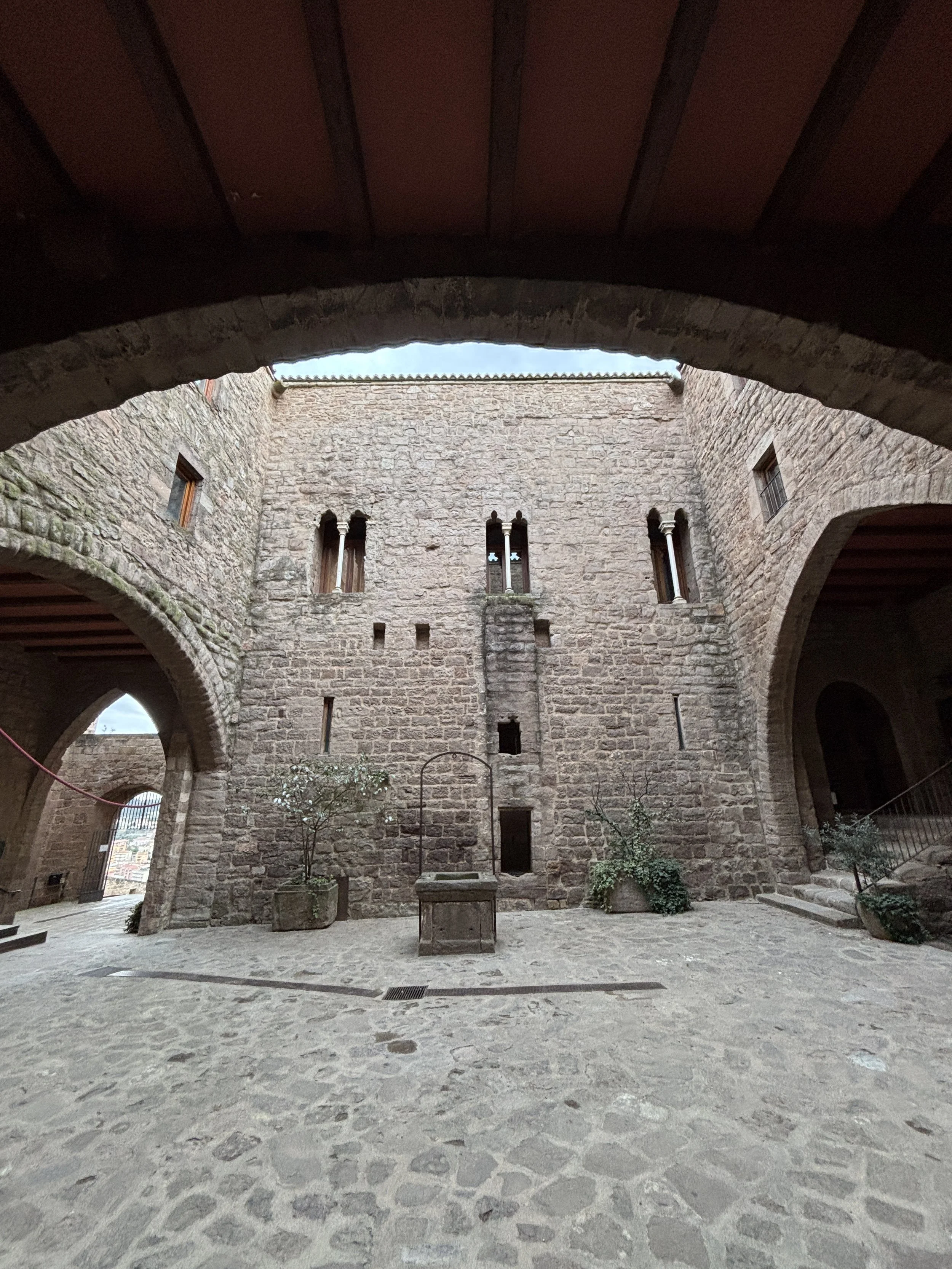
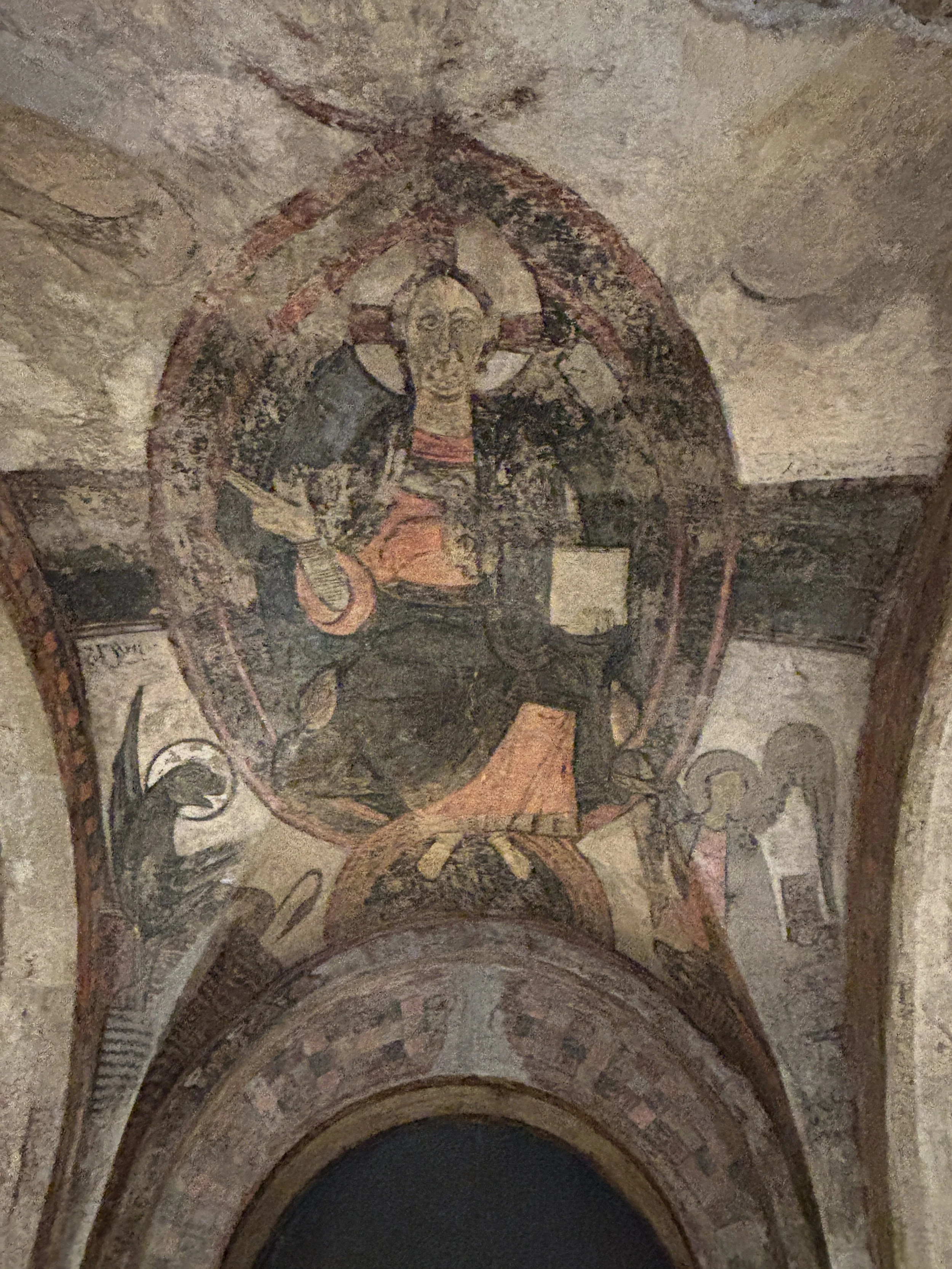
Nowadays you can not only visit the castle to admire the view from the village. the surrounding landscape and its 11th C. Romanesque church, the “Col·legiata de Sant Vicenç”, but you can also spend the night in it!
This is because the Castle of Cardona has been turned into a hotel and is part of the “Paradores” network, a government-owned hotel chain which manages hotels located within historical monuments all throughout Spain. It is said that the “Parador de Cardona” has even a haunted room!
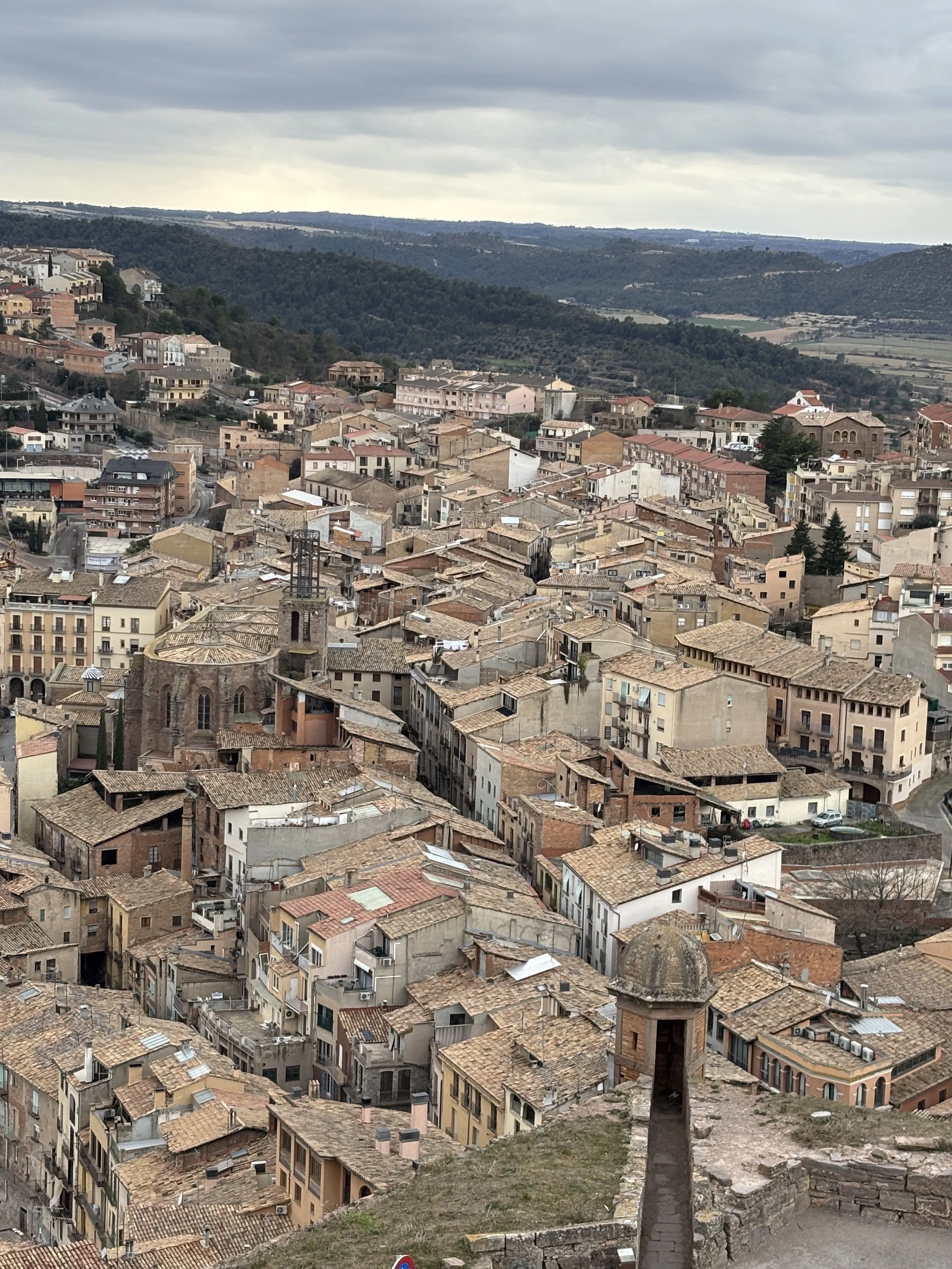
The castle commands great views of the town and the adjacent areas, including the Salt Mountain, which we’ll see next.
Visiting the Salt Mountain of Cardona
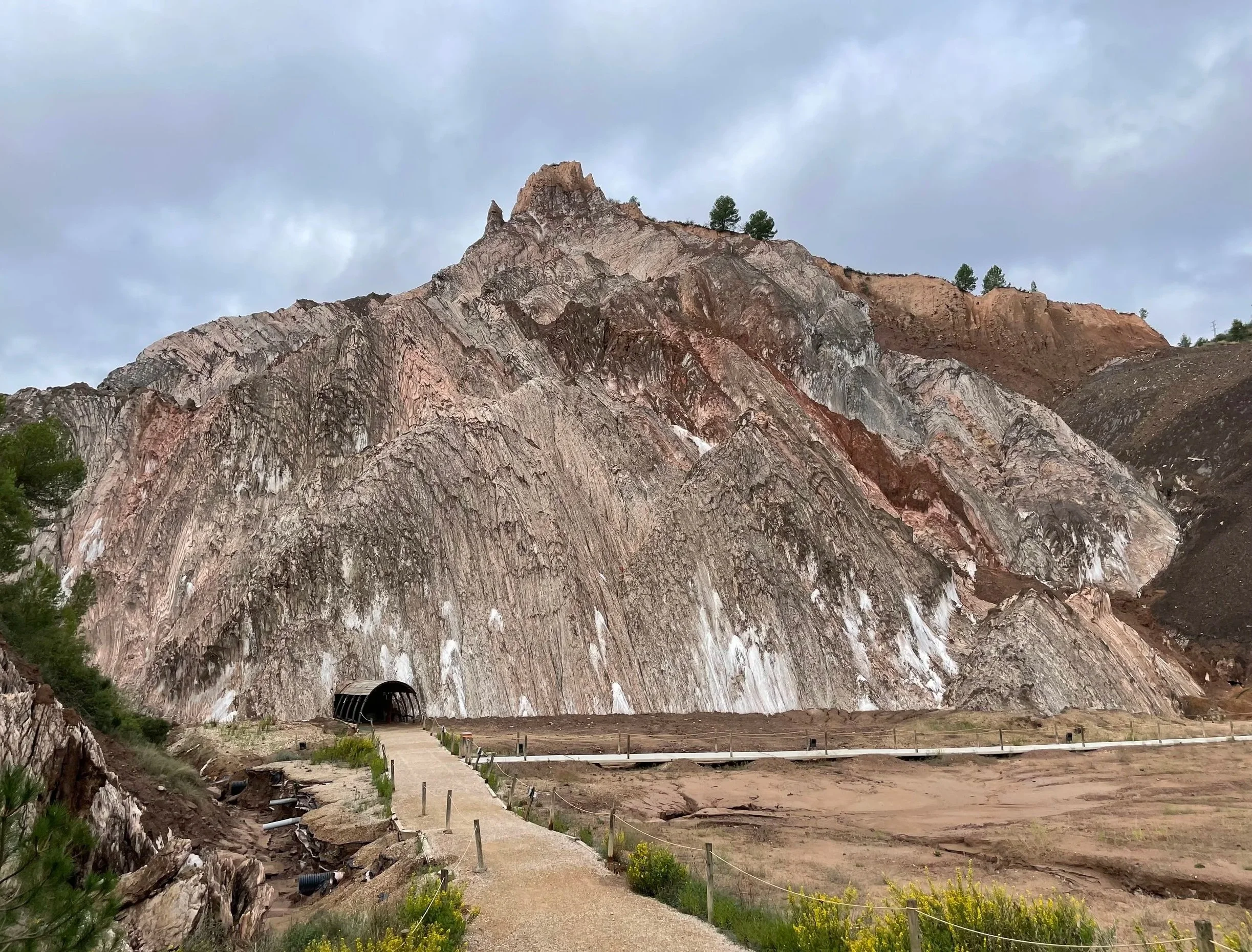
The Salt Mountain would, by itself, make the trip to Cardona worthwhile. Cardona is one of a handful of sites in Europe, such as Hallstatt in Austria and some others, that have been known since very early Antiquity for its salt deposits.
Salt mining has been going on in Cardona since at least Roman times, but very likely earlier than that. Salt was incredibly valuable at the time, since it was used extensively to feed cattle and was also currency and a medium of exchange as well.
To that, in the early 20th C. you can add the exploitation of Potash, which brought modern industrial mining to Cardona and thousands of migrants from all over Spain. While some of the other villages in the area are still fully engaged in this activity, industrial mining ceased in Cardona in the early 1990s, when its exploitation became uneconomic, and the mine has since been mostly a tourist attraction.
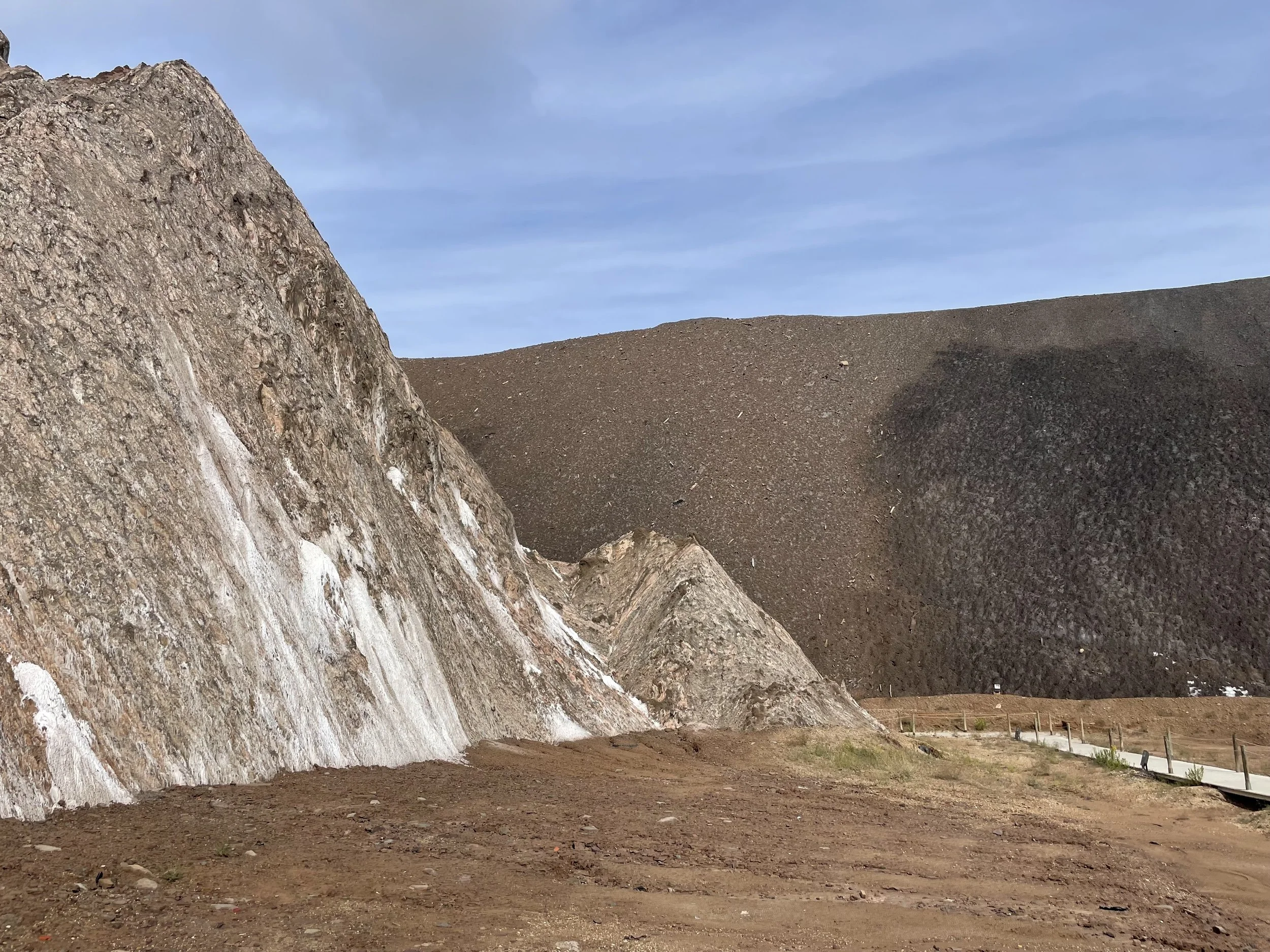
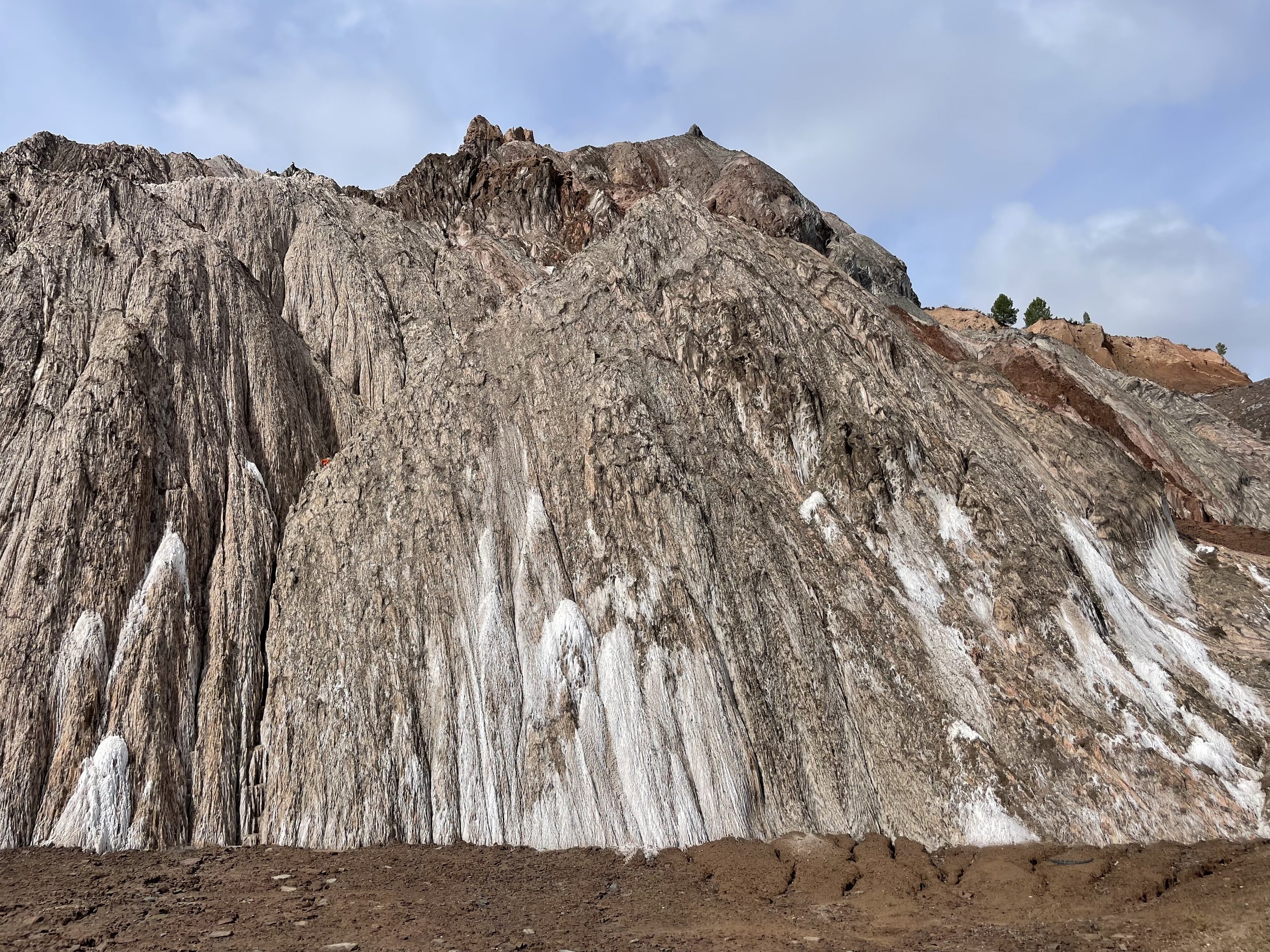
Cardona’s Salt Mountain Cultural Park is quite an interesting place. It has two components: one is above ground and it is a conventional museum and visitor’s center, where you can tour some of the mine’s facilities and learned how miners lived and worked there during most of the 20th C.
The other, and more unique part of the experience is the visit to interior of the Salt Mountain.
There are different slots to visit the mine, always with a group, since you are driven to the entrance, which is at the bottom of a rather steep valley, in a 4×4 vehicle. There you walk along a demarcated trail which takes you through some of the mine’s old galleries.
Before getting into the mine you are given a plastic cape and helmet, in part to protect you clothing, since salty sediments can drop at any time from the ceiling of the galleries.
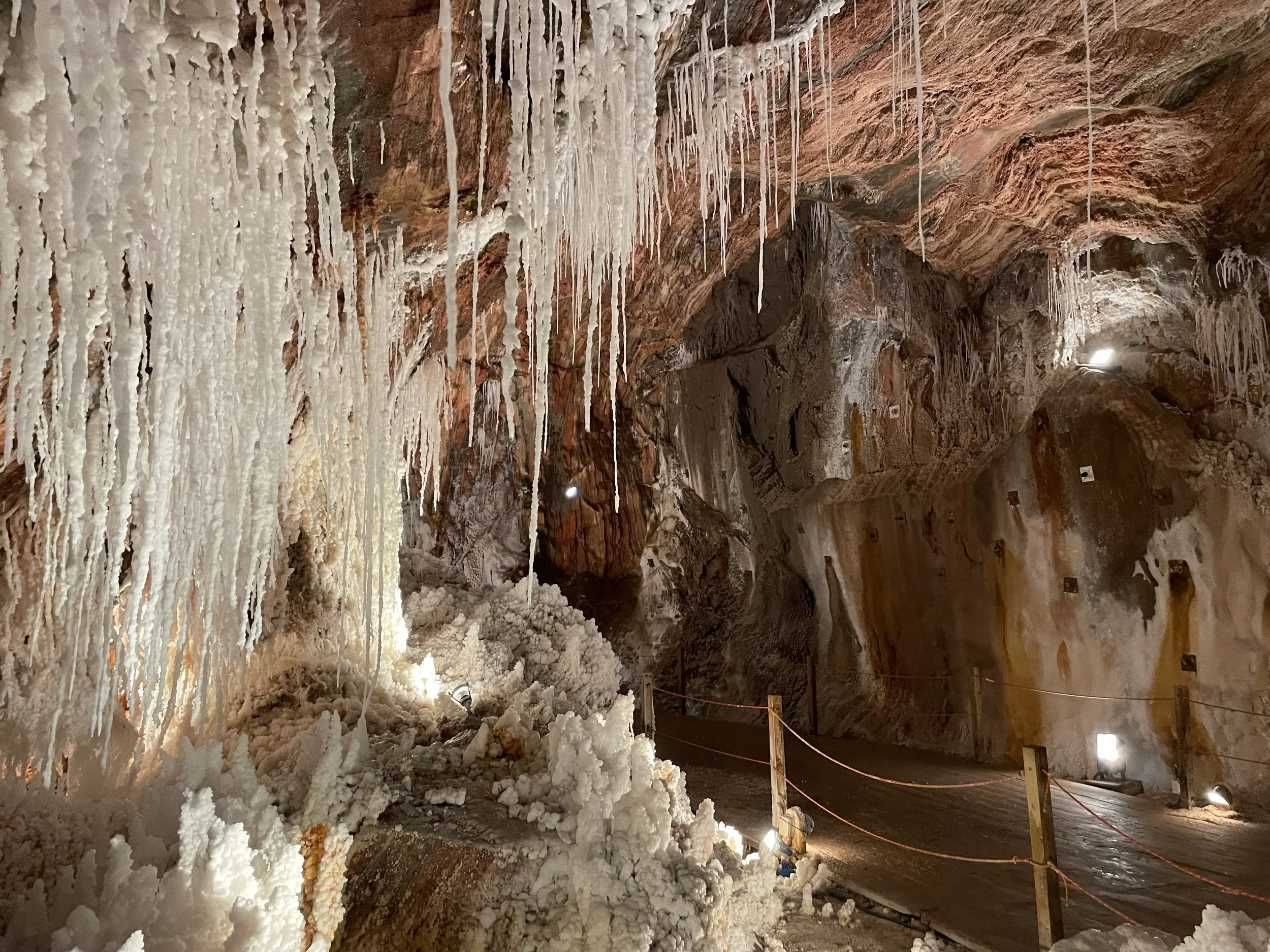
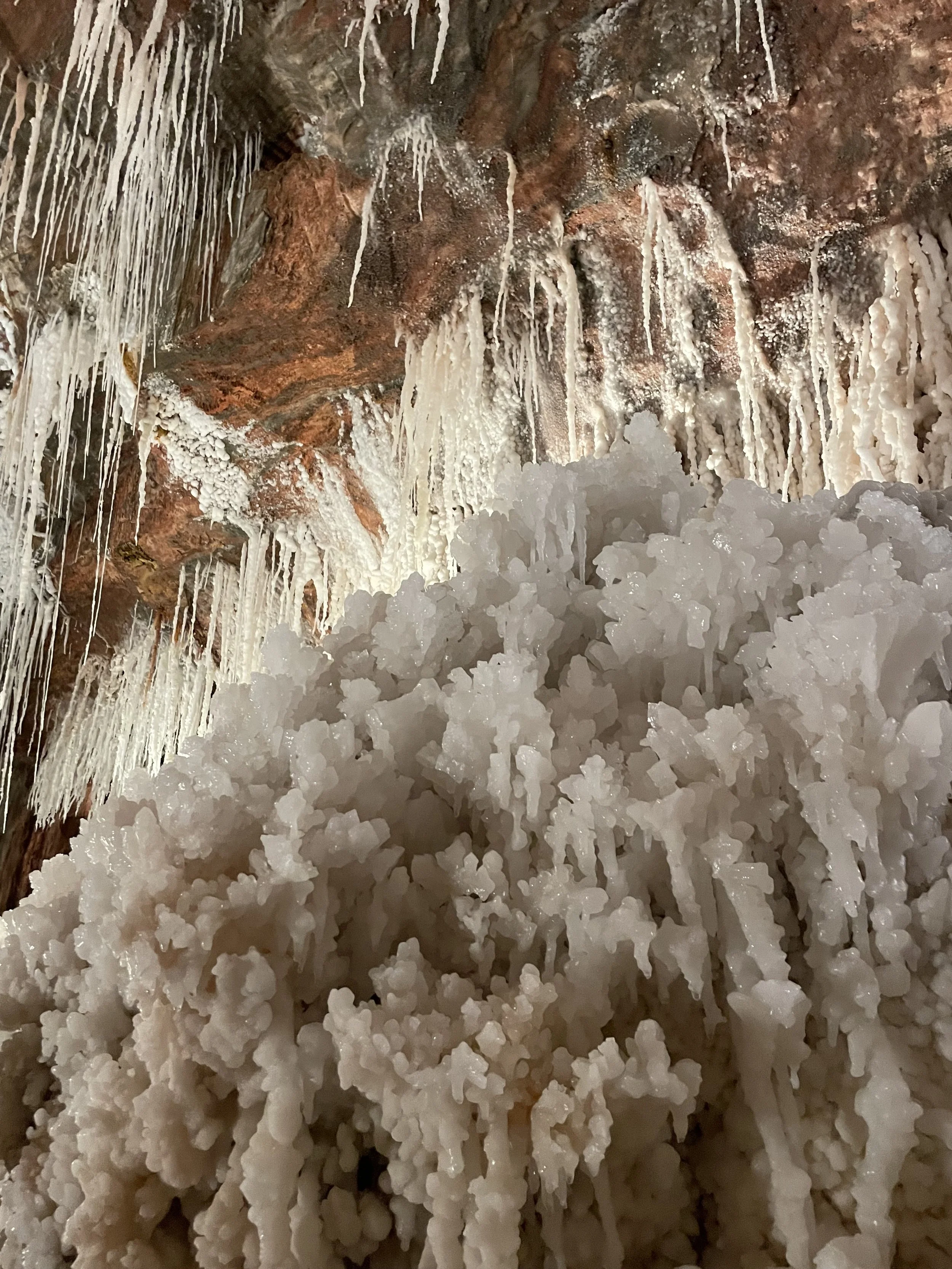
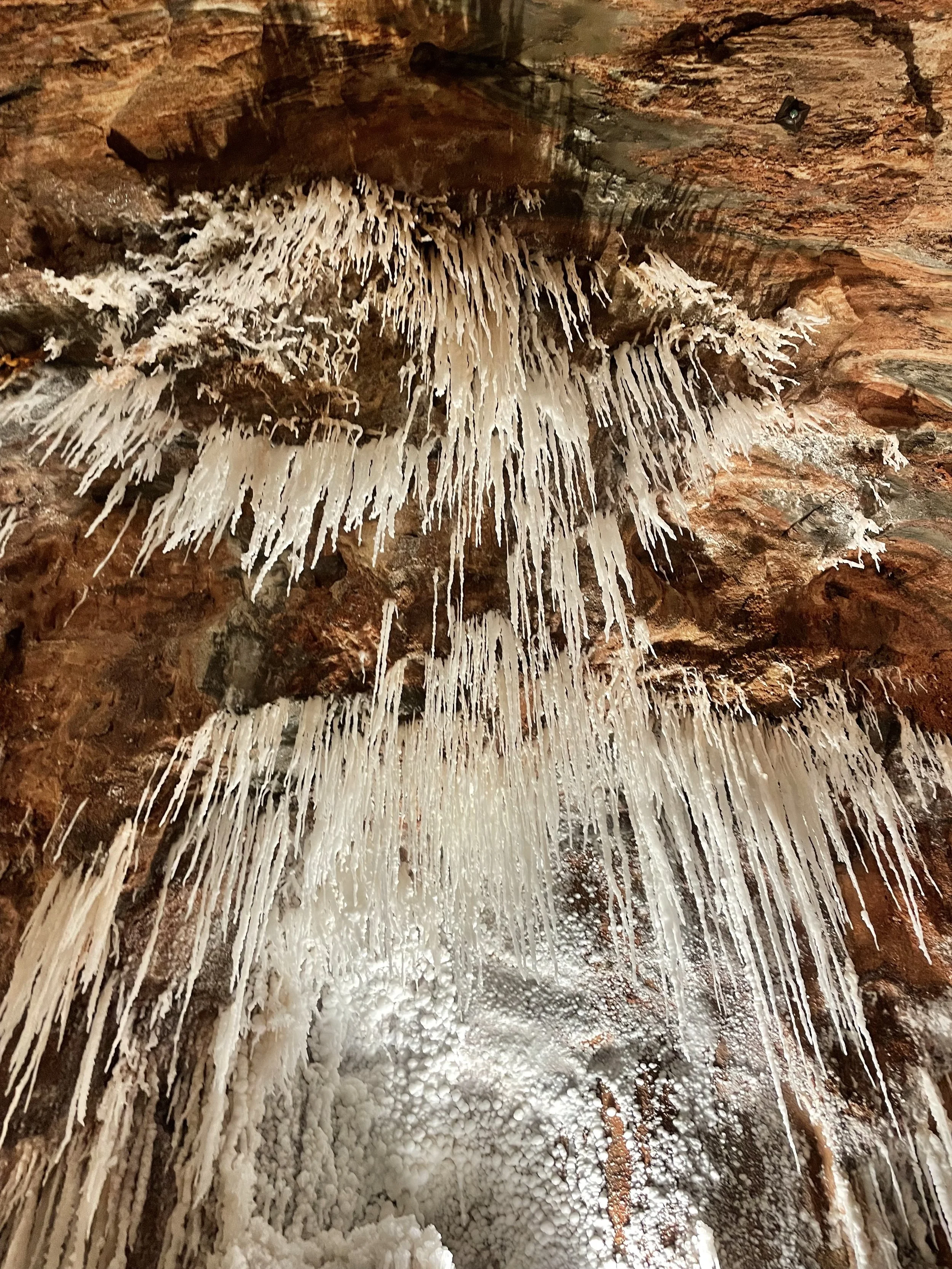
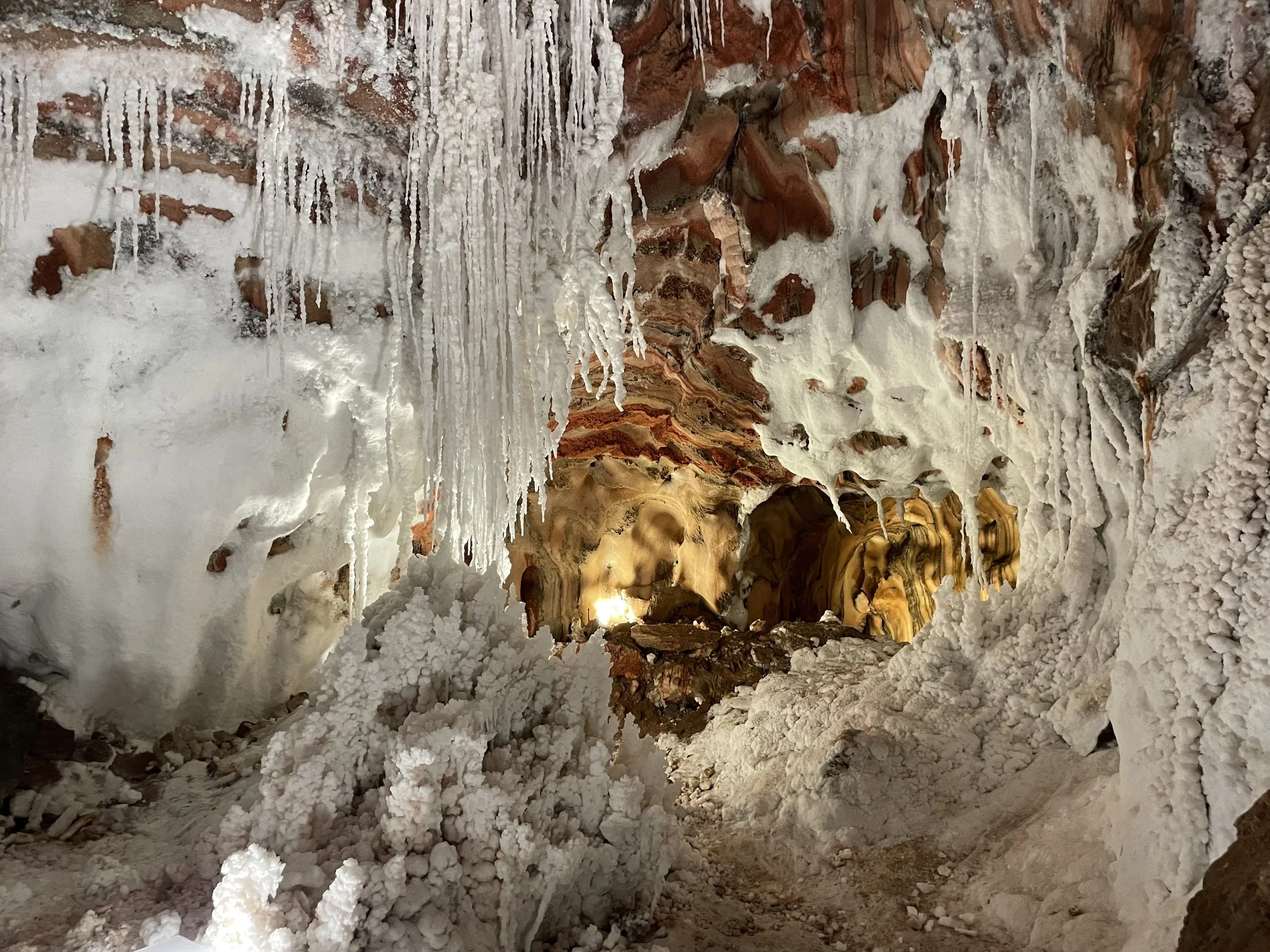
Entering the Cardona salt mines is like stepping into a fantasy world full of many different shapes and structures formed by the continued salt deposits.
The mine is actually a dynamic environment, since water and salt continue to carve the interior of these galleries constantly. At one point in the visit you can even see an old wooden ladder, which was forgotten there by some miners some time many decades ago and have since become pretty much like another mineral formation.
A nice restaurant in Cardona
La Volta del Rector
Carrer de les Flors, 4, 08261 Cardona
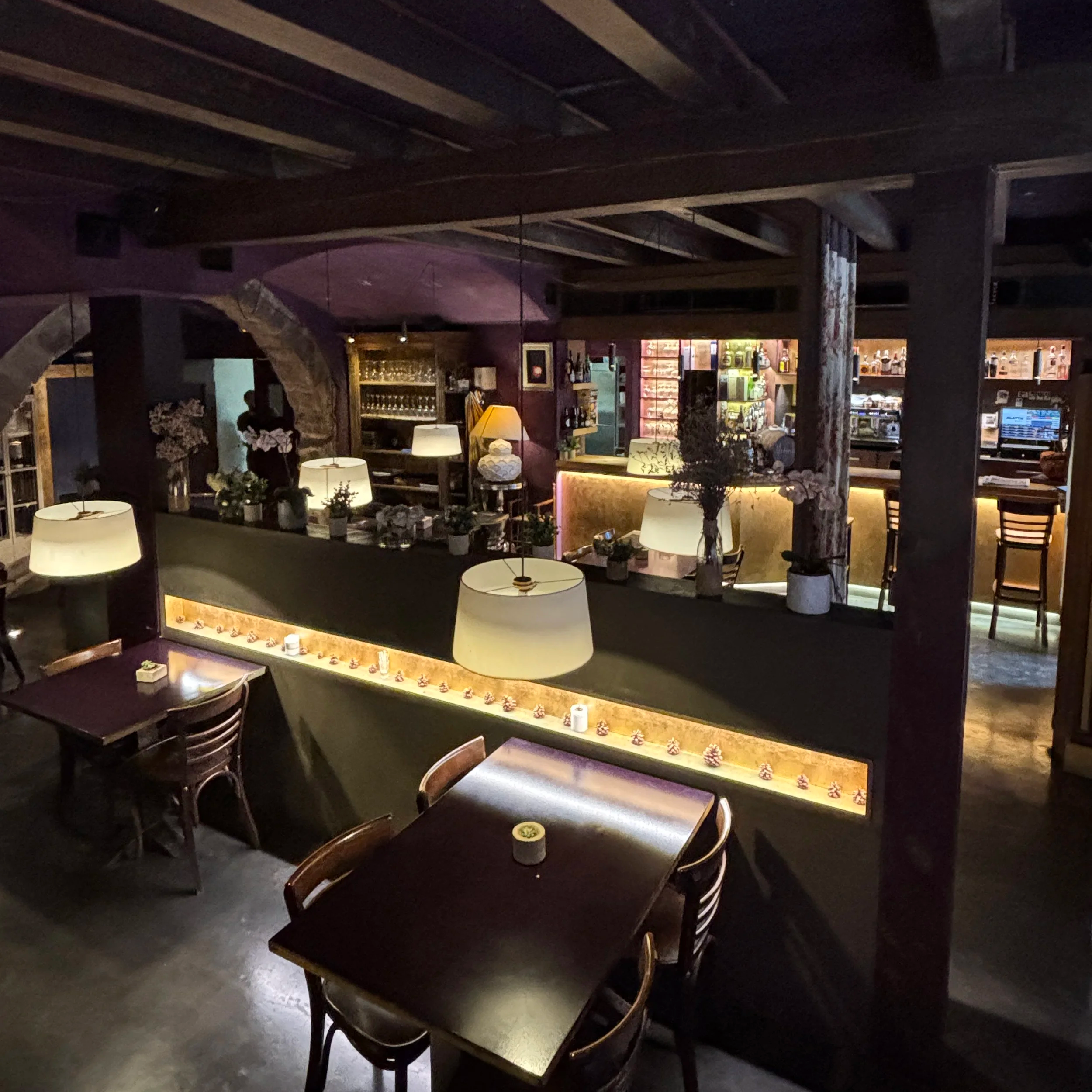
If you visit Cardona, La Volta del Rector is a great choice of restaurant to refuel and taste some local, hearty produce.
It's located in the heart of Cardona's old town, so it also offers a chance to combine it with a walk through its picturesque streets.
The setting is rather elegant, with a modern touch, but keeps a sense of rural authenticity.
Prices are well balanced, and it offers good value for money.
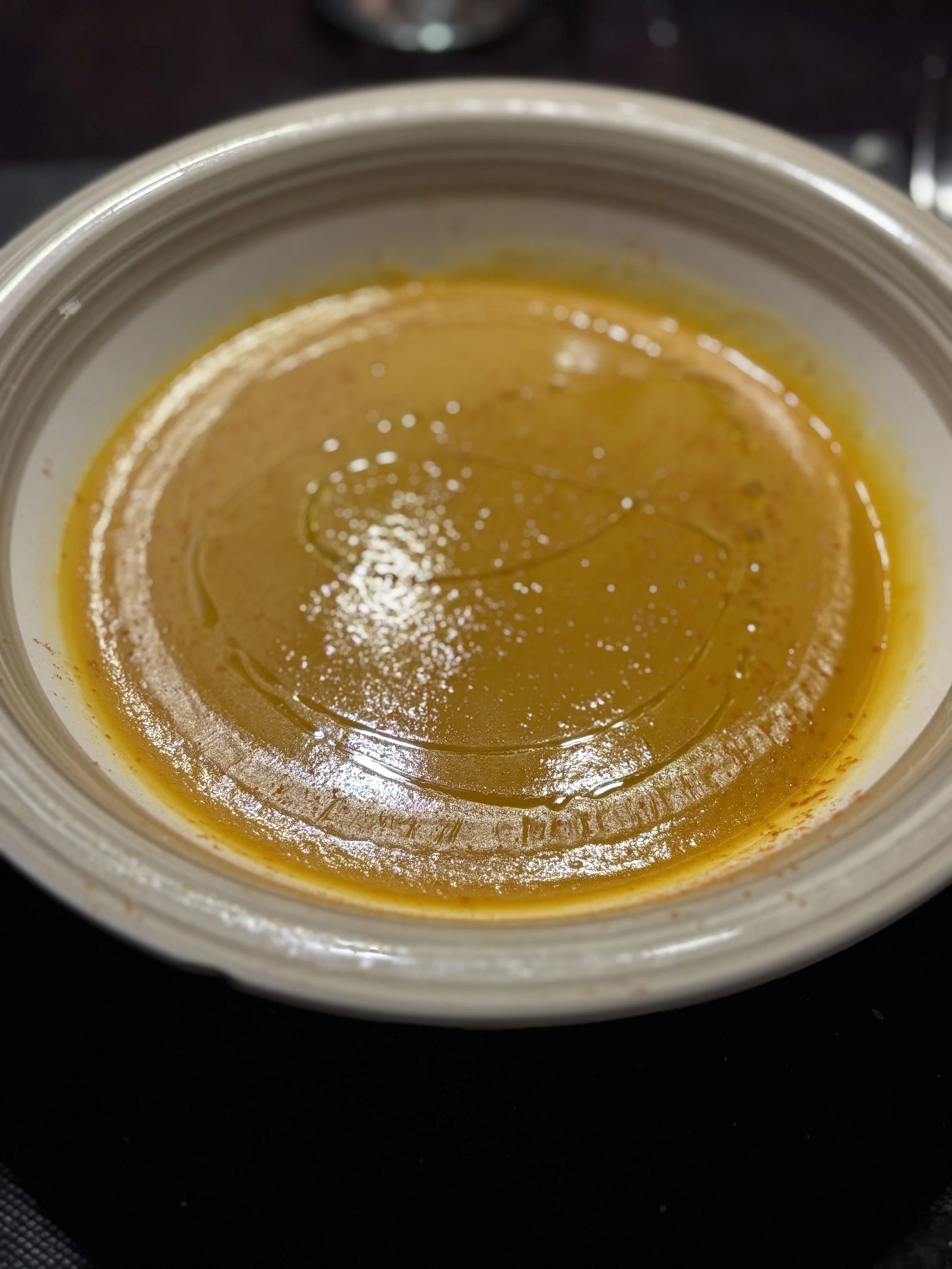
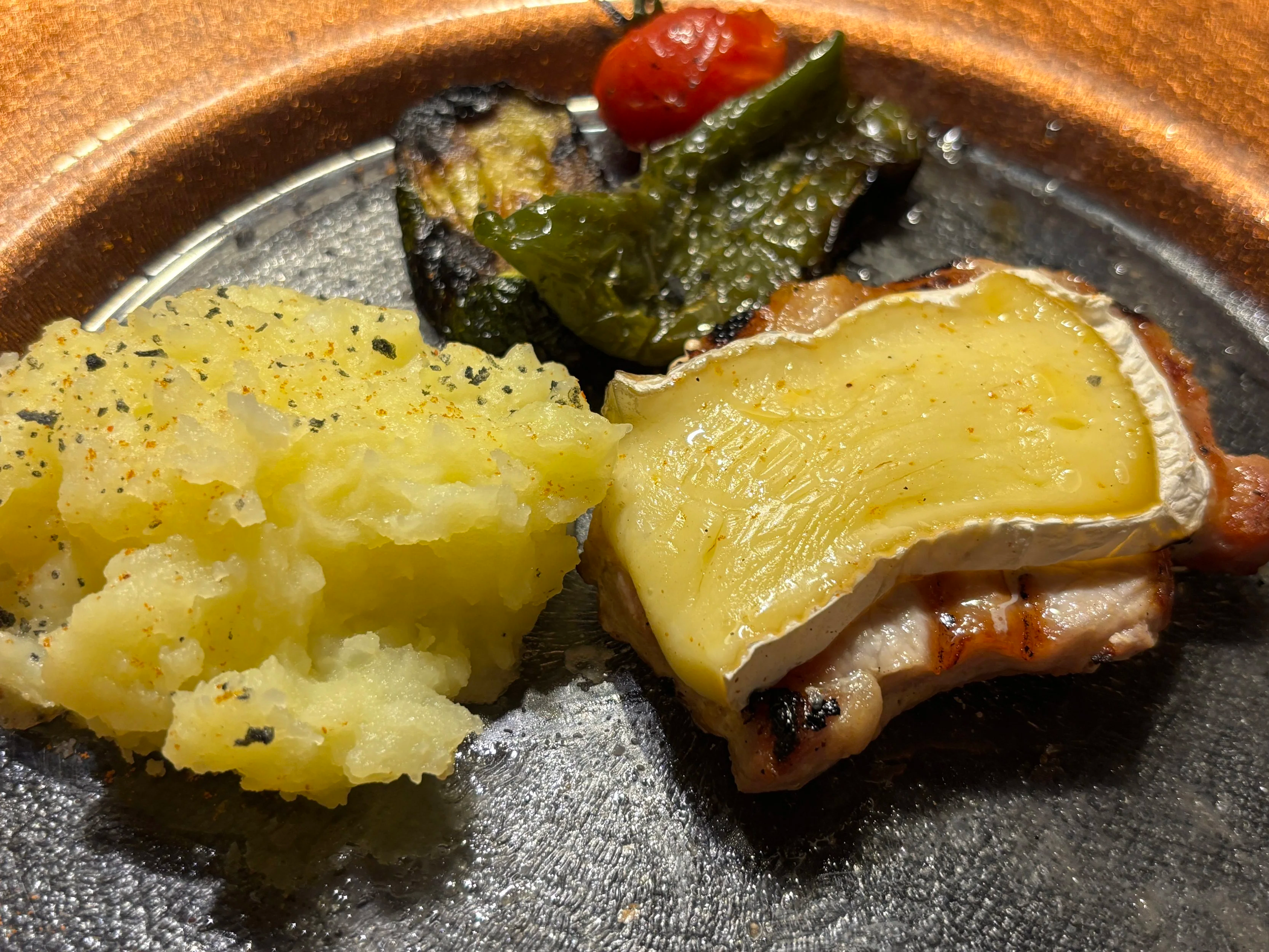
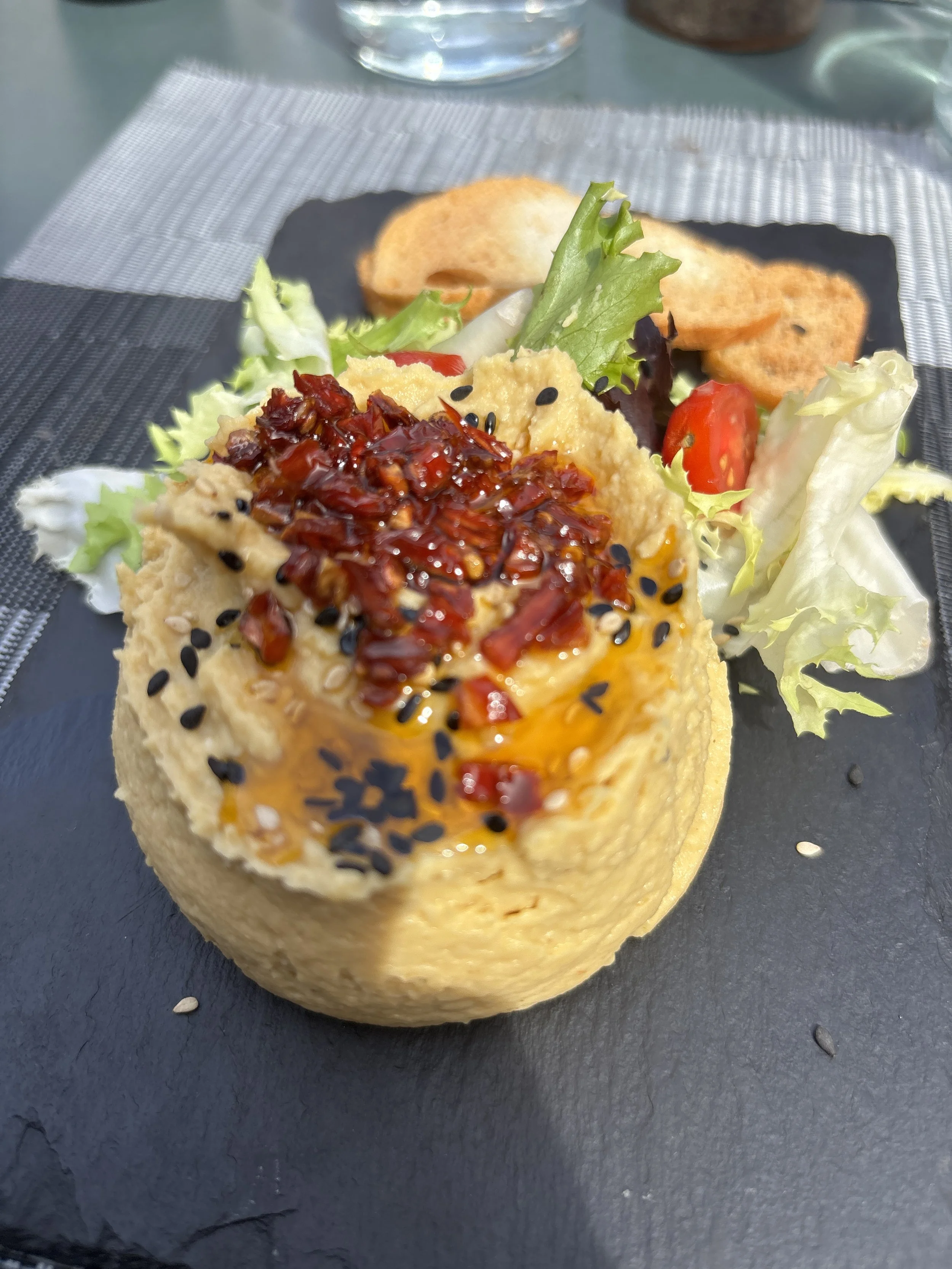
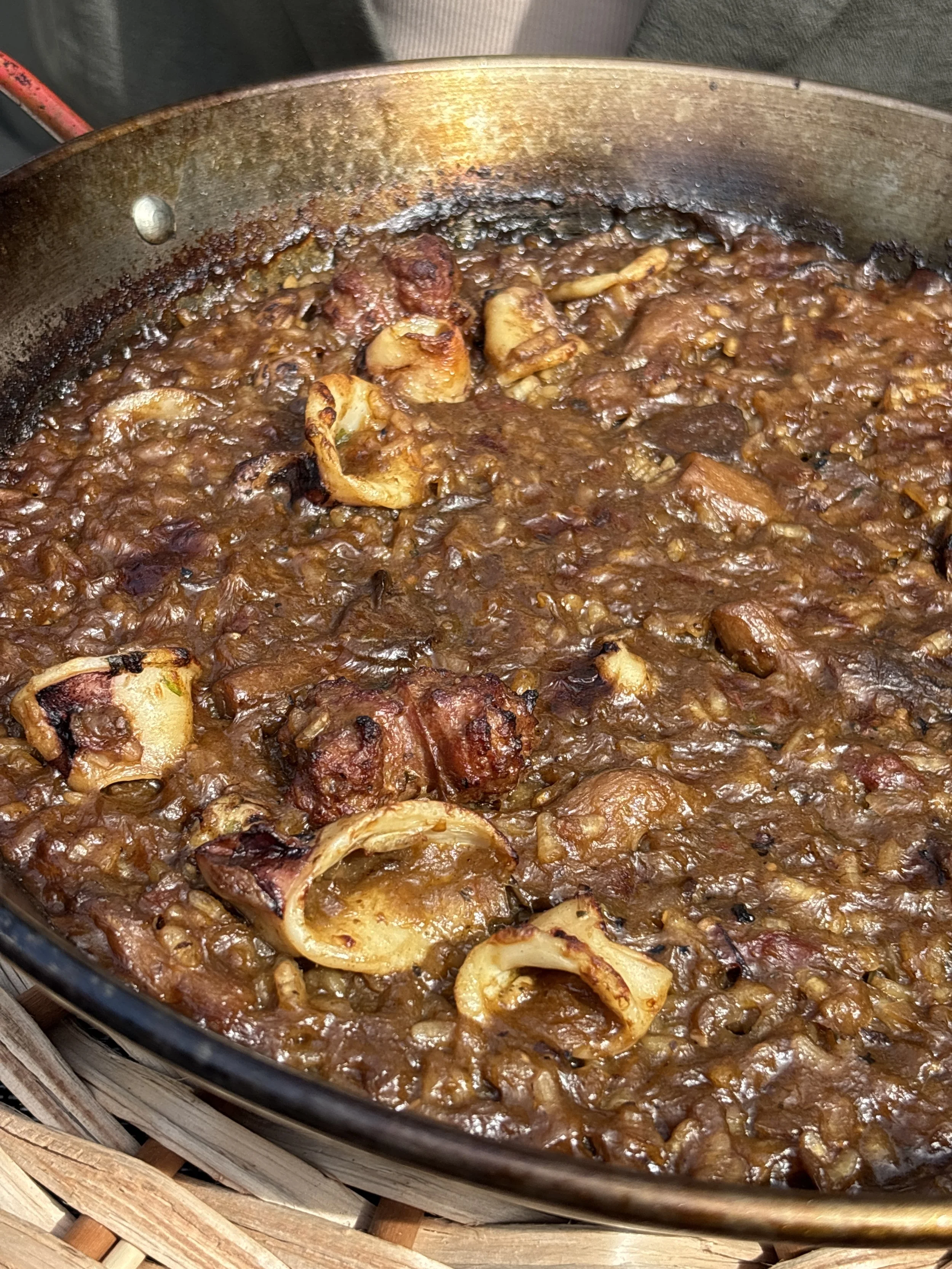
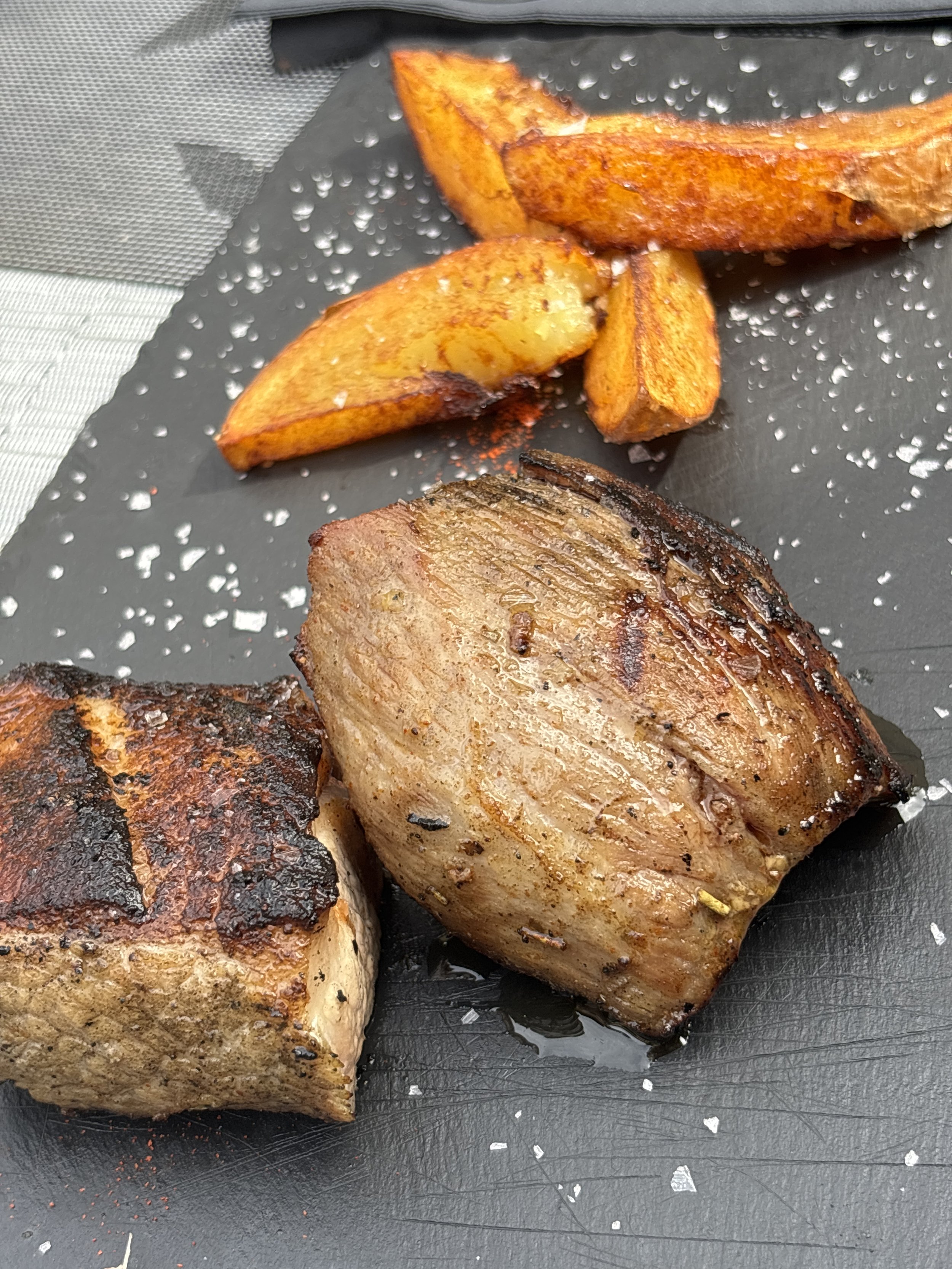
Here you can see some of the dishes I tried at La Volta del Rector. Overall it was pretty good quality. The service was also pretty good throughout.
